Alkaline
now browsing by category
The Surprising Health Benefits of Baking Soda
Reproduced from original article:
https://articles.mercola.com/sites/articles/archive/2025/08/05/baking-soda-health-benefits.aspx
Analysis by Dr. Joseph Mercola August 05, 2025
Story at-a-glance
- Baking soda, derived from natural mineral deposits, has been used for centuries and continues to gain attention for its alkalizing effects and wide-ranging health benefits
- Its pH-balancing power helps ease acid reflux, reduce inflammation, and may even slow cancer growth by creating a less acidic environment around tumors
- Baking soda helps whiten teeth, soothe skin rashes, neutralize body odor, and relieve urinary infections, making it a natural go-to for home remedies
- When used before workouts, baking soda helps buffer muscle acidity for better endurance, and studies suggest it may slow the progression of chronic kidney disease
- Beyond the body, baking soda safely deodorizes fridges, brightens laundry, clears drains, and even removes pesticides from produce — all without harsh chemicals
Baking soda is one of those ubiquitous, all-around items you always have at home, but did you know that aside from making your homemade bread fluffier and your refrigerator or cabinets smell fresher, it has a wide range of uses outside the kitchen as well?
From health and hygiene to everyday household tasks, baking soda has quietly earned its place as a trusted remedy in many homes — and science is starting to take notice of its potential, too.
What Is Baking Soda and Why Is It So Useful?
Also known as sodium bicarbonate, baking soda (NaHCO₃) is a white crystalline powder that’s composed of sodium, hydrogen, carbon, and oxygen. It’s a naturally alkaline compound — in fact, one of its main functions is to maintain pH balance by neutralizing excess acids or bases. Here are some more interesting facts about this product:
• Baking soda existed in nature 4 million years ago — When salt lakes worldwide evaporated, they formed mineral deposits called trona. This is a rock that’s then processed into soda ash (sodium carbonate). Soda ash is a naturally occurring mineral that’s then processed into baking soda. So while this product can be produced synthetically, the majority of commercially sold brands still come from these natural mineral deposits. In the U.S., the largest trona deposits are found in Wyoming.1
• It gained widespread attention during the 19th century — American bakers Austin Church and John Dwight founded the first baking soda factory in 1846, called Church & Co. When Church’s son joined the company, he changed the company name to Arm & Hammer, and also created the company’s iconic logo.2
• Baking soda’s power lies in its alkalinity — It measures around 8.3 on the pH scale, which is just above neutral. This means it effectively counteracts substances with low pH (acids), making it useful for addressing acid-related issues such as heartburn or even skin irritations.
When it’s mixed with an acid — like vinegar or lemon juice — this compound acts as a chemical leavener and produces carbon dioxide gas. This is the bubbly lift needed in recipes to make cakes and cookies rise, giving them a moist and fluffy texture.3
• Did you know that your body naturally produces baking soda, too? In the video above, Dr. Eric Berg explains how this works:4
“In the stomach, you have this super acidic mixture — a pH between 1 and 3 — and then it goes into the small intestine, where it should go up to maybe 6 or 7, sometimes even 7.5 … The neutralization of stomach acid is very important. If we don’t neutralize the stomach acid, we get severe irritation and inflammation in the small intestine. Sodium bicarbonate from the pancreas helps to neutralize this acid.
Bicarbonate isn’t only produced by the pancreas. The bile ducts — the small tubes connecting the liver and the gallbladder — also secrete bicarbonate.”
8 Ways to Use Baking Soda for Your Health
Baking soda’s acid-neutralizing property makes it a versatile remedy for various ailments. Its ability to adjust pH levels has been studied not just for digestive comfort, but also for enhancing athletic performance, soothing skin issues, and even supporting the body’s immune and inflammatory responses. Below are some notable uses of this compound:5,6,7
1. Provides digestive relief — Baking soda’s ability to neutralize excess stomach acid provides fast relief from indigestion, heartburn, and acid reflux. Do this by diluting a small amount — typically a 1/4 teaspoon in a cup of water — and sipping it whenever symptoms arise.
2. Protects against inflammation — Conditions like arthritis and gout are rooted in inflammation, and drinking a tonic made from baking soda and water will help lower inflammation. According to research, the antacid properties of baking soda help shift proinflammatory immune cells to anti-inflammatory ones.8 Read more about baking soda’s anti-inflammatory effects in this article, “Baking Soda — Inexpensive Treatment for Autoimmune Diseases.”
3. Promotes better oral health and hygiene — Thanks to its mild abrasiveness and alkalinity, baking soda helps remove surface stains on teeth, freshen breath, and reduce plaque buildup. Many toothpastes include baking soda to neutralize acids that erode enamel and create an inhospitable environment for harmful bacteria. Mouth rinses made with baking soda and water will also soothe canker sores, reduce acidity in the mouth, and support gum health.
To use it for teeth whitening, the Hearty Soul recommends mixing equal parts baking soda and water, then brushing it gently for two minutes, then rinsing thoroughly.9 For gargling, add half a teaspoon to four ounces of warm water and gargle as you would a mouthwash. This needs to be done in moderation.
4. Enhances your physical performance — When you exercise rigorously, your body produces lactic acid, which lowers the pH in muscle tissues and contributes to fatigue. Consuming baking soda before a workout may help buffer this lactic acid, delaying the onset of fatigue and improving endurance.
For athletes and fitness enthusiasts, a 2021 study recommends taking 300 milligrams of baking soda for every kilogram of body weight to reap its benefits. Ideally, take it between 60 and 180 minutes before your workout session.10
5. Reduces risk of chronic kidney disease — Some studies11,12 support the use of baking soda in slowing the progression of chronic kidney disease (CKD). In these cases, sodium bicarbonate supplementation helps neutralize acid levels in the blood, easing the burden on compromised kidneys. It’s believed that lowering blood acidity helps reduce damage to kidney tissue and delay disease advancement.
6. Eases urinary tract infections — Baking soda helps alkalize urine, offering relief for individuals prone to urinary tract infections (UTIs). When your urine is more alkaline, it creates an environment that helps minimize the growth of certain bacteria, helping reduce irritation and discomfort during infections.
7. Provides relief for bug bites, rashes, or sunburn — Make a paste using water and baking soda and apply it to the affected area to ease pain, itching, and redness. You can also add a cup or two to your lukewarm bathwater and soak in it. This remedy is also recommended to calm symptoms of psoriasis or eczema.
8. Works as a natural deodorant — Baking soda combats body odor because its alkaline nature decreases acidity in your underarms. When you sweat, the sweat itself doesn’t stink; however, when bacteria in your armpits break down this fluid into acidic waste, it causes bad odor to form. Pat baking soda directly on your underarms or by mixing it with a small amount of shea butter or coconut oil, then applying it on your underarms.

Save This Article for Later – Get the PDF Now
How Baking Soda Helps Support Cancer Treatment
One area where baking soda shows promise is cancer treatment; according to animal studies, baking soda’s alkalinity may contribute to slowing down cancer growth by creating a less favorable environment for tumors.
• Creating a more alkaline environment for tumors can help inhibit their growth — Cancer tumors are highly acidic, which helps them thrive and become resistant to treatments.13 Researchers investigated whether baking soda may be particularly beneficial in making the tumor’s environment alkaline and less conducive for growth.
• “Tumor alkalizing therapy” showed promising results — A 2024 animal study published in Frontiers in Oncology found that when mice with Ehrlich ascites carcinoma were given a baking soda solution, their lifespan was extended by 30 days more; to compare, mice that were given sodium chloride lived only 14 to 18 days longer. This showed that reducing the acidity around the tumors seemed to slow down the cancer’s progress.14
• They also tried this strategy with a human patient — The female patient was diagnosed with ovarian cancer, and had a buildup of fluid in her abdomen (ascites). She also wasn’t responding to chemotherapy. After receiving baking soda solution directly into her abdomen, her cancer marker levels significantly dropped, and the ascites disappeared.
“The preclinical and clinical results obtained using sodium bicarbonate perfusion in the treatment of malignant ascites represent a small yet significant contribution to the evolving field of tumor alkalization as a cancer therapy. They unequivocally affirm the good prospects of this concept,” the researchers concluded.15
While human research is still needed, these findings are promising and highlight the potential of baking soda as a supportive therapy. Another way by which baking soda may help with cancer is by easing the discomfort of cancer treatments. An article in Everyday Health recommends swishing your mouth with a mixture of baking soda, salt, and water to ease throat discomfort caused by chemotherapy or radiation. It also helps mouth sores from getting infected.16
Cleans, Deodorizes, and Protects — Baking Soda Uses for Your Home
While most people use baking soda to make fluffy cakes and chewy cookies, its usefulness stretches far beyond the mixing bowl. Whether you’re looking to ditch harsh chemical cleaners or find safe, affordable ways to freshen your home, this simple but versatile powder offers a powerful alternative. Here are some ways to use baking soda for household chores.
• Baking soda neutralizes and eliminates odors — Since odors are usually caused by acidic substances, baking soda’s alkalinity breaks them down at the molecular level. That’s why leaving a box of baking soda in the refrigerator or freezer is so effective at eliminating food smells. But you shouldn’t stop there, because there are many ways to use this product around the house:
◦Sprinkle it into the bottom of garbage cans, diaper pails, and litter boxes
◦Dust it all over musty-smelling carpets, cushions, or mattresses, letting it sit for 30 minutes before vacuuming
◦Remove pet odors from your dog’s bed
• Adding it to your laundry brightens clothes and removes odors — When your washing machine is in the rinse cycle, add a cup of baking soda to remove mildew smell. It also softens water, enhancing the effectiveness of your detergent. You can also pre-treat stains using a baking soda and water paste. Apply it to the stained area, let it sit for 15 to 30 minutes, and then wash as usual. This works well for food, oil, and even sweat stains.
• Wash your fresh fruits and vegetables with it — If you frequently buy conventionally grown produce, baking soda will help reduce your exposure to pesticides on the surface of your foods. One study found that soaking fruits like apples in a solution of baking soda and water removed 80% to 96% of pesticides from the surface — more effectively than either water alone or commercial rinses.17
To make your own produce wash, fill a clean basin or sink with water and add about four teaspoons of baking soda. Soak your fruits and vegetables for at least five minutes, then rinse thoroughly.
• Clean your jewelry and silverware — Baking soda even helps you restore shine to tarnished silver and dull jewelry. When combined with hot water and a piece of aluminum foil in a nonmetallic bowl, baking soda initiates an ion exchange that lifts tarnish off silver. Just soak the items for a few minutes and then rinse and dry thoroughly.
Use a soft toothbrush to help clean oils and dirt from surfaces, especially in hard-to-reach crevices. This method is especially appealing for those looking to avoid abrasive commercial silver polishes.
• Use it as a drain cleaner — Pour half a cup of baking soda down the drain, followed by an equal amount of vinegar. Allow the mixture to fizz and sit for 15 to 20 minutes before flushing with hot water. While it won’t replace a commercial-strength clog remover for serious blockages, it’s great for routine maintenance and keeping pipes smelling fresh.
How to Use Baking Soda Safely
While baking soda offers many benefits, remember that it is not without side effects — but only when used incorrectly or excessively. Bloating, gas, nausea, metabolic alkalosis (when the body’s pH is too high) or electrolyte imbalances due to its high sodium content could occur when used in high amounts. Here are a few precautions to keep in mind:
• If you’re ingesting baking soda, you need to moderate its intake — The Hearty Soul recommends starting small, typically half a teaspoon dissolved in a glass of water.
• Baking soda’s abrasive nature can damage your enamel — If you’re brushing with it, always gargle with plain water after.
• It could dry out your skin — If you’re soaking in a baking soda bath or using a homemade baking soda paste on your skin, make sure to moisturize afterward with a gentle, fragrance-free moisturizer or coconut oil to prevent dryness or irritation.
Frequently Asked Questions (FAQs) About Baking Soda
Q: What are the main health benefits of baking soda?
A: Baking soda helps relieve indigestion, soothe heartburn, reduce inflammation, improve oral hygiene, enhance physical performance, support kidney health, and help manage conditions like UTIs and skin irritations.
Q: How does baking soda help with digestion and acid-related issues?
A: Its alkalizing properties help neutralize excess stomach acid, offering fast relief from acid reflux, heartburn, and indigestion. It also supports enzyme activation in the small intestine for better digestion.
Q: Can baking soda really support cancer treatment?
A: Preliminary studies suggest baking soda may help by making the area around tumors less acidic, which could slow their growth. Early research in mice and one human case showed promising results.
Q: How can baking soda be used for skin, hygiene, and fitness?
A: It helps whiten teeth, soothe canker sores, calm rashes and sunburn, and act as a natural deodorant. Athletes use it to delay fatigue by buffering lactic acid during intense workouts.
Q: Are there household uses for baking soda beyond cooking?
A: Yes, it neutralizes odors in refrigerators, carpets, and laundry; cleans drains, silverware, and produce; and works as a nontoxic cleaner — all while being affordable and eco-friendly.
- 1, 3, 7, 16, 17 Everyday Health, July 19, 2024
- 2, 5 Integris Health, April 15, 2022
- 4 YouTube, Dr. Eric Berg DC, May 14, 2023
- 6, 9, 13 The Hearty Soul, May 27, 2025
- 8 J Immunol. 2018 May 15;200(10):3568-3586
- 10 Journal of the International Society of Sports Nutrition Volume 18, 2021 – Issue 1
- 11 J Am Soc Nephrol. 2009 Sep;20(9):2075-2084
- 12 Ther Clin Risk Manag. 2021 Dec 7;17:1321-1331
- 14, 15 Front Oncol. 2024 Feb 8;14:1342802
The Underappreciated Role of Carbon Dioxide in Health
Reproduced from original article:
https://articles.mercola.com/sites/articles/archive/2024/03/03/co2-benefits.aspx
The original Mercola article may not remain on the original site, but I will endeavor to keep it on this site as long as I deem it to be appropriate.
Analysis by Dr. Joseph Mercola March 03, 2024
STORY AT-A-GLANCE
- CO2 is typically thought of as nothing more than a harmful waste product of respiration, but it’s actually a driver of mitochondrial energy production, and it improves the delivery of oxygen into your cells
- One of the simplest ways to optimize your CO2 is by breathing properly. Most people tend to over-breathe, which causes you to expel too much CO2. Proper breathing involves breathing less and breathing slower. Both of these allow CO2 to build up, and that appears to be part of why breathwork has such wide-ranging benefits
- To have sufficient CO2 production, you need healthy mitochondria because CO2 is produced exclusively in the Krebs cycle in the mitochondria. If you have mitochondrial dysfunction, if you’re hypothyroid or have high levels of inflammation, then you will not be producing enough CO2
- When your CO2 is too low, your body reverts to an “emergency” vasodilator, nitric oxide (NO). Drawbacks of elevated NO include peroxynitrite species formation and pseudohypoxia. NO also damages the polyunsaturated fats (PUFAs) in your cells, and inhibits energy production
- CO2 combats cancer development by lowering the pH of the cell, thereby allowing extra water to be excreted. This is the opposite of linoleic acid (LA) and estrogen, both of which suck water in and cause the cell to swell. Cellular swelling is a feature of cancer cells
In this interview, repeat guest Georgi Dinkov reviews the role of carbon dioxide (CO2) in health. CO2 is typically thought of as nothing more than a harmful waste product of respiration, but it’s actually a driver of mitochondrial energy production, and it improves the delivery of oxygen into your cells.
While this may come as a shock to most people, of all the strategies I know of to increase life extension, CO2 is one of the most effective longevity interventions available. There really isn’t anything that comes close, other than a low linoleic acid diet and reducing estrogen dominance.
Unfortunately, virtually no doctors understand this. The now deceased Ray Peat, a biologist and physiologist who developed the bioenergetic theory of health,1 was one of the few who understood it inside and out, and actually recommended its clinical use.
I wrote an article about this that featured his lecture on CO2, which I watched six times as it catalyzed my interest in the topic. At the time I found his video there were fewer than 2,000 views on YouTube. You can find it by going to YouTube and typing in Ray Peat CO2.
Proper Breathing Is Important for Optimal CO2 Levels
One of the simplest ways to optimize your CO2 is by breathing properly. Unfortunately, bad advice is rampant in the breathing arena as well. The problem is that most people tend to over-breathe, which causes them to expel (breathe out) too much CO2, resulting in respiratory alkalosis. Chronic CO2 deficiency will also contribute to premature death.
In a nutshell, “proper” or life-extending breathing involves breathing less and breathing slower. Both of these allow CO2 to build up, and that appears to be part of why breathwork has such wide-ranging benefits.
“As it turns out, carbon dioxide, even though medically it’s mostly viewed as a waste product of respiration, is actually the thing that protects us from oxygen’s well-known toxicity,” Dinkov explains.
“In fact, if you speak to people who work in trauma or in the intensive care unit, when they have to revive people that are in shock or have suffered some kind of ischemic attack, they will tell you that the premature delivery of oxygen, or delivering too much oxygen … is actually what kills most patients after they come out of the initial shock stage.
The introduction of too much oxygen too quickly creates this massive cytokine storm and inflammatory reaction, and one of the reasons [for that] is that the cells are hypermetabolic — they’re not producing sufficient carbon dioxide, so they’re not able to utilize the oxygen properly.”
Forgotten Truths
It’s rather surprising that the benefits of CO2 have become forgotten considering its historical use. Asian cultures, for example, have a long history of using carbonated water for its health benefits.
The Romans recommended taking baths in naturally carbonated water for all kinds of ailments but especially arthritis, infertility and psychiatric ailments, and this practice extended well into the Middle Ages when monks prescribed it. To this day many visit natural hot springs, and the likely benefit in many of these springs is the CO2 content of the water.
In the 20th century, Russian scientists did loads of research on CO2, and to this day, many Russian clinics offer CO2 baths and other CO2 treatments. There’s even a suit that can be filled up with CO2, which then diffuses into your tissues. You’ll start feeling hot very rapidly and this is a sign of vasodilation, which is one of the cardiovascular effects of CO2.
It’s been shown that CO2 can, over the long term, even reverse arterial calcification. It can also reverse many other signs of and damage caused by the aging process.
Download this Article Before it Disappears
Mitochondrial Dysfunction Inhibits CO2 Production
The key, though, is that in order to have sufficient CO2 production, you need healthy mitochondria, because CO2 is produced exclusively in the Krebs cycle in the mitochondria. If you have mitochondrial dysfunction, if you’re hypothyroid or have high levels of inflammation, then you will not be producing enough CO2.
When your CO2 is too low, your body reverts to an “emergency” vasodilator, nitric oxide (NO). There are three types of nitric oxide:2 neuronal nitric oxide synthases (nNOS); endothelial NOS (eNOS); and inducible NOS (iNOS). Low CO2 triggers iNOS. The problem with that is that now you’re overproducing NO, which is not ideal. Dinkov explains:
“Most of the eNOS … stays in the actual blood vessel. iNOS also spills into the blood. That’s kind of the purpose of iNOS because the primary purpose of nitric oxide in the body is to fight pathogens. It’s a reactive nitrogen species.
It’s produced for only two reasons, either as an emergency vasodilator, or if the immune system senses an invasion from pathogens, specifically bacteria and viruses, in which case iNOS is activated.
The reason iNOS is bad is because the nitric oxide does not stay localized. It’s made available systemically because you want to affect all blood vessels, and that’s what happens when you don’t have sufficient amounts of carbon dioxide production. So, if you don’t have [enough] CO2, you will have elevated NO.
But with NO, nitric oxide, you have a lot of other bad things happening. It’s a highly reactive molecule. It can form peroxynitrite species. It can damage the polyunsaturated fats (PUFAs) in the cells, no matter where they are.
Nitric oxide itself can form a covalent bond with something called cytochrome c oxidase [Complex 4 in the electron transport chain], which is the rate limiting step of the oxidative phosphorylation …
You want to break that bond because otherwise your oxidative phosphorylation is inhibited. Methylene blue can do it, magnesium can do it, carbon dioxide can do it, near-infrared light and some quinols.”
Another significant problem associated with elevated NO is pseudohypoxia, because you have oxygen in the cells but it cannot be utilized because No impairs Complex IV in the electron transport chain.
CO2 prevents this by dissociating the covalent bond between NO and Complex IV. Hence, oxygenation is optimized when sufficient CO2 is present. So, to summarize, CO2 keeps your blood vessels supple without the drawback of blocking Complex IV.
The Bohr Effect
Needless to say, optimal delivery of oxygen is crucial for good health. Oxygen from the air binds to hemoglobin when you inhale and enter your blood circulation. This bond is relatively strong. To break that bond and deliver the oxygen where it’s needed, you need CO2. This is known as the Bohr Effect.
Basically, the Bohr Effect describes the process in which CO2 weakens the bond between oxygen and hemoglobin so that the oxygen can separate and enter into the tissues.
As the hemoglobin releases the oxygen, it binds to the CO2 instead. The CO2 is then expelled through your outbreath. Without enough CO2, you will not be able to liberate sufficient amounts of oxygen from hemoglobin.
A Note on Oxygen Saturation
On a side note, a pulse oximeter measures the amount of oxygen in your blood. However, if your CO2 is extremely low, it could still read 100% saturation because you’re not dissociating the oxygen. It’s circulating in your bloodstream but cannot be used.
The major factor that determines your tissue oxygenation is how much CO2 you’re producing. If you’re hypermetabolic, if your mitochondria are not working, then you’re oxidizing mostly fats, which produces less CO2 per molecule, so you’ll be deficient in CO2.
In the past (going back 100 years ago or so), the test for seizure susceptibility was hyperventilating. The doctor would instruct you to breathe through your mouth very quickly for 30 seconds, and if seizure symptoms emerged, it was a sign that you have insufficient CO2, as that’s what’s causes the seizure activity.
How CO2 Can Combat Cancer
Another important aspect of CO2 is that it lowers the pH of your cells, thereby allowing extra water to be excreted. This is the exact opposite of linoleic acid (LA) and estrogen, both of which suck water into your cells which causes the cells to swell. Cellular swelling, aside from being the cause of edema, is also a feature of cancer cells. So, you don’t want your cells to retain excess fluids. Dinkov explains:
“Because carbon dioxide is a Lewis acid, it’s an electron withdrawing agent, even though it doesn’t directly bind them like a quinol. If you look at the structure, it’s very similar to a quinol. It’s a carbon atom with two carbonyl groups, and the quinol is very similar. They usually have a ring and two or more carbonyl groups.
Lewis acids drop the pH of the cell, which automatically decreases the cell’s affinity for water. Which means you’re going to be excreting some of that extra water of the cell.
It’s not a coincidence that linoleic acid has multiple double bonds. It’s much more hydrophilic than the saturated fats, which lack the double bonds. Any time you have an increase of intracellular pH, you have increased affinity for water. The moment water streams in, that’s a signal for de-differentiation and metosis (division). If this process continues uncontrollably, we basically get cancer.
Conversely, when you excrete water, the cell becomes acidified and a little bit dehydrated, so to speak. Then you’re getting high amounts of differentiation. You’re also increasing the affinity of the intracellular proteins for potassium and magnesium, while decreasing their affinity for sodium and calcium. In fact, when carbon dioxide is produced and streams out of the cell, it draws calcium and sodium with it.
If you’re not producing sufficient amounts of carbon dioxide, you’re also probably not producing sufficient amounts of ATP, because carbon dioxide and ATP go hand in hand; they’re signs of good mitochondrial function. ATP has affinity for magnesium, but if you don’t have sufficient amounts of ATP, you’ll have more ADP, which is the degraded version.
ADP has an affinity for calcium. So low metabolic rate, by definition, means cellular excitotoxicity, cellular alkalinity and cellular division, because of the lack of carbon dioxide and the lack of the ATP. ATP always exists in the body in a complex with magnesium. So, if you’re taking magnesium but not producing sufficient amounts of ATP, it will not become bioavailable. But the production of ATP is tied to the production of carbon dioxide.
Carbon dioxide also increases the uptake of serotonin into the platelets, so producing sufficient amounts of carbon dioxide will lower your extracellular levels of serotonin.
It also increases the uptake of histamine, a very highly inflammatory mediator. Its transport also depends on carbon dioxide and on sodium as well, just like the serotonin … So, almost everything that you do metabolically, in terms of health, depends on the production of CO2. It’s not a waste product.”
Respiratory Alkalosis and Cancer
Cells can only produce a certain amount of CO2 per unit of time, so when you breathe too fast, you overwhelm your cells’ ability to maintain an appropriate level of CO2. As a result, you’ll have excess oxygen circulating in your blood stream, but because the CO2 production cannot keep up with the amount of CO2 you exhale, you end up with respiratory alkalosis.
Respiratory alkalosis also increases intracellular water uptake, as just described, and as the pH of the cell increases, it causes overproduction of several inflammatory mediators, including lactate, which is another hallmark of cancer cells.
“Cancer cells are highly alkaline, they’re overproducing a lot of lactate and they have a very high uptake of water,” Dinkov says. “In fact, I think the word tumor is a Latin word which meant swelling.
You can reduce the swelling of the tumor to a tremendous degree simply by either increasing delivery of CO2 around the tumor, if it’s on the surface, or increasing uptake of CO2 through a CO2 bath or drugs that increase the levels of CO2 in the blood.”
Drugs that increase CO2 include carbonic and hydrate inhibitors such as acetazolamide, which decrease the degradation of CO2, allowing more CO2 to build up in your blood.
CO2 Benefits Your Entire Body
A nearly 150-year-old medical book describes the many uses and health benefits of CO2 that were known at the time. It basically included the entire body, and an extensive list of ailments of the day, including:
| Dementia | Psychiatric disorders like mania |
| Dysentery | Fistulas |
| Fibrotic conditions | Whooping cough |
| Tuberculosis | Rhinitis |
“Really, every condition you can think of, both physiological and mental, can be remediated, and in many cases cured, by increasing endogenous CO2 production and decreasing degradation,” Dinkov says. Migraines, are another common ailment that can be addressed with CO2. In many cases migraines are due to overbreathing causing a lack of CO2 that constricts the blood vessels in your brain.
Exogenous CO2 Delivery Methods
While it’s obviously important to optimize your endogenous (internal) production of CO2, exogenous delivery or supplementation will definitely produce the greatest benefits, as you can deliver far greater amounts than your body can produce. Such strategies include:
| Breathing into a paper bag | Drinking carbonated water and other carbonated beverages |
| CO2 baths | A special suit into which CO2 is pumped |
| Hyperbaric administration | Taking small amounts of baking soda in your drinking water |
One of our readers, LSquare, shared their experience with bag breathing in treating their hypertension a few days ago and I thought you would enjoy their story in case you did not see it in the comment section.
“Exercise, regular walking, and upping my potassium helped to lower my hypertension to the 120-130’s. However, I started doing the paper bag breathing when Dr M first mentioned it last month, and the results could not be more amazing. My systolic readings now are regularly now less than 110, and my diastolic ones are in the 50s.
I just had my annual physical 2 weeks ago, and my Dr. REMOVED hypertension from my records. Bad things are almost never removed from your ‘permanent record’. And I’d only done the CO2 breathing for several days before that appt. I implore you to try it if you suffer from High BP. It’s free, and it only costs you 4-6 minutes a day.”
A book written in 1905 by Achilles Rose, M.D. discusses various methods of delivery including inhalation, irrigation and rectal insufflation. It contains case reports of it being used for asthma, whooping cough, dysentery, colitis, rectal fistulas, rhinitis and ear infections. It is a fascinating read.
Eating Mistakes That Can Damage Your Kidneys
Reproduced from original article:
https://articles.mercola.com/sites/articles/archive/2023/11/19/low-acid-meal-plan.aspx
The original Mercola article may not remain on the original site, but I will endeavor to keep it on this site as long as I deem it to be appropriate.
Analysis by Dr. Joseph Mercola November 19, 2023
STORY AT-A-GLANCE
- Your kidneys lower your body acid burden. As kidney failure progresses, acid tends to accumulate in your system, causing severe harm
- A high-acid diet can deteriorate your kidney function and accelerate the progression of kidney disease
- Any diet high in fruits and vegetables and low or devoid of processed foods and dairy products will be lower in acid
- Anything that helps improve diabetes will also improve kidney health. This includes fasting or time-restricted eating and exercise
- High-protein diets can also damage your kidneys, thanks to the ammonia generated. To protect your renal health when eating a high-protein diet, add in more fruits and vegetables to buffer the acid created
In this interview, Dr. Lynda Frassetto, a nephrologist and Professor Emeritus in the department of medicine at University of California San Francisco (UCSF), shares important information about how acid in your diet affects your kidney health and longevity.
“When I was in internal medicine training, I happened to have a really super mentor, Dr. Eli Friedman, at the State University of New York (SUNY) in Brooklyn,” Frassetto says. “He made nephrology sound really interesting.
And so, after I finished my residency and was a hospitalist for a couple of years, I decided to go back and do nephrology, because people who did nephrology just have a better understanding of physiology than most internists do.
I thought that would help make me a better doctor. After I finished my fellowship, I started working with Anthony Sebastian here at UCSF. He was interested in diet acid load in people who were relatively healthy.
The kidneys do a lot of things. One of the things they do is they get rid of acid. We know that as kidney failure progresses, you have trouble getting rid of the acid. It accumulates in your system and has a lot of bad side effects.
We also know that, as you get older, your kidneys tend not to work as well. What Tony was looking at was, in otherwise healthy, older people — whose kidneys just aren’t working as well as they did, let’s say, 40 or 50 years earlier — does eating a high-acid diet have any potential side effects?”
Low-Acid Diets as a Means to Protect Kidney Function
In the initial stages of their work, Frassetto and Sebastian worked on neutralizing acid in the diet using bicarbonate. Then, just over a decade ago, they started looking at low-acid diets. While all foods contain precursors that can be metabolized into acids, fruits and vegetables contain a lot of alkali precursors that are metabolized into bicarbonate, like citrate or malate.
Frassetto’s interest in low-acid diets began with the paleo diet, promoted by Loren Cordain, Ph.D. According to Cordain, many foods in our modern diet were unavailable to our ancestors, such as processed grains and sugars.
He believed a diet closer to our ancestral diet would be healthier, and one of the reasons for this is because any diet high in fruits and vegetables (and devoid of processed food) will be lower in acid. As explained by Frassetto:
“If you look at any large population, and you just look at the average kidney function over time, on average, everybody’s kidney function declines. But if you look at specific individuals, kidney function either declines much more slowly or may even level out.
The question is, ‘How related is that to eating a low-acid diet or doing things that wouldn’t bother your kidneys?’ This has actually been looked at by Dr. Donald Wesson, a nephrologist at University of Texas (UT) Southwestern.
He’s looked at both alkalized supplements and fruits and vegetable diets in people with Stage 2 kidney disease, with an estimated glomerular filtration rate (GFR) between 60 and 90, and Stage 3 chronic kidney disease (CKD), which has an estimated GFR from 30 to 60.
[GFR is] an estimate of kidney function. So, if you’re 50 years old, your GFR is about 90. If you’re 80 years old, your GFR is about 60. On average, people who are older are going to have … Stage 2 or Stage 3 CKD.
Wesson showed that in these people, if you either give them alkalized supplements like baking soda, or put them on a diet with more fruits and vegetables, that you could slow the rate of decline …
If you extrapolate that from people with kidney failure to just older people, the idea would be that, maybe, you can slow the rate of decline of your kidney function, even if you’re otherwise healthy and just getting older. That’s the idea.
Everything that you do, everything, is related to kidney function in some degree. Because the kidneys get rid of a lot of things. The worse the kidneys work, the worse everything works.”
Fasting Also Protects Kidney Function
According to Frassetto, most kidney disease in western countries is more advanced kidney disease caused by high blood pressure and Type 2 diabetes. Three-quarters of patients on dialysis are there due to high blood pressure and diabetes. So, ultimately, anything that helps improve diabetes and high blood pressure will also improve kidney health.
One strategy known to significantly lower your risk of Type 2 diabetes is fasting, including time-restricted eating. I’ve previously interviewed Dr. Jason Fung, a nephrologist in Canada, who uses fasting to reverse diabetes in his patients. Exercise is yet another strategy that will lower your risk of diabetes, and thus protect your kidney health.
Download this Article Before it Disappears
Acid Versus Protein Damage
Acid isn’t the only thing that can damage your kidneys. High-protein diets can also cause harm, thanks to the ammonia generated. As for which may ultimately be worse for you — high acid or high protein — Frassetto explains:
“All proteins contain acid precursors. If you’re eating a high protein load and you don’t have enough alkali to help the kidneys either buffer or get rid of the acid, then that’s ultimately bad for your kidneys. But you do need to eat a certain amount of protein, or you’re going to have problems building things too.
This is really a balance question. It’s not that protein is bad. It’s that, if you’re eating a lot of protein, you should also be eating a lot of alkali. That will help you not use the body systems to neutralize or buffer the acid in your system. The whole idea is that you want to maintain your blood pH within the range considered to be normal.
To do that, you either move the acid inside the cells, you break down the muscles to supply glutamine, ultimately to the kidneys, to excrete the acid as ammonium. You also break down your bone, which is calcium hydroxyapatite, which is the alkali.
Or, you have to decrease the amount of endogenous acids that you produce in order to be able to maintain your blood pH. Your body has a lot of ways of dealing with the acids that the kidney has to get rid of.
So, if you’re giving the body exogenous alkali, meaning you either take bicarbonate or you eat a lot of fruits and vegetables, you don’t need to break down your bones and muscles in order to be able to neutralize the acid in your system …
Hydrogen ions are balanced at the level of 10-9, which is a super-low level of free hydrogen ions in the body. And the changes that you can make to that without going outside the range of normal and becoming ill is not very big.
There are only a couple of things you can do here. Either you’re going to break down your body systems or you [need to] give your body exogenous alkali.”
Patients with advanced kidney disease will typically get exogenous alkali — usually a combination of sodium bicarbonate and sodium citrate — as it’s been shown to slow the advancement of the disease and delay the need for dialysis. The sodium citrate will also lower your risk of kidney stones.
Potassium bicarbonate should not be used when you have kidney disease. The reason for this is because, when you have kidney failure, potassium can accumulate to lethal levels. Controlling blood pressure and diabetes are also important when you have kidney disease, as is controlling proteinuria (damage to the glomerular barrier).
How Klotho Benefits Kidney Function
The protein klotho is helpful for ridding your body of phosphate, and phosphate is another acid that has to be excreted by your kidneys. Interestingly, transgenic animals that have been genetically edited to overexpress the klotho gene also live 10% to 40% longer.
Klotho is a membrane transporter and a soluble protein. When you eat a high-phosphate diet, you release fibroblast growth factor 23 (FGF23), which attaches to klotho as a cofactor and then goes to the kidneys, where it removes the transporters that allow your kidneys to reabsorb phosphate. This helps maintain a normal phosphate balance.
However, with age and declining kidney function, you need more and more FGF23 to get rid of the phosphate. FGF23 also prevents the actions of 1-alpha hydroxylase, an enzyme necessary for the activation of vitamin D, and vitamin D is necessary for the production of klotho.
So, as you get older and continue eating a high-phosphate diet (which is easy since phosphate is in most foods), your FGF23 goes up while your vitamin D and klotho levels go down. As a result, your kidneys start reabsorbing more phosphate, thus incurring more and more damage.
The answer, then, is not only a low-acid diet. You also want your diet to be relatively low in phosphate. What is a high-phosphate diet? Frassetto explains:
“First off, dairy products. All dairy products contain essentially four things: calcium, phosphorus, protein and fat … So, for kidney failure patients, we pretty much eliminate dairy products.
And then colas. They add phosphatidic acid to a lot of things, including soda. We try to get people not to drink stuff that has phosphatidic acid in it. And then there are some other specific foods, like chocolate and nuts that we tell people with advanced kidney failure to avoid … Beans are another high source of phosphate.”
Assessing Your Kidney Function
To get an idea of how well your kidneys are functioning, you’d typically start with a renal panel. This will give you your blood urea nitrogen level and serum creatinine. Your GFR is then calculated based on your gender, age, race and serum creatinine level. Based on the results of your renal panel, other tests may be prudent.
“In terms of just looking at kidney health, there are two things that we look at,” Frassetto says. “One is [the estimated] GFR number. Two is, ‘Do you have any protein in the urine?’ Those can be two separate problems. Protein in the urine, in and of itself, is bad for kidney function …
This was discovered many years ago by Dr. Barry Brenner. He did five/sixth nephrectomies in rats (so only a small part of one kidney remained) and showed that the remaining kidney, the so-called nephron remnant, had to hyperfilter to be able to clear all the blood. That hyperfiltration through the glomerular membrane was bad for the membrane, so the membrane started to leak protein, and the kidneys failed faster.
So, we now know that there are a number of kidney problems where the membrane is leaking protein. That causes the kidney to be more damaged.
If you had to do just two things just to see how healthy you are, the first would be to get a blood test to see where your kidney function is. The second is to get a urinalysis. Pretty much any time you go in for a primary care visit, those are the two tests that they usually do.”
Acidotic Stress
While most people are familiar with oxidative stress, acidotic stress is another type of stress that can take a significant toll on your health. Frassetto believes both are equally important, especially where kidney disease is concerned. Acidotic stress also plays a role in aging.
“A friend of mine named Dr. Elissa Epel has looked at the relationship between telomere length, telomerase activity and oxidative stress. [She] has shown people who are under a lot of psychological stress have shorter telomeres and abnormal telomerase function.
They have higher levels of oxidative stress. I happen to have done more research on [acidotic stress], but really, I think it’s a combination of both,” Frassetto says. “So, the whole idea would be to lower the amount of oxidative stress and lower the amount of acidotic stress, and therefore limit the damage to the body.”
More Information
To summarize, a low-acid diet is basically a diet high in fruits and vegetables, with a moderate amount of protein. Again, the more protein you eat, the more fruits and vegetables you need to maintain a healthy balance. A low-acid diet is also low in or devoid of dairy products.
Keep in mind that by the time most people are sent to a nephrologist, they’ve already lost three-quarters of their kidney function. So, to make a difference, you really want to start thinking about your kidney function early on. Get regular blood tests of your BUN and creatinine, and a urinalysis, and if they start revealing a problem, address it as soon as possible.
While the kidney transplant process has improved a great deal in recent years, the number of available donors is limited, so the number of patients on dialysis has steadily risen.
As noted by Frassetto, dialysis is extremely expensive, and just barely keeps you alive. Moreover, while end-stage renal disease is covered by Medicare in the U.S., it only really covers dialysis. It does not cover all needed medications, for example.
The take-home message is that you cannot count on sophisticated end-stage therapies. The answer is preventing the problem in the first place. The role of dietary acid is a fairly recent discovery that is not widely known, but that can make a big difference in your renal health.
Avoiding high-phosphate foods could go a long way toward improving and maintaining your kidney function as you get older. Cronometer, a free online nutrition tracker, is an easy way to track the amount of phosphorous is in your diet. The National Kidney Foundation’s website1 is another helpful resource.
Baking soda offers potential anticancer effect, multiple studies reveal
Reproduced from original article:
https://www.naturalhealth365.com/baking-soda-offers-potential-anticancer-effect-multiple-studies-reveal.html
by: Jonathan Landsman | February 22, 2023
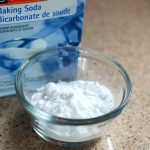 (NaturalHealth365) Sodium bicarbonate, better known as baking soda, has been used for decades as a first line of defense against every kind of ‘acidic’ health problem – including cancer. Naturally, the question remains – is there any proof that baking soda is a defense against cancer or any other chronic dis-ease?
History has much to teach us about natural healthcare. In a booklet titled Arm & Hammer Baking Soda Medical Uses, published in 1924, Dr. Volney S. Cheney explains his clinical successes in using sodium bicarbonate to treat both the common cold and flu. His comments are actually quite remarkable …
“In 1918 and 1919, while fighting the ‘flu’ with the U. S. Public Health Service it was brought to my attention that rarely anyone who had been thoroughly alkalinized with bicarbonate of soda contracted the disease, and those who did contract it, if alkalinized early, would invariably have mild attacks.”
Sodium bicarbonate has been and still is used to make urine less acidic. This helps the kidneys get rid of uric acid and is used medically to prevent gout and kidney stones. Even athletes use sodium bicarbonate to improve endurance. In fact, cells that have enough bicarbonate consume more energy at rest – so they are better able to transport glucose and lactate.
Can baking soda help cancer patients heal naturally?
Sodium bicarbonate has a range of positive effects on breast cancer in animals, including increasing tumor pH, reducing lymph node involvement, and inhibiting metastases. Moreover, baking soda has been demonstrated to suppress cancerous growths, regulate the pH balance of cells and tissues, and elevate cell voltage.
By improving oxygen levels, baking soda can help prevent the development of cancer and even reverse malignant cells back to a healthy state. Weak cancer patients are often advised to take sodium bicarbonate, as it can help to improve muscle cell function after only a few days of treatment.
How does baking soda prevent cellular damage?
The pH level of the fluids within our bodies plays a critical role in the functioning of every cell. When the body becomes chronically over-acidic, it starts to corrode tissue, which can ultimately disrupt all cellular activities and functions. In short, over-acidity can interfere with life itself and is considered to be one of the fundamental causes of cancer.
Every cell in our bodies requires oxygen to thrive and remain healthy. When the pH level is low, there is less oxygen available for the cells to use. This phenomenon is comparable to what happens when acid rain alters the chemistry of lakes; the fish in the lake suffocate because the oxygen has bound up with other molecules and is no longer available.
However, if the oxygen level is raised, the lake will come back to life. Similarly, by increasing the amount of oxygen available to the cells, the body can return to a state of health and vitality.
How does ‘alkalinity’ help to prevent disease?
Maintaining a healthy pH range requires making necessary changes to our lifestyle and diet, which will help protect us over the long term. Using sodium bicarbonate can provide a jumpstart toward increasing alkalinity and is a natural medicine that should be treated with respect. It’s important to keep in mind that if our pH levels deviate too far from the acceptable range, our risk for disease increases significantly.
For a long time, drinking bicarbonate of soda dissolved in water has been a popular remedy for a range of health issues, including arthritis, indigestion, heartburn, and infections. Traditionally, sodium bicarbonate has been used as an antacid.
It’s worth noting that our body produces its own bicarbonate thanks to the work of our pancreas. Bicarbonate helps to neutralize acids that come from the stomach, creating an environment that is conducive to the effectiveness of pancreatic enzymes.
A word of caution – before using baking soda
One of the precautions in using sodium bicarbonate is its sodium content, and it is thus advised for patients with high blood pressure to check with their experienced healthcare provider before trying this remedy. Sodium bicarbonate, along with citrate and phosphate salts, does not raise blood pressure to the extent that sodium chloride does.
Table salt is a refined salt containing about 97 to 99 percent sodium chloride. We know for a fact that processed (‘table’) salt does raise blood pressure in only those sensitive to it. But, obviously – hypertension is caused by much more than just the use of table salt.
A study on mineral water containing sodium bicarbonate confirmed the absence of any effect on elderly individuals’ blood pressure. But, as usual, consult with a trusted healthcare provider – to discover the safest way to use sodium bicarbonate – based on individual needs.
Stop Cancer Naturally: To learn more, order the Stop Cancer Docu-Class, created by yours truly, Jonathan Landsman and discover the best ways to avoid the risk of cancer from many of the top experts in integrative cancer care.
Sources for this article include:
NIH.gov
DrSircus.com
DrSircus.com
MD-Health.com
Optimize Your Kidney Health With a Low-Acid Diet
Reproduced from original article:
https://articles.mercola.com/sites/articles/archive/2020/02/09/low-acid-meal-plan.aspx

February 09, 2020
Video not available on this site. To view video, go to original site above.
Visit the Mercola Video Library
STORY AT-A-GLANCE
- Your kidneys lower your body acid burden. As kidney failure progresses, acid tends to accumulate in your system, causing severe harm
- A high-acid diet can deteriorate your kidney function and accelerate the progression of kidney disease
- Any diet high in fruits and vegetables and low or devoid of processed foods and dairy products will be lower in acid
- Anything that helps improve diabetes will also improve kidney health. This includes fasting or time-restricted eating and exercise
- High-protein diets can also damage your kidneys, thanks to the ammonia generated. To protect your renal health when eating a high-protein diet, add in more fruits and vegetables to buffer the acid created
In this interview, Dr. Lynda Frassetto, a nephrologist and professor emeritus in the department of medicine at University of California San Francisco (UCSF), shares important information about how acid in your diet affects your kidney health and longevity.
“When I was in internal medicine training, I happened to have a really super mentor, Dr. Eli Friedman, at the State University of New York (SUNY) in Brooklyn,” Frassetto says. “He made nephrology sound really interesting.
And so, after I finished my residency and was a hospitalist for a couple of years, I decided to go back and do nephrology, because people who did nephrology just have a better understanding of physiology than most internists do.
I thought that would help make me a better doctor. After I finished my fellowship, I started working with Anthony Sebastian here at UCSF. He was interested in diet acid load in people who were relatively healthy.
The kidneys do a lot of things. One of the things they do is they get rid of acid. We know that as kidney failure progresses, you have trouble getting rid of the acid. It accumulates in your system and has a lot of bad side effects.
We also know that, as you get older, your kidneys tend not to work as well. What Tony was looking at was, in otherwise healthy, older people — whose kidneys just aren’t working as well as they did, let’s say, 40 or 50 years earlier — does eating a high-acid diet have any potential side effects?”
Low-Acid Diets as a Means to Protect Kidney Function
In the initial stages of their work, Frassetto and Sebastian worked on neutralizing acid in the diet using bicarbonate. Then, just over a decade ago, they started looking at low-acid diets. While all foods contain precursors that can be metabolized into acids, fruits and vegetables contain a lot of alkali precursors that are metabolized into bicarbonate, like citrate or malate.
Frassetto’s interest in low-acid diets began with the paleo diet, promoted by Loren Cordain, Ph.D. According to Cordain, many foods in our modern diet were unavailable to our ancestors, such as processed grains and sugars.
He believed a diet closer to our ancestral diet would be healthier, and one of the reasons for this is because any diet high in fruits and vegetables (and devoid of processed food) will be lower in acid. As explained by Frassetto:
“If you look at any large population, and you just look at the average kidney function over time, on average, everybody’s kidney function declines. But if you look at specific individuals, kidney function either declines much more slowly or may even level out.
The question is, ‘How related is that to eating a low-acid diet or doing things that wouldn’t bother your kidneys?’ This has actually been looked at by Dr. Donald Wesson, a nephrologist at University of Texas (UT) Southwestern.
He’s looked at both alkalized supplements and fruits and vegetable diets in people with Stage 2 kidney disease, with an estimated glomerular filtration rate (GFR) between 60 and 90, and Stage 3 chronic kidney disease (CKD), which has an estimated GFR from 30 to 60.
[GFR is] an estimate of kidney function. So, if you’re 50 years old, your GFR is about 90. If you’re 80 years old, your GFR is about 60. On average, people who are older are going to have … Stage 2 or Stage 3 CKD.
Wesson showed that in these people, if you either give them alkalized supplements like baking soda, or put them on a diet with more fruits and vegetables, that you could slow the rate of decline …
If you extrapolate that from people with kidney failure to just older people, the idea would be that, maybe, you can slow the rate of decline of your kidney function, even if you’re otherwise healthy and just getting older. That’s the idea.
Everything that you do, everything, is related to kidney function in some degree. Because the kidneys get rid of a lot of things. The worse the kidneys work, the worse everything works.”

Fasting Also Protects Kidney Function
According to Frassetto, most kidney disease in western countries is more advanced kidney disease caused by high blood pressure and Type 2 diabetes. Three-quarters of patients on dialysis are there due to high blood pressure and diabetes. So, ultimately, anything that helps improve diabetes and high blood pressure will also improve kidney health.
One strategy known to significantly lower your risk of Type 2 diabetes is fasting, including time-restricted eating. I’ve previously interviewed Dr. Jason Fung, a nephrologist in Canada, who uses fasting to reverse diabetes in his patients. Exercise is yet another strategy that will lower your risk of diabetes, and thus protect your kidney health.
Acid Versus Protein Damage
Acid isn’t the only thing that can damage your kidneys. High-protein diets can also cause harm, thanks to the ammonia generated. As for which may ultimately be worse for you — high acid or high protein — Frassetto explains:
“All proteins contain acid precursors. If you’re eating a high protein load and you don’t have enough alkali to help the kidneys either buffer or get rid of the acid, then that’s ultimately bad for your kidneys. But you do need to eat a certain amount of protein, or you’re going to have problems building things too.
This is really a balance question. It’s not that protein is bad. It’s that, if you’re eating a lot of protein, you should also be eating a lot of alkali. That will help you not use the body systems to neutralize or buffer the acid in your system. The whole idea is that you want to maintain your blood pH within the range considered to be normal.
To do that, you either move the acid inside the cells, you break down the muscles to supply glutamine, ultimately to the kidneys, to excrete the acid as ammonium. You also break down your bone, which is calcium hydroxyapatite, which is the alkali.
Or, you have to decrease the amount of endogenous acids that you produce in order to be able to maintain your blood pH. Your body has a lot of ways of dealing with the acids that the kidney has to get rid of.
So, if you’re giving the body exogenous alkali, meaning you either take bicarbonate or you eat a lot of fruits and vegetables, you don’t need to break down your bones and muscles in order to be able to neutralize the acid in your system …
Hydrogen ions are balanced at the level of 10-9, which is a super-low level of free hydrogen ions in the body. And the changes that you can make to that without going outside the range of normal and becoming ill is not very big.
There are only a couple of things you can do here. Either you’re going to break down your body systems or you [need to] give your body exogenous alkali.”
Patients with advanced kidney disease will typically get exogenous alkali — usually a combination of sodium bicarbonate and sodium citrate — as it’s been shown to slow the advancement of the disease and delay the need for dialysis. The sodium citrate will also lower your risk of kidney stones.
Potassium bicarbonate should not be used when you have kidney disease. The reason for this is because, when you have kidney failure, potassium can accumulate to lethal levels. Controlling blood pressure and diabetes are also important when you have kidney disease, as is controlling proteinuria (damage to the glomerular barrier).
How Klotho Benefits Kidney Function
The protein klotho is helpful for ridding your body of phosphate, and phosphate is another acid that has to be excreted by your kidneys. Interestingly, transgenic animals that have been genetically edited to overexpress the klotho gene also live 10% to 40% longer.
Klotho is a membrane transporter and a soluble protein. When you eat a high-phosphate diet, you release fibroblast growth factor 23 (FGF23), which attaches to klotho as a cofactor and then goes to the kidneys, where it removes the transporters that allow your kidneys to reabsorb phosphate. This helps maintain a normal phosphate balance.
However, with age and declining kidney function, you need more and more FGF23 to get rid of the phosphate. FGF23 also prevents the actions of 1-alpha hydroxylase, an enzyme necessary for the activation of vitamin D, and vitamin D is necessary for the production of klotho.
So, as you get older and continue eating a high-phosphate diet (which is easy since phosphate is in most foods), your FGF23 goes up while your vitamin D and klotho levels go down. As a result, your kidneys start reabsorbing more phosphate, thus incurring more and more damage.
The answer, then, is not only a low-acid diet. You also want your diet to be relatively low in phosphate. What is a high-phosphate diet? Frassetto explains:
“First off, dairy products. All dairy products contain essentially four things: calcium, phosphorus, protein and fat … So, for kidney failure patients, we pretty much eliminate dairy products.
And then colas. They add phosphatidic acid to a lot of things, including soda. We try to get people not to drink stuff that has phosphatidic acid in it. And then there are some other specific foods, like chocolate and nuts that we tell people with advanced kidney failure to avoid … Beans are another high source of phosphate.”
Assessing Your Kidney Function
To get an idea of how well your kidneys are functioning, you’d typically start with a renal panel. This will give you your blood urea nitrogen level and serum creatinine. Your GFR is then calculated based on your gender, age, race and serum creatinine level. Based on the results of your renal panel, other tests may be prudent.
“In terms of just looking at kidney health, there are two things that we look at,” Frassetto says. “One is [the estimated] GFR number. Two is, ‘Do you have any protein in the urine?’ Those can be two separate problems. Protein in the urine, in and of itself, is bad for kidney function …
This was discovered many years ago by Dr. Barry Brenner. He did five/sixth nephrectomies in rats (so only a small part of one kidney remained) and showed that the remaining kidney, the so-called nephron remnant, had to hyperfilter to be able to clear all the blood. That hyperfiltration through the glomerular membrane was bad for the membrane, so the membrane started to leak protein, and the kidneys failed faster.
So, we now know that there are a number of kidney problems where the membrane is leaking protein. That causes the kidney to be more damaged.
If you had to do just two things just to see how healthy you are, the first would be to get a blood test to see where your kidney function is. The second is to get a urinalysis. Pretty much any time you go in for a primary care visit, those are the two tests that they usually do.”
Acidotic Stress
While most people are familiar with oxidative stress, acidotic stress is another type of stress that can take a significant toll on your health. Frassetto believes both are equally important, especially where kidney disease is concerned. Acidotic stress also plays a role in aging.
“A friend of mine named Dr. Elissa Epel has looked at the relationship between telomere length, telomerase activity and oxidative stress. [She] has shown people who are under a lot of psychological stress have shorter telomeres and abnormal telomerase function.
They have higher levels of oxidative stress. I happen to have done more research on [acidotic stress], but really, I think it’s a combination of both,” Frassetto says. “So, the whole idea would be to lower the amount of oxidative stress and lower the amount of acidotic stress, and therefore limit the damage to the body.”
More Information
To summarize, a low-acid diet is basically a diet high in fruits and vegetables, with a moderate amount of protein. Again, the more protein you eat, the more fruits and vegetables you need to maintain a healthy balance. A low-acid diet is also low in or devoid of dairy products.
Keep in mind that by the time most people are sent to a nephrologist, they’ve already lost three-quarters of their kidney function. So, to make a difference, you really want to start thinking about your kidney function early on. Get regular blood tests of your BUN and creatinine, and a urinalysis, and if they start revealing a problem, address it as soon as possible.
While the kidney transplant process has improved a great deal in recent years, the number of available donors is limited, so the number of patients on dialysis has steadily risen.
As noted by Frassetto, dialysis is extremely expensive, and just barely keeps you alive. Moreover, while end-stage renal disease is covered by Medicare in the U.S., it only really covers dialysis. It does not cover all needed medications, for example.
The take-home message is that you cannot count on sophisticated end-stage therapies. The answer is preventing the problem in the first place. The role of dietary acid is a fairly recent discovery that is not widely known, but that can make a big difference in your renal health.
Avoiding high-phosphate foods could go a long way toward improving and maintaining your kidney function as you get older. Cronometer, a free online nutrition tracker, is an easy way to track the amount of phosphorous is in your diet. The National Kidney Foundation’s website1 is another helpful resource.