Eyes
now browsing by category
Elmiron: This Common Bladder Pill Is Causing Blindness
Reproduced from original article:
https://articles.mercola.com/sites/articles/archive/2023/10/28/bladder-pill-increases-risk-of-retinal-damage.aspx
The original Mercola article may not remain on the original site, but I will endeavor to keep it on this site as long as I deem it to be appropriate.
Analysis by Dr. Joseph Mercola October 28, 2023

STORY AT-A-GLANCE
- Interstitial Cystitis (IC) is a chronic bladder condition that may trigger scarring and stiffening of the bladder walls. After decades of use, new information demonstrates a long-term medication, Elmiron, may cause retinal damage mimicking age-related macular degeneration or pattern dystrophy, resulting in blindness
- Researchers are hopeful that if identified early, the damage may be mitigated; how the damage is triggered is unclear
- IC causes a frequent urge to urinate, sometimes up to 60 times in a 24-hour period. It also causes pain and pressure in the bladder. Those with IC may also have migraine headaches, irritable bowel syndrome, fibromyalgia, chronic fatigue and/or allergies. Those with pelvic floor dysfunction may find relief with physical therapy
- Certain foods trigger symptoms in the bladder, as do stress and anxiety since it increases muscle tension. One study found symptom relief with melatonin and another with quercetin; consider using emotional freedom techniques to help reduce stress and muscle tension and to experience pain relief
Editor’s Note: This article is a reprint. It was originally published October 30, 2019.
Interstitial cystitis (IC) is a chronic bladder condition that may cause scarring and stiffening of the bladder walls. Researchers1 have found that only 10% of those who suffer from IC are men. In the male population, characteristic symptoms include pelvic pain, dysfunction with urination and chronic prostatitis with pain associated with sexual activity. Women who have the condition often have chronic pain in their bladder, irritable bowel syndrome and other issues.
In a population-based study, researchers found the median age of onset was 40 years and up to 50% would experience a spontaneous remission ranging from one month to 80 months. Those with IC were twice as likely to have a history of urinary tract infections.
The researchers found the quality of life in those suffering from IC was lower than those of individuals going through chronic dialysis for renal failure. It’s estimated more than 1 million in the U.S. suffer from this condition, most of whom are women. To date, there’s only one medication approved by the U.S. Food and Drug Administration to treat IC.2
The drug Elmiron was approved for use in October 1996 as a treatment for pain and discomfort associated with the condition.3 Since it has been the cornerstone of treatment for decades, it’s estimated hundreds of thousands have used the drug.
Elmiron Increases Risk of Retinal Damage
In 2018, Dr. Nieraj Jain from the Emory Eye Center in Atlanta reported six of his patients had developed changes in the central area of the retina called the macula, which had led to reading difficulties and visual changes the patients experienced in dark conditions.4 Six patients underwent genetic testing as part of an inquiry aimed at identifying the reason for the damage, but none was found other than long-term use of Elmiron.
The macula, located in the central area of the retina, is responsible for clear central vision. After a review of the patient’s medical history and diagnostic testing, Jain could find nothing explaining the pattern of abnormalities and so raised a warning that long-term use of Elmiron may have damaged his patient’s retinas.5
Subsequently, three ophthalmologists from Kaiser Permanente did a review of 4.3 million patients in northern California and found nearly 25% of those who had been taking Elmiron exhibited signs of eye damage. The researchers determined the damage caused by toxicity from the medication may have been masquerading as other conditions, such as pattern dystrophy or age-related macular degeneration.6
In the 4.3 million patients the team reviewed, they found 140 who had taken an average of 5,000 pills over 15 years. Of those, 91 agreed to an examination and 22 demonstrated clear signs of toxicity. The researchers found the rate of toxicity and damage increased as the dosage the patients took increased.7
Dr. Robin Vora is chair of ophthalmology at Kaiser Permanente and lead researcher of the study. He commented on the outcome of treatment for IC using Elmiron:8
“It’s unfortunate. You have a patient with a chronic condition like interstitial cystitis, for which there is no cure and no effective treatment. They get put on these medications because it’s thought to have few side effects and few risks, and no one thinks about it again. And year after year, the number of pills they’re taking goes up and up.”
Retinal Damage May Be Reduced if Medication Is Discontinued
If the damage is identified early, researchers are hopeful it may be mitigated when the medication is discontinued.9 Vora recommends those taking the medication who have no symptoms and show no signs of retinal toxicity should be screened annually.10
How the retinal damage is caused by Elmiron is unclear, but Jain’s team suggests a component of the drug may play a role. Researchers from the Cleveland Clinic suggest Elmiron is an antagonist of signaling pathways for fibroblast growth factor.
There is some concern that visual damage may be an unrecognized effect of IC since its presentation is not like any other identified maculopathy. Researchers report that in later stages, toxicity looks like late-stage atrophic age-related macular degeneration, which results in permanent vision loss.
After numerous studies and an FDA citizens petition detailing concerns about retinal damage in those who are using it, Elmiron’s label was changed to include a warning about the eye disease and retinal pigmentary changes.11

Download this Article Before it Disappears
Interstitial Cystitis: What Is It and How Is It Treated?
Your bladder is a hollow muscle designed to collect urine excreted from the kidneys before it signals your brain it’s time to empty.12 This communication happens through the pelvic nerves and creates an urge to urinate. Unfortunately, those suffering with IC get the signals mixed up and feel the urge to urinate more frequently.
The condition is also called painful bladder syndrome since it triggers recurring bouts of pain. Sufferers may experience the urge to urinate up to 60 times a day, including during the night. Only half of those with the disorder are able to work full time. Those suffering with IC may also experience migraine headaches, irritable bowel syndrome, fibromyalgia, chronic fatigue syndrome and allergies.
The exact mechanism for the condition is unknown but biopsies have indicated abnormalities in the bladder wall. Lines of research into the trigger are focused on the inner layer of the bladder wall that may allow toxins to leak through or substances that block the normal growth of the cells lining the bladder.
Others have theorized a viral agent may trigger an infection or an autoimmune disorder may be responsible. Since the trigger is unknown, the diagnosis is made by excluding other similar conditions. Testing and treatment are usually done by a urologist or gynecologist to rule out infections, bladder stones, kidney disease, multiple sclerosis and sexually transmitted diseases, among other disorders.
Management of the condition often starts with conservative measures. The most common medication used has been Elmiron, the only drug approved specifically for the treatment of IC. It can take several months to feel an effect, and the effect may only be modest. Other drugs used include painkillers, tricyclic antidepressants to help relax the bladder and antihistamines to block mast cell release.
Trigger Foods and the IC Diet
In addition to medication, management may also include dietary modification, stress reduction and therapy.13 The IC Network14 recommends identifying the foods that trigger your symptoms and irritate your bladder, as dietary modification is a crucial first step in taking charge of your condition and helping protect your bladder.
It may take up to six months to develop a personalized list of foods you know will trigger your symptoms. However, the IC Network offers a starting list of three types of foods that are:
- Well-tolerated by most
- Generally safe but could irritate some bladders
- Should be avoided as they trigger discomfort in many
Some of the most bothersome foods include any type of caffeinated drink, alcohol, citrus, spicy foods and artificial sweeteners. Those that are the least bothersome appear to be most fruit and vegetables, water, milk, meat and eggs.
Interstitial Cystitis Drug-Free Management Options
The Interstitial Cystitis Association15 recommends those who suffer to be proactive and plan ahead. The sooner a flare-up is treated, the faster it can be resolved. They recommend self-help techniques to reduce irritation in the bladder such as learning self-hypnosis, stress reduction techniques and relaxation techniques.
Some flare-ups are triggered by wearing restrictive clothing such as pantyhose, tight jeans or slimming garments. Some people experience relief with simple strategies at home including:
- Reducing the concentration of urine by drinking more water
- Using a hot pack or cold pack in the perineum area, experimenting to see which works best
- Taking a warm sitz bath with or without Epsom salt
- Relaxing your pelvic muscles by placing your knees to your chest or lying on your back with your legs spread
- If you’re not on a salt-restricted diet, having a glass of water mixed with 1 teaspoon of baking soda to help reduce the burning sensation
If you believe you may have a urinary tract infection, seek medical attention quickly as an infection can trigger a flare-up and may be challenging to resolve if it isn’t addressed right away. One animal study found melatonin improved symptoms and reduced histological damage in the bladder.16 Another preliminary study with 17 women and 5 men found oral supplementation with quercetin provided significant Improvement.17
In addition to the health conditions listed above, those with IC may also experience pelvic floor dysfunction. Exercises with a physical therapist focus on core strengthening and relaxation, and can help relieve pain since pain tends to tighten pelvic muscles and increases discomfort during urination.18
Reducing stress and muscle tension often helps alleviate pain and discomfort, including in those with IC. Emotional Freedom Techniques (EFT) are rather effective and may be used in private or public without the fear of side effects.
- 1 Reviews in Urology, 2002;4(1)
- 2, 6, 7 News Medical Life Sciences, October 14, 2019
- 3 Center Watch, Elmiron
- 4, 8, 10 Forbes, October 17, 2019, para 2
- 5, 9 Science Daily, October 12, 2019
- 11 IC/BPS Info Center June 17, 2020
- 12 Harvard Health publishing, May 1, 2018, Para 1,2, Diagnosis of Exclusion, Managing IC/Medications
- 13 Reviews in Urology, 2002;4(1); S28–S35
- 14 IC Network
- 15 Interstitial Cystitis Association
- 16 Inflammation, 2013;36(3):651
- 17 Techniques in urology, 2001;7(1):44
- 18 Pain Medicine, 2001;2(1)
Can Pupils Indicate How Light Exercise Impacts Your Brain?
Reproduced from original article:
https://articles.mercola.com/sites/articles/archive/2023/10/19/pupils-indicate-light-exercise-impacts-brain.aspx
The original Mercola article may not remain on the original site, but I will endeavor to keep it on this site as long as I deem it to be appropriate.
Analysis by Dr. Joseph Mercola Fact Checked October 19, 2023

STORY AT-A-GLANCE
- The eyes’ pupils dilate in response to very light-intensity exercise, and the dilation provides a window into the activity’s influence on your brain health
- Gentle exercise positively influences executive function, possibly by influencing activity in your brain’s prefrontal cortex, an area involved in problem solving, decision making, self-awareness, memory and more
- Not only did pupils dilate during very light exercise, but the dilation was linked to improvements in executive function associated with the brain’s arousal system — the catecholaminergic system from the locus coeruleus
- The findings could have implications for neurological diseases, including shedding light on how exercise helps ward off brain degeneration
- High-intensity interval training has been all the rage in recent years, but pushing your body to the limit may not always be necessary to glean positive outcomes, and in some cases gentle exercises may be preferable
That old adage that you’ve got to “feel the burn” to get any benefits from your workout? It turns out this may not always be the case. Even gentle, low-intensity exercise is good for you, and now researchers with the University of Tsukuba in Japan have the evidence to prove it.
The proof came from an unexpected place — the eyes’ pupils which, it turns out, dilate in response to very light-intensity exercise. What’s more, the dilation provides a window into the activity’s influence on your brain health.
Dilated Pupils After Light Exercise Signal Brain Benefits
It’s widely known that physical activity is good for your brain, but “even stress-free very-light-intensity exercise such as yoga and very slow running can have beneficial effects,” the team noted in NeuroImage.1 Gentle exercise positively influences executive function, possibly by influencing activity in your brain’s prefrontal cortex,2 an area involved in problem solving, decision making, self-awareness, memory and more.
However, there’s no available technology capable of reading brain activity during very light exercise. So, researchers used the pupil in the eye as a window. In a study of 34 young adults, participants engaged in 10 minutes of very light-intensity cycling on one day and 10 minutes of rest on a separate day.
An eye-tracking device was used to measure pupil diameter during the exercise and rest states, while functional near-infrared spectroscopy (fNIRS) was used to measure activity in the prefrontal cortex during a test meant to gauge executive function.
Not only did pupils dilate during the very light exercise, but the dilation was linked to improvements in executive function associated with the brain’s arousal system — the catecholaminergic system from the locus coeruleus (LC).3 In a news release, study author Hideaki Soya explained:
“When we first saw the raw pupil diameter data, we were amazed by the drastic dynamic change from rest to light exercise … In the old days, it was said, ‘No pain, no gain.’ However, it was interesting that we could clearly confirm in the pupil raw data that the brain is activated even by very light-intensity exercise in humans … even 10 minutes of very light exercise can enhance the function of the prefrontal cortex.
This is good news for those who dislike exercise … Also, the pupil reflects the brainstem’s activity, including the brain’s noradrenergic arousal system. In the present results, pupils were sensitively dilated during exercise, which predicted improved prefrontal cortex function.
The visualization that the brain arousal states for improved prefrontal cognition during very light exercise is new in human participants. Furthermore, looking ahead, pupil observation holds promising potential as a novel biomarker that can be used to predict the effects of exercise on the brain.”
The findings could have implications for neurological diseases, including shedding light on how exercise helps ward off brain degeneration. According to the study:4
“Given the involvement of catecholaminergic modulation from the LC to the cortex indicated by pupil dilation, which is a mechanism implicated in Alzheimer’s, ADHD, and Parkinson’s disease, it is possible that brief mild exercise, such as yoga and very slow running, could be developed into more promising lifestyle interventions as natural and low-risk strategies to ameliorate cognitive impairment.
The evidence presented here demonstrates that mild exercise works as an efficacious method of brain stimulation for enhancing cognitive function and that this effect can be assessed by observing pupil dynamics.”
Is Very Light Exercise Good for You?
High-intensity interval training has been all the rage in recent years, as a method to gain the health benefits of exercise in a fraction of the time. But pushing your body to the limit may not always be necessary to glean positive outcomes, and in some cases gentle exercises may be preferable. In a 2014 study, Soya and colleagues explained:5
“A routine of relatively high intensity exercise is often difficult to maintain: the intensity of exercise has been found to negatively correlate with adherence to a long-term exercise program in several studies. It would further be expected that physically inactive people in the modern era may be reluctant to participate in any type of regular exercise with a relatively high intensity and volume.”
Further, even during light-intensity activity such as walking, the neurotransmitter acetylcholine is released, which influences arousal, attention and sleep.6 The University of Tsukuba team previously revealed that mild exercise at 30% of VO₂ max is enough to improve the brain’s executive function by regulating the arousal system and enhancing neural activations in “task-related prefrontal sub-regions” of the brain.7
In another example of the power of even light-intensity activity, a pilot study compared the effects of moderate-intensity cycling for 20 to 50 minutes, three times a week, with light-intensity stretching in older adults with Alzheimer’s disease.8 Both forms of exercise reduced declines in cognition among the group — and light stretching worked as well as moderate-intensity cycling.
A systematic review using accelerometer data also found light-intensity activity to be beneficial. “Observational evidence that light-intensity PA [physical activity] can confer health benefits is accumulating,” the team, with Goethe University Frankfurt, Germany, explained.9
They found light-intensity physical activity was associated with positive outcomes on obesity, markers of lipid and glucose metabolism and mortality. “Currently inactive or insufficiently active people should be encouraged to engage in PA of any intensity,” they concluded.
Meanwhile, when adults with Type 2 diabetes broke up longer periods of sitting with standing and light-intensity walking, it improved glucose levels and insulin sensitivity more than engaging in structured exercise.10
In another revealing example, a study using data from 5,575 U.S. adults found light-intensity physical activity is inversely associated with the risk of all-cause mortality, such that “promotion of light-intensity physical activity is warranted.”11
Download this Article Before it Disappears
When Vigorous Activity Can Backfire
A sedentary lifestyle is associated with an elevated risk of cardiovascular problems and a shorter lifespan, while physical activity is generally associated with improved health and longer life. However, it’s possible to overdo it when it comes to high-intensity activity.
A systematic review published in Missouri Medicine reviewed studies published between 2011 and 2022 that assessed the effects of duration and intensity of exercise, and specific types of training or sports, on long-term cardiovascular health and life expectancy.12
The authors concluded that high amounts of strenuous exercise were nowhere as beneficial as moderate exercise, strength training and interactive sports or play. Further, they explained, “Very large volumes of strenuous exercise and/or weightlifting may not be the ideal for optimizing longevity.”
It’s revealing that while “more is better” when it comes to moderate-intensity exercise, the benefits of high-intensity activity plateau after about 150 minutes a week.13,14 After this amount, engaging in more high-intensity exercise may backfire.
Examples of moderate activity include walking, hiking, gardening, housework, dancing, shopping, golf, pickle ball, doubles tennis, volleyball and leisurely bike riding.
Vigorous activity refers to strenuous bicycling, running or swimming, high-intensity interval training (HIIT), singles tennis, basketball or “other activities that cause heart-pounding, sweat-producing, breathlessness,” according to the Missouri Medicine study. The team explained that the potential for high-intensity activity to cause harm is real:15
“This fits well with the hypothesis of extreme exercise cardiotoxicity/cardiac overuse injury, which is particularly relevant for middle-aged and older individuals. A large amount of vigorous exercise, though required for attaining peak physical performance, may not be necessary for maximizing life expectancy and cardiac durability.
Very strenuous exercise acutely increases the risk of CVD [cardiovascular disease] events (myocardial infarction, sudden cardiac arrest) particularly for individuals who are in mid-life and beyond. Admittedly, these catastrophic CVD events are very rare, but more common issues such as orthopedic injuries and overtraining issues may force individuals to curtail or abandon excessively strenuous exercise regimens.”
Benefits of Tai Chi, Yoga Well-Established
While high-intensity activity has its place, the benefits of gentle activities like tai chi and yoga have been demonstrated for centuries. Light-intensity activities such as these can be performed by people of all fitness levels and ages, including those with health issues and who may have limited mobility.
Tai chi, which is often referred to as “meditation in motion,” involves slow, purposeful movements in which your muscles are relaxed,16 your breathing is slow and deep, and your mind is focused on the present moment. Similarly, yoga involves engaging in various postures that work different areas of your body while focusing your breath and mind.
Despite their low intensity, these gentle activities offer numerous health benefits. Tai chi, for instance, has been found to benefit:17
| Cognitive capacity in older adults | Dementia | Depression |
| Parkinson’s disease | Osteoarthritis | Chronic obstructive pulmonary disease |
| Cardiac and stroke rehabilitation | Fall prevention | Insomnia18 |
Yoga offers similar health gains, including improving cardiovascular health, reducing triglycerides and relieving chronic back pain. In addition, yoga benefits:19
| Stress | Insomnia | Obesity |
| Anxiety | Diabetes | High blood pressure |
| Oxidative stress | Glucose tolerance | Neurodegenerative disease |
Walking May Be an Ideal Activity for Most
Daily movement is a critical element of health and longevity — and this includes light-intensity activities. The finding that your pupils dilate — and correlate with beneficial brain changes — in response to even gentle exercise reveals its importance to your daily life.
Tai chi, yoga and stretching all apply, but so does the simple activity of walking. Ideally, I recommend walking for at least one hour each day. If you can, walk outdoors so you can get beneficial sun exposure at the same time.
Walking 8,000 steps just once or twice a week is associated with significantly lower all-cause and cardiovascular mortality risk.20 People who participate in outdoor walking groups also enjoy significant reductions in systolic and diastolic blood pressure, resting heart rate, body fat, depression scores and body mass index, along with increases in VO₂ max, a marker of fitness level.21
One great aspect of walking is that it’s free and accessible for everyone. You can do it virtually anywhere and it’s easy to get started even if you haven’t exercised in a while. For those seeking specific athletic pursuits or high-level physical performance, high-intensity exercise may be necessary and useful in moderation.
However, most people will benefit from adding not only moderate-intensity activity but also plentiful light-intensity activities to their daily routine.
– Sources and References
- 1, 2, 4 NeuroImage August 15, 2023
- 3 PsyPost August 13, 2023
- 5, 6, 7 NeuroImage September 2014, Volume 98, Pages 336-345
- 8 J Alzheimers Dis. 2021;80(1):233-244. doi: 10.3233/JAD-201100
- 9 Sports Med. 2017 Sep;47(9):1769-1793. doi: 10.1007/s40279-017-0724-0
- 10 Diabetologia. 2017 Mar;60(3):490-498. doi: 10.1007/s00125-016-4161-7. Epub 2016 Nov 30
- 11 Am J Health Promot. 2017 Jul;31(4):340-342. doi: 10.4278/ajhp.150515-ARB-882. Epub 2016 Jan 5
- 12 Missouri Medicine March-April 2023; 120(2): 155-162
- 13 Circulation August 16, 2022;146(7):523–534
- 14, 15 Missouri Medicine March-April 2023; 120(2): 155-162, Dose and Intensity of Exercise and Mortality
- 16 Harvard Health Publishing May 24, 2022
- 17 Can Fam Physician. 2016 Nov; 62(11): 881–890
- 18 JAMA Netw Open. 2021 Feb 1;4(2):e2037199. doi: 10.1001/jamanetworkopen.2020.37199
- 19 Journal of Complementary and Integrative Medicine, Volume 16, Issue 1, Introduction
- 20 JAMA Netw Open. 2023 Mar; 6(3): e235174
- 21 Br J Sports Med. 2015 Jun;49(11):710-5. doi: 10.1136/bjsports-2014-094157. Epub 2015 Jan 19
14 Health Benefits of Spirulina Powder
Reproduced from original article:
https://articles.mercola.com/sites/articles/archive/2023/10/11/spirulina-health-benefits.aspx
The original Mercola article may not remain on the original site, but I will endeavor to keep it on this site as long as I deem it to be appropriate.
Analysis by Dr. Joseph Mercola – Expert Review by James DiNicolantonio, Pharm.D Fact Checked October 11, 2023

STORY AT-A-GLANCE
- Spirulina is a freshwater and saltwater, blue-green algae with powerful health benefits. Often confused with chlorella, the fundamental difference between the two is that spirulina is thousands of years older and does not possess the hard cell wall that makes chlorella closer to a plant than algae
- Spirulina is a sustainable food source with potential to end world hunger. Unlike most plants, it is able to withstand extreme temperature variations and neglect and still thrive
- It has been found in studies to successfully treat a wide range of ailments, including arsenic poisoning, Candida overgrowth and allergic rhinitis, and may lower your risk of stroke and cancer
- The recommended daily dose is typically 3 to 5 grams, taken two or three times a day. Start with a small dose and work your way up to see how your body responds to spirulina
- This article lists potential adverse reactions to spirulina, and what you can do to alleviate them
Editor’s Note: This article is a reprint. It was originally published November 5, 2018.
Imagine a plant that can provide most of the protein you need for health, help prevent the sniffling and sneezing of allergies, reinforce your immune system, combat inflammation, help you control high blood pressure and protect against stroke and cancer. Does such a “superfood” exist?
Yes. It’s called spirulina. As noted in a 1993 scientific review of spirulina’s benefits in the Journal of Applied Phycology:1
“Many preclinical studies and a few clinical studies suggest several therapeutic effects ranging from reduction of cholesterol and cancer to enhancing the immune system, increasing intestinal lactobacilli, reducing nephrotoxicity by heavy metals and drugs and radiation protection.”
Unlike plants you may grow in your garden, this “miracle” plant is a form of blue-green algae that grows in warm, freshwater and saltwater. It’s a simple, one-celled organism that got its name from the Latin word for helix, meaning spiral, because of its spring-like physical characteristic. Its scientific name is Arthrospira platensis, and it belongs to the cyanobacteria family.
What Are the Health Benefits of Spirulina?
Throughout the years, various studies have been conducted regarding spirulina’s potential health benefits. Their findings have revealed that spirulina may help:
- Protect against HIV infection of T-helper cells (because of its amino acid content)
- Fight inflammation
- Provide allergy relief
- Maintain cardiovascular health and control high blood pressure levels
- Enhance brain health and reduce stroke risk
- Combat candida overgrowth, promote a healthy gut microbiome and boost immune system health
- Reduce cancer risk and protect against nephrotoxicity of cancer treatments
- Treat chronic arsenic poisoning
- Shield the body from the effects of radiation
- Inhibit viral production
- Boost muscle strength and endurance
- Promote better blood and bone marrow health
- Support eye health
- Enhance liver health
A Quick History of Spirulina
The use of spirulina as a food source dates all the way back to ninth century Chad and it is believed spirulina was used by the Aztecs in 16th century Mexico.2 Historical records report the selling of cakes made from spirulina harvested from Lake Texcoco. The dried flat cakes called “dihé” were a staple for many meals.
Spirulina didn’t come into commercial production until the 1970s, when a French company began the first large-scale spirulina production plant. Within a few years, America and Japan began producing their own spirulina.
Today, spirulina is being seriously considered as a sustainable food source with the potential to end world hunger, due to its nutritional profile and unique ability to withstand extreme temperature variations and neglect. The United Nations has identified it as a primary ingredient in the fight against malnutrition worldwide.3
In the report “Sustainable Approaches to Combat Malnutrition,”4 economist Urs Heierli, Ph.D., a former country director of the Swiss Agency for Development and Cooperation in Bangladesh and India, notes that a single gram of spirulina per day can correct malnutrition in a child within a matter of a few weeks.
Spirulina is so nutritionally dense, NASA and the European Space Agency are researching the benefits of incorporating spirulina into astronauts’ diets on spaceships and possible missions to Mars.5,6,7
Beyond nutrition, spirulina also offers multiple environmental advantages. For instance, producing spirulina requires 10 times less water than other vegetables, and harvests occur year-round.
Download this Article Before it Disappears
Spirulina Nutrition Facts
Although spirulina is often described as blue-green algae, it is technically a type of cyanobacteria. Cyanobacteria are classified as bacteria because their genetic material is not organized in a membrane-bound nucleus. Unlike other bacteria, they have chlorophyll and use the sun as an energy source, in the way plants and algae do.
One of the special traits of spirulina is its rich protein content. It’s 50 to 70% protein by weight (which is even better than red meat, which is about 27% protein). You would need to consume only 2 tablespoons of spirulina as a protein substitute for a meal. Fifteen to 20% of its weight is carbohydrates.
It also contains 18 different amino acids, including all of the essential amino acids and 10 of the 12 nonessential ones, as well as sulfolipids, which may be protective against HIV infection of T-helper cells.8 Spirulina also contains:
•Vitamins and minerals, including B vitamins and vitamin K, calcium, iron, magnesium, selenium, manganese, potassium and zinc
•Iodine
•Gamma-linolenic acid (GLA), an important fatty acid for heart and joints
•Antioxidant chlorophyll and carotenoids
•Metallothionein compounds (proteins combined with metals that bind heavy radioactive isotopes) and the phytopigment phycocyanin — a pigment protein complex from that light-harvesting phycobiliprotein family; an accessory pigment to chlorophyll, and a close chemical relative to bilirubin (see next section).
Aside from imparting spirulina’s distinctive bluish color, phycocyanin is also a nitrogen storage molecule. The nitrogen atoms bind with heavy metals, such as radioactive caesium-137, strontium-90 and potassium-40, hence aiding in the elimination of these radioactive metals from your body
The Spirulina-Bilirubin Connection
James DiNicolantonio, coauthor of my book, “Superfuel,” published a groundbreaking paper, “Antioxidant Bilirubin Works in Multiple Ways to Reduce Risk for Obesity and Its Health Complications.” He notes that in mammalian cells, phycocyanobilin is converted into phycocyanorubin, a compound nearly identical to bilirubin, a breakdown product of red blood cells (heme) and the chemical responsible for the yellow color of bruises, urine and jaundice.
When a newborn baby gets jaundice, he is placed under “bili lights” in the hospital nursery to prevent brain damage (kernicterus), should his bilirubin levels become too high. The lights break down the bilirubin so it can be excreted.
However, at appropriate levels, bilirubin has a strong free radial scavenging effect. Until recently, scientists were unaware that bilirubin may actually have anti-inflammatory, antioxidant and atheroprotective properties, and there is a growing body of scientific and clinical evidence to support this.
From an evolutionary/biological perspective, it makes sense that nature would have created a way for your body to break down heme,9 which can be toxic if it accumulates. The way bilirubin is thought to provide these health benefits is through its ability to inhibit NADPH oxidase, a metabolic enzyme activated in a large number of pathological conditions that generates a great deal of oxidative stress.
In fact, NADPH overactivity appears to play a significant role in a wide range of health conditions, including but not limited to vascular diseases and vascular complications of other diseases (diabetes, kidney failure, blindness and heart disease, for example), insulin resistance, neurodegenerative disorders such as Alzheimer’s and Parkinson’s, cancer, glaucoma, pulmonary fibrosis and erectile dysfunction.
NADPH appears to be a chemical that can be helpful or harmful depending on how much of it is circulating at the time, so it needs to be carefully regulated by your body. For example, NADPH oxidase plays a key role in helping your immune system fight bacteria, and helps your T-cells to function properly.
It follows then, that preventing many chronic diseases would require finding a means of inhibiting or modulating NADPH oxidase. Bilirubin is believed to assist with this modulating effect.
People with Gilbert Syndrome comprise 5 to 10% of the population and illustrate this phenomenon quite nicely, as they are genetically predisposed to chronically elevated levels of unconjugated bilirubin. These individuals, having two to three times as much bilirubin as the rest of us, enjoy a greatly reduced risk for coronary artery disease, hypertension, carotid atherosclerosis and overall mortality, and this protection is thought to be related to their high bilirubin levels.
Since phycocyanobilin is a very close relative of bilirubin — and spirulina is a great source of phycocyanobilin — spirulina has enormous clinical potential due to its NADPH oxidase inhibiting effect. This is why phycocyanobilin has been the focus of a large amount of research.
Phycobilin extracts have been shown to inhibit NADPH oxidase activity in human aortic endothelium, aortic smooth muscle and renal cell cultures. And bilirubin protects against diabetic nephropathy via downregulation of NADPH oxidase in rats.
Bilirubin Lowers Risk for Obesity and Related Health Problems
Research published by DiNicolantonio10 has also found that bilirubin reduces the risk for obesity and related health problems through a number of mechanisms, but primarily by inhibiting NADPH oxidase complexes, and that downregulating NADPH oxidase activity — which can be done with spirulina, thanks to its bilirubin-mimicking phycocyanobilin — could potentially have “profound implications for preservation of metabolic and vascular health.” As further explained by the authors:
“Expression of inducible form of heme oxygenase, HO-1, can be boosted by oxidative stress — often derived from NADPH oxidase activity; the resultant production of bilirubin feeds back to quell this oxidative stress …
[Phycocyanobilin, which is covalently attached to phycocyanin] is readily converted by biliverdin reductase to the bilirubin analogue phycocyanorubin, which appears to share bilirubin’s ability to inhibit NADPH oxidase complexes. Arguably, this may largely explain the versatile antioxidant and anti-inflammatory properties of oral spirulina … in rodent studies …
A recent cross-sectional epidemiological study evaluating subjects with [Gilbert Syndrome] has discovered that [Gilbert Syndrome] is associated with a reduced tendency to gain body fat in later life … A reasonable deduction is that chronically elevated free unconjugated bilirubin — and perhaps an upregulation in intracellular bilirubin generation — somehow opposes age-related gain in body fat.
Of related interest is a study showing that intraperitoneal administration of bilirubin — administered daily for 14 days — inhibits weight gain in rats fed a diet high in fats and sugar. Bilirubin injections were also found to prevent deterioration of glucose tolerance …
A credible case can be made that the favorable impact of elevated bilirubin on risk for undesirable weight gain reflects preservation of hypothalamic leptin sensitivity …
Activation of NADPH oxidase is a key mediator of proinflammatory microglial activation; hence, elevated bilirubin might be expected to support effective leptin function in the arcuate nucleus, thereby aiding appetite control.
Oxidative stress in adipocytes, stemming largely from NADPH oxidase activity, appears to play a key role in the induction of insulin resistance and the skewing of adipokine and cytokine production in hypertrophied adipocytes.
Hence, bilirubin and heme oxygenase activity could be expected to aid maintenance of adipocyte insulin sensitivity. Indeed, plasma levels of unconjugated bilirubin have been found to correlate inversely with risk for metabolic syndrome and diabetes in prospective epidemiological studies, as confirmed in a recent meta-analysis.
In both cross-sectional and prospective studies, higher plasma bilirubin levels are associated with better insulin sensitivity and decreased risk for metabolic syndrome and Type 2 diabetes — independent of BMI … A direct protective effect of bilirubin on adipocyte function may be largely responsible for this phenomenon.”
In addition to inhibiting systemic inflammation, which is a hallmark of insulin resistance,11 spirulina also benefits diabetics by improving your lipid profile (reducing serum triglycerides and increasing high-density lipoprotein or HDL cholesterol), and improving vasodilation in those who are obese as a result of high-sugar diets.
Other Unique Properties of Spirulina
In addition to this rich nutritional blend, spirulina has the following special properties:
- The proteins in spirulina are of a highly digestible type (83 to 90% digestible), due to the fact that it does not have cellulose walls like yeast and chlorella do. Therefore, the net protein utilization is high (between 53 and 61%) and requires no cooking to increase the bioavailability of its proteins.
- Studies confirm a very high “protein efficiency ratio” for spirulina, meaning your body will be able to efficiently use these amino acids.
- GLA — a powerful anti-inflammatory — is rarely this high in any food and normally has to be synthesized by your body from linoleic acid. GLA is a precursor to important biochemicals such as prostaglandins, leukotrienes and thromboxanes, which serve as chemical mediators for inflammatory and immune reactions.
- Spirulina has no fatty acids with uneven carbon numbers and very low-level branched-chain fatty acids — two types of lipids that higher order animals, like you and me, cannot metabolize.
- Spirulina has about the same calcium, phosphorus and magnesium content as milk, with a vitamin E (tocopherol) level comparable to wheat germ.
Spirulina Versus Chlorella — Similarities and Differences
Chlorella is another form of algae that is sometimes confused with spirulina. The fundamental difference between spirulina and chlorella is that spirulina is millions of years older and does not possess the hard cell wall that makes chlorella closer to a plant than algae.
Chlorella is an excellent way to detoxify your body from mercury, a common problem if you have amalgam dental fillings, have received a thimerosal-containing vaccine or regularly eat contaminated fish. Spirulina is unable to remove heavy metals, as it lacks a cell membrane. It can, however, protect your liver against the toxic effects of heavy metals, and help eliminate toxins such as arsenic. Spirulina also protects against radiation.
Spirulina in the Treatment of Arsenic Poisoning
Most of us take clean, healthy drinking water for granted. Unfortunately, many countries struggle with severe arsenic contamination, and up until the mid-1990s, little could be done to treat patients dying from arsenic poisoning. As noted in a 2006 study:12
“Millions of people in Bangladesh, India, Taiwan and Chile are consuming high concentration of arsenic through drinking water, and thousands of them have already developed chronic arsenic poisoning. There is no specific treatment …
The present placebo-controlled double-blind study was conducted to evaluate effectiveness of spirulina extract plus zinc in the treatment of chronic arsenic poisoning … Results show that spirulina extract (250 mg) plus zinc (2 mg) twice daily for 16 weeks may be useful for the treatment of chronic arsenic poisoning.”
Bangladeshi researchers also conducted a hospital-based study13 where spirulina was given to 33 patients while 17 received a placebo. Eighty-two percent (27 of 33) of those taking spirulina showed tremendous improvement after taking 3 grams of spirulina per day for three months and drinking filtered water to avoid re-exposure.
How Spirulina Protects Against Radiation
There is also a great deal of research showing spirulina’s effectiveness in insulating you from the effects of radiation. Spirulina was actually used to treat children exposed to chronic low-levels of radiation after the Chernobyl nuclear disaster.
Radiation causes hematopoietic syndrome, marked by a three-way drop in blood cells: The result is infection (related to insufficient white cells), anemia (inadequate red blood cells) and bleeding (diminished platelets). Spirulina helps with these symptoms.14
Soviet physicians at the Research and Clinical Institute of Radiation Medicine and Endocrinology in Minsk administered 5 grams of spirulina daily to some of the radiation-exposed children for 45 consecutive days.15
Compared to those who did not receive spirulina, the treated children showed rapid improvements, and there was evidence of bone marrow, spinal fluid, blood cell and liver regeneration. Dangerously low white blood cell counts of about 1,000 (typical of leukemia) rose to 3,000 in 20 days, and urine radioactivity levels decreased by 50% in 20 days.
The Belarus Ministry of Health concluded that spirulina accelerates the evacuation of radionuclides from the human body, without adverse side effects. Spirulina was particularly efficient at deactivating and eliminating radioactive cesium from their bodies.
Spirulina also helps shield cells from gamma radiation, as shown by a 1989 study16 on the bone marrow of mice. It also protects and supports the health of your kidneys, which are some of the first organs to suffer damage after significant radiation exposure. Research17 suggests spirulina also protects against the nephrotoxicity of cancer treatments.
Spirulina Enhances Immune Function
Spirulina also enhances health by acting as a powerful immune booster. In a study18 by investigators at the department of aquaculture at National Taiwan Ocean University, white shrimp were exposed to seawater containing a hot-water extract of spirulina before transferring them to seawater with a pH level of 6.8. The control group was not exposed to spirulina.
The shrimp exposed to the spirulina seawater showed a faster and more promising recovery rate to the high levels of pH than those not given the dose of spirulina first. In other words, the spirulina boosted immune recovery and had a beneficial impact on gene expression after exposure to environmental stress.
Other studies confirm and support spirulina’s reputation as a powerful immune booster, showing it can combat Candida overgrowth and encourage a healthy gut microbiome.19
Controlling Candida is particularly important if you have an autoimmune disease such as Crohn’s disease, chronic fatigue syndrome, Lupus or fibromyalgia, as chronic Candida yeast can worsen your symptoms. Spirulina has also been shown to inactivate the human immunodeficiency virus associated with HIV and AIDS.20
Other Research-Based Health Benefits of Spirulina
The health benefits of spirulina are truly far-ranging and continue to be widely researched. As a result, there is really no way to cover all of the literature related to its potential benefits because there is so much. That said, here’s a sampling of scientific studies demonstrating spirulina’s potential usefulness in preventing and/or treating a number of common health conditions:
| Eye health — As the population ages, the prevalence of age-related macular degeneration (ARMD) is on the rise. ARMD refers to the deterioration of your macula (the region in your eye that controls acute vision), and is the leading cause of blindness.
Your eyes’ macular membranes contain several carotenoid pigments called xanthophylls: lutein, zeaxanthin and possibly astaxanthin, if you’re getting it as part of your diet. These pigments help protect your eyes from damage by slowing down ultraviolet-induced oxidation of lipid membranes, thereby helping prevent degeneration of your macula. Xanthophylls may also help prevent cataracts. Spirulina provides 3,750 to 6,000 micrograms (mcg) of zeaxanthin per 3-gram serving. Eggs are another excellent source of both lutein and zeaxanthin (200 mcg zeaxanthin per yolk). Astaxanthin is also another marine-based nutrient that is in the carotenoid family and is also a potent preventer of ARMD. |
| Cardiovascular health, including blood pressure — Diabetes and cardiovascular health are intimately connected, so it’s no surprise that spirulina shows great potential for people with cardiovascular disease, in terms of creating better lipid profiles, controlling hypertension and increasing blood vessel elasticity.
Diabetic patients given 2 grams of spirulina per day showed improved glycosylated hemoglobin and better lipid profiles in one 2001 study.21 In another study,22 4.5 grams of spirulina per day for six weeks significantly reduced serum triglyceride levels and total cholesterol, while boosting HDL. It also regulated blood pressure among both women and men between the ages of 18 and 65 without any other dietary changes being made. In another randomized double-blind, placebo-controlled study23 done on elderly male and female patients between the ages of 60 and 87, those given 8 grams of spirulina per day for 16 weeks experienced significant reductions in total cholesterol compared to controls who were given a placebo. It is thought that the lipid action of spirulina may be due to its phycocyanin content, which inhibits pancreatic lipase activity, which in turn causes higher excretion of triglycerides through your feces. In one animal study,24 spirulina increased synthesis and release of nitric oxide and inhibited vasoconstriction in rats fed a fructose-rich diet. In another, spirulina protected hamsters from developing atherosclerosis.25 |
| Brain health and stroke prevention — An Indian study26 found that a dosage of 180 mg of spirulina had a protective effect on the brain and nervous system of rats exposed to high amounts of free radicals, compared to rats not given the spirulina before the experiment. This lab test shows the promising effect of spirulina for stroke prevention.
Two other studies (one in the Journal of Agricultural and Food Chemistry,27 the other in the British Journal of Nutrition28) showed that spirulina reduces platelet aggregation, which plays an important role in vascular diseases by reducing your risk for thromboembolism. Other research29 has shown a combination of spirulina, blueberries and spinach led to “a significant reduction in the volume of infarction in the cerebral cortex and an increase in post-stroke locomotor activity” in mice. Oxidative stress is one major source of inflammation, and in your brain, it can result in loss of dopamine neurons and lead to neurodegenerative disorders such as Parkinson’s and Alzheimer’s. As explained above, NADPH oxidase has been shown to play a role in these diseases, and by suppressing NADPH oxidase, the phycocyanin in spirulina can lower your risk for these age-related brain diseases. Animal research30 has also shown that diets enriched with spirulina can reverse inflammation associated with diminished neurogenesis (i.e., the inhibition of production of new neurons), which is another factor in degenerative diseases of the brain. |
| Liver health — The accumulation of fats in your liver is closely associated with metabolic syndrome and strongly raises your risk for dying from cardiovascular disease. Nonalcoholic fatty liver disease is the most common cause of chronic liver disease in North America and is notoriously difficult to treat with conventional medical measures.
Animal studies suggest spirulina can protect your liver in number of ways — preventing the buildup of triglycerides, inhibiting lipid peroxidation, reducing liver inflammation and protecting it from damage by heavy metals — probably as a result of its high antioxidant properties and its ability to synthesize or release nitric oxide. |
| Allergy relief — According to one double blind, placebo controlled study,31 patients treated with spirulina reported relief of symptoms commonly associated with allergic rhinitis, such as nasal discharge and congestion, sneezing and itching.
According to the authors, “Spirulina is clinically effective on allergic rhinitis when compared with placebo. Further studies should be performed in order to clarify the mechanism of this effect.” |
| Reduced pain sensitivity — By inhibiting prostaglandins, which contribute to pain and inflammation, the phycocyanin in spirulina may also be helpful against chronic pain conditions.32 |
| Anticancer activity — Spirulina has a number of blood-strengthening properties, as found by this 2001 animal study33 from China. The study concluded that spirulina has chemoprotective and radioprotective capabilities and shows potential for fighting cancer.
Immune cells in your blood are highly radiosensitive and considered to be good indicators for biological effects taking place at the molecular level. A 2009 study34 also found spirulina extract enhanced the activation of natural killer cells, which have antitumor activity. |
| Antiviral and antiretroviral activity — Research35 published in 1998 found aqueous extract of spirulina effectively inhibited replication of the HIV-1 virus. An extract concentration between 0.3 and 1.2 micrograms per milliliter reduced viral production by 50%. |
| Blood and bone marrow health — Research36 published in 2006 found spirulina extracts enhanced proliferation of bone marrow cells and stimulated spleen cells, resulting in higher ratios of neutrophils (a type of immune cell) and lymphocytes (a form of white blood cell) in the peripheral blood and bone marrow. |
| Muscle strength and endurance — Research37 also suggests spirulina can boost isometric muscle strength and endurance, thanks to its high protein and essential amino acid content, which are necessary for muscle growth. Athletic performance is also improved courtesy of the nitric oxide boost spirulina provides. Spirulina is also a good source of iron, necessary for oxygen transport and energy production in your muscles.
Do keep in mind, however, that excessive iron is a serious health threat, and is more common than anemia (iron deficiency). Ideally, check your iron level annually to make sure you’re in a healthy range. |
Optimal Spirulina — Types and Dosing
There are many types of spirulina out there so it is important to do your homework before making a purchase. Since spirulina grown in an uncontrolled environment has the potential to become contaminated with heavy metals and other toxins, it is important to choose organic spirulina from a reputable source.
Spirulina comes in capsules, tablets, powders and flakes. Dosing depends on what you plan to use spirulina for and to whom it is given. Here are some typical recommendations. Also remember to increase your intake of spring water or filtered water when taking spirulina to help it absorb into your system.
| Starting dose for children — 100 to 1,500 mg (0.5 to 1.5 grams) | Child’s maintenance dose — 5 grams per day |
| Child’s disease-fighting dose — 10 grams per day | Starting dose for adults — 3 grams |
| Adult’s maintenance dose — 10 grams per day | Adult’s disease-fighting dose — 20 grams per day |
| Athlete’s dose — 60 grams per day |
In addition to being your powerhouse of essential vitamins and minerals, spirulina is a potent detoxifier, so depending on your toxic burden, you may or may not experience a detox reaction. For that reason, it is best to start with a small dose and work your way up.
For example, if you are an adult who wishes to take the typical maintenance dose of 10 grams per day, start with one-quarter or one-half this dose to start (see general recommendations above). Once you see how your body responds, you can then gradually increase your intake to the full recommended dose.
Potential Side Effects From Spirulina
Spirulina is a safe source of protein, nutrients, vitamins and minerals with a long history of use. Though there are no known side effects associated with spirulina, your body may react to it based on your current state of health. Some of the most prominent reactions you may experience include:
| Slight fever — The high protein content in spirulina increases metabolism, which may elevate body temperature |
| Dark green stool — Spirulina can remove accumulated waste products in your colon, which may cause darker stool. Also, spirulina is high in chlorophyll, which turns your stool green |
| Gas — Buildup of gas may indicate that your digestive system is not functioning properly |
| Excitability — Your body is converting protein into heat energy, which may cause temporary feelings of restlessness |
| Breakouts and/or itchy skin — This is caused by the colon cleansing process and is a temporary reaction |
| Sleepiness — This is caused by the detoxification process and may indicate your body is exhausted and needs more rest |
Also keep in mind that while spirulina is entirely natural and generally considered a healthy food, there are some important contraindications you need to be aware of. Avoid spirulina if you are:38
- Severely allergic to seafood
- Allergic to iodine
- Pregnant
- Nursing
If you have hyperthyroidism (overactive thyroid), consult your health care provider before taking spirulina. Also avoid taking spirulina if you are currently running a fever, as it may raise it further.
Conclusion
As you can see, spirulina is a potent superfood with a wide variety of health benefits. Just remember to do your research when it comes to buying a product, and go easy when first starting out, until you know how spirulina affects you. Remember, your body may go through an adjustment period when you first start taking it, and your best bet to minimize your risk of a reaction is to gradually increase your dose.
- 1 Journal of Applied Phycology April 1993; 5(2): 235-241
- 2 Spirulina History
- 3 Iimsam.org, Intergovernmental Institution for the use of Micro-algae Spirulina Against Malnutrition
- 4 Sustainable Approaches to Combat Malnutrition by Urs Heierli, Ph.D. (PDF)
- 5 NASA, Characterization of Spirulina Biomass Y for CELSS Diet Potential (PDF)
- 6 ESA.int June 13, 2005
- 7 The Guardian September 12, 2014
- 8, 20 J. Falquet, The Nutritional Aspects of Spirulina (PDF)
- 9 Pediatrics June 2004; 113(6)
- 10 BMJ Open Heart 2018; 5 :e000914
- 11 Molecular Medicine 2008 Mar-Apr; 14(3-4): 222–231
- 12 Clinical Toxicology 2006;44(2):135-41
- 13 Effects of Spirulina on Arsenicosis Patients in Bangladesh, Presentation November 26-27, 2001 (PDF)
- 14 Acta Pharmacol Sin. 2001 Dec;22(12):1121-4
- 15 How to Help Support the Body’s Healing After Intense Radioactive or Radiation Exposure, Bill Bodri (PDF)
- 16 Toxicology Letters 1989 Aug;48(2):165-9
- 17 Cancer Chemother Pharmacol. 2006 Dec;58(6):802-8
- 18 Fish Shellfish Immunol. 2010 Dec;29(6):1092-8
- 19 Candidafood.com
- 21 Journal of Medicinal Food July 7, 2004; 4(4)
- 22 Lipids in Health and Disease November 2007; 6(1): 33
- 23 Ann Nutr Metab. 2008;52(4):322-8
- 24 Arch Med Res. 2006 Jan;37(1):50-7
- 25 Agricultural and Food Chemistry 2007; 55(19): 7962-7967
- 26 J Neural Transm (Vienna). 2010 Sep;117(9):1083-91
- 27 Journal of Agricultural and Food Chemistry 2005 Oct 5;53(20):7734-4
- 28 British Journal of Nutrition February 2006; 95(2): 435-440
- 29 Experimental Neurology 2005 May;193(1):75-84
- 30 PLOS ONE 2010 May 5;5(5):e10496
- 31 Eur Arch Otorhinolaryngol. 2008 Oct;265(10):1219-23
- 32 Anesthesia & Analgesia April 2009; 108(4): 1303-13010
- 33 Acta Pharmacol Sin. 2001 Dec;22(12):1121-4
- 34 Cancer Science 2009 Aug;100(8):1494-501
- 35 J Acquir Immune Defic Syndr Hum Retrovirol. 1998 May 1;18(1):7-12
- 36 Journal of Applied Phycology February 2006; 18(1): 47-56
- 37 Journal of Medicine & Biomedical Sciences March 2010; 2(2): 79-86
- 38 Nutrineat.com Spirulina Side Effects
Eggs Are Good for Your Cholesterol
Reproduced from original article:
https://articles.mercola.com/sites/articles/archive/2023/09/25/eggs-are-good-for-your-cholesterol.aspx
Analysis by Dr. Joseph Mercola Fact Checked September 25, 2023

STORY AT-A-GLANCE
- Eggs are considered one of the world’s most perfect foods, but became a target based on the faulty premise of the medical establishment that eating too many yolks would drive up cholesterol
- Chickens weren’t regarded as much beyond egg production until a new concept featuring chicken as a main course took flight in the late ’40s, based on the food industry’s initiative to find more uses for chickens
- Dense, small-particle LDL cholesterol in your body is a risk factor for heart disease risk, while large, fluffy LDL particles constitute a lower risk, but here’s the kicker: Eggs convert small LDL particles to large particles
- In the study, people with Type 2 diabetes or prediabetes ate 12, eight or two eggs per week for a year, after which a series of tests showed no negative health consequences whatsoever
- The 113 milligrams of choline (nearly 25% of your Daily Reference Intake or DRI) is crucial for pregnant women, as it helps to prevent certain birth defects, including spina bifida, and support the brain development of unborn babies
Chicken as the foundation of a delicious home-cooked meal has been an American mainstay for decades. Not centuries, you might ask? As a matter of fact, up until the 1920s, homesteaders filled chicken coops with chickens to fulfill one main purpose: to produce eggs.
Chickens weren’t regarded as much beyond egg production until a new concept featuring chicken as a main course took flight in the late ’40s. It was based, not surprisingly, on the food industry’s initiative to find more uses for said chickens. Today we have a plethora of chicken recipes, from broth to casseroles to fried, not to mention nuggets. But what happened to eggs?
Eggs became a target based on the faulty premise of the medical establishment that eating too many yolks would drive up cholesterol and pack your carotid arteries with plaque. As recently as 2012, eggs were still being maligned and even deemed as health-damaging as smoking cigarettes, according to a Canadian journal.1 Many still believe this, and it’s the misinformation that’s damaging health, not egg consumption.
According to a study2 led by Nick Fuller at the University of Sydney, Australia, and published in the American Journal of Clinical Nutrition, eggs, “despite conflicting evidence continuing around the world,” are not responsible for heart disease or high cholesterol.
In fact, they’re one of the most nutritious foods in your kitchen. When he led the first portion of the study, Fuller wrote that eggs can support several aspects of health, including eye, blood vessel and heart health, healthy pregnancies and fat regulation, noting:
“Despite being vilified for decades, dietary cholesterol is understood to be far less detrimental to health than scientists originally thought. The effect of cholesterol in our food on the level of cholesterol in our blood is actually quite small.”3
No Matter How Many, Egg Intake Shows No Negative Results
The latest study notes that people with Type 2 diabetes or prediabetes ate a dozen eggs a week for a year, at which point a series of tests showed no negative results whatsoever. Study participants consumed high (12), medium and low (two) eggs per week for the first three months. Times Now News explains:
“This was aimed at maintaining optimal weight for the three months. In a bid to lose weight, the same members were asked to embark on a weight loss plan while consuming the same amount of eggs they were consuming earlier. For six months, the participants continued on their consumption of eggs while they were monitored by the researchers.”4
Prior to the study, Australian Men’s Health observes, cardiovascular risk factors such as blood sugar and blood pressure levels were taken into account when the researchers gathered the results, as those are considered risk factors associated with egg consumption.
Interestingly, the study concluded that the 128 individuals in the study lost weight even on a high-egg diet and continued to lose when the study came to a close.
Backing up the study results, the Australian Heart Foundation notes that “Eggs can be included as part of a heart healthy eating pattern, and can be chosen as one of a variety of protein foods including fish and seafood, legumes, nuts and seeds, and poultry, in preference to unprocessed red meat.”5 As for the cholesterol content:
“Eggs don’t altercate the LDL levels in blood. An egg contains only 212 mg of cholesterol which is lesser than even the half recommended dietary allowance of cholesterol for a day. Since the liver already produces a large amount of cholesterol every day, consumption of eggs balances the ratio with the liver’s production. In fact, eggs increase the HDL or good cholesterol levels in your body.”6
Cholesterol in your blood known as LDL is narrowed down to two subtypes: dense, small particles and large, fluffy particles. The dense small-particle LDL type is what can be identified as a risk factor for increasing your heart disease risk, while people with large LDL particles have a lower risk, but here’s the kicker: Eggs convert small LDL particles to large particles.7
Perception Is the Problem
One of the biggest problems in the discussion regarding saturated fats and cholesterol is that the medical community hasn’t explained it to the public very well, probably because there’s a lot of confusion on the part of this collective majority.
The fact is, even though it may raise cholesterol, your lipid profile may actually improve when you eat more saturated fat, especially when you cut the amount of carbohydrates you consume, according to Dr. Aseem Malhotra, an interventional cardiologist consultant at Croydon University Hospital in London.
Saturated fat not only increases your HDL, it also increases large, fluffy LDLs, which is what you want. On top of that, LDL has been grossly exaggerated as a risk factor for heart disease, with the exception of people who have a genetic abnormality. Malhotra notes:
“The mantra that saturated fat must be removed to reduce the risk of cardiovascular disease has dominated dietary advice and guidelines for almost four decades. Yet scientific evidence shows that this advice has, paradoxically, increased our cardiovascular risks.
Furthermore, the government’s obsession with levels of total cholesterol, which has led to the overmedication of millions of people with statins, has diverted our attention from the more egregious risk factor of atherogenic dyslipidaemia [elevated levels of triglycerides and small-dense LDL and low levels of HDL cholesterol].”8
Interestingly, many of the scientists who are noting the increase in egg consumption and its role in causing “high cholesterol” talk about saturated fat as if it’s still an enemy. Body and Soul explains:
“The truth is that cholesterol is a very important part of the body — and an essential element to good health. It is a structural molecule that is an essential part of every single cell membrane.
It is used to make steroid hormones such as testosterone, (estrogen) and cortisol; helps your metabolism work efficiently; and produces bile acids, which helps the body digest fat and absorb important nutrients. The truth is, without cholesterol we wouldn’t even exist.”9
Download this Article Before it Disappears
Reasons to Start (or Continue) Eating Eggs
Instead of focusing on the faulty science that made you worry unnecessarily about consuming too much cholesterol, there are numerous reasons to go ahead and enjoy them. They’re loaded with vitamins and minerals; in fact, just one boiled egg imparts these very good-for-you nutrients, in terms of the Reference Daily Intake (RDI):
| 6% of the RDI in vitamin A | 5% of the RDI in folate |
| 7% of the RDI in vitamin B5 (pantothenic acid) | 9% of the RDI in vitamin B12 |
| 15% of the RDI in protein | 15% of the RDI in vitamin B2 |
| 9% of the RDI in phosphorus | 22% of the RDI in selenium |
In addition, eggs contain a healthy amount of calcium, zinc and vitamins D, K, E and B6, as well as healthy fats. Lutein and zeaxanthin are important antioxidants that build up in the retinas of your eyes. This effectively protects your vision by inhibiting the development of cataracts and macular degradation, two of the world’s most common and serious eye ailments.
Along with the high amounts of vitamin A, your vision is further defended with every egg you eat. Fuller reiterated that other nutritional advantages come through “micronutrients like carotenoids (for eye health), arginine (for healthy blood vessels) and folate (for healthy pregnancies and heart health),” according to the University’s news release.10
Choline: Eggs Are a Main Source
One very important aspect of eggs is the rich source of choline — about 113 milligrams (mg) in a single egg, nearly 25% of your DRI — which is necessary for building cell wall membranes, producing the molecules crucial for brain signaling and to make the brain chemical acetylcholine, involved in storing memories.
It also helps prevent the buildup of homocysteine in your blood (linked to heart disease) and reduces chronic inflammation. Choline plays a crucial role in pregnant women, as it helps to prevent certain birth defects, including spina bifida and, again, is very important for the brain development of unborn babies.
According to a study published in the journal Nutrients, only 8% of U.S. adults are getting enough choline and only 8.5% of pregnant women are consuming adequate amounts.
Researchers added, “This research illustrates that it is extremely difficult to achieve the adequate intake for choline without consuming eggs or taking a dietary supplement.”11 Conversely, symptoms associated with low choline levels include memory problems, lethargy and brain fog. Because your body can only synthesize small amounts at a time, you need to get it from your diet on a regular basis.
Eggs: Not Just for Breakfast
Perhaps just as important as what eggs do for your health may be what eggs do for your food. Not just for breakfast, eggs are used to make everything from healthy pancakes to egg salad. Incredible Egg12 notes five of the egg’s top cooking functions; eggs:
- Bind ingredients in prepared foods like meatloaf and salmon patties
- Leaven baked “high-rises” such as soufflés and sponge cakes
- Emulsify mayonnaise, salad dressings and hollandaise sauce
- Clarify soups and thicken custards
- Add color, flavor, moisture and nutrients to baked goods
The good news is, some of the egg dishes you may have been avoiding, not to mention eggs by themselves, yolk and all, are back on the table. That said, it’s important to understand that not any old egg is “good” for eating. Organic, pastured eggs are the best by far, as they’re not produced in a CAFO, or concentrated animal feeding operation, which yields eggs far more likely to be contaminated with disease-causing bacteria such as Salmonella.
Everything you need to know about every aspect of egg production and what constitutes farm-fresh eggs can be found right here. You’ll note that the best way to eat your organic, pastured eggs is raw or very lightly cooked, such as poached, soft-boiled or over easy with very runny yolks. However, if you’re looking for something a little different, here’s a healthy, delicious recipe, inspired by Food.com:13
Sweet Potato and Spinach Frittata
Ingredients
- 6 eggs, lightly beaten
- 1 1/4 cups asiago cheese, shredded, divided
- 3/4 cup medium cheddar, shredded
- 1/4 cup milk
- 1 tablespoon butter
- 3 cups sweet potatoes, peeled, diced
- 4 cups spinach, coarsely chopped
Procedure
- Position oven rack 6-inches from broiler. Preheat broiler.
- In a medium bowl, whisk together eggs, 3/4 cup of the Asiago cheese, cheddar cheese, and milk.
- In a 12-inch non-stick oven-proof skillet over medium heat, melt butter; add sweet potatoes. Cover and cook for 5-6 minutes, stirring occasionally, or until sweet potatoes are almost tender.
- Add spinach and cook, uncovered for 1-2 minutes or until slightly wilted.
- Reduce heat to medium-low; pour egg mixture over vegetables; cover and cook for 5-6 minutes or until bubbles are coming through mixture and bottom is golden brown (eggs won’t be fully set).
- Remove cover; sprinkle with remaining 1/2 cup Asiago cheese.
- Broil for 1 1/2 minutes or until egg is set and cheese is bubbling and slightly browned.
- Let stand for 5 minutes; run spatula around outside edge of skillet to release frittata. Slice and serve immediately.
- 1 Atherosclerosis October 2012
- 2 Science Daily May 7, 2018
- 3 The University of Sydney August 4, 2015
- 4, 6, 7 Times Now News May 9, 2018
- 5 Heart Foundation Eggs & Heart Healthy Eating
- 8 BMJ October 22, 2013
- 9 Body and Soul December 19, 2016
- 10 The University of Sydney August 4, 2015
- 11 Nutrients July 3, 2017
- 12 Incredible Egg 2018
- 13 Food.com
Top Tips to Lower Your Blood Pressure
Reproduced from original article:
https://articles.mercola.com/sites/articles/archive/2023/08/24/tips-to-lower-your-blood-pressure.aspx
The original Mercola article may not remain on the original site, but I will endeavor to keep it on this site as long as I deem it to be appropriate.
Analysis by Dr. Joseph Mercola Fact Checked August 24, 2023
STORY AT-A-GLANCE
- Nearly half of American adults have high blood pressure (hypertension), which increases your risk for stroke, heart failure, sexual dysfunction, vision loss, heart attack, kidney disease and kidney failure
- Elevated insulin and leptin levels are typically the cause of hypertension, so implementing strategies to normalize these levels are the first steps to resolving hypertension. In addition to checking your blood pressure, check your fasting insulin level. A healthy level to strive for is about 2 μU/mL or 3 μU/mL
- To address high blood pressure, be sure to swap out processed foods for whole foods. Also consider going organic. Foods notorious for causing blood pressure to rise that should be avoided include processed foods, most grains, partially hydrogenated oils (synthetic trans fats) and seed oils (aka vegetable oils) such as corn, canola, soy and safflower oils
- Keep an eye on your sodium-to-potassium and omega-3-to-omega-6 ratios. Also optimize your vitamin D level, ideally through regular sun exposure
- Exercise regularly, making sure you include isometric (static contraction) exercises such as wall squats and planking, and learn how to effectively address day-to-day stress. One effective stress management tool is the Emotional Freedom Techniques (EFT)
According to the U.S. Department of Health and Human Services, nearly half of American adults have high blood pressure, currently defined as blood pressure consistently at or above 130/80 mm Hg.1
High blood pressure increases your risk for a number of serious health problems, including stroke, heart failure, sexual dysfunction, vision loss, heart attack, kidney disease and kidney failure.2
Four out of 5 adults with high blood pressure are outrageously recommended to take prescription medication as the first step to lowering it, and all are advised to implement lifestyle changes. The fact that 3 out of 4 hypertensive patients still do not have their blood pressure under control really emphasizes the need for basic lifestyle changes to resolve this problem.3
While medical textbooks claim most cases of high blood pressure are idiopathic, meaning the underlying cause is unknown, this is simply not true. High blood pressure is typically a symptom of insulin and leptin resistance, and most people can normalize their blood pressure without resorting to drugs.
What Causes High Blood Pressure?
One of the primary underlying causes of high blood pressure is related to your body being metabolically inflexible and producing too much insulin and leptin in response to a high-carbohydrate and processed food diet. As your insulin and leptin levels rise, it causes your blood pressure to increase. As noted in one study:4
“Insulin resistance and hypertension are the components of metabolic syndrome and often coexist. Clinical studies have shown that about 50% of hypertensive individuals have hyperinsulinemia or glucose intolerance, whereas up to 80% of patients with Type 2 diabetes have hypertension.”
Elevated uric acid levels are also significantly associated with high blood pressure, so any program adopted to address high blood pressure needs to help normalize both your insulin sensitivity and uric acid level.
As it turns out, by radically lowering your sugar and processed food intake, you can address all three issues in one fell swoop. I’ll also review several other treatment strategies in upcoming sections. But first, let’s review some of the basics of what high blood pressure is, how to assess obesity-related hypertension risk, and why drugs aren’t an ideal solution.
How’s Your Blood Pressure?
There are two numbers given in a blood pressure reading. The upper or first number is your systolic blood pressure. The lower or second number is your diastolic pressure. For example, a reading of 120/80 mm Hg means you have a systolic pressure of 120 and a diastolic pressure of 80.
Systolic arterial pressure is the highest pressure in your arteries. It occurs when your ventricles contract at the beginning of your cardiac cycle. Diastolic pressure refers to the lowest pressure and occurs during the resting phase of your cardiac cycle. Ideally, your blood pressure should be about 120/80 without medication.
If you’re older than 60, your systolic pressure is the most important cardiovascular risk factor. If you’re younger than 60 and have no other major risk factors for cardiovascular disease, then your diastolic pressure is believed to be a more important risk factor.5
According to the latest guidelines,6 issued in 2017 by the American Heart Association, the American College of Cardiology, and nine other health organizations, the following blood pressure classifications are used to determine whether you might suffer from hypertension:
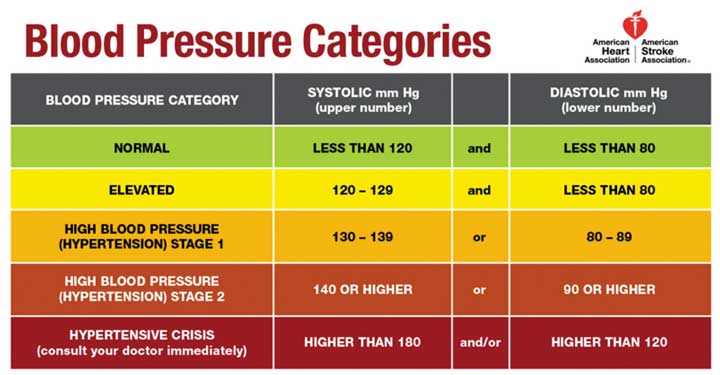
Hypertension is also categorized as either primary or secondary. Primary hypertension applies to most people with high blood pressure, and while the conventional view is that the cause is idiopathic or unknown, it’s typically linked to insulin/leptin resistance. Secondary hypertension refers to high blood pressure that is caused by another medical condition, such as chronic liver disease.
Download this Article Before it Disappears
What’s Your Fasting Insulin Level?
I believe most all Stage 1 and even a high percentage of Stage 2 hypertension can be successfully treated to where drugs become unnecessary, provided you’re aggressive enough in your diet and lifestyle modifications. However, if you have seriously elevated blood pressure, it would be wise to be on medication to prevent a stroke while you’re revising your lifestyle.
In addition to checking your blood pressure on a regular basis, I highly recommend getting a fasting insulin level test done. Remember, high blood pressure and insulin resistance tend to go together, and if your hypertension is the result of elevated insulin levels, you’ll know how to nip it in the bud by the end of this article.
The fasting insulin level you want to strive for is about 2 or 3 microU per mL (μU/mL). If it’s 5 or above, you clearly need to lower your insulin level to reduce your risk of high blood pressure and other cardiovascular health hazards. Keep in mind that the so-called “normal” fasting insulin level is anywhere from 5 to 25 μU/mL. Please do not make the mistake of thinking that this “normal” insulin range equates to optimal.
How to Find a Blood Pressure Measuring Device
According to a 2019 study,7 nearly 46% of American adults could benefit from self-monitoring to avoid “white coat” hypertension. Whether you suspect (or know) you have high blood pressure, an automatic blood pressure meter is a good investment for every household.
Top rated blood pressure meters for home use include the following. Consumer Reports tested these devices for accuracy, comfort, clarity of display and ease of use, and all are commercially available on Amazon and other large retailers and pharmacies:8
- Omron Platinum BP5450
- Omron Silver BP5250
- Omron 10 Series BP7450
- A&D Medical UA767
- Rite Aid Deluxe Automatic BP3AR1-4DRITE
To measure your blood pressure, follow these guidelines:9
- Don’t exercise, smoke or drink coffee or caffeinated beverages within 30 minutes of measuring your blood pressure. Also empty your bladder and relax for at least five minutes beforehand.
- Sit with your back straight on a firm chair. Avoid sitting on the couch as that encourages slouching. Keep your feet flat on the floor and do not cross your ankles or legs.
- Make sure your arm is supported on a flat surface, such as an armrest or table, with your upper arm at heart level.
- Place the blood pressure cuff directly above the bend of your elbow on bare skin. Do not measure on top of clothes. The cuff should be snug but not too tight nor too loose. Press the Start button and remain still while the pressure is being taken.
- Measure your blood pressure at the same time every day, and take multiple readings each time. Ideally, take two readings one minute apart and record the results.
How to Avoid a False Hypertension Diagnosis
To avoid a false hypertension diagnosis, keep in mind that your blood pressure reading can vary significantly from day to day, and even from one hour to the next, so don’t overreact if you get one high reading here or there. It’s when your blood pressure remains consistently or chronically elevated that significant health problems can occur. Several factors can affect the validity of your blood pressure reading, including:
•Incorrect blood pressure cuff size — If you’re overweight, taking your reading with a size “average” blood pressure cuff can lead to a falsely elevated blood pressure reading, so make sure your doctor or health care professional is using the correct cuff size for your arm.
•Incorrect arm position — If your blood pressure is taken while your arm is parallel to your body, your reading can be up to 10% higher than it really is. Blood pressure readings should always be taken with your arm at a right angle to your body.
•Nervousness — “White coat hypertension” is a term used for when a high blood pressure reading is caused by the stress or fear associated with a doctor or hospital visit. This can be a transient yet serious concern. If this applies to you, stress reduction is key.
To decrease your risk of being falsely diagnosed with hypertension in this situation, take a moment to calm down (be sure to arrive for your appointment ahead of time so you can unwind), then breathe deeply and relax when you’re getting your blood pressure taken.
Use Waist-to-Hip Ratio to Assess Your Hypertension Risk
Research suggests your waist size may be an effective measure for assessing obesity-related hypertension risk.10 If you have a high waist-to-hip ratio, i.e., you carry more fat around your waist than on your hips, you may be at an increased risk for obesity-related hypertension. Your waist size is also a powerful indicator of insulin sensitivity, and studies indicate that waist size is one of the most powerful ways to predict your risk for diabetes.
To calculate your waist-to-hip ratio, measure the circumference of your hips at the widest part, across your buttocks, and your waist at the smallest circumference of your natural waist, just above your belly button. Then divide your waist measurement by your hip measurement to get the ratio.
The University of Maryland offers an online waist-to-hip ratio calculator11 you can use. The Mayo Clinic uses the following waist-to-hip ratio designations to evaluate your health risk:
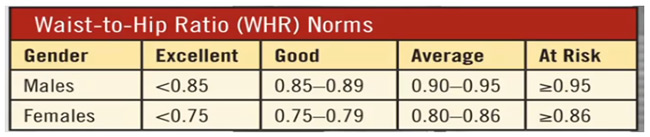
Drugs Can Increase Risk of Fall-Related Injuries
Before I review lifestyle modifications that can help you normalize your blood pressure, I want to address the issue of medications. It’s important to realize that while blood pressure medications can be very effective at lowering blood pressure, they do not in any way, shape or form address the underlying cause.
According to the most recent statistics from the American Heart Association, about 20% of people with hypertension have resistant hypertension, meaning they cannot control it with three or more medications,12 so these drugs clearly don’t work as advertised for a lot of people.
There are also side effects to contend with; some of them quite harmful and/or debilitating. For example, one JAMA study13 found that hypertensive patients over the age of 70 who were taking blood pressure medication increased their risk of serious falls requiring hospitalization due to fractures, brain injuries, or dislocation of the hip, knee, shoulder or jaw.
The risk of falling can increase if your blood pressure drops too low, too suddenly, upon standing. According to the authors:14
“Antihypertensive medications were associated with an increased risk of serious fall injuries, particularly among those with previous fall injuries. The potential harms vs benefits of antihypertensive medications should be weighed in deciding to continue treatment with antihypertensive medications in older adults with multiple chronic conditions.”
Some Blood Pressure Drugs Raise Risk of Blindness
Another major population study discovered that hypertension drugs called vasodilators increase your risk of early onset age-related macular degeneration (AMD), which is the most common cause of blindness among American seniors. As noted in a press release:15
“… [R]esearchers … conducted a long-term population-based cohort study from 1988 to 2013 of nearly 5,000 residents of Beaver Dam, Wis., aged 43 to 86 years …
The researchers found that, after adjusting for age, sex and other factors, using any vasodilator such as Apresoline and Loniten, which open (dilate) the blood vessels — was associated with a 72% greater risk of developing early-stage AMD.
Among people who were not taking vasodilators, an estimated 8.2% developed signs of early AMD. In comparison, among those taking a vasodilator medication, 19.1% developed the disease.
The researchers also found that taking oral beta blockers such as Tenormin and Lopressor was associated with a 71% increase in the risk of neovascular AMD, a more advanced and vision-threatening form of the disease.
Among those who were not taking oral beta blockers an estimated 0.5% developed signs of neovascular AMD. In comparison among those taking oral beta blockers, 1.2% developed neovascular AMD.”
Key Lifestyle Strategies for Lowering Your Blood Pressure
Alright, time to get down to the nitty gritty of normalizing your blood pressure. As mentioned earlier, high blood pressure is typically associated with insulin resistance, which results from eating a diet too high in the omega-6 fat linoleic acid (LA). As your insulin level elevates, so does your blood pressure.
Excessive omega-6/LA consumption is another dietary factor that contributes to high blood pressure by hardening your arteries (atherosclerosis), which researchers now have pinpointed as yet another treatment focus for hypertension.
So, make sure you avoid all trans fats or hydrogenated fats that have been modified in such a way to extend their shelf life. This includes margarine, seed oils and “butter-like” spreads. Of course, this also includes all foods made or cooked with these fats.
The late Dr. Fred Kummerow was the first scientist to document the dangers of trans fats. Trans fats prevent the formation of prostacyclin, which acts as a natural blood-thinning agent. By diligently avoiding trans fats, your body will make prostacyclin that keeps your blood thin, which will reduce your risk of heart attack and stroke.
Now, if you think about these two factors alone — insulin resistance and atherosclerosis — what kind of diet is bound to produce high blood pressure? The answer, of course, is a processed food diet, loaded with high fructose corn syrup, grains and damaged omega-6 fats, a majority of which are LA.
Knowing that, the answer to correcting high blood pressure becomes rather self-evident. If your blood pressure is running high, you need to restore your insulin and leptin sensitivity, and the following strategies are among the most effective for doing so:
1. Replacing processed foods with whole, unprocessed organic foods.
2. Avoiding all seed oils — It would be helpful to also eliminate seeds and nuts unless you have been on a low LA diet for at least three years.
3. Optimizing your vitamin D (which I discuss in greater detail below).
4. Only use healthy fats — Sources of healthy fats to add to your diet include: grass fed butter, raw organic dairy, organic pastured egg yolks, coconuts, coconut oil and macadamia nuts, grass fed meats and pasture-raised poultry.
The best carbs to add would be ripe fruit that you tolerate well. But, the key is to make sure your fat intake is below 30%, which you can determine with Cronometer. If you fail to do this the carbs can convert to fat and change your cholesterol profile unfavorably.
5. Exercising regularly — In an upcoming section, I’ll review the most effective type of exercise if you have high blood pressure.
Vitamin D Can Relax Arteries and Improve Blood Pressure
Vitamin D deficiency and high consumption of harmful omega-6 fats like linoleic acid (LA) can lead to stiff arteries. Vitamin D deficiency appears to be associated with both arterial stiffness and hypertension.16
Each cell in your body has a DNA library that contains information needed to address virtually every kind of stimulus it may encounter, and the master key to enter this library is activated vitamin D. This is why vitamin D functions in so many different tissues and affects such a large number of different diseases and health conditions, one of which is heart disease.
Research17 has shown that the farther you live from the equator, the higher your risk of developing high blood pressure. Blood pressure also tends to be higher in winter months than during the summer. Exposing your bare skin to sunlight affects your blood pressure through a variety of different mechanisms, including the following:
- Sun exposure causes your body to produce vitamin D. Lack of sunlight reduces your vitamin D stores and increases parathyroid hormone production, which increases blood pressure.
- Vitamin D deficiency has also been linked to insulin resistance and metabolic syndrome, a group of health problems that can include insulin resistance, elevated cholesterol and triglyceride levels, obesity, and high blood pressure.
- Vitamin D is also a negative inhibitor of your body’s renin-angiotensin system (RAS), which regulates blood pressure.18 If you’re vitamin D deficient, it can cause inappropriate activation of your RAS, which may lead to hypertension.
- Additionally, exposure to UV rays is thought to cause the release of endorphins, chemicals in your brain that produce feelings of euphoria and relief from pain. Endorphins naturally relieve stress, and stress management is an important factor in resolving hypertension.
Guidelines for Optimizing Your Vitamin D Level
Ideally, you’ll want to get your vitamin D through sun exposure on your bare skin. If you opt for an oral vitamin D supplement, make sure you use vitamin D3, not D2, which is typically prescribed by doctors but has been linked to poorer health outcomes.
Also, make sure to measure your vitamin D level before you start supplementing. The reason for this is because you cannot rely on blanket dosing recommendations. The crucial factor here is your blood level, not the dose, as the dose you need is dependent on several individual factors, including your baseline blood level.
Data from GrassrootsHealth’s D*Action studies suggest the optimal level for health and disease prevention is between 60 ng/mL and 80 ng/mL, while the cutoff for sufficiency appears to be around 40 ng/mL.
In Europe, the measurements you’re looking for are 150 to 200 nmol/L and 100 nmol/L respectively. That said, as a general guideline, research by GrassrootsHealth suggests that adults need about 8,000 IUs per day to achieve a serum level of 40 ng/mL.
I’ve published a comprehensive vitamin D report in which I detail vitamin D’s mechanisms of action and how to ensure optimal levels. I recommend downloading and sharing that report with everyone you know. A quick summary of the key steps is as follows:
1. First measure your vitamin D level — Your doctor can order this test for you.
2. Assess your individualized vitamin D dosage — To do that, you can either use the chart below, or use GrassrootsHealth’s Vitamin D*calculator. To convert ng/mL into the European measurement (nmol/L), simply multiply the ng/mL measurement by 2.5. To calculate how much vitamin D you may be getting from regular sun exposure in addition to your supplemental intake, use the DMinder app.19
3. Retest in three to six months — Lastly, you’ll need to remeasure your vitamin D level in three to six months, to evaluate how your sun exposure and/or supplement dose is working for you.
Take Your Vitamin D With Magnesium and K2
Keep in mind that if you decide to supplement with oral vitamin D3, you also need to boost your vitamin K2 intake, as these two nutrients work in tandem. Together, vitamin D and vitamin K2 produce and activate Matrix GLA Protein (MGP), which congregates around the elastic fibers of your arterial lining, guarding them against calcium crystal formation.
Vitamin K2 also activates a protein hormone called osteocalcin, produced by osteoblasts, which is needed to bind calcium into the matrix of your bone. Osteocalcin also appears to help prevent calcium from depositing into your arteries.
In other words, without the help of vitamin K2, the calcium that vitamin D so effectively lets in can work against you by building up inside your arteries rather than your bones.
It’s also strongly recommended to take magnesium concomitant with oral vitamin D and K2. Data from nearly 3,000 individuals reveal you need 244% more oral vitamin D if you’re not also taking magnesium and vitamin K2.20 What this means in practical terms is that if you take all three supplements in combination, you need far less oral vitamin D in order to achieve a healthy vitamin D level.
Two Key Factors to Consider When Buying Meat
While some studies suggest a vegetarian diet can help resolve high blood pressure, I do not believe this makes for an ideal diet in the long run, as avoiding all meats can lead to nutritional deficiencies.
From what I’ve learned, I believe the quality and quantity of the meat may be a major part of the equation. First, in terms of quantity, if you eat more protein than your body needs, it will convert most of those calories to sugar. Additionally, it will need to remove the nitrogen waste products from your blood, which will stress your kidneys and deteriorate kidney function if you already have compromised kidneys.
As a general guideline, most adults need about 0.6 to 0.8 grams of protein per pound of lean body mass. (As an example, if your body fat mass is 20%, your lean mass is 80% of your total body weight.)
In terms of quality, meat from organically raised, grass fed and finished animals is far superior to that from animals raised in concentrated animal feeding operations (CAFOs).
CAFO beef and poultry have many disadvantages, including fewer of the most valuable nutrients found in organically raised meats, while being contaminated with hormones, antibiotics, drugs, pesticides and herbicides like glyphosate. Furthermore, since most CAFOs feed animals genetically engineered (GE) grains (primarily corn and soy), there’s also the issue of whether such feed might alter the meat in ways we still have not recognized.
Also, it is best to restrict your meat choices to beef, bison, lamb and other ruminant game animals. It is best to avoid chicken and pigs as, even if pasture-raised and organically fed, they are given grains and other foods that are high in LA so they will increase your LA levels.
Should You Cut Sodium to Lower Your Blood Pressure?
Insulin also affects your blood pressure by causing your body to retain sodium. Sodium retention causes fluid retention. Fluid retention in turn can cause high blood pressure, which may ultimately lead to congestive heart failure.
A standard recommendation if you have high blood pressure is to reduce the amount of sodium in your diet. While it’s certainly beneficial to cut out processed foods and salt, limiting sodium is not the hypertension cure that many think it is.
If you’re simply opting for low-sodium processed foods, you’re hardly doing your health any favors, as such fare is likely compensating for the lack of flavor with harmful fats and/or sugar. You’ve probably heard of the DASH diet,21 which is claimed to be among the most effective for controlling hypertension. It consists largely of fresh vegetables, fruits, lean protein, whole grains, low-fat dairy and very low sodium content.
Processed foods and LA promote hypertension to a far greater degree than excess salt. Salt is essential for maintaining and regulating blood pressure, but the crux lies in the type of salt you consume.
Natural unprocessed salt, such as Himalayan salt, contains 84% sodium chloride and 16% naturally occurring trace minerals. Processed (table) salt, on the other hand, contains 97.5% sodium chloride and the rest are manmade chemicals. The natural, unprocessed form is essential for good health; table salt is best avoided altogether.
But there’s yet another factor that comes into play when we’re talking about sodium and blood pressure, and that’s the issue of maintaining a healthy sodium-to-potassium ratio. Your body needs potassium to maintain proper pH levels in your body fluids, and it also plays an integral role in regulating your blood pressure. In fact, potassium deficiency may be a greater contributor to high blood pressure than excess sodium.
The Importance of Proper Sodium-to-Potassium Ratio
People who eat processed foods frequently and very few fresh fruits and vegetables likely have an imbalance in their sodium-potassium ratio. The key to relaxing your arterial walls and reducing blood pressure is the ratio between sodium and potassium.
If you’re unsure of your sodium and potassium intake, use chronometer.com/mercola, which is a nutrient tracker that allows you to enter foods and then calculates the ratios automatically. Generally, it’s recommended that you eat five times more potassium than sodium.
According to the U.S. Department of Agriculture,22 the average intake of potassium in the U.S. population is 2,640 milligrams (mg) per day. Other surveys have found similar intakes.23 Meanwhile, the National Academies Sciences Engineering Medicine (formerly Institute of Medicine) recommends 4,700 mg per day for people over the age of 14.24
Potassium helps lower your blood pressure by relaxing the walls of your arteries, and according to Harvard Health,25 many people with high systolic blood pressure can successfully lower it simply by increasing their potassium intake.
In my view the absolute best way to increase your potassium is by beating ripe fruit. I typically get around 3,000 mg from watermelon, orange juice and tangerines, and another 2,000 mg from other sources.
For a more complete list of potassium-rich foods, see DietaryGuidelines.gov’s “Food Sources of Potassium” page.26 Taking potassium supplements is not a good strategy and simply will not provide you with the benefits you seek.
The Best Exercises for High Blood Pressure
Exercise is well-known for its ability to normalize blood pressure, but all forms of exercise are not the same in this regard. Existing exercise guidelines for blood pressure management emphasize cardio, such as running and cycling.
But, a recent investigation revealed that isometric exercise, where your muscles are in static contraction, is the most effective for lowering blood pressure, while aerobic exercise is next to last in terms of effectiveness.
A July 2023 meta-analysis27 reviewed 270 randomized controlled trials published between 1990 and February 2023 that reported reductions in systolic blood pressure (SBP) and/or diastolic blood pressure (DBP) following an exercise intervention of two weeks or more, with a pooled sample size of 15, 827 people. In rank order, the analysis found significant reductions in resting SBP and DBP following:
- Isometric exercise (–8.24/–4.00 mmHg)
- Combined training (–6.04/–2.54 mmHg)
- Dynamic resistance training (–4.55/–3.04 mmHg)
- Aerobic exercise (−4.49/–2.53 mmHg)
- High-intensity interval training (–4.08/–2.50 mmHg)
Effectiveness based on the “surface under the cumulative ranking curve” (SUCRA) values for systolic — which refers to the mean probability of being the best for lowering your systolic blood pressure — placed isometric exercise in the No. 1 slot with an effectiveness rating of 98.3%, followed by combined training (75.7%), dynamic resistance training (46.1%), aerobic exercise training (40.5%) and high-intensity interval training (39.4%).
In secondary meta-analyses of submodes, the wall squat was the most effective for reducing SBP, while running was most effective for reducing DBP. In conclusion, the authors noted:28
“Various exercise training modes improve resting blood pressure, particularly isometric exercise. The results of this analysis should inform future exercise guideline recommendations for the prevention and treatment of arterial hypertension.”
The key take-home is that static contraction of muscle as you hold your body in one position, i.e., isometric exercise, is the most effective type of exercise if you want to lower your blood pressure. Examples of isometric exercises include the following.29,30,31 For more details, including exercise instructions, see “Which Exercises Are Best for Lowering Blood Pressure?”
| Wall squat | Isometric calf raise | Planking |
| Hollow-body hold | Low isometric squat | Static slide lunge |
| Overhead hold | Iso hang | Glute bridge |
| Incline pushup hold | V-sit | Single-leg stand |
Addressing Stress-Related Hypertension
Although many people believe that the “tension” part of hypertension refers to stress as the cause, the primary cause is, as previously mentioned, insulin and leptin resistance. That said, the link between stress and hypertension is well-documented.
In fact, it has been shown that people with heart disease can significantly lower their risk of a cardiac event by learning to manage their stress. Suppressed negative emotions such as fear, anger and sadness can radically increase your cortisol levels and severely limit your ability to cope with the unavoidable everyday stresses of life.
It’s not the stressful events themselves that are harmful, but your lack of ability to cope. The good news is, strategies exist to rapidly and effectively transform your suppressed, negative emotions, and relieve stress.
One of the most well-studied of these is an energy psychology method called the Emotional Freedom Techniques (EFT). By teaching your body to slow down and relax when stress hits — essentially short-circuiting your physical stress reaction — you can protect your health. EFT is easy to learn and can be done just about anytime, anywhere. For a demonstration, see the video below.
Other Helpful Strategies
In addition to everything already mentioned, there are still more dietary and lifestyle strategies that can be of help if you struggle with high blood pressure. Here are several additional alternatives for your consideration:
| Avoid caffeine — The connection between coffee consumption and high blood pressure is not well understood, but there is ample evidence to indicate that if you have high blood pressure, coffee and other caffeinated drinks and foods can exacerbate your condition. |
| Supplement with vitamins C and E — Studies indicate that vitamins C32 and E33 may be helpful in lowering blood pressure. If you’re eating a whole food diet, you should be getting enough of these nutrients through your diet alone.
Unless you have radically lowered your LA tissue levels, it is vital to take the correct vitamin E supplement until you do, as it will limit the damage that LA can cause. I consider it to be one of the three most important supplements you can take. It is also helpful in lowering dangerous estrogen levels in your body that can increase your risk of cancer. If you decide you need a supplement, make sure to take a natural (not synthetic) form of vitamin E. You can tell what you’re buying by carefully reading the label. Natural vitamin E is always listed as the ‘d-‘ isomer (d-alpha-tocopherol, d-beta-tocopherol, etc.) Synthetic vitamin E is listed as ‘dl-‘ isomers. |
| Eat more fruit and berries — In what researchers called the first-of-its-kind study in the U.K., scientists used objective measures for dietary intake across thousands of residents, using data for 25,618 people in Norfolk, U.K., and compared the data against their blood pressure measurements.34
The difference in blood pressure between those with the lowest 10% of flavanol intake and those with the highest 10% of intake was between 2 and 4 mmHg. According to the authors, this was comparable to the difference measured when a person switched to a Mediterranean diet or the Dietary Approaches to Stop Hypertension (DASH) diet. Because fruit contains fructose, it can increase your risk of insulin resistance if you eat large amounts; examples of lower fructose fruits that are beneficial for most people include avocados, berries, kiwi and citrus fruits. |
| Quercetin — Quercetin has also been shown to lower blood pressure. Quercetin is a flavonol found in red grapes, onions, red leaf lettuce, elderflower and green tea, to name a few.35
According to a Japanese study,36 quercetin helps lower blood pressure by modifying vascular compliance and resistance, total blood volume and the autonomic nervous system. It also appears to have a unique ability to regulate gene expression that is mediated by controlling negative chloride actions in the cell’s cytosol. Negative chloride ions help control the intracellular activity of many other ions in the cytosol, which is the water-based fluid that surrounds intracellular structures. The gene expression that controls the chloride ions triggers sodium reabsorption, which then reduces body fluid volume and therefore influences volume-mediated high blood pressure. The researchers noted several past studies that demonstrated taking between 150 mg per day and 730 mg per day could lower high blood pressure, decreasing both systolic and diastolic pressures. |
| Supplement with magnesium — Magnesium is also important for healthy blood pressure and few people get enough from their diet these days. Hundreds of studies and scientific papers show there’s a clear correlation between magnesium and high blood pressure.
Magnesium stored in your cells relaxes muscles. If your magnesium level is too low, your blood vessels will constrict rather than relax, and this constriction raises your blood pressure. According to a 2011 paper37 in The Journal of Clinical Hypertension, magnesium intake of 500 mg to 1,000 mg per day may reduce blood pressure by as much as 5.6/2.8 mmHg. Its blood pressure lowering effects are most pronounced when potassium intake is also high, and sodium intake low. Magnesium also boosts the effectiveness of “all antihypertensive drug classes,” according to this paper. Magnesium-rich foods38 include baked potato and white rice, just to name a few. That said, the magnesium content of most foods is dwindling due to the destruction of soils, so it’s one nutrient that I recommend taking as a supplement. |
| Engage in inspiratory muscle strength training (IMST) — Strengthening your breathing muscles with IMST can also be helpful. IMST was originally developed for critically ill patients with respiratory diseases. It helped to improve the strength of their inspiratory muscles by using a handheld device that provides resistance while inhaling.
A 2021 study39 evaluated the effect that IMST could have on reducing blood pressure and thus reducing the risk of cardiovascular disease. Thirty-six adults aged 50 to 79 who had above normal systolic blood pressure were enrolled. Half the participants used high resistance IMST and the other half used low resistance IMST for six weeks. At the end of the intervention, the group using high resistance had a nine-point reduction in their systolic blood pressure. The daily training consists of 30 breaths a day. The breathing exercise takes just five to 10 minutes a day, with benefits noticeable within two weeks. You can learn more about this in “Breathing Exercise Could Reduce Blood Pressure.” |
Take Control of Your Blood Pressure
The best treatment strategy for high blood pressure is to evaluate your lifestyle and make the necessary adjustments, with particular emphasis on normalizing your insulin and leptin levels. We’ve covered a lot of ground in this report, so here’s a summary of key points to remember:
| In addition to checking your blood pressure, check your fasting insulin level. A healthy level to strive for is about 2 μU/mL or 3 μU/mL. |
| Swap out processed foods for whole foods and implement TRE. Also consider going organic. Meats should ideally be grass fed and pasture finished. Foods notorious for causing blood pressure to rise and that should be avoided include processed foods, most grains, partially hydrogenated oils (synthetic trans fats), and seed oils (aka vegetable oils) such as corn, canola, soy and safflower oils.40 |
| Keep an eye on your sodium-to-potassium and omega-3-to-omega-6 ratios. This is automatically done if you swap processed foods for whole foods and make sure you are eating plenty of ripe fruit that you enjoy and is adjusted to your activity rate and fat intake. |
| Optimize your vitamin D level, ideally through regular sun exposure. |
| Exercise regularly, and make sure you include isometric (static contraction) exercises such as wall squats and planking. |
| Learn how to effectively address day-to-day stress. One effective stress management tool is the Emotional Freedom Techniques (EFT). |
- 1, 3 HHS.gov Estimated Hypertension Prevalence, Key Findings Bullet One
- 2 Heart.org Health Threats from High Blood Pressure
- 4 Diabetology & Metabolic Syndrome 2014; 6: 12
- 5 AJMC.com, JNC 8 Hypertension Guidelines: An In-Depth Guide
- 6 Harvard Health November 16, 2021
- 7 Hypertension June 24, 2019; 74: 399-406
- 8 Consumer Reports Best Blood Pressure Meters February 3, 2023
- 9 Heart.org How to Use a Blood Pressure Monitor
- 10 Canadian Journal of Cardiology September 2012: 28(5); S122
- 11 University of Maryland, Waist to Hip Ratio Calculator
- 12 Harvard Health August 1, 2023
- 13, 14 JAMA Internal Medicine 2014;174(4):588-595
- 15 EurekAlert! May 28, 2014
- 16 Vitamin D Council, Hypertension
- 17 Hypertension. 1997; 30: 150-156
- 18 J Steroid Biochem Mol Biol. 2004 May;89-90(1-5):387-92
- 19 DMinder app
- 20 GrassrootsHealth Magnesium and Vitamin K2 Combined Important for Vitamin D Levels
- 21 N Engl J Med 1997; 336:1117-1124
- 22 U.S. Department of Agriculture Food Research Group, Potassium Intake of the U.S. Population
- 23 Nutrition Today September-October 2018; 53(5): 184-195
- 24 National Academies Sciences Engineering Medicine Table S-3
- 25 Harvard Health Publishing, January 23, 2017
- 26 DietaryGuidelines.gov Food Sources of Potassium
- 27 British Journal of Sports Medicine July 25, 2023 DOI: 10.1136/bjsports-2022-106503
- 28 British Journal of Sports Medicine July 25, 2023 DOI: 10.1136/bjsports-2022-106503, Conclusion
- 29 Vertimax
- 30 US News June 15, 2020
- 31 Vertimax 20 Isometric Exercises
- 32 American Journal of Clinical Nutrition 2012 May; 95(5): 1079–1088
- 33 Journal of Human Hypertension 2019; 33: 499-507
- 34 Scientific Reports, 2020;10(1)
- 35 Superfoodly, 100 Quercetin Foods
- 36 Molecules, 2017;22(2)
- 37 The Journal of Clinical Hypertension November 2011; 13(11): 843–847
- 38 Cleveland Clinic Magnesium-Rich Foods
- 39 Journal of the American Heart Association, 2021;10:e020980
- 40 Dr. Sinatra, What is the Best Heart Healthy Diet Plan?
What Can You Do to Help Prevent Cataracts?
Reproduced from original article:
https://articles.mercola.com/sites/articles/archive/2023/07/26/natural-remedies-for-cataracts.aspx
The original Mercola article may not remain on the original site, but I will endeavor to keep it on this site as long as I deem it to be appropriate.
Analysis by Dr. Joseph Mercola Fact Checked July 26, 2023
STORY AT-A-GLANCE
- Cataracts is an eye condition that causes your vision to blur due to a buildup of proteins on the lens of your eye. Left untreated, cataracts can result in progressive loss of vision and, ultimately, blindness
- The most common treatment for cataracts is surgery, but it’s not without risks. In 42% of cases, cataract surgery results in dry eyes, and in 20% of cases, it leaves the patient with a droopy eyelid
- Your eyes are significantly affected by blood sugar. Chronically high blood sugar from poor nutrition and lack of exercise can trigger long-term damage to your body and make you more prone to eye diseases, including cataracts, glaucoma and blindness
- Antioxidants found in leafy greens and colorful berries and vegetables can help prevent and/or treat cataracts. Key nutrients include carotenoids like lutein, zeaxanthin, astaxanthin and vitamin C
- Other natural remedies for cataracts include N-acetylcarnosine (NAC) drops and N-acetylcysteine amide (NACA) drops
In the video above, Dr. Eric Berg, a chiropractor and health educator, reviews what he believes are some of the best natural alternatives to prevent and/or treat cataracts.
Cataracts1 is an eye condition that causes your vision to blur due to a buildup of proteins on the lens of your eye. Left untreated, cataracts can result in progressive loss of vision and, ultimately, blindness.
Risk factors for cataracts include heavy alcohol use, smoking, older age, diabetes, toxic substances, certain medications and trauma to the eye.2 Signs and symptoms that cataracts are forming include:3,4
| Blurry, cloudy or foggy vision | Changes in color perception |
| Difficulty driving at night due to glare from lights | Sensitivity to sunlight |
| Nearsightedness | Double vision |
| Glasses and contacts no longer seem to improve your vision |
Cataract Surgery Is Not Risk-Free
The most common treatment for cataracts is surgery, but as noted by Berg, it’s not without risks. In 42% of cases, cataract surgery results in dry eyes, and in 20% of cases, it leaves the patient with a droopy eyelid. Other potential side effects include floaters, retinal detachment, eye infection, glaucoma, further vision loss and secondary cataracts.5
Like Berg, I would strongly encourage trying one or more natural remedies before resorting to surgery. He points out that scientific evidence showing the efficacy of natural remedies are typically scant, but that doesn’t mean they’re useless. The reason for this lack of scientific evidence is because few are willing to invest the funds required to study a compound that will never turn a profit.
You cannot patent foods or natural nutrients, for example, and supplements don’t hold a candle with respect to profitability compared to drugs. You cannot charge hundreds or thousands of dollars for a bottle of supplements. On the other hand, the risk you take by trying a natural remedy is near nonexistent.
Adding more nutrients to your diet is not going to hurt you. At worst, you won’t see a benefit. Keep in mind that when we’re talking about food, and even supplements, it’ll typically takes several weeks or months before effects become noticeable, so stay with it long enough to make a difference.
Your Eyes Are Affected by Blood Sugar
As explained by Berg, your eyes are significantly affected by blood sugar. Chronically high blood sugar from poor nutrition and lack of exercise can trigger long-term damage to your body and make you more prone to eye diseases, including cataracts, glaucoma and blindness.6,7,8 Berg explains:9
“When your blood sugar is high, it creates a lot of oxidative stress in different tissues, including the eyes. Our bodies produce [endogenous] antioxidants to protect against this oxidation and free radical damage. But certain things, like age and diet, can cause our bodies to make fewer antioxidants.
However, plants also make potent antioxidants that we can take advantage of to help counter the effects of oxidative stress. The two categories that we’re focusing on today are carotenoids and anthocyanins.”
Download this Article Before it Disappears
Carotenoids and Anthocyanins Support Eye Health
Carotenoids and anthocyanins are natural pigments found in fruits, berries and vegetables. Foods high in carotenoids include yellow, orange, red and purple fruits and vegetables, pasture-raised egg yolks and grass-fed meats.
Key carotenoids known for their protective effects on eye health include beta-carotene (a precursor for vitamin A), lutein, zeaxanthin and astaxanthin. I’ll review some of the benefits and mechanisms of action of lutein and astaxanthin further below.
Antioxidants found in leafy greens and colorful berries and vegetables can help prevent and/or treat cataracts. Key nutrients include carotenoids like lutein, zeaxanthin, astaxanthin and vitamin C.
Foods high in anthocyanins are red, purple and blue, such as bilberries, blueberries, blackberries, chokeberries, black currant and red cabbage (especially red cabbage sprouts), just to name a few. Berg’s homemade cataract remedy is a once-daily shake consisting of:
- 1 cup red, purple or blue berries of your choice
- 1 cup kefir (grass-fed, whole milk, unsweetened)
Kefir contains calcium and probiotics, both of which are thought to be protective against cataracts. Mix the two ingredients in a blender and either consume with a spoon or add a small amount of water to make it easier to drink. Also, consume a diet that is low in fructose, sucrose and other sugars, including lactose from milk, to prevent chronic elevations in blood sugar.
Antioxidant Eye Drops for Cataracts
Other natural remedies for cataracts mentioned by Berg include N-acetylcarnosine (NAC) drops. This should not be confused with N-acetylcycsteine, which is also known as NAC. N-acetylcarnosine has been shown to penetrate your cornea into the lens of your eye, where the cataract is located.
There, the NAC is metabolized into L-carnosine, which has an antioxidant effect on the cataract-affected lens. According to a systematic review by the Cochrane Library,10 “NAC eye drops may reverse or even prevent progression of cataract, thereby improving vision and quality of life.”
A 2017 study11 also found that N-acetylcysteine amide (NACA) drops were effective in reversing cataracts, while a 2022 study12 concluded oxysterol, an oxygenated cholesterol derivative, effectively reversed cataracts in mice. As reported by Medical News Today:13
“The researchers used oxysterol to attempt to alter the levels of alpha-crystallin B or alpha-crystallin A proteins present in the lenses of 26 mice. These proteins often cause cataracts to develop in aging.
The study showed that oxysterol improved lens opacity 61% of the time. This is a promising sign that oxysterol may be an effective, nonsurgical treatment for cataracts.”
Lutein Protects Against Eye Diseases
As mentioned earlier, lutein is a carotenoid that is really important for eye health and helps to protect against not only cataracts but also glaucoma and age-related macular degeneration (AMD), which is the No. 1 cause of blindness in the elderly.
Lutein concentrates in your macula, which is the part of your retina responsible for central vision. Along with zeaxanthin and mesa-zeaxanthin (a metabolite of lutein), these three carotenoids form the retinal macular pigment, which not only is responsible for optimizing your visual performance but also serves as a biomarker for the risk of macular diseases.14
Lutein is also found in the lens, where it helps protect against cataracts and other age-related eye diseases. Among carotenoids, lutein is the most efficient at filtering out blue light — the type that comes from cellphones, computers, tablets and LED lights. Blue light induces oxidative stress in your eyes, which increases the risk of cataracts and macular diseases. Lutein, however, acts as a shield against it.
Your body cannot make lutein, so you must get it from your diet. Following are 10 foods that are particularly rich sources of lutein.
| Dark leafy greens | Carrots | Broccoli |
| Egg yolks | Red and yellow peppers | Sweet corn |
| Avocados | Raspberries | Cherries |
| Paprika |
The word lutein comes from the Latin word “luteus,” which means “yellow.” If you remember this, it may help you pick out vegetables likely to contain higher amounts.
Lutein and zeaxanthin are often found together in foods, although zeaxanthin is far scarcer than lutein. According to a 1998 study in the British Journal of Ophthalmology,15 orange pepper had the highest amount of zeaxanthin of the 33 fruits and vegetables tested.
How Much Lutein and Zeaxanthin Do You Need?
While there’s no recommended daily intake for lutein and zeaxanthin, studies have found health benefits for lutein at doses between 6 milligrams (mg) and 20 mg per day16,17,18 and 2 mg per day for zeaxanthin.19
Research evaluating the effect of lutein, zeaxanthin and meso-zeaxanthin in combination, using a dose of 10 mg of lutein, 10 mg of meso-zeaxanthin and 2 mg of zeaxanthin per day for one year, found it helped improve vision in those who had normal vision at the outset.20
How to Optimize Lutein Absorption
Lutein and other carotenoids are fat-soluble, so to optimize absorption, be sure to add a little bit of healthy fat to your meal. For example, research shows that adding a couple of eggs — which contain both lutein and healthy fats — to your salad can increase the carotenoid absorption from the whole meal as much as ninefold.21,22 Egg yolks are also a primary source of choline, which helps counter dry eye.23
Ideally, opt for organically raised, free-range pastured eggs. Not only do they tend to have a better nutritional profile, by opting for pastured eggs you’ll also avoid pesticide exposure and genetically modified organisms.
Most commercially available eggs come from concentrated animal feeding operations (CAFOs), where the hens are not permitted to forage on pasture. Instead, they’re typically fed a diet of corn and soy, the vast majority of which are genetically engineered. CAFO eggs are also far more prone to cause foodborne illness caused by salmonella contamination.
If you live in an urban area, visiting a local health food store is typically the quickest route to finding high-quality local egg sources. Your local farmers market is another source for fresh free-range eggs. Cornucopia.org also offers a helpful organic egg scorecard24 that rates egg manufacturers based on criteria that are important for organic consumers.
You can often tell the eggs are free-range by the color of the egg yolk. Foraged hens produce eggs with bright orange yolks, indicative of higher amounts of lutein and zeaxanthin. Another way to boost absorption of lutein from your vegetables is to add some raw organic butter or coconut oil to your salad.
Vitamin C Combats Cataracts
Other nutrients are also beneficial for vision health. For instance, vitamin C is associated with a lower risk of cataracts. One study25 compared vitamin C intake and the progression of cataracts in more than 320 pairs of female twins over the course of a decade.
It found that those who ate more vitamin C-rich foods lowered their risk of cataracts by one-third. Interestingly, vitamin C supplements were not associated with a reduction in risk.
Citrus fruits such as kiwis, oranges, lemons, limes and grapefruits are well-known for being high in vitamin C, but the fruit with the highest concentration of all is actually acerola cherries (also known as Barbados cherries). Each cherry has only 1 calorie, but 80 mg of vitamin C and associated micronutrients.
Astaxanthin — The Most Powerful Promoter of Eye Health
Saving the best for last, astaxanthin is even more potent an antioxidant than both lutein and zeaxanthin, and many researchers believe it to be the most powerful antioxidant ever discovered for eye health.26,27
Astaxanthin is produced by the microalgae Haematococcus pluvialis when its water supply dries up, forcing it to protect itself from UV radiation. Besides the microalgae that produce it, the only other source are the sea creatures that consume the algae, such as wild salmon, shellfish and krill.
It’s been found to have protective benefits against a number of eye-related problems, including cataracts, AMD, cystoid macular edema, diabetic retinopathy,28 retinal arterial occlusion and venous occlusion, glaucoma,29 and inflammatory eye diseases such as retinitis, iritis, keratitis and scleritis.
Astaxanthin easily crosses into the tissues of your eye and exerts its effects safely and with more potency than any of the other carotenoids, without adverse reactions. Specifically, astaxanthin has been shown to ameliorate or prevent light-induced damage, photoreceptor cell damage,30 ganglion cell damage and damage to the neurons of the inner retinal layers.
Astaxanthin also helps maintain appropriate eye pressure levels that are already within the normal range and supports your eyes’ energy levels and visual acuity. Depending on your individual situation, you may want to take an astaxanthin supplement. I recommend starting with 4 mg per day and working your way up to about 8 mg per day — or more if you’re suffering from chronic inflammation.
Taking your astaxanthin supplement with a small amount of healthy fat, such as grass-fed butter, coconut oil, MCT oil or eggs, will optimize its absorption. Krill oil also contains high quality animal-based omega-3 fat in combination with naturally occurring astaxanthin, albeit at lower levels than what you’ll get from an astaxanthin supplement.
Other Natural Strategies That Help Protect Your Vision
Despite what your eye doctor may say, in my opinion, there are natural, common-sense strategies you can employ to help protect your healthy vision, starting with your diet. As discussed above, certain foods are more or less necessary for optimal vision and can go a long way toward protecting your eyesight throughout life.
This includes leafy greens and brightly colored vegetables, organic pastured egg yolks, black, blue and purple berries, and seafood rich in astaxanthin, such wild caught Alaskan salmon. Besides these dietary suggestions, here are a few other lifestyle strategies that can help optimize your eye health.
| Avoid blue light, such as that from electronic screens, as blue light reduces melatonin in your lens, which is a big cause for cataracts. Avoiding blue light becomes even more important if you have cataract surgery, as your natural lens has some built-in protection against blue light whereas the artificial lens does not.
(UV-blocking artificial lenses are available through special order, but it’s not standard.) So, if you get cataract surgery, wear blue-blocking glasses when looking at screens and when in artificial lighting indoors. |
| Quit smoking — Smoking ramps up free radical production throughout your body and puts you at risk for less-than-optimal health in many ways. If you want healthy vision for your whole life, you cannot afford to risk less-than-optimal eye health with cigarettes. |
| Care for your cardiovascular system by getting regular exercise — High blood pressure can cause damage to the miniscule blood vessels on your retina, obstructing free blood flow. A regular exercise program can go a long way toward reducing your blood pressure. It’s also critical for optimizing your insulin and leptin levels. |
| Normalize your blood sugar — As mentioned earlier, chronically elevated blood sugar can damage your eyes and obstruct blood flow to your retina. To keep your blood sugar in a healthy range, follow my comprehensive nutrition guidelines. |
| Avoid seed oils and processed foods — Your eyes are highly susceptible to and damaged by polyunsaturated fats (PUFAs) such as linoleic acid (LA), so avoid cooking with seed oils (a.k.a. vegetable oils) and stay clear of processed foods.
I’ve previously interviewed Dr. Chris Knobbe, an ophthalmologist who wrote a book on the historical progression of AMD, showing how it rose in tandem with the consumption of seed oils. His conclusion is that seed oils or high doses of omega-6, specifically LA, were the primary culprit not just in AMD but chronic diseases of all kinds. |
| Avoid aspartame — Vision problems are one of the many potential acute symptoms of aspartame poisoning. |
- 1, 13 Medical News Today, Cataracts
- 2, 3, 5 Landmark Senior Living, Cataracts
- 4 Money Control, Eye Health
- 6 NY State Department of Health, Diabetes Basics, What Complications are Caused by Diabetes?
- 7 Diabetes.org, Complications
- 8 Mayo Clinic, Diabetes Complications
- 9 YouTube Dr. Eric Berg April 3, 2023, Video notes
- 10 Cochrane Database Systematic Reviews February 2017; 2017(2): CD009493
- 11 BMC Ophthalmology 2017; 17: 54
- 12 IOVS May 2022; 63: 15
- 14 Nutrients. 2020 Jun; 12(6): 1721., 1.2 Distribution of Lutein in the Human Body
- 15 British Journal of Ophthalmology Aug 1998; 82(8): 907–910
- 16 Nutrients May 2013; 5(5): 1823-1839
- 17 Investigative Ophthalmology & Visual Science December 2006, Vol.47, 5227-5233
- 18 PLOS ONE December 30, 2019 DOI: 10.1371/journal.pone.0227048
- 19 Verywell Health December 9, 2022
- 20 Investigative Ophthalmology and Visual Sciences June 1, 2016;57(7):3429-39
- 21 Science Daily March 9, 2015
- 22 Time Magazine March 30, 2015
- 23 YouTube Dr. Eric Berg April 3, 2023
- 24 Cornucopia.org Organic Egg Scorecard
- 25 Opthalmology June 2016; 123(6): 1237-1244
- 26 Journal of the Science of Food and Agriculture May 1, 2001: 81(6); 559-568
- 27 Oxid Med Cell Longev. 2019; 2019: 3849692
- 28 J Ophthalmol. 2022; 2022: 8071406
- 29 Marine Drugs 2020 May; 18(5): 239
- 30 Antioxidants (Basel). 2020 Aug; 9(8): 729
What Causes Eye Floaters and Are They Dangerous?
Reproduced from original article:
https://articles.mercola.com/sites/articles/archive/2023/07/12/eye-floaters.aspx
The original Mercola article may not remain on the original site, but I will endeavor to keep it on this site as long as I deem it to be appropriate.
Analysis by Dr. Joseph Mercola Fact Checked July 12, 2023

STORY AT-A-GLANCE
- Floaters are small black dots, squiggly lines or cobwebs inside your eyes that float across your vision. They are a nuisance, but when they appear quickly in combination with flashes — light flashes like lightning or a camera flash — it requires immediate medical attention
- The tiny specks move as your eye moves, so as you look at them, they seem to float away. They are more obvious when looking at a light background and develop when the vitreous fluid in the back of the eye loosens from the retina, causing collagen strands to stick together and casting a shadow over the retina
- Nearsighted people have a higher risk of developing floaters, and excessive screen time can increase the risk of nearsightedness. Eye fatigue can be alleviated following the 20-20-20 rule — after 20 minutes of screen time, look away for 20 seconds at something 20 feet away
- Lutein can help prevent nearsightedness and melatonin helps protect eye health, including playing a role in preventing glaucoma and cataracts. Other nutrients important to eye health include water, vitamins A, C, E, lutein, zeaxanthin and omega-3
From time to time, most people notice small black dots or squiggly lines in their eyes that float across their vision. In a study1 of 603 people, 76% reported that they see floaters and 33% said it caused a noticeable impairment in their vision.
For some people, floaters can also appear like little cobwebs that come and go across their visual field. While most of the time floaters are only a nuisance, sometimes they can be a sign of a more serious eye condition.
These little specks in your visual field move as your eye moves. This means when you attempt to look directly at them, they seem to float away. As your eyes stop moving, they may float back into vision again. Nearly everyone will see floaters as they age, but some people have a higher risk of floaters.2 This includes people who are typically over the age of 50, nearsighted, have diabetes or have had surgery to correct cataracts.
Floaters are most obvious to a person when they are looking at a bright white object. This might include light-colored walls, the snow or a computer screen. The floaters appear as black flecks that may initially look like flies or spiders moving at the very edge of their peripheral vision.
How Do Eye Floaters Form?
The eye has two chambers that are commonly referred to as the front and the back of the eye. At the front of the eye is the cornea, which is the dome-shaped portion. Behind the cornea is a chamber filled with fluid called aqueous humor. The definition of “humor” is “bodily fluid.” The body continually produces aqueous humor that maintains pressure in the eye. This happens when the same amount of fluid is leaving the eye as is being produced.
The back of the eye is located between the lens and the retina. This is called the vitreous cavity and it is filled with vitreous humor. Vitreous humor is a gel-like substance that is more viscous than aqueous humor but continues to allow light penetration. With age, vitreous humor thins and may loosen from the retina. Floaters form when tiny collagen strands of vitreous stick together and cast a shadow over the retina. It is the shadow you see as a floater.
The vitreous humor may detach from the retina, called posterior vitreous detachment. In this case, a person experiences acute flashes and floaters, which require immediate medical attention. Flashes may look like a camera flashing or lightning.
On their own, floaters are common and do not typically need to be treated. However, when floaters and flashes appear together, it is a serious condition. Vitreous humor makes up approximately 80% of the volume of the eye and helps maintain the shape of the eye. Dr. Sarah Brewer told Mirror:3
“Healthy vitreous humor is a uniformly transparent gel, but aging, lifestyle factors and environmental stressors such as UV light can trigger oxidative stress and protein glycation, which cause collagen to clump together and the vitreous humor to degenerate. Although not necessarily harmful, eye floaters can cause discomfort, distraction and frustration on a daily basis.”
Screen Time Alters the Structure of the Eyeball
Myopia (nearsightedness) affects 41.6% of Americans4 and by 2050, experts estimate it will affect half the global population. Nearsightedness describes a vision problem in which close objects are clear but distant objects are blurry. The condition is thought to be triggered by refractive errors in the eye.
This means as the light is bent when it passes through the cornea and lens to the retina, there is an error in the bending. Refraction errors can occur when there’s a change in the shape of the eye, such as the length of the eyeball or the shape of the cornea. CBC News5 reports researchers have linked hours of use on the computer or smartphone to progressive, irreversible eye conditions, such as myopia and dry eye disease.
Staring at screens can change the structure of the eyeball, and while there is a genetic component to nearsightedness, studies have shown those with excessive screen time had a faster progression of vision errors. Although the data are mixed,6 others believe the link in children and young adults is consistent.7 Rupert Bourne, professor of ophthalmology in the Vision and Eye Research Institute at Anglia Ruskin University (ARU), said:
“Our study is the most comprehensive yet on this issue and shows a potential link between screen time and myopia in young people. This research comes at a time when our children have been spending more time than ever looking at screens for long periods, due to school closures, and it is clear that urgent research is needed to further understand how exposure to digital devices can affect our eyes and vision.”
Nearsightedness places you at an increased risk for developing floaters and screen time increases your risk for nearsightedness. Long hours in front of a computer screen can also increase your risk of eye fatigue. Some ophthalmologists also believe that eye fatigue can contribute to developing floaters.8
Unfortunately, the evidence doesn’t pinpoint exactly how many hours are too many when it comes to screen time. Dr. Vivian Hill,9 pediatric ophthalmologist and surgeon in Calgary, Canada, suggests that rather than fixating on a specific number of hours, be aware of how your eyes feel while you’re watching TV, working on your computer or browsing the net on your phone.
If your eyes feel dry, tense or tired, take more frequent breaks and be conscious of your need to blink more often. “Whenever we’re staring at a screen, our blink rate goes down to about 10% of normal. So that means we’re blinking once instead of 10 times,” she said.
Download this Article Before it Disappears
Lutein Protects Against Nearsightedness and More
Lutein is a nutrient important to eye health and it helps protect against the development of nearsightedness. A 2020 study10 found participants with the highest lutein concentrations had a 40% reduced risk of developing nearsightedness. An earlier study11 also found people with the highest plasma lutein concentrations had a significantly lower risk of myopia.
Lutein is important to help prevent age-related macular degeneration, cataracts and other eye diseases.12 Lutein is efficient at filtering blue light, which is the type emitted from computers, tablets, cell phones and led lights. Blue light induces oxidative stress in the eyes, which increases your risk of macular degeneration. Your body cannot make lutein, so you must consume it in your diet. The following foods are rich sources of lutein.13,14,15
| Dark leafy greens | Summer squash | Pumpkin |
| Carrots | Broccoli | Egg yolks |
| Avocados | Brussels sprouts | Pistachios |
Lutein is a carotenoid and of all the known carotenoids, only lutein and zeaxanthin can cross the blood-retina barrier. Lutein may help prevent age-related macular degeneration (AMD), which is now the leading cause of blindness in Americans aged 65 and older.16
Studies have shown those with the highest levels of lutein and zeaxanthin had a lower incidence of neovascular AMD,17 a lower risk of development or progression of diabetic retinopathy and lower risk of cataracts and glaucoma.18
Lutein also plays a role in brain health. In one trial,19 supplementation with lutein and zeaxanthin boosted cognitive function and in older adults,20 it improved cognitive function and provided a boost in complex attention and cognitive flexibility domains when compared to those taking a placebo.
In another example,21 among 60 adults between the ages of 25 and 45, those with higher levels of lutein in middle age had more youthful neural responses than those with lower levels. The researchers suggested eating more lutein-rich foods could therefore benefit your brain in middle age.22
Melatonin Plays a Role in Eye Health and Vision Protection
Melatonin is another nutrient that scientists recently discovered is useful for far more than a good night’s sleep. A team of scientists23 analyzed the effects that melatonin supplements had on patients with glaucoma.
Glaucoma is one of the leading causes of blindness. It affects more than 3 million Americans and roughly 90 million people throughout the world.24 It has been suggested that glaucoma is a neurodegenerative disease25 and that damage to retinal ganglion cells affects not only vision but also the circadian rhythm and sleep.
People with glaucoma may have a disrupted circadian rhythm compared to their peers and neuroprotective strategies that prevent damage to retinal ganglion cells could help with both disrupted sleep and glaucoma. The participants in the study took a melatonin supplement daily at 10:30 p.m. for 90 days. The researchers recorded several benefits, including:26
- Increased stability of systemic circadian rhythm
- Decreased intraocular pressure
- Improve the function of retinal ganglion cells in participants with advanced glaucoma
- Improvements in sleep and mood, particularly in participants who had advanced glaucoma
Although melatonin is often described as a pineal hormone, much of it is produced inside your mitochondria when you get proper sun exposure, which is involved in melatonin production.27 Melatonin receptors also exist in several areas of the eyes, including the cornea, retina, and lens, suggesting that melatonin also acts on these tissues.
Melatonin appears to affect vision health. For example, cataracts are associated with oxidative stress and researchers have suggested that melatonin counteracts oxidative damage in the lens and may be a “potential therapeutic agent for cataract prevention/management.”28
Alongside lutein, melatonin may also prevent neurovascular AMD by inhibiting endothelial progenitor cell angiogenesis in neovascular AMD.29 Melatonin may also play a role in the mitochondrial component of AMD. Researchers explain:30
“The effect of melatonin on mitochondrial function results in the reduction of oxidative stress, inflammation and apoptosis in the retina; these findings demonstrate that melatonin has the potential to prevent and treat AMD.”
You can optimize your melatonin production by getting enough bright sunlight during the day as this helps to set your circadian clock. Aim for at least 15 minutes in the morning to help regulate production. This helps drop melatonin to daytime levels, so you feel awake during the day and sleep better at night.
Ideally, sunlight on your bare skin will help the near-infrared light from the sun activate your mitochondria to produce melatonin. As evening approaches and the sun sets, try to avoid artificial lighting. Blue light from electronic screens and LED lights inhibits the production of melatonin. Try using incandescent light bulbs, candles or salt lamps.
More Steps That May Help Prevent Floaters
In addition to optimizing your melatonin production and eating foods high in lutein, there are several more steps you can take that may help prevent floaters from developing:31,32,33
• Hydration — Chronic dehydration can cause the vitreous humor to lose volume and the vitreous cavity to lose shape. This contributes to the formation of floaters. Hydration also helps the body to flush out toxins and debris, which is another factor in the development of floaters.
• Rest and sleep — Getting from seven to eight hours of sleep each night helps your body to get rid of toxins and debris and promotes melatonin use as it is released at night to help you sleep. Also, take care to rest your eyes while working on a computer or your smartphone.
You can reduce eye fatigue by incorporating the 20-20-20 rule. This means for every 20 minutes you are looking at a screen, you spend 20 seconds looking at something else that’s 20 feet away.
• Reduce stress — By managing your stress level you can help promote good eye health. Find stress-reducing activities you can incorporate into your day. For example, consider exercise, stretching, yoga, walking, meditation or deep breathing. Emotional Freedom Techniques (EFT) is another activity that helps reduce stress by addressing emotional barriers.
• Balanced diet — Consuming a balanced diet can help ensure you aren’t deficient in vitamins and micronutrients essential for good eye health. These include vitamin C, lutein and omega-3 fatty acids. It’s best to get your nutrients from your diet, but when you don’t eat enough fruit or vegetables, you may want to consider supplementation.
◦ Vitamin C — Adequate amounts of vitamins C and E help prevent cataracts.34 When you have optimal amounts of both, they protect the other from being oxidized. While citrus fruits are classic choices, they are also high in fructose. Other fruits and vegetables lower in sugar and rich in vitamin C are broccoli, kiwi, kale, tomatoes and bell pepper.35
◦ Vitamin E — Vitamin E is an antioxidant that helps protect the body against free radical damage and deficiency can lead to retinopathy.36 Food sources high in vitamin E include avocado, beets, collard greens, spinach, peanuts, red bell pepper, mangoes and asparagus.
◦ Lutein and zeaxanthin — These are the carotenoid pigments responsible for the yellow and orange color in cantaloupe, corn, carrots, wild-caught Alaskan salmon and pasture raised organic eggs.
◦ Vitamin A — Vitamin A helps promote eye health and the main nutrient — beta-carotene — is a precursor to vitamin A.37 Foods that are high in vitamin A include tomatoes, red bell pepper, mango, cantaloupe, beef liver and pasture raised organic milk and eggs.
◦ Omega-3 — Two of the main long-chain fatty acids in omega-3 fatty acids that are found abundantly in fatty fish are EPA (eicosapentaenoic acid) and DHA (docosahexaenoic acid). DHA may help preserve your vision and promote eye health. The type of fish you choose matters since not all fish have omega-3 fats.
Farmed fish, especially farmed salmon, is best avoided altogether due to the exaggerated potential for contamination. Alaska does not permit aquaculture, so all Alaskan fish are wild-caught. They also have some of the cleanest water and some of the best maintained and most sustainable fisheries.
To verify authenticity, look for the state of Alaska’s “Wild Alaska Pure” logo. This is one of the more reliable ones, and it’s a particularly good sign to look for if you’re buying canned Alaskan salmon, which is less expensive than salmon steaks. Other fish high in omega-3 fats include herring, mackerel and anchovies.
If you don’t eat fish, consider an omega-3 supplement. Krill oil is a better option than fish oil since it is sustainable, and the omega-3 is more bioavailable than in fish oil. Importantly, your brain cannot readily absorb DHA unless it’s bound to phosphatidylcholine, and while krill oil contains phosphatidylcholine naturally, fish oil does not.
- 1 International Journal of Ophthalmology, 2013;6(3)
- 2 Cleveland Clinic, Eye Floaters and Flashes
- 3 The Mirror, May 7, 2023
- 4 National Eye Institute, October 3, 2017
- 5, 9 CBC News, April 23, 2023
- 6 Ophthalmic and Physiological Optics, 2020;40(2)
- 7 Science Daily, October 7, 2021
- 8, 32 Binetter Eye Center, September 18, 2019
- 10 Nutrients, 2020;12(6) Sub 6.3 Lutein and Myopia
- 11 JAMA Ophthalmology, 2017;135(1)
- 12 Nutrients, 2013;5(5)
- 13 Nutrients, 2017;9(9)
- 14 My Food Data, May 8, 2023
- 15 Nutrients, 2013;5(4) Subhead
- 16 Centers for Disease Control and Prevention, Learn About Age-Related Macular Degeneration
- 17 Nutrients, 2020;12(6) Lutein and AMD
- 18 Nutrients, 2021;13(6)
- 19 Nutrients, 2021;9(11)
- 20 Frontiers in Aging Neuroscience, 2017;9:254
- 21, 22 Frontiers in Aging Neuroscience, 2017;9
- 23 Journal of Pineal Research, 2021;71(4) Abstract
- 24 Bright Focus, October 27, 2022
- 25 Eye Brain, 2021;13
- 26 Journal of Pineal Research, 2021;71(4)
- 27 Translational Psychiatry, 2021; 11(339)
- 28 Experimental Eye Research, 2022;215
- 29 Cells, 2023;12(5) Title
- 30 Expert Opinions on Therapeutic Targets, 2020;24(4)
- 31 Mirror, May 7, 2023, Toward bottom
- 33 All About Vision, How to Reduce Eye Floaters Naturally
- 34 BMC Ophthalmology, 2013;13
- 35 Harvard School of Public Health, Vitamin C, Food Sources
- 36 Harvard School of Public Health, Vitamin E, Signs of Deficiency and Food Sources
- 37 Harvard School of Public Health, Vitamin A, para 1 and food source
Get dry eye relief with THIS promising natural intervention
Reproduced from original article:
https://www.naturalhealth365.com/get-dry-eye-relief-with-this-promising-natural-intervention.html
by: July 7, 2023
 (NaturalHealth365) Did you know that dry eye disease (DED) is more prevalent than most people realize? With over 16 million people in the United States alone impacted by this condition, DED is a silent epidemic. It predominantly affects women, with a staggering two times higher occurrence than men. Astonishingly, reports indicate that up to 50% of all adults battle some form of dry eye.
But here’s the glimmer of hope: there’s a potential game-changer on the horizon. An oral probiotic holds promise in offering relief for this widespread ailment.
Here’s a quick look at this promising new intervention for DED.
Friendly bacteria protect the surface of the eye, new study suggests
A recent study by the Baylor College of Medicine focused on the oral use of a probiotic bacterial strain revealed the intervention reduced dry eye symptoms. The study’s findings show the new treatment modality’s use of bacteria within the patient’s intestinal tract might preclude the need for the use of eye drops, ointments, gels, and other treatment options.
This isn’t the first time these researchers have delved into the realm of gut bacteria and dry eye. Their previous investigations unveiled a startling revelation: mice provided with gut bacteria derived from Sjogren syndrome patients experienced exacerbated symptoms compared to their counterparts who received different bacteria. Intriguingly, the latter group was supplied with gut bacteria sourced from healthy individuals.
The implications of these findings are profound, underscoring the far-reaching effects of a healthy gut microbiome. By harnessing probiotic bacteria, we can unlock greater protective benefits in supporting eye health.
Bolster your gut health to achieve optimum health and wellness
The remarkable benefits of probiotics extend far beyond eye health, highlighting their profound impact on our overall well-being. These beneficial bacteria have emerged as a potent tool, enhancing various aspects of our physical and mental health.
Digestive health: Probiotics play a vital role in maintaining a healthy digestive system. By promoting a balanced gut microbiome, probiotics support optimal digestion, nutrient absorption, and a robust immune response within the gastrointestinal tract.
Immune system support: The gut is intricately linked to the immune system, and probiotics play a crucial role in strengthening immune function. These beneficial bacteria help regulate immune responses, defend against harmful pathogens, and reduce the risk of certain infections.
Mental well-being: The gut-brain connection is a fascinating area of study, and emerging research suggests that probiotics may positively influence mental health and well-being. Probiotics can help modulate neurotransmitter activity, reduce inflammation, and support a healthy stress response. This may result in improved mood, reduced anxiety, and enhanced overall mental wellness.
Healthy skin: Our skin is the largest organ of the body, and the internal balance of our microbiome influences its health. Probiotics can help promote a healthy skin microbiome, reducing inflammation, supporting barrier function, and potentially alleviating conditions such as acne, eczema, and rosacea.
Support your eye health with these natural solutions
In addition to prescriptions and artificial tears, there are actionable steps you can take to get dry eye relief. Consider incorporating the following strategies into your daily routine:
Embrace probiotic-rich foods: Probiotics play a crucial role in overall health, including eye health. Increase your intake of probiotic-rich foods such as yogurt, kefir, sauerkraut, kimchi, and kombucha. These foods are packed with beneficial bacteria that can support a healthy gut microbiome, potentially enhancing the health of your eyes.
Stay hydrated: Proper hydration is essential for maintaining optimal tear production. Drink an adequate amount of water throughout the day to keep your body well-hydrated and support tear production.
Consume omega-3 fatty acids: Omega-3 fatty acids have been shown to have anti-inflammatory properties. Include foods rich in omega-3 fatty acids in your diet, such as fatty fish (wild-caught salmon, mackerel, sardines), flaxseeds, chia seeds, and walnuts.
Blink regularly and take visual breaks: When engaged in activities like reading or staring at a screen for extended periods, we tend to blink less frequently, leading to dry eyes. Make a conscious effort to blink regularly and take regular breaks to rest your eyes and reduce strain.
Maintain a moist environment: Consider using a humidifier in your living or workspace, especially in dry climates or during the winter months. Increasing the humidity levels can help prevent excessive evaporation of tears.
Protect your eyes: Shield your eyes from environmental factors that can exacerbate dryness. Wear wraparound sunglasses outdoors to reduce exposure to wind and sunlight, and use protective eyewear when engaging in activities that may cause eye irritation.
Remember, these tips can complement traditional treatments and lifestyle modifications recommended by your eye care specialist. By incorporating these practical strategies into your daily routine, you can take proactive steps towards finding relief and promoting better eye health overall.
Sources for this article include:
Protect your eye health naturally with these essential foods
Reproduced from original article:
https://www.naturalhealth365.com/protect-your-eye-health-naturally-with-these-essential-foods.html
by: June 14, 2023
 (NaturalHealth365) More than 80 million people have glaucoma. This figure is expected to soar beyond 111 million over the next two decades. Moreover, in excess of 11 million Americans suffer from age-related macular degeneration (AMD). This worsening condition is the primary cause of vision loss, including blindness.
If you are worried about your eye health or that of your children, don’t panic. You can minimize ocular regression and other eye problems. The consumption of foods with carotenoids in combination with a daily screen time limit will help preserve your eyes for years to come.
Natural carotenoids are the key to ocular health
You may have heard the buzz about carrots being great for your eyes, and it’s true! Carrots contain carotenoids, such as beta-carotene, that are crucial for maintaining healthy vision. Carotenoids are natural pigments found in plants and algae, giving them vibrant orange, yellow, and red hues. When you consume beta-carotene from carrots, your body converts it into vitamin A, a vital nutrient for eye health. Vitamin A plays a crucial role in maintaining proper eye moisture and sustaining clear vision as you age.
But did you know that there’s a whole array of foods beyond carrots that can help protect and preserve your precious eyesight? These foods are packed with an assortment of powerful carotenoids like lutein, B-carotene, lycopene, capsanthin, zeaxanthin, bixin, and astaxanthin – all working together to support your eye health for the long haul.
Let’s take a closer look at these six eye-nourishing organic foods and discover how they can contribute to your visual well-being.
Radiant red peppers: Bursting with vitamin C, red peppers are a powerhouse antioxidant that scientists believe can help prevent cataracts, those cloudy patches that impair your vision. Don’t stop at red peppers – other red and orange fruits and vegetables like strawberries, oranges, and kiwis can also provide a vitamin C boost.
Kale – the green guardian: As one of the leafiest and greenest vegetables, kale is a true champion when it comes to eye health. Packed with zeaxanthin and lutein, two essential antioxidants found in high concentrations in the retina, kale acts as a protective filter, shielding your eyes from harmful blue light.
Oysters – an unexpected vision ally: Yes, you read that right – oysters are a surprising ally for ocular health. Loaded with zinc, they help slow down the progression of age-related macular degeneration. Boost your zinc intake further by incorporating whole grains, raw peanuts (if you’re not allergic to them), and pasture raised eggs into your diet.
Dive into the omega-3 seas: Wild-caught salmon and other fatty fish are swimming with omega-3 fatty acids that promote healthy retinas and help prevent dry eyes. For example, you can add sardines or halibut to your menu to nourish your eyes with these beneficial fatty acids.
Sweet potatoes – a sweet treat for your eyes: Move over carrots, sweet potatoes are here to steal the spotlight. Rich in vitamin A, sweet potatoes are excellent for maintaining the health of your cornea. Surprisingly, they contain 300% more vitamin A than carrots! So make sure to include a delicious medium-sized sweet potato in your diet for a significant vitamin A boost that your eyes will thank you for.
Beans – complex carbs for clear vision: The type of carbohydrates you choose can impact your eye health. Opt for complex carbs like beans and whole grains instead of simple high-glycemic carbs. Beans provide essential B vitamins and zinc, which are crucial for maintaining healthy eyesight.
Embrace a holistic approach to eye care
While incorporating these eye-nourishing foods into your diet is a fantastic start, there’s more you can do to safeguard your precious sight. Shield your delicate eyes from the sun’s harmful UV rays by wearing a hat or sunglasses with UVB and UVA protection.
When engaging in yard work or any activities that pose potential eye hazards, don a pair of safety glasses to keep your eyes safe. And, of course, don’t forget to schedule an eye exam with your eye doctor to ensure you haven’t overlooked anything (pardon the pun).
Sources for this article include:
Brightfocus.org
Maculardegneration.net
NIH.gov
Nebraskamed.com
Medicalnewstoday.com
COVID Shots Associated With Increased Risk of Blindness
Reproduced from original article:
https://articles.mercola.com/sites/articles/archive/2023/06/13/eye-problems-after-covid-vaccine.aspx
The original Mercola article may not remain on the original site, but I will endeavor to keep it on this site as long as I deem it to be appropriate.
Analysis by Dr. Joseph Mercola Fact Checked June 13, 2023

STORY AT-A-GLANCE
- The broad range of reported side effects of the COVID jab is astounding. Effects involve just about every part, organ and system of the body, including a range of eye problems
- The U.S. Centers for Disease Control and Prevention’s data mining of the Vaccine Adverse Event Reporting System (VAERS) reveals reports ranging from eye discomfort, bruising and numbness, to serious conditions such as retinal vein and retinal artery occlusions, eye hemorrhage and retinal and ophthalmic migraines
- Two recent papers highlight the risk of ophthalmic vascular events, which can lead to blindness, following the COVID jab. Less than 20% of patients who experience central retinal artery occlusion, i.e., a blockage in the main artery of the retina, regain functional visual acuity in the affected eye
- A systematic review of 49 studies found that most vascular events involving the eyes occurred after the first dose, and were more common after the Pfizer and AstraZeneca shots
- A second risk assessment concluded that, across age groups, the risk of retinal vascular occlusion more than doubled in the two years following the mRNA COVID jab
While U.S. health agencies have admitted that myocarditis (heart inflammation), and a related condition called pericarditis (inflammation of the heart sack), are potential side effects of the COVID jab,1 the U.S. Centers for Disease Control and Prevention has ignored hundreds of other safety signals that have shown up during their Proportional Reporting Ratio (PRR) data mining of the Vaccine Adverse Event Reporting System (VAERS).
For example, in individuals aged 18 and older, there are 770 safety signals for different adverse events, and more than 500 of them have a stronger safety signal than myocarditis and pericarditis.2
Range of Eye Problems Reported Post-Jab
The broad range of reported side effects is also astounding. They involve just about every part, organ and system of the body, including a range of eye problems. For example, looking at the list of reported side effects in 18-and-over age group in the CDC’s PRR document,3 we find:
| Ocular discomfort |
| Eye contusions (bruising) |
| Eye color change |
| Eyelid sensory disorder |
| Hypoesthesia eye (numbness of the eye, typically resulting from nerve damage and/or blood clots that result in tissue damage) |
| Retinal vein occlusion (blood clot in the vein that carries deoxygenated blood from your retina back to your heart) |
| Retinal artery occlusion (blood clot in the artery that feeds blood to your retina) |
|
Eye hemorrhage |
| Retinal migraine (a retinal disease accompanied by migraine caused by ischemia or vascular spasm in or behind the affected eye; bouts can cause diminished vision or temporary blindness) |
| Ophthalmic migraine (a nervous system problem typically involving the third, fourth or sixth cranial nerves that allow for various eye movements; the condition is associated with severe headache and pain around the eyes; double vision is common during bouts) |
Ophthalmic Vascular Events Linked to COVID Jab
Two recent papers specifically highlight the risk of ophthalmic vascular events, which can lead to blindness, following the COVID jab. Basically, what we’re talking about are acute ischemic strokes that affect the eyes and can cause permanent loss of vision.
For example, according to research4 published in 2021, less than 20% of patients who experience central retinal artery occlusion,5 i.e., a blockage in the main artery of the retina, regain functional visual acuity in the affected eye.
The first paper, a systematic review6 of 49 studies published in the journal Vaccines in December 2022, found that most vascular events involving the eyes (46.2%) occurred after the first dose, and were more common after the Pfizer and AstraZeneca shots.
“Ophthalmic vascular events are serious vision-threatening side effects that have been associated with COVID-19 vaccination. Clinicians should be aware of the possible association between COVID-19 vaccines and ocular vascular events to provide early diagnosis and treatment,” the authors concluded.
Prolonged Increased Risk of Blindness Post-Jab
The second article was published May 2, 202 in NPJ Vaccines.7 Here, the researchers did a risk assessment to determine just how common retinal vascular occlusion — which can cause blindness — was after the COVID-19 jab. The results were devastating.
Across age groups, the risk more than doubled in the two years following the shot. For a detailed breakdown of retinal vascular occlusion incidence among various age groups, genders and ethnicities, see Table 2 on this page.8 According to Retsef Levi, that amounts to one additional case for every 300 seniors jabbed (age 64 and older), and one additional case for every 1,000 people jabbed between the ages of 18 and 64.9
According to the CDC,10 58,739,476 seniors aged 65 and older have received at least one dose. Divide that by 300, and we could be looking at 195,798 additional cases of retinal vascular occlusion and potential blindness among the elderly. And that’s just in the United States.
If we look at the 18 and older age group, the CDC claims 238,163,284 Americans have received at least one dose.11 Divide that by 1,000, and we’re potentially looking at an additional 238,163 instances of eye damage that could lead to blindness.
That’s an awful lot of visually impaired people. For reference, in 2017, an estimated 1.08 million Americans were blind.12 Of that 1.08 million, only 141,000 were younger than 40 (about 13%).
Retinal Vascular Occlusion Post-Jab Not Likely Coincidental
Patients included in the NPJ Vaccines study13 were jabbed between January 2020 and December 2022. Individuals with confirmed COVID-19, a history of retinal vascular occlusion, and those who used medication within four weeks of getting the jab that could affect blood coagulation were excluded. In the end, 739,066 “vaccinated” cohorts were matched to the same number of unvaccinated individuals at a ratio of 1-to-1. As reported in this paper:14
“Coronavirus disease 2019 (COVID-19) vaccines are associated with several ocular manifestations. Emerging evidence has been reported; however, the causality between the two is debatable. We aimed to investigate the risk of retinal vascular occlusion after COVID-19 vaccination …
We employed multivariable-adjusted Cox proportional hazards models after performing a 1:1 propensity score matching between the vaccinated and unvaccinated cohorts.
Individuals with COVID-19 vaccination had a higher risk of all forms of retinal vascular occlusion in 2 years after vaccination, with an overall hazard ratio of 2.19 (95% confidence interval 2.00–2.39).
The cumulative incidence of retinal vascular occlusion was significantly higher in the vaccinated cohort compared to the unvaccinated cohort, 2 years and 12 weeks after vaccination. The risk of retinal vascular occlusion significantly increased during the first 2 weeks after vaccination and persisted for 12 weeks.
Additionally, individuals with first and second dose of BNT162b2 and mRNA-1273 had significantly increased risk of retinal vascular occlusion 2 years following vaccination, while no disparity was detected between brand and dose of vaccines.
This large multicenter study strengthens the findings of previous cases. Retinal vascular occlusion may not be a coincidental finding after COVID-19 vaccination.”
The authors cite 10 different case reports15,16,17,18,19,20,21,22,23,24 of retinal vascular occlusion following vaccination, as well as two additional literary reviews25,26 on the condition as it relates to mRNA COVID “vaccination.” Unfortunately, both are behind a paywall. You can review the case reports, however, if you want.
Molecular mimicry of the S protein, which shares sequence homology with human proteins, may play a central role in retinal vascular occlusion. ~ NPJ Vaccines
As for how the mRNA COVID jab might cause retinal vascular occlusion, the authors’ hypothesis is that “molecular mimicry of the S protein, which shares sequence homology with human proteins, may play a central role.”
Special Vaccine Issue to Focus on Post-Jab Eye Problems
Apparently, medical scientists are concerned enough about what they’re seeing so far that the journal Vaccine has issued a call for manuscripts for a special issue of “Ophthalmic Adverse Events Following SARS-CoV-2 Vaccination.” The submission deadline is December 31, 2023, so obviously, we won’t see this special edition until sometime in 2024. As noted in the manuscript request:27
“Over the past 20 months, several reports and studies have highlighted the adverse events (such as myocarditis, Guillain–Barré syndrome, etc.) following the administration of these vaccines. In this special edition, we are compiling case reports, series, review articles and studies focused on ophthalmic adverse events following SARS-CoV-2 vaccinations. The submissions may include:
1.Case of rare ophthalmic adverse events following vaccination
2.Studies reporting risk of ophthalmic adverse events following vaccine
3.Analysis of global databases reporting vaccine-associated ophthalmic adverse events
4.Review articles evaluating published literature on ocular adverse events with special emphasis on underlying potential mechanisms.”
Signs and Symptoms of Retinal Vascular Occlusion
In closing, it’s important to realize that the primary symptom of retinal vascular occlusion is a sudden change in vision — be it blurry vision, or a partial or complete loss of vision — typically only in one eye. Rarely ever is there pain.
Should this happen, seek evaluation immediately. The risk of more severe and/or permanent vision loss increases the longer the treatment delay. Your ophthalmologist (eye doctor) can give you a diagnosis, but it would be prudent to seek emergency room care if you suddenly lose your vision in one eye — particularly if you’ve received one or more mRNA COVID shots.
Since this is like a “stroke” in your eye, the sooner you are able to provide the tissue that is not being supplied with oxygen, the more likely it is you will recover function. We know that there are two supplements that will help with these types of reperfusion injuries, methylene blue and melatonin. I discussed this in my interview with Dr. Russel Reiter.
In May 2023, actor Jamie Foxx suffered what is being reported as a stroke that left him partially paralyzed and blind.28 Hollywood journalist AJ Benza claimed Foxx had been pressured to get the shot for the production of “Back in Action,” but sources close to Foxx claim his condition is unrelated to the COVID jab, and no one has even confirmed that he got the shot, although it was supposedly required on the set.
While it’s unclear if the mRNA shot had anything to do with Foxx’s sudden incapacitation, his condition resembles what I’ve discussed here, which drives home the point that this is something that needs to be taken seriously.
- 1 NIH COVID-19 and Myocarditis
- 2 Epoch Times January 3, 2023 (Archived)
- 3 Epoch Times January 3, 2023 (Archived), download Table 5, 18+ tab
- 4 Stroke March 8, 2021; 52(6): e282-e294
- 5 American Society of Retina Specialists Retinal Artery Occlusion
- 6 Vaccines December 2022; 10(12): 2143
- 7, 13, 14 NPJ Vaccines May 2, 2023; 8 Article number 64
- 8 NPJ Vaccines May 2, 2023; 8 Article number 64, Table 2
- 9 Twitter Retsef Levi May 4, 2023
- 10, 11 Covid.cdc.gov Total Vaccine Doses
- 12 JAMA Ophthalmology 2021;139(7):717-723
- 15 Case Rep Ophthalmol (2022) 13 (1): 28–32
- 16 Cureus 2022 Jun 11;14(6):e25842
- 17 Indian J. Ophthalmol. 70, 2191–2194 (2022)
- 18 Am. J. Ophthalmol. Case Rep. 26, 101445 (2022)
- 19 Am. J. Ophthalmol. Case Rep. 26, 101430 (2022)
- 20 Clin. Exp. Ophthalmol. 50, 459–461 (2022)
- 21 Ophthalmol. Ther. 11, 453–458 (2022)
- 22 Indian J. Ophthalmol. 69, 2865–2866 (2021)
- 23 Indian J. Ophthalmol. 70, 308–309 (2022)
- 24 Vaccines (Basel). 9, 1349 (2021)
- 25 J. Stroke Cerebrovasc. 106694 (2022)
- 26 J. Stroke Cerebrovasc. Dis. 31, 106552 (2022)
- 27 MDPI Call for Special Issue
- 28 Hinustan Times June 6, 2023