Eyes
now browsing by category
Cancer WARNING: Recent research reveals startling truth about your contact lenses
Reproduced from original article:
https://www.naturalhealth365.com/recent-research-reveals-startling-truth-about-your-contact-lenses.html
by: May 31, 2023
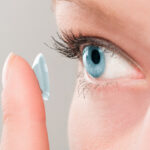 (NaturalHealth365) In an era where screens dominate our lives, our eyesight pays the price. Parents, children, and teens spend countless hours glued to screens, resulting in dreaded nearsightedness or myopia. Seeking respite, many turn to contact lenses as a miraculous solution. Colored contact lenses, in particular, offer the allure of both restored vision and enhanced aesthetics.
But before you dive into the world of contact lenses, beware of the unsettling truths that lurk beneath the surface. Startling reports have emerged, revealing the presence of toxic chemicals in these seemingly innocent ocular companions. The implications are grave, as these chemicals are suspected of posing a cancer risk.
Exposing the cancer-causing threat of forever chemicals in contact lenses
In a revelation that has sent shockwaves through the optical world, a recent study revealed a dark secret about the contact lenses many Americans rely on for clear vision. Many of the contact lenses on the market today harbor hazardous poly-fluoroalkyl substances (PFAS), commonly called “forever chemicals.”
The implications of this discovery are nothing short of alarming. Research has linked PFAS to a range of severe health issues, including cancer, fertility problems, autoimmune disorders, and even damage to internal organs. It’s a chilling reality that demands our attention.
The study that ignited this concern highlights a disturbing fact: nearly 20 popular contact lens brands in the United States contain alarming levels of fluorine, an indicator of PFAS presence. Shockingly, these chemicals are intentionally used to coat contact lenses and other products, purportedly to repel water and prevent staining. However, their true nature is far more insidious.
The truth is that PFAS are indelible, persisting indefinitely instead of naturally breaking down. As a result, they create an unseen danger that lingers long after we insert those lenses into our eyes. It’s a sobering reminder that our pursuit of clear vision comes at a potentially devastating cost.
Do your contact lenses increase your cancer risk?
The public health blogs Mamavation and Environmental Health News financed the contact lens study. Scientists studied the contact lenses made by Coopervision, Alcon, and Acuvue, finding organic fluorine in each. The analysis seems legitimate as it was conducted at a lab approved by the Environmental Protection Agency (EPA).
The test identified forever chemicals at concerningly high levels, between 20,700 and 105 parts per million. The analysis indicates the majority of contact lenses made by these companies are laden with fluoropolymer PFAS.
It must be noted that the study focused on soft disposable lenses as opposed to those of the hard variety. The study showed all lenses were laden with in excess of 100 PFAS parts per million, representing a 50K multiple of the level allowed for what the EPA deems to be safe in drinking water for human consumption.
Embrace options aside from contact lenses
Instead of paying exorbitant sums of money for disposable contacts, suffocating your eyes of essential oxygen, and potentially developing cancer, take the safer and healthier route. Choose traditional eyewear in the form of old-fashioned glasses, and you’ll see clearly without worrying about cancer-causing forever chemicals seeping into your eyes.
Lasik eye surgery is also an option, yet we would be remiss to endorse the procedure as it is a relatively new scientific advancement. Aside from the potential permanent loss of vision, there is also a chance for future eyesight regression after Lasik surgery. Of course, we should also mention the importance of eating well to protect your vision.
Bottom line: put your health first; choose eyeglasses – if you need help, and you’ll see the world clearly without jeopardizing your health.
Sources for this article include:
A Silent Thief of Sight: Are You at Risk?
Reproduced from original article:
https://articles.mercola.com/sites/articles/archive/2023/05/03/glaucoma-risk-factors.aspx
The original Mercola article may not remain on the original site, but I will endeavor to keep it on this site as long as I deem it to be appropriate.
Analysis by Dr. Joseph Mercola Fact Checked May 03, 2023

STORY AT-A-GLANCE
- Glaucoma is the second leading cause of blindness in the world. Worldwide, an estimated 80 million people are affected, and prevalence is on the rise
- Glaucoma develops when high pressure in your eye (ocular hypertension) damages the optic nerve. Peripheral vision is impacted first, followed by central vision. Vision loss is usually the only symptom
- Interocular pressure is a modifiable risk factor of glaucoma
- Aside from high eye pressure, other factors that influence your risk include old age, thin cornea, large optic nerve cup size and low peripheral vision test score. These factors can help your ophthalmologist determine your glaucoma risk
- Treatment options include eye pressure-lowering eye drops, oral medication and selective laser trabeculoplasty. Certain supplements can also be helpful, including melatonin, lutein (ideally from food), ginkgo biloba, Chinese skullcap, bilberry, green tea, curcumin and nicotinamide (B3)
Glaucoma is the second leading cause of blindness in the world. Worldwide, an estimated 80 million people are affected, and prevalence is rising.1 Glaucoma develops when high pressure in your eye (ocular hypertension2) damages the optic nerve. Peripheral vision is impacted first, followed by central vision.
Ocular hypertension occurs when the front of your eye fails to drain fluid properly, thereby causing pressure to build and put pressure on the optic nerve. Factors that raise your risk for ocular hypertension include:
| Family history of ocular hypertension or glaucoma | Diabetics and those with high blood pressure |
| People over 40 | Blacks and Hispanics |
| Myopia (nearsightedness) | Long-term steroid use |
| Previous eye injuries or eye surgeries | Those with pigment dispersion syndrome or pseudoexfoliation syndrome |
The only known way to prevent and/or stop the progression of glaucoma is to lower the pressure in the eye. Treatment options include drugs, lasers, laceration surgery, oral medications, nutritional supplements, herbs and other plant remedies, several of which I’ll review below.
Keep in mind that loss of vision is usually the first and only symptom of glaucoma, so it’s important to get a thorough eye exam by an ophthalmologist to determine if your ocular pressure is elevated, which could make you a candidate for glaucoma. Once vision loss occurs, the damage to your optic nerve is irreversible.
The Ocular Hypertension Treatment Study (OHTS)
Being diagnosed with ocular hypertension does not mean you’re destined to develop glaucoma, but it does significantly raise your risk, as it’s the primary underlying cause. The Ocular Hypertension Treatment Study (OHTS), which began in 1994, has also identified other risk factors that can help determine your risk for glaucoma. As reported by Harvard Health:3
“The researchers enrolled a diverse group of 1,636 participants with ocular hypertension from 22 sites across the US. To study glaucoma prevention, participants were randomly assigned to start either early eye pressure-lowering eye drops (medication group) or close observation (control group).
At five years the data showed that 4.4% of participants developed glaucoma in the medication group, compared to 9.5% in the control group. This tells us that early use of medicated eye drops helps delay over 50% of glaucoma cases in people with ocular hypertension.
During later phases of the study, the control group could receive eye pressure-lowering medications to see whether starting medication later could still delay glaucoma; it did.
At 20 years, about 49% of those in the control group and 42% of those in the medication group developed glaucoma. However, since the study was no longer randomized, the researchers were unable to compare the 20-year risk reduction between the initial starting groups …
Glaucoma risk, it turned out, did not depend solely on eye pressure and race, but on a combination of exam findings. This information helps guide clinicians in determining whether a person with ocular hypertension is at a low, medium, or higher risk for developing glaucoma. Having such information could help people decide when to begin using medicated eye drops to prevent vision loss or slow its progress.”
Aside from high eye pressure, other factors that influence an individual’s risk for developing glaucoma were found to include:
- Older age
- Thinner corneas
- Larger optic nerve cup sizes
- Low initial peripheral vision test scores
Treatment Alternatives
If you’re diagnosed with ocular hypertension, particularly if you also have other risk factors listed above, your ophthalmologist may prescribe eye pressure-lowering eye drops, oral medication and/or selective laser trabeculoplasty (SLT).4
SLT is a five-minute procedure performed at your ophthalmologist’s office, where a low-energy laser is pulsed into specific cells in your eye. Your body’s natural healing response then does the rest by rebuilding these cells. The rebuilding process automatically reduces the intraocular pressure and improves drainage.
Studies have also shown that certain herbal remedies, plant extracts5 and nutritional supplements can be helpful, although most conventional doctors know very little, if anything, about these products.

Download this Article Before it Disappears
Melatonin Lowers Intraocular Pressure
Melatonin, for example, has been shown to lower intraocular pressure in patients with glaucoma. Subjects who took 2 mg of melatonin daily at 10:30 p.m. for 90 days, experienced several benefits, including:6
- Increased stability of systemic circadian rhythm via improved phase alignment and alignment with intraocular pressure
- Decreased intraocular pressure
- Improved function of retinal ganglion cells in those with advanced glaucoma
- Improvements to sleep and mood, particularly in those with advanced glaucoma
Interestingly, these researchers7 suggested that glaucoma may, in fact, be a type of neurodegenerative disease, and damage to retinal ganglion cells affects not only vision but also circadian rhythms and sleep, which melatonin helps regulate.
Melatonin receptors exist in several areas of your eyes, including the retina, lens, and cornea. This hints at melatonin’s importance for regulating eye processes, particularly when pressure homeostasis is involved.
Its beneficial effects on the eyes can perhaps be explained best by the fact that melatonin receptors exist in several areas of your eyes, including the retina, lens and cornea.8 This hints at melatonin’s importance for regulating eye processes, particularly when pressure homeostasis is involved. As explained in a March 2020 paper published in Progress in Retinal and Eye Research:9
“Glaucoma, the most prevalent eye disease, also known as the silent thief of vision, is a multifactorial pathology that is associated to age and, often, to intraocular hypertension (IOP). Indeed IOP is the only modifiable risk factor …
Melatonin and analogues decrease IOP in both normotensive and hypertensive eyes. Melatonin activates its cognate membrane receptors, MT1 and MT2, which are present in numerous ocular tissues, including the aqueous-humor-producing ciliary processes.
Melatonin receptors belong to the superfamily of G-protein-coupled receptors and their activation would lead to different signaling pathways depending on the tissue … The current work highlights the important role of melatonin and its analogues in the healthy and in the glaucomatous eyes, with special attention to the control of intraocular pressure.”
Personally, I question the timing of the melatonin in the above study at 10:30 p.m. In my view that is far from an ideal time to sleep and about two hours later than I personally do. The other issue of concern is that it is unclear if these authors were aware that the greatest production of melatonin is not the pineal, but the mitochondria, when exposed to infrared light.
It would be interesting to compare the results of their 2 mg 10:30 p.m. protocol versus one hour of sunshine around solar noon in a warm climate.
Melatonin’s Effects Have Been Known for Decades
The effect of melatonin on intraocular pressure has been known for decades, yet most conventional doctors are still groping in the dark. In 1988, researchers with Oregon Health Sciences University exposed subjects to bright light to suppress serum melatonin levels, and then supplemented with melatonin to gauge its effect on intraocular pressure.10 A significant connection was found:11
“Our data suggests that during the period of melatonin’s greatest levels in the serum, IOP is lowest. All subjects had maximum pressures form 4 p.m. to 6 p.m. and most subjects had minimums from 2 a.m. to 5 a.m.
In experiment one, bright light suppression of melatonin secretion attenuated the early morning fall IOP. This was statistically significant at suggesting that melatonin is involved in lowering early morning IOP.
In experiment one, there was only partial suppression of melatonin production with bright light and consequently there was no significant difference in IOP between subjects exposed to dim light and bright light.
However, administering 200 micrograms (one-fifth of 1 mg) of melatonin orally caused a significant decrease in IOP. Intraocular pressure remained low for approximately four hours after the last dose.”
Lutein Protects Against Glaucoma and Other Eye Diseases
Lutein is another nutrient that is really important for eye health and helps to protect against age-related macular degeneration, cataracts, glaucoma and other eye diseases.
Lutein concentrates in your macula, which is the part of your retina responsible for central vision. Along with zeaxanthin and mesa-zeaxanthin (a metabolite of lutein), these three carotenoids form the retinal macular pigment, which not only is responsible for optimizing your visual performance but also serves as a biomarker for the risk of macular diseases.12
Lutein is also found in the lens, where it helps protect against cataracts and other age-related eye diseases. Among carotenoids, lutein is the most efficient at filtering out blue light — the type that comes from cellphones, computers, tablets and LED lights. Blue light induces oxidative stress in your eyes, which increases the risk of cataracts and macular diseases. Lutein, however, acts as a shield against it.
Your body cannot make lutein, so you must get it from your diet. Following are 10 foods that are particularly rich sources of lutein.
| Dark leafy greens | Carrots |
| Broccoli | Egg yolks |
| Red and yellow peppers | Sweet corn |
| Avocados | Raspberries |
| Cherries | Paprika |
Lutein and other carotenoids are fat-soluble, so to optimize absorption be sure to consume it along with a source of healthy fat, such as coconut oil or grass-fed butter. Because organic, pastured egg yolks contain fat, they’re among the healthiest sources of lutein.
Other Helpful Remedies
Certain herbs, plant extracts and vitamins have also shown promise in the treatment of glaucoma, including:13
| Ginkgo biloba — A 2013 study14 highlighted the benefits of ginkgo biloba, finding it slowed the progression of glaucoma. Forty-two patients with normal tension glaucoma received 80 mg of ginkgo biloba extract twice a day and underwent five or more visual field tests over the course of at least four years.
Mean follow-up was 12.3 years. While intraocular pressures remained largely the same after treatment, the visual field index significantly improved, especially central field vision. |
| Chinese skullcap — A 2021 study15 concluded that baicalein, a flavone found in skullcap root, effectively improved symptoms of glaucoma and reduced retinal ganglion cell apoptosis. |
| Bilberry — In animal research,16 bilberry extract was shown to prevent the death of retinal ganglion cells in mice whose optic nerves were crushed. The dosages given were 100 mg per kilo of bodyweight per day and 500 mg/kg/day. |
| Green tea — A 2019 animal study found green tea extract helped protect retinal ganglion cells during ischemic conditions (i.e., when blood flow is restricted). As such, green tea extract may be a viable therapeutic approach for glaucoma and optic neuropathies.
A more recent report,17 published in 2022, proposed that moderate consumption of green tea or 400 mg of concentrated green tea extract per day might benefit individuals with elevated intraocular pressure and those at risk for glaucoma. |
| Curcumin — According to animal research18 published in 2014, curcumin, a polyphenol found in the spice turmeric, can help treat glaucoma by limiting oxidative damage in the eye and lowering intraocular pressure. |
| Vitamin B3 (nicotinamide) — Research19 published in 2020 reported that glaucoma patients who took oral vitamin B3 experienced significant improvement in retinal function. Patients in the treatment group received 1.5 grams of nicotinamide per day for six weeks, followed by 3 grams a day for another six weeks. |
- 1, 5, 13 Epoch Times April 19, 2023 (Archived)
- 2 AAO.org Ocular Hypertension
- 3 Harvard Health September 22, 2022
- 4 Glaucoma Research Foundation Treating Glaucoma
- 6, 7 J Pineal Res. 2021 May;70(4):e12730. Discussion
- 8 Pharmacol Ther. 2007 Mar;113(3):507-22
- 9 Prog Retin Eye Res. 2020 Mar;75:100798
- 10, 11 Curr Eye Res. 1988 Jul;7(7):649-53
- 12 Nutrients. 2020 Jun; 12(6): 1721., 1.2 Distribution of Lutein in the Human Body
- 14 Journal of Glaucoma December 2013; 22(9): 780-784
- 15 Chinese Medicine 2021; 16, article number 124
- 16 Clinical Ophthalmology October 11, 2017; 11: 1825-1834
- 17 International Journal of Ophthalmology 2022; 15(5): 747-752
- 18 J Ocul Pharmacol Ther October 2014; 30(8): 657-664
- 19 Clinical & Experimental Ophthalmology July 28, 2020; 48(7): 903-914
Improve your vision and bone health with lutein and zeaxanthin
Reproduced from original article:
https://www.naturalhealth365.com/improve-your-vision-and-bone-health-with-lutein-and-zeaxanthin.html
by: April 24, 2023
 (NaturalHealth365) Lutein, a type of carotenoid found in the macula, is often prescribed to reduce intraocular pressure in individuals with pre-glaucoma and glaucoma. However, a recent study published in JAMA Ophthalmology by the National Institutes of Health (NIH) shows that lutein is also helpful in decreasing age-related macular degeneration.
Additionally, when combined with another macular carotenoid called zeaxanthin, lutein can improve bone health, making it even more compelling to include these nutrients in your daily supplement routine.
Revolutionizing eye health: Uncover the power of lutein and zeaxanthin
In smokers, some “experts” suggest, the use of beta-carotene has been linked to an increased risk of lung cancer. However, two NIH-supported studies demonstrate that the use of lutein and zeaxanthin, as shown in the age-related eye disease studies (AREDS2), can effectively replace beta-carotene, leading to a reduction in age-related macular degeneration (AMD). This is significant as AMD is the primary cause of blindness among older adults in the U.S.
Over a decade-long analysis of the AREDS2 formula, zeaxanthin, and lutein were found to be effective replacements for beta-carotene. This formula not only reduces the risk of lung cancer caused by beta-carotene but also slows the progression of AMD. However, it should be noted that the participants in the study were already smokers. The primary goal of AREDS2 was to create a formula that could be utilized by everyone, regardless of smoking habits.
The results of the study demonstrate that this innovative formula is superior in slowing the progression of AMD and is also safer. The reduction or elimination of AMD is critical for maintaining good health, as this retinal degenerative disease can ultimately lead to blindness. While there is no conventional cure for AMD currently, treating it has the potential to reduce the rate of vision loss.
The dangers of beta-carotene for smokers: Why lutein and zeaxanthin are a safer bet
The initial AREDS study, conducted in 1996, demonstrated that a dietary supplement containing 15 mg of beta-carotene, 80 mg of zinc, 2 mg of copper, and vitamins C and E could slow the progression of AMD, specifically from moderate to late stages. However, subsequent studies revealed that smokers who took beta-carotene had a significantly higher risk of lung cancer than non-smokers.
In the subsequent AREDS2 study, the beta-carotene was replaced with 2 mg of zeaxanthin and 10 mg of lutein for individuals who had ceased smoking or never smoked. The study found that the use of lutein and zeaxanthin did not increase the risk of lung cancer and had the potential to reduce the progression of AMD by up to one-quarter. The study concluded with participants using the AREDS2 formula with zeaxanthin and lutein instead of beta-carotene.
A more recent study involving over 4,000 patients over five years since the previous AREDS2 study showed a 20% decrease in the risk of progression to late-stage AMD compared to those who took beta-carotene. It is evident that lutein and zeaxanthin are vital components in the fight for better eye health.
More benefits: Lutein and zeaxanthin support bone health
Recent studies have shown that zeaxanthin and lutein not only promote eye health but also strengthen bones, reducing the risk of osteoporosis in older adults. In a study involving participants aged 50 and above, it was found that the intake of these carotenoids can lead to stronger bones and reduced risk of fractures. However, it’s worth noting that a relatively high level of zeaxanthin and lutein intake was required to achieve these results.
Nonetheless, the dual benefits of zeaxanthin and lutein make them particularly valuable for vulnerable senior citizens. By incorporating these carotenoids into their daily supplement intake, older adults can enhance their vision and bone health and improve their overall health and longevity.
To learn more about how to properly supplement your diet, we suggest you work with an integrative health coach – who understands your entire health history and personal goals.
Sources for this article include:
Phospholipids: A Hidden Superpower for Your Health
Reproduced from original article:
https://articles.mercola.com/sites/articles/archive/2023/04/24/omega-3-phospholipids.aspx
The original Mercola article may not remain on the original site, but I will endeavor to keep it on this site as long as I deem it to be appropriate.
Analysis by Dr. Joseph Mercola Fact Checked April 24, 2023

STORY AT-A-GLANCE
- Unlike krill oil — a superior source of omega-3 fats — fish oil lacks phospholipids, which increase omega-3 fat absorption and provide other benefits
- A new lysophospholipid form of DHA shows promise for preventing the visual decline that often occurs alongside chronic diseases like Alzheimer’s and diabetes
- While the DHA in most fish oil supplements cannot reach the retina, where DHA concentrates, LPC-DHA crosses into the retina from the bloodstream
- Krill oil counteracts neuroinflammatory processes, due to its phospholipids and additional beneficial compounds, like astaxanthin
- Although krill oil contains less EPA and DHA per gram of supplement than fish oil does, it’s more bioavailable since the EPA and DHA are bound in a phospholipid form
You’ve likely heard about the many benefits of omega-3 fats for your heart, brain and more, but if you’re consuming it in supplement form, be sure it’s alongside phospholipids. Wild-caught salmon, sardines and certain other fish are excellent sources of the omega-3 fats eicosapentaenoic acid (EPA) and docosahexaenoic acid (DHA).1
However, because most Americans do not consume much seafood, many rely on fish oil supplements instead. This is a mistake for virtually anyone who makes this choice. This is because the chemical process used to make most of these products — trans-esterification — transforms the oil into a synthetic product that’s far removed from the natural fats you’d get when eating sardines or other fatty fish.2
There are many issues with synthetic fish oil, and absorption is only one of them. Free fatty acids of fish oil have an absorption rate of at least 95%. EPA in its natural triglyceride form had a 68% absorption rate in one study, while ethyl ester forms — the type found in nearly all fish oil supplements — absorbed only about 20% as well as the free fatty acids.3
Unlike krill oil — a superior source of omega-3 fats — fish oil lacks any phospholipids. Research is now confirming just how important the phospholipid component is when it comes to gleaning all the benefits you can from your omega-3 fats.
Phospholipid Form of Omega-3 Helps Prevent Visual Decline
Recent studies show a new lysophospholipid form of DHA (LPC-DHA) shows promise for preventing the visual decline that often occurs alongside chronic diseases like Alzheimer’s and diabetes, according to a study presented at the 2023 annual meeting of the American Society for Biochemistry and Molecular Biology.4 While the DHA in most fish oil supplements cannot reach the retina, where DHA concentrates, LPC-DHA crosses into the retina from the bloodstream.
“Increasing the retinal DHA at clinically feasible doses has not been possible until now because of the specificity of the blood-retinal barrier that is incompatible with the specificity of the intestinal barrier,” study author Sugasini Dhavamani explained. “This study uses the novel approach of dietary LPC-DHA that overcomes both intestinal and blood-retinal barriers and improves retinal function.”5
In order to reach the retina, the DHA must first be absorbed from the intestine into the bloodstream and from there cross into the retina. The study, which involved mice, found that not only did LPC-DHA increase DHA in the retina, it reduced eye problems related to Alzheimer’s disease.6 Mice fed LPC-DHA daily for six months had a 96% increase in DHA and signs that the structure of the retina was better preserved.7
Low levels of DHA in the retina are common in people with Alzheimer’s, diabetes and age-related macular degeneration (ARMD), and if you don’t have enough DHA in the retina it’s associated with vision loss. Dhavamani explained:8
“Dietary LPC-DHA is enormously superior to TAG-DHA [triacylglycerol DHA, the type found in fish oil supplements] in enriching retinal DHA and could be potentially beneficial for various retinopathies in patients. This approach provides a novel therapeutic approach for the prevention or mitigation of retinal dysfunction associated with Alzheimer’s disease and diabetes.”
While these certainly are impressive results, they certainly are not novel and essentially replicate the characteristics of the phospholipids that are in krill and have been well-documented for many decades.
Krill Oil Protects Against Cognitive Impairment
Typically, DHA and EPA are water insoluble and therefore cannot be transported in their free form in your blood. They must be packaged into lipoprotein vehicles such as a phospholipid. This is primarily why the bioavailability of krill oil is so much higher than fish oil, because in fish oil, the DHA and EPA are bound to triglycerides.
Many studies highlight krill oil’s effectiveness, including for brain health. In an animal study, krill oil had a beneficial effect on neuroinflammation and oxidative stress, which are associated with the development of Alzheimer’s disease. In mice with Alzheimer’s disease, krill oil also inhibited memory loss.9
Writing in the journal Neuroscience Research, scientists from Central Michigan University again highlighted krill’s unique position to counteract neuroinflammatory processes, due to its phospholipids and additional beneficial compounds, like astaxanthin:10
“Similar to the more widely studied fish oil, KO [krill oil] contains the long chain fatty acids eicosapentaenoic acid (EPA) and docosahexaenoic acid (DHA) which are essential for basic brain functions.
Moreover, the phospholipid bound nature of fatty acids found in KO improves bioavailability and efficiency of absorption, thus supporting the belief that KO may offer a superior method of dietary n-3 delivery. Finally, KO contains astaxanthin, an antioxidant capable of reducing potentially excessive oxidative stress and inflammation within the brain.”
Download this Article Before it Disappears
Krill Oil Protects Neurons From Age-Related Degeneration
In another example, this time involving roundworms and human cells to investigate whether krill oil promotes healthy aging, a number of hallmarks of aging were modified. “There is accumulating evidence that interfering with the basic aging mechanisms can enhance healthy longevity,” the team noted.11
In a model of Parkinson’s disease, krill oil protected dopaminergic neurons, which synthesize the neurotransmitter dopamine, from aging-related degeneration while improving behaviors and cognition that depends on dopamine.
“Krill oil rewires distinct gene expression programs that contribute to attenuating several aging hallmarks, including oxidative stress, proteotoxic stress, senescence, genomic instability, and mitochondrial dysfunction,” according to the researchers.12
They suggested krill oil increases neurons’ resilience by helping to ward off inflammation and oxidative stress — “thus,” they note, “krill oil supplementation might serve as a possible approach for healthy brain aging interventions.”13
Krill Offers Unique Benefits for Iron Overload, Choline
Why else is krill oil, with its valuable phospholipids, so valuable? Research suggests it alleviates oxidative stress and iron accumulation, such that it could be used as a treatment for toxicity caused by iron overload which is pervasive in most adults.14
Krill oil is also a particularly good source of choline. While choline is found in a variety of foods, intakes for adults and children are believed to be far below optimal levels, putting public health at risk and leading experts to suggest that [intake of choline-rich foods should be encouraged.15
Krill oil contains 69 choline-containing phospholipids to synthesize phosphatidylcholine, a critical component of human cell membranes.16 This is key to its benefits as a source of choline, because it’s estimated that 60% of choline in organic salts is otherwise lost when gut bacteria convert it to the metabolite trimethylamine (TMA).
Enzymes then turn TMA into trimethylamine-N-oxide (TMAO), a potential biomarker for insulin resistance and heart problems. Krill oil, however, contains fatty acids in the form of phosphatidylcholine (PC) — unlike fish oil, which contains them in triglyceride form.
As noted by the researchers, “Choline in the form of PC is considerably less converted to TMA as demonstrated in a single-dose study with krill oil,17 potentially resulting in more efficient delivery of choline.”18 It’s been shown for instance, that 28 days of krill oil supplementation increased choline levels in healthy young adults.19
In a study comparing phosphatidylcholine, present in krill oil, and choline bitartrate salt, it was found that the krill oil led to higher levels of the important metabolites betaine and dimethylglycine (DMG) along with lower levels of TMAO, which can lead to health issues, compared to the other choline source. Researchers explained:20
“Krill oil is increasingly recognized as a useful source of phosphatidylcholine, in addition to its acknowledged role in providing the omega-3 fatty acids EPA and DHA. In a former study, phosphatidylcholine was shown to raise plasma choline levels more efficiently compared to ingestion of free choline as choline chloride.”
With Krill Oil, You Get Astaxanthin
It’s worth mentioning that when you choose omega-3s in the form of krill oil, you also get some astaxanthin, an antioxidant produced by the microalgae Haematococcus pluvialis when its water supply dries up, forcing it to protect itself from UV radiation. Besides the microalgae that produce it, the only other sources are the sea creatures that consume the algae, such as wild salmon, shellfish and krill.
Many researchers believe astaxanthin is the most powerful antioxidant ever discovered for eye health.21,22 It has protective benefits against a number of eye-related problems, including ARMD and cataracts, as well as:
- Cystoid macular edema
- Diabetic retinopathy23
- Retinal arterial occlusion and venous occlusion
- Glaucoma24
- Inflammatory eye diseases (retinitis, iritis, keratitis and scleritis)
Astaxanthin easily crosses into the tissues of your eye and exerts its effects safely and with more potency than any of the other carotenoids, without adverse reactions. Specifically, astaxanthin has been shown to ameliorate or prevent light-induced damage, photoreceptor cell damage,25 ganglion cell damage and damage to the neurons of the inner retinal layers.
Research published in the Journal of Clinical Biochemistry and Nutrition in 2017 showed 16 weeks of astaxanthin supplementation protected against wrinkles and loss of skin moisture, and improved skin elasticity.26
Most Fish Oil Supplements Should Be Avoided
I recommend avoiding nearly all commercial fish oil supplements, because the DHA and EPA are delivered in the form of ethyl esters. These are essentially a synthetic substrate, created through the microdistillation process of crude fish oil, in which ethanol and/or industrial alcohol is added. This mix is heat distilled in a vacuum chamber, resulting in a concentrated omega-3 ethyl ester condensate.
Not only does this molecular distillation process remove vital resolvins and protectins that are important in reducing inflammation, but it also concentrates the EPA and DHA. You can tell the concentration of these two fats in any given supplement by looking at the label. In fish, the oil consists of 20% to 30% EPA and DHA, whereas purified fish oil concentrate typically contains between 60% and 85% EPA and DHA.27
Most corporations produce ethyl ester fish oil because it’s far less expensive to produce than the triglyceride form. Ethyl esters are also easier to work with during processing, as they have a higher boiling point, which becomes important when the oils are heated and purified of environmental pollutants.
Ethyl esters are the least bioavailable form of omega-3. Manufacturers could convert them back into the triglyceride form by detaching the ethyl alcohol molecule and reattaching a glycerol molecule in a process known as re-esterification,28 but most don’t because it’s so costly.
Your Body Metabolizes Ethyl Ester Forms Differently
It’s important to understand that your body metabolizes the triglyceride and ethyl ester forms of omega-3 differently, and this is when the issues arise. Since the glycerol backbone is missing in the ethyl ester form, the EPA and DHA will scavenge for available triglycerides or steal a glycerol molecule from somewhere.
The fatty acids need to be converted back into triglyceride form or your gut epithelium will not be able to process them. When the ethyl ester form of EPA or DHA ends up stealing glycerol molecules, the molecule that lost its glycerol will then go searching for a replacement, creating a negative domino effect. Further, the fatty acids cannot be transported through your blood unless they’re in triglyceride form.
On the other hand, when you consume omega-3s in triglyceride form, the fatty acids are first separated from the glycerol backbone. All of the individual parts are then absorbed by gut epithelial cells, where they’re reattached to form triglyceride.
When you consume ethyl esters, they must be processed in your liver. There, the ethanol backbone is separated from the free fatty acids, and your body must then reattach the free fatty acids to glycerol to form triglyceride. Your liver must also process the ethyl alcohol, which may release free radicals and cause oxidative stress — the opposite of what you’re trying to achieve when you consume fish oil.
Ideally, consume omega-3 fats in whole-food form by eating fatty, cold-water fish. This includes wild-caught Alaskan salmon, sardines, anchovies, mackerel and herring. If you choose to use a supplement, krill oil provides a superior alternative to fish oil.
Although krill oil contains less EPA and DHA per gram of supplement than fish oil does, it’s more bioavailable since the EPA and DHA are bound in a phospholipid form. This means you can take lower doses while reaping superior results.
- 1, 2 Class Action Complaint, Filed September 24, 2021
- 3 Biochem Biophys Res Commun. 1988 Apr 15;152(1):328-35
- 4, 5, 6, 8 EurekAlert! March 27, 2023
- 7 New York Post March 28, 2023
- 9 Int. J. Mol. Sci. 2017, 18(12), 2554; doi: 10.3390/ijms18122554
- 10 Neurosci Res. 2020 Aug;157:1-14. doi: 10.1016/j.neures.2019.08.001. Epub 2019 Aug 22
- 11, 12 Aging November 9, 2022
- 13 Aging November 9, 2022, Conclusions
- 14 Environ Sci Pollut Res Int. 2020 Feb;27(4):3950-3961. doi: 10.1007/s11356-019-06983-1. Epub 2019 Dec 10
- 15 Nutr Rev. 2009 Nov; 67(11): 615–623
- 16 Lipids. 2011;46(1):25-36
- 17 Nutrients. (2019) 11:2548. doi: 10.3390/nu11102548
- 18 Front. Nutr., 18 August 2020 | doi: 10.3389/fnut.2020.00133
- 19 Lipids Health Dis. 2015 Dec 15;14:163. doi: 10.1186/s12944-015-0162-7
- 20 Nutrients. 2019 Oct; 11(10): 2548
- 21 Journal of the Science of Food and Agriculture May 1, 2001: 81(6); 559-568
- 22 Oxid Med Cell Longev. 2019; 2019: 3849692
- 23 J Ophthalmol. 2022; 2022: 8071406
- 24 Mar Drugs. 2020 May; 18(5): 239
- 25 Antioxidants (Basel). 2020 Aug; 9(8): 729
- 26 Clinical Biochemistry and Nutrition July 2017; 61(1): 33-39
- 27, 28 A Comparison of Synthetic Ethyl Ester Form Fish Oil vs. Natural Triglyceride Form (PDF), What Are Triglycerides and Ethyl Esters?
Is This One of the Best Nutrients for Your Eyes and Brain?
Reproduced from original article:
https://articles.mercola.com/sites/articles/archive/2023/03/30/best-nutrient-for-your-eyes-and-brain.aspx
The original Mercola article may not remain on the original site, but I will endeavor to keep it on this site as long as I deem it to be appropriate.
Analysis by Dr. Joseph Mercola Fact Checked March 30, 2023
STORY AT-A-GLANCE
- Of all the known carotenoids, only lutein and zeaxanthin cross the blood-retina barrier to form macular pigment
- Lutein is also found in the brain, hinting at its importance for cognitive function
- Lutein, found in green leafy vegetables, egg yolks and more, helps form the retinal macular pigment, which is responsible for optimizing your visual performance and serves as a biomarker for the risk of macular diseases
- Lutein is protective against age-related macular degeneration, cataracts, glaucoma and other eye diseases
- Among young and older adults, lutein and zeaxanthin supplementation improves cognitive function
While there are about 850 known carotenoids, most are not found in the human body1 and only lutein, zeaxanthin and astaxanthin cross the blood-retina barrier to form macular pigment.2 Your retina is an extension of your brain,3 where lutein also accumulates throughout the human lifespan, hinting at its importance for both vision and cognitive function.
In fact, if you have dementia, you’re likely deficient in lutein, which crosses the blood-brain barrier and has a protective, anti-inflammatory effect.4 While lutein is available in supplement form, it’s also found in a wide variety of foods, including dark leafy greens, avocados and egg yolks.
Lutein for Vision Health
Lutein concentrates in your macula,5 which is the part of your retina responsible for central vision. Along with zeaxanthin and mesa-zeaxanthin (a metabolite of lutein), these three carotenoids form the retinal macular pigment, which not only is responsible for optimizing your visual performance but also serves as a biomarker for the risk of macular diseases.6
Lutein is also found in the lens, where it helps protect against cataracts and other age-related eye diseases.7 Among carotenoids, lutein is the most efficient at filtering out blue light — the type that comes from cellphones, computers, tablets and LED lights.
Blue light induces oxidative stress in your eyes, which increases the risk of cataracts and macular diseases. Lutein, however, acts as a shield against it. According to a team of researchers from Harvard Medical School and The University of Hong Kong, writing in the journal Nutrients:8
“As the peak wavelength of lutein’s absorption is around 460 nm which lies within the range of blue light, lutein can effectively reduce light-induced damage by absorbing 40% to 90% of incident blue light depending on its concentration.
The outer plexiform layer of the fovea, where the majority of axons of rod and cone photoreceptor cells are located, is the retinal layer having the highest density of macular carotenoids including lutein. Hence the photoreceptors are protected against photo-oxidative damages from blue light.”
Lutein also suppresses inflammation and the expression of vascular endothelial growth factor (VEGF),9 which stimulates the formation of blood vessels and is upregulated in many tumors.10
“As inflammation and abnormal angiogenesis in retinal vasculature are major pathogenic mechanisms of many ocular diseases, lutein’s functions in suppressing inflammatory response and VEGF expression make it effective in reducing the severity of these diseases,” the team noted.11 Further, lutein may improve visual acuity while helping to reduce cell loss after injury.12
It is important to understand that VEGF can be very helpful or detrimental depending on the circumstances. When building muscle, VEGF expression is vital to nourishing Type 2 muscle fiber stem cells. However, if there is a disease process going on, then excessive VEGF levels can be pathologic. In healthy people, though, VEGF expression is generally considered healthy.
Lutein for AMD, Cataracts and Other Eye Diseases
In my view the most important strategy to prevent age-related macular degeneration (AMD) is through the radically lowering of the omega-6 fat linoleic acid. AMD was virtually unknown prior to the refining of seed oils in the late 1800s. Now it is a leading cause of blindness.
Lutein also may help prevent AMD,13 which is the leading cause of vision loss and blindness for Americans aged 65 and older.14 By 2050, it’s estimated that 288 million people worldwide will be affected, up from 196 million in 2020.15
Not only are higher blood levels of lutein and other carotenoids associated with a lower risk of AMD, but one study found people with the highest lutein and zeaxanthin intake had a 65% lower incidence of neovascular AMD compared to those who consumed the least.16
Lutein also shows promise for diabetic retinopathy, which affects one-third of diabetes patients.17 Along with improving retinal thickness and function, lutein may lower the risk of development or progression of diabetic retinopathy.18 Cataracts, which are estimated to affect over 90% of adults aged 70 and over, are also less common in people with higher lutein intakes.
In one study, those who consumed the most lutein had a 50% lower likelihood of cataracts than those who consumed the least.19 Glaucoma, another leading cause of blindness worldwide, is also linked to lutein consumption. A systematic review revealed that lutein enhanced neuroprotection of retinal ganglion cells, helping to preserve synaptic activity.20
Further, not only was greater consumption of carotenoids in the diet associated with a lower glaucoma risk, but higher carotenoid levels in macular pigment helped improve visual performance in eyes affected by the disease.21 Even myopia, or nearsightedness, which causes faraway objects to appear blurry while close-up objects look clear, may have a lutein connection.
In a study looking into the effects of vitamin D and ultraviolet B exposure on myopia, it was found, unexpectedly, that subjects with the highest lutein concentrations had 40% reduced odds of myopia.22
Download this Article Before it Disappears
Lutein Optimizes Brain Health, Too
While lutein is well-known for its role in eye health, its role in brain health is being increasingly explored. The connection makes sense, since as your vision worsens with age, so too may your cognitive abilities.
Research shows visual impairment at a distance is associated with declining cognitive function over time, while “maintaining good vision may be an important interventional strategy for mitigating age-related cognitive declines.”23
Meanwhile, studies support the beneficial effects of lutein on brain health. In a trial of young, healthy adults, supplementation with lutein and zeaxanthin improved levels of these carotenoids in the central nervous system along with boosting cognitive function.24
Among older adults with a mean age of 73.7 years, lutein and zeaxanthin supplementation also improved cognitive function, including boosts in complex attention and cognitive flexibility domains, compared to those taking a placebo.25
Men taking part in the study also had improvements in composite memory. These benefits were seen with a daily lutein and zeaxanthin dose equivalent to that found in one-half cup of cooked kale or 1 cup of cooked spinach.26
A literature search involving eight clinical trials further revealed that lutein and zeaxanthin in the blood or macula are associated with cognitive performance, and “there is an inverse relationship between a higher amount of macular pigment in the blood and lower risk of mild cognitive impairments or Alzheimer’s disease.”27
In another example, among 60 adults between the ages of 25 and 45, those with higher levels of lutein in middle-age had more youthful neural responses than those with lower levels.28 The researchers suggested eating more lutein-rich foods could therefore benefit your brain in middle age:29
“While some age-related cognitive decline is to be expected in healthy aging, our data suggest that these effects may be less pronounced among adults with greater retinal carotenoid status, a marker of dietary patterns characterized by greater intake of green and leafy vegetables. Furthermore, these practices may provide neuro-cognitive benefit before the onset of older age, in early to middle adulthood.”
Lutein Is Also Good for Cardiometabolic Health
Lutein’s ability to protect against oxidative stress may also boost cardiometabolic health, according to a systematic review and meta-analysis. Both higher dietary intake and higher blood concentrations of the carotenoid were associated with better cardiometabolic health, including a lower risk of metabolic syndrome, coronary heart disease and stroke.30
Lutein may support optimal cardiometabolic health by inducing beneficial vascular changes and offering antioxidant and immunomodulatory effects. Lutein’s anti-inflammatory effects also appear to by systemic, not restricted to the eyes, including an association with lower c-reactive protein (CRP),31 a measure of heart disease risk.
Top 10 Sources of Lutein
Your body cannot make lutein, so you must get it from your diet. Following are 10 foods that are particularly rich sources of lutein.
| Dark leafy greens | Carrots |
| Broccoli | Egg yolks |
| Red and yellow peppers | Sweet corn |
| Avocados | Raspberries |
| Cherries | Paprika |
Lutein and other carotenoids are fat-soluble, so to optimize absorption be sure to consume it along with a source of healthy fat, such as coconut oil or grass-fed butter. Because organic, pastured egg yolks contain fat, they’re among the healthiest sources of lutein. You can often tell the eggs are free-range by the color of the egg yolk. Foraged hens produce eggs with bright orange yolks, indicative of higher amounts of lutein and zeaxanthin.
Further, consuming eggs along with vegetables that contain lutein may increase its absorption. In fact, eating whole eggs along with a raw mixed-vegetable salad increased absorption of lutein and zeaxanthin by four- to five-fold.32,33
While there’s no recommended daily intake for lutein, one study found, “Dietary concentrations between 6 and 20 mg per day of lutein have been associated with a reduced risk of ocular disorders such as cataracts and age-related macular degeneration.”34 Another paper, published in 2019 in PLOS ONE, found benefits to vision in those who took 10 mg or 20 mg of lutein per day, explaining:35
“Our stratified analyses suggest the importance of providing lutein at sufficiently high doses and durations: daily doses of at least 20mg showed efficacy within 6 months, compared to 1 year for daily doses of 10mg. However, at least one study showed that 10 mg lutein had the same effect as 20 mg per day, which contradicts our results.
This raises the possibility that the efficacy of lutein supplementation depends on multiple factors. In any event, lutein or zeaxanthin appears to be safe in rats at up to 400mg/kg per day, and lutein appears to be safe in humans at up to 20mg per day.”
While the optimal dose of lutein in supplement form is still being determined, increasing your intake of lutein-rich foods is a simple and effective way to boost your levels of this important nutrient.
- 1 Nutrients. 2020 Jun; 12(6): 1721., Intro
- 2 Curr Dev Nutr. 2019 Jul; 3(7): nzz066
- 3, 4 YouTube, Dr. Eric Berg, The Science Behind Lutein and Brain Health March 2018, 1:00
- 5, 6, 7 Nutrients. 2020 Jun; 12(6): 1721., 1.2 Distribution of Lutein in the Human Body
- 8, 9, 11, 12 Nutrients. 2020 Jun; 12(6): 1721., 1.3 Chemical Structures and Properties of Lutein
- 10 Madame Curie Bioscience Database, VEGF and Its Role in Non-Endothelial Cells
- 13 Med Hypotheses. 2003 Oct;61(4):465-72
- 14 U.S. CDC, Learn About Age-Related Macular Degeneration
- 15 Nutrients. 2020 Jun; 12(6): 1721., 3 Lutein Supplementation and Age-Related Macular Degeneration
- 16 Nutrients. 2020 Jun; 12(6): 1721., 3.3 Lutein and AMD
- 17, 18 Nutrients. 2020 Jun; 12(6): 1721., 4. Lutein Supplementation and Diabetic Retinopathy
- 19 Nutrients. 2020 Jun; 12(6): 1721., 6.3 Lutein and Myopia
- 20, 21 Nutrients. 2021 Jun 6;13(6):1949. doi: 10.3390/nu13061949
- 22 Nutrients. 2020 Jun; 12(6): 1721., 7. Lutein Supplementation and Cataract
- 23 JAMA Ophthalmology June 28, 2018
- 24 Nutrients. 2017 Nov; 9(11): 1246
- 25 Front Aging Neurosci. 2017; 9: 254
- 26 NutritionFacts.org March 16, 2023
- 27 J Alzheimers Dis. 2022;87(3):1079-1087. doi: 10.3233/JAD-215736
- 28 Frontiers in Aging Neuroscience June 9, 2017
- 29 Frontiers in Aging Neuroscience June 9, 2017, Conclusion
- 30, 31 The American Journal of Clinical Nutrition February 2016, Volume 103, Issue 2, Pages 481-494
- 32 Am J Clin Nutr. 2015 Jul;102(1):75-83. doi: 10.3945/ajcn.115.111062. Epub 2015 May 27
- 33 Science Daily March 29, 2015
- 34 Nutrients May 2013; 5(5): 1823-1839
- 35 PLOS ONE December 30, 2019 DOI: 10.1371/journal.pone.0227048, Discussion
Chlorine in swimming pools causes disease, infections and cancer
Reproduced from original article:
https://www.naturalhealth365.com/chlorine-in-swimming-pools-causes-disease-infections-and-cancer.html
by: March 25, 2023
 (NaturalHealth365) It is important to be mindful of potential dangers to our families, even as we try to improve our diets and lifestyles. For example, while swimming in a pool may seem harmless and even beneficial for exercise and socialization, research shows that the chlorine used to disinfect pools can create harmful disinfection by-products (DBPs) that can cause DNA damage and increase the risk of cancer.
According to the World Health Organization (WHO), there are three ways that chemicals can enter the body: inhalation, digestion, and absorption. When it comes to swimming, all three possibilities exist. One particular issue associated with swimming in a public or private pool is the use of chlorine. While chlorine is effective in killing bacteria, it can also cause skin rashes, allergies, and lung injuries.
In addition, studies have shown that chlorine can react with personal care products on the skin to generate harmful chemicals, increasing the risk of cancer. Therefore, it is crucial to be aware of the potential risks associated with swimming in a chlorinated pool and take appropriate precautions to minimize exposure.
Chlorine can cause serious breathing issues and eye problems
The Centers for Disease Control and Prevention (CDC) says that prolonged contact with chlorine could be a factor in asthma and respiratory disease. The CDC has also connected it to epiglottitis – a potentially life-threatening inflammatory condition of the flap at the base of the tongue. This is due to the inhalation of the gas that chlorine emits. We’ve all “smelled” that chlorine pool aroma. It may even smell clean to us. It turns out it could lead to respiratory disease or accentuate existing respiratory problems.
Eye infections are another side-effect of chlorinated water. The chlorinated water can easily get into the eyes, especially when someone keeps their eyes open while underwater. But the risks don’t stop there. Swallowing too much chlorinated water can lead to liver or kidney problems, and it gets worse. The sodium hypochlorite found in chlorine and other similar compounds have the potential to produce liver cancer.
The connection between chlorine exposure and the development of cancer
Water that has been chlorinated is being blamed for causing a higher percentage of skin cancers each year. If exposed to chlorinated water for an extended period, the chemical will produce a toxic substance that can produce a rash or other infection on the body.
The sun may be determined as the culprit, but rarely it is blamed on chlorine. Another cancer connected to chlorinated water is colorectal cancer. This, too, can happen when a person is overexposed to treated water. Trihalomethanes, a by-product of chlorine, is the main contributor to uninhibited cell growth within the colon.
How to protect yourself from the risks associated with chlorine
There are ways to better protect yourself from the harmful effects of toxic chemicals associated with swimming pools, whether public or private. Obviously, the best way would be to avoid them – completely. But, for ‘pool lovers’ – here are a few healthy tips:
- Limit the swimming times for you and your family. Time at the pool can be relaxing and enjoyable but monitor how much time you and your loved ones are spending in the chlorinated water.
- Rinse chlorinated pool water off of your body. Ensure you and your family shower before, during, and after swimming.
- Wearing protective eye goggles can help decrease the intake of chlorine into the eyes and the body. They can decrease the possibility of eye infections as a result of chlorine.
No matter how you view the threat of chlorine, you should understand that ingesting it is not good. You certainly want family members to enjoy their day at the pool, but they should be reminded to avoid swallowing chlorinated water.
Of course, chlorine in drinking water is a whole other topic, but my best advice would be to use a water purifier that removes unwanted toxins from your water supply.
Unlike sea water, which is briny and immediately unpleasant, some may not see pool water as much different than tap water – which is a big mistake. Make sure family members know not to swallow any amount of pool water.
Sphagnum Moss is one natural way to ensure your family and friends are safe in your family pool. According to David Knighton, a surgeon and founder, and CEO of Creative Water Solutions, moss has been known to inhibit microbes.
The moss was used and tested in the Oxford Community Center in St. Paul, MN. The director, Lynn Waldorf, says that the moss has saved the pool some $35,000 because they use less toxic chemicals, and they had an increase in revenue because more swimmers attended the pool.
There are almost always natural solutions to everyday problems. And best of all, there are ways to improve our lifestyles and health without toxic chemicals. Plus, there is no downside in your search for optimal health.
Sources for this article include:
Eye Drops Linked to Antibiotic-Resistant Bacterial Infection
Reproduced from original article:
https://articles.mercola.com/sites/articles/archive/2023/02/18/eye-drops-antibiotic-resistant-infection.aspx
The original Mercola article may not remain on the original site, but I will endeavor to keep it on this site as long as I deem it to be appropriate.
Analysis by Dr. Joseph Mercola Fact Checked February 18, 2023
STORY AT-A-GLANCE
- January 20, 2023, the CDC announced an investigation into a multistate cluster of infections from May 17, 2022, to January 19, 2023, caused by Carbapenem-resistant Pseudomonas aeruginosa associated with artificial tears
- The infection was identified in 50 patients across 11 states, causing one death and at least three people to go blind in one eye
- Antibiotic resistance has been rising since the discovery of penicillin and now contributes to 4.95 million deaths worldwide each year; without change, consumption of antibiotics is estimated to increase by 200% by 2030
- Dry eye can be temporary from environmental factors like dry air or exposure to smoke, or it can be chronic. Data show optimizing vitamin D and omega-3 levels and using curcumin can all help ameliorate the symptoms of dry eye
Aging may be inevitable, but many age-related problems do not need to be. For example, your vision is largely dependent on your lifestyle. Your eyes, like many other organ systems, require appropriate nutrients throughout the years to ensure you maintain good eyesight and lower the potential of dry eye.
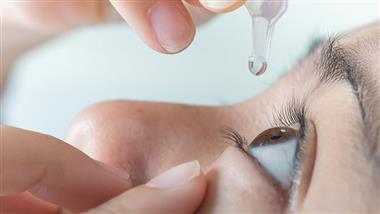
In late January 2023, a brand of eye drops marketed for dry eyes was connected to drug-resistant bacterial infections.1 Eye lubricant drops are marketed to support your tears. Your eyes need tears to keep them wet, smooth and to help focus light so you can see clearly. Your body uses tears to protect the eye from infections and foreign body irritations, like dust and dirt.
There are three different layers of fluid in your tears. Each layer is produced differently and performs a different function. The outer layer is an oily surface that keeps the watery layer from drying too quickly. It also makes the surface of the eyes smooth. The middle layer is watery and helps nourish the eye tissue and keep the eyes moist. The innermost layer of fluid is mucus.
This helps the watery layer stick to the surface of the eye and remain in place. Together these three layers are called the tear film. Inside the tear film are factors that help suppress inflammation in the eye, promote wound healing and defend against infection.2
You also have three different types of tears. Basil tears are the type just described that always stay in your eyes to help lubricate them and protect your cornea. Reflex tears are produced when an irritant is in your eye, such as a foreign body. These tears are released in large amounts to help flush out the foreign body and fight bacteria.
Finally, you produce emotional tears in response to sadness, joy and fear. According to the American Academy of Ophthalmology,3 some scientists propose emotional tears contain hormones that are not found in other types of tears. They hypothesize the stress hormones released in emotional tears may help regulate the body.
EzriCare Artificial Tears Linked to Infection
January 20, 2023, the CDC4 announced they were investigating a multistate cluster of infections caused by Carbapenem-resistant Pseudomonas aeruginosa that appeared to be associated with EzriCare Artificial Tears. The CDC stated they had identified 56 isolates from 50 patients across 11 states from May 17, 2022, to January 19, 2023.
The common exposure among the patients was the use of EzriCare Artificial Tears, which is a preservative-free product sold in a multidose bottle. The bacteria were isolated from several areas of the body, including cultures of the cornea, sputum, urine, blood and rectal swabs. January 24, 2023, EzriCare5 announced they had not received consumer complaints or reports of adverse events.
At that point, they also claimed to have “not received communication from any regulatory agency providing any outcomes or details to EzriCare about the ongoing investigation.”6 February 1, 2023, the company announced they received notice of the investigation, had stopped distribution and began contacting customers to advise them to discontinue use.
According to EzriCare, the artificial tears product is manufactured by Global Pharma Healthcare Pvt Limited in India and imported by ARU Pharma Inc. EzriCare places its label on the bottles and markets them to their customers. The company’s understanding is that the same product is also marketed under other brand names.
According to the CDC, as of January 20, 2023, there has been one death when pseudomonas entered the bloodstream. According to Fox News,7 there were 11 reported cases of eye infections and at least three people who became blind in one eye from the infection.
According to the CDC,8 pseudomonas aeruginosa is one type of pseudomonas that causes hospital-acquired infections. It is commonly found in the soil and water. Pseudomonas aeruginosa has become multidrug resistant and in 2017 caused an estimated 32,600 hospital-acquired infections and an estimated 2,700 deaths.
Antibacterial Resistance on the Rise
Interestingly, the first clinical use of antibiotics was Pyocyanase,9 which was extracted from pseudomonas aeruginosa and used in hospitals in the 1890s. Not long after the introduction of penicillin, doctors began noticing antibiotic resistance in bacteria that had once quickly succumbed to treatment. And the problem continues to grow.
In 2013, the CDC10 published the first Antibiotic Resistant Threats Report to highlight the danger of antimicrobial resistance and underscore the threat to human health. The 2022 report found much of the progress had been lost, in large part to the overuse of antibiotics during the COVID-19 viral pandemic.
Antibiotic-resistant pathogens are conservatively estimated to cause at least 2.8 million infections annually in the U.S.11 and lead to 35,000 deaths each year. Globally, data from a study12 published in February 2022, show there are 4.95 million deaths associated with antibiotic-resistant infection and 1.27 million directly attributable to them.
Even as the challenge of antibiotic resistance was better understood, global consumption of the drugs rose by 65% between 2000 and 2015,13 driven by low- and middle-income countries where the drugs are often available without a prescription, which increases the risk for potential abuse. Antibiotics are routinely used to promote growth in livestock,14 and use accounts for about 80% of all antibiotics.15
The danger associated with giving livestock antibiotics is that it changes their gut microbiome, which is in part how they promote unnatural growth in the animal. However, some of those gut bacteria become antibiotic resistant. These can either be passed into the environment through the animal’s manure or may contaminate the meat during slaughter or processing.
The problems with antibiotic resistance need to be addressed through public policy. Yet, our individual choices influence personal risk. You can help lower your risk of contracting and or spreading a drug-resistant infection using some of the following strategies.
• Practice infection prevention, with a focus on naturally strengthening your immune system. Foundational strategies include avoiding sugars, processed foods and grains, stress reduction and optimizing your sleep and vitamin D level. Adding in traditionally fermented and cultured foods helps optimize your microbiome. Properly wash your hands with warm water and plain soap, to prevent the spread of bacteria.
• Limit your exposure to antibiotics — Keep in mind that antibiotics do not work for viral infections. Avoid antibiotics in food by purchasing organic or biodynamic grass fed meats and animal products and organically grown fruits and vegetables. Avoid antibacterial soaps, hand sanitizers and wipes, as these promote antibiotic resistance by allowing the strongest bacteria to survive and thrive in your home.
• Take commonsense precautions in the kitchen — Kitchens are notorious breeding grounds for disease-causing bacteria. To avoid cross-contamination between foods in your kitchen, adhere to the following recommendations:
◦ Use a designated cutting board, preferably wood, not plastic, for raw meat and poultry, and never use this board for other food preparation. Color coding your cutting boards is a simple way to distinguish between them.
◦ Sanitize your cutting board with hot water and detergent. For an inexpensive, safe and effective kitchen counter and cutting board sanitizer, use 3% hydrogen peroxide and vinegar. Keep each liquid in a separate spray bottle, and then spray the surface with one, followed by the other, and wipe off.
◦ Coconut oil can also be used to clean, treat and sanitize your wooden cutting boards. It’s loaded with lauric acid with potent antimicrobial actions. The fats will also help condition the wood.
Download this Article Before it Disappears
What Is ‘Dry Eye’?
Another step to lowering your risk of infection is to reduce your dependence on over-the-counter products, such as artificial tears. Artificial tears or eye lubricants are used to help ease the symptoms of dry eye syndrome. This happens when the eye is unable to produce enough tears to maintain a healthy eye environment. The incidence of dry eye increases with age and may be related to hormonal changes.16
Other environmental factors that trigger temporary symptoms of dry eye include wearing contact lenses, a dry indoor environment, smoking or secondhand smoke exposure, or cold and allergy medications. In some cases, chronic dry eye may be caused by a nutritional deficiency, or damage to the tear gland. The most common cause of tear gland damage is Sjögren’s Syndrome, which is a systemic autoimmune, rheumatic disease that affects the whole body.
Symptoms of dry eye include blurred vision, sensitivity to light, burning, itching or redness in the eye, or a scratchy feeling. Depending on the type or cause of the condition, an ophthalmologist may prescribe over-the-counter eye drops, prescription medications, tear duct plugs or surgery.
The American Optometric Association17 recommends several steps to prevent temporary dry eye. This includes blinking regularly when you’re staring at a computer screen for a long time, wearing sunglasses to reduce exposure to the sun and dry winds and increasing the humidity at work and home. Dehydration and a lack of sleep can also contribute to temporary symptoms of dry eye.
Tips to Treat Dry Eye Naturally
While it may seem easier to grab a bottle of artificial tears, the long-term solution is to make slight changes in your lifestyle habits and nutritional intake to help offset the condition. Your tears are made in part with water, so it makes sense to stay hydrated. Dehydration also leads to you feeling tired, grumpy and sick, and accelerates biological aging.
It’s not necessary to count how many glasses of water you drink each day. Two indicators you need fluid are your thirst and the color of your urine. Thirst helps ensure your needs are met on a day-to-day basis. The color of your urine can also be used as a guide. While your urine color can be influenced by medication or supplements, overall, if it’s a deep dark yellow, you are likely not drinking enough water.
Adequate hydration is indicated by pale, straw-colored or light-yellow urine. Most healthy individuals urinate on average seven to eight times each day. If you aren’t urinating at least every two to three hours while you’re awake, it may indicate that you’re not drinking enough.
Optimizing your vitamin D levels also protects against dry eye syndromes. A 2015 study18 called it “more than an incidental association” and concluded that dry eye and impaired tear function in patients with a vitamin D deficiency indicate it plays a protective role.
As I’ve discussed in the past optimizing vitamin D levels affects many bodily systems including reducing your risk of infectious disease,19 cardiovascular disease20 and autoimmune diseases21 to name just three.
Regular sensible sun exposure is the best way to optimize your vitamin D status, but many need an oral vitamin D3 supplement during the winter months. The only way to gauge whether you need a supplement and how much to take, is to test your vitamin D level, ideally twice a year. This is particularly important if you’re pregnant, planning to become pregnant, or if you have cancer.
The optimal level is between 60 nanograms per milliliter (ng/mL) and 80 ng/mL with 40 ng/mL being a low cutoff point for sufficiency to prevent a wide range of diseases. GrassrootsHealth22 makes testing easy by offering an inexpensive vitamin D3 testing kit and an online vitamin D3 calculator you can use to estimate the dosage once you know your current serum level.
Another nutritional supplement that is effective in preventing and supporting eye health is omega-3 fatty acids. This is a recommendation from the American Optometric Association23 and a survey24 of 206 optometrists in Australia and New Zealand. In that survey, 78% recommended omega-3-rich foods or supplements for dry eye disease and 79% said they recommended their patients consume omega-3 fats to improve their eye health.
Although fish oil is a well-known source, it has several drawbacks, including the lack of phospholipids. Omega-3 fats DHA and EPA are water insoluble and thus must be packaged into lipoprotein vehicles such as phospholipids. This is primarily why krill oil bioavailability is so much higher than fish oil since the DHA and EPA in fish oil are bound to triglycerides. Marine sources high in omega-3 and low in environmental pollutants include:
- Wild Alaskan salmon
- Small fatty, cold-water fish such as herring, sardines and anchovies
- Fish roe
- Krill oil
Finally, data also show that curcumin has a beneficial effect on several ocular diseases, including dry eye syndrome. In a 2014 paper,25 the researchers noted the beneficial effects on dry eye as did researchers in 201926 and 2020.27
It is a potent antioxidant28 and boosts the function of your own antioxidant enzymes.29 Overall, curcumin appears to be powerful, cost-effective and has a low toxicity profile. As such, it could be a valuable supplement. It is also worth noting the beneficial impact on pathways that help reverse insulin resistance, metabolic syndrome and obesity.30,31
I believe curcumin is a valuable nutritional addition worthy of consideration for all-around good health since inflammation drives so many different disease processes.
- 1 CNN Health, January 31, 2023
- 2 Experimental Eye Research, 2020; 197(108115)
- 3 American Academy of Ophthalmology, All About Emotional Tears, last subhead
- 4 Centers for Disease Control and Prevention, January 20, 2023
- 5, 6 EzriCare, January 24, 2023
- 7 Fox News, February 1, 2023
- 8 CDC, Pseudomonas aeruginosa in Healthcare Settings
- 9 Medical News Life Sciences, The History of Antibiotics
- 10 Centers for Disease Control and Prevention, 2019
- 11 CDC, In Our Scope: 2022 and Beyond
- 12 The Lancet, 2022; doi: 10.1016/S0140-6736(21)02724-0
- 13 PNAS, 2018;115(15)
- 14 USDA, November 24, 2015
- 15 Food Safety News, November 24, 2011
- 16 Mount Sinai, Dry Eye Syndrome
- 17, 23 American Optometric Association, Dry Eye
- 18 Journal of Rheumatic Diseases, 2015; 19(1)
- 19 SciDevNet, July 24, 2015
- 20 International Journal of Nanomedicine, 2018;13(455)
- 21 The BMJ, 2022;376
- 22 GrassrootsHealth, D*action Tests
- 24 Nutrients, 2020 Apr 22;12(4):1179
- 25 Planta Medica, 2014; 80(4)
- 26 Central European Journal of Immunology, 2019;44(2)
- 27 Nutrients, 2020;12(4)
- 28 Advances in Experimental and Medicinal Biology, 2007;595
- 29 BioMedicine 2019;9(4)
- 30 Frontiers in Pharmacology, 2019; doi: 10.3389/fphar.2019.00649
- 31 Toxicology and Applied Pharmacology, 2016;304
Top Foods to Improve Your Vision
Reproduced from original article:
https://articles.mercola.com/sites/articles/archive/2023/01/13/top-foods-to-improve-vision.aspx
The original Mercola article may not remain on the original site, but I will endeavor to keep it on this site as long as I deem it to be appropriate.
Analysis by Dr. Joseph Mercola Fact Checked January 13, 2023

STORY AT-A-GLANCE
- Nourishing your eyes with appropriate nutrients throughout the years can go a long way toward maintaining good eyesight well into your senior years
- Some of the most important nutrients for eye health include lutein, zeaxanthin, meso-zeaxanthin, astaxanthin, anthocyanins, animal-based omega-3 fats and vitamin C
- Foods rich in beneficial lutein include egg yolks, spinach, avocado and broccoli; black currants and bilberries also contain important antioxidants for vision health
- Avoiding blue light, especially from cool white LED lights, may help prevent vision deterioration
Aging is inevitable, but are age-related problems such as poor vision absolute givens? Contrary to popular belief, your vision is largely dependent on your lifestyle. Nourishing your eyes with appropriate nutrients throughout the years can go a long way toward maintaining good eyesight well into your senior years.
Even if your eyesight has started to deteriorate, evidence suggests you can stop the deterioration. You may even be able to turn back the clock, as it were, and improve your vision.
Foods Can Protect and Improve Your Eyesight
Medical journalist Michael Mosley discussed his vision problems and experiences with nutritional intervention in an episode of the BBC program “Trust Me, I’m a Doctor.”1 The shape and length of your eyeballs, and the thickness of your eye lens, affect your ability to see things close-up and at a distance. Your retina, located at the back of your eye, also contains light-sensitive cells that are critical for good vision.
Your macula — the part of your retina responsible for central vision — is protected by a yellow pigment made up of lutein, zeaxanthin and meso-zeaxanthin. These compounds absorb light and protect your macula from blue light and ultraviolet (UV) light from the sun and other light sources.2
Lutein, zeaxanthin and meso-zeaxanthin are plant compounds with potent antioxidant capacities. Your body cannot make them, so you must get them from your diet. As noted by the BBC:3
“Lutein and zeaxanthin are found commonly in dark green leafy veg such as kale and spinach, and also bell peppers … and saffron. Meso-zeaxanthin is generally not found in plants — it is thought to be made in our bodies from lutein (although it is also present in some fish …) These pigments, once we eat them, appear to be important in our vision and in helping keep the macula healthy.”
Lutein and Zeaxanthin Supplements Can Make a Big Difference
Mosley describes undergoing a number of extensive vision tests designed to evaluate the health of his retina, his ability to see colors, night vision and the level of protection his macula had against UV and blue light. He explained:4
“The results of my tests were both fascinating and depressing. My detection of yellow and blue colors was extremely poor — something that [Professor John] Barbur said was likely the result of my brush with diabetes many years ago.
My night vision and perception of details were also poor compared with younger people — but consistent with my age. The Trust Me team then handed me a 90-day supply of supplement pills that were supposed to help.”
The supplements in question contained lutein and zeaxanthin. Three months later, follow-up tests revealed remarkable improvement. Not only did his night vision and protective macular pigments improve, but his blue and yellow color perception moved within the normal range.
Some studies suggest these nutrients may also slow down or prevent age-related macular degeneration (ARMD),5 which is the leading cause of vision loss and blindness for Americans aged 65 and older.6
How Much Lutein and Zeaxanthin Do You Need?
While there’s no recommended daily intake for lutein and zeaxanthin, studies have found health benefits for lutein at a dose of 10 milligrams (mg) per day7 and at 2 mg per day for zeaxanthin.8 Meanwhile, studies suggest American adults get, on average, only 1 mg to 2 mg of lutein from their diet each day.9
Research evaluating the effect of lutein, zeaxanthin and meso-zeaxanthin in combination, using a dose of 10 mg of lutein, 10 mg of meso-zeaxanthin and 2 mg of zeaxanthin per day for one year, found it helped improve vision in those who had normal vision at the outset.10,11
“Should we all, then, be taking supplements to protect and even improve our eyesight? Well, the research certainly shows that supplements work,” Mosley wrote.12
“Even for someone like me, who has a relatively healthy diet with plenty of fruit and vegetables, and whose blood levels of the compounds that weren’t particularly low, the supplements helped. However, some researchers believe that diet can simply be enough, if we eat the right things.”
What Should You Eat to Protect or Improve Your Vision?
Lutein and zeaxanthin are primarily found in green leafy vegetables, with kale and spinach topping the list of lutein-rich foods. You’ll also find these nutrients in orange- and yellow-colored fruits and vegetables.
According to a study published in the British Journal of Ophthalmology, orange pepper had the highest amount of zeaxanthin of the 33 fruits and vegetables tested.13 According to the authors:
“Most of the dark green leafy vegetables, previously recommended for a higher intake of lutein and zeaxanthin, have 15 [to] 47 percent of lutein, but a very low content (0 to 3 percent) of zeaxanthin. Our study shows that fruits and vegetables of various colors can be consumed to increase dietary intake of lutein and zeaxanthin.”
Egg yolk is another good source of both lutein and zeaxanthin, along with healthy fat and protein, and while the total amount of carotenoids is lower than in many vegetables, they’re in a highly absorbable, nearly ideal form. For instance, one study found that adding a couple of eggs to your salad can also increase the carotenoid absorption from the whole meal as much as ninefold.14
Eggs from free-range, pastured hens have bright orange yolks, which is an indication of their elevated lutein and zeaxanthin content. Dull, pale yellow yolks are a sure sign you’re getting eggs form caged hens fed an unnatural grain diet, and hence will have low amounts of these valuable nutrients.
For a beverage, one of your best choices is chrysanthemum tea, as it contains vitamin A, a nutrient that plays a critical role in promoting healthy vision. This vitamin is an essential component of rhodopsin, a protein that absorbs light in the retinal receptors.
It also helps promote normal function of the conjunctival membranes and cornea, and helps reduce the risk for eye disorders like age-related macular degeneration.15
What Are the Best Food Sources of Lutein?
Following is a list of foods that are particularly rich in lutein.16,17,18 Most of these also contain zeaxanthin, albeit in lesser quantities than lutein.
- Egg yolks
- Kale and spinach
- Avocado
- Broccoli
- Green, red and yellow peppers
Ideally, you’ll want to buy the whole food and consume it as close to raw as possible, as the lutein and other carotenoids such as zeaxanthin are easily damaged by heat. Accessory micronutrients in the foods that enhance their action also tend to get easily damaged. Lutein and other carotenoids are fat-soluble, so to optimize absorption, be sure to add a little bit of healthy fat to your meal.
Vitamin C Combats Cataracts
Other nutrients are also beneficial for vision health. For instance, vitamin C is associated with a lower risk of cataracts. According to the National Eye Institute, more than half of all Americans end up getting cataracts by the time they’re 80.19
One study compared vitamin C intake and the progression of cataracts in more than 320 pairs of female twins over the course of a decade.20 It found those who ate more vitamin C-rich foods lowered their risk of cataracts by one-third. Interestingly, vitamin C supplements were not associated with a reduction in risk.
Citrus fruits such as kiwis, oranges, lemons, limes and grapefruits are well-known for being high in vitamin C, but the fruit with the highest concentration of all is actually acerola cherries (also known as Barbados cherries). Each cherry has only 1 calorie, but 80 mg of vitamin C and the associated micronutrients. I have two of these trees in my front yard and for months I am able to gather 50 to 70 cherries a day. It is by far my favorite and healthiest fruit.
Animal-Based Omega-3 Lowers Risk of Blindness in Diabetics
Another study21 found that diabetics who routinely ate 500 mg of omega-3-rich fish (two servings per week) reduced their risk of diabetic retinopathy by an impressive 48%. Diabetic retinopathy is a serious complication of Type 2 diabetes that occurs when blood flow to your retina is reduced. It’s the most common cause of blindness in diabetics.
This significant risk reduction was primarily attributed to lower inflammation levels. Animal-based omega-3 fats also provide structural support to cell membranes that boost eye health and protect retinal function. Earlier research14 has shown that those with the highest intake of animal-based omega-3 fats have a significantly lower risk of advanced macular degeneration compared to those who consume the least.22
In a survey of optometrists in Australia and New Zealand, 79% said they recommended their patients consume omega-3 fats to improve eye health.23 Specifically, 68% recommended omega-3-rich foods for ARMD while 62% recommended omega-3 supplements for this purpose.
Seventy-eight percent also recommended omega-3-rich foods or supplements for dry eye disease. Marine sources that are high in omega-3 and low in environmental pollutants include:
- Wild Alaskan salmon (which also contains astaxanthin — one of the most potent promoters of eye health; see below)
- Small fatty, cold-water fish such as herring, sardines and anchovies
- Fish roe
- Krill oil
While fish oil is a well-known source of omega-3 fats, it has several drawbacks, the lack of phospholipids being one of them. The omega-3 fats DHA and EPA are water insoluble and therefore cannot be transported in their free form in your blood. They must be packaged into lipoprotein vehicles such as phospholipids. This is primarily why the bioavailability of krill oil is so much higher than fish oil, because in fish oil, the DHA and EPA are bound to triglycerides.
Astaxanthin — The Most Powerful Promoter of Eye Health
Astaxanthin is produced by the microalgae Haematococcus pluvialis when its water supply dries up, forcing it to protect itself from UV radiation. Besides the microalgae that produce it, the only other source are the sea creatures that consume the algae, such as wild salmon, shellfish and krill.
Astaxanthin is far more powerful an antioxidant than both lutein and zeaxanthin, and many researchers believe it to be the most powerful antioxidant ever discovered for eye health.24,25 It’s been found to have protective benefits against a number of eye-related problems, including ARMD and cataracts, as well as:
- Cystoid macular edema
- Diabetic retinopathy26
- Retinal arterial occlusion and venous occlusion
- Glaucoma27
- Inflammatory eye diseases (retinitis, iritis, keratitis and scleritis)
Astaxanthin easily crosses into the tissues of your eye and exerts its effects safely and with more potency than any of the other carotenoids, without adverse reactions. Specifically, astaxanthin has been shown to ameliorate or prevent light-induced damage, photoreceptor cell damage,28 ganglion cell damage and damage to the neurons of the inner retinal layers.
Astaxanthin also helps maintain appropriate eye pressure levels that are already within the normal range, and supports your eyes’ energy levels and visual acuity. Depending on your individual situation, you may want to take an astaxanthin supplement.
I recommend starting with 4 mg per day and working your way up to about 8 mg per day — or more if you’re suffering from chronic inflammation. Taking your astaxanthin supplement with a small amount of healthy fat, such as grass fed butter, coconut oil, MCT oil or eggs, will optimize its absorption.
Krill oil also contains high quality animal-based omega-3 fat in combination with naturally occurring astaxanthin, albeit at lower levels than what you’ll get from an astaxanthin supplement.
How Anthocyanins in Berries Benefit Your Eyes
Dark blue or purplish, almost black-colored, berries like black currants and bilberries contain high amounts of antioxidant anthocyanins that are beneficial for vision and eye health.29 Black currants contain some of the highest levels. They’re also rich in essential fatty acids, lending added support to their anti-inflammatory properties.
For medicinal purposes, many opt for using black currant seed oil, but eating the whole food is always an option, especially when they’re in season. Bilberry, a close relative of the blueberry, also contain high amounts of anthocyanins, just like black currant. Research suggests bilberry may be particularly useful for inhibiting or reversing macular degeneration.
A 2005 study found that rats with early senile cataract and macular degeneration that received 20 mg of bilberry extract per kilogram of body weight suffered no impairment of their lens and retina, while more than 70% of the control group suffered degeneration over the three-month-long study.30 According to the authors, “The results suggest that … long-term supplementation with bilberry extract is effective in prevention of macular degeneration and cataract.”
Even More Important: Avoid Artificial Blue Light
The full extent of the health benefits associated with blue light avoidance are only beginning to be understood. Glasses that block blue light have the benefit of making objects appear sharper, but mounting research suggests blocking blue light also serves an important biological purpose by regulating your internal body clock, which controls your sleep patterns and other body functions.
Indeed, exposure to artificial light is among the most often-overlooked health risks of living in the 21st century.
One of the simplest and least expensive ways to protect your body’s internal rhythm, and thereby support healthy sleep and a lowered risk of many chronic diseases, is to wear amber-colored glasses that block blue light — not just at night but anytime you are exposed to fluorescent or LED lights.
This is because LEDs and fluorescents, although far more energy efficient, are not analog thermal light sources but digital ones. They have unbalanced wavelengths that are very different from the sun. They have a predominance of blue frequencies that contributes to free radical production, and lack the red, infrared and near infrared healing frequencies that stimulate repair and regeneration that are present in thermal light sources like clear incandescent bulbs.
LEDs found in many screens have virtually no beneficial infrared light and an excess of blue light that generates reactive oxygen species (ROS), harming your vision and possibly leading to age-related macular degeneration.31 LED lights may also exacerbate mitochondrial dysfunction leading to chronic conditions ranging from metabolic disorders to cancer.
If you view screens at night, it’s therefore essential to block your exposure to blue light while doing so. In the case of your computer, you can install a program to automatically lower the color temperature of your screen. In addition, when watching TV or other screens, be sure to wear blue-blocking glasses after sundown. Better yet, eliminate the use of screens entirely after sunset.
Additionally, one of the best strategies to establish your circadian rhythm is to spend some time outdoors shortly after sunrise. The red and infrared frequencies will help prepare your retina for the blue light emitted a bit after sunrise, which will produce a reactive oxygen signal to produce melatonin later that night — assuming you sleep in complete darkness.
Establishing a healthy circadian rhythm is essential for good health, so please consider the healthy habit of getting outside every day shortly after sunrise without glasses to expose your retina to the full spectrum of sunlight.
It is likely that chronic exposure to unopposed digital blue light from LED and fluorescents will likely contribute to an epidemic of blindness in the next two decades, as it will increase the incidence of ARMD. The benefits of blue-blocking glasses and avoidance of blue light include but are not limited to:
- Preventing damage to the DHA in your retinal pigmented epithelium (RPE), which is responsible for converting the photons from sunlight into electrons via the photoelectric effect that Einstein received a Nobel prize for in 1921. These electrons provide a vital DC electric current that your body needs for optimal functioning
- Increasing mitochondrial health and efficiency, as blue light has the side effect of increasing the distance of the proteins in the respiratory electron transport chain in your mitochondria, making them far less efficient in producing ATP. Blocking blue light prevents this decline in efficiency from occurring
- Significantly improving symptoms of bipolar disorder. Those who wore blue-blocking orange-tinted glasses from 6 p.m. to 8 a.m. for seven days had significant improvements in symptoms of mania compared to those who wore clear glasses.32 What’s more, the improvements began after just three nights of use
The dramatic results make sense in light of the relatively recent discovery of intrinsically photo-responsive retinal ganglion cells, which are receptors in your eyes that detect only blue light.
These receptors communicate with areas of your brain linked to control of your biological clock (hypothalamus) as well as mood and emotions (the limbic system).33 Earlier research also found dramatic improvements in insomnia and mood in about half of bipolar patients who wore blue-blocking glasses.34
Optimize Your Eyesight by Eating Right and Living Healthy
Besides eating plenty of carotenoid-rich vegetables, organic pastured egg yolks and omega-3 and astaxanthin-rich wild Alaskan salmon, another important dietary aspect is to normalize your blood sugar. Excessive sugar in your blood can pull fluid from the lens of your eye, affecting your ability to focus. It can also damage the blood vessels in your retina, thereby obstructing blood flow.
It’s important to ignore the mainstream advice to eat vegetable oils, which are more accurately defined as seed oils. Seed oils, such as soybean, cottonseed, sunflower, rapeseed (canola), corn and safflower, are hidden in virtually every processed food, including restaurant foods, and there’s virtually nothing more destructive to your body in producing age-related macular degeneration35 and other chronic health problems.
These seed oils contain the omega-6 fat linoleic acid, which is toxic at the high doses many Americans consume daily. In your own cooking, examples of healthy fats to use instead of seed oils are beef tallow, butter or coconut oil. As mentioned, it’s also important to avoid ultraprocessed foods.
Besides addressing your diet, you’ll also want to exercise regularly, and be sure to optimize your vitamin D level. Vitamin D is particularly important for those with genetic risk factors for ARMD. In one study, middle-aged women who have a high-risk genotype and are vitamin D deficient were found to be 6.7 times more likely to develop ARMD than those without this genetic risk factor who also have sufficient vitamin D.36,37
- 1, 4, 12 BBC News September 6, 2016
- 2 Annual Review of Nutrition 2003;23:171-201
- 3 BBC, Trust Me, I’m a Doctor, Can I Improve My Eyesight?
- 5 Med Hypotheses. 2003 Oct;61(4):465-72
- 6 U.S. CDC, Learn About Age-Related Macular Degeneration
- 7 Investigative Ophthalmology & Visual Science December 2006, Vol.47, 5227-5233
- 8 Verywell Health December 9, 2022
- 9 The Journal of Nutrition March 1, 2002; 132(3): 518S-542S
- 10 Investigative Ophthalmology and Visual Sciences June 1, 2016;57(7):3429-39
- 11 Nutraingredients-USA.com July 14, 2016
- 13 British Journal of Ophthalmology Aug 1998; 82(8): 907–910
- 14 Science Daily March 9, 2015
- 15 NIH Office of Dietary Supplements, Vitamin A
- 16 Self Nutrition Data Lutein + Zeaxanthin
- 17 Nutrients 2013 Apr; 5(4): 1169–1185
- 18 USDA, Healthy Colors of Your Diet
- 19 National Eye Institute, Cataracts
- 20 Opthalmology June 2016; 123(6): 1237-1244
- 21 JAMA Ophthalmol. 2016;134(10):1142-1149
- 22 Ophthalmology 117 (12): 2395-2401, December 2010
- 23 Nutrients. 2020 Apr 22;12(4):1179. doi: 10.3390/nu12041179
- 24 Journal of the Science of Food and Agriculture May 1, 2001: 81(6); 559-568
- 25 Oxid Med Cell Longev. 2019; 2019: 3849692
- 26 J Ophthalmol. 2022; 2022: 8071406
- 27 Mar Drugs. 2020 May; 18(5): 239
- 28 Antioxidants (Basel). 2020 Aug; 9(8): 729
- 29 Molecules. 2019 Sep; 24(18): 3311
- 30 Advances in Gerontology 2005;16:76-9
- 31 Cleveland Clinic August 9, 2019
- 32 Bipolar Disorders May 26, 2016
- 33 Newsweek July 26, 2016
- 34 Chronobiol Int. December 2009;26(8):1602-12
- 35 Free Radic Biol Med. 2019 Dec;145:349-356. doi: 10.1016/j.freeradbiomed.2019.10.007. Epub 2019 Oct 9
- 36 Science Daily August 31, 2015
- 37 JAMA Ophthalmol. 2015;133(10):1171-1179
This Type of Therapy Can Save Your Eyes
Reproduced from original article:
https://articles.mercola.com/sites/articles/archive/2022/12/28/light-therapy-can-save-your-eyes.aspx
The original Mercola article may not remain on the original site, but I will endeavor to keep it on this site as long as I deem it to be appropriate.
Analysis by Dr. Joseph Mercola Fact Checked December 28, 2022

STORY AT-A-GLANCE
- Blue light damages retinal cells responsible for vision color and clarity, but red and near infrared light help recharge retinal mitochondria and improve sight
- The retina has the highest energy demand of any part of the body. A lack of red and near infrared light from the sun and overexposure to blue light from LED and digital devices can speed retinal aging
- Artificial light at the wrong time of the day also impacts sleep quality, which is associated with obesity, heart attack, high blood pressure and depression
- You can lower your exposure to blue light at home by replacing LED with incandescent bulbs and turning down the blue light in your digital devices at 7 p.m. when the sun naturally sets
Vision is one of your five senses and protecting it has an impact on your overall physical and mental health. Your eye is a complex organ that takes in light bouncing off objects in the environment. Structures in the eye bend and change shape so your brain can interpret your surroundings.
Light first enters through the cornea, which is a clear covering over the eye.1 This functions to protect the eye and to bend the light so it can pass through the dark pupil at the center of your iris, the colored part of the eye. The iris gets larger or smaller, which makes the pupil look smaller or larger, to regulate the amount of light.
Light passes through the lens, which also bends the rays to focus them on the retina at the back of the eye. This structure has tiny light-sensitive nerve cells called cones and rods. The cones are sensitive to color and are in the center of the retina, near the macula.
The rods are sensitive to light intensity and don’t register color.2 They are located outside the macula, extending to the edge of the retina. The cones and rods convert the light into electrical impulses and send them to the brain where your brain perceives an image.
What Causes Visual Loss?
Visual loss or impairment has an impact on a person’s mental and physical well-being. The American Academy of Ophthalmology writes that those with a visual impairment experience a higher risk of some conditions such as depression, social withdrawal and accidents.3
People with vision loss may also experience a higher risk of chronic health conditions such as high blood pressure, heart disease, kidney failure, hearing loss and arthritis.4 As the population ages, the number who have visual impairment or blindness also rises.
The primary causes of visual impairment appear to increase with age. These include cataracts, age-related macular degeneration, glaucoma and diabetic retinopathy.5 Loss of vision at night may not get as much attention as other eye conditions, but it is commonly found in those who are older.
In some, difficulty seeing at night starts around age 40 and may be associated with older individuals who are involved in car crashes.6 There are several reasons people may have impaired night vision, including age-related changes and eye disease:7,8
| Smaller pupils — With aging the muscles that control the pupil, the area that allows light into the eye, do not react as quickly or may not be as strong. If the pupil doesn’t dilate enough, you don’t have enough light to see. This makes adapting to seeing out the windshield and back to a brightly-lit car dashboard difficult. |
| Eye lens — With age, the lens of the eye stiffens and may get less transparent. This doesn’t let enough light pass through, which you experience especially at night. |
| Rods — The rods in the retina are necessary for sight but may be lost with aging. |
| Nearsightedness — This may make it hard to see down the road at night while driving. |
| Medications — Some can slow your pupil’s ability to adapt to changing light conditions. |
| Nutritional deficiency — A vitamin A deficiency can impair your night vision. |
| Retinitis pigmentosa — This is a hereditary disease that causes permanent impairment of night vision and peripheral vision. Eventually it can cause significant visual loss in normal light conditions. |
Recharge Your Eyes With Long Wavelength Light
In the first-of-its-kind research in humans, a team from University College London led by Glen Jeffery was able to improve declining eyesight using simple light therapy.9 In this short video he describes the interaction between red light and mitochondria, which is the basis for sight improvement.
The researchers were aiming at improving the vision of the large number of seniors who suffer from physical decline and impaired eyesight. In 2020, the team wrote there were 12 million people in the U.K. over age 65, which is expected to increase by another 8 million by 2050.
They estimate all will experience some degree of impairment from aging of the cones and rods in the retina. In the video, Jeffery explains the retina of the eye has a greater energy demand and more mitochondria than other tissues in the body, including the heart. As reported in a press release, he said:10
“As you age your visual system declines significantly, particularly once over 40. Your retinal sensitivity and your colour vision are both gradually undermined, and with an ageing population, this is an increasingly important issue. To try to stem or reverse this decline, we sought to reboot the retina’s ageing cells with short bursts of longwave light.”
The team recruited 24 people ages 28 to 72 years. Each of them was given a device that emitted a red light at 670 nanometers. As Jeffery commented, the mitochondria have the ability to absorb light in longer wavelengths, from 650 nm to 1,000 nm to raise energy production.
However, when the wavelength is above 670 the light is difficult for the human eye to see, which could potentially impact compliance. As a result of the high energy demands, the mitochondria in the retina age faster than other areas of the body. This causes a significant reduction in function.11 The participants took a device home, which they used for three minutes each day for two weeks.
Their rod and cone sensitivity were tested before and after the intervention. They found participants younger than 40 exhibited no difference in sensitivity. However, those older than 40 showed some significant improvement in color contrast and the ability to see in low light. Jeffery concluded:12
“Our study shows that it is possible to significantly improve vision that has declined in aged individuals using simple brief exposures to light wavelengths that recharge the energy system that has declined in the retina cells, rather like re-charging a battery.
The technology is simple and very safe, using a deep red light of a specific wavelength, that is absorbed by mitochondria in the retina that supply energy for cellular function. Our devices cost about £12 to make, so the technology is highly accessible to members of the public.”
Indoor Living Raises Risk of Light Pollution
It’s important to remember that not all light is the same. In fact, artificial light at the wrong time of the day can significantly impact sleep quality. It’s called light pollution and it can result in sleep deprivation that ultimately affects your immune system. There is a steep cost to sleep deprivation, including obesity, high blood pressure, diabetes, heart attack and depression.13
One of the side effects of spending hours indoors is a lack of exposure to the sun. The bright light emitted by LED lights and streetlamps is not full-spectrum: Full-spectrum light comes from the sun.14
Hormones and bodily functions operate on a circadian rhythm, which is attached to a 24-hour day-night cycle and light. Your hormones that regulate digestion, metabolism and sleep are affected by your circadian rhythm.15 Ultimately, your circadian rhythm is affected by exposure to sunlight.
For example, the hormone melatonin should rise at night to encourage quality sleep.16 Exposure to bright sunlight in the morning helps regulate the release of melatonin and affects your sleep cycle. In a recent preprint paper, researchers suggest that lockdowns instigated by COVID-19 have mitigated the protective role of ultraviolet light from the sun by up to 95%.17
There is a link between blue light and circadian rhythms.18 The sun provides a full spectrum of light, and thus includes blue light. A reduction in the intensity of sunlight during the winter months may suppress melatonin and result in feelings of listlessness, sleepiness and in some, depression.
As well as reducing your exposure to full spectrum light, including infrared light from 650 nm to 1000 nm, spending hours indoors increases your exposure to blue light. Although blue light in the early hours of the day helps shut off melatonin production, continued exposure after sunset has deleterious effects on health.
Red Light, Blue Light
With the production and distribution of energy-efficient LED lights, many are exposed for longer hours to blue light without a balance of red or near-infrared light. For this reason, incandescent lights are safer as they emit the longer wavelength red and near-infrared light and only emit a bit of blue.19
The damage blue light does to the retina has been known for years. In one study published in 1995, researchers wrote, “Exposure of the eye to intense light, particularly blue light, can cause irreversible, oxygen dependent damage to the retina.”20
More recently, data from a study involving animals has suggested that blue light increases retinal damage and apoptotic cell death. In this study, the damage induced greater cone cell death than rod cell death.21 The blue light emitted by LED lights is the main component scientists are concerned with regarding vision and the health of the retina.
Experts find that the blue light component in energy-efficient LED lights is “the major cause of retinal damage,” inducing “oxidative stress and retinal injury” as well as “photoreceptor death by necrosis and apoptosis.”22
How to Use Light at Home
Researchers from Oregon State University in collaboration with The Ohio State University found prolonged exposure to blue light may also affect your brain, even when blue light is not shining through your eyes.23
There are some important steps you can take to protect your eyesight and overall health. While it’s important to get blue light first thing in the morning to shut off melatonin production, it’s just as important to reduce exposure after 7 p.m. when the sun naturally begins to set.
There are several ways to accomplish this, depending on your personal preferences. Many digital devices have software that can reduce the blue light emitted by the screen. When you do this on all electronic devices and you replace all LED lights with incandescent bulbs, you won’t need blue blocking sunglasses indoors.
However, if you don’t have control over lighting, then it’s important to strongly consider using blue-blocking glasses after 7 p.m. This will help regulate your internal clock and reduce damage to your eyes.
Outdoor street lighting and alarm clocks are other ways you’re exposed to light after dark. The quality of sleep you get is linked to resting in total darkness. Consider removing all light-emitting devices and using a sleep mask and room-darkening blinds.
On the other hand, during the daylight hours, it’s important to get sensible sun exposure for eye health and to help raise your vitamin D production. If you find it difficult to fall asleep and stay asleep, you may need to make a few more changes using strategies I suggest in “Top 33 Tips to Optimize Your Sleep Routine.”
- 1 American Optometric Association
- 2 Stony Brook University
- 3, 5 American Academy of Ophthalmology
- 4 Centers for Disease Control and Prevention
- 6, 7 Drive Safely
- 8 Cleveland Health Clinic, May 26, 2020
- 9 The Journals of Gerontology, 2020; doi.org/10.1093/gerona/glaa155
- 10, 12 EurekAlert! June 28, 2020
- 11 BGR, July 1, 2020
- 13 Sleep Disorders and Sleep Deprivation: An Unmet Public Health Problem, 2006
- 14 Sciencing, Frequency of LED Lights
- 15 Annals of Nutrition and Metabolism, 2019;74
- 16 The Royal Women’s Hospital, Sleep
- 17 medRxiv, 2020; doi.org/10.1101/2020.06.30.20143586
- 18 Anticancer Research, 2016;36(3):1345
- 19 Natural Eye Care
- 20 The Journal of Biological Chemistry, 1995;270(32)
- 21 Journal of Korean Ophthalmic optics society 2016;21(1)
- 22 Free Radical Biology and Medicine, 2015;84:373
- 23 Science Daily, October 17, 2019
The Importance of Melatonin for Optimal Health
Reproduced from original article:
https://articles.mercola.com/sites/articles/archive/2022/11/18/melatonin-for-sleep.aspx
The original Mercola article may not remain on the original site, but I will endeavor to keep it on this site as long as I deem it to be appropriate.
Analysis by Dr. Joseph Mercola Fact Checked November 18, 2022

STORY AT-A-GLANCE
- Your circadian rhythm is largely dictated by your pineal gland, located near the center of your brain, which produces melatonin, a hormone that is crucial for the regulation of your sleep cycle
- Melatonin is also an important energy hormone and a potent antioxidant that appears to play an important role in cancer prevention. It also benefits your brain, cardiovascular and gastrointestinal health, and has been shown to boost immune function
- Melatonin helps protect your mitochondria, which generate energy inside your cells. Melatonin appears to be the most powerful antioxidant in this regard, as it has the ability to enter into your mitochondria. It also recharges glutathione
- Melatonin works synergistically with vitamin D to optimize mitochondrial function. It also enhances vitamin D signaling
- Multiple sclerosis, cancer, neuropsychiatric disorders and high blood pressure are all examples of diseases that appear strongly linked to and affected by your vitamin D and melatonin status
Sleeping well is an essential strategy to optimize your health, and at the heart of it is your circadian rhythm. This is also known as your body clock. It’s a natural, biological timer present in every one of your cells that helps your body recognize sleepiness and wakefulness over a period of 24 hours.
Your circadian rhythm is largely dictated by your pineal gland, located near the center of your brain, which produces melatonin, a hormone that is crucial for the regulation of your sleep cycle.
If you have had enough exposure to bright light in the daytime, your pineal gland typically starts secreting melatonin around 9 p.m.1 As the amount of melatonin in your brain increases, sleepiness sets in as your body begins to prepare for sleep.
If you stay awake past dark, artificial light — especially that emitted by electronic devices — will inhibit your body’s melatonin production, so, ideally, you would stop using electronics at least an hour or two before bedtime to help increase melatonin production and maintain a steady circadian rhythm.
Melatonin Does More Than Control Sleep
While melatonin works as a natural sleep regulator, its biological effects don’t end there.2 It’s also a potent antioxidant3 that plays an important role in cancer prevention.4 It’s also thought to be important for brain, cardiovascular and gastrointestinal health,5 and has been shown to boost your immune function in a variety of ways.
In one study,6 researchers suggested melatonin may even improve the treatment of bacterial diseases such as tuberculosis. In another, melatonin was identified as a potential tool against inflammation and autoimmune diseases, including Type 1 diabetes.7
Melatonin is also an important energy hormone. As noted in the Stanford University course paper “Melatonin and Energy Levels:”8
“… decreasing the melatonin in the blood stream, consistent with the body’s natural response to suppress the secretion in the presence of light, causes the body to function at a higher energy level … An increase in the melatonin levels leads to a subsequent decrease in energy levels.
As such, understanding how to control and optimize the secretion and suppression of the melatonin for optimal hours of the day could help improve the treatment of sleep disorders and positively impact the energy levels of individuals.”
In short, if your sleep efficiency is impaired, meaning you’re not sleeping as deeply as you should, for as long as is ideal, then your energy level is going to be adversely affected.
Conversely, spending most of your daytime hours in poorly lit rooms, especially if you’re also exposed to excessive light after sunset, can impair your melatonin production, causing you to not sleep well.
Melatonin Protects Your Mitochondria
Importantly, the antioxidant activity of melatonin also helps protect your mitochondria, the tiny organelles inside your cells that generate most of the ATP or energy currency of your body. As noted in a 2007 paper in the Frontiers of Bioscience:9
“Melatonin is an ancient molecule present in unicellular organisms at the very early moment of life … The best-known actions of melatonin, currently supported by experimental and clinical data, include antioxidant and anti-inflammatory abilities, some of them involving genomic regulation of a series of enzymes.
Besides, melatonin displays anticonvulsant and antiexcitotoxic properties. Most of the beneficial consequences resulting from melatonin administration may depend on its effects on mitochondrial physiology.”
In fact, melatonin appears to be the most powerful antioxidant in this regard, as it has the ability to actually enter into your mitochondria.10 This is an ability that not all antioxidants have. According to this Frontiers of Bioscience paper,11 melatonin helps “prevent mitochondrial impairment, energy failure and apoptosis in oxidatively-damaged mitochondria.”
One of the things that makes melatonin so powerful is that it doesn’t just act as an antioxidant in and of itself; it also interacts with your body’s innate antioxidant system where it recharges glutathione.12 However, this brings us back to the importance of sleep.
Since melatonin is only released in response to darkness, and is easily and significantly inhibited by light (such as regular room lighting and electronic screens, after dark), your mitochondrial health will suffer if you do not take steps to optimize your sleep.
Aside from worsening your sleep quality and decreasing your sleep quantity, low melatonin production also increases oxidative stress, speeds up the aging process and raises your risk of degenerative diseases and chronic fatigue, thanks to its influence over your mitochondria.
How Mitochondrial Melatonin Is Generated
Mitochondrial melatonin production is one of the reasons why regular sun exposure is so crucial. Most people understand that sun exposure on bare skin generates vitamin D, courtesy of UVB (ultraviolet B radiation). Few, however, understand that the near-infrared spectrum, when hitting your skin, triggers the generation of melatonin in your mitochondria.
Russel Reiter, Ph.D. is a world-class expert on melatonin. With some 1,600 papers to his credit, as well as three honorary doctor of medicine13 degrees, he’s published more studies on melatonin than anyone else alive. In a previous interview, he explained how the near-infrared spectrum triggers the generation of melatonin in your mitochondria:
“Every one of those cells contains mitochondria and it appears that near-infrared radiation that is detected in fact induces melatonin production. That is important, because we now think that melatonin within mitochondria is inducible under a lot of stressful conditions.
That is not definitively proven, but it appears that under stress, all cells may upregulate their ability to produce melatonin because it’s so highly productive. And typically, under stress, free radicals are generated. That is emphasized by the [fact] that in plants … that happens.
In other words, if you expose plants to drought, heat, cold, to metal toxicity, the first thing they do is upregulate their melatonin, because all of those situations generate free radicals. And we suspect, although that has not yet been definitely proven, in animal cells as well, including human [cells].”
For more information on how this works, see my article, “What You Need to Know About Melatonin,” which includes my interview with Reiter.
Melatonin Works Synergistically With Vitamin D
In my February 2, 2020, article “The Importance of Vitamin D for Optimal Sleep,” which features my interview with neurologist and sleep coach Dr. Stasha Gominak, I review the hidden influence vitamin D has on your sleep.
A paper14 published in the May 2020 issue of The Journal of Steroid Biochemistry and Molecular Biology — which I was able to review early, parts of which I’m sharing with you here — sheds further light on this connection. Not only does melatonin enhance vitamin D signaling, the two molecules act synergistically to optimize your mitochondrial function.
As noted in this paper,15 “The biosynthetic pathways of vitamin D and melatonin are inversely related relative to sun exposure,” meaning both are dependent on properly timed exposure to the sun.
A hypothesis presented by the researchers is that vitamin D and melatonin “play an essential role as modulators of mitochondrial function and adaptation to circadian and seasonal variations.”
Additionally, “both molecules are involved in the homeostatic functioning of the mitochondria,” the authors point out, stressing that the mitochondria are, in fact, “the final common target for melatonin and vitamin D.” Furthermore:
“A deficiency of these molecules has been associated with the pathogenesis of cardiovascular diseases, including arterial hypertension, neurodegenerative diseases, sleep disorders, kidney diseases, cancer, psychiatric disorders, bone diseases, metabolic syndrome, and diabetes, among others.
During aging, the intake and cutaneous synthesis of vitamin D, as well as the endogenous synthesis of melatonin are remarkably depleted, therefore, producing a state characterized by an increase of oxidative stress, inflammation, and mitochondrial dysfunction …
Mitochondrial dysfunction has been related to the etiologies of many complex diseases where overactivation of the renin-angiotensin-aldosterone system (RAAS), vitamin D deficiency and the reduction of melatonin synthesis converge.
In this sense, experimental and clinical evidence indicates that inflammation, oxidative stress, as in mitochondrial dysfunction, are consistent with low levels of melatonin and vitamin D, and also represent risk factors connected with development and maintenance of prevalent acute and chronic pathologies.”
Melatonin-Vitamin D Combo Produces Strong Synergistic Effects
According to the 2020 paper in The Journal of Steroid Biochemistry and Molecular Biology,16 multiple sclerosis, cancer, neuropsychiatric disorders and high blood pressure are all examples of diseases that appear strongly linked to and affected by your vitamin D and melatonin status.
Interestingly, a 2012 study17 pointed out melatonin is “an overlooked factor in schizophrenia and in the inhibition of antipsychotic side effects.” Vitamin D deficiency has also been linked to a higher risk of schizophrenia,18,19 especially when levels are low during development.20
When combined in treatment, melatonin and vitamin D produce strong synergistic effects against cancer. Two separate studies21,22 have demonstrated the combination induces apoptosis and inhibits growth and division of breast cancer cells. In one of them, the combination resulted in “an almost complete cell growth arrest at 144 hours.”23
These effects were attributed (at least in part) to enhanced release of transforming growth factor beta 1 (TGF-β1), a type of cytokine that controls cell growth, proliferation, differentiation and apoptosis. Melatonin in combination with vitamin D has also been shown to protect against apoptotic ischemia-reperfusion injury in the kidney.24
Simple Ways to Optimize Your Melatonin and Vitamin D
The evidence suggests optimizing your melatonin production by making sure you sleep well at night may be a hidden key to maintaining mitochondrial health, which in turn is paramount for longevity and the prevention of virtually all chronic health problems.
However, while there are likely many benefits to supplementing with vitamin D and melatonin, it makes no sense to do so unless you are seeking to optimize your body’s own production.
The good news is it’s relatively simple and inexpensive to increase your melatonin and vitamin D levels. To optimize your vitamin D, I recommend getting sensible sun exposure on large portions of your body on a regular basis, ideally daily.
If for whatever reason you cannot get sufficient amounts of sun exposure, consider taking a vitamin D3 supplement (along with a little extra vitamin K2 to maintain a healthy ratio between these two nutrients).
I personally have not taken any oral vitamin D for well over 10 years and my levels are typically over 70 ng/mL, even in the winter, but I have started taking sublingual melatonin as I am now older than 65, and believe there are benefits for such, even though I sleep in pitch dark and get bright sun exposure around 85% of the time during the day.
Optimizing your melatonin production starts with getting plenty of bright sunlight during the day, as this helps “set” your circadian clock. Then, as the evening wears on and the sun sets, you’ll want to avoid bright lighting.
Blue light from electronic screens and LED light bulbs is particularly problematic and inhibits melatonin the most. If you need lighting, opt for incandescent light bulbs, candles or salt lamps. The blue light from electronic screens can be counteracted by installing blue-blocking software such as Iris,25 or wearing blue-blocking glasses.
Additionally, an interesting paper26 in Nature Structural & Molecular Biology, published in 2017, highlights the usefulness of time-restricted eating to improve your sleep cycle. As noted in this paper:
“The robustness of the circadian clock deteriorates with aging. Two new studies show that aging reprograms the circadian transcriptome in a cell-type-dependent manner and that such rewiring can be reversed by caloric restriction …
Surprisingly, the expression of core clock genes and clock-controlled genes remained unchanged with aging, despite the drastic circadian reprogramming. Thus, the core clock machinery remains largely intact in old age, giving hope for the prospect of reversing aging-associated circadian reprogramming to potentially improve physiological functions.
Indeed, CR-induced robust reprogramming of the circadian transcriptome partially overlaps with the circadian transcriptome in young mice. Thus, the profound physiological impact of CR may be, in part, mediated by the reprogramming of the circadian clock …
Given that aging-associated accumulation of DNA damage in stem cells originates from exposure to mitochondrial stress and that the mitochondrial protective programs are repressed in aged adult stem cells, it is tempting to speculate that reactivating the mitochondrial protective programs may provide a means to reduce the accumulation of cellular damage and reverse aging-associated circadian reprogramming.”
- 1 Sleep Foundation, Melatonin and Sleep
- 2 Pharmacological Research April 2012; 65(4): 437-444
- 3 Journal of Pineal Research December 17, 2002; 34(1)
- 4 International Journal of Molecular Sciences, 2013 Jan 24;14(2):2410-30
- 5 Current Neuropharmacology, 2017 Apr;15(3):434-443
- 6 Antimicrobial Agents and Chemotherapy, 1999 Apr;43(4):975-7
- 7 International Journal of Molecular Sciences, 2013 Apr; 14(4):8638-8683
- 8 Stanford University, Melatonin and Energy Levels, Sierra Kersten, May 24, 2018
- 9, 11 Front Biosci. 2007 Jan 1;12:947-63
- 10 The Journal of Steroid Biochemistry and Molecular Biology May 2020; 199: 105595, Page 13
- 12 Neuro Endocrinol Lett. 2006 Jun;27(3):365-8
- 13 UT Health. Russel Reiter, Ph.D.
- 14, 16 The Journal of Steroid Biochemistry and Molecular Biology May 2020; 199: 105595
- 15 The Journal of Steroid Biochemistry and Molecular Biology May 2020; 199: 105595, Abstract
- 17 Metabolic Brain Disease 2012; 27: 113-119
- 18 Journal of Neural Transmission 2000; 107: 839-842
- 19 IMAJ February 2012; 14: 88-92
- 20 Schizophrenia Bulletin September 10, 2010; 36(6): 1073-1078
- 21 Journal of Surgical Research April 2003; 110(2): 332-337
- 22, 23 Journal of Pineal Research November 22, 2010; 50(2)
- 24 The Journal of Steroid Biochemistry and Molecular Biology May 2020; 199: 105595, Page 19
- 25 Iristech.co
- 26 Nature Structural & Molecular Biology September 2017; 24(9): 687-688