EMF
now browsing by category
MOUNTING evidence proves RF radiation causes cancer
Reproduced from original article:
https://www.naturalhealth365.com/mounting-evidence-proves-rf-radiation-causes-cancer.html
by: Sara Middleton, staff writer March 13, 2023
 (NaturalHealth365) In a new paper, an international team of experts – including a former director of the United States National Toxicology Program (NTP) – outline why they believe there is “substantial scientific evidence” that radiofrequency (RF) radiation has the potential to cause a wide range of harmful effects in humans.
From cancer to neurological effects and more, there are several potential health concerns you should be aware of – as well as several ways to protect your family.
“Substantial” evidence that exposure to RF radiation can lead to cancer, leading experts warn
According to the National Cancer Institute, radiofrequency (RF) radiation – described as a “type of non-ionizing electromagnetic radiation” – is a form of “low-energy” radiation emitted from things like wireless and cellular telephones, radios, televisions, radar, satellites, microwave ovens, smart meters, wireless headphones and other wearable devices, computers, and wireless networks (WiFi).
“Although there have been health concerns,” the National Cancer Institute continues on a webpage defining the term, “most types of radiofrequency radiation have not been found to cause harmful health effects, including cancer.” However, a recent paper published online in Environmental Research calls these claims into question.
The paper was co-authored by four subject matter experts, including two toxicologists, a physicist, and a double-board certified physician (Obstetrics and Gynecology and Reproductive Endocrinology) and professor at the Yale School of Medicine. In it, the authors begin by pointing out that the International Agency for Research on Cancer (IARC) concluded over a decade ago that RF radiation from cell phones is a “possible human carcinogen.” They add that senior advisors from the World Health Organization (WHO) recently surmised that “if [radiofrequency radiation] were evaluated based on more current studies, it would be upgraded to a probable if not confirmed human carcinogen.”
In addition, 2018 animal research conducted by the U.S. NTP “provided clear evidence that mobile phone radiation caused cancer in male rats, along with cardiac and other systemic damage, as well as DNA damage in multiple organs in both rats and mice.”
Despite these and other findings showing neurological, endocrinological, and other systemic harms caused by RF radiation, the authors warn that “industry-affiliated scientists” routinely dismiss the growing body of evidence revealing harm from these ubiquitous radiation-emitting devices.
Moreover, the authors accuse the U.S. Federal Communications Commission (FCC) of not appropriately utilizing the so-called “Precautionary Principle,” which, while imperfect, is the current standard by which governing agencies “[establish] public policy to guard the safety of the general public from potentially harmful materials, practices or technologies.”
For example, the authors note that the current exposure standards set by the FCC “consider only thermal effects” for their potential harm, despite “mounting evidence of non-thermal effects of exposure to electromagnetic radiation in biological systems and human populations.”
“We conclude that there is substantial scientific evidence that [RF radiation] causes cancer, endocrinological, neurological and other adverse health effects,” the authors say before mincing absolutely no words in their indictment of the FCC and other agencies tasked with protecting public health: “In light of this evidence, the primary mission of public bodies, such as the FCC, to protect public health has not been fulfilled. Rather, we find that industry convenience is being prioritized and thereby subjecting the public to avoidable risks” (emphasis ours).
Quoted in a March 3, 2023 article published by Children’s Health Defense, Co-author Devra Davis, PhD, MPH, “We know enough now to take steps to reduce exposure to this … It’s time.”
5 simple ways to reduce your exposure to radiofrequency radiation
Out of an abundance of caution, we encourage readers to reduce their families’ exposure to radiofrequency radiation.
Ever wondered how? Here are some suggestions from sources, including the U.S. Food and Drug Administration (FDA):
- Spend less time on your cell phone and minimize or eliminate your use of wireless headphones, wireless speakers, and other technology devices that rely on Bluetooth or WiFi
- Especially avoid using your phone when your cell signal is weak, “as this causes cell phones to boost RF transmission power,” according to the FDA
- Avoid using your phone while traveling at high speeds (e.g., in a bus, car, or train), as this can also increase RF transmission power as your phone tries to connect to multiple different cell phone tower signals)
- When not using your phone, put it on airplane mode
- Turn off your home’s Wi-Fi routers at night
- Hard wire as many devices as you can … don’t use wireless technology
To learn more about how to stop cancer naturally … purchase the Stop Cancer Docu-Class, hosted by Jonathan Landsman.
Sources for this article include:
Sciencedirect.com
FDA.gov
CA.gov
Cancer.gov
Childrenshealthdefense.org
How Oxalates Can Wreck Your Health
Reproduced from original article:
https://articles.mercola.com/sites/articles/archive/2023/01/01/how-oxalates-can-wreck-your-health.aspx
The original Mercola article may not remain on the original site, but I will endeavor to keep it on this site as long as I deem it to be appropriate.
Analysis by Dr. Joseph Mercola Fact Checked January 01, 2023
STORY AT-A-GLANCE
- Oxalic acid is a naturally occurring toxic, corrosive acid. When the oxalic acid has minerals attached to it, it’s called oxalate, which acts as a mineral chelator
- Oxalate forms crystals that your body has a limited capacity to process. Calcium oxalate, for example, which is oxalic acid with calcium attached, form into painful kidney stones
- Unlike some other food-related toxins, oxalate cannot be removed by cooking, soaking or fermenting the food. You also cannot simply take a mineral supplement to address the depletion oxalates causes
- The top three “superfoods” that are very high in oxalate and may cause trouble are spinach, Swiss chard and beet greens. Another high-oxalate food is almonds, which you can easily “overdose” on if you’re eating bread made with almond flour or drinking almond milk, or if you’re on a keto or paleo diet, as they both tend to rely heavily on almonds. Dark chocolate is another food that scores high for oxalates
- Oxalate damages cellular membranes causing excess calcium to flood the cell, resulting in accelerated cell death and other metabolic problems that contribute to chronic disease and ill health
In this interview, Sally Norton, author of “Toxic Superfoods: How Oxalate Overload Is Making You Sick — and How to Get Better,” reviews how and why even foods we’ve been told are healthy can wreak havoc on your health. As the title of the book implies, the main culprit in question is oxalate or oxalic acid, found in many plants, beans, grains, seeds and nuts, fruits, berries and herbs.1
So, just what are oxalates, why are they so bad, and how are they hidden in these superfoods that so many people are consuming? In short, it’s a naturally-occurring toxic, corrosive acid. In that state, it’s called oxalic acid. When the oxalic acid has minerals attached to it, it’s called oxalate.
Chemically, it’s a salt, and like other salts, it forms crystals that your body innately has a limited capacity to process. Calcium oxalate, for example, which is oxalic acid with calcium attached, forms into painful kidney stones.
And, unlike some other food-related toxins, oxalate cannot be removed by cooking, soaking or fermenting the food. You also cannot simply take a mineral supplement to address the depletion oxalates causes.
How Oxalate Causes Damage in Your Body
Oxalic acid is a dicarboxylic acid, meaning it has two carbons and each carbon has an oxygen molecule attached to it. “This special carbolic acid has all kinds of damaging toxic powers when it’s near a membrane,” Norton says. She explains:
“Membranes really matter to biochemistry and to our basic physiology at the cellular level. Your membranes have to have the right structure and the right materials in them to function well. You’ve been focusing lately on vegetable oils [linoleic acid] and how toxic they are.
It’s messing up the structure of the membrane, because a membrane is this double layer of fatty acids. Well, it needs a certain structure to work.
Now, the membrane does all kinds of intellectual communication processes in the cell, helps the cell decide what to do next in any situation, and you need to have certain fatty acids only on the inside of the membrane. It’s two layers. So, there’s what we call the inner leaflet and the outer leaflet.
On the inner leaflet, there is a phospholipid called phosphatidylserine … What’s getting into your body and causing trouble is the free oxalic acid ion, this single little molecule that easily transverses your gut because it just floats in the water between the cells. We call that paracellular trans …
When oxalate’s around, it causes membrane damage to the point where that innate structure where the phosphatidylserine is now showing up on the outside of the membrane. That’s bad news. For many cells, that means the cell is now in line to be removed because it’s damaged. It’s a signal to the immune system, hey, take away the cell. It’s been harmed.
So, you lose your structured membrane. That creates all kinds of headaches for a cell. Often it cannot function properly. This is especially true of the cells that line the vascular system. So, the endothelial lining that is this giant organ of physiology, metabolism and maintenance of the body can be in trouble after, say, a spinach smoothie.”
Top ‘Superfood’ Oxalate Offenders
The top three vegetable “superfoods” that are very high in oxalate and may cause trouble are spinach, Swiss chard and beet greens. Another high-oxalate food is almonds, which you can easily “overdose” on if you’re eating bread made with almond flour or drinking almond milk, or if you’re on a keto or paleo diet, as they both tend to rely heavily on almonds. Dark chocolate is another food that scores high for oxalates.
“There’s a peak at about four hours after you eat it where the level of this oxalic acid in your blood is really quite high. So, now that your cells have damaged membranes and … your poor liver is flooded with oxalic acid after meals, and the liver has zero physiology to break it down, change it, make it less toxic.
The liver literally makes more oxalate, and the more inflammation in the body, the more oxalate the liver makes … The amount that converts to oxalic acid depends on your vitamin B status. If you have enough B6 and B1, then it lowers the amount that becomes oxalic acid …
You also have to have low inflammation. People with diabetes and obesity have higher levels of generalized inflammation, so they’re likely to produce more endogenous oxalate.”
Oxalate Impairs Calcium Signaling
Once a membrane is damaged, oxalic acid can enter the cell. Oxalic acid is a calcium chelator, and calcium is critical to cell function. Cells use calcium as messengers, so it’s crucial for the self-management of the cell. Even before oxalate enters, which might take two hours, in the first 15 minutes after you’ve got oxalate near a cell, an increased amount of calcium will move into the cell.
In short, the cell membrane damage causes the cell to take up more calcium. That’s bad enough, but when oxalate follows, it lowers the effective calcium concentration from a physiologic standpoint. Norton explains what happens next:
“Now you’ve got cells that have too much calcium in them and too little calcium that’s actually functional. So, the cell keeps bringing in even more calcium because the oxalate is lowering the functional intracellular calcium by chelating calcium ions in the cell.
But in the meantime, the mitochondria are picking up calcium because they’re trying to save the cell from the excess calcium. So, this mitochondrial rescue problem kills the mitochondria and ultimately kills the cell as well. So, you’ve got multiple steps where the oxalate effects are kind of expanding into cell collapse …
The oxalate penetrates the cell cytosol area and the mitochondria and sits on … the active site of four metabolic enzymes, including the last step in glycolysis. So, the last step in glycolysis is blocked.
It also affects your ability to produce glucose and can contribute to low blood sugar, probably insulin resistance, and lots of metabolic problems because you’ve created an energy crisis in the cell … and you’ve got enzyme interference. Now, if your mitochondria ain’t happy, you can’t produce enough of the materials to even replace the cell. So, cell reproduction can be hampered.
They’re dying, their lives are shortened, they’re dying quicker, and they don’t have enough energy to produce enough proteins and other materials they need to duplicate themselves. So, you get fibrosis instead.
Instead of getting healthy maintenance of tissues, the fibroblasts start producing more and more of this scar tissue material and you get fibrotic gunk holding you together.
If you don’t have enough cells to hold the tissue together, you need this temporary stage of producing scar tissue to keep you from falling apart and suddenly bleeding out or having problems. This is a great thing the body’s doing, but in the long run, you could turn into a fibrotic mess and not know why.”
Oxalate Toxicity Increases Risk of EMF Toxicity
The concentration of calcium outside the cell is 50,000 times higher than inside the cell. Research by experts like Martin Pall in electromagnetic field (EMF) damage shows that EMF allows an influx of excess calcium into the cell, which causes a cascade of increased nitric oxide, superoxide and other toxic molecules. Oxalates also cause harm through that same mechanism. As noted by Norton:
“This is the intersection of all these toxicities where the oxalate toxicity creates increased vulnerability to the EMF toxicity. We see this in my client base where they’re frail and sensitive to everything.
When we get lower oxalates in the body, they’re tougher again and these other stressors aren’t quite as bad anymore. As you say, take control of your health. This is one place where you have more control over how much oxalate is in your diet than you have over EMF exposure in many situations.”
Symptoms of Oxalate Toxicity
Symptoms you might experience if you’re exposed to excessive amounts of oxalate include the following. For more in-depth details about the mechanics behind each, listen to the interview or read through the transcript.
“The main symptom pattern is that no one can figure out what’s wrong with you and you seem OK according to tests,” Norton says. “That’s a classic oxalate situation.”
I personally have struggled with a challenging itchy rash for 15 years that defied any diagnosis by multiple dermatologists. I finally realized that it was due to oxalates and it has dramatically improved by lowering my oxalate consumption. I also used to struggle with dental plaque and that seems to have also improved with oxalate reduction and using a dental scaler.
| Calcium oxalate kidney stones (which comprise about 80% of all kidney stones) | Itchy rashes |
| Interstitial cystitis (frequent urination and bladder pain) | Poor or slow wound healing |
| Frail skin that bleeds easily (as your connective tissues are being damaged) | Joint pain |
| Osteoporosis (as the oxalates are extracting minerals from your bones) | Calcium deposits |
| Digestive problems | Neurological problems ranging from bad mood and klutziness to tremors |
| Poor sleep | Rheumatologically muscle pains like fibromyalgia |
| Vision problems such as near-sightedness, cataracts and poor night vision | Dental plaque or tartar |
The Hazards of Excessive Vitamin C
Vitamin C and ascorbic acid can also lead to problems if your body is already loaded with oxalates as it is metabolically reduced to oxalic acid during breakdown. Norton explains:
“The major source of internal oxalate is ascorbic acid or vitamin C … There are lots of case studies of train wrecks from supplements, and lots of case studies about problems with intravenous vitamin C. Let me tell you my personal story. I had vitamin C chelation … I didn’t know I had an oxalate problem …
By the third time, I became harder and harder to stab for the IV needle because now my veins were ropier and rollier and would run away from the needle. That’s fibrosis … I only had IV vitamin C maybe 10 times. But the doctor and the nurse took no notice of this side effect of the treatment — that I was becoming more fibrotic and harder to puncture …
It’s hubris to say, ‘Oh, well, it’s fine. All my patients are doing great on my vitamin C IVs when you’re not open to seeing the side effects. One of the studies demonstrated that just with oral supplementation, for not all that long, once they stopped the vitamin C, the level of oxalate in the urine went way up.
So, while the body’s being assaulted by too much vitamin C, it’s busy sequestering the oxalate that’s forming and holding onto it and protecting the kidneys from devastation, from excessive oxalate load. Once you stop producing or eating too much oxalate, this holding pattern can let go, and now you see much higher oxalate levels in the blood and the urine.”
For these reasons, if you take vitamin C on a regular basis, Norton recommends limiting it to 250 mg a day. This is enough to meet your nutritional requirements and is unlikely to cause oxalic acid-related trouble. The exception would be if you are septic, in which case large doses of IV ascorbic acid can save your life.
The Antidote to Oxalate
The good news is there’s an “antidote” to oxalate that can be helpful if you’re struggling with oxalate toxicity or just happened to eat a high-oxalate meal. That antidote is citrate. I take citrates every day: magnesium citrate, calcium citrate and potassium citrate, typically with meals. This way absorption of any oxalate in the meal will be impaired.
“You definitely need calcium and magnesium with high oxalate meals,” Norton says. “But the bigger issue is this long-term toxicity, because we all grow up on high-oxalate foods. Peanut butter is high, wheat bran is high, potatoes are high. Oat bran is variable. Rice bran is high, wheat bran’s high.
The citrates in the minerals are especially important for this long tail of getting over the chronic illness of having an oxalate overload in your body. So, if you’re past the age of 10 and grew up on standard foods, you’ve got some degree of deposits in your bone marrow, your joints and glands …
The biggest biohack is calcium [citrate] because calcium promotes the clearing [of oxalate]. Some people can’t even tolerate the calcium because their body is so eager to upchuck this mess from its tissues that calcium gives it too much permission. Some people are so deficient in minerals.
The long term high-oxalate diet really sucks you dry of electrolytes and minerals, and you’re really fragile without the minerals. That’s slowing down the excretion from the tissues. The expulsion from the tissues requires a certain amount of metabolic heft and some access to electrolytes so the tissues can do what they need to do.
[I’ve seen] people who were heavy keto for three years and then went full carnivore, which is a zero oxalate diet — so, they went from super toxic high-oxalate diet to zero oxalate — which is a precipitous dive.
Some get immediately sick with more rashes … suddenly they are sick as a dog with oxalate poisoning because it’s mobilizing. All of a sudden, they’ve got enough nutrients and whatever. Now, the body’s turning it on.”
Detoxing Oxalate Takes Time
The take-home message here is that you need to go slow. It’s a marathon, not a sprint. Typically, after two years to two-and-a-half years on a low-oxalate diet, you may suddenly get sicker, because your kidneys are finally cleaned up and able to excrete oxalate more efficiently.
You’re then able to tap into deeper deposits. As a result, you may experience things like gastritis, migraines, anxiety attacks, gout and other kinds of toxic reactions. It can also increase uric acid, as the uric acid is replacing the oxalic acid. In this instance, it’s a sign that you’re clearing oxalate. Other signs of oxalate clearing include tartar buildup on your teeth, gritty eyes, gritty stools, hemorrhoids and burning stools.
Sources of Citrate
While you could take citrate supplements, raw grass-fed milk is a great option, as it’s high in calcium. Other options include sardines and lemon juice. As noted by Norton:
“[Dairy] has been the traditional nutrition … to get calcium because the only other good source is sardines and salmon bones. There is some bioavailable calcium in some of these low oxalate vegetables, but you can’t eat so much cabbage. Canned sardines are good too.
Citrate is so good. It is your friend. Lemon juice is a great source of citric acid and I use lemon juice as a therapy. I recommend people get a half a cup of fresh lemon juice, a quarter cup in the morning, quarter cup at night, and down it as a shot, or you can make a homemade lemon fizz.
It’s like an Alka-Seltzer Gold where you add the potassium bicarbonate and/or sodium bicarbonate and you can alkalize, because what happens is the liver turns some of the citric acid into bicarbonate, and alkalization helps so much because oxalate’s creating an acidic metabolism …
When you don’t feel good because your system is busy doing this nasty housekeeping and taking away this toxic waste out of your body, you go in acid, and the easiest answer is to juice a lemon, take Alka-Seltzer Gold or to use these citrate supplements. Citrate helps to alkalize, which is really great because now the kidney cells have an extra citric acid they can release from their own physiology into the urine, and that’s a critical factor.
If you have low citrate in your urine, you’re at risk for kidney stones because the citrate prevents us from getting the stones and helps to break down stones. I believe citrate’s attracted to the calcium and the calcium oxalate molecule or crystal nanocrystal or microcrystal. It attaches to the calcium side of the crystal, and it has an electromagnetic pull on that calcium that weakens the bond between the oxalate and the calcium.
So, now you have a three-way love affair where the two molecules are fighting over that calcium and the citrate wins. What that does is it turns the crystal of calcium oxalate, which is firm like quartz or glass, and it turns it into more of a chalky substance that’s easier to break down.”
If you use a powder form of the citrates, take a quarter teaspoon twice a day with meals. Norton prefers taking calcium citrate or magnesium citrate at bedtime. Both help soothe the nervous system and improve sleep. When using calcium citrate, she recommends breaking taking one dose at bedtime and one in the morning, plus two doses spread out during the day. With magnesium, twice a day is sufficient.
More Information
Norton hopes to publish a video course on oxalates sometime in 2023, hopefully by March. She’s also planning add-on training for health providers to get them up to speed. In the meantime, you can pick up a copy of of “Toxic Superfoods: How Oxalate Overload Is Making You Sick — and How to Get Better.” I believe the issue of oxalates is a vitally important aspect of optimal health that many miss.
You can also find more information on SallyKNorton.com, including a free downloadable PDF of low-oxalate recipes. There, you can also sign up for a Zoom group.
“We keep them small so you can interact with people and meet people that are on the journey with you and do some teaching there,” she says. “Eventually, when the course is out, we’ll be able to do more of the chat and share and talk about individual situations as a way to get into the material.”
Siim Land Interviews Dr. Mercola About ‘EMF*D’
Reproduced from original article:
https://articles.mercola.com/sites/articles/archive/2022/12/27/5g-health-hazards.aspx
The original Mercola article may not remain on the original site, but I will endeavor to keep it on this site as long as I deem it to be appropriate.
Analysis by Dr. Joseph Mercola Fact Checked December 27, 2022
STORY AT-A-GLANCE
- Electromagnetic fields (EMFs) cause massive mitochondrial dysfunction, thus raising the risk for, and worsening, chronic and degenerative diseases
- A perfect storm of DNA and cellular protein and membrane destruction is created when you aren’t burning fat for fuel (which creates excess superoxide) and then get exposed to EMFs
- By creating doubt and controversy, the wireless industry effectively prevents the public from knowing the truth and demanding safer products. Another wireless industry strategy that prevents the problem from becoming public knowledge is the capturing of our federal regulatory agencies
- Elon Musk’s Starlink project, which was slated to deploy up to 42,000 satellites into orbit around the earth, will blanket the entire planet with 5G internet frequencies. You won’t be able to escape it
- Based on the studies already done on previous generations of wireless, we know it’s harmful, and 5G is only going to make matters worse, as it will dramatically increase our exposures
I was recently interviewed by Siim Land about my new book, “EMF*D,” described by Siim as “the most comprehensive guide … to everything you need to know about EMF.”
In it, I explain what electromagnetic fields (EMFs) are, the different types of EMFs you’re exposed to, the harms associated with exposure, the concerns surrounding 5G and, ultimately, how to protect yourself and limit your exposure.
As I explain in the interview, the thing that catalyzed me to write “EMF*D” was my deep appreciation of the impact of mitochondrial function in health and disease. Once I realized how EMFs impact mitochondrial function — because it’s very clear that EMF causes massive mitochondrial dysfunction — the danger our wireless society poses became very clear to me.
I also read a study1 stressing the importance of mitochondrial numbers for improving senescent cells — cells that are, in a manner of speaking, “senile” and have stopped reproducing properly. Instead, senescent cells produce inflammation, contributing to old age and, ultimately, death.
The fewer mitochondria you have, and the more dysfunctional they are, the faster you’ll age and the more prone you’ll be to chronic degenerative disease. By inducing mitochondrial dysfunction, our wireless world may well be driving us all into an early grave.
Cellphone Industry Hides Truth by Manufacturing Doubt
Considering the research data now available, you’d think everyone would understand and accept the fact that EMF is a serious health danger, yet many are still completely in the dark. With “EMF*D,” I hope to help more people understand this biological threat.
In 2011, the World Health Organization’s International Agency for Research on Cancer (IARC) classified radiofrequency EMFs as “possibly carcinogenic to humans.”2 Then, in 2018, the U.S. National Toxicology Program published two lifetime exposure studies conclusively showing cellphone exposure causes cancer.
The NTP’s findings were also duplicated by the Italian Ramazzini Institute just a couple of months later. In the wake of these studies, Fiorella Belpoggi, principal investigator and director of the Ramazzini Institute, urged the IARC to upgrade RF-EMF to “probably carcinogenic” or higher.3
Now, just like smoking cigarettes, EMF exposure takes decades before its effects become evident (and even then, the health problem might not be directly linkable to EMF exposure), and this is a significant part of the problem as it allows the telecom industry to — just like the tobacco industry before it — whitewash concerns, manipulate research and prevent proper safety studies from being done.
There’s no doubt cellphone manufacturers are aware that EMFs from cellphones contribute to health problems, though. The evidence has been published for decades, and new research is constantly being added.
However, by downplaying positive findings and saying that findings of harm are inconclusive — in other words, by creating doubt and controversy — they effectively prevent the public from knowing the truth and demanding safer products.
Wireless Industry Is Even Worse Than the Tobacco Industry
Another wireless industry strategy that prevents the problem from becoming public knowledge is the capturing of our federal regulatory agencies, which the tobacco industry wasn’t even capable of.
The U.S. Environmental Protection Agency, the Surgeon General and the Centers for Disease Control and Prevention all warned people about smoking, yet the tobacco industry continued successfully selling cigarettes for another 20 or 30 years. The wireless industry, on the other hand, has captured the federal regulatory agencies, which prevents those warnings from being issued in the first place.
For example, the chief lobbyist for the wireless industry, Tom Wheeler, was appointed by President Obama to be the head of the Federal Communications Commission, which is a most egregious example of the fox guarding the hen house. Not surprisingly, then, in December 2019 the FCC announced they’re going to fund rural 5G deployment to the tune of $9 billion!4
The telecom industry has engaged in a vast and illegal fraud where, for decades, basic telephone rate payers — wire line customers — have funded the deployment of wireless in general, and now 5G in particular, through their phone bills.
This illegal redirection of funds amounts to about $1 trillion over the past 15 years, and without this money, 5G would not have been possible in the first place. Were the wireless industry forced to pay its fair share of infrastructure costs, 5G simply wouldn’t be economically feasible as a consumer product.
What’s so Great About 5G?
What exactly is 5G and why do some people want it? In short, it’s all about improving speed. Compared to 4G, 5G is 100 times faster. On a side note, you can determine what your bandwidth is by pulling up fast.com on your cellphone’s browser. If you’re on 4G, your bandwidth is probably not going to exceed 10 megabytes per second (mb/s). If you’re on 5G, it’s going to be between 500 and 800 mb/s.
So, the primary benefit of 5G is noticeably faster speed. The vast majority of people simply don’t need this kind of bandwidth, but it has great applications for commercial uses such as self-driving cars.
The problem is, 5G may end up making the earth uninhabitable for many who are already struggling with electrosensitivity, and the countless others for whom 5G may prove to be the thing that tips them over the edge into electrohypersensitivity syndrome.
Elon Musk’s Starlink project, which was slated to deploy up to 42,000 satellites into low earth orbit, will blanket the entire planet with 5G internet. You won’t be able to escape it, no matter how far into the wilderness you go.
5G Is a Prescription for Biological Disaster
Then there are the long-term dangers of 5G, which we still do not have a complete picture of. There has not been a single safety study done on 5G. Studies using 2G, 3G and 4G, however, including the NTP and Ramazzini studies, clearly show there’s cause for concern.
5G is more complex, as it uses a variety of frequencies, which makes it a potentially greater threat. The frequency of 4G is typically around 2 to 5 gigahertz (GHz), while 5G will be around 20 to 30 GHz, initially.
Eventually, it may go as high as 80 GHz, which will cause problems for people trying to remediate exposures because there are currently no inexpensive meters that can measure frequencies that high.
Based on the studies already done on previous generations of wireless, we know it’s harmful, and 5G is only going to make matters worse, as it will dramatically increase our exposures. 5G requires what essentially amounts to a mini cellphone tower outside every fifth or sixth house on every block.
We also have studies showing the impact of millimeter waves, which is what 5G is using, on insects, animals and plants, and those hazards are well-documented. So, it doesn’t just pose a problem for human health, but for the ecosystem as a whole.
Martin Pall, Ph.D., wrote an excellent paper explaining how EMFs affect your voltage gated calcium channels (VGCCs) — channels in the outer plasma membrane of your cells. Each VGCC has a voltage sensor, a structure that detects electrical changes across the plasma membrane and opens the channel. EMFs work through the voltage sensor to activate the channel and radically increase intracellular calcium levels into dangerous ranges.
Similar channels are found in most biological life, including animals, insects, plants and trees. So, flooding the planet with these frequencies will undoubtedly have serious biological consequences across the ecosystem. As such, it’s an existential threat to humanity.
One biological consequence is arrhythmia (irregular heartbeat). Other potential consequences include autism and Alzheimer’s. Heart and neurological problems top the list because your heart and brain have the greatest density of VGCCs. Men’s testes also have a very high density of VGCCs and, indeed, we have evidence showing EMFs increase men’s risk of infertility.
Everything points to these frequencies being a prescription for biological disaster, and between skyrocketing autism, Alzheimer’s and infertility rates, how can a society be sustained? It can’t. It will be extinguished.
We Don’t Need Wireless 5G
In reality, we can still get the bandwidth of 5G without 5G wireless. The alternative would be to deploy fiber optic cable. It’s faster, safer and less expensive.
Unfortunately, the money originally set aside to implement nationwide fiber optics was rerouted and illegally used to build the wireless infrastructure instead. This is why a group called The Irregulators5 are now suing the FCC to put a stop to the illegal subsidy to the wireless industry.
Wireline customers paid for an upgrade to fast and safe fiber optic wiring across the nation, but now we’re getting harmful 5G wireless instead. This lawsuit has the potential to alter the telecommunications industry from the ground up, and may be the “weapon” we need to halt to the 5G rollout in the U.S.
The Importance of EMF Avoidance to Protect Your NAD+ Level
Along with practical remediation strategies, “EMF*D” also covers things you can do to protect yourself on a biochemical level. A perfect storm of DNA and cellular protein and membrane destruction is created when you aren’t burning fat for fuel (which creates excess superoxide) and then get exposed to EMFs.
This causes a radical increase in nitric oxide release that nearly instantaneously combines with superoxide to create enormous levels of peroxynitrate, which triggers a cascade of destructive events to your cellular and mitochondrial DNA, membranes and proteins.
Although all biologic damage is of concern, it is the DNA strand breaks that are most concerning as they will lead to a radical increase in inflammation and virtually all degenerative diseases.
The good news is your body has the ability to repair this damaged DNA with a family of enzymes called poly ADP ribose polymerase or PARP It is a very effective repair system and works wonderfully to repair the damage as long as it has enough fuel in the form of NAD+.
The bad news is many of us are running low on this fuel. When excess peroxynitrate activates PARP to repair the DNA damage, it consumes NAD+, and if you run out, you can’t repair the damage. This appears to be a central cause for most of the diseases we now see in the modern world.
Optimizing your NAD+ levels may be the single most important strategy for improving your mitochondrial health. The first step is to reduce NAD+ consumption by the correct diet (low in processed foods and net carbohydrates and higher in healthy fats), along with EMF avoidance, as recent research shows NAD+ levels dramatically drop when exposed to EMFs.
Time restricted eating is also very helpful, as is exercise, both of which are powerful, inexpensive and safe ways to boost your NAD+ level.
Helpful Strategies to Limit EMF Damage
In “EMF*D” I also cover the Nrf2 pathway and the importance of minerals such as magnesium to limit the biological damage caused by EMFs. As explained in this interview, upregulating your Nrf2 pathway activates genes that have powerful antioxidant effects, thus helping protect against EMF damage, while magnesium — which is a natural calcium channel blocker — helps reduce the effects of EMF on your VGCCs.
On a side note, molecular hydrogen tablets are an excellent source of ionic elemental magnesium. Each tablet provides about 80 milligrams of ionic elemental magnesium.
Addressing EMF Pollution — A 21st Century Health Imperative
There’s no doubt in my mind that EMF exposure is an important lifestyle component that needs to be addressed if you’re concerned about your health, which is why I spent three years writing “EMF*D.”
My aim was to create a comprehensive and informative guide, detailing not only the risks, but also what you can do to mitigate unavoidable exposures. If you know or suspect you might already be developing a sensitivity to EMFs (full-blown hypersensitivity can often strike seemingly overnight), mitigating your exposures will be particularly paramount.
Many sufferers become obsessed with finding solutions, as the effects can be severely crippling. My book can be a valuable resource in your quest for relief.
The EMF Experts website6 also lists EMF groups worldwide, to which you can turn with questions, concerns and support. Should you need help remediating your home, consider hiring a trained building biologist to get it done right.
Brian Hoyer, a leading EMF expert7 and a primary consultant for “EMF*D” also has a company called Shielded Healing that can provide a thorough analysis of the EMF exposure in your home, and help you devise a remediation plan.
The 5G War — Technology Versus Humanity
Reproduced from original article:
https://articles.mercola.com/sites/articles/archive/2022/08/11/technology-versus-humanity.aspx
The original Mercola article may not remain on the original site, but I will endeavor to keep it on this site as long as I deem it to be appropriate, and will not be bullied into removing it.
Analysis by Dr. Joseph Mercola Fact Checked August 11, 2022
STORY AT-A-GLANCE
- 5G relies primarily on the bandwidth of the millimeter wave, known to cause a painful burning sensation. It’s also been linked to eye and heart problems, suppressed immune function, genetic damage and fertility problems
- FCC admits no 5G safety studies have been conducted or funded by the agency or telecom industry, and that none are planned
- The FCC has been captured by the telecom industry, which in turn has perfected the disinformation strategies employed by the tobacco industry before it
- Persistent exposures to microwave frequencies like those from cellphones can cause mitochondrial dysfunction and nuclear DNA damage from free radicals produced from peroxynitrite
- Excessive exposures to cellphones and Wi-Fi networks have been linked to chronic diseases such as cardiac arrhythmias, anxiety, depression, autism, Alzheimer’s and infertility
This article was previously published June 5, 2019, and has been updated with new information.
Exposure to electromagnetic field (EMF) and radiofrequency (RF) radiation is an ever-growing health risk in the modern world. The Cellular Phone Task Force website1 has a long list of governments and organizations that have issued warnings or banned wireless technologies of various kinds and under various circumstances, starting in 1993.
Another long list of organizations representing doctors and scientists are also among them, including an appeal for protection from nonionizing EMF exposure by more than 230 international EMF scientists to the United Nations in 2015, which notes that:2
“Numerous recent scientific publications have shown that EMF affects living organisms at levels well below most international and national guidelines.
Effects include increased cancer risk, cellular stress, increase in harmful free radicals, genetic damages, structural and functional changes of the reproductive system,3,4,5 learning and memory deficits, neurological disorders, and negative impacts on general well-being in humans. Damage goes well beyond the human race, as there is growing evidence of harmful effects to both plant and animal life.”
A call for a moratorium on 5G specifically was issued in September 2017 by more than 180 scientists and doctors from 35 countries,6,7 “until potential hazards for human health and the environment have been fully investigated by scientists independent from industry,” noting that “RF-EMF has been proven to be harmful for humans and the environment,” and that “5G will substantially increase exposure to radiofrequency electromagnetic fields (RF-EMF) on top of the 2G, 3G, 4G, Wi-Fi, etc. for telecommunications already in place.”
In an article8 on the Environmental Health Trust’s website, Ronald Powell, Ph.D., a retired Harvard scientist of applied physics, notes “there is NO SAFE WAY to implement 5G in our communities; rather there are only ‘bad ways’ and ‘worse ways,'” and rather than argue about who should have control over its deployment, we should focus on preventing its employment altogether.
Health Concerns Over 5G Abound
Wall Street analyst Sunil Rajgopal also warned that mounting health concerns may delay the implementation of 5G.9 Some countries have already taken steps to slow 5G deployment due to health risks, Rajgopal notes. The question is, can it be stopped?
5G testing was halted in Brussels, Belgium,10 and Switzerland is delaying its 5G rollout in order to create a system to monitor radiation.11 Syracuse, New York, is also attempting to set up some safeguards and has “negotiated the right to conduct on-demand safety inspections of 5G antennas,” to allay public concerns.12 According to Forbes:13
“In New Hampshire, lawmakers are considering establishing a commission to study the health impacts of 5G networks. And Mill Valley, Calif., near San Francisco, last year banned new 5G wireless cells.”
Many other areas, however, have chosen to trust the Federal Communications Commission and the wireless industry trade association, CTIA, which has created a “Cellphone Health Facts” website citing research showing no risk. However, if you believe the FCC is assessing health risks, you’d be wrong.
At a Senate commerce hearing (above), the FCC admitted that no 5G safety studies have been conducted or funded by the agency or the telecom industry, and that none are planned.14,15 In a speech given at the National Press Club in June 2016, Tom Wheeler, former FCC chairman and prior head of the wireless industry lobbying group, made the agency’s stance clear when he said:16
“Stay out of the way of technological development. Unlike some countries, we do not believe we should spend the next couple of years studying … Turning innovators loose is far preferable to letting committees and regulators define the future. We won’t wait for the standards …”
In light of the more than 2,000 studies showing a wide range of biological harm from EMFs, assurances from the FCC and the U.S. Food and Drug Administration that wireless radiation exposures, including 5G, is safe, seem disingenuous at best. As noted in a Counterpunch article:17
“Telecom lobbyists assure us that guidelines already in place are adequate to protect the public. Those safety guidelines, however, are based on a 1996 study of how much a cell phone heated the head of an adult-sized plastic mannequin. This is problematic, for at least three reasons:
- living organisms consist of highly complex and interdependent cells and tissue, not plastic.
- those being exposed to radiofrequency radiation include fetuses, children, plants, and wildlife – not just adult male humans.
- the frequencies used in the mannequin study were far lower than the exposures associated with 5G.”
Even so, in 2022, substantial research on EMF safety has yet to be done. In fact, as of August 1, 2022, of more than 35,000 articles on EMFs, only seven have been medical or biological studies.18 However, “none of these studies modulated or pulsed the signal as required by 5G or used other features of 5G technology,” according to Joel M. Moskowitz, Ph.D., director for the Center of Family and Community Health School of Public Health at UC Berkeley.19
What Level of EMF Can Humans Withstand?
EMF exposure at many biological impacting frequencies, such as those that run cellphones and Wi-Fi, has increased about 1 quintillion times over the past 100 years.20,21 Unfortunately, EMF exposure is so widespread these days, it’s virtually impossible to conduct controlled population studies anymore, as no population is truly unexposed or unaffected. This lack of a control group makes it very difficult to determine what the real-world effects are.
That said, one controlled exposure study has been done, revealing it’s nowhere near as harmless as people think. At the beginning of the 20th century, there were two populations in the United States — rural and urban. Urban areas were by and large electrified, while rural areas were not electrified until around 1950.
Dr. Sam Milham, an epidemiologist, painstakingly analyzed mortality statistics between these two populations over time, clearly showing there was a wide difference in mortality from heart disease, cancer and diabetes between these two groups. Then, as rural areas became electrified, the two curves merged.
Today, we not only live and work in electrified surroundings, we’re also surrounded by microwaves from wireless technologies. Soon, 5G may be added to the mix, making exposures all the more complex and potentially harmful. As noted by Counterpunch:22
“5G radiofrequency (RF) radiation uses a ‘cocktail’ of three types of radiation, ranging from relatively low-energy radio waves, microwave radiation with far more energy, and millimeter waves with vastly more energy …
The extremely high frequencies in 5G are where the biggest danger lies. While 4G frequencies go as high as 6 GHz, 5G exposes biological life to pulsed signals in the 30 GHz to 100 GHz range. The general public has never before been exposed to such high frequencies for long periods of time.”
Health Concerns Linked to 5G Exposure
The added concern 5G brings is the addition of the millimeter wave (MMW). This bandwidth, which runs from 30 gigahertz (GHz) to 300GHz,23 is known to penetrate up to 2 millimeters into human skin tissue,24,25 causing a burning sensation.
This is precisely why MMW was chosen for use in crowd control weapons (Active Denial Systems) by the U.S. Department of Defense.26 MMW is also used in so-called “naked body scanners” at airports.27
Research has shown sweat ducts in human skin act as receptors or antennae for 5G radiation, drawing the radiation into the body,28,29,30,31,32 thereby causing a rise in temperature. This in part helps explain the painful effect. As noted by Dr. Yael Stein — who has studied 5G MMW technology and its interaction with the human body — in a 2016 letter to the Federal Communications Commission:33
“Computer simulations have demonstrated that sweat glands concentrate sub-terahertz waves in human skin. Humans could sense these waves as heat. The use of sub-terahertz (millimeter wave) communications technology (cellphones, Wi-Fi, antennas) could cause humans to percept physical pain via nociceptors.
Potentially, if 5G Wi-Fi is spread in the public domain we may expect more of the health effects currently seen with RF/ microwave frequencies including many more cases of hypersensitivity (EHS), as well as many new complaints of physical pain and a yet unknown variety of neurologic disturbances.
It will be possible to show a causal relationship between G5 technology and these specific health effects. The affected individuals may be eligible for compensation.”
MMW has also been linked to:34,35,36,37,38
- Eye problems such as lens opacity in rats, which is linked to the production of cataracts,39 and eye damage in rabbits40,41
- Impacted heart rate variability, an indicator of stress, in rats42,43,44 and heart rate changes (arrhythmias) in frogs45,46
- Pain47
- Suppressed immune function48
- Depressed growth and increased antibiotic resistance in bacteria49
As noted in a Gaia.com article:50
“Many scientists understand that the electromagnetic radiation leaking through the doors of our microwave ovens are carcinogenic, and therefore, can cause cancer. Most of these scientists also believe that these waves are mutagenic, meaning they change the DNA structure of living beings.51
The launch of 5G will be similar to turning on your microwave, opening its door, and leaving it on for the rest of your life. There’s good reason why hundreds of scientists are taking action against the wireless industry.”
Understanding EMFs’ Mechanisms of Harm
As explained in by Martin Pall, Ph.D., Professor Emeritus of biochemistry and basic medical sciences at Washington State University, the primary danger of EMFs in general is that it causes excess oxidative stress that results in mitochondrial dysfunction.
According to Pall’s research,52,53,54,55 radiofrequency microwave radiation such as that from your cellphone and wireless router activates the voltage-gated calcium channels (VGCCs) located in the outer membrane of your cells.
According to Pall, VGCCs are 7.2 million times more sensitive to microwave radiation than the charged particles inside and outside our cells, which means the safety standards for this exposure are off by a factor of 7.2 million.
Low-frequency microwave radiation opens your VGCCs, thereby allowing an abnormal influx of calcium ions into the cell, which in turn activates nitric oxide (NO) and superoxide which react nearly instantaneously to form peroxynitrite56 that then causes carbonate free radicals, which are one of the most damaging reactive nitrogen species known and thought to be a root cause for many of today’s chronic diseases.
For an in-depth understanding of peroxynitrites and the harm they inflict, see “Nitric Oxide and Peroxynitrite in Health and Disease”57 — a 140-page free access paper with 1,500 references written by Dr. Pal Pacher, Joseph Beckman and Dr. Lucas Liaudet.
One of its most significant hazards of peroxynitrite is that it damages DNA. The European REFLEX study published in 2004 revealed the nonthermal effects of 2G and 3G radiation are actually very similar to the effects of X-rays in terms of the genetic damage they cause.58
Your body has the capacity to repair that damage through a family of 17 different enzymes collectively called poly ADP ribose polymerases (PARP). However, while PARP work well, they require NAD+ for fuel and when they run out of NAD+ they stop repairing your DNA.
This in turn can lead to premature cell death, since 100 to 150 NAD+ molecules are needed to repair a single DNA strand break. NAD+ is central to maintaining cellular and mitochondrial health, so the fact that PARP consumes NAD+ to counteract EMF damage is an important concern.
Cancer Is Not the Primary Health Risk of EMF
The voltage in your body appears to play a significant role in health and disease. Your body’s production of electricity allows your cells to communicate and perform basic biological functions necessary for your survival. However, your body is designed to operate at very specific levels and frequencies.
It seems logical that being surrounded by man-made EMFs that are 1 quintillion times higher than the natural EMF environment of the Earth may interfere with your DNA’s ability to receive and transmit biological signals.
While the controversy over EMF damage has centered around whether or not it can cause cancer, especially brain tumors, this actually isn’t your greatest concern. Since the damage is strongly linked to activation of your VGCCs, it stands to reason that areas where VGCCs are the densest would be most vulnerable to damage.
As it happens, the highest density of VGCCs are found in your nervous system, your brain, the pacemaker in your heart and in male testes. As a result, EMFs are likely to contribute to neurological and neuropsychiatric59 problems, heart and reproductive problems.
This includes but is not limited to cardiac arrhythmias, anxiety, depression, autism, Alzheimer’s and infertility. Indeed, this is what researchers keep finding, and all of these health problems are far more prevalent and kill more people than brain cancer.
What’s more, seeing how many are already struggling with electromagnetic hypersensitivity, saturating cities and suburban areas with MMW radiation will undoubtedly make the problem more widespread, and make life unbearable for those already feeling the effects of wireless radiation.
Media Ploy to Detract From 5G Concerns: Blame the Russians
In a Medium article,60 Devra Davis, Ph.D. — a well-respected and credentialed researcher on the dangers of cellphone radiation — highlights a media trend of writing off scientists who warn about 5G dangers by labeling them “untethered alarmists … linked to Russian propaganda.”
“Could it be a coincidence that following on the heels of the NY Times story, the Wall Street Journal and the UK Telegraph have echoed the same smear of guilt by association,” she writes,61 adding:
“These otherwise credible media sources ignore the substantial body of science pinpointing hazards of wireless radiation and 5G detailed in independent journalistic investigations that have appeared extensively in media throughout Europe and been covered by major networks …
Could the failure to report these critical 5G issues and correct misleading information regarding health effects of wireless and 5G in the New York Times have anything to do with the their new joint venture with Verizon in 5G journalism, or the fact that the Times board of directors includes officials from Facebook, Verizon, Media Lab, and other stalwarts of the telecom industry, while Carlos Slim, head of some of the largest telecom firms in the world, has downsized and now owns just 15 percent of its stock?”
Davis also points out a clear difference between American and Russian scientific expertise with regard to EMF:
“The history of research on the environmental and public health impacts of radio frequency microwave radiation (‘wireless radiation’) reveals some uneasy parallels with that of tobacco.
In the 1950s and 1960s, scientists who showed the harmful impacts of tobacco found themselves struggling for serious attention and financial support. The validity of their views was only accepted after the toll of sickness and death had become undeniable.
For health impacts from wireless radiation, a similar pattern is emerging. Each time a U.S. government agency produced positive findings, research on health impacts was defunded.
The Office of Naval Research, the National Institute of Occupational Safety and Health, the Department of Health, Education and Welfare, and the Environmental Protection Agency all once had vibrant research programs documenting dangers of wireless radiation. All found their programs scrapped, reflecting pressure from those who sought to suppress this work.
Russian’s 50 years of research on electromagnetic radiation since the Cold War has led to their clear understanding that this exposure does have biological effects. The Russian National Committee on Non-Ionizing Radiation Protection issued a 2011 Resolution62 recommending persons under 18 not use a cell phone.”
Brain Cancer Risk Is Likely Real
While heart disease, dementia and infertility overshadow the risk of brain cancer, the possibility of cancer still remains, and may be a far more significant concern for young children who are growing up surrounded by wireless technologies than we realize.
The fact is, we won’t know for sure whether in utero and early cellphone use will increase brain cancer rates until a decade or two from now when today’s youths have grown up. Mounting research suggests cellphone radiation certainly influences your risk, and there are a number of compelling anecdotal reports that are hard to ignore.
In her article,63 Davis mentions Robert C. Kane, a senior telecom engineer “had willingly served as a guinea pig for Motorola and other companies developing new wireless technologies in the 1980s.”
He developed a type of malignant brain cancer the National Toxicology Program later confirmed was a side effect of cellphone radiation exposure (see video above). The NTPs results were published in 2018. Before his death in 2002, Kane published the book, “Cellphone Radiation — Russian Roulette,”64 in which he stated that:65
“Never in human history has there been such a practice as we now encounter with the marketing and distributing of products hostile to the human biological system by an industry with foreknowledge of those effects.”
FCC Is a Captured Agency That Cannot Be Trusted
Davis also highlights another crucial problem, namely the fact that the FCC has been captured by the telecom industry, which in turn has perfected the disinformation strategies employed by the tobacco industry before it. She writes:66
“… [I]n 2015 a Harvard expose tracked the revolving door between the FCC and the telecom industry and concluded that the FCC is a captured agency and that ‘Consumer safety, health, and privacy, along with consumer wallets, have all been overlooked, sacrificed, or raided due to unchecked industry influence.'”
The book in question is “Captured Agency: How the Federal Communications Commission Is Dominated by the Industries It Presumably Regulates,” written by investigative journalist Norm Alster.67
As just one example, before his role as FCC chairman, Wheeler headed up the CTIA, which is the lobbying group for the wireless industry, which explains his commentary on 5G and why the FCC doesn’t believe in studying its health risks and “won’t wait for the standards.”
The book also shows how the telecom industry is manipulating public opinion by undermining the credibility of scientists that speak of dangers, cutting funds for research, publishing manipulated studies showing no harm and claiming “scientific consensus” of no harm when no such consensus actually exists. Naturally, the telecom industry also spends millions of dollars lobbying the FCC on issues that might impact its bottom line.68
5G Threatens Weather Prediction
Interestingly, aside from potential health ramifications, a global 5G network will also threaten our ability to predict weather which, in addition to putting civilians at risk will also jeopardize the Navy.69 According to a paper70 in the journal Nature, widespread 5G coverage will prevent satellites from detecting changes in water vapor, which is how meteorologists predict weather changes and storms.
Davis quotes71 Stephen English, meteorologist at the European Centre for Medium-Range Weather Forecasts: “This is the first time we’ve seen a threat to what I’d call the crown jewels of our frequencies — the ones that we absolutely must defend come what may.”
Alas, the FCC ignores such concerns and, according to Davis, “weather experts within the U.S. government are being muzzled.” In a letter to the FCC, Sens. Ron Wyden, D-Ore., and Maria Cantwell, D-Wash., urge the agency to rein in the expansion of wireless communications in the 24 GHz band for this reason.72
Educate Yourself About the Health Risks of 5G
My book, “EMF*D: 5G, Wi-Fi & Cell Phones: Hidden Harms and How to Protect Yourself,” talks about EMF dangers, with a comprehensive resource on current technologies such as:
- What EMFs (electromagnetic fields) actually are, where you find them in your daily life, and how they affect you
- The toll that EMFs have been proven to take in conditions such as cancer, heart disease, and neuropsychiatric illnesses
- Why you’ve been largely kept in the dark about this threat to your health
- How you can actually repair the damage done by EMFs at a cellular level
- Practical strategies to protect yourself and your loved ones from EMFs at home, at work, and out in the world
You can also download a two-page 5G fact sheet73 from the Environmental Health Trust. On their website, you can also access a long list of published scientific studies showing cause for concern.74
To reduce your EMF exposure, read through the suggestions below and implement as many of them as possible. Additional guidance and solutions for mitigating electric and magnetic fields can also be found at the end of “Healthy Wiring Practices,”75 a document created by building biologist Oram Miller, whom I’ve interviewed on this topic.
|
Nighttime remediation |
| Use Stetzer or Greenwave filters to remove voltage transients from your electricity and use meters to confirm that they are in a safe range. |
| Use a battery-powered alarm clock, ideally one without any light. I use a talking clock for the visually impaired.76 |
| Consider moving your baby’s bed into your room instead of using a wireless baby monitor. Alternatively, use a hard-wired monitor. |
| If you must use Wi-Fi, shut it off when not in use, especially at night when you are sleeping. Ideally, work toward hardwiring your house so you can eliminate Wi-Fi altogether. It’s important to realize that if you have a Wi-Fi router, you have a cellphone tower inside your home. Ideally, you’d eliminate your Wi-Fi and simply use a wired Ethernet connection.
If you absolutely must have a router, you can place it inside a shielded bag when not in use. You can find shielded items online, or make your own using Swiss Shield fabric. If you have a notebook without any Ethernet ports, a USB Ethernet adapter will allow you to connect to the internet with a wired connection. |
| For more extensive shielding, you can consider painting your bedroom walls and ceiling with special shielding paint, which will block RF from outside sources, such as cell towers, smart meters and radio/TV towers. Windows can be covered with metal window screen or film. For your bed, consider a shielding bed canopy. |
|
Daytime strategies to reduce unnecessary EMF exposure |
| To reduce EMF exposure during the daytime, consider using Stetzer filters to decrease the level of dirty electricity or electromagnetic interference being generated. You can also take these with you to work or when you travel. This may be the single best strategy to reduce the damage from EMF exposure since it appears that most of it is generated by the frequencies that the filters remove. |
| Connect your desktop computer to the internet via a wired Ethernet connection and be sure to put your desktop in airplane mode. Also avoid wireless keyboards, trackballs, mice, game systems, printers and portable house phones. Opt for the wired versions. |
| Avoid carrying your cellphone on your body unless in airplane mode and never sleep with it in your bedroom unless it is in airplane mode. Even in airplane mode it can emit signals, which is why I put my phone in a Faraday bag.77 They are really inexpensive and only $10 for two of them. I tested them and they are highly effective at blocking radiation. |
| When using your cellphone, use the speaker phone and hold the phone at least 3 feet away from you. Seek to radically decrease your time on the cellphone. I typically use my cellphone less than 30 minutes a month, and mostly when traveling. Instead, use VoIP software phones that you can use while connected to the internet via a wired connection, or better yet, use a landline telephone. |
|
General household remediation |
| If you still use a microwave oven, consider replacing it with a steam convection oven, which will heat your food as quickly and far more safely. |
| Avoid using “smart” appliances and thermostats that depend on wireless signaling. This would include all new “smart” TVs. They are called smart because they emit a Wi-Fi signal and, unlike your computer, you cannot shut the Wi-Fi signal off. Consider using a large computer monitor as your TV instead, as they don’t emit Wi-Fi. |
| Replace CFL bulbs with incandescent bulbs. Ideally remove all fluorescent lights from your house. Not only do they emit unhealthy light, but more importantly, they will actually transfer current to your body just being close to the bulbs. |
| Dimmer switches are another source of dirty electricity, so consider installing regular on/off switches rather than dimmer switches. |
| Refuse smart meters as long as you can, or add a shield to an existing smart meter, some of which have been shown to reduce radiation by 98% to 99%.78 |
– Sources and References
- 1 The Cellular Phone Task Force, Governments and Organizations that Ban or Warn Against Wireless Technology
- 2 EMFScientist.org International Appeal to the UN May 11, 2015, updated January 1, 2019
- 3 Environ Int. 2014 Sep; 70C:106-112
- 4 Central European Journal of Urology 2014; 67(1): 65–71
- 5 Fertility and Sterility January 2012; 97(1): 39-45.e2
- 6 Scientists Warn of Potential Serious Health Effects of 5G, September 13, 2017 (PDF)
- 7, 31, 50 Gaia.com May 14, 2019
- 8 EHtrust.org, 5G and Its Small Cell Towers Threaten Public Health
- 9, 13 Fortune May 22, 2019
- 10 The Brussels Times. Radiation Concerns Halt Brussels 5G Development. March 31, 2019
- 11 Reuters April 17, 2019
- 12 Government Technology May 10, 2019
- 14 US Senate, Richard Blumenthal February 7, 2019
- 15, 17, 22 Counterpunch May 3, 2019
- 16 Prepared Remarks of FCC Chairman Tom Wheeler June 20, 2016 (PDF)
- 18 EMF Portal August 1, 2022
- 19 Electromagnetic Radiation Safety. August 3, 2022
- 20 Electromagnetic Health January 11, 2014
- 21 Nourish Balance Thrive July 29, 2018
- 23, 34 Electric Sense May 12, 2017
- 24, 29, 33, 47 Environmental Health Trust, Letter to the FCC From Dr. Yael Stein MD in Opposition to 5G Spectrum Frontiers
- 25 Telecom Power Grab, 5G Fact Sheet
- 26 Environmental Health Trust 20 Facts About 5G Wireless
- 27 Science.howstuffworks.com, Difference Between Backscatter Machines and MMW Scanners
- 28 Phys Med Biol. 2011 Mar 7;56(5):1329-39
- 30 Principia-scientific.org April 2, 2019
- 32 Endoftheamericandream.com May 19, 2019
- 35 Eluxemagazine, Frightening Frequencies
- 36 ElectricSense, The Dangers of 5G, May 30, 2018 (PDF)
- 37, 43, 45 A 5G Wireless Future by Dr. Cindy Russell (PDF)
- 38, 44, 46 References List to A 5G Wireless Future by Dr. Cindy Russell (PDF)
- 39 Klin Oczna. 1994 Aug-Sep;96(8-9):257-9
- 40 Health Phys. 2009 Sep;97(3):212-8
- 41 Zhonghua Lao Dong Wei Sheng Zhi Ye Bing Za Zhi. 2003 Oct;21(5):346-9
- 42 Fiziol Zh SSSR Im I M Sechenova. 1992 Jan;78(1):35-41
- 48 Biofizika. 2002 Jan-Feb;47(1):71-7
- 49 Applied Microbiology and Biotechnology June 2016; 100(11): 4761-4771
- 51 Gaia.com December 3, 2018
- 52 Rev Environ Health. 2015;30(2):99-116
- 53 International Journal of Innovative Research in Engineering and Management, September 2015; 2(5)
- 54 J Cell Mol Med. 2013 Aug;17(8):958-65
- 55 Current Chemical Biology 2016; 10(1): 74-82
- 56 American Journal of Physiology 1996 Nov;271(5 Pt 1):C1424-37
- 57 Physiol Rev. 2007 Jan; 87(1): 315–424
- 58 JRS.BV EU Reflex Study Shows DNA Damage
- 59 Journal of Chemical Neuroanatomy September 2016; 75 Part B: 43-51
- 60, 61, 63, 65, 66, 71 Medium May 18, 2019
- 62 Resolution of Russian National Committee on Non-Ionizing Radiation Protection (PDF)
- 64 Cell Phone Radiation — Russian Roulette (PDF)
- 67 Ehtrust.org, Harvard Press Book on Telecom Industry Influence to the US FCC — Captured Agency by Norm Alster
- 68 Opensecrets.org January 23, 2018
- 69, 72 ZDnet.com May 14, 2019
- 70 Nature April 26, 2019
- 73 Environmental Health Trust, 5G Fact Sheet (PDF)
- 74 Environmental Health Trust, Published Scientific Research on 5G, Small Cells and Health
- 75 Createhealthyhomes.com, Healthy Wiring Practices (PDF)
- 76 Amazon.com Talking Clock
- 77 Amazon.com Signal Blocking Bag
- 78 The Global Healing Center November 13, 2014
What Does the ‘Best Evidence’ Say About Antidepressants?
Reproduced from original article:
https://articles.mercola.com/sites/articles/archive/2022/07/28/antidepressants-health-risks.aspx
The original Mercola article may not remain on the original site, but I will endeavor to keep it on this site as long as I deem it to be appropriate, and will not be bullied into removing it.
Analysis by Dr. Joseph Mercola Fact Checked July 28, 2022

STORY AT-A-GLANCE
- In June 2022, 22.4% of American adults reported symptoms of depression, compared to 7.1% in 2017. When the numbers were broken down in April 2022, half of young adults ages 18 to 24 reported feeling depressed; 22% ages 45 to 64 had depression symptoms; 9% of people age 65 or over reported feeling depressed
- Antidepressant drugs — the most widely used therapy for depression — are also among the least effective, and often make the situation worse, especially in the long term
- Studies have repeatedly shown antidepressants work no better than placebo for mild to moderate depression
- A 2017 systematic review of 131 placebo-controlled studies found that “all trials were at high risk of bias” and that clinical significance was questionable
- Antidepressants are neurotoxic and possible side effects include worsening depression, self-harm, violence and suicide, increased risk for diabetes, heart disease, heart attack, stroke and dementia, and depletion of various nutrients (depending on the type of drug you take)
This article was previously published April 4, 2019, and has been updated with new information.
In June 2022, 22.4% of American adults reported symptoms of depression, compared to 7.1% in 2017.1 When the numbers were broken down in April 2022, half of young adults ages 18 to 24 reported feeling depressed; 22% ages 45 to 64 had depression symptoms; 9% of people age 65 or over reported feeling depressed.2 While the rapid rise in depression has been attributed to the COVID-19 pandemic, the symptoms of depression have not changed.
Depression can interfere with personal and work relationships, reduce work or academic performance and affect physical health by impairing your ability to properly care for yourself and make good health decisions, including decisions about nutrition and sleep. Imbalances in nutrition, weight fluctuations and poor sleep habits may in turn compromise your immune function.3
The condition can also be lethal, as depression is a contributing factor in up to 70% of all suicides.4 In 2016, 44,965 Americans committed suicide.5 In 2020, 45,959 Americans died by suicide.6 Depression can also lead to self-harming behaviors such as drug or alcohol abuse,7 and 90% of people who struggle with suicidal thoughts experience a combination of depression and substance abuse.8
Unfortunately, antidepressant drugs — the most widely used therapy for depression — are also among the least effective. In fact, statistics suggest that far from being helpful, psychiatric drugs are making the situation worse.
According to research9,10 published in February 2017, 16.7% of the 242 million U.S. adults (aged 18 to 85) included in the survey reported filling at least one prescription for a psychiatric drug in 2013.
Twelve percent reported using an antidepressant; 8.3% used anxiolytics, sedatives and hypnotics; and 1.6% used antipsychotics. With nearly 17% of the adult population in the U.S. taking psychiatric drugs, it would be prudent to evaluate the larger ramifications of these types of medications.
In 2022, more than 24% of Americans (about 50 million) are taking a prescription mental health drug.11 And, while prescription rates for antidepressants and anxiolytics increased early during pandemic in 2020, they decreased near the end of that year, with researchers speculating that the decrease may have been due to fewer in-person doctor visits.12
Sadly, no matter what the prescription numbers are, statistics overwhelmingly fail to support the use of these drugs, yet they continue to be the leading form of treatment.
Medication Madness — A Psychiatrist Speaks Out
In a segment of Full Measure (above), award-winning investigative journalist Sharyl Attkisson interviewed psychiatrist and director of the International Center for Patient-Oriented Psychiatry, Dr. Peter Breggin. He is known to many as “the conscience of psychiatry,” as he was instrumental in preventing the return of lobotomy as a psychiatric treatment in the early 1970s.
Breggin is also the author of “Medication Madness,” in which he details the many hazards of psychiatric drugs. In his 50 years of practice, he has never placed a patient on drugs. In fact, he specializes in getting people off them, and wrote a book on psychiatric drug withdrawal, “Psychiatric Drug Withdrawal: A Guide for Prescribers, Therapists, Patients and Their Families.”13
When asked what he thinks people don’t know about psychiatric treatment, and ought to, Breggin responds, “They don’t know that all psychiatric drugs are neurotoxins. They don’t know that they aren’t correcting biochemical imbalances, they are causing biochemical imbalances.”
Prozac was the first selective serotonin reuptake inhibitor (SSRI), approved by the U.S. Food and Drug Administration (FDA) in 1987.14 Over the years, Prozac became the target of a number of lawsuits, as patients suffered all sorts of ill effects, from birth defects to suicide and serotonin syndrome, a condition caused by excess serotonin in the brain, leading to agitation, confusion, high blood pressure and more.15
Already by 1996, 35,000 complaints about the drug had been lodged with the FDA.16 In the early 1990s, Breggin was appointed by a federal court as the medical and scientific expert for the plaintiffs in all combined lawsuits facing Eli Lilly with regard to Prozac, a role that gave him access to corporate records.17 Breggin tells Attkisson:18
“Prozac … had amphetamine affects. The chief investigators said and wrote, ‘this drug has amphetamine like effects. We need to put this into the label. It can make depression worse, can make people agitated, make them angry, might increase the suicide rate,’ but the FDA wouldn’t allow onto the label what it’s chief investigator into adverse effects was telling them.
So, from the beginning, it was all a house of cards. And, as for it’s being useful, I looked it over, carefully analyzed the statistics and said the drug actually doesn’t work. It’s about as good as placebo.
Now, placebo will help anywhere between 40% and 80% of people, so it’s a huge effect and that especially with depression, because depression is not about a biochemical imbalance. It’s about hopelessness. Depression is part of the human experience.”
In Breggin’s view, “There is no promising medical treatment and probably there never can be,” for the simple reason that depression is primarily rooted in the complexity of human emotions and experiences. He believes one needs to avoid numbing and escapist behaviors such as drug and alcohol use, and implement strategies to support healthy brain function instead, in order to “be able to deal with your issues.”
Contrary to Popular Opinion, Antidepressants Don’t Work
In 2010, I interviewed medical journalist and Pulitzer Prize nominee Robert Whitaker about the use of psychiatric drugs, as he has written two books on this topic. I’ve included that interview here for your convenience. In it, Whitaker details the science showing antidepressants don’t work — and what actually does.
The available science has also brought Jacob Stegenga, a philosophy of science lecturer at the University of Cambridge and author of “Medical Nihilism,” to the same conclusion. In a recent essay, he notes:19
“Diving into the details of how antidepressant data are generated, analyzed and reported tells us that these drugs are barely effective, if at all … The best evidence about the effectiveness of antidepressants comes from randomized trials and meta-analyses of these trials.
The vast majority of these studies are funded and controlled by the manufacturers of antidepressants, which is an obvious conflict of interest. These trials often last only weeks — far less than the duration that most people are on antidepressants.
The subjects in these trials are selected carefully, typically excluding patients who are elderly, who have other diseases, or who are on several other drugs — in other words, the very kinds of people who are often prescribed antidepressants — which means that extrapolating the evidence from these trials to real patients is unreliable.
The trials that generate evidence seeming to support antidepressants get published, while trials that generate evidence suggesting that antidepressants are ineffective often remain unpublished …
To give one prominent example, in 2012 the U.K. pharmaceutical company GlaxoSmithKline pleaded guilty to criminal charges for promoting the use of its antidepressant Paxil in children (there was no evidence that it was effective in children), and for misreporting trial data … When analyzed properly, the best evidence indicates that antidepressants are not clinically beneficial.”
What Does the ‘Best Evidence’ Say About Antidepressants?
While some psychiatric drugs may be helpful for a small minority of people with very severe mental health problems, such as schizophrenia, it’s quite clear that a vast majority of people using these drugs do not suffer from the type of psychiatric illnesses that might warrant their prudent use.
Most are struggling with sadness, grief, anxiety, “the blues” and depression, which are in many ways part of your body’s communication system, revealing nutritional or sunlight deficiencies and/or spiritual disconnect, for example.
The underlying reasons for these kinds of troubles are manifold, but you can be sure that, whatever the cause, an antidepressant will not correct it. In fact, as noted by Breggin, studies20,21,22 have repeatedly shown antidepressants work no better than placebo for mild to moderate depression.
Irving Kirsch, associate director of the Program in Placebo Studies at Harvard Medical School, has conducted several meta-analyses of antidepressants in comparison to placebo, concluding there’s virtually no difference in their effectiveness. According to Kirsch, “The difference is so small, it’s not of any clinical importance.”23 For example:
In a 1998 meta-analysis24 that looked at 19 double-blind studies, Kirsch and colleagues noted that:
|
| Research published in 2008 found major discrepancies between published and unpublished research makes antidepressants appear far more beneficial and effective than the sum total of the research actually reveals them to be. Of 74 FDA-registered studies, 31% were never published.
As noted by the authors, “According to the published literature, it appeared that 94% of the trials conducted were positive. By contrast, the FDA analysis showed that 51% were positive … Selective reporting of clinical trial results may have adverse consequences for researchers, study participants, health care professionals and patients.” |
| A 2010 meta-analysis25 concluded that “The magnitude of benefit of antidepressant medication compared with placebo increases with severity of depression symptoms and may be minimal or nonexistent, on average, in patients with mild or moderate symptoms.” |
| In a 2011 paper,26 Kirsch notes that six-week trials have a higher success rate than eight-week trials — 55 versus 42% — which suggests long-term use of antidepressants is likely ineffective. |
| In a 2014 paper,27 Kirsch notes that “analyses of the published data and the unpublished data that were hidden by drug companies reveals that most (if not all) of the benefits are due to the placebo effect.” In this paper, he notes that two of his earlier meta-analyses28,29 actually revealed that when both published and unpublished trials were included, the placebo response accounted for a whopping 82% of the beneficial response to antidepressants.
A major benefit of evaluating FDA trial data was that all of the trials used the same primary measure of depression, which made the drug-to-placebo effects very easy to identify and compare. The primary measure of depression used in these studies was the Hamilton depression scale, a 17-item scale with a possible score of 0 to 53 points. The higher your score, the more severe your depression. Importantly, the mean difference between antidepressants and placebo was less than 2 points (1.8) on this scale. To illustrate just how insignificant of a difference this is, you can score a 6-point difference simply by changing sleep patterns without any reported change in other depressive symptoms. Simply fidgeting less results in a 4-point decrease in your depression score, so as noted by Stegenga in his essay,30 “a drug that simply made people sleep better and fidget less could lower one’s depression score by 10 points.” What’s more, clinical guidelines in the U.K. require antidepressants to lower depression scores by a mere 3 points,31 and this too reveals why and how the benefits of antidepressants have been overestimated and oversold. |
| Most recently, a 2017 systematic review with meta-analysis and trial sequential analysis of 131 placebo-controlled studies found that “all trials were at high risk of bias and the clinical significance seems questionable. SSRIs significantly increase the risk of both serious and non-serious adverse events. The potential small beneficial effects seem to be outweighed by harmful effects.”
None of the trials, even when reporting a positive result, met the threshold for clinical significance of 3 points on the depression score. |
Long-Term, Antidepressant Users Fare Much Worse
What’s more, research has shown that patients who do not take antidepressants fare better in the long term compared to those taking drugs,32 and research33 comparing exercise and drug treatment for depression suggests those not taking drugs have a lower risk of relapse. This risk is also addressed in Kirsch’s 2014 paper34 on antidepressants and the placebo effect.
“The serotonin theory is as close as any theory in the history of science to having been proved wrong. Instead of curing depression, popular antidepressants may induce a biological vulnerability making people more likely to become depressed in the future,” Kirsch writes.
Known Side Effects of Antidepressants
In addition to not working better than placebo, antidepressants also come with a long list of potential side effects, which include but are not limited to:35,36
| Worsening depression |
| Self-harm, violence and suicide |
| Increased risk of developing Type 2 diabetes,37 even after adjusting for risk factors such as body mass index38 |
| Thickening of the greater carotid intima-media (the lining of the main arteries in your neck that feed blood to your brain),39 which could contribute to the risk of heart disease and stroke. This was true both for SSRIs and antidepressants that affect other brain chemicals |
| An increased risk of heart attack, specifically for users of tricyclic antidepressants, who have a 36% increased risk of heart attack40 |
| An increased risk of dementia; as the dose increases, so does the risk for dementia41 |
| Depletion of various nutrients, including coenzyme Q10 and vitamin B12 — in the case of tricyclic antidepressants — which are needed for proper mitochondrial function. SSRIs have been linked to iodine and folate depletion42 |
Depression Treatments That Actually Work
If you’re at all interested in following science-based recommendations, you’d place antidepressants at the very bottom of your list of treatment candidates. Far more effective treatments for depression include:
| Exercise — A number of studies have shown exercise outperforms drug treatment. Exercise helps create new GABA-producing neurons that help induce a natural state of calm, and boosts serotonin, dopamine and norepinephrine, which helps buffer the effects of stress.
Studies have shown there is a strong correlation between improved mood and aerobic capacity, but even gentle forms of exercise can be effective. Yoga, for example, has received particular attention in a number of studies. One study found 90-minute yoga sessions three times a week reduced symptoms of major depression by at least 50%.43 |
| Nutritional intervention — Keeping inflammation in check is an important part of any effective treatment plan. If you’re gluten sensitive, you will need to remove all gluten from your diet. A food sensitivity test can help ascertain this. Reducing lectins may also be a good idea.
As a general guideline, eating a whole food diet as described in my optimal nutrition plan can go a long way toward lowering your inflammation level. A cornerstone of a healthy diet is limiting sugar of all kinds, ideally to no more than 25 grams a day. In one study,44 men consuming more than 67 grams of sugar per day were 23% more likely to develop anxiety or depression over the course of five years than those whose sugar consumption was less than 40 grams per day. Certain nutritional deficiencies are also notorious contributors to depression, especially:
|
| Vitamin D — Studies have shown vitamin D deficiency can predispose you to depression and that depression can respond favorably to optimizing your vitamin D stores, ideally by getting sensible sun exposure.51,52 In one study,53 people with a vitamin D level below 20 nanograms per milliliter (ng/mL) had an 85% increased risk of depression compared to those with a level greater than 30 ng/mL.
A double-blind randomized trial54 published in 2008 concluded that supplementing with high doses of vitamin D “seems to ameliorate [depression] symptoms indicating a possible causal relationship.” Recent research55 also claims that low vitamin D levels appear to be associated with suicide attempts. For optimal health, make sure your vitamin D level is between 60 and 80 ng/mL year-round. Ideally, get a vitamin D test at least twice a year to monitor your level. |
| Light therapy — Light therapy alone and placebo were both more effective than Prozac for the treatment of moderate to severe depression in an eight-weeklong study.56 Spending time outdoors in broad daylight is the least expensive and likely most effective option. |
| Probiotics — Keeping your gut microbiome healthy also has a significant effect on your moods, emotions and brain. |
| Emotional Freedom Techniques (EFT) — EFT is a form of psychological acupressure that has been shown to be quite effective for depression and anxiety.57,58,59,60 For serious or complex issues, seek out a qualified health care professional who is trained in EFT to guide you through the process.
That said, for most of you with depression symptoms, this is a technique you can learn to do effectively on your own. In the video below, EFT practitioner Julie Schiffman shows you how. |
Other Helpful Treatment Strategies
Here are several additional strategies that can help improve your mental health:
| Minimize electromagnetic field (EMF) exposure — In 2016, Martin Pall, Ph.D., published a review61 in the Journal of Neuroanatomy showing how microwave radiation from cellphones, Wi-Fi routers and computers and tablets not in airplane mode is clearly associated with many neuropsychiatric disorders.
These electromagnetic fields (EMFs) increase intracellular calcium and trigger the production of extremely damaging free radicals by acting on your voltage gated calcium channels (VGCCs), and the tissue with the highest density of VGCCs is your brain. Once these VGCCs are stimulated they also cause the release of neurotransmitters and neuroendocrine hormones, which contribute not only to anxiety and depression but also neurodegenerative diseases like Alzheimer’s. So, if you struggle with anxiety or depression, be sure to limit your exposure to wireless technology. Simple measures include turning your Wi-Fi off at night, not carrying your cellphone on your body unless it’s in airplane mode, and not keeping portable phones, cellphones and other electric devices in your bedroom. |
| Clean up your sleep hygiene — Make sure you’re getting enough high quality sleep, as sleep is essential for optimal mood and mental health. The inability to fall asleep and stay asleep can be due to elevated cortisol levels, so if you have trouble sleeping, you may want to get your saliva cortisol level tested with an Adrenal Stress Index test.
Adaptogens, herbal products that help lower cortisol and adjust your body to stress, can be helpful if your cortisol is running high. There are also other excellent herbs and amino acids that help you to fall asleep and stay asleep. |
| Optimize your gut health — A number of studies have confirmed gastrointestinal inflammation can play a critical role in the development of depression.62 Optimizing your gut microbiome will also help regulate a number of neurotransmitters and mood-related hormones, including GABA and corticosterone, resulting in reduced anxiety and depression-related behavior.63
To nourish your gut microbiome, be sure to eat plenty of fresh vegetables and traditionally fermented foods such as fermented vegetables, lassi, kefir and natto. If you do not eat fermented foods on a regular basis, taking a high-quality probiotic supplement is recommended. Also remember to severely limit sugars and grains, to rebalance your gut flora. |
| Visualization — Visualization and guided imagery have been used for decades by elite athletes before an event, successful business people and cancer patients — all to achieve better results through convincing your mind you have already achieved successful results.64,65 Similar success has been found in people with depression.66 |
| Cognitive behavioral therapy (CBT) — CBT has been used successfully to treat depression.67,68 This therapy assumes mood is related to the pattern of thought. CBT attempts to change mood and reverse depression by directing your thought patterns. |
| Make sure your cholesterol levels aren’t too low for optimal mental health — You may also want to check your cholesterol to make sure it’s not too low. Low cholesterol is linked to dramatically increased rates of suicide, as well as aggression toward others.69
This increased expression of violence toward self and others may be due to the fact that low membrane cholesterol decreases the number of serotonin receptors in the brain, which are approximately 30% cholesterol by weight. Lower serum cholesterol concentrations therefore may contribute to decreasing brain serotonin, which not only contributes to suicidal-associated depression, but prevents the suppression of aggressive behavior and violence toward self and others. |
| Ecotherapy — Studies have confirmed the therapeutic effects of spending time in nature. Ecotherapy has been shown to lower stress, improve mood and significantly reduce symptoms of depression.70 Outdoor activities could be just about anything, from walking a nature trail to gardening, or simply taking your exercise outdoors. |
| Breathing exercises — Breath work such as the Buteyko breathing technique also has enormous psychological benefits and can quickly reduce anxiety by increasing the partial pressure of carbon dioxide in your body. |
Helpful supplements — A number of herbs and supplements can be used in lieu of drugs to reduce symptoms of anxiety and depression. These include:
|
Guidelines for Safe Drug Withdrawal
If you’re currently on an antidepressant and want to get off it, ideally, you’ll want to have the cooperation of your prescribing physician. It would also be wise to do some homework on how to best proceed.
Breggin’s book, “Psychiatric Drug Withdrawal: A Guide for Prescribers, Therapists, Patients and Their Families,”75 and/or “The Antidepressant Solution: A Step-by-Step Guide to Overcoming Antidepressant Withdrawal, Dependence, and Addiction”76 by Dr. Joseph Glenmullen can be helpful.
You can also turn to an organization with a referral list of doctors who practice more biologically or naturally, such as the American College for Advancement in Medicine at www.acam.org. A holistic psychiatrist will have a number of treatment options in their tool box that conventional doctors do not, and will typically be familiar with nutritional supplementation.
Once you have the cooperation of your prescribing physician, start lowering the dosage of the medication you’re taking. There are protocols for gradually reducing the dose that your doctor should be well aware of. At the same time, it may be wise to add in a multivitamin and/or other nutritional supplements or herbs. Again, your best bet would be to work with a holistic psychiatrist who is well-versed in the use of nutritional support.
If you have a friend or family member who struggles with depression, perhaps one of the most helpful things you can do is to help guide them toward healthier eating and lifestyle habits, as making changes can be particularly difficult when you’re feeling blue — or worse, suicidal.
Encourage them to unplug and meet you outside for walks. We should not underestimate the power of human connection, and the power of connection with nature. Both, I believe, are essential for mental health and emotional stability.
If you are feeling desperate or have any thoughts of suicide, please call the National Suicide Prevention Lifeline, a toll-free number: 1-800-273-TALK (8255), or call the new, federal suicide and crisis hotline at 988.77 Or, simply go to your nearest hospital emergency department. You cannot make long-term plans for lifestyle changes when you are in the middle of a crisis.
- 1 Statista. June 2022
- 2 Forbes. 50% of Young Adults Report Symptoms of Depression. April 28, 2022
- 3 Family Health Psychiatric & Counseling Center. The Role of Exercise, Nutrition, and Sleep in the Battle Against Depression
- 4 Mental Health America, Suicide Statistics
- 5 National Center for Health Statistics, Depression
- 6 2020 USA General Statistics. Suicide
- 7 All About Depression, Major Depressive Disorder
- 8 Clinical Neuroscience Research, 2001;1(5):310
- 9 Jama Internal Medicine December 12, 2016
- 10 NBC News December 12, 2016
- 11 QuoteWizard Pandemic Fuels Rise in Mental Health Prescriptions. January 6, 2022
- 12 Front. Pharmacol., 27 April 2022
- 13, 75 Psychiatric Drug Withdrawal: A Guide for Prescribers, Therapists, Patients and Their Families by Peter R. Breggin MD
- 14, 15 Injury.findlaw.com, Prozac Lawsuits
- 16 UIA Inadequate Testing of Drugs
- 17 Breggin.com Legal Page
- 18 Full Measure March 17, 2019
- 19, 30, 31 Aeon, Do Antidepressants Work?
- 20 JAMA. 2010;303(1):47-53
- 21 PLOS Medicine February 26, 2008
- 22 Science Translational Medicine January 8, 2014: 6(218):218ra5
- 23 Quartz December 29, 2017
- 24 Prevention & Treatment 1998; 1(2), article ID 2a
- 25 JAMA 2010 Jan 6;303(1):47-53
- 26, 29 J Clin Psychiatry. 2011 Apr;72(4):464-7
- 27 Zeitschrift fur Psychologie 2014; 222(3): 128–134
- 28 PLoS Med. 2008 Feb;5(2):e45
- 32 Psychotherapy and Psychosomatics 2017;86:302-304
- 33 Psychosom Med. 2000 Sep-Oct;62(5):633-8
- 34 Z Psychology 2014; 222(3): 128–134
- 35 Mayo Clinic, Monoamine Oxidase Inhibitors
- 36 Drugs.com, Zoloft Side Effects
- 37 PLOS One July 31, 2017
- 38 Diabetologia. 2012 Jan;55(1):63-72
- 39 Emory April 4, 2011
- 40 Indian J Pharmacol. 2015 May-Jun;47(3):256-62
- 41 J Clin Psychiatry. 2016 Jan;77(1):117-22; quiz 122
- 42 Wellness Resources October 9, 2017
- 43 Journal of Alternative and Complementary Medicine March 1, 2017; 23(3)
- 44 Scientific Reports July 27, 2017; 7, Article Number: 6287
- 45 Translational Psychiatry (2016) 6, e756
- 46 Psychother Psychosom. 2004 Nov-Dec;73(6):334-9
- 47 Nutritionfacts.org March 30, 2017
- 48 American Journal of Psychiatry January 1, 2017; 174(1): 42-50
- 49 Vice August 9, 2017
- 50 PLOS One June 27, 2017
- 51 The Journal of Nutrition, Health & Aging 1999, 3(1):5-7
- 52, 54 Journal of Internal Medicine 264(6); 599-609
- 53, 55 Michigan State University October 7, 2014
- 56 JAMA Psychiatry November 18, 2015. doi:10.1001/jamapsychiatry.2015.2235
- 57 Traumatology September 1, 2012; 18(3)
- 58 Depression Research & Treatment, 2012. doi:10.1155/2012/257172
- 59 Veteran Stress Project, EFT
- 60 Lissa Rankin April 15, 2013
- 61 Journal of Chemical Neuroanatomy September 2016; 75 Part B: 43-51
- 62 Clin Exp Immunol. 2019 Sep; 197(3): 308–318
- 63 Proc Natl Acad Sci U S A. 2011 Sep 20;108(38):16050-5
- 64 Psychology Today, December 3, 2009
- 65 Applied Psychophysiology and Biofeedback 2000;25(2): 117
- 66 Psychology Today, October 26, 2011
- 67 Choosing Therapy. CBT for Depression: How It Works June 21, 2022
- 68 Journal of Human Behavior in the Social Environment 2012; 22:463
- 69 Eur Psychiatry. 2003 Feb;18(1):23-7
- 70 Depressionalliance.org, Ecotherapy
- 71 Neuropsychiatr Dis Treat. 2016; 12: 1715–1723
- 72 NIH. St. John’s Wort and Depression: In Depth. December 2017
- 73 Orvosi Hetilap 2011 Sep 11;152(37):1477-85
- 74 Evid Based Complement Alternat Med. 2021; 2021: 5516525
- 76 The Antidepressant Solution: A Step-by-Step Guide to Overcoming Antidepressant Withdrawal, Dependence, and Addiction by Joseph Glenmullen
- 77 SAMSHA 2022
How to remove Graphene Oxide, the dangerous & undisclosed ingredient in COVID Vaccines, from the body
Reproduced from original The Exposé article:
https://expose-news.com/2022/07/15/how-to-remove-graphene-oxide-the-dangerous-undisclosed-ingredient-in-covid-vaccines-from-the-body
BY THE EXPOSÉ on JULY 15, 2022
Graphene oxide, a substance that is poisonous to humans, has been found in the Covid 19 “vaccines”, in the water supply, in the air we breathe through chemtrails, and is even in our food supply. Graphene oxide interacts and is activated by electromagnetic frequencies (“EMF”), specifically the broader range of frequencies found in 5G which can cause even more damage to our health.
The symptoms of graphene oxide poisoning and EMF radiation sickness are similar to those symptoms described as Covid. The good news is, now that graphene oxide has been identified as a contaminant, there are ways to remove graphene oxide from our bodies and restore your health.
Let’s not lose touch…Your Government and Big Tech are actively trying to censor the information reported by The Exposé to serve their own needs. Subscribe now to make sure you receive the latest uncensored news in your inbox…
Follow The Exposé’s Official Channel on Telegram here
Join the conversation in our Telegram Discussion Group here
This is a holistic approach of using several different methods simultaneously for the best effect. Including, specific supplements to degrade the graphene oxide in the body, and controlling EMFs in the environment to minimize graphene oxide activation.
This information comes from several sources and is based on scientific studies. Links are reference below.
Understanding Glutathione
Glutathione is a substance made from the amino acids: glycine, cysteine, and glutamic acid. It is produced naturally by the liver and involved in many processes in the body, including tissue building and repair, making chemicals and proteins needed in the body, and for the immune system. We have a natural glutathione reserve in our bodies. This is what gives us a strong immune system.
When glutathione levels are high in the body, we have no problems and our immune system functions well. But when the amount of graphene oxide in the body exceeds the amount of glutathione, it causes the collapse of the immune system and triggers a cytokine storm. The way that graphene oxide can rapidly grow to exceed glutathione in the body is by electronic excitation. Meaning, EMF’s that bombard the graphene to oxidise it, which rapidly triggers the disease.
At the age of 65 glutathione levels fall drastically in the body. This can explain why the population most affected by Covid-19 are the elderly. Glutathione levels are also very low in people with pre-existing conditions such as diabetes, obesity, etc. Likewise, glutathione levels are very high in infants, children and athletes. This can explain why Covid-19 has not affected these people.
Graphene oxide when oxidised or activated by specific EMF frequencies overruns the body’s ability to create enough glutathione, which destroys the immune system and causes the illness. In events of illness (such as Covid symptoms and all the “variants”) it is necessary to raise glutathione levels in the body in order to cope with the toxin (graphene oxide) that has been introduced or electrically activated.
ICU Intubated Covid Patients Healed Within Hours When Treated with Glutathione And NAC, Example from Ricardo Delgado
“We have seen clinical trials with hundreds of patients who were in the ICU, on a respirator and intubated, practically on the verge of death. With bilateral pneumonias caused by the spread of graphene oxide and subsequent 5G radiation in the lung plaques. Well, this diffuse stain in these patients is symmetrical, which would not happen with a biological agent since it would be rather asymmetrical, as for example when there is a pneumococcal infection, right? Well, in that case a diffuse stain usually appears in one part of the lung, but not in another, not in both symmetrically. So, when treated with glutathione via direct intravenous —or even orally as well— or with N-acetylcysteine (NAC) 600 mg or higher doses, people within hours began to recover their oxygen saturation” – Ricardo Delgado, La Quinta Colmuna
N-acetylcysteine (“NAC”) is a supplement that causes the body to produce glutathione, it is known as the precursor to glutathione and causes the body to secrete glutathione endogenously, just as it does when you do sports intensely. NAC comes from the amino acid L-cysteine and is used by the body to build antioxidants. Antioxidants are vitamins, minerals, and other nutrients that protect and repair cells from damage. You can get NAC as a supplement or a prescription drug.
Zinc in combination with NAC are essential antioxidants used to degrade graphene oxide. Ricardo Delgado states that with these two antioxidants he has personally helped people affected by magnetism after inoculation. This is in people with two doses of Pfizer who have become magnetic and after these supplements they no longer have this symptom.
Other supplements that can be taken to assist in the removal of graphene oxide are:
- Astaxanthin
- Melatonin
- Milk Thistle
- Quercetin
- Vitamin C
- Vitamin D3
For more information on these supplements for graphene oxide removal please see this LINK.
Understanding The Connection Between EMF, 5G, Graphene Oxide, Hydrogels and Covid
Graphene oxide is activated by EMF, specifically the frequencies that are part of the 5G spectrum. All materials have what is known as an electronic absorption band. An absorption band is a range of wavelengths, frequencies or energies in the electromagnetic spectrum which are characteristic of a particular transition from initial to final state in a substance. This is a specific frequency above which a substance is excited and oxidises very quickly. Frequencies beamed at human beings that have a build-up of graphene oxide in their body can cause the graphene oxide to multiply very rapidly, breaking the balance of glutathione and causing a cytokine storm in a matter of hours.
Graphene oxide is the main ingredient in DARPA patented hydrogels. It is these hydrogels that are in the Covid injections, the PCR test swabs and the masks. A conductive hydrogel is a polymer like material that has substantial qualities and applications. They are developing different kinds of conductive hydrogels that are being used in many things, in our food, our water, and injected into our bodies in vaccines. Conductive hydrogels contain nanotech that locks on to your DNA and can be controlled by 5G sensors. They allow for DNA collection and manipulation. Conductive hydrogels allow for tracking and tracing of human beings. There are thousands of peer-reviewed scientific studies and articles discussing conductive hydrogels. We’ve put together a short list of some relative studies as backup documentation.
Summary of Hydrogel & Quantum Dot Nanotechnology Characteristics – Click to Download
It is from these studies that we can summarise some of the characteristics of conductive hydrogels.
Characteristics of conductive hydrogels: self-recoverability, electrical conductivity, transparency, freezing resistance, stretching, self-healing, stimuli responsiveness which means it does certain things when 5G hits it (or other frequencies for that matter).
We are surrounded in EMF radiation from cell phones (or mobile phones), TV’s and Wi-Fi. Many areas are also turning on 5G and there have been investigations done showing the correlation between the 5G networks and the Covid outbreaks in an area. To best protect yourself from graphene oxide poisoning and the activation of graphene oxide in your body it is necessary to do several things to limit your EMF exposure.
Some suggestions on how to do this include: do not live in a city with a lot of towers if you can help it, turn off your Wi-Fi at night and stay away from smart meters and other smart devices if at all possible. Another option is to use EMF protection products such as orgone energy devices to help transform the EMF radiation to mitigate the harmful effects.
Orgone Energy, EMF Protection and Graphene Oxide
Since graphene oxide is activated by EMF, you want to create a protective barrier in your immediate environment that mitigates the EMF so that it does not activate the graphene oxide. In the 1930’s a discovery was made that can be applied today to help with EMF protection. During a series of experiments, the late Dr. Wilhelm Reich discovered that living samples placed within containers made from alternating layers of steel and non-conductive organic material were able to harness healthy “cosmic energy” from the environment. He called this energy “orgone.” These orgone accumulators and had the ability to: preserve blood samples for longer periods of time; sprout healthier plant seedlings; and, provide pain relief for his patients who sat inside them.
Today, instead of using sheets of steel and plastic we use a composite made from a blend of iron oxide, steel, brass, shungite and crystal powders encased in epoxy resin. The end result is a harmoniser that is able to transform the harmful wireless fields from cell towers, smart meters, smartphones, internet router and your television, into more beneficial energy for you and your plants and pets. The effects of this scientific phenomenon were replicated and well documented in studies done by the University of Pennsylvania and the Heraclitus Microscopic research laboratory.
Striking Resemblance of Reich Blood Test to Recent Graphene Oxide EMF Blood Samples
The most striking study in light of recent discoveries of graphene oxide can be found in the “Reich Blood Test” performed by the Heraclitus Microscopic Research Laboratory. In this test, they show the effectiveness that orgone energy has on the blood. They took two blood samples and put one in a control box and the other in an orgone energy box. Over time they took microscopic photos of the blood samples and witnessed that the orgone energy sample was able to maintain its life force for a longer period of time (it was like the fountain of youth for blood).
When a red blood cell has defects and starts to die, they can develop something called Acanthocyte formation, where multiple spiky like projections of varying lengths protrude from the cell. The pictures below show what it looks like when a blood cell dies.


Decaying blood cells forming into what Dr. Reich called “bions” from the Reich Blood Test work done by Hericlitus Labs.
These slides above are showing the bionic disintegration of living and non-living matter. The healthier cell has a more solid membrane with a blue light around it. This blue light is actually the lifeforce or “Aura” of the cell. It is what Dr. Reich called “orgone” energy. As the cell dies and disintegrates, the membrane wall forms spikey protrusions coming out of it.
The graphene oxide-based nanoparticles used in the Covid injections is designed to penetrate the membrane of the cells in order to get the mRNA into them. This constant penetration of the cell membrane wall could be what is causing these membrane deformities. According to A Laboratory Guide to Clinical Haematology at the Open Education of Alberta:
“Acanthocyte formation occurs as a result of either hereditary or acquired membrane defects. Defects that cause an imbalance between the membrane cholesterol and lipid content affect the RBC’s ability to deform resulting in more rigid plasma membrane”
Now shown below are three photos taken from recent [updated 1 October 2021] blood work from Dr. Robert Young.
His conclusion is that what we are seeing in these blood cells is from the effect of EMF radiation poisoning, graphene oxide poisoning. He calls the formation of the blood cell membranes the “corona effect” and the “spike protein effect”.


This looks identical to the behaviour of the dying blood cells in the Reich Blood Test experiment. What we are seeing here are cells that have been poisoned and are dying. We also see the formation of the spike protein in the last slide.
A striking discovery is found in the Reich Blood Test that shows how the orgone energy devices slows down, and stops this decay of blood cells. This is showing, at a cellular level, how the orgone energy devices protect the human body from harmful EMF.
The slide below shows the results of the Reich Blood Test. The sample on the left is the one that was inside the orgone accumulator box. The rate of cell death and decay is 5%. The sample on the right is the one that was not in the orgone accumulator box. The rate of decay is 50%. Clearly, the orgone energy is doing something to help preserve the life force and health of the blood.

Why Has Early Puberty Skyrocketed During the Pandemic?
Reproduced from original article:
https://articles.mercola.com/sites/articles/archive/2022/04/22/early-puberty-during-covid-19-pandemic.aspx
The original Mercola article may not remain on the original site, but I will endeavor to keep it on this site as long as I deem it to be appropriate, and will not be bullied into removing it.
Analysis by Dr. Joseph Mercola Fact Checked April 22, 2022

STORY AT-A-GLANCE
- Incidence of early puberty has surged since the start of the COVID pandemic, and is affecting children at ages that are historically unprecedented
- Many children diagnosed with slow-progressing early puberty also experienced an acceleration of pubertal progressing during and/or after lockdown
- Early puberty can have serious consequences for those affected. It’s been linked to a higher risk for depression, eating disorders, substance abuse and antisocial behavior
- The cause for the unprecedented rise in early puberty is unknown, but experts suspect it has to do with lifestyle changes related to lockdowns, such as stress, elevated electromagnetic field (EMF) exposure, an unhealthy diet, low physical activity, increased obesity, elevated exposure to endocrine-disrupting chemicals in the home and poor sleep
- Several COVID-19 clinical trials have involved anti-androgen drugs, with many showing positive results in terms of blocking the progression of infection. Some have suggested the influence of androgen on SARS-CoV-2 infection may be why young children have such a low incidence of COVID-19, as they have low androgen levels
According to recent data, incidence of early puberty has surged since the start of the COVID pandemic.1 It’s also affecting children at ages that are historically unprecedented. What could possibly account for this phenomenon?
Rare Condition Has Suddenly Become More Prevalent
Early puberty, also known as precocious puberty, has historically been rare, affecting approximately 1 in 5,000 to 10,000 children. The female-to-male ratio of incidence is about 10-to-1 in favor of girls.
But for some as-yet unknown reason, since early 2020, doctors around the world have seen a surprising increase in cases, predominantly if not exclusively among girls, with girls as young as 5 sprouting breasts and menstruation starting in girls younger than 8. Typically, breast development begins around age 10 to 11, with menstruation starting two years later.
Dr. Vaishakhi Rustagi, a pediatric endocrinologist in Delhi, India, told The Fuller Project2 that he normally sees about 20 cases of early puberty each year, but since June 2020, he’s seen more than 300 such patients.
In Italy, a survey3 of five pediatric endocrinology sites found 328 girls had been referred for suspected early puberty between March and September 2020, up from 140 during the same seven-month period in 2019. Another Italian study4 found patients previously diagnosed with slow-progressing early puberty experienced an acceleration of pubertal progressing during and/or after lockdown.
Similar findings have emerged from Turkey, where early puberty cases reported between April 2020 and March 2021 were more than double that of any of the preceding three years5 (58 cases during the pandemic year compared to a total 66 cases for the previous three years combined).
Early Puberty Can Have Serious Consequences
While on the surface this may not seem like a catastrophe, it can in fact have serious consequences for those affected. Early puberty has been linked to a higher risk for depression, eating disorders, substance abuse and antisocial behavior, for example.
Early puberty may also be caused by a more serious condition, such as a central nervous problem, or an ovary, adrenal, pituitary or brain tumor, so these conditions need to be ruled out as causative factors before hormone treatment is considered.
Early puberty (provided it’s not caused by some underlying condition that needs to be addressed) is typically treated with a monthly injection of gonadotropin-releasing hormone (GnRH analogue therapy6), which delays further development. Once the child reaches the appropriate age for puberty, the hormone treatment is stopped, and the process of puberty then restarts.
Did Lockdowns Trigger Early Puberty?
The authors of the Italian study7 hypothesize there might be an association between early puberty in girls and “the complex lifestyle changes related to the lockdown.” But how?
One possibility is stress. Dr. Adiaha Spinks-Franklin, a pediatrician at Texas Children’s Hospital, told The Fuller Project,8 “From 9 to like 15, you’re going through this process, but the stress of the pandemic sped up that physiological process. Meanwhile, socially and emotionally, they’re still children.” Rustagi agrees, saying, “I think it’s directly related to the amount of stress that the children have gone through.”9
Other suspects include elevated electromagnetic field (EMF) exposure, an unhealthy diet, low physical activity, increased obesity, elevated exposure to endocrine-disrupting chemicals in the home and poor sleep10,11 — all of which were exacerbated during the lockdowns as children were cooped up indoors and had to study remotely.
Additionally, pervasive exposure to plastics and microplastics loaded with phthalates and BPA, which are known endocrine disrupters, certainly haven’t helped the situation.
Separately, none of these are sufficient to explain the sudden explosion of early puberty, but taken together, they might trigger changes in central nervous mediators and an increase in catecholamines to set off the pubertal process.
A Curious Connection
Curiously, at the same time as precocious puberty was skyrocketing, researchers at Penn Medicine published preclinical trial results12,13 suggesting anti-androgen drugs could disrupt the ACE2 and TMPRSS2 receptors that SARS-CoV-2 uses to gain entry into the cell.
The study,14 which was funded by the National Institutes of Health and a U.S. Department of Defense award, was published March 19, 2021.
In it, the authors noted that the two receptors are regulated by androgen hormone — the same hormone responsible for premature adrenarche15 (sexual maturation and libido) — and by blocking the receptors with Camostat and other androgen inhibiting drugs, viral entry and replication were prevented. According to a Penn Medicine press release:16
“The findings provide more insight into the molecular mechanisms of the virus but also support the use of anti-androgen therapies to treat COVID-19 infections, which are currently being investigated in clinical trials and have produced promising results. They also support data showing increased mortality and severity of disease among men compared to women, who have much lower levels of androgen.
‘We provide the first evidence that not only TMPRSS2, which is known to be regulated by androgen, but ACE2 can also be directly regulated by this hormone,’ said senior author Irfan A. Asangani, PhD, an assistant professor of Cancer Biology in the Perelman School of Medicine at the University of Pennsylvania.
‘We also show that the SARS-CoV-2 spike relies on these two receptors to impale and enter cells, and that they can be blocked with existing drugs. That’s important because if you stop viral entry, you reduce the viral load and disease progression.’”
Other research17 has found ACE2 receptors are present on nearly all testicular cells. This raises the question of whether male fertility and/or gonad function might be adversely affected by SARS-CoV-2 infection. It’s also been shown that estrogen regulates the expression of ACE2 in pulmonary epithelial cells.18 So, sex hormones appear to play a role in SARS-CoV-2 infection in more ways than one.
Puberty Versus Adrenarche
For clarity, while premature adrenarche and early puberty are similar, they’re not the same. Adrenarche refers to the activation of the adrenal glands, resulting in the production of sex hormones such as androgens, which are responsible for public hair, oily skin and hair, body odor, acne, sexual desire and increased libido.
Puberty, on the other hand, is the maturation process of sexual reproduction. Brain signals are sent to the testes and ovaries, triggering the development of sperm and eggs respectively, as well as secondary characteristics such as the deepening of the voice in boys and breasts in girls.
Is This Why Children Aren’t Susceptible to COVID?
While we haven’t heard a whole lot about it in the news, several COVID-19 clinical trials over the past year or so have involved anti-androgen drugs, with many showing positive results in terms of blocking the progression of infection. Some have also suggested that the influence of androgen on SARS-CoV-2 infection may be why young children have such a low incidence of COVID-19, as they have low androgen levels.
Androgens upregulate the protease TMPRSS2, which facilitates efficient virus-host cell fusion with the epithelium of the lungs, thus increasing susceptibility to SARS-CoV-2 infection and development of severe COVID-19. ~ Journal of the Endocrine Society
As explained in the paper, “The Resilient Child: Sex-Steroid Hormones and COVID-19 Incidence in Pediatric Patients”:19
“Androgens upregulate the protease TMPRSS2, which facilitates efficient virus-host cell fusion with the epithelium of the lungs, thus increasing susceptibility to SARS-CoV-2 infection and development of severe COVID-19. Owing to low levels of steroid hormones, prepubertal children may have low expression of TMPRSS2, thereby limiting the viral entry into the host cells.”
That said, there’s something quite curious about the timing of this information, because all of a sudden, the health care system has become very focused on normalizing transgenderism. Is it possible that they’re thinking of dosing children with sex hormones as a treatment for COVID and need a cover story? As noted in the Penn Medicine study:20
“Together, our data provide a strong rationale for clinical evaluations of TMPRSS2 inhibitors, androgen-deprivation therapy / androgen receptor antagonists alone or in combination with antiviral drugs as early as clinically possible to prevent COVID-19 progression.”
Could treating children with anti-androgens cause changes in how they feel about their sexuality? And if so, could it be that the medical industry wants to “get ahead” of the trend and quench questions by indoctrinating everyone into thinking transgenderism and gender confusion is completely normal? That’s pure speculation, of course, but perhaps something to tuck into the back of your mind for later on.
Precocious Puberty Triggers
While there’s no direct evidence EMF exposure during childhood can trigger early puberty, one animal study21 did find Wi-Fi and cell phone radiation during pregnancy increased the risk of early puberty in the offspring.
So, it’s possible that generational effects are at play, and/or that this susceptibility is worsened by other environmental factors such as diet, lack of exercise, obesity, stress and exposure to endocrine-disrupting chemicals and foods high in estrogen.
Without a clear cause, it’s difficult to prescribe a remedy. But I believe it’s safe to say that parents would be wise to pay close attention to what their children are doing and being exposed to — pandemic or not. For example:
| Feed your children a healthy diet of unprocessed or minimally processed foods. Avoid sodas and sweetened beverages and encourage them to drink purified water instead. |
| Implement a time-restricted eating schedule where you limit meals and snacks to a six- to eight-hour window each day. |
| Limit their EMF exposure by setting time limits on computer, tablet and cell phone use, and turn off the Wi-Fi in your home when not in use, especially at night. |
| Optimize their sleep by having them go to bed and wake up at consistent times. |
| Encourage daily physical activity. If they’re not allowed outside due to COVID restrictions, find some form of physical exercise that they can do indoors, such as bodyweight exercises. For ideas, see Sports Mom Survival Guide’s “12 Bodyweight Exercises Your Child Can Do From Home.”22 |
| Investigate potential sources of endocrine-disrupting chemicals around your home, and remove or replace them as necessary.
Common sources23 include brominated flame retardants found in clothing, furniture and mattresses; phthalates found in plastic containers, plastic water bottles, older sippy cups, nonstick food wrappers, epoxy resins in canned foods and personal care products with fragrance; lead found in old paint and many public water supplies; pesticides and herbicides used around yard and found on nonorganic produce; PFAS found in nonstick cookware, carpets and textiles. |
| Teach (and ideally model) stress reduction techniques to your child, and talk to them about how they feel. |
- 1 MD Edge April 4, 2022
- 2, 8, 9, 10 The Fuller Project March 28, 2022
- 3, 7 Endocr. Connect. February 14, 2022; 11(2): E210650
- 4 Italian Journal of Pediatrics 2020; 46: article number 165
- 5 Journal of Pediatric Endocrinology and Metabolism December 8, 2021 DOI: 10.1515/jpem-2021-0565
- 6 Mayo Clinic Early Puberty
- 11 Frontiers in Pediatrics 2021; 9: 734899
- 12, 14, 20 iScience March 19, 2021; 24(3): 102254
- 13, 16 Penn Medicine Press Release March 22, 2021
- 15 Childrens Hospital Premature Adrenarche
- 17, 18 Hormones 2021; 20: 259-268
- 19 Journal of the Endocrine Society September 2020; 4(9): bvaa106
- 21 Biological Trace Element Research 2013; 156: 221-229
- 22 Sports Mom Survival Guide, 12 Bodyweight Exercises Your Child Can Do From Home
- 23 Endocrine.org Endocrine-Disrupting Chemicals
Study Links Cellphone Radiation to Heart and Brain Tumors
Reproduced from original article:
https://articles.mercola.com/sites/articles/archive/2022/02/27/cellphone-radiation-linked-to-tumors.aspx
The original Mercola article may not remain on the original site, but I will endeavor to keep it on this site as long as I deem it to be appropriate, and will not be bullied into removing it.
Analysis by Dr. Joseph Mercola Fact Checked February 27, 2022

STORY AT-A-GLANCE
- In 2011, the International Agency for Research on Cancer, the cancer research arm of the World Health Organization, declared cellphones a Group 2B “possible carcinogen”
- Two government-funded studies brought renewed attention to this link in 2016. The studies, in which 3,000 animals were exposed to the type of radiation emitted by 2G and 3G cellphones, were said to be the most extensive to date
- Male rats were more likely to develop heart tumors, while female rats and newborns exposed to high levels of radiation during pregnancy and lactation were more likely to have low body weight
- DNA damage and damage to heart tissue was also observed in both male and female rats but not mice. Other types of tumors occurred in both types of animals, including brain, prostate, liver and pancreatic tumors
- The primary hazard of cellphone radiation is not brain cancer but, rather, systemic cellular and mitochondrial damage, which threatens health in general and can contribute to any number of health problems and chronic diseases
This article was previously published February 21, 2018, and has been updated with new information.
Mounting evidence suggests electromagnetic field (EMF) radiation from cellphones can trigger abnormal cell growth and cancer1,2 As early as 2011, the evidence was strong enough for the International Agency for Research on Cancer, the cancer research arm of the World Health Organization, to declare cellphones a Group 2B “possible carcinogen.”3 Two government-funded studies4 bring renewed attention to this link.5,6,7,8
The $25 million research conducted by the National Toxicology Program (NTP) — an interagency research program started by the U.S. Department of Health and Human Services (HHS) in 1978 and now housed at the National Institute of Environmental Health Sciences (NIEHS) — included two separate studies: one on mice and one on rats.
The studies, in which 3,000 animals were exposed to the type of radiation emitted by 2G and 3G cellphones, were said to be the most extensive to date.
Cellphone Radiation Linked to Brain and Heart Tumors
The researchers found male rats were more likely to develop heart tumors, while female rats and newborns exposed to high levels of radiation during pregnancy and lactation were more likely to have low body weight. DNA damage and damage to heart tissue were also observed in both male and female rats, but not mice.
Other types of tumors did occur in both types of animals, though, including brain, prostate, liver and pancreatic tumors. According to the researchers, if these results could be confirmed, then cellphone radiation may indeed be a “weak” carcinogen.
The animals in these studies were exposed to cellphone radiation for nine hours a day for two years (basically the full life span of a rat). According to the researchers, this level of exposure is far greater than what humans are exposed to, making it difficult to extrapolate the impact cellphone radiation might have on humans.
Personally, I disagree with this view, as many people, especially the younger generation, have their cellphones turned on and near their body 24/7. Many are literally sleeping with their phone beneath their pillow. Unless your phone is in a faraday bag, airplane mode or turned off completely, it is still emitting radiation, so you’re still exposing yourself to microwave radiation even when you’re not talking on the phone. I believe the fact that this reality is completely ignored is a serious oversight.
As noted by The New York Times,9 the heart tumors (malignant schwannomas) found in the study’s male rats are “similar to acoustic neuromas, a benign tumor in people involving the nerve that connects the ear to the brain, which some studies have linked to cellphone use.” The scientists also expressed surprise at the finding of DNA damage, as the conventional belief is that nonionizing radiofrequency radiation cannot harm DNA.
“We don’t feel like we understand enough about the results to be able to place a huge degree of confidence in the findings,” John Bucher, Ph.D.,10 senior scientist at the National Toxicology Program told reporters at the time. Bucher also noted that “[the] patterns of damage to brain tissues in these animals are not particularly consistent with tumor outcomes.”
To me, this statement offers no comfort whatsoever. Brain damage is brain damage, even if it doesn’t specifically lead to cancer!
Brain Tumors Are Not the Most Pressing Concern
In fact, the primary hazard of cellphone radiation is not brain cancer per se but rather systemic cellular and mitochondrial damage, which is harmful to health in general and can contribute to any number of health problems and chronic diseases. In 2018, an estimated 80,000 U.S. men, women and children were being diagnosed with a brain tumor each year.11
In 2022, experts anticipate that 88,970 will be diagnosed with a brain tumor.12 Meanwhile, 659,000 people die each year from heart disease,13 so the relative rarity of brain cancer may lead you to believe that your cellphone is safe.
After all, when 91 percent of the adult population of the U.S. carried a cellphone in 201814 and less than 0.02 percent15 developed a brain tumor, it may appear that using a cellphone is benign. The evidence shows it’s not.
Even these NIH studies revealed DNA and cellular damage, even though the researchers insisted there’s no explanation as to why. This, despite the fact that a number of other scientists and EMF specialists have presented evidence for a number of different mechanisms of harm.
For example, research16 by Allan Frey, Office of Naval Research, revealed that cellphone radiation weakens cell membranes and your blood-brain barrier. Some of his experiments showed that dye injected into animals was able to penetrate into the brain when exposed to pulsed digital signals from microwaves. This research was done in the 1960s, before the introduction of cellphones. At the time, radar and microwaves were the main focus.
Today, these findings are particularly notable since cellphones are held close to the brain. The take-home message is that radiation from your cellphone weakens your blood-brain barrier, allowing toxins in your blood to enter your brain, and into the cells of your entire body. But that’s not all. Following, I will summarize evidence produced by a number of other experts in the field, who claim to have identified one or more mechanisms of harm.
Same Data, Different Interpretations
Before I get into the mechanisms, it’s worth noting that when partial results from the NTP’s animal studies were initially released, the findings were followed by a public health warning. In fact, the preliminary findings were released early because the researchers deemed it too important to wait.
Christopher Portier, Ph.D., retired head of the NTP who was involved in the launch of the study, insisted the findings showed clear causation. “I would call it a causative study, absolutely,” he told Scientific American.17 “They controlled everything in the study. It’s [the cancer] because of the exposure.”
In November 2016, David McCormick, Ph.D., director of the Illinois Institute of Technology Research Institute where the study was conducted, was equally clear, telling reporters,18 “What we are saying here is that based on the animal studies, there is a possible risk cellphone RF [radio frequency] is potentially carcinogenic in humans.
These are uncommon lesions in rodents, so it is our conclusion that they are exposure related.” Although he admitted he wasn’t giving up his own cellphone, he added that it might take decades to “to see any and all damage done” by RF because of the relative newness of cellphones.
As noted by Microwave News,19 while some of the pathology data was updated after the initial release in 2016, the changes were minor. The interpretation, however, has changed rather dramatically. But, even though the findings didn’t changed, the NTP insisted it wasn’t “not a high-risk situation” and that the risk to human health is negligible.
Microwave News listed a number of possible political reasons for the sudden turnaround, including different NTP leadership, the current White House administration’s disdain for science that threatens big business, and the fact that the major telecommunications players today are Apple, Google and Microsoft — all major Wall Street darlings.
Whatever the reason, with 5G being rolled out in 2021 and 2022, it’s clear the NTP is downplaying findings that only a handful of years ago,were considered of significant importance for public health. Not only that, but 5G supporters in 2022 are now being boosted by mainstream media like USA Today, which “debunks” claims that 5G could be harmful.20
EMFs Produce Potent Oxidant Stressors
Martin Pall, Ph.D., has identified and published research describing the likely molecular mechanisms of how EMFs from cellphones and wireless technologies damage plants, animals and humans.21,22,23,24 The process begins when low-frequency microwave radiation activates voltage-gated calcium channels (VGCCs)25 — channels in the outer membrane of your cells. Once activated, the VGCCs open up, allowing an abnormal influx of calcium ions into the cell.
This increased intracellular calcium and the accompanying increase in calcium signaling appears to be responsible for a majority of the damage that occurs.
The excess calcium activates nitric oxide, and while nitric oxide has many health benefits, massively excessive nitric oxide reacts with superoxide, producing peroxynitrites, extremely potent oxidant stressors believed to be a root cause for many of today’s chronic diseases.26 Nitric oxide is the only molecule in your body produced at high enough concentrations to outcompete other molecules for superoxide and is a precursor for peroxynitrite.27
Inside your body, peroxynitrites modify tyrosine molecules in proteins to create a new substance, nitrotyrosine and nitration of structural protein.28 Changes from nitration are visible in human biopsy of atherosclerosis, myocardial ischemia, inflammatory bowel disease, amyotrophic lateral sclerosis and septic lung disease.29
Significant oxidative stress from peroxynitrites may also result in single-strand breaks of DNA.30 This pathway of oxidative destruction — triggered by low-frequency radiation emitted from mobile devices — may partially explain the unprecedented growth rate of chronic disease since 1990,31 and is a far greater concern than brain tumors.
Neurological, Heart, Fertility Problems More Likely With EMFs
According to Pall’s theory, the physical locations where VGCCs are the densest are indicative of the diseases you might expect from chronic excessive exposure to EMFs. As it turns out, the highest density of VGCCs are found in your nervous system, the pacemaker in your heart and in male testes. As a result, EMFs are likely to contribute to neurological and neuropsychiatric problems, heart and reproductive problems.
Indeed, studies dating back to the 1950s and ’60s show the nervous system is the organ most sensitive to EMFs. Some of these studies show massive changes in the structure of neurons, including cell death and synaptic dysfunction. When the VGCCs are activated in the brain they release neurotransmitters and neuroendocrine hormones.
In animals exposed to EMFs there are massive, cumulative effects in the brain. Genetic polymorphism studies also show that elevated VGCC activity in certain parts of the brain produces a variety of neuropsychiatric effects.
Hence, consequences of chronic EMF exposure to the brain include anxiety, depression, autism and Alzheimer’s disease, which Pall detailed in a 2016 paper.32 Research also suggests excessive EMF exposure is contributing to reproductive problems in both sexes.
In 2017, researchers showed prenatal exposure to power-frequency fields can nearly triple a pregnant woman’s risk of miscarriage.33
According to lead author and senior research scientist at Kaiser Permanente’s research division, Dr. De-Kun Li,34 “This study provides fresh evidence, directly from a human population, that magnetic field exposure in daily life could have adverse health impacts,” adding his findings “should bring attention to this potentially important environmental hazard to pregnant women.”
According to Li, at the time there were at least six other studies, in addition to two of his own, showing this link35,36,37,38,39 In February 2022, a systematic review published in the journal Heliyon40 found that “unmanaged, the absorption of EMF radiation by the maternal abdomen during pregnancy is associated with serious birth and infant outcomes.” Study authors urged further research to validate their findings, while concluding:
The current review found EMF radiation exposure to be linked to hormonal, thermal, and cardiovascular changes in adults. EMF radiation exposure has also been linked with miscarriages and alternations in fetal temperature, HRV, and infant anthropometric measurements.
EMF exposure may also play a significant role in testicular cancer and male infertility. Studies have linked low-level electromagnetic radiation exposure from cellphones to an 8% reduction in sperm motility and a 9% reduction in sperm viability41,42 Wi-Fi-equipped laptop computers have also been linked to decreased sperm motility and an increase in sperm DNA fragmentation after just four hours of use.43
Excessive Charges Alter Cellular Function
Alasdair Philips, founder of Powerwatch44 — a British organization committed to uncovering EMFs’ effects on health — believes there’s even more to it than what Pall has discovered. He references Gerald Pollack’s work on the fourth phase of water, so-called exclusion zone (EZ) water, which is the kind of water you have in your body.
“It’s a completely different model of how the cell functions,” Philips says. “The cell functions as a gel, if you like, held together by electric charge. The calcium-gated channel is part of that, but actually, it isn’t a membrane with a few things sticking through it.
It’s actually … electric charges on molecules. Yes, Pall’s [hypothesis] is very important and it’s probably one of the key mechanisms, but there’s a whole lot of things … [T]he cell is just malfunctioning because it’s got so much charge… [I]t’s an enormous incoming stream of electrons, and that changes completely what the cells are doing.”
EMFs Impair Proton Flow and ATP Production
Several years ago, Paul Héroux, Ph.D., professor of toxicology and health effects of electromagnetism at the faculty of medicine at McGill University in Montreal, also stressed the impact EMFs have on the water in your body. The mechanism of action proposed by Héroux involves the enzyme ATP synthase, which passes currents of protons through a water channel (similar to current passing through a wire).
The protons have to go through about 20 molecules of water to get through this channel. ATP synthase is extremely ancient and common to all living systems. It basically generates energy in the form ATP from ADP, using this flow of protons.
Magnetic fields can change the transparency of the water channel to protons, thereby reducing the current. As a result, you get less ATP, which can have system wide consequences, from promoting chronic disease and infertility to lowering intelligence. Héroux explained:
“When you impair the flow of protons to ATP synthase, you increase mitochondrial membrane polarization … If you increase the polarization of the mitochondria by 14 percent, you will have a 70 percent increase in the reactive oxygen species coming out of complex one, which is the leading edge of the oxidative phosphorylation chain.
Essentially, my explanation is that by physical action on water, you can change the transparency of the most critical enzyme in the human body, modulate the amount of ATP, increase the escape of electrons from complex one; thereby explaining practically all of the observations related to EMF.
Of course, the moment ATP is perturbed in a cell, there are calcium signals being emitted all over the place, because calcium is possibly the most critical intracellular messenger.”
While Pall’s work focuses on EMFs’ effects on calcium ions, Héroux focuses on its impact on electrons and protons, which are far more sensitive to magnetic fields. But although the mechanisms of action are slightly different, the end result is more or less identical and hinges on the fact that EMFs increase oxidative stress and decrease ATP.
In a nutshell, what we’re talking about here is the creation of excess oxidative stress, which in turn can damage cell membranes and proteins, and break DNA bonds. Interviews with Philips and Héroux should be released shortly, so keep your eyes open for them to learn more.
France Banned Cellphones in Schools
As you can see, a number of different mechanisms of harm have already been proposed, so the claim that there’s “no evidence” of harm, and that scientists have “no idea” of how harmful effects such as those found by the NIH and other research might occur, simply isn’t true.
There’s even evidence suggesting that since EMF radiation affects your skin microbiome, it may also affect your gut microbiome,45,46 turning what might otherwise be beneficial microbes pathogenic. This too can have far-ranging health effects, since we now know your microbiome plays an important role in health.
In 2018, France banned cellphone use by students during school hours.47,48 The ban, which affects primary and secondary schools. Students are not permitted to use their phones even at breaks, lunch or between classes. The year before, in 2017, California also issued consumer guidance on how to lower cellphone radiation exposure (after initially trying to cover up the hazards)49,50
What About 5G?
There was no doubt in my mind back then that EMF exposure was a significant health hazard that needs to be addressed if you’re concerned about your health and now, with 5G towers going up all over, I haven’t changed my mind. I’m not alone in my concerns: In a follow-up study in October 2019,51,52 the NTP found that:
RFR exposure was associated with an increase in DNA damage. Specifically, they found RFR exposure was linked with significant increases in DNA damage in:
- the frontal cortex of the brain in male mice,
- the blood cells of female mice, and
- the hippocampus of male rats.
Two years later, in August 2021, The BMJ53 published a commentary asking for a stop to the 5G rollout until its safety could be absolutely confirmed:
“It follows that, for the current 5G roll-out, there is a sound basis for invoking ‘the precautionary principle’. This is the environmental and occupation health principle by which significant doubt about the safety of a new and potentially widespread human exposure should be a reason to call a moratorium on that exposure, pending adequate scientific investigation of its suspected adverse health effects.
In short, one should ‘err on the side of caution’. In the case of 5G transmission systems, there is no compelling public health or safety rationale for their rapid deployment.
The main gains being promised are either economic (for some parties only, not necessarily with widely distributed financial benefits across the population) or related to increased consumer convenience. Until we know more about what we are getting into, from a health and ecological point of view, those putative gains need to wait.”
These are just two examples, but you can see why I’m concerned.
Contact Your Legislators to Express Your Concerns
Remember that you have power and can make a difference. You have done it in the past and can do it again. Let’s rise up en masse and express the massive whitewashing that is being catalyzed by the telecommunications industry to suppress the truth and expose you and your family to dangerous levels of EMF so they can increase their profits.
Begin by contacting your local commissioners and zoning departments to tell them you don’t want 5G towers in your neighborhood. Then write or call your state and federal legislators to ask them to take a step back until safety issues have been resolved. I am confident that with your support we can start to make a difference.
Protecting Yourself From Excessive EMF Is Important
In the meantime, here are several suggestions that will help reduce your EMF exposure:
| Connect your desktop computer to the internet via a wired Ethernet connection and be sure to put your desktop in airplane mode. Also avoid wireless keyboards, trackballs, mice, game systems, printers and portable house phones. Opt for the wired versions. |
| If you must use Wi-Fi, shut it off when not in use, especially at night when you are sleeping. Ideally, work toward hard-wiring your house so you can eliminate Wi-Fi altogether. If you have a notebook without any Ethernet ports, a USB Ethernet adapter will allow you to connect to the internet with a wired connection. |
| Shut off the electricity to your bedroom at night. This typically works to reduce electrical fields from the wires in your wall unless there is an adjoining room next to your bedroom. If that is the case you will need to use a meter to determine if you also need to turn off power in the adjacent room. |
| Use a battery-powered alarm clock, ideally one without any light. I use a talking clock for the visually impaired.54 |
| If you still use a microwave oven, consider replacing it with a steam convection oven, which will heat your food as quickly and far more safely. |
| Avoid using “smart” appliances and thermostats that depend on wireless signaling. This would include all new “smart” TVs. They are called smart because they emit a Wi-Fi signal, and unlike your computer, you cannot shut the Wi-Fi signal off. Consider using a large computer monitor as your TV instead, as they don’t emit Wi-Fi. |
| Refuse smart meters as long as you can, or add a shield to an existing smart meter, some of which have been shown to reduce radiation by 98 to 99%.55 |
| Consider moving your baby’s bed into your room instead of using a wireless baby monitor. Alternatively, use a hard-wired monitor. |
| Replace CFL bulbs with incandescent bulbs. Ideally remove all fluorescent lights from your house. Not only do they emit unhealthy light, but more importantly, they will actually transfer current to your body just being close to the bulbs. |
| Avoid carrying your cellphone on your body unless in airplane mode and never sleep with it in your bedroom unless it is in airplane mode. Even in airplane mode it can emit signals, which is why I put my phone in a Faraday bag.56 |
| When using your cellphone, use the speaker phone and hold the phone at least 3 feet away from you. Seek to radically decrease your time on the cellphone. I typically use my cellphone less than 30 minutes a month, and mostly when traveling. Instead, use VoIP software phones that you can use while connected to the internet via a wired connection. |
- 1 Pathophysiology March 2015;22(1):1-13
- 2 Proceedings of the National Academy of Science of the United States of America 2013;110(1):58
- 3 World Health Organization, Fact Sheet #193, October 2014
- 4 National Toxicology Program, Draft Reports on Cellphone Radiofrequency Radiation on Rats and Mice
- 5 Medical News Today February 6, 2018
- 6 Santafenewmexican.com February 4, 2018
- 7 Science Alert February 5, 2018
- 8 Tech Crunch February 2, 2018
- 9, 17 New York Times February 2, 2018
- 10 The Washington Post February 2, 2018
- 11 American Brain Tumor Association, Brain Tumor Statistics
- 12 National Brain Tumor Society
- 13 CDC. Heart Disease Facts. February 7, 2022
- 14 Pew Research Center, June 6, 2013
- 15 Reference, How Many Adults in the U.S.
- 16 Disconnect, by Dr. Devra Davis
- 18 Alesha Patterson Medium.com November 30, 2016
- 19 Microwave News February 7, 2018
- 20 USA Today January 30, 2022
- 21 Rev Environ Health. 2015;30(2):99-116
- 22 International Journal of Innovative Research in Engineering and Management, September 2015; 2(5)
- 23 J Cell Mol Med. 2013 Aug;17(8):958-65
- 24 Current Chemical Biology 2016; 10(1): 74-82
- 25, 30 Journal of Cellular and Molecular Medicine 2013; 17(8):958
- 26, 31 The Root Cause in the Dramatic Rise of Chronic Disease, May 2016
- 27, 28, 29 American Journal of Physiology 1996; 1(5): 1494
- 32 Journal of Chemical Neuroanatomy 2016 Sep;75(Pt B):43-51
- 33 Scientific Reports 2017; 7 Article number 17541
- 34 Microwave News December 18, 2017
- 35 American Journal of Epidemiology 1992 Nov 1;136(9):1041-51
- 36 Bioelectromagnetics 1993;14(3):229-36
- 37 PLoS ONE 8(12): e82113
- 38 Journal of Environmental Health Science and Engineering 2015; 13: 34
- 39 Chinese Journal of Integrative Medicine May 2017; 23(5): 345-349
- 40 Heliyon 2022 Feb; 8(2): e08915
- 41 Environ Int. 2014 Sep; 70C:106-112
- 42 Central European Journal of Urology 2014; 67(1): 65–71
- 43 Fertility and Sterility January 2012; 97(1): 39-45.e2
- 44 PowerWatch
- 45 EMF. Microbiota
- 46 All About Feed October 17, 2016
- 47 Telegraph December 2017
- 48 CNBC April 2, 2019
- 49 Fortune December 18, 2017
- 50 Fortune December 18, 2017
- 51 Environmental and Molecular Mutagenesis October 21, 2019
- 52 National Toxicology Program
- 53 The BMJ January 19, 2021
- 54 Amazon.com Talking Clock
- 55 The Global Healing Center November 13, 2014
- 56 Amazon.com Mission Darkness Faraday Bag for Phones
Top Tips for a Healthier 2022
Reproduced from original article:
https://articles.mercola.com/sites/articles/archive/2022/01/04/top-tips-for-a-healthier-2022.aspx
The original Mercola article may not remain on the original site, but I will endeavor to keep it on this site as long as I deem it to be appropriate, and will not be bullied into removing it.
Analysis by Dr. Joseph Mercola Fact Checked January 04, 2022

STORY AT-A-GLANCE
- The start of a new year is often a good time to take stock and plan out beneficial lifestyle changes. Included are 22 tips for making 2022 your healthiest year yet
- Top tips include optimizing your vitamin D, targeting your immune system with immune-boosting nutraceuticals, treating COVID symptoms early, improving your liver health, protecting your vision and combating inflammation and autoimmune diseases
- Items to eliminate include processed foods high in seed oils and processed sugar, as well as electromagnetic field exposures, freedom of speech robbers such as Google and Facebook, and toxic clothing
- Items to add include magnesium, collagen, filtered water, vision-enhancing nutrients, osteoporosis-busting exercise and healthy sleep
The start of a new year is often a good time to take stock and plan out beneficial lifestyle changes. Here are 22 tips for making 2022 your healthiest year yet. How many have you incorporated so far, and which ones can you add to your toolbox for the coming year?
Tip 1: Optimize Your Vitamin D
Vitamin D optimization is an absolute foundational strategy for fighting infections as it bolsters the first line of defense of your immune system. Ideally, test your vitamin D level twice a year, in the winter and summer, to make sure you’re in a healthy range of 60 ng/mL to 80 ng/mL year-round. (A compelling body of research suggests 40 ng/mL is the cutoff for sufficiency.)
Vitamin D can reduce your risk of COVID-19 and other respiratory infections by reducing the survival and replication of viruses, reducing inflammatory cytokine production, maintaining endothelial integrity and increasing ACE2 concentrations, which helps lower COVID-19 severity.
If your vitamin D levels are not optimal and you come down with COVID, it is best to take 0.5 mcg of calcitriol on the first day and then 0.25 mcg for a week, as this is the active form of vitamin D. Merely swallowing regular vitamin D capsules will not help with COVID for one to two weeks, which is why you must add calcitriol.
You can learn more about the mechanisms behind vitamin D in my June 2020 scientific report, available on StopCovidCold.com. October 31, 2020, I also published a scientific review1 in the peer-reviewed journal Nutrients — “Evidence Regarding Vitamin D and Risk of COVID-19 and Its Severity” — co-written with William Grant, Ph.D., and Dr. Carol Wagner, both of whom are part of the GrassrootsHealth expert vitamin D panel. You can read the paper for free here.
Tip 2: Up Your Intake of Key Immune-Boosting Nutrients
Many nutrients are known for their immune-boosting properties and ability to ward against encapsulated RNA viruses such as influenza and coronaviruses. A number of them were identified and listed in a February 2020 article in the journal Progress in Cardiovascular Diseases.2,3,4
A number of nutrients have also shown promise against the atypical symptoms associated with severe COVID-19, such as excessive, out of control inflammation and blood clots.
While these symptoms have become increasingly rare as the virus has mutated into milder strains (Omicron being a prime example), some early COVID-19 patients are still struggling with long-term symptoms, colloquially known as “long COVID.” For them, such nutraceuticals may be particularly helpful.
Here’s a summary of the nutritional supplements identified. (For suggested dosages, see the Progress in Cardiovascular Diseases paper.5)
| N-acetylcysteine (NAC) — Encourages glutathione production, thins mucus, lowers your chances of influenza infection and reduces your risk of developing severe bronchitis. |
| Elderberry extract — Known to shorten influenza duration by two to four days and reduce the severity of the flu. |
| Spirulina — Reduces severity of influenza infection severity and lowers influenza mortality in animal studies. In a human trial, spirulina significantly lowered the viral load in patients with HIV infection. |
| Beta-glucan — Reduces severity of influenza infection severity and lowers influenza mortality in animal studies. |
| Glucosamine — Upregulates mitochondrial antiviral-signaling protein (MAVS), reduces severity of influenza infection severity and lowers influenza mortality in animal studies. |
| Selenium — Selenium deficiency increases the rate at which viruses can mutate, promoting the evolution of more pathogenic strains. |
| Zinc — Supports “effective function and proliferation of various immune cells,” lowering mortality in the elderly by 27%. If treating acute COVID, it’s best taken with quercetin (500 mg) to drive the zinc into the cell to limit viral replication. |
| Lipoic acid — Helps boost type 1 interferon response, which activate intracellular antimicrobial programs, thereby limiting viral spread between cells, and modulate your innate immune responses, restraining pro-inflammatory pathways and inhibiting cytokine production. They also activate your adaptive immune system.6 |
| Sulforaphane — Helps boost type 1 interferon response. |
| Resveratrol — A 2005 study7 in The Journal of Infectious Diseases found resveratrol has the power to inhibit the replication of influenza A virus, significantly improving survival in influenza-infected mice. According to the authors, resveratrol “acts by inhibiting a cellular, rather than a viral, function,” which suggests it “could be a particularly valuable anti-influenza drug.” |
Tip 3: Treat COVID as FIRST Sign of Infection
Should you develop COVID symptoms, you simply MUST start treatment immediately. We now know early treatment is key for successful resolution of the infection. It could literally be the difference between life and death and I can’t stress that enough. It is far better to overtreat a cold like COVID than ignoring the symptoms and dismissing them.
There are several early treatment protocols available, most of which focus on similar remedies. I believe the Frontline COVID-19 Critical Care Alliance’s (FLCCCs) protocol is among the most comprehensive. You can find a listing of doctors who can prescribe necessary medicines on the FLCCC website.
There, you can also find downloadable PDFs in several languages for prevention and early at-home treatment, the in-hospital protocol and long-term management guidance for long-haul COVID-19 syndrome.
A slightly revised version of the FLCCC protocol is below. I’ve altered some of the dosages, and added a few more therapies that they have yet to include, such as nebulized hydrogen peroxide and intravenous ozone.
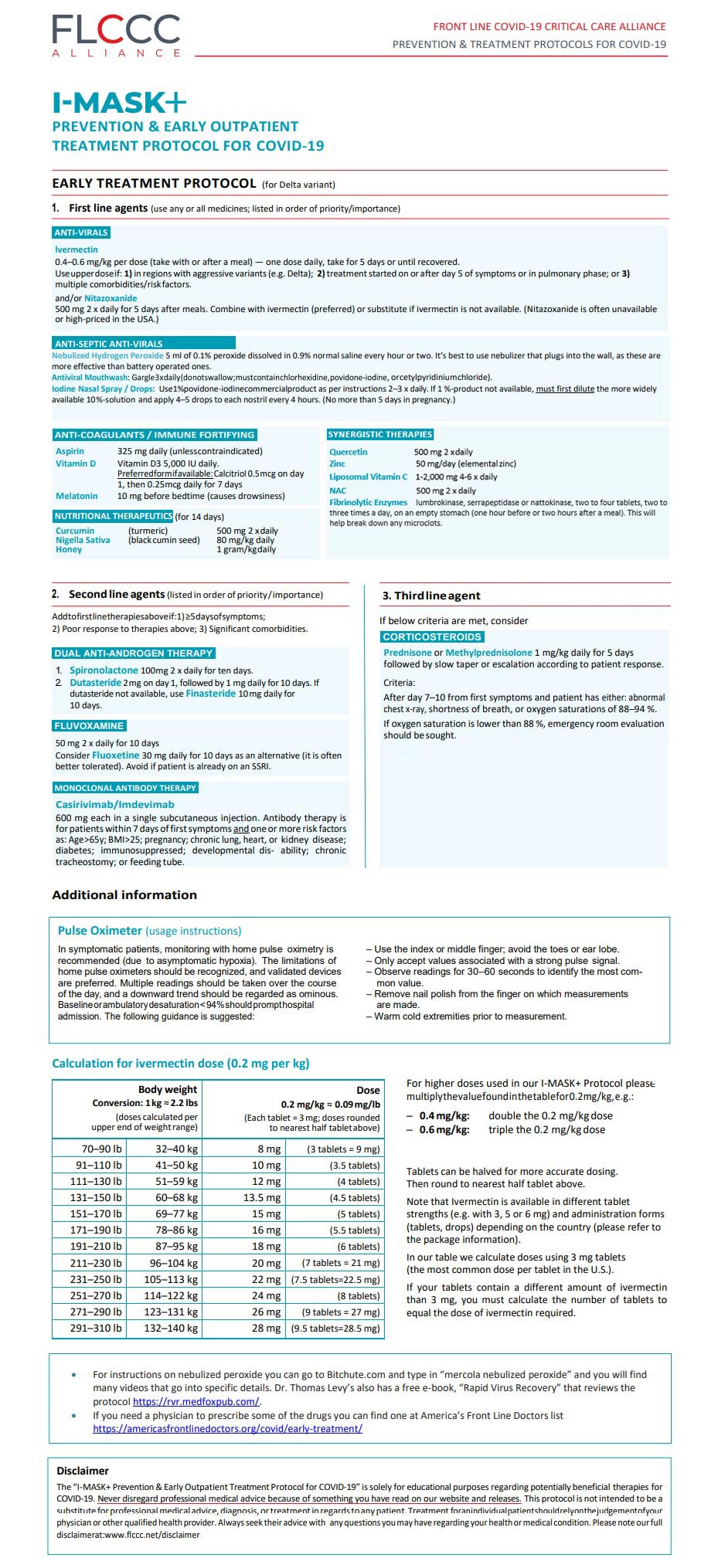
Tip 4: Optimize Your Health With Systemic Enzymes
Enzymes are proteins composed of individual amino acids necessary to speed up cellular functions and biological processes. Some of the bodily processes that require enzymes include energy production, oxygen absorption, toxic waste removal, breaking down fats in your blood, dissolving blood clots and fighting infections.
Proteolytic enzymes such as lumbrokinase and serrapeptase act as blood cleansers that combat inflammation and rebalance your immune system.
In the era of COVID, an enzyme called lumbrokinase may be of particular benefit, as it helps break down blood clots. If you’ve had COVID-19 in the past, and/or received one or more COVID injections, lumbrokinase may be helpful to prevent blood clotting issues.
Proteolytic enzymes such as lumbrokinase and serrapeptase serve to digest unwanted proteins in your blood, like blood clots. They also help combat inflammation and rebalance your immune system, facilitating the removal of inflammatory proteins, removing fibrin (a clotting material that restricts blood flow and prolongs inflammation), reducing edema in inflamed regions, and boosting the potency of macrophages and killer cells.
If you want these enzymes to work on the potentially damaging proteins in your blood and not the food in your stomach, you will need to take them on an empty stomach, either one hour before or two hours after a meal. Otherwise the enzymes will be used to digest your food and not work in your bloodstream.
Tip 5: Boost Your Liver Health With Choline
Nonalcoholic fatty liver disease (NAFLD) is a common condition caused by an unhealthy processed food diet. Aside from cutting out processed foods high in sugars and seed oils, adding in more choline can be helpful, as it appears to be a key controlling factor in arresting the development of fatty liver.
It does this by enhancing secretion of very low density lipoprotein (VLDL) particles in your liver, which are required to safely transport fat out of your liver. Choline deficiency may result in excess fat and cholesterol buildup. Choline also aids in DNA synthesis and is important for healthy mitochondrial function.
Choline-rich foods to consider loading up on include wild-caught Alaskan salmon, krill oil, organic pastured chicken, vegetables such as broccoli, cauliflower and asparagus, shiitake mushrooms, grass fed beef liver and pastured egg yolks.
A single hard-boiled egg can contain anywhere from 113 to 147 milligrams of choline, or about 25% of your daily requirement, making it one of the best choline sources in the American diet. Only grass fed beef liver beats it, with 430 milligrams of choline per 100-gram serving.
Tip 6: Eliminate ALL Seed (Vegetable) Oils
A compelling report in the journal Gastroenterology offers a radically novel yet logically sound explanation as to why some COVID-19 patients develop life-threatening organ failure, namely their high unsaturated fat intake. Since diet-related comorbidities are responsible for 94% of COVID-19-related deaths,8 taking control of your diet is a simple, common-sense strategy to lower the risks associated with this infection.
Simply put, high intake of polyunsaturated fats (PUFAs) — a primary source of which is industrial seed oils — is associated with increased mortality from COVID-19, while healthy saturated fats actually lower your risk of death.
Omega-6 linoleic acid (LA) makes up the bulk of the omega-6 consumed and is the primary contributor to nearly all chronic diseases, because when consumed in excessive amounts, LA acts as a metabolic poison radically limiting mitochondrial function and your ability to produce cellular energy.
The reason for this is because polyunsaturated fats such as LA are highly susceptible to oxidation. As the fat oxidizes, it breaks down into harmful sub-components such as advanced lipid oxidation end products (ALES) and oxidized LA metabolites (OXLAMs). These ALES and OXLAMs are actually what cause the damage.
While excess sugar is certainly bad for your health and should typically be limited to 25 grams per day or less, it doesn’t cause a fraction of the oxidative damage that LA does. Processed vegetable oils are a primary source of LA, but even food sources hailed for their health benefits contain it, and can be a problem if consumed in excess. Cases in point: olive oil and conventionally raised chicken, which are fed LA-rich grains.
Tip 7: Boost Your Magnesium Intake
Magnesium is required for the healthy function of most cells in your body. Deficiency will impede your cellular metabolic function and deteriorate mitochondrial function, which can result in more serious health problems. Deficiency is widespread, thanks to inadequate consumption of leafy greens, so if you rarely eat your veggies, you could probably benefit from supplementation.
Having low amounts of magnesium has also been shown to significantly increase your supplemental vitamin D requirement. Research by GrassrootsHealth9 shows you need 146% more vitamin D to achieve a blood level of 40 ng/ml (100 nmol/L) if you do not take supplemental magnesium, compared to taking your vitamin D with at least 400 mg of magnesium per day.
Your vitamin K2 intake can also affect your required vitamin D dosage. Data10 from nearly 3,000 individuals revealed 244% more oral vitamin D was required to get 50% of the population to achieve a vitamin D level of 40 ng/ml (100 nmol/L) if they weren’t concurrently also taking magnesium and vitamin K2. So, a simple way to optimize your vitamin D absorption is to take it in conjunction with magnesium and K2.
Foods with the highest magnesium levels include spinach, Swiss chard, turnip greens, beet greens, collard greens, broccoli, Brussels sprouts, kale, bok choy and romaine lettuce.
If you’re using a supplement, you may want to use magnesium threonate to provide at least some of your magnesium, as it appears to be most efficient at penetrating cell membranes, including your mitochondria and blood-brain barrier. Another effective way to boost your magnesium level is to take Epsom salt (magnesium sulfate) baths, as the magnesium will effectively absorb through your skin.
Tip 8: Improve Your Bowel Evacuation
Healthy evacuation of your bowels is a factor that many tend to ignore. The good news is that improving your bowel function can be as simple as changing how you sit on the toilet. Your puborectalis muscle helps control elimination during a bowel movement and prevent incontinence when you’re standing.
However, when you sit on a typical toilet, this muscle cannot fully relax, which is why you may need to push or even strain in order to have a bowel movement. While squatting, however, the muscle relaxes fully, making elimination easier.
Squatting on the toilet bowl can help you eliminate waste better if you are constipated. But this requires strength, flexibility and balance, especially if you’re not used to this method. Other options include using a simple footstool to help you get into a more “squatty” position or leaning forward as you sit on the toilet, with your hands on or near the floor.
Tip 9: Combat Chronic Inflammation
Chronic inflammation is a hallmark of virtually all disease, including cancer, obesity and heart disease. While inflammation is a perfectly normal and beneficial process that occurs when your body’s white blood cells and chemicals protect you from foreign invaders like bacteria and viruses, it leads to trouble when the inflammatory response gets out of hand and continues indefinitely.
Your diet plays a significant, if not primary, role in this chain of events and is the perfect place to start to address it. Certain nutritional supplements can also be helpful as add-ons. Here’s a summary of key principles:
• Limit or eliminate vegetable oils (seed oils) — A key part of an anti-inflammatory diet involves excluding refined vegetable oils, as they are clearly one of the most pernicious and pervasive poisons in the food supply. Simply avoiding all processed foods and most restaurant foods will go a long way toward helping you avoid them.
• Eat more veggies — Vegetables are a key anti-inflammatory staple. Ideally, opt for organic locally grown veggies that are in season, and consider eating a fair amount of them raw. If you struggle with autoimmune disease or have significant inflammation in your body, though, consider limiting vegetables with high lectin content. Some high- lectin foods can be made safer to eat through proper soaking and cooking, as well as fermenting and sprouting.
• Add in fermented foods — Traditionally fermented and cultured foods are other anti-inflammatory staples that work their “magic” by optimizing your gut flora. A majority of inflammatory diseases start in your gut as the result of an imbalanced microbiome.
Fermented foods such as kefir, natto, kimchi, miso, tempeh, pickles, sauerkraut, olives and other fermented vegetables will help reseed your gut with beneficial bacteria. Ideally, you’ll want to eat a wide variety of them as each contains a different set of beneficial bacteria (probiotics).
If you don’t like fermented vegetables, consider yogurt made from raw, organic milk from grass fed cows. Yogurt has been shown to reduce inflammation by improving the integrity of your intestinal lining, thereby preventing toxins in your gut from crossing into your bloodstream.
• Boost your omega-3 fat intake — Marine-based omega-3 fats found in fatty cold-water fish that are low in environmental toxins — such as wild Alaskan salmon, sardines and anchovies — are also important anti-inflammatories, particularly for brain and heart health. In fact, your omega-3 level is a powerful predictor of mortality. If you don’t enjoy these types of fish, consider using krill oil instead.
• Cook with herbs and spices — Ounce for ounce, herbs and spices are among the most potent anti-inflammatory ingredients available and making sure you’re eating a wide variety of them on a regular basis can go a long way toward preventing chronic illness. Among the most potent anti-inflammatory herbs and spices are cloves, cinnamon, Jamaican allspice, apple pie and pumpkin pie spice mixtures, oregano, marjoram, sage, thyme and Italian spice.
Tip 10: Filter Your Water
While the U.S. has many water quality concerns, it doesn’t really matter where you live anymore, as many dangerous chemicals find their way into the ecosystem, spreading from one continent to another. This is why filtering your household water is more a necessity than an option these days.
Filtering your drinking water is good practice, but equally important is filtering the water you use for bathing. This is because immersing yourself in contaminated water may be even more hazardous to your health than drinking it.
Chemicals absorbed through your skin go directly into your bloodstream, bypassing your digestive and internal filtration systems. Unfiltered water can also expose you to dangerous chlorine vapors and chloroform gas, which can cause dizziness, fatigue, asthma, airway inflammation and respiratory allergies.
Unless you can verify the purity of your water, you should seriously consider installing a high-quality, whole-house water filtration system. Ideally, filter the water both at the point of entry and at the point of use. This means filtering all the water that comes into the house, and then filtering again at the kitchen sink and shower. As for the type of filtration system to get, there are various options, most of which have both benefits and drawbacks.
Common options include reverse osmosis (RO), ion exchange, and granular carbon or carbon block filters. Ideally, you want a filtration system that uses a combination of methods to remove contaminants, as this will ensure the removal of the widest variety of contaminants.
Tip 11: Reduce Your EMF Exposure
One of the most dangerous kinds of pollution affecting your health is the invisible sea of electromagnetic fields (EMFs) your body swims in daily, both outdoors and in your home. Common sources include cell phones, cell towers, computers, smart meters and Wi-Fi, to name just a few. Strategies to reduce your EMF exposure include:
| Connect your computer to the internet via a wired connection and put it in airplane mode. Also opt for wired keyboards, trackballs, mice, printers and house phones. |
| If you must use Wi-Fi, be sure to shut it off whenever it’s not in use, especially at night. |
| Shut off the electricity to your bedroom at night to reduce electrical fields from the wires in your walls. |
| Use a battery-powered alarm clock, ideally one without any light. |
| Replace your microwave oven with a steam convection oven, which will heat your food quickly and far more safely. |
| Avoid “smart” appliances and thermostats that depend on wireless signaling, including smart TVs. Consider using a large computer monitor as your TV instead, as it doesn’t emit Wi-Fi. |
| Opt out of smart meters if you can or add a shield to an existing smart meter. |
| Avoid using a wireless baby monitor. Instead, move the baby’s bed into your bedroom, or use a hard-wired monitor. |
| Remove all fluorescent lights from your home and switch to incandescent bulbs. |
| Avoid carrying your cell phone on your body unless it’s in airplane mode, and never sleep with it in your bedroom. |
| Use the speakerphone on your cell phone, and hold it at least 3 feet away from you. Ideally, use your cell phone as little as possible. |
Even if you implement these strategies, you’re unlikely to eliminate all exposure, as EMFs saturate public places and can invade your home from your neighbors. To minimize the harmful effects, the following strategies can be helpful:
• Increase your magnesium intake — As a natural calcium channel blocker, magnesium can help reduce the effects of EMF on your voltage-gated calcium channels. Since many are deficient in magnesium, I believe you could benefit from as much as 1 to 2 grams of magnesium per day.
• Molecular hydrogen — Molecular hydrogen has been shown to target free radicals produced in response to radiation, such as peroxynitrites. Studies have shown molecular hydrogen can mitigate about 80% of this damage.
Molecular hydrogen will also activate Nrf2, a biological hormetic that upregulates superoxide dismutase, catalase and all the other beneficial intercellular antioxidants. This in turn lowers inflammation, improves your mitochondrial function and stimulates mitochondrial biogenesis.
• Protective spices — Cinnamon, cloves, ginger root, rosemary and turmeric have exhibited protective effects against EMF-induced damage.
Tip 12: Boost Your Collagen Production Naturally
Collagen is the most common and abundant of your body’s proteins. One of its primary purposes is to provide structural scaffolding for your various tissues to allow them to stretch while still maintaining tissue integrity.
As a compound of essential amino acids, there’s only one way to get collagen: Your body can’t produce it, so you must obtain it through your diet. Historically, traditional diets provided ample collagen in the form of broth made from boiled chicken feet or beef bones. These are by far your best alternatives.
If you decide to use a collagen supplement, it’s important to know what to look for. Laboratory testing has revealed many popular collagen and bone broth products contain potentially hazardous contaminants typically associated with concentrated animal feeding operations (CAFOs), so to avoid contaminants, make sure your collagen supplement is certified “100% Organic” by the U.S. Department of Agriculture (USDA).
Moreover, collagen supplements can be either unhydrolyzed (undenatured) or hydrolyzed (denatured). The processing that most collagen supplements undergo to become hydrolyzed can also result in questionable byproducts that are best avoided. My personal preference is to use a less denatured (unhydrolyzed) organic collagen supplement, as it has a more balanced amino acid profile.
That said, I still believe the natural approach is best. Making homemade bone broth using bones and connective tissue from grass fed, organically raised animals isn’t very complicated and will produce the best results.
Tip 13: Optimize Your Sleep
One of the most radical and recent discoveries revealing the importance of sleep for health is that each and every organ has its own biological clock. In your brain is a “master clock” that synchronizes these clocks and your bodily functions to match the 24-hour light and dark cycle.
When you upset your circadian rhythm by not getting enough sleep, the results can have far-reaching consequences, affecting everything from mood, creativity and brain detoxification to DNA expression, chronic disease risk — including dementia — and longevity. Helpful tips to optimize your sleep include:
| Sleep in complete darkness, or as close to it as possible, to avoid lowering melatonin production, which can interfere with your sleep. |
| Keep the temperature in your bedroom no higher than 70 degrees Fahrenheit. |
| Eliminate EMFs in your bedroom. |
| Keep all electronic devices at least 3 feet from your bed. |
| Adopt a neutral sleeping position by propping your pillow under your neck, not your head, to maintain a proper spinal curve. |
| Reserve your bed for sleeping and don’t keep a TV in your bedroom. |
| Consider separate bedrooms if sharing your bed with a partner impairs your sleep. Pets may also need to be kept in another room if they disturb your sleep. |
Tip 14: Ditch Google and Facebook Once and for All
Over the years, the government and business monopolies, including the likes of Big Tech, have formed a global alliance hell-bent on protecting and concentrating member profits. The price for keeping business going as usual is personal liberty and freedom of speech that may impact these fascist government-industrial complexes.
In recent times, we’ve seen unprecedented efforts to censor natural health topics in various online platforms, especially Google and Facebook, under the guise of protecting you against “misinformation.”
By censoring the voices that challenge mainstream information on crucial health topics like pharmaceutical drugs, vaccines, GMOs, pesticides, junk foods, artificial sweeteners and fake meat, Google and Facebook are able to protect the profits of its advertisers and stakeholders.
Across the board, Google only gives you the results they want you to see, while relevant articles and news they deem “harmful” are buried. Facebook, meanwhile, relies on so-called “fact checkers” to dissuade and redirect users away from anything that contradicts the mainstream narrative. We now have proof that Facebook’s “fact checks” are nothing more than opinion pieces, thanks to a lawsuit by journalist John Stossel,11,12,13 but they’re still presented as assertions of facts.
If you’re fed up with Google’s and Facebook’s exploitation and manipulation, the best way to break free is by being informed. If we work together to boycott them, Google and Facebook will crumble.
We have added a built-in sharing tool on top of each newsletter article to make it easier for you to share it to your friends and family via email or text. And, while the articles on my website are only viewable for 48 hours, we are in the process of transferring our entire archive over to the Censored Library on Substack. This will allow us to bring back my previously deleted articles in a liability-protected format.
For just $5 a month, or the discounted annual rate of $50 per year, you will have access to all of my articles, all the time, even after they’ve been deleted from Mercola.com.


Tip 15: Protect Your Eye Health
Your ocular health affects your overall well-being, so routine eye exams are an important health basic. Additionally, keep your eyes healthy and your vision sharp by:
• Removing trans fats from your diet — As with linoleic acid, processed foods and baked goods are primary sources of harmful trans fats.
• Removing high fructose corn syrup from your diet — High blood pressure can damage the small blood vessels in your retina, obstructing blood flow, and a key strategy to normalize your blood pressure is to dramatically reduce your fructose intake.
High sugar intake is also a primary culprit of elevated blood sugar readings. High blood sugar not only obstructs blood flow by damaging blood vessels in your retina but also pulls fluid from the lens of your eye, which can affect your ability to focus. As a general guide, I recommend keeping your total daily fructose consumption below 25 grams a day, including fructose from fruit.
• Eating your veggies — Consuming high amounts of carotenoid-rich vegetables, especially ones rich in lutein and zeaxanthin, can encourage healthy vision.
• Boosting your omega-3 fat intake — Omega-3 fats protect healthy vision. Good sources include wild-caught Alaskan salmon, sardines and anchovies. If you use a supplement, I recommend krill oil, which also contains astaxanthin, a potent antioxidant.
• Quitting smoking — Smoking increases free radical production throughout your body, putting you at risk for any number of health problems, including vision problems.
Aside from lutein and zeaxanthin, astaxanthin is one of the best antioxidants for eye health. It’s been shown to protect against a number of eye-related problems, including age-related macular degeneration, which is the No. 1 cause of blindness in the elderly, glaucoma, cataracts, inflammatory eye diseases, cystoid macular edema, retinal arterial occlusion, diabetic retinopathy and venous occlusion.
Astaxanthin also helps maintain appropriate eye pressure, energy levels and visual acuity. Because the above list includes several of the leading causes of blindness in the U.S., this powerful antioxidant becomes increasingly important.
Tip 16: Grow Your Own Food
Growing your own food has many rewards, from providing you with fresher, uncontaminated produce and cutting your grocery bill, to increasing your sense of well-being and slashing your risk of depression. Research14 also shows elderly individuals who garden on a regular basis have a 36% lower risk of dementia than non-gardeners.
There are many different ways to grow your own food, even if you live in an apartment. You can use virtually every square foot of your space, including vertical space, for growing food. Hanging baskets are ideal for a wide variety of foods, such as strawberries, leafy greens, runner beans, pea shoots, tomatoes and a variety of herbs. And, instead of flowers, window boxes can hold herbs, greens, radishes, scallions, bush beans, strawberries, chard and chilies, to name just a few.
Rule No. 1 for growing nutrient-dense food is building healthy soil. There are five basic principles to growing topsoil and building a healthy soil ecosystem, and these rules apply whether you’re working a farm or tending a small vegetable garden in your backyard:
- Avoid disturbing the soil microbiome — The less mechanical disturbance the better, which means no tillage, herbicides, pesticides or fungicides
2. Protect the soil’s surface — Use cover crops, untreated lawn clippings, mulch and wood chips to maintain soil biology, prevent water evaporation and lower soil temperature, which is particularly important on hot days
3. Diversify your crops — Having a diverse array of plant life is essential to healthy soil, and cover crops help fulfill this requirement
4. Maintain living roots in the ground as long as possible — Growing something at all times is key to soil vitality, so be sure to plant a cover crop after you harvest your vegetables
5. Integrate livestock and other animals, including insects — To mimic the impact of wild herds, regenerative farmers will pasture chickens, cows, lambs, pigs and other animals to benefit the soil and ensure a highly nutrient-dense finished product. While many homeowners cannot keep farm animals on their property, you can easily attract pollinators and predator insects to ward off garden pests by including lots of flowering plants
One of the simplest and most inexpensive gardening alternatives is to grow your own sprouts. They’re a particularly excellent choice during winter months, when outdoor gardening is limited or ruled out. They also grow quickly, allowing you to harvest in about a week, and you don’t have to cook them. Sprouts are also a perfect complement to fermented vegetables, which are also easy and inexpensive to make at home, from scratch.
Sprouts are actually among the most nutrient-dense foods out there. Topping the list are sunflower seed and pea sprouts, which are typically about 30 times more nutritious than organic vegetables. Sunflower and pea sprouts are among my own favorites. Broccoli sprouts, known for their anticancer activity, are another excellent choice.
Tip 17: Try Blood Flow Restriction (BFR) Training
Blood flow restriction (BFR) training, also known as vascular occlusion training, involves “partially restricting arterial inflow and fully restricting venous outflow” while working the occluded muscle. BFR training works on a very simple principle: It tricks your body into believing that it’s moving far heavier weights than you’re actually using, generating compensatory metabolic responses.
With BFR training, you’re able to significantly enhance your strength and muscle mass using a fraction of the weight typically used, in about half the time it would normally take.
Its ability to achieve such remarkable physiological benefits has to do with the fact that when you restrict the venous blood flow from the muscle group being engaged, you create a relatively hypoxic environment in the exercising muscle which then boosts beneficial metabolic responses, such as increasing muscle lactate and growth hormone, and inhibiting myostatin.
Venous flow restriction is achieved by wrapping the extremity being worked with an inflatable cuff or band. The band needs to be tight enough to shut down the venous return to the heart, allowing the venous blood to “pool” in the region of the limb that is being exercised, while loose enough to allow arterial flow-through.
With very light exercise, and in about 15 to 20 minutes, you get an exhaustive workout that sends a signal to your brain to help you “recover and adapt to it.” Your brain then sends out a wide variety of powerful hormonal responses that cause your muscles and blood vessels to grow.
BFR is particularly beneficial for the elderly, as it dramatically reduces the risk of injury while optimizing muscle growth beyond what strength training with heavy weights can actually do! To learn the ins and outs of BRF, be sure to download and read through my free BFR report.
Tip 18: Lower Your Risk for Autoimmune Disease
Autoimmune diseases are on the rise, so the earlier you take steps to prevent them, the better. The good news is that some of the strategies that can lower your risk of autoimmune problems are incredibly simple and inexpensive.
For example, drinking a solution of baking soda on a daily basis can help reduce inflammation associated with and caused by autoimmune conditions. Baking soda provides a signal to mesothelial cells — which line your internal organs — that your body is doing fine; it’s not under attack, so developing an aggressive immune system and/or a harmful autoimmune response is unnecessary.15
To try this strategy, simply add one-half teaspoon of baking soda to half a glass of water (about 4 ounces), stir until it’s completely dissolved, and repeat no more than three times per day, and no more than seven one-half teaspoons in any given 24-hour period.
Another strategy that costs nothing is to allow fevers to run their course, as long as they’re not above 103 degrees F. While most tend to rush to administer fever-reducing medicine at the first sign of a low-grade fever, this can actually backfire. Fever facilitates your detoxification process, with the aim of producing a cleaner system. Reducing the fever can effectively prevent or interrupt your body’s natural healing process.
A far better alternative would be to administer liposomal vitamin C, which will aid and speed the process, not stop it. Certain homeopathic medicines can also be beneficial. If you’ve suppressed fevers all your life, you may benefit from regular saunas, ideally one with low or no electromagnetic fields, as this will help detoxify your system. If you’ve been vaccinated, you probably need to take saunas on a regular basis as well.
Tip 19: Combat Osteoporosis
With osteoporosis — brittle bone — comes the risk of bone fractures due to a fall, and hip fractures in particular are notorious for raising an older individual’s risk of death. Low bone density, known as osteopenia, also raises your risk of fractures and may progress into osteoporosis. But before you turn to conventional drugs, you should know that there are far safer ways to address this problem, such as by loading up on nutrients that help promote bone growth. These include:
| Vitamin D | Vitamins K1 and K2 |
| Calcium | Magnesium |
| Collagen | Boron |
| Strontium |
Sufficiently load-bearing exercise is also important. Research suggests the load needed to trigger bone growth in the hip is 4.2 times your bodyweight. Unfortunately, conventional strength training comes nowhere near that — but BFR does! So, preventing osteoporosis is yet another reason to add BFR to your lifestyle tool kit.
Tip 20: ‘Green’ Up Your Wardrobe
Fast fashion is a major contributor to the global waste problem, as clothing is now the fastest growing category of waste. Across the board, throughout the distribution chain, whatever cannot be sold always ends up in a landfill. The textile industry is also a major environmental polluter.
The primary solution should be obvious: Buy less. Buying only what you actually need will allow you to spend more on high-quality items that last. If an item is still in good condition but for whatever reason doesn’t fit your body or lifestyle anymore, ask around to see if anyone wants or needs it first.
As a last-ditch resort, donate clothing that is still in good condition to a reputable charity that serves the needs of your local community. Local women’s shelters and crisis centers may accept your donations.
If you need to purchase new clothes, make sure to choose organic, GOTS-certified clothing made from sustainably grown fabrics. The SITO brand is an example of a GOTS-certified organic clothing brand, established by the biodynamic certification agency Demeter. SITO supports our global mission for improving fabric production and putting an end to fast fashion.
Tip 21: Take Control of Your Blood Pressure
In 2017, the American Heart Association (AHA) and the American College of Cardiology, along with nine other health organizations, changed the cutoff used to diagnose high blood pressure from 140/90 to 130/80.
This slight shift increased the number of people diagnosed with high blood pressure to include many who had previously been considered within the normal range. According to the AHA, an estimated 103 million U.S. adults today have high blood pressure (hypertension), and about 1 in 3 people has prehypertension.
According to medical physiology textbooks, as much as 95% of hypertension is called essential hypertension, meaning the underlying cause is unknown. However, a number of factors have been identified as contributing to high blood pressure, including but not limited to insulin and leptin resistance, potassium deficiency and elevated uric acid levels. The good news is that there are many techniques and lifestyle changes, including the following:
| Exercise — A comprehensive fitness program can go a long way toward regaining your insulin sensitivity and normalizing your blood pressure. In fact, exercise is considered a first line of treatment by several health authorities, including the World Health Organization, the International Society of Hypertension and the U.S. Joint National Committee on Detection, Evaluation and Treatment of High Blood Pressure.
If you are insulin resistant, you’ll also want to include weight training. When you work individual muscle groups, you increase blood flow to those muscles, and good blood flow will increase your insulin sensitivity. |
| Vitamin D optimization — Vitamin D deficiency is associated with both arterial stiffness and hypertension. For optimal health, maintain a vitamin D level between 60 ng/mL and 80 ng/mL year-round. |
| Time-restricted eating — Eating all your meals within a six- to eight-hour window each day is one of the most effective ways I’ve found to normalize your insulin/leptin sensitivity, which is a root cause of high blood pressure. |
| Stress management — It has been shown that people with heart disease can lower their risk of subsequent cardiac events by over 70% simply by learning to manage their stress. Suppressed negative emotions such as fear, anger and sadness can severely limit your ability to cope with the unavoidable every day stresses of life. It’s not the stressful events themselves that are harmful, but your lack of ability to cope. |
| Essential oils — A number of essential oils can be helpful, including lavender, ylang- ylang, marjoram, bergamot, rose, frankincense, rosemary, lemon balm and clary sage. |
| Beets — In one small placebo-controlled trial,16 one glass (250 milliliters or 8.5 ounces) of beetroot juice per day for one month reduced blood pressure in those diagnosed with hypertension by an average of 8 mmHg systolic and 4 mmHg diastolic pressure.
This 8/4 mmHg reduction is very close to that provided by blood pressure medications, which typically can reduce blood pressure by about 9/5 mmHg, and for many it was enough to bring their blood pressure down to normal levels. The treatment group also saw a 20% improvement in blood vessel dilation capacity and a 10% reduction in arterial stiffness. |
Tip 22: KetoFast
KetoFast is the term I coined to describe a protocol that combines three key strategies: a cyclical ketogenic diet, intermittent fasting and cyclical partial fasting. The first step to KetoFast is to make sure you stop eating at least three hours before bedtime to avoid creating unnecessary free radicals.
Next, compress your eating to a six- to eight-hour timeframe, meaning you eat all of your calories for the day during those six to eight hours. For the remaining 16 to 18 hours, you’re fasting. For example, delay your first meal of the day until 11 am or noon and stop eating by 7 pm.
Once you’ve followed this intermittent fasting schedule for a month, you can move into the second phase, which involves having a single reduced-calorie meal, ideally breakfast, followed by a 24-hour water-only fast, once or twice a week. This meal will typically be somewhere between 300 and 500 calories. This meal should consist of:
- Carbs — Less than 10 grams of net carbohydrates (total carbs minus fiber), primarily from nonstarchy vegetables, seeds or nuts.
- Protein — Half of your personalized daily protein requirement. If you’re younger than 60, a general recommendation for your daily protein requirement would be 0.8 grams of protein per kilogram of lean body mass, or 0.5 grams of protein per pound of lean body mass. The key here is not just lowering your overall protein intake but, rather restricting your intake of branched-chain amino acids such as leucine, found primarily in meat and dairy products.
- Fat — The remainder of your calories come from healthy fats such as coconut oil, avocado, MCT oil, butter, olive oil and raw nuts.
The day after your water-only fast, go ahead and feast. Now’s the perfect time to do hardcore strength training, and to load up on protein. Immediately after your workout is when you’ll want to eat that grass fed organic steak and/or whey protein, as now you’re in rebuilding mode.
The intermittent and partial fasting regimen described in KetoFast essentially mimics ancestral eating patterns, allowing your body to work optimally by allowing for periods of breakdown and cleanout, and periods of rebuilding and rejuvenation.
One way that your body promotes this is through autophagy, which is the body’s innate cleanout process, in which damaged mitochondria, proteins and cellular components are digested and then recycled during the regeneration phase, which occurs during refeeding. By upregulating autophagy, you may significantly lower your risk of most diseases, including cancer and neurodegeneration.
A common misconception is that because nutritional ketosis is so beneficial, it stands to reason that remaining in ketosis for the rest of your life would be the way to go. I disagree with this approach, having experienced the drawbacks of it firsthand.
Continuous keto can start wreaking havoc with your hormonal system, specifically your thyroid. It’s important to realize that nutritional ketosis is a catabolic process, meaning you’re breaking things down. This is a good and necessary process, but you also need to build your body back up! After some months on a continuous ketogenic diet, you start losing muscle mass, which is the complete opposite of what you’re looking for.
I strongly recommend cycling in and out of ketosis once you’ve regained your metabolic flexibility and are able to effectively burn fat for fuel. In other words, you stay in ketosis only long enough to make sure you’re burning fat, and then you move into a more balanced approach where you’re adding in higher amounts of healthy carbs once or twice a week.
- 1 Nutrients October 31, 2020;12, 3361; doi:10.3390/nu12113361
- 2 Prog Cardiovasc Dis. 2020 Feb 12. pii: S0033-0620(20)30037-2
- 3 EurekAlert! January 24, 2020
- 4 Elsevier.com January 24, 2020
- 5 Prog Cardiovasc Dis. 2020 Feb 12. pii: S0033-0620(20)30037-2, Table 1
- 6 Nat Rev Immunol. 2014 Jan; 14(1): 36–49
- 7 The Journal of Infectious Diseases May 15, 2005; 191(10): 1719-1729
- 8 CDC.gov August 26, 2020
- 9 GrassrootsHealth Is Supplemental Magnesium Important for Vitamin D Levels?
- 10 GrassrootsHealth Magnesium and Vitamin K2 Combined Important for Vitamin D Levels
- 11 wattsupwiththat.com John Stossel Lawsuit against Meta Platforms (PDF)
- 12 WND December 10, 2021
- 13 wattsupwiththat.com December 9, 2021
- 14 Medical Journal of Australia 2006 Jan 16;184(2):68-70
- 15 Science Daily April 25, 2018
- 16 Medical News Today February 22, 2018
Simple Remedies to Optimize Your Energy and Combat Fatigue
Reproduced from original article:
https://articles.mercola.com/sites/articles/archive/2021/09/26/energy-paradox.aspx
Analysis by Dr. Joseph Mercola Fact Checked September 26, 2021
STORY AT-A-GLANCE
- One of the most effective ways to optimize your energy and combat fatigue is to implement time-restricted eating (TRE), as it improves your mitochondrial health and metabolic flexibility
- TRE is a form of intermittent fasting in which you restrict all of your food intake to a certain number of consecutive hours each day. Keeping your eating to a window of six to eight hours a day is an achievable goal for most people
- Your food intake, which impacts the circadian rhythm of your gut microbiome, and other circadian rhythms are intricately connected, and the more you can realign these circadian rhythms, the better your whole body will function, including your mitochondria
- You also need to remove dietary and lifestyle factors that cause the energy depletion in the first place. Electromagnetic field exposure is one environmental factor. Leaky gut, caused by lectins in your diet, is another factor that needs to be addressed
- When food particles are able to cross your gut lining, they cause chronic inflammation that requires a lot of energy to combat, thus causing fatigue and general malaise
This article was previously published March 28, 2021, and has been updated with new information.
Dr. Steven Gundry, a cardiologist, heart surgeon, medical researcher and author, is perhaps best known for his “Plant Paradox” book, which was a massive bestseller. He has now published another book called “The Energy Paradox: What to Do When Your Get-Up-and-Go Has Got Up and Gone.”
As the name implies, this book delves into the origins of fatigue and how to improve your energy at the molecular level. While he had not planned on writing a book about energy optimization, upward of 60% of his patients suffer from fatigue and a feeling of general malaise, so, clearly, this is something that affects an enormous number of people.
Time-Restricted Eating
The good news is there’s a lot you can do to improve your energy levels. One such strategy, which I embraced years ago, is time-restricted eating (TRE), a form of intermittent fasting in which you restrict all of your food intake to a certain number of consecutive hours each day.
As an added boon, this strategy doesn’t cost you a penny. If anything, it’ll save you money. Gundry was ahead of the curve on this one, having written about TRE in his first book, “Dr. Gundry’s Diet Evolution,” published in 2006.
“I had an entire chapter in that book devoted to time-restricted eating, and my editor at Random House at the time, Heather Jackson, said, ‘This is so crazy that I’m not going to let you do this.’
She said this. True story. And I said, ‘Look, I’m telling you, I’ve been doing this now for four years and I’ve been using it on my patients and it’s not crazy. Here’s the research.’ And she said, ‘OK. I’m going to give you two pages to make your case. I’m throwing the rest of the chapter away.’
So, I got two pages. I saw her at the mindbodygreen symposium last summer, before the COVID-19 outbreak. She came up to me and said, ‘You were right. I apologize. You weren’t crazy, you weren’t nuts. Everybody now knows.'”
Indeed, in recent years, TRE has gained a lot of recognition as mounting evidence shows the simple act of restricting the number of hours during which you consume food during the day will improve your health in a variety of ways, primarily by improving your mitochondrial health and metabolic flexibility.
As noted by Gundry, keeping your eating to a window of six to eight hours a day is an achievable goal for most people. However, most need to gradually ease into it.
“Metabolic flexibility is probably the underlying problem in the vast majority of diseases that we see and I wrote the book to try and make it easy,” Gundry says. “What I see in my practice is that a lot of people go, ‘OK. I usually eat breakfast at 7 and starting tomorrow I’m going to start eating breakfast — break-fast — at noon.’ And they fall flat on their faces.
They get headaches, they get hungry, they don’t think right. They have no energy and they decide ‘This isn’t for me.’ That’s because they have a high insulin level, they’re insulin resistant and can’t use stored fat as an energy source …
So, in the book, what I do is, over a six-week period, I get them used to eating during a shorter and shorter time window. It’s very much like learning a new exercise program. I couldn’t run a marathon right out the gate, but I can train and get there. So that’s what we do.”
Part of the process involves retraining your circadian rhythm. Your food intake, which impacts the circadian rhythm of your gut microbiome, and other circadian rhythms are intricately connected, and the more you can realign these circadian rhythms, the better your whole body will function, including your mitochondria.
Crucial Notes on Meal Timing
At the most extreme end of TRE is the one meal a day (OMAD) routine, which can work well if you’re young and healthy. However, once you get into middle age and older, I believe it can start to backfire. I’m also not convinced that it’s healthy to remain on an OMAD diet in perpetuity, for the simple reason that your body will typically work best when you challenge it now and then.
During winter months, about six months out of the year, Gundry promotes using a two-hour, or even as short as a single-hour eating window during weekdays, and then eating during a much longer window during weekends. He’s been doing this for the past 21 years.
For me, cycling — mixing longer and shorter fasting intervals — has been a key to long term success, and taking the weekends off from this strict regimen may be part of why this strict regimen has worked so well for so long for Gundry.
“I think you’ve got to break it up. I don’t do it all year around, and I break it up on the weekends, and the reason I do that is so I won’t go mad,” Gundry says. Another important detail with regard to timing is to avoid eating at least three hours before bed. Even if you restrict your eating to six hours or less, if you eat too close to bedtime, you’re canceling out many of the benefits. As explained by Gundry:
“It’s really important to stop eating at least three hours before bedtime for a couple of really important reasons. No. 1, you’ve got to undergo mitochondrial repair during the night.
You have to undergo brain cleaning during the night from the glymphatic circulation. Digestion takes huge amounts of blood flow, and if you’re eating, all that blood flow is heading down to your gut when it should actually be going up to your brain.”
TRE Makes Most Diets Better
Gundry quotes data from Satchin Panda, which shows that rats raised on a standard American diet equivalent that also are put on a TRE regimen fare much better than those who are not on TRE. This despite the fact that they’re eating the same thing. The same has been shown to hold true in humans.
Remarkably, Panda has shown the average American eats for 16 hours a day. Essentially, they’re grazing all day long, stopping only while sleeping. About 90% eat for more than 12 hours.
Simply reducing your eating window to 12 hours would be an improvement. As noted by Gundry, “Big Food, Big Agriculture have convinced us that this is the proper way to eat.” In reality, the only thing these big businesses and their recommendations are good for is disease.
The Case for EMF Avoidance
Gundry and I are also in agreement about the dangers of electromagnetic fields (EMFs). I’ve previously written about how magnesium can help mitigate some of the damaging effects from EMF, and Gundry has a patient who appears to have had success using this strategy. Melatonin, which is a very potent mitochondrial antioxidant, is another potential mitigator.
“Melatonin is a very interesting way of mitigating against the bad effects of EMF,” Gundry says. “Now, as I talk about in the book, I used to think that people who said that they were sensitive to these invisible rays [EMFs] were out on the lunatic fringe.
But the longer I’ve been doing this, I’ve had some fantastic experiences with very credible people, who when we mitigated EMF got well. One patient was profoundly affected by her husband’s AICD, a defibrillator, which was communicating his EKG with a satellite.
As soon as it went into him, she couldn’t sleep next to him. She had migraine headaches. We finally turned off the transmitter in his AICD, and just like that, all of [her symptoms] went away. So, these people are canaries in a coal mine and we have to believe it.”
Leaky Gut Underlies Most Chronic Disease
While antioxidants like melatonin can certainly help improve mitochondrial function, I think there are better ways than simply piling on antioxidants. You also need to remove dietary and lifestyle factors that cause the energy depletion in the first place. EMF exposure is one environmental factor. Leaky gut, caused by lectins in your diet, is another factor that needs to be addressed.
According to Gundry, leaky gut is an underlying condition of most chronic disease, so, if you have a chronic ailment, chances are you have leaky gut. Thanks to Dr. Alessio Fasano, who heads up the Celiac Research Center at Harvard, we now have sophisticated tests that can diagnose this problem.
Fasano discovered the mechanism by which lectins cause leaky gut, and gluten is a lectin. When these and other food particles are able to cross your gut lining, they cause chronic inflammation, which requires a lot of energy to combat. This is one reason for your fatigue and general malaise. Gundry explains:
“If your immune system is distracted down to your leaky gut, first of all, it’s not going to be available when [pathogens] come in through your nose or mouth. And secondly, your immune system is so hyperactivated that when it sees something that might not be all that important, it goes crazy and you get a cytokine storm. That, of course, is one of the major lethal consequences [of] the Western diet.”
Linoleic Acid Can Decimate Mitochondrial Health
Another dietary factor that decimates mitochondrial health, and thus energy production, is omega-6 linoleic acid (LA). “In the book, I talk about the Goldilocks effect,” Gundry says. However, LA is naturally found in virtually all foods, so it’s near-impossible to become deficient. The problem really is excessive intake, which is near universal in Western countries due to processed food.
The primary culprit here is industrial vegetable oils, which most people eat far too much of. If you’re eating a whole food diet, you’re more likely to have a healthy ratio of LA, but even then, it may be causing trouble if you’re eating too many LA-rich foods, such as conventional chicken, for example.
Olive oil is another food that is high in LA, but it also has other components that may modify some of the risks. Still, I choose to limit my olive oil intake. Overall, I try to keep my LA intake below 5 grams a day, regardless of the sources. Gundry has a more favorable view of olive oil, stating:
“If you limit your eating window, you actually stop that process from happening, which is really miraculous, No. 1. And No. 2, shameless plug for myself, with my Gundry MD high-polyphenol olive oil, you only need a tablespoon a day to get the equivalent polyphenols of a liter of olive oil a week.”
Surprising Benefits of Cheese
When it comes to fats, Gundry is a proponent of short and medium chain fatty acids. “For multiple reasons, I’ve been extolling the virtues of MCT oil since the ‘Plant Paradox,'” he says, adding:
“I think the saturated fats have other benefits. In particular, the saturated fats in cheeses may be one of the unsung heroes in longevity that I think needs more attention … I take care of a huge number of people who carry the APOE4 mutation, which is the Alzheimer’s mutation. I noticed early on that cheese really elevated not only small dense LDLs, but also elevated for most of my patients’ oxidized LDL …
I don’t like the traditional cholesterol theory of heart disease. On the other hand, I think oxidized LDL has an interesting place. What’s interesting is that when I’ve separated my patients into having them eat sheep cheese and goat cheese, I found dramatically different results.
I initially attributed it to the fact that sheep and goat have casein A2 and not casein A1. And I think casein A1 is a pretty bad actor. So, I said, well, I’m going to start letting my APOE4 [patients] have sheep and goat cheese, but in moderation. When I did that, I didn’t see this oxidized LDL.”
One potential mechanism for this might be because casein is a protein that can cause autoimmune reactions and contribute to leaky gut, which in turn contributes to increased LDL oxidation.
While most of Gundry’s autoimmune disease patients respond extremely well to Gundry’s plant paradox program, about 10% still do not fare well. Food sensitivity analysis has revealed a large number of them are sensitive to both casein A1 and casein A2.
Once their leaky gut is repaired, however, which may take up to a year, their immune systems typically become tolerant to these things again. “So, I think you can retrain the immune system once you get a good microbiome and seal the leaky gut.”
What About Meat?
While some autoimmune patients have reversed their conditions using a carnivore diet popularized by Dr. Paul Saladino, who is a leading authority on the science and application of the carnivore diet, Gundry recommends limiting meat because of its effects on your gut microbiome. Interestingly, Gundry interviewed Saladino about his carnivore diet and it is available his website.1 It’s a fascinating discussion.
“I have nothing against the carnivore diet as an elimination diet,” he says. “In fact, when Saladino was first on my podcast, he credited me as being the father of the carnivore diet because all plants are evil. And I went, ‘Please don’t do that to me.’
I think one of the mistakes that people make in, particularly, a keto diet where they’ve eliminated fiber, you actually starve your gut microbiome from making butyrate. The other, I think worrisome, part about a carnivore diet is you tend to make more hydrogen sulfide. I’m a huge fan of hydrogen sulfide, the rotten egg smell … but again, we get the Goldilocks rule …
Some is really good for you, it’s really good for mitochondrial function, but a lot is really toxic. And there’s some evidence with carnivore diets that you produce too much hydrogen sulfide. Now, I also understand the argument that if we eat a lot of gristle and a lot of mucin, basically nose to tail, that you can make butyrate by fermenting protein-based animal ingredients. I think you can.
But if you look at all the super long-lived folks, one of the things they have is really great production of butyrate. Butyrate, that short chain fatty acid, does so much good for mitochondria, I can’t even begin to tell you. Well, I do in the book.”
I agree that a strict no-carb diet is a mistake. Healthy carbs — think plant foods rich in fiber — need to be cycled in, there’s no question. Not every day, but certainly once or twice a week, even when you’re on a ketogenic diet. I recommend restricting carbs to about 50 grams or so for most of the week, and then increasing that to 100 or 150 grams once or twice a week once you’re metabolically flexible.
Protein, mTOR Activation and Exercise
Meat, of course, is also a source of protein, and while too much protein can be harmful by activating mTOR (thereby contributing to cancer and other problems), too little can be an unmitigated disaster, as I found out.
For a time, I aggressively restricted protein in an effort to minimize mTOR, and ended up developing sarcopenia (muscle loss). The lesson here is that you need protein, especially if you’re working out, and especially as you get older. With regard to mTOR activation, Gundry notes:
“The only way we can actually measure the effect of mTOR long term is insulin like growth factor IGF-1. I take care of a lot of super old people, 95 and above. I have a lot of 105-year-old patients that I study, and they all have very low insulin-like growth factors.
We’ve tried experiments with patients, really reducing their animal protein and replacing it with plant-based protein. I’m not taking protein away. Their insulin growth factors will drop 50 to 70 points in a matter of months, and I think that’s pretty interesting.
The other thing that’s interesting is that exercise will actually change your gut microbiome to eat branch chain amino acids before they get into you, and branch chain amino acids are one of the biggest stimulators of mTOR.
That’s why, if you’re building muscle and you’re a body builder, you gulp branch chain amino acids all the time. So, I think, probably Saladino — who exercises and also does TRE and has pretty good IGF-1s — can tolerate a very high animal protein diet.
The other thing that I’ve written about in all my books is that beef, lamb and pork have a sugar molecule called Neu5Gc, and fish and chicken have Neu5Ac. Many people make an autoantibody to Neu5Gc, so they attack their own blood vessels if exposed to beef, lamb and pork.”
Lastly, Gundry points out the importance of exercise. When you work your muscles, especially the big muscle groups, myokines are produced, which help grow new brain cells and aid your mitochondria. However, contrary to popular opinion, you don’t need to exercise continuously for 30 to 60 minutes each day, Gundry says. It’s OK to break it into smaller segments.
“Even walking up and down stairs for a minute may be as effective as walking 10 minutes on a level surface,” he says. “Doing a plank while you’re watching TV for a minute is a phenomenal exercise. My favorite is when you’re brushing your teeth, do deep knee bends, do squats.”
More Information
This interview coincided with the release of “The Energy Paradox: What to Do When Your Get-Up-and-Go Has Got Up and Gone,” so to learn more, be sure to pick up a copy. You can also learn more about Gundry by perusing his websites, GundryMD.com and DrGundry.com.
He has a weekly podcast that you can tune into as well for a wide range of health information from Gundry and his guests. You can also find him on Facebook, YouTube and Twitter.