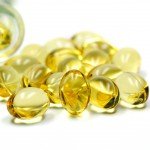
(NaturalHealth365) Coenzyme Q10, or CoQ10, is a substance found in every cell of our body. It is in a variety of foods, and healthy people are not likely to develop a deficiency of this nutrient. But, you might want to think about taking in some extra CoQ10 – especially if you’re taking a statin to lower your cholesterol levels.
CoQ10 has many potential health benefits, including possibly lowering the risk of certain cancers. Women, especially, should take note, since recent research points to links between breast cancer risk and lower levels of CoQ10 in the blood.
Clearing up the confusion about CoQ10
Coenzyme Q10 is technically not a vitamin because your body can synthesize it, so you do not need to get it from food. However, its structure is similar to that of vitamins. Also like vitamins, it acts as a coenzyme functions in your body’s metabolic reactions.
CoQ10 also has powerful antioxidant properties. For example, it helps prevent harmful oxidation of LDL cholesterol, and it supplements the work of vitamin E, or tocopherol. When your blood levels of CoQ10 are lower, your body needs more vitamin E from the diet to carry out heart-healthy antioxidant reactions.
What are the health benefits associated with CoQ10?
Can a Coenzyme Q10 deficiency increase the risk of cancer?
Since the 1960s, researchers have noted associations between lower blood levels of CoQ10 and cancer. People with lymphoma, myeloma, and lung, head, neck, and prostate cancers tend to have lower levels of CoQ10.
Do NOT ignore the health dangers linked to toxic indoor air. These chemicals – the ‘off-gassing’ of paints, mattresses, carpets and other home/office building materials – increase your risk of headaches, dementia, heart disease and cancer.
Get the BEST indoor air purification system – at the LOWEST price, exclusively for NaturalHealth365 readers. I, personally use this system in my home AND office. Click HERE to order now – before the sale ends.
A recent study looking into links between CoQ10 and breast cancer examined data from nearly 1,000 women aged 40 to 70 in the Shanghai Women’s Health Study. Those who had serum levels of CoQ10 in the bottom fifth of participants had a 90 percent greater chanceof being diagnosed with breast cancer than those whose levels were in the middle fifth.
“The current Shanghai Women’s Health Study, with relatively larger sample size and longer follow-up time suggests an inverse association for plasma CoQ10 levels with breast cancer risk in Chinese women,” according to study authors Robert V. Cooney of the University of Hawaii and colleagues. Based on these results, future research should investigate potential effects of supplementation on the risk of breast cancer.
The study also confirmed the association between low CoQ10 and higher risk of cervical cancer, myeloma, and melanoma. This makes the results relevant to men as well as women. This study is far from definitive, but it seems likely that there is a link between healthy CoQ10 levels and reduction in cancer risk.
CoQ10 is in a variety of foods, including meat, fish, and eggs, and organ meats, such as heart, kidney, and liver, are especially rich sources. You can also find CoQ10 in plant-based foods, such as cauliflower, peanuts, soybean oil, and strawberries.
Obviously, you can obtain additional benefits, with ease, by supplementing your diet with a high quality CoQ10 supplement.
This article is copyrighted by GreenMedInfo LLC, 2019
Do you feel fear or worry regarding the onset of menopause, either for yourself or someone you love? Antidepressants and hormone treatments may be the popular prescriptions, but before you take medications with serious risks, learn about the incredible results of black cohosh for those pesky, sweaty, hot flashy nights
Even in the modern day, there are abundant myths and mysteries surrounding menopause, the period in a woman’s life that occurs 12 months after her last menstrual cycle.[1] Perimenopause, the transition period before menopause, is marked by hormonal changes leading to the cessation of menses.[2]
Both phases, hereafter collectively referred to as menopause, are characterized by physical and psycho-social changes that lend to the stories surrounding women’s behaviors, thoughts, and feelings during this time of transition.
Menopause can range from a few months to several years in duration and is spurred by decreased estrogen production in the ovaries. These hormonal shifts can have associated and, at times, unpleasant side-effects, which may be managed through holistic or pharmacological interventions, or a combination of the two modalities.
Historically, some have prescribed to the belief that “the change” brings about an unwelcome and inevitable reality, both for women and the men in their lives. Is it any wonder that the “fix” has become to prescribe mood-altering drugs, or to attempt to “put back” the hormones that the passage of time is depleting? In truth, this natural cessation of fertility need not be synonymous with a distressing or unpleasant experience.
Antidepressants are widely prescribed for menopause symptoms ranging from depression and low libido, to anxiety and social isolation. Instead of directly addressing the emotional aspects of aging, empty-nesting, and our physiological need for strong social bonds, modern medical dogma is to simply prescribe a “magic pill” in hopes that these uncomfortable feelings will disappear.
Beyond the emotional and psychological impacts, vasomotor symptoms are commonly experienced during perimenopause up to full menopause. Changes in body temperature such as flushing and night sweats are frequently reported, and the condition known as “hot flashes” can onset. According to a 2008 study,[3] nearly 80% of peri- and postmenopausal women reported experiencing some or all of these symptoms.
Medicating Menopause: A Risky Prescription
A popular treatment administered to menopausal women in the U.S. is ERT, or estrogen replacement therapy. While it may seem natural to replace fading endogenous hormones with an exogenous supply, warning bell has been sounded regarding potentially harmful side effects.[4] ERT has been linked to cancer, cardiovascular disease and stroke, among other concerning outcomes.[5]
Another prescribed treatment for vasomotor symptoms is gabapentin, known by the brand name Neurontin, an anti-seizure drug used to treat nerve pain and conditions such as restless leg syndrome. Also prescribed for anxiety, gabapentin has a high potential for addiction and misuse,[6] and can have undesirable side effects such as slurred speech, blurred vision and impaired motor function.[7] Even worse, Neurontin has been linked to cases of suicidal ideation[8] and respiratory failure,[9] among other serious side effects.[10]
Another option frequently prescribed are the broad spectrum of mood-altering and antidepressant drugs. Selective serotonin reuptake inhibitors, SSRIs, and serotonin-norepinephrine reuptake inhibitors, SNRIs are often the first course of treatment when a menopausal patient complains of depression, lethargy, or hormonal issues.
According to the U.S. Centers for Disease Control and Prevention, women are 2.5 times more likely to be prescribed an antidepressant than men.[11] Nearly 23% of woman ages 40 to 59 are taking antidepressant medication in the U.S., more than any other age-sex group.[12]
Validated by Science: Natural Options for Hormonal Balance
While natural options for managing menopause may not be routinely prescribed by allopathic physicians, science has validated that black cohosh is a viable treatment for several discomforting symptoms of this life-changing transition.
This double-blind placebo-controlled study, found that black cohosh (scientific name: Cimicifuga Racemosa) was “equipotent” to mixed-estrogen drugs for relief from vasomotor symptoms, and for improving markers of bone metabolism, a factor related to osteoporosis.
What’s not equal when comparing most plant medicines to pharmaceuticals are potential adverse effects. Premarin®, a popular mixed-estrogen drug, has a warning label that cites increased risks of heart attack, cancer, blood clotsand stroke,[13] while studies involving a 12-month course of treatment with black cohosh root (the part of the plant used in herbal formulations) show it was administered with no known adverse effects.[14]
Another impressive study pitting black cohosh against a popular prescription involves Prozac® for treatment of postmenopausal symptoms. The 2007 study, published in Advances in Therapy, compared questionnaires from 120 healthy women with menopausal symptoms who rated such factors as quality of life, depression scores, and frequency and severity of vasomotor symptoms like flushing and night sweats.[15]
Women in this study were randomly assigned to 1 of 2 groups, with one group receiving fluoxetine (generic form of Prozac®) and the other group receiving black cohosh. The women were surveyed before, during and after the study, for a period of six months. They kept daily diaries recording the number and intensity of hot flashes and night sweats, as well as completing several standardized questionnaires.
Results of this study showed that black cohosh reduced overall scores for hot flushes and night sweats better than Prozac®. At the end of the sixth month of treatment, black cohosh reduced the hot flush score by 85%, compared with a 62% result for fluoxetine.
By the study’s end, 40 women taking the prescription drug had discontinued the study, while only 20 women in the black cohosh group discontinued, potentially speaking to benefits gained from long-term use of herbs, the reverse of which is true for many pharmaceutical drugs, which are contraindicated for longer periods of use.
Managing Change Gracefully
Placebo effect dictates that the beliefs we hold about our health and treatment options have significant impact on our experiences. Be aware of any negative beliefs you might hold about menopause; despite popular opinions and superstitions,[1] there is no mandate that this phase of life must be a difficult one.
With improved psycho-social awareness of the stressors women experience mid-life, and better understanding of naturally effective treatment options, we can begin to view menopause as a celebration of life rather than the death of fertility. It’s the dawning of a new cycle, a time ripe for giving of your experience and wisdom. Protect your vitality with naturally effective plant medicine and enjoy all the seasons of your life.
To learn more about black cohosh and other natural treatment options for menopause, explore the 79 abstracts and 38 natural substances that are compiled on GreenMedInfo’s Research Database.
[2] The North American Menopause Society, Menopause 101 https://www.menopause.org/for-women/menopauseflashes/menopause-symptoms-and-treatments/menopause-101-a-primer-for-the-perimenopausal
[3] Frequency and severity of vasomotor symptoms among peri- and postmenopausal women in the United States. Williams RE, Kalilani L, DiBenedetti DB, Zhou X, Granger AL, Fehnel SE, Levine KB, Jordan J, Clark RV. Climacteric. 2008 Feb; 11(1):32-43. https://www.ncbi.nlm.nih.gov/pubmed/18202963/
The GMI Research Group (GMIRG) is dedicated to investigating the most important health and environmental issues of the day. Special emphasis will be placed on environmental health. Our focused and deep research will explore the many ways in which the present condition of the human body directly reflects the true state of the ambient environment.
Disclaimer: This article is not intended to provide medical advice, diagnosis or treatment. Views expressed here do not necessarily reflect those of GreenMedInfo or its staff.
Troponin is a protein responsible for helping to regulate contractions in skeletal and heart muscle. After comparing blood levels and age, data revealed a slight raise in all age groups increased the risk of early death, and those who were 18 to 29 years old had a tenfold higher potential risk
High levels in people without a diagnosis of heart attack also had a higher risk of early death; high levels of troponin may be found after sepsis, stroke, pulmonary disease, chronic kidney disease and chemotherapy
Symptoms of a heart attack are not always obvious, but immediate treatment improves the rate of survival and reduces the risk of heart muscle damage from lack of oxygen; women may experience different symptoms including anxiety, back pain, heartburn or extreme fatigue
One study showed 70% of heart attacks could be prevented by eating a healthy diet, getting exercise, maintaining a normal BMI, not smoking and other health lifestyle choices. It is important to know your risk factors and take quick action even if you only feel like you might be having a heart attack
Statistics from the American Heart Disease 2019 update shows cardiovascular disease (CVD) is still the leading cause of death, although the rate decreased by 18.6% from 2006 to 2016.1 Despite this reduction, 1.05 million people were expected to have a coronary event in 2019, including 720,000 first time and 335,000 recurrent events.
Nearly every 40 seconds someone has a heart attack or a stroke. In 2014-2015 the annual financial burden for CVD was estimated at $351.2 billion. In the survey, the data showed awareness of the symptoms of a heart attack was low.2
This has a negative impact on early diagnosis and treatment of a heart attack, which is linked to a higher potential for survival and return to normal activities when more of the heart muscle can be saved.
According to the Centers for Disease Control and Prevention,3 nearly 47% of sudden cardiac death happens outside of a hospital, which suggests people may be unaware they have heart disease, or they don’t act on early warning signs of a heart attack.
Those at greater risk of a cardiac event include people who have other medical conditions such as diabetes or practice specific lifestyle choices, such as eating a poor diet, excessive alcohol use, smoking or lack of physical activity.
Protein Linked to Muscle Damage Raises Risk of Death
Once your heart has begun to be damaged by a heart attack, the heart muscle releases a protein, troponin, which is responsible for helping to regulate contractions in skeletal and heart muscle.4 Emergency room physicians test for blood levels of this protein, along with other clinical tests, to evaluate the likelihood a patient is having a heart attack.
The level of the protein and other test results help clinicians make choices about immediate treatment. A new analysis from the National Institute for Health Research Health Informatics Collaborative led by researchers from London looked at data from 250,000 patients who had troponin tests completed.
The information was grouped by age and then compared against the test results and the patient’s health outcomes in the following three years. The researchers were interested in comparing the differences in troponin levels across age ranges, specifically in the senior population, as well as investigating the significance of the different levels of the protein.
The new data showed even a slight raise in the level of protein was associated with an increased risk of early death in all age groups. They also found the higher the level, the higher the risk of death in those who had suffered a heart attack.
However, patients who had the highest levels had a lower risk of dying, which the researchers theorized was due to the likelihood the patient had an event requiring surgery that may have reduced the risk of death. The data also showed patients from 18 to 29 years with raised levels had a tenfold higher potential risk of dying than those in the same age range without raised levels of troponin.
When the patients were over 80 years with raised levels, 46% died within three years.5 The lead scientist of the study commented in a press release:6
“There have been many advances in treating heart disease yet it remains the leading cause of death in the UK and around the world. This is the first study to address the implications of raised troponin in a real world large sample of patients across a wide range of ages.
Doctors will be able to use this information to help identify the risk of early death in patients who have a troponin level measured; this could lead to interventions at a much earlier stage in a wider group of patients than are currently treated.”
Other Things Can Also Raise Troponin Levels
The results also revealed, even if the patient had not been diagnosed with a heart attack, those who had higher levels of troponin had an increased risk of death.7 When you are healthy, levels of troponin are low enough they are usually undetectable. The levels begin rising three to four hours after heart damage and may stay elevated for 14 days.
However, troponin protein may be released into your bloodstream following more than a heart attack.8 Physicians from the Cleveland Clinic discuss several other health conditions during which your body releases troponin, which may signal an increased risk of death without early treatment.
•Sepsis — This is a life-threatening condition triggered by a systemic infection that ultimately affects the function of your vital organs. Sepsis is sometimes referred to as blood poisoning and it is conservatively estimated to be responsible for 270,000 deaths each year.
Troponin elevations may be the result of a combination of renal dysfunction, massive inflammatory response and increasing levels of catecholamine damage to the heart.
•Stroke — An acute ischemic stroke may raise troponin levels by triggering a variety of cardiovascular responses increasing stress on the heart. Troponin levels may also rise through neurogenic heart damage and alterations to the autonomic nervous system control.
This results in a catecholamine surge and damage to the myocardium. Scientists theorize this may explain the presence of rising levels in an ischemic stroke in the absence of coronary artery disease.
•Pulmonary disease — A strain on the right side of the heart from pulmonary disease may mark right ventricular dysfunction or indicate severe disease and poor outcomes in those who have high pulmonary arterial pressure.
An acute exacerbation of chronic obstructive pulmonary disease has been linked to an increase in all-cause mortality with elevations of serum troponin.
•Chronic kidney disease — Troponin is cleared by the kidney, which may be one explanation for elevated levels in those with chronic kidney disease. Elevations may also be the result of elevation in proinflammatory cytokines and associated high blood pressure.
•Chemotherapy — Chemotherapy can induce cardiac toxicity through the production of oxygen free radicals and by disturbing mitochondrial metabolism. When left ventricular deterioration is associated with chemotherapy it is often irreversible. By monitoring troponin levels problems may be identified before cardiac symptoms are clinically evident.
Can You Have a Heart Attack and Not Know It?
Although the terms are used interchangeably, a heart attack and cardiac arrest are not the same thing. A heart attack affects the oxygen supply to your heart while a cardiac arrest affects the electrical impulse. During a heart attack, restriction of oxygen occurs with a blockage to the blood supply, but the remainder of the muscle continues to beat.
During a cardiac arrest, the electrical system is affected by conditions such as heart failure, arrhythmias or ventricular fibrillation, usually resulting in a loss of consciousness and heartbeat. In some instances, just before cardiac arrest, you may notice abnormal gasping or there may be seizure activity at the beginning of the event.
Symptoms of a heart attack are not always obvious. However, immediate treatment often results in higher survival rates and loss of less heart muscle from lack of oxygen. Common symptoms of a heart attack include:
Not all heart attacks begin with crushing chest pain as is depicted on television or in the movies. Women are less likely to report chest pain during a heart attack and more likely to perceive the symptoms as stress or anxiety. Women use terms such as “pressure,” “tightness” or “discomfort” rather than chest pain.
While 30% of women will seek medical care compared to 22% of men, physicians tend to misdiagnose or dismiss the symptoms of a heart attack in women rather than men. Other symptoms that may indicate a heart attack is in progress include:
Feeling like there is a large pill stuck in your throat
Know Your Risk Factors and Take Action
Research published in the American Journal of Cardiology found women who addressed six lifestyle factors had the greatest impact on their heart health. In the study, nurses were followed for 20 years, starting around age 37.
Those who adhered to all six guidelines lowered their risk of heart disease by 92%. Researchers on the team estimated more than 70% of heart attacks could be prevented by implementing:
Healthy diet
Achieving a normal BMI (body fat percentage is more accurate)
Getting at least 2.5 hours of exercise each week
Watching television seven or fewer hours per week
Not smoking
Limiting alcohol intake to one drink or less per day
While none of these factors should come as a surprise, they collectively have an impressive impact on your cardiac risk. With respect to BMI, note that your waist-to-hip ratio is a more reliable predictor of risk than BMI, as it reflects the amount of visceral fat you carry. Another factor that can increase inflammation, activate your sympathetic nervous system and trigger a heart attack is stress.
Additionally, sitting for long periods of time raises your risk of a heart attack. This means intermittent movement and spending time at the gym or exercising at home are important factors to lowering your risk of CVD.
Some of the uncommon symptoms may lead you to believe you are not having a heart attack. Even if you’re not sure, it is vital that you call for immediate emergency assistance as time is a significant factor in improving your potential for survival.
An ambulance is the best and safest way to reach the hospital because emergency personnel can use treatments enroute before reaching the emergency room. Emergency medical personnel would rather treat you for a non-life-threatening condition then have you die because you are unwilling to go for treatment.
Talk with your health care provider about your risks and keep important information with you in case of an emergency. For instance, write down all your medications and supplements you’re taking and have the card laminated, keeping it in your wallet or purse.
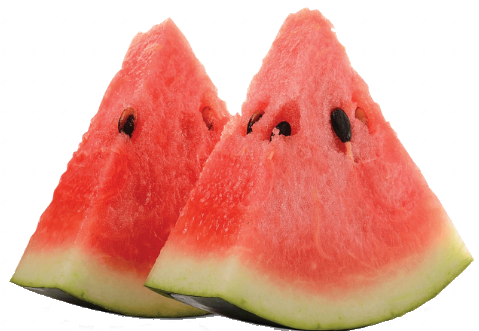
For many people, watermelon is great on a hot Summer day, but I eat Watermelon year-round for it’s exceptional benefits.
Some claim that watermelon has little benefit because it is mainly water, but the truth is that even though Watermelons contain about 90% water, they also contain:
Lycopene
Vitamin A
Vitamin B6
Vitamin C
Antioxidants
Citrulline
Minerals
Potassium
Magnesium
Cucurbitacin E
Low Calories (46 in a cup)
Lycopene
Like tomatoes, watermelon has a lot of Lycopene, the bright red carotenoid that has anti-inflammatory and antioxidant properties, and benefits the cardiovascular system, bones, skin, brain, and has cancer protective properties as well. Diabetes: Although Watermelon has some fructose content, Lycopene has been shown to reduce blood glucose levels and should be helpful for diabetics. Most people do not eat too much Watermelon at once because it is very filling, due to the high water content and high fibre content, so the glycemic load (GI) is actually fairly low.
The diabetes damage done to the cardiovascular system may be prevented or reduced by consuming Watermelon.
Cancer: Lycopene is helpful to prevent many cancers, especially the estrogen-driven caners, breast cancer in women and prostate cancer in men.
Citrulline, Arginine and Nitric Oxide
Citrulline is a natural amino acid, and the highest levels in any plant are found in Watermelon.
The body then converts Citrulline into L-Arginine, another amino acid.
L-Arginine then creates Nitric Oxide (NO), famous for lowering blood pressure by relaxing, widening and protecting blood vessels, reducing blood pressure and allowing more oxygen to every part of the body. Cardiovascular: Endothelial cells line blood vessel walls, and Nitric Oxide reduces damage to blood vessel walls, reducing stiffness and allowing the walls to relax and widen, allowing greater blood flow and reducing blood pressure. The damage, normally caused by junk foods and processed oils containing trans fats, is why the body attempts to repair blood vessels by building clots on the damaged area. Clots are made from calcium and cholesterol, wrapped in fibrin to hold them together. Doctors prescribe statin drugs to reduce cholesterol, but it makes more sense to protect the blood vessels first to stop the need for clots, also to eliminate poor quality calcium supplements like calcium carbonate (limestone), common in cheap supplements. Vitamin D3 increases calcium absorption, but we also need Vitamin K2 MK7 to help remove excess calcium from the blood and deposit in the bones and teeth where it belongs, also Magnesium to improve effectiveness of Vitamin D3.
We also need to INCREASE HDL (the “good” cholesterol) to improve cardiovascular health. Weight Loss: Arginine blocks an enzyme that stores fat, helping to prevent excess accumulation of fat in fat cells. Arginine is available as a supplement, but much is lost through the digestive system, so AKG is a better choice, giving greater Nitric Oxide in the blood. Of course Watermelon is cheap and has many other health benefits. Erectile dysfunction: In a similar way that Viagra works, Nitric Oxide can improve erectile dysfunction in men.
One would have to consume a lot of watermelon for the same effect as Viagra, but older men are still advised to eat Watermelon for the many benefits.
Cucurbitacin E
Watermelons contain Cucurbitacin E (C32H44O8) which is a natural compound found in the Cucurbitaceae family, Citrullus genus that prevents disease, and has cytotoxic, anti-tumour, hepatoprotective (liver health), anti-inflammation, antimicrobial, anthelmintic (anti-helminths: parasites), cardiovascular and anti-diabetic properties.
The tripterpenoid content helps block pain and inflammation similar to the action of NSAID’s like ibuprofen and aspirin, but without the side-effects.
Erectile Dysfunction
Common among older men, Erectile Dysfunction can be treated with Watermelon, a safe way to increase Citrulline, Arginine and Nitric Oxide to increase blood flow and oxygen where it is needed, unlike the little blue pill that can be dangerous.
Skin
Lycopene protects our skin from harmful Ultra-Violet light from the Sun, reducing risk of skin cancers. LeanMachine has never worn sunscreen in his life, and gets plenty of sunshine year-round as well as taking Vitamin D3, and has never had a Melanoma, while friends working primarily in offices and wearing hats and sunscreen have died or had serious surgery to remove Melanomas. More office workers die from Melanoma than construction workers!
Cholesterol
Doctors prescribe Statin drugs like lollies, but Watermelon is one of several foods that beat Statin drugs, without the debilitating side-effects of Statins which include Cognitive decline, Cancer, Muscle breakdown, Kidney damage, Heart damage, Diabetes, Sexual dysfunction, Cataracts and more, while clobbering Vitamin D, Cholesterol Sulfate, Co-Enzyme Q10 and other essential substances.
Carotenoids
Lycopene is a Carotenoid (powerful antioxidant), protecting us from many common conditions.
In a study of 13,000 adults, low levels of carotenoids were a key predictor of early death.
Other studies show the strong link between levels of lycopene and heart disease, and yet more studies showed a 39% decrease in stroke risk in men with the highest blood levels of lycopene.
Cancer
10 studies in a 2014 meta-analysis showed Lycopene to be protective against ovarian cancers, as well as brain tumors and breast tumors.
Several other studies showed that higher intakes of Lycopene was associated with a 50% decreased risk of prostate cancer, especially the more lethal kind of prostate cancer, due to by inhibition of neoangiogenesis that occurs in tumor development.
Further studies show benefits for lung cancer, esophageal, stomach, pancreatic, colorectal, and cervical cancers.
Rehydration
Watermelons get their from the fact that they are 90% water, which is full of electrolytes and potassium, helping us to stay hydrated or to rehydrate especially after a hard, sweaty workout, and also helps reduce muscle soreness, mainly eaten before an intense workout.
Eat the Seeds and the Rind from Ripe Watermelons
When Watermelon is Reddest and Ripest, Lycopene content is at the highest level.
The green rind is also full of chlorophyll and even more citrulline than the red flesh. Hard to eat, but in a blender with a whole lemon or lime makes a healthy slushy treat.
Black Watermelon seeds are edible and contain iron, zinc, fibre and protein.
Seedless Watermelon is the only option at many supermarkets, but is still alright to eat because they are NOT genetically modified, simply a hybrid form, bred for no-seed content.
Pick the Best Watermelon
The best Watermelons have a pale, butter-colored yellow spot underneath, not white or green. Select the heaviest for its size, and thump to listen for the best hollow bass sound.
Hyperbaric oxygen therapy (HBOT) involves breathing air or oxygen in a pressurized chamber. The pressure allows your body to absorb a higher percentage of oxygen
There’s a wide range of conditions for which HBOT can be beneficial, including autoimmune conditions, neurological conditions, musculoskeletal injuries, mitochondrial dysfunction-driven conditions, ailments involving damaged microcirculation, chronic infections, subacute infections and cancer co-management
Hyperbaric oxygen improves mitochondrial function, helps with detoxification, inhibits and controls inflammation and optimizes your body’s energy production and healing capacity
HBOT also activates stem cell production, and can help optimize results when doing stem cell therapy
While HBOT can speed healing of any inflammatory condition, in the U.S., there are only 14 conditions for which insurance will pay, one of which is diabetic neuropathy, and typically only after other conventional treatments have failed. There are over 100 internationally recognized indications for hyperbaric use
In this interview, Dr. Jason Sonners discusses hyperbaric oxygen therapy (HBOT), which is a tremendously beneficial and widely underutilized therapy. Sonners, a chiropractor, also has a degree in applied kinesiology,1 and has worked with HBOT for over 12 years.
Even if you’re not trying to treat a specific condition and are generally healthy, HBOT can have significant benefits for longevity.
“On its most basic premise, hyperbaric oxygen [therapy] is literally the breathing of either air or oxygen under pressure. You’re inside some type of pressurized device or hyperbaric chamber. Due to the pressure, you’re exposing the body to a higher percentage of oxygen.
You could also increase that oxygen by piping oxygen into the chambers. As a result of that environment, you’re increasing the body’s capacity to absorb more oxygen than what you and I can get here at 1 atmosphere (atm),” Sonners explains.
Hyperbaric Oxygen Therapy Basics
Most healthy individuals have somewhere between 96% and 98% oxygen in their hemoglobin, which means your capacity to increase your oxygen level is between 2% and 4%, were you to breathe medical-grade oxygen, for example. That’s it; there’s no way to raise your oxygen level beyond that. The exception is if your body is under pressure.
“Two main laws govern how that works,” Sonners says. “Boyle’s Law and Henry’s Law. Basically, as you take a gas and exert pressure on it, you make the size of that gas take up less space. As a result of that pressure, you can then dissolve that gas into a liquid.
An easy example is a can of seltzer. They’re using carbon dioxide and water. But basically, you can pressurize that can, so you can put carbon dioxide into that can. As a result of that pressurization, you can dissolve molecules of carbon dioxide into the water.
In the hyperbaric version of that, we’re using oxygen, and the can is the chamber. But as a result of dumping excess oxygen inside that chamber, you can dissolve that into the liquid of your body … directly into the tissue and the plasma of your blood.
Normally your blood does not carry oxygen. We rely wholly on red blood cell oxygen-carrying capacity. But inside the chamber, you could literally bypass the red blood cell oxygen-carrying capacity altogether, and you can absorb oxygen directly into the plasma and tissue of the body.”
Your Body Needs All the Oxygen It Can Get
Sonners, who has a lot of experience with functional medicine and nutrition, views oxygen primarily as a nutrient.
“We need about 100% of the oxygen that we’re capable of carrying every minute of every day just to perform normal functions,” he says, “so there’s very little room for creating an excess of oxygen for the sake of healing or helping some of the conditions that we’ll talk about later on …
In nutrition, there’s deficiency, which has consequences. There’s optimum range, which is allowing us to do what we need to do every day. And then there are periods where we need a surplus of that nutrient to help us deal with some issue that we’re having in our health or in our life.
I look at oxygen the same way. If you’re not getting enough oxygen, whether that’s globally because of a lung or heart issue or if that’s locally because of a trauma … or some type of injury or inflammation, you could have an area of your body that has oxygen deficiency. We call that hypoxia.
There’s an optimum range of oxygen, which for us is virtually almost 100% of our oxygen-carrying capacity, every minute of every day. And then periodically, we might choose that we want to create a surplus of oxygen because oxygen … helps us detoxify, it controls inflammation, it runs our energy production and helps us to heal …
Once you expose the body to increased levels of oxygen … the whole oxidative phosphorylation [process], the whole ATP and energy production system of our body increases its capacity to produce ATP and to produce energy …
Sometimes, we might need more than the optimum range to help us get over some sort of health issue, or … from a quality of life, longevity, regenerative medicine-type standpoint …”
Advertisement
Conditions That Can Benefit From HBOT
Considering the importance of oxygen, there’s a long list of conditions for which HBOT is recommended. Insurance will pay for some, but not anywhere near all of them.
While HBOT can be used to help speed healing of any inflammatory condition, in the U.S., there are only 14 conditions for which insurance will pay, whereas there are up to 100 approved indications for HBOT internationally.
“In the States, we reserve it for pretty tough cases: really bad infections like gangrene, osteomyelitis, radiation burns … diabetic neuropathy … chronic wounds that are not healing with traditional attempts at antibiotics and things like that,” Sonners says.
From my perspective, it’s medically reprehensible and inexcusable for a doctor to not treat patients with diabetic neuropathy, infections in the distal extremities or peripheral vascular disease with HBOT, as it will in most cases prevent the need for amputation.
That the U.S. limits the use of HBOT to a last resort for only a few hard-to-treat conditions is truly unfortunate, as there’s a wide range of other conditions for which HBOT can be beneficial. This includes:
Musculoskeletal injuries, including broken bones, disk herniations, and torn muscles and tendons
Any condition involving mitochondrial dysfunction (which includes most chronic and degenerative diseases)
Any condition involving damaged microcirculation or that can benefit from capillary growth
Chronic infections such as Lyme disease, and subacute infections that cause damage over time — As noted by Sonners, “When you go into these pressurized hyperbaric chambers and you’re breathing and absorbing these higher levels of oxygen, they literally act as a natural antibiotic.”
The hyperbaric oxygen kills anaerobic bacteria and helps break down the biofilm that many anaerobic bacteria produce to protect themselves. At the same time, it’s boosting your immune system through increased neutrophil-macrophage stimulation and by feeding healthy bacteria.
Hyperbaric oxygen also combats viral and fungal infections, in part by stimulating neutrophil and macrophage activation. “You literally stimulate an increased production of white blood cells,” Sonners says, “and that’s what your body uses to fight infections”
Cancer co-management — As noted by Sonners, researchers are looking at HBOT in cancer treatments in a number of different ways. For example, doing it may allow you to use less radiation or chemo and still get the same outcome. Or, it may allow the patient to tolerate higher amounts of radiation by speeding the healing between sessions. A third avenue of investigation is the use of HBOT in isolation.
“Some of them are using it as a method to help with or augment the cancer treatment itself. Some are using it as a way to heal,” Sonners says. “There are consequences of chemotherapy. There are consequences of radiation.
The idea with most cancer treatments is we’re trying to kill cells. Hopefully, the person survives that process. If you’re augmenting with hyperbaric oxygen simultaneously, the idea is that you’re also helping to heal the tissue so that the healthy tissue can still survive or even thrive …”
HBOT Improves Mitochondrial Function
“If the idea is that we need to control inflammation, if we need to improve the rate of healing, if we need to improve mitochondrial function — all of these are going to be very solid indications of people who would respond very positively to hyperbaric treatment,” Sonners says.
One of the reasons I’m fascinated by HBOT is because of its ability to improve mitochondrial function. As noted by Sonners, longer term hyperbaric exposures will result in larger mitochondria and a greater density of mitochondria.
“Just to give you an idea, [after] 20 or 40 hours of exposure, what you’re going to end up getting [are] more efficient, bigger mitochondria, and you’re going to get a lot more of them,” he says.
“Even if you’re stuck at like 80% efficiency, if you had twice as many mitochondria, producing 80% efficiency, you’re still going to get a much better output for the patient. I think the capacity there for improving these chronic illnesses is really tremendous.”
HBOT Boosts Stem Cell Production
HBOT also activates stem cell production. Conventional stem cell therapy can cost $10,000 to $20,000 and isn’t covered by insurance. HBOT costs far less, may be covered by insurance (depending on your condition), is completely safe and has a whole host of other beneficial effects as well.
Even if you decide to get stem cell therapy, using HBOT before and after can significantly improve your end results, as the hyperbaric oxygen will help optimize your internal environment to make it more conducive to the newly injected stem cells.
Sonners suggests 10 to 20 hours of HBOT before your stem cell treatment, as that’s when your body will start upregulating its own stem cells. If you’re extracting the stem cells from your own body, you will now also have much higher amounts. After the stem cell injection, Sonners suggests doing 20 to 40 hours of HBOT to make sure the new stem cells will thrive.
Difference Between HBOT and EWOT
On a side note, there’s a similar therapy that many people confuse with HBOT. EWOT is an acronym for “exercise with oxygen therapy,” which usually involves using an oxygen concentrator and a large oxygen-filled bag that you then breathe from while exercising.
While EWOT certainly has its benefits, it’s not interchangeable with HBOT. They’re really very distinct therapies and accomplish different things. For starters, while EWOT is an active process, hyperbaric oxygen is a passive process.
With hyperbaric oxygen, you’re typically sitting or lying down and simply breathing normally. “Especially in some patient populations, you can’t even express the level of exercise you would need to in order to gain some of those benefits. That’s one difference,” Sonners says.
The primary difference, however, is that with EWOT, you’re basically increasing demand through exercise, and then you’re increasing supply through the oxygen concentrator. However, you’re still relying on your red blood cell oxygen-carrying capacity.
“If you have an issue that is trauma-related — chronic inflammation, damage to the microcirculation — there’s nothing about that excess oxygen that you’re creating through supply and demand that’s ultimately ever going to change that. So long as you are relying on red blood cells carrying, you will not get oxygen to the damaged site.
The only way you’re going to change that environmental issue, and especially the microcirculation … [and stem cells, is through] exposures to oxygen [under] pressure. This is where oxygen will be absorbed directly into the plasma and tissues along the hypoxic tissue gain access to the oxygen.
What we’re finding is that it’s not just the level of oxygen absorption. Some of our epigenome is pressure-sensitive. Pressure alone increases the response to oxygen and stimulates some of these healing responses.
The biggest difference is that one is active and one is passive. One is still relying on red blood cell oxygen-carrying capacity; one is basically bypassing red blood cell oxygen-carrying capacity.
To some degree, they’re both increasing oxygen, but I don’t think you could really compare it. I mean hyperbaric is definitely increasing oxygen capacity to a degree that is significantly higher than anything else that exists.”
So, to recap, your red blood cells (if you are healthy) are typically already saturated with oxygen at 98% to 99%, and breathing pure oxygen at normal pressures will not significantly change that. But if you breathe oxygen under pressure, it will diffuse into your cellular fluids and provide a greater delivery of oxygen to your tissues, especially if they have compromised microcirculation.
Soft Versus Hard Shell Chambers
There are two primary types of HBOT chambers: hard shell and soft shell. Hard-shell versions are available in two types — the kind you find in hospitals and the kind you typically find in private clinics or can purchase for home use.
•Hard shell 100% oxygen hospital chambers are capable of the highest pressures, which in some cases can be important, especially in cases of nonhealing wounds. In this kind of chamber, the pressurization is done with 100% oxygen. While oxygen is not really flammable, it’s an accelerant, so you have to be very careful not to create sparks. You’re wearing cotton scrubs and you can’t bring anything inside the chamber.
•Hard chambers are the next step down. Instead of filling the whole hard chamber with oxygen, air is used to create pressure, and then oxygen is being piped in separately for you to breathe.
In this type of chamber, you can wear whatever clothing you want as you don’t have the same safety concerns. You can even bring certain electronics into the chamber. In many situations, this is an ideal choice, as the safety is higher while the effectiveness of the treatment is identical, especially for most internal issues. These types of chambers are often found in private clinics.
•Soft chambers are limited in terms of the pressure you can achieve. “In the U.S., you’re only allowed to go to 1.3 atmospheres (ATA), which is about a relative 9 feet underwater. It’s considered mild HBOT. It’s about 4 to 4.25 pounds of force per square inch (psi),” Sonners says.
Still, it will allow you to absorb quite a bit more oxygen than you could normally, so it still offers very meaningful benefits. You may need to use it more frequently, and for longer duration though.
While treatments involving hard shell chambers with 100% oxygen are quite costly, typically running around $2,000 per treatment (which may or may not be covered by insurance), hard and soft chambers found in private clinics are much more affordable, typically ranging between $90 to $180 per session. While this may still sound like a lot, it could well turn out to be one of your less expensive options in the long run.
“Clinically, we used to do our typical protocols. When people weren’t responding the way we expected them to, we would introduce hyperbaric oxygen.
At this point, it’s become literally one of the first things that we do, because if we do [HBOT] early on, so many of the other therapies that we used to have to do, we don’t need to do anymore,” Sonners says.
HBOT Treatment Suggestions
Typically, you’d want to start out getting about 10 hours of treatment at a local facility to see if and how your condition responds. If you’re trying to address trauma, an injury or a condition that has a beginning and end, then whatever benefits you get from the therapy, you will keep as you heal.
Progressive and degenerative conditions, on the other hand, and/or if you’re using it for longevity purposes, treatment will need to be ongoing for long periods of time. This is a case in which you may want to consider buying your own chamber.
“Somewhere between 10 and 20 hours, you kind of know if it’s a good fit for you. From that point, with guidance of the practitioner, you should be able to figure out a baseline of what your protocol should look like,” Sonners says. “Ultimately, if you’re going to be using this thing for years and years, then you’re better off, in most cases, just to have your own.”
Unfortunately, it can be tricky finding a local HBOT facility. Usually, online search results tend to focus on hospitals, and hospitals will not provide you with HBOT unless you have one of the 14 approved indications.
“To find a center, you’re just going to be looking up hyperbaric oxygen [centers]. You’re going to be looking in the private sector, because those are the only people outside the hospital who are going to treat these other indications,” Sonners says.
One alternative is to contact either the International Hyperbaric Association2 (IHA) or Hyperbaric Medical International3 (HMI). These are the two organizations focused on educating the public on the use of HBOT in the U.S., especially for indications that aren’t FDA-approved.
“They have a tremendous amount of resources,” Sonners says. “They also probably help direct people … to centers that might be more local … That’s probably the best. Otherwise, you’d be looking at different manufacturers that produce chambers and how to get those into your home.”
If you’re in New Jersey or Pennsylvania, you can visit one of Sonner’s clinics — New Jersey HBOT Center, or HBOT PA. You can also learn more on HBOTusa.com, which is Sonner’s primary education website. There you can find a list of treated conditions, research, the benefits of HBOT in athletics, testimonials and much more. Sonners has also written a book, “Under Pressure: How One Unexpected Tool Is Revolutionizing Health,” which you can preorder here.
This article is copyrighted by GreenMedInfo LLC, 2019
Who doesn’t love strawberries? And you don’t need any reason other than the pleasure of their sweetness to eat them every day. But according to researchers from Oklahoma State University, there’s lots more to strawberries than the flavor.[i]
There is no regulated meaning for the term “functional food.” But it usually refers to a food that provides some benefit in addition to calories that may reduce disease risk or promote general health. That can be said of every fresh, organic whole food. But functional food is also a term that has become a marketing tool for food manufacturers who “enrich” their processed foods with vitamins, minerals, herbs and other supplements.
But strawberries don’t need any enriching. They consistently rank among the top fruits and vegetables for health benefits. They are full of powerful natural compounds that include:
Antioxidants – Strawberries were found to have higher oxygen radical absorbance capacity (ORAC) activity than black raspberries, blackberries or red raspberries.[ii] One study even found strawberries have the highest antioxidant capacity of ALL fruits and vegetables commonly available in the UK as measured by the trolox equivalent antioxidant capacity (TEAC) assay.[iii]
Polyphenols – Strawberries have been listed among the 100 richest sources of dietary polyphenols.[iv] They contain flavonoids like catechin, epicatechin, quercetin, kaempferol, cyanidins, naringenin, hesperadin, pelargonidin, ellagic acid and ellagitannins. Flavonoids are free radical scavengers, and have anti-inflammatory effects. They also dilate blood vessels and slow tumor growth.
Anthocyanins – These are water-soluble compounds responsible for the deep colors of berries and are among the principal bioactives in strawberries.
Phytosterols – These plant-derived sterols have structures and functions similar to cholesterol.
All of those natural components translate to a broad range of health benefits. Animal and cell culture studies show strawberries may be effective in reducing risk factors for cardiovascular disease including obesity, hyperglycemia, hyperlipidemia, hypertension, and oxidative stress.
Here are eight scientifically proven reasons to eat more strawberries:
1. Strawberries Lower Heart Attack Risk
In an analysis of data from over 93,000 subjects in the famous Nurses’ Health Study I and the Nurses’ Health Study II, researchers looked at the effects of eating strawberries and blueberries on cardiovascular health. They found that over a 14-year period, women eating just three servings weekly of blueberries or strawberries reduced their risk of heart attack by 33% compared to those eating berries once monthly or less.[v]
In addition, in an analysis of data from over 34,489 postmenopausal women in the Iowa Women’s Health Study, eating strawberries was associated with a significant reduction in deaths from cardiovascular disease over a 16-year follow-up period.[vi]
2. Strawberries Reduce Hypertension
Researchers again used the data from the two Nurses Studies as well as data from the Health Professionals Follow-Up Study to measure cardiovascular health benefits of strawberry and blueberry anthocyanins. They found that higher intakes of strawberry and blueberry anthocyanins (16-22 mg/day) were associated with a significant 8% reduction in the risk of hypertension. That was compared to those consuming only 5-7 mg/day of berry anthocyanins.[vii]
In a study of 38,176 female US health professionals enrolled in the Women’s Health Study participants were asked whether they ate fresh, frozen, or canned strawberries “never,” or “less than one serving per month,” or up to “6+ servings per day.” Over an 11-year follow-up period, cardiovascular disease was lower among those consuming more strawberries.
CRP levels were significantly reduced among women consuming just two or more servings of strawberries per week.[viii]Elevated CRP is strongly associated with inflammation and is a high-risk factor for cardiovascular disease.
In a prospective five-year cohort study in an elderly population, higher consumption of fresh strawberries and other fruits and vegetables was associated with significantly reduced cancer mortality. The authors attribute these observations to the carotenoid content of fruits and vegetables known to exert anti-carcinogenic effects.[ix]
In another larger five-year prospective cohort study, eating more foods from the Rosaceae botanical subgroup, including strawberries, was associated with a protective effect against esophageal squamous cell carcinoma compared to eating less of this fruit group.[x] The same cohort also reported reduced rates of head and neck cancer among those consuming more servings of the Rosaceae botanical subgroup including strawberries.[xi]
Studies show strawberries increase plasma antioxidant capacity helping to reduce oxidized LDL cholesterol. In human trials fresh, frozen, or freeze-dried strawberries were shown to reduce oxidative stress associated with metabolic syndrome or eating high-fat meals.[xii]
6. Strawberries Lower LDL Cholesterol and Raise HDL Cholesterol
The fiber, phytosterols, and polyphenols in strawberries have been shown to lower serum total and LDL cholesterol.[xiii] It’s also been shown to raise serum high-density lipoprotein (HDL)-cholesterol.[xiv]
7. Strawberries Help Control Blood Glucose Levels
Polypenols in a berry mixture that included strawberries produced a lower glucose response after eating a meal.[xv]
8. Strawberries May Help Reverse Age-Related Neurodegenerative Disorders
In an animal study researchers at the USDA Human Nutrition Research Center on Aging at Tufts found that strawberry extracts significantly reversed signs of age-related neuronal deficits.[xvi]
And animals eating a diet including 2% strawberries for two months showed significant protection from radiation damage to neurons.[xvii] Researchers suggest that strawberries and other berries may have a role in reversing Alzheimer’s disease or Parkinson’s disease.[xviii]
Are Fresh or Frozen Strawberries Better?
Studies show benefits to all forms of strawberries whether fresh, frozen, dried, pureed, or made into juices or jams. But the more they’re processed the more strawberries can lose some of their active compounds.
Frozen strawberries have significantly higher vitamin C (ascorbic acid) and polyphenols than freeze-dried or air-dried.[xix] Processing strawberries into juices and purees also results in a loss of ascorbic acid, polyphenols, and antioxidant capacity.[xx] And canning strawberries or making them into jams can significantly reduce the levels of anthocyanins and total phenolic compounds.[xxi]
Fresh or frozen are the best choices for health benefits when it comes to strawberries. But processed strawberry products still have some benefits and are a good choice when the real things aren’t in season.
Just remember to buy organic berries. Most conventionally grown strawberries are heavily sprayed with pesticides.
The GMI Research Group (GMIRG) is dedicated to investigating the most important health and environmental issues of the day. Special emphasis will be placed on environmental health. Our focused and deep research will explore the many ways in which the present condition of the human body directly reflects the true state of the ambient environment.
Disclaimer: This article is not intended to provide medical advice, diagnosis or treatment. Views expressed here do not necessarily reflect those of GreenMedInfo or its staff.
LeanMachine Note: Strawberries may also be sprayed, so organic is best, and wash before eating.
(NaturalHealth365) Antibiotics are a popular class of drugs that the U.S. Centers for Disease Control and Prevention (CDC) estimate are frequently over-prescribed. In fact, the CDC has previously suggested that as many as 1 in 3 antibiotic prescriptions are unnecessary!
Used to kill infections, antibiotics can also wreak havoc on your gut health and immune system. And along with the physicians incorrectly prescribing them and individuals incorrectly taking them, antibiotics are giving rise to the dangerous public health crisis of antibiotic resistance, aka “superbugs.” To make matters worse, data indicates that a certain type of antibiotic sold as, Zithromax poses serious heart risks to consumers.
Heart attack warning: Zithromax antibiotic could be a deadly choice
Zithromax is an antibiotic typically prescribed for infections like bronchitis, ear infections, and pneumonia. Sometimes called azithromycin, Zmax, or “Z-Pack”, many doctors and patients prefer it because it can be taken for fewer days than other common antibiotics like amoxicillin. Compared to the typical 10-day course, a full course of Zithromax is only five days.
However, Zithromax is twice as expensive as generic amoxicillin and can cost as much as a few bucks per pill – which likely explains why pharmaceutical companies love it so much (sales for the drug topped $464 million in 2011 in the United States alone).
But data from a 2012 study out of Vanderbilt University determined that people who use Zithromax have an increased risk of sudden deadly heart issues. Researchers looked at millions of antibiotic prescriptions given to well over half a million Medicaid patients between the years of 1992 and 2006.
They discovered that 29 heart-related deaths occurred among people taking Zithromax during the short five-day course.
Do NOT ignore the health dangers linked to toxic indoor air. These chemicals – the ‘off-gassing’ of paints, mattresses, carpets and other home/office building materials – increase your risk of headaches, dementia, heart disease and cancer.
Get the BEST indoor air purification system – at the LOWEST price, exclusively for NaturalHealth365 readers. I, personally use this system in my home AND office. Click HERE to order now – before the sale ends.
While rare, these heart-related deaths were enough to show that certain individuals taking Z-Pack drugs may be twice as likely to die while taking the drug compared to similar individuals taking other kinds of antibiotics (or taking none at all). The proposed reason is that Z-Pack drugs may lead to dysfunctional electrical activity and ultimately lead to fatal heart rhythms.
This data has been corroborated by other research, including a follow-up paper published in May 2012 in the prestigious New England Journal of Medicine.
Today, the U.S. Food and Drug Administration cautions medical providers to avoid giving Zithromax to patients with known cardiovacular risk factors, including prolonged QT intervals, potassium or magnesium deficiencies, bradycardia (slow heart rate), or people already taing drugs to treat abnormal heart rhythms.
How to avoid the need for antibiotics and reduce your risk of infections
Let’s face it: antibiotics are a risky class of drugs and are medically unnecessary at least 30% of the time.
So, to help yourself stay healthy throughout the year and help you avoid both bacterial infections and antibiotics …
Make sure you’re getting enough vitamin C and vitamin D through foods like leafy greens, citrus fruits, fatty fish and eggs (you can also back up your health with high quality supplements).
Cut out heavily processed foods: Especially simple sugars, these foods are main drivers behind the rise of chronic disease and can make you sick, fat, and more prone to infections.
Commit to good quality sleep! Not getting enough sleep damages your immune system. It also promotes weight gain and higher levels of stress.
Magnesium is involved in more than 600 different biochemical reactions in your body, and deficiency can contribute to significant health problems. Two common pathologies associated with magnesium deficiency are Type 2 diabetes and heart disease
Low magnesium levels have been linked to insulin resistance, a precursor to Type 2 diabetes, as it impairs your body’s ability to regulate blood sugar, which is important for the prevention of Type 2 diabetes
Recent research links low magnesium levels with diabetes and high blood pressure, both of which are risk factors for heart disease
Magnesium has been shown to improve Type 2 diabetes. Diabetics who took 250 milligrams of magnesium per day for three months improved their insulin sensitivity by 10% and reduced blood sugar by 37%
The best way to ascertain your magnesium status is to do an RBC magnesium test, which measures the amount of magnesium in your red blood cells, along with tracking any signs and symptoms of magnesium deficiency
Magnesium1 is involved in hundreds of biochemical reactions in your body,2,3 and deficiency can contribute to significant health problems. Two common pathologies associated with magnesium deficiency are Type 2 diabetes4,5 and heart disease.
According to one scientific review,6 low magnesium may actually be the greatest predictor of heart disease, and other recent research7 published in Open Heart journal suggests even subclinical magnesium deficiency can compromise your cardiovascular health.
As noted in a 2018 scientific review8,9 published in Open Heart journal, a “vast majority of people in modern societies are at risk for magnesium deficiency” due to “chronic diseases, medications, decreases in food crop magnesium contents, and the availability of refined and processed foods.”
According to this review, most fail to meet the recommended daily allowance (RDA) for magnesium; 48% of Americans do not get sufficient magnesium from their diet. Among postmenopausal women with osteoporosis, the rate of magnesium deficiency is 84%.10
Type 2 diabetics also tend to be more prone to magnesium deficiency, and magnesium depletion has been found in 75% of patients with poorly controlled Type 2 diabetes, the review states.11
Magnesium Protects Your Heart Health
Low magnesium has been linked to a higher risk for high blood pressure,12 stroke13 and sudden cardiac death.14 According to the Open Heart study authors,15 “most people need an additional 300 mg of magnesium per day in order to lower their risk of developing numerous chronic diseases,” and this includes heart disease and diabetes. Magnesium supports healthy heart function and helps prevent heart disease by:16
Combating inflammation, thereby helping prevent hardening of your arteries
Improving blood flow by relaxing your arteries and preventing your blood from thickening, allowing it to flow more smoothly
Magnesium Status Impacts Diabetes and Blood Pressure
Magnesium also plays an important role in diabetes, and this is not nearly as recognized as it needs to be. Low magnesium levels have been linked to a higher risk of insulin resistance, a precursor to Type 2 diabetes,17 as it impairs your body’s ability to regulate blood sugar, which is important for the prevention of Type 2 diabetes.18,19,20,21
In one study,22 prediabetics with the highest magnesium intake reduced their risk for blood sugar and metabolic problems by 71%, compared to those with the lowest intake. High levels of insulin in the blood, common with insulin resistance, also lead to further loss of magnesium.23
Most recently, a study24 published in October 2019 in the online issue of Diabetes Research and Clinical Practice again linked low magnesium levels with both diabetes and high blood pressure, both of which are risk factors for heart disease. As reported by the authors:25
“Across the quartiles of serum magnesium from high to low, the prevalence ratios for diabetes were 1.00, 1.35, 1.88, and 2.70, respectively. The presence of hypertension significantly increased the probability of diabetes along a wide range of low serum magnesium. A low intake of MRDP [magnesium related dietary pattern] was also positively associated with diabetes and high HbA1c.”
Advertisement
Other Studies Linking Magnesium Status to Diabetes Risk
An earlier meta-analysis,26 published in 2007, also found that magnesium intake was inversely associated with Type 2 diabetes incidence. This analysis included seven cohort studies looking at magnesium from either food or diet and supplements combined. According to the authors:
“All but one study found an inverse relation between magnesium intake and risk of Type 2 diabetes, and in four studies the association was statistically significant.
The overall relative risk for a 100 mg day increase in magnesium intake was 0.85. Results were similar for intake of dietary magnesium and total magnesium. There was no evidence of publication bias.”
Magnesium supplementation not only can lower your risk of Type 2 diabetes, but also has been shown to improve your condition if you already have full-blown diabetes. This was demonstrated in a 2018 study27 in the journal Nutrients.
Type 2 diabetics who took 250 milligrams (mg) of magnesium per day for three months saw a significant improvement in insulin levels and HbA1C (hemoglobin A1c, which is a marker of long-term glucose control) compared to controls.
As noted by the authors,28 “The results of this study matched previous studies that concluded that daily oral Mg supplementation substantially improved insulin sensitivity by 10% and reduced blood sugar by 37%.”
Are You Deficient in Magnesium?
The best way to ascertain your magnesium status is to do an RBC magnesium test, which measures the amount of magnesium in your red blood cells, along with tracking any signs and symptoms of magnesium deficiency, such as:29,30
Seizures; muscle spasms, especially “charley horses” or spasms in your calf muscle that happen when you stretch your leg, and/or eye twitches
The Trousseau sign31 — To check for this sign, a blood pressure cuff is inflated around your arm. The pressure should be greater than your systolic blood pressure and maintained for three minutes.
By occluding the brachial artery in your arm, spasms in your hand and forearm muscles are induced. If you are magnesium deficient, the lack of blood flow will cause your wrist and metacarpophalangeal joint to flex and your fingers to adduct (illustrated in the video below).
A more exhaustive list can be found in Dr. Carolyn Dean’s blog post, “Gauging Magnesium Deficiency Symptoms,”32 which will give you a checklist to go through every few weeks. This will also help you gauge how much magnesium you need to resolve your deficiency symptoms.
Get Tested Today
GrassrootsHealth, which is conducting consumer-sponsored research into vitamin D and omega-3, has now added magnesium to its nutrient research.
Their Vitamin D, Magnesium and Omega 3 PLUS Elements test kit is an excellent and cost-effective way to check the status of several vital nutrients, along with the essential minerals selenium, zinc and copper and the harmful heavy metals cadmium, lead and mercury.
Each kit contains instructions for how to collect your blood sample. You then mail in your sample and fill out a quick online health questionnaire through GrassrootsHealth.
Your participation in this research project will enable GrassrootsHealth researchers to provide accurate data about the magnesium status in the population, the level at which disease prevention is actually obtained, and guidance on dosing to achieve optimal levels.
All of this is crucial information that can go a long way toward improving public health. As explained by GrassrootsHealth, questions about magnesium that this particular project aims to provide answers for include:33
What specific health outcomes are associated with this nutrient for me, for the total group?
How can I figure out how much to take? What’s the dose-response relationship for all? For me?
Does it matter if I’m also taking vitamin D? Omega-3?
Does it matter what compound of this nutrient I take? What time of day? How often?
What are the demonstrated health outcomes used to create this nutrient’s recommended range?
Your test results will be emailed to you in about 10 to 20 days after your samples are received. Your health data are used anonymously. Please note that 100% of the proceeds from the kits go to fund the research project. I do not charge anything extra as a distributor of these test kits.
Why Most People Need More Magnesium
One of the reasons why magnesium insufficiency or deficiency is so common, both among adults34 and teens,35 is in part due to the fact that most people don’t eat enough plant foods. Magnesium is actually part of the chlorophyll molecule responsible for the plant’s green color.
If you frequently eat processed foods, your risk of deficiency is magnified. That said, even if you eat plenty of greens you might still need to take a supplement, as most foods are grown in mineral-depleted soils and are thus much lower in magnesium than they have been historically.
Magnesium absorption is also dependent on having sufficient amounts of selenium, parathyroid hormone and vitamins B6 and D, and is hindered by excess ethanol, salt, coffee and phosphoric acid in soda.
Sweating, stress, lack of sleep, excessive menstruation, certain drugs (especially diuretics and proton-pump inhibitors) also deplete your body of magnesium.36 For these reasons, most people probably need to take supplemental magnesium. Taking a magnesium supplement is particularly advisable if you:37
Experience symptoms of insufficiency or deficiency38
Have high blood pressure
Engage in strenuous exercise on a regular basis — Research39 shows just six to 12 weeks of strenuous physical activity can result in magnesium deficiency, likely due to increased magnesium demand in your skeletal muscle
Are taking diuretics or medication for high blood pressure, especially thiazides, which have been shown to induce undetectable magnesium deficiency40 (while patients may have normal or even high serum magnesium, their bodies are actually depleted of magnesium)
Have had or are planning heart transplant or open heart surgery
Are at risk for or have had a heart attack, or if you experience ventricular arrhythmia
Have congestive heart failure
Are insulin resistant or diabetic (as this increases magnesium depletion)
Eat More Magnesium-Rich Foods
The recommended dietary allowance for magnesium is around 310 to 420 mg per day depending on your age and sex,41 but many experts believe you may need 600 to 900 mg per day.42
Personally, I believe many may benefit from amounts as high as 1 to 2 grams (1,000 to 2,000 mg) of elemental magnesium per day, as most of us have electromagnetic field exposures that simply cannot be mitigated, and the extra magnesium may help lower the damage from that exposure.
If your veggie consumption is low to begin with, consider including more magnesium-rich vegetables in your daily diet. Dark-green leafy vegetables lead the pack when it comes to magnesium content, and juicing your greens is an excellent way to boost your intake.
Other foods that are particularly rich in magnesium include natto, raw cacao nibs, unsweetened cocoa powder, avocados, pumpkin and sesame seeds, and herbs like chives and basil.43 One way to check your daily magnesium intake from foods is to use a free online nutritional tracker such as Cronometer.
Other Ways to Boost Your Magnesium Level
If your magnesium intake from food is found lacking, it would certainly be wise to supplement, either orally or topically. For oral supplementation, my personal preference is magnesium threonate, as it appears to be the most efficient at penetrating cell membranes, including your mitochondria and blood-brain barrier.
As a general rule, I recommend starting out on a dose of 200 mg of oral magnesium citrate per day, gradually increasing your dose until you develop slightly loose stools. To use this method, you need to use magnesium citrate, as it’s known for having a laxative effect. Once you know your cutoff, you can switch to other forms if you like. Other effective ways to boost your magnesium level include:
•Taking Epsom salt (magnesium sulfate) baths, as the magnesium will effectively absorb through your skin.
•Using a topical solution — I prepare a supersaturated solution of Epsom salt by dissolving 7 tablespoons of the salt into 6 ounces of water and heating it until all the salt has dissolved. I pour it into a dropper bottle and then apply it to my skin and rub fresh aloe leaves over it to dissolve it.
This is an easy and inexpensive way to increase your magnesium and will allow you to get higher dosages into your body without having to deal with its laxative effects.
Magnesium can be taken with or without food. If you’re also taking calcium, take them together. If you exercise regularly, consider taking your calcium and magnesium in a ratio of one part calcium to two parts magnesium with your pre-workout meal.
While the ideal ratio of magnesium to calcium is thought to be 1-to-1, most people get far more calcium than magnesium from their diet; hence, your need for supplemental magnesium may be two to three times greater than calcium.
This article is copyrighted by GreenMedInfo LLC, 2019
Cancer has surpassed heart disease as the No. 1 cause of death in high-income countries, highlighting the urgent need to change the way this disease is prevented and treated. Rather than being a random result of DNA mutations, it’s possible that cancer could have much deeper roots that would be better targeted with natural therapies than toxicity
Cancer has dethroned heart disease to earn the nefarious title of leading cause of death in high-income and certain middle-income countries.[i] While heart disease remains the No. 1 cause of death globally among adults aged 35 to 70, in high-income countries, which included Saudi Arabia, United Arab Emirates, Canada and Sweden, cancer caused twice as many deaths as heart disease.[ii]
Some middle-income countries, which included the Philippines, Iran, South Africa, Colombia, China, Brazil, Malaysia, Turkey, Poland, Argentina and Chile, also saw cancer become the leading cause of death.
While the U.S. was not included in the new analysis, research published in 2018 suggested, “the United States is in the midst of an epidemiologic transition in the leading cause of death,” moving from heart disease to cancer.[iii]
That study, too, found that cancer was quickly outpacing heart disease as the top killer, with high-income counties transitioning first. In fact, while only 21% of U.S. counties had cancer as the leading cause of death in 2003, this rose to 41% in 2015.
“The shift to cancer as the leading cause of death was greatest in the highest-income counties,” the researchers explained,[iv] echoing the current study, which also cited “a transition in the predominant causes of deaths in middle-age” in high-income countries.[v]
“The world is witnessing a new epidemiologic transition among the different categories of noncommunicable diseases, with CVD [cardiovascular disease] no longer the leading cause of death in HIC [high-income countries],” lead author Dr. Gilles Dagenais, professor emeritus, Laval University, Quebec, Canada, said in a statement.[vi]
Why is Cancer a Top Killer?
The study suggested cancer is rising to the top because heart disease is better treated in high-income countries, saving more lives from heart disease and paving the way for cancer deaths to flourish. But perhaps a better question is why cancer continues to kill so many.
Even globally, cancer still comes in as the second leading cause of death behind heart disease, responsible for 26% of deaths worldwide.[vii] In the U.S., Americans have a 1 in 3 risk of developing cancer at some point in their lifetimes, along with a 1 in 5 risk of dying from the disease.[viii]
In early 2019, it was announced that cancer death rates in the U.S. declined 27% since 1991,[ix] a statistic that makes it seem as though we’re winning the “war on cancer.” But most of these declines can be attributed to reductions in smoking — and perhaps a limited measure of increased early detection and treatment — and are not a sign that conventional medicine’s model of surgery, chemotherapy and/or radiation to treat cancer is, on the whole, working.
While death rates from certain cancer have declined, others have increased. Overall, cancer deaths in the U.S. in 2016 were similar to those in 1930[x] — despite all the “advances” in detection and treatment.
Changing the Way We Think About Cancer
It’s becoming increasingly clear that in order to conquer cancer, it’s necessary to change the way we think about it. Cancer is found in virtually all animals, suggesting it has evolutionary significance.[xi] It’s possible that cancer is an ancient survival program unmasked — even a process the body undergoes in order to survive nutrient deprivation and exposure to toxins.
Rather than being the result of an accumulation of DNA mutations that create rogue cells that multiply out of control, cancer could be cells that have flipped an epigenetic switch into survival mode in the form of a tumor. In the journal Physical Biology, researchers theorized:[xii]
“[C]ancer is an atavistic [primitive] condition that occurs when genetic or epigenetic malfunction unlocks an ancient ‘toolkit’ of pre-existing adaptations, re-establishing the dominance of an earlier layer of genes that controlled loose-knit colonies of only partially differentiated cells, similar to tumors.”
If this is true, it makes sense that conventional cancer treatments aimed to poison or “kill” the cancerous cells may only make the problem worse by creating an even more toxic environment, which could trigger the cancer to reach back into its “ancient toolkit” to find additional means of survival.
This explanation may be overly simplistic, as there are many factors that contribute to cancer, but there is evidence to suggest that natural substances and therapies that support the body’s overall health can be useful in the fight against cancer.
Nearly 1,000 Natural Substances Have Anti-Cancer Potential
GreenMedInfo has a database of 986 substances that have been researched as potential cancer prevention and treatment strategies. There are undoubtedly many more out there that have yet to be discovered. At the top of the list is curcumin, the active ingredient in the curry spice turmeric, which targets cancer stem cells while leaving normal stem cells unharmed.[xiii]
Another top contender is vitamin D, which you can get for free from adequate sun exposure. Higher vitamin D levels are not only known to lower your cancer risk but also to improve outcomes if you’ve already been diagnosed.[xiv]Fiber, resveratrol, sulforaphane and vitamin E — all substances you can get from your diet — also show anti-cancer promise, as does coffee, perhaps because it improves the body’s ability to efficiently repair DNA damage.[xv]
So if there was one silver lining to the news that cancer is now the leading cause of death in some countries, it would be that it’s a condition that has many promising natural avenues for prevention and treatment. Current conventional cancer treatments are failing, but that doesn’t mean cancer is unstoppable — it means it’s time to broaden our research into and usage of traditional therapies.
Many natural substances, like noni leaf,[xvi] have even been shown to work better than chemotherapy, highlighting why, if we’re going to win the war against cancer, we’re going to need to do it with nature on our side.
For more on how to naturally fight Cancer, visit the GreenMedInfo database on the subject.
The GMI Research Group (GMIRG) is dedicated to investigating the most important health and environmental issues of the day. Special emphasis will be placed on environmental health. Our focused and deep research will explore the many ways in which the present condition of the human body directly reflects the true state of the ambient environment.
Disclaimer: This article is not intended to provide medical advice, diagnosis or treatment. Views expressed here do not necessarily reflect those of GreenMedInfo or its staff.
Three dietary components shown to promote dementia and Alzheimer’s disease are sugar (especially processed fructose), grains and trans fats
Research published in the October 2019 issue of Neurology found a strong link between trans fat consumption and incidence of dementia and its various subtypes, including Alzheimer’s disease
People in the highest quartile of trans fat levels were 74% more likely to develop dementia. Those in the second-highest quartile had a 52% higher risk
Diets rich in carbohydrates are associated with an 89% increased risk for dementia while diets high in healthy fats are associated with a 44% reduced risk
Up to half of all Alzheimer’s cases could also be prevented by addressing other modifiable lifestyle contributors such as physical inactivity, depression, smoking, high blood pressure, midlife obesity and diabetes
As noted by neurologist Dr. David Perlmutter, author of “Grain Brain” and “Brain Maker,” your diet and other lifestyle factors have major implications for your Alzheimer’s risk.
Indeed, according to research1,2 published in the journal Lancet Neurology in 2011, up to half of all Alzheimer’s cases could be prevented by addressing modifiable lifestyle contributors such as physical inactivity, depression, smoking, high blood pressure, midlife obesity and diabetes.
Three dietary components shown to promote this neurological degeneration are sugar (especially processed fructose), grains and trans fats. Research3,4 from the Mayo Clinic, published in the Journal of Alzheimer’s Disease in 2012, found diets rich in carbohydrates are associated with an 89% increased risk for dementia while diets high in healthy fats are associated with a 44% reduced risk.
As noted by the authors,5 “A dietary pattern with relatively high caloric intake from carbohydrates and low caloric intake from fat and proteins may increase the risk of MCI [mild cognitive impairment] or dementia in elderly persons.” Similarly, a 2013 study6 in the journal BioMed Research International reported that:
“Increasing epidemiological studies suggest that diet and nutrition might be important modifiable risk factors for AD [Alzheimer’s disease].
Dietary supplementation of antioxidants, B vitamins, polyphenols, and polyunsaturated fatty acids are beneficial to AD, and consumptions of fish, fruits, vegetables, coffee, and light-to-moderate alcohol reduce the risk of AD … Adherence to a healthy diet, the Japanese diet, and the Mediterranean diet is associated with a lower risk of AD.”
Trans Fat Consumption Increases Your Dementia Risk
Most recently, research7 published in the October 2019 issue of Neurology found a strong link between trans fat consumption and incidence of dementia and its various subtypes, which includes Alzheimer’s disease (AD).
The study included 1,628 Japanese seniors aged 60 and older. None had dementia at the outset of the study, which went on for 10 years. Levels of elaidic acid — a biomarker for industrial trans fat — in the participants’ blood were measured using gas chromatography/mass spectrometry.
Based on those levels, the hazard ratios for all-cause dementia, AD and vascular dementia were calculated using the Cox proportional hazards model. As reported by the authors:8
“Higher serum elaidic acid levels were significantly associated with greater risk of developing all-cause dementia and AD after adjustment for traditional risk factors. These associations remained significant after adjustment for dietary factors, including total energy intake and intakes of saturated and polyunsaturated fatty acids.”
This increase in risk was not slight. As reported by CNN,9 people in the highest quartile of elaidic acid levels were 74% more likely to develop dementia. Those in the second-highest quartile had a 52% higher risk. No association between trans fat and vascular dementia was found.
Of the various processed foods found to contribute to elevated elaidic acid levels, pastries were the biggest contributors, followed by margarine, candy, caramels, croissants, nondairy creamers, ice cream and rice cakes.10
Dr. Richard Isaacson, a neurologist and director of the Alzheimer’s Prevention Clinic at Weill Cornell Medicine in New York, who was not involved in the study, commented on the findings to CNN:11
“The study used blood marker levels of trans fats, rather than more traditionally used dietary questionnaires, which increases the scientific validity of the results. This study is important as it builds upon prior evidence that dietary intake of trans fats can increase risk of Alzheimer’s dementia.”
Advertisement
What Is Trans Fat?
As explained by CNN:12
“… artificial trans fats are created by an industrialized process that adds hydrogen to liquid vegetable oils to make them more solid (think of semi-soft margarine and shortening).
The food industry loves trans fats because they are cheap to produce, last a long time and give foods a great taste and texture. Besides fried foods, trans fats are found in coffee creamer, cakes, pie crusts, frozen pizza, cookies, crackers, biscuits and dozens of other processed foods.”
Trans fats are different from an unsaturated fat by a single hydrogen molecule on the opposite side of a carbon bond.13 This one positional change is responsible for the difference in characteristics of the fat, and the increased danger to your health.
Aside from dementia, strong evidence also links trans fats with inflammation and the development of insulin resistance and heart disease (all of which also happen to be risk factors for Alzheimer’s).
Faced with overwhelming evidence of harm, the U.S. Food and Drug Administration removed partially hydrogenated oils (a primary source of trans fat) from the list of “generally recognized as safe” (GRAS) list of food ingredients in 2015, and as of June 18, 2019, food manufacturers are no longer allowed to use partially hydrogenated oils in foods14 due to their health risks.
Processed foods manufactured before this date, however, are allowed to remain on the market until January 1, 2021.15 (Compliance dates vary depending on whether manufacturers had “limited use” permissions for partially hydrogenated oils, but these are the final dates where all use must cease.)
However, that doesn’t mean that trans fats have been entirely eliminated and are of no further concern. What’s more, as long as a food contains less than 0.5 grams of trans fat per serving, food manufacturers are allowed to label it as trans fat free.
The problem with this is that many experts agree there is no safe threshold below which trans fats are safe.16 To determine whether a product might still contain trans fats, carefully read the ingredients list.
Any item containing partially hydrogenated vegetable oil is bound to contain trans fat, even if the label says “0 Trans Fat.” Fried food and baked goods in general are also suspect.17,18 As lead study author Dr. Toshiharu Ninomiya, a professor at Kyushu University in Fukuoka, Japan, noted in a press release:19
“In the United States, the small amounts still allowed in foods can really add up if people eat multiple servings of these foods, and trans fats are still allowed in many other countries.”
Trans Fat Has Killed Millions
The rise of trans fat can be directly attributed to the wrongful vilification of saturated fats and cholesterol. We now have decades’ worth of data showing saturated fat and dietary cholesterol have no impact on heart disease and mortality. Meanwhile, studies have revealed the switch from saturated fat to trans fat-rich partially hydrogenated vegetable oils have led to the premature death of millions.
When New York severely limited the amount of trans fat allowed to be served at restaurants, it offered a unique opportunity for researchers to study20 the effects on residents and compare rates of heart attack and stroke before and after the restriction.
Three or more years after the restrictions were imposed on specific counties in New York City, researchers found a 6.2% reduction in heart attacks and stroke in those counties compared to areas of the city where the restrictions on trans fat were not imposed.
Considering trans fat has proliferated in the American diet since the late 1950s, the unnecessary death toll attributable to trans fat likely numbers in the millions each year, nationwide. Similar findings have been reported by Danish researchers. Denmark was the first country to act on research demonstrating the dangerous health effects of trans fat.
The study,21 published in 2016, found that in the three years after trans fats were regulated, which nearly eliminated it from the Danish food supply, the annual mean death toll from cardiovascular disease was reduced by an average of 14.2 deaths per 100,000 people per year.
We’ve Known Trans Fat Takes a Toll on Cognition for Years
One can only guess how many people have lost their minds thanks to trans fat over these past decades. The 2019 Neurology study certainly wasn’t the first to demonstrate a clear link between trans fat consumption and dementia risk.
For example, in a 2012 study,22 Dr. Gene Bowman, assistant professor of neurology at Oregon Health and Science University, reported a strong correlation between trans fat and cognitive performance.
People with high levels of trans fat in their blood performed significantly worse in cognitive testing and had reduced brain volume. Bowman commented on the results to HuffPost:23
“It’s clear that trans fats are bad — both for your heart and now, we see, for your brain. So I would recommend that people stay away from all trans fats.
If you aren’t sure whether something has them, just look at the ingredients … if there’s vegetable shortening, partially hydrogenated anything … just put it down. That’s the big message here.”
Similarly, a 2015 study24 led by Dr. Beatrice Golomb found trans fat intake was linked to memory impairment in people under the age of 45. Each gram of trans fat consumed per day was linked to a 0.76 word decrease in word recall.
In the highest trans fat group, participants could recall on average 11 fewer words than those with the lowest trans fat intake, who had an average word recall of 86 words. The research, while unable to establish cause and effect, suggests trans fats may act as a pro-oxidant, contributing to oxidative stress that causes cellular damage.
Oxidized Omega-6 — Another Harmful Fat to Beware Of
It is clearly important to avoid trans fat, but as you will find out next year in an interview I am doing with Dr. Chris Knobbe about his Ancestral Health Symposium presentation, it is processed oils that are the primary culprit for nearly all Western diseases. Assiduously avoiding them is the key to staying healthy.
This is largely related to the oxidized omega-6 fat found in many processed foods, which may actually be even worse than trans fat. Now, omega-6 fat (linolenic acid) in and of itself is not the problem. Linoleic acid is also found in foods such as nuts, seeds and eggs, and is important for health.
The problem is oxidized omega-6 fat, and the fact that most people eat far too much of it. Intakes of omega 6 fat more than century ago were typically below 5 to 10 grams a day, and most of us now eat FAR more than that. For years, I’ve stressed the importance of balancing your omega-3 to omega-6 intake to protect your health.
Eating too much damaged omega-6 fat (found in abundance in processed vegetable oils) and too little marine-based omega-3 sets the stage not just for Alzheimer’s but also for diabetes, cardiovascular disease, rheumatoid arthritis, cancer and depression — and that’s the short list.
It is very easy to overeat omega-6 fats. I recently switched from macadamia nuts to pecans, which are also low in carbs and protein, but I did not realize pecans are loaded with omega-6 fats, relative to macadamia nuts. I only discovered this by using the terrific nutrient tracker Cronometer.com. I have since realized that is not wise to eat more than a handful of nuts and not every day.
The ideal ratio of omega-3 to omega-6 fats ranges from 1-to-1 to 1-to-5, but the typical Western diet tends to be between 1-to-20 and 1-to-50. Most people, especially Americans, are guilty of this lopsided omega-3 to omega-6 ratio, and to correct it, you typically need to do two things:
1.Significantly decrease intake of damaged omega-6 by avoiding processed foods and foods cooked in vegetable oil at high temperatures. A number of studies25,26 have found that people who regularly eat deep-fried foods have a significantly increased risk of stroke and death.
Common sources of harmful omega-6 to avoid include corn oil, canola oil, soy oil, hydrogenated or partially hydrogenated fats, margarine and shortening.
2.Increase your intake of animal-based omega-3 fats. Ideal sources include small fatty fish such as sardines, anchovies and herring, along with wild-caught Alaskan salmon, or a supplement such as krill oil.
Examples of Healthy Fats to Eat More Of
When it comes to dietary fats, remember this simple ground rule: Natural is best. The tips that follow can help ensure you’re eating the right fats for your health:
•Use organic butter (preferably made from organic grass fed raw milk) instead of margarines and vegetable oil spreads — Butter is a healthy whole food that has received an unwarranted bad rap.
•Ghee is even better, as you remove the milk solids that many have problems with. Ghee is pure fat with no carbs and is what I personally use. The best way to make it is to place it in a glass container in a dehydrator and don’t heat it higher than 100 degrees F. to preserve the quality.
You can suck off the milk solids with a glass baster. Once you have the ghee you don’t even need to refrigerate it as it is stable at room temperature for many weeks.
•Use organic pastured pork lard for cooking and baking — A 2015 analysis27 of more than 1,000 raw foods ranked raw separated pork fat, also known as pork lard, as the eighth healthiest food on a list of 100.28 Valuable nutrients found in lard include:
◦Vitamin D29
◦Omega-3 fats30
◦Monounsaturated fats31 (the same fats found in avocados and olive oil32)
◦Saturated fats33
◦Choline34
•Coconut oil is another excellent cooking oil that is loaded with health benefits.
•To round out your healthy fat intake, be sure to eat raw fats, such as those from avocados, raw nuts, raw dairy products and olive oil. Also increase your animal-based omega-3 fat intake by eating more sardines, anchovies, mackerel, herring or wild-caught Alaskan salmon, or take a supplement such as krill oil.
Following my nutrition plan will automatically reduce your modified fat intake, as it will teach you to focus on healthy whole foods instead of processed junk food. You can also learn more in my interview with Dr. Cate Shanahan, author of “Deep Nutrition: Why Your Genes Need Traditional Food.”
In it, she delves deep into the pros and cons of various fats. The following chart was also created by her, which gives you a quick overview of the good, the bad and the ugly.
Eating Right Can Help Prevent Dementia
In closing, remember that, by and large, it is your everyday lifestyle choices that will determine whether your brain will maintain its function throughout your lifetime, or degenerate with age into a potentially deadly neurological disease like Alzheimer’s.
With regard to diet specifically, key factors that will promote lifelong brain health include the following. For a list that also includes other suggested lifestyle modifications, see “How Excess Iron Raises Your Risk for Alzheimer’s.”
Eat real food, ideally organic — Avoid processed foods of all kinds, as they contain a number of ingredients harmful to your brain, including refined sugar, processed fructose, grains (particularly gluten), vegetable oils, trans fats, genetically engineered ingredients and pesticides.
Ideally, keep your added sugar to a minimum and your total fructose below 25 grams per day, or as low as 15 grams per day if you already have insulin/leptin resistance or any related disorders.
Opting for organic produce will help you avoid synthetic pesticides and herbicides. Most will also benefit from a gluten-free diet, as gluten makes your gut more permeable, which allows proteins to get into your bloodstream where they sensitize your immune system and promote inflammation and autoimmunity, both of which play a role in the development of Alzheimer’s.
Replace refined carbs with healthy fats — It’s important to realize that your brain actually does not need carbs and sugars; healthy fats such as saturated animal fats and animal-based omega-3 are far more critical for optimal brain function.
A cyclical ketogenic diet has the double advantage of both improving your insulin sensitivity and lowering your Alzheimer’s risk. When your body burns fat as its primary fuel, ketones are created, which not only burn very efficiently and are a superior fuel for your brain, but also generate fewer reactive oxygen species and less free radical damage.
Pay close attention to the kinds of fats you eat — avoid all trans fats or hydrogenated fats that have been modified in such a way to extend their shelf life. This includes margarine, vegetable oils and various butter-like spreads. For examples of healthy fats to add to your diet, see the section above.
Time-restricted eating in a six- to eight-hour window — Intermittent fasting is a powerful tool to jump-start your body into remembering how to burn fat and repair the insulin/leptin resistance that is a primary contributing factor for Alzheimer’s.
Keep your fasting insulin levels below 3 — If your insulin is high, you’re likely consuming too much sugar and need to cut back.
Optimize your omega-3 level — High intake of the omega-3 fats EPA and DHA help prevent cell damage caused by Alzheimer’s disease, thereby slowing its progression and lowering your risk of developing the disorder.
Ideally, get an omega-3 index test done once a year to make sure you’re in a healthy range. Your omega-3 index should be above 8% and your omega 6-to-3 ratio between 1-to-1 to 5-to-1.
Optimize your vitamin D level — Sufficient vitamin D is imperative for proper functioning of your immune system to combat inflammation associated with Alzheimer’s and, indeed, research shows people living in northern latitudes have higher rates of death from dementia and Alzheimer’s than those living in sunnier areas, suggesting vitamin D and/or sun exposure are important factors.
If you are unable to get sufficient amounts of sun exposure, take daily supplemental vitamin D3 to reach and maintain a blood level of 60 to 80 ng/mL. That said, it’s important to recognize that sun exposure is important for reasons unrelated to vitamin D.
Your brain responds to the near-infrared light in sunlight in a process called photobiomodulation. Research shows near-infrared stimulation of the brain boosts cognition and reduces symptoms of Alzheimer’s, including more advanced stages of the disease.
Delivering near-infrared light to the compromised mitochondria synthesizes gene transcription factors that trigger cellular repair, and your brain is one of the most mitochondrial-dense organs in your body.
Optimize your magnesium levels — Preliminary research strongly suggests a decrease in Alzheimer symptoms with increased levels of magnesium in the brain. Keep in mind that the only magnesium supplement that appears to be able to cross the blood-brain barrier is magnesium threonate.
Vitamin B12 — According to a 2010 study published in the journal Neurology,35,36 people who consume foods rich in B12 may reduce their risk of Alzheimer’s in their later years. Very high doses of B vitamins have also been found to reduce memory loss by preventing brain shrinkage.37
Eat plenty of nitrate-rich foods — Beets and other nitrate-rich foods such as arugula provide powerful benefits for your brain and may be a powerful ally in the fight against Alzheimer’s disease.38
Your body transforms plant-based nitrates into nitric oxide,39 which enhances oxygenation, has beneficial impacts on your circulatory and immune systems, and serves as a signaling or messenger molecule in every cell of your body.
The betanin in beets also helps prevent oxidation, particularly oxidation caused when the beta-amyloid is bound to copper, which may help prevent the misfolding and aggregation of amyloid beta.40
Previous research41 has also shown raw beet juice helps improve neuroplasticity, primarily by increasing blood flow and tissue oxygenation. Nitric oxide, in its capacity as a signaling molecule, allows your brain cells to communicate with each other better. Importantly, the beets boosted oxygenation of the somatomotor cortex, a brain area that is often affected in the early stages of dementia.
Optimize your gut flora — To do this, avoid processed foods, antibiotics and antibacterial products, fluoridated and chlorinated water, and be sure to eat traditionally fermented and cultured foods, along with a high-quality probiotic if needed.
Remember that eating factory farmed meats will provide you with traces of antibiotics in each bite. Factory farmed meats are also a suspected route of prions, which are yet another culprit in Alzheimer’s. You can learn more about this in “Study Claims Alzheimer’s Disease Is a Double-Prion Disorder.”
Novel Treatments Are Being Explored
Diagnostic guidance and core treatment strategies are detailed in my interview with Dr. Dale Bredesen, featured in “ReCODE: The Reversal of Cognitive Decline.” (You can also download Bredesen’s full-text case paper,42 which details his ReCODE treatment program.)
On a side note, two promising treatment alternatives for Alzheimer’s include photobiomodulation, discussed in “Healing the Body With Photobiomodulation,” and a novel treatment developed at MIT using flickering lights and low frequency sound to stimulate gamma frequencies in the brain,43 which appears to reduce plaque formation.44
MIT neuroscientist Li-Huei Tsai discussed the experiments at a recent Society for Neuroscience meeting, saying the therapy appears to improve survival and health of neurons, improving neuronal connectivity and dilating blood vessels in the brain. His team is now investigating whether it might in fact slow Alzheimer’s disease in humans.45
Over the years, as more and more drug trials have failed to find an answer to Alzheimer’s, researchers are increasingly starting to realize that to be able to address this disease with any measure of success, we have to go back to basics.
There’s a wealth of data showing diet and lifestyle factors are where it’s at when it comes to Alzheimer’s prevention and treatment, and this puts the power right into your own hands. There’s a lot you can do to minimize your risk, and cleaning up your diet is the best place to start.
We use cookies to improve your experience on our site. By using our site, you consent to cookies.
This website uses cookies
Websites store cookies to enhance functionality and personalise your experience. You can manage your preferences, but blocking some cookies may impact site performance and services.
Essential cookies enable basic functions and are necessary for the proper function of the website.
Name
Description
Duration
Cookie Preferences
This cookie is used to store the user's cookie consent preferences.
30 days
These cookies are needed for adding comments on this website.
Name
Description
Duration
comment_author_email
Used to track the user across multiple sessions.
Session
comment_author_url
Used to track the user across multiple sessions.
Session
comment_author
Used to track the user across multiple sessions.
Session
These cookies are used for managing login functionality on this website.
Name
Description
Duration
wordpress_logged_in
Used to store logged-in users.
Persistent
wordpress_sec
Used to track the user across multiple sessions.
15 days
wordpress_test_cookie
Used to determine if cookies are enabled.
Session
Statistics cookies collect information anonymously. This information helps us understand how visitors use our website.
Clarity is a web analytics service that tracks and reports website traffic.
Contains information related to marketing campaigns of the user. These are shared with Google AdWords / Google Ads when the Google Ads and Google Analytics accounts are linked together.
90 days
__utma
ID used to identify users and sessions
2 years after last activity
__utmt
Used to monitor number of Google Analytics server requests
10 minutes
__utmb
Used to distinguish new sessions and visits. This cookie is set when the GA.js javascript library is loaded and there is no existing __utmb cookie. The cookie is updated every time data is sent to the Google Analytics server.
30 minutes after last activity
__utmc
Used only with old Urchin versions of Google Analytics and not with GA.js. Was used to distinguish between new sessions and visits at the end of a session.
End of session (browser)
__utmz
Contains information about the traffic source or campaign that directed user to the website. The cookie is set when the GA.js javascript is loaded and updated when data is sent to the Google Anaytics server
6 months after last activity
__utmv
Contains custom information set by the web developer via the _setCustomVar method in Google Analytics. This cookie is updated every time new data is sent to the Google Analytics server.
2 years after last activity
__utmx
Used to determine whether a user is included in an A / B or Multivariate test.
18 months
_ga
ID used to identify users
2 years
_gali
Used by Google Analytics to determine which links on a page are being clicked
30 seconds
_ga_
ID used to identify users
2 years
_gid
ID used to identify users for 24 hours after last activity
24 hours
_gat
Used to monitor number of Google Analytics server requests when using Google Tag Manager
1 minute
Clarity is a web analytics service that tracks and reports website traffic.