Cardiovascular
now browsing by category
Without our heart, we die, so why do people insult our heart with poor nutrition?
Vitamin D3
Written by Brenton Wight, Health Researcher
Copyright [c] 1999-[y] Brenton Wight. All Rights Reserved
Updated 9th March 2022
Health Facts on Vitamin D3 – the Natural Cure for all disease!
Why we need Vitamin D3
First, to help absorb calcium and other minerals to build strong bones with the help of Vitamin K2 that keeps calcium in bones instead of in blood where calcium plaques form.
Second, to build the immune system, in conjunction with gut bacteria – the other half of the immune system story.
Depending on which study we believe, optimal vitamin D3 can prevent between 50% and 90% of all cancers, as well as Multiple Sclerosis, and reduce the intensity or even cure almost every other disease.
If a drug company developed something that would do this, it would make headlines around the world and win a Nobel prize, and many billions of dollars would be saved in the health care budgets of countries everywhere.
If the entire population had optimal Vitamin D3 combined with a healthy diet, countless lives would be saved from cancer, many illnesses would disappear, most artificial replacements of hips and knees would not be required, thousands of people clogging up the nursing homes in their wheelchairs would be out playing tennis and leading active, productive lives.
Have I convinced you yet that just a few dollars for a year’s supply of super-strength 5000 IU Vitamin D3 would be a good investment in your future?
If not, then perhaps you should go and reserve that spot in the nursing home, and pick out the burial plot while you’re at it!
Watch this video with the famous Dr Mercola interviewing Carolew Baggerly:
Statistics on Vitamin D3 Deficiency
90% of the population have less than OPTIMAL levels of vitamin D: blood levels below 50 ng/ml (125 mmol/L)
70% of the population have inadequate levels of vitamin D: blood levels below 30 ng/ml (75 mmol/L)
50% of the population is vitamin D deficient: blood levels below 25 ng/ml (62.5mmol/L)
60% of all hospital patients are vitamin D deficient
76% of pregnant mothers are severely vitamin D deficient
80% of nursing home patients are vitamin D deficient
Benefits of Vitamin D3
Studies show that Vitamin D3 has cancer inhibiting properties, especially breast, prostate, pancreas, colon, skin cancer and leukaemia.
While millions are spent trying to find a cure for cancer, Vitamin D3 could be used to prevent cancer in the first place, at a cost equivalent to a drop in the ocean.
Vitamin D3 deficiencies can cause the following:
Colds, Flu and COVID-19
Vitamin D3 helps prevent or reduce severity of colds, flu, COVID-19 and almost every other infection.
LeanMachine is living proof.
After 12 years of taking Vitamin D3, no colds, no flu, no COVID-19, no infections of any kind, not even a headache!
When we look at studies funded by drug companies who manufacture vaccinations, which are always biased in favour of the flu shot, the NNT (Number Needed to Treat) for the flu vaccine is 40, meaning that to protect one person from getting the flu, 40 people must receive the Flu shot.
Compare this with Vitamin D3: The NNT is 33 in the average population, and in those people with D3 deficiency, the NNT drops to 4.
In other words, for the average person, D3 is significantly better than the flu shot, and for those with low Vitamin D3, D3 supplements work 10 times better than the flu shot!
Most infections are naturally destroyed by our own immune system, mainly by our T-cells, but T-cells need Vitamin D3 to operate correctly.
Studies funded privately, without the influence of the drug companies, have found the flu shot to be even less effective, with those over the age of 65, or under the age of 2, or those on statin medications, all receiving NO statistically discernible benefit from the flu shot, and everyone else receiving a very marginal benefit such as a reduction in duration of illness of about 1 day. Of course, a glass of lemon juice every day will also reduce the duration and intensity of all varieties of cold or flu by at least 1 day!
On the downside, those taking the flu shot every year received less benefit (less protection), and actually INCREASED risk of coming down with a different strain of the flu!
The Flu shot increases COVID-19 mortality!
A further downside of the flu shot: During the Coronavirus pandemic, those who have the flu shot are 4 times more likely to contract COVID-19 AND to be hospitalised AND to die!
More on vaccinations under the heading below.
OA (Osteoarthritis)
Osteoarthritis (OA) is the most common disease in people over age 50, more common than the common cold, and especially in women.
OA is directly linked to Vitamin D3 deficiency, and higher Vitamin D3 levels lower the risk.
Studies show that hip fractures in high risk population groups can be reduced by up to 40% by supplementing with Vitamin D3.
Partly because bones are stronger, and partly because people with good Vitamin D3 levels have much better balance, stronger muscles and less body fat, so don’t fall over as much.
RA (rheumatoid arthritis) and MS (Multiple Sclerosis)
Low Vitamin D increases risk of rheumatoid arthritis and Multiple Sclerosis.
Obesity
Most Australians (two thirds) and others in Western society are overweight or obese.
Two thirds of people in Western society are also deficient in Vitamin D3, and this is no coincidence. There is a direct link between Vitamin D3 deficiency and obesity.
On average, the more Vitamin D3 deficient a person is, the more obese they are.
Healthy levels of Vitamin D3 are seen mainly in lean, healthy people.
Chronic pain
Chronic pain from any source can be reduced with Vitamin D3, even a simple headache, migraine, back pain, fibromyalgia, etc.
Many people with osteoporosis have chronic pain, typically lower back pain, often a sign of D3 deficiency.
Those people usually exercise less because of the pain, and insufficient exercise causes depression, worsens their osteoporosis, increases obesity, and their condition only gets worse.
Before 2010, LeanMachine suffered from headaches back pain and other pain, but no more. If I hit my thumb with a hammer, of course it hurts, and if I strain my back or another muscle, I feel stiffness that goes away in a day or two. But no other pain, no painkillers required, and in fact no painkillers of any kind kept in the house.
Cancer
Cancer is a devastating condition, but high levels of Vitamin D3 offer up to 80% or more protection, especially childhood cancers, breast, prostate, pancreas, skin and colon cancer.
A recent study confirmed that women with high levels of Vitamin D3 had about 85% reduced risk of breast cancer compared to those with the lowest levels of Vitamin D3.
Vitamin D3 is critical to the body’s production of GcMAF, a cancer-fighting protein that inhibits cancer metastasis, and is capable of reversing the devastating effects of cancer on the body.
Vitamin D3 supports GcMAF synthesis, helping to shut down pro-cancer receptors and enzymes that encourage metastasis (spreading of cancer).
DBP-maf (Vitamin D3 binding protein-macrophage activating factor) is another protein reducing cancerous activity, which directly stimulates the immune response by suppressing angiogenesis (blood vessel growth) required for cancer cell migration and tumor growth. DBP-maf requires Vitamin D3 for transport in the bloodstream.
Depression
There are links between low levels of Vitamin D3 and depression.
For depression sufferers, LeanMachine recommends extra Vitamin D3 from sunlight because getting outside in the sun always lifts our mood.
If we cannot get out in the sun, supplementation is a must.
Hearing Loss
Vitamin D3 deficiency weakens our bones, but when the three tiny bones (hammer, anvil and stirrup) in the ear become weak and spongy, attenuation of sound transmission results in hearing loss.
Allergies
Recent studies show that children with allergies have a high chance of being deficient in Vitamin D3, and those with the worst allergies, are over 80% likely to be deficient in vitamin D3.
Heart disease
The number one killer of Western society people is still cardiac disease.
Vitamin D3 deficiencies bring on high blood pressure, stroke and heart attack.
Number two is cancer, so we can alleviate both killers easily by eating a healthy diet and getting enough Vitamin D3 from sunlight and/or supplements.
Type 1 Diabetes
Pregnant women who are deficient in Vitamin D3 are far more likely to produce offspring with Type 1 diabetes.
Any child deprived of sunlight in the first few years of life also has a far higher risk of type 1 Diabetes.
Type 2 Diabetes
Studies show that vitamin D improves our body’s ability to use insulin, and vitamin D is essential for stimulation of the pancreas beta cells to produce insulin.
Vitamin D receptors are in almost every cell in the body, triggering in all the target tissues for insulin, including organs, muscle and fat tissue.
A recent study involving nearly 500 patients found that 58% of those with a vitamin D deficiency also had insulin resistance.
The lower their vitamin D, the greater their occurrence of insulin resistance.
In another study of 10,000 Americans over the age of 45, researchers found that boosting vitamin D levels reduced the incidence of diabetes, thanks to improvement in insulin function.
Vitamin D also repairs damage to the heart and blood vessels caused by high blood pressure.
How do we get Vitamin D3?
We get Vitamin D3 from the sun, but we need the basic building-blocks in the body first.
The normal process of Vitamin D3 metabolism can be stopped by the deficiency of one single nutrient, so a healthy, nutrient-rich diet is essential.
In particular, we need cholesterol, which has been unfairly demonised for decades. More on this later.
Vitamin K2 – No Bones without it
Some people say we need Calcium for strong bones, but we get plenty of calcium from the diet, and we can absorb calcium with no problems as long as we have enough Vitamin D3.
Poor vitamin D3 means poor calcium absorption, so adding more calcium to the diet without vitamin D3 means potential for calcium to form as plaque in our arteries, kidneys or other places where it will only damage the body.
Vitamin K2, which comes from animal products such as chicken, cheese, butter, eggs, etc, can help build bones by directing calcium to bones and teeth where it belongs, and helps keep our arteries, kidneys and other organs free from calcium.
The only vegetable source of Vitamin K2 is Natto (fermented soy), which explains why Japanese post-menopausal women have much stronger bones than Western women, as Natto is part of the traditional Japanese diet.
Vitamin K2 is not to be confused with Vitamin K (or K1), which is required for effective blood clotting, but not as effective as Vitamin K2 for bones, but still desirable in the diet.
K1 comes from intestinal bacteria as well as from green leafy vegetables like kale, spring onions, brussels sprouts, cabbage, broccoli, basil, asparagus, also prunes.
For vegetarians or vegans, supplementation of Vitamin K2 is essential as well as vitamin D3 for healthy bones. Vitamin D3 metabolism is complex, where each essential and critical nutrient provides the path to the next step, and one missing link in the chain will stop the entire process.
So it is no surprise that a third of our population is deficient in Vitamin D3, and around 90% are less than optimal. Unfortunately, these are the people who are at the highest risk of cancer.
Importance of Diet
Vitamin D3 cannot form without basic nutrients for the multi-stage process and this explains why so many people are deficient.
D3 – A Vitamin or a Hormone?
The answer is both.
It is a hormone (a chemical messenger) because it controls cells, organs, muscle and bone in everyday function, and because the body can manufacture it with sunlight exposure on skin.
It is a vitamin because it binds calcium so we can absorb it, as we humans cannot digest calcium without Vitamin D3, which maintains calcium and phosphate concentrations in the blood, providing minerals for bones, nerves, muscles, immune function, and lowers inflammation.
Many cell functions are controlled in part by vitamin D3, aiding in weight loss, blood glucose regulation, metabolism, and essential fatty acids (Omega-3) processing.
There is no point taking calcium or omega-3 foods or supplements without a good supply of Vitamin D3.
Almost every cell in the body has Vitamin D3 receptors, so Vitamin D3 is a crucial nutrient.
Vitamin D, D2 or D3?
The terms Vitamin D and vitamin D3 are used interchangeably here. D3 is the correct and natural Vitamin D.
D3 exists in the body as the storage form 25(OH) and the active form 1,25 2(OH). Vitamin D2 (ergocalciferol) is an artificial version of Vitamin D3 (cholecalciferol), or vitamin D coming from some foods.
D2 has very low affinity for DBP (vitamin D binding protein) so it cannot be easily stored and should never be used.
Firstly, D2 has nowhere near the healthy properties of D3 (cholecalciferol), and secondly, D2 tends to block absorption of the real D3.
Many foods come “fortified with vitamin D” but this is invariably an artificial D2 with poor benefits.
Some early medical studies on vitamin D used inferior synthetic D2 which is toxic at much lower doses, and unfairly discredited the real D3 which was not even being used in the studies.
How is Vitamin D3 made in the body?
We get vitamin D3 from sunlight, food or supplements.
D3 from sunlight
Most people know we get Vitamin D3 from sunlight, but there is a multi-stage process involved.
Production starts in the liver, which makes 7-dehydrocholesterol, which then migrates to the skin to be altered by UVB (ultra-violet light in the B range) to become pre-vitamin D3.
This is carried back to the liver to be mediated by an enzyme (25-hydroxylase) to become 25-hydroxyvitamin D, where a hydroxy (OH) molecule is added to build the storage form 25(OH).
This is then transported to the kidneys to be mediated by yet another enzyme (1-alpha-hydroxylase) to finally become calcitriol, where a second hydroxy (OH) is added. This is the active form of vitamin D3, also known as cholecalciferol or 1,25 dihydroxyvitaminD3 or the active form 1,25 2(OH). Dihydroxy means that the D3 molecule has two OH molecules added, one from the liver and a second from the kidneys.
Vitamin D3 is carried in the blood by DBP (vitamin D-binding protein).
This entire process takes around 15 days, so if we shower every day, we “wash off” much of the pre-vitamin D, so morning showers are best, allowing the pre-vitamin D to start the migration back to the liver before the next shower.
And a day at the beach won’t help our vitamin D3 if we go for a swim, and worse if we get sunburnt!
Statins rob our Vitamin D3
As we age, we lose the ability to synthesise vitamin D from sunlight, and those on statin medication (half the aged population) cannot make 7-dehydrocholesterol, co-enzyme Q10, Cholesterol Sulfate and other important requirements for the body, because when statins slow the liver production of cholesterol, all of the above are affected.
No one should ever take a statin drug (Lipitor, Crestor, Simvastatin and others) other than exceptional circumstances, as they generally do much more harm than good.
Independent studies show that while some deaths from heart disease are reduced, deaths from ALL OTHER CAUSES is INCREASED by STATIN MEDICATION!
Taking statins, we will generally not live one day longer, and will have a poorer quality of life.
Also as we age, we generate less stomach acid, losing the ability to take in vitamin Methyl B12, Methyl Folate (never Folic Acid!), Vitamin K2 and other nutrients that vitamin D requires to do it’s job. If we get reflux or heartburn, doctors normally prescribe Nexium or antacids, which may relieve symptoms short-term, but only make the problem worse. The best way to cure heartburn is to eat less, and eat an alkaline-forming diet, but that is another story in my Alkaline Diet article.
Those who dress fully covered for cultural reasons or those with dark skin always need more vitamin D.
Annual blood tests for vitamin D3 are advisable if taken at very high doses as excess levels can become toxic.
For adults, toxic levels for vitamin D3 are generally not seen unless we take in some 40,000 IU daily for many weeks.
Vitamin A can also be toxic in high levels, but if vitamin A and vitamin D are taken together, the toxic levels are some 5 times higher for both A and D, giving a huge margin of safety, so old “toxic levels” should really be called “imbalance levels”.
Another factor is Vitamin K2, discussed later.
Other things that Steal our Vitamin D3
– Being overweight – the more overweight we are, the less bioavailable Vitamin D3 becomes. But if we take Vitamin D3 supplements and/or get more sunshine, this will assist our weight-loss efforts!
– Being old – as we age, our ability to absorb D3 from sunlight and from food reduces, so supplementation becomes more essential.
– BPA (Bisphenol A) – BPA (Bisphenol-A) and other endocrine-disrupting chemicals reduce our Vitamin D3 levels. Avoid foods in plastic or cans and use glass containers.
– Liver problems – a poor liver produces less bile, which reduces absorption of Vitamin D3. Look after the liver – avoid excess alcohol and eat a healthy diet of quality fats, few carbohydrates, and low to moderate protein.
– Kidney problems – as kidney disease gets worse, so do Vitamin D3 levels. Look after kidneys by drinking plenty of clean water and eating a healthy diet.
– Gut bacteria – these 100 trillion organisms are a major component of our immune system, and also aid in absorption and processing of minerals and vitamins, including Vitamin D3. People with celiac disease, chronic pancreatitis, IBS (irritable bowel syndrome) or Crohn’s disease, or those taking antibiotics, will all have reduced D3, so essential supplements are Vitamin D3 and probiotics.
– Slip, Slop, Slap in the face campaign – this disastrous campaign has been running for over 30 years in Australia, costing the taxpayer many millions of dollars, and has caused many more millions in extra health care, more disease, and many more lives lost.
True, reduced sunlight has reduced the number of mostly harmless skin cancers such as basal cell carcinoma and squamous cell carcinoma which are easily treated, and rarely turn into something more serious (less than 1% of cases).
But the number of MELANOMA cancers – the real, deadly kind, has DOUBLED, but this fact has been hidden by the Australian Cancer Council who are behind the Slip, Slop, Slap campaign! The primary reason, of course, is lack of Vitamin D3 due to reduced sunlight, reducing immunity.
Melanomas also appear on the soles of feet, in armpits and other places where sunlight is very limited, but so-called “specialists” still blame the sun!
The science cannot be denied. The closer one lives to the Equator, the less chance of any type of cancer, a proven fact.
Vitamin D3 deficiency is common because many of us spend most days indoors, or are covered up with clothes or sunscreen when outside.
If we live a long way from the equator, we receive less sun exposure, so we have less Vitamin D3.
Seniors get less Vitamin D3 from sunlight because of older skin (less responsive to sunlight).
Darker skin contains more melanin that reduces effects of UVB ultraviolet rays on the skin.
Obesity, liver disorders, and type 2 diabetes all reduce the conversion of D3 to the more active 25-OH-D3 by the liver.
Too much sunlight?
If we get D3 from sunlight, then surely if we spend all day in the sun, like construction workers and other outdoor activities, we should get plenty?
Wrong. After we spend around 10 to 20 minutes in the sun in the middle of the day (90 minutes for dark-skinned people), we reach a point where the body will no longer synthesise any more vitamin D3.
This is the way the body is designed to prevent toxic levels from building up, and also the reason why we get a tan – to prevent too much vitamin D3 from the sun.
If our skin starts to get the slightest shade of pink, it is time to cover up or seek some shade, as more sun will only then cause damage, with no extra vitamin D3 past that point.
And if we get a healthy dose of sunlight one day, we can happily work inside the next day, as it may take 2 days to build new skin resources for more absorption.
The Morning Myth
The cancer society and other “health” organisations all say the we should avoid the sun in the middle of the day, and only go out in the morning or the evening when the sun is low in the sky. Wrong again!
This is actually the complete reverse of the truth!
The sun produces ultra-violet rays in three bandwidths, named UV-A, UV-B and UV-C, each with different properties.
UV-A
We get UV-A from all sunlight, no matter what time of day, and it passes through cloud and glass, and this kind travels deeper into the skin, causes skin damage and ZERO vitamin D production.
We can sit by a window or in a car with windows up, on a hot sunny day and never get any vitamin D.
We can be outside all day when there is cloud cover, but we will never get any vitamin D.
All we get from UV-A is skin damage, although we still get NO (Nitric Oxide) formed in blood vessels that keep our cardiovascular system healthy.
UV-B
We get UV-B ONLY from a clear blue sky, and ONLY when the sun is HIGH in the sky. This is the “good” sunlight, as this is the ONLY kind that gives us vitamin D.
When the sun is lower in the sky, most UV-B is absorbed in the atmosphere leaving little or none for our benefit.
We need 10 minutes a day (fair-skinned) to 20 minutes a day (tanned) with the sun high in the sky, no clouds, and no glass. This can give us all of the vitamin D we need, but for many, this is impossible.
For those living a long way from the equator, or out of the tropic areas in winter, those working shifts or indoors, those who cover their entire bodies for religious reasons, or slap on sunscreen, those who have very dark skin, those on statin medication, those on a poor diet, those confined to hospitals or nursing homes and others who mistakenly believe the sun is evil, will never get enough vitamin D.
Vitamin D is fat-soluble, meaning that if we get plenty one day and miss the sun for a few days, we will still be able to call on our vitamin D reserves stored in fat cells.
Of course, UV-B will still damage our skin if we stay out in the sun too long.
UV-C
UV-C rarely gets to Earth as it is almost completely absorbed in the atmosphere, so is of little concern unless you are an astronaut.
Why we NEED sunlight, more than just for Vitamin D3
The human body is designed to thrive in sunlight, and it is not only the Vitamin D3 benefit.
A 20-year study of over 29,000 people found that those avoiding sun exposure had double the death rate from all causes!
This study did not measure D3 levels, but results from other D3 studies show that the high death rate from insufficient sun exposure can not be accounted for only by low Vitamin D3.
We also get Cholesterol Sulfate from sunlight on the skin.
Cholesterol sulfate protects red blood cells from breaking up. Without enough cholesterol sulfate, we get a condition called hemolysis, where the red blood cells die prematurely, spilling their contents into the blood.
Without sulfur, and without the sun, we cannot make cholesterol sulfate, a molecule which is both fat-soluble and water soluble, which is essential for the body to distribute cholesterol and sulfur throughout the body.
All artery walls have an endothelial lining, and these endothelial cells cannot work correctly when depleted in sulfate. They cannot control what gets into and out of cells, which promotes cardiovascular plaque.
Cholesterol Sulfate, in conjunction with it’s nitric sister, eNOS, determines how thick or thin or blood becomes. Sulfate makes it thicker, nitric makes it thinner, and this automatic regulatory system works very well as long as we have supplies of both, for which we need sunlight.
Interestingly, one thing that messes up these molecules is glyphosate (“Roundup” and other weedkiller trade names) so this is a good reason to avoid all GM (Genetically Modified) foods, which are all heavily sprayed with glyphosate.
Sulfur is incredibly important for health. Cholesterol sulfate protects against bacterial and virus infections and strengthens the immune system.
Cholesterol sulfate is essential for babies. Women normally have about 1.5 units of cholesterol sulfate in the blood, but in pregnancy, levels rise in the villi of the placenta to around 24 units!
Foods high in sulfur include eggs, beef, garlic, onions, sprouts, asparagus, kale, coconut oil, olive oil, but only where they are grown or raised in sulfur-rich soil (think organic).
Vitamin D sulfate is also made from sunlight, and is both water and fat soluble, so it can go anywhere in the body, distinct from the regular fat-soluble Vitamin D3 I have been talking about.
Same with cholesterol sulfate. Not only is it both water and fat soluble, it can travel through the body on it’s own, where many other substances need to be “carried” by cholesterol wherever they need to go.
If we want healthy blood, we MUST have sunlight!
Humans make several other important peptide and hormone “photoproducts” when skin is exposed to UVB sunlight:
- β-Endorphins are natural opiates that induce relaxation and increase pain tolerance
- Calcitonin Gene-Related Peptides are vasodilators (expand blood vessels) that protect us from hypertension (blood pressure), vascular inflammation, and oxidative stress
- Substance P is a neuropeptide that increases blood flow and also regulates immune system response to acute stressors
- Adrenocorticotropic Hormone is a polypeptide hormone, controlling cortisol (stress hormone) released by the adrenal glands, regulating immune system and inflammation
- Melanocyte-Stimulating Hormone is a polypeptide hormone, reducing appetite, increasing libido, and increasing skin pigmentation
Sunlight contains a beneficial EMF (electromagnetic frequency) that is essential for health.
40% of sunlight is infrared, and the red and near-infrared frequencies interact with CCO (Cytochrome C Oxidase). CCO is a protein in the inner mitochondrial membrane, also part of the electron transport chain. CCO is a chromophore (a molecule that attracts and absorbs light), so sunlight improves ATP (the generation of energy). The optimal wavelengths for CCO are red at 630 nm to 660 nm (nanometers) and near-infrared at 810 nm to 850 nm.
LeanMachine gets sun exposure as often as possible. Others afraid of the sun may consider photobiomodulation therapy (use of near-infrared light treatment).
UVA exposure is generally considered harmful, as this is the most damaging kind of exposure for skin with no ability to generate Vitamin D, however there are benefits such as releasing NO (Nitric Oxide), discussed above. An important cellular signaling molecule that dilates blood vessels and reduces blood pressure.
This is closely tied to another molecule, eNOS (endothelial nitric oxide synthase) which regulates the “thickness” of blood. When blood becomes too thick, eNOS makes more nitric oxide which expands blood vessels and thins the blood. When blood is too thin, eNOS makes more sulfate. Sulfate is essential for the endothelial lining of all blood vessel walls. If we are low in sulfate, the wall can start breaking down and clots start to form to repair the damage. We can get more sulfur in the diet from onions, garlic, broccoli, egg yolks and other foods, or by supplements such as MSM (MethylSulfonoyl Methane) but we still need sunlight to make cholesterol sulfate which can be distributed through the body to keep us alive!
Apart from photoproducts, nitric oxide and cholesterol sulfate production, sunlight is essential for our circadian rhythm (body clock).
Sunshine activates neurons in the suprachiasmatic nucleus of the hypothalamus, sending signals to the pineal gland which regulates production of the hormone melatonin. When the circadian rhythm is upset, melatonin and other hormone production is disrupted, leading to mood problems, poor cognition (thinking), metabolic syndrome (leads to diabetes) and increased risk of cancer.
Tanning Beds
Tanning beds are famous for increasing risk of melanomas, the most deadly form of skin cancer.
Tanning beds have been outlawed in all States of Australia, except in the Northern Territory, where they are still legal, but there are no commercial solariums there because the tropical climate makes sunlight tanning easy. However, this is seen by some as a knee-jerk reaction by politicians to win votes.
Most tanning beds produce UV-A and UV-B radiation, but some better units are available which produce only UV-B, which are much safer if used correctly.
Staying too long in even a quality tanning bed will cause skin damage, a precursor to many forms of skin cancer. Tanning beds that emit high levels of UV-A should be avoided completely.
Vitamin D3 from food
We get some vitamin D from the diet. Eggs, fish, cod liver oil are all good sources, and also come naturally with Vitamin A, but it is almost impossible to get enough D3 from the diet, so we must top up our D3 from sunlight or supplements or both.
One exception is sun-dried mushrooms. When shitake mushrooms are placed in the sun for six hours, their vitamin D levels skyrocket – from 110 IU per 100 grams to 46,000 IU. Even regular button mushrooms increase their vitamin D dramatically when sun-dried.
Milk contains some vitamin D, but calcium and vitamin D in milk are very poorly absorbed. Asian women are more likely than white women to be diagnosed with osteoporosis, so doctors claim this is caused by low milk consumption, but Asian women are much less likely to have a hip fracture (the worst kind), indicating that traditional DEXA scans (bone density tests) do not mean much, as dense bones are often not as strong as less dense but more flexible bones.
Africans generally have stronger bones than caucasians, even though they get less vitamin D3 from sunlight. They appear to be much more sensitive to the sunlight they do receive.
VitaminD3 from supplements
Most Vitamin D3 sold in Australia from chemist shops or supermarkets contain 1000 IU which may be enough to prevent rickets in young people, but is nowhere near optimum for immunity and bone strength, especially in older people, and not enough for anyone except small children to have an optimal immune system.
LeanMachine recommends Vitamin D3 5000 IU daily for almost a year’s supply, and this is the cheapest health insurance anyone can buy!
Vitamin K2 is also essential. Because Vitamin D3 increases calcium absorption, and Calcium can form part of blood clots, we need Vitamin K2 that has the ability to put calcium where it belongs, in bones and teeth, and reduces calcium buildup in blood vessels (arterial plaque).
Magnesium is also strongly recommended, because Magnesium and Vitamin K2 both work together with Vitamin D3 to increase the effectiveness of Vitamin D3 by about double.
Vitamin A is also recommended for health benefits as well to improve immunity and to eliminate any chance of toxicity.
No Cholesterol means no Vitamin D3
As explained above, cholesterol is the building-block for vitamin D3, also for every hormone in the body and many other functions.
About half the adult population over 60 in Australia and the USA is taking statin medication.
Sold under many names including Simvastatin, Lipitor, Advicor, Lovastatin, Mevacor, Vytorin, Zocor, Lipex, Simcor, Crestor, Pitavastatin, Pravastatin, Rosuvastatin, Fluvastatin, and Cerivastatin (withdrawn 2001).
The Lies about Cholesterol
Statins do lower cholesterol, but we NEED cholesterol, it is NOT the enemy it is made out to be.
Yes, cholesterol is found in a badly inflamed body, but this is because the liver makes more cholesterol to repair damage caused by the inflammation, which is the REAL cause of poor health.
Statins reduce cholesterol by preventing the liver from producing as much cholesterol, but the job of the liver is to make cholesterol as required.
If we eat cholesterol foods (such as meat or eggs) the liver makes less, if we eat no cholesterol (such as a vegan diet), the liver makes more, which is the way it should be.
When statins are used, they attempt to shut down this natural process, and in so doing, also shuts down co-enzyme Q10 which is vital for healthy muscles.
And the heart is the most important muscle in the body – why clobber it with statins?
Statins also stop production of 7-dehydrocholesterol, so then we get almost zero vitamin D3 from sunlight.
Statins have shown no benefit to women whatsoever in many studies.
For men who have had a heart attack, statins have shown a slight reduction in deaths from future heart attacks, but in all patients, statins cause an INCREASE in deaths from all other causes!
Because statins knock out our Co-enzyme Q10 (often called the spark-plug for the heart), the patient can suffer extensive muscle damage, causing pain, reduced mobility and even death.
Drug companies say they have no idea what causes this increase in death from statins, but the answer is obvious to me – low vitamin D3!
Studies show that treatment with one fish oil capsule daily prevented 9% of deaths in cardiac patients over 4 years, while those given the Crestor statin drug had an INCREASED death rate of 1% over the same period.
The Framingham study, the biggest and longest study ever, showed that those with the lowest cholesterol died first, and those with the highest cholesteol lived longest!
But the drug companies continue to perpetuate these cholesterol lies to maximise profits from their biggest-selling drug.
How much D3 do we need?
The older we get, the more vitamin Vitamin D3 we need.
The only way to know how much we have is by a blood test, because ethnic background, skin colour, amount of tan, food, medication, supplements, geographic location, sun exposure, clothing, sunscreen, exercise, BMI and many other factors determine how much Vitamin D3 we absorb and retain.
Vitamin D3 is a fat-soluble vitamin, so daily levels do not vary much, as every fat cell in the body can store D3.
Always ask the doctor for a printed copy of your results so you can compare with any previous test and also get a true reading.
Unfortunately, most Australian labs say we need 60 to 160 nmol/L of D3, which is inadequate. Better labs say 75 nmol/L is the minimum, but we need more.
Values above 60 will prevent us from getting rickets, but will not give us good immunity.
For optimal immune system function, we should aim for the high end of the range of 125 to 175 nmol/L.
If we are battling cancer or some other serious disease, we should aim for 175 to 250 nmol/L but this requires careful monitoring and extra Vitamin K2 and Vitamin A to prevent toxicity.
Supplement values vary, and the RDA (recommended Daily Allowance) of 60 IU was alarmingly too low, and changed to 400 IU, originally determined as the minimum amount to prevent rickets.
Even the 400 IU allowance typically gives a blood test of 40 to 60 nmol/L which may barely stop rickets but will not provide a strong immune system.
Conservative studies determine that infants less than one year old need 400 IU daily, 1 year to adolescents need 400-600 IU daily, adults need 400-600 IU daily, and adults aged over 70 years need 400-800 IU daily.
More modern studies recommend babies take 400 IU, children 1000 IU, adults 4000 IU, and those over 70 may need 8000 IU daily.
Small doses are fine for strong bones, but for a strong immune system to ward off all disease, high doses are a must.
LeanMachine has taken 5000 IU daily for over 12 years, and has zero colds, flu or any other illness, not even a headache!
But don’t I get my Vitamin D3 from Milk?
Sorry, but you do not!
I was told to drink milk as a youngster, some 7 decades ago, and milk does indeed contain vitamin D and calcium, but these and other nutrients in milk are poorly absorbed in the gut.
Worse, pasteurised milk has most of the nutrients heated out of it, and homogenisation is very BAD for our health.
Homogenisation is a process making each fat globule 10 times smaller than normal, to save us the trouble of shaking the milk container to disperse the cream.
The problem with these tiny fat globules is that they enter the bloodstream through imperfections in the gut lining, often referred to as “leaky gut syndrome”.
When raw milk fat enters the blood directly like this, the immune system detects this as a foreign substance, and begins attacking these fat globules, and marks them as invaders.
Now when we consume milk the regular way, and absorb it naturally through a healthy intestine, the immune system starts attacking this as well, as it has already been recognised as a foreign invader. The result: Allergies to Lactose, one of the main ingredients in milk, has reached epidemic proportions in the last few decades where homogenisation has become standard practice.
Vitamin D3 can help moderate an over-reactive immune system, but the only safe way to drink milk is to only use NON-HOMOGENISED milk.
Most supermarkets have it, but you have to look past the big-name brands to find it.
Arnold Schwarzenegger famously said “Milk is for babies” and he was right.
Humans are designed to drink breast milk until age two, then lose the capacity to use it correctly in the body.
In many countries it is against the law to buy non-pasteurised milk, but we can at least buy non-homogenised milk if we feel we must have milk (and we do not need milk).
Some Asian countries have diets where milk is non-existent, and their bones are stronger, and broken bones are rare.
We get more useful Vitamin D3 from broccoli and other fresh vegetables than from milk!
Milk is also BAD for our bones, as it is acid-forming in the body, and all acids in the blood cause an immediate reaction in the body to neutralise the blood acid (otherwise we die!).
This reaction, controlled by the parathyroid glands, leaches potassium, calcium and magnesium from bones, teeth and organs, the fastest way the body can neutralise the acid.
If we must drink milk (and we do not have to for a healthy diet) then the ONLY milk to buy is FULL CREAM, UNHOMOGENISED milk, which you can find at good supermarkets if you look hard enough.
The only better product is the milk straight from the cow, or better still straight from mother’s breast (most mothers will not be impressed if you ask for milk this way!)
Getting enough of the right Vitamin D3
Sunlight is still the best way to get enough Vitamin D3 and Cholesterol Sulfate, but for many, this can be difficult or impossible.
Supplements are the next best choice, but the supplements we buy at Chemist shops or supermarkets in Australia have only around 1000 IU of Vitamin D3.
They are also often combined with Calcium, which LeanMachine does NOT recommend, but that is another story.
While this is better than nothing, most people require 5 to 10 times this much to bring their levels to “optimum”.
For most health specialists, “optimum” means over 60 or 75 nmol/l (30 ng/ml), and if your results come in at over this threshold, the doctor will say you are fine.
However, true experts in this field say that truly optimum for a normal healthy person for immunity to disease, is between 125 and 175 nmol/L (50 – 70 ng/ml).
For those recovering from a serious disease, optimum should be 175 to 250 nmol/L (70 – 100 ng/ml).
Vitamin D3 can be toxic at high doses for extended periods, so continuous levels over 250 nmol/L (100 ng/ml) should be avoided.
Blood tests are advised for all very high-dosage patients.
People most at risk of deficiency are the elderly, those with with dark skin, those who cover their body with clothing or sun screen, or work night shifts or underground and never see the light of day, and those who live furthest from the equator or in cloudy climates.
Those at risk may need 10,000IU daily supplements, the rest of us can usually get plenty with 5000IU, and the very young who get plenty of sunlight on a regular basis may not require any.
Remember that we only get Vitamin D3 from sun in a blue sky when the sun is high, from the UVB (Ultra-Violet light in the “B” range”).
When the sun is low in the sky, or when there is cloud, or when the light comes through a glass window, UVB is blocked and we only receive UV-A which is the damaging, cancer-causing radiation with Zero Vitamin D3 benefits.
Other tests: Depending on the condition, the doctor may order other tests to check for liver and kidney disease as well as a full blood count.
A full blood test for Vitamin D3 is:
25-hydroxyvitamin-D (25-D or D2/D3) or 25(OH)D or simply 25-D
1,25-dihydroxyvitamin-D3, or 1,25(OH)2 D3, or 1,25 2(OH), or simply 1,25-D
Most doctors will only test for 25(OH)D which is the storage form, which is fine for most people.
For those suspected of having Sarcoidosis (a rare condition) then both must be tested, and vitamin D supplementation and sunlight should be avoided altogether unless the active form 1,25(OH)2 is tested low.
Vaccinations
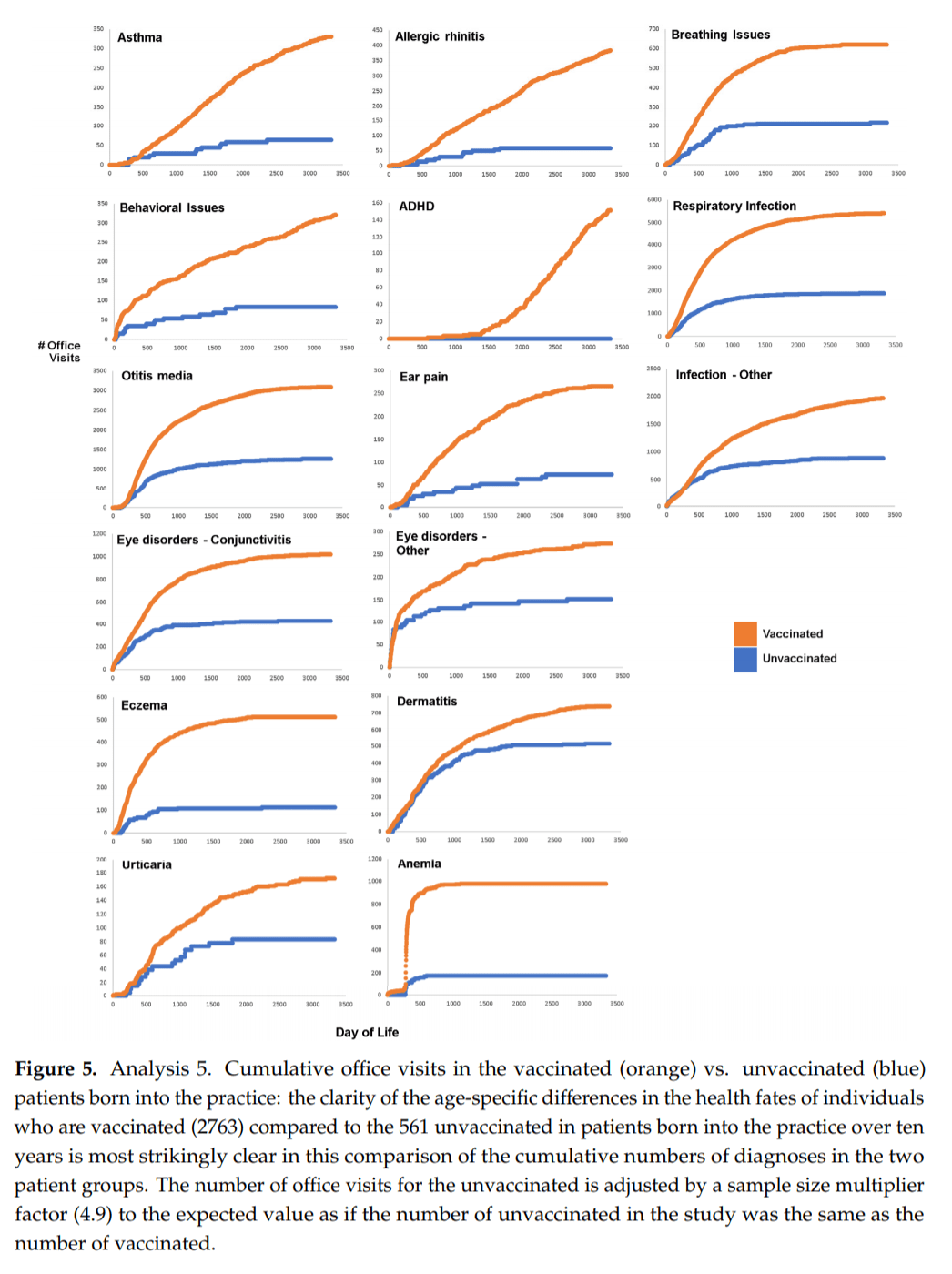
There are many reports of children suffering from Autism and other serious conditions after vaccinations.
Vitamin D3 supplements should be taken for at least 1 week before any vaccination to reduce risk of unfortunate reactions.
Panadol, Panadeine, Paracetamol, Tylenol, Acetaminophen, Atasol, etc must NEVER be taken before or after any vaccination, even though doctors incorrectly recommend it to reduce pain and fever.
Autism rates in the USA are 1 in 45, while Autism rates in Cuba are 1 in 12,000.
A few decades ago, Austism rates were only around 1 in 200, before Panadol (Tylenol, Acetaminophen in the USA)
Cuba has a high vaccination rate of 97%, but the difference:
These over-the counter pain medications are prescription-only items in Cuba.
Of course, no drug company is interested in conducting a study where the result may be that their “safe and effective” product causes Autism, but as far as LeanMachine is concerned, Vitamin D3 reduces the risk of sickness from almost any disease.
Besides Autism, Paracetamol can destroy liver function (most patients on the liver transplant waiting list are there because of Paracetamol), and Paracetamol is also acted upon by enzymes which then destroy the body’s reserves of L-Glutathione, the natural “Master Antioxidant” in the body.
If you want your child vaccinated anyway, DO give them vitamin D3 and DO NOT give them any pain or fever medication.
A little fever is the body’s way to fight the toxins in the vaccination and the best way to deal with it is to let it run it’s course.
However, a very high fever can lead to convulsions, especially in small children.
The best way to bring down a very high fever is to place the child in a cool to lukewarm bath and keep water over the skin using a sponge or cloth.
No drugs required, and much safer and more effective than any drug.
Better still, vaccinations can be avoided altogether for those with a strong immune system.
For more information on vaccinations, see this article: Vaccinations.
Autoimmune conditions
Allergies, hives, arthritis, lupus, psoriasis, rheumatoid arthritis, thyroid disease, multiple sclerosis, etc, are all autoimmune conditions.
Little help is available from medications which merely help to ease symptoms.
Vitamin D3 builds the immune system and protects us from colds, flu and other diseases, but Vitamin D3 is also an Immune Moderator, helping to dampen the effect of the immune system over-reacting, the cause of auto-immune disease.
Vitamin D3 can also help treat the cause of the symptoms, often Helicobacter pylori (H. pylori), found in over 70% of autoimmune patients.
H. pylori can invade the gut via contaminated water or food, or from contact with infected people or animals, causing gut inflammation, disrupting the immune system.
Vitamin D3 effectively destroys H. pylori and restores the immune system, often reducing allergy symptoms by 30% in seven days, and another 40% in 12 weeks.
H. pylori infects around 30% of adults in the western world, more if we are over 60 with low Vitamin D3 levels.
A blood test can give your D3 levels, but the lab will say 60 to 75 nmol/L is OK, but we need 125 nmol/L minimum to destroy H. pylori.
Mushrooms, eggs, wild-caught salmon, etc have natural Vitamin D3 but the modern Western diet is lacking in these. Mushrooms grown in the dark will have no vitamin D3, but 30 minutes of exposure to direct sunlight can generate significant D3 levels.
Vitamin D3
The latest science Says: “It’s not just about bones, it’s about your total well-being!”
Professor Michael Holick:
“We now think that maintaining adequate Vitamin D3 levels are important for decreasing the risk of prostate cancer, breast cancer and colon cancer.
There is some evidence that in young children if they are fortified with vitamin D3 from 12 months old it can reduce the risk of type 1 diabetes by 80%“.
Professor Philip Sambrook:
“We have always thought it could not happen in Australia – it is too sunny a country. However, people do not get sunlight for various reasons and if you do not get some sunlight you do not make vitamin D3. We do not get it much in food any more so for that reason, deficiency is quite common. And the vitamin protects healthy cells while also killing cancer cells.”
Disclaimer
LeanMachine is not a doctor, and everyone should consult with their own health professional before taking any product to ensure there is no conflict with existing prescription medication.
LeanMachine has been researching nutrition and health since 2010 and has completed many relevant studies including:
- Open2Study, Australia – Food, Nutrition and Your Health
- RMIT University, Australia – Foundations of Psychology
- Swinburne University of Technology, Australia – Chemistry – Building Blocks of the
- World
- University of Washington, USA – Energy, Diet and Weight
- Johns Hopkins Bloomberg School of Public Health, USA – Health Issues for Aging
- Populations
- Johns Hopkins Bloomberg School of Public Health, USA – International Nutrition
- Johns Hopkins Bloomberg School of Public Health, USA – Methods in Biostatistics I
- Johns Hopkins Bloomberg School of Public Health, USA – Methods in Biostatistics II
- Johns Hopkins Bloomberg School of Public Health, USA – Principles of Human Nutrition
- TUFTS University, USA – Nutrition and Medicine
- TUFTS University, USA – Lipids/Cardiovascular Disease I and Lipids/Cardiovascular Disease II
- Technical Learning College, USA – Western Herbology, Identification, Formulas
- Bath University, England – Inside Cancer
- WebMD Education – The Link Between Stroke and Atrial Fibrillation
- WebMD Education – High Potassium: Causes and Reasons to Treat
- Leiden University Medical Center, Netherlands – Anatomy of the Abdomen and Pelvis
- MIT (Massachusetts Institute of Technology) – A Clinical Approach to the Human Brain
LeanMachine has now examined thousands of studies, journals and reports related to health and nutrition and this research is ongoing.
Copyright [c] 1999-[y] Brenton Wight and BJ&HJ Wight trading as Lean Machine abn 55293601285
Echinacea Benefits
Written by Brenton Wight, Health Researcher
Copyright [c] 1999-[y] Brenton Wight. All Rights Reserved.
Updated 10th September 2020
What is Echinacea?
Echinacea is a flowering plant in the daisy family, also known as purple coneflower.
There are nine species, however only three are normally used as supplements:
- Echinacea purpurea
- Echinacea angustifolia
- Echinacea pallida
Most commonly used as an over-the-counter remedy to build immunity for colds, allergies and flu, but also used for inflammation, pain, migraines and blood glucose.

Native to North America but cultivated almost anywhere.
Upper parts and roots are typically used in tablets, tinctures, extracts and teas.
Beneficial Compounds in Echinacea include:
- Caffeic acid
- Alkamides
- Phenolic acid
- Rosmarinic acid
- Polyacetylenes
Suggested health benefits include:
- Antioxidants, including flavonoids, cichoric acid and rosmarinic acid
- Alkamides that enhance antioxidant activity
- Immunity to infections and viruses. In studies, Echinacea lowered risk of colds by 50% and duration by one and a half days
- Helps blood glucose control by suppression of carbohydrate-digesting enzymes, also increased insulin sensitivity, and helps stop glucose levels plummeting in hypoglycemia
- Shown to help lower blood pressure, probably by helping to control blood glucose
- Reduced anxiety due to action of alkamides, rosmarinic acid and caffeic acid
- Anti-inflammatory, via compounds that reduce inflammatory markers
- Reduced pain, especially in those who received no benefit from standard pain relief drugs
- Reduced swelling
- Improved skin hydration and reduced wrinkles with Echinacea cream
- Acne (caused by Propionibacterium) suppressed with Echinacea cream
- Eczema symptoms reduced by Echinacea cream
- Shown to suppress cancer cell growth and trigger cancer cell death (Apoptosis), a benefit of the chicoric acid component
- Shown to increase apoptosis in pancreas and colon cancer cells
Issues with cream products: Echinacea extract is difficult to incorporate into commercial skin care products due to short shelf life.
Side Effects
Echinacea has been shown safe and tolerated well for short-term use, but long-term studies have not been carried out. Rare side effects (mainly in those with allergies to daisies, chrysanthemums, marigolds, ragweed) include:
- Stomach pain, nausea
- Shortness of breath
- Rashes, hives, itchy skin
- Swelling
Those trying Echinacea for the first time should start with a tiny dose to test for any reaction.
Who should NOT consume Echinacea
Because Echinacea stimulates the immune system, those with any autoimmune disorder, or those taking immunosuppressive drugs (such as those for transplant rejection) should avoid taking Echinacea.
Dosage
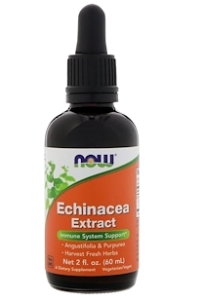
No official dosage exists, partly because studies have varied in quantity and quality of the product used, and products sometimes do not contain the amount and/or strength specified, so it is wise to purchase products from trusted brands such as those recommended by LeanMachine in this article.
Studies in the immunity properties of Echinacea suggest the following doses:
- Herb used as a tea, 1 teaspoon in a cup of hot water, up to 3 times daily

- Whole powder capsules 400mg, one or more times daily

- Liquid extract tincture 2 ml, three times daily, or up to 10 ml daily
Summary
Echinacea has a long and successful history of use in many countries, with rare allergy side-effects, and may help with immunity, allergies, anxiety, skin, cancer, blood pressure, pain, swelling and more.
There are many studies on Echinacea, but results are mixed, with some showing benefits and others showing none. Most studies were mouse studies, test tube studies, petri dish studies, etc and all were of short duration. However, LeanMachine suggests that the antioxidant benefits alone are worthwhile, and long-term studies are expected to show better health outcomes for seniors because their cardiovascular system should be in better shape, and their cancer risk should be lower.
Children
Generally safe for children over age 2 to take Echinacea supplements and drink Echinacea teas, and studies show benefits to children taking Echinacea.
Pregnancy
Study:
www.webmd.com/baby/news/20001128/study-shows-echinacea-safe-during-pregnancy
This study shows Echinachea is safe, but because the study involved only about 200 women, safety cannot be guaranteed absolutely.
Drug Interactions
Risk of drug interactions is relatively low, but some medications are affected by Echinacea.
Some interactions can be a life-or-death situation, so always inform the doctor if taking any herbal products, supplements, vitamins, minerals etc.
Under 6 hours of sleep per night increases the risk of death from stroke and heart disease, new study
Reproduced from original article:
https://www.naturalhealth365.com/sleep-health-risks-3157.html
by: October 18, 2019
 (NaturalHealth365) It used to be that “burning the midnight oil” and being sleep deprived was a badge of honor, a sort of bragging right among “busy” people trying to get ahead in life. But science is catching up to all of us who used to proudly decry sleep. A new study reveals just how significant the health risks of chronic sleep deprivation are, especially if you’re already living with a health problem.
If you or a loved one has a chronic disease, prioritizing your sleep is one of the most important lifestyle changes you can make. And if you struggle with falling or staying asleep (like many people do), keep reading for some natural sleeping tips.
Risk of death from stroke and heart disease increased for people with chronic disease who sleep less than 6 hours per night, study says
According to the National Health Council, 40% of Americans have at least one chronic illness like hypertension and diabetes. And according to the Centers for Disease Control and Prevention, 1 in 3 of us aren’t getting enough sleep.
Knowing what we know about chronic sleep deprivation, we’re not surprised to hear of a significant correlation between these two concerning statistics.
Consider a recent paper published in the Journal of the American Heart Association. The paper’s authors analyzed sleep laboratory data and overall health status of more than 1,600 people from the Penn State Adult Cohort.
Don’t underestimate the healing power of a good night’s rest
Incredibly, they found that people with high blood pressure or type 2 diabetes who slept less than 6 hours per night were TWICE as likely to die of heart disease or stroke compared to people with the same health conditions but slept more (6 hours or more).
Do NOT ignore the health dangers linked to toxic indoor air. These chemicals – the ‘off-gassing’ of paints, mattresses, carpets and other home/office building materials – increase your risk of headaches, dementia, heart disease and cancer.
Get the BEST indoor air purification system – at the LOWEST price, exclusively for NaturalHealth365 readers. I, personally use this system in my home AND office. Click HERE to order now – before the sale ends.
The data is clear: just about everyone needs to get an average of 8 hours of sleep per night. Of course, there’s always the exception.
But, for most people, it really is that important! And it’s even more imperative for people with chronic illness, for whom “targeted treatments to lengthen sleep and improve their long‐term prognosis” may be beneficial, as the authors conclude.
Need better Zzz’s? Most of us do – here are 5 natural sleeping tips to try
Research from scientists like Dr. Matthew Walker – author of Why We Sleep – suggests that a better night’s sleep doesn’t exactly “rest” with over-the-counter or prescription sleeping pills. Such remedies can lead to poor sleep quality at best and dependency at worst.
So, what’s a tired person to do? Try these five natural sleeping tips for better sleep:
- Commit to a regular schedule: Go to bed at the same time every night, and wake up at the same time every morning – even on weekends. According to Dr. Walker, if you could only make one change to improve your sleep, this would be it.
- Power down your electronic devices: Staying plugged into televisions and cell phones late into the night can keep you up for two main reasons. First, the stimulation can make it hard to relax. Second, the late night exposure to bright lights – especially blue light – disrupts your body’s internal clock, aka its sleep-wake cycle. So, go digital-free for at least an hour before bed and dim the lights in your house.
- Create a relaxing bedtime routine: Try a warm shower or bath about 90 minutes before bed, a guided meditation, journal writing, puzzling, reading – any type of nurturing and calming routine you can look forward to.
- Opt for natural remedies: Many substances found naturally in nature, like lemon balm, melatonin, chamomile tea, and passionflower, are shown by scientific and anecdotal evidence to help you relax, ease stress, and fall asleep/stay asleep more effectively.
- Sleep in a pitch dark and cool room: Set your bedroom temperature between 60 and 67 degrees Fahrenheit (ca. 19 °C) and remove or block any sources of ambient light – blackout curtains work well. Hint: do your children have nightlights in their room? Consider removing them to improve their sleep, too!
Sources for this article include:
Nationalhealthcouncil.org
AHAjournals.org
Medicalnewstoday.com
Sleepfoundation.org
CDC.gov
Health Benefits of MSM — A Powerful Sulfur Donor
Reproduced from original article:
https://articles.mercola.com/sites/articles/archive/2019/10/14/msm-health-benefits.aspx
Fact Checked – October 14, 2019

STORY AT-A-GLANCE
- Sulfur is the third most abundant mineral in your body and plays important roles in many bodily processes, including metabolism and detoxification
- Sulfur bonds are required for proteins to maintain their shape, and these bonds determine the biological activity of the proteins. Sulfur is also required for the proper structure and biological activity of enzymes
- Sulfur is crucial for healthy liver function and the prevention of liver disease. A derangement in sulfur amino acid metabolism is found even in mild forms of liver disease
- Excellent sources of sulfur include homemade bone broth, organic pastured eggs, grass fed meats, seafood, cruciferous vegetables and alliums like onions and garlic. Sulfur can also be obtained through supplementation with MSM and/or by taking Epsom salt baths
- MSM is widely used in the treatment of pain, especially pain associated with arthritic conditions. Research has shown it can significantly decrease pain and improve physical function in patients with osteoarthritis of the knee
Sulfur is a somewhat “forgotten” nutrient you don’t hear mentioned very often, but it’s very important for optimal body function and health. You get most of your sulfur from certain proteins in your diet, specifically the amino acids methionine, cysteine, cystine, homocysteine, homocystine and taurine.1
Of these, the two most important sources are methionine and cysteine. Methionine is an essential amino acid, which means it cannot be synthesized by your body and must be supplied through your diet. Cysteine is conditionally essential, because it can be synthesized from methionine but not from inorganic forms of sulfur.2
Neither of these primary sulfur-containing amino acids is stored in your body per se, although glutathione is a key storage form for sulfur.3 Glutathione is composed of three amino acids: cysteine, glutamate and glycine, and is your body’s most potent antioxidant.
Glutathione also keeps many other antioxidants performing at peak levels, and cysteine availability is thought to be a rate-limiting factor for glutathione synthesis.4
While sulfur is found in many foods, sulfur deficiency may still be quite common5 — in part due to sulfur deficiency in crops,6 and in part due to low consumption of sulfur-rich foods7 such as leafy greens, cruciferous veggies, alliums8 such as garlic and onions, seafood, grass fed meats and organic pastured eggs.
Frequent use of drugs that require sulfur for excretion and/or detoxification can also contribute to an inadequate sulfur status. Acetaminophen is one such example.9 A vegan diet can also put you at increased risk for sulfur deficiency, because plant-based foods contain fewer sulfur-containing amino acids than animal-based foods.10
The Importance of Sulfur
According to Stephanie Seneff, Ph.D., who has written several papers11,12,13,14 on sulfur and sulfur metabolism and its role in human disease, sulfur plays a role in many biological processes, including metabolism15 and the sulfonation of hormones,16 and deficiency appears to play a role in a wide range of health problems and diseases, including:
- Obesity
- Heart disease
- Chronic fatigue syndrome
- Alzheimer’s disease
- Autism17
Required in the creation of connective tissues such as cartilage, tendons and ligaments, sulfur is also essential for healthy joints, and deficiency has been linked to joint pain and joint-related diseases.18 Other benefits, uses and sources are also noted in the paper “Sulfur in Human Nutrition and Applications in Medicine”:19
“Methylsulfonylmethane (MSM), a volatile component in the sulfur cycle, is another source of sulfur found in the human diet … Organic sulfur, as SAAs [sulfur-containing amino acids], can be used to increase synthesis of S-adenosylmethionine (SAMe), glutathione (GSH), taurine, and N-acetylcysteine (NAC).
MSM may be effective for the treatment of allergy, pain syndromes, athletic injuries, and bladder disorders.
Other sulfur compounds such as SAMe … taurine, glucosamine or chondroitin sulfate, and reduced glutathione may also have clinical applications in the treatment of a number of conditions such as depression, fibromyalgia, arthritis, interstitial cystitis, athletic injuries, congestive heart failure, diabetes, cancer, and AIDS.”

Sulfur 101
As explained by the featured study above, sulfur is the third most abundant mineral in your body, based on percentage of total body weight.20 Sulfur bonds are required for proteins to maintain their shape, and these bonds determine the biological activity of the proteins.
For example, hair and nails consist of a tough protein called keratin, which is high in sulfur, whereas connective tissue and cartilage contain proteins with flexible sulfur bonds, giving the structure its flexibility.
With age, the flexible tissues in your body tend to lose their elasticity, leading to sagging and wrinkling of skin, stiff muscles and painful joints. A shortage of sulfur likely contributes to these age-related problems.
In addition to bonding proteins, sulfur is also required for the proper structure and biological activity of enzymes. If you don’t have sufficient amounts of sulfur in your body, enzymes cannot function properly.
A cascade of health problems may thus ensue, since your metabolic processes rely on biologically active enzymes. You can learn more about this in “Enzyme Fundamentals.” Sulfur also plays an important role in:
| Your body’s electron transport system, as part of iron/sulfur proteins in mitochondria, the energy factories of your cells21 |
| Synthesizing important metabolic intermediates, such as glutathione — one of the most important antioxidants that your body produces — SAMe, taurine and NAC22 |
| Detoxification23 — Without sulfur, glutathione (your body’s built-in detoxifier) is rendered ineffective |
| Thiamine (vitamin B1) and biotin (B7) conversion, which in turn are essential for converting carbohydrates into energy |
| Proper insulin function24 — The insulin molecule consists of two amino acid chains connected to each other by sulfur bridges, without which the insulin cannot perform its biological activity25 |
| Glucose metabolism — One hypothesis26 is that if a sufficient amount of sulfur is available, it will act as a decoy to glucose, effectively diverting it to reduce the sulfur rather than glycating and causing damage. This would have the beneficial effect of reducing chronic inflammation, as sugar (glucose) is highly inflammatory and wreaks havoc in your body |
Sulfur for Liver Health
Sulfur is also crucial for healthy liver function and the prevention of liver disease. As noted in one study,27 “a derangement in sulfur amino acid metabolism, possibly located at various steps along the trans-sulfuration pathway” is found even in mild forms of liver disease.
Part of its influence on your liver has to do with its influence over glutathione. As noted in the 2015 paper,28 “Metabolism of Sulfur-Containing Amino Acids in the Liver: A Link Between Hepatic Injury and Recovery”:
“The transsulfuration pathway is connected to the production of glutathione (GSH), which has potent antioxidant capacity in the liver. Accumulating data show that GSH depletion renders the liver vulnerable to oxidative stress and prone to progression of liver disease.”
Similarly, the journal Nutrients reports that MSM has been shown to attenuate “cytokine expression in vivo for induced colitis … and liver injury,” and that MSM has also been shown to have a beneficial effect on liver cancer.29
Another crucial nutrient for liver health and the prevention of chronic liver disease, including nonalcoholic fatty liver disease, is choline,30 detailed in “Choline Is Crucial for Liver Health.”
MSM for Osteoarthritic Knee Pain
Methylsulfonylmethane (MSM) is known as a sulfur donor, being 34% elemental sulfur by weight.31 Many of the benefits of MSM supplementation are related to its ability to reduce inflammation, regulate the balance of reactive oxygen species and antioxidant enzymes,32 and modulate your immune response.33
As a supplement, MSM is widely used in the treatment of pain, especially pain associated with arthritic conditions. One clinical trial34 found that people with osteoarthritis of the knee who took 3 grams of MSM twice a day for 12 weeks experienced significantly decreased pain and improved physical function, compared to a placebo.
Another randomized double-blind placebo-controlled study35 found patients with mild to moderate osteoarthritis benefited from oral glucosamine and MSM, both individually and in combination. Here, the treatment groups received 500 milligrams (mg) of glucosamine and/or 500 mg of MSM three times a day for 12 weeks. According to the authors:36
“Glucosamine, MSM and their combination produced an analgesic and anti-inflammatory effect in osteoarthritis. Combination therapy showed better efficacy in reducing pain and swelling and in improving the functional ability of joints than the individual agents.
All the treatments were well tolerated. The onset of analgesic and anti-inflammatory activity was found to be more rapid with the combination than with glucosamine. It can be concluded that the combination of MSM with glucosamine provides better and more rapid improvement in patients with osteoarthritis.”
Sulfur’s Role in Heart Disease
In 2011, I interviewed Seneff about the influence of sulfur on health and disease. I’ve included that interview above for your convenience. In it, Seneff discusses the crucial connections between sulfur, cholesterol and vitamin D.
Her research suggests heart disease may actually be related to cholesterol sulfate deficiency, and in the interview, she explains how elevated LDL (low-density lipoprotein) cholesterol is a sign of this deficiency.
To summarize, high levels of LDL cholesterol is your body’s way of compensating for cholesterol sulfate deficiency. When LDL is turned into plaque, blood platelets inside the plaque produce cholesterol sulfate, which your heart and brain need for optimal function.
Seneff also explains why lowering LDL with statins can lead to heart failure. Essentially, by elevating LDL, your body is protecting itself from the harmful effects of cholesterol sulfate deficiency. When you simply remove the LDL, you remove this “backup” mechanism aimed at keeping your heart going strong. As a result, heart failure becomes a distinct possibility.
That said, high LDL is correlated with cardiovascular disease, so the question then becomes: How can your body produce cholesterol sulfate without having to create harmful LDL?
Under normal, healthy conditions, your skin synthesizes both cholesterol sulfate and vitamin D3 sulfate when exposed to sunlight. These two sulfated sterols are water soluble and can travel freely in your bloodstream.
If you have sufficient amounts of cholesterol sulfate in circulation, your body does not need to produce more cholesterol-transporting LDL. This results in less plaque buildup in the arteries of the heart, because cholesterol sulfate is plentiful.
In essence, sensible sun exposure may be an important part of heart and cardiovascular health. In fact, studies have shown that those who live in countries with abundant sunlight have a lower risk to heart disease. Vitamin D3 supplements, on the other hand, are unsulfated. This is a significant drawback, as the unsulfated form needs LDL as a vehicle of transport.
Seneff believes that vitamin D is basically a signaling molecule that informs the tissues that there is an abundant supply of cholesterol sulfate, and cholesterol sulfate is the real beneficial product of sunlight exposure to the skin. Her suspicion is that the oral nonsulfated form of vitamin D is unlikely to provide the same benefits as the vitamin D created in your skin from sun exposure, since it is not accompanied by cholesterol sulfate, and therefore provides a false signal.
Sulfur Intolerance May Be a Sign of Toxicity
As mentioned earlier, sulfur-rich foods37 include leafy greens, cruciferous veggies, alliums,38 seafood, grass fed meats and organic pastured eggs. Another excellent source, and perhaps the best one, is homemade bone broth made from organically raised animals.
Either drink the broth regularly, or use it for soups and stews. Connective tissues are sulfur-rich, and when you slow-cook the bones, you dissolve these nutrients out of the bone and into the water.
If you have poor tolerance for foods high in sulfur, it may be an indication of an overgrowth of sulfur-reducing bacteria in your gut. These bacteria, such as Desoulfovibrio and Bilophila wadsworthia, produce hydrogen sulfide gas from sulfur-based food sources, which can destroy the gut lining and cause gastrointestinal discomfort.
A defect in the enzyme that oxidizes sulfur to sulfate, called sulfite oxidase, will lead to an overgrowth of these sulfur-reducing bacteria, and toxic chemical exposures may disrupt sulfite oxidase.
Furthermore, these bacteria also convert mercury to a toxic organic form called methyl mercury. When sulfite oxidase is deficient, mercury cannot be converted to mercury sulfate, which is the nontoxic form of mercury that can be excreted by the body. Thus, disruption of sulfite oxidase results in impaired sulfation capacity and increased mercury toxicity.
Other food additives such as food dyes can also exacerbate problems in your phenol sulfur-transferase (PST) sulfation pathway by suppressing PST enzyme activity. Sulfation is a critical step in detoxification of toxic phenols.
To address this situation, it’s recommended you initially go on a low-sulfur diet and reduce your toxic exposure by eating organic and avoiding household toxins of all kinds.
As your toxicity level is reduced, you can start adding sulfur-rich foods back into your diet, one at a time. Next, it’s important to enhance your body’s detoxification process by supplying more sulfate, either through diet or supplementation.
How to Boost Your Sulfur Intake — Diet and Supplementation
Aside from sulfur-rich foods, sulfur can also be obtained through supplementation with MSM. You can learn more about MSM in my interview with Rod Benjamin.
Benjamin is the director of technical development for Bergstrom Nutrition, the largest producer of the highest quality MSM produced by distillation purification. In his interview, we discuss suggested dosages and how to identify a high-quality supplement.
The sulfur-containing amino acids cysteine and taurine can also be used, both of which are available in supplement form. The supplement form of cysteine is NAC, the benefits of which I expounded on in “The Many Benefits of NAC — One of the Most Important Supplements You’ve Likely Never Heard Of.”
Another excellent source of sulfur is taking regular Epsom salt baths. Epsom salt (magnesium sulfate) is made up of magnesium, sulfur and oxygen. While most of the benefits associated with Epsom salt baths relates to magnesium39 — such as improved sleep, stress reduction and reduced pain and muscle cramping — its sulfur content is also important for health.
Epsom salt baths are often preferable if you’re toxic, as the sulfur in Epsom salt is readily available to your body without having to be converted. As a general recommendation, use 1 to 2 cups of Epsom salt to a tub of water. The warmer the water, the more of the salt will be dissolved, and the more your body will be able to absorb as the heat opens your pores.
If you experience a negative reaction, such as irritability or hyperactivity, decrease the amount used and incrementally increase the amount based on your tolerance. Alternatively, use 1 part Epsom salt to 2 parts water for a foot bath. Soak your feet for about 30 minutes.
Toxicity data shows MSM is extremely safe and can be taken at high doses. As noted in the journal Nutrients, “As a Generally Recognized As Safe (GRAS) approved substance, MSM is well-tolerated by most individuals at dosages of up to 4 grams daily,”40 although toxicity studies have reported no observed adverse effects up to a level of 5 grams per kilo per day.41
That said, potential side effects at higher doses include intestinal discomfort, ankle swelling and skin rashes. These are likely detoxifying effects that can typically be mitigated or minimized by cutting back on the initial dosage and slowly working your way up.
- 1, 10, 19, 20, 22 Alternative Medicine Review 2002 Feb;7(1):22-44
- 2 Nutrition & Metabolism November 6, 2007; 4, Article number 24 (2007)
- 3, 4 Nutrition & Metabolism November 6, 2007; 4, Article number 24 (2007), Glutathione a key metabolite and storage form for sulfur
- 5 Nutrition & Metabolism November 6, 2007; 4, Article number 24 (2007), Abstract
- 6 Plants 2018 Jun; 7(2): 37, Introduction
- 7, 37 APJCN Sulphur Food Charts
- 8, 38 Mark’s Daily Apple February 7, 2012
- 9 Nutrition & Metabolism 2007; 4: 24, Factors that can reduce availability of methionine/cysteine
- 11 Entropy 2012; 14(10): 1953-1977
- 12 MIT, Could Sulfur Deficiency be a Contributing Factor in Obesity, Heart Disease, Alzheimer’s and Chronic Fatigue? (PDF)
- 13 Medical Hypotheses February 2012; 78(2): 213-217
- 14 Theoretical Biology and Medical Modelling May 27, 2015, Article Number 9 (2015)
- 15, 24, 26 The Weston A. Price Foundation July 2, 2011
- 16 Endocrine Reviews 2002 Oct;23(5):703-32
- 17 Enzyme Stuff, Epsom Salts
- 18 Study.com Sulfur Deficiency
- 21 Science Direct, Iron-Sulfur Proteins
- 23 Ann Parmacother Sept. 1992 vol. 26 no. 9 1144-1147
- 25 The Sulfur of Insulin, Vincent du Vigneaud, July 1, 1927 (PDF)
- 27 The Italian Journal of Gastroenterology 1994 Jan-Feb;26(1):21
- 28 Biol Pharm Bull. 2015;38(7):971-4
- 29 Nutrients 2017 Mar; 9(3): 290, 3.8 MSM and Cancer
- 30 Mediators of Inflammation 2019, Article ID 7659509, 6. Mechanisms Where Dysbiosis Is Involved in NAFLD
- 31 MSM Guide, How MSM Works
- 32 Nutrients 2017 Mar; 9(3): 290, 2.2 Antioxidant/Free-Radical Scavenging
- 33 Nutrients 2017 Mar; 9(3): 290, 2.3 Immune Modulation
- 34 Osteoarthritis and Cartilage 2006 Mar;14(3):286-94
- 35, 36 Clinical Drug Investigation 2004;24(6):353-63
- 39 WebMD Why Take an Epsom Salt Bath
- 40 Nutrients 2017 Mar; 9(3): 290, Abstract
- 41 Nutrients 2017 Mar; 9(3): 290, 4. Safety Profile Table 1
The link between gum disease, hypertension and heart attacks
By: October 12, 2019
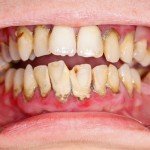
(NaturalHealth365) Did you know that nearly half of all people over the age of 30 have some degree of gum disease? According to the U.S. Centers for Disease Control and Prevention (CDC), this means many Americans either already have poor oral health or are well on their way to developing it.
This may come as surprise, but bad teeth and foul breath aren’t the only problems gum disease causes. A September 2019 meta-analysis and systematic review published in Cardiovascular Research finds that having periodontitis – an advanced form of gum disease – increases your chances of having hypertension, a major heart attack risk factor.
3 shocking ways poor oral health affects heart health
The scientific and medical communities overwhelmingly agree – poor oral health can damage your heart and increase your risk for:
- High blood pressure
- Heart attacks
- Strokes
But how?
In the new Cardiovascular Research paper, researchers analyzed 81 studies of the link between gum disease and hypertension (high blood pressure). Based on this large collection of data, they found that moderate to severe gum disease increased a person’s risk of hypertension by 22%.
Do NOT ignore the health dangers linked to toxic indoor air. These chemicals – the ‘off-gassing’ of paints, mattresses, carpets and other home/office building materials – increase your risk of headaches, dementia, heart disease and cancer.
Get the BEST indoor air purification system – at the LOWEST price, exclusively for NaturalHealth365 readers. I, personally use this system in my home AND office. Click HERE to order now – before the sale ends.
Severe gum disease increased a person’s risk by as much as 49%!
In other words: poor oral health can significantly increase your risk for hypertension, which we know is a major stroke and heart attack risk factor. Investigators believe the increased inflammation caused by gum disease and oral bacteria are major phenomenons behind this link.
Their findings have major implications. They note that even just a modest rise in blood pressure (say, +5 mmHg) may increase a person’s risk of death from heart attack or stroke by as much as 25%!
And as if this isn’t – pardon the pun – heartbreaking enough, poor oral health can also increase a person’s risk for diabetes, cancer, and (in pregnant women) low birth weight and premature delivery.
Now for the good news: Proper oral healthcare can improve your lifespan
A 2011 cohort study published in Journal of Aging Research found that brushing teeth every night, flossing daily, and visiting the dentist regularly were associated with increased longevity in older adults.
And, even though this study has some flaws, the findings make sense: by keeping your teeth and gums healthy, you can reduce your risk of the many health problems associated with poor health, and thus increase your life expectancy.
Plus, it’s reasonable to say that a person who is committed enough to practice daily healthy teeth habits is also likely to practice other healthy habits, too, like exercising, avoiding sugary drinks and foods, and not smoking.
What’s the takeaway? Be the kind of person who brushes and flosses daily – it could save your life!
Understand the top warning signs of gum disease
You might assume that if you have gum disease, you’d know it. True, most of the signs and symptoms of gum disease are fairly noticeable, but some – like a change in the way your teeth fit together when you bite down or persistent bad breath – are easy to miss.
Here are the other top warning signs to look out for:
- Gums that bleed while brushing, eating hard foods, and flossing
- Red, tender, and swollen gums
- Gums that recede from the teeth, which makes the teeth look longer
- Pain, tenderness, or sores in your mouth
- Loose teeth
Even if you think your teeth and gums are perfectly healthy, you should still visit a qualified, biological (or holistic) dentist at least once or twice per year. Naturally, if you have serious oral health issues, you may need to see a dentist more often for check ups.
At home: oil pulling, sea salt rinses, the use of a hydrofloss and herbal mouthwashes can also be quite helpful.
Editor’s note: Click here for access to the Holistic Oral Health Summit, hosted by yours truly, Jonathan Landsman – featuring the best ways to avoid cavities, gum disease plus much more!
Sources for this article include:
Medicalnewstoday.com
Medicalnewstoday.com
Academic.oup.com
Perio.org
NIH.gov
Healthypeople.gov
Alarming report: Energy drinks have life-threatening side effects
Reproduced from original article:
https://www.naturalhealth365.com/energy-drinks-side-effects-3146.html

(NaturalHealth365) According to the National Institutes of Health, “a growing body of scientific evidence shows that energy drinks can have serious health effects, particularly in children, teenagers, and young adults.” So, why are these products still being sold – to this day?! After reading this report, you’ll understand why we think these products are a big mistake.
Thousands of people to date have faced serious, sometimes deadly side effects as a result of consuming energy drinks, and an alarming number of these victims have been children. In fact, the lead author of research published in the Journal of the American Heart Association has said, ‘the public should be aware of the impact of energy drinks on their body, especially if they have other underlying health conditions.”
The severe side effects from these drinks included seizures, elevated blood pressure and irregular heartbeat. And, the fact remains: most of these kids didn’t even know what they were consuming. They simply found them left around the home by an adult.
The grim realities of energy drinks
To be blunt, most of these beverages are loaded with sugar and caffeine – a recipe for disaster.
However, the manufacturers also blend in other compounds such as l-carnitine, taurine, guarana, amino acids and ginseng. Despite this veritable mystery punch of ingredients, studies have not found that these drinks boost energy, focus or stamina any better than having a cup of coffee.
In truth, the marketing hype of these beverages don’t tell the whole (ugly) story.
Do NOT ignore the health dangers linked to toxic indoor air. These chemicals – the ‘off-gassing’ of paints, mattresses, carpets and other home/office building materials – increase your risk of headaches, dementia, heart disease and cancer.
Get the BEST indoor air purification system – at the LOWEST price, exclusively for NaturalHealth365 readers. I, personally use this system in my home AND office. Click HERE to order now – before the sale ends.
Along with this lack of efficacy, the drinks come with very real dangers. Dr. Steven Lipshultz and his colleagues have been examining the effects of these drinks for a number of years, and in 2011 noticed a marked surge in reported illnesses linked to their consumption.
A separate study conducted by the United States government found emergency-room visits between 2005 and 2011 that were related to energy-drink consumption surged as well. A host of alarming side effects were also reported, including seizures, liver damage, heart issues and in some cases, premature death.
Drinks with additives like plant extracts and amino acids were found to be worse for people than those with just caffeine. Some theories hold that these assorted extracts might have components with unknown, undocumented effects, especially when combined with caffeine and other food additives.
A call for action: Why we need better labeling
A great number of the people who consume these energy drinks simply aren’t aware of their potentially dangerous side effects and their specific hazards to children. This causes adults to consume copious amounts of them while sometimes leaving the beverages unattended and accessible to young children.
Dr. Lipshultz recommends that even as these energy drinks are studied more closely, they should be affixed with a label similar to the Surgeon General warning placed on alcohol and cigarette packages. Doing so could alert adults to protect children (and themselves) from exposure to these controversial drinks.
Experts warn about the dangers of energy drinks:
The World Health Organization (WHO) says, “the full impact of the rise in popularity of energy drinks has not yet been quantified, but the aggressive marketing of energy drinks targeted at young people, combined with limited and varied regulation have created an environment where energy drinks could pose a significant threat to public health.”
The extreme level of caffeine (mixed with other suspicious ingredients) can cause palpitations, hypertension, vomiting, convulsions and in extreme cases heart failure leading to sudden death. An even greater risk is the mixture of these energy drinks with alcohol and food additives – which many younger people tend to consume in excess.
In August 2014, professor Milou-Daniel Drici, from France, gave a presentation to the European Society of Cardiology in which he said:
”So-called ‘energy drinks are popular in dance clubs and during physical exercise, with people sometimes consuming a number of drinks one after the other. This situation can lead to a number of adverse conditions including angina, cardiac arrhythmia (irregular heartbeat) and even sudden death.”
Dr. Steven Lipshultz, pediatrician-in-chief at Children’s Hospital of Michigan, in Detroit, says ‘although the target markets for energy drinks are typically teens and young adults, more than 40 percent of reports to U.S. poison control centers in a three-year period involved children under the age of 6.’
Young or old, energy drinks are putting both children and adults at risk. Regardless of age, the potential dangers are the same: seizures, heart issues, high blood pressure, and kidney problems. With coffee providing a similar benefit, it’s hard to see how the health risks are worth the chemically-induced “boost” that energy drinks provide.
Sources for this article include:
Leading cause of death accessed with one medical test
Reproduced from original article:
https://www.naturalhealth365.com/heart-disease-medical-test-3144.html
(NaturalHealth365) It’s the medical test that could save your life, but has your doctor performed it? NMR Lipoprotein – a blood test that directly measures the amount of LDL circulating in the body – is more efficient at determining your risk of cardiovascular disease than what 90 percent of doctors still look at.
Cardiovascular disease, the leading cause of death in the United States, still ahead of cancer, takes the lives of over 600,000 Americans each year – but could largely be prevented, or at least managed way better, with this simple test. You may be wondering how – right?
Because it looks at how cholesterol is transported through the body (not necessarily just the blood), but how it interacts with the endothelium that lines the arteries. This test could be the tool used to spark a change in your lifestyle habits.
How can I get the NMR lipoprotein medical test now and prevent the leading cause of death?
While your doctor may not be aware of the test, he or she can easily order via most major lab companies. In addition, NMR lipoprotein testing is generally covered by insurance.
By the way, if you experience difficulty having a provider order the test, it can be obtained – on your own behalf – online, as well. And, please keep in mind, one medical test is not the only thing you need to avoid heart disease. But, in many cases, it’s a good place to start.
Should I be eating fatty foods or not?
“The mantra that saturated fat must be removed to reduce the risk of cardiovascular disease has dominated dietary advice and guidelines for almost four decades. Yet scientific evidence shows that this advice has, paradoxically, increased our cardiovascular risks.
Do NOT ignore the health dangers linked to toxic indoor air. These chemicals – the ‘off-gassing’ of paints, mattresses, carpets and other home/office building materials – increase your risk of headaches, dementia, heart disease and cancer.
Get the BEST indoor air purification system – at the LOWEST price, exclusively for NaturalHealth365 readers. I, personally use this system in my home AND office. Click HERE to order now – before the sale ends.
Furthermore, the government’s obsession with levels of total cholesterol, which has led to the over-medication of millions of people with statins, has diverted our attention from the more egregious risk factor of atherogenic dyslipidaemia.” – Aseem Malhotra, interventional cardiology specialist registrar, Croydon University Hospital, London
It was once believed that eating saturated fats was going to put your risk of developing cardiovascular disease through the roof, but a recent British Medical Journal frankly states above, “saturated fat is not the issue.”
We have long-known these health-promoting foods help stave off certain diseases, but until recently, research literature focused on a very immature and short-sighted approach to clinically evaluating the role cholesterol plays in cardiovascular disease development.
I tell patients, “high cholesterol does not cause cardiovascular disease, we need cholesterol to live, to thrive. It’s what happens to cholesterol particles in the body that can cause them to affect us negatively.” A wide variety of fats are necessary for the body to manufacture cholesterol, a necessary component of neuro-hormonal synthesis and protection, immune and cardiovascular health.
The crucial point is that we need an ideal ratio of fats that are unoxidized to stay healthy and prevent disease.
To maintain ideal cholesterol levels:
- Increase physical activity during the day while focusing on regular, restful sleep at night.
- Avoid excessive amounts of refined carbohydrates, sugars, flours and seed oils.
- Improve gut health because maintaining healthy flora reduces whole-body inflammation and helps control insulin-resistance.
Remember, cardiovascular disease depends on many factors such as genetics, lifestyle activity, environmental pollution and overall diet. Researchers and clinicians are always taking a closer look at how these variables affect one another in an integrative fashion.
About the author: Christine M. Dionese L.Ac, MSTOM is an integrative health expert, medical journalist and food writer. She’s dedicated her career to helping others understand the science of happiness and its powerful effects on everyday human health. Christine practices, writes and speaks on environmental functional medicine, epigenetics, food therapy and sustainable living.
Sources for this article include:
Low level lead exposure killing over 400,000 Americans a year, study reveals
Reproduced from original article:
https://www.naturalhealth365.com/lead-exposure-3142.html
 (NaturalHealth365) Heart disease, the number one cause of mortality in the United States, is currently responsible for over 800,000 deaths a year. The primary risk factors for this potentially deadly condition are thought to include high blood pressure, lack of exercise, obesity, cigarette smoking and diabetes. But, with the results of a shocking study published in The Lancet, researchers are now pointing to another likely culprit – lead exposure.
Natural health experts have long warned that lead is a dangerous neurotoxin – for which there is no safe level of exposure. The startling study shows that lead exposure is not only associated with cardiovascular disease – but is responsible for the premature deaths of 412,000 (close to half a million!) Americans every year.
Even more troubling, the deaths were not linked to acute exposures, but to relatively low blood levels of lead.
Lead exposure is grossly ignored as a cause of heart disease and premature death
To conduct the large-scale, long-term population study, researchers examined the connection between lead concentrations, heart disease and all-cause mortality in over 14,000 adults.
The study was the first to examine the link between low-level lead exposure (characterized as under 5 micrograms per deciliter of blood) and cardiovascular disease. Keep in mind, according to Harvard Medical School, average levels for Americans currently hover around 1 ug/dL.
When the team specifically examined results for participants with blood lead levels between 1 ug/dL (the threshold of detection) and 5 ug/dL, they discovered that the risk of premature death increased substantially.
Do NOT ignore the health dangers linked to toxic indoor air. These chemicals – the ‘off-gassing’ of paints, mattresses, carpets and other home/office building materials – increase your risk of headaches, dementia, heart disease and cancer.
Get the BEST indoor air purification system – at the LOWEST price, exclusively for NaturalHealth365 readers. I, personally use this system in my home AND office. Click HERE to order now – before the sale ends.
In addition, the team found that people with higher lead levels (6.7 ug/dL) had a 70 percent greater risk of death from heart disease – when compared to those at the low end of the scale.
But that wasn’t all.
The researchers calculated that exposure to lead caused an 18 percent higher risk of dying from any cause, which translates to 412,000 deaths a year. Around 256,000 of those deaths occurred from heart disease, the team reported.
The researchers called low-level lead exposure an “important, but overlooked” risk factor for premature death in the U.S. – particularly for death from heart disease. The team stressed the importance of continuing efforts to reduce environmental lead exposure.
Additional studies support evidence of harm from lead exposure
Animal studies have shown that chronic, low-level lead exposure not only causes high blood pressure (a contributor to heart disease) but – by inactivating the body’s stores of beneficial nitric oxide – can also trigger atherosclerosis.
Lead exposure also contributes to atherosclerosis by inhibiting the repair of fragile, easily-damaged arterial linings. In addition, low-level lead exposure promoted the formation of blood clots – thereby directly raising risk of stroke and heart attack.
Not surprisingly, additional studies have reflected the findings of the Lancet study, linking higher concentrations of lead with high blood pressure, peripheral arterial disease and heart disease deaths.
Significantly, these findings directly contradict the prevailing wisdom concerning levels of lead at which harm can occur.
New research is causing experts to revamp views on low level exposure
Levels of 10 ug/dL to 25 ug/dL are considered proof positive that lead exposure is occurring – with levels of 25 ug/dL to 40 ug/dL considered “elevated.”
And, levels are considered “seriously elevated” between 40 ug/dL and 80 ug/dL, while levels over 80 ug/dL are “dangerously elevated” – with irreversible damage to health likely to occur.
As recently as 2013, only lead levels of 10 ug/dL, and above, were considered cause for concern. In fact, the National Toxicology Report previously described evidence linking blood lead levels under 10 ug/dL with heart disease-related mortality as “limited.”
Yet, participants in the recent study only had to average a modest 2.7 micrograms of lead per deciliter of blood to see their heart health and mortality affected – in a negative way.
Warning: Children are much more susceptible to damage
With smaller, still-developing systems, children under age six are much more susceptible than adults to the physical and mental effects of lead poisoning. Sadly, symptoms may not appear – in children and adults alike – until dangerous and damaging amounts of lead have already accumulated in the body.
Signs of lead exposure in children include learning difficulties, irritability, fatigue, weight loss, vomiting and diarrhea. Pica – a craving for non-edible substances, such as paint chips or dirt – can also indicate lead poisoning in children.
Lead exposure in newborns is manifested by premature birth, lower birth weight and slow growth.
Adults exposed to lead may experience high blood pressure, joint and muscle pain, headaches, impaired concentration and memory loss – along with reproductive problems such as reduced sperm count in men and miscarriage and premature birth in women.
Of course, very high levels of exposure to lead can cause seizures, unconsciousness and premature death.
Deteriorating lead paint in older homes threatens children’s health
While lead-based paints for homes, toys and furniture have been banned since 1978, lead exposure can still occur in older homes. The most common sources of lead poisoning in children are flakes of deteriorating lead-based paint – especially if the children nibble on them. Contaminated dust can also be released during home renovations in older buildings.
In addition, lead can persist in soil in the yards of older homes.
According to the New York State Department of Health, lead may still be found in batteries, solder pipes, pottery, bullets, roofing materials and various imported cosmetics and candies. Adults who perform renovations on older houses – particularly involving plumbing, roofing and painting – are at greater risk for exposure, as are those who work in auto shops and with batteries.
Worth noting: If lead exposure from an older home is a concern, the Harvard School of Public Health advises employing an EPA-certified lead abatement professional to replace lead plumbing pipes. You may also want to look into hiring a building biologist to ensure you’re living in a healthy home.
Vitamin C can effectively help to remove heavy metals from the body
Chelation, a protocol for treating lead exposure, features the use of edetate calcium disodium, or EDTA. This compound binds with and removes heavy metals, including lead, iron and copper.
There is now clinical evidence that vitamin C, a potent antioxidant, can potentiate and enhance the detoxifying effect of chelating agents.
In a recent study published in Life Sciences, researchers found that EDTA and vitamin C together are more than twice as effective as either substance given alone. The team noted that the combination is particularly effective in removing lead from the central nervous system.
And, optimal levels of vitamin C can protect against high lead levels.
In a study conducted by University of California at San Francisco and published in the prestigious Journal of the American Medical Association, the researchers found a direct association between high levels of vitamin C and lower blood levels of lead.
Adults had blood levels reduced by 68 percent with higher vitamin C intake, while children with higher vitamin C intake fared even better. Researchers found that those in the top one-third of vitamin C levels displayed an 89 percent lowered incidence of lead toxicity.
It is important to consume enough vitamin C to protect against the effects of lead exposure – whether through vitamin C-rich foods (such as citrus fruits, bell peppers and Brussels sprouts) or supplements.
Natural health experts note that at least 1,000 mg of vitamin C a day is required to reduce lead levels and enjoy other benefits – including stronger overall immune function.
Sources for this article include:
Blood Thinners
Written by Brenton Wight, Health Researcher, LeanMachine
Copyright © 1999-[y] Brenton Wight, LeanMachine
Updated 24th December 2020

Normally, the clotting ability of blood is a good thing, otherwise we could bleed to death from a small cut. But sometimes blood clots can be dangerous. They can prevent blood flow to the lungs, heart or brain (ischemic stroke).
However, if blood cannot clot properly, a hemorrhagic stroke (brain bleed) can happen, and around 10% of strokes are this type, many of those due to an overdose of warfarin or similar blood-thinning medication.
So one must use caution and common sense for using any prescription and/or natural blood thinner.
Prescription Medications
Prescription blood thinners are normally anticoagulants or antiplatelets, and are commonly prescribed to seniors if doctors presume the patient is at risk for a blood clot, particularly for DVT (Deep Vein Thrombosis).
Anticoagulants such as warfarin do not thin the blood, they make the blood take longer to clot.
The blood test to measure the time to clot is the PT (prothrombin time, or protime) test, and reported as the INR (International Normalized Ratio).
Common Anticoagulant drugs include:
- Heparin
- Warfarin (Marevan, Coumadin, Jantoven)
- Dabigatran (Pradaxa)
- Rivaroxaban (Xarelto)
- Apixaban (Eliquis)
Common Antiplatelet drugs decrease platelet aggregation (clumping together), inhibit thrombus (clot) formation and include:
- Clopidogrel (Plavix)
- Ticagrelor (Brilinta)
- Prasugrel (Effient)
- Dipyridamole
- Dipyridamole/Aspirin (Aggrenox)
- Ticlodipine (Ticlid)
- Eptfibatide (Integrilin)
- Aspirin
Common Thrombolytic Agents (clot-busting drugs):
- Eminase (anistreplase)
- Retavase (reteplase)
- Streptase, Kabikinase (streptokinase)
- Activase (alteplase, t-PA or tissue plasminogen activator)
Side effects of prescription drugs
Anticoagulants all have bleeding side effects.
Symptoms such as these must be reported to your doctor immediately, or go to your nearest hospital, or in Australia call the Poisons Information Centre: 13 11 26 if any bleeding symptoms arise:
- Blood in urine (red or dark brown)
- Blood in poop, red or black poop
- Severe bruising
- Prolonged nosebleeds
- Bleeding gums
- Vomiting blood
- Coughing up blood
- Heavy periods
- Purplish & mottled toes
- Prolonged bleeding from cuts
- Swollen ankles
- Painful swelling or discomfort
- Stomach pain
- Chest pain
- Joint pain
- Persistent headache or fever
- Difficulty breathing or swallowing
- Severe skin wounds
- Non-healing wounds, lesions or mottling of skin
- Persistent diarrhoea
Warfarin (Marevan, Coumadin, Jantoven) – was originally developed as a rat poison, designed to cause bleeding to death, as warfarin is a very strong anticoagulant.
For this reason, those taking this drug for the first time need regular blood tests (INR test) to find the correct dosage.

Warfarin and other trade names use a colour chart for the different dose prescribed. If traveling to a different country, ensure that the dose prescribed is the dose you are receiving if you are filling a prescription, as these colours may vary in different countries.
In Australia, warfarin is sold as Marevan in doses of 1 mg (fawn), 3 mg (blue) and 5 mg (pink), and all are scored and bevel edged with “M” embossed on one side above the score and “1”, “3” or “5” embossed below.
Many foods and supplements will increase or decrease the effectiveness or warfarin, so diet must be completely controlled. Because one of the antidotes for warfarin overdose is Vitamin K (phylloquinone), which comes mainly from leafy greens, then all foods containing Vitamin K must be consumed on a regular basis, including the amount, quality and type. This control can be difficult for many people, and combined with inaccurate dosing, can be lethal. Many seniors, especially those with conditions leading to warfarin medication, have poor memory and cognitive ability, and can easily skip a dose, or worse, double up a dose if they forget they had already taken a dose. This is why warfarin overdose is one of the leading cause of Emergency Room visits for those over 65.
In a life-threatening bleeding situation, the hospital will administer PCC (Prothrombin complex concentrate), a medication made up of several blood clotting factors, and in addition, up to 10mg of Vitamin K administered by IV.
In a less serious overdose, Vitamin K is administered by IV at first, then oral supplementation until INR levels have stabilised, which can take up to 2 weeks.
Warfarin side effects
Because warfarin, heparin, and other anticoagulants are Vitamin K antagonists (they deplete Vitamin K from the body), they can interfere with bone metabolism and cause osteoporosis and fractures, as the job of Vitamin K (mainly K2 MK7, or menaquinone) is to remove calcium from blood and from blood clots (which are high in calcium) and place it into bones and teeth where it belongs.
Another issue is that without Vitamin K, blood will be higher in calcium, which ends up in blood clots, heart valves, liver, kidneys, etc, causing many other health problems.
Patients receiving dialysis for kidney issues should not take large amounts of Vitamin K.
Commonly used medicines and products that can interfere with Marevan/Warfarin include:
- Aspirin
- Medications for arthritis, including glucosamine and chondroitin
- Medications for blood clots, heart attacks or angina
- Antihistamines or any cough or cold preparations
- Some antibiotics
- Laxatives
- Vitamin C
- Vitamin E
- Vitamin K
- St John’s Wort
- Some herbs, e.g. garlic, ginseng, feverfew, gingko biloba, ginger
- Alcohol
- Cranberry juice
- Large amounts of green leafy vegetables and/or significant diet changes
In spite of all of the dangers of warfarin, it is the most commonly prescribed anticoagulant drug.
Heparin is listed above as an anticoagulant because it works faster, but normally only used in emergency situations in a hospital, given by IV or as an injection into subcutaneous fat.
Rivaroxaban (Xarelto) is a newer (Factor Xa Inhibitor) anticoagulant drug.
At December 2018 it is not listed on the TGA website, so no antidote such as Andexxa is available in Australia. A bad bleed can more easily be fatal compared to warfarin.
In the USA, Andexxa (Andexanet alfa) was approved by the FDA in May 2018 for limited release, and appears to work as an antidote for Xarelto and Eliquis.
In 2016 there were more than 117,000 hospital admissions in the USA for uncontrolled bleeding, where Andexxa could have been used, but the wholesale price of Andexxa is reported to be US$27,500 (AU$37,500) for one patient dose, and a typical treatment would be about US$53,000 (AU$75,000) so LeanMachine would advise those wanting blood thinners to be very careful and ask the following questions:
1. Does my local doctor or Hospital carry the appropriate antidote for my blood-thinning medication?
2. What happens if for example I fall and hit my head, or I am in an accident where I have large wounds? Is there any treatment for bleeding?
3. How much would I have to pay for the antidote?
More info on this antidote www.emcrit.org/emcrit/issues-andexanet.
Common side effects of Andexxa include pneumonia and urinary tract infections. Severe side effects include blood clots or cardiac arrest.
Because Xarelto and Eliquis work in a different way (Factor Xa Inhibitors) from warfarin, Vitamin K will have no effect on Factor Xa Inhibitors.
Natural blood-thinners
Important: When adding supplements or foods to the diet, and if already taking prescription blood thinners, be aware that the combination of drugs with some natural products can make blood too thin, while others can interfere with the function of some drugs, reducing their effectiveness. Always discuss diet and supplements with your doctor.
Rutin also called rutoside, quercetin-3-O-rutinoside and sophorin, combines the flavonol quercetin and the disaccharide rutinose and is a citrus flavonoid found in citrus fruits and other plants.
Rutin is a far better alternative to Aspirin, which has been used for a hundred years to reduce fever, inflammation and blood thinning.
The famous 1918 Pandemic (Spanish flu or Russian flu) killed 50 million people worldwide, but aspirin significantly contributed to these deaths by reducing fever and suppressing immunity. Combined with poor sanitation and poor foods at the time, this led to pneumonia and death.
Fever is the body’s automatic defense against infection as the higher temperature kills the pathogens. When the fever is artificially reduced by aspirin, the pathogens multiply.
Aspirin also plays a part in internal bleeding (mainly in the gut) and in Macular Degeneration by causing blood vessels in the eye to leak, distorting the retina and affecting central vision.
Rutin actually strengthens the endothelial lining of blood vessels and improves flexibility, preventing leakage, reducing risk of clots, while improving blood flow at the same time.
Rutin also helps heal bruises, spider veins, and varicose veins, and prevents mucositis, a side effect of cancer treatment.
Another benefit: Rutin increases bone density by slowing down bone resorption.
Read more about Flavonoids here: www.leanmachine.com.au/flavonoids
Bacopa (Bacopa Monnieri) has many benefits, including thinning the blood, especially in the brain, reducing pain and anxiety, improving memory, protecting against oxidative stress, improving communication between neurons, reducing β-amyloid plaque accumulation (a hallmark of Alzheimer’s disease), and has been used to treat ADHD.
Uncommon side effects include increased bowel movements, stomach cramps, nausea, dry mouth and fatigue.
Co-Enzyme Q10 (CoQ10) is traditionally used for improving heart health and mitochondrial function, especially to counteract the effect of statin drugs that destroy CoQ10 production (and the precursor to Vitamin D3) in the liver.
But blood-thinning is a less well-known side effect. This is one of LeanMachine’s must-have supplements for those over 40.
Side effects are rare, but may include mild episodes of stomach upset, appetite loss, lower blood pressure, nausea, vomiting, diarrhea and allergic skin rashes in some people.
Garlic is well-known for the blood-thinning properties, either in supplemental or original form. The supplemental form here is aged for potency and odourless for those who dislike garlic odour.
Other benefits beside blood-thinning are cardiovascular benefits.
Side effects of real garlic include bad breath, body odour, heartburn, indigestion, mouth irritation, and probably should not be eaten raw.
Ginkgo Biloba not only thins the blood, but strengthens endothelial cell lining of all blood vessels.
Read more about Ginkgo Biloba: www.leanmachine.com.au/gingko-biloba-a-living-fossil-with-life-extending-properties
Cayenne Pepper has blood-thinning properties owing to the high salicylate content, although more famous for cardiovascular health properties. Supplements are preferred when the patient does not like or tolerate real cayenne peppers.
Turmeric, a spice giving curry the yellow colour, has long been used for many health conditions, and the main ingredient Curcumin is a natural antiplatelet.
Also good for joints, cardiovascular, cancer and many more health conditions.
Ginger is in the same family as turmeric and contains salicylate, an acid found in many plants. Acetyl salicylic acid (Aspirin) is derived from salicylate and can help thin blood, but has side effects noted above. Foods containing salicylate include avocados, berries, chilies and cherries can also reduce blood clotting.
Nattokinase helps prevent or reduce blood clots by breaking down fibrin, a mesh-style substance that holds a clot together. This particular version has all of the Vitamin K removed.
Vitamin E is mild anticoagulant.
Vitamin E has 2 main types: Tocotrienols and Tocopherols, with each type containing alpha, beta, gamma and delta sub-types. This product contains all types.
Beware: Cheap Vitamin E products contain only d-alpha tocopherols and none of the other 7 types. Nuts are one of the best food types containing Vitamin E.
Clot-busting supplements
Recently, a study confirmed that a combination of two herbs, Gotu Kola and Pine Bark improved artery health in one study. Pine bark extract reduced areas of plaque and fat deposition in atherosclerotic mice, while decreasing total cholesterol and triglycerides and increasing beneficial HDL cholesterol. Gotu Kola protects the hard cap that naturally forms over existing arterial plaques, reducing the chance of a rupture which can cause a fatal cardiovascular event. A study showed those taking Gotu Kola had a 41% lower risk of a cardiovascular event.
But the study of the combination of the two, with 150 mg of Pine Bark and 225 mg of Gotu Kola daily caused a beneficial increase in plaque density, while decreasing plaque length, height and number, and 95% of the study participants had significantly improved blood flow and reduced cardiovascular events.
Best to go with the natural products that work:
Gotu Kola
Pine Bark
Another study on Pomegranate Juice, including subjects with carotid artery stenosis (70–90% blockage), found that one glass of pomegranate juice daily reversed plaque accumulation. I do not know of any prescription drug that comes anywhere near this result. Standard medical practice is to insert a stent in the artery via a medical procedure, but these can have many problems.
In the study, researchers measured the mean Tunica Intima (artery lining) media thickness in the left and right common carotid arteries in severe carotid artery stenosis patients.
In those that consumed pomegranate juice for up to 1 year, the thickness was reduced after 3, 6, 9 and 12 months of pomegranate juice consumption by 13%, 22%, 26% and 35%, respectively, in comparison to baseline values. Thickness of the Tunica Intima indicates hard, inflexible, diseased arteries.
Blood-thinning Foods
Foods known to help improve blood flow include:
-
- Vegetables such as lettuce, tomatoes, broccoli, garlic and onions
- Fruits such as berries, grapes, grapefruit, pineapple and pomegranate
- Nuts such as walnuts, almonds, hazelnuts, cashews, pistachios and brazil nuts
- Fish such as salmon, trout, herring and tuna
- Drinks such as pomegranate juice, green tea, grape juice, cranberry juice and pineapple juice
- Dark chocolate (high cocoa content)
- Cacao (unrefined cocoa)
Summary
The objective in thinning blood is to increase blood flow.
Those consuming junk food (processed foods) will have “sticky blood” and rather than using dangerous prescription medication, changing the diet to healthy foods and keeping well-hydrated helps keep our blood vessels healthy, so we have a reduced risk for clots, and our blood has better “flowability” without reducing our clotting ability for those times when we need it.
Disclaimer
Any information here is for educational purposes, and the needs of each individual varies, so everyone should consult with their own health professional before taking any product to ensure that there is no conflict with existing prescription medication.
LeanMachine has been researching nutrition and health since 2010, and has now examined thousands of studies, journals and reports related to health and nutrition and this research is ongoing.
Updated 26th January 2020, Copyright © 1999-[y] Brenton Wight and BJ & HJ Wight trading as Lean Machine abn 55293601285
Seafood Can Resolve Many Nutrient Deficiencies

STORY AT-A-GLANCE
- Docosahexaenoic acid (DHA) and eicosapentaenoic acid (EPA) are long-chained omega-3 fats found in cold-water fatty fish like wild-caught Alaskan salmon, sardines, anchovies and certain other sea creatures, including krill
- DHA and EPA are key structural elements of cells; they’re not just simple fuel. If you don’t have enough DHA and EPA, your body’s ability to repair and maintain healthy cell structures is seriously impaired
- The omega-3 index is expressed as a percent of all fatty acids in the red blood cell membrane. Research suggests an ideal, healthy range of omega-3 is between 8% and 12%
- Data suggests omega-3 deficiency may be more prevalent than suspected. Of the first 135 participants in the D*action + Omega-3 home testing project, 85% had an omega-3 index below 8%, which puts them at increased risk for chronic health problems
- Recent research suggests many nutrient deficiencies could be resolved by eating more seafood, and retaining more of the local fish catches for the local population rather than exporting them
Docosahexaenoic acid (DHA) and eicosapentaenoic acid (EPA) are long-chained omega-3 fats found in cold-water fatty fish like wild-caught Alaskan salmon, sardines, anchovies and certain other sea creatures, including krill.
Along with vitamin D testing, measuring your omega-3 level at least once a year is strongly recommended, as being low in this vital nutrient can spell trouble for your health in more ways than one.
One of the reasons why DHA and EPA are so crucial is because they’re actually key structural elements of cells; they’re not just simple fuel. If you don’t have enough DHA and EPA, your body’s ability to repair and maintain healthy cell structures is seriously impaired.
Marine-Based Omega-3 Protects Heart Health
Marine-based omega-3 is particularly important for your heart health. According to a 2016 analysis1,2 of 19 studies, higher blood levels of DHA were found to lower the risk of a fatal heart attack by 10%. This effect held true even after accounting for confounding factors like age, sex, ethnicity, diabetes and use of aspirin or cholesterol-lowering drugs.
Studies have also shown that, when taken after a heart attack, omega-3 fats can significantly improve your odds of survival.3 A large Italian trial4 found that heart attack survivors who took 1 gram of omega-3 fat per day for 3.5 years had a “clinically important and statistically significant” reduction in the risk for death, nonfatal heart attack and stroke. Animal-based omega-3 fats, especially DHA, protect and support your cardiovascular health by:5
- Lowering blood pressure and improving endothelial function
- Counteracting or preventing cardiac arrhythmia
- Lowering triglyceride concentrations
- Helping prevent thrombosis (a blood clot within a blood vessel) by decreasing platelet aggregation
- Counteracting inflammation
Most recently, results from five years of study by The North American Menopause Society (NAMS), the VITAL study (which is looking at both omega-3 and vitamin D) show fish oil supplementation lowers your risk for heart attack.6,7 Results8 were presented at the September 25 through 28, 2019, NAMS meeting in Chicago. Contemporary Clinic reported the results, noting:9
“People with dietary fish intake below the cohort median of 1.5 servings per week saw the greatest treatment benefit. Meanwhile, participants whose intake was above that level did not see as much as a benefit.”
Nutrient Requirements Could Be Met by Local Fish Catches
An interesting study10,11,12 published September 25, 2019, suggests fish is an excellent source of a variety of nutrients, including iron and zinc, and that many micronutrient deficiencies could be resolved by retaining more of the local fish catches in any given area rather than exporting them.
As reported in a press release,13 the data “showed important nutrients were readily available in the fish already being caught but they were not reaching many local populations, who were often most in need.”
In most areas of the world, a majority of fish is caught by international companies and subsequently sold to other, typically more affluent, nations, while locals often end up forgoing their native diets for processed food. As reported by SciDev.net, 90% of the fish caught in Mauritania is caught by foreign fishing fleets and never enters the local market.
In other areas, such as Namibia, even though a majority of the fishing fleets are locally owned, the fish is still exported. Edward Allison, professor at the University of Washington’s School of Marine and Environmental Affairs told SciDev.net,14 “These transformed diets suck fish towards the mouths of the better-off, meaning that not everyone who might benefit from consuming fish gets to eat it.”
Fairer Fish Trade Would Curtail Nutrient Deficiencies
For example, common nutrient deficiencies plaguing West Africa are zinc, iron and vitamin A deficiency. Yet these three nutrients are readily available in the fish caught off the West African coast, the researchers found, and in amounts sufficiently high to meet the nutritional needs of those living within 100 kilometers of the coast. As explained by the authors:15
“Micronutrient deficiencies account for an estimated one million premature deaths annually, and for some nations can reduce gross domestic product by up to 11%, highlighting the need for food policies that focus on improving nutrition rather than simply increasing the volume of food produced.
People gain nutrients from a varied diet, although fish — which are a rich source of bioavailable micronutrients that are essential to human health — are often overlooked.
A lack of understanding of the nutrient composition of most fish and how nutrient yields vary among fisheries has hindered the policy shifts that are needed to effectively harness the potential of fisheries for food and nutrition security.
Here, using the concentration of 7 nutrients in more than 350 species of marine fish, we estimate how environmental and ecological traits predict nutrient content of marine finfish species … and compare nutrient yields to the prevalence of micronutrient deficiencies in human populations …
For a number of countries in which nutrient intakes are inadequate, nutrients available in marine finfish catches exceed the dietary requirements for populations that live within 100 km of the coast, and a fraction of current landings could be particularly impactful for children under 5 years of age.
Our analyses suggest that fish-based food strategies have the potential to substantially contribute to global food and nutrition security.”
As reported by SciDev.net,16 were Namibia to retain just 9% of its local fish catches, it would resolve the nation’s iron deficiency. In Kiribati, a mere 1% of the fish catches would help resolve calcium deficiencies affecting 82% of the island nation’s population.
In conclusion, the study proposes a number of policy recommendations aimed at improving the availability of fish around the world. Among them, supporting small-scale local fisheries and implementing global fish trade guidelines to ensure fairer distribution. As noted by SciDev.net:17
“Xavier Basurto, an associate professor at the Nicholas School of the Environment at Duke University in the United States, believes that the processing of highly nutritious fish into low-nutrient products for developed countries, including pet food, should also be curtailed.
‘For instance, one could regulate certain types of catch not to be used as fish meal for export because of its nutritional value for low-income populations,’ he suggested.”
Your Blood Level, Not the Dosage, Is Key
Getting back to omega-3, data suggest deficiency in these important nutrients may be more prevalent than suspected.18 One of the reasons for this is because omega-3 testing is rather new. The assay to measure omega-3 in your red blood cells was developed by William Harris, Ph.D., in 2004. Before that, an assay was not available.
The omega-3 index is expressed as a percent of all fatty acids in the red blood cell membrane.19 Data from studies Harris performed showed an ideal, healthy range of omega-3 is between 8% and 12%.20
Importantly, the only way to determine your omega-3 status is through testing, which is now easy to do. GrassrootsHealth, a nonprofit public health research organization, has several cost-effective options available as part of its various consumer-sponsored nutrient research projects,21 the aim of which is to establish population-based recommendations based on science-backed data.
For example, ongoing research by GrassrootsHealth has firmly established that a vitamin D level of 20 ng/mL is nowhere near sufficient; the ideal range for disease prevention is actually between 60 and 80 ng/mL. Their research also shows a whopping 80% of cancer recurrences could be prevented simply by raising vitamin D to 60 ng/mL.
GrassrootsHealth is conducting the same kind of consumer-sponsored research for omega-3 and magnesium. For omega-3, you have four test options:
- Omega-3 index test kit
- Vitamin D and Omega-3 test kit
- Vitamin D, Magnesium and Omega 3 test kit
- Vitamin D, Magnesium and Omega 3 PLUS Elements test kit — This kit includes measurements of essential minerals (magnesium, selenium, zinc and copper) as well as harmful heavy metals (cadmium, lead and mercury)
Each kit contains instructions for how to collect your blood sample. You then mail in your sample and fill out a quick online health questionnaire through GrassrootsHealth.
Your participation in this research project will enable GrassrootsHealth researchers to provide accurate data about the omega-3 status in the population, the level at which disease prevention is actually obtained, and guidance on dosing to achieve optimal levels.
All of this is crucial information that can go a long way toward improving public health. Your test results will be emailed to you in about 10 to 20 days after your samples are received. Based on your index result, you will then be able to use GrassrootsHealth’s omega-3 index calculator22 to determine the dosage you may require to raise your current level to your chosen target level.
Your health data are used anonymously. Please note that 100% of the proceeds from the kits go to fund the research project. I do not charge anything extra as a distributor of these test kits.
Don’t Assume Your Intake Is Adequate
I strongly urge you to avoid the temptation to assume that your omega-3 index is sufficient just because you’re eating fish or taking a supplement. Many fish do not contain high omega-3 levels (you have to eat cold-water fatty fish to reap that benefit), and many fish oil supplements are synthetic with questionable efficacy.
As reported by GrassrootsHealth,23 of the first 135 participants in the D*action + Omega-3 home testing project, a surprising 85% had an omega-3 index below 8%, which is the lower threshold for sufficiency, putting them at increased risk for heart disease24 and other chronic diseases, as well as death from any cause. To learn more about the benefits of optimizing your level, see “How Much Omega-3 Do You Need?”

As reported by GrassrootsHealth:25
“In studies using a measurement called the Omega-3 Index test, individuals with a low Omega-3 Index were shown to have a 10-fold higher risk of death compared to those with a high index … An Omega-3 Index between 8% and 12% was associated with lower risk for death from cardiovascular disease, versus an index less than 4%.”

- 1 JAMA Internal Medicine June 27, 2016;176(8):1155-1166
- 2 Medical News Today June 27, 2016
- 3 Circulation August 2, 2016; 134:378-391
- 4 Lancet 1999; 354:447-55
- 5 Circulation 2015;132:e350–e352, Table 1
- 6 Science Daily September 24, 2019
- 7 NY Post September 26, 2019
- 8 NAMS September 24, 2019 (PDF)
- 9 Contemporary Clinic September 25, 2019
- 10, 15 Nature September 25, 2019
- 11, 13 Eurekalert September 25, 2019
- 12, 14, 16, 17 SCIDEV.net September 26, 2019
- 18, 23 GrassrootsHealth, How to Maintain Healthy Omega-3 Levels
- 19 The American Journal of Clinical Nutrition, 2008;87(6)
- 20 OmegaQuant, July 9, 2018
- 21 GrassrootsHealth Research Projects
- 22 Omega-3 index calculator
- 24 GrassrootsHealth, What Are Optimal Levels of Omega-3? Why?
- 25 GrassrootsHealth, Omega-3 Call to Action