Cardiovascular
now browsing by category
Without our heart, we die, so why do people insult our heart with poor nutrition?
Beyond salt: New evidence links fructose consumption to hypertension
Reproduced from original article:
https://www.naturalhealth365.com/beyond-salt-new-evidence-links-fructose-consumption-to-hypertension.html
by: April 10, 2023
 (NaturalHealth365) Hypertension is a serious problem in the United States, with almost half (47%) of all American adults diagnosed with the condition. High blood pressure is defined as systolic blood pressure higher than 140 mmHg or diastolic blood pressure higher than 90 mmHg – or if they have hypertension controlled by medication.
Traditionally, doctors have warned hypertensive patients about sodium’s dangers, which has an illustrious history of causing and exacerbating high blood pressure. However, a study suggests another culprit that can also raise blood pressure, a quite unexpected substance that can be just as harmful.
Fructose consumption has been linked to increased blood pressure in adults. What’s more, the study found that children who had a high fructose diet when they were young may be more likely to experience hypertension when they are adults.
What is fructose, and what does it do to the body?
Fructose is a naturally occurring monosaccharide that comes from fruits but can also be produced endogenously in the body when the polyol pathway is activated. It is also the base for high fructose corn syrup. Fructose is very similar in structure to glucose, but the way it affects the body is quite different.
In ancient times fructose was a survival substance regardless of how it was supplied to the body. Once it is in the body, it begins to move toward fuel storage, including glycogen and fat. This is so that the fuel can be used later to provide water and energy. Fructose causes the body to retain sodium which increases blood pressure.
While that can be harmful now, in that time, it aided survival in an environment where salt deprivation and dehydration were the norm. It essentially shifts the production of energy to glycolysis. This is another survival tool because it reduces the body’s demand for oxygen which worked well in places where oxygen was low.
Today, a diet high in fructose can be harmful because the body does not have the same demands it once did. A diet high in fructose up-regulates sodium transporters which can cause an increase in blood pressure. It also inactivates vasodilators while activating vasoconstrictors and can increase appetite and cause thirst.
When it is combined with other substances to form high fructose corn syrup, that’s when it gets really bad.
What the studies found
The study used subjects from the CARDIA study, which examined cardiovascular risk factors in both Caucasian and African American young adults between the ages of 17 and 35 at the time of enrollment. The researchers obtained both dietary data and blood pressure at the time of enrollment for this study. The dietary information quantified both sodium and fructose, while the blood pressure information was taken at several points throughout the study, at seven years, 15 years, and 30 years.
The consumption of sodium and fructose had a significant impact on the prediction of a higher systolic and diastolic blood pressure at year 30 of the follow-up. The conclusion was that a diet high in sodium and fructose during adolescence may have a significant impact on blood pressure, both systolic and diastolic, later in life.
Another study found that consuming it during pregnancy could be a factor in the woman developing preeclampsia. While fructose is vital to fetal development and produced in the body (and production is increased while the woman is pregnant), if the higher production does not return to normal or if the woman’s diet consists of fructose and its derivatives, it can lead to the condition which includes high blood pressure.
The scientific evidence certainly points to the probability that high consumption of fructose can lead to high blood pressure. The best way to avoid this is to read your labels. Know the names of fructose. One of the most notorious is high fructose corn syrup which is a man-made sweetener that has been linked to a number of health problems. You may also see it as fruit sugar, levulose, d-fructofuranose, d-fructose, or d-arabino-hexulose. Be sure to avoid all highly processed foods and stick to food that is as close to fresh, organic and whole as you can get.
High fructose corn syrup is in so many things, including candy, soda, coffee creamer, frozen meals, ready-to-drink teas and coffee, sweetener alternatives, cereals, flavored oatmeal, and more. Even products labeled “healthy” could contain HFC. Bottom line, read your labels diligently and avoid processed foods as much as possible.
Sources for this article include:
Laughing Gas: Permanent Harm for Instant Euphoria?
Reproduced from original article:
The original Mercola article may not remain on the original site, but I will endeavor to keep it on this site as long as I deem it to be appropriate.
Analysis by Dr. Joseph Mercola Fact Checked April 01, 2023
STORY AT-A-GLANCE
- Nitrous oxide is a colorless gas used in several industries, and now gaining popularity as a recreational drug that offers one to two minutes of euphoria
- The gas inactivates vitamin B12 and exposes nerves to permanent damage that may lead to incontinence, inability to get an erection and/or difficulty or inability walking
- Although there is no consensus on the definition of heavy use, neurologist Alastair Noyce believes using roughly 10 to 15 canisters more than once a week could meet the criteria and could be enough to cause permanent damage
- Vitamin B12 is associated with neurological, cardiovascular and mental health; signs of deficiency include numbness and tingling in the hands, legs or feet, mouth sores or ulcers, blurry vision, and fatigue
- A minor deficiency can be adjusted with an increased intake of vitamin B12-rich foods, but for a more serious deficiency you may need vitamin B12 shots or daily high doses of vitamin B12 supplements using methylcobalamin, which is the naturally occurring form and more absorbable than cyanocobalamin, the form found in most supplements
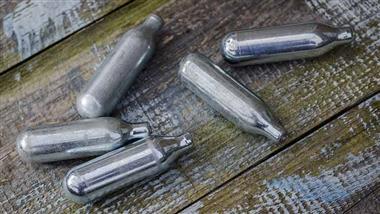
Nitrous oxide is a colorless gas commonly used by dentists for sedation and pain relief. Recreational use is growing in popularity and, as it is, so are the number of people suffering from significant adverse effects.1 It is also used to make whipped cream and, in the car industry, to enhance engine performance.
Users describe the feeling of inhaling nitrous oxide as a feeling of floating or euphoria that dissipates within one to two minutes. On the street, nitrous oxide is also called balloons, hippie crack, nos, noz, chargers, laughing gas, buzz bomb, nangs and whippets.2,3
The effect is immediate. It can also cause dizziness and severe headache, and can stop you from thinking straight. Some people describe short-lived but intense feelings of paranoia that can be accompanied by auditory distortion and hallucination, which is when you hear and see things that are not there.
Nitrous oxide was first discovered in 1772 by Joseph Priestley and popularized by chemist Humphry Davy as an anesthetic and intoxicant. While some believe nitrous oxide is relatively innocuous as a recreational drug,4 others have experienced significant nerve damage related to the inactivation of vitamin B12 that it causes in your body.5
Nitrous Oxide Abuse a Growing Problem
The U.S., Australia and Europe report nitrous oxide has grown in popularity as a recreational drug.6 The gas can be purchased in lipstick-size capsules containing 0.2 ounces that are used to fill a balloon from which users inhale the gas. These are called “little crackers” and can have a bad taste. Nitrous oxide can also be purchased in large cylinders producing gas that is tasteless and has a stronger effect.
While The Guardian7 characterizes the gas used as “widespread … with relative safety,” Dr. David Nicholl from Sandwell and West Birmingham NHS Trust told Sky News:8
“Maybe once every five or six years, I’ll see a patient who’s had a stroke from taking cocaine. Yet, every week, I’m seeing this in my ward. So, from my point of view, this is actually a bigger problem.”
The U.K. is seeing a spike in use, which has triggered talks of stricter regulations around the sale and use of nitrous oxide gas. Sky News9 describes the experience of one 20-year-old young man who now faces life-changing consequences from a nitrous oxide habit that involved consuming multiple large canisters on nearly a daily basis. MRI scans show spinal cord abnormalities that may be irreversible.
Sky News sent a reporter undercover and found they could easily purchase canisters at shops where residents had seen school-age children inhaling the gas. With each purchase, the undercover investigator received a packet of party balloons (used to inhale the gas) and was not asked what they intended to do with the gas.
Nicholl reports a rising number of outpatient visits and admissions since the large canisters began flooding the market. Emergency calls in London tripled from 2021 to 2022 for incidents relating to nitrous oxide. Harry Sumnall, professor in substance abuse at Liverpool John Moores University, told Sky News10 there were currently more than 600,000 nitrous oxide users in the U.K.
Nitrous Oxide Laughing Gas Linked to Nerve Damage
Yahoo! News11 covered the story of Vito Oliveri, who first tried nitrous oxide in his twenties. He used it at parties for about a year and then stopped until 2020 when he moved to Portland. There he was exposed to supersize cylinders that contain 20 pounds of nitrous oxide, which is equal to approximately 1,600 individual canisters.
Oliveri consumed up to 500 0.2-ounce canisters a day for nearly a year. In April 2022, he noticed he couldn’t control his legs and struggled to stand still. One month later he needed an electric chair to get around. By June, Oliveri couldn’t walk and needed to be hospitalized and treated. He and his fiancé have tried multiple times to quit.
Alastair Noyce, a neurologist at a London Hospital, commented that he has seen patients disabled from using high quantities of nitric oxide, including needing to use a walker or wheelchair, experiencing incontinence or being unable to get an erection. According to Noyce, the severity of symptoms depends on how extensive the nerve damage is, which is caused by nitrous oxide inactivating vitamin B12.
Although it’s rare for people who use the drug infrequently to experience nerve damage, Noyce has also seen patients who had nerve damage after only one use. According to Noyce, there is no consensus on the definition of “heavy use” but using roughly 10 to 15 canisters more than once a week likely qualifies.
Users who develop neurological symptoms require prompt treatment with vitamin B injections. While it is the only known treatment for nitrous oxide nerve damage, it is not always successful. Noyce notes that some try to preventively use vitamin B12 tablets but this doesn’t appear to offset the neurological damage.12
Nitrous oxide inactivates vitamin B12 in the body. This B vitamin is essential to maintain the myelin sheath,13 which is a layer around nerves that protects them from damage and affects how quickly signals travel through the nerve cells. Multiple sclerosis is a well-known disease that also damages or destroys myelin.

Download this Article Before it Disappears
Lockdowns Precipitated Increased Substance Abuse
Researchers had identified a problem with nitrous oxide abuse well before the COVID-19 pandemic.14 Identifying toxicity from nitrous oxide abuse is a challenge since the symptoms are often general and may mimic other conditions.
Researchers caution physicians to have a high index of suspicion when patients present with subacute degeneration of the spinal cord.15
A 2019 paper16 discussed the presentation of nine patients, who presented with symptoms of myeloneuropathy and/or low levels of vitamin B12. The patients in this paper all recovered muscle strength within two months after being treated with vitamin B12, but five continued to have persistent sensory deficits.
News headlines worldwide acknowledged the COVID pandemic had fueled a major rise in drug use.17,18,19 One of the drugs that gained popularity during the COVID lockdowns was nitrous oxide. In one study20 published in the Journal of Neurology, spinal cord degeneration was present in four out of five the subjects, yet no patient had low vitamin B12 titers.
All five had elevated blood levels of homocysteine and methylmalonic acid, which reflects a functional deficit of vitamin B12. The scientists wrote: “We report an elevated incidence of neurological complications of nitrous oxide abuse occurring during the recent COVID-19 lockdown.”
Vitamin B12 Is Vital for Neurological and Heart Health
Besides being integral to your neurological health, vitamin B12 is also important for your cardiovascular health. A 2021 study21 assessed the effect of vitamins B6, B9 and B12 on homocysteine levels as it is also related to the risk of stroke, cardiovascular disorders and vascular death.
The intervention demonstrated a risk reduction of 11% among stroke patients for the three risks, a 13% reduction for stroke and a 17% reduction for vascular death. Vitamins B6 and B12 have also demonstrated properties that protect against peripheral neuropathy. A 2021 study22 sought to evaluate if B6 and B12 could prevent vincristine-induced peripheral neuropathy which occurs in 40% to 45% of patients receiving this chemotherapeutic agent.
Of the 102 patients enrolled, 81 completed the study during which the researchers found a significant difference in the incidence of peripheral neuropathy between the intervention and placebo groups. Data showed an absolute risk reduction of 30% and a relative risk reduction of 54% in the intervention group.
A 2021 paper23 published in BioMed Research International proposed that vitamins B1, B6 and B12 are key players in the protection of the neurological system against environmental influences. They suggest these vitamins may help nerve regeneration by supporting the development of cell structures.
Vitamin B12 Helps Combat Mental Illness
It stands to reason that since vitamin B12 helps protect the neurological system, it may also influence mental health. Depression affects 264 million people worldwide24 and in 2017, roughly 17.3 million U.S. adults experienced at least one major depressive episode.
A 2021 study25 using data from the Irish Longitudinal Study on Aging found those who had a vitamin B12 deficiency had an increased risk of symptoms of depression. The results showed a link between vitamin B12 deficiency, but not with folate deficiency. The researchers found that even after controlling for factors such as chronic disease, cardiovascular disease, antidepressant use, physical activity and vitamin D status, the results remained significant.26
Vitamin B12 is a common deficiency in the elderly population27 because of the high prevalence of malabsorption. The deficiency is often unrecognized because the symptoms are subtle and nonspecific. Yet, left untreated, the consequences can be serious. There is also a high prevalence rate of depression in the elderly. One 2021 meta-analysis28 of 42 relevant studies found the average prevalence worldwide was 31.74%, and found a higher prevalence in developing countries.
B12 has also been linked to reduced brain shrinkage. A 2013 study29 showed that not only do B vitamins slow brain shrinkage, but they specifically slow shrinkage in regions known to be most severely impacted by Alzheimer’s disease. Moreover, in those specific areas, the shrinkage is decreased by as much as seven times.
Signs You May Be Deficient in Vitamin B12
Symptoms of vitamin B12 deficiency often begin gradually and worsen over time, culminating in a variety of physical and mental symptoms, including:
| A numb, tingly, “pins and needles” sensation in your hands, legs or feet, which may indicate possible nerve damage |
| A red, swollen, “beefy” tongue with fewer papillae “bumps” containing taste buds |
| Mouth sores/ulcers |
| Blurry or double vision, or shadows in your field of vision, caused by optic nerve damage from a B12 deficiency |
| Yellow skin (jaundice), an indication that your red blood cells are degrading, which releases a yellow pigment in the process |
| Unstable, wobbly and dizzy feelings, which are signs there may not be enough oxygen in your blood, related to low B12 |
| Memory loss may be a red flag when it has no other potential cause |
| Anemia |
| Fatigue and weakness |
In adults, B12 deficiency can take six years to develop, which is how long it takes to deplete normal stores of B12.30 It’s important to be aware of your intake and catch a B12 deficiency early, as impaired brain and nerve development can be very difficult to correct once the damage is done.
The recommended dietary allowance (RDA) of vitamin B12 for adults is 2.4 micrograms (mcg) a day, but there is some controversy over whether this is enough, especially for the elderly.31 You don’t need to worry about overdosing on B12 because it’s water-soluble, so your body will simply flush out any excess.
If you have a minor deficiency, increasing B12-rich foods in your diet can help. Vitamin B12 is found almost exclusively in animal tissues, including foods like beef and beef liver, lamb, snapper, venison, salmon, shrimp, scallops, poultry, eggs and dairy products.32
Nutritional yeast is high in B12, and is highly recommended for vegetarians and vegans. One one-fourth cup serving contains from 8.3 mcg to 24 mcg of vitamin B12, depending on the brand.33
For more serious deficiency you may need weekly shots of vitamin B12 or daily high-dose B12 supplements. The type of B12 supplement that is best is methylcobalamin, which is the naturally occurring form found in food. It is more absorbable, and your body retains it in greater amounts than cyanocobalamin, the form of B12 found in most supplements.34
- 1, 5, 6, 11 Yahoo! News, March 18, 2023
- 2 Frank, Nitrous Oxide
- 3 Alcohol and Drug Foundation, November 10, 2021
- 4 The Guardian, November 27, 2021
- 7 The Guardian, November 27, 2021, last section first paragraph
- 8, 9, 10 Sky News, March 1, 2023
- 12 Clinical Toxicology, 2022;60(7)
- 13 Journal of Neurological Sciences, 2005;233(1-2)
- 14 American Journal on Addictions, 2016;25(5)
- 15 Journal of Neurology, 2018;265(5)
- 16 Brain Development, 2019;41(5)
- 17 United Nations, June 24, 2021
- 18 Senate RPC, March 15, 2022
- 19 American Psychological Association, March 1, 2021
- 20 Journal of Neurology, 2022;269(2)
- 21 Cureus, 2021;13(5)
- 22 Pharmaceutics and Pharmacology Research, 2021; doi: 10.31579/2693-7247/080
- 23 BioMed Research International, 2021; doi: 10.1155/2021/9968228
- 24 Anxiety and Depression Association of America
- 25 British Journal of Nutrition, 2021; doi: 10.1017/S0007114521004748
- 26 Trinity College Dublin, December 14, 2021
- 27 Hong Kong Medical Journal 2015;21(2)
- 28 Annals of General Psychiatry, 2021;20(55)
- 29 PNAS 2013 Jun 4;110(23):9523-8
- 30 Dietary Reference Intakes for Thiamin, Riboflavin, Niacin, Vitamin B6, Folate, Vitamin B12, Pantothenic Acid, Biotin, and Choline, Table N-1
- 31 Harvard Medical School April 2015
- 32 NIH, Vitamin B12
- 33 NIH, Vitamin B12 Table 2
- 34 Integrative Medicine, 2017;16(1)
What’s Driving the Sudden Increase of Bell’s Palsy?
Reproduced from original article:
https://articles.mercola.com/sites/articles/archive/2023/03/07/bells-palsy-and-covid-vaccination.aspx
The original Mercola article may not remain on the original site, but I will endeavor to keep it on this site as long as I deem it to be appropriate.
Analysis by Dr. Joseph Mercola Fact Checked March 07, 2023

STORY AT-A-GLANCE
- Bell’s palsy diagnoses increased 8.6% among those who had COVID-19, while the incidence of Bell’s palsy also rose 6.8% among those who received a COVID-19 shot
- Bell’s palsy has previously been noted as a complication of meningococcal, hepatitis B, smallpox and influenza (seasonal and H1N1) vaccinations
- During two phase 3 COVID-19 shot trials involving 73,898 people, eight cases of Bell’s palsy were detected — seven among the shot groups and one among the placebo groups
- According to one analysis, the observed incidence of Bell’s palsy among those who received COVID-19 shots is between 3.5 times and seven times higher than would be expected in the general population
- The Pfizer and Moderna COVID-19 shots are most commonly involved in Bell’s palsy cases; the time between receiving the shot and onset of facial weakness ranges from one to 48 days
Bell’s palsy, a neurological disorder that causes paralysis or weakness of facial muscles, typically affects about 40,000 people in the U.S. annually.1 But since the COVID-19 pandemic, Bell’s palsy diagnoses have been skyrocketing, with close to 50 million more people affected worldwide than before COVID.2
While it’s clear this condition is on the rise, what’s driving the increase remains a mystery, as does effective treatment for the millions affected.
Incidence of Bell’s Palsy on the Rise
Using data collected from 41 health care organizations around the world, researchers with Case Western Reserve University School of Medicine in Ohio identified 348,088 patients diagnosed with COVID-19, with or without a Bell’s palsy diagnosis within eight weeks of the COVID-19 diagnosis.3 They also matched 63,551 patients with COVID-19 who didn’t get the jab with people who did get the jab but had no history of COVID-19.
An analysis of the data revealed Bell’s palsy diagnoses increased 8.6% among those who had COVID-19, compared to before the pandemic started. The incidence of Bell’s palsy also rose 6.8% among those who received a COVID-19 shot, although it’s unclear how “vaccinated” was defined in this study.4
While the exact underlying cause of Bell’s palsy is unclear, and it can affect people of any age, it’s most common in those aged 15 to 45. People who are pregnant or have preeclampsia, obesity, high blood pressure, diabetes or upper respiratory ailments may be at increased risk.5 According to the National Institute of Neurological Disorders and Stroke, triggers of Bell’s palsy may include:
- An existing (dormant) viral infection
- Impaired immunity from stress, sleep deprivation, physical trauma, minor illness or autoimmune syndromes
- Infection of a facial nerve and resulting inflammation
- Damage to the myelin sheath, a fatty covering on nerve fibers
Is Molecular Mimicry Involved?
In terms of COVID-19, however, the researchers explained, “The mechanism of paralysis is thought to be viral, ischemic and/or immune mediated. The hypothetical mechanism of COVID-19 associated with BP [Bell’s palsy] is thought to be molecular mimicry attributable to a neuroimmunologic process between microbial and nerve antigens.”6
Molecular mimicry has also been suggested as the reason why mRNA COVID-19 injections are causing a range of autoimmune conditions.7 It occurs when similarities between different antigens confuse the immune system.
There are often significant similarities between elements in the vaccine and human proteins, which can lead to immune crossreactivity. When this occurs, researchers explained in Cellular & Molecular Immunology, “the reaction of the immune system towards the pathogenic antigens may harm the similar human proteins, essentially causing autoimmune disease.”8
In relation to COVID-19 shots, specifically, researchers wrote in the Journal of Autoimmunity, “Indeed, antibodies against the spike protein S1 of SARS-CoV-2 had a high affinity against some human tissue proteins. As vaccine mRNA codes the same viral protein, they can trigger autoimmune diseases in predisposed patients.”9
A significantly increased risk of Bell’s palsy has also been found with the meningococcal vaccine, when it was given along with another vaccination. The risk of Bell’s palsy increased 2.9-fold in the 12 weeks after vaccination among those administered concomitant vaccines.
Bell’s palsy has previously been noted as a complication of hepatitis B,10 smallpox and influenza (seasonal and H1N1) vaccination as well.11 Research published in Human Vaccines & Immunotherapeutics also revealed an increased risk of cranial nerve palsies following vaccination, especially combinations of vaccines.12
In 59% of the cases, the palsies were identified as serious, which suggests, the authors noted, “that a cranial nerve palsy may sometimes be the harbinger of a broader and more ominous clinical entity, such as a stroke or encephalomyelitis [inflammation of the brain and spinal cord].”13
Another theory suggests COVID shots may trigger autoimmune phenomenon like Bell’s palsy via the production of interferon, a substance typically used by the body to fight infection. According to a comment published in The Lancet Infectious Diseases:14
“[D]iscussion between members of the FDA’s Vaccines and Related Biologic Products Advisory Committee and a sponsor (Pfizer) raised the possibility that the vaccine might induce innate immune activation from a combined effect of mRNA and lipids, potentially including interferon production. Such interferon production could transiently break peripheral tolerance, a hypothetical phenomenon invoked in several case reports.”
Download this Article Before it Disappears
Bell’s Palsy 3.5- to 7-Fold Higher in COVID Shot Recipients
During two phase 3 COVID-19 shot trials involving 73,898 people, eight cases of Bell’s palsy were detected — seven among the shot groups and one among the placebo groups.
This “translates to an incidence of 19 per 100,000,” the University Hospitals Cleveland Medical Center researchers noted. Yet, at the time, “The FDA cited insufficient evidence to determine a causal association between COVID-19 vaccinations and BP. This area warrants continued surveillance,” they explained.15
However, while the media and the FDA brushed off the Bell’s palsy cases as what would be expected in the general population, the Lancet Infectious Diseases commentary said this was based on a misconception and “inaccurate reporting”:16
“The FDA briefing on the Pfizer-BioNTech trial stated ‘observed frequency of reported Bell’s palsy in the vaccine group is consistent with the expected background rate in the general population,’ although this statement was removed from the subsequent FDA briefing on the Moderna trial. However, this reporting is based on a misconception, driven by a subtle distinction between rates and proportions, that has persisted in the lay media.
The estimated incidence rate of Bell’s palsy in the general population ranges from 15 to 30 cases per 100,000 person-years.
Since the 40,000 vaccine arm participants were followed for a median of 2 months, the combined safety population receiving vaccine across the two trials represents roughly 6,700 person-years of observation time for an expected incidence of Bell’s palsy of one to two cases, in line with the single observed case in the combined placebo arms.
Therefore, the observed incidence of Bell’s palsy in the vaccine arms is between 3·5-times and 7-times higher than would be expected in the general population. This finding signals a potential safety phenomenon and suggests inaccurate reporting of basic epidemiological context to the public.”
CDC Monitoring Bell’s Palsy as Potential Safety Signal
The indications are that Bell’s palsy is potentially a “safety signal,” which is an adverse event that may need further investigation, as there is information to suggest it’s caused by the administration of a medication or vaccine.17
In September 2022, The Epoch Times asked the U.S. Centers for Disease Control and Prevention to release its Proportional Reporting Ratio (PRR) data mining results. PRR18 measures how common an adverse event is for a specific drug compared to all the other drugs in the database.
According to the standard operating procedures19 for the Vaccine Adverse Event Reporting System (VAERS), which is run jointly by the CDC and the Food and Drug Administration, the CDC is required to perform these data mining analyses.
Initially, the CDC refused to release the data and even provided false information — twice — in response to The Epoch Times’ questions about the monitoring being performed. As reported by The Epoch Times in September 2022, the CDC initially claimed PRR analyses were “outside the agency’s purview” and that no monitoring was being done by them.20
In reality, however, the CDC’s PRR monitoring revealed HUNDREDS of safety signals, including Bell’s palsy, along with blood clots, pulmonary embolism and death, which, according to the rules, require thorough investigation to either confirm or rule out a possible link to the shots.21
Anecdotal and Case Reports of Bell’s Palsy After COVID Shots
Former professional footballer Matthew Lloyd, who was diagnosed with Bell’s palsy, stated in 2022, “Heart issues and Bell’s palsy have gone through the roof since the boosters and Covid issues.”22 He’s not alone. As of February 10, 2023, there were 16,728 reports of Bell’s palsy following COVID-19 shots in VAERS23 — and VAERS data are notoriously underreported.24
In another example, a 61-year-old man developed unilateral Bell’s palsy shortly after receiving both his first and second doses of the Pfizer-BioNTech COVID-19 shot.25 The man developed Bell’s palsy the first time five hours after the first dose was administered. Six weeks later he took the second dose and developed Bell’s palsy two days later.
In both cases, the unilateral facial paralysis occurred on the left side of his face. Although this was a case report, the researchers concluded, “The occurrence of the episodes immediately after each vaccine dose strongly suggests that Bell’s palsy was attributed to the Pfizer-BioNTech vaccine, although a causal relationship cannot be established.”26
A systematic review also looked into reported cases of Bell’s palsy following COVID-19 shots, finding that the Pfizer and Moderna COVID-19 shots were most commonly involved, and left-sided paralysis was reported more often.
Further, the time between receiving the shot and onset of facial weakness ranged from one to 48 days.27 “Further studies with larger sample sizes are necessary to assess the association between Bell’s palsy and the dose-response of the COVID-19 vaccine,” the researchers concluded.28
Help for Bell’s Palsy
Bell’s palsy may occur as part of long COVID or post-vaccine syndrome, complex conditions being increasingly seen among people who have recovered from COVID-19 or received COVID-19 shots.
The Front Line COVID-19 Critical Care Working Group’s (FLCCC) I-RECOVER29 protocol can be downloaded in full,30 giving you step-by-step instructions on how to treat long COVID31 and/or reactions from COVID-19 injections.32 In particular, for Bell’s palsy or facial paresthesia, FLCCC recommends:33
- Low dose naltrexone. Begin with 1 mg/day and increase to 4.5 mg/day as required. May take two to three months for full effect.34
- Low dose corticosteroid: 10 to 15 mg/day prednisone for three weeks. Taper to 10 mg/day and then 5 mg/day as tolerated.
- Reduced workload, stress and light exercises for a couple of months.
Additional alternative treatments may increase the potential for a favorable outcome. For instance, acupuncture is a “strongly recommended” treatment modality35 that may lead to complete recovery in as few as five courses of treatment.36 Facial exercise therapy may also help, especially when started early on in the recovery period.37
- 1, 5 NIH, National Institute of Neurological Disorders and Stroke, Bell’s Palsy
- 2, 4 KHON 2 February 18, 2023
- 3, 6, 15 JAMA Otolaryngol Head Neck Surg. 2021;147(8):767-768
- 7 Journal of Hepatology June 17, 2021
- 8 Cellular & Molecular Immunology volume 15, pages 586–594 (2018)
- 9 Journal of Autoimmunity December 2021, Volume 125
- 10 J Health Popul Nutr. 2009 Oct;27(5):707–708
- 11 N Engl J Med. 2004 Feb 26;350(9):896-903
- 12, 13 Hum Vaccin Immunother. 2014 Feb 1;10(2):301–305
- 14, 16 Lancet Infect Dis. 2021 Apr;21(4):450–452
- 17 Uppsala Monitoring Centre, What is a Signal?
- 18 All About Pharmacovigilance PRR
- 19 VAERS Standard Operating Procedures February 2022
- 20 Epoch Times September 10, 2022
- 21 Epoch Times January 3, 2023 (Archived)
- 22 Mail Online April 10, 2022
- 23 OpenVAERS, Through February 10, 2023
- 24 Steve Kirsch December 12, 2021
- 25 The BMJ, 2021;14(7) Abstract
- 26 The BMJ, 2021;14(7) Discussion
- 27, 28 Med J Islam Repub Iran. 2022;36:85
- 29, 30 FLCCC Alliance, I-RECOVER
- 31 FLCCC Alliance, I-RECOVER, Long COVID
- 32 FLCCC Alliance, I-RECOVER, Post-Vaccine Treatment Protocol
- 33, 34 FLCCC Alliance, I-RECOVER, Post-Vaccine Treatment Protocol, Page 17
- 35 Integrative Medicine Research, 2020;9(4)
- 36 Front Neurol. 2022;13:1088138
- 37 Clin Rehabil. 2022 Nov;36(11):1424–1449
mRNA shot SCANDAL: Pfizer knew after first 90 days, 275 people suffered stroke-related brain damage
Reproduced from original article:
https://www.naturalhealth365.com/pfizer-knew-after-first-90-days-275-people-suffered-stroke-related-brain-damage.html
by: March 6, 2023
 (NaturalHealth365) Within less than three months of the release of its mRNA jab, Pfizer employees knew 275 individuals suffered brain damage caused by stroke. This shocking fact indicates Pfizer’s brass prioritized profit over people. There is an argument to be made that the company’s executives who knew about the threat posed by its injections are criminally negligent, meaning they failed to provide injection recipients with due care.
If justice prevails, Pfizer’s brass will be removed from their corporate posts. However, it is worth noting that an internal review conducted by Pfizer employees contrasts with the facts presented above. According to Pfizer representatives, its cumulative case review indicates the injection does not pose safety issues.
Pfizer ignored hundreds of serious adverse events during first 90 days of COVID shot rollout
If Pfizer executives were utterly transparent, they wouldn’t have requested nearly an entire century of secrecy before revealing the data about the mRNA shot. Making the situation even more concerning is that the FDA assisted Pfizer in the push to conceal shot-related documents for 75 years.
The problem with Pfizer and other Big Pharma corporations concealing the truth about the impact of the clot shot for nearly an entire century is that most of those who received one or several doses would have passed away by the time the data was released.
Enter Aaron Siri, Esq. Siri, an attorney, spearheaded the legal case culminating in a federal judge requiring that the shot documents be made public within 108 days. The number 108 is important as it is amount of time the FDA needed to approve the coronavirus shots.
COVID shot causes stroke-related brain damage
Now that the facts about the clot shot are finally being revealed, it is crystal clear that even a single injection hikes the chances of a stroke and subsequent brain damage. The Pfizer Document 5.3.6 reveals 275 people endured a stroke, likely due to the shot between the day it was administered and 41 days later. About half of the strokes occurred in the initial two days following injection.
A stroke’s impact can last for years, decades, or even a lifetime. The reduction of blood to the brain prevents the transmission of oxygen and vitally important nutrients to the brain. As a result, brain cells perish within a few minutes or less. Stroke often results in body paralysis, language deficiencies, and other health problems. Some stroke victims struggle to swallow food and/or beverages.
Pfizer Document 5.3.6 is a preview of the future
Continue to explore the stats, facts, and figures presented in Pfizer’s documents, and you’ll find nearly every single one of the strokes suffered by jab recipients was serious. Nearly 20% of the strokes turned out to be fatal. In addition, about one-third of the strokes failed to resolve.
Furthermore, one-third of the stroke victims had an outcome categorized as “unknown,” meaning the result of the stroke has yet to be determined. Finally, we would be remiss not to point out that three people who took the Pfizer shot suffered cerebral venous sinus thrombosis, meaning extensive and potentially life-threatening clots within the brain.
Sources for this article include:
Eating apple peels can help to kill cancer cells, research reveals
Reproduced from original article:
https://www.naturalhealth365.com/research-shows-apple-peels-target-cancer-cells.html
by: March 4, 2023
 (NaturalHealth365) The old adage, “An apple a day keeps the doctor away,” rings truer than ever when examining the scientific evidence showing that eating apples can help kill cancer cells. While apples themselves are known to have many disease-fighting benefits, mounting evidence shows you shouldn’t remove the peel from the apple before consuming it, or you could be discarding a part of the apple containing the greatest concentration of cancer-fighting antioxidants.
Studies have long shown an inverse relationship between the consumption of apple peels and cancer. Research analyzing the positive effects of apple peels on prostate and breast cancer cells suggests that the cancer cells are able to turn off one of the body’s natural defense mechanisms.
Apple peels have the ability to turn back on the cancer-suppressing protein, known as maspin, is explained in the video below by Michael Greger, MD.
Wow! Apples are truly a superfood!
The humble apple’s growing reputation as a nutritional powerhouse is well-deserved. Consuming just one apple – out of the nearly 7,500 varieties available – provides an estimated 10 percent or more of the recommended daily amount of vitamin C and fiber.
Plus, as we all know, dietary fiber (and vitamin C) has long been valued for its cancer-prevention properties and its role in healthy living. Fiber contributes to a feeling of fullness, decreasing the tendency to overeat and avoiding excessive weight gain associated with several types of cancer. And, of course, vitamin C is a critically important antioxidant to prevent free radical damage.
Apples are plump full of phytochemicals, powerful vitamins and nutrients, colon-pleasing fiber, and a wealth of antioxidants. But the ability of apples to prevent cancer and contribute to overall health is closely related to the part of the apple that is consumed. Most consumers think of the tasty, fleshy part of the fruit when choosing to purchase apples as part of a healthy diet.
But enjoying apple juice or cider in place of the actual fruit, or even removing apple peels and tossing it aside, means you could be missing out on many of the more critical benefits of apples. The fleshy part of the apple and apple peels are thought to work together to ward off many of the most-often seen debilitating diseases and health conditions, such as heart disease, lung cancer, asthma, obesity, dementia, and Alzheimer’s disease, among others.
Are you eating apple peels to inhibit the growth of cancer cells?
By itself, the apple peel is known to contain triterpenoids. These compounds have significant anti-cancer capabilities, particularly when it comes to preventing liver, colon, and breast cancer. Gut bacteria are also known to utilize pectin, a major component of the dietary fiber found in apples, to produce compounds that protect colon cells.
A growing number of studies over the years have shown that eating apples is linked to the body’s ability to lower the risk of particular types of cancers. Most recently, research has pointed to the abilities of apples to reduce the risk of lung cancer.
Here’s some good news: In the Nurses Health Study and the Health Professionals Follow-up Study, the regular consumption of fruit and vegetable was linked to a noteworthy 21 percent reduction in lung cancer risk in women. Upon further examination, it was found that apples alone stood out as having a significant effect when consumed individually.
A recent Finnish study reveals similar results. A sample population of 10,000 men and women clearly showed a strong relationship between a higher intake of flavonoids and lower growth of lung cancer. And, coming as no surprise, the primary source of flavonoids among research participants was apples.
It was concluded, therefore, that flavonoids from apples were most likely responsible for the lowered cancer risk.
Cornell University food scientists saw similar effects in a study on the reduction of breast cancer. In this study, the researchers treated a group of lab animals with a known mammary cancer-causing agent. However, it was observed that after feeding the animals apple extracts equivalent to human consumption of just one apple per day, the incidence of tumors decreased by 25 percent.
When fed the equivalent of three apples a day, researchers observed a reduction of 61 percent. Isn’t that amazing?!
Adding apples to a healthy diet is worth the effort
Although you may find it impractical to eat three organic apples a day on a regular basis, it is possible to achieve some of the benefits of doing so through the use of nutritional supplements, such as quercetin and apple pectin. When you are able to incorporate more apples into your diet, keep in mind that, as with most foods, the less processing done to the apple, the greater the health advantages.
To learn more about how to stop cancer naturally … own the Stop Cancer Docu-Class, created by yours truly, Jonathan Landsman.
Sources for this article include:
NIH.gov
NIH.gov
Lifeextension.com
AICR.org
Unique Health Benefits of Vitamin E
Reproduced from original article:
https://articles.mercola.com/sites/articles/archive/2023/02/24/unique-health-benefits-of-vitamin-e.aspx
The original Mercola article may not remain on the original site, but I will endeavor to keep it on this site as long as I deem it to be appropriate.
Analysis by Dr. Joseph Mercola Fact Checked February 24, 2023
STORY AT-A-GLANCE
- Vitamin E is fat-soluble and comes in eight chemical forms; alpha-tocopherol is the most studied of them and according to the NIH, the only one that meets human requirements
- Vitamin E is a strong antioxidant that has photoprotective properties and helps prevent some cancers. A 2022 paper concludes vitamin E may help enhance cancer immunotherapy by reinvigorating dendritic cells critical to an immune response
- Maintaining optimal levels may help lower systolic blood pressure and diastolic pressure to a lesser degree. Vitamin E insufficiency is associated with an increased risk of cardiovascular events
- Vitamin E may help fertility, demonstrates neuroprotective properties and in combination with vitamin D, vitamin E helps lower symptoms of premenstrual syndrome (PMS)
- While you won’t overdose on vitamin E-rich foods because it’s a fat-soluble vitamin and is stored in fat cells, you can overdose with supplements. This can trigger adverse side effects, including inhibition of platelet aggregation and bleeding
Researchers have discovered that vitamin E comes in eight different forms but only one appears to meet human requirements, according to the National Institutes of Health.1 Some foods are a natural source of vitamin E, which is the name for this group of fat-soluble compounds. Each of the eight forms has some level of biological activity, but it’s alpha-tocopherol that scientists have found prevents the propagation of free radicals and which the body prefers to use.
Additionally, only alpha-tocopherol supplementation has been shown to reverse symptoms of a vitamin E deficiency.2 There are four tocopherol isoforms and four tocotrienol isoforms. Alpha-tocopherol is incorporated into lipoproteins in the liver that are then transported throughout the body.
While this has been the primary chemical form studied, researchers have also found that some forms of tocotrienols have biological activity, although they have lower systemic bioavailability.3
According to the NIH,4 three national surveys showed most Americans may consume less than the recommended dietary allowance (RDA) of vitamin E developed by the Food and Nutrition Board (FNB). The RDA for alpha-tocopherol, which is the only recommendation made by the FNB, is from 11 mg to 15 mg beginning at age 9 through senior years. The RDA for lactating women is 19 mg per day.
The FNB believes alpha-tocopherol intake in healthy adults is likely higher than the national surveys indicate, since frank deficiency is rare and overt symptoms are not usually found in healthy people. However, as you are likely aware, there is a significant difference between overt deficiency and insufficiency that increases your risk of health conditions. Research data has now linked vitamin E with several unique health benefits.
Vitamin E Is a Strong Antioxidant Fighting Aging and Cancer
Understanding the importance of antioxidants began as scientists learned how free radical damage was involved in the early stages of atherosclerosis and that free radical damage may be involved in a host of other chronic health conditions.5 Vitamin E plays a significant role as an antioxidant as it scavenges loose electrons and reduces cellular damage.
One of the benefits of lowering free radical damage is reducing skin damage after UV exposure. Vitamin E has been used in dermatology for more than 50 years and is added to cosmetic products.6 Additionally, the presence of vitamin C can slow lipid oxidation by regenerating alpha-tocopherol from radicals found in cell membranes.7
Vitamin E is a major lipid-soluble antioxidant, protecting against oxidative stress in the epidermis and dermal layers of the skin. Data show that it has strong photoprotective and antiaging properties that help to improve elasticity and structure of the epidermis and dermis. Topical application has been widely used, after which vitamin E accumulates in the cell membranes and extracellular lipid matrix, where it contributes to antioxidant defenses.8
In April 2022, researchers from MD Anderson Cancer Center9 published a paper in Cancer Discovery,10 in which they discuss data that show vitamin E may enhance cancer immunotherapy through a pathway that reinvigorates dendritic cells.
Dendritic cells have been a focus in cancer immunotherapy as they are critical in the immune response. Several strategies have been developed to target these cells in the hope that a better understanding of their function may help improve cancer therapies.11 The researchers found that an analysis of electronic health records showed patients who took vitamin E had significantly improved survival rates.12
Recognizing that the impact of nutritional supplements in addition to immunotherapy is a relatively unexplored area, the researchers undertook an analysis of vitamin E and found that it blocks the activity of the SHP1 checkpoint, which in turn improves T cell ability to mount an antitumor immune response.13 Another 2020 study,14 looked at the benefits of using alpha-tocopherol in cancer prevention.
Researchers began with the understanding that those with a lower nutritional status had an increased risk of cancer and in some populations, supplementation had beneficial effects in lowering the risk. Other studies have focused on tocotrienol and the gamma and delta forms of tocopherols. While these three vitamin E compounds have a lower bioavailability, they appeared to have stronger cancer-preventive properties in animal models and cell lines.
Optimal Levels May Normalize High Blood Pressure
High blood pressure is a risk factor for cardiovascular disease. One 2002 triple-blind, placebo-controlled clinical trial15 evaluated the effects of vitamin E on blood pressure and heart rate in 70 individuals diagnosed with mild high blood pressure. At this time, the new blood pressure guidelines from the American College of Cardiology and American Heart Association had not yet been released.16
While the 2002 study categorized the participants with mild high blood pressure, the new guidelines would categorize those same participants with Stage 2 hypertension. At the end of the study, the researchers found a 24% decrease in systolic blood pressure in patients receiving vitamin E and a 12.5% reduction in diastolic blood pressure.
The participants received 200 IU of vitamin E each day which the researchers concluded could be an effective long-term strategy to reduce blood pressure.17
Another study in 2002 evaluated blood pressure in 15,317 men and women over age 20 and found that antioxidant vitamins could be important in the prevention of high blood pressure.18 Interestingly, researchers in 2000 evaluated vitamin E supplementation in patients whose high blood pressure was controlled using medication. In this case, supplementation appeared to have no relevant effect.19 This study was funded in part by the drug company Bayer Italia.
More recently, a 2019 meta-analysis20 published in the Journal of Human Hypertension analyzed systolic blood pressure, diastolic blood pressure and mean arterial pressure in individuals who received vitamin E supplementation. A review of the qualifying studies showed no significant effect on mean arterial pressure or diastolic blood pressure but a reduction in systolic blood pressure.
Another 2020 paper21 began with the premise that although randomized human trials have resulted in conflicting results with vitamin E supplementation, data show vitamin E deficiency is associated with an increased risk of cardiovascular events. These researchers suggest that the outcome of the human trials was significantly affected by the participants’ comorbidities, genetic variations, gender and age.
In a review of the literature, they found that patients diagnosed with a myocardial infarction frequently had lower plasma levels of vitamin E. They suggest that short-term treatment shows promising results and, thus, using acute rather than chronic supplementation may provide positive clinical outcomes.
More Health Benefits From Vitamin E Antioxidant Capacity
Vitamin E contributes to even more health benefits. Millions of women are impacted by premenstrual syndrome (PMS), which was first described in 1931. In 2009,22 researchers estimated 80% to 90% of women in their reproductive years suffer from symptoms, and up to 8% of those experience severe symptoms.
A 2016 study showed that supplementing with vitamin D and E had a significant effect on PMS symptoms and was “an effective and affordable treatment” for the condition.23 This supports a 1983 double-blind, randomized dose-response study24 of 75 women that suggested supplementation may be valuable for women with symptoms of severe PMS.
Vitamin E is essential for reproductive health in the rodent population,25 most notably in the development of the placenta. A 2018 paper26 acknowledges that while researchers know it is necessary for fertility, studies are lacking on how it affects female reproductive health.
Vitamin E has also demonstrated neuroprotective properties, notably in a study27 of 30 patients with glaucoma whose progression slowed while taking oral alpha-tocopherol acetate and a 2014 paper28 that clarified the use of vitamin E in Alzheimer’s disease, finding it delayed the onset and progression of Alzheimer’s disease. A 2005 animal model29 demonstrated that alpha-tocotrienol acted on molecular checkpoints to protect against stroke-induced neurodegeneration.
More Vitamin E Is Not Better
Vitamin E is a fat-soluble vitamin. The differences between water-soluble and fat-soluble vitamins affect how the vitamins are absorbed and stored. Your body can excrete water-soluble vitamins when there is an excess of the vitamin. But fat-soluble vitamins are dissolved and stored in fat, which is how they travel through the small intestine and are distributed in the bloodstream. Because the vitamin is fat-soluble, it is best absorbed when you’re eating a fat-rich meal.
And, because it’s fat-soluble, your body stores any excess of the vitamin, which increases your risk of adverse side effects. According to the National Institutes of Health,30 it’s highly unlikely that you will experience adverse effects from consuming vitamin E-rich foods. However, high doses of alpha-tocopherol supplements can trigger side effects. Some common side effects include:31
| Diarrhea | Weakness | Blurred vision |
| Nausea | Fatigue | Stomach cramps |
| Headache | Rash | Inhibition of platelet aggregation and bleeding |
Another challenge associated with taking vitamin E supplements is the lack of data indicating synthetic supplements are beneficial. A 2012 study32,33 concluded that synthetic alpha-tocopherols found in vitamin E supplements had no discernible cancer protection but gamma- and delta-tocopherols found in food helped prevent colon, breast and prostate cancer.
Bear in mind that a supplement will not tell you it’s synthetic, so you have to know what to look for on the label.
- Synthetic alpha-tocopherol is typically listed with a “dl” (i.e., dl-alpha-tocopherol)
- Nonsynthetic or naturally derived is typically listed with a “d” (d-alpha-tocopherol). Note that when vitamin E is stabilized by adding either succinic acid or acetic acid, the chemical name changes from tocopherol to tocopheryl (as in d-alpha-tocopheryl succinate, for example)
Vitamin supplements are chemical additions to your body. As with other supplements, there is the potential that vitamin E supplements can interact with different types of medication.34
Because vitamin E inhibits platelet aggregation, using it when you’re taking an anticoagulant or antiplatelet medication can increase the risk of bleeding. People taking antioxidant supplements, such as vitamin E, may find the supplement interferes with statin medications, specifically simvastatin (Zocor) or niacin.
You Can’t Go Wrong With Vitamin E-Rich Foods
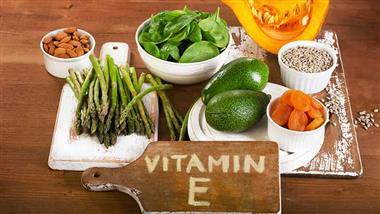
Vitamin E is found in green leafy vegetables, nuts and some seeds. CNET lists foods that can help boost your vitamin E intake, including:35
| Sunflower seeds | Almonds | Spinach |
| Avocado | Asparagus | Mango |
| Pumpkin | Red bell pepper | Tomato |
| Hazelnuts | Kiwi |
Grass-fed butter is also a rich source of vitamin E in a highly absorbable form. Butter doesn’t have to be a guilty pleasure. When butter is consumed as a whole food from a grass-fed source it contains many of the nutrients that your body needs. Some of these include:36
- Vitamins A, K2 and E
- Lecithin for cholesterol metabolism and nerve health
- Antioxidants
- Iodine in a highly absorbable form
- 1, 4 National Institutes of Health, Vitamin E
- 2 Oregon State University, vitamin E
- 3, 14 Molecular Carcinogenesis, 2020;59(4)
- 5 Harvard School of Public Health, vitamin E
- 6 Indian Dermatology Online Journal, 2016;7(4)
- 7 Nutrients, 2021;13(1)
- 8 Oregon State University, Vitamin E and Skin Health
- 9, 13 MD Anderson Cancer Center, April 14, 2022
- 10, 12 Cancer Discovery, 2022;12(7)
- 11 Nature Reviews Immunology, 2020;20
- 15, 17 International Journal for Vitamin and Nutrition Research, 2002;72(5)
- 16 American College of Cardiology, November 13, 2017
- 18 Hypertension, 2002;40
- 19 American Journal of Hypertension, 2000;13(5)
- 20 Journal of Human Hypertension, 2019;33
- 21 Antioxidants, 2020;9(10)
- 22, 23 Iranian Journal of Nursing and Midwifery, 2016;21(2)
- 24 Journal of the American College of Nutrition, 1983;2(2)
- 25 Advances in Nutrition, 2012;3(3)
- 26 Antioxidants, 2018;7(2) Abstract
- 27 European Journal of Ophthalmology, 2007;17(4)
- 28 Nutrients, 2014;6(12)
- 29 Stroke, 2005;36(10)
- 30 National Institutes of Health, Vitamin E Health Risks 65% DTP
- 31 CNET, January 30, 2023, Subhead: You May experience side effects
- 32 Cancer Prevention Research, 2012;5(5)
- 33 Science Daily, April 23, 2012
- 34 National Institutes of Health
- 35 CNET, January 30, 2023
- 36 Weston A. Price Foundation, January 1, 2000
Keep These B Vitamins on Your A-List
Reproduced from original article:
https://articles.mercola.com/sites/articles/archive/2023/02/20/b-vitamins-benefits.aspx
The original Mercola article may not remain on the original site, but I will endeavor to keep it on this site as long as I deem it to be appropriate.
Analysis by Dr. Joseph Mercola Fact Checked February 20, 2023
STORY AT-A-GLANCE
- B vitamins are a group of eight micronutrients that are not related to each other and play a significant role in maintaining optimal health. They are found in a variety of foods, but certain health factors may increase your body’s requirement
- B vitamins are pivotal to regulating the immune system and helping to prevent a dangerous cytokine storm during a COVID-19 infection. Nicotinamide adenine dinucleotide (NAD+) plays an important role in this process and niacin is a building block of NAD
- They are also neuroprotective, playing a role in lowering depression and anxiety, lowering the potential risk of vincristine-induced peripheral neuropathy associated with chemotherapy agents and potentially playing a role in nerve regeneration by supporting cell structures
- Review this list of foods containing the B vitamins and consider limiting sugar and eating fermented foods to increase your production and absorption of the B vitamins in a healthy gut
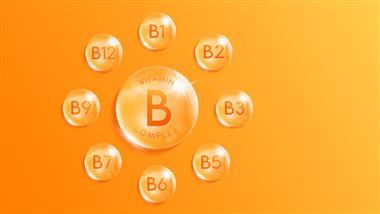
One group of eight micronutrients is commonly called B vitamins or B-complex vitamins. These are water-soluble vitamins your body requires for normal functioning. Because they are water-soluble, the body does not store them. Any excess vitamin B you consume during the day is excreted in the urine.
This also means that you must consume these vitamins each day to meet your body’s requirements. They are micronutrients because you only need them in small quantities, yet they play a significant role in optimal health. Despite belonging to the same complex of vitamins, they are not related.
While they are found in a variety of foods, certain factors may increase your need for B vitamins. These factors include your age, dietary choices, genetics, medications, liver disease and alcohol use.1 The eight B vitamins and their function include:2
| B1 (thiamin) — Glucose metabolism and nerve function |
| B2 (riboflavin) — Metabolism, vision and skin health |
| B3 (niacin) — Skin health, carbohydrate and fat metabolism, nervous system and digestion |
| B5 (pantothenic acid) — Metabolism and red blood cell and steroid hormone production |
| B6 (pyridoxine) — Protein and carbohydrate metabolism, red blood cell production, creation of neurotransmitters and steroid hormone activity |
| B7 (biotin) — Carbohydrate and fat metabolism |
| B9 (folate) — Fetal nervous system, DNA synthesis, cell growth and forming red blood cells |
|
B12 (cobalamin) — Neurological function, mental ability and red blood cell production |
Irregulated Immune System Raises Risks Linked to COVID
Since 2020, the health condition that’s been at the top of many people’s minds has been COVID-19. I’ve written many articles reviewing how nutrients like vitamins C and D can help prevent and play a role in the treatment of this illness. Another nutrient known to influence your immune system and immune competence is the group of B vitamins.
One factor that makes COVID-19 dangerous for people with underlying medical conditions is it overactivates your immune system and triggers a cytokine or bradykinin storm. B vitamins play a role in modulating immune function, which means the immune system functions more effectively and minimizes this risk. Dr. Uma Naidoo, a nutrition expert from Harvard Medical school, explains it this way to Yahoo! Life:3
“You can think of the immune system as an army. Its job is to protect the body. But if the immune system army isn’t well-regulated, it can overreact and actually cause more damage — this overreaction is what often happens in COVID-19 and is referred to as the cytokine storm. Cytokines are inflammatory molecules released by immune cells. They are like the weapons of the immune system army.
So, if immune cells are soldiers, cytokines are guns and grenades. And in a poorly regulated immune system, the body’s cytokine storm induced by COVID causes lots of inflammation in the body, just as if little grenades were being tossed around. This is what causes the worst outcomes and death in COVID.”
A 2021 paper4 stresses the need to highlight the importance of B vitamins as they play a pivotal role in proper immune function. They assist in the activation of both the innate and adaptive responses, as well as reducing proinflammatory cytokines and preventing hypercoagulability. B vitamins not only contribute to a healthy immune system but potentially could prevent or reduce severe symptoms of COVID-19.
The paper detailed the various functions B vitamins have that may be useful in managing COVID-19 symptoms. This includes vitamin B1 deficiency that creates an inadequate antibody response, vitamin B5 and B6 deficiencies that may affect inflammation and vitamin B9 deficiency that adversely affects your adaptive immune response as B9 helps prevent the virus from binding to and gaining entry into your cells.
Niacin may be another missing piece to the COVID-19 puzzle. A 2021 paper5 awaiting peer review by Dmitry Kats, Ph.D., focuses specifically on niacin and raises the question of whether this vitamin may be a crucial player in the disease process.
Kats notes that a hallmark of COVID-19 is the cytokine storm, which can lead to multiple organ failure and death. By decreasing and controlling these damaging cytokines, you stand a good chance of thwarting the cytokine storm and the downstream damage that it causes. Nicotinamide adenine dinucleotide (NAD+) plays an important role in this process and niacin is a building block of NAD. As researchers in the 2021 paper explain:6
“NAD+ is released during the early stages of inflammation and has immunomodulatory properties, known to decrease the pro-inflammatory cytokines, IL-1β, IL-6 and TNF-α. Recent evidence indicates that targeting IL-6 could help control the inflammatory storm in patients with COVID-19.”
In addition to markedly decreasing proinflammatory cytokines, niacin has also been shown to:7
- Reduce the replication of several viruses, including vaccinia virus, human immunodeficiency virus, enteroviruses and hepatitis B virus
- Reduce neutrophil infiltration
- Have anti-inflammatory effect in patients with ventilator-induced lung injury
Lower Symptoms of Depression and Anxiety With B Vitamins
The need for strategies to lower anxiety and depression rose dramatically during the COVID-19 pandemic. Since it’s likely not the last pandemic in the coming months and years, this need will presumably not dissipate. Developing strategies to improve resilience is an important step to protecting your health and the health of your family.
A double-blind 2022 study8 engaged 478 college students over a five-year period during which the participants received one of three options: a lactose placebo pill, 1,000 microgram vitamin B12 tablet or 100 milligrams (mg) vitamin B6 tablet for one month. The researchers used questionnaires and specific visual tests that gave evidence of GABAergic inhibitory interactions to evaluate the symptoms of anxiety and depression.
Gamma-aminobutyric acid (GABA) is a chemical known to inhibit nerve impulses in the brain and thus lower excitability. Vitamin B6 is a coenzyme in the production of GABA and in other pathways that help reduce neural excitability. The participants consumed vitamin B6 or B12 at 50 times higher than the recommended daily dose.
However, as the researchers pointed out, recent evidence demonstrates that while the optimum level of vitamin B has not been established, it “certainly exceeds the Recommended Daily Allowance (RDA) and many individuals are borderline deficient.”9
The researchers found that B6 supplementation lowered anxiety and produced a trend toward lower levels of depression, and B12 supplementation also helped lower anxiety. While there were some limitations to the study, such as not doing a baseline or post-test serum analysis to determine if the participants were deficient or if the supplements raised the serum level, the researchers found that:10
“… nutrition-based interventions produce far fewer unpleasant side effects than drugs, and so in the future people might prefer them as an intervention. To make this a realistic choice, further research is needed to identify other nutrition-based interventions that benefit mental wellbeing, allowing different dietary interventions to be combined in future to provide greater results.”
Magnesium is another nutrient that has a powerful effect on depression and anxiety; so much so that Psychology Today calls it the “original chill pill.”11 Researchers have demonstrated that magnesium has a beneficial effect on an individual’s subjective perception of anxiety,12 and that magnesium was effective in the treatment of mild to moderate depression in adults without the need for monitoring for toxicity.13
Magnesium and vitamin B6 work even better in combination. A 2018 study14 highlighted the importance of these two nutrients on mental health. When taken together, animal studies have demonstrated they have a complementary effect on stress reduction.
The research was a Phase IV investigator-blinded trial in healthy adults who received either magnesium alone or a combination of magnesium and vitamin B6. They found those taking the combination had a 24% improvement in stress scores.
Download this Article Before it Disappears
Improves Cardiovascular and Neurological Systems
B vitamins are powerhouse nutrients also known to protect your brain and heart. Two that are frequently studied are vitamins B6 and B12. According to Drugs.com,15 one function of vitamin B6 is to help the body maintain normal levels of homocysteine. This is an amino acid that has been associated with dementia, stroke, osteoporosis and heart disease when it is above normal levels.16
A preliminary study17 in 2007 demonstrated that high levels of vitamin B6 helped lower levels of homocysteine in men with schizophrenia and schizoaffective disorder but not women. The data have not consistently shown that reducing homocysteine levels using vitamins B6 and B12 could reduce cardiovascular events.
However, a 2021 study18 assessed the effect of vitamins B6, B9 and B12 on homocysteine levels as it is also related to the risk of stroke, cardiovascular disorders and vascular death. The intervention demonstrated a risk reduction of 11% among stroke patients for the three risks, a 13% reduction for stroke and a 17% reduction for vascular death.
In addition to the effect on mental health, vitamins B6 and B12 have demonstrated properties that protect against peripheral neuropathy. A 2021 study19 sought to evaluate if B6 and B12 could prevent vincristine-induced peripheral neuropathy which occurs in 40% to 45% of patients receiving this chemotherapeutic agent.
Of the 102 patients enrolled, 81 completed the study during which the researchers found a significant difference in the incidence of peripheral neuropathy between the intervention and placebo groups. Data showed an absolute risk reduction of 30% and a relative risk reduction of 54% in the intervention group.
A 2021 paper20 published in BioMed Research International proposed that vitamins B1, B6 and B12 are key players in the protection of the neurological system against environmental influences. They suggest these vitamins may help nerve regeneration by supporting the development of cell structures.
How to Improve Your Vitamin B Status
I generally recommend getting most if not all your nutrition from locally and organically sourced real food. Depending on your situation and condition, however, you may need to consider supplements. Start by reviewing the following list of foods that contain B vitamins. If you find that you rarely or never eat foods rich in one or more of these nutrients, you may want to consider taking a high-quality, ideally food-based supplement.
Also, consider limiting sugar and eating fermented foods. B vitamins are produced within a healthy gut environment. Eating real food, including plenty of leafy greens and fermented foods, will provide your microbiome with important fiber and beneficial bacteria to help optimize your internal vitamin B production.
| Vitamin B1 — Pork, fish, nuts and seeds, beans, green peas and brown rice.21 The RDA is 1.1 mg for adult women and 1.2 mg for adult men. |
| Vitamin B2 — Eggs, organ meats, lean meats, green vegetables such as asparagus, broccoli and spinach.22 The RDA is 1.1 mg for adult women and 1.3 mg for men. Your body cannot absorb more than about 27 mg at a time, and some multivitamins or B-complex supplements may contain unnecessarily high amounts. |
| Vitamin B3 — Chicken, pork, brown rice, peanuts, avocados, sunflower seeds and pumpkin seeds.23 The dietary reference intake established by the Food and Nutrition Board ranges from 14 to 16 mg per day for adults. |
| Vitamin B5 — Beef, poultry, seafood, organ meats, eggs, milk, mushrooms, avocados, potatoes, broccoli, peanuts, sunflower seeds, chickpeas and brown rice.24 The RDA is 5 mg for adults over the age of 19. |
| Vitamin B6 — Turkey, beef, chicken, wild-caught salmon, sweet potatoes, potatoes, sunflower seeds, pistachios, avocados, spinach and bananas.25 Nutritional yeast is an excellent source of B vitamins, especially B6.26 One serving (2 tablespoons) contains nearly 10 mg of vitamin B6.
Not to be confused with Brewer’s yeast or other active yeasts, nutritional yeast is made from an organism grown on molasses, which is then harvested and dried to deactivate the yeast. It has a pleasant cheesy flavor and can be added to several different dishes. |
| Vitamin B9 — Fresh, raw, organic leafy green vegetables, especially broccoli, asparagus, spinach and turnip greens, and a wide variety of beans, liver, black-eyed peas and avocados.27 Folic acid is a synthetic type of B vitamin used in supplements; folate is the natural form found in foods.
For folic acid to be of use, it must first be activated into its biologically active form (L-5-MTHF). Nearly half the population has difficulty converting folic acid into the bioactive form due to a genetic reduction in enzyme activity. For this reason, if you take a B-vitamin supplement, make sure it contains natural folate rather than synthetic folic acid. Nutritional yeast is an excellent source.28 |
| Vitamin B12 — Vitamin B12 is found almost exclusively in animal tissues, including foods like beef and beef liver, lamb, snapper, venison, salmon, shrimp, scallops, poultry, eggs and dairy products.29 Nutritional yeast is high in B12,30 and is highly recommended for vegetarians and vegans. One serving (2 tablespoons) provides nearly 8 mcg of natural vitamin B12. |
- 1 Nutrients, 2016;8(11) Table 1
- 2 Better Health Channel, Vitamin B
- 3 Yahoo! Life, August 27, 2020
- 4 Maturitas, 2021; 144 para 3
- 5 OSF Preprints, Sufficient Niacin Supply: The Missing Puzzle Piece to COVID-19
- 6, 7 Maturitas, 2021; 144 Section 1.3, para 1, 45% DTP
- 8, 9 Human Psychopharmacology, 2022; doi: 10.1002/hup.2852
- 10 EurekAlert! July 19, 2022
- 11 Psychology Today, June 12, 2011
- 12 Nutrients, 2017;9(5)
- 13 PLOS ONE June 27, 2017
- 14 PLOS ONE, 2018;13(12)
- 15 Drugs.com, January 19, 2023, subhead 1 top 2 paras
- 16 Harvard Health, March 9, 2014 Para 1
- 17 Clinical Neuropharmacology, 2007 30(1) Results and Concl
- 18 Cureus, 2021;13(5)
- 19 Pharmaceutics and Pharmacology Research, 2021; doi: 10.31579/2693-7247/080
- 20 BioMed Research International, 2021; doi: 10.1155/2021/9968228
- 21 NIH, Thiamin
- 22 NIH.gov Riboflavin
- 23 NIH, Niacin
- 24 NIH, Pantothenic Acid
- 25 NIH, Vitamin B6
- 26, 28, 30 Nutrition Data, Nutritional Yeast
- 27 NIH, Folate
- 29 NIH, Vitamin B12
Does This Popular Pill Lower Risk of Death in Men?
Reproduced from original article:
https://articles.mercola.com/sites/articles/archive/2023/02/11/pde-5is-linked-to-lower-risk-of-death-in-men.aspx
The original Mercola article may not remain on the original site, but I will endeavor to keep it on this site as long as I deem it to be appropriate.
Analysis by Dr. Joseph Mercola Fact Checked February 11, 2023

STORY AT-A-GLANCE
- A study funded by drug company Sanofi found treatment with phosphodiesterase type 5 inhibitors (PDE-5is), such as Viagra, lowers the risk of death in men
- The study was observational, so it can’t confirm that the reduced death risk was caused by the pills
- Sanofi markets the PDE-5is avanafil (Stendra), so it’s far from an unbiased study
- Viagra produces therapeutic levels of nitric oxide, which is responsible for much of its benefit
- You can boost nitric oxide levels naturally via diet, exercise and other lifestyle factors
A study funded by drug company Sanofi found treatment with phosphodiesterase type 5 inhibitors (PDE-5is), such as Viagra, lowers the risk of death in men.1 But the study was observational, so it can’t confirm that the reduced death risk was caused by the pills. Further, Sanofi markets the PDE-5is avanafil (Stendra), so it’s far from an unbiased study.
“Put simply, if a pharmaceutical company funds a trial, the chances of results and conclusions in that company’s favor are increased,” Sergio Sismondo of Queen’s University, Canada, explained in Frontiers in Research Metrics and Analytics.2 He was referring to a 2017 Cochrane Review, which found that when drug manufacturer funds a drug study, it “leads to more favorable efficacy results and conclusions than sponsorship by other sources.”3
So, it’s not surprising that this industry-sponsored study led to favorable results for the drug. However, even putting likely bias aside, there’s reason to believe that the pills’ perceived longevity benefits may be due to other factors.
Industry-Funded Study Shows Viagra Reduces Death Risk
The study, published in The Journal of Sexual Medicine, evaluated the effect of PDE-5is on major adverse cardiovascular events (MACE), including hospitalization for heart attack, stroke, heart failure and coronary revascularization, and overall mortality.4
It involved data from men with erectile dysfunction without a major adverse cardiovascular event within one year. Among the subjects, exposure to PDE-5is was associated with lower incidence of MACE, cardiovascular death and overall mortality compared to no exposure. Further, the risk reduction was linked with PDE-5i exposure level, meaning the noted benefits increased in those taking higher doses.
Specifically, men who took a PDE-5i were 39% less likely to die from heart disease compared to those who did not take the drugs. Men who took PDE-5is also had a 25% lower risk of dying from any cause and a 13% lower risk of having a cardiac event, like a heart attack or stroke.5 But are the purported benefits too good to be true? Dr. Deepak Bhatt, cardiologist and director of Mount Sinai Heart in New York, told ScienceAlert:6
“While it is possible that Viagra may have some cardiovascular benefits, that would require further investigation, and this current study does not prove it. Rather, it is more likely that the patients in this study who were placed on Viagra by their doctors were less likely to have heart disease, because if patients have severe heart disease, they are often not placed on Viagra in the first place.”
The study authors also noted that men taking PDE-5is and capable of engaging in sexual activity may be healthier than other men to begin with, and it’s possible that the increased sexual activity may have also favorably affected their health:7
“It may be postulated that men who have ED and are capable of taking PDE-5is and engaging in sexual activity may be healthier to begin with, and that unmeasured baseline differences may contribute to the effects observed.
A second study limitation is the absence of an independent measure of sexual activity in these men, so it is not clear whether increased sexual activity may have contributed to the benefits seen that were independent of pharmacological effects of PDE-5i exposure.”
Does Viagra Also Lower Alzheimer’s Risk?
Viagra was originally approved and marketed for high blood pressure and angina8 and was prescribed off-label for erectile dysfunction before it was approved for that use. However, drug companies haven’t stopped looking for new ways to market this drug. In 2005, the U.S. Food and Drug Administration (FDA) approved sildenafil — the same active ingredient in Viagra — to treat pulmonary arterial high blood pressure, using the brand name Revatio.9
Further, in 2022, researchers with the Cleveland Clinic analyzed 1,600 approved drugs in the hopes that one of them could be repurposed as an Alzheimer’s treatment.10 Viagra turned out to be surprisingly effective. Usage reduced the risk of Alzheimer’s disease by 69%, while increasing neurite growth and reducing levels of toxic tau proteins.11
It’s important, however, to look into the underlying reasons why Viagra appears to be so beneficial. As a PDE 5 inhibitor, Viagra enhances vasodilation mediated by nitric oxide (NO). Viagra produces therapeutic levels of NO,12 which is responsible for much of its benefit. In fact, in 2003, researchers at Virginia Commonwealth University13 showed, for the first time, that Viagra stimulates the release of NO in heart cells, which reduces damage to the heart muscle during heart attacks.14
However, Viagra comes with a risk of serious side effects, including sudden vision loss and hearing loss, heart attack, stroke, irregular heartbeat and death.15 Viagra use is also associated with an increased risk of developing melanoma,16 the deadliest form of skin cancer. As such, I don’t recommend using Viagra.
That being said, you may be able to harness its potential benefits by naturally boosting NO in your body. NO is a soluble gas produced from the amino acid L-arginine inside your cells, where it supports endothelial function and protects your mitochondria.
Download this Article Before it Disappears
You Can Boost Your Nitric Oxide Naturally
Taking Viagra in the hopes of lowering your risk of death exposes you to potential side effects. Fortunately, there are ways to boost your NO naturally, without the use of drugs. Eating nitrate-rich foods like beets is one of them. Fermented beets contain even higher nitrate levels. Other vegetables high in nitrates include arugula, butter leaf lettuce and spring greens. NO production can be further magnified by combining these foods with probiotics.17
What’s great about boosting NO is that it offers a wide range of benefits. For instance, NO has a direct antiviral effect on SARS-CoV-2, effectively blocking viral replication in vitro.18
High-intensity exercise will also trigger NO production in your body.19 Ideally, you’d both eat nitrate-rich veggies and engage in exercise regularly. While it’s important to give your body the raw materials to create NO, after it’s made it’s stored inside vesicles lining your blood vessels, and it won’t work until you release it. High-intensity exercises are great at releasing it, and I recommend blood flow restriction training (BFR) for this purpose.
The local muscle hypoxia brought on by BFR exercise significantly increases vascular endothelial growth factor (VEGF), which acts like “fertilizer” for your blood vessels. The medical term for this development of new blood vessels is angiogenesis. Angiogenesis, in turn, enhances NO bioavailability. BFR, by way of increasing NO, has also been found to stimulate muscle satellite stem cells and proliferation.20
Exercise, meanwhile, is one of the best ways to extend your longevity and reduce your risk of premature death. While lack of activity is the cause of more than 5 million deaths each year,21 a study published in the European Journal of Preventive Cardiology revealed that estimated age based on subjects’ exercise stress test was a better predictor of mortality than chronological age.22 The results held true for both men and women.
Getting sensible sun exposure on large portions of your body is also important, as NO is released into your bloodstream when sunlight hits your skin.23,24 Ultraviolet A and the near-infrared light spectrum both increase NO, so you’re getting that benefit from both ends of the light spectrum.
As explained in a 2009 paper in the journal Circulation Research,25 when you expose your body to sunlight, photolabile NO derivates such as nitrite and S-nitroso thiols decompose and form vasoactive NO. (Photolabile means the compounds are altered or undergo chemical changes in response to light).
Take Action if You Have Erectile Dysfunction
It’s also important to understand that erectile dysfunction (ED) can act as a “canary in the coalmine,” signaling underlying health problems. One study of 95,000 men found that those with ED had an increased risk of heart-related problems, including:26
- Heart failure
- Stroke
- Peripheral vascular disease
- Ischemic heart disease
- “Other” cardiovascular disease
This doesn’t necessarily mean that erectile dysfunction causes heart problems, but, more likely, that both share a common pathology of the blood vessels known as endothelial dysfunction. The researchers explained:27
“Erectile dysfunction per se is unlikely to be a major independent cause of CVD, and is best considered as a risk marker rather than a risk factor for CVD. That is, it is likely to serve as an indicator, or ‘biomarker,’ of the severity of underlying pathological processes such as atherosclerosis and endothelial dysfunction.”
Natural Strategies for ED
If you have ED, be sure to get your heart health checked out by a holistic health care practitioner and be proactive in making lifestyle changes to support heart health. Taking Viagra, even if it solves the symptoms of ED, will not solve the underlying pathological processes contributing to it. Remember, too, that not every case of ED is physical in nature; there can also be emotional and psychological contributors.
There are, however, natural strategies to target ED as well. Research from Harvard University demonstrated that men younger than 70 who regularly consume foods rich in flavonoids have an 11% to 16% reduced risk of experiencing ED, for instance.28
Pomegranate juice might also be useful for men struggling with mild to moderate erectile dysfunction,29 thanks to its ability to preserve nitric oxide and enhance its biological actions.30 Nitric oxide relaxes and widens blood vessels, thereby increasing penile blood flow.
Toward that end, L-arginine may also improve microcirculation in your genitals that can result in stronger erections and better sexual responsiveness, but without the side effects of Viagra and similar drugs.
L-arginine is more effective when combined with pycnogenol, resulting in significant improvement of sexual functioning.31 Another study found using a combination of 6 grams of L-arginine and 6 milligrams of the compound yohimbine improved the sexual functioning of men diagnosed with mild to moderate ED.32
So whether you’re looking to reduce your risk of premature death or improve ED — or both — taking Viagra is rarely the answer. Instead, you’ll want to ensure your overall lifestyle is a healthy one, as this will not only enhance your longevity but also your sexual health.
- 1, 4 The Journal of Sexual Medicine, Volume 20, Issue 1, January 2023, Pages 38–48
- 2 Front. Res. Metr. Anal., 08 March 2021
- 3 Cochrane Database Syst Rev. 2017 Feb 16;2(2):MR000033
- 5, 6, 9 Science Alert January 23, 2023
- 7 The Journal of Sexual Medicine, Volume 20, Issue 1, January 2023, Pages 38–48, Discussion
- 8 History, March 27, 1998
- 10 Nature Aging volume 1, pages 1175–1188 (2021)
- 11 Greek Reporter December 11, 2022
- 12, 14 Virginia Commonwealth University March 13, 2003
- 13 Circulation Research April 4, 2003, Vol 92, Issue 6
- 15 Drugwatch, Viagra
- 16 JAMA Intern Med. 2014;174(6):964-970. doi: 10.1001/jamainternmed.2014.594
- 17 PLOS One 2015; 10(3): e0119712
- 18 Redox Biology 2020; 37: 101734
- 19 J Sports Med Phys Fitness. 2021 Sep;61(9):1208-1211. doi: 10.23736/S0022-4707.21.11640-8. Epub 2021 Jan 20
- 20 Mol BiolCell. 2000;11(5):1859–97
- 21 The Lancet, 2016;388(10051):1511
- 22 European Journal of Preventive Cardiology, 2019; doi: 10.1177/2047487319826400
- 23 J Invest Dermatol. 2014 Jul;134(7):1839-1846
- 24, 25 Circ Res. 2009 Nov 6;105(10):1031-40
- 26, 27 PLOS Medicine January 22, 2013
- 28 The American Journal of Clinical Nutrition, Volume 103, Issue 2, February 2016, Pages 534–541
- 29 Int J Impot Res. 2007 Nov-Dec;19(6):564-7
- 30 Nitric Oxide 2006 Sep;15(2):93-102
- 31 Journal of Sex & Marital Therapy November 30, 2010
- 32 Eur Urol. 2002 Jun;41(6):608-13; discussion 613. doi: 10.1016/s0302-2838(02)00175-6
Why Are the EKGs of Pilots No Longer Normal?
Reproduced from original article:
https://articles.mercola.com/sites/articles/archive/2023/01/31/why-ekgs-pilots-no-longer-normal.aspx
The original Mercola article may not remain on the original site, but I will endeavor to keep it on this site as long as I deem it to be appropriate.
Analysis by Dr. Joseph Mercola Fact Checked January 31, 2023
STORY AT-A-GLANCE
- October 24, 2022, the FAA changed the EKG requirements necessary for pilots to fly — but not to make them safer
- With no public announcement or explanation, the agency expanded the allowable range for PR, a measure of heart function
- Widening this parameter means those with potential heart damage are now allowed to fly commercial aircraft, potentially putting passengers at risk, should they suffer a heart attack or other event while in the air
- Evidence suggests that pilots’ worsening heart health is due to adverse effects of COVID-19 shots
- An estimated 20% of pilots screened may have suffered heart damage due to COVID-19 shots, and the FAA may have been forced to widen the EKG parameters so pilots could continue to fly
The Federal Aviation Administration (FAA) requires first-class airline pilots to receive an electrocardiogram (EKG) starting at age 35, and continuing annually after age 40.1 EKGs record the heart’s electrical activity to provide a measure of heart health and certain parameters must be met in order for pilots to be deemed fit to fly.
October 24, 2022, the FAA changed the EKG requirements necessary for pilots to fly — but not to make them safer. With no public announcement or explanation, the agency expanded the allowable range for the PR interval, a measure of heart function.2
Widening this parameter means those with potential heart damage, disease or injuries are now allowed to fly commercial aircraft, potentially putting passengers at risk, should they suffer a heart attack or other event while in the air. Why would the FAA make such a drastic and risky move without informing the public?
COVID Shots May Have Damaged Pilots’ Hearts
On an EKG, a normal PR interval measures 0.12 to 0.2 seconds.3 If the PR interval is shorter or longer than this, it can be indicative of a problem. According to Steve Kirsch, executive director of the Vaccine Safety Research Foundation, the FAA widened the acceptable EKG parameters from a PR max of 0.2 to 0.3, and potentially even higher. He says:4
“They didn’t widen the range by a little. They widened it by a lot. It was done after the vaccine rollout. This is extraordinary. They did it hoping nobody would notice. It worked for a while. Nobody caught it. But you can’t hide these things for long. This is a tacit admission from the U.S. government that the COVID vaccine has damaged the hearts of our pilots. Not just a few pilots. A lot of pilots and a lot of damage.”
Kirsch gives five reasons why he’s confident these widened parameters were necessary due to the widespread heart damage pilots — and the U.S. public — experienced due to COVID-19 shots. According to Kirsch:5
“I believe it is because they knew if they kept the original range, too many pilots would have to be grounded. That would be extremely problematic; commercial aviation in the US would be severely disrupted. And why did they do that quietly without notifying the public or the mainstream media?
I’m pretty sure they won’t tell me, so I’ll speculate: it’s because they didn’t want anyone to know. In other words, the COVID vaccine has seriously injured a lot of pilots and the FAA knows it and said nothing because that would tip off the country that the vaccines are unsafe. And you aren’t allowed to do that.”
Five Clues COVID Shots Are Likely to Blame
Five factors suggest that pilots’ worsening heart health is due to COVID-19 shots, and not COVID-19. As noted by Kirsch, they include:6
- The change in EKG parameters was made quietly. “If it was COVID, you can be public. But the vaccine is supposed to be safe.”
- The timing of the change in October 2022, which is later than it would have been if COVID-19 were to blame. “If it was due to COVID, it would have happened well before now. They can make changes every month.”
- The widespread injuries. “The vaccine creates far more injury to the heart than COVID.” For instance, an Israeli study of adults who did not get a COVID-19 shot but did get COVID-19 found the infection was not associated with myocarditis or pericarditis.7
- Anecdotal reports from cardiologists about heart damage began post-shot.
- Many sudden deaths have been reported post-shot.
Kirsch estimates that 20% of pilots screened may have suffered heart damage due to COVID-19 shots, based on an upcoming study set to be published in The Epoch Times. A Thailand study also revealed “cardiovascular manifestations” including rapid heartbeat (tachycardia), palpitation and myopericarditis in 29.24% of adolescents who’d received an mRNA COVID-19 shot.8
“But kids are indestructible so a 30% injury rate in kids translates into a higher rate for adults,” Kirsch says, adding:9
“Bottom line: The most logical conclusion is that the FAA knows the hearts of our nation’s pilots have been injured by the COVID vaccine that they were coerced into taking, the number of pilots affected is huge, the cardiac damage is extensive, and passenger safety is being compromised by the lowering of the standards to enable pilots to fly.
The right thing would be for the FAA to come clean and admit to the American public that the COVID vaccine has injured 20% or more of the pilots (based on their limited EKG screening), but I doubt that they will ever do that.”
Download this Article Before it Disappears
Pilot Has Heart Attack After Shot
In May 2022, The Epoch Times reported the case of Robert Snow, a pilot for American Airlines with 31 years of experience flying commercially and seven years as a pilot in the U.S. Air Force.10 Snow does not have coronary disease, but he suffered a cardiac arrest about six minutes after landing a plane he flew from Denver to Dallas Fort Worth.
According to the news outlet, “He believes that his cardiac arrest is connected to the Johnson & Johnson COVID vaccine he was forced to take in order to keep his job on November 4, 2021, even though he already had natural immunity from previously contracting the virus.” And he’s not the only one with that suspicion. Snow told The Epoch Times:11
“I would just tell you that there are other pilots out there that have had concerns, not just pilots, also because it was an employee mandate. So we have flight attendants, we have mechanics, we have dispatchers, we have gate agents, you name it.
Of course, for pilots, we consider that a safety-sensitive job so we’re a little bit more concerned from the standpoint of aviation safety; but yes, I have received calls from other pilots and other communications stating that they have concerns but because of the nature of this, they’re afraid to come forward.”
Dr. Peter McCullough is a cardiologist, internist and epidemiologist and the chief scientific officer of The Wellness Company.12 He also is one of the most published cardiologists in America, with over 1,000 publications and 660 citations in the National Library of Medicine, and is a recipient of the Simon Dack Award from the American College of Cardiology and the International Vicenza Award in Critical Care Nephrology for his scholarship and research.
He told The Epoch Times “there is no other explanation” for Snow’s cardiac arrest. “The MRI pattern is consistent. Indeed, it may have been vaccine-induced myocarditis …”13
McCullough also spoke with Joshua Yoder, an airline pilot and cofounder of U.S. Freedom Flyers, which formed to help pilots and other transportation industry employees oppose federal shot mandates.
Yoder’s group has received hundreds of reports from pilots who have suffered adverse events from COVID-19 shots, including chest pains, myocarditis and pericarditis. McCullough told Yoder that if every pilot who’d received a COVID-19 shot received a health screening, about 30% would fail due to shot-induced injuries.14
Doctors Call on FAA to Flag Pilots Who Received COVID Shots
McCullough, along with pathologist Dr. Ryan Cole, Robert Kennedy Jr. and others, sent a letter to the FAA December 15, 2021, calling on the agency to medically flag all pilots who received a COVID-19 shot and, within four weeks, have them undergo thorough medical reexaminations to include:15
- D-Dimer tests to check for blood clotting problems
- Troponin tests to check for Troponin in the blood, which is a protein released when the heart muscle has been damaged
- EKG analysis to check electrical signals that determine cardiac health
- Cardiac MRI
- PULS test to determine heart health
Adding cardiac MRI to pilots’ screening is “critical,” the letter said, explaining:16
“A recent study showed that using only ECG [EKG] results and symptoms to screen patients resulted in a 7.4 underdiagnosing of actual myocarditis, while the PULS test is also critical as a study published … showed that ‘MRNA COVID vaccines dramatically increase … inflammatory markers’ and that the risk of acute coronary syndrome more than doubled in those vaccinated …
… leading the authors to conclude that ‘the mRNA COVID-19 vaccines dramatically increase inflammation … on the endothelium and T cell infiltration of cardiac muscle, and may account for the observations of increased thrombosis, cardiomyopathy, and other vascular events following vaccination.”
Will the US Federal Air Surgeon Investigate?
January 21, 2023, Kirsch spoke with the FAA’s federal air surgeon, Dr. Susan Northrup. She said she was aware of Snow’s case, but no one from the FAA had reached out to investigate the near-miss tragedy. Kirsch also emailed Northrup the names and contact information for several shot-injured pilots. Further, he noted:17
“More importantly, in that email, I also invited her to host a public roundtable at the FAA inviting people on both sides of the ‘safe and effective’ narrative so that the FAA could learn the truth. I just talked to Senator Ron Johnson and I can assure you that he’d be DELIGHTED to help her assemble a roundtable of doctors on both sides of the narrative to brief top FAA officials on the risks of these vaccines.
And I offered to publish her revised statement to the public so we can get the truth out that the vaccines are NOT safe and are disabling pilots. Here’s the kicker. The corruption at the FAA runs deep. Did you know that nobody at the FAA has ever called Bob Snow? How can the FAA investigate this incident without ever even talking to the pilot?”
At this point, Northrup has been duly informed of the very real potential that COVID-19 shots could be making it unsafe for jabbed pilots to fly. But then, she was probably already aware. Her husband, John Hyle, a pilot, refused the jab due to safety concerns. Whether or not a real investigation will happen, however, remains to be seen. Kirsch added:18
“So it’s not just a few ‘anti-vaxxers’ spreading ‘misinformation.’ Susan clearly realizes that intelligent people she clearly respects have legitimate concerns that cause them to refuse to take the shot. The narrative is falling apart.
We need public transparency on all of the things above. And we need it now before lives are lost. We’ve had a couple of close calls. The FAA needs to be proactive about this, not REACTIVE after a crash happens. What do you think will happen next?”
FAA Broke Its Own Rule Letting Pilots Fly After COVID Shots
In its Guide for Aviation Medical Examiners, the FAA states that aviation medical examiners should not issue medical certificates to pilots who’ve taken drugs the U.S. Food and Drug Administration approved less than 12 months prior:19
“The FAA generally requires at least one-year of post-marketing experience with a new drug before consideration for aeromedical certification purposes. This observation period allows time for uncommon, but aeromedically significant, adverse effects to manifest themselves.”
Now, the FAA states pilots can resume flying just 48 hours after receiving a COVID-19 shot.20 Leigh Dundas, an attorney who was the primary author of the FAA letter, told The Epoch Times:21
“The Federal Aviation Agency is charged with ensuring the safety of the flying public. Instead, as we speak the FAA, as well as the commercial airline companies, are acting in contravention of their own federal aviation regulations and associated guidance which tells medical examiners to NOT issue medical certifications to pilots using non-FDA approved products.
… The title of the section I’m talking about literally says ‘Do Not Issue — Do Not Fly’ and then instructs medical examiners to ‘not issue’ medical certifications to pilots using products that the FDA ‘approved less than 12 months ago’ …
The pilots are flying with products which are not even recently approved — in violation of the above wording — they are flying with injections in their bodies which were NEVER approved by the FDA at all (as no COVID vaccine which is commercially available in the U.S. has received FDA approval).”
It’s Not Only Pilots Whose Hearts Are Damaged
While the implications of commercial airline pilots flying with shot-induced heart damage raises significant safety concerns, it’s not only pilots who are affected. Any person who received a COVID-19 shot could face similar risks. As Kirsch noted:22
“At a more conservative 20% injury rate, we are looking at 50M Americans with heart damage caused by the jab. As more studies are done, it’s going to be crystal clear why so many people are dying suddenly, especially kids. It’s also going to explain why nursing homes have lost up to 33% of their residents in 12 months where before they were losing only 1 or 2% a year.
… Confidence in the CDC and the medical community should hit rock bottom after it is revealed how extensive the damage caused by these vaccines is. The fact that … the FAA quietly changed their EKG guidance should at least open your mind to the possibility that I might be right. This narrative is going to start falling apart at an accelerated rate.”
- 1 FAA, Guide for Aviation Medical Examiners
- 2, 4, 5, 6, 9, 22 Substack, Steve Kirsch’s newsletter January 17, 2023
- 3 Helio, PR Interval
- 7 J Clin Med. 2022 Apr; 11(8): 2219
- 8 Trop. Med. Infect. Dis. 2022, 7(8), 196; doi: 10.3390/tropicalmed7080196
- 10, 11, 13 The Epoch Times May 23, 2022
- 12 Dr. Peter A. McCullough
- 14 Truth Unmuted April 27, 2022
- 15, 16 Letter to the FAA From Dr. Peter McCullough, others December 15, 2021, Page 2
- 17, 18 Substack, Steve Kirsch’s newsletter January 21, 2023
- 19 FAA, Guide for Aviation Medical Examiners, Pharmaceuticals (Therapeutic Medications) Do Not Issue – Do Not Fly
- 20 FAA, FAQs on Use of COVID-19 Vaccines by Pilots and Air Traffic Controllers
- 21 The Epoch Times December 28, 2021
Asafoetida: Why This Stinky Herb Is so Beneficial
Reproduced from original article:
https://articles.mercola.com/sites/articles/archive/2023/01/30/asafoetida-benefits.aspx
The original Mercola article may not remain on the original site, but I will endeavor to keep it on this site as long as I deem it to be appropriate.
Analysis by Dr. Joseph Mercola Fact Checked January 30, 2023

STORY AT-A-GLANCE
- The Indian cooking spice asafoetida is a gum obtained from a type of giant fennel. It has an offensive smell akin to that of rotting garlic and sweaty feet, but an appetizing savory, umami taste
- With its onion-garlic flavor, you can use it as a substitute for either of those ingredients. Many recommend using it in bean-based dishes, as it helps prevent gassiness
- Asafoetida has antibacterial, antiparasitic and antiviral properties. In 2009, researchers discovered certain compounds in the herb were more effective at killing the H1N1 influenza virus than the commercial antiviral drug amantadine
- Asafoetida also has antispasmodic, carminative, expectorant, laxative and sedative properties, just to name a few. Historical uses include the treatment of nervous conditions, bronchitis, asthma, whooping cough and more
- This smelly herb can also be useful for the prevention and treatment of various gut ailments, and for feminine health issues such as sterility, premature labor, painful and excessive menstruation and leucorrhoea
The Indian cooking spice asafoetida1,2 — a name that translates into “rotten resin”3 — also known as hing, hingu4 or heeng,5 is a gum obtained from a type of giant fennel. It has an offensive smell akin to that of rotting garlic and sweaty feet, but an appetizing savory, umami taste. In France, the herb is known as devil’s dung.
According to GoodFood.com,6 Jain and Brahmin Indians have long used it in lieu of garlic and onions. It’s also popular among those in whom onions cause digestive trouble.
While it is sometimes possible to locate asafoetida in its raw gum form, it’s most commonly sold as a ground powder mixed with flour, starch or turmeric. This is likely a good thing, as eating it raw can cause severe diarrhea and/or vomiting.7 It has a very strong odor and should be used in very small amounts. As noted by GoodFood.com:8
“Once a container of asafoetida has been opened it’s best to close it as soon as possible. Then, keep it hermetically sealed in an airtight plastic container, or double wrapped — at least. If the aroma escapes you will awake to find a house reeking of yesterday’s garlic …
Generally, the yellow, diluted asafoetida powder is used in about the proportion of a pinch or two to 250g of the main ingredient … longer cooking mellows it …
Asafoetida works best when first fried for five to ten seconds in hot oil until its pungency is dramatically obvious — make sure you have the extractor on or the window open. Then quickly add other ingredients to stop it burning.”
Health Benefits of Asafoetida
With its onion-garlic flavor, you can use it as a substitute for either of those ingredients. Many recommend using it in bean-based dishes, as it helps prevent gassiness.9
Its ability to cut gas is attributed to antibacterial compounds that impede the activity of gut bacteria responsible for flatulence.10 It also has a number of other health benefits,11 including antibacterial, antiparasitic and antiviral properties.
In 2009, researchers discovered certain compounds in the herb were more effective at killing the H1N1 influenza virus than the commercial antiviral drug amantadine.12,13
Another study14 found the ferulic acid in asafoetida has the ability to control fascioliasis,15 a zoonotic liver disease (meaning it can spread between animals and people) caused by eating watercress or other water plants contaminated with Fasciola hepatica and/or Fasciola gigantica.
According to a paper16 in the Pharmacognosy Review, asafoetida also has antispasmodic, carminative, expectorant, laxative and sedative properties, just to name a few. Historical uses include the treatment of hysteria, nervous conditions, bronchitis, asthma, whooping cough, infantile pneumonia and flatulent colic.17
According to the Pharmacognosy Review paper, it’s particularly beneficial for asthma, thanks to volatile oils that are eliminated through the lungs. It’s also been shown to work as a natural blood thinner and helps lower blood pressure. In traditional medicine in India, the herb is taken to help break up and eliminate kidney stones and gallstones.18
Historically, it has also been used as an antidote to opium. According to the Pharmacognosy Review, “Given in the same quantity as opium ingested by the patient, it will counteract the effect of the drug.”19
Asafoetida Has Anticancer and Life Extending Properties
Asafoetida also contains a number of chemicals shown to have anti-inflammatory, anticancer and antimutagenic activities.20 As reported in the Pharmacognosy Review:21
“Dried resin, administered orally to Sprague–Dawley rats at doses of 1.25 and 2.5% w/w of the diet, produced a significant reduction in the multiplicity and size of palpable N-methyl-N-nitrosourea-induced mammary tumors, and a delay in mean latency period of tumor appearance.
Oral administration to mice increased the percentage of life span by 52.9%. Intraperitoneal administration did not produce any significant reduction in tumor growth.
The extract also inhibited a two-stage chemical carcinogenesis induced by 7,12-dimethylbenzathracene and croton oil on mice skin with significant reduction in papilloma formation.”
Similarly, a study22 published in the Journal of Ayurveda and Integrative Medicine in 2017 confirmed the asafoetida resin had antitumor effects against breast cancer. According to the authors:23
“Our results showed that treatment with asafoetida was effective in decreasing the tumor weight and tumor volume in treated mice. Body weight significantly increased in female BALB/c mice against control.
Apart from the antitumor effect, asafoetida decreased lung, liver and kidney metastasis and also increased areas of necrosis in the tumor tissue respectively.”
Other studies24 have also found the isolated ferulsinaic acid in asafoetida has life extending capability, increasing the mean life span of Caenorhabditis elegans by as much as 18.03%, and their maximum life span between 8.33% and 41.6%.
Improved heat stress tolerance and reductions in lipid peroxidation are thought to be responsible for this effect. According to the authors, “Ferulsinaic acid had therapeutic efficacy as an antioxidant with the possibility of its use as an antioxidant drug.”
Download this Article Before it Disappears
Asafoetida’s Usefulness in Treatment of Women’s Ailments
Asafoetida may also be useful in the treatment of a variety of female health ailments, such as sterility, premature labor, painful and excessive menstruation and leucorrhoea.
The Pharmacognosy Review25 suggests taking 12 centigrams of asafoetida gum fried in ghee with 120 grams of fresh goat’s milk and 1 tablespoon of honey, three times a day for four weeks, to increase secretion of progesterone, which can be helpful in these situations.
In male rats, asafoetida at doses between 25 and 200 mg/kg has been shown to significantly increase the number and viability of sperm, thus improving fertility.26
Care must be used if you’re pregnant or planning to become pregnant,27 however, as asafoetida also has the ability to prevent pregnancy and induce miscarriage. Antifertility effects have been noted in rats at a dosage of 400 mg/kg, preventing pregnancy in 80% of cases.28,29
Breastfeeding women should also avoid asofoetida as it can be transferred via breast milk to their baby, in whom certain chemicals in the herb may contribute to certain blood disorders.30 To treat colic, asafoetida is typically applied to the infant’s navel in the form of a paste, opposed to being ingested.31
Brain and Cardiovascular Benefits
As mentioned, the herb has been shown to lower blood pressure, and appears to be quite effective at this, the Pharmacognosy Review notes.32 One of the mechanisms responsible for this hypotensive effect is vasodilation. Tinctures and water extracts of dried gum resin has been shown to have a significant smooth muscle relaxant and anticoagulant effects.33
Moreover, certain compounds appear to have the ability to inhibit acetylcholinesterase,34,35 which means it may be useful against Alzheimer’s disease.36 In animal trials, asafoetida at doses of 200 to 400 milligrams per kilo has also been shown to improve memory formation.
Asafoetida Helps Promote Gut Health
Another area in which this smelliest of herbs can be useful is for the prevention and treatment of various gut ailments. One study37 looking at asafoetida’s effects on functional dyspepsia (FD), a chronic disorder of the upper digestive tract,38 found it to be both safe and effective. As reported in this study:39
“In the double-blinded, placebo-controlled study, 43 subjects diagnosed to have moderate to severe discomforts of nonulcer FD were randomized to receive hard-shell capsules (250 mg × 2/day) of either placebo or a food-grade formulation of asafoetida (Asafin) for 30 days.
When evaluated by a set of validated indexing tools … almost 81% in the Asafin group showed significant improvement in the overall score and quality of life as compared to the placebo. At the end of the study, 66% of subjects in the Asafin group remained symptoms-free.
Although the symptoms score improved significantly in both the groups … the relative percentage of subjects in the Asafin group with more than 80% reduction in various symptoms were: bloating (58%), appetite (69%), postprandial fullness (74%) motion sickness (75%), and digestion (77%) as compared to less than 10% nonspecific improvement in the placebo group.
All the subjects remained safe with no adverse events or variations in haematological and biochemical parameters.”
Cooking With Asafoetida
If the idea of smelling up your kitchen isn’t a deterrent, consider spicing up your meals with this medicinal herb.
In “Asafoetida Stinks, But It Helps the Cook,”40 published in The Seattle Times, Monica Bhide details how to use it in cooking, and provides you with a recipe for savory cheesecake topped with red pepper and green tomatillo chutney to get you started.
Additional cooking tips can be found on NDTV’s Food Channel,41 and a recipe for lemon-asafoetida water is given on netmeds.com.42
- 1 Examine.com, Asafoetida Research
- 2, 7 Wise Geek, Asafoetida
- 3, 10, 13 Chemistry World, Asafoetida
- 4, 19 Pharmacognosy Review 2012 Jul-Dec; 6(12): 141–146, Introduction
- 5, 41 Food.ndtv.com, How to Use Heeng in Cooking
- 6, 8, 9 Goodfood.com, Asafoetida
- 11 Pharmacognosy Review 2012 Jul-Dec; 6(12): 141–146
- 12 J Nat Prod. 2009 Sep;72(9):1568-72
- 14 J Parasitol Res. 2011; 2011: 240807
- 15 Merck Manuals, Fascioliasis
- 16 Pharmacognosy Review 2012 Jul-Dec; 6(12): 141–146, Abstract and Table 1
- 17 Pharmacognosy Review 2012 Jul-Dec; 6(12): 141–146, Abstract
- 18 Pharmacognosy Review 2012 Jul-Dec; 6(12): 141–146, Ferula Asafoetida as traditional medicine in India
- 20 Pharmacognosy Review 2012 Jul-Dec; 6(12): 141–146, Table 1
- 21 Pharmacognosy Review 2012 Jul-Dec; 6(12): 141–146, Ferula asafoetida and cancer
- 22 Journal of Ayurveda and Integrative Medicine July-September 2017; 8(3): 152-158
- 23 Journal of Ayurveda and Integrative Medicine July-September 2017; 8(3): 152-158, Results
- 24 J Pharm Pharmacol. 2011 Mar;63(3):423-8
- 25 Pharmacognosy Review 2012 Jul-Dec; 6(12): 141–146, Ferula asafoetida as women’s ailments
- 26 J Ayurveda Integr Med. 2015 Jul-Sep; 6(3): 175–180
- 27, 30 Parenting.firstcry.com, Is Consuming Asafoetida Safe During Pregnancy?
- 28 Pharmaceutical Biology 1999; 37(4) : 273-276
- 29 Examine.com, Asafoetida Research, 9.1 Women’s health
- 31 Parentune August 2022
- 32 Pharmacognosy Review 2012 Jul-Dec; 6(12): 141–146, Ferula asafoetida and its effect on blood pressure
- 33 Pharmacognosy Review 2012 Jul-Dec; 6(12): 141–146, Ferula asafoetida on blood vessels and blood
- 34 Phytother Res. 2009 Feb;23(2):172-7
- 35 Examine.com, Asafoetida Research, 4.1 Cholinergic neurotransmission
- 36 Front Mol Neurosci. 2011; 4: 22
- 37 Evid Based Complement Alternat Med. 2018; 2018: 4813601
- 38 Bad Gut, Functional Dyspepsia
- 39 Evid Based Complement Alternat Med. 2018; 2018: 4813601, Abstract
- 40 Seattle Times Updated July 9, 2011
- 42 Netmeds.com Hing: Medicinal Uses