Cardiovascular
now browsing by category
Without our heart, we die, so why do people insult our heart with poor nutrition?
Sudden Death: The No. 1 Cause of Death for Under 65s in 2021 and 2022
Reproduced from original article:
https://articles.mercola.com/sites/articles/archive/2023/01/06/sudden-death-after-covid-shots.aspx
The original Mercola article may not remain on the original site, but I will endeavor to keep it on this site as long as I deem it to be appropriate.
Analysis by Dr. Joseph Mercola Fact Checked January 06, 2023

STORY AT-A-GLANCE
- Mounting evidence shows the COVID shots are destroying people’s immune systems and are triggering turbo-charged cancers
- A survey by Steve Kirsch found sudden death is the No. 1 cause of death among those under the age of 65 who got the COVID jab
- Myocarditis as a cause of death is now registering across all age ranges but only for the vaccinated. Cardiac-related deaths are also significantly elevated among younger people (under 65) who got the jab compared to their unjabbed peers
- Recent research shows repeated jabs trigger a switch in the types of antibodies your body produces and lower your ability to clear viruses. By switching from spike-specific neutralizing IgG antibodies to IgG4 antibodies, your body switches from tumor suppression mode into tumor progression mode
- In addition to the potential for cancer cells to run amok, IgG4 dominance may also have severe autoimmune implications, as the COVID jab spike protein share similarities with human proteins
Evidence showing the COVID shots are a public health disaster keeps mounting. In late December 2022, Steve Kirsch1 and Jessica Rose,2 Ph.D., both published Substack articles detailing some of the latest evidence showing the shots are destroying people’s immune systems and have triggered an avalanche of turbo-charged cancers.
Kirsch’s article3 features results from a recent survey he conducted. It included four questions: age, whether the deceased was jabbed or not, year of death and cause of death. While the number of responses is low, major insights can still be gleaned by looking at the trends.
First, we have the baseline data from 2020, which show cancer was the No. 1 killer of Americans younger than 65, followed by hospital treatment for COVID. Turbo-charged cancers accounted for one-ninth of the cancer reports, and there were no reports of death from myocarditis.
Among seniors over the age of 65, preexisting conditions were the top cause of death in 2020. Cancer was second, COVID infection third and cardiac events fourth. There were no turbo-charged cancer deaths, nor any myocarditis deaths. Kirsch then gets into the differences between the vaxxed and the unvaxxed in 2021 and 2022.
What the Unvaxxed Died of in 2021 and 2022
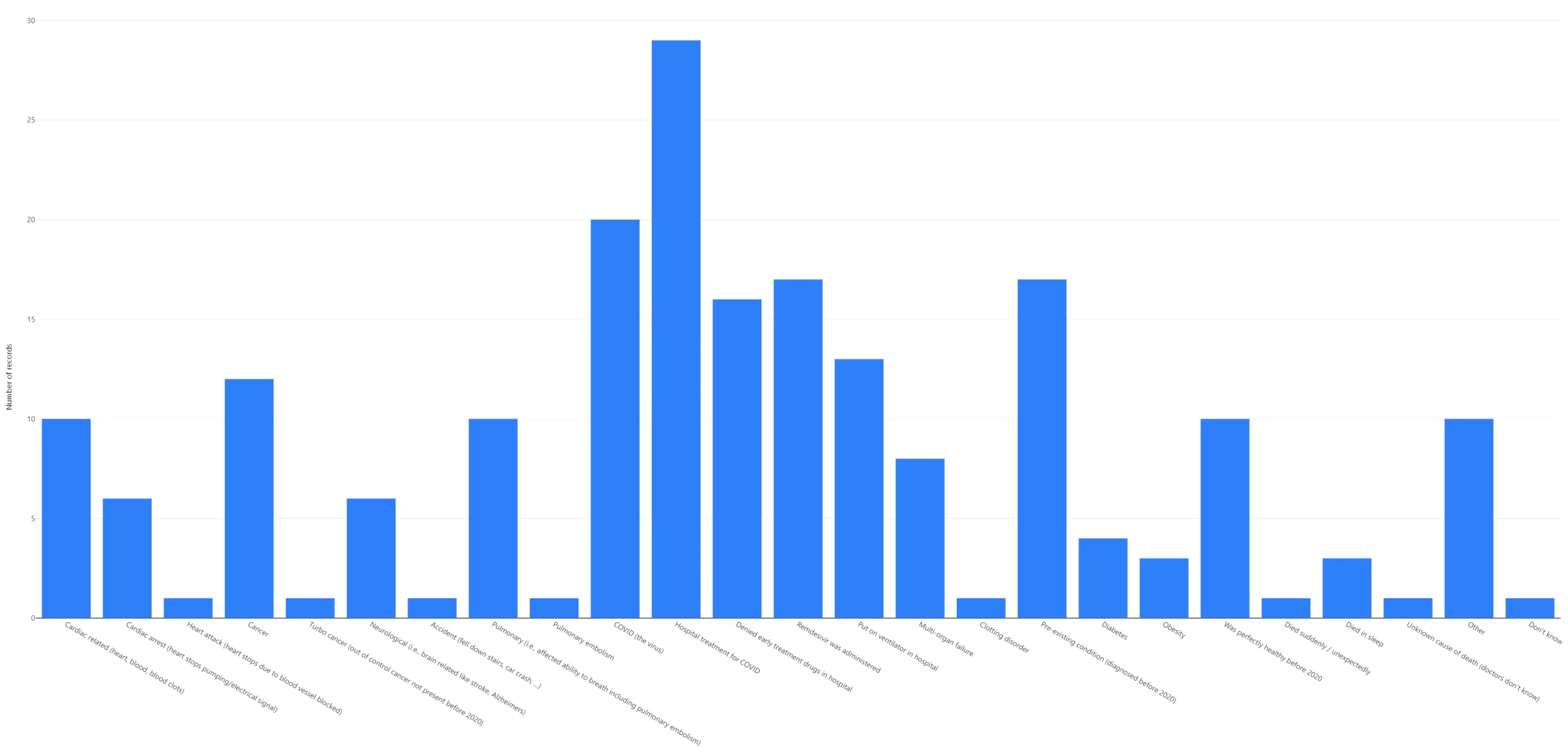
In 2021 and 2022, the primary cause of death for people 65 and younger was hospital treatment for COVID. Incidences of sudden death, pulmonary embolism and turbo-charged cancers were all low, and there were no unknown causes of death, nor any myocarditis deaths.
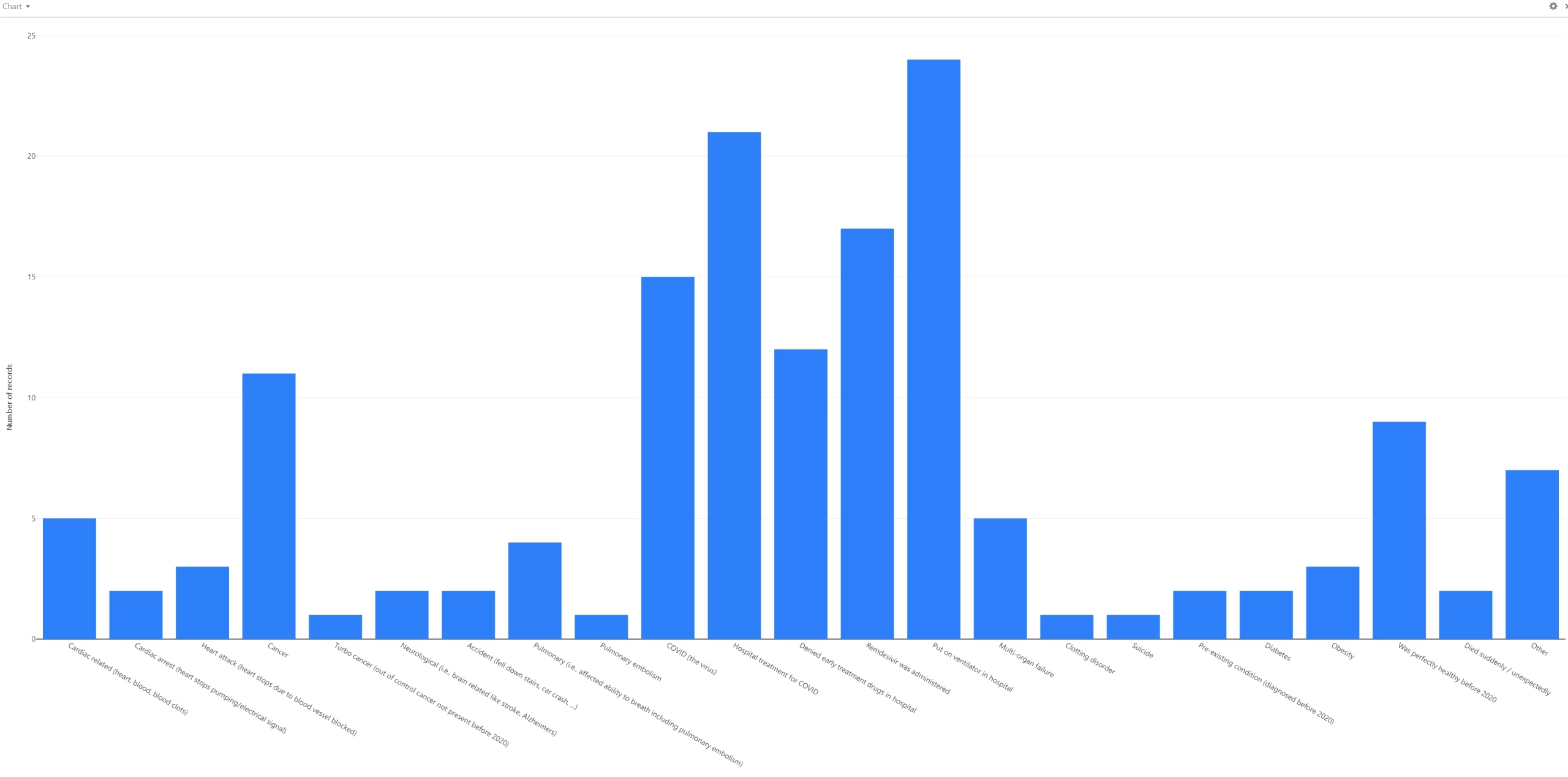
The same went for people older than 65. Hospital treatment for COVID was the No. 1 killer. Heart attacks, turbo-charged cancer and sudden death were all low, and there were no deaths from myocarditis.
What the COVID-Jabbed Died of in 2021 and 2022
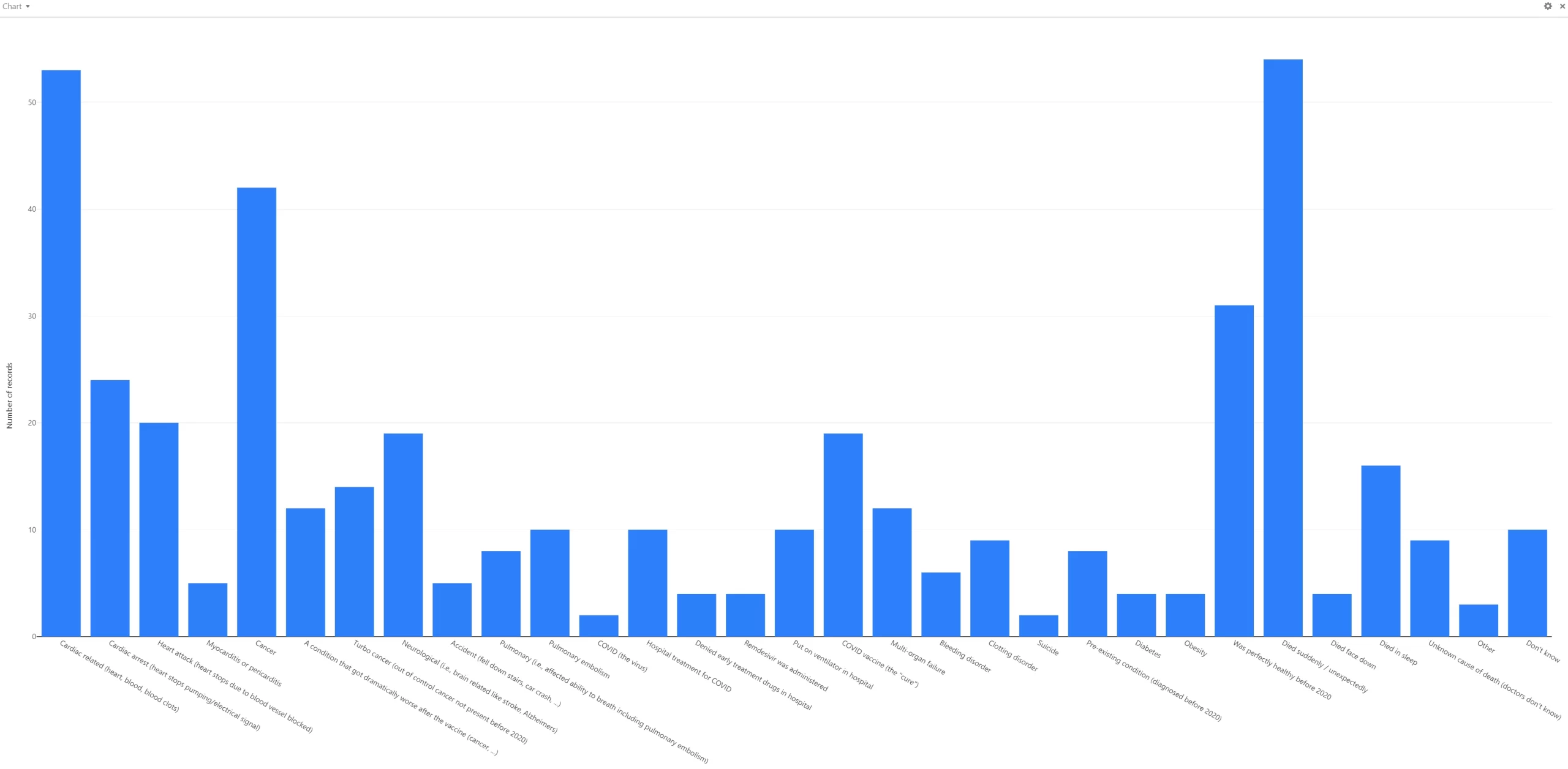
Among the COVID-jabbed aged 65 and younger, sudden death was the No. 1 cause of death in 2021 and 2022. The second was cardiac-related death and cancer was third. Importantly, the incidence of turbo-charged cancer among the jabbed was significant in this group, and myocarditis killed more than COVID-19.
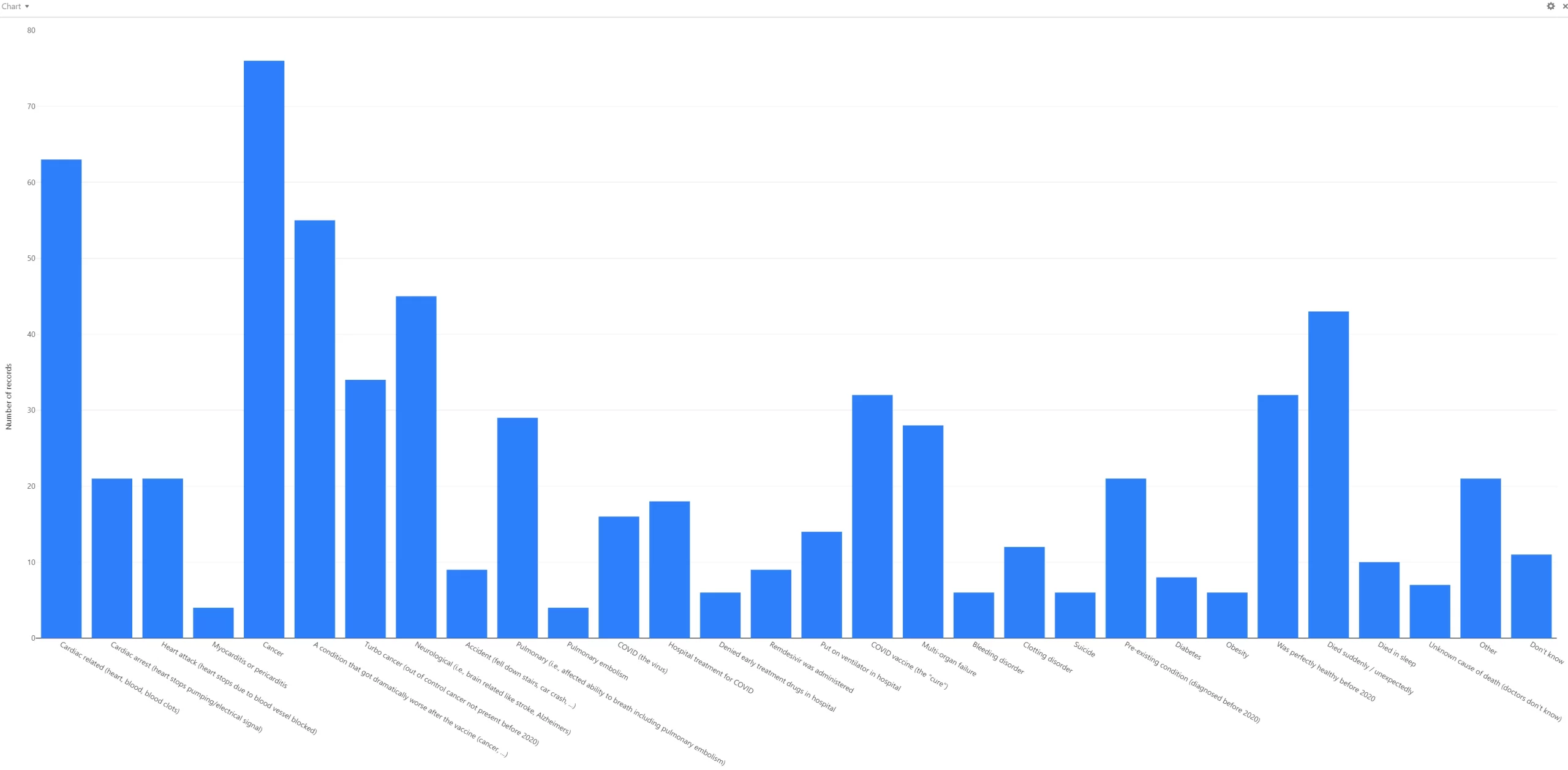
Among those older than 65, cancer was the No. 1 cause of death, and the turbo-charged cancer rate is “huge compared to those without the vaccine.” Sudden death was also significantly elevated.
Stark Difference in Cancer Deaths Between Jabbed and Unjabbed
Kirsch summarizes the three most stunning differences between the jabbed and unjabbed:4
1. “Sudden death rates are off the charts for the vaccinated cf. unvaccinated for those <65 … It’s the #1 cause of death for this age group …
2. Myocarditis as a cause of death is registering now for both age ranges but only for the vaccinated …
3. Cardiac issues as a cause of death in vaccinated young people (<65) are significantly elevated vs. their unvaxxed peers.”
How COVID Jabs Raise Risk of Infections and Cancer
Exploding cancer rates is precisely what you would expect from a drug that impairs and destroys your immune system, which is what the COVID jabs do. The scientific paper “Innate Immune Suppression by SARS-CoV-2 mRNA Vaccinations”5 describes how the COVID shots suppress your innate immune system by inhibiting the type-1 interferon pathway, which is the first-stage response to all viral infections.
The reason type-1 interferon is suppressed is because it responds to viral RNA, and there’s no viral RNA in the COVID shot. The RNA is modified to look like human RNA, so the interferon pathway doesn’t get triggered. As a result, the COVID jab makes you more susceptible to infections.
One mechanism by which the jab causes cancer has to do with the fact that the SARS-CoV-2 spike protein obliterates 90% of the DNA repair mechanism in lymphocytes,6 a type of white blood cell that helps your body fight infections and chronic diseases such as cancer. That’s bad enough, yet that’s just one mechanism of many.
How the Jab Lowers Your Viral Clearance Capacity
Recent research7,8 also shows that repeated jabs trigger a switch in the types of antibodies your body produces and lower your ability to clear viruses. Jessica Rose reviews these findings in her Substack article:9
“A paper was published in Science Immunology on December 22, 2022 entitled: ‘Class switch towards non-inflammatory, spike-specific IgG4 antibodies after repeated SARS-CoV-2 mRNA vaccination’10 …
[It] explains in wonderful detail how a class of antibody that commands a non-inflammatory response (more like tolerizing) is prominent in people who have been repeatedly injected with the modified mRNA COVID-19 injectable products.
Translation: Instead of the intended pool of spike-specific neutralizing IgG antibodies being dominant in multiply-injected people, a pool of antibodies associated with spike-specific tolerance are dominant in multiply-injected people.
Besides the tolerizing capacity, they also showed that the phagocytic enabling capacities were much reduced overall. These activities lead to clearance of viral pathogens. Reduce them → reduction in viral clearance capacity …
To be clear, this wasn’t a ‘maybe the antibody profile was a little different’ … This was a ‘whoa there’s a 48,075% increase in spike-specific antibodies between the 2nd and 3rd injections …
IgG4 antibodies among all spike-specific IgG antibodies rose on average from 0.04% shortly after the second vaccination to 19.27% after the third … [I]mportantly, that is not a typical consequence of repeat antigen exposure from either natural infections and vaccination.”
Spike Overexposure Also Opens the Door for Cancer
As noted by Substack author Brian Mowrey:11
“This is a totally bonkers thing for an anti-spike-protein B cell to decide to do, and reflects B cell over-exposure to spike, which reflects super-excess production of spike by the Pfizer/BioNTech mRNA code …
It is not normal to make IgG4 when repeat encounter with a virus is spaced out over a lifetime, but injection-prompted antigen exposure promotes this response, and mRNA vaccines accelerate this effect …
There is no reason to predict that this would be ‘good’ in an antiviral response … ‘Wearing out’ the immune response in this way is believed to contribute to the development of tolerance against tumors.”
So, to summarize the effects in layman’s terms, the switch from spike-specific neutralizing IgG antibodies to IgG4 antibodies switches your body from tumor suppression mode into tumor progression mode, as cancerous cells now can evade your immune system. You become “tumor tolerant” as your immune system is no longer scavenging for and eliminating cancer cells. Mowrey also points out that:12
“Once a B cell has switched to IgG4, it cannot switch to any other IgG subclass, as the genes for all those other base designs have been discarded. All future clones of this B cell will code for IgG4 receptor/antibody for the antigen in question.”
What Other Health Effects May Result?
For clarification, IgG4 is a subclass of the immunoglobulin G (IgG) antibody type that responds to repeated and/or long-term exposure to an antigen. The mRNA shot evaluated here was that of Pfizer, and it was compared against Janssen’s viral vector-based shot. Moderna’s shot was not included. Notably, these results were not found among people who got Janssen’s shot, only Pfizer’s Comirnaty jab.
Comirnaty … induces a shift away from a viral clearing to a tolerance-inducing antibody class, and this is not the status quo for traditional vaccines or natural infections. The main problem here is … we have no idea of the effects of this ‘effect.’ ~ Jessica Rose, Ph.D.
As noted by Rose:13
“… the bottom line here is that the Comirnaty product … induces a shift away from a viral clearing to a tolerance-inducing antibody class, and this is not the status quo for traditional vaccines or natural infections. The main problem here is … we have no idea of the effects of this ‘effect.'”
That said, we can look at what happens in people with IgG4-related disease, and start formulating hypotheses from there. As explained by Rose, a hallmark of IgG4-related disease is fibrosis, i.e., tissue scarring, which can lead to organ dysfunction, organ failure and even death if left untreated.
Rose is now researching the possible links between this antibody switching and the stringy white deposits found in COVID-jabbed people who died. Might it be a new form of connective tissue disease?
In addition to the potential for cancer cells to run amok (as discussed in the section above), IgG4 dominance may also have severe autoimmune implications seeing how the COVID jab spike protein share similarities with human proteins.
“Molecular mimicry has been shown14 in multiple publications to be a potential problem with regard to the spike protein whereby it has been shown to share motifs with human proteins,” Rose writes.15 “What this means is that autoimmunity potential against these human proteins is clear and present.
In the context of this recent publication showing a dominant IgG4 pool, I have to wonder what the implications of this dominant pool are for molecular mimicry. Are these IgG4 antibodies capable of tolerizing in the context of our own protein?”
Resources for Those Injured by the COVID Jab
If you got one or more jabs and suffered an injury, first and foremost, never ever take another COVID booster, another mRNA gene therapy shot or regular vaccine. You need to end the assault on your system.
The same goes for anyone who has taken one or more COVID jabs and had the good fortune of not experiencing debilitating side effects. Your health may still be impacted long-term, so don’t take any more shots.
When it comes to treatment, there are still more questions than answers, and most doctors are clueless about what to do — in part because they never bothered to give early treatment for COVID and therefore don’t understand how different medicines and supplements impact the spike protein.
So far, it seems like many of the treatments that worked against severe COVID-19 infection also help ameliorate adverse effects from the jab. This makes sense, as the toxic, most damaging part of the virus is the spike protein, and that’s what your whole body is producing if you got the jab.
Two doctors who have started tackling the treatment of COVID jab injuries in earnest include Dr. Michelle Perro (DrMichellePerro.com), whom I’ve interviewed on this topic, and Dr. Pierre Kory (DrPierreKory.com).
Both agree that eliminating the spike protein your body is now continuously producing is a primary task. Perro’s preferred remedy for this is hydroxychloroquine, while Kory’s is ivermectin. Both of these drugs bind and thereby facilitate the removal of spike protein.
As a member of the Front Line COVID-19 Critical Care Alliance (FLCCC), Kory helped develop the FLCCC’s post-vaccine treatment protocol called I-RECOVER. Since the protocol is continuously updated as more data become available, your best bet is to download the latest version straight from the FLCCC website at covid19criticalcare.com16 (hyperlink to the correct page provided above).
The World Health Council has also published lists of remedies that can help inhibit, neutralize and eliminate spike protein. Inhibitors that prevent spike protein from binding to your cells include Prunella vulgaris, pine needle tea, emodin, neem, dandelion extract and the drug ivermectin.
Spike protein neutralizers, which prevent the spike from damaging cells, include N-acetylcysteine (NAC), glutathione, fennel tea, star anise tea, pine needle tea, St. John’s wort, comfrey tea and vitamin C. A March 2022 review paper17 suggests combating the neurotoxic effects of the spike protein using the flavonoids luteolin and quercetin.
Time-restricted eating (TRE) and/or sauna therapy can also help eliminate toxic proteins by stimulating autophagy. Several additional detox remedies can be found in “World Council for Health Reveals Spike Protein Detox.”
Other Helpful Treatments and Remedies
Other treatments and remedies that may be helpful for COVID jab injuries include:
• Hyperbaric oxygen therapy, especially in cases involving stroke, heart attack, autoimmune diseases and/or neurodegenerative disorders. To learn more, see “Hyperbaric Therapy — A Vastly Underused Treatment Modality.”
• Lower your Omega-6 intake. Linoleic acid is consumed in amounts ten times of ideal in well over 95% of the population and contributes to massive oxidative stress that impairs your immune response. Seed oils and processed foods need to be diligently avoided. You can review my previous post for more information.
• Pharmaceutical grade methylene blue, which improves mitochondrial respiration and aid in mitochondrial repair. It’s actually the parent molecule for hydroxychloroquine. A dose of 15 to 80 milligrams a day could go a long way toward resolving some of the fatigue many suffer post-jab.
It may also be helpful in acute strokes. The primary contraindication is if you have a G6PD deficiency (a hereditary genetic condition), in which case you should not use methylene blue at all. To learn more, see “The Surprising Health Benefits of Methylene Blue.”
• Near-infrared light, as it triggers production of melatonin in your mitochondria18 where you need it most. By mopping up reactive oxygen species, it too helps improve mitochondrial function and repair. Natural sunlight is 54.3% infrared radiation,19 so this treatment is available for free. For more information, see “What You Need to Know About Melatonin.”
• Lumbrokinase and serrapeptidase are both fibrinolytic enzymes taken on an empty stomach one hour before or two hours after to help reduce the risk of blood clots.
- 1, 3, 4 Steve Kirsch Substack December 27, 2022
- 2, 9, 13 Jessica Rose Substack December 27, 2022
- 5 Food Chem Toxicol June 2022; 164: 113008
- 6 The Expose August 2, 2022
- 7, 10 Science Immunology December 22, 2022
- 8, 11, 12 Brian Mowrey Substack July 22, 2022
- 14, 15 Jessica Rose Substack July 4, 2022
- 16 Covid19criticalcare.com
- 17 Molecular Neurobiology March 2022; 59(3): 1850-1861
- 18 Physiology February 5, 2020 DOI: 10.1152/physiol.00034.2019
- 19 Journal of Photochemistry and Photobiology February 2016; 155: 78-85
How the Wrong Dietary Component Can Wreck Your Health
Reproduced from original article:
https://articles.mercola.com/sites/articles/archive/2023/01/01/omega-6-linoleic-acid.aspx
The original Mercola article may not remain on the original site, but I will endeavor to keep it on this site as long as I deem it to be appropriate.
Analysis by Dr. Joseph Mercola Fact Checked January 01, 2023
STORY AT-A-GLANCE
- Omega-6 linoleic acid (LA) is the most common fat in the American diet. Most people get 25 times more LA than they need. At most, you need about 2 grams a day, but the average American gets about 50 grams a day, thanks to the fact that most processed foods and condiments are loaded with omega-6 seed oils
- LA gets incorporated into your cell membranes where it causes inflammation. Its half-life is nearly two years, so ridding your body of stored LA completely can take up to seven years
- Eliminating LA is a marathon, not a sprint. Ineffective and potentially harmful ways of eliminating LA include extended fasting and overtaxing your body with strenuous endurance exercise
- To stop the accumulation of LA in your cells, eliminate seed oils from your diet. Cook with beef tallow, butter, ghee or coconut oil, and avoid all processed foods, restaurant foods, condiments, and animals raised on grains, such as chicken and pork
- Vitamin E, in a dose of about 2 IU – 3 IU for every gram of PUFA (not just linoleate) consumed daily may also be able to provide some protection against the inflammatory and endocrine (estrogenic, pro-cortisol) effects of linoleate and PUFA in general
- To safely encourage the elimination of LA from your body, focus on building muscle and maximizing lean muscle mass with concentric exercise, and eat a balanced diet with a ratio of 2-to-1 healthy carbs to protein
In this interview, Georgi Dinkov, an expert on linoleic acid (LA), details some of the health hazards of this exceedingly common fat in the modern diet, and how to safely rid your body of it.
Both Georgi and I are convinced excessive LA intake is one of the most important variables that can make or break your health, especially in the long term. It’s a far greater contributor to chronic and degenerative disease and mortality than sugar, and it’s the primary culprit that makes processed foods so harmful.
The historical (last 50 to 75 years) incidence curves of cancer, cardiovascular disease (CVD), diabetes and neurological disease in the general population overlap remarkably well the ever-increasing PUFA consumption rates in developed countries, suggesting PUFA is a major factor in those diseases.1,2
How Georgi Became a Biohacker
Despite having a degree in computer science, Georgi has made a name for himself as an expert biohacker. After graduating from college in 2002, he got a job as a programmer at the National Biomedical Research Foundation (NBRF).
There, he helped develop uniprot.org, a database of all known protein sequences — Protein Information Resource (PIR — pir.georgetown.edu) and UniProt (www.uniprot.org).
Surrounded by up to 60 of the brightest doctors and biochemists in the world, Georgi developed an interest in biochemistry, and started studying on the side so he could more effectively collaborate with his coworkers. He provides an amazing example of what one can learn without any formal training if they merely apply themselves.
“Between 2002 and 2005, I was part of this group as a programmer, but I basically started attending all of their lectures and classes,” he says. “Some of them were teaching at nearby universities, so I kept going.
I was a young, single person, didn’t have anything better to do, and I tried to utilize my time the best I could. Over a period of about three years, it started to click, so I started to understand what these people were talking about.
In 2005, I left, got myself a full-time job in the IT sector, and then kept reading. The reason I got into this bioenergetic area, which linoleic acid is a big part of, is because around 2009, I … became a low-carber.
Being an athlete in college, I basically happened to combine very low carb diet with very exhaustive exercise, and I got myself into a really big predicament. I started getting these very weird neurological symptoms, tingling of the extremities, headaches, sensitivity to light.”
Low-Carb Considerations
In the interview, we clear up some of the pervasive confusion surrounding low-carb diets, and why long-term chronic low-carb is not ideal. It’s a great short-term intervention for most people, especially those with insulin resistance.
This is because lowering carbs can help reset your metabolism and recover your metabolic flexibility. However, in the long term you can run into trouble — especially if you’re also doing a lot of endurance training. The main reasons for the issues caused by chronic low-carb diets (and/or stress, which mimics the effects of low-carb diets) are:
- The elevated lipolysis in a low carb-state, which results in chronically elevated circulating levels of PUFA, with the resulting inflammatory and endocrine effects (e.g. PUFA is pro-cortisol, estrogenic and also synergizes with endogenous/exogenous estrogens, and promotes their effects even in low doses).
- The downregulation of the resting metabolic rate (RMR) by lowered synthesis of T3 when eating a low-carb diet and/or fasting and/or strenuous exercise.
For more details on this, be sure to listen to the interview at normal speed. Believe me, this is an interview that nearly everyone should listen to a few times to capture the incredible clinical pearls that Georgi shared. I personally learned more during this discussion than I have from most interviews.
If you listen to the interview, you will learn that once your sugar stores are expended, you start tapping into your fat stores through a process called lipolysis. This liberated fat is then circulated around your body and supplied to the cells as fuel to compensate for the low glucose availability.
However, certain types of fat block the effects of insulin in your body, so a long-distance endurance athlete can actually end up with a blood profile similar to that of a person with Type 2 diabetes. In Georgi’s case, as an endurance athlete, his blood sugar climbed higher the less sugar he ate. This competition/antagonism between glucose and fats (mostly PUFA) as fuel for the cells was first discovered in the 1970s and named the Randle Cycle.
Why does it occur? The process in your liver that controls blood sugar is gluconeogenesis. If you stop supplying carbs to your body, the organs that need them will activate glucose creation in your body by elevating the stress hormone cortisol, which ends up being very destructive to your tissues, including skeletal muscle, liver, brain and kidneys.
In Type 2 diabetes, a state with hyperglycemia, only about 10% of the circulating glucose is of dietary origin. The rest is due to chronically elevated gluconeogenesis — which suggests that cortisol is the driver of hyperglycemia in Type 2 diabetes — and elevating cortisol chronically by doing low-carb or exhaustive exercise is likely detrimental to insulin sensitivity.
People with elevated cortisol (Cushing phenotype) have the same central obesity and loss of muscle mass (sarcopenia) as the ones seen in diabetes 2. Conversely, blocking cortisol’s effects with the drug RU486 has been demonstrated to lead to sustained fat loss WITHOUT dieting, and improved insulin sensitivity.3,4,5
Cortisol goes up during exercise, and if there’s no glucose around, cortisol rises even higher. Shakes, problem sleeping, jitteriness and neurological abnormalities are some of the symptoms of high cortisol and low glycogen stores. In Georgi’s case, his symptoms slowly vanished once he started eating a more balanced diet, with a macronutrient ratio of about one-third carbs, one-third fat and one-third protein.
Dietary Fats and Fatty Liver Disease
In his search for answers to the symptoms he experienced on a low-carb diet, he came across Dr. Peat’s website,6 aka, Dr. T.A. Peterson, an American biologist who’s been studying the role of energy in the cell, and the effects of LA. Georgi started reading Peat’s work in 2009, and eventually started doing his own experiments.
As noted by Georgi, published research has long demonstrated that LA is far from a benign macronutrient. It’s actually a highly proinflammatory mediator and has endocrine effects that mimic estrogen. Contrary to popular belief, LA is also a major culprit in nonalcoholic fatty liver disease (NAFLD), more so than fructose and other sugars.7,8
Georgi cites research9,10,11 showing people with alcoholic cirrhosis (liver disease) who ate their normal diet, which was high in omega-6 fats, experienced classic progression of cirrhosis resulting in liver failure. The group whose diet was altered to eliminate all forms of fat aside from coconut oil, a saturated fat, was able to reverse their cirrhosis, even in the presence of continued alcohol abuse. Additional animal experiments12 confirmed these results. As explained by Georgi:
“The livers of people who are eating predominantly omega-6 fatty acids very quickly get fattened up. Also, there’s cell damage of the Kupffer cells due to the many oxidation byproducts (OxLAMs) of these omega-6 fatty acids … [Meanwhile], the livers of the animals that were still alcoholic but were given the saturated fatty acids had very little oxidative damage to the cells, and they weren’t fat.
What could explain this? Well, it turns out that when you’re consuming a meal with fat, it’s composed of many different fatty acids, but we can separate them into saturated fatty acids, monounsaturated and polyunsaturated [PUFAs].
It turns out that the liver and most of the organs preferentially oxidize (burn) the saturated fatty acids, and then the monounsaturated fatty acids, while the polyunsaturated acids are predominantly stored.
The polyunsaturated fatty acids, aside from being very susceptible to spontaneous auto oxidation … combustion … are precursors to inflammatory mediators such as prostaglandins and leukotrienes. Those inflammatory mediators are basically derived from … linoleic acid. So, if you eat a lot of polyunsaturated fats, and specifically linoleic acid, you’ll have more … systemic inflammation.
Now NAFLD is already known to be an inflammatory state. You cannot get an inflammatory state from saturated fat. It does not produce those same mediators. Saturated fat will either get stored or will get oxidized properly through the process of beta oxidation to carbon dioxide, ATP and water.
But the polyunsaturated fats, they’re unstable. They can get combusted and create a lot of toxic byproducts, and the liver being the site of the primary organ of detoxification of whatever you are eating through the diet — guess what? They’re going to go mostly there.
Also, because they’re precursors to a number of different mediators, enzymes in the body will take these fatty acids, specifically linoleic acid, and then through a chain of reactions convert it to prostaglandins, leukotrienes and thromboxane.”
PUFAs Are Stored, Not Digested
An important take-home here is that PUFAs such as LA are not digested. Instead they’re stored.13 Most of the body fat in obese individuals is composed of PUFAs, not saturated fat. Saturated dietary fat is mostly burned (oxidized) and used up.
So, obese individuals are typically not eating very much saturated fat; rather, they’re exponentially overdosing on LA. Animal studies in the early 20th century demonstrated conclusively that pigs fed saturated fats (mostly coconut oil) could not get fat but became lean and muscular, while the ones fed PUFA gained mostly fat.
This led to the adoption/promotion of PUFA as animal feed since the goal there is to maximize “caloric efficiency” — i.e., get the animals as heavy as possible with a little food as possible. In other words, the pro-obesity effects of PUFA and anti-obesity effects of saturated fats are well-known in the livestock industry and are not disputed.
Considering the similarity of our metabolism/structure/tissues/organs with those of pigs, it should not be at all surprising that we keep getting fatter while consuming ever-larger amounts of PUFA.
The half-life of PUFAs such as LA, which get embedded and integrated into your cell membranes, is about 680 days. This means that to rid your body of LA will take approximately seven years, provided you don’t load more in. And you really do want to get rid of this fat, as it’s highly inflammatory and prevents your mitochondria and cellular machinery from operating properly.
Research has shown that given enough PUFAs, your cells will go into apoptosis, they basically commit suicide. “It can actually work like a radiation or chemotherapy. It is a type of chemotherapy,” Georgi says. The implications14,15 of this insight are quite profound and I look forward to exploring that with Georgi on his next interview.
PUFAs Coming Out of Storage Can Cause Trouble
A key way to eventually lower your body burden of LA is to keep your total LA intake below 2%, maybe even close to 1%. You need to stop putting more in. Exercise and fasting will help drive the LA out, but you need to be really careful if you have a lot of LA storage.
“A recent study16 found that even lean people who are running marathons, a good portion (82%!) of them are actually in acute kidney failure by the time they reach the finish line,” Georgi says. “The question is, how is this possible? It looks like these circulating fatty acids, which are mostly PUFAs coming out of storage, circulate and cause energetic problems.
Also, because of the quick peroxidation and conversion into inflammatory mediators, they’re damaging many of the organs, predominantly the kidneys.17 Why the kidneys? Anything that is not oxidized for fuel basically gets sent to the liver through the blood stream, the Phase 2 detoxification mechanism. The liver attaches glucuronic acids to these fatty acids to make them more water soluble.
It can also sulfate them. When they’re more water soluble, you pee them out. But they have to go through the kidneys, and it looks like if a sufficiently big supply of these glucoronidated sulfated PUFAs, or let’s say linoleic acid just for the sake of the argument, is flooding the kidneys, it is causing local damage there.
So, what should we do? Well, it looks like we should be taking measures to not get into excessive lipolysis. What is excessive lipolysis? It’s any situation where you’ve run out of glycogen and now the body says, ‘I don’t have the fuel,’ because you’re not eating and you’ve run out of glycogen.
Then fat is your only other fuel, plus the amino acids that are coming from cortisol. So basically, you should not be getting to a state where you’re chronically starving. Acute, let’s say like eight to 12 hours of fasting, calorie restriction, has been shown to have benefits, but anything longer than that, then you’re starting to increase baseline lipolysis.”
My Recommendations for TRE Have Changed
Georgi pointed out the dangers of an excessive time-restricted eating (TRE) window.18,19,20,21,22,23,24,25 An extreme example of TRE is the one meal a day (OMAD) protocol, where you’re fasting 20 hours or more each day. Georgi believes this is too extreme for most people, as most have large stores of LA that need to be purged safely.
I have been personally practicing and advocating a six– to eight-hour time restricted eating window. What I learned from our conversation is that this, or even longer eating restrictions and fasts, are perfectly appropriate for 95% of the population as they are insulin resistant and metabolically inflexible.
The major problem comes once you lose your insulin resistance and become metabolically flexible. At that point, this strategy becomes counterproductive as you will increase your cortisol levels, which causes chronic inflammation that can lead to tissue damage. Usually, it takes about three to six months for you to recover your metabolic flexibility.
Prior to my interview with Georgi I would have a six- to eight-hour eating window and I did this for a few years. Now I am going to shift to one day a week of 12 hours, three days of 10 hours and three days of eight hours. If you are metabolically healthy, I would encourage you to avoid very short eating windows under eight hours.
This is because chronic fasting also elevates your cortisol, just like chronic endurance exercise does. Cortisol, in turn, is involved in insulin resistance and the synthesis of fat, and promotes the storage of fat. Also, as just mentioned above, high amounts of LA can kill your cells.
“So, you don’t want to be doing this to your normal tissues, and you’re doing it to your tissues every single time you over-exert yourself to the point of either glycogen running low or you’re so stressed that your adrenaline has gotten to the point where it’s increasing lipolysis and you’re starting to shed fat.”
This is a massive piece of the puzzle that I never fully appreciated. Molecular biology and pH physiology are based on a pre-1860s scenario where you didn’t have these high levels of LA, which totally distorts the strategies. If they weren’t there, you could fast to activate autophagy and get all these benefits.
You could have a much longer TRE window. But LA is a game changer. It radically modifies the concept of what you need to do to optimize your health. Essentially, if you’ve filled up your fat stores with LA — and in most people, over 20% of their fats are LA stored in their cell membranes and the optimum is 1% to 2% — then you need to integrate that knowledge into your strategy.
How to Safely Purge LA
How can you safely reduce these stores of LA without self-sabotaging? As explained by Georgi, extensive fasting will, in this instance, backfire, as will overtaxing yourself with heavy exercise. You’ll need to accept that this is a marathon, not a sprint, and that it’s going to take years to purge your LA stores. The best strategy, Georgi says, is to build muscle and maximize lean muscle mass.
“What does that mean? Concentric exercise, stimulating the muscles to grow. We already mentioned that cortisol is a very catabolic steroid for the muscles, so [you don’t want that] chronically. Acute spikes of cortisol are unavoidable. But things such as chronic fasting or eating inflammatory foods should be avoided as much as possible, which means cutting out vegetable oils.
If you’re cooking your own food, you have the tools at your disposal to eliminate almost completely the consumption of polyunsaturated fats. If you have to fry things or cook on high temperature, use butter, ghee or beef tallow. Even coconut oil [is good], but it has a lower smoke point. All of these are very good substitutes.”
Also avoid all processed foods, restaurant foods, condiments and animal foods raised on grains, such as chicken and pork. Aside from switching the types of dietary fats you eat, Georgi recommends a diet with a 2-to-1 ratio of carbs to protein, the carbs being in the form of fruits and vegetables, not processed sugary snacks.
“Protein is thermogenic. It’s going to raise your metabolic rate. It’s important to consume it with enough carbs because one of the quickest ways to damage your kidneys is consuming a very high protein diet without sufficient amount of carbs.
Even a competitive bodybuilder can only fully utilize about 120 grams of protein a day. Everything else that a person consumes is going to get oxidized as fuel and in the process gets deaminated, which means it produces ammonia, which is very toxic. It destroys the kidneys, liver and brain.
So, eat your protein, don’t cut down on the protein, but don’t overdo it. Make sure the ratio of carbs to protein is at least two to one, and completely cut out PUFAs as much as possible, especially if you’re cooking your own food.”
Hopefully you didn’t skim this and miss the pearl at the end, to take twice as many carbs as protein. What Georgi didn’t state here, though, is that is for people who are metabolically flexible and not insulin resistant.
So, the key is not to be afraid of healthy carbs: They are your friend. If you are eating enough protein to build muscle, please make sure you also have enough carbs because, if you fail to do this, you can hurt your kidneys, liver and brain.
He also shared another pearl about resistance exercises that I wasn’t aware of. Eccentric exercise, in which you are resisting gravity on the way down, builds muscles, BUT it also damages your muscles and destroys the mitochondria. It is far better to focus on the concentric phase of exercise, as it builds more and stronger mitochondria. Concentric exercise increase mitochondrial biogenesis, and steroidogenesis in muscle.26
How PUFAs Cause Heart Disease
Saturated fats improve the structure of cells, specifically the lipid bilayer, while PUFAs like LA impair it. The reason your cholesterol and LDL levels may go up when switching to saturated fats is because you’re giving the cells the structural material needed, from which the cells can synthesize their own cholesterol as needed. Hence, extra cholesterol gets dumped into the bloodstream because it isn’t needed.
Cholesterol is carried around by LDL. So, when you’re eating saturated fat, your LDL rises, but it’s rising because the cholesterol already in the cell is not as needed anymore. It’s actually a good sign.
Conversely, when you’re eating PUFAs, your cells need more cholesterol to strengthen their structure, so your body dumps cholesterol into the cells to protect them from the onslaught of the PUFAs. Hence, it appears your cholesterol level is going down, but it’s actually having a strongly negative effect.
Additionally, the LA becomes oxidized and the LDL carrying it is now oxidized LDL, which is strongly associated with plaque. Plaque, associated with heart attacks also contains white blood cells, calcium, 7-ketocholesterol and PUFA peroxidation byproducts. Saturated fat does not contribute to plaque.
“The plaque is basically a reaction to an inflammation caused by these toxic PUFA byproducts, and PUFA itself is inflammatory. When it gets lodged into the blood vessel walls, it causes a localized inflammatory reaction. The first response of the body is to send white blood cells to protect the blood vessel wall from damage and rupture. That’s really the purpose of the plaque.
So, the body’s not trying to kill you. It’s simply trying to repair in the best possible manner, to isolate the issue. And the issue that it’s trying to isolate is the PUFA peroxidation byproducts27 and 7-ketocholesterol.28 How can you get around this? Don’t eat PUFA, or at least drastically reduce it. Go back to whatever your grandmother was eating.”
Concluding Thoughts
Like me, Georgi is convinced LA is a primary culprit in chronic diseases. And, since LA is found in most whole foods, there’s really never any need to take an omega-6 supplement. It’s virtually impossible to get too little from your diet.
I believe omega-6 supplements really ought to be removed from the market altogether, as people are getting 25 times more omega-6 than they could possibly need from their diet. At most, you need about 2 grams a day, but the average American gets about 50 grams a day, thanks to the fact that most processed foods and condiments are loaded with omega-6 seed oils.
If our diet were to be shifted away from seed oils to saturated fats, the way it was 150 years ago, we’d likely see a massive decline in chronic diseases, including cancer and heart disease.
To learn more, be sure to listen to the entire interview, as we dive into far greater detail than what I’ve summarized here. Georgi is an absolute fire hydrant when it comes to biochemical details. Also check out Georgi’s blog at www.haidut.me. You can also obtain a major sampling of Ray Peat’s work for free by going to these two sites: wiki.chadnet.org/Ray-Peat and RayPeat.com.
- 1 Ray Peat Forum April 13, 2016
- 2 Open Heart August 22, 2018
- 3 Obesity September 6, 2012; 18(12): 2295-2300
- 4 Front Pharmacol April 24, 2020
- 5 BMC Endocr Disord 2015; 15: 63
- 6 Ray Peat
- 7 Ray Peat Forum January 23, 2018
- 8 Haidut.me October 20, 2021
- 9, 17 Gastroenterology August 1995; 109(2): 547-554
- 10 J Pharmacol Exp Ther November 2001; 299(2): 638-644
- 11 Haidut.me September 12, 2019
- 12 Alcoholism: Clinical and Experimental Research 1989; 13(1): 15-19
- 13 Haidut.me October 22, 2019
- 14 Ray Peat Forum March 23, 2021
- 15 Ray Peat Forum December 4, 2019
- 16 Ray Peat Forum March 28, 2017
- 18 Haidut.me February 16, 2021
- 19 Haidut.me September 27, 2022
- 20 Haidut.me March 4, 2021
- 21 Haidut.me December 10, 2021
- 22 Haidut.me June 21, 2022
- 23 Haidut.me November 17, 2020
- 24 Haidut.me December 21, 2021
- 25 Haidut.me September 30, 2020
- 26 Muscle & Nerve 2014; 50(5): 803-811
- 27 Int J Vitam Nutr Res 2013; 83(6): 367-376
- 28 Int J Biochem Cell Biol March-April 1999; 31(3-4): 369-375
You Are Likely Deficient in Choline
Reproduced from original article:
https://articles.mercola.com/sites/articles/archive/2022/12/29/choline-deficiency.aspx
The original Mercola article may not remain on the original site, but I will endeavor to keep it on this site as long as I deem it to be appropriate.
Analysis by Dr. Joseph Mercola Fact Checked December 29, 2022
STORY AT-A-GLANCE
- In their 2020 review, the Dietary Guidelines Advisory Committee found that most Americans are deficient in choline
- Choline is important for development through all stages of life and plays a role in cognition, memory, focus, energy and metabolism
- Choline deficiency is connected to the development of nonalcoholic fatty liver disease and muscle damage
- Pregnant and lactating women are at an increased risk of choline deficiency due to increased needs of the developing fetus
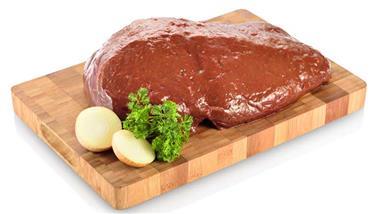
- Beef liver and egg yolks are the richest dietary sources of choline
July 15, 2020, the Dietary Guidelines Advisory Committee (DGAC) published its 2020 report, an independent scientific review on the nutrition and health status of Americans, and there was a concerning finding: Most Americans don’t get enough choline, an essential nutrient that’s vitally important, but rarely discussed.
Marie Caudill, Ph.D., a registered dietitian who is internationally recognized for her research on choline and folate, says the most alarming find from the report is that the populations who would benefit the most from extra choline — pregnant and lactating women, infants and children — are falling especially short.
In pregnant women, choline deficiency is associated with an increased risk of neural tube defects. In the general population, getting too little choline can lead to the development of nonalcoholic fatty liver disease and muscle damage.
What Does Choline Do?
Choline is often lumped in with the B vitamins, but it’s not technically a vitamin. It’s more of a vitamin-like nutrient.1 Choline helps support optimal health at all stages of life. It plays a role in healthy fetal development, helps maintain cognition and memory, boosts energy, improves fitness and keeps your liver healthy.
Your brain and nervous system need adequate amounts of choline to help regulate muscle control, mood and memory.2 Choline is also involved in metabolism. Other roles of choline include:
| Promoting healthy fetal development3 — Choline is required for proper neural tube closure,4 brain development and healthy vision.5 Research shows mothers who get sufficient choline impart lifelong memory enhancement to their child due to changes in the development of the hippocampus (memory center) of the child’s brain.6 Choline deficiency also raises your risk of premature birth, low birth weight and preeclampsia. |
|
Helping reduce the risk for cardiovascular disease — According to a study in the journal ARYA Atherosclerosis, choline may help prevent cardiovascular disease by converting homocysteine to methionine.7 Homocysteine is an amino acid that may increase your risk for heart disease and stroke if it accumulates in the blood.8 |
| Aiding the synthesis of phospholipids, the most common of which is phosphatidylcholine, better known as lecithin, which constitutes between 40% and 50% of your cellular membranes and 70% to 95% of the phospholipids in lipoproteins and bile.9 |
| Boosting your nervous system health — Choline is necessary for making acetylcholine, a neurotransmitter involved in healthy muscle, heart and memory performance.10 |
| Strengthening cell messaging, by producing cell-messaging compounds.11 |
| Facilitate fat transport and metabolism — Choline is needed to carry cholesterol from your liver, and a choline deficiency could result in excess fat and cholesterol buildup.12 |
| Modulates DNA synthesis,13 aiding in the process along with other vitamins, such as folate and B12. |
| Improves cognitive performance — Researchers found a relationship between high dietary choline and better cognitive performance in a study involving men and women from the Framingham Offspring population.14 In a group of 1,391 men and women, performance factors were better in those who consumed more choline, adding to evidence your nutrition makes a difference in how your brain ages. |
| Helps manage certain mental disorders — Research shows that low choline intake is associated with increased anxiety levels.15 This nutrient has been used in treating rapid-cycling bipolar disorder, too. A study published in the journal Biological Psychiatry shows that choline supplementation helped reduce the manic and mood symptoms of people with bipolar disorder.16 |
| Influences methylation reactions17 |
| Aids in healthy mitochondrial function18 |
The Problems With Choline Deficiency
If you don’t get enough choline through your diet, it can result in a choline deficiency, which has widespread negative health effects. Because choline is involved in fat metabolism, low levels of the nutrient can result in an overaccumulation of deposits of fat in your liver.19
Eventually, this can lead to nonalcoholic fatty liver disease and nonalcoholic steatohepatitis, which currently affect between 25.5% – 31.5% of the U.S. population.20 Choline deficiency can also lead to liver damage and muscle damage.21
Choline deficiency can be even more worrisome for pregnant women and lactating mothers. Choline is essential for proper brain development of a growing fetus. It also helps maintain proper homocysteine concentrations during pregnancy.22
According to a study published in the American Journal of Epidemiology, there is an increased risk of neural tube birth defects in babies of women who consume less than 300 mg of choline per day when compared to pregnant women who get at least 500 mg daily.23
Because choline will be pulled from the mother’s blood to supply adequate amounts to the fetus, pregnant and lactating women have higher choline needs, yet only 5% get enough, according to one study.24 In addition to pregnant and lactating women, groups at especially high-risk for choline deficiency include:
- Endurance athletes — Endurance exercises, like marathons and triathlons, can deplete choline levels. Studies show that supplementing with choline before these types of stressful exercises can help keep the levels of choline in the blood from getting too low.25,26
- People who drink a lot of alcohol — Excess alcohol consumption can increase your need for more choline while simultaneously increasing your risk of deficiency.27
- Postmenopausal women — Postmenopausal women have lower estrogen concentrations, which can increase the risk of organ dysfunction in response to a low-choline diet.28
- Vegetarians and vegans — Animal foods like beef liver, eggs and krill oil are the highest sources of dietary choline. Because vegetarians and vegans have dietary restrictions that eliminate some or all of these choline-rich foods, it can be more difficult to get an adequate amount of the nutrient through diet alone.29
How Much Choline Do You Need?
Your liver makes some choline, but the amount isn’t enough to keep you healthy and prevent the adverse effects of choline deficiency. That’s why you need to get adequate amounts through your diet.
The amount of choline you need depends on your age, sex and whether or not you’re pregnant or nursing. Here’s a general breakdown from the National Institutes of Health:30
| Age | Male | Female | Pregnant Women | Nursing Women |
|---|---|---|---|---|
| 0 to 6 months | 125 mg/day | 125 mg/day | ||
| 7 to 12 months | 150 mg/day | 150 mg/day | ||
| 1 to 3 years | 200 mg/day | 200 mg/day | ||
| 4 to 8 years | 250 mg/day | 250 mg/day | ||
| 9 to 13 years | 375 mg/day | 375 mg/day | ||
| 14 to 18 years | 550 mg/day | 400 mg/day | 450 mg/day | 550 mg/day |
| 19 years and older | 550 mg/day | 425 mg/day | 450 mg/day | 550 mg/day |
Keep in mind, however, that some people have genetic polymorphisms that increase the need for choline and certain ethnic and racial groups are more likely to be affected.31 According to Chris Masterjohn, who has a Ph.D. in nutritional science, eating a diet that’s high in (otherwise healthy) saturated fats can also increase your need for choline.32
How to Get More Choline
Grass fed beef liver is the richest dietary source of choline, with 430 mg of choline per 100-gram cooked serving.33 But liver isn’t as much a staple on American plates as the second highest source of choline — eggs. One single egg, which weighs around 50 grams, contains 169 mg of choline.34
Here’s the catch, though: Most of that choline, or 139 mg, is found in the yolk.35 Egg yolks are also rich in lecithin, a fatty acid that’s a precursor for choline. That means if you’re still following the outdated and totally misguided advice to eat only the egg whites, you’re missing out on a lot of the egg’s nutrition.
Krill oil, which comes from krill, a crustacean mainly eaten by whales, penguins and other aquatic creatures, is also a rich source of choline. A 2011 study published in the journal Lipids found 69 choline-containing phospholipids in krill oil.36
Of those phospholipids, 60 were phosphatidylcholine substances, which protect against liver disease (including hepatitis and cirrhosis in alcoholics), reduce digestive tract inflammation and lessen symptoms associated with inflammatory conditions such as ulcerative colitis and irritable bowel syndrome.37 Other dietary sources of choline include:38
| Grass fed beef liver | Organic pasture raised chicken |
| Atlantic cod | Alaskan salmon |
| Kidney beans | Quinoa |
| Brussels sprouts | Broccoli |
| Shitake mushroom | Cauliflower |
According to the DGAC, most multi-vitamin supplements don’t contain sufficient amounts of choline. You can find supplements that contain only choline, but it’s always best to try to get what you need through a healthy diet.
- 1, 19 Oregon State University Linus Pauling Institute
- 2 National Institutes of Health Office of Dietary Supplements. December 6, 2019
- 3 Nutr Today. 2007; 42(4): 181–186
- 4, 23 Am J Epidemiol. 2004;160(2):102-9
- 5 Am J Epidemiol. 2013;177(12):1338-47
- 6 J Am Coll Nutr. 2004;23(6 Suppl):621S-626S
- 7 ARYA Atheroscler. 2011;7(2):78-86
- 8 JAMA. 2002;288(16):2015-22
- 9, 10, 17, 18 Curr Opin Clin Nutr Metab Care. 2013;16(3):339-45
- 11 Cell Reports January 8, 2019
- 12 J Biol Chem. 2002;277(44):42358-65
- 13 Cent Nerv Syst Agents Med Chem. 2012;12(2):82-94
- 14 Am J Clin Nutr. 2011;94(6):1584-91
- 15 Am J Clin Nutr. 2009;90(4):1056-60
- 16 Biol Psychiatry. 1996;40(5):382-8
- 20 National Institute of Diabetes and Digestive and Kidney Diseases
- 21, 38 National Institutes of Health Office of Dietary Supplements
- 22 Annu Rev Nutr. 2006;26:229-50
- 24 Public Health Nutr. 2014;17(9):1960-70
- 25 Eur J Appl Physiol Occup Physiol. 1993;67(1):87-91
- 26 J Am Coll Nutr. 2000;19(6):768-70
- 27 J Exp Med. 1954;100(6):615-27
- 28 Am J Clin Nutr. 2010;92(5):1113-9
- 29 BMJ NPH. 2019;0:1-4
- 30 National Institutes of Health Office of Dietary Supplements. Choline
- 31 FASEB J. 2014;28(7):2970-8
- 32 Chris Masterjohn PhD. November 23, 2010
- 33 USDA. January 2008
- 34 USDA FoodData Central. December 16, 2019
- 35 USDA FoodData Central. April 1, 2019
- 36 Lipids. 2011;46(1):25-36
- 37 Science Direct 2008
3 Top Micronutrients for Cardiovascular Health
Reproduced from original article:
https://articles.mercola.com/sites/articles/archive/2022/12/28/top-micronutrients-for-heart-health.aspx
The original Mercola article may not remain on the original site, but I will endeavor to keep it on this site as long as I deem it to be appropriate.
Analysis by Dr. Joseph Mercola Fact Checked December 28, 2022
STORY AT-A-GLANCE
- Brown University researchers conducted a study to determine which micronutrients are best for your heart
- They unveiled an up-to-date evidence-based map that quantifies the impact of micronutrients on cardiovascular outcomes
- Out of 27 micronutrients, three — omega-3 fats, folate and coenzyme Q10 (CoQ10) — came out on top
- Omega-3 fats decreased mortality from cardiovascular disease, while also reducing heart attacks and coronary heart disease events
- Folic acid, the synthetic version of folate, or vitamin B9, reduced stroke risk, while CoQ10 decreased all-cause mortality events
- Most, but not all, of the micronutrients studied showed “moderate- to high-quality evidence” of reducing risk factors for cardiovascular disease
Heart disease is the No. 1 cause of death in the U.S., killing one person every 34 seconds.1 Your diet plays a prominent role in your heart health, but the role of individual micronutrients continues to be debated. Brown University researchers conducted a study to determine which micronutrients are best for your heart.2
They unveiled an up-to-date evidence-based map that quantifies the impact of micronutrients on cardiovascular outcomes. Out of 27 micronutrients, three — omega-3 fats, folate and coenzyme Q10 (CoQ10) — came out on top.
Micronutrients Benefit Cardiometabolic Health
Micronutrients are vitamins and minerals that your body needs to function optimally. Deficiencies in micronutrients can lead to a range of acute and chronic conditions. In terms of heart health, Brown University researchers conducted a systematic review and meta-analysis involving 884 trials. The study, published in the Journal of the American College of Cardiology, evaluated 27 types of micronutrients used by 883,627 participants.3
“For the first time, we developed a comprehensive, evidence-based integrative map to characterize and quantify micronutrient supplements’ potential effects on cardiometabolic outcomes,” study author Dr. Simin Liu, professor of epidemiology and medicine at Brown University, said in a news release. “Our study highlights the importance of micronutrient diversity and the balance of health benefits and risks.”4
Most, but not all, of the micronutrients showed “moderate- to high-quality evidence” of reducing risk factors for cardiovascular disease. Those that were beneficial included:5
| Folic acid (folate) | Vitamin D | Magnesium | Zinc |
| Alpha-lipoic acid | Coenzyme Q10 | Melatonin | Catechin |
| Curcumin | Flavanol | Genistein | Quercetin |
The study was unique in that it took a comprehensive look at micronutrient supplementation, including phytochemicals and antioxidants. Liu explained:6
“Research on micronutrient supplementation has mainly focused on the health effects of a single or a few vitamins and minerals. We decided to take a comprehensive and systematic approach to evaluate all the publicly available and accessible studies reporting all micronutrients, including phytochemicals and antioxidant supplements and their effects on cardiovascular risk factors as well as multiple cardiovascular diseases.”
3 Micronutrients to Support Heart Health
While beta carotene supplementation increased all-cause mortality, omega-3 fats, folate and CoQ10 were highly protective. Here are more details about how these important micronutrients affect your heart health.
- Omega-3s — The study found omega-3 fats decreased mortality from cardiovascular disease, while also reducing heart attacks and coronary heart disease events.7 This mirrors previous studies, which have also found beneficial effects of omega-3s on heart health. Omega-3 fats derived from krill oil, for instance, have been found to reduce triglyceride levels and help reduce cardiovascular risk.8
Further, people with Type 2 diabetes who used omega-3 supplements had a lower incidence of hospitalization with heart failure — a form of heart disease in which the heart experiences ventricular dysfunction — in another study.9
An omega-3 index test is one of the most important annual health screens that everyone needs, and it’s a more important predictor of your heart disease risk than your cholesterol levels. Even research supported by the National Institutes of Health suggests an omega-3 test is a good predictor of overall health and all-cause mortality.10,11
That study measured the omega-3 index in 2,500 participants and found those with the highest omega-3 index had lower risks of heart problems and lower total mortality. The omega-3 index measures of the amount of eicosapentaenoic acid (EPA) and docosahexaenoic acid (DHA) in the membranes of your red blood cells (RBC). Your index is expressed as a percent of your total RBC fatty acids.
The omega-3 index has been validated as a stable, long-term marker of your omega-3 status, and it reflects your tissue levels of EPA and DHA. An omega-3 index over 8% is associated with the lowest risk of death from heart disease, while an index below 4% places you at the highest risk of heart disease-related mortality.
The ideal sources for EPA and DHA include cold-water fatty fish, like wild-caught Alaskan salmon, sardines, herring and anchovies. If you do not eat these fish on a regular basis, consider taking a krill oil supplement.
In addition, be aware that your omega-6 to omega-3 ratio should be about 1-to-1 or possibly up to 4-to-1, but most Americans consume far too many omega-6 fats and not enough omega-3. For optimal heart health, in addition to increasing your omega-3, it’s important to cut down on industrially processed seeds oils, often referred to as “vegetable oils,” found in most processed foods.
2. Folate — The Journal of the American College of Cardiology study revealed that folic acid reduced stroke risk.12 Folic acid is the synthetic version of folate, or vitamin B9, and it’s the most important dietary determinant of homocysteine. Elevated levels of homocysteine (Hcy) are a risk factor for coronary artery disease and are found in most patients with vascular disease.13 According to a literature review published in Advances in Therapy:14
“Several mechanisms have been proposed for Hcy’s pathogenesis related to vascular disease. Hcy can cause endothelial injury, dysfunction of DNA, proliferation of smooth muscle cells, oxidative stress, decreased function of glutathione peroxidase, impaired nitric oxide synthase, and inflammation.”
Evidence suggests that daily folic acid supplementation lowers homocysteine levels. “In fact, it has been shown that folic acid supplementation of 0.5 to 5.0 mg can lower Hcy levels by 25% and, thus, may decrease the risk of cardiovascular disease … Given that folic acid is cheap and effective, this should be a viable option for patients with high-risk for cardiovascular adverse events,” the researchers explained.15
In an animal study, folic acid was also found to prevent age-related structure changes and dysfunction of the heart that may lead to heart failure.16 It reduced cellular senescence, a hallmark of aging. The best way to increase your levels of this important micronutrient is to eat foods rich in natural folate, such as asparagus, avocados, Brussels sprouts, broccoli and spinach.
3. CoQ10 — CoQ10 decreased all-cause mortality events, according to the Journal of the American College of Cardiology study.17 Ubiquinol — the reduced, electron-rich form of CoQ10 that your body produces naturally — plays an important role in the electron transport chain of your mitochondria, where it facilitates the conversion of energy substrates and oxygen into the biological energy (adenosine triphosphate, or ATP) needed by your cells for life, repair and regeneration.
It’s a fat-soluble antioxidant, meaning it works in the fat portions of your body, such as your cell membranes, where it mops up potentially harmful byproducts of metabolism known as reactive oxygen species (ROS). As such, ubiquinol and CoQ10 supplements help protect your mitochondrial membranes from oxidative damage.
Many conditions, including heart disease, appear to be rooted in mitochondrial dysfunction.18 CoQ10 is used by every cell in your body, but especially your heart cells. Cardiac muscle cells have about 5,000 mitochondria per cell.19 For further comparison, mitochondria make up about 35% of the volume of cardiac tissue and only 3% to 8% of the volume of skeletal muscle tissue.20
In other research, CoQ10 has been found to help improve atrial fibrillation (AFib).21 AFib is an abnormal, often rapid, heart rhythm that occurs when the atria, your heart’s upper chambers, beat out of sync with the ventricles, the heart’s lower chambers. It’s a common symptom in those with heart failure or heart disease. In addition, CoQ10 influences several other aspects of heart health, including:
- High blood pressure — CoQ10 acts directly on your endothelium, dilating your blood vessels and lowering blood pressure.22,23 CoQ10 also decreases aldosterone, a hormone that makes you retain salt and water.24,25 When aldosterone goes down, excess salt and water are excreted through your kidneys, often causing your blood pressure to go down.
- Systemic inflammation — Supplementing with 60 milligrams (mg) to 500 mg of CoQ10 for eight to 12 weeks can significantly reduce tumor necrosis factor alpha (TNF-α), IL-6 and C-reactive protein (CRP);26,27 three measures of widespread inflammation.
- Stroke — Systemic inflammation, oxidative stress and nerve cell damage play a role in the development of stroke. Research suggests supplementing with CoQ10 can reduce ischemic lesions and improve outcomes in patients who have been treated with a statin drug after having a stroke (statins reduce CoQ10 levels in your body).28
Your body can naturally make CoQ10, but genetic alterations in metabolism, poor diet, oxidative stress, chronic conditions and aging can all interfere with CoQ10 production and lead to CoQ10 deficiency. Statin drugs can also deplete CoQ10.
Ubiquinol production ramps up from early childhood until your mid- to late 20s. By the time you hit 30, it begins to decline.29 Young people are able to use CoQ10 supplements quite well, but older people do better with ubiquinol, as it’s more readily absorbed.
A Personalized Approach Is Best
There’s no one-size-fits-all approach when it comes to supporting your heart health. Indeed, the featured study researchers noted that “an optimal nutritional strategy to promote cardiometabolic health will likely involve personalized combinations of these nutrients.”30
However, healthy diet, exercise, stress reduction and heart-based connections — i.e., strong and positive relationships — are key to heart and overall health. As mentioned, I also believe an omega-3 index test is one of the most important annual health screenings you can receive.
GrassrootsHealth makes testing easy through its D*Action+Omega-3 consumer-sponsored research project.31 You can find the GrassrootsHealth omega-3 index test kit on the GrassrootsHealth website.32
- 1 U.S. CDC, Heart Disease Facts
- 2, 3, 5, 12, 17 Journal of the American College of Cardiology December 13, 2022, Volume 80, Issue 24, Pages 2269-2285
- 4, 6 Science Daily December 5, 2022
- 7 Journal of the American College of Cardiology December 13, 2022, Volume 80, Issue 24, Pages 2269-2285, Results
- 8 Journal of the American Medical Association, 2022; 5(1)
- 9 JACC: Heart Failure, 2022;10(4)
- 10 Journal of Clinical Lipidology, 2018;12(3):718
- 11 EurekAlert! March 15, 2018
- 13 Adv Ther. 2020; 37(10): 4149–4164., Intro
- 14, 15 Adv Ther. 2020; 37(10): 4149–4164
- 16 Life Sci. 2021 Jan 1;264:118718. doi: 10.1016/j.lfs.2020.118718. Epub 2020 Nov 5
- 18 Integr Med (Encinitas). 2014;13(4):35-43
- 19 PeerJ. 2018;6:e4790
- 20 Am J Physiol Heart Circ Physiol. 2014;307(3):H346-52
- 21 J Investig Med. 2015;63(5):735-9
- 22 Molecular Aspects of Medicine. 1994;15(1):s257-s263
- 23 Circ Res. 1989;65(1):1-21
- 24 Am J Physiol. 1965;208:1275-80
- 25 Molecular Aspects of Medicine. 1994;15(1):s265-s272
- 26 Pharmacol Res. 2017;119:128-136
- 27 Pharmacol Res. 2019;148:104290
- 28 Nutr Neurosci. 2019;22(4):264-272
- 29 Biofactors 1999, 371-378, page 372
- 30 Journal of the American College of Cardiology December 13, 2022, Volume 80, Issue 24, Pages 2269-2285, Discussion
- 31 GrassrootsHealth D*Action+Omega-3 Project
- 32 GrassrootsHealth Tests
Retired neurosurgeon explains how COVID jab-induced spike proteins harm brain and cause cancer
Reproduced from original article:
www.naturalhealth365.com/retired-neurosurgeon-explains-how-covid-jab-induced-spike-proteins-harm-brain-and-cause-cancer.html
by: December 16, 2022
 (NaturalHealth365) When the pharmaceutical industry first rolled out the COVID jabs, they were marketed as a 100% “safe and effective” means of stopping the spread of coronavirus. The narrative quickly shifted from stopping the spread to minimizing its impact and reducing the stress placed on hospital staff.
Fast forward nearly three years later, and here we sit, analyzing the true impact of mRNA shots. Many courageous doctors are now coming forward, sounding the alarm about the dangers of COVID shots. In a recently posted video presentation, Dr. Russell Blaylock warns that COVID jabs are an infusion of potentially harmful exosomes and that spike proteins from the vax cause cancer and compromise the brain.
The retired neurosurgeon insists the medical community hasn’t developed a comprehensive understanding of the injection, leaving most of the population utterly uninformed about the potential for jab-related harm.
Retired neurosurgeon warns: COVID shots cause cardiac arrest, cancer and brain damage
Dr. Blaylock and other medical professionals committed to the truth are getting the word out about the coronavirus shot in terms of its actual impact on human biology. Medical professionals with integrity insist the clot shot might be altering the spinal cord and brain though no one is completely certain as to what, exactly, the injection does to the body.
In a recent interview, Dr. Blaylock revealed startling information about cardiac arrest, cancer rates, and even brain damage caused by the shot. The overarching theme of his analysis was that COVID jabs cause multiple severe health problems and worsen existing issues. And he is not the only doctor warning people. Yet, most doctors remain silent about the injections.
One must wonder if most healthcare professionals are simply unaware of the dangers or intentionally hide the truth. We can only hope that as time progresses, more members of the medical and scientific community will be willing to learn about the impact of artificial exosomes on the human nervous system and warn about the dangers of mRNA injections.
COVID injections create massive inflammation in the brain
Those who have researched the potential impact of the COVID jab on the human body understand the shot stimulates the human immune system. As Dr. Blaylock explains, the injections activate microglia – a specialized population of macrophage-like cells in the central nervous system. The microglia are important as they function as the brain’s main immune cell.
As a result of this activation, the brain partially malfunctions due to trauma spurred by inflammation. Ultimately, the immune system is triggered, transmitting a signal to the brain within seconds, catalyzing microglia and upregulating the production of chemicals that cause additional immune responses without sufficient release.
Such chemical reactions draw in white blood cells directly to brain matter. The subsequent activation of primed microglia spurs the release of toxicity that results in high levels of inflammation.
Multiple injections, boosters seem to exacerbate shot-related damage, doctor warns
Additional COVID jabs vastly exaggerate the phenomenon described above. Exposing the microglia to sequential stimulation through booster shots or even the second dose of the first round of injections is a bad idea. The result is severe damage to the DNA, mitochondria, cell membranes, and dendrites.
Interestingly, these harmful effects do not appear to impact everyone in the same way. The cellular production spike of inflammatory cytokines seems worse in elderly individuals than in younger ones. Elderly individuals’ cells generate elevated amounts of inflammatory cytokines, emit fewer neuro compounds for repair and ultimately fail to bounce back from the neurological harm caused by the injection.
Stay vigilant, do your research and say no to gene-altering medical products.
Sources for this article include:
Lead Exposure Still Kills Nearly 1 in 5
Reproduced from original article:
https://articles.mercola.com/sites/articles/archive/2022/12/14/lead-exposure-still-kills-nearly-1-in-5.aspx
The original Mercola article may not remain on the original site, but I will endeavor to keep it on this site as long as I deem it to be appropriate.
Analysis by Dr. Joseph Mercola Fact Checked December 14, 2022
STORY AT-A-GLANCE
- Lead is one of three toxins shown to have the greatest negative impact on your life span. By competing with calcium at the cellular level, lead can disrupt several bodily systems, including your cardiovascular and neurological systems
- Research published in 2018 found lead levels in adults are strongly correlated with a higher risk of death, especially from cardiovascular complications
- Nearly 1 in 5 (18%) of all deaths and more than 1 in 4 (28.7%) of all cardiovascular deaths are related to lead toxicity
- Previous research suggests lead exposure can cause multigenerational DNA changes
- Aside from cardiovascular problems, lead exposure has been linked to an increased risk of reproductive problems in both men and women, miscarriage, premature birth or low birth weight, headaches, seizures, hearing and vision impairment, high blood pressure, nerve disorders, muscle and joint pain, brain damage, reduced IQ and learning difficulties
Lead is one of three toxins shown to have the greatest negative impact on your life span.1 One of the reasons for this is because lead is chemically similar to calcium. By competing with calcium at the cellular level, lead can disrupt several bodily systems,2 including your cardiovascular and neurological systems.
Lead Is a Greater Risk Factor for Heart Disease Than Smoking
Research3,4,5 published in The Lancet Public Health in 2018 — which sought to quantify the contribution of environmental lead exposure to all-cause mortality and mortality from cardiovascular and ischemic heart disease specifically — concluded lead levels in adults are strongly correlated with a higher risk of death, especially from cardiovascular complications. As reported by the authors:6
“We included 14,289 adults in our study. The geometric mean concentration of lead in blood was 2·71 μg/dL). 3,632 (20%) participants had a concentration of lead in blood of at least 5 μg/dL. During median follow-up of 19·3 years, 4,422 people died, 1,801 (38%) from cardiovascular disease and 988 (22%) from ischemic heart disease.
An increase in the concentration of lead in blood from 1·0 μg/dL to 6·7 μg/dL, which represents the tenth to 90th percentiles, was associated with all-cause mortality (hazard ratio 1·37), cardiovascular disease mortality (1·70), and ischemic heart disease mortality (2·08).
The population attributable fraction of the concentration of lead in blood for all-cause mortality was 18·0%, which is equivalent to 412,000 deaths annually.
Respective fractions were 28·7% for cardiovascular disease mortality and 37·4% for ischemic heart disease mortality, which correspond to 256,000 deaths a year from cardiovascular disease and 185,000 deaths a year from ischemic heart disease.”
Lead Has Multigenerational Impacts
When nearly 1 in 5 (18%) of all deaths and more than 1 in 4 (28.7%) of all cardiovascular deaths are related to lead toxicity, it would certainly make sense for doctors to check patients’ lead levels. Yet, that almost never happens.
Failure to address lead not only risks the patient’s life, but also that of their children and grandchildren, especially if it’s a female patient.
Instead, patients with symptoms of heart disease are simply given a statin, which does absolutely nothing to address this toxic underlying cause. This is an egregious error, considering lead exposure has multigenerational impacts. This means failure to address lead not only risks the patient’s life, but also that of their children and grandchildren, especially if it’s a female patient. As reported by The Allegheny Front in 2016:7
“[Research8] out of Wayne State University suggests lead exposure can … cause changes to DNA that might affect several generations. ‘When a mother drinks leaded water … she’s exposing her fetus, so that’s going to directly affect brain development of her baby,’ says Doug Ruden, co-author of the study and Director of Epigenomics at Wayne State’s Institute of Environmental Health Sciences.
‘What most people don’t realize is that you’re also expressing the germ line cells, and that can affect the grandchildren, and even potentially beyond that.’
Ruden’s study looked at blood lead levels in 35 mothers and their babies in Detroit. They observed a correlation between elevated blood lead levels in the mothers and changes in DNA.
‘If the mothers had high blood lead levels when they were born, then their grandchildren have changes in their DNA,’ he says. ‘And the changes in the DNA we were looking at weren’t permanent changes. They’re what we call epigenetic mutations’ …
‘The way you think about it is — if a mother is pregnant with a baby, she’s also carrying the baby’s children too … Because it’s like a Russian doll. All of the eggs that a person has in life are actually developed in the fetus, during the fetal period, and all the sperm progenitor cells in the boy babies, the boy fetuses, are also present in the fetus,’ he says.”
Health Risks Associated With Lead Exposure
There is no known safe exposure to lead, and exposure — aside from heart disease — has been linked to an increased risk of reproductive problems in both men and women, miscarriage, premature birth or low birth weight, headaches, seizures, hearing and vision impairment, high blood pressure,9,10 nerve disorders, muscle and joint pain, brain damage, reduced IQ and learning difficulties.
Symptoms of chronic exposure or lead poisoning usually don’t appear until years later, but sudden high exposure to lead has been known to induce insanity rather rapidly.
All of these neurological impacts can be explained by the fact that, in your brain, lead disrupts neurons that use calcium to transmit information.11 The presence of lead will cause some neurons to fire more and decrease the signals in others. Other research has demonstrated that lead:12,13
| Generates superoxide and hydrogen peroxide, which in turn reacts with nitric oxide and produces peroxynitrites | Stimulates vascular smooth muscle cell proliferation and phenotypic transformation |
| Disturbs vascular smooth muscle calcium signaling | Modifies vascular response to vasoactive antagonists |
| Raises plasminogen activator inhibitor-1 production | Suppresses proteoglycan production |
| Causes endothelial injury | Impedes endothelial repair |
| Inhibits angiogenesis | Promotes inflammation |
Corruption Has Allowed Environmental Lead to Proliferate
Leaded gasoline was for decades a primary source of lead exposure in the general population. The U.S. introduced leaded gas in 1923, to make the fuel more efficient and reduce engine knocking. This was done despite the well-recognized hazards of lead exposure, and despite the fact that 10% alcohol had been found to achieve the same goals, all while having the added benefit of clean combustion, which eliminated soot emissions.
The only reason lead was selected was because manufacturing the lead additive, tetra-ethyl lead, would allow them to make greater profits. As explained in the video above, by adding a percentage of alcohol to the gasoline, the oil industry stood to lose up to 20% of its petroleum sales, depending on how much alcohol was added. On the other hand, by adding lead to gasoline, the oil industry had a product it could control in its entirety, and that was their aim.
The auto and chemical industries used the same techniques back then as they do now; promoting, defending, manipulating government officials, and molding public opinion to profit from a toxic product, all while knowing exactly the kind of harm it causes.
Manipulated science, industry propaganda and political corruption allowed lead to remain in gasoline for 80 years, until Clair Patterson, Ph.D., was finally successful in getting it removed. Patterson is an unsung public health hero of the 20th century that most people have never heard of. The featured video is a 30-minute summary of the evolution of leaded gas and, ultimately, its removal.
Patterson first began his health crusade to eliminate environmental lead in 1965, with the publication of his book, “Contaminated and Natural Lead Environments of Man.” It would be 11 years before he finally succeeded, after fighting against the massive lobbying power of the oil and auto industries.
Then, as now, these industries used their influence to launch a massive discrediting campaign against him and his research. In 1971, he was excluded from a National Research Council (NRC) panel on atmospheric lead contamination, even though he was the world expert on the subject at that time.
Despite these massive discrediting efforts, he doggedly pursued the elimination of lead from gasoline, which finally occurred in 1986. Thanks to Patterson’s persistence, blood lead levels in Americans dropped by 80% by the late 1990s.
How to Get Lead Out of Your Body
Eliminating lead can be a long and arduous journey that needs to be done very carefully to avoid creating more harm in the process. A scientific review14 published in 2016 highlighted the benefits of chelation therapy using edetate disodium (EDTA).
According to that paper,15 EDTA chelation effectively lowered the risk for future cardiovascular events, with a number needed to treat (NNT) of 12 to prevent one cardiovascular event over five years. Mainstream health care, however, still maintains that EDTA chelation therapy is a form of quackery that has no discernible benefit.
EDTA does have its risks, however, as it draws out not only lead but also important minerals. (This is part of why chelation must be done with a qualified doctor who can monitor your nutritional status and recommend appropriate supplementation.)
A far safer and more readily available alternative is N-acetyl-cysteine (NAC), a precursor to glutathione, which your body requires for efficient detoxification. A study16 from 2008 found NAC protected against lead-induced genotoxicity in human liver cancer cells (HepG2 cells). As noted in that paper:17
“[NAC] has an impressive list of protective effects including: antioxidant activity, decrease of the biologically effective dose of carcinogens, anti-inflammatory activity, immunological effects, inhibition of progression to malignancy and metastasis, and protection from the adverse effects of chemopreventive and chemotherapeutic agents …
[We] hypothesized that the antioxidant, n-acetyl-l-cysteine attenuates oxidative stress and genotoxicity, and thereby provides cellular protection against lead toxicity …
[The] addition of NAC in vitro showed a significant reduction (p < 0.05) in the comet tail length, percentage of DNA cleavage, comet tail moment, as well as comet tail arm respectively in cells co-treated with NAC and lead nitrate.
Findings from these studies demonstrated that NAC inhibits malondialdehyde (MDA) production and genotoxicity in lead nitrate-treated HepG2cells in a dose-dependent manner.”
Shortly after it was discovered that NAC also provides several benefits in the treatment of COVID-19, the U.S. Food and Drug Administration started cracking down on NAC, claiming it’s excluded from the definition of a dietary supplement. As a result of the FDA’s bogus crackdown on this supplement, which has been sold as such for 57 years, Amazon quit selling it. Fortunately, it’s still available in many other places.
Sauna bathing can also be a useful strategy to remove nearly every toxin from your body including lead. In the U.S. this means either a far or near infrared sauna. My personal preference, as I have previously discussed, is a near IR sauna as it will also help with photobiomodulation that far IR sauna cannot do. I personally use it three times a week. Using it every day is not a good strategy. Every other day is ideal.
Common Sources of Lead Exposure
Of course, successfully eliminating lead from your body also requires you to stop putting more in. Today, gasoline exhaust is not a source of lead. Instead, primary sources include:
- Drinking water
- Cigarette smoke
- Lead paint in older homes
- Cheaply made household objects and children’s toys and apparel — As just one example, Disney character clothing was recalled in late November 2022 due to high levels of lead in the textile ink. More than 80,000 pieces of clothing were recalled18,19
Strategies to Avoid Lead Poisoning
To protect yourself and your family against lead exposure, consider the following recommendations:
- If your home was built before 1978, get it inspected to determine whether it has any lead paint — Lead paint removal must be done by a certified professional to ensure safety, as the dust is highly toxic. For more information on this, see the U.S. Environmental Protection Agency’s “Lead-Based Paint Resources” page.20
- Get your water tested for lead — Millions of older water service lines across the U.S. are made from lead and could be carrying contaminated water into your home on a daily basis. Your safest and most economical choice to get lead out of your water supply is to use a high-quality filter rated for lead removal.
- Be mindful that certain household objects may contain lead — For information about lead-containing products and recalls, see the Consumer Products Safety Commission’s website.21
- Get your child tested for lead — Ideally, all children should be tested at ages 1 and 2, and again at ages 3 and 4 if you live in an older home. It’s also recommended to test your child’s level whenever there’s concern about exposure. Also get yourself tested for lead, especially if your doctor suspects you have heart disease. A level of 3.5 mcg/dL or higher is considered dangerous.22
- Use filtered cold water for drinking or cooking. Never cook or mix infant formula using unfiltered hot water from the tap.
- 1 The Journals of Gerontology: Series A; December 1, 2019; 74(Issue supplement): S52-S60
- 2 Environmental Protection Agency, Learn About Lead
- 3, 6 The Lancet Public Health April 2018; 3(4): e177-e184
- 4 Vox March 30, 2018
- 5 Twitter PD Mangan Health & Freedom Maximalist December 2, 2022
- 7 The Allegheny Front January 29, 2016
- 8 Scientific Reports 2015; 5 Article Number 14466
- 9 International Journal of Health Sciences, 2011;5(1):17
- 10 Environmental Research August 2016; 149: 157-163
- 11 FitDay, Why Calcium is Essential for Healthy Brain Function
- 12 American Journal of Physiology August 1, 2008; 295(2): H454-H165
- 13 Kidney International December 2004; 68(6):2329
- 14, 15 Journal of the American College of Cardiology May 24, 2016; 67(20): 2411-2418
- 16, 17 Met Ions Biol Med 2008; 10: 419-424
- 18 The Krazy Coupon Lady November 25, 2022
- 19 USA Today December 2, 2022
- 20 Environmental Protection Agency, Lead-Based Paint Activities Professionals
- 21 U.S. Consumer Product Safety Commission, Total Lead Content
- 22 CDC Lead Surveillance Data as of 2021
Another Study Confirms Myocarditis Post Jab
Reproduced from original article:
https://articles.mercola.com/sites/articles/archive/2022/12/05/myocarditis-after-covid-vaccine.aspx
The original Mercola article may not remain on the original site, but I will endeavor to keep it on this site as long as I deem it to be appropriate.
Analysis by Dr. Joseph Mercola Fact Checked December 05, 2022

STORY AT-A-GLANCE
- A study estimated the incidence of myocarditis after COVID-19 shots and compared it with expected rates in British Columbia; a significantly increased risk of myocarditis was found following COVID-19 jabs
- While seven myocarditis cases would be expected within seven days, the study found 99 cases among those who’d received the shots
- Within 21 days post-vaccination, 141 cases of myocarditis occurred. The expected rate was 20
- This worked out to a myocarditis rate of 1.37 per 100,000 COVID-19 doses, compared with an expected rate of 0.39 per 100,000 people who did not get the shots
- Rates of myocarditis after COVID-19 shots were highest among males, those aged 18 to 29 years, people who received a Moderna COVID-19 shot and people who received two doses
- The rate of myocarditis among males aged 18 to 29 who received Moderna’s COVID-19 shot was 22.9 per 100,000
Yet another study has revealed people who receive a COVID-19 shot are at an increased risk of myocarditis, or inflammation of the heart muscle.1 With symptoms similar to a heart attack, including chest pain, shortness of breath, abnormal heartbeat and fatigue,2 myocarditis isn’t something that young, healthy adults typically experience.
But soon after mRNA shots for SARS-CoV-2 became widespread, reports of myocarditis, including sudden death, began to emerge.3 In Canada, more than 32 million people had received COVID-19 shots as of September 2022.4
“Prelicensure study data did not suggest any risk of postvaccination myocarditis,” researchers with the British Columbia Centre for Disease Control wrote in the Canadian Medical Association Journal (CMAJ). However:5
“[P]ostmarketing studies have suggested an association between mRNA SARS-CoV-2 vaccines (BNT162b2 [Pfizer-BioNTech] and mRNA-1273 [Moderna]) and myocarditis, among other adverse events after immunization, which has raised concern regarding the safety of mRNA vaccines, specifically among younger populations.”
This prompted the featured study, which estimated the incidence of myocarditis after COVID-19 shots and compared it with expected rates in British Columbia. A significant increased risk of myocarditis was found following COVID-19 shots.
Getting a COVID-19 Shot Increases Risk of Myocarditis
The study used data from the BC COVID-19 Cohort study, which included more than 10.2 million doses of mRNA COVID-19 shots given to people 12 and over. Cases of myocarditis that occurred seven to 21 days after the shots and required hospitalization were examined. While seven myocarditis cases would be expected within seven days, the study found 99 cases among those who’d received the shots.
Within 21 days post-vaccination, 141 cases of myocarditis occurred. The expected rate was 20. This worked out to a myocarditis rate of 1.37 per 100,000 COVID-19 doses, compared with an expected rate of 0.39 per 100,000 people who did not get the shots.6 Rates of myocarditis after COVID-19 shots were highest among:7
- Males
- Those aged 18 to 29 years
- People who received a Moderna COVID-19 shot
- People who received two doses
The rate of myocarditis among males aged 18 to 29 who received Moderna’s COVID-19 shot was 22.9 per 100,000.8 The researchers concluded:9
“In this study, we found higher observed rates of myocarditis after receipt of mRNA vaccines than expected … We observed a higher rate of myocarditis among males aged 18-29 years after receipt of the second dose of mRNA-1273 (Moderna) vaccine compared with those who received BNT162b2 (Pfizer-BioNTech) …
Comparisons of observed with expected rates also confirmed these findings, with the highest observed-to-expected ratios among males 18–29 years of age after the second dose of the mRNA-1273 vaccine.”
Myocarditis Link to COVID-19 Jabs Confirmed Again and Again
Many case reports exist of myocarditis following COVID-19 jabs, but they’re still recommended as safe and effective in the U.S. The Journal of Cardiology Cases described the case of a 23-year-old man who was otherwise healthy, who experienced chest pain for three days after receiving the second dose of Pfizer’s COVID-19 shot.
Myocarditis was confirmed via MRI and other medical tests, and he was diagnosed with “acute myocarditis after COVID-19 vaccination.”10 In another example, researchers reviewed nine case series and 15 case reports involving 74 patients of myocarditis after mRNA COVID-19 shots. Again, most of the patients (94.6%) were male and young, with a median age of 17.6 years.11
In a September-October 2021 case report with literature review, it was concluded that “the outcomes of this case scenario confirm myocarditis as a probable complication of COVID-19 vaccines.”12 Another study from Israel detailed myocarditis following Pfizer’s COVID-19 jab in six male patients with a median age of 23 years.13
A similar study published in Pediatrics reported seven cases of acute myocarditis or myopericarditis in otherwise healthy adolescent males. Each had experienced chest pain within four days of receiving the second dose of Pfizer’s COVID-19 jab.14
Data published in JAMA Cardiology by physicians from the Navy, Army and Air Force also revealed a higher-than-expected rate of myocarditis in U.S. military personnel who received a COVID-19 jab.15
And a real-world case-control study from Israel16 revealed that the Pfizer COVID-19 jab is associated with a threefold increased risk of myocarditis,17 leading to the condition at a rate of 1 to 5 events per 100,000 persons.18 Other elevated risks were also identified following the COVID jab, including lymphadenopathy (swollen lymph nodes), appendicitis and herpes zoster infection.19
CDC, FDA Acknowledge Myocarditis Risk
The U.S. Centers for Disease Control and Prevention (CDC) acknowledges that COVID-19 shots are associated with an increased myocarditis risk, stating:20
“In April 2021, increased cases of myocarditis and pericarditis were reported in the United States after mRNA COVID-19 vaccination (Pfizer-BioNTech and Moderna). Data from multiple studies show a rare risk for myocarditis and/or pericarditis following receipt of mRNA COVID-19 vaccines.
These rare cases of myocarditis or pericarditis have occurred most frequently in adolescent and young adult males, ages 16 years and older, within 7 days after receiving the second dose of an mRNA COVID-19 vaccine (Pfizer-BioNTech and Moderna).”
The CDC is now investigating long-term effects of myocarditis after COVID-19 shots and is contacting people who have experienced chest pain, shortness of breath and feelings of having a fast-beating, fluttering or pounding heart following a COVID-19 shot. In order to meet the CDC’s case definition of myocarditis following a COVID-19 shot, you must also have “medical tests to support the diagnosis of myocarditis and rule out other causes.”21
However, despite the risk, the CDC is still advising children aged 12 and older to get the jab, and the U.S. Food and Drug Administration granted full approval August 23, 2021, to Pfizer’s COVID-19 mRNA injection, now sold under the brand name Comirnaty, for people aged 16 and older.22
FDA does list myocarditis on the prescribing information for COVID-19 shots,23 and in its approval letter for Comirnaty, the FDA ordered Pfizer to conduct research to investigate the risk of inflammation in and around the heart, as voluntary reporting mechanisms are insufficient.24
The FDA accepted Pfizer’s suggested timetable for the post-approval study to evaluate incidence of heart and heart sack inflammation, which includes the submission of an interim report at the end of October 2023, a study completion date of June 30, 2025, and submission of a final report October 31, 2025.
British Health Agency Advises Against COVID-19 Jabs for Kids
Britain’s Joint Committee on Vaccination and Immunization (JCVI) recommended against COVID-9 injections for healthy 12- to 15-year-olds. JCVI member Adam Finn told Reuters:25
“… the number of serious cases that we see of COVID in children this age are really very small. There are uncertainties about the long-term implications of (myocarditis), and that makes the risk-benefit balance for these children really quite tight and much tighter than we would be comfortable to make the recommendation.”
In contrast, the CDC has downplayed the risks, stating that most people should still get jabbed: “The Advisory Committee on Immunization Practices (ACIP) and CDC have determined that the benefits (such as prevention of COVID-19 cases and its severe outcomes) outweigh the risks of myocarditis and pericarditis after receipt of mRNA COVID-19 vaccines.”26
Others, however, aren’t so sure. Cardiologist Dr. Aseem Malhotra has spoken openly about the shots’ downfalls. He said in “Safe and Effective: A Second Opinion,” a documentary by Oracle Films:27
“Having been double jabbed and being one of the first to take the Pfizer vaccine, I have — after several months critically appraising the data, speaking to eminent scientists in Oxford, Stanford and Harvard, speaking to two investigative medical journalists and being contacted by two Pfizer whistleblowers — reluctantly concluded that this vaccine is not completely safe and has unprecedented harms, which leads me to conclude that it needs to be suspended until all the raw data has been released for independent analysis.”
Deaths and Disabilities Ignored, Silenced
Myocarditis reduces your heart’s ability to pump and can cause rapid or abnormal heart rhythms that can be deadly. In severe cases, myocarditis can cause permanent damage to the heart muscle and lead to heart failure, heart attack, stroke and sudden cardiac death.28 Tragic stories have accumulated worldwide:
- In August 2021, New Zealand reported the death of a woman following Pfizer’s COVID-19 jab, which they believe was due to vaccine-induced myocarditis.29
- A previously healthy 36-year-old mother of two died 11 days after receiving a Pfizer COVID-19 shot; her death was deemed to be caused by myocarditis due to the shot.30
- Dr. Neil Singh Dhalla, a CEO of a major health clinic, fell asleep four days after he got a COVID-19 booster shot — and died from a heart attack.31 The autopsy stated myocarditis. He was only 48 years old and had never had heart problems in his life.
- In another example, epidemiologists confirmed that two teenage boys from different U.S. states died of myocarditis days after getting the Pfizer shot.32 Both had received second doses of the shot. In a study that examined the autopsy findings, it’s reported that the “myocarditis” described in the boys’ deaths is “not typical myocarditis pathology.”33
If you’re wondering why you haven’t heard more about these and other cases, it’s because Big Tech has tried to censor these stories and keep them from getting out. But the truth has a way of finding the light.
A U.S. judge ruled that the White House must release correspondence regarding a “massive censorship enterprise” with Big Tech; it’s alleged that federal agencies communicated with social media companies to suppress private speech during the pandemic.34,35
Open debate and access to data from all sources is crucial to proper informed consent, including learning why some experts believe myocarditis due to COVID-19 shots “will kill kids,” without a doubt.36
– Sources and References
- 1, 4, 5 CMAJ November 21, 2022, 194 (45) E1529-E1536; DOI: 10.1503/cmaj.220676
- 2, 28 Mayo Clinic, Myocarditis
- 3 Rumble, Safe and Effective: A Second Opinion September 28, 2022, 37:18
- 6 University of Maryland, Center for Infectious Disease Research and Policy November 2022
- 7, 8 EurekAlert November 21, 2022
- 9 CMAJ November 21, 2022, 194 (45) E1529-E1536; DOI: 10.1503/cmaj.220676, Conclusion
- 10 Journal of Cardiology Cases May 2022, Volume 25, Issue 5, Pages 285-288
- 11 Journal of Medial Virology December 4, 2021
- 12 Diabetes Metab Syndr. 2021 September-October; 15(5): 102205
- 13 Vaccine. 2021 Jun 29;39(29):3790-3793. DOI: 10.1016/j.vaccine.2021.05.087. Epub 2021 May 28
- 14 Pediatrics. 2021 Sep;148(3):e2021052478. DOI: 10.1542/peds.2021-052478. Epub 2021 Jun 4
- 15 JAMA Cardiology, 2021; DOI: 10.1001/jamacardio.2021.2833
- 16, 18, 19 The New England Journal of Medicine August 25, 2021
- 17 MedPage Today August 25, 2021
- 20, 26 U.S. CDC, COVID-19 Vaccination, Myocarditis and Pericarditis Considerations
- 21 U.S. CDC, Investigating Long-Term Effects of Myocarditis September 23, 2022
- 22, 24 FDA.gov BLA Approval Pfizer/BioNTech August 23, 2021
- 23 STAT News August 23, 2021
- 25 Reuters September 3, 2021
- 27 Rumble, Safe and Effective: A Second Opinion September 28, 2022, 1:51
- 29 New Zealand Ministry of Health August 30, 2021
- 30 Independent May 6, 2022
- 31 BitChute December 28, 2021
- 32 Odysee February 17, 2022
- 33 Archives of Pathology & Laboratory Medicine February 2022
- 34 Rumble, Safe and Effective: A Second Opinion September 28, 2022, 52:38
- 35 Children’s Health Defense September 7, 2022
- 36 Bitchute December 11, 2021 Dr. Peter McCullough, COVID: A Legal Perspective, 27:00
Excess Sleep Can Increase Stroke Risk by 85%
Reproduced from original article:
https://articles.mercola.com/sites/articles/archive/2022/11/21/too-much-sleep-increase-stroke-risk.aspx
The original Mercola article may not remain on the original site, but I will endeavor to keep it on this site as long as I deem it to be appropriate.
Analysis by Dr. Joseph Mercola Fact Checked November 21, 2022

STORY AT-A-GLANCE
- Compared with sleeping seven to eight hours a night, those who slept for nine hours or more had a 23% greater risk of stroke
- Those who took long midday naps of more than 90 minutes also had a greater stroke risk — by 25% — than those who napped for 30 minutes or less
- The greatest risk occurred among those who both slept for nine hours or more at night and napped for more than 90 minutes; this combination increased stroke risk by 85%
- Sleeping for less than seven or more than eight hours per night is associated with an increased risk of high blood pressure, a leading risk factor for stroke
While the pitfalls of too little sleep have been well documented, there are also risks of sleeping too much, which is generally defined as more than nine hours a night. Specifically, excessive sleep, along with long midday naps, may increase your risk of stroke, according to a Chinese study involving 31,750 people.1
It’s unclear exactly why excess sleep increases stroke risk, but long nappers and sleepers are more likely to have increased waist circumferences and inactive lifestyles, both of which are risk factors for stroke. However, other mechanisms could also be at play, as the relationship between sleep and cardiovascular health is complex and still being explored.
Too Much Sleep, Long Naps Increase Stroke Risk by 85%
Compared with sleeping seven to eight hours a night, those who slept for nine hours or more had a 23% greater risk of stroke, while shorter sleep (less than six hours a night) had no significant effect on stroke risk. Those who took long midday naps of more than 90 minutes also had a greater stroke risk — by 25% — than those who napped for 30 minutes or less.2
The greatest risk of all, however, occurred among those who both slept for nine hours or more at night and napped for more than 90 minutes. This excessive sleep combination increased stroke risk by 85% compared to moderate sleepers and nappers.
Sleep quality also matters, and the researchers found, “Compared with good sleep quality, those with poor sleep quality showed a 29%, 28% and 56% higher risk of total, ischemic, and hemorrhagic stroke, respectively.”3 People who were long nighttime sleepers with poor sleep quality were 82% more likely to have a stroke compared to moderate sleepers with good-quality sleep.
What’s more, even switching sleep duration from moderate to long increased stroke risk. Those who switched from seven to nine hours of sleep a night to nine hours or more were 44% more likely to have a stroke than persistent moderate sleepers.4 Previous research has also linked sleeping for more than eight hours per night with stroke, particularly in the elderly and women.5
The Link Between Sleep Duration and Stroke
In the U.S., more than 795,000 people have a stroke every year, which amounts to one stroke every 40 seconds.6 While stroke is the second leading cause of death, and a leading cause of disability, worldwide,7 it’s only recently that its link to sleep has become more widely recognized. In fact, most strokes occur in the first hours of the day, a time during sleep when blood pressure patterns dip, then surge in the morning.
“This morning blood pressure surge has been suggested to lead to increased cardiovascular and cerebrovascular events in the morning by disrupting vulnerable plaques, leading to rupture and thrombosis,” researchers explained in the journal Frontiers in Neurology.8
Sleep duration is also associated with an increased risk of high blood pressure, a leading risk factor for stroke. One study revealed, for instance, that sleeping for less than seven or more than eight hours per night is associated with an increased risk of high blood pressure.9
Disrupted sleep, including that caused by sleep apnea or limb movements during sleep, can also raise stroke risk, as noted in the Journal of Stroke,10 perhaps because it puts extra stress on your cardiovascular system:
“Any causes of sleep curtailment or fragmentation such as sleep restriction, sleep apnea, insomnia, periodic limb movements during sleep, and shift work, not only impair cardiovascular restoration but also impose a stress on the cardiovascular system. Sleep disturbances have been reported to play a role in the development of stroke and other cardiovascular disorders.”
In order to reduce your risk of stroke and other chronic conditions, optimizing your sleep is crucial — but what’s the “magic” number? Adults need an average of seven to nine hours of sleep a night, with most doing well with about eight.
Additional Risk Factors for Stroke
There are a number of risk factors for stroke aside from excess sleep, many of them physical in nature. As mentioned, high blood pressure is the greatest one, increasing risk of stroke by two- to fourfold.11 Other health conditions, including heart disease, diabetes, atherosclerosis and obesity, also increase the risk, as do smoking cigarettes and physical inactivity.
Using antibiotics for an extended period of time during middle-age or later may also increase the risk of cardiovascular disease, including heart attack and stroke, in women.12
Among younger adults, in particular, men have a higher risk of stroke than women, and African-American and Hispanic Americans are about two times more likely to have a stroke than Caucasians.13
Further, according to Dr. Lee H. Schwamm, stroke neurologist at Massachusetts General Hospital, and Dr. Lawrence R. Wechsler, professor of neurology at Perelman School of Medicine School of Medicine, the risk factors for stroke among people under the age of 50 differ from those in older patients, and include the following:14
| Arterial dissection causing a blood clot — Causes of arterial dissection, which is when the lining of an artery tears, can occur during sudden neck movements, including sports injuries to the neck and jolting that can occur when riding a roller coaster |
| Hole in the heart (patent foramen ovale) — An estimated 1 in 4 people has this condition, which raises your odds of a stroke, as it can allow a blood clot to cross through your heart and into your brain |
| Blood clots |
| Heart defects or disturbed heart rhythm |
| Narrowing of the arteries caused by stimulants or drugs, causing a sudden lack of oxygen to your brain |
| Aneurism or arteriovenous malformation |
Exercise Slashes Stroke Risk
What’s worse for your health than excess sleep is excess sleep combined with physical inactivity and prolonged sitting. In fact, one study found “… physical inactivity, prolonged sitting and/or long sleep duration … had the strongest associations with all-cause mortality.”15
The good news is that exercise is very effective at both improving your sleep quality and reducing your risk of stroke, even in small doses. Less than an hour of strength training per week can reduce your risk for heart attack and stroke anywhere from 40% to 70%.16 Less than one hour of strength training per week also lowered the risk of metabolic syndrome, which raises your risk for Type 2 diabetes, heart disease and stroke, by 29%.17
Daily walks may also have a protective effect, particularly in reducing stroke severity should one occur. Adults who participate in light to moderate physical activity may have less severe strokes than their physically inactive peers, with researchers recommending at least four hours of walking or two to three hours of swimming a week as a potential means of reducing stroke severity.18
One reason why exercise is protective against stroke is because elevating your core temperature through exercise, steam rooms, hot baths or saunas helps optimize heat shock proteins (HSP) inside your cells, which limit cellular damage facilitate cellular recovery,19 and improves protein misfolding and repair.
Accumulation of damaged HSP may lead to plaque formation in your brain or cardiovascular system, thus leading to an increased risk of stroke or cardiovascular disease. Toward that end, researchers have also linked sauna use with a reduced risk for stroke and high blood pressure, because it increases heat shock proteins.20
Most Strokes Are Due to Lifestyle Factors
The vast majority of strokes are linked to modifiable lifestyle factors, which is why I strongly encourage you to take control of your health to reduce your risk. If you’re sleeping too much, seek out the underlying reasons why and address them at the source.
Overall, however, many of the same risk factors that raise your risk of heart disease — such as obesity, smoking and inactivity — also raise your risk of stroke. Common nutrient deficiencies, like vitamin D and magnesium, also raise your risk.
Ideally, measure your vitamin D level twice a year and make sure you maintain a healthy level between 60 and 80 ng/mL (150 and 200 nmol/L) year-round, either from sensible sun exposure or oral supplementation, or both. To raise your magnesium level, eat magnesium-rich foods and/or take a magnesium supplement, balanced with vitamins D3, K2 and calcium. Other key stroke-prevention strategies include:
- Eat real food — A diet of unprocessed or minimally processed whole foods, rich in healthy fats and fermented foods and low in net carbs, will protect your heart and cardiovascular health.
- Manage your stress — Stress is associated with a high-risk of stroke,21 and while experiencing stress is inevitable, how you manage it can make the difference in how it affects your health. My favorite overall tool to manage stress is EFT (Emotional Freedom Techniques).
Act FAST if Stroke Occurs
If you or a loved one is having a stroke, emergency medications can dissolve the clot that is blocking blood flow to your brain. Acting fast is crucial, however, as in order to be effective, you typically need to get help within three hours — and the sooner the better.22
Most strokes occur without warning, so knowing the following symptoms of stroke and calling 911 immediately can therefore be the difference between life and long-lasting disability or death.
- Sudden numbness or weakness of face, arm or leg, especially when occurring on one side of the body; face drooping, typically on just one side
- Sudden confusion; trouble talking or understanding speech
- Sudden trouble seeing in one or both eyes, or double vision
- Sudden trouble walking, dizziness or loss of balance or coordination
- Sudden severe headache with no known cause; nausea or vomiting
Even if the symptoms are brief and disappear, a mini stroke may have occurred, so get emergency help if you or a loved one experiences any of these symptoms. A helpful acronym to memorize is FAST:
F: Face drooping
A: Arm weakness
S: Speech impairment
T: Time to call 911!
After a stroke, neuroplasticity training can also help you to regain lost function if implemented immediately. Bob Dennis’ book “Stroke of Luck: Master Neuroplasticity for Recovery and Growth After Stroke,” and its shortened version, “Stroke of Luck: NOW! Fast and Free Exercises to Immediately Begin Mastering Neuroplasticity Following a Stroke,” are excellent reference books that can help you to optimize recovery after a stroke.
- 1, 3 Neurology December 11, 2019
- 2, 4 MedPage Today December 11, 2019
- 5 Sci Rep. 2016; 6: 33664
- 6 U.S. CDC, Stroke Facts
- 7, 8 Front Neurol. 2017; 8: 392
- 9 Sleep. 2006 Aug;29(8):1009-14
- 10 J Stroke. 2018 Jan; 20(1): 12–32
- 11 National Institute of Neurological Disorders and Stroke, Brain Basics: Preventing a Stroke, What are treatable risk factors?
- 12 European Heart Journal April 24, 2019
- 13 National Institute of Neurological Disorders and Stroke, Brain Basics: Preventing a Stroke, What are risk factors for a stroke
- 14 New York Times March 5, 2019
- 15 PLOS Medicine December 8, 2015
- 16 Medicine & Science in Sports & Exercise March 2019, 51(3):499-508
- 17 Science Daily November 13, 2018
- 18 Neurology 2018; 00: e1-e7 [PDF]
- 19 Journal of Cell Science, 2004, 117:2641
- 20 BMC Med. 2018; 16: 219
- 21 J Neurol Neurosurg Psychiatry. 2012 Nov;83(11):1104-10. doi: 10.1136/jnnp-2012-302420. Epub 2012 Aug 27
- 22 American Stroke Association, Why Getting Quick Stroke Treatment Is Important
Daily Aspirin — Healthy or Harmful?
Reproduced from original article:
https://articles.mercola.com/sites/articles/archive/2022/11/17/daily-aspirin.aspx
The original Mercola article may not remain on the original site, but I will endeavor to keep it on this site as long as I deem it to be appropriate.
Analysis by Dr. Joseph Mercola Fact Checked November 17, 2022

STORY AT-A-GLANCE
- Prophylactic aspirin use in adults over the age of 70 is potentially harmful, primarily due to the increased risk of bleeding in this age group. Long-term low-dose aspirin therapy nearly doubles your risk for gastrointestinal bleeding
- In adults younger than 40, there is insufficient evidence to judge the risk-benefit ratio of routine aspirin for the primary prevention of heart disease
- While daily aspirin is still recommended for people with heart disease to lower the risk of another heart attack or stroke, previous studies have cast doubt on the effectiveness of this approach as well
- You may be able to achieve the same kind of cardiovascular protection by donating blood. The bleeding caused by aspirin may be part of why it lowers your risk of heart attack and stroke, as bleeding will lower your iron level. People taking seven aspirins per week have been shown to have 25% lower mean serum ferritin than nonusers
- Other aspirin alternatives include nattokinase and lumbrokinase, both of which are potent thrombolytics, comparable to aspirin without the serious side effects. They break down blood clots and reduce the risk of serious clotting by dissolving excess fibrin, improving circulation and decreasing blood viscosity
In decades past, a daily low-dose aspirin regimen was frequently recommended as a primary prevention strategy against heart disease. However, the evidence in support of it was rather weak, and kept getting weaker as time went on.
I stopped recommending daily “baby aspirin” use for the prevention of heart disease over two decades ago, due to the growing evidence of harmful side effects.
The primary justification for a daily aspirin regimen has been that it inhibits prostaglandin production,1 thereby decreasing your blood’s ability to form dangerous clots. However, in more recent years, most public health authorities have reversed their stance on the practice of using aspirin for primary prevention.
‘Baby’ Aspirin No Longer Recommended as Primary Prevention
The U.S. Food and Drug Administration reversed its position on daily low-dose aspirin as primary prevention for heart disease in 2014,2 citing clearly established side effects — including dangerous brain and stomach bleeding — and a lack of clear benefit for patients who have never had a heart attack, stroke or cardiovascular disease.
In 2019, the American Heart Association (AHA) and American College of Cardiology updated their clinical guidelines on the primary prevention of cardiovascular disease,3 spelling out many of the controversial findings on prophylactic aspirin use.
Importantly, studies have found that prophylactic aspirin use in adults over the age of 70 is potentially harmful, primarily due to the increased risk of bleeding in this age group. As noted in one 2009 paper,4 long-term low-dose aspirin therapy nearly doubles your risk for gastrointestinal bleeding.
Older people are, of course, more likely to be at high-risk for heart disease, and thus more likely to be put on aspirin therapy. In younger adults, the risks are less clear-cut.
As noted in the AHA guideline, in adults younger than 40, “there is insufficient evidence to judge the risk-benefit ratio of routine aspirin for the primary prevention of atherosclerotic cardiovascular disease.”5
That said, the conventional recommendation to avoid a daily aspirin regimen only applies to primary prevention of heart disease in those with no history of heart problems, or those with low or moderate risk for heart disease. As reported by the AHA:6
“The new recommendation doesn’t apply to people who already have had a stroke or heart attack, or who have undergone bypass surgery or a procedure to insert a stent in their coronary arteries.
These individuals already have cardiovascular disease and should continue to take low-dose aspirin daily, or as recommended by their health care provider, to prevent another occurrence …”
Is Aspirin Regimen Safe for Heart Disease Patients?
While daily low-dose aspirin continues to be recommended for patients who already have heart disease, there’s evidence suggesting it may not be an ideal solution for them either.
For example, the WASH (warfarin/aspirin study in heart failure) study7 published in 2004 — which assessed the risks and benefits of aspirin and the blood thinner warfarin in heart failure patients — found those who received aspirin treatment (300 mg/day) actually had the worst cardiac outcomes, including worsening heart failure. According to the authors, there was “no evidence that aspirin is effective or safe in patients with heart failure.”
Similarly, a 2010 study8 found older heart disease patients who had a prior history of aspirin use had more comorbidities and a higher risk of recurrent heart attack than those who had not been on aspirin therapy.
Aspirin has also not been proven safe or effective for diabetics, who are at increased risk for heart disease and therefore likely to be put on an aspirin regimen.
For example, a 2009 meta-analysis9 of six studies found no clear evidence that aspirin is effective in preventing cardiovascular events in people with diabetes, although men may derive some benefit.
Another 2009 study10 that examined the effects of aspirin therapy in diabetic patients found it “significantly increased mortality in diabetic patients without cardiovascular disease from 17% at age 50 years to 29% at age 85 years.”
On the other hand, it did lower mortality in elderly diabetic patients who also had cardiovascular disease. A meta-analysis11 published in 2010 also concluded aspirin did not reduce the heart attack risk in diabetic individuals.
Why Phlebotomy May Be a Better Option Than Aspirin Therapy
While the benefits of low-dose aspirin may outweigh the risks for some people, I believe you may be able to achieve similar cardiovascular protection by doing therapeutic phlebotomies.
There’s evidence to suggest that the bleeding caused by aspirin may in fact be part of why it lowers your risk of heart attack and stroke, as bleeding will lower your iron level. Aspirin’s ability to lower inflammation may be another factor at play.
As shown in a 2001 study,12 people taking seven aspirins per week had 25% lower mean serum ferritin than nonusers. The effect was most marked in diseased subjects, compared to healthy ones. As explained by the authors:
“Atherosclerosis, a primary cause of myocardial infarction (MI), is an inflammatory disease. Aspirin use lowers risk of MI, probably through antithrombotic and anti-inflammatory effects.
Because serum ferritin (SF) can be elevated spuriously by inflammation, reported associations between elevated SF, used as an indicator of iron stores, and heart disease could be confounded by occult inflammation and aspirin use if they affect SF independently of iron status …
Aspirin use is associated with lower SF. We suggest this effect results from possible increased occult blood loss and a cytokine-mediated effect on SF in subjects with inflammation, infection, or liver disease.”
Most people, physicians included, fail to appreciate that — aside from blood loss, including menstruation — the body has no significant way to excrete excess iron. There are very minor amounts lost through normal bodily processes, but not enough to move the needle on overall iron levels.
Between supplementation, fortification and the iron that occurs naturally in foods, it’s very easy to end up with excessive levels. In fact, most adult men and postmenopausal women are at risk for excess iron and need regular blood testing for ferritin.
Excessive iron causes significant oxidative stress, catalyzing the formation of excessive free radicals that damage your cellular and mitochondrial membranes, proteins and DNA. It is a potent contributor to increased risks of cancers, heart disease and neurodegenerative diseases.
While dangerous, iron overload is easy and inexpensive to treat. All you really need to do is monitor your serum ferritin and/or gamma-glutamyl transpeptidase (GGT) levels, avoid iron supplements, and be sure to donate blood on a regular basis.
By doing this, you can avoid serious health problems, and donating blood is a far safer way to lower your iron stores than taking aspirin and losing blood via internal bleeding.
Aspirin Linked to Lower Risk of Death
Interestingly, a 2019 study13 found prophylactic aspirin use may lower the risk of all-cause cancer, gastrointestinal (GI) cancer and colorectal cancer mortality among older adults.
The study included 146,152 individuals with a mean age of 66.3 years who participated in the Prostate, Lung, Colorectal, and Ovarian Cancer Screening Trial. The median follow-up time was 12.5 years. Those taking aspirin at least three times a week had a:
- 19% lower risk of death from all causes
- 15% lower risk of death from any cancer
- 25% lower risk of death from GI cancer
- 29% lower risk of death from colorectal cancer
Having a higher body mass index (BMI between 25 and 29.9) lowered these percentages by 1%, with the exception of colorectal cancer. In this group, colorectal cancer death decreased by 34%.
No observable benefit of aspirin use was found in underweight individuals (BMI below 20), which led the researchers to hypothesize that “the efficacy of aspirin as a cancer preventive agent may be associated with BMI,”14 although this theory needs to be confirmed in future studies. The authors also warn that prophylactic aspirin therapy for cancer prevention would need to be weighed against the increased risk of bleeding.
Other Health Risks Associated With Long-Term Aspirin Use
Overall, there’s a lot of evidence against long-term daily aspirin therapy. The risk of internal bleeding is one significant concern, which is further magnified if you’re taking antidepressants or blood thinning medications such as Plavix.
Using aspirin in combination with SSRI antidepressants has been shown to increase your risk of abnormal bleeding by 42%, compared to those taking aspirin alone,15 and taking aspirin (325 mg/day) with Plavix has been shown to nearly double your risk of major hemorrhage and significantly increase your risk of death, while not affecting your risk of recurrent stroke to any significant degree.16
Aside from damaging your gastrointestinal tract,17,18 routine aspirin use has also been linked to an increased risk for cataracts,19 neovascular (wet) macular degeneration,20 tinnitus21 and hearing loss in men.22
Nattokinase Reduces Clot Formation Without Side Effects
Aside from donating blood to lower your iron level (provided it’s elevated), nattokinase is another far safer alternative to a daily aspirin regimen. Nattokinase, produced by the bacteria Bacillus subtilis during the fermentation of soybeans to produce natto,23 is a strong thrombolytic,24 comparable to aspirin without the serious side effects.
It’s been shown to break down blood clots and reduce the risk of serious clotting25 by dissolving excess fibrin in your blood vessels,26 improving circulation and decreasing blood viscosity. These effects can also help reduce high blood pressure.27
As noted in a 2018 paper,28 nattokinase appears to be a promising alternative in the prevention and treatment of cardiovascular diseases, and has been linked to a reduction in cardiovascular disease mortality.
Lumbrokinase Is Even Better Than Nattokinase
Yet another alternative is lumbrokinase, a complex fibrinolytic enzyme extracted from earthworms. Like nattokinase, lumbrokinase boosts circulatory health by reducing blood viscosity, reducing blood clotting factor activity and degrading fibrin, which is a key factor in clot formation.29,30
Some researchers have suggested lumbrokinase could be used “as secondary prevention after acute thrombosis,” such as heart attacks and stroke.31 A 2008 study32 that explored “the mechanisms involved in the anti-ischemic action of lumbrokinase (LK) in the brain,” found it protected against cerebral ischemia via several mechanisms and pathways. As explained by the authors:
“These data indicated that the anti-ischemic activity of LK was due to its anti-platelet activity by elevating cAMP level and attenuating the calcium release from calcium stores, the anti-thrombosis action due to inhibiting of ICAM-1 expression, and the anti-apoptotic effect due to the activation of JAK1/STAT1 pathway.”
A 2009 pilot study33 that used lumbrokinase in patients with coronary artery disease and stable angina found it improved angina symptoms in 40% of patients and lowered the summed stress score by 29% (the summed stress score is a risk indicator for a cardiac event over the next 12 months34). According to the authors, “Oral lumbrokinase improves regional myocardial perfusion in patients with stable angina.”
- 1 BMJ 2003 Sep 13; 327(7415): 572–573
- 2 FDA Consumer Update May 5, 2014
- 3, 5 Circulation March 17, 2019;140:e596–e646
- 4 Drug Ther Bull. 2009 Nov;47(11):122-5
- 6 American Heart association March 18, 2019
- 7 American Heart Journal 2004 Jul;148(1):157-64
- 8 J Am Coll Cardiol. 2010 Oct 19;56(17):1376-85
- 9 BMJ 2009 Nov 6;339:b453
- 10 Pharmacoepidemiol Drug Saf. 2009 Dec;18(12):1143-9
- 11 Expert Opin Pharmacother. 2010 Jun;11(9):1459-66
- 12 American Society for Clinical Nutrition August 2001; 74(2): 219-226
- 13 JAMA Network Open 2019 Dec; 2(12): e1916729
- 14 JAMA Network Open 2019 Dec; 2(12): e1916729, Discussion
- 15 CMAJ 2011 Nov 8; 183(16): 1835–1843, Results
- 16 New England Journal of Medicine August 30, 2012
- 17 Curr Med Res Opin. 2009 Nov;25(11):2785-93
- 18 World J Gastroenterol. 2011 Jan 14;17(2):226-30
- 19 JAMA Ophthalmology 2001;119(3):405-412
- 20 American Optometric Association, The AMD, Aspirin Balancing Act
- 21 Neuroscience 2010 Feb 17;165(4):1323-3
- 22 Am J Med. 2010 Mar;123(3):231-7
- 23 Int J Mol Sci. 2017 Mar; 18(3): 523
- 24, 26 Biol Pharm Bull. 1995 Oct;18(10):1387-91
- 25 Scientific Reports 2015; 5: 11601
- 27 Integrative Blood Pressure Control, 2016;9(95)
- 28 Biomarker Insights 2018; 13: 1177271918785130
- 29 Institute for Progressive Medicine
- 30 Subcell Biochem. January 1, 2017;82:405-456
- 31 ICH GCP Clinical Trials Registry, The Effects of DLBS1033 on Haemostasis Parameters in Healthy Volunteers
- 32 European Journal of Pharmacology August 20, 2008; 590(1-3): 281-289
- 33 J Altern Complement Med. 2009 May;15(5):539-44
- 34 Radiographics November 8, 2011
DEVASTATING prognosis: Half of kids with COVID shot-induced myocarditis will be dead in 5 years, doctor claims
Reproduced from original article:
www.naturalhealth365.com/devastating-prognosis-half-of-kids-with-covid-shot-induced-myocarditis-will-be-dead-in-5-years-doctor-claims.html
by: October 21, 2022
 (NaturalHealth365) Once the global COVID shot vax program rolled out, it didn’t take long for healthcare systems and mainstream media outlets to start gaslighting the public about healthy young adults suddenly dropping dead or healthy children suddenly developing heart inflammation. It’s nothing to be concerned about; they seem to be saying. Just look at the disturbing proliferation of concepts like “sudden adult death syndrome” or the disgusting commercial from New York-Presbyterian Hospital, which brazenly attempted to normalize and trivialize myocarditis in children – these will surely be looked back on in years to come with nothing less than incredulousness.
Are we truly meant to ignore the possibility that COVID shots are contributing to these unexpected excess deaths, disease, and harm? Is it still considered “spreading misinformation” to raise questions about the safety of these shots as the months and years wear on? After all, didn’t years have to pass before “FDA-approved” drugs like Vioxx and Zantac were finally pulled from the market because, oops, it turns out they were harming people?
Canadian doctor makes alarming claim about grim prognosis for kids with shot-induced myocarditis
A sequence of events:
First, we were told that COVID shots are overwhelmingly safe and effective for kids.
Then, we were told that the VAERS reports of myocarditis (heart inflammation) in kids who had received the COVID shots were in no way proof that the shots actually caused harm.
Next, we were told that, yes, some kids (especially teen boys) will develop myocarditis after getting the COVID vax, but that myocarditis is “mild” and that the risk of getting myocarditis is actually greater after getting an actual COVID-19 infection. (This isn’t true for all age groups, first of all, and it also doesn’t sit well with many parents, given the fact that COVID shots don’t stop transmission of SARS-CoV-2, anyway – so why bother incurring added risk on your child, especially when COVID-19 poses little to no threat to them?)
And now, fast forward to today: a Canadian doctor by the name of Dr. Chris Alan Shoemaker recently made an alarming claim: the five-year survival rate of shot-induced myocarditis in young adults is just 50%.
Said another way: HALF of all young adults who get myocarditis due to the COVID shot, according to Dr. Shoemaker, will be dead within five years.
Can such an alarming prediction have any truth?
Dr. Chris Alan Shoemaker is a licensed doctor with more than 45 years of experience in emergency medicine, military healthcare, and family medicine. A former member of the Eastern Ontario COVID Response Team and West Ottawa COVID Care Clinic, Dr. Shoemaker recently said in an interview on The Ben Armstrong Show that the “vaccinated have been harmed. Their immune systems are being harmed.” The reason, he says, is because the mRNA jabs negatively affect human T-cells, which are “important [parts] of your immune system to fight viruses and cancer.”
“Stop harming your immune systems,” he adds. “You are only going to perpetuate the pandemic.” (With that in mind, there’s really never been a better time to be proactive about supporting your immune system.)
Dr. Shoemaker claims that 95% of people currently in Canadian ICUs are “fully vaxxed” – whatever that means, now that we’re in the realm of endless booster doses. (We can probably assume that “fully vaxxed” means something to the effect of two primary doses and one or two booster doses.)
He also believes that these mRNA jabs are particularly harmful for children. “Your 10 to 14-year-old is now, by proven statistics out of the United Kingdom, 100 times more likely to die in the following six months than a non-vaccinated child,” he says, citing data from the UK’s Office of National Statistics, which showed that double-vaxxed kids died 5,200% more than vax-free kids. (Such claims are strongly refuted by “fact-checkers” like Reuters).
At a recent public event in London, Ontario, Dr. Shoemaker also urged people to “keep your needles out of the shoulders of our children,” saying that “the medical facts on this are beyond dispute. Children are given zero help by these vaccines. It kills two out of every 1,000 within a year. Do you want your child to be one of those two who will die?”
Sources for this article include:
Health-desk.org
Childrenshealthdefense.org
NPR.org
Reuters.com