Brain
now browsing by category
The gut and the brain are not separate, they work together for optimal health.
What Can Creatine Do for You?
Reproduced from original article:
https://articles.mercola.com/sites/articles/archive/2022/11/09/what-can-creatine-do-for-you.aspx
The original Mercola article may not remain on the original site, but I will endeavor to keep it on this site as long as I deem it to be appropriate.
Analysis by Dr. Joseph Mercola Fact Checked November 09, 2022

STORY AT-A-GLANCE
- Creatine has been used by athletes to improve performance as it’s immediately used by the body to convert ADP to ATP and supply energy muscles need for contraction
- Muscle mass is a significant key to longevity and while your body metabolizes creatine from high-protein foods, athletes can’t get enough to improve performance from only food
- Creatine triggers incremental muscle growth by increasing proteins that create muscle fiber and raising insulin-like growth factors needed to increase muscle mass. But it also helps athletes perform longer and harder, which also improves muscle development
- More strategies you can use to develop muscle include eating enough protein to build muscle mass, using resistance and aerobic training, and adding omega-3 fatty acids and leucine found in whey protein to your regimen
- Data also show that creatine helps provide energy to the brain and may improve cognitive performance; early work also shows it demonstrates neuroprotective effects in an experimental model that mimicking mild traumatic brain injury
There is no doubt — muscle mass is a significant key to longevity.1 If you’ve ever walked into a supplement store and asked about muscle mass, an employee has likely tried to sell you creatine. The promise is that you take it and suddenly you’re ripped. While the good news is that creatine is well studied and has benefits, it’s also accurate to say that if the promise sounds too good to be true, it likely isn’t true.
According to the National Institutes of Health,2 creatine is an amino acid your body produces in the muscle cells. It’s used to help store energy and serves as a phosphate donor in the conversion of ADP to ATP. In short, it helps supply the energy your muscles need for contraction.
Some people use it to boost their athletic performance since it helps the body produce energy rapidly. When you’re able to run faster or lift more weights, your muscle fibers rebuild stronger after your workout.
Creatine also helps pull more water into the body. One study published in 2003 found that there was a significant increase in total body water without a change in fluid distribution.3 Although the water gain increases your weight gain, it’s not muscle or fat gain.
Some people also find that creatine makes them feel bloated.4 Some people are sensitive to using creatine and feel bloated if they don’t drink enough water with the supplement. However, most of the time it goes away in just a few hours. Factors that affect bloating include how much water you drink, the intensity of your workout and your diet.
Reported Benefits of Creatine
According to The New York Times,5 there are roughly 20 different formulations of creatine you can purchase as a nutritional supplement. However, it is creatine monohydrate that has been studied more frequently, with strong evidence of health benefits.
Your body metabolizes creatine from high-protein foods. But, to get enough creatine to produce a performance benefit, you’d need to eat pounds of protein. A creatine supplement is not a replacement for protein as it is not a complete protein and cannot help your body repair after a workout.
Although many people do experience performance benefits and muscle growth, it does not have the same effect in all populations. A 2022 study6 published in the journal Nutrients evaluated the results of 16 randomized control trials for benefits associated with creatine supplements and found it was an efficient way to promote muscle growth in young healthy individuals who were undergoing adequate training.
However, the results of using creatine in individuals with muscular diseases were less conclusive. Jose Antonio, an associate professor of health and human performance at Nova Southeastern University in Florida, has studied creatine. He spoke with a reporter from The New York Times, saying,7 “There’s probably more data on creatine monohydrate than any other supplement in existence.”
Researchers began studying creatinine in exercise performance in the early 1990s. A literature review8 published in 2022, looked at 35 randomized controlled studies that in total included 1,192 participants. They concluded that creatine supplementation, when added to a resistance training program, could increase lean body mass. The results also showed that creatine worked better in men than women.
Eric Rawson, Ph.D., is a health, nutrition and exercise science professor at Messiah University in Pennsylvania. He also spoke with The New York Times reporter, saying that vegetarians and vegans may have a greater response to creatine supplements since their diet does not include as much creatine. Additionally, he said that while creatine may give athletes a boost, “whether it’s a 2 or 3 or 4% gain, no dietary supplements compare to proper training and sleep and nutrition habits.”9
Creatine may work by increasing proteins that create muscle fibers10 and raising insulin-like growth factor,11 which is a hormone that increases muscle mass. Data also suggest that creatine may help lower blood sugar levels.
One 12-week study evaluated participants who combined creatine and exercise after a high-carb meal and found the combination offered better blood sugar control than exercise alone.12 Greater movement of blood sugar into the cells may contribute to other data13 that show creatine reduces fatigue and increases energy when participants are sleep deprived.
More Ways to Build Muscle
However, as researchers have demonstrated, taking creatine alone is not enough to build strong muscle. And, the gains from using creatine are usually incremental. Once you reach your forties, you can lose roughly 1% of muscle mass each year, which corresponds to a 1% to 3% drop in strength.14
This is a crucial loss, as it significantly impacts your ability to remain independent as you age. Loss of muscle is also linked with a downward decline in health and an increased risk of premature death.15
Stewart Phillips, Ph.D., is a professor of kinesiology at McMaster University in Canada. He’s an expert in growing and maintaining muscle mass as you age. In an interview with Rhonda Patrick, Ph.D.,16 he discussed the body’s need for protein reserves to survive serious disease.
He explained that the recommended dietary allowance is the amount of protein you need to replace the amino acids your body loses. He believes you need 0.8 grams of protein per kilogram (kg) of body weight initially and goes on to say there is data from other scientists who suggest a minimum maybe closer to 1.2 grams per kg of body weight per day.
“And, you know, athletes and even older people could probably benefit from going up from that level to about 1.6,” he said.17 As you consider your needs, it’s important to make your calculation based on grams of lean body mass and not total body weight. This is because you do not need protein to maintain fat mass, only to maintain lean muscle mass.
The second pillar of gaining muscle strength and mass is to include aerobic and resistance exercises. Philips notes that you will achieve the largest gains if you go from doing nothing to doing something. In fact, he goes so far as to say that regular resistance training is the key to building muscle, even more so than adequate protein.
Finally, you need to give your body time to recover and repair the damage from resistance training. As your body recovers from the stress, it reaches a point where you’re better than you were in the beginning, and nutrition supports this process.
Consider These Nutritional Additions
Nutrition in combination with resistance and aerobic exercises is key to maintaining and developing muscle. The amino acids from proteins are particularly important as they are building blocks and play a vital role in new muscle growth. Leucine is another amino acid with anabolic properties.
Older people not only experience accelerated muscle loss but also require more protein to stimulate muscle synthesis as compared to younger people. The richest source of leucine is whey protein.18 Without whey, it can be difficult to consume enough leucine from diet alone.
A second addition to your nutritional intake that is often associated with heart health, is omega-3 fats. Phillips discussed19 a trial he designed of young women who used one leg brace for 2 weeks to trigger local disuse atrophy. Half the women in the trial took a high-dose omega-3 fat supplement and the other half received a placebo.
The group that took the omega-3 fats experienced less atrophy and returned to normal far quicker than the placebo group. Although not a nutritional supplement, integrating heat into your weekly workouts can also help protein synthesis20 and allow the proteins to function normally.
Creatine: Cognitive Performance and Healing Brain Injury?
In the interview, Phillips commented on using creatine regularly, “You know, the stuff now with creatine that they’re uncovering that makes me think, “Maybe this should be part of my regular routine.” Actually [it] has less to do with the muscle and more to do with the brain and cognitive performance.”21
Research has also demonstrated that creatine plays a critical role in brain function and in other tissues that have high energy demand.22 Children who have genetic errors of creatine synthesis present with severe neurological symptoms and patients with other neurodegenerative diseases benefit from creatine supplements.
For example, creatine has demonstrated beneficial effects in mice23 that have Parkinson’s-like disease. It prevented 90% of the typical drop in dopamine levels that are associated with several of the serious symptoms, including loss of muscle function and speech impairment.
Although early research suggested that creatine may help delay the progression of Huntington’s disease,24 a more recent study published in 2017 found data from 553 participants did not support the use of creatine to delay functional decline.25
Data does show that creatine plays a significant role in brain health and function as the brain requires a large amount of ATP to function.26 Although biological evidence27 and animal models28 demonstrate a positive effect after traumatic brain injuries, the data in humans is scarce.
In an experimental model29 mimicking the effects of a mild traumatic brain injury, one research team found supplementing with creatine helped cognitive processing during oxygen deprivation. They concluded, “This is the first demonstration of creatine’s utility as a neuroprotective supplement when cellular energy provision is compromised.”
Consider This Before Adding Creatine to Your Routine
It is important to choose creatine from a reputable manufacturer. Clinical trials that have lasted up to five years have reported no adverse effects in healthy individuals.30 However, it is important to stay within the recommended dose. More of a good thing does not make it a better thing.
Keep in mind that it’s not guaranteed that you will build muscle from using creatine. Consider creating specific goals for using the supplement so you are not disappointed. If you’re a vegan or a vegetarian, you might consider using creatine to help protect brain health.
- 1 American Journal of Medicine, 2014;127(6)
- 2 National Institutes of Health, Creatine, first box
- 3 Journal of Athletic Training, 2003; 38(1)
- 4 Tactical Elite, Does Creatine Make You Bloated?
- 5, 7, 9 The New York Times, October 24, 2022, [archived]
- 6 Nutrients, 2022; 14(6)
- 8 Nutrition, 2022; 103(111791)
- 10 Journal of Physiology, 2006;573(2)
- 11 International Journal of Sports Nutrition and Exercise Metabolism, 2008;18(4)
- 12 Amino Acids, 2008;34(2)
- 13 Psychopharmacology, 2006; 185 (1)
- 14 YouTube, FoundMyFitness, Minute 5:44
- 15 Medicine and Science in Sports and Exercise 2018;50(3)
- 16 YouTube, FoundMyFitness
- 17 YouTube, FoundMyFitness June 29, 2022, 13:29
- 18 Journal of the International Society of Sports Nutrition, 2017;14(43)
- 19 YouTube, FoundMyFitness June 29, 2022, 1:38:05
- 20 International Journal of Environmental Research and Public health, 2021;18(9)
- 21 YouTube, FoundMyFitness June 29, 2022, 1:47:33
- 22 Annual Review of Nutrition, 2007; 27
- 23 Experimental Neurology, 1999;157(1)
- 24 Pharmacology and Therapeutics, 2005;108(2)
- 25 Neurology, 2017;89(6)
- 26 The Royal Society Proceedings B, 2003;270(1529)
- 27 Concussion, 2017;2(2)
- 28 Institute of Medicine (US) Committee on Nutrition, Trauma, and the Brain
- 29 The Journal of Neuroscience, 2015;35(4)
- 30 Journal of the International Society of Sports Nutrition, 2007;4(6) Medical Safety of Creatine Supplementation para 2, 3
More Health Benefits of Quercetin Revealed
Reproduced from original article:
https://articles.mercola.com/sites/articles/archive/2022/11/09/quercetin-benefits.aspx
The original Mercola article may not remain on the original site, but I will endeavor to keep it on this site as long as I deem it to be appropriate.
Analysis by Dr. Joseph Mercola Fact Checked November 09, 2022

STORY AT-A-GLANCE
- Quercetin has been shown to combat inflammation and acts as a natural antihistamine. Several studies have highlighted quercetin’s ability to prevent and treat both the common cold and influenza
- Another, less known benefit and use for quercetin includes the prevention and/or treatment of high blood pressure, cardiovascular disease, metabolic syndrome, certain cancers, gout, arthritis and mood disorders
- A review of quercetin’s effect on metabolic syndrome found it significantly reduced fasting plasma glucose when taken for at least eight weeks at a dosage of 500 milligrams per day or more
- Other recent research found quercetin has a beneficial impact on nonalcoholic fatty liver disease by ameliorating inflammation, oxidative stress and lipid metabolism
- Quercetin also has the ability to trigger tumor regression by interacting with your DNA and activating the mitochondrial pathway of apoptosis (the programmed cell death of damaged cells)
Quercetin1 is an antioxidant flavonol found naturally in foods such as apples, plums, red grapes, green tea, elder flower and onions, just to name a few.2 According to a 2022 LinkedIn report,3 the quercetin market is growing rapidly as its health benefits are becoming more widely known, with a projected global market of $406 million by 2027.
Quercetin has been shown to combat inflammation and acts as a natural antihistamine. In fact, its antiviral capacity appears to be the primary focus of many studies looking at quercetin’s benefits, and a number of studies have highlighted quercetin’s ability to prevent and treat both the common cold and influenza.4,5,6
But there are also other, less known benefits and uses for this supplement, including the prevention and/or treatment of:7
| High blood pressure8 | Cardiovascular disease9 |
| Metabolic syndrome10 | Certain kinds of cancer11 |
| Nonalcoholic fatty liver disease (NAFLD)12 | Gout13 |
| Arthritis14 | Mood disorders15 |
| Longevity, thanks to its senolytic benefits (clearing out damaged and worn-out cells)16,17 |
Additionally, quercetin is also helpful for aluminum-induced neurodegenerative changes, such as those seen in Alzheimer’s, Parkinson’s and amyotrophic lateral sclerosis (ALS). As noted in a 2016 study:18
“Administration of quercetin (10 mg/kg body wt/day) reduced aluminum (10 mg/kg body wt/day)-induced oxidative stress (decreased ROS production, increased mitochondrial superoxide dismutase (MnSOD) activity).
In addition, quercetin also prevents aluminum-induced translocation of cyt-c, and up-regulates Bcl-2, down-regulates Bax, p53, caspase-3 activation and reduces DNA fragmentation …
Further electron microscopic studies revealed that quercetin attenuates aluminum-induced mitochondrial swelling, loss of cristae and chromatin condensation. These results indicate that treatment with quercetin may represent a therapeutic strategy to attenuate the neuronal death against aluminum-induced neurodegeneration.”
Quercetin Improves Metabolic Syndrome Traits
Among the most recent papers on this powerful antioxidant is a review19 published in the March 2019 issue of Phytotherapy Research, which looked at nine randomized controlled trials investigating quercetin’s effect on metabolic syndrome.
Metabolic syndrome refers to a cluster of conditions (including high blood pressure, high blood sugar, high triglyceride levels and fat accumulation around the waist) that raise your risk for Type 2 diabetes, heart disease and stroke.
While pooled findings found no effect on fasting plasma glucose, insulin resistance or hemoglobin A1c levels, further subgroup analyses revealed quercetin supplementation “significantly reduced” fasting plasma glucose in studies lasting at least eight weeks and in which dosages of at least 500 milligrams (mg) per day were used.
In studies that included people over the age of 45, “significant” reductions in insulin were also found when using a dosage of 500 mg per day or more. An earlier study,20 published in 2011, looked at quercetin’s effects on certain traits of metabolic syndrome.
This study focused specifically atherosclerosis and inflammation in men with the APOE genotype 3/3, 3/4 and 4/4, and found quercetin significantly decreased waist circumference, postprandial systolic blood pressure, postprandial triacylglycerol, and increased HDL-cholesterol compared to placebo. Here, participants were given 150 mg of quercetin per day for eight weeks.
Research21 on obese rats published in 2008 also found that quercetin supplementation at doses of 2 mg per kilo or 10 mg/kg of body weight for 10 weeks improved systolic blood pressure, triglyceride, total cholesterol and free fatty acid levels. The 10 mg/kg dose also improved the animals’ inflammation status. As noted by the authors:
“In conclusion, both doses of quercetin improved dyslipidemia, hypertension, and hyperinsulinemia in obese Zucker rats, but only the high dose produced antiinflammatory effects in VAT together with a reduction in body weight gain.”
One of the first studies22 to demonstrate quercetin’s beneficial effects on blood pressure was published in 2007. As reported by the authors:
“Epidemiological studies report that quercetin … is associated with reduced risk of coronary heart disease and stroke … Men and women with prehypertension and stage 1 hypertension were enrolled in a randomized, double-blind, placebo-controlled, crossover study to test the efficacy of 730 mg quercetin/d for 28 d[ays] vs. placebo.
Blood pressure at enrollment was … 148 +/- 2/96 +/- 1 in stage 1 hypertensive subjects … Reductions in systolic (-7 +/- 2 mm Hg), diastolic (-5 +/- 2 mm Hg), and mean arterial pressures (-5 +/- 2 mm Hg) were observed in stage 1 hypertensive patients after quercetin treatment … These data are the first to our knowledge to show that quercetin supplementation reduces blood pressure in hypertensive subjects.”
Similarly, a January 2020 systematic review23 of 17 studies concluded quercetin “significantly decreased” blood pressure in human subjects. Those who took it for eight weeks or more also had “significantly” improved high-density lipoprotein cholesterol and triglycerides.
Quercetin Improves Diabetes-Induced NAFLD
Other recent research24 published in the August 2019 issue of Phytotherapy Research concluded quercetin has a beneficial impact on NAFLD “by ameliorating inflammation, oxidative stress and lipid metabolism.”
Diabetes can play a role in NAFLD as well, showing just how influential insulin resistance is in the development of chronic diseases of all kinds. As explained in the abstract:
“Multiphase pathological processes involve in Type 2 diabetes (T2DM)‐induced nonalcoholic fatty liver disease (NAFLD). However, the therapies are quite limited. In the present study, the hepatoprotective effects and underlying mechanisms of quercetin in T2DM‐induced NAFLD were investigated …
The results revealed that quercetin alleviated serum transaminase levels and markedly reduced T2DM‐induced histological alterations of livers. Additionally, quercetin restored superoxide dismutase, catalase, and glutathione content in livers.
Not only that, quercetin markedly attenuated T2DM‐induced production of interleukin 1 beta, interleukin 6, and TNF‐α. Accompanied by the restoration of the increased serum total bile acid and the decreased liver total bile acid, quercetin could reduce lipid accumulation in the liver … These findings suggested that quercetin might be a potentially effective drug for the treatment of T2DM‐induced NAFLD.”
Quercetin Helps Modulate Gene Expression
According to research25 published in 2016, quercetin even has the ability to trigger tumor regression by interacting with your DNA and activating the mitochondrial pathway of apoptosis (the programmed cell death of damaged cells).
Quercetin was found to induce cytotoxicity in leukemic cells, and the effect was dose-dependent. Limited cytotoxic effects were also found in breast cancer cells. Overall, quercetin increased the life span in cancer-ridden mice fivefold compared to untreated controls.
The authors attributed these effects to quercetin’s direct interaction with DNA and its activation of the mitochondrial pathway of apoptosis, and suggested quercetin’s potential use as a cancer therapy adjunct deserves further exploration.
More recent research26 in the journal Molecules also highlights quercetin’s epigenetic influence and ability to:
- Interact with cell-signaling pathways
- Modulate gene expression
- Influence the activity of transcription factors
- Modulate microRNAs
MicroRNAs used to be considered “junk” DNA. Far from being useless, research has now revealed that “junk” DNA is actually microRNA and plays a crucial role in regulating genes that make the proteins that build your body.
The microRNA function as “on/off” switches for the genes. Depending on the microRNA input, a single gene can code for any of more than 200 protein products. Quercetin’s ability to module microRNA may also help explain its cytotoxic effects, and why it appears to improve cancer survival (at least in mice).
Quercetin Is a Powerful Antiviral
As mentioned, one of the most well-studied attributes of quercetin is its antiviral capacity, which have been attributed to three main mechanisms of action:
- Inhibiting the virus’ ability to infect cells
- Inhibiting replication of already infected cells
- Reducing infected cells’ resistance to treatment with antiviral medication
For example, research27 published in 2007 found it lowered cyclists’ risk of upper respiratory track infections following intensified exercise.
Here, cyclists who received a daily dose of 1,000 mg of quercetin in combination with vitamin C (which enhances plasma quercetin levels28,29) and niacin (to improve absorption) for five weeks were significantly less likely to contract a viral illness after bicycling three hours a day for three consecutive days, compared to untreated controls. While 45% of the placebo group got sick, only 5% of the treatment group did.
In another study30 funded by the U.S. Defense Advanced Research Projects Agency (DARPA), published in 2008, animals treated with quercetin were challenged with a highly pathogenic H1N1 influenza virus. Again, the treatment group had significantly lower morbidity and mortality than the placebo group. A number of other studies have also confirmed quercetin’s effectiveness against a variety of viruses, including the following:
| A 1985 study found quercetin inhibits infectivity and replication of herpes simplex virus type 1, polio-virus type 1, parainfluenza virus type 3 and respiratory syncytial virus.31 |
| A 2010 animal study found that quercetin inhibits both influenza A and B viruses. Two other important discoveries were made. Firstly, the viruses were unable to develop resistance to quercetin, and secondly, when used concomitant with antiviral drugs (amantadine or oseltamivir), the effect was significantly amplified — and it prevented drug-resistance from developing.32 |
A 2004 animal study investigating quercetin’s effect on influenza used a strain of the H3N2 virus. According to the authors:33
|
| Another 2016 study found quercetin offered protection against influenza A virus H1N1 by modulating protein expression. More specifically, the regulation of heat shock proteins, fibronectin 1 and prohibitin was instrumental in reducing viral replication.34 |
| A third study published in 2016 found quercetin inhibited a wide spectrum of influenza strains, including H1N1, H3N2 and H5N1. According to the authors, “This study indicates that quercetin showing inhibitory activity in the early stage of influenza infection provides a future therapeutic option to develop effective, safe and affordable natural products for the treatment and prophylaxis of [influenza A viruses] infections.”35 |
| In 2014, researchers noted that quercetin appears to be “a promising treatment for the common cold,” caused by the rhinovirus, adding that “Quercetin has been shown to reduce viral internalization and replication in vitro, and viral load, lung inflammation and airways hyper-responsiveness in vivo.”36
By attenuating oxidative damage, it also lowers your risk of secondary bacterial infections, which is actually the primary cause of influenza-related deaths. Importantly, quercetin increases mitochondrial biogenesis in skeletal muscle, which suggests part of its antiviral effects are due to enhanced mitochondrial antiviral signaling. |
| A 2016 animal study37 found quercetin inhibited mouse dengue virus and hepatitis virus. Other studies have confirmed quercetin’s power to inhibit both hepatitis B38 and C39 infection. |
Most recently, a March 2020 study40 in the Microbial Pathogenesis journal found quercetin “provides comprehensive protection against Streptococcus pneumoniae infection,” both in vitro and in vivo, primarily by neutralizing pneumolysin (PLY),41 one of the toxins released from pneumococci that encourages S. pneumoniae infection to blossom in the first place. As reported by the authors in Microbial Pathogenesis:
|
Quercetin Combats Inflammation and Boosts Immunity
Aside from its antiviral activity, quercetin is also known for boosting immunity and combating inflammation. As noted in a 2016 study42 in the journal Nutrients, mechanisms of action include (but is not limited to) the inhibition of:43
• Lipopolysaccharide (LPS)-induced tumor necrosis factor α (TNF-α) production in macrophages. TNF-α is a cytokine involved in systemic inflammation, secreted by activated macrophages, a type of immune cell that digests foreign substances, microbes and other harmful or damaged components
• LPS-induced mRNA levels of TNF-α and interleukin (IL)-1α in glial cells, which results in “diminished apoptotic neuronal cell death”
• The production of inflammation-producing enzymes
• Calcium influx into the cell, which in turn inhibits:
◦ Pro-inflammatory cytokine release
◦ Histamine and serotonin release from intestinal mast cells release44
According to this paper, quercetin also stabilizes mast cells, has cytoprotective activity in the gastrointestinal tract, and “a direct regulatory effect on basic functional properties of immune cells,” which allows it to inhibit “a huge panoply of molecular targets in the micromolar concentration range, either by down-regulating or suppressing many inflammatory pathways and functions.”45
Quercetin May Be a Useful Supplement for Many
Considering its wide-ranging benefits, quercetin may be a useful supplement for many, either acutely or more long-term. It’s one of the supplements I recommend keeping in your medicine chest for times when you feel you’re “coming down” with something, be it the common cold or influenza.
If you’re prone to colds and flu, you could consider taking it for a couple of months before cold and flu season hits to boost your immune system. More long-term, it appears useful for those with metabolic syndrome, although it would be foolish to rely on any given supplement without also addressing more fundamental strategies such as diet and exercise.
As explained in my 2015 interview with Dr. Robert Lustig, sugar has been shown to be a causative factor in insulin resistance, which is a hallmark of metabolic syndrome and a risk factor for virtually all chronic disease.
If you have one or more of the conditions that make up metabolic syndrome, you’d be wise to limit your total sugar consumption to 15 grams per day. If you’re healthy, and want to stay that way, your daily sugar limit would be around 25 grams.
- 1, 15 Fitoterapia 2015 Oct;106:256-71
- 2 Superfoodly, 100 Quercetin Foods
- 3 LinkedIn. Quercetin Raw Material Supply in Q4 of 2022 September 6, 2022
- 4 Antiviral Research, Volume 94, Issue 3 June 2012, Pages 258-271
- 5 Viruses 2016 8(1), 6
- 6 European Journal of Pharmaceutical Sciences Volume 37, Issues 3-4 28 June 2009, Pages 329-333
- 7 Genetic Lifehacks December 17, 2019
- 8 J Am Heart Assoc. 2016 Jul 12;5(7). pii: e002713
- 9 Int J Mol Sci. 2019 Dec 3;20(23). pii: E6093
- 10, 19 Phytotherapy Research March 8, 2019; 33(5)
- 11, 25 Scientific Reports April 12, 2016; 6 Article Number: 24049
- 12, 24 Phytotherapy Research August 26, 2019 DOI: 10.1002/ptr.6486
- 13 Br J Nutr. 2016 Mar 14;115(5):800-6
- 14 J Am Coll Nutr. 2017 Jan;36(1):9-15
- 16 EBioMedicine. 2019 Sep;47:446-456
- 17 BMB Rep. 2019;52(1):47–55
- 18 Neuroscience 2016 Jun 2;324:163-76
- 20 Nutrition, Metabolism & Cardiovascular Diseases 2013; 23: 403-409 (PDF)
- 21 Obesity (Silver Spring). 2008 Sep;16(9):2081-7
- 22 Journal of Nutrition 2007 Nov;137(11):2405-11
- 23 Nutrition Reviews January 6, 2020 DOI: 10.1093/nutrit/nuz071
- 26 Molecules 2019 Dec 23;25(1). pii: E63
- 27 Academia. 2007
- 28 Journal of the American Dietetic Association 2011 Apr;111(4):542-9
- 29, 36 Journal of Infectious Diseases and Preventive Medicine May 24, 2014; 2: 111
- 30 American Journal of Physiology August 1, 2008
- 31 Journal of Medical Virology January 1985 DOI: 10.1002/jmv.1890150110
- 32 Antiviral Research 2010 Nov;88(2):227-35
- 33 Experimental Lung Research 2005; 31(5)
- 34 Journal of Agricultural and Food Chemistry 2016; 64(21): 4416-4425
- 35 Viruses 2016 Jan; 8(1): 6
- 37 Asian Pacific Journal of Tropical Medicine January 2016; 9(1): 1-7
- 38 Virologica Sinica August 2015; 30(4): 261-268
- 39 Hepatology 2009 Dec;50(6):1756-64
- 40 Microbial Pathogenesis March 2020; 140: 103934
- 41 Clinical & Experimental Immunology November 2004; 138(2): 195-201
- 42 Nutrients 2016 Mar; 8(3): 167, 5.2.1 Animal Models
- 43, 45 Nutrients 2016 Mar; 8(3): 167, 5.1.2 Mechanism of Action
- 44 Nutrients 2016 Mar; 8(3): 167, Table 1: Mast cell
Incredible Explosion of Gold From 1,400-Year-Old Ginkgo Tree
Reproduced from original article:
https://articles.mercola.com/sites/articles/archive/2022/11/07/ginkgo-biloba-brain-benefits.aspx
The original Mercola article may not remain on the original site, but I will endeavor to keep it on this site as long as I deem it to be appropriate.
Analysis by Dr. Joseph Mercola Fact Checked November 07, 2022

STORY AT-A-GLANCE
- Scientists have demonstrated the plant extract ginkgo biloba can protect your brain from the toxicity associated with aluminum chloride, which has been linked to Alzheimer’s disease and other cognitive impairments
- Previous studies suggest the antioxidant properties found in ginkgo biloba help protect your cells from free-radical damage within your circulatory and nervous systems
- Because dementia and Alzheimer’s are not caused by a lack of ginkgo biloba or the absence of any single supplement, I recommend you act now to optimize your health, which is your best strategy for preventing degenerative brain disease
Years ago, a public service announcement in the U.S. concluded with this powerful statement: “A mind is a terrible thing to waste.” While that tagline promoted an education fund for minority college students, it could just as easily be used to underscore the importance of taking care of your brain health. I say that because of the prevalence of degenerative brain diseases, such as age-related dementia and Alzheimer’s disease.
Like me, you may have coworkers, neighbors, friends and family members who are affected by one of these progressive “mind-robbing” diseases. The numbers of those affected continue to grow at alarming rates, with more than 6 million Americans currently living with Alzheimer’s.1
While it’s terrible to watch a loved one slip away and literally “lose their mind,” it’s also important to remember that dementia and Alzheimer’s are not a normal part of aging. Rather than try to counteract the effects of these diseases once they develop, it’s better to adopt a healthy lifestyle now that will help you successfully avoid them.
Over the years, many studies have considered the effectiveness of ginkgo biloba for the treatment of Alzheimer’s and dementia. The latest research demonstrates ginkgo’s protective effects on the brain when exposed to aluminum chloride, a neurotoxin previously linked to Alzheimer’s and other cognitive impairments.
What Is Ginkgo Biloba and How Does It Help?
Given that the ginkgo tree is among the oldest trees in the world, ginkgo seeds have been used in traditional Chinese medicine and other types of treatment for thousands of years. The sole survivor of trees from 270 million years ago, it releases all its leaves in a golden explosion in just one day.2
Over the years, ginkgo has been transformed into capsules, cosmetics, extracts, tablets and teas. Today, ginkgo biloba is a top-selling extract and dietary supplement. Beyond what was mentioned above related to its potential cognitive- and memory-boosting properties, some of ginkgo’s benefits are thought to be as follows:3
- Decreases leg pain caused by narrowing of your arteries (intermittent claudication)
- Treats eye problems, such as age-related macular degeneration, diabetic eye issues and glaucoma
- Supports the treatment of multiple sclerosis, sexual dysfunction and tinnitus, among other health conditions
Ginkgo is believed to positively affect your body by increasing blood supply, reducing blood viscosity, boosting neurotransmitters and reducing harmful free radicals.4
According to Cleveland Clinic,5 an adult dose of 120 to 600 milligrams (mg) of ginkgo biloba per day seems to be effective for addressing memory problems. Some have suggested even better results may be achieved by taking ginkgo in combination with panax ginseng or codonopsis. In the video below, Tom O’Brien, master herbalist, presents 10 health benefits of ginkgo biloba.
Ginkgo Shown to Protect Your Brain Against Aluminum Chloride
In recent years, it has become increasingly clear that aluminum toxicity plays a role in neurodegenerative diseases. Because aluminum targets the same areas of your brain and nervous system, people with aluminum toxicity display many of the symptoms shared by those with attention deficit hyperactivity disorder (ADHD), autism, dementia, Parkinson’s and other neurological diseases.
Inhaling aluminum dust or vapors sends aluminum particles directly into your lungs in a highly absorbable form. From there, they pass into your bloodstream and are distributed throughout your body, including your bones and brain.
Exposure to aluminum is an occupational hazard for workers in agriculture, factories, mining and welding. Furthermore, you ingest aluminum vapors every time your nose catches a whiff of cigarette smoke. Studies of the health effects of aluminum vapors are grim, pointing to high levels of neurotoxicity.6
In a 2016 study published in Nutrition,7 ginkgo biloba was shown to protect the brain from toxicity associated with aluminum chloride. Exposure to aluminum chloride has been linked to Alzheimer’s and other cognitive impairments. The study, which lasted three months, was composed of four groups of lab rats as follows:
- Group 1 (control group) — daily normal diet and water
- Group 2 — daily oral dose of ginkgo biloba — 200 mg/kilogram (kg) body weight
- Group 3 — daily oral dose of aluminum chloride — 10 mg/kg body weight
- Group 4 — daily dose of both ginkgo biloba and aluminum chloride through a stomach tube — 200 and 10 mg/kg body weight, respectively
The rats given aluminum chloride showed:
| A significant increase in thiobarbituric acid reactive substance (TBARS), which signals damage produced by oxidative stress (similar to rust on your car, oxidative stress is a sign of aging in your body) |
| A decrease in antioxidants catalase, glutathione and superoxide dismutase in brain and testis tissues |
| A significant decrease in dopamine, noradrenaline and serotonin levels in brain tissue |
| A significant decrease in serum copper and zinc levels |
| A significant increase in serum iron |
| A significant decrease in testosterone |
In contrast, rats administered both ginkgo biloba and aluminum chloride had:
- Lower TBARS
- More of the antioxidants catalase, glutathione and superoxide dismutase in brain and testis tissues
Overall, the research demonstrates that ginkgo biloba plays a positive role in protecting the brain neurons of rats from oxidative stress caused by the intake of aluminum chloride. The study authors stated:8
“The histologic examination showed some degenerative changes in both brain and testis tissues [of the rats receiving aluminum chloride], while significant improvement in biochemical and histologic changes were observed in the ‘aluminum chloride plus ginkgo biloba’ group. It could be concluded that the protective effect of ginkgo biloba may be attributed to its antioxidant properties.”
These findings are in line with previous studies involving the extracts of ginkgo biloba, which are known to contain antioxidant compounds that protect your cells from free-radical damage within your circulatory and nervous systems.9
Ginkgo Also May Help Slow Aging Process in Your Mitochondria
A 2012 study published in International Psychogeriatrics10 suggests ginkgo biloba may slow the aging process within mitochondria of your cells, which can affect the progression of Alzheimer’s. The authors of the study said:
“A growing volume of data confirms that ginkgo biloba extract reduces oxidative stress and improves mitochondrial respiration, and thus may be useful in preventing or slowing down the progression of [Alzheimer’s disease].”
Other research has suggested the mitochondrial antiaging effect of ginkgo biloba is not limited to just neurons, but also extends to blood platelets, endothelial cells, fibroblasts, heart cells and liver cells.11 Later in this article I will present some diet and lifestyle tips to boost your brain health.
By far, one of the best strategies to support your brain and your mitochondria is to convert your body to burning fat instead of glucose as its primary fuel. You can learn more about metabolic mitochondrial therapy by reading my book, “Fat for Fuel.”
Risks and Cautions Related to Ginkgo Intake
According to the U.S. National Center for Complementary and Integrative Health,12 intake of ginkgo biloba is thought to be safe for healthy adults when taken by mouth in moderate amounts. Potential side effects of ginkgo may include allergic skin reactions, dizziness, headache and stomach upset.
An increased risk of bleeding is possible with ginkgo if you are older, pregnant or have a known bleeding risk. Ginkgo has been shown to interact with blood thinners (anticoagulants), so do not take it if you are currently on a blood-thinner medication. For similar reasons, you should not take ginkgo before undergoing surgery or dental procedures. Also, do not eat raw or roasted ginkgo seeds, because they can cause serious side effects and may be poisonous.
A 2013 study13 investigating the potential toxicology of ginkgo suggested consumption of it may raise your risk of developing liver cancer and thyroid cancer. However, that research has come under considerable criticism for the large doses of ginkgo extract that were administered to rodents daily during the two-year study.14
You Need B Vitamins if You Take Ginkgo Biloba
A word of caution related to ginkgo biloba: Its seeds contain ginkgotoxin (4′-O-methylpyridoxine), an “antivitamin” that may lead to neurological problems in certain people, particularly those who are deficient in certain B vitamins.15
B vitamins are important not only when you consume ginkgo, but they are also useful in helping to reduce brain shrinkage and prevent degenerative brain diseases. In particular, folic acid and vitamins B6 and B12 have been shown to play a powerful role in preventing Alzheimer’s.
High levels of the amino acid homocysteine have been linked to brain shrinkage and an increased risk of Alzheimer’s. B vitamins are known to suppress homocysteine. In a 2010 study,16 participants received relatively high doses of the three B vitamins mentioned above. Two years later, those who had received the vitamin-B regimen suffered significantly less brain shrinkage compared to those who had received a placebo.
Participants with the highest levels of homocysteine at the onset of the trial experienced brain shrinkage at half the rate of those taking a placebo. The study authors concluded: “The accelerated rate of brain atrophy in elderly with mild cognitive impairment can be slowed by treatment with homocysteine-lowering B vitamins.”
A 2014 study by some of the same scientists again underscored the importance of folic acid and vitamins B6 and B12 to slow brain shrinkage. Additionally, they noted B vitamins helped slow shrinkage specifically in brain gray-matter regions known to be most vulnerable to Alzheimer’s.17 One of the targeted areas was the medial temporal lobe. Researchers said:18
“Our results show that B-vitamin supplementation can slow the atrophy of specific brain regions that are a key component of the [Alzheimer’s disease] process and are associated with cognitive decline.”
Prevention Is Still Your Best Option
As with any chronic illness or disease, your best strategy for beating Alzheimer’s is prevention. The following four dietary recommendations are vital for maintaining brain health and staving off Alzheimer’s:
• Eat real food, ideally organic — Be sure to choose organic grass fed meats and animal products, as animals raised in concentrated animal feeding operations (CAFOs) are routinely fed genetically engineered (GE) grains contaminated with pesticides. Also, they are given a variety of drugs.
Research has shown vegetables to be particularly beneficial for slowing age-related cognitive decline, mainly due to the antioxidants they contain. Avoid processed foods of all kinds because they contain items that are harmful to your brain, such as refined sugar, artificial sweeteners, glutinous grains, GE ingredients and pesticides.
Ideally, you’ll want to keep your total fructose below 25 grams per day if you are in good health, or below 15 grams per day if you are insulin/leptin resistant or are battling a chronic disease.
• Replace refined carbohydrates with healthy fats — Contrary to what most people think, your brain does not need carbs and sugars. What it does need is healthy fats, such as saturated animal fats and animal-based omega-3s, which are far more important for optimal brain function. Healthy fats also support your mitochondria, a topic addressed more thoroughly in my book “Fat for Fuel.” Healthy fats to add to your diet include:
| Animal-based omega-3s, such as those found in krill oil and small fatty fish like anchovies and sardines | Avocados | Butter made from raw, grass fed, organic milk |
| Coconuts and coconut oil | Ghee (clarified butter) | Grass fed meats or pasture-raised poultry |
| Olives and olive oil (Avoid cooking with olive oil. Use it cold) | Organic pastured egg yolks | Raw cacao butter |
| Raw dairy | Raw nuts, such as macadamias and pecans | Seeds like black sesame, cumin, hemp and pumpkin seeds |
Avoid all trans fats and hydrogenated fats that have been modified to extend their longevity on the grocery store shelf. This includes margarine and various butter-like spreads. Vegetable oils such as soybean and canola should also be avoided.
• Avoid gluten and casein — The main items to forego in this category are wheat and pasteurized dairy, but not dairy fat, such as butter. Research shows that your blood-brain barrier is negatively affected by gluten.
Gluten also makes your gut more permeable, which allows proteins to get into your bloodstream where they sensitize your immune system. Once there, they promote autoimmunity and inflammation, both of which play a role in the development of Alzheimer’s.
• Optimize your gut flora — By avoiding the processed foods noted above, which discourage healthy bacteria in your gut, you can strengthen your gut microbiome. Other gut-harming items to avoid include antibacterial products, antibiotics and fluoridated water.
You can easily fortify your gut by regularly eating cultured and fermented foods, or intaking a high-quality probiotic. In my 2015 interview with Dr. David Perlmutter, he explores the compelling connection between your gut microbes and brain health, relating it to a number of neurological diseases, including Alzheimer’s.
Additional Alzheimer’s Prevention Strategies
In addition to the dietary recommendations mentioned above, the following additional prevention strategies will help you avoid Alzheimer’s.
| Get sufficient sleep — To be healthy, it’s vital you get enough sleep according to the sleep needs of people your age, targeting around seven to nine hours per night for adults, and even more for teenagers and children. |
| Exercise regularly — Strive to sit less than three hours a day, move as much as you can during your nonexercise hours and exercise regularly. Try some of my personal favorites, such as daily walking, high-intensity exercises, stretching and strength training.
Scientists have suggested exercise can trigger a change in the way the amyloid precursor protein is metabolized, thereby slowing down the onset and progression of Alzheimer’s.19 Exercise also increases your levels of the protein PGC-1alpha. Research has shown people with Alzheimer’s have less PGC-1alpha in their brains. |
| Intermittently fast — Intermittent fasting is a powerful tool to kickstart your body into remembering how to burn fat and repair the insulin/leptin resistance that is a contributing factor for Alzheimer’s. |
| Optimize your vitamin D levels with sensible sun exposure — Sufficient vitamin D helps your immune system combat inflammation associated with Alzheimer’s. The optimal vitamin D level for general health ranges between 40 to 60 nanograms per milliliter. The ideal way to raise your level is by regularly exposing large amounts of your skin to sunshine.
If you cannot get sufficient UV-sun exposure, taking an oral vitamin D3 supplement along with vitamin K2 and magnesium is highly advisable. |
| Remove dental amalgam fillings — Dental amalgam fillings, which are 50% mercury by weight, are one of the major sources of heavy metal toxicity. If you have amalgams and are in reasonably good health, review my mercury detox protocol and then find a biological dentist who can help you with the removal. |
| Avoid and eliminate aluminum from your body — Sources of aluminum include antiperspirants, non-stick cookware and vaccine adjuvants. Learn more about how to detox aluminum. |
| Avoid flu vaccinations — Many flu vaccines contain both mercury and aluminum. |
| Avoid statins and anticholinergic drugs — Drugs that block acetylcholine, a nervous system neurotransmitter, have been shown to increase your risk of dementia. These drugs include certain nighttime pain relievers, antihistamines, sleep aids, certain antidepressants, medications to control incontinence and certain narcotic pain relievers.
Statin drugs are particularly problematic because they suppress the synthesis of cholesterol, deplete your brain of coenzyme Q10, vitamin K2 and neurotransmitter precursors. |
| Challenge your mind daily — Researchers suspect that mental challenge helps to build your brain, making it less susceptible to the lesions associated with Alzheimer’s. |
Age-Related Declines Are Not Caused by Lack of Ginkgo Biloba
No matter how good the research related to ginkgo biloba is today, or becomes in the future, I strongly caution you from looking to a single supplement as a “quick fix.” Aged-related cognitive decline and signs of accelerated aging are most certainly not caused by a lack of ginkgo biloba or any other supplement!
Therefore, it is essential you carefully and thoroughly evaluate your diet and lifestyle choices and habits to ensure you are doing all you can now to prevent and/or address dementia and Alzheimer’s. Choose one or two areas for positive change, and start today taking steps toward optimizing your health.
- 1 Alz.org Alzheimer’s Association, 2017 Alzheimer’s Disease Facts and Figures
- 2 Twitter. Khai, photo by Han Fei
- 3, 12 National Center for Complementary and Integrative Health (NCCIH) March 10, 2017
- 4 Cochrane Database of Systematic Reviews January 21, 2009; (1): CD003120
- 5 Cleveland Clinic Pharmacotherapy Update. Ginkgo Biloba and Memory
- 6 Global Healing Center July 17, 2013
- 7, 8 Nutrition March 2017; 35: 93-99
- 9 Arch Phys Med Rehabil 2000 May;81(5):668-78
- 10 International Psychogeriatrics August 2012; 24(S1); S18-20
- 11 Platelets. 2010;21(5):373-9
- 13 National Toxicology Program Technical Report Series March 2013; (578): 1-183
- 14 Cancer Prevention Research January 2015; 8(1): 1–8
- 15 J Epilepsy Res. 2015 Dec; 5(2): 104–106
- 16 PLoS ONE September 2010; 5(9): e12244
- 17, 18 Proceedings of the National Academy of Sciences of the United States of America June 4, 2013; 110(23): 9523-8
- 19 The Journal of Neuroscience, April 27, 2005; 25(17): 4217-4221
Randomized Double-Blind Study Shows Saffron Can Help ADHD
Reproduced from original article:
https://articles.mercola.com/sites/articles/archive/2022/10/24/saffron-can-help-adhd.aspx
The original Mercola article may not remain on the original site, but I will endeavor to keep it on this site as long as I deem it to be appropriate.
Analysis by Dr. Joseph Mercola Fact Checked October 24, 2022

STORY AT-A-GLANCE
- The herb saffron may be a safe and effective treatment for attention deficit hyperactivity disorder (ADHD), rivaling Ritalin in effectiveness
- Children with ADHD were randomly assigned to receive either 20 to 30 milligrams a day (mg/d) of methylphenidate (Ritalin) or 20 to 30 mg/d of saffron capsules
- The treatments worked equally well, with changes in Teacher and Parent ADHD Rating Scale scores statistically the same, which suggests both methylphenidate and saffron had the same effect on ADHD symptoms
- Therapeutically, saffron has been shown to enhance memory while also possessing antidepressant, antianxiety and neuroprotective effects that may be valuable in the treatment of ADHD
The herb saffron may be a safe and effective treatment for attention deficit hyperactivity disorder (ADHD).1 This common neuropsychiatric disorder affects up to 7% of school-age children, causing a mix of symptoms including difficulty concentrating and hyperactivity to mood swings and short attention span.
In up to 60% of cases, symptoms persist into adulthood,2 where the disorder is linked to social problems, low self-esteem and low quality of life. It’s also known to affect academic achievement.
The standard, first-line approach to treating ADHD is medication, typically central nervous system stimulants such as methylphenidate (Ritalin). However, such drugs may cause side effects such as difficulty sleeping, loss of appetite and nausea. In some cases, the side effects, such as sleep loss, may be so severe that they undermine any benefits of the drug.3
What’s more, an estimated 30% of children do not respond to Ritalin,4 and others give up the medication due to its side effects. Oftentimes, the drug treatment does not even lead to meaningful improvements.
In a study that analyzed the effects of drug versus behavioral treatment on homework performance in children with ADHD, the drug treatment led to no significant improvements in homework completion or accuracy compared to placebo.5
“So far, the outcome with these approved medications for ADHD are often unsatisfactory and there is an empty place to be filled by alternative medications, in particular herbal medicines,” researchers wrote in the Journal of Child and Adolescent Psychopharmacology.6
They noted that herbal medicine is still used for health care for upward of 80% of the world’s population, making saffron a reasonable choice for ADHD treatment.
Saffron Works as Well as Ritalin for Treating ADHD
In a six-week, randomized double-blind study, 54 children between the ages of 6 and 17 years were randomly assigned to receive either 20 to 30 milligrams a day (mg/d) of methylphenidate or 20 to 30 mg/d of saffron capsules.7
The treatments worked equally well, with changes in Teacher and Parent ADHD Rating Scale scores statistically the same, which suggests both methylphenidate and saffron had the same effect on ADHD symptoms.
“Short-term therapy with saffron capsule showed the same efficacy compared with methylphenidate,” the researchers noted, adding that the frequency of adverse effects was also similar between the two groups.
Saffron, known as the world’s most expensive spice by weight, has traditionally been valued for its antispasmodic, antiseptic, antidepressant, anticancer and anticonvulsant effects, and the researchers noted that saffron’s active compounds are known to “increase the reuptake inhibition of dopamine and norepinephrine and are N-methyl D-aspartic acid (NMDA) receptor antagonists and GABA-α agonists.”
Therapeutically, they add, saffron has been shown to enhance memory while also possessing antidepressant, antianxiety and neuroprotective effects that may be valuable in the treatment of ADHD.
“Taken together, since saffron is a ‘putative’ antidepressant and antidepressant agents are acceptable for treatment of ADHD, we hypothesized that saffron intake would be of benefit in these patients,” the researchers wrote. “In addition, having the ability to affect both monoaminergic and glutamatergic systems also qualify saffron as a possible candidate for the treatment of ADHD due to malfunction of these circuits in this disorder.”8
What Else Is Saffron Good For?
Saffron (Crocus sativus), a spice that resembles orange threads, is perhaps most widely known for adding a unique, pungent flavor to everything from risotto to meat and vegetable dishes and desserts. However, it’s been valued for its medicinal properties since ancient times, which we now know are due to at least four active ingredients, which include crocin, crocetin, picrocrocin and safranal.9
Crocetin, in particular, is known to penetrate the blood-brain barrier and reach the central nervous system, suggesting it can be effective in neurodegenerative disorders.10 Further, as mentioned, saffron has antidepressant properties, which are similar to those of antidepressant drugs, but with fewer reported side effects.11
Saffron also benefits cognitive function, with a 2010 study involving patients with mild-to-moderate Alzheimer’s disease founding those taking 15 mg of saffron twice a day for 16 weeks demonstrated “significantly better outcomes on cognitive function” than those receiving a placebo.12
Saffron also shows benefits in preventing high blood pressure,13 reducing the symptoms of premenstrual syndrome14 and treating metabolic syndrome.15 According to a study published in the Journal of the Science of Food and Agriculture:16
“Saffron is an extensively used food additive for its colour and taste and has been widely used in traditional as well as modern medicine to treat several illnesses including cardiovascular diseases …
It has been proved that saffron has an important role in the management of metabolic syndrome because of its marvelous activities including antidiabetic, antiobesity, hypotensive and hypolipidemic properties.”
Environmental Factors Known to Influence ADHD
Saffron is just one natural treatment that shows promise for treating ADHD — there are many others as well. It’s important to understand that ADHD does appear to lead to changes in the brain, with children with the disorder having smaller overall brains, as well as reduced volume in five specific brain regions: the nucleus, putamen, nucleus accumbens, amygdala and hippocampus.17
The differences in volume were slight and seemed to become less magnified by adulthood, which suggests ADHD may be characterized by delayed development in certain brain regions. The biggest size difference occurred in the amygdala, which is associated with emotions and hasn’t previously been widely linked to ADHD.18
That being said, there are many factors involved, including nutrition and exposure to toxins in the environment. Environmental and lifestyle factors likely influence both the diagnosis of this disease (as well as trigger ADHD-like symptoms) and its progression or healing. For instance:
| Children with higher levels of the endocrine-disrupting chemical bisphenol-A (BPA) are more likely to be diagnosed with ADHD19 |
| Children exposed to higher levels of organophosphate pesticides may have a twofold to threefold increased risk of being diagnosed with ADHD20 |
| Exposure to tobacco smoke in utero is associated with ADHD21 |
| Eating an unhealthy diet during pregnancy may increase ADHD symptoms in youth22 |
| Drinking sugar-sweetened beverages like soda is associated with ADHD23 |
| Gluten sensitivity may be common in children with ADHD, and a gluten-free diet has been shown to significantly improve behavior in kids24 |
| Artificial food coloring and other food additives, such as preservatives, are associated with increased hyperactivity in children25 |
Vetiver Oil and Other Natural Treatments for ADHD
Beyond saffron, what else may work to reduce the symptoms of ADHD? Chamomile, another medicinal plant, has been shown to improve both hyperactivity and inattention in youth with ADHD.26 In addition, essential oils have repeatedly been shown to do so, particularly vetiver oil (vetiver is a type of Indian grass).
In one study, when children inhaled the oil three times a day for 30 days they had improved brain wave patterns and behavior and did better in school.27 Eighty percent of the children also improved when using cedarwood essential oil similarly.
Improvements in brain activity were revealed via electro-encephalograph (EEG), which measures electrical impulses moving through the brain. This allowed researchers to determine whether the children’s brains were functioning primarily in a beta (i.e., alert) state or a theta state (i.e., lack of focus).
Improvements in beta-theta ratios were noted following the use of vetiver essential oil, while parents also noted improvements in symptoms. Another study, published in the Journal of Intercultural Ethnopharmacology, also showed vetiver essential oil to have particular promise for ADHD.
The animal study revealed changes in brain activity suggestive of increased alertness,28 while research on human subjects revealed faster reaction times and stimulation of sympathetic nerve activity following inhalation.29 Inhalation via a diffuser or applying the diluted oils topically to the skin are two effective ways to use essential oils for ADHD.
Exercise and Diet Must Be Addressed in ADHD
If your child is struggling with ADHD or ADHD-like symptoms, I recommend consulting with a holistic physician who is experienced in treating ADHD using natural methods. Toward this end, addressing both exercise and diet will be essential.
Exercise enhances cognitive performance and brain function, especially during tasks requiring greater executive control.30 Executive control is the ability to maintain focus, working memory and cognitive flexibility (or switching between tasks), and is often impaired in children with ADHD.31
Exercise appears to benefit cognitive, behavioral and socio-emotional functions in children and adults with ADHD.32 As for diet, I recommend addressing the following factors:
• Too much sugar — High-sugar foods and starchy carbohydrates lead to excessive insulin release, which can cause falling blood sugar levels, or hypoglycemia. Hypoglycemia, in turn, causes your brain to secrete glutamate in levels that can cause agitation, depression, anger, anxiety and panic attacks.
Besides that, sugar promotes chronic inflammation in your body, and many studies have demonstrated the connection between a high-sugar diet and worsened mental health.
• Gluten sensitivity — The evidence suggesting that gluten sensitivity may be at the root of a number of neurological and psychiatric conditions, including ADHD, is quite compelling. One study went so far as to suggest celiac disease should be added to the ADHD symptom checklist.33
• An unhealthy gut — As explained by Dr. Natasha Campbell-McBride, a medical doctor with a postgraduate degree in neurology, toxicity in your gut can flow throughout your body and into your brain, where it can cause symptoms of autism, ADHD, dyslexia, dyspraxia, depression, schizophrenia and other mental disorders.34
Reducing gut inflammation is imperative when addressing mental health issues, so optimizing your child’s gut flora is a critical step. This includes not only avoiding processed, refined foods but also eating traditionally fermented foods, such as fermented vegetables.
If you cannot get your child to eat fermented foods on a regular basis, a high-quality probiotic supplement may be highly beneficial in correcting abnormal gut flora that may contribute to brain dysfunction.
• Animal-based omega-3 fat deficiency — Kids low in omega-3 fats may be significantly more likely to be hyperactive, struggle with learning disorders and display behavioral problems. A clinical study published in 2007 also examined the effects of krill oil on adults diagnosed with ADHD.35
In that study, patients improved their ability to concentrate by an average of over 60% after taking a daily 500-milligram (mg) dose of krill oil for six months. They also reported a 50% improvement in planning skills and a close to 49% improvement in social skills.
• Food additives and GE ingredients — A number of food additives are thought to worsen ADHD, and many have subsequently been banned in Europe. Potential culprits to avoid include Blue #1 and #2 food coloring; Green #3; Orange B; Red #3 and #40; Yellow #5 and #6; and sodium benzoate, a preservative.
Research also shows that glyphosate, the active ingredient in Monsanto’s Roundup herbicide, limits your body’s ability to detoxify foreign chemical compounds. As a result, the damaging effects of those chemicals and environmental toxins are magnified, and may result in a wide variety of diseases, including brain disorders that can affect behavior.
Getting back to saffron, more research is needed to confirm its effects on ADHD, but so far the results look promising. If you have a child with ADHD who has not responded to other treatments and lifestyle changes, talk to your holistic practitioner about whether this herbal remedy could be helpful for your child.
- 1, 2, 6, 7, 8 Journal of Child and Adolescent Psychopharmacology February 11, 2019
- 3 Pediatrics November 23, 2015
- 4 J Am Acad Child Adolesc Psychiatry. 1996 Apr;35(4):409-32
- 5 Journal of Consulting and Clinical Psychology September 12, 2016
- 9, 10 Eur J Drug Metab Pharmacokinet. 2018 Aug;43(4):383-390
- 11 J Affect Disord. 2018 Feb;227:330-337
- 12 Journal of Clinical Pharmacy and Therapeutics October 2010; 35(5); 581-588
- 13 Iranian Journal of Basic Medical Sciences November 2015; 18(11): 1143-1146
- 14 Drug Res (Stuttg). 2015 Jun;65(6):287-95
- 15, 16 J Sci Food Agric. 2017 Apr;97(6):1679-1685
- 17 The Lancet Psychiatry February 15, 2017
- 18 CNN February 15, 2017
- 19 Environ Res. 2016 Oct;150:112-8
- 20 Andrology. 2016 Jul;4(4):695-705
- 21 Am J Psychiatry. 2003 Jun;160(6):1028-40
- 22 J Child Psychol Psychiatry. 2016 Aug 18
- 23 Int J Environ Res Public Health. 2016 Jul; 13(7): 678.
- 24, 33 Prim Care Companion CNS Disord. 2011; 13(3): PCC.10br01104
- 25 Lancet. 2007 Nov 3;370(9598):1560-7
- 26 Phytomedicine. 2009 Apr;16(4):284-6
- 27 Holistic Nursing Practice. January 2020
- 28 Journal of Intercultural Ethnopharmacology January-February 2016
- 29 Biomed Res. 2012;33(5):299-308
- 30, 31 Pediatrics. 2014 Oct;134(4):e1063-71
- 32 J Neural Transm (Vienna). 2017 Feb;124(Suppl 1):3-26
- 34 FxMedicine. Natasha Campbell-McBride
- 35 Nutraingredients.usa.com January 5, 2007
Fast-Food Shrinks Your Brain
Reproduced from original article:
https://articles.mercola.com/sites/articles/archive/2022/10/20/processed-fast-food-shrinks-brain.aspx
The original Mercola article may not remain on the original site, but I will endeavor to keep it on this site as long as I deem it to be appropriate.
Analysis by Dr. Joseph Mercola Fact Checked October 20, 2022

STORY AT-A-GLANCE
- People today are consuming about 650 kilocalories more daily than they were in the 1970s, an amount equivalent to a fast-food meal consisting of a burger, fries and soft drink
- Poor diet and lack of activity may lead to normal but elevated blood glucose levels, even in people without Type 2 diabetes, contributing to neurodegenerative processes
- “High normal” blood sugar levels may progress to impaired fasting glucose and, eventually, Type 2 diabetes; impaired glucose metabolism is then associated with neurodegeneration that impairs cognitive function
- The authors of the featured study suggested that you may begin to lose neurons and neuron function early in life if you eat poorly, and such changes may be difficult, if not impossible, to counteract once the damage is done; the sooner you start focusing your diet on whole, unprocessed foods, the better
Eating fast food — the epitome of highly processed “fake” foods — can have lasting ramifications on your brain health, so much so that researchers at Australian National University suggested you can cause “irreversible” damage by the time you reach middle age, just by eating a fast-food diet and not staying active.1
If you are middle-aged and haven’t been eating the best, don’t panic — you can start making healthier changes starting today. However, the new study is eye-opening, once again hitting home the importance of healthy eating when it comes to keeping your mind strong as you age.
Fast Food Increases Risk of Type 2 Diabetes
In a review by the scientists in the featured study,2 they stated that people today are consuming about 650 Kilocalories more daily than they were in the 1970s — an amount equivalent to a fast-food meal consisting of a burger, fries and soft drink. (A Kilocalorie, or Kcal, is equal to 1 Calorie, with a capital “C,” while 1,000 calories with a lowercase “c” equal 1 Kilocalorie.)
This amount is about one-quarter of the recommended daily food energy needs for men and just under one-third for women.3 “The extra amount of energy that people consume daily compared to 50 years ago means that many people have an unhealthy diet,” ANU professor Nicolas Cherbuin, lead author of the study, said in a news release, adding:4
“People eating too much of the wrong kind of food, particularly fast food, is the other big worry. As a society, we need to stop asking, ‘do you want fries with that?’, and the mindset that comes with it. If we don’t, then expect to see more overweight and obese people suffering from serious diseases.”
The review5 focused on “how normal but elevated blood glucose levels in individuals without T2D [Type 2 diabetes] contribute to neurodegenerative processes, and how the main risk factors for T2D diabetes, including obesity, lack of physical activity and poor diet, modulate these effects.” Often, “high normal” blood sugar levels progress to impaired fasting glucose and, eventually, Type 2 diabetes.
Impaired glucose metabolism is then associated with neurodegeneration that impairs cognitive function. What’s more, these factors begin not in old age but much earlier, such that following a healthy lifestyle in young adulthood may be protective against cognitive decline later. According to the study:6
“The notion that T2D is associated with neurodegeneration, cognitive impairment, dementia and mortality is not new. However, these associations are often thought to be mostly relevant in old age despite the availability of substantial evidence indicating that the pathological processes at play are initiated in mid-adulthood or before.
… It is of particular concern that the pathological cascade leading to higher FBG and ultimately T2D typically begins decades before and starts impacting cerebral health and cognition from its onset.”
Ultraprocessed Foods Lead to Insulin Resistance
Dr. Suzanne De La Monte of Brown University has also conducted research showing that systemic insulin resistance diseases linked to obesity and Type 2 diabetes promote neurodegeneration. She wrote in the journal Panminerva Medica:7
“Insulin resistance diseases, including Alzheimer’s disease (AD), obesity, type 2 diabetes mellitus (T2DM), non-alcoholic steatohepatitis (NASH), and metabolic syndrome are prevalent in modern high tech societies, and they are costly because they consume large percentages of healthcare budgets, lead to disability, and cause premature death.
The unrelenting appetite for highly processed, high starch, high fat, and high caloric content foods is literally eroding health status across all age groups in the United States. Thanks to the robust domestic and international research efforts over the past decade, it is now clear that insulin resistance can afflict any organ and tissue in the body.
The consequences include deficits in energy metabolism, increased inflammation and oxidative stress, and proneness to cellular degeneration and death. No thanks to commercial luring of the uninformed who seek the comfortable lifestyles of the West, insulin resistance diseases are quickly spreading throughout the world and beginning to bear their tolls on global health.”
Poor Diet May Shrink Your Brain
Worldwide, more than 39% of the population are overweight; 13% are obese — triple what it was in 1975.8 but this percentage goes even higher in developed areas like Europe and the Americas, where prevalence is 50% to 60%.9 According to the featured study, “Diet and physical activity are the main determinants of adiposity [being overweight or obese].”10 Obesity, in turn, is associated with negative changes in your brain. The researchers noted:11
“As a whole the body of evidence presented … strongly suggests that persistently elevated FBG [fasting blood glucose] are associated with brain shrinkage, progressive loss of function across several cognitive domains, the development of dementia, and ultimately, premature death.
It is also clear that T2D’s main risk factors contribute in a major way to these effects and that clinical T2D represents the greatest risk to cerebral health.”
Both diabetes and higher fasting glucose levels are linked with lower total brain volume.12 Research published in Radiology also found that obesity may lead to alterations in brain structure, shrinking certain regions.13 Among men, higher total body fat percentage was linked to lower brain gray matter volume. Specifically, 5.5% greater total body fat percentage was associated with 3,162 mm3 lower gray matter volume.
Gray matter is the outer layer of the brain associated with high-level brain functions such as problem-solving, language, memory, personality, planning and judgment. In a study reported by Sci News,14 among men, 5.5% greater total body fat was also associated with 27 mm3 smaller globus pallidus volume, an association also seen in women.
In women, 6.6% greater total body fat percentage was associated with 11.2 mm3 smaller globus pallidus volume. According to Frontiers in Neuroanatomy, the globus pallidus is a brain region that plays a role in supporting a range of functions, including motivation, cognition and action.15 Obesity has also been associated with changes in white matter microstructure, which may be related to cognitive function.16
Researchers at Loughborough University in England have also revealed that carrying excess weight around your midsection may affect your brain health, even leading to a concerning decline in brain volume.17
This study involved 9,652 participants with an average age of 55.4, plus or minus 7.5 years, who received scores for both body mass index (BMI), a flawed formula that divides your weight by the square of your height, and waist-to-hip ratio (WHR). (I believe your waist-to-hip ratio is a more reliable indicator of your future disease risk than BMI because a higher ratio suggests you have more visceral fat — a measure BMI tells you nothing about.)
As explained in Science Alert,18 participants with a BMI and WHR in a healthy range had an average gray matter brain volume of 798 cubic centimeters, but this dropped to 786 cubic centimeters among those with a high BMI and high WHR.
Eating Sugar for Breakfast Could Make You Hungrier Later
If you tend to start your day with a bowl of sugary cereal, a doughnut or a pastry, you could be further setting yourself up for a day of unhealthy eating. That’s because research suggests consuming a large amount of sugar in the morning could leave you feeling hungrier before lunch and dinner, as well as prompt you to eat more at these meals.19
What’s more, people who consumed greater amounts of snacks, desserts, fast food and candy bars are more likely to struggle with food addiction. Among those who ate fast food, in particular, the odds of food addiction were highest among study participants who consumed five or more servings of hamburgers, french fries and pizza a week.20
In the longer term, Health Promotion Perspectives found that frequent fast food consumption is linked to a host of problems, even beyond your brain health, including:21
- Overweight and abdominal fat gain
- Impaired insulin and glucose homeostasis
- Lipid and lipoprotein disorders
- Induction of systemic inflammation and oxidative stress
- Increased risk of developmental diabetes, metabolic syndrome and cardiovascular disease
Eating fast food three or more times a week is even linked to an increased risk of severe asthma, rhinoconjunctivitis and eczema in adolescents and children.22
The Sooner You Start Eating Healthy, the Better
It’s never too late to make positive changes to your diet. That being said, the sooner you start focusing your diet on whole, unprocessed foods, the better. The authors of the featured study even suggested that you may begin to lose neurons and neuron function early in life if you eat poorly, and such changes may be difficult, if not impossible, to counteract once the damage is done.
According to Cherbuin, “The damage done is pretty much irreversible once a person reaches midlife, so we urge everyone to eat healthy and get in shape as early as possible — preferably in childhood but certainly by early adulthood.”23 He continued:
“What has become really apparent in our investigation is that advice for people to reduce their risk of brain problems, including their risk of getting dementia, is most commonly given in their 60s or later, when the ‘timely prevention’ horse has already bolted.
Many people who have dementia and other signs of cognitive dysfunction, including shrinking brains, have increased their risk throughout life by eating too much bad food and not exercising enough. One of the best chances people have of avoiding preventable brain problems down the track is to eat well and exercise from a young age.”
What Type of Diet Is Best for Your Brain?
Just as processed fast foods can damage your brain, nutrient-dense whole foods can protect it. Even in terms of mental health, a good-quality diet is linked with better outcomes, whereas increased consumption of processed food increases the risk of anxiety and depression.24 As further noted in Nature Reviews, Neuroscience:25
“We now know that particular nutrients influence cognition by acting on molecular systems or cellular processes that are vital for maintaining cognitive function. This raises the exciting possibility that dietary manipulations are a viable strategy for enhancing cognitive abilities and protecting the brain from damage, promoting repair and counteracting the effects of aging.
Emerging research indicates that the effects of diet on the brain are integrated with the actions of other lifestyle modalities, such as exercise and sleep.”
While reducing your intake of processed foods and eliminating added sugars is essential, I recommend going a step further and adopting a ketogenic diet for protecting your brain health. When your body burns fat as its primary fuel, ketones are created, which not only burn very efficiently and are a superior fuel for your brain, but also generate fewer reactive oxygen species (ROS) and less free radical damage.
A type of ketone called beta-hydroxybutyrate is also an important epigenetic player, having significant effects on DNA expression, increasing detoxification pathways and your body’s own antioxidant production. Beta-hydroxybutyrate also stimulates specific receptors on cells called g-proteins.
When these receptors are tagged by this beta-hydroxybutyrate during mild ketosis, it helps reduce the activation of pathways that lead to inflammation, and inflammation is a driver in most all chronic diseases, including Alzheimer’s disease.
For the best results, however, combine nutritional ketosis with intermittent fasting. The ketogenic diet provides many of the same health benefits associated with fasting and intermittent fasting, but when done together, most people will experience significant improvements in their health.
The details are provided in my book “Fat for Fuel.” In addition, individual nutrients and foods such as animal-based omega-3 fats, pastured organic egg yolks, coconut oil and blueberries are also excellent brain-boosting foods.
It’s been found that people with cognitive impairments who improved their diet and exercised three times a week were able to improve their brain function after just six months.26 So, no matter what you’ve been eating up until now, it’s a great time to start eating better and get active — your brain will thank you for it.
- 1, 3, 4, 23 Australia National University June 13, 2019
- 2, 5, 6, 9, 10, 11 Frontiers in Neuroendocrinology June 6, 2019
- 7 Panminerva Med. 2012 Sep; 54(3): 171–178
- 8 World Health Organization. Obesity and Overweight. June 9, 2021
- 12 Diabetes Care. 2011 Aug;34(8):1766-70
- 13 Radiology. 2019 Apr 23:181012
- 14 Sci News April 25, 2019
- 15 Front. Neuroanat., 10 April 2017
- 16 Neuroscientist. 2013 Feb; 19(1): 8–15
- 17 Neurology January 9, 2019
- 18 Science Alert January 10, 2019
- 19 Nutr Res Pract. 2013 Apr; 7(2): 77–81
- 20 Appetite. 2018 Feb 1; 121: 186–197
- 21 Health Promot Perspect. 2015; 5(4): 231–240
- 22 BMJ Volume 68, Issue 4
- 24 Am J Public Health. 2014 October; 104(10): e31–e42
- 25 Nat Rev Neurosci. 2008 Jul; 9(7): 568–578
- 26 Neurology January 15, 2019; 92 (3)
Case Study Shows CBD Shrinks Tumor
Reproduced from original article:
https://articles.mercola.com/sites/articles/archive/2022/09/14/cbd-oil-shrinks-tumor.aspx
The original Mercola article may not remain on the original site, but I will endeavor to keep it on this site as long as I deem it to be appropriate, and will not be bullied into removing it.
Analysis by Dr. Joseph Mercola Fact Checked September 14, 2022

STORY AT-A-GLANCE
- In a case study, one year after diagnosis with lung adenocarcinoma and having refused all other treatment, an 81-year-old man took CBD oil and experienced a remarkable reduction in tumor size
- The reduction in tumor size was documented by his physicians through X-ray and CT scans. In one study using two cannabinoid compounds, data yielded impressive results, alleviating pain, restoring appetite and shrinking brain tumors
- Your body has natural cannabinoid receptors, indicating you make these compounds naturally; cannabinoids are integral to supporting your optimal health when produced in appropriate amounts
- You may naturally boost endogenous production of cannabinoid compounds to support your health through yoga, exercise, stress reduction, exposure to cold and fasting
Cannabis has a long history of traditional use as a botanical medicine. The term medical marijuana refers to the use of whole, unprocessed plant and pure extract to treat disease or improve a symptom.1 To qualify, the product must be sourced from a medicinal grade cannabis plant meticulously grown without the use of toxic pesticides and fertilizers.
The cannabis plant has over 400 chemicals and at least 60 different cannabinoids2 — chemical compounds the human body is uniquely equipped to respond to. The two primary ones are cannabidiol (CBD) and tetrahydrocannabinol (THC), the latter of which is the psychoactive component in marijuana.
According to the National Institute on Drug Abuse, notable scientific study results led to the creation of two U.S. Food and Drug Administration-approved medications containing cannabinoid chemicals in pill form, but not the use of the whole plant as opposed to single ingredients.3
Movement of CBD oil on and off the list of Schedule 1 drugs4 (the most dangerous category reserved for drugs like LSD and heroin) may signal an underlying struggle between research results and the desire to harness financial potential in pill form. A case study in Sage discusses a patient in the U.K. who was treated with CBD oil and experienced remarkable, physician-documented results.5
Patient’s Lung Cancer Shrunk With CBD Oil
An as yet unidentified 81-year-old patient, believed to be from Stoke-on-Trent in the U.K., was reported in the Daily Mail6 as having experienced remarkable tumor shrinkage after consuming CBD oil each day. Reportedly, the 81-year-old was an ex-smoker who had been treated for prostate cancer 15 years previously.
The man had been diagnosed with lung adenocarcinoma in October 2016, a form of lung cancer accounting for nearly 80% of lung cancer diagnoses in the U.K.7 He was offered chemotherapy and radiotherapy to prolong his life but declined treatment. By December that year, the mass increased in size, but he once again declined treatment.8
Another chest X-ray in July 2017 demonstrated the disease was still progressing, yet a CT scan in November that year suddenly, and surprisingly, revealed a “near-total resolution of the tumor.” The patient had chronic obstructive pulmonary disease (COPD) and also reportedly used to smoke 18 cigarettes a day throughout his 20s and 30s.
After spotting the significant reduction in tumor size and progression, physicians asked the patient about his lifestyle to understand what may they have triggered these changes. According to the patient, he started taking CBD oil two months before his last CT scan.
He reported no other changes in diet, medication or lifestyle, leading his physicians to believe the CBD oil was responsible for the reduction in tumor size. According to the American Cancer Society,9 non-small cell lung cancer is the most common type of lung cancer with five-year survival rates between 6% and 60%, depending upon the spread of the disease.10
The Daily Mail11 published the patient’s scans, showing how the size of his tumors halved. Although experts have warned this is just one case, other data also support the use of cannabis on the treatment of cancer.
International Research Team Finds THC Reduces Brain Tumors
Although CBD and THC are both cannabinoids that interact with receptors found in the human brain, they have dramatically different effects. CBD is nonpsychoactive, which means you don’t experience the “high” you do from consuming or smoking marijuana. THC is the chief psychoactive component in the plant primarily responsible for creating the “high” associated with recreational use.
While the unidentified 81-year-old patient in the U.K. experienced a reduction in tumor size using just CBD oil, an in vitro study from the University of London, published in Molecular Cancer Therapeutics,12 used both THC and CBD to yield impressive results in alleviating pain, restoring the appetite and shrinking brain tumors.
The study found THC and CBD in combination with radiation were able to shrink tumors to a greater extent than radiation alone. Interestingly, using just one of the compounds or radiation alone had a negligible effect on the treatment of the brain tumors.
The findings suggest patients may not need a lot of THC to bind the cannabinoid receptor in the brain cell, as in small doses it can retain anticancer properties without psychoactive side effects. Senior study author Wai Liu, Ph.D., says the trick is to find the right balance. He told Medical Daily:13
“We think that the cannabinoids are hitting a number of cell signaling pathways, which primes them to the effects of irradiation. Pretreatment with the cannabinoids seems to interfere with the ability of the tumor cell to repair the DNA-damaging effects of irradiation.
We think this is due to the different pathways that these cannabinoids hit. Specifically, THC works via receptors, whilst CBD may not need them; consequently, using them together results in a ‘priming’ effect in tumor cells, making them more sensitive to the ‘cell killing’ effects of irradiation.”
This study also supports the results from others. In 2009,14 researchers in Spain discovered THC kills brain cancer cells through a process known as autophagy. The initial discovery was made in animals. Two human patients suffering highly aggressive brain tumors then received intracranial injections of THC, showing similar signs of autophagy.15
Your Body Makes Endocannabinoids Naturally
In this short video, Carl Germano, Ph.D., touches on the importance of the endocannabinoid system and its role in human health. Cannabinoid receptors were discovered in the 1990s, leading to the realization the human body makes compounds that influence these receptors.
Deficiencies in endogenous cannabinoids have been identified in those suffering migraines,16 fibromyalgia, irritable bowel syndrome, neurological conditions and a variety of treatment-resistant conditions.17
While CBD and THC have received the most attention and research, the cannabis plant contains at least 58 other cannabinoids and 400 other chemicals, and many of these other phytocannabinoids and terpenes are needed to fully support your internal endocannabinoid system (ECS).
Hemp has been outlawed in the U.S. since 1938, but the latest Farm Bill makes it legal,18 which is exciting news to clinical nutritionists. Germano, an expert on phytocannabinoids, is excited about the future for study of what he says may be the most important botanical plant on the planet.19 He goes on to say:20
“Your body produces cannabinoids similar structurally to the cannabinoids found in cannabis; your body feeds off of them and if you don’t produce enough to feed every single receptor, various conditions, various illnesses will ensue.
I have not seen any natural compound this clinically-relevant since the inception of this industry, and I can tell you that targeting the endocannabinoid system supporting it will dominate medicine and nutrition over the next couple of decades.”
An intimate relationship exists between your body’s ECS and your omega-3 levels, as omega-3 fats increase the activity of your cannabinoid receptors. A systematic review of clinical interventions was published in PLOS ONE, looking at ways cannabinoid receptors can be upregulated. The researchers found clinical data suggesting yoga, exercise and omega-3 fats have an effect on your ECS.21
History of Cannabis and Cancer
The history of cannabis use for medicinal purposes dates back at least 6,000 years.22 It was introduced to the West by W.B. O’Shaughnessy, an Irish surgeon who learned about it while working in India. His research was first presented to scholars at the Medical and Physical Society of Calcutta in 1839.23,24 Initially it was primarily used for its analgesic, sedative, antispasmodic and anticonvulsant properties.
According to the National Cancer Institute,25 the U.S. Treasury Department introduced the Marijuana Tax Act in 1937, imposing a levy of $1 per ounce for medicinal use. Interestingly, physicians were the principal opponents as it required doctors to pay a special tax, use different order forms and keep special records.
In 1942 cannabis was removed from the U.S. pharmacopoeia (USP), the list of approved medications and drugs in the U.S., as it was believed cannabis might have harmful side effects. In 1951 Congress included cannabis on a list of narcotic drugs. When the Controlled Substance Act was passed in 1970, marijuana was classified as a Schedule 1 drug.26
In 1996,27 California initiated the movement to legalize access for medicinal use under physician supervision. Today, 13 states have decriminalized recreational use, 10 have made recreational use legal and 33, including Washington, D.C., have legalized medical marijuana.28
The U.S. Drug Enforcement Agency’s (DEA) removed CBD medicines with a THC content below 0.1% off their Schedule 1 list of drugs three months after the FDA approved the first nonsynthetic, cannabis-derived medicine as a treatment for certain types of epilepsy.29
In addition to the cancer treatment studies discussed, researchers have found cannabis is pro-apoptotic, triggering cellular suicide of cancer cells while leaving healthy cells untouched, and anti-angiogenic, as it cuts off blood supply to tumors.30 For example, Harvard researchers found THC cuts tumor growth in lung cancer while significantly reducing its ability to spread.31
How to Boost Your Natural Endocannabinoid Release
There are several natural ways you can activate the system to improve your health without using external cannabinoids:
| Avoid pesticides and phthalates — To start, it is important to avoid blocking the receptivity of your endogenous system by reducing your exposure to neonicotinoid pesticides and phthalates.32 |
| Optimize your omega-3 intake — There’s an intimate relationship between your ECS and your omega-3 status. Omega-3 fats make your cannabinoid receptors more active, and are used as backbone structures to produce cannabinoids in your body.33 |
| Expose yourself to cold temperatures — In past articles I’ve written about some of the surprising benefits of extreme temperatures. One of those benefits is the regulation of endocannabinoid in white and brown adipose tissue.34 |
| Fasting — Intermittent fasting may improve your health using yet another mechanism in your body — by increasing your endocannabinoid levels35,36 and regulating your ECS.37 |
| Caffeine — Regular caffeine consumption regulates and enhances the activation of cannabinoid receptors.38 Remember, the added caffeine may also disrupt quality sleep, so it’s important to forgo any caffeinated substances after 2 p.m. |
| Reduce stress — High levels of emotional stress have been shown to downregulate endocannabinoid levels in your body.39 High levels of cortisol also reduce binding to your endocannabinoid receptors.40 |
| Exercise — Although exercise is an excellent stress reducer, research also finds the much talked about “runner’s high” may be a function of the release of endocannabinoids in your brain and not just endorphins.41 |
- 1, 3 National Institute on Drug Abuse, Marijuana as Medicine
- 2 Therapeutic Advances in Psychopharmacology, 2012; 2(6):241
- 4, 29 MJ Biz Daily December 17, 2021
- 5, 6, 11 Daily Mail, March 5, 2019
- 7 NHS, Lung Cancer
- 8 SAGE Open Med Case Rep. 2019; 7: 2050313X19832160
- 9, 10 American Cancer Society, Non-Small Cell Lung Cancer
- 12 Molecular Cancer Therapeutics, November 14, 2014 doi: 10.1158/1535-7163.MCT-14-0402
- 13 Medical Daily, November 14, 2014
- 14 Journal of Clinical Investigation, 2009; doi: 10.1172/JCI37948
- 15 Medical News Today, July 13, 2015
- 16 Frontiers in Pharmacology, 2018;9:420
- 17 Cannabis and Cannabinoid Research, 2016;1(1):154
- 18 Brookings, The Farm Bill, Hemp and the Status of CBD: An Explainer, December 14, 2018
- 19 Today’s Practitioner, July 31, 2018
- 20 Bitchute, September 7, 2022
- 21, 33 Plos|ONE, March 12, 2014 doi.org/10.1371/journal.pone.0089566
- 22 Cannabis June 20, 2018
- 23 Public Domain Review Essay W. B. O’Shaughnessy and the Introduction of Cannabis to Modern Western Medicine
- 24 Medium June 12, 2016
- 25, 26 National Cancer Institute, Cannabis and Cannabinoids
- 27 Pharmacy and Therapeutics, 2017;42(3):180
- 28 Insider, January 28, 2019
- 30 Cancer Prevention Research August 2009 DOI: 10.1158/1940-6207.CAPR-09-0048
- 31 Oncogene 2008 Jan 10;27(3):339-46
- 32 Toxicology Letters, 2002;135(1-2):89
- 34 Journal of Lipid Research, 2016;57:464
- 35 International Journal of Molecular Sciences, 2018;19(3):833
- 36 Diabetology & Metabolic Syndrome, 2010;2:5
- 37 Plos|ONE, 2014;9(3):e89566
- 38 Neuropharmacology, 2009;56(3):590
- 39 Journal of Neuroscience, 2010;30(45):14980
- 40 Seminars in Immunology, 2014;26(5):380
- 41 British Journal of Sports Medicine, 2004;36:536
Broccoli Compound May Boost Cognitive Function
Reproduced from original article:
https://articles.mercola.com/sites/articles/archive/2022/09/12/broccoli-sprouts-sulforaphane.aspx
The original Mercola article may not remain on the original site, but I will endeavor to keep it on this site as long as I deem it to be appropriate, and will not be bullied into removing it.
Analysis by Dr. Joseph Mercola Fact Checked September 12, 2022
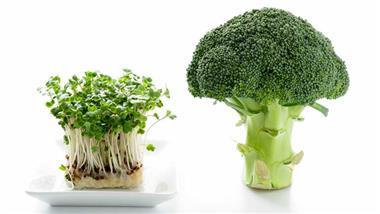
STORY AT-A-GLANCE
- After just 12 weeks of supplementing with sulforaphane, which is just one of broccoli’s claims to fame, older adults experienced better cognitive function
- Sulforaphane also helps protect the heart, catalyzes a healthy balance of gut bacteria, and may be a weight management tool
- A superior choice to supplements is broccoli sprouts; they contain up to 50 times the amount of chemoprotective compounds and are easily grown indoors
Food has a profound effect on your health — whether to prevent disease or reverse the negative effects of disease and illness. For example, decades of research have revealed the powerful effect that broccoli and other cruciferous vegetables have on several common health issues. Research1 has found that sulforaphane, one of broccoli’s claims to fame, is responsible for improving cognitive function and mood in older adults.
Other cruciferous vegetables include Brussels sprouts, cauliflower, cabbage, collards, kale and Bok choy. Broccoli has decades of research behind it that show it’s a valuable health-promoting food. While several compounds have demonstrated positive effects on health, one of the most widely studied is sulforaphane. The compound may be best known for its cancer-fighting properties.
For example, studies have shown that sulforaphane supports normal cell function and division while triggering apoptosis in colon,2 liver,3 prostate,4 breast5 and tobacco-induced lung cancer.6 While it is helpful in the prevention of cancer, data7 also shows it may also help in the treatment of breast cancer.
Sulforaphane also increases enzymes in your liver8 that help destroy cancer-causing chemicals you may consume or be exposed to in your environment. This compound has even been called “one of the most powerful anticarcinogens found in food.”9
Research has also shown it boosts detoxification of environmental toxins,10 helps prevent or treat high blood pressure,11 heart disease, Alzheimer’s disease,12 autism13 and even schizophrenia.14
Older Adults Experience Better Cognitive Function and Mood
The featured Japanese study15 was published in Frontiers in Aging Neuroscience. The researchers used 12 weeks of supplementation and found that the participants experienced greater processing speed and a reduction in negative mood as compared to the group who received the placebo.
Researchers began with the premise from past studies showing sulforaphane with cognitive training had a positive effect on cognitive function. They sought to investigate whether consuming sulforaphane could improve cognitive performance and mood in older adults.
They used a 12-week, double-blind, randomized controlled trial in which 144 adults — 73 men and 71 women — with an average age of 66.82 years were assigned to either a placebo group or a group that received sulforaphane supplementation.
The intervention group took 30 mg of glucoraphanin daily, which is converted to sulforaphane in the body. The researchers measured cognitive function, mood states, and serum and urine biomarkers at baseline and the conclusion of the intervention.
The group that took the sulforaphane supplementation exhibited an improvement in cognitive processing speed and a reduction in negative mood. Additionally, the intervention group had a higher sulforaphane N-acetyl L-cysteine (SFN-NAC) urine level, indicating they had consumed the glucoraphanin capsules. There were no other significant biomarkers of oxidative stress, neuroplasticity or inflammation.
The health benefits from eating cruciferous vegetables are linked to glucosinolates,16 which are plant chemicals that are metabolized into isothiocyanates, including sulforaphane. Broccoli contains an enzyme called myrosinase that helps to break down glucosinolates into erucin or sulforaphane. The researchers concluded:17
“Although we did not find any significant changes in antioxidant response, neural plasticity, or the neuroinflammation blood parameter, these results indicate that nutrition interventions using SFN can have positive effects on cognitive functioning and mood in healthy older adults.”
Sulforaphane’s Effect on the Heart, Leaky Gut and Obesity
Research data have shown that sulforaphane can help lower the risk of cardiovascular disease18 and reduce high blood pressure in an animal model.19 In one animal study,20 researchers sought to evaluate the efficacy of sulforaphane in the lab. Past data using exogenous antioxidants were not conclusive, which led the researchers to theorize that inducing endogenous antioxidant activities could have a promising cardioprotective effect.
Their theory was confirmed in the lab by demonstrating a reduction in intracellular reactive oxygen species production, which has a pathogenic response on the myocardium21 triggering damage and dysfunction. The antioxidant and anti-inflammatory properties of sulforaphane may be related to the activation of the Nrf2 pathway that acts as a defense mechanism against oxidative stress.
Another animal study22,23 identified yet another benefit from broccoli — a healthy gut. Researchers from Penn State demonstrated that broccoli may help in the treatment of colitis and leaky gut syndrome when they discovered broccoli contains a compound called indolocarbazole (ICZ). This compound helps catalyze a healthy balance of bacteria and supports your immune system.
Researchers swapped out 15% of the animal’s diet for raw broccoli,24 which is equal to about 3.5 cups of broccoli each day for a human. While that is quite a bit of broccoli, researchers say you can get an equivalent amount from one cup of Brussel sprouts as these vegetables contain three times the amount of ICZ as broccoli.
Animal research25,26 has also suggested that sulforaphane can be used as a weight management tool. Mice that were fed a high fat diet with sulforaphane gained weight 15% slower than those getting the same diet without sulforaphane supplementation.
They also gain 20% less visceral fat. This fat collects around your internal organs and is particularly hazardous to your health. The researchers believe two different mechanisms were behind the results:27
- Sulforaphane was found to speed up tissue browning. Brown fat is a beneficial type of body fat that helps you stay slim. It’s a heat-generating type of fat that burns energy rather than storing it.
- Sulforaphane also decreased gut bacteria in the Desulfobivrionaceae family. These bacteria are known to produce toxins that contribute to metabolic endotoxemia and obesity.
Easy to Grow Sprouts Are a Concentrated Form of Nutrients
It has been my experience that it’s always better to get your nutrients from food as opposed to supplements when it’s possible. However, there are times when it’s impractical or nearly impossible to achieve a therapeutic dose from food alone. You can get meaningful amounts of sulforaphane and DIM from eating broccoli, but it could be difficult to consistently eat enough to reach a therapeutic dose.
A superior choice to a supplement is broccoli sprouts, which are far more potent than whole broccoli and allow you to eat less in terms of quantity. According to the late Dr. Paul Talalay,28 then professor of pharmacology at Johns Hopkins and researcher who launched the field of chemoprotection:29
“Three-day-old broccoli sprouts consistently contain 20 to 50 times the amount of chemoprotective compounds found in mature broccoli heads, and may offer a simple, dietary means of chemically reducing cancer risk.”
You can have a ready supply of cancer-fighting nutrients by growing sprouts at home. It’s quite easy, it can be done indoors, and you don’t need a lot of space. Although sprouts are small, they are packed with enzymes, vitamins, minerals and antioxidants that protect against free radical damage. When I first started sprouting seeds I used Ball jars, but I’ve since switched to growing them in potting soil.
Sprouts grown in Ball jars need to be rinsed several times a day to prevent mold growth and it’s a hassle to keep them draining in the sink and taking up space. You would also need dozens of jars to get the same amount as in just one flat tray. When sprouts are grown in soil they can be harvested in about a week and one pound of seeds will produce over 10 pounds of sprouts.
Sprouts can be added to salads, sandwiches or vegetable juice or smoothies. You can also boost the benefits of sulforaphane in broccoli and other cruciferous vegetables by pairing them with a myrosinase-containing food.30 This is the enzyme that converts the precursor glucoraphanin to sulforaphane. Foods that contain myrosinase include Dakin radishes, arugula, and mustard seed.31
Ideally, broccoli should be steamed for no more than four minutes to increase the available sulforaphane content. This eliminates a heat-sensitive sulfur-grabbing protein that inactivates sulforaphane,32 while retaining the myrosinase in the broccoli. Without myrosinase, your body cannot absorb sulforaphane.
If you opt for boiling, blanch the broccoli for no more than 30 seconds and then immerse it immediately in cold water to stop the cooking process. If you prefer raw food, you’ll get the most sulforaphane and nutrients from broccoli sprouts rather than mature broccoli.
- 1, 15 Frontiers in Aging Neuroscience, 2022; doi.org/10.3389/fnagi.2022.929628
- 2 Cancer Research, 2000:60(5)
- 3 Journal of Nutrition, 2016;146(3)
- 4 Science Direct 2012;1823(8)
- 5, 7 Clinical Cancer Research, 2010; 16(9)
- 6 Cancer Research, 2005; 65(18)
- 8, 9, 32 Science Daily, April 5, 2005
- 10 Cancer Prevention Research 2014; 7(8)
- 11, 19 American Journal of Hypertension, 2012;25(2)
- 12 Molecular Nutrition and Food Research, 2018; 62(12)
- 13 PNAS 2014; 111(43)
- 14 Neuroscience News May 8, 2019
- 16 Nutra-Ingredients USA, August 16, 2022, Health Benefits
- 17 Frontiers in Aging Neuroscience, 2022; doi.org/10.3389/fnagi.2022.929628 Concl 50% DTP
- 18 Journal of Medicinal Food, 2019;22(2)
- 20 Journal of Agricultural and Food Chemistry, 2009;57(12)
- 21 Oxidative Medicine and Cellular Longevity, 2015;407580
- 22 Science Daily, October 12, 2017
- 23 Journal of Functional Foods, 2017; 37
- 24 Science Daily, October 12, 2017, para 8 and 9
- 25 Diabetes, 2017;66(5)
- 26, 27 Science Daily, March 7, 2017
- 28 Hub, Johns Hopkins University, March 14, 2019
- 29 Science Daily, September 19, 1997
- 30 Science Daily, September 13, 2011
- 31 Food Chemistry, 2013; 138(2-3)
Powerful Protection for Women Against Tumors
Reproduced from original article:
https://articles.mercola.com/sites/articles/archive/2022/09/01/fasting-for-leading-diseases.aspx
The original Mercola article may not remain on the original site, but I will endeavor to keep it on this site as long as I deem it to be appropriate, and will not be bullied into removing it.
Analysis by Dr. Joseph Mercola Fact Checked September 01, 2022

STORY AT-A-GLANCE
- Research suggests time-restricted feeding (intermittent fasting) drastically reduces a woman’s risk of breast cancer, in part by lowering insulin
- Intermittent fasting releases ketones into your bloodstream, which help preserve brain function and protect against epileptic seizures, cognitive impairment and other neurodegenerative diseases
- By improving your insulin sensitivity, intermittent fasting can both prevent and reverse Type 2 diabetes, which is rooted in insulin resistance
- When intermittently fasting, it’s critical to avoid processed foods, particularly refined carbohydrates, sugar/fructose and grains. Focus on vegetable carbohydrates, healthy protein in moderate amounts and healthy fats such as butter, eggs, avocado, coconut oil, olive oil and raw nuts
- My new book, “KetoFast,” presents a modified form of water-only fasting (in combination with a cyclical ketogenic diet) that is easier to do, and provides greater benefits because you’re able to do it more frequently
According to research1 presented at the Endocrine Society’s annual meeting, March 23, 2019, intermittent fasting, where you eat all your meals for the day within a narrow window of time — in this case eight hours — drastically reduces a woman’s risk of breast cancer. According to Dr. Manasi Das, a postdoctoral fellow at the University of California, San Diego, who led the research team:2
“Improving the metabolic health of postmenopausal women with obesity may mitigate their risk for breast cancer. Time-restricted eating may be more successful than calorie restriction in controlling the negative effects of obesity, due to the hunger and irritability that makes it more difficult to stick with long-term calorie restriction.
The results suggest the anti-tumor effect of time-restricted eating is at least partially due to lower levels of insulin, suggesting this intervention may be effective in breast cancer prevention and therapy.
Exploring the ability of time-restricted eating to prevent breast cancer could provide an inexpensive but effective strategy to prevent cancer impacting a wide range of patients and represents a groundbreaking advance in breast cancer research.”
Link Between Insulin Resistance and Cancer Strengthens
The team conducted three separate experiments on mice whose ovaries had been removed to simulate a postmenopausal state. In the first, the mice were first fattened up with a high-fat diet, after which they were divided into two groups: One had access to food around the clock, while the other had eight-hour access to chow at night (the time of highest physical activity).
The control group consisted of lean mice given access to a low-fat diet 24 hours a day. Three weeks into the experiment, all of the animals were injected with breast cancer cells. Results showed time-restricted feeding, also known as intermittent fasting, reduced tumor growth in the obese mice to levels similar to those in the lean mice.
In the second experiment, they used mice that were genetically modified to develop breast cancer. As before, half of them had round-the-clock access to a high-fat diet while the other had access to food for eight hours. Here, they also assessed the impact of insulin by artificially raising insulin in some mice using an insulin pump, while lowering it in others using the drug diazoxide.
In the third experiment, mice fed a low-fat diet were either given insulin via an insulin pump or saline as a control, while mice on a high-fat diet were either given diazoxide to lower their insulin levels, or no drug as the control. As you’d suspect, higher insulin levels fueled tumor development, while lower levels inhibited cancer growth. As reported by the New York Post:3
“The results add to a growing body of evidence that indicates obesity and metabolic syndrome, a collection of risk factors that increase the chance of developing heart disease stroke and diabetes, are also risk factors for cancer, particularly postmenopausal breast cancer.”
Indeed, other studies have found intermittent fasting is a powerful anticancer strategy, and researchers are even working on getting it approved by the U.S. Food and Drug Administration as an adjunct to cancer treatment to improve long-term survival rates.
Benefits of Intermittent Fasting
Intermittent fasting, i.e., following a meal-timing schedule where you’re fasting for at least 16 hours every day and eating all of your meals within eight consecutive hours, has a long list of confirmed health benefits.
There are also other intermittent fasting plans where you dramatically cut back on your calories for a certain number of days each week, while eating normally during the remainder. The 5-to-2 intermittent fasting plan is one such example. The fasting mimicking diet, developed to match the effects of water-only fasting, is another.
Most if not all of these plans have similar benefits, which include the following.4,5,6,7 For a rundown of the science behind some of these benefits, see Chris Kresser’s article “Intermittent Fasting: The Science Behind the Trend.”8
| Releasing ketones into your bloodstream, which help preserve brain function and protect against epileptic seizures, cognitive impairment9 and other neurodegenerative diseases |
| Boosting production of brain-derived neurotrophic factor, which stimulates creation of new brain cells and triggers brain chemicals that protect against brain changes associated with Alzheimer’s and Parkinson’s disease10 |
| Increasing growth hormone by as much as 1,300 percent in women and 2,000 percent in men,11 thereby promoting muscle development and vitality |
| Lowering insulin and improving your insulin sensitivity; studies have shown intermittent fasting can both prevent and reverse Type 2 diabetes, which is rooted in insulin resistance12,13,14,15 |
| Increasing levels of the neurotransmitter norepinephrine, which helps your body break down fat to be used as fuel and benefits your metabolism16,17,18 |
| Upregulating autophagy and mitophagy,19 which will help protect against most disease, including cancer20 and neurodegeneration21 |
| Shifting stem cells from a dormant state to a state of self-renewal |
| Boosting mitochondrial energy efficiency and biosynthesis |
| Lowering oxidative stress and inflammation22 |
| Improving circulating glucose23 and lipid levels |
| Reducing blood pressure |
| Improving metabolic efficiency and body composition, modulating levels of dangerous visceral fat and significantly reducing body weight in obese individuals |
| Reproducing some of the cardiovascular benefits associated with exercise |
| Regenerating the pancreas24 and improve pancreatic function |
| Protecting against cardiovascular disease |
| Reducing low-density lipoprotein and total cholesterol |
| Improving immune function25 |
| Synchronizing your body’s biological clocks26 |
| Eliminating sugar cravings as your body adapts to burning fat instead of sugar |
| Increase longevity — There are a number of mechanisms contributing to this effect. Normalizing insulin sensitivity is a major one, but fasting also inhibits the mTOR pathway, which plays an important part in driving the aging process |
Intermittent Fasting Considerations
While intermittent fasting is likely to be beneficial for most people, here are some points to consider:
• Intermittent fasting does not have to be a form of calorie restriction — It’s a practice that should make you feel good. If your fasting strategy is making you feel weak and lethargic, re-evaluate your approach.
• Sugar cravings are temporary — Your hunger and craving for sugar will slowly dissipate as your body starts burning fat as its primary fuel. Once your body has successfully shifted into fat burning mode, it will be easier for you to fast for as long as 18 hours and still feel satiated.
• When intermittent fasting, it’s important to eat real food — While intermittent fasting may sound like a panacea against ill health and excess weight, it alone may not provide you with all of these benefits. The quality of your diet plays an important role if you’re looking for more than mere weight loss.
It’s critical to avoid processed foods, particularly refined carbohydrates, sugar/fructose and grains. Focus your diet on vegetable carbohydrates, healthy protein in moderate amounts, and healthy fats such as butter, eggs, avocado, coconut oil, olive oil and raw nuts.
What Is KetoFast?
My book, “KetoFast,” is the follow-up to my best-selling book “Fat for Fuel.” As I mention in the Q&A video above, you really need to implement the strategies laid out in “Fat for Fuel” first (which include daily intermittent fasting and cyclical nutritional ketosis), before you move on to “KetoFast.”
I wrote “KetoFast” because I strongly believe multiday water-only fasting is a profoundly effective intervention. However, while extended water fasts have been used for centuries, modern day life presents us with toxic exposures that can actually make water fasting problematic, as fasting very effectively releases toxins. Most people today are severely toxic, and the sudden release of those toxins could potentially be harmful.
So, “KetoFast” essentially presents a modified form of water fasting (in combination with a cyclical ketogenic diet) that is easier to do, and provides greater benefits because you’re able to do it more frequently. As mentioned though, it’s best to have implemented a month of six- to eight-hour daily intermittent fasting and nutritional ketosis as laid out in “Fat for Fuel” first before you get into this longer type of fasting.
Once you’re metabolically flexible and can burn fat for fuel, the combination of cyclical nutritional ketosis and cyclical fasting is phenomenal for weight loss and optimizing your health and longevity. As I’ve discussed in previous articles, I’ve done several five-day water-only fasts in the past, but with this modified strategy, I likely won’t do a longer water fast like that again, as I don’t believe it’s necessary.
In summary, the modified fasting method I describe in “KetoFast” involves daily intermittent fasting for 16 to 18 hours five to six days a week. Then, once or twice a week, you have a single 300- to 500-calorie meal that day, followed by a 24-hour water-only fast. In essence, that means you’re only eating 300- to 500 calories in 42 hours. In the book, I also make dietary recommendations to ensure you’re getting the nutrients your body needs to support your detox pathways.
In the video above, I answer a wide variety of fasting related questions from readers, covering specific nutrients and more general timing recommendations, as well as some questions about cyclical ketosis.
How to Implement Cyclical Keto and Fasting
Fasting and nutritional ketosis provide many of the same benefits, and both work best when implemented in a pulsed fashion. Together, I believe cyclical keto and intermittent fasting is a near-unbeatable combination capable of really maximizing the health benefits of both. Here is a quick summary of how to implement these two strategies as a cohesive program:
1. Implement an intermittent fasting schedule — Eat all of your meals — either breakfast and lunch, or lunch and dinner — within a six- to eight-hour window each day. Fast for the remaining 16 to 18 hours. If all of this is new to you and the idea of making changes to your diet and eating habits seems too daunting, simply start out by eating your regular diet on this timed schedule.
Once this has become routine, move on to implement the ketogenic diet (step 2), followed by the cyclical component (step 3). You can take comfort in knowing that once you reach step 3, you will be able to cycle in some of your favorite healthy carbs once again on a weekly basis.
2. Switch to a ketogenic diet until you can create measurable ketones — The three-part key is to 1) restrict net carbohydrates (total carbs minus fiber) to 20 to 50 grams per day, 2) replace the lost carbs with healthy fats so that you’re getting anywhere from 50 to 85 percent of your daily calories from fat, and 3) limit protein to one-half gram of protein per pound of lean body mass.
(To determine your lean body mass, subtract your body fat percentage from 100, then multiply that percentage by your current weight.)
Vegetables, which are loaded with fiber, can be eaten without restrictions. The primary carb sources that need to be cut out are grains and all forms of sugar, including high-fructose fruits. (Healthy net carbs will be cycled back in once you’ve entered ketosis.)
Examples of healthy fat sources include avocados, coconut oil, animal-based omega-3 from fatty fish, butter, raw nuts (macadamia and pecans are ideal as they’re high in healthy fat while being low in protein), seeds, olives and olive oil, grass fed animal products, MCT oil, raw cacao butter and organic pastured egg yolks.
Avoid all trans fats and highly refined polyunsaturated vegetable oils. Adding these harmful fats27 can cause more damage than excess carbs, so just because an item is “high in fat” does not mean you should eat it.
Maintain these ratios of net carbs, fat and protein until you’ve achieved ketosis and your body is burning fat for fuel. Keto testing strips can be used to confirm that you’re in ketosis, defined as having blood ketones in the range of 0.5 to 3.0 mmol/L. Keep in mind it can take anywhere from a couple of weeks to a few months before your body is able to effectively burn fat again.
Also remember that precision is important when it comes to these nutrient ratios. Too many net carbs will effectively prevent ketosis as your body will use any available glucose first, since it’s a much faster-burning fuel, so make sure you have some basic measuring and tracking tools on hand.
This includes a kitchen scale, measuring cups and a nutrient tracker (www.cronometer.com/mercola is a free, accurate nutrient tracker that is already set up for nutritional ketosis).
3. Once you’ve confirmed that you’re in ketosis, begin cycling in and out of keto by eating higher amounts of net carbs once or twice a week. As a general recommendation, triple the amount of net carbs on these high-carb days. Cycling in and out of nutritional ketosis will maximize the biological benefits of cellular regeneration and renewal, while minimizing the potential drawbacks of continuous keto.
While higher net carb amounts are allowed once or twice a week at this stage, I would advise you to still be mindful of what’s healthy and what’s not. Ideally, you’d forgo potato chips and bagels, and focus on adding in healthier alternatives such as digestive-resistant starches.
High net-carb foods such as potatoes, rice, bread and pasta all become more digestive-resistant when they’re cooked, cooled and then reheated, and this is one way of making such indulgences a bit healthier.
4. At this point, you’re ready to move on to the modified water-only fasting regimen described in “KetoFast” — Again, this involves daily intermittent fasting for 16 to 18 hours on days you are not KetoFasting. Then, once or twice a week, you have a single 300- to 500-calorie meal that day, followed by fasting until your next normal meal. For a six-hour eating window this means you’d only eat 300 to 500 calories in a 42-hour period.
- 1 Endocrine Society Press Release March 25, 2019
- 2, 3 New York Post March 26, 2019
- 4 American Journal of Clinical Nutrition July 2007: 86(1); 7-13
- 5 Cell Metabolism December 2, 2014: 20(6); 991-1005
- 6 Cell Metabolism June 18, 2015 DOI: dx.doi.org/10.1016/j.cmet.2015.05.012
- 7 British Journal of Diabetes & Vascular Disease March/April 2013: 13(2); 68-72
- 8 Chris Kresser March 27, 2019
- 9 Neurobiol Aging. 2012 Feb; 33(2): 425.e19–425.e27
- 10 Washington Post December 31, 2012
- 11 EurekAlert! April 3, 2011
- 12 Annual Review of Nutrition August 2017; 37: 371-393
- 13, 26 Ageing Res Rev. 2017 Oct; 39: 46–58
- 14 Cell Metabolism June 5, 2018; 27(6): 1212-1221.e3
- 15 Am J Clin Nutr. 2005 Jan;81(1):69-73
- 16 Am J Clin Nutr. 2000 Jun;71(6):1511-5
- 17 J Clin Endocrinol Metab. 2002 Jul;87(7):3373-7
- 18 Endocrinology 2016 Feb; 157(2): 679–691
- 19 Am J Physiol Cell Physiol. 2011 Feb;300(2):C308-17
- 20 Cell 2009 Jun 12;137(6):1062-75
- 21 Autophagy 2010 Aug 16; 6(6): 702–710
- 22 Free Radic Biol Med. 2007 Mar 1;42(5):665-74
- 23 Journal of Applied Physiology July 28, 2005: 99(6); 2128-2136
- 24 Cell February 23, 2017; 168(5): 775-788
- 25 Cell Stem Cell June 5, 2014
- 27 Shanahan C., Deep Nutrition. Flatiron Books, 2018
Why Standing May Be as Important as Exercise
Reproduced from original article:
https://articles.mercola.com/sites/articles/archive/2022/08/19/standing-benefits.aspx
The original Mercola article may not remain on the original site, but I will endeavor to keep it on this site as long as I deem it to be appropriate, and will not be bullied into removing it.
Analysis by Dr. Joseph Mercola Fact Checked August 19, 2022

STORY AT-A-GLANCE
- Sitting and other forms of prolonged, uninterrupted sedentary time promotes cardiometabolic disorders, obesity, depression and all-cause mortality in adults and in children are linked to obesity, anxiety and depressive symptoms
- More than two dozen chronic diseases, from diabetes and high blood pressure to back pain and deep vein thrombosis, have been linked to excessive sitting
- Children at standing desks burn 15% to 25% more calories during the school day than those who remain sitting; students were also less likely to report neck and shoulder discomfort when using standing desks
- In the workplace, standing desks have also been found to trigger increased brain activity and do not hinder cognitive performance as has been suggested
- If you want to take your fitness to the next level, make standing a workout of its own by standing on a wobble board at your standing desk
During the pandemic, the already largely sedentary American population moved even less, with daily steps plunging by an average of 20%.1 With more people working from home, the tendency to sit at a computer for long hours is taking a toll on both physical and mental health, but the upside is that many are increasingly realizing the important of daily movement.
While regular physical exercise is important, so, too, is doing virtually anything other than sitting — even standing. This is why many fitness trackers have goal settings for not only calories burned and steps taken in a day, but also reaching a standing-time goal.2
What Sitting Does to Your Body
Sitting is a behavior with a very low energy expenditure that’s associated with poor health outcomes in both adults in children. Sitting and other forms of prolonged, uninterrupted sedentary time promote cardiometabolic disorders, obesity, depression and all-cause mortality in adults and in children is linked to obesity, anxiety and depressive symptoms.3
Increased musculoskeletal symptoms are also associated with prolonged sitting,4 and being sedentary for long periods of time each day even appears to accelerate aging at the cellular level.
Among close to 1,500 older women included in one study, those who sat the longest were, on average, eight years older, biologically speaking, than women who moved around more often, with researchers concluding, “avoidance of a highly inactive lifestyle may provide health benefits at the cellular level.”5
Another study found that excessive sitting increases lung cancer risk by 54%, uterine cancer risk by 66% and colon cancer risk by 30%, with researchers noting:6
“Sedentary behavior contributes to an interrelated network of increased body fat, altered production of sex hormones, metabolic dysfunction, leptin, adiponectin and inflammation, encouraging cancer development.”
Separate research, published in the American Journal of Preventive Medicine, further found that sitting for more than three hours a day causes 3.8% of all-cause deaths in the 54 countries surveyed.7
Cutting your sitting time to less than three hours a day could increase your life expectancy by 0.2 years (about 2.4 months), the researchers concluded. More than 60% of people globally spend more than three hours a day sitting.8
Why You Should Break Free From ‘Chair Addiction’
“Chair addiction has become a hallmark of modernity,” according to Dr. James Levine, author of the book “Get Up!: Why Your Chair Is Killing You and What You Can Do About It,” and the inventor of the treadmill desk.9 “Sitting kills more people than smoking because more people sit excessively than smoke, and the health sequelae of sitting are more numerous,” he added.10
More than two dozen chronic diseases, from diabetes and high blood pressure to back pain and deep vein thrombosis, have been linked to excessive sitting, and fitting in an exercise session isn’t likely to offset excessive sitting’s harmful effects.11
It was during the Industrial Revolution, when people moved from agricultural communities to cities, that sedentary behaviors and many of their related health problems became common. Levine wrote in Mayo Clinic Proceedings:12
“Once the Industrial Revolution took hold, lethal sitting became inevitable. In the 1800s, factory production lines were invented to diminish the need for a worker to waste time walking. Soon after that, modern offices were developed with the premise that the fewer minutes workers moved during the workday, the less time was wasted.
The 1930s saw the rise of the archenemy — the office chair. Workplace automation and mechanization followed with the introduction of typewriters, Dictaphones, intercoms, and adding machines — all of which diminished movement. By the 1950s, mass-produced and affordable cars came onto the market and people forewent walking to work and drove.
Last came desk-based computerization and the conversion of active play to electronic play. It took nature 2 million years to design the walking, dynamic human, and it took those humans 200 years to reverse the art of nature and cram people all day long into chairs … The human genome has not substantially changed in 200 years, but over that time the humans’ default posture has changed from ambulatory to chair-based.”
Standing Benefits Mind and Body
One of the most obvious benefits of standing is that it increases energy expenditure, or calories burned, which can help to ward off obesity. Sitting increases metabolic rate by only 5% compared to lying down, but walking, even at a slow pace, increases energy expenditure 100%.13
According to Stand Up Kids, an organization whose mission is to bring a standing desk to every public school child within 10 years, children at standing desks burn 15% to 25% more calories during the school day than those who remain sitting — and the difference was even greater among children with obesity, who burned 25% to 35% more calories at standing desks.14
When standing desks were introduced to a fourth grade classroom at one school, standing time increased by 17 to 26 minutes per school day while sitting time decreased by 17 to 40 minutes.15 The students were also less likely to report neck and shoulder discomfort when using standing desks.
A study published in the Journal of Medicine and Sport also revealed that in first grade boys, lower levels of physical activity and higher levels of sitting time were linked to poorer reading skills.16
In the workplace, standing desks trigger increased brain activity and do not hinder cognitive performance as has been suggested.17 Other benefits of standing, reported by Stand Up Kids, include:18
- Prevention of the body’s tissue adaptation to static positions, such as short hip flexors and hamstrings, rounded upper back and poor shoulder position
- Prevention of orthopedic degradation and dysfunction, including back and neck pain, repetitive stress injuries, pelvic floor dysfunction and knee and hip disorders
- Increased creativity and educational test scores
- Increased engagement and active learning in the classroom
How to Gradually Break Free From Your Chair
Kelly and Juliet Starrett are the husband-and-wife team who founded Stand Up Kids. Kelly has a Ph.D. in physical therapy and is the author of “Deskbound: Standing Up to a Sitting World.” He is one of the leaders in the CrossFit movement and stresses the importance of proper body mechanics, both in and outside the gym.
His first book, “Becoming a Supple Leopard,” addresses biomechanical inadequacies that might increase your risk of injury. Juliet is a former competitive athlete, CrossFit authority and co-founder of the healthy movement website Mobility WOD. In 2016, I interviewed Kelly about his book, “Deskbound,” which helped me address some of my own movement challenges and is an eye-opening read about why standing is a simple way to radically improve your health.
If you’re not convinced, Kelly mentioned a study that found office workers who smoked to be healthier than nonsmokers simply because they got up every 30 minutes or so and walked outside to have a cigarette.19 “That activity was enough to be a considerable change in the function and health of the human being,” he said.
However, if you’re used to sitting for hours a day, be prepared for a gradual transition and avoid trying to switch to a standing desk “cold turkey.” The Starretts recommend first transitioning to a standing desk with a perching stool and sitting on that for 20 or 30 minutes, then gradually increasing your time.20
In addition, be sure your desk is adjusted to the proper height. Also, many people feel more comfortable having somewhere to put a foot on and off, such as a stepstool.
If you don’t have a standing desk, it’s possible to fashion one out of a regular desk by propping up your computer on a box or an overturned wastebasket. Or, if you have an island or breakfast bar in your kitchen, use that. If standing isn’t an option, you can reap many similar benefits by getting up from your chair every 20 minutes and taking a two-minute walk. For times when you do sit, “sit with skill,” the Starretts said.
They advise sitting on your sit bones, engaging your legs and trying to look over the chair. When you’re first starting out, divide your day into optional sitting and nonoptional sitting. Don’t worry about the times when you have to sit, but take stock of what they call “junk sitting” and try to whittle that down.
Try a Wobble Board While Standing
Standing is classified as a light-intensity activity when it’s “active” rather than “passive.”21 Active standing might include standing while doing dishes whereas passive standing is waiting in a line. If you want to take your fitness to the next level, make standing a workout of its own by standing on a wobble board at your standing desk.
This has added benefits for improving balance and posture while working your core muscles and boosting coordination. Beyond this, a transition to more active schools and offices, which promote not only standing but also more daily movement, could have far-reaching public health benefits, according to Levine.
“Offices can incentivize protocols for walking meetings, incentivize leg-based interactions (eg, walk across the office versus e-mail), and install walking tracks or treadmill desks. Active offices not only report improved health but less perceived stress and improved productivity.
Schools can be designed to promote active learning, and research demonstrates improvement to health, attentiveness, and educational outcomes. Bright, clean, attractive stairwells with visible prompts promote walking up steps better than do poorly lighted, dirty, dank ones.”22
The more you try to incorporate standing and movement into your day, gradually you’ll get used to the idea of standing and will find that you don’t automatically look for a chair the way you used to. You’ll be surprised by how many opportunities you have to move in a day if you start opening your eyes to them.
– Sources and References
- 1, 2 The Atlantic June 1, 2022
- 3, 4, 15 Int J Environ Res Public Health. 2019 Oct; 16(19): 3590
- 5 American Journal of Epidemiology January 18, 2017
- 6 BMJ January 21, 2015
- 7 American Journal of Preventive Medicine March 2016
- 8 The New York Times March 29, 2016
- 9, 10, 11, 12, 13, 22 Mayo Clinic Proceedings August 1, 2014
- 14, 18 Stand Up Kids, Standing vs. Sitting
- 16 Journal of Science and Medicine in Sport November 23, 2016
- 17 Hum Factors. 2020 Jun;62(4):603-612. doi: 10.1177/0018720819879310. Epub 2019 Oct 8
- 19, 20 Dan’s Plan January 6, 2017
- 21 Int J Environ Res Public Health. 2021 Aug; 18(16): 8460
The 5G War — Technology Versus Humanity
Reproduced from original article:
https://articles.mercola.com/sites/articles/archive/2022/08/11/technology-versus-humanity.aspx
The original Mercola article may not remain on the original site, but I will endeavor to keep it on this site as long as I deem it to be appropriate, and will not be bullied into removing it.
Analysis by Dr. Joseph Mercola Fact Checked August 11, 2022
STORY AT-A-GLANCE
- 5G relies primarily on the bandwidth of the millimeter wave, known to cause a painful burning sensation. It’s also been linked to eye and heart problems, suppressed immune function, genetic damage and fertility problems
- FCC admits no 5G safety studies have been conducted or funded by the agency or telecom industry, and that none are planned
- The FCC has been captured by the telecom industry, which in turn has perfected the disinformation strategies employed by the tobacco industry before it
- Persistent exposures to microwave frequencies like those from cellphones can cause mitochondrial dysfunction and nuclear DNA damage from free radicals produced from peroxynitrite
- Excessive exposures to cellphones and Wi-Fi networks have been linked to chronic diseases such as cardiac arrhythmias, anxiety, depression, autism, Alzheimer’s and infertility
This article was previously published June 5, 2019, and has been updated with new information.
Exposure to electromagnetic field (EMF) and radiofrequency (RF) radiation is an ever-growing health risk in the modern world. The Cellular Phone Task Force website1 has a long list of governments and organizations that have issued warnings or banned wireless technologies of various kinds and under various circumstances, starting in 1993.
Another long list of organizations representing doctors and scientists are also among them, including an appeal for protection from nonionizing EMF exposure by more than 230 international EMF scientists to the United Nations in 2015, which notes that:2
“Numerous recent scientific publications have shown that EMF affects living organisms at levels well below most international and national guidelines.
Effects include increased cancer risk, cellular stress, increase in harmful free radicals, genetic damages, structural and functional changes of the reproductive system,3,4,5 learning and memory deficits, neurological disorders, and negative impacts on general well-being in humans. Damage goes well beyond the human race, as there is growing evidence of harmful effects to both plant and animal life.”
A call for a moratorium on 5G specifically was issued in September 2017 by more than 180 scientists and doctors from 35 countries,6,7 “until potential hazards for human health and the environment have been fully investigated by scientists independent from industry,” noting that “RF-EMF has been proven to be harmful for humans and the environment,” and that “5G will substantially increase exposure to radiofrequency electromagnetic fields (RF-EMF) on top of the 2G, 3G, 4G, Wi-Fi, etc. for telecommunications already in place.”
In an article8 on the Environmental Health Trust’s website, Ronald Powell, Ph.D., a retired Harvard scientist of applied physics, notes “there is NO SAFE WAY to implement 5G in our communities; rather there are only ‘bad ways’ and ‘worse ways,'” and rather than argue about who should have control over its deployment, we should focus on preventing its employment altogether.
Health Concerns Over 5G Abound
Wall Street analyst Sunil Rajgopal also warned that mounting health concerns may delay the implementation of 5G.9 Some countries have already taken steps to slow 5G deployment due to health risks, Rajgopal notes. The question is, can it be stopped?
5G testing was halted in Brussels, Belgium,10 and Switzerland is delaying its 5G rollout in order to create a system to monitor radiation.11 Syracuse, New York, is also attempting to set up some safeguards and has “negotiated the right to conduct on-demand safety inspections of 5G antennas,” to allay public concerns.12 According to Forbes:13
“In New Hampshire, lawmakers are considering establishing a commission to study the health impacts of 5G networks. And Mill Valley, Calif., near San Francisco, last year banned new 5G wireless cells.”
Many other areas, however, have chosen to trust the Federal Communications Commission and the wireless industry trade association, CTIA, which has created a “Cellphone Health Facts” website citing research showing no risk. However, if you believe the FCC is assessing health risks, you’d be wrong.
At a Senate commerce hearing (above), the FCC admitted that no 5G safety studies have been conducted or funded by the agency or the telecom industry, and that none are planned.14,15 In a speech given at the National Press Club in June 2016, Tom Wheeler, former FCC chairman and prior head of the wireless industry lobbying group, made the agency’s stance clear when he said:16
“Stay out of the way of technological development. Unlike some countries, we do not believe we should spend the next couple of years studying … Turning innovators loose is far preferable to letting committees and regulators define the future. We won’t wait for the standards …”
In light of the more than 2,000 studies showing a wide range of biological harm from EMFs, assurances from the FCC and the U.S. Food and Drug Administration that wireless radiation exposures, including 5G, is safe, seem disingenuous at best. As noted in a Counterpunch article:17
“Telecom lobbyists assure us that guidelines already in place are adequate to protect the public. Those safety guidelines, however, are based on a 1996 study of how much a cell phone heated the head of an adult-sized plastic mannequin. This is problematic, for at least three reasons:
- living organisms consist of highly complex and interdependent cells and tissue, not plastic.
- those being exposed to radiofrequency radiation include fetuses, children, plants, and wildlife – not just adult male humans.
- the frequencies used in the mannequin study were far lower than the exposures associated with 5G.”
Even so, in 2022, substantial research on EMF safety has yet to be done. In fact, as of August 1, 2022, of more than 35,000 articles on EMFs, only seven have been medical or biological studies.18 However, “none of these studies modulated or pulsed the signal as required by 5G or used other features of 5G technology,” according to Joel M. Moskowitz, Ph.D., director for the Center of Family and Community Health School of Public Health at UC Berkeley.19
What Level of EMF Can Humans Withstand?
EMF exposure at many biological impacting frequencies, such as those that run cellphones and Wi-Fi, has increased about 1 quintillion times over the past 100 years.20,21 Unfortunately, EMF exposure is so widespread these days, it’s virtually impossible to conduct controlled population studies anymore, as no population is truly unexposed or unaffected. This lack of a control group makes it very difficult to determine what the real-world effects are.
That said, one controlled exposure study has been done, revealing it’s nowhere near as harmless as people think. At the beginning of the 20th century, there were two populations in the United States — rural and urban. Urban areas were by and large electrified, while rural areas were not electrified until around 1950.
Dr. Sam Milham, an epidemiologist, painstakingly analyzed mortality statistics between these two populations over time, clearly showing there was a wide difference in mortality from heart disease, cancer and diabetes between these two groups. Then, as rural areas became electrified, the two curves merged.
Today, we not only live and work in electrified surroundings, we’re also surrounded by microwaves from wireless technologies. Soon, 5G may be added to the mix, making exposures all the more complex and potentially harmful. As noted by Counterpunch:22
“5G radiofrequency (RF) radiation uses a ‘cocktail’ of three types of radiation, ranging from relatively low-energy radio waves, microwave radiation with far more energy, and millimeter waves with vastly more energy …
The extremely high frequencies in 5G are where the biggest danger lies. While 4G frequencies go as high as 6 GHz, 5G exposes biological life to pulsed signals in the 30 GHz to 100 GHz range. The general public has never before been exposed to such high frequencies for long periods of time.”
Health Concerns Linked to 5G Exposure
The added concern 5G brings is the addition of the millimeter wave (MMW). This bandwidth, which runs from 30 gigahertz (GHz) to 300GHz,23 is known to penetrate up to 2 millimeters into human skin tissue,24,25 causing a burning sensation.
This is precisely why MMW was chosen for use in crowd control weapons (Active Denial Systems) by the U.S. Department of Defense.26 MMW is also used in so-called “naked body scanners” at airports.27
Research has shown sweat ducts in human skin act as receptors or antennae for 5G radiation, drawing the radiation into the body,28,29,30,31,32 thereby causing a rise in temperature. This in part helps explain the painful effect. As noted by Dr. Yael Stein — who has studied 5G MMW technology and its interaction with the human body — in a 2016 letter to the Federal Communications Commission:33
“Computer simulations have demonstrated that sweat glands concentrate sub-terahertz waves in human skin. Humans could sense these waves as heat. The use of sub-terahertz (millimeter wave) communications technology (cellphones, Wi-Fi, antennas) could cause humans to percept physical pain via nociceptors.
Potentially, if 5G Wi-Fi is spread in the public domain we may expect more of the health effects currently seen with RF/ microwave frequencies including many more cases of hypersensitivity (EHS), as well as many new complaints of physical pain and a yet unknown variety of neurologic disturbances.
It will be possible to show a causal relationship between G5 technology and these specific health effects. The affected individuals may be eligible for compensation.”
MMW has also been linked to:34,35,36,37,38
- Eye problems such as lens opacity in rats, which is linked to the production of cataracts,39 and eye damage in rabbits40,41
- Impacted heart rate variability, an indicator of stress, in rats42,43,44 and heart rate changes (arrhythmias) in frogs45,46
- Pain47
- Suppressed immune function48
- Depressed growth and increased antibiotic resistance in bacteria49
As noted in a Gaia.com article:50
“Many scientists understand that the electromagnetic radiation leaking through the doors of our microwave ovens are carcinogenic, and therefore, can cause cancer. Most of these scientists also believe that these waves are mutagenic, meaning they change the DNA structure of living beings.51
The launch of 5G will be similar to turning on your microwave, opening its door, and leaving it on for the rest of your life. There’s good reason why hundreds of scientists are taking action against the wireless industry.”
Understanding EMFs’ Mechanisms of Harm
As explained in by Martin Pall, Ph.D., Professor Emeritus of biochemistry and basic medical sciences at Washington State University, the primary danger of EMFs in general is that it causes excess oxidative stress that results in mitochondrial dysfunction.
According to Pall’s research,52,53,54,55 radiofrequency microwave radiation such as that from your cellphone and wireless router activates the voltage-gated calcium channels (VGCCs) located in the outer membrane of your cells.
According to Pall, VGCCs are 7.2 million times more sensitive to microwave radiation than the charged particles inside and outside our cells, which means the safety standards for this exposure are off by a factor of 7.2 million.
Low-frequency microwave radiation opens your VGCCs, thereby allowing an abnormal influx of calcium ions into the cell, which in turn activates nitric oxide (NO) and superoxide which react nearly instantaneously to form peroxynitrite56 that then causes carbonate free radicals, which are one of the most damaging reactive nitrogen species known and thought to be a root cause for many of today’s chronic diseases.
For an in-depth understanding of peroxynitrites and the harm they inflict, see “Nitric Oxide and Peroxynitrite in Health and Disease”57 — a 140-page free access paper with 1,500 references written by Dr. Pal Pacher, Joseph Beckman and Dr. Lucas Liaudet.
One of its most significant hazards of peroxynitrite is that it damages DNA. The European REFLEX study published in 2004 revealed the nonthermal effects of 2G and 3G radiation are actually very similar to the effects of X-rays in terms of the genetic damage they cause.58
Your body has the capacity to repair that damage through a family of 17 different enzymes collectively called poly ADP ribose polymerases (PARP). However, while PARP work well, they require NAD+ for fuel and when they run out of NAD+ they stop repairing your DNA.
This in turn can lead to premature cell death, since 100 to 150 NAD+ molecules are needed to repair a single DNA strand break. NAD+ is central to maintaining cellular and mitochondrial health, so the fact that PARP consumes NAD+ to counteract EMF damage is an important concern.
Cancer Is Not the Primary Health Risk of EMF
The voltage in your body appears to play a significant role in health and disease. Your body’s production of electricity allows your cells to communicate and perform basic biological functions necessary for your survival. However, your body is designed to operate at very specific levels and frequencies.
It seems logical that being surrounded by man-made EMFs that are 1 quintillion times higher than the natural EMF environment of the Earth may interfere with your DNA’s ability to receive and transmit biological signals.
While the controversy over EMF damage has centered around whether or not it can cause cancer, especially brain tumors, this actually isn’t your greatest concern. Since the damage is strongly linked to activation of your VGCCs, it stands to reason that areas where VGCCs are the densest would be most vulnerable to damage.
As it happens, the highest density of VGCCs are found in your nervous system, your brain, the pacemaker in your heart and in male testes. As a result, EMFs are likely to contribute to neurological and neuropsychiatric59 problems, heart and reproductive problems.
This includes but is not limited to cardiac arrhythmias, anxiety, depression, autism, Alzheimer’s and infertility. Indeed, this is what researchers keep finding, and all of these health problems are far more prevalent and kill more people than brain cancer.
What’s more, seeing how many are already struggling with electromagnetic hypersensitivity, saturating cities and suburban areas with MMW radiation will undoubtedly make the problem more widespread, and make life unbearable for those already feeling the effects of wireless radiation.
Media Ploy to Detract From 5G Concerns: Blame the Russians
In a Medium article,60 Devra Davis, Ph.D. — a well-respected and credentialed researcher on the dangers of cellphone radiation — highlights a media trend of writing off scientists who warn about 5G dangers by labeling them “untethered alarmists … linked to Russian propaganda.”
“Could it be a coincidence that following on the heels of the NY Times story, the Wall Street Journal and the UK Telegraph have echoed the same smear of guilt by association,” she writes,61 adding:
“These otherwise credible media sources ignore the substantial body of science pinpointing hazards of wireless radiation and 5G detailed in independent journalistic investigations that have appeared extensively in media throughout Europe and been covered by major networks …
Could the failure to report these critical 5G issues and correct misleading information regarding health effects of wireless and 5G in the New York Times have anything to do with the their new joint venture with Verizon in 5G journalism, or the fact that the Times board of directors includes officials from Facebook, Verizon, Media Lab, and other stalwarts of the telecom industry, while Carlos Slim, head of some of the largest telecom firms in the world, has downsized and now owns just 15 percent of its stock?”
Davis also points out a clear difference between American and Russian scientific expertise with regard to EMF:
“The history of research on the environmental and public health impacts of radio frequency microwave radiation (‘wireless radiation’) reveals some uneasy parallels with that of tobacco.
In the 1950s and 1960s, scientists who showed the harmful impacts of tobacco found themselves struggling for serious attention and financial support. The validity of their views was only accepted after the toll of sickness and death had become undeniable.
For health impacts from wireless radiation, a similar pattern is emerging. Each time a U.S. government agency produced positive findings, research on health impacts was defunded.
The Office of Naval Research, the National Institute of Occupational Safety and Health, the Department of Health, Education and Welfare, and the Environmental Protection Agency all once had vibrant research programs documenting dangers of wireless radiation. All found their programs scrapped, reflecting pressure from those who sought to suppress this work.
Russian’s 50 years of research on electromagnetic radiation since the Cold War has led to their clear understanding that this exposure does have biological effects. The Russian National Committee on Non-Ionizing Radiation Protection issued a 2011 Resolution62 recommending persons under 18 not use a cell phone.”
Brain Cancer Risk Is Likely Real
While heart disease, dementia and infertility overshadow the risk of brain cancer, the possibility of cancer still remains, and may be a far more significant concern for young children who are growing up surrounded by wireless technologies than we realize.
The fact is, we won’t know for sure whether in utero and early cellphone use will increase brain cancer rates until a decade or two from now when today’s youths have grown up. Mounting research suggests cellphone radiation certainly influences your risk, and there are a number of compelling anecdotal reports that are hard to ignore.
In her article,63 Davis mentions Robert C. Kane, a senior telecom engineer “had willingly served as a guinea pig for Motorola and other companies developing new wireless technologies in the 1980s.”
He developed a type of malignant brain cancer the National Toxicology Program later confirmed was a side effect of cellphone radiation exposure (see video above). The NTPs results were published in 2018. Before his death in 2002, Kane published the book, “Cellphone Radiation — Russian Roulette,”64 in which he stated that:65
“Never in human history has there been such a practice as we now encounter with the marketing and distributing of products hostile to the human biological system by an industry with foreknowledge of those effects.”
FCC Is a Captured Agency That Cannot Be Trusted
Davis also highlights another crucial problem, namely the fact that the FCC has been captured by the telecom industry, which in turn has perfected the disinformation strategies employed by the tobacco industry before it. She writes:66
“… [I]n 2015 a Harvard expose tracked the revolving door between the FCC and the telecom industry and concluded that the FCC is a captured agency and that ‘Consumer safety, health, and privacy, along with consumer wallets, have all been overlooked, sacrificed, or raided due to unchecked industry influence.'”
The book in question is “Captured Agency: How the Federal Communications Commission Is Dominated by the Industries It Presumably Regulates,” written by investigative journalist Norm Alster.67
As just one example, before his role as FCC chairman, Wheeler headed up the CTIA, which is the lobbying group for the wireless industry, which explains his commentary on 5G and why the FCC doesn’t believe in studying its health risks and “won’t wait for the standards.”
The book also shows how the telecom industry is manipulating public opinion by undermining the credibility of scientists that speak of dangers, cutting funds for research, publishing manipulated studies showing no harm and claiming “scientific consensus” of no harm when no such consensus actually exists. Naturally, the telecom industry also spends millions of dollars lobbying the FCC on issues that might impact its bottom line.68
5G Threatens Weather Prediction
Interestingly, aside from potential health ramifications, a global 5G network will also threaten our ability to predict weather which, in addition to putting civilians at risk will also jeopardize the Navy.69 According to a paper70 in the journal Nature, widespread 5G coverage will prevent satellites from detecting changes in water vapor, which is how meteorologists predict weather changes and storms.
Davis quotes71 Stephen English, meteorologist at the European Centre for Medium-Range Weather Forecasts: “This is the first time we’ve seen a threat to what I’d call the crown jewels of our frequencies — the ones that we absolutely must defend come what may.”
Alas, the FCC ignores such concerns and, according to Davis, “weather experts within the U.S. government are being muzzled.” In a letter to the FCC, Sens. Ron Wyden, D-Ore., and Maria Cantwell, D-Wash., urge the agency to rein in the expansion of wireless communications in the 24 GHz band for this reason.72
Educate Yourself About the Health Risks of 5G
My book, “EMF*D: 5G, Wi-Fi & Cell Phones: Hidden Harms and How to Protect Yourself,” talks about EMF dangers, with a comprehensive resource on current technologies such as:
- What EMFs (electromagnetic fields) actually are, where you find them in your daily life, and how they affect you
- The toll that EMFs have been proven to take in conditions such as cancer, heart disease, and neuropsychiatric illnesses
- Why you’ve been largely kept in the dark about this threat to your health
- How you can actually repair the damage done by EMFs at a cellular level
- Practical strategies to protect yourself and your loved ones from EMFs at home, at work, and out in the world
You can also download a two-page 5G fact sheet73 from the Environmental Health Trust. On their website, you can also access a long list of published scientific studies showing cause for concern.74
To reduce your EMF exposure, read through the suggestions below and implement as many of them as possible. Additional guidance and solutions for mitigating electric and magnetic fields can also be found at the end of “Healthy Wiring Practices,”75 a document created by building biologist Oram Miller, whom I’ve interviewed on this topic.
|
Nighttime remediation |
| Use Stetzer or Greenwave filters to remove voltage transients from your electricity and use meters to confirm that they are in a safe range. |
| Use a battery-powered alarm clock, ideally one without any light. I use a talking clock for the visually impaired.76 |
| Consider moving your baby’s bed into your room instead of using a wireless baby monitor. Alternatively, use a hard-wired monitor. |
| If you must use Wi-Fi, shut it off when not in use, especially at night when you are sleeping. Ideally, work toward hardwiring your house so you can eliminate Wi-Fi altogether. It’s important to realize that if you have a Wi-Fi router, you have a cellphone tower inside your home. Ideally, you’d eliminate your Wi-Fi and simply use a wired Ethernet connection.
If you absolutely must have a router, you can place it inside a shielded bag when not in use. You can find shielded items online, or make your own using Swiss Shield fabric. If you have a notebook without any Ethernet ports, a USB Ethernet adapter will allow you to connect to the internet with a wired connection. |
| For more extensive shielding, you can consider painting your bedroom walls and ceiling with special shielding paint, which will block RF from outside sources, such as cell towers, smart meters and radio/TV towers. Windows can be covered with metal window screen or film. For your bed, consider a shielding bed canopy. |
|
Daytime strategies to reduce unnecessary EMF exposure |
| To reduce EMF exposure during the daytime, consider using Stetzer filters to decrease the level of dirty electricity or electromagnetic interference being generated. You can also take these with you to work or when you travel. This may be the single best strategy to reduce the damage from EMF exposure since it appears that most of it is generated by the frequencies that the filters remove. |
| Connect your desktop computer to the internet via a wired Ethernet connection and be sure to put your desktop in airplane mode. Also avoid wireless keyboards, trackballs, mice, game systems, printers and portable house phones. Opt for the wired versions. |
| Avoid carrying your cellphone on your body unless in airplane mode and never sleep with it in your bedroom unless it is in airplane mode. Even in airplane mode it can emit signals, which is why I put my phone in a Faraday bag.77 They are really inexpensive and only $10 for two of them. I tested them and they are highly effective at blocking radiation. |
| When using your cellphone, use the speaker phone and hold the phone at least 3 feet away from you. Seek to radically decrease your time on the cellphone. I typically use my cellphone less than 30 minutes a month, and mostly when traveling. Instead, use VoIP software phones that you can use while connected to the internet via a wired connection, or better yet, use a landline telephone. |
|
General household remediation |
| If you still use a microwave oven, consider replacing it with a steam convection oven, which will heat your food as quickly and far more safely. |
| Avoid using “smart” appliances and thermostats that depend on wireless signaling. This would include all new “smart” TVs. They are called smart because they emit a Wi-Fi signal and, unlike your computer, you cannot shut the Wi-Fi signal off. Consider using a large computer monitor as your TV instead, as they don’t emit Wi-Fi. |
| Replace CFL bulbs with incandescent bulbs. Ideally remove all fluorescent lights from your house. Not only do they emit unhealthy light, but more importantly, they will actually transfer current to your body just being close to the bulbs. |
| Dimmer switches are another source of dirty electricity, so consider installing regular on/off switches rather than dimmer switches. |
| Refuse smart meters as long as you can, or add a shield to an existing smart meter, some of which have been shown to reduce radiation by 98% to 99%.78 |
– Sources and References
- 1 The Cellular Phone Task Force, Governments and Organizations that Ban or Warn Against Wireless Technology
- 2 EMFScientist.org International Appeal to the UN May 11, 2015, updated January 1, 2019
- 3 Environ Int. 2014 Sep; 70C:106-112
- 4 Central European Journal of Urology 2014; 67(1): 65–71
- 5 Fertility and Sterility January 2012; 97(1): 39-45.e2
- 6 Scientists Warn of Potential Serious Health Effects of 5G, September 13, 2017 (PDF)
- 7, 31, 50 Gaia.com May 14, 2019
- 8 EHtrust.org, 5G and Its Small Cell Towers Threaten Public Health
- 9, 13 Fortune May 22, 2019
- 10 The Brussels Times. Radiation Concerns Halt Brussels 5G Development. March 31, 2019
- 11 Reuters April 17, 2019
- 12 Government Technology May 10, 2019
- 14 US Senate, Richard Blumenthal February 7, 2019
- 15, 17, 22 Counterpunch May 3, 2019
- 16 Prepared Remarks of FCC Chairman Tom Wheeler June 20, 2016 (PDF)
- 18 EMF Portal August 1, 2022
- 19 Electromagnetic Radiation Safety. August 3, 2022
- 20 Electromagnetic Health January 11, 2014
- 21 Nourish Balance Thrive July 29, 2018
- 23, 34 Electric Sense May 12, 2017
- 24, 29, 33, 47 Environmental Health Trust, Letter to the FCC From Dr. Yael Stein MD in Opposition to 5G Spectrum Frontiers
- 25 Telecom Power Grab, 5G Fact Sheet
- 26 Environmental Health Trust 20 Facts About 5G Wireless
- 27 Science.howstuffworks.com, Difference Between Backscatter Machines and MMW Scanners
- 28 Phys Med Biol. 2011 Mar 7;56(5):1329-39
- 30 Principia-scientific.org April 2, 2019
- 32 Endoftheamericandream.com May 19, 2019
- 35 Eluxemagazine, Frightening Frequencies
- 36 ElectricSense, The Dangers of 5G, May 30, 2018 (PDF)
- 37, 43, 45 A 5G Wireless Future by Dr. Cindy Russell (PDF)
- 38, 44, 46 References List to A 5G Wireless Future by Dr. Cindy Russell (PDF)
- 39 Klin Oczna. 1994 Aug-Sep;96(8-9):257-9
- 40 Health Phys. 2009 Sep;97(3):212-8
- 41 Zhonghua Lao Dong Wei Sheng Zhi Ye Bing Za Zhi. 2003 Oct;21(5):346-9
- 42 Fiziol Zh SSSR Im I M Sechenova. 1992 Jan;78(1):35-41
- 48 Biofizika. 2002 Jan-Feb;47(1):71-7
- 49 Applied Microbiology and Biotechnology June 2016; 100(11): 4761-4771
- 51 Gaia.com December 3, 2018
- 52 Rev Environ Health. 2015;30(2):99-116
- 53 International Journal of Innovative Research in Engineering and Management, September 2015; 2(5)
- 54 J Cell Mol Med. 2013 Aug;17(8):958-65
- 55 Current Chemical Biology 2016; 10(1): 74-82
- 56 American Journal of Physiology 1996 Nov;271(5 Pt 1):C1424-37
- 57 Physiol Rev. 2007 Jan; 87(1): 315–424
- 58 JRS.BV EU Reflex Study Shows DNA Damage
- 59 Journal of Chemical Neuroanatomy September 2016; 75 Part B: 43-51
- 60, 61, 63, 65, 66, 71 Medium May 18, 2019
- 62 Resolution of Russian National Committee on Non-Ionizing Radiation Protection (PDF)
- 64 Cell Phone Radiation — Russian Roulette (PDF)
- 67 Ehtrust.org, Harvard Press Book on Telecom Industry Influence to the US FCC — Captured Agency by Norm Alster
- 68 Opensecrets.org January 23, 2018
- 69, 72 ZDnet.com May 14, 2019
- 70 Nature April 26, 2019
- 73 Environmental Health Trust, 5G Fact Sheet (PDF)
- 74 Environmental Health Trust, Published Scientific Research on 5G, Small Cells and Health
- 75 Createhealthyhomes.com, Healthy Wiring Practices (PDF)
- 76 Amazon.com Talking Clock
- 77 Amazon.com Signal Blocking Bag
- 78 The Global Healing Center November 13, 2014