Nutrition
now browsing by category
“Let food be thy medicine, and medicine be thy food” ~ Hippocrates.
Doctors should be taught this in medical school, as well as “First, do no harm”.
Are You Throwing Out This Nutrient-Filled Food?
Reproduced from original article:
https://articles.mercola.com/sites/articles/archive/2023/07/31/parsley-nutrient-filled-food.aspx
The original Mercola article may not remain on the original site, but I will endeavor to keep it on this site as long as I deem it to be appropriate.
Analysis by Dr. Joseph Mercola Fact Checked July 31, 2023

STORY AT-A-GLANCE
- There are two common varieties of parsley — flat leaf Italian parsley and curly leaf French parsley. Both pack a powerful nutritional punch and both are often discarded at the end of a meal as just a colorful garnish
- While not commonly used in foods in Western cultures, it is a frequent ingredient in European and Middle Eastern foods. The herb is rich in vitamins A, C and K, magnesium, potassium and folate
- Parsley has powerful antioxidant activity and is rich in luteolin that helps support mental health and has anti-inflammatory and neuroprotective properties. Apigenin is another flavonoid that helps slow cancer growth and improves memory consolidation and flavones have demonstrated antioxidant, antimicrobial, anti-inflammatory and antitumor properties
- Parsley can be grown indoors and outdoors in pots or the ground. The herb can be paired in pots with other sun-loving plants like petunias or other herbs; keep the soil moist and ensure pots have good drainage. Harvest the plant by snipping close to the ground to continue to get new growth
Parsley is a popular garnish in Western cultures and a frequent ingredient in European and Middle Eastern foods. Although you may have tossed it aside as a garnish, this tasty herb packs a powerful nutritional punch. There are two main varieties of parsley.
The curly leaf parsley (Petroselinum crispum) is sometimes called French parsley and the flat leaf (Petroselinum crispum neapolitanum) is also known as Italian parsley.1
Both varieties are nutrient-rich and flavorful. The one you choose for your cooking or salad depends on the flavor you’re after. However, it’s important to taste the plant since the flavor depends on the growing conditions and the age when it was harvested.
You can substitute one for the other but should consider how the texture works best in what you’re cooking. Parsley belongs to the carrot or celery family, which includes herbs like dill and fennel.2
The name comes from a Greek word that translates into “rock celery,” which refers to the habit curly leaf parsley has of thriving on rocks and walls. The herb has a long history in cooking and traditional and herbal medicine. Parsley can help alleviate menstrual pain and should be avoided by women who are pregnant as it can hurt the pregnancy.3
Parsley Is Far More Than a Colorful Garnish
In an article in The Washington Post, freelance food writer Emily Horton described the culinary uses of parsley, writing:4
“Used as a primary seasoning, parsley can carry a dish; its piney, faintly bitter flavor assumes brighter, rounder tones. Paired with more assertive ingredients, it makes a great unifier, assuring balance and nudging harmony forward.
Parsley works more conspicuously to allow the whole to make a greater impression. You can’t say any of that about sage, thyme, marjoram, tarragon, certainly not rosemary, and not even meek, lovely chervil.”
But the health benefits associated with the nutrient-rich herb don’t play inconspicuously. Rich in vitamins A, C and K and magnesium,5 this unassuming little green herb carries some impressive health-boosting clout.
• Beta-carotene — One tablespoon of parsley contains 16 micrograms (µg) of beta-carotene. This fat-soluble vitamin is crucial to supporting your immune system, normal vision and reproduction.6 Adult men and women require 900 mg and 700 micrograms respectively.
Other foods that are rich in vitamin A include cantaloupes, mangoes, beef liver and grass-fed dairy products, such as milk, cheese and eggs. Because the vitamin is fat soluble, your body stores excess amounts, which can increase the risk of hypervitaminosis from supplementation.7
• Vitamin K — One tablespoon of chopped parsley provides 62.3 µg of vitamin K, which nearly meets the adequate intake (AI) of 75 µg. The AI is the level that is assumed to ensure intake adequacy.8 Vitamin K is crucial in the biochemical cascade that controls blood clotting and it contributes to strong healthy bones.
The body breaks vitamin K down quickly and excretes it in the urine and stool. Unlike other fat-soluble vitamins, there are only rare instances of the vitamin reaching toxic levels.9
• Folate — This is the natural form of vitamin B9 that is better absorbed from whole foods than from vitamin-enriched processed foods.10 Folate is involved in the formation of RNA and DNA and protein metabolism. Your body uses it to manufacture healthy red blood cells and it is critical during pregnancy.
• Potassium — Parsley has a healthy potassium-sodium balance with 21.1 mg of potassium to 2.13 mg of sodium. This essential mineral is used by nearly all bodily tissue to help maintain normal fluid levels. Working together, potassium functions inside the cells and sodium supports normal levels outside the cells.11 The body also uses potassium to promote normal blood pressure and muscle contraction.
• Calcium — This mineral plays an important role in several bodily functions, including regulating heart rhythm, nerve function, blood clotting and helping muscles to contract.12 Nearly 99% of the body’s calcium can be found in healthy bones and teeth. If you don’t eat enough foods with calcium and blood levels drop too low, the body signals the bones to release calcium.
Parsley Has Powerful Antioxidant Activity
Antioxidants help fight free radicals and reactive oxygen species (ROS) that can harm your body when levels get too high. Antioxidants are essential for all living things to survive, including plants and animals. Adequate intake is vital to preserve health. Parsley is rich in the following antioxidants:
• Luteolin — Luteolin has demonstrated the capacity to support mental health and reduce brain fog.13 Plants rich in this antioxidant were popular in Chinese traditional medicine for treating cancer, inflammation and high blood pressure.14
Data have demonstrated that luteolin has anti-inflammatory properties and acts as a neuroprotective agent, which researchers believe may play a role in the management of age-related neurodegenerative disorders.15
It is also associated with promoting apoptosis and inhibiting cell proliferation and angiogenesis, both of which contribute to luteolin’s anticancer properties. Researchers have also found that it sensitizes cancer cells to cytotoxicity making it a potential option as an anticancer agent.16
• Apigenin — This flavonoid has also demonstrated the ability to slow cancer growth17 and treatment also inhibits CD3818 and promotes an increase in intracellular NAD+ levels. CD38 is the primary enzyme that lowers NAD+ levels, so by inhibiting it, NAD+ levels increase.
Apigenin also helps improve memory consolidation, learning and overall brain function.19 In a news release, the researchers wrote:20 “Researchers believe apigenin can be used as an alternative approach on future treatments for neurodegenerative diseases as well as in neuronal differentiation strategies in the laboratory.”
• Carotene — There are 192 µg of beta carotene in 1 tablespoon of parsley, which the body can use to convert into Vitamin A. Beta carotene is fat-soluble and so is stored in the body. It is also an antioxidant and there is evidence that foods rich in antioxidants can help support your immune system, skin, mucous membranes and lower your risk of heart disease and cancer.21
However, it is possible to get too much beta carotene using an antioxidant supplement. The richest food sources are orange and yellow fruits and vegetables. Supplementation with beta carotene has been known to increase your sensitivity to the sun, interact with statin medications, cholestyramine, orlistat, mineral oil and excessive use of alcohol, which may increase the risk of liver damage.
• Flavones — Parsley is a rich source of this subclass of flavonoids. There are 1350 mg of flavones in 100 grams of dried parsley leaf.22 Flavones have also demonstrated antioxidant, antimicrobial, anti-inflammatory and antitumor properties.23

Download this Article Before it Disappears
Importance of Vitamin C and Magnesium to Your Health
One tablespoon of parsley24 is packed with 1.9 mg of magnesium and 5.05 mg of vitamin C. One cup of parsley contains 30 mg of magnesium and 79.8 mg of vitamin C. Both nutrients are crucial to optimal health.
Even in small quantities, vitamin C helps protect proteins, lipids and DNA and RNA from ROS generated during normal metabolism. Vitamin C is an antioxidant and helps protect immune cells from damage and can help defend against viruses.25 The antioxidant properties may help lower the risk of neurodegenerative conditions.
Parsley also helps boost your magnesium intake, which plays an important role in the activation of vitamin D.26 Magnesium deficiencies can increase your risk for anxiety, depression, heart disease, migraines, osteoporosis and more. Yet, statistics show that at least 50% of Americans are deficient in magnesium27 and some estimations are far higher.28
Magnesium is integral to cardiovascular, kidney, bone and muscle health. One of the biggest reasons for deficiencies is processed foods, which have unfortunately become a staple in the American diet. Magnesium-rich foods include pasture-raised dairy products, avocado, blackberries and spinach.29
When it comes to oral supplementation, my personal preference is magnesium threonate,30 as it appears to be the most efficient at penetrating cell membranes, including your mitochondria and blood-brain barrier. Other effective ways to boost your magnesium level include:
• Epsom salt (magnesium sulfate) baths — The magnesium will effectively absorb through your skin.
• Using a topical solution — Prepare a supersaturated solution of Epsom salt by dissolving 7 tablespoons of the salt into 6 ounces of water and heating it until all the salt has dissolved. Pour it into a dropper bottle and then apply it to your skin and rub fresh aloe leaves over it to dissolve it.
This is an easy and inexpensive way to increase your magnesium and will allow you to get higher dosages into your body without having to deal with its laxative effects.
You Don’t Need a Garden to Grow Your Own Parsley
Parsley is a biennial plant, which means it grows over two seasons. However, in the second year of growth, the leaves tend to be bitter and tough. In the northern hemisphere, parsley is usually grown as an annual plant since it doesn’t tolerate harsh winters. Parsley grows up to 1 foot high and makes a good companion to other annuals, perennials and herbs.
According to the University of Minnesota Extension program,31 you can grow parsley outdoors as a border or in containers in the garden or indoors. The dark color makes a striking contrast to pansies and petunias, so you might consider the combination with your outdoor flowers. Like petunias and most herbs, parsley does best in a sunny area with roughly six hours of direct sunlight daily.
If you’re starting from seeds, consider soaking them in warm water for 24 hours before planting to speed up germination. The seeds can be sown directly in the ground after the danger of spring frost has passed, or anytime all year round when you’re planting indoors in a bright location.
Ensure pots have holes at the bottom for good drainage and don’t let the plants dry out between watering to ensure the roots have enough water while growing. You’ll continue to get new growth if you harvest parsley by snipping it close to the ground. When you cut off just the tops, the plant doesn’t produce as much second growth.
Fresh parsley has the strongest flavor and the best quality. The herb can be dried or frozen, but you’ll need to use more to achieve the same flavor. Whether it’s dried or frozen, it should be stored in an airtight container and used within one years’ time.32
- 1 The Kitchn, August 13, 2012
- 2 Specialty Produce, Parsley, Current Facts
- 3 Britannica, Parsley, Herbal Medicine
- 4 Washington Post, April 2, 2013
- 5, 24 USDA Food Central, Parsley, Fresh
- 6 NIH, Vitamin A and Carotenoids
- 7 NIH, Vitamin and Carotenoids, Health Professionals, Health Risks from Excessive Vitamin A
- 8 NIH, Vitamin K, Health Professional, Recommended Intakes
- 9 Harvard TH Chan, Vitamin K
- 10 Harvard TH Chan, Folate
- 11 Harvard TH Chan, Potassium
- 12 Harvard TH Chan, Calcium
- 13 ABC Action News, May 26, 2023
- 14, 16 Current Cancer Drug Targets, 2008; 8(7)
- 15 Brain Research Bulletin, 2015; 119(Pt. A)
- 17 Hormones and Cancer, 2012;3(4)
- 18 Diabetes, 2013;62(4)
- 19 Science Daily, December 10, 2015
- 20 EurekAlert! December 10, 2015
- 21 Mount Sinai, Beta Carotene
- 22 Advances in Nutrition, 2017; 8(3)
- 23 European Journal of Medicinal Chemistry, 2014;84 Top para 1
- 25 Nutrients, 2017;9(4)
- 26 Journal of the American Osteopathic Association, 2018;118(3)
- 27 Nutrition Today, 2016;51(3)
- 28 Open Heart, 2018;5(1) Magnesium Deficiency
- 29 Cleveland Clinic, May 17, 2023
- 30 Nutrients, 2022, 14(24)
- 31, 32 University of Minnesota Extension, Growing Parsley in Home Gardens
A Critical Look at ‘The China Study’ and Other Food Plans
Reproduced from original article:
https://articles.mercola.com/sites/articles/archive/2023/07/22/the-china-study-and-other-nutrition-plans.aspx
The original Mercola article may not remain on the original site, but I will endeavor to keep it on this site as long as I deem it to be appropriate.
Analysis by Dr. Joseph Mercola Fact Checked July 22, 2023
STORY AT-A-GLANCE
- Although veganism has some health benefits, it is also loaded with many disadvantages and is unsuitable for many, especially if you have certain genetic polymorphisms predisposing you to poor beta-carotene conversion
- People with polymorphisms causing poor conversion of beta-carotene are at high risk for reproductive problems, skin and eye problems and poor dental health
- The blood type diet, detailed in “Eat Right 4 Your Type,” often works well for those with blood type O, as those recommendations are consistent with a healthy diet. It typically does not work well for the other blood types
- Nutrient cycling (cycling between higher and lower amounts of fat, net carbs and protein) and cycling between high and low calorie intakes (fasting and feasting) appear to be foundational criteria for optimal biological functioning
- If you’re on a ketogenic diet, it’s important to cycle high and low amounts of net carbs once your body is able to efficiently burn fat for fuel in order to optimize your metabolism. Cyclical fasting is also recommended
Editor’s Note: This article is a reprint. It was originally published July 8, 2018.
Denise Minger is perhaps most noted for her comprehensive rebuttal of “The China Study” some eight years ago. She’s heavily vested in the vegan versus omnivore battle, having cycled through vegetarianism and raw veganism, finally coming full circle to being an omnivore.
Minger took to vegetarianism when she was just 7 years old. “I was eating steak one night at dinner and almost choked on it. I developed some kind of phobia surrounding things with meat textures and went vegetarian overnight,” she explains.
Raw Veganism Took a Toll on Health
However, during the 10 years she remained a vegetarian, she began developing food allergies, including wheat and dairy allergies. “By the time I was a teenager, I was really health-conscious,” she says. “I had to get into that whole scene just to stay healthy.”
At age 15, she discovered the raw vegan movement and got on the 80/10/10 diet, promoted by Dr. Douglas Graham. The diet is based on the hypothesis that we should eat what other primates eat, particularly frugivorous chimpanzees and bonobos.
“I was reading about it online at the age of 15 without having any background in human biology, physiology or anthropology … I fell into this trap of logic, that humans are the only animals that cook our food. We’re the only animals that eat this species-inappropriate diet, [so] I went raw vegan overnight,” she says. “For one year straight, [I ate] nothing but fruits, vegetables and some nuts — all uncooked.
I did great for the first month, as most people do when they stop eating crappy foods. After that, I started losing weight and muscle. My hair was falling out. My energy levels were fluctuating like crazy.
I was in high school at the time, taking the Scholastic Assessment Test (SAT). My brain fog got so bad at one point that when I was taking the SAT, I would read the question and by the time I got to the end I couldn’t remember what the first part said …
The kicker for me, because I’ve always taken great care of my teeth, was at the end of this period of raw veganism I had 16 cavities in my mouth, after a lifetime of what had previously been perfect dental health … It was actually the dental health issue that really turned my mind around … At that point, I had to let go of the vegan philosophy. I had to start questioning things …
That’s when I came across things like the Weston A. Price Foundation, which [details] what humans have been eating that has supported health in the past. I learned about the paleo movement — different forms of health-conscious omnivory. That’s where I ended up. It was a process.”
Debunking ‘The China Study’
As mentioned, Minger produced a very comprehensive critique of “The China Study” which is the scientific justification for many vegan positions. Her analysis — which some suspected to be funded by the meat industry — was actually undertaken while recovering from an accident. At the age of 22, she was hit by a car while riding her bicycle and shattered her elbow. Her convalescence afforded her the time to work on this project.
“I got a huge book of the raw ‘China Study’ data. I love numbers. I have fun with correlations. I have fun looking at patterns. My brain gets happy. I spent about two or three months poring over the data. I needed a project, because I had nothing else to do.
I was poring over the data and that’s when I realized I needed to write a critique of the book. So much of what [author T. Colin] Campbell said was not supported by his own data. I just felt like if there’s anything I needed to do in life, it was going to be this.
I didn’t expect anyone to read it. I had a little blog. I like to say I had six readers, five of which were my mother on different computers. I didn’t realize at the time how much interest the critique would gather; how much interest there was in that book itself. I hadn’t really seen the rivalry upfront between the vegan and the paleo worlds. When I released this critique, I didn’t know it was going to be that influential,” she says.
Minger developed quite a bit of notoriety as a result of that critique, especially in the vegan community. She’s been vilified by many, including Campbell, who wrote personal rebuttals to her commentary on his work. Some have gone so far as to characterize her as someone who’s promoting processed food.
Download this Article Before it Disappears
The Case for Lowering Protein Intake
For all its drawbacks, there are benefits to veganism. The biggest one, from my perspective, is that vegans have — compared to those who eat the standard American diet — a significantly lower protein intake. I think there are valuable insights that can be drawn from that, which can be integrated into a low-carb paleo approach. Minger agrees, saying:
“For the protein issue, what I find interesting is that whenever we look at the actual China Study, for example, when you look at their food intake, it’s much different in terms of the types of animal parts they consume than what we see in America.
The protein issue is complicated, but I will say that high methionine intake — for example from muscle meat — [needs to be balanced with] glycine. You get that by eating the entire animal, the skin, tendons, connective tissue — all the stuff that Americans typically discard …
In the China Study, you don’t see them eating steaks and chicken breasts at every meal. Even the lower animal product-consuming societies, a lot of them eat insects. A lot of them eat the weird parts of the animal. I think that’s imperative for staying healthy on an omnivorous diet. Because the way we eat meat in America is pathogenic. It’s not healthy. But it’s not necessarily because animal products are bad for you …
What was amusing to me, because it was completely left out of ‘The China Study’ book, was that the healthiest populations were the seafood eaters … They had the best health outcomes. The only disease that they had more of was liver cancer. That was because they were living in humid areas where aflatoxin was more prevalent … But it wasn’t because of the animal protein. It wasn’t because of the fish.”
This makes sense considering the importance of long-chained omega-3 fats: eicosapentaenoic acid (EPA) and docosahexaenoic acid (DHA). Those who restrict themselves to a plant-based diet are only getting alpha-linolenic acid (ALA) which, while being a precursor for EPA and DHA cannot be converted at significant, therapeutic levels.
Protein Cycling
Clearly, the composition of the animal protein is a significant issue. We don’t want processed foods. We don’t want meat from factory farms that is contaminated with glyphosate (due to contaminated grain feed). But there’s also the issue of the amount. Many are simply eating far too much protein, which (when consumed in excess) activates mTOR, a pathway involved in both aging and cancer. Pulsing higher and lower amounts of protein also seems a wise strategy.
“When we look at historical groups of humans, the animal food intake was generally on the lean side. We don’t have year-round access to these big fatty animals … It’s going to be seasonal when it occurs at all,” Minger says. “I’m reminded of a study on Australian aborigines. They put people out in the wild to try to acquire foods from their environment and survive on that …
Their fat intake ended up being something like 8% to 12%, because the animals were so lean and the lean protein intake was consequently much higher. I have trouble believing that animal protein itself is going to be a problem. I think what might be a problem is this consistency thing — the idea that eating the same foods year-round, without any fluctuation in the composition of the diet, is healthy. I don’t think that’s the case …
I think things like protein cycling might be therapeutic for humans. I think that even carb cycling and going through different periods of different macronutrient intakes instead of always being low-fat or always being low-carb [is a good idea]. That’s probably what the human body is best adapted to.”
Macronutrient Cycling — An Overlooked Component
In deconstructing and assessing the low-carb, high-fat approach, Minger concluded the lack of high and low nutrient cycling was one of the main problems, especially long-term, and particularly for women. “I do one-on-one consulting with people,” she says.
“A large group that I have come in contact with are women who’ve done low-carb. Their thyroid function is tanking. They’re gaining weight. They feel terrible. Their hair is falling out. It happens with men too sometimes, but I think women, hormonally, are more sensitive to the lack of carbohydrates.”
She’s also found evidence suggesting chronic lack of carbohydrates may be having an adverse effect on your gut microbiome. In his commentary, “Sorry Low Carbers, Your Microbiome Is Just Not That Into You,”1 Jeff Leach with the Human Food Project details the likely shifts found in the gut microbiome composition of people who consume low-carbohydrate diets. Whether or not those shifts are wholly detrimental or not is still unknown, but it’s worth keeping an eye on.
Minger is equally ambivalent about long-term, chronic high-fat consumption, as some of the evidence suggests it may increase gut permeability and the transport of endotoxin from gram-negative bacteria into the bloodstream, which increases chronic inflammation and related health problems.
“On one hand, we see people switching away from the standard American diet to low-carb. Yeah, they’re going to feel great. Yeah, they’re going to lose weight. There’s going to be this initial honeymoon period, just like I had with raw veganism. My question is what happens over the course of many years on a large scale … I’m wondering what the bulk of the evidence is going to show. I don’t know if we really know that yet.”
From my perspective, I think there are compelling reasons to suspect one might run into problems, for many of the reasons Minger cites. It appears nutrient cycling (i.e., cycling between higher and lower amounts of fat, net carbs and protein), and also cycling between high and low calorie intakes (fasting and feasting), are foundational criteria for optimal biological functioning.
The challenge is to find that happy balance. When writing “Fat for Fuel: A Revolutionary Diet to Combat Cancer, Boost Brain Power, and Increase Your Energy,” I dove deep into the scientific literature looking at this aspect of health.
Cyclical Ketogenic Diet Combined With Cyclical Fasting
First of all, the late Dr. Joseph Kraft showed that using sensitive oral glucose loading and testing insulin levels that insulin resistance is pervasive. Based on a more refined definition of insulin resistance, at least 80% of the population have diabetes in situ,2,3 which means they’re insulin resistant even though their fasting glucose is normal.
This is where low-carb can be really useful, yet it alone will still not be enough for many. A lot of people need to get even more aggressive and do fasting. Once you’ve done that for a while and resolve the insulin resistance, you need to cycle net carbs (total carbs minus fiber) back in.
“Low-carbohydrate eating … is a great tool to lose weight, and lose fat around the organs. You start improving insulin sensitivity because of that weight loss, and because of the reduction in the energy surplus that many people are constantly surrounded with. But I use the analogy of a [broken] refrigerator.
Your refrigerator breaks. You can do one of two things. You can say, ‘OK, I’m never going to buy any perishable food again. Everything I’m going to buy is going to be dry goods as long as the freezer or the refrigerator is broken.’ Or, you can fix the refrigerator.
Low-carbohydrate diets are like saying, ‘Let’s not use our refrigerator anymore.’ Let’s not use our carbohydrate metabolism pathways anymore. Let’s just avoid those. It’s not actually fixing the issue. As anyone who knows who’s been low-carb, you go low-carb for a while, and then you reintroduce carbohydrates and, whoa, it’s terrible.
Your blood sugar goes crazy. You feel awful. It’s like, ‘Wow. The carbohydrates are terrible.’ No. It’s because your body is no longer working to metabolize them efficiently.”
The converse can also occur. If you suppress insulin for too long, your blood sugar will tend to rise from hepatic gluconeogenesis. If you reintroduce carbohydrates at that point, it will raise insulin and lower your blood sugar. You can also eat too much fat; since fat is high in calories, the excess calories alone can lead to weight gain. As mentioned above, protein intake also needs to be regulated to avoid mTOR activation.
Traditional paleo is frequently high-protein, high-fat, similar to the Atkins approach. But you’re not going to get all the benefits unless you restrict protein. As a general rule, I recommend limiting protein to half a gram per pound of lean body weight, to ensure you’re getting the protein you need for muscle maintenance and repair. The answer is not to cut protein out altogether. You do need some, just not the enormous amounts most Americans are used to eating.
Focus on Nutrient Density
When asked what the best animal food composition might be, Minger stresses the importance of nutrient density over any specific dosage recommendations, as the ideal amount will depend on the type of meat you’re eating. “For my own diet, I focus on organ meats and shellfish,” she says. “Those are the primary foods I eat that are of animal origin. Oysters are my favorite. Nutritionally, if you look at liver and oysters, oysters are kind of like the liver of the ocean.”
People who shun animal foods due to ethical concerns about eating something that is highly sentient can also take heart in the fact that oysters lack the central nervous system “that would make them equivalent to a cow.” “There’s a bivalve vegan movement, where people are vegan with the inclusion of certain shellfish. I think that can go a long way for people to balance out a vegan diet,” she says.
As for cooking, Minger recommends using gentle methods to avoid the creation of carcinogens associated with high-temperature cooking. These byproducts “seem to be driving the correlation between meat consumption and different cancers that we see in observational studies,” she says.
“Whenever you look at a study that actually controls for the cooking method, typically once you take away the high-heat kind of strategies for cooking your meat, the correlations with various diseases start to diminish, if not disappear completely.” Byproducts created during grilling and frying include heterocyclic amines and polyaromatic hydrocarbons that form carcinogens. So, don’t overcook your meat, and balance muscle meat (steaks) with organ meat and other animal parts.
How Minger’s Diet Has Changed Over the Years
When asked how her diet has changed over the past seven years, and what insights changed her approach to eating the most, Minger replies:
“I started out really fruit-based from my raw vegan history. I would eat a ton of fruit in the morning; smoothies … In learning more about the gut microbiome, learning about digestive-resistant starch; different forms of fiber and their effect on the body, I’ve been incorporating more legumes, lentils and potatoes that have been heated and cooled [to increase] the resistant starch content. I think that has helped a lot.
I’ve also flipped my diet in terms of staggering macronutrients throughout the day. I used to start with a lot of carbohydrate and not much else (in the form of fruit). Now, I usually start with a lot of protein and vegetables, and have my high-carb meals at the end of the day. I find that helps with sleep, energy levels [and] focus.”
It’s worth noting that legumes may not be ideal for everyone, especially if you have autoimmune issues. Minger, who does a lot of work with autoimmunity, agrees lectins can be problematic if you are susceptible to autoimmune problems, whether caused by genetics, lifestyle, antibiotic use or gut microbiome issues. “At that point, the lectin problem can be real,” she says.
“There can be a legitimate reason to avoid foods that are high in certain lectins, especially the ones that are individually triggering autoimmune responses. But for people with a healthy gut microbiome, I don’t see that being necessarily bad, because if you look at human history … the lectin content of wild foods is generally pretty high.
There’s going to be a long adaptation period for us to learn how to coexist with those lectins in our diet. I think [the larger issue] is that the modern environment is creating a really unhealthy microbiome that’s making it so some people cannot handle what should be a natural lectin load. That’s my takeaway right now, subject to revision.”
Critiquing the Blood Type Diet
In preparing for this interview, I watched some of Minger’s latest material on YouTube. One of her more recent videos was a Weston A. Price Foundation presentation in which she critiqued Dr. Peter D’Adamo’s blood type diet, detailed in his book, “Eat Right 4 Your Type.”
I tried this diet back in the ’90s and had to quit because it made me diabetic. My personal take on it is that while his recommendations for blood type O, which is about half the population, is consistent with what I believe is a healthy diet, it doesn’t seem to work well for the other blood types. According to Minger:
“The fundamental issue with everything he’s saying is that it’s all wrong. The premise of his diet — that foods have different lectins [that] interact with what’s expressed on our blood cells to cause issues within the blood, which then causes inflammation and disease — there’s absolutely no mechanistic evidence showing that we can obtain high enough levels of lectins from certain foods, and that those foods will specifically interact with our specific blood type to create these problems.
That evidence just isn’t there … [He may have had] a lab, but there are problems with the research actually being published. It certainly hasn’t been replicated by other researchers. It’s more of a, ‘This is what I found. You have to take my word for it, because I wrote a book and I have a [medical] degree.’ There’s a certain, ‘Just trust me. I’m a scientist,’ behind that. If there’s anything I don’t like, it’s that …
What fascinated me … [was that] our ABO blood group can actually influence the composition of our gut microbiome for people who are secretors — people who secrete their blood type antigens on the surface of mucous cells throughout the body, the saliva and the gut, the gut in particular.
Let’s say you’re a blood type A and you’re secreting the A antigen on different cells within the gut. There are going to be certain bacteria that use that antigen as a food source and as an attachment site.
Those specific bacteria are going to be more attracted to your microbiome. They’re going to set up camp there, in a way that they might not be doing to somebody who’s a blood type O. You’re actually going to start shifting the proportion of different bacteria because of your blood type.
Tied into this is the idea of being a secretor versus a non-secretor. Most people are secretors. They will express their blood type antigens on the surface of different cells throughout the body. About 20% of the population are non-secretors.
For this group, regardless of what their actual blood type is, they have a much higher risk of a lot of digestive diseases, a lot of different health conditions in general, related to the fact that their microbiome is fundamentally different. It’s providing a lack of attachment sites for different bacteria. So, there is an influence of blood type on different things going on in the body. It’s just not through D’Adamo’s theory.”
Awesome Omnivore
After taking a professional hiatus, Minger is now working on a few new projects, including an e-book called “Awesome Omnivore.”
The book is a how-to guide for eating animal products in a way that minimizes potential risks and maximizes nutrition, including guidance on balancing methionine and glycine, differences in A1 versus A2 dairy, how to prepare meat to reduce carcinogen exposure, how to modify your animal food consumption based on genetics, and how to combine meat with other foods to reduce the absorption of heme iron to lower your risk of intestinal cancer and other health problems related to excessive iron.
High iron increases oxidative stress and can cause serious mitochondrial dysfunction. I have a genetic condition called thalassemia, which predisposes me to high iron levels. I have to be really vigilant about keeping my iron level low for these reasons.
As explained by Minger, because the molecular structure of heme is so similar to chlorophyll, if you eat lots of green leafy vegetables with your steak, the chlorophyll will inhibit absorption of some of the iron. “That alone is going to make that meal probably, on the whole, healthier for you,” she says.
“There’s this kind of dichotomy — you have the vegetable eaters and the meat eaters. The meat eaters are not usually eating enough vegetables to offset the heme issue. But if you look at studies that actually adjust for that one variable, the link with meat’s problems tends to disappear.
It’s, again, veggies to the rescue. But it doesn’t mean that you can’t eat meat too. Anyway, the book is going to be a collection of things people can do to ensure that the meat they’re consuming, the eggs and the dairy products (if they’re doing that), are as healthy as possible.”
Plant-Based Paleo
Minger is also working on a book about plant-based paleo, designed for people who are committed to avoiding animal products, for whatever reason. The aim of this book is to provide strategies to help you stay as healthy as possible for as long as possible within the limitations of a plant-based diet.
“There are vegans who have survived a long time on their diet. It’s not impossible. The human body is incredibly adaptable. But we need to understand what’s working for those people.
We need to understand that there are a lot of genetic components that go into being able to convert plant-based nutrients into their active forms. Take beta-carotene, for example. People who have really good conversion of beta-carotene into retinol, they’re probably not going to run into reproductive issues, teeth issues, skin issues or eye issues, like I did.
But for about 45% of the population, there are mutations with the BCMO1 gene that prevent that conversion from being efficient. If you have two very common polymorphisms, your conversion rate is going to drop by almost 70%.
Another less common mutation will tank your conversion by 90%. If you’re a vegan, you’re not eating any preformed vitamin A, and if you have some of those mutations, you’re going to have problems pretty quickly. How do we work with people’s genetics? How do we work with their dietary limitations?
Supplements would be good. I’d love for people to take cod liver oil if they can get over that one issue. But you need to be really aware of your specific conditions … I have those BCMO1 mutations. My vitamin A conversion is terrible. That’s part of the reason that eating liver was a huge boon for my diet. It’s my first concentrated source of vitamin A that I had in a decade, more than a decade.”
Lifelong Learning Is Key to Staying Ahead
As nutritional science keeps moving forward, we’re bound to learn new things about what we currently think of as factual. For example, Minger touches on evidence suggesting really low-fat intake may actually improve carbohydrate metabolism.
“We have the Randle Cycle. There’s competition between free fatty acids and glucose in the bloodstream for use as fuel. I think we have enough evidence to say pretty clearly that when you combine fat and carbohydrate within the same meal, if you’re a healthy person — you’re going to see a reduced blood-glucose response, but you’re going to see the same amount of insulin secretion.
Fat doesn’t decrease the insulin needs of your body when you’re eating carbohydrate. It kind of amplifies it. There have been studies where they’ll take a potato, feed it to a diabetic, then repeat the study with butter added … The more butter added to the potato, the more insulin the diabetic needs to use to deal with that meal. There’s an interactive effect, even within the span of one meal, between fat and carbohydrate …
I don’t believe in staying at one [end of the spectrum, i.e., high-carb or high-fat] forever. Obviously, you need fat-soluble nutrients. You’re going to need some fatty foods that are highly nutritious too. At the same time, you’re going to need to cycle in more carbohydrate to deal with the long-term consequences of ketogenic diets …
I believe there’s a way to integrate everything. What it comes back to is all the warring diet communities need to let go of the ego and communicate with each other. Stop saying, ‘We own the truth.’ Start listening to the other side and be curious about why things are working for them.
For me, that’s the way I’ve learned best — by challenging what I believe. Because if what I believe can be dismantled, then it’s not a good belief to hold. You need to constantly revise your theory about the world, about nutrition, about everything. It needs to be in a state of flux.”
Drs. Wilfrid & Evan Shute Cured Thousands with Vitamin E
Reproduced from original OMNS article (OrthoMolecular News Service):
http://orthomolecular.org/
Subscribe to the free Orthomolecular Newsletter: http://orthomolecular.org/subscribe.html
Go to the OMNS Archive: http://orthomolecular.org/resources/omns/index.shtml
Orthomolecular Medicine News Service, June 12, 2023
And it all began over 70 years ago
by Andrew W. Saul, Editor
OMNS (June 12, 2023) The first course I ever taught was entitled “Forgotten Research in Medicine.” That was in 1976. Even by that time, there had been a strikingly large number of impeccably qualified researchers and physicians who had left drug-and-cut medicine behind in favor of a naturopathic approach. I had seen so much well-documented evidence for the safety and effectiveness of therapeutic nutrition against major chronic diseases that I figured it must presently be self-evident to everybody. Surely, I thought, it could only be a matter of time (say twenty years at most) until all doctors shifted to natural healing, because word would spread like wildfire and all their patients would demand it of them.
I’d read a variety of articles documenting an incredibly bitter controversy which raged throughout the 1950’s over the use of vitamin E (d-alpha tocopherol) for cardiovascular disease. Drs. Wilfrid and Evan Shute were at the center of this storm, which encircled their work in Ontario, Canada. They were among the very first medical doctors to clinically employ large doses of the vitamin in place of conventional drug therapy. Almost all of the positive articles I saw were based on case histories and came from the popular press. Almost all of the criticism seemed to come from the medical press, which seemed singularly resistant to even try the Shute’s approach, let alone endorse it. Yet, somehow, their unwillingness to test the Shute’s high-dose, natural vitamin E protocol did not seem to prevent them from dismissing it.
In the early 50’s, Canada was a hotbed of leading-edge nutritional research. In Saskatchewan at about the same time, Dr. Abram Hoffer and Dr. Humphrey Osmond found that niacin was the best way to treat psychosis. The Shutes found that vitamin E was the best way to treat heart disease. One might think that the only possible professional response to such important discoveries would be grateful acceptance and widespread journal publication.
Just the opposite occurred.

https://www.seleneriverpress.com/images/pdfs/THE_FIGHT_OVER_VITAMIN_E_1954_Special_Reprint_4-54.pdf
For decades it has been said that pharmaceutical medicine has little to gain from a cheap vitamin cure that cannot be patented and exploited for high profit. Observers have also witnessed what happens to medical doctors that have defected to drugless healing: they gain many grateful patients, and lose a lot of research funding. Few pharmaceutical companies willingly contribute to the competition.
The Shutes saw early that such would be the case, and paid their own way. They created their own research foundation and treatment facility (the Shute Institute), created their own journal (the Summary), and in so doing, some would say, created their own trouble.
Oddly enough, in 1948 they actually advocated making vitamin E a prescription item.
Perhaps this is understandable, given the spectacular, wonder-drug-style patient recoveries that the Shutes had already seen by mid-century.
TWENTY YEARS OF IGNORED SHUTE VITAMIN E RESEARCH: A Timeline
1936: Vitamin E-rich wheat germ oil cures angina.
1940: Vitamin E suspected as preventive of fibroids and endometriosis, and curative of atherosclerosis.
1945: Vitamin E shown to cure hemorrhages in skin and mucous membranes, and to decrease the diabetic’s need for insulin.
1946: Vitamin E greatly improves wound healing, including skin ulcers. Also demonstrated effective in cases of claudication, acute nephritis, thrombosis, cirrhosis and phlebitis. Vitamin E strengthens and regulates heartbeat.
1947: Vitamin E successfully used as therapy for gangrene, inflammation of blood vessels (Buerger’s disease), retinitis and choroiditis.
1948: Vitamin E helps lupus erythematosus and shortness of breath.
1950: Vitamin E shown to be effective treatment for varicose veins, and in cases of severe body burns.
1954: The Shutes’ medical textbook, Alpha Tocopherol in Cardiovascular Disease, is published.
1956: The Heart and Vitamin E is published.
It is not overly easy to see how such promise could be ignored for long. But it was. Dr. Evan Shute’s frustration with an unnaturally stubborn medical profession comes starkly through the text in his book The Vitamin E Story:
“It was nearly impossible now for anyone who valued his future in Academe to espouse Vitamin E, prescribe it or advise its use. That would make a man a “quack” at once. This situation lasted for many years. In the United States, of course, the closure of the J.A.M.A. pages against us and tocopherol meant that it did not exist. It was either in the U.S. medical bible or it was nought. No amount of documentation could budge medical men from this stance. Literature in the positive was ignored and left unread. Individual doctors often said: “If it is as good as you say, we would all be using it.” But nothing could induce them as persons of scientific background to make the simplest trial on a burn or coronary.” (p 146)
The American Medical Association even refused to let the Shute’s present their findings at national medical conventions. (p 148-9) In the early 1960’s, the United States Post Office successfully prevented even the mailing of vitamin E. (p 166)
Linus Pauling wrote, in the book’s 1985 forward:
“The failure of the medical establishment during the last forty years to recognize the value of Vitamin E in controlling heart disease is responsible for a tremendous amount of unnecessary suffering and for many early deaths. The interesting story of the efforts to suppress the Shute discoveries about Vitamin E illustrates the shocking bias of organized medicine against nutritional measures for achieving improved health.” (vii)
O that things were truly better today, but they are not. Yes, the American public can and does buy vitamin E (even by mail) without a prescription. Still, I am unaware of any burn clinic using topical vitamin E as their primary treatment. I am yet to see “megadose vitamin E cures cardiovascular disease” commercials on TV. I have never seen a bottle of vitamin E in an intensive care unit. It has now been nearly 80 years since vitamin E was seen to greatly help diabetics and cardiovascular patients and only recently has medical research “discovered” a glimmer of the value of this vitamin. Yet for three-quarters of a century, vitamin E has been an available specific for intermittent claudication, angina, prevention of and recovery from heart attack, thrombophlebitis, and a wide variety of other serious conditions.
Aye, there’s the rub.
Vitamin E is entirely too good for too many purposes. Consumer Reports trashed it in back in 1972, and often since. It didn’t help matters that Evan Shute was “only” an obstetrician. (This obstetrician was, however, made a Fellow of the American Society of Angiology in 1969.) And today, vitamin E’s very availability, and exceptional safety, seemingly render it unattractive for hospital use as the spectacular therapy that it is.
Tocopherol has been known and studied since the 1920’s, generally in small quantities as a means to ensure a full-term pregnancy. Without the Shute brothers’ high-dosage clinical work, especially in cardiology, no one at all would be megadosing with vitamin E today. We owe them our thanks, and our lives.
(This article appeared in the Journal of Orthomolecular Medicine, Vol. 17, No. 3, Third Quarter, 2002, pages 179-181 https://isom.ca/jom-archives/vol17-no3-2002/ and is reprinted with permission.)
A bibliography of the Shutes’ principal written work is posted at http://www.doctoryourself.com/biblio_shute.html There is a whole lot for you to look at . . . for which I make no apology whatsoever. Cardiovascular disease remains our number one enemy, the biggest killer of men AND women.
Nutritional Medicine is Orthomolecular Medicine
Orthomolecular medicine uses safe, effective nutritional therapy to fight illness. For more information: http://www.orthomolecular.org
Find a Doctor
To locate an orthomolecular physician near you: http://orthomolecular.org/resources/omns/v06n09.shtml
The peer-reviewed Orthomolecular Medicine News Service is a non-profit and non-commercial informational resource.
Editorial Review Board:
Albert G. B. Amoa, MB.Ch.B, Ph.D. (Ghana)
Seth Ayettey, M.B., Ch.B., Ph.D. (Ghana)
Ilyès Baghli, M.D. (Algeria)
Barry Breger, M.D. (Canada)
Ian Brighthope, MBBS, FACNEM (Australia)
Gilbert Henri Crussol, D.M.D. (Spain)
Carolyn Dean, M.D., N.D. (USA)
Ian Dettman, Ph.D. (Australia)
Susan R. Downs, M.D., M.P.H. (USA)
Ron Ehrlich, B.D.S. (Australia)
Hugo Galindo, M.D. (Colombia)
Gary S. Goldman, Ph.D. (USA)
William B. Grant, Ph.D. (USA)
Claus Hancke, MD, FACAM (Denmark)
Patrick Holford, BSc (United Kingdom)
Ron Hunninghake, M.D. (USA)
Bo H. Jonsson, M.D., Ph.D. (Sweden)
Dwight Kalita, Ph.D. (USA)
Felix I. D. Konotey-Ahulu, M.D., FRCP (Ghana)
Peter H. Lauda, M.D. (Austria)
Alan Lien, Ph.D. (Taiwan)
Homer Lim, M.D. (Philippines)
Stuart Lindsey, Pharm.D. (USA)
Pedro Gonzalez Lombana, M.D., Ph.D. (Colombia)
Victor A. Marcial-Vega, M.D. (Puerto Rico)
Juan Manuel Martinez, M.D. (Colombia)
Mignonne Mary, M.D. (USA)
Joseph Mercola, D.O. (USA)
Jorge R. Miranda-Massari, Pharm.D. (Puerto Rico)
Karin Munsterhjelm-Ahumada, M.D. (Finland)
Sarah Myhill, MB, BS (United Kingdom)
Tahar Naili, M.D. (Algeria)
Zhiyong Peng, M.D. (China)
Isabella Akyinbah Quakyi, Ph.D. (Ghana)
Selvam Rengasamy, MBBS, FRCOG (Malaysia)
Jeffrey A. Ruterbusch, D.O. (USA)
Gert E. Schuitemaker, Ph.D. (Netherlands)
Thomas N. Seyfried, Ph.D. (USA)
Han Ping Shi, M.D., Ph.D. (China)
T.E. Gabriel Stewart, M.B.B.CH. (Ireland)
Jagan Nathan Vamanan, M.D. (India)
Andrew W. Saul, Ph.D. (USA), Editor-In-Chief
Associate Editor: Robert G. Smith, Ph.D. (USA)
Editor, Japanese Edition: Atsuo Yanagisawa, M.D., Ph.D. (Japan)
Editor, Chinese Edition: Richard Cheng, M.D., Ph.D. (USA)
Editor, Norwegian Edition: Dag Viljen Poleszynski, Ph.D. (Norway)
Editor, Arabic Edition: Moustafa Kamel, R.Ph, P.G.C.M (Egypt)
Editor, Korean Edition: Hyoungjoo Shin, M.D. (South Korea)
Editor, Spanish Edition: Sonia Rita Rial, PhD (Argentina)
Editor, German Edition: Bernhard Welker, M.D. (Germany)
Associate Editor, German Edition: Gerhard Dachtler, M.Eng. (Germany)
Assistant Editor: Michael Passwater (USA)
Contributing Editor: Thomas E. Levy, M.D., J.D. (USA)
Contributing Editor: Damien Downing, M.B.B.S., M.R.S.B. (United Kingdom)
Contributing Editor: W. Todd Penberthy, Ph.D. (USA)
Contributing Editor: Ken Walker, M.D. (Canada)
Contributing Editor: Michael J. Gonzalez, N.M.D., Ph.D. (Puerto Rico)
Technology Editor: Michael S. Stewart, B.Sc.C.S. (USA)
Associate Technology Editor: Robert C. Kennedy, M.S. (USA)
Legal Consultant: Jason M. Saul, JD (USA)
Comments and media contact: drsaul@doctoryourself.com OMNS welcomes but is unable to respond to individual reader emails. Reader comments become the property of OMNS and may or may not be used for publication.
This article may be reprinted free of charge provided 1) that there is clear attribution to the Orthomolecular Medicine News Service, and 2) that both the OMNS free subscription link http://orthomolecular.org/subscribe.html and also the OMNS archive link http://orthomolecular.org/resources/omns/index.shtml are included.
Riordan Clinic | Orthomolecular.org
3100 N Hillside Ave
Wichita, Kansas 67219
United States
A Powerful Adaptogen That Boosts Vitality and Performance
Reproduced from original article:
https://articles.mercola.com/sites/articles/archive/2023/05/29/rhodiola-benefits.aspx
The original Mercola article may not remain on the original site, but I will endeavor to keep it on this site as long as I deem it to be appropriate.
Analysis by Dr. Joseph Mercola Fact Checked May 29, 2023
STORY AT-A-GLANCE
- Rhodiola rosea, sometimes called “golden root,” “roseroot” or “arctic root,” is a powerful adaptogen known to enhance vitality by helping your body adapt to physical, chemical and environmental stress
- Rhodiola rosea extract has been shown to have antidepressant and antianxiety effects, and helps improve symptoms associated with burnout
- The bioactive compounds rosavin and salidroside in rhodiola rosea have been shown to improve passage of serotonin precursors through the blood-brain barrier, and help preserve serotonin, thereby boosting mood
- Extract of rhodiola rosea not only may also enhance cognitive functions, modulate immune function, enhance cardiovascular, nervous system and reproductive health, but also has antiviral effects and enhances physical performance
Editor’s Note: This article is a reprint. It was originally published February 12, 2018.
The perennial plant rhodiola rosea, sometimes called “golden root,” “roseroot” or “arctic root,” is a powerful adaptogen known to enhance vitality by helping your body adapt to physical, chemical and environmental stress. In other words, it helps your body maintain homeostasis. The plant has a long history of use in traditional folk medicine in Russia and Scandinavian countries,1 and modern science has shown rhodiola:2,3,4,5,6
| Has antidepressant and antianxiety benefits7 and helps improve symptoms of burnout | Enhances cognitive function, improving mental clarity, thought formation and focus |
| Helps modulate immune function (raising low immune function and reducing overactive function) | Enhances nervous system health |
| Enhances cardiovascular health | Improves male and female sexual functioning, reproductive health and fertility |
| Improves blood sugar control in diabetics when combined with cinnamon | Has anticancer benefits |
| Helps protect against viral infections8 | Enhances athletic performance and shortens recovery time between workouts |
Exercise Benefits of Rhodiola
A 2004 study9 found extract of rhodiola rosea radix had an anti-inflammatory effect on healthy untrained volunteers, before and after bouts of exhausting exercise. It also protected muscle tissue during exercise. According to the abstract:
“Professional athletes effectively use rhodiola rosea (‘golden radix’) extract as a safe nonsteroid food additive improving endurance and rapid recovery of muscles during several decades. Rhodiola rosea extract improves muscle work due to mobilization and more economic expenditure of energy resources of muscles.
The use of adaptogens including R. rosea improved physical endurance of male athletes, reducing blood lactate level and accelerating recovery after exhausting exercise.”
Other studies have similarly found that rhodiola can significantly increase time to exhaustion during exercise,10 reduce C reactive protein levels and improve neuromotoric fitness. For example, a 2003 animal study11 found that rats given 50 milligrams per kilo (mg/kg) of rhodiola rosea extract along with the same amount of rhodiola crenulata root, prolonged the duration of exhaustive swimming the rats were capable of by nearly 25%.
This improvement was found to be due to the extracts’ ability to activate the synthesis or resynthesis of ATP in mitochondria. The extracts also stimulated reparative energy processes that take place post-exercise. Rhodiola rosea was determined to be the most effective of the two extracts for improving physical working capacity.
Antiviral Effects of Rhodiola
Rhodiola extract has also been shown to protect athletes from viral infections. In one study,12 48 marathon runners randomly received either 600 mg of rhodiola rosea or a placebo for four weeks prior to a race.
Blood samples were collected at three intervals: before the start of the race, and 15 minutes and 1.5 hours after the race ended. Follow-up studies using in vitro assays concluded that rhodiola was able to protect cells against the vesicular stomatitis virus for 12 hours after physical exertion.
David Nieman, director of the Appalachian State University Human Performance Laboratory, discovered that marathon runners are particularly prone to viral illnesses, especially upper respiratory tract illnesses, after competing. Rhodiola, he found, could help with this — in addition to providing athletes with enhanced performance and recovery benefits.
Download this Article Before it Disappears
Antidepressant Benefits
It’s not yet entirely clear how rhodiola rosea actually works, but some studies have shown it helps slow enzymatic breakdown of neurotransmitters such as serotonin by inhibiting monoamine oxidase.13,14 As such, it’s classified as an herbal monoamine oxidase inhibitor (MAOI). The bioactive phytochemical risiridin in rhodiola rosea has been shown to inhibit MAO-B by more than 80%. This helps explain some of its antidepressive and cognitive effects.
By boosting the concentration of important neurotransmitters in your brain, your neurons can communicate better. The bioactive compounds rosavin and salidroside in rhodiola rosea have also been shown to improve passage of serotonin precursors through the blood-brain barrier, and help preserve serotonin by dampening the activity of catechol-o-methyltransferase. Evidence suggests rhodiola also can raise serotonin levels significantly.15
Research published in 2015 compared rhodiola to the antidepressant sertraline, concluding it’s a safer choice. While the drug was overall more effective, rhodiola did improve depressive symptoms and had far fewer side effects. According to psychiatrists who use rhodiola in their clinical practice, the plant extract is a “viable choice in many cases for the treatment of mild to moderate depression.”16
According to a study published in the Journal of Alternative and Complementary Medicine, patients diagnosed with generalized anxiety disorder who received 340 mg of rhodiola rosea extract for 10 weeks also reported significant improvements in symptoms, based on the Hamilton anxiety rating scale, the four-dimensional anxiety and depression scale, and the clinical global impressions of severity/improvement scale.17
A number of other studies have also confirmed rhodiola’s mood boosting effects. According to health reporter and “medicine hunter” Chris Kilham, who specializes in discovering natural remedies:18
“Over 300 human studies19 on rhodiola rosea show that the plant has anti-stress, anti-anxiety, and anti-depressant properties, and that taking the extract of the root produces no significant negative effects. This is in sharp contrast to drugs for the same purposes, which typically cause sleep disorders, digestive upset, sexual dysfunction and a variety of mood disorders.
Unlike many other herbs, rhodiola rosea produces a palpable experience. When you take a preparation of this plant, you feel it. Typically, users report enhanced energy, improved mood, greatly reduced stress, better sleep and improved sexual vitality.”
Rhodiola Safely Combats Chronic Fatigue
Rhodiola’s energy- and vitality-boosting effects can have clear benefits for those struggling with chronic fatigue. A multicenter trial published last year found patients struggling with prolonged fatigue or chronic fatigue syndrome who received 400 mg of dry ethanol rhodiola extract per day for eight weeks experienced significant improvements within the first week.20
Overall, the most significant improvement occurred for the complaint of “general fatigue,” but scores for “impairment at work,” “impairment in social life,” and “impairment in family life” also significantly improved by the end of two months. In all, patients experienced a 42% reduction in total stress and a 39% reduction in fatigue. Eighty-three percent of them reported feeling “very much” or “much” improved by week eight. As reported by the American Botanical Council:21
“Nearly all outcome measures significantly improved over time and continued to decline to week eight, and the treatment was safe and well tolerated. Taken together, the authors conclude that the significant improvement in measures not only of core fatigue symptoms but a broad variety of symptoms and consequences of fatigue suggests a good potential for rhodiola to improve quality of life in chronic fatigue.”
The mechanism behind these effects is thought to be related to rhodiola’s ability to modulate catecholamine release and cAMP levels in your myocardium during stress.22 It also helps reduce the stress hormone cortisol. As noted by Mental Health Daily, “Other proposed mechanisms include interactions with protein kinases p-JNK, nitric oxide, defense mechanism proteins (e.g., heat shock proteins), and regulation of beta-endorphins and opioid peptides.”23,24
Rhodiola Safely Lowers Impact of Daily Stress
Importantly, rhodiola has been shown to be particularly beneficial for your nervous system. Work stress can trigger burnout, and research published in 2000 and 2017 suggest rhodiola can offer significant protection against this kind of stress. As noted in Life Extension Magazine:25
“A number of studies have shown that rhodiola can dramatically reduce mental and physical fatigue under stressful conditions, by increasing the body’s energy levels. In one study,26 a low dose (170 mg/day) of a R. rosea extract was given to 56 young physicians on night call, when there is notable decrease in physical and mental performance.
Using measures of cognitive and memory function, such as associative thinking, short-term memory, calculation, and speed of audiovisual perception, the researchers found a statistically significant reduction of stress-induced fatigue after just two weeks of supplementation with rhodiola. No side effects of rhodiola were reported.”
In a follow-up study27,28 published last year, 118 men and women with symptoms of burnout were given 400 mg of rhodiola rosea extract for 12 weeks. Over the course of the study, levels of emotional exhaustion, fatigue, exhaustion, lack of joy, loss of zest of life and depersonalization symptoms significantly improved.
Improved sexual functioning was also noted. According to the authors, the findings suggest rhodiola rosea extract “might be an important first step toward a continuous alleviation of burnout symptoms, thus inhibiting the exacerbation of the syndrome and preventing the development of subsequent disorders such as depression or physical illness.”
Rhodiola for Diabetic Control
While limited to animal research, evidence also suggests rhodiola may be helpful for diabetics when combined with cinnamomi cassia (cinnamon).29 Both of these remedies have been extensively used in folk medicine for the treatment of diabetes.
Here, diabetic rats fed a mix of rhodiola and cinnamon extracts for 12 weeks experienced significant reductions in blood glucose, while reduced glutathione, glutathione reductase, glutathione S-transferase, glutathione peroxidase, catalase and superoxide dismutase were increased.
Based on these effects, the researchers concluded that rhodiola extract may be helpful for “correcting hyperglycemia and preventing diabetic complications.”30 As noted by Life Extension Magazine,31 “These … results reaffirm earlier studies and anecdotal evidence demonstrating rhodiola as a comprehensive adaptogen that helps the body withstand the accumulating effects of stress and advancing age.”
- 1 American Botanical Council, Rhodiola Rosea: Phytomedicinal Overview
- 2, 16 Fox News April 15, 2015
- 3, 14, 19, 23 Mental Health Daily, Rhodiola Rosea Benefits
- 4, 25, 31 Life Extension December 2007
- 5 Medical News Today, Rhodiola Rosea
- 6 Superfoodly.com Rhodiola Rosea
- 7, 18 Fox News September 12, 2012
- 8 Natural Grocers
- 9 Bulletin of Experimental Biology and Medicine 2004 Jul;138(1):63-4
- 10 Phytomedicine 2011 Feb 15;18(4):235-44
- 11 Bulletin of Experimental Biology and Medicine 2003 Dec;136(6):585-7
- 12 Phytotherapy Research 2014 Dec;28(12):1829-36
- 13 Journal of Ethnopharmacology 2009 Mar 18;122(2):397-401
- 15 Molecules. 2022 Jun; 27(12): 3902
- 17 Journal of Alternative and Complementary Medicine 2008 Mar;14(2):175-80
- 20, 21 American Botanical Council, Complementary Medical Research February 2017; 24(1): 46-52
- 22 Eksp Klin Farmakol. 1994 Nov-Dec;57(6):61-3
- 24 Phytomedicine 2010 Jun;17(7):481-93
- 26 Phytomedicine 2000 Oct;7(5):365-71
- 27 Neuropsychiatric Disease and Treatment 2017; 13: 889–898
- 28 Nutra Ingredients USA August 18, 2017
- 29, 30 Biofactors 2006;26(3):209-19
The Many Health Benefits of Fennel
Reproduced from original article:
https://articles.mercola.com/sites/articles/archive/2023/05/29/many-health-benefits-of-fennel.aspx
The original Mercola article may not remain on the original site, but I will endeavor to keep it on this site as long as I deem it to be appropriate.
Analysis by Dr. Joseph Mercola Fact Checked May 29, 2023
STORY AT-A-GLANCE
- Common fennel is a perennial plant in the carrot family. All but the roots are used in traditional culinary and medicinal preparations. The plant is native to the Mediterranean and is believed to have been part of Jewish meals since biblical times
- Although from the same family and similar in taste, anise and fennel are from different plants and have slightly different flavor profiles. Anise is more pungent and often found in Chinese Five Spice powder while fennel seeds have a less sweet licorice flavor that lends itself to savory dishes
- Fennel bulbs are low in calories and are a rich source of fiber and anethole, which gives the plant the distinctive flavor and has anti-inflammatory, anticarcinogenic, immunomodulatory, neuroprotective, chemoprotective and antithrombotic properties
- Fennel seed has anti-infective properties effective against conjunctivitis, and has been incorporated into natural remedies to treat dry cough, pneumonia, bronchitis and asthma. It also has mild diuretic properties
- Animal studies link fennel extract to the treatment of dementia and Alzheimer’s disease. The seeds also have a long history as a digestive aid as they lower cramping, bloating and gas while promoting motility and peristalsis. The seeds have traditionally been used as a galactagogue, helping to increase breast milk supply
Common fennel (Foeniculum vulgare) is a perennial plant in the carrot family that is grown for the edible leaves, shoots, seeds and bulbs. It’s likely the plant was first cultivated in Israel,1 and is believed to have been part of Jewish meals since biblical times. The plant is native to the Mediterranean area, where the seeds are used as a spice, insect repellent and medicine, and the shoots and feathery fronds are added to salad.
Pliny the Elder mentions fennel several times in his encyclopedia, “Natural History,” as a treatment for uterine health, stomach aches, and to care for “stings of serpents.”2 Although the plant has become an invasive species in parts of the U.S., it can be grown in pots, which may help contain the spread.3
The plant appreciates cool weather and temperatures above 75 degrees Fahrenheit can induce bolting, or premature seeding.4 It likes full sun, well-draining soil and should be planted in the early spring or fall months. If the seed heads are collected before they shatter, it may also help prevent the spread of the plant. Although the plant can reach 6 feet in height, it often is ready for harvest when it’s shorter than that.5
Traditionally, the medicinal value of fennel has benefited nursing women and people with gastrointestinal disorders; it has even been used as a mild diuretic to help reduce edema. However, some people don’t like the licorice-like flavor of the fennel plant, which tastes like anise.
Is It Anise or Fennel?
Although anise and fennel are similar in taste and the plants are from the same family, that is where the similarity ends. While fennel produces a bulb at the base that is edible, anise grows as a bush that produces the seed, and only the anise seed is edible.6
Both plants are native to the Mediterranean and both have a licorice flavor derived from anethole, an essential oil found in the seed. Many cooks use the seeds interchangeably, but anise is more pungent and often found in Chinese five spice powder. Fennel seeds have a less sweet licorice flavor that lends itself to savory dishes.
Fennel is a versatile plant and much of it can be eaten.7 The bulb can be trimmed, the outer layer peeled, and the bulb cut in half lengthwise through the middle of the root. The core can be tough on larger bulbs but is often tender in younger plants.
The fennel bulb and stocks can be eaten raw or roasted, caramelized, grilled or candied. Cooking the vegetable tends to reduce the licorice flavoring. The stems can be tossed over coals when grilling fish and the fronds make a garnish on fish or salad.
Vitamin and Antioxidant Components Support Health
The vitamin and nutrient content in fennel bulbs and seeds contribute to supporting overall health and have specific benefits, such as digestive health and anticancer properties. According to the U.S. Department of Agriculture, nutrients in fennel bulbs and seeds include:
| Vitamin/Nutrient | Recommended Daily Allowance8 Women – Men |
1 Cup sliced Fennel bulb9 | 1 Tbs. Fennel seeds10 |
| Calories | 27 | 20 | |
| Protein | 1.08 grams (gm) | 0.916 gm | |
| Calcium | 1,000 mgs | 42.6 milligrams (mg) | 69.6 mg |
| Iron | 8 mg | 0.635 mg | 1.07 mg |
| Magnesium | 310 – 400 mg | 14.8 mg | 22.3 mg |
| Potassium | 2,600 – 3,400 mg | 360 mg | 98 mg |
| Phosphorus | 700 mg | 43.5 mg | 28.2 mg |
| Zinc | 8 – 11 mg | 0.174 mg | 0.215 mg |
| Copper | 900 micrograms (µg) | 0.057 mg (57 µg) | 0.062 mg (62 µg) |
| Folate | 400 µg | 23.5 µg | Not listed |
| Vitamin C | 75 – 90 mg | 10.4 mg | 1.22 mg |
| Vitamin A | 700 – 900 µg | 41.8 µg | 0.406 µg |
The combination of nutrients in fennel seed offers mild diuretic properties, which may be one of the reasons weight loss formulas include the seed.11 In the past, it’s been used as an appetite suppressant and has been incorporated into natural remedies to treat dry, hacking coughs, as well as asthma, pneumonia and bronchitis.
Fennel seed also has anti-infective properties effective against conjunctivitis. A decoction of the seed strained through a paper filter has been used as an eye wash for sore and bloodshot eyes. The essential oil derived from fennel seed has been useful to improve energy levels and incorporated into facial products for mature skin. This includes soaps, creams and lotions.
Kaempferol and quercetin are ubiquitous polyphenols in fruit and vegetables,12 which are beneficial in the fight against cardiovascular disease, which remains the leading cause of death worldwide. Fennel leaves have higher levels of quercetin in milligrams per 100 gm of fresh weight than other plant sources tested, except for dill.
Fennel is also rich in anethole, which helps give the plant its distinctive flavor. The compound has been widely used within the food industry and across the cosmetics and pharmaceutical industries. Studies have also revealed the compound may play a role in several chronic diseases due to the anti-inflammatory, anticarcinogenic, immunomodulatory, neuroprotective, chemoprotective and antithrombotic properties modulated across ion channels.13,14
Fennel bulbs are also rich in prebiotic fiber,15 that helps support gut microbiota and promotes optimal brain and psychological health.16 Adding prebiotic fiber to your diet improves your gut microbiome and thus may impact brain development and function.
Animal studies17 have also linked common fennel in the treatment of dementia and Alzheimer’s. The extract was used in mice for eight consecutive days and found to ameliorate the amnesic effect of chemically induced memory deficits in mice. The powerful antioxidants found in the fennel bulb, such as vitamin C and quercetin, helped to reduce levels of inflammatory markers in an animal model.18
Download this Article Before it Disappears
More Health Benefits From Fennel and Fennel Seeds
Fennel seeds have a long history as an effective digestive aid.19 They appear to help lower digestive cramping, bloating and gas. Volatile oils in the fennel seed help encourage motility and peristalsis, while the aromatic oils have antispasmodic and carminative properties.
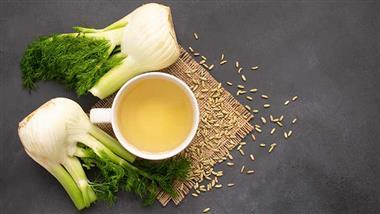
Fennel tea is made by crushing dried seeds and adding them to boiling water. By increasing motility and reducing muscle spasms, drinking fennel tea may help prevent acid reflux and improve digestion. Since the fennel seeds help reduce stomach cramps and lower gas and bloating, they could potentially help relieve the symptoms of irritable bowel syndrome (IBS) and act as a muscle relaxant to ease cramping.
The impact that consuming fennel bulb has on heart disease is related to the prebiotics that help improve gut health. Fennel seeds are rich in potassium, which can help balance your sodium-potassium ratio and have a positive influence on blood pressure. In postmenopausal women, fennel increased sexual satisfaction and reduced painful intercourse,20 and fennel vaginal cream improved arousal, lubrication, sexual satisfaction and orgasm after eight weeks.21
Lifestyle and wellness coach Luke Coutinho shared a fennel tea recipe with the Times of India to help promote sleep. It includes making fennel tea with dried seeds and adding dashes of freshly ground nutmeg and cinnamon, and then drinking it at bedtime.22
Fennel tea also has antimicrobial and antiviral properties, so drinking some tea when you feel a cold coming on may help your body fight the pathogens.23 Fennel tea may be one of the original ways people used to freshen their breath. The antibacterial properties may help kill oral pathogens that cause your breath to smell bad.24
Fennel seeds have traditionally been used as a galactagogue, helping to increase breast milk supply.25 Fennel seeds are used in traditional medicine and are included in several over-the-counter proprietary mixtures believed to help increase milk supply. It is believed to boost milk production by competing with dopamine that binds with prolactin first.26 By preserving prolactin’s milk stimulation properties, the anethole in fennel seed helps boost production.
Health Benefits of Indian Cooking Spice Asafoetida
Asafoetida is an Indian cooking spice made from the gum of a type of giant fennel. The name translates into “rotten resin,”27 which aptly describes the unpleasant odor reminiscent of rotting food and sweaty feet. If you can get past the scent while cooking, it has been long used in lieu of garlic and onions in Indian food.
Asafoetida also can reduce gas and bloating, and sometimes is paired with bean-based dishes for that reason.28 In 2009,29 researchers found it was more effective at killing the H1N1 influenza virus than the commercially manufactured antiviral drug, amantadine.
Asafoetida also contains several chemicals shown to have anti-inflammatory, anticancer and antimutagenic activities. As reported in the Pharmacognosy Review:30
“Dried resin, administered orally to Sprague–Dawley rats at doses of 1.25 and 2.5% w/w of the diet, produced a significant reduction in the multiplicity and size of palpable N-methyl-N-nitrosourea-induced mammary tumors, and a delay in mean latency period of tumor appearance. Oral administration to mice increased the percentage of life span by 52.9%. Intraperitoneal administration did not produce any significant reduction in tumor growth.”
Similarly, a study31 published in the Journal of Ayurveda and Integrative Medicine in 2017 confirmed asafoetida resin had antitumor effects against breast cancer. According to the researchers:
“Our results showed that treatment with asafoetida was effective in decreasing the tumor weight and tumor volume in treated mice. Apart from the antitumor effect, asafoetida decreased lung, liver and kidney metastasis and also increased areas of necrosis in the tumor tissue respectively.”
As with fennel bulb and fennel seed, asafoetida lowers blood pressure,32 has significant smooth muscle relaxant and anticoagulant effects, and certain compounds may have the ability to inhibit acetylcholinesterase,33 which may prove useful against Alzheimer’s disease.
Some People Should Avoid Fennel, Seeds or Oil
The fennel bulb has a crunchy texture and mildly sweet flavor. When purchasing fennel, look for a firm white or pale green color. If the buds are flowering, the plant has gotten overripe.
Fennel and fennel seeds are gentle, but there are instances when fennel can cause an allergic reaction on the skin and in the respiratory tract.34 The essential oil can be toxic in high doses and should be avoided during pregnancy as it has estrogen-like activities. Individuals with estrogen-sensitive conditions, such as breast cancer or other tumors, should also avoid consuming the essential oil.
Other high-sensitivity reactions can include over-excitement of the nervous system and seizures in a sensitive individual. People with Parkinson’s, multiple sclerosis and epilepsy should avoid using the essential oil. Fennel may also slow blood clotting, so people with bleeding disorders or on blood thinners should not use fennel.
When drinking fennel tea or using other products with essential oil, avoid ultraviolet light exposure as it can increase the risk of burns. If a mother or breastfed infant is allergic to carrots, celery, or other plants in the Apiaceae family, the mother should also avoid fennel to reduce the risk of a possible cross-allergic reaction as the compounds cross into the breast milk.
- 1 Tablet Magazine, May 10, 2023
- 2 Food Print, Fennel
- 3 Yates, Fennel
- 4 Plant Village, Fennel, Propagation
- 5 Wisconsin Horticulture, Fennel
- 6 Gardening Know How, Fennel Vs. Anise
- 7 Food Print, Fennel, Cooking with Fennel
- 8 Harvard The Nutrition Source, Vitamins and Minerals
- 9, 15 USDA, Fennel, bulb, raw, 1 cup sliced
- 10 USDA, Fennel Seed, 1 Tbs
- 11, 19 The Northwest School for Botanical Studies, Fennel
- 12 Nutrients, 2019; 11(10)
- 13 Advances in Experimental Medicine and Biology, 2016; 929
- 14 Molecular Pharmacology, 2019;95(4)
- 16 Frontiers in Behavioral Neuroscience, 2016;10 Discussion 50% DTP para 1
- 17 Journal of Medicinal Food, 2006; 9(3)
- 18 European Review for Medical and Pharmacological Sciences, 2012; 16 (4)
- 20 Journal of Menopausal Medicine, 2018 semicolon 24(1)
- 21 Journal of Medicine and Life, 2018; 11(1)
- 22 Times of India, June 28, 2019
- 23 Biomed Research International, 2014; 2014(842674)
- 24 BMC Complementary Medicine and Therapies, 2009; 9
- 25 Drugs and Lactation Database, March 15, 2023
- 26 Mom Junction, March 27, 2023, How does fennel increase breastmilk
- 27 Chemistry World, Asafoetida
- 28 Good Food, Asafoetida
- 29 Journal of Natural Products, 2009;72(9)
- 30 Pharmacognosy Review, 2012;6(12) 45 DTP
- 31 Journal of Ayurveda and Integrative Medicine, 2017; 8(3)
- 32 Pharmacognosy Review, 2012;6(12)
- 33 Journal of Traditional and Complementary Medicine, 2017;7(3) Table 3, 7 down in the table, observation column
- 34 RxList, Fennel, Side Effects
Health News in Review: A New C. difficile Treatment, New AMA Medical Education, and New Insights into Ribosome Oxidation and the Free Radical Theory of Aging
Reproduced from original OMNS article (OrthoMolecular News Service):
http://orthomolecular.org/
Subscribe to the free Orthomolecular Newsletter: http://orthomolecular.org/subscribe.html
Go to the OMNS Archive: http://orthomolecular.org/resources/omns/index.shtml
Orthomolecular Medicine News Service, May 22, 2023
by Michael Passwater
OMNS (May 22, 2023) On April 26, 2023, the FDA approved Vowst for the prevention of recurrence of Clostridioides (formerly known as Clostridium) difficile infection (CDI). [1] There are approximately 500,000 cases of CDI each year in the United States, leading to 10,000 – 15,000 deaths per year. It is the most common hospital acquired infection. [2] C. diff is considered an opportunistic infection since it tends to only cause disease in people with weakened immune systems such as HIV/AIDS patients and transplant patients taking immunosuppressive medications, or people who have had their normal intestinal bacteria (“gut microbiome”) killed by antibiotics. Clindamycin, Fluoroquinolones, and Cephalosporins are the classes of antibiotics most commonly associated with C. diff and other forms of antibiotic associated diarrhea (AAD). The lack of host immune challenge or competition from healthy bacteria allows the invading C diff. bacteria to proliferate and cause illness. Interestingly, standard treatment for CDI is to administer additional antibiotics. Given their weakened, microbiome depleted state, it may not be surprising that people who have had CDI are more likely to suffer from the illness again.
The FDA granted the Vowst drug application “Priority,” “Breakthrough Therapy,” and “Orphan” status. The only alternative treatment recognized by the FDA for recurrent CDI is Rebyota, which the FDA approved Nov 30, 2022. [3] Both Rebyota and Vowst are fecal microbiota products, meaning they come from screened human donors of fecal matter (stool). Reboyta is administered rectally in a single dose. Vowst is administered orally as 4 pills per day for 3 days. Clinical trials with Reboyta showed a 71% success rate compared to a 58% success rate for a placebo, and Vowst showed an 87% success rate compared to a 60% success rate with a placebo. From both treatments, there is an unquantified risk of infectious disease transmission and food allergies due to the possibility of food particles and other fecal materials from the donor persisting in the finished product. One industry expert predicted the cost of a course of treatment with Vowst might be nearly $20,000. [4]
The concept of fortifying or replacing healthy bacteria in the intestines is not novel. Anecdotal, observational, and prospective clinical trials have suggested effectiveness and safety of a variety of probiotics and fermented foods for the prevention and treatment of AAD, including CDI. [5-23] In 2017, a Cochrane analysis of 31 clinical trials concluded there was moderate evidence of effectiveness and safety for probiotics. The analysis noted that more adverse events were seen in patients receiving placebos than patients receiving probiotics. These reviewers acknowledged the need for further studies, but felt the existing evidence was adequate to recommend advising hospitalized patients of the benefits and risks of probiotics. [24] In 2018, the Journal of the American Medical Association (JAMA) published a review of probiotic use with similar conclusions of efficacy and safety as the Cochrane analysis. [25] Maintaining adequate intestinal flora, especially during and after antibiotic treatment, is important for health. Healthy intestinal bacteria crowd out disease causing bacteria, produce vitamins, fatty acids, and other nutrients essential for a healthy body, and modulate the immune system.
Medical Education
The American Medical Association Education Hub (AMA Ed Hub) now offers a “Nutrition and Health” program with 48.5 continuing medical education units. Promotional material for the program states:
“Traditional medical models have discounted the importance of nutrition in health and in the prevention and management of a variety of health conditions, including cardiovascular disease, cancer, diabetes, and obesity. Recent overwhelming evidence has led to increased attention to nutrition as a core element of health, health equity and health care.” (AMA Ed Hub)
Overwhelming evidence, indeed! Although the program is not perfect, and has a distinct anti-supplement bias, it is a step in a healthy direction for American medicine. https://edhub.ama-assn.org/course/303
Those further along in their understanding of nutrition may prefer these educational resources:
International Society of Orthomolecular Medicine online learning: https://isom.ca/online-learning
The Riordon Clinic video library: https://riordanclinic.org/video-gallery
Free Radicals
In 1956, Denham Harman, MD, PhD, published the free radical theory of aging. [26] He suggested that highly reactive oxygen and nitrogen biomolecules generated by cellular respiration and stress caused many of the diseases of aging through destructive actions on cells and tissues. The term “free radical”, now more commonly called reactive oxygen and nitrogen species (RONS), refers to the unpaired electron in an oxygen or nitrogen molecule – an energy state that is not sustainable. [27] The molecule will steal an electron from the first thing it encounters, whether that is a nucleic acid, a protein, or a lipid, and cause a molecular chain reaction through the cell. “Antioxidants” are able to absorb or buffer the free radical by donating an electron to prevent or stop the chain reaction.
Dr. Harman suggested a low calorie, nutrient dense diet and supplementation with one or more inhibitors of oxidation could extend human life by 5 years or more. [28] His theory was met with ridicule and largely dismissed. Oxidative stress and, correspondingly, antioxidants, were not considered important to human health in that era. Even as supportive evidence steadily grew over the decades, criticism persisted. However, RONS have been generally accepted as important factors in many human biological processes. While not a complete explanation of all causes of aging and disease, Dr. Harman’s theory has helped advance our understanding of biochemistry. The evidence associating strong antioxidant capacity with wellness and longevity, and the number of diseases associated with oxidative stress continues to grow [29-35]. Dr. Harman never received a Nobel Prize, but he was nominated 6 times for the award.
Adding additional support to Dr. Harman’s concepts and the involvement of RONS and their neutralization in fundamental mechanisms preventing cellular damage, scientists at UF Scripps recently published insights into the mechanisms used by intracellular ribosomes to absorb free radical damage in a controlled fashion and replace the damaged proteins to restore the function of the ribosome. [36] Ribosomes are the factories that build all proteins. Ribosomes constitute roughly half of the mass of each cell in the human body. The ability of small segments of these critical organelles to “take a hit” to protect the rest of the ribosome is similar to the function of a bumper on an automobile. It is easier to repeatedly replace two proteins (Rps26, Rpl10) than to risk loss of an entire ribosome. Of note, the “bumper proteins” absorbing the free radical hits are rich in the sulfur containing amino acid cysteine, and zinc ions are critical for the bumper protein replacement process. The UF Scripps press release notes that the work could have implications for “cancer, the aging process, and growth and development.” If the damage control mechanism is overwhelmed by an excess of free radicals or if the cell lacks adequate repair materials, widespread ribosomal damage results, and therefore absent or altered protein production ensues which may lead to disease.
Summary
It is good to have choices. As the cost of health care in the United States continues to rise, while outcome measures such as lifespan continue to decline, a critical review of all available options to restore health and remain well is warranted. Informed choice allows wise selection of foods, vitamin and mineral supplements, activities, or prescriptions to address health concerns.
It is also encouraging to see the AMA recognize the key role of nutrition in human health – including serious diseases such as cardiovascular disease and cancer, and to provide increased access to nutrition education for physicians. Hopefully the new AMA “Nutrition and Health” program and similar ones will increase interest in the value of nutrition among healthcare providers and patients. As Hippocrates advised, “Let food be thy medicine and medicine be thy food.”
Continued careful research into the wondrous intricacies of human genetics and biochemistry increases our understanding of the connections between nutrients that serve as substrates, enzymes, and cofactors and the optimization of wellness. These mechanistic insights further inform choice.
“The doctor of the future will give no medication but will interest his patients in the care of the human frame, diet, and in the cause and prevention of disease” -Thomas A. Edison
References
1. FDA (2023) FDA Approves First Orally Administered Fecal Microbiota Product for the Recurrence of Clostridioides difficile Infection. https://www.fda.gov/news-events/press-announcements/fda-approves-first-orally-administered-fecal-microbiota-product-prevention-recurrence-clostridioides
2. CDC (2010) Clostridioides difficile Infection. https://www.cdc.gov/HAI/organisms/cdiff/Cdiff_infect.html
3. FDA (2022) FDA Approves First Fecal Microbiota Product. Nov 30, 2022. https://www.fda.gov/news-events/press-announcements/fda-approves-first-fecal-microbiota-product
4. Reuters (2023) US FDA approves Seres Therapeutics’ pill for deadly C. difficile infections. April 26, 2023. https://www.reuters.com/business/healthcare-pharmaceuticals/us-fda-approves-seres-therapeutics-pill-deadly-c-difficile-infections-2023-04-26
5. Kalakuntla AS, Nalakonda G, Nalakonda K, et al. (2019) Probiotics and Clostridium Difficile: A Review of Dysbiosis and the Rehabilitation of Gut Microbiota. Cureus. 11:e5063. https://pubmed.ncbi.nlm.nih.gov/31516774
6. Strohl M and Dyer D (2019) Diet and C. Difficile. Oncology Nutrition. https://www.oncologynutrition.org/erfc/eating-well-when-unwell/surgery/diet-and-c-difficile
7. Valdovinos MA, Montijo E, Abreu AT, et al. (2017) The Mexican consensus on probiotics in gastroenterology. Rev Gastoenterol Mex. 82:156-178. https://pubmed.ncbi.nlm.nih.gov/28104319
8. Cameron D, Hock QS, Kadim M, et al (2017) Probiotics for gastrointestinal disorders: proposed recommendations for children of the Asia-Pacific region. World J Gastroenterol. 23:7952-7964. https://pubmed.ncbi.nlm.nih.gov/29259371
9. Shen NT, Maw A, Tmanova LL, et al.(2017) Timely use of probiotics in hospitalized adults prevents Clostridium difficile infection: a systematic review with meta-regression analysis. Gastroenterology. 152:1889-1900. https://pubmed.ncbi.nlm.nih.gov/28192108
10. Sebastián Domingo JJ (2017) Review of the role of probiotics in gastrointestinal diseases in adults. Gastroenterol Hepatol. 40:417-429. https://pubmed.ncbi.nlm.nih.gov/28185664
11. Lewis PO, Lundberg TS, Tharp JL, Runnels CW. (2017) Implementation of global strategies to prevent hospital-onset Clostridium difficile infection: targeting proton pump inhibitors and probiotics. Ann Pharmacother. 51:848-854. https://pubmed.ncbi.nlm.nih.gov/28821215
12. Issa I, Moucari R. (2014) Probiotics for antibiotic-associated diarrhea: do we have a verdict? World J Gastroenterol. 20:17788-17795. https://pubmed.ncbi.nlm.nih.gov/25548477
13. Szajewska H, Canani RB, Guarino A, et al. (2016) Probiotics for the prevention of antibiotic-associated diarrhea in children. J Pediatr Gastroenterol Nutr. 62:495-506. https://pubmed.ncbi.nlm.nih.gov/26756877
14. Pace F, Pace M, Quartarone G. (2015) Probiotics in digestive diseases: focus on Lactobacillus GG. Minerva Gastroenterol Dietol. 61:273-292. https://pubmed.ncbi.nlm.nih.gov/26657927
15. Barker AK, Duster M, Valentine S, et al. (2017) A randomized controlled trial of probiotics for Clostridium difficile infection in adults (PICO). J Antimicrob Chemother. 72:3177-3180. https://pubmed.ncbi.nlm.nih.gov/28961980
16. Goldenberg JZ, Lytvyn L, Steurich J, et al. (2015) Probiotics For The Prevention Of Pediatric Antibiotic-Associated Diarrhea. Cochrane Database Syst Rev. 2015 Dec 22;(12):CD004827. https://pubmed.ncbi.nlm.nih.gov/26695080
17. McFarland LV (2007) Meta-Analysis Of Probiotics For The Prevention Of Traveler’s Diarrhea. Travel Med Infect Dis. 5:97-105. https://pubmed.ncbi.nlm.nih.gov/17298915
18. Basu S, Paul DK, Ganguly S, et al. (2009) Efficacy Of High-Dose Lactobacillus Rhamnosus GG In Controlling Acute Watery Diarrhea In Indian Children. J Clin Gastroenterol. 43:208-213. https://pubmed.ncbi.nlm.nih.gov/18813028
19. Guarino A, Guandalini S, Vecchio AL (2015) Probiotics For Prevention And Treatment Of Diarrhea. J Clin Gastroenterol. 49:S37-S45. https://pubmed.ncbi.nlm.nih.gov/26447963
20. Mu Q, Tavella VJ, Luo XM. (2018) Role Of Lactobacillus Reuteri In Human Health And Diseases. Front Microbiol. 9:757. https://pubmed.ncbi.nlm.nih.gov/29725324
21. Falagas ME, Betsi GI, Tokas T, Athanasiou S. (2006) Probiotics For Prevention Of Recurrent Urinary Tract Infections In Women. Drugs 66:1253-1261. https://pubmed.ncbi.nlm.nih.gov/16827601
22. Muresan AIP, Pop LL, Dumitrascu DL (2019) Lactobacillus Reuteri Versus Triple Therapy For The Eradication Of Helicobacter Pylori In Functional Dyspepsia. Med Pharm Rep. 92:352-355. https://pubmed.ncbi.nlm.nih.gov/31750434
23. Remes-Troche JM, Coss-Adame E, Valdovinos-Día MA, et al. (2020) Lactobacillus Acidophilus LB: A Useful Pharmabiotic For The Treatment Of Digestive Disorders. Therap Adv Gastroenterol. 13:1756284820971201. https://pubmed.ncbi.nlm.nih.gov/33281937
24. Goldenberg JZ, Yap C, Lytvyn L, et al. (2017) Probiotics for the prevention of Clostridium difficile-associated diarrhea in adults and children. Cochrane Database Syst Rev. 12:CD006095. https://pubmed.ncbi.nlm.nih.gov/29257353
25. Goldenberg JZ, Mertz D, Johnston BC. (2018) Probiotics to Prevent Clostridium difficile Infection in Patients Receiving Antibiotics. JAMA. 320:499-500. https://pubmed.ncbi.nlm.nih.gov/30027207
26. Harman D (1956) Aging: a theory based on free radical and radiation chemistry. J Gerontol. 11:298-300. https://doi.org/10.1093/geronj/11.3.298. https://pubmed.ncbi.nlm.nih.gov/13332224
27. Weidinger A, Kozlov AV (2015) Biological Activities of Reactive Oxygen and Nitrogen Species: Oxidative Stress versus Signal Transduction. Biomolecules 5:472-484. https://pubmed.ncbi.nlm.nih.gov/25884116
28. Harman D (1992) Free radical theory of aging: history. EXS. 62:1-10. https://pubmed.ncbi.nlm.nih.gov/1450577
29. Andersen HR, Jeune B, Nybo H, et al. (1998) Low Activity of Superoxide Dismutase and High Activity of Glutathione Reductase in Erythrocytes from Centenarians. Age Ageing 27:643-648. https://pubmed.ncbi.nlm.nih.gov/12675104
30. C.A. Lang, Mills BJ, Lang HL, et al. (2002) High Blood Glutathione Levels Accompany Excellent Physical and Mental Health in Women Ages 60 to 103 Years. J. Lab. Clin. Med. 140:380-381. https://pubmed.ncbi.nlm.nih.gov/12486409
31. Aykac K, Ozsurekci Y, Yayla BCC, et al. (2021) Oxidant and antioxidant balance in patients with COVID-19. Pediatr Pulmonol. 56:2803-2810. https://pubmed.ncbi.nlm.nih.gov/34265172
32. Nar R, Çalış AG. (2018) Assessment of dynamic thiol/disulfide homeostasis in patients with asthma. J Lab Med. 42:99-104. https://www.degruyter.com/document/doi/10.1515/labmed-2017-0144/html
33. Erenler AK, Yardan T. (2017) Clinical utility of thiol/disulfide homeostasis. Clin Lab. 63:867-870. https://pubmed.ncbi.nlm.nih.gov/28627824
34. Erel Ö, Neşelioğlu S, Tunçay ME, et al (2021) A sensitive indicator for the severity of COVID-19:thiol. Turk J Med Sci. 51:921-928. https://pubmed.ncbi.nlm.nih.gov/33306332
35. Taylor, E.W. (2009) The oxidative stress-induced niacin sink (OSINS) model for HIV pathogenesis. Toxicology 278: 124-130. https://pubmed.ncbi.nlm.nih.gov/19857540
36. Yang Y-M, Jung Y, Abegg D, et al. (2023) Chaperone-directed ribosome repair after oxidative Damage. Mol Cell 83:1-11. https://pubmed.ncbi.nlm.nih.gov/37086725
Nutritional Medicine is Orthomolecular Medicine
Orthomolecular medicine uses safe, effective nutritional therapy to fight illness. For more information: http://www.orthomolecular.org
Find a Doctor
To locate an orthomolecular physician near you: http://orthomolecular.org/resources/omns/v06n09.shtml
The peer-reviewed Orthomolecular Medicine News Service is a non-profit and non-commercial informational resource.
Editorial Review Board:
Albert G. B. Amoa, MB.Ch.B, Ph.D. (Ghana)
Seth Ayettey, M.B., Ch.B., Ph.D. (Ghana)
Ilyès Baghli, M.D. (Algeria)
Barry Breger, M.D. (Canada)
Ian Brighthope, MBBS, FACNEM (Australia)
Gilbert Henri Crussol, D.M.D. (Spain)
Carolyn Dean, M.D., N.D. (USA)
Ian Dettman, Ph.D. (Australia)
Susan R. Downs, M.D., M.P.H. (USA)
Ron Ehrlich, B.D.S. (Australia)
Hugo Galindo, M.D. (Colombia)
Gary S. Goldman, Ph.D. (USA)
Michael J. Gonzalez, N.M.D., Ph.D. (Puerto Rico)
William B. Grant, Ph.D. (USA)
Claus Hancke, MD, FACAM (Denmark)
Patrick Holford, BSc (United Kingdom)
Ron Hunninghake, M.D. (USA)
Bo H. Jonsson, M.D., Ph.D. (Sweden)
Dwight Kalita, Ph.D. (USA)
Felix I. D. Konotey-Ahulu, M.D., FRCP (Ghana)
Peter H. Lauda, M.D. (Austria)
Alan Lien, Ph.D. (Taiwan)
Homer Lim, M.D. (Philippines)
Stuart Lindsey, Pharm.D. (USA)
Pedro Gonzalez Lombana, M.D., Ph.D. (Colombia)
Victor A. Marcial-Vega, M.D. (Puerto Rico)
Juan Manuel Martinez, M.D. (Colombia)
Mignonne Mary, M.D. (USA)
Joseph Mercola, D.O. (USA)
Jorge R. Miranda-Massari, Pharm.D. (Puerto Rico)
Karin Munsterhjelm-Ahumada, M.D. (Finland)
Sarah Myhill, MB, BS (United Kingdom)
Tahar Naili, M.D. (Algeria)
Zhiyong Peng, M.D. (China)
Isabella Akyinbah Quakyi, Ph.D. (Ghana)
Selvam Rengasamy, MBBS, FRCOG (Malaysia)
Jeffrey A. Ruterbusch, D.O. (USA)
Gert E. Schuitemaker, Ph.D. (Netherlands)
Thomas N. Seyfried, Ph.D. (USA)
Han Ping Shi, M.D., Ph.D. (China)
T.E. Gabriel Stewart, M.B.B.CH. (Ireland)
Jagan Nathan Vamanan, M.D. (India)
Andrew W. Saul, Ph.D. (USA), Editor-In-Chief
Associate Editor: Robert G. Smith, Ph.D. (USA)
Editor, Japanese Edition: Atsuo Yanagisawa, M.D., Ph.D. (Japan)
Editor, Chinese Edition: Richard Cheng, M.D., Ph.D. (USA)
Editor, Norwegian Edition: Dag Viljen Poleszynski, Ph.D. (Norway)
Editor, Arabic Edition: Moustafa Kamel, R.Ph, P.G.C.M (Egypt)
Editor, Korean Edition: Hyoungjoo Shin, M.D. (South Korea)
Editor, Spanish Edition: Sonia Rita Rial, PhD (Argentina)
Editor, German Edition: Bernhard Welker, M.D. (Germany)
Associate Editor, German Edition: Gerhard Dachtler, M.Eng. (Germany)
Assistant Editor: Michael Passwater (USA)
Contributing Editor: Thomas E. Levy, M.D., J.D. (USA)
Contributing Editor: Damien Downing, M.B.B.S., M.R.S.B. (United Kingdom)
Contributing Editor: W. Todd Penberthy, Ph.D. (USA)
Contributing Editor: Ken Walker, M.D. (Canada)
Technology Editor: Michael S. Stewart, B.Sc.C.S. (USA)
Associate Technology Editor: Robert C. Kennedy, M.S. (USA)
Legal Consultant: Jason M. Saul, JD (USA)
Comments and media contact: drsaul@doctoryourself.com OMNS welcomes but is unable to respond to individual reader emails. Reader comments become the property of OMNS and may or may not be used for publication.
Click here to see a web copy of this news release: https://orthomolecular.activehosted.com/p_v.php?l=1&c=284&m=283&s=a8c8fe7bea3fdaa4efae896c7612b3de
This article may be reprinted free of charge provided 1) that there is clear attribution to the Orthomolecular Medicine News Service, and 2) that both the OMNS free subscription link http://orthomolecular.org/subscribe.html and also the OMNS archive link http://orthomolecular.org/resources/omns/index.shtml are included.
Riordan Clinic | Orthomolecular.org
3100 N Hillside Ave
Wichita, Kansas 67219
United States
Vitamin D Can Prevent and Treat Diabetes
Reproduced from original OMNS article (OrthoMolecular News Service):
http://orthomolecular.org/
Subscribe to the free Orthomolecular Newsletter: http://orthomolecular.org/subscribe.html
Go to the OMNS Archive: http://orthomolecular.org/resources/omns/index.shtml
Orthomolecular Medicine News Service, May 2, 2023
by Max Langen
OMNS (May 2, 2023) More than 460 million people, almost 6% of the world’s population, are suffering from type 2 diabetes, the most common form. Over 1 million deaths per year can be attributed to this condition, which makes it a leading cause of death. And the number of new cases is constantly increasing worldwide. By 2030, more than 7% will be suffering from type 2 diabetes. [1]
Besides the high number of fatalities caused by diabetes in “normal”, non-pandemic years, it is also one of the most important risk factors for severe or fatal courses of Covid-19. A new meta-analysis shows that diabetes is responsible for 17% of deaths from Covid-19. Diabetes is a strong risk factor for fatal courses of infectious diseases. To date, there are more than 7.5 million official Covid-deaths. Based on the results of the new meta-analysis, approx. 1.3 million of these deaths could have been avoided if no one in the world suffered from diabetes. [2]
Diabetes has various causes and risk factors, including an unhealthy pro-inflammatory diet, lack of physical activity, overweight/obesity, several micronutrient deficiencies, and mitochondrial dysfunction. [3] Diabetes can be greatly reduced and even reversed using a low-carbohydrate diet, a ketogenic diet, or intermittent fasting. [4-6] However, this article will focus on the role of vitamin D.
Type 2 diabetes
Recent evidence shows that a sufficient supply of vitamin D can protect from the most common forms of diabetes: type 2, type 1 and gestational diabetes. Meta-analyses of observational studies have shown that a low vitamin D level is an independent risk factor for the development of type 2 diabetes. [7] Individuals with a vitamin D level >25 ng/ml had a 43% lower risk of developing type 2 diabetes than those with a severely deficient level below 14 ng/ml. [8] Similarly, another study with people who had normal glucose levels or prediabetes showed that those with a level above 28 ng/ml had a 42% lower odds of developing or progressing to type 2 diabetes compared to those with a level below 18 ng/ml. [9]
However, the optimal range is well above 30 ng/ml. In a trial with women who were suffering from insulin resistance (which is the preliminary stage of type 2 diabetes) and had a deficiency of vitamin D, daily supplementation of 4000 IU for several months improved insulin resistance and insulin sensitivity more than a placebo. Importantly, insulin resistance was most strongly improved at or above 32 ng/ml. They found that the optimal level for the reduction of insulin resistance and thus for the prevention of type 2 diabetes was between 32 and 48 ng/ml. [10] In line with this finding, a study conducted by the health organization Grassrootshealth showed that a level of 41 ng/ml is associated with a 60% lower risk of developing type 2 diabetes compared with a level of 22 ng/ml. [11]
Several recent meta-analyses of RCTs (randomized controlled trials) showed that the association between a higher vitamin D level and a lower risk of type 2 diabetes is causal and dose-dependent. In patients with prediabetes, supplementation of vitamin D significantly reduced the risk of progressing to type 2 diabetes. [12,13] Supplementation to a higher vitamin D level (≥ 50 ng/ml vs. ≤ 30 ng/ml) reduced the risk for diabetes by a larger amount (76%). [14] The higher the level achieved, the more beneficial effect, up to ~60 ng/ml. This effect was more strongly pronounced in non-obese patients.
Since people with more weight or body fat need more vitamin D to reach a healthy level, it is likely that obese people did not receive the amount of vitamin D they required and therefore did not experience the same strong risk reduction as the non-obese people. Patients with prediabetes who received vitamin D also had a ~50% greater chance of reversing to a normal pre-diabetic state. The optimal vitamin D dose depends on many factors including the body weight and magnesium status. Vitamin D levels higher than 150 ng/ml can contribute to toxicity but are rare.
Direct mid-day summer sunlight on the skin can make adequate vitamin D with enough skin exposure. However sunlight does not cause vitamin D toxicity because at high vitamin D levels the body stops making it. Exposure to sunlight when the sun is less than 45 degrees above the horizon, or to sunlight through a glass window, though it can cause tanning, does not produce vitamin D (UVB light is required). Most of us don’t get enough vitamin D from our limited exposure to sunlight, especially in the winter. And although dermatologists warn that sun exposure can cause skin cancer, recent evidence suggests that moderate sun exposure (that produces vitamin D) may be protective against cancer.
Since 75% of the global adult population has an insufficient vitamin D level ( < 30 ng/ml ), [15] most are at increased risk of developing diabetes. Therefore it is not surprising that diabetes is on the rise worldwide. The vitamin D insufficiency situation is severely disease-promoting.
On the other hand, if all people had a very sunny level of vitamin D (40-60 ng/ml) probably most cases of type 2 diabetes could be prevented, which would also help to prevent many of the yearly 1 million deaths from diabetes. Further, as described above, more than a million deaths from Covid-19 are attributable to diabetes. Thus, a widespread correction of the worldwide vitamin D deficiency would have resulted in fewer deaths from infectious diseases like Covid-19.
Many doctors and researchers tried years ago to inform the public and governments about the “vitamin D deficiency pandemic”. [16-18] Unfortunately, there was hardly any interest in solving this tragedy. The reason is clearly described in an article by William Grant. [19] If your doctor tells you that a vitamin D level between 20 and 30 ng/ml is a “sufficient level”, refer to that article and explain that such levels are severely insufficient and strongly increase the risk of developing disease conditions such as infections and diabetes.
Besides lowering the risk of developing type 2 diabetes, vitamin D also helps to reverse the disease. In patients with type 2 diabetes and low vitamin D levels, supplementation with vitamin D significantly lowered blood glucose levels (fasting glucose level and long-term blood glucose value HbA1c) and improved insulin resistance. [20]
Type 2 diabetes is reversible with anti-diabetes drugs along with a protocol consisting of a temporal, slight caloric restriction, change to a healthy plant based diet, exercise and weight loss. After 12 months on such a protocol, approx. 50% of patients with type 2 diabetes achieved remission to a non-diabetic state and no longer required antidiabetic drugs. [21] Had the diabetic patients received ideal amounts of vitamin D as an addition to this program, the remission rate after 1 year would likely have been much higher.
Vitamin D also helps prevent and treat several of the complications that may arise from diabetes. For example, diabetics have twice the risk of developing depression compared with non-diabetics [22], and recent RCTs have shown that vitamin D effectively reduces depressive symptoms and may help prevent the development of major depressive disorder in patients with type 2 diabetes. [23,24] Diabetics also have increased cancer risks [25] and vitamin D has anti-cancer effects, with meta-analyses of RCTs showing that supplementation of vitamin D significantly reduces cancer mortality. [26]
About half of diabetics develop peripheral neuropathy, which is a form of nerve damage (due to increased glucose and decreased circulation) that affects limbs like legs, feet and arms and causes very uncomfortable and painful symptoms. [27] A deficiency of vitamin D seems to increase the risk of peripheral neuropathy. Supplementation with vitamin D in patients with diabetic peripheral neuropathy resulted in significantly reduced pain scores (up to 50% lower pain score after several months of continuous intake). [28]
Diabetic foot ulcers (a combination of neuropathy and ischemia) are one of the most devastating consequences of diabetes. Every year, millions of diabetics develop foot ulcers and up to 33% of all diabetics worldwide will suffer from a foot ulcer during their lifetime. Such ulcers often require amputation of lower limbs. Also, diabetics who develop foot ulcers have a 5-year mortality rate 2.5 times higher than those who did not develop such ulcers. [29]
A low vitamin D level is associated with a strongly increased risk of developing diabetic foot ulcers, suggesting that a sufficient level would reduce the incidence of this complication. [30] Also, vitamin D supplementation significantly hastened the healing process of diabetic foot ulcers. [31] Recent studies have confirmed that along with vitamin D, a sufficient supply of both magnesium and zinc is equally important to cure such ulcers. [32,33]
Cofactors of vitamin D also have an important role in the prevention of type 2 diabetes. Deficiencies of magnesium and vitamin K2 are very common among the public with almost half of the US population having an inadequate intake of magnesium [34] and up to 97% of older people suffering from an insufficiency of vitamin K2. [35] Type 2 diabetes is associated with low magnesium levels, [36] and a high dietary intake of magnesium was associated with a lower risk of developing type 2 diabetes. [37] Also, magnesium supplementation helps treat prediabetes and type 2 diabetes, and significantly reduced glucose parameters and improved insulin sensitivity in such patients. [37] Type 2 diabetics have significantly lower vitamin K2 levels than healthy controls, [38] and supplementation of K2 significantly reduced glucose levels (fasting glucose and HbA1c) in patients with diabetes. [39]
The incidence of type 2 diabetes would likely be drastically reduced if all people could get adequate amounts vitamin D and its most important cofactors like magnesium and vitamin K2.
Type 1 diabetes
Type 1 diabetes is an autoimmune disease, and recent evidence from the VITAL study shows that long term supplementation with vitamin D significantly reduces the risk of developing autoimmune diseases. [40,41] Regarding the specific diagnosis of type 1 diabetes, a sufficient level of vitamin D compared to the lowest levels reduces the risk of type 1 diabetes by approximately 60%. A level of ~45 ng/ml was associated with the lowest risk (72% lower) of type 1 diabetes. [42] A sunny level above 40 ng/ml seems to optimize protection against autoimmune conditions. Note again that world-wide, most adults have an insufficient level below 30 ng/ml — and it appears that most are unaware of this important information.
Other meta-analyses showed that supplementation of vitamin D during infancy is associated with ~30% lower risk of developing type 1 diabetes later in life, [43,44] suggesting that vitamin D helps the immune system to develop better.
The risk of developing type 1 diabetes can be reduced with a sufficient level of vitamin D. But even if the disease is already established, vitamin D should be considered as a treatment. RCTs show that vitamin D supplementation may attenuate the “natural history of the disease”, by improving fasting and stimulated C-peptide levels, allowing a lower required insulin dose. This indicates that the performance of the pancreas has improved due to vitamin D. [45]
Importantly, since type 1 diabetes is an autoimmune disease, it may be strongly improved or (depending on the stage) even brought into remission by the coimbra-protocol. The coimbra-protocol has shown to be a remarkably effective treatment for many forms of autoimmune conditions. Its central component is very high dose vitamin D. People who are interested in the coimbra-protocol should work together with a therapist or doctor who is trained in the protocol. Search for coimbra-doctors. The daily doses are much higher than what is typically recommended by vitamin D researchers and may lead to negative effects if they are not constantly adjusted based on several lab parameters. In order to make the treatment work and to prevent harm from high levels of vitamin D, the dose needs to be adjusted based on individual needs and testing results, the diet needs to be adapted (low calcium, etc.), and frequent blood examinations are required to make sure that no safety issues occur. However, contrary to some of the typical negative anti-vitamin D articles in the mainstream press, the experience of many coimbra-therapists around the world with thousands of strongly improved patients and published data of many individuals shows that the coimbra protocol is reliably safe if the patients are adequately supervised by trained coimbra-therapists/ physicians. [46] Those who use this protocol for the treatment of an autoimmune disease are likely to experience strong clinical improvements or even remission.
Gestational diabetes mellitus
In line with other forms of diabetes, the incidence of gestational diabetes mellitus (GDM) is increasing and affects millions of pregnant women worldwide. In the USA, up to 10% of pregnant women develop the condition. [47] It is one of the most common complications during pregnancy, and increases the risk of adverse pregnancy and neonatal outcomes like preterm delivery, cesarean delivery, or respiratory distress syndrome in the infant or requiring admission to the neonatal ICU. [48] Also, women who develop gestational diabetes (GDM) have a high risk of developing type 2 diabetes in the following years.
A deficiency of vitamin D seems to be an important cause. Women with a low level of 25(OH)D had a significantly higher risk of GDM than those with a sufficient level. [49] A meta-analysis of RCTs proved that supplementation of vitamin D during pregnancy improves blood glucose levels and reduces the risk of developing gestational diabetes by 58%. [50] Of note, a daily dose of > 2000 IU is required for the prevention of diabetes during pregnancy. [51] Many cases of GDM may be preventable with a sufficient supply of vitamin D.
In addition, vitamin D supplementation in pregnant women with GDM can massively reduce the risk of adverse neonatal outcomes. In fact, in women with GDM, supplementation of vitamin D decreased the risk of premature delivery by 63%. Similarly, the risk of the neonates requiring hospitalization after birth was reduced by 62% due to vitamin D supplementation during pregnancy. [52] This means vitamin D not only prevents GDM, but in women who have developed the condition it can also protect the unborn from harm caused by the disease and decrease the risk of negative fetal and neonatal health outcomes.
And importantly – independent from gestational diabetes- supplementation of sufficient amounts of vitamin D during pregnancy can also save many lives. A new meta-analysis of RCTs has shown that vitamin D supplementation in adequate doses during pregnancy reduced the risk of intrauterine or neonatal death by more than 30%, [53] which may allow thousands of unborn or neonates to survive if pregnant women achieved and maintained sufficient tissue levels of vitamin D.
Conclusion
The level of vitamin D and its cofactors magnesium and vitamin K2 are widely deficient in individuals throughout the world. These deficiencies attenuate the function of the body’s immune system and contribute to widespread disease and death that could be prevented with adequate supplements. In many cases, type 2 diabetes can be prevented and reversed with a protocol of essential nutrients that includes vitamin D, magnesium, vitamin K2, and mild dietary restriction in a low-sugar diet with colorful raw and cooked vegetables. Many people including medical professionals are unaware of the problem and its solution. Please spread the word!
References:
1. Khan MAB, Hashim MJ, King JK, et al. (2020) Epidemiology of Type 2 Diabetes – Global Burden of Disease and Forecasted Trends. J Epidemiol Glob Health. 10:107-111. https://pubmed.ncbi.nlm.nih.gov/32175717
2. Li R, Shen M, Yang Q, et al. (2023) Global Diabetes Prevalence in COVID-19 Patients and Contribution to COVID-19- Related Severity and Mortality: A Systematic Review and Meta-analysis. Diabetes Care. 46:890-897. https://pubmed.ncbi.nlm.nih.gov/36826982
3. Rovira-Llopis S, Bañuls C, Diaz-Morales N, et al. (2017) Mitochondrial dynamics in type 2 diabetes: Pathophysiological implications. Redox Biol. 11:637-645. https://pubmed.ncbi.nlm.nih.gov/28131082
4. Volek JS, Phinney SD, Krauss RM, et al. (2021) Alternative Dietary Patterns for Americans: Low-Carbohydrate Diets. Nutrients. 13:3299. https://pubmed.ncbi.nlm.nih.gov/34684300
5. Khalfallah M, Elnagar B, Soliman SS, et al. (2023) The Value of Intermittent Fasting and Low Carbohydrate Diet in Prediabetic Patients for the Prevention of Cardiovascular Diseases. Arq Bras Cardiol. 120(4):e20220606. https://pubmed.ncbi.nlm.nih.gov/37042857
6. Sethi S, Ford JM. (2022) The Role of Ketogenic Metabolic Therapy on the Brain in Serious Mental Illness: A Review. J Psychiatr Brain Sci. 7(5):e220009. https://pubmed.ncbi.nlm.nih.gov/36483840
7. Lucato P, Solmi M, Maggi S, et al. (2017) Low vitamin D levels increase the risk of type 2 diabetes in older adults: A systematic review and meta-analysis. Maturitas 100:8-15. https://pubmed.ncbi.nlm.nih.gov/28539181
8. Mitri J, Muraru MD, Pittas AG. (2011) Vitamin D and type 2 diabetes: a systematic review. Eur J Clin Nutr. 65:1005-1015. https://pubmed.ncbi.nlm.nih.gov/21731035
9. Deleskog, A., Hilding, A., Brismar, K. et al. (2012) Low serum 25-hydroxyvitamin D level predicts progression to type 2 diabetes in individuals with prediabetes but not with normal glucose tolerance. Diabetologia 55:1668-1678. https://pubmed.ncbi.nlm.nih.gov/22426800
10. von Hurst PR, Stonehouse W, Coad J. (2010) Vitamin D supplementation reduces insulin resistance in South Asian women living in New Zealand who are insulin resistant and vitamin D deficient – a randomised, placebo-controlled trial. Br J Nutr. 103:549-555. https://pubmed.ncbi.nlm.nih.gov/19781131
11. McDonnell SL, Baggerly LL, French CB, et al. (2016) Incidence rate of type 2 diabetes is >50% lower in GrassrootsHealth cohort with median serum 25-hydroxyvitamin D of 41 ng/ml than in NHANES cohort with median of 22 ng/ml. J Steroid Biochem Mol Biol. 155(Pt B):239-244. https://pubmed.ncbi.nlm.nih.gov/26151742
12. Zhang Y, Tan H, Tang J, et al. (2020) Effects of Vitamin D Supplementation on Prevention of Type 2 Diabetes in Patients With Prediabetes: A Systematic Review and Meta-analysis. Diabetes Care 43:1650-1658. https://pubmed.ncbi.nlm.nih.gov/33534730
13. Barbarawi M, Zayed Y, Barbarawi O, et al. (2020) Effect of Vitamin D Supplementation on the Incidence of Diabetes Mellitus. J Clin Endocrinol Metab. 105:dgaa335. https://pubmed.ncbi.nlm.nih.gov/32491181
14. Pittas AG, Kawahara T, Jorde R, et al. (2023) Vitamin D and Risk for Type 2 Diabetes in People With Prediabetes : A Systematic Review and Meta-analysis of Individual Participant Data From 3 Randomized Clinical Trials. Ann Intern Med. 176:355-363. https://pubmed.ncbi.nlm.nih.gov/36745886
15. Reddy P, Edwards LR. (2019) Magnesium Supplementation in Vitamin D Deficiency. Am J Ther. 26:e124-e132. https://pubmed.ncbi.nlm.nih.gov/28471760
16. grassrootshealth.net (2015) Scientists’ Call to D*action – The Vitamin D Deficiency Epidemic. https://www.grassrootshealth.net/project/our-scientists
https://www.grassrootshealth.net/wp-content/uploads/2017/12/scientists_call-to-daction_121817.pdf
17. Holick MF, Chen TC. (2008) Vitamin D deficiency: a worldwide problem with health consequences. Am J Clin Nutr. 87:1080S-1086S. https://pubmed.ncbi.nlm.nih.gov/18400738
18. Holick MF. (2017) The vitamin D deficiency pandemic: Approaches for diagnosis, treatment and prevention. Rev Endocr Metab Disord. 18:153-165. https://pubmed.ncbi.nlm.nih.gov/28516265
19. Grant WB (2018) Vitamin D acceptance delayed by Big Pharma following the Disinformation Playbook. Orthomolecular Medicine News Service. http://orthomolecular.org/resources/omns/v14n22.shtml
20. Farahmand MA, Daneshzad E, Fung TT, et al. (2023) What is the impact of vitamin D supplementation on glycemic control in people with type-2 diabetes: a systematic review and meta-analysis of randomized controlled trails. BMC Endocr Disord. 23:15. https://pubmed.ncbi.nlm.nih.gov/36647067
21. Lean ME, Leslie WS, Barnes AC, et al. (2018) Primary care-led weight management for remission of type 2 diabetes (DiRECT): an open-label, cluster-randomised trial. Lancet. 391:541-551. https://pubmed.ncbi.nlm.nih.gov/29221645
22. Anderson RJ, Freedland KE, Clouse RE, Lustman PJ. (2001) The prevalence of comorbid depression in adults with diabetes: a meta-analysis. Diabetes Care. 24:1069-1078. https://pubmed.ncbi.nlm.nih.gov/11375373
23. Putranto R, Harimurti K, Setiati S, et al. (2022) The Effect of Vitamin D Supplementation on Symptoms of Depression in Patients with Type 2 Diabetes Mellitus: A Systematic Review and Meta-Analysis of Randomized Controlled Trials. Acta Med Indones. 54:574-584. https://pubmed.ncbi.nlm.nih.gov/36624711
24. Omidian M, Mahmoudi M, Abshirini M, et al. (2019) Effects of vitamin D supplementation on depressive symptoms in type 2 diabetes mellitus patients: Randomized placebo-controlled double-blind clinical trial. Diabetes Metab Syndr. 13:2375-2380. https://pubmed.ncbi.nlm.nih.gov/31405646
25. Wojciechowska J, Krajewski W, Bolanowski M, et al. (2016) Diabetes and Cancer: a Review of Current Knowledge. Exp Clin Endocrinol Diabetes 124:263-275. https://pubmed.ncbi.nlm.nih.gov/27219686
26. Keum N, Lee DH, Greenwood DC, et al. (2019) Vitamin D supplementation and total cancer incidence and mortality: a meta-analysis of randomized controlled trials. Ann Oncol. 30:733-743. https://pubmed.ncbi.nlm.nih.gov/30796437
27. NIDDK, Peripheral Neuropathy. https://niddk.nih.gov/health-information/diabetes/overview/preventing-problems/nerve-damage-diabetic-neuropathies/peripheral-neuropathy
28. Putz Z, Tordai D, Hajdú N, et al. (2022) Vitamin D in the Prevention and Treatment of Diabetic Neuropathy. Clin Ther. 44:813-823. https://pubmed.ncbi.nlm.nih.gov/35428527
29. Edmonds M, Manu C, Vas P. (2021) The current burden of diabetic foot disease. J Clin Orthop Trauma. 17:88-93. https://pubmed.ncbi.nlm.nih.gov/33680841
30. Dai J, Jiang C, Chen H, Chai Y. (2019) Vitamin D and diabetic foot ulcer: a systematic review and meta-analysis. Nutr Diabetes. 9:8. https://pubmed.ncbi.nlm.nih.gov/30858355
31. Kinesya E, Santoso D, Gde Arya N, et al. (2023) Vitamin D as adjuvant therapy for diabetic foot ulcers: Systematic review and meta-analysis approach. Clin Nutr ESPEN. 54:137-143. https://pubmed.ncbi.nlm.nih.gov/36963855
32. Razzaghi R, Pidar F, Momen-Heravi M, et al. (2018) Magnesium Supplementation and the Effects on Wound Healing and Metabolic Status in Patients with Diabetic Foot Ulcer: a Randomized, Double-Blind, Placebo-Controlled Trial. Biol Trace Elem Res. 181:207-215. https://pubmed.ncbi.nlm.nih.gov/28540570
33. Momen-Heravi M, Barahimi E, Razzaghi R, et al. (2017) The effects of zinc supplementation on wound healing and metabolic status in patients with diabetic foot ulcer: A randomized, double-blind, placebo-controlled trial. Wound Repair Regen. 25:512-520. https://pubmed.ncbi.nlm.nih.gov/28395131
34. Gröber U, Schmidt J, Kisters K. (2015) Magnesium in Prevention and Therapy. Nutrients. 7:8199-8226. https://pubmed.ncbi.nlm.nih.gov/26404370
35. Langen, M (2023) Nutritional Risk Factors in Suicide: How Vitamin D Can Help. Orthomolecular Medicine News Service. http://orthomolecular.org/resources/omns/v19n18.shtml
36. Fang X, Han H, Li M, et al. (2016) Dose-Response Relationship between Dietary Magnesium Intake and Risk of Type 2 Diabetes Mellitus: A Systematic Review and Meta-Regression Analysis of Prospective Cohort Studies. Nutrients. 8:739. https://pubmed.ncbi.nlm.nih.gov/27869762
37. Veronese N, Dominguez LJ, Pizzol D, et al. (2021) Oral Magnesium Supplementation for Treating Glucose Metabolism Parameters in People with or at Risk of Diabetes: A Systematic Review and Meta-Analysis of Double-Blind Randomized Controlled Trials. Nutrients. 13:4074. https://pubmed.ncbi.nlm.nih.gov/34836329
38. Helmy MY, Elsaid NH, Gwad MMA. (2022) The Association of Vitamin K2 Level with the Glycaemic Status in Type 2 Diabetic Patients: A Case-Control Study. Indian J Endocrinol Metab. 26:87-92. https://pubmed.ncbi.nlm.nih.gov/35662764
39. Rahimi Sakak F, Moslehi N, Niroomand M, Mirmiran P. (2021) Glycemic control improvement in individuals with type 2 diabetes with vitamin K2 supplementation: a randomized controlled trial. Eur J Nutr. 60:2495-2506. https://pubmed.ncbi.nlm.nih.gov/33159574
40. Hahn J, Cook NR, Alexander EK, et al. (2022) Vitamin D and marine omega 3 fatty acid supplementation and incident autoimmune disease: VITAL randomized controlled trial. BMJ. 376:e066452. https://pubmed.ncbi.nlm.nih.gov/35082139
41. McCullough PJ, McCullough WP, Lehrer D, et al (2021) Oral and Topical Vitamin D, Sunshine, and UVB Phototherapy Safely Control Psoriasis in Patients with Normal Pretreatment Serum 25-Hydroxyvitamin D Concentrations: A Literature Review and Discussion of Health Implications. Nutrients 13:1511. https://pubmed.ncbi.nlm.nih.gov/33947070
42. Hou Y, Song A, Jin Y, et al. (2021) A dose-response meta-analysis between serum concentration of 25-hydroxy vitamin D and risk of type 1 diabetes mellitus. Eur J Clin Nutr. 75:1010-1023. https://pubmed.ncbi.nlm.nih.gov/33235321
43. Zipitis CS, Akobeng AK. (2008) Vitamin D supplementation in early childhood and risk of type 1 diabetes: a systematic review and meta-analysis. Arch Dis Child. 93:512-517. https://pubmed.ncbi.nlm.nih.gov/18339654
44. Dong JY, Zhang WG, Chen JJ, et al. (2013) Vitamin D intake and risk of type 1 diabetes: a meta-analysis of observational studies. Nutrients. 5:3551-3562. https://pubmed.ncbi.nlm.nih.gov/24036529
45. Gregoriou E, Mamais I, Tzanetakou I, Lavranos G, et al. (2017) The Effects of Vitamin D Supplementation in Newly Diagnosed Type 1 Diabetes Patients: Systematic Review of Randomized Controlled Trials. Rev Diabet Stud. 14:260-268. https://pubmed.ncbi.nlm.nih.gov/29145536
46. Amon U, Yaguboglu R, Ennis M, Holick MF, Amon J. (2022) Safety Data in Patients with Autoimmune Diseases during Treatment with High Doses of Vitamin D3 According to the “Coimbra Protocol”. Nutrients. 14:1575. https://pubmed.ncbi.nlm.nih.gov/35458137
47. Lende M, Rijhsinghani A. (2020) Gestational Diabetes: Overview with Emphasis on Medical Management. Int J Environ Res Public Health. 17:9573. https://pubmed.ncbi.nlm.nih.gov/33371325
48. Ye W, Luo C, Huang J, et al. (2022) Gestational diabetes mellitus and adverse pregnancy outcomes: systematic review and meta-analysis. BMJ. 377:e067946. https://pubmed.ncbi.nlm.nih.gov/35613728
49. Zhao R, Zhou L, Wang S, Xiong G, Hao L. (2022) Association between maternal vitamin D levels and risk of adverse pregnancy outcomes: a systematic review and dose-response meta-analysis. Food Funct. 13:14-37. https://pubmed.ncbi.nlm.nih.gov/34859252
50. Yin W, Jin D, Yao M, Yu W, Zhu P. (2019) [Effect of vitamin D supplementation on gestational diabetes mellitus:a Meta-analysis]. Wei Sheng Yan Jiu. 48:811-821. Chinese. https://pubmed.ncbi.nlm.nih.gov/31601326
51. Irwinda R, Hiksas R, Lokeswara AW, Wibowo N. (2022) Vitamin D supplementation higher than 2000 IU/day compared to lower dose on maternal-fetal outcome: Systematic review and meta-analysis. Womens Health (Lond). 18:17455057221111066. https://pubmed.ncbi.nlm.nih.gov/35796578
52. Wu C, Song Y, Wang X. (2023) Vitamin D Supplementation for the Outcomes of Patients with Gestational Diabetes Mellitus and Neonates: A Meta-Analysis and Systematic Review. Int J Clin Pract. 2023:1907222. https://pubmed.ncbi.nlm.nih.gov/36713951
53. Liu Y, Ding C, Xu R, et al. (2022) Effects of vitamin D supplementation during pregnancy on offspring health at birth: A meta-analysis of randomized controlled trails. Clin Nutr. 41:1532-1540. https://pubmed.ncbi.nlm.nih.gov/35667269
Nutritional Medicine is Orthomolecular Medicine
Orthomolecular medicine uses safe, effective nutritional therapy to fight illness. For more information: http://www.orthomolecular.org
Find a Doctor
To locate an orthomolecular physician near you: http://orthomolecular.org/resources/omns/v06n09.shtml
The peer-reviewed Orthomolecular Medicine News Service is a non-profit and non-commercial informational resource.
Editorial Review Board:
Albert G. B. Amoa, MB.Ch.B, Ph.D. (Ghana)
Seth Ayettey, M.B., Ch.B., Ph.D. (Ghana)
Ilyès Baghli, M.D. (Algeria)
Barry Breger, M.D. (Canada)
Ian Brighthope, MBBS, FACNEM (Australia)
Gilbert Henri Crussol, D.M.D. (Spain)
Carolyn Dean, M.D., N.D. (USA)
Ian Dettman, Ph.D. (Australia)
Susan R. Downs, M.D., M.P.H. (USA)
Ron Ehrlich, B.D.S. (Australia)
Hugo Galindo, M.D. (Colombia)
Gary S. Goldman, Ph.D. (USA)
Michael J. Gonzalez, N.M.D., Ph.D. (Puerto Rico)
William B. Grant, Ph.D. (USA)
Claus Hancke, MD, FACAM (Denmark)
Patrick Holford, BSc (United Kingdom)
Ron Hunninghake, M.D. (USA)
Bo H. Jonsson, M.D., Ph.D. (Sweden)
Dwight Kalita, Ph.D. (USA)
Felix I. D. Konotey-Ahulu, M.D., FRCP (Ghana)
Peter H. Lauda, M.D. (Austria)
Alan Lien, Ph.D. (Taiwan)
Homer Lim, M.D. (Philippines)
Stuart Lindsey, Pharm.D. (USA)
Pedro Gonzalez Lombana, M.D., Ph.D. (Colombia)
Victor A. Marcial-Vega, M.D. (Puerto Rico)
Juan Manuel Martinez, M.D. (Colombia)
Mignonne Mary, M.D. (USA)
Joseph Mercola, D.O. (USA)
Jorge R. Miranda-Massari, Pharm.D. (Puerto Rico)
Karin Munsterhjelm-Ahumada, M.D. (Finland)
Sarah Myhill, MB, BS (United Kingdom)
Tahar Naili, M.D. (Algeria)
Zhiyong Peng, M.D. (China)
Isabella Akyinbah Quakyi, Ph.D. (Ghana)
Selvam Rengasamy, MBBS, FRCOG (Malaysia)
Jeffrey A. Ruterbusch, D.O. (USA)
Gert E. Schuitemaker, Ph.D. (Netherlands)
Thomas N. Seyfried, Ph.D. (USA)
Han Ping Shi, M.D., Ph.D. (China)
T.E. Gabriel Stewart, M.B.B.CH. (Ireland)
Jagan Nathan Vamanan, M.D. (India)
Andrew W. Saul, Ph.D. (USA), Editor-In-Chief
Associate Editor: Robert G. Smith, Ph.D. (USA)
Editor, Japanese Edition: Atsuo Yanagisawa, M.D., Ph.D. (Japan)
Editor, Chinese Edition: Richard Cheng, M.D., Ph.D. (USA)
Editor, Norwegian Edition: Dag Viljen Poleszynski, Ph.D. (Norway)
Editor, Arabic Edition: Moustafa Kamel, R.Ph, P.G.C.M (Egypt)
Editor, Korean Edition: Hyoungjoo Shin, M.D. (South Korea)
Editor, Spanish Edition: Sonia Rita Rial, PhD (Argentina)
Editor, German Edition: Bernhard Welker, M.D. (Germany)
Associate Editor, German Edition: Gerhard Dachtler, M.Eng. (Germany)
Assistant Editor: Michael Passwater (USA)
Contributing Editor: Thomas E. Levy, M.D., J.D. (USA)
Contributing Editor: Damien Downing, M.B.B.S., M.R.S.B. (United Kingdom)
Contributing Editor: W. Todd Penberthy, Ph.D. (USA)
Contributing Editor: Ken Walker, M.D. (Canada)
Technology Editor: Michael S. Stewart, B.Sc.C.S. (USA)
Associate Technology Editor: Robert C. Kennedy, M.S. (USA)
Legal Consultant: Jason M. Saul, JD (USA)
Comments and media contact: drsaul@doctoryourself.com OMNS welcomes but is unable to respond to individual reader emails. Reader comments become the property of OMNS and may or may not be used for publication.
This article may be reprinted free of charge provided 1) that there is clear attribution to the Orthomolecular Medicine News Service, and 2) that both the OMNS free subscription link http://orthomolecular.org/subscribe.html and also the OMNS archive link http://orthomolecular.org/resources/omns/index.shtml are included.
Riordan Clinic | Orthomolecular.org
3100 N Hillside Ave
Wichita, Kansas 67219
United States
How to Improve Medical Care: Include Treatment with Nutritional Supplements
Reproduced from original OMNS article (OrthoMolecular News Service):
http://orthomolecular.org/
Subscribe to the free Orthomolecular Newsletter: http://orthomolecular.org/subscribe.html
Go to the OMNS Archive: http://orthomolecular.org/resources/omns/index.shtml
Orthomolecular Medicine News Service, April 28, 2023
by Michael Passwater and Richard Cheng, MD, PhD
OMNS (April 28, 2023) A recent Gallup poll showed the majority of American adults feel the quality of healthcare in the US is unfavorable. [1] The US has the greatest healthcare expense per person in the world at $12,914 per person. That’s more than $5,000 per person higher than the next most expensive country (Germany, $7,383 per person), and more than double the average expense per person among wealthy nations. The US spends $4.3 trillion per year on medical care (mostly on “rescue care” interventions). These expenses do not count the cost of medical buildings, medical equipment, and medical research. [2,3] The US also leads the world in per capita spending for retail prescription drugs, totaling $378 billion per year. [4] In spite of all of this spending, the 2022 Commonwealth Fund report reveals that among wealthy nations, the US has the highest infant mortality, maternal mortality related to childbirth, deaths from drug overdoses, obesity prevalence, and prevalence of people with multiple chronic conditions, and the lowest life expectancy at birth. [5] The public, and many medical providers, are seeking a better way to pursue health.
The answer to better health care can include adequate nutritional supplements. Although supplements of essential nutrients are effective and widely used, they represent a tiny fraction of health care expenditures. Surveys indicate that 77 – 86% of Americans take at least one of the over 29,000 dietary supplements on the market. Vitamin D, magnesium, omega-3, Coenzyme Q10, and multivitamin supplements are the most commonly purchased dietary supplements. Approximately one third of Americans take vitamin C supplements. People with increased age, wealth, and education are more likely to use dietary supplements. Americans spend $30 billion per year on dietary supplements. Yet this expenditure is actually less than 1% (0.7%) of the money spent annually on “healthcare,” and less than 10% (7.9%) of the money spent on retail prescription drugs). [6] Approximately 40,000 of the 209,000 family practice physicians in the US have invested in continuing education related to integrative medicine. [7]
Orthomolecular Medicine in Action
Here are a few snapshots from around the world showing glimpses of other approaches to care for some disease conditions. This list is not at all exhaustive, and is not meant to imply that perfect solutions have been found for these ailments. Hopefully they will stimulate discussion and provide encouragement that nutritional therapy supporting the body’s natural defenses and metabolism can help produce safe, effective, and less expensive outcomes. Together, we can keep finding better ways to care for one another.
A mother and her infant son sought treatment at a hospital for an upper respiratory infection while traveling in Astana, Kazakhstan. Covid-19 tests were negative. The mother was given IV vitamin C and ultraviolet light (UVB) treatment to stimulate vitamin D production. Both mother and child were prescribed vitamin C, vitamin D, and a decongestant. [Personal communication]
A 60-year diabetic man with severe Covid-19 and rapidly deteriorating disease recovered quickly after receiving antioxidant therapies including high dose vitamin C, vitamin D3 and glutathione. http://orthomolecular.org/resources/omns/v18n03.shtml
An elderly woman in China was in the ICU diagnosed with acute liver failure when her American daughter received notice from the hospital of her life-threatening condition. The patient received high dose IV vitamin C and liposomal vitamin C and recovered within days. [Practice, RZ Cheng]
In December 2022, when China suddenly relaxed its lockdown policy, a 5-year old boy with a high temperature (39.5C/103F) was diagnosed with Covid-19, but was unable to be admitted to a hospital due to a shortage of hospital beds. The boy received high dose antioxidant therapy including vitamin C, and recovered the next morning. [Practice, RZ Cheng]
An 86-year man with metastatic prostate cancer lived 6 more years on a ketogenic diet and nutritional supplementation including high dose IV Vit C. When he eventually passed away, there was no sign of his cancer. [Practice, RZ Cheng]
A young Norwegian man who had chest lymphoma found that the lymphoma disappeared after adopting a restrictive-ketogenic diet and nutritional supplementation including high dose vitamin C. http://www.drwlc.com/blog/2022/11/01/2351
A 62 year man with symptomatic CTA-confirmed atherosclerotic coronary artery stenosis saw his stenosis completely resolve after 20 months on a low carbohydrate diet and nutritional therapy including high dose vitamin C. [Practice, RZ Cheng]
A 63 year man with carotid artery stenosis, Hashimoto’s thyroiditis (with elevated autoantibodies) , cholecystitis changes on ultrasound, as well as multiple other health problems received an integrative protocol including low carbohydrate/ketogenic diet, detox and nutritional therapy including high dose vitamin C, saw carotid artery stenosis disappear (CT confirmed) in 8 months. His thyroid autoantibodies became normal and inflammatory changes in his gallbladder went away as well. [Practice, RZ Cheng]
Many patients with autoimmune diseases have seen their disease improve or reverse, including Hashimoto cases, psoriasis [8], vitiligo, eczema, idiopathic thrombocytopenic purpura (ITP), and inflammatory bowel diseases. http://www.drwlc.com/blog/2022/05/20/reversing-hashimotos-thyroiditis-with-orthomolecular-medicine
The Baylor College of Medicine reported a 44 year old woman with a life-threatening case of Thrombotic Thrombocytopenic Purpura (TTP), with ADAMTS-13 function < 10% of normal and ADAMTS-13 inhibitors present, was refractory to standard treatments and remained in a coma after 12 days of intensive care treatment. She became fully awake and responsive 18 hours after receiving 150 mg/Kg IV N-Acetyl Cysteine (NAC), a precursor to glutathione, on day 13 of her hospitalization. IV NAC was continued for 10 days along with UNUSED_going standard treatment, and she was discharged in good condition 31 days after admission. The ADAMTS-13 levels improved to 65% on day 28, and her platelet count and hemoglobin level normalized 7 days after discharge from the hospital (day 38 of treatment). [9]
During the Ebola epidemic in Liberia in 2014, Dr. Jerry Brown and his team of “Ebola Fighters” at the ELWA Hospital were recognized as Time Magazine’s “Person of the Year”. Dr. Brown was the last physician remaining in the area, and used an approach centered around isolation, hydration, multivitamins, and selenium supplements to keep his team healthy and to care for as many people as possible. More recently, as medical director for the 14th Military Hospital in Liberia, he again emphasized multivitamins and selenium supplements to help with Covid-19 outbreaks in the area. [10]
Dr. Marik, founder of the HAT (hydrocortisone, ascobic acid, and thiamine) treatment protocol for sepsis, and MATH+ (methylprednisolone, ascorbic acid, thiamine, heparin) treatment protocol for acute COVID-19, and 2022 recipient of a unanimous commendation from the Virginia House of Commons in 2022 for “his courageous treatment of critically ill COVID-19 patients and his philanthropic efforts to share his effective treatment protocols with physicians around the world.” discusses his vision for healthcare in an interview with Dr. Mercola: [11] https://covid19criticalcare.com/a-new-vision-for-health-care
https://www.bitchute.com/video/Ygqz05H6otqj
Conclusion
In the cases reported above, serious illness was successfully treated and/or reversed using high doses of nutritional supplements. The rationale for this life-saving treatment is that serious illness depletes the body’s essential nutrients (such as vitamins and minerals). When essential nutrients are depleted, the body organs that rely on those nutrients cannot function and will often proceed to dysfunction and death. But with adequate levels of vitamins and minerals, the body shows its amazing power for recuperation. In cases where symptoms are mild and not life-threatening, higher levels of vitamins and minerals than the minimum (e.g. MDR) are helpful for optimum health.
Healthcare in the USA could be greatly improved with the inclusion of nutritional supplements in adequate individualized doses and duration into the “standard care” given by medical professionals.
“Truth is great and will prevail if left to herself, that she is the proper and sufficient antagonist to error, and has nothing to fear from the conflict, unless by human interposition disarmed of her natural weapons, free argument and debate; errors ceasing to be dangerous when it is permitted freely to contradict them.” ― Thomas Jefferson
Education and free speech, not censorship, are the antidotes to misinformation.
Real learning and progress, including medical progress, depends on keeping an open mind, following the evidence, and sharing positive outcomes. The practice of preventing and treating disease by providing the body with optimal amounts of substances which are natural to the body – Orthomolecular Medicine – continues to provide a solid foundation for wellness and healing around the globe. [12]
References
1. McPhillips D (2023) New poll shows jump in adults who rate the quality of US health care as ‘poor’. CNN https://www.cnn.com/2023/01/19/health/us-health-care-poll-gallup/index.html
2. Centers for Medicare and Medicaid, National Health Expenditure data fact sheet. (2021) https://www.cms.gov/research-statistics-data-and-systems/statistics-trends-and-reports/nationalhealthexpenddata/nhe-fact-sheet
3. McGouth M, Telesford I, Rakshit S, et al. (2023) “How does health spending in the U.S. compare to other countries? ” Health System Tracker. Peterson Center on Healthcare and KFF. https://www.healthsystemtracker.org/chart-collection/health-spending-u-s-compare-countries
4. Prescription drug expenditure in the United States from 1960 to 2021. Statista, accessed 4/10/2023. https://www.statista.com/statistics/184914/prescription-drug-expenditures-in-the-us-since-1960
5. U.S. Health Care from a Global Perspective, 2022: Accelerating Spending, Worsening Outcomes. https://www.commonwealthfund.org/publications/issue-briefs/2023/jan/us-health-care-global-perspective-2022
6. Zippia. (2023) 25 Fascinating Supplements Industry Statistics (2023) Data + Trends. Zippia.com. https://www.zippia.com/advice/supplements-industry-statistics
7. Ventola CL (2010) Current Issues Regarding Complementary and Alternative Medicine (CAM) in the United States Part 1: The Widespread Use of CAM and the Need for Better-Informed Health Care Professionals to Provide Patient Counseling. P T. 35:461-468. https://pubmed.ncbi.nlm.nih.gov/20844696
8. McCullough PJ, McCullough WP, Lehrer D, et al. (2021) Oral and Topical Vitamin D, Sunshine, and UVB Phototherapy Safely Control Psoriasis in Patients with Normal Pretreatment Serum 25-Hydroxyvitamin D Concentrations: A Literature Review and Discussion of Health Implications. Nutrients 13:1511. https://pubmed.ncbi.nlm.nih.gov/33947070
9. Tokpah WN (2020) Liberia: COVID-19 Cases Decline, Dr. Jerry Brown Discloses As Insurance Company of Africa Donates Supplement to Battle the Virus. Front Page Africa. https://frontpageafricaonline.com/news/liberia-covid-19-cases-decline-dr-jerry-brown-discloses-as-insurance-company-of-africa-donates-supplement-to-battle-the-virus
10. Li GW, Rombally S, Kamboj J, et al. (2014) Treatment of refractory thrombotic thrombocytopenic purpura with N-acetylcysteine: a case report. Transfusion 54:1221-1224. https://pubmed.ncbi.nlm.nih.gov/24117464
11. Front Line COVID-19 Critical Care Alliance (FLCCC) https://covid19criticalcare.com/experts/paul-e-marik
12. Orthomolecular.org Therapeutic Nutrition Based Upon Biochemical Individuality. Accessed 4/10/2023. http://orthomolecular.org/library/definition/index.shtml
Nutritional Medicine is Orthomolecular Medicine
Orthomolecular medicine uses safe, effective nutritional therapy to fight illness. For more information: http://www.orthomolecular.org
Find a Doctor
To locate an orthomolecular physician near you: http://orthomolecular.org/resources/omns/v06n09.shtml
The peer-reviewed Orthomolecular Medicine News Service is a non-profit and non-commercial informational resource.
Editorial Review Board:
Albert G. B. Amoa, MB.Ch.B, Ph.D. (Ghana)
Seth Ayettey, M.B., Ch.B., Ph.D. (Ghana)
Ilyès Baghli, M.D. (Algeria)
Barry Breger, M.D. (Canada)
Ian Brighthope, MBBS, FACNEM (Australia)
Gilbert Henri Crussol, D.M.D. (Spain)
Carolyn Dean, M.D., N.D. (USA)
Ian Dettman, Ph.D. (Australia)
Susan R. Downs, M.D., M.P.H. (USA)
Ron Ehrlich, B.D.S. (Australia)
Hugo Galindo, M.D. (Colombia)
Gary S. Goldman, Ph.D. (USA)
Michael J. Gonzalez, N.M.D., Ph.D. (Puerto Rico)
William B. Grant, Ph.D. (USA)
Claus Hancke, MD, FACAM (Denmark)
Patrick Holford, BSc (United Kingdom)
Ron Hunninghake, M.D. (USA)
Bo H. Jonsson, M.D., Ph.D. (Sweden)
Dwight Kalita, Ph.D. (USA)
Felix I. D. Konotey-Ahulu, M.D., FRCP (Ghana)
Peter H. Lauda, M.D. (Austria)
Alan Lien, Ph.D. (Taiwan)
Homer Lim, M.D. (Philippines)
Stuart Lindsey, Pharm.D. (USA)
Pedro Gonzalez Lombana, M.D., Ph.D. (Colombia)
Victor A. Marcial-Vega, M.D. (Puerto Rico)
Juan Manuel Martinez, M.D. (Colombia)
Mignonne Mary, M.D. (USA)
Joseph Mercola, D.O. (USA)
Jorge R. Miranda-Massari, Pharm.D. (Puerto Rico)
Karin Munsterhjelm-Ahumada, M.D. (Finland)
Sarah Myhill, MB, BS (United Kingdom)
Tahar Naili, M.D. (Algeria)
Zhiyong Peng, M.D. (China)
Isabella Akyinbah Quakyi, Ph.D. (Ghana)
Selvam Rengasamy, MBBS, FRCOG (Malaysia)
Jeffrey A. Ruterbusch, D.O. (USA)
Gert E. Schuitemaker, Ph.D. (Netherlands)
Thomas N. Seyfried, Ph.D. (USA)
Han Ping Shi, M.D., Ph.D. (China)
T.E. Gabriel Stewart, M.B.B.CH. (Ireland)
Jagan Nathan Vamanan, M.D. (India)
Andrew W. Saul, Ph.D. (USA), Editor-In-Chief
Associate Editor: Robert G. Smith, Ph.D. (USA)
Editor, Japanese Edition: Atsuo Yanagisawa, M.D., Ph.D. (Japan)
Editor, Chinese Edition: Richard Cheng, M.D., Ph.D. (USA)
Editor, Norwegian Edition: Dag Viljen Poleszynski, Ph.D. (Norway)
Editor, Arabic Edition: Moustafa Kamel, R.Ph, P.G.C.M (Egypt)
Editor, Korean Edition: Hyoungjoo Shin, M.D. (South Korea)
Editor, Spanish Edition: Sonia Rita Rial, PhD (Argentina)
Editor, German Edition: Bernhard Welker, M.D. (Germany)
Associate Editor, German Edition: Gerhard Dachtler, M.Eng. (Germany)
Assistant Editor: Michael Passwater (USA)
Contributing Editor: Thomas E. Levy, M.D., J.D. (USA)
Contributing Editor: Damien Downing, M.B.B.S., M.R.S.B. (United Kingdom)
Contributing Editor: W. Todd Penberthy, Ph.D. (USA)
Contributing Editor: Ken Walker, M.D. (Canada)
Technology Editor: Michael S. Stewart, B.Sc.C.S. (USA)
Associate Technology Editor: Robert C. Kennedy, M.S. (USA)
Legal Consultant: Jason M. Saul, JD (USA)
Comments and media contact: drsaul@doctoryourself.com OMNS welcomes but is unable to respond to individual reader emails. Reader comments become the property of OMNS and may or may not be used for publication.
Click here to see a web copy of this news release: https://orthomolecular.activehosted.com/p_v.php?l=1&c=280&m=279&s=a8c8fe7bea3fdaa4efae896c7612b3de
This article may be reprinted free of charge provided 1) that there is clear attribution to the Orthomolecular Medicine News Service, and 2) that both the OMNS free subscription link http://orthomolecular.org/subscribe.html and also the OMNS archive link http://orthomolecular.org/resources/omns/index.shtml are included.
Riordan Clinic | Orthomolecular.org
3100 N Hillside Ave
Wichita, Kansas 67219
United States
Keep These B Vitamins on Your A-List
Reproduced from original article:
https://articles.mercola.com/sites/articles/archive/2023/02/20/b-vitamins-benefits.aspx
The original Mercola article may not remain on the original site, but I will endeavor to keep it on this site as long as I deem it to be appropriate.
Analysis by Dr. Joseph Mercola Fact Checked February 20, 2023
STORY AT-A-GLANCE
- B vitamins are a group of eight micronutrients that are not related to each other and play a significant role in maintaining optimal health. They are found in a variety of foods, but certain health factors may increase your body’s requirement
- B vitamins are pivotal to regulating the immune system and helping to prevent a dangerous cytokine storm during a COVID-19 infection. Nicotinamide adenine dinucleotide (NAD+) plays an important role in this process and niacin is a building block of NAD
- They are also neuroprotective, playing a role in lowering depression and anxiety, lowering the potential risk of vincristine-induced peripheral neuropathy associated with chemotherapy agents and potentially playing a role in nerve regeneration by supporting cell structures
- Review this list of foods containing the B vitamins and consider limiting sugar and eating fermented foods to increase your production and absorption of the B vitamins in a healthy gut
One group of eight micronutrients is commonly called B vitamins or B-complex vitamins. These are water-soluble vitamins your body requires for normal functioning. Because they are water-soluble, the body does not store them. Any excess vitamin B you consume during the day is excreted in the urine.
This also means that you must consume these vitamins each day to meet your body’s requirements. They are micronutrients because you only need them in small quantities, yet they play a significant role in optimal health. Despite belonging to the same complex of vitamins, they are not related.
While they are found in a variety of foods, certain factors may increase your need for B vitamins. These factors include your age, dietary choices, genetics, medications, liver disease and alcohol use.1 The eight B vitamins and their function include:2
| B1 (thiamin) — Glucose metabolism and nerve function |
| B2 (riboflavin) — Metabolism, vision and skin health |
| B3 (niacin) — Skin health, carbohydrate and fat metabolism, nervous system and digestion |
| B5 (pantothenic acid) — Metabolism and red blood cell and steroid hormone production |
| B6 (pyridoxine) — Protein and carbohydrate metabolism, red blood cell production, creation of neurotransmitters and steroid hormone activity |
| B7 (biotin) — Carbohydrate and fat metabolism |
| B9 (folate) — Fetal nervous system, DNA synthesis, cell growth and forming red blood cells |
|
B12 (cobalamin) — Neurological function, mental ability and red blood cell production |
Irregulated Immune System Raises Risks Linked to COVID
Since 2020, the health condition that’s been at the top of many people’s minds has been COVID-19. I’ve written many articles reviewing how nutrients like vitamins C and D can help prevent and play a role in the treatment of this illness. Another nutrient known to influence your immune system and immune competence is the group of B vitamins.
One factor that makes COVID-19 dangerous for people with underlying medical conditions is it overactivates your immune system and triggers a cytokine or bradykinin storm. B vitamins play a role in modulating immune function, which means the immune system functions more effectively and minimizes this risk. Dr. Uma Naidoo, a nutrition expert from Harvard Medical school, explains it this way to Yahoo! Life:3
“You can think of the immune system as an army. Its job is to protect the body. But if the immune system army isn’t well-regulated, it can overreact and actually cause more damage — this overreaction is what often happens in COVID-19 and is referred to as the cytokine storm. Cytokines are inflammatory molecules released by immune cells. They are like the weapons of the immune system army.
So, if immune cells are soldiers, cytokines are guns and grenades. And in a poorly regulated immune system, the body’s cytokine storm induced by COVID causes lots of inflammation in the body, just as if little grenades were being tossed around. This is what causes the worst outcomes and death in COVID.”
A 2021 paper4 stresses the need to highlight the importance of B vitamins as they play a pivotal role in proper immune function. They assist in the activation of both the innate and adaptive responses, as well as reducing proinflammatory cytokines and preventing hypercoagulability. B vitamins not only contribute to a healthy immune system but potentially could prevent or reduce severe symptoms of COVID-19.
The paper detailed the various functions B vitamins have that may be useful in managing COVID-19 symptoms. This includes vitamin B1 deficiency that creates an inadequate antibody response, vitamin B5 and B6 deficiencies that may affect inflammation and vitamin B9 deficiency that adversely affects your adaptive immune response as B9 helps prevent the virus from binding to and gaining entry into your cells.
Niacin may be another missing piece to the COVID-19 puzzle. A 2021 paper5 awaiting peer review by Dmitry Kats, Ph.D., focuses specifically on niacin and raises the question of whether this vitamin may be a crucial player in the disease process.
Kats notes that a hallmark of COVID-19 is the cytokine storm, which can lead to multiple organ failure and death. By decreasing and controlling these damaging cytokines, you stand a good chance of thwarting the cytokine storm and the downstream damage that it causes. Nicotinamide adenine dinucleotide (NAD+) plays an important role in this process and niacin is a building block of NAD. As researchers in the 2021 paper explain:6
“NAD+ is released during the early stages of inflammation and has immunomodulatory properties, known to decrease the pro-inflammatory cytokines, IL-1β, IL-6 and TNF-α. Recent evidence indicates that targeting IL-6 could help control the inflammatory storm in patients with COVID-19.”
In addition to markedly decreasing proinflammatory cytokines, niacin has also been shown to:7
- Reduce the replication of several viruses, including vaccinia virus, human immunodeficiency virus, enteroviruses and hepatitis B virus
- Reduce neutrophil infiltration
- Have anti-inflammatory effect in patients with ventilator-induced lung injury
Lower Symptoms of Depression and Anxiety With B Vitamins
The need for strategies to lower anxiety and depression rose dramatically during the COVID-19 pandemic. Since it’s likely not the last pandemic in the coming months and years, this need will presumably not dissipate. Developing strategies to improve resilience is an important step to protecting your health and the health of your family.
A double-blind 2022 study8 engaged 478 college students over a five-year period during which the participants received one of three options: a lactose placebo pill, 1,000 microgram vitamin B12 tablet or 100 milligrams (mg) vitamin B6 tablet for one month. The researchers used questionnaires and specific visual tests that gave evidence of GABAergic inhibitory interactions to evaluate the symptoms of anxiety and depression.
Gamma-aminobutyric acid (GABA) is a chemical known to inhibit nerve impulses in the brain and thus lower excitability. Vitamin B6 is a coenzyme in the production of GABA and in other pathways that help reduce neural excitability. The participants consumed vitamin B6 or B12 at 50 times higher than the recommended daily dose.
However, as the researchers pointed out, recent evidence demonstrates that while the optimum level of vitamin B has not been established, it “certainly exceeds the Recommended Daily Allowance (RDA) and many individuals are borderline deficient.”9
The researchers found that B6 supplementation lowered anxiety and produced a trend toward lower levels of depression, and B12 supplementation also helped lower anxiety. While there were some limitations to the study, such as not doing a baseline or post-test serum analysis to determine if the participants were deficient or if the supplements raised the serum level, the researchers found that:10
“… nutrition-based interventions produce far fewer unpleasant side effects than drugs, and so in the future people might prefer them as an intervention. To make this a realistic choice, further research is needed to identify other nutrition-based interventions that benefit mental wellbeing, allowing different dietary interventions to be combined in future to provide greater results.”
Magnesium is another nutrient that has a powerful effect on depression and anxiety; so much so that Psychology Today calls it the “original chill pill.”11 Researchers have demonstrated that magnesium has a beneficial effect on an individual’s subjective perception of anxiety,12 and that magnesium was effective in the treatment of mild to moderate depression in adults without the need for monitoring for toxicity.13
Magnesium and vitamin B6 work even better in combination. A 2018 study14 highlighted the importance of these two nutrients on mental health. When taken together, animal studies have demonstrated they have a complementary effect on stress reduction.
The research was a Phase IV investigator-blinded trial in healthy adults who received either magnesium alone or a combination of magnesium and vitamin B6. They found those taking the combination had a 24% improvement in stress scores.
Download this Article Before it Disappears
Improves Cardiovascular and Neurological Systems
B vitamins are powerhouse nutrients also known to protect your brain and heart. Two that are frequently studied are vitamins B6 and B12. According to Drugs.com,15 one function of vitamin B6 is to help the body maintain normal levels of homocysteine. This is an amino acid that has been associated with dementia, stroke, osteoporosis and heart disease when it is above normal levels.16
A preliminary study17 in 2007 demonstrated that high levels of vitamin B6 helped lower levels of homocysteine in men with schizophrenia and schizoaffective disorder but not women. The data have not consistently shown that reducing homocysteine levels using vitamins B6 and B12 could reduce cardiovascular events.
However, a 2021 study18 assessed the effect of vitamins B6, B9 and B12 on homocysteine levels as it is also related to the risk of stroke, cardiovascular disorders and vascular death. The intervention demonstrated a risk reduction of 11% among stroke patients for the three risks, a 13% reduction for stroke and a 17% reduction for vascular death.
In addition to the effect on mental health, vitamins B6 and B12 have demonstrated properties that protect against peripheral neuropathy. A 2021 study19 sought to evaluate if B6 and B12 could prevent vincristine-induced peripheral neuropathy which occurs in 40% to 45% of patients receiving this chemotherapeutic agent.
Of the 102 patients enrolled, 81 completed the study during which the researchers found a significant difference in the incidence of peripheral neuropathy between the intervention and placebo groups. Data showed an absolute risk reduction of 30% and a relative risk reduction of 54% in the intervention group.
A 2021 paper20 published in BioMed Research International proposed that vitamins B1, B6 and B12 are key players in the protection of the neurological system against environmental influences. They suggest these vitamins may help nerve regeneration by supporting the development of cell structures.
How to Improve Your Vitamin B Status
I generally recommend getting most if not all your nutrition from locally and organically sourced real food. Depending on your situation and condition, however, you may need to consider supplements. Start by reviewing the following list of foods that contain B vitamins. If you find that you rarely or never eat foods rich in one or more of these nutrients, you may want to consider taking a high-quality, ideally food-based supplement.
Also, consider limiting sugar and eating fermented foods. B vitamins are produced within a healthy gut environment. Eating real food, including plenty of leafy greens and fermented foods, will provide your microbiome with important fiber and beneficial bacteria to help optimize your internal vitamin B production.
| Vitamin B1 — Pork, fish, nuts and seeds, beans, green peas and brown rice.21 The RDA is 1.1 mg for adult women and 1.2 mg for adult men. |
| Vitamin B2 — Eggs, organ meats, lean meats, green vegetables such as asparagus, broccoli and spinach.22 The RDA is 1.1 mg for adult women and 1.3 mg for men. Your body cannot absorb more than about 27 mg at a time, and some multivitamins or B-complex supplements may contain unnecessarily high amounts. |
| Vitamin B3 — Chicken, pork, brown rice, peanuts, avocados, sunflower seeds and pumpkin seeds.23 The dietary reference intake established by the Food and Nutrition Board ranges from 14 to 16 mg per day for adults. |
| Vitamin B5 — Beef, poultry, seafood, organ meats, eggs, milk, mushrooms, avocados, potatoes, broccoli, peanuts, sunflower seeds, chickpeas and brown rice.24 The RDA is 5 mg for adults over the age of 19. |
| Vitamin B6 — Turkey, beef, chicken, wild-caught salmon, sweet potatoes, potatoes, sunflower seeds, pistachios, avocados, spinach and bananas.25 Nutritional yeast is an excellent source of B vitamins, especially B6.26 One serving (2 tablespoons) contains nearly 10 mg of vitamin B6.
Not to be confused with Brewer’s yeast or other active yeasts, nutritional yeast is made from an organism grown on molasses, which is then harvested and dried to deactivate the yeast. It has a pleasant cheesy flavor and can be added to several different dishes. |
| Vitamin B9 — Fresh, raw, organic leafy green vegetables, especially broccoli, asparagus, spinach and turnip greens, and a wide variety of beans, liver, black-eyed peas and avocados.27 Folic acid is a synthetic type of B vitamin used in supplements; folate is the natural form found in foods.
For folic acid to be of use, it must first be activated into its biologically active form (L-5-MTHF). Nearly half the population has difficulty converting folic acid into the bioactive form due to a genetic reduction in enzyme activity. For this reason, if you take a B-vitamin supplement, make sure it contains natural folate rather than synthetic folic acid. Nutritional yeast is an excellent source.28 |
| Vitamin B12 — Vitamin B12 is found almost exclusively in animal tissues, including foods like beef and beef liver, lamb, snapper, venison, salmon, shrimp, scallops, poultry, eggs and dairy products.29 Nutritional yeast is high in B12,30 and is highly recommended for vegetarians and vegans. One serving (2 tablespoons) provides nearly 8 mcg of natural vitamin B12. |
- 1 Nutrients, 2016;8(11) Table 1
- 2 Better Health Channel, Vitamin B
- 3 Yahoo! Life, August 27, 2020
- 4 Maturitas, 2021; 144 para 3
- 5 OSF Preprints, Sufficient Niacin Supply: The Missing Puzzle Piece to COVID-19
- 6, 7 Maturitas, 2021; 144 Section 1.3, para 1, 45% DTP
- 8, 9 Human Psychopharmacology, 2022; doi: 10.1002/hup.2852
- 10 EurekAlert! July 19, 2022
- 11 Psychology Today, June 12, 2011
- 12 Nutrients, 2017;9(5)
- 13 PLOS ONE June 27, 2017
- 14 PLOS ONE, 2018;13(12)
- 15 Drugs.com, January 19, 2023, subhead 1 top 2 paras
- 16 Harvard Health, March 9, 2014 Para 1
- 17 Clinical Neuropharmacology, 2007 30(1) Results and Concl
- 18 Cureus, 2021;13(5)
- 19 Pharmaceutics and Pharmacology Research, 2021; doi: 10.31579/2693-7247/080
- 20 BioMed Research International, 2021; doi: 10.1155/2021/9968228
- 21 NIH, Thiamin
- 22 NIH.gov Riboflavin
- 23 NIH, Niacin
- 24 NIH, Pantothenic Acid
- 25 NIH, Vitamin B6
- 26, 28, 30 Nutrition Data, Nutritional Yeast
- 27 NIH, Folate
- 29 NIH, Vitamin B12
Does This Popular Pill Lower Risk of Death in Men?
Reproduced from original article:
https://articles.mercola.com/sites/articles/archive/2023/02/11/pde-5is-linked-to-lower-risk-of-death-in-men.aspx
The original Mercola article may not remain on the original site, but I will endeavor to keep it on this site as long as I deem it to be appropriate.
Analysis by Dr. Joseph Mercola Fact Checked February 11, 2023

STORY AT-A-GLANCE
- A study funded by drug company Sanofi found treatment with phosphodiesterase type 5 inhibitors (PDE-5is), such as Viagra, lowers the risk of death in men
- The study was observational, so it can’t confirm that the reduced death risk was caused by the pills
- Sanofi markets the PDE-5is avanafil (Stendra), so it’s far from an unbiased study
- Viagra produces therapeutic levels of nitric oxide, which is responsible for much of its benefit
- You can boost nitric oxide levels naturally via diet, exercise and other lifestyle factors
A study funded by drug company Sanofi found treatment with phosphodiesterase type 5 inhibitors (PDE-5is), such as Viagra, lowers the risk of death in men.1 But the study was observational, so it can’t confirm that the reduced death risk was caused by the pills. Further, Sanofi markets the PDE-5is avanafil (Stendra), so it’s far from an unbiased study.
“Put simply, if a pharmaceutical company funds a trial, the chances of results and conclusions in that company’s favor are increased,” Sergio Sismondo of Queen’s University, Canada, explained in Frontiers in Research Metrics and Analytics.2 He was referring to a 2017 Cochrane Review, which found that when drug manufacturer funds a drug study, it “leads to more favorable efficacy results and conclusions than sponsorship by other sources.”3
So, it’s not surprising that this industry-sponsored study led to favorable results for the drug. However, even putting likely bias aside, there’s reason to believe that the pills’ perceived longevity benefits may be due to other factors.
Industry-Funded Study Shows Viagra Reduces Death Risk
The study, published in The Journal of Sexual Medicine, evaluated the effect of PDE-5is on major adverse cardiovascular events (MACE), including hospitalization for heart attack, stroke, heart failure and coronary revascularization, and overall mortality.4
It involved data from men with erectile dysfunction without a major adverse cardiovascular event within one year. Among the subjects, exposure to PDE-5is was associated with lower incidence of MACE, cardiovascular death and overall mortality compared to no exposure. Further, the risk reduction was linked with PDE-5i exposure level, meaning the noted benefits increased in those taking higher doses.
Specifically, men who took a PDE-5i were 39% less likely to die from heart disease compared to those who did not take the drugs. Men who took PDE-5is also had a 25% lower risk of dying from any cause and a 13% lower risk of having a cardiac event, like a heart attack or stroke.5 But are the purported benefits too good to be true? Dr. Deepak Bhatt, cardiologist and director of Mount Sinai Heart in New York, told ScienceAlert:6
“While it is possible that Viagra may have some cardiovascular benefits, that would require further investigation, and this current study does not prove it. Rather, it is more likely that the patients in this study who were placed on Viagra by their doctors were less likely to have heart disease, because if patients have severe heart disease, they are often not placed on Viagra in the first place.”
The study authors also noted that men taking PDE-5is and capable of engaging in sexual activity may be healthier than other men to begin with, and it’s possible that the increased sexual activity may have also favorably affected their health:7
“It may be postulated that men who have ED and are capable of taking PDE-5is and engaging in sexual activity may be healthier to begin with, and that unmeasured baseline differences may contribute to the effects observed.
A second study limitation is the absence of an independent measure of sexual activity in these men, so it is not clear whether increased sexual activity may have contributed to the benefits seen that were independent of pharmacological effects of PDE-5i exposure.”
Does Viagra Also Lower Alzheimer’s Risk?
Viagra was originally approved and marketed for high blood pressure and angina8 and was prescribed off-label for erectile dysfunction before it was approved for that use. However, drug companies haven’t stopped looking for new ways to market this drug. In 2005, the U.S. Food and Drug Administration (FDA) approved sildenafil — the same active ingredient in Viagra — to treat pulmonary arterial high blood pressure, using the brand name Revatio.9
Further, in 2022, researchers with the Cleveland Clinic analyzed 1,600 approved drugs in the hopes that one of them could be repurposed as an Alzheimer’s treatment.10 Viagra turned out to be surprisingly effective. Usage reduced the risk of Alzheimer’s disease by 69%, while increasing neurite growth and reducing levels of toxic tau proteins.11
It’s important, however, to look into the underlying reasons why Viagra appears to be so beneficial. As a PDE 5 inhibitor, Viagra enhances vasodilation mediated by nitric oxide (NO). Viagra produces therapeutic levels of NO,12 which is responsible for much of its benefit. In fact, in 2003, researchers at Virginia Commonwealth University13 showed, for the first time, that Viagra stimulates the release of NO in heart cells, which reduces damage to the heart muscle during heart attacks.14
However, Viagra comes with a risk of serious side effects, including sudden vision loss and hearing loss, heart attack, stroke, irregular heartbeat and death.15 Viagra use is also associated with an increased risk of developing melanoma,16 the deadliest form of skin cancer. As such, I don’t recommend using Viagra.
That being said, you may be able to harness its potential benefits by naturally boosting NO in your body. NO is a soluble gas produced from the amino acid L-arginine inside your cells, where it supports endothelial function and protects your mitochondria.
Download this Article Before it Disappears
You Can Boost Your Nitric Oxide Naturally
Taking Viagra in the hopes of lowering your risk of death exposes you to potential side effects. Fortunately, there are ways to boost your NO naturally, without the use of drugs. Eating nitrate-rich foods like beets is one of them. Fermented beets contain even higher nitrate levels. Other vegetables high in nitrates include arugula, butter leaf lettuce and spring greens. NO production can be further magnified by combining these foods with probiotics.17
What’s great about boosting NO is that it offers a wide range of benefits. For instance, NO has a direct antiviral effect on SARS-CoV-2, effectively blocking viral replication in vitro.18
High-intensity exercise will also trigger NO production in your body.19 Ideally, you’d both eat nitrate-rich veggies and engage in exercise regularly. While it’s important to give your body the raw materials to create NO, after it’s made it’s stored inside vesicles lining your blood vessels, and it won’t work until you release it. High-intensity exercises are great at releasing it, and I recommend blood flow restriction training (BFR) for this purpose.
The local muscle hypoxia brought on by BFR exercise significantly increases vascular endothelial growth factor (VEGF), which acts like “fertilizer” for your blood vessels. The medical term for this development of new blood vessels is angiogenesis. Angiogenesis, in turn, enhances NO bioavailability. BFR, by way of increasing NO, has also been found to stimulate muscle satellite stem cells and proliferation.20
Exercise, meanwhile, is one of the best ways to extend your longevity and reduce your risk of premature death. While lack of activity is the cause of more than 5 million deaths each year,21 a study published in the European Journal of Preventive Cardiology revealed that estimated age based on subjects’ exercise stress test was a better predictor of mortality than chronological age.22 The results held true for both men and women.
Getting sensible sun exposure on large portions of your body is also important, as NO is released into your bloodstream when sunlight hits your skin.23,24 Ultraviolet A and the near-infrared light spectrum both increase NO, so you’re getting that benefit from both ends of the light spectrum.
As explained in a 2009 paper in the journal Circulation Research,25 when you expose your body to sunlight, photolabile NO derivates such as nitrite and S-nitroso thiols decompose and form vasoactive NO. (Photolabile means the compounds are altered or undergo chemical changes in response to light).
Take Action if You Have Erectile Dysfunction
It’s also important to understand that erectile dysfunction (ED) can act as a “canary in the coalmine,” signaling underlying health problems. One study of 95,000 men found that those with ED had an increased risk of heart-related problems, including:26
- Heart failure
- Stroke
- Peripheral vascular disease
- Ischemic heart disease
- “Other” cardiovascular disease
This doesn’t necessarily mean that erectile dysfunction causes heart problems, but, more likely, that both share a common pathology of the blood vessels known as endothelial dysfunction. The researchers explained:27
“Erectile dysfunction per se is unlikely to be a major independent cause of CVD, and is best considered as a risk marker rather than a risk factor for CVD. That is, it is likely to serve as an indicator, or ‘biomarker,’ of the severity of underlying pathological processes such as atherosclerosis and endothelial dysfunction.”
Natural Strategies for ED
If you have ED, be sure to get your heart health checked out by a holistic health care practitioner and be proactive in making lifestyle changes to support heart health. Taking Viagra, even if it solves the symptoms of ED, will not solve the underlying pathological processes contributing to it. Remember, too, that not every case of ED is physical in nature; there can also be emotional and psychological contributors.
There are, however, natural strategies to target ED as well. Research from Harvard University demonstrated that men younger than 70 who regularly consume foods rich in flavonoids have an 11% to 16% reduced risk of experiencing ED, for instance.28
Pomegranate juice might also be useful for men struggling with mild to moderate erectile dysfunction,29 thanks to its ability to preserve nitric oxide and enhance its biological actions.30 Nitric oxide relaxes and widens blood vessels, thereby increasing penile blood flow.
Toward that end, L-arginine may also improve microcirculation in your genitals that can result in stronger erections and better sexual responsiveness, but without the side effects of Viagra and similar drugs.
L-arginine is more effective when combined with pycnogenol, resulting in significant improvement of sexual functioning.31 Another study found using a combination of 6 grams of L-arginine and 6 milligrams of the compound yohimbine improved the sexual functioning of men diagnosed with mild to moderate ED.32
So whether you’re looking to reduce your risk of premature death or improve ED — or both — taking Viagra is rarely the answer. Instead, you’ll want to ensure your overall lifestyle is a healthy one, as this will not only enhance your longevity but also your sexual health.
- 1, 4 The Journal of Sexual Medicine, Volume 20, Issue 1, January 2023, Pages 38–48
- 2 Front. Res. Metr. Anal., 08 March 2021
- 3 Cochrane Database Syst Rev. 2017 Feb 16;2(2):MR000033
- 5, 6, 9 Science Alert January 23, 2023
- 7 The Journal of Sexual Medicine, Volume 20, Issue 1, January 2023, Pages 38–48, Discussion
- 8 History, March 27, 1998
- 10 Nature Aging volume 1, pages 1175–1188 (2021)
- 11 Greek Reporter December 11, 2022
- 12, 14 Virginia Commonwealth University March 13, 2003
- 13 Circulation Research April 4, 2003, Vol 92, Issue 6
- 15 Drugwatch, Viagra
- 16 JAMA Intern Med. 2014;174(6):964-970. doi: 10.1001/jamainternmed.2014.594
- 17 PLOS One 2015; 10(3): e0119712
- 18 Redox Biology 2020; 37: 101734
- 19 J Sports Med Phys Fitness. 2021 Sep;61(9):1208-1211. doi: 10.23736/S0022-4707.21.11640-8. Epub 2021 Jan 20
- 20 Mol BiolCell. 2000;11(5):1859–97
- 21 The Lancet, 2016;388(10051):1511
- 22 European Journal of Preventive Cardiology, 2019; doi: 10.1177/2047487319826400
- 23 J Invest Dermatol. 2014 Jul;134(7):1839-1846
- 24, 25 Circ Res. 2009 Nov 6;105(10):1031-40
- 26, 27 PLOS Medicine January 22, 2013
- 28 The American Journal of Clinical Nutrition, Volume 103, Issue 2, February 2016, Pages 534–541
- 29 Int J Impot Res. 2007 Nov-Dec;19(6):564-7
- 30 Nitric Oxide 2006 Sep;15(2):93-102
- 31 Journal of Sex & Marital Therapy November 30, 2010
- 32 Eur Urol. 2002 Jun;41(6):608-13; discussion 613. doi: 10.1016/s0302-2838(02)00175-6