Linoleic Acid
now browsing by category
Niacinamide Found to Reduce the Risk of New Skin Cancers
Reproduced from original article:
https://articles.mercola.com/sites/articles/archive/2025/11/22/niacinamide-reduce-skin-cancer-risk.aspx
Analysis by Dr. Joseph Mercola November 22, 2025

Story at-a-glance
- Skin cancer affects one in five Americans, with nonmelanoma types like basal and squamous cell carcinoma making up most cases. Niacinamide, a form of vitamin B3, is found to offer a strong preventive effect
- A recent study published in JAMA Dermatology associated niacinamide use with a 14% lower overall risk of developing additional nonmelanoma skin cancers, with the greatest benefit seen after the first cancer diagnosis
- Earlier research showed that taking 500 milligrams of niacinamide twice daily reduced new nonmelanoma skin cancers by 23% and precancerous lesions by up to 15%
- Niacinamide protects your skin by restoring NAD+ for DNA repair, reducing inflammation, supporting immune defenses, and strengthening the barrier that maintains moisture and resilience against environmental stress
- For long-term use, smaller daily doses of 50 milligrams three times per day are safe and sustainable. Combining niacinamide with sensible sun exposure habits and good nutrition strengthens skin defense naturally
Skin cancer is one of the most common cancers worldwide.1 In the United States, one in five Americans is expected to develop skin cancer during their lifetime, and roughly 9,500 people receive a diagnosis each day.2 The vast majority of these cases are nonmelanoma skin cancers, which include basal cell carcinoma (BCC) and squamous cell carcinoma (SCC).3
The incidence of nonmelanoma skin cancers is estimated to be 18 to 20 times higher than that of melanoma.4 Although often treatable when detected early, recurrence is common and remains a significant concern.5 This has led researchers to explore better ways to prevent future cases, and one compound that has been recommended by dermatologists is niacinamide, a form of vitamin B3.6
What Is Niacinamide and How Does It Protect Your Skin?
Niacinamide is one of the two main forms of vitamin B3. The other is niacin, or nicotinic acid, which is known for causing flushing due to histamine release. Niacinamide does not produce this effect, which makes it easier to tolerate and suitable for long-term use. It used to be called nicotinamide, but the term niacinamide is now preferred to prevent confusion with nicotine, an entirely unrelated compound.
• Niacinamide supports the skin at the cellular level — It does this by restoring a vital molecule called nicotinamide adenine dinucleotide (NAD+), a coenzyme that every cell relies on for energy production, DNA repair, inflammation control, and mitochondrial health.
When prolonged UV exposure, oxidative stress, or aging depletes NAD+ levels, skin cells lose the energy needed to maintain normal repair processes. Niacinamide replenishes this supply, keeping your skin’s repair systems active and resilient.
• Inside your cells, niacinamide participates in the NAD+ salvage pathway — When NAD+ breaks down during normal metabolic activity, it forms niacinamide, which the body recycles by converting it into nicotinamide mononucleotide (NMN) and then back into NAD+. This cycle allows your cells to sustain energy production and DNA repair without interruption, ensuring that repair enzymes and antioxidant systems always have the resources they need.
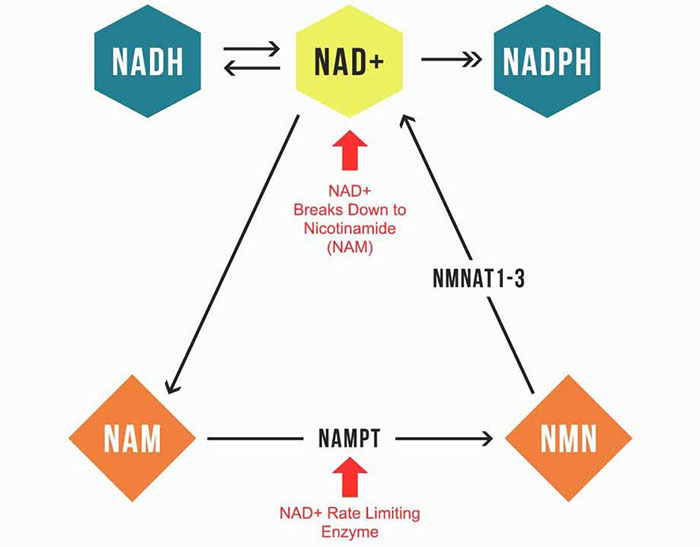
• NAD+ fuels key DNA-repair enzymes — These include poly (ADP-ribose) polymerase (PARPs) and sirtuins, which identify and repair DNA strand breaks. When NAD+ levels drop, these enzymes cannot function effectively, leading to the accumulation of damaged DNA. By maintaining NAD+ availability, niacinamide keeps these enzymes working efficiently and supports the genetic stability of your skin cells.
• Niacinamide also reinforces your skin’s structural defenses — It stimulates ceramide production, strengthening the barrier that locks in moisture and shields against environmental damage.7 Because of its effects, dermatologists have used niacinamide for decades in both topical and oral forms to manage acne, rosacea, hyperpigmentation, and photoaging.8
• Niacinamide’s influence extends far beyond skin health — Clinical studies have shown benefits in conditions linked to metabolic stress, inflammation, and mitochondrial dysfunction, including neurodegeneration,9 glaucoma,10 chronic pain,11 stress,12 and even oxidative damage linked to excessive linoleic acid (LA) intake.
To learn more about how niacinamide supports not only skin health but also your body’s broader resilience, read “The Wide-Ranging Health Benefits of Niacinamide.”
New Evidence Strengthens Niacinamide’s Role in Skin Cancer Prevention
The evidence confirming niacinamide’s protective role against skin cancer has been limited because its over-the-counter availability means most use goes unrecorded in medical databases. This is why researchers conducted a large-scale retrospective cohort study published in JAMA Dermatology, drawing on data from the Veterans Affairs (VA) Corporate Data Warehouse to examine whether niacinamide use led to a reduced risk of new skin cancers.13
• How the study was designed — The research team analyzed data from 33,822 veterans between 1999 and 2024. They identified patients who had filled prescriptions for 500 milligrams (mg) of oral nicotinamide twice daily for more than 30 days and compared them with matched controls who had not received the supplement.
In total, 12,287 niacinamide users were matched with 21,479 nonusers based on factors including age, sex, prior skin cancer history, and use of other dermatologic treatments. The primary outcome was time to the next diagnosis of BCC or cutaneous SCC (cSCC).
• Niacinamide use lowered overall skin cancer risk — Across the full study population, niacinamide use was associated with a 14% lower overall risk of developing skin cancer. The benefit was most pronounced when supplementation began after the first skin cancer diagnosis, producing a 54% reduction in new cases.
However, this preventive effect diminished when treatment was started after multiple prior cancers. Both BCC and cSCC incidence decreased, with the strongest risk reduction seen in cSCC.
• Findings in immunocompromised patients — The study also evaluated a subgroup of 1,334 patients who were immunocompromised due to organ transplants. Among these transplant recipients, no overall significant reduction in cancer risk was observed. However, early use of niacinamide after the first cancer diagnosis was linked to fewer cases of cSCC, underscoring the importance of timing in its effectiveness.
• Early use of niacinamide may redefine preventive skin cancer care — According to the study’s lead author, Dr. Lee Wheless, assistant professor of Dermatology and Medicine at Vanderbilt University Medical Center and a staff physician at VA Tennessee Valley Healthcare System:
“There are no guidelines for when to start treatment with nicotinamide for skin cancer prevention in the general population. These results would really shift our practice from starting it once patients have developed numerous skin cancers to starting it earlier. We still need to do a better job of identifying who will actually benefit, as roughly only half of patients will develop multiple skin cancers.”14
This real-world analysis builds on earlier randomized trials by confirming that niacinamide is associated with lower nonmelanoma skin cancer risk in a large, diverse population.

Save This Article for Later – Get the PDF Now
The First Clinical Evidence of Niacinamide’s Protective Effect
The protective role of niacinamide in skin cancer prevention was first confirmed in a controlled human trial published in The New England Journal of Medicine in 2015.15 The study, known as the Oral Nicotinamide to Reduce Actinic Cancer (ONTRAC) trial and conducted by researchers at the University of Sydney, showed that a simple oral supplement could lower the recurrence of common skin cancers in high-risk patients.16,17
• Study design and participants — The ONTRAC trial included 386 adults aged 30 to 91 years who had developed two or more nonmelanoma skin cancers in the past five years. Participants were randomly assigned to receive nicotinamide, 500 mg twice daily, or placebo for 12 months, with dermatologic evaluations every three months.
• What the results showed — After one year of supplementation, participants taking nicotinamide had 23% fewer new basal and squamous cell carcinomas than those taking placebo. The supplement also reduced actinic keratoses, precancerous lesions that signal future cancer risk, by 11% after three months and 15% after 12 months.
• Safety confirmed across all groups — Niacinamide was well tolerated, with no meaningful side effects. Unlike niacin, it did not cause flushing, headaches, or increased blood pressure, and no participants discontinued treatment due to adverse effects. Its clean safety profile made it an ideal option for older adults or those on multiple medications.
• Why the findings matter for high-risk patients — Lead investigator Diona Damian, MBBS, Ph.D., described niacinamide as “a new opportunity for skin cancer prevention,” noting that it is safe, inexpensive, and immediately accessible for those at greatest risk of recurrence.18
Supporting this view, Dr. Peter Paul Yu, the president of the American Society of Clinical Oncology at the time, called the results “a remarkably simple and inexpensive way to help people avoid repeat diagnoses of some of the most common skin cancers.”19
This trial established the foundation for research on niacinamide and skin cancer prevention. A survey conducted in 2021 found that nearly 77% of dermatologists who perform skin cancer surgery now recommend oral niacinamide to prevent skin cancers.20 Learn more about niacinamide’s protective role in “Niacinamide — The Best Supplement to Prevent Skin Cancer.”
How to Take Niacinamide Supplement
While clinical studies have shown that high doses can deliver therapeutic results in targeted treatments, those levels are not intended for routine use. For ongoing health and cellular support, smaller amounts taken regularly are safer and sustainable.
• Take small, evenly spaced doses throughout the day — For optimal health, I recommend taking 50 milligrams of niacinamide three times per day. You can also take it four times a day if you space out the dose evenly. Take a dose as soon as you get up, another before going to bed, and two more evenly spaced between those times.
• Higher doses can cause adverse effects — The problem with taking too much vitamin B3, whether in the form of niacin or niacinamide, is that it might backfire and contribute to cardiovascular disease and other side effects. Other potential side effects of high doses include nausea, vomiting, headache, dizziness, and fatigue.
• Make sure you’re getting all the other B vitamins — Your body relies on the full spectrum of B vitamins to maintain optimal health, especially regular niacin, riboflavin (B2), folate (B9), and pyridoxine (B6).
Vitamin B3 is found in grass fed beef, liver, wild-caught Alaskan salmon, and bananas,21 while vitamin B6 is abundant in grass fed beef, potatoes, and bananas.22 As for folate, you can obtain it in spinach, broccoli, and asparagus.23 Meanwhile, vitamin B12-rich foods include grass fed beef liver, wild rainbow trout, and wild sockeye salmon.24
5 Additional Strategies to Protect Your Skin Health
While niacinamide plays a key role in maintaining healthy skin, it works best as part of a broader foundation. Your daily lifestyle choices shape how your skin repairs, regenerates, and defends itself. The following strategies complement niacinamide’s protective effects and help lower your risk of skin cancer while supporting long-term skin vitality:
1. Optimize your vitamin D levels — Vitamin D activates receptors that regulate how your cells grow, repair, and communicate, helping reduce the risk of cancer by reducing DNA damage, improving immune surveillance, and promoting normal cell differentiation.25
A study from the University of Eastern Finland found that individuals who took vitamin D regularly had nearly 50% lower melanoma risk, even among those with high-risk skin types.26 Maintaining vitamin D levels in the 60 to 80 ng/mL (150 to 200 nmol/L) range provides the strongest protection.
While many studies discourage sun exposure, sunlight is your body’s primary and most efficient source of vitamin D. The key is to enjoy sunlight in a way that protects your skin from burning. Simple steps taken before and during sun exposure can make all the difference. For practical guidance on how to do this safely, read “Having Optimal Vitamin D Levels Helps Lower Your Risk of Melanoma.”
2. Nourish your skin from the inside out — Foods rich in antioxidants are especially valuable because they neutralize damaging free radicals. Prioritize carotenoid-rich fruits and vegetables such as carrots, sweet potatoes, tomatoes, and leafy greens. These pigments accumulate in your skin, where they act as a natural shield against oxidative damage.27
Equally important are vitamins C and E, which work together to preserve skin integrity. Vitamin C fuels collagen synthesis, accelerates tissue repair, and maintains the connective structure that keeps your skin firm and resilient.28 Good sources include bell peppers, citrus fruits, strawberries, and broccoli.29
Vitamin E shields cell membranes from lipid peroxidation, a reaction that weakens your skin’s lipid barrier and speeds visible aging.30 Pasture-raised eggs, grass fed beef liver, wild-caught fish, and leafy greens provide abundant amounts of this vitamin.
3. Improve sleep and circadian rhythm to boost skin repair — Your skin follows a daily rhythm of repair and renewal that peaks during sleep. Research shows that chronic circadian disruption not only weakens the skin barrier but also increases the risk of tumor formation by impairing clock genes that regulate cell division and DNA stability.31
Aim to get adequate, high-quality sleep nightly by creating a consistent bedtime routine, limiting blue light exposure in the evening, and getting natural sunlight in the morning to help reset your circadian rhythm. Keeping your room cool, dark, and quiet also supports deeper rest, allowing your skin the time it needs to repair and renew overnight.
4. Engage in regular physical activity — A study on melanoma shows that regular physical activity can slow tumor growth and enhance immune surveillance. Researchers also found that exercise boosts the activity of natural killer cells, improves blood flow to skin tissues, and reduces inflammatory signaling linked to tumor progression.32
You don’t need strenuous workouts to gain the benefits. Regular, moderate movements such as walking, stretching, or light resistance exercise will do. Consistent activity also helps balance blood sugar and hormones, which play a direct role in maintaining healthy and resilient skin.33
5. Be wise when it comes to sunscreen — Dermatologists often recommend daily sunscreen use to lower skin cancer risk, but many products on the market contain chemicals that can harm your health and the environment, including oxybenzone, octinoxate, homosalate, and octocrylene.34
If you choose to use a sunscreen, look for zinc oxide or titanium dioxide instead and make sure they’re not nano-sized. Lotions or creams with zinc oxide offer the most stable and broad UVA and UVB protection, while titanium dioxide is a good alternative.
Avoid high-SPF products above 50, which often create a false sense of security and don’t provide significantly better protection. SPF measures UVB defense only, not UVA, which causes the most skin damage and aging. Ultimately, sunscreen should not be your first line of defense. The healthiest approach is safe, sensible sun exposure.
Frequently Asked Questions (FAQs) About Niacinamide and Skin Cancer
Q: What is niacinamide?
A: Niacinamide is a form of vitamin B3 that supports your skin by restoring NAD+, which drives energy production and DNA repair, reducing inflammation, enhancing immune defenses, and strengthening the skin barrier by supporting ceramide production.
Q: Is niacinamide the same thing as niacin?
A: No. Niacinamide (also called nicotinamide) and niacin (nicotinic acid) are two different forms of vitamin B3. Niacin causes flushing due to histamine release, while niacinamide does not. However, excessive intake of either form can contribute to cardiovascular problems.
Q: How much niacinamide should I take for daily support?
A: Smaller doses of 50 milligrams (mg) taken three times per day are ideal for long-term use. Clinical trials that targeted skin cancer prevention used 500 mg twice daily, but that dose was studied in high-risk patients with previous skin cancers.
Q: Can I just get niacinamide from food?
A: You can get some niacinamide from foods naturally high in vitamin B3, including grass fed beef, liver, mushrooms, poultry, and salmon. You may also opt to take supplements to ensure steady support for your skin’s repair and protection processes.
Q: Does niacinamide help with other skin problems?
A: Yes. Dermatologists use niacinamide to manage acne, rosacea, uneven pigmentation, and signs of photoaging. Its anti-inflammatory, antioxidant, and barrier-strengthening effects make it a versatile nutrient for maintaining overall skin balance and resilience.
– Sources and References
- 1, 3, 4 Cancer Pathogenesis and Therapy Volume 3, Issue 2, March 2025, Pages 89-100
- 2 American Academy of Dermatology Association, Skin Cancer
- 5 Biomedicines. 2018 Jan 2;6(1):6
- 6, 14 Medical Xpress, September 18, 2025
- 7 Br J Dermatol. 2000 Sep;143(3):524-31
- 8 YouTube, Dr. Dray, The Skin Supplement You Need to Know About April 28, 2022
- 9 Clinical Trials Nicotinamide as an Early Alzheimer’s Disease Treatment (NEAT) NCT03061474
- 10 JAMA Ophthalmology 2022;140(1):11-18
- 11 Cell Reports Medicine November 8, 2023
- 12 Nutrients. 2022 Jun; 14(11): 2219
- 13 JAMA Dermatol. Published online September 17, 2025. doi: 10.1001/jamadermatol.2025.3238
- 15, 16 N Engl J Med. 2015 Oct 22;373(17):1618-26
- 17, 18, 19 Am Health Drug Benefits. 2015 Aug;8(Spec Issue):13-14
- 20 Dermatol Surg. 2021 Apr 1;47(4):452-453
- 21 NIH ODS, Niacin
- 22 My Food Data, Top 10 Foods Highest in Vitamin B6 April 25, 2024
- 23 My Food Data, Top 10 Foods Highest in Vitamin B9 (Folate) April 25, 2024
- 24 Harvard Health Publishing, The A List for Vitamin B-12 Sources (Archived)
- 25 Melanoma Manag. 2015 Feb 25;2(1):51–61
- 26 Melanoma Research 33(2):p 126-135, April 2023
- 27 Oxid Med Cell Longev. 2014 Mar 26;2014:860479
- 28 Nutrients 2017, 9(8), 866
- 29 Cleveland Clinic, April 10, 2023
- 30 Aspects of Molecular Medicine Volume 5, June 2025, 100063
- 31 Int J Mol Sci. 2021 Jun 6;22(11):6112
- 32 J Cancer. 2024 Jan 1;15(1):1-19
- 33 JMIR Dermatol. 2024 Mar 14;7:e51962
- 34 EWG.org The Trouble with Ingredients in Sunscreens
Studies Raise Questions About Keto’s Impact on Liver and Heart Health
Reproduced from original article:
https://articles.mercola.com/sites/articles/archive/2025/11/18/keto-diet-liver-heart-health-risks.aspx
Analysis by Dr. Joseph Mercola November 18, 2025

Story at-a-glance
- While short-term ketogenic diets may aid weight loss, new research links prolonged ketosis to liver stress, impaired insulin secretion, and cardiovascular problems
- Long-term fat reliance increases circulating free fatty acids, burdening the liver, disrupting glucose regulation, and weakening metabolic flexibility — key factors in overall energy stability and heart health
- Elevated liver enzymes and triglyceride levels on keto indicate hepatic overload. This signals that the body is struggling to manage excess fat turnover and oxidation
- Treat keto as a short-term metabolic intervention, not a lifestyle diet. Gradually reintroduce whole-food carbohydrates to support steady energy, hormonal balance, and overall metabolic health
- To support balanced metabolism and long-term liver and heart health, keep total fat below 30% of daily calories, eliminate seed oils from your diet, and consume sufficient dietary fiber
For several years, I recommended the ketogenic diet as a way to optimize your metabolic and mitochondrial health. Restricting carbohydrates and shifting the body to rely on fat for fuel seemed, at the time, to be a sound strategy for stabilizing blood sugar and enhancing endurance. Backed by a growing body of published research, it appeared to offer a logical and effective route toward better energy regulation and improved metabolic flexibility.
However, after studying the work of the late Ray Peat, Ph.D., my perspective shifted. His insights into the bioenergetic theory of health revealed how carbohydrate availability is tied to your body’s capacity to sustain healthy energy production. The more I examined his work, the clearer it became that long-term carbohydrate restriction could work against many of the very systems it was meant to support.
Your liver and heart appear to be especially vulnerable under the metabolic strain of a high-fat, low-carb diet. That vulnerability has come under closer scrutiny in a recent Science Advances study1 that examined how prolonged adherence to a ketogenic diet affects metabolic balance, insulin regulation, and organ function. Their findings raise important questions about whether keto side effects outweigh its benefits.
Does Keto Raise Liver Enzymes or Cause Fatty Liver?
In the featured study, researchers examined the long-term keto liver effects in mice for nearly a year. The goal was to determine whether a ketogenic diet, often promoted for weight management and metabolic improvement, might instead strain the liver’s ability to process and regulate fat over time and compromise overall metabolic health.2
• Liver distress emerged despite lower body weight — The study found that even though mice on the ketogenic diet gained less weight than those fed a high-fat, high-carb diet, their liver profiles revealed signs of distress. Plasma triglycerides and non-esterified fats (free fatty acids released from stored fat) were significantly elevated, pointing to hyperlipidemia, a state of excess circulating fat in the bloodstream.
Male mice also developed hepatic steatosis (fat accumulation in the liver), along with increased alanine aminotransferase (ALT) activity. ALT is an enzyme concentrated inside liver cells and plays a role in amino acid metabolism. When liver cells are damaged or die, ALT leaks into the bloodstream, raising measurable levels. Elevated ALT directly reflects hepatocellular injury and indicates that the liver is under metabolic or inflammatory stress.
• Broader metabolic stress accompanied liver injury — Mice on the ketogenic diet developed glucose intolerance, meaning their bodies were less able to keep blood sugar stable after eating, and impaired insulin secretion, showing that the pancreas was not releasing enough insulin to regulate glucose. Together, these findings indicate that liver stress was part of a whole-body imbalance.
In particular, the pancreatic β cells (the cells that make and release insulin) showed disruptions in protein trafficking within the endoplasmic reticulum and Golgi apparatus, which fold and package proteins for secretion. This dysfunction resembled what is seen in early diabetes, where the machinery for insulin release becomes compromised.
• Microscopic evidence confirmed cellular damage — Electron microscopy revealed lipotoxic injury in the liver cells. The Golgi apparatus appeared dilated and fragmented, and genes linked to protein stress responses were upregulated. This pattern shows that long-term exposure to high lipid levels not only drives fat buildup but also interferes with protein processing and communication within cells, further aggravating liver dysfunction.
• Animal findings suggest parallels to human liver responses — Although this work was conducted in mice, the core mechanisms involved in fat regulation, glucose control, and protein processing are highly conserved across species. The authors wrote that their findings “have relevant translational ramifications” and “caution against the systematic use of a KD as a health-promoting dietary intervention.” The table below summarizes the animal findings alongside their human relevance:
Liver Outcomes — Enzymes and Steatosis
| Aspect | Preclinical (Science Advances, 2025) |
Human Relevance (as noted by authors) |
|---|---|---|
| Population | Mice | Not studied directly; authors emphasized the need for human research to confirm whether similar effects occur |
| Exposure | Long-term ketogenic feeding (~1 year) | Prolonged high-fat intake under carbohydrate restriction may have comparable metabolic implications in humans, but further trials are required |
| Main signal | Marked hyperlipidemia, hepatic steatosis, elevated ALT, impaired glucose tolerance, and reduced insulin secretion | Findings carry “relevant translational ramifications,” suggesting caution when applying long-term ketogenic diets for metabolic health |
| Interpretation | Chronic ketogenic feeding stresses liver and pancreatic metabolism, indicating risk of liver injury and glucose dysregulation | Authors caution that extended ketogenic use could have harmful effects on metabolic health, especially regarding β-cell function, plasma lipid levels, and liver health |
• Metabolic deterioration extends beyond the liver — In his analysis of the Science Advances study, bioenergetic researcher Georgi Dinkov added that chronic ketogenic patterns not only damage the liver but also suppress overall energy metabolism by reducing lean muscle mass. This has far-reaching metabolic consequences, since muscle is the most metabolically active tissue in the body and a major driver of resting energy use. He explained:
“[T]he resting metabolic rate (RMR) is determined primarily by the ratio of lean mass to fat mass. Thus, as the amount of muscle loss overtakes the amount of fat loss with chronic ingestion of keto diets, the RMR drops significantly. As such, after the person stops the keto diet and goes back to even low-to-moderate carb diets, the formerly keto diet patient rapidly regains the weight lost as a result of the keto diet, and regains it mostly in the form of fat.
Since fat is not nearly as metabolically active as muscle tissue, the newly re-obesified person not only regains all of the lost weight, but almost always exceeds the initial weight before the keto diet was started and finds that they keep gaining weight even if they restrict the calories way below what they used to consume prior to the keto diet.
That is due to the fact that the RMR dropped as a result of the keto diet (and muscle loss) and the regular diet, which the former keto patient used to consume and maintain a stable (though high) weight on, becomes directly obesogenic due to the much lower RMR.”3
These keto side effects often develop silently, without obvious symptoms. If you notice rising liver enzymes or a dull ache under your right rib cage, it may signal that your liver is under stress from the metabolic load. That’s the time to reassess your macronutrient balance before the strain turns chronic.
Why Would LDL Jump on Keto and Who Are ‘Hyper-Responders’?
In a detailed review published in the American Journal of Preventive Cardiology, researchers from the Mayo Clinic examined a striking pattern among people who experience extreme cholesterol elevations while following a ketogenic diet. This group, often referred to as “hyper-responders,” shows a disproportionate increase in low-density lipoprotein (LDL) “bad” cholesterol and apolipoprotein B (apoB), the particles that actually carry cholesterol through the blood.4,5
• LDL levels spiked dramatically in keto followers — The study reviewed clinical records of 17 adults who presented with LDL cholesterol levels above 190 milligrams per deciliter (mg/dL) while adhering to a high-fat, very-low-carb diet. Before starting keto, their mean LDL level was about 129 mg/dL. After roughly 12 months of strict adherence, that value rose by an average of 245%.
• ApoB reflects the number of cholesterol-carrying particles — Each LDL particle contains one molecule of apolipoprotein B (apoB), a structural protein that anchors cholesterol and triglycerides within the particle. ApoB therefore reflects not just how much cholesterol is present, but how many LDL particles are circulating. The more particles you have, the greater the chance they’ll penetrate inflamed artery walls and promote atherosclerosis, or plaque buildup.
• Genetic predisposition amplified the effect — Ten of the 17 patients had family histories of early heart disease or inherited lipid disorders. Five underwent genetic testing, and two carried mutations in the LDL receptor (LDL-R) gene, which impairs the body’s ability to remove LDL from circulation.
This means LDL particles linger in the blood longer, compounding the cholesterol rise. The researchers suggested that both diet composition and genetic background contributed to the extreme lipid response.
• Lean individuals showed the greatest LDL surge — The largest LDL increases appeared in participants with lower body mass index (BMI). The authors proposed that when carbohydrate intake is severely restricted, leaner individuals rely more heavily on fat oxidation, burning fat for fuel.
This shift ramps up production of very-low-density lipoprotein (VLDL) particles, which transport triglycerides from the liver. As VLDL offloads its fat cargo, it converts into LDL and HDL, explaining why even metabolically healthy or athletic people may see dramatic LDL spikes during keto adaptation.
• Stopping keto reversed the effects — In the study, when patients stopped the ketogenic diet, their LDL levels dropped by an average of 220% within nine months. This rebound emphasizes why anyone with a family history of early heart disease, lipid metabolism variants, or an unexplained rise in LDL or apoB while on keto should do so under medical supervision with regular lipid monitoring.
While the authors blamed saturated fats for higher cardiovascular risk among those on a high-fat, low-carb diet, I believe this repeats the same flawed narrative that has misled the public for decades. I’ll expand on this later, but for now, remember that any discussion of keto’s heart effects needs to move beyond the outdated “saturated fat equals heart disease” myth. The issue appears less about saturated fat itself and more about the metabolic overload created by extreme fat consumption.
Save This Article for Later – Get the PDF Now
Are Heart Palpitations on Keto a Red Flag — or Just Electrolytes?
Keto heart palpitations are among the more common side effects people notice soon after beginning this diet, especially during the first days or weeks of carbohydrate restriction. While mild, short-lived palpitations often resolve, persistent or worsening irregularity can signal deeper strain on the cardiovascular system. Recognizing this connection allows you to support your metabolism without ignoring what your heart is telling you.6,7
• Electrolyte loss drives early palpitations — When carbohydrate intake drops sharply, insulin levels fall and glycogen (stored carbohydrate) is depleted. This shift prompts the kidneys to excrete water along with key minerals, such as sodium, potassium, and magnesium.
These are the body’s electrolytes, which regulate the electrical signals that control heartbeat and muscle contraction. As they drop, the heart’s rhythm can become irregular or faster than usual (tachycardia), especially if hydration is inadequate. Replenishing electrolytes typically stabilizes symptoms within days.
• Fat-based fuel changes cardiac metabolism — Because ketogenic diets push the heart to depend almost entirely on fat oxidation instead of glucose for fuel, this metabolic shift can have unintended effects on cardiac performance, including disturbances in the heart’s electrical rhythm.
Experimental studies in animals also indicate that long-term ketogenic feeding may promote adverse remodeling of the heart muscle — characterized by fibrosis and changes in tissue structure — that can interfere with normal electrical conduction and raise the likelihood of arrhythmias such as atrial fibrillation.8
• When to address symptoms — Occasional palpitations during keto adaptation often resolve with hydration and mineral-rich foods like leafy greens and bone broth. However, ongoing rapid or irregular heartbeats, chest tightness, or palpitations accompanied by dizziness or shortness of breath require prompt evaluation. These may reflect electrical or structural strain on the heart, especially in individuals with high cholesterol, high blood pressure, or pre-existing heart disease.
• Simple checks before medical evaluation — Ensure adequate hydration, avoid caffeine and stimulant intake, and reassess whether palpitations persist once electrolytes stabilize. Thyroid hormone dosing, anemia, and overtraining can also contribute. If the symptoms continue after addressing these factors, a medical evaluation is essential. A basic electrocardiogram (ECG) and blood panel can identify early electrical or metabolic disturbances before they progress.
Learn more about the cardiovascular effects of ketogenic diets in “The Ketogenic Diet Can Put Your Cardiovascular Health at Risk.”
Could a Higher-Carb, Lower-Fat Diet Be Safer for Your Heart and Liver?
The fact is, your body requires glucose to function properly. When carbohydrate intake drops too low for too long, your body compensates by producing glucose from cortisol through a process called gluconeogenesis. This involves breaking down amino acids from muscle tissue to create glucose for essential energy needs.
• Cortisol’s real role in metabolism — Cortisol belongs to a class of steroid hormones called glucocorticoids.9 The prefix gluco refers to glucose (sugar),10 while cortico indicates its origin in the adrenal cortex.11
Although commonly labeled a stress hormone, cortisol’s primary biological purpose is to raise blood sugar when glucose and glycogen (the liver’s stored form of glucose) run low. When this shortage is detected, cortisol activates the PEPCK enzyme, triggering gluconeogenesis.12
• Chronic cortisol elevation signals metabolic imbalance — When cortisol remains elevated due to prolonged carb restriction, it drives inflammation and weakens immune function.13 This persistent stress state undermines long-term metabolic and hormonal health. While low-carb diets may promote short-term weight loss or glycemic control, sustained glucose deprivation pushes the body into a stress-driven, catabolic mode, breaking down tissue to meet energy needs.
• The Randle Cycle explains fat-glucose competition — Insights from Peat’s bioenergetic framework and related metabolic research highlight the Randle Cycle, a cellular “fuel switch” that determines whether your mitochondria burn fat or glucose at a given time. Think of it as a railroad junction — only one train (fuel source) can pass at once.

• For efficient glucose metabolism, the fat load must remain moderate — When dietary fat exceeds about 30% of total calories — lower if you’re overweight — the body shifts toward fat oxidation. This suppresses glucose use inside mitochondria, forcing glucose to remain in the bloodstream and raising blood sugar.
Balancing carbohydrate and fat intake ensures the Randle Cycle stays aligned with energy demand rather than metabolic stress. In a previous interview I had with Dinkov, he explained:
“I’ve noticed that between 15% and 20% [dietary fat] is probably where most people, in their current health state, can metabolize the fat without causing problems for the glucose through the Randle cycle. Especially Type 2 diabetics.
Most of them are overweight or obese, which means they have two sources of fats — one through the diet and the second one from their fatty tissue, because there’s always some lipolysis going on. So for diabetic people, it’s probably a good idea to lower the intake of fat from the diet, because they already have a lot coming from their own bodies.
There’s so many clinics around the world that treat and even cure Type 2 diabetes by putting them on a really restrictive diet until they lose most of their fat. And then suddenly, the metabolism of glucose gets restarted. I think this directly shows you that the problem with glucose wasn’t the glucose itself.
It wasn’t the glucose that was fattening them up. They had too much fat in their bodies, and once you get rid of that fat, no matter how you do it, the problems when metabolizing glucose disappear which, to me, is a great testament to the Randle Cycle.”
Shifting from a chronically low-carb pattern to a more balanced, carbohydrate-inclusive diet is one of the simplest ways to restore metabolic stability. By doing so, you create an internal environment where both your heart and liver can function at their natural pace — energetic, steady, and free of the constant biochemical tension that defines long-term ketosis. For a deeper look at why glucose is the body’s cleanest, most efficient fuel, read “Glucose — The Ideal Fuel for Your Cells.”
Rebalancing Your Macronutrients for Optimal Metabolism
When it comes to adjusting your macronutrient intake, a sensible approach is needed. The goal is not to fear any one macronutrient but to use each in the right proportion to keep metabolism functioning optimally.
1. Moderate your fat intake — While you need to lessen your fat consumption, that doesn’t mean fats need to be removed from your diet entirely. Make no mistake, fats — especially from clean, stable sources — remain essential for optimal health. The goal is to keep total dietary fat below 30% of your daily calories.
2. Eliminate linoleic acid (LA) from your diet — Common sources include seed oils like soybean, corn, canola, sunflower, and safflower oils, from your diet. Keep your LA intake below 5 grams a day — and if possible, under 2 grams. Replace industrial oils with traditional fats that resist oxidation, such as butter, tallow, and coconut oil.
For decades, government dietary policies encouraged Americans to replace these traditional fats with so-called “heart-healthy” vegetable oils. These guidelines, based on outdated lipid theories, convinced much of the public that seed oils were safer than saturated fats. Yet modern biochemical and clinical evidence shows that LA oxidizes easily, producing toxic byproducts that damage cells, fuel inflammation, and increase oxidative stress.14,15
To help you keep track of your intake, I recommend you download the Mercola Health Coach app, which will be out this year. One of its main features is the Seed Oil Sleuth, which calculates your vegetable oil intake to the tenth of a gram.
3. Choose healthy carbohydrates — Replace refined starches and processed sugars with nutrient-dense, whole-food carbohydrates like ripe fruits, root vegetables, sweet potatoes, and white rice. These restore glycogen stores in your liver and muscles, regulate blood sugar, and reduce the stress-driven glucose production that occurs during low-carb restriction.
Including resistant starches such as green bananas or cooked-and-cooled potatoes also feeds beneficial bacteria, increasing short-chain fatty acids (SCFAs) like butyrate that calm inflammation and protect the gut lining.
4. Consume sufficient dietary fiber — It’s ideal to consume about 30 grams of fiber. However, if your gut is inflamed or imbalanced, increase fiber gradually since pathogenic bacteria can also ferment it, producing endotoxins.
As your gut flora normalizes, aim for 200 to 250 grams of carbohydrates from whole, unprocessed foods to fully support microbial diversity and mucosal healing. For an in-depth understanding of this approach, read “Butyrate — The Metabolic Powerhouse Fueling the Gut and Beyond.”
5. Know when to use keto — While increasing your carb intake can help promote better health, that doesn’t mean the ketogenic diet will never have a place in a wellness regimen. In fact, I still recommend it if you’re just getting your health back on track, as it’s initially useful to help you become more metabolically flexible. But, while short-term keto has several benefits, prolonged ketosis, as discussed throughout this article, can be problematic.
When using keto as a short-term metabolic reset, it’s important to monitor how your body responds. The table below outlines key markers that show whether the diet is supporting recovery or beginning to strain metabolic balance.
Key Markers to Watch on a Ketogenic Diet
When to WorryPractical Levers
| Marker | Typical Keto Effect | ||
|---|---|---|---|
| LDL/apoB | May rise sharply in “hyper-responders,” especially lean individuals | A large or sustained increase from baseline, especially with signs of oxidative stress or inflammation | Eliminate seed oils and other LA sources; prioritize stable fats like butter, tallow, and coconut oil; increase antioxidant-rich foods (vitamin E, polyphenols); optimize thyroid and liver function |
| Triglycerides | Commonly decrease during early keto adaptation | A paradoxical rise, often from excess calories, alcohol, or impaired fat oxidation | Avoid alcohol and reduce total fat intake; include more fiber and whole-food carbohydrates to improve fat clearance |
| HDL | Typically increases modestly | Not a concern unless paired with inflammation or high apoB | Maintain balanced nutrition and oxidative stability; HDL rise alone doesn’t offset metabolic stress |
| Arrhythmia symptoms | Palpitations often tied to electrolyte loss or thyroid shifts | Persistent palpitations, irregular ECG, chest tightness, or dizziness | Rehydrate; restore electrolytes (sodium, magnesium, potassium); address thyroid and adrenal balance; seek medical evaluation if symptoms persist |
Frequently Asked Questions (FAQs) About the Ketogenic Diet
Q: Does keto cause fatty liver or help reverse it?
A: The Science Advances study showed that long-term ketosis elevated free fatty acids, hyperlipidemia, and fat accumulation inside liver cells — classic signs of hepatic steatosis. These changes occurred even without weight gain, showing that fat overload, not calories alone, can injure the liver. In essence, keto may appear helpful early on, but extended use risks shifting the liver from fat-burning to fat-burdened.
Q: Can a ketogenic diet raise LDL even if I’m losing weight?
A: Yes. The Mayo Clinic review documented sharp LDL and apoB increases among “hyper-responders,” many of whom were lean and metabolically healthy. Weight loss itself doesn’t prevent this, because the rise in circulating fats reflects how the body processes fat for fuel under severe carb restriction — not just how much fat it stores.
Q: Why are my alanine aminotransferase (ALT) levels high after starting keto?
A: ALT is an enzyme found primarily in liver cells, and elevated levels usually signal that the liver is under stress. During the early stages of keto, fat breakdown accelerates, flooding the liver with free fatty acids to convert into ketones. This sudden metabolic load can temporarily raise ALT.
However, if levels stay elevated, it may indicate that excess fat is accumulating in liver cells or that oxidative stress is damaging them. Persistent ALT elevation means the liver is struggling to keep up with fat processing — a sign that the diet may be doing more harm than good.
Q: Are heart palpitations on keto normal?
A: Transient palpitations are common during the first days or weeks of carbohydrate restriction because of fluid and electrolyte losses. When glycogen stores drop, the kidneys excrete sodium, magnesium, and potassium — minerals essential for normal heart rhythm. If palpitations persist after hydration and electrolyte restoration, or are accompanied by dizziness or chest tightness, you should seek medical evaluation.
Q: What do U.S. guidelines say about high-fat patterns and heart risk?
A: For decades, U.S. dietary policy has promoted a low-saturated-fat approach for heart health, encouraging Americans to rely on so-called “heart-healthy” vegetable oils like soybean, corn, canola, and sunflower.
However, while moderating overall fat intake is wise, natural saturated fats from traditional sources like grass fed butter, eggs, and meat are not the problem. The real focus should be on eliminating unstable industrial oils and restoring a balanced, nutrient-dense diet that includes whole-food carbohydrates for sustained metabolic health.
- 1, 2 Sci. Adv. 11, eadx2752(2025)
- 3 Haidut, October 3, 2025
- 4 American Journal of Preventive Cardiology Volume 15, Supplement, September 2023, 100548
- 5 Am J Prev Cardiol. 2023 Apr 6;14:100495
- 6 Ketogenic, November 13, 2023
- 7 AFIP Foundation, “Can the Keto Diet Trigger Atrial Fibrillation? Exploring the Science Behind This Diet-Heart Connection”
- 8 Nutrition & Metabolism volume 17, Article number: 91 (2020)
- 9 StatPearls [Internet], Physiology, Cortisol
- 10 Dictionary, gluco-
- 11 Dictionary, cortico-
- 12 StatPearls [Internet], Physiology, Glucocorticoids, Function
- 13 Cleveland Clinic, Cortisol
- 14 Seven Countries Study, About the study
- 15 BMJ 2016;353:i1246
Beta-Blockers Are Useless, and Sometimes Risky, for Most Cardiac Patients
Reproduced from original article:
https://articles.mercola.com/sites/articles/archive/2025/11/06/beta-blockers-heart-failure-treatment.aspx
Analysis by Dr. Joseph Mercola November 06, 2025

Story at-a-glance
- Beta-blockers offer no survival benefit for most heart attack patients with normal heart function, even though they’re still widely prescribed
- Women face higher risks on beta-blockers, including nearly double the risk of death when given higher doses, while men show no measurable harm or benefit
- Side effects such as fatigue, dizziness, depression, and sexual dysfunction often burden patients without providing meaningful protection
- The real root of heart disease lies in damaged mitochondria, which are overwhelmed by linoleic acid (LA) from vegetable oils found in most processed foods
- You can protect your heart by reducing LA, eating the right kinds of carbohydrates, walking daily, getting safe sunlight, and tracking your HOMA-IR score
A large trial tracked 8,438 heart attack patients, and the findings turned decades of cardiology practice on its head.1 Those who received beta-blockers after their heart attack fared no better than those who did not. Rates of death, repeat heart attack, and hospitalizations for heart failure were nearly identical. That means the drug class long considered a cornerstone of heart care offered no added protection in people whose hearts were still pumping normally.
Beta-blockers are drugs designed to slow your heart and reduce its workload. They’re prescribed widely after a heart attack to lower the chance of another one. Side effects often include fatigue, dizziness, depression, and sexual dysfunction, which many patients dismiss as “just part of getting older.”
Yet the new data suggest these side effects are being endured without any benefit in survival or long-term recovery for a large group of patients. Women, in particular, also face increased risks from these commonly prescribed drugs.2 Guidelines from the American College of Cardiology and the European Society of Cardiology still endorse beta-blockers for most people after a heart attack, regardless of heart function.
Those recommendations were built on studies from the 1970s and 1980s, but today most patients receive aggressive medical therapy, fundamentally changing outcomes. The evidence base has shifted, but the prescribing habits have not.
Trial Shows Beta-Blockers Fail to Deliver Heart Protection
The study, published in The New England Journal of Medicine, investigated whether beta-blockers provide benefits to heart attack patients whose hearts still pump normally.3 The trial set out to determine if beta-blockers could prevent death, new heart attacks, or hospitalization for heart failure in this group of patients. Researchers found that after a median follow-up of 3.7 years, the use of beta-blockers did not reduce the risk of death, repeat heart attack, or hospital admission for heart failure.
• Event rates were virtually identical in both groups — In the beta-blocker group, 316 patients experienced one of the key negative outcomes, compared with 307 patients in the group that did not take beta-blockers. This translated to 22.5 versus 21.7 events per 1,000 patient-years, showing almost no difference. In simple terms, taking the medication gave no measurable survival advantage.
• No difference in survival or complications — When broken down further, deaths were almost equal — 161 in those on beta-blockers versus 153 in those not taking them. The number of people who had another heart attack was the same in both groups — 143 each — and hospitalizations for heart failure were also very similar, with 39 versus 44 cases. The message is clear: beta-blockers did not improve outcomes.
• Safety outcomes showed no advantage — Researchers noted there were no apparent differences in safety between the two groups. That means patients who accepted the common side effects of beta-blockers, such as fatigue or dizziness, did so without any added protection against life-threatening complications.
• Beta-blockers are useless for many — If your heart function is preserved after a heart attack, taking beta-blockers burdens you with side effects while giving no added protection. Asking your doctor to reassess whether this drug is necessary is an important step in taking control of your recovery and long-term health.
Women Face Higher Risk on Beta-Blockers After Heart Attack
Research published in the European Heart Journal examined whether men and women respond differently to beta-blockers after a heart attack when their heart’s pumping ability is preserved.4 The trial found that outcomes varied sharply by sex, with women facing higher risks when prescribed these drugs, while men showed no meaningful difference whether they took them or not.
• Women had worse outcomes than men — Out of 1,627 women in the study, those who received beta-blockers had more deaths, new heart attacks, and hospitalizations for heart failure compared with women not taking the drugs. Women on beta-blockers were 45% more likely to suffer serious complications. In men, however, results were neutral, with no increase or decrease in risk.
• The risk was tied to higher doses and preserved heart function — Women with fully preserved pumping strength were the ones most harmed by beta-blockers. Those taking higher doses faced nearly triple the risk of death or complications compared with women who avoided them. In contrast, women on lower doses showed fewer problems, though still no evidence of benefit.
• All-cause death was significantly higher in women — Among women, there were 46 deaths in the beta-blocker group compared with just 24 in the control group. This amounted to almost double the death rate for those prescribed the drugs. The increased risk was driven largely by cardiac causes. Men showed the opposite pattern: deaths were similar regardless of treatment, confirming that the harm was specific to women.
• Why beta-blockers are riskier for women — Women’s hearts are usually smaller than men’s, which means the main pumping chamber has less space to work with. Beta-blockers slow heart rate and reduce how forcefully your heart contracts, which in a smaller heart could cause more harm than good.
In addition, women’s bodies process these drugs differently. They often reach higher blood concentrations from the same dose because of differences in body fat, blood volume, and liver enzyme activity. This means the same pill that produces a mild effect in a man could hit a woman’s system much harder.
• A one-size-fits-all drug policy does not serve everyone equally — Women with preserved heart function were clearly harmed by beta-blockers, particularly at higher doses, while men experienced no meaningful effect. If you’re a woman prescribed a beta-blocker after a heart attack, this evidence gives you a strong reason to have a direct conversation with your doctor about whether the drug is necessary and whether better options exist for protecting your heart.
Save This Article for Later – Get the PDF Now
How to Protect Your Heart and Restore Optimal Health
If you’ve been told beta-blockers are the answer after a heart attack, the research shows otherwise. The truth is, your long-term protection comes from fixing the root problem inside your cells. When your mitochondria — the tiny engines that power every beat of your heart — are under attack, drugs won’t save you. You need to change what’s fueling those engines and how your body produces energy. Here are five direct steps you can take to strengthen your heart and add years to your life.
1. Eliminate linoleic acid (LA) from your diet — Vegetable oils are everywhere — in chips, salad dressings, sauces, restaurant meals, and fried foods. They’re the main source of LA, a polyunsaturated fat that weakens your mitochondria and drives heart disease. If you only do one thing, cut these oils out completely.
Replace them with stable fats like grass fed tallow, ghee, or butter. Keep your total LA intake below 5 grams per day, which you can track using an app like Food Buddy in my Health Coach, which is coming out this year. If you notice you’re getting under 2 grams of LA per day, that’s even better.
2. Fuel your cells with the right carbs — If you’ve been following a low-carb diet, you’re stressing your mitochondria even more. Your body runs best on glucose from carbs. Aim for about 250 grams a day, mostly from whole fruits, white rice, root vegetables, and well-tolerated grains. If your gut is sensitive or you deal with bloating and other digestive symptoms, skip the fiber-heavy foods until your gut is healed and start with easier-to-digest options like white rice or fruit.
3. Use walking as daily heart care — Movement is one of the simplest ways to restore energy production. Walking improves blood flow, lowers blood pressure, and gives your mitochondria the oxygen they need to make adenosine triphosphate (ATP), your body’s energy currency. Ideally, aim for one hour of walking daily. If an hour feels overwhelming, begin with short 10- to 15-minute walks after meals. Build up gradually until daily walking feels like part of your routine, not a chore.
4. Get sunlight exposure for energy and repair — Sunlight is like medicine for your mitochondria. It triggers nitric oxide release, balances your circadian rhythm, and helps your body create melatonin inside the cells that protect your heart. But if your body is loaded with LA from vegetable oils, your skin burns faster. Until you’ve been off LA for six months, avoid peak sun hours between 10 a.m. and 4 p.m. Instead, aim for early morning or late afternoon light, which is still highly beneficial.
5. Measure insulin resistance with the HOMA-IR test — Recognizing insulin resistance early is essential, as it’s a warning sign for your metabolic health. The HOMA-IR (Homeostatic Model Assessment of Insulin Resistance) test is a valuable diagnostic tool that helps assess insulin resistance through a simple blood test, so you can spot issues early and make necessary lifestyle changes.
Created in 1985, it calculates the relationship between your fasting glucose and insulin levels to evaluate how effectively your body uses insulin. Unlike other more complex tests, HOMA-IR requires just one fasting blood sample, making it both practical and accessible. The HOMA-IR formula is as follows:
HOMA-IR = (Fasting Glucose x Fasting Insulin) / 405, where
• Fasting glucose is measured in mg/dL
• Fasting insulin is measured in μIU/mL (microinternational units per milliliter)
• 405 is a constant that normalizes the values
If you’re using mmol/L for glucose instead of mg/dL, the formula changes slightly:
HOMA-IR = (Fasting Glucose x Fasting Insulin) / 22.5, where
•Fasting glucose is measured in mmol/L
•Fasting insulin is measured in μIU/mL
•22.5 is the normalizing factor for this unit of measurement
Anything below 1.0 is considered a healthy HOMA-IR score. If you’re above that, you’re considered insulin resistant. The higher your values, the greater your insulin resistance. Conversely the lower your HOMA-IR score, the less insulin resistance you have, assuming you are not a Type 1 diabetic who makes no insulin.
Interestingly, my personal HOMA-IR score stands at a low 0.2. This low score is a testament to my body’s enhanced efficiency in burning fuel, a result of increased glucose availability. By incorporating additional carbohydrates into my diet, I provided my cells with the necessary energy to operate more effectively.
This improved cellular function has significantly boosted my metabolic health, demonstrating how strategic dietary adjustments lead to better insulin sensitivity and overall metabolic performance.
FAQs About Beta-Blockers
Q: Why are beta-blockers not helpful for most heart attack patients with normal heart function?
A: Large studies show that beta-blockers offer no reduction in death, repeat heart attacks, or hospitalizations for heart failure in patients whose hearts still pump normally. These drugs were once considered helpful before modern treatments, but in today’s era, they add risk without improving survival.
Q: Do beta-blockers affect women differently than men?
A: Yes. Research shows women face a 45% higher risk of death, new heart attacks, or heart failure when prescribed beta-blockers, especially at higher doses. Men, on the other hand, see no meaningful difference in outcomes whether they take the drugs or not.
Q: What are the common side effects of beta-blockers?
A: Side effects include fatigue, dizziness, depression, and sexual dysfunction. Many patients assume these are just part of aging, but studies reveal these effects occur without providing any real benefit in survival for people with preserved heart function.
Q: What’s the root cause of heart disease that I should address instead?
A: The deeper problem lies in mitochondrial dysfunction — when your cells’ energy factories are damaged. A major driver is LA, a fat found in vegetable oils that disrupts energy production, raises oxidative stress, and sets the stage for insulin resistance and heart disease.
Q: What steps can I take to protect my heart without relying on beta-blockers?
A: You can:
•Cut LA by eliminating vegetable oils and processed foods.
•Eat around 250 grams of healthy carbs daily to fuel your mitochondria.
•Walk daily to boost blood flow and energy production.
•Get daily sun exposure but avoid peak hours until you’ve reduced LA in your body.
•Track your HOMA-IR score to monitor insulin resistance early.
Gut Microbes Linked to Stronger Muscles and Healthier Aging
Reproduced from original article:
https://articles.mercola.com/sites/articles/archive/2025/11/01/gut-microbes-muscle-strength-healthy-aging.aspx
>Analysis by Dr. Joseph Mercola November 01, 2025

Story at-a-glance
- A new study in Scientific Reports identified specific gut microbes that enhanced grip strength, coordination, and muscle growth in aging mice, increasing muscle weight by over 150% and boosting growth-related markers
- Aside from boosting muscle, beneficial microbes improved energy metabolism and reduced inflammation. This helps maintain mitochondrial function and protects against muscle breakdown
- Earlier research showed that germ-free mice had smaller, weaker muscles and impaired metabolism, but restoring gut microbes or supplementing short-chain fatty acids (SCFAs) reversed many of these deficits
- Nutrition plays a central role in shaping your microbiome. Fiber-rich vegetables, resistant starches, polyphenol-dense fruits, and herbs like red ginseng promote microbial diversity
- Beyond diet, other strategies include supplementing with probiotics, prebiotics, synbiotics, and next-generation microbes like Akkermansia, as well as experimental fecal microbiota transplantation (FMT)
Your ability to walk with steady strength is one of the clearest markers of healthy aging. Strong muscles are essential for protecting your independence, regulating metabolism, and lowering the risks that come with frailty. The age-related loss of muscle, known as sarcopenia, is one of the most serious threats to healthy aging because it erodes your capacity to move freely and maintain vitality.1
For years, exercise has been recognized as the foundation of muscle health, but researchers are uncovering another influence you may not have considered — the gut microbiome. Growing evidence suggests these microbes are shaping your muscles in ways that determine how well you move later in life.
A recent preclinical animal study published in the journal Scientific Reports2 set out to explore this gut-muscle connection more closely, asking whether certain microbes are linked to stronger muscles and healthier aging. The results add a new layer to how you understand strength — not only as something built through movement, but also as something nurtured within.
New Study Finds Gut Microbes Support Muscle Resilience with Age
In the featured study, researchers sought to determine whether gut microbes from healthy humans impact muscle strength. The team used fecal microbiota transplantation (FMT) to introduce new microbial communities into animals whose native gut bacteria had first been eradicated.3
• Microbiota transfer tested in controlled conditions — To reduce the effect of the mice’s own microbial background, the researchers first cleared their intestinal bacteria with a short course of antibiotics and antifungals. They then introduced a pooled mixture of gut microbes via FMT from healthy adults who had not taken antibiotics or probiotics for at least six months and who ate a regular diet.
• Performance tested with standard strength measures — Over the next three months, the mice were evaluated using two established methods. The Rotarod test measured how long they could balance on a rotating rod, while the wire suspension test assessed how long they could hold onto a thin wire using their front paws. These tools are typically used to gauge motor coordination, balance, and grip strength.
• Microbial transplants led to varied outcomes — Some mice improved their strength and endurance, others showed little change, and some declined. By grouping the animals into “strengthened,” “unchanged,” and “weakened” categories, the team linked these differences directly to the microbial communities that had established in their intestines.
• Gut samples revealed higher microbial diversity than stool — The animals that improved carried more diverse microbial populations compared with those that declined. Species richness, a measure of how many different types of bacteria are present, rose by 9% to 15% after FMT when researchers analyzed intestinal contents, rather than stool alone.
This broader microbial variety allowed them to identify specific bacteria that were closely linked to muscle improvements. Stool alone, they found, did not capture the full picture of microbial diversity in the gut.
• Three species consistently linked to strength — Across both motor tests, mice with better performance carried higher levels of Lactobacillus johnsonii, Limosilactobacillus reuteri, and Turicibacter sanguinis. Their abundance followed a stepwise pattern — the more of these microbes present, the greater the improvements in muscle performance.
• Direct probiotic supplementation boosted muscle function — To confirm the effect, the researchers introduced L. johnsonii and L. reuteri into a new group of older mice, which better represented aging physiology. Over three months, both strains enhanced grip and coordination, while the combination produced the largest gains.
• Muscle tissue confirmed structural and growth benefits — In the dual-strain group, muscle weight increased by 157% compared with controls. Microscopic analysis showed larger fibers in the gastrocnemius, soleus, and extensor digitorum longus muscles, confirming tangible strength gains.
Growth-related markers supported these findings. Follistatin, which counteracts myostatin to promote muscle development, nearly doubled in the L. johnsonii group, while insulin-like growth factor 1 (IGF-1) increased most in mice receiving both strains together.
• The microbial effects extended to metabolism and inflammation — Mice that received the probiotics had lower triglycerides, total cholesterol, and LDL cholesterol compared with controls. Inflammatory signaling also shifted. Levels of interleukin-6 (IL-6) were elevated in the L. johnsonii group but reduced in the group that received both strains, suggesting that the combination helped ease systemic inflammation.
This study is the first to show that specific gut microbes directly improve muscle strength. It also revealed that examining microbes from the intestinal tract, rather than stool alone, is important for pinpointing the species most relevant to muscle function. Together, these findings position the gut as a new frontier for preserving strength and resilience with age.
Previous Research Highlights Microbes as Key to Muscle Health
Several earlier studies have already examined how the gut microbiome relates to muscle health and aging, and these investigations laid the groundwork for the 2025 research by establishing key mechanisms and highlighting connections across animal and human models.
• A 2019 study in Science Translational Medicine established the foundation — Researchers compared mice raised without any gut microbes (germ-free) to mice that had a normal, healthy microbiome. The germ-free mice had smaller muscles, less strength in their grip, and changes in the activity of genes that normally control muscle growth and breakdown.4
They also showed weaker communication between nerves and muscles, linked in part to lower levels of acetylcholine, the chemical messenger that nerves use to signal muscle fibers. Moreover, they exhibited disrupted energy metabolism with reduced mitochondrial function and an unusual buildup of glycogen, the form in which muscles normally store sugar for fuel.
• Short-chain fatty acids (SCFAs) protect muscle from wasting — When gut bacteria ferment dietary fibers, they produce acetate, propionate, and butyrate, which provide fuel to muscle cells, protect mitochondria, and reduce oxidative stress. The researchers found that supplementing germ-free mice with SCFAs improved muscle mass and strength while lowering the expression of atrophy-related genes.
Butyrate in particular was shown to preserve muscle mass in aging models, enhance mitochondrial proteins, improve glucose tolerance, and stimulate IGF-1 production. Acetate supported glucose uptake and glycogen storage, further stabilizing energy supply in muscle tissue. These findings demonstrate that a diet feeding SCFA-producing bacteria has direct consequences for your muscular resilience.5
• A 2023 Gut Microbes review extended these insights across species — Drawing on both animal and human research, the review confirmed that gut microbes are deeply involved in maintaining muscle and metabolic health as people age. The authors described how certain bacteria produce SCFAs when they break down dietary fiber. These SCFAs act as fuel for muscle cells and help mitochondria work more efficiently.6
The review also noted that age-related shifts in the microbiome reduce diversity, make the gut lining more permeable, and allow bacterial molecules such as lipopolysaccharides (LPS) to enter circulation. This process triggers inflammatory chemicals, including TNF-α and IL-6, which interfere with muscle-building pathways and accelerate muscle loss.
• Probiotics showed measurable benefits in muscle mass and function — Strains such as Lactobacillus plantarum TWK10, L. paracasei PS23, L. reuteri, and Bifidobacterium longum improved muscle mass, endurance, and strength in animal studies. Human trials and a meta-analysis cited in the review found similar improvements in body composition and physical performance, though effects varied by strain and dosage.7
• Prebiotics and lifestyle factors further supported the gut-muscle axis — Oligosaccharide supplementation reduced inflammation and increased muscle mass in animal models. The review also noted that vitamin D and calcium intake improved gut barrier function and microbial diversity, while physical activity increased the abundance of beneficial taxa such as Bacteroides and improved musculoskeletal health.8
Together, these studies demonstrate that your gut microbes are active regulators of muscle biology. This sets the stage for targeted strategies that help preserve muscle function and vitality throughout your lifespan.
Save This Article for Later – Get the PDF Now
Dietary Strategies to Nourish Your Gut Microbes
As research continues to reveal how gut microbes shape muscle health and aging, it’s worth asking what you can actually do to support them. A 2025 review in Genome Medicine evaluated multiple microbiome-based strategies for healthy aging, and among them, diet stood out as the most practical and effective. The authors identified the following foods and nutrients that optimize gut health:9
• Fiber-rich foods — Whole plant foods provide the fibers that feed gut microbes, supporting a more diverse and balanced microbiome. Examples include broccoli, Brussels sprouts, cauliflower, and leafy greens. These deliver a broad range of fibers that different microbes use to thrive, creating a more resilient gut ecosystem.
However, if your gut is compromised, introducing large amounts of fiber too quickly will worsen symptoms like bloating, discomfort, and irregularity. A disrupted microbiome may not yet have the capacity to process fiber efficiently, which means even healthy foods trigger negative reactions.
My recommendation is to first work on restoring balance by removing dietary disruptors, such as seed oils high in linoleic acid (LA), ultraprocessed foods, and excess sugars, while also minimizing unnecessary antibiotics and other substances that disrupt the microbiome.
At the same time, focus on healing your gut lining with gentler carbohydrates like white rice or whole fruits to let your gut adjust without causing trouble. As your gut improves, add more veggies, whole grains or starches. Resistant starches like cooked-then-cooled potatoes or green bananas, in particular, fuel butyrate production.
• Polyphenol-rich fruits and vegetables — Polyphenols from colorful plants, including berries, grapes, apples, and leafy greens, stimulate the growth of beneficial gut bacteria. The researchers noted:
“[P]olyphenols accumulated in the large intestine have been found to modulate the microbiome composition through antimicrobial effects or prebiotic-like action of metabolites generated through polyphenol metabolism in the colon.
For instance, the intake of diets rich in anthocyanin and procyanidin B2 is known to increase butyrate-producing bacteria and alleviate age-associated changes in aging rodent models.
Furthermore, a polyphenol-rich diet, supplemented with specific probiotics, was found to alleviate chronic low-grade inflammation, thereby reducing biological inflammaging, accompanied by an increase in probiotic bacteria and SCFAs in the gut microbiome of adults aged 50 years and older.”10
• Red ginseng — The review highlighted red ginseng as an antioxidant-rich herb that exerts antiaging effects by reducing oxidative stress, promoting the growth of healthy gut bacteria, and reinforcing the intestinal barrier. According to the researchers:
“Studies with specific probiotic-fermented ginseng interventions have also demonstrated antiaging properties attributed to upregulation of specific genes linked to antioxidant activity and positive modulations in gut microbiome communities.”11
However, while the review contained several recommendations I agree with, it also endorsed foods and nutrients that I do not support based on their LA content and long-term impact on health:12
• Polyunsaturated fats (PUFs) — The review described PUFs as part of “healthy fats” for older adults. However, research has shown that excess PUFs, especially omega-6 LA from vegetable oils, damages mitochondrial function and drives oxidative stress. Oils such as soybean, corn, safflower, and sunflower should be avoided. Omega-3s, while beneficial, need to be consumed in moderation as well.
• Certain nuts and seeds — Although the review praised nuts and seeds as beneficial fat sources, many of them are high in LA. Peanuts, sunflower seeds, and similar varieties contribute to the very imbalance I warn against.
• Olive oil — Often promoted as a healthier alternative to seed oils, olive oil is high in monounsaturated fat, mainly oleic acid. Excess oleic acid produces lipid byproducts that disrupt mitochondria, slow energy production, and promote fat buildup in the liver and muscles. While its polyphenols offer some protection, they cannot fully offset these effects.13
When olive oil is exposed to heat, it oxidizes quickly, and many store-bought versions are diluted with cheaper vegetable oils. If you choose to include it in your diet, use only small amounts, unheated, and in high-quality cold-pressed varieties. Stable saturated fats such as grass fed butter, ghee, tallow, or coconut oil are more reliable sources of fat.
When you consistently choose foods that build microbial diversity while avoiding those that disrupt it, you create conditions that keep your muscles more resilient, your metabolism steadier, and your capacity for vitality intact as the years go by.
Microbial Interventions Beyond Diet
Alongside dietary choices, the Genome Medicine review outlined several other ways to influence your gut microbiome to support aging. Some of these approaches are already accessible, while others remain under study and represent the next wave of innovation in longevity science:14
• Probiotics — The researchers noted that probiotic supplementation in aging models and older adults restores gut barrier integrity, lowers inflammatory markers, and supports healthier metabolism. Moreover, multistrain formulations outperform single strains for bowel function and overall well-being in older cohorts.
Some of the strains that were noted to be beneficial for aging include B. longum, L. paracasei, L. rhamnosus, L. plantarum, and L. fermentum. For guidance on selecting probiotic supplements and using them effectively, check out “The Science of Probiotics — How Beneficial Bacteria Support Health.”
• Prebiotics — Prebiotics such as galactooligosaccharides (GOS) were reported to improve mucus thickness, enhance epithelial integrity, and increase SCFA production. These changes supported both microbial diversity and intestinal resilience. However, it’s important to first optimize your gut health before taking prebiotics to keep them from nourishing harmful microbes instead of the beneficial ones.
• Synbiotics — Combinations of probiotics and prebiotics, known as synbiotics, improved blood lipid profiles and gastrointestinal health in older adults. The review emphasized their role in promoting synergy between microbial growth and beneficial fermentation processes.
• Next-generation probiotics — Species such as Akkermansia muciniphila and Faecalibacterium prausnitzii were identified as promising “next-gen” probiotics. Early studies suggest they protect against muscle wasting and age-related inflammation, with effects tied to improved metabolic and immune function.
If you’ve been following my articles, you know I’ve previously underscored the importance of these microbes, particularly Akkermansia, as keystone species for gut health. Clinical trials have demonstrated that Akkermansia supplementation improves insulin sensitivity, lowers cholesterol, reduces body fat, and reinforces the intestinal lining.15,16
Learn more about the benefits of Akkermansia, how to choose a high-quality supplement, and the dietary steps that help it thrive in “Gut Microbes Influence How You Handle Stress.”
• FMT — In the research highlighted above, FMT served as a way to test what happens when an entire community of gut microbes from a healthy donor is introduced into another host. This method involves transferring stool, with all of its living bacteria, into the recipient’s gut to reestablish microbial balance.
While FMT is still in the experimental stage, early evidence links it to improvements in gut health, muscle performance, immune function, and aspects of aging. Learn more about this emerging therapy in “‘Crapsules’ — The Latest Feces Transplant Pill.”
These emerging tools show that your microbiome is influenced in far more ways than diet alone. What you do to care for your microbes today directly influences how well your body performs in the years ahead.
Frequently Asked Questions (FAQs) About Gut Microbes and Muscle Aging
Q: How are my gut microbes connected to my muscle strength?
A: Your microbes produce metabolites, regulate inflammation, and influence how efficiently your muscles use energy. When your microbiome is balanced, your muscles stay stronger, recover faster, and resist age-related decline.
Q: What does research show about specific microbes improving muscle strength?
A: The featured study shows that Lactobacillus johnsonii and Lactobacillus reuteri directly enhanced grip strength, coordination, and muscle fiber growth in aging mice. When given together, these strains produced the greatest effects, including more than a 150% increase in muscle weight and higher levels of growth-related signals like follistatin and IGF-1.
Q: What foods do I need to focus on to improve both my gut and my muscles?
A: You benefit most from fiber-rich vegetables, colorful fruits, resistant starches, and polyphenol-rich foods like berries and apples. These feed beneficial bacteria that generate SCFAs, which directly support your muscle metabolism and resilience.
Q: Are there foods I need to avoid if I want my gut to support my muscles?
A: Yes. Seed oils high in LA, like soybean, corn, safflower, and sunflower, disrupt your mitochondria and damage your microbiome. Be careful with nuts and seeds that are high in LA, as well as olive oil, since excess oleic acid burdens your metabolism, and many commercial products are adulterated.
Q: What role does Akkermansia play in muscle and healthy aging?
A: Akkermansia muciniphila is a next-generation probiotic species linked to reduced inflammation, stronger gut barrier function, and healthier metabolism. By supporting this keystone microbe through diet or targeted supplementation, you give your body an important ally in protecting muscle strength and resilience as you age.
- 1 Saudi Med J. 2019;40(6):568-574
- 2, 3 Sci Rep 15, 30179 (2025)
- 4, 5 Sci Transl Med. 2019 Jul 24;11(502):eaan5662
- 6, 7, 8 Gut Microbes. 2023 Oct 6;15(2):2263207
- 9, 10, 11, 12, 14 Genome Medicine volume 17, Article number: 75 (2025)
- 13 Cell Reports April 22, 2025, Volume 44, Issue 4, 115527
- 15 Gut Microbes, November 23, 2021;13(1)
- 16 Nat Med. 2019 Jul 1;25(7):1096-1103
Historical Rise of Cancer and Dietary Linoleic Acid — Mechanisms and Therapeutic Strategies
Reproduced from original article:
https://articles.mercola.com/sites/articles/archive/2025/10/14/linoleic-acid-and-cancer-risk.aspx
Analysis by Dr. Joseph Mercola October 14, 2025
Story at-a-glance
- Cancer now affects 30% to 50% of Americans, a massive increase from just 5% in 1900, reflecting how modern diets and lifestyles have reshaped your body’s internal terrain
- Excess linoleic acid (LA) from seed oils triggers toxic byproducts, chronic inflammation, and mitochondrial breakdown, all of which weaken your body’s defenses and fuel tumor growth
- Lowering LA intake from 7% to around 2% to 3% of daily calories has been shown to cut oxidative stress markers by 20% in as little as 12 weeks, giving your body a chance to recover
- A four-phase terrain restoration strategy uses seed oil elimination, staged carbohydrate reintroduction, gradual fiber restoration, and metabolic supports like intermittent fasting and exercise to rebuild resilience
- Simple daily steps — avoiding seed oils, rebuilding gut health, supporting mitochondria through movement and sleep, and tracking progress — give you control over your risk and long-term health
Cancer now strikes 30% to 50% of all Americans in their lifetime, compared to just 5% at the turn of the 20th century. This is not the result of better screening or recordkeeping — it reflects fundamental shifts in how your body’s terrain is shaped by modern living. What was once rare has become common, and the old explanations are no longer enough.
I recently published a landmark paper in the World Journal of Clinical Oncology, an internationally recognized, peer-reviewed journal known for advancing cutting-edge cancer research.1 In this work, I call for nothing less than a paradigm shift in how cancer is approached — moving away from patchwork symptom management and toward restoring health at the cellular level.
The framework I outlined challenges the current standard of care and instead focuses on correcting the metabolic imbalances, mitochondrial dysfunction, and inflammatory triggers that make your body more hospitable to disease. My paper lays the scientific foundation for practical, everyday strategies you can begin applying right now to reclaim your terrain.
By targeting root causes instead of chasing downstream effects, you put yourself in the best position to strengthen your defenses and lower your risk of cancer in a meaningful way. The next step is to unpack the key findings of this research and show you how restoring balance inside your cells changes the trajectory of your health.
Excess Linoleic Acid Creates a Cancer-Friendly Environment

My paper looked at how linoleic acid (LA), the main omega-6 fat in soybean, corn, and other seed oils, influences cancer development.2 I examined historical cancer trends and experimental findings to understand whether the dramatic increase in LA intake across the last century has helped drive higher rates of breast, prostate, colorectal, and melanoma cancers.
• The rise in LA tracked closely with cancer incidence — As shown in the figure above, Americans once consumed just 1% to 2% of their daily calories from this fat, but today it accounts for 7% or more. During the same period, the lifetime risk of cancer climbed from 5% in 1900 to over 30% to 50% in modern times. This rise coincides with the widespread adoption of industrial seed oils in processed food, margarine, salad dressings, and frying oils.
• Striking disease patterns tied to LA — High levels of LA in body tissues are repeatedly associated with greater risks of breast cancer (130 cases per 100,000 women), prostate cancer (112 cases per 100,000 men), colorectal cancer (39 cases per 100,000), and melanoma (26 cases per 100,000).3 These associations are supported by both biomarker studies — measuring LA stored in fat tissue — and dietary intake surveys.

• Excess LA increases toxic byproducts inside your body — When this unstable fat breaks down, it forms damaging molecules like 4-hydroxynonenal (4-HNE) that attack your DNA, proteins, and mitochondria — the energy factories of your cells. These byproducts are like sparks in a dry forest, igniting chain reactions that overwhelm your body’s repair systems.
The figure above shows how too much LA from seed oils clogs your cell’s energy system. This overload builds up a waste product called succinate, which tricks your body into acting like it’s starved of oxygen. That “false alarm” flips on cancer-promoting switches that feed tumors more sugar and grow new blood vessels to support their spread.
• The biological damage from LA unfolds in multiple ways — My paper describes five overlapping mechanisms:
◦ Oxidative stress — LA oxidizes easily, releasing toxic aldehydes that injure cells.
◦ Inflammation — It fuels production of inflammatory chemicals.
◦ Mitochondrial dysfunction — Damaged mitochondria leak energy and generate more free radicals.
◦ Suppressed autophagy — Your cells lose the ability to clear out defective parts, leaving “junk” behind.
◦ Gut dysbiosis — LA disrupts the balance of bacteria in your intestines, raising inflammatory endotoxin levels.
How Seed Oils Alter Your Mitochondria

Normally, the inner membranes of mitochondria rely on a fatty acid called cardiolipin to stabilize energy production. LA dominates this structure, but when too much accumulates, it oxidizes and destabilizes the system. This reduces adenosine triphosphate (ATP) — the molecule that powers everything you do — and leaves you tired, inflamed, and more vulnerable to disease
The figure above shows how too much LA from seed oils sparks a chain reaction inside your body. Damaged fats in cell membranes break down into toxic byproducts that weaken your mitochondria, boost harmful free radicals, and trigger chronic inflammation. At the same time, gut imbalance adds more stress signals, creating DNA damage and an internal environment that helps tumors grow.
• Even your gut bacteria shift in response to high LA — My paper explains that excess LA increases oxygen in your colon, killing off beneficial oxygen-intolerant microbes such as Faecalibacterium while favoring inflammatory strains like E. coli. The result is higher endotoxin exposure, which seeps into your bloodstream and stresses your immune system.
• Stress hormones interact with high-LA diets to worsen outcomes — Eating large amounts of LA raises cortisol and other stress-related hormones that push your liver to release extra glucose. Tumor cells thrive on this added fuel, while your muscles waste away under the constant demand. This creates a double burden: high energy for cancer cells, low strength for you.
• Odd-chain saturated fats help counteract the damage — This includes pentadecanoic acid (C15:0), found in dairy fat. This rare fat switches on AMPK, a cellular energy sensor, which helps restore normal mitochondrial function and reduces the buildup of succinate — a molecule that drives cancer-promoting pathways. While not a full solution, including this fat reduces some of the worst effects of high LA exposure.
Save This Article for Later – Get the PDF Now
Restoring Your Body’s Terrain with a Low-LA Strategy

My paper describes a theoretical framework called “terrain restoration,” which combines reducing LA with carefully staged carbohydrate reintroduction, microbiota support, and mitochondrial therapies. This is not yet proven in large clinical trials, but it draws on smaller studies, animal experiments, and ecological evidence. The idea is that reshaping your “internal terrain” — the balance of metabolism, immunity, and gut health — makes your body less favorable to cancer growth.
• Dietary change starts with removing seed oils — Soybean, corn, safflower, and sunflower oils provide over 80% of LA in Western diets. Replacing them with low-LA fats such as grass fed butter, ghee, beef tallow, or coconut oil helps gradually shift the fatty acid profile of your tissues.
In controlled feeding trials, reducing LA intake from more than 6% of daily calories to 2% to 3% lowered oxidative stress markers by 20% in just 12 weeks. These changes also encouraged the return of butyrate-producing gut microbes, which strengthen your intestinal barrier and calm inflammation.
• The framework uses four sequential phases — Terrain restoration follows a phased approach, illustrated in the figure above.
◦ Strict minimization of LA to remove the core trigger of metabolic damage.
◦ Eating easy-to-digest carbs like white rice or pulp-free fruit juice to restore energy without overwhelming your gut.
◦ Gradual fiber restoration to feed beneficial bacteria like Faecalibacterium and Bifidobacterium.
◦ Adjunctive metabolic supports including intermittent fasting, pentadecanoic acid, exercise, and supplements like carnitine, CoQ10, and NAD+ boosters to restore mitochondrial function.
• Artificial intelligence could help identify hidden oils — Since LA is embedded in more than 70% of packaged foods, conversational AI or barcode-scanning apps could help consumers spot hidden seed oils. Early pilot studies showed that AI-driven nutrition tools reduced label-reading errors by up to 60% and boosted confidence in making food swaps. This approach could help you lower your LA exposure without giving up convenience, though its real-world effects on health outcomes still need testing.
• The model emphasizes autophagy and mitochondrial repair — Autophagy is your body’s built-in recycling system, and mitophagy is the branch that clears out damaged mitochondria. Intermittent fasting triggers these processes by activating enzymes.
In mouse studies, just 24 hours of fasting doubled key markers of autophagy and sped up the clearance of defective mitochondria. This helps restore your cell’s energy capacity, reduce harmful free radicals, and break cycles of chronic inflammation.
• Exercise is a core therapy — Regular physical activity is one of the most powerful ways to restore mitochondrial health. It builds new mitochondria, improves insulin sensitivity, and reduces systemic inflammation. When paired with a low-LA diet, exercise addresses the “sedentary, overfed” state that magnifies the damage from seed oils. Simple habits like walking, resistance training, or cycling directly counteract the cellular environment that supports cancer.
Key Strategies and Real-World Challenges in Rebuilding a Cancer-Resistant Terrain
Your cells have a built-in system for energy renewal. This system helps create new mitochondria that fuel every part of your body. In studies of breast, prostate, and skin cancers, strengthening this process reversed harmful changes in cell metabolism and slowed tumor growth. It also keeps your cells efficient by clearing out broken mitochondria so the healthy ones work better. Building stronger, cleaner mitochondria is a cornerstone of protecting yourself against cancer.
• Gut restoration is woven into the strategy — The staged carbohydrate “ladder” approach avoids the pitfalls of both low-carb deprivation and sudden high-fiber overload. Starting with low-fiber foods like white rice, then carefully adding fruit, root vegetables, and other vegetables, allows healthy microbes to return without fueling inflammatory bacteria.
When this balance is restored, less endotoxin seeps into your bloodstream, reducing stress on your liver, fat tissue, and immune system. Your food choices directly shape the strength of your gut barrier and your resistance to systemic inflammation.
• Low-dose aspirin and precision antioxidants are added supports — Aspirin at 75 to 100 milligrams (mg) per day lowers production of inflammatory prostaglandins by about 50% in just 24 hours. This could interrupt hormone loops that fuel certain cancers, particularly obesity-related breast and colorectal cancers.
Meanwhile, new mitochondria-targeted antioxidants concentrate directly where damage occurs, shielding mitochondrial DNA and membranes from LA-driven peroxidation. Unlike broad antioxidant supplements, these agents work at nanomolar doses while preserving beneficial signaling.
• Sleep and stress management are terrain essentials — Consistent, high-quality sleep reduces cortisol by 20% to 30%, calms your nervous system, and lowers inflammatory markers. Adequate selenium and magnesium intake also support antioxidant defenses and energy metabolism. Eliminating smoking and limiting exposure to environmental toxins further reduces oxidative burden, reinforcing the dietary and lifestyle strategies.
• Challenges to real-world application remain — Even highly motivated people in feeding trials struggled to keep LA below 3% of calories without full meal provision from researchers. LA is deeply embedded in restaurants, packaged foods, and “healthy” snacks.
Tissue levels also change slowly, meaning it could take months to see shifts in stored fat composition. Cost, cultural food preferences, and conflicting public health messaging all add complexity. Yet digital tools and clinical guidance could make this shift more feasible over time.
• There’s a need for more human data — While preclinical studies consistently show that high LA promotes tumor growth through inflammation, oxidative stress, and mitochondrial dysfunction, human studies have produced mixed results. Some epidemiological analyses found no link, while others suggested inverse associations in certain cancers.
Differences in genetic profiles, omega-3 balance, and overall diet quality likely explain the discrepancies. This highlights why personalized nutrition — adjusting strategies based on your individual metabolism — is key.
Practical Steps to Rebuild Your Terrain and Lower LA Exposure
Your next move is to fix the root cause: chronically high LA from seed oils. I want you to reclaim your internal terrain so your metabolism, gut, and mitochondria work for you, not against you. Think simple swaps, staged carbs, and daily habits that lock in progress.
1. Replace seed oils and drive LA to 2% to 3% of calories — Start with your kitchen. Ditch soybean, corn, safflower, sunflower, and generic “vegetable oil.” Swap in grass fed butter, ghee, beef tallow, or coconut oil. Eat more meals cooked at home. When eating out, ask for your food to be cooked with butter instead of seed oil. Scan labels on everything: dressings, sauces, “healthy” snacks, crackers, nut butters. If you see those oils, put it back.
If you’re busy or overwhelmed, use a barcode-scanning grocery app or an AI ingredient checker to flag hidden seed oils fast. To track your intake, I recommend you download my Mercola Health Coach app when it’s available this year. It has a feature called the Seed Oil Sleuth, which monitors your LA intake to a tenth of a gram so you can stay in charge of your metabolism.
2. Rebuild carbs with a two-phase “ladder” to calm the gut and restore energy — Phase 1 involves using easy-to-digest carbs like white rice and pulp-free fruit juice to restore glycogen without feeding inflammatory gut blooms. Track bloating, gas, and stool changes for one to two weeks.
Phase 2 (fermentable fiber) then introduces cooked root vegetables, whole fruits, and modest portions of other fibers. Your aim is regular, well-formed stools, less bloating, and better energy. If your gut is sensitive, slow down the steps. Your microbiome needs time to repopulate butyrate-producing species.
3. Turn on cellular cleanup to repair mitochondria — Try eating within an eight-hour window each day, such as from 10 a.m. to 6 p.m., and fasting the other 16 hours. Break the fast with a protein-anchored meal, then place carbs later when you’re most active. Layer in sleep discipline: a fixed bedtime and wake time, a dark cool room, dim lights at sunset, and a 30-minute wind-down.
Lowering night-time stress hormones supports autophagy and quieter inflammation. Also consider food-first mitochondrial supports: quality grass fed dairy or ruminant fat for C15:0; nutrient-dense grass fed meats and eggs for carnitine; colorful produce for redox balance.
4. Support your mitochondria with movement that you’ll actually do — Commit to daily walking and two to three resistance sessions per week. Moderate, repeatable workouts beat overdoing it with high-intensity plans. Put carbs around effort: a little before for fuel, a little after for recovery.
This keeps stress hormones in check and favors muscle over fat. If you’re sedentary, start with 10 minutes of walking after each meal. If you already lift weights, focus on gradually increasing the weight or reps in basic moves like squats, deadlifts, presses, and rows.
5. Stay consistent with easy tracking and clear limits — Set a weekly LA budget — for example, “no seed oils at home, max one restaurant meal.” Treat it like a game: five clean days earns one flexible meal. Track three signals for two weeks: morning energy, digestive comfort, and post-meal clarity. If any trend slips, revisit the ladder or hidden oils.
Build a default menu: eggs and fruit; white rice with beef cooked in butter or ghee; potatoes and vegetables finished with tallow; raw grass fed yogurt if tolerated. Keep these ingredients stocked so decisions stay easy. This approach fixes what drives the problem first — excess LA — then restores fuel handling, gut balance, and mitochondrial resilience with habits you control every day.
FAQs About LA and Cancer Risk
Q: Why is LA such a concern for cancer risk?
A: Excess LA from seed oils like soybean, corn, safflower, and sunflower oxidizes easily, creating toxic byproducts that damage DNA, proteins, and mitochondria. This sets off inflammation, weakens your gut barrier, and creates an internal environment that favors tumor growth.
Q: How much LA should I aim for in my diet?
A: Keep LA at 2% to 3% of total daily calories, down from the current U.S. average of 7% or higher. In studies, lowering LA intake to this range reduced oxidative stress markers by about 20% within 12 weeks.
Q: What foods should I use instead of seed oils?
A: Swap out industrial seed oils for low-LA fats like grass fed butter, ghee, beef tallow, or coconut oil. Cooking at home makes it easier to control your fat sources, and checking labels helps you avoid hidden seed oils in processed foods.
Q: How do I restore gut health while lowering LA?
A: A two-phase “carbohydrate ladder” works best: start with easy-to-digest foods like white rice and pulp-free fruit juice to restore energy, then gradually add fiber-rich foods like fruit and root vegetables to rebuild beneficial bacteria without overwhelming your gut.
Q: What daily habits help repair my cells and reduce cancer risk?
A: Time-restricted eating, quality sleep, stress management, and regular exercise all support autophagy and mitochondrial renewal. Consistency matters more than perfection — walking after meals, lifting progressively heavier weights, and keeping a simple low-LA menu at home all help strengthen your defenses.
The American Academy of Pediatrics — Mining Children for Profit
Reproduced from original article:
https://articles.mercola.com/sites/articles/archive/2025/09/30/aap-mining-children-for-profit.aspx
Analysis by Dr. Joseph Mercola September 30, 2025

Story at-a-glance
- The American Academy of Pediatrics (AAP) is heavily funded by pharmaceutical companies, influencing policies that promote more medical interventions for children while reducing parental control
- The AAP’s top priority is to eliminate parental authority over childhood vaccination decisions, replacing it with state or provider control
- Major child health issues like rising obesity, increasing autism rates, and chronic illness prevention are absent from the AAP’s top 10 priorities
- The AAP uses rare measles outbreaks to justify removing personal and religious vaccine exemptions, despite measles mortality already being near zero before mass vaccination began
- Ignoring preventive strategies, the AAP’s approach sets children up for lifelong dependence on pharmaceutical products rather than building lasting health
In North America, the American Academy of Pediatrics (AAP) holds enormous influence over how children’s medical care is shaped. Its public positions and policy priorities steer the direction of pediatric practice, often setting the tone for what’s considered standard care. What’s less visible is how those priorities are formed, and how the balance between child health, industry interests, and parental authority is struck.
Over the past several decades, the health landscape for children has shifted dramatically, with chronic illness becoming far more common. Yet the way the AAP addresses these changes reveals as much about its focus as it does about what it leaves out. By examining what the organization elevates — and what it avoids — it becomes clear how policy direction affects the day-to-day decisions parents face.
This isn’t just about medical recommendations; it’s about the framework that decides whether prevention, treatment, or industry-driven measures take center stage. The details of the AAP’s own published priorities show where the balance tips, and why the very first item on their list directly impacts your ability to make informed choices for your child.
AAP’s Priorities Reveal a Profound Shift Away from Parental Rights
The AAP is structured to prioritize its members’ income over children’s well-being, according to David Bell, senior scholar at Brownstone Institute and a former medical officer and scientist at the World Health Organization (WHO).1 The published article by the Brownstone Institute outlines how the AAP’s top priority is to remove parents from decision-making about whether their children receive certain medical procedures, especially vaccinations.
With 67,000 members in the U.S., Canada, and Mexico, the AAP’s influence is enormous. Its funding from pharmaceutical companies like Moderna, Merck, Sanofi, and GlaxoSmithKline creates a direct financial link between the organization’s policy positions and industry profit.
• The organization’s published priorities reveal striking omissions that directly affect children’s health outcomes — Among its top 10 goals, the AAP does not address three of the most urgent and widely discussed issues affecting children today: increasing obesity, the autism epidemic, and the overall rise in chronic illness.
While these problems are acknowledged elsewhere by the AAP, the focus is on managing — not preventing — them. This means that as a parent, you’re unlikely to see the organization push for real, root-cause solutions that would improve your child’s long-term health.
• Its strategy aligns with creating lifelong pharmaceutical customers rather than fostering lifelong health — The article points out that promoting chronic illness in children nearly guarantees those conditions will persist into adulthood, ensuring ongoing revenue for drug manufacturers. This isn’t simply a byproduct of flawed policy — it’s an outcome that benefits the same corporations funding the AAP.
• The AAP’s stance on bodily autonomy erodes long-standing human rights norms — The group operates on the view that personal medical decisions should be subordinate to state requirements or a doctor’s orders, even when those orders involve products the doctor is financially incentivized to promote.
This approach mirrors early 20th-century technocracy and medical authoritarianism, where “experts” made health care decisions without patient consent. For you, this translates into diminished control over your child’s body and health choices.
• Their vaccine policies ignore the reality of already low measles mortality before mass vaccination began — In the U.S. and other wealthy nations, nearly all measles-related deaths had already ended before the introduction of mass vaccination programs. Improved nutrition, especially in micronutrients, was likely the key factor. This is important context, because it challenges the AAP’s justification for overriding parental choice based on rare outbreaks.
Financial Influence Drives Pediatric Policy Choices
When an organization receives funding from companies whose business model depends on high product use, the policies it produces will often reflect those companies’ commercial priorities. In this case, it means promoting more pharmaceutical interventions for children, removing parental veto power, and ignoring preventive health strategies that would reduce dependency on medical products.
• AAP uses selective statistics to justify eliminating exemptions — Dr. Jesse Hackell, chair of the AAP’s Committee on Pediatric Workforce, cited the deaths of two children in recent years from measles to argue for removing personal choice.
The article stresses that claiming vaccines are “safe” without acknowledging that they carry risks and cause adverse effects is “a stupid claim in medicine and biology.” For you as a parent, this means policy decisions are being made using emotionally charged but statistically rare events, rather than a balanced risk-benefit analysis.
• Religious and cultural objections to certain vaccines are dismissed outright — Many parents have concerns about vaccines developed using cells from induced abortions, yet the AAP officially supports overriding these objections. This disregard for moral or cultural beliefs signals that your deeply held values could be deemed irrelevant in decisions about your child’s care.
• The broader impact is a public health model that treats children as a market, not individuals — The AAP’s actions align less with science-based health care and more with marketing strategies for an expanding pediatric pharmaceutical market. If these priorities succeed, future generations of children will grow up in an environment where medical compliance is enforced, personal choice is diminished, and preventive care is sidelined.
• AAP’s published priorities are a direct signal of where pediatric care is headed — Unless challenged, these policies could mean fewer rights for parents, greater exposure of children to medical interventions without your consent, and an ongoing neglect of prevention-focused health care. Understanding this shift is the first step in protecting your ability to make informed decisions for your child’s long-term well-being.
Save This Article for Later – Get the PDF Now
Practical Steps to Protect Your Child’s Health and Your Right to Decide
When an influential organization pushes policies that remove your voice from your child’s health care, the most effective way to respond is by addressing the root of the problem — both the health risks to your child and the erosion of your authority as a parent. Your goal is twofold: keep your child healthy so they’re less likely to need chronic medical interventions, and take deliberate steps to protect your ability to make informed decisions about their care.
1. Build your child’s health from the inside out — Focus on a diet and lifestyle that supports strong immunity and balanced development. Limit ultraprocessed foods, eliminate vegetable oils, and replace them with nutrient-rich fats like tallow, ghee, or grass fed butter.
Prioritize whole fruits, root vegetables, and quality proteins such as grass fed beef and pastured eggs. A strong nutritional foundation, along with regular daily movement, sound sleep, and stress management, reduces the likelihood your child will need long-term pharmaceutical treatments.
2. Stay informed about medical products and policies — Read the actual policy statements from organizations like the AAP rather than relying on summaries in the media. If you’re a parent who wants full knowledge of what’s being recommended for your child, you need to know exactly what is on the priority list — and what’s missing. Understanding the gaps, such as ignoring obesity or autism prevention, helps you spot when an agenda is driven by profit instead of health.
3. Document your decisions and communicate them clearly — Keep written records of your preferences regarding your child’s care, including your stance on specific medical interventions. If you’re enrolling your child in school or a new activity, provide those documents in advance. This ensures there is no confusion about your expectations and puts your position on record before issues arise.
4. Address chronic illness risks early and naturally — If your child is showing signs of early health problems — such as excess weight gain, fatigue, or developmental concerns — intervene now with lifestyle changes. Increase daily activity, ensure regular outdoor time for sun exposure, and create a consistent sleep routine. By preventing or reversing early issues without medicalizing them, you reduce the likelihood of your child becoming dependent on ongoing drug-based treatments.
5. Engage in local and state-level advocacy — Join parent groups or community organizations that support medical freedom and parental rights. If you’re concerned about policies being pushed at the legislative level, showing up at school board meetings or contacting lawmakers directly is one of the most effective ways to make your voice heard. Organized, informed parents are far more difficult for institutions to ignore.
FAQs About the AAP
Q: What is the main concern with the AAP?
A: The AAP has shifted its focus away from prevention and root-cause solutions for children’s health, prioritizing policies that remove parental authority over medical decisions — especially vaccinations — while receiving funding from major pharmaceutical companies.
Q: Why does the AAP’s funding matter for parents?
A: When an organization is funded by companies that profit from more medical interventions, its policy positions often align with increasing the use of those products. This means parents are more likely to face pressure to comply with recommendations that benefit industry rather than focusing on long-term health outcomes for their children.
Q: What important child health issues are missing from the AAP’s top priorities?
A: The AAP’s published priority list leaves out major public health concerns like rising childhood obesity, increasing autism rates, and the broader epidemic of chronic illness. These omissions suggest a lack of interest in prevention-focused health care strategies.
Q: How does the AAP justify removing parental choice on vaccines?
A: The AAP cites rare measles outbreaks and isolated cases of death to argue for eliminating personal, cultural, or religious exemptions, despite the fact that measles mortality in the U.S. had already dropped to near zero before mass vaccination programs began.
Q: What can parents do to protect their rights and their children’s health?
A: Parents can strengthen their child’s health through nutrition and lifestyle choices, stay informed on medical policies, document care preferences, address health risks early with natural approaches, and participate in local or state advocacy to protect medical decision-making authority.
Unique Protein Provides Clues on How to Extend Lifespan Through Diet
Reproduced from original article:
https://articles.mercola.com/sites/articles/archive/2025/07/09/klotho-protein-longevity.aspx
Analysis by Dr. Joseph Mercola July 09, 2025

Story at-a-glance
- A single protein called klotho extended healthy mice lifespan by 20%, while improving muscle strength, bone density, and cognitive function across multiple body systems
- Klotho functions as a “longevity switch” that naturally declines with age; it’s influenced by lifestyle choices rather than just chronological aging
- Regular moderate exercise, whole-food diets rich in antioxidants and adequate vitamin D significantly boost klotho levels, while overtraining reverses these benefits
- Poor sleep, chronic stress, loneliness, and habits like smoking all decrease klotho production, accelerating the aging process and increasing disease risk
- Scientists are exploring klotho as a biomarker for healthy aging, as low levels correlate with greater risk of cognitive decline, frailty, and early mortality
A single protein, klotho, extended the lifespan of healthy mice by 20% in a study from Molecular Therapy.1 In addition to longer life, these mice also moved better, thought faster and resisted age-related breakdown in muscles, bones, and brain function. Aging brings more than wrinkles. It weakens bones, shrinks muscle, blunts cognition and raises your risk of disease. Klotho works differently than any single drug or supplement.
It doesn’t just address one symptom; it improves how your body handles stress, repairs damage, and maintains organ function across multiple systems. As your klotho levels drop with age, your ability to regenerate tissues declines, your inflammation rises and your risk for conditions like osteoporosis, Alzheimer’s disease, and frailty climbs.
Klotho is a protein your kidneys and brain naturally produce, but only if you’re living in a way that supports that internal machinery. The good news? Your habits — what you eat, how you move, how well you sleep and even how connected you feel to others — all influence your body’s klotho production.
Researchers are calling klotho a “longevity switch,” and one of the most promising ways to measure how well your lifestyle is working. To understand why this matters so much for your long-term health, and what it looks like in practice, let’s break down the latest findings from the gene therapy experiment that helped klotho-deficient animals move, think and live like younger ones.
A Single Injection Extended Lifespan and Rewired Aging from the Inside Out
The Molecular Therapy study tested whether long-term exposure to a specific form of the klotho protein, known as secreted klotho, or s-Klotho, could slow down the aging process in healthy mice.2 Scientists used a specialized virus to deliver the gene that makes s-Klotho directly into the animals’ bloodstream and brain. Unlike many antiaging strategies that target one system, this method aimed to affect multiple organs at once.
• Mice with boosted klotho lived longer and aged better — Treated animals lived longer than untreated mice, but longevity wasn’t the only improvement.3 They also showed fewer signs of age-related decline. Their muscles stayed stronger, their bones remained denser and their brains showed more activity related to regeneration and memory. This suggests klotho extends quality of life, which is what matters most.
• Muscle strength and bone health improved — In strength tests like grip performance and bar hanging, klotho-treated mice performed better, especially when treated during adulthood rather than earlier life. Muscle tissue under the microscope revealed larger fibers and far less scar tissue. After simulated injury, their muscles rebuilt more like those of younger mice.
Bone health improved too. Males who received treatment at middle age had thicker, denser bone structure and smaller gaps in their spongy bone. Females, on the other hand, benefited more when treated earlier, before bone degeneration was advanced. Gene expression testing confirmed more activity in the genes that form strong, mineral-rich bone.
• Brain resilience increased through stem cell activity and immune cleanup — Klotho helped regenerate brain tissue by increasing the number of maturing neurons and maintaining supportive cells called astrocytes. The treated mice also showed more brain immune cells responsible for removing damaged proteins and debris. These were not inflamed cells but highly functional ones, associated with better memory and less age-related inflammation.
• Muscle and brain benefits were linked to reduced inflammation and better cell signaling — Klotho blocked specific age-related pathways known to cause tissue scarring and interfere with stem cell repair. In muscles, it preserved mitochondrial function and kept stem cells capable of rebuilding tissue. In the brain, it promoted neurogenesis — your brain’s ability to grow new neurons — and kept immune cells working efficiently.
• Klotho’s effects showed up in gene expression tied to longevity — Animals that received treatment showed higher expression of genes that build collagen in bone and drive bone formation. They also had lower levels of a gene that typically rises with aging and contributes to poor bone mineralization. In the brain, there was an upregulation of repair pathways and immune functions that target malfunctioning cells.
Your Daily Habits Control Your Body’s Antiaging Switch
A comprehensive review published in Metabolites explored how everyday choices, like how you eat, sleep, move, and manage stress, directly influence your body’s production of klotho.4 The paper proposed using klotho levels as a real-time biomarker to track whether your lifestyle is truly improving your long-term healthspan.
• Klotho tracks with overall well-being, not just disease — Most medical markers only flag disease after it’s already taken hold. But klotho is different; rather than being a disease marker, it’s a health marker. Your levels rise with good habits and fall with harmful ones, making it one of the few tools that could give you feedback on whether your habits are actually helping you age well.
• Moderate, consistent exercise is one of the best ways to raise klotho — Even light daily movement significantly boosted klotho levels, while extreme workouts or stressful conditions — like military training in high heat — lowered them. A 12-trial meta-analysis confirmed that aerobic and resistance training both worked, but overtraining reversed the benefits.
• A healthy diet is directly tied to higher klotho expression — Diets rich in fruits, vegetables, fermented foods, and antioxidants — like vitamin A, C, E, zinc, and selenium — were consistently linked to higher klotho levels.
The Mediterranean-style diet, with a focus on minimally processed foods, stood out in large-scale data, while low-carb diets didn’t help and sometimes made things worse. Vitamin D and curcumin (from turmeric) also triggered klotho production in lab studies.
• Poor sleep, loneliness, and chronic stress all push klotho down — Klotho responds to psychological load. Short sleep (under 5.5 hours) and excessive sleep (over 7.5 hours) both lowered levels. Chronic stress reduced klotho in women caring for sick children and in soldiers under high pressure. Social connection, especially emotional closeness, was correlated with better klotho status, even in middle age.
• Risky habits blunt klotho’s protective effects — Smoking, alcohol, and cannabis all showed negative or inconsistent relationships with klotho. In some cases, the body responded to inflammation by temporarily increasing levels, but this wasn’t protective, it was compensatory. Over time, the cumulative damage from these habits appeared to wear down klotho’s regenerative capacity.
Save This Article for Later – Get the PDF Now
Klotho Is Your Brain and Body’s Aging Thermostat
Published in the Clinical Kidney Journal, a comprehensive review examined how klotho influences aging, cognition, inflammation, and longevity through its effects on phosphate metabolism, vitamin D regulation and multiple molecular signaling pathways.5 The authors pulled together decades of preclinical and clinical evidence to outline how declining klotho levels are tightly linked to both chronic diseases and neurodegeneration.
• Lower klotho levels are consistently tied to shorter lifespan, poor memory, and cognitive decline — Mice that lack the klotho gene show signs of accelerated aging, including cognitive impairment, vascular disease, infertility, and early death. Humans with low klotho levels face higher risks for kidney disease, heart problems, and frailty.
One large national cohort study of 10,069 people found that adults with the lowest serum klotho levels had a 31% higher risk of dying from any cause compared to those with higher levels.
• Your klotho levels drop with age, but not just because you’re getting older — Inflammation, poor diet, and chronic illness all contribute to a decline in klotho expression. For instance, diabetic kidney disease, high blood pressure, and even low oxygen levels reduce klotho.
• Klotho helps your brain clear toxins and protect memory — Soluble klotho is produced in brain regions involved in memory and learning. Studies show it reduces oxidative stress, supports nerve cell repair and protects against damage from Alzheimer’s-related proteins.
Even when administered outside the brain, klotho fragments have been shown to boost synaptic plasticity and learning in mice, suggesting it activates neural repair pathways without needing to cross the blood-brain barrier.
• Klotho blocks the destructive pathways that fuel aging at the cellular level — This includes suppressing a pathway that promotes fibrosis and scarring, damping down signaling that raises inflammation and regulating intracellular calcium to maintain healthy cell function. Klotho also helps manage energy metabolism, antioxidant defense, and tissue regeneration, making it a master regulator of healthy aging.
Klotho Decline Reflects Aging and Disease Severity
Research published in Ageing Research Reviews analyzed klotho levels across 65 studies and confirmed that this antiaging protein consistently decreases with age, even in otherwise healthy people. The decline is more severe in those with kidney, metabolic, or endocrine disorders. Researchers tracked klotho in blood, cerebrospinal fluid (CSF), urine and tissue samples, reinforcing its usefulness as a biomarker for both aging and chronic disease progression.
• Klotho loss accelerates disease — Low klotho levels in the brain have been linked to reduced white matter integrity and greater oxidative stress, according to studies on aged rhesus monkeys.
In both animal and cell models, klotho deficiency led to increased susceptibility to inflammation and neurodegeneration. Restoring klotho, on the other hand, improved cell maturation and reduced inflammation in models of Alzheimer’s, multiple sclerosis, and amyotrophic lateral sclerosis (ALS).
• Baseline klotho levels are essential for future therapies — Because levels of klotho vary so widely by age and disease status, researchers emphasize the importance of establishing personal klotho baselines. Understanding what’s normal at different life stages helps doctors better assess risk and tailor future interventions.
• What this means for you — Monitoring your klotho levels could one day be as routine as checking blood pressure. If this protein turns out to be as central to healthy aging as the evidence suggests, it could help detect early signs of degenerative conditions and open the door to customized, preventative therapies. In short, klotho appears to be key to measuring, and maintaining, your body’s biological resilience over time.
Simple Ways to Activate Your Longevity Switch
If you want to increase your klotho levels and keep them high as you age, you need to focus on the lifestyle habits that trigger its natural production in your body. This isn’t about expensive treatments or supplements — it’s about addressing the root causes of accelerated aging: low cellular energy, chronic stress, poor diet, inactivity, and inflammation.
Klotho doesn’t show up when your system is overloaded. It rises when your body feels safe, nourished, and supported. Here’s what I recommend if you want to tap into the same antiaging system that helped mice live 20% longer and thrive in old age:
1. Move your body, but don’t overdo it — Klotho increases with daily movement, especially moderate aerobic activity like walking, cycling, or light resistance training. But if you push too hard, it reverses the benefit. If you’re sedentary or struggling with energy, start with 20 to 30 minutes of brisk walking each day and build up to an hour daily from there. The goal is consistency, not exhaustion.
2. Eat like your life depends on it, because it does — Choose foods that nourish your cells. If you’re still eating low-carb, you’re working against klotho. Build your meals around whole foods like fresh fruit, root vegetables, fermented foods like raw grass fed yogurt or kefir, and minerals like copper and magnesium. I recommend whole-food carbs first, along with collagen-rich protein and tallow, ghee, or grass fed butter as your fats of choice.
3. Give your gut a reason to heal — Fermented foods like sauerkraut, kimchi, and kefir support gut integrity and encourage healthy klotho levels. If you’re dealing with digestive issues, don’t jump straight to fiber-heavy foods. Start with healing carbs like whole fruit and white rice, and slowly build up. Your gut flora is part of the communication loop that regulates your aging proteins.
4. Soak in sunshine and get your vitamin D naturally — Vitamin D directly triggers the klotho gene, so if you’re inside all day, you’re missing a key switch. Aim for regular daily sunlight with no sunscreen, but avoid exposure during peak hours (10 a.m. to 4 p.m.) until you’ve eliminated vegetable oils from your diet for at least six months.
The linoleic acid in vegetable oils makes your skin more susceptible to damage from the sun. If you’re vitamin D deficient or are unable to get regular sun exposure, use a vitamin D3 supplement, but always check that it’s balanced with magnesium and K2.
5. Stop doing things that age you faster — Smoking, loneliness, and chronic stress send klotho in the wrong direction. Start by building real social connections, creating a wind-down routine for sleep and learning to recognize the signals that your body needs rest, not stimulation.
FAQs About Klotho and Aging
Q: What is klotho, and why is it so important for aging?
A: Klotho is a protein your body makes naturally, mostly in your kidneys and brain. It helps protect against the effects of aging by reducing inflammation, supporting brain function, and preserving muscle and bone health.
Low klotho levels have been linked to shorter lifespans, memory loss and age-related disease. Research now shows it may act as a “longevity switch” that reflects how well your body is aging — more accurately than conventional disease markers.6
Q: Does boosting klotho actually extend your lifespan?
A: Yes, at least in animal studies so far. A 2025 study published in Molecular Therapy found that raising klotho levels in healthy mice extended their lifespan by 20%.7 But it didn’t just help them live longer. They stayed stronger, sharper, and showed fewer signs of age-related decline in muscle, bone, and brain function.
Q: How do I increase my klotho levels naturally?
A: Daily habits play a powerful role. Research in Metabolites shows moderate exercise, a whole-food diet rich in antioxidants, restful sleep, sunlight exposure for vitamin D, and emotional connection all raise klotho levels.8 On the flip side, stress, poor diet, smoking, and sleep issues cause levels to drop.
Q: Is klotho something to take as a supplement or drug?
A: No, klotho isn’t available as a pill or over-the-counter treatment. Current experiments use gene therapy to increase klotho production inside the body, but these methods are still in early stages and not approved for humans. For now, your best bet is creating the right conditions for your body to make more of it on its own.
Q: Could klotho be used as a routine health test someday?
A: Yes, since klotho levels drop with age and illness, scientists believe it could become a future biomarker, like blood pressure, to assess how well your body is aging. One review of 65 studies confirmed that klotho declines with chronic disease, especially in the brain, kidney, and metabolic systems. Tracking it could help predict disease risk and guide early intervention.9
Erythritol and Xylitol Raise Blood Clot and Stroke Risk
Reproduced from original article:
https://articles.mercola.com/sites/articles/archive/2025/08/13/erythritol-xylitol-blood-clot-stroke-risk.aspx
Analysis by Dr. Joseph Mercola August 13, 2025

Story at-a-glance
- Research shows erythritol, a sugar substitute, weakens protective brain cell functions, increases oxidative stress, and compromises the blood-brain barrier integrity
- Erythritol consumption causes rapid platelet clumping and accelerated blood clot formation, dramatically increasing stroke and heart attack risks
- Like erythritol, xylitol increases platelet reactivity and clotting risks, with effects persisting for hours after consumption
- People diagnosed with diabetes, obesity, hypertension, or existing cardiovascular disease experience the most pronounced increases in clotting dangers
- Replace artificial sweeteners with whole fruits, root vegetables, and real carbs while avoiding omega-6 oils for better overall health
You’ve likely heard that sugar substitutes like erythritol are “healthy” sweetening alternatives, but research clearly shows otherwise. Emerging evidence shows that these ingredients compromise your cerebral vascular system, increasing your vulnerability to blood clots, stroke, and neurological damage.
Unfortunately, erythritol isn’t the only sugar alcohol implicated in serious health risks. Another similar sugar substitute, xylitol, has also been linked to increased cardiovascular events, including heart attacks and strokes.
Erythritol Damages Your Brain’s Blood Vessels Directly
In a study published in the Journal of Applied Physiology, researchers investigated what happens to your cardiovascular health when exposed to erythritol. Specifically, they used human brain microvascular endothelial cells, which line and protect your smallest brain blood vessels, to see if erythritol affected their ability to maintain a healthy blood-brain barrier.1
To perform the tests, the team exposed cultured endothelial cells to various concentrations of erythritol to mimic conditions similar to consuming erythritol-containing products. They found clear and consistent evidence of damage to these critical cells, even at low concentrations that match typical human consumption.
• Erythritol affects your brain blood vessels right away — After just a few hours of exposure, erythritol significantly weakened the cells’ protective functions and increased markers of oxidative stress, meaning the cells started becoming damaged.
• There was a substantial rise in reactive oxygen species (ROS) — These refer to unstable molecules that aggressively interact with and damage healthy cells and tissues. Normally, your body carefully manages ROS to prevent harm, but erythritol exposure has significantly disrupted this balance. Higher ROS levels directly translated to increased cell injury and inflammation, ultimately affecting your blood-brain barrier:2
“Uncontrolled increase in oxidative stress in cerebral endothelial cells can lead to disruption in the blood-brain barrier integrity, resulting in increased vascular permeability promoting tissue damage and death.”
• Erythritol affects endothelial cells’ nitric oxide (NO) balance — NO helps maintain vascular health by relaxing blood vessels and supporting proper blood flow. Yet, after erythritol treatment, the endothelial cells showed reduced production, coupled with increased markers indicating endothelial dysfunction — a condition that often precedes serious cardiovascular issues like strokes.
• Vascular blood flow is affected — According to the researchers, your endothelial cells release tissue-type plasminogen activator (t-PA) to maintain vascular flow, and erythritol affects this important function:3
“In the present study, erythritol impaired t-PA release in response to thrombin, indicative of reduced endothelial fibrinolytic capacity. Moreover, impaired capacity of brain microvascular endothelial cells to release t-PA is also associated with weakened blood-brain barrier integrity. Thus, erythritol-induced impairment in t-PA release may extend beyond compromised thrombolytic potential and contribute to greater cerebrovascular dysfunction.”
Erythritol Makes Your Blood Sticky
In an analysis published in Arteriosclerosis, Thrombosis, and Vascular Biology, researchers linked erythritol consumption to increased stickiness of your blood, drastically elevating your risk of forming harmful clots. Digging deeper into the methodology, the team aimed to measure how erythritol affects platelet function — the process responsible for your blood’s ability to clot — compared to regular sugar (glucose).4
Healthy participants were asked to drink a beverage containing either erythritol or glucose in separate sessions, allowing researchers to observe real-time effects on blood clotting. Immediately following consumption, their platelet activity was tracked through blood tests and specialized laboratory measurements.
• Platelet reactivity surged significantly within minutes — Erythritol made the platelets rapidly prone to clumping together. This accelerates clotting, setting the stage for serious health events such as strokes or heart attacks, especially in individuals already facing cardiovascular risks. In fact, the researchers noted that erythritol caused a “>1000-fold increase in erythritol plasma concentration.”5
In laboratory tests designed to mimic clot formation in your blood vessels, clots not only formed faster but were also structurally more robust, increasing the likelihood of dangerous blockages occurring in crucial arteries supplying your heart or brain.
• Erythritol vs. glucose — Glucose did not trigger similar platelet activation or clotting changes. The stark contrast highlights that erythritol uniquely and acutely endangers your vascular health, whereas glucose remains safer to use in this context.
•Thrombin generation was accelerated — This enzyme essentially acts as a catalyst, rapidly converting fibrinogen — a soluble protein circulating in your blood — into fibrin, the insoluble threads that physically form the clot.
Increased thrombin generation means more rapid and intense clot formation, creating the dangerous possibility of vessel blockage and impaired blood flow to critical organs.
• Erythritol amplified the release of dense granules — These are tiny packets of substances that help platelets stick together and form stable clots. When erythritol exposure triggers platelets, these granules quickly discharge their contents, dramatically boosting platelet aggregation and clot robustness. This intensifies the clot formation process even further, magnifying the threat to your cardiovascular system and raising your risk of stroke or heart attack.
Save This Article for Later – Get the PDF Now
Another Alcohol Sugar Is Linked to Heart Problems
A study published in the European Heart Journal explored the cardiovascular risks associated with consuming xylitol, another popular sugar substitute that is categorized as “Generally Recognized as Safe” (GRAS).6 Researchers tested how regular consumption of xylitol affects blood clotting and cardiovascular health, specifically by assessing the sweetener’s impact on platelet activity and risk of forming blood clots.7
By comparing participants who regularly consumed xylitol-containing foods with those who did not, the researchers identified significant increases in cardiovascular risks among the xylitol users. Specifically, individuals consuming xylitol regularly showed markedly elevated platelet reactivity, meaning their blood became noticeably stickier similar to erythritol.
• There was a measurable rise in cardiovascular incidents — This includes heart attacks and strokes, among individuals with high xylitol consumption. According to the data, these health events correlated strongly with elevated levels of xylitol detected in participants’ blood. In other words, the more xylitol present in your bloodstream, the higher your chances of experiencing an adverse cardiovascular event.
• Even moderate, frequent consumption of xylitol significantly heightened platelet activity — Tests conducted on blood samples demonstrated that xylitol directly triggered an increase in platelet aggregation, ultimately forming clots. Moreover, the researchers emphasized that it happened to all participants:8
“[C]onsumption of a xylitol-sweetened drink markedly raised plasma levels and enhanced multiple functional measures of platelet responsiveness in all subjects.”
• The effects of xylitol linger — The study highlighted a troubling time-related finding — platelet activation occurred quickly after xylitol consumption and persisted for several hours. Participants who consumed even modest amounts of xylitol-containing foods experienced a rapid increase in platelet aggregation within minutes.
• Groups who are vulnerable to xylitol’s harmful effects — The researchers observed that individuals already predisposed to cardiovascular disease — such as those with insulin resistance, diabetes, obesity, or hypertension — experienced the most pronounced increase in clotting risk after consuming xylitol. Simply put, if you’re already managing a heart-related condition, consuming xylitol will significantly raise your risk of a heart attack or stroke.
• Platelet activity also surges — When comparing xylitol’s effects on platelets with other sugar alcohols, the researchers found similar but distinct patterns. Like erythritol, xylitol increased clotting risks and even increased platelet activity to concerning levels:9
“[W]e found xylitol, like erythritol, is readily absorbed following oral ingestion by humans, with plasma levels increasing over 1000-fold in the post-prandial setting.”
• Xylitol causes changes in platelet calcium signaling pathways — Under normal conditions, calcium within platelets is tightly controlled. However, exposure to xylitol disrupted these delicate calcium balances, causing platelets to release chemicals rapidly that stimulate clumping and clot formation. This mechanism closely mirrors what researchers observed with erythritol, underscoring a shared risk profile among sugar alcohols.
Overall, these detailed findings offer strong evidence that xylitol — despite its innocent marketing as a healthier sugar alternative — poses genuine and significant cardiovascular dangers.
Avoid Artificial Sweeteners and Consume Real Carbohydrates
If you’re concerned about protecting yourself from blood clots, strokes, or heart disease, the first step is to address your diet by eliminating harmful sugar substitutes like erythritol and xylitol. As noted by the published research, these sweeteners make your blood dangerously sticky and damage the blood vessels that safeguard your brain and heart. To help you get started, here are my recommendations:
1. Cut artificial sweeteners completely — Stop consuming erythritol, xylitol, and other products that contain sugar alcohols right away. Even if they’re labeled “natural,” these sweeteners increase clotting risks and cause harmful inflammation in your blood vessels. Check labels carefully, especially in products marketed as “sugar-free,” and avoid items that contain these ingredients. In the same way, avoid products that use artificial sweeteners, such as aspartame and sucralose.
2. Consider these other sugar substitutes — If you get cravings for sweet food, consider making them at home using healthy alternatives. I recommend natural stevia (the plant itself), as well as Luo Han Guo. Pure dextrose, if it’s derived from clean cane sugar, is a third alternative I recommend.
3. Choose natural carbohydrates instead — Your body thrives on real carbohydrates for energy. Fruit juices with pulp or whole fruits like oranges, apples, and berries are great choices. Root vegetables such as sweet potatoes also offer safe sources of carbohydrates that support your metabolic health without harmful additives.
Aim for 200 to 250 grams of healthy carbohydrates daily to maintain stable insulin levels and improve overall metabolic health. White rice and ripe bananas are also good dietary sources of carbohydrates.
4. Focus on healing your gut microbiome — Gut health is deeply connected to your overall health, including your cardiovascular system. And, as noted in previous articles, artificial sweeteners greatly affect your gut microbiome diversity.
A healthy gut helps maintain balanced inflammation and reduces your overall risk of clotting and cardiovascular problems. That said, I recommend you eat fermented foods regularly such as homemade yogurt, sauerkraut, and kimchi to reseed your gut with healthy bacteria.
5. Lower your exposure to omega-6 fatty acids — If you’ve been eating foods high in alcohol sugars, you’re likely eating other foods that contain linoleic acid (LA), which I believe is one of the most pernicious toxins in the Western food supply.
High intake of LA from vegetable oils (like sunflower, soybean, and canola oils) severely damages your blood vessels and increases inflammation and clotting risk. Choose traditional, safer fats like raw butter from grass fed cows, tallow, or ghee to cook your food at home.
In addition, LA exists in the many foods you eat — even meat. I recommend you maintain your LA intake below 5 grams per day to protect your health. If you can keep it below 2 grams per day, that’s even better. To help you track how much LA you’re eating, I recommend downloading the Mercola Health Coach app when it launches later this year. It will feature the Seed Oil Sleuth tool, which calculates your LA intake down to a tenth of a gram.
Frequently Asked Questions (FAQs) About Alcohol Sugars
Q: What happens to my brain when I consume erythritol?
A: Erythritol damages the tiny blood vessels in your brain by weakening the blood-brain barrier. This allows harmful substances to leak into your brain tissue, triggering inflammation and increasing your risk of stroke and neurological damage. It also disrupts nitric oxide (NO) production, which is key for proper blood flow.
Q: How fast does erythritol affect my blood?
A: The effects are immediate. Within minutes of drinking something with erythritol, your blood becomes more sticky. This means your platelets — the cells that form clots — become highly reactive, making it easier for dangerous clots to form. These changes persist for hours, elevating your stroke and heart attack risk.
Q: Is glucose safer than erythritol or xylitol?
A: Yes. In the clinical studies, glucose did not trigger the same clotting or vascular damage that erythritol and xylitol did. In fact, researchers found that erythritol caused over a thousandfold spike in plasma levels after just one drink, something that did not happen with glucose. If you’re going to use glucose, make sure it comes from pure cane sugar.
Q: Does xylitol cause the same issues as erythritol?
A: Yes. Xylitol increases platelet activity just like erythritol and raises the risk of cardiovascular events, including heart attacks and strokes. Research showed that even moderate use made blood stickier and that the clotting effects lingered for hours. People with insulin resistance, obesity, or high blood pressure are at even greater risk.
Q: What can I do to protect myself?
A: Cut sugar alcohol from your diet, especially products that have erythritol and xylitol. Instead, use real carbohydrates like whole fruits and root vegetables. Avoid vegetable oils as well, which worsen vascular inflammation, and aim for 200 to 250 grams of quality carbs daily.
How a Woman’s Diet Directly Shapes Her Vaginal Microbiome
Reproduced from original article:
https://articles.mercola.com/sites/articles/archive/2025/08/09/diet-vaginal-microbiome.aspx
Analysis by Dr. Joseph Mercola August 09, 2025

Story at-a-glance
- A woman’s vaginal microbiome is shaped by what she eats daily — choosing whole foods over processed ones gives more control over infections, irritation, and long-term health
- Eating more processed meats and drinking alcohol increases harmful vaginal bacteria like Gardnerella, raising the risk for infections, odor, irritation, and pregnancy complications
- Research shows that omega-3 fat alpha-linolenic acid (ALA) supports beneficial bacteria strains that help keep vaginal pH low and defend against bacterial overgrowth and inflammation
- Carbohydrates are crucial during pregnancy — getting over 49% of calories from healthy carbs promotes a balanced vaginal microbiome and lowers the risk of dysbiosis
- Excess linoleic acid (LA) from seed oils like soybean, corn, and sunflower disrupts bacterial balance and promotes inflammation, undermining vaginal and gut health
Many women today deal with recurring vaginal infections, yeast overgrowth, or just a general feeling of discomfort down there. While it may seem like an issue related to hygiene, there’s a chance that the problem goes much deeper — and that diet likely plays a role.
Most women have no idea that their daily food choices are shaping their vaginal health. Yet research now shows that what a woman eats directly influences which bacteria thrive — and which don’t — inside her body. The good news is that this is something that can be controlled. By making certain dietary changes, it’s possible to bring back balance to the vaginal microbiome.
Researchers Studied the Link Between Vaginal Microbiome Patterns and Food Intake
A recent study conducted by researchers in Italy examined how macronutrients in the diet affect the bacterial makeup of the vaginal microbiome. Published in Frontiers in Cellular and Infection Microbiology, the research team investigated which dietary patterns support a protective bacterial environment and which ones led to vaginal dysbiosis (microbial imbalance).1
• Study participants were mostly young women — The cross-sectional study involved 113 sexually active women between the ages of 19 and 30, with a median age of 21 years. All were in good health and free from chronic disease, infections, or pregnancy.
• The participants provided two self-collected vaginal samples — These were taken during the late follicular phase (the final stage in the menstrual cycle). One sample was tested for sexually transmitted infections (STIs) and the other was used for metabolomic analysis and microbiota profiling.
• The vaginal bacteria were grouped into different categories — These categories show which types of bacteria are most dominant. The team also identified the different types of Lactobacillus, a strain known to help protect vaginal health.
• The researchers also evaluated the participants’ food intake — They used a food questionnaire with 188 food items classified into 24 categories. The dietary data included how much alcohol, protein, fiber, and carbohydrates each woman regularly consumed.
“Nutritional data were processed and analyzed for alcohol, energy, and macronutrient intake, and macronutrient balances were examined using Compositional Data Analysis (CoDA), employing additive log-ratio transformations,” News-Medical.net explains.
“Statistical analyses included correlation studies, diversity indices, and multinomial logistic regression adjusted for potential confounders such as stress, contraceptive use, age, and body mass index (BMI).”2
Eating More Plants and Fewer Processed Meats Changes the Vaginal Microbiome
One of the most important findings was how excessive protein intake along with alcohol consumption significantly led to an imbalance in the vaginal microbiome, allowing harmful bacteria to thrive.
• A high intake of animal protein and alcohol was associated with high amounts of harmful bacteria — In women whose diets were rich in meat and alcohol, the bacterial communities shifted into CST IV, meaning they have more anaerobic bacteria and fewer healthy Lactobacillus species.
• In particular, Gardnerella and Prevotella strains are prevalent in these participants’ vaginal microbiome — These two microbes are the main culprits behind bacterial vaginosis (BV), a condition marked by abnormal discharge, odor, irritation, and increased risk of sexually transmitted infections and pregnancy complications.
• These dysbiotic communities were linked to increased glucose and simple sugar metabolites — These conditions favor the growth of unwanted bacteria. These microbial groups also had more diverse species present, which may sound good, but in the vaginal environment, more diversity usually signals an imbalance. A healthy vaginal microbiome is one where just a few dominant good bacteria keep the ecosystem stable and defend against invaders.
• Meanwhile, consuming more vegetables, fiber, and healthy carbohydrates led to more favorable microbiome profiles — Specifically, those with higher intake of these nutrients had more beneficial Lactobacillus strains, which are protective for vaginal health, helping lower infection risk.
• Bacterial balance wasn’t just about which microbes were present — It also came down to the chemical compounds those microbes were producing. In healthy vaginal environments dominated by Lactobacillus strains, researchers found higher levels of branched-chain amino acids like leucine and isoleucine, and antioxidants that support local immune defenses and help keep vaginal pH low, preventing the overgrowth of BV-causing bacteria.
• These results support the idea of a “vagina-gut axis” — This is a two-way street where dietary nutrients modulate not just the digestive system but reproductive health as well. The researchers concluded:
“A healthy diet could preserve the vaginal homeostasis by regulating the trafficking of bacterial species across the vagina and gut (bacterial translocation), in turn modulating the level and type of metabolites produced by the microbiota, acting as indirect players of the vagina-gut axis.
In conclusion, we highlighted that specific dietary habits (i.e., reduced consumption of alcohol and animal proteins, higher intake of linolenic acid) can have a beneficial impact on the vaginal environment, through the maintenance of a microbiota mostly dominated by ‘protective’ Lactobacillus species …”3
Save This Article for Later – Get the PDF Now
Plant-Based Omega-3s Led to Favorable Microbiome Profiles, but There’s a Catch
One of the key beneficial nutrients highlighted by the study was alpha-linolenic acid (ALA). Researchers suggest this plant-based omega-3 may actually interact with vaginal bacteria, possibly converting into other helpful fatty acids that nourish Lactobacillus species directly.4
While I do acknowledge the advantages of ALA shown by this study, I believe that animal-derived omega-3 fats, specifically docosahexaenoic acid (DHA) and eicosapentaenoic acid (EPA), are far more superior for overall health, for two reasons:
• EPA and DHA surpass ALA in terms of their bioavailability — To put it simply, the body uses these two animal-based omega-3s more easily, making their benefits more easily attainable.
• Plant sources of ALA are also loaded with polyunsaturated fats (PUFs) — Most of the foods high in ALA — nuts, seeds, flaxseeds, and chia seeds — also contain high amounts of linoleic acid (LA), a PUF that disrupts the mitochondria and increases inflammation. Hence, excessively consuming these foods could be causing more damage to your health.
In fact, the featured study made a reference to research on how women’s dietary intake of omega-3s reduces bad bacteria, while supporting the growth of beneficial strains that protect against intestinal inflammation and infections. In the study, DHA and EPA were specifically found to exert these benefits.5
That said, too much omega-3 is just as problematic as too little — after all, they are also a type of PUF. The key is that if you’re raising your omega-3 intake, it is absolutely crucial to lower your LA intake from seed oils and processed foods (especially for women who are pregnant or planning to conceive). Getting too much omega-3s from certain supplements is also not advisable — read more about it in this article, “The Omega-3 Paradox — How Much Is Too Much?”
A Healthier Vaginal Microbiome During Pregnancy Starts with the Right Carbs
Maintaining a balanced vaginal microbiome is essential at every stage of life, but it becomes imperative during pregnancy. Earlier research published in Nutrients looked at how diet quality influences the vaginal microbiome throughout pregnancy.6
• The study followed a group of 40 women during all three trimesters — Both their dietary habits and the bacteria living in their vaginal tract were closely monitored during this time. The participants, who came from different ethnic backgrounds and were between 18 and 45 years old, were all considered low-risk pregnancies.
Each woman completed food questionnaires in the first, second, and third trimesters, while also self-collecting vaginal samples for microbiome analysis. The goal was to determine if better eating habits were linked to a healthier vaginal environment, which could reduce the risk of complications like preterm birth and bacterial infections.
• What the researchers found was eye-opening — Diet quality had a consistent and measurable impact on which bacteria showed up in each woman’s microbiome. Women who scored higher on the Healthy Eating Index (HEI) — a tool that measures how closely their diets align with recommended dietary guidelines — were more likely to have protective bacteria strains.
• The biggest dietary driver of this beneficial balance was carbohydrate intake — Women who got more than 49% of their daily calories from carbohydrates had a microbiome dominated by good bacteria, while those who ate fewer carbs showed a rise in less favorable species and anaerobic bacteria that are linked to vaginal dysbiosis, which raises the risk for infection, inflammation, and complications during labor.
• Timing made a difference, too — In early pregnancy, better diet scores were associated with fewer overall bacterial species, which is a good thing in the vaginal ecosystem. Unlike the gut, where diversity is usually beneficial, the vaginal microbiome works best when just a few dominant good species hold their ground. This low-diversity, Lactobacillus-rich environment is what keeps things balanced and prevents harmful bacteria from taking over.
• The biological mechanisms at play here come down to something simple but powerful — glycogen — When a woman eats enough carbohydrates, her vaginal cells store glycogen, a starch-like compound that acts as food for beneficial Lactobacillus species. These bacteria convert glycogen into lactic acid, which keeps vaginal pH low and stops pathogens in their tracks. Without enough glycogen, the vaginal microbiome becomes imbalanced.
• Hormonal shifts also play a role — Estrogen, which rises steadily throughout pregnancy, helps the body build and store glycogen in vaginal tissue. However, not getting enough carbs means it can’t do its job effectively. That’s why what women eat matters just as much as what their hormones are doing.
Interestingly, even among women with similar body weights or ethnic backgrounds, the quality of their diet still made a difference in microbial outcomes. This means dietary improvements will help almost anyone, regardless of other risk factors.
The Type of Carb Matters
Remember that there’s a world of difference between carbs that nourish the cells and carbs that accelerate inflammation and decline. It’s important to consume high-quality carbohydrates from real, whole foods, and not refined carbs that harm the gut and vaginal microbiome. Aim for 200 to 250 grams of the right carbs per day.
• Carbs from ultraprocessed foods damage health — Avoid carb choices that come in a box, bag, or bar with a long list of hard-to-pronounce ingredients. Refined carbs, like white bread, cookies, breakfast cereals, store-bought baked goods, and granola bars, spike blood sugar, damage both the gut and vaginal microbiome.
• Optimize gut health before consuming complex carbs — Symptoms like bloating, food intolerances, or loose stools, indicate that a compromised gut, and consuming complex carbs will only feed the bad bacteria. The key is to heal the gut first — stick to easy-to-digest carbs like white rice and whole fruit to fuel the body without overfeeding the bad microbes.
• Reintroduce fermentable fibers once the gut is healed — If the symptoms are gone, consider adding in small amounts of fibers that feed the good gut bacteria. Start with cooked and cooled white potatoes or green bananas, which contain resistant starch.
More Strategies to Support the Vaginal Microbiome
If you’re a woman who’s dealing with frequent vaginal infections, irritation, or discomfort, or if you simply want to support a healthy microbiome during pregnancy, your first step is to address the root cause — your diet. What you eat affects your body’s internal ecosystem, especially the balance of bacteria in the vaginal tract.
The right type of macronutrients will either support protective bacteria or feed the ones that lead to imbalance and infection. In addition to consuming the right carbs and getting omega-3s, here are some changes that will help the vaginal microbiome.
1. Eliminate linoleic acid (LA) from your diet — This omega-6 fat promotes inflammation and has been linked to microbial imbalance in the body. If you’re using seed oils like soybean, corn, sunflower, or safflower oil in your cooking or eating a lot of processed foods that contain them, you’re likely getting too much LA.
Replace these oils with healthier fats like grass fed butter, tallow, or ghee. If you often snack on chips or eat out often, cutting back on fried and processed foods will help reset your inflammatory load and support a healthier microbiome.
2. Avoid eating processed meats — As noted by the featured study, eating more processed meats like bacon or deli meat allows harmful bacteria to thrive, which leads to bacterial vaginosis. I recommend getting your protein from whole food sources like pasture-raised eggs, raw dairy, grass fed beef, and wild-caught fish.
3. Skip the alcohol — Even having a few cocktails a few times a week can affect the vaginal ecosystem. Both featured studies linked alcohol intake with increases in bad bacteria tied to BV and increased vaginal pH. Cutting back or eliminating alcohol completely could be one of the fastest ways to reset the balance and prevent unpleasant vaginal conditions.
4. Avoid douching — Despite what is shown in many advertisements, douching is not a healthy, recommended practice. Flushing the vagina with water or another cleansing agent only serves to disrupt its healthy bacteria balance, giving bad bacteria the advantage. According to the U.S. Department of Health and Human Services’ (HHS) Office of Women’s Health:7
“Douching can change the necessary balance of vaginal flora (bacteria that live in the vagina) and natural acidity in a healthy vagina. A healthy vagina has [both] good and harmful bacteria. The balance of bacteria helps maintain an acidic environment. The acidic environment protects the vagina from infections or irritation.
Douching can cause an overgrowth of harmful bacteria. This can lead to a yeast infection or bacterial vaginosis. If you already have a vaginal infection, douching can push the [infection-causing] bacteria up into the uterus, fallopian tubes and ovaries. This can lead to pelvic inflammatory disease, a serious health problem. Douching is also linked to other health problems.”
Frequently Asked Questions (FAQs) About Diet and the Vaginal Microbiome
Q: How does a woman’s diet affect her vaginal health?
A: Daily food choices directly influence the types of bacteria that grow in the vaginal microbiome. Diets high in processed meat, alcohol, and seed oils support harmful bacteria, while whole foods like vegetables, fiber, and healthy carbs promote protective Lactobacillus species that prevent infections and irritation.
Q: What is the role of linoleic acid in disrupting vaginal health?
A: Linoleic acid, found in seed oils like soybean, corn, sunflower, and safflower, promotes inflammation and microbial imbalance. Too much of it fuels harmful bacteria, increasing the risk of vaginal infections and irritation.
Q: What foods or habits should women avoid to prevent imbalance in their vaginal flora?
A: Avoid alcohol, processed meats, and seed oils high in linoleic acid. These promote harmful bacteria and inflammation, leading to discomfort, bacterial vaginosis, and higher infection risk.
Q: Why are carbohydrates especially important during pregnancy?
A: Carbs help the body store glycogen in vaginal tissue, which feeds beneficial bacteria. Pregnant women with higher carb intake (over 49% of calories) had healthier microbiome profiles and lower risk of complications like preterm birth.
Q: Is more bacterial diversity always better?
A: Not in the vaginal microbiome. Unlike your gut, a healthy vaginal environment actually thrives with fewer, dominant good bacteria. High diversity here often means imbalance, especially when harmful species start to outnumber the protective ones.
Linoleic Acid, Mitochondria, Gut Microbiome, and Metabolic Health — A Mechanistic Review
Reproduced from original article:
https://articles.mercola.com/sites/articles/archive/2025/07/21/linoleic-acid-mitochondrial-damage-metabolic-health.aspx
Analysis by Dr. Joseph Mercola July 21, 2025

Story at-a-glance
- Linoleic acid (LA), a fat found in vegetable oils, accumulates in your tissues and disrupts mitochondrial function, which drains your energy and slows your metabolism
- This fat becomes toxic when oxidized, producing harmful byproducts that damage DNA, enzymes, and the machinery your cells need to generate energy
- Excess LA damages your gut by interfering with colon cell metabolism, harming beneficial microbes, and promoting inflammation linked to insulin resistance and obesity
- LA’s half-life in body fat is about two years, meaning the damage builds up slowly and requires long-term dietary changes to reverse
- Cutting out vegetable oils, eating gut-repairing whole foods, and switching to stable fats like grass fed butter and tallow are key steps to restoring your metabolic health
A century ago, linoleic acid (LA) wasn’t a major part of the human diet. Today, it dominates. Hidden in nearly every processed food and most restaurant meals, this polyunsaturated fat — found in vegetable oils like soybean, corn, and canola — has quietly become the most consumed fat in the modern world.
You’ve likely been told it’s healthy, even essential. But the truth is, LA behaves very differently inside your body than other fats. Unlike saturated fats, it’s chemically unstable. It breaks down easily, especially when exposed to heat, light, or oxygen — turning into toxic byproducts that your body struggles to clear. And unlike fats your body uses for energy, this one gets stored in your tissues and builds up over time, where it quietly interferes with energy production, gut health, and hormone regulation.
If you’ve been dealing with low energy, unexplained weight gain, or insulin resistance, there’s a good chance this hidden ingredient is working against you. Most people don’t realize that the foods they’ve been told are heart-healthy, like certain oils, nuts and packaged snacks, are loading their cells with something they weren’t designed to handle in such high amounts.
In my mechanistic review, published in Advances in Redox Research, I broke down exactly how LA disrupts your mitochondria — the energy engines inside every one of your cells.1 What the research revealed changed how I look at metabolic disease entirely.

Too Much LA Throws Your Metabolism Into Chaos

My paper looks closely at how high intake of LA disrupts mitochondrial function, damages gut balance, and triggers insulin resistance.2 It’s a mechanistic review, meaning it synthesizes a wide range of cellular, biochemical, and metabolic evidence to show exactly how LA breaks energy production inside your cells.
The figure above shows how your mitochondria get thrown off balance when making energy. When there’s too much fuel coming in, it overloads your system and causes a backup at key points called Complex I and II. This leads to reductive stress, where electrons leak out and create harmful byproducts like reactive oxygen species (ROS).
On the flip side, if the system is damaged or can’t keep up, “oxidative stress” occurs, also producing harmful waste. Both situations disrupt energy flow and increase the risk of cell damage. The figure highlights the importance of keeping this process in balance for healthy energy production and overall cellular function.
• LA does damage in two directions at once — I detailed how LA creates both oxidative and reductive stress. Oxidative stress is when your body produces too many free radicals. Reductive stress, by contrast, is when your cells build up too many unused electrons because the mitochondria can’t process them fast enough. This combination wrecks the redox balance that your body depends on to generate clean, efficient energy.
• The damage starts at the mitochondria — your body’s energy centers — LA embeds itself into a special fat called cardiolipin, found in the inner membrane of your mitochondria. Cardiolipin holds energy-generating protein complexes together, kind of like scaffolding. But LA is chemically unstable and easily oxidized.
Once inside cardiolipin, it sets off chain reactions that weaken mitochondrial structure, unravel protein complexes, and reduce adenosine triphosphate (ATP) output — your body’s core energy currency.
• Reductive stress quietly sabotages your energy long before symptoms appear — When your diet contains too much LA — from fried foods, processed snacks, salad dressings, and even “healthy” nuts, pork and chicken — it leads to constant overloading of the mitochondria with electrons.
The problem is that the mitochondrial transport chain can’t keep up. Electrons back up and spill over, generating ROS and worsening oxidative damage. This imbalance is a hidden engine behind fatigue, weight gain, and poor metabolic flexibility.
Why Macronutrient Balance Matters for Redox Health

The figure above illustrates how the balance of protein, carbs, and fat in your diet help protect your mitochondria from the kind of energy overload LA creates. The example in the figure uses a common ratio — about 15% protein, 55% carbs, and 30% fat — to demonstrate how a balanced mix of macronutrients keeps your metabolism running smoothly.
• Carbs and fats take different pathways to get broken down for energy, but both eventually fuel your mitochondria — As they’re processed, they generate molecules that feed electrons into your mitochondria to make ATP. If you eat too much of any one macronutrient — especially fat — it overwhelms the system. Your mitochondria can’t process the excess electrons fast enough, creating a traffic jam that leads to reductive stress and oxidative damage.
• When your diet is more balanced, energy flows through your mitochondria in a steadier way — This reduces the risk of cellular stress and improves metabolic flexibility. This helps explain why even high-fat diets marketed as “healthy” backfire if they’re rich in unstable fats like LA — they push your mitochondria past their limit.
• LA doesn’t just sit in your tissues — it poisons your energy over time — Unlike other fats that your body burns or clears quickly, LA sticks around. It builds up in your fat stores and stays there for years, literally. As noted in my review, the half-life of LA in body fat is estimated to be two years. That means every meal high in LA adds to a long-term problem that your body can’t easily reverse.
• LA pushes your system into dysfunction — While LA is essential in small amounts, excessive intake, over time, floods your mitochondria with reactive molecules. When the supply of electrons from fat breakdown exceeds the mitochondria’s capacity to use them, your energy system crashes from the inside out. The result is poor glucose handling, inflammation, and insulin resistance — what many people chalk up to aging, but is actually preventable damage.
Save This Article for Later – Get the PDF Now
Your Mitochondria Need These Nutrients to Run

The table above shows the essential nutrients your mitochondria need to turn food into usable energy. These include key B vitamins like niacinamide (B3), thiamine (B1), and riboflavin (B2), which act like spark plugs in your cellular engine. They help fuel the chain of reactions that powers ATP production.
• It also includes CoQ10, a compound your body makes but needs more of as you age or if you take statin drugs — CoQ10 helps shuttle electrons inside your mitochondria and reduces oxidative stress.
• Magnesium plays a starring role too — Magnesium helps stabilize ATP and supports hundreds of enzymes involved in metabolism and insulin sensitivity.
• The nutrient amounts listed in the table are general estimates — Your specific needs depend on your diet, health history, and how much stress your system is under. Making sure you get enough of these cofactors helps restore mitochondrial balance and improves how your body handles energy.
Cardiolipin — Your Energy Stabilizer — Gets Hijacked by LA

Cardiolipin isn’t just any fat. It’s unique in structure and key for keeping your mitochondria’s inner membrane stable.
The figure above shows where cardiolipin lives inside your mitochondria and why it matters for energy production. On the left, you see a simplified diagram of a mitochondrion, highlighting its key parts: the outer membrane, inner membrane, the folds called cristae, and the inner space known as the matrix. In the center, the zoomed-in view of the inner membrane points out spots rich in cardiolipin (marked in magenta), especially around the curved edges of the cristae.
These areas help keep the mitochondrial folds stable and support the formation of energy-producing protein clusters. On the right, the figure compares a typical fat molecule with cardiolipin. Unlike regular fats that have two tails, cardiolipin has four, giving it unique properties that help hold proteins in place, keep the membrane flexible, and power essential energy processes. This figure helps explain why cardiolipin is so important for keeping your mitochondria — and your cells — running smoothly.
My review shows how LA infiltrates cardiolipin and makes it highly vulnerable to oxidation. Once oxidized, cardiolipin can’t hold the mitochondrial protein complexes together anymore. This instability ruins the structure needed for ATP production and accelerates cellular aging.
• This process explains why many “healthy” high-fat diets fail over time — While keto or very low-carb diets often seem to work at first by lowering blood sugar, the LA-rich fats they rely on overload your cell “engines.” Breaking down these fats floods your mitochondria with more fuel molecules than they can handle, clogging the energy-production system, slowing ATP creation, and ramping up internal wear-and-tear.

• Once LA oxidizes, it turns into something far more dangerous — The figure above shows how eating too much LA sets off a chain reaction that damages your mitochondria and drains your energy. When you eat a lot of LA, it gets built into the inner membrane of your mitochondria, the part of your cells that makes energy. But LA is fragile. Under stress — especially when your mitochondria are overloaded and energy flow backs up — LA starts to oxidize.
When LA breaks down inside your body, it doesn’t just disappear — it turns into harmful byproducts. One of the worst is called 4-HNE, a sticky, reactive compound that latches onto important parts of your cells like enzymes, DNA, and the machinery inside your mitochondria. Think of it like grease gumming up an engine. It clogs the system that helps your cells make energy. Over time, this damage builds up, draining your energy and stressing your cells even more.
Your Gut Suffers Too, Starting with Your Colon Cells

The figure above shows what happens when your gut microbiome is in balance — and what happens when it’s not. On the left, you see a healthy gut filled with diverse, friendly bacteria that break down fiber into short-chain fatty acids (SCFAs) like butyrate. These compounds feed the cells lining your colon, strengthen your gut barrier, reduce inflammation, and support better blood sugar control. This is how fiber is supposed to work when your gut is healthy.
• LA triggers a cascade that increases inflammation from your gut outward — The right side of the figure tells a different story — one that starts with too much LA in your diet. LA interferes with the ability of colon cells to burn butyrate for fuel, which leaves more oxygen in your gut.
That extra oxygen disrupts the environment, harming helpful bacteria and allowing harmful ones to take over — a condition called dysbiosis. In this inflamed state, the same fiber that normally helps you actually makes things worse by fueling the wrong microbes.
• As dysbiosis deepens, harmful bacteria flourish — They produce toxic byproducts like lipopolysaccharide (LPS), which break through your gut lining and enter your bloodstream. This triggers your immune system, leading to chronic, low-grade inflammation.
Over time, this inflammatory cascade makes insulin resistance worse and raises your risk for problems like fatty liver, obesity, and diabetes. This is known as the fiber paradox — where fiber’s benefits depend entirely on the state of your microbiome.
Insulin Resistance Becomes Inevitable When LA Is High

The table above shows the main tools used to measure insulin resistance and check how well your cells are managing their internal energy chemistry, known as redox balance. One common method is HOMA-IR, a calculation based on fasting insulin and glucose levels that gives a rough idea of how sensitive your cells are to insulin. While it’s convenient for everyday use, it’s not as precise as the gold-standard glucose clamp test, which measures exactly how well your body clears sugar under controlled conditions.
• The table also lists blood markers that reflect how your mitochondria are handling energy — These include ratios like lactate to pyruvate and others that show the balance between NAD⁺ and NADH — a key part of your cell’s energy-making process. When this balance is off, it signals redox stress and early signs of metabolic trouble.
• This is where LA comes in — When your diet is high in LA, it disrupts how your mitochondria produce energy. As that process breaks down, your cells stop responding to insulin the way they should. Your pancreas makes more insulin to compensate, but that only makes things worse. Blood sugar rises, fat starts to build up, and your cells become more inflamed and energy-starved — a downward spiral triggered by too much LA.
Cutting Out LA Helps Restore Your Mitochondria

For more details on the risks of excessive LA intake, read the simplified version of my review. If your energy’s been crashing, your metabolism feels stuck, or your gut hasn’t been right in years, there’s a good chance vegetable oils are part of the problem. You don’t need a lab test to confirm it — just look at what’s in your pantry or what you’ve been eating out.
Getting rid of the LA that’s buried in so many processed foods is the first and most important step to undoing the metabolic damage and giving your cells a chance to function normally again. Here’s what I recommend you do to take back control:
1. Ditch vegetable oils completely — The most direct way to reverse mitochondrial dysfunction is to stop the flood of LA coming in every day. That means eliminating all vegetable oils like soybean, corn, sunflower, safflower, cottonseed, grapeseed, canola, rice bran and peanut oil.
These are hiding in nearly every processed food, packaged snack, and restaurant meal, especially fried foods and dressings. Start reading labels, cook at home more, and treat every elimination as an investment in your energy.
2. Switch to safe fats that don’t damage your mitochondria — Your body needs fat to function — you just need the right kind. Replace those unstable omega-6 fats with stable, saturated fats like grass fed butter, ghee, beef tallow and coconut oil. These fats resist oxidation, don’t overload your mitochondria with electrons, and help restore proper redox balance inside your cells. I use them regularly because they support energy, hormones, and brain health without contributing to inflammation.
3. Eat more foods that repair your gut and feed your colon cells — If your gut’s been compromised by LA, you’ll want to focus on foods that restore the oxygen balance in your colon and support butyrate production. High-quality carbs like sweet potatoes, carrots, squash, and rice are rich in fermentable fibers that fuel this process. But here’s the catch: as mentioned, if your gut is already damaged, throwing in lots of fiber too soon will make symptoms worse. That’s the fiber paradox.
If you’re struggling with bloating, cramping, constipation or loose stools, start by healing your gut first — then introduce fiber-rich foods slowly, in small amounts. Once tolerated, these fibers help reinforce your gut lining, lower inflammation, and recalibrate your immune system. You’ll feel the difference in everything from digestion to energy and mood.
4. Cut back on olive oil, nuts and seeds — even the so-called healthy ones — Nuts and seeds are often seen as health foods, but many, like walnuts, almonds, pecans, sunflower, and pumpkin seeds — are loaded with LA. Even macadamia nuts and olive oil, while lower in LA, are rich in monounsaturated fats that oxidize easily under heat or light.
That oxidation stresses your mitochondria and disrupts energy production. Olive oil is also commonly adulterated with cheaper vegetable oils. If you snack on nut butters or drizzle olive oil over everything, it’s time to rethink those habits.
5. Stay consistent, because LA takes years to clear — This isn’t something you fix in a week. Since LA has a half-life of about two years, it means the fats stored in your tissues now will still affect your mitochondria years from today. But every LA-free meal you eat moves you forward.
Every time you say no to fried foods, chips, or commercial salad dressing, you’re giving your cells a break and slowly offloading the oxidative burden. Think of this like a slow, steady cleanup — each step compounds and helps rebuild your metabolism from the inside out.
FAQs About Linoleic Acid
Q: Why is LA considered harmful if it’s labeled as “heart-healthy”?
A: While LA is essential in small amounts, modern diets overload your body with it, mainly from vegetable oils. In excess, LA embeds itself in your mitochondria, oxidizes, and creates toxic byproducts that damage energy production, promote inflammation, and drive insulin resistance.
Q: What are the signs that LA is damaging my metabolism?
A: If you experience chronic fatigue, weight gain, blood sugar issues, gut problems, or difficulty losing fat despite a healthy diet, LA could be a hidden factor. It accumulates in your fat tissue, disrupts mitochondrial function, and lingers in your body for years, slowing energy output and triggering inflammation.
Q: How does LA affect gut health?
A: LA interferes with the metabolism of colon cells, which alters the gut environment by raising oxygen levels, harming beneficial microbes and favoring the growth of harmful bacteria. This shift leads to dysbiosis and increases the production of inflammatory compounds that breach your gut lining and enter your bloodstream, contributing to systemic inflammation.
Q: What foods should I avoid to lower my LA intake?
A: Steer clear of vegetable oils like soybean, corn, safflower, sunflower, and canola oils. Also limit high-LA foods such as processed snacks, fried foods, salad dressings, and even chicken, pork, nuts, seeds, and olive oil.
Q: How long does it take to get LA out of my body?
A: LA has a half-life of about two years, so it takes time to clear. However, every LA-free meal you eat helps reduce your oxidative burden, improve mitochondrial function, and restore metabolic health day by day.