Linoleic Acid
now browsing by category
Intimidation and Censorship — A Doctor’s Personal Account of the Pandemic
Reproduced from original article:
https://articles.mercola.com/sites/articles/archive/2025/07/13/dr-mary-talley-bowden-intimidation-censorship.aspx
Analysis by Dr. Joseph Mercola July 13, 2025
Story at-a-glance
- Dr. Bowden used rapid PCR (polymerase chain reaction) tests and early interventions like monoclonal antibodies and ivermectin to successfully treat over 6,000 patients during the COVID-19 pandemic
- Government agencies and medical boards coordinated to suppress effective treatments while promoting expensive alternatives through an $11.5 billion propaganda campaign
- Hospitals indiscriminately used ventilators and harmful protocols, with some cases resembling euthanasia rather than proper patient care during the peak of the pandemic
- Athletic sudden deaths rose from 29 to 290 annually, with myocarditis cases rising significantly, yet politicians remain silent due to pharmaceutical industry influence
- Despite growing political support for medical autonomy, powerful medical organizations continue suppressing free speech and patient choice regarding treatments
In a three-hour interview with Joe Rogan, Dr. Mary Talley Bowden recounts her experience in the trenches during the COVID-19 pandemic.1 While she has saved thousands of lives, the establishment vilified her by refusing to use treatments they endorsed. I encourage you to watch the entire episode, as it’s an eye-opening story of what went on behind the scenes.
Early Testing and Treatment Save Lives
According to Bowden, early pandemic testing delays were severe, often lasting up to two weeks. These delays allowed the virus more time to spread, exacerbating illness and overwhelming health care systems.
• Quick testing helps the appropriate patients — Bowden contributed to widespread testing by adopting saliva-based polymerase chain reaction (PCR) tests, dramatically reducing waiting times to just 24 hours:
“I was already working with a lab for patients with chronic sinusitis, they were doing a PCR testing for chronic sinusitis. So, tests for bacterial and fungal infections of the sinuses. It’s called Microgen DX, and they came out with a saliva test for COVID.
So, we were able to get the results back the next day. So, I started offering that and my little clinic exploded …”
• Doctors still helped whenever they could — Even if patients already had a full-blown infection, Bowden was still bound by her oath to help treat them with whatever tools were available:
“I also had patients come in that were really sick in the second week. And that, that was such a learning experience for me because, you know, normally, if somebody walked into my office with an oxygen saturation in the low 80s, I would call an ambulance. But I had patients who were refusing to go to the hospital, and I had to give them the option to possibly die in my office, which is scary, but we saved them.”
• Monoclonal antibodies worked — Simply put, monoclonal antibodies are lab-grown antibodies2 designed to stimulate your immune system. Bowden recounts how they “worked very well” for her patients, and she would notice improvement the following day.
• Early treatment increases survival outcomes — Bowden says that patients coming in during the beginning phases of the disease helped improve their chances of full recovery:
“[O]nce I knew it was safe, then I started using [ivermectin] and found it worked … All in all, I treated well over 6,000 patients and everybody that got early treatment stayed out of the hospital.”
What Happens When Doctors Speak Out Against the Narrative
Bowden personally encountered severe side effects of the COVID-19 jab while treating patients. But when she spoke out, she was met with vehement opposition:
• More and more athletes are dying due to myocarditis — In 2023, I wrote about how athletes suddenly experiencing heart attacks when the shots were rolled out. Now, the situation has gotten worse, Bowden says:
“So, it used to be 29 per year. Now it’s 290 per year, [a] growth [of] 10 times … And I worry about these kids because myocarditis, the primary symptom is chest pain. But if you’ve got a kid who’s not even speaking yet, you have no idea if they have myocarditis, and myocarditis can leave a permanent scar on the heart and then lead to a lifelong increased risk of sudden cardiac death and we have no idea if these kids have been affected.”
• The government schemed to hit ivermectin — In addition to the rollout of the shots, Bowden believes there was a concerted effort by different parties to suppress ivermectin:
“[T]he Federation of State Medical Boards, which is this private entity — they’re actually located in Texas — who oversees all the state medical boards, they sent out a directive to all the state medical boards concerning ivermectin, concerning misinformation, and basically encouraging the medical boards to go after doctors like myself.”
• Opposition will have a hard time prosecuting lifesavers — While Bowden has been maligned, she is proud of what she did to help patients. In turn, her attackers have no leverage because in the end, she saved lives:
“They can’t find an expert witness to testify against me. There have been three continuances. They finally were awarded summary judgment against me. So, they’ve decided I’m guilty. And now I’m waiting for my punishment. There was a hearing about a month ago to find out what they’re going to find me with and that sort of thing. And I’m just waiting on that, but I do plan on appealing.”
Going deeper into the censorship angle, Bowden shares that the big players are working together to bring down cheap, effective treatments for patients suffering from the COVID-19 pandemic:
• Money was involved in propaganda and censorship — Bowden recounts that all the pieces moved very quickly at the start of the pandemic to usher in the shots as the primary solution:
“If you look at the timing, in March, the government put out the big information on ivermectin and why you should not take it for COVID. They put that on the FDA ‘s website. At the same time, they launched COVID-19 Community Corps, and this was April 1st, 2021.
This was an $11.5 billion slush fund to feed out propaganda and censor people. And the day that they launched the COVID-19 Community Corps was the same day that Houston Methodist, which is where I had privileges, mandated the COVID shots for all their employees, and they were the first in the country.”
• The government purposefully made it hard for doctors to do their jobs — This led to the suppression of effective treatments, such as monoclonal antibodies. Bowden said she didn’t even use ivermectin until the government took over distribution of monoclonal antibodies. After that, it became increasingly difficult to get them.

Save This Article for Later – Get the PDF Now
Were Hospital Protocols Helping or Hurting Patients?
Early pandemic hospital protocols often used ventilators aggressively and universally, regardless of patient-specific needs, frequently worsening outcomes for many individuals:
• Ventilators were forced on patients — Despite leading to worsened pulmonary function, hospitals still put patients on ventilators:
“You don’t look at a number to put somebody on a ventilator. And unfortunately, the people in the hospital didn’t learn. They didn’t experiment in that fashion. They just went by this protocol and automatically put people on ventilators. They also didn’t give people breathing treatments. They thought that breathing treatments would spread the virus.”
• Hospitals were indiscriminately harming patients — During the height of the pandemic, Bowden recounts that hospitals were essentially euthanizing patients to make room for others:
“They’ll justify giving morphine because they’ll say, ‘Oh, well, they’re struggling to breathe.’ Well, guess what? Morphine actually depresses your drive to breathe. Like this one case I remember, this patient, he was sick, he looked like he was dying, but they just pushed morphine. He had no pain. They do a pain score, so zero to 10.
This guy had zero pain. And then they pushed insulin to drop his sugar, and his glucose was fine. And then he died three minutes later … I reviewed this chart and turned him in the medical board. Nothing. They didn’t do anything.”
• Profits over lives — In the end, Bowden believes that greed ultimately won out, with the COVID shots linked to the deaths of countless people:
“[W]e have hard facts showing it should be pulled off the market. I mean, any other product would have been pulled a long time ago. If this were an antibiotic and we’d seen all the carnage from an antibiotic, it would have been yanked off long ago. It should have been yanked off in the first month. There’s no other explanation than there’s just fraud, there’s corruption, there’s ego, there’s money. But it’s not science.”
Medical Freedom Is Constantly Under Threat
Recent victories for medical freedom, such as Idaho’s ban on jab mandates,3 demonstrate growing support for patient autonomy. Yet powerful medical organizations remain opposed to broad reforms.
• More like-minded politicians are needed — Bowden formed the Americans for Health Freedom to increasingly influence policy discussions, advocating strongly for the restoration and protection of medical freedoms:
“I started an organization called Americans for Health Freedom to try to find the politicians with moral courage to simply state that the COVID shot should be pulled off the market. It has been slow-growing, but we are up to 252 politicians who will go on record just to state that these shots should be pulled off the market.”
• Politicians have been bought — Rogan and Bowden agree that money has caused many politicians to stay quiet about the efficacy and safety of the shots, most likely because of Big Pharma’s bribery:
“[T]hese politicians are not getting these shots anymore and they’re not giving them to their kids, and yet they’re fine just staying quiet and not saying anything. They’re fine letting their constituents get these shots when we know all the complications, we know that it doesn’t work.
We know that the risk far outweighs the benefit, and the politicians are staying quiet. So, our goal is to support the ones who will speak up and get them more power.”
• Organizations continue to suppress free speech — Bowden frequently clashed with mainstream medical experts during the pandemic. She called out the Texas Medical Association, saying:
“They are anti-free speech for physicians. They are pro-mandate. They’ve gone after me, and they have a tight control over the people in our House and State. So, I just think we need to be careful. I mean, you saw it during the pandemic and the economy of our state is dominated by health, and people don’t realize that. They just think oil, but health is a huge dominating factor in our economy and, you saw what they did to me, what they’re still doing to me.”
The Best Ways to Protect Yourself
Despite the assault on physicians and patient medical freedom, Bowden hasn’t given up. Things are looking up, and she hopes that the new Health Secretary, Robert F. Kennedy Jr, “will save us all.” In the meantime, there are things you can do to protect yourself against the ever-evolving SARS-CoV-2 variants, as well as other diseases by boosting your immune system.
As noted in Dr. Patrick Soon-Shiong’s interview with Tucker Carlson, your immune system is everything, especially against chronic diseases. However, many people have compromised immune function nowadays due to getting the shot. To rebuild your resilience, here are my recommendations:
1. Prioritize sleep — Ensure you’re getting at least seven to nine hours of high-quality sleep every night. Sleep is when your body heals and rejuvenates. Lack of proper sleep weakens your immune system and increases inflammation. But that’s not all — you also need to consider sleep quality. For simple, actionable fixes that will help you get the rest you need, read “Subtle Signs You Are Not Getting Enough Sleep.”
2. Dietary adjustments — Your diet plays a huge role in your overall health. If you’re eating unhealthy foods, it’s time to change. Limit ultraprocessed foods, refined sugar, and linoleic acid (LA), which is an inflammatory polyunsaturated fat (PUF). Focus instead on healthy carbohydrates to optimize your metabolic health and reduce immune-damaging inflammation.
3. Sunlight exposure — In a previous article, I noted that vitamin D from sunlight exposure helps prevent respiratory infections. I recommend you get daily sunlight exposure at solar noon, but only after you’ve been off vegetable oils for two to six months.
4. Add C15:0 fat to your diet — In relation to the point above, did you know that after you eat enough LA, it becomes embedded in your skin? Once it’s exposed to sunlight, inflammatory metabolites are produced, leading to increased risk of chronic disease and inflammation.
Taking 250 milligrams of pentadecanoic acid (C15:0) daily may help shorten the time it takes for your skin to safely interact with sunlight again, but emerging research suggests much larger doses may be even better.
The logic behind this strategy is to push out the existing LA from your tissues, replacing them with healthier fat. If you simply followed a low-LA diet, it would take two to three years for the strategy to work. But if you add C15:0, the LA clearance significantly shortens to 12 to 18 months. To understand this strategy in more detail, read “The Skin Microbiome Secret to Sun Protection and Radiant Health.”
5. Manage your stress — Chronic stress weakens your immune response due to elevated cortisol levels. Engage in daily stress-relief activities like meditation, deep breathing exercises, gentle yoga, or simply spending more time in nature. For more information, read “Key Strategies to Reduce Your Cortisol Levels.”
6. Don’t get the COVID shot — Given concerns raised by Bowden about serious side effects, opting out of the COVID jab and focusing instead on natural strategies to boost your immunity provides a safer, more effective approach.
If you or a loved one has already gotten the jab, I recommend you go over the I-RECOVER program by the Independent Medical Alliance (IMA), formerly known as the Front Line COVID-19 Critical Care Alliance (FLCCC). It provides extensive information about how to treat long COVID4 and post-jab injuries.5
Frequently Asked Questions (FAQs) About the Doctors During the COVID-19 Pandemic
Q: What was Bowden’s approach to COVID-19 testing and early treatment?
A: Bowden emphasized that early testing and intervention were crucial in saving lives during the pandemic. She implemented saliva-based PCR testing with a 24-hour turnaround, enabling faster diagnosis compared to the then-common two-week delays. She treated patients with monoclonal antibodies and ivermectin, and that early intervention kept thousands out of the hospital.
Q: Why did Bowden face backlash from the medical establishment?
A: Bowden publicly challenged the mainstream COVID-19 treatment protocols, questioned the shot safety, and promoted off-label use of ivermectin. As a result, she was targeted by medical boards and hospital administrators who allegedly acted on federal directives to suppress dissent. She claims that propaganda, financial incentives, and censorship motivated the backlash, not science.
Q: How did hospital protocols during the pandemic impact patient outcomes, according to Bowden?
A: Bowden criticized hospitals for over-reliance on ventilators, often administered without patient-specific evaluation. She alleges that some institutions essentially euthanized patients through unnecessary morphine and insulin use, and even withheld supportive care like breathing treatments. She argues that these decisions were driven by protocols, profit motives, and flawed incentives — not patient welfare.
Q: What role does Bowden believe government and pharmaceutical interests played in shaping the pandemic response?
A: She asserts there was a coordinated effort to suppress effective, low-cost treatments like ivermectin in favor of shot mandates. She points to initiatives like the $11.5 billion COVID-19 Community Corps, claiming it was used to spread propaganda and enforce censorship, while pharmaceutical interests influenced both policy and the public’s perception.
Q: What is Bowden’s stance on medical freedom and jab mandates today?
A: Bowden founded Americans for Health Freedom, an organization aimed at supporting politicians who oppose COVID-19 shot mandates and advocate for medical autonomy. She celebrates moves like Idaho’s decision on mandates and criticizes institutions like the Texas Medical Association for suppressing physician free speech.
– Sources and References
What to Do if You Get Diagnosed with an Ovarian Cyst
Reproduced from original article:
https://articles.mercola.com/sites/articles/archive/2025/07/05/what-to-do-diagnosed-with-an-ovarian-cyst.aspx
Analysis by Dr. Joseph Mercola July 05, 2025

Story at-a-glance
- Most ovarian cysts are harmless and disappear naturally, but some cause severe complications like rupture or twisting the ovary, requiring emergency surgery
- Vegetable oils like canola and sunflower act as fake estrogens, damaging ovarian tissue and fueling cyst formation due to linoleic acid content
- PCOS drives recurring cysts through hormonal chaos, particularly insulin resistance and elevated estrogen that disrupts normal ovarian function and cycles
- Natural pain relief includes heat therapy, massage, and gentle movement, while chamomile and ginger teas help reduce inflammation and balance hormones
- Prevention focuses on eliminating vegetable oils, addressing insulin resistance and considering natural progesterone to restore hormonal balance and stop cyst recurrence
Ovarian cysts are among the most common gynecological findings, yet they often strike without warning. These fluid-filled sacs grow on or inside the ovaries and are typically harmless. But when they rupture, twist the ovary or grow too large, they trigger sudden, severe pain, disrupt your hormones, and even threaten fertility. In rare cases, they signal ovarian cancer.
Most women don’t even know they have a cyst until an ultrasound reveals it. That’s a concerning gap in awareness, especially considering the risk of complications. Pain in your lower abdomen, bloating, irregular periods, pain during sex, and changes in urination or bowel habits are common signs of an ovarian cyst. But depending on its size and type, some women feel nothing at all.
While about two-thirds of cysts disappear on their own, some do not.1 In some cases, cysts even cut off blood flow, requiring immediate surgery to save the organ. The concern isn’t just the cyst, however — it’s the conditions that create them. Polycystic ovary syndrome, or PCOS, is one major culprit. Characterized by irregular periods, facial hair, weight gain, and multiple small cysts, PCOS is also linked to infertility and insulin resistance.
Left unmanaged, it opens the door to long-term hormonal chaos. Understanding what kind of cyst you have and what caused it, is the key to avoiding unnecessary treatment, managing your symptoms and preserving your reproductive health. That’s where the first set of findings comes in.
Some Cysts Vanish on Their Own, While Others Send You Straight to the ER
Ovarian cysts are not always a cause for alarm, as many are part of a woman’s normal cycle. Speaking with TIME, ob-gyn Dr. Mary Jane Minkin of Yale Medicine explains that ovulation itself often produces what’s called a “functional cyst.”2 This happens when a follicle, the small sac that holds your egg, swells up with fluid during the release process. These types of cysts usually dissolve on their own without causing problems.
• But some cysts don’t disappear — and that’s when trouble begins — If a cyst grows too large, ruptures or causes ovarian torsion (twisting of the ovary), it often becomes a medical emergency. If torsion cuts off blood flow to the ovary, it risks permanent damage. Symptoms like intense pain, nausea and vomiting are red flags that demand immediate care.
Transvaginal ultrasound remains the gold standard for evaluating ovarian cysts. Radiologists look at shape, size, fluid content and blood flow. These details help determine whether the growth is benign or needs further attention.
• Size, content, and structure guide your next steps — Cysts filled only with fluid and under about 5 centimeters are often left alone. But if they have “solid components” or fingerlike projections, or if they keep growing, doctors often order blood tests such as cancer antigen 125 (CA-125) to check for cancer-related proteins.
• You may not need surgery even if you’re over 50 — One study followed women over 50 who had stable ovarian cysts and found their risk of developing ovarian cancer was just 0.27% over 3.5 years.3 That means many postmenopausal cysts are still safe to monitor rather than remove immediately.
• Ovarian preservation is part of the strategy — Even when surgical removal is necessary, doctors try to avoid removing the entire ovary whenever possible. Preserving hormonal function is key to protecting your heart, bones and brain long-term, especially if you’re still menstruating.
Ovarian Cysts Form for Many Reasons — and Not All Cysts Are Harmless
According to the Cleveland Clinic, while most ovarian cysts are classified as “functional” and develop as part of ovulation, other types like dermoid cysts, cystadenomas and endometriomas don’t follow this pattern.4 These growths form due to abnormal cell reproduction or endometriosis and need more monitoring to ensure they don’t lead to complications.
• Some cysts don’t cause symptoms, but others press on organs — Depending on their size and location, these growths may trigger pain in your back or pelvis, frequent urges to urinate or even pain during sex. Large cysts often create pressure and discomfort in the lower abdomen, especially if they start pressing against your bladder or bowel.
• Hormonal disorders raise your odds of getting more cysts — If you’ve ever had a cyst before, your chances of getting another are higher. But conditions like endometriosis or PCOS significantly raise the risk by disrupting your hormonal balance. Medications used to stimulate ovulation, like Clomid, also increase cyst formation.
• Cysts don’t always stay small — when they grow, the risks climb — While many shrink and disappear within a few menstrual cycles, some keep growing. Once a cyst crosses the 10-centimeter mark (nearly 4 inches), doctors often recommend surgical removal. This is especially true if the cyst starts causing pain or shows signs of abnormal structure on ultrasound.
• Ovarian cysts are rarely cancerous, but some are — Fewer than 1% of ovarian cysts turn out to be cancer. However, the odds increase if you’re postmenopausal. If the cyst is complex or solid in appearance, or if blood tests show high CA-125 levels, your doctor may refer you for a deeper evaluation.
• Prevention isn’t always possible, but tracking your symptoms helps — Most cysts don’t require treatment. But if you feel bloated, notice changes in your period or have pelvic pain that won’t go away, bring it up. Keeping track of symptoms gives your provider better insight into whether you need imaging or follow-up care.
Save This Article for Later – Get the PDF Now
Vegetable Oils Act Like Fake Estrogens and Damage Your Ovaries
In a study published in Environmental Science and Pollution Research, researchers tested common vegetable oils on female rats over a 28-day period and found they harmed ovarian function.5 The oils tested included genetically modified (GM) canola, GM maize and sunflower.
• Even without affecting basic hormone levels, these oils caused visible ovarian damage — The study found no major changes in lipid profiles or in the main reproductive hormones, but serum estradiol levels spiked in both the canola and sunflower oil groups.
Estradiol is a form of estrogen, and elevated levels of it are known to fuel cyst formation and disrupt ovarian function. Rats fed these oils developed ovarian atrophy, meaning the ovaries began to shrink and weaken structurally.
• Sunflower oil caused the most severe ovarian changes — While all oil-fed rats showed some form of ovarian toxicity, the sunflower group displayed the worst damage. Researchers observed severe congestion of ovarian blood vessels and numerous follicular cysts — fluid-filled sacs that distort normal ovary function. This mirrors the type of cystic development often seen in PCOS and other reproductive disorders.
• Canola oil triggered similar ovarian degeneration — The canola group also experienced atrophied ovaries and elevated estradiol levels. Although the structural damage wasn’t as extreme as in the sunflower-fed rats, it still indicated hormonal disruption and tissue breakdown. The presence of secondary and simple cysts pointed to interference with the ovulation process and follicular development.
• PUFs act like xenoestrogens inside the body — Bioenergetic researcher Georgi Dinkov emphasized that polyunsaturated fats (PUFs) like linoleic acid (LA), found in these oils, behave like endocrine-disrupting chemicals.6
That puts them in the same category as compounds like phthalates, parabens, and bisphenols. These substances mimic estrogen and hijack normal hormone signaling, leading to overstimulation of estrogen receptors in reproductive organs.
Unlike synthetic chemicals, which are increasingly regulated or avoided by health-conscious consumers, PUFs from vegetable oils are still consumed in massive quantities. They’re marketed as healthy, yet this study showed they have a direct toxic impact on ovarian structure — without the protections or warnings given to more notorious hormone disruptors.
• Estrogen overload from dietary oils fuels cyst formation — The mechanism is clear: elevated estrogen, triggered by LA-rich vegetable oils and other endocrine disruptors, increases the likelihood of abnormal follicle growth and cyst development. When your ovaries receive repeated, estrogen-like signals from environmental sources, they lose the ability to maintain balanced hormone cycles, setting the stage for dysfunction.
If you’re struggling with irregular cycles, ovarian cysts or PCOS symptoms, eliminating canola, sunflower and other vegetable oils is a key step. These oils actively interfere with your reproductive health on a cellular level. Awareness and dietary changes give you a powerful way to start reversing the damage.
Natural Therapies Help Ease Symptoms
While most home remedies won’t shrink cysts, they do ease your discomfort. At-home strategies like heat therapy and stretching help relieve pressure and reduce pain from ovarian cysts. These are symptom-focused tools, not treatments for the cyst itself. Still, if you’re in pain, these methods help you feel more in control and less anxious.
• Pain relief is more effective when you target tight muscles — Ovarian cyst pain often leads to muscle tension in your lower back, stomach or thighs. Massaging these areas reduces the surrounding tightness and improves your comfort.7 Other options include warm compresses or alternating heat and ice packs to loosen muscles and improve blood flow, both of which reduce the perception of pain.
• Movement is medicine, especially if your cysts are linked to PCOS — A systematic review found that regular exercise, especially when combined with dietary changes, had a stronger impact on PCOS symptom relief than diet alone.8 Daily walking is important, and yoga is another good place to start. It reduces stress hormones, increases flexibility, and supports hormonal regulation, all of which help if your cysts are tied to hormonal imbalance.
• Relaxation techniques go a long way toward managing pain — Stress amplifies pain, and cyst-related anxiety makes everything feel worse. Gentle exercises like slow breathing, guided meditation and yoga movements help interrupt pain signals and calm your nervous system.
• Chamomile and ginger tea help your hormones — Chamomile helps reduce menstrual cramps and inflammation. It also lowers testosterone levels, which are often elevated in women with PCOS.9,10 Ginger supports this process by reducing inflammation and helping balance reproductive hormones.11 These herbal teas help support hormonal recovery at the root level.
How to Support Your Ovaries and Stop Cysts from Coming Back
If you’ve been diagnosed with an ovarian cyst, or if you’re dealing with recurring ones, the next step isn’t just managing the pain. You need to focus on the root cause. Whether your cysts are tied to hormone imbalance, diet or environmental exposures, the goal is to create a body environment where those cysts don’t keep forming.
I want to help you take back control by giving you practical, no-nonsense steps that target what’s really going on under the surface. To begin rebuilding your hormonal foundation from the inside out, here’s where I recommend you start:
1. Eliminate vegetable oils from your diet — Stop eating LA in vegetable oils like canola, sunflower, corn, soybean, and grapeseed oil. These oils are marketed as healthy, but they act like synthetic estrogens inside your body.
They overstimulate your ovaries and fuel cyst development, even causing atrophy and congestion in ovarian tissue. Stop cooking with them. Stop eating processed foods made with them. Swap them out for saturated fats like tallow, ghee or grass fed butter.
2. If you have PCOS, fix the root issue — don’t just manage the symptoms — PCOS is driven by hormonal chaos, especially insulin resistance and excess androgens like testosterone. To start correcting it, you’ll need to move your body regularly — walking, stretching, and strength training all count.
You’ll also want to eliminate endocrine-disrupting chemicals and foods from your routine. That means cutting out plastic containers, personal care products with phthalates, and anything containing seed oils.
Vitamin D deficiency and insufficiency are also common among PCOS patients. Get regular daily sunlight to optimize your vitamin D — but avoid peak sun hours (10 a.m. to 4 p.m.) until you’ve cut back on LA for at least six months. These changes will reduce cyst formation and help bring your hormones back into balance.
3. Consider using natural progesterone to restore balance — If your cysts are tied to hormone imbalances, especially high estrogen, natural progesterone offers a powerful, targeted solution. Progesterone directly counteracts the effects of excess estrogen and helps normalize your cycle.
A 2020 study found that “cyclic progesterone for PCOS lowers androgens and restores estradiol-progesterone balance.”12 Used correctly, natural progesterone supports ovulation, reduces cyst formation and brings your hormones back into sync, without the side effects of synthetic options.
4. Take the guesswork out of your insulin status — If your cysts are connected to PCOS, there’s a good chance you’re insulin resistant, even if your blood sugar looks normal. Ask your practitioner for a test called HOMA-IR, short for Homeostatic Model Assessment of Insulin Resistance.
This test looks at both fasting insulin and glucose to show how well your body is processing sugar. If your score is above 1.0, it’s time to clean up your carb quality, lower LA intake and focus on blood sugar stability.
5. Use pain relief and movement to stay consistent while you heal — If your cyst is causing you pain, don’t wait it out in bed. Use a warm compress on your abdomen to increase blood flow. Massage the surrounding areas, especially your lower back and thighs.
Gentle yoga or walking helps keep your hormones moving in the right direction and stops muscle tension from making things worse. The goal is to stay active and consistent, not push through unbearable pain.
FAQs About Ovarian Cysts
Q: What causes ovarian cysts, and are they dangerous?
A: Ovarian cysts are fluid-filled sacs that often form during ovulation. Most are harmless and resolve on their own. However, some cysts grow large, rupture or twist the ovary, which causes intense pain and requires emergency surgery. In rare cases, complex cysts, especially those with solid components, are a sign of ovarian cancer.
Q: Do vegetable oils really affect your ovaries?
A: Yes. Research shows that vegetable oils high in LA, such as canola and sunflower oil, act like xenoestrogens — compounds that mimic estrogen in your body. These oils trigger ovarian atrophy, hormonal disruption and the development of cysts, even without raising conventional hormone markers. Eliminating these oils is a key first step in protecting ovarian health.
Q: What’s the link between PCOS and ovarian cysts?
A: PCOS is a hormonal disorder that causes irregular periods, high androgens (like testosterone), insulin resistance and the formation of multiple small cysts on the ovaries. PCOS is a root cause of recurring cysts and is strongly influenced by lifestyle factors like diet, movement and exposure to environmental toxins.
Q: Are there natural ways to relieve cyst-related pain and symptoms?
A: Yes. Heat therapy, massage, and gentle movement like yoga ease pelvic pressure and reduce pain. Herbal teas like chamomile and ginger help lower inflammation and balance hormones. These remedies won’t shrink the cyst itself but do improve your comfort and support hormonal healing while you address the root cause.
Q: What’s the best way to stop ovarian cysts from coming back?
A: Start by removing dietary sources of linoleic acid (vegetable oils), addressing insulin resistance through a blood test like HOMA-IR and cleaning up environmental hormone disruptors. If you have PCOS, support your body with regular movement, consider natural progesterone and focus on hormone-friendly habits like drinking herbal teas and managing stress.
- 1, 2 TIME May 13, 2025
- 3 Gynecology October 2024, Volume 231, Issue 4, P440.E1-440.E7
- 4 Cleveland Clinic, Ovarian Cysts
- 5 Environmental Science and Pollution Research February 2022;29(6):9153-9163
- 6 To Extract Knowledge from Matter
- 7, 9 Medical News Today, Home remedies for ovarian cyst symptoms
- 8 Syst Rev. 2019 Feb 12;8:51
- 10 J Res Med Sci. 2018 Apr 26;23:33
- 11 Front Nutr. 2022 Nov 29;9:1071515
- 12 Drug Discovery Today: Disease Models, Volume 32, Part B, Winter 2020, Pages 71-82, Highlights
High-Fat Diets Increase Breast Cancer Risk and Metastasis
Reproduced from original article:
https://articles.mercola.com/sites/articles/archive/2025/05/27/high-fat-diets-breast-cancer-risk-metastasis.aspx
Analysis by Dr. Joseph Mercola May 27, 2025

Story at-a-glance
- Eating a high-fat diet (defined as 60% of daily calories) significantly increases your risk of developing breast cancer and accelerates the disease’s spread throughout your body
- High-fat foods activate your platelets, making them overly sticky, which helps cancer cells attach and grow rapidly in vital organs like your lungs
- Unhealthy fats, commonly found in processed foods and fast food, trigger harmful inflammation and hormonal imbalances that directly fuel breast cancer
- Making simple dietary shifts, such as cutting down on processed foods and vegetable oils, dramatically reduces your breast cancer risk and supports healthier cell function
- Regularly choosing whole, nutrient-dense foods and healthy carbohydrates helps your body lower inflammation, balance hormones, and create an environment less conducive to cancer growth
Breast cancer, characterized by lumps in the breast, unexplained swelling, skin changes, and sometimes persistent pain, remains the second most common cancer among women worldwide. In the U.S. alone, the American Cancer Society estimates that 316,950 women will be diagnosed with this disease in 2025.1
While it’s commonly believed that breast cancer occurs due to factors such as gene mutations or inherited genes, research shows that there’s one alarming factor that dramatically influences risk — your diet. Specifically, eating a diet excessively high in fat.
A High-Fat Diet Makes Cancer Spread Faster
A study published in Nature Communications2 explored how a high-fat diet speeds up the spread of breast cancer, particularly focusing on the role played by platelets, which are blood cells involved in clotting. Specifically, the researchers set out to determine the link between 60% of calories as fat and faster cancer metastasis (the spreading of cancer cells) into the lungs.
• A high-fat diet had a significant effect on platelet activation — Platelets in mice fed a diet consisting of 60% fat did not behave normally. They became excessively sticky and aggressive, and began forming clumps, especially in the lung tissues.
• Aggressive platelets didn’t just randomly cluster — These cells specifically released a protein called fibronectin, which significantly enhances the cancer cells’ ability to stick to blood vessels. Fibronectin acts like glue, providing cancer cells with a firm grip onto blood vessel walls.
Without fibronectin, cancer cells would struggle to latch onto the blood vessels in the lungs, severely limiting their potential to invade and spread. But when fibronectin levels are elevated, as it happens with high-fat diets, cancer cells easily attach, survive, and rapidly proliferate in new areas.
• Fibronectin damages cellular health — To confirm how pivotal fibronectin was, the researchers conducted an additional test — they blocked fibronectin’s action. In doing so, they dramatically slowed cancer spread, emphasizing how damaging a high-fat diet can be by ramping up fibronectin production.
• Reversing the harmful effects is doable — When the researchers switched the test mice from a high-fat diet back to a normal one, they noticed a significant reduction in platelet activation and cancer spread.
The change didn’t take long, showing that dietary adjustments provide rapid and powerful protection against metastasis. It’s a convincing reason to take immediate action, especially if you’re constantly consuming high-fat meals.
• Blood coagulation provides a clue to cancer risk — Another observation was related to blood coagulation times. Blood from the animals on high-fat diets coagulated faster — a change that accurately predicted worse outcomes. Essentially, faster blood-clotting indicates platelet hyperactivity, making your bloodstream a more hospitable environment for cancer cells.
By monitoring blood clotting times, health care providers can identify individuals at greater risk of aggressive cancer spread due to dietary factors, enabling earlier and more targeted interventions.
• The mechanism of platelet hyperactivation is closely linked to dietary fats — As noted earlier, activated platelets secrete high amounts of fibronectin, setting the stage for cancer metastasis by enhancing cancer cell adhesion to the blood vessels and lung tissues. But there’s another mechanism at play — they also shield cancer cells from your immune system.
Normally, your immune cells patrol your bloodstream, identifying and eliminating rogue cancer cells. However, these clumped platelets form a protective barrier around cancer cells, making them practically invisible to immune surveillance. As a result, cancer cells survive longer, multiply rapidly, and spread more efficiently throughout your body.
• Obesity compounds the risks of a high-fat diet — According to the researchers, having excess weight worsens the metastasis:
“As well as affecting primary BC [breast cancer] tumor growth, obesity enhances the metastasis of these cells to the lungs in a manner that is dependent on neutrophils, involving vascular dysfunction and increased endothelial transmigration of the tumor cells.
Moreover, obesity also induces chronic inflammation, while enhancing pro-thrombotic signaling in both platelets and endothelial cells, and promoting a state of hypercoagulability in cancer patients.”
Other Research Supports the Link Between Fat Intake and Higher Breast Cancer Risk
In a similar study published in Cureus,3 researchers conducted a meta-analysis to determine whether diets high in fat directly influence the risk of breast cancer in women. They chose eight studies from various countries, that involved large and diverse sample sizes, ranging from groups as small as 172 up to 91,779 people.
Each of the selected studies measured dietary fat intake among participants using food questionnaires and tracked breast cancer diagnoses through medical records confirmed by histology or radiological methods. Just like the Nature Communications study, the findings were clear for this one — high dietary fat significantly increased the risk of developing breast cancer.
• High polyunsaturated fat (PUF) intake is harmful — The study identified PUFs, particularly omega-6, as particularly detrimental. As noted by the researchers:
“[O]verall caloric intake has a larger impact on the development of obesity, which is linked to redox and hormonal abnormalities that promote tumor proliferation …
[E]xcess oxidative stresses may activate many transcription factors, including those that control the expression of genes implicated in pro-inflammatory pathways. The effect of polyunsaturated fatty acids (PUFAs) on cancer risk has been shown to depend on the ratio of -6 to -3 PUFAs. In vivo findings demonstrated that -6 PUFAs stimulate tumor development, while -3 PUFAs are protective.”
• Timing and duration of fat consumption influence cancer risk — Researchers noted that consistent consumption of high-fat foods over several years markedly amplified the risk. In other words, prolonged exposure to these dietary fats created cumulative damage, increasing the likelihood of breast cancer diagnosis later in life.
• The underlying biological mechanisms of fat intake on cancer — Excess fat consumption elevates your body’s levels of harmful substances called reactive oxygen species (ROS). These are unstable molecules that cause oxidative stress in cells, leading directly to DNA damage and cancerous changes.
Chronic oxidative stress doesn’t just damage individual cells — it sets off a chain reaction of inflammatory reactions, activating genes known to drive breast cancer growth.
• High intake of unhealthy fats disrupts hormone levels — The researchers noted that excess body fat tissue actively produces estrogen, and elevated estrogen levels strongly correlate with breast cancer development, especially in postmenopausal women. The estrogenic activity accelerates breast cell growth. Thus, consuming high-fat diets also indirectly amplifies the body’s own hormonal environment.
Just like the previous study, this research makes it clear that the amount of fat you put on your plate each day influences your risk of breast cancer. Reducing dietary fats, particularly those that trigger chronic inflammation and hormone imbalances, like omega-6 fats will improve your risk of developing breast cancer.
Save This Article for Later – Get the PDF Now
Reduce Your Breast Cancer Risk by Changing Your Diet
To reduce your risk of breast cancer, addressing the root cause — your diet — is necessary. As shown in the studies, eating a high-fat diet sets the stage for inflammation, hormone imbalances, and aggressive cancer growth.
I recommend you take immediate action today to reverse the risks mentioned and build a healthier future. Here are my five strategies that will set you on the right path:
1. Cut back on linoleic acid — Linoleic acid (LA) is a harmful type of fat commonly found in vegetable oils and processed foods, as it promotes inflammation that fuels cancer growth. Start checking labels carefully and avoid foods containing soybean oil, corn oil, sunflower oil, safflower oil, and ultraprocessed foods.
Choose healthier fats like grass fed butter, ghee, or tallow instead, as these fats do not contribute to inflammation and help protect your cellular health. For more information on how LA causes cellular damage, read my article “Linoleic Acid — The Most Destructive Ingredient in Your Diet.”
2. Moderate your fat intake — As the earlier research noted, high levels of fat are strongly linked to breast cancer, but completely eliminating fat is neither realistic nor healthy — the key is moderation. Aim for dietary balance, because your body still needs fat to function properly.
For metabolic efficiency, aim for a daily fat intake of about 30% of daily calories, and ensure they come from healthy sources, including full-fat raw dairy, which is a primary source of the essential odd-chained fat C15:0. Glucose is the preferred fuel for your cells, so those should make up the bulk (45% to 55%) of your calories.
3. Switch to whole, nutrient-dense foods — If you’re regularly eating processed or fried foods, now’s the right time to make a change. Swap out processed meals and snacks for natural, nutrient-dense whole foods.
Good choices include fresh vegetables, fruits, pasture-raised meats, wild-caught seafood, pastured eggs, and raw, grass fed dairy. These foods provide essential nutrients that support your immune system and promote optimal health.
4. Optimize your carb intake for healthy cells — Your cells rely heavily on carbohydrates for energy, so severely restricting carbs is not a good idea. Instead, choose healthy carbohydrates to fuel cellular energy without triggering inflammation.
Whole fruits (with pulp), cooked root vegetables, and easily digestible sources like white rice will provide stable, beneficial carbohydrates. These carbs support balanced hormone levels and reduce the oxidative stress that feeds cancer growth.
5. Get regular exercise — Supporting your healthy diet by adding regular exercise is an effective way to protect your health against cancer. Research shows that higher muscle strength and cardiovascular fitness reduced all-cause mortality by 31% to 46% across different cancer types and stages.4
Now, what kind of exercises are good for you? The best, and easiest one, you can do right away is go for a walk outside — aim for 10,000 steps a day. If you’re doing strength training, the sweet spot is around 40 to 60 minutes per week.
Any longer than that, your longevity becomes the same as if you weren’t exercising at all. For a more detailed explanation on this topic, read my article “Physical Fitness Strongly Linked to Improved Cancer Survival, Study Shows.”
Frequently Asked Questions About the Link Between High-Fat Diets and Breast Cancer
Q: How does a high-fat diet influence the spread of breast cancer?
A: A high-fat diet dramatically accelerates metastasis of breast cancer cells by altering platelet behavior. Platelets become hyperactive and release fibronectin, a protein that helps cancer cells stick to blood vessel walls and invade other organs, especially the lungs. This dietary pattern also leads to faster blood clotting, which predicts more aggressive cancer progression.
Q: Can changing my diet reduce breast cancer risk?
A: Yes, dietary changes rapidly and significantly reduce cancer risk. Research shows that switching from a high-fat to a whole-food diet with an emphasis on carbohydrates as cellular fuel decreases platelet activation and fibronectin production, reducing the likelihood of cancer cells from spreading.
Q: What types of fats are most harmful when it comes to breast cancer?
A: Polyunsaturated fats (PUFs), especially omega-6 fatty acids found in vegetable oils (like corn, soybean, and sunflower oil), are particularly dangerous. They promote oxidative stress, hormonal imbalances, and chronic inflammation — all factors that contribute to tumor growth and metastasis. While omega-3 is beneficial for overall health, moderation is required because even too much healthy fats won’t be good for you.
Q: How does obesity interact with dietary fat to affect breast cancer?
A: Obesity exacerbates the harmful effects of a high-fat diet. It leads to chronic inflammation, vascular dysfunction, and increased blood clotting, all of which support cancer metastasis. Obese people also experience hormonal imbalances, particularly increased estrogen levels, which fuel breast cancer cell growth, especially after menopause.
Q: What are the recommended steps to reduce dietary risks for breast cancer?
A: To lower your risk, follow the recommendations below:
•Avoid vegetable oils — Take note of products containing soybean, corn, safflower, and canola oil.
•Keep fat intake below 30% of daily calories — Look for healthy, animal-based fats like ghee or grass fed butter. Coconut oil is also recommended.
•Eat whole, unprocessed foods — Examples include vegetables, fruits, and raw, grass fed dairy.
•Focus on healthy carbs — Dietary recommendations include root vegetables and white rice.
•Exercise regularly — Aiming for 10,000 steps per day and 40 to 60 minutes of weekly strength training.
The Immune System Is Your Body’s Defense Against Cancer
Reproduced from original article:
https://articles.mercola.com/sites/articles/archive/2025/05/25/immune-system-bodys-defense-against-cancer.aspx
Analysis by Dr. Joseph Mercola May 25, 2025
Story at-a-glance
- Cancer is affecting younger individuals more than before. There’s even a case wherein a 13-year-old has developed metastatic pancreatic cancer
- Inflammation plays a central role in cancer development, with poor diet, environmental chemicals, and persistent viral infections contributing to immune system suppression
- The COVID-19 jab contributes to cancer risk through persistent inflammation from spike proteins
- Your immune system, particularly T-cells and natural killer cells, is crucial for fighting cancer
- Practical preventative measures include eating whole foods instead of processed foods, reducing chemical exposure, maintaining proper sleep, and avoiding mRNA shots
Cancer was once viewed as a disease that rarely surfaced in younger individuals, but today, that assumption no longer holds. So, what makes the current cancer trend so alarming? This, along with other topics, was discussed by Dr. Patrick Soon-Shiong, a surgeon and businessman, in an interview with Tucker Carlson, featured above.1
Most arguments about cancer center on genetic predisposition or external carcinogens like cigarettes. That conversation has merit, but it misses a key piece of the picture — your body’s own immune defenses. The bigger story involves strengthening the body’s protective mechanisms, and avoiding repeated hits to those defenses that allow cancer cells to take hold.
Investigating the Root Cause
Younger individuals once escaped the worst forms of cancer, but that has changed. Soon-Shiong tells the story of a case of a 13-year-old with metastatic pancreatic cancer, which in the past was basically unheard of. A growing body of clinical observation suggests that these cancers progress faster than older standards would predict, prompting doctors to label them “turbocharged” tumors.
• Inflammation is at the root of cancer — In Soon-Shiong’s words, your body “must inhibit the thing called P53 … and protect your body from … cancer. And if it persists and causes inflammation and inhibits P53, it begins to have the hallmarks of an oncogenic virus.”
• The rise of modern diets contribute to cancer — Soon-Shiong noted that ultraprocessed foods and other toxins keep a person’s gut in disarray. That scenario can worsen the immune system’s struggles. Excess linoleic acid from canola, soy, or similar oils triggers chronic inflammatory signals in many individuals.
These signals disrupt the cellular environment that NK cells and T-cells need for normal function. Meanwhile, diets that rely on refined sugar and cheap filler starches can further undermine metabolic health, though the problem runs deeper than sugar alone.
• Manmade chemicals in the environment also contribute to cancer — These include PFAS, red dyes, pesticide residues, and continuous exposure to microplastics and endocrine disruptors that hamper the body’s inherent defenses. Extra stress placed on immune cells can push them toward a suppressed state, giving malignant cells the opportunity to thrive.
Some interpret these trends as a perfect storm of poor nutrition, hidden toxins, and immunosuppression. Yet Soon-Shiong remains guardedly hopeful. He points to practical methods that hinge on T-cell function and a different approach to therapy. By focusing on the body’s innate ability to kill tumors, he believes more children and younger adults will be able to escape from this dreaded disease.
Is COVID-19 Altering Your Immune System in New Ways?
Soon-Shiong places part of the blame for rising cancer rates on persistent, chronic inflammation. His suspicion includes both COVID infections and the COVID jabs, wherein the virus’ spike protein lingers in tissues well after an active infection has ended. That prolonged presence maintains a continuous inflammatory response, fueling immune dysregulation.
• Standard antibody-based COVID shots have not cleared the virus from the body — Soon-Shiong wonders if repeated boosters further embed these spike protein fragments. He believes the shot keeps your immune system busy without resolving the underlying threat.
• COVID-19 gets into every cell of your body — Soon-Shiong also noted that spike protein, either from infection or the COVID shot, penetrates all of your cells, including the cells lining your blood vessels. As he explains in the interview:
“It goes wherever you have the thing called the ACE2 receptor, which is in the blood vessels. So, wherever we have a blood vessel in your body, it’s where it’s going to go and it has an ACE2 receptor on that blood vessel. That’s where it can go because that’s the purpose of the spike protein — to penetrate, to hijack that ACE2 receptor and get into their cells.”
• Spike protein results in different adverse health events down the line — Once spike protein enters your body, that’s when different complications arise, depending on the tissues affected. According to Soon-Shiong:
“That’s why it gets in the pancreas. That’s why you have brain fog. It disrupts the blood vessels of the brain and causes mitochondrial dysfunction. It’s why in the colon, which is high in the GI tract, is a high ACE2 receptor [organ].
That’s why pancreas has a high ACE2 receptor where — that’s why you people have in the heart — you have dysfunction, you, you’ve seen young people have sudden heart attacks.”
• Viruses have caused cancer in other contexts — Hepatitis leads to liver cancer, while HPV can spark cervical and throat cancers. A suppressed immune system cannot remove these intruders. That same risk appears in the post-COVID era.
Individuals with persistent inflammation are more likely to see T-cells go dormant, as Soon-Shiong described. The body basically loses its first responders against malignant transformation, whether the intruder is an outside virus or a mutated cell from within.
In the interview, Soon-Shiong goes deeper into the topic of cancers stemming from viruses due to inflammation, so I highly recommend listening to the whole thing. He concludes:
“What we know about virally induced cancers is well established. We know that if you get hepatitis, you get liver cancer. Hepatitis is a virus infection. We know if you get human papillomavirus, HPV, you get cervical cancer … If you get HIV, you get Kaposi sarcoma …
We call that oncogenic viruses in medical terms, meaning viruses that are … carcinogenic. And the fundamental basis for that are threefold. The hallmarks of our oncogenic virus is one; it must persist.
And why? Because it continues to create inflammation. And … with inflammation you get suppression because your body’s trying to suppress it. It must inhibit the thing called P53 that’s in your body to try and protect your body from … cancer. And if it persists and causes inflammation and, and [it] inhibits P53, it begins to have the hallmarks of an oncogenic virus.”
Save This Article for Later – Get the PDF Now
Your Immune System Is the Foundational Pillar Against Cancer
A typical complete blood count (CBC) includes measurements of white blood cells. However, many oncologists rarely track T-lymphocyte or NK-cell counts unless something extreme surfaces. That omission frustrates Soon-Shiong.
• Your immune system is key to fighting cancer — Soon-Shiong notes that T-cells and NK cells handle the main job of seeking and destroying aberrant cells. If those protective warriors vanish, standard treatments may buy time, but fail in the end.
“It’s … job is to kill … anything that threatens the body, whether you, the body has infection, if you have TB, you have HIV, if you have hepatitis, you have COVID. These cells are there to recognize these infected cells and kill it.
As you and I are sitting here today, our stem cells are growing in order to replenish parts of your body, your heart, you, if you didn’t have that, you wouldn’t have a heart at the age of 14. You need those stem cells. But mathematically, there are some cells that are transformed and your body recognizes that through these natural killer cells and kills it,” he says.
• Immune system cells protect your body from tumor growth — In Soon-Shiong’s words, your immune system cells are “nature’s first responder.” He continues:
“That’s how we are all protected, and we are [in] the state of equilibrium or balance. On the other hand, the moment either the tumor finds a way to hide from these cells, or your body’s, or the tumor causes these cells to be suppressed.
And that’s why I call this the suppressor cells. And there are certain cells in your body called Treg cells or myeloid-derived suppressor cells … that, when they get upregulated, you’ve lost your protection.
And so, the question then is, how do we understand this balance? How do we increase the killers and how do we decrease the suppressors?”
• Traditional cancer treatments only provide short-term results — Chemotherapy and radiation, which often crush immune cells, produce a short remission in many. “But then, so often you watch it roaring back,” Soon-Shiong says.
That’s because the protective cells died along with the original tumor. The correct approach, he says, involves subtle stress on the tumor to expose it, followed by immunological activation to finish the job.
• Teach your own body to create a “bioshield” — Soon-Shiong references a product he’s currently developing called “BioShield.” While it is injected into your body, it’s not a vaccine, but rather a training mechanism for your immune system cells, which will help purge cancer cells from your body. He explains:
“A tumor has molecules that is foreign to the rest of your body. And if you educate your T-cell, you recognize as molecules that is foreign to the rest of your body that T-cell can remember. Now you have a memory T-cell … We now have bladder cancer patients who have lost their bladder in complete remission for nine years …”
While BioShield looks promising, it’s unlikely to be a magic bullet against cancer. That’s why Soon-Shiong stresses that cancer is all about your immune system. If your immune system is in top shape, your risk for cancer will be significantly reduced.
Practical Ways to Strengthen Your Body’s Defenses
To lower your cancer risk, start addressing what’s weakening your immune system in the first place. Inflammation, toxins, stress, poor food choices, and lack of sleep aren’t just small issues — they are the main reasons why your body fails to spot and destroy cancer cells. Here are my recommendations:
1. Clean up your diet and eat more whole foods — If you constantly rely on frozen dinners, fast food, or packaged snacks, it’s time to shift. Aside from being nutritionally lacking, these are loaded with dyes, additives, and inflammatory vegetable oils that confuse your immune system.
Swap them out with fresh produce, grass fed meats, and whole ingredients you recognize. Cook meals at home and store them in glass or stainless steel instead of plastic.
2. Cut your exposure to harmful chemicals — If you are a parent, office worker, or anyone constantly touching printed receipts, using fragranced cleaners, or microwaving in plastic, you are surrounded by chemicals that disrupt your immune cells. These chemicals don’t just sit on the surface — they enter your bloodstream and quietly weaken your immune defenses.
3. Spend enough time outdoors and get sufficient high-quality sleep — If your schedule has you staying up late, glued to screens, or skipping daylight, your immune system isn’t recharging.
Go outside each morning for natural light — it resets your body clock. Sleep at the same time each night in a cool, dark room for seven to nine hours at a consistent schedule. Even missing just an hour or two of deep sleep affects your immune system’s ability to function at its best.
4. Don’t get the COVID shot — If you already got the shot, don’t get any more boosters or mRNA gene therapy shots. Following this strategy immediately ends the assault on your body. But if you’ve already developed a shot-related injury, the next section contains more in-depth tips.
Other Strategies to Help Address COVID-Related Injuries
If you or a family member is suffering from long COVID or adverse effects from the shot, know that there is still hope for recovery.
• Protect your health with these protocols — I recommend you go over the I-RECOVER program by the Front Line COVID-19 Critical Care Alliance (FLCCC). It provides extensive information about how to treat long COVID2 and post-vaccine injuries.3
• Get rid of electromagnetic fields (EMFs) in your home — In addition to the measures discussed by the FLCCC, I recommend reducing your EMF exposure in your home. Research has shown that manmade sources, such as your Wi-Fi router and 5G towers “can disturb the homeostasis of free radicals leading to dysfunctions such as the ‘cellular stress response.'”4
• Minimize linoleic acid (LA) intake — Your fat intake matters because your mitochondria contain cardiolipin, which influences mitophagy and overall mitochondrial quality control.
To promote proper cardiolipin function, boosting omega-3 fat intake is important while simultaneously cutting back on omega-6 fat. However, don’t make the mistake of eating too much omega-3, as eventually it will cause the same damage as eating too much omega-6. For a more detailed explanation on this balance, read “Linoleic Acid — The Most Destructive Ingredient in Your Diet.”
• Optimize your vitamin D level — This nutrient plays an important role in supporting your immune system. Research shows that low vitamin D levels are linked to an increased risk of cancers.5 Vitamin D attaches to the vitamin D receptor in your cells, creating a cascade of signals that affect how cancer cells grow, develop, and survive.6 Studies have also confirmed that vitamin D helps prevent respiratory infections, including COVID-19.
I recommend raising your vitamin D level to a range between 60 ng/mL and 80 ng/mL. To know if you’re hitting that range, you need to get tested. For more information about the benefits of vitamin D for cancer, as well as tips on how to optimize it properly, read “More Evidence Showing Vitamin D Combats Cancer.”
Frequently Asked Questions About the Immune System and Cancer
Q: Why is cancer affecting younger people more than before?
A: According to Dr. Patrick Soon-Shiong, the increase in cancer cases among children and young adults is a result of immune system damage caused by chronic inflammation, poor diet, environmental toxins, and lingering effects from COVID-19 infections or shots. These cases often involve rapidly progressing “turbocharged” tumors that behave more aggressively than traditional cancers.
Q: What role does inflammation play in the development of cancer?
A: Inflammation is central to cancer’s progression. Chronic inflammation suppresses key tumor-suppressing proteins like P53 and compromises the immune system’s ability to eliminate cancerous cells. This persistent immune activation, sometimes from viral proteins like the COVID-19 spike protein, allows malignant cells to thrive by weakening the body’s natural defense mechanisms like T-cells and natural killer (NK) cells produced by your immune system.
Q: How do diet and environmental toxins increase cancer risk?
A: Modern diets high in ultraprocessed foods, refined sugars, and vegetable oils (like canola and soy) disrupt gut health and fuel systemic inflammation. Simultaneously, everyday exposure to manmade chemicals such as “forever chemicals,” food dyes, pesticides, and microplastics overwhelm the immune system. This perfect storm of poor nutrition and hidden toxins suppress immune cells, allowing tumors to escape detection and grow unchecked.
Q: How is COVID-19 linked to rising cancer risks?
A: Soon-Shiong theorizes that both COVID-19 infections and shots contribute to persistent inflammation and immune dysfunction. The virus (or spike protein from the vaccine) enters cells via ACE2 receptors found throughout the body — including the heart, brain, and pancreas — and disrupt mitochondrial function. Over time, this leads to increased risk of cancer.
Q: What strategies can strengthen the immune system and lower cancer risk?
A: Key strategies include:
• Eating whole, unprocessed foods to reduce inflammation
• Avoiding harmful chemicals in plastics, printed receipts, and fragranced products
• Improving sleep and natural light exposure to support immune regulation
• Reconsidering COVID-19 boosters, especially for those experiencing adverse effects
- 1 YouTube, The Tucker Carlson Show, March 27, 2025
- 2 FLCCC Alliance, Long COVID Treatment
- 3 FLCCC Alliance, Post-Vaccine Treatment Guide
- 4 Int J Mol Sci. 2020 Nov; 21(21): 8031, Role of CL in Mitochondrial Quality Control
- 5 The Journal of Steroid Biochemistry and Molecular Biology July 2023, Volume 231, 106308
- 6 Ageing Research Reviews June 2023, Volume 87, 101923, Introduction
The Impact of Vitamin D Supplementation on Your Blood Pressure
Reproduced from original article:
https://articles.mercola.com/sites/articles/archive/2025/05/20/vitamin-d-supplementation-and-blood-pressure.aspx
Analysis by Dr. Joseph Mercola May 20, 2025

Story at-a-glance
- Research shows that optimizing your vitamin D level can lower systolic blood pressure within weeks
- People with low vitamin D levels saw the most dramatic improvements, making testing your level a smart first step if you struggle with high blood pressure
- Vitamin D helps lower blood pressure by reducing fluid retention and relaxing blood vessels
- Taking vitamin D alongside magnesium and vitamin K2 increases its effectiveness and reduces the dose needed to reach optimal levels
- Have your vitamin D level checked to establish a baseline. From there, you’ll be able to determine whether you need more sunlight exposure or need to take an oral supplement
More than 122 million American adults — nearly half — have high blood pressure (hypertension).1 Left untreated, hypertension dramatically increases your risk of stroke, heart failure, kidney failure, and sudden death, so it’s not an exaggeration to say that high blood pressure is one of the most dangerous and most overlooked conditions you can face. Early signs include headaches, dizziness, shortness of breath, or no symptoms at all — which is why it’s often called the “silent killer.”
Once diagnosed, most people are put on a lifetime prescription of medications, with little to no discussion of underlying causes or lifestyle-based solutions. However, new research has shown that optimizing your vitamin D level offers hope, even if you haven’t changed other contributing factors, such as your diet. This revelation offers immediate relief for people looking to address their blood pressure without suffering from the side effects of blood pressure medications.
Vitamin D Supplementation Slashes Blood Pressure
A meta-analysis published in Cureus analyzed how vitamin D supplementation impacts blood pressure in adults across a wide range of clinical settings and populations.2 The researchers selected 12 studies from all around the world, spanning countries such as the United States, China, Iran, Denmark, and Australia.
For the analysis, the team looked at changes in both systolic and diastolic blood pressure after vitamin D supplementation. Most of the participants were adults dealing with either high blood pressure or borderline hypertension — not already on medication for more serious conditions, but at enough risk to warrant intervention. Some were vitamin D deficient at baseline, while others had suboptimal but not deficient levels.
• High-dose vitamin D creates rapid results in a short span — In one of the reviewed studies, subjects took 50,000 IU of vitamin D per week for just eight weeks. The results were remarkable — systolic blood pressure dropped by 28.44 mmHg, and diastolic pressure fell by 7.38 mmHg.
“This finding suggests that high-dose supplementation over a short duration may yield greater blood pressure reductions, potentially due to the rapid correction of vitamin D deficiency,” the researchers said.
• Other studies saw more modest improvements, depending on the dose and duration — For example, one study wherein participants were given 1,200 IU per day for eight weeks still saw a drop in systolic pressure by 4.5 mmHg.
In another study, using only 200 IU daily for 16 weeks, researchers reported a 3.4 mmHg drop in systolic pressure and a 2.6 mmHg drop in diastolic pressure. Although smaller, these changes are still profound, especially in those with early-stage hypertension. According to the researchers, some of these shifts occurred even without changes to diet or exercise, showing the direct role vitamin D plays in blood pressure regulation.
• High weekly doses worked faster and produced greater results than lower daily doses spread over months — For instance, the study that administered 50,000 IU per week not only produced the biggest reductions, but did so in just two months.
In contrast, trials that stretched out over 24 to 48 weeks and used smaller doses (like 2,000 to 4,000 IU/day) resulted in blood pressure reductions closer to 1 to 4 mmHg. The results weren’t uniform, but the pattern was clear.
• Results vary, but deficient participants benefited the most — In these individuals, correcting vitamin D deficiency triggered rapid, noticeable improvements in both systolic and diastolic pressure. This reinforces the importance of testing your vitamin D level.
Researchers also pointed out the wide range in outcomes, noting that studies with similar doses produced very different effects depending on the starting health status of the participants. For example, one study gave 4,000 IU/day for 48 weeks and saw almost no change, while another used the same dose over 24 weeks and saw a clear 4 mmHg drop in systolic pressure.
What Happens to Your Body When You Take a Vitamin D Supplement?
One key mechanism has to do with how vitamin D affects the renin-angiotensin-aldosterone system (RAAS). This system controls how much fluid your kidneys retain and how tightly your blood vessels constrict.
When vitamin D is low, RAAS tends to be overactive, leading to more fluid retention, higher vascular resistance, and elevated blood pressure. The review found evidence that vitamin D helps suppress renin, which then lowers the activity of angiotensin II, a hormone that causes blood vessels to tighten up.
• Vitamin D supports blood pressure by improving endothelial function — The endothelium is the lining of your blood vessels. When it’s healthy, your vessels expand and contract easily. When it’s damaged, they stiffen, and that raises blood pressure.
Vitamin D also increases the production of nitric oxide, a molecule that helps blood vessels relax as well as reduces oxidative stress. Over time, this prevents stiffening of the arteries and supports better blood flow.
• Chronic inflammation is regulated — Many of the participants in the reviewed studies had markers of inflammation, either due to obesity, hypertension, or metabolic syndrome. In the context of the study, the researchers noted that vitamin D reduces levels of interleukin-6 (IL-6) and tumor necrosis factor-alpha (TNF-alpha), two cytokines known to worsen vascular inflammation.
Taken altogether, the study provides insight into the importance of maintaining proper vitamin D levels, and what can happen to your health if you don’t have enough of it. While the researchers looked into supplementation, you actually don’t have to spend a single cent to optimize your vitamin D levels — sunlight exposure may be enough, provided you live in a sunny enough locale.
Save This Article for Later – Get the PDF Now
How to Optimize Your Vitamin D Level
If you notice your blood pressure creeping up, or if you’re already on medication and wondering why it’s not fully working, take a look at your vitamin D level. Here are my recommendations to get your health on the right path again:
1. Sensible sunlight exposure is the best way to optimize your vitamin D — The ideal way to optimize your vitamin D levels is via safe sun exposure. Harnessing the sun’s power for vitamin D production offers benefits far exceeding simple vitamin synthesis. However, if your diet includes significant amounts of seed oils, extra caution is warranted.
These oils, rich in linoleic acid (LA), an omega-6 fatty acid, readily oxidize under UV light. This interaction on your skin initiates a cascade of breakdown products, leading to inflammation and DNA damage.
Ideally, reduce consumption of these oils for four to six months before increasing sun exposure. During this time, limiting time in the sun to early morning or late afternoon is recommended. Avoid direct sunlight during peak hours (10 a.m. to 4 p.m.) until your body has cleared the seed oils. Individual factors like skin pigmentation and body composition also influence safe sun exposure.
Those with darker skin tones require longer exposure to generate the same amount of vitamin D as those with lighter skin. Since body fat stores LA, individuals with higher body fat percentages should also exercise additional caution, as those stored oils prolong the risk period even after dietary changes.
To determine safe sun exposure, use the “sunburn test.” Monitor your skin for any redness. Staying below the threshold of even slight pinkness indicates you’re within safe limits. Avoid sunburn at all costs.
2. Take high-quality vitamin D3 if necessary — For individuals living in northern climates or those with limited sun exposure, supplementing with high-quality vitamin D3 is often necessary to achieve and maintain optimal vitamin D levels. Vitamin D3 is synthesized naturally in your skin when it’s exposed to sunlight, specifically ultraviolet B (UVB) rays.
On the other hand, vitamin D2 is typically derived from plant sources, including yeast and mushrooms exposed to UV light. While both forms are available as supplements, research has uncovered distinct differences in their effectiveness. Vitamin D3 is significantly more effective than D2 at raising blood vitamin D levels.3
3. Take your vitamin D with magnesium and vitamin K2 — If you take supplemental vitamin D3, you also need to be mindful of taking extra vitamin K2 and magnesium. It’s important to increase your vitamin K2 intake when taking high-dose supplemental vitamin D to avoid complications associated with excessive arterial calcification.
You need 146% more vitamin D to achieve a blood level of 40 ng/mL (100 nmol/L) if you do not take supplemental magnesium, compared to taking your vitamin D with at least 400 mg of magnesium per day.
Vitamin D improves magnesium absorption, but taking large doses of vitamin D can deplete magnesium, as magnesium is required in the conversion of vitamin D into its active form. Combined intake of both supplemental magnesium and vitamin K2 has a greater effect on vitamin D levels than either individually. You need 244% more oral vitamin D if you’re not concomitantly taking magnesium and vitamin K2.
4. Take your supplements with a bit of healthy — Both vitamin D and K2 are fat-soluble nutrients, which means they require fat to get into your system effectively. However, the type of fat matters.
If you’re still eating food high in vegetable oils — like soybean, canola, or even too much olive oil — you’re flooding your cells with linoleic acid (LA), which damages how your mitochondria process light and nutrients. Switch to grass fed butter, tallow, or ghee instead. I recommend reducing your LA intake to less than 5 grams per day, but don’t go overboard with healthy fat, either. Carbohydrates are still your body’s preferred fuel — not fat.
Additional Guidelines for Safe Sun Exposure
When you begin getting regular sun exposure, use this simple safety test — watch your skin for the first sign of pinkness, which is an early warning of sunburn. Stop sun exposure before your skin turns pink to prevent damage. This pinkness threshold helps you determine your safe exposure time.
Now, what if you need to spend time under the sun but haven’t completely removed LA from your body yet? Here are some protective strategies I recommend:
• Take 12 milligrams of astaxanthin daily to enhance your skin’s UV resistance.
• Apply topical niacinamide (vitamin B3) cream before sun exposure to protect against UV-induced DNA damage.
• Take a baby aspirin 30 to 60 minutes before sun exposure to help prevent LA conversion to harmful oxidized linoleic acid metabolites (OXLAMs).
• Use molecular hydrogen supplements to combat oxidative stress.
Check Your Vitamin D Levels Regularly
For optimal health, you’ll want to aim for a vitamin D level between 60 ng/mL and 80 ng/mL. The minimum cut off for sufficiency is 40 ng/mL to 60 ng/mL.
I’ve published a comprehensive vitamin D report in which I detail vitamin D’s mechanisms of action and how to ensure optimal levels. I recommend downloading and sharing that report with everyone you know. A quick summary of the key steps is as follows:
1. First, establish your baseline — Once you know what your current blood level is, you can assess the dose needed to maintain or raise it. If you cannot get enough vitamin D from the sun (you can use the DMinder app4 to see how much vitamin D your body can make depending on your location and other individual factors), then you’ll need an oral supplement.
2. Assess your individualized vitamin D dosage — To do that, you can either use the chart below, or use GrassrootsHealth’s Vitamin D*calculator. To convert ng/mL into the European measurement (nmol/L), simply multiply the ng/mL measurement by 2.5. To calculate how much vitamin D you may be getting from regular sun exposure in addition to your supplemental intake, use the DMinder app.
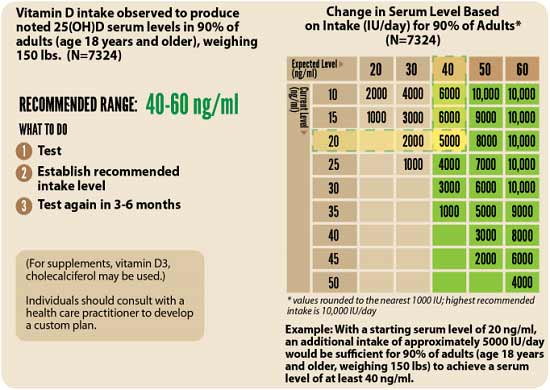
3. Retest in three to six months — Lastly, have your vitamin D level retested in three to six months, to evaluate how your sun exposure and/or supplement dose is working for you.
Frequently Asked Questions About Vitamin D and Its Impact on Blood Pressure
Q: Why is high blood pressure often called the silent killer?
A: High blood pressure (hypertension) affects around half of U.S. adults. It often shows no symptoms for years, quietly damaging vital organs like the heart, kidneys, brain, and eyes. If left untreated, it leads to stroke, heart failure, kidney failure, and even sudden death, making it one of the most dangerous and overlooked health conditions.
Q: Can vitamin D supplementation help lower blood pressure?
A: Yes. Research revealed that high-dose vitamin D supplementation reduces blood pressure within weeks. Even smaller daily doses showed modest but significant drops. The benefit was most noticeable in people who were vitamin D deficient to begin with.
Q: How does vitamin D influence blood pressure levels?
A: Vitamin D helps regulate the renin-angiotensin-aldosterone system (RAAS), which controls blood vessel constriction and fluid retention. It also enhances nitric oxide production, helping vessels relax. Moreover, it reduces oxidative stress and vascular inflammation and lowers levels of inflammatory markers like IL-6 and TNF-alpha.
Q: What’s the best way to optimize my vitamin D levels naturally and safely?
A: Start with smart sun exposure — aim for 15 to 30 minutes of midday sunlight on bare skin without sunscreen, but only if you’ve purged your body of vegetable oils for at least six months. If you’re just working to removing these oils, avoid peak sunlight hours to protect your skin.
Q: How should I monitor and adjust my vitamin D levels?
A: Regular testing is key. Aim for blood levels between 60 ng/mL and 80 ng/mL for optimal health. The steps below summarize the process:
1. Test your vitamin D level.
2. Use GrassrootsHealth’s Vitamin D*calculator to determine your proper dose.
3. Retest every three to six months to track and fine-tune your approach. Apps like DMinder can help estimate vitamin D synthesis from sun exposure based on your location and lifestyle.
Lupus Facts and Fictions
Reproduced from original article:
https://articles.mercola.com/sites/articles/archive/2025/05/15/lupus-facts-and-fictions.aspx
Analysis by Dr. Joseph Mercola May 15, 2025

STORY AT-A-GLANCE
- Lupus is a chronic autoimmune disease that most often affects your skin, joints, kidneys and heart
- Lupus causes inflammation and a wide range of symptoms such as fatigue, joint pain, skin rashes and fever
- Lupus can affect connective tissues in the body, which are largely composed of collagen
- Inadequate vitamin D levels are common in people with systemic lupus
- Addressing cellular energy deficiency and estrogen dominance may help you overcome and manage lupus
Lupus is a chronic autoimmune disease where the body’s immune system attacks its own tissues and organs. Most often, lupus affects your skin, joints, kidneys and heart, but other parts of your body, including your skin, eyes and digestive system, can also be affected.1
Lupus causes inflammation that can be widespread and may affect multiple organ systems simultaneously, leading to a wide range of symptoms such as fatigue, joint pain, skin rashes and fever. In the U.S., an estimated 1.5 million Americans have lupus. Globally, at least 5 million people are affected.2 While the exact causes are unknown, addressing cellular energy deficiency and estrogen dominance may help.
4 Main Types of Lupus
While anyone can develop lupus, including children and men, it’s much more common in women. Among those affected, 9 out of 10 are women, with most developing the condition between the ages of 15 and 44. About 1 in 3 lupus patients also suffer from multiple autoimmune diseases.3
However, it’s a myth that there’s only one type of lupus.4 In fact, there are four primary forms of the disease:5
1. Systemic lupus — This is the most common form of lupus, accounting for about 70% of cases. In about half of these, the heart, lungs, kidneys, brain or another major organ or tissue is affected.
2. Cutaneous lupus — This form of lupus primarily affects the skin and accounts for only about 10% of cases. It includes several subtypes, including discoid lupus, which is characterized by chronic, disc-shaped and raised lesions on the skin, often leaving scars. Another subtype, subacute cutaneous lupus, features red, scaly skin lesions that typically do not cause scarring but can be widespread.
3. Drug-induced lupus — This form of lupus, which accounts for about 10% of cases, is triggered by certain medications. Symptoms are similar to those of systemic lupus but typically resolve once the medication is discontinued.
Most cases of drug-induced lupus are associated with three medications: procainamide (Pronestyl), hydralazine (Apresoline) and quinidine (Quinaglute). However, at least 46 drugs, including those used to treat heart disease, thyroid disease, high blood pressure and neuropsychiatric conditions, as well as antibiotics and anti-inflammatory agents, may cause lupus.6
4. Neonatal lupus — This rare condition affects newborns, typically born to mothers with autoimmune antibodies associated with lupus. Babies with neonatal lupus may have skin rashes, liver problems and low blood cell counts, but symptoms typically resolve after six months. In some cases, newborns with neonatal lupus may develop congenital heart block, a serious heart condition.
What Are the Signs and Symptoms of Lupus?
The signs and symptoms of lupus can vary considerably from person to person and from day to day. Symptoms may come and go and change over time, according to the Lupus Foundation of America.
• A range of common symptoms are frequently reported by individuals with lupus — Some of the most common symptoms include the following. Note that many people affected only experience some of these symptoms, not all:7
◦Extreme fatigue
◦Joint pain or swelling
◦Swelling in the hands, feet or around the eyes
◦Headaches
◦Low fevers
◦Sensitivity to sunlight or fluorescent lights
◦Chest pain when breathing deeply
• Skin and hair-related issues are also frequent in lupus — Skin and hair problems are also common, including hair loss, sores in the mouth or nose and a butterfly-shaped rash on the cheeks and nose.
• Raynaud’s disease is a common co-occurring condition in people with systemic lupus — Many people with systemic lupus also experience Raynaud’s disease, characterized by episodic constriction of the small blood vessels in the extremities, such as the fingers and toes, in response to cold or stress.
• Raynaud’s symptoms include color changes and numbness due to reduced blood flow — This constriction reduces blood flow and can cause the affected areas to turn white or blue and feel cold and numb. As blood flow returns, the areas may turn red and throb or tingle.
Save This Article for Later – Get the PDF Now
The Collagen Connection
Lupus can affect connective tissues in the body, which are largely composed of collagen. Collagen is a structural protein that provides strength and elasticity to various tissues, including skin, tendons, ligaments and blood vessels. “Lupus can attack tissue, which leads to a loss of collagen in the skin,” the Lupus Foundation of America notes.8
In fact, systemic lupus is sometimes referred to as a collagen vascular disease,9 and research has shown a potential link between collagen deficiency and lupus.
• Siglec-G deficiency worsens lupus and arthritis in mice — One study found that the loss of the inhibitory receptor Siglec-G led to a moderate exacerbation of disease severity and early onset in both collagen-induced arthritis and spontaneous lupus nephritis in mice.10 Siglec-G is a protein found on all B cells, which are a type of immune cell. It acts as an inhibitor to keep the B1 cells from expanding too much.
• Loss of Siglec-G’s inhibitory function worsens disease progression — Overall, losing the inhibitory function of Siglec-G led to a moderate increase in disease severity and an earlier onset of both arthritis and lupus in these mice.
While the research primarily focused on the role of Siglec-G in immune regulation, it highlights how deficiencies in such regulatory mechanisms can exacerbate autoimmune diseases that affect collagen-containing tissues, thereby linking lupus, collagen and immune response regulation.
• Other studies link altered collagen metabolism to lupus progression — Other research found a significant link between altered collagen components and lupus, suggesting that changes in collagen metabolism may play a role in the disease’s manifestation and progression.11
• Bone broth is a natural and cost-effective way to increase collagen intake — One way to increase your intake of collagen is to consume homemade bone broth. Bone broth is made by simmering animal bones and connective tissue, which releases collagen and other nutrients into the broth. While there are plenty of collagen supplements on the market, bone broth is by far the least expensive option.
• Bone broth may help reduce inflammation and joint pain — Bone broth may help reduce joint pain and stiffness,12 as well as inflammation, in part, courtesy of chondroitin sulphates, glucosamine and other compounds extracted from the boiled down cartilage.
To make homemade bone broth, simply place bones in an Instant Pot, fill the pot with pure, filtered water — just enough to cover the bones — add salt and other spices to taste, then set it to cook on high for two hours if the bones are from a concentrated animal feeding operation (CAFO) or four hours if organic and grass fed.
Optimize Your Vitamin D Levels
Inadequate vitamin D levels are common in people with systemic lupus.13 Researchers from Brigham and Women’s Hospital, Harvard Medical School also found that vitamin D supplementation for five years reduced autoimmune disease by 22%.14
• Many lupus patients have vitamin D deficiency or insufficiency — Further, according to researchers in Cairo,15 most patients with systemic lupus erythematosus have some level of vitamin D deficiency, defined as a level of 10 ng/mL or less, or insufficiency, a level between 10 and 30 ng/mL.
• Sun exposure is the ideal way to obtain vitamin D — I strongly recommend getting your vitamin D from proper sun exposure, if possible, as it provides benefits beyond vitamin D optimization. Higher levels of vitamin D may even serve as a marker for healthy sun exposure, which in turn may be responsible for many of the health benefits, which include reduced risk of cancer and increased longevity, attributed to vitamin D.
• Sunlight supports melatonin production and other vital processes — Regular sun exposure, for instance, enhances production of melatonin — a potent anticancer agent.16 However, if you’re unable to get adequate sun exposure each day, vitamin D supplementation may be necessary.
The global prevalence of vitamin D deficiency (defined as a level of less than 20 ng/mL) and insufficiency (defined as a level of 20 to less than 30 ng/mL) is 40% to 100%,17 so many people are lacking.
•Vitamin D levels above 20 ng/mL are still not optimal — Further, 20 ng/mL has repeatedly been shown to be grossly insufficient for good health and disease prevention, which means the true prevalence of people without optimal levels of vitamin D is even greater. The only way to determine how much sun exposure is enough and/or how much vitamin D3 you need to take is to measure your vitamin D level, ideally twice a year.
Once you’ve confirmed your vitamin D levels via testing, adjust your sun exposure and/or vitamin D3 supplementation accordingly. Then, remember to retest in three to four months to make sure you’ve reached your target level.
The optimal level for health and disease prevention is between 60 ng/mL and 80 ng/mL (150 to 200 nmol/L), while the cutoff for sufficiency appears to be around 40 ng/mL. In Europe, the measurements you’re looking for are 150 to 200 nmol/L and 100 nmol/L respectively.
Address Excess Estrogen and Linoleic Acid
Most people have dysfunctional mitochondria, and if you don’t have enough mitochondria, you can’t create cellular energy efficiently enough to ward off chronic diseases, including autoimmune diseases like lupus. Optimizing your mitochondrial function is one of the most important strategies to optimize your cellular energy, so it’s at the core of almost everything that you do to improve your health.
Excess intake of linoleic acid (LA) — found in the seed oils used in most ultraprocessed foods — and estrogen dominance, I believe, are the leading contributors to mitochondrial dysfunction. Further, according to the Cleveland Clinic, “Reactions to certain hormones in your body (especially estrogen) may make you more likely to develop lupus.”18
Exposure to electromagnetic fields (EMFs) is another contributing factor to mitochondrial dysfunction. However, LA and estrogen negatively impact your body in similar ways. They both:
- Increase free radicals that cause oxidative stress and damage your mitochondria’s ability to produce energy
- Increase calcium inside the cell that causes an increase in nitric oxide and superoxide that increases peroxynitrite that also increases oxidative stress
- Cause an increase in intracellular water causing your body to retain water
- Slow down your metabolic rate and suppress your thyroid gland
“Lupus is often triggered during times of physical and emotional stress combined with a nutrient-poor inflammatory diet,” Dr. Brooke Goldner, an autoimmune professor at Cornell University, who has lupus, told Fox News.19
In addition to lowering your LA intake by avoiding ultraprocessed foods, seed oils, chicken, pork, seeds and nuts, focus on reducing your stress, as chronic stress promotes cortisol release, which is a potent suppressor of mitochondrial function and biogenesis. Progesterone can be quite helpful here, as it’s a potent cortisol blocker.
How to Counteract Estrogen Excess with Progesterone
Before you consider using progesterone it is important to understand that it is not a magic bullet and you get the most benefit by implementing a Bioenergetic diet approach that allows you to effectively burn glucose as your primary fuel with backing up electrons in your mitochondria that reduces your energy production. My new book, “Your Guide to Cellular Health: Unlocking the Science of Longevity and Joy,” covers this process in great detail.
• Transmucosal progesterone is a natural estrogen antagonist — Once you have dialed in your diet, an effective strategy that can help counteract estrogen excess is to take transmucosal progesterone (not oral or transdermal), which is a natural estrogen antagonist. Progesterone is one of only three hormones I believe many adults can benefit from. (The other two are DHEA and pregnenolone.)
• Avoid transdermal progesterone due to conversion to other compounds — I do not recommend transdermal progesterone, as your skin expresses high levels of 5-alpha reductase enzyme, which causes a significant portion of the progesterone you’re taking to be irreversibly converted primarily into allopregnanolone and cannot be converted back into progesterone.
• Recommended dose and timing of progesterone for best results — As a general recommendation, I recommend taking 25 to 50 mg of bioidentical progesterone per day, taken in the evening about 30 to 60 minutes before bed, as it can also promote sleep.
For optimal bioavailability, progesterone needs to be mixed into natural vitamin E. The difference in bioavailability between taking progesterone orally without vitamin E and taking it with vitamin E is 45 minutes versus 48 hours.
• Product suggestion and DIY preparation of progesterone mix — You can make your own mixture by dissolving pure USP progesterone powder into one capsule of a high-quality vitamin E, and then rub the mixture on your gums. Fifty milligrams of powdered progesterone is about 1/32 teaspoon.
• Do not use synthetic vitamin E (alpha tocopherol acetate — the acetate indicates that it’s synthetic) — Natural vitamin E will be labeled “d alpha tocopherol.” This is the pure D isomer, which is what your body can use.
There are also other vitamin E isomers, and you want the complete spectrum of tocopherols and tocotrienols, specifically the beta, gamma, and delta types, in the effective D isomer. As an example of an ideal vitamin E you can look at the label on our vitamin E in our store. You can use any brand that has a similar label.
• If you are a menstruating woman — Take the progesterone during the luteal phase or the last half of your cycle which can be determined by starting 10 days after the first day of your period and stopping the progesterone when your period starts.
• If you are a male or non-menstruating woman — Take the progesterone every day for four to six months and then cycle off for one week. The best time of day to take progesterone is about 30 to 60 minutes before bed, as it has an anti-cortisol function and will increase GABA levels for a good night’s sleep.
Please note that when progesterone is used transmucosally on your gums as I advise, the FDA believes that somehow converts it into a drug and prohibits any company from advising that on its label. However, please understand that it is perfectly legal for any physician to prescribe an off-label indication for a drug.
In this case progesterone is a natural hormone and not a drug and is very safe even at high doses. This is unlike synthetic progesterone, called progestins, that are used by drug companies, but frequently, and incorrectly, referred to as progesterone, which are dangerous and should never be used by anyone.
You Can Often Manage Lupus with a Healthy Lifestyle
By addressing cellular energy deficiency, you can often heal medical issues and get back to a healthy state. As Goldner told Fox News, “Lifestyle changes such as regular exercise, healthy eating and stress management can help improve the quality of life for people with lupus.” She suggests people “embrace taking control of all the variables they can manage, like how they eat, sleep and manage stress with self-care, so they can minimize illness and maximize recovery and remission.”20
Along those lines, ginger, which is easy to grow at home, is a top anti-inflammatory nutrient. It has been shown to bolster immune system function and ameliorate autoimmune diseases such as lupus and rheumatoid arthritis by making neutrophils (a type of white blood cell) more resistant to neutrophil extracellular trap (NET) formation, which is known to propel inflammation and contribute to autoimmune diseases.21
Frequently Asked Questions (FAQs) About Lupus
Q: What is lupus, and who is most at risk?
A: Lupus is a chronic autoimmune disease that causes the immune system to attack the body’s tissues, often affecting the skin, joints, kidneys, and heart. It primarily affects women between the ages of 15 and 44. There are four main types: systemic, cutaneous, drug-induced, and neonatal lupus.
Q: What are the common symptoms of lupus?
A: Lupus symptoms vary but often include fatigue, joint pain, headaches, fevers, and skin rashes. Hair loss, mouth sores, and a butterfly rash are also common. Many patients also develop Raynaud’s disease, which causes color changes and numbness in the fingers and toes due to poor blood flow.
Q: How are collagen and vitamin D connected to lupus?
A: Lupus can damage collagen-rich tissues, contributing to disease progression. Bone broth may help support collagen levels naturally. Vitamin D deficiency is common in lupus and may worsen symptoms. Sun exposure is ideal for boosting vitamin D, but testing is needed to find and maintain optimal levels.
Q: What role do estrogen and linoleic acid play in lupus development?
A: Excess estrogen and linoleic acid (from seed oils and processed foods) may impair mitochondrial function, increasing lupus risk. They promote oxidative stress, water retention, and metabolic suppression. Cutting back on these and managing stress can support cellular energy and reduce symptoms.
Q: Can progesterone help manage estrogen excess and lupus symptoms?
A: Yes. Transmucosal bioidentical progesterone is a safe, natural way to balance estrogen and improve sleep. It’s best taken with natural vitamin E. Avoid synthetic versions and follow a hormone-aligned schedule. Unlike synthetic progestins, bioidentical progesterone is well-tolerated and effective.
- 1 Lupus Foundation of America, What Is Lupus?
- 2, 3, 5 Lupus Foundation of America, Lupus Facts and Statistics
- 4, 19, 20 Fox News May 22, 2024
- 6 Lupus Foundation of America, Medications that can cause drug-induced lupus
- 7 Lupus Foundation of America, Lupus Symptoms
- 8 Lupus Foundation of America, What to do about uncommon symptoms
- 9 StatPearls [Internet]. Treasure Island (FL): StatPearls Publishing; 2024 Jan. 2024 Feb 12
- 10 J Immunol (2014) 192 (7): 2994–3002
- 11 Journal of China Medical University 2003
- 12 Curr Med Res Opin. 2008 May;24(5):1485-96
- 13 Autoimmun Rev. 2019 Nov;18(11):102392. doi: 10.1016/j.autrev.2019.102392. Epub 2019 Sep 11
- 14 BMJ 2022;376:e066452
- 15 Healio September 4, 2015
- 16 Youtube, The Joe Cohen Show, Episode 1, October 25, 2022, 4:00
- 17 Endocr Pract. 2021 May; 27(5): 484–493., Introduction
- 18 Cleveland Clinic, Lupus, Symptoms and Causes
- 21 CU Anschutz Medical Campus September 22, 2023
Inflammation Alters Mood and Behavior
Reproduced from original article:
https://articles.mercola.com/sites/articles/archive/2025/05/10/inflammation-alters-mood-and-behavior.aspx
Analysis by Dr. Joseph Mercola May 10, 2025

STORY AT-A-GLANCE
- New research shows inflammation directly influences mood and behavior by sending chemical signals that activate anxiety circuits in the brain, helping to explain emotional aftereffects of illness
- Specific inflammatory cytokines stimulate neurons in brain regions responsible for processing fear, while anti-inflammatory signals calm these same neural pathways
- Scientists discovered that certain immune molecules function like neurotransmitters in the brain, influencing social behavior and emotional states independently of inflammation
- Blocking inflammation incorrectly backfires; it triggers more intense anxiety as the body produces additional inflammatory messengers that overstimulate fear circuitry
- Managing inflammation-related mood issues requires reducing linoleic acid (LA) intake from vegetable oils, supporting mitochondrial function, getting safe sun exposure, avoiding alcohol and monitoring emotional symptoms after illness
After a physical illness, emotional aftershocks are more common than most people realize. Mood swings, irritability and even social withdrawal often surface without warning — and they don’t always go away when the fever breaks or the rash fades. These shifts are frequently dismissed as psychological or stress-related, but there’s more going on under the surface.
Emerging science is redefining how we understand these post-illness changes. Rather than being side effects of recovery, they appear to be part of a complex feedback loop between your immune system and your brain. It’s not just about fighting infection. Your body is sending signals that shape how you feel, how you think and how you connect with others.
For years, the biological link between the immune response and emotional state was a mystery. Doctors observed the patterns but lacked a clear explanation for why recovering patients often reported feeling emotionally unwell. That’s beginning to change.
Recent research is uncovering exactly how immune activity interacts with brain circuits involved in mood and behavior, offering new clues — and new hope — for addressing anxiety, depression and social disconnection at the source.
A set of studies, published in Cell in April 2025, offers a detailed look at this immune-brain connection.1,2 These findings move us beyond theory and into practical understanding of how immune molecules affect your emotional wiring in real time.
Inflammation Hijacks Your Brain’s Anxiety Center
The first study investigated how inflammation affects anxiety by mapping how immune molecules called cytokines interact with brain circuits.3 The researchers focused on two inflammatory signals and how they stimulated neurons in a region of the brain responsible for processing fear and emotional memories. In animal models, the team looked at how changes in immune activity led to shifts in anxiety-related behaviors.
• Researchers identified brain cells that react to both pro- and anti-inflammatory signals — The key discovery was that certain brain cells respond to both types of immune messengers. These cells are constantly listening for cues. If the message is inflammatory, anxiety circuits rev up; if the message is anti-inflammatory, those same circuits calm down. Your mood, in other words, is closely tied to which immune signals your brain is getting at any given time.
• The findings explain why you feel more anxious during or after illness — When inflammatory cytokines rose, mice became more anxious. They avoided open spaces, explored less and showed clear signs of being on edge. Even more surprising, when researchers tried to block these inflammatory signals, it made things worse. The body responded by producing even more inflammation, which overstimulated the brain’s fear circuitry.
• Blocking inflammation the wrong way triggered rebound anxiety — In the study, interfering with inflammatory signaling didn’t reduce anxiety — it backfired. The body overcorrected by flooding the system with more inflammatory messengers, creating even more excitability in fear-processing neurons. This highlights how delicate the system is and why simply trying to “shut off” inflammation won’t work without understanding the underlying balance.
Calming Signals Work Through the Same Brain Pathway
The same brain cells that react to inflammatory signals also respond to anti-inflammatory cues. When those calming signals were increased, the anxious behavior disappeared. The mice became calmer, more balanced and less reactive to their environment. These results show that your immune system has its own internal checks and balances — you just have to support them.
• One calming molecule suppresses anxious brain activity — A specific anti-inflammatory signal works like a brake for your brain’s fear response. When this molecule interacts with the neurons in your brain’s anxiety center, it lowers their activity. That makes them fire less often, which slows the brain’s anxiety feedback loop. In other words, your brain becomes less hyperreactive and more emotionally stable.
• These immune messengers act instantly — Your immune system sends out real-time signals that shift your emotional state within minutes. That’s why anxiety often feels like it comes out of nowhere. A spike in inflammation, whether from an infection, injury or stress, changes how your brain behaves almost immediately.
• Fear-processing cells get stuck in overdrive — When inflammatory messengers dominate, the neurons in your brain’s fear center become overly excitable. They start firing too often and too intensely, feeding a loop of anxiety and worry. This makes it harder for your body’s natural calming systems to keep up. Your stress response becomes harder to shut off.
• The same neurons receive both calming and fear signals — The exact same brain cells can be told to panic or to relax, depending on which immune molecule they hear from. If your system is inflamed, those calming signals get drowned out. But if you support your immune balance, those neurons switch back to a more stable, regulated state.
• This is physical, not just psychological — Anxiety isn’t just mental. It’s physical. It’s rooted in your biology, your immune response and the real-time signals your body is sending to your brain. When inflammation is high, your emotional resilience takes a hit. When it’s balanced, your mood stabilizes.
Save This Article for Later – Get the PDF Now
Cytokines Boost Social Behavior by Acting Like Brain Chemicals
The second study focused on a lesser-known cytokine and how it interacts with specific brain receptors to influence social behavior.4 Researchers wanted to know which immune-related signals show up in the brain and how they affect behavior when triggered. Instead of focusing on how these signals trigger inflammation, the team explored their role as brain messengers — working more like mood-regulating chemicals to shift behavior in real time.
• Researchers identified a brain signal that increases sociability and curiosity — A specific chemical message activates a part of the brain responsible for social behavior. When this signal was triggered, mice that usually avoided others and repeated the same actions over and over began behaving more normally.
They explored their surroundings, showed interest in new mice and became more socially engaged. According to the researchers, this signal helped restore a more natural pattern of social connection.
• This chemical signal is made inside the brain, not just by the immune system — In a major discovery, researchers found that this social signal isn’t just produced by immune cells; it’s also made directly by neurons inside the brain. That’s a big deal, because it puts this molecule in the same category as familiar brain chemicals like serotonin and dopamine. It’s not just reacting to the immune system — it’s helping control mood and behavior from within.
• Your brain and immune system use the same language to control behavior — This finding challenges the old belief that immune signals only work outside the brain. In reality, the brain uses some of the exact same molecules your immune system does — just in a different context.
These shared messages help manage emotional behavior, including how connected, curious or socially withdrawn you feel. In this case, boosting the signal helped correct withdrawn behavior in mice genetically inclined toward social avoidance.
• Cytokines influence emotional state and behavior without needing to enter the brain — One of the most important takeaways from the research is that immune molecules don’t have to cross the blood-brain barrier to affect how you feel. The research showed that cytokines act on brain areas that already receive immune signals.5
These findings are part of a broader effort to understand how your brain and immune system work together — and sometimes against you — to shape your mood.
• Scientists are also questioning how inflammation impacts the blood-brain barrier itself — A lingering question could hold the key to better treatments: Does chronic inflammation weaken the blood-brain barrier, making it more permeable to damaging substances? If so, then long-term inflammation wouldn’t just influence mood temporarily; it could change how vulnerable your brain is to future damage.6
What to Do About Chronic Inflammation That Alters How Your Brain Processes Mood and Behavior
If your anxiety, mood swings or social withdrawal feel worse after getting sick — or seem to come out of nowhere — it’s time to take a closer look at the root cause: chronic inflammation. You don’t fix this by numbing symptoms. You fix it by restoring balance to your immune system and protecting your brain’s delicate communication circuits.
The goal is to stop the runaway signaling that hijacks your emotional centers and rewires your behavior from the inside out. These five steps target the biological triggers, including cytokine signaling, mitochondrial stress and brain inflammation, so you start feeling like yourself again.
1. Cut linoleic acid (LA) down to under 5 grams per day — ideally below 2 — If you only do one thing, make it this. LA in vegetable oils drives inflammation like gasoline on a fire. It hides in nearly every processed food: restaurant meals, sauces, chips, crackers, even “healthy” organic snacks. Swap all vegetable oils for healthier fats like grass-fed butter, ghee or tallow.
Stay away from olive and avocado oil, as they’re often cut with cheaper vegetable oils and still too high in monounsaturated fat, which causes similar mitochondrial dysfunction. I recommend tracking your LA intake for a few days using a free online food tracker. You’ll be shocked by what you uncover.
2. Support your mitochondria by giving them the fuel they actually need — Your mood is tied directly to how much energy your cells produce. Cytokines disrupt this energy flow, which leaves you feeling drained, foggy or emotionally reactive. To repair that, you need to restore production of adenosine triphosphate (ATP), your body’s main energy currency that your cells need to survive and repair.
Start by increasing your carbohydrate intake with easy-to-digest sources like fruit juice with pulp, white rice and whole fruit. If you have unbalanced gut bacteria, or dysbiosis, avoid fiber, including whole grains, until your gut is healed. Ultimately, most adults need about 250 grams of healthy carbs daily. Starving your mitochondria will only prolong the problem.
3. Boost your anti-inflammatory signals naturally with sun exposure — Sunlight helps your cells produce energy more efficiently and triggers your body to make key anti-inflammatory molecules. It also helps regulate mood through melatonin and vitamin D production. But don’t just sunbathe randomly.
The safest and most effective exposure happens after you’ve eliminated seed oils from your diet for at least six months. Until then, stick to morning and late-afternoon light — no harsh midday sun.
4. Avoid alcohol, as it destroys mitochondrial function and inflames your brain — Alcohol is a metabolic poison. Even small amounts disrupt mitochondrial energy production and increase oxidative stress in the brain. The idea that moderate drinking is protective was based on flawed studies. Don’t let marketing override your biology.
5. Watch for delayed emotional symptoms after illness and adjust early — If you’re someone who experiences mood swings after getting sick, or during stressful immune events like a dental procedure or vaccine, start tracking your mood in a journal. Note when symptoms begin, how long they last and what symptoms show up, like irritability, social withdrawal or fatigue.
This helps you link emotional shifts to immune activity and gives you a clear signal when it’s time to double down on your recovery strategies.
The earlier you respond, the faster you recover. When your immune system is in balance, your brain calms down. You think more clearly, connect more easily with others and feel more like yourself again.
FAQs About Inflammation and Mood
Q: How does inflammation affect your mood and behavior?
A: Inflammation sends chemical messengers called cytokines into your bloodstream, some of which directly activate anxiety circuits in your brain. These signals make you feel anxious, withdrawn or emotionally unstable, especially after illness or during immune system flare-ups.
Q: What role do immune signals play in emotional regulation?
A: Some immune signals increase anxiety by overstimulating the part of your brain that processes fear. Others send calming messages to those same brain cells, helping reduce anxious behavior. Your emotional state depends on which of these signals is stronger at any given time.
Q: Can immune signals influence social behavior too?
A: Yes. One specific immune signal was shown to increase social interest and reduce repetitive behavior in mice that typically avoided interaction. What makes it unique is that it’s also produced by brain cells, not just the immune system, so it acts more like familiar brain chemicals such as serotonin or dopamine.
Q: What’s the connection between chronic illness and mood swings?
A: New research shows that mood changes following infections or autoimmune episodes are the result of immune-brain cross talk. Inflammatory cytokines activate specific brain circuits almost immediately, reshaping how you process fear, emotion and social interaction.
Q: What helps lower cytokine-driven mood issues?
A: Start by removing vegetable oils and processed foods that drive inflammation. Support cellular energy with digestible carbs like fruit and white rice. Get safe sun exposure to activate your body’s anti-inflammatory pathways and avoid alcohol, which impairs mitochondrial function and inflames your brain.
How to Tell the Difference Between Freckles, Sunspots, and Moles
Reproduced from original article:
https://articles.mercola.com/sites/articles/archive/2025/04/26/difference-between-freckles-sunspots-moles.aspx
Analysis by Dr. Joseph Mercola April 26, 2025

STORY AT-A-GLANCE
- Freckles are small, flat, light brown spots that darken in summer and fade in winter; they typically appear in clusters on sun-exposed areas
- Moles can be flat or raised, tan to dark brown, sometimes with hair, and should be monitored for skin cancer warning signs
- Sunspots, often called liver spots, are signs of oxidative damage — not just sun exposure — and reflect excess linoleic acid (LA) and iron in your body
- Lipofuscin, a waste product formed when oxidized LA binds with iron, builds up in sun-exposed skin as you age, creating the brown pigmentation seen in sunspots
- Checking your serum ferritin levels and reducing LA intake helps prevent and reverse oxidative stress that leads to sunspots and premature skin aging
Have you ever looked in the mirror and wondered about those little marks on your skin? Maybe they’re freckles from your childhood, sunspots from sunny vacations or moles you’ve had forever. These spots are more than just part of your look — they’re clues to your health.
The good news? You can take charge of your wellness starting today. In this guide, you’ll learn what freckles, sunspots and moles really are, how to tell them apart and what to do if they signal trouble. Get ready to feel confident about your skin and empowered to keep it healthy.
What Do Your Skin Spots Look Like?
Your skin is like a scrapbook, full of stories from sunny days and family traits. To understand those stories, you need to know what each spot looks like. Let’s break it down so you can spot freckles, sunspots and moles with ease.
• Freckles — tiny paint splatters — Picture freckles as tiny paint splatters on your skin. They’re small, flat and usually light brown or tan. You’ll often see them in clusters on your face, arms or shoulders. These spots love the sun — they get darker in summer and fade in winter, especially if your skin is fair. Freckles are common and usually no big deal.1
It’s interesting to note that newborns are rarely born with freckles; they typically start appearing in early childhood after sun exposure. The tendency to develop freckles is strongly linked to the presence of a gene that affects the type of melanin produced by your body.2
• Sunspots — sun’s lasting marks — Sunspots are flat, brownish and can be as small as a pencil eraser or as big as a small coin. Look for them on sun-exposed areas like your hands, face or chest. Unlike freckles, they don’t fade with the seasons — they stick around all year.3
• Moles — little skin islands — Think of moles as little islands on your skin. They can be flat or raised, tan to dark brown, and sometimes even have hair growing from them. Moles can pop up anywhere — not just where the sun hits — and they’re usually permanent. Most are harmless, but it’s smart to keep an eye on them.
The number of moles a person has can vary greatly, with some individuals having only a few while others have many. Most moles develop during childhood and adolescence, but it’s also common to develop new moles in adulthood, particularly during periods of hormonal change like pregnancy.
The Root Causes — Why Do These Spots Appear?
Why does your skin decide to sprinkle itself with spots? It’s a mix of your genes and how much sun you’ve soaked up. Here’s are several reasons why freckles, sunspots, and moles show up.
• Freckles — a combination of genetics and sun — Freckles are like your skin dancing with the sun, guided by your family traits. If you’ve got fair skin and freckles run in your family, sunlight tells your skin to sprinkle extra color in tiny dots. It’s a natural occurrence — not a sign something’s wrong.
• Sunspots — oxidative damage from linoleic acid (LA) and iron — Unlike freckles, sunspots aren’t just about melanin buildup. They also contain lipofuscin, a brown pigment made from oxidized LA bound to excess iron. High levels of LA from vegetable oils, combined with elevated iron, create oxidative damage that builds up in sun-exposed skin over time. That’s why these spots become more visible with age.
• Moles — clusters of character — Moles are like little bursts of personality, shaped by your DNA and sometimes the sun. Some appear when you’re born, while others grow later as you age or catch some rays. They happen when pigment cells clump together instead of spreading out evenly.
Save This Article for Later – Get the PDF Now
Sunspots Are Signs of Oxidative Stress
Sunspots are more than just the result of sun exposure — they’re a visible sign of oxidative damage happening under the surface. What many people don’t realize is that sunspots, which are sometimes called liver spots, are largely made up of a substance called lipofuscin.
• Lipofuscin is often described as a type of “age pigment” — More accurately, it’s the accumulation of cellular waste formed when LA, a polyunsaturated fat found in vegetable oils, gets oxidized by excess iron in your body. In other words, lipofuscin is a byproduct of oxidative damage — and the brown spots you see are your skin’s way of showing it.
• High levels of iron act as a catalyst for this process — This is especially true when combined with a high intake of LA. The result? An overload of oxidative byproducts that collect in your skin, especially in sun-exposed areas. Over time, this creates the brown pigmentation we recognize as sunspots or liver spots.
• This process doesn’t just affect your appearance — It could also signal an increased risk of skin aging and even cancer. That’s why I recommend checking your iron levels with a simple blood test called a serum ferritin test.
Ideally, your ferritin should fall between 35 and 45 ng/mL. If it’s higher, regular blood donation — two to four times per year — is an effective, natural way to remove excess iron and reduce oxidative stress. You can also remove smaller amounts monthly if needed.
• Another helpful screening tool is a gamma-glutamyl transpeptidase (GGT) test — This serves as a proxy for free iron levels and oxidative stress. Elevated GGT indicates an increased risk for cardiometabolic disease and even sudden cardiac death.
So, while sunspots seem like simple cosmetic issues, they’re actually telling you a deeper story about your internal health. Treat them as a signal to evaluate your diet and iron load.
When Should You Worry?
Most skin spots are just part of your unique look, but some hint at bigger issues. Knowing what to watch for is important to help you catch problems early. Here’s how to tell if your spots need extra attention.
• Freckles are usually safe — Freckles are usually harmless, but if one starts growing, changing color or looking unusual, take notice. It’s rare, but a changing freckle could mean something serious like skin cancer. Don’t panic — just get it checked out.
• Sunspots are caution signs — Sunspots look harmless, but they’re more than just souvenirs from sunny days. This buildup of cellular waste is a visible sign of deeper oxidative stress and damage to your skin. If they get bigger, darker or have uneven edges, they might signal skin cancer. Don’t brush off those changes — get them checked out by a dermatologist.
• Moles — Check the ABCDEs — Moles are often just beauty marks, but some hide risks like melanoma. Use this simple ABCDE checklist to stay on top of them.4 If a mole shows any of these signs, see a doctor right away. Early action is your best defense:
◦Asymmetry — One side doesn’t match the other.
◦Border — Edges are jagged or blurry.
◦Color — Mixed colors or odd shades.
◦Diameter — Bigger than a pencil eraser (about 6 millimeters).
◦Evolving — It’s changing in size, shape or feel.
How to Monitor and Protect Your Skin
You’ve got the know-how — now it’s time to take control. Keeping your skin healthy is easier than you think with a few simple habits. Here’s how to stay on top of your spots and shield your skin.
• Do a monthly skin check — Grab a mirror and set a monthly date to look over your skin. Check your front, back and sides — use a hand mirror for spots like your scalp or back. Look for new spots and note any changes.
• Embrace the sun safely — Regular sun exposure is key for optimal health. However, it’s best to avoid direct sunlight during peak hours (10 a.m. to 4 p.m.) until you’ve cut back on LA-rich vegetable oils for at least six months. When LA accumulated in your skin interacts with the sun’s UV rays, it triggers inflammation and DNA damage.
• Know when to call a pro — If a spot starts growing, itching or changing colors, don’t wait. Make an appointment with a dermatologist. Spotting issues early keeps your skin in top shape.
Your skin’s story is yours to write. You now know how to spot freckles, sunspots and moles, why they pop up and when to get them checked. With a quick monthly scan and some sun-smart moves, you’re already building a foundation for healthier skin. Add in some skin-boosting tools, like healthy foods, methylene blue and niacinamide, and you’re on your way to a healthier you.
FAQs — Your Top Skin Spot Questions Answered
Q: What’s the difference between a freckle and a sunspot?
A: Freckles are small, light brown spots that darken in the sun and fade in winter. Sunspots are larger, darker and stay year-round. They often contain lipofuscin, a compound formed by the oxidation of LA and iron, which signals deeper oxidative damage in your skin.
Q: Can moles turn into cancer?
A: Yes, some moles can become melanoma, a type of skin cancer. Watch for asymmetry, unusual borders, odd colors, size over 6 millimeters or changes. Make it a habit to regularly examine your moles for any of these warning signs.
Q: How can I protect my skin from the sun?
A: Embrace the sun safely by avoiding peak hours (10 a.m. to 4 p.m.) until you’ve cut back on vegetable oils, which contain LA, for six months. This helps reduce inflammation and DNA damage from UV rays, caused by LA accumulated in your skin.
Also, consider checking your serum ferritin levels to ensure your iron is in the optimal range (35 to 45 ng/mL). Reducing both LA and excess iron helps minimize oxidative stress and prevent sunspots and premature aging.
Q: When should I see a doctor about a skin spot?
A: If a spot grows, itches, bleeds or looks different from others, see a dermatologist. Quick action catches problems early. Don’t hesitate to schedule an appointment if you have any concerns about a skin spot.
Q: Are certain people more prone to developing these skin spots?
A: Yes, individuals with fair skin and a family history of freckles are more likely to develop them. Sunspots, on the other hand, are more common in those with high iron levels, elevated LA intake and cumulative sun exposure. The number of moles a person has is often genetically determined.
Which Are the Most Effective Lifestyle Strategies to Combat PCOS?
Reproduced from original article:
https://articles.mercola.com/sites/articles/archive/2025/04/03/lifestyle-strategies-to-combat-pcos.aspx
Analysis by Dr. Joseph Mercola April 03, 2025

STORY AT-A-GLANCE
- PCOS affects 6% to 20% of reproductive-age women, causing irregular periods, unwanted hair growth and fertility issues, but can be effectively managed through lifestyle changes
- Diet plays a key role in PCOS management, with low-glycemic, anti-inflammatory and antioxidant-rich foods helping to balance hormones and reduce insulin resistance
- Regular exercise, including both aerobic activity (60 minutes of walking daily) and strength training (30 to 60 minutes weekly), significantly improves insulin sensitivity and hormone balance
- Mental health support through counseling, mindfulness and education is essential, as PCOS affects both mind and body, often triggering stress or sadness
- Environmental toxins, particularly microplastics that act as xenoestrogens, contribute to hormonal imbalance in PCOS patients and should be avoided whenever possible
Have you ever heard of PCOS? It’s short for polycystic ovary syndrome, a common hormonal condition that affects women during their reproductive years. You might notice irregular periods, extra hair growing where you don’t want it or even trouble getting pregnant. If you’re affected, you’re not alone — PCOS impacts 6% to 20% of reproductive-age women worldwide.1
The great news? PCOS can be managed with simple lifestyle changes — like eating better, moving more and handling stress. It’s wise to try these steps first because they boost your overall health and make life feel better as well. Further, these aren’t short-term fixes; they’re ways to help your body thrive. Let’s explore what PCOS is, why lifestyle changes work and tips to improve your diet, exercise and mental well-being if you’re struggling with PCOS.
What Is PCOS?
PCOS is like a hormonal mix-up in your body. Imagine a seesaw that’s off balance — your hormones lean too far one way, often making too many male hormones like testosterone. This throws off your periods, triggers extra hair growth on your face or body, kicks up acne and makes weight stick around. Sometimes, tiny cysts pop up on your ovaries, but they’re not dangerous.
However, PCOS isn’t just a nuisance — it leads to bigger issues. Left untreated, PCOS often results in struggles with blood sugar due to insulin resistance, which makes weight tougher to manage and increases your chances of diabetes and heart trouble later. These are risks to keep an eye on, but you’ve got options to address them.
What causes PCOS? Part of it comes from your family — if your mom or sister has it, you might too. Your habits, like what you eat or how active you are, also play a role. Then there’s inflammation — think of it as your body’s alarm going off too loud, making symptoms worse. The good part? It’s easy to manage these pieces with lifestyle changes.
Why Are Lifestyle Changes Important for PCOS?
Why start with lifestyle changes? Because they’re like fixing the foundation of your house — get that solid, and everything else runs smoother. Lifestyle changes address the root problems of PCOS, like insulin resistance, inflammation and imbalanced hormones.
When you eat better and move more, you help your body handle blood sugar better. That’s key because insulin resistance — a condition where your body’s cells don’t respond properly to insulin — is a big player in PCOS. These changes also calm inflammation and nudge your hormones back into balance naturally.
What’s in it for you? You could see more regular periods, feel happier, find weight easier to manage and lower your odds of diabetes or heart issues. It’s like giving your body a tune-up so it runs like a champ. Best of all, you’re in charge of making it happen.
Save This Article for Later – Get the PDF Now
How Does Diet Help Manage PCOS?
Your diet is a superstar when it comes to PCOS — it’s like fuel for your car, and the right kind keeps you humming along. But with so many choices, which diets work best? A systematic review published in Nutrients revealed several options to try.2 Remember, when it comes to diet, there’s no one-size-fits-all solution — always listen to your body.
• Low glycemic index (GI) diet
◦ What it is — Foods that give you energy slowly — like oats, lentils or berries.
◦ Why it helps — They keep your blood sugar steady, easing the pressure on insulin.
◦ Important caveat — The impact of fiber on gut health and overall health isn’t straightforward, particularly if your gut bacteria are out of balance, a condition called dysbiosis. If your gut health is suboptimal, complex carbohydrates, like fiber and many low-GI foods, feed harmful bacteria that multiply and eventually die off, releasing a highly virulent endotoxin called lipopolysaccharide (LPS).
In addition to causing digestive issues, when LPS enters your bloodstream through a compromised gut barrier, it leads to a severe condition known as endotoxemia, which often progresses to septic shock — a state of systemic inflammation that’s sometimes fatal. If you have dysbiosis, avoid fiber until your gut is healed.
• Ketogenic diet
◦ What it is — Low carbs, high fats — like red meats and eggs, but skip the bread.
◦ Why it helps — It switches your body to burn fat, helping with weight and hormones.
◦ Important caveat — For several years, I recommended the ketogenic diet as a way to optimize your metabolic and mitochondrial health. But since I discovered the work of the late Ray Peat, Ph.D., my stance on the ketogenic diet has drastically changed. It turns out, going low-carb can be detrimental for your health. While a ketogenic diet is beneficial in some short-term cases, it’s not an optimal long-term strategy for most people.
• Anti-inflammatory diet
◦ What it is — Foods that quiet your body’s alarm—like salmon or spinach.
◦ Why it helps — PCOS loves inflammation, so this soothes it, like calming a cranky engine.
◦ Try these — In addition to consuming anti-inflammatory foods like berries and mushrooms, avoid inflammatory choices like processed foods, which contain seed oils rich in linoleic acid — a mitochondrial poison.
• Antioxidant-rich diet
◦ What it is — Foods that fight oxidative stress, which occurs when there’s an imbalance between free radicals and antioxidants in your body.
◦ Why it helps — They protect your cells from the oxidative stress and inflammation that drives PCOS.
◦ Try These — Berries, dark chocolate or a cup of green tea.
• Microbiome-rich diet
◦ What it is — Gut-friendly foods like fermented vegetables, kefir, fruits and fiber.
◦ Why it helps — A happy gut means better overall health — like tending a garden in your belly.
◦ Try These — Most adults need between 200 and 350 grams of healthy carbohydrates daily for energy, and these carbs are also the foundation for a healthy gut. For those without dysbiosis, focus on getting your carbs from real, whole foods, but ease into a high-fiber diet gradually.
Begin with simple, gentler carbohydrate sources like fruit and white rice. Once your gut is healthy, consider introducing beneficial bacteria to further support gut health, like a timed-release Akkermansia supplement.
How Does Exercise Help with PCOS?
Exercise is about far more than dropping pounds — it’s a secret weapon to help your body feel better with PCOS. Think of it as a reset button you can hit anytime. Here’s why it’s so beneficial:
• Blood sugar support — It helps your muscles use sugar better, cutting insulin resistance.
• Weight control — Moving more helps lighten your load, easing PCOS symptoms.
• Hormone balance — Exercise nudges your hormones into line, helping to balance them out and maybe even making periods regular.
• Heart health — PCOS increases heart risks, but exercise keeps yours strong.
Types of Exercise You’ll Love
• Aerobic — Get your heart going with walking, cycling or swimming. While even short walks are beneficial, aiming for about an hour each day is a powerful goal for safeguarding your health. This doesn’t need to be an hour all at once. Try breaking it up into shorter segments throughout the day — perhaps two 30-minute walks or three 20-minute walks. If you’re new to exercise, start gradually with short walks before working your way up to the full 60 minutes.
• Strength training — Lifting weights or doing resistance exercises isn’t just about building bigger muscles; it’s fundamentally about improving the quality of your muscles. Aim for 30 to 60 minutes of strength training per week, targeting all major muscle groups.
How Does Mental Health Support Help with PCOS?
PCOS impacts both mind and body, sometimes triggering stress or sadness. That’s why supporting your mental health matters. These tips may help you feel better:
• Counseling — Chatting with a therapist is like having a guide when you’re lost—it sorts out your feelings.
• Mindfulness — Slow breathing and meditation calm your mind and help pause the chaos.
• Education — Learning about PCOS puts you in control so you’re able to take proactive steps to improve your health.
Why Environmental Toxins Play a Key Role in PCOS
PCOS causes androgens such as testosterone to rise, causing hormonal imbalance. However, many patients with PCOS also have high levels of estrogen.3 And what is a major contributor to elevated estrogen levels? Microplastics.
• Avoid microplastics and other xenoestrogens — Plastics are xenoestrogens that mimic the effects of estrogen in your body, stimulating your estrogen receptors. Phthalates, for instance, have estrogenic properties, and some endocrine-disrupting chemicals are also considered estrogenic carcinogens.
• Consider natural progesterone — To help restore hormonal balance, consider taking natural progesterone. As noted in a 2020 study, “Cyclic progesterone for PCOS lowers androgens and restores estradiol-progesterone balance.”4
Putting It All Together — Diet, Exercise and Mental Health
Managing PCOS is like playing in a band — diet, exercise and mental health all work together to make sweet music. Here’s how they team up:
• Diet — Keeps blood sugar and inflammation in check.
• Exercise — Boosts insulin use, weight control and hormone balance.
• Mental health — Keeps you motivated and stress-free.
PCOS hits everyone differently, so tweak these to fit you — and also make a point to avoid xenoestrogens in the products you use around your home. When you incorporate these healthy lifestyle changes, you’ll likely feel more energy and build a stronger you, one step at a time.
FAQs — Your Top PCOS Questions Answered
Q: What are the best foods for PCOS?
A: Focus on low glycemic index foods like oats and berries to stabilize blood sugar, and incorporate anti-inflammatory options like fruits. Be sure to avoid inflammatory processed foods and seed oils. Remember to prioritize whole foods and be mindful of your gut health, especially if you experience dysbiosis.
Q: How much exercise do you need for PCOS?
A: Aim for about an hour walk each day, which can be broken up into shorter segments, like three 20-minute walks. If you’re new to exercise, start gradually with short walks before working your way up to the full 60 minutes. Also incorporate 30 to 60 minutes of strength training per week, targeting all major muscle groups.
Q: Does stress make PCOS worse?
A: Yes, stress exacerbates PCOS symptoms by disrupting hormone balance and increasing inflammation. Incorporate stress-reducing practices like mindfulness, meditation or counseling to manage your mental well-being and alleviate symptoms.
Q: What’s one easy lifestyle change to start with?
A: Begin by making small dietary adjustments, such as swapping processed snacks for whole fruits or vegetables, or start with short 10-minute walks daily. Gradual changes are more sustainable and lead to significant improvements in your overall health.
Q: How do you stay motivated?
A: Set achievable, small goals and track your progress to see your improvements. Educate yourself about PCOS to understand how your lifestyle choices impact your health, and remember that consistent effort leads to positive outcomes.
– Sources and References
The Hidden Key to Boundless Energy
Reproduced from original article:
https://articles.mercola.com/sites/articles/archive/2025/04/06/the-hidden-key-to-boundless-energy.aspx
Analysis by Dr. Joseph Mercola April 06, 2025
STORY AT-A-GLANCE
- Modern environmental factors including seed oils, endocrine disruptors, estrogens and EMFs allow harmful gut bacteria to proliferate, producing endotoxins that severely compromise mitochondrial function and reduce cellular energy production
- While ketogenic diets provide short-term benefits, long-term carbohydrate restriction impairs mitochondrial function and creates reductive stress in cells, necessitating a more balanced approach
- Excessive consumption of omega-6-rich seed oils severely damages mitochondrial function and makes skin more susceptible to sun damage, making these processed oils one of the biggest threats to health
- A healthy gut environment requires proper cellular energy to maintain low oxygen levels, allowing beneficial bacteria to thrive and produce protective short-chain fatty acids that strengthen your intestinal barrier
- Restoring health requires systematically reducing exposure to environmental toxins while gradually reintroducing healthy carbohydrates to support mitochondrial function and maintain proper gut bacteria balance
In my interview with Sean Kim of Growth Minds, we discussed the decades I’ve spent searching for the best ways to help you reclaim your health.1 When you consider how different modern lifestyles are from our ancestors’ days, it reveals many clues about why you might feel tired, run-down or prone to illness. Those ancestors had their own health challenges, but they weren’t swimming in artificial chemicals, electromagnetic fields and processed seed oils that drive chronic diseases.
You face these threats every day, and your body is likely struggling as a result. I’ve devoted my life to understanding how food, environment and daily habits affect you at the cellular level. That journey led me to study how your mitochondria produce the energy you need. Mitochondria are known as your cells’ power stations.
They depend on proper fuel, stable hormone levels and minimal toxic exposures to keep you thriving. If those factors are off balance, you’ll feel it. The question is: how do you get them back on track?
While a ketogenic diet or intermittent fasting help you lose weight initially, they’re a short-term fix with long-term consequences. As I explained to Kim, there’s a deeper story about how your body responds to various fuels, especially when you’ve been under stress or exposed to toxic influences.
You have to look at your gut, your hormone systems and your environment to fully understand what’s going on and restore optimal health. When I first explored diets high in fat and extremely low in carbohydrates, I saw benefits for some people in specific circumstances. Over time, however, I discovered that your system needs more than a strict low-carb diet provides.
Rethinking What It Means to Eat Well
In my interview with Kim, I made it clear that I used to be a leading advocate of ketogenic diets. I even wrote a No. 1 bestselling book on the topic. Many people have used a ketogenic diet with good outcomes for weight loss and insulin control, and I believed that kind of diet could support you in turning your health around. The results people experienced weren’t imaginary. Many of them had real successes.
Over time, however, more detailed research into mitochondrial function made me change my stance. It’s not enough to measure your short-term results. You have to look at what happens over many years. If you keep forcing your body into a state of ultra-low carbohydrate intake, you risk backing up electron flow in your mitochondria. That jammed-up electron flow weakens your cells’ ability to produce steady energy, a phenomenon otherwise known as reductive stress.
It also encourages shifts in your gut bacteria that harm you more than help you. You need healthy gut bacteria to make short-chain fatty acids, which keep your colon lining strong and keep harmful pathogens in check. A balanced intake of healthy carbohydrates is key once you’ve corrected the root concerns. Your brain needs glucose, and while you can survive on fewer carbs for a while, it’s easy to slip into a stressful metabolic state if you don’t consume enough healthy carbs.
How Your Environment Shapes Your Health
Everyday toxins also affect you at the cellular level. Throughout our talk, I explained to Kim that I’ve identified four main stressors that diminish your mitochondrial energy production. These factors silently harm your gut health, disrupt your hormones and trigger damaging oxidative stress.
First, you have the overconsumption of omega-6 seed oils, which are rich in linoleic acid. These highly processed cooking oils are the single biggest nutritional danger you face. You’ll find them in countless packaged foods, snack items and restaurant meals. The main reason why excess LA causes disease is that it prevents your mitochondria from working well. It also makes sun exposure more damaging due to the accumulation of these fats in your skin cells.
Second, you have excess endocrine-disrupting chemicals (EDCs) in your environment. These come from plastics, personal care products and even certain pesticides and mimic hormones, like estrogen, in your body. Many of these endocrine-disrupting chemicals reduce fertility and create hormonal imbalances. Xenoestrogens found in everyday items like plastic are one example of EDCs with widespread reach.
It’s also important to minimize exposure to synthetic estrogens, such as those found in hormone replacement therapy and oral contraceptives. Estrogen increases intracellular calcium levels and decreases mitochondrial function. In fact, estrogen dominance is nearly as dangerous as excessive LA intake when it comes to destroying your mitochondrial function.
The third significant threat to cellular health comes from pervasive exposure to electromagnetic fields (EMFs) due to the proliferation of wireless technologies. EMFs increase calcium ion concentrations within cells, resulting in the production of harmful free radicals.
Together, widespread exposure to LA in seed oils, EDCs in plastics and EMFs impair your cells’ ability to generate energy efficiently. This energy deficit makes it challenging to sustain the oxygen-free gut environment necessary for beneficial bacteria to flourish.
As your gut barrier weakens, it allows harmful substances to breach your intestinal wall and enter your bloodstream. This intrusion triggers a systemic inflammatory response, with wide-ranging effects on your health. Of particular concern is the proliferation of oxygen-tolerant bacteria, which are not ideally suited for the gut environment.
These microorganisms produce a potent form of endotoxin — the fourth major threat to your cellular health — known as lipopolysaccharide (LPS). When LPS enters your bloodstream through a compromised gut barrier, it leads to a severe condition known as endotoxemia, which often progresses to septic shock — a state of systemic inflammation that’s sometimes fatal.
Save This Article for Later – Get the PDF Now
Restoring Gut Health as Your Foundation
A healthy gut is pivotal to your well-being. In my interview with Kim, I explained that if your healthy gut bacteria can’t thrive, your body faces one hurdle after another. An oxygen-free environment is necessary for beneficial bacteria that create short-chain fatty acids such as butyrate, propionate and acetate to thrive. These compounds help keep your colon lining strong by nourishing the cells that line your gut wall.
Your body needs cellular energy to keep oxygen levels low in your colon, however. So, if your mitochondria aren’t functioning properly and your cellular energy is low, you’re likely to have excess oxygen in your colon that boosts harmful bacteria.
The end result is an upsurge in toxic byproducts, including more potent forms of endotoxin. That’s why simply cutting carbohydrates might seem to help in the short term: if you starve harmful bacteria of their favorite fuels, they don’t multiply so fast.
Yet you pay for it later by ultimately decreasing the cellular energy you need for robust digestion and a healthy metabolism. A diet that includes high-quality fiber from vegetables and other sources of healthy carbohydrates is key, but if you have a compromised gut, it’s important to start with easier-to-digest options, like white rice or slowly sipping dextrose water daily for a week or two.
You want to steer clear of a low-carb diet, especially long term. If you keep your body in a constant energy deficit, you’re only compounding your mitochondrial problems. You’re also setting yourself up for increased stress hormone release, which breaks down your lean muscle tissue to make emergency glucose.
By cutting out mitochondrial poisons and nourishing your gut with healthy carbohydrates, you give your body the chance to restore that protective mucus layer, keep oxygen levels low in your colon and restore mitochondrial health for increased cellular energy.
When you remove the factors that destroy your cellular energy, you can then enjoy moderate to higher carbohydrate intake without wrecking your metabolic function. This might mean 200 to 350 grams of quality carbohydrates in a day, but the exact amount varies by your personal needs, activity level and genetics. The key is to focus on real, whole-food sources instead of ultraprocessed carbs that contain seed oils and refined sugar.
Let me emphasize once more that you should clear out the elements causing harm before you increase your carbohydrate intake. That means cutting back on omega-6-rich seed oils, limiting endocrine-disrupting chemicals, reducing EMF exposure and repairing your gut so it’s able to handle more fiber.
Practical Steps to Tame the Toxins
During my discussion with Kim, we touched on ways to reduce exposure to chemicals and stressors, so you enhance your health from the inside out. If you want to limit microplastics and hormone-disrupting substances, start by cutting down on plastic packaging.
Swap plastic containers for glass whenever possible, and avoid heating foods in plastic. Be mindful of personal care items with synthetic fragrances or complex chemical blends. Even so-called “organic” products often contain compounds that destabilize your hormones, so read labels carefully.
You also want to be wary of your Wi-Fi router and the constant signals from your phone. If you keep your phone by your bed at night, you’re exposing your body to nonstop EMFs. Turning off your wireless devices or switching to airplane mode gives your cells a break, but a better option is to turn off your Wi-Fi at night — or even shut off the power to your bedroom.
Also, try wired internet at home and see whether you notice improvements in your sleep or focus. As you move beyond eating well, also look into ways to speed up the removal of toxins. Sweating is one of the best methods. Traditional exercise does the job as you increase circulation, but an infrared sauna takes it further if you have access to one.
Grounding, or walking barefoot on natural surfaces like sand or soil, also helps reduce extra electrical charges in your body. You still want to watch out for walking barefoot on unnaturally hard floors every day, which promotes the development of joint or foot issues. Even so, a dose of nature is calming, and you might find that grounding on natural surfaces like grass or the ocean is a soothing method to connect with your environment.
During the interview, I also noted that sunlight is both beneficial and at times harmful, depending on your overall health. You absolutely need adequate sun exposure to help your body produce vitamin D and provide other benefits. However, if you’re carrying an excessive amount omega-6 seed oils in your skin cells, they’re prone to oxidation when exposed to sunlight, increasing the risk of skin damage.
Too many of these oxidizable fats in your tissues magnifies any negative effects from UV rays. To maximize the benefits of sun exposure and minimize the risks, eliminate seed oils from your diet. I recommend avoiding sun during peak hours (from 10 a.m. to 4 p.m. in most U.S. regions) until you’ve been seed-oil-free for at least six months.
The Promise of Future Health Innovations
As I told Kim, I believe technology itself becomes a friend if it’s harnessed in the right way. Yes, you should reduce EMF exposure from your phone and your Wi-Fi. Still, advanced computer systems, including artificial intelligence, help you monitor your health in real time.
In the near future, you might use AI-driven software that tracks your daily habits, recognizes patterns in your hormone levels and reminds you to make adjustments to your diet or supplement routine. It’s like having a health coach who’s always there, offering personalized feedback based on data from wearable devices or blood tests.
Progress in the field of mitochondrial research is also advancing at a rapid pace. We’ve come a long way in understanding how molecules like coenzyme Q10 help push electrons through your mitochondrial chain. Further investigations could pinpoint more specific strategies to optimize that electron flow, so you generate energy without building up damaging free radicals.
I’m particularly excited about new insights into gut therapies that restore the colon’s oxygen-free environment, such as an approach that combines targeted probiotics with supportive nutrients to revive the cells lining your gut.
Doing so would let beneficial microbes flourish and block harmful bacteria from expanding. This holds the promise of turning gut health into a more precise science, where you measure shifts in your microbiome composition and match specific interventions for faster results.
As these new approaches gain traction, I’m working to gather data and share it with you. I’m driven by a mission to show you that your body already has the blueprint for abundant energy and balanced hormones. The problem is interference. Environmental pollutants, seed oils and stressors have created roadblocks. If you reduce them systematically, you’ll give yourself a fresh start.
Charting Your Path to Lasting Vitality
In my interview with Kim, I emphasized that your mitochondria lie at the heart of your health story. They decide whether you have the energy to thrive or whether you struggle with chronic fatigue and cellular stress. By addressing the four main stressors — seed oils, endocrine-disrupting chemicals, endotoxins and EMFs — you free up your mitochondria to run at full power. You stop feeding the processes that tear down your gut and your energy.
You also open the door for a truly balanced diet, one that includes not just healthy fats and proteins, but also the right kind of carbohydrates. You deserve to feel vibrant, and your cells are programmed to help you get there.
Clear away plastic toxins, turn off your Wi-Fi at night, choose glass bottles and avoid consuming seed oils. As your gut health improves, introduce better fiber sources that feed your beneficial gut microbes and support mucin production, which protects you from leaky gut.
If you take these steps, you’ll likely see a positive ripple effect. Your thyroid might perk up, your hormones rebalance and your gut wall becomes sturdier. In time, you might even be able to tolerate moderate sun exposure without burning as easily, since your cell membranes are no longer packed with unhealthy fats.
No matter where you are in your health journey, let this knowledge empower you — you can fix the hidden obstacles that drain your energy and derail your gut, and feel confident in a plan that nourishes you from your cells outward, letting you enjoy a fuller life.
This is what I hope you’ll take away from my conversation with Kim: you have more control over your well-being than you realize. When you align your habits with what your body needs, you unleash the boundless energy that’s been waiting inside you all along.