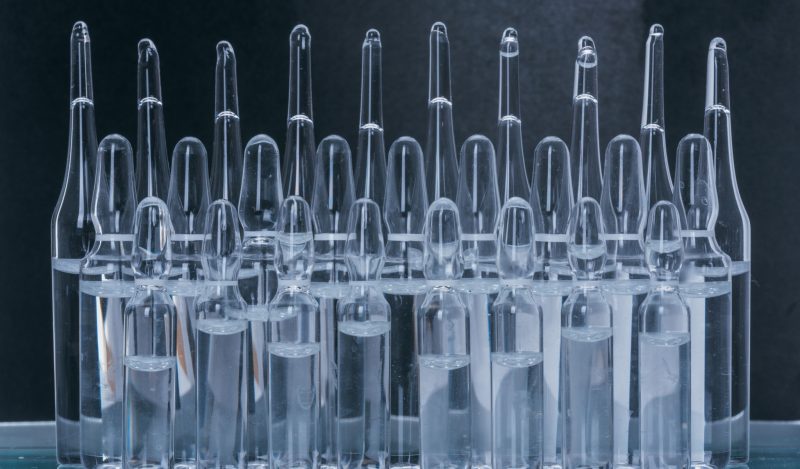
Drinking hydrogen-rich water daily for eight weeks reduced food cravings, improved sleep quality, and increased GLP-1, helping your body naturally regulate hunger, and fullness without strict dieting
The biggest appetite changes occurred in physical hunger signals, meaning you feel less driven to eat even when food is available, making it easier to stay in control without relying on willpower
Sleep improvements included falling asleep faster, fewer nighttime disruptions and better daytime energy, which directly supports healthier food choices and metabolic stability
Hydrogen works at the cellular level by improving energy production, reducing oxidative stress, and restoring communication between your gut and brain, which resets how your body manages hunger and energy
Supporting this process with the right habits — including hydrogen-rich water, avoiding seed oils, daily sunlight, and proper carbohydrate intake to restore butyrate and GLP-1 signaling — helps correct the root cause of cravings and metabolic dysfunction
If you’re battling constant cravings, broken sleep, and the feeling that your body is working against you no matter what you try — the problem isn’t willpower. It’s disrupted biology. Appetite dysregulation, poor satiety signaling, and sleep disturbances create a self-reinforcing cycle that no amount of discipline can override, because the signals telling you to eat, stay awake, and store fat are coming from inside your own cells.
A clinical trial from the University of Novi Sad in Serbia shows that a single, simple intervention — drinking hydrogen-rich water daily for eight weeks — shifted multiple systems tied to that cycle at once.1 Cravings dropped. Sleep improved. The appetite hormone GLP-1 increased.
And none of it required strict dieting, exercise programs, or medications. The findings reveal a change in how the body produces energy, manages stress, and communicates hunger signals — which sets the stage for understanding exactly how hydrogen-rich water works inside your body.
Hydrogen Water Shifts Hunger, Sleep, and Metabolism at Once
The study, published in the journal Medicina, followed 36 adults with obesity to determine how hydrogen-rich water affects appetite, sleep, body composition, and key metabolic markers like GLP-1, a gut-derived hormone that signals fullness to your brain and helps regulate blood sugar by slowing digestion and reducing appetite — the same hormone targeted by popular weight loss drugs like Ozempic.2
Participants consumed 1 liter per day, split into three doses, delivering a total of 15 milligrams (mg) of molecular hydrogen, while a control group drank identical-looking water with no hydrogen. The design was randomized, placebo-controlled, and double-blind, meaning neither participants nor researchers knew who received the active treatment, which strengthens the reliability of the findings.
• Hydrogen group experienced measurable changes in cravings, sleep, and hormones — The group drinking hydrogen-rich water showed significant reductions in food cravings, improvements in sleep quality, and increases in GLP-1 levels compared to the control group. These weren’t vague or subjective shifts alone.
Researchers used structured tools like the Food Cravings Questionnaire and Pittsburgh Sleep Quality Index to quantify changes in hunger and sleep patterns. At the same time, blood tests confirmed biochemical improvements, including cholesterol optimization and hormone changes tied directly to appetite control.
• Cravings dropped in a way you can actually feel day to day — One of the most striking findings involved appetite. The hydrogen group saw a meaningful reduction in total food cravings score, dropping by about 7.4 points compared to just 1.3 points in the control group.
That difference reflects fewer intrusive thoughts about food, less emotional eating, and better control over when and how much you eat. If you often feel like hunger drives your choices instead of the other way around, this is the exact shift that changes your daily experience.
• The strongest appetite changes showed up in physical hunger signals — Hydrogen-rich water had its biggest impact on cravings as a “physiological state,” meaning actual bodily hunger rather than habit or emotion.
This includes the internal signals that tell you to eat even when you’ve already had enough. When those signals calm down, you stop fighting yourself. Instead of relying on willpower, your body starts cooperating.
• Sleep improvements extended beyond just feeling rested — Participants didn’t just report better sleep in general terms. Specific areas improved, including how quickly they fell asleep, how often they woke up, and how they functioned during the day. Better sleep latency means you fall asleep faster.
Reduced disturbances mean fewer interruptions overnight. Improved daytime function means more stable energy and focus. When sleep improves across all these areas, your metabolism stabilizes, and your appetite becomes easier to manage.
• GLP-1 increased, directly changing how full you feel — Hydrogen-rich water significantly increased circulating GLP-1 levels compared to the placebo group, with a statistically meaningful effect size. When this hormone rises, you feel satisfied sooner and stay full longer. This is the same pathway targeted by many weight-loss drugs, but here it’s influenced through a simple dietary intervention.
Why Hydrogen Works Quickly and Targets the Root Cause of Cravings
All of these changes occurred within just eight weeks, with participants maintaining over 97% adherence to the protocol. That high compliance matters. It shows the intervention was easy to follow and fit into daily routines. You’re not looking at an extreme lifestyle overhaul. You’re looking at something that integrates into your current habits without friction.
• Women showed even stronger responses in key areas — Subgroup analysis revealed that many of the improvements, especially in cravings and GLP-1 levels, were more pronounced in women.
This suggests a biological sensitivity that could relate to hormonal differences, appetite regulation pathways, or metabolic factors. If you struggle with persistent cravings despite doing everything “right,” this finding highlights that your biology isn’t working against you permanently. It can shift.
• Hydrogen calms the cellular damage that drives false hunger signals — At a deeper level, hydrogen acts as a signaling molecule in your body, not just a passive substance. It influences pathways related to oxidative stress, which is the buildup of cellular damage from unstable molecules. When oxidative stress drops, the cells responsible for hunger and energy signaling can finally communicate clearly — so your brain gets accurate information about when you actually need food.
• Gut-brain communication plays a central role — Hydrogen influences the gut–brain axis — the communication network between your digestive system and your brain. Much of this signaling travels through the vagus nerve, a physical nerve pathway that runs from your brainstem down to your gut, carrying messages in both directions.
When hydrogen improves the chemical environment in your gut, clearer signals travel up this nerve to your brain, including the hormones and metabolites that tell you whether you’re genuinely hungry or already full.
• Neurotransmitters tied to cravings are directly affected — Researchers also identified changes in the glutamate-GABA-glutamine cycle, a brain chemistry loop that balances two opposing signals. Glutamate is the “fire up” signal that makes you alert and reactive; GABA is the “calm down” signal that keeps your responses in check.
When this balance is off, every food cue hits harder — the smell of bread, the sight of a snack — and cravings dominate your thinking. Hydrogen helped stabilize this cycle, meaning food stimuli lose their outsized grip on your attention.
• Cellular energy production improves at the same time — Hydrogen supports mitochondrial function, your cells’ energy production system, by acting as a selective antioxidant inside the mitochondria themselves. Your mitochondria generate energy through a chain of chemical reactions, and oxidative damage jams that chain at multiple points.
Hydrogen specifically neutralizes the most aggressive free radicals that cause that damage, without disrupting the beneficial ones your cells need for normal signaling. When this energy production system runs cleanly, your body stops relying on constant food intake as a backup fuel source.
How to Use Molecular Hydrogen to Fix Cravings and Restore Metabolic Control
Taken together, these mechanisms explain why the study participants didn’t just see one number change on a blood test — they felt different day to day. Their hunger quieted. Their sleep deepened. Their energy stabilized. The science points to a body that was finally producing energy efficiently, communicating accurately between gut and brain, and no longer flooding itself with false hunger signals.
That understanding matters, because it tells you exactly where to intervene. The steps below are designed to support each of these mechanisms directly — starting with hydrogen-rich water and extending into the dietary and lifestyle factors that determine whether your cells can actually use it.
1. Use hydrogen-rich water the right way — Drop one hydrogen tablet into a glass of room-temperature water and drink it immediately after it fully dissolves and turns cloudy. That cloudy appearance tells you the hydrogen gas is active and ready to work. Look for tablets that generate 8 to 10 parts per million (ppm) of hydrogen and are independently tested for purity.
Timing matters. Drink it right away, because hydrogen escapes quickly once dissolved. Avoid swallowing the tablet directly and don’t drink any remaining undissolved pieces. The reaction that releases hydrogen produces heat, and taking it dry risks burning tissue in your mouth, throat, or stomach. These tablets are designed to react in water, not inside your body.
2. Build consistency, then cycle your intake to stay responsive — Use hydrogen-rich water daily during periods when cravings, fatigue, or stress are high. Once your appetite and sleep stabilize, take short breaks for a few days or a couple of weeks. This keeps your body responsive instead of adapting and dulling the effect. Think of it the way you’d cycle any training stimulus — you want your metabolism to stay responsive, not adapted.
3. Eliminate the factors that block your cellular energy — If you consume seed oils, you’re working against yourself. Soybean oil, corn oil, canola oil, and similar vegetable oils flood your cells with linoleic acid (LA), a polyunsaturated fat that destabilizes mitochondrial membranes and increases oxidative stress. Replace these oils with stable saturated fats such as grass fed butter, ghee or tallow.
At the same time, remove ultraprocessed foods and most restaurant meals, since these almost always contain high amounts of seed oils. Your goal is to bring daily LA intake below 5 grams and ideally closer to 2 grams. To track your intake, download the upcoming Mercola Health Coach app, which includes the Seed Oil Sleuth feature that calculates LA exposure with precise accuracy.
4. Use sunlight to recharge your cellular energy daily — Get direct sun exposure every day, especially earlier in the day. Sunlight drives energy production at the cellular level and helps regulate your sleep-wake cycle. If your body is full of LA from years of seed oil consumption, your skin is more prone to burning during midday sun.
Avoid sunlight from 10 a.m. to 4 p.m. until you’ve reduced seed oils for at least six months, focusing instead on morning and late afternoon light. Once your tissues are free from these unstable fats, you’ll tolerate more sun safely. Over time, this strengthens your energy production and supports better appetite control.
5. Rebuild your metabolism by restoring butyrate and GLP-1 signaling — Your gut bacteria convert carbohydrates into short-chain fatty acids like butyrate. Butyrate acts as a fuel for your colon cells and plays a direct role in regulating appetite hormones. When your gut produces enough butyrate, natural GLP-1 secretion works properly, which improves satiety, stabilizes blood sugar, and supports healthy weight regulation.
Start with easy-to-digest carbs like whole fruit and white rice, then slowly increase fiber as your gut heals to avoid excess endotoxin production. Pair this with adequate protein, about 0.8 grams per pound of lean body mass (or 1.76 grams per kilogram), and make one-third from collagen-rich sources like slow-cooked meats or bone broth. When this system is working, your hunger signals normalize and your body stops pushing you to overeat.
FAQs About Hydrogen-Rich Water, Cravings, and Metabolism
Q: How does hydrogen-rich water reduce cravings?
A: Hydrogen-rich water works by improving how your body regulates hunger signals at the cellular level. In the study, participants experienced a measurable drop in cravings, especially physical hunger signals, not just emotional eating. This shift happens because hydrogen supports better communication between your gut and brain and helps normalize appetite hormones like GLP-1.
Q: What is GLP-1 and why does it matter for weight control?
A: GLP-1 is a hormone released in your gut that tells your brain you’re full and helps regulate blood sugar. When GLP-1 levels increase, you feel satisfied sooner and eat less without forcing it. This is the same hormone targeted by drugs like Ozempic, but in this case, your body increases it naturally.
Q: How quickly do the benefits of hydrogen-rich water show up?
A: The study showed noticeable improvements in just eight weeks. Participants reported better sleep, reduced cravings and improved metabolic markers within that timeframe. Because the approach fits easily into daily routines, adherence stayed above 97%, which means the results came from consistent, realistic use.
Q: Does hydrogen-rich water help with sleep as well as appetite?
A: Yes. Participants fell asleep faster, woke up less often and functioned better during the day. Better sleep directly supports appetite control because poor sleep increases hunger hormones and weakens decision-making around food.
Q: Why does gut health matter for controlling cravings and GLP-1?
A: Your gut bacteria produce compounds like butyrate when they break down carbohydrates and fiber. Butyrate fuels your colon cells and helps regulate GLP-1 production. When this system works properly, your body naturally controls hunger, improves insulin sensitivity and supports healthy weight regulation without relying on willpower.
Molecular hydrogen therapy is gaining scientific attention because it selectively neutralizes the most damaging reactive oxygen species that drive cellular damage, inflammation, and many chronic diseases
Clinical research analyzing dozens of human trials found hydrogen therapy shows benefits across several major disease categories, including cardiovascular disease, cancer, respiratory disorders, and neurological injuries
Hydrogen’s extremely small molecular size allows it to penetrate biological membranes and reach areas many drugs can’t access, including your brain and the mitochondria that produce your cellular energy
Studies show hydrogen inhalation and hydrogen-rich water improve measurable health markers such as blood vessel function, inflammation levels, breathing performance, and neurological recovery after brain injury
Using hydrogen therapy alongside lifestyle strategies that reduce oxidative stress — such as eliminating seed oils, avoiding alcohol, getting regular sunlight, and supporting your metabolism with adequate carbohydrates — strengthens cellular repair and improves overall resilience
More than 2,000 scientific papers now examine molecular hydrogen — a gas researchers once dismissed as biologically inert. That assumption held for decades until studies began revealing that hydrogen interacts directly with the reactive oxygen species responsible for cellular damage, inflammation, and chronic disease.
Your body produces reactive oxygen species — unstable molecules that damage your cells — naturally during energy metabolism. They’re a normal byproduct of being alive. But modern exposures accelerate their production far beyond what your defenses can handle. Pollution, ultraprocessed foods, toxins, and chronic illness all push your body toward oxidative stress — a state where damage outpaces repair.
This imbalance contributes to heart disease, cancer, neurodegenerative disorders, and metabolic dysfunction, making it one of the central problems in modern medicine. Most supplemental antioxidants work indiscriminately — they suppress harmful oxidants but also knock out the beneficial ones your cells use for signaling and immune defense.
Molecular hydrogen works differently, and the clinical research now emerging helps explain why scientists view it as one of the more promising therapeutic tools under investigation.
Molecular Hydrogen Therapy Influences Multiple Disease Systems
A scientific review published in the journal Molecules examined clinical research on molecular hydrogen therapy and evaluated its therapeutic effects across a wide range of diseases.1 The researchers analyzed 81 registered clinical trials and 64 peer-reviewed human studies investigating hydrogen administration through methods such as inhalation, hydrogen-rich water, and hydrogen-infused saline.
The goal of the review was to determine whether hydrogen gas could emerge as a viable medical therapy and identify which diseases respond most strongly to it. The researchers also explored the safety of hydrogen administration and how delivery methods influence outcomes in real-world clinical settings.
• Hydrogen therapy studies span heart disease, cancer, and brain disorders — Participants in the analyzed studies included patients with cardiovascular disease, cancer, respiratory illness, neurological disorders, autoimmune disease, metabolic conditions, and fatigue-related disorders. Researchers also examined hydrogen therapy in athletes, people with obesity, and patients recovering from severe infections.
Across these diverse groups, the researchers repeatedly observed improvements in markers of oxidative stress, inflammation, and metabolic function. Hydrogen’s benefits appear strongest in diseases driven by excessive oxidative stress — meaning conditions where unstable molecules damage tissues and disrupt normal cellular function.
• Cardiovascular studies revealed measurable improvements in heart and blood vessel function — In one early study, patients inhaled 2% hydrogen gas alongside standard temperature management therapy following cardiac arrest.2
The group receiving hydrogen experienced significantly higher 90-day survival rates compared to the control group receiving standard care alone. Researchers also recorded improvements in neurological outcomes, meaning patients retained better brain function after oxygen deprivation events associated with cardiac arrest.
• Other cardiovascular trials showed hydrogen improved blood vessel performance — Another clinical study examined how hydrogen-rich water affected endothelial function — the ability of blood vessels to expand and contract properly.
Participants who consumed water containing about 7 milligrams (mg) of dissolved hydrogen per liter showed significantly improved flow-mediated dilation compared to those receiving placebo water.3 Flow-mediated dilation measures how well arteries widen in response to blood flow, and impaired dilation is a warning sign of cardiovascular disease. Improved dilation indicates healthier blood vessel function and better circulation.
• Cancer research revealed hydrogen therapy influences immune activity and treatment tolerance — One clinical study involving 58 patients with advanced non-small cell lung cancer reported that patients receiving hydrogen inhalation experienced relief from pulmonary symptoms and longer progression-free survival compared to untreated patients.4
Progression-free survival refers to the length of time a patient lives without the cancer worsening. Researchers also observed that hydrogen therapy improved tolerance to chemotherapy, targeted therapy, and immunotherapy when used alongside conventional treatments.
• Hydrogen therapy improved quality of life during cancer treatments — Liver cancer patients undergoing radiation who drank hydrogen-rich water for six weeks reported meaningfully better quality of life — and importantly, the hydrogen didn’t weaken the radiation’s tumor-killing effects.5
The hydrogen therapy group showed reduced biological responses to radiation-induced oxidative stress without weakening the tumor-killing effects of radiation therapy. Researchers emphasized that hydrogen didn’t interfere with cancer treatment but instead reduced the damage to healthy tissue surrounding the tumors.
Hydrogen Therapy Improves Lung Inflammation and Brain Recovery
Hydrogen inhalation also demonstrated strong effects in respiratory disorders such as asthma and chronic obstructive pulmonary disease (COPD). In one clinical trial, patients inhaled a hydrogen-containing gas mixture for 45 minutes.6 Researchers observed significant reductions in inflammatory markers that signal inflammation in the lungs. Lower levels of these markers corresponded with reduced respiratory inflammation and improved breathing comfort.
• Neurological studies revealed hydrogen reaches the brain and improves recovery after injury — Because hydrogen molecules are extremely small and electrically neutral, they easily pass through biological membranes, including the blood-brain barrier that protects your brain from harmful substances.
Clinical trials investigating stroke and brain ischemia — meaning reduced blood flow to the brain — found that hydrogen inhalation or hydrogen-rich solutions reduced oxidative stress markers and improved neurological recovery scores in patients. Some patients also showed improvements in MRI imaging indicators that reflect reduced damage to brain tissue following stroke events.
• Hydrogen acts as a selective antioxidant — It neutralizes the most damaging reactive oxygen species, particularly hydroxyl radicals. These radicals are among the most destructive molecules produced inside cells because they attack DNA, proteins, and cellular membranes. By selectively neutralizing hydroxyl radicals while leaving beneficial signaling molecules intact, hydrogen preserves normal cellular communication while reducing oxidative damage.
• Hydrogen’s molecular size allows it to reach tissues other antioxidants can’t — Hydrogen has a molecular weight of only 2 Daltons, making it the smallest molecule in existence. Hydrogen is roughly 90 times smaller than vitamin C — small enough to slip through cell membranes the way air passes through a screen door.
Because of this extremely small size, hydrogen diffuses rapidly through biological membranes and distributes throughout the body, including inside mitochondria — the tiny structures that generate cellular energy. This rapid diffusion allows hydrogen to reach tissues that many drugs and antioxidants struggle to penetrate, including the brain and deep cellular compartments.
• Hydrogen therapy influences cellular signaling and inflammation regulation — Several clinical trials reported reductions in oxidative stress biomarkers and inflammatory cytokines after hydrogen therapy. Cytokines are small signaling proteins that coordinate immune responses. Think of cytokines as alarm signals your immune system sends — helpful in a crisis, but destructive when the alarm won’t stop ringing.
When cytokine levels become excessive, chronic inflammation develops and drives diseases such as heart disease, diabetes, and neurodegeneration. Hydrogen therapy helped bring these signaling molecules back to functional levels — enough to mount an immune response when needed, but not so much that inflammation becomes chronic and self-destructive.
Simple Ways to Use Molecular Hydrogen to Restore Cellular Balance
What makes these clinical findings so relevant is that hydrogen therapy isn’t locked behind a prescription pad or a hospital setting. Unlike many of the interventions studied in those trials — intravenous saline infusions, controlled gas inhalation under medical supervision — the core benefits of molecular hydrogen are accessible to you at home.
The same molecule that improved survival after cardiac arrest and reduced brain damage after stroke is available in forms you can use daily to protect your cells before disease takes hold. The question isn’t whether hydrogen works — the research increasingly confirms it does. The question is how to use it in a way that gives your body the greatest advantage.
Oxidative stress sits at the center of many chronic health problems. When damaging reactive oxygen species overwhelm your body’s defenses, mitochondria struggle to produce energy, inflammation rises, and recovery slows. Molecular hydrogen helps reset that system by supporting mitochondrial repair, improving cellular signaling, and reducing destructive oxidative stress.
When you combine hydrogen therapy with habits that protect your metabolism, you give your cells the conditions they need to recover and perform at their best. Here’s how to apply hydrogen therapy in a way that supports your body rather than working against it.
1. Start with hydrogen-rich water daily to restore cellular balance — If you want a simple place to begin, hydrogen-rich water offers one of the easiest entry points. Drop one hydrogen tablet into a glass of room-temperature water and drink it immediately after the tablet fully dissolves and the water turns cloudy. That cloudy appearance signals active hydrogen gas in the water.
Once the gas escapes, the therapeutic effect disappears. Drinking it right away ensures your body receives the hydrogen while it’s still active. If you deal with symptoms like brain fog, chronic fatigue, or persistent inflammation, taking hydrogen water two or three times daily — spaced at least an hour apart — creates a rhythmic pulse that strengthens your cellular defense systems.
2. Use the correct delivery method and timing — As noted in my interview with Tyler LeBaron, Ph.D., one of the world’s foremost experts on molecular hydrogen, hydrogen therapy works best when your cells receive it in short pulses rather than constant exposure. Hydrogen-rich water made from properly formulated tablets offers one of the most practical options for daily use. Drink it immediately after preparation so the hydrogen gas remains dissolved.
If you prefer inhalation, keep sessions short — about one to three hours — instead of continuous exposure. Intermittent exposure trains your cells to activate their own protective systems rather than becoming dependent on constant hydrogen supply.
3. Combine hydrogen therapy with habits that lower oxidative stress — Even the most powerful molecule can’t offset constant daily damage. If your goal is to restore cellular energy and reduce inflammation, the environment inside your body need to support that process.
Excessive intake of industrial seed oils, including soybean oil, corn oil, canola oil, or other vegetable oils, floods your cells with linoleic acid (LA), disrupting energy production and increasing oxidative stress. Replace seed oils with saturated fats such as grass fed butter, ghee, or tallow, and avoid ultraprocessed foods and restaurant meals, which are typically high in LA.
The goal is to get your LA intake below 5 grams, and ideally closer to 2 grams, daily. To track your intake, download the upcoming Mercola Health Coach app, which includes the Seed Oil Sleuth feature that calculates LA exposure with precise accuracy.
Alcohol also interferes directly with mitochondrial function and blocks recovery, so removing it from your routine protects the very systems hydrogen therapy strengthens. Daily sunlight exposure further amplifies the effect. Sunlight stimulates mitochondrial energy production and improves cellular signaling that hydrogen therapy supports.
If your body is full of LA from years of seed oil consumption, your skin is more prone to burning during midday sun. Avoid sunlight from 10 a.m. to 4 p.m. until you’ve reduced seed oils for at least six months, focusing instead on morning and late afternoon light. Once your tissues are free from these unstable fats, you’ll tolerate more sun safely.
4. Feed your metabolism with the carbohydrates your cells require — Starving your body with extreme dieting weakens mitochondrial energy production. When energy production drops, oxidative stress rises and your cells lose the ability to repair themselves. Your liver and muscles require adequate carbohydrates to maintain stable energy production.
Roughly 250 grams of carbohydrates per day supports metabolic function for most adults, with higher intake needed for people who exercise regularly. If your digestion struggles, begin with easy-to-digest foods like fruit and white rice before adding more complex carbohydrates. As your digestion improves, your body handles a wider range of foods and hydrogen therapy works more effectively.
5. Use hydrogen strategically before physical or mental stress — Timing hydrogen intake around stressful events strengthens your resilience. Drink hydrogen-rich water roughly 30 minutes before exercise, travel, intense workdays, or emotionally demanding situations. This pre-loads your cells with hydrogen right before the spike in oxidative stress that exercise, travel, or intense work normally triggers — giving your mitochondria a protective head start.
Many people notice sharper focus, better stamina, and faster recovery afterward. If you push hard physically or mentally, this timing strategy transforms hydrogen therapy from a passive supplement into a targeted tool that protects your cellular energy systems.
FAQs About Molecular Hydrogen Therapy
Q: What is molecular hydrogen therapy and why are scientists studying it?
A: Molecular hydrogen therapy uses hydrogen gas — the smallest molecule in existence — to help reduce oxidative stress inside the body. Oxidative stress occurs when reactive oxygen species build up and damage cells, contributing to diseases such as heart disease, cancer, neurological disorders, and metabolic dysfunction.
Research now includes more than 2,000 scientific papers and dozens of clinical trials investigating hydrogen therapy because it selectively neutralizes the most damaging free radicals without disrupting beneficial cellular signaling.
Q: What health conditions show the strongest evidence for hydrogen therapy?
A: Clinical studies reviewed in the journal Molecules report promising results across several major disease categories.7 These include cardiovascular diseases, cancer, respiratory illnesses such as asthma and COPD, neurological conditions including stroke and brain ischemia, metabolic disorders, autoimmune diseases, and chronic fatigue. Hydrogen therapy appears most effective in conditions driven by high oxidative stress and inflammation.
Q: How does molecular hydrogen work inside the body?
A: Hydrogen acts as a selective antioxidant that targets highly destructive molecules called hydroxyl radicals. These radicals damage DNA, proteins, and cellular membranes.
Because hydrogen has an extremely small molecular size, it easily diffuses through biological membranes and reaches tissues that many drugs can’t access, including your brain and mitochondria. This allows hydrogen to reduce oxidative stress, improve cellular signaling, and support mitochondrial energy production.
Q: What are the most common ways hydrogen therapy is used?
A: Hydrogen therapy is typically delivered in three ways: inhalation of hydrogen gas, drinking hydrogen-rich water, or receiving hydrogen-infused saline in clinical settings. Drinking hydrogen-rich water made with hydrogen-producing tablets is the simplest approach for daily use. In research studies, inhalation is also widely used, especially for respiratory and neurological conditions.
Q: How can you maximize the benefits of hydrogen therapy?
A: Hydrogen therapy works best when combined with lifestyle habits that lower oxidative stress. Limiting industrial seed oils that contain LA, avoiding alcohol, spending time in natural sunlight, and supporting mitochondrial energy production through adequate carbohydrate intake all help improve cellular health. Using hydrogen-rich water strategically — such as before physical or mental stress — also helps reduce oxidative stress and improve recovery.
Molecular hydrogen acts as a selective antioxidant that targets only harmful free radicals, helping to calm inflammation without disrupting essential cellular signaling
Research discussed by Tyler LeBaron shows that hydrogen therapy reverses non-alcoholic fatty liver disease (NAFLD) by restoring mitochondrial function and reducing fat accumulation in the liver
Hydrogen’s small molecular size allows it to penetrate deep into cells, including mitochondria and your brain, where it supports energy production and reduces oxidative stress
Short, pulsed use of hydrogen — through hydrogen-rich water or inhalation — produces stronger benefits than continuous exposure, improving your body’s ability to adapt and heal naturally
Using hydrogen alongside simple lifestyle changes such as limiting seed oils, eating nutrient-dense foods, and getting daily sunlight enhances liver health, boosts energy, and supports long-term metabolic balance
Non-alcoholic fatty liver disease, or NAFLD, has become one of the fastest-growing metabolic disorders worldwide, quietly affecting millions of adults who often feel perfectly healthy. Unlike alcohol-related liver damage, this condition stems from excess fat stored in your liver due to modern lifestyle factors — poor diet, inactivity, and chronic stress — that overwhelm your body’s ability to manage oxidative stress.
What makes it so insidious is that most people have no idea it’s happening until significant damage has already occurred. You might notice subtle signs first — low energy, brain fog, or mild abdominal discomfort — but these are easy to dismiss. Beneath the surface, your liver is struggling to keep up with the flood of inflammation and metabolic waste that builds when your cells are out of balance.
Left unchecked, this dysfunction doesn’t stop at your liver. It sets the stage for diabetes, heart disease, and even neurodegenerative disorders, all rooted in the same cellular breakdown. Addressing that root cause requires more than symptom relief — it demands restoring cellular balance where the problem begins. That’s what makes molecular hydrogen so remarkable.
As Tyler LeBaron, MSc., Ph.D., founder of the Molecular Hydrogen Institute, explains on Chemaine’s Model Health podcast, this simple molecule helps your body repair itself by regulating oxidative stress and supporting mitochondrial energy production.1
I’ve interviewed LeBaron myself, and as he explains, molecular hydrogen acts as a precision tool for inflammation control, protecting healthy cells while allowing your immune system to function as designed. By understanding how molecular hydrogen rebalances these core cellular processes, you gain a powerful strategy for protecting your liver — and your overall health — from the ground up.
Hydrogen Restores Cellular Balance and Protects Against Inflammation
In the discussion, LeBaron explains that molecular hydrogen (H2) is far more than a simple antioxidant. Unlike conventional antioxidants that indiscriminately neutralize free radicals, hydrogen works selectively. It targets the most harmful species — especially hydroxyl radicals — without disturbing the free radicals your body actually needs for signaling and immune defense. This precision allows it to calm inflammation without suppressing necessary repair processes.
• Hydrogen therapy has profound protective effects during stroke and cardiac injury — In the 2007 Nature Medicine study that inspired LeBaron’s research path, rats exposed to a stroke model were given low concentrations of hydrogen gas (about 2%).2
This small dose reduced brain injury dramatically by limiting oxidative damage. LeBaron notes that this finding ignited the entire field of hydrogen research, as it showed hydrogen could be administered safely and still exert measurable, therapeutic effects on living tissue.
• Molecular hydrogen has been studied as a treatment for NAFLD — LeBaron describes research showing that hydrogen-rich water reduced fat accumulation in animal models of fatty liver. Low-dose hydrogen water offered minimal benefit, but higher concentrations significantly improved liver function and reduced inflammation. Follow-up clinical trials mirrored these results in humans, showing measurable drops in liver fat and improved body composition within weeks.
• Participants with metabolic syndrome saw major after consuming hydrogen water three times daily — This group — characterized by abdominal obesity, high triglycerides, and insulin resistance — experienced reduced oxidative stress and enhanced mitochondrial efficiency, along with improvements in body fat, lipid profiles, and inflammation markers.
• Hydrogen’s effects involve fine-tuned control of oxidative and inflammatory pathways — Hydrogen activates the body’s master antioxidant switch. When turned on, this switch increases the production of protective enzymes like glutathione and superoxide dismutase — your cells’ natural shields against oxidative stress.
At the same time, hydrogen inhibits a signaling molecule that triggers chronic inflammation. The result is not immune suppression but recalibration: inflammation quiets where it’s excessive yet stays strong when needed for healing.
• Hydrogen’s selective action helps prevent cell death caused by oxidative overload — This process is known as apoptosis. In studies where cells were stressed with toxins or lack of oxygen, hydrogen exposure reduced apoptosis rates dramatically.
This protective effect stems from its ability to neutralize unstable molecules that attack DNA, proteins, and cell membranes. By eliminating only these harmful radicals, hydrogen spares beneficial molecules like nitric oxide, which are vital for blood flow and immune communication.
Hydrogen Therapy Is Easy to Use and Safe, Even at High Doses
Tablets that produce hydrogen when dropped into water create a cloudy, effervescent drink. LeBaron explains that the cloudiness shows active hydrogen gas in solution and that drinking it while still cloudy ensures the highest dose.
Room temperature water dissolves hydrogen best, and consuming it immediately after the tablet finishes dissolving maximizes benefits. Unlike other therapies that require IV drips or expensive devices, hydrogen offers an accessible, nontoxic option you can use daily at home.
• The molecule’s small size gives it a unique advantage — It diffuses through cell membranes, crosses your blood-brain barrier, and reaches mitochondria directly. LeBaron points out that hydrogen’s bioavailability is unmatched — it penetrates areas where larger antioxidants, such as vitamins C or E, can’t go.
Once inside your mitochondria — the energy factories of your cells — it helps restore normal energy production. This mitochondrial support is key for chronic fatigue, liver disease, and metabolic decline, all of which share a common thread: energy dysfunction caused by oxidative stress.
• Hydrogen’s anti-inflammatory benefits extend beyond your liver — They also support neurological, cardiovascular, and immune function. LeBaron reports that animal and human studies reveal improvements in cognitive performance, reduced anxiety, and faster recovery after injury.
Hydrogen’s adaptogenic nature — its ability to help your body adapt to stress — means it raises antioxidant defenses when needed but steps back when balance is restored. This prevents the “overcorrection” that often happens with high-dose antioxidant supplements.
• For those living with chronic pain, fatigue, or inflammatory conditions, hydrogen therapy represents a way to take back control — It doesn’t replace a healthy lifestyle, but it enhances your body’s ability to repair itself.
When paired with other energy-supportive habits like adequate sunlight, nutrient-rich foods, and reduced seed oil intake, hydrogen accelerates recovery and resilience. LeBaron’s research underscores a key point: the route to healing chronic inflammation isn’t suppression — it’s restoration of balance at the cellular level.
• Hydrogen works because it aligns with how your body naturally regulates stress and energy production — Unlike drugs that target one pathway or symptom, hydrogen communicates with your body’s own systems, teaching them to recalibrate. This precision makes it effective for a wide range of issues, from NAFLD and cardiovascular damage to neuroinflammation and fatigue.
It’s tempting to think that more hydrogen equals faster healing, but in this case, less is often more. Hydrogen therapy works best when it’s pulsed — periods of exposure followed by periods without. This intermittent approach enhances your body’s adaptive response and prevents tolerance, where your cells stop reacting as strongly.
• Pulse your intake — Drink hydrogen-rich water at specific times instead of sipping it throughout the day.
• Time your inhalation — Keep hydrogen gas sessions short (one to three hours) rather than continuous exposure.
• Take breaks — Give your body several hours each day without hydrogen supplementation so it recalibrates its signaling pathways.
• Not all hydrogen products deliver therapeutic doses — Measuring hydrogen concentration accurately requires gas chromatography, something most companies don’t do.
So, for those using molecular hydrogen at home, you’ll need to be cautious about product claims. The most reliable way to verify claims is to cross-reference methods verified in clinical trials. These include certain hydrogen-generating tablets that have been shown to produce therapeutic levels of hydrogen.
When used with intention, molecular hydrogen is one of the simplest, safest, and most effective ways to calm inflammation, repair your liver, and restore energy from the inside out. Your body already knows how to heal — hydrogen just gives it the spark to remember how.
How to Use Molecular Hydrogen to Heal Inflammation and Fatty Liver
If you’re dealing with chronic inflammation, fatigue, or a sluggish liver, it’s not just about easing discomfort — it’s about restoring energy at the cellular level. When oxidative stress overwhelms your system, your cells lose the ability to generate clean energy, setting the stage for insulin resistance and liver fat buildup.
Molecular hydrogen helps reset that system by teaching your body how to regulate inflammation, repair mitochondria, and restore balance from the inside out. Here’s how to make it work for you — safely, effectively, and sustainably.
1. Start with hydrogen-rich water daily to restore cellular balance — Drop one hydrogen tablet into a glass of room temperature water and drink it immediately after the tablet fully dissolves and the water turns cloudy. That cloudy look signals the presence of active hydrogen gas — the component that triggers healing.
If you’re dealing with liver inflammation, brain fog, or chronic fatigue, take hydrogen-rich water two to three times per day, at least an hour apart. This rhythmic “pulsing” gives your cells time to adapt and strengthens their internal defense systems rather than overwhelming them.
2. Use the right delivery method and timing — Hydrogen-rich water made from properly formulated tablets offers the most consistent and convenient way to supplement. Drink it immediately after preparation — don’t let it sit, or the hydrogen gas will dissipate.
If you prefer inhalation, keep sessions short — around one to three hours — rather than continuous exposure. Research and experience from experts like LeBaron show that pulsed use leads to better long-term results, as your cells respond more effectively when hydrogen is introduced intermittently rather than constantly.
3. Combine hydrogen therapy with habits that lower oxidative stress — Even the most powerful molecule can’t offset daily damage from poor diet, alcohol, and inactivity. Limit linoleic acid (LA) from seed oils to less than 3 grams per day and avoid alcohol — it’s a mitochondrial toxin that directly impairs liver recovery. Get natural sunlight exposure daily to recharge your cellular energy production. Pair hydrogen with these habits, and you’ll multiply its benefits, improving liver function, focus, and energy throughout the day.
4. Support your liver’s energy metabolism instead of depriving it — Starving your body with restrictive diets or extended fasting weakens mitochondrial function — the very system hydrogen helps heal. Focus on feeding your liver with healthy carbohydrates to maintain steady energy and promote fat metabolism — about 250 grams daily.
If your digestion is weak, start with easy-to-digest options like fruit and white rice before adding more fiber-rich whole foods. Once your liver has the energy and nutrients it needs, hydrogen will amplify its repair and detox capacity more efficiently.
5. Use hydrogen before mental or physical stress — Timing hydrogen intake around stressful events — such as before exercise, travel, or emotionally intense days — helps significantly reduce oxidative stress buildup. Drink hydrogen-rich water about 30 minutes before those stressors to buffer free radical surges. This approach gives your body extra resilience when it needs it most, improving energy, focus, and recovery afterward.
FAQs About Molecular Hydrogen
Q: What makes molecular hydrogen different from other antioxidants?
A: Unlike conventional antioxidants that indiscriminately neutralize all free radicals, molecular hydrogen targets only the most harmful species — particularly hydroxyl radicals — while preserving the beneficial ones your body needs for normal signaling and immune function. This selective action reduces inflammation without disrupting vital repair processes, making it safer and more effective for long-term use.
Q: How does molecular hydrogen help reverse fatty liver disease?
A: Hydrogen works by restoring balance at the cellular level. It reduces oxidative stress, calms inflammation, and improves mitochondrial energy production — the root causes of fat buildup in the liver. Studies show that hydrogen-rich water decreases liver fat and inflammation, while improving metabolism and body composition within weeks.
Q: What’s the best way to take molecular hydrogen?
A: Hydrogen-rich water made from properly formulated tablets is the most reliable and convenient delivery method. Drink it as soon as the tablet fully dissolves and the water turns cloudy — this ensures you’re getting active hydrogen gas.
Q: Is more hydrogen always better?
A: No. Hydrogen therapy works best when used intermittently or “pulsed.” Your body responds more effectively when hydrogen exposure alternates with rest periods. Drink it at specific times rather than continuously throughout the day, and limit inhalation sessions to one to three hours. This pattern enhances your body’s adaptive response and prevents tolerance.
Q: What lifestyle habits make hydrogen therapy more effective?
A: Hydrogen works best when paired with supportive lifestyle choices. Limit LA from seed oils to under 3 grams per day, avoid alcohol, and get daily sunlight exposure to boost mitochondrial energy production. Eat nourishing carbohydrates to keep your liver fueled, and use hydrogen before stressful events or exercise to reduce oxidative stress. These habits amplify hydrogen’s ability to restore energy, calm inflammation, and protect your liver and brain.
Proper hydration is foundational for athletic performance, affecting endurance, muscle repair, and nutrient transport. Even slight dehydration reduces training effectiveness and slows recovery significantly
Molecular hydrogen acts as a selective antioxidant, neutralizing harmful free radicals while preserving beneficial ones that promote muscle growth, unlike conventional antioxidants that block exercise adaptations
Hydrogen water can be consumed 10 to 20 minutes before or after exercise for performance benefits. It’s safe, fast-acting, cumulative, and doesn’t interfere with natural training signals
Quality hydrogen devices require platinum-titanium electrodes and dual-chamber designs that produce 1.2-1.6 parts per million (ppm) dissolved hydrogen while venting byproducts like ozone and chlorine gas
Research on hydrogen water remains preliminary but promising, showing benefits for weekend exercisers and elite athletes, though more large-scale studies are needed for definitive protocols
Hydrogen-rich water is gaining attention in athletic circles, yet the science around it is still developing. To shed more light on this matter, Tyler LeBaron, Ph.D., appeared on the Regenerative Water Wisdom podcast by Carrie Drinkwine. Here, they discussed the science behind molecular hydrogen (H₂) and how it can benefit physical wellness, as well as how you can apply it to your own exercise regimen.1
I encourage you to watch the entire video, as it contains many nuggets of practical wisdom, especially if you’re looking to improve your athletic performance via molecular hydrogen. If you’re not an athlete, but just trying to improve your overall fitness, the knowledge explored here will still be helpful.
Hydration — A Key Player in Athletic Performance
Drinkwine and LeBaron set the stage by focusing on hydration as the hidden driver of energy, strength, and recovery. They explain that when you think about performance, you often think about training harder or eating better — but water is the foundation that holds it all together.
• You are made mostly of water and every cell in your body depends on it — Your blood, muscles, and even your joints rely on water to transport nutrients, remove waste, and keep things moving smoothly. That said, even if you’re slightly dehydrated, your endurance drops, your muscles don’t repair as well, and your overall effort in training can feel wasted. In other words, the harder you push while dehydrated, the less return you get for all that work.
• Always be conscious of your hydration status — Drinkwine points out that it is not enough to simply drink water once you’re already thirsty. You need to enter your workouts pre-hydrated and then sip consistently during activity. This way, your body has the minerals and electrolytes it needs before you ever start sweating. If you wait too long, you struggle to replace what is lost, and your performance suffers even more.
• Not all water is the same — Tap water, for example, often contains unwanted substances, while very high-pH waters might interfere with digestion by disrupting the stomach’s natural acidity. That means the quality of what you drink matters just as much as the amount. If you want your body to perform at its peak, Drinkwine and LeBaron’s discussion makes it clear that both hydration timing and water quality play a direct role in how well you train and recover.
• Hydration impacts performance — Drinkwine addresses regular lifters, runners, cyclists, and hot-yoga practitioners. For this group, she stresses outcomes that you feel right away when hydration supports physical endurance — smoother nutrient delivery, cooler body temperature, and faster bounce-back after hard sets or long miles. She frames endurance as “the longevity of your body’s ability to run, to cycle, to swim, to lift,” reminding you that hydration touches every part of that chain.
Drinkwine also noted that dehydration disrupts intracellular protein structures, damages cells, and blocks muscle repair, making a “hard-earned workout essentially worthless.”
Hydrogen Works with Your Body, Not Against It
LeBaron explained why H₂ is not only another antioxidant, but a unique support tool for athletes and anyone serious about exercise. He began by describing what happens during hard workouts — as your oxygen use rises toward its peak (VO₂) max, your body produces more free radicals.
While free radicals are usually associated with negative effects, some act as messengers that help your muscles grow stronger and your mitochondria multiply. LeBaron pointed out that the real challenge is maintaining balance, so you get the benefits without the excess strain on your system.
• High doses of common supplements can block the very signals your body needs from exercise — LeBaron noted that conventional antioxidants sometimes blunt improvements in strength, endurance, and even insulin sensitivity. Now, the problem is that these compounds are not selective. They wipe out both the harmful free radicals and the helpful ones, leaving you with fewer long-term gains.
Molecular hydrogen is different. Because of its tiny size and neutral charge, it diffuses into places other molecules cannot, like the inner compartments of your mitochondria. Once there, it neutralizes only the most destructive radicals, leaving the beneficial ones to continue their work.
• Why hydrogen stands apart from standard antioxidants — LeBaron described hydrogen as a “redox adaptogen,” meaning it adjusts to your body’s state rather than forcing one outcome. Unlike traditional antioxidants, hydrogen does not cancel the oxidative stress that drives growth. Instead, it reduces the overload that leads to fatigue, soreness, and cell injury. LeBaron emphasized that inflammation works the same way — short bursts are vital to trigger repair, but lingering inflammation slows recovery.
His research, published in the Canadian Journal of Physiology and Pharmacology,2 showed that hydrogen activates some of the same protective pathways as exercise itself. This is why he refers to it as an “exercise mimetic.” In other words, hydrogen mimics certain benefits of exercise, like upregulating the Nrf2 pathway, which boosts your body’s own antioxidant defenses.
• When and how to use hydrogen for training — While no single protocol has been proven as the best, LeBaron suggested that taking hydrogen-rich water before exercise — about 10 to 20 minutes in advance — works well for performance. Drinking it afterward is also beneficial, since it doubles as hydration.
• Hydrogen is described as both fast-acting and cumulative — In the short term, it helps you push through fatigue and recover faster. Over time, it strengthens your cellular defenses and energy systems, setting the stage for better performance overall. This makes it useful not just before competitions but also as a daily foundation in your training plan.
The safety profile is another major plus. Unlike many pre- and post-workout formulas loaded with stimulants and additives, hydrogen is simply dissolved gas in water. As LeBaron put it, “there doesn’t appear to be a wrong way to do it,” which makes it easy to integrate.
Drinkwine also discussed another important topic that deserves attention — which hydrogen-water devices truly deliver on their promises, and which ones waste your money. She warns you not to grab the first bottle you see online, because “not all hydrogen devices are created equal.” In essence, the build and the water chemistry, together, decide whether you truly get therapeutic hydrogen or just fancy bubbles.
Also, while they do not discuss the use of tablets in this interview, hydrogen tablets are a convenient and effective way to make hydrogen water. When using hydrogen tablets, make sure you consume the water immediately after preparation to ensure maximum benefit. Once all the bubbles have evaporated, the hydrogen is gone, so you want to drink it while it’s still fizzy.
• What separates high-quality devices from copycats — Drinkwine and LeBaron highlight the importance of electrodes coated in titanium and platinum to avoid metal leaching, plus a high-grade proton-exchange membrane to keep performance stable over time.
Another important point is the dual-chamber layout. It’s designed to let only pure hydrogen pass through the membrane while venting unwanted byproducts of electrolysis — specifically ozone and chlorine gas — so what you drink stays clean and consistent.
• The numbers produced matter — Drinkwine reports that bottles producing therapeutic levels of dissolved hydrogen are around 1.2 to 1.4 parts per million (ppm), sometimes reaching 1.6 ppm. She pairs those levels with water rules that keep the system in the sweet spot — pH below 7 and total dissolved solids (TDS) between 20 and 60.
Output is checked against oxidation-reduction potential (ORP) and an RH₂ reading to confirm the water’s reducing power.
• You get what you pay for — Drinkwine says that you need to do your homework. Look for coated platinum-titanium electrodes, a proven proton-exchange membrane, and a dual-chamber design that vents byproducts. Ultimately, water quality still matters — avoid overly alkaline setups and watch for contaminants found in typical tap water, since both work against the performance you’re chasing.
Simple Steps to Incorporate Hydrogen Water During Training
LeBaron and Drinkwine lay out what you can do to make hydrogen-rich water part of your training. Below, they share their experience in timing, consistency, and hydration basics to create stronger workouts and quicker recovery:
• When to drink hydrogen water — Again, LeBaron explains that taking hydrogen water before training — about 10 to 20 minutes ahead — helps you feel a performance boost. He adds that drinking it right after also makes sense, because you’re replenishing hydration while your body is in recovery mode. Carrie points out that both ways work, and for many people, both pre- and post-workout use feels best.
• Hydrogen water isn’t like caffeine — With caffeine, you need to time it properly and deal with side effects later, like jitters or trouble sleeping.
Conversely, hydrogen works differently — it doesn’t overstimulate your system. Instead, it influences gene expression and recovery pathways that build up over time. This is why LeBaron suggests making it a daily habit, not just an occasional pre-workout trick.
• How to keep your body’s natural signals intact — Both LeBaron and Drinkwine emphasize that it’s not wise to drown your system in heavy antioxidant supplements, because those blunt the good stress signals from exercise that help you grow stronger.
In this case, hydrogen water stands out because it doesn’t interfere with those signals — it supports your body’s ability to adapt. As Drinkwine summarizes, it feels “so pure” compared to pre- or post-workout powders full of fillers and chemicals.
• Hydrogen water works, but it’s not magic — Both Drinkwine and LeBaron emphasize the basics — hydrogen water is an enhancer, not a replacement. Sleep, nutrition, and plain hydration still come first. Drinkwine shares her own experience of training longer and harder without burning out, but she also notes that it’s part of a larger routine built on lifting, running, yoga, and healthy recovery.
The Field Is Still Growing
LeBaron acknowledges that research into hydrogen-rich water is still in its early stages. He stresses that while findings so far are promising, the number of large-scale human trials are still small compared to more established areas of sports science.
• The specifics are not final yet — In his own words, “hydrogen is still in its infancy,” pointing out that we don’t yet have a single, universally accepted protocol for dosing or timing. Instead, most recommendations are based on what’s known about how hydrogen interacts with the body, along with smaller studies that have reported positive effects.
• Much of the evidence today is a mix of structured studies and real-life stories — LeBaron references a meta-analysis published in Frontiers in Physiology, which concludes hydrogen has anti-fatigue effects and reduces harmful oxidative stress.3
At the same time, Drinkwine emphasizes that many people’s personal reports — lifting more reps and handling hot yoga with steady energy — show an important role in showing hydrogen’s promise.
• Another caveat is about who benefits the most — According to LeBaron, hydrogen-rich water seems especially helpful for two types of athletes — the “weekend warriors” who train hard only occasionally and often overload their bodies, and elite athletes who push themselves daily to extremes.
• More clarity is needed around the exact mechanisms — LeBaron notes that while hydrogen is shown to influence pathways like Nrf2, scientists are still working to map out the full picture. Carrie echoes this by admitting that while her results feel dramatic, she doesn’t yet feel comfortable making hard clinical claims until more long-term trials are published.
The key takeaway is clear — hydrogen water is safe, promising, and supported by both studies and anecdotes. But again, it’s still a growing field. So, make sure you stay updated as more research is completed.
Frequently Asked Questions (FAQs) on Molecular Hydrogen for Exercise
Q: Why is hydration so important for athletic performance?
A: Hydration is the foundation of energy, strength, and recovery. Your muscles, blood, and joints all depend on water to transport nutrients, remove waste, and regulate body temperature. Even slight dehydration lowers endurance, slows muscle repair, and makes workouts feel harder. Entering workouts already hydrated and sipping consistently during activity helps you perform better and recover faster.
Q: How does hydrogen-rich water differ from regular antioxidants?
A: Hydrogen-rich water works with your body’s natural processes instead of wiping them out. Regular antioxidants can block both harmful and beneficial free radicals, which reduces the positive effects of exercise. Hydrogen is different — it only neutralizes the most damaging radicals while leaving the helpful ones in place. This balance means you get less fatigue and soreness while keeping the growth signals that make you stronger.
Q: When should I drink hydrogen-rich water for the best results?
A: LeBaron recommends drinking hydrogen-rich water about 10 to 20 minutes before exercise to support performance. It’s also useful immediately after training because it doubles as hydration and recovery support. Over time, daily use builds up benefits at the cellular level, helping your energy systems and recovery pathways become stronger.
Q: What should I look for in a hydrogen water device?
A: Not all hydrogen devices deliver true therapeutic levels. High-quality bottles use platinum-coated titanium electrodes and a proton-exchange membrane to ensure stability and safety. A dual-chamber design vents unwanted gases like ozone and chlorine while letting only pure hydrogen into the water.
Look for devices that produce 1.2 to 1.6 parts per million of dissolved hydrogen with a pH under 7 and total dissolved solids between 20 and 60. One of the easiest and most convenient ways to make hydrogen water is to use hydrogen tablets — just make sure to drink it while it’s still fizzy.
Q: Is hydrogen-rich water proven, or is research still early?
A: The science is promising but still developing. Reviews show that hydrogen water reduces fatigue and oxidative stress without blocking beneficial exercise signals. However, researchers stress that more large-scale, long-term trials are needed. Anecdotal reports add encouraging evidence, but it’s important to see hydrogen water as an enhancer, not a replacement for fundamentals like sleep, nutrition, and regular hydration.
The risk of permanent disability or death from the MMR vaccine may be greater than the risk posed by measles, mumps or rubella infection because large enough vaccine safety studies haven’t been done, according to a collection of new documents released by Physicians for Informed Consent (PIC).
The collection includes disease information statements for measles, mumps and rubella, and a vaccine risk statement for the MMR vaccine.
According to the Mayo Clinic, measles is a viral infection typically accompanied by a skin rash, fever, cough, runny nose, sore throat, inflamed eyes and tiny white spots on the inner cheek.
Mumps and rubella also are viral infections. According to PIC, all three viral infections typically resolve on their own with proper rest and hydration in almost all cases.
Dr. Shira Miller, PIC’s founder and president, told The Defender, “The main takeaway is that the MMR vaccine has not been proven safer than measles, mumps and rubella.”
PIC is a nonprofit that delivers data to doctors and the public so they can “evaluate the data on infectious diseases and vaccines objectively, and voluntarily engage in informed decision-making about vaccination.”
Miller explained that the MMR vaccine clinical trials didn’t include enough subjects to be able to prove that the risk of permanent disability or death from the vaccine is less than the risk of permanent disability or death from measles, mumps or rubella.
The number of measles, mumps or rubella infections that result in permanent disability or death is so low that researchers would need to have at least 50,000 subjects in a clinical trial to be able to show that the vaccine is safer than the disease.
The MMR vaccine’s clinical trials fall very short of that benchmark, according to PIC’s statement on MMR vaccine risk.
Prelicensure clinical trials for vaccines, including the MMR shot, are “relatively small and usually last no longer than a few years,” according to the Centers for Disease Control and Prevention’s (CDC) 2024 “Manual for the Surveillance of Vaccine-Preventable Diseases.”
The 2024 edition of the CDC manual doesn’t specify exactly how many subjects are in these “relatively small” trials. However, the 2011 edition stated that “relatively small” meant that such trials are “usually limited to a few thousand subjects.”
The rate of disability or death among healthy children from any of those three diseases is incredibly rare. PIC wrote:
“For children under age 10 at normal risk (i.e., with normal levels of vitamin A and infected after birth), the pre-vaccine annual risk of death or permanent disability from measles, mumps, and rubella respectively was 1 in 1 million, 1 in 1.6 million, and 1 in 2.1 million. …
“Therefore, the cumulative annual risk of a fatal or permanently disabling case of any of those diseases was about 1 in 500,000, and the risk over a 10-year span was 1 in 50,000.”
In other words, clinical trials would need at least 50,000 subjects to detect one case of death or disability from a measles, mumps or rubella infection.
Meanwhile, no safety studies on the MMR vaccine have been done that looked for possible genetic mutations, impaired fertility or cancer, according to the product’s package insert.
Dr. Liz Mumper, a pediatrician, praised PIC for releasing the collection of data on measles, mumps and rubella, and on the MMR vaccine.
“Most parents have not had access to the information contained in the thoughtful analysis done by Physicians for Informed Consent. Parents should recognize that the risk of bad outcomes from a measles infection — if their child lives in a developed country with clean water and is not immune-deficient — is extraordinarily rare, as PIC reports.”
Unfortunately, she added, recent U.S. media reports “sensationalized” the risks of measles.
What’s typically missing from measles media reports
Studies also suggested a link between a naturally acquired measles infection and a lower risk of asthma, eczema and hay fever.
Malnutrition — particularly vitamin A deficiency — is a primary cause of over 100,000 measles deaths in underdeveloped countries.
Mumper said that the risk of bad outcomes from a measles infection drastically declined with improved public health and better nutrition long before MMR vaccines were available.
“The risk of bad outcomes has always been more for children in developing countries who are more likely to have nutritional deficiencies including vitamin A and lack access to clean water,” Mumper added.
Last week, independent journalist Alex Berenson reported that a preschool-aged child died of “cardio-respiratory arrest” after taking a dose of Moderna’s Covid mRNA vaccine during its clinical trials. Despite federal requirements to report all trial information, the company withheld the truth for years as it raked in billions from its Covid shots.
The extent of the cover-up remains unknown, but Moderna, headed by CEO Stéphane Bancel, disregarded federal law requiring companies to report “summary results information, including adverse event information, for specified clinical trials of drug products” to clinicaltrials.gov. The company, not the government, is responsible for posting all results, and failure to report the death of a child constitutes a clear breach of US law, which threatens civil action against any party that “falsifies, conceals, or covers up by any trick, scheme, or device a material fact.”
To this point, pharmaceutical companies have remained largely immune for their role in perpetrating globally-scaled deception resulting in thousands of vaccine injuries and billions in profits. They have enjoyed a liability shield courtesy of the PREP Act, which offers protections for injuries resulting from vaccines; that indemnity, however, does not extend to non-compliance with federal regulations, material misstatements or omissions of fact, or other offenses.
The death of the child only became known because of an obscure European report released last year, which revealed that Moderna has known about the death for over two years while it continues to advertise Covid shots to children as young as six months old.
Moderna’s European filing also revealed that the company withheld trial results demonstrating that children under 12 who received the vaccine were ten times more likely than those who received the placebo to suffer “serious side effects.” Without any evidence, Moderna claimed that the side effects, including the death of a child, were unrelated to the shots.
The incoming Trump administration offers a rare opportunity to hold pharmaceutical companies accountable and to investigate the depth of the cover-up.
The FDA is responsible for enforcing the reporting of vaccine trial results, but recent heads of the agency such as Scott Gottlieb and Robert Califf have been fanatical supporters of Big Pharma. Trump’s choice for FDA, Dr. Marty Makary, presents a stark contrast to his predecessors. Makary has criticized the US Government’s reluctance to acknowledge the role of natural immunity in preventing Covid infection, and he opposed the widespread vaccination of children. He testified to Congress, “In the U.S. we gave thousands of healthy kids myocarditis for no good reason, they were already immune. This was avoidable.”
President-elect Trump has tapped Robert F. Kennedy, Jr., perhaps the most well-known critic of the Covid vaccines, to lead the Department of Health and Human Services, which oversees the FDA. He has named Dr. Jay Bhattacharya, an author of the Great Barrington Declaration, as his choice to head the National Institutes of Health. Further, Senator Ron Johnson (R-WI) told Berenson that he plans to subpoena the FDA once Republicans become the majority party in the Senate this month.
President Trump’s first term was ultimately defined by his failure to fulfill his pledge to “drain the swamp.” A corrupt bureaucracy, personified in many ways by Dr. Anthony Fauci, aided and abetted by advisors like his son-in-law, Jared Kushner, hijacked the president’s agenda. Now, the Trump administration has an unlikely yet monumental opportunity for health reform, which can start on January 20 with an investigation into Moderna’s cover-up.
The Covid response doomed Trump 1.0. Whether one regards this as a monumental error, the betrayal of a president by his advisors, an event beyond the president’s control, or a deeper and more complex plot involving everything and everyone associated with the government, both in the US and around the world, there is no question of the scale of the calamity for the public. The shots are part of that, the capstone failure of a long line of foreshadowing with lockdowns and all that was associated with pre-pharmaceutical interventions. The antidote came not as a cure but, for many, the disease itself.
Articles by Brownstone Institute, a nonprofit organization founded in May of 2021 in support of a society that minimizes the role of violence in public life.
Concentric exercise refers to movements where your muscle is shortened, whereas eccentric movement is when the muscles lengthen. Another way to think about it is moving with or against gravity. During the eccentric part of an exercise, you’re resisting the pull of gravity, and during the concentric part you’re moving against gravity
Concentric exercise is preferred if you’re trying to improve mitochondrial biogenesis
Eccentric exercise is typically superior to concentric exercise if you’re looking for strength, performance and hypertrophy (muscle enlargement)
When doing blood flow restriction (BFR) training, concentric exercise tends to be the most effective
During concentric exercise, the faster you’re able to lift something, the less amount of weight you’re able to lift. The heavier the weight, the slower the velocity. This relationship is inversed for eccentric exercise, so you’re able to lift far heavier weights eccentrically at a faster velocity
This interview features two repeat guests, Georgi Dinkov, a pro-metabolic expert and a student of the late Ray Peat’s work, and Tyler LeBaron, Ph.D., an adjunct professor of chemistry, exercise physiology, nutrition, and sports bioenergetics. LeBaron is also the founder of the Molecular Hydrogen Institute and as an elite athlete is more than qualified for this discussion. Peat was a biologist with a specialization in physiology.
A large part of our discussion revolves around the pros and cons of eccentric versus concentric exercise, but toward the end we also delve into important topics like the metabolism of cancer, if and when baking soda can be used to treat cancer, and how molecular hydrogen helps prevent stroke damage.
Admittedly this is a dense scientific discussion on the fine details of the specifics of resistance training as a form of health. I felt it was important to bring it to the public as it is somewhat controversial, but it clearly will only be useful for a small segment of the population.
So, if you aren’t interested in resistance training then let me reinforce right at the start, as we do mention it in the interview, but it is buried at the end, that the most important exercise you can do is regular movement throughout the day. If you are a wearing an Oura ring or step counter, you should be shooting for five to seven miles (10,000 to 15,000 steps) per day.
There was a compelling study published earlier this year that showed that moderate activity was far more important than vigorous activity at decreasing mortality. Ideally you can do this activity outside during the middle of the day with minimal clothing on so you can also get your daily sun exposure full of UVB, and near IR to optimize your health.
Since this interview has limited practical use for most of us, I am reposting my new summary of why KAATSU is likely the most important resistance training you can do after 40 to 50 years old. I would also encourage you to read the free article on Substack as it has all the specific details you need to know about KAATSU. If you are interested in purchasing the KAATSU please use the 10% off link that is in the Substack article.
I believe using KAATSU for the last few years is why I was recently able to win an arm-wrestling contest in June at the Orlando Biohacking event with Dr. Marcos De Andrade, who is nearly half my age and in great shape. I am actually doing a full interview with him as to why I believe I was able to beat him and will post that in a future article.
What Are Concentric and Eccentric Exercises?
Concentric exercise refers to movements where your muscle is shortened, whereas eccentric movement is when the muscles lengthen. During a bicep curl, for example, pulling the weight toward your chest is concentric contraction, and extending your arm back out to lower the weight is eccentric contraction.
Another way to think about it is moving with or against gravity. During the eccentric part of an exercise, you’re resisting the pull of gravity, and during the concentric part you’re moving against gravity.
Dinkov is of the opinion that concentric exercise is preferred if you’re trying to improve mitochondrial biogenesis, or an increase in the quantity of your mitochondria. He feels that eccentric exercise could impair mitochondrial reproduction and explains:
“So, I make [three] main claims here. One is that — at least the studies that I’ve seen — concentric exercise increases mitochondrial biogenesis, the density and the size of the mitochondria a lot more than eccentric does.
The second thing is that concentric exercise has been shown to improve glucose uptake into the cell and reduce lactic acid. Third is that concentric exercise, but not so much eccentric … increases [and] allows muscle cells to synthesize a lot of these protective steroids.
In males, specifically testosterone, and in females, things like dehydroepiandrosterone, which is supposed to be predominantly of adrenal origin. Turns out that it’s not, and muscles can produce it as well.
While eccentric seems to be mostly good for hypertrophy and maybe in corroboration to that, during eccentric exercise only … muscles produce predominantly estrogen …
So you can get bulkier on eccentric exercise, but probably not stronger and not as metabolically healthy, if you assume that a good oxidation of glucose and production of these anti-catabolic hormones — such as propranolol, progesterone, DHA, testosterone from males and mostly DHA for women — is what we’re after. That’s really it in a nutshell.”
LeBaron comments:
“You did clarify one point … regarding the concentric versus eccentric in terms of the mitochondrial biogenesis that, yes, I would agree with. There’s a lot of data that would show that eccentric exercises — eccentric running, eccentric cycling — simply don’t have as much oxygen consumption. The O2 cost is a lot lower.
Also, during that eccentric exercise, you’re damaging the contractile proteins, you’re breaking down the architecture of the sarcomeres. So, yes, in those regards it doesn’t seem that there would be any stimulus — at least not near as much compared to concentric exercise — for mitochondria biogenesis, for oxygen uptake, ATP demands and everything. Eccentric exercises don’t require that.
I also agree with your statement regarding the hypertrophy aspect. I was telling Dr. Mercola that eccentric exercise is really key for hypertrophy and strength. Now, I would say then, what are the superiorities … of the eccentric exercise?”
According to LeBaron, in many studies, including meta-analyses and systemic reviews, eccentric exercise ends up being superior to concentric exercise in terms of strength, performance and hypertrophy (muscle enlargement). He explains:
“First off, if the eccentric exercise damages the muscular architecture, that damage to the muscle cells is one of the potent stimuli for anabolism (increasing muscle growth) and for muscle protein synthesis. It’s not the only one, of course. Metabolic waste and many other stimuli are also important, but eccentric exercise damaging the actual muscle fibers and is a potent stimulus.
In some of these studies, when they did just a concentric exercise without the eccentric portion, there was hardly any benefit in terms of increased strength and or increased hypertrophy, versus a group that did only eccentric and not the concentric portion.
So essentially, they’re doing half the amount of reps because they’re doing [only] the concentric portion. That’s halfway. The other group is only doing the lowering phase, right? So, essentially doing half the amount, they were able to improve just as much, if not often more in different parameters in terms of strength and hypertrophy.
The other part that was interesting is, doing that eccentric portion of the exercise seems to increase muscle hypertrophy longitudinally. Basically, you’re putting sarcomere, the functional unit of the muscle in series, and that could have some benefits. You have maybe more muscle growth at the distal lens of the muscle.
That could explain even some differences between why, say, power lifters who are lifting extremely heavy weight often do eccentric loading, their muscles, and the way they look is different than a bodybuilder where they’re trying to train their muscles to look a certain way versus for absolute strength.
So going back to what we agree with, yes, mitochondrial biogenesis, all the oxygen utilization, that makes much more sense for a concentric exercise. But I would still say in terms of muscle strength and hypertrophy, the eccentric exercise is very important.”
Concentric Movement May Be More Effective with BFR
Another interesting caveat highlighted by LeBaron is a study showing that when doing blood flow restriction (BFR) training, concentric exercise was the most effective.
This makes sense, LeBaron says, “because when you do an eccentric exercise with blood flow restriction, you’re not lifting very much weight.” Since the weight is so light, you’re not breaking down your muscle much, so the primary stimulus in that case is metabolic waste.
With BFR, you get a lot more metabolic waste when doing concentric movements, because during eccentric movement you’re not creating as much metabolic energy since it’s less demanding metabolically. “So, with BFR, concentric is probably more important than the eccentric phase, but not with standard resistance training,” LeBaron says.
Summary of Concentric Versus Eccentric Benefits
Dinkov comments:
“So … we can say that eccentric exercise is like a hormetic response, because you are damaging the muscle periodically and then you have an over-response by the growth, while the concentric exercise is mostly stimulating oxygen consumption and oxidation of glucose.
I have a counter example, because you said that powerlifters do a lot of eccentric. I’m originally from Bulgaria and one of the few sports that we used to be known for … was Olympic power lifting.
They never do eccentric exercise. They’re doing snatches. They’re doing a push and then drop. They never ever do, in the actual training portion, eccentric exercise. They don’t run either. They lift the weight once and they drop it.
And studies on that have shown that is probably the highest muscle contraction force per square inch that has been measured so far. How do you explain that? Or would you agree that concentric is better for strength, while eccentric is better for hypertrophy?”
LeBaron replies:
“I would say that they’re both true, but it’s not totally a paradox. It’s because now we’re talking about elite levels. And this goes into terms of specificity. In general, all in all, eccentric exercise is going to make you stronger and it’s going to grow your muscles more.
But when you start getting to that elite level, now you start talking about sports specificity. And if you’re going to do really, really well at eccentric exercise, you’re going to get really, really good at eccentric exercise — not necessarily maximal concentric, voluntary concentric action.
And so, when you take elite level athletes or people who are extremely well resistance-trained, and you have one group do 100% concentric, partial repetitions and isometric static holds, and another group that does just the eccentric portion, well then, at the end of the study … you’re going to find that the group that did the isometric is going to perform the best in isometric and not as well in the eccentric or concentric.
And the group that does the concentric performs the best in concentric, but not as well in isometric or eccentric. And the group that does eccentric is going to perform the best in eccentric, but not as well in the other two groups. And they’re both going to see these improvements …
I would still say that the eccentric group will probably see the least decrease in the other two, but still not as good as just the concentric. But again, this is the elite level.”
Eccentric Exercise Boosts Results for Nonathletes
LeBaron points out that the No. 1 recommendation he gives people who can’t do a pullup is to simply hold yourself over the bar and lower yourself down slowly. Doing this will allow you to perform a complete pullup much faster than if you were to train by trying to pull yourself up or doing jumping pullups.
The reason this works is because the eccentric exercise reduces neural inhibition while increasing muscle activation of the agonist muscles, which helps to activate those muscle fibers. You’re also engaging more Type 2 muscle fibers. But again, this is primarily true for untrained individuals, not elite-level athletes. Dinkov comments:
“So maybe in summary, we can say that eccentric exercise will allow you to apply lower amount of force for longer [period of time] … while concentric will create ability to apply much higher peak force … but for much shorter times.”
Force Velocity
LeBaron also points out that there is a force velocity relationship with our muscle fibers. If you were to create a graph to illustrate this relationship, on the Y axis you’d have the strength of contraction, and on the X axis you’d have velocity.
During concentric exercise, the faster you’re able to lift something, the less amount of weight you’re able to lift. There’s a curved, linear, inverse relationship where the heavier the weight, the slower the velocity.
“For strength training, it’s often good to work along this entire curve,” LeBaron says. “So sometimes you’re lifting at a lower weight, but you’re keeping that velocity along that curve so you can continue feeding your Type 2 muscle fibers and getting the recruitment of all fiber type distributions.”
This relationship is inversed for eccentric exercise.
“With the eccentric exercise, as the speed of contraction increases, the amount of weight that can be maneuvered also increases. So, you’re able to lift an enormous amount of weight eccentrically at a faster velocity,” LeBaron says.
Remedies for Delayed Onset Muscle Soreness
On a side note, according to LeBaron, delayed onset muscle soreness (DOMS) can largely be prevented by focusing on eccentric exercises. “We get what’s called the repeated bout effect, where doing a heavy day of eccentric exercise and then the very next day doing another set, it doesn’t really break down the muscular architecture even more,” he says.
In other words, there’s a protective effect. It could also help prevent injuries, and increase tendon strength, muscle motor neuron connection and muscle fibers. Of course, pro-metabolic interventions can also be used to address DOMS, including:
Methylene blue
Niacinamide
Vitamin B1 (thiamine) — Taken one hour before exercise, 100 to 150 milligrams of vitamin B1 will inhibit lactic acid buildup
Red and/or near-infrared light therapy, done as soon as possible after the precipitating event
Benefits of Lactate
That said, lactic acid isn’t necessarily a bad thing. It has certain benefits. LeBaron explains:
“It’s important that we recognize that lactic acid is never actually formed in the body, and almost all textbooks even get that wrong. Generally, they say that the lactic acid molecule is produced and then as soon as it shuttled out of the cell, it converts to lactate and the hydrogen ion.
But that’s actually not even true itself. That lactic acid is never formed, only lactate. That pyruvate is the end of glycolysis. You take pyruvate and you add onto that two hydrogens and two electrons. And so, the formation of lactate actually increases the pH of the body.
I just want to talk a little bit about the benefits of lactate … First off, if you were to take pyruvate and lactate dehydrogenase and put it in water to pH of 7 and make the reaction go forward, you’d actually see the pH of the water rise because, again, you are acquiring a hydrogen ion from the solution, so the pH rises.
That’s critical because it is the production of lactate that retards acidosis. Two reasons, one, because it’s [an] increase in intracellular pH from the production of formation of lactate from pyruvate. And then two, when it does go into the cell — it goes through the cell into the blood — it has to go through a transporter, this model carboxylate transporter, which requires another cation or a hydrogen ion in order to transport out.
So basically, for every lactate molecule that gets excreted into the blood, you are losing two hydrogen ions. And so the pH of the cells is able to maintain that higher pH a lot more effectively. And of course, the blood is full of bicarbonates and hemoglobin, and in many, buffering molecules in protein. So, it can easily handle that for the most part.
But the other big thing is that production of lactate causes regeneration of NAD+, so that the glycolysis can continue. That’s the No. 1 reason why we start producing lactate in the first place … So, you’re always able to regenerate that NAD+. That’s key.
And, this lactate is a neuromodulatory hormone that has so many benefits. It stimulates muscle protein synthesis, for example. It correlates with acid production and metabolic waste … which we know [stimulates] protein synthesis.
Lactate is a preferred energy source of the brain as well. It has very therapeutic effects in the brain … increasing BDNF, brain-derived neurotrophic factor. So, I love lactate. I think it’s great. The mitochondria can also uptake lactate. Mitochondrial lactate transporter can uptake and oxidize lactate as well.”
Myostatin in Eccentric Versus Concentric Exercise
According to Dinkov, several studies have shown that when you’re doing eccentric exercise, the amount of myostatin in the muscles initially decreases. Myostatin is a myokine (a cytokine produced in muscle) that inhibits muscle growth, so if you inhibit myostatin, you gain more muscle growth.
Eventually, however, myostatin levels return to baseline and in some cases even increases, which, according to one study, helps explain why long distance runners are never hypertrophic, meaning they’re typically very lean and don’t have bulky muscles.
“You see that effect even in shorter durations, such as high level high competitive rowing,” Dinkov says. “The heavyweights of the sport, in the first and second year look like bodybuilders, but after that, when they adapt, they start to look lean. One of the studies said that this is basically a result of the adaptive increase in myostatin, if you do chronic eccentric exercise, predominantly.”
LeBaron comments:
“Endurance runners are doing a lot of eccentric running, basically they’re hitting the ground. It’s a lot of muscle damage to their legs, yet they’re not huge. The muscles are very, very small … I agree with you that I think that with the myostatin, that is certainly what is happening initially.
Myostatin levels decrease and then it goes back to baseline and increase even further, which makes sense, because the eccentric exercise is a potent stimulator of hypertrophy. And so, the higher the hypertrophy, the higher the myostatin levels are going to be.
But that’s just one of the reasons. Some of those other reasons is, you’re still not doing your typical Type 2 muscle fiber recruitment. You’re running for hours at a time, and that’s not going to be the same stimulus. In fact, you’re activating AMPK, PGC-1alpha and the peroxisome proliferator-activated receptors, your PPAR gamma areas.”
Basically, you’re emulating fasting, and that’s not going to increase your muscle size. Interestingly, BFR inhibits myostatin, which is part of why it’s so effective for building muscle mass, despite the low weights.
Cancer Misconception Reviewed
Next, we transition to a discussion about cancer and the influence of pH. As noted by both LeBaron and Dinkov, many believe that cancer cells are acidic and can’t survive in an alkaline environment, but that’s incorrect. It’s a misconception that goes back to a false attribution to Dr. Otto Warburg.
Warburg never said that cancer can’t survive in an oxygen-rich or alkaline environment, and, in fact, his research shows the opposite is true. Acidic pH will kill cancer cells, whereas alkalization can induce cancer progression and metastasis.
The core thesis of pro-metabolic therapy for cancer is that mitochondria are dysfunctional because of excessive fatty acid oxidation. For most people consuming more than 30% dietary fat limits your ability to oxidize glucose in the mitochondria and your metabolism shifts to glycolysis which increases lactate.
The shift in the percentage of cells involved in glycolysis can contribute to the development of the cancer, and then eventual spread or metastasis. Dinkov points out that the cancer drug acetazolamide kills cancer by preventing the breakdown of carbon dioxide, which acidifies the cancer cell and induced apoptosis (cell death). This drug has been found to work on many types of cancer and is now in human trials.
Bicarbonate Can Be Helpful in Some Cases
A nondrug therapy that will also acidify your cells would be to take 1 teaspoon of bicarbonate a few times a day. Now, you’re probably thinking, wait a minute, bicarbonate is alkaline and increases pH, and to kill cancer we want to lower the pH. How do we reconcile this? LeBaron explains:
“We want to lower the pH of the cancer cell … to induce apoptosis. But the cancer cells are putting out a lot of acid … first interstitially, but very quickly [also] in the extracellular space. By taking bicarbonate, your body can regulate and buffer that extra acid load a lot more effectively.”
Basically, by retaining the acid within the cell, the pH of the cell is lowered. That said, not all cancers respond well to this.
“There are some studies where bicarbonate actually has the opposite effect because maybe you’re inducing alkalosis,” LeBaron warns. “When you have alkalosis, it’s making that gradient not as favorable because the pH of the cancer cell is already really high, and then the pH of the blood is high.
And so, it’s going to be contraindicated. I’m just saying if somebody has cancer, it’s not the best idea in every case to go get some extra bicarbonate. That may not be what you want to do.”
According to Dinkov, elevated lactate in the blood could be an indication that bicarbonate might be warranted. Many cancer patients have extremely low bicarbonate levels, so testing your bicarbonate level is also a good idea. You can also test your pH. Together, these tests can give you an indication of whether bicarbonate is a good idea for you specifically.
For more in-depth discussion about this and other cancer-related issues — including the risks of a chronic high-fat diet, which causes reductive stress, reverse electron transport and more free radicals — please listen to the interview.
Molecular Hydrogen Helps Prevent Stroke Damage
We also delve into some of the benefits of molecular hydrogen, which is one of LeBaron’s specialty since he is the founder of the Molecular Hydrogen Institute.
“Because I do research on hydrogen gas, I wanted to mention why hydrogen gas is so interesting … specifically in the realm of ischemia and reperfusion. Ischemia [is] … anytime there’s a stop in blood flow … where you don’t have oxygen present, so you have a hypoxic environment. That’s going to cause some free radical damage, because you get a mismatch between oxygen availability and the electron flow …
But most of the damage comes from the reperfusion side, where now the heart starts beating again [in the case of a heart attack] and you clear the blockage, and so the oxygen-rich blood is able to travel through those tissues. Well, now you’re waking up the mitochondria and they’re trying to get active again, and you end up producing a lot of free radicals and oxidative damage.
The first study that really showed us therapeutic effect of hydrogen gas was in Nature Medicine, published in 2007. It was a stroke model, and they found 2% hydrogen gas completely prevented the brain damage …
Hydrogen gas does a couple things, but it’s a pretreatment to improve the oxygen handling capacity of the mitochondria. And, in fact, some data indicates that molecular hydrogen somehow acts as an electron transport chain rectifier. This is extremely fascinating, because we talk about how the electron transport chain is so important.
We want forward electron transport so we can get ATP production, and we can get a little bit of free radicals that we can handle. Sometimes we can get a little bit of reverse electron transport chain, a little bit more free radicals, just for some hormetic effects. We don’t want to go too far out of that homeostatic range, and hydrogen gas is able to modulate this entire process as a rectifier.
It does so because in some cases it’s going to act as an electron sync and sometimes as an electron donor, to get things to go where it needs to be. If you look at the redox potential of the different complexes — complex 1, 2, 3 and 4 — and then you look at the redox potential of hydrogen gas at physiological pH, it’s right in line with where you would want it to be so that it can participate as a rectifier of the electron transport chain.”
More Information
For more details on the topics summarized here, be sure to listen to the entire interview. Also check out Dinkov’s blog at www.haidut.me or follow him on Twitter. He also has hundreds of videos on YouTube on a plethora of topics. A major sampling of Ray Peat’s work is also available for free on these two sites: wiki.chadnet.org/Ray-Peat and RayPeat.com.
If you want to take a deep dive into the science and application of molecular hydrogen, check out LeBaron’s courses, available at molecularhydrogeninstitute.org. The institute offers four levels of certification, plus an apprentice course, but you don’t have to be a health professional to take them.
Molecular hydrogen acts as a selective antioxidant, meaning it doesn’t indiscriminately suppress free radicals
It uses your body’s biological systems and feedback loops to identify where and when you’re under oxidative stress, and when found, pathways are activated and key proteins released that cause your DNA to make the antioxidants themselves
Molecular hydrogen is not intrinsically an antioxidant. Rather, it helps your body make its own endogenous antioxidants. This is what makes molecular hydrogen so unique
Molecular hydrogen has been shown to have therapeutic benefits in more than 170 different animal disease models
The reason it has such diverse benefits in so many different disease models is because all of them have excessive oxidative stress, redox dysregulation and inflammation as their root cause. By regulating the oxidative pathways, molecular hydrogen is able to address these root causes
In this interview, repeat guest Tyler LeBaron, MSc., Ph.D., reviews some of the many benefits of molecular hydrogen (H2). Perhaps most importantly, molecular hydrogen acts as a selective antioxidant, meaning it doesn’t indiscriminately suppress free radicals.
It uses your body’s own biological systems and feedback loops to identify where and when you’re under oxidative stress, and when found, antioxidant genes are stimulated and key antioxidants are transcribed from your DNA. So, molecular hydrogen is not in and of itself a direct radical-scavenging antioxidant. Rather, it helps your body make its own endogenous antioxidants. This is what makes molecular hydrogen so unique.
This is crucial because excessive antioxidants use can be deleterious and molecular hydrogen serves as a redox regulator, so, just like Goldilocks, you get just the right amount, not too much and not too little, which makes your cells very happy.
H2 Activates Nrf2 Pathway
One of the pathways activated by H2 when free radicals are present is the Nrf2 pathway. LeBaron explains:
“In your cell you have this protein, Nrf2, and it’s attached to Keap1. They’re always attached together. But when you get oxidative stress … it can cleave off.
[Oxidative stress] causes the cleaving off of the Nrf2 and the Keap1, and the Nrf2 can then diffuse into the nucleus [where] it binds to the ARE, the antioxidant response element of the DNA. [This triggers] the production of all these endogenous antioxidants — Phase 2 enzymes of detoxification and antioxidation — and there are over 200 of them.”
This is one of the primary benefits of molecular hydrogen. It’s also what makes molecular hydrogen so useful for such a wide variety of conditions. According to LeBaron, it’s been shown to have therapeutic benefits in more than 170 different animal disease models.
“What this means is, for example, there are lots of ways to induce diabetes in an animal model. Using these different models, we can show molecular hydrogen has therapeutic effects. And, yes, the Nrf2 in some cases seems to be extremely important. In fact, by using gene knockout or or interfering RNA, you can blunt the benefits of molecular hydrogen. So, the Nrf2 is very important,” LeBaron says.
Molecular Hydrogen Is an Important Nrf2 Regulator
Sulforaphane, found in broccoli, is another well-studied Nrf2 activator. But in contrast to sulforaphane (as well as other Nrf2 activators), molecular hydrogen does not disturb redox homeostasis within the cell by adding too many antioxidants.
Redox homeostasis is when there’s a specific balance between reducing and oxidizing reactions within the cell. Homeostasis is what you need for optimal cellular health, and either too many free radicals or too many antioxidants can have detrimental effects. When you add molecular hydrogen to a cell that is already at redox homeostasis, however, there’s no increase in Nrf2 or other proteins, so it doesn’t accidentally push it out of homeostasis. As explained by LeBaron:
“That’s important because we don’t want to have reductive stress. If you were to induce the Nrf2 pathway indiscriminately and just keep it going, that would be reductive stress and that would be problematic.
In fact, there are genetic mutations where the Nrf2 is hyperactivated, and that leads to all sorts of problems. Cancer sometimes can activate the Nrf2 really strongly … So what we really are talking about is the regulation of Nrf2.
When we administer molecular hydrogen to healthy cells, we don’t see changes in the Nrf2 level at the protein level. However, if we were to administer a toxin or some other stress, that’s when we would see that molecular hydrogen was able to induce the Nrf2 — and many other proteins, not just the Nrf2 — and provide a protective effect.
That is different than anything else out there. And it has this pretreatment effect as well. So, for example, in one study, they administered molecular hydrogen into a cell culture, and after that, they administered a common environmental toxin.
The exposure caused a decrease in the antioxidant status. So, you could see markers of increased oxidative stress, you could see decrease in superoxide dismutase levels, all these important antioxidants, as well as a decrease in NAD+ to NADH ratio. Having a high ratio is very important, and this stress caused a reduction in this ratio.
However, in the cells that were pretreated with molecular hydrogen, it prevented those reductions from happening, and it provided a protective effect for 24 hours even after the hydrogen gas was out of the cell culture and there was no molecular hydrogen left. That’s because molecular hydrogen works at the gene level, epigenetically even, modulating proteins, the signaling pathways and the phosphorylation cascades …
So, we’re not just activating Nrf2. We’re regulating its production so it’s not too high, not too low … [Molecular hydrogen is an] adaptogenic redox regulator, basically …
And, we are able to provide a protective effect for, say, 24 hours in this case, as opposed to only when it’s present. It’s amazing to think that molecular hydrogen is able to change how the genes express themselves so that it’s going to have favorable effects even after it’s out of the body.”
Considerations When Administering Molecular Hydrogen
While there’s no risk of overdosing on molecular hydrogen, intermittent exposure produces the best results. It’s also important to get the optimal concentration of H2 molecules to your cells, at least a concentration of about 10 micromolar or higher at the cellular level.
Dose-dependent benefits are seen between 10 micromolar all the way up to 800 micromolar, which is considered the saturation level of molecular hydrogen in water at sea level. The therapeutic dose of regular hydrogen water is 0.5 milligrams per liter (mg/L). Saturation is reached at 1.57 mg/L, but some technologies such as tablets can give much higher levels.
So, when we talk about the “right” and “wrong” ways to take molecular hydrogen, it has to do with the concentration of H2 that you’re getting. For example, the “wrong” way to drink H2 water might be to take a few sips every few minutes, finishing it in an hour.
With each passing minute, the H2 concentration reduces, leaving you with next to nothing by the time you’re finished. You also won’t get that approximate 10 micromolar level concentration required to transcribe the DNA to produce your endogenous antioxidants.
When using molecular hydrogen tablets, which is my preferred method, the nanobubbles contain hydrogen gas, so once the bubbles are gone, you’ve lost most of the hydrogen. So, to ensure maximum concentration, you have to drink it as soon as the tablet has dissolved and the water is still cloudy-looking.
Hydrogen is the smallest-known molecule in the universe and it has no electrical charge, so it can easily penetrate any cell membrane once in your body. However, it will follow a concentration gradient, so when you drink hydrogen water, it’ll go to the stomach first, followed by the intestines and liver before entering your systemic circulation.
“Through Brownian motion and this diffusion gradient, it’ll be a passive diffusion, simple diffusion into the cells, where it’s going to induce effects,” LeBaron says.
“So going back to the tablets, the concentration of the hydrogen in the tablets is not just in dissolved form, but it’s in this quasi-suspended, micro-macro nano bubble form that has a lot of hydrogen density, so to speak, in the water.
So, it’s not going to be as stable. So, absolutely, in that case, you’ve got to drink it very, very quickly while it’s still cloudy. Otherwise, you’re going to lose a high percentage of the hydrogen …
Unfortunately, some hydrogen products do not reach that threshold of 0.5 mg/L. But with the tablets, because so much [hydrogen] is dissolved and a lot of that is in the suspended or quasi form, you have a very high volume of molecular hydrogen, which requires you to drink it faster, but you can get these higher doses of molecular hydrogen.”
What to Look for When Buying Molecular Hydrogen
When it comes to buying a high-quality H2 product, make sure it’s certified according to the International Hydrogen Standards Association (IHSA). This is your assurance that the product is truly capable of at least delivering the proper amount of molecular hydrogen. LeBaron explains:
“We published a paper showing how ORP [oxidation-reduction potential] is very inaccurate, especially if the pH is anything but neutral. So, with the tablets, you might measure something like 0.5 mg/L when really it’s 5 mg/L because of the pH. So, we really can’t use ORP-type meters or other methods.
It has to be gas chromatography. And IHSA uses the gold standard, gas chromatography, and then does a series of testing for safety and purity and a number of other things in order to be classified as a product that could be recommended and used in clinical studies.”
In the interview, LeBaron also does a quick review on the ideal dosing when using inhaled hydrogen. I’ve limited my summary to hydrogen water here, as this is the easiest way to get it, and in many cases, drinking hydrogen water is more effective than inhalation. Molecular tablets are also ideal when traveling, as you can simply drop one in a glass of water.
“In certain cases, it’s 100 times more effective, just looking at different protein expressions, for example,” LeBaron says. “But in other scenarios, the inhalation might be able to work on different pathways, different areas that the drinking cannot, and so they don’t really compete with each other and there could be an additive or synergistic benefit from them.
In the past, I would say most of the research has been done on drinking hydrogen water in clinical studies, and that’s still probably the case, but there are more and more clinical studies being done now with the inhalation of molecular hydrogen that are showing favorable effects.”
Molecular Hydrogen Protects Against Radiation Damage
One of the benefits of molecular hydrogen is that it helps protect against radiation damage, including X-rays from medical diagnostics and the gamma rays you’re exposed to during flights. Every time I fly, I take it just before takeoff, as it takes about an hour before the ARE enzymes are activated and you start producing endogenous antioxidants.
Then I take it once every hour for as long as I’m in the air. If you’re using tablets, put one tablet in 16 ounces of room temperature water and drink it as soon as it’s dissolved. Cold water will make the tablet dissolve slower, so you’ll lose some H2 while waiting for it to fully dissolve. Don’t use carbonated water as the carbon dioxide gas will lower the concentration of hydrogen gas that you can have in the water.
Alternatively, you could pretreat yourself by taking molecular hydrogen for two or three days beforehand. That way, by the time you’re exposed to the radiation, you’ll already have a level of built-in protection. If you need a CT scan, consider pretreating yourself for a couple of days and then take another dose about 30 minutes or so directly before the test.
Molecular Hydrogen Helps Ward Off EMF Damage
Molecular hydrogen may also help ward off some of the damage incurred by nonionizing electromagnetic fields (EMF). One theory advanced by Martin Pall, Ph.D., is that the primary danger of EMFs is the mitochondrial damage triggered by peroxynitrites, one of the most damaging types of reactive nitrogen species.
Low-frequency microwave radiation activates the voltage-gated calcium channels (VGCCs) in the outer membrane of your cells, causing them to open, thus allowing an abnormal influx of calcium ions. This activates nitric oxide, which is a precursor for peroxynitrite.1
What we need to do is decrease the excessive production of superoxide or nitric oxide. Then we could essentially prevent peroxynitrite formation. And that’s exactly what molecular hydrogen does. ~ Tyler LeBaron, MSc, Ph.D.
These potent reactive nitrogen species are associated with an increased level of systemic inflammation and mitochondrial dysfunction and are thought to be a root cause for many of today’s chronic diseases.
Clearly, limiting your EMF exposure should be your primary strategy, but if for whatever reason you cannot, then you may want to consider taking molecular hydrogen regularly to increase your endogenous antioxidants and limit the damage from peroxynitrite and other oxidative stressors. How does this work? LeBaron explains:
“One of the first studies, published in Nature Medicine in 20072 … found that in addition to [molecular hydrogen’s] ability to reduce hydroxyl radicals, [it could] reduce peroxynitrite. We see a reduction of the peroxynitrite levels, and we also see reductions — like in animals and tissue samples — of nitrotyrosine levels, which is a marker of the peroxynitrite as well.
Now, calcium signals can induce nitric oxide and activate various NOX enzymes to increase superoxide production, and then you have superoxide and nitric oxide, and they react instantaneously. If they come in contact with each other, they will form peroxynitrite. The only thing that limits how fast they react is the rate of diffusion.
So, what we need to do is … decrease the excessive production of superoxide or nitric oxide. Then we could essentially prevent peroxynitrite formation. And that’s exactly what molecular hydrogen does.
This is really fascinating because if you took other antioxidants and you put them in the presence of nitric oxide or superoxide, you could scavenge them. They would donate their electrons and neutralize them. That can be good, but it can also be bad, because your body makes and specifically uses things like superoxide to increase mitochondrial biogenesis, or nitric oxide for vasodilation.
So, we don’t want to just neutralize all of these. Hydrogen [is] selective, and if you put molecular hydrogen in the presence of superoxide or nitric oxide, there is no reaction. They don’t have a strong enough oxidizing power for hydrogen to react, so we don’t have to worry about that happening.
The question then is, how does hydrogen help with the superoxide and the nitric oxide when their levels are in excess production? That goes to this signal modulating effect. With superoxide, typically that’s from NADPH oxidase or NOX enzymes that can become hyperactivated.
Molecular hydrogen has this ability to down-regulate this NOX enzyme, so you end up producing less superoxide in the first place. And, if you have less superoxide, then you’re going to make less peroxynitrite.
And then, on the other side, when you have nitric oxide production, you have three main isozymes or enzymes. You have the neuronal nitric oxide synthase (nNOS), endothelial nitric oxide synthase (eNOS) and the inducible nitric oxide synthase (iNOS). eNOS, that’s in the endothelial cells, so typically, that’s good. You want more of that, you kind of lose that as you get older.
Incidentally enough, on a side note, molecular hydrogen can actually improve eNOS. So, we can have better blood perfusion and things in this way.
But the iNOS, specifically from macrophages, can be problematic. And hydrogen has this ability to down-regulate the activity of iNOS, of making this excessive nitric oxide production. So now you’re decreasing superoxide and nitric oxide levels, and consequently you get less peroxynitrite.”
How Molecular Hydrogen Can Optimize Exercise Performance
Molecular hydrogen can also be used to boost exercise endurance. LeBaron published a paper on this in the Canadian Journal of Physiology and Pharmacology a few years ago. There are also several others, including a systematic review and meta-analysis, that detail its favorable effects. As explained by LeBaron, it can help you push yourself harder, improve blood flow and reduce fatigue.
“One of the earliest studies found [molecular hydrogen could] prevent fatigue during a maximal isokinetic knee extension exercise. Isokinetic just means same speed, so you’re on a machine and you’re just doing these leg extensions. I think they did 50 in a row, and you just do them as hard as you can.
The group that took molecular hydrogen was able to maintain a higher force output during those 50 maximal isokinetic knee extensions. Also, they looked at exercising at around 70% your VO2 max, which is about close 70% of your max heart rate, and those who were doing this were able to exercise longer [and] had lower levels of lactate …
One interpretation is that molecular hydrogen may have improved the function of the mitochondria … Now, if we’re getting our ATP production from the mitochondria using aerobic respiration, then we don’t have to go through the anaerobic pathway of making lactate.
So that’s … why we’re seeing lactate decrease; we’re able to use the mitochondria to make ATP, so now we can exercise better, longer and have less fatigue, especially the perceived exertion.
There are also explanations in terms of lactate clearance and accelerating the Cori cycle and different things. But mitochondrial bioenergetics are probably a major target of molecular hydrogen …
[It’s also] protective, because when you exercise, you breathe a lot more and that’s going to make more free radicals. A lot of those free radicals are going to be very good for your body because it’s going to force you to make more antioxidants, it’s going to increase mitochondrial bioenergetics and all this stuff, but you’re still causing damage.
You’re still damaging DNA. With molecular hydrogen, you can negate or reduce the damaging effects of exercise while not inhibiting the benefits of exercise, and in fact, maybe even potentiating the benefits of exercises. This is the idea that hydrogen in some ways can act as an exercise mimetic. Not in the true sense, but maybe it’s a pseudo mimetic because it can activate some of the same metabolic pathways that exercise does.
And, in this case, it can maybe potentiate those benefits of exercise. Then again, to compare that to conventional antioxidants … taking high dose antioxidants can negate the benefits of exercise training.
Normally, with exercise you have improved insulin sensitivity, your glucose levels go down, you have better antioxidant status. Taking high levels of synthetic antioxidants can completely negate those benefits. So, again, hydrogen is superior because it doesn’t do that.”
How Molecular Hydrogen Rejuvenates Your Mitochondria
Interestingly, molecular hydrogen also induces heat shock protein responses, thereby mimicking some of the benefits of sauna therapy. One of the most important benefits of heat shock proteins is that they help refold misfolded proteins that no longer work properly and facilitates their removal if they can’t be properly refolded.
Some of LeBaron’s colleagues in Japan investigated this, showing molecular hydrogen is able to induce mtUPR, the mitochondrial unfolded protein response, which is thought to promote rejuvenation of the mitochondria. Molecular hydrogen has also been shown to upregulate collagen biosynthesis, which is important both for youthfulness and post-injury healing.
More Information
So, to recap, the reason molecular hydrogen can have such diverse benefits in so many different disease models is because, essentially, all of them have excessive oxidative stress, redox dysregulation and inflammation as their root cause.
By regulating the oxidative pathways, molecular hydrogen can address these root causes. It’s also selective and doesn’t create reductive stress by avoiding making excessive antioxidants if your body doesn’t need them.
For these reasons, it’s my absolute favorite antioxidant and, I believe, the best option for most. One potential contraindication would be if you have small intestinal bowel overgrowth (SIBO), as, theoretically, those bacteria may feed on the hydrogen. This has not been confirmed, but it’s a theoretical possibility. So, if you have SIBO, carefully evaluate how you feel after taking it.
If you want to take a deep dive into the science and application of molecular hydrogen, check out LeBaron’s courses, available at molecularhydrogeninstitute.org. The institute offers four levels of certification, plus an apprentice course, but you don’t have to be a health professional to take them.
“These courses are specifically designed to eradicate a lot of the misinformation, get the correct information out and allow you to think about how to use molecular hydrogen the best, how to optimize it and so on. So I think people are going to really like them,” he says.
Sam Calavitta, aka Coach Cal, founder of The Treigning Lab, has put together much of the health science I’ve been teaching over the years into a unique training program that is getting extraordinary results
The most central strategies are those that optimize ATP production (energy production) and mitochondrial function
ATP (the energy currency of your cells) can be produced in three ways: aerobically in the mitochondria, anaerobically in the cytosol, or through phosphocreatine. Of these, the phosphocreatine pathway is the most effective in terms of boosting athletic performance, as it allows your body to use D-ribose, adenosine and phosphate to form ATP within your body at a higher level. Near-infrared light also boosts ATP production
Mitochondrial function must also be optimized, or energy production cannot be elevated. Effective strategies include near-infrared sauna therapy and intermittent fasting
Other strategies that help optimize fitness and athletic performance include sun exposure, boosting NAD+ with low-dose niacinamide, a cyclical ketogenic diet, intermittent fasting or time-restricted eating, addressing elevated iron levels, methylene blue and molecular hydrogen
In the video above, I interview Sam Calavitta, aka Coach Cal, founder of The Treigning Lab. We met through a biohacking conference in the fall of 2022. One of the organizers of the event introduced me to Miesha Tate, a professional and former Ultimate Fighting Championship (UFC Women’s Bantamweight champion) and mixed martial artist who in turn introduced me to Coach Cal.
He’s taken much of the health science I’ve been teaching over the years and put it together into a revolutionary training program that is producing extraordinary results. Here, we’ll review some of the strategies that can take your fitness to the next level.
Coach Cal’s Unique Approach Gets Results
Calavitta himself wrestled until he turned 40, at which point he switched to Ironman competitions, which is an entirely different paradigm in terms of energy expenditure.
“So, I had to figure out my energy systems,” Calavitta says. “I used a lot of the things that you have been preaching … in particular [strategies for] mitochondrial optimization.
I brought a lot of those practices into the sports, I brought them into Ironman, and I was able to hybridize Ironman training along with combat sports and wrestling, and came up with a very unique way of training athletes …
There’s a plethora of athletes who are seeking to get in to train with us … A huge portion of the UFC and Bellator athletes are my athletes … Almost the entire Olympic wrestling team, which this year [2022], won the first world title in wrestling in many years, beating out Russia [and] Iran.
Wrestling and combat sports are very weight-specific programs which tie right into many of your practices with intermittent fasting, with your meticulous directions on cyclic ketogenic diet, not overdoing it and things like that …
The Treigning Lab is known for some of the most magnificent body transformations ever seen. And … I appreciate your approach, [which is] ‘Treat the body the way God intended, and then sit back and watch the miracle take over.’ And it’s been really, really neat …
These athletes are the toughest athletes in the world, but they’re very cerebral and they appreciate being guided by expertise. And a lot of that expertise is directed by many of the things that you’ve taught me.
This is a young gal who fights in an organization overseas [see video for image]. We were able to bring her down from about 154 pounds to 125 pounds without ever bastardizing her hydration status or her caloric intake, all through many of the principles that were found in your book, ‘Fat for Fuel.’”
‘Proof of the Pudding’
Calavitta shows several other pictures of amazing body transformations in the video.
“That’s the influence that you’ve had on a huge plethora of different athletes,” he says. “You do a lot of health and wellness for the general population, but I don’t think you really understand the effect you’ve had on the world-class athletes … those who are truly listening to and appreciate the educational pieces that you put out daily, and your steadfast fight to let people facilitate the means to allow the human body to do what it can do.”
Frankly, I was unaware that so many elite athletes were using these principles that I’ve been teaching, and it was a real treat to see the kinds of results a person can get if they’re dedicated.
The good news is, you don’t have to be a professional athlete to get similar results — you just have to have a willingness to implement and follow through. If you’ve ever doubted or wondered what the strategies we discuss here can actually do for you, I think you’ll be inspired by Calavitta’s testimony, and the before-and-after pictures of his roster of athletes.
So, what are some of the most effective strategies in Calavitta’s toolbox? The most central strategies are those that optimize ATP production (energy production) in the mitochondria. This is a no-brainer, since you need optimal energy production in your cells order to perform at an optimal level physically.
“Basically, everything came down to ‘How can I optimize ATP production in these athletes, to allow their bodies to overtake that of an opponent?’” Calavitta says. “It came down to understanding that ATP could be produced in three main ways. One, aerobically in the mitochondria. Two, anaerobically in the cytosol. Or three, through phosphocreatine.”
Phosphocreatine is the phosphorylated form of creatine, which rapidly mobilizes reserves of high-energy phosphates in your skeletal muscle, heart and brain. Those phosphates, in turn, recycle adenosine triphosphate, which is the energy currency of your cells.
Of these three ATP producing pathways, the phosphocreatine pathway is the most effective in terms of boosting athletic performance, as it allows your body to use D-ribose, adenosine and phosphate to form ATP within your body at a higher level. That said, your mitochondrial function must also be optimized, or this energy boost cannot occur.
Near-Infrared Sauna Therapy for Mitochondrial Optimization
There are several ways to optimize mitochondrial function, but one of the most effective, as it provides more than one benefit, is near-infrared sauna therapy. First of all, it’s an effective detox strategy. Most people have toxins in their system — plasticizing chemicals, pesticides, flame retardants and heavy metals — and they need to be expelled.
Calavitta uses the Sauna Space near-infrared sauna bulbs with a wavelength of 700 to 960 nanometers. He also appreciates the science of electromagnetic field (EMF) damage, so he uses an EMF-free setup. He explains:
“I didn’t do that until I read your book ‘EMF*D.’ But when I understood what actually happens — the EMF damage, due to the voltage-gated calcium channels in the body, and the [subsequent] necrosis and breakdown of the cell, I thought ‘I can’t be using this with my athletes and having their cells break down.’
I want them in a state of autophagy, mitophagy and whatnot, to be able to clean out, replicate and rebuild. So, I took the far-infrared sauna, as you suggested, and outfitted it with seven of the Sauna Space bulbs, so I can get it up to 150 degrees.”
Autophagy is a really important built-in function your body has that most people fail to optimize. “Auto” means “self” and “phago” means “eat.” So, autophagy is the process by which your body removes damaged cellular parts so that they can then be replaced. Autophagy is activated through fasting, exercise and near-infrared sauna, and when you’re doing all three, you end up with a very efficient self-healing process.
Optimizing ATP Output With Photobiomodulation and Nutrition
Near-infrared sauna also has powerful photobiomodulation effects. As explained by Calavitta:
“Near-infrared light works in conjunction with chlorophyll to … convert ubiquinone to ubiquinol in the body, thereby allowing the ubiquinol to go through the bloodstream and be used in a very effective manner in the electron transport chain …
So, what I did is, I took the near-infrared light and I developed a protocol to use diindolylmethane — which is a metabolite of indole-3-carbinol, sulforaphane and chlorophyll [all of which are found in cruciferous vegetables] — and to administer the red [near-infrared] light in a very calculated fashion to put out a larger ATP production.
People say, ‘How do you know that?’ The thing is, I’m a mathematician, so I took your interview with Dr. Shallenberger, and I wrote the algorithm with a metabolic cart, to actually be able to calculate mitochondrial function and discreet ATP output within the human body. So, I’m not just telling you what we do with the red light, I’m telling you we can measure it, because what is measurable can be improved.”
Low-Dose Niacinamide Boosts NAD+
Calavitta also uses low-dose niacinamide (not niacin), 50 milligrams three times a day (or four times a day for bigger athletes), to boost nicotinamide adenine dinucleotide (NAD+), a crucial signaling molecule believed to play an important role in longevity.
It’s also important in the building and maintenance of muscle mass. When the NAD+ salvage pathways in muscle are impaired, mitochondrial dysfunction and decreased muscle mass ensue.
Many athletes get sold on intravenous NAD, which is extremely expensive, but oral supplementation with niacinamide has also been shown to significantly increase NAD, and at a fraction of the cost. Results doing this, he says, has been nothing short of spectacular.
“I implemented a very strict protocol, as per your suggestion, of one-sixty-fourth teaspoon, three times a day for the athletes,” Calavitta says.
“Their energy levels, which I have measured on the metabolic carts — in the way of resting metabolic rate, resting energy expenditure, metabolic efficiency crossover, as well as fat substrate and carbohydrate substrate use for fuels — have all been skyrocketing as a result of using this practice. My athletes call it the fountain of youth, and I myself use it.”
Sun Exposure for Vitamin D Optimization
Calavitta’s athletes also get an hour of sun exposure every day, which is the easiest and most effective way to optimize your vitamin D level, and then some. I think it’s one of the top two or three things everyone needs to do.
“I understand completely how this is going to be a game changer in my guys. I can’t have them going out there with low vitamin D. For my athletes, I want their vitamin D [level] between 80 ng/mL and 100 ng/mL.
I’ve actually seen athletes whose vitamin D levels were 21 ng/mL, and when we raised them up to the 80s and 90s, their performance absolutely went through the roof and were completely optimized. We try to steer clear of the supplementation with the D3-K2-magnesium cascade, if we can … So many people don’t understand that the D3 without the K2 is not going to end up, possibly, in the right tissues.”
Putting It All Together for Optimal Fuel Synthesis
Another practice Calavitta’s athletes have embraced is the cyclical ketogenic diet detailed in my book, “Fat for Fuel.”
“High-level athletes, with the amount of energy expenditure they have, there are certain things that have to be cycled in, otherwise we’re going to get a down-regulation in thyroid hormone, and I can follow that directly,” Calavitta says.
“By using the cyclical ketogenic diet and the intermittent fasting protocol, along with fasted training, the red-light therapy and the nutrients, we’re able to get some really fantastic pathways of fuel synthesis.
A lot of your fuels don’t just come from carbohydrates or glycolysis, but through … thiamine. Basically, what people don’t understand is that through many different pathways, even to be able to work within the mitochondria … you have to have thiamine in there …
So, all of these principles, the supplementation, [it’s about] reaching the mitochondria from an optimized performance of the facilities that are available to it …
One of the first things that I do with my athletes is reduce the linoleic acid (LA) [and] balance the ratios between omega-3s and omega-6s … We’re supposed to have, at best, a 3-to-1 [omega-3 to omega-6] profile. An outlier would be 6-to-1, and Americans are on average, anywhere from a 25-to-1 to 50-to-1 ratio. So, that’s a big one.”
He also checks iron levels to make sure they’re not elevated and he understands the important interplay and symbiotic relationship between iron and copper. As detailed in previous articles, more often than not, if you’re told you have low iron because your ferritin level is low, the real problem is copper deficiency, as copper deficiency prevents the proper recycling of iron.
Depending on their individual situation, an athlete may be placed on a blood donation schedule if iron is high, and if low on copper, copper-rich foods are added to their diet. Whole food vitamin C is an excellent choice if your copper needs a boost, such as acerola cherry and amla berry.
“So, being able to put all these pieces together, at the level that we have here … with all of the means that we’ve mentioned on this podcast, we’re able to see a complete picture of an individual, to enable their God-given potential to go to a level that is basically unsurpassable,” Calavitta says.
Other Tips and Tricks
Two additional strategies Calavitta has embraced are:
• Supplementing with methylene blue, which I think is one of the most exciting products available, with respect to mitochondrial function, especially for those who are tired all the time.
While it does not address the foundational cause of the problem, it’s a phenomenal crutch when you’re in a pinch or just need to get over a hump, as results are felt very rapidly, typically well within a couple of hours. As noted by Calavitta, its main benefit is its ability to bridge the gap when there’s a breakdown in the electron transport chain.
• Supplementing with molecular hydrogen tablets, to neutralize the free radical damage from ionized radiation during flights. It also helps athletes attenuate jet lag and water retention or edema. “People don’t understand how much oxidative damage actually happens when you’re flying,” he says. “I’m in a unique position because I measure everything and I’m able to see it. And I’m able to see the [decline in] performance that comes from it.”
More Information
To learn more about Coach Cal and all the performance and recovery tools he uses, check out TreigningLab.com and sign up for his newsletter. He also has a Treigning Lab phone app, available for both Apple and Android.
The Treigning Lab Recovery Center, located in Placentia, California, offers a variety of services, including hyperbaric oxygen therapy, full body cryotherapy, infrared light therapy, compression boots, hair and tissue mineral analysis and percutaneous hydrotomy.
The erectile dysfunction drug Viagra (sildenafil) reduced the risk of Alzheimer’s disease by 69% in one study
Viagra comes with a risk of serious side effects, including sudden vision loss and hearing loss, heart attack, stroke, irregular heartbeat, melanoma and death
Viagra works by boosting nitric oxide (NO) in your body; you can boost NO naturally by eating nitrate-rich foods, exercising and getting sensible sun exposure
High blood pressure may raise your risk of dementia; NO helps reduce blood pressure
Beets also provide powerful benefits for your brain, largely due to their high nitrate content, which your body transforms into NO
More than 6 million U.S. adults have Alzheimer’s disease. By 2050, this number is expected to increase to nearly 13 million.1 Despite its growing prevalence, there is no known cure for Alzheimer’s disease and conventional treatments are lacking.
So, researchers with the Cleveland Clinic analyzed 1,600 approved drugs in the hopes that one of them could be repurposed as an Alzheimer’s treatment.2 The erectile dysfunction drug Viagra (sildenafil) turned out to be surprisingly effective. Usage reduced the risk of Alzheimer’s disease by 69%, while increasing neurite growth and reducing levels of toxic tau proteins.3
High Blood Pressure’s Alzheimer’s Link
It’s clear to see the importance of NO in maintaining healthy brain function when you connect the dots between other Alzheimer’s risk factors — high blood pressure among them. High blood pressure, specially elevated systolic pressure, may raise your risk of dementia.4
One study5 found an elevated average systolic blood pressure puts you at greater risk for brain lesions and tangles associated with Alzheimer’s disease. NO, meanwhile, is beneficial for high blood pressure, which is driven by oxidative stress. Decreased bioavailability of NO is involved in driving oxidative stress.6
Molecular Hydrogen Is Neuroprotective, Won’t Suppress NO
Another interesting component to brain health is molecular hydrogen (H2 gas), a potent selective antioxidant. This is important, as many other antioxidants, such as vitamins C and E, are not selective, and when taken in excess can be counterproductive.
Hydrogen doesn’t have that downside, which is one of the reasons why it’s one of my favorites. Now, when we talk about molecular hydrogen, we are talking about the gas, the H2 molecule, which is two hydrogen atoms bound together.
The H2 molecule is the smallest in the universe, which allows it to diffuse through all cell membranes, including the blood-brain barrier and subcellular compartments, and into the mitochondria. It doesn’t need any transporter protein — and it’s being explored for its role in Alzheimer’s disease. As noted in Medical Gas Research:7
“As a recognized reducing gas, hydrogen has shown great antioxidative stress and anti-inflammatory effect in many cerebral disease models. It can ameliorate neuronal damage, maintain the number of neurons, prolong the lifespan of neurons, and ultimately inhibit disease progression.”
A 2022 study published in the International Journal of Molecular Sciences also suggested molecular hydrogen was neuroprotective, with promise for Alzheimer’s:8
“One potential mechanism explaining some of the general health benefits of using hydrogen is that it may prevent aging-related changes in cellular proteins such as amyloid and tau protein. We also present evidence that, following ischemia, hydrogen improves cognitive and neurological deficits and prevents or delays the onset of neurodegenerative changes in the brain.
The available evidence suggests that molecular hydrogen has neuroprotective properties and may be a new therapeutic agent in the treatment of neurodegenerative diseases such as neurodegeneration following cerebral ischemia with progressive dementia.”
Importantly, H2 doesn’t suppress beneficial free radicals like nitric oxide, which is why it appears to be one of the safest therapeutic options available. Further, as mentioned, NO is both a free radical and a signaling molecule. As such, it can have either positive or negative effects, depending on its levels and what else is going on in your body. H2 helps regulate and maintain homeostasis, and can also lower excessive NO.
How to Boost Nitric Oxide Naturally
Taking Viagra, which can have toxic side effects, to ramp up your body’s NO production is counterproductive. Fortunately, natural options exist. Eating nitrate-rich foods like beets is one of them. Fermented beets contain even higher nitrate levels. Other vegetables high in nitrates include arugula, butter leaf lettuce and spring greens. NO production can be further magnified by combining these foods with probiotics.9
What’s great about boosting NO is that it also offers other benefits beyond your brain and heart. For instance, NO has a direct antiviral effect on SARS-CoV-2, effectively blocking viral replication in vitro.10
High-intensity exercise will also trigger NO production in your body.11 And, ideally, you’d both eat nitrate-rich veggies and exercise. While it’s important to give your body the raw materials to create NO, after it’s made it’s stored inside vesicles lining your blood vessels, and it won’t work until you release it. High-intensity exercises are great at releasing it, and I recommend blood flow restriction training (BFR) for this purpose.
The local muscle hypoxia brought on by BFR exercise significantly increases vascular endothelial growth factor (VEGF), which acts like “fertilizer” for your blood vessels. The medical term for this development of new blood vessels is angiogenesis. Angiogenesis, in turn, enhances NO bioavailability.
Getting sensible sun exposure on large portions of your body is also important, as NO is released into your bloodstream when sunlight hits your skin.12,13 Ultraviolet A and the near-infrared light spectrum both increase NO, so you’re getting that benefit from both ends of the light spectrum.
As explained in a 2009 paper in the journal Circulation Research,14 when you expose your body to sunlight, photolabile NO derivates such as nitrite and S-nitroso thiols decompose and form vasoactive NO. (Photolabile means the compounds are altered or undergo chemical changes in response to light).
Considering NO’s important role in brain health and overall health, it makes sense to take steps to optimize your body’s production. All of those mentioned — eating nitrate-rich foods, exercise such as blood flow restriction training and sensible sun exposure — impart a number of additional health benefits to your system, unlike Viagra, which may cause further harm.
A Full Alzheimer’s Treatment Strategy
Regarding Alzheimer’s, keep in mind that a comprehensive prevention and treatment strategy should be used for this complex condition. One of the most comprehensive assessments of Alzheimer’s risk is Dr. Dale Bredesen’s ReCODE protocol, which evaluates 150 factors, including biochemistry, genetics and historical imaging, known to contribute to Alzheimer’s disease.
In his book, “The End of Alzheimer’s: The First Program to Prevent and Reverse Cognitive Decline,”15 which describes the complete protocol, you will also find a list of suggested screening tests and the recommended ranges for each test, along with some of Bredesen’s treatment suggestions.
By leveraging 36 healthy lifestyle parameters, Bredesen was able to reverse Alzheimer’s in 9 out of 10 patients. For more details, you can download Bredesen’s full-text case paper online, which describes the full program.16
We use cookies to improve your experience on our site. By using our site, you consent to cookies.
This website uses cookies
Websites store cookies to enhance functionality and personalise your experience. You can manage your preferences, but blocking some cookies may impact site performance and services.
Essential cookies enable basic functions and are necessary for the proper function of the website.
Name
Description
Duration
Cookie Preferences
This cookie is used to store the user's cookie consent preferences.
30 days
These cookies are needed for adding comments on this website.
Name
Description
Duration
comment_author_email
Used to track the user across multiple sessions.
Session
comment_author_url
Used to track the user across multiple sessions.
Session
comment_author
Used to track the user across multiple sessions.
Session
These cookies are used for managing login functionality on this website.
Name
Description
Duration
wordpress_logged_in
Used to store logged-in users.
Persistent
wordpress_sec
Used to track the user across multiple sessions.
15 days
wordpress_test_cookie
Used to determine if cookies are enabled.
Session
Statistics cookies collect information anonymously. This information helps us understand how visitors use our website.
Google Analytics is a powerful tool that tracks and analyzes website traffic for informed marketing decisions.
Contains information related to marketing campaigns of the user. These are shared with Google AdWords / Google Ads when the Google Ads and Google Analytics accounts are linked together.
90 days
__utma
ID used to identify users and sessions
2 years after last activity
__utmt
Used to monitor number of Google Analytics server requests
10 minutes
__utmb
Used to distinguish new sessions and visits. This cookie is set when the GA.js javascript library is loaded and there is no existing __utmb cookie. The cookie is updated every time data is sent to the Google Analytics server.
30 minutes after last activity
__utmc
Used only with old Urchin versions of Google Analytics and not with GA.js. Was used to distinguish between new sessions and visits at the end of a session.
End of session (browser)
__utmz
Contains information about the traffic source or campaign that directed user to the website. The cookie is set when the GA.js javascript is loaded and updated when data is sent to the Google Anaytics server
6 months after last activity
__utmv
Contains custom information set by the web developer via the _setCustomVar method in Google Analytics. This cookie is updated every time new data is sent to the Google Analytics server.
2 years after last activity
__utmx
Used to determine whether a user is included in an A / B or Multivariate test.
18 months
_ga
ID used to identify users
2 years
_gali
Used by Google Analytics to determine which links on a page are being clicked
30 seconds
_ga_
ID used to identify users
2 years
_gid
ID used to identify users for 24 hours after last activity
24 hours
_gat
Used to monitor number of Google Analytics server requests when using Google Tag Manager
1 minute
Clarity is a web analytics service that tracks and reports website traffic.