Hydrogen
now browsing by category
Fitness Strategies That Are Creating World-Class Champions
Reproduced from original article:
https://articles.mercola.com/sites/articles/archive/2023/02/12/fitness-strategies-world-class-champions.aspx
The original Mercola article may not remain on the original site, but I will endeavor to keep it on this site as long as I deem it to be appropriate.
Analysis by Dr. Joseph Mercola Fact Checked February 12, 2023
STORY AT-A-GLANCE
- Sam Calavitta, aka Coach Cal, founder of The Treigning Lab, has put together much of the health science I’ve been teaching over the years into a unique training program that is getting extraordinary results
- The most central strategies are those that optimize ATP production (energy production) and mitochondrial function
- ATP (the energy currency of your cells) can be produced in three ways: aerobically in the mitochondria, anaerobically in the cytosol, or through phosphocreatine. Of these, the phosphocreatine pathway is the most effective in terms of boosting athletic performance, as it allows your body to use D-ribose, adenosine and phosphate to form ATP within your body at a higher level. Near-infrared light also boosts ATP production
- Mitochondrial function must also be optimized, or energy production cannot be elevated. Effective strategies include near-infrared sauna therapy and intermittent fasting
- Other strategies that help optimize fitness and athletic performance include sun exposure, boosting NAD+ with low-dose niacinamide, a cyclical ketogenic diet, intermittent fasting or time-restricted eating, addressing elevated iron levels, methylene blue and molecular hydrogen
In the video above, I interview Sam Calavitta, aka Coach Cal, founder of The Treigning Lab. We met through a biohacking conference in the fall of 2022. One of the organizers of the event introduced me to Miesha Tate, a professional and former Ultimate Fighting Championship (UFC Women’s Bantamweight champion) and mixed martial artist who in turn introduced me to Coach Cal.
He’s taken much of the health science I’ve been teaching over the years and put it together into a revolutionary training program that is producing extraordinary results. Here, we’ll review some of the strategies that can take your fitness to the next level.
Coach Cal’s Unique Approach Gets Results
Calavitta himself wrestled until he turned 40, at which point he switched to Ironman competitions, which is an entirely different paradigm in terms of energy expenditure.
“So, I had to figure out my energy systems,” Calavitta says. “I used a lot of the things that you have been preaching … in particular [strategies for] mitochondrial optimization.
I brought a lot of those practices into the sports, I brought them into Ironman, and I was able to hybridize Ironman training along with combat sports and wrestling, and came up with a very unique way of training athletes …
There’s a plethora of athletes who are seeking to get in to train with us … A huge portion of the UFC and Bellator athletes are my athletes … Almost the entire Olympic wrestling team, which this year [2022], won the first world title in wrestling in many years, beating out Russia [and] Iran.
Wrestling and combat sports are very weight-specific programs which tie right into many of your practices with intermittent fasting, with your meticulous directions on cyclic ketogenic diet, not overdoing it and things like that …
The Treigning Lab is known for some of the most magnificent body transformations ever seen. And … I appreciate your approach, [which is] ‘Treat the body the way God intended, and then sit back and watch the miracle take over.’ And it’s been really, really neat …
These athletes are the toughest athletes in the world, but they’re very cerebral and they appreciate being guided by expertise. And a lot of that expertise is directed by many of the things that you’ve taught me.
This is a young gal who fights in an organization overseas [see video for image]. We were able to bring her down from about 154 pounds to 125 pounds without ever bastardizing her hydration status or her caloric intake, all through many of the principles that were found in your book, ‘Fat for Fuel.’”
‘Proof of the Pudding’
Calavitta shows several other pictures of amazing body transformations in the video.
“That’s the influence that you’ve had on a huge plethora of different athletes,” he says. “You do a lot of health and wellness for the general population, but I don’t think you really understand the effect you’ve had on the world-class athletes … those who are truly listening to and appreciate the educational pieces that you put out daily, and your steadfast fight to let people facilitate the means to allow the human body to do what it can do.”
Frankly, I was unaware that so many elite athletes were using these principles that I’ve been teaching, and it was a real treat to see the kinds of results a person can get if they’re dedicated.
The good news is, you don’t have to be a professional athlete to get similar results — you just have to have a willingness to implement and follow through. If you’ve ever doubted or wondered what the strategies we discuss here can actually do for you, I think you’ll be inspired by Calavitta’s testimony, and the before-and-after pictures of his roster of athletes.

Download this Article Before it Disappears
Optimizing Energy Production
So, what are some of the most effective strategies in Calavitta’s toolbox? The most central strategies are those that optimize ATP production (energy production) in the mitochondria. This is a no-brainer, since you need optimal energy production in your cells order to perform at an optimal level physically.
“Basically, everything came down to ‘How can I optimize ATP production in these athletes, to allow their bodies to overtake that of an opponent?’” Calavitta says. “It came down to understanding that ATP could be produced in three main ways. One, aerobically in the mitochondria. Two, anaerobically in the cytosol. Or three, through phosphocreatine.”
Phosphocreatine is the phosphorylated form of creatine, which rapidly mobilizes reserves of high-energy phosphates in your skeletal muscle, heart and brain. Those phosphates, in turn, recycle adenosine triphosphate, which is the energy currency of your cells.
Of these three ATP producing pathways, the phosphocreatine pathway is the most effective in terms of boosting athletic performance, as it allows your body to use D-ribose, adenosine and phosphate to form ATP within your body at a higher level. That said, your mitochondrial function must also be optimized, or this energy boost cannot occur.
Near-Infrared Sauna Therapy for Mitochondrial Optimization
There are several ways to optimize mitochondrial function, but one of the most effective, as it provides more than one benefit, is near-infrared sauna therapy. First of all, it’s an effective detox strategy. Most people have toxins in their system — plasticizing chemicals, pesticides, flame retardants and heavy metals — and they need to be expelled.
Calavitta uses the Sauna Space near-infrared sauna bulbs with a wavelength of 700 to 960 nanometers. He also appreciates the science of electromagnetic field (EMF) damage, so he uses an EMF-free setup. He explains:
“I didn’t do that until I read your book ‘EMF*D.’ But when I understood what actually happens — the EMF damage, due to the voltage-gated calcium channels in the body, and the [subsequent] necrosis and breakdown of the cell, I thought ‘I can’t be using this with my athletes and having their cells break down.’
I want them in a state of autophagy, mitophagy and whatnot, to be able to clean out, replicate and rebuild. So, I took the far-infrared sauna, as you suggested, and outfitted it with seven of the Sauna Space bulbs, so I can get it up to 150 degrees.”
Autophagy is a really important built-in function your body has that most people fail to optimize. “Auto” means “self” and “phago” means “eat.” So, autophagy is the process by which your body removes damaged cellular parts so that they can then be replaced. Autophagy is activated through fasting, exercise and near-infrared sauna, and when you’re doing all three, you end up with a very efficient self-healing process.
Optimizing ATP Output With Photobiomodulation and Nutrition
Near-infrared sauna also has powerful photobiomodulation effects. As explained by Calavitta:
“Near-infrared light works in conjunction with chlorophyll to … convert ubiquinone to ubiquinol in the body, thereby allowing the ubiquinol to go through the bloodstream and be used in a very effective manner in the electron transport chain …
So, what I did is, I took the near-infrared light and I developed a protocol to use diindolylmethane — which is a metabolite of indole-3-carbinol, sulforaphane and chlorophyll [all of which are found in cruciferous vegetables] — and to administer the red [near-infrared] light in a very calculated fashion to put out a larger ATP production.
People say, ‘How do you know that?’ The thing is, I’m a mathematician, so I took your interview with Dr. Shallenberger, and I wrote the algorithm with a metabolic cart, to actually be able to calculate mitochondrial function and discreet ATP output within the human body. So, I’m not just telling you what we do with the red light, I’m telling you we can measure it, because what is measurable can be improved.”
Low-Dose Niacinamide Boosts NAD+
Calavitta also uses low-dose niacinamide (not niacin), 50 milligrams three times a day (or four times a day for bigger athletes), to boost nicotinamide adenine dinucleotide (NAD+), a crucial signaling molecule believed to play an important role in longevity.
It’s also important in the building and maintenance of muscle mass. When the NAD+ salvage pathways in muscle are impaired, mitochondrial dysfunction and decreased muscle mass ensue.
Many athletes get sold on intravenous NAD, which is extremely expensive, but oral supplementation with niacinamide has also been shown to significantly increase NAD, and at a fraction of the cost. Results doing this, he says, has been nothing short of spectacular.
“I implemented a very strict protocol, as per your suggestion, of one-sixty-fourth teaspoon, three times a day for the athletes,” Calavitta says.
“Their energy levels, which I have measured on the metabolic carts — in the way of resting metabolic rate, resting energy expenditure, metabolic efficiency crossover, as well as fat substrate and carbohydrate substrate use for fuels — have all been skyrocketing as a result of using this practice. My athletes call it the fountain of youth, and I myself use it.”
Sun Exposure for Vitamin D Optimization
Calavitta’s athletes also get an hour of sun exposure every day, which is the easiest and most effective way to optimize your vitamin D level, and then some. I think it’s one of the top two or three things everyone needs to do.
“I understand completely how this is going to be a game changer in my guys. I can’t have them going out there with low vitamin D. For my athletes, I want their vitamin D [level] between 80 ng/mL and 100 ng/mL.
I’ve actually seen athletes whose vitamin D levels were 21 ng/mL, and when we raised them up to the 80s and 90s, their performance absolutely went through the roof and were completely optimized. We try to steer clear of the supplementation with the D3-K2-magnesium cascade, if we can … So many people don’t understand that the D3 without the K2 is not going to end up, possibly, in the right tissues.”
Putting It All Together for Optimal Fuel Synthesis
Another practice Calavitta’s athletes have embraced is the cyclical ketogenic diet detailed in my book, “Fat for Fuel.”
“High-level athletes, with the amount of energy expenditure they have, there are certain things that have to be cycled in, otherwise we’re going to get a down-regulation in thyroid hormone, and I can follow that directly,” Calavitta says.
“By using the cyclical ketogenic diet and the intermittent fasting protocol, along with fasted training, the red-light therapy and the nutrients, we’re able to get some really fantastic pathways of fuel synthesis.
A lot of your fuels don’t just come from carbohydrates or glycolysis, but through … thiamine. Basically, what people don’t understand is that through many different pathways, even to be able to work within the mitochondria … you have to have thiamine in there …
So, all of these principles, the supplementation, [it’s about] reaching the mitochondria from an optimized performance of the facilities that are available to it …
One of the first things that I do with my athletes is reduce the linoleic acid (LA) [and] balance the ratios between omega-3s and omega-6s … We’re supposed to have, at best, a 3-to-1 [omega-3 to omega-6] profile. An outlier would be 6-to-1, and Americans are on average, anywhere from a 25-to-1 to 50-to-1 ratio. So, that’s a big one.”
He also checks iron levels to make sure they’re not elevated and he understands the important interplay and symbiotic relationship between iron and copper. As detailed in previous articles, more often than not, if you’re told you have low iron because your ferritin level is low, the real problem is copper deficiency, as copper deficiency prevents the proper recycling of iron.
Depending on their individual situation, an athlete may be placed on a blood donation schedule if iron is high, and if low on copper, copper-rich foods are added to their diet. Whole food vitamin C is an excellent choice if your copper needs a boost, such as acerola cherry and amla berry.
“So, being able to put all these pieces together, at the level that we have here … with all of the means that we’ve mentioned on this podcast, we’re able to see a complete picture of an individual, to enable their God-given potential to go to a level that is basically unsurpassable,” Calavitta says.
Other Tips and Tricks
Two additional strategies Calavitta has embraced are:
• Supplementing with methylene blue, which I think is one of the most exciting products available, with respect to mitochondrial function, especially for those who are tired all the time.
While it does not address the foundational cause of the problem, it’s a phenomenal crutch when you’re in a pinch or just need to get over a hump, as results are felt very rapidly, typically well within a couple of hours. As noted by Calavitta, its main benefit is its ability to bridge the gap when there’s a breakdown in the electron transport chain.
• Supplementing with molecular hydrogen tablets, to neutralize the free radical damage from ionized radiation during flights. It also helps athletes attenuate jet lag and water retention or edema. “People don’t understand how much oxidative damage actually happens when you’re flying,” he says. “I’m in a unique position because I measure everything and I’m able to see it. And I’m able to see the [decline in] performance that comes from it.”
More Information
To learn more about Coach Cal and all the performance and recovery tools he uses, check out TreigningLab.com and sign up for his newsletter. He also has a Treigning Lab phone app, available for both Apple and Android.
The Treigning Lab Recovery Center, located in Placentia, California, offers a variety of services, including hyperbaric oxygen therapy, full body cryotherapy, infrared light therapy, compression boots, hair and tissue mineral analysis and percutaneous hydrotomy.
Decrease Your Risk of Alzheimer’s With This
Reproduced from original article:
https://articles.mercola.com/sites/articles/archive/2022/12/29/decrease-your-risk-of-alzheimers.aspx
The original Mercola article may not remain on the original site, but I will endeavor to keep it on this site as long as I deem it to be appropriate.
Analysis by Dr. Joseph Mercola Fact Checked December 29, 2022
STORY AT-A-GLANCE
- The erectile dysfunction drug Viagra (sildenafil) reduced the risk of Alzheimer’s disease by 69% in one study
- Viagra comes with a risk of serious side effects, including sudden vision loss and hearing loss, heart attack, stroke, irregular heartbeat, melanoma and death
- Viagra works by boosting nitric oxide (NO) in your body; you can boost NO naturally by eating nitrate-rich foods, exercising and getting sensible sun exposure
- High blood pressure may raise your risk of dementia; NO helps reduce blood pressure
- Beets also provide powerful benefits for your brain, largely due to their high nitrate content, which your body transforms into NO
More than 6 million U.S. adults have Alzheimer’s disease. By 2050, this number is expected to increase to nearly 13 million.1 Despite its growing prevalence, there is no known cure for Alzheimer’s disease and conventional treatments are lacking.
So, researchers with the Cleveland Clinic analyzed 1,600 approved drugs in the hopes that one of them could be repurposed as an Alzheimer’s treatment.2 The erectile dysfunction drug Viagra (sildenafil) turned out to be surprisingly effective. Usage reduced the risk of Alzheimer’s disease by 69%, while increasing neurite growth and reducing levels of toxic tau proteins.3
High Blood Pressure’s Alzheimer’s Link
It’s clear to see the importance of NO in maintaining healthy brain function when you connect the dots between other Alzheimer’s risk factors — high blood pressure among them. High blood pressure, specially elevated systolic pressure, may raise your risk of dementia.4
One study5 found an elevated average systolic blood pressure puts you at greater risk for brain lesions and tangles associated with Alzheimer’s disease. NO, meanwhile, is beneficial for high blood pressure, which is driven by oxidative stress. Decreased bioavailability of NO is involved in driving oxidative stress.6
Molecular Hydrogen Is Neuroprotective, Won’t Suppress NO
Another interesting component to brain health is molecular hydrogen (H2 gas), a potent selective antioxidant. This is important, as many other antioxidants, such as vitamins C and E, are not selective, and when taken in excess can be counterproductive.
Hydrogen doesn’t have that downside, which is one of the reasons why it’s one of my favorites. Now, when we talk about molecular hydrogen, we are talking about the gas, the H2 molecule, which is two hydrogen atoms bound together.
The H2 molecule is the smallest in the universe, which allows it to diffuse through all cell membranes, including the blood-brain barrier and subcellular compartments, and into the mitochondria. It doesn’t need any transporter protein — and it’s being explored for its role in Alzheimer’s disease. As noted in Medical Gas Research:7
“As a recognized reducing gas, hydrogen has shown great antioxidative stress and anti-inflammatory effect in many cerebral disease models. It can ameliorate neuronal damage, maintain the number of neurons, prolong the lifespan of neurons, and ultimately inhibit disease progression.”
A 2022 study published in the International Journal of Molecular Sciences also suggested molecular hydrogen was neuroprotective, with promise for Alzheimer’s:8
“One potential mechanism explaining some of the general health benefits of using hydrogen is that it may prevent aging-related changes in cellular proteins such as amyloid and tau protein. We also present evidence that, following ischemia, hydrogen improves cognitive and neurological deficits and prevents or delays the onset of neurodegenerative changes in the brain.
The available evidence suggests that molecular hydrogen has neuroprotective properties and may be a new therapeutic agent in the treatment of neurodegenerative diseases such as neurodegeneration following cerebral ischemia with progressive dementia.”
Importantly, H2 doesn’t suppress beneficial free radicals like nitric oxide, which is why it appears to be one of the safest therapeutic options available. Further, as mentioned, NO is both a free radical and a signaling molecule. As such, it can have either positive or negative effects, depending on its levels and what else is going on in your body. H2 helps regulate and maintain homeostasis, and can also lower excessive NO.
How to Boost Nitric Oxide Naturally
Taking Viagra, which can have toxic side effects, to ramp up your body’s NO production is counterproductive. Fortunately, natural options exist. Eating nitrate-rich foods like beets is one of them. Fermented beets contain even higher nitrate levels. Other vegetables high in nitrates include arugula, butter leaf lettuce and spring greens. NO production can be further magnified by combining these foods with probiotics.9
What’s great about boosting NO is that it also offers other benefits beyond your brain and heart. For instance, NO has a direct antiviral effect on SARS-CoV-2, effectively blocking viral replication in vitro.10
High-intensity exercise will also trigger NO production in your body.11 And, ideally, you’d both eat nitrate-rich veggies and exercise. While it’s important to give your body the raw materials to create NO, after it’s made it’s stored inside vesicles lining your blood vessels, and it won’t work until you release it. High-intensity exercises are great at releasing it, and I recommend blood flow restriction training (BFR) for this purpose.
The local muscle hypoxia brought on by BFR exercise significantly increases vascular endothelial growth factor (VEGF), which acts like “fertilizer” for your blood vessels. The medical term for this development of new blood vessels is angiogenesis. Angiogenesis, in turn, enhances NO bioavailability.
Getting sensible sun exposure on large portions of your body is also important, as NO is released into your bloodstream when sunlight hits your skin.12,13 Ultraviolet A and the near-infrared light spectrum both increase NO, so you’re getting that benefit from both ends of the light spectrum.
As explained in a 2009 paper in the journal Circulation Research,14 when you expose your body to sunlight, photolabile NO derivates such as nitrite and S-nitroso thiols decompose and form vasoactive NO. (Photolabile means the compounds are altered or undergo chemical changes in response to light).
Considering NO’s important role in brain health and overall health, it makes sense to take steps to optimize your body’s production. All of those mentioned — eating nitrate-rich foods, exercise such as blood flow restriction training and sensible sun exposure — impart a number of additional health benefits to your system, unlike Viagra, which may cause further harm.
A Full Alzheimer’s Treatment Strategy
Regarding Alzheimer’s, keep in mind that a comprehensive prevention and treatment strategy should be used for this complex condition. One of the most comprehensive assessments of Alzheimer’s risk is Dr. Dale Bredesen’s ReCODE protocol, which evaluates 150 factors, including biochemistry, genetics and historical imaging, known to contribute to Alzheimer’s disease.
In his book, “The End of Alzheimer’s: The First Program to Prevent and Reverse Cognitive Decline,”15 which describes the complete protocol, you will also find a list of suggested screening tests and the recommended ranges for each test, along with some of Bredesen’s treatment suggestions.
By leveraging 36 healthy lifestyle parameters, Bredesen was able to reverse Alzheimer’s in 9 out of 10 patients. For more details, you can download Bredesen’s full-text case paper online, which describes the full program.16
- 1 Alzheimer’s Association, Facts and Figures, Quick Facts
- 2 Nature Aging volume 1, pages 1175–1188 (2021)
- 3 Greek Reporter December 11, 2022
- 4, 5 Neurology July 11, 2018
- 6 Medicina (Kaunas). 2016;52(1):19-27. doi: 10.1016/j.medici.2016.01.005. Epub 2016 Jan 29
- 7 Med Gas Res. 2018 Oct-Dec; 8(4): 176–180
- 8 Int J Mol Sci. 2022 Jun; 23(12): 6591
- 9 PLOS One 2015; 10(3): e0119712
- 10 Redox Biology 2020; 37: 101734
- 11 J Sports Med Phys Fitness. 2021 Sep;61(9):1208-1211. doi: 10.23736/S0022-4707.21.11640-8. Epub 2021 Jan 20
- 12 J Invest Dermatol. 2014 Jul;134(7):1839-1846
- 13, 14 Circ Res. 2009 Nov 6;105(10):1031-40
- 15 Amazon.com, The End of Alzheimer’s: The First Program to Prevent and Reverse Cognitive Decline, by Dr. Dale Bredesen
- 16 Aging September 27, 2014; 6(9): 707-717
Could Hydrogen Peroxide Treat Coronavirus?
Reproduced from original article:
https://articles.mercola.com/sites/articles/archive/2022/12/03/hydrogen-peroxide-therapy.aspx
The original Mercola article may not remain on the original site, but I will endeavor to keep it on this site as long as I deem it to be appropriate.
Analysis by Dr. Joseph Mercola Fact Checked December 03, 2022
STORY AT-A-GLANCE
- Nebulized hydrogen peroxide therapy is an inexpensive and simple way to treat most viral respiratory illnesses
- All you need is a nebulizer with a face mask that covers your mouth and nose, and food grade hydrogen peroxide, diluted to .1%
- Hydrogen peroxide (H2O2) consists of a water molecule (H2O) with an extra oxygen atom. The oxygen inactivates viral pathogens by breaking down the viral structure
- Additionally, your immune cells actually produce hydrogen peroxide. This is in part how your immune system kills infected cells. Hydrogen peroxide therapy aids your immune cells to perform their natural function more effectively
- To prevent an infection from taking hold, begin treatment at first signs of symptoms. Consult with your physician before treatment.
Can an inexpensive and easy to administer at-home treatment treat the novel coronavirus, SARS-CoV-2? According to Dr. Thomas Levy,1 the answer is yes. The remedy in question is hydrogen peroxide, aerosolized in any standard nebulizer.
Originally conceptualized in the early ’90s by Dr. Charles Farr,2 hydrogen peroxide treatment can successfully treat most viral respiratory illnesses, including coronavirus. According to Levy:
“While different individuals can be expected to have variable degrees of positive response, this intervention can be anticipated to eliminate eventual fatal disease outcomes in all but the most advanced cases.”
It’s worth keeping in mind that while the elderly and those with underlying medical conditions are at increased risk of serious complications and death, the overall mortality rate of COVID-19 appears to be quite low, and very similar to influenza.3
A compilation of reported mortality statistics from around the world can be found in the paper,4 “Likelihood of Survival of Coronavirus Disease 2019,” published in The Lancet Infectious Diseases, March 30, 2020. For the latest up to the minute COVID-19 stats, see the “Coronavirus COVID-19 Global Cases by the Center for Systems Science and Engineering” page.
That said, considering the fact that scientists still do not know whether COVID-19 patients gain lifelong immunity to the virus, or whether it will act more like cold and flu viruses where each season presents a new opportunity for infection,5 having an inexpensive and simple way to treat yourself at first signs of symptoms may be a priority for many.
How Hydrogen Peroxide Works
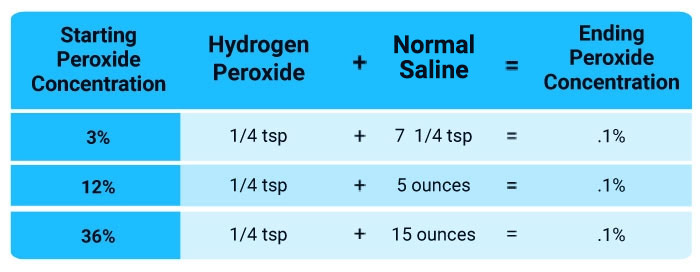
To perform this treatment, you need but two items: a nebulizer such as the Pari Trek S Compressor Aerosol System and a face mask that covers your mouth and nose that emits a fine mist, and food grade hydrogen peroxide. Typically food grade peroxide comes in concentrations of 12% so you will need to dilute it down to .1% to use it as I describe in the video and chart below.
Viruses are not “alive” per se. They need a live host in which they can infect live cells that then replicate the viral DNA and RNA. Once a cell is infected, newly replicated viruses exit the cell and move on to the next cell to duplicate the process.
So, when we talk about “killing” a virus, we’re really talking about inactivating them by breaking down their structure. This is why soap works so well. Coronaviruses are held together by a lipid (fatty) coating. Soap, being amphipathic6 — meaning it can dissolve most molecules — dissolves this fat membrane, causing the virus to fall apart and become harmless.
More specifically, the fat-like substances in soap are structurally similar to the lipids found in the virus membrane, so the soap molecules compete with and replace the fats in the membrane. In so doing, the “fatty glue” holding the virus together dissolves.
Hydrogen peroxide works in a similar way. As noted by Levy, “the way to control any viral infection is not to kill the virus; rather, the infected cells that have been turned into viral factories must be killed.”
Your immune cells actually produce hydrogen peroxide. This is in part how your immune system kills cells that have been infected with a virus. By killing the infected cell, viral reproduction is stopped. So, hydrogen peroxide therapy is in essence only aiding your immune cells to perform their natural function more effectively.
Hydrogen peroxide is also a key redox signaling agent. As explained in the March 30, 2020, review article from my absolute favorite journal Nature Reviews Molecular Biology “Reactive Oxygen Species (ROS) as Pleiotropic Physical Signaling Agents”:7
“At the low physiological levels in the nanomolar range, H2O2 is the major agent signaling through specific protein targets, which engage in metabolic regulation and stress responses to support cellular adaptation to a changing environment and stress …
Recent methodological advances permit the assessment of molecular interactions of specific ROS [reactive oxygen species] molecules with specific targets in redox signaling pathways.
Accordingly, major advances have occurred in understanding the role of these oxidants in physiology and disease, including the nervous, cardiovascular and immune systems, skeletal muscle and metabolic regulation as well as ageing and cancer.
In the past, unspecific elimination of ROS by use of low molecular mass antioxidant compounds was not successful in counteracting disease initiation and progression in clinical trials. However, controlling specific ROS-mediated signaling pathways by selective targeting offers a perspective for a future of more refined redox medicine.”
In short, hydrogen peroxide is a major ROS, but while ROS are typically thought of as “all bad,” this is a gross oversimplification. As noted in this paper, blanket elimination of ROS is inadvisable as they actually serve important signaling functions. The paper, which is behind a paywall, further explains:8
“Steady-state physiological flux of H2O2 to specific protein targets leads to reversible oxidation, thereby altering protein activity, localization and interactions, which contributes to orchestration of various processes in cells and organs, including cell proliferation, differentiation, migration and angiogenesis. This state of low-level H2O2 maintenance and its associated physiological redox signaling is called ‘oxidative eustress.'”
Contrary to oxidative stress or oxidative distress, oxidative eustress denotes an oxidative challenge that has positive or beneficial effects and is essential in redox signaling.
Hydrogen Peroxide Has a Long History of Medical Use
As explained in a British Journal of Pharmacology paper published in 2012, which sought to assess the therapeutic potential of hydrogen peroxide in the treatment of ischemic stroke:9
“… in light of recent findings, [hydrogen peroxide] is being recognized as a ubiquitous endogenous molecule of life as its biological role has been better elucidated. Indeed, increasing evidence suggests that H2O2 may act as a second messenger with a pro-survival role in several physiological processes …
The presence of H2O2 in living systems was identified in 1856. However, it was only in 1894 that 100% pure H2O2 was first extracted … In 1888, the first medical use of H2O2 was described by Love as efficacious in treating numerous diseases, including scarlet fever, diphtheria, nasal catarrh, acute coryza, whooping cough, asthma hay fever and tonsillitis.
Similarly, Oliver and collaborators reported that intravenous injection of H2O2 was efficacious in treating influenza pneumonia in the epidemic following World War I. Despite its beneficial effects, in the 1940s medical interest in further research on H2O2 was slowed down by the emerging development of new prescription medicines …
Notably, Farr is generally considered to be the pioneer of ‘oxidative therapy’ by proposing intravenous infusion of H2O2 to treat a wide variety of diseases. Later, Willhelm promoted the therapeutic use of H2O2 to treat cancer, skin diseases, polio and bacteria-related mental illness.
He defined H2O2 as ‘God’s given immune system.’ Another player in the H2O2 story was Grotz, who obtained pain relief by testing H2O2 on himself to treat his arthritis pain.”
As you can see, while Farr has been labeled a quack by some critics, other scientists and researchers are not so quick to dismiss his contributions to medical science.
What Do Studies Say?
The most relevant study was one that was done earlier this year in the Journal of Hospital Infection. They studies 0.5% hydrogen peroxide, six times weaker than the 3% typically used, and found that it killed human corona viruses and SARS corona viruses and MERS.10
Studies have also looked into the use of hydrogen peroxide against a variety of pathogens, including a 1994 study11 in Poultry Science, which found a microaerosolized mist of 5% hydrogen peroxide “completely inactivated infectious laryngotracheitis virus.”
Exposure to the mist also reduced infectivity of Newcastle disease virus, infectious bronchitis virus and avian influenza virus, but did not completely inactivate them. Use of 10% hydrogen peroxide mist was necessary to render infectious bursal disease virus completely inactive.
Another study,12 published in the American Journal of Infection Control in 2009, assessed the efficacy of vaporized hydrogen peroxide against viruses on various surfaces, finding exposure to hydrogen peroxide vapor at a concentration of 10 parts per million resulted in 99% inactivation after 2.5 minutes.
Similarly, a 2014 study13 in the Journal of Hospital Infection found hydrogen peroxide vapor eliminated an array of viruses on stainless steel, including human adenovirus 1, transmissible gastroenteritis coronavirus of pigs (TGEV, a SARS-CoV surrogate), avian influenza virus and swine influenza virus.
According to the authors, “Hydrogen peroxide vapor was virucidal against feline calicivirus, adenovirus, TGEV and avian influenza virus at the lowest vaporized volume tested (25 mL).” Vaporized hydrogen peroxide was found to completely inactivate a range of exotic animal viruses in a 1997 study14 as well.
Hydrogen peroxide’s ability to inactivate dangerous infectious viruses has also been highlighted in vaccine science. As noted in a 2016 study15 in the Vaccine journal, 3% hydrogen peroxide completely and irreversibly inactivated the rabies virus within two hours, thus reducing time and cost of the inactivation process required for the making of a rabies vaccine (which contains inactivated rabies virus).
Why Use a Nebulizer?
The therapy touted by Farr involved administering hydrogen peroxide intravenously. This, however, puts the therapy out of reach for most who want a quick and easy remedy to use at home. A far more inexpensive and convenient alternative is to inhale the hydrogen peroxide mist, using a nebulizer — a small, handheld device that converts liquid into a very fine mist.
The microscopic mist, similar to smoke or vapor, can be comfortably inhaled deep into your nostrils, sinuses and lungs. While nebulizers have routinely been used by asthmatics to deliver medication into their lungs, this delivery system affects not only the lungs but your entire body.
As noted in the 2002 review article,16 “Pulmonary Drug Delivery Systems: Recent Developments and Prospects,” “Targeting drug delivery into the lungs has become one of the most important aspects of systemic … drug delivery systems.”
In the case of respiratory infections, the nebulizer has the added advantage of delivering the hydrogen peroxide right to the areas most affected by respiratory viruses — your sinuses, throat, bronchial tract and lungs.
“Effective hydrogen peroxide nebulization quite literally, ‘chops the head off of the snake,’ and the virus present elsewhere in the body can then readily be mopped up when the new virus influx has been terminated,” Levy says, adding:
“It should be kept in mind that hydrogen peroxide kills pathogens very readily upon contact in an open wound. It should, therefore, be understandable why putting a fine mist of hydrogen peroxide in all the areas of maximal viral replication promptly puts the body on a pathway to rapid healing.”
Levy’s Hydrogen Peroxide Protocol
To prevent an infection from taking hold, begin treatment at first signs of symptoms. Food grade hydrogen peroxide (12%) should be diluted to a maximum .1% dilution. Consult with your physician before administering treatment, as this is for acute treatment and not recommended for chronic use.
If you’re already presenting with runny nose or sore throat. Levy recommends using the nebulizer for 10 to 15 minutes four times a day until your symptoms are relieved. You can also nebulized hydrogen peroxide for prevention and maintenance, which may be advisable during flu season, or while the COVID-19 pandemic is in full swing. Levy notes:
“As it is a completely non-toxic therapy, nebulization can be administered as often as desired. If done on a daily basis at least once, a very positive impact on bowel and gut function will often be realized as killing the chronic pathogen colonization present in most noses and throats stops the 24/7 swallowing of these pathogens and their associated toxins.
If daily prevention is not a practical option, the effectiveness of this treatment is optimized when somebody sneezes in your face or you finally get off of the plane after a trans-Atlantic flight. Don’t wait for initial symptoms. Just nebulize at your first opportunity.”
- 1 MedFox Publishing, Dr. Thomas Levy Curriculum Vitae
- 2 The Therapeutic Use of Intravenous Hydrogen Peroxide, Charles Farr MD PhD (PDF)
- 3 New England Journal Medicine March 26, 2020; 382:1268-1269
- 4 The Lancet Infectious Disease March 30, 2020
- 5 Smithsonian Magazine March 30, 2020
- 6 Harvard University, January 9, 2017
- 7, 8 Nature Reviews Molecular Cell Biology 2020, DOI: 10.1038/s41580-020-0230-3
- 9 British Journal of Pharmacology 2012 Jun; 166(4): 1211–1224
- 10 J Hosp Infect. 2020 Mar;104(3):246-251
- 11 Poultry Science October 1994; 73(10): 1511-1516
- 12 American Journal of Infection Control December 2009; 37(10): 813-819
- 13 Journal of Hospital Infection April 2014; 86(4): 255-259
- 14 Applied and Environmental Microbiology Oct 1997, 63 (10) 3916-3918
- 15 Vaccine February 3, 2016; 34(6): 798-802
- 16 Critical Reviews in Therapeutic Drug Carrier Systems 2002; 19(4-5): 425-498
A Godsend Against 170 Diseases, It Also Snuffs Out Diseases
Reproduced from original article:
https://articles.mercola.com/sites/articles/archive/2022/04/10/molecular-hydrogen-benefits.aspx
The original Mercola article may not remain on the original site, but I will endeavor to keep it on this site as long as I deem it to be appropriate, and will not be bullied into removing it.
Analysis by Dr. Joseph Mercola Fact Checked April 10, 2022
STORY AT-A-GLANCE
- Molecular hydrogen (H2) is a gas with unique and selective antioxidant effects. It works primarily by improving the redox status of the cell when needed
- Hydrogen is the smallest molecule in the universe, which is why its bioavailability is so great. It’s also neutral, so it can easily penetrate any membrane space in your body
- There are more than 1,000 publications on molecular hydrogen, which demonstrate therapeutic potential in over 170 different human and animal disease models
- Hydrogen is shown to benefit every organ of the human body, effectively mitigating oxidative stress and inflammation
- There are several ways to administer hydrogen, including hydrogen gas inhalation, drinking and/or bathing in hydrogen-rich water, intravenous hydrogen-rich saline injection and hyperbaric hydrogen therapy
This article was previously published October 21, 2018, and has been updated with new information.
Molecular hydrogen is a gas with unique and selective antioxidant effects.1 Tyler W. LeBaron is a world-class expert on molecular hydrogen, who has done research at Nagoya University in Japan, where most of his research started. He’s executive director of the Molecular Hydrogen Institute (MHI), which is a science-based nonprofit under Section 501(c)(3). MHI is focused on advancing the research, education and awareness of hydrogen as a therapeutic medical gas.
He’s also director of several other nonprofit organizations, including the International Hydrogen Standards Association, which is currently creating standards for the ISO criteria for measurement of hydrogen gas. The reason you probably haven’t heard of molecular hydrogen is because it’s relatively new. The landmark paper published on it in Nature Medicine came out only 10 years ago (2007), and most of the research has been done in Asia.
Molecular Hydrogen 101
Molecular hydrogen refers to diatomic hydrogen or H2 gas — two hydrogen atoms combined together. Hydrogen is the smallest molecule in the universe, and is neutral and nonpolar, which is why its bioavailability is so great. It does not dissociate into its electrons and protons when dissolved in water, so it will not alter the pH of water or your body and has nothing to do with the alkaline water concept.
“It’s just hydrogen gas. It’s three times more energy-dense than gasoline. That’s why it’s being looked at as an alternative energy source or fuel,” LeBaron says. “It’s what powers the sun and fusion in producing helium. This is the hydrogen we’re talking about and we’re seeing it can also be therapeutic, [and is] effective whether you inhale it, dissolve it in water and drink it, or other methods of application.
In 2009, I came across an article published in Nature Medicine2 [in 2007] … [which] showed [2 percent] hydrogen [gas] was effective at preventing the brain damage from ischemia reperfusion induced by a middle cerebral artery occlusion in a rat model … I was getting my degree in biochemistry at the time, but I’ve always been interested in health …
I took it from there and was able to read all the research, all the literature, and continue advancing in this area, then later go to Japan. Now I’m able to work with and collaborate with some of the top researchers around the world in this. I feel very fortunate to be involved in this emerging area of hydrogen gas.”
Molecular Hydrogen Has Unique, Selective Antioxidant Effects
Molecular hydrogen remediates oxidative stress, which is one of the most fundamental mechanisms that destroys human health. That’s why molecular hydrogen is so exciting —it has such unique antioxidant effects that specifically target only the most harmful free radicals. Now, while you might think the hydrogen gas dissociates or neutralizes hydroxyl free radicals (which cause the most oxidative damage), it doesn’t appear to work that way.
There are more than 1,000 peer-reviewed scientific publications on molecular hydrogen, which have collectively demonstrated that H2 has therapeutic potential in over 170 different human and animal disease models. In fact, hydrogen is shown to benefit virtually every organ of the human body, The reason why is because hydrogen targets and mitigates the root cause of many diseases, inflammation and oxidation. But just how does it do this? LeBaron explains:
“To understand how hydrogen works, we need to understand how free radicals work and why they’re produced. First, the hydroxyl radical, which is OH neutral with a lone pair electron, is produced in your body through the Fenton reaction. When free radicals get too high, like superoxide radicals, peroxynitrite [or] ionizing radiation,3 [they] can be converted to hydroxyl radicals … [Hydroxyl radicals] are damaging because they’re so reactive …
When you look at other free radicals [such as] nitric oxide, that’s a very important free radical which causes vasodilation. We don’t want to neutralize that. We have superoxide radicals [and] other oxidants like hydrogen peroxide — these are all very important.
Of course, too much is bad, but having them in the right concentrations and at the right locations is very good for you. We don’t want to just neutralize all of those, whereas hydroxyl radicals or peroxynitrite oxidants, we don’t want any of them.
That Nature Medicine publication specifically showed that hydrogen could act as a therapeutic antioxidant by selectively reducing the cytotoxic oxygen radicals, specifically the hydroxyl radical and to a lesser extent peroxynitrite, without decreasing the other oxidants like hydrogen peroxide or superoxide …
Most other antioxidants are not selective … [and] that can be problematic … Hydrogen is selective in that it’s only going to decrease or reduce those toxic radicals like the hydroxyl radical.4“
How Molecular Hydrogen Works
There are two basic definitions of an antioxidant: 1) a molecule that donates an electron to a radical reaction, and 2) a molecule that improves the redox status of the cell. Redox stands for oxidation reduction. In your cells, you need both oxidation and a reduction of oxidation in order for everything to work properly.
When that balance gets perturbed by too much oxidation, you end up with oxidative stress. If you don’t have enough oxidation, you end up with other serious problems. In many cases, damage is not caused by an excess of free radicals but rather a redox dysregulation.
“We need free radicals,” LeBaron says, “and studies have shown you can actually suffer from too much oxidative stress and too much reductive stress5 (or not enough oxidative potential) not only in the same body or the same organ, but in the exact same cell. Too much oxidative stress in the cytosol; not enough oxidative power in endoplasmic reticulum. Hydrogen helps to bring everything back to homeostasis.”
So, while hydrogen has antioxidant effects, it works primarily by improving the redox status of the cell when needed. As a result, you see improvements in superoxide dismutase and glutathione levels, for example. Not only does hydrogen selectively reduce the most toxic radicals, but it can help prevent an excess (which becomes toxic) of the free radicals from being produced in the first place. This is a very powerful prevention mechanism.
Another way is by activating the Nrf2 pathway when the activation is needed. Nrf2 is a transcription factor that, when activated, goes into the cell’s nucleus and binds to the antioxidant response element in the DNA. It then induces the transcription of further cytoprotective enzymes such as glutathione, superoxide dismutase catalase, glutathione peroxidase, phase II enzymes, heme-1 oxygenase and many others.
“One study6,7 [looking at] metabolic syndrome found that subjects drinking hydrogen-enriched water had a 39 percent increase in extracellular superoxide dismutase. So, yes, hydrogen does have this antioxidant-like effect, because it can help regulate Nrf2 pathway8 and bring enzymes and cytoprotective proteins back to the levels they’re supposed to be; back into that realm of homeostasis.”
Cyclical Ingestion Is Key for Optimal Effectiveness
Depending on the individual and their diet, intestinal bacteria that ferment fiber produce about 2.5 gallons of hydrogen gas per day,9 which is part of the therapeutic benefits of fiber. From an evolutionary perspective, we’ve also always been exposed to hydrogen gas.10,11
These facts alone are indicative of its safety. “Anybody can have it — pregnant women, children, everybody. Hydrogen gas itself is very safe. They have used it in deep sea diving to prevent decompression sickness12 since the 1940s,” LeBaron says. (Normally, helium gas is used but for very deep dives, hydrogen gas is used, such as hydrox, which is 96 percent hydrogen.)
Now, if hydrogen gas is so beneficial, and your body already produces loads of it, why would ingesting hydrogen-rich water still be therapeutic, seeing how you’re getting far lower amounts of hydrogen this way?
Interestingly, one Nagoya University study13 showed that while continuous administration of hydrogen in air was ineffective for the prevention of Parkinson’s disease, intermittent exposure was effective. The greatest effects, however, were obtained by drinking hydrogen-rich water. Just what is it about cyclical or intermittent exposure (opposed to continuous) that makes such a big difference? LeBaron explains:
“It appears to be more of a gaseous-signal modulator. The way a signal modulator works is, it needs to have this intermittent type exposure, or else you get habituation or subsequent attenuation of the signal. That’s what we’re seeing with hydrogen gas … it modulates gene expression, protein phosphorylation and many transcription factors, but the primary targets remain elusive.
Molecular hydrogen has also shown clinically to have some great benefits. More research is always needed, but there are some compelling ones that show its safety and effectiveness.
[In one study14] they had 50 patients with cerebral infarction; 25 [received] hydrogen inhalation and 25 in the control group [received] an approved medical drug … [T]he hydrogen was significantly more effective than the approved drug on all the measured parameters, with no side effects.
Again, the reason I’m so passionate about hydrogen is because here we have a molecule that is simple, safe, easy to administer, and actually has some really significant therapeutic potential.
There was just another study published for … Alzheimer’s disease. If you look at the genotype, those with the APOE4 genotype is susceptible to Alzheimer’s disease … When we look at the effects of drinking hydrogen-rich water … they found it was significantly therapeutic for this disease. That’s big because there are no approved drugs that are effective for Alzheimer’s disease.”
Molecular Hydrogen Mimics Effects of Fasting
Interestingly, there’s evidence to suggest that if you have the APOE4 gene, you really need to intermittently fast to avoid Alzheimer’s, and one of the pathways that hydrogen seems to mimic is that of fasting. Dr. Dale Bredesen expands on this in his book “The End of Alzheimer’s.”
LeBaron cites a study published in the Journal of Obesity, which basically shows that drinking hydrogen-rich water had the same effect as restricting calories by about 20%. Also, both fasting and molecular hydrogen increase neuroprotective gastric ghrelin secretion, a hunger hormone, and in at least one study, this was shown to be one of the primary mediators in benefiting those with Parkinson’s disease.15,16,17
Hydrogen Applications for Diabetes
Clinical studies have also shown molecular hydrogen effectively prevents liver damage (fatty liver) caused by a high-sugar diet and metabolic syndrome.18,19 “In some of the metabolic syndrome studies, glucose levels in some of those with impaired glucose tolerance were brought back to the normal range,” LeBaron says. Animal research20 suggest hydrogen may induce GLUT4 translocation by a similar mechanism as insulin.
“We need more studies to investigate this, but some of this preliminary data is really showing it’s a great for these diabetics,21” he says. There’s also some evidence22,23,24,25 it may help suppress cancer growth as an adjunctive treatment and ameliorate the toxicity of cancer drugs,26 but LeBaron is cautious in this regard, saying more research is needed.
Available Hydrogen Therapies
There are a number of ways to administer hydrogen. For example, you can inhale hydrogen gas, and for this, there are inhalation machines you can buy. Caution is required, however. The gas produced at the cathode is hydrogen gas, but if the electrodes are impure or develop mineral buildup, and the water you’re using has chloride in it, then chlorine gas can be produced, which you would then inhale.
Other methods are drinking and/or bathing in hydrogen-rich water, and there are several ways to do that. For example, you could bubble it into the water from a tank of hydrogen gas and dissolve it under pressure. Just keep in mind that if you plan on storing it, you cannot use plastic containers, as the hydrogen molecules are so small they’ll dissipate right through the container.
For clarification, hydrogen gas is simply two hydrogen atoms bound together. When you dissolve it into water, it will not attach to the water molecules, so there’s no risk that you’re going to create some other structure. There are also intravenous hydrogen-rich saline injections and hyperbaric hydrogen therapy, developed in Japan.
How to Measure the Concentration of Hydrogen Gas
One way to check the quality of your molecular hydrogen product is to use a redox titration reagent called H2 Blue. This is available on many different websites, including Amazon.
This allows you to measure the concentration of hydrogen in the water you’re about to drink. To do this, simply fill the small beaker with 6 milliliters of your hydrogen water. If there’s no hydrogen gas in there, the blue reagent will remain blue
If hydrogen gas is present, the reagent will turn from blue to clear. Once it turns clear, add another drop of the reagent. Keep adding a drop at a time until the solution turns blue and stays blue. This is called the titration endpoint.
Simply count how many drops it took to get there. Each drop is equivalent to about 0.1 milligram per liter and the number of drops required to neutralize the test solution will determine the concentration of molecular hydrogen. So, if you had to add 10 drops, you would have 1 milligram of hydrogen per liter.
Therapeutic Dosages
Unfortunately, there’s still insufficient data on what the minimum effective concentration is. There are many variables involved. However, as a very general guideline, clinical studies have shown therapeutic effects at doses ranging from 0.5 milligrams to 5 milligrams or more of hydrogen per day. We should be able to obtain this dose by consuming no more than 1 liter of hydrogen-enriched water according to IHSA standards.
“We need more research, but it appears, at least in some of these studies, that a higher concentration or a higher dose is as effective as and sometimes more effective than a lower amount,” LeBaron says.
In terms of half-life, if you were to drink hydrogen-rich water, you’re going to reach a peak blood level and breath exhalation point after about five to 15 minutes depending on the dose. This demonstrates that hydrogen can easily diffuse into the bloodstream in order to measure changes in the breath. Your hydrogen level returns to baseline in about an hour or so.
“That’s also how we know hydrogen is more of a signal modulator, because you can drink the hydrogen water and it’s gone out of the system within an hour, yet it has residual, therapeutic, protective effects that last for hours, days and even weeks.
One small, double-blinded, randomized study27 on rheumatoid arthritis found that drinking hydrogen-rich water was very effective for the disease … Those with early onset rheumatoid arthritis had remission. During the washout period, no one was taking hydrogen and they … continued to see improvements in the disease for an additional four weeks …
[The reason for this is] because you’re targeting gene expression.28 By taking hydrogen, within three days we see increases for PGC-1α, [which] is mitochondrial biogenesis … There are so many different transcription factors hydrogen operates on, so if we start to alter the gene expression, then some of these changes of the signal modulator can last for quite some time, so we get residual effects.”
More Information
To learn more about molecular hydrogen, please visit the Molecular Hydrogen Institute’s website. There, you’ll find research, video lectures and a variety of other resources, including a number of different certifications for those interested in working with and administering molecular hydrogen.
“Again, we are a science-based nonprofit working to advance the research, education and awareness of hydrogen as a medical gas, so you’re not going to find products and things on our site, but you will find a lot of information, and we do our best to provide what’s going on in the hydrogen area,” LeBaron says.
“I hope that you’ll review this video, review the information on hydrogen, and although we have a responsibility as researchers to understand the molecular mechanisms and targets of hydrogen and do clinical studies, because we have a molecule so significant, and so safe, perhaps it’s also your responsibility to share it; to let other people know about it.
There’s so many people who don’t have access to medical care that this could really benefit. There are also those who have access to too much medical care, where hydrogen can help mitigate the toxic effects.”
- 1 Med Gas Res. 2013 May 16;3(1):10
- 2 Nature Medicine May 7, 2007
- 3 Free Radic Res. 2010 Mar;44(3):275-82
- 4 Biochem Biophys Res Commun. 2009 Nov 27;389(4):651-6
- 5 The EMBO Journal 2015 Sep 14;34(18):2334-49
- 6 Diabetes Metabolism Journal 2014 Oct; 38(5): 337–345
- 7 Diabetes Metabolism Journal 2014
- 8 Am J Physiol Lung Cell Mol Physiol. 2013 May 15;304(10):L646-56
- 9 Gastroenterology 1992 Apr;102(4 Pt 1):1269-77
- 10 Nat Rev Microbiol. 2008 Nov;6(11):805-14
- 11 Nature. 1998 Mar 5;392(6671):37-41
- 12 Mil Surg. 1948 Aug;103(2):107-16
- 13 Med Gas Res. 2012 May 20;2(1):15
- 14 J Stroke Cerebrovasc Dis. 2017 Nov;26(11):2587-2594
- 15 Mov Disord. 2013 Jun;28(6):836-9
- 16 BMC Neurol. 2016; 16: 66
- 17 PLoS One. 2009 Sep 30;4(9):e7247
- 18 Obesity (Silver Spring). 2011 Jul;19(7):1396-403
- 19 Mol Med Rep. 2017 Mar;15(3):1305-1312
- 20 PLoS One. 2013;8(1):e53913
- 21 Nutr Res. 2008 Mar;28(3):137-43
- 22 Science. 1975 Oct 10;190(4210):152-4
- 23 Mol Clin Oncol. 2017 Nov;7(5):891-896
- 24 PeerJ. 2015; 3: e859
- 25 Med Gas Res. 2011 Jun 7;1(1):11
- 26 Cancer Chemother Pharmacol. 2009 Sep;64(4):753-61
- 27 Int Immunopharmacol. 2014 Aug;21(2):468-73
- 28 Scientific Reports 2016; 6: 18971
A Hallmark of Covid-19: Cytokine Storm/Oxidative Stress and its Integrative Mechanism
Reproduced from original OMNS article (OrthoMolecular News Service):
https://orthomolecular.activehosted.com/
Subscribe to the free Orthomolecular Newsletter: http://orthomolecular.org/subscribe.html
Go to the OMNS Archive: http://orthomolecular.org/resources/omns/index.shtml
by Richard Z. Cheng, M.D., Ph.D.
OMNS (Jan. 22, 2022) Cytokine storm has recently been recognized as the key pathology responsible for the severe symptoms of Covid-19 and other viruses and non-viral agents. The underlying biochemical cause of cytokine storm is excessive oxidative stress. Cytokine storm and its associated oxidative stress appears to be a universal non-specific mechanistic pathway common among many causative agents, for example viruses, that leads to severe clinical disease.
A biochemical sequence known as “lipid peroxidase chain reaction” (LPCR) plays a critical role in oxidative stress and cytokine storm. Prevention and blocking the occurrence of cytokine storm/oxidative stress appears to be a logically sound and effective strategy to prevent the severe symptoms of Covid-19. If this could be performed world-wide, it could reduce the devastating medical, economic and societal impact of the Covid-19 pandemic. Preventing or blocking LPCR and the excessive oxidative stress requires intact antioxidant systems, especially the antioxidant vitamins and nutrients, including vitamins C, E, CoQ10, alpha lipoic acid, glutathione and niacin (to promote NADP+/NADP), selenium and others. Insufficiency or absence of any of these antioxidant agents may render these antioxidant systems ineffective, which may be responsible for the inconsistent results of antioxidant therapies in the literature.
Here we propose an integrative and systematic therapy that includes these antioxidant vitamins, minerals, and nutrients. The “universal and non-specific nature” of cytokine storm/oxidative stress makes possible a pre-emptive treatment to prevent or block cytokine storm/oxidative stress induced by severe diseases, even before full recognition of the underlying causative agent. This is very significant because it allows us to potentially prevent and block a pandemic of a new virus or a new viral mutant when it happens without requiring the extended time needed to develop a specific drug or vaccine treatment. With the seemingly endless mutations of SARS-Cov-2, we may still have time to apply this strategy to break the Covid-19 pandemic.
A key hallmark of Covid-19: Cytokine storm/oxidative stress
Cytokine storm with the underlying elevated oxidative stress is a key hallmark of severe Covid-19. [1-12] Cytokine storm was first described 28 years ago [13,14] and is a common mechanism leading to severe symptoms, not only in Covid-19, but also in other respiratory viral infections [15,16], HIV-related infections [17,18], sepsis [19], SARS [20], tick-borne SFTS syndrome [21], autoimmune and viral hepatitis [22,23], Ebola [24], yellow fever [25], and Coronaviral encephalitis [26], immunotherapies [27,28], as well as systemic diseases and anaphylaxis. [29]
Cytokine storm describes the explosive and excessive release of free radicals and cytokines (signaling molecules) in a short period of time, overwhelming the body’s innate antioxidant/anti-inflammatory mechanisms, leading to significant oxidative damage of biologically important molecules such as DNA, proteins and lipids, and severe cellular and organ damage. This can rapidly progress to multi-organ failure with a very high mortality rate. Hence, it is very important to recognize the early clinical signs of cytokine storm and prevent it from developing. If we can interrupt the cytokine storm/oxidative stress before it causes significant cellular and tissue damage, this will provide a way to prevent severe Covid-19 and other severe viral syndromes. One exciting possibility is to administer early and sufficient doses of antioxidants to strengthen the body’s antioxidant defenses. This can play a major role in prevention and intervention of cytokine storm/oxidative stress. [5,6] Antioxidant vitamins and nutraceuticals have been used for this purpose in the management of Covid-19. Some of these nutrients showed significant effectiveness in treating Covid-19 [30-33], and “Long Covid” symptoms. [34]
Lipid peroxidation plays a central and an important role in cytokine storm. Unlike oxidation of DNA and protein, lipid peroxidation is unique in that it usually happens rapidly, damaging many of the lipid molecules in a local cellular environment through a lipid peroxidation chain reaction (LPCR). It can continue until all the unsaturated lipid molecules in cell membranes are damaged or until LPCR is terminated by antioxidants, usually the body’s main lipophilic antioxidant, vitamin E. [35-38] The prevention of lipid peroxidation and termination of LPCR requires a series of antioxidants to work together in a systematic manner, like a cogwheel. Lacking or insufficiency of any one component may render the entire antioxidant cascade ineffective. There is little recognition of this “integrative or systematic” working relationship in the literature. [35] This lack of recognition may be responsible for the failure of some antioxidant studies to show clinical effectiveness.
The main purpose of this article is to analyze and present this “Integrative Antioxidant Therapies” concept.
Cytokine storm/oxidative stress is a pathobiological response that can be induced by various pathogens and by nature is non-pathogen-specific. Thus therapeutic strategies to prevent or block cytokine storm/oxidative stress may be a very effective general method to prevent/treat diseases involving cytokine storm/oxidative stress. This point may have a wide-reaching clinical significance, especially in the current global management of Covid-19 pandemic. Despite the various causes that may induce a cytokine storm and the varied cytokine responses that may happen in a cytokine storm, the associated elevated oxidative stress response for any particular causative agent is very likely similar. This makes it possible to develop an antioxidant therapy to prevent or block the severe diseases that result from the cytokine storm, including severe Covid-19 pneumonia. One of the difficulties in developing preventive treatments for pandemics like Covid-19 is the rapid mutations of these RNA viruses. But with cytokine storm as the common feature of such severe diseases, it may be possible to prevent these severe diseases with integrative antioxidant therapies to prevent or block the cytokine storm, even without detailed studies of new virus mutants. This applies not only to Covid-19; it may be applicable to other future epidemics, and other severe viral diseases. The clinical, societal and economic impact of this strategy is so profound that further research is urgently needed with top priority.
One of the key problems dealing with Covid-19 and other epidemic/pandemic-causing viruses is their rapid mutation rates, which can often obviate the few available virus specific vaccines and/or drugs. We propose an integrative viricidal and antioxidant therapy that may be universally applicable to Covid-19 and other viral infections, including various Covid-19 mutants and future mutants.
Lipid peroxidation chain reaction (LPCR), a key cascade of events in cytokine storm:
LPCR is well studied and established in the field of biochemistry. LPCR has 3 stages: the Initiation stage, the Propagation stage, and the final Termination stage. [39] LPCR not only damages lipid molecules, which make up the cell membrane, but the LPCR process also causes a number of very toxic oxidation products including lipid hydroperoxides (LOOH) and aldehydes such as malondialdehyde (MDA) and 4-hydroxynonenal (4-HNE). MDA is the most mutagenic product of lipid peroxidation and is commonly used as a biomarker for oxidative deterioration in omega-3 and omega-6 fatty acids. 4-HNE is the most toxic secondary product of lipid peroxidation.
Lipid peroxidation chain reaction (LPCR) is at the center of the cytokine storm, producing free radicals. [36,40-43] In turn, free radicals oxidize and damage DNA, proteins and lipids. The oxidation of lipids is biochemically called peroxidation. Once a lipid molecule is oxidized (this is called initiation), it becomes a lipid radical. The lipid radical can oxidize the next lipid molecule in the neighborhood very readily and rapidly until this chain event is terminated by antioxidants, especially vitamin E. Lipid peroxidation has been implicated in the development and progression of critical illnesses. [43] High levels of lipid peroxidation are associated with severe Covid-19 symptoms. [44-46] Protein adducts of lipid peroxidation products (4-HNE) were found to be higher in patients who died of severe Covid-19 symptoms than in those who survived Covid-19. [47]
Excessive oxidative stress is common in many, if not all, acute and chronic diseases, including Covid-19.
Oxidative stress describes biochemical reactions involving reactive molecules, including reactive oxygen species (ROS) and reactive nitrogen species (RNS), sometimes collectively abbreviated as RONS. Oxidative stress is an important part of redox signaling inherent in cell physiology. [48-50] Lipid peroxidation is also implicated in many chronic diseases, such as cardiovascular disease [51-56], cancer [57-60], Alzheimer’s, liver diseases, lung diseases (COPD), diabetes mellitus [61-68], autoimmune diseases [69-73], and also Covid-19, chronic Covid-19 symptoms (so-called “Long Covid”) and even Covid vaccine related injuries. [5,34,47,74-84] More advanced atherosclerosis is found to be associated with increased oxidized linoleic acid (LA) than with non-oxidized LA. [85]
Polyunsaturated fatty acids (PUFAs) are the targets of LPCR:
LPCR primarily targets the double bonds in lipid molecules. PUFAs are the fatty acids with unsaturated double bonds between the carbon molecules in their backbone. Hence PUFAs are the primary targets of LPCR. All fatty acids can be oxidized, but with increasing difficulty from PUFAs to MUFAs (monounsaturated fatty acids) to saturated fats. [86]
The double bonds in PUFAs are relatively unstable and can be readily broken by oxidative free radicals, causing damage to these lipids. Cell membranes, and the membrane of subcellular organelles such as mitochondria are made up mostly of lipids. Once these lipids are damaged, their functions are also impaired. Cardiolipin, e.g., an abundant lipid on the mitochondria membrane, plays a critical role in cellular energy production. Peroxidation of PUFAs in cardiolipin may contribute to age-related decline in the mitochondrial function. [86] Cardiolipin is found to be damaged in many cancer cells as well. [87-90]
Saturated fatty acids don’t have these double bonds, and MUFAs have only one such double bond. Hence saturated fats and MUFAs are more stable and less readily oxidized by free radicals.
The amount of dietary omega-6 polyunsaturated fatty acids (N6 PUFAs) has increased significantly over the past few decades:
Due to decades of widespread misinformation that saturated fats are unhealthy, the intake of unsaturated fats, especially in the form of N-6 rich seed oils has significantly increased in modern diets. [91-93] Although both N-3 and N-6 are essential fatty acids, N-6 PUFA has a pro-inflammation effect, while N-3 PUFA is anti-inflammatory. The N-6 to N-3 fatty acid ratio has increased significantly from a ratio of ~1:1 during prehistoric evolution to 20:1 or even higher in recent decades. The increased N6/N3 ratio has been found to be correlated with various chronic diseases. [39,91,93,94] Although the recent abnormally high N6/N3 ratio may not have a direct impact on LPCR and cytokine storm, the increased total PUFA in our body is a setup for potentially more explosive LPCR. These PUFAs are enriched in cell membranes [95] which allows the membranes to be more readily attacked by the free radicals. This happens especially in a cytokine storm, with a huge outburst of free radicals in a short period of time, which overwhelms the antioxidant capacity of cells, leading to the initiation and propagation of the lipid peroxidation chain reaction. This increase of dietary N-6 PUFA intake is especially found among those with metabolic diseases such as diabetes. [91-93] This may explain why patients with metabolic diseases are prone to severe Covid-19 diseases with a high risk of multiorgan failure and mortality.

Fig. 1 Significant increase of N-6 PUFA and its correlation with major chronic diseases.
Termination of LPCR:
Once LPCR is initiated, it can propagate until all the lipids are oxidized or until it is terminated by antioxidants, especially vitamin E (VE). [35,96-98] VE is the chief LPCR chain-breaking antioxidant. VE is a lipid soluble antioxidant vitamin and is located on cell membranes, sitting among the lipid molecules. These features make VE the key antioxidant vitamin to protect cell membranes from oxidation. Other antioxidants, such as vitamin C, the primary extracellular antioxidant, do not have this LCPR termination effect. [35]
Cascade of Antioxidants:
Vitamin E appears to be required to block the propagation of LPCR and to terminate LPCR. The oxidized VE will not in turn oxidize other lipid molecules, but instead, oxidized VE needs to be reduced by other antioxidants, especially vitamin C (VC). The oxidized VC needs to be reduced by alpha lipoic acid, CoQ10, glutathione, selenium and NADP+/NADP. The free radicals will be passed down onto NADP/NADPH cascade to be disposed of in water. These antioxidants work in a systematic manner (Fig. 2).

Fig 2. Antioxidant Cascade
(Adapted from https://www.robertbarrington.net/free-radicals-and-antioxidants)
Systematic and integrative nature of the antioxidant systems:
It should be noted that these antioxidants work in an integrative and systematic manner like a system of cogwheels. Each and every one of the components is required.
It’s been shown that in the absence of VE, VC is not able to prevent lipids from being attacked by LPCR. Sato et al. described in their study of LDP cholesterol that VE and VC together can prevent LDL oxidation. However, in the absence of VE, VC is unable to prevent the LDL oxidation. [35] A recent national survey found alarming high rates of vitamin deficiency among American adults: 45% of American adults are deficient in vitamin A, vitamin C (46% deficient), vitamin D (95% deficient), vitamin E (84% deficient) and zinc (15% deficient). [99] It is conceivable that when individuals deficient in antioxidant vitamins and nutrients are hit by cytokine storm, their innate LPCR prevention and termination mechanisms are severely impaired so they will suffer high rates of cytokine storm/oxidative stress damages, leading to severe diseases and death.
Antioxidation therapies of various single antioxidants or a combination of a selected few antioxidants have been used to clinically treat various diseases. The results have been mixed. Lack of understanding of this “integrative and systematic” nature of antioxidant cascade may be responsible for at least some of the failures observed in those clinical antioxidant studies.
The contribution of N-6 PUFA, LPCR, and the integrative nature of antioxidants in the prevention and termination of LPCR has not been previously addressed. To the best of my knowledge, this is the first time this concept is described. In fact, clinical attention of oxidation has been mostly given to DNA mutation, but hardly any attention has been given to the peroxidation of lipids and ways to prevent this life-threatening condition.
Systematic Antioxidant Therapy
The terms cytokine storm and oxidative stress are associated with many viral syndromes and other non-viral infections. Systematic Antioxidants Therapy may have wide clinical application, and deserves further clinical studies.
In summary, cytokine storm and associated oxidative stress appear to be a common mechanistic pathway leading to severe clinical diseases caused by viruses and other non-viral agents, including Covid-19. Lipid peroxidation is a central part of the cytokine storm. Prevention of the lipid peroxidation chain reaction and its termination requires an integrative and systematic antioxidant cascade including sufficient doses of vitamin C, vitamin E, CoQ10, alpha lipoic acid, glutathione and NAD+/NADP+ and others. Lacking or insufficiency of any of these components may render the antioxidant cascade ineffective, resulting in failure to prevent/block cytokine storm/oxidative stress. This mechanism is universal and non-specific to causative agents. Epidemics and pandemics are on the rise, despite the significantly improved global economy and technology. [7] This “universal and non-specific nature” makes it possible for preemptive therapy to prevent or block cytokine storm induced severe diseases from happening, even before full recognition of the underlying causative agent. This is important, because it potentially allows us to prevent and block a pandemic of a new virus or a new viral mutant when it occurs, without spending the long time needed for specific drug or vaccine research and development. With the seemingly endless mutations of SARS-Cov-2, we may still have time to apply this strategy to break the Covid-19 pandemic.
Based on the biochemistry and pathology, we recommend high doses and early administration of antioxidants. We recommend vitamin C; vitamin E , alpha lipoic acid, CoQ10, glutathione and other vitamins and nutrients such as B vitamins and mitochondrial nutrients. Vitamin B3 (niacin) is critical in NAD+ biogenesis. NAD+ is involved in the final step of scavenging of free radicals. The rapid recovery in the case presented below highlights this approach.
We recently consulted on a case of severe Covid-19 in a patient who rapidly recovered after the administration of this Integrative Antioxidant Therapy, based on the above understanding and analysis. Robert from Manila, the Philippines, was of advanced age with multiple comorbidities including type 2 diabetes mellitus, hypertension, obesity and history of chronic hepatitis B. Robert was diagnosed of Covid-19 in September 2021, admitted to ICU and received standard Covid-19 care in the hospital for a week without improvement. Instead, his symptoms deteriorated with decrease of oxygen saturation progressed down to as low as 90-92% and rapidly rising cytokine storm markers of CRP, D. Dimer and ferritin (Fig. 3-5). The family requested my consultation and I recommended Integrative Antioxidant Therapy (Fig. 6). However, due to policy restrictions of the hospital, Robert did not receive my recommended protocol. His clinical conditions worsened with continued rise of cytokine storm markers (Fig. 3-5) and I was consulted again 4 days later. At that time, Robert was on a verge of or already in a cytokine storm and his risks of developing multiorgan failure were very high. I strongly urged the attending physician to implement the Integrative Antioxidant Therapy Protocol. Finally, Robert received the recommended protocol (Fig. 6). He rapidly improved on Day 2 after the implementation of the Protocol. He didn’t need the supplemental oxygen on Day 3 to maintain adequate blood oxygen saturation. On Day 5, he was discharged to home care. I recommended continued integrative antioxidant therapy to ensure maximal repair of cellular and tissue oxidative damages and to prevent long term Covid-19 symptoms.

Fig. 3. Robert’s ferritin levels during his hospitalization. Orange line: upper limit of normal range. Blue line: patient’s ferritin values. Blue arrow: my recommendation of Integrative Antioxidant Therapy on my first consultation. Red arrow: implementation of Integrative Antioxidants Therapy. Black Arrow: discharge from hospital.

Fig. 4. Robert’s CRP levels during his hospitalization. Orange line: upper limit of normal range. Blue line: patient’s CRP values. Blue arrow: my recommendation of Integrative Antioxidant Therapy on my first consultation. Red arrow: implementation of Integrative Antioxidants Therapy. Black Arrow: discharge from hospital.

Fig. 5. Robert’s D. Dimer levels during his hospitalization. Orange line: upper limit of normal range. Blue line: patient’s D. Dimer values. Blue arrow: my recommendation of Integrative Antioxidant Therapy on my first consultation. Red arrow: implementation of Integrative Antioxidants Therapy. Black Arrow: discharge from hospital.

Fig. 6. Integrative Antioxidant Therapy Protocol
(The following recommendations should be implemented under the supervision of a qualified healthcare provider):
- Vitamin C [5,6,100] : Vitamin C powder is fine, although Liposomal VC is preferred for its better absorption, especially for severe Covid-19 or other severe illnesses. High dose Intravenous vitamin C (30 g/day or higher) is great, although this requires a physician’s supervision. If used early and in sufficient doses, the high dose regular vitamin C powder or good quality liposomal vitamin C suffice.
- Vitamin D3: regular vitamin D3 supplements available on the market should suffice. For severe cases, I often give high dose vitamin D3 (as high as 50,000 to 60,000 IU by mouth right away). Vitamin D3 actually is quite safe even at high doses.
- Vitamin E: Vitamin E consists of several different forms. Find a quality brand that you trust. A good natural form is “mixed tocopherols”.
- Magnesium: there are many forms of magnesium, what I usually use are two: the most common one that I use is a combination of magnesium glycinate and magnesium citrate. Magnesium glycinate is well absorbed into your blood stream. Magnesium citrate is a bit less well absorbed with some remaining in the GI tract, which has the advantage of promoting bowel movements as this is a common health problem for many people. Another form of magnesium is magnesium threonate which is unique in that it can penetrate through the Blood Brain Barrier (BBB) and reach a high concentration in the brain. I often recommend magnesium threonate as a sleep aid, for migraine headaches and even for seizure activities. Magnesium chloride is well absorbed, and does not cause a laxative effect.
- Hydrogen peroxide: Hydrogen peroxide (3%) nebulization is an excellent safe, effective and inexpensive for prevention and treatment of various types of viruses or bacteria, Covid-19 included. [101-104] Quite contrary to the common belief, hydrogen peroxide (3%) nebulization is actually quite safe, when used under the supervision of a qualified healthcare provider. Hydrogen peroxide has a history of clinical studies and has been found to be effective in tumor and heart disease. [105,106]
- Cortisol: a powerful natural anti-inflammatory molecule that regulates the immune system when under stress. It can assist vitamin C in providing its antioxidant function. Under the care of a doctor, high dose intravenous vitamin C therapy can be reinforced with hydrocortisone. [107]
Conclusion
In conclusion, oxidative stress plays a central role in severe Covid-19 diseases and other diseases involving cytokine storm and oxidative stress. Lipid peroxidation is a central part of the cytokine storm. The prevention and termination of the lipid peroxidation chain reaction requires an integrative and systematic antioxidant cascade including vitamin C, vitamin E, CoQ10, alpha lipoic acid, glutathione and NAD+/NADP+ and others. Lacking or insufficiency of any of these components may render the antioxidant cascade ineffective, resulting in failure to prevent/block cytokine storm/oxidative stress. This mechanism is universal and non-specific to pathogens. Recognition of this mechanism may have a wide clinical implication to many viral and non-viral diseases. Clearly further clinical studies are warranted.
References
1. Mulchandani R, Lyngdoh T, Kakkar AK. (2021) Deciphering the COVID-19 cytokine storm: Systematic review and meta-analysis. Eur J Clin Invest 51:e13429. https://pubmed.ncbi.nlm.nih.gov/33058143
2. Eljaaly K, Malibary H, Alsulami S, et al. (2021) Description and Analysis of Cytokine Storm in Registered COVID-19 Clinical Trials: A Systematic Review. Pathogens 10:692. https://pubmed.ncbi.nlm.nih.gov/34199506
3. Melo AKG, Milby KM, Caparroz ALMA, et al. (2021) Biomarkers of cytokine storm as red flags for severe and fatal COVID-19 cases: A living systematic review and meta-analysis. PLoS One 16:e0253894. https://pubmed.ncbi.nlm.nih.gov/34185801
4. Aucoin M, Cardozo V, McLaren MD, et al. (2021) A systematic review on the effects of Echinacea supplementation on cytokine levels: Is there a role in COVID-19? Metabol Open 11:100115. https://pubmed.ncbi.nlm.nih.gov/34341776
5. Cheng RZ. (2020) Can early and high intravenous dose of vitamin C prevent and treat coronavirus disease 2019 (COVID-19)? Medicine in Drug Discovery 5:100028. https://pubmed.ncbi.nlm.nih.gov/32328576
6. Cheng R, Kogan M, Devra D. (2020) Ascorbate as Prophylaxis and Therapy for COVID-19 — Update From Shanghai and U.S. Medical Institutions. Glob Adv Health Med 9:2164956120934768. https://pubmed.ncbi.nlm.nih.gov/32733775
7. Cheng RZ (2020) Protected Population Immunity, Not A Vaccine, Is The Way To Stop Covid-19 Pandemic. J Clin Immunol Immunother 6:1-4. http://news.drwlc.com/Documents/HCIIT-20-011.pdf
8. Huang I, Pranata R, Lim MA, et al. (2020) C-reactive protein, procalcitonin, D-dimer, and ferritin in severe coronavirus disease-2019: a meta-analysis. Ther Adv Respir Dis 14:1753466620937175. https://pubmed.ncbi.nlm.nih.gov/32615866
9. D’Errico S, Zanon M, Montanaro M, et al. (2020) More than Pneumonia: Distinctive Features of SARS-Cov-2 Infection. From Autopsy Findings to Clinical Implications: A Systematic Review. Microorganisms 8:1642. https://pubmed.ncbi.nlm.nih.gov/33114061
10. Olbei M, Hauteforte I, Modos D, et al. (2021) SARS-CoV-2 Causes a Different Cytokine Response Compared to Other Cytokine Storm-Causing Respiratory Viruses in Severely Ill Patients. Front Immunol 12:629193. https://pubmed.ncbi.nlm.nih.gov/33732251
11. Mosquera-Sulbaran JA, Pedreañez A, Carrero Y, Callejas D (2021) C-reactive protein as an effector molecule in Covid-19 pathogenesis. Rev Med Virol 31:e2221. https://pubmed.ncbi.nlm.nih.gov/34773448
12. Hu B, Huang S, Yin L (2021) The cytokine storm and COVID-19. J Med Virol 93:250-256. https://pubmed.ncbi.nlm.nih.gov/32592501
13. Ferrara JL, Abhyankar S, Gilliland DG (1993) Cytokine storm of graft-versus-host disease: a critical effector role for interleukin-1. Transplant Proc 25:1216-1217. https://pubmed.ncbi.nlm.nih.gov/8442093
14. Fajgenbaum DC, June CH (2020) Cytokine Storm. N Engl J Med 383:2255-2273. https://pubmed.ncbi.nlm.nih.gov/33264547
15. Khomich OA, Kochetkov SN, Bartosch B, Ivanov AV (2018) Redox Biology of Respiratory Viral Infections. Viruses 10:392. https://pubmed.ncbi.nlm.nih.gov/30049972
16. Oldstone MBA, Rosen H (2014) Cytokine storm plays a direct role in the morbidity and mortality from influenza virus infection and is chemically treatable with a single sphingosine-1-phosphate agonist molecule. Curr Top Microbiol Immunol 378:129-147. https://pubmed.ncbi.nlm.nih.gov/24728596
17. Parsi M, Dargan K (2020) Hemophagocytic Lymphohistiocytosis Induced Cytokine Storm Secondary to Human Immunodeficiency Virus Associated Miliary Tuberculosis. Cureus 12:e6589. https://pubmed.ncbi.nlm.nih.gov/32051801
18. Muema DM, Akilimali NA, Ndumnego OC, et al. (2020) Association between the cytokine storm, immune cell dynamics, and viral replicative capacity in hyperacute HIV infection. BMC Med 18:81. https://pubmed.ncbi.nlm.nih.gov/32209092
19. Chousterman BG, Swirski FK, Weber GF (2017) Cytokine storm and sepsis disease pathogenesis. Semin Immunopathol 39:517-528. https://pubmed.ncbi.nlm.nih.gov/28555385
20. Huang K-J, Su I-J, Theron M, et al. (2005) An interferon-gamma-related cytokine storm in SARS patients. J Med Virol 75:185-194. https://pubmed.ncbi.nlm.nih.gov/15602737
21. Sun Y, Jin C, Zhan F, et al. (2012) Host cytokine storm is associated with disease severity of severe fever with thrombocytopenia syndrome. J Infect Dis 206:1085-1094. https://pubmed.ncbi.nlm.nih.gov/22904342
22. Mbachu J, Bul V, Koppe SWP (2016) The Perfect (Cytokine) Storm: Autoimmune Hepatitis as a Catalyst for Macrophage Activation Syndrome: 1950. Am J Gastroenterol. 111:S930. https://journals.lww.com/ajg/Fulltext/2016/10001/The_Perfect__Cytokine__Storm__Autoimmune_Hepatitis.1950.aspx
23. Xie J, Wang M, Cheng A, et al. (2018) Cytokine storms are primarily responsible for the rapid death of ducklings infected with duck hepatitis A virus type 1. Sci Rep 8:6596. https://pubmed.ncbi.nlm.nih.gov/29700351
24. Younan P, Iampietro M, Nishida A, et al. (2017) Ebola Virus Binding to Tim-1 on T Lymphocytes Induces a Cytokine Storm. mBio 8:e00845-17. https://pubmed.ncbi.nlm.nih.gov/28951472
25. Monath TP (2008) Treatment of yellow fever. Antiviral Res 78:116-124. https://pubmed.ncbi.nlm.nih.gov/18061688
26. Savarin C, Bergmann CC (2018) Fine Tuning the Cytokine Storm by IFN and IL-10 Following Neurotropic Coronavirus Encephalomyelitis. Front Immunol 9:3022. https://pubmed.ncbi.nlm.nih.gov/30619363
27. Morgan RA, Yang JC, Kitano M, et al. (2010) Case report of a serious adverse event following the administration of T cells transduced with a chimeric antigen receptor recognizing ERBB2. Mol Ther 18:843-851. https://pubmed.ncbi.nlm.nih.gov/20179677
28. Hansel TT, Kropshofer H, Singer T, et al. (2010) The safety and side effects of monoclonal antibodies. Nat Rev Drug Discov 9:325-338. https://pubmed.ncbi.nlm.nih.gov/20305665
29. Lukan, N. (2020) “Cytokine storm”, not only in COVID-19 patients. Mini-review. Immunol Lett 228:38-44. https://pubmed.ncbi.nlm.nih.gov/33007369
30. Colunga Biancatelli RML, Berrill M, Catravas JD, Marik PE (2020) Quercetin and Vitamin C: An Experimental, Synergistic Therapy for the Prevention and Treatment of SARS-CoV-2 Related Disease (COVID-19). Front Immunol 11:1451. https://pubmed.ncbi.nlm.nih.gov/32636851
31. Holford P, Carr AC, Jovic TH, et al. (2020) Vitamin C-An Adjunctive Therapy for Respiratory Infection, Sepsis and COVID-19. Nutrients 12:3760. https://pubmed.ncbi.nlm.nih.gov/33297491
32. Alexander J, Tinkov A, Strand TA, et al. (2020) Early Nutritional Interventions with Zinc, Selenium and Vitamin D for Raising Anti-Viral Resistance Against Progressive COVID-19. Nutrients 12:2358. https://pubmed.ncbi.nlm.nih.gov/32784601
33. Corrao S, Bocchio RM, Lo Monaco M, et al. (2021) Does Evidence Exist to Blunt Inflammatory Response by Nutraceutical Supplementation during COVID-19 Pandemic? An Overview of Systematic Reviews of Vitamin D, Vitamin C, Melatonin, and Zinc. Nutrients 13:1261. https://pubmed.ncbi.nlm.nih.gov/33921297
34. Vollbracht C, Kraft K (2021) Feasibility of Vitamin C in the Treatment of Post Viral Fatigue with Focus on Long COVID, Based on a Systematic Review of IV Vitamin C on Fatigue. Nutrients 13:1154. https://pubmed.ncbi.nlm.nih.gov/33807280
35. Sato K, Niki E, Shimasaki H (1990) Free radical-mediated chain oxidation of low density lipoprotein and its synergistic inhibition by vitamin E and vitamin C. Arch Biochem Biophys 279:402-405. https://pubmed.ncbi.nlm.nih.gov/2350187
36. Ayala A, Muñoz MF, Argüelles S (2014) Lipid peroxidation: production, metabolism, and signaling mechanisms of malondialdehyde and 4-hydroxy-2-nonenal. Oxid Med Cell Longev 2014:360438. https://pubmed.ncbi.nlm.nih.gov/24999379
37. Niki E (1987) Antioxidants in relation to lipid peroxidation. Chem Phys Lipids 44:227-253. https://pubmed.ncbi.nlm.nih.gov/3311418
38. Babbs CF, Steiner MG (1990) Simulation of free radical reactions in biology and medicine: a new two-compartment kinetic model of intracellular lipid peroxidation. Free Radic Biol Med 8:471-485. https://pubmed.ncbi.nlm.nih.gov/2174816
39. Patterson E, Wall R, Fitzgerald GF, et al. (2012) Health Implications of High Dietary Omega-6 Polyunsaturated Fatty Acids. J Nutr Metab 2012:539426. https://pubmed.ncbi.nlm.nih.gov/22570770
40. Jancic S, et al. (2021) Lipid Peroxidation – an overview. ScienceDirect Topics. https://www.sciencedirect.com/topics/neuroscience/lipid-peroxidation
41. Repetto M, Semprine J, Boveris A (2012) Lipid Peroxidation: Chemical Mechanism, Biological Implications and Analytical Determination. Chapter 1 in: Catala A, Ed., Lipid Peroxidation, IntechOpen, 2012, ISBN-13: 978-9535107163. http://doi.org/10.5772/45943
42. Hassan HA, El-Aal MA (2012) Lipid Peroxidation End-Products as a Key of Oxidative Stress: Effect of Antioxidant on Their Production and Transfer of Free Radicals. Chapter 3 in: Catala A, Lipid Peroxidation, InTech: Rijeka, Croatia, 2012; pp. 63-88. ISBN-13: 978-9535107163. http://doi.org/10.5772/45944
43. Su L-J, Zhang J-H, Gomez H, et al. (2019) Reactive Oxygen Species-Induced Lipid Peroxidation in Apoptosis, Autophagy, and Ferroptosis. Oxid Med Cell Longev 2019:5080843. https://pubmed.ncbi.nlm.nih.gov/31737171
44. Potje SR, Costa TJ, Fraga-Silva TFC, et al. (2021) Heparin prevents in vitro glycocalyx shedding induced by plasma from COVID-19 patients. Life Sci 276:119376. https://pubmed.ncbi.nlm.nih.gov/33781826
45. Martín-Fernández M, Aller R, Heredia-Rodríguez M, et al. (2021) Lipid peroxidation as a hallmark of severity in COVID-19 patients. Redox Biology 48:102181. https://pubmed.ncbi.nlm.nih.gov/34768063
46. Laforge M, Elbim C, Frère C, et al. (2020) Tissue damage from neutrophil-induced oxidative stress in COVID-19. Nat Rev Immunol 20:515-516. https://pubmed.ncbi.nlm.nih.gov/32728221
47. Žarkovic N, Orehovec B, Milkovic L, et al. (2021) Preliminary Findings on the Association of the Lipid Peroxidation Product 4-Hydroxynonenal with the Lethal Outcome of Aggressive COVID-19. Antioxidants (Basel) 10:1341. https://pubmed.ncbi.nlm.nih.gov/34572973
48. Flohé, L. (2020) Looking Back at the Early Stages of Redox Biology. Antioxidants (Basel) 9:1254. https://pubmed.ncbi.nlm.nih.gov/33317108
49. Sies, H. (2017) Hydrogen peroxide as a central redox signaling molecule in physiological oxidative stress: Oxidative eustress. Redox Biol 11:613-619. https://pubmed.ncbi.nlm.nih.gov/28110218
50. Sies H, Berndt C, Jones DP (2017) Oxidative Stress. Annu Rev Biochem 86:715-748. https://pubmed.ncbi.nlm.nih.gov/28441057
51. Kattoor AJ, Pothineni NVK, Palagiri D, Mehta JL (2017) Oxidative Stress in Atherosclerosis. Curr Atheroscler Rep 19:42. https://pubmed.ncbi.nlm.nih.gov/28921056
52. Jenkins DJA, Kitts D, Giovannucci EL, et al. (2020) Selenium, antioxidants, cardiovascular disease, and all-cause mortality: a systematic review and meta-analysis of randomized controlled trials. Am J Clin Nutr 112:1642-1652. https://pubmed.ncbi.nlm.nih.gov/33053149
53. Dziegielewska-Gesiak, S. (2021) Metabolic Syndrome in an Aging Society – Role of Oxidant-Antioxidant Imbalance and Inflammation Markers in Disentangling Atherosclerosis. Clin Interv Aging 16:1057-1070. https://pubmed.ncbi.nlm.nih.gov/34135578
54. Hajizadeh-Sharafabad F, Sharifi Zahabi, E. (2020) Role of alpha-lipoic acid in vascular function: A systematic review of human intervention studies. Crit Rev Food Sci Nutr 2020 Dec 17,1-14. https://pubmed.ncbi.nlm.nih.gov/33327738
55. Lederer AM, Fredriksen PM, Nkeh-Chungag BN, et al. (2021) Cardiovascular effects of air pollution: current evidence from animal and human studies. Am J Physiol Heart Circ Physiol 320:H1417-H1439. https://pubmed.ncbi.nlm.nih.gov/33513082
56. Fadaei R, Safari-Faramani R, Hosseini H, et al. (2021) Increased the circulating levels of malondialdehyde in patients with obstructive sleep apnea: a systematic review and meta-analysis. Sleep Breath 25:1753-1760. https://pubmed.ncbi.nlm.nih.gov/33560487
57. Hayes JD, Dinkova-Kostova AT, Tew KD (2020) Oxidative Stress in Cancer. Cancer Cell 38:167-197. https://pubmed.ncbi.nlm.nih.gov/32649885
58. Sosa V, Moliné T, Somoza R, et al. (2013) Oxidative stress and cancer: An overview. Ageing Research Reviews 12:376-390. https://pubmed.ncbi.nlm.nih.gov/23123177
59. Arfin S, Jha NK, Jha SK, et al. (2021) Oxidative Stress in Cancer Cell Metabolism. Antioxidants 10:642. https://pubmed.ncbi.nlm.nih.gov/33922139
60. Storz, P. Oxidative Stress in Cancer. In Oxidative Stress and Redox Regulation (eds. Jakob, U. & Reichmann, D.) pp427-447 (Springer Netherlands, 2013). http://doi.org/10.1007/978-94-007-5787-5_15.
61. Mas-Bargues C, Escrivá C, Dromant M, et al. (2021) Lipid peroxidation as measured by chromatographic determination of malondialdehyde. Human plasma reference values in health and disease. Arch Biochem Biophys 709:108941. https://pubmed.ncbi.nlm.nih.gov/34097903
62. Daiber A, Hahad O, Andreadou I, et al. (2021) Redox-related biomarkers in human cardiovascular disease – classical footprints and beyond. Redox Biol 42:101875. https://pubmed.ncbi.nlm.nih.gov/33541847
63. Chen X, Kang R, Kroemer G, Tang D (2021) Broadening horizons: the role of ferroptosis in cancer. Nat Rev Clin Oncol 18:280-296. https://pubmed.ncbi.nlm.nih.gov/33514910
64. Chang Y-T, Chang W-N, Tsai N-W, et al. (2014) The Roles of Biomarkers of Oxidative Stress and Antioxidant in Alzheimer’s Disease: A Systematic Review. Biomed Res Int 2014:182303. https://pubmed.ncbi.nlm.nih.gov/24949424
65. Notarnicola M, Osella AR, Caruso MG, et al. (2021) Nonalcoholic Fatty Liver Disease: Focus on New Biomarkers and Lifestyle Interventions. Int J Mol Sci 22:3899. https://pubmed.ncbi.nlm.nih.gov/33918878
66. Gonzalo H, Brieva L, Tatzber F, et al. (2012) Lipidome analysis in multiple sclerosis reveals protein lipoxidative damage as a potential pathogenic mechanism. J Neurochem 123:622-634. https://pubmed.ncbi.nlm.nih.gov/22924648
67. Paliogiannis P, Fois AG, Sotgia S, et al. (2018) Circulating malondialdehyde concentrations in patients with stable chronic obstructive pulmonary disease: a systematic review and meta-analysis. Biomark Med 12:771-781. https://pubmed.ncbi.nlm.nih.gov/29865860
68. Kang Q, Yang C (2020) Oxidative stress and diabetic retinopathy: Molecular mechanisms, pathogenetic role and therapeutic implications. Redox Biol 37:101799. https://pubmed.ncbi.nlm.nih.gov/33248932
69. Cannavò SP, Riso G, Casciaro M, et al. (2019) Oxidative stress involvement in psoriasis: a systematic review. Free Radic Res 53:829-840. https://pubmed.ncbi.nlm.nih.gov/31392915
70. Noorimotlagh Z, Azizi M, Pan H-F, et al. (2020) Association between air pollution and Multiple Sclerosis: A systematic review. Environ Res 196:110386. https://pubmed.ncbi.nlm.nih.gov/33129851
71. Xie Z, Hou H, Luo D, et al. (2021) ROS-Dependent Lipid Peroxidation and Reliant Antioxidant Ferroptosis-Suppressor-Protein 1 in Rheumatoid Arthritis: a Covert Clue for Potential Therapy. Inflammation 44:35-47. https://pubmed.ncbi.nlm.nih.gov/32920707
72. Rodrigues P, Bochi GV, Trevisan G (2021) Advanced Oxidative Protein Products Role in Multiple Sclerosis: a Systematic Review and Meta-analysis. Mol Neurobiol 58:5724-5742. https://pubmed.ncbi.nlm.nih.gov/34392502
73. Jiang J, Chu C, Wu C, et al. (2021) Efficacy of probiotics in multiple sclerosis: a systematic review of preclinical trials and meta-analysis of randomized controlled trials. Food Funct 12:2354-2377. https://pubmed.ncbi.nlm.nih.gov/33629669
74. Kermani-Alghoraishi M, Pouramini A, Kafi F, Khosravi A (2021) Coronavirus Disease 2019 (COVID-19) and Severe Pericardial Effusion: From Pathogenesis to Management: A Case Report Based Systematic Review. Curr Probl Cardiol 47:100933. https://pubmed.ncbi.nlm.nih.gov/34404552
75. Wijeratne T, Gillard Crewther S, Sales C, Karimi L (2020) COVID-19 Pathophysiology Predicts That Ischemic Stroke Occurrence Is an Expectation, Not an Exception-A Systematic Review. Front Neurol 11:607221. https://pubmed.ncbi.nlm.nih.gov/33584506
76. Sengupta P, Leisegang K, Agarwal A (2021) The impact of COVID-19 on the male reproductive tract and fertility: A systematic review. Arab J Urol 19:423-436. https://pubmed.ncbi.nlm.nih.gov/34552795
77. Fakhrolmobasheri M, Mazaheri-Tehrani S, Kieliszek M, et al. (2021) COVID-19 and Selenium Deficiency: a Systematic Review. Biol Trace Elem Res. 2021 Nov 5;1-12 https://pubmed.ncbi.nlm.nih.gov/34739678
78. Skalny AV, Rossi Lima TR, Ke T, et al. (2020) Toxic metal exposure as a possible risk factor for COVID-19 and other respiratory infectious diseases. Food Chem Toxicol 146:111809. https://pubmed.ncbi.nlm.nih.gov/33069759
79. Ozdemir K (2021) Comparison of Oxidative Stress Parameters, Trace, Element and Quality of Life Levels in Healthy Women Before and After Covid-19 Vaccines. US Nat. Lib. Med. https://clinicaltrials.gov/ct2/show/NCT04751721.
80. Pierce JD, Shen Q, Cintron SA, Hiebert JB (2021) Post-COVID-19 Syndrome. Nurs Res. 2021 Oct 12; https://pubmed.ncbi.nlm.nih.gov/34653099
81. Mondelli V, Pariante CM (2021) What can neuroimmunology teach us about the symptoms of long-COVID? Oxf Open Immunol 2:iqab004. https://pubmed.ncbi.nlm.nih.gov/34192271
82. Cumpstey AF, Clark AD, Santolini J, et al. (2021) COVID-19: A Redox Disease-What a Stress Pandemic Can Teach Us About Resilience and What We May Learn from the Reactive Species Interactome About Its Treatment. Antioxid Redox Signal 35:1226-1268. https://pubmed.ncbi.nlm.nih.gov/33985343
83. Kalyanaraman, B. (2021) Reactive oxygen species, proinflammatory and immunosuppressive mediators induced in COVID-19: overlapping biology with cancer. RSC Chem Biol 2:1402-1414. https://pubmed.ncbi.nlm.nih.gov/34704045
84. Theoharides TC Conti P (2021) Be aware of SARS-CoV-2 spike protein: There is more than meets the eye. J Biol Regul Homeost Agents 35:833-838. https://pubmed.ncbi.nlm.nih.gov/34100279
85. DiNicolantonio JJ, O’Keefe JH (2018) Importance of maintaining a low omega-6/omega-3 ratio for reducing inflammation. Open Heart 5:e000946. https://pubmed.ncbi.nlm.nih.gov/30564378
86. Halliwell B, Gutteridge J (2015) Free radicals in biology and medicine. Oxford Univ Press, ISBN-13: 978-0198717485. https://usa1lib.org/book/2946453/86962c.
87. Mulkidjanian AY, Shalaeva DN, Lyamzaev KG, Chernyak BV (2018) Does Oxidation of Mitochondrial Cardiolipin Trigger a Chain of Antiapoptotic Reactions? Biochemistry (Mosc) 83:1263-1278. https://pubmed.ncbi.nlm.nih.gov/30472963
88. Seyfried TN, Arismendi-Morillo G, Mukherjee P, Chinopoulos C (2020) On the Origin of ATP Synthesis in Cancer. iScience 23:101761. https://pubmed.ncbi.nlm.nih.gov/33251492
89. Seyfried TN (2012) Cancer as a Metabolic Disease: On the Origin, Management, and Prevention of Cancer. Wiley, 2012. ISBN-13: 978-0470584927.
90. Seyfried, T. 癌症是一种代谢疾病:论癌症起源,治疗与预防。主译: 成长. (科学出版社, 2018).
91. Simopoulos AP (2002) The importance of the ratio of omega-6/omega-3 essential fatty acids. Biomed. Pharmacother. 56:365-379. https://pubmed.ncbi.nlm.nih.gov/12442909
92. Innes JK, Calder PC (2018) Omega-6 fatty acids and inflammation. Prostaglandins Leukot Essent Fatty Acids 132:41-48. https://pubmed.ncbi.nlm.nih.gov/29610056
93. Simopoulos AP (2016) An Increase in the Omega-6/Omega-3 Fatty Acid Ratio Increases the Risk for Obesity. Nutrients 8:128. https://pubmed.ncbi.nlm.nih.gov/26950145
94. Simopoulos AP (2008) The importance of the omega-6/omega-3 fatty acid ratio in cardiovascular disease and other chronic diseases. Exp Biol Med (Maywood) 233:674-688. https://pubmed.ncbi.nlm.nih.gov/18408140
95. Guyenet SJ, Carlson SE (2015) Increase in adipose tissue linoleic acid of US adults in the last half century. Adv Nutr 6:660-664. https://pubmed.ncbi.nlm.nih.gov/26567191
96. Huang H-Y, Appel LJ, Croft KD, et al. (2002) Effects of vitamin C and vitamin E on in vivo lipid peroxidation: results of a randomized controlled trial. Am J Clin Nutr. 76:549-555. https://pubmed.ncbi.nlm.nih.gov/12197998
97. Cadenas E, Sies H (1998) The lag phase. Free Radic Res 28:601-609. https://pubmed.ncbi.nlm.nih.gov/9736312
98. Barclay LR (1988) The cooperative antioxidant role of glutathione with a lipid-soluble and a water-soluble antioxidant during peroxidation of liposomes initiated in the aqueous phase and in the lipid phase. J Biol Chem 263:16138-16142. https://pubmed.ncbi.nlm.nih.gov/3182788
99. Reider CA, Chung RY, Devarshi PP, et al. (2020) Inadequacy of Immune Health Nutrients: Intakes in US Adults, the 2005-2016 NHANES. Nutrients 12:1735. https://pubmed.ncbi.nlm.nih.gov/32531972
100. Rasmussen, M. (2020) Vitamin C Evidence for Treating Complications of COVID-19 and other Viral Infections. Orthomolecular Medicine News Service. http://orthomolecular.org/resources/omns/v16n25.shtml
101. Levy TE (2021) Rapid Virus Recovery. Medfox Pub. ISBN-13: 978-0998312415. https://rvr.medfoxpub.com
102. Levy TE (2021) Hydrogen Peroxide Nebulization and COVID Resolution. Orthomolecular Medicine News Service. http://orthomolecular.org/resources/omns/v17n13.shtml
103. Caruso AA, Del Prete A, Lazzarino AI (2020) Hydrogen peroxide and viral infections: A literature review with research hypothesis definition in relation to the current covid-19 pandemic. Med Hypotheses 144:109910. https://pubmed.ncbi.nlm.nih.gov/32505069
104. Cervantes Trejo, A, Castañeda ID, Cortés Rodríguez A, et al. (2021) Hydrogen Peroxide as an Adjuvant Therapy for COVID-19: A Case Series of Patients and Caregivers in the Mexico City Metropolitan Area. Evid Based Complement Alternat Med. 2021:5592042. https://pubmed.ncbi.nlm.nih.gov/34335827
105. Nathan CF, Cohn ZA (1981) Antitumor effects of hydrogen peroxide in vivo. J Exp Med 154:1539-1553. https://pubmed.ncbi.nlm.nih.gov/7299347
106. Finney JW, Urschel HC, Balla GA, et al. (1967) Protection of the ischemic heart with DMSO alone or DMSO with hydrogen peroxide. Ann N Y Acad Sci 141:231-241. https://pubmed.ncbi.nlm.nih.gov/5232232
107. Levy TE (2021) Vitamin C and Cortisol: Synergistic Infection and Toxin Defense. Orthomolecular Medicine News Service. http://orthomolecular.org/resources/omns/v17n28.shtml
Nutritional Medicine is Orthomolecular Medicine
Orthomolecular medicine uses safe, effective nutritional therapy to fight illness. For more information: http://www.orthomolecular.org
Find a Doctor
To locate an orthomolecular physician near you: http://orthomolecular.org/resources/omns/v06n09.shtml
The peer-reviewed Orthomolecular Medicine News Service is a non-profit and non-commercial informational resource.
Editorial Review Board:
Albert G. B. Amoa, MB.Ch.B, Ph.D. (Ghana)
Seth Ayettey, M.B., Ch.B., Ph.D. (Ghana)
Ilyès Baghli, M.D. (Algeria)
Ian Brighthope, MBBS, FACNEM (Australia)
Gilbert Henri Crussol, D.M.D. (Spain)
Carolyn Dean, M.D., N.D. (USA)
Ian Dettman, Ph.D. (Australia)
Susan R. Downs, M.D., M.P.H. (USA)
Ron Ehrlich, B.D.S. (Australia)
Hugo Galindo, M.D. (Colombia)
Martin P. Gallagher, M.D., D.C. (USA)
Michael J. Gonzalez, N.M.D., D.Sc., Ph.D. (Puerto Rico)
William B. Grant, Ph.D. (USA)
Claus Hancke, MD, FACAM (Denmark)
Tonya S. Heyman, M.D. (USA)
Suzanne Humphries, M.D. (USA)
Ron Hunninghake, M.D. (USA)
Bo H. Jonsson, M.D., Ph.D. (Sweden)
Dwight Kalita, Ph.D. (USA)
Felix I. D. Konotey-Ahulu, MD, FRCP, DTMH (Ghana)
Jeffrey J. Kotulski, D.O. (USA)
Peter H. Lauda, M.D. (Austria)
Alan Lien, Ph.D. (Taiwan)
Homer Lim, M.D. (Philippines)
Stuart Lindsey, Pharm.D. (USA)
Pedro Gonzalez Lombana, MD, MsC, PhD (Colombia)
Victor A. Marcial-Vega, M.D. (Puerto Rico)
Charles C. Mary, Jr., M.D. (USA)
Mignonne Mary, M.D. (USA)
Jun Matsuyama, M.D., Ph.D. (Japan)
Joseph Mercola, D.O. (USA)
Jorge R. Miranda-Massari, Pharm.D. (Puerto Rico)
Karin Munsterhjelm-Ahumada, M.D. (Finland)
Tahar Naili, M.D. (Algeria)
W. Todd Penberthy, Ph.D. (USA)
Zhiyong Peng, M.D. (China)
Isabella Akyinbah Quakyi, Ph.D. (Ghana)
Selvam Rengasamy, MBBS, FRCOG (Malaysia)
Jeffrey A. Ruterbusch, D.O. (USA)
Gert E. Schuitemaker, Ph.D. (Netherlands)
T.E. Gabriel Stewart, M.B.B.CH. (Ireland)
Thomas L. Taxman, M.D. (USA)
Jagan Nathan Vamanan, M.D. (India)
Garry Vickar, M.D. (USA)
Ken Walker, M.D. (Canada)
Anne Zauderer, D.C. (USA)
Andrew W. Saul, Ph.D. (USA), Editor-In-Chief
Associate Editor: Robert G. Smith, Ph.D. (USA)
Editor, Japanese Edition: Atsuo Yanagisawa, M.D., Ph.D. (Japan)
Editor, Chinese Edition: Richard Cheng, M.D., Ph.D. (USA)
Editor, French Edition: Vladimir Arianoff, M.D. (Belgium)
Editor, Norwegian Edition: Dag Viljen Poleszynski, Ph.D. (Norway)
Editor, Arabic Edition: Moustafa Kamel, R.Ph, P.G.C.M (Egypt)
Editor, Korean Edition: Hyoungjoo Shin, M.D. (South Korea)
Editor, Spanish Edition: Sonia Rita Rial, PhD (Argentina)
Contributing Editor: Thomas E. Levy, M.D., J.D. (USA)
Contributing Editor: Damien Downing, M.B.B.S., M.R.S.B. (United Kingdom)
Assistant Editor: Helen Saul Case, M.S. (USA)
Technology Editor: Michael S. Stewart, B.Sc.C.S. (USA)
Associate Technology Editor: Robert C. Kennedy, M.S. (USA)
Legal Consultant: Jason M. Saul, JD (USA)
Comments and media contact: drsaul@doctoryourself.com OMNS welcomes but is unable to respond to individual reader emails. Reader comments become the property of OMNS and may or may not be used for publication.
This article may be reprinted free of charge provided 1) that there is clear attribution to the Orthomolecular Medicine News Service, and 2) that both the OMNS free subscription link http://orthomolecular.org/subscribe.html and also the OMNS archive link http://orthomolecular.org/resources/omns/index.shtml are included.
Riordan Clinic | Orthomolecular.org
3100 N Hillside Ave
Wichita, Kansas 67219
United States
How Molecular Hydrogen Can Help Against COVID-19
Reproduced from original article:
https://articles.mercola.com/sites/articles/archive/2020/04/25/coronavirus-pathophysiology.aspx
STORY AT-A-GLANCE
- Molecular hydrogen (H2 gas) has powerful antioxidant and anti-inflammatory effects, making it potentially useful for COVID-19
- Being the smallest molecule in the universe and having no polar charge, the hydrogen molecule is also able to diffuse through all cell membranes and subcellular compartments, including the nucleus and the mitochondria. It doesn’t need any transporters to do this, so it’s exceptionally bioavailable
- Several Chinese investigators are using H2 therapy in COVID-19 patients, and preliminary results are encouraging
- Tyler W. LeBaron, founder of the Molecular Hydrogen Institute, explains the pathophysiology of COVID-19, and the rationale for why H2 is being clinically investigated and recommended by prominent doctors and organizations for COVID-19
- It’s important to pulse or create an acute elevation of H2 in your system over a short period rather than having continuous exposure. That acute elevation is what activates the Nrf2 pathway that upregulates your endogenous antioxidants
Molecular hydrogen (H2 gas) has powerful antioxidant and anti-inflammatory effects,1 making it potentially useful for COVID-19, as explained in this video by Tyler W. LeBaron, founder of the science-based nonprofit Molecular Hydrogen Institute.
In his video, LeBaron reviews the pathophysiology of COVID-19 and explains why H2 is being clinically investigated by discussing the proposed mechanisms of how molecular hydrogen might ameliorate this particular disease.
In fact, several Chinese investigators are using H2 therapy in COVID-19 patients,2,3 and preliminary results4,5 are encouraging enough that Dr. Zhong Nanshan, the epidemiologist who discovered the SARS virus (SARS-CoV-1) in 2003, is now recommending H2 therapy for COVID-19.6
While more research is needed to confirm benefits and beneficial outcomes in COVID-19 cases, the latest COVID-19 treatment guide7 by the Chinese National Health Commission includes hydrogen inhalation.
LeBaron includes a video clip of Chinese patients given a hydrogen-oxygen inhaler mix, who say it eliminated chest pain and cough, and allowed for deeper breathing without discomfort. That said, LeBaron notes:
“There is still no clinically published evidence that H2 will truly benefit COVID-19 and this information is solely for educational purposes. It does not constitute clinical evidence, and is not intended to replace the guidance from your health care practitioner.”
Pathophysiology of COVID-19
As explained by LeBaron, the SARS-CoV-2 virus responsible for COVID-19 enters the lungs, where it attacks the type 2 pneumocytes,8 alveolar cells responsible for the secretion of surfactants that reduce the surface tension of fluids in your lungs and are thus important for elasticity.
The SARS-CoV-2 virus uses a spiked protein to anchor itself to the ACE-2 receptor9 of the cell. This is how it gains entry and releases its positive-sense single-strand RNA into the cell. By inserting its RNA, the virus essentially hijacks the cell, as it triggers viral replication to occur inside the cell.
In response, macrophages (white blood cells) are activated to combat the infection, and they in turn release a variety of cytokines, including interleukin-6 (Il-6), IL-1 and TNF-alpha, into your blood plasma. Once the cytokines enter your plasma, neutrophils are recruited, thus increasing vasodilation (expansion of your blood vessels) and capillary permeability.
Inside the cell, reactive oxygen species (ROS) are also created in an effort to kill the infected cell and prevent viral replication. This is an essential part of your body’s defense system. However, as the process progresses you end up with increasing amounts of ROS and inflammation. Worse, as the virus continues to attack your type 2 pneumocytes, your lungs cannot work correctly.
As the surface tension of the fluids in your lungs is reduced, your alveoli can no longer maintain the proper gas exchange, and your oxygen requirement goes up. Declining elasticity of the lungs also makes breathing more difficult. Add in high amounts of ROS, and the whole alveoli ends up dying. This is part of what’s causing the cough.
As inflammation and vasodilation progresses, you can end up with low blood pressure, which is why you feel fatigued and weak. Lower blood pressure also causes low blood perfusion, which in turn means your cells will not get the oxygen and nutrients they need for optimal function. It also impairs metabolic waste removal. The low oxygen levels (hypoxia) result in feeling short of breath.
Unless successfully treated, this chain of events leads to cell death, multi-system organ failure (lungs, liver and kidneys), acute respiratory distress (ARD) and, ultimately, death.

Stopping the Destructive Cycle
To save the patient, something needs to be done to stop this destructive cascade of events. How do we inhibit viral replication and boost immune system function? As explained by LeBaron, most of the destruction occurs by ROS and systemic inflammation.
ROS are molecules that cause oxidative damage. However, they’re not all bad all the time. Neutrophils that produce ROS also produce nitric oxide and superoxide, which are crucial. Superoxide helps kill the pathogen, but you also don’t want too much of it, so it needs to be regulated.
Nitric oxide also needs to be regulated. While it can inhibit viral replication and helps boost your immune system, you don’t want too much. As levels of superoxide and nitric oxide rise, they start forming peroxynitrites, which are extremely damaging, which in turn form hydroxyl radicals, the most cytotoxic ROS.
Normally, when superoxide has done its job, it’s converted by superoxide dismutase into hydrogen peroxide, which in turn is converted into water and oxygen.
This process is regulated by a transcription factor called Nrf2/keap1. When this transcription factor is activated, it goes into the cell’s nucleus, where it binds with the antioxidant response element (ARE), which triggers your body’s natural antioxidants such as glutathione and catalase.
As noted by LeBaron, Nrf2 — which is involved in phase 2 detoxification — regulates more than 200 protective proteins and enzymes. The problem is that when ROS is overabundant and out of control, the Nrf2 system is depleted and can no longer regulate the inflammatory process.
Understanding Molecular Hydrogen
Molecular hydrogen or H2 has the ability to activate the Nrf2/keap1 pathway, thereby replenishing your endogenous antioxidants. In so doing, H2 helps regulate and maintain homeostasis in the whole system, preventing the infection from getting out of control and causing cell death.
Hydrogen can also downregulate NOX and NOS enzymes, thus lowering superoxide and nitric oxide production respectively. This is good, as when these two molecules are increased too much they instantly combine to create the pernicious peroxynitrite molecule. H2 also supports your mitochondrial function. Importantly, H2 selectively reduces peroxynitrites and hydroxyl radicals.
This gives H2 a significant advantage over other antioxidants such as vitamin C, which act indiscriminately with superoxide and nitric oxide — both of which also have important and beneficial functions. H2 does not interact with either superoxide or nitric oxide. The only thing H2 can react with are the most dangerous ROS such as peroxynitrites and hydroxyl radicals.10
As a result, your superoxide and nitric oxide are left to perform beneficial functions while the H2 eliminates the most dangerous byproducts of superoxide and nitric oxide, while simultaneously increasing your body’s natural production of antioxidants and regulating the enzymes that produce superoxide and nitric oxide. To get a clearer picture in your mind of how H2 steps in to break the destructive chain, see LeBaron’s video.
H2 also steps in to prevent a cytokine storm from occurring. A cytokine storm occurs when the upregulation of cytokines is greater than your body can handle. Cytokines are regulated by transcription factors, and ROS regulate these transcription factors. Inflammatory transcription factors, in turn, create more inflammation, which stimulate more ROS production.
This is a vicious cycle that results in increased cell death, which leads to multiorgan failure, which leads to death. H2 has been shown to regulate these transcription factors in several animal and human studies, thus breaking the vicious cycle. This is what makes H2 so anti-inflammatory. As summarized by LeBaron at the end of his video:
“Hydrogen gas, being a very simple, small molecule, can help to regulate the redox status of the cell by selectively reducing the very bad [ROS], help to regulate and improve the Nrf2/keap1 pathway to maintain our body’s redox homeostasis.
It also has regulatory effects on inflammation, to lower chronic, harmful systemic inflammation by regulating everything. Just decreasing or inhibiting it [referring to ROS] is not want we want to do. We need all of these things.
This is in our immune system. We don’t just want to get rid of it. Yes, it is what is killing us, but it is also very important to have, so that we can get better. So, that is the … rationale for [using hydrogen gas] for COVID-19.”
Dosing and Availability
Although the specific clinical studies on COVID-19 are being conducted with H2 inhalation, H2 dissolved in water has been shown to be more effective than inhalation in other animal disease models.11 Additionally, another article12 suggests that the H2-infused nitric oxide-producing beverage from H2Bev called HydroShot, should also be clinically investigated for its reported preliminary effects.
However, while there are various ways of getting H2, the simplest and most practical delivery system is molecular hydrogen tablets that are dissolved in water. They are portable and can be taken anywhere, including travel and on airlines, and they consistently provide a high H2 concentration. When using the tablets it’s important to drink the water as soon as the tablets are dissolved and the water is still “white,” as the H2 dissipates quickly.
The molecular hydrogen tablets have the additional advantage of providing 80 mg of ionic elemental magnesium with each tablet. Magnesium can serve as a natural calcium channel blocker to help regulate high intracellular calcium levels that can wreak havoc in your body.
Also, the absolute quantity of H2 is far less important than pulsing or creating an acute elevation of H2 in your system over a short period. That acute elevation is what activates the Nrf2 pathway. When exposure is continuous, even if elevated, it has virtually no effect.
Clearly, we need more research to be better able to answer dosing questions, but in the interim, it seems customizing the dose to your personal circumstances would be most appropriate. So, if you’re in normal, non-stressful circumstances at home, not really doing anything very stressful and not exercising much, maybe taking H2 once a day is sufficient.
However, if you exercise a lot, you may want to take it two to three times a day to help reduce the oxidative stress from your exercise. Ditto if you’re traveling and exposing yourself to free radical stress from ionizing radiation at 35,000 feet. In such a circumstance, it might be appropriate to take it every two hours while you’re in the air.
Considering their safety, ease of use, and beneficial effects on immune function and health, molecular hydrogen tablets are a no-brainer solution in my view, and they could be quite helpful for many conditions, including COVID-19, which is why H2 is being clinically investigated.
- 1 Molecules 2019 Jun; 24(11): 2076
- 2 Chinese Clinical Trial Registry
- 3 CEBM COVID-19 Registered Trials
- 4 Molecular Hydrogen Institute, H2 for COVID-19
- 5 Molecular Hydrogen Institute, Letter to Dr. Sun
- 6 Vimeo Perspectives of the management of COVID-19 infection in China
- 7 Chinese National Health Commission COVID-19 Treatment Guidance
- 8 Yale Histology, Pneumocytes
- 9 R&D Systems, ACE-2: The Receptor for SARS-CoV-2
- 10 Nature Medicine June 2007; 13(6): 688-694
- 11 Medical Gas Research 2012; 2: 15
- 12 Journal of Translational Science 2020; 6: 1-6 (PDF)