GLP-1
now browsing by category
Could Hydrogen-Rich Water Support Your Body’s Own GLP-1? Here’s What a Clinical Trial Found
Reproduced from original article:
https://articles.mercola.com/sites/articles/archive/2026/08/10/hydrogen-rich-water-glp-1.aspx
Analysis by Dr. Joseph Mercola August 10, 2026

Story at-a-glance
- In a small, eight-week trial, participants who drank 1 liter of hydrogen-rich water daily showed higher GLP-1 levels than those drinking plain water
- Participants who consumed hydrogen-rich water experienced substantially larger reductions in food cravings than those who drank regular water, which may make it easier to resist unnecessary snacking
- The strongest improvements occurred in physical hunger-related cravings, which may reflect an effect on the body’s appetite signals rather than simple appetite suppression, though the study did not test this mechanism directly
- Along with supporting appetite regulation, hydrogen-rich water improved subjective sleep quality and lowered both total cholesterol and LDL cholesterol without causing serious adverse effects
- Combining hydrogen-rich water with better gut health, adequate protein, easy-to-digest carbohydrates and the removal of seed oils may help create an environment where your body’s natural appetite-control system can work more effectively
Few hormones have attracted as much attention in weight-loss research as glucagon-like peptide-1, or GLP-1. This naturally occurring gut hormone helps regulate appetite, signals fullness to your brain, and influences blood sugar control after meals. The growing popularity of GLP-1 drugs has sparked a bigger question: Is there a way to support your body’s own production of this hormone without relying on medication?
Researchers in Serbia recently put one surprisingly simple candidate to the test — hydrogen-rich water.1 The people drinking it fared better than those drinking plain water. Moreover, what stood out was where they improved — in the appetite signals that often become dysregulated in obesity.
Just as compelling, researchers reported no serious adverse effects. Those findings raise an intriguing possibility. Instead of replacing the body’s appetite-regulating system the way medications do, molecular hydrogen appears to influence the pathways that help support it. To understand why that matters, let’s look at what happened when researchers tested hydrogen-rich water against a placebo, and how those changes affected appetite, metabolism, and sleep.
Hydrogen-Rich Water Appeared to Strengthen Natural Fullness Signals
The study, published in Medicina, investigated whether drinking hydrogen-rich water every day for eight weeks would affect food cravings, body composition, sleep quality, cholesterol levels, and GLP-1, a hormone involved in appetite regulation.2
The trial included 36 sedentary men and women with obesity who were randomly assigned to drink either 1 liter of hydrogen-rich water containing 15 milligrams (mg) of molecular hydrogen or regular water each day. Because the study was randomized, placebo-controlled, and double-blinded, neither participants nor researchers knew who received which drink until the study ended, helping strengthen the reliability of the findings.
That said, the trial involved a small number of participants, lasted only eight weeks, relied partly on self-reported questionnaires, and did not formally monitor diet or activity. The hydrogen-rich water was also supplied by a commercial hydrogen-product company that employed one of the study authors — all reasons to treat the results as preliminary.*
• The strongest appetite benefits showed up in craving scores — Participants who consumed hydrogen-rich water experienced a significantly greater reduction in overall food cravings than those who drank regular water. Researchers reported that total craving scores fell by 7.4 points in the hydrogen group compared to only 1.3 points in the placebo group.
For someone who constantly battles the urge to snack or overeat, that difference matters because fewer cravings often make healthy choices easier and require less willpower throughout the day.
• Physiological hunger signals improved the most — One of the largest improvements occurred in what researchers called “cravings as a physiological state.” This refers to hunger-driven urges that feel physical rather than emotional. The hydrogen group showed significantly greater improvements than the placebo group, suggesting participants experienced fewer intense signals pushing them toward food.
The statistical effect size was large, meaning the difference was substantial enough to stand out even in a relatively small study population.
• Women appeared to experience the greatest appetite-related benefits — Although improvements occurred across the study population, researchers found particularly strong effects among female participants.
The female subgroup showed significant improvements in both physiological cravings and overall craving scores, with large effect sizes compared to placebo. This finding suggests that hydrogen-rich water influenced appetite regulation more strongly in women, although additional studies are needed to determine exactly why.
• Participants achieved these improvements after only eight weeks of daily use — And without adding exercise programs, weight-loss drugs, or specialized diets. Researchers specifically instructed participants not to start other weight-management interventions during the study period, allowing the results to be attributed primarily to the hydrogen-rich water. The intervention required only three servings per day totaling 1 liter.
• The hormone changes may help explain why cravings declined — Researchers found that hydrogen-rich water produced a mild-to-moderate, but statistically significant increase (p = 0.05), in circulating GLP-1 levels while the placebo produced no meaningful change. Hydrogen influences systems that regulate hunger and fullness through multiple routes.
Molecular hydrogen is thought to act as a signaling molecule that may help regulate cellular communication, reduce oxidative stress, and support mitochondrial function — the energy-producing structures inside your cells. When those systems function more efficiently, appetite-regulating signals appear to work more effectively as well.
• Researchers also noted that hydrogen’s antioxidant and anti-inflammatory effects may help normalize hunger and satiety signals that become distorted in obesity — That means the body’s natural appetite-control system appears to work more like it was designed to work.
• The gut-brain connection may play a central role — Researchers discussed evidence that hydrogen affects communication between the digestive tract and the brain through the gut-brain axis. This network constantly exchanges information about hunger, fullness, and energy needs.
Researchers proposed that hydrogen may also influence neurotransmitters involved in appetite control and may improve the function of specialized intestinal cells that release GLP-1. By strengthening those signals, your brain receives clearer messages that enough food has been consumed.
*These findings are from research conducted in clinical settings. Results may not apply to all individuals.
Support Your Body’s Natural Appetite-Control System
If your goal is to reduce cravings and improve appetite control, start by supporting the biological systems that regulate hunger in the first place. The study suggests hydrogen-rich water helps support GLP-1 production and appetite regulation, but lasting results depend on more than a single intervention. Your cellular energy production, gut health, and overall metabolic function all influence how hungry you feel and how satisfied you remain after eating.
1. Use hydrogen-rich water correctly — If you decide to use hydrogen-rich water, preparation matters. Drop a hydrogen-generating tablet into room-temperature water and wait until it fully dissolves. Once the water turns cloudy, drink it immediately. That cloudy appearance indicates the hydrogen gas has been released into the water and is ready for consumption.
Look for products that produce roughly 8 to 10 parts per million (ppm) of hydrogen and undergo independent purity testing. Don’t wait too long after the tablet dissolves because hydrogen gas escapes quickly. Don’t swallow the tablet whole or consume partially dissolved fragments. These tablets are designed to react in water first, and the reaction generates heat that can irritate tissues if the tablet dissolves directly in your mouth or digestive tract.
Keep in mind that the featured study delivered 15 mg of molecular hydrogen per day through prepared water and product potency varies widely, so real-world intake is hard to standardize.
2. Use hydrogen strategically instead of continuously — During periods when cravings, poor sleep, or metabolic stress are most noticeable, daily use often makes the most sense. Once those symptoms improve and become more stable, consider taking occasional breaks before resuming use again.
I view this similarly to exercise training. Your body responds best when it remains adaptable. Short pauses help prevent your system from becoming overly accustomed to a single stimulus. The goal is to maintain responsiveness rather than creating dependency on any one intervention.
3. Remove the factors that interfere with cellular energy production — If seed oils remain a major part of your diet, appetite regulation becomes far more difficult. Soybean oil, corn oil, canola oil, sunflower oil, and similar seed oils are loaded with linoleic acid (LA), a fat that accumulates in tissues and contributes to oxidative stress and mitochondrial dysfunction.
Replace these oils with more stable fats such as grass fed butter, ghee, or tallow. At the same time, eliminate ultraprocessed foods and reduce restaurant meals whenever possible, since seed oils dominate most commercial food preparation. A practical goal is to lower daily LA intake below 5 grams and ideally closer to 2 grams over time.
4. Rebuild your metabolism by supporting healthy gut signaling and GLP-1 production — Your gut bacteria help convert carbohydrates into short-chain fatty acids, including butyrate. Butyrate serves as a primary fuel for the cells that line your colon and helps maintain the gut environment that supports healthy appetite regulation. A healthy gut microbiome also plays an important role in the production and release of hormones involved in fullness and satiety, including GLP-1.
Start with easy-to-digest carbohydrates such as whole fruit and white rice, then gradually expand your food choices as your gut health improves. Avoid overwhelming a compromised digestive system with large amounts of fiber too quickly, as this often increases digestive distress and endotoxin production.
Pair those carbohydrates with adequate protein — about 0.6 to 0.8 grams per pound of ideal body weight — and obtain roughly one-third of that protein from collagen-rich foods such as slow-cooked meats, homemade stock, or bone broth.
As your gut environment improves, the signals between your digestive tract and brain become more effective. Hunger becomes more predictable, fullness lasts longer, and your body’s natural appetite-control mechanisms are better able to do their job.
5. Track whether your cravings are actually changing — Use hydrogen-rich water during the part of the day when cravings usually hit hardest, then track what happens for two weeks. Rate your cravings from 1 to 10 before you drink it and again 30 to 60 minutes later. This gives you a simple way to see whether your appetite signals are improving.
Also, track your sleep quality, energy, and late-night snacking. The goal is to notice whether your body is becoming easier to work with. If cravings become less intense, meals feel more satisfying, and your appetite feels more predictable, those are signs your internal signals are moving in the right direction.
FAQs About Hydrogen-Rich Water and GLP-1
Q: What is GLP-1, and why is it important for appetite control?
A: GLP-1 is a hormone released by your gut after you eat. It helps signal fullness to your brain, slows the movement of food through your digestive tract, and supports healthy blood sugar regulation. When GLP-1 signaling works properly, you feel satisfied sooner and are less likely to overeat.
Q: Did hydrogen-rich water increase GLP-1 levels in the study?
A: Yes, though the increase was mild-to-moderate. Researchers found that participants who drank hydrogen-rich water for eight weeks experienced a statistically significant (p = 0.05) increase in circulating GLP-1 levels, while the placebo group did not. This increase was accompanied by reduced food cravings and improvements in several appetite-related measures.
Q: How much hydrogen-rich water did participants consume?
A: Participants drank 1 liter of hydrogen-rich water daily, divided into three servings throughout the day. The water provided a total of 15 mg of molecular hydrogen per day. Researchers instructed participants not to change their diet, exercise habits, or weight-loss strategies during the study.
Q: What benefits did participants experience besides higher GLP-1 levels?
A: In addition to higher GLP-1 levels, participants reported fewer food cravings and better subjective sleep quality. Researchers also found reductions in total cholesterol and LDL cholesterol, often called “bad” cholesterol. No serious adverse effects were reported during the trial.
Q: What else supports healthy GLP-1 signaling naturally?
A: Healthy GLP-1 production depends on more than a single supplement or beverage. Gut health, sufficient carbohydrates, healthy appetite signaling, and strong cellular energy production all play important roles. Reducing seed oil consumption, supporting your gut microbiome, and maintaining a nutrient-dense diet help create an environment where your body’s natural appetite-regulating systems function more effectively.
This article is for informational purposes only and does not constitute medical advice. Consult a qualified health care provider before making changes to your health regimen.
Wegovy Linked to Rare ‘Eye Stroke’ That Can Cause Sudden Blindness
Reproduced from original article:
https://articles.mercola.com/sites/articles/archive/2026/08/02/wegovy-eye-stroke-vision-loss-risk.aspx
Analysis by Dr. Joseph Mercola August 02, 2026
Story at-a-glance
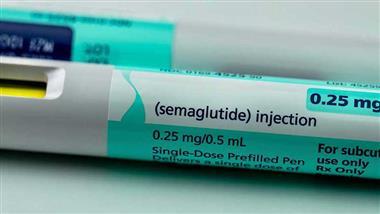
- Researchers found that Wegovy showed the strongest reported association with a rare optic nerve injury that can cause sudden vision loss, raising new questions about the safety of high-dose semaglutide formulations
- Men using Wegovy showed the highest reported risk in the FDA safety database, with odds of optic nerve injury appearing substantially higher than those reported for women
- Analysis of more than 400,000 online discussions revealed that many GLP-1 users frequently reported fatigue, low energy, menstrual changes, chills and hot flashes — symptoms that receive far less attention than digestive side effects
- Real-world patient conversations and artificial intelligence analysis are helping researchers identify emerging drug safety signals much faster than conventional reporting systems alone
- Your body already produces its own GLP-1 hormone through gut microbes that generate butyrate, and restoring this natural system through better gut health supports appetite control and metabolic function without relying on injections
GLP-1 drugs have become some of the most widely prescribed weight-loss medications in the world, and interest in them continues to grow. Researchers are now studying these drugs not only for obesity and Type 2 diabetes, but also for a growing list of other conditions. As millions more people begin using them, scientists are gaining a clearer picture of how these medications affect the body outside the tightly controlled environment of clinical trials.
Much of the public conversation around drugs such as Wegovy and Ozempic focuses on weight loss results. Yet every medication produces effects that extend beyond its primary purpose. Some of those effects are expected and well documented. Others emerge only after large numbers of people begin using a drug in everyday life, creating opportunities for researchers to identify patterns that weren’t obvious during the approval process.
Two recent investigations approached this issue from very different angles. One examined reports submitted to a major federal safety database, while the other analyzed hundreds of thousands of online discussions from people sharing their experiences with these medications. Together, they offer a broader view of what researchers are learning as GLP-1 drugs move to mainstream use.
The findings reveal how modern safety monitoring extends far beyond conventional clinical trials and why researchers are paying close attention to new signals as these medications reach an ever-larger population. One of the most concerning discoveries involved a rare vision-threatening complication that appeared more frequently with one specific GLP-1 formulation than researchers expected.
Wegovy Showed the Strongest Signal for a Rare Eye Stroke Linked to Vision Loss
An analysis published in the British Journal of Ophthalmology examined more than 30.6 million reports submitted to the U.S. Food and Drug Administration’s (FDA) Adverse Event Reporting System between 2017 and 2024.1
They wanted to determine whether semaglutide drugs, including Wegovy, the weight-loss version, and Ozempic, the Type 2 diabetes version, were associated with ischemic optic neuropathy (ION), a condition that damages the optic nerve and threatens vision. Among 31,774 semaglutide-related reports, researchers searched for unusual patterns that might indicate a rare but serious safety concern.
• Wegovy stood out from every other semaglutide product — Although Ozempic generated more reports overall because it reached the market earlier, Wegovy showed by far the strongest association with optic nerve injury.
Researchers identified 28 reports linked to Wegovy and 47 linked to Ozempic, yet Wegovy produced a much stronger safety signal than would normally be expected. Statistical analysis showed that Wegovy users had nearly five times greater odds of reported optic nerve injury than Ozempic users after adjustments for other factors.2
• The difference between the drugs was substantial — Researchers use a measurement called a reporting odds ratio to identify unusual safety patterns. On this scale, a value near 1 means a side effect appears about as often as expected. Wegovy reached 74.89 and Ozempic 18.81 — both far above baseline, but Wegovy in a class of its own.
This means reports of optic nerve injury appeared far more frequently with Wegovy than researchers would expect to see by chance alone. Because both drugs contain semaglutide, the findings suggest that dose and formulation matter, not just the active ingredient itself.
• Men showed the highest reported risk. When researchers analyzed the reports by sex, male Wegovy users produced the strongest signal in the entire study, with odds more than 116 times higher than expected. Additional statistical analysis found that men had more than three times greater odds of reported optic nerve injury than women across semaglutide products. Researchers didn’t identify the reason for this difference, but the magnitude of the gap drew significant attention.
• Higher doses and faster absorption could help explain the findings — Wegovy is prescribed at higher doses than Ozempic, resulting in greater semaglutide exposure over time. The authors suggested that larger doses could contribute to blood pressure fluctuations, fluid loss and disturbances in autonomic nervous system function, which controls automatic processes such as heart rate and blood vessel regulation.
Reduced blood flow from these changes could place the optic nerve under stress because it depends on a continuous supply of oxygen and nutrients. Researchers also noted that no ION cases were reported for Rybelsus, the oral tablet — though far fewer people take it, so the absence isn’t conclusive. Still, its slower absorption and lower drug exposure fit the pattern that dose, not just the active ingredient, may drive the risk.
• Researchers believe the findings warrant urgent investigation despite important limitations — The FDA database can’t prove that Wegovy directly caused optic nerve injury, nor can it determine how frequently the complication occurs among all users. Reporting patterns can also be influenced by media coverage and public awareness.
Even so, the researchers described their findings as the first evidence of a formulation-dependent and dose-dependent association between semaglutide products and ION, with Wegovy showing the strongest signal observed to date. They called for urgent prospective studies to determine whether certain users face a greater risk and whether additional safeguards are needed.
Thousands of GLP-1 Users Reported Side Effects That Clinical Trials Overlooked
A study published in Nature Health by researchers at the University of Pennsylvania examined 410,198 Reddit posts discussing semaglutide and tirzepatide medications, such as Zepbound and Mounjaro, between May 2019 and June 2025.3 Like semaglutide, tirzepatide is used for weight loss and Type 2 diabetes, but it works on two appetite- and blood sugar-regulating hormones instead of one, which is why it is often described as a next-generation version of the same general drug class.
Using artificial intelligence (AI) to sort through the discussions, researchers identified 67,008 people who reported taking one of these drugs and analyzed the side effects they described in their own words. The goal was to determine whether patients were experiencing symptoms that clinical trials and official reporting systems fail to capture.
• Nearly half of users reported at least one side effect — Researchers found that 43.5% of users discussed one or more adverse effects while taking these medications. Digestive complaints dominated the conversations, but the study uncovered a much broader range of concerns than those typically highlighted in drug advertisements or prescribing information.
The findings suggest that everyday quality-of-life symptoms often become apparent only after large numbers of people begin using a medication in the real world.
• Fatigue emerged as one of the most frequently discussed problems — Many users described feeling unusually tired, drained, weak or lacking motivation after starting these medications. Fatigue ranked among the most common complaints in the dataset, yet it receives far less attention than nausea, vomiting or digestive symptoms.
For many people, persistent low energy affects exercise, work performance, concentration and daily productivity, making it a significantly disruptive side effect that’s reported by users.
• Women repeatedly reported changes in reproductive health and body temperature — Nearly 4% of users who discussed side effects also reported menstrual irregularities, including heavier bleeding, bleeding between cycles and changes in cycle timing.4 Researchers also identified recurring reports of chills, feeling unusually cold, hot flashes and fever-like sensations.
These symptoms are not widely recognized as hallmark side effects of GLP-1 drugs, yet they appeared often enough across discussions to stand out as an emerging signal that deserves further investigation.
• The study revealed a gap between clinical trials and everyday experience — Clinical trials excel at identifying major medical risks and measuring effectiveness, but they don’t always capture the symptoms that affect daily life the most. Online communities give people a place to compare experiences freely, creating a large body of information that helps researchers identify patterns that would otherwise remain hidden.
• AI is becoming an early warning system for drug safety — Researchers used advanced language models to recognize that different descriptions often referred to the same symptom, allowing them to organize hundreds of thousands of conversations into meaningful trends.
Study author Sharath Chandra Guntuku noted that well-known side effects appeared prominently in the analysis, confirming that the system was detecting genuine signals, while lesser-known symptoms came directly from patients without prompting.5
As GLP-1 drug use continues to expand, researchers believe this type of real-time monitoring could identify emerging concerns far faster than conventional safety systems, helping patients make more informed decisions about the risks of these medications.
Restore Your Body’s Natural GLP-1 System
The studies in this article raise important questions about the long-term safety of GLP-1 drugs. These drugs do produce weight loss, but they do it by flooding your body with a single synthetic signal at doses that may carry real costs. A different approach asks why your body stopped producing that signal well on its own, and works to restore it. Your gut microbes produce short-chain fatty acids (SCFAs), especially butyrate, which fuel specialized intestinal cells that release GLP-1 naturally.
When this system works properly, your body regulates hunger and metabolism through its own signals rather than through a drug. Many people produce very little butyrate, however, because modern diets and lifestyle habits disrupt the microbes responsible for making it. As butyrate levels fall, gut barrier function deteriorates, inflammation rises and the metabolic signals that help control appetite become less reliable. Rebuilding this system addresses the root cause rather than replacing it.
1. Restore butyrate production by eliminating seed oils — Your first goal is to create an environment where beneficial gut bacteria can thrive again. Seed oils high in linoleic acid (LA) interfere with colon health and make it harder for intestinal cells to use butyrate efficiently. As oxygen levels rise inside the colon, beneficial bacteria decline and inflammation increases.
I recommend reducing LA intake below 5 grams daily, with a target closer to 2 grams. Replace seed oils with more stable fats such as grass fed butter, ghee and tallow. As your gut environment improves, the bacteria responsible for producing butyrate regain their foothold, helping restore natural appetite regulation.
2. Calm your gut before increasing fiber intake — Your gut bacteria produce SCFAs when they ferment certain carbohydrates and fibers. But if you struggle with bloating, gas, abdominal discomfort or irregular bowel habits, avoid the temptation to immediately add large amounts of fiber. A damaged gut often responds poorly to aggressive fiber supplementation.
Start with simpler foods like fruit and white rice, which reduce excessive fermentation and endotoxin production. Endotoxins are inflammatory compounds released from certain gut bacteria that escape into circulation when your intestinal barrier becomes compromised. Allowing your gut lining to recover first creates a stronger foundation for rebuilding a healthy microbiome.
3. Gradually rebuild microbial diversity with the right carbohydrates — Once digestion becomes more predictable, begin expanding your intake of foods that nourish beneficial microbes. Most adults do best with roughly 250 grams of carbohydrates daily, with more needed by physically active individuals.
Begin with whole fruits, root vegetables and well-cooked starches such as white rice. These foods provide glucose needed for healthy cellular energy production while remaining relatively easy to digest. Add non-starchy vegetables next. Beans, legumes and minimally processed whole grains come later and only if your digestion tolerates them comfortably.
4. Feed the bacteria that specialize in making butyrate — Certain foods provide fuel for microbes that excel at butyrate production. Cooked-and-cooled potatoes and slightly green bananas are two of the easiest sources — a fist-sized portion most days is a reasonable start. Both contain resistant starch, a carbohydrate that resists digestion in the small intestine and arrives in your colon intact, where butyrate-making bacteria feast on it.
As butyrate-producing bacteria expand, your intestinal barrier becomes stronger, inflammatory compounds remain contained within your digestive tract and communication between your microbiome and metabolism improves. This process helps restore the natural signaling pathways that regulate appetite and body composition.
5. Activate your own GLP-1 production instead of relying on injections — Your intestine already produces GLP-1. Drugs such as Wegovy and Ozempic attempt to replicate a signal that your body evolved to create on its own. The real goal isn’t lifelong dependence on a medication but restoration of the biological systems that regulate hunger and metabolism naturally.
When your microbiome produces adequate amounts of butyrate and other beneficial SCFAs, the cells responsible for GLP-1 release receive the fuel they need to function properly. Appetite regulation may become more stable.
Metabolic health may improve. Fat loss may become easier to sustain because it’s driven by your body’s own physiology rather than by an external drug. My book, “Weight Loss Cure: Melt Fat Naturally with Your Own GLP-1,” now available in ebook and hard copy, explores this process in far greater detail and outlines practical strategies for restoring the natural GLP-1 system your body already possesses.
This article is for informational purposes only and does not constitute medical advice. Consult a qualified healthcare provider before making changes to your health regimen.
FAQs About Wegovy and Eye Risks
Q: What is the rare eye condition linked to Wegovy?
A: Researchers investigated a condition called ION, which occurs when blood flow to the optic nerve becomes reduced or blocked. The optic nerve carries visual information from your eye to your brain. When its blood supply is disrupted, symptoms such as sudden vision loss, blurred vision or blind spots can occur, and some cases result in permanent vision damage.
Q: How did Wegovy compare to Ozempic in the study?
A: Although both medications contain semaglutide, researchers found that Wegovy showed a much stronger safety signal for reported optic nerve injury. Statistical analysis suggested that Wegovy users had nearly five times greater odds of reported ION than Ozempic users. Researchers believe the higher doses used in Wegovy could play a role in this difference.
Q: Who appeared to face the greatest reported risk?
A: Men showed the strongest association with reported optic nerve injury in the FDA safety database. Male Wegovy users had the highest odds observed in the study, and researchers found that men had more than three times greater odds of reported ION than women across semaglutide products. The reason for this difference remains unclear.
Q: What side effects did GLP-1 users frequently discuss online?
A: In addition to common digestive complaints, users frequently reported fatigue, low energy, menstrual irregularities, chills, feeling unusually cold and hot flashes. Researchers identified these patterns after analyzing more than 400,000 Reddit posts discussing semaglutide and tirzepatide medications.
Q: Is there a way to support GLP-1 naturally without injections?
A: Your body already produces GLP-1 in specialized cells located in your intestine. These cells are fueled by butyrate, an SCFA produced by beneficial gut bacteria. Supporting butyrate production through improved gut health, reducing seed oil consumption, rebuilding microbial diversity and eating foods that nourish butyrate-producing bacteria helps restore your body’s own appetite-regulation system rather than relying solely on medications.
What Is Akkermansia — A Keystone Microbe in Your Gut (An Interview with Dr. Colleen Cutcliffe)
Reproduced from original article:
https://articles.mercola.com/sites/articles/archive/2026/07/26/akkermansia-microbiome-health-impacts.aspx
Analysis by Dr. Joseph Mercola July 26, 2026
- The composition of your gut microbiome may have an encompassing influence on your health, including metabolic, neurological, and digestive function
- The diversity of your microbiome varies depending on your diet, age, location, and other factors. Age-related loss of diversity may be a meaningful contributor to age-related changes in function and the onset of chronic conditions
- In conventional antibiotic treatment, roughly 20% to 30% of Clostridium difficile cases recur after initial therapy, and severe or refractory cases carry meaningful mortality risk. Fecal microbiota transplant (FMT) has been reported in some trials to have cure rates around 80% to 90%
- Akkermansia muciniphila is among the gut bacteria most studied as a key contributor to microbiome health
- Reduced integrity of the mucin layer has been associated with what researchers describe as leaky gut syndrome. Akkermansia muciniphila is among the strains most closely studied for its interaction with the mucin layer
The video above features an interview with Dr. Colleen Cutcliffe, a molecular biology scientist and the CEO and cofounder of Pendulum, a company creating microbiome products. This interview was done as part of my early explorations into the obligate anaerobe microbiome field. I was particularly drawn to Dr. Cutcliffe’s work with Akkermansia.
How Your Gut Microbiome May Influence Health
Yogurt and probiotics have been popular for decades, but what really catalyzed interest in the human microbiome was the advent of DNA sequencing. This allowed scientists to begin identifying and differentiating the various microorganisms found in the human body — along with the introduction of fecal transplants. As explained by Cutcliffe:
“One of the interesting things that people realized was that the gut microbiome has the ability to change symptoms and change diseases. This discovery largely came about as a result of research into fecal microbiome transplants (FMT), where you take feces from a healthy person and place it into a sick one.
That may sound really disgusting until you know that it actually has incredible medical value. Some of the first places where these fecal microbiome transplants were used were for treating Clostridium difficile infections.
[When] you take an antibiotic, it kills off most of the bacteria in your gut. This strain called Clostridium difficile now has no competitors, so it can start to divide and replicate. When it gets to high levels, it becomes extremely toxic and ultimately fatal.
What they found was that if you transplanted stool into these people who were suffering from this infection, and you basically inundated the microbiome with all these new competitors and were able to swamp out [C. difficile], you could save a person’s life better than the therapies that were being used.”
In conventional antibiotic treatment of C. difficile, recurrence has been reported in roughly 20% to 30% of patients, with materially higher rates in severe or refractory cases. FMT cure rates reported in published trials vary widely, but are generally in the range of 80% to 90%. Despite these positive outcomes, FMT has still not become standard of care for C. difficile infections.
Small, early-stage studies have explored FMT in other contexts as well, including metabolic, gastrointestinal, and neurological conditions, though the evidence base is preliminary and quality varies considerably. That said, a key, open question is: which of the many microorganisms transferred are responsible for the observed effects?
Potential Safety Concerns of FMT
Important safety questions remain, as there’s much we do not yet know about the microbiome. For example, a pathogenic microorganism that has not yet been fully characterized could be inadvertently transferred via FMT.
Your microbiome is made up not just of bacteria, but also viruses, bacteriophages, fungi, and yeast, and we don’t yet understand exactly how all these organisms affect human health, let alone their interactions.
What’s more, your microbiome changes depending on location, so the microbiome of someone living in the U.S. will not be the same as that of someone living in India or Norway. The reason for this is because your microbiome is heavily influenced by diet, medical interventions, toxic exposures, and the natural environment, all of which vary from one person and location to the next.
To address some of these issues, companies are now working on developing manufacturing processes to survey and clean up the stool, and then deliver the final product in pill form.
“There are several companies out there that are doing this kind of an intervention, which I think is a little bit safer than the pure stool,” Cutcliffe says.
Surveying the Human Gut Microbiome
Many scientists are now working on surveying the gut microbiome. It started with the American Gut Project, where academics from around the U.S. surveyed all the different parts of the human microbiome, not just the gut microbiome but also the microbiome in your nasal passages and ears, and on your skin.
“They’re trying to understand, what does the population look like? One of the really interesting high-level themes that’s come out is that the more so-called advanced or industrialized a country is, the less diverse their microbiome.
You can go into populations in the rainforest, where they’ve been relatively untouched by Western civilization, and they have incredibly diverse microbiomes, meaning they have lots and lots of different types of strains that are doing lots and lots of different activities.
As you get to more industrialized countries, like the United States, we have a less diverse population of strains. One of the other interesting things is that if you look at an individual as they age, younger people have a more diverse microbiome compared to people who are older.
So, one of the overriding theories is that this loss of diversity represents a loss in functionality that is tied to reduced health, and potentially even perpetuating disease. And so, can you give these [microorganisms] back and help people improve disease?
For example, as people age, many experience new food sensitivities that they didn’t used to have, or they experience more GI distress more frequently than they used to. Unfortunately, many feel like there’s nothing they can do about that; that it’s just part of aging. But that’s not true. It’s [due to] this depletion in the microbiome, and there is something that you can do about it.
Ultimately, all of these guys are housed inside your body, so you are in complete control over who’s living, who’s dying, who you’re feeding through the foods that you’re eating. You can get to a point where you’re sensitive to these foods because you’ve lost [certain] strains in your gut, but you can replenish them and get back to eating those foods.”
The traditional strategy has been to improve your diet, eat more real food. This will work over time, but it’s a slow process that can take many months. A more efficient strategy would be to repopulate your gut with essential strains in addition to the appropriate dietary changes. The question is which strains matter most.
What Is Akkermansia and What Does It Do?
Since it was first described 20 years ago, considerable research has been published on Akkermansia and its possible roles in health. Much of Cutcliffe’s work has focused on this bacterium, given the breadth of research interest in it. “Akkermansia is quickly becoming known as a keystone strain in your microbiome,” she states.
While the microbiome is an ecosystem of many strains, certain strains like Akkermansia appear to play disproportionate roles. Akkermansia was first described in 2004 by Derrien and colleagues in a study published in the International Journal of Systematic and Evolutionary Microbiology.1 Subsequent research has examined associations between Akkermansia levels and metabolic markers, including body weight. Here are examples:
• Associations with glycemic status — Observational research has linked low or absent Akkermansia levels to populations with prediabetes and Type 2 diabetes.
• Interacts with the gut mucin layer — Researchers have found through both human and animal studies that Akkermansia is a key strain associated with maintenance of the mucin layer.2 Cutcliffe describes it as “the ‘glue’ that keeps your gut lining strong.” She further explains:
“You have these epithelial cells and the junctions between them are held together by glue, which is called mucin. When the mucin layer gets too thin, you lose those tight junctions, and that’s where you can start to get things moving across that boundary that are not supposed to move across it.
So, it’s important to have a strong gut lining and Akkermansia is one of the strains we know of that is there at the mucin layer, both interacting with and helping regulate that layer. That’s why it’s of interest in research on a range of conditions.”
• Akkermansia and the gut-immune axis — Researchers have hypothesized that reduced mucin-layer integrity may contribute to immune dysregulation in some contexts. This remains an active area of investigation. Akkermansia helps support mucin-layer integrity, which in turn may influence what crosses the intestinal barrier.
• Akkermansia and gut-barrier function — When the mucin layer is thin, larger molecules may cross more readily. Some research suggests that supporting Akkermansia levels may help support mucin-layer function and, by extension, gut-barrier integrity.
How Akkermansia May Influence GLP-1 Signaling
Drug companies are now promoting injectable glucagon-like peptide 1 (GLP-1) agonists for weight loss, and these drugs can have troublesome side effects. Researchers have noted overlap between GLP-1 agonist activity and pathways involving Akkermansia, though the mechanisms and contexts differ substantially. Cutcliffe explains how Akkermansia is thought to influence GLP-1:
“When it was observed that people with Type 2 diabetes or prediabetes were low in Akkermansia, it was believed that it was because of this mucin deficiency. But as people started to study Akkermansia more, and the microbiome in general, what’s become clear is that it’s a lot more direct than just the mucin layer.
What happens in your body naturally, if you’ve got all the right microbes, is that you eat a meal, your microbiome metabolizes that food and generates postbiotics [excretions from beneficial bacteria] like butyrate [and] a protein called P9. Some of these postbiotics then signal your body to produce GLP-1.
All that signaling is happening from the microbiome directly to the L cells. And so you eat a meal, your microbiome digests them, these postbiotics get created and tell your L cells, ‘Hey, go produce GLP-1,’ and then you get a spike in GLP-1 in your body.
GLP-1 stimulates your body, too. It says, ‘We’ve got to metabolize the sugar in the bloodstream, release insulin.’ It also signals to your brain, ‘We just ate, we’re full, we don’t need to eat again.’ After a period of time, GLP-1 goes down — until the next time you eat a meal. Then it spikes again.
So, that’s the natural way of things. There are only two strains that have been published, to date, that have been shown to be able to stimulate L cells to produce GLP-1, and one of them is Akkermansia. It actually secretes three different [postbiotics] that stimulate L cells to produce GLP-1.
So, what’s been found is that if you are low or missing Akkermansia, your body is not naturally producing as much GLP-1 as it’s supposed to be. By giving people back Akkermansia, you can now have these physiological benefits of reducing A1C and lowering blood glucose spikes.
To be clear, the natural GLP-1 you produce is different from the drug. The drug is a mimic. It’s an analog. It looks like GLP-1. It gets injected into the bloodstream directly, which means that rather than the natural spike after you eat [followed by a decline], the [drug] is keeping those levels really high all the time.
So, this signaling of ‘we got to metabolize sugar in the blood and we’re full, we just ate’ is going on constantly. That’s why people experience these incredible, amazing overnight effects because that’s how those drugs are working. But if you actually have the right microbes, you can generate your body’s natural GLP-1 and get back into this natural cycle.”
Akkermansia and Food Cravings — Emerging Research
Early research has examined whether Akkermansia supplementation may influence food cravings, with some studies reporting effects on sugar-related cravings.
“What that tells us is that your microbiome has the ability to change your cravings, and that can really guide you to better eating habits and then, in turn, replenish the good microbes,” Cutcliffe says. “So, you end up being on a good cycle and getting off of that bad one.
To reiterate, the GLP-1 drugs are not what we’re talking about with the microbiome. They’re two different things. One is your body’s natural way to increase GLP-1. The other is a synthetic drug, and we are in no way suggesting that [Akkermansia] is a drug.
When you do it naturally, you’re not going to see that immediate overnight result because it’s not going to be hammering your body with high levels of GLP-1 signaling all the time. It’s going to do it the way your body naturally does it, which is that you eat a meal and then your body tells you we’re full. Over a period of time you will start to see the benefits. So, it’s not going to be an overnight change, but it will be a sustainable way.”
Probiotic Potency Explained: CFU, AFU, and TFU
When evaluating the potency of probiotics, there are three units of measurement you need to be aware of: colony forming units (CFU), active fluorescent units (AFU), and total fluorescent units (TFU).
• Colony forming units (CFU) — This is the most widely recognized and utilized metric for quantifying the number of viable bacteria or fungal cells in a probiotic product. One CFU represents a single microorganism capable of dividing and forming a colony under specific laboratory conditions. This measure is important because the activity of probiotics is associated with the number of live microorganisms that reach your gut.
Probiotic manufacturers typically list CFU counts on product labels, indicating the number of live organisms per serving. Higher CFU counts are often marketed as more potent, though the optimal CFU level can vary depending on the specific strains and the health context.
Consumers are also advised to check that the CFU amount listed on the label is specified as the CFU level at the end of shelf life (its expiration date).3 As noted by The Probiotics Institute,4 “The amount of probiotic (CFU) present on the ‘manufacturing date’ is not as important as the amount present at the ‘end of shelf life.'”
• Active fluorescent units (AFU) — This unit is a less conventional and not widely standardized measure in the context of probiotics, with the exception of Akkermansia. While CFU shows the number of bacteria that are alive, AFU refers to the total number of bacteria present, both dead and alive. It is primarily a unit used to measure enzymatic activity.
For instance, AFU could be used to evaluate the activity levels of specific enzymes produced by probiotics, which contribute to their function, such as breaking down lactose or producing vitamins. In some specialized applications, AFU is also used to assess the metabolic activity or functional potency of probiotic strains beyond mere viability.
Most companies that sell Akkermansia probiotics use AFU instead of CFU, and there’s a scientific reason for that. Akkermansia is a strict anaerobe and as such it plate-counts poorly under standard probiotic quality control conditions. Many viable-but-non-culturable (VBNC) cells aren’t captured by CFU even though they’re metabolically active.
Flow cytometry (AFU) was developed in part to address this conundrum. It labels cells with fluorescent dyes that distinguish intact membranes (live) from compromised ones, and counts each cell as it passes through a laser. In short, flow cytometry captures VBNC cells that plate counts miss.
• Total fluorescent units (TFU) — This unit measures the total bacterial mass including both live and dead cells through fluorescent labeling, and is typically used only for pasteurized products. Like AFU, TFU values are higher than CFU counts for the same sample since they include both viable and non-viable cells.
The primary difference between CFU, AFU, and TFU lies in what they measure: CFU quantifies the number of live microorganisms; AFU assesses the functional activity of those microorganisms; and TFU measures the total bacterial mass, regardless of their functional activity. While CFU is an indicator of the potential for colonization and survival of probiotics in the gut, AFU could offer additional insights into the functional capabilities of the probiotic strains.
Current Akkermansia Clinical Trials: Dosages and Applications
As research advances, numerous clinical trials are underway to evaluate the efficacy and safety of Akkermansia-based interventions.5 Published data in 2024 investigating Akkermansia have reported preliminary results,6 highlighting its potential across a range of health conditions, including infectious disease,7 immune-related disease,8 liver fibrosis,9 stress management,10 intestinal-related diseases,11 metabolic health,12 and brain function.13
These studies, which include both animal and human trials, have used therapeutic doses ranging from 100 million to 10 billion CFU per day.
In studies of obesity, Type 2 diabetes, and metabolic syndrome populations, doses around 10 billion CFU per day have been used. Researchers have examined effects on markers such as insulin sensitivity and glucose metabolism, with study sizes and durations varying.
Conversely, lower doses around 1 billion CFU per day have been examined for more gut-specific conditions and liver health,14 and even at these reduced levels, some studies report reductions in markers of intestinal inflammation.
*These findings are from research conducted in clinical settings, often in small or proof-of-concept trials. Results may not apply to all individuals.
Akkermansia Delivery and Form — What the Research Suggests
When choosing an Akkermansia probiotic, bacterial counts in the billions are typically used in published trials, though dose alone is not the whole story — the delivery method appears equally important.
For live formulations, delayed-release capsules and microencapsulation have been designed to help bacteria reach the colon intact. Without such protection, much of the live bacterial load may not survive the journey through the digestive tract.
Akkermansia is highly sensitive to oxygen, and these microbes thrive in oxygen-free environments, which makes the journey through the digestive tract challenging. Even a brief exposure to oxygen can be fatal for live cells, which is why formulations with delayed-release capsules or microencapsulation have been designed to protect the bacteria until they reach the colon.
Theoretically, a lower-dose probiotic that successfully reaches the colon may be more effective than a higher-dose product that does not, which is why the delivery method may be a far more important consideration than the labeled bacterial count.
If you are considering an Akkermansia supplement, formulations with timed-release capsules or microencapsulation have been designed to keep Akkermansia protected until it reaches the colon, typically within two to four hours.
Frequently Asked Questions About Akkermansia
Q: Does Akkermansia help with weight loss?
A: Research has examined and found associations between Akkermansia levels and metabolic markers, including body weight, appetite-related signaling, and gut health.
Q: Is Akkermansia safe?
A: Akkermansia is naturally present in a healthy microbiome. Available studies on Akkermansia supplementation, which remain limited in size and duration, have not identified serious adverse effects,15 though longer trials are needed to confirm long-term safety.
Q: Does Akkermansia cause diarrhea?
A: Akkermansia has not been linked to diarrhea in the published trial data to date. One study reported that its presence in the gut was associated with reduced occurrence of diarrhea in children.16 That said, as with any change to gut bacteria, sudden increases in any beneficial bacteria, including Akkermansia, may cause temporary digestive discomfort; gradual introduction is generally preferable.
Q: What causes low Akkermansia levels?
A: Low Akkermansia levels can be influenced by diet quality — high intake of processed foods, added sugars, and harmful fats like seed oils is associated with lower Akkermansia levels. Aging, antibiotic use, chronic stress, sedentary lifestyle,17 and metabolic conditions can also affect the composition of the gut microbiota,18 including Akkermansia levels.
This article is for informational purposes only and does not constitute medical advice. Consult a qualified health care provider before making changes to your health regimen.
- 1 Int J Syst Evol Microbiol . 2004 Sep;54(Pt 5):1469-1476
- 2 Front. Microbiol., 2024 Nov 5;15:1462220
- 3 U.S. National Institutes of Health, Office of Dietary Supplements, Probiotics, November 3, 2023
- 4 The Probiotics Institute, A Quick Guide for Choosing the Right Probiotic Product
- 5 NutraIngredients USA, Akkermansia muciniphila: Promising new human clinical trials for probiotics, March 4, 2024
- 6 NutraIngredients USA, March 4, 2024
- 7 Front. Microbiol., 06 February 2024, Sec. Infectious Agents and Disease, Vol. 15
- 8 Front. Microbiomes, 05 February 2024, Sec. Host and Microbe Associations, Vol. 3
- 9 NPJ Biofilms and Microbiomes 10(2024), Article 81
- 10 Microbiome Res Rep 2024;3:48
- 11 Microbiome Res Rep 2024;3:47
- 12 Microorganisms. 2024 Aug 9;12(8):1627
- 13 Critical Reviews in Microbiology, 49(2), 151–176
- 14 Scientific Reports, Vol. 11, Article 17898 (2021)
- 15 Foods 2024, 13(3), 442
- 16 Emerg Infect Dis. 2023 Jan; 29(1): 81–88
- 17 Int. J. Mol. Sci. 2023, 24(23), 16870
- 18 Nutrients. 2021 Jun; 13(6): 2045
Akkermansia Claims to Support Gut Health — Here’s What the Science Says
Reproduced from original article:
https://articles.mercola.com/sites/articles/archive/2026/06/04/akkermansia-gut-health.aspx
Analysis by Dr. Joseph Mercola June 04, 2026
Story at-a-glance
- Akkermansia muciniphila is a gut microbe that thrives in your intestinal mucus layer. It’s linked to improved metabolic health, but its levels decrease with age and poor diet
- Studies suggest Akkermansia may support a healthy weight by influencing fat mass, insulin sensitivity, and inflammatory markers, as shown in animal models. It also has roles in glucose and lipid metabolism
- Akkermansia may stimulate natural GLP-1 production. It may also help support blood sugar regulation and cardiovascular health markers
- Research has also linked Akkermansia levels to intestinal barrier integrity, immune regulation, and the gut microbial ecosystem, and has been observed as a marker associated with favorable metabolic profiles
- To boost Akkermansia levels, consume polyphenol-rich foods and high-inulin vegetables. Supplements are available but require careful dosing and timing for effectiveness
Akkermansia muciniphila, a gut microbe you may have never heard of, is gaining attention in the world of metabolic health. This oval-shaped, anaerobic bacterium was first isolated in 2004 and has since become a subject of intense research. Akkermansia is unique in its ability to thrive in your intestinal mucus layer, using mucin as its primary food source. This gives it a survival advantage that isn’t strictly dependent on your diet.
Akkermansia is a significant player in your intestinal ecosystem, but as you age, the abundance of Akkermansia in your gut changes. It’s present in breast milk and increases rapidly in infants, reaching adult levels by age 2.1
Your diet also impacts Akkermansia levels, with high-sugar or high-fat diets reducing its abundance, while calorie restriction and certain prebiotics can increase it.2 Many mainstream media outlets have picked up on Akkermansia’s health potential, including its reputation for being a “game-changer for weight loss.”3,4 Research suggests this attention is well-founded, with a growing body of preclinical evidence now informing early human studies.
Akkermansia and Body Composition Research
Obesity has become a major health concern, and Akkermansia is one area researchers are studying as part of metabolic health approaches. Studies have consistently shown that obese individuals tend to have lower levels of Akkermansia in their gut compared to lean individuals.5 This observation has led researchers to investigate whether supplementing with Akkermansia could help with obesity.
• Animal studies have shown promising results — When obese mice were given live Akkermansia, they showed reduced gain in fat mass and improved insulin sensitivity markers.6 This suggests Akkermansia may have a role in glucose and lipid metabolism, though most direct evidence remains preclinical.
• Akkermansia has been linked to lower inflammation markers — In studies, higher Akkermansia levels correlated with lower levels of inflammatory markers like TNF-α and interleukin-6,7 which are often elevated in obese individuals.
The bacterium also produces short-chain fatty acids (SCFAs) like acetate and propionate, which may contribute to glucose and lipid metabolism as well as weight regulation.8
Akkermansia and Natural GLP-1 Production
Injectable glucagon-like peptide 1 (GLP-1) agonists like Ozempic (semaglutide) have become widely used for weight loss. However, there are side effects reported in connection with these drugs, including disproportionate loss of muscle mass (associated with frailty), thyroid C-cell tumors in animal models, kidney dysfunction, pancreatitis, and intestinal obstruction.9,10
One disproportionality analysis published in JAMA Network Open also found that suicidal ideation was reported 45% more frequently among semaglutide users than expected relative to other drugs in the World Health Organization (WHO) adverse-event database.11 However, regulatory reviews have not established a causal association.12
There is growing interest in whether the body’s own GLP-1 production can also be supported through the gut microbiome. A study published in Nature Microbiology demonstrated that Akkermansia may not only help enhance thermogenesis but also induce GLP-1 secretion in mice fed a high-fat diet, suggesting a mechanistic overlap between GLP-1 agonist activity and the effects Akkermansia may have on natural GLP-1 secretion.13
In my interview with Dr. Colleen Cutcliffe, a molecular biology scientist and co-founder/CSO of Pendulum Therapeutics (a company that manufactures Akkermansia probiotic products), she discussed how naturally elevating GLP-1 levels by increasing the presence of Akkermansia may support metabolic health:
“When it was observed that people with Type 2 diabetes or prediabetes were low in Akkermansia, it was believed that it was because of this mucin deficiency. But as people started to study Akkermansia more, and the microbiome in general, what’s become clear is that it’s a lot more direct than just the mucin layer.
What happens in your body naturally, if you’ve got all the right microbes, is that you eat a meal, your microbiome metabolizes that food and generates postbiotics [excretions from beneficial bacteria] like butyrate [and] a protein called P9. Some of these postbiotics then signal your body to produce GLP-1.
All that signaling is happening from the microbiome directly to the L cells. And so you eat a meal, your microbiome digests them, these postbiotics get created and tell your L cells, ‘Hey, go produce GLP-1,’ and then you get a spike in GLP-1 in your body.
GLP-1 stimulates your body too. It says, ‘We’ve got to metabolize the sugar in the bloodstream, release insulin.’ It also signals to your brain, ‘We just ate, we’re full, we don’t need to eat again.’ After a period of time, GLP-1 goes down — until the next time you eat a meal. Then it spikes again.
So that’s the natural way of things. There are only two strains that have been published, to date, that have been shown to be able to stimulate L cells to produce GLP-1, and one of them is Akkermansia. It actually secretes three different [postbiotics] that stimulate L cells to produce GLP-1.
So, what’s been found is that if you are low or missing Akkermansia, your body is not naturally producing as much GLP-1 as it’s supposed to be. By giving people back Akkermansia, you can now have these physiological benefits of reducing A1C and lowering blood glucose spikes.
To be clear, the natural GLP-1 you produce is different from the drug. The drug is a mimic. It’s an analog. It looks like GLP-1. It gets injected into the bloodstream directly, which means that rather than the natural spike after you eat [followed by a decline], the [drug] is keeping those levels really high all the time.
So, this signaling of ‘we got to metabolize sugar in the blood and we’re full, we just ate’ is going on constantly. That’s why people experience these incredible, amazing overnight effects because that’s how those drugs are working. But if you actually have the right microbes, you can generate your body’s natural GLP-1 and get back into this natural cycle.”
Akkermansia in Metabolic and Cardiovascular Research
Akkermansia has also been studied in the context of other metabolic conditions, particularly Type 2 diabetes and cardiovascular disease (CVD). Studies have found that individuals with Type 2 diabetes often have lower levels of Akkermansia in their gut. When diabetic mice were supplemented with Akkermansia, they showed improvements in glucose tolerance markers and intestinal barrier function.14
• Akkermansia’s effects on gut and cardiovascular markers — By supporting intestinal barrier integrity, Akkermansia may help regulate chronic low-grade inflammation markers in insulin resistance. In preclinical animal research, Akkermansia supplementation was found to correlate with improvements in Western diet-induced atherosclerosis markers.15
• It achieves this by inhibiting the formation of trimethylamine N-oxide (TMAO) — This is a compound linked to increased cardiovascular risk. These findings suggest that Akkermansia may play a role in supporting healthy blood-sugar and cardiovascular markers, though most direct evidence remains preclinical.16
Akkermansia — Your Gut’s Tiny Guardian
Sometimes called the “sentinel of the gut,” Akkermansia may help support gut barrier integrity, regulate immune reactions, lower inflammatory response markers, and support a healthy balance of beneficial bacteria.17 It may also serve as a marker for a favorable metabolic profile.18
• Akkermansia plays a role in strengthening your intestinal barrier — This is your body’s first line of defense against harmful substances. Akkermansia may help increase the number of mucus-producing goblet cells in your colon and regulate mucus layer thickness by both metabolizing and stimulating the production of new mucin. This process not only provides nutrients for the bacterium but also helps maintain the protective shield for your intestinal epithelial cells.19
• It may also affect gene expression — Akkermansia has been shown to influence the expression of genes involved in immune regulation and metabolism,20 and may accelerate the development of intestinal epithelial cells by stimulating the proliferation of intestinal stem cells.
It may also help increase the expression of the Wnt signaling pathway and promote the production of SCFAs, which interact with specific receptors to maintain the proliferation of intestinal stem cells and promote the differentiation of specialized cells.21
• Furthermore, Akkermansia may upregulate the expression of tight junction proteins — These are key regulators of your intestinal epithelial barrier function. These proteins control the passage of molecules through your epithelial layer based on their size and charge, physically impeding the invasion of microorganisms.
Akkermansia’s extracellular vesicles have been shown to reduce intestinal permeability in mice by modulating these tight junctions. By influencing these various components of the intestinal barrier, Akkermansia may help support the gut’s defense system.22
• Akkermansia interacts with specific receptors to activate the NF-κB pathway — It not only regulates your intestinal immunological microenvironment but also helps prevent intestinal inflammation. By modulating these various inflammatory pathways, Akkermansia plays an important role in maintaining the delicate balance of your gut’s immune system, with potential implications for inflammatory bowel conditions.23
The Role of a Balanced Microbiome in Gut Health
The diverse array of microorganisms inhabiting your gut demonstrates resilience and harmony, with countless microscopic life forms working together to safeguard your health. By nurturing beneficial, oxygen-intolerant bacteria like Akkermansia, you may help support intestinal barrier health, reduce endotoxin exposure, and cultivate a healthier gut environment.
• These bacteria metabolize dietary fibers, producing SCFAs, primarily butyrate — This compound serves as the main fuel for colonic epithelial cells, empowering them to reinforce your intestinal barrier. Additionally, SCFAs stimulate goblet cells to produce mucin, which may help defend epithelial cells against pathogenic oxygen-tolerant bacteria.
• When the oxygen-intolerant bacterial population diminishes, it can lead to leaky gut syndrome — In this condition, the large intestine’s lining may become compromised, which may allow substances like endotoxins, undigested food particles, and microbes to pass through tight junctions that normally control this passage. Research has associated this with systemic inflammation and various chronic conditions.
• Oxygen-intolerant bacteria play a vital role in gut health — These bacteria thrive in an oxygen-free environment, which requires adequate cellular energy to maintain. However, modern factors like seed oil consumption and toxin exposure may compromise mitochondrial energy production, limiting your ability to maintain a gut environment with little to no oxygen present.
• Excessive seed oil consumption shifts the bacterial population from oxygen-intolerant to oxygen-tolerant species — This shift is significant because oxygen-tolerant bacteria produce more virulent endotoxins than their oxygen-intolerant counterparts. This could mean individuals with an abundance of oxygen-tolerant bacteria in their gut may experience more severe reactions to plant carbohydrates due to increased endotoxin exposure.
Grasping the interconnected relationship among cellular energy generation, oxygen distribution in your gut, and microbial diversity is essential for peak wellness, both physical and mental. Enhancing mitochondrial function and preserving a well-balanced intestinal ecosystem can foster the growth of beneficial oxygen-intolerant bacteria while reducing the negative effects of harmful endotoxins.
Top Akkermansia Health Benefits
Akkermansia can be a notably beneficial member of the gut microbiome, with reported relative abundances of approximately 1% to 4% in healthy adult populations.24 However, DNA analyses suggest that about one-third of people have few to no Akkermansia, which may be related to factors like poor cellular energy metabolism and resulting low oxygen levels in the gut. To summarize, here are some of the ways Akkermansia may benefit your health:
• Diabetes risk — DNA sequencing has observed that individuals with prediabetes and Type 2 diabetes often have lower levels of Akkermansia or are missing this strain. (This is an observational association, not an established treatment effect.)
• Gut mucin layer — Researchers have found through both human and animal studies that Akkermansia is the only strain known to date that regulates the mucin layer. Cutcliffe describes it as “the ‘glue’ that keeps your gut lining strong.” She further explains:
“You have these epithelial cells and the junctions between them are held together by glue, which is called mucin. When the mucin layer gets too thin, you lose those tight junctions, and that’s where you can start to get things moving across that boundary that are not supposed to move across it.
So, it’s important to have a strong gut lining and Akkermansia is the only strain we know of that is there at the mucin layer, both consuming and regenerating it, and really regulating that layer. That’s why it’s so pivotal to all these different disease states, because it’s basically in charge of your gut lining.”
• Autoimmune-related research — Studies suggest that leaky gut may be related to Akkermansia loss. Some researchers consider this a contributing factor in autoimmune-related conditions, though it remains an area of active investigation.
• Food sensitivities, allergies, and inflammation — These conditions are associated with mucin layer dysfunction and tight junction permeability. Research suggests that supporting Akkermansia levels may help restore mucin layer integrity and tight junction function.
Why Mitochondrial Function Is Key to Successful Akkermansia Supplementation
When your cellular energy decreases, your body struggles to effectively eliminate oxygen from your colon. This has serious consequences for the normal inhabitants of your colon, which can be killed when oxygen levels rise. This is why Akkermansia supplementation alone is not a complete solution.
• It is important to address mitochondrial-toxin exposure before supplementing — Reduced mitochondrial function may need to be addressed so the colon can maintain its oxygen-free environment. Without this preparation, Akkermansia supplements may have limited benefit, as newly introduced Akkermansia bacteria may not survive in an oxygen-rich colon environment.
• This is one of the primary reasons why it’s important to eliminate seed oils from your diet — Aim for at least six months of seed oil-free eating before beginning the two-phase live-Akkermansia supplementation I will outline in the next section. This preparatory period helps support mitochondrial function and create a more hospitable colon environment.
By taking these steps, you can maximize the potential benefits of Akkermansia supplementation and support overall gut health. Remember, addressing the root cause — mitochondrial function and colon oxygenation — is essential for the success of any gut health intervention.
Two-Phase Akkermansia Supplementation
Rather than jumping straight to live bacteria, I recommend a two-phase approach to Akkermansia supplementation:
1. Phase 1: Begin with a pasteurized Akkermansia postbiotic — Pasteurized Akkermansia contains the protein Amuc_1100, which has been shown to help support gut barrier integrity and reduce inflammation markers. Look for postbiotic formulas with enteric coating or microencapsulation so they survive stomach acid and reach the colon intact. Without that protection, very little will survive the trip. Megadosing to compensate is expensive and inefficient, so prioritize coated formats.
2. Phase 2: Introduce live Akkermansia only after gut tolerance is established — Specifically, wait until bloating remains minimal or absent, stool form has been consistent for at least seven days, and fiber tolerance has expanded without symptom return.
In Phase 2, pair the live probiotic with gentle prebiotics like small amounts of resistant starch to support butyrate-producing strains and a healthy oxygen-sensitive microbial environment. For live-Akkermansia formulations, look for delayed-release technology and take on an empty stomach to support survival through the upper digestive tract.
Probiotic Potency Explained — CFU, AFU, and TFU
When evaluating the potency of probiotics, two units of measurement often come into discussion: Colony Forming Units (CFU) and Active Fluorescent Units (AFU). Understanding the distinction between these units is crucial for both consumers and healthcare professionals to assess the effectiveness and quality of probiotic supplements accurately.
• Colony Forming Units (CFU) — This is the most widely recognized and utilized metric for quantifying the number of viable bacteria or fungal cells in a probiotic product. One CFU represents a single microorganism capable of dividing and forming a colony under specific laboratory conditions. This measure is relevant because the effects of probiotics tend to correlate with the number of live microorganisms that reach the gut.
Probiotic manufacturers typically list CFU counts on product labels, indicating the number of live organisms per serving. Higher CFU counts are often marketed as more potent, though the optimal CFU dosage can vary depending on the specific strains and the health outcomes targeted.
• Active Fluorescent Units (AFU) — This unit is a less conventional and not widely standardized measure in the context of probiotics. While CFU shows the number of bacteria that are alive, AFU refers to the total number of bacteria present, both dead and alive. It is primarily a unit used to measure enzymatic activity.
For instance, AFU could be used to evaluate the activity levels of specific enzymes produced by probiotics, which contribute to their health benefits, such as breaking down lactose or producing vitamins. In some specialized applications, AFU is also used to assess the metabolic activity or functional potency of probiotic strains beyond mere viability.
However, because AFU is not a standardized metric in the probiotic industry, its use can lead to confusion and inconsistency in product labeling and efficacy claims.
• Total Fluorescent Units (TFU) — This unit measures the total bacterial mass, including both live and dead cells, through fluorescent labeling and is typically used only for pasteurized products.
The primary difference between CFU, AFU, and TFU lies in what they measure: CFU quantifies the number of live microorganisms; AFU assesses the functional activity of those microorganisms; and TFU measures the total bacterial mass.
While CFU provides a clear indicator of the potential for colonization and survival of probiotics in the gut, AFU could offer additional insights into the functional capabilities of the probiotic strains.
However, due to the lack of standardization and widespread recognition of AFU in the probiotic market, CFU remains the gold standard for assessing probiotic potency. Consumers are generally advised to focus on CFU counts and the specific strains included in a probiotic supplement to ensure they are selecting a product with proven efficacy for their health needs.
Akkermansia Clinical Trials
Clinical trials published in 2024 investigating Akkermansia have yielded promising results,25 highlighting its potential across a range of health conditions, including infectious disease,26 immune-related disease,27 liver fibrosis,28 stress management,29 intestinal-related diseases,30 metabolic health,31 and brain function.32
• Therapeutic doses vary — These studies, which include both animal and human trials, have primarily used therapeutic doses ranging from 100 million to 10 billion CFU per day. The dosage selected often corresponds to the specific health condition being targeted, ensuring optimal therapeutic effects.
• High doses are used for metabolic disorders — For metabolic conditions such as obesity, diabetes, and metabolic syndrome, study doses of 10 billion CFU per day have been commonly administered. This higher dose aims to influence gut microbiota composition and metabolic function markers, and has been associated with improvements in insulin sensitivity, glucose metabolism, and other metabolic markers in studies.
• Lower doses may be effective for gut-specific and liver-related conditions — Conversely, lower doses of 1 billion CFU per day have shown promise for gut-specific conditions like leaky gut syndrome, as well as liver health, by promoting intestinal and immune homeostasis.33
At these levels, Akkermansia’s anti-inflammatory and gut barrier mechanisms, detailed in earlier sections, may be sufficient without the need for higher bacterial concentrations.
Note: These findings are from a mix of laboratory, animal, and human clinical trials. Results may not directly apply to all individuals.
Frequently Asked Questions About Akkermansia
Q: Does Akkermansia help with weight loss?
A: Research suggests Akkermansia may play a role in weight regulation by influencing metabolism, appetite signaling, and gut health. Higher levels have been associated with lower obesity rates in observational studies.
Q: Is Akkermansia safe?
A: Akkermansia is naturally present in a healthy microbiome. Available studies have not reported serious side effects from Akkermansia supplementation, though more long-term data are needed. As with any supplement, consult your health care provider before starting.34
Q: Does Akkermansia cause diarrhea?
A: Studies have not linked Akkermansia to diarrhea. On the contrary, one study showed that its presence in the gut helped reduce the occurrence of diarrhea in children.35 However, keep in mind that sudden increases in any beneficial bacteria, including Akkermansia, may cause temporary digestive discomfort, so it’s ideal to introduce Akkermansia gradually, whether through diet or supplements.
Q: What causes low Akkermansia levels?
A: Low levels of Akkermansia can be caused by a diet low in polyphenols and soluble fiber, but high in processed foods, added sugar, and harmful fats like linoleic acid. Aging, antibiotic use, chronic stress, sedentary lifestyle,36 and metabolic disorders can also impact the gut microbiota composition,37 including Akkermansia levels.
This article is for informational purposes only and does not constitute medical advice. Consult a qualified health care provider before making changes to your health regimen.
- 1, 2, 5, 6, 14, 15, 16 Front Immunol. 2024 Mar 20;15:1370658
- 3 BestLife August 30, 2024
- 4 The Washington Post September 3, 2024
- 7, 8 Front Microbiol. 2020 Feb 21;11:219
- 9 Acta Pharmaceutica Sinica B, May 2023, Volume 13, Issue 5, Pages 2291-2293
- 10 FDA, Ozempic (Semaglutide) Injection, for Subcutaneous Use. Full Prescribing Information
- 11 JAMA Network Open August 20, 2024
- 12 FDA.com April 3, 2026
- 13 Nature Microbiology Volume 6, Pages 563–573 (2021)
- 17, 19, 21, 22, 23 Gut Pathog. 2024 Aug 3;16:41
- 18, 20 Heliyon, Volume 10, Issue 16, e35980
- 24 Gut 2018;67:1716-1725
- 25 NutraIngredients USA, Akkermansia muciniphila: Promising new human clinical trials for probiotics, March 4, 2024
- 26 Front. Microbiol., 06 February 2024, Sec. Infectious Agents and Disease, Volume 15 – 2024
- 27 Front. Microbiomes, 05 February 2024, Sec. Host and Microbe Associations, Volume 3 – 2024
- 28 npj Biofilms and Microbiomes volume 10, Article number: 81 (2024)
- 29 Microbiome Res Rep 2024;3:48
- 30 Microbiome Res Rep 2024;3:47
- 31 Microorganisms. 2024 Aug 9;12(8):1627
- 32 Critical Reviews in Microbiology, 49(2), 151–176
- 33 Scientific Reports, Volume 11, Article number: 17898 (2021)
- 34 Foods 2024, 13(3), 442
- 35 Emerg Infect Dis. 2023 Jan; 29(1): 81–88
- 36 Int. J. Mol. Sci. 2023, 24(23), 16870
- 37 Nutrients. 2021 Jun 15;13(6):2045
Weight-Loss Drugs Draw Thousands of Lawsuits Alleging Serious Harm
Reproduced from original article:
https://articles.mercola.com/sites/articles/archive/2026/04/27/glp-1-lawsuits.aspx
Analysis by Dr. Joseph Mercola April 27, 2026
Story at-a-glance
- Thousands of lawsuits claim GLP-1 weight-loss drugs caused severe injuries, including digestive shutdown, organ damage, vision loss, and neurological complications tied to nutrient depletion
- Rapid adoption — with more than 31 million U.S. adults using these medications — exposed safety patterns that were less visible when fewer people used them
- New regulatory warnings highlight risks beyond digestion, including psychiatric symptoms, and reduced effectiveness of oral contraceptives due to altered drug absorption
- The underlying mechanism behind both weight loss and harm centers on appetite suppression and slowed digestion, which disrupt nutrient intake, metabolic signaling and cellular energy
- Sustainable fat loss depends on restoring natural appetite regulation through gut repair, removal of metabolic stressors, and adequate protein and carbohydrate intake rather than suppressing hunger signals
More than 4,400 patients have filed lawsuits that claim serious harm from popular GLP-1 weight-loss drugs, according to reporting by USA Today.1 That figure represents only a small number of the estimated 12% of American adults — more than 31 million people — who use these medications.
GLP-1 — short for glucagon-like peptide-1 — is a hormone your gut naturally releases after eating to signal fullness and regulate blood sugar. These drugs flood your system with a synthetic version of that signal, keeping it turned on far longer than your body would on its own.
They slow digestion, reduce appetite, and alter blood-sugar signaling — mechanisms that explain both why the drugs suppress hunger so effectively and why the injuries showing up in court filings tend to cluster around the same biological systems.
Once you see how these drugs alter digestion, nutrient absorption, and brain signaling, the injuries described in court filings stop looking random — they follow a predictable biological pattern. Recent safety reporting has also expanded the risk picture well beyond digestion, with health authorities flagging psychiatric symptoms and reproductive concerns that most patients don’t anticipate.2
Meanwhile, conflicting research on some of these signals leaves people in a difficult position when trying to weigh the evidence for themselves. The legal filings, clinical reports, and regulatory warnings all point in the same direction: the conversation around these drugs needs to move past weight loss alone. Here is what the evidence actually shows — and what it means for your health decisions going forward.
Lawsuits Reveal the Real-World Toll Behind Rapid Drug Adoption
Thousands of lawsuits claim serious harm from GLP-1 weight-loss drugs such as Ozempic, Wegovy, and Mounjaro, according to USA Today.3 The population represented in these lawsuits included adults across the U.S., ranging from young adults to older patients, many of whom used the drugs for weight loss rather than diabetes treatment.
Findings showed that digestive injury dominated the claims, with 75% of federal lawsuits alleging gastroparesis — meaning the stomach stops moving food normally. Think of your stomach as a muscular bag that kneads and pushes food forward. Gastroparesis means that kneading slows or stops — food just sits there, fermenting and stretching the stomach wall.
Other lawsuits reported bowel slowdown, intestinal obstruction, gallbladder injury, and persistent vomiting that continued even after stopping the medication. That raises the question many patients don’t consider before starting treatment: what happens if your digestion doesn’t come back online after you stop?
• Legal data shows patterns across thousands of cases — Court reporting cited statements that about 18% of lawsuits allege ileus, a condition where bowel muscles fail to push food forward, and another 18% involve intestinal obstruction, meaning a physical blockage that stops movement through your gut.
Around 8% reported gallbladder injury, sometimes severe enough to require surgery to remove damaged tissue. Many plaintiffs reported multiple complications at once, which explains why totals exceed 100% across categories. This pattern highlights cumulative stress on digestion rather than a single isolated side effect.
• Stories illustrate life-altering consequences — Individual cases showed how symptoms escalate from discomfort to permanent change. One patient described hearing her colon rupture — a blockage caused the bowel to tear, which required removal of a large portion of the colon and months of recovery.
Another patient experienced severe vomiting that led to Wernicke’s encephalopathy, a neurological condition caused by vitamin B1 deficiency characterized by confusion, vision problems, and poor coordination. These examples show how nutrient depletion becomes a significant risk when appetite suppression persists.
• Vision injury adds a different category of risk — At least 110 plaintiffs alleged sudden blindness or severe vision changes after using GLP-1 drugs. One patient developed non-arteritic anterior ischemic optic neuropathy (NAION) — often called an “eye stroke” — meaning reduced blood flow damages the optic nerve and leads to permanent vision loss. Research found an increased risk of this condition among people prescribed semaglutide compared with those using other medications.4
• Rapid growth explains why these signals emerged now — Prescription data showed GLP-1 use rose from about 1 million prescriptions in early 2018 to about 9 million in 2022, with usage doubling again between 2024 and 2025 according to survey data.
These medicines existed for diabetes for years, yet widespread weight-loss use created a larger population exposed to long-term effects. When more people use a drug, complications become easier to detect — a reality that shifts the conversation from individual success stories to population-level safety.
• Mechanism centers on slowed digestion and nutrient disruption — GLP-1 drugs mimic a hormone that slows stomach emptying, triggers insulin signaling, and creates fullness that reduces food intake. In simple terms, food stays in your stomach longer, hunger drops, and calorie intake falls — but slower movement also increases risk of nausea, vomiting, and poor nutrient absorption when digestion stalls.
That biological trade-off explains why many lawsuits focus on conditions linked to impaired gut function.
• Legal debate centers on warnings and informed choice — Attorneys representing plaintiffs argued that “the full panoply of conditions that this set of drugs can cause are not fully warned of,” while drug manufacturers responded that the safety profile is well established and labeling reflects known risks.
Experts explained that proving causation will take years of litigation, yet the lawsuits already influence how patients evaluate risk versus benefit. For you, that means the decision to use these medications now includes legal, biological, and long-term metabolic considerations rather than weight loss alone.
New GLP-1 Warnings Expand Beyond Physical Side Effects
The pattern in U.S. courtrooms is echoed by regulators on the other side of the world — and the concerns they’re raising go beyond digestion entirely. New GLP-1 drug safety warnings issued by Australia’s Therapeutic Goods Administration focus on psychiatric risk signals and contraception concerns rather than the digestive injuries already widely discussed.5
As reported by Science Alert, 20 cases of suicidal thoughts were recorded in one year in Australia’s adverse-events database that coincided with GLP-1 use, signaling a safety concern that prompted regulatory attention and label review.6
• Research signals measurable increase in suicidal behavior risk — A 2024 study found a 106% increase in suicidal behavior associated with GLP-1 medicines, a statistic that stands out because it reflects behavioral outcomes rather than physical symptoms alone.7
Additional analysis of World Health Organization safety data also identified a link between semaglutide use and suicidal thoughts, reinforcing that this signal appears across multiple datasets rather than a single report.
• Contraception effectiveness emerges as another safety focus — Researchers highlighted concerns that GLP-1 medicines alter how oral contraceptive hormones absorb in the body, which affects whether hormone levels reach the threshold required to prevent pregnancy.
A review examining tirzepatide found a stronger impact on hormone absorption compared with other drugs in the same class, while more recent research in 2025 concluded that both tirzepatide and oral semaglutide influenced contraceptive hormone levels.8 This means a woman could be taking a birth control pill exactly as prescribed and still become pregnant.
• Brain-related effects connect to appetite and signaling changes — GLP-1 medicines influence brain pathways involved in appetite, reward, and mood regulation, which provides a biological explanation for why psychiatric symptoms appear in safety databases. Changes in blood-sugar signaling and appetite-control circuits interact with emotional regulation systems.
• Regulators shift focus toward proactive monitoring — Health authorities advised patients to report new or worsening depression, mood changes, or unusual behavior while using these medicines, reflecting a shift from passive awareness to active tracking.
Exploring Lifestyle Approaches That Support Metabolic Health
If these reports have you reconsidering whether the drug is worth the risk, the next question is practical: what actually works instead? The pattern in these reports keeps pointing back to the same problem — these drugs override your body’s signals instead of fixing what broke them in the first place. When appetite drops, digestion stalls, and energy fades, your body isn’t losing weight efficiently.
It’s shutting down to conserve resources. Real, lasting fat loss works the opposite way. It happens when your metabolism has what it needs to run, your gut communicates clearly, and your brain gets steady fuel — not when hunger simply gets switched off. This is the central topic of my new book, “Weight Loss Cure; Melt Fat Naturally With Your Own GLP-1.” Here’s a quick summary of how to work with your biology instead of against it.
1. Remove the metabolic stressor that suppresses appetite signals — If you are using prescription medication, discuss any changes with your healthcare provider to determine what approach is appropriate for you. Your body shifts from survival mode into repair mode only after that stress lifts.
When appetite returns, energy production stabilizes, brain function improves, and nutrient depletion stops progressing. Work with your prescribing physician to taper safely. Stopping abruptly can cause rebound appetite surges and blood sugar instability, particularly if you’ve been on the medication for more than a few months.
2. Support the body’s natural metabolic signaling through diet and lifestyle strategies — If you want weight loss without metabolic collapse, I recommend learning how to stimulate your own GLP-1 naturally. My book, “Weight Loss Cure; Melt Fat Naturally With Your Own GLP-1,” explains how to activate GLP-1 through diet and metabolic support rather than forcing it through drugs.
You learn how your gut controls appetite and fat loss by restoring the systems drug companies try to mimic with injections like Ozempic and Wegovy.
3. Repair gut integrity so Akkermansia regulates appetite again — Research suggests certain gut bacteria may be associated with metabolic signaling involved in appetite regulation. If chronic inflammation, excess seed oils, or prolonged metabolic stress have eroded your gut lining, Akkermansia loses its habitat — and the appetite-regulating signal it produces fades. Prioritize gut repair before fiber loading or supplements.
Start by eliminating seed oils and processed foods that drive inflammation, then add gut-supportive foods like homemade bone broth daily — the gelatin and amino acids, especially glycine and proline, help rebuild the mucosal lining that Akkermansia needs to colonize. Colostrum and slow-cooked connective tissue-rich meats also accelerate this repair process.
4. Create an environment where beneficial bacteria thrive — Your daily choices determine whether helpful microbes return. Focus first on eliminating seed oils, which are high in linoleic acid (LA). Excess LA damages the energy-producing machinery inside your cells — your mitochondria — by generating harmful byproducts called free radicals. When mitochondria can’t produce energy efficiently, every downstream process suffers, from gut repair to brain function.
Some individuals choose to monitor linoleic acid intake as part of a broader dietary approach discussed in the book. When my Pax health coaching platform launches, the Seed Oil Sleuth feature will help you track this down to the tenth of a gram. Replace those fats with grass fed butter, ghee, or tallow. After digestion stabilizes, introduce polyphenol-rich foods such as berries and inulin sources like leeks or garlic so your gut ecosystem rebuilds step by step.
5. Restore protein and carbohydrates to rebuild energy and tissue — If your appetite stayed suppressed for weeks or months, your body ran on a deficit. Increase protein gradually toward about 0.8 grams per pound of ideal body weight (or about 1.76 grams per kilogram), with one-third from collagen-rich sources such as bone broth, gelatin, oxtail, or connective-tissue-rich meats.
Pair that with gradual carbohydrate reintroduction — whole fruit first, then easy starches like white rice before complex carbs. Carbohydrate needs vary widely; the book discusses general examples rather than personal recommendations. Your brain interprets adequate glucose as a signal that the famine is over. Once that signal registers, your metabolism shifts from conservation — storing everything it can — to active repair and energy production.
FAQs About GLP-1 Drug Risks
Q: What are the main risks linked to GLP-1 weight-loss drugs?
A: Reports and lawsuits describe digestive shutdown, intestinal blockage, gallbladder injury, severe vomiting, nutrient deficiency, vision loss, and neurological damage. Safety warnings also highlight psychiatric symptoms and contraception concerns. The pattern shows these drugs affect multiple body systems tied to digestion, nutrient absorption, and brain signaling.
Q: Why do these drugs cause problems beyond weight loss?
A: GLP-1 drugs suppress appetite by slowing digestion and altering metabolic signaling. When digestion slows for long periods, nutrient intake drops and absorption changes. That disruption affects energy production, brain function, hormone balance, and gut integrity, which explains why complications extend beyond weight loss itself.
Q: Why are more safety concerns appearing now?
A: Use of these drugs increased rapidly, expanding from diabetes treatment into widespread weight-loss use. When millions more people take a medication, complications become easier to detect and report. Lawsuits, safety databases, and regulatory reviews now capture patterns that were less visible when fewer people used these drugs.
Q: Why do mental health and contraception concerns appear in safety warnings?
A: GLP-1 drugs influence brain pathways that regulate appetite, reward, and mood, which explains reported psychiatric symptoms. Slowed digestion also changes how oral medications absorb, including contraceptive hormones, which affects reliability during certain time periods such as starting treatment or increasing the dose.
Q: What approach supports weight loss without the same metabolic strain?
A: Aim to restore natural appetite regulation rather than suppress it. That includes removing metabolic stressors, repairing gut integrity, reducing seed oils, supporting beneficial bacteria, and rebuilding protein and carbohydrate intake so cellular energy improves. When your metabolism feels safe, appetite signals stabilize and fat loss occurs alongside recovery rather than depletion.
Hydrogen-Rich Water Reduces Cravings, Improves Sleep, and Raises GLP-1 in Obese Adults
Reproduced from original article:
https://articles.mercola.com/sites/articles/archive/2026/03/31/hydrogen-rich-water.aspx
Analysis by Dr. Joseph Mercola March 31, 2026

Story at-a-glance
- Drinking hydrogen-rich water daily for eight weeks reduced food cravings, improved sleep quality, and increased GLP-1, helping your body naturally regulate hunger, and fullness without strict dieting
- The biggest appetite changes occurred in physical hunger signals, meaning you feel less driven to eat even when food is available, making it easier to stay in control without relying on willpower
- Sleep improvements included falling asleep faster, fewer nighttime disruptions and better daytime energy, which directly supports healthier food choices and metabolic stability
- Hydrogen works at the cellular level by improving energy production, reducing oxidative stress, and restoring communication between your gut and brain, which resets how your body manages hunger and energy
- Supporting this process with the right habits — including hydrogen-rich water, avoiding seed oils, daily sunlight, and proper carbohydrate intake to restore butyrate and GLP-1 signaling — helps correct the root cause of cravings and metabolic dysfunction
If you’re battling constant cravings, broken sleep, and the feeling that your body is working against you no matter what you try — the problem isn’t willpower. It’s disrupted biology. Appetite dysregulation, poor satiety signaling, and sleep disturbances create a self-reinforcing cycle that no amount of discipline can override, because the signals telling you to eat, stay awake, and store fat are coming from inside your own cells.
A clinical trial from the University of Novi Sad in Serbia shows that a single, simple intervention — drinking hydrogen-rich water daily for eight weeks — shifted multiple systems tied to that cycle at once.1 Cravings dropped. Sleep improved. The appetite hormone GLP-1 increased.
And none of it required strict dieting, exercise programs, or medications. The findings reveal a change in how the body produces energy, manages stress, and communicates hunger signals — which sets the stage for understanding exactly how hydrogen-rich water works inside your body.
Hydrogen Water Shifts Hunger, Sleep, and Metabolism at Once
The study, published in the journal Medicina, followed 36 adults with obesity to determine how hydrogen-rich water affects appetite, sleep, body composition, and key metabolic markers like GLP-1, a gut-derived hormone that signals fullness to your brain and helps regulate blood sugar by slowing digestion and reducing appetite — the same hormone targeted by popular weight loss drugs like Ozempic.2
Participants consumed 1 liter per day, split into three doses, delivering a total of 15 milligrams (mg) of molecular hydrogen, while a control group drank identical-looking water with no hydrogen. The design was randomized, placebo-controlled, and double-blind, meaning neither participants nor researchers knew who received the active treatment, which strengthens the reliability of the findings.
• Hydrogen group experienced measurable changes in cravings, sleep, and hormones — The group drinking hydrogen-rich water showed significant reductions in food cravings, improvements in sleep quality, and increases in GLP-1 levels compared to the control group. These weren’t vague or subjective shifts alone.
Researchers used structured tools like the Food Cravings Questionnaire and Pittsburgh Sleep Quality Index to quantify changes in hunger and sleep patterns. At the same time, blood tests confirmed biochemical improvements, including cholesterol optimization and hormone changes tied directly to appetite control.
• Cravings dropped in a way you can actually feel day to day — One of the most striking findings involved appetite. The hydrogen group saw a meaningful reduction in total food cravings score, dropping by about 7.4 points compared to just 1.3 points in the control group.
That difference reflects fewer intrusive thoughts about food, less emotional eating, and better control over when and how much you eat. If you often feel like hunger drives your choices instead of the other way around, this is the exact shift that changes your daily experience.
• The strongest appetite changes showed up in physical hunger signals — Hydrogen-rich water had its biggest impact on cravings as a “physiological state,” meaning actual bodily hunger rather than habit or emotion.
This includes the internal signals that tell you to eat even when you’ve already had enough. When those signals calm down, you stop fighting yourself. Instead of relying on willpower, your body starts cooperating.
• Sleep improvements extended beyond just feeling rested — Participants didn’t just report better sleep in general terms. Specific areas improved, including how quickly they fell asleep, how often they woke up, and how they functioned during the day. Better sleep latency means you fall asleep faster.
Reduced disturbances mean fewer interruptions overnight. Improved daytime function means more stable energy and focus. When sleep improves across all these areas, your metabolism stabilizes, and your appetite becomes easier to manage.
• GLP-1 increased, directly changing how full you feel — Hydrogen-rich water significantly increased circulating GLP-1 levels compared to the placebo group, with a statistically meaningful effect size. When this hormone rises, you feel satisfied sooner and stay full longer. This is the same pathway targeted by many weight-loss drugs, but here it’s influenced through a simple dietary intervention.
Why Hydrogen Works Quickly and Targets the Root Cause of Cravings
All of these changes occurred within just eight weeks, with participants maintaining over 97% adherence to the protocol. That high compliance matters. It shows the intervention was easy to follow and fit into daily routines. You’re not looking at an extreme lifestyle overhaul. You’re looking at something that integrates into your current habits without friction.
• Women showed even stronger responses in key areas — Subgroup analysis revealed that many of the improvements, especially in cravings and GLP-1 levels, were more pronounced in women.
This suggests a biological sensitivity that could relate to hormonal differences, appetite regulation pathways, or metabolic factors. If you struggle with persistent cravings despite doing everything “right,” this finding highlights that your biology isn’t working against you permanently. It can shift.
• Hydrogen calms the cellular damage that drives false hunger signals — At a deeper level, hydrogen acts as a signaling molecule in your body, not just a passive substance. It influences pathways related to oxidative stress, which is the buildup of cellular damage from unstable molecules. When oxidative stress drops, the cells responsible for hunger and energy signaling can finally communicate clearly — so your brain gets accurate information about when you actually need food.
• Gut-brain communication plays a central role — Hydrogen influences the gut–brain axis — the communication network between your digestive system and your brain. Much of this signaling travels through the vagus nerve, a physical nerve pathway that runs from your brainstem down to your gut, carrying messages in both directions.
When hydrogen improves the chemical environment in your gut, clearer signals travel up this nerve to your brain, including the hormones and metabolites that tell you whether you’re genuinely hungry or already full.
• Neurotransmitters tied to cravings are directly affected — Researchers also identified changes in the glutamate-GABA-glutamine cycle, a brain chemistry loop that balances two opposing signals. Glutamate is the “fire up” signal that makes you alert and reactive; GABA is the “calm down” signal that keeps your responses in check.
When this balance is off, every food cue hits harder — the smell of bread, the sight of a snack — and cravings dominate your thinking. Hydrogen helped stabilize this cycle, meaning food stimuli lose their outsized grip on your attention.
• Cellular energy production improves at the same time — Hydrogen supports mitochondrial function, your cells’ energy production system, by acting as a selective antioxidant inside the mitochondria themselves. Your mitochondria generate energy through a chain of chemical reactions, and oxidative damage jams that chain at multiple points.
Hydrogen specifically neutralizes the most aggressive free radicals that cause that damage, without disrupting the beneficial ones your cells need for normal signaling. When this energy production system runs cleanly, your body stops relying on constant food intake as a backup fuel source.
How to Use Molecular Hydrogen to Fix Cravings and Restore Metabolic Control
Taken together, these mechanisms explain why the study participants didn’t just see one number change on a blood test — they felt different day to day. Their hunger quieted. Their sleep deepened. Their energy stabilized. The science points to a body that was finally producing energy efficiently, communicating accurately between gut and brain, and no longer flooding itself with false hunger signals.
That understanding matters, because it tells you exactly where to intervene. The steps below are designed to support each of these mechanisms directly — starting with hydrogen-rich water and extending into the dietary and lifestyle factors that determine whether your cells can actually use it.
1. Use hydrogen-rich water the right way — Drop one hydrogen tablet into a glass of room-temperature water and drink it immediately after it fully dissolves and turns cloudy. That cloudy appearance tells you the hydrogen gas is active and ready to work. Look for tablets that generate 8 to 10 parts per million (ppm) of hydrogen and are independently tested for purity.
Timing matters. Drink it right away, because hydrogen escapes quickly once dissolved. Avoid swallowing the tablet directly and don’t drink any remaining undissolved pieces. The reaction that releases hydrogen produces heat, and taking it dry risks burning tissue in your mouth, throat, or stomach. These tablets are designed to react in water, not inside your body.
2. Build consistency, then cycle your intake to stay responsive — Use hydrogen-rich water daily during periods when cravings, fatigue, or stress are high. Once your appetite and sleep stabilize, take short breaks for a few days or a couple of weeks. This keeps your body responsive instead of adapting and dulling the effect. Think of it the way you’d cycle any training stimulus — you want your metabolism to stay responsive, not adapted.
3. Eliminate the factors that block your cellular energy — If you consume seed oils, you’re working against yourself. Soybean oil, corn oil, canola oil, and similar vegetable oils flood your cells with linoleic acid (LA), a polyunsaturated fat that destabilizes mitochondrial membranes and increases oxidative stress. Replace these oils with stable saturated fats such as grass fed butter, ghee or tallow.
At the same time, remove ultraprocessed foods and most restaurant meals, since these almost always contain high amounts of seed oils. Your goal is to bring daily LA intake below 5 grams and ideally closer to 2 grams. To track your intake, download the upcoming Mercola Health Coach app, which includes the Seed Oil Sleuth feature that calculates LA exposure with precise accuracy.
4. Use sunlight to recharge your cellular energy daily — Get direct sun exposure every day, especially earlier in the day. Sunlight drives energy production at the cellular level and helps regulate your sleep-wake cycle. If your body is full of LA from years of seed oil consumption, your skin is more prone to burning during midday sun.
Avoid sunlight from 10 a.m. to 4 p.m. until you’ve reduced seed oils for at least six months, focusing instead on morning and late afternoon light. Once your tissues are free from these unstable fats, you’ll tolerate more sun safely. Over time, this strengthens your energy production and supports better appetite control.
5. Rebuild your metabolism by restoring butyrate and GLP-1 signaling — Your gut bacteria convert carbohydrates into short-chain fatty acids like butyrate. Butyrate acts as a fuel for your colon cells and plays a direct role in regulating appetite hormones. When your gut produces enough butyrate, natural GLP-1 secretion works properly, which improves satiety, stabilizes blood sugar, and supports healthy weight regulation.
Start with easy-to-digest carbs like whole fruit and white rice, then slowly increase fiber as your gut heals to avoid excess endotoxin production. Pair this with adequate protein, about 0.8 grams per pound of lean body mass (or 1.76 grams per kilogram), and make one-third from collagen-rich sources like slow-cooked meats or bone broth. When this system is working, your hunger signals normalize and your body stops pushing you to overeat.
FAQs About Hydrogen-Rich Water, Cravings, and Metabolism
Q: How does hydrogen-rich water reduce cravings?
A: Hydrogen-rich water works by improving how your body regulates hunger signals at the cellular level. In the study, participants experienced a measurable drop in cravings, especially physical hunger signals, not just emotional eating. This shift happens because hydrogen supports better communication between your gut and brain and helps normalize appetite hormones like GLP-1.
Q: What is GLP-1 and why does it matter for weight control?
A: GLP-1 is a hormone released in your gut that tells your brain you’re full and helps regulate blood sugar. When GLP-1 levels increase, you feel satisfied sooner and eat less without forcing it. This is the same hormone targeted by drugs like Ozempic, but in this case, your body increases it naturally.
Q: How quickly do the benefits of hydrogen-rich water show up?
A: The study showed noticeable improvements in just eight weeks. Participants reported better sleep, reduced cravings and improved metabolic markers within that timeframe. Because the approach fits easily into daily routines, adherence stayed above 97%, which means the results came from consistent, realistic use.
Q: Does hydrogen-rich water help with sleep as well as appetite?
A: Yes. Participants fell asleep faster, woke up less often and functioned better during the day. Better sleep directly supports appetite control because poor sleep increases hunger hormones and weakens decision-making around food.
Q: Why does gut health matter for controlling cravings and GLP-1?
A: Your gut bacteria produce compounds like butyrate when they break down carbohydrates and fiber. Butyrate fuels your colon cells and helps regulate GLP-1 production. When this system works properly, your body naturally controls hunger, improves insulin sensitivity and supports healthy weight regulation without relying on willpower.
The Butyrate-GLP-1 Connection: Unlocking Satiety, Energy, and Inflammation Control
Reproduced from original article:
https://articles.mercola.com/sites/articles/archive/2026/03/09/butyrate-glp-1-connection-natural-weight-loss.aspx
Analysis by Dr. Joseph Mercola March 09, 2026

Story at-a-glance
- Butyrate fuels the gut cells (L-cells) that produce GLP-1, a natural hormone that helps regulate appetite, blood sugar, and metabolism
- Your gut can’t make butyrate without fiber, and modern diets contain far too little — just 16 grams a day compared to 100+ grams in traditional cultures. Low butyrate disrupts the body’s natural hunger regulation system, leading to inflammation, weight gain, mood issues, and metabolic breakdown
- Restoring butyrate is a natural way to activate GLP-1 — no injections or drugs required — by working with your body instead of bypassing it. My new book, “Weight Loss Cure; Melt Fat Naturally With Your Own GLP-1,” provides a step-by-step plan to rebuild butyrate production, restore natural GLP-1 signaling, and correct the root drivers of weight gain
- Pharmaceutical GLP-1 agonists are marketed as breakthroughs, but they’re merely stand-ins for a system your body already perfected: GLP-1 secretion driven by butyrate
- Healing starts with calming the gut using simple carbs like white rice and fruit, then slowly reintroducing fermentable fibers such as resistant starch. Eliminating seed oils, reducing stress, and getting morning sunlight are also key to restoring your gut’s ability to make butyrate and support GLP-1 naturally. Signs that your gut is rebuilding include improved digestion, better mood, reduced cravings, and more stable energy
What if your body already knew how to regulate hunger, burn fat, and keep your metabolism in balance — without injections or synthetic hormones? It does. And it starts with butyrate. This isn’t a biohack. It’s how your metabolism was designed to function.
Butyrate is a short-chain fatty acid (SCFA) made by beneficial gut bacteria when they ferment fiber. It powers the colon cells (L-cells) that produce GLP-1, a natural hormone that helps you feel full, balance blood sugar, and burn energy efficiently.1,2,3,4 The GLP-1 pathway is a built-in system for appetite regulation, blood sugar control, and energy balance, but it only works if your gut bacteria have the right fuel.
The problem? Modern diets have starved your gut’s natural GLP-1 engine. Butyrate production depends on fiber, and the average American gets only about 16 grams a day. In traditional cultures, fiber intake regularly exceeds 100 grams. Hunter-gatherer tribes like the Hadza in Tanzania, for example, eat up to 150 grams of fiber daily.
Human metabolism evolved around the butyrate–GLP-1 connection long before pharmaceutical GLP-1 agonists ever existed. Our ancestors ate diverse plant fibers that fed gut microbes, which in turn churned out butyrate. That butyrate kept the intestinal barrier strong, inflammation low, and appetite hormones in balance.
Today, processed foods and industrial seed oils — especially vegetable oils that are high in linoleic acid (LA) — break that cycle. They damage gut bacteria, slash butyrate output, and disable the L-cells responsible for natural GLP-1 production. The result? We’re tired, inflamed, overweight — and told we need drugs to fix it. But you don’t need to mimic biology with a syringe if you can restore it through your own gut. This is the central topic of my new book, “Weight Loss Cure; Melt Fat Naturally With Your Own GLP-1.”
How Butyrate Fuels Natural GLP-1
Butyrate directly nourishes L-cells in your intestinal lining — the same cells that release GLP-1 after meals. When butyrate is abundant, GLP-1 secretion works the way nature intended:
• It slows gastric emptying, so you feel full longer
• It reduces glucagon, which lowers blood sugar
• It enhances insulin sensitivity and helps your body burn fat
• It sends satiety signals to the brain, curbing cravings and emotional eating
You don’t need a synthetic GLP-1 agonist to access these benefits. You need butyrate. That means giving your gut bacteria the right environment to do their job. This isn’t about overriding your biology. It’s about supporting the natural regulatory loop your gut was built to run. When this system is fueled properly, metabolic balance is the default state.
What Happens When Butyrate Is Low?
Without enough butyrate:
• Your colon cells weaken, leading to “leaky gut”
• Inflammation flares and spreads systemically
• Mood, memory, and stress resilience decline
• GLP-1 production drops, triggering weight gain and blood sugar instability
Conditions like Type 2 diabetes, depression, and Parkinson’s often trace back to this breakdown. The good news? Restoration starts in your gut, and it can begin within days of changing your diet.
Your Gut Bacteria Make SCFAs, but Only if You Feed Them
In my paper, “SCFAs Modulate Gut-Brain Axis Function,”5 I explain how SCFAs, especially butyrate, play a central role in regulating metabolism, appetite, inflammation, and brain function. This happens through the gut-brain axis, where SCFAs produced in the colon influence everything from satiety hormones like GLP-1 to stress resilience and cognitive performance.
Modern diets — low in fermentable fiber and high in inflammatory seed oils — have disrupted this natural metabolic control system. But clinical research shows we can restore it. The figure below summarizes human studies where prebiotic fibers or direct SCFA interventions were used in real-world populations. Key findings include improvements in body fat, satiety, insulin signaling, inflammation, and gut-derived hormone release, which includes GLP-1.
These studies confirm that feeding or restoring SCFA production — especially butyrate — can activate your body’s built-in metabolic and inflammatory controls. That includes the same GLP-1 pathway targeted by weight loss drugs like Ozempic, but without the side effects or dependency. This is your original biology — rebooted through your gut.

But again, to support the butyrate-producing bacteria, you need to feed them the right substrates — fermentable fibers like resistant starch, inulin, and oligosaccharides. If you’re not consuming these regularly, your gut can’t make butyrate. The figure below shows which types of gut bacteria make key SCFAs, what foods they thrive on, and how they help keep your gut healthy and balanced.
Butyrate doesn’t “treat” metabolic dysfunction, per se. It supports normal metabolic function by fueling the mechanisms your body already relies on to support normal appetite, insulin sensitivity, and inflammatory control.

Your Gut Was Built for This: Butyrate and GLP-1 Are the Natural Design
Pharmaceutical GLP-1 agonists are marketed as breakthroughs, but they’re merely stand-ins for a system your body already perfected: GLP-1 secretion driven by butyrate. Your L-cells are engineered to release GLP-1 in response to butyrate. When the gut microbiome is balanced and well-fed with fermentable fiber, GLP-1 production activates after meals to regulate appetite, support insulin release, and promote fat burning — all without a prescription.
This design evolved to work in harmony with ancestral diets rich in whole foods, fiber, and unprocessed carbohydrates. Disruption to this design — whether from ultraprocessed foods, antibiotics, or synthetic additives — breaks the microbial fuel line, not the hormonal hardware. When you restore butyrate production, you remove the blockages and reactivate the normal regulatory feedback loop, which lets your built-in weight regulation system function again, as intended.
How to Restore Butyrate and Unlock Natural Weight Loss
To restore your body’s natural weight management system, you need to restore and support the bacteria in your gut that produce butyrate and other SCFAs. This isn’t about manipulating your biology into doing something unnatural. On the contrary, it’s about rebuilding the internal conditions that allow your body to regulate appetite, metabolism, and fat burning as it was designed to. Here’s how:
1. Start with gut terrain repair — If you’re bloated, constipated, or sensitive to high-fiber foods, you need to calm inflammation before you feed the microbiome. That means:
• Avoiding fermentable fibers at first. When your gut is out of balance, high-fiber foods — even the “healthy” ones — can work against you. Foods like beans, lentils, oats, and raw greens ferment quickly when the wrong bacteria are in control. This creates gas, pressure and inflammation, and worsens gut lining damage.
• Eliminating seed oils (such as soybean, corn, canola, sunflower). LA damages the exact gut microbes you’re trying to support. If your diet includes fried foods, processed snacks, or sauces made with soybean, corn, sunflower, or canola oil, you’re suffocating your good gut bacteria. Replace those fats with ghee, grass fed butter, or tallow — fats your body actually knows how to use. The goal is to shift your internal terrain so your gut bacteria thrive again.
• Using simple carbs like white rice and ripe fruit to stabilize energy without feeding bad bacteria.
2. Add butyrate-promoting foods slowly — Once symptoms ease, introduce fermentable fibers in small amounts. These fibers pass undigested to your colon, where they feed good bacteria that make SCFAs like butyrate:
• Cooked and cooled white potatoes
• Green bananas
Once you tolerate those, add in inulin-rich foods like garlic, onions, and leeks, which feed butyrate-producing bacteria. These fibers bypass digestion in your small intestine and head straight to your colon, where they fuel beneficial bacteria that make butyrate and other SCFAs. Citrus fruits can also be added. They help feed Faecalibacterium prausnitzii, a major butyrate-producer.
3. Support with optional tools — Once your gut begins to stabilize, these targeted tools can help accelerate butyrate production and improve results:
• Akkermansia postbiotics (Phase 1) — Postbiotics are non-living bacterial components that still deliver biological signals. Pasteurized forms of Akkermansia muciniphila contain Amuc_1100, a protein shown to tighten the gut barrier and reduce inflammation. Look for postbiotic formulas with enteric coating or microencapsulation to ensure they survive stomach acid and reach the colon intact.
Without that protection, less than 5% of Amuc_1100 reaches your colon. You could try megadosing to compensate, but that’s expensive and inefficient. Prioritize coated formats to support your gut barrier more effectively.
• Live Akkermansia (Phase 2) — Once your gut lining shows signs of healing (less bloating, more fiber tolerance), you can begin Phase 2. In this stage, introduce live probiotic Akkermansia alongside gentle prebiotics — like small amounts of resistant starch — to support the growth of butyrate-producing strains and reestablish a healthy, oxygen-sensitive microbial environment.
• Fermented foods — Raw sauerkraut, kefir, and other traditionally fermented foods can boost microbial diversity and support butyrate-producing strains. Go slowly — start with small amounts to test tolerance, especially if your gut is sensitive.
• Gut testing — A stool analysis can reveal which bacteria are present, whether your gut is inflamed, and how well you’re producing short-chain fatty acids like butyrate. This can guide food choices and supplementation more precisely.
• Resistant starch — Found naturally in cooked-and-cooled potatoes, green bananas, and legumes — or as supplemental powders — resistant starch bypasses digestion in the small intestine and becomes prime fuel for butyrate-producing bacteria in the colon.
4. Adjust your environment — Your gut doesn’t just respond to what you eat. It’s tuned into your entire lifestyle. Your gut bacteria evolved alongside your daily rhythms, and restoring this alignment is essential to support the normal circadian and hormonal cycles your metabolism depends on. These daily habits help create the internal rhythm your microbiome needs to thrive:
• Sleep — Align your sleep-wake cycle with natural light exposure. Aim for 7 to 9 hours of high-quality sleep and get morning sun to anchor your circadian rhythm. This helps regulate gut motility and microbial repair.
• Stress — Chronic stress alters your microbiome and shuts down butyrate production. Use daily tools like breathwork, walking outdoors, and nervous system regulation practices to calm your hypothalamic-pituitary-adrenal (HPA) axis and support microbial balance.
• Fasting window — Stop eating at least three hours before bed. This gives your migrating motor complex (MMC) — your gut’s internal clean-up crew — time to sweep out bacteria and food debris overnight, reducing fermentation and inflammation.
Signs Your Gut Is Making More Butyrate
These improvements reflect rising butyrate levels and gut healing in real time:
• Bowel movements become regular and well-formed — A sign of improved colonic motility and mucosal integrity.
• Fiber tolerance improves — Less bloating, gas, or discomfort after meals rich in fermentable fiber.
• Hunger fades between meals — As GLP-1 and PYY production increases, satiety naturally extends.
• Mood feels more stable and stress less overwhelming — Butyrate supports BDNF and modulates the HPA axis.
• You lose fat without trying to eat less — Improved metabolic signaling leads to spontaneous caloric reduction.
• Reduced post-meal blood sugar spikes — A measurable effect tied to improved insulin sensitivity and GLP-1 response.
• Lower fasting insulin and triglycerides (if tested) — Both improve with SCFA restoration and microbiome balance.
• Fewer cravings for processed carbs and snacks — Satiety hormones rise while inflammation-driven hunger decreases.
• Less urgency or discomfort with bowel movements — Improved stool consistency reflects stronger gut barrier and reduced inflammation.
•Improved breath or reduction in sulfur/gas odors — Indicates better fermentation profile in the colon (fewer sulfur-releasing or proteolytic bacteria).
Timeline: What to Expect as Your Gut Rebuilds
Your gut already knows how to help you lose weight — by producing butyrate, which fuels the cells that make GLP-1. This is how human metabolism was designed to function. Restore that system, and your cravings shrink, your blood sugar stabilizes, your inflammation calms down, and your body starts releasing excess weight naturally. These shifts are clear signs that your body’s metabolic software is running the way it was meant to.
Your gut doesn’t need to be perfect to start producing butyrate. But there’s a rhythm to recovery, and markers to know it’s working.
| Phase | What happens | Timeframe | Measurable indicators |
|---|---|---|---|
| Terrain repair | Gas, bloating, and sensitivity begin to calm | 1 to 3 weeks | Less urgency, firmer stools, more predictable digestion |
| Fiber reintroduction | Butyrate-producing strains begin to increase | 2 to 4 weeks | Better tolerance of resistant starch, mood uplift |
| GLP-1 response | Appetite regulates, energy improves, cravings decrease | 4 to 8 weeks | Fewer between-meal snacks, better AM energy |
| Metabolic reset | Satiety increases, fat loss begins, blood sugar stabilizes | 6 to 12 weeks | Tighter waistline, reduced post-meal glucose swings |
You can start putting these strategies into practice right now with my new book, “Weight Loss Cure; Melt Fat Naturally With Your Own GLP-1,” which provides a step-by-step plan to rebuild butyrate production, restore natural GLP-1 signaling, and correct the root drivers of weight gain.
We’re also preparing a butyrate-support product designed to complement these foundational strategies. You can join the waitlist now, and when it becomes available, you’ll receive a $5 off coupon by email.
FAQs
Q: Is butyrate the same as taking a GLP-1 drug like Ozempic?
A: No. Drugs mimic GLP-1 but bypass your gut’s natural system. Butyrate restores the function of the L-cells that make GLP-1, without side effects or dependency.
Q: What are the signs that you’re low in SCFAs like butyrate?
A: If you experience digestive problems, low energy, anxiety, poor stress tolerance, or stubborn weight gain, you’re likely not producing enough SCFAs. These symptoms often overlap with conditions like metabolic syndrome, inflammatory bowel disease, and neurodegenerative diseases.
Q: How do you increase butyrate production naturally?
A: To boost butyrate, you need to feed the gut bacteria that make it. First heal your gut by focusing on easy-to-digest carbs like fruit and white rice. Then, start slowly adding fermentable fibers like resistant starch (found in cooked-and-cooled potatoes and green bananas) and inulin-rich vegetables (like garlic and onions). Cutting out vegetable oils and processed foods is also key to stop disrupting your gut’s microbial balance.
Q: How fast can butyrate production increase?
A: Changes begin within days of dietary shifts, but full restoration of microbial diversity and L-cell function can take weeks to months.
Q: What if you don’t tolerate fiber at all?
A: That’s a sign your gut terrain needs more repair. Start with broth, peeled fruit, and gentle carbs, then gradually work up.
- 1 Signal Transduction and Targeted Therapy, Volume 9, Article Number 234 (2024)
- 2 Int J Obes Relat Metab Disord. 2001 Jun;25(6):781-92
- 3 Adv Nutr. 2018 Feb 9;9(1):21-29
- 4 Pharmacological Research, Volume 160, October 2020, 105174
- 5 Short-Chain Fatty Acids Influence the Gut-Brain Connection by Dr. Joseph Mercola
How Butyrate Fuels GLP-1 — Your Gut’s Built-In Weight Management System
Reproduced from original article:
https://articles.mercola.com/sites/articles/archive/2026/03/03/butyrate-and-glp-1-production.aspx
Analysis by Dr. Joseph Mercola March 03, 2026

Story at-a-glance
- Butyrate is a short-chain fatty acid (SCFA) produced when gut bacteria ferment dietary fiber. It serves as the primary fuel for colon cells, including L-cells that produce GLP-1
- When your gut produces enough butyrate, natural GLP-1 secretion works properly, supporting appetite control, insulin sensitivity, and weight regulation
- This butyrate-driven GLP-1 pathway represents your body’s built-in weight management system. My new book, “Weight Loss Cure; Melt Fat Naturally With Your Own GLP-1,” provides a step-by-step plan to rebuild butyrate production, restore natural GLP-1 signaling, and correct the root drivers of weight gain
- Low butyrate production disrupts GLP-1 signaling and contributes to obesity, insulin resistance, and metabolic disease
- Beyond weight regulation, butyrate also supports gut integrity, immune balance, and protection against chronic disease
Butyrate is a short-chain fatty acid (SCFA) produced in your gut when beneficial bacteria ferment dietary fiber that your body cannot digest on its own. While often described as a gut-health compound, butyrate also plays a central role in metabolic regulation and weight control.
As the primary energy source for colonocytes (the cells lining your colon), butyrate provides up to 70% of their energy needs.1 This includes enteroendocrine L-cells, the specialized cells responsible for producing glucagon-like peptide-1 (GLP-1) — a hormone that regulates appetite, insulin secretion, gastric emptying, and fat storage.
When your gut produces enough butyrate, L-cells receive the fuel they require to generate GLP-1 at appropriate levels. In this state, appetite regulation, blood sugar control, and energy balance function as designed. When butyrate production falls, GLP-1 output declines, and weight gain becomes more likely. This mechanism is the central topic of my new book, “Weight Loss Cure; Melt Fat Naturally With Your Own GLP-1,” available in hardcover as of today.
Butyrate Supports Natural GLP-1 Production and Weight Regulation
GLP-1 acts as a master regulator of metabolic health. It enhances insulin release after meals, suppresses glucagon, slows gastric emptying, and promotes satiety2,3,4,5 — all of which support blood sugar control and appetite regulation.
The butyrate–GLP-1 axis plays a key role in this natural system by fueling the L-cells that produce GLP-1. In addition to supporting GLP-1 signaling, butyrate also enhances energy expenditure by boosting fat oxidation and thermogenesis in brown adipose tissue.6,7 Animal studies reinforce these benefits: in mice fed a high-fat diet, butyrate supplementation significantly improved glucose metabolism and prevented weight gain.8
Pharmaceutical GLP-1 agonists attempt to mimic this effect, but your body already possesses a mechanism to produce GLP-1 on its own — provided L-cells receive sufficient fuel. Butyrate activates free fatty acid receptors on L-cells, which directly stimulate GLP-1 secretion.
Research shows that reduced butyrate availability leads to lower GLP-1 output, impaired insulin sensitivity, increased appetite, and greater fat accumulation.9 In this framework, obesity reflects a breakdown in microbial fuel delivery rather than a failure of calorie control alone.
Your ability to produce butyrate depends on a healthy ecosystem of anaerobic, fiber-fermenting bacteria. Poor dietary choices, environmental toxins, and antibiotic exposure disrupt this balance, reducing your gut’s capacity to generate butyrate and impairing GLP-1 signaling as a result.
In addition to its role in appetite regulation and GLP-1 signaling, butyrate also reduces inflammation, strengthens your gut barrier, supports immune system balance,10 and improves blood sugar control, insulin sensitivity and overall metabolic function. This isn’t just a backup system — it’s your original blueprint. Restoring it unlocks the metabolic harmony pharmaceuticals try to imitate.
Your Gut Was Built for This: Butyrate and GLP-1 Are the Natural Design
Pharmaceutical GLP-1 agonists are marketed as breakthroughs, but they’re merely stand-ins for a system your body already perfected: GLP-1 secretion driven by butyrate. Your L-cells are engineered to release GLP-1 in response to butyrate. When the gut microbiome is balanced and well-fed with fermentable fiber, GLP-1 production activates after meals to regulate appetite, support insulin release, and promote fat burning — all without a prescription.
This design evolved to work in harmony with ancestral diets rich in whole foods, fiber, and unprocessed carbohydrates. Disruption to this design — whether from ultraprocessed foods, antibiotics, or synthetic additives — breaks the microbial fuel line, not the hormonal hardware. When you restore butyrate production, you remove the blockages and letting your built-in weight regulation system function again, as intended.

Save This Article for Later – Get the PDF Now
Butyrate’s Role in Combating Metabolic Disorders
Metabolic disorders, including Type 2 diabetes, obesity and metabolic syndrome, disrupt how your body processes sugar (glucose) and manage energy, leading to serious health issues like heart disease, stroke, and kidney disease.
At the heart of these conditions is insulin resistance, wherein your cells fail to respond properly to insulin, the hormone that regulates blood sugar levels. This leads to high blood sugar levels, which damage various organs over time.
Research has shown that butyrate improves how your body responds to insulin and regulates blood sugar by activating pathways involved in energy metabolism and mitochondrial function.
By enhancing the activity of key metabolic regulators — AMP-activated protein kinase (AMPK), a cellular energy sensor, and peroxisome proliferator-activated receptors (PPARs), a group of nuclear receptors that control fat and glucose metabolism — butyrate boosts your ability to process glucose and improve cellular energy balance. It also supports pancreatic β-cells (beta-cells), which are essential for insulin production.11,12
The chronic inflammation associated with metabolic disorders exacerbates insulin resistance and glucose dysfunction. Butyrate helps counter this by reducing inflammation through the inhibition of histone deacetylases (HDACs), enzymes that regulate gene expression, and nuclear factor kappa B (NF-κB), a key transcription factor that drives inflammatory signaling — creating a healthier environment for cells to respond to insulin effectively.
The Integral Role of Butyrate in Gut Health and Immune Function
Butyrate also plays a vital role in overall gut health and immune function. Your gut, which houses 70% to 80% of the immune system,13 serves as a central hub for immune activity. Maintaining this relationship between your gut and immunity requires a balanced microbiome, an intact intestinal barrier and effective immune communication.
Butyrate is central to this harmony, acting as both a fuel source and a signaling molecule that bridges the gut environment with immune function. Regulatory T cells (Treg) are indispensable for immune tolerance, preventing the overactivation of the immune system and protecting against chronic inflammation.14
Butyrate enhances Treg function by promoting the expression of FOXP3, a transcription factor that stabilizes these cells. This mechanism helps maintain a balanced immune response, reducing the likelihood of autoimmune conditions and inflammatory damage.15
In addition, butyrate strengthens your gut-associated lymphoid tissue (GALT) by enhancing the production of immunoglobulin A (IgA), a mucosal antibody that forms a protective barrier over the gut lining.16 GALT plays a pivotal role in gut immunity by monitoring intestinal contents and triggering appropriate responses to pathogens while tolerating beneficial bacteria.17
As a signaling molecule, butyrate facilitates communication between the gut microbiota and immune cells. It also promotes the growth of beneficial bacteria strains like Faecalibacterium prausnitzii and Roseburia, which further support a healthy microbiome and immune system. This symbiotic relationship reduces the presence of harmful bacteria and minimizes unnecessary immune responses, preventing tissue damage from excessive inflammation.18,19
Your intestinal barrier is another cornerstone of immune health, preventing the translocation of pathogens, antigens and toxins into your bloodstream. Butyrate strengthens this barrier by upregulating tight junction proteins, such as claudin and occludin, which seal gaps between intestinal cells.20
Butyrate’s immunomodulatory effects also extend beyond the gut. By fine-tuning the activity of macrophages and dendritic cells, butyrate promotes a balance between immune activation and tolerance. This regulation is particularly important in preventing overreactions to harmless stimuli, such as dietary proteins or commensal bacteria, which leads to food allergies or autoimmunity.21
Butyrate Fights Inflammatory Bowel Disease (IBD)
Inflammatory bowel disease (IBD), which encompasses a range of conditions like Crohn’s disease and ulcerative colitis, causes chronic inflammation in your digestive tract. This ongoing inflammation leads to various uncomfortable and sometimes debilitating symptoms, including abdominal pain, persistent diarrhea, weight loss, fatigue, and even malnutrition.22
The exact cause of IBD is not fully understood, but it’s believed to involve a combination of genetic factors, immune system dysfunction, and environmental triggers.23 Because butyrate is produced directly in the colon, the site of inflammation in IBD, researchers have been investigating its benefits for managing these conditions.
Research24 shows that individuals with IBD often experience a “double hit” — a decline in butyrate-producing microbes and a diminished ability to utilize butyrate effectively. They also have reduced expression of butyrate receptors in the colon, which hampers butyrate uptake. Additionally, inflammatory cytokines like tumor necrosis factor-alpha (TNFα) reduce butyrate oxidation in intestinal epithelial cells, further impairing its utilization.
Decreased butyrate levels linked to IBD also affect aryl hydrocarbon receptor (AHR) activity, a key signaling pathway that promotes gut health by increasing interleukin-22 (IL-22) expression, which plays a protective role in maintaining epithelial integrity and reducing inflammation.
AHR activity is found to be lower in IBD patients, suggesting that reduced butyrate availability impairs this pathway. Experimental models further support this connection, demonstrating that AHR activation protects against colitis in mice,25 highlighting a mechanism by which restoring butyrate levels could improve IBD outcomes.
Clinical research has explored different methods of delivering butyrate directly to the colon, including enemas, which deliver the butyrate directly to the rectum and lower colon.26 Some clinical trials have demonstrated that butyrate enemas helped reduce inflammation, improve bowel movement frequency and enhance mucosal healing in some patients with ulcerative colitis.
These outcomes are attributed to butyrate’s ability to suppress pro-inflammatory signaling pathways, such as NF-κB, and promote the differentiation of regulatory T cells, which help modulate immune responses.27 Butyrate also strengthens your gut barrier by enhancing the expression of tight junction proteins, reducing intestinal permeability and preventing the translocation of harmful substances that exacerbate inflammation.28
Despite promising results, the effectiveness of butyrate for IBD varies from person to person, and more research is needed to determine the optimal dosage, delivery methods and specific types of IBD that respond best to this treatment.
How to Approach Fiber Intake to Boost Butyrate Production
Increasing fiber intake is a key step toward promoting butyrate production. However, this approach assumes you already have a balanced and functional gut microbiome. Unfortunately, most people today have compromised gut health due to exposure to metabolic toxins, processed foods and other environmental toxins. In such cases, consuming large amounts of fiber can do more harm than good.
This presents a complex challenge, as fiber is generally considered essential for gut health, as its fermentation by beneficial bacteria produces the SCFAs needed for cellular energy in the colon, gut barrier integrity and maintaining a low-oxygen environment.
However, in an imbalanced microbiome, this process is hijacked by harmful bacteria. When these bacteria dominate, they ferment fiber in ways that increase endotoxin production, perpetuating gut damage and metabolic dysfunction. Therefore, the key to leveraging fiber’s benefits while avoiding harm lies in restoring a healthy balance in your gut microbiome first.
Healing your gut starts with creating the optimal low-oxygen environment that beneficial, oxygen-intolerant bacteria need to thrive. An essential strategy is elevating carbon dioxide levels in your gut, which is achieved by increasing your carbohydrate intake, particularly easily digestible ones.
If your gut health is severely compromised, I recommend starting with white rice and whole fruits. After one to two weeks, transition to more complex carbohydrate sources like maple syrup and root vegetables, followed by starchy and non-starchy veggies, beans, legumes and whole grains.
This approach allows your microbiome to regain balance and ensures that fiber enhances, rather than disrupts, butyrate production. For more guidance on how to repair and optimize your gut health, I recommend exploring the strategies detailed in my new book, “Your Guide to Cellular Health.”
How to Tell It’s Working: A Timeline for Gut Restoration
As you rebuild your gut’s capacity to handle fiber, it helps to know what progress looks like and how to move forward confidently. As you reintroduce easily digestible carbohydrates and gradually build up to more complex fibers, here’s what to expect:
• In the first 7 to 14 days — Bloating may decrease, bowel movements normalize, and carb tolerance begins to improve. Your gut microbes shift toward more oxygen-sensitive species, laying the groundwork for butyrate production.
• After 3 to 4 weeks — Signs of progress include reduced sugar cravings, improved energy, more stable appetite signals, and better sleep. These changes reflect enhanced GLP-1 signaling, improved insulin response, and stabilized gut-brain communication.
• When to add more fiber — Once your digestion feels smoother and post-meal fatigue decreases, it’s safe to start introducing more prebiotic-rich foods, such as cooked-and-cooled potatoes, green bananas, oats, and legumes, which feed butyrate-producing bacteria without triggering inflammation.
Beyond Carbs and Fiber: Other Ways to Support Butyrate
Carbohydrate periodization isn’t the only way to build butyrate. These strategies also support production and microbial diversity:
1. Resistant starch — Found in green bananas, and cooked-and-cooled rice and potatoes, this form of starch resists digestion and feeds butyrate-producing bacteria directly.
2. Polyphenol-rich foods — Berries, pomegranate, and dark chocolate help modulate gut microbes and enhance SCFA output.
3. Ghee and butter — These dairy fats already contain small amounts of butyrate, giving your colonocytes a direct supply.
4. Fermented foods — While they don’t produce butyrate themselves, they can increase microbial diversity, which supports the ecosystem needed for butyrate fermentation.
For a personalized look at your microbiome, consider functional gut testing. Stool tests that measure SCFA levels, microbial diversity, and species abundance (e.g., Faecalibacterium prausnitzii, Roseburia) can identify if your butyrate production is low and help you track progress over time.
You can start putting these strategies into practice right now with my new book, “Weight Loss Cure; Melt Fat Naturally With Your Own GLP-1,” which provides a step-by-step plan to rebuild butyrate production, restore natural GLP-1 signaling, and correct the root drivers of weight gain. The hardcover edition is available starting today.
We’re also preparing a butyrate-support product designed to complement these foundational strategies. You can join the waitlist now, and when it becomes available, you’ll receive a $5 off coupon by email.
The Bottom Line
Your body already contains a highly effective system to manage weight and regulate your metabolic health. It depends on butyrate-fueled GLP-1 production, not injections. When your gut produces enough butyrate, L-cells function properly, appetite regulation stabilizes, insulin sensitivity improves, and weight control follows. Pharmaceutical substitutes attempt to replace a process that occur naturally with every meal. By restoring butyrate production, you restore metabolic control at its source.
FAQ about Butyrate and GLP-1 for Weight Management
Q: What is butyrate, and how does it affect your weight?
A: Butyrate is a short-chain fatty acid produced by beneficial gut bacteria when they ferment dietary fiber. It fuels colon cells, including L-cells that produce GLP-1 — a hormone that regulates appetite, insulin secretion and fat storage. Adequate butyrate supports GLP-1 production, helping your body naturally manage weight, curb hunger and maintain insulin sensitivity. Animal studies show that butyrate can prevent weight gain and metabolic damage from high-fat diets.
Q: Why is natural GLP-1 production better than pharmaceutical GLP-1 agonists?
A: GLP-1 drugs attempt to mimic a natural system already built into your gut. When L-cells have enough butyrate, they release GLP-1 in response to meals — a signal that tells your body to slow digestion, release insulin and stop eating. This self-regulating system works with your metabolism, not against it. Low butyrate disrupts this pathway, which is often overlooked in obesity and diabetes treatment.
Q: How does butyrate support metabolic health beyond weight control?
A: Butyrate enhances GLP-1 secretion, improves insulin sensitivity, reduces blood sugar levels and promotes fat burning by activating key metabolic regulators like AMPK and PPARs. It also boosts pancreatic β-cell function and lowers inflammation by inhibiting HDAC and NF-κB pathways.
Q: Can butyrate help with inflammatory bowel diseases?
A: Yes. People with IBD often have lower levels of butyrate-producing bacteria and fewer butyrate receptors in their gut lining, reducing the benefits of this anti-inflammatory compound. Research shows butyrate helps reduce inflammation, improve bowel function and support healing by restoring gut barrier integrity, enhancing regulatory T-cell activity and calming immune overactivation.
Q: How can you safely boost butyrate production if your gut is compromised?
A: If your microbiome is imbalanced, fiber alone can backfire by feeding harmful bacteria. The first step is restoring gut conditions that allow beneficial, fiber-fermenting microbes to thrive. Start by increasing easy-to-digest carbohydrates like white rice and whole fruits to promote the right microbial environment. Once stabilized, gradually add more fiber-rich foods that support butyrate production.
- 1 Clinical Nutrition, Volume 42, Issue 2, February 2023, Pages 61-75
- 2 Signal Transduction and Targeted Therapy, Volume 9, Article Number 234 (2024)
- 3 Int J Obes Relat Metab Disord. 2001 Jun;25(6):781-92
- 4 Adv Nutr. 2018 Feb 9;9(1):21-29
- 5 Pharmacological Research, Volume 160, October 2020, 105174
- 6 J. Agric. Food Chem. 2024, 72, 1, 449-460
- 7 Front Pharmacol. 2022 Feb 2:12:837509
- 8 JCI Insight. 2023 Feb 22;8(4):e166655
- 9 PLoS ONE 7(4): e35240
- 10, 24, 26, 27, 28 Clinical Nutrition, Volume 42, Issue 2, Page 61-75
- 11 Front Pharmacol. 2022 Feb 2;12:837509
- 12 Obes Rev. 2022 Jul 20;23(10):e13498
- 13 Nutrients. 2021 Mar 9;13(3):886
- 14, 15 Nature. 2013 Nov 13;504(7480):451-455
- 16 Science Direct, Gut-Associated Lymphoid Tissue
- 17 Mucosal Immunology Volume 14, Pages 793-802 (2021)
- 18 Biomedicine & Pharmacotherapy. Volume 167, November 2023, 115568
- 19 AMB Expr 11, 33 (2021)
- 20 Biology (Basel). 2021 Mar 9;10(3):205
- 21 J Inflamm Res. 2021 Nov 18;14:6025-6041
- 22, 23 StatPearls [Internet]. Inflammatory Bowel Disease
- 25 Int J Mol Med. 2018 Feb;41(2):868-876
Why Weight Loss Stalls When Your Cells Are Starving for the Wrong Fuel
Reproduced from original article:
https://articles.mercola.com/sites/articles/archive/2026/03/02/akkermansia-gut-health-weight-loss.aspx
Analysis by Dr. Joseph Mercola March 02, 2026

Story at-a-glance
- My new book, “The Weight Loss Cure,” offers a step-by-step guide to rebuilding your gut ecosystem so you can restore your body’s natural weight-control system — no injections required
- Your gut produces the same GLP-1 hormone that weight-loss drugs like Ozempic mimic, meaning your body already has the natural machinery for appetite control and fat burning
- Damage from seed oils and low-fiber diets weakens your gut barrier, disrupts GLP-1 signaling, and causes inflammation that blocks weight loss
- A key gut bacterium called Akkermansia muciniphila helps repair your gut lining, balance blood sugar, and promote natural fat loss — even in its pasteurized, non-living form
- Restoring gut health begins with repairing the barrier, reducing linoleic acid intake, and gradually reintroducing diverse fibers to produce “Gut Gems” like butyrate that calm inflammation and stabilize metabolism
I often hear from people frustrated that their weight loss has stalled. They’re eating less, exercising more, and yet the scale won’t move. Many turn to weekly injections like Ozempic, Wegovy, or Mounjaro, hoping for an easy fix. These drugs mimic a natural gut hormone called glucagon-like peptide-1 (GLP-1), which quiets appetite and steadies blood sugar. They work for a while — until they don’t. Once the shots stop, most people regain the weight.
What these drugs imitate, your body is already designed to do on its own. The problem isn’t a lack of willpower or medication — it’s that your gut and metabolism have stopped communicating properly. Your gut is more than a digestive tube; it’s your body’s metabolic command center. Inside it live trillions of microbes that decide whether you burn or store fuel.
In my new book “The Weight Loss Cure,” I explain how one microbe, Akkermansia muciniphila, acts as the missing link between your gut and lasting fat loss. People with higher levels of Akkermansia are naturally leaner, less inflamed, and more insulin-sensitive. This microbe strengthens your gut lining and stimulates the release of GLP-1 — the same hormone drug companies are charging thousands of dollars to mimic.
Modern eating habits have nearly erased this built-in advantage. Industrial seed oils packed with linoleic acid (LA) damage your gut lining and block the microbes that control your appetite. Low-fiber diets make the problem worse, starving the bacteria that produce the short-chain fatty acids (SCFAs) your metabolism depends on. When your gut barrier breaks down, inflammation rises, hunger surges, and fat loss stops.
That’s why I wrote “The Weight Loss Cure.” It’s a step-by-step guide to fixing your gut from the inside out so your body can do what it was always meant to — burn fat naturally. This sneak peek gives you the big picture, but if you’re serious about reclaiming your metabolism, reading my new book will show you exactly how to rebuild your gut ecosystem and reactivate your body’s own GLP-1 system — no injections required.
Your Gut Already Has the Machinery for Weight Loss
In “The Weight Loss Cure,” I show how the same intestinal L cells that GLP-1 drugs target already exist inside you. They’re nutrient sensors that tell your brain when you’ve eaten enough, balance your blood sugar, and release insulin. Instead of relying on synthetic hormones, you can restore your body’s natural version by healing your gut.
• Akkermansia muciniphila is your metabolic ally — This remarkable microbe, which I call “Akker,” lives deep in your intestinal mucus layer. It strengthens your gut wall and trains your immune system to calm down. Those with higher levels of Akker tend to stay naturally slim, even when their diets aren’t perfect. It’s one of nature’s best-kept secrets for appetite control.
• Heat-killed Akker works even better than live bacteria — In a human study, participants who took pasteurized Akker improved their insulin sensitivity by nearly 30% and lost more weight than those who took live bacteria.1 That’s because Akker’s surface proteins continue signaling your gut to release GLP-1 even after the bacteria are inactivated. Dead or alive, Akker’s communication system still works.
• Modern seed oils silence your gut’s natural weight-control signals — Seed oils high in LA weaken your colon’s protective lining and suffocate beneficial bacteria. These fragile fats make it harder for your gut cells to burn butyrate — the SCFA your microbes produce when they ferment fiber. The result is a gut full of oxygen that kills off the bacteria you rely on for metabolic balance. The more of these oils you eat, the hungrier and more inflamed you become.
• Fiber is your microbiome’s forgotten fuel — Most people eat less than 15 grams of fiber daily — less than half of what’s needed. Each type of fiber feeds a different set of microbes. When you skip fiber, you starve them, causing the mucus layer to thin and your gut barrier to leak. But here’s the catch: when that barrier is already damaged, adding more fiber too soon actually makes things worse.
Fermentable fibers that are normally helpful start feeding the wrong bacteria, producing excess gas, bloating, and discomfort. As these microbes overgrow, they release fragments like lipopolysaccharide (LPS) — a toxin that seeps through the compromised lining and fires up your immune system.
This sets off a feedback loop of irritation, inflammation, and slower metabolism. The first priority is to repair your gut lining; once it’s stable, reintroducing a variety of fibers helps repopulate the right microbes. Those fiber-fed bacteria then create “Gut Gems” — SCFAs like butyrate — that nourish your colon cells, quiet inflammation, and trigger GLP-1 release naturally.
Gut Gems Are Your Body’s Natural Appetite Regulators
In “The Weight Loss Cure,” you’ll learn that butyrate, acetate, and propionate are the clean-burning fuels that keep your colon healthy. When your colon cells burn these fats, oxygen levels drop, allowing Akker and other beneficial microbes to thrive. In return, those microbes generate more Gut Gems, creating a self-sustaining cycle of gut repair and appetite control.
• Your gut barrier is your metabolic firewall — Think of it as a security gate. It lets nutrients through but blocks toxins and bacterial fragments. When seed oils and inflammation weaken that barrier, toxins leak into the bloodstream, triggering insulin resistance and chronic fatigue. Strengthening it with Akker and Gut Gems seals that gate again, restoring metabolic calm.
• Postbiotics are a powerful complement to conventional probiotics — In “The Weight Loss Cure,” I explain how pasteurized bacteria and bacterial fragments — known as postbiotics — work in a unique way. Instead of colonizing your gut, they deliver targeted molecular signals that help strengthen your gut barrier, reduce inflammation, and support natural GLP-1 activity.
They’re also shelf-stable, acid-resistant, and easy to tolerate, making them an excellent addition to a gut-healing strategy alongside probiotic-rich foods and other microbiome-supporting nutrients.
• Simple daily habits supercharge your gut’s recovery — Walking after meals helps your gut cells use glucose efficiently and strengthens the barrier. Prioritizing deep, regular sleep keeps hormone rhythms steady, and managing stress keeps cortisol from interfering with GLP-1. These choices, though small, amplify everything you’re doing to heal your gut.
• The real cure is repair, not replacement — Once you understand how your gut controls your metabolism, you realize that you didn’t need an injection to begin with. You needed to fix the communication between your gut, your brain, and your cells. By cutting LA, adding fiber diversity, and using targeted postbiotics, you reignite the natural machinery that keeps you lean and energized.
Save This Article for Later – Get the PDF Now
Rebuild Your Gut to Activate Lasting Weight Loss
If you’re struggling with your weight, I wrote “The Weight Loss Cure” to help you understand that the real solution isn’t found in a syringe — it’s already inside you. Once your gut remembers how to function, your body follows. The result isn’t just weight loss — it’s freedom from the constant battle with food and fatigue.
The following steps are the foundation of “The Weight Loss Cure.” Reading my new book will give you the full blueprint for how to restore your gut’s natural weight-control system, repair your metabolism, and reclaim lasting energy.
1. Cut out excess LA that destroys your gut barrier — Seed oils like soybean, corn, safflower, sunflower, and canola flood your body with oxidized LA that inflames your colon and weakens the mucus layer. Aim to keep daily LA intake under 5 grams, ideally closer to 2 grams.
When my Mercola Health Coach app launches, the Seed Oil Sleuth feature will help you track this down to the tenth of a gram. Replace seed oils with grass fed butter, ghee, or tallow. Within weeks, your gut lining begins to rebuild, inflammation drops, and your microbiome can breathe again.
2. Feed your good bacteria like you’d feed a garden — Your microbiome thrives on prebiotic-rich plants such as green bananas, onions, cooked and cooled rice, and Jerusalem artichokes. Start with fruit and white rice if your digestion is sensitive, and increase diversity gradually. These foods nourish the microbes that produce Gut Gems and support Akker growth — the microbe that turns your gut into a fat-burning factory.
3. Use postbiotics to jump-start healing — Pasteurized Akker improves insulin sensitivity and lowers inflammation without the risks of live bacteria. Think of postbiotics as precision tools that wake up your gut cells, strengthen the barrier, and restore communication between your intestines and your brain’s appetite center.
4. Move and rest strategically — A 30- to 60-minute walk after meals helps keep blood sugar stable and strengthens gut integrity. Prioritize restorative sleep each night. If you’re wired or stressed, practice slow breathing before bed to lower cortisol and give your gut time to repair.
5. Layer in fiber and polyphenols for long-term balance — Once your gut calms, increase soluble and resistant fibers and add colorful polyphenols from berries, tea, and herbs. Fiber feeds your good bacteria, while polyphenols act like antioxidants for your gut, helping Akker bloom. Together, they rebuild your mucus layer and stabilize your metabolism.
FAQs About ‘The Weight Loss Cure’
Q: What is “The Weight Loss Cure” about?
A: My new book, “The Weight Loss Cure,” reveals how your gut — not your willpower — controls your weight. It explains how a little-known bacterium called Akkermansia muciniphila and the SCFAs it helps produce are the real drivers of natural fat loss.
When your gut barrier is damaged by seed oils, low fiber, and inflammation, those systems shut down. The book teaches you how to repair your gut so your body releases GLP-1 naturally — the same hormone drug companies mimic with injections like Ozempic and Wegovy.
Q: Why do GLP-1 weight-loss drugs eventually stop working?
A: These injections copy your body’s GLP-1 hormone, which tells your brain to stop eating and helps control blood sugar. They cause short-term fat loss, but once you stop using them, your natural GLP-1 system is still broken. The gut-brain communication that regulates appetite doesn’t get fixed. “The Weight Loss Cure” shows you how to restart that internal system so you can maintain a healthy weight without drugs.
Q: What role does Akkermansia play in fat loss?
A: Akkermansia lives in your gut’s mucus layer, where it repairs the barrier that protects you from toxins and helps release appetite-regulating hormones. People with higher levels of this microbe are leaner, more insulin-sensitive, and less inflamed. Even pasteurized, “heat-killed” Akkermansia — a postbiotic form — has been shown to improve insulin sensitivity by about 30% and support natural weight loss by enhancing GLP-1 signaling.
Q: What is the “fiber paradox,” and why does it matter?
A: Fiber feeds the beneficial microbes that make SCFAs like butyrate, which tighten your gut barrier and calm inflammation. However, if your gut lining is already damaged, too much fermentable fiber too soon feeds the wrong bacteria and causes gas, bloating, and irritation. This creates a cycle of leaky gut and inflammation. The solution is to repair your gut barrier first, then slowly add diverse fibers to rebuild a balanced microbiome.
Q: What steps can I take now to restore my gut and metabolism?
A: Start by cutting out seed oils high in LA, which inflame and weaken your gut lining. Replace them with stable fats like grass fed butter or ghee. Add prebiotic foods such as green bananas and onions to nourish beneficial microbes, and consider using postbiotics like pasteurized Akkermansia to jump-start healing. Support recovery with daily movement, restorative sleep, and stress management.
Once your gut heals, layer in a variety of fibers and colorful polyphenols to keep your metabolism strong and steady. Reading “The Weight Loss Cure” will walk you through this process step-by-step — helping you rebuild your gut ecosystem, restore natural appetite control, and achieve lasting fat loss from the inside out.