DNA
now browsing by category
What Are Polyphenols and Why Do We Need Them?
Reproduced from original article:
https://articles.mercola.com/sites/articles/archive/2023/07/31/what-are-polyphenols.aspx
The original Mercola article may not remain on the original site, but I will endeavor to keep it on this site as long as I deem it to be appropriate.
Analysis by Dr. Joseph Mercola Fact Checked July 31, 2023
STORY AT-A-GLANCE
- Polyphenols are powerful organic compounds found in plants, which help protect plants from ultraviolet light, pathogens, oxidative damage and harsh climates
- Consuming foods rich in the more than 8,000 known polyphenols may help ward off chronic diseases, including cardiovascular and neurodegenerative diseases, cancer, Type 2 diabetes and obesity
- There are four major types of polyphenols — flavonoids, phenolic acids, stilbenes and lignans
- Polyphenols positively influence gut microbiota, and it’s likely that gut-modulatory effects may partially explain the benefits of many polyphenol-rich foods
- If you eat a diet based on whole foods, you’ll naturally consume plenty, as polyphenols are abundant in fruits, vegetables, tea, cocoa and more
Polyphenols are powerful organic compounds found in plants, which offer protection from ultraviolet light, pathogens,1 oxidative damage and harsh climates. With more than 8,000 identified to date, consuming foods rich in polyphenols may help ward off both acute and chronic diseases, including cardiovascular and neurodegenerative diseases, cancer,2 Type 2 diabetes and obesity.3
While polyphenols are best known for their anti-inflammatory and antioxidant effects, they affect multiple physiological processes related to enzyme activity, cell proliferation, signaling pathways and more.4
As such, these compounds may be integral to achieving optimal health. Fortunately, if you eat a diet based on whole foods, you’ll naturally consume plenty, as polyphenols are abundant in fruits, vegetables, tea, cocoa and more.
Four Major Types of Polyphenols
All polyphenols have phenolic structural features, but there are a variety of sub-groups within this group of phytochemicals, each with its own distinct features.
1.Flavonoids — Among the 8,000-plus known polyphenols, more than 4,000 are flavonoids.5 These compounds are responsible for the vibrant color in many flowers and fruits, and contribute to the bitterness, astringency, flavor, aroma and oxidative stability of many fruits, berries and vegetables. They can be broken down into six subclasses:6
| Flavonols | Flavones | Flavanones |
| Flavanols | Anthocyanins | Isoflavones |
Several well-known flavonoids include:
• Quercetin, a natural antiviral agent7 found in foods such as onions, apples, plums and green tea, which also combats inflammation and works as a natural antihistamine.
Quercetin shows promise for helping to protect vision as well, with researchers describing their potential effects on degenerative retinal diseases, and noting, “Some polyphenols, especially flavonoids (e.g., quercetin and tannic acid), could attenuate light-induced receptor damage and promote visual health benefits.”8
• Myricetin, found in cranberry, Swiss chard, rutabagas, garlic, blueberries and other foods,9 is being studied for a range of potential therapeutic actions, including anticancer, antidiabetic, antiobesity, anti-inflammatory and hepatoprotective effects, along with protection against cardiovascular disease and osteoporosis.10
• Catechins, which are abundant in green tea, include epicatechin, epigallocatechin, epicatechin gallate and epigallocatechin gallate (EGCG). These compounds have anticancer effects that may help prevent lung, breast, esophageal, stomach, liver and prostate cancers,11 along with anti-inflammatory and antioxidant properties.
Researchers at the University of Leeds and Lancaster University found he EGCG in green tea can help prevent heart disease by dissolving arterial plaque.12 Other research suggests this compound also has the ability to inhibit amyloid beta plaque formation in the brain, which is associated with Alzheimer’s disease.13
2. Phenolic acids — Phenolic acids make up about one-third of the polyphenols in an average diet. Common examples include caffeic acid, gallic acid and ferulic acid. While you can find phenolic acids in all plants, researchers explained in Oxidative Medicine and Cellular Longevity that these compounds “are particularly abundant in acidic-tasting fruits.”14
Edible plant sprouts, such as alfalfa, sunflower and broccoli, also contain phenolic acids,15 as does hibiscus. In hibiscus extract, caffeic acid may be responsible for some of its antiobesity effects, as it’s known to decrease body weight, regulate lipid metabolism and promote the breakdown of fats in the liver.16
3. Stilbenes — In plants, most stilbenes are synthesized in response to infection or injury. There are more than 400 known stilbenes,17 but the longevity compound resveratrol is one of the most popular.18 Resveratrol is found in abundance in muscadine grapes,19 with most of the antioxidants concentrated in the grape skins and seeds.20
Other food sources include berries, such as raspberries, blueberries, cranberries and mulberries, pomegranate, apples, Indian jackfruit and raw cacao. Another potent, yet lesser-known, source of resveratrol is itadori tea, made from Japanese knotweed.21
Stilbenes also have “extraordinary potential for the prevention and treatment of different diseases, including cancer, due to their antioxidant, cell death activation, and anti-inflammatory properties,” noted researchers with the University of Valencia in Spain.22
4. Lignans — Lignans, found in seeds such as flax and sesame and fruits like jackfruit, are metabolized by bacteria in your gut, converting into compounds such as enterodiol and enterolactone, which have weak estrogenic activity. They may help prevent cardiovascular disease and Type 2 diabetes and may help reduce the risk of hormone-associated cancers such as breast, uterine, ovarian and prostate.23
Health Benefits of Polyphenols
Polyphenols act as functional foods with antioxidant properties, helping to eliminate reactive oxygen species that contribute to disease. They also offer anti-inflammatory, antihypertensive and anti-diabetic actions, making them ideal for warding off some of the most common diseases worldwide. Writing in the Journal of Food Biochemistry, researchers with the University of Manitoba in Canada and colleagues explained:24
“The non-communicable diseases (NCDs) burden has been increasing worldwide due to the sedentary lifestyle and several other factors such as smoking, junk food, etc. Scientific literature evidence supports the use of plant-based food polyphenols as therapeutic agents that could help to alleviate NCD’s burden. Thus, consuming polyphenolic compounds from natural sources could be an effective solution to mitigate NCDs concerns.”
In fact, consuming polyphenol-rich foods may have a number of health benefits, including:25,26,27
| Reducing blood pressure | Improving lipid metabolism |
| Lowering blood glucose | Reducing body weight |
| Preventing and improving metabolic syndrome | Protecting heart health |
| Skin protective effects | Antibacterial properties |
| Reducing cancer risk. Researchers believe the antioxidant effects of polyphenols help protect DNA from free radical damage,28 which can trigger cancer development. Polyphenols also reverse epigenetic markers in the DNA believed to reduce tumor growth |
Boost your immune function |
| Protection against osteoporosis, due to a positive effect on bone metabolism29 | Reduced risk of neurodegenerative diseases |

Download this Article Before it Disappears
Polyphenols Are Good for Your Gut
In the video above, you can hear professor Yves Desjardins, with the Institute of Nutrition and Functional Food at the Université Laval, Québec, explain the impressive effects of polyphenols on the gut microbiota, and the resulting beneficial influence on metabolic diseases.30
“We surmise that (poly)phenols’ broad antimicrobial action free ecological niches occupied by competing bacteria, thereby allowing the bloom of beneficial gut bacteria … The beneficial direct impact of (poly)phenols on the gut microbiota relies on two principal modes of action: a direct bacterial stimulatory effect and a direct antimicrobial effect,” Desjardins and colleagues wrote in Frontiers in Nutrition.31
They’ve proposed the term duplibiotics to describe polyphenols’ two modes of action in the gut that benefit humans. Polyphenols also appear to have a prebiotic effect, improving the beneficial bacteria living in your gut. Much of the research has been done on green tea, which plays an important role in balancing your gut flora by increasing good bacteria and reducing the number of potentially harmful bacteria.32
However, it’s likely that gut-modulatory effects may partially explain the benefits of many polyphenol-rich foods. For instance, researchers wrote in The Journal of Nutritional Biochemistry, “The weight-lowering property of fruits, green tea and vinegar wine in obese people may be partly related to their polyphenol content, which changes the gut microbiota.”33 They added:34
“It is clear that dietary polyphenols and their metabolites contribute to the maintenance of gut health by the modulation of the gut microbial balance through the stimulation of the growth of beneficial bacteria and the inhibition of pathogen bacteria, exerting prebiotic-like effects.”
What Are the Best Food Sources of Polyphenols?
If you’d like to add more polyphenol-rich superfoods to your diet, the European Journal of Clinical Nutrition published a list of the 100 richest dietary sources of polyphenols based on milligrams (mg) per 100 grams.
“The richest sources were various spices and dried herbs, cocoa products, some darkly colored berries, some seeds (flaxseed) and nuts (chestnut, hazelnut) and some vegetables, including olive and globe artichoke heads,” the team found.35 Additional foods topping that list include:36
| Cloves | Peppermint | Star anise |
| Cocoa powder | Mexican oregano | Celery seed |
| Dark chocolate | Flaxseed meal | Black elderberry |
| Chestnut seeds | Dried sage | Rosemary |
| Spearmint | Thyme | Blueberries |
| Blackcurrant | Capers | Black olives |
| Hazel nuts | Pecans |
You can further optimize the health benefits of these foods by eating them with a little bit of healthy fat, as polyphenols are fat soluble.37 How the plant is grown can also influence its healing potential. As noted in The American Journal of Clinical Nutrition, agricultural practices and industrial processes can reduce the health effects of polyphenols in food.
“It is important to realize that the polyphenols that are the most common in the human diet are not necessarily the most active within the body, either because they have a lower intrinsic activity or because they are poorly absorbed from the intestine, highly metabolized, or rapidly eliminated,” the researchers explained.38
However, organically grown foods contain statistically higher levels of polyphenols compared to conventionally grown varieties. Also, freeze-drying preserves higher phenol content than air-drying does.39 So, to optimize the polyphenols in your diet, focus on eating a wide variety of fresh, homegrown, organic or biodynamically grown fruits, vegetables, herbs and spices, along with cocoa and tea.
- 1 Oxid Med Cell Longev. 2009 Nov-Dec; 2(5): 270–278. doi: 10.4161/oxim.2.5.9498, Abstract
- 2 Nutrients. 2010 Dec; 2(12): 1231–1246., Intro
- 3 Front. Nutr., 21 September 2018, Abstract, Intro
- 4 Crit Rev Food Sci Nutr. 2020;60(4):626-659. doi: 10.1080/10408398.2018.1546669. Epub 2019 Jan 7
- 5 Nutrients. 2010 Dec; 2(12): 1231–1246., 2. Classification of Polyphenols
- 6 Oxid Med Cell Longev. 2009 Nov-Dec; 2(5): 270–278. doi: 10.4161/oxim.2.5.9498, Flavonoids
- 7 Journal of Infectious Diseases and Preventive Medicine May 24, 2014; 2: 111
- 8 Molecules. 2021 Jun 4;26(11):3407. doi: 10.3390/molecules26113407., Abstract
- 9 BMC Complement Med Ther. 2020; 20: 241., Table 1
- 10 Food Science & Nutrition August 11, 2021, Abstract
- 11 Int J Mol Sci. 2020 Mar; 21(5): 1744
- 12 Journal of Biological Chemistry May 31, 2018, doi: 10.1074/jbc.RA118.002038
- 13 Infectious Agents and Cancer 2017; 12: 36
- 14, 18 Oxid Med Cell Longev. 2009 Nov-Dec; 2(5): 270–278., Figure 2
- 15 Nutrients. 2021 Aug; 13(8): 2882., Section 3
- 16 Food & Function, 2014, 5, 734, Table 4
- 17 Oxidative Medicine and Cellular Longevity vol. 2016, Article ID 3128951, 15 pages, 2016
- 19 Ann N Y Acad Sci. 2015 Aug; 1348(1): 150–160
- 20 Journal of Food Processing and Preservation November 2014
- 21 J Agric Food Chem. 2002 May 22;50(11):3337-40. doi: 10.1021/jf0112973., Intro
- 22 Oxidative Medicine and Cellular Longevity vol. 2016, Article ID 3128951, 15 pages, 2016
- 23 Oregon State University, Linus Pauling Institute, Lignans
- 24 J Food Biochem. 2022 Oct;46(10):e14264. doi: 10.1111/jfbc.14264. Epub 2022 Jun 13
- 25 Food Funct. 2022 Oct 3;13(19):9734-9753. doi: 10.1039/d2fo01552h
- 26 Molecules. 2023 Feb 15;28(4):1845. doi: 10.3390/molecules28041845
- 27 Oxid Med Cell Longev. 2009 Nov-Dec; 2(5): 270–278
- 28 Oxidative Medicine and Cellular Longevity, 2015, 1-14
- 29 Polyphenol Antioxidants and Bone Health: A Review, by Dr Venketeshwer Rao (Ed.), ISBN: 978-953-51- 0296-0
- 30 YouTube, Texas A&M Nutrition and Food Science, Effect of polyphenols on the gut microbiota and their effect on metabolic diseases
- 31 Front. Nutr., 28 June 2021
- 32 Microbiology And Immunology August 25, 2012; 56(11): 729-739
- 33 The Journal of Nutritional Biochemistry August 2013, Volume 24, Issue 8, Pages 1415-1422
- 34 The Journal of Nutritional Biochemistry August 2013, Volume 24, Issue 8, Pages 1415-1422, Conclusion
- 35 European Journal of Clinical Nutrition November 3, 2010; 64: s112-s120, Results
- 36 European Journal of Clinical Nutrition November 3, 2010; 64: s112-s120
- 37 The American Journal Of Clinical Nutrition, 79(5), 727-747
- 38 The American Journal Of Clinical Nutrition, 79(5), 727-747, Bioavailability of Polyphenols
- 39 Journal of Agricultural and Food Chemistry 2003; 51: 1237-1241
How Curcumin Targets Cancer
Reproduced from original article:
https://articles.mercola.com/sites/articles/archive/2023/07/25/curcumin-health-benefits.aspx
The original Mercola article may not remain on the original site, but I will endeavor to keep it on this site as long as I deem it to be appropriate.
Analysis by Dr. Joseph Mercola Fact Checked July 25, 2023
STORY AT-A-GLANCE
- The bioactive ingredient in turmeric is curcumin, responsible for over 150 potentially therapeutic activities in your body
- Curcumin has demonstrated preventive and treatment actions against cancer cells, and may help both reduce the negative effects of chemotherapy agents and intensify the cancer-killing abilities of the drugs
- Consumed alone, bioavailability of curcumin is poor; however, there are methods that may improve absorption and help raise your therapeutic levels
Editor’s Note: This article is a reprint. It was originally published September 17, 2018.
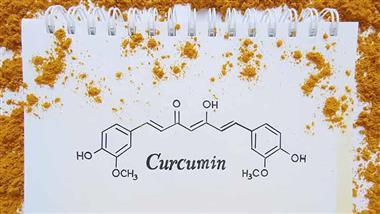
Turmeric, a yellow curry spice used in Indian cuisine, has a long history of medicinal use in traditional Chinese medicine (TCM) and Ayurvedic medicine. Curcumin is one of the most well-studied bioactive ingredients in turmeric,1 having over 150 potentially therapeutic activities, including anti-inflammatory, antimicrobial and powerful anticancer actions.
Cancer has an incredible global impact and places a vast financial and emotional burden on the families it touches. Nearly 40% of American men and women will be diagnosed with cancer in their lifetime and over $125 billion is spent annually on medical treatment and patient care.2
The American Cancer Society estimated there would be over 1.6 million new cases diagnosed in 2017, equating to 4,630 new cases and 1,650 deaths every day.3 The most common types of cancer include breast, colon, lung and prostate.4
Despite advances in cancer treatment protocols, scientists realize prevention plays an essential role in reducing the number of people who die from the disease. After 30 years of testing more than 1,000 different possible anticancer substances, the National Cancer Institute announced that curcumin has joined an elite group that will now be used in clinical trials for chemoprevention.5
Curcumin May Play a Multitargeted Role Against Cancer Cells
In this interview, Dr. William LaValley discusses the interaction curcumin has on cancer and the multiple ways this molecule affects cancer growth. If you have ever been diagnosed with cancer, it may feel as if it grew overnight when, in fact, cancer cells take years to develop.
The progression of a cell from normal growth to cancer happens through several stages. Deregulation of physiological and mechanical processes that initiate and promote the growth of cancer cells makes use of hundreds of genes and signaling routes, making it apparent a multitargeted approach is needed for prevention and treatment.
Research has demonstrated that curcumin has a broad range of actions as it is able to affect multiple cellular targets.6 Studies have found, based on the activities of curcumin in the body, the spice could be an effective method of cancer prevention, or in treatment when used in conjunction with conventional treatment protocols.
The multifaceted action of curcumin has made it useful in the treatments of several different types of diseases, including colon cancer,7 pancreatic cancer8 and amyloidosis.9
Curcumin triggers a variety of actions that affect the growth, replication and death of cancer cells. Cancer cells lose the ability to die naturally, which plays a significant role in the hyperproliferation of cells common to cancer. Curcumin is able to turn on the apoptosis (cell death) signaling pathway, enabling the cells to die within a natural time span.10
Cancer cells thrive in an inflammatory environment. Although short-term inflammation is beneficial for healing, long-term inflammation increases your risk of disease. Curcumin is able to block the pro-inflammatory response at several points and reduce the levels of inflammatory cytokines in the body.11
The strong anti-inflammatory effects of curcumin may match the effect of some drugs.12 Early in development, cancer cells learn to replicate and grow in an environment cells normally find inhospitable. Curcumin may change the signaling through several pathways, and put a stop to this replication.13
Curcumin may also stop the ability of cancer stem cells from replicating and reduce the potential for recurrence after treatment. Curcumin also helps support your immune system, capable of seeking out and destroying early cancer cells naturally.
Curcumin May Enhance Cancer Treatment and Chemotherapy
Some of the same ways that curcumin works in your body are the processes used to enhance your cancer treatments and chemotherapy.
While some chemotherapy has been developed to target specific cells, most therapy drugs are nonspecific and affect all cells in your body. Some studies in the past decade have demonstrated exciting potential for curcumin in the fight against cancer.
In addition to changes to your cells mentioned above, researchers have found curcumin may help protect your body against the damage caused from chemotherapy and radiation treatments, and it may enhance the effect of these same treatments, making them more effective.
These effects have been demonstrated in animal models treating head and neck tumors,14 and in culture of human breast, esophageal and colon cancers.15,16
Patients treated for chronic myeloid leukemia with chemotherapy exhibited a reduction in cancer growth factor when curcumin was added to the treatment protocol, potentially improving the results of the chemotherapy over being used alone.17
Protection against radiation therapy was demonstrated in a study using breast cancer patients receiving radiation therapy.18 At the end of the study those taking curcumin had less radiation damage to their skin.
Curcumin has also been effective against angiogenesis in tumors, or the growth of new blood vessels to feed the overgrowth of cancer cells, and against metastasis.19
Curcumin is able to affect cancer cells through multiple pathways and has fulfilled the traits for an ideal cancer prevention agent as it has low toxicity, is affordable and is easily accessible. However, while effective, it has poor bioavailability on its own.20
Download this Article Before it Disappears
Poor Absorption Has One Benefit
In my interview with LaValley, he discussed the poor bioavailability of curcumin in raw form. Only 1% of the product will be absorbed; even supplements that have a 95% concentration are absorbed at 1%.
This means, when the supplement is taken alone, it is a challenge to maintain a therapeutic level. However, in the case of colon cancer, this poor absorption into the bloodstream may be an advantage.
As there is poor absorption, higher levels of curcumin stay in the intestinal tract for longer periods of time, having an effect on gastrointestinal cancers. In one study, participants took a 1,080 milligram (mg) dose per day of curcumin for 10 to 30 days between their initial biopsy and surgical removal.
The patients taking the supplement experienced a reduction in blood levels of inflammatory agent, improvement in their body weight and an increased number of dying tumor cells.21
A team of scientists at the University of Pittsburgh and at Pondicherry University, India, discovered the bioactive ingredient in turmeric, curcumin, can both prevent and cure bowel cancers.22 The team found the compound triggered cancer cell death by increasing a level of protein labeled GADD45a.23 Lead author Rajasekaran Baskaran, Ph.D., who has more than 20 years of experience in cancer research, commented:24
“Studies on the effect of curcumin on cancer and normal cells will be useful for the ongoing preclinical and clinical investigations on this potential chemopreventive agent.”
As an increased bioavailability and absorption may also improve the actions of curcumin in the body, researchers have studied a variety of different delivery methods, including oral, intravenous, subcutaneous and intraperitoneal, as well as different formulations of the product.25
Bioavailability improved when curcumin was delivered as a nanoparticle, in combination with poly(lactic)-co-glycolic acid, liposomal encapsulation26 and when taken orally with piperine, the active ingredient in black pepper.27
Multiple Types of Cancer Affected by Curcumin
Research demonstrates that while curcumin has multiple pathways through which it impacts cancer cells, the substance also has an effect on multiple types of cancer. Studies estimate that genetics may play a role in approximately 5% of all cancers, with the majority of cancer growth attributed to lifestyle choices.28
Research demonstrates curcumin exhibits activity against breast cancer and decreases the toxic effect against some of the chemotherapy agents commonly used.29 Mitomycin C is a potent antineoplastic drug. However, prolonged use may lead to kidney and bone marrow damage, with secondary tumor growth. Curcumin appears to reduce the side effects of Mitomycin C and improve the efficiency of the drug at the same time.30
Another study demonstrated that curcumin inhibited the growth and metastasis of lung cancer cells.31 One of the deadliest cancers worldwide, pancreatic cancer, also appears to respond to the use of curcumin in preclinical trials.32 The antiproliferative effects on pancreatic cancer appeared to be from a reduction in oxidative stress and angiogenesis and triggering apoptosis of cancer cells.
Apoptosis, anti-inflammatory actions, reduction in angiogenesis and reduction in the adverse effects of chemotherapeutic agents has also led researchers to consider curcumin an adjunctive therapy in the treatment of liver cancer.33 Curcumin also inhibited and slowed the development of bladder cancer in rats,34 stopped the formation of metastasis in prostate cancer,35 and when combined with ultrasound, increased death of cervical cancer cells.36
But not all scientists are convinced by the number of studies over the past 15 years demonstrating the multiple effects curcumin has on the inflammatory response and cancers, as well as the low toxicity profile.37 In one meta-analysis, researchers claimed curcumin could not meet the criteria for a good drug candidate.38
More Benefits to Curcumin
Curcumin offers additional benefits to your health. It may work as well as some anti-inflammatory medications to treat arthritic conditions.39 In combination with aerobic exercise, curcumin was found to improve endothelial cell function in postmenopausal women,40 and was also found to ameliorate arterial dysfunction and oxidative stress in the elderly.41
Disease processes may increase oxidative stress and free radical formation in your body. Curcumin is a potent antioxidant,42 but also may boost the function of your body’s own antioxidant enzymes.43
Your brain can develop new connections powered by brain-derived neurotrophic factor (BDNF).44 Reduced levels of this hormone may be linked to depression and Alzheimer’s disease. However, curcumin can increase your levels of BDNF45 and effectively reduce your potential for suffering from age-related reduction in brain function.46
Researchers have also discovered that curcumin has an effect on several pathways in your body that may reverse insulin resistance, hyperlipidemia and other symptoms associated with metabolic syndrome and obesity.47 The reduced potential for metabolic syndrome and obesity is related to the anti-inflammatory effects of curcumin, which may also have an effect on heart disease, atherosclerosis and Type 2 diabetes.48
Genetic Regulation May Be One Way Curcumin Fights Cancer
It is becoming widely accepted that cancer is not a preprogrammed inevitability, but rather the result of the impact of your environment on genetic regulation that may trigger cancer cell growth. There are multiple influences that may damage or mutate DNA, and consequently alter genetic expression, including:
| Nutritional deficiencies | Stress |
| Free radical damage | Toxins and pollution |
| Chronic infections | Infectious toxic by-products |
| Hormonal imbalances | Chronic inflammation |
Researchers have demonstrated curcumin may affect more than 100 different pathways in your cells, helping to prevent hyperproliferation of cell growth characteristic of cancer, and aiding in the treatment of the disease. Through the reduction of inflammation, prevention of the development of additional blood supply to support cancer cell growth and destruction of mutated cells to reduce metastasis, curcumin has great medicinal and preventive potential.
Several studies have demonstrated an impact on transcription factors and signaling pathways, and have reviewed the molecular mechanisms curcumin uses to regulate and modulate gene expression.49,50,51 Overall, curcumin is powerful, cost-effective and has a low toxicity profile.52
Using a Curcumin Supplement
Turmeric is a wonderful spice used in Eastern culture cuisine. It is one spice I recommend for your kitchen as it works well with tomato sauces, soups, leafy greens, cauliflower, stir-fries and stews. Choose a high-quality turmeric powder instead of curry powder as studies have found some curry powders have very little curcumin.
If you are looking for therapeutic effects, you may want to consider a supplement. It is difficult to achieve a dose of curcumin used in research solely from your diet. Typical anticancer doses range between 8 grams and 12 grams of curcumin.
You can increase the absorption by making a microemulsion, combining 1 tablespoon of curcumin powder with one or two egg yolks and 1 to 2 teaspoons of melted coconut oil, as the curcumin is fat soluble. Then use a hand blender on high speed to emulsify the powder.
Absorption may also be increased through boiling. Add 1 tablespoon into a quart of boiling water. (If you add it to room temperature water and then boil, it doesn’t work as well.) After boiling it for 10 minutes, you will have created a 12% solution and you can drink this once it has cooled down. The curcumin will gradually fall out of the solution over time, and in about six hours it will be a 6% solution, so it is best to drink the water within four hours.
Curcumin is a very potent yellow pigment and can permanently discolor surfaces if you aren’t careful. To avoid inadvertently staining your kitchen yellow, I recommend you perform any mixing under the hood of your stove with the exhaust fan on to make sure no powder gets into your kitchen.
Alternatively, it is far easier to take curcumin in supplement form — just make sure it’s a high-quality brand that is formulated to increase bioavailability. And, look for a turmeric extract with at least 95% curcuminoids. Just be aware that these are relatively rare and hard to find.
- 1 Scientific American March 25, 2015
- 2, 4 National Cancer Institute, Cancer Statistics
- 3 American Cancer Society, Cancer Statistics Center
- 5 Cancer Prevention Research 2013; 6(5):387-400
- 6 Toxins 2010; 2(1):128-162
- 7 Current Pharmaceutical Design 2002; 8(19):165-1706
- 8 Integrative Cancer Therapies 2016; 15(3):333-334
- 9 Scientific Reports, 2016; 6(26623)
- 10 Current Cancer Drug Targets, 2005; 5(2):117-129
- 11 International Journal of Biochemistry and Cell Biology, 2009;41(1):40-59
- 12 Alternative Medicine Review 2009; 14(2): 141
- 13 LifeExtension, September 2016
- 14 Molecular Cancer Therapeutics 2010; 9(10) 2665
- 15 Translational Oncology 2010; 3(2):99-108
- 16 International Journal of Radiation Oncology 2009; 75(2): 534
- 17 Journal of Oncology Pharmacy Practice 2012;18(2):186
- 18 Radiation Research, 2013; 180(1):34-43
- 19, 52 American Association of Pharmaceutical Scientists Journal, 2009;11(3): 495
- 20 Cancer Prevention Research, 2013; 6(5): 387
- 21 Cancer Investigation 2011; 29(3):208
- 22, 24 Times of India, March 10, 2016
- 23 Molecular and Cellular Biochemistry, 2016; 414(1-2): 13-22
- 25, 26 Cancer Research Treatment 2014; 46(1): 2-18
- 27 Nutrition Facts, February 5, 2015
- 28 Cancer Letters, 2008; 267(1):133-64
- 29, 30 Journal of Breast Cancer 2013; 16(2) 133-137
- 31 Oncotarget 2016; 7(18):26535-26550
- 32 Nutrients 2016; 8(7):E433
- 33 Hepatoma Research September 3, 2016 Home Articles Article Topic: Natural Products and Hepatocellular Carcinoma
- 34 Cancer Letters 2008; 264(2): 299 – 308
- 35 Medical News Today, October 2012
- 36 European Journal of Obstetrics, Gynecology and Reproductive Biology 2015; 193:96-101
- 37 Forbes January 19, 2017
- 38 Journal of Medicinal Chemistry 2017;The Essential Medicinal Chemistry of Curcumin
- 39 Journal of Alternative and Complementary Medicine 2003; 9(1):161-168
- 40 Nutrition Research 2012; 32(10):795
- 41 Experimental Gerontology 2014; 48(2):269-276
- 42 Advances in Experimental Medicine and Biology 2007; 595:105-125
- 43 Toxicological and Environmental Chemistry 2013; 95(6)
- 44 Growth Factors 2004; 22(3):123-131
- 45 Brain Research 2006; 1122(1):56-64
- 46 PLOS|One February 2012
- 47 European Journal of Nutrition 2011; 50(3):151-161
- 48 Annual Review of Nutrition 2010; 30:173
- 49 Biofactors 2013; 39(1):37-55
- 50 Nutrition and Cancer 2012;64(4):607-616
- 51 Anticancer Research 2010;30(10):4007
Why Molecular Hydrogen Is a Superior Antioxidant
Reproduced from original article:
https://articles.mercola.com/sites/articles/archive/2023/07/23/why-molecular-hydrogen-superior-antioxidant.aspx
The original Mercola article may not remain on the original site, but I will endeavor to keep it on this site as long as I deem it to be appropriate.
Analysis by Dr. Joseph Mercola Fact Checked July 23, 2023
STORY AT-A-GLANCE
- Molecular hydrogen acts as a selective antioxidant, meaning it doesn’t indiscriminately suppress free radicals
- It uses your body’s biological systems and feedback loops to identify where and when you’re under oxidative stress, and when found, pathways are activated and key proteins released that cause your DNA to make the antioxidants themselves
- Molecular hydrogen is not intrinsically an antioxidant. Rather, it helps your body make its own endogenous antioxidants. This is what makes molecular hydrogen so unique
- Molecular hydrogen has been shown to have therapeutic benefits in more than 170 different animal disease models
- The reason it has such diverse benefits in so many different disease models is because all of them have excessive oxidative stress, redox dysregulation and inflammation as their root cause. By regulating the oxidative pathways, molecular hydrogen is able to address these root causes
In this interview, repeat guest Tyler LeBaron, MSc., Ph.D., reviews some of the many benefits of molecular hydrogen (H2). Perhaps most importantly, molecular hydrogen acts as a selective antioxidant, meaning it doesn’t indiscriminately suppress free radicals.
It uses your body’s own biological systems and feedback loops to identify where and when you’re under oxidative stress, and when found, antioxidant genes are stimulated and key antioxidants are transcribed from your DNA. So, molecular hydrogen is not in and of itself a direct radical-scavenging antioxidant. Rather, it helps your body make its own endogenous antioxidants. This is what makes molecular hydrogen so unique.
This is crucial because excessive antioxidants use can be deleterious and molecular hydrogen serves as a redox regulator, so, just like Goldilocks, you get just the right amount, not too much and not too little, which makes your cells very happy.
H2 Activates Nrf2 Pathway
One of the pathways activated by H2 when free radicals are present is the Nrf2 pathway. LeBaron explains:
“In your cell you have this protein, Nrf2, and it’s attached to Keap1. They’re always attached together. But when you get oxidative stress … it can cleave off.
[Oxidative stress] causes the cleaving off of the Nrf2 and the Keap1, and the Nrf2 can then diffuse into the nucleus [where] it binds to the ARE, the antioxidant response element of the DNA. [This triggers] the production of all these endogenous antioxidants — Phase 2 enzymes of detoxification and antioxidation — and there are over 200 of them.”
This is one of the primary benefits of molecular hydrogen. It’s also what makes molecular hydrogen so useful for such a wide variety of conditions. According to LeBaron, it’s been shown to have therapeutic benefits in more than 170 different animal disease models.
“What this means is, for example, there are lots of ways to induce diabetes in an animal model. Using these different models, we can show molecular hydrogen has therapeutic effects. And, yes, the Nrf2 in some cases seems to be extremely important. In fact, by using gene knockout or or interfering RNA, you can blunt the benefits of molecular hydrogen. So, the Nrf2 is very important,” LeBaron says.
Molecular Hydrogen Is an Important Nrf2 Regulator
Sulforaphane, found in broccoli, is another well-studied Nrf2 activator. But in contrast to sulforaphane (as well as other Nrf2 activators), molecular hydrogen does not disturb redox homeostasis within the cell by adding too many antioxidants.
Redox homeostasis is when there’s a specific balance between reducing and oxidizing reactions within the cell. Homeostasis is what you need for optimal cellular health, and either too many free radicals or too many antioxidants can have detrimental effects. When you add molecular hydrogen to a cell that is already at redox homeostasis, however, there’s no increase in Nrf2 or other proteins, so it doesn’t accidentally push it out of homeostasis. As explained by LeBaron:
“That’s important because we don’t want to have reductive stress. If you were to induce the Nrf2 pathway indiscriminately and just keep it going, that would be reductive stress and that would be problematic.
In fact, there are genetic mutations where the Nrf2 is hyperactivated, and that leads to all sorts of problems. Cancer sometimes can activate the Nrf2 really strongly … So what we really are talking about is the regulation of Nrf2.
When we administer molecular hydrogen to healthy cells, we don’t see changes in the Nrf2 level at the protein level. However, if we were to administer a toxin or some other stress, that’s when we would see that molecular hydrogen was able to induce the Nrf2 — and many other proteins, not just the Nrf2 — and provide a protective effect.
That is different than anything else out there. And it has this pretreatment effect as well. So, for example, in one study, they administered molecular hydrogen into a cell culture, and after that, they administered a common environmental toxin.
The exposure caused a decrease in the antioxidant status. So, you could see markers of increased oxidative stress, you could see decrease in superoxide dismutase levels, all these important antioxidants, as well as a decrease in NAD+ to NADH ratio. Having a high ratio is very important, and this stress caused a reduction in this ratio.
However, in the cells that were pretreated with molecular hydrogen, it prevented those reductions from happening, and it provided a protective effect for 24 hours even after the hydrogen gas was out of the cell culture and there was no molecular hydrogen left. That’s because molecular hydrogen works at the gene level, epigenetically even, modulating proteins, the signaling pathways and the phosphorylation cascades …
So, we’re not just activating Nrf2. We’re regulating its production so it’s not too high, not too low … [Molecular hydrogen is an] adaptogenic redox regulator, basically …
And, we are able to provide a protective effect for, say, 24 hours in this case, as opposed to only when it’s present. It’s amazing to think that molecular hydrogen is able to change how the genes express themselves so that it’s going to have favorable effects even after it’s out of the body.”
Download this Article Before it Disappears
Considerations When Administering Molecular Hydrogen
While there’s no risk of overdosing on molecular hydrogen, intermittent exposure produces the best results. It’s also important to get the optimal concentration of H2 molecules to your cells, at least a concentration of about 10 micromolar or higher at the cellular level.
Dose-dependent benefits are seen between 10 micromolar all the way up to 800 micromolar, which is considered the saturation level of molecular hydrogen in water at sea level. The therapeutic dose of regular hydrogen water is 0.5 milligrams per liter (mg/L). Saturation is reached at 1.57 mg/L, but some technologies such as tablets can give much higher levels.
So, when we talk about the “right” and “wrong” ways to take molecular hydrogen, it has to do with the concentration of H2 that you’re getting. For example, the “wrong” way to drink H2 water might be to take a few sips every few minutes, finishing it in an hour.
With each passing minute, the H2 concentration reduces, leaving you with next to nothing by the time you’re finished. You also won’t get that approximate 10 micromolar level concentration required to transcribe the DNA to produce your endogenous antioxidants.
When using molecular hydrogen tablets, which is my preferred method, the nanobubbles contain hydrogen gas, so once the bubbles are gone, you’ve lost most of the hydrogen. So, to ensure maximum concentration, you have to drink it as soon as the tablet has dissolved and the water is still cloudy-looking.
Hydrogen is the smallest-known molecule in the universe and it has no electrical charge, so it can easily penetrate any cell membrane once in your body. However, it will follow a concentration gradient, so when you drink hydrogen water, it’ll go to the stomach first, followed by the intestines and liver before entering your systemic circulation.
“Through Brownian motion and this diffusion gradient, it’ll be a passive diffusion, simple diffusion into the cells, where it’s going to induce effects,” LeBaron says.
“So going back to the tablets, the concentration of the hydrogen in the tablets is not just in dissolved form, but it’s in this quasi-suspended, micro-macro nano bubble form that has a lot of hydrogen density, so to speak, in the water.
So, it’s not going to be as stable. So, absolutely, in that case, you’ve got to drink it very, very quickly while it’s still cloudy. Otherwise, you’re going to lose a high percentage of the hydrogen …
Unfortunately, some hydrogen products do not reach that threshold of 0.5 mg/L. But with the tablets, because so much [hydrogen] is dissolved and a lot of that is in the suspended or quasi form, you have a very high volume of molecular hydrogen, which requires you to drink it faster, but you can get these higher doses of molecular hydrogen.”
What to Look for When Buying Molecular Hydrogen
When it comes to buying a high-quality H2 product, make sure it’s certified according to the International Hydrogen Standards Association (IHSA). This is your assurance that the product is truly capable of at least delivering the proper amount of molecular hydrogen. LeBaron explains:
“We published a paper showing how ORP [oxidation-reduction potential] is very inaccurate, especially if the pH is anything but neutral. So, with the tablets, you might measure something like 0.5 mg/L when really it’s 5 mg/L because of the pH. So, we really can’t use ORP-type meters or other methods.
It has to be gas chromatography. And IHSA uses the gold standard, gas chromatography, and then does a series of testing for safety and purity and a number of other things in order to be classified as a product that could be recommended and used in clinical studies.”
In the interview, LeBaron also does a quick review on the ideal dosing when using inhaled hydrogen. I’ve limited my summary to hydrogen water here, as this is the easiest way to get it, and in many cases, drinking hydrogen water is more effective than inhalation. Molecular tablets are also ideal when traveling, as you can simply drop one in a glass of water.
“In certain cases, it’s 100 times more effective, just looking at different protein expressions, for example,” LeBaron says. “But in other scenarios, the inhalation might be able to work on different pathways, different areas that the drinking cannot, and so they don’t really compete with each other and there could be an additive or synergistic benefit from them.
In the past, I would say most of the research has been done on drinking hydrogen water in clinical studies, and that’s still probably the case, but there are more and more clinical studies being done now with the inhalation of molecular hydrogen that are showing favorable effects.”
Molecular Hydrogen Protects Against Radiation Damage
One of the benefits of molecular hydrogen is that it helps protect against radiation damage, including X-rays from medical diagnostics and the gamma rays you’re exposed to during flights. Every time I fly, I take it just before takeoff, as it takes about an hour before the ARE enzymes are activated and you start producing endogenous antioxidants.
Then I take it once every hour for as long as I’m in the air. If you’re using tablets, put one tablet in 16 ounces of room temperature water and drink it as soon as it’s dissolved. Cold water will make the tablet dissolve slower, so you’ll lose some H2 while waiting for it to fully dissolve. Don’t use carbonated water as the carbon dioxide gas will lower the concentration of hydrogen gas that you can have in the water.
Alternatively, you could pretreat yourself by taking molecular hydrogen for two or three days beforehand. That way, by the time you’re exposed to the radiation, you’ll already have a level of built-in protection. If you need a CT scan, consider pretreating yourself for a couple of days and then take another dose about 30 minutes or so directly before the test.
Molecular Hydrogen Helps Ward Off EMF Damage
Molecular hydrogen may also help ward off some of the damage incurred by nonionizing electromagnetic fields (EMF). One theory advanced by Martin Pall, Ph.D., is that the primary danger of EMFs is the mitochondrial damage triggered by peroxynitrites, one of the most damaging types of reactive nitrogen species.
Low-frequency microwave radiation activates the voltage-gated calcium channels (VGCCs) in the outer membrane of your cells, causing them to open, thus allowing an abnormal influx of calcium ions. This activates nitric oxide, which is a precursor for peroxynitrite.1
What we need to do is decrease the excessive production of superoxide or nitric oxide. Then we could essentially prevent peroxynitrite formation. And that’s exactly what molecular hydrogen does. ~ Tyler LeBaron, MSc, Ph.D.
These potent reactive nitrogen species are associated with an increased level of systemic inflammation and mitochondrial dysfunction and are thought to be a root cause for many of today’s chronic diseases.
Clearly, limiting your EMF exposure should be your primary strategy, but if for whatever reason you cannot, then you may want to consider taking molecular hydrogen regularly to increase your endogenous antioxidants and limit the damage from peroxynitrite and other oxidative stressors. How does this work? LeBaron explains:
“One of the first studies, published in Nature Medicine in 20072 … found that in addition to [molecular hydrogen’s] ability to reduce hydroxyl radicals, [it could] reduce peroxynitrite. We see a reduction of the peroxynitrite levels, and we also see reductions — like in animals and tissue samples — of nitrotyrosine levels, which is a marker of the peroxynitrite as well.
Now, calcium signals can induce nitric oxide and activate various NOX enzymes to increase superoxide production, and then you have superoxide and nitric oxide, and they react instantaneously. If they come in contact with each other, they will form peroxynitrite. The only thing that limits how fast they react is the rate of diffusion.
So, what we need to do is … decrease the excessive production of superoxide or nitric oxide. Then we could essentially prevent peroxynitrite formation. And that’s exactly what molecular hydrogen does.
This is really fascinating because if you took other antioxidants and you put them in the presence of nitric oxide or superoxide, you could scavenge them. They would donate their electrons and neutralize them. That can be good, but it can also be bad, because your body makes and specifically uses things like superoxide to increase mitochondrial biogenesis, or nitric oxide for vasodilation.
So, we don’t want to just neutralize all of these. Hydrogen [is] selective, and if you put molecular hydrogen in the presence of superoxide or nitric oxide, there is no reaction. They don’t have a strong enough oxidizing power for hydrogen to react, so we don’t have to worry about that happening.
The question then is, how does hydrogen help with the superoxide and the nitric oxide when their levels are in excess production? That goes to this signal modulating effect. With superoxide, typically that’s from NADPH oxidase or NOX enzymes that can become hyperactivated.
Molecular hydrogen has this ability to down-regulate this NOX enzyme, so you end up producing less superoxide in the first place. And, if you have less superoxide, then you’re going to make less peroxynitrite.
And then, on the other side, when you have nitric oxide production, you have three main isozymes or enzymes. You have the neuronal nitric oxide synthase (nNOS), endothelial nitric oxide synthase (eNOS) and the inducible nitric oxide synthase (iNOS). eNOS, that’s in the endothelial cells, so typically, that’s good. You want more of that, you kind of lose that as you get older.
Incidentally enough, on a side note, molecular hydrogen can actually improve eNOS. So, we can have better blood perfusion and things in this way.
But the iNOS, specifically from macrophages, can be problematic. And hydrogen has this ability to down-regulate the activity of iNOS, of making this excessive nitric oxide production. So now you’re decreasing superoxide and nitric oxide levels, and consequently you get less peroxynitrite.”
How Molecular Hydrogen Can Optimize Exercise Performance
Molecular hydrogen can also be used to boost exercise endurance. LeBaron published a paper on this in the Canadian Journal of Physiology and Pharmacology a few years ago. There are also several others, including a systematic review and meta-analysis, that detail its favorable effects. As explained by LeBaron, it can help you push yourself harder, improve blood flow and reduce fatigue.
“One of the earliest studies found [molecular hydrogen could] prevent fatigue during a maximal isokinetic knee extension exercise. Isokinetic just means same speed, so you’re on a machine and you’re just doing these leg extensions. I think they did 50 in a row, and you just do them as hard as you can.
The group that took molecular hydrogen was able to maintain a higher force output during those 50 maximal isokinetic knee extensions. Also, they looked at exercising at around 70% your VO2 max, which is about close 70% of your max heart rate, and those who were doing this were able to exercise longer [and] had lower levels of lactate …
One interpretation is that molecular hydrogen may have improved the function of the mitochondria … Now, if we’re getting our ATP production from the mitochondria using aerobic respiration, then we don’t have to go through the anaerobic pathway of making lactate.
So that’s … why we’re seeing lactate decrease; we’re able to use the mitochondria to make ATP, so now we can exercise better, longer and have less fatigue, especially the perceived exertion.
There are also explanations in terms of lactate clearance and accelerating the Cori cycle and different things. But mitochondrial bioenergetics are probably a major target of molecular hydrogen …
[It’s also] protective, because when you exercise, you breathe a lot more and that’s going to make more free radicals. A lot of those free radicals are going to be very good for your body because it’s going to force you to make more antioxidants, it’s going to increase mitochondrial bioenergetics and all this stuff, but you’re still causing damage.
You’re still damaging DNA. With molecular hydrogen, you can negate or reduce the damaging effects of exercise while not inhibiting the benefits of exercise, and in fact, maybe even potentiating the benefits of exercises. This is the idea that hydrogen in some ways can act as an exercise mimetic. Not in the true sense, but maybe it’s a pseudo mimetic because it can activate some of the same metabolic pathways that exercise does.
And, in this case, it can maybe potentiate those benefits of exercise. Then again, to compare that to conventional antioxidants … taking high dose antioxidants can negate the benefits of exercise training.
Normally, with exercise you have improved insulin sensitivity, your glucose levels go down, you have better antioxidant status. Taking high levels of synthetic antioxidants can completely negate those benefits. So, again, hydrogen is superior because it doesn’t do that.”
How Molecular Hydrogen Rejuvenates Your Mitochondria
Interestingly, molecular hydrogen also induces heat shock protein responses, thereby mimicking some of the benefits of sauna therapy. One of the most important benefits of heat shock proteins is that they help refold misfolded proteins that no longer work properly and facilitates their removal if they can’t be properly refolded.
Some of LeBaron’s colleagues in Japan investigated this, showing molecular hydrogen is able to induce mtUPR, the mitochondrial unfolded protein response, which is thought to promote rejuvenation of the mitochondria. Molecular hydrogen has also been shown to upregulate collagen biosynthesis, which is important both for youthfulness and post-injury healing.
More Information
So, to recap, the reason molecular hydrogen can have such diverse benefits in so many different disease models is because, essentially, all of them have excessive oxidative stress, redox dysregulation and inflammation as their root cause.
By regulating the oxidative pathways, molecular hydrogen can address these root causes. It’s also selective and doesn’t create reductive stress by avoiding making excessive antioxidants if your body doesn’t need them.
For these reasons, it’s my absolute favorite antioxidant and, I believe, the best option for most. One potential contraindication would be if you have small intestinal bowel overgrowth (SIBO), as, theoretically, those bacteria may feed on the hydrogen. This has not been confirmed, but it’s a theoretical possibility. So, if you have SIBO, carefully evaluate how you feel after taking it.
If you want to take a deep dive into the science and application of molecular hydrogen, check out LeBaron’s courses, available at molecularhydrogeninstitute.org. The institute offers four levels of certification, plus an apprentice course, but you don’t have to be a health professional to take them.
“These courses are specifically designed to eradicate a lot of the misinformation, get the correct information out and allow you to think about how to use molecular hydrogen the best, how to optimize it and so on. So I think people are going to really like them,” he says.
GM Children: Film Unveils ‘Monstrous’ Child Deformities
Reproduced from original article:
https://articles.mercola.com/sites/articles/archive/2023/07/08/genetically-modified-children.aspx
The original Mercola article may not remain on the original site, but I will endeavor to keep it on this site as long as I deem it to be appropriate.
Analysis by Dr. Joseph Mercola Fact Checked July 08, 2023
STORY AT-A-GLANCE
- “Genetically Modified Children” film exposes how Philip Morris and Monsanto have exploited impoverished farmers since 1966, when the Argentinian government authorized the use of GMO crops to withstand Monsanto’s Roundup weedkiller
- Tobacco farmers in Argentina are forced to use a multitude of dangerous agrochemicals in order to grow a crop that’s certifiable by U.S. tobacco company Philip Morris
- An increasing number of children are being born with severe birth defects and deformities in Argentina
- The film interviews Dr. Hugo Gomez Demaio and Dr. Mario Barrera, who are dedicated to highlighting and treating the link between agrochemicals and birth defects
- The film features anti-agrochemical activist Sofia Gatica, who is renowned for her work in tracking abnormal rates of cancer, kidney disease and other ailments linked to aerial spraying of glyphosate on GMO soy crops
Editor’s Note: This article is a reprint. It was originally published August 25, 2018.
The shocking film “Genetically Modified Children” unveils the horrors of decades of chemical-intensive agricultural practices in Argentina, where the majority of crops are genetically modified (GM) and routinely doused in dangerous agrochemicals, and the chokehold big tobacco companies such as Philip Morris and chemical and seed giants have on poverty-stricken farmers desperate to earn a living.
The film, produced by Juliette Igier and Stephanie Lebrun, shows the devastating health effects the region’s agricultural sector is having on children,1 an increasing number of whom are being born with monstrous physical deformities. Some of the children’s cases are so severe that, without a medical intervention, will result in death before the age of 5.
The film begins with the crew traveling from North Argentina in the Province of Misiones to the Brazilian frontier, an agricultural region that was one of the nation’s first to begin growing genetically modified organisms (GMOs) in the mid-’90s.
Featured in the film is Ricardo Rivero, regional head of the local electricity company. He learned that the reason families cannot pay their bills is because often they are taking care of a sick or handicapped child, and receiving no assistance from the Argentinian government.
The film shows them visiting the humble home of a tobacco farmer where they meet Lucas Texeira, a 5-year-old boy with an incurable genetic skin disease. The family believes it was caused by the mother’s exposure to Monsanto’s Roundup weedkiller early on in her pregnancy. No one told her it was toxic, she says.
The genetic mutation that caused her son’s condition left him with no pores in his skin, which means he doesn’t perspire. The heat from his body stays inside, causing him severe and painful itching that leads to frequent crying spells. Mr. Texeira expresses his sadness over Lucas’ condition, as well as his fears that he could have another child in the future with a similar deformity.
Agrochemicals Lead to Rise in Birth Defects, Deformities
Like many families in rural Argentina, the Texeiras have grown GM tobacco on their land for years, using a number of various agrochemicals required to produce a crop that’s certifiable by Philip Morris, an American multinational cigarette and tobacco manufacturing company (a division of Altria Company since 2003).
Philip Morris provides farmers GM burley tobacco seeds for the manufacturer of light tobacco cigarettes. Each year, Argentinian farmers are forced to use more than 100 different chemicals in order to grow the perfect-looking tobacco crop — that is, if they hope to make any money.
The Texeira family is no exception. For more than a decade, they have treated their tobacco plants with glyphosate and other agrochemicals — and without any protection. However, after seeing a rise in birth defects among the community’s children, including in their own child, they began to fear for their safety and moved off their farmland, away from the toxic chemicals.
“It’s not easy, but you have to live the life you have,” said Mr. Texeira. “Thank God, Lucas’ problem is just his skin. He’s healthy and can eat. He eats almost anything.” Lucas is a miracle, says the film’s narrator. In this region, there’s a disproportionate number of children born with deformities.
300 Million Liters of Glyphosate Are Applied Each Year
GM crops first entered the country through the Misiones Province of Argentina after the government authorized their use from 1996 onward, a decision based solely on studies conducted by Monsanto, and with no contradicting research.
For more than two decades the land was sprayed with glyphosate and other agrochemicals, contaminating the region’s soil and water. By 2013, more than 24 million hectares2 (59.3 million acres) of GM crops were grown in Argentina, including soy, maize, cotton and tobacco.
Mounting scientific evidence connecting the rise in miscarriages, birth defects and cancer to GMOs and agrochemicals did not dissuade the Argentinian government from subsidizing GM crops. Perhaps, that decision is due in part to the 35% in taxes Argentina receives from GMO soy exports.
Despite the dangers, no one warned tobacco farmers of the risks. In fact, the opposite was true. Farmers in the Misiones province were inundated with various forms of marketing, including commercials from chemical companies insisting agrochemicals were the key to prosperity.
Television advertisements touted the benefits of Monsanto’s Roundup weedkiller, including its ability to kill everything except for GMOs. The marketing worked. Today, more than 300 million liters (79.2 million gallons) of glyphosate are dumped each year onto more than 28 million hectares (69.1 million acres) of land in Argentina.3
Download this Article Before it Disappears
Total Desertion
The film shows the crew visiting the home of another sick child. Lucas Krauss was born with congenital microcephaly. He suffers from epilepsy, delayed motor and mental development, multiple muscular atrophy and numerous other related pathologies.
The first doctor the family consulted said their son’s condition was due to a lack of oxygen; however, the neurologist had a different opinion. At first, he agreed and said it was due to a lack of oxygen; however, when they pressed him further he admitted that a lack of oxygen was not the only cause, but he refused to say what he believed the true cause was of Lucas’ condition. They wouldn’t even run medical tests, said the boy’s mother.
The family understands that Lucas’ condition, as well as many others in the community, is likely tied to the agrochemicals used to farm tobacco. But the family can’t quit the trade because it’s the main source of income in their area, and most importantly, it’s the only sector that provides social security for its workers. Without the financial aid of the tobacco industry, the father fears he will be unable to care for his special needs son.
“The whole family feels discriminated against because it seems that society doesn’t want to see their reality,” said Rivero. “His parents don’t ask anything for themselves. They’re not asking for anything out of the ordinary. It’s just that the responsible parties — the state is the responsible one for these children’s problems — and it’s not taking responsibility and there’s total desertion.”
In 2010, things started to move. Lawyers from the U.S. traveled to Misiones to visit the families of severely handicapped children. One of their stops included the home of 17-year-old William Nuñez, who was born severely handicapped.
He can’t walk or talk, and has to be fed through a feeding tube in his stomach. The family has received no aid from the government for the medical treatment William needs. Instead, they have learned on their own how to care for their disabled child.
Ignorance and Exploitation
The Nuñez family says they were visited by American lawyers four or five times in a sixth-month period, as well as a handful of doctors from the U.S. and Mexico. The Nuñez family were told that they were not at fault for using agrochemicals, and that they could be awarded up to $3 million for William’s case.
The attorneys asked the family to sign a contract with a commitment not to discuss their case with anyone. Up until now, they have respected the contract. But they haven’t heard from the lawyers in over four years and don’t want to keep quiet any longer.
Next the film introduces a man named Emilio, the son of a tobacco farmer who has created an independent labor union to contend with the two tobacco companies in the region, which often take the side of Big Tobacco.
Tobacco farming is a tough job, says Emilio, adding that people suffer a lot because they work all year long, and the financial incentive is not great. Emilio describes the tobacco industry in San Jacinto, Argentina as a slavery system, one encapsulated by ignorance and exploitation.
The film crew visits a warehouse where all of the region’s tobacco farmers come to sell their product. The farmers’ tobacco crop is transported here at the end of the growing cycle, which includes the sowing, treating, harvesting, drying and sorting. This is the only place they can sell their crop, says Emilio. The film crew is there on the day the farmers learn the value of their year’s work.
“It’s when you get happy or get angry, because if it went well, you know that you’ll be able to buy what you need or what you dreamed about when you were working for it. So, you’ll find out here,” says Emilio.
The crop must meet strict standards set by the cooperative, which inspects each bale in the blink of an eye. They examine the texture, breadth and the color of the leaves. Tobacco in its natural state would never pass the test — only the use of agrochemicals can ensure a good result.
Big Tobacco Dominates the Industry
The film interviews one of the farmers about his feelings on his earnings. He says he received 11,575 Mexican pesos (or about $610 U.S. dollars) for 975 kilos of tobacco. That’s about $3.50 per pound of tobacco. It’s a low price, he says. “To me, it seems like a total rip-off. It’s unfair.”
The farmers say their income was especially low this year as result of the expensive chemical inputs they are forced to use. The chemical companies charge them in U.S. dollars, but they pay in pesos, says one frustrated farmer, adding that he has no way out of the business because he can’t risk losing his social security.
Big Tobacco dominates the industry in San Jacinto, Argentina. It dominates to such an extent that companies like Philip Morris have completely changed tobacco farming. Today, farmers are enslaved by the companies that produce and sell the agrochemicals required to grow a crop that can be certified by Philip Morris.
The film crew manages to capture footage inside a warehouse where farmers go to buy pesticides. Tall stacks of herbicides, fungicides and insecticides line the walls — all of it handled with bare hands.
Among the insecticides is a chemical manufactured by Bayer called Confidor, which contains the insecticides clothianidin, imidacloprid, thiamethoxam and methiocarb,4 all of which, except for methiocarb, belong to a class of bee-killing pesticides known as neonicotinoids, which were banned on all crops grown outdoors in Europe.5
Poison Is a Recurrent Word in Argentina
Before leaving the region, the film crew makes one last stop to visit 50-year-old Raul Gomez, who has created a list of all the chemicals he has had to handle over the past two decades, most of which are now banned due to their toxicity. Gomez is concerned about having to keep the chemicals on his property, most of which are too dangerous for him to dispose of.
He says he was told someone would come and take them, but no one has, so he built shacks to store them. Gomez says he believes he was definitely a guinea pig in that he was forced to work with such dangerous poisons without any knowledge of the implication to his or his family’s health.
He and other farmers say the question isn’t if they will become ill, but when. Everyone in this region has poison running through their bodies, he says, and while he doesn’t feel it now, in a few years he may. “That’s how it is. The consequences come later.”
Next the film crew travels to Posadas, the capital of the Province of Misiones, where doctors are considering a terrifying hypothesis: Exposure to agrochemicals may actually modify the human genome.
They meet 73-year-old Dr. Hugo Gomez Demaio, head of the neurosurgery service at the Pediatric Hospital of Posadas, and Dr. Mario Barrera, neurosurgeon at the Medical School of Nordeste. (Both institutions are in Buenos Aries). The doctors are dedicated to highlighting and treating the link between glyphosate exposure and other agrochemicals and birth defects caused by DNA damage.
Over the years, Demaio has witnessed an increasing number of children suffering from malformations. “These are no more empirical observations, but an inescapable statistic that he has drawn up with his successor, Dr. Barrera,” says the film’s narrator. One hundred percent of these children with severe deformities will die before the age of 5 if they do not have a medical intervention, says Demaio.
The film shows two little girls suffering from hydrocephalus, a condition linked to an abnormality affecting the X chromosome. Hydrocephalus is the buildup of fluids deep within the brain. The excess fluids put pressure on the brain causing damage to brain tissue. Symptoms of hydrocephalus include an unusually large head, a rapid increase in the size of the head and a bulging spot on top.6
‘They Have the Money and We Have the Illness’
The mothers of the two little girls with hydrocephalus say they were exposed to agrochemicals, but indirectly. While agrochemicals were not stored in their home, they say they were exposed to them through the contaminated clothing of their male family members who farm tobacco. The women would wash the men’s clothing in a nearby creek, which also served as their source of drinking water.
Demaio says exposure to agrochemicals may cause genetic damage that’s transmitted to an individual’s offspring, causing a modification of genetic heritage. Barrera explains:
“Even if the entire local environment is contaminated, it does not mean that all children will become sick. But when the father is exposed to herbicides, they are absorbed into the body and alter his DNA. He then passes that genetic mutation on to his children.”
In the beginning, Demaio and Barrera worked alone, but soon other doctors who had made similar observations joined them in their work. In 2009, they published results showing miscarriages and congenital defects among newborns were six times higher than normal, and cancers in small children were five times more common than elsewhere.7
The doctors say the agrochemicals pass from mother to child and cause damage within the first 28 days of pregnancy, resulting in monstrous deformities that are difficult to repair. The most common expression is myelomeningocele,8 a birth defect of the backbone and spinal cord. It’s the most severe lesion of the central nervous system that one can still live with.
Demaio says the Argentinian government refuses to listen to him, so he has dedicated his time to educating young people at universities, many of whom have grown up in tobacco farming families and around pesticides, but know very little about them.
They were told agrochemicals are safe, and necessary, to feed people. “They have the money and we have the illness,” says Demaio, referring to the chemical companies and the profits they’ve earned on unsuspecting farmers forced in a chemical-reliant trade.
A David Versus Goliath Battle
The film crew visits the lawyers in their office in Bueno Aires, the ones who never followed up after visiting the families four years ago. They were not very knowledgeable about the case, so the film crew visits the New York office for which the attorneys had worked on the file years ago.
They speak with Steven J. Phillips of the Phillips & Paolicelli LLP office, which specializes in defending children from toxic products. Phillips says he believes he has a strong case against Monsanto and Philip Morris. Monsanto designed and sold glyphosate to people in South America under conditions in which it knew there would be pregnant women mixing the chemicals.
Monsanto knew it was extremely dangerous but sold the stuff anyway and made a ton of money, said Phillips. Philip Morris insisted the farmers grow the tobacco in a specific way that included the use of glyphosate, and if they didn’t, Philip Morris wouldn’t buy the tobacco. So, the farmers had no choice.
“If you force someone to behave in a way that’s dangerous, mislead them about it, and then their children get hurt, then that’s a reason to bring them to court,” said Phillips. While the attorneys recognize the battle as being a David versus Goliath type, they also know that the truth is on their side.
The truth often prevails, as is the case in the guilty verdict in the landmark Monsanto trial. A jury in San Francisco, California, awarded plaintiff Dewayne Johnson $289 million in damages after determining his cancer was caused by exposure Monsanto’s Roundup weedkiller.9 Organic Consumers Association (OCA) reports:
“The jury’s decision was unanimous: Monsanto was guilty of manufacturing and selling a product that caused Johnson’s cancer. What’s more, the company knew its product could cause cancer — and yet it intentionally hid that fact from Johnson and the public.”
The case is eerily similar to that of the farmers and their families who are suffering from exposure to agrochemicals, including glyphosate, in Argentina. And the tobacco farmers aren’t alone in their battle. There’s another region in Argentina that has become the symbol in the fight against agrochemicals.
Cordoba, the Realm of the Transgenic Soybean
The film crew travels to Cordoba, Argentina’s second most important city, and the last stop in their investigation. Cordoba is characterized for its planting of transgenic soy and where glyphosate is applied from above through aerial spraying.
The town is littered with anti-Monsanto graffiti. In 2012, a historical verdict10 was delivered in Cordoba when a farmer and the owner of a crop-dusting plane were sentenced to three years in prison for illegal aerial spraying. They had been spraying glyphosate within 2,500 meters of a densely, populated area.
The film introduces anti-agrochemical activist Sofia Gatica, who cofounded Mothers of Ituzaingo,11 a group of moms working to stop the indiscriminate agrochemical use that has poisoned the region’s children. Gatica lost her own infant daughter to kidney malformation, and her son lost his ability to walk following exposure to a local agrochemical fumigation.
Gatica is recognized for her work in tracking the abnormal rates of cancer, kidney disease and other conditions in areas close to where glyphosate was applied to GMO soy crops. The Mothers of Ituzaingo had blood tests done on their kids and found that 3 in 4 children living in their community had agrochemicals in their blood, including pesticides, chromium, lead and arsenic.
Hoping to get help from the government, the group presented the results to Argentinian officials, who told them they would only improve the water if the families signed away their right to sue for the water contamination.
Gatica has repeatedly been threatened and physically assaulted for her efforts in fighting the chemical companies. On one occasion in 2014, she was threatened with a gun and told by a man that if she didn’t stop protesting against Monsanto, he would “blow her brains out.”
Making Progress
Despite the uphill battle, Mothers of Ituzaingo and other activists have made good progress. As the OCA reports:12
“In 2008, Argentina’s president ordered the minister of health to investigate the impact of pesticide use in Ituzaingó. A study was conducted by the Department of Medicine at Buenos Aires University and the results corroborated with the research the mothers had done linking pesticide exposure to the many health issues experienced by people in the community.
Gatica also succeeded in getting a municipal ordinance passed that prohibited aerial spraying in Ituzaingó at distances of less than 2,500 meters from residences.
And, in a huge victory, a 2010 Supreme Court ruling banned agrochemical spraying near populated areas and reversed the burden of proof — now the government and soy producers have to prove the chemicals they are using are safe, instead of residents having to prove that the spraying is making them sick.”
Despite the victories, people living in Argentina and other regions saturated with GMOs and agrochemicals have a long, hard road ahead. In 2021, according to a systematic review of the scientific literature published between 2006 and 2018, it was estimated that 385 million cases of unintentional, acute pesticide poisoning (UAPP) occur annually worldwide.13 But agrochemicals are worth $40 billion per year, and are projected to reach $308 billion in value by the year 2025.14
Will the world’s multinational chemical companies ever sacrifice profits to protect public health? Only time will tell; however, the solution likely lies in the legal system, which is making strides around the world to protect the public from harmful agrochemicals.
- 1 CBS News October 22, 2013
- 2 GM Watch February 18, 2015
- 3 Buenos Aires Times January 13, 2018
- 4 Change.org July 9, 2017
- 5 Nature International Journal of Science April 27, 2018
- 6 Mayo Clinic
- 7 Inter Press Service August 16, 2008
- 8 NIH Stat Pearls. Meningocele
- 9 Organic Consumers Association August 14, 2018
- 10 Bloomberg Law August 23, 2012
- 11 Madres de Ituzaingo blog July 30, 2011
- 12 Organic Consumers Association July 17, 2018
- 13 BMC Public Health. The Global Distribution of Acute Unintentional Pesticide Poisoning: Estimations Based on a Systematic Review. October 27, 2021
- 14 Grand View Research June 2017
Contaminated COVID Products and Green Monkey Virus
Reproduced from original article:
https://articles.mercola.com/sites/articles/archive/2023/06/26/sv40-promoter-mrna-covid-shots.aspx
The original Mercola article may not remain on the original site, but I will endeavor to keep it on this site as long as I deem it to be appropriate.
Analysis by Dr. Joseph Mercola Fact Checked June 26, 2023
STORY AT-A-GLANCE
- Microbiologist Kevin McKernan and his team recently discovered simian virus 40 (SV40) promoters in Pfizer’s and Moderna’s bivalent mRNA COVID shots
- SV40 have long been suspected of causing cancer in humans
- DNA contaminants may have the ability to alter the human genome. One of Pfizer’s vials also had an SV40 promoter with a nuclear localization sequence (NLS), a 72 base pair insertion that makes the promoter “much more aggressive and also drives the sequence into the nucleus” of the cell
- DNA contamination is a warning sign that endotoxin, which causes anaphylaxis when injected, may be present
- A cinnamycin-resistant gene is also included in the sequencing vector, and it’s unclear if or how this might impact human health. In a worst case scenario, it could make your microbiome resistant to antibiotics
In the video above, Jessica Rose, Ph.D., interviews microbiologist Kevin McKernan on “Good Morning CHD.” McKernan’s team recently discovered1,2,3,4 simian virus 40 (SV40) promoters in Pfizer’s and Moderna’s bivalent mRNA COVID shots, which, for decades, have been suspected of causing cancer in humans.5 As explained in the abstract, posted on OSF Preprints in April 2023:6
“Several methods were deployed to assess the nucleic acid composition of four expired vials of the Moderna and Pfizer bivalent mRNA vaccines. Two vials from each vendor were evaluated … Multiple assays support DNA contamination that exceeds the European Medicines Agency (EMA) 330ng/mg requirement and the FDAs 10ng/dose requirements …”
Equally, if not more, troubling, these DNA contaminants also can alter the human genome. As explained by McKernan, genomic sequencing involves reading the letters of the genome, A, T, C and G, which make up the DNA code. Both DNA and RNA can be sequenced in this manner.
DNA can be likened to a copy of the hard drive of your cell, while RNA is like your task manager, dictating the software program being run in a given moment. When you sequence RNA, you get a sense of what the cell is being instructed to do, while sequencing DNA tells you everything the cell could possibly do if the proper instructions are present.
COVID Shots Contain Both RNA and DNA
It’s been assumed that the COVID shots contained only RNA, but using genomic sequencing, McKernan discovered they contain DNA fragments as well, and there really should not be any. The RNA is basically copied, or “Xeroxed” off the DNA, and only the RNA should be in the final product.
As noted by McKernan, the DNA used is proprietary. “They don’t want people to know all the tricks they put in the DNA to drive maximum amount of Xeroxing, if you will.” But what popped out during sequencing was the entire sequencing vector, “which shows us everything they’re doing to drive the expression of this RNA,” McKernan says.
So, we now know they’re using a T7 promoter, an SV40 promoter, an antibiotic-resistance gene, that the replication is bacterial in origin and more. As explained by McKernan, to get the amount of RNA required for these shots, you need very large amounts of DNA. To get the DNA required, a piece of DNA that codes for RNA in a circle, called a plasmid, was created and then reproduced inside E. coli in a huge vat.
Plasmids are unique in that they have an origin of replication that allows the DNA to copy itself several hundred times inside every cell of the E. coli, and, since bacteria double every 20 minutes, you get exponential amplification of the DNA overnight.
The DNA must then be extracted from the E. coli and purified. Once that’s done, a T7 in vitro transcription reaction is run on the purified DNA, which copies the RNA off that DNA.
The plasmid that is put in with the E. coli — the sequencing vector — is the blueprint for how the RNA is made, and this is what McKernan found, in its entirety, in the vials. It really should not be there. Only the purified RNA should be present.
Regulatory agencies have an acceptable upper limit for double-stranded DNA (dsDNA) in medical products, but the DNA McKernan found was orders of magnitude higher than those thresholds.
The arbitrary limit for dsDNA set by the European Medicines Agency (EMA) is 330 nanograms per milligram (ng/mg), but McKernan suspects that limit isn’t stringent enough, because they probably didn’t consider that it might include replicable DNA. In all likelihood, this limit was primarily based on concerns about E. coli DNA, which might get mixed in.
In a May 20, 2023, Substack article,7 McKernan also pointed out that Pfizer itself submitted evidence to the EMA showing sampled lots contained anywhere from 1 ng/mg to 815 ng/mg of DNA, so regulators knew they had quality control problems from the start. In McKernan’s testing, the highest level of DNA contamination found was 30%, which is rather astounding.
Endotoxin Concerns
McKernan also explains that one of the primary concerns when pulling plasmids out of E. coli is the fact that endotoxins frequently tag along. Lipopolysaccharide (LPS), an endotoxin, sits on the outside of gram-negative bacteria such as E. coli. When endotoxin is injected, it can cause anaphylaxis, and life-threatening anaphylaxis just so happens to be among the most commonly reported side effects of these shots. According to McKernan:8
“Whenever we see DNA contamination, like from plasmids, ending up in any injectable, the first thing people think about is whether there’s any E. coli endotoxin present because that creates anaphylaxis for the injected … You can see people get injected with this and drop. That could be the background from this E. coli process of manufacturing the DNA …”
Download this Article Before it Disappears
What Is the SV40 Promoter For?
As mentioned earlier, the sequencing vector found also included an SV40 promoter. To be clear, this is not the whole virus. It’s only the promoter, meaning a specific portion of the viral DNA that is essential for gene expression. The problem is that this particular promoter is known to be problematic.
SV40 promoters have been studied for years and are known to trigger cancer when encountering an oncogene (a gene that has the potential to cause cancer). What’s more, McKernan found that one of the Pfizer vials had not just one but two SV40 promoters.
One of them had a nuclear localization sequence (NLS) that the other didn’t have — a 72 base pair insertion for a nuclear localization sequence (NLS) that makes the promoter “much more aggressive and also drives the sequence into the nucleus” of the cell. NLS is basically a sequence that tags a given protein for import into the cell nucleus, and this further heightens the risk of genome integration.
You can get [genome] integration off these vectors alone, and if vectors have things that localize in the nucleus, then odds go up tremendously that there could be genome integration going on. ~ Kevin McKernan
Now, this second, more aggressive promoter was only found in one of the two Pfizer vials tested, even though they were from the same lot. What might account for this remarkable quality discrepancy? At bare minimum, it suggests Pfizer is changing its manufacturing on the fly, without oversight. Changing the plasmid used is a major change in manufacturing that really should require regulatory oversight, McKernan notes.
As for why any of the SV40 promoters are in there, McKernan in certain that it was part of an intentional design, as these promoters have a long research history.
Genome Integration Can Occur in More Ways Than One
The reason NLS is so concerning is because it can drive genome integration even in the absence of LINE-1 (long interspersed nuclear elements 1), which allow for insertions, deletions and rearrangements within the genome through reverse transcription.
“If you’re injecting this much DNA, you don’t need LINE-1 at all. You can get integration off these vectors alone, and if vectors have things that localize in the nucleus, then odds go up tremendously that there could be genome integration going on,” McKernan says.
Cytoplasmic transfection can also allow for genetic manipulation because the nucleus disassembles and exchanges cellular components with the cytosol during cell division.
Even if genetic modification does not occur, the fact that you’re getting foreign DNA into your cells can pose a risk. Partial expression could occur, for example, or it might interfere with other transcription translations that are already in the cell.
How Might Cinnamycin Resistance Gene Affect Human Health?
Rose and McKernan also discuss how the cinnamycin-resistant gene found in the sequencing vector might impact human health. What happens if this gets into a patient and encounters bacteria? Will it make that bacteria resistant to cinnamycin (a tricyclic antibiotic)?
“While speculative, at the moment, we would assume yes,” McKernan says. “Plasmids get absorbed by bacteria at 37 degrees (Fahrenheit) temperature, which is the temperature of your gut … and if they can confer any selective advantage, then they’re going to replicate and become the dominant species in your microbiome.”
Possibly, it might require the patient to be on an antibiotic when this occurs, as this is what would give the bacteria the selective advantage. Still, antibiotic use is quite common, so this is not a concern that should be discarded off hand. Potentially, these bivalent jabs may be spreading antibiotic resistance through the injected population, which could have grave consequences.
Will Your Microbiome Produce Spike Protein?
A related question is whether your microbiome might also produce spike protein permanently. McKernan suspects the bacteria will make spike RNA, but bacterial ribosomes don’t have the right equipment to read that RNA, so they probably won’t be able to translate it.
That said, bacteria are frequently absorbed by mammalian cells in a process called bactofection, and this is a known gene transfer technique.9 So, this may result in your cells producing spike protein.
The RNA in the COVID jab is also modified to resist breakdown, so you really have two versions of the spike protein that can persist longer than anticipated, and the spike protein, of course, is the most toxic part of the virus that can cause your body to attack itself.
“The real concern is we’ve got an amplifiable piece of DNA that can replicate in bacteria,” McKernan says. “Your body is loaded with bacteria [and] it’s going to start replicating this DNA once it’s inside of them, and we don’t know what’s going to happen after that.
It could make RNA, it could get absorbed into mammalian cells, it could be killed and completely gotten rid of. But the DNA shouldn’t be there to begin with. So, we have to start monitoring how much DNA is actually in lot to lot? What is its length? Is it circular? And how much of it can we tolerate?”
McKernan Calls on Scientists to Reproduce His Results
On his Substack, McKernan has published all the details10 scientists and labs would need to rapidly and inexpensively replicate his investigation and assess the dsDNA contamination of COVID shots around the world, and he’s urging researchers to do so.
According to McKernan, one team has already contacted him saying they found sequencing vector in the original monovalent COVID shots. Their findings will hopefully be released shortly.
Resources for Those Injured by the COVID Jab
The more we learn about the COVID jabs, the worse they appear. If you got one or more jabs and are now reconsidering, first and foremost, never ever take another COVID booster, another mRNA gene therapy shot or regular vaccine.
You need to end the assault on your body. Even if you haven’t experienced any obvious side effects, your health may still be impacted long-term, so don’t take any more shots.
If you’re suffering from side effects, your first order of business is to eliminate the spike protein that your body is producing. Two remedies that can do this are hydroxychloroquine and ivermectin. Both drugs bind and facilitate the removal of spike protein.
The Front Line COVID-19 Critical Care Alliance (FLCCC) has developed a post-vaccine treatment protocol called I-RECOVER. Since the protocol is continuously updated as more data become available, your best bet is to download the latest version straight from the FLCCC website at covid19criticalcare.com11 (hyperlink to the correct page provided above).
For additional suggestions, check out the World Health Council’s spike protein detox guide,12 which focuses on natural substances like herbs, supplements and teas. To combat neurotoxic effects of spike protein, a March 2022 review paper13 suggests using luteolin and quercetin. Time-restricted eating (TRE) and/or sauna therapy can also help eliminate toxic proteins by stimulating autophagy.
- 1, 6 OSF Preprints April 10, 2023, Edited April 11, 2023 DOI: 10.31219/osf.io/b9t7m
- 2 Twitter KanekoaTheGreat May 20, 2023
- 3, 7 Anandamide (Kevin McKernan) Substack May 20, 2023
- 4 The Healthcare Channel May 22, 2023
- 5 Expert Rev Respir Med October 2011; 5(5): 683-697
- 8 The Health Care Channel, Greer Journal Why the COVID “mRNA” vaccines are actually DNA gene therapies that must be removed from the market
- 9 Gene Therapy September 15, 2005; 13: 101-105
- 10 Nepetalactone Newsletter March 22, 2023
- 11 Covid19criticalcare.com
- 12 World Council for Health Spike Protein Detox Guide November 30, 2021
- 13 Molecular Neurobiology March 2022; 59(3): 1850-1861
Green Monkey DNA Found in COVID-19 Shots
Reproduced from original article:
https://articles.mercola.com/sites/articles/archive/2023/05/31/dna-contamination-mrna-covid-shots.aspx
The original Mercola article may not remain on the original site, but I will endeavor to keep it on this site as long as I deem it to be appropriate.
Analysis by Dr. Joseph Mercola Fact Checked May 31, 2023
STORY AT-A-GLANCE
- Microbiologist Kevin McKernan — a former researcher and team leader for the MIT Human Genome project — has discovered massive DNA contamination in the mRNA COVID shots, including simian virus 40 (SV40) promoters
- SV40 has been linked to cancer in humans, including mesotheliomas, lymphomas and cancers of the brain and bone. In 2002, the Lancet published evidence linking polio vaccines contaminated with SV40 to Non-Hodgkin’s lymphoma. According to the authors, the vaccine may be responsible for up to 50% of the 55,000 Non-Hodgkin’s lymphoma cases diagnosed each year
- The level of contamination varies depending on the platform used to measure it, but no matter which method is used, the level of DNA contamination is significantly higher than the regulatory limits in both Europe and the U.S. The highest level of DNA contamination found was 30%
- The finding of DNA means the mRNA COVID shots may have the ability to alter the human genome
- Even if genetic modification does not occur, the fact that you’re getting foreign DNA into your cells poses a risk in and of itself. Partial expression could occur, or it might interfere with other transcription translations that are already in the cell. Cytoplasmic transfection can also allow for genetic manipulation, as the nucleus disassembles and exchanges cellular components with the cytosol during cell division
In the video1 above, Dr. Steven E. Greer interviews microbiologist Kevin McKernan — a former researcher and team leader for the MIT Human Genome project2 — and Dr. Sucharit Bhakdi about the DNA contamination McKernan’s team has found in the Pfizer and Moderna mRNA shots.
As it turns out, spike protein and the mRNA are not the only hazards of these injections. McKernan’s team have also discovered simian virus 40 (SV40) promoters that, for decades, have been suspected of causing cancer in humans, including mesotheliomas, lymphomas and cancers of the brain and bone.3 The findings4,5,6,7 were posted on OSF Preprints in early April 2023. As explained in the abstract:8
“Several methods were deployed to assess the nucleic acid composition of four expired vials of the Moderna and Pfizer bivalent mRNA vaccines. Two vials from each vendor were evaluated … Multiple assays support DNA contamination that exceeds the European Medicines Agency (EMA) 330ng/mg requirement and the FDAs 10ng/dose requirements …”
As noted by Greer,9 this means that governments and drug companies “have misled the world to a far greater extent than previously known.” If these findings are correct, it would also mean that “the so-called ‘vaccines’ are actually altering the human genome and causing permanent production of the deadly spike protein,” and this internal production of spike protein would, in turn, “trigger the immune system to attack its own cells,” Greer says.
In the interview, McKernan explains how the DNA contaminants found in the COVID jabs can result in the genetic modification of the human genome, and Bhakti reviews how and why the shots can trigger autoimmune diseases.
Background: What Is SV40?
In 2002, the Lancet published10 evidence linking polio vaccines contaminated with SV40 to Non-Hodgkin’s lymphoma. According to the authors, the vaccine may be responsible for up to half the 55,000 Non-Hodgkin’s lymphoma cases diagnosed each year.
How did this simian (monkey) virus get into the human population? According to the late Dr. Maurice Hilleman, a leading vaccine developer, Merck inadvertently unleashed the virus via their polio vaccine.11 It’s unclear exactly when SV40 was eliminated from the polio vaccine. The timing also varies from country to country. For example, SV40-contaminated polio vaccines were administered in Italy as recently as 1999.12
As reported in a Lancet book review of “The Virus and the Vaccine: The True Story of a Cancer-Causing Money Virus, Contaminated Polio Vaccine and the Millions of Americans Exposed”:13
“By 1960, scientists and vaccine manufacturers knew that monkey kidneys were sewers of simian viruses. Such contamination often spoiled cultures, including those of an NIH researcher named Bernice Eddy, who worked on vaccine safety … Her discovery … threatened one of the USA’s most important public-health programs …
Eddy tried to get word out to colleagues but was muzzled and stripped of her vaccine regulatory duties and her laboratory … [Two] Merck researchers, Ben Sweet and Maurice Hilleman, soon identified the rhesus virus later named SV40 — the carcinogenic agent that had eluded Eddy.
In 1963, U.S. authorities decided to switch to African green monkeys, which are not natural hosts of SV40, to produce polio vaccine. In the mid-1970s, after limited epidemiological studies, authorities concluded that although SV40 caused cancer in hamsters, it didn’t seem to do so in people.
Fast forward to the 1990s: Michele Carbone, then at NIH, was working on how SV40 induces cancers in animals. One of these was mesothelioma, a rare cancer of the pleura thought in people to be caused mainly by asbestos. The orthodoxy held that SV40 didn’t cause human cancers.
Emboldened by a 1992 NEJM paper that found DNA ‘footprints’ of SV40 in childhood brain tumors, Carbone tested human mesothelioma tumor biopsies at the National Cancer Institute: 60% contained SV40 DNA. In most, the monkey virus was active and producing proteins.
He published his results in Oncogene in May, 1994, but the NIH declined to publicize them … Carbone … moved to Loyola University. There he discovered how SV40 disables tumor suppressor genes in human mesothelioma, and published his results in Nature Medicine in July, 1997. Studies in Italy, Germany, and the USA also showed associations between SV40 and human cancers.”
mRNA COVID Jabs Contaminated With Double-Stranded DNA
With that background, let’s get back to McKernan’s findings, which in addition to the featured video are also discussed in Daniel Horowitz’s podcast above. In short, his team discovered elevated levels of double-stranded DNA plasmids, including SV40 promoters (DNA sequence that is essential for gene expression) that are known to trigger cancer development when encountering an oncogene (a gene that has the potential to cause cancer).
The level of contamination varies depending on the platform used to measure it, but no matter which method is used, the level of DNA contamination is significantly higher than the regulatory limits in both Europe and the U.S., McKernan says. The highest level of DNA contamination found was 30%, which is rather astounding.
As explained by McKernan, when using a typical PCR test, you’ll be considered positive if the test detects the SARS-CoV-2 virus using a cycle threshold (CT) of about 40. In comparison, the DNA contamination is detected at CTs below 20.
That means the contamination is a million-fold greater than the amount of virus you’d need to have in order to test positive for COVID. “So, there’s an enormous difference here with regards to the amount of material that’s in there,” McKernan says.
In his Substack article,14 he also points out that people who argue that double-stranded DNA and viral RNA is a false equivalency because viral RNA is replication competent, are wrong.
“The majority of the sgRNA you are detecting in a nasal swab in your nose is NOT REPLICATION COMPETENT as shown in Jaafar et al.15 It is just an RNA fragment that should have lower longevity in your cells than dsDNA contaminating fragments,” he writes.
In that Substack article, McKernan has also copied a 2009 study discussing how DNA in vaccines can cause cancer and highlighted the most relevant parts. It’s a helpful resource if you want to learn more.
Download this Article Before it Disappears
Quality Control Is Sorely Lacking
As for how SV40 promoters ended up in the mRNA shots, it appears to be related to poor quality control during the manufacturing process, although it’s unclear where in the development SV40 might have sneaked in. Quality control deficiencies may also be responsible for the high rate of anaphylactic reactions we’ve been seeing. McKernan tells Greer:
“It’s in both Moderna and Pfizer. We looked at the bivalent vaccines for both Moderna and Pfizer and only the monovalent vaccines for Pfizer because we didn’t have access to monovalent vaccines for Moderna. In all three cases, the vaccines contain double-stranded DNA contamination.
If you sequence that DNA, you’ll find that it matches what looks to be an expression vector that’s used to make the RNA … Whenever we see DNA contamination, like from plasmids, ending up in any injectable, the first thing people think about is whether there’s any E. coli endotoxin present because that creates anaphylaxis for the injected.
And, of course … there’s a lot of anaphylaxis going on, not only on TV but in the VAERS database. You can see people get injected with this and drop. That could be the background from this E. coli process of manufacturing the DNA …”
Regulatory Agencies Knew There Was a Contamination Problem
In a May 20, 2023, Substack article,16 McKernan points out that Pfizer itself submitted evidence to the European Medicines Agency (EMA) showing sampled lots contained vast differences in the levels of double-stranded DNA contamination.
The concern that people, even at the FDA, have noted in the past whenever injecting double-stranded DNA, is that these things can integrate into the genome. ~ Kevin McKernan
The arbitrary limit for dsDNA that the EMA came up with was 330 nanograms per milligram (ng/mg). Data submitted to the EMA by Pfizer shows sampled lots had anywhere from 1 ng/mg to 815 ng/mg of DNA. McKernan adds:17
“This limit likely did not consider the potency of this dsDNA contamination if it was packaged in an LNP [lipid nanoparticle]. Packaged dsDNA is more potent as a gene therapy. We now know this DNA is packaged and transfection ready.18 Even lower limits should be applied if the DNA is packaged in transfection ready LNPs …
Even with Pfizer being able to cherry pick the data they provided to the EMA for 10 lots, they see a 1 to 815ng/mg variance. If you were to expand this study to 100 or 1000 lots, you’d likely see another order or two of magnitude variance.”
Double-Stranded DNA May Integrate Into Your Genome
The presence of double-stranded DNA also brings up another major concern, and that is the possibility of genomic integration.
“At least on the Pfizer side of things, it has what’s known as an SV40 promoter. This is an oncogenic virus piece. It’s not the entire virus. However, the small piece is known to drive very aggressive gene expression.
And the concern that people, even at the FDA, have noted in the past whenever injecting double-stranded DNA, is that these things can integrate into the genome,” McKernan says.
While McKernan’s paper does not present evidence of genome integration, it does point out that it’s possible, especially in the presence of SV40 promoters:19
“There has been a healthy debate about the capacity for SARs-CoV-2 to integrate into the human genome … This work has inspired questions regarding the capacity for the mRNA vaccines to also genome integrate. Such an event would require LINE-1 driven reverse transcription of the mRNA into DNA as described by Alden et al.
dsDNA [double-stranded DNA] contamination of sequence encoding the spike protein wouldn’t require LINE-1 for Reverse Transcription and the presence of an SV40 nuclear localization signal in Pfizer’s vaccine vector would further increase the odds of integration.”
Manifold Risks
That said, even if genetic modification does not occur, the fact that you’re getting foreign DNA into your cells poses a risk in and of itself, McKernan says. For example, partial expression could occur, or it might interfere with other transcription translations that are already in the cell.
Bhakti also points out that the SV40 promoters do not need to be present in the nucleus of the cell for problems to occur. Cytoplasmic transfection can, in and of itself, allow for genetic manipulation, because the nucleus disassembles and exchanges cellular components with the cytosol during cell division.
In addition to having DNA floating around and causing potential problems, the RNA in the COVID jab is also modified to resist breakdown. “So, we have TWO versions of the spike protein floating around that can persist longer than anticipated,” McKernan says, and the spike protein, of course, is the most toxic part of the virus that can cause your body to attack itself.
Both McKernan and Bhakti are adamant that ALL mRNA “vaccines” must be immediately stopped, whether for human or animal use, due to the magnitude of the risks involved.
‘Alarming Problems’
In the video above,20 Yusuke Murakami, a professor at Tokyo University, expresses alarm over the finding of SV40 promoters in the COVID jabs. The interview is in Japanese but has English subtitles. I’ve included it because I think he does a good job of putting the problem into layman’s terms:
“The Pfizer vaccine has a staggering problem,” Murakami says. “This figure is an enlarged view of Pfizer’s vaccine sequence. As you can see, the Pfizer vaccine sequence contains part of the SV40 sequence here. This sequence is known as a promoter.
Roughly speaking, the promoter causes increased expression of the gene. The problem is that the sequence is present in a well-known carcinogenic virus. The question is why such a sequence that is derived from a cancer virus is present in Pfizer’s vaccine.
There should be absolutely no need for such a carcinogenic virus sequence in the vaccine. This sequence is totally unnecessary for producing the mRNA vaccine. It is a problem that such a sequence is solidly contained in the vaccine.
This is not the only problem. If a sequence like this is present in the DNA, the DNA is easily migrated to the nucleus. So it means that the DNA can easily enter the genome. This is such an alarming problem.
It is essential to remove the sequence. However, Pfizer produced the vaccine without removing the sequence. That is outrageously malicious. This kind of promoter sequence is completely unnecessary for the production of the mRNA vaccine. In fact, SV40 is a promoter of cancer viruses.”
Resources for Those Injured by the COVID Jab
The more we learn about the COVID jabs, the worse they appear. While they suck as vaccines, they’re truly masterful bioweapons, as they’re capable of destroying health in any number of ways, through myriad mechanisms.
If you got one or more jabs and are now reconsidering, first and foremost, never ever take another COVID booster, another mRNA gene therapy shot or regular vaccine. You need to end the assault on your body. Even if you haven’t experienced any obvious side effects, your health may still be impacted long-term, so don’t take any more shots.
If you’re suffering from side effects, your first order of business is to eliminate the spike protein that your body is producing. Two remedies that can do this are hydroxychloroquine and ivermectin. Both of these drugs bind and facilitate the removal of spike protein.
The Front Line COVID-19 Critical Care Alliance (FLCCC) has developed a post-vaccine treatment protocol called I-RECOVER. Since the protocol is continuously updated as more data become available, your best bet is to download the latest version straight from the FLCCC website at covid19criticalcare.com21 (hyperlink to the correct page provided above).
For additional suggestions, check out the World Health Council’s spike protein detox guide,22 which focuses on natural substances like herbs, supplements and teas. To combat neurotoxic effects of spike protein, a March 2022 review paper23 suggests using luteolin and quercetin. Time-restricted eating (TRE) and/or sauna therapy can also help eliminate toxic proteins by stimulating autophagy.
- 1, 2, 7, 9 The Healthcare Channel May 22, 2023
- 3, 12 Expert Rev Respir Med October 2011; 5(5): 683-697
- 4, 8, 19 OSF Preprints April 10, 2023, Edited April 11, 2023 DOI: 10.31219/osf.io/b9t7m
- 5, 20 Twitter KanekoaTheGreat May 20, 2023
- 6, 14, 16, 17 Anandamide (Kevin McKernan) Substack May 20, 2023
- 10 Lancet March 9, 2002; 359(9309): 817-823
- 11 Facebook Vaccine Pioneer Admits Adding Cancer-Causing Virus to Vaccine
- 13 The Lancet July 31, 2004; 364(9432): 407-408
- 15 Clin Infect Dis September 28, 2020; ciaa1491
- 18 Anandamide (Kevin McKernan) Substack April 26, 2023
- 21 Covid19criticalcare.com
- 22 World Council for Health Spike Protein Detox Guide November 30, 2021
- 23 Molecular Neurobiology March 2022; 59(3): 1850-1861
MOUNTING evidence proves RF radiation causes cancer
Reproduced from original article:
https://www.naturalhealth365.com/mounting-evidence-proves-rf-radiation-causes-cancer.html
by: Sara Middleton, staff writer March 13, 2023
 (NaturalHealth365) In a new paper, an international team of experts – including a former director of the United States National Toxicology Program (NTP) – outline why they believe there is “substantial scientific evidence” that radiofrequency (RF) radiation has the potential to cause a wide range of harmful effects in humans.
From cancer to neurological effects and more, there are several potential health concerns you should be aware of – as well as several ways to protect your family.
“Substantial” evidence that exposure to RF radiation can lead to cancer, leading experts warn
According to the National Cancer Institute, radiofrequency (RF) radiation – described as a “type of non-ionizing electromagnetic radiation” – is a form of “low-energy” radiation emitted from things like wireless and cellular telephones, radios, televisions, radar, satellites, microwave ovens, smart meters, wireless headphones and other wearable devices, computers, and wireless networks (WiFi).
“Although there have been health concerns,” the National Cancer Institute continues on a webpage defining the term, “most types of radiofrequency radiation have not been found to cause harmful health effects, including cancer.” However, a recent paper published online in Environmental Research calls these claims into question.
The paper was co-authored by four subject matter experts, including two toxicologists, a physicist, and a double-board certified physician (Obstetrics and Gynecology and Reproductive Endocrinology) and professor at the Yale School of Medicine. In it, the authors begin by pointing out that the International Agency for Research on Cancer (IARC) concluded over a decade ago that RF radiation from cell phones is a “possible human carcinogen.” They add that senior advisors from the World Health Organization (WHO) recently surmised that “if [radiofrequency radiation] were evaluated based on more current studies, it would be upgraded to a probable if not confirmed human carcinogen.”
In addition, 2018 animal research conducted by the U.S. NTP “provided clear evidence that mobile phone radiation caused cancer in male rats, along with cardiac and other systemic damage, as well as DNA damage in multiple organs in both rats and mice.”
Despite these and other findings showing neurological, endocrinological, and other systemic harms caused by RF radiation, the authors warn that “industry-affiliated scientists” routinely dismiss the growing body of evidence revealing harm from these ubiquitous radiation-emitting devices.
Moreover, the authors accuse the U.S. Federal Communications Commission (FCC) of not appropriately utilizing the so-called “Precautionary Principle,” which, while imperfect, is the current standard by which governing agencies “[establish] public policy to guard the safety of the general public from potentially harmful materials, practices or technologies.”
For example, the authors note that the current exposure standards set by the FCC “consider only thermal effects” for their potential harm, despite “mounting evidence of non-thermal effects of exposure to electromagnetic radiation in biological systems and human populations.”
“We conclude that there is substantial scientific evidence that [RF radiation] causes cancer, endocrinological, neurological and other adverse health effects,” the authors say before mincing absolutely no words in their indictment of the FCC and other agencies tasked with protecting public health: “In light of this evidence, the primary mission of public bodies, such as the FCC, to protect public health has not been fulfilled. Rather, we find that industry convenience is being prioritized and thereby subjecting the public to avoidable risks” (emphasis ours).
Quoted in a March 3, 2023 article published by Children’s Health Defense, Co-author Devra Davis, PhD, MPH, “We know enough now to take steps to reduce exposure to this … It’s time.”
5 simple ways to reduce your exposure to radiofrequency radiation
Out of an abundance of caution, we encourage readers to reduce their families’ exposure to radiofrequency radiation.
Ever wondered how? Here are some suggestions from sources, including the U.S. Food and Drug Administration (FDA):
- Spend less time on your cell phone and minimize or eliminate your use of wireless headphones, wireless speakers, and other technology devices that rely on Bluetooth or WiFi
- Especially avoid using your phone when your cell signal is weak, “as this causes cell phones to boost RF transmission power,” according to the FDA
- Avoid using your phone while traveling at high speeds (e.g., in a bus, car, or train), as this can also increase RF transmission power as your phone tries to connect to multiple different cell phone tower signals)
- When not using your phone, put it on airplane mode
- Turn off your home’s Wi-Fi routers at night
- Hard wire as many devices as you can … don’t use wireless technology
To learn more about how to stop cancer naturally … purchase the Stop Cancer Docu-Class, hosted by Jonathan Landsman.
Sources for this article include:
Sciencedirect.com
FDA.gov
CA.gov
Cancer.gov
Childrenshealthdefense.org
Can Intermittent Fasting Change How Your DNA Works?
Reproduced from original article:
https://articles.mercola.com/sites/articles/archive/2023/01/30/intermittent-fasting-dna.aspx
The original Mercola article may not remain on the original site, but I will endeavor to keep it on this site as long as I deem it to be appropriate.
Analysis by Dr. Joseph Mercola Fact Checked January 30, 2023

STORY AT-A-GLANCE
- A 2023 animal study showed how limiting food to the hours of the day when you are most active may alter up to 80% of genetic expression in multiple organ systems
- Activation of these pathways may help explain how fasting improves health and longevity. Roughly 40% of genetic expression in the hypothalamus, pancreas and adrenal glands was affected, which may affect hormone regulation
- Data show restricted eating patterns have a neuroprotective effect and are associated with better cognitive and heart health; data also find it reduces the ability of cancer cells to adapt and survive and may help improve the effectiveness of cancer treatments
- Fasting promotes pancreatic beta-cell growth in animal studies, which may be another pathway in which it helps markedly improve blood sugar control and affect metabolic health
- Most people find it easier to skip breakfast instead of dinner to limit the number of hours they consume food, but take care to restrict eating at least three hours before bed. Skipping breakfast before your workout may offer additional benefits throughout the day
Obesity rates are climbing, along with associated health conditions, such as Type 2 diabetes, metabolic syndrome and cardiovascular disease. According to the CDC,1 the rate of obesity in adults rose from 30.5% in 1999-2000 to 41.9% in 2017-2020, and the estimated annual medical costs were $173 billion in 2019 dollars.
There are a variety of reasons that contribute to these rising numbers, including a sedentary lifestyle,2 increased consumption of highly processed food,3 medications4 and psychological triggers.5 One beneficial strategy to lower weight gain and improve insulin resistance associated with obesity and Type 2 diabetes is intermittent fasting. A 2023 animal study6 demonstrated that restricted feeding schedules affected 80% of how genes were expressed.
Resistance to insulin and leptin signaling drives your blood glucose level high, which is a hallmark symptom of Type 2 diabetes. Conventional medicine treats the symptoms of the condition, which is in fact preventable and in most cases reversible by simply changing your diet and lifestyle habits.
A significant risk factor for insulin resistance is overeating carbohydrates and added sugars, which spike your insulin level and gradually increase cellular resistance to insulin. Overeating carbohydrates and sugar are the primary causes of obesity.
The featured animal study in Cell Metabolism helps explain how fasting benefits these health conditions. Shaunak Deota is the first author of the study and a postdoctoral fellow at the Salk Institute for Biological Studies in San Diego. He is encouraged by the data, saying:7
“Molecularly speaking, we saw a lot of pathways which are activated by (the time-restricted diet) in multiple organ systems. And a lot of these pathways actually have been implicated in improving health and leading to a longer, healthy life.”
Intermittent Fasting Affects 80% of Genetic Expression
The results from the 2023 study demonstrated that it’s not only about what you eat, but also about when you eat it. The researchers tested time-restricted feeding in mice. Deota defined the researcher’s use of the term “time-restricted feeding” as “eating consistently in a narrow window of eight to 10 hours”8 when a person or animal is most active and fasting during the rest of the day.
Intermittent fasting is one form of time-restricted feeding according to the definitions used by the researchers. The researchers placed two groups of mice on the same high-calorie diet. One group was allowed to eat only during a nine-hour window and the other had free access to food whenever they wanted it.
The researchers found that after seven weeks, the time-restricted fed animals gained less weight than the other group and biopsies showed that the genetic expression of the mice in the intervention group was synchronized to their feeding schedules.
Interestingly, the paper reported that nearly 80% of the animal’s “genes show differential expression or rhythmicity under TRF [time restricted feeding] in at least one tissue.”9 Deota explained the importance of this finding, saying, “… these genes will get translated into proteins. Those proteins are helping our body to anticipate that there is food coming.”10
The data from the study supports past research that demonstrated the benefits of restricting the number of hours during the day in which you’re allowed to eat. This has included increasing lifespan in animal studies.11 The featured study sought to determine how fasting affects multiple organ systems and genetic expression.
The researchers looked at more than 22 areas of the body and brain, finding that by changing what time food was given, the genetic expression in an animal’s body could also be changed. Time-restricted feeding affected nearly 40% of genetic expression in the pancreas, hypothalamus and adrenal glands. This in turn may affect hormone regulation.
It is possible that since hormones coordinate functions throughout the body, and hormonal imbalance is associated with many diseases, fasting may help to improve health along several pathways. The researchers also found that restricting food supply to the most active time of the day helped align circadian rhythms in multiple organ systems. Satchidananda Panda, Ph.D., from the Salk Institute and senior writer of the study, told World Pharma News:12
“Circadian rhythms are everywhere in every cell. We found that time-restricted eating synchronized the circadian rhythms to have two major waves: one during fasting, and another just after eating. We suspect this allows the body to coordinate different processes.”
Periodic Feast and Famine Improve Health
In this short three-minute clip from BBC studios, Michael Mosley discusses the effects of feast or famine feeding with professor Mark Mattson from the National Institute on Aging. Mattson describes the results of their intervention with mice in relation to cognitive impairment and memory loss.
The researchers used mice that were bred to develop Alzheimer-type symptoms. Mattson described one study in which one group was offered food intermittently and the others were fed a diet that resembled fast food. The group that ate intermittently lived significantly longer without memory impairment, in one study by six months to one year. Mosley notes that this is the difference in human life between developing Alzheimer’s at age 50 or age 80.
Researchers have also noted that eating a high-fat, low-carbohydrate diet has a fasting-like effect on the body and the brain.13 During fat metabolism, ketone bodies are produced which have a neuroprotective impact on the brain. This could help enhance mitochondrial function and reduce inflammation.
Eating a high-fat diet has been analyzed as a potential adjunctive therapy for neurodegenerative conditions, like Alzheimer’s disease. One paper14 reported that some studies have shown modest functional improvement in people with Parkinson’s disease and cognitive benefits in people with Alzheimer’s disease.
Limiting the hours of the day in which you eat also has a beneficial effect on your cardiovascular system. One paper15 theorized that the effect may be exhibited through multiple pathways, including optimizing your circadian rhythms and reducing oxidative stress.
An umbrella review16 of 11 meta-analyses totaling 130 random controlled trials found a beneficial association between intermittent fasting and cardiometabolic outcomes that was supported by moderate to high-quality evidence. Fasting has also been shown to have a pronounced impact on longevity.
One narrative review of the literature17 summarized the impact of restricting calories and protein, and the effect on biomarkers of healthy aging. They predicted that periodic use of low-calorie, fasting-mimicking diets (FMD) and low protein intake could promote health benefits while minimizing the difficulty associated with chronic calorie restriction.
Researchers have also discovered that an FMD influences growth factors and reduces the capacity of cancer cells to adapt and survive. They propose that “combining an FMD with chemotherapy or other cancer treatments is a promising strategy to increase treatment efficacy, prevent resistance acquisition and reduce side effects.”18
Download this Article Before it Disappears
Fasting May Promote Pancreatic Beta-Cell Growth
Research has demonstrated that fasting can improve insulin sensitivity,19 reverse Type 2 diabetes20 and support your weight management efforts when it’s combined with exercise.21 Interestingly, an editorial in the BMJ22 by noted research scientist James DiNicolantonio, Pharm.D., discusses the results of several studies that found repeated episodes of fasting may induce cell growth of pancreatic beta cells in an animal model.
The growth was associated with an increased expression of Ngn3,23 a protein involved in converting DNA into RNA critical for endocrine cells in the pancreatic islet of Langerhans, the cells responsible for producing insulin. The increase in islet beta cells induced through intermittent fasting was accompanied by a marked improvement in blood sugar control in the animal studies.24
This observation is of great interest to individuals who suffer from Type 1 diabetes since they often experience near-complete inflammatory destruction of the islet beta cells. In the latter stages of severe Type 2 diabetes, the same destruction of islet of beta cells can occur.
DiNicolantonio believes these findings may be replicated clinically, which opens the path to reversing Type 2 diabetes in those with “enough discipline and commitment to adopt a lifestyle that would have prevented diabetes in the first place.”25
He first recommends practicing a diabetes-preventive lifestyle by eating a diet primarily of whole foods and complemented with regular exercise. This helps to improve insulin sensitivity and may be sufficient for those with a recent diagnosis of diabetes to reduce their condition over time.
In those who fail to respond, he recommends an intermittent fasting protocol and using supplemental measures during the transition back to a health-protective diet to shield the beta cells from toxicity so they retain functional capacity. Reducing oxidative stress may be accomplished using spirulina, NAC and or berberine.26 The goal is to achieve normal blood sugar control without drugs and maintain compliance with a diabetic preventive diet and lifestyle.
Skipping Breakfast Before Your Workout May Add Benefits
For many people, restricting food intake to the hours between lunch and dinner feels easier than skipping dinner. A 2019 study27 in The Journal of Nutrition found that omitting a meal before your workout increases the effectiveness of your weight loss efforts. Researchers enrolled 12 healthy, physically active young men who completed all three stages of the study in a randomized order separated by over one week.
During the first stage, the men ate a breakfast of oats and milk followed by rest. In the second stage, they ate the same breakfast and then exercised for 60 minutes, and during the third stage, they fasted overnight and exercised in the morning before eating. The researchers then monitored the following 24 hours of calorie intake.
They found that those who fasted and then exercised had a negative 400-calorie intake during the following 24 hours as compared to those who ate and rested or those who ate breakfast before exercising. Javier Gonzalez, Ph.D., from the University of Bath, oversaw the study and suggested working out on an empty stomach will not likely trigger overeating but, instead, may lead to a calorie deficit.28
The study was limited in that there was a small number of participants who were all fit young men. There is some question if those results would be comparable in a group of older, overweight, out-of-shape or female participants. The data could not explain why the men who skipped eating before exercise did not continue to eat the rest of the day. Gonzalez hopes to continue work to study these questions.
Take Care to Restrict Eating Three Hours Before Bed
While it may be easier to skip breakfast as you practice intermittent fasting, it’s also necessary to avoid eating at least three hours before bed. For most Americans, the evening meal is often the largest of the day and usually consists of heavily processed foods. Under the best of circumstances, it takes your stomach several hours to empty after you’ve eaten.
However, as you age, the process can take even longer. As you lie down to sleep, this increases the risk that acid can enter your esophagus and lead to acid reflux. Even if you do not have heartburn, symptoms like hoarseness, chronic throat clearing and even asthma can indicate acid reflux. Additionally, as the featured study demonstrates, eating outside of your most active times of the day can throw off your body’s circadian rhythm.
This in turn has a detrimental effect on your mitochondria as they are “highly regulated by the body’s biological, or circadian, clocks.”29 As described in an article in Neuroscience News, offsetting your circadian clock increases your risk of developing metabolic syndrome, obesity and diabetes.
In a follow-up paper,30 the same researcher describes how the circadian clocks in your cells respond to a variety of metabolic cues and play a principal role in metabolic control. In the review of the literature, he finds diurnal changes affect mitochondrial biology in mammals. Dysfunction of these little powerhouses located in most of your body cells is a foundational cause of many degenerative diseases.
When the mitochondria receive inappropriate amounts of fuel at the wrong time of the day they can deteriorate and malfunction, laying the groundwork for the subsequent breakdown in a variety of bodily symptoms. As a featured study shows, you can take control of your health through fasting. It is a profoundly effective intervention that can help stimulate mitochondrial biosynthesis.
It is important to understand that as you’re fasting, you may experience symptoms of low salt intake and your body will automatically begin to liberate toxins from your fat stores. It’s recommended to consume some high-quality unprocessed salt each day and use an infrared sauna to help your body rid itself of these toxins.
Binders like modified citrus pectin, cilantro, chlorella or activated charcoal can help eliminate these toxins as well, and prevent their reabsorption. Although it’s highly beneficial for most, fasting is not for everyone. You should not do any type of extended fasting if you’re underweight, pregnant, breastfeeding or have an eating disorder.
- 1 Centers for Disease Control and Prevention, Adult Obesity Facts
- 2 WHO, April 4, 2002
- 3 National Institutes of Health, May 21, 2019
- 4 Obesity Action Community, Prescription Medications and Weight Gain
- 5 Journal of Eating Disorders, 2018;6:23
- 6 Cell Metabolism, 2023;35(1)
- 7, 8 Toronto Star, January 7, 2023
- 9 Cell Metabolism, 2023;35(1) Summary
- 10 Toronto Star, January 7, 2023, Subhead 2 para 2
- 11, 12 World Pharma News, January 3, 2023
- 13 International Journal of Molecular Sciences, 2020; 21(22)
- 14 International Journal of Molecular Sciences, 2019;20(16)
- 15 American Journal of Medicine, 2020; 133(8)
- 16 JAMA Network Open, 2021; 4(12)
- 17 Advances in Nutrition, 2019; 10 (Suppl 4)
- 18 Nature Reviews: Cancer 2018;18(11)
- 19 Science Daily, May 21, 2019
- 20, 22, 24, 25, 26 Open Heart BMJ, 2019;6(e001028)
- 21, 27 The Journal of Nutrition, 2019;149(8); doi: 10.1093/jn/nxz018
- 23 Developmental Dynamics, 2008;237(11)
- 28 The New York Times, May 22, 2019
- 29 Neuroscience News, March 16, 2016
- 30 Current Opinion in Physiology, 2018;5
New Research Links Glyphosate to DNA Damage, Cancer and Oxidative Stress
© January 20, 2023 Children’s Health Defense, Inc. This work is reproduced and distributed with the permission of Children’s Health Defense, Inc.
Want to learn more from Children’s Health Defense?
Sign up for free news and updates from Robert F. Kennedy, Jr. and the Children’s Health Defense.
Your donation will help to support us in our efforts.
Reproduced from original article:
https://childrenshealthdefense.org/defender/glyphosate-dna-damage-cancer-oxidative-stress-cg/
New research by top U.S. government scientists found that people exposed to the widely used weed-killing chemical glyphosate, a key ingredient in Monsanto’s Roundup weedkiller, have biomarkers in their urine linked to the development of cancer and other diseases.
By Carey Gillam

Miss a day, miss a lot. Subscribe to The Defender’s Top News of the Day. It’s free.
New research by top U.S. government scientists has found that people exposed to the widely used weed-killing chemical glyphosate have biomarkers in their urine linked to the development of cancer and other diseases.
The study, published last week in the Journal of the National Cancer Institute, measured glyphosate levels in the urine of farmers and other study participants and determined that the presence of high levels of the pesticide was associated with signs of a reaction in the body called oxidative stress, a condition that causes damage to DNA.
Oxidative stress is considered by health experts as a key characteristic of carcinogens.
The authors of the paper — 10 scientists with the National Institutes of Health (NIH) and two from the Centers for Disease Control and Prevention (CDC) — concluded that their study “contributes to the weight of evidence supporting an association between glyphosate exposure and oxidative stress in humans.”
They also noted that “accumulating evidence supports the role of oxidative stress in the pathogenesis of hematologic cancers,” such as lymphoma, myeloma and leukemia.
“Oxidative stress is not something you want to have,” said Linda Birnbaum, a toxicologist and former director of the National Institute for Environmental Health Sciences. “This study increases our understanding that glyphosate has the potential to cause cancer.”
The study findings come after the CDC reported last year that more than 80% of urine samples drawn from children and adults contained glyphosate.
The CDC reported that out of 2,310 urine samples taken from a group of Americans intended to be representative of the U.S. population, 1,885 were laced with detectable traces of glyphosate.
Glyphosate is the most heavily applied herbicide in history, both in the U.S. and globally. One of the best-known glyphosate-based products is Monsanto’s Roundup weedkiller.
Roundup has been used by farmers as well as consumers for more than 40 years. Officials with Monsanto and its German owner Bayer AG have always assured the public and regulators that exposure to the weedkiller does not pose a threat to human health.
Bayer said the new NIH study has many “significant methodological limitations that affects its reliability,” and said the results conflict with other government research.
“The increased oxidative stress found in the study could have been caused by any number of non-glyphosate related factors or a combination of them, and the study does not support the conclusion that glyphosate is the cause,” Bayer said in a statement.
People are exposed to glyphosate by using products made with the chemical and also by eating food and drinking water contaminated with the pesticide. Scientists have found glyphosate residues in an array of popular foods and in waterways across the U.S.
Notably, in the new paper, the NIH and CDC scientists said that while their study focused on farmers who were exposed to glyphosate when they sprayed it on fields, they saw similar results in “non-farmers.”
The findings suggest “these effects may apply more broadly to the general population who are primarily exposed through ingestion of contaminated food and water or residential applications,” the study authors wrote.
The study is so significant that it warrants regulatory attention, said some independent scientists.
“This is a top level team of investigators and a highly credible study to which regulators need to pay attention,” said Phil Landrigan, a pediatrician and epidemiologist who worked for years at the CDC and the Environmental Protection Agency (EPA) and now directs the Program for Global Public Health and the Common Good at Boston College.
Michael Antoniou, a scientist with the department of medical and molecular genetics at King’s College in London who has been researching glyphosate for years, said the results were “worrying,” with “major health implications.”
Critical timing
The new government-funded study comes at a time when both the EPA and European regulators are completing updated assessments of glyphosate safety, and as health advocates are pushing for limits on use of the chemical or requirements that products such as Roundup be labeled with a cancer warning.
A European Food Safety Authority spokesperson said the agency was aware of the study and would consider whether or not the findings add “new evidence” as the agency completes its new glyphosate assessment. The agency’s conclusions are due in July.
The EPA also said it was looking over the new study and would “carefully review” the findings as it finalizes its assessment.
“EPA takes very seriously our duty to protect human health and the environment,” the agency said in a statement.
The study also comes as Monsanto and Bayer remain mired in litigation brought by tens of thousands of cancer patients who claim exposure to Roundup caused them to develop non-Hodgkin lymphoma.
The company has already agreed to pay out more than $11 billion to settle the bulk of the claims — without admitting any liability — but many cases have not settled and civil trials are continuing.
Bayer is also facing a surge in investor unrest and calls for a break-up and the ouster of top leaders after the company lost 40% of its market value following its 2018 acquisition of Monsanto.
Bayer maintains that glyphosate does not cause cancer and that products made with it can be used safely. The company states on its website that EPA and other regulatory reviews provide an “extensive body of research” that back the company’s safety pledge.
Though some countries have moved to ban glyphosate products, regulatory agencies in many countries say there is a lack of evidence connecting glyphosate herbicides to cancer, and that it is one of the safest and most effective herbicides available.
Last year, a risk assessment committee of the European Chemicals Agency concluded after reviewing multiple studies that there was no justification for classifying glyphosate as a carcinogen.
Many large U.S. farm groups, including the American Farm Bureau Federation, American Soybean Association, National Corn Growers Association, National Association of Wheat Growers, National Cotton Council and American Sugarbeet Growers Association, also say that glyphosate doesn’t cause cancer.
The EPA has said for years that it considers glyphosate as “not likely” to be carcinogenic, and in a 2020 updated review, the agency reiterated it saw no “human health risks “of concern.” But the agency was forced to withdraw that safety determination last year after a federal appellate court invalidated the EPA’s assessment.
The court ruling said that the EPA did not properly follow scientific guidelines when it determined glyphosate was not carcinogenic, ignoring expert advice from scientific advisers, and using “inconsistent reasoning.”
The EPA now is revisiting its glyphosate evaluation and expects to issue a decision for glyphosate in 2026.
Cancer not only concern
Debate over the safety of glyphosate has persisted for years and intensified after the International Agency for Research on Cancer, a unit of the World Health Organization, declared it “probably carcinogenic to humans” in 2015.
The new findings are not the first to look at glyphosate and oxidative stress. Animal studies and cellular studies have also found an association. But there are only a handful of such studies in humans.
The NIH study is the “largest investigation to date of the relationship between glyphosate exposure and oxidative stress markers,” said Jonathan Hofmann, an author of the study from the NIH’s National Cancer Institute.
Scientists say it is important to examine substances that may cause oxidative stress because a large body of scientific evidence suggests that long-term oxidative stress contributes to the development not only of cancer but also a range of chronic conditions, such as diabetes, heart disease and reproductive problems, including male infertility.
One prior human study related to glyphosate and oxidative stress was published last year by a team of scientists specializing in public and environmental health at several U.S. universities.
Those researchers analyzed 347 urine samples collected from pregnant women, finding that higher levels of oxidative stress biomarkers were seen in the samples containing concentrations of aminomethyl phosphonic acid, a substance created when glyphosate breaks down in soil and water.
The authors of that paper noted that glyphosate and aminomethyl phosphonic acid have been shown to disrupt hormone function and warned that more research was needed due to glyphosate’s “persistence within the environment, and potential for adverse effects during pregnancy.”
The new NIH study is considered part of the Agricultural Health Study, a long-term examination of the health impacts of pesticide use on farmers funded by the National Cancer Institute and the National Institute of Environmental Health Sciences in collaboration with the EPA.
Other Agricultural Health studies have provided sometimes conflicting findings on the question of whether or not glyphosate can cause cancer, but the scientists authoring the latest research said their study was distinctive for several reasons, including using urinary glyphosate exposure measurements and pesticide exposure histories for study subjects and including people who are not farmers.
The researchers said that though the associations between glyphosate and biomarkers of oxidative stress “mainly appear to reflect effects of recent occupational exposure, there was also some evidence of associations with longer-term exposure.”
Investigators at the NIH are exploring potential opportunities to follow up on these findings and address needs for future research, Hofmann said.
Lorette Picciano, executive director of the Rural Coalition alliance of farm workers, said she hopes the EPA will pay attention to the study.
“People are dying of these cancers,” she said. “This study is very important.”
Originally published by The New Lede.
You Are Likely Deficient in Choline
Reproduced from original article:
https://articles.mercola.com/sites/articles/archive/2022/12/29/choline-deficiency.aspx
The original Mercola article may not remain on the original site, but I will endeavor to keep it on this site as long as I deem it to be appropriate.
Analysis by Dr. Joseph Mercola Fact Checked December 29, 2022

STORY AT-A-GLANCE
- In their 2020 review, the Dietary Guidelines Advisory Committee found that most Americans are deficient in choline
- Choline is important for development through all stages of life and plays a role in cognition, memory, focus, energy and metabolism
- Choline deficiency is connected to the development of nonalcoholic fatty liver disease and muscle damage
- Pregnant and lactating women are at an increased risk of choline deficiency due to increased needs of the developing fetus
- Beef liver and egg yolks are the richest dietary sources of choline
July 15, 2020, the Dietary Guidelines Advisory Committee (DGAC) published its 2020 report, an independent scientific review on the nutrition and health status of Americans, and there was a concerning finding: Most Americans don’t get enough choline, an essential nutrient that’s vitally important, but rarely discussed.
Marie Caudill, Ph.D., a registered dietitian who is internationally recognized for her research on choline and folate, says the most alarming find from the report is that the populations who would benefit the most from extra choline — pregnant and lactating women, infants and children — are falling especially short.
In pregnant women, choline deficiency is associated with an increased risk of neural tube defects. In the general population, getting too little choline can lead to the development of nonalcoholic fatty liver disease and muscle damage.
What Does Choline Do?
Choline is often lumped in with the B vitamins, but it’s not technically a vitamin. It’s more of a vitamin-like nutrient.1 Choline helps support optimal health at all stages of life. It plays a role in healthy fetal development, helps maintain cognition and memory, boosts energy, improves fitness and keeps your liver healthy.
Your brain and nervous system need adequate amounts of choline to help regulate muscle control, mood and memory.2 Choline is also involved in metabolism. Other roles of choline include:
| Promoting healthy fetal development3 — Choline is required for proper neural tube closure,4 brain development and healthy vision.5 Research shows mothers who get sufficient choline impart lifelong memory enhancement to their child due to changes in the development of the hippocampus (memory center) of the child’s brain.6 Choline deficiency also raises your risk of premature birth, low birth weight and preeclampsia. |
|
Helping reduce the risk for cardiovascular disease — According to a study in the journal ARYA Atherosclerosis, choline may help prevent cardiovascular disease by converting homocysteine to methionine.7 Homocysteine is an amino acid that may increase your risk for heart disease and stroke if it accumulates in the blood.8 |
| Aiding the synthesis of phospholipids, the most common of which is phosphatidylcholine, better known as lecithin, which constitutes between 40% and 50% of your cellular membranes and 70% to 95% of the phospholipids in lipoproteins and bile.9 |
| Boosting your nervous system health — Choline is necessary for making acetylcholine, a neurotransmitter involved in healthy muscle, heart and memory performance.10 |
| Strengthening cell messaging, by producing cell-messaging compounds.11 |
| Facilitate fat transport and metabolism — Choline is needed to carry cholesterol from your liver, and a choline deficiency could result in excess fat and cholesterol buildup.12 |
| Modulates DNA synthesis,13 aiding in the process along with other vitamins, such as folate and B12. |
| Improves cognitive performance — Researchers found a relationship between high dietary choline and better cognitive performance in a study involving men and women from the Framingham Offspring population.14 In a group of 1,391 men and women, performance factors were better in those who consumed more choline, adding to evidence your nutrition makes a difference in how your brain ages. |
| Helps manage certain mental disorders — Research shows that low choline intake is associated with increased anxiety levels.15 This nutrient has been used in treating rapid-cycling bipolar disorder, too. A study published in the journal Biological Psychiatry shows that choline supplementation helped reduce the manic and mood symptoms of people with bipolar disorder.16 |
| Influences methylation reactions17 |
| Aids in healthy mitochondrial function18 |
The Problems With Choline Deficiency
If you don’t get enough choline through your diet, it can result in a choline deficiency, which has widespread negative health effects. Because choline is involved in fat metabolism, low levels of the nutrient can result in an overaccumulation of deposits of fat in your liver.19
Eventually, this can lead to nonalcoholic fatty liver disease and nonalcoholic steatohepatitis, which currently affect between 25.5% – 31.5% of the U.S. population.20 Choline deficiency can also lead to liver damage and muscle damage.21
Choline deficiency can be even more worrisome for pregnant women and lactating mothers. Choline is essential for proper brain development of a growing fetus. It also helps maintain proper homocysteine concentrations during pregnancy.22
According to a study published in the American Journal of Epidemiology, there is an increased risk of neural tube birth defects in babies of women who consume less than 300 mg of choline per day when compared to pregnant women who get at least 500 mg daily.23
Because choline will be pulled from the mother’s blood to supply adequate amounts to the fetus, pregnant and lactating women have higher choline needs, yet only 5% get enough, according to one study.24 In addition to pregnant and lactating women, groups at especially high-risk for choline deficiency include:
- Endurance athletes — Endurance exercises, like marathons and triathlons, can deplete choline levels. Studies show that supplementing with choline before these types of stressful exercises can help keep the levels of choline in the blood from getting too low.25,26
- People who drink a lot of alcohol — Excess alcohol consumption can increase your need for more choline while simultaneously increasing your risk of deficiency.27
- Postmenopausal women — Postmenopausal women have lower estrogen concentrations, which can increase the risk of organ dysfunction in response to a low-choline diet.28
- Vegetarians and vegans — Animal foods like beef liver, eggs and krill oil are the highest sources of dietary choline. Because vegetarians and vegans have dietary restrictions that eliminate some or all of these choline-rich foods, it can be more difficult to get an adequate amount of the nutrient through diet alone.29
How Much Choline Do You Need?
Your liver makes some choline, but the amount isn’t enough to keep you healthy and prevent the adverse effects of choline deficiency. That’s why you need to get adequate amounts through your diet.
The amount of choline you need depends on your age, sex and whether or not you’re pregnant or nursing. Here’s a general breakdown from the National Institutes of Health:30
| Age | Male | Female | Pregnant Women | Nursing Women |
|---|---|---|---|---|
| 0 to 6 months | 125 mg/day | 125 mg/day | ||
| 7 to 12 months | 150 mg/day | 150 mg/day | ||
| 1 to 3 years | 200 mg/day | 200 mg/day | ||
| 4 to 8 years | 250 mg/day | 250 mg/day | ||
| 9 to 13 years | 375 mg/day | 375 mg/day | ||
| 14 to 18 years | 550 mg/day | 400 mg/day | 450 mg/day | 550 mg/day |
| 19 years and older | 550 mg/day | 425 mg/day | 450 mg/day | 550 mg/day |
Keep in mind, however, that some people have genetic polymorphisms that increase the need for choline and certain ethnic and racial groups are more likely to be affected.31 According to Chris Masterjohn, who has a Ph.D. in nutritional science, eating a diet that’s high in (otherwise healthy) saturated fats can also increase your need for choline.32
How to Get More Choline
Grass fed beef liver is the richest dietary source of choline, with 430 mg of choline per 100-gram cooked serving.33 But liver isn’t as much a staple on American plates as the second highest source of choline — eggs. One single egg, which weighs around 50 grams, contains 169 mg of choline.34
Here’s the catch, though: Most of that choline, or 139 mg, is found in the yolk.35 Egg yolks are also rich in lecithin, a fatty acid that’s a precursor for choline. That means if you’re still following the outdated and totally misguided advice to eat only the egg whites, you’re missing out on a lot of the egg’s nutrition.
Krill oil, which comes from krill, a crustacean mainly eaten by whales, penguins and other aquatic creatures, is also a rich source of choline. A 2011 study published in the journal Lipids found 69 choline-containing phospholipids in krill oil.36
Of those phospholipids, 60 were phosphatidylcholine substances, which protect against liver disease (including hepatitis and cirrhosis in alcoholics), reduce digestive tract inflammation and lessen symptoms associated with inflammatory conditions such as ulcerative colitis and irritable bowel syndrome.37 Other dietary sources of choline include:38
| Grass fed beef liver | Organic pasture raised chicken |
| Atlantic cod | Alaskan salmon |
| Kidney beans | Quinoa |
| Brussels sprouts | Broccoli |
| Shitake mushroom | Cauliflower |
According to the DGAC, most multi-vitamin supplements don’t contain sufficient amounts of choline. You can find supplements that contain only choline, but it’s always best to try to get what you need through a healthy diet.
- 1, 19 Oregon State University Linus Pauling Institute
- 2 National Institutes of Health Office of Dietary Supplements. December 6, 2019
- 3 Nutr Today. 2007; 42(4): 181–186
- 4, 23 Am J Epidemiol. 2004;160(2):102-9
- 5 Am J Epidemiol. 2013;177(12):1338-47
- 6 J Am Coll Nutr. 2004;23(6 Suppl):621S-626S
- 7 ARYA Atheroscler. 2011;7(2):78-86
- 8 JAMA. 2002;288(16):2015-22
- 9, 10, 17, 18 Curr Opin Clin Nutr Metab Care. 2013;16(3):339-45
- 11 Cell Reports January 8, 2019
- 12 J Biol Chem. 2002;277(44):42358-65
- 13 Cent Nerv Syst Agents Med Chem. 2012;12(2):82-94
- 14 Am J Clin Nutr. 2011;94(6):1584-91
- 15 Am J Clin Nutr. 2009;90(4):1056-60
- 16 Biol Psychiatry. 1996;40(5):382-8
- 20 National Institute of Diabetes and Digestive and Kidney Diseases
- 21, 38 National Institutes of Health Office of Dietary Supplements
- 22 Annu Rev Nutr. 2006;26:229-50
- 24 Public Health Nutr. 2014;17(9):1960-70
- 25 Eur J Appl Physiol Occup Physiol. 1993;67(1):87-91
- 26 J Am Coll Nutr. 2000;19(6):768-70
- 27 J Exp Med. 1954;100(6):615-27
- 28 Am J Clin Nutr. 2010;92(5):1113-9
- 29 BMJ NPH. 2019;0:1-4
- 30 National Institutes of Health Office of Dietary Supplements. Choline
- 31 FASEB J. 2014;28(7):2970-8
- 32 Chris Masterjohn PhD. November 23, 2010
- 33 USDA. January 2008
- 34 USDA FoodData Central. December 16, 2019
- 35 USDA FoodData Central. April 1, 2019
- 36 Lipids. 2011;46(1):25-36
- 37 Science Direct 2008