Cardiovascular
now browsing by category
Without our heart, we die, so why do people insult our heart with poor nutrition?
CDC attempts to normalize SKYROCKETING post-jab heart disease rates in children
Reproduced from original article:
www.naturalhealth365.com/cdc-attempts-to-normalize-skyrocketing-post-jab-heart-disease-rates-in-children.html
by: Sara Middleton, staff writer | April 12, 2022
 (NaturalHealth365) “The Party told you to reject the evidence of your eyes and ears. It was their final, most essential command.” If you’ve never read 1984 by George Orwell, or if you haven’t read it since high school, now might be a great time to pick up this classic again. Sobering quotes like the one at the beginning of this paragraph eerily echo what’s going on in the country and world at the moment.
For example, just look at the propagandized attempt by government officials to normalize and/or obfuscate the alarming rise in heart disease, strokes, and related health problems among kids. Kids! What could possibly explain this trend – if not the rollout of a brand new, never-before-used in humans, gene-based therapeutic with no long-term safety data and questionable short-term data from clinical trials?
REAL NOT RARE: COVID-19 shot associated with heart problems in young kids
As reported by Health Impact News, the number of injuries and deaths reported to VAERS (the United States’s official government vax surveillance system) following COVID shots exceeded 1.2 million as of April 1, 2022. But in the three decades preceding the COVID-19 pandemic, VAERS amassed fewer than 931,000 reports of post-vax injury and death – for all other vax combined.
Among these reports are thousands of young children suffering from heart inflammation, including pericarditis (inflammation of the sac-like tissue surrounding the heart) and myocarditis (inflammation of the heart muscle itself). VAERS and media reports are also documenting an increased number of strokes and fetal deaths in vaxxed kids or kids born to vaxxed moms.
The U.S. Centers for Disease Control and Prevention (CDC) continues to insist that these cases of heart inflammation among kids are “rare,” even while admitting that “information is not yet available about potential long-term effects.”
“Rare.” Really? Health Impact News breaks it down like this:
- The number of VAERS reports of heart inflammation among kids post-jab since the COVID shot rollout began was 1,261.
- The number of VAERS reports of heart inflammation among kids following ALL OTHER vaccines administered in the past 30 years is just 172.
This is a 17,495% increase in heart problems among children following the COVID-19 jabs, according to VAERS data.
Health Impact News brings up another important point in their VAERS data analysis: these COVID shots are currently only administered to kids aged 5 and up. In other words, it’s concerning to think about how much more harm might be done if and when Big Pharma is allowed to get their mRNA jabs into the arms of infants and toddlers.
Heart inflammation among children may lead to heart failure, other lifelong complications
According to their website, the CDC is now “conducting surveys of patients (or their parents or guardians) and healthcare providers to gather information about myocarditis after mRNA COVID-19 vaccination.”
Meanwhile, organizations like Mayo Clinic have quietly added sections about “myocarditis in children” to their informational webpages, informing parents of signs and symptoms of heart inflammation in kids (like rapid breathing, chest pain, breathing problems, fever, and fainting). Of course, it’s not that myocarditis in young people never happened before the pandemic and COVID shot rollout. But as we’ve seen from the VAERS data, there is evidence to suggest that it is happening more and more.
It’s important to note that complications – some lifelong and life-threatening – can and do occur after episodes of myocarditis, including heart attack, stroke, heart failure, and sudden death.
Parents should also note that the standard recommendation for people recovering from heart inflammation is to stop exercising completely for at least three to six months. Just think about the social and physical impact of this on kids, who will be unable to play games or pursue athletics with their peers.
All in the name of getting vaxxed against a disease with an exceptionally low risk of serious illness or death – with a shot that doesn’t even effectively stop viral transmission.
Sources for this article include:
Healthimpactnews.com
Mayoclinic.org
CDC.gov
Myocarditisfoundation.org
Nearly Half of This Age Group Have Cardiovascular Disease
Reproduced from original article:
https://articles.mercola.com/sites/articles/archive/2022/04/11/cardiovascular-disease-risk-factors.aspx
The original Mercola article may not remain on the original site, but I will endeavor to keep it on this site as long as I deem it to be appropriate, and will not be bullied into removing it.
Analysis by Dr. Joseph Mercola Fact Checked April 11, 2022

STORY AT-A-GLANCE
- According to statistics by the American Heart Association (AHA), 48% of American adults have cardiovascular disease (CVD) — a classification that includes high blood pressure, coronary heart disease, heart failure and stroke
- The rise in CVD prevalence is primarily driven by updated blood pressure guidelines, which identify a blood pressure over 130/80 mm Hg as hypertensive; previously the cutoff was 140/90 mm Hg
- Deaths from CVD are again on the rise, after decades of being on the decline. In 2016, there were 840,678 recorded deaths from CVD in the U.S., up from 836,546 the year before
- High cholesterol is not a risk factor for cardiovascular disease. Three factors that have a far greater influence on your CVD risk are iron overload, insulin resistance and chronic inflammation
- Two tests that are important for assessing your CVD risk are the serum ferritin and gamma-glutamyl transpeptidase (GGT) tests
This article was previously published February 12, 2019, and has been updated with new information.
According to statistics1 by the American Heart Association (AHA), nearly half (48%) of all American adults have some form of cardiovascular disease (CVD) — a classification that includes high blood pressure, coronary heart disease, heart failure and stroke — and deaths from CVD are again on the rise, after decades of being on the decline.
In 2016, there were 840,678 recorded deaths from CVD in the U.S., up from 836,546 the year before. In 2019 the number rose even further,2 to 874,613. The rise in prevalence of CVD, however, is primarily driven by updated blood pressure guidelines, which as of 2017 identify a blood pressure over 130/80 mm Hg as hypertensive; previously the cutoff was 140/90 mm Hg.
According to the AHA, about 80% of CVD cases could be prevented by maintaining a healthy lifestyle, which includes lowering high blood pressure and high cholesterol, controlling Type 2 diabetes, avoiding smoking, exercising and maintaining a healthy weight.
To this, the AHA has now also added the recommendation to get a minimum of seven hours of sleep each night. Blood pressure remains a primary focus, however. As Dr. Ivor J. Benjamin, a past president of the AHA said in a press release:3
“As one of the most common and dangerous risk factors for heart disease and stroke, this overwhelming presence of high blood pressure can’t be dismissed from the equation in our fight against cardiovascular disease.
Research has shown that eliminating high blood pressure could have a larger impact on CVD deaths than the elimination of all other risk factors among women and all except smoking among men.”
Cholesterol Is Not a Culprit in CVD
While I agree with four of the AHA’s suggestions, high cholesterol has repeatedly been found not to be a risk factor for cardiovascular disease. Additionally, higher cholesterol may actually be healthier than lower levels. Three factors interrelated to some degree that have a far greater influence on your cardiovascular health are:
- High iron4
- Insulin resistance
- Chronic inflammation
Elevated iron levels will significantly contribute to inflammation, but even if your iron is normal, chronic inflammation can be caused by a wide range of factors, starting with your diet. Your diet is also the key factor at play when it comes to your insulin level, and can worsen the effects of iron overload.
High Iron Significantly Raises Your Risk of CVD
Most people, including doctors, fail to recognize that excess iron causes significant biological harm. When iron reacts with hydrogen peroxide, which is produced as a normal part of energy production in your mitochondria, hydroxyl free radicals are formed. These are among the most damaging free radicals known, causing severe mitochondrial dysfunction, which in turn is at the heart of most chronic degenerative diseases.
Importantly, elevated ferritin has been linked to dysfunctional glucose metabolism,5 raising the risk of diabetes fivefold in men and fourfold in women, a magnitude of correlation similar to that of obesity.6 High ferritin also doubles your risk of metabolic syndrome,7 a condition associated with an increased risk of high blood pressure and heart disease.
If you eat excessive processed foods and net carbs (total carbs minus fiber) the situation is further exacerbated, as burning carbs as your primary fuel can add another 30 to 40% more reactive oxygen species on top of the hydroxyl free radicals generated by the presence of high iron.
A meta-analysis8 published in 2013 found that 27 of 55 published studies demonstrated a positive relationship between iron and CVD, with higher iron levels being linked to higher risk of disease. Twenty of the studies found no significant relationship, and only eight reported a negative relationship, with higher iron levels being associated with lower risk of disease.
For example, a Scandinavian study found elevated ferritin levels raised men’s risk of heart attack two- to threefold. In another, people with high ferritin were five times more likely to suffer a heart attack than those with normal levels.
A third found elevated ferritin doubled the risk of heart attack. Importantly, in this study they found that each 1% increase in ferritin raised the risk of heart attack by 4%, and the only risk factor that weighed heavier than ferritin was smoking.
Canadian scientists have also evaluated the link between serum iron (opposed to serum ferritin) to heart attack risk, as ferritin is not a perfect marker for iron status. They too found that higher iron raised the risk of heart attack in men twofold, and fivefold in women.
Two Tests Reveal More About Your CVD Risk Than Cholesterol
Rather than focusing on cholesterol, two tests that are far more important for assessing your CVD risk are the serum ferritin and gamma-glutamyl transpeptidase (GGT) tests. The GGT test can be used as a screening marker for excess free iron and is a great indicator of your sudden cardiac death risk. The recommended, ideal levels, of ferritin and GGT are as follows:
• Ferritin — Adult men and non-menstruating women: 30 to 40 nanograms per milliliter (ng/mL) or 75 to 100 nanomoles per liter (nmol/L9).
The most commonly used threshold for iron deficiency in clinical studies is 12 to 15 ng/mL (30 to 37 nmol/L).10 You do not want to be below 20 ng/mL (50 nmol/L) or above 80 ng/mL (200 nmol/L). High iron during pregnancy is also problematic; having a level of 60 or 70 ng/mL (150 or 175 nmol/L) is associated with greater odds of poor pregnancy outcomes.
• GGT — Below 16 units per liter (U/L) for men and below 9 U/L for women. Above 25 U/L for men and 18 U/L for women, your risk of chronic disease increases significantly.
Ferritin and GGT are interactive, and low GGT tends to be protective against higher ferritin. So, if your GGT is low, you’re largely protected even if your ferritin is a bit higher than ideal. Still, it would still be wise to take steps to lower your ferritin to a more ideal level. On the other hand, even if your ferritin is low, having elevated GGT levels is cause for concern and needs to be addressed.
Other tests that can help you evaluate your CVD risk include an NMR LipoProfile, high-sensitivity C-reactive protein, fasting insulin, fasting blood sugar, your HDL/cholesterol ratio and triglyceride/HDL ratio. For more information about these tests, “Cholesterol Does Not Cause Heart Disease.”
How to Lower Your Iron and GGT
If your iron level is too high, the easiest way to lower it is to donate blood two or three times a year. If you have severe overload you may need to do more regular phlebotomies. Regular sauna use, which is an effective form of detoxification, is also helpful, as is avoiding red meat.
To lower your GGT, you’ll need to implement strategies that boost glutathione, as GGT is inversely related to glutathione. As your GGT level rises, your glutathione goes down. The amino acid cysteine, found in whey protein, poultry and eggs, plays an important role in your body’s production of glutathione. Red meat, which does not contain cysteine, will tend to raise GGT, as will alcohol, so both should be avoided.11
Research also suggests eating at least 10 servings of fruits and vegetables rich in vitamin C, fiber, beta-carotene, anthocyanins and folate per week can help reduce GGT.12
General detoxification is another important component if your GGT is high, as your liver’s job is to remove toxins from your body. The fact that your GGT is elevated means your liver is under stress. For additional tips on how to lower chronic inflammation, see “Cholesterol Isn’t the Problem in Heart Disease; Inflammation Is.”
The Role Insulin Plays in Heart Disease
According to Dr. Thomas Dayspring, a lipidologist (expert on cholesterol), most heart attacks are due to insulin resistance. In the video above, biochemical engineer Ivor Cummins explains the role insulin resistance plays in heart disease, and why cholesterol is not the problem.13
In simple layman’s terms Cummins demonstrates the connection between the metabolic functionality of adipose fat — which actually acts as a signaling organ — and insulin sensitivity, and how and why:
- A metabolically healthy normal weight (MHNW) person who has good insulin sensitivity has a low risk level for cardiovascular disease (CVD)
- A metabolically obese yet normal weight (MONW) individual who is insulin resistant has a high risk
- A metabolically unhealthy obese (MUO) individual who is insulin resistant also has a high risk
- But a metabolically healthy obese (MHO) individual who has good insulin sensitivity is at low risk for CVD
In other words, there’s healthy body fat and unhealthy body fat, or put another way, fat that protects your health and fat that promotes disease. The key difference is the presence or absence of insulin sensitivity. The higher your insulin resistance, the worse markers such as fasting insulin, triglyceride-HDL ratio and HbA1c will be, suggesting you’re at increased risk for diseases such as diabetes and heart disease.
Recent research has shown that two specific metrics — circulating adiponectin and macrophages — can with near 100% accuracy predict your obese phenotype, meaning whether you’re obese insulin sensitive or obese insulin resistant. But what makes one person insulin sensitive and another insulin resistant? This is where your diet comes into play.
More often than not, excessive amounts of glucose from net carbs (total carbohydrates minus fiber) are what set the disease process into motion by causing your insulin level to spike. When repeated over time, your adipose fat tissue begins to lose its systemic signaling capabilities, precipitating insulin resistance.
Eventually, the high sugar load will cause your pancreas to diminish its production of insulin, and the hyperinsulinemia that prevented lipolysis of triglycerides in your fat cells will cease. Subsequently, your liver will begin to output glucose even when you’re not eating, and this is when your blood glucose finally begins to skyrocket.
Prior to this, the elevated insulin actually kept the blood glucose in check. But as insulin production drops, there’s nothing to prevent the blood glucose from rising anymore.
80% of Americans Are Insulin Resistant to Some Degree
The late Dr. Joseph Kraft, former chairman of the department of clinical pathology and nuclear medicine at St. Joseph’s Hospital in Chicago, wrote the book, “Diabetes Epidemic and You: Should Everyone Be Tested?” In it, he presents data that suggest 80% of Americans are in fact insulin resistant, or have “diabetes in situ.”
Based on data from 14,000 patients,14 Kraft developed a powerful predictive test for diabetes.15 He would have the patient drink 75 grams of glucose, and then measure their insulin response over time, at half-hour intervals for up to five hours.
He noticed five distinctive patterns suggesting that a vast majority of people were already diabetic, even though their fasting glucose was normal. Only 20% of patients had healthy post-prandial insulin sensitivity and low diabetes risk. According to Kraft, “Those with cardiovascular disease not identified with diabetes … are simply undiagnosed.”
One of the take-home messages here is that insulin resistance and hyperinsulinemia (a condition marked by excess insulin in your blood relative to your level of glucose) are two sides of the same coin, as they drive and promote each other. In other words, if you have hyperinsulinemia, you are essentially insulin resistant and on your way toward developing Type 2 diabetes.
In summary, both insulin resistance and hyperinsulinemia promote fatty liver and high blood glucose, and both of those in turn promote atherosclerosis. High blood pressure is another side effect of insulin resistance that drives atherosclerosis by placing stress on your arteries. As noted by Cummins, most idiopathic hypertension (high blood pressure with no known cause) is now thought to be caused by hyperinsulinemia.
Hyperinsulinemia/insulin resistance promotes inflammation, causing your visceral fat to release inflammatory cytokines and systemic signaling molecules. Over time, your visceral fat becomes increasingly resistant as well, causing the systemic signaling to falter. Taken as a whole, this cascade of events drives atherogenic dyslipidemia, characterized by the now familiar culprits: high LDL cholesterol, oxidized LDL and triglycerides, and low HDL.
According to Cummins, while high LDL is a very erratic marker for heart disease risk, an elevated LDL “particle count” is actually a very good marker for insulin resistance. Thus, the LDL metrics should be more thought of as indicative of inflammatory issues, and not as the LDL itself being the problem. In their entirety, all of these factors are what flag the development of heart disease.
Three Underlying Causes of Heart Attacks
High cholesterol and blocked arteries are also the conventional explanation for why heart attacks occur.
Alas, there’s plenty of evidence refuting these notions. In his 2004 book, “The Etiopathogenesis of Coronary Heart Disease,”16 the late Dr. Giorgio Baroldi wrote that the largest study done on heart attack incidence revealed only 41% of people who have a heart attack actually have a blocked artery and, of those, 50% of the blockages occur after the heart attack, not prior to it.
This means at least 80% of heart attacks are not associated with blocked arteries at all. According to Dr. Thomas Cowan, founding board member of the Weston A. Price Foundation and author of “Human Heart, Cosmic Heart,” three of the core, underlying issues that cause heart attacks are:
1.Decreased parasympathetic tone followed by sympathetic nervous system activation — Common causes for this include chronic stress, poor sleep, high blood pressure, diabetes, a high-sugar, low-fat type of diet, smoking and factors that contribute to low mitochondrial function. (In my book, “Fat for Fuel,” I address a number of factors that suppress mitochondrial function, thereby leading to low sympathetic tone.)
2.Collateral circulation failure (lack of microcirculation to the heart) — To understand how the blood flows to and through your heart, check out the Riddle’s Solution section on heartattacknew.com’s FAQ page.17 There, you’ll find detailed images of what the actual blood flow looks like.
Contrary to popular belief, blood flow is not restricted to just two, three or four coronary arteries (opinions differ on the actual number). Rather, you have a multitude of smaller blood vessels — capillaries — feeding blood into your heart, and if one or more of your main arteries get blocked, your body will automatically sprout new blood vessels to make up for the reduced flow.
In other words, your body performs its own bypass. According to Cowan, your body is “perfectly capable of bringing the blood to whatever area of the heart it needs, and as long as your capillary network is intact, you will be protected from having a heart attack.”
Not surprisingly, the same factors that cause low sympathetic tone also lead to loss of microcirculation. For example, smoking has a corrosive effect on microcirculation, not just in your extremities but also your heart. A high-sugar, low-fat diet, prediabetes and diabetes, and chronic inflammation also reduce microcirculation.
One of the most effective ways to encourage and improve microcirculation is physical movement, so chronic inactivity will also deteriorate your body’s ability to maintain healthy microcirculation.
Another highly effective and noninvasive treatment option that will help improve microcirculation to your heart is enhanced external counterpulsation (EECP). It’s a Medicare insurance-approved therapy, and studies show EECP alone can relieve about 80% of angina. EECP works by inflating compression cuffs on your thighs and calves that are synchronized with your EKG.
When your heart is in diastole (relaxed), the balloons inflate, forcing blood toward your heart, thereby forcing the growth of new capillaries. It’s a really powerful and safe alternative to coronary bypass surgery for most people. Rather than bypassing one or two large arteries, you create thousands of new capillary beds that supply even more blood than the bypassed vessels. To find a provider, visit EECP.com.18
3.Lactic acid buildup in the heart muscle due to impaired mitochondrial function — In essence, angina is a symptom of poor mitochondrial function, causing a buildup of lactic acid that triggers cramps and pain. When this pain and cramping occurs in your heart, it’s called angina. The lactic acid buildup also restricts blood flow and makes the tissue more toxic.
Eventually, as the lactic acid continues to build up, it eventually starts interfering with the ability of calcium to get into the heart muscle. This in turn renders your heart unable to contract, which is exactly what you see on a stress echo or a nuclear thallium scan.
Statins Do More Harm Than Good for Your Heart
Unfortunately, we’re wasting tens of billions of dollars on ineffective treatments and surgical procedures for heart disease in the U.S. Among them are statin drugs to lower cholesterol.
While these drugs may decrease the frequency of mild heart attacks, they will not necessarily lower your risk of heart disease or death from a major heart attack because of the damage they cause to your muscles, including your heart muscle.
Importantly, statins deplete your body of CoQ10, vitamin K2, dolichol and selenium, thereby threatening your heart and overall health even further. Statins’ ability to lower the risk of minor heart attacks may actually be related to their ability to lower C-reactive protein, far more so than the lowering of cholesterol.
However, according to Dr. Duane Graveline, who himself was a victim of statin side effects and ultimately died from complications related to statin use, you only need one-tenth of the dosage, say 2 milligrams (mg) rather than 20 mg to get this anti-inflammatory benefit, and there are far safer and more effective ways to lower inflammation than taking a statin, even at a low dosage.
Statistics Reveal Stents Are Poor Solutions for CVD
Stents, a commonly performed surgical procedure used to remediate damage from coronary artery disease, are another often ill-advised “remedy” for heart disease. Three studies19,20,21 published in 2017 and 2018 reveal just how ineffective this procedure is. There are a number of parameters that are crucial for evaluating the efficacy of a treatment for heart disease, including:
- Mortality — Will the patient actually live longer as a result of that intervention?
- The risk of heart attack as a result of the intervention
- Alleviation of angina (chest pain)
Earlier research had already dismissed the use of percutaneous interventions (PCI) for most of these parameters, showing the use of stents had no impact on long-term rates of death, nonfatal myocardial infarctions (MI) or hospitalization rates for acute coronary syndrome.
The sole indication left for the use of stents was angina, as some of the findings showed it helped reduce prevalence of chest pain. Alas, these studies show even this parameter is unaffected by stent placement.
In one of these studies,22 200 participants with severe single vessel blockage were selected. During the initial six weeks, all patients underwent an exercise test followed by intensive medical treatment, after which they were randomly assigned to two groups.
The first underwent a PCI during which coronary angioplasty was performed and a stent was placed. The second group also underwent a PCI procedure with an angiogram but without a balloon angioplasty or stent placement. At the conclusion of the six weeks, patients again underwent an exercise test and were questioned about their symptoms.
Lo and behold, there was no difference in chest pain (angina) between the treatment group and the sham group. Both groups experienced nearly identical improvements in exercise tolerance and no difference in reported improvements of their symptoms.
How to Protect Yourself Against CVD
In summary, to protect yourself against CVD, you’ll want to implement strategies that:
- Lower your insulin resistance and restore your insulin sensitivity
- Increase your parasympathetic tone and deactivate your sympathetic nervous system
- Improve microcirculation to your heart
- Improve your mitochondrial function
Here are a number of suggestions that can help you accomplish these things:
| Avoid environmental pollutants and toxins, including smoking, vaping, heavy metals, herbicides and pesticides, especially glyphosate. |
| Minimize your exposure to electromagnetic fields and wireless radiation from cellphones, Wi-Fi, routers, smart meters and more, as this kind of radiation has been shown to cause serious free radical damage and mitochondrial dysfunction. |
| Eat an unprocessed whole food-based diet low in net carbs and high in healthy fats. A ketogenic diet — which is very low in net carbohydrates and high in healthy fats — is key for boosting mitochondrial function.
When your body is able to burn fat for fuel, your liver creates water-soluble fats called ketones that burn far more efficiently than carbs, thereby creating fewer reactive oxygen species and secondary free radicals. Ketones also decrease inflammation and improve glucose metabolism.23 |
| Eat nitrate-rich foods to help normalize your blood pressure. Good sources include arugula, cilantro, rhubarb, butter leaf lettuce, mesclun mixed greens, beet greens, fresh beet juice, kvass (fermented beet juice) and fermented beet powder. |
| Get plenty of nonexercise movement each day; walk more and incorporate higher intensity exercise as your health allows. |
| Intermittently fast. After you’ve become accustomed to intermittently fasting for 16 to 18 hours, you can try a stricter fast once or twice a week, when you eat a 300- to 800-calorie meal loaded with detox supporting nutrients, followed by a 24-hour fast. So, in essence, you’re then only eating one 300- to 800-calorie meal in 42 hours. |
| If you have heart disease, consider EECP. To find a provider, see EECP.com.24 |
| If you have heart disease, you may also consider taking g-strophanthin, an adrenal hormone that helps create more parasympathetic nervous system neurotransmitters, thereby supporting your parasympathetic nervous system. It also helps flush out lactic acid. Strophanthus is the name of the plant, the active ingredient of which is called g-strophanthin in Europe, and ouabain in the United States. |
| Get sensible sun exposure to optimize your vitamin D status and/or take an oral vitamin D3 supplement with magnesium and vitamin K2. |
| Implement heart-based wellness practices such as connecting with loved ones and practicing gratitude. |
Some of these strategies are also part of Dr. Dean Ornish’s book, “Program for Reversing Heart Disease” — a lifestyle-based program that can be boiled down to “Eat well, move more, stress less and love more.” This highly effective program is approved for reimbursement under Medicare’s intensive cardiac rehabilitation program and many insurance companies.
Ornish details the program in another book, “Undo It! How Simple Lifestyle Changes Can Reverse Most Chronic Diseases.” If you would like further guidance, you can find a listing of all the sites that have been trained and certified to teach the program on Ornish.com, along with support groups you can attend free of charge. At present, there are facilities offering the program in 18 states.
- 1 Circulation 2018; 137: e67-e492
- 2 AHA. Heart Disease and Stroke Statistics — 2022 Update. January 26, 2022
- 3 American Heart Association Press Release January 31, 2019
- 4 Exp Clin Cardiol. 2009 Fall;14(3):38-41
- 5 Diabetes Care 1997 Mar;20(3):426-8
- 6 Diabetes Care 1999 Dec;22(12):1978-83
- 7 Diabetes Care 2004 Oct;27(10):2422-8
- 8 Nutrients 2013 Jul; 5(7): 2384–2404
- 9 Unitslab.com ng/mL to nmol/L conversion
- 10 Transfusion Medicine April 20, 2017, DOI: 10.1111/tme.12408
- 11 American Journal of Clinical Nutrition April 2004; 79(4): 600-605
- 12 European Journal of Clinical Nutrition (2008) 62, 60–67
- 13 Thefatemperor.com
- 14 The Fat Emperor May 10, 2015
- 15 IDM Program, Kraft Patterns
- 16 Giorgio Baroldi, The Etiopathogenesis of Coronary Heart Disease, 2004
- 17 Heartattacknew.com, FAQ, The Riddle’s Solution
- 18, 24 EECP.com
- 19 American College of Cardiology, November 2, 2017
- 20 The Lancet January 6, 2018; 391(10115): 31-40
- 21, 22 BMJ 2017;359:j5076
- 23 IUMB Life April 3, 2017, DOI: 10.1002/iub.1627
Study Shows Eating Cranberries Daily Improves Heart Health
Reproduced from original article:
https://articles.mercola.com/sites/articles/archive/2022/04/07/cranberries-and-heart-health.aspx
The original Mercola article may not remain on the original site, but I will endeavor to keep it on this site as long as I deem it to be appropriate, and will not be bullied into removing it.
Analysis by Dr. Joseph Mercola Fact Checked April 07, 2022

STORY AT-A-GLANCE
- Data from King’s College London showed eating cranberries for one month improved flow-mediated dilation (FMD) in healthy males. This measures endothelial function and has proven to be an effective prognostic indicator of future heart events
- The study did not show an improvement in blood pressure, heart rate or blood sugar. Other studies supported by Ocean Spray have shown a modest effect on blood pressure from cranberry juice
- Cranberries have been used in traditional medicine for the treatment of urinary tract infections. Data show the proanthocyanidins unique to cranberries have anti-adhesion properties against harmful bacteria in the urinary tract
- Research shows regular intake of foods high in flavonoids can reduce your risk of death from heart-related conditions, malignancy and all-cause mortality. Cranberries also are a rich source of resveratrol, known to have neuroprotective effects
A study1 from King’s College London showed that eating cranberries every day for one month could improve cardiovascular function in healthy men. Researchers theorize it is the polyphenol proanthocyanidins unique to cranberries that may have an effect on cardiovascular health.
Polyphenols are plant metabolites that scientists believe are involved in plant defense. Research has demonstrated that a combination of these polyphenols, in addition to chemotherapeutic agents, can reduce progression in malignancies.2 Proanthocyanidins are the chemical compounds that give fruit or flowers their distinctive blue, purple, or red pigment. They are also a group of polyphenols that belong to a subclass called flavonoids.3
Flavonoids are found in fruits, vegetables, tea, wine and dark chocolate. Long studied for their beneficial effects on health, they are now an indispensable part of applications in the pharmaceutical, cosmetic and nutraceutical industries.4 Flavonoids are best known for their anti-inflammatory and antioxidant properties.
According to researchers from King’s College London, the proanthocyanidins found in cranberries are unique to the fruit and have very distinct properties.5 This distinction, in part, may be responsible for the strength of the cardiovascular effects found in participants who consumed the equivalent of 100 grams of cranberries each day for one month. The researchers wrote:6
“To our knowledge, this is the first study to investigate improvements in vascular function after daily whole cranberry powder intake in healthy humans.
In this study, we found significant improvements in our primary outcome, changes in endothelial function measured as FMD at 2 hours after first consumption and chronic effects determined fasted after 1 month of daily consumption of cranberry powder as compared to control treatment in a group of healthy men. Importantly, different patterns of metabolites predicted a large proportion of the effect.”
Eating Cranberries Daily May Improve Heart Circulation
The research was published in the journal Food & Function7 and sought to determine if consuming whole cranberries each day could have a sustained benefit on the cardiovascular system of healthy individuals. To ascertain this, the researchers used freeze-dried whole cranberries and measured the effects of circulating polyphenol metabolites.8
Initially, the researchers completed a pilot study with five young men to determine the measurement of biological activity using freeze-dried cranberry powder. The initial pilot study found the powder could improve flow-mediated dilation (FMD) in them.9 This is a noninvasive assessment of endothelial function that has proven to be an effective prognostic indicator of future cardiovascular events.10
FMD measures how well blood vessels relax and widen as blood flow increases.11 The initial pilot study also helped confirm proper dosing that would be used during the main study, during which 45 healthy men consumed cranberry powder equivalent to 100 grams of fresh cranberries for one month.
The control group consumed a placebo for the same amount of time. Two hours after the first dose, researchers were able to measure significant improvements in FMD, which was duplicated at the end of the study. The researchers also identified metabolites of cranberries they could use to predict the positive effects they found in the FMD measurement.
Although it isn’t breaking news that fruits and vegetables may have a beneficial impact on heart health, this study provides significant evidence that the unique polyphenol found in cranberries has a strong connection to cardiovascular blood flow. Researchers were encouraged by the results. Dr. Ana Rodriguez-Mateos, the senior researcher on the study, said in a press release:12
“The increases in polyphenols and metabolites in the bloodstream and the related improvements in flow-mediated dilation after cranberry consumption emphasize the important role cranberries may play in cardiovascular disease prevention.
The fact that these improvements in cardiovascular health were seen with an amount of cranberries that can be reasonably consumed daily makes cranberry an important fruit in the prevention of cardiovascular disease for the general public.”
Cranberries and Heart Health
Despite an improvement in cardiovascular FMD13 and a potential increase in arterial flow, the data from the current study did not demonstrate an improvement in heart rate, cholesterol, blood pressure or blood sugar.14 However, past studies have demonstrated that cranberry juice may have a modest effect on blood pressure.
In 2012, a study15 from the American Heart Association looked at individuals who drank low-calorie cranberry juice. The participants drank juice or a placebo every day for eight weeks. At the end of the intervention period, blood pressure dropped an average of three points for diastolic and systolic blood pressure measurements.
As a matter of disclosure, the study was published by the American Heart Association, but funded by Ocean Spray. A second study16 published in 2021, also funded in part by Ocean Spray, analyzed the effect of drinking cranberry juice on middle-aged adults who were overweight or obese and had elevated brachial blood pressure. The participants drank approximately 16 ounces of 27% cranberry juice or a placebo over an eight-week period.
Researchers measured blood samples and vascular data, finding no significant effect on central systolic and diastolic blood pressure or brachial diastolic pressure. However, they did find a modest reduction in diastolic blood pressure by 2 mm of mercury (Hg) during the daytime hours. The researchers concluded that cranberry juice had a modest effect on 24-hour diastolic ambulatory blood pressure and the participants’ cholesterol profile.17
A third study18 supported by the Cranberry Institute and the Wisconsin Cranberry Board also analyzed the effect of low-calorie cranberry juice and found no significant improvements in glucose, blood pressure or lipid profile.
Cranberries and Urinary Tract Infections
The cardiovascular effect of cranberries on FMD may be a unique finding for the current study since they did not use cranberry juice but, rather, freeze-dried and powdered whole fruit. In other words, the content they used in the intervention was not diluted or adulterated with additives. Cranberries have also been used in traditional medicine for the treatment and prophylaxis of urinary tract infections.19
Urinary tract infections are common outpatient complaints, affecting up to 60% of all adult women over their lifetime.20 Sexual activity is a major risk factor and recurrence of the infection within the first six months after treatment is common. A review of the literature shows that the prevalence of UTIs rises as women age and nearly double in women over 65 as compared to the overall female population.21
That infections recur after antibiotic treatments suggests the pathogens causing urinary tract infections are growing resistant to conventional antibiotics. A paper22 published in Future Journal of Pharmaceutical Sciences in 2020 looked at evidence of bactericidal activity in plant extracts as an alternative therapy against urinary tract infections.
They found evidence to suggest the proanthocyanidins found in cranberry had a unique effect on bacteria as they stopped the bacteria from adhering to the walls of the urinary tract and blocked the development of infection.23
According to The Cranberry Institute, the unique proanthocyanidins found in cranberries are responsible for these anti-adhesion properties against harmful bacteria.24 One study25 published in the American Journal of Obstetrics and Gynecology in 2016 demonstrated that not all cranberries had the same bacteria-fighting effect.
Dr. Bilal Chughtai, lead researcher and assistant professor of urology at Weill Cornell Medical College, commented on the results of their investigation:26 “There is a lot of variability in quality and efficacy of cranberry supplements, making it difficult for consumers to know which ones will work for them.”
The researchers noted that cranberry products that may have the effect of preventing recurrent UTIs must contain at least 36 mg of proanthocyanidins. The team analyzed seven supplements available over the counter in 2016 and tested them against bacterial cultures, measuring the effectiveness of preventing bacterial growth.
The report did not identify the brands but did say that only one supplement containing 175 mg of proanthocyanidins prevented bacterial growth. A second supplement that contained 25 mg exhibited some activity against bacteria. The remaining supplements had less than 5 mg and had no effect. Dr. Deborah Wing, gynecology professor at University of California-Irvine, was not involved in the study. She commented to Reuters Health by email, saying:27
“Urinary tract infections (UTIs) are very common, particularly in women, and result in major costs related to antibiotic use, hospitalizations as well as time lost from work. Approaches to either prevent or treat UTIs which are based on use of food products could reduce some health care costs and minimize human pain and suffering.”
Flavonoids Each Day Help Keep the Doctor Away
Regularly including foods high in flavonoids has also been shown to reduce your risk of death from heart-related conditions and malignancies. There are about 6,000 identified and distinct beneficial flavonoids.28
Findings from a collaborative study29 between researchers in Denmark, Australia, Northern Ireland and France show how you can lower your risk of heart disease, cancer and all-cause mortality when your diet regularly contains foods high in flavonoids.
The researchers spent 23 years studying the diets of 56,048 Danish people and found moderate consumption of foods high in flavonoids was inversely associated with all-cause, cardiovascular and cancer mortality. After reaching 500 mg per day, the association between flavonoid intake and lower risk plateaued.30
Individuals who were smokers or had a high alcohol consumption also benefited greatly from a diet rich in flavonoids. However, eating a lot of flavonoid-rich food does not outweigh the damage done by tobacco and alcohol use. Darkly colored fruits and vegetables, as well as dark chocolate and teas, are typically high in flavonoids.
In a study published in the Journal of Translational Medicine,31 researchers observed that the more flavonoid-rich foods people ate, the less apt they were to develop heart disease, experience a nonfatal heart problem or die from heart disease. And from 12 studies used in a meta-analysis reported in PLOS One,32 the incidence of breast cancer “significantly decreased” in women who reported a high intake.
Cranberries offer more than flavonoids. Resveratrol is another type of phytochemical found in the little red berries that have antioxidant, anti-inflammatory and anticarcinogenic properties. One Polish study33 evaluated five different cultivators commonly found in the country and found that the common cranberry had the highest quantity of resveratrol.
Resveratrol helps protect against age-related diseases, including improving blood flow to the brain, suppressing inflammatory effects in microglia and astrocytes,34 and protecting against vascular dementia.35 A 2017 study36 showed that resveratrol could alleviate cardiac dysfunction by turning on a gene that stimulates the production of a protein called SIRT1, thus preventing disease by recharging your mitochondria.
More Health Benefits of Cranberries
Cranberries are a powerhouse of nutrition. They contain 24% of the daily value for vitamin C, 7% of vitamin A and 7% of vitamin K.37 The fruit is rich in manganese and has 5.1 grams of dietary fiber in every 110-gram serving. All this nutrition is packed into 50 calories.
Fiber is essential to the health of your gastrointestinal tract and can help optimize your cholesterol levels. Plus, you feel full longer, so you eat less, which helps maintain your optimal weight. As an added bonus, fiber-rich foods also help to control your blood sugar.
One cup of chopped cranberries contains just 4 grams of sugar. However, when you compare that against unsweetened cranberry juice, you’ll find the juice has no fiber and 31 grams of sugar.38
The whole cranberry is much healthier than the juice and there are many delicious recipes that can help you incorporate cranberries into your daily regimen. Although dried cranberries, also known as craisins, may seem convenient, they also have had sugar added. A great alternative is to dry your own cranberries at home.
– Sources and References
- 1, 6, 7, 13 Food & Function, March 22, 2022
- 2 Life Sciences, 2021; 268
- 3 University of Rochester Medical Center, Proanthocyanidins
- 4, 28 Journal of Nutritional Science, 2016; 5
- 5 Science Daily, March 22, 2022
- 8 SciTechDaily, March 25, 2022
- 9 Study Finds, March 23, 2022
- 10 Hypertension, 2011; 57
- 11 King’s College London, Mark 22, 2022, para 1
- 12 King’s College London, Mark 22, 2022
- 14 Daily Mail, March 22, 2022
- 15 Science Daily September 20, 2021
- 16, 17 Nutrients, 2021; 13(8)
- 18 Nutrition Research, 2011;31(3)
- 19 Molecules, 2020; 25(15)
- 20, 21 Therapeutic Advances in Urology, 2019; 11
- 22, 23 Future Journal of Pharmaceutical Science, 2020; 6(1)
- 24 The Cranberry Institute, What Are Proanthocyanidins?
- 25 American Journal of Obstetrics and Gynecology, 2016; doi.org/10.1016/j.ajog.2016.03.046
- 26 Reuters, April 19, 2016, para 3
- 27 Reuters Health, April 19, 2016
- 29, 30 Nature Communications, 2019;10(3651)
- 31 Journal of Translational Medicine, 2015;13(218)
- 32 PLOS|One, 2013; doi.org/10.1371/journal.pone.0054318
- 33 Food Technology and Biotechnology, 2009; 47(1)
- 34 Journal of Neuroinflammation, 2010;7(46)
- 35 Archives of Medical, 2019;15(4) Section 2 after Abstract para 3
- 36 Oxidative Medicine and Cellular Longevity 2017; doi.org/1155/2017/4602715
- 37 Nutrition Data, Raw Cranberries
- 38 Nutrition Data, Cranberry Juice
Study finds 13,000% increase in myocarditis risk in children after mRNA COVID jab
Reproduced from original article:
https://www.naturalhealth365.com/shocking-increase-in-myocarditis-risk-in-children-3579.html
by: Sara Middleton, staff writer | March 14, 2022
 (NaturalHealth365) Dr. Fauci has virtually disappeared from the headlines, but other stories about COVID-19 and the mRNA jabs continue to make their way into the news.
A recent study, for instance, affiliated with the US Centers for Disease Control and Prevention (CDC) and the US Food and Drug Administration (FDA), raises even more concern over the causal link between COVID shots and a heart inflammation condition called myocarditis among children, especially boys.
Journal of the American Medical Association: Over 13,000% increased risk of heart inflammation in boys aged 12 to 15 years old after COVID shot
The study, called “Myocarditis Cases Reported After mRNA-Based COVID-19 Vaccination in the US From December 2020 to August 2021,” was published in January of this year in the prestigious journal JAMA. The authors used passive surveillance data from the Vaccine Adverse Event Reporting System (VAERS) to answer the following question: “What is the risk of myocarditis after mRNA-based COVID-19 vaccination in the US?”
Pulling from over 1,600 reported cases of myocarditis following COVID jabs and comparing the rates of these myocarditis cases to baseline rates, the researchers determined the following:
- Among boys aged 16 to 17 who received Pfizer mRNA COVID injections, the risk of myocarditis post-jab increased by at least 7,800%
- That figure rose to more than 13,000% for boys aged 12 to 15
- Even young men between the ages of 18 and 24 had a 2,800% increased risk of myocarditis after receiving the Pfizer jab
The risk of myocarditis in children increased significantly following Moderna mRNA shots, too.
While discussing the limitations of their study, the authors note that “VAERS data are subject to reporting biases in that both underreporting and overreporting are possible.” However, the authors note that given “the high verification rate of reports of myocarditis to VAERS after mRNA-based COVID-19 vaccination, underreporting is more likely. Therefore, “the actual rates of myocarditis per million doses of vaccine are likely higher than estimated” (emphasis ours).
“Based on passive surveillance reporting in the US,” the authors conclude, “the risk of myocarditis after receiving mRNA-based COVID-19 vaccines was increased across multiple age and sex strata and was highest after the second vaccination dose in adolescent males and young men. This risk should be considered in the context of the benefits of COVID-19 vaccination.”
As for people who seem so willing to brush off myocarditis as “mild” issues in children, it should be noted that the FDA and CDC acknowledge that “long-term outcome data are not yet available for COVID-19 vaccine–associated myocarditis cases.”
In other recent COVID news: Big Pharma executive admits mRNA jab is “gene therapy,” boasts that most people would have refused it for this exact reason prior to the pandemic
A video originally posted to YouTube in October of last year is currently trending on social media – although it’s not clear if and when YouTube will censor the clip for spreading “misinformation.”
The video features a speech from the 2021 World Health Summit opening ceremony made by Stefan Oelrich, a member of Bayer’s Board of Management and head of Bayer’s Pharmaceuticals Division. During the speech, Oelrich celebrates Bayer’s role in biotechnological innovation and points to the mRNA vaccine from Pfizer and Moderna as “an example for that cell and gene therapy” that his own company is trying to emulate.
Oelrich also has an unusual take on the so-called “acceptance” of gene therapy today because of the widespread use of COVID shots in the fight against the pandemic virus. “I always like to say,” he brags, “if we had surveyed two years ago in the public – ‘would you be willing to take gene or cell therapy and inject it into your body?’ – we probably would have had a 95 percent refusal rate.”
To clarify:
It is not the intent of this article to claim that gene therapy could never and will never have any positive effects on human health. Perhaps benefits will come out of this ongoing medical innovation (benefits, of course, that must be carefully weighed against the risks). What readers are encouraged to consider, however, is whether children (or anyone, for that matter) should be forced to partake in gene therapy simply to go to school, travel, or go out in public with their family and friends.
Even setting aside the alarming issue of jab-related myocarditis for a moment, we must take a step back and ask ourselves as a society: is it ethically correct to mandate medical treatment, especially when the treatment lacks any long-term safety data, has inconclusive short-term data, and is intended for a disease that has an overwhelmingly high survival rate?
Sources for this article include:
NTD.com
Medlineplus.gov
Dailyexpose.uk
JAMAnetwork.com
YouTube.com
Soybean Oil May Cause Irreversible Changes in Your Brain
Reproduced from original article:
https://articles.mercola.com/sites/articles/archive/2022/03/09/soybean-oil-cause-genetic-changes-brain.aspx
The original Mercola article may not remain on the original site, but I will endeavor to keep it on this site as long as I deem it to be appropriate, and will not be bullied into removing it.
Analysis by Dr. Joseph Mercola Fact Checked March 09, 2022

STORY AT-A-GLANCE
- Vegetable oils and seed oils like soy, canola, sunflower, grapeseed, corn, safflower, peanut and rice bran oil are loaded with omega-6 linoleic acid (LA), which acts as a metabolic poison when consumed in excess. Anything over 10 grams a day will cause problems in the long run
- Seed oils are incredibly proinflammatory and drive oxidation in your body. This oxidation, in turn, triggers mitochondrial dysfunction that then drives the disease process
- Soybean oil has been shown to cause irreversible genetic changes in the brains of mice. This was true both for unmodified soybean oil and soybean oil modified to be low in LA. Both produced pronounced effects on the hypothalamus, which regulates metabolism and stress responses
- A number of genes in the mice that were fed soybean oil were not functioning correctly, including a gene that produces oxytocin, the “love hormone.” About 100 other genes also affected. These changes could have ramifications for energy metabolism, proper brain function and diseases such as autism and Parkinson’s disease
- Olive oil and avocado oil are commonly adulterated with cheaper seed oils, and even pure olive oil is loaded with LA. If you’re in the habit of eating olive oil, you may want to limit your intake to 1 tablespoon per day or less
Your choice of cooking oil can make a profound difference in your health. I’ve often warned against the use of soybean oil. Not only is partially hydrogenated soybean oil loaded with trans fat, which has been linked to heart disease,1 it’s also a source of an omega-6 fat called linoleic acid (LA), which is highly susceptible to oxidation and is typically from GMO seeds.
The problem results once you start to digest this fat, as you break it down into harmful sub-components called advanced lipid oxidation end products (ALEs) and oxidized LA metabolites (OXLAMs) that can cause significant damage at the cellular level. For example, an ALE called 4HNE is a mutagen known to cause DNA damage. Studies have shown there’s a definite correlation between elevated levels of 4HNE and heart failure.
Additionally, LA breaks down into 4HNE faster when the oil it is contained in is heated.2 This is largely why cardiologists recommend avoiding fried foods. ALEs and OXLAMs also play a very significant role in cancer and heart disease.
LA-Rich Soybean Oil Linked to Obesity and Diabetes
In 2015, a UC Riverside research team found soybean oil induced obesity, insulin resistance, diabetes and fatty liver in mice.3 Two years later, they confirmed this by showing soybean oil modified to be low in LA caused less obesity and insulin resistance than the unmodified soybean oil.4
The dogma is that saturated fat is bad and unsaturated fat is good. Soybean oil is a polyunsaturated fat, but the idea that it’s good for you is just not proven. ~ Frances Sladek, UC Riverside toxicologist
Then, in 2020, that same team published research5,6 showing soybean oil, both the modified and unmodified versions, actually produced genetic changes in the brains of mice, and they were not for the better. However, this time LA was not the primary culprit.
Soybean Oil Linked to Genetic Changes in the Brain
In this surprising study,7 the researchers compared diets high in three different types of fat.
- Soybean oil, which has a high LA content
- Soybean oil modified to be low in LA
- Coconut oil
It is surprising, because I would have thought that the LA produced the damaging effects, but LA was ruled out. So, they have identified yet another reason to avoid consuming soy products. As reported by the UC Riverside, the researchers:8
“… did not find any difference between the modified and unmodified soybean oil’s effects on the brain. Specifically, the scientists found pronounced effects of the oil on the hypothalamus, where a number of critical processes take place.
‘The hypothalamus regulates body weight via your metabolism, maintains body temperature, is critical for reproduction and physical growth as well as your response to stress,’ said Margarita Curras-Collazo, a UC Riverside associate professor of neuroscience and lead author on the study.
The team determined a number of genes in mice fed soybean oil were not functioning correctly. One such gene produces the ‘love’ hormone, oxytocin. In soybean oil-fed mice, levels of oxytocin in the hypothalamus went down.
The research team discovered roughly 100 other genes also affected by the soybean oil diet. They believe this discovery could have ramifications not just for energy metabolism, but also for proper brain function and diseases such as autism or Parkinson’s disease …
[T]he research team has not yet isolated which chemicals in the oil are responsible for the changes they found in the hypothalamus. But they have ruled out two candidates.
It is not linoleic acid, since the modified oil also produced genetic disruptions; nor is it stigmasterol, a cholesterol-like chemical found naturally in soybean oil. Identifying the compounds responsible for the negative effects is an important area for the team’s future research …
‘The dogma is that saturated fat is bad and unsaturated fat is good. Soybean oil is a polyunsaturated fat, but the idea that it’s good for you is just not proven,’ [UC Riverside toxicologist Frances] Sladek said.
Indeed, coconut oil, which contains saturated fats, produced very few changes in the hypothalamic genes. ‘If there’s one message I want people to take away, it’s this: reduce consumption of soybean oil,’ [assistant project scientist Poonamjot] Deol said …”
Seed Oils — A Most Harmful Ingredient in the Modern Diet
While that UC Riverside study claimed the genetic changes in the brain applied only to soybean oil and no other vegetable oils, there are loads of other research showing vegetable oils, also known as seed oils, are some of the most harmful foods you could eat.
In the video above,9 Dr. Chris Knobbe, an ophthalmologist and founder and president of the Cure AMD Foundation, a nonprofit dedicated to the prevention of age-related macular degeneration (AMD), gives an excellent synopsis of why seed oils are the unifying mechanism behind westernized chronic diseases like heart disease, obesity, cancer and diabetes. Some of the points he makes are:
Heart disease, now the leading cause of death in the U.S.,10 was virtually unknown in the 19th century. The same goes for cancer, which caused 0.5% of deaths in 1811 and 5.8% of deaths in 1900 — spiking to more than 31% of deaths in 2010.11
A similar pattern emerged for diabetes, which was rare in the 19th century and had a prevalence of 0.37% in 1935. By 2020, there was a 28-fold increase in 85 years, to a prevalence of 10.5%.
Obesity? Same story. With a prevalence of just 1.2% in the 19th century, obesity increased 33-fold in 115 years, to a prevalence of 39.8% in 2015.12 By 1990, meanwhile, 24% of U.S. adults were diagnosed with metabolic syndrome, which is a combination of high blood pressure, dyslipidemia, insulin resistance, hyperglycemia and visceral obesity.
By 2015, 88% of U.S. adults failed to meet five criteria for metabolic health, measured by blood glucose, triglycerides, HDL cholesterol, blood pressure and waist circumference.13
Macular degeneration and osteoarthritis followed similar striking increases, causing Knobbe to ask, “What was so ubiquitous during this time that could have prompted these changes?” Dietary history provides the answer, with the introduction of four primary processed foods — sugar, industrially processed seed oils, refined flour and trans fats — acting as the culprits.
Seed Oils Are Incredibly Proinflammatory
The problem with seed oils is that they’re incredibly proinflammatory14 and they increase excessive oxidative damage in your body. This oxidative stress, in turn, triggers mitochondrial damage and dysfunction that then drives the disease process. Several studies15,16,17,18,19,20,21 have demonstrated the truth of this.
The OXLAMs (LA metabolites) are also cytotoxic, genotoxic, mutagenic, carcinogenic, thrombogenic, atherogenic and obesogenic.22 Then, there’s the issue of direct toxicity from pesticides and herbicides.
Most of the vegetable oils produced today — especially canola, corn and soy — are made from genetically engineered crops and are therefore a significant source of toxic glyphosate exposure. According to Knobbe, the reason these oils have been able to remain in the food supply, despite their high toxicity, is because they’re not acute biological poisons, but chronic ones.23
Seed oils were introduced into the U.S. diet in 1866. By 2010, they made up 32% of Americans’ diet, which amounts to 80 grams per person per day.24 In contrast, in 1865, most people would have only about 2% to 3% of their caloric intake from omega-6 LA from butter, lard and beef tallow.
Ancestrally raised animals had very low omega-6, but this changed significantly once animals started being raised in concentrated animal feeding operations (CAFOs). CAFO pork, for example, can contain up to 20% omega-6 fats, thanks to them being fed a diet high in omega-6 grains.25 The results of this dietary change have been significant.
Today, omega-6 fats make up anywhere from 20% to 30% of the average person’s daily calories, with 80% of it being LA. Instead of 80 grams per day, your goal is to get it under 7 grams per day. That would but you into the healthy percentage range of LA that our ancestors from a mere 150 years ago consumed.
According to a report by Jeff Nobbs,26 6 in 10 Americans have a chronic disease, and heart disease, asthma, cancer and diabetes have increased 700% since 1935. During this time, Americans have been smoking and drinking less, exercising more and eating “healthier” according to conventional guidelines to lower saturated fat and sodium. Nobbs, too, believes seed oil is the missing link that explains why Americans keep getting sicker.
Processed Seed Oils Harm Your Health in Many Ways
Aside from oxidation, inflammation and mitochondrial dysfunction, processed seed oils and vegetable oils like soybean oil also harm your health in other ways. For example, they’ve been found to:27
| Damage the endothelium (the cells lining your blood vessels) and cause an increase in penetration of LDL and very low-density lipoprotein (VLDL) particles into the subendothelium.28
In other words, these oils get integrated in your cell and mitochondrial membranes, and once these membranes are damaged, it sets the stage for all sorts of health problems. With a half-life of 600 to 680 days,29 it can take years to clear them out of your body. They also get incorporated into tissues such as your heart and brain. One result of this could be memory impairment and increased risk of Alzheimer’s disease. Canola oil, in particular, has been linked to Alzheimer’s.30 |
| Make your cell membranes more permeable, allowing things to enter that shouldn’t. |
| Make your cell membranes less fluid, which impacts hormone transporters in the cell membrane and slows your metabolic rate. |
| Inhibit cardiolipin,31 an important fat in the inner membrane of your mitochondria that needs to have non-damaged fat to perform optimally and facilitate optimal function of the electron transport chain and production of ATP.
Cardiolipin also works like a cellular alarm system that triggers apoptosis (cell death) by signaling caspase-3 when something goes wrong with the cell. If the cardiolipin is not saturated with DHA, it cannot signal caspase-3, and hence apoptosis does not occur. As a result, dysfunctional cells are allowed to continue to grow, which can turn into a cancerous cell. |
| Inhibit the removal of senescent cells, i.e., aged, damaged or crippled cells that have lost the ability to reproduce and produce inflammatory cytokines that rapidly accelerate disease and aging. |
| Strip your liver of glutathione (which produces antioxidant enzymes), thereby lowering your antioxidant defenses.32 |
| Inhibit delta-6 desaturase (delta-6), an enzyme involved in the conversion of short-chained omega-3s to longer chained omega-3s in your liver.33 |
| Impair your immune function and increase mortality from COVID-19. Saturated fat, on the other hand, may lower your risk of death.34 The authors of that study noted that unsaturated fats “cause injury [and] organ failure resembling COVID-19.”
More specifically, unsaturated fats are known to trigger lipotoxic acute pancreatitis, and the sepsis and multisystem organ failure seen in severe cases of COVID-19 greatly resembles this condition. In short, linoleic acid contributes to the inflammatory domino effect that eventually kills some people with COVID-19. |
| Make your fat cells more insulin sensitive, thereby causing insulin resistance.35 |
How to Avoid These Dangerous Fats
Considering the profoundly serious damage they cause, eliminating seed and vegetable oils from your diet can go a long way toward improving your health. This includes soy, canola, sunflower, grapeseed, corn, safflower, peanut and rice bran oil.
Also, be mindful of olive oil and avocado oil, as both are commonly adulterated with cheaper seed oils. That said, even pure olive and avocado oil are loaded with LA. If, like me, you’re in the habit of eating olive oil, I would strongly encourage you to limit your intake to 1 tablespoon per day or less. In my view, olive oil is not a magic bullet and if you are already consuming 80 grams of LA per day, it will only worsen, not help, your health.
To avoid these oils, don’t cook with them, of course, but also avoid processed foods, condiments, fast foods and restaurant foods. If you eat out, you’re undoubtedly eating unhealthy amounts of seed oils, as most restaurant foods are loaded with it.
Fried foods, dressing and sauces tend to be key culprits. Your best bet is to prepare most of your food at home, so you know what you are eating and, in the case of seed oils, what you’re not.
Conventionally raised chicken and pork are also very high in LA, and therefore best avoided. As mentioned earlier, CAFO animals are routinely fed grains such as corn, and as a result, their meat becomes high in LA, as the corn is loaded with it. You can learn more about this in Joe Rogan’s interview with Dr. Paul Saladino, author of “The Carnivore Code.”
How Much Linoleic Acid Is Too Much?
Many now understand that your omega-6 to omega-3 ratio is very important, and should be about 1-to-1 or possibly up to 4-to-1, but simply increasing your omega-3 intake won’t counteract the damage done by excessive LA. You really need to minimize the omega-6 to prevent damage from taking place.
Ideally, consider cutting LA down to below 7 grams per day, which is close to what our ancestors used to get before all of these chronic health conditions, including obesity, diabetes, heart disease and cancer, became widespread. If olive oil puts you over the limit, consider cooking with tallow or lard instead.
If you’re not sure how much you’re eating, enter your food intake into Cronometer — a free online nutrition tracker — and it will provide you with your total LA intake. The key to accurate entry is to carefully weigh your food with a digital kitchen scale so you can enter the weight of your food to the nearest gram.
Cronometer will tell you how much omega-6 you’re getting from your food down to the 10th of a gram, and you can assume 90% of that is LA. Anything over 10 grams is likely to cause problems.
- 1 The Atlantic November 8, 2013
- 2 Science Daily February 22, 2012
- 3 PLOS ONE July 22, 2015 DOI: 10.1371/journal.pone.0132672
- 4, 6, 8 University of California January 23, 2020
- 5, 7 Endocrinology January 8, 2020; 161(2): bqz044
- 9, 31 YouTube, Omega-6 Apocalypse 2, Chris Knobbe August 25, 2021
- 10 U.S. CDC, Heart Disease Facts
- 11 YouTube, Omega-6 Apocalypse 2, Chris Knobbe August 25, 2021, 8:26
- 12 YouTube, Omega-6 Apocalypse 2, Chris Knobbe August 25, 2021, 9:21
- 13 YouTube, Omega-6 Apocalypse 2, Chris Knobbe August 25, 2021, 10:09
- 14 J Surg Res. 2012 Sep; 177(1): e35–e43
- 15 STAT April 19, 2017
- 16 BMJ 2016;353:i1246
- 17 NIH Grantome, Dietary Treatment of Hyperlipidemia in Women vs Men
- 18 Atherosclerosis, Thrombosis and Vascular Biology 2004;24:498–503
- 19 Journal of Nutrition, Health and Aging 2018;22(8):885-891
- 20 British Heart Journal 1995 Oct;74(4):449-54
- 21 The Lancet August 29, 2017; 390(10107): 2050-2062
- 22 YouTube, Omega-6 Apocalypse 2, Chris Knobbe August 25, 2021, 6:05
- 23 YouTube, Omega-6 Apocalypse 2, Chris Knobbe August 25, 2021, 5:10
- 24 YouTube, Omega-6 Apocalypse 2, Chris Knobbe August 25, 2021, 13:04
- 25 YouTube, Omega-6 Apocalypse 2, Chris Knobbe August 25, 2021, 15:01
- 26 Jeff Nobbs, What’s Driving Chronic Disease? March 28, 2020
- 27 Spotify Joe Rogan Podcast #1551 with Paul Saladino
- 28 Open Heart 2018;5:e000898
- 29 Journal of Lipid Research 1966 Jan;7(1):103-11
- 30 Medical News Today December 7, 2017
- 32, 33 Deep Nutrition: Why Your Genes Need Traditional Food by Dr. Cate Shanahan
- 34 Gastroenterology 2020 Sep; 159(3): 1015–1018.e4
- 35 YouTube June 23, 2020
How Coconut Oil Can Benefit Your Health
Reproduced from original article:
https://articles.mercola.com/sites/articles/archive/2022/02/24/how-coconut-oil-can-benefit-your-health.aspx
The original Mercola article may not remain on the original site, but I will endeavor to keep it on this site as long as I deem it to be appropriate, and will not be bullied into removing it.
Analysis by Dr. Joseph Mercola Fact Checked February 24, 2022
STORY AT-A-GLANCE
- Saturated fats, and most particularly coconut oil, are an important part of the human diet. Research suggests coconut oil may help control Crohn’s disease by improving your gut microbiome
- Studies show coconut oil supports healthy thyroid function, promotes heart health and healthy brain function, boosts immune function and energy, aids weight loss and even disintegrates viral membranes of SARS-Co-V
- Coconut oil is an excellent choice for cooking, as it can resist heat-induced damage. Processed vegetable oils produce oxidized cholesterol and toxic cyclic aldehydes and acrylamide when heated
- Bulletproof coffee is a brain-boosting high-performance beverage you can easily make by adding MCT oil or coconut oil and grass fed, unsalted butter or ghee to black, organic coffee
- Coconut oil can also replace a number of pricy and potentially hazardous personal care products, including moisturizers, hair masks, shaving lotion, cleansers and makeup removers, body scrub, toothpaste and much more
This article was previously published January 22, 2018, and has been updated with new information.
Despite the fact that more than 2,000 studies1 have been performed on coconut oil, demonstrating a wide range of benefits, it continues to be wrongfully vilified to this day, mainly because 90% of its fat content is saturated fat. However, saturated fats, and most particularly coconut oil, are an important part of the human diet. If you have bought into the media hype that saturated fats are unhealthy and will raise your risk of heart disease, it may be time to reconsider your position.
Coconut products, particularly coconut oil, have been used by certain populations around the world for millennia, and in places where coconut oil is consumed as part of the standard diet, people seem to thrive.
Take the Polynesian populations of Pukapuka and Tokelau, for example, whose diets tend to be high in coconut and other saturated fats and low in cholesterol and sugar. Here, researchers found that “vascular disease is uncommon in both populations and there is no evidence of the high saturated fat intake having a harmful effect.”2
Another study3 focused on the Kitava in Papua New Guinea. Besides eating a lot of fish, fruit and tubers, coconut is also a prominent staple. None of the indigenous people in this study reported stroke, sudden death, chest pain or discomfort due to coronary heart disease (CHD).
In fact, the researchers concluded that stroke and CHD appeared to be absent in this population. Aside from its internal health benefits, coconut oil also has countless other uses. You can rely on it for topical beauty applications, for example, thereby avoiding any number of hazardous chemicals.
How Coconut Oil Can Benefit Your Health and Well-Being
Nutritionally speaking, the healthy fats found in coconut oil can have significant effects on your well-being. Research has shown it can:
| Support healthy thyroid function — Unlike soy oil and other vegetable oils, coconut oil does not interfere with thyroid function. It has anti-inflammatory properties that can help reduce inflammation that may lead to hypothyroidism and hyperthyroidism.4 |
| Promote heart health — Animal and human studies have found that heart disease risk factors such LDL and HDL cholesterol levels may be improved by taking coconut oil.5 In particular, coconut oil’s saturated fats may increase “good” HDL cholesterol, while also helping convert “bad” LDL cholesterol into a less harmful form.6 |
| Promote healthy brain function — Researchers found that ketones may work as an alternative energy source for malfunctioning brain cells, which has been found to reduce symptoms in patients with Alzheimer’s disease.7 |
| Boost immune function — The lauric acid, antimicrobial lipids, capric acid and caprylic acid that coconut oil contains are known for their antifungal, antibacterial and antiviral properties.8 Regularly using it may help prevent colds/flu, and alleviate illnesses like hepatitis C, herpes and the Epstein-Barr virus.9
Research published in March 2021 also showed that the lauric acid in coconut oil disintegrates viral membranes of SARS-Co-V, inhibits the virus’ maturation and prevents binding of viral proteins to host cell membranes.10 |
| Boost energy — The medium-chain fatty acids (MCTs) in coconut oil are immediately digested and converted into energy by your liver. |
| May support healthy metabolism — Some animal studies have shown coconut oil may raise metabolism.11 |
| Aid weight loss — Coconut oil provides an excellent fuel for your body and stimulates your metabolism to help you shed excess body fat. |
| Aid digestion — Coconut oil is easy on your digestive system and will not produce an insulin spike in your bloodstream. The MCTs can also be absorbed easily in your digestive tract, compared to longer chain fatty acids found in polyunsaturated vegetable oils. |
| Control Crohn’s disease — Research shows healthy plant-derived fats such as coconut oil can bring about positive changes in your gut bacteria, decreasing the symptoms of Crohn’s disease, an often debilitating condition. |
| Maintain healthy, youthful looking skin — Applying coconut oil topically benefits your skin, reducing the appearance of wrinkles and fine lines as the oil keeps your connective tissues strong and supple. Limited evidence also suggests it may boost collagen production,12 although the mechanism of action is unknown. |
| Control candida — A study published in mSphere found that mice given coconut oil had a tenfold drop in the colonization of Candida albicans yeast in their gut, compared to mice given soybean oil or beef tallow.13 |
| Promote oral health — One study found that massaging coconut oil on your gums for 10 minutes a day for three weeks significantly reduces plaque and decay-causing Streptococcus mutans.14 |
Use Coconut Oil for Cooking
Coconut oil is an excellent choice for cooking, as it can resist heat-induced damage. This way, you’re not consuming damaged, oxidized oils. Processed vegetable oils, on the other hand, such as soybean, corn, cottonseed and canola oil, produce oxidized cholesterol when heated, which increases thromboxane formation — a factor that clots your blood, as well as two toxins: cyclic aldehydes and acrylamide.
It’s beyond unfortunate that the American Heart Association (AHA) decided to slow down much-needed progress by sending out its international presidential advisory15 warning against the use of coconut oil and butter, reiterating its old recommendation to use polyunsaturated fatty acids (PUFAs) such as margarine and vegetable oil instead.
Overall, the AHA still recommends limiting your daily saturated fat intake to 5 to 6% of your daily calories, based on a 2,000 calorie-a-day diet.16 In my opinion, this is far below what your body needs for optimal health.
This advisory was sharply criticized by many health experts, and for good reason. For starters, the studies on which the advisory was based all date from the 1960s and early 1970s — the eras when the low-fat myth was born and grew to take hold. Many studies since then have demolished and refuted the science the AHA still clings to, but none of them were included.
According to Dr. Cate Shanahan,17 a family physician and author of “Deep Nutrition: Why Your Genes Need Traditional Food,” the AHA’s message “is not only false, it is dangerous,” noting that the AHA is actually making false claims since none of the studies included in their analysis involved coconut oil specifically.
It’s also worth noting that most of the early studies on coconut oil that found less than favorable results used partially hydrogenated coconut oil, not unrefined virgin coconut oil.18 Hydrogenated oil is not the same as unrefined oil, even when you’re talking about something as healthy as coconut. This little detail is what led to the undeserved vilification of coconut oil in the first place.
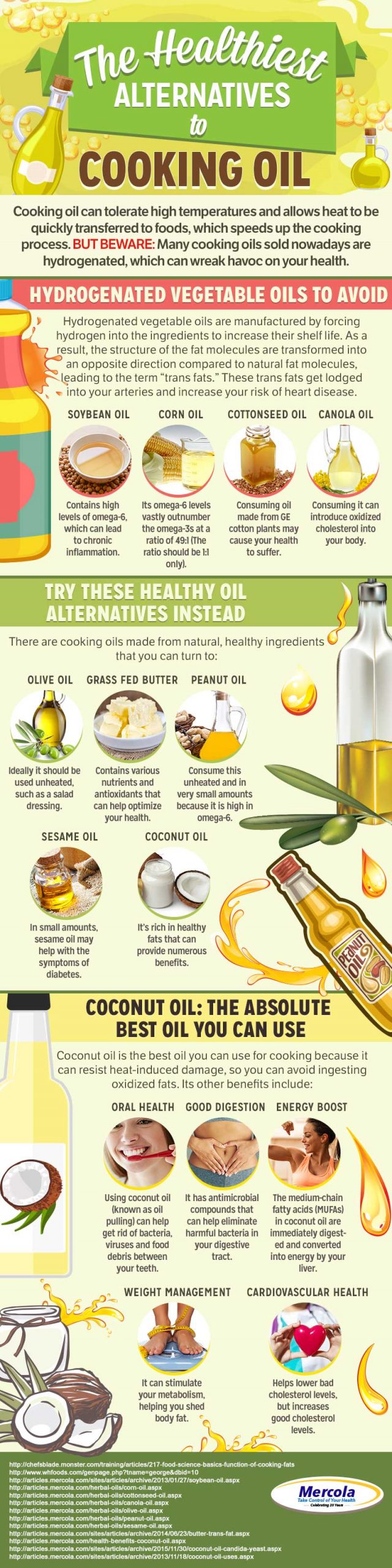
Why Vegetable Oils Are a Hazardous Choice
Modern research is just now starting to reveal what actually happens at the molecular level when you consume vegetable oil and margarine, and it’s clear that these fats are not doing your heart any favors.
For example, Sanjoy Ghosh,19 a biologist at the University of British Columbia, has shown your mitochondria cannot easily use PUFAs for fuel due to the fats’ unique molecular structure. Other researchers have shown the PUFA linoleic acid can cause cell death in addition to hindering mitochondrial function.20
PUFAs are also not readily stored in subcutaneous fat. Instead, they tend to get deposited in your liver, where they contribute to fatty liver disease, and in your arteries, where they contribute to atherosclerosis.
According to Frances Sladek,21 Ph.D., a toxicologist and professor of cell biology at UC Riverside, PUFAs behave like a toxin that builds up in tissues because your body cannot easily rid itself of them. When vegetable oils like sunflower oil and corn oil are heated, cancer-causing chemicals like aldehydes are also produced.22
So, in summary, if your aim is better heart health, ignore the AHA’s ignorant and prejudiced advice on dietary fats and cooking oils. It’ll lead you in the complete opposite direction.
While the AHA claims replacing saturated fats with PUFAs will cut your risk of heart disease, CHD rates have not improved in the decades that people have followed its recommendations on fat intake. Common sense tells us if the AHA’s advice hasn’t worked in the last 65 years, it’s not likely to start working now.
Medium-Chain Triglycerides and Their Health Benefits
Ninety percent of the fat in coconut oil is saturated and about two-thirds of the fats are medium-chain fats, also referred to as MCTs. MCTs get their name from their chemical structure, and can be divided into four groups based on their carbon length:
- 6 carbons (C6), caproic acid
- 8 carbons (C8), caprylic acid
- 10 carbons (C10), capric acid
- 12 carbons (C12), lauric acid
Clinical uses of MCT oil (typically a combination of C8 and C10, which increase ketone levels far more effectively than the others) include:
| Appetite reduction and weight loss23,24 |
| Improved cognitive and neurological function with possible implications in neurodegenerative diseases |
| Increased energy levels and improved athletic performance |
| Improved mitochondrial function and subsequent reduced risk for diseases such as atherosclerosis, diabetes, cancer, cardiovascular disease and autoimmune diseases |
| As part of a specialized dietary therapy for the treatment of epilepsy25 |
| Prevention of nonalcoholic fatty liver disease26 |
As a general rule, the shorter the carbon chain, the more efficiently the MCT is converted into ketones, which are an excellent mitochondrial fuel. Ketones can even pass the blood-brain barrier to supply your brain with energy. They’re a far preferable fuel than glucose, as they produce fewer reactive oxygen species and secondary free radicals when burned.
Ketones also help suppress the hunger hormone ghrelin, and as your ketone level rises, CCK, a satiety hormone, is activated. As a result, food cravings and hunger pangs vanish, which will go a long way toward avoiding unnecessary snacking. MCTs also:
- Have a thermogenic effect, which has a positive effect on your metabolism
- Are helpful for ridding your gut of harmful microorganisms like pathogenic bacteria, viruses, fungi and parasites
- Have antioxidant and anti-inflammatory properties
MCT Oil — Another Healthy Alternative
Coconut oil provides a mix of all of these MCTs, but the longer-chained C12 (lauric acid) makes up over 40% of it. (The exception is fractionated coconut oil, which contains primarily C8 and C10.27) Lauric acid is most well-known for its antibacterial, antimicrobial and antiviral properties. Since it’s a longer-chained molecule, it does not increase ketone levels to any significant degree.
While coconut oil provides a range of MCTs, for clinical uses such as those listed above, a more concentrated and potent MCT oil is recommended. Most commercial brands of MCT oil contain a 50/50 combination of C8 and C10. My personal preference is straight C8 (caprylic acid), as it converts to ketones the fastest. It also tends to be easier on your digestion.
Concentrated MCT oil and/or coconut oil can both be consumed daily, but start with a small amount. Taking high doses of MCT oil before you develop tolerance can cause loose stools and gastrointestinal side effects.
I recommend taking no more than 1 teaspoon of MCT oil to start. Have it at the same time as another fat, such as a handful of nuts, with ghee in your coffee, or as one of the oils in your salad dressing. Once your tolerance increases, you can slowly increase to as much as 4 tablespoons of MCT oil or coconut oil per day.
If you stop taking it for a while and then restart, begin with a small amount again to allow your digestive system to readjust. That said, MCT oil is often more easily digested by those struggling to digest other types of fat, such as those with malabsorption, leaky gut, Crohn’s disease or gallbladder impairment (such as an infection or if you had your gallbladder removed).
Upgrade Your Coffee Creamer
Many people who drink coffee do so with all kinds of additives, often referred to just as “cream and sugar”. Nondairy creamer can scarcely be called “cream” at all and is more aptly described as a synthetic combination of chemicals, trans fats, high-fructose corn syrup and artificial flavors. Give your coffee an upgrade by adding some grass fed butter, MCT oil or C8 to it. You can also make this brain-boosting high-performance beverage found on the Bulletproof blog:28
Procedure
- Brew 1 cup (8 to 12 ounces) of coffee using filtered water with 2 1/2 heaping tablespoons of freshly ground organic coffee beans. A French press will help preserve beneficial oils in the coffee that would otherwise be filtered out.
- Add anywhere from 1 teaspoon to 2 tablespoons of C8 MCT oil. Alternatively, you could use organic coconut oil.
- Add 1 to 2 tablespoons of grass fed, unsalted butter or grass fed ghee.
- Mix the ingredients in a blender for 20 to 30 seconds until it looks like a foamy latte.
Explore the Many Uses for Coconut Oil
Keeping a jar of organic coconut oil on hand could save you a lot of money since it replaces a wide variety of other products, both in the kitchen and elsewhere. As mentioned, coconut oil is not only a beneficial food. It can also replace a number of pricy and potentially hazardous personal care products, including moisturizers, hair masks, shaving lotion, cleansers and makeup removers, body scrub, toothpaste and much more.
If you’ve been fooled into going on a low-fat diet, or follow advice that recommends vegetable oils over coconut oil or butter, please look at the evidence and reconsider your options. Saturated fats will not make you pack on pounds; nor will it raise your risk for heart disease. On the contrary, saturated fat, such as that found in coconut oil, offers many health benefits, including improved heart health. If you don’t believe it, try it out for yourself.
Swap all of those margarine spreads and processed vegetable oils you’re using for coconut oil. After about three months or so, recheck your blood levels and compare your results. Chances are, you’ll find yourself in a lower risk category for heart disease than you were before, even if your total cholesterol (which says nothing about your heart disease risk) happens to go up. A simple way to get more coconut oil into your diet is to add it to your coffee or smoothie in the morning.
- 1 U.S. National Library of Medicine, PubMed Search Coconut Oil
- 2 American Journal of Clinical Nutrition 1981 Aug; 34(8): 1552-61
- 3 Journal of Internal Medicine 1993 Mar; 233(3): 269-75
- 4 Positive Med, September 16, 2015
- 5 BMJ Open 2018 Mar 6;8(3):e020167
- 6 Lipids 2009 Jul;44(7):593-601
- 7 BMC Neurosci. 2008; 9(Suppl 2): S16
- 8 Organic Facts, Health Benefits of Coconut Oil
- 9 Prev Nutr Food Sci. 2021 Mar 31; 26(1): 1–11
- 10 Prev Nutr Food Sci.2021 Mar 31; 26(1): 1–11
- 11 Science Direct Coconut Oil and Antioxidative Neuroprotection. 2020
- 12 Skin Pharmacol Physiol. 2010;23(6):290-7
- 13 mSphere November 18, 2015, DOI: 10.1128/mSphere.00020-15
- 14 J Indian Soc Periodontol. 2014 Jul;18(4):441-6.
- 15 Circulation, AHA Presidential Advisory June 15, 2017
- 16 American Heart Association. Saturated Fat. November 1, 2021
- 17 Drcate.com
- 18 New York Times March 1, 2011
- 19 University of British Columbia, Sanjoy Ghosh
- 20 Biochimica et Biophysica Acta September 10, 2002: 1555(1-3): 160-165
- 21 Scientia. Dr. Frances M. Sladek. Turning the Tables on ‘Healthy’ Fats. Febrjary 18, 2017
- 22 Telegraph November 7, 2015
- 23 Journal of the Academy of Nutrition and Dietetics 2015 Feb;115(2):249-63
- 24 Biochimie 2016 Jan;120:40-8
- 25 Mental Health Daily, MCT Oil Benefits
- 26 Experimental Biology and Medicine 2013 Feb;238(2):151-62
- 27 Science Direct. Coconut Oil. 2018
- 28 Bulletproof.com Bulletproof Coffee Recipe
Give Up Soda
Reproduced from original article:
https://articles.mercola.com/sites/articles/archive/2022/02/23/drinking-soda-health-risks.aspx
The original Mercola article may not remain on the original site, but I will endeavor to keep it on this site as long as I deem it to be appropriate, and will not be bullied into removing it.
Analysis by Dr. Joseph Mercola Fact Checked February 23, 2022

STORY AT-A-GLANCE
- Giving up soda — both sugar-sweetened and diet — is one of the most fundamental steps you can take to improve your health. You may have made that choice yourself long ago, but it is one that is important to others, too
- Research suggests sugary beverages are to blame for about 184,000 deaths worldwide each year, including 133,000 diabetes deaths, 45,000 heart disease deaths and 6,450 cancer deaths
- Men who drank an average of one can of soda per day had a 20% higher risk of having a heart attack or dying from a heart attack than men who rarely consumed soda
This article was previously published January 10, 2018, and has been updated with new information.
One of the most straightforward steps you can take to improve your health is to give up soda, and with that I’m talking about both regular and diet varieties. The problem with soda stems from its high sugar content — particularly the liquid high-fructose corn syrup (HFCS) variety — and, in the case of diet, its artificial sweetener content, among other issues.
Research suggests sugary beverages are to blame for about 184,000 deaths worldwide each year, including 133,000 Type 2 diabetes deaths, 45,000 heart disease deaths and 6,450 cancer deaths.1 Even drinking one or more 250 ml (about 8 ounces) servings of soda per day raises your risk of Type 2 diabetes by 18%.2
Soda and other sugar-sweetened beverages (SSBs) are a leading source of added sugar in the U.S. diet, with 6 in 10 youths and 5 in 10 adults drinking at least one such beverage on any given day.3 In 2022, it’s estimated that the average American adult’s daily diet includes 341.1 calories from sugary drinks alone, while children consume 312.6 beverage calories every day.4
Even the U.S. Centers for Disease Control and Prevention (CDC) states, “Frequently drinking sugar-sweetened beverages is associated with weight gain/obesity, Type 2 diabetes, heart disease, kidney diseases, nonalcoholic liver disease, tooth decay and cavities, and gout, a type of arthritis.”5
However, the CDC only suggests that “limiting the amount of SSB intake can help individuals maintain a healthy weight and have a healthy diet,” stopping far short of advising Americans to ditch these unhealthy drinks to avoid chronic disease.
This isn’t entirely surprising, considering CDC director Dr. Brenda Fitzgerald received $1 million in funding from Coca-Cola6 to combat childhood obesity during her six-year stint as commissioner of Georgia’s public health department and has a history of promoting the soda industry’s “alternative facts.”
Her Coke-funded anti-obesity campaign focused on exercise. None of the recommendations involved cutting down on soda and junk food, yet research shows exercise cannot counteract the ill effects of a high-sugar (i.e., high soda) diet.
Health Risks of Drinking Soda
Downing cans of sugary soda isn’t only a matter of consuming “empty” calories that may lead to weight gain, as some public health organizations would have you believe. You can’t simply undo the effects of soda consumption by cutting back on calories elsewhere in your diet, as the sugar itself wreaks havoc on your body and your gut flora.
Researchers have known since the 1960s that your body metabolizes different types of carbohydrates, like glucose and fructose, in different ways, causing very different hormonal and physiological responses that absolutely may influence fat accumulation and metabolism.7
One 12-ounce can of regular soda has about 33 grams of sugar (8 1/4 teaspoons) and 36 grams of net carbohydrates, which is more than your body can safely handle, especially at one sitting.
The World Health Organization recommended that sugar should make up less than 10% of your total daily energy intake, with additional benefits to be had if you reduce it to below 5% (which amounts to about 25 grams, or 6 teaspoons of sugar a day).8 For optimal health, I recommend limiting your intake of net carbs to under 40 to 50 grams per day, which is virtually impossible to do if you drink soda.
Gary Taubes, cofounder of the Nutrition Science Initiative and author of “The Case Against Sugar,” expertly documents sugar’s link to chronic diseases and much more, including whether sugar should more aptly be described as a drug instead of a food.
It doesn’t cause the immediate symptoms of intoxication, like dizziness, staggering, slurring of speech or euphoria, associated with other “drugs,” yet perhaps this only allowed its long-term medical consequences to go “unasked and unanswered.”
In 2019, an intriguing study9 showed that “Excessive sucrose consumption elicits addiction-like craving that may underpin the obesity epidemic.”
In this animal study, researchers found that sugar consumption triggered the release of natural opioids and dopamine in the animals’ brains, thus lowering the availability of those receptors. Reduced receptor availability is a sign of overstimulation, because when the brain gets overstimulated, it downregulates these receptors to prevent damage.
The drawback of this protective mechanism is that you now need a higher dose of the substance to get the same pleasure response, and this is a key mechanism by which addiction develops. While other researchers question whether sugar “addiction” is a true addiction,10 most of us today will never know if we suffer even subtle withdrawal symptoms from sugar like you would from a drug, because we’ll never go long enough without it to find out, Taubes wrote.
He added that sugar has likely killed more people than tobacco and that tobacco wouldn’t have killed as many people as it did without sugar.11 Harvard School of Public Health further compiled a list of additional studies demonstrating the link between soda and chronic disease:12
- Men who drank an average of one can of soda per day had a 20% higher risk of having a heart attack or dying from a heart attack than men who rarely consumed soda13
- Women who consumed a can of soda daily over a 22-year study had a 75% higher risk of gout than women who rarely consumed soda14
- Reducing soda consumption can reduce the prevalence of obesity and obesity-related diseases like Type 2 diabetes15
Why Diet Soda Is Not a ‘Healthier’ Alternative
The idea that diet soda is a healthier option than regular soda is one of the biggest prevailing myths in the nutrition realm today. If you’re one of the nearly half of U.S. adults who consume artificial sweeteners, mostly in the form of diet soda, daily (even one-quarter of kids do so as well),16 it’s important you’re let in on the truth: Drinking diet soda puts your health at risk of the following conditions:
•Stroke and Dementia — Drinking one artificially sweetened beverage a day may increase your risk of stroke and dementia by threefold compared to drinking less than one a week.17 Even drinking one to six artificially sweetened beverages a week was linked to 2.6 greater risk of stroke compared to not drinking any. A 2012 study similarly found that people who drank diet soft drinks daily were 43% more likely to have suffered a vascular event, including a stroke.18
This significant association persisted even after controlling for other factors that could increase the risk, such as smoking, physical activity levels, alcohol consumption, diabetes, heart disease, dietary factors and more. As for the dementia link, this one is new and no one knows for sure how diet drinks may affect your brain.
Forbes compiled some plausible theories, however, including perhaps via the disruption artificial sweeteners pose to your gut health via the corresponding gut-brain axis. Alternatively:19
“Diet sodas are designed to trick the brain into thinking it’s getting an extra dose of glucose (the brain’s fuel), but eventually the trick is on us because the brain adapts to not receiving the added glucose by overcompensating in other ways (leading to a variety of effects still under investigation).”
• Heart Attack — Research that included nearly 60,000 postmenopausal women who were followed for about 10 years found that drinking just two diet drinks a day can dramatically increase your risk of an early death from heart disease.20
• Metabolic Syndrome and Type 2 Diabetes — People with Type 2 diabetes are often advised to consume artificial sweeteners in lieu of sugar, but research shows consumption of diet soda at least daily is associated with a 36% greater relative risk of metabolic syndrome and a 67% greater relative risk of Type 2 diabetes compared with not consuming any.21
• Depression — According to a study done in 2013 that included nearly 264,000 U.S. adults over the age of 50, those who drank more than four cans or glasses of diet soda or other artificially sweetened beverages daily had a nearly 30% higher risk of depression compared to those who did not consume diet drinks.22
• Weight Gain — In April 2017, research presented at ENDO 2017, the Endocrine Society’s 99th annual meeting in Orlando, Florida, once again found that artificial sweeteners promote metabolic dysfunction that may promote the accumulation of fat.23 A study on mice also revealed that animals fed aspartame-laced drinking water gained weight and developed symptoms of metabolic syndrome while mice not fed the artificial sweetener did not.
Further, the researchers revealed that phenylalanine, an aspartame breakdown product, blocks the activity of a gut enzyme called alkaline phosphatase (IAP). In a previous study, IAP was found to prevent the development of metabolic syndrome (and reduce symptoms in those with the condition) when fed to mice.24 Aspartame likely promotes obesity by interfering with IAP activity.
Industry Ties Perpetuate Flawed ‘Energy Balance’ Theory
Despite soda’s strong links to disease, public health officials have been slow to place blame on the industry and instead continue to perpetuate the “energy balance theory,” which suggests weight gain is simply a matter of consuming more calories than you burn off, and increasing exercise is therefore the solution to lowering rates of obesity (in lieu of eliminating soda).
The soda industry has been instrumental in shifting the blame away from soda and toward virtually any other scapegoat. In 2015, for instance, Coca-Cola Co. was outed for secretly funding and supporting the Global Energy Balance Network, a nonprofit front group that promoted exercise as the solution to obesity while significantly downplaying the role of diet and sugary beverages in the weight loss equation.25
Public health authorities accused the group of using tobacco industry tactics to raise doubts about the health hazards of soda, and a letter signed by more than three dozen scientists said the group was spreading “scientific nonsense.”26 Yet, the soda industry maintains many close ties with organizations that continue to promote the energy balance myth (and directly funds such organizations).27 Among them:
- The Academy of Nutrition and Dietetics (AND), which was funded by Coca-Cola until 2015. They also founded a program called “Energy Balance 4 Kids With Play” in partnership with the Healthy Weight Commitment Foundation (HWCF), “an industry organization representing Coca-Cola, PepsiCo, Nestle, General Mills and other distributers of sugar-sweetened products.”28
- The International Food Information Council, which has received funds from the food, beverage and agriculture industry, including Coca-Cola and PepsiCo, promotes the idea that “when it comes to weight management or weight loss, it’s the total calories that matters most.”29
- The National Institutes of Health “We Can!” Campaign. Coca-Cola has donated millions to the NIH Foundation, and the campaign advised drinking soda only “once in a while” and suggested balancing out days when kids eat lots of high-sugar foods/drinks with more physical activity.
- The American College of Sports Medicine, which has received funds from Coca-Cola, suggests that while water should be your first choice of beverage, “there is no harm in drinking juice or even soda in moderation.”
- The U.S. Centers for Disease Control and Prevention, which also received funding from Coca-Cola via the CDC Foundation, also promotes “energy balance” and the idea that “Healthy eating is all about balance. You can enjoy your favorite foods even if they are high in calories, fat or added sugars. The key is eating them only once in a while …”30
Try Hibiscus Tea Instead
If the idea of swapping your daily soda with water sounds less than enticing, consider swapping it with tea instead. This gives you the best of both worlds: flavor and a healthy boost to your diet, as high-quality tea can have quite a few health benefits. Hibiscus tea is one such option. It has a pleasingly sharp flavor, similar to the tartness of cranberry, and you can find it in liquid extract form that allows you to add a few pumps to your glass of water.
Unlike soda that will overload you with sugar and/or artificial sweeteners, hibiscus tea is high in vitamin C, minerals and antioxidants, and studies suggest it may improve blood pressure, help prevent metabolic syndrome, protect your liver and even provide anticancer effects.31 It’s the opposite of drinking soda in terms of what it does to your health! It’s not only hibiscus tea that offers benefits, of course. If you prefer green or white tea, these are healthy choices as well.
Studies show green tea consumption improves brain function, as well as staves off cognitive disorders such as Alzheimer’s, helps prevent dental cavities, fights inflammatory disease such as arthritis and even combats several cancers, much like hibiscus tea. The idea is that by making this one healthy switch — swapping your daily soda for a daily cup of tea instead — you can significantly lower your risk of chronic disease and obesity.
In addition, if a soda craving strikes, fit in a quick workout, drink a cup of organic black coffee or consume something sour (like fermented vegetables or lemon water). All can help you to kick your sugar cravings to the curb.
The Emotional Freedom Techniques (EFT) is another great option, which has been shown to significantly reduce cravings while increasing peoples’ ability to show restraint — even after six months.32 A video demonstration is below, but here is the basic approach, which you can start using right now:
- Identify a food or beverage you crave by visualizing it or imagining you’re eating/drinking it
- Tap on your activated thoughts (for example, “I want this,” “I have to have it”)
- Tap on each of the specific sensations or thoughts you have about the food (sweetness, saltiness, creaminess, crunchiness, how it feels in your mouth, how it smells)
- Scan your body for any tension, and tap on that too
- 1 Live Science June 29, 2015
- 2 BMJ 2015;351:h3576
- 3, 5 CDC, Get the Facts, Sugar-Sweetened Beverages and Consumption
- 4 Zippia January 10, 2022 15 US Beverage Industry Trends and Statistics
- 6 Washington Post July 12, 2017
- 7 The New York Times January 13, 2017
- 8 World Health Organization March 4, 2015
- 9 Scientific Reports November 2019; 9 article number 16918
- 10 Frontiers in Psychiatry January 10, 2022 DOI: 10.3389/fpsyt.2021.824936
- 11 The Guardian January 5, 2017
- 12 Harvard School of Public Health, Soft Drinks and Disease
- 13 Circulation. 2012 Apr 10;125(14):1735-41, S1
- 14 JAMA. 2010 Nov 24;304(20):2270-8
- 15 Obes Rev. 2013 Aug;14(8):606-19
- 16 Consumer Reports May 24, 2017
- 17 Stroke. 2017 May;48(5):1139-1146
- 18 Journal of General Internal Medicine January 27, 2012
- 19 Forbes April 27, 2017
- 20 MedicineNet.com March 29, 2014
- 21 Diabetes Care 2009 Apr; 32(4): 688-694
- 22 Prevention January 8, 2013 Is Diet Soda Making You Sad?
- 23 Newswise April 1, 2017 Low-Calorie Sweeteners Promote Promote Fat Accumulation in Human Fat
- 24 Proceedings of the National Academy of Sciences April 23, 2013, vol. 110, no. 17
- 25 New York Times August 9, 2015
- 26 New York Times December 1, 2015
- 27, 28 The Russells January 12, 2017
- 29 Food Insight August 10, 2019
- 30 CDC, Healthy Eating for a Healthy Weight
- 31 Cardiovasc Hematol Agents Med Chem. 2013 Mar;11(1):25-37
- 32 Behavior Change 2011
Without Magnesium, Vitamin D Supplementation May Backfire
Reproduced from original article:
https://articles.mercola.com/sites/articles/archive/2022/02/21/magnesium-vitamin-d-supplementation.aspx
The original Mercola article may not remain on the original site, but I will endeavor to keep it on this site as long as I deem it to be appropriate, and will not be bullied into removing it.
Analysis by Dr. Joseph Mercola Fact Checked February 21, 2022

STORY AT-A-GLANCE
- When taking high-dose vitamin D3, it’s important to also take extra vitamin K2 and magnesium to avoid complications associated with excessive calcification
- Magnesium, the fourth most abundant mineral in your body, is a component necessary for the activation of vitamin D, and without sufficient amounts of it, your body cannot properly utilize the vitamin D you’re taking
- As many as 50% of Americans taking vitamin D supplements may not get significant benefit, as the vitamin D simply gets stored in its inactive form due to magnesium deficiency
- The only way to determine how much sun exposure is enough and/or how much vitamin D3 you need to take is to measure your vitamin D level, ideally twice a year
- To assess your magnesium level, check your RBC magnesium level and track signs and symptoms of magnesium insufficiency to determine how much magnesium you need. Low potassium and calcium are also common laboratory signs indicating magnesium deficiency
This article was previously published March 12, 2018, and has been updated with new information.
I’ve previously written about the importance of taking vitamin K2 when you’re taking high-dose supplemental vitamin D to avoid complications associated with excessive calcification in your arteries. Now, research highlights the vital importance of also taking magnesium in combination with vitamin D.
Magnesium, the fourth most abundant mineral in your body, is a component necessary for the activation of vitamin D, and without sufficient amounts of it, your body cannot properly utilize the vitamin D you’re taking.1,2,3,4
This may actually help explain why many need rather high doses of vitamin D to optimize their levels — it could be that they simply have insufficient amounts of magnesium in their system to activate the vitamin D. As noted by coauthor Mohammed Razzaque, professor of pathology at Lake Erie College of Osteopathic Medicine in Pennsylvania:5
“People are taking vitamin D supplements but don’t realize how it gets metabolized. Without magnesium, vitamin D is not really useful. By consuming an optimal amount of magnesium, one may be able to lower the risks of vitamin D deficiency, and reduce the dependency on vitamin D supplements.”
Without Magnesium, Vitamin D Supplements May Be Ineffective
According to this scientific review,6 as many as 50% of Americans taking vitamin D supplements may not get significant benefit, as the vitamin D simply gets stored in its inactive form. As reported in the press release by the American Osteopathic Association:7
“… [C]onsumption of vitamin D supplements can increase a person’s calcium and phosphate levels even if they remain vitamin D deficient. The problem is people may suffer from vascular calcification if their magnesium levels aren’t high enough to prevent the complication. Patients with optimum magnesium levels require less vitamin D supplementation to achieve sufficient vitamin D levels …
Deficiency in either of these nutrients is reported to be associated with various disorders, including skeletal deformities, cardiovascular diseases, and metabolic syndrome. While the recommended daily allowance for magnesium is 420 mg for males and 320 mg for females, the standard diet in the United States contains only about 50 percent of that amount.
As much as half of the total population is estimated to be consuming a magnesium-deficient diet.”
Higher Magnesium Intake Lowers Risk of Vitamin D Deficiency
Indeed, previous research has indicated that higher magnesium intake helps reduce your risk of vitamin D deficiency — likely by activating more of it. As noted in one 2013 study:8
“Magnesium plays an essential role in the synthesis and metabolism of vitamin D and magnesium supplementation substantially reversed the resistance to vitamin D treatment in patients with magnesium-dependent vitamin-D-resistant rickets … High intake of total, dietary or supplemental magnesium was independently associated with significantly reduced risks of vitamin D deficiency and insufficiency respectively.
Intake of magnesium significantly interacted with intake of vitamin D in relation to risk of both vitamin D deficiency and insufficiency. Additionally, the inverse association between total magnesium intake and vitamin D insufficiency primarily appeared among populations at high risk of vitamin D insufficiency.
Furthermore, the associations of serum 25(OH)D with mortality, particularly due to cardiovascular disease and colorectal cancer, were modified by magnesium intake, and the inverse associations were primarily present among those with magnesium intake above the median. Our preliminary findings indicate it is possible that magnesium intake alone or its interaction with vitamin D intake may contribute to vitamin D status.”
Vitamin D Lowers Mortality Risk of Heart Disease
Vitamin D, a steroid hormone, is vital for the prevention of many diseases, including but not limited to Type 2 diabetes, age-related macular degeneration (the leading cause of blindness), Alzheimer’s disease, heart disease and well over a dozen different types of cancer (including skin cancer). Vitamin D also exhibits its infection-fighting abilities in the treatment of tuberculosis, pneumonia, colds and flu.
Studies have also linked higher vitamin D levels with lowered mortality from all causes.9,10,11 Most recently, a Norwegian study12 published in the Journal of Clinical Endocrinology and Metabolism found “a normal intake of vitamin D” significantly reduces your risk of death if you have cardiovascular disease.13
About 4,000 patients diagnosed with stable angina pectoris (chest pain caused by coronary heart disease) were followed for 12 years. The average age at the outset of the study was 62. Overall, those with vitamin D blood levels between 16.8 and 40 ng/mL (42 to 100 nmol/L) had the lowest mortality risk.
Vitamin D Deficiency Could Increase Your COVID-19 Risk by 12x
Mounting evidence demonstrates that vitamin D has important roles in regulating the immune system that should reduce COVID-19 risks; primarily by reducing survival and replication of the SARS-CoV-2 virus and by reducing the risks of “cytokine storms” by reducing proinflammatory cytokine production and increasing anti-inflammatory cytokine production.
In the comprehensive vitamin D report below — which has been reviewed by many vitamin D scientists for accuracy — I detail how vitamin D works to fight COVID. I consider this the most important paper I’ve ever written and you can access this paper, free, here.14
Evidence Suggests Higher Vitamin D Levels Are Better
Interestingly, these findings are actually at odds with mounting research showing 40 ng/mL is at the low end of optimal. The new target is 60 to 80 ng/mL, but even a level upward of 100 ng/mL appears safe and beneficial for certain conditions, especially cancer. For example:
- Having a serum vitamin D level of 40 ng/mL has been shown to reduce your risk for cancer by 67%, compared to having a level of 20 ng/ml or less; most cancers were found to occur in people with a vitamin D blood level between 10 and 40 ng/mL15,16
- Research published in 2005 showed women with vitamin D levels above 60 ng/mL had an 83% lower risk of breast cancer than those with levels below 20 ng/mL17
- A 2007 study found women over 55 who raised their average serum level to 38 ng/mL lowered their risk of all invasive cancers, including breast cancer, by 77%18
Other recent research19 has also highlighted the importance of vitamin D for the prevention and treatment of heart disease, showing it plays a vital role in protecting and repairing damage to your endothelium. The findings also suggest vitamin D3:
- Helps trigger production of nitric oxide — a molecule known to play an important signaling role in controlling blood flow and preventing blood clot formation in your blood vessels
- Significantly reduces oxidative stress in your vascular system, which is important to help prevent the development and/or progression of cardiovascular disease
According to vitamin D researcher Dr. Michael Holick, author of “The Vitamin D Solution: A Three-Step Strategy to Cure Our Most Common Health Problem,” vitamin D deficiency — defined as a level below 20 ng/mL — can raise your risk of heart attack by 50%. What’s worse, if you have a heart attack while vitamin D deficient, your risk of dying is nearly guaranteed.
Vitamin D Levels Below 20 ng/mL Are Inadequate
Vitamin D levels below 20 ng/mL have repeatedly been shown to raise your risk for a number of other problems as well, including depression20 and Type 2 diabetes. Research suggests 20 ng/mL is not even adequate for the prevention of osteomalacia (softening of your bones).
In the case of depression, studies have shown that vitamin D deficiency is linked to even mild depression,21 and evidence suggests vitamin D deficiency may be a significant driver of the rise we see in both mood and mental disorders such as psychotic22 and obsessive-compulsive23 disorders.
As for diabetes, an analysis24 by GrassrootsHealth reveals people with a median vitamin D level of 41 ng/mL have a diabetes rate of 3.7 per 1,000, whereas those with a median serum level of just 22 ng/mL have a diabetes rate of 9.3 per 1,000. In other words, raising your level above 40 ng/mL can lower your risk of Type 2 diabetes by nearly 60%.
All in all, there’s very little reason to believe that a level as low as 16 ng/mL would be protective against death if you have heart disease. Research also shows higher vitamin D levels can help prevent and/or treat:
| Dry eye syndromes25,26 and macular degeneration27,28 |
| Autoimmune diseases, including psoriasis |
| Gastrointestinal diseases29 |
| Infectious diseases, including influenza and HIV30,31 |
| Inflammatory rheumatic diseases32 such as rheumatoid arthritis |
| Osteoporosis and hip fractures |
| Neurological diseases such as Alzheimer’s disease33,34 and epilepsy. In one study,35 epileptics given a one-time megadose of vitamin D3, ranging from 40,000 IUs all the way up to 200,000 IUs, followed by a daily dose of 2,000 to 2,600 IUs a day for three months to bring each individual’s vitamin D status to at least 30 ng/mL, resulted in significant improvements.
Ten out of 13 had a decrease in the number of seizures, five of whom experienced more than a 50% reduction. Overall, the group had a 40% reduction in the number of seizures. |
| Lupus — According to researchers in Cairo,36 most patients with systemic lupus erythematosus have some level of vitamin D deficiency, defined as a level of 10 ng/mL or less, or insufficiency, a level between 10 and 30 ng/mL. |
| Obstructive sleep apnea — In one study, 98% of patients with sleep apnea had vitamin D deficiency, and the more severe the sleep apnea, the more severe the deficiency.37 |
| Falls, fractures, dental health and more — A 2006 review38 looking at vitamin D intakes and health outcomes such as bone mineral density, dental health, risk of falls, fractures and colorectal cancer, found “the most advantageous serum concentrations of 25(OH)D begin at 30 ng/mL, and the best are between 36 to 40 ng/mL.” |
| Obesity — Research39 has shown vitamin D supplementation (4,000 IUs/day) combined with resistance training helps decrease your waist-to-hip ratio — a measurement that is far better at determining your risk for Type 2 diabetes and heart disease than body mass index. |
| Neurodegenerative diseases, including multiple sclerosis (MS).40 Research shows MS patients with higher levels of vitamin D tend to experience less disabling symptoms.41 |
Assess Your Vitamin D and Magnesium Levels
The best way to optimize your vitamin D level is through sensible sun exposure. Unfortunately, this can be difficult for many, especially during the winter season and/or if you live in northern regions. If you cannot obtain sufficient amounts of vitamin D through sun exposure, taking a supplement is recommended.
Remember that the only way to determine how much sun exposure is enough and/or how much vitamin D3 you need to take is to measure your vitamin D level, ideally twice a year.
The D*Action Project by GrassrootsHealth is a cost-effective way to do this, while simultaneously progressing valuable research. To participate, simply purchase the D*Action Measurement Kit and follow the registration instructions included.
To assess your magnesium level, check your RBC magnesium level and track signs and symptoms of magnesium insufficiency to determine how much magnesium you need. Low potassium and calcium are also common laboratory signs indicating magnesium deficiency.
The Interplay of Vitamin D, Calcium, Magnesium and Vitamin K2
When supplementing, also remember to take synergistic effects with other nutrients into account. If you take high-dose vitamin D, you may also need to increase your intake of:
- Magnesium
- Vitamin K2
- Calcium
These four nutrients — vitamins D and K2, calcium and magnesium — all work in tandem, and rely on sufficient amounts of each to work optimally. Lack of balance between these four nutrients is why calcium supplements have become associated with increased risk of heart attack and stroke, and why some experience symptoms of vitamin D toxicity. Here’s a summary of some of the most important correlations between these nutrients:
•Excessive vitamin D in combination with lack of vitamin K2 may cause overabsorption of calcium, which in turn may result in calcium deposits in your heart and kidneys. Part of the explanation for these adverse side effects is that vitamin K2 keeps calcium in its appropriate place — in your teeth and bones and out of soft tissues and arteries.
While the optimal ratios between vitamin D and vitamin K2 have yet to be established, taking somewhere between 100 to 200 micrograms (mcg) of K2 is beneficial. Telltale signs of vitamin K2 insufficiency include osteoporosis, heart disease and diabetes. You’re also more likely to be deficient if you rarely eat vitamin K2-rich foods (see listing below).
•Vascular calcification is also a side effect of low magnesium, so when taking vitamin D3, you need both vitamin K2 and magnesium to make sure everything is working properly.
•Maintaining an appropriate calcium-to-magnesium ratio is also important, as magnesium helps keep calcium in your cells so they can function better. Based on your personal health needs an ideal ratio of calcium-to-magnesium may vary from 1-to-1 to an optimal 1-to-2.42,43
•Magnesium and vitamin K2 also complement each other, as magnesium helps lower blood pressure, which is an important component of heart disease.
Eat a Varied Diet and Get Sensible Sun Exposure
The take-home message is that anytime you’re taking supplemental magnesium, calcium, vitamin D3 or vitamin K2, you must take all the others into consideration as well. While supplements can be helpful in some instances, your best and safest bet is to simply eat more calcium-, magnesium- and vitamin K2-rich foods, along with sensible sun exposure.
Food-derived nutrition is typically going to be the most beneficial, and this is particularly true for calcium. When you take a biologically foreign form of calcium, or when your body’s ability to direct calcium to the right places becomes impaired (as when you are deficient in vitamin K2 and/or magnesium), calcium is deposited where it shouldn’t be, such as in your arteries.
It’s more likely your body can use calcium correctly if it’s plant-derived calcium. Here’s a quick summary of foods known to be high in these important nutrients:
• Vitamin K2 — Grass fed organic animal products such as eggs and butter, fermented foods such as natto, goose liver pâté and vitamin K2-rich cheeses such as Brie and Gouda
• Magnesium — Almonds and cashews, bananas, broccoli and Brussels sprouts, brown rice, free-range pastured egg yolk, flaxseed, grass fed raw milk, mushrooms, pumpkin seeds, sesame seeds, sunflower seeds and leafy green vegetables, especially spinach, Swiss chard, turnip greens, beet greens, collard greens, kale, Bok Choy and romaine lettuce
• Calcium — Raw milk from grass fed cows (who eat plants), leafy green vegetables, the pith of citrus fruits, carob and wheatgrass
- 1 Live Science February 26, 2018
- 2 Medicalxpress.com February 27, 2018
- 3 News-Medical.net February 26, 2018
- 4 Wellandgood.com February 26, 2018
- 5, 7 Eurekalert February 27, 2018
- 6 Journal of the American Osteopathic Association March 2018; 118: 181-189
- 8 BMC Medicine 2013; 11: 187
- 9 Institute of Medicine, Committee to Review Dietary Reference Intakes for Vitamin D & Calcium, Dietary Reference Intakes for Calcium & Vitamin D, 2011
- 10 J Clin Endocrinol Metab 2013;98:2160-2167
- 11 PLOS One 2013: 8(12); e82109
- 12 Journal of Clinical Endocrinology and Metabolism January 9, 2018, jc2017-02328
- 13 Medicalxpress.com March 1, 2018
- 14 Vitamin D in the Prevention of COVID-19
- 15 PLOS ONE 2016; 11 (4): e0152441
- 16 Oncology Nurse Advisor April 22, 2016
- 17 European Journal of Cancer 2005 May;41(8):1164-9
- 18 American Journal of Clinical Nutrition June 2007; 85(6): 1586-1591
- 19 International Journal of Nanomedicine January 19. 2018; 2018(13): 455-466
- 20 Issues Mental Health Nursing June 2010; 31(6): 385-393
- 21 Molecular Psychiatry 19, 444–451 (2014). April 9, 2013
- 22 Journal of Clinical Psychiatry 2017 Jul;78(7):e750-e757
- 23 Psychiatry Research August 2017; 254: 232-237
- 24 Grassrootshealth.net, Vitamin D for Diabetes
- 25 International Journal of Rheumatic Diseases August 13, 2015 DOI: 10.1111/1756-185X.12727
- 26 Endocrinology Advisor August 24, 2015
- 27 JAMA Ophthalmology August 27, 2015;133(10):1171-1179
- 28 Epoch Times September 2, 2015
- 29 Scientific Reports 10. Article number: 21641 (2020) December 10, 2020
- 30 Greensboro.com July 27, 2015
- 31 Scidev.net July 24, 2015
- 32 Intechopen Vitamin D in Rheumatic Diseases. August 8, 2019
- 33 The Journals of Geriontology 2012 Nov;67(11):1205-11
- 34 Vitamin D Council, April 23, 2012
- 35 Epilepsy and Behavior 2012 May;24(1):131-3
- 36 Healio September 4, 2015
- 37 Bel Marra Health May 3, 2016
- 38 American Journal of Clinical Nutrition July 2006: 84(1); 18-28
- 39 Clinical Nutrition September 3, 2012
- 40 PLOS Medicine August 25, 2015 DOI: 10.1371/journal.pmed.1001866
- 41 Reliawire December 31, 2015
- 42 Emerson Ecologics. The Importance of the Calcium Magnesium Ratio
- 43 Current Developments in Nutrition Volume 3, Issue Supplement_1, June 2019
Embalmers Find Veins and Arteries Filled With Rubbery Clots
Reproduced from original article:
https://articles.mercola.com/sites/articles/archive/2022/02/19/fibrous-clots.aspx
The original Mercola article may not remain on the original site, but I will endeavor to keep it on this site as long as I deem it to be appropriate, and will not be bullied into removing it.
Analysis by Dr. Joseph Mercola Fact Checked February 19, 2022
STORY AT-A-GLANCE
- Richard Hirschman, a board-certified embalmer, has been finding “strange clots” in the bodies of the deceased since the rollout of COVID-19 shots
- Hirschman describes, and has photographed, unnatural, fibrous clots that are filling vessels and veins, making it difficult for embalming to occur; his colleagues have had similar experiences finding the fibrous clots
- Many of those affected were said to have died from a heart attack or stroke
- Since November, Hirschman states that more than 50% of the bodies he embalms are affected by the strange clots
- If you’ve been injected, consider fibrinolytic enzymes on an empty stomach, which digest the fibrin that leads to blood clots, strokes and pulmonary embolisms
Richard Hirschman, a board-certified embalmer and funeral director with more than 20 years of experience, has come forward with some mysterious and disturbing findings. In the time period since COVID-19 shots were rolled out, starting around the middle of 2021, Hirschman states that he’s been finding “strange clots” in the bodies of the deceased.
In a worldwide exclusive interview with the Dr. Jane Ruby Show, Hirschman describes unnatural, fibrous clots that are filling vessels, making it difficult for embalming to occur.1 In the video above, you can view the long, rubbery clots firsthand. Warning: Some of the photos are graphic. “I’ve seen a handful of these,” Hirschman says, referring to a clot he pulled from a body’s groin area, which is nearly the length of the leg.
The clot was so alarming that Hirschman snapped a photo, explaining that he thought, “I’ve got to take a picture of this because nobody is going to believe what this looks like.” At the time of the photo, he had already pulled out a few other similarly large clots from other bodies.2
Hirschman’s observations have been confirmed by colleagues, including Cary Watkins, who has more than 50 years of embalming experience. Not only does Watkins know Hirschman personally, but he said he is a credible embalmer. Watkins witnessed Hirschman remove the strange clots from a body and said he has never seen any clots like them in his five-decade career.3
Strange White, Fibrous Clots: It ‘Just Isn’t Normal’
Steve Kirsch is doing a great job of compiling loads of information to refute the mainstream media’s narrative. If you are interested in learning the latest about COVID you need to subscribe to his free Substack Newsletter. The two video interviews in this section are a good example of the type of content you will receive when you subscribe.
“When I do the embalming, I have to go into the vein. And in order for the embalming process, I have to allow blood to be drained. So I actually pulled this huge, long clot — fibrous looking clot — out prior to an embalming,” Hirschman said.4
The beginning of the clot, which resembles a white, rubbery worm, appears red and like a normal clot. But the majority of the clot is different; it’s composed of a white, fibrous material. “It just isn’t normal,” he said, adding:5
“Typically, a blood clot is smooth; it’s blood that has coagulated together. But when you squeeze it, or touch it or try to pick it up, it generally falls apart … you can almost squeeze it between your fingers and get it back to blood again. But this white fibrous stuff is pretty strong. It’s not weak at all. You can manipulate it, it’s very pliable. It’s not hard … it is not normal. I don’t know how anybody can live with something like this inside of them.”
The person from whom the long clot in the video was pulled had received COVID-19 shots but contracted COVID-19 anyway. They were released from a hospital after testing negative for SARS-CoV-2, but died a few days later — “probably because he was full of blood clots,” Hirschman said.6
He also had information from a reliable source that family members were upset because the man had been released from the hospital despite still feeling sick, including suffering from difficulty breathing and shortness of breath.
A second photo in the video shows what the clots looked like once Hirschman rinsed them off. “To get a view of what’s inside of this, I could literally rinse these clots, rub the blood off of them, and this white stuff holds strong. It does not dissolve. You can break it, but it’s stretchy.”7 When he spoke with his colleagues, they confided that they’re also seeing the same thing.
Another unusual aspect of the clots is that they’re being found in both veins and arteries. Typically, clots aren’t found in arteries unless a person has been dead for several days, which wasn’t the case when Hirschman found them.
‘It Looks Like Heartworms for People’
Hirschman and a colleague have pulled numerous fibrous strings from bodies — a phenomenon that he hasn’t seen before in his 20-plus year career. He described them as resembling worms while a colleague said, “It looks like heartworms for people.” However, these are not worms or parasites. As Hirschman said, he never saw one move. In a commentary, Dr. Robert Jay Rowen explained:8
“I watched this video and it is frightening. This undertaker could not withdraw blood from leg veins to inject formaldehyde to preserve the body. He explored and not only found clots, which can be natural, but at the end of the clot he found dense white stringy material he described as shaped like a worm, but I don’t want you to be misled that there could be a parasite.
It looked like a twisted rope. You won’t believe this unless you see it. Worse, he found a few in arteries which should never have anything like it due to high flow. His colleagues are reporting similar findings to him since COVID vaccine advent.”
Hirschman said that January 2021 was the busiest he’s been in his career, which happened to coincide with the rollout of COVID-19 shots. He didn’t see the white “wormy” structures right away, but as he’s now seeing it increasingly often, he’s become concerned for the future.
Many of those affected were said to have died from a heart attack or stroke. “Most people will not see what I see. Doctors, when they draw blood, they cannot see this stuff.” Hirschman intends to have the substance chemically analyzed, adding it’s become so common that if he embalms four bodies in a day, two of them will have the fibrous clots.
Majority of Bodies Now Affected
Since November, Hirschman states that more than 50% of the bodies he embalms are affected by the strange clots, and the trend appears to be on the rise:9
“If this is caused by the vaccine, which my gut is telling me it is — I can’t prove that — if it is caused by the vaccine, imagine the amount of people that will be dying in the future, because people can’t live with this kind of substance floating around in their vessels.
And it’s amazing how many people are dying of heart attack and stroke lately. If one of these small, fibrous tissues gets up into the brain, they’re going to have a stroke. If it gets into your heart, it’s going to lead you to a heart attack.”
One individual in his 50s, who Hirschman embalmed, died of a heart attack and had the white, fibrous clots. His wallet was on him, and as Hirschman checked for personal effects, he noticed the man’s COVID-19 vaccine card there.
“He has been super busy with his embalming business since the vaccine rollout,” Rowen said. “He never saw it before 2020 in 20 years of work. He doesn’t know if they all were vaccinated. The rate of this occurrence seems to be increasing in the past few months from 50% to 80% of the bodies.”10
In the last month, Hirschman said, out of 35 people he embalmed, 24 had the clots. He’s hesitant to reveal the findings to family members of the victims, as he doesn’t want to start a panic. However, if the composition of the fibrous material can be uncovered, he’s hopeful that something could be done to stave off the damage and save people’s lives.
Shots Double Risk of Acute Coronary Syndrome
Rare blood clots continue to be reported as adverse reactions to COVID-19 shots.11 In one example, 17-year-old Everest Romney received his first dose of the Pfizer shot, and experienced extreme swelling in his arm and neck that night.12 Two days later, the previously healthy athlete was unable to lift his head due to the pain and swelling. A pediatrician dismissed the concerns, blaming them on a sports injury.
His mother insisted on a CT scan, which revealed a blood clot inside his jugular vein on the same side he got the shot. Rare blood clots in his brain were also later revealed. He ended up in the ICU, where doctors still refused to acknowledge that the clots could be linked to the shot.
A study published in the November 16, 2021, issue of the journal Circulation is also especially relevant given Hirschman’s testimony. The study concluded that “the mRNA vacs dramatically increase inflammation on the endothelium and T cell infiltration of cardiac muscle and may account for the observations of increased thrombosis, cardiomyopathy, and other vascular events following vaccination.”
People who had been jabbed more than doubled their risk of acute coronary syndrome (ACS), an umbrella term that includes not only heart attacks, but also a range of other conditions involving abruptly reduced blood flow to your heart. Signs and symptoms of ACS typically begin very suddenly and include:13
| Chest pain/discomfort, often described as aching, pressure, tightness or burning sensations | Pain that radiates from your chest to your shoulders, arms, upper abdomen, back, neck and/or jaw |
| Nausea and/or vomiting | Indigestion |
| Shortness of breath | Sudden heavy sweating |
| Lightheadedness, dizziness and/or fainting | Unusual or inexplicable fatigue |
Patients who received a two-dose regimen of mRNA more than doubled their five-year ACS risk, driving it from an average of 11% to 25%. In a November 21, 2021, tweet, cardiologist Dr. Aseem Malhotra wrote:14
“Extraordinary, disturbing, upsetting. We now have evidence of a plausible biological mechanism of how mRNA vaccine may be contributing to increased cardiac events. The abstract is published in the highest impact cardiology journal so we must take these findings very seriously.”
Fibrinolytic Enzymes May Help
If you’ve received a COVID-19 injection and are suffering from any shot-induced symptoms, the Front Line COVID-19 Critical Care Working Group’s (FLCCC) I-RECOVER15 protocol for long-haul COVID syndrome has been used to treat shot-induced symptoms with similar success.
The protocol can be downloaded in full,16 and gives you step-by-step instructions on how to treat long-haul COVID syndrome and/or reactions from COVID-19 injections. Further, if you’ve been injected and want to reduce your risk of any potential complications, there are a few basic strategies I would advise.
1.Make certain you measure your vitamin D level and take enough vitamin D orally (typically about 8,000 units/day for most adults) and/or get sensible sun exposure to make sure your level is 60 to 80 ng/ml (150 to 2000 nmol/l).
2.Eliminate all vegetable (seed) oils in your diet, which involves eliminating nearly all processed foods and most meals in restaurants unless you can be sure the chef is cooking only with butter. Avoid any sauces or salad dressings in restaurants, as they are loaded with seed oils.
Also avoid chicken and pork, as they are rich in linoleic acid, the omega-6 fat that nearly everyone consumes far too much of and contributes to oxidative stress that causes heart disease.
3.Consider taking around 500 milligrams a day of NAC, as it helps prevent blood clots and is a precursor for your body to produce the important antioxidant glutathione.
4.Hirschman recommended daily aspirin, but consider fibrinolytic enzymes instead, which digest the fibrin that leads to blood clots, strokes and pulmonary embolisms. The dose is typically two, twice a day, but must be taken on an empty stomach, either an hour before or two hours after a meal. Otherwise, the enzymes will digest your food and not the fibrin in the blood clot.
For even more options, the World Council for Health, a worldwide coalition of health-focused organizations and civil society groups that seek to broaden public health knowledge, has released a spike protein detox guide full of natural remedies that may help support your health.17
- 1 Rumble, Dr. Jane Ruby Show January 26, 2022
- 2 Rumble, Dr. Jane Ruby Show January 26, 2022, 3:54
- 3 Substack, Steve Kirsch’s newsletter February 14, 2022
- 4 Rumble, Dr. Jane Ruby Show January 26, 2022, 3:02
- 5 Rumble, Dr. Jane Ruby Show January 26, 2022, 4:23
- 6 Rumble, Dr. Jane Ruby Show January 26, 2022, 6:00
- 7 Rumble, Dr. Jane Ruby Show January 26, 2022, 7:50
- 8, 10 Substack, The Rowen Report January 28, 2022
- 9 Rumble, Dr. Jane Ruby Show January 26, 2022, 14:50, 17:46
- 11, 12 C19 Vax Reactions, Everest Romney’s Mom Speaks Out
- 13 Mayo Clinic ACS
- 14 Twitter Aseem Malhotra November 21, 2021
- 15, 16 FLCCC Alliance, I-RECOVER
- 17 World Council for Health, Spike Protein Detox Guide
Best Vegetables for Your Heart
Reproduced from original article:
https://articles.mercola.com/sites/articles/archive/2022/02/17/vegetables-for-heart-health.aspx
The original Mercola article may not remain on the original site, but I will endeavor to keep it on this site as long as I deem it to be appropriate, and will not be bullied into removing it.
Analysis by Dr. Joseph Mercola Fact Checked February 17, 2022

STORY AT-A-GLANCE
- The more vegetables you eat, the lower your risk of heart disease, with different types of vegetables protecting your heart through different mechanisms
- Leafy greens have high amounts of nitrates that naturally boost your nitric oxide level. L-citrulline in watermelon also boosts nitric oxide
- Cruciferous veggies lower your risk of stroke and heart attack by promoting more supple neck arteries and preventing the buildup of arterial plaque
- Probiotic-rich sauerkraut has been shown to reduce inflammation, improve high blood pressure, reduce triglyceride levels and maintain healthy cholesterol levels, all of which benefit your cardiovascular and heart health
- The best way to maximize your benefits is to eat a wide variety of vegetables on a daily basis, making sure to include nitrate-rich leafy greens, cruciferous vegetables, magnesium- and quercetin-rich varieties, plus onions and some homemade sauerkraut
This article was previously published April 16, 2018, and has been updated with new information.
Research has shown that the more vegetables you eat, the lower your risk of heart disease, with different types of vegetables protecting your heart through different mechanisms. Leafy greens, for example, have high amounts of nitrates that naturally boost your nitric oxide (NO) level.1 Cruciferous veggies, on the other hand, lower your risk of stroke and heart attack by promoting more supple neck arteries and preventing the buildup of arterial plaque.
In fermented cabbage, it’s the fiber content that helps lower blood pressure and improve blood sugar control, thereby lowering your risk of heart problems. Phytonutrients in sauerkraut also help promote easy blood flow and flexible blood vessels, and veggies rich in magnesium and quercetin also provide important heart benefits. Following is a summary of some of the top vegetable types for maintaining healthy heart function well into old age.
Nitrate-Rich Veggies Boost Heart Health
NO is an important biological signaling molecule that supports normal endothelial function and protects your mitochondria. A potent vasodilator, it also helps relax and widen your blood vessels, which improves blood flow.
A recent study published in The American Journal of Clinical Nutrition,2 which followed nearly 1,230 seniors for 15 years, found that the higher an individual’s vegetable nitrate intake, the lower their risk for atherosclerotic vascular disease (ASVD) and all-cause mortality.
According to the authors, “These results support the concept that nitrate-rich vegetables may reduce the risk of age-related ASVD mortality.” Research3 has also shown a diet high in vegetable nitrates helps prevent and treat prehypertension and hypertension (high blood pressure), and protects against heart attacks, courtesy of their NO-boosting power.
Vegetable nitrates should not be confused with the nitrates found in processed meats such as bacon, hot dogs, ham and other cured meats. Dietary nitrates can convert into either health-boosting NO or nitrosamines, which are carcinogenic and should be avoided as much as possible.4
Vegetable nitrates turn into beneficial NO while the nitrates in processed meats are primarily converted into harmful nitrosamines. The top 10 nitrate-rich foods that can help boost your heart health include:5
- Arugula 480 mg of nitrates per 100 grams
- Rhubarb 281 mg
- Cilantro 247 mg
- Butter leaf lettuce 200 mg
- Spring greens like mesclun mix 188 mg
- Basil 183 mg
- Beet greens 177 mg
- Oak leaf lettuce 155 mg
- Swiss chard 151 mg
- Red beets 110 mg
Surprise! Watermelon Also Boosts NO Production
Watermelon is a popular summer delicacy, and it will also improve NO production thanks to L-citrulline. However, it is important to understand that watermelon is high in net carbs and consuming large amounts of it on a regular basis will likely worsen insulin resistance and increase your risk of heart disease.
Watermelon also has lycopene, a carotenoid antioxidant that gives fruits and vegetables like tomatoes and watermelon their pink or red color. Its antioxidant activity has long been suggested to be more powerful than that of other carotenoids, such as beta-carotene, and research suggests it may significantly reduce your risk of stroke.
A study6 that followed men in their mid-40s to mid-50s for more than 12 years found those with the highest blood levels of lycopene were 55% less likely to have a stroke than those with the lowest levels. Other antioxidants, including alpha carotene, beta-carotene, vitamin E and vitamin A, showed no such benefit. L-citrulline, meanwhile, is a precursor of L-arginine, the substrate for nitric oxide synthase in the production of NO. As explained in a 2006 study:7
“Supplemental administration [of] L-arginine has been shown to be effective in improving NO production and cardiovascular function in cardiovascular diseases associated with endothelial dysfunction, such as hypertension, heart failure, atherosclerosis, diabetic vascular disease and ischemia-reperfusion injury, but the beneficial actions do not endure with chronic therapy.
Substantial intestinal and hepatic metabolism of L-arginine … makes oral delivery very ineffective … In contrast, L-citrulline is not metabolized in the intestine or liver … L-citrulline entering the kidney, vascular endothelium and other tissues can be readily converted to L-arginine, thus raising plasma and tissue levels of L-arginine and enhancing NO production.”
Cruciferous Veggies Improve Arterial Suppleness
Cruciferous vegetables such as broccoli, cauliflower, Brussels sprouts and cabbage — which are widely recognized for their anticancer benefits — also have a heart-healthy influence.
A study8 that examined the effects of vegetable intake on carotid artery measures, which are indicative of arterial health (narrow, hard arteries restrict blood flow and can lead to heart attack and stroke), found those who consumed the most cruciferous vegetables had thinner and therefore healthier carotid arteries than those who consumed the fewest.
On average, those who ate at least three daily servings of cruciferous veggies had nearly 0.05 millimeters (mm) thinner carotid arterial walls (the artery in your neck) than those who ate two servings or less. Each 0.1-mm decrease in thickness is associated with a decreased stroke and heart attack risk ranging from 10 to 18 percent, so the results were considered rather significant.
Overall, each 10-gram daily serving of cruciferous vegetables was associated with a 0.8 percent reduction in carotid artery wall thickness. This link was not found with other types of vegetables. According to study author Lauren Blekkenhorst:
“After adjusting for lifestyle, cardiovascular disease risk factors (including medication use) as well as other vegetable types and dietary factors, our results continued to show a protective association between cruciferous vegetables and carotid artery wall thickness9 …
However, this does not discount the importance of other vegetable types, as we know increasing a variety of all vegetables is important to maintain good health. Our research suggests that recommendations to include a couple of servings of cruciferous vegetables amongst the recommended amount of vegetables may help to optimize the vascular health benefits.10“
Eat Your Cruciferous Veggies With Mustard Seed
The sulforaphane in broccoli and other cruciferous veggies has potent anticancer benefits as well, and you can easily augment these perks by pairing your cruciferous vegetables with a myrosinase-containing food.11
Myrosinase is an enzyme that converts glucoraphanin to sulforaphane. Examples include mustard seed,12 daikon radishes, wasabi, arugula or coleslaw, with mustard seed being the most potent. Adding a myrosinase-rich food is particularly important if you eat the broccoli raw, or use frozen broccoli.
Ideally, broccoli should be steamed for three to four minutes to increase the available sulforaphane content. This light steaming eliminates epithiospecifier protein — a heat-sensitive sulfur-grabbing protein that inactivates sulforaphane — while retaining the myrosinase in the broccoli.13
This is important because without myrosinase, your body cannot absorb sulforaphane. If you opt for boiling, blanch the broccoli in boiling water for no more than 20 to 30 seconds, then immerse it in cold water to stop the cooking process.
If you prefer raw food, you’d be better off eating raw broccoli sprouts instead of mature broccoli, as the sprouts contain up to 50 times the amount of anticancer compounds found in mature broccoli, including sulforaphane.14,15,16 As a result, you can eat far less of them while still maximizing your benefits.
Sauerkraut Does Your Heart Good
The fiber17 and healthy bacteria found in traditionally fermented and cultured foods also benefit your heart in a number of different ways. For example, probiotic-rich sauerkraut has been shown to reduce inflammation, promote gut health (which has system-wide implications), improve high blood pressure, reduce triglyceride levels and maintain healthy cholesterol levels,18 all of which benefit your cardiovascular and heart health.
Lactobacillus plantarum bacteria in fermented cabbages have also been shown to boost the activities of superoxide dismutase and glutathione peroxidase — two powerful antioxidants created in your body — and elevate gene expression of Nrf2,19 a transcription factor that regulates cellular oxidation and reduction and aids in detoxification. Sauerkraut is easy to make at home with just a few simple ingredients. Here’s a recipe for raw sauerkraut with fresh ginger from my recipe site:
Raw Sauerkraut Recipe
Ingredients
- 1 whole green cabbage
- 1 tablespoon grated fresh ginger
- 2 carrots, grated
- Celery juice
- Starter culture
Procedure
- Grate, shred or slice the cabbage thinly, except for the outer leaves (set them aside). Shred the carrots and ginger, and add to the cabbage.
- Mix the starter culture in the celery juice, making sure it’s completely dissolved. Add the juice to your vegetables, spreading it out evenly.
- Put as much as sauerkraut in a ceramic pot or glass container as you can.
- Get a masher, and mash the vegetables down. This will release more juices in your sauerkraut and eliminate any air pockets.
- Place a cabbage leaf on top of your sauerkraut and tuck it down the sides. Cover the jar with the lid loosely (fermentation produces carbon dioxide, which will expand the jar).
- Store the container in a place with a controlled temperature, like a cooler, for five to seven days. On the seventh day, transfer the sauerkraut to the refrigerator.
Magnesium-Rich Vegetables
Magnesium is profoundly important for heart health, and most people are deficient. More than 300 different enzymes rely on magnesium for proper function, and magnesium is required for a whole host of biochemical processes. This includes but is not limited to the creation of ATP (adenosine triphospate), the energy currency of your body,20,21 relaxation of blood vessels and healthy muscle and nerve function, including the action of your heart muscle.
If you’re lacking in cellular magnesium, it can lead to the deterioration of your cellular metabolic function, which in turn can snowball into more serious health problems, including cardiovascular disease, sudden cardiac death and even death from all causes. The best way to maintain healthy magnesium levels is to make sure you’re eating plenty of dark-green leafy vegetables.
Juicing your greens is an excellent way to increase your magnesium, along with many other important plant-based nutrients. When it comes to leafy greens, those highest in magnesium include:
| Spinach | Swiss chard |
| Turnip greens | Beet greens |
| Collard greens | Broccoli |
| Brussels sprouts | Kale |
| Bok Choy | Romaine lettuce |
Aside from vegetables, other foods that are particularly rich in magnesium include:22,23,24
| Raw cacao nibs and/or unsweetened cocoa powder — One ounce (28 grams) of raw cacao nibs contain about 64 mg of magnesium, plus many other valuable antioxidants, iron and prebiotic fiber that help feed healthy bacteria in your gut. |
| Avocados — One medium avocado contains about 58 mg of magnesium, plus healthy fats and fiber, and other vitamins. They’re also a good source of potassium, which helps offset the hypertensive effects of sodium. |
| Seeds and nuts — Pumpkin seeds, sesame seeds and sunflower seeds score among the highest, with one-quarter cup providing an estimated 48%, 32% and 28% of the RDA of magnesium respectively. Cashews, almonds and Brazil nuts are also good sources. One ounce (28 grams) of cashews contains 82 mg of magnesium, which equates to about 20% of the RDA. |
| Fatty fish — Interestingly, fatty fish such as wild caught Alaskan salmon and mackerel are also high in magnesium. A half fillet (178 grams) of salmon can provide about 53 mg of magnesium, equal to about 13 percent of the RDA. |
| Squash — One cup of winter squash provides close to 16.80 grams of magnesium — about 4 percent of your RDA. |
| Herbs and spices — Herbs and spices pack lots of nutrients in small packages, and this includes magnesium. Some of the most magnesium-rich varieties are coriander, chives, cumin seed, parsley, mustard seeds, fennel, basil and cloves. |
| Fruits and berries — Ranking high for magnesium are: papaya, raspberries, tomato, cantaloupe, strawberries and watermelon. For example, one medium-sized papaya can provide nearly 58 grams of magnesium. |
Heart-Healthy Benefits of Onions, Other Quercetin-Rich Foods
Last but not least there’s onions. Packed with quercetin, onions help combat inflammation and boost immune function. As a supplement, quercetin has been used to ameliorate obesity, Type 2 diabetes25 and circulatory dysfunction. A 2016 meta-analysis26 of randomized controlled trials found quercetin effectively lowered blood pressure at a dosage of about 500 mg per day. Other studies have shown it helps reduce your risk of atherosclerosis.27 Onions also contain:
- Sulphur-containing phytochemicals that help normalize your cholesterol and triglyceride levels, and have anticlotting properties that help lower your risk of stroke, coronary artery disease and peripheral vascular diseases
- Polyphenols, which play an important role in preventing and reducing the progression of cardiovascular diseases
- Inulin, indigestible prebiotic fiber that nourishes beneficial bacteria in your gut
As a general rule, the more pungent onions provide the greatest benefits. In summary, the best way to maximize your benefits is to eat a wide variety of vegetables on a daily basis, making sure to include nitrate-rich leafy greens, cruciferous vegetables, magnesium- and quercetin-rich varieties, plus onions and some homemade sauerkraut.
- 1 Essentialstuff.org April 28, 2014
- 2 American Journal of Clinical Nutrition May 31, 2017; 106(1): 207-216
- 3 Hypertension 2008 Mar;51(3):784-90
- 4 World Cancer Research Fund, Limit Red Meat and Avoid Processed Meat
- 5 Nutrition Facts Vegetables Rate by Nitrate February 22, 2012
- 6 Neurology October 9, 2012; 79(15); 1540-1547
- 7 Cardiovascular Drug Review 2006 Fall-Winter;24(3-4):275-90
- 8 Journal of the American Heart Association April 4, 2018; 7: e008391
- 9 Medical News Today April 5, 2018
- 10 Reuters April 4, 2018
- 11 Molecules. 2018 Nov; 23(11): 2983
- 12 Food Chemistry June 1, 2013; 138(2-3):1734-41
- 13 Science Daily April 5, 2005
- 14 Proc Natl Acad Sci U S A. 1997 Sep 16; 94(19): 10367–10372
- 15 Science Daily September 19, 1997
- 16 Elynjacobs.com February 27, 2017
- 17 Harvard Health. Eat More Fiber-Rich Foods to Foster Heart Health. July 12, 2020
- 18 Journal of Applied Microbiology April 21, 2006; 100(6)
- 19 Food and Function 2013 Jun;4(6):982-9
- 20 Journal of Biological Chemistry 1999 Oct 8;274(41):28853-6
- 21 Magnesium 1987;6(1):28-33
- 22 Cleveland Clinic. Magnesium-Rich Food
- 23 Nutrition Value. Winter Squash
- 24 ReadCacao. October 29, 2019
- 25 Medicinenet.com August 30, 2013
- 26 Journal of the American Heart Association 2016; 5:e002713
- 27 University of Maryland Medical Center, Quercetin