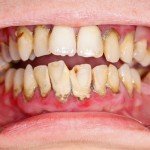
According to the U.S. Centers for Disease Control and Prevention, 40% of children between the ages of 3 and 6 use potentially dangerous amounts of toothpaste
The CDC and American Dental Association (ADA) recommend using no more than a pea-sized amount for children in this age group, and those younger than 3 should use no more than the size of a rice grain on their toothbrush
Fluoride-containing toothpastes have a warning on their label stating that “If you accidentally swallow more than used for brushing, seek professional help or contact a poison control center immediately”
While swallowing toothpaste is recognized as a cause for concern, health officials say drinking fluoridated water not only is safe, but beneficial for your teeth
Fluoridated water is a far more significant source of fluoride exposure than toothpaste. Research shows the prevalence of dental fluorosis among 10- to 12-year-olds in three Ecuadorian provinces is nearly 90%; a positive statistical relationship was found between dental fluorosis and consumption of bottled beverages
This article was previously published February 19, 2019, and has been updated with new information.
According to the U.S. Centers for Disease Control and Prevention,1 40% of children between the ages of 3 and 6 use potentially dangerous amounts of toothpaste.
The CDC and American Dental Association (ADA) recommend using no more than a pea-sized amount for children in this age group, and those younger than 3 should use no more than the size of a rice grain on their toothbrush.
The problem with using excessive amounts of toothpaste has to do with the fluoride it contains. If you look closely, you’ll find fluoride-containing toothpastes have a warning on their label stating that “If you accidentally swallow more than used for brushing, seek professional help or contact a poison control center immediately.”
This warning was made mandatory for fluoride-containing dental products by the U.S. Food and Drug Administration in April, 1997.2 Ironically, while swallowing toothpaste is recognized as a cause for concern, we’re supposed to believe that drinking fluoridated water at any quantity is not only safe but beneficial for our teeth.
Too Much Fluoride Causes Dental Fluorosis
The fact of the matter is that fluoride is a toxic substance with no known biological imperative. Researchers have even questioned its efficacy as a topical anticaries prophylactic.3
Dental caries is caused by demineralization of your teeth by the acids formed during the bacterial fermentation of dietary sugars. Demineralization is countered by the deposit of minerals from your saliva. However, the remineralization process is a slow one, and fluoride is said to prevent dental caries by enhancing this remineralization.
The problem is, your teeth do not actually rely on fluoride for remineralization. What’s more, research4 has concluded that the protective shield fluoride forms on teeth is up to 100 times thinner than previously believed. It has long been believed that fluoride changes the main mineral in tooth enamel, hydroxyapatite, into a more-decay resistant material called fluorapatite.
However, the researchers found that the fluorapatite layer formed in this way is only 6 nanometers thick — meaning it would take almost 10,000 such layers to span the width of a human hair. As noted by the authors, “it has to be asked whether such narrow … layers really can act as protective layers for the enamel.”
Meanwhile, fluoride has been shown to cause significant systemic harm when ingested, which is part and parcel of the CDC’s 2019 warning against using too much toothpaste. As reported by the Chicago Sun Times:5
“Brushing with too much toothpaste can damage enamel, as children could swallow too much fluoride while their teeth are developing, the CDC says. This can cause dental fluorosis, white marks and discoloration of teeth.”
However, dental fluorosis is just the tip of the iceberg when it comes to fluoride damage. For example, evidence shows fluoride is an endocrine disruptor that can affect your bones, brain, thyroid gland, pineal gland and even your blood sugar level.6 Importantly, it’s a known neurotoxin, shown to lower IQ in children.7
Over Half of US Kids Have Fluoride-Damaged Teeth
According to research8 presented at the April 2017 National Oral Health Conference in Albuquerque, New Mexico, 57% of youth between the ages of 6 and 19 years have dental fluorosis, a condition in which your tooth enamel becomes progressively discolored and mottled.
When Fluoride Action Network (FAN) researchers analyzed the same set of data, they found over 21% of adolescents had moderate fluorosis and 2% had severe fluorosis.9
According to FAN, “The data suggests that up to 24 million adolescents now have some form of dental fluorosis, with over 8 million adolescents having moderate fluorosis, and 840,000 having severe fluorosis.” Incredibly, the situation is still worsening. According to the most recent data, which has yet to be published, the dental fluorosis rate in the U.S. may now be a staggering 65%.10
In stark contrast, when water fluoridation was first started in the U.S. in 1945, it was promised that only 10% of people would suffer from mild dental fluorosis at the then-recommended levels.11 Clearly, they were wrong.
In 2011, concerns over escalating fluorosis rates prompted the U.S. Department of Health and Human Services to lower the recommended level of fluoride in drinking water, from a previously recommended range of 0.7 to 1.2 mg/L to 0.7 mg/L.
However, adverse effects, including reduced IQ, behavioral alterations, neurochemical changes, hypothyroidism and attention deficit hyperactivity disorder (ADHD) have been demonstrated even at that lower level, so while it reduced exposure for many, the most serious risks remain.
What’s more, reduced IQ has been seen in study participants with higher urinary fluoride concentrations even when no dental fluorosis was present, which suggests the doses of fluoride that impair cognitive ability are far lower than those that cause severe dental fluorosis.12
Fluoridated Water Is Likely a Far Greater Concern
Unfortunately, public health officials often brush off fluorosis as a purely aesthetic issue, one they believe is an okay trade-off for the supposed benefits of fluoride. In reality, dental fluorosis is an outward sign that fluoride is damaging the body in other ways as well.
Research has found impairment in cognitive abilities among children with fluorosis (even mild fluorosis) compared to children with no fluorosis, for example. Studies have also found that children with higher levels of fluorosis have increased rates of cavities13,14 — a finding that suggests more is definitely not better, not even when it comes to protecting against cavities.
Importantly, the CDC completely ignores the role fluoridated water plays in this epidemic, as toothpaste is by far not the only source of fluoride for young children, and probably isn’t the most significant source either.
In a January 2019 study15 in the Journal of Clinical and Experimental Dentistry, the prevalence of dental fluorosis among 10- to 12-year-olds in three Ecuadorian provinces was nearly 90%. According to the authors, “A positive statistical relationship and statistical significance was detected between dental fluorosis and consumption of bottled beverages.”
A “low negative” relationship between fluorosis and brushing with adult toothpaste without help suggests fluoridated water (used in bottled beverages) is likely to be a greater risk factor than toothpaste exposure, although toothpaste ingestion may still play a role.
CDC and Mainstream Media Ignore the Elephant in the Room
In response to the CDC’s toothpaste warning, FAN writes:16
“A spate of news stories … focused on kids swallowing too much toothpaste. But according to Paul Connett, Ph.D., FAN Director, ‘The defenders of water fluoridation are missing the real story. Dental fluorosis is a biomarker of over-exposure to fluoride and the ‘elephant in the room’ is what damage fluoride is doing to other tissues.’
Recent scientific research indicates that exposure to fluoridated water may lower thyroid function17,18 and 350 published studies indicate that fluoride can damage the brain … While it is understandable that die-hard promoters of fluoridation should be fixated on any study dealing with teeth, it is less understandable why the media should ignore fluoride’s impact on the brain.
The fetal brain is under attack from several environmental toxins19 but only one, fluoride, is deliberately added to our water. There are safer ways to prevent dental caries than exposing the fetus to a neurotoxicant … Repeating the dogma that fluoridation is “safe and effective” many times does not make it so.
Connett urges more scientists to overcome this dogma and intimidation and review the brain studies themselves … fluoride-brain studies are readily accessible.20 Connett added that, ‘I believe that the intellectual ability of future generations depends on their willingness to do this. Neither intimidation nor dogma has a place in science or public health.'”
Protecting Your Dental Health Has Nothing to Do With Fluoride
When it comes to good oral hygiene and preventing cavities, it’s important to realize that drinking fluoridated water and brushing with fluoridated toothpaste is not the answer. It’s far more important to address your nutrition and basic oral care. Here’s a five-step plan that can help you improve your oral health, without the use of toxic agents such as fluoride:
1.Reduce your net carbohydrate intake to meet your insulin level requirement. I suggest you reduce your overall net carbs (total grams of carbohydrates minus your grams of fiber intake) if your fasting insulin level is over 5.
Aside from sugar, avoid carbs like beans, legumes and grains such as rice, quinoa and oats, as well as highly-processed grain products like bread, pasta, cereal, chips, bagels and fries. These begin digestion in the mouth and impact the health of your teeth the most.
Limit your daily fructose intake to 25 grams or less. Even fructose found in fresh fruit should be limited until you’ve normalized your insulin and leptin levels. If you’re already struggling with Type 2 diabetes or insulin resistance, consider restricting your total fructose to 15 grams per day until your insulin sensitivity has been restored.
Focus on eating a diet of fresh, whole foods, including grass fed meats and organic and fermented vegetables. This helps ensure you get plenty of minerals for strong bones and teeth. If needed, consider adding one or more nutritional supplements to support your oral health.
2.Brush twice or three times a day, 3 to 6 minutes after drinking and/or eating.
3.Use nonfluoridated toothpaste, or make your own. For example, you could simply mix coconut oil and baking soda with a pinch of Himalayan salt. High-quality peppermint essential oil can be added for flavor and cavity prevention. Start with a couple of tablespoons of coconut oil and baking soda, and add more of one or the other until you get an agreeable consistency. (Slightly firmer consistency tends to be easier to use.)
If buying non-fluoridated toothpaste, be sure to check the ingredient list for other harmful ingredients such as triclosan, sodium lauryl sulfate, propylene glycol, diethanolamine and parabens.
4.Floss daily.
5.Pull with coconut oil once a day, ideally first thing in the morning, for five to 10 minutes to reduce bacterial growth, strengthen your teeth, reduce bad breath and lower your risk of gum disease.
Children Should Avoid Fluoride From All Sources
For instructions on how to brush and floss properly, as well as oil pulling guidelines, see “Dental Dedication: Improve Your Oral Health.” In the video above, Bill Osmunson, a practicing dentist and staunch advocate against fluoride, also discusses some of the variables that contribute to good oral hygiene (summarized above).
Remember, by avoiding sugars and processed foods, you prevent the proliferation of the bacteria that cause decay in the first place. Following up with proper brushing and flossing and getting regular cleanings with a mercury-free biological dentist will ensure that your teeth and gums stay healthy naturally.
Many natural substances, such as vitamins C and K2, Coenzyme Q10 and homeopathic tissue salts such as silica, calcarea fluorica (calcium fluoride, not to be confused with sodium fluoride found in toothpaste), calcium phosphate and calcium carbonate, also have the power to improve the health of your teeth and gums.
Fluoride really has no major advantage, only hazards. And those hazards go far beyond the visible signs of dental fluorosis. Far worse is the damage that occurs inside the body, which you cannot see.
So, in addition to teaching your children about proper nutrition and oral care, be mindful about limiting their fluoride exposure from all sources, including toothpaste and other dental products, fluoridated water, fluoridated pesticides (and hence pesticide contaminated foods), bottled beverages such as juices and teas, fast food packaging, non-stick pots and pans, fluorinated drugs, fluoridated table salt and mechanically deboned chicken.
Giving up soda — both sugar-sweetened and diet — is one of the most fundamental steps you can take to improve your health. You may have made that choice yourself long ago, but it is one that is important to others, too
Research suggests sugary beverages are to blame for about 184,000 deaths worldwide each year, including 133,000 diabetes deaths, 45,000 heart disease deaths and 6,450 cancer deaths
Men who drank an average of one can of soda per day had a 20% higher risk of having a heart attack or dying from a heart attack than men who rarely consumed soda
This article was previously published January 10, 2018, and has been updated with new information.
One of the most straightforward steps you can take to improve your health is to give up soda, and with that I’m talking about both regular and diet varieties. The problem with soda stems from its high sugar content — particularly the liquid high-fructose corn syrup (HFCS) variety — and, in the case of diet, its artificial sweetener content, among other issues.
Research suggests sugary beverages are to blame for about 184,000 deaths worldwide each year, including 133,000 Type 2 diabetes deaths, 45,000 heart disease deaths and 6,450 cancer deaths.1 Even drinking one or more 250 ml (about 8 ounces) servings of soda per day raises your risk of Type 2 diabetes by 18%.2
Soda and other sugar-sweetened beverages (SSBs) are a leading source of added sugar in the U.S. diet, with 6 in 10 youths and 5 in 10 adults drinking at least one such beverage on any given day.3 In 2022, it’s estimated that the average American adult’s daily diet includes 341.1 calories from sugary drinks alone, while children consume 312.6 beverage calories every day.4
Even the U.S. Centers for Disease Control and Prevention (CDC) states, “Frequently drinking sugar-sweetened beverages is associated with weight gain/obesity, Type 2 diabetes, heart disease, kidney diseases, nonalcoholic liver disease, tooth decay and cavities, and gout, a type of arthritis.”5
However, the CDC only suggests that “limiting the amount of SSB intake can help individuals maintain a healthy weight and have a healthy diet,” stopping far short of advising Americans to ditch these unhealthy drinks to avoid chronic disease.
This isn’t entirely surprising, considering CDC director Dr. Brenda Fitzgerald received $1 million in funding from Coca-Cola6 to combat childhood obesity during her six-year stint as commissioner of Georgia’s public health department and has a history of promoting the soda industry’s “alternative facts.”
Her Coke-funded anti-obesity campaign focused on exercise. None of the recommendations involved cutting down on soda and junk food, yet research shows exercise cannot counteract the ill effects of a high-sugar (i.e., high soda) diet.
Health Risks of Drinking Soda
Downing cans of sugary soda isn’t only a matter of consuming “empty” calories that may lead to weight gain, as some public health organizations would have you believe. You can’t simply undo the effects of soda consumption by cutting back on calories elsewhere in your diet, as the sugar itself wreaks havoc on your body and your gut flora.
Researchers have known since the 1960s that your body metabolizes different types of carbohydrates, like glucose and fructose, in different ways, causing very different hormonal and physiological responses that absolutely may influence fat accumulation and metabolism.7
One 12-ounce can of regular soda has about 33 grams of sugar (8 1/4 teaspoons) and 36 grams of net carbohydrates, which is more than your body can safely handle, especially at one sitting.
The World Health Organization recommended that sugar should make up less than 10% of your total daily energy intake, with additional benefits to be had if you reduce it to below 5% (which amounts to about 25 grams, or 6 teaspoons of sugar a day).8 For optimal health, I recommend limiting your intake of net carbs to under 40 to 50 grams per day, which is virtually impossible to do if you drink soda.
Gary Taubes, cofounder of the Nutrition Science Initiative and author of “The Case Against Sugar,” expertly documents sugar’s link to chronic diseases and much more, including whether sugar should more aptly be described as a drug instead of a food.
It doesn’t cause the immediate symptoms of intoxication, like dizziness, staggering, slurring of speech or euphoria, associated with other “drugs,” yet perhaps this only allowed its long-term medical consequences to go “unasked and unanswered.”
In 2019, an intriguing study9 showed that “Excessive sucrose consumption elicits addiction-like craving that may underpin the obesity epidemic.”
In this animal study, researchers found that sugar consumption triggered the release of natural opioids and dopamine in the animals’ brains, thus lowering the availability of those receptors. Reduced receptor availability is a sign of overstimulation, because when the brain gets overstimulated, it downregulates these receptors to prevent damage.
The drawback of this protective mechanism is that you now need a higher dose of the substance to get the same pleasure response, and this is a key mechanism by which addiction develops. While other researchers question whether sugar “addiction” is a true addiction,10 most of us today will never know if we suffer even subtle withdrawal symptoms from sugar like you would from a drug, because we’ll never go long enough without it to find out, Taubes wrote.
He added that sugar has likely killed more people than tobacco and that tobacco wouldn’t have killed as many people as it did without sugar.11 Harvard School of Public Health further compiled a list of additional studies demonstrating the link between soda and chronic disease:12
Men who drank an average of one can of soda per day had a 20% higher risk of having a heart attack or dying from a heart attack than men who rarely consumed soda13
Women who consumed a can of soda daily over a 22-year study had a 75% higher risk of gout than women who rarely consumed soda14
Reducing soda consumption can reduce the prevalence of obesity and obesity-related diseases like Type 2 diabetes15
Why Diet Soda Is Not a ‘Healthier’ Alternative
The idea that diet soda is a healthier option than regular soda is one of the biggest prevailing myths in the nutrition realm today. If you’re one of the nearly half of U.S. adults who consume artificial sweeteners, mostly in the form of diet soda, daily (even one-quarter of kids do so as well),16 it’s important you’re let in on the truth: Drinking diet soda puts your health at risk of the following conditions:
•Stroke and Dementia — Drinking one artificially sweetened beverage a day may increase your risk of stroke and dementia by threefold compared to drinking less than one a week.17 Even drinking one to six artificially sweetened beverages a week was linked to 2.6 greater risk of stroke compared to not drinking any. A 2012 study similarly found that people who drank diet soft drinks daily were 43% more likely to have suffered a vascular event, including a stroke.18
This significant association persisted even after controlling for other factors that could increase the risk, such as smoking, physical activity levels, alcohol consumption, diabetes, heart disease, dietary factors and more. As for the dementia link, this one is new and no one knows for sure how diet drinks may affect your brain.
Forbes compiled some plausible theories, however, including perhaps via the disruption artificial sweeteners pose to your gut health via the corresponding gut-brain axis. Alternatively:19
“Diet sodas are designed to trick the brain into thinking it’s getting an extra dose of glucose (the brain’s fuel), but eventually the trick is on us because the brain adapts to not receiving the added glucose by overcompensating in other ways (leading to a variety of effects still under investigation).”
• Heart Attack — Research that included nearly 60,000 postmenopausal women who were followed for about 10 years found that drinking just two diet drinks a day can dramatically increase your risk of an early death from heart disease.20
• Metabolic Syndrome and Type 2 Diabetes — People with Type 2 diabetes are often advised to consume artificial sweeteners in lieu of sugar, but research shows consumption of diet soda at least daily is associated with a 36% greater relative risk of metabolic syndrome and a 67% greater relative risk of Type 2 diabetes compared with not consuming any.21
• Depression — According to a study done in 2013 that included nearly 264,000 U.S. adults over the age of 50, those who drank more than four cans or glasses of diet soda or other artificially sweetened beverages daily had a nearly 30% higher risk of depression compared to those who did not consume diet drinks.22
• Weight Gain — In April 2017, research presented at ENDO 2017, the Endocrine Society’s 99th annual meeting in Orlando, Florida, once again found that artificial sweeteners promote metabolic dysfunction that may promote the accumulation of fat.23 A study on mice also revealed that animals fed aspartame-laced drinking water gained weight and developed symptoms of metabolic syndrome while mice not fed the artificial sweetener did not.
Further, the researchers revealed that phenylalanine, an aspartame breakdown product, blocks the activity of a gut enzyme called alkaline phosphatase (IAP). In a previous study, IAP was found to prevent the development of metabolic syndrome (and reduce symptoms in those with the condition) when fed to mice.24 Aspartame likely promotes obesity by interfering with IAP activity.
Industry Ties Perpetuate Flawed ‘Energy Balance’ Theory
Despite soda’s strong links to disease, public health officials have been slow to place blame on the industry and instead continue to perpetuate the “energy balance theory,” which suggests weight gain is simply a matter of consuming more calories than you burn off, and increasing exercise is therefore the solution to lowering rates of obesity (in lieu of eliminating soda).
The soda industry has been instrumental in shifting the blame away from soda and toward virtually any other scapegoat. In 2015, for instance, Coca-Cola Co. was outed for secretly funding and supporting the Global Energy Balance Network, a nonprofit front group that promoted exercise as the solution to obesity while significantly downplaying the role of diet and sugary beverages in the weight loss equation.25
Public health authorities accused the group of using tobacco industry tactics to raise doubts about the health hazards of soda, and a letter signed by more than three dozen scientists said the group was spreading “scientific nonsense.”26 Yet, the soda industry maintains many close ties with organizations that continue to promote the energy balance myth (and directly funds such organizations).27 Among them:
The Academy of Nutrition and Dietetics (AND), which was funded by Coca-Cola until 2015. They also founded a program called “Energy Balance 4 Kids With Play” in partnership with the Healthy Weight Commitment Foundation (HWCF), “an industry organization representing Coca-Cola, PepsiCo, Nestle, General Mills and other distributers of sugar-sweetened products.”28
The International Food Information Council, which has received funds from the food, beverage and agriculture industry, including Coca-Cola and PepsiCo, promotes the idea that “when it comes to weight management or weight loss, it’s the total calories that matters most.”29
The National Institutes of Health “We Can!” Campaign. Coca-Cola has donated millions to the NIH Foundation, and the campaign advised drinking soda only “once in a while” and suggested balancing out days when kids eat lots of high-sugar foods/drinks with more physical activity.
The American College of Sports Medicine, which has received funds from Coca-Cola, suggests that while water should be your first choice of beverage, “there is no harm in drinking juice or even soda in moderation.”
The U.S. Centers for Disease Control and Prevention, which also received funding from Coca-Cola via the CDC Foundation, also promotes “energy balance” and the idea that “Healthy eating is all about balance. You can enjoy your favorite foods even if they are high in calories, fat or added sugars. The key is eating them only once in a while …”30
Try Hibiscus Tea Instead
If the idea of swapping your daily soda with water sounds less than enticing, consider swapping it with tea instead. This gives you the best of both worlds: flavor and a healthy boost to your diet, as high-quality tea can have quite a few health benefits. Hibiscus tea is one such option. It has a pleasingly sharp flavor, similar to the tartness of cranberry, and you can find it in liquid extract form that allows you to add a few pumps to your glass of water.
Unlike soda that will overload you with sugar and/or artificial sweeteners, hibiscus tea is high in vitamin C, minerals and antioxidants, and studies suggest it may improve blood pressure, help prevent metabolic syndrome, protect your liver and even provide anticancer effects.31 It’s the opposite of drinking soda in terms of what it does to your health! It’s not only hibiscus tea that offers benefits, of course. If you prefer green or white tea, these are healthy choices as well.
Studies show green tea consumption improves brain function, as well as staves off cognitive disorders such as Alzheimer’s, helps prevent dental cavities, fights inflammatory disease such as arthritis and even combats several cancers, much like hibiscus tea. The idea is that by making this one healthy switch — swapping your daily soda for a daily cup of tea instead — you can significantly lower your risk of chronic disease and obesity.
In addition, if a soda craving strikes, fit in a quick workout, drink a cup of organic black coffee or consume something sour (like fermented vegetables or lemon water). All can help you to kick your sugar cravings to the curb.
The Emotional Freedom Techniques (EFT) is another great option, which has been shown to significantly reduce cravings while increasing peoples’ ability to show restraint — even after six months.32 A video demonstration is below, but here is the basic approach, which you can start using right now:
Identify a food or beverage you crave by visualizing it or imagining you’re eating/drinking it
Tap on your activated thoughts (for example, “I want this,” “I have to have it”)
Tap on each of the specific sensations or thoughts you have about the food (sweetness, saltiness, creaminess, crunchiness, how it feels in your mouth, how it smells)
Scan your body for any tension, and tap on that too
September 24, 2020, the U.S. Food and Drug Administration released its long-overdue safety communication on amalgam
The FDA warns mercury fillings may adversely affect people in certain high-risk groups and should be avoided
Groups identified as being at increased risk for harmful effects from dental mercury fillings include pregnant women and their developing fetuses, nursing women, women who are planning to become pregnant, infants and children under the age of 6, people with neurological diseases, impaired kidney function or heightened sensitivity to mercury or other amalgam components
After years of pressure from Consumers for Dental Choice and its allies, the FDA finally agreed to reopen the amalgam issue, and now admits dental amalgam releases mercury vapor that can cause health problems in some individuals
The FDA also advised against use of the misleading term “silver fillings,” and urges patients to discuss all dental filling options with their dentist
In an astounding about-face to its previous stance, the FDA issued a warning that mercury fillings may adversely affect pregnant women, children and other susceptible individuals, and should be avoided by these groups.
The safety communication1 was posted September 24, 2020, and with this, we have suddenly achieved an incredibly important goal that we’ve had our sights on for the last decade!
Goal Achieved: FDA Releases Amalgam Safety Communication
As noted in the FDA’s statement:2
“Today, the FDA is issuing updated recommendations concerning dental amalgam and potential risks to certain high-risk individuals that may be associated with these mercury-containing fillings …
The FDA has found that certain groups may be at greater risk for potential harmful health effects of mercury vapor released from the device [amalgam]. As a result, the agency is recommending certain high-risk groups avoid getting dental amalgam whenever possible and appropriate.”
Groups identified by the FDA as being at increased risk for harmful effects from dental mercury fillings include:
Pregnant women and their developing fetuses
Women who are planning to become pregnant
Nursing women and their newborns and infants
Children, especially those younger than 6
People with pre-existing neurological disease such as multiple sclerosis, Alzheimer’s disease or Parkinson’s disease
People with impaired kidney function
People with known heightened sensitivity (allergy) to mercury or other components of dental amalgam
FDA Admits Amalgam Dangers
After years of pressure from Consumers for Dental Choice and its allies, the FDA finally admits the unvarnished truth about amalgam, noting3 that “Dental amalgam is a mixture of mercury and a powdered alloy made up of silver, tin and copper” that “releases small amounts of mercury vapor over time.”
The FDA has found that certain groups may be at greater risk for potential harmful health effects of mercury vapor released from the device [amalgam]. As a result, the agency is recommending certain high-risk groups avoid getting dental amalgam whenever possible and appropriate.
The agency also admits there are “uncertainties” and risks associated with this mercury vapor release, especially for the high-risk groups listed. In particular, there is “the potential for mercury in dental amalgam to convert to other mercury compounds in the body,” and mercury could potentially accumulate in body fluids and tissues, resulting in “unintended health outcomes.”
“These uncertainties in the most vulnerable patients are why today we are recommending people who may be at high risk for adverse health effects of mercury exposure use non-mercury alternatives to dental amalgam, such as composite resins and glass ionomer cement fillings,” the FDA states.4
While the FDA downplays the importance of its changed recommendation by stressing that the benefits of dental amalgam likely “outweigh their risks for most patients,” this update is nothing short of monumental, and opens the door, finally, for the elimination of dental mercury for all patients in the U.S., as has been done in many other countries already.
I want to take this opportunity to thank all of you who have supported Consumers for Dental Choice during these past 10 years, as it is this organization’s unwavering dedication that has now borne fruit.
Consumers for Dental Choice Sued FDA — and Won
The FDA is legally required to classify — that is, issue a rule for — all medical devices, including dental amalgam. But for 30 years, FDA dodged its legal duty to classify amalgam.
Consumers for Dental Choice put an end to FDA’s negligence when, in 2008, this dynamic nonprofit organization assembled plaintiffs and sued FDA, demanding that amalgam be classified. The judge agreed and told FDA to sit down with Consumers for Dental Choice to determine a deadline. FDA was compelled to commit to classifying amalgam by July 2009.
But when July 2009 came around, it was clear the FDA had not considered the science — especially the evidence of harm amalgam can cause vulnerable populations like children, pregnant women and breastfeeding mothers.
Its abysmal rule reflected this shortcoming, as it did not restrict the use of amalgam for these most vulnerable individuals. The rule did not even require that patients be told that amalgam is made of mercury. Nonetheless, FDA’s 2009 rule did acknowledge that amalgam could be harmful, and that there was no proof of safety for the populations most susceptible to this toxin.
In response, Consumers for Dental Choice challenged FDA’s rule, while simultaneously pursuing other opportunities to advance mercury-free dentistry, like defeating pro-mercury state dental boards, fighting for amalgam fact sheet laws for patients at the state level, and getting amalgam into the Minamata Convention on Mercury.
As Consumers for Dental Choice racked up win after win — regaining licenses for mercury-free dentists persecuted by state boards, gaining fact sheets to protect dental patients, achieving an amalgam reduction requirement in the Minamata Convention — the FDA’s rule was looking increasingly archaic.
Decade-Long Wait Is Over
Nearly a decade after the FDA issued its flawed amalgam rule, Consumers for Dental Choice launched a nonstop campaign focused on getting the FDA to move on amalgam.
They assembled an accomplished team of experts to approach the FDA, and in 2018, unveiled the “Chicago Declaration to End Mercury Use in the Dental Industry” at the University of Illinois School of Public Health.
This declaration, signed by more than 50 heavy-hitter environmental groups, called on the FDA “to bring its policies in line with the Federal Government as a whole and with its responsibilities under the Minamata Convention and to publicly advise a phase down of the use of mercury amalgams with the goal of phasing out entirely.”
The declaration also called for the immediate ban on amalgam use in children, pregnant women and breastfeeding mothers. Working with key signatories to the “Chicago Declaration,” Consumers for Dental Choice were able to secure meetings with top officials at the FDA, during which they were able to submit scientific studies for the FDA to review.
The first sign of progress came with the FDA’s September 2019 scientific review5 of amalgam, “Epidemiological Evidence on the Adverse Health Effects Reported in Relation to Mercury from Dental Amalgam,” which recognized that the elemental mercury in dental amalgam can convert inside the body into toxic methylmercury — the same type of mercury that the FDA warns about in fish.
The FDA also recognized bioaccumulative effects of mercury. Since patients are exposed to many sources of mercury — including high-mercury fish in their diets, occupational exposures and environmental mercury from waste incinerators — the mercury from amalgam could be the proverbial straw that breaks the camel’s back.
FDA Reverses Stance on Amalgam
Consumers for Dental Choice also organized a strong showing of public support from you. Its online petition, which had nearly 50,000 signatures, was presented to the FDA in person at its first meeting with the agency. Many of you also submitted public comments on patient preferences to the FDA.
FDA was also made aware of the changes to amalgam rules in other parts of the world, such as amalgam phase-out dates set by the Philippines, Ireland, Slovakia, Finland, Nepal, Moldova, Czech Republic and New Caledonia, and the bans on amalgam use in children issued by the European Union, Vietnam and Tanzania.
Having finally reached the top of the FDA, Consumers for Dental Choice succeeded in persuading the agency to reopen and take another in-depth look at the amalgam policy.
A scientific advisory committee meeting — which included testimonies by 16 experts from the Children’s Environmental Health Network, Tuskegee University, the International Indian Treaty Council, the Organic & Natural Health Association and the Connecticut Coalition for Environmental Justice, as well as city and county commissioners, a physician expert in environmental justice, a pharmacist specializing in toxicology and several attorneys — took place in November 2019.
You can see Consumers for Dental Choice’s team and their colleagues in action in the video below, which features highlights of the advisory panel meeting.
Ultimately, the FDA advisory committee members recommended the agency provide information to patients about the risks of dental amalgam, especially for vulnerable populations. Many even agreed that the use of amalgam needs to end, which has been the goal of Consumers for Dental Choice all along.
Final Step Ahead
Now that the FDA has finally broken its silence on the dangers of mercury for pregnant and nursing mothers, children and people with certain underlying conditions, the final step — a full ban on amalgam for all — looms near.
The American Dental Association, which has long defended amalgam’s safety, is now running out of allies. For now, however, the ADA still maintains its contrarian view.
In response to the FDA’s updated recommendations, the ADA stated6 that there was “no new scientific evidence cited as part of the FDA recommendation,” and that the ADA “reaffirms its position that dental amalgam is a durable, safe and effective cavity-filling option.”
On the upside, the ADA affirmed its support of patient decision-making, agreeing with the FDA’s statement that “all dental restorative decisions and treatment options should be made by the patient and the dentist.”
Seeing how the ADA’s ethical rules in the past were used by state dental boards to bar dentists from even informing patients about the fact that mercury is a key ingredient in amalgam, and how the ADA deceptively promoted amalgam as “silver fillings,” this shift, while small, is better than nothing.
In its September 24, 2020, safety communication on dental amalgam,7 the FDA specifically advises dentists against using the term “silver filling,” “as this may imply the filling is made solely from silver and does not accurately convey the mercury component of this restorative material.” The FDA also highlights this in its Dental Devices description page for amalgam, which received its last update September 29, 2020, noting that:8
“Dental amalgam is a mixture of metals, consisting of liquid (elemental) mercury and a powdered alloy composed of silver, tin, and copper. Approximately half (50%) of dental amalgam is elemental mercury by weight. The chemical properties of elemental mercury allow it to react with and bind together the silver/copper/tin alloy particles to form an amalgam.
Dental amalgam fillings are often referred to as ‘silver fillings’ because of their silver-like appearance, although the use of this term in not recommended because the term does not correctly explain the materials in amalgam.”
Most of us who have fought for this updated FDA amalgam policy for the past decade are still in shock that it finally happened, and without any significant forewarning. That said, it is fantastic good news, and we extend our thanks to all of you who have fought this battle with us.
The FDA’s updated recommendations change everything, because once amalgam is recognized as a hazard for specific high-risk groups, it doesn’t take much to expand that logic to include all people.
Research shows many dental mouthwashes destroy the lipid layer of coronaviruses and reduce the replication of the virus in the throat and salivary glands, making mouthwash a potentially useful prophylactic against COVID-19
Mouthwashes that include ethanol, chlorhexidine, cetylpyridinium chloride, hydrogen peroxide or povidone-iodine are especially effective and may even work against any new coronavirus strains that emerge
Certain mouthwashes, particularly povidone-iodine containing ones, have been shown to minimize the risk of viral infections and upper respiratory tract infections
While mouthwash may lower your risk of COVID-19 infection, their “scorched earth” impact can also create an imbalance in your oral microbiome. An alternative is to use oil pulling with coconut oil or MCT oil
Nebulized hydrogen peroxide may also help prevent and treat early signs of COVID-19 and other viral infections
New research1,2,3 shows many dental mouthwashes destroy the lipid layer of coronaviruses and reduces the replication of the virus in the throat and salivary glands, making mouthwash a potentially useful prophylactic against COVID-19. As noted by the authors:4
“Emerging studies increasingly demonstrate the importance of the throat and salivary glands as sites of virus replication and transmission in early COVID-19 disease. SARS-CoV-2 is an enveloped virus, characterized by an outer lipid membrane derived from the host cell from which it buds.”
Mouthwashes that include ethanol, chlorhexidine, cetylpyridinium chloride, hydrogen peroxide or povidone-iodine are especially effective and may even work against any new coronavirus strains that emerge, as the virus’ lipid envelope remains unchanged even when it mutates into new strains.
Previous research5 has also pointed out that certain mouthwashes, particularly povidone-iodine containing ones, may help minimize the risk of viral infections and upper respiratory tract infections. Listerine and 3% hydrogen peroxide have also been shown to eliminate bacteria from toothbrushes with 100% efficacy.6
Hydrogen Peroxide Has Multiple Uses
Unfortunately, extended lockdowns have prevented many from seeing their dentist for regular cleanings and other dental work. Social distancing rules and depression may also have contributed to relaxed dental hygiene among many. This is a grave mistake, as your oral health plays an important part in your overall health.
While mouthwash may lower your risk of COVID-19 infection, their “scorched earth” impact can also create an imbalance in your oral microbiome. Twice-daily use of mouthwash has also been linked to an increased risk of Type 2 diabetes, so, it may be a good idea to weigh the pros and cons of this strategy.
In “For Optimal Health, Mind Your Oral Microbiome,” Dr. Gerry Curatola discusses the drawbacks of mouthwash and fluoride and the importance of maintaining a healthy oral microbiome. That said, hydrogen peroxide may indeed be an excellent prophylactic and remedy against COVID-19 and other viral illnesses, not just as a mouthwash but also as a nebulized treatment.
Dr. Thomas Levy7 has issued guidance8 on how to use nebulized hydrogen peroxide for the prevention and treatment of viral respiratory infections. Dentists are also advised to use 0.5% to 2% peroxide to destroy the SARS-CoV-2 virus as they return to practice,9 and this includes using it as a preprocedural rinse.
How Hydrogen Peroxide Works Against Viruses
To inactivate viruses with hydrogen peroxide, all you need is a nebulizer with a face mask that covers your mouth and nose that emits a fine mist, and food grade hydrogen peroxide that is diluted to 1% or less if you have any irritation. The microscopic mist, similar to smoke or vapor, can be comfortably inhaled deep into your nostrils, sinuses and lungs.
Hydrogen peroxide (H2O2) consists of a water molecule (H2O) with an extra oxygen atom, and it is the additional oxygen atom that allows it to inactivate viral pathogens. Viruses are not “alive” per se. They need a live host in which they can infect live cells that then replicate the viral DNA and RNA. Once a cell is infected, newly replicated viruses exit the cell and move on to the next cell to duplicate the process.
So, when we talk about “killing” a virus, we’re really talking about inactivating it by breaking down its structure. This is how mouthwash can inactivate viruses, and why soap works so well. Coronaviruses are held together by a lipid (fatty) coating. Soap, being amphipathic10 — meaning it can dissolve most molecules — dissolves this fat membrane, causing the virus to fall apart and become harmless.
Hydrogen peroxide works in a similar way. Some of your immune cells actually produce hydrogen peroxide to destroy pathogens. By killing the infected cell, viral reproduction is stopped. So, hydrogen peroxide therapy is in essence only aiding your immune cells to perform their natural function more effectively.
Hydrogen peroxide is also a key redox signaling agent that creates oxidative eustress.11 Contrary to oxidative stress or oxidative distress, oxidative eustress denotes an oxidative challenge that has positive or beneficial effects and is essential in redox signaling.
If you’re already presenting with runny nose or sore throat, Levy recommends using the nebulizer for 10 to 15 minutes four times a day until your symptoms are relieved. You can also use nebulized hydrogen peroxide for prevention and maintenance, which may be advisable during flu season, or while the COVID-19 pandemic is in full swing. Levy notes:12
“As it is a completely non-toxic therapy, nebulization can be administered as often as desired. If done on a daily basis at least once, a very positive impact on bowel and gut function will often be realized as killing the chronic pathogen colonization present in most noses and throats stops the 24/7 swallowing of these pathogens and their associated toxins.
If daily prevention is not a practical option, the effectiveness of this treatment is optimized when somebody sneezes in your face or you finally get off of the plane after a trans-Atlantic flight. Don’t wait for initial symptoms. Just nebulize at your first opportunity.”
Advertisement
Oil Pulling Also Breaks Down Lipid Membranes
Oil pulling is another way to promote and maintain good oral hygiene. It’s ability to break down fat-soluble membranes could potentially render it useful against viruses such as SARS-CoV-2 as well, although there are no studies that I am aware of that have looked into this.
Mouth rinsing and gargling with warm oils is mentioned, however, in a May 11, 2020, paper13 reviewing Ayurvedic approaches that might be helpful for COVID-19 prophylaxis.
Oil pulling has been scientifically verified to help eliminate unhealthy biofilm, debris and harmful bacteria from your teeth,14 much like mouthwash. It basically acts as a safe and natural detergent, without the adverse effects. According to one review paper, oil pulling has been shown to:15
Reduce bacterial count by 20% after 40 days of pulling using sesame oil
Reduce the severity of dental caries
Reduce plaque and gingival indices by 50% after 30 days of oil pulling (which is comparatively similar to results produced by chlorhexidine)
Reduce plaque induced gingivitis
One of the reasons it works so well for cleansing your teeth and gums is because bacteria have fat-soluble membranes that break down with the mechanical action of swishing and pulling the oil through your teeth.16
Coconut oil, which is an excellent option, has the added advantage of inhibiting Streptococcus mutans, the chief bacteria responsible for cavities.17 Another alternative is to use MCT oil, which also has antibacterial properties. To whichever oil you use, you can also add a drop or two of oregano oil or olive leaf oil, both of which have both antibacterial and antiviral18,19 activity.
Basic Oil Pulling Instructions
Here are the basic instructions for how to do oil pulling:
Measure out about 1 tablespoon of coconut oil or MCT oil. You may find this is too much or not enough, but it’s a good place to start.
Swish the oil around your mouth, using your tongue and cheeks to pull the oil through your teeth. Coconut oil is solid below 76 degrees F (24.4 degrees C) but will quickly liquefy once you start moving it around your mouth. Try to relax your jaw muscles to avoid muscle fatigue.
Although you’re using it like you would a mouthwash, avoid gargling and be careful not to swallow the oil. If you feel the urge to swallow, spit it out and start again.
After several minutes, the oil begins to thicken, becoming milky white. After five to 10 minutes of pulling, spit the oil into your garbage can or outdoors. Spitting it into the sink may cause your drain to clog.
Increasing the pH in your mouth after pulling may reduce bacterial growth even further. To do that, mix 1 teaspoon of baking soda or potassium bicarbonate in 6 ounces of water and gargle. This will alkalize the pH of your mouth, and since bacteria thrive in an acidic environment, the increased pH will discourage growth.
This article is copyrighted by GreenMedInfo LLC, 2019
It may not be as popular worldwide as ginger, cinnamon and the other heavyweights of the spice world, but cardamom has earned a special place in diet and wellness for its wonderful benefits. In fact, this spice — a staple in Indian cuisine — is often regarded as the “queen of spices” where it’s widely used. Here are five astounding benefits of cardamom for easily maintaining your health and well-being
Scientifically known as Elettaria cardamomum, cardamom is a spice taking the form of a tiny pod containing black seeds.[i]It’s an extremely sweet and savory spice, both the pod and its seeds giving off a rich aroma. Cardamom was originally cultivated in India, Nepal and Bhutan, where it’s traditionally used in Ayurveda, India’s medicinal system.
Today, cardamom is widely used in native Indian delicacies, as a garnish on desserts and has found its way into “milk tea” — a broad term for the many varieties of tea with milk enjoyed in multiple cultures — as an extra source of flavor.[ii]
Cardamom, however, is impressive not just in the kitchen but as part of a complete arsenal of therapeutic herbs and spices. It is also used in traditional Chinese medicine, believed to be a useful remedy for colic, constipation, diarrhea, vomiting, headaches, high blood pressure and epilepsy, as well as for cardiovascular disorders such as poor blood circulation. The spice can be used in the following forms:
Whole seed pods with seeds intact
Pre-ground cardamom spice powder
Herbal supplement, typically in capsule form
Essential oil
Five Benefits of Cardamom
Here are five cardamom benefits that likely stand out for anyone who believes in the singular power of therapeutic herbs and spices for wellness.
1. Cardiovascular Protection
Research has linked cardamom with a favorable boost in heart health, although further studies in humans can bolster the findings. A group of researchers in India studied the cholesterol-lowering effect of cardamom in rats with high cholesterol.[iii] The rats were given cardamom powder or cardamom oil administered orally.
The scientists found that total cholesterol was reduced by 31% while low-density lipoprotein (LDL) cholesterol was slashed by 44% in the rats given cardamom oil. They also saw a notable reduction in serum triglycerides by 42% and liver triglycerides by 33%. GreenMedinfo has extensively covered cholesterol-lowering agents in our database.
Other animal experiments found that antioxidant enzymes from the spice potentially protected the heart from oxidation and controlled cholesterol levels amid a high-fat or high-cholesterol diet. Cardamom also appeared to address obesity due to a high-carb diet, helping reduce weight gain and the metabolic damage associated with it.[iv]
2. Antibacterial Effects
Research strengthens the role of cardamom in inhibiting pathogenic bacteria that live in the intestines, while leaving beneficial bacteria unharmed.[v]This surfaces as an important benefit in light of the exceedingly fast development of antibiotic-resistant bacteria, mainly due to inappropriate or excessive use of modern, conventional antibiotics in agriculture and health care settings.
3. Gastrointestinal Health
Time-tested healing modalities such as Ayurveda and Chinese medicine commonly use cardamom for digestive issues, as the spice’s methanolic extract has been shown to help relieve acidity, flatulence and stomach cramps, among various other gastrointestinal discomforts.
In a study, methanolic extract proved to actively reduce gastric lesions by around 70% in animal subjects.[vi]Cardamom also appears to help protect against H. pylori, which is implicated in stomach ulcers and related cancers.[vii] Here’s a peek at GreenMedinfo’s rich repository of studies on natural gastrointestinal agents.
4. Dental Health
Cardamom may assist in the fight against cavities, gum disease and bad breath – and more than just because of its fresh flavor. A study pointed to the seeds and fruits for their anti-inflammatory as well as antioxidant properties, which can help stop gum disease-causing bacteria in their tracks.[viii]
5. Cancer-Fighting Potential
Scientific research has long attributed anti-cancer potential to cardamom along with its active components. Phytochemicals in the spice – from indole-3-carbinol to diindolylmethane – have been explored for chemopreventive properties through affecting cells during oxidative stress.[ix]
In addition, cardamom and cinnamon combined demonstrated potential benefit in reducing colorectal cancer risk by 48%, again through enhancing the body’s antioxidant action.
Cardamom’s uses and benefits are numerous, including as a remedy for sore throat and hiccups, a potential urinary disorder treatment, a natural aphrodisiac and even as a mind and relaxation booster. In fact, its essential oil is often incorporated into stress-fighting aromatherapy to help people handle stress effectively.
The GMI Research Group (GMIRG) is dedicated to investigating the most important health and environmental issues of the day. Special emphasis will be placed on environmental health. Our focused and deep research will explore the many ways in which the present condition of the human body directly reflects the true state of the ambient environment.
Disclaimer: This article is not intended to provide medical advice, diagnosis or treatment. Views expressed here do not necessarily reflect those of GreenMedInfo or its staff.
This article is copyrighted by GreenMedInfo LLC, 2019
Around 1750 BC Hannibal waged war to control the areas in North Africa where aloe vera flourished. It’s no wonder when you understand the powerful medicine contained in this plant
Aloe vera is a succulent plant that belongs to the lily family. There are more than 300 species of the aloe plant, but the Aloe barbadensis species exhibits the most proven medicinal properties.
Aloe vera also provides 19 of the 20 required amino acids and seven of the eight essential ones. And it contains digestive enzymes like amylase to break down starch and sugar, and lipase to help break down fats.
Aloe vera has been used medicinally for thousands of years. Hannibal is said to have waged war in order to control its growing area in North Africa around 1750 BC. It has been used to traditionally to treat burns, hair loss,acne, skin infections, hemorrhoids, sinusitis, and gastrointestinal pain. It also heals bruises, x-ray burns, and insect bites.
In modern times, aloe vera has become a home remedy for dry skin, psoriasis, and other skin conditions. Its amazing pharmacological actions include anti-inflammatory, antibacterial, antioxidant, antiviral, and antifungal.
GreenMedInfo’s research database contains 39 studies on the benefits of aloe vera. Here are just seven conditions it is proven to heal.
Aloe is an established topical remedy for skin. But a 2009 study found taking aloe orally reduces facial wrinkles. In the study, 30 healthy women over the age of 45 took aloe vera gel as a supplement. One group took a low dose (1,200 mg/day) and a second group took a high-dose (3,600 mg/day).
The researchers measured signs of skin aging at the beginning and end of the study. After just 90 days, the researchers found that facial wrinkles improved significantly in both groups. But in the lower dose group facial elasticity also improved.
Swedish researchers found that a cream containing aloe vera is effective for the treatment of psoriasis. They conducted a double-blind, placebo-controlled study of 60 patients with psoriasis. Patients were given either an aloe vera extract (0.5%) cream or placebo cream to apply three times a day for five consecutive days per week. The study went on for 16 weeks but with only four weeks of active treatment and 12 months of follow-up. By the end of the study, the aloe vera cream cured 25 of 30 psoriasis patients or 83.3%. Only two out of 30 patients in the placebo group were cured or 6.6%.
3. Cancer
Consistent with its other skin benefits, aloe vera may also prevent and treat skin cancer. A study from the University of Belgrade School of Medicine found that aloe vera and its constituents inhibit the skin cell proliferation that accompanies skin cancer. The researchers radiated human skin cells to simulate sun damage and trigger the process of proliferation that leads to skin tumors. They found that treating the cells with aloe-emodin, a constituent of aloe, significantly stopped the proliferation process. This confirmed aloe’s benefit in halting the progression of tumor formation after sun exposure.
But its cancer effects aren’t limited to skin. Studies also show that aloe vera may help prevent cervical cancer. A study published in the Asian Pacific Journal of Cancer Prevention found that a cream containing aloe vera, curcumin, reetha, and amla (brand name “Basant”) is an effective and safe therapy for the clearance of cervical human papillomavirus (HPV) infection. Researchers studied a group of women with HPV that had not yet progressed to high grade cervical neoplasias (i.e. cervical pre-cancer). Of the women who used the Basant vaginal cream for 30 consecutive days, 87.7% cleared the HPV infection compared to 73.3% of the placebo group.
In addition, aloe improves treatment outcomes for cancer patients. In one study 240 patients with metastatic tumors were randomized to receive chemotherapy alone or chemo accompanied by 10 ml of aloe given orally three times a day. The aloe group had significantly better regression of their tumors and better 3-year survival rates.
4. Periodontal Disease
Aloe vera has been found effective when added to toothpaste and mouthwash. In one study 15 patients with periodontitis (an infectious inflammatory disease of the gums) received injections of aloe vera gel in the gums around certain teeth. All of the patients had improvements in plaque build-up and their periodontal condition.
Using aloe vera juice as a mouthwash also reduces plaque buildup on the teeth. In a study of 300 people in India, researchers compared 100% aloe vera juice with a placebo and the chemical mouthwash chlorhexidine. Chemical mouthwashes cannot be used long-term because of side-effects like altered taste sensation, staining of the tongue, hypersensitivity reactions, and toxicity. For four days the 300 subjects were randomly assigned to either use the chlorhexidine, aloe vera, or placebo mouthwash. At the end of the study aloe vera juice worked just as well to reduce plaque buildup as the chemical mouthwash but without any side effects. It also worked significantly better than the placebo.
Aloe vera juice is also effective for a range of other dental problems including gingivitis, mouth sores from radiation therapy, and oral lichen planus (OLP). OLP is a chronic inflammatory condition that affects mucous membranes inside your mouth. It shows up as white, lacy patches, red, swollen tissues, or open sores that can cause burning and pain.
In a randomized, double-blind, placebo-controlled trial of 54 patients with OLP in Thailand subjects were given either aloe vera gel or placebo. After eight weeks 81% of the aloe group had a good response compared to only 4% of the placebo group. And 7% of the aloe group had complete clinical remission while 33% had complete resolution of burning pain.
Topical aloe vera also improves the quality of life for patients with OLP. In a Spanish study 64 patients with OLP were randomized in a double-blind study to either aloe vera or placebo. The aloe vera group received a topical dose of 0.4 ml (70% concentration) three times a day. In the aloe group, 31.2% of patients had complete pain remission after 6 weeks compared to only 17.2% of the placebo group.
5. Inflammatory Bowel Disease
Taking oral aloe vera gel improves irritable bowel symptoms in just four weeks. In a double-blind, randomized, placebo-controlled trial 44 patients with mild to moderate active ulcerative colitis were given 100 ml of aloe vera gel or placebo twice a day. Various measures of the disease improved 30 to 47% with the aloe vera compared to only 7 to 14% for the placebo.
6. Diabetes
Aloe vera helps lower blood glucose levels. In one study of five patients with non-insulin diabetes, subjects were given half a teaspoon of the dried sap of the aloe plant (aloes) per day for 4 to 14 weeks. Fasting blood glucose levels fell an average of 122 points in every patient with no change in body weight. The researchers concluded that aloes contains a hypoglycemic agent that lowers blood glucose.
The GMI Research Group (GMIRG) is dedicated to investigating the most important health and environmental issues of the day. Special emphasis will be placed on environmental health. Our focused and deep research will explore the many ways in which the present condition of the human body directly reflects the true state of the ambient environment.
Disclaimer: This article is not intended to provide medical advice, diagnosis or treatment. Views expressed here do not necessarily reflect those of GreenMedInfo or its staff.
(NaturalHealth365) Did you know that nearly half of all people over the age of 30 have some degree of gum disease? According to the U.S. Centers for Disease Control and Prevention (CDC), this means many Americans either already have poor oral health or are well on their way to developing it.
This may come as surprise, but bad teeth and foul breath aren’t the only problems gum disease causes. A September 2019 meta-analysis and systematic review published in Cardiovascular Research finds that having periodontitis – an advanced form of gum disease – increases your chances of having hypertension, a major heart attack risk factor.
3 shocking ways poor oral health affects heart health
The scientific and medical communities overwhelmingly agree – poor oral health can damage your heart and increase your risk for:
In the new Cardiovascular Research paper, researchers analyzed 81 studies of the link between gum disease and hypertension (high blood pressure). Based on this large collection of data, they found that moderate to severe gum disease increased a person’s risk of hypertension by 22%.
Do NOT ignore the health dangers linked to toxic indoor air. These chemicals – the ‘off-gassing’ of paints, mattresses, carpets and other home/office building materials – increase your risk of headaches, dementia, heart disease and cancer.
Get the BEST indoor air purification system – at the LOWEST price, exclusively for NaturalHealth365 readers. I, personally use this system in my home AND office. Click HERE to order now – before the sale ends.
Severe gum disease increased a person’s risk by as much as 49%!
In other words: poor oral health can significantly increase your risk for hypertension, which we know is a major stroke and heart attack risk factor. Investigators believe the increased inflammation caused by gum disease and oral bacteria are major phenomenons behind this link.
Their findings have major implications. They note that even just a modest rise in blood pressure (say, +5 mmHg) may increase a person’s risk of death from heart attack or stroke by as much as 25%!
And as if this isn’t – pardon the pun – heartbreaking enough, poor oral health can also increase a person’s risk for diabetes, cancer, and (in pregnant women) low birth weight and premature delivery.
Now for the good news: Proper oral healthcare can improve your lifespan
A 2011 cohort study published in Journal of Aging Research found that brushing teeth every night, flossing daily, and visiting the dentist regularly were associated with increased longevity in older adults.
And, even though this study has some flaws, the findings make sense: by keeping your teeth and gums healthy, you can reduce your risk of the many health problems associated with poor health, and thus increase your life expectancy.
Plus, it’s reasonable to say that a person who is committed enough to practice daily healthy teeth habits is also likely to practice other healthy habits, too, like exercising, avoiding sugary drinks and foods, and not smoking.
What’s the takeaway? Be the kind of person who brushes and flosses daily – it could save your life!
Understand the top warning signs of gum disease
You might assume that if you have gum disease, you’d know it. True, most of the signs and symptoms of gum disease are fairly noticeable, but some – like a change in the way your teeth fit together when you bite down or persistent bad breath – are easy to miss.
Here are the other top warning signs to look out for:
Gums that bleed while brushing, eating hard foods, and flossing
Red, tender, and swollen gums
Gums that recede from the teeth, which makes the teeth look longer
Pain, tenderness, or sores in your mouth
Loose teeth
Even if you think your teeth and gums are perfectly healthy, you should still visit a qualified, biological (or holistic) dentist at least once or twice per year. Naturally, if you have serious oral health issues, you may need to see a dentist more often for check ups.
At home: oil pulling, sea salt rinses, the use of a hydrofloss and herbal mouthwashes can also be quite helpful.
This article is copyrighted by GreenMedInfo LLC, 2019
Traded along spice routes separating ancient cultures by vast distances, spices like cumin were once worth their weight in gold. Has modern science now revealed why, beyond their remarkable aesthetic value, they were so highly prized?
Many spices are perfectly happy living a charmed life as seasonings, peppering things generously with flavor, and without ever arousing the suspicion that they may be capable of profound acts of healing as well.
Meet cumin, a member of the parsley family, which is to say from a well-known family of healers native to the central Mediterranean region (southern Italy, Algeria and Tunisia).
Cumin’s traditional use stretches back into prehistory, as evidenced by its presence in Egyptian tombs. The Greeks actually used it much like we use pepper today, keeping cumin at the dining table in its own container, which is still practiced by Moroccans to this day. It is also been used for millennia in India as a traditional ingredient of curry.
An accumulating body of research now indicates that these ancient “culinary” uses, once considered primarily aesthetic in nature, may have served more fundamental medicinal roles in these cultures. Modern scientific investigation has revealed that cumin has a broad range of potential healing properties that, when properly applied, could profoundly alleviate human suffering by providing natural alternatives to often highly toxic pharmaceutical interventions.
For instance, research published in the journal Food Chemistry and Toxicology demonstrated that cumin has blood sugar lowering properties comparable to the drug glibenclamide (known in the US as glyburide), with the additional benefit (not conferred by pharmaceutical intervention) that it also lowered oxidative stress and inhibited the advanced glycated end products (AGE), which are implicated in the pathogenesis of diabetic microvascular complications.[i]
Remarkably, this is only the tip of cumin’s medicinal potential. There are at least 10 other potential medicinal properties of cumin now confirmed in the experimental literature:
Bacterial Infections: Cumin oil has been shown effective at killing Klebsiella penumoniae bacteria, including decreasing biofilm formation (a defense mechanism of bacteria against antibiotics), as well as enhancing the antimicrobial activity of conventional antibiotic drugs like ciprofloxacin.[ii] Even more impressive, perhaps, cumin oil has been shown to have anti-MRSA properties.[iii]
Candida (Yeast) Infection: Unlike conventional antibiotics which contribute to opportunistic fungal overgrowth, cumin has been shown to have considerable inhibitory activity against 3 different Candida albicans strains of yeast.[iv] It has also been studied to be effective against a wide range of other fungi and yeasts, including Aspergilli and dermatophytes (fungi that cause skin diseases).[v]
Cataracts: Cumin has been shown to delay the formation of diabetes-associated cataracts primarily through its anti-glycating properties, i.e. it prevents elevated blood sugar from getting “sticky” (i.e. caramelization) and subsequently damaging tissues in the body.[vi]
Cancers: Cumin has been shown in preclinical research to have inhibitory activity against cervical cancer[vii] and colon cancer. [viii]
Dental Plaque: Cumin oil has been shown effective as an anti-gingival agent alternative to the chemical chlorhexidine commonly used in mouthwashes.[ix]
Diabetes: As mentioned in our opening, cumin has significant anti-diabetic properties. Another 2002 study found that the treatment of diabetic rats with cumin was more effective than the drug glibenclamide, resulting in reductions in inflammation, fatty changes, tissue cholesterol, triglycerides, free fatty acids, blood glucose and glycated hemoglobin – all positive indicators. [x]
Food-borne Pathogens – Cumin oil has been found to work synergistically with other food preservation agents to inhibit the growth of food-borne pathogens.[xi]
Immune Function: Cumin has been found to effectively stimulate immune function in a way that may benefit immune-compromised individuals.[xii]
Fertility (Reversible Contraceptive): Cumin has been found to have potent contraceptive activities in male rats without apparent toxicity.[xiii]
Memory Disorders: Cumin has been found to reduce stress-induced oxidative changes in the brain, as well as improving cognition, as determined by acquisition, retention and recovery in rats, in a dose-dependent manner.[xiv]
Morphine Dependence/Tolerance: Cumin reduces morphine tolerance and dependence. [xv][xvi]
Osteoporosis: Cumin extract has been shown effective at reversing bone loss associated with the loss of ovarian function at least as well as estradiol.[xvii]
Thrombosis (Clot): Cumin seed has been demonstrated to inhibit platelet aggregation, indicating it may prevent pathological blood clotting.[xviii] [Note: of course this means that it could interact adversely with blood thinners].
The so-called “evidence-based” approach of modern medical science to understanding cumin’s medicinal value is relatively new. Only in the past two decades, but especially in the past ten years, scientific research on spices and culinary herbshas virtually exploded. While enlightening, we must remember that the approach is limited in a number of ways. For one, it relies on animal research, which is both inherently cruel (vivisection) and conveys only approximate data, as these substances often have very different effects in animals than humans.
Also, spices like cumin should not be considered in isolation, as traditional recipes passed down from generation to generation contained a vast storehouse of medically relevant information pertaining to the synergies inherent in combinations of ingredients, modes of preparation, seasonal harvesting, etc. In other words, cumin does not lend itself well to the pharmacological, drug-based model of medicine, which presumes there are monochemical “magic bullets” within complex herbs or spices that must be identified and isolated into megadoses, and which are primarily responsible for their beneficial effects.
Nonetheless, it is welcoming that increasingly science confirms traditional herbalism and culinary practice. Perhaps, as the scientific evidence continues to pour in, we will be more willing to give ourselves permission to appreciate once again the wondrous superfluity of nature, its ceaseless benevolence, and the the fact that issuing directly from her fecund soil, are powerful healing gifts, that we can enjoy sensually, viscerally and now intellectually with greater abandon.
Disclaimer: This article is not intended to provide medical advice, diagnosis or treatment. Views expressed here do not necessarily reflect those of GreenMedInfo or its staff.
Children are being used as guinea pigs and virtual poison detection devices. Oftentimes, it’s only after decades of toxic exposure that effects become apparent, at which point countless children have already paid the price with their health
Research has shown elevated fluoride exposure from drinking fluoridated water can contribute to a seven-point drop in a child’s IQ score, on average, and that’s just one of the thousands of chemicals children are exposed to on any given day
The U.S. Department of Housing and Urban Development estimates as many as 24 million U.S. residences built before 1978 still contain lead, a potent neurotoxin known to cause cognitive and behavioral deficits
Our food supply has become a notorious source for toxic exposures, ranging from herbicides and pesticides to antibiotics and food additives of questionable safety
Other common sources of toxic exposures include cosmetics and personal care products, furniture and other household items treated with flame-retardant chemicals, nonorganic clothing, toys, car seats, household cleaning products, sunscreen and nonorganic diapers and tampons
Children experience greater exposure to chemicals pound-for-pound than adults and have an immature and porous blood-brain barrier, which allows greater chemical exposures to reach their developing brain. As a result, early exposures can have devastating, lifelong ramifications.
For example, as noted in the scientific review,1 “Neurobehavioral Effects of Developmental Toxicity,” published in the March 2014 issue of The Lancet, elevated fluoride exposure from drinking fluoridated water can contribute to a seven-point drop in a child’s IQ score,2 on average, and that’s just one of the thousands of chemicals children are exposed to on any given day.
As reported by c&en in 2017, the U.S. Environmental Protection Agency lists more than 85,000 chemicals found in the marketplace,3 and the list keeps getting longer. Of those, a mere 1% have been tested for safety.4
The Lancet paper identified 11 industrial chemicals known to disrupt brain development and cause brain damage, neurological abnormalities, reduced IQ and aggressiveness in children and, according to the authors:5
“We postulate that even more neurotoxicants remain undiscovered. To control the pandemic of developmental neurotoxicity, we propose a global prevention strategy.
Untested chemicals should not be presumed to be safe to brain development, and chemicals in existing use and all new chemicals must therefore be tested for developmental neurotoxicity. To coordinate these efforts and to accelerate translation of science into prevention, we propose the urgent formation of a new international clearinghouse.”
Despite legislation, EPA weakens stance on toxic chemicals
Alas, to this day, a truly comprehensive global prevention strategy to protect children from toxic chemicals has yet to be implemented. Ditto for efforts to increase protections within the U.S. In 2010, then-U.S. Sen. Frank Lautenberg announced he would introduce a safer chemicals bill to amend the Toxic Substances Control Act (TSCA).6 As reported by Safer Chemicals at the time:7
“In opening remarks, Senator Frank Lautenberg said ‘the American public is a living breathing repository for chemical substances,’ and that as a result of inadequate testing of toxic chemicals, children have become test subjects.
‘Our children should not be used as guinea pigs,’ said Senator Lautenberg … Senator Lautenberg said his new bill would give the EPA the tools it needs to protect the public from unsafe chemicals by requiring testing of all chemicals in commerce and collecting data about harm to human health before chemicals can be added to consumer products.”
The Frank R. Lautenberg Chemical Safety for the 21st Century Act8 was signed into law June 22, 2016,9 thereby amending the TSCA. It requires the U.S. Environmental Protection Agency to perform risk-based chemical assessments and “evaluate existing chemicals with clear and enforceable deadlines.”
EPA is not protecting you and your family
Alas, by the time 2018 rolled around, it became clear the updated TSCA had accomplished nothing. As reported in an Environmental Defense Fund blog post, dated February 5, 2018:10
“Last August, Scott Pruitt announced that the Environmental Protection Agency (EPA) would reverse course in its conduct of risk reviews of new chemicals under the reforms made in 2016 to the Toxic Substances Control Act (TSCA) by the Lautenberg Act.
The changes will effectively return the program to its pre-Lautenberg state — under which few chemicals were subject to any conditions and even fewer to any testing requirements — or make it even weaker.”
The blog describes some of the political wranglings that led the EPA to reverse course under the influence of the American Chemistry Council. A December 19, 2017, article in The New York Times also reported on the rollback, stating:11
“The Environmental Protection Agency will indefinitely postpone bans on certain uses of three toxic chemicals found in consumer products, according to an update of the Trump administration’s regulatory plans.
Critics said the reversal demonstrated the agency’s increasing reluctance to use enforcement powers granted to it last year by Congress under the Toxic Substances Control Act.
E.P.A. Administrator Scott Pruitt is ‘blatantly ignoring Congress’s clear directive to the agency to better protect the health and safety of millions of Americans by more effectively regulating some of the most dangerous chemicals known to man,’ said Senator Tom Carper, Democrat of Delaware and the ranking minority member on the Senate Environment and Public Works committee.”
Advertisement
Neurotoxicity remains overlooked
Unfortunately, neurotoxicity tends to be largely overlooked because the effects are not as readily and visibly demonstrable as birth defects, for example. As noted in The Lancet paper:12
“David P Rall, former Director of the US National Institute of Environmental Health Sciences, once noted that ‘if thalidomide had caused a ten-point loss of intelligence quotient (IQ) instead of obvious birth defects of the limbs, it would probably still be on the market.’
Many industrial chemicals marketed at present probably cause IQ deficits of far fewer than ten points and have therefore eluded detection so far, but their combined effects could have enormous consequences.”
To put it bluntly, children are being used as guinea pigs and virtual poison detection devices. Oftentimes, it’s only after decades of exposure that the effects become apparent, at which point countless children have already paid the price with their health.
While some sources of toxic exposure may be readily apparent, a vast majority is not. Most parents don’t consider the possibility of children’s toys, nursing pillows or car seats being a source of continuous toxic exposure, for example. Just how pervasive are the toxic exposures to our children? Read on to find out.
Lead exposure still rampant
Most recently, a June 26, 2019, article13 in The Guardian reports that “hundreds of thousands of children in the U.S. remain at risk of exposure to lead, which causes cognitive and behavioral deficits.” Of the 31 states that have reported statistics on the percentage of children with elevated lead levels, Louisiana and Kentucky are among the worst.14
As noted in this article, many older homes still contain lead-based paint. Anna Almendrala tells the story of a young mother whose 2-year-old son developed the habit of gumming the window sills.
Initial blood testing revealed her son, who was already diagnosed with autism, had a lead level of 24 micrograms per one-tenth liter of blood, “almost five times higher than the reference point the US Centers for Disease Control and Prevention (CDC) uses to recommend a lead intervention,” Almendrala writes.15
Further testing revealed his blood level was 49 mcg, nearly 10 times higher than the recommended intervention threshold. Lead abatement inside the home revealed “lead hotspots on the door frames, window sills, and in her son’s bedroom closet.”
This story may sound like an anomaly, as lead-based paint was banned for use in housing in 1978.16 However, there are many older homes, and few families ever consider it might contain toxic remnants from years past.
The U.S. Department of Housing and Urban Development estimates as many as 24 million U.S. residences built before 1978 still contain lead hazards, and in June 2019 announced $330 million in grants will be distributed to clean up lead and other safety hazards in low-income housing communities.17 Almendrala writes:18
“When it comes to lead exposure in America, we still don’t have a clear picture of how many children are being exposed to the neurotoxin and where they are.
This leaves hundreds of thousands of children vulnerable to the dangers of lead, and compounds inequality in the form of cognitive and behavioral deficits that can hamper communities for generations. Experts say that it’s possible to eradicate lead from American infrastructure, but that we don’t prioritize it.
‘We are currently doing things backwards [by] using children’s blood as detectors of environmental contamination,’ said Dr Mona Hanna-Attisha, the pediatrician who famously uncovered elevated levels of lead in her pediatric patients and linked it to a new water source in Flint, Michigan. ‘The screening that needs to happen is in the environment before children are ever exposed.’”
Nonorganic food supplies daily dose of poison
Our food supply has also become a notorious source for toxic exposures, ranging from herbicides and pesticides to antibiotics and food additives of questionable safety (having never undergone safety testing). For a list of some of the most common food additives to avoid, see “What Chemical Cocktail Is in Your Food?”
Tests have indeed confirmed that those who eat nonorganic foods as a general rule have far higher levels of toxins in their system.19 In 2015, Joseph E. Pizzorno, founding president of Bastyr University, told The Sydney Morning Herald that toxins appear to be a primary culprit in most chronic diseases, and that “Pesticides used on the food people eat are a better predictor of Type 2 diabetes than any other factor we have today.”20
David Bellinger, a professor of neurology at Harvard Medical School, has expressed similar concerns. According to his estimates, published in 2012, based on a population of 25.5 million American children, 16,899,488 IQ points have been lost due to exposure to organophosphate pesticides. Another 22,947,450 IQ points have been lost to lead exposure, and an additional 284,580 IQ points have been lost from methylmercury exposure.21,22
Of these, pesticides and methylmercury are both found in our diet (fish and seafood being the primary route of exposure for mercury23), while drinking water is an increasingly common source of lead.
In 2015, a report24 by the International Federation of Gynecology and Obstetrics25 warned that mounting chemical exposures now represent a major threat to human health and reproduction, stating that “prenatal exposure to chemicals and poor health outcomes are increasingly evident.”
The CHAMACOS Study26,27 is among those showing that very small amounts of pesticides may be harmful, in this case to children’s brains. It followed hundreds of pregnant women living in Salinas Valley, California, an agricultural mecca that has had up to a half-million pounds of organophosphates sprayed in the region per year.
The children were followed through age 12 to assess the impact the pesticides had on their development. It turns out the impact was quite dramatic. Mothers’ exposure to organophosphates during pregnancy was associated with:28
Shorter duration of pregnancy
Poorer neonatal reflexes
Lower IQ and poorer cognitive functioning in children
Increased risk of attention problems in children
Brenda Eskenazi, chief investigator of the CHAMACOS study, also noted that the effects of combined chemical exposures need further attention, as we still know very little about the synergistic effects of different chemicals.29
Endocrine disrupting chemicals are everywhere
In 2015, an Endocrine Society task force also issued its second scientific statement30 on endocrine-disrupting chemicals, noting that the health effects of hormone-disrupting chemicals are such that everyone needs to take proactive steps to avoid them. The statement also calls for improved safety testing to determine which chemicals may cause problems.
As far back as 2002, a paper31 in Environmental Science & Technology warned that endocrine disrupting 4-nonylphenols (NPs) “are ubiquitous in food,” but that’s certainly not the only source. As noted by the U.S. National Institute of Environmental Health Sciences:32
“A wide range of substances, both natural and man-made, are thought to cause endocrine disruption, including pharmaceuticals, dioxin and dioxin-like compounds, polychlorinated biphenyls, DDT and other pesticides, and plasticizers such as bisphenol A. Endocrine disruptors may be found in many everyday products — including plastic bottles, metal food cans, detergents, flame retardants, food, toys, cosmetics, and pesticides.”
One class of endocrine disrupting chemicals, per- and poly- fluorinated alkyl substances (PFAS),33 commonly used in a wide variety of products, including nonstick food wrappers and containers, are also pervasive in the U.S. food supply, and at levels far exceeding the advisory limit for PFOA and PFAS in drinking water (there are currently no limits in food).
The testing, conducted by the U.S. Food and Drug Administration, was performed in 2017 as part of its Total Diet Study34 and presented35 at the 2019 meeting of the Society of Environmental Toxicology and Chemistry. PBS reported the findings, noting:36
“The levels in nearly half of the meat and fish tested were double or more the only currently existing federal advisory level for any kind of … PFAS. The level in the chocolate cake was higher: more than 250 times the only federal guidelines, which are for some PFAS in drinking water …
PFOS, an older form of PFAS no longer made in the U.S., turned up at levels ranging from 134 parts per trillion to 865 parts per trillion in tilapia, chicken, turkey, beef, cod, salmon, shrimp, lamb, catfish and hot dogs. Prepared chocolate cake tested at 17,640 parts per trillion of a kind of PFAS called PFPeA.
The FDA presentation also included what appeared to be previously unreported findings of PFAS levels — one spiking over 1,000 parts per trillion — in leafy green vegetables grown within 10 miles (16 kilometers) of an unspecified eastern U.S. PFAS plant and sold at a farmer’s market.”
Other common sources of daily toxic exposures
In truth, to create a comprehensive list of common toxic exposures, let alone a listing of all potential ones, would require far more space than can be afforded here. That said, here’s a sampling of toxic exposure routes you may not have thought of before.
To protect yourself and your family — especially your little ones — consider addressing some of these exposures; replacing them with nontoxic alternatives. You can read more by following the hyperlinks to previous articles, where I also provide suggestions for replacements.
We use cookies to improve your experience on our site. By using our site, you consent to cookies.
This website uses cookies
Websites store cookies to enhance functionality and personalise your experience. You can manage your preferences, but blocking some cookies may impact site performance and services.
Essential cookies enable basic functions and are necessary for the proper function of the website.
Name
Description
Duration
Cookie Preferences
This cookie is used to store the user's cookie consent preferences.
30 days
These cookies are needed for adding comments on this website.
Name
Description
Duration
comment_author_email
Used to track the user across multiple sessions.
Session
comment_author_url
Used to track the user across multiple sessions.
Session
comment_author
Used to track the user across multiple sessions.
Session
These cookies are used for managing login functionality on this website.
Name
Description
Duration
wordpress_logged_in
Used to store logged-in users.
Persistent
wordpress_sec
Used to track the user across multiple sessions.
15 days
wordpress_test_cookie
Used to determine if cookies are enabled.
Session
Statistics cookies collect information anonymously. This information helps us understand how visitors use our website.
Clarity is a web analytics service that tracks and reports website traffic.
Contains information related to marketing campaigns of the user. These are shared with Google AdWords / Google Ads when the Google Ads and Google Analytics accounts are linked together.
90 days
__utma
ID used to identify users and sessions
2 years after last activity
__utmt
Used to monitor number of Google Analytics server requests
10 minutes
__utmb
Used to distinguish new sessions and visits. This cookie is set when the GA.js javascript library is loaded and there is no existing __utmb cookie. The cookie is updated every time data is sent to the Google Analytics server.
30 minutes after last activity
__utmc
Used only with old Urchin versions of Google Analytics and not with GA.js. Was used to distinguish between new sessions and visits at the end of a session.
End of session (browser)
__utmz
Contains information about the traffic source or campaign that directed user to the website. The cookie is set when the GA.js javascript is loaded and updated when data is sent to the Google Anaytics server
6 months after last activity
__utmv
Contains custom information set by the web developer via the _setCustomVar method in Google Analytics. This cookie is updated every time new data is sent to the Google Analytics server.
2 years after last activity
__utmx
Used to determine whether a user is included in an A / B or Multivariate test.
18 months
_ga
ID used to identify users
2 years
_gali
Used by Google Analytics to determine which links on a page are being clicked
30 seconds
_ga_
ID used to identify users
2 years
_gid
ID used to identify users for 24 hours after last activity
24 hours
_gat
Used to monitor number of Google Analytics server requests when using Google Tag Manager
1 minute
Clarity is a web analytics service that tracks and reports website traffic.