Brain
now browsing by category
The gut and the brain are not separate, they work together for optimal health.
A Powerful Adaptogen That Boosts Vitality and Performance
Reproduced from original article:
https://articles.mercola.com/sites/articles/archive/2023/05/29/rhodiola-benefits.aspx
The original Mercola article may not remain on the original site, but I will endeavor to keep it on this site as long as I deem it to be appropriate.
Analysis by Dr. Joseph Mercola Fact Checked May 29, 2023
STORY AT-A-GLANCE
- Rhodiola rosea, sometimes called “golden root,” “roseroot” or “arctic root,” is a powerful adaptogen known to enhance vitality by helping your body adapt to physical, chemical and environmental stress
- Rhodiola rosea extract has been shown to have antidepressant and antianxiety effects, and helps improve symptoms associated with burnout
- The bioactive compounds rosavin and salidroside in rhodiola rosea have been shown to improve passage of serotonin precursors through the blood-brain barrier, and help preserve serotonin, thereby boosting mood
- Extract of rhodiola rosea not only may also enhance cognitive functions, modulate immune function, enhance cardiovascular, nervous system and reproductive health, but also has antiviral effects and enhances physical performance
Editor’s Note: This article is a reprint. It was originally published February 12, 2018.
The perennial plant rhodiola rosea, sometimes called “golden root,” “roseroot” or “arctic root,” is a powerful adaptogen known to enhance vitality by helping your body adapt to physical, chemical and environmental stress. In other words, it helps your body maintain homeostasis. The plant has a long history of use in traditional folk medicine in Russia and Scandinavian countries,1 and modern science has shown rhodiola:2,3,4,5,6
| Has antidepressant and antianxiety benefits7 and helps improve symptoms of burnout | Enhances cognitive function, improving mental clarity, thought formation and focus |
| Helps modulate immune function (raising low immune function and reducing overactive function) | Enhances nervous system health |
| Enhances cardiovascular health | Improves male and female sexual functioning, reproductive health and fertility |
| Improves blood sugar control in diabetics when combined with cinnamon | Has anticancer benefits |
| Helps protect against viral infections8 | Enhances athletic performance and shortens recovery time between workouts |
Exercise Benefits of Rhodiola
A 2004 study9 found extract of rhodiola rosea radix had an anti-inflammatory effect on healthy untrained volunteers, before and after bouts of exhausting exercise. It also protected muscle tissue during exercise. According to the abstract:
“Professional athletes effectively use rhodiola rosea (‘golden radix’) extract as a safe nonsteroid food additive improving endurance and rapid recovery of muscles during several decades. Rhodiola rosea extract improves muscle work due to mobilization and more economic expenditure of energy resources of muscles.
The use of adaptogens including R. rosea improved physical endurance of male athletes, reducing blood lactate level and accelerating recovery after exhausting exercise.”
Other studies have similarly found that rhodiola can significantly increase time to exhaustion during exercise,10 reduce C reactive protein levels and improve neuromotoric fitness. For example, a 2003 animal study11 found that rats given 50 milligrams per kilo (mg/kg) of rhodiola rosea extract along with the same amount of rhodiola crenulata root, prolonged the duration of exhaustive swimming the rats were capable of by nearly 25%.
This improvement was found to be due to the extracts’ ability to activate the synthesis or resynthesis of ATP in mitochondria. The extracts also stimulated reparative energy processes that take place post-exercise. Rhodiola rosea was determined to be the most effective of the two extracts for improving physical working capacity.
Antiviral Effects of Rhodiola
Rhodiola extract has also been shown to protect athletes from viral infections. In one study,12 48 marathon runners randomly received either 600 mg of rhodiola rosea or a placebo for four weeks prior to a race.
Blood samples were collected at three intervals: before the start of the race, and 15 minutes and 1.5 hours after the race ended. Follow-up studies using in vitro assays concluded that rhodiola was able to protect cells against the vesicular stomatitis virus for 12 hours after physical exertion.
David Nieman, director of the Appalachian State University Human Performance Laboratory, discovered that marathon runners are particularly prone to viral illnesses, especially upper respiratory tract illnesses, after competing. Rhodiola, he found, could help with this — in addition to providing athletes with enhanced performance and recovery benefits.

Download this Article Before it Disappears
Antidepressant Benefits
It’s not yet entirely clear how rhodiola rosea actually works, but some studies have shown it helps slow enzymatic breakdown of neurotransmitters such as serotonin by inhibiting monoamine oxidase.13,14 As such, it’s classified as an herbal monoamine oxidase inhibitor (MAOI). The bioactive phytochemical risiridin in rhodiola rosea has been shown to inhibit MAO-B by more than 80%. This helps explain some of its antidepressive and cognitive effects.
By boosting the concentration of important neurotransmitters in your brain, your neurons can communicate better. The bioactive compounds rosavin and salidroside in rhodiola rosea have also been shown to improve passage of serotonin precursors through the blood-brain barrier, and help preserve serotonin by dampening the activity of catechol-o-methyltransferase. Evidence suggests rhodiola also can raise serotonin levels significantly.15
Research published in 2015 compared rhodiola to the antidepressant sertraline, concluding it’s a safer choice. While the drug was overall more effective, rhodiola did improve depressive symptoms and had far fewer side effects. According to psychiatrists who use rhodiola in their clinical practice, the plant extract is a “viable choice in many cases for the treatment of mild to moderate depression.”16
According to a study published in the Journal of Alternative and Complementary Medicine, patients diagnosed with generalized anxiety disorder who received 340 mg of rhodiola rosea extract for 10 weeks also reported significant improvements in symptoms, based on the Hamilton anxiety rating scale, the four-dimensional anxiety and depression scale, and the clinical global impressions of severity/improvement scale.17
A number of other studies have also confirmed rhodiola’s mood boosting effects. According to health reporter and “medicine hunter” Chris Kilham, who specializes in discovering natural remedies:18
“Over 300 human studies19 on rhodiola rosea show that the plant has anti-stress, anti-anxiety, and anti-depressant properties, and that taking the extract of the root produces no significant negative effects. This is in sharp contrast to drugs for the same purposes, which typically cause sleep disorders, digestive upset, sexual dysfunction and a variety of mood disorders.
Unlike many other herbs, rhodiola rosea produces a palpable experience. When you take a preparation of this plant, you feel it. Typically, users report enhanced energy, improved mood, greatly reduced stress, better sleep and improved sexual vitality.”
Rhodiola Safely Combats Chronic Fatigue
Rhodiola’s energy- and vitality-boosting effects can have clear benefits for those struggling with chronic fatigue. A multicenter trial published last year found patients struggling with prolonged fatigue or chronic fatigue syndrome who received 400 mg of dry ethanol rhodiola extract per day for eight weeks experienced significant improvements within the first week.20
Overall, the most significant improvement occurred for the complaint of “general fatigue,” but scores for “impairment at work,” “impairment in social life,” and “impairment in family life” also significantly improved by the end of two months. In all, patients experienced a 42% reduction in total stress and a 39% reduction in fatigue. Eighty-three percent of them reported feeling “very much” or “much” improved by week eight. As reported by the American Botanical Council:21
“Nearly all outcome measures significantly improved over time and continued to decline to week eight, and the treatment was safe and well tolerated. Taken together, the authors conclude that the significant improvement in measures not only of core fatigue symptoms but a broad variety of symptoms and consequences of fatigue suggests a good potential for rhodiola to improve quality of life in chronic fatigue.”
The mechanism behind these effects is thought to be related to rhodiola’s ability to modulate catecholamine release and cAMP levels in your myocardium during stress.22 It also helps reduce the stress hormone cortisol. As noted by Mental Health Daily, “Other proposed mechanisms include interactions with protein kinases p-JNK, nitric oxide, defense mechanism proteins (e.g., heat shock proteins), and regulation of beta-endorphins and opioid peptides.”23,24
Rhodiola Safely Lowers Impact of Daily Stress
Importantly, rhodiola has been shown to be particularly beneficial for your nervous system. Work stress can trigger burnout, and research published in 2000 and 2017 suggest rhodiola can offer significant protection against this kind of stress. As noted in Life Extension Magazine:25
“A number of studies have shown that rhodiola can dramatically reduce mental and physical fatigue under stressful conditions, by increasing the body’s energy levels. In one study,26 a low dose (170 mg/day) of a R. rosea extract was given to 56 young physicians on night call, when there is notable decrease in physical and mental performance.
Using measures of cognitive and memory function, such as associative thinking, short-term memory, calculation, and speed of audiovisual perception, the researchers found a statistically significant reduction of stress-induced fatigue after just two weeks of supplementation with rhodiola. No side effects of rhodiola were reported.”
In a follow-up study27,28 published last year, 118 men and women with symptoms of burnout were given 400 mg of rhodiola rosea extract for 12 weeks. Over the course of the study, levels of emotional exhaustion, fatigue, exhaustion, lack of joy, loss of zest of life and depersonalization symptoms significantly improved.
Improved sexual functioning was also noted. According to the authors, the findings suggest rhodiola rosea extract “might be an important first step toward a continuous alleviation of burnout symptoms, thus inhibiting the exacerbation of the syndrome and preventing the development of subsequent disorders such as depression or physical illness.”
Rhodiola for Diabetic Control
While limited to animal research, evidence also suggests rhodiola may be helpful for diabetics when combined with cinnamomi cassia (cinnamon).29 Both of these remedies have been extensively used in folk medicine for the treatment of diabetes.
Here, diabetic rats fed a mix of rhodiola and cinnamon extracts for 12 weeks experienced significant reductions in blood glucose, while reduced glutathione, glutathione reductase, glutathione S-transferase, glutathione peroxidase, catalase and superoxide dismutase were increased.
Based on these effects, the researchers concluded that rhodiola extract may be helpful for “correcting hyperglycemia and preventing diabetic complications.”30 As noted by Life Extension Magazine,31 “These … results reaffirm earlier studies and anecdotal evidence demonstrating rhodiola as a comprehensive adaptogen that helps the body withstand the accumulating effects of stress and advancing age.”
- 1 American Botanical Council, Rhodiola Rosea: Phytomedicinal Overview
- 2, 16 Fox News April 15, 2015
- 3, 14, 19, 23 Mental Health Daily, Rhodiola Rosea Benefits
- 4, 25, 31 Life Extension December 2007
- 5 Medical News Today, Rhodiola Rosea
- 6 Superfoodly.com Rhodiola Rosea
- 7, 18 Fox News September 12, 2012
- 8 Natural Grocers
- 9 Bulletin of Experimental Biology and Medicine 2004 Jul;138(1):63-4
- 10 Phytomedicine 2011 Feb 15;18(4):235-44
- 11 Bulletin of Experimental Biology and Medicine 2003 Dec;136(6):585-7
- 12 Phytotherapy Research 2014 Dec;28(12):1829-36
- 13 Journal of Ethnopharmacology 2009 Mar 18;122(2):397-401
- 15 Molecules. 2022 Jun; 27(12): 3902
- 17 Journal of Alternative and Complementary Medicine 2008 Mar;14(2):175-80
- 20, 21 American Botanical Council, Complementary Medical Research February 2017; 24(1): 46-52
- 22 Eksp Klin Farmakol. 1994 Nov-Dec;57(6):61-3
- 24 Phytomedicine 2010 Jun;17(7):481-93
- 26 Phytomedicine 2000 Oct;7(5):365-71
- 27 Neuropsychiatric Disease and Treatment 2017; 13: 889–898
- 28 Nutra Ingredients USA August 18, 2017
- 29, 30 Biofactors 2006;26(3):209-19
The Many Health Benefits of Fennel
Reproduced from original article:
https://articles.mercola.com/sites/articles/archive/2023/05/29/many-health-benefits-of-fennel.aspx
The original Mercola article may not remain on the original site, but I will endeavor to keep it on this site as long as I deem it to be appropriate.
Analysis by Dr. Joseph Mercola Fact Checked May 29, 2023
STORY AT-A-GLANCE
- Common fennel is a perennial plant in the carrot family. All but the roots are used in traditional culinary and medicinal preparations. The plant is native to the Mediterranean and is believed to have been part of Jewish meals since biblical times
- Although from the same family and similar in taste, anise and fennel are from different plants and have slightly different flavor profiles. Anise is more pungent and often found in Chinese Five Spice powder while fennel seeds have a less sweet licorice flavor that lends itself to savory dishes
- Fennel bulbs are low in calories and are a rich source of fiber and anethole, which gives the plant the distinctive flavor and has anti-inflammatory, anticarcinogenic, immunomodulatory, neuroprotective, chemoprotective and antithrombotic properties
- Fennel seed has anti-infective properties effective against conjunctivitis, and has been incorporated into natural remedies to treat dry cough, pneumonia, bronchitis and asthma. It also has mild diuretic properties
- Animal studies link fennel extract to the treatment of dementia and Alzheimer’s disease. The seeds also have a long history as a digestive aid as they lower cramping, bloating and gas while promoting motility and peristalsis. The seeds have traditionally been used as a galactagogue, helping to increase breast milk supply
Common fennel (Foeniculum vulgare) is a perennial plant in the carrot family that is grown for the edible leaves, shoots, seeds and bulbs. It’s likely the plant was first cultivated in Israel,1 and is believed to have been part of Jewish meals since biblical times. The plant is native to the Mediterranean area, where the seeds are used as a spice, insect repellent and medicine, and the shoots and feathery fronds are added to salad.
Pliny the Elder mentions fennel several times in his encyclopedia, “Natural History,” as a treatment for uterine health, stomach aches, and to care for “stings of serpents.”2 Although the plant has become an invasive species in parts of the U.S., it can be grown in pots, which may help contain the spread.3
The plant appreciates cool weather and temperatures above 75 degrees Fahrenheit can induce bolting, or premature seeding.4 It likes full sun, well-draining soil and should be planted in the early spring or fall months. If the seed heads are collected before they shatter, it may also help prevent the spread of the plant. Although the plant can reach 6 feet in height, it often is ready for harvest when it’s shorter than that.5
Traditionally, the medicinal value of fennel has benefited nursing women and people with gastrointestinal disorders; it has even been used as a mild diuretic to help reduce edema. However, some people don’t like the licorice-like flavor of the fennel plant, which tastes like anise.
Is It Anise or Fennel?
Although anise and fennel are similar in taste and the plants are from the same family, that is where the similarity ends. While fennel produces a bulb at the base that is edible, anise grows as a bush that produces the seed, and only the anise seed is edible.6
Both plants are native to the Mediterranean and both have a licorice flavor derived from anethole, an essential oil found in the seed. Many cooks use the seeds interchangeably, but anise is more pungent and often found in Chinese five spice powder. Fennel seeds have a less sweet licorice flavor that lends itself to savory dishes.
Fennel is a versatile plant and much of it can be eaten.7 The bulb can be trimmed, the outer layer peeled, and the bulb cut in half lengthwise through the middle of the root. The core can be tough on larger bulbs but is often tender in younger plants.
The fennel bulb and stocks can be eaten raw or roasted, caramelized, grilled or candied. Cooking the vegetable tends to reduce the licorice flavoring. The stems can be tossed over coals when grilling fish and the fronds make a garnish on fish or salad.
Vitamin and Antioxidant Components Support Health
The vitamin and nutrient content in fennel bulbs and seeds contribute to supporting overall health and have specific benefits, such as digestive health and anticancer properties. According to the U.S. Department of Agriculture, nutrients in fennel bulbs and seeds include:
| Vitamin/Nutrient | Recommended Daily Allowance8 Women – Men |
1 Cup sliced Fennel bulb9 | 1 Tbs. Fennel seeds10 |
| Calories | 27 | 20 | |
| Protein | 1.08 grams (gm) | 0.916 gm | |
| Calcium | 1,000 mgs | 42.6 milligrams (mg) | 69.6 mg |
| Iron | 8 mg | 0.635 mg | 1.07 mg |
| Magnesium | 310 – 400 mg | 14.8 mg | 22.3 mg |
| Potassium | 2,600 – 3,400 mg | 360 mg | 98 mg |
| Phosphorus | 700 mg | 43.5 mg | 28.2 mg |
| Zinc | 8 – 11 mg | 0.174 mg | 0.215 mg |
| Copper | 900 micrograms (µg) | 0.057 mg (57 µg) | 0.062 mg (62 µg) |
| Folate | 400 µg | 23.5 µg | Not listed |
| Vitamin C | 75 – 90 mg | 10.4 mg | 1.22 mg |
| Vitamin A | 700 – 900 µg | 41.8 µg | 0.406 µg |
The combination of nutrients in fennel seed offers mild diuretic properties, which may be one of the reasons weight loss formulas include the seed.11 In the past, it’s been used as an appetite suppressant and has been incorporated into natural remedies to treat dry, hacking coughs, as well as asthma, pneumonia and bronchitis.
Fennel seed also has anti-infective properties effective against conjunctivitis. A decoction of the seed strained through a paper filter has been used as an eye wash for sore and bloodshot eyes. The essential oil derived from fennel seed has been useful to improve energy levels and incorporated into facial products for mature skin. This includes soaps, creams and lotions.
Kaempferol and quercetin are ubiquitous polyphenols in fruit and vegetables,12 which are beneficial in the fight against cardiovascular disease, which remains the leading cause of death worldwide. Fennel leaves have higher levels of quercetin in milligrams per 100 gm of fresh weight than other plant sources tested, except for dill.
Fennel is also rich in anethole, which helps give the plant its distinctive flavor. The compound has been widely used within the food industry and across the cosmetics and pharmaceutical industries. Studies have also revealed the compound may play a role in several chronic diseases due to the anti-inflammatory, anticarcinogenic, immunomodulatory, neuroprotective, chemoprotective and antithrombotic properties modulated across ion channels.13,14
Fennel bulbs are also rich in prebiotic fiber,15 that helps support gut microbiota and promotes optimal brain and psychological health.16 Adding prebiotic fiber to your diet improves your gut microbiome and thus may impact brain development and function.
Animal studies17 have also linked common fennel in the treatment of dementia and Alzheimer’s. The extract was used in mice for eight consecutive days and found to ameliorate the amnesic effect of chemically induced memory deficits in mice. The powerful antioxidants found in the fennel bulb, such as vitamin C and quercetin, helped to reduce levels of inflammatory markers in an animal model.18
Download this Article Before it Disappears
More Health Benefits From Fennel and Fennel Seeds
Fennel seeds have a long history as an effective digestive aid.19 They appear to help lower digestive cramping, bloating and gas. Volatile oils in the fennel seed help encourage motility and peristalsis, while the aromatic oils have antispasmodic and carminative properties.
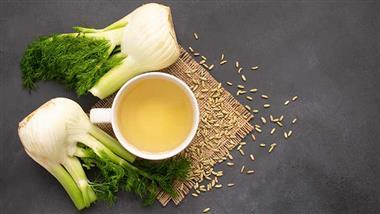
Fennel tea is made by crushing dried seeds and adding them to boiling water. By increasing motility and reducing muscle spasms, drinking fennel tea may help prevent acid reflux and improve digestion. Since the fennel seeds help reduce stomach cramps and lower gas and bloating, they could potentially help relieve the symptoms of irritable bowel syndrome (IBS) and act as a muscle relaxant to ease cramping.
The impact that consuming fennel bulb has on heart disease is related to the prebiotics that help improve gut health. Fennel seeds are rich in potassium, which can help balance your sodium-potassium ratio and have a positive influence on blood pressure. In postmenopausal women, fennel increased sexual satisfaction and reduced painful intercourse,20 and fennel vaginal cream improved arousal, lubrication, sexual satisfaction and orgasm after eight weeks.21
Lifestyle and wellness coach Luke Coutinho shared a fennel tea recipe with the Times of India to help promote sleep. It includes making fennel tea with dried seeds and adding dashes of freshly ground nutmeg and cinnamon, and then drinking it at bedtime.22
Fennel tea also has antimicrobial and antiviral properties, so drinking some tea when you feel a cold coming on may help your body fight the pathogens.23 Fennel tea may be one of the original ways people used to freshen their breath. The antibacterial properties may help kill oral pathogens that cause your breath to smell bad.24
Fennel seeds have traditionally been used as a galactagogue, helping to increase breast milk supply.25 Fennel seeds are used in traditional medicine and are included in several over-the-counter proprietary mixtures believed to help increase milk supply. It is believed to boost milk production by competing with dopamine that binds with prolactin first.26 By preserving prolactin’s milk stimulation properties, the anethole in fennel seed helps boost production.
Health Benefits of Indian Cooking Spice Asafoetida
Asafoetida is an Indian cooking spice made from the gum of a type of giant fennel. The name translates into “rotten resin,”27 which aptly describes the unpleasant odor reminiscent of rotting food and sweaty feet. If you can get past the scent while cooking, it has been long used in lieu of garlic and onions in Indian food.
Asafoetida also can reduce gas and bloating, and sometimes is paired with bean-based dishes for that reason.28 In 2009,29 researchers found it was more effective at killing the H1N1 influenza virus than the commercially manufactured antiviral drug, amantadine.
Asafoetida also contains several chemicals shown to have anti-inflammatory, anticancer and antimutagenic activities. As reported in the Pharmacognosy Review:30
“Dried resin, administered orally to Sprague–Dawley rats at doses of 1.25 and 2.5% w/w of the diet, produced a significant reduction in the multiplicity and size of palpable N-methyl-N-nitrosourea-induced mammary tumors, and a delay in mean latency period of tumor appearance. Oral administration to mice increased the percentage of life span by 52.9%. Intraperitoneal administration did not produce any significant reduction in tumor growth.”
Similarly, a study31 published in the Journal of Ayurveda and Integrative Medicine in 2017 confirmed asafoetida resin had antitumor effects against breast cancer. According to the researchers:
“Our results showed that treatment with asafoetida was effective in decreasing the tumor weight and tumor volume in treated mice. Apart from the antitumor effect, asafoetida decreased lung, liver and kidney metastasis and also increased areas of necrosis in the tumor tissue respectively.”
As with fennel bulb and fennel seed, asafoetida lowers blood pressure,32 has significant smooth muscle relaxant and anticoagulant effects, and certain compounds may have the ability to inhibit acetylcholinesterase,33 which may prove useful against Alzheimer’s disease.
Some People Should Avoid Fennel, Seeds or Oil
The fennel bulb has a crunchy texture and mildly sweet flavor. When purchasing fennel, look for a firm white or pale green color. If the buds are flowering, the plant has gotten overripe.
Fennel and fennel seeds are gentle, but there are instances when fennel can cause an allergic reaction on the skin and in the respiratory tract.34 The essential oil can be toxic in high doses and should be avoided during pregnancy as it has estrogen-like activities. Individuals with estrogen-sensitive conditions, such as breast cancer or other tumors, should also avoid consuming the essential oil.
Other high-sensitivity reactions can include over-excitement of the nervous system and seizures in a sensitive individual. People with Parkinson’s, multiple sclerosis and epilepsy should avoid using the essential oil. Fennel may also slow blood clotting, so people with bleeding disorders or on blood thinners should not use fennel.
When drinking fennel tea or using other products with essential oil, avoid ultraviolet light exposure as it can increase the risk of burns. If a mother or breastfed infant is allergic to carrots, celery, or other plants in the Apiaceae family, the mother should also avoid fennel to reduce the risk of a possible cross-allergic reaction as the compounds cross into the breast milk.
- 1 Tablet Magazine, May 10, 2023
- 2 Food Print, Fennel
- 3 Yates, Fennel
- 4 Plant Village, Fennel, Propagation
- 5 Wisconsin Horticulture, Fennel
- 6 Gardening Know How, Fennel Vs. Anise
- 7 Food Print, Fennel, Cooking with Fennel
- 8 Harvard The Nutrition Source, Vitamins and Minerals
- 9, 15 USDA, Fennel, bulb, raw, 1 cup sliced
- 10 USDA, Fennel Seed, 1 Tbs
- 11, 19 The Northwest School for Botanical Studies, Fennel
- 12 Nutrients, 2019; 11(10)
- 13 Advances in Experimental Medicine and Biology, 2016; 929
- 14 Molecular Pharmacology, 2019;95(4)
- 16 Frontiers in Behavioral Neuroscience, 2016;10 Discussion 50% DTP para 1
- 17 Journal of Medicinal Food, 2006; 9(3)
- 18 European Review for Medical and Pharmacological Sciences, 2012; 16 (4)
- 20 Journal of Menopausal Medicine, 2018 semicolon 24(1)
- 21 Journal of Medicine and Life, 2018; 11(1)
- 22 Times of India, June 28, 2019
- 23 Biomed Research International, 2014; 2014(842674)
- 24 BMC Complementary Medicine and Therapies, 2009; 9
- 25 Drugs and Lactation Database, March 15, 2023
- 26 Mom Junction, March 27, 2023, How does fennel increase breastmilk
- 27 Chemistry World, Asafoetida
- 28 Good Food, Asafoetida
- 29 Journal of Natural Products, 2009;72(9)
- 30 Pharmacognosy Review, 2012;6(12) 45 DTP
- 31 Journal of Ayurveda and Integrative Medicine, 2017; 8(3)
- 32 Pharmacognosy Review, 2012;6(12)
- 33 Journal of Traditional and Complementary Medicine, 2017;7(3) Table 3, 7 down in the table, observation column
- 34 RxList, Fennel, Side Effects
Stunning statin drug results linked to your risk of death revealed by cardiologist will SHOCK most cardiovascular patients
Reproduced from original article:
https://www.naturalhealth365.com/stunning-statin-drug-results-linked-to-your-risk-of-death-revealed-by-cardiologist-will-shock-most-cardiovascular-patients.html
by: May 11, 2023
 (NaturalHealth365) Statins (aka HMG-CoA reductase inhibitors) are a group of drugs used to lower cholesterol, and boy, are they popular in the Western healthcare model! Consistently ranked among the top ten most-prescribed drugs in the United States – along with other highly profitable drugs used to control lifestyle-related conditions like high blood pressure, diabetes, and heartburn – the global statins market reached a whopping $14.9 billion last year and is expected to exceed $18.1 billion by 2028.
As you may know, statins come with plenty of controversy. Over the past several decades, many opinion articles and peer-reviewed papers have been published regarding concerns such as overprescribing, harsh side effects, and the fact that the benefits vs. risks of statin drugs “[vary] considerably by age, sex, and statin type,” according to one January 2019 study published in Annals of Internal Medicine. (Frustrating then, isn’t it – that despite how much individual factors influence the necessity of a drug, Big Pharma and mainstream media outlets push the narrative of drugs being “safe and effective” for everyone.)
And in a recent interview on the popular podcast The Joe Rogan Experience, one cardiologist shares some shocking insights into the true dangers of this medication.
“Public health scandal:” Renowned British cardiologist sounds off on overprescribing of cholesterol-lowering drug, underreporting of side effects
Branded “controversial” by the most used search engines, Dr. Aseem Malhotra is a British cardiologist who is well-known for championing the fight against excess sugar consumption and overprescribing of medications – not the least of which is the overprescription of statins.
Sharing a clip of his recent interview with Joe Rogan, where he discussed his professional insights in detail, Dr. Malhotra recently wrote on Twitter: “The lack of transparency in the prescription of [cholesterol-lowering] statin drugs in relation to side effects is a public health scandal.” This rings especially true when we consider that research shared by the cardiologist during the interview reveals that statins do NOT appear to have a meaningful protective effect against heart disease death rates … in part because the drug makes people feel so lousy that as many as 50 percent of patients prescribed them stop taking them!
Dr. Malhotra also explains why statin side effects have been historically underreported in the literature. Referring to a process called a “pre-randomization running period,” Dr. Malhotra notes that participants were often enrolled before the trials officially started – and any participants who had side effects were excluded from the remainder of the trial. “The end result of those trials,” Dr. Malhotra says to a shocked Joe Rogan, “is therefore biased toward people who didn’t get side effects.”
For more information, watch a clip from the interview below:
These are the side effects of statin drugs that conventional healthcare providers don’t like to talk about
Informed medical consent requires that prescribing physicians ensure their patients understand the potential benefits and risks of the drugs or treatments they agree to take – otherwise, how could someone consent to an intervention if they don’t fully understand it?
With that in mind, here are some of the most well-known harsh side effects of statin drugs that everybody should be aware of:
- Muscle pain, spasms, and aches
- Severe muscle damage known as rhabdomyolysis
- Liver damage
- Diarrhea
- Nausea
- Fatigue
- Insomnia
- Increased blood sugar – which for many people results in the onset of type 2 diabetes
- Memory loss and confusion
Ask yourself: would you take a drug if you knew that the risks likely outweighed the benefits? Have millions of people around the world currently taken statins been offered the same opportunity to make that informed decision for themselves? Clearly, the answer to both questions would be “no.”
To discover the best heart health strategies, own the Cardiovascular Docu-Class, presented by Jonathan Landsman and featuring many of the top integrative healthcare providers in the world.
Sources for this article include:
Medlineplus.gov
Drugs.com
NIH.gov
Medicalnewstoday.com
Researchandmarkets.com
ACPjournals.org
Mayoclinic.org
Phospholipids: A Hidden Superpower for Your Health
Reproduced from original article:
https://articles.mercola.com/sites/articles/archive/2023/04/24/omega-3-phospholipids.aspx
The original Mercola article may not remain on the original site, but I will endeavor to keep it on this site as long as I deem it to be appropriate.
Analysis by Dr. Joseph Mercola Fact Checked April 24, 2023

STORY AT-A-GLANCE
- Unlike krill oil — a superior source of omega-3 fats — fish oil lacks phospholipids, which increase omega-3 fat absorption and provide other benefits
- A new lysophospholipid form of DHA shows promise for preventing the visual decline that often occurs alongside chronic diseases like Alzheimer’s and diabetes
- While the DHA in most fish oil supplements cannot reach the retina, where DHA concentrates, LPC-DHA crosses into the retina from the bloodstream
- Krill oil counteracts neuroinflammatory processes, due to its phospholipids and additional beneficial compounds, like astaxanthin
- Although krill oil contains less EPA and DHA per gram of supplement than fish oil does, it’s more bioavailable since the EPA and DHA are bound in a phospholipid form
You’ve likely heard about the many benefits of omega-3 fats for your heart, brain and more, but if you’re consuming it in supplement form, be sure it’s alongside phospholipids. Wild-caught salmon, sardines and certain other fish are excellent sources of the omega-3 fats eicosapentaenoic acid (EPA) and docosahexaenoic acid (DHA).1
However, because most Americans do not consume much seafood, many rely on fish oil supplements instead. This is a mistake for virtually anyone who makes this choice. This is because the chemical process used to make most of these products — trans-esterification — transforms the oil into a synthetic product that’s far removed from the natural fats you’d get when eating sardines or other fatty fish.2
There are many issues with synthetic fish oil, and absorption is only one of them. Free fatty acids of fish oil have an absorption rate of at least 95%. EPA in its natural triglyceride form had a 68% absorption rate in one study, while ethyl ester forms — the type found in nearly all fish oil supplements — absorbed only about 20% as well as the free fatty acids.3
Unlike krill oil — a superior source of omega-3 fats — fish oil lacks any phospholipids. Research is now confirming just how important the phospholipid component is when it comes to gleaning all the benefits you can from your omega-3 fats.
Phospholipid Form of Omega-3 Helps Prevent Visual Decline
Recent studies show a new lysophospholipid form of DHA (LPC-DHA) shows promise for preventing the visual decline that often occurs alongside chronic diseases like Alzheimer’s and diabetes, according to a study presented at the 2023 annual meeting of the American Society for Biochemistry and Molecular Biology.4 While the DHA in most fish oil supplements cannot reach the retina, where DHA concentrates, LPC-DHA crosses into the retina from the bloodstream.
“Increasing the retinal DHA at clinically feasible doses has not been possible until now because of the specificity of the blood-retinal barrier that is incompatible with the specificity of the intestinal barrier,” study author Sugasini Dhavamani explained. “This study uses the novel approach of dietary LPC-DHA that overcomes both intestinal and blood-retinal barriers and improves retinal function.”5
In order to reach the retina, the DHA must first be absorbed from the intestine into the bloodstream and from there cross into the retina. The study, which involved mice, found that not only did LPC-DHA increase DHA in the retina, it reduced eye problems related to Alzheimer’s disease.6 Mice fed LPC-DHA daily for six months had a 96% increase in DHA and signs that the structure of the retina was better preserved.7
Low levels of DHA in the retina are common in people with Alzheimer’s, diabetes and age-related macular degeneration (ARMD), and if you don’t have enough DHA in the retina it’s associated with vision loss. Dhavamani explained:8
“Dietary LPC-DHA is enormously superior to TAG-DHA [triacylglycerol DHA, the type found in fish oil supplements] in enriching retinal DHA and could be potentially beneficial for various retinopathies in patients. This approach provides a novel therapeutic approach for the prevention or mitigation of retinal dysfunction associated with Alzheimer’s disease and diabetes.”
While these certainly are impressive results, they certainly are not novel and essentially replicate the characteristics of the phospholipids that are in krill and have been well-documented for many decades.
Krill Oil Protects Against Cognitive Impairment
Typically, DHA and EPA are water insoluble and therefore cannot be transported in their free form in your blood. They must be packaged into lipoprotein vehicles such as a phospholipid. This is primarily why the bioavailability of krill oil is so much higher than fish oil, because in fish oil, the DHA and EPA are bound to triglycerides.
Many studies highlight krill oil’s effectiveness, including for brain health. In an animal study, krill oil had a beneficial effect on neuroinflammation and oxidative stress, which are associated with the development of Alzheimer’s disease. In mice with Alzheimer’s disease, krill oil also inhibited memory loss.9
Writing in the journal Neuroscience Research, scientists from Central Michigan University again highlighted krill’s unique position to counteract neuroinflammatory processes, due to its phospholipids and additional beneficial compounds, like astaxanthin:10
“Similar to the more widely studied fish oil, KO [krill oil] contains the long chain fatty acids eicosapentaenoic acid (EPA) and docosahexaenoic acid (DHA) which are essential for basic brain functions.
Moreover, the phospholipid bound nature of fatty acids found in KO improves bioavailability and efficiency of absorption, thus supporting the belief that KO may offer a superior method of dietary n-3 delivery. Finally, KO contains astaxanthin, an antioxidant capable of reducing potentially excessive oxidative stress and inflammation within the brain.”
Download this Article Before it Disappears
Krill Oil Protects Neurons From Age-Related Degeneration
In another example, this time involving roundworms and human cells to investigate whether krill oil promotes healthy aging, a number of hallmarks of aging were modified. “There is accumulating evidence that interfering with the basic aging mechanisms can enhance healthy longevity,” the team noted.11
In a model of Parkinson’s disease, krill oil protected dopaminergic neurons, which synthesize the neurotransmitter dopamine, from aging-related degeneration while improving behaviors and cognition that depends on dopamine.
“Krill oil rewires distinct gene expression programs that contribute to attenuating several aging hallmarks, including oxidative stress, proteotoxic stress, senescence, genomic instability, and mitochondrial dysfunction,” according to the researchers.12
They suggested krill oil increases neurons’ resilience by helping to ward off inflammation and oxidative stress — “thus,” they note, “krill oil supplementation might serve as a possible approach for healthy brain aging interventions.”13
Krill Offers Unique Benefits for Iron Overload, Choline
Why else is krill oil, with its valuable phospholipids, so valuable? Research suggests it alleviates oxidative stress and iron accumulation, such that it could be used as a treatment for toxicity caused by iron overload which is pervasive in most adults.14
Krill oil is also a particularly good source of choline. While choline is found in a variety of foods, intakes for adults and children are believed to be far below optimal levels, putting public health at risk and leading experts to suggest that [intake of choline-rich foods should be encouraged.15
Krill oil contains 69 choline-containing phospholipids to synthesize phosphatidylcholine, a critical component of human cell membranes.16 This is key to its benefits as a source of choline, because it’s estimated that 60% of choline in organic salts is otherwise lost when gut bacteria convert it to the metabolite trimethylamine (TMA).
Enzymes then turn TMA into trimethylamine-N-oxide (TMAO), a potential biomarker for insulin resistance and heart problems. Krill oil, however, contains fatty acids in the form of phosphatidylcholine (PC) — unlike fish oil, which contains them in triglyceride form.
As noted by the researchers, “Choline in the form of PC is considerably less converted to TMA as demonstrated in a single-dose study with krill oil,17 potentially resulting in more efficient delivery of choline.”18 It’s been shown for instance, that 28 days of krill oil supplementation increased choline levels in healthy young adults.19
In a study comparing phosphatidylcholine, present in krill oil, and choline bitartrate salt, it was found that the krill oil led to higher levels of the important metabolites betaine and dimethylglycine (DMG) along with lower levels of TMAO, which can lead to health issues, compared to the other choline source. Researchers explained:20
“Krill oil is increasingly recognized as a useful source of phosphatidylcholine, in addition to its acknowledged role in providing the omega-3 fatty acids EPA and DHA. In a former study, phosphatidylcholine was shown to raise plasma choline levels more efficiently compared to ingestion of free choline as choline chloride.”
With Krill Oil, You Get Astaxanthin
It’s worth mentioning that when you choose omega-3s in the form of krill oil, you also get some astaxanthin, an antioxidant produced by the microalgae Haematococcus pluvialis when its water supply dries up, forcing it to protect itself from UV radiation. Besides the microalgae that produce it, the only other sources are the sea creatures that consume the algae, such as wild salmon, shellfish and krill.
Many researchers believe astaxanthin is the most powerful antioxidant ever discovered for eye health.21,22 It has protective benefits against a number of eye-related problems, including ARMD and cataracts, as well as:
- Cystoid macular edema
- Diabetic retinopathy23
- Retinal arterial occlusion and venous occlusion
- Glaucoma24
- Inflammatory eye diseases (retinitis, iritis, keratitis and scleritis)
Astaxanthin easily crosses into the tissues of your eye and exerts its effects safely and with more potency than any of the other carotenoids, without adverse reactions. Specifically, astaxanthin has been shown to ameliorate or prevent light-induced damage, photoreceptor cell damage,25 ganglion cell damage and damage to the neurons of the inner retinal layers.
Research published in the Journal of Clinical Biochemistry and Nutrition in 2017 showed 16 weeks of astaxanthin supplementation protected against wrinkles and loss of skin moisture, and improved skin elasticity.26
Most Fish Oil Supplements Should Be Avoided
I recommend avoiding nearly all commercial fish oil supplements, because the DHA and EPA are delivered in the form of ethyl esters. These are essentially a synthetic substrate, created through the microdistillation process of crude fish oil, in which ethanol and/or industrial alcohol is added. This mix is heat distilled in a vacuum chamber, resulting in a concentrated omega-3 ethyl ester condensate.
Not only does this molecular distillation process remove vital resolvins and protectins that are important in reducing inflammation, but it also concentrates the EPA and DHA. You can tell the concentration of these two fats in any given supplement by looking at the label. In fish, the oil consists of 20% to 30% EPA and DHA, whereas purified fish oil concentrate typically contains between 60% and 85% EPA and DHA.27
Most corporations produce ethyl ester fish oil because it’s far less expensive to produce than the triglyceride form. Ethyl esters are also easier to work with during processing, as they have a higher boiling point, which becomes important when the oils are heated and purified of environmental pollutants.
Ethyl esters are the least bioavailable form of omega-3. Manufacturers could convert them back into the triglyceride form by detaching the ethyl alcohol molecule and reattaching a glycerol molecule in a process known as re-esterification,28 but most don’t because it’s so costly.
Your Body Metabolizes Ethyl Ester Forms Differently
It’s important to understand that your body metabolizes the triglyceride and ethyl ester forms of omega-3 differently, and this is when the issues arise. Since the glycerol backbone is missing in the ethyl ester form, the EPA and DHA will scavenge for available triglycerides or steal a glycerol molecule from somewhere.
The fatty acids need to be converted back into triglyceride form or your gut epithelium will not be able to process them. When the ethyl ester form of EPA or DHA ends up stealing glycerol molecules, the molecule that lost its glycerol will then go searching for a replacement, creating a negative domino effect. Further, the fatty acids cannot be transported through your blood unless they’re in triglyceride form.
On the other hand, when you consume omega-3s in triglyceride form, the fatty acids are first separated from the glycerol backbone. All of the individual parts are then absorbed by gut epithelial cells, where they’re reattached to form triglyceride.
When you consume ethyl esters, they must be processed in your liver. There, the ethanol backbone is separated from the free fatty acids, and your body must then reattach the free fatty acids to glycerol to form triglyceride. Your liver must also process the ethyl alcohol, which may release free radicals and cause oxidative stress — the opposite of what you’re trying to achieve when you consume fish oil.
Ideally, consume omega-3 fats in whole-food form by eating fatty, cold-water fish. This includes wild-caught Alaskan salmon, sardines, anchovies, mackerel and herring. If you choose to use a supplement, krill oil provides a superior alternative to fish oil.
Although krill oil contains less EPA and DHA per gram of supplement than fish oil does, it’s more bioavailable since the EPA and DHA are bound in a phospholipid form. This means you can take lower doses while reaping superior results.
- 1, 2 Class Action Complaint, Filed September 24, 2021
- 3 Biochem Biophys Res Commun. 1988 Apr 15;152(1):328-35
- 4, 5, 6, 8 EurekAlert! March 27, 2023
- 7 New York Post March 28, 2023
- 9 Int. J. Mol. Sci. 2017, 18(12), 2554; doi: 10.3390/ijms18122554
- 10 Neurosci Res. 2020 Aug;157:1-14. doi: 10.1016/j.neures.2019.08.001. Epub 2019 Aug 22
- 11, 12 Aging November 9, 2022
- 13 Aging November 9, 2022, Conclusions
- 14 Environ Sci Pollut Res Int. 2020 Feb;27(4):3950-3961. doi: 10.1007/s11356-019-06983-1. Epub 2019 Dec 10
- 15 Nutr Rev. 2009 Nov; 67(11): 615–623
- 16 Lipids. 2011;46(1):25-36
- 17 Nutrients. (2019) 11:2548. doi: 10.3390/nu11102548
- 18 Front. Nutr., 18 August 2020 | doi: 10.3389/fnut.2020.00133
- 19 Lipids Health Dis. 2015 Dec 15;14:163. doi: 10.1186/s12944-015-0162-7
- 20 Nutrients. 2019 Oct; 11(10): 2548
- 21 Journal of the Science of Food and Agriculture May 1, 2001: 81(6); 559-568
- 22 Oxid Med Cell Longev. 2019; 2019: 3849692
- 23 J Ophthalmol. 2022; 2022: 8071406
- 24 Mar Drugs. 2020 May; 18(5): 239
- 25 Antioxidants (Basel). 2020 Aug; 9(8): 729
- 26 Clinical Biochemistry and Nutrition July 2017; 61(1): 33-39
- 27, 28 A Comparison of Synthetic Ethyl Ester Form Fish Oil vs. Natural Triglyceride Form (PDF), What Are Triglycerides and Ethyl Esters?
Beyond Liver Health: Explore the SURPRISING health benefits of milk thistle
Reproduced from original article:
https://www.naturalhealth365.com/beyond-liver-explore-the-surprising-health-benefits-of-milk-thistle.html
by: April 22, 2023
 (NaturalHealth365) Milk thistle, an herb that contains silymarin as its active ingredient, may appear poisonous at first glance due to its sharp stems and potential height of 5-10 feet. However, this member of the Asteraceae family is actually quite beneficial. Originally discovered in Europe and the Mediterranean, this plant has gradually spread to North America, as well as the eastern region of the United States, California, South America, Asia, Australia, and Africa.
Recent research conducted in 2023 indicates that milk thistle extract, when combined with grape seed extract, has the ability to inhibit the growth of lung cancer cells. This is just one of many advantages offered by this exotic-looking herb.
Studies show milk thistle offers many health benefits
Although milk thistle research is still in its early stages, scientists unanimously agree on its numerous benefits, ranging from inhibiting cancer growth to managing diabetes and promoting liver health. These effects are attributed to the herb’s active component, silymarin, which is known for its anti-inflammatory and antioxidant properties.
While this herb is commonly used to treat liver conditions like cirrhosis and hepatitis, it is believed to have a wide range of potential uses that are yet to be fully explored. Components within milk thistle may also have blood sugar-lowering properties, which could be beneficial for individuals with diabetes. There is emerging evidence that silymarin can improve liver function and reduce symptoms of cirrhosis, which is a condition characterized by scarring of the liver.
Scientific analysis has also shown that consuming milk thistle extract containing silymarin is likely to be associated with decreased mortality rates in individuals with liver disease and cirrhosis.
From bone health to brain function and beyond
Milk thistle supplementation offers potential benefits to menopausal and postmenopausal women by helping to preserve bone strength and reduce the risk of osteoporosis. Additionally, when applied topically to the face, the herb has been found to reduce acne as well.
It is worth noting that an increasing number of individuals are turning to this plant to address hepatitis C, a viral liver infection. Although this potential benefit is currently based on anecdotal evidence, it highlights the growing trend of physicians recommending milk thistle to patients.
Pregnant women may also find milk thistle useful, as its silymarin component acts as a galactagogue, stimulating the production of breast milk. Additionally, the herb has the potential to reduce amyloid plaque, which is linked to the development of Alzheimer’s disease and other forms of dementia in older adults.
Finally, there is evidence suggesting that the plant may impact the way in which the liver metabolizes anti-inflammatory medications and antibiotics.
Be strategic when supplementing with this versatile herb
To experience the benefits of milk thistle, it can be consumed as a tea, in pill form, or as an extract, making it easy to incorporate into your daily routine. Seek guidance from a qualified healthcare professional, such as an integrative healthcare provider or health coach, before adding it to your routine.
It’s essential to keep in mind that no supplement can treat, prevent, or cure disease. However, by incorporating milk thistle into a holistic approach to wellness and under the guidance of an experienced healthcare provider, you can greatly improve the quality of your health and vitality.
If you’re looking for a quality milk thistle dietary supplement, visit this page for more information about LiverLuv by LuvByNature.
Sources for this article include:
Iodine Truth and Lies
Reproduced from original article:
https://articles.mercola.com/sites/articles/archive/2023/04/17/iodine-truth-and-lies.aspx
The original Mercola article may not remain on the original site, but I will endeavor to keep it on this site as long as I deem it to be appropriate.
Analysis by Dr. Joseph Mercola Fact Checked April 17, 2023

STORY AT-A-GLANCE
- Your body does not produce iodine, so you must get it from your food. Iodine was added to table salt to reduce the public health threat, but recommendations for a low-salt diet have contributed to a rise in the risk once again
- Roughly 30% of the world is thought to be deficient. Physicians once prescribed drops of Lugol’s solution for iodine supplementation, but that fell out of vogue after two physicians misinterpreted scientific data in 1948
- The subsequent addition of competing minerals — fluoride to the water supply and substitution of potassium bromate for potassium iodide in bread and pastry flour — increased the risk of hypothyroidism and iodine insufficiency
- Symptoms of hypothyroidism include fatigue, difficulty learning and remembering, difficulty with weight loss, always feeling cold and difficulty getting pregnant
- I recommend you get as much iodine from your food as possible, including iodine-rich organic, grass fed dairy products, organic cranberries, eggs, potatoes and sea vegetables, which have more iodine than any other source
Your body cannot produce iodine, so you must get it from your food. Although iodine deficiency is reemerging as a public health threat,1 it is completely preventable in the Western world. It is a critically important trace mineral, which means that your body needs it in very small doses.
Although many cells use iodine, your thyroid gland uses what’s available first to produce the thyroid hormones triiodothyronine (T3) and thyroxine (T4). According to Harvard TH Chan School of Public Health,2 most people in the U.S. get their dietary iodine from iodized salt and milk.
If a person chooses to follow a low-fat, low-salt diet recommended by the American Heart Association,3 it drastically reduces the amount of iodine they absorb each day.
This may help explain how iodine deficiency and thyroid conditions have become serious public health concerns. According to the American Thyroid Association,4 roughly 30% of the world’s population is thought to be at risk of deficiency and those in developed countries are increasingly found to be lacking this essential nutrient.
Iodine or Iodide?
Although the words sound similar and you may have used them interchangeably, iodine and iodide are two different compounds.5 Elemental diatomic iodine (I2) has two iodine atoms bound together. In this form, iodine is highly corrosive and can damage tissue on contact.
Iodide (I-) is the form of iodine found in nature. It occurs when iodine binds with another element and forms salt. For example, potassium iodide or sodium iodide is iodine bound with potassium or sodium. In this form, it can be used topically or ingested.
According to Dr. Guy Abraham in “The Historical Background of the Iodine Project,”6 during the first half of the 20th century, physicians used Lugol’s solution as an iodine supplement. Each drop delivered 6.25 mg of elemental iodine, which was 40% iodine and 60% potassium iodide salt. At the time, the recommended intake was 2 to 6 drops per day.
This changed in 1948 when Drs. Jan Wolff and Israel Lyon Chaikoff from the University of California Berkeley published their findings on an animal model during which they administered intraperitoneal injections of iodide. When serum levels of inorganic iodide reached 0.2 m/L they noticed the thyroid gland no longer absorbed radioiodide. According to Abraham, the correct interpretation would have been that the thyroid gland had absorbed a sufficient amount of iodine.
What Killed Iodine?
Despite the results, Wolff and Chaikoff concluded that because the thyroid no longer absorbed the radio iodide, the production of thyroid hormones would be blocked and result in hypothyroidism. However, according to Abraham,7 the rats did not develop symptoms of hypothyroidism. Since Wolff and Chaikoff could not justify the interpretation, they explained that the rats did not follow “a normal physiological response.”
In 1969, Wolff, working at the National Institutes of Health (NIH), defined levels of iodine excess and concluded that anything above 0.2 mg per day was potentially harmful. Abraham points out that Wolff’s and Chaikoff’s interpretation of the data was incorrect and Wolff’s subsequent extrapolation of the findings to humans without sufficient scientific evidence was “worse.” Abraham went on to write:8
“By the 1970s, physicians concluded that one must avoid inorganic, non-radioactive iodine like leprosy, unless it was incorporated into the toxic, organic iodine-containing drugs. Then iodine could be tolerated because iodine could be blamed for the toxicity of these drugs.”
By 1993, the beneficial effects of supplementing with iodine for one year in 1,368 patients had been documented. Yet, Wolff’s opinion prevailed. Further research by Drs. Jorge Flechas and David Brownstein did not reproduce the Wolff-Chaikoff effect in roughly 4,000 patients who received supplementation for as long as three years. In 2005, Abraham wrote that medical fear of iodine had reached:9
“… pandemic proportion, is highly contagious, and has wreaked havoc in the practice of medicine and on the U.S. population. More misery and death in the U.S. may have resulted from the Wolff-Chaikoff effect than both World Wars combined.”
Registered dietitian Jennifer Depew talks about her experience using iodine supplementation in her Substack article, “Iodine and an Old Lie, Still Being Spread.”10 She notes that with supplementation, her fibrocystic breast pain resolved, and she experienced restored energy and an easier time losing weight.
Download this Article Before it Disappears
Common Environmental Contaminants Compete With Iodine
Iodine belongs to a class of chemicals called halogens, along with fluorine, chlorine and bromine.11 Fluorine has the highest reactivity, followed by chlorine, bromine and then iodine. When a halogen combines with another element it’s called a halide. For example, sodium chloride is a halide ion.
Exposure to these halides can disrupt thyroid function since the halogen is absorbed by the thyroid gland. Researchers have found that with adequate exposure to iodine, the effect of fluoride exposure can be mitigated.12 Depew notes13 that in the 1950s fluoride was added to the drinking water and potassium bromate was substituted for potassium iodide in bread and pastry flour, both of which likely have contributed to iodine insufficiency and deficiency.
Increasing numbers of people with hypothyroidism and goiters triggered public health officials to recommend the addition of iodine to table salt. Yet, as has been noted in the past 10 years, the American Heart Association’s push for a low-salt diet has had a significant impact on thyroid health.
According to Abraham’s data,14 this may have also influenced the rate of breast cancer. In a small number of subjects, an iodine-loading test resulted in the excretion of more bromide in women with breast cancer than in normal subjects. Common contaminants that compete with iodine include:
- Bromide — Bromides are known endocrine disruptors found in baked goods, pesticides and plastics, among other sources. Because bromide is a halide, it competes for the same receptors in your thyroid gland and other body areas to capture iodine, thereby inhibiting thyroid hormone production.
- Fluoride — Fluoride has long been known to displace iodine. As cited by the Fluoride Action Network, Chinese researchers “have repeatedly found that an iodine deficiency coupled with fluoride exposure produces a significantly more damaging effect on neurological development than iodine deficiency alone.”15
- Mercury — Mercury is found in dental amalgam fillings and fish like tuna, as well as in consumer products such as antiques, batteries, electronics, light bulbs and pharmaceutical products. Higher levels of mercury in the body are associated with lower levels of thyroid hormone.16
- Nitrates — Nitrites found in processed meats such as bacon, hot dogs, lunch meat and sausage may interfere with your uptake of iodine and potentially lead to an increased risk of thyroid and other cancers.17 Nitrates from agricultural fertilizer, present in contaminated drinking water, have also been implicated as a potential cause of thyroid cancer.18
- Perchlorate — This is a contaminant found in groundwater across the U.S. and in measurable amounts in milk, fruit and vegetables. Perchlorate blocks iodine uptake and inhibits the production of thyroid hormones, which leads to hypothyroidism.19,20
Iodine Insufficiency Affects Cognition and Much More
Your body needs enough iodine to make thyroid hormones. In addition to the effect low thyroid hormone has on your general health, the thyroid can become enlarged, which is a condition known as goiter. A lack of thyroid hormones is called hypothyroidism, which can trigger intellectual disabilities and developmental issues in infants and children whose mothers were deficient during pregnancy.
When an infant is deprived of thyroid hormones in utero, it can have irreversible effects on the child. Babies born to mothers with hypothyroidism during pregnancy have a significantly increased risk of lower IQ scores, learning disabilities and neuropsychological impairment.21 According to the American Thyroid Association,22 iodine deficiency is “the most common preventable cause of intellectual disabilities in the world.”
Researchers are just beginning to understand the relationship iodine has with more than the thyroid gland. Micronutrient deficiencies and inadequacies are a global health issue. Many of the symptoms of iodine deficiency are related to hypothyroidism, yet as Depew notes,23 correcting her iodine level led to a reduction in fibrocystic breast symptoms. Symptoms you may be deficient in iodine include:24,25,26
| Fatigue | Muscle weakness | Weight gain |
| Difficulty losing weight | Difficulty learning and remembering | Hair loss |
| Dry skin | Always feeling cold | Constipation |
| Slow heart rate | Difficulty getting pregnant | Heavy or irregular periods |
| Hoarse voice |
Iodine-Rich Foods
According to the National Institutes of Health,27 the recommended dietary allowance for iodine is 150 micrograms (mcg) for men and women age 14 and older. I always recommend that you get as many nutrients as possible from the food that you eat, and iodine is no exception. The amount of iodine in your food is directly related to how much is in the soil where the food was grown.
Always choose fresh, organic fruits and vegetables and raw, organic, grass fed dairy. Consider optimizing your iodine absorption by eliminating or significantly reducing your exposure to the common contaminants that compete with iodine. These were bromide, fluoride, nitrates, mercury and perchlorate. Some of the foods that are known to be rich in iodine include:28
- Dairy — All dairy is rich in iodine and consuming raw, organic, grass-fed dairy is a healthier option. The iodine content in the dairy can vary depending on the season of the year.29 According to the National Institutes of Health, 1 cup of nonfat pasteurized milk contains 85 mcg and 1 ounce of pasteurized cheddar cheese contains 15 mcg.30
- Cranberries — Cranberries are a rich source of iodine. I suggest you consume fresh, organic cranberries or cranberry juice that is 100% juice with no added sugars. If you have a urinary tract stone31 or take blood thinning medication like warfarin,32 it is important to avoid cranberries.
- Eggs — One large egg contains 26 mcg of iodine.
- Potatoes — One medium baked potato with the peel contains 60 mcg of iodine.33 Potatoes are a heavily sprayed crop, so be sure to purchase organically grown potatoes. Because they are also high in starch, I recommend eating potatoes in moderation.
- Sea Vegetables — One-quarter ounce of dried seaweed may contain more than 4,500 mcg of iodine.
- 1, 22 American Thyroid Association, Iodine Deficiency
- 2 Harvard TH Chan School of Public Health, Iodine
- 3 American Heart Association
- 4 American Thyroid Association, Iodine Deficiency, para above purple box table 1
- 5 Association for the Advancement of Restorative Medicine, April 17, 2017
- 6, 7, 8 The Historical Background of the Iodine Project, 2005 page 57
- 9 The Historical Background of the Iodine Project, 2005 pg 64
- 10, 13, 23 DeNutrients Jennifer Depew, RD, September 25, 2022
- 11 Sciencing, March 13, 2018
- 12 Environment International, 2018;121
- 14 The Historical Background of the Iodine Project, 2005
- 15 Fluoride Action Network April 2015
- 16 Environmental Health Perspectives, 2013;121(2)
- 17 Antioxidants, 2020;9(3)
- 18 Epidemiology, 2010;21(3)
- 19 Environmental Health Perspectives April 2016; 124(4)
- 20 Best Practice & Research: Clinical Endocrinology & Metabolism February 2010; 24(1)
- 21 Indian Journal of Endocrinology and Metabolism, 2012; 16(3)
- 24 Health Direct, Iodine Deficiency
- 25 American Thyroid Association
- 26 Cleveland Clinic, Iodine Deficiency
- 27, 28, 30 National Institutes of Health, Iodine
- 29 Dairy, 2022;3(2)
- 31 Journal of Urology, 2005;174(2)
- 32 Mayo Clinic, Warfarin diet: What foods should I avoid?
- 33 Oregon State University, Iodine
NEW study reveals the chemical cause of Parkinson’s Disease
Reproduced from original article:
https://www.naturalhealth365.com/new-study-reveals-the-chemical-cause-of-parkinsons-disease.html
by: April 6, 2023
 (NaturalHealth365) Is there a hidden danger lurking in your water, that causes Parkinson’s disease? The short answer is yes!
But, we’re not talking about birth control pill residue and other pharmaceuticals, “forever chemicals” like PFAS, or heavy metals like lead and arsenic (although depending on where you live in the country, these things certainly could be present in your tap water, and perhaps to an alarming degree).
A new paper published in the Journal of Parkinson’s Disease adds to decades of research suggesting a positive link between a common chemical and an increased risk of a common neurodegenerative condition, Parkinson’s disease (PD).
Common chemical used to decaffeinate coffee, dry clean your clothes may be in your tap water – and may increase your risk of Parkinson’s disease
The January 2023 paper focuses on the presence of a “widely used industrial solvent and common environmental contaminant” known as trichloroethylene (TCE). The authors conducted a thorough literature review and several case studies to conclude that the “ubiquitous chemical is contributing to the global rise of PD and that TCE is one of its invisible and highly preventable causes.”
Concerns over TCE are not new. For well over a century, this chemical has been used for everything from dry cleaning clothes to removing paint to degreasing metal to decaffeinating coffee! Research also suggests that TCE contaminates up to one-third of U.S. groundwater and is found in 15 toxic Superfund sites in the Silicon Valley area as well as the notoriously contaminated Marine Corps base Camp Lejeune.
Already linked to health problems like congenital heart disease, miscarriages, and cancer, TCE has also been associated with a 500% increased risk of Parkinson’s disease, according to the authors of the study.
The authors acknowledge that there is still a lot to be learned about the link between this chemical and PD (let alone other health problems). One proposed mechanism of harm is that TCE can easily cross the blood-brain barrier and damage mitochondria (energy-producing centers) in brain cells. Previous research has suggested that this damage can lead to the loss of cells that produce dopamine, which is a hallmark of PD, a progressive neurodegenerative condition that can cause stiffness, poor coordination and balance, tremors, and other movement-related problems.
The authors of the January 2023 paper entitled, “Trichloroethylene: Invisible Cause of Parkinson’s Disease?” also warn that TCE “pollutes outdoor air, taints groundwater, and contaminates indoor air” and note that the use of this compound is only increasing, not decreasing. They call for additional research and testing, cleaning up of contaminated sites, and eventually banning TCE outright.
Protect your family’s water source
Water is essential, so what happens when we have to worry about contaminants in whatever comes out of our tap? How can we continue to nourish and hydrate ourselves properly while minimizing our risk of exposure to potentially harmful impurities?
First, we recommend checking out the Environmental Working Group’s Tap Water Database, most recently updated in 2021. Users of this database can simply input their area code to learn more about the safety and risks of their tap water. This information can give you a more clear action plan about what to do next.
EWG also provides a helpful tipsheet you can use to reduce your and your family’s exposure to common drinking water pollutants and contaminants. The Environmental Protection Agency (EPA) and U.S. Centers for Disease Control and Prevention (CDC) also list several recommendations, including the following:
- Using water filters, ranging from countertop products to in-home installed water filtration systems like reverse osmosis, ion exchange, or distillation
- Avoid using tap water, if at all possible
- If you can’t avoid using tap water, then avoid drinking or cooking with hot water from your tap since hot water may dissolve certain contaminants like copper from pipes more easily than cold water
- Updating or removing parts of your home water system or well that may expose you to things like lead (consult with a licensed professional, such as a well-water contractor, if you decide to make this home investment)
- To help detoxify your body of this chemical and so many other unwanted toxins, consider using a far infrared sauna – on a weekly basis.
Sources for this article include:
IOSpress.com
Neurosciencenews.com
EWG.org
Sciencedaily.com
EPA.gov
CDC.gov
NIH.gov
The Deadliest Chemical in US Agriculture Goes on Trial

STORY AT-A-GLANCE
- Glyphosate — the active ingredient in the broad-spectrum herbicide RoundUp — is commonly used off-label as a desiccant and/or preharvest treatment to speed ripening. This is why even non-GMO foods often contain glyphosate
- Paraquat and diquat are registered desiccants that have been used in U.S. agriculture since 1962, and as bad as glyphosate is, these “quats” may be even worse
- More than 3,000 farmers with Parkinson’s disease are suing Syngenta, the lead manufacturer of paraquat, and Chevron, a key distributor, arguing the chemical caused their disease. The first federal trial is set for October 2023. More than 100 lawsuits have also been filed in California state courts, where trials are set to begin in June 2023
- In 2021, the U.S. Environmental Protection Agency (EPA) reapproved paraquat for another 15 years. Earth Justice sued the EPA claiming the agency has “understated the extent of paraquat’s adverse effects.” The EPA is now re-reviewing its paraquat data and has until December 2023 to draft its reanalysis
- Research suggests plant lectins are the key link between paraquat and the damage resulting in Parkinson’s disease. Lectins are proteins found in many grains, legumes, and beans — the very crops most-often treated with paraquat. Paraquat can trigger Parkinson’s disease when combined with plant lectins as the lectins transport the toxin straight into the brain
As previously reported in “Preharvest Use of Glyphosate Poisons Kids’ Food,” testing has revealed alarmingly high levels of glyphosate in the vast majority (43 out of 45) breakfast products and snacks made with oats.
Glyphosate — the active ingredient in the broad-spectrum herbicide RoundUp — is commonly used on genetically engineered (GE) crops to kill weeds, but high levels of the chemical is also found in non-GE foods. The reason for this is because it’s also used as an off-label desiccant and/or preharvest treatment to speed ripening.1
The Monsanto pamphlet “Preharvest Staging Guide”2 clearly states that Roundup formulation “should not be used as a desiccant,” but many farmers use it that way anyway,3 despite the known risks.
That said, other registered desiccants certainly aren’t any safer, and food is not tested for them either. This raises questions about whether desiccants ought to be allowed at all. It’s a sticky problem though, for a number of reasons. For example, many farmers today do not own their own harvesting equipment. They hire companies that come in and do it.
It’s costly, so to make sure the grain is ready for harvesting on a specific date, they pretreat it with a desiccant to ensure it’s sufficiently dry in time for harvesting.
Desiccating also eliminates excess green plant material, which reduces wear and tear on machinery, and improves profits, as farmers are penalized when the grain contains too much moisture. The greater the moisture content of the grain at sale, the lower the price they get.
Paraquat and Diquat to Face Trial
Paraquat and diquat are two herbicides and registered desiccants used in U.S. agriculture since 1962, and as bad as glyphosate is, these “quats” may be even worse. As reported by Civil Eats:4
“… paraquat is still one of the most popular herbicides in the U.S., applied in the greatest quantities to fields of soybeans, cotton, and grapes, according to the U.S. Geological Survey.5 It’s also the deadliest pesticide used in U.S. agriculture, capable of killing a human with just a sip, as the U.S. Environmental Protection Agency (EPA) warns.6
As far back as 1983, the journalist Andrew Revkin warned that ‘the potent weedkiller is killing people,’ as he starkly detailed7 its link to suicides and accidental deaths. A considerable body of evidence8 links the toxicant to Parkinson’s disease, a progressive neurological condition with no cure.”
While 50 countries have banned paraquat due to its adverse effects on health, the chemical remains legal in the U.S., provided farmers receive training on its application. Soon, that may change, however, as more than 3,000 farmers with Parkinson’s disease are now suing Syngenta, the lead manufacturer, and Chevron, a key distributor, arguing paraquat caused their disease.
“The lawsuits, which were consolidated to pool evidence, have led to a trove of hundreds of documents9 … including evidence that the companies knew — as early as the 1960s — about paraquat’s potential risks to the brain and feared the potential of lawsuits,” Civil Eats reports.10
The first federal trial is set for October 2023. More than 100 lawsuits filed in California state courts have also been consolidated and are set to begin in June 2023.
EPA’s Paraquat Analysis Is Being Challenged
In 2021, the U.S. Environmental Protection Agency (EPA) reapproved paraquat for another 15 years. The approval was challenged by Earth Justice, which filed a lawsuit against the EPA claiming the agency “repeatedly understated the extent of paraquat’s adverse effects.”
In response to that lawsuit, the EPA asked the Ninth Circuit Court of Appeals to allow it to revisit its analysis of paraquat. In December 2022, the court granted its request. The EPA now has until December 2023 to draft its reanalysis. If the EPA does a thorough-enough job, paraquat may end up being restricted or banned. Civil Eats continues:11
“‘The initial paraquat risk assessment was scientifically and legally baseless,’ said Jonathan Kalmuss-Katz, a senior attorney at Earthjustice, which in 2021 challenged the EPA’s registration on behalf of other petitioners, including the Center for Biological Diversity, Farmworker Justice, and the California Rural Legal Assistance Foundation.
‘The key question now is whether EPA uses this new opportunity to follow the science and protect the public from this incredibly dangerous pesticide’ …
The lawsuit challenged a range of oversights, claiming the EPA considered the economic risk to growers more heavily than the health risk to farmers and farmworkers, in violation of federal pesticides law …
The agency, petitioners claimed, also overlooked the medical evidence relating to Parkinson’s disease, citing research12 by the National Health Institute, the nation’s main medical research agency, which ‘found that people who applied paraquat were more than twice as likely to develop Parkinson’s disease as those who applied other pesticides.'”
According to Majed Nachawati, the co-lead attorney of the state court litigation in California, the core argument in all these lawsuits is that paraquat exposure — both topical exposure and inhalation — is indeed causally linked to Parkinson’s.
Download this Article Before it Disappears
Paraquat Augments Lectin Toxicity
Interestingly, research13 strongly suggests plant lectins are the key link between paraquat and the damage resulting in Parkinson’s disease. Lectins are sugar-binding plant proteins found in many grains, legumes and beans. High-lectin foods include peanuts, soy, lentils, rice, potatoes and wheat, just to name a few.
Lectins attach to your cell membranes, and some experts, including Dr. Steven Gundry,14 author of “The Plant Paradox,” argue that plant lectins are a hidden culprit behind many health problems as they can cause severe inflammation, damage nerves, kill cells, interfere with gene expression and disrupt endocrine function.
Lectins are proteins found in many grains, legumes and beans — the very crops most-often treated with paraquat. Paraquat can trigger Parkinson’s disease when combined with plant lectins as the lectins transport the toxin straight into the brain.
What’s worse, researchers have found that paraquat can trigger Parkinson’s disease when combined with plant lectins,15 as the lectins can transport the toxin straight into the brain. The cruel irony here is that paraquat is widely used as an herbicide and desiccant on crops rich in lectins, including wheat, soybeans, potatoes, cereal grains and beans.
In other words, while lectins can cause severe health problems in and of themselves, by spraying paraquat on lectin-rich crops, those crops are made exponentially more hazardous, as the lectins act as transport vehicles for the toxic herbicide. As reported by Medical News Today in 2018:16
“[P]araquat, once in the stomach, causes alpha-synuclein to be misfolded and then helps it travel to the brain. Scientists believe that alpha-synuclein runs along the vagus nerve, which itself runs between the stomach and the brain.
In fact, recent studies have shown that the vagus nerve has a direct connection with the substantia nigra, making it a prime suspect in Parkinson’s disease. This direct link also helps explain why digestive problems often precede the motor symptoms of Parkinson’s by several years.
To investigate, the researchers fed rats small doses of paraquat for 7 days. They also fed them lectins … As expected, they identified Parkinson’s-related changes … As study co-author Prof. Thyagarajan Subramanian explains:
‘We were able to demonstrate that if you have oral paraquat exposure, even at very low levels, and you also consume lectins […] then it could potentially trigger the formation of this protein — alpha-synuclein — in the gut. Once it’s formed, it can travel up the vagus nerve and to the part of the brain that triggers the onset of Parkinson’s disease.’
This series of experiments demonstrates how the interplay between two ingested compounds can conspire to create and then transport toxic protein structures from the gut to the brain.”
Diquat May Pose Similar Risks
Diquat, while generally considered less toxic than paraquat, is still thought to have similar health risks. As noted in a 2015 study,17 diquat causes cell death by producing reactive oxygen species independently of the mitochondria, and appears to be quite hazardous to brain tissue. According to the authors:
“Evidence indicates that Parkinson’s disease (PD), in addition to having a genetic aetiology, has an environmental component that contributes to disease onset and progression …
Given its similarity to paraquat, an agrochemical removed from registration in the EU for its suspected potential to cause PD, we have investigated the in vitro capacity of the related herbicide Diquat to cause PD-like cell death.
Diquat showed greater toxicity towards SH-SY5Y neuroblastoma cells and human midbrain neural cells than paraquat and also MPTP, which was independent of dopamine transporter-mediated uptake.
Diquat caused cell death independently of caspase activation … with only a minor contribution from apoptosis, which was accompanied by enhanced reactive oxygen species production in the absence of major inhibition of complex I of the mitochondrial respiratory chain …
Diquat may, therefore, kill neural tissue by programmed necrosis rather than apoptosis, reflecting the pathological changes seen following high-level exposure, although its ability to promote PD is unclear.”
Take-Home Message
The take-home message from all this is that the hazards of desiccation are not limited to glyphosate. Paraquat has been linked to the development of Parkinson’s disease by attaching to lectins in the foods, and diquat may also have similar effects.
These herbicides are considered the “best” drying option for legumes, which are also particularly high in lectins. As a result, many foods that vegetarians and vegans rely on may pose significant health hazards in more ways than one.
You can reduce lectin concentration by pressure cooking, for example, but if you’re using an unclean source, you’re dealing with extra-toxic kinds of lectins. To avoid or at least minimize these hazards, it’s important to buy organic beans, peas, potatoes and other high-lectin foods from a reputable source, ideally a local farmer you can trust.
- 1 JAMA. 2017;318(16):1610-1611
- 2 Roundup.ca, Preharvest Staging Guide
- 3 Environmental Sciences Europe 2016; 28(1): 3
- 4, 10, 11 Civil Eats March 22, 2023
- 5 USGS Estimated Annual Pesticide Use
- 6 EPA Paraquat Risk Message
- 7 Public Eye, Paraquat
- 8, 12 NIH February 11, 2011
- 9 The New Lede Paraquat Papers Library
- 13, 15 NPJ Parkinson’s Disease 2018; 4: 3
- 14 Drgundry.com Lectin Guide
- 16 Medical News Today December 10, 2018
- 17 Archives of Toxicology October 2015; 89(10): 1811-1825
Is This One of the Best Nutrients for Your Eyes and Brain?
Reproduced from original article:
https://articles.mercola.com/sites/articles/archive/2023/03/30/best-nutrient-for-your-eyes-and-brain.aspx
The original Mercola article may not remain on the original site, but I will endeavor to keep it on this site as long as I deem it to be appropriate.
Analysis by Dr. Joseph Mercola Fact Checked March 30, 2023
STORY AT-A-GLANCE
- Of all the known carotenoids, only lutein and zeaxanthin cross the blood-retina barrier to form macular pigment
- Lutein is also found in the brain, hinting at its importance for cognitive function
- Lutein, found in green leafy vegetables, egg yolks and more, helps form the retinal macular pigment, which is responsible for optimizing your visual performance and serves as a biomarker for the risk of macular diseases
- Lutein is protective against age-related macular degeneration, cataracts, glaucoma and other eye diseases
- Among young and older adults, lutein and zeaxanthin supplementation improves cognitive function
While there are about 850 known carotenoids, most are not found in the human body1 and only lutein, zeaxanthin and astaxanthin cross the blood-retina barrier to form macular pigment.2 Your retina is an extension of your brain,3 where lutein also accumulates throughout the human lifespan, hinting at its importance for both vision and cognitive function.
In fact, if you have dementia, you’re likely deficient in lutein, which crosses the blood-brain barrier and has a protective, anti-inflammatory effect.4 While lutein is available in supplement form, it’s also found in a wide variety of foods, including dark leafy greens, avocados and egg yolks.
Lutein for Vision Health
Lutein concentrates in your macula,5 which is the part of your retina responsible for central vision. Along with zeaxanthin and mesa-zeaxanthin (a metabolite of lutein), these three carotenoids form the retinal macular pigment, which not only is responsible for optimizing your visual performance but also serves as a biomarker for the risk of macular diseases.6
Lutein is also found in the lens, where it helps protect against cataracts and other age-related eye diseases.7 Among carotenoids, lutein is the most efficient at filtering out blue light — the type that comes from cellphones, computers, tablets and LED lights.
Blue light induces oxidative stress in your eyes, which increases the risk of cataracts and macular diseases. Lutein, however, acts as a shield against it. According to a team of researchers from Harvard Medical School and The University of Hong Kong, writing in the journal Nutrients:8
“As the peak wavelength of lutein’s absorption is around 460 nm which lies within the range of blue light, lutein can effectively reduce light-induced damage by absorbing 40% to 90% of incident blue light depending on its concentration.
The outer plexiform layer of the fovea, where the majority of axons of rod and cone photoreceptor cells are located, is the retinal layer having the highest density of macular carotenoids including lutein. Hence the photoreceptors are protected against photo-oxidative damages from blue light.”
Lutein also suppresses inflammation and the expression of vascular endothelial growth factor (VEGF),9 which stimulates the formation of blood vessels and is upregulated in many tumors.10
“As inflammation and abnormal angiogenesis in retinal vasculature are major pathogenic mechanisms of many ocular diseases, lutein’s functions in suppressing inflammatory response and VEGF expression make it effective in reducing the severity of these diseases,” the team noted.11 Further, lutein may improve visual acuity while helping to reduce cell loss after injury.12
It is important to understand that VEGF can be very helpful or detrimental depending on the circumstances. When building muscle, VEGF expression is vital to nourishing Type 2 muscle fiber stem cells. However, if there is a disease process going on, then excessive VEGF levels can be pathologic. In healthy people, though, VEGF expression is generally considered healthy.
Lutein for AMD, Cataracts and Other Eye Diseases
In my view the most important strategy to prevent age-related macular degeneration (AMD) is through the radically lowering of the omega-6 fat linoleic acid. AMD was virtually unknown prior to the refining of seed oils in the late 1800s. Now it is a leading cause of blindness.
Lutein also may help prevent AMD,13 which is the leading cause of vision loss and blindness for Americans aged 65 and older.14 By 2050, it’s estimated that 288 million people worldwide will be affected, up from 196 million in 2020.15
Not only are higher blood levels of lutein and other carotenoids associated with a lower risk of AMD, but one study found people with the highest lutein and zeaxanthin intake had a 65% lower incidence of neovascular AMD compared to those who consumed the least.16
Lutein also shows promise for diabetic retinopathy, which affects one-third of diabetes patients.17 Along with improving retinal thickness and function, lutein may lower the risk of development or progression of diabetic retinopathy.18 Cataracts, which are estimated to affect over 90% of adults aged 70 and over, are also less common in people with higher lutein intakes.
In one study, those who consumed the most lutein had a 50% lower likelihood of cataracts than those who consumed the least.19 Glaucoma, another leading cause of blindness worldwide, is also linked to lutein consumption. A systematic review revealed that lutein enhanced neuroprotection of retinal ganglion cells, helping to preserve synaptic activity.20
Further, not only was greater consumption of carotenoids in the diet associated with a lower glaucoma risk, but higher carotenoid levels in macular pigment helped improve visual performance in eyes affected by the disease.21 Even myopia, or nearsightedness, which causes faraway objects to appear blurry while close-up objects look clear, may have a lutein connection.
In a study looking into the effects of vitamin D and ultraviolet B exposure on myopia, it was found, unexpectedly, that subjects with the highest lutein concentrations had 40% reduced odds of myopia.22
Download this Article Before it Disappears
Lutein Optimizes Brain Health, Too
While lutein is well-known for its role in eye health, its role in brain health is being increasingly explored. The connection makes sense, since as your vision worsens with age, so too may your cognitive abilities.
Research shows visual impairment at a distance is associated with declining cognitive function over time, while “maintaining good vision may be an important interventional strategy for mitigating age-related cognitive declines.”23
Meanwhile, studies support the beneficial effects of lutein on brain health. In a trial of young, healthy adults, supplementation with lutein and zeaxanthin improved levels of these carotenoids in the central nervous system along with boosting cognitive function.24
Among older adults with a mean age of 73.7 years, lutein and zeaxanthin supplementation also improved cognitive function, including boosts in complex attention and cognitive flexibility domains, compared to those taking a placebo.25
Men taking part in the study also had improvements in composite memory. These benefits were seen with a daily lutein and zeaxanthin dose equivalent to that found in one-half cup of cooked kale or 1 cup of cooked spinach.26
A literature search involving eight clinical trials further revealed that lutein and zeaxanthin in the blood or macula are associated with cognitive performance, and “there is an inverse relationship between a higher amount of macular pigment in the blood and lower risk of mild cognitive impairments or Alzheimer’s disease.”27
In another example, among 60 adults between the ages of 25 and 45, those with higher levels of lutein in middle-age had more youthful neural responses than those with lower levels.28 The researchers suggested eating more lutein-rich foods could therefore benefit your brain in middle age:29
“While some age-related cognitive decline is to be expected in healthy aging, our data suggest that these effects may be less pronounced among adults with greater retinal carotenoid status, a marker of dietary patterns characterized by greater intake of green and leafy vegetables. Furthermore, these practices may provide neuro-cognitive benefit before the onset of older age, in early to middle adulthood.”
Lutein Is Also Good for Cardiometabolic Health
Lutein’s ability to protect against oxidative stress may also boost cardiometabolic health, according to a systematic review and meta-analysis. Both higher dietary intake and higher blood concentrations of the carotenoid were associated with better cardiometabolic health, including a lower risk of metabolic syndrome, coronary heart disease and stroke.30
Lutein may support optimal cardiometabolic health by inducing beneficial vascular changes and offering antioxidant and immunomodulatory effects. Lutein’s anti-inflammatory effects also appear to by systemic, not restricted to the eyes, including an association with lower c-reactive protein (CRP),31 a measure of heart disease risk.
Top 10 Sources of Lutein
Your body cannot make lutein, so you must get it from your diet. Following are 10 foods that are particularly rich sources of lutein.
| Dark leafy greens | Carrots |
| Broccoli | Egg yolks |
| Red and yellow peppers | Sweet corn |
| Avocados | Raspberries |
| Cherries | Paprika |
Lutein and other carotenoids are fat-soluble, so to optimize absorption be sure to consume it along with a source of healthy fat, such as coconut oil or grass-fed butter. Because organic, pastured egg yolks contain fat, they’re among the healthiest sources of lutein. You can often tell the eggs are free-range by the color of the egg yolk. Foraged hens produce eggs with bright orange yolks, indicative of higher amounts of lutein and zeaxanthin.
Further, consuming eggs along with vegetables that contain lutein may increase its absorption. In fact, eating whole eggs along with a raw mixed-vegetable salad increased absorption of lutein and zeaxanthin by four- to five-fold.32,33
While there’s no recommended daily intake for lutein, one study found, “Dietary concentrations between 6 and 20 mg per day of lutein have been associated with a reduced risk of ocular disorders such as cataracts and age-related macular degeneration.”34 Another paper, published in 2019 in PLOS ONE, found benefits to vision in those who took 10 mg or 20 mg of lutein per day, explaining:35
“Our stratified analyses suggest the importance of providing lutein at sufficiently high doses and durations: daily doses of at least 20mg showed efficacy within 6 months, compared to 1 year for daily doses of 10mg. However, at least one study showed that 10 mg lutein had the same effect as 20 mg per day, which contradicts our results.
This raises the possibility that the efficacy of lutein supplementation depends on multiple factors. In any event, lutein or zeaxanthin appears to be safe in rats at up to 400mg/kg per day, and lutein appears to be safe in humans at up to 20mg per day.”
While the optimal dose of lutein in supplement form is still being determined, increasing your intake of lutein-rich foods is a simple and effective way to boost your levels of this important nutrient.
- 1 Nutrients. 2020 Jun; 12(6): 1721., Intro
- 2 Curr Dev Nutr. 2019 Jul; 3(7): nzz066
- 3, 4 YouTube, Dr. Eric Berg, The Science Behind Lutein and Brain Health March 2018, 1:00
- 5, 6, 7 Nutrients. 2020 Jun; 12(6): 1721., 1.2 Distribution of Lutein in the Human Body
- 8, 9, 11, 12 Nutrients. 2020 Jun; 12(6): 1721., 1.3 Chemical Structures and Properties of Lutein
- 10 Madame Curie Bioscience Database, VEGF and Its Role in Non-Endothelial Cells
- 13 Med Hypotheses. 2003 Oct;61(4):465-72
- 14 U.S. CDC, Learn About Age-Related Macular Degeneration
- 15 Nutrients. 2020 Jun; 12(6): 1721., 3 Lutein Supplementation and Age-Related Macular Degeneration
- 16 Nutrients. 2020 Jun; 12(6): 1721., 3.3 Lutein and AMD
- 17, 18 Nutrients. 2020 Jun; 12(6): 1721., 4. Lutein Supplementation and Diabetic Retinopathy
- 19 Nutrients. 2020 Jun; 12(6): 1721., 6.3 Lutein and Myopia
- 20, 21 Nutrients. 2021 Jun 6;13(6):1949. doi: 10.3390/nu13061949
- 22 Nutrients. 2020 Jun; 12(6): 1721., 7. Lutein Supplementation and Cataract
- 23 JAMA Ophthalmology June 28, 2018
- 24 Nutrients. 2017 Nov; 9(11): 1246
- 25 Front Aging Neurosci. 2017; 9: 254
- 26 NutritionFacts.org March 16, 2023
- 27 J Alzheimers Dis. 2022;87(3):1079-1087. doi: 10.3233/JAD-215736
- 28 Frontiers in Aging Neuroscience June 9, 2017
- 29 Frontiers in Aging Neuroscience June 9, 2017, Conclusion
- 30, 31 The American Journal of Clinical Nutrition February 2016, Volume 103, Issue 2, Pages 481-494
- 32 Am J Clin Nutr. 2015 Jul;102(1):75-83. doi: 10.3945/ajcn.115.111062. Epub 2015 May 27
- 33 Science Daily March 29, 2015
- 34 Nutrients May 2013; 5(5): 1823-1839
- 35 PLOS ONE December 30, 2019 DOI: 10.1371/journal.pone.0227048, Discussion
Branch Chain Amino Acid Deficiency Linked to Autism?
Reproduced from original article:
https://articles.mercola.com/sites/articles/archive/2023/03/24/bcaa-deficiency-linked-to-autism.aspx
The original Mercola article may not remain on the original site, but I will endeavor to keep it on this site as long as I deem it to be appropriate.
Analysis by Dr. Joseph Mercola Fact Checked March 24, 2023

STORY AT-A-GLANCE
- Some cases of autism are caused by mutations in the branched chain ketoacid dehydrogenase kinase (BCKDK) gene; in those with BCKDK deficiency, BCAAs are broken down too quickly, leading to depletion
- BCAA deficiency is linked to a neurodevelopmental disorder that includes autism, intellectual disability and microcephaly
- In children with BCKDK deficiency, a high-protein diet and BCAA supplements led to significantly increased BCAA levels along with improvements or stabilizations in motor functions and head circumference in nearly all of the patients
- None of the children who started treatment before the age of 2 developed autism; the youngest child was 8 months old when treatment began, and they had normal development at age 3
- The researchers have called for adding BCKDK deficiency to newborn screening tests so BCAA supplementation could be started right away, potentially preventing autism development
Some cases of autism are caused by mutations in the branched chain ketoacid dehydrogenase kinase (BCKDK) gene.1 The BCKDK gene is involved in the metabolism of branched-chain amino acids (BCAAs). In those with BCKDK deficiency, BCAAs are broken down too quickly, leading to depletion.2
This, in turn, is linked to a neurodevelopmental disorder that includes autism, intellectual disability and microcephaly. Dietary changes, including supplementing with BCAAs, appears to be an effective treatment for some and, if started early, may even prevent autism from developing.
BCAA Supplements May Benefit Autism
In 2012, researchers found that supplementing with BCAAs reversed some of the associated neurological characteristics in mice, and explained:3
“By supplementing the diet of human cases with BCAAs, we have been able to normalize their plasma BCAA levels, which suggests that it may be possible to treat patients with mutations in BCKDK with BCAA supplementation.”
Joseph Gleeson, a professor with the University of California, San Diego, who was involved with the study, noted:4
“In a 2012 study, we determined that mice with a mutation in BCKDK that are on a diet low in branched-chain amino acids have traits similar to those of autistic children; feeding the animals high levels of the amino acids eliminates the traits.
Supplementing the diets of autistic children who have a BCKDK mutation improved their behavior remarkably. One young woman became calmer and spoke in full sentences; another was more energetic and attentive.
Although mutations in BCKDK appear to be rare, metabolic problems in autism may not be. One clinical trial found that nearly 17 percent of autistic participants showed signs of unusual amino-acid metabolism.5 And in 2012, researchers tied mutations in a gene involved in the synthesis of carnitine (a compound derived from an amino acid) to autism.6
The genetic risk factor is present in 1 in 350 boys, only 2 to 4 percent of whom have autism. However, if a boy with autism carries this mutation, a readily available supplement might treat the underlying cause.”
Could Early BCAA Supplementation Prevent Autism?
A 2023 study provides even more framework for using BCAAs to improve traits, such as head circumference and motor skills, in those with BCKDK deficiency.7 It used data from 21 children with BCKDK mutations, who were diagnosed with BCKDK deficiency when they were between 8 months and 16 years of age.
At the time of diagnosis, all the children had BCAA levels — including leucine, valine and isoleucine — below reference values in plasma and cerebrospinal fluid. All the children also had neurodevelopmental delays, including gross motor function impairment, intellectual disability, language impairment, autism spectrum disorder (ASD), epilepsy, clumsiness, hearing loss and/or feeding difficulties.
While none of the children had microcephaly at birth, 17 individuals developed it during the follow-up period.8 The children were treated with a high-protein diet (all protein-containing foods contain BCAAs) and BCAA supplements, which led to significantly increased BCAA levels along with improvements or stabilizations in motor functions and head circumference in nearly all of the patients.
Further, none of the three children who started treatment before the age of 2 developed autism. The youngest child was 8 months old when treatment began, and they had normal development at age 3. “This work highlights the potential benefits of dietetic treatment, in particular early introduction of BCAA,” according to the study.9
One of the best food sources of BCAAs is whey, which is rich in leucine. Grass fed beef and bison, organic, pastured eggs and grass fed dairy products are also good sources of BCAAs. The researchers have called for adding BCKDK deficiency to newborn screening tests. In the study, six of seven children with available newborn screening results had low amino acid levels.10
“Those children starting treatment younger, when they were younger than 2 years of age, evolve much better than the others,” lead study author Ángeles García-Cazorla told Spectrum News. “There is really a window of treatment where you can reverse or improve the disease a lot.”11
García-Cazorla informed Catalonia, Spain health officials in charge of newborn screenings about the study findings, and they added BCKDK deficiency to the screenings.
In the U.S., Spectrum News reported, “adding diseases to newborn screening can be a cumbersome and slow process. But many newborns already have their amino acid levels checked for another rare disease, maple syrup urine disease, [Gaia] Novarino [researcher on the 2012 study] notes. ‘So it should be a no-brainer to go ahead.’”12
Download this Article Before it Disappears
The Vitamin B12 Connection
It’s interesting to note that vitamin B12 is also sometimes used as a treatment for autism, with studies showing it typically has positive effects on symptoms13 such as expressive communication, daily living and coping social skills, sleep, gastrointestinal symptoms, hyperactivity, tantrums, vision, eye contact and more.
Vitamin B12 deficiency, meanwhile, may reduce the ability to metabolize BCAAs. In fact, a study on worms called Caenorhabditis elegans (C. elegans) found a B12-deficient diet harms the worms’ health at a cellular level by altering BCAA metabolism: “The research showed that the reduced ability to break down BCAAs led to a toxic buildup of partially metabolized BCAA byproducts that damaged mitochondrial health.”14
In a study of 57 children with autism, treatment with methyl B12 improved symptoms,15 while vitamin B12 deficiency in children can mimic signs and symptoms of autism, sometimes leading to a misdiagnosis. For instance, vitamin B12 deficiency can lead to obsessive-compulsive behaviors, aloofness, withdrawal and problems with speech, language and comprehension in children.16 Good food sources for vitamin B12 include:
| Grass fed organic beef and beef liver | Lamb |
| Venison | Scallops |
| Organic, pastured chicken and eggs | Raw organic, grass fed milk |
| Nutritional yeast |
The Mitochondrial Dysfunction Connection
Rates of autism continue to increase in the U.S., with the latest estimates showing 1 in 30, or 3.49%, of children ages 3 to 17 were diagnosed with ASD in 2020.17 One factor underlying this surge could be mitochondrial health. In October 2020, a scientific review published in Seminars in Pediatric Neurology outlined evidence that mitochondrial function may be related to autism.
It was estimated in 2017 that about 4% of children with autism could be diagnosed with a definite mitochondrial disease, while other research suggested abnormalities of mitochondrial function could affect up to 80% of children with autism.18
“Novel abnormalities” in mitochondrial function have been found in children with autism and treatments targeting mitochondrial dysfunction, such as L-carnitine supplementation and a ketogenic diet, have been found to be beneficial. Children whose autism is rooted in mitochondrial dysfunction will typically have a key set of symptoms that include:19
- Fatigability
- Gastrointestinal disorders
- Seizures and/or epilepsy
- Motor delay and/or ataxia and/or muscle weakness
- Unusual neurodevelopmental regression, including multiple regressions or regression later than commonly associated with ASD
The review’s author, Dr. Richard Frye with Barrow Neurological Institute at Phoenix Children’s Hospital in Arizona, pointed out that mitochondria are “very vulnerable to environmental factors” and a novel type of dysfunction of mitochondria “in which the activity of the electron transport chain is significantly increased … may be associated with environmental exposures.”20
In 2010, the federal vaccine court conceded that Hannah Poling’s autism was the result of vaccinations, which “significantly aggravated an underlying mitochondrial disorder, which predisposed her to deficits in cellular energy metabolism, and manifested as a regressive encephalopathy with features of autism spectrum disorder.”21
Do Antidepressants During Pregnancy Trigger Autism?
Environmental exposures, including to certain medications, are also likely involved. research, published in Brain, Behavior, and Immunity, suggests antidepressant drugs during pregnancy may play a role. The finding could have major implications for public health, considering that among pregnant women using antidepressants, 80% are prescribed antidepressant drugs known as selective serotonin reuptake inhibitors (SSRIs).22
The animal study revealed SSRIs may interact with inflammation in the mother’s body, producing a reaction that affects the maternal-fetal interface (MFI), which includes the decidua (a mucous membrane lining the uterus) and placenta, and ultimately the fetus’ developing brain.
Later in life, adult offspring whose mothers were exposed to inflammation during pregnancy had sex-based behavioral changes, including lessened communication and low interest in social interactions, mimicking those seen in people with autism.23
“Moreover,” the researchers explained, “the combination of maternal inflammation in the presence of pharmacologic inhibition of serotonin reuptake further transformed MFI physiology and offspring neurobiology, impacting immune and serotonin signaling pathways alike.”24
Even acetaminophen, brand name Tylenol, which many consider to be completely innocuous, is linked to autism when used during pregnancy. Compared to children of mothers with the lowest acetaminophen burden during pregnancy, children of those with the greatest acetaminophen burden had a 262% higher risk for ASD.
As noted by the authors, their findings “support previous studies regarding the association between prenatal and perinatal acetaminophen exposure and childhood neurodevelopmental risk.”25 Exposure to glyphosate,26 mercury, lead,27 aluminum28 and other chemicals, including phthalates29 and air pollution,30 has also been implicated in autism.
The Gut-Brain Connection in Autism
Another avenue being explored is that the gut plays an important role in the development of ASD. Gut dysfunction in autism may be due to mutations in genes found in both the gut and brain that affect neuronal communication and cause gut dysfunction.31
Russian neurologist Dr. Natasha Campbell-McBride believes brain toxicity stemming from gut toxicity, otherwise known as Gut and Psychology Syndrome (GAPS), is a key factor that sets the stage for autism, especially when vaccines are added into the mix. Having an imbalanced gut microbiome may also render children more susceptible to the adverse effects of environmental toxins.
Interestingly, BCAAs are also involved in regulating intestinal health and maintaining intestinal barrier function, while dietary supplementation with BCAAs promoted intestinal development and increased intestinal absorption of amino acids in animal studies,32 pointing to another avenue of potential benefit of BCAAs to this complex condition.
- 1 Science. 2012 Oct 19; 338(6105): 394–397
- 2, 4 Spectrum News December 17, 2019
- 3 Science. 2012 Oct 19; 338(6105): 394–397, paragraph before Supplementary Material
- 5 Biol Psychiatry. 2019 Feb 15;85(4):345-354. doi: 10.1016/j.biopsych.2018.08.016. Epub 2018 Sep 6
- 6 Proc Natl Acad Sci U S A. 2012 May 22;109(21):7974-81. doi: 10.1073/pnas.1120210109. Epub 2012 May 7
- 7, 8, 9 Brain February 2, 2023
- 10, 11, 12 Spectrum News February 21, 2023
- 13 J Pers Med. 2021 Aug; 11(8): 784
- 14 MedIndia March 14, 2019
- 15 J Child Adolesc Psychopharmacol. 2016 Nov;26(9):774-783. doi: 10.1089/cap.2015.0159. Epub 2016 Feb 18
- 16 Pharmacy Times February 18, 2014
- 17, 21 Children’s Health Defense July 14, 2022
- 18, 19, 20 Seminars in Pediatric Neurology October 2020, Volume 35, 100829
- 22, 23 UVA Health Newsroom December 19, 2022
- 24 Brain, Behavior, and Immunity February 2023, Volume 108, Page 80-97
- 25 JAMA Psychiatry October 30, 2019 doi: 10.1001/jamapsychiatry.2019.3259, Conclusions and Relevance
- 26 Substack, ‘Toxic Legacy’ — How Glyphosate Destroys Your Health June 27, 2021
- 27 Pediatric Health, Medicine and Therapeutics September 21, 2020, Volume 11, Pages 369-378
- 28 Journal of Trace Elements in Medicine and Biology March 2018; 46: 76-82
- 29 Neurotoxicology. 2009 Sep; 30(5): 822–831
- 30 Environ Health Perspect. 2013 Mar;121(3):380-6. doi: 10.1289/ehp.1205827. Epub 2012 Dec 18
- 31 Autism Research May 22, 2019 [Epub ahead of print]
- 32 Anim Sci J. 2018 Jan;89(1):3-11. doi: 10.1111/asj.12937. Epub 2017 Nov 22