Stress
now browsing by category
Autism and ADHD Linked to Disturbed Gut Flora Very Early in Life
Reproduced from original article:
https://articles.mercola.com/sites/articles/archive/2024/04/25/neurodevelopmental-disorders-gut-flora.aspx
Analysis by Dr. Joseph Mercola April 25, 2024

STORY AT-A-GLANCE
- The makeup of gut flora at birth and during the first year of life may play a key role in the development of neurodevelopmental disorders, including autism spectrum disorder, attention deficit hyperactivity disorder, communication disorders and intellectual disability
- The research connected changes in gut bacteria in early life to neurodevelopmental disorders and identified early signs of mood and digestive problems
- Children with three or more ear infections treated with antibiotics were more likely to develop a speech disorder, ADHD or an intellectual disability
- Among children who developed neurodevelopmental disorders, higher levels of inflammatory Citrobacter bacteria and lower levels of beneficial Coprococcus were found in the microbiome
- Antibiotics may be responsible for this effect, with researchers suggesting penicillin may increase Citrobacter while decreasing or eliminating Coprococcus
The makeup of gut flora at birth and during the first year of life may play a key role in the development of neurodevelopmental disorders, including autism spectrum disorder (ASD), attention deficit hyperactivity disorder (ADHD), communication disorders and intellectual disability.1 Worldwide, 3.4 billion people suffer from health conditions that affect the nervous system.2
While much remains to be discovered about how early gut microbiota affect cognition, it’s known that gut bacteria are involved in metabolism, neurological health, immune function and the health of the gastrointestinal tract. Further, gut-brain communication occurs via multiple avenues, including along the vagus nerve and through transport of short-chain fatty acids (SCAs).3
Gut microbes can also synthesize neurotransmitters, according to researchers with the University of Florida. In a study published in the journal Cell, they reveal that disruptions to gut flora in very early life may raise the risk of autism, ADHD and more.4
Gut Bacteria in Early Life Tied to Neurodevelopmental Disorders
The study tracked a group of Swedish children from birth over a 20-year period to identify factors that might influence whether they develop a neurodevelopmental disorder. Researchers collected extensive data from early in the children’s lives using detailed questionnaires about infections, antibiotic use, stress, prenatal conditions and family health history.
They also analyzed biological markers such as metabolites in umbilical cord blood and stool, types of body cell proteins and gut bacteria. Out of the 16,440 children monitored, 1,197 — or 7.3%5 — were diagnosed with a neurodevelopmental disorder, and significant links were found between certain early-life factors and the likelihood of developing NDs.
Notably, the research connected changes in gut bacteria to these disorders and identified early signs of mood and digestive problems.
“The remarkable aspect of the work is that these biomarkers are found at birth in cord blood or in the child’s stool at 1 year of age over a decade prior to the diagnosis,” study author Eric Triplett said in a news release.6 Interestingly, infants who went on to develop neurodevelopmental disorders were deficient in many bacteria known to promote gut health, including Akkermansia, Bifidobacterium, Ruminococcus and Faecalibacterium.
“Akkermansia muciniphila was associated with substances that contribute to the production of chemical signals in the brain known as neurotransmitters. These neurotransmitters play a crucial role in brain function and mood regulation,” the University of Florida reported.7
Antibiotics, Stress May Alter Microbiome, Contributing to Neurodevelopmental Damage
The study also revealed that children who had three or more ear infections treated with penicillin from the time they were born until age 5 were at increased risk of NDs compared to those in the control group. Specifically, they were:8
- 3.89 times more likely to develop a speech disorder
- 3.27 times more likely to develop ADHD
- 2.44 times more likely to develop an intellectual disability
Further, among children who developed neurodevelopmental disorders, higher levels of Citrobacter bacteria, which are associated with inflammation, and lower levels of Coprococcus, which are linked to mental health benefits, were found in the microbiome. Antibiotics may be responsible for this effect, with researchers suggesting penicillin may increase Citrobacter while decreasing or eliminating Coprococcus.9
“We’re not trying to say that antibiotics are necessarily a bad thing,” lead study author Angelica Ahrens said. “But perhaps overuse can be detrimental to the microbiome, and for some children, for whatever reason, their microbiome might not recover as readily.”10
Meanwhile, both environmental and emotional stress also increased the risk of NDs. Children whose mothers smoked during pregnancy were three times more likely to develop NDs, while toddlers exposed to secondhand smoke were 4.88 times more likely to develop ADHD. Toddlers whose fathers smoked more than 15 cigarettes daily were also 3.47 times more likely to develop autism.11
Further, among children later diagnosed with autism, higher levels of PFDA (perfluorodecanoic acid) were found. PFDA is a breakdown product often found in food packaging, especially those made to be grease-resistant, such as microwave popcorn bags and fast-food wrappers.12 “These substances are known to be associated with chronic inflammation, oxidative stress, immune suppression, and possible involvement in autoimmune diseases,” the researchers noted.13
According to Ahrens, “There’s a pretty consistent pattern where it seems increased stressors — whether from emotional stress or exposure to adverse health influences — can impact the immune system and, subsequently, the microbiome — along with all its downstream effects.”14

Save This Article for Later – Get the PDF Now
Children Are Exposed to an ‘Enormous Burden of Stressors’
It’s rarely just one factor that triggers a neurodevelopmental disorder or other chronic disease. Typically, it’s a combination of factors — like processed food loaded with linoleic acid, childhood vaccines, antibiotic overuse and environmental pollutants — that causes gut dysfunction and other imbalances in the body.
Beth Lambert, who in 2009 founded Epidemic Answers, a research organization focused on helping children with autism and other chronic diseases, explained in our interview that it’s the total load of modern living that often adds up to chronic diseases like autism:
“It’s what we call the total load of modern living. The total load is a concept that’s been around for a very long time, especially in environmental medicine … Patricia Lemer, who wrote a book called ‘Outsmarting Autism,’ first applied the concept of total load to neurodevelopmental conditions like autism, where she would say, basically, ‘It isn’t one thing that causes autism. It’s really a perfect storm, a total load.
It’s too many stressors of modern living on a body that doesn’t have enough resources to withstand those stressors.’
Here’s an example. Why is it that two children go into a pediatrician’s office, one gets their 18-month vaccines and the other one gets their 18-month vaccines, one develops autism and the other one doesn’t? Is it genes? Is it what the child ate that day? Is it the fact that one child had a sickness and the other one didn’t?
Was it because this child was on antibiotics when he had vaccines and this one wasn’t? There are so many variables in each child and in each story. So, that’s where I think the total load concept or total load theory really stands up is because there’s so much medical literature on modern living and the ways that we live in the modern world and how it damages your health.
Inflammatory foods, processed foods, the enormous quantity of sugar that modern children consume, the number of pharmaceuticals children have, the antibiotics, for instance … Antibiotics … destroy your gut bacteria. What is the significance of that? That gut bacteria regulates everything from your immune system to your digestion of food and your metabolism.
So, all of those factors are going to impact a child, especially when they are in that critical developmental time. So, if you think about an infant and all the work they have to do to get to crawl, and walk, and talk, and relate to the humans in their lives, all of that takes an enormous amount of energy.
If their body is burdened with toxins from the laundry detergent, and from the mercury and cadmium on their toys, and from the inflammatory foods they’re eating, and their vaccines and their antibiotics and their proton pump inhibitors … that’s when you’re going to see them begin to develop symptoms, whether those are skin symptoms, like eczema, allergies, or whether it’s neurodevelopmental symptoms.
As we’re going through this developmental timeline, if you have an enormous burden of stressors, inflammation going on in your body, and you’re supposed to be developing vision or speech, your body’s too busy dealing with all those stressors, so you’re going to have an arrested, impaired, or delayed development.”
Are EMFs the No. 1 Risk Factor?
Electromagnetic fields (EMFs) are the cigarettes of the 21st century — and most people are being exposed 24 hours a day. Most of the radiation emits from cellphones, cell towers, computers, smart meters and Wi-Fi, to name just a few of the culprits.
Exposure causes serious mitochondrial dysfunction due to free radical damage. Among the most common consequences of chronic EMF exposure to your brain are chronic conditions like Alzheimer’s, anxiety, depression and autism.15
Research published in Pathophysiology suggests autism may be associated with biological disturbances that are similar to the effects of EMF and radiofrequency exposures.16 Martin Pall, Ph.D., also discovered a previously unknown mechanism of biological harm from microwaves emitted by cellphones and other wireless technologies via voltage gated calcium channels (VGCCs) embedded in your cell membranes.17
VGCCs are found in high concentrations in the brain, and research involving animals has shown that even low levels of microwave EMFs can have significant and varied effects on the brain. Studies suggest that when these VGCCs are activated by EMFs, it can lead to a range of neuropsychiatric effects.
At least 26 studies have linked EMFs to neuropsychiatric effects, and five specific criteria have been used to demonstrate that this relationship is causal, meaning EMFs can cause these effects.18 While it’s nearly impossible to avoid EMF exposure completely, there are practical ways to limit it.
Given the number of EMFs that bombard you all day long, getting educated about the negative effects of EMFs is imperative to your well-being. Particularly if you are dealing with a serious illness or neurodevelopmental disorder like autism, it is well worth your time to reduce your EMF exposure as much as possible.
One strategy is to connect your desktop computer to the internet via a wired connection and put your desktop — and cellphone — in airplane mode. Also avoid wireless keyboards, trackballs, mice, game systems, printers and house phones. Opt for the wired versions instead. If you must use Wi-Fi, shut it off when not in use, especially at night when you’re sleeping. Shutting off the electricity to your bedroom at night will also help reduce your exposure.
How to Support a Healthy Microbiome
Avoiding antibiotics, including those found in conventionally raised meat, is key to keeping your microbiome health intact. Ultraprocessed foods, artificial sweeteners, chlorinated and fluoridated water and antibacterial products are other culprits that can worsen your microbial health.
Consuming fermented foods is an important step to increase microbiome diversity as well as decreases markers of inflammation.19 If you do take antibiotics or are looking for another supportive measure for gut health, consider spore-based probiotics, or sporebiotics. These are part of a group of derivatives of the Bacillus microbe and have been shown to dramatically increase your immune tolerance.
During pregnancy and in early life, vaginal delivery (versus caesarean), breastfeeding and exposure to older siblings can help establish a healthy microbiome during these crucial periods of development.20 As noted by microbiologist Dr. Marty Blaser:21
“Before modern times, microbes were transferred from mother to child during vaginal birth, from the mother’s breast during nursing, through skin-to-skin contact, and from the mother’s mouth by kissing.
Now, widespread cesarean delivery, bottle-feeding, extensive bathing (especially with antibacterial soaps), and especially the use of antibiotics have changed the human ecology and altered transmission and maintenance of ancestral microbes, which affects the composition of the microbiota.
The microbes, both good and bad, that are usually acquired early in life are especially important, since they affect a developmentally critical stage.”
- 1, 3, 4, 13 Cell April 3, 2024
- 2, 8, 9, 10, 11, 14 University of Florida April 3, 2024
- 5, 6, 7 Medical Xpress April 4, 2024
- 12 Salon March 23, 2023
- 15 Journal of Chemical Neuroanatomy September 2016; 75(Pt B): 43-51
- 16 Pathophysiology June 2013, Volume 20, Issue 3, Pages 191-209
- 17 Rev Environ Health. 2015;30(2):99-116
- 18 Journal of Chemical Neuroanatomy September 2016, Volume 75, Part B, Pages 43-51
- 19 Cell July 12, 2021
- 20 Nat Rev Cancer. 2018 May 21
- 21 Cleveland Clinic Journal of Medicine December 2018, 85 (12) 928-930
You Need Carbs to Build Muscle
Reproduced from original article:
https://articles.mercola.com/sites/articles/archive/2024/03/26/carbs-for-muscle.aspx
Analysis by Ashley Armstrong March 26, 2024

STORY AT-A-GLANCE
- Without smart exercise and strong metabolic rates, the slow loss of muscle mass starts at age 30. At age 50, muscle mass decreases at an annual rate of 1% to 2%. After age 60, this reduction increases to 3%. By age 75, some individuals have lost approximately half of their muscle mass
- Carbs will help you build and maintain more muscle by providing the necessary energy for muscle growth and lowering stress hormones
- A single strength training session will decrease muscle glycogen levels by 24% to 40%. One of the main reasons to consume carbs after your workout is to replenish these stores
- Your muscles rebuild when you are in a rest and digest state, not in a state of fight or flight. Consuming carbs as part of your post-workout meal significantly decreases cortisol and helps you recover faster
- Having more muscle will help you burn more fat at rest, boost your metabolic rate, improve your glucose utilization and insulin sensitivity, and reduce your risk of cardiovascular disease
The health benefits of having more muscle mass are now well established in the literature. But unfortunately, humans are really good at losing muscle as we age. (If you don’t use it, you lose it!)
And here are just three reasons why carbs will help you build and maintain more muscle. (And to those who think the body can make all the carb it needs through gluconeogenesis — I get it, I used to think that as well. But do you REALLY think that is optimal? This point is addressed in the article).
Without smart exercise and strong metabolic rates, the slow loss of muscle mass starts at age 301,2,3 At age 50, muscle mass decreases at an annual rate of 1% – 2%. After age 60, this reduction increases to 3%.4 By age 75, some individuals have lost approximately 50% of their muscle mass!5
Health Consequences of Muscle Loss
Why should we care? Well the health consequences of losing muscle include:
| Higher insulin resistance6 — The less muscle mass you have, the more insulin resistant you will be. For every 10% increase in skeletal muscle mass, there is an 11% decrease in insulin resistance.7 Building muscle is the best way to improve your insulin sensitivity |
| Lower metabolic rates8 |
|
Higher susceptibility to falls and getting injured as individuals with age-related muscle loss have a 58% higher risk of fractures9 |
| Lower bone density10 |
| Less independence and functionality to perform daily activities11 |
| Increased rate of cognitive decline12 |
| Higher mortality rate (adults with age-related muscle loss have a 41% higher mortality rate13) |
| Increased risk of cardiovascular diseases (some studies show age-related muscle loss comes with a 23% increased risk of cardiovascular diseases) |
|
More muscle = |
|
| more fat burned at rest | higher metabolic rates |
| improved body composition | improved glucose utilization and insulin sensitivity |
| improved LDL cholesterol clearing | reduced risk of cardiovascular disease |
| improved mental health | increased bone mineral density |
| enhanced physical function | |
In other words, thriving, not surviving. But here is the good news — there IS something you can do about it. While humans are good at losing muscle, we are also really good at building muscle when we provide our muscles with the right stimulus to elicit a positive change (smart strength training) and support our bodies with the right tools. And here’s my case for why I think carbs are an important part of that “tool kit.”

1. Carbs Provide the Body Energy to Build Bigger Muscles
Increasing muscle mass involves adding more contractile units (sarcomeres) to your muscle — increasing muscle length and cross-sectional area. The act of building that muscle tissue after the workout requires rest and food, as the act of building muscle is an energy-intensive process.14 Building muscle requires energy — our body does not run on thin air.
Eating protein is of course important (almost a no brainer!), as it provides the body the building blocks (amino acids) for the muscle tissue. But just eating protein is like delivering logs to build a log cabin, without any employees to assemble the cabin. Rebuilding something requires TOOLS and ENERGY (carbs).

Save This Article for Later – Get the PDF Now
2. Carbs Replenish Muscle Glycogen Levels
Glycogen is a storage form of carbs that is used for energy throughout the body, especially during your strength training sessions since fat is too slow of a fuel source for high power output. (So you use up a lot of these glycogen stores during your training session.)
A recent meta analysis discussed how a single strength workout will decrease muscle glycogen levels by 24% to 40%.15 And just 3 sets of 12 reps performed to muscular failure was shown to result in a 26.1% decrease in muscle glycogen levels.16 So one of the main reasons to consume carbs after your workout is to replenish these stores.

One study showed that muscle breakdown more than doubled in a glycogen-depleted vs. a glycogen-loaded state.17 This means your body is more likely to spend energy to rebuild that muscle tissue when your stores are full. Muscle is an “expensive” tissue to have — meaning it requires MORE fuel and MORE nutrients for “maintenance and upkeep.”
Why would a body that is already struggling with chronic stress and poor energy production spend valuable (and limited) energy resources on building muscle? That body is just focused on surviving — and building muscle would mean it would need more energy and tools that it is already low in.
Your body is intelligent — it’s not going to “waste” energy on something it knows it can’t support. That’s like buying a new car but not being able to pay for monthly car payments. Full muscle glycogen stores are a signal of safety to your body — that there is enough energy, so it’s okay to spend some of it building that muscle tissue back up and ‘taking care of it’ over the long run.
3. Carbs Lower Stress Hormones
Smart exercise is a good stress that yes, elevates cortisol levels. But we should try to lower that cortisol peak ASAP after the workout. Our muscles rebuild when we are in a rest and digest state, not in a state of fight or flight. Consuming carbs as part of your post workout meal significantly decreases cortisol and helps you recover faster.
One study showed that the inclusion of carbs to a post workout meal decreased cortisol levels by 11% (relative to the cortisol levels measured during the exercise session). The no carb group had a peak cortisol increase of 105%.18
Carbs help suppress the exercise-induced cortisol release, so that you can recover faster, keep your hormones balanced, and maintain strong thyroid health and a robust metabolism.
“But our body can make all the carbs it needs” — this is a very common counter argument we receive, largely from men. That we don’t need to consume carbs since our body can make its own carbohydrates via a process called gluconeogenesis. We get it fellas, we used to be obsessed with this dogma, and ideology, too.
I will counter and say — well, technically our body can make all the fat it needs if we don’t consume dietary fat. But is that optimal? No. Carb restriction and strength training doesn’t make sense when you learn human physiology. Not consuming carbs may “work” — but at what cost? What processes and functions get down regulated to allow for this excessive gluconeogenesis?
Your body uses carbs during strength training, full stop. So either you eat some dietarily, or your body makes it. Relying on this pathway will down regulate metabolism and thyroid health over time — you will be simply surviving, not thriving. And being in a low metabolic state leads to more catabolism (breakdown of muscle tissue) — not what we want!
After 1.5 years of taking this approach, we finally ‘woke up’ that we were driving ourselves into the ground. We were in denial at the time, but our lifting numbers and muscle mass went in the opposite direction.
In Summary
One of the best things you can do for your health is to build, and hold on to, as much muscle as you can. So why wouldn’t you want to give your body the best possible chance to build and maintain muscle? (And thus, include carbohydrates in your diet.)
The best types of carbs are ones that you digest well, increase your body temperature (meaning they raise your metabolic rate), and carbs you enjoy! Often, these include ripe fruits and fruit juices, honey and maple syrup, white rice, well-cooked potatoes, and for some, sourdough bread.
Best types of carbs? How many carbs should I consume? How does dietary fat fit into this puzzle? These are all questions we address in-depth in our courses and free downloads.
My sister Sarah and I (the ’Strong Sistas’) run a health and wellness website — focused on providing you metabolism boosting nutrition and exercise information to help you cut through the noise of all the conflicting health information out there (that’s likely hindering energy production and lowering metabolic rates). We have been through all the diet fads and extremes out there — and all they did was lower our metabolisms in the long run.
We provide you with the educational tools so that you can have FOOD EDUCATION not FOOD FEAR. Because when you understand the three points I discussed above in this article (and understand human physiology and energy metabolism), you understand that carbs are not evil and are not the source of your problems, and instead understand that carbs help support your physiology and improve energy production.
Metabolism Supportive Exercise
Looking for easy-to-follow workouts that help you improve your metabolism and build muscle? (Without spending hours and hours in the gym?)
Our Train2Change membership for both men and women is designed to help you build muscle, improve body composition, lose fat, and boost your metabolism. We have muscle-building workouts ready to go in our custom app where you can seamlessly track your progress, plus educational video modules to help you better understand the why (covering topics like how to build muscle, best exercises, calorie and macro needs, and more). Learn more about Train2Change here.
About Angel Acres Egg Co. and the Nourish Cooperative
The types of fat you eat can impact how you utilize carbs, as PUFAs can hinder proper carb utilization. And when it comes to animal fats, what your food eats, matters. (If their diet is high in PUFAs, the final product will contain more PUFAs). With the current agriculture system, knowing where your food comes from is vital. The article was written by Ashley Armstrong, who is passionate about providing the highest quality food possible.
Armstrong is the cofounder of Angel Acres Egg Co., which specializes in low-PUFA (polyunsaturated fat) eggs. We discussed the importance of low-PUFA eggs in a recent interview, embedded above for your convenience.
Angel Acres Egg Co. ships Low PUFA eggs to all 50 states — but there is currently a waiting list as she slowly increases the number of chickens within the network to fulfill the demand. More egg boxes will be available this spring — join the waitlist for low PUFA egg boxes here.
Armstrong also co-founded Nourish Cooperative which ships the best low PUFA pork, beef, cheese & A2 dairy and traditional sourdough to all 50 states. They are also close to accepting new members to the farm cooperative — join the waitlist here: nourishcooperative.com.
In the video segment above, Ashley reflects on the timeline of her decision to invest her free time into regenerative farming, considering how just a few years ago, her health was far from ideal. She struggled with mitochondrial energy production, and her body was in a low thyroid state. Your body prioritizes energy for essential tasks, and decision-making requires significant energy.
Your brain consumes about 20% of your body’s energy despite being only 2% of its weight. Ashley simply would not have had enough cellular energy to supply her brain to make a decision like she did unless she improved her health. Factors like excess linoleic acid, estrogen and endotoxins were depleting her cellular energy, which is crucial for making energy-intensive decisions.
Her transformation underscores the power of nurturing your health to gain the energy necessary for making significant life changes. Avoiding dietary pitfalls like seed oils played a key role in this journey, enabling her to tap into a newfound capacity for brave decisions — a testament to the profound impact of regaining cellular energy on her ability to navigate life’s choices.
It is my sincere desire and hope that you consider her journey to inspire and empower you to make similar choices in your own life and reclaim the Joy that you deserve. Imagine experiencing the nearly limitless Joy that Ashley has with her 1,000 chickens and four livestock guard dogs below.
- 1 CDC Strength training for older adults
- 2 Shock November 2003; 20(5): 481
- 3 Curr Opin Clin Nutr Metab Care July 2004; 7(4): 405-410
- 4 J Cachexia Sarcopenia Muscle December 2010; 1(2): 129-133
- 5 Merck Manual Geriatrics
- 6 Diabetes Care 1998 Aug;21(8):1353-5
- 7 J Clin Endocrinol Metab 2011 Sep;96(9):2898-903
- 8 J Sports Sci 2020 Jul;38(14):1635-1649
- 9 Journal of Cachexia Sarcopenia and Muscle April 2019; 10(3): 485-500
- 10 Endocrinol Metab 2018 Dec;33(4):435-444
- 11 Eur Rev Aging Phys Act 2020 Aug 7:17:11
- 12 Life Extension, Resistance Exercise Reduces Cognitive Decline
- 13 Osteoporosis and Sarcopenia March 2021; 7(1): S19-S27
- 14 Frontiers in Nutrition 2019; 6: 131
- 15 Sports Medicine 2022; 52: 2691-2712
- 16 J Appl Physiol 1991 Apr;70(4):1700-6
- 17 J Appl Physiol Respir Environ Exerc Physiol 1980 Apr;48(4):624-9
- 18 Metabolism 2006 May;55(5):570-7
The World’s Happiest People Share These 15 Things in Common
Reproduced from original article:
https://articles.mercola.com/sites/articles/archive/2024/03/06/15-things-happy-people-have-in-common.aspx
The original Mercola article may not remain on the original site, but I will endeavor to keep it on this site as long as I deem it to be appropriate.
Analysis by Dr. Joseph Mercola March 06, 2024

STORY AT-A-GLANCE
- Americans’ satisfaction with their personal lives reached a near-record low in 2024, with just 47% expressing high satisfaction
- Journalist Dan Buettner spoke with Dan Witters, research director of the Gallup National Health and Well-Being Index, who revealed 15 interconnected elements that often signify authentic happiness
- These “cowbell metrics” often occur synergistically and, when they do, are a harbinger of contentedness and joy
- Among the 15 elements are making time for vacations with family and friends and using your strengths to do what you do best daily
- Eating healthy every day, visiting the dentist regularly and feeling safe and secure in your community are also important for happiness
Americans’ satisfaction with their personal lives reached a near-record low in 2024, with just 47% expressing high satisfaction. The finding, from a Gallup poll,1 suggests economic uncertainty is to blame, but finances are just one factor in finding happiness. Physical health, social connections and a sense of purpose also play a role, as do other, more concrete, variables.
Journalist Dan Buettner, author of “The Blue Zones of Happiness: Lessons From the World’s Happiest People,” spoke with Dan Witters, research director of the Gallup National Health and Well-Being Index, while doing research for his book.2
Witters revealed a set of interconnected elements that often signify authentic happiness. These so-called “cowbell metrics” often occur synergistically and, when they do, are a harbinger of contentedness and joy.
15 Habits of Happy People
Witters told Buettner that if these 15 statements describe you, there’s a good chance you’re happier than most other people:3
- You manage your finances well and live within your means. You have enough money to do everything you want to do.
- You set and reach goals on an ongoing basis.
- You always make time for trips or vacations with family and friends.
- You use your strengths to do what you do best every day.
- You feel safe and secure in your community.
- You learn something new or interesting every day.
- You have someone in your life who encourages you to be healthy.
- You eat healthy every day.
- You eat five servings of fruits and vegetables at least four days every week.
- You go to the dentist at least once per year.
- In the last 12 months, you have received recognition for helping to improve the city or area where you live.
- You don’t smoke.
- You are of a normal, healthy weight.
- You exercise at least 30 minutes at least three days per week.
- You are active and productive every day.
Where Are the Happiest Places on Earth?
Blue Zones are areas in the world where people tend to be unusually long-lived. Buettner has spent decades studying the five blue zones — Okinawa, Japan; Sardinia, Italy; Nicoya, Costa Rica; Ikaria, Greece; and Loma Linda, California — where some of the world’s longest-living people tend to live.
He’s also identified blue zones of happiness — areas of the world he describes as “happiness hotspots.” Among them are countries he found embodied three types of happiness that he could measure:4
- Life satisfaction, measured by people rating their lives on a scale of 1 to 10
- Purpose, measured by rating level of engagement with meaningful daily activities
- Daily enjoyment, which is measured by asking people to report how many times they felt joy, laughed or smiled in the last 24 hours
Singapore, Buettner says, epitomizes happiness from life satisfaction. As the happiest country in Asia, people in Singapore, he found, “like a clear and easy path to success, and they don’t mind working hard. They prefer security over freedom, and they want to live out largely conservative values.” In Denmark, however, people enjoy happiness from their high sense of purpose:5
“In Denmark, people live with more purpose than anywhere else. All their health care, social security, and education is covered. They have almost all their daily needs taken care of, so they don’t need to keep up with the Joneses. This pushes people into careers they love. The Danes work 37 hours a week, belong to clubs, and are able to pursue their passions and use their strengths.”
Having a sense of purpose and staying productive, for instance, were shown to promote longevity in The Longevity Project, a Stanford study spanning 80 years.6 The concept of “eudaimonic well-being,” coined by Aristotle, also refers to a type of happiness derived from endeavors that foster a deeper sense of purpose, life meaning or self-actualization.
This might include your career, family life, volunteering efforts or even pursuits like attending a cooking class. Additionally, studies indicate that people whose happiness stems from eudaimonic sources have favorable gene-expression profiles.7 Meanwhile, in Costa Rica, the people prioritize and embrace daily enjoyment:8
“It’s green, there’s easy access to nature, and there’s a feeling of equality as everybody has their basic needs covered. They prioritize social interaction, and they will almost never work extra hours if it means they have to forego a good party. They also prioritize family — Sunday afternoons are spent with family and big long lunches. They are also religious, and research shows that religious/spiritual people are happier.”
Download this Article Before it Disappears
Communities With These Features Promote Happiness and Longevity
You can still find happiness even if you don’t live in one of the happiest places on Earth. Buettner states that communities designed with certain metrics in mind may promote longevity and well-being.9 This includes access to healthy food from farmers markets and a clean environment, along with trustworthy politicians, police and neighbors.
Walkability, or safe streets and sidewalks that promote physical activity and social connections, are also important, as is access to nature. Indeed, spending time in nature may significantly improve well-being, including benefits to:10
- Perceived stress
- Relaxation
- Positive and negative emotions
- Sense of wholeness
- Transcendence
Buettner also mentioned civic engagement, or active participation in city governance to uphold and enhance quality of life, affordable and regular access to dental care services, and people-friendly streets that prioritize humans over cars as useful for fostering happy communities.11 Within the U.S., Buettner noted that cities with government leaders who favor quality of life over unchecked development tend to be happier.12
Further, cities with bikeable and walkable infrastructure tend to have happier populations, while providing access to parks and green spaces contributes to residents’ overall happiness. Moreover, reducing fast food and junk food consumption while making fruits and vegetables more affordable and accessible leads to happier and healthier residents.13
Happiness and Longevity Go Hand in Hand
Experiencing emotional well-being, positive mood, joy, happiness, vigor, energy and other measures of “positive affect,” along with positive dispositions like life satisfaction, hopefulness, optimism and a sense of humor, is associated with increased survival in healthy people, including reduced cardiovascular mortality.14
In short, higher levels of happiness predict longer life expectancy. In a study of 6,073 older adults, happiness was significantly associated with lower mortality.15 Psychological health factors, like feeling depressed and scores on mental health and self-health, were most important (60%) in explaining how happiness relates to living longer.
Physical health factors also played a role (33%) in how happiness protects against early death. This effect was similar to other factors like age, support from others and lifestyle choices. Further, according to Buettner:16
“Health and happiness go hand in hand. You cannot pull the two apart, and one doesn’t exist without the other. If you are among the happiest 20 percent of people, you live around eight years longer than the saddest. So a real strategy for living longer is getting happier.
In the original blue zones regions, where people live the longest, healthiest lives, people tended to be happy. Their environment and culture nudged residents into positive behaviors that improved life satisfaction.”
Happy people even tend to get sick from colds and flu less often. Researchers evaluated over 300 individuals for their emotional style, which included assessing how often they experience positive emotions, such as happiness, pleasure and relaxation, and negative emotions like anxiety, hostility and depression.17 The participants were then exposed to one of two cold viruses via nasal droplets.
Across both viruses, individuals with a happier disposition had a reduced risk of catching a cold. Specifically, one-third of those with a negative emotional style (NES) contracted a cold, whereas only 1 in 5 of those with a positive emotional style (PES) became ill. The researchers noted:18
“Although PES was associated with lower levels of endocrine hormones and better health practices, these differences could not account for different risks for illness … The tendency to experience positive emotions was associated with greater resistance to objectively verifiable colds. PES was also associated with reporting fewer unfounded symptoms and NES with reporting more.”
In a separate study, nearly 200 volunteers underwent assessment for their emotional style and were then exposed to either a cold or flu virus. Not only were individuals with a positive emotional style less prone to illness, but they also reported experiencing fewer symptoms. “These results indicate that PES may play a more important role in health than previously thought,” the researchers noted.19
What Can You Do To Be Happier?
Buettner believes that up to 50% of happiness is controlled by each individual, while the rest is dictated by a combination of genes and luck.20 This means there’s plenty you can do to get happier, starting today. When asked what you can do right now to become happier, Buettner suggested:21
“Make a new happy friend — that’s one of the best things you can do. Your happiness will go up 15 percent. And volunteer, even if you think you don’t have the time. People who find meaningful ways to give back are happier. Also, do your best to always sleep 7.5 hours a night. People who sleep 6 hours a night are 30 percent less happy than people who sleep more.”
People who sleep well are also more satisfied with life, even after controlling for other factors like personality.22 “As many societies become more competitive and market-oriented, sleep is easily regarded as a waste of time (and money). However, sacrificed sleep may create a vicious cycle of making the world appear as a zero-sum competition, which aggravates interpersonal stress,” researchers wrote in Frontiers in Psychology, adding:23
“What constitutes a good life? Many people in modern society may shove a ‘good sleep’ below other priorities, such as high status or income. However, our study suggests that this inconspicuous daily routine not only restores the body, but also elevates the mind’s view of life.”
Having meaningful conversations with those around you is also conducive to happiness — much more so than small talk. In one study, small talk was defined as “uninvolved conversation of a banal nature,” in which only trivial information was exchanged. A substantive conversation was defined as one in which meaningful information was exchanged.24
Compared to the unhappiest participants, the happiest participants spent 25% less time alone and 70% more time talking. However, while talking, they had one-third as much small talk and twice as many substantive conversations.25 It could be, then, that simply making an effort to have deeper conversations could be a key to increasing happiness:26
“Together, the findings demonstrate that the happy life is social rather than solitary and conversationally deep rather than superficial … On one hand, well-being may be causally antecedent to having substantive interactions. Happy people may be ‘social attractors’ that facilitate deeper social encounters.
On the other hand, deep conversations may actually make people happier. Just like self-disclosure can instill a sense of intimacy in a relationship, deep conversations may instill a sense of meaning in the interaction partners. Therefore, our results raise the interesting possibility that happiness can be increased by facilitating substantive conversations.”
So, putting effort into your social relationships, particularly nurturing those that provide deep, meaningful conversations, will pay off in terms of happiness, but addressing other elements — like finances, productivity and purpose — is also essential to creating a well-rounded, joyful life.
- 1 Gallup February 8, 2024
- 2, 3, 9, 11, 12, 13, 16, 20, 21 CNBC February 1, 2024
- 4, 5, 8 Blue Zones October 2017
- 6 The Longevity Project (Archived)
- 7 PNAS July 29, 2013
- 10 Evid Based Complement Alternat Med. 2015; 2015: 651827., Abstract
- 14 Psychosom Med. 2008 Sep;70(7):741-56
- 15 BMC Geriatrics volume 23, Article number: 440 (2023)
- 17, 18 Psychosom Med. 2003 Jul-Aug;65(4):652-7
- 19 Psychosom Med. 2006 Nov-Dec;68(6):809-15
- 22, 23 Front Psychol. 2018; 9: 1589
- 24, 25, 26 Psychol Sci. 2010 Apr 1; 21(4): 539–541
Even More Health Benefits of Niacinamide
Reproduced from original article:
https://articles.mercola.com/sites/articles/archive/2024/02/27/more-health-benefits-of-niacinamide.aspx
The original Mercola article may not remain on the original site, but I will endeavor to keep it on this site as long as I deem it to be appropriate.
Analysis by Dr. Joseph Mercola February 27, 2024
STORY AT-A-GLANCE
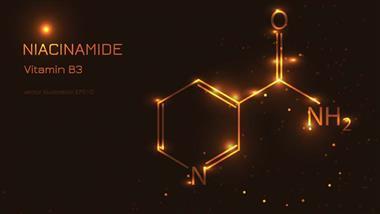
- Niacinamide, also known as nicotinamide (a form of vitamin B3), is important for healthy mitochondrial function and cellular energy production
- Patients with established glaucoma scored significantly higher on visual field tests after taking niacinamide and calcium pyruvate daily for about two months
- Niacinamide can be used to treat declining testosterone levels in men and women, and protects against stress by lowering cortisol
- Niacinamide has anticancer and antiaging effects, and can be useful in the treatment of Alzheimer’s disease and COVID-19
- It may also be valuable in the treatment of both alcoholic liver disease and nonalcoholic liver disease (NAFLD), as low NAD is involved in the disease process
I recently posted an article detailing the importance of niacinamide (aka, nicotinamide, a form of vitamin B3 or niacin) for healthy mitochondrial function and cellular energy production, and how it can help reverse obesity and leaky gut, and prevent neurodegeneration, kidney disease and heart failure. Here, I’ll review several additional conditions that can be prevented and/or treated with this inexpensive and readily available supplement.
More Niacinamide Is NOT Better, There’s a Goldilocks’ Dose
Keep in mind that the dosages used in the research studies discussed below do vary widely, but as a rule, I only recommend taking small doses of 50 milligrams of niacinamide three times a day.
This dosage has been shown to optimize energy metabolism and boost NAD+ levels, which are foundational for everything else to work. It can be taken four times a day if you space them out. Take a dose as soon as you get up, before going to bed, and twice evenly spaced between those times.
The problem with taking too much vitamin B3, whether in the form of niacin or niacinamide, is that it might backfire and contribute to cardiovascular disease as documented by the Cleveland Clinic. ZeroHedge reports:1
“The new study out of the Cleveland Clinic, published in Nature Medicine,2 determined there is a delicate balance between too much niacin and just enough — a sort of Goldilocks effect … [As] observed by the Cleveland Clinic team, too much niacin creates a byproduct known as 4PY.
This product circulates within the bloodstream and is associated with a higher risk of heart attack, stroke, and other cardiac events. Additionally, 4PY was shown in preclinical studies to trigger vascular inflammation, damaging blood vessels and eventually leading to atherosclerosis.
The researchers discovered this by examining data from 1,162 patients who had experienced major cardiovascular events. Just under half of the patients (442) were female. Initially, the team sought common markers that could lead to cardiovascular events. The most common factor within the pool of patients was excess levels of niacin.
The findings led to additional studies to validate the initial research. Both cohort studies, conducted in the United States and Europe, confirmed that niacin breakdown predicted an individual’s future risk of heart attack, stroke, and death from cardiovascular disease.”
Niacinamide Limits Damage From PUFA Peroxidation
With that caveat out of the way, let’s take a look at some of the health benefits associated with niacinamide supplementation, starting with its ability to ameliorate damage caused by linoleic acid (LA) consumption.
One of the most toxic metabolic byproducts of LA is 4 HNE, a toxic aldehyde that appears to play a causative role in heart failure.3 Fortunately, there is an enzyme system called aldehyde dehydrogenases that deactivates 4 HNE. The best way to increase the activity of this enzyme system is to make sure you have sufficient NAD+, and the most efficient way to optimize your NAD+ level is to make sure you’re getting 50 mg of niacinamide three times a day.
Download this Article Before it Disappears
Raise Your Testosterone Naturally With Niacinamide
Niacinamide can be used to treat problems associated with declining testosterone levels due to aging, as demonstrated in a February 2022 Nature Aging study.4 This study also involved eye health, specifically evaporative dry eye disease, but with a focus on the effects of androgens.
They found that by raising NAD+, local testosterone distribution in the meibomian gland in the eyelids, which produces oil to prevent the evaporation of tears, was improved. As a result, age-related atrophy of the gland was reduced, which alleviated the dry eye condition. In this case, they used a 5% solution of the NAD+ precursors nicotinamide mononucleotide (NMN) or nicotinamide riboside (NR). The two regimens assessed were as follows:
- Chronic — 2 mg NAD+ precursor four times a day in each eye for 90 days.
- Acute — 5 mg NAD+ precursor six times a day in each eye for 14 days.
However, as noted by biohacker Georgi Dinkov,5 plain niacinamide has been shown to be just as effective as NMN and NR for raising NAD+, so there’s no reason why it wouldn’t work as well. Moreover, these findings are also applicable for other tissues and organs affected by declining testosterone, not just your eyes.
It confirms that niacinamide is a necessary cofactor to address the nearly universal decline in testosterone in both males and females, so this is yet another reason that most people need it. Dinkov writes:6
“… the findings that androgen (in this case, testosterone) deficiency seen almost universally with advancing age is apparently due primarily to deficiency of the co-factor NAD+, which can apparently be remediated by supplementing NAD+ precursors such as niacinamide.
It appears that the rate-limiting step for androgen (testosterone) synthesis is the enzyme 3b-HSD, for which NAD+ is the main cofactor. Thus, a decline in NAD+ seen in aging (and disease) leads to decline in 3b-HSD activity and thus reduced androgen (testosterone) levels.
Conversely, the study found that restoring NAD+ levels almost fully remediated the reduced function of 3b-HSD, the androgen (testosterone deficiency), and thus was basically curative for the specific condition (dry-eye) the study investigated…
As far as the systemic steroidogenic deficiency seen with aging that I mentioned earlier, oral dosing of an NAD+ precursor such as niacinamide would likely be needed, and human studies have demonstrated that daily doses in the 300 mg-500 mg daily range optimally stimulate NAD+ synthesis. (It would be better to start with 50 mg three times a day (150 mg) and increase if necessary.)
While most studies found that higher daily oral doses are unable to further raise NAD+ levels through the precursor pathway, higher doses of niacinamide specifically have been shown to inhibit the enzyme PARP-1, which is a ‘consumer’ of NAD+ and inhibiting it also raises NAD+ levels.
So, experimenting with the niacinamide with doses in the 500mg-1,500mg daily range would probably identify an optimal daily dose regimen for most people looking to increase steroidogenesis, especially if precursors such as pregnenolone and/or DHEA are taken as well.”
To address declining testosterone, I recommend taking:
- 50 mg of niacinamide three times a day
- 5 mg to 10 mg of DHEA orally once a day
- 50 mg of oral pregnenolone once a day
Ideally, take the hormone supplements DHEA and pregnenolone with a saturated fat, like a teaspoon of butter, to make sure they bypass metabolism in the liver, which will radically decrease their effectiveness.
Niacinamide Protects Against Stress
Another phenomenally important human study7,8,9 confirms that niacinamide lowers cortisol by increasing NAD+. NAD+ is the cofactor for an enzyme called 11b-HSD2, which deactivates cortisol by turning it into cortisone. So, increasing NAD+ with niacinamide will help lower cortisol, and this can benefit just about everyone, seeing how most people are plagued by stress and have elevated cortisol, which in turn drives inflammation and inhibits fat loss.
Raising NAD+ with niacinamide supplementation was also shown to improve glucose metabolism and insulin sensitivity. It also increased ATP levels, which is your cellular energy currency. As such, niacinamide may be one of the most important supplements you can take.
Importantly, this study used plain niacinamide rather than the more expensive NMN or NR, so we don’t have to infer these benefits. They took place using plain niacinamide and D-ribose. The dosages used were 240 mg of niacinamide twice a day, and 1,280 mg of D-ribose twice a day, for one week.
Anticancer Effects
Niacinamide can also help prevent and treat cancer. As noted in one 2022 study in Nature Metabolism,10,11 limiting fat availability to cancer cells may be one of the keys to curing cancer. NAD+ also plays an important role, and niacinamide raises NAD+:
“Production of oxidized biomass, which requires regeneration of the cofactor NAD+, can be a proliferation bottleneck that is influenced by environmental conditions … Here, we show that de novo lipid biosynthesis can impose a substantial NAD+ consumption cost in proliferating cancer cells.
When electron acceptors are limited, environmental lipids become crucial for proliferation because NAD+ is required to generate precursors for fatty acid biosynthesis. We find that both oxidative and even net reductive pathways for lipogenic citrate synthesis are gated by reactions that depend on NAD+ availability.”
An earlier study,12 published in 2020, found that niacin (vitamin B3) could control the growth of brain tumors by reactivating myeloid cells (a type of bone marrow cell). As explained by the authors:
“Although innate immune cells are typically present inside tumors, they often have an inactive phenotype such that they are ineffective at killing the cancer cells or even promote tumor growth. Sarkar et. al. discovered that it may be possible to reprogram these cells to a more active type using niacin (vitamin B3).
The authors showed that niacin-exposed monocytes can inhibit the growth of brain tumor-initiating cells. Moreover, niacin treatment of intracranial mouse models of glioblastoma increased monocyte and macrophage infiltration into the tumors, stimulated antitumor immune responses, and extended the animals’ survival …”
Here, a mere 7 mg of niacin per kilo of bodyweight per day halted the growth of brain tumors and nearly doubled survival times. The niacin group also survived longer than those receiving chemotherapy alone. While this study used niacin, niacinamide would work just as well. Tying the results back to the study above, Dinkov notes:13
“The proposed mechanism of action was immune system activation. I, personally, do not buy this explanation as a main mechanism of action. IMHO vitamin B3’s known effects on inhibiting lipolysis … and promoting the oxidation of glucose are probably more important for inhibiting the tumor growth and prolonging survival.”
Antiaging Effects
Niacinamide and other B vitamins also have important antiaging effects. In a December 2021 article, Dinkov reviewed a 2011 study14 that suggests fasting can speed up aging by depleting your energy reserves, and that vitamin B2 has the opposite effect and slows the aging process. Commenting on this finding, Dinkov wrote:15
“[This is] a great study that not only suggests a dirt cheap and widely available option for retarding aging, but once again demonstrates that stress (e.g. fasting) directly causes aging by depleting/blocking OXPHOS [oxidative phosphorylation, the metabolic pathway cells use to oxidize nutrients, thereby releasing chemical energy to produce ATP], and the key mechanism for stopping/reversing aging is by restoring energy production.
The proposed ‘senolytic’ in this study is the humble vitamin B2, also known as riboflavin. Vitamin B2 is the precursor for FAD [flavin adenine dinucleotide] — a key coenzyme, responsible for about 20% of the energy produced in the OXPHOS process. Btw, the other 80% are controlled by NAD — a molecule synthesized endogenously from the precursor niacinamide.
There has been an explosion in publications over the last decade touting NAD as the cure to virtually every disease out there, and many of those claims are well-backed by evidence. While there are … proprietary NAD precursors such as nicotinamide riboside and nicotinamide mononucleotide, plain old niacinamide works just as well and is drastically cheaper.
Niacin is another NAD precursor but [it] increases histamine and serotonin, and still has to be converted into niacinamide before it can end up as NAD. So, no reason to take anything else but niacinamide.
Doing so, raises the NAD/NADH ratio, shifts the cell redox state towards oxidation (as opposed to reduction), and the ample energy produced by the cell can be used for all types of maintenance ‘work’ the cells need to perform in order to stay healthy, prevent aging, etc …
[V]itamin B2 has a similar metabolic role as well. It is a precursor to the co-factor FAD and taking B2 raises FAD and thus the FAD/FADH ratio, which facilitates electron flow through the electron chain complexes I&II. Conversely, having insufficient levels of FAD (and/or low FAD/FADH ratio) can effectively block the ETC [electron transport chain].
This crucial role of FAD in the ETC demonstrates why excessive fatty acid oxidation (FAO) is harmful. Namely, FAD is consumed in the process of beta-oxidation of fatty acids and as such excessive FAO can consume too much FAD, drop the FAD/FADH ratio, and thus block electron flow through ETC.
This reduction/blockade of ETC is exactly what is seen in most chronic, degenerative diseases, but especially in conditions such as cancer, diabetes, Alzheimer’s disease, autoimmune conditions, etc.
Well, the [Physiology] study … found that this reduction of mitochondrial activity (ETC) is exactly what triggers the senescence process, and activating mitochondria (specifically ETC II) by supplementing vitamin B2 prevented cellular aging. Here is the actual explanation from the study authors:
‘… Cells under stress produce SLC52A1, and increase their absorption of vitamin B2 from outside the cell. Once inside the cell, the vitamin B2 is converted into FAD and increases mitochondrial energy production by becoming a coenzyme of mitochondrial respiratory chain complex II. As a result of the AMPK and p53 (which induce cellular senescence) are inactive, therefore stress-mediated cellular senescence is suppressed.’”
Niacinamide for Liver Disease
Niacinamide may also be valuable in the treatment of both alcoholic liver disease and nonalcoholic liver disease (NAFLD). By now, you can probably guess why. It’s because low NAD is involved in the disease process.
A study16,17 published in 2016 showed that chronic alcohol bingeing injures your liver and other organs by reducing NAD+, which is a required cofactor for important enzymes and mitochondrial renewal.
In short, a decline in the NAD/NADH ratio (your redox status) is a main driver of alcohol-related pathologies, and not just in your liver but in all organs. The answer is to increase NAD+, which is effectively done using niacinamide. According to Dinkov, niacinamide also works synergistically with methylene blue:18
“Both [niacinamide and methylene blue] can raise the NAD/NADH ratio quite robustly on their own, but in combination are synergistic and may allow for much lower doses to achieve the same effects.
People have sent me emails showing their blood tests demonstrated the same increase in NAD/NADH from a combination of 1mg MB [methylene blue] and 250 mg niacinamide as using 5mg+ MB or 750mg-1,000mg niacinamide separately.”
Related to this is the importance of eating the correct fats. You want to increase your saturated fat and avoid PUFAs, especially linoleic acid (LA), as PUFAS are stored and accumulated whereas saturated fats are burned for energy.19,20 It can take up to seven years to clear LA from your body due to its long half-life. In the meantime, you need to be careful about not pushing the LA out too rapidly through fasting, low-carb diets or vigorous exercise.
The accumulation of PUFAs in your cells are, I believe, one of the greatest contributors to chronic and degenerative diseases of all kinds, as they wreak havoc with your cellular machinery and impair mitochondrial function (and hence reduce energy production). Niacinamide can be helpful while you’re clearing stored PUFAs from your cells, as it’s an anti-lipolytic agent.
Niacinamide for Alzheimer’s Disease
Niacinamide is required for healthy metabolism and, as such, it can also be useful in early Alzheimer’s treatment.21 Combining it with methylene blue may boost benefits even further, as they work synergistically, and methylene blue alone has been shown to stop the progression of Alzheimer’s.22
Increasing the carbs only seems to work when your fat intake is below 35% of your total daily carbs. If it is higher, the Randle cycle will prevent the extra carbs from being metabolized in the mitochondria and will shuttle them to glycolysis which increases lactic acid and will likely worsen one’s health.
Thiamine, the B1 mentioned in the study, is a cofactor for the enzyme that converts the glucose metabolite pyruvate into acetyl-CoA, which is what is pushed into the mitochondria to be burned as fuel. Taking niacinamide (vitamin B3) will help three of the complexes in the mitochondria work and vitamin B2, riboflavin, will help one complex to produce the ATP, so using all three would be ideal.
Niacinamide is the only one that appears to benefit from lowering the dosing to 50 mg three times a day. As reported by Dinkov:23
“[A 2019] study24 demonstrated that increasing levels of acetyl-CoA (the starting intermediate of the Krebs cycle), even at a stage of very advanced aging/AD [Alzheimer’s disease], can reverse aspects of both pathologies.
While the study used patented compounds, the same effects can be achieved by ensuring a steady supply of dietary carbs combined with increasing the function of pyruvate dehydrogenase (PDH). Increasing the activity of PDH can be achieved by supplementing with vitamin B1 (a cofactor of PDH), keeping the NAD/NADH ratio as high as possible and keeping fatty acid oxidation (FAO) down …
[T]hese approaches have been successfully tested in many animal models and one of the molecules that works through the latter two mechanisms is niacinamide. In fact, there is a human clinical trial25 [completed in August 2022] with 3 grams of niacinamide daily for treating AD, and though the results have not been published yet the leaked information suggests highly positive results. Methylene blue (MB) can do the same …”
Niacinamide and COVID-19
As it turns out, raising NAD+ appears to be therapeutic for COVID infection as well.26 The reason for this is because SARS-CoV-2 infection dysregulates NAD synthesis and the NAD metabolome, which is a component of your innate immunity.
As noted by Dinkov, this study again demonstrates “the crucial role energy plays even in ‘non-metabolic’ diseases such as viral infections.” Indeed, without energy your body cannot defend itself against infection and disease, and since NAD+ is such a crucial component of energy production, it makes perfect sense that having higher NAD levels will make you more resilient against viral infections. The answer again, then, is niacinamide, with or without methylene blue.
By now, you should have a good idea about how important niacinamide is for your health, and why I think it’s one of the most important supplements you can take on a daily basis.
Niacinamide Helps Treat Glaucoma
Research27,28 published in November 2021 reported that patients with established glaucoma scored significantly higher on visual field tests after taking 3 grams of niacinamide in combination with 3 grams of (calcium) pyruvate daily for about two months. As reported by the authors:
“Given the decrease in NAD with aging, which may render retinal neurons more vulnerable to disease-related insults, the investigators hypothesized that increasing NAD may support the mitochondrial activity of RGCs and decrease their susceptibility to glaucoma.
In a rat model of ocular hypertension, retinal and optic nerve NAD declined as a function of IOP, while nicotinamide was neuroprotective at a range of doses. In addition, nicotinamide has been shown to be low in the sera of patients with primary open-angle glaucoma. These data further support a role for NAD in glaucoma.
Furthermore, Harder et al reported that an IOP-mediated decrease in retinal pyruvate levels was associated with dysregulated glucose metabolism prior to detectable optic nerve degeneration in metabolic studies of DBA/2J mice.
They also found that oral supplementation with pyruvate protected both rat and mouse models of glaucoma from neurodegeneration, with a combination of nicotinamide and pyruvate being the most protective in the chronic mouse model…
Given the significant neuroprotective effects observed in recent studies, the similarities in cellular biology of NAD+ and pyruvate pathways between mice and humans, as well as the safety profile of these supplements, we investigated the effect of nicotinamide and pyruvate on the visual function of patients with treated manifest glaucoma …
[R]esults suggest that treatment with nicotinamide and pyruvate tripled the likelihood of improvement of test locations relative to placebo.”
If you have glaucoma and want to give niacinamide a try, I recommend limiting your dose to 50 mg three times a day, before increasing to 3 grams a day, which I believe is excessive.
- 1 ZeroHedge February 21, 2024
- 2 Nature Medicine February 19, 2024; 30: 424-434
- 3 Haidut.me February 21, 2024 (Archived)
- 4 Nature Aging 2022; 2: 105-114
- 5, 6 Haidut.me March 31, 2022 (Archived)
- 7 Nutrients June 2022; 14(11): 2219
- 8 Nutritional Outlook July 11, 2022
- 9 Haidut.me July 12, 2022 (Archived)
- 10 Nature Metabolism 2022; 4: 711-723
- 11, 13 Haidut.me July 14, 2022 (Archived)
- 12 Science Translational Medicine April 1, 2020; 12(537)
- 14 Physiology August 2011; 26(4): 214-224
- 15 Haidut.me December 21, 2021 (Archived)
- 16 Exp Mol Pathol April 2016; 100(2): 303-306
- 17 NMN.com April 7, 2016
- 18 Haidut.me October 22, 2020 (Archived)
- 19 PLOS ONE 2012; 7(11): e48852
- 20 Haidut.me October 22, 2019 (Archived)
- 21, 25 Clinical Trials Nicotinamide as an Early Alzheimer’s Treatment NCT03061474
- 22 Haidut.me December 2, 2019 (Archived)
- 23 Haidut.me December 13, 2019 (Archived)
- 24 eLife Sciences November 19, 2019
- 26 Metabolism December 2020; 295(52): 17986-17996
- 27 JAMA Ophthalmology 2022;140(1):11-18
- 28 Haidut.me December 9, 2021 (Archived)
The Role of GABA in Health and Well-Being
Reproduced from original article:
https://articles.mercola.com/sites/articles/archive/2024/02/25/role-of-gaba.aspx
The original Mercola article may not remain on the original site, but I will endeavor to keep it on this site as long as I deem it to be appropriate.
Analysis by Dr. Joseph Mercola February 25, 2024
STORY AT-A-GLANCE
- Most modern people live in constant fight-or-flight mode and find it hard to relax. GABA helps put you into parasympathetic mode, thereby promoting relaxation and stress reduction, indirectly
- Glutamate is the primary excitatory neurotransmitter and GABA the main inhibitory neurotransmitter. These two are always working in conjunction with each other to maintain a balance. Glutamate converts into GABA in your brain. If you have trouble converting glutamate into GABA, you’ll have excitatory-like symptoms, as the glutamate over-accumulates
- Underlying factors that can prevent the efficient conversion of glutamate to GABA include a lack of cofactors, and a lack of the enzyme glutamate decarboxylase, which is what converts the glutamate to GABA. Two common problems that inhibit the function of this enzyme are infections and chronic stress
- Mentally, GABA deficiency is associated with anxiety, fear, depression, short temper, phobias, impulsiveness, disorganization, addictions, schizophrenia and OCD. IBS, diarrhea, hypertension, tinnitus, chronic pain, migraines, allergies, frequent urination, flushing, sweating, salt cravings and muscle tension are physical symptoms of GABA deficiency
- Supplements that help raise GABA include N-nicotinoyl GABA or nanoliposomal varieties of GABA, kava, valerian root and cannabinoids such as CBD and CBG. Other ways to increase GABA include exercise, and things like meditation, mindfulness training, breathing exercises and yoga, which raise GABA by putting you in a parasympathetic state
In this interview, Dr. Scott Sherr, director of integrative hyperbaric medicine and health optimization at Hyperbaric Medical Solutions, reviews the action of gamma aminobutyric acid (GABA) and the role it plays in your physical and mental health.
“I worked with people all over the world, and I worked with clinics all over the world, using hyperbaric therapy as the fulcrum or main focus point of what I do,” Sherr explains.
“I then gravitated towards a colleague of mine who was working in a foundational approach to medicine called health optimization medicine and practice, which is an educational platform.
It’s a nonprofit that’s training doctors and practitioners, including myself, on how to optimize health. And from there I’ve kind of delved into multiple things, including neurotransmitter balancers like GABA.”
Most modern people live in constant fight-or-flight mode and find it hard to relax. GABA helps put you into parasympathetic mode, which is why it helps promote relaxation and stress reduction. Indirectly, GABA can also aid detoxification because detoxification happens during parasympathetic mode.
Serotonin Is Not a ‘Happy Hormone’
Most have heard of serotonin, dopamine, glutamate and norepinephrine, but they don’t realize that GABA is a major player involved in 20% of your brain’s neurotransmission.
Glutamate is the primary excitatory neurotransmitter and GABA the main inhibitory neurotransmitter. These two are always working in conjunction with each other to maintain a balance.
Serotonin is typically referred to as “the happiness hormone,” and deficiency is thought to be the source of depression. That’s why depression is routinely treated with selective serotonin reuptake inhibitors (SSRIs) that raise serotonin levels in your brain.
The problem is, serotonin is NOT responsible for depression, and raising your serotonin is the last thing you want to do. Elevated serotonin destroys empathy, love and wisdom, and impairs thyroid function, reduces metabolism, and contributes to reductive stress and insomnia.
Increasing GABA, on the other hand, can indeed be part of the solution for depression. Many who struggle with depression are GABA deficient, and augmenting the GABA system can in these instances make a big difference.
“GABA deficiencies are associated with so many things,” Sherr says. “It’s associated with anxiety, with fear, with depression, with a short temper, phobias, impulsiveness, disorganization, addictions. It’s even associated with schizophrenia and OCD [obsessive-compulsive disorder].
You can also have things like IBS and diarrhea, hypertension, tinnitus, chronic pain, migraines, allergies, frequent urination, flushing, sweating, salt cravings, muscle tension. These are all things that could be signs of GABA deficiency.
Many have been prescribed an SSRI for some of these symptoms, but it may not have been related to a serotonin deficiency. Actually, we know that depression is not related to serotonin deficiency. That’s been well-studied over the last several years now.”
Why GABA Is so Important for Mental Health
As explained by Sherr, GABA decreases the firing of neurons. When GABA binds to its receptor, it prevents that neuron from firing. So, it’s what we would call a postsynaptic neuron. The presynaptic neuron fires and the postsynaptic neuron doesn’t fire because GABA prevents it from doing so.
GABA also functions as an interneuron. An interneuron is a neuron located between other neurons, and it regulates the firing between the other neurons. Sherr explains:
“[Interneurons] are extremely important for learning, processing, memory and skill acquisition, because it’s not about how much you can intake in your brain; it’s how much you can stop that information from coming in so that your brain can actually process it, so you can learn and understand and have new memories and skill acquisition …
So, if we can enhance and balance the GABA system, we can see a significant shift in the health of our patients and clients. I’ve been seeing this in real time, looking at the whole arc of GABA production, everything from the amino acid glutamine, which gets converted into glutamate in the brain. Glutamate is your excitatory neurotransmitter. And then glutamate gets converted into GABA.”
The conversion of glutamate to GABA only goes in one direction, so GABA doesn’t convert back into glutamate. According to Sherr, if you have trouble converting glutamate into GABA, you’ll have excitatory-like symptoms, as the glutamate overaccumulates.
Download this Article Before it Disappears
Factors That Inhibit Glutamate’s Conversion to GABA
Underlying factors that can prevent the efficient conversion of glutamate to GABA include:
• A lack of cofactors, such as vitamin B6, which many are deficient in.
• A lack of the enzyme glutamate decarboxylase, which is what converts the glutamate to GABA. Two common problems that inhibit the function of this enzyme are:
◦ Infection, either acute or chronic.
◦ Chronic stress causing cortisol and glucocorticoid elevations — When your stress hormones are elevated, you’re going to decrease the production of GABA.
The chronic stress angle is one of the reasons I quit low carb and intermittent fasting, as one of the side effects of those strategies is an increase in stress hormones, primarily epinephrine and cortisol. That said, Sherr points out that the ketogenic diet does increase GABA production. It’s an effect related to the production of ketone bodies. So, there is some balance there.
The stress of fasting, however, could easily deplete your GABA reserves, depending on what those stores are to begin with. Eating too little can also affect your gut lining and cause problems via that route. I firmly believe that optimizing mitochondrial function with appropriate carb intake is the best way to increase GABA. Ideally you will also need about 0.7 grams of protein per pound of body weight. Sherr explains:
“[People who eat very little] might not be getting enough protein in the day, for example. As a result of that, they’re not getting enough glutamine. Glutamine is an amino acid that’s extremely important for the health of the gut lining.
If you have any leaky gut, for example, or stress in the gut with infection, or if you have a leaky brain, which is very common if you have a leaky gut, you’re probably going to need significantly greater amounts of glutamine to convert to glutamate, because you’re using all the glutamine for your colonic cells. It’s the main fuel of your cells in the gut themselves. So, you have to be looking at the whole picture when you’re thinking about this.
The other thing is that GABA supplements don’t typically work because the molecule itself, GABA, is too big to get across the blood-brain barrier. However, if you have a leaky brain, they may work. So if you’re taking GABA and it’s working, it may be because you have a leaky brain, which sounds scary, but that just means that you have a leaky gut as well.
So, be aware that if you’re trying to enhance the GABA system, you’re going to be thinking about all the aspects of the biology — leaky gut, leaky brain, glutamine production, glutamate conversion, cofactors.
And then if you’re looking to enhance the GABA system, you have to be thinking about other things rather than just GABA itself. And there are many other ways to do that. There are herbals, there are even ways of attaching GABA to other things to help it get through the blood-brain barrier.”
Does Oral GABA Work?
Now, there’s ongoing debate as to whether oral supplementation with GABA works on brain-related issues as it’s still unclear whether, and how well, GABA can cross the blood-brain-barrier (BBB). Studies looking into this matter have come to wildly differing conclusions.
For decades, the drug industry and mainstream medicine have spent a ton of money on questionable studies to “prove” GABA supplementation has no effects on the brain. This is understandable once you realize that many of the most popular anti-anxiety meds, such as benzodiazepines, are GABA agonists.
If you can just take a GABA supplement to treat your anxiety, depression and sleeplessness, the drug industry would suffer major losses. Interestingly, companies are now working on alcohol replacement products based on GABA, so, the industry faces a tricky problem. If oral GABA can’t cross the BBB, just how could a GABA-based synthetic alcohol produce alcohol-like effects in the brain? Sherr comments:
“Alcohol has a high affinity for the GABA receptor. This is where benzodiazepines, barbiturates and Quaaludes will also bind. Those are called allosteric binding sites of the GABA receptor. So, GABA binds to the receptor, and it’s got all these other binding sites on the receptor where other things can bind.
So, alcohol and benzos and barbiturates bind very tightly to the GABA receptor, and when they do that, it enhances GABA production and GABA function. So you have more of the inhibition. So yes, this is how alcohol works.
Unfortunately, things like alcohol, benzos and barbiturates are highly addictive because they bind so tightly to the GABA receptor at their sites, and then they cause a conformational shift in the receptor themselves. So, if you go cold turkey off of those things, it could cause withdrawal and even death.
But there are other natural equivalents that are much safer. Things like kava, for example, have been known for thousands of years to affect the GABA receptor without causing any potential addiction, withdrawal or tolerance. Honokiol from magnolia bark is another one that binds to a receptor site outside of the GABA receptor itself but actually does the same thing.
It helps with enhancing GABA production. Valerian root is another one that increases GABA production in the brain, but it doesn’t bind to the GABA receptor itself. It binds to these allosteric sites.
There’s something called N-nicotinoyl GABA, which is vitamin B3 attached to a GABA molecule. Because it’s attached to B3, it very easily gets through the blood brain barrier and then hydrolyzes vitamin B3 and GABA in the brain.
As a result of that, you have increased vitamin B3 in GABA directly. So that becomes a GABA agonist, also called an orthosteric ligand at the GABA receptor. So, you have other ways to modulate the receptor, even if you can’t get GABA in directly.
Now, I have heard that nanoliposomal varieties will potentially work because they’re attached in a fat molecule itself. And if you take very, very high doses of GABA directly, that may have an effect as well. But, at least clinically, if patients have a pretty good gut overall, they don’t have any effect of the GABA supplements themselves.
Then, I give them vitamin B3 attached to GABA. If we give them these allosteric molecules like the ones I’ve just described, then they start having significant improvement. Then their anxiety and stress get better and they sleep better as well.”
Cannabinoids such as CBD and CBG will also enhance the GABA system, as will THC, although it can produce a paradoxical response. “The reason some people who take THC will get a lot of anxiety is that it’s doing something to the GABA receptor where you [end up having] less GABA to play around with. As a result of that, you get more excitatory anxiety and things like that,” Sherr explains.
Other ways to increase GABA include exercise, which helps reset the balance between glutamate and GABA, and things like meditation, mindfulness training, breathing exercises and yoga. All these strategies put your body in a parasympathetic state, which increases GABA production.
The Importance of Carbon Dioxide
One of the reasons breath work is so helpful for resetting your sympathetic and parasympathetic balance has to do with carbon dioxide (CO2), commonly misunderstood as nothing more than a harmful waste product of respiration. As it turns out, CO2 has many important roles, including improving oxygenation and tolerance to stress. Sherr explains:
“I’ve been an oxygen guy for a decade, doing hyperbaric oxygen therapy and understanding how oxygen works. It wasn’t until maybe two years ago, when I met a couple of colleagues in the breath space and the CO2 retention space, that I truly started to understand that if I wanted oxygen to work better, I needed to understand how CO2 was working.
Because, if you’re hyperventilating, for example, you don’t unbind oxygen from your red blood cells and you can’t get it to your peripheral tissue because of how you shift your oxygen dissociation curve. The oxygen dissociation curve shifts depending on multiple different things.
Oxygen availability is one of them, CO2 is another. The pH in the body will shift. I used to think about it as, ‘Oh, we just make carbon dioxide and breathe it out.’ But CO2 has lots of other major effects, especially in the brain. It causes vasodilation, for example.
If you have too little CO2, you’re going to constrict blood vessels, and if you’re constricting blood vessels, you’re going to have a challenge with getting oxygen to the tissues that need it.
So, the breath work that works on CO2 tolerance is really important, because that’s going to shift your oxygen dissociation curve. As a result of that, you’re going to have a better parasympathetic and sympathetic balance because you’re going to be more tolerant to stress overall if you have more CO2 tolerance overall.
So, I think a part of what’s going on with breath work and balancing out your sympathetic and parasympathetic nervous system is CO2 tolerance. By extension, I think GABA is playing a role as we have more parasympathetic balance around as well.”
Most people think you need to breathe more — heavier and more quickly — to get more oxygen, but it’s the exact opposite. Rapid deep breathing lowers your oxygen. Slow, shallow breathing allows CO2 to rise, which in turn allows more oxygen to be distributed. Nasal breathing is also important for improving your oxygen carrying capacity.
More Information
If you’re intrigued by Sherr’s approaches and want to learn more, be sure to check out his website, drscottSherr.com. To learn more about health optimization medicine, which focuses on optimizing cellular health, gut health and the effects of neurotransmitters like GABA, check out homehope.org. You can also connect with Sherr on Instagram.
The Good News and Bad if You Suffer From Back Pain
Reproduced from original article:
https://articles.mercola.com/sites/articles/archive/2024/02/02/back-pain-good-bad-news.aspx
The original Mercola article may not remain on the original site, but I will endeavor to keep it on this site as long as I deem it to be appropriate.
Analysis by Dr. Joseph Mercola February 02, 2024

STORY AT-A-GLANCE
- Back pain is one of the most common health complaints across the globe, with an estimated 80% of people experiencing back pain at some point in their life. It’s also the No. 1 cause of job disability
- According to a recent systematic review and meta-analysis, a majority of people who experience back pain do recover, even if the pain persists for a couple of months. The bad news is that the longer the pain persists, the lower your chances of a full recovery
- In practical terms this means that if pain persists after an injury has healed, you need to switch up your treatment strategy. Once the injury has healed, ongoing pain is typically due to pain system hypersensitivity, and that requires an approach that includes retraining your brain to perceive pain appropriately
- Avoid opioids, as they tend to augment pain sensitivity. Research has also shown opioids (including morphine, Vicodin, oxycodone and fentanyl) fail to control moderate to severe pain any better than over-the-counter (OTC) drugs such as acetaminophen, ibuprofen and naproxen
- Pain Reprocessing Therapy (PRT) has been shown to successfully reverse chronic back pain by rewiring neural pathways so that your brain can respond to signals more appropriately. The goal is to reduce your fear of movements associated with pain, so that when you move, you can be confident that it’s not going to hurt. Several other treatment strategies are also reviewed
Back pain is one of the most common health complaints across the globe, with an estimated 80% of people experiencing back pain at some point in their life.1 It’s also the No. 1 cause of job disability.2 The University of South Australia now has both good and bad news for back pain sufferers.
The good news is that a majority of people who experience back pain do recover, even if the pain persists for a couple of months. The bad news is that the longer the pain persists, the lower your chances of a full recovery. These are the take-away’s from a systematic review and meta-analysis carried out by the University of South Australia. As noted by the authors:3
“For the acute pain cohort, the estimated mean pain score with inception time uncorrected was 56 at baseline, 26 at 6 weeks, 22 at 26 weeks and 21 at 52 weeks (moderate-certainty evidence).
For the subacute pain cohort, the mean pain score was 63 at baseline, 29 at 6 weeks, 29 at 26 weeks and 31 at 52 weeks (moderate-certainty evidence). For the persistent pain cohort, the mean pain score was 56 at baseline, 48 at 6 weeks, 43 at 26 weeks and 40 at 52 weeks (very low-certainty evidence) …
Participants with acute and subacute low back pain had substantial improvements in levels of pain and disability within the first 6 weeks … however, participants with persistent low back pain had high levels of pain and disability with minimal improvements over time …
Identifying and escalating care in individuals with subacute low back pain who are recovering slowly could be a focus of intervention to reduce the likelihood of transition into persistent low back pain.”
Pain and Emotional Processing Can Get Cross-Wired
In practical terms, what this means is that if pain persists after your back injury has healed, you need to switch treatment strategies. At that point the pain is probably due to pain system hypersensitivity, and that requires an approach that includes retraining your brain to perceive pain appropriately. As explained in the Harvard Health blog:4
“… it’s not just pre-existing attitudes that worsen back pain. The pain itself can rewire your brain. When pain first occurs, it impacts your pain-sensitivity brain circuits. But when pain lasts, the related brain activity switches away from the ‘pain’ circuits to circuits that process emotions. That’s why emotions like anxiety often take center stage in chronic back pain.”
Managing Pain System Hypersensitivity
Australia’s Department of Health addresses the issue of pain system hypersensitivity, also referred to as “central sensitization”:5
“In people with persistent pain, central sensitization means the alarm ‘keeps on ringing’ and that pain ‘memories’ can persist long after the original cause of the pain has healed. People experiencing persistent pain can experience a memory or ‘echo’ of their original pain.
This explains why people can experience pain when an x-ray or scan looks ‘normal’ … persistent pain is best thought of as a glitch in the ‘software program’ that processes danger signals in the body and which the brain interprets as pain.
Sometimes this happens along with memory of the original injury or event that caused pain, and these memories become intertwined. For example, you might experience fear and pain with a certain movement.
The good news is that pain management can use helpful neuroplasticity to help reprogram the way the nervous system responds to danger signals and how the brain interprets this as pain. The aim of pain treatments is to reduce central sensitization, decrease pain, favor normal movement and daily activity and restore well-being.
Examples of using this plasticity in treatments for persistent pain include using ‘mirror therapy’ to treat phantom leg pain … using mindfulness-based stress reduction (meditation or yoga) to help manage fibromyalgia or re-educating movement without the association of fear.
Pain management is all about using helpful neuroplasticity to reprogram and reduce the overactive danger signals in the brain and nervous system. What each individual needs for helpful reprogramming may be different and researchers are currently exploring new treatments using plasticity.”
To address this kind of hypersensitivity to pain, the Australian Health Department recommends:6
- Learning ways to manage your stress
- Doing things that reduce your focus on pain
- Physical movement and exercise done in a sensible and “paced” way
- Finding new creative hobbies or practices (like photography or meditation) to help calm your nervous system and make new non-painful nervous system connections
- Avoiding opioids, as they tend to augment and worsen pain sensitivity
Download this Article Before it Disappears
Avoid Opioids
The recommendation to avoid opioids is an important one, as back pain is one of the most common reasons for opioid dependence, the side effects of which can be lethal. In fact, opioids are now the leading cause of death among Americans under the age of 50.7
According to a 2018 study,8,9 opioids — which modulate your brain’s reaction to pain — are the most commonly prescribed medications for people with chronic low back pain. These drugs often end up being used long-term in this population, and research suggests about 20% of patients on long-term opioid therapy end up developing an opioid use disorder.10 Up to 25% of opioid users also end up with other substance-abuse disorders,11 which have additional risks.
The use of opioids for back pain flies in the face of guidelines12 from the American College of Physicians, which recommends heat wraps and exercise as a first line of treatment, stressing that prescription drugs should only be used as a last resort, as they completely fail to treat the underlying problem.
Research13 has also shown opioids (including morphine, Vicodin, oxycodone and fentanyl) fail to control moderate to severe pain any better than over-the-counter (OTC) drugs such as acetaminophen, ibuprofen and naproxen. In fact, those taking nonopioid pain relievers actually fared “significantly better” in terms of pain intensity.
Considering the immense risks associated with opioid use, you’d be wise to exhaust all other alternatives before jumping on that bandwagon to disaster. The good news is there are a wide variety of non-drug options available.
Pain Reprocessing Therapy
One therapy shown to successfully reverse chronic back pain by retraining your brain is called Pain Reprocessing Therapy (PRT).14,15 This pain re-education therapy helps rewire neural pathways so that your brain can respond to signals more appropriately.
The goal is to reduce your fear of movements associated with pain, so that when you move, you can be confident that it’s not going to hurt. The short video above explains how PRT works.
In a clinical study cited in the video, 98% of patients reported improvement in their pain and 66% were nearly pain-free after eight weeks, and these improvements were confirmed by brain imaging. You can learn more about this novel therapy by visiting painreprocessingtherapy.com.
Addressing the Emotional Root of Back Pain
The success of PRT helps explain the remarkable benefits of the late Dr. John Sarno’s mind-body techniques. Sarno believed most chronic back pain was rooted in psychological or emotional issues.
His specialty was treating patients who had already had surgery for low back pain and did not get any relief. This is a tough group of patients, yet he claimed to have a greater than 80% success rate using techniques like the Emotional Freedom Techniques (EFT).
When negative emotions are suppressed, your brain redirects the emotional impulses to restrict blood flow to certain parts of your body, such as your back, neck or shoulders, thereby triggering pain. This pain acts as a distraction from the anger, fear or rage you don’t want to feel or think about.
As noted by Sarno in the documentary “All the Rage” — a four-minute trailer of which is included above — “I tell [my patient] what’s going on, and lo and behold, it stops hurting.” The “what” that is going on is not a physical problem at all, it’s emotions: anger, fear, frustration, rage.
When these kinds of emotions are suppressed, your brain redirects the emotional impulses to restrict blood flow to certain parts of your body, such as your back, neck or shoulders, thereby triggering pain. This pain acts as a distraction from the anger, fear or rage you don’t want to feel or think about.
The pain essentially acts as a lid, keeping unwanted emotions from erupting. You may feel anger at the pain, but you won’t have to face the fact that you’re actually angry at your spouse, your children or your best friend, or that you hate your job, or the fact that you feel taken advantage of.
As noted by Sarno, working hard and constantly trying to do everything perfectly to keep everybody around you happy, “is enraging to the unconscious mind.” The term Sarno coined for this psychosomatic pain condition is “tension myoneural syndrome,”16 and he firmly believed most people can overcome their pain by acknowledging its psychological roots.
Another doctor who believes resolving suppressed emotions is key for those with chronic back pain is Dr. David Hanscom, an orthopedic surgeon. He prescribes expressive writing as a primary treatment tool for back pain. You can learn more about this on Hanscom’s website, backincontrol.com.17
The Importance of Staying Active and Minimizing Sitting
Getting back to normal activity levels is an important part of recovery. If it’s true that most pain (barring an acute injury) is “in your head,” then the longer you “baby” yourself and avoid physical activity for fear of it hurting, the more you’re programming your brain to expect pain.
Staying active and minimizing sitting will also lower your risk of developing back pain in the first place by improving muscle strength and coordination, reducing stiffness and improving blood flow.
Oftentimes, back pain originates from tension and muscular imbalances. For example, sitting for long periods of time ends up shortening the iliacus, psoas and quadratus lumborum muscles that connect from your lumbar region to the top of your femur and pelvis.
When these muscles are chronically short, it can cause severe pain when you stand up as they will effectively pull your lower back (lumbar) forward. By bringing these muscles into better balance, you will remedy many of these common pains and discomforts.
This was certainly true for me when I had debilitating back pain about 10 years ago that failed to respond to all interventions. The only thing that worked was to radically reduce sitting. I switched to a standing desk and the problem permanently resolved.
Overuse and misuse of the muscles supporting your spine, poor muscle strength and inappropriate posture while sitting, standing and walking are other common causes of low back pain. For instance, when walking with your toes pointed outward, the muscles in your hips and lower back tighten, increasing your risk for lower back pain.
Sitting with your shoulders hunched over a computer screen stretches muscles in your upper back and places added stress on your lower back, increasing your risk for both lower and upper back pain.
Walking with your head down is yet another posture-related problem that has repercussions on the rest of your back and hips,18 as your head is the single heaviest part of your body and will throw everything out of alignment. If poor posture is a culprit, consider doing some exercises to stretch out your shoulders, open up your hip flexors and lift your chest.
Three Ways to Address Improper Body Mechanics
Techniques that can ease or erase back pain by teaching you proper body mechanics include:
• Foundation Training,19 which helps strengthen your core. This includes anything that directly connects to your pelvis, whether above or below it. Foundation Training teaches all those muscles to work together through integrated chains of movement, which is how your body is structurally designed to move.
• Compression breathing — This breathing technique, which is part of Foundation Training, helps re-educate the muscles surrounding the spine of your rib cage, teaching them to be in a state of expansion rather than contraction. The technique is demonstrated in the video above.
Done properly, it will help lengthen your hip flexors, stabilize your spine and support your core using transverse abdominal muscles. This strengthens your back and keeps your chest high and open, all of which can reduce pain. Over time, your muscles will get stronger and your seated posture will improve.
• Neurostructural integration technique (NST), a gentle, noninvasive technique that stimulates your body’s reflexes. Simple movements are done across muscles, nerves and connective tissue, which helps your neuromuscular system to reset all related tension levels, promoting natural healing.
To learn more, you can download Michael Nixon-Livy’s free ebook,20 “Neurostructural Integration Technique: A Better Way to Good Health” from nsthealth.com. Basic training videos are also available on Vimeo.21 To find an NST therapist near you, see our NST Therapists Page.
Benefits of Chiropractic Care
Spinal adjustment by a chiropractor can also ease back pain in many cases. In one 2017 meta-analysis22 of 26 studies, spinal manipulation was associated with “statistically significant benefits in both pain and function, of on average modest magnitude, at up to six weeks.”
The average patient reported greater ease and comfort in their day-to-day activities, such as walking, sleeping or turning in bed. However, while these results appear to be modest in nature, it is important to recognize the results are an average, and that the participants only underwent manipulation. In other words, they were not given any additional rehabilitative exercises designed to maintain functional movement of the spine gained after manipulation, or to reduce inflammation.
A study23,24 that did take physical therapy and/or anti-inflammatories into account, published in 2018, found this kind of multidisciplinary approach reduced discomfort and disability to a greater degree than standard medical care.
In all, 750 active duty military service members already being treated for lower back pain were evaluated. All were receiving physical therapy and/or drugs to ease pain and inflammation. The team added chiropractic treatment to half the participants, including spinal manipulation, rehabilitation exercises and treatment with cold or heat.
On average, the chiropractic treatment group received two to five treatments over a six-week period. After six weeks, patients who received chiropractic treatments experienced greater improvements in their lower back pain and less disability than those who did not receive the treatments. Lead study author and chiropractor Christine Goertz, Ph.D., commented on the results:25
“Spinal manipulation (often referred to as Hias chiropractic adjustment) may help heal tissues in your body that form as a result of injury, decreasing pain and improving your body’s ability to move correctly.
It is also possible that manipulation impacts the way your body perceives pain through either the brain or spinal cord and or decreases pain from muscle strain, inflammation and or spasm in the muscles next to your spine.”
Aside from addressing any immediate spinal misalignment that might cause back pain, chiropractic care can also help address, prevent and treat deeper dysfunctions in your body. Chiropractic adjustments can actually affect the chemistry of biological processes on a cellular level, thereby reducing oxidative stress and improving immune function and DNA repair,26 for example.
Acupuncture and Massage
Acupuncture and massage also have their place, and often work well together. As explained by the WellBridge Clinic in Oregon, which is a proponent of acupuncture for back pain:27
“There is extensive, conclusive research behind the use of acupuncture for pain resolution and management, especially for back pain. Modern science has found that targeting specific points in the body with acupuncture pins acts as a nociceptive stimulation that leads to the activation of the nerve-endocrine-immune systems.
This activation helps the body to begin to heal at the sites of injury and pain. Effectively, this means it increases blood flow and circulation to injured areas. It changes the electrical current that is the foundation of our biology. That’s how acupuncture releases endorphins to ease pain, release muscle tension, and change cellular processes so the body can heal.”
Back problems that may respond well to acupuncture include:
- Pinched nerves
- Sciatica
- Herniated discs
- Spinal stenosis
Massage therapy, meanwhile, releases endorphins that help induce relaxation, relieve pain and reduce levels of stress chemicals such as cortisol and noradrenaline. It also reverses the damaging effects of stress by slowing your heart rate, respiration and metabolism, and lowering high blood pressure.
Simple Stretches to Help Relieve Lower Back Pain
Stretching is also important, as tight and stiff muscles and lack of flexibility will contribute to back pain. There are many options here. Below, I’ve highlighted five simple stretches commonly recommended for lower back pain.28 If these stretches are too painful to perform, stop doing them and consult your doctor, chiropractor or massage therapist before continuing.
• Baby cobra — Lie on your stomach with your legs together, arms bent and palms on the ground at chest level, elbows bent. Inhale and lift your chest, keeping the back of your neck long and your chin relaxed. Exhale and return your forehead to the mat. Repeat a few times, focusing on your breath.
• Bird dog — Begin on all fours, then lift and extend one leg and the opposite arm at the same time. Hold for three to five breaths. Switch sides and raise and hold the opposite arm and leg for three to five breaths.
• Cat/cow — Begin on all fours. Place your hands directly under your shoulders and your knees under your hips. On your inhalation, drop your belly and lift your gaze up to the ceiling. When you exhale, round your spine so your tailbone drops between your thighs and your head lifts between your arms. Repeat multiple times, slowly, to gently increase spinal mobility.
• Psoas lunges — Your psoas muscle extends from your lowest vertebrae to the top of your thigh, putting it in a good position to stress your lower back when it becomes tight. A great way to stretch your psoas is through lunges.
Begin by standing on your knees. Bring your right leg in front of you so that your right foot is on the floor and your knee is bent at a 90-degree angle. Tuck your buttocks slightly and place your hands on your right knee, or your hips. Allow your hips to gently shift forward as you breathe for three to five breaths. Repeat on the other side.
• Twist — Twists help rotate and lengthen your spine and can be performed sitting in a chair or while lying or sitting on the ground. Begin on your back and bring your knees up to your chest. Gently allow your legs to fall to one side and turn your torso in the opposite direction, extending your arm. Breathe in this position for 30 seconds and then repeat on the other side.
You can do this stretch sitting by raising your arms and twisting gently from your torso. If seated in a chair, you can grip the arm of the chair with one hand and put the other hand on the opposite leg. Extend your spine on the inhale and twist a little further on the exhale. Repeat on the other side.
Back Pain Is Common, yet Largely Avoidable
Once you understand that back pain is typically the result of poor posture, improper movement, pain hypersensitivity, emotional repression or a combination of these factors, it becomes clear why narcotics and surgery have such high failure rates. They simply don’t address any of the underlying causes.
So, if you’re among those seeking medical care for persistent back pain, I’d advise you to consider your options — several of which I’ve just reviewed — before filling that prescription or going under the knife.
- 1, 10, 11 Pharmacy Times March 2020; 88(3)
- 2 The Lancet March 22, 2018
- 3 CMAJ January 22, 2024; 196(2): E29-E46
- 4 Harvard Health April 25, 2016
- 5, 6 Australia’s Department of Health, PainHealth
- 7 CBS News June 6, 2017
- 8 Journal of Pain October 2018; 19(10): 1104-1112
- 9 Clinical Pain Advisor May 16, 2018
- 12 AAFP 2017; 96(6): 407-408
- 13 JAMA March 6, 2018;319(9):872-882
- 14 JAMA Psychiatry 2022; 79(1): 13-23
- 15 DW.com June 9, 2022
- 16 Tmswiki.org, Introduction to Tension Myositis Syndrome
- 17 Backincontrol.com
- 18 A Vogel, August 18, 2015
- 19 Foundation Training
- 20 NST Health
- 21 Vimeo NST Training
- 22 Journal of the American Medical Association 2017;317(14):1451-1460
- 23 Journal of American Medical Association, 2018;1(1):e180105
- 24 Medscape, May 21, 2018
- 25 Reuters Health, May 21, 2018
- 26 International Research and Philosophy Symposium. Sherman College of Straight Chiropractic. Spartanburg, SC. October 9-10, 2004
- 27 WellBridge Clinic
- 28 HealthyWay July 11, 2018 (Archived)
The Biology of Carbon Dioxide
Reproduced from original article:
https://articles.mercola.com/sites/articles/archive/2023/11/18/carbon-dioxide-biology.aspx
The original Mercola article may not remain on the original site, but I will endeavor to keep it on this site as long as I deem it to be appropriate.
Analysis by Dr. Joseph Mercola November 18, 202
STORY AT-A-GLANCE
- Carbon dioxide (CO2) is a driver of energy production, as it improves the delivery of oxygen into your cells. CO2 also helps protect against the harmful effects of lipid peroxidation
- CO2 and lactate have opposing effects. Lactate is the byproduct of metabolizing glucose without oxygen in the cytoplasm. So, where lactate causes problems, CO2 has beneficial effects
- Elevated lactate production is a common theme in diabetes, Alzheimer’s, heart failure, shock and general aging. It promotes inflammation and degrades mitochondrial function. Conversely, low CO2 concentrations have been linked to epileptic seizures, muscle spasms, inflammation, hypothyroidism, stroke and clotting disorders
- All these issues, whether caused by elevated lactate or low CO2, can be successfully treated with CO2 therapies of various kinds, such as CO2 baths (where CO2 is pumped into the tub, much like bathing in carbonated mineral water) or adding CO2 into standard hyperbaric treatment
- Simpler ways to raise your tissue content of CO2 include breathing into a paper bag, having an adequate supply of calcium, and supplementing with salt, baking soda or carbonated beverages
In this 2010 interview, the late Ray Peat, a biologist and physiologist who specialized in the bioenergetic theory of health,1 reviewed some of the key benefits of CO2 and how it works within the human body. This article is a summary of the key points made in that interview.
I apologize for the video quality. The video was recorded 13 years ago, and appears to have been shot on a cell phone. In 2010 the cameras were not very good. However, the audio is fine, and more importantly, this information is really hard to come by since Peat is no longer with us. Only 2,000 people had viewed it when I first saw it.
I watched it four times as it is so good. I’m convinced optimizing your carbon dioxide (CO2) level is one of the most important strategies you can do to slow down degeneration due to aging.
On that point, I will be interviewing one of the leading breathing experts in the world, Peter Litchfield, Ph.D., who will educate us on why most breathing techniques don’t work, as they don’t address the underlying triggered breathing habits that lower CO2.
CO2 Is Crucial for Optimal Health
CO2 is typically thought of as nothing more than a harmful waste product of respiration, and a “pollutant” that endangers the earth by raising global temperatures.
The reality is that CO2 is a driver of mitochondrial energy production, and it improves the delivery of oxygen into your cells. It’s also essential for most life on Earth, plants in particular. In fact, CO2 appears to be a more fundamental component of living matter than oxygen.2 All of this was well-known in decades past, but somehow knowledge about the beneficial effects of CO2 has been suppressed over time.
Importantly, CO2 allows for more efficient energy production in your mitochondria, which is why people who live or spend time at higher altitudes tend to be healthier and have fewer chronic health problems such as asthma. The reason for this is because the pressure of CO2 relative to oxygen is greater at higher altitudes.
A Simple Biohack to Boost CO2
According to Forbes Health, biohacking is “a term used to describe various tips and tricks for enhancing the body’s ability to function at peak performance — and maybe even extend one’s lifespan.”
A biohack for mimicking being at a higher altitude in order to boost CO2 is to breathe into a paper lunch bag for a minute or two. The bag should not be too small or too large (an ideal size is 6 inches by 15 inches, or 15 centimeters by 38 centimeters). Breathe into the bag with your mouth and nose covered until you feel better.
With each exhale, you expel carbon dioxide. By rebreathing the carbon dioxide inside the paper bag, you effectively raise your carbon dioxide level. According to Peat, breathing into a paper bag a few times a day has been shown to bring blood pressure down by as much as 30 points, and stabilize it there after a few days of repetition.
Download this Article Before it Disappears
CO2 and Lactate Have Opposing Effects
As explained by Peat, CO2 and lactate have opposing effects.3,4,5 So, where lactate causes problems, CO2 has beneficial effects.
For example, elevated lactate production is a common theme in diabetes, Alzheimer’s, heart failure, shock and general aging. It promotes inflammation and degrades mitochondrial function. Conversely, low CO2 concentrations have been linked to epileptic seizures, muscle spasms, inflammation, hypothyroidism, stroke, and clotting disorders.
According to Peat, all these issues, whether caused by elevated lactate or low CO2, can be successfully treated with CO2 therapies of various kinds, such as CO2 baths (where CO2 is pumped into the tub, much like bathing in carbonated mineral water) or adding CO2 into standard hyperbaric treatment.
Simpler ways to raise your tissue content of CO2 include breathing into a small paper lunch bag a few times a day as detailed above, having an adequate supply of calcium, and supplementing with salt, baking soda or carbonated beverages.6
Peat tells the story of how he told an individual suffering from transient ischemic attacks who’d gone to the emergency room with stroke symptoms and paralysis on several occasions to drink a soda or carbonated water when the attacks occurred, as the bubbles in carbonated drinks are CO2 gas. “That worked for him,” he said.
CO2 Promotes Efficient Energy Production
Lactate is the byproduct of glycolysis, or nonaerobic respiration. It occurs when your mitochondria are compromised and are unable to metabolize glucose. Instead of pyruvate going to the mitochondria to be burned, it is oxidized to lactate in the cell’s cytoplasm. When this occurs in the presence of oxygen it is called the Warburg Effect, which is major pathway that cancer cells use.
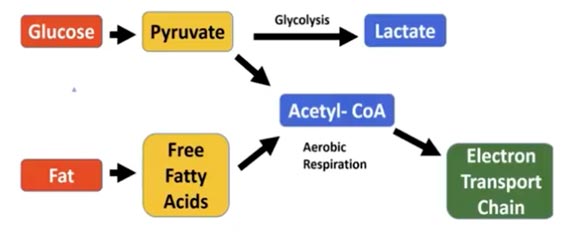
As illustrated in the graph below, glucose can be metabolized in two different ways. When fat intake is too high, glucose is burned though glycolysis, which uses no oxygen and produces lactate. This is a highly inefficient way to produce energy, as it generates only 2 ATP per glucose molecule. And, in the context of this article, no CO2.
When fat intake is in the sweet spot of 15% to 40%, and glucose intake is high enough, it can be burned for fuel in the mitochondria. This generates up to 38 ATP per glucose molecule. In this process, NADH and CO2 are also produced.7
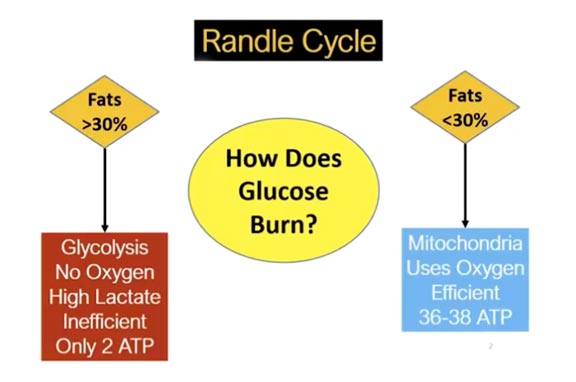
If fat intake is over 40% and the carb intake is below 200 grams per day, the glucose is burned in glycolysis in the cell’s cytoplasm, which produces lactate that suppresses glucose oxidation and shifts metabolism to the burning of fats instead.
Lactate also promotes inflammation and fibrosis. CO2, meanwhile, limits the formation of lactate, increases oxidation of glucose, helps trigger mitochondrial formation (i.e., boosts the number of mitochondria in your cells) and boosts cellular ATP concentrations.8
As explained by Peat, glycolysis products (pyruvate and lactate) compete with CO2 for binding sites inside the mitochondrion. Glycolysis decreases energy production by reducing CO2.
Energy Production Summary
In summary, two key points from all this are:
- 1. The most efficient way to generate cellular energy is to burn glucose in the electron transport chain of your mitochondria (aerobic respiration). In addition to generating up to 38 ATP molecules per glucose molecule (opposed to the two generated through glycolysis), it also generates an estimated 50% more CO2 than fat oxidation.9
In order for glucose to be metabolized in your mitochondria, your dietary fat intake needs to be sufficiently low so as not to inhibit the oxidation of glucose. While there’s no hard evidence on how much fat is too much, I suspect you need to restrict fat to 30% or 40%, depending on your individual needs, to optimize your glucose metabolism. - 2. There are two possible energy states:
- i. A glycolytic stress state in which energy production is reduced by the inhibition of CO2.
- ii. An energy-efficient state in which CO2 is produced and lactate is suppressed.
CO2 Protects Against Lipid Peroxidation
CO2 also helps protect against the harmful effects of lipid peroxidation. Lipid peroxidation10 refers to a process in which free radicals and other harmful oxidants attack lipids (fats) that have carbon-carbon double bonds. Polyunsaturated fats (PUFAs) such as linoleic acid (LA) are particularly prone to this.
The key that many fail to recognize is that lipid peroxidation increases when CO2 levels are low, as CO2 protects the fats from damage. As explained by Peat, when CO2 is low, that’s when PUFAs increase their production of lipid peroxides11 (oxidation products of phospholipids).
Lipid peroxides degrade into reactive aldehydes such as malondialdehyde and 4-hydroxy-2-noneal (4-HNE), which damage DNA and proteins, causing them to malfunction. Lipid peroxidation is known to contribute to conditions such as cancer, atherosclerosis and neurodegenerative conditions, just to name a few.12
Peat cites one experiment in which they showed that when you raise the CO2 in human tissues to three times normal, the amount of lipid peroxides went to zero. So, CO2 has a potent anti-inflammatory effect and effectively protects against lipid peroxidation.
This is an important piece of information, as most people nowadays consume enormously excessive amounts of seed oils that are loaded with PUFAs, and thus have very elevated levels of stored LA in their cells.
As explained in “Linoleic Acid — The Most Destructive Ingredient in Your Diet,” LA is a primary contributor to chronic disease, as it causes mitochondrial dysfunction and promotes inflammation.
Augmenting CO2 in your tissues may be an effective way to limit LA-induced damage while you work to eliminate the excess LA from your tissues and replace it with healthy fats (which can take six or seven years).
How Lactate and CO2 Influence Stress
Peat also goes into an extended discussion involving many separate pieces to explain how lactate and CO2 influence the stress response and other parts of human biology that impact disease, including cancer.
For starters, the cytochrome oxidase enzyme — also known as Complex IV in the mitochondrial electron transport chain, which is what uses oxygen — governs your rate of oxygen consumption.
So, the more cytochrome oxidase you have, and the more active it is, the greater your oxygen consumption. Cytochrome oxidase is also responsible for increasing the total number of mitochondria within the cell as needed to accommodate for increased oxygen consumption.
When you saturate a cell with a very large amount of CO2, you rapidly increase the amount of cytochrome oxidase in the cell, and you boost its activity almost instantly. This shifts the oxidative balance of the cell towards the oxidized state, as electrons are being pulled out of the system. This lowers reductive stress in the cell, which is what you want to do.
In healthy cells, there’s a balance between NAD+ and NADH that is critical for energy production. Conditions like cancer or diabetes disrupt this balance, leading to excess lactate and reduced NAD+. Carbon dioxide is crucial because it prevents excessive lactate production, maintaining a healthy NAD+ to NADH ratio.
CO2 also influences the water balance in cells, supporting an oxidized cellular condition with lowered reductive stress that results in proper oxygen utilization. Hyperventilation, or over-breathing, which reduces CO2, typically leads to overproduction of lactate, contributing to stress and disrupting cellular balance.
CO2 in Emergency Care
Peat also discusses the role of CO2 in emergency care that has the potential to save your life or the life of someone you love. Stroke patients are typically ventilated with pure oxygen to prevent hypoxia-induced brain damage,13 but this isn’t the best way to help these patients.
A ventilation strategy called permissive hypercapnia appears to be far better. Permissive hypercapnia refers to a ventilation strategy employing partial pressures of CO2 that are higher than physiological norms. I have been encouraging those in the hyperbaric oxygen community to explore and adopt this strategy in their hyperbaric chambers. As explained by Peat:
“Quite a few people are now, just in the last few years, starting to talk about permissive hypercapnia … instead of ventilating someone to death [by] giving them pure oxygen. When people aren’t getting enough oxygen to the brain, they’ll give them pure oxygen and then hyperventilate them.
The idea is to shrink their brain by hyperventilating them, because it shuts down the blood circulation of the brain. But if they’re dying of a lack of oxygen to the brain, [that’s] not what you want to do …
I had mentioned [using carbonated beverages during ischemic stroke] in a nutrition class. I had said soda water, meaning carbonated water, but the next week, one of the students said that she had interpreted it as baking soda in water.
Basically, it’s the same idea, but she said she gave a spoonful of baking soda to her mother who had been half-paralyzed for six months, and 15 minutes after drinking just a glass of baking soda water the paralysis lifted and stayed away.”
The reason baking soda worked in this case is probably because CO2 is carried through your bloodstream by sodium bicarbonate (baking soda).14 Peat goes on to discuss how, in the past, firemen used to carry CO2 for the treatment of shock and respiratory arrest.
In the 1920s, Yandell Henderson, director of the Yale Laboratory of Applied Physiology, devised a system using oxygen with 5%, 7% or 10% CO2 added in. Fire departments all over the United States, and many hospitals, were using 5% CO2 to resuscitate babies that had stopped breathing and treat shock cases. It was also used post-operatively to aid in the recovery process.
The Green Agenda’s Flawed View of CO2
In closing, Peat also overturned key arguments of the green agenda by pointing out that during the Carboniferous period of Earth’s history, when plant and animal life was extraordinarily abundant, carbon dioxide levels were some 20 times higher than they are now, and temperatures were relatively stable.
“The expansion of vegetation will reflect infrared rays back into space,” he said, “so it’s sort of like the Earth has a thermostat that will regulate for huge changes in in CO2,” he said.
Even more importantly, nothing thrives in low CO2 environments — not plants, not animals or insects and, as evidenced by everything discussed above, not humans. If anything, the world may actually need a bit more CO2, seeing how CO2-deficiency states are rampant, forests are dying and plants aren’t growing very well. As noted by Peat:
“All animals and even plants suffer from a lack of carbon dioxide. If you lower it, even plants won’t do well … In the 1940s, people experimented with poisoning to death rats or mice with 50% carbon dioxide, keeping them dead for an hour and then reviving them, and they had no brain damage. If they gave them extra CO2, they weren’t damaged by the absence of oxygen. So, for primitive organisms, it’s more essential than oxygen.”
The increasingly erratic weather systems we’re now experiencing likely have little to do with the CO2 content of our atmosphere, and far more to do with a combination of decades-long weather manipulation15 and natural solar cycles.16,17
- 1 Umzu. Who Is Ray Peat?
- 2 Conscious Breathing Carbon Dioxide, Physiology
- 3, 8 Ray Peat, Mitochondria and Mortality
- 4 Skool.com Ray Peat Simplified
- 5 Functional Performance Systems CO2 v. Lactic Acid
- 6 Ray Peat, Protective CO2 and Aging
- 7 StatPearls Biochemistry, Electron Transport Chain
- 9 Ray Peat Forum May 29, 2017
- 10, 12 Toxicological Research March 2011; 27(1): 1-6
- 11 Science Direct Lipid Peroxide
- 13 Stroke October 1, 1999; 30: 2033-2037
- 14 Conscious Breathing Carbon Dioxide
- 15 Geoengineering Watch
- 16 Patreon Adapt2030
- 17 YouTube Adapt2030
Heart hazards: Study links stress and insomnia to atrial fibrillation
Reproduced from original article:
https://www.naturalhealth365.com/heart-hazards-study-links-stress-and-insomnia-to-atrial-fibrillation.html
by: November 14, 2023
 (NaturalHealth365) In the hustle and bustle of modern life, stress and insomnia have become unwelcome companions for many, creating a seemingly relentless pace that often leaves us just out of reach of our pursuits. As we navigate this demanding journey, the toll of stress on our bodies has been well-documented, and the repercussions of insomnia on overall health are no secret. However, a recent study has uncovered a new layer of risk, particularly for postmenopausal women.
This study sheds light on the increased risk for atrial fibrillation, emphasizing the significant impact of insomnia and stress on cardiovascular health.
Study explores the link between psychosocial factors and atrial fibrillation (AFib)
Before we delve into the details, let’s familiarize ourselves with some essential terminology. Atrial fibrillation (AFib) is a cardiac condition characterized by an irregular and often rapid heartbeat. This condition poses significant risks, including blood clots, heart failure, stroke, and other complications related to the heart.
During an AFib episode, the atria (upper chambers of the heart) exhibit irregular beating, falling out of sync with the ventricles (lower chambers). While AFib may manifest without noticeable symptoms, it can also cause a pounding, accelerated heartbeat, feelings of lightheadedness, and shortness of breath.
A recent study by Dr. Susan X. Zhao and her team set out to examine the relationship between psychosocial factors and AFib. They analyzed data gathered from over 83,000 women aged 50 to 79, assessing various aspects such as stressful life events, social support, optimism, insomnia, and sleeping habits.
Chronic stress and insomnia are more dangerous than you think
After almost ten years of data analysis and follow-up, the researchers found a close association between AFib and psychosocial factors. This indicates that there are mental health risk factors for AFib that cannot be ignored and should be identified and addressed as such, although there is a need for more studies to explore this further.
Of the 83,736 women in the study, 23,954 (25%) developed atrial fibrillation. Stress was a major contributing factor. Insomnia was also found to play a part in the development of AFib. Each additional point on the insomnia scale increased the likelihood of developing AFib by 4%. On the stressful life event scale, each additional point increased the likelihood of AFib by 2%.
Get a better night’s sleep and lower your stress
How Proper Sleep Lowers Infection
Reproduced from original article:
https://articles.mercola.com/sites/articles/archive/2023/10/09/how-proper-sleep-lowers-infection.aspx
The original Mercola article may not remain on the original site, but I will endeavor to keep it on this site as long as I deem it to be appropriate.
Analysis by Dr. Joseph Mercola Fact Checked October 09, 2023

STORY AT-A-GLANCE
- Research shows sleep enhances the efficiency of T cell responses, allowing your immune system to kill foreign invaders such as viruses with greater ease
- Ga(s)-coupled receptor agonists such as adrenaline and prostaglandin — which decrease during sleep — prevent immune cells from activating a sticky protein called integrin that allows the T cell to attach to the viral target
- Higher levels of molecules that inhibit integrin activation are also found in malaria and cancer, for example, which suggests this pathway may contribute to the immune suppression associated with these pathologies as well
- People who awaken during the first sleep cycle also tend to have lower levels of natural killer cells, and deep sleep has been shown to strengthen immunological memories of previously encountered pathogens
- Previous research has found the circadian clocks of mice control an essential immune system gene that helps their bodies sense and ward off bacteria and viruses
Editor’s Note: This article is a reprint. It was originally published February 28, 2019.
Previous research1 has shown that sleep deprivation has the same effect on your immune system as physical stress. When volunteers stayed awake for 29 hours straight, their white blood cell counts were found to increase during the sleep deprivation phase.
This is the same type of response you typically see when you’re sick or stressed. In a nutshell, whether you’re physically stressed, sick or sleep-deprived, your immune system becomes hyperactive and starts producing white blood cells — your body’s first line of defense against foreign invaders like infectious agents.
Elevated levels of white blood cells are typically a sign of disease. In other words, your body reacts to sleep deprivation in much the same way it reacts to illness. Your immune system, in turn, plays a key role in controlling inflammation in your body, and if it’s not working optimally, your ability to fight off the infection will be impaired. As reported by Science Daily:2
“Sleep improves the potential ability of some of the body’s immune cells to attach to their targets … The study,3,4 led by Stoyan Dimitrov and Luciana Besedovsky at the University of Tübingen, helps explain how sleep can fight off an infection, whereas other conditions, such as chronic stress, can make the body more susceptible to illness.”
Ga(s)-Coupled Receptor Agonists Affect T Cell Activation
When your immune system senses a foreign invader, such as a virus, white blood cells known as T cells (among others) are dispatched. Sticky proteins called integrins allow the T cell to attach to the infected target and kill it.
Dimitrov and his team decided to investigate5 the effects of signaling molecules called Ga(s)-coupled receptor agonists. While these signaling molecules are known to have immunosuppressive effects, it was not known whether they might inhibit the activation of integrins in T cells specifically, which is what they sought to determine here.
What they discovered was that certain Ga(s)-coupled receptor agonists did indeed prevent T cells from activating integrins once the target was identified. Ga(s)-coupled receptor agonists exhibiting this effect included:
- Adrenaline and noradrenaline (hormones)
- Prostaglandin E2 and D2 (proinflammatory molecules)
- Adenosine (a neuromodulator)
Sleep Helps Your Body Fight Infection
Levels of adrenaline and prostaglandin are known to decrease during sleep, and both have been shown to suppress integrin activation, so the team continued their investigation by comparing T cells obtained from volunteers during sleep and during sleep deprivation (when the volunteers were kept awake throughout the night).
All of the volunteers were infected with cytomegalovirus, a mostly benign virus, as they tend to have higher amounts of antigen-specific T cells. As suspected, the T cells were found to have significantly higher integrin activation during sleep than during wakefulness.
Ultimately, the findings reveal that when you sleep, Ga(s)-coupled receptor activation is inhibited, and this is one important way by which sleep helps your body combat inflammation. According to Besedovsky:6
“Our findings show that sleep has the potential to enhance the efficiency of T cell responses, which is especially relevant in light of the high prevalence of sleep disorders and conditions characterized by impaired sleep, such as depression, chronic stress, aging and shift work.”
Dr. Louis DePalo, a professor of medicine, pulmonary, critical care and sleep medicine at the Icahn School of Medicine at Mount Sinai in New York City, who was not involved in the study, told Reuters:7
“Multiple clinical studies have demonstrated that people who do not get quality or sufficient sleep are more likely to get sick after being exposed to viruses. This study demonstrates yet another molecular pathway where good quality and quantity sleep may lead to immune supportive effects via immune cells, called T cells.”
Download this Article Before it Disappears
Sleep Also Plays an Important Role in Cancer
Dimitrov also points out that many pathological conditions, including malaria infection and cancer, have higher levels of molecules that inhibit integrin activation, which suggests that “This pathway may therefore contribute to the immune suppression associated with these pathologies.”8
Certainly, we know that tumor growth speeds up when you’re sleep deprived. This has previously been attributed to suppression of melatonin, a powerful antioxidant known to combat cancer. As noted in the clinical review9 “Melatonin, Sleep Disturbance and Cancer Risk,” published in 2009:
“The pineal hormone melatonin is involved in the circadian regulation and facilitation of sleep, the inhibition of cancer development and growth, and the enhancement of immune function. Individuals, such as night shift workers, who are exposed to light at night on a regular basis experience biological rhythm (i.e., circadian) disruption including circadian phase shifts, nocturnal melatonin suppression and sleep disturbances.
Additionally, these individuals are not only immune suppressed, but they are also at an increased risk of developing a number of different types of cancer. There is a reciprocal interaction and regulation between sleep and the immune system quite independent of melatonin.
Sleep disturbances can lead to immune suppression and a shift to the predominance in cancer-stimulatory cytokines. Some studies suggest that a shortened duration of nocturnal sleep is associated with a higher risk of breast cancer development …
The mutual reinforcement of interacting circadian rhythms of melatonin production, the sleep/wake cycle and immune function may indicate a new role for undisturbed, high quality sleep and perhaps even more importantly, uninterrupted darkness, as a previously unappreciated endogenous mechanism of cancer prevention.”
The Sleep-Stress-Immune Response Link
Other research has also demonstrated just how intimate and direct the connection between sleep and immune function is. For example, a 1998 study10 discovered that people who were more likely to awaken during the first sleep cycle also tended to have lower levels of natural killer cells (NKC).
Overall, the age of the patient was the greatest determinant of NKC level, but sleep disturbances were responsible for about 12% of the variance in NKC level.
Stress is known to interfere with immune system function and has been found to increase susceptibility to the common cold and slow wound healing. Lack of sleep is a stressor, causing the release of stress hormones, and this was thought to be one of the first studies to provide direct evidence linking sleep with the human stress-immune relationship.
Other research11 suggests deep sleep strengthens immunological memories of previously encountered pathogens. In this way, your immune system is able to mount a much faster and more effective response when an antigen is encountered a second time.
Your Circadian Clock Is Tied to Your Immune Function
Another study,12 published in 2012, found that the circadian clocks of mice control an essential immune system gene that helps their bodies sense and ward off bacteria and viruses. When levels of that particular gene, called toll-like receptor 9 (TLR9), were at their highest, the mice were better able to withstand infections.
Interestingly, when the researchers induced sepsis, the severity of the disease was dependent on the timing of the induction. Severity directly correlated with cyclical changes in TLR9.
According to the authors, this may help explain why septic patients are known to be at higher risk of dying between the hours of 2 a.m. and 6 a.m. According to study author Dr. Erol Fikrig, professor of epidemiology at the Yale School of Medicine:13
“These findings not only unveil a novel, direct molecular link between circadian rhythms and the immune system, but also open a new paradigm in the biology of the overall immune response with important implications for the prevention and treatment of disease.
Furthermore, patients in the ICU often have disturbed sleep patterns, due to noise, nocturnal light exposure and medications; it will be important to investigate how these factors influence TLR9 expression levels and immune responses.”
Other Consequences of Insufficient Sleep
Considering the key role sleep plays in your immune function, it’s easy to see how poor sleep can cascade outward, affecting a wide variety of health conditions. But that’s not all. Sleep also affects gene expression, hormone regulation and brain detoxification, just to mention a few, which further strengthens its importance.
Aside from lowering your immune function, making you more susceptible to infections and cancer, other health problems linked to insufficient sleep include but are not limited to:
| Increased risk of neurological problems, ranging from depression to dementia and Alzheimer’s disease14 — Your blood-brain barrier becomes more permeable with age, allowing more toxins to enter.15 This, in conjunction with reduced efficiency of the glymphatic system due to lack of sleep, allows for more rapid damage to occur in your brain and this deterioration is thought to play a significant role in the development of Alzheimer’s. |
| Increased risk of Type 2 diabetes — In one study,16 “excessive daytime sleepiness” increased the risk of Type 2 diabetes by 56%. |
| Increased risk of obesity. |
| Increased risk of high blood pressure, heart attacks and cardiovascular disease — Research has demonstrated that women who get less than four hours of shut-eye per night double their risk of dying from heart disease.17 In another study,18 adults who slept less than five hours a night had 50% more coronary calcium, a sign of oncoming heart disease, than those who regularly got seven hours. |
| Increased risk of osteoporosis. |
| Increased risk of pain and pain-related conditions such as fibromyalgia — In one study, poor or insufficient sleep was the strongest predictor for pain in adults over 50.19 |
| Increased susceptibility to stomach ulcers. |
| Impaired sexual function.20 |
| Increased risk of depression and anxiety (including post-traumatic stress disorder), schizophrenia and suicide — In fact, researchers have been unable to find a single psychiatric condition in which the subject’s sleep is normal. |
| Premature aging by interfering with growth hormone production, normally released by your pituitary gland during deep sleep. |
| Increased risk of dying from any cause21 — Compared to people without insomnia, the adjusted hazard ratio for all-cause mortality among those with chronic insomnia was 300% higher. |
Optimizing Your Sleep Can Help Stave Off Chronic Problems
There’s simply no doubt that sleep needs to be a priority if you intend to live a long and healthy life. Anyone struggling with chronic disease — which is at least half of the American adult population — would be wise to take sleep seriously, as it can have a significant impact, not only contributing to the problem but also counteracting any other healthy lifestyle strategies you’re using to address it.
As a general guideline, seek to get right around eight hours of sleep every night. Anything below seven hours really starts to impact your health (if you’re an adult). For many, this means forgoing night-owl tendencies and getting to bed at a reasonable time. If you need to be up at 6 a.m., you have to have a lights-out deadline of 9:30 or 10 p.m., depending on how quickly you tend to fall asleep.
The good news is there are many ways to improve your odds of sleeping well, even if you’re currently struggling. I’ve listed my top suggestions gleaned from research and various sleep experts in “Top 33 Tips to Optimize Your Sleep Routine” and “Sleep — Why You Need It and 50 Ways to Improve It.”
- 1 Sleep 2012 Jul 1; 35(7): 933–940
- 2, 6, 8 Science Daily February 12, 2019
- 3, 5 Journal of Experimental Medicine February 12, 2019
- 4, 7 Reuters February 12, 2019
- 9 Sleep Medicine Reviews 2009; 13: 257-264
- 10 Psychosomatic Medicine January 1, 1998; 60(1): 48-51
- 11 Medical News Today September 30, 2015
- 12 Immunity February 24, 2012; 36(2): 159-161
- 13 EurekAlert! February 16, 2012
- 14 Neurobiology of Aging 18 February 2014 [Epub ahead of print]
- 15 The Conversation March 17, 2015
- 16 Endocrinology Advisor. September 22, 2015
- 17 Harvard Health. How Sleep Loss Threatens Your Health. March 9, 2010
- 18 NPR September 14, 2015
- 19 Pain. 2019 Mar; 160(3): 529–534
- 20 Sleep Foundation. The Relationship Between Sex and Sleep
- 21 Science Daily June 15, 2010
Can Inhaling Menthol Help Your Brain?
Reproduced from original article:
https://articles.mercola.com/sites/articles/archive/2023/09/07/inhaling-menthol-cognitive-function.aspx
The original Mercola article may not remain on the original site, but I will endeavor to keep it on this site as long as I deem it to be appropriate.
Analysis by Dr. Joseph Mercola Fact Checked September 07, 2023

STORY AT-A-GLANCE
- Researchers seeking a connection between smell and the central nervous system discovered that smelling menthol can improve cognition in healthy animals and those with neurodegenerative disease
- This data highlights the potential therapeutic benefit that menthol may have in modulating immune health and central nervous system disease
- Menthol is a popular aromatherapy essential oil, as well as peppermint and frankincense
- Peppermint oil is often associated with relieving nausea, pain, stomach and respiratory symptoms, and managing stress and mental fatigue
- Frankincense essential oil has anti-inflammatory properties, can help reduce symptoms of ulcerative colitis and irritable bowel
Researchers1 from Cima University of Navarra published a paper in Frontiers of Immunology in which they demonstrated that smelling menthol could improve cognition in animal models suffering from neurodegenerative disease. The study lends another layer of evidence that aromatherapy, or the practice of inhaling a scent or absorbing components of essential oils through the olfactory system or skin,2 can have beneficial effects on your body and brain.
According to Consumer Reports,3 U.S. consumers spent $1 billion on essential oils in 2015. This grew to $4.6 billion in 20224 and experts estimate the market will reach $9.85 billion by 2030.
The term aromatherapy wasn’t used until the late 1920s, but the history of benefiting from aromatic plants dates back thousands of years. Ancient Egyptians, Greeks, Chinese and Romans used essential oils in their cosmetics and drugs.5 Today aromatherapy practitioners work with patients who have a variety of health conditions and help them use aromatherapy at home.
Data from the featured study suggests that this simple practice may help improve cognitive function in those with Alzheimer’s disease.6
Menthol Enhances Cognitive Performance
The researchers sought to investigate the connection that exists between the olfactory, immune and central nervous systems. Past research7 has identified the complex interactions between the olfactory system and the brain, including studies that showed a correlation between the appearance of the first symptoms of Alzheimer’s disease and loss of smell.
Dr. Juan José Lasarte, director of the Immunology and Immunotherapy Program at Cima and principal author of the investigation, commented in a press release:8
“We have focused on the olfactory system’s role in the immune and central nervous systems, and we have confirmed that menthol is an immunostimulatory odor in animal models. But surprisingly, we observed that short exposures to this substance for six months prevented cognitive decline in the mice with Alzheimer’s and, what is most interesting, also improved the cognitive ability of healthy young mice.”
The researchers chose to use menthol, a naturally occurring compound found in peppermint and other mint leaves, to analyze the impact on cognitive capacity and immune system.9 After brief and frequent exposure to menthol, the researchers evaluated the immune response and typical cognitive decline in an animal model of Alzheimer’s disease.
When the animal detected the scent, the body showed a decrease in interleukin-1-beta levels, which is a key protein in the inflammatory response.10 When the mice were exposed to menthol for one week every month for 6 months, the cognitive impairment normally observed in the mouse model was prevented.
The researchers also used a medication approved for managing autoimmune conditions to suppress the same protein and found an improvement in cognitive capacity in healthy mice and those with Alzheimer’s disease. They concluded:11
“These data suggest an association between the immunomodulatory capacity of smells and their impact on the cognitive functions of the animals, highlighting the potential of odors and immune modulators as therapeutic agents for CNS-related diseases.”
Another researcher from the study noted that data demonstrating a connection between the olfactory, central nervous and immune systems, suggest that immune modulators and odors may play an important role in preventing and relieving central nervous system diseases,12 and may open the door to creating new therapies.
Not All Odors Are Therapeutic Agents
The data from this research highlights the potential that odors, specifically scents from essential oils, may have therapeutic benefits in modulating physiology and impacting disease. Data analyzing the therapeutic effect of essential oils is not new. A 2017 study13 found evidence that compounds in essential oils have an analgesic-like action and may hold some promise in the development of pain relief products.
Aromatherapy has also been used to reduce anxiety,14 alleviate depression,15 and it has shown a beneficial effect on obesity.16 Results of using fennel essential oil in an animal model revealed an improvement in lipid metabolism and a decrease in insulin levels indicating that inhaling fennel essential oil could affect cardiovascular health and other indicators of obesity-related dysfunction.17
Download this Article Before it Disappears
The Power of Aromatherapy
Scent can have a powerful influence on your well-being and is known to trigger memory, also known as odor-linked memories. Odors are better at triggering memory than pictures.18 For example, smelling your mother’s perfume on another woman can trigger strong memories and emotions about your mother.
Aromatherapy uses concentrated essential oils from a variety of botanicals to harness olfactory power for healing. Essential oils carry biologically active volatile compounds in a highly concentrated form.
Two powerful essential oils are peppermint and frankincense. In the featured study, researchers demonstrated how menthol improved cognition in an animal model. The main active ingredient of peppermint oil is menthol.19
Peppermint oil is popular in the aromatherapy world and is derived from the leaves of the peppermint plant. It’s widely used as a home remedy for stomach problems and is effective in helping to relieve nausea. Peppermint oil has exhibited antiviral, antimicrobial, antifungal, antioxidant, analgesic and anti-edema properties20 and may be useful for:
• Relieving stomach problems — Peppermint oil may help ease functional dyspepsia,21 relieve indigestion, stomach cramps and bloating22 and is effective in improving symptoms of irritable bowel syndrome.23
• Easing respiratory problems — Peppermint oil has expectorant and decongestant properties24 that can help clear up phlegm in the respiratory tract.
• Relieving pain — Peppermint oil can help relieve sore muscles25 when it’s added to massage oil. Some may find relief from headaches26 by dabbing a few drops mixed with a carrier oil on the wrist, or inhaling the essential oil.
• Managing stress and mental fatigue — Studies suggest that the essential oil has an effect similar to psychostimulants,27 helping to manage stress and mental fatigue, as demonstrated in an animal study.
A second essential oil that stands out from the crowd is frankincense, commonly referred to as the King of Oils. Anecdotally, many swear by the healing powers found in the essential oil and research demonstrates several benefits including reducing inflammatory conditions, anti-inflammatory effects in ulcerative colitis and irritable bowel syndrome, reducing the risk of asthma and an antiproliferative effect on tumors.28
You can choose to use frankincense oil with a few drops of your favorite carrier oil, add it to your bath, or in a warm compress. When using a diffuser or vaporizer, ensure the device is made specifically for essential oils.
- 1, 7, 8, 12 EurekAlert! May 10, 2023
- 2 John Hopkins Medicine, Aromatherapy: Do Essential Oils Really Work?
- 3 Consumer Reports, April 9, 2016
- 4 Verified Market Research, U.S. Essential Oil Market Size and Forecast, Top graph
- 5 Mount Sinai, Aromatherapy
- 6 Frontiers in Immunology, 2023; 14
- 9, 11 Frontiers in Immunology, 2023; 14 abstract
- 10 SciTechDaily, July 17, 2023
- 13 International Journal of Molecular Sciences, 2017;18(12)
- 14 Asian Pacific Journal of Cancer Prevention, 2020; 21(3)
- 15 Mini Reviews in Medicinal Chemistry, 2021;21(16)
- 16 International Journal of Molecular Sciences, 2021;22(21)
- 17 Nutrients, 2022; 14 (4)
- 18 Frontiers for Young Minds, March 31, 2022 Abstract
- 19 Alimentary Pharmacology and Therapeutics, 2018;47(6) Results/Pharmacokinetics 10% down the page (DTP) para 1
- 20 International Scholarly Research Notices, 2012;718645 Introduction, para 1 middle
- 21 Alimentary Pharmacology and Therapeutics, 2000;14(12)
- 22 NHS, Peppermint Oil
- 23 Journal of Gastroenterology, 2007;42(7)
- 24, 26 Mount Sinai, Peppermint Colds and flu section
- 25 National Center for Complementary and Integrative Health, Peppermint Oil, last bullet at the top
- 27 Asian Journal of Pharmaceutical and Clinical Research, 2009;2(2) page 30, rt column, section 3 search “psychostimulants”
- 28 Advances in Hygiene and Experimental Medicine, 2016;70