Prescription Medication
now browsing by category
7 Conditions Masquerading As Dementia
© GreenMedInfo LLC. This work is reproduced and distributed with the permission of GreenMedInfo LLC.
Want to learn more from GreenMedInfo? Sign up for the newsletter here:
www.greenmedinfo.com/greenmed/newsletter
Reproduced from original article:
https://greenmedinfo.com/blog/7-conditions-masquerading-dementia
Posted on: Monday, May 30th 2022
Written By: GMI Reporter
This article is copyrighted by GreenMedInfo LLC, 2022

More than 40% of dementia diagnoses have been shown to be wrong. Here’s what may really be going on.
Imagine this nightmare. For the last few years your mother has had serious memory problems. She gets lost driving. She repeats the same question to you over and over again. She can’t process new information. She loses her train of thought in mid-sentence. A CT scan comes back with a diagnosis of early Alzheimer’s disease. The doctors offer a prescription with little encouragement it will work.
Do you despair?
A new program from UCLA and the Buck Institute for Research on Aging offers new hope. In the first study of its kind, researchers have proved that natural therapies can not only slow the progress of dementia but can actually reverse it.
In a paper titled “Reversal of Cognitive Decline: A novel therapeutic program“ Dr. Dale Bredesen showed how 9 out of the 10 subjects diagnosed with dementia got their minds back.[i]
Dr. Bredesen is a professor of neurology at The Mary S. Easton Center for Alzheimer’s Disease Research at UCLA, as well as a professor at the Buck Institute. The study was supported by multiple entities including the National Institutes of Health.
Cognitive decline is a major fear as we age. According to the Alzheimer’s Association “dementia is a general term for loss of memory and other mental abilities severe enough to interfere with daily life.” Alzheimer’s disease – just one of many forms of dementia – accounts for 60 to 80 percent of dementia cases. It affects about 5.4 million Americans and 30 million people around the world. By 2050, it’s expected to grow to 160 million people globally, including 13 million Americans. There is no effective treatment for Alzheimer’s and it is already the third leading cause of death in the United States.
Dr. Bredesen believes that multiple factors influence the development of dementia and Alzheimer’s. In a small study, he and his colleagues designed personalized and comprehensive protocols to reverse memory loss in 10 patients.
The results were remarkable. Nine of the 10 participants showed improvement in their memories within three to six months of starting the program.
Six patients had had to discontinue working or were struggling with their jobs at the time they joined the study. ALL were able to return to work or continue working with improved performance.
The subjects included five patients with memory loss associated with Alzheimer’s disease. The others had amnestic mild cognitive impairment, and subjective cognitive impairment.
Only one patient, diagnosed with late stage Alzheimer’s, did not improve.
Doctors used a “systems approach” in treating the patients. They developed a complex, 36-point therapeutic program that includes comprehensive changes in diet, brain stimulation, exercise, optimization of sleep, specific pharmaceuticals and vitamins, and multiple additional steps that affect brain chemistry.
In a press release Dr. Bredesen stated:
The existing Alzheimer’s drugs affect a single target, but Alzheimer’s disease is more complex. Imagine having a roof with 36 holes in it, and your drug patched one hole very well—the drug may have worked, a single “hole” may have been fixed, but you still have 35 other leaks, and so the underlying process may not be affected much.
Dr. Bredesen’s approach is based on extensive testing of each patient to determine what is affecting the signaling network in his or her brain. The protocol is then personalized for the patient. A sample protocol for one of his patients in the study included:
- eliminating all simple carbohydrates;
- eliminating gluten and processed food;
- increasing vegetables, fruits, and non-farmed fish;
- reducing stress with yoga and meditation;
- taking melatonin each night;
- increasing sleep from 4-5 hours per night to 7-8 hours per night;
- taking methylcobalamin (vitamin B12), vitamin D, CoQ10, and fish oil each day;
- optimizing oral hygiene using an electric flosser and electric toothbrush;
- hormone replacement therapy;
- fasting for a minimum of 12 hours between dinner and breakfast;
- fasting for a minimum of three hours between dinner and bedtime; and
- exercising for a minimum of 30 minutes, 4-6 days per week.
Although the downside to the program is the complexity and the number of lifestyle changes required, Dr. Bredesen noted that the only side effect of the protocol was “improved health and an optimal body mass index, a stark contrast to the side effects of many drugs.”
What can you do when faced with a diagnosis of cognitive decline, dementia, or Alzheimer’s disease?
The UCLA protocol recognizes that dementia can have many causes and those causes are often reversible.
Sharp Again Naturally (www.sharpagain.org) is a non-profit organization formed in 2012 to educate the public and the medical community about the reversible causes of dementia.
Here are seven areas Sharp Again Naturally suggests you investigate before accepting a dementia or Alzheimer’s diagnosis. These are conditions that may cause memory loss and dementia but can be reversed:
1. Nutritional imbalances and deficiencies. Deficiencies of omega 3s, vitamin B12, vitamin C, magnesium, selenium, probiotics, and other nutrients frequently cause symptoms of Alzheimer’s and dementia.
Adhering to a balanced Mediterranean-style diet is associated with slower cognitive decline. It’s also linked to a reduced risk of Alzheimer’s.
Studies also show low vitamin D levels are linked to Alzheimer’s. Low folate (vitamin B9) may also lead to cognitive decline.
Adding coconut oil may rescue a brain from Alzheimer’s. And turmeric is known to boost working memory in just one dose.
2. Artificial food colors, flavors, and sweeteners. Artificial additives of all kinds may cause dementia symptoms.
Studies show the artificial sweetener aspartame impairs cognitive function and leads to memory loss.
3. Prescription medication side effects. Drugs, especially pain medications, and psychotropic drugs can severely disrupt cognition.
Statins are particularly harmful. In one study from the University of California – San Diego, 90 percent of patients who stopped taking statin drugs reported improvement in cognitive problems in a matter of weeks. In some of the patients a diagnosis of dementia or Alzheimer’s was reversed.
Another study showed that the sleep drug Ambien increased the risk of dementia in elderly patients.
4. Inflammation from low-level infections, mold, food allergies, and Lyme Disease. Inflammation is the body’s attempt to get rid of a toxic element or organism, and so it occurs in many different situations, even root canals and urinary tract infections.
Studies suggest that mental disorders result from neuroinflammation.
5. Stress and stagnation/inactivity. Stress elevates cortisol levels, leading to inflammation, and in turn to hormone imbalances, cognitive impairment, heightened blood sugar levels, hypertension, delayed healing time, and susceptibility to disease. The body’s self healing mechanisms depend on unimpeded flow of lymph, blood, and other fluids, all of which are promoted by exercise. Inactivity, by contrast, allows cellular shutdown and blockages, taxing the whole system and interfering with healing on every level.
One study showed that in patients younger than 65 years-old, 41% of dementia diagnoses were incorrect. Misdiagnosis occurred most frequently in patients with depression or alcohol abuse.
6. Thyroid and other hormonal imbalances. Many people diagnosed with Alzheimer’s or dementia simply have low levels of T3 thyroid hormone. However, standard thyroid tests completely miss T3 levels, and Synthroid (T4) doesn’t help. It is estimated that 10 to 15% of all nursing home residents may be there because of low T3.
7. Mercury and other heavy metal poisoning. So-called silver amalgam fillings contain 50 percent mercury, and that mercury is neither stable nor inert. It off-gasses, crosses the blood-brain barrier, and destroys neurons even without contact. Removing these fillings is hazardous unless done with mercury-safe protocols.
Annual flu shots are another source of these toxins. Research shows that people who took the flu shot for five consecutive years had 10 times or 1000 percent higher risk of developing Alzheimer’s Disease than people who only had one or two flu shots due to the accumulation of mercury and aluminum in the vaccines.
Most doctors are not expert in these causes of dementia or how to treat them. Sharp Again Naturally is building a medical advisory board and a database to get the word out. It also offers help finding functional medicine specialists, naturopaths, or doctors who practice integrative medicine who are familiar with these areas.
Click here for more information on natural approaches to preventing and overcoming dementia.
Additional References
[i] Dale E. Bredesen, “Reversal of Cognitive decline: A novel therapeutic program.” AGING, September 2014, Vol. 6, No. 9.
COVID Pills Cause Deadly Relapses and Supercharge Mutations
Reproduced from original article:
https://articles.mercola.com/sites/articles/archive/2022/05/11/remdesivir-paxlovid-molnupiravir.aspx?
The original Mercola article may not remain on the original site, but I will endeavor to keep it on this site as long as I deem it to be appropriate, and will not be bullied into removing it.
Analysis by Dr. Joseph Mercola Fact Checked May 11, 2022

STORY AT-A-GLANCE
- So far, all of the drugs developed against COVID-19 have been disastrous in one way or another. Remdesivir, which to this day is the primary COVID drug approved for use in U.S. hospitals, routinely causes severe organ damage and, often, death
- Despite that, the U.S. Food and Drug Administration has approved remdesivir for in-hospital and outpatient use in children as young as 1 month old
- Another COVID drug, Paxlovid, will in some cases cause the infection to rebound when the medication is withdrawn
- Molnupiravir (sold under the brand name Lagevrio) also has serious safety concerns. Not only might it contribute to cancer and birth defects, it may also supercharge the rate at which the virus mutates inside the patient, resulting in newer and more resistant variants
- The fact that U.S. health authorities have focused on these drugs to the exclusion of all others, including older drugs with high rates of effectiveness and superior safety profiles, sends a very disturbing message. They’ve basically become extensions of the drug industry, protecting the drug industry’s interests at the cost of public health
So far, all of the drugs developed against COVID-19 have been disastrous in one way or another. Remdesivir, for example, which to this day is the primary COVID drug approved for use in U.S. hospitals,1 routinely causes severe organ damage2,3,4,5 and, often, death.
Despite its horrible track record, the U.S. government actually pays hospitals a 20% upcharge for sticking to the remdesivir protocol, plus an additional bonus.6,7,8 Hospitals must also use remdesivir if they want liability protection.
Incentives like these have turned U.S. hospitals into veritable death traps, as more effective and far safer drugs are not allowed, and hospitals are essentially forced to follow the recommendations of the U.S. Centers for Disease Control and Prevention. As reported by Forbes science reporter JV Chamary back in January 2021, in an article titled, “The Strange Story of Remdesivir, a COVID Drug That Doesn’t Work”:9
“Remdesivir is an experimental drug developed by biotech company Gilead Sciences (under the brand name Veklury) in collaboration with the US Centers for Disease Control and Army Medical Research Institute of Infectious Diseases …
The drug proved ineffective against the Ebola virus … yet was still subsequently repurposed for SARS-CoV-2 coronavirus. News media prematurely reported that patients were responding to treatment.
But the published data10 later showed that ‘remdesivir was not associated with statistically significant clinical benefits [and] the numerical reduction in time to clinical improvement in those treated earlier requires confirmation in larger studies’ …
What’s weird about remdesivir is that it hasn’t been held to the same standards as other drug candidates. Normally, a drug is only approved for use by a regulatory body like the U.S. Food and Drug Administration if it meets the two criteria for safety and efficacy.
Nonetheless, in October 2020, remdesivir was granted approval by FDA based on promising data from relatively small trials with about 1,000 participants. A large-scale analysis11 by the World Health Organization’s Solidarity trial consortium has cleared-up the confusion.
Based on interim results from studying more than 5,000 participants, the international study concluded that remdesivir ‘had little or no effect on hospitalized patients with COVID-19, as indicated by overall mortality, initiation of ventilation, and duration of hospital stay.’ As a consequence of being mostly ineffective, WHO recommends against the use of remdesivir in COVID-19 patients.”
Shockingly, US Approves Remdesivir for Babies
Curiously, while Big Tech — aided and abetted by the U.S. government — has spent the last two years censoring and banning any information that doesn’t jibe with the opinions of the WHO, the U.S. government has completely ignored the WHO’s recommendation against remdesivir.
In fact, in late April 2022, the FDA approved remdesivir as the first and only COVID-19 treatment for children under 12, including babies as young as 28 days,12 which seems beyond Orwellian and crazy considering it’s the worst of both worlds: It’s ineffective AND has serious side effects.
What’s worse, the drug is also approved for outpatient use in children, which is a first. In an April 30, 2022, blog post,13 Dr. Meryl Nass expressed her concerns about the FDA’s approval of remdesivir for outpatient use in babies, stating:
“Remdesivir received an early EUA (May 1, 2020) and then a very early license (October 22, 2020) despite a paucity of evidence that it actually was helpful in the hospital setting. A variety of problems can arise secondary its use, including liver inflammation, renal insufficiency and renal failure14 …
WHO recommended against the drug on November 20, 2020. Few if any other countries used it for COVID apart from the US. A large European trial15 in adults found no benefit. The investigators felt 3 deaths were due to remdesivir (0.7% of subjects who received it.) However, on April 22, 2022 the WHO recommended the drug for a new use: early outpatient therapy in patients at high risk of a poor COVID outcome.”
Remdesivir — A Reckless Choice for Children
Nass goes on to recount how monoclonal antibody treatment centers have been turned into outpatient treatment centers using remdesivir instead, but we still don’t have a lot of data on its effectiveness in early treatment. She continues:16
“The FDA just licensed Remdesivir for children as young as one month old. Both hospitalized children and outpatients may receive it. The drug might work in outpatients, but the vast majority of children have a very low risk of dying from COVID.
If 7 deaths per 1,000 result from the drug, as the European investigators thought in the study of adults cited above, it is possible it will harm or kill more children than it saves.
Shouldn’t the FDA have waited longer to see what early outpatient treatment did for older ages? Or studied a much larger group of children? Very little has been published on children and remdesivir …
When we look at the press release17 issued by Gilead, we learn the approval was based on an open label, single arm trial in 53 children, 3 of whom died (6% of these children died); 72% had an adverse event, and 21% had a serious adverse event.”
Overall, remdesivir appears to be an exceptionally risky treatment choice for young children. Certainly, there are safer early treatment protocols that are very effective. Two other COVID drugs, Paxlovid and Molnupiravir, also have serious safety concerns.
Post-Paxlovid COVID Rebound
As reported by Bloomberg,18 COVID patients treated with a five-day course of Paxlovid sometimes experience severe rebound when the medication is withdrawn.19 U.S. government researchers are now planning to study the rate and extent to which the drug is causing SARS-CoV-2 infection to rebound, and whether a longer regimen might prevent it.
Bloomberg describes the post-Paxlovid rebound of David Ho, a virologist at the Aaron Diamond AIDS Research Center at Columbia University:20
“Ho said he came down with COVID on April 6 … His doctor prescribed Paxlovid, and within days of taking it, his symptoms dissipated and tests turned negative. But 10 days after first getting sick, the symptoms returned and his tests turned positive for another two days.
Ho said he sequenced his own virus and found that both infections were from the same strain, confirming that the virus had not mutated and become resistant to Paxlovid. A second family member who also got sick around the same time also had post-Paxlovid rebound in symptoms and virus, Ho says.
‘It surprised the heck out of me,’ he said. ‘Up until that point I had not heard of such cases elsewhere.’ While the reasons for the rebound are still unclear, Ho theorizes that it may occur when a small proportion of virus-infected cells may remain viable and resume pumping out viral progeny once treatment stops.”
Clinical Director of the Division of Infectious Diseases at Brigham and Women’s Hospital, Dr. Paul Sax, told Bloomberg:21
“Providers who are going to be prescribing this should be aware that this phenomenon occurs, and if people have symptoms worsening after Paxlovid, it’s probably still COVID. The big problem is that when this drug was released, this information wasn’t included [on the label].”
Pfizer Defends Paxlovid
The U.S. Food and Drug Administration has stated it is “evaluating the reports of viral load rebound after completing Paxlovid treatment and will share recommendations if appropriate.” The U.S. Centers for Disease Control and Prevention has not yet commented on the findings.
Pfizer, meanwhile, insists the increase in viral load post-treatment “is unlikely to be related to Paxlovid” because viral rebound was found in “a small number” of both the treatment and placebo groups in Pfizer’s final-stage study.22 Clifford Lane, deputy director for clinical research at the National Institute of Allergy and Infectious Diseases (NIAID), told Bloomberg23 that some people may simply “need longer dosing of Pfizer’s drug than the standard five days.”
“There’s two things that suppress the virus: the drug and the host immune response,” he said. “If you stop the drug before the host immune response has had a chance to kick in, you may see the virus come back.”
Molnupiravir Supercharges Viral Mutation
Molnupiravir (sold under the brand name Lagevrio) also has serious safety concerns. This drug was developed by Merck and Ridgeback Therapeutics and approved for emergency use by the FDA December 23, 2021, for high-risk patients with mild to moderate COVID symptoms.
However, not only might it contribute to cancer and birth defects, it may also supercharge the rate at which the virus mutates inside the patient, resulting in newer and more resistant variants.24 As reported in November 2021 by Forbes contributor and former professor at Harvard Medical School, William Haseltine, Ph.D.:25
“… I believe the FDA needs to tread very carefully with molnupiravir, the antiviral currently before them for approval. My misgivings are founded on two key concerns.
The first is the drug’s potential mutagenicity, and the possibility that its use could lead to birth defects or cancerous tumors. The second is a danger that is far greater and potentially far deadlier: the drug’s potential to supercharge SARS-CoV-2 mutations and unleash a more virulent variant upon the world …
My concern with molnupiravir is because of the mechanism26 by which this particular drug works. Molnupiravir works as an antiviral by tricking the virus into using the drug for replication, then inserting errors into the virus’ genetic code once replication is underway. When enough copying errors occur, the virus is essentially killed off, unable to replicate any further …
But my biggest concern with this drug is … molnupiravir’s ability to introduce mutations to the virus itself that are significant enough to change how the virus functions, but not so powerful as to stop it from replicating and becoming the next dominant variant.”
Haseltine cites prepandemic experiments showing MERS-CoV and the mouse hepatitis virus (MHV) both developed resistance against the drug, thanks to mutations that occurred. While the central idea behind the drug is that the genetic errors will eventually kill the virus, these experiments showed the viruses were in fact able to survive and replicate to high titers despite having large numbers of mutations throughout their genomes.
The drug did slow down replication, but as noted by Haseltine, “outside of the lab, as the drug is given to millions of people with active infections, this disadvantage may quickly disappear as we would likely provide a prime selection environment to improve the fitness of the virus.” This risk may be particularly high if you fail to take all the prescribed doses (typically 800 milligrams twice a day for five days).
Experts Question Usefulness of Molnupiravir
More recently, in a January 10, 2022, article, Newsweek cited concerns by professor Michael Lin of Stanford University:27
“’I am very concerned about the potential consequences now that molnupiravir has been approved … It would only be a matter of time, perhaps a very short time, before a lucky set of mutations occurs to create a variant that is more transmissible or immunoevasive …
The drug simply speeds up that natural process. The hope is that over enough days all the viral copies will have so many mutations that none of the copies can function.’ But Lin said he was concerned that in the real world, there is a possibility that a mutated virus could jump from a patient taking molnupiravir to another individual, citing the relatively modest efficacy of the drug.
‘For cases that get worse so that people have to go to the hospital, this drug only prevents that from happening 30%of the time. That means 70% of the time the virus isn’t being eliminated quickly enough to make a difference. And we know COVID patients going to hospitals are highly contagious.’
Lin said the risks could be heightened when a patient does not comply exactly with the dosing schedule of the drug … ‘In any of those situations viruses will have picked up some mutations but not enough to kill all the virus copies,’ he said. ‘The survivors are now mutated, perhaps have picked up immunoevasion, and can go on to infect others’ …
According to Lin, the ‘very low efficacy alone’ should have disqualified the drug from approval … ‘Even if the drug were great we wouldn’t take such a risk, but this drug is worse than any other drug that’s sought approval for COVID-19. It’s completely not worth it.’”
Haseltine also told Newsweek28 that, “Of all the antiviral drugs I have ever seen, this is by far the most potentially dangerous,” and “The more people that take it, the more dangerous it will be.”
Even if the probability is very low, 1 in 10,000 or 100,000, that this drug would induce an escape mutant which the vaccines we have do not cover, that would be catastrophic for the whole world. ~ James Hildreth, president of Meharry Medical College
One of the FDA panel members who actually voted against the approval of molnupiravir, James Hildreth, president of Meharry Medical College in Tennessee, wanted Merck to do a better job of quantifying the risk of mutations before approval. During the panel meeting, he noted that:29
“Even if the probability is very low, 1 in 10,000 or 100,000, that this drug would induce an escape mutant which the vaccines we have do not cover, that would be catastrophic for the whole world.”
Government Has Sold Out to Big Pharma
Widespread use of a drug that turbocharges mutation of an already rapidly mutating virus probably isn’t the wisest strategy. Likewise, using drugs that cause high rates of organ failure, like remdesivir, and drugs that causes the virus to rebound with a vengeance, like Paxlovid, don’t seem to be in the best interest of public health either.
The fact that U.S. health authorities have focused on these drugs to the exclusion of all others, including older drugs with high rates of effectiveness and superior safety profiles, sends a very disturbing message.
They’ve basically become extensions of the drug industry and have abandoned their original purpose, which is to protect public health — by ensuring the safety and efficacy of drugs, in the case of the FDA,30 and by conducting critical science and data analysis in the case of the CDC.31
Instead, they seem to be doing everything they can to protect Big Pharma profits, even if it costs you your life. Remdesivir, for example, is an extremely expensive drug, costing between $2,340 and $3,120 depending on your insurance.32
Ivermectin, meanwhile — which has been very effective against COVID and shown to outperform at least 10 other drugs, including Paxlovid33 — costs between $4834 and $9435 for 20 pills depending on your location. The average cost is said to be about $58 per treatment.36
Paxlovid costs $529 per five-day course of treatment,37 and molnupiravir is around $700.38 While not quite as expensive as remdesivir, both are still nearly 10 times costlier than ivermectin, which is more effective. Paxlovid alone has cost U.S. taxpayers $5.29 billion. Just imagine the billions we could have saved had we saner leadership.
Since the FDA and CDC cannot be trusted, it’s imperative to take responsibility for your own health. Do your own research and follow your own conscience and conviction. Remember, when it comes to COVID-19, early treatment is crucial, and effective protocols are readily available — just not from the FDA, CDC or even most hospitals.
For a refresher, check out Dr. Pierre Kory’s interview with Chris Martenson. You can also find many other articles describing early treatment protocols by searching through my Substack archive.
– Sources and References
- 1 FDA, October 22, 2020
- 2 International Journal of Infectious Diseases, 2020; doi.org/10.1016/j.ijid.2020.06.093
- 3 New England Journal of Medicine, 2021;384:497
- 4 Scientific Freedom, June 1, 2020
- 5 The Lancet, 2020;395(10236):P1569
- 6 JDsupra.com November 6, 2020
- 7 Citizens Journal December 20, 2021
- 8 CMS, November 30, 2021, Section 2 coding
- 9 Forbes January 31, 2021
- 10 The Lancet May 16, 2020; 395(10236): 1569-1578
- 11 NEJM February 11, 2021; 384: 497-511
- 12 FDA April 25, 2022
- 13, 16 MerylnassMD.com April 30, 2022
- 14 Clin Pharmacol Ther. April 2021; 109(4): 1021-1024
- 15 The Lancet Infectious Diseases February 1, 2022; 22(2): 209-221
- 17 Gilead Press Release April 25, 2022
- 18, 20, 21, 22, 23 Bloomberg April 29, 2022 (Archived)
- 19 NEJM Journal Watch April 25, 2022
- 24 Revyuh May 1, 2022
- 25 Forbes November 1, 2021
- 26 JBC May 11, 2021; 297(1): 10070
- 27, 28, 29 Newsweek January 10, 2022
- 30 FDA Mission
- 31 CDC Mission
- 32 AJMC June 29, 2020
- 33 Cornell University, January 20, 2022
- 34 WellRx, Ivermectin
- 35 Drugs.com Ivermectin
- 36 JAMA 2022;327(6):584-587
- 37 Precision Vaccinations, November 19, 2021
- 38 Reuters February 3, 2022
The Origins of Medical Blindness
Reproduced from original article:
https://amidwesterndoctor.substack.com/p/the-origins-of-medical-blindness

A Midwestern Doctor
May 5 2022
In part one of this series, I aimed to illustrate how members of physician class are often unable to see medically induced (iatrogenic) injuries, and this leads to a significant degree of suffering for patients who are in effect gaslighted by these doctors. I argued this blindness is due to a combination of doctors lacking the capacity to recognize iatrogenic injuries and doctors being unwilling to recognize iatrogenic injuries. I will now seek to explain why they often lack the capacity to recognize these injuries. As this is part of a series, some of the concepts within this article will be difficult to fully understand without reading the previous section.

Historical Examples of Medical Blindness
Historically, the medical profession has been extremely resistant to accepting new ideas (except in cases where pharmaceutical money is given to influential physicians). This results in very bad ideas staying in use for decades (or in a few cases like mercury for centuries).
I created this Substack to bring awareness to the fact we are presently reliving the smallpox vaccine tragedy where a deadly and unproven vaccine was released to the market in 1796. Once it came into widespread use, instead of preventing smallpox, it repeatedly caused widespread smallpox outbreaks and maimed or killed countless people around the world. As the vaccine caused smallpox epidemics around the world, governments responded by increasingly draconian mandates to vaccinate (and then boost) the population to try and address the increasing waves of smallpox. The medical profession and intellectual class supported these mandates while the working class opposed them, often going to prison or losing their possession for doing so.
As the death count mounted, mass protest broke out. This culminated in an approximately 100,000 person 1885 protest against the mandates in Leicester, England. Leicester was forced to drop the mandates and switched to simple (but revolutionary at the time) public health measures to contain the epidemic. The medical profession said mass graves would soon follow (and continued to say so for at least 30 years); Leicester instead became the first place to end the smallpox epidemic and their successful public health model was gradually adopted globally. Despite what you have been taught, Leicester’s model (rather than the vaccine) is what actually ended the smallpox epidemic.
There are a few important takeaways from this story. The first is that much of the insanity we are dealing with now arose from a past mistake that was never reconciled and instead became a mythology of our culture. The second was that it took a century to end this tragedy, and it only happened because of mass working class protest against the mandates. The third is the same gaslighting we see now was in full swing over a century ago:
“Mr. Henry May, writing to the Birmingham Medical Review, in January, 1874 reported that deaths as a result of vaccination were often not reported because of an allegiance to the practice. Often a vaccinated person was recorded as having died from another condition such as chicken pox or erroneously listed as unvaccinated.”
One of the best-known examples of medical blindness regards Ignaz Semmelweis, a doctor who in 1847 investigated why 10% of women were dying of sepsis after giving birth at his hospital, but only 4% died at a neighboring hospital that only used midwives. Despite no knowledge of microbes existing at the time, he eventually concluded the issue arose from the doctors at his hospital dissecting cadavers with their bare hands immediately before going to deliver babies. He suggested washing hands in a chlorine solution before delivering babies and produced data showing this reduced the death rate to below 1%.
The medical community was extremely resistant to his claims, with many doctors voicing their indignation at Semmelweis having the audacity to suggest their “gentlemanly” hands could be unclean or harming patients. His evidence was dismissed as insufficient and without any rational basis. He was eventually committed to a mental asylum by his profession where he was severely beaten by a guard and died not long after from complications of the assault. Decades later when the germ theory emerged and became integral to the medical profession, Semmelweis posthumously became an internationally recognized hero.
In the early 1950s, patients who had heart attacks were confined in hospitals to strict bedrest for months. They were not allowed to sit up, turn on their side without a nurse’s permission, had to be provided a bed pan to go to the bathroom, and were banned from any type of media. All of this was to prevent exposing them to stress it was thought their weakened heart could not tolerate. One in three died, and the patients experienced severe psychiatric distress that resulted in the hospitals deeming it necessary to regularly administer toxic sedatives. Given how ill-advised this is from a lymphatic perspective (as lymphatic stagnation greatly impedes cardiac recovery), it still amazes me that this was the standard of care.
Dr. Bernard Lown proposed a study of having cardiac patients sit in chairs. While he was eventually able to initiate his study, there was widespread opposition to it. Lown was frequently compared to the Nazi doctor Dr. Mengele known for conducting abhorrent human experimentation in the concentration camps and in his own words: “The house staff initially was vehemently opposed, even greeting me with Sig Heil Hitler salutes.”
The senior medical staff caring for these patients pronounced the subjects would experience fatal arrhythmias, heart rupture, or congestive heart failure from an overstressed heart muscle; none of which occurred. Instead to the medical staff’s utter astonishment, once they stopped torturing the patients, their psychiatric issues resolved, and their recovery prognosis improved. Lown’s data was eventually published and transformed cardiac management globally, likely saving hundreds of lives (and possibly millions if the practice had continued to persist). Based on my experience with institutional review boards, I am genuinely doubtful (non-commercial) research like Lown’s could have ever been approved in the current era.
Hopefully, the numerous parallels between these events and the COVID-19 response are clear.
For the interest of brevity, I will skip further examples (ie. the sad story of lobotomies). I will however note, for each event that is known, there are many others that have fallen into the annals of history. Much of Forgotten Side of Medicine encapsulates these incredible medical innovations the creators without success fought tooth and nail for the medical field to adopt. In many cases I believe massive societal benefit would have arisen from their adoption, and a significant part of my (and colleague’s) ability to help challenging medical cases arises from utilizing these forgotten medical innovations.
Vioxx:
The majority of physicians tend to be unable to recognize if a toxic drug is on the market, while the minority who have the capacity to recognize correlations within limited datasets typically are marginalized by their peers (and in some cases equated to a schizophrenic). One of the best known recent examples regards Vioxx, a toxic NSAID (anti-inflammatory drug) that was initially marketed as a safer NSAID. Vioxx was eventually pulled from the market after multiple studies found it quadrupled the rate of heart attacks, resulting in an estimated 140,000 heart attacks, of which approximately 60,000 were fatal.
At the time Vioxx was on the market, there were approximately 200,000 practicing primary care physicians in practice at the time. This means that while Vioxx was notorious for causing a high death count, the physicians responsible for recognizing these events (primary care providers) each would have been unlikely to see more than one patient experiencing a heart attack from the drug (that they had been primed to believe was “extra safe”). Hence few if any would have recognize the correlation was there (Vioxx’s harm was only uncovered due to it being detected by researchers).
My own method for avoiding this mistake is to view all new drugs with suspicion and never prescribe a medication that have not been on the year for at least 7 years. Seven years is the approximate time frame it takes for harms the manufactures failed to disclose to become known (Vioxx took five). One experience prescribing physicians in practice will often experience is receiving a “Dear Doctor” letter from the FDA informing them that a drug they had given had previously unrecognized severe side effects. In spite of this, it is rare that the periodic reception of these letters creates the insight in a physician to avoid prescribing other new medications.
Doors of Perception
As discussed in the previous section, there is a tremendous degree of complexity present in each patient who presents before you. Medical education provides doctors with a way to navigate that complexity by creating models to apply to the patient in front of you. For example, if 15 of the 100 datapoints a patient shows to you match the prototype or signs of “diabetes” you can then label your patient as a diabetic, classify them to a certain stage of the illness, and then treat them or provide medical advice you have accumulated for patients within that classification.
This is not necessarily a bad approach; it provides an empirical and reproducible way to rapidly, and somewhat effectively deal with an otherwise immensely complex problem. By adopting and refining this model, the quality of results allopathic medicine has produced has exponentially improved over the last 200 years, and in many cases the results it provides are superior to that which any other medical system can do. That is no small accomplishment, and a tremendous amount of work and sacrifice was needed to make it possible.
However, there are also some major shortfalls with this approach. A few are as follows:
•Typically, the greater an investment people have in something (it takes a lot to become a doctor) the more sensitive their ego (such as a doctor’s “medical knowledge”) is to being challenged. I fall into a minority that instead genuinely enjoys coming across things I do not understand, and then doing my best to creatively come up with a way to honestly make sense of what is occurring. Before I went into medicine, I had to do this in meditation all the time, which gave me the background to make sense of the complexity in each patient. This has proven very beneficial, as I find many of the things patients ultimately need to recover are found within that complex but normally ignored dataset.
•Doctors are encouraged to dismiss, ignore, or reject the existence of datapoints they cannot easily grasp or map onto something. While this is necessary for the above approach to work, as those datapoints constitute the majority of a patient’s situation, this also frequently results in important parts of the picture being missed.
In fairness, I must also emphasize that I have worked with many alternative health care providers who are able to recognize complexity, but nonetheless abjectly fail at addressing their patient’s needs (which in a few cases has resulted in an unnecessary death) because they do not have the knowledge base and access to the diagnostic models that conventional medical training creates.
•Some illnesses are very straight forward and will consistently present a few key symptoms not shown by other diseases. As a result, it is easy to memorize a list that accurately maps the disease (if x y and z are present you have disease, if either x y or z is not, you do not have the disease). Unfortunately, more complex illnesses (such as Lyme disease or COVID-19 vaccine injuries), have a very wide range of symptoms they can present with that vary from person to person, and some of the presenting symptoms will always overlap with other diseases. Throughout my career, I have found doctors who are trained in the model of diagnosis based on applying memorized lists to diseases typically fall short in diagnosing conditions with a variable symptom picture and in their confusion will often default to a psychiatry referral and attributing the symptoms to something like anxiety since they have no other list they can map the symptoms to.
•Most doctors have to be trained to look for something to find it. In a seven-year education process, it’s impossible to train them to detect every piece of relevant data; there’s just too much out there.
•The specific things doctors are trained to spot are often the result of a political process. This can be at a systemic level, or at a local level due to the pre-existing biases of a supervising physician. To share three examples:
1. A few things (heart rate, respiratory rate, blood pressure, blood oxygen saturation) are routinely checked at medical visits. This is because these simple parameters provide highly useful information on the current health of the patient (hence why they are called “vital” signs).
The current opioid crisis began after the opioid manufacturers developed a marketing campaign to have pain become “the fifth vital sign. “ As a result doctors began asking every patient their current pain level on a 1-10 scale, and as a significant portion of the population will always have a baseline level of discomfort, this created the perception there was an epidemic of unaddressed pain.
The drug companies were then able to use the existence of this “epidemic” to have medical boards penalize doctors for malpractice if they “inhumanely” failed to address their patients pain levels. There were a lot of reasons why this was a terrible idea, one of which is the opioid epidemic that is currently tearing low-income areas of America apart, which has been so damaging to the country, it has overriden the typical corruption that keeps bad drugs on the market and free of any criticism.
2. There have been multiple times where I (and colleagues) have unsuccessfully tried to add a very simple and relatively non-controversial concept into the curriculum at a medical school. I have not yet been successful, as in each case I encountered significant resistance from members of the institution who were had the authority to decide which content is prioritized within the limited time available for a medical education.
3. As a medical student and medical resident, absolute deference to the medical hierarchy is an absolute requirement for graduation. Because of this, you are expected to model and perfectly imitate the pre-existing biases of the supervising doctor who trains you. In this type of highly demanding environment, it is very challenging to also maintain the awareness of a separate model of medicine at odds with that of your supervising doctor (which is almost always extremely conventional and mirroring that of those who trained the doctor).
In the same vein, I know of a few cases of individuals with extensive experience in successfully treating patients with an alternative healing modality who then went to medical school (so they could help more people), which created so much cognitive dissonance for them that they completely abandoned their original form of medicine. Hearing these stories before I am matriculated into medical school played a key role in why I was able to maintain the awareness of different models of medicine throughout my medical education.
Medical Specialization:
Medicine is very territorial (for many people money and prestige matters far more than anything else), and as a result, different specialties will lay claim to different parts of the body. From a training standpoint, doctors are typically taught to recognize if an issue belongs to the scope of a particular specialty, and then refer all complex or challenging cases to the “appropriate” specialty.
The big problem with this approach, is that the specialist you refer your patients to often cannot solve the problem either, and normally just give them a few prescriptions and pass the patient along to another specialist who likewise cannot solve the problem. This is why I am often hesitant to pass the ball off and delegate responsibility to another party for challenging cases.
This is relevant to the central thesis for three reasons:
First, it is often fascinating to observe how different specialties will approach the same problem. This is because training in each specialty gives you a medical model that recognizes a certain aspect of the disease process, and therefore will typically use a diagnostic model and treatment that is used within their specialty, even if it ultimately has minimal relevance to resolving the patient’s condition. I am relatively certain many of my readers have had this experience. As many common conditions fall into a grey zone between the scope of multiple specialties, it is often particularly illuminating to compare the experiences of similar patients you had who went down each road.
Second, when considering illnesses that arise purely on a physical level (as opposed to those having an emotional or spiritual dimension), while the precise value is difficult to estimate, I believe I am within the margin of error to claim half of those diseases arise directly at the site of symptomatology while the other half are a result of pathology somewhere else in the body. This interconnection between different parts of the body is rarely taught in medical education, and often creates a situation where only a general practitioner (who has advanced training) can recognize what is causing a complex illness.
While many alternative healthcare providers present themselves as “seeing the whole person” I find they also often become trapped by only using their model to address the patient’s symptoms, which works when their model is applicable, but does not work when it is not. Friends who run integrative medicine clinics (that I consider to be best in the country) have said the two major problems they find with hiring holistic doctors is most of them want to be given protocols to follow (rather than developing individualized treatment plans) and that these doctors often have a box they must operate within.
If the patient’s condition fits within their box (which it often does) these holistic doctors are successful, but when the patient’s condition doesn’t fit within their box, they are not willing to change the approach and instead double down on it. This is no different from what you observe with conventional medical specialists.
For example, one highly regarded holistic doctor views Lyme disease and mold toxicity as the primary cause of most chronic diseases they see. While these conditions are common, I do not believe they are anywhere near as commonly the primary cause of illness as this physician does. I also know of patients these doctors had who were permanently injured by a more aggressive treatment for Lyme or mold toxicity after the initial lighter treatment provided no clinical benefit, as the initial treatment response was interpreted as a failure to treat Lyme or mold toxicity rather than these conditions not being the primary issue.
Since the standard medical approach for a complex illness is referral to a specialist, general practitioners rarely address these cases, and the involved specialist will often focus on treating a part of the body that is not particularly relevant to the actual disease process.
To cite one example (there are many, many others), chronic dental infections often cause heart conditions. Dentists are not legally allowed to provide medical advice on regions of the body besides the mouth so they do not. Conversely, very few cardiologists have any detailed knowledge of dentistry, and will almost never think to consider examining the mouth or refer applicable patients for dental care. At this time, I know only two physicians in the country who specialize in both of these areas and their patients often greatly benefit from this interdisciplinary knowledge.
Third, because medicine is so territorial, doctors in one specialty do not like to challenge the medical recommendation of another specialty. This is problematic since inappropriately prescribed medications often cause significant side effects in other systems of the body (that are often not seen or evaluated by the model followed by the specialist).
Even when outside physicians do want to discontinue the medication, it’s a dicey proposition because the specialist who feels their territory was violated will sometimes complain to medical boards, and while medical boards do not always prosecute patient complaints, medical boards typically act on complaints from other physicians. This whole dynamic is one reason why patients accumulate more and more prescriptions as they age; everyone likes to start prescriptions but (except for nephrologists and some geriatricians) rarely to take responsibility for ending them.
Given how often you see that trend, I have always suspected that factors like this that promote copious lifelong consumption of pharmaceuticals were intentionally engineered into the medical system. It is particularly sad because whenever I find the occasional older adult who looks vibrant, alive, and not showing the typical physical or mental signs of aging, I always discover they all have religiously avoided all pharmaceuticals for their entire life. This contrasts with most older adults being placed on numerous completely unnecessary prescriptions that I believe play a significant role in many of their “diseases” of aging.
The general trend in medicine has been towards more and more specialization (as it pays more to both the doctors and the medical industry). Many members of the medical field have cited objections to the consequences of this trend, but it seems to be inevitable as the reach of scientific technology continues to increase throughout our society.
For those physicians interested in preserving their livelihoods, with the exception of a few specialties that would be extraordinarily difficult to automate, I believe the least likely physician to become displaced by AI is a talented general practitioner. This is because while AI systems excel with reductionist processes, they tend to struggle with holistic modeling, and a significant percentage of the knowledge base talented generalists use will never appear in the electronic medical records that are training the next generation of (electronic) doctors.
My hope at this point is that I’ve established it is challenging for many doctors to see things they were not trained to see, and that it is inevitable they will have patients who have issues they were not trained to see. While there is a massive ego behind Western medicine which makes this dynamic particularly problematic, I must emphasize this issue is not unique to doctors, rather it’s a reflection of the default perceptual processing mechanism the human mind employs to navigate the world. Almost everyone has perceptual filters; if they did not the world would be too overwhelming to engage with. In every era, it has only been a rare minority who explore discarding these filters.
Medical Evidence
When you examine pharmaceutical trials, one of the key reasons adverse events are significantly underreported is because the companies that conduct these trials do not survey trial subjects on many specific adverse events. Because of this, most of the actual (acute) side effects of medications do not appear in the published trial results (the chronic ones also do not because the trials are structured to only follow subjects for a short period). Instead the side effects “unexpectedly” come to light years later after the drug has entered the market and the manufacturer has already had time to profit off their lucrative drug patent.
One of the initial things that made me so suspicious of the COVID vaccines was reading multiple reports of severe injuries reported in Facebook groups for members of the vaccine trials that never appeared in the published research studies. However, even with that, and my inherent distrust of the pharmaceutical injury, I came nowhere close to anticipating how much the harm of the vaccines was understated within the trial reports.
In Senator Ron Johnson’s panel on COVID Vaccine injuries, participants in the original vaccine trials shared stories of trying to report their adverse reactions, but being unable to do so because their symptoms were not on the list they were able to select from, and research coordinators who the test subjects complained to were unwilling to document their adverse reactions.
Similarly, there are many stories, such as those of Maddie De Garey, who had a severe adverse reaction that was classified as “abdominal pain.” As the pediatric COVID vaccine trial was small, if her reaction had been appropriately documented, it would have made the adverse event rate high enough to make it difficult for Pfizer to obtain the EUA they received to administer the vaccine to children and physicians more open to the possibility injuries in their patients could have occurred (because there was “evidence” from an acceptable trial).
The exclusion of the adverse events from research trials also has heavy consequences for those who clearly experienced a pharmaceutical injury. In most countries (particularly in regards to vaccines) part of the legal criteria to receive some form of compensation from a pharmaceutical injury is for there to be scientific plausibility for that injury.
This frequently means if a specific adverse event was not detected by the (fraudulent) research trial used to approve the drug, some who had that adverse event cannot prove the pharmaceutical caused their injury and therefore is ineligible for any legal remedy to their situation. For example, despite thousands of claims for injury disability or death following a COVID vaccine, the American Government has not yet provided financial compensation to a single applicant as there has been “no evidence” to support their alleged association between vaccination and their specific disease.
Gatekeepers of Perception
Many different brainwashing systems throughout history emphasize teaching their subjects to deny their perceptions of reality. Two of excellent fictional examples of this concept are the ending scene in 1984 where Winston, while being tortured alters his mind to hallucinate the false reality his torture demands absolute obedience to, and an ending scene from a cartoon show where a police officer under pressure is convinced to see a civilian is holding a gun when he is in fact not.
So far, I’ve highlighted how people often cannot see things unless they are taught to look for them. If doctors aren’t taught to see a pharmaceutical injury, they often won’t be able to look for it. The other half of the coin is that people are taught not to see things they see that challenge the institution they work within.
Justified objections are often raised to modern education teaching harmful propaganda and not teaching many important concepts to their students. However, while the content students are taught definitely matters, what is even more important is how students are taught to think. A major problem that has emerged in Western education is that critical thinking has been largely removed from the curriculum and the concept of intelligent thought has instead been equated with consistent deference to “expert thinking.”
Fundamentally, the message that is repeated over and over is that as a human you are full of irrational subconscious biases that make you incapable of objectively recognizing scientific truth. True intelligence is thus the process of finding beliefs supported by credible sources and sharing credible sources to advance your viewpoints. As many of those “credible” sources are a product of corruption, they will often provide false data that directly conflicts with your perceptions and when this happens, you are expected to deny your own individual perception.
In medical education, this concept is aggressively pushed on students and they are frequently ridiculed or reprimanded for sharing anecdotal “unscientific” observations that conflict with the medical literature (which as discussed here is frequently corrupted). Because I have a strong sense of self, I trust my own observations and the connections I draw. Many others do not, as for decades, they have been taught not to. Given that they will deny their own perception of reality to adhere to the “evidence” it is not surprising they will also deny experiences reported by patients that do not adhere to the “evidence.”
Thus, as you might imagine, intentional suppression of adverse events within clinical trials is a highly effective strategy for effective suppression of the recognition of those adverse events by doctors. This physician failure to recognize those adverse events leads a significant underreporting of the adverse events, which is then eventually cited to patients as proof their perceived drug injuries are delusional.
I believe the reason I diagnose pharmaceutical injuries at a higher rate than my colleagues is because I always consider that possibility in the back of my mind. In contrast, excluding a few textbook side effects everyone is taught to focus on, most doctors do not share this index of suspicion for iatrogenesis.
A few scholars I have spoken to with significant iatrogenic injuries are of the belief that the reason specific adverse of common medications are drilled into young physicians is to create a mental reality that excludes the possibility of other adverse reactions occurring. Many doctors erroneously infer that if certain adverse events were detected through clinical research, that must mean all the adverse events were detected, and that by screening for the known adverse events to a medication, they fully checked the box for completing this task (medicine nowadays is all about completing checklists as that is what insurance companies financially reimburse doctors for) and there is no additional need to assess for adverse events.
In the FDA Pfizer documents released through a court order, there are thousands of adverse events that have been reported to Pfizer. In the future, I suspect only a few of these due to their noteworthy nature, such as myocarditis, will be linked to the vaccine. Most of the side effects will instead, as detailed above, erroneously be assumed to have been proven to not be linked to the vaccine and thus rejected by the doctor if a patient claims it is linked to the vaccine.
In the recent example of the rheumatologist interviewed by Steve Kirsch, I believe the primary reason he observed a higher rate of vaccine injury in his practice was extremely simple. He provided an open-ended question (presumably after having seen too many vaccine injuries) that asked each patient if they had been vaccinated and how they responded to the vaccine. As a result, most of his patients who had an adverse event reported it to him.
This contrasts with the typical physician behavior where they ask if you have been vaccinated, but do not ask how you responded to it. There has been extensive research conducted on the correct way to get accurate date from surveys (as the stakes are often very high for incorrect polling results). The approach described above is an example of one that will frequently miss most of the data you are trying to get (either because patients do not voluntarily report it or because they want to but justifiably fear they will be treated negatively by the doctor for doing so).
In medical education, while you are frequently taught to ask for many things during patient encounters, I have personally never seen iatrogenic reactions be taught as part of any diagnostic checklist. Given how frequently iatrogenic complications negative affect patients, I believe this aspect of diagnosis should take priority over many other things students are taught to have significantly less relevance to a patient’s current condition.
In summary, you cannot find something if you do not look for it. Doctors typically do not look for drug injuries and assume their lack of detecting drug injuries means drugs injuries do not occur.
Despite my recognition of the possibility of iatrogenic injuries, due to my position being inherently at odds with my profession, I feel I still underreport pharmaceutical injuries as I will not suggest the relationship is present if the link it ambiguous or unclear to me. Conversely, while I believe a significant portion of pharmaceuticals are intrinsically toxic, I also periodically meet people with a confirmation bias to (erroneously) blame pharmaceuticals for everything that has gone wrong in their life.
Hence, regardless of how you dice it, diagnosing pharmaceutical injuries is a tricky subject. Situations like these are best resolved by large, randomized trials to assess for harms, but since those cost money that can normally only come from drug companies, they never emerge. Thus, when I as a physician attempt to seek out the best available evidence to dictate my practice of medicine, I am often forced to rely upon my own and colleague’s anecdotal observations, something conventionally considered to be the worst form of medical evidence.
I frequently read medical reports from the past, and one thing I find striking is how much more open physicians were to trusting anecdotal observations, and how this allowed them to rapidly develop solutions to diseases that would not have been possible with our current cumbersome scientific bureaucracy. About three months after COVID-19 started in China, I had developed early protocols I used (and subsequently refined) to treat the illness. Two and a half years later there is still no standard of care for treating COVID-19, which I believe is a strong argument against our current evidence-based framework for being the arbiter to discern medical truth.
Conclusion
In this section of the article, I have attempted to explain why doctors often lack the ability to see iatrogenic injuries. In the next section, we will discuss why they frequently choose not to.
In the meantime, I would like you to consider a case I once observed and think over the potential issues that occurred in the physician’s thought process.
Patient: Hello doctor. Since our last visit, I have been having terrible pain in my legs and it is difficult for me to exercise. At our last visit, you started me on a statin (note: I can no longer remember which statin the patient named). After I had these symptoms for two weeks, I realized that they began after I started statin. I went online and found out that many other people have had the same reaction I have been having. Do you think it could be causing my symptoms, and should I stop it?
Doctor (who gets slightly emotional): In my twenty years in practice, I have never seen a patient have a negative reaction to a statin! In fact, they recently did a study on this and they found the negative side effects people claim to experience were actually due to the nocebo effect. You are at high risk for heart disease (note: he was not) and it is critical you do not stop taking this medication or you are extremely likely to have a fatal heart attack.
For those curious, this is an excellent summary of the issues with that nocebo study. As the nocebo hypothesis performed well for gaslighting statin injuries, it has since been revived for COVID vaccine injuries.
FDA approves toxic drug as COVID treatment for babies as young as 28 days old
Reproduced from original article:
www.naturalhealth365.com/fda-approves-toxic-drug-as-covid-treatment-for-babies-as-young-as-28-days-old.html
by: | May 2, 2022
 (NaturalHealth365) On April 25, 2022, the U.S. Food and Drug Administration (FDA) made a shocking announcement about the latest drug they are willing to subject people to – including people as young as 28 days old.
And while Big Pharma company Gilead Sciences touts randomized controlled trials supporting this drug’s safety and efficacy, plenty of real-world evidence suggests that the drug can be downright dangerous and even accelerate death in those who receive it.
Go-to drug used to treat patients hospitalized with COVID-19 associated with severe liver damage – but is apparently perfectly fine to give to infants less than a month old, according to the FDA
In a press release posted to their website last week, the FDA announced that they have “expanded the approval of the COVID-19 treatment Veklury (remdesivir) to include pediatric patients 28 days of age and older weighing at least 3 kilograms (about 7 pounds) with positive results of direct SARS-CoV-2 viral testing, which are:
- Hospitalized, or
- Not hospitalized and have mild-to-moderate COVID-19 and are at high risk for progression to severe COVID-19, including hospitalization or death.”
According to its package insert, remdesivir “is a SARS-CoV-2 nucleotide analog RNA polymerase inhibitor indicated for adults and pediatric patients.” (Veklury’s package insert also says in the notorious “Section 8.1” – which you’ll find in nearly all drug inserts – that “Available data from published case reports and compassionate use of remdesivir in pregnant women are insufficient to evaluate for a drug-associated risk of major birth defects, miscarriage, or adverse maternal or fetal outcomes.” A little further down in the current insert, it says: “The safety and effectiveness of VEKLURY have not been established in pediatric patients younger than 12 years of age or weighing less than 40 kg.”)
Gilead Sciences, Inc. developed the broad-spectrum antiviral medication in cahoots with Pfizer. Indeed, Pfizer announced in August 2020 that it secured a “multi-year agreement” to help make and supply the “investigational antiviral” treatment. Notice that a drug can go from “investigational” (synonymous with “experimental,” according to the FDA) to “approved” by the FDA for INFANTS in fewer than two years’ time.
Meanwhile, we’ve seen countless deaths of hospitalized patients undergoing treatment with remdesivir, and many medical providers actually fear that the drug, NOT the virus, is to blame for these losses of life.
In an interview on The Pete Santilli Show, chiropractor Dr. Bryan Ardis criticizes the widespread use of the toxic drug in American hospitals during the pandemic, saying that Dr. Fauci “knew” that remdesivir “would kill either a quarter to 30 percent of all people he gave the drug to in hospitals in five to 10 days.”
In case you were wondering, these are the known side effects of remdesivir
According to the FDA and the U.S. National Library of Medicine, side effects of remdesivir (which is given intravenously) include the following:
- “Transaminase elevations,” also known as increased levels of liver enzymes – a sign of severe liver injury (symptoms of which include yellow eyes or skin, dark-colored urine, and pain in the right upper abdomen)
- Allergic reactions, including severe, life-threatening anaphylaxis
- Nausea
- pain, bleeding, bruising, and swelling at the injection site
It is absolutely egregious that “health” officials in this country seriously permit this drug to be given to babies. The compound has been shown to be extremely dangerous to countless numbers of innocent patients hospitalized while having a COVID-positive diagnosis.
Parents, please know your medical rights, parental rights, and right to informed consent. Take care of yourself and your loved ones. Establish a culture of wellness within your family. Know that you are not “crazy” or “bad” for having questions about what is considered “acceptable” in the conventional healthcare model.
For more information about the dangers of Remdesivir plus much more … listen to this NaturalHealth365 interview with Dr. Bryan Ardis and Jonathan Landsman.
Sources for this article include:
FDA.gov
FDA.gov
FDA.gov
Fiercepharma.com
Pfizer.com
Brighteon.com
Veklury.com
Medlineplus.gov
DECADES OF DECEIT: Drugmakers knew popular heartburn medication contained cancer-causing ingredient and sold it anyway
Reproduced from original article:
https://www.naturalhealth365.com/decades-of-deceit-drugmakers-knew-popular-heartburn-medication-contained-cancer-causing-ingredient.html
by: Sara Middleton, staff writer | March 31, 2022
 (NaturalHealth365) Almost exactly two years ago, NaturalHealth365 along with other outlets reported that the U.S. Food and Drug Administration (FDA), was issuing an immediate recall of the drug ranitidine, best known by its brand name Zantac because it was found to be contaminated with a chemical that causes cancer.
But even though Zantac has been pulled off the market, Big Pharma is now facing several lawsuits related to the major carcinogenic gaff – a gaff that at least one attorney says drug companies knew about for decades.
Pfizer and other makers of popular heartburn drug knew it was contaminated with carcinogenic chemical for 40 years, still sold it to the masses
Brent Wisner is an award-winning attorney who recently sat down for an interview with Robert F. Kennedy, Jr. of the Children’s Health Defense. In the interview, Wisner describes how Pfizer, GlaxoSmithKline, and other drug companies are now being slammed with class-action lawsuits from individuals who developed cancer after taking Zantac.
As Wisner explains, even though the FDA recall of Zantac only just happened in 2020, evidence shows that these drug companies knew for decades that the profitable heartburn drug was contaminated with a cancer-causing agent called N-nitrosodimethylamine (NDMA) … yet continued to sell the drug anyway.
Wisner describes NDMA as “a very, very potent human carcinogen.” Discovered in the 1930s during the development of rocket fuel, NDMA “literally has no purpose in our world, except for the fact that it causes cancer,” he says. “It’s actually used in laboratory experiments to induce cancer in animals.”
He adds, “[NDMA] is probably something that has caused an innumerable number of people’s cancers, because it was such a widely used product.” Cancers linked to Zantac use so far include bladder, liver, stomach, colorectal, prostate, and breast cancer.
Hurt by heartburn? Here are six ways to find relief naturally
Heartburn, also called acid reflux or gastroesophageal reflux disease (GERD), is a condition in which a person’s stomach contents incorrectly flow back into their esophagus, causing gas, burning in the chest, and other symptoms. The uncomfortable condition affects an estimated 60 million Americans per month, according to the U.S. National Library of Medicine.
It’s hardly a surprising statistic, considering that 1 in 3 adults in the U.S. are overweight and follow the Standard American Diet (full of caffeine, sugary soda, and fried foods), both major risk factors for heartburn.
Fortunately, there are things you can do to reduce the frequency of heartburn. Here are six suggestions from Harvard Medical School:
- Avoid eating large meals and avoid eating within three hours of bedtime.
- Avoid exercising immediately after a meal. Give time for your stomach to empty.
- Minimize the consumption of foods known to promote heartburn, including spicy foods, fatty foods, carbonated beverages, coffee, tea, cola, chocolate, and milk. Tomatoes, onions, garlic, and peppermint are also problematic for some people.
- Sleep with your upper body on an incline by using a wedge-shaped cushion (piling a bunch of pillows under your head and shoulders might actually make things worse by forcing you to bend at the waist).
- Chew your food really well. You’ll be amazed how much that can help you with digestion.
- Continue or start a sustainable weight loss program – obesity is a risk factor for heartburn in part because it puts more pressure on the stomach and stomach contents.
If your heartburn issues still persist, seek the help of an integrative healthcare provider and/or health coach.
Sources for this article include:
Childrenshealthdefense.org
FDA.gov
Harvard.health.edu
Medlineplus.gov
Mayoclinic.org
ADA.org
How Polypharmacy Led to 43 Prescription Pills at Once
Reproduced from original article:
https://articles.mercola.com/sites/articles/archive/2021/12/10/polypharmacy.aspx
The original Mercola article may not remain on the original site, but I will endeavor to keep it on this site as long as I deem it to be appropriate, and will not be bullied into removing it.

STORY AT-A-GLANCE
- While 89% of people aged 65 and older take at least one prescription medication, 54% take four or more
- A commentary by Dr. Mark E. Williams detailed the case of “Allison,” who was taking 43 different medications and suffering multiple side effects as a result
- Polypharmacy is a preventable risk factor for hospital admission in older adults, due to adverse drug events
- The risks of polypharmacy include mortality, falls, adverse drug reactions, increased length of hospital stay and hospital readmission
- A holistic approach, one that addresses the key tenets of good health and creates real wellness instead of attempting to cover up symptoms with more pills, is needed to achieve optimal health
Polypharmacy, or the use of multiple medications, is common in older adults. While 89% of people aged 65 and older take at least one prescription medication, 54% take four or more.1 Data from Merck similarly found that nearly 80% of older adults regularly take at least two prescription drugs while 36% regularly use five or more different drugs — and this doesn’t include over-the-counter medications.2
Adverse effects from polypharmacy are common and may drive patients to seek out ever-more drugs to treat the side effects caused by their unsafe drug regimen. It’s a vicious cycle, one that’s perpetuated by a broken health care system that revolves around pharmaceutical-driven, fragmented care.
Not only do many patients see multiple doctors, each of whom may prescribe their own set of medications, but patients may pressure doctors to prescribe drugs they’ve seen on direct-to-consumer advertisements. Instead of looking at the big picture of how to get healthy, tending to essential factors like diet, stress and physical activity, “health care” for seniors often turns into “drug care,” with potentially disastrous results.
One Patient — 43 Prescription Drugs
A commentary by Dr. Mark E. Williams published on Medscape highlights just how extreme polypharmacy can become. In some cases, it’s not “just” four or five medications but dozens of them, and in the case of Williams’ patient “Allison,” it was 43. The woman had been transferred to a chronic care facility for long-term care due to bipolar illness.
Days earlier, she was treated at a hospital for mental health issues, which Williams said “was probably related to inappropriate polypharmacy.”3
“Despite being admitted to the hospital for adverse drug reactions related to polypharmacy, Allison was discharged to my facility on 43 prescription medications and an almost equal number of over-the-counter (OTC) drugs. It took more than 10 minutes for the nurse to review the admission medications with me over the phone,” he wrote.4
Allison’s symptoms included fatigue, dizziness, muscle aches, headache, nausea, insomnia and more, and she requested additional medications to treat them. Not only was the woman taking duplicate medications meant to treat the same symptoms, but she was also taking medications intended to treat common adverse effects.
“The ‘chemical soup’ in her body is leading to mental and physical problems,” Williams told the patient’s daughter, but she, too, bought into the notion that more drugs equaled better care. After overcoming the patient’s resistance to going off the drugs, over a three-month period Williams was able to reduce Allison’s medications to about 15 — still a staggering number, but less so than 43.
“Allison improved, both mentally and physically,” Williams wrote,5 but challenges still ensued, including the patient demanding a memory drug she had seen advertised on television, and an incident in which her daughter gave her an over-the-counter sleep aid, leading to lethargy, confusion and slurred speech.
Ultimately, Allison was transferred to another facility, where the dangerous polypharmacy undoubtedly continued. While Williams’ commentary highlights an extreme case, it’s not unique — polypharmacy is prevalent among seniors.
Polypharmacy Worsens Health
When medications are prescribed in excess, including to treat the side effects of other drugs, the patient’s health suffers. “The use of numerous medications may result in medication-related problems such as inappropriate indications, therapeutic duplication, adverse effects, drug interactions, unnecessary medications, poor adherence and a strain on health care resources,” according to a featured article in The Journal for Nurse Practitioners.6
It also noted that polypharmacy is a preventable risk factor for hospital admission in older adults, due to adverse drug events. The risks of polypharmacy, meanwhile, are well noted. In BMC Geriatrics, adverse outcomes including mortality, falls, adverse drug reactions, increased length of hospital stay and hospital readmission are listed, and the risk of harm increases with the number of medications.7 According to the systematic review:8
“Harm can result due to a multitude of factors including drug-drug interactions and drug-disease interactions. Older patients are at even greater risk of adverse effects due to decreased renal and hepatic function, lower lean body mass, reduced hearing, vision, cognition and mobility.”
In 2007, Dr. Michael Stern, geriatric emergency medicine specialist at New York Presbyterian Hospital, even told a New York Times reporter that polypharmacy accounts for more than one-fourth of all admissions to the hospital and that it would be considered the fifth leading cause of death if it were categorized that way.9
Older People Are More Vulnerable to Drug Side Effects
The fact that older people are more likely to be taking more prescription drugs is a double-edged sword, as the elderly are already at increased risk of drug side effects. In fact, the elderly are estimated to be twice as susceptible to adverse drug events compared to younger people.
“Side effects are also likely to be more severe, affecting quality of life and resulting in visits to the doctor and in hospitalization,” according to the Merck Manual, which also explains several reasons why older people are so vulnerable to drug side effects:10
- Older people have less water and more fat tissue in the body; this allows higher concentrations of drugs that dissolve in water and increased accumulation of drugs that dissolve in fat
- The kidneys are less effective at excreting drugs into urine
- The liver is less able to metabolize drugs, so they’re not removed as readily from the body
- “Older people are more likely to have chronic medical disorders that may be worsened by drugs or that may affect how the drugs work”
Some common examples of how drugs may affect seniors differently include blood pressure drugs, which may lead to more dramatic drops in older people, leading to symptoms of dizziness and falls. Older adults may also become confused and sleepy when using antianxiety drugs, more so than typically seen in younger people. Such effects may only be compounded when multiple drugs are being taken at the same time.
In fact, due to changes that occur during biological aging, it’s now recognized that medications should be clinically tested specifically with older adults in mind. However, older adults are often excluded from clinical trials, which means the safety and efficacy of drugs in this population is often unknown, with supportive evidence lacking.
“Inevitably, this lack of evidence has often led to inappropriate drug treatment and, consequently, to various adverse clinical outcomes,” according to a review published in March 2021 in European Geriatric Medicine.11
Why Are so Many More Seniors Taking Antidepressants?
Overprescribing is rampant among the senior population, and antidepressants are one such example. There’s been a major rise in the number of antidepressants being prescribed for older adults over the last two decades, without a similarly sharp increase in the number depressed, according to a study published in The British Journal of Psychiatry.12
The findings suggest seniors may be being overprescribed antidepressant drugs, which could have serious implications for their health, although the researchers weren’t willing to state this, noting instead, “we can’t infer that older patients are prescribed antidepressants unnecessarily.”13
In the first study group, 4.2% of the adults were taking antidepressants, but this jumped to 10.7% in the later study. During this time, the prevalence of depression decreased, but only slightly, from 7.9% to 6.8%.14 Also noteworthy, among older adults living in care homes, the prevalence of depression was unchanged but the use of antidepressants rose from 7.4% to 29.2%.15
There were a few suggestions offered for why antidepressant prescribing rates increased so steeply without a similar increase in depression, including overdiagnosis or prescribing the drugs for conditions other than depression. However, most of those prescribed antidepressants had not been diagnosed with depression.
Further, antidepressants carry a risk of side effects that could easily spiral into more drug prescriptions. For instance, antidepressant users have an increased risk of developing Type 2 diabetes,16 and antidepressant use has been linked to thicker arteries, which could contribute to the risk of heart disease and stroke.17
Nearly Half of Over 75s Take Statins
Statin cholesterol-lowering drugs are another example of a wildly overprescribed drug class that’s contributing to polypharmacy risks. In the U.S., close to 50% of U.S. adults over 75 years take a statin,18 even though their use may also harm brain health — more than doubling risk of dementia in some cases.19
A connection also exists between statins and diabetes, to the extent that people who take statins are more than twice as likely to be diagnosed with diabetes than those who do not, and those who take the drugs for longer than two years have more than triple the risk.20,21 With a diabetes diagnosis, of course, comes more drugs.
Often, statins are unnecessary in the first place. While they are effective at lowering cholesterol, whether this is the panacea for helping avoid heart disease and extend lifespan is a topic of heated debate. In 2018, a scientific review presented substantial evidence that high LDL and total cholesterol are not an indication of heart disease risk, and that statin treatment is of doubtful benefit as a form of primary prevention for this reason.22
Drugs Don’t Equate to Good Health
Overprescribing pills is setting up seniors for a downward spiral of increasing side effects and worsening health. A holistic approach is needed, one that addresses the key tenets of good health and creates real wellness instead of attempting to cover up symptoms with more pills.
As just one example, in a study of older depressed adults, 80% experienced a significant reduction in depressive symptoms after taking up strength training for 10 weeks, such that researchers concluded that the exercise was “an effective antidepressant in depressed elders, while also improving strength, morale and quality of life.”23
It’s important to work with a health care provider who understands the risks of polypharmacy and the fact that good health doesn’t come from a pill. Only by building a health plan that addresses diet, exercise, sleep, emotional wellness and toxic exposures, along with only targeted and truly necessary medications and/or supplements, can you reach optimal health.
- 1 KFF August 9, 2019
- 2, 10 Merck Manual July 2021
- 3, 4, 5 Medscape November 17, 2021
- 6 The Journal for Nurse Practitioners March 1, 2020
- 7, 8 BMC Geriatr. 2017; 17: 230
- 9 New York Times, September 18, 2007 Para 7
- 11 Eur Geriatr Med. 2021; 12(3): 443–452. Intro
- 12, 15 The British Journal of Psychiatry October 7, 2019
- 13, 14 Medscape October 11, 2019
- 16 PLOS One July 31, 2017
- 17 Emory April 4, 2011
- 18, 19 SciTechDaily June 28, 2021
- 20 Medical News Today June 26, 2019
- 21 Diabetes Metabolism Research and Reviews May 24, 2019
- 22 Expert Review of Clinical Pharmacology, September 10, 2018, doi.org/10.1080/17512433.2018.1519391
- 23 J Gerontol A Biol Sci Med Sci. 1997 Jan;52(1):M27-35
WARNING: Popular over-the-counter medication increases risk of strokes, heart attack, according to FDA
Reproduced from original article:
https://www.naturalhealth365.com/over-the-counter-medication-increases-risk-of-stroke-3863.html
by: Sara Middleton, staff writer | June 10, 2021
 (NaturalHealth365) Can you guess one of the most commonly prescribed medications in the world? It’s non-steroidal anti-inflammatory drugs (NSAIDs). Indeed, NSAIDs – prescription and over-the-counter – account for nearly 10 percent of all drugs prescribed – yet millions of Americans experience adverse effects from this class of drugs every year.
Of course, many have heard that excessive NSAID use could be harmful to the kidneys and liver. But if you have NSAIDs in your medicine cabinet, you should also know these drugs are implicated in an increased risk of serious health problems like stroke.
Over-the-counter NSAIDs increase risk of deadly stroke, heart attack, even within “first few weeks of use”
NSAIDs, including ibuprofen (Advil, Motrin) and naproxen (Aleve) are commonly used to temporarily relieve aches, pains, and fever. The attitude toward this class of drugs is practically casual, as if “popping a pill” is just no big deal. Yet in 2015, the U.S. Food and Drug Administration (FDA) quietly strengthened the warning label on over-the-counter NSAIDs.
The warning?
Taking these drugs can elevate the risk of potentially deadly stroke and heart attack, especially for people with cardiovascular disease – who make up almost half of all American adults, according to the American Heart Association.
This black box warning label had already been on prescription NSAIDs since 2005. But due to increasing evidence of harm, the FDA made the decision to strengthen the warning for over-the-counter options, too.
What’s more, the FDA noted in their announcement that the increased risk of deadly stroke and heart attack can occur even after just a few weeks of over-the-counter NSAID use. Said Judy Racoosin, M.D., M.P.H., deputy director of FDA’s Division of Anesthesia, Analgesia, and Addiction Products, “There is no period of use shown to be without risk.”
More recently, NSAIDs made the news over concerns they might increase the risk of adverse events in patients with COVID-19. Though the World Health Organization concluded in April 2020 that there was “no evidence” suggesting these drugs posed an elevated hazard for people sick with COVID-19, they admit using “no direct evidence” to come to this conclusion – while also omitting in their concluding statements that people with cardiovascular diseases are among the more likely to fall ill with the pandemic illness.
As if elevated risk of stroke isn’t worrisome enough, here are other common side effects of NSAIDs (plus some ideas on drug-free pain relief)
In addition to increasing your risk of heart attack and stroke, taking NSAIDs could also expose you to a number of other known adverse effects, including:
- Gastrointestinal upset like stomachaches, diarrhea, and stomach ulcers
- Headaches
- Drowsiness
- Kidney and liver problems
So, do you frequently reach for NSAIDs when you’re experiencing everyday aches and pains? If so, it might be time to consider another strategy. Some leading drug-free pain relief interventions include:
- Physical therapy
- Exercise
- Deep breathing exercises
- An anti-inflammatory diet (featuring lots of fruit, veggies, and healthy fats like fish, while low in/free from dairy and grains)
- Psychotherapy
These recommendations are well-supported by research. The U.S. Centers for Disease Control and Prevention (CDC) acknowledges in its 2016 guidelines regarding opioids (another notorious pain reliever) that “many non-pharmacologic therapies, including physical therapy, weight loss for knee osteoarthritis, [and] psychological therapies such as CBT (cognitive behavioral therapy)” can alleviate chronic pain. They add that “high-quality evidence” supports exercise therapy for improving pain and function in people with conditions like hip or knee osteoarthritis, low back pain, and fibromyalgia.
We remind all readers never to make any changes to your medication routine without speaking with your physician first.
Sources for this article include:
FDA.gov
WHO.int
NHS.uk
AHA.org
Painmanagement.org
USPharmacist.com
Rxlist.com
CDC.gov
ClevelandClinic.org
CDC.gov
Dr. Mercola’s Attackers Sued for Role in ‘Crime of the Century’

Reproduced from original article:
https://articles.mercola.com/sites/articles/archive/2021/05/17/publicis-health-sued-for-deceptive-opioid-marketing.aspx
Analysis by Dr. Joseph Mercola Fact Checked May 17, 2021
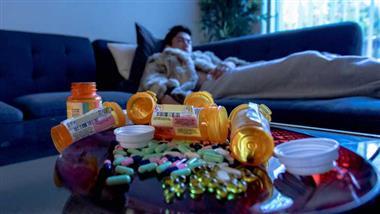
STORY AT-A-GLANCE
- Between September 2019 and September 2020 alone, opioid overdoses killed 87,000 Americans — a new record-high
- Various court cases have demonstrated how Purdue Pharma, maker of OxyContin, systematically misled doctors about the drug’s addictiveness to drive up sales, resulting in an avalanche of opioid addiction and subsequent deaths
- The Massachusetts attorney general is now suing Purdue’s PR firm, Publicis Health, for its role in creating Purdue’s deceptive marketing
- Publicis is accused of placing illegal advertisements for OxyContin in the electronic medical records of patients and creating training materials for Purdue sales reps on how to combat doctor’s objections to the drugs
- Publicis also developed strategies to counter opioid guidelines issued by the U.S. Centers for Disease Control and Prevention, and created “patient stories” to “humanize” the OxyContin brand and counter negative press about addiction risks
In previous articles, I’ve discussed the central role false advertising played in the creation of the opioid crisis.1
To recap, a single paragraph in a 1980 letter to the editor2,3 (not a study) in The New England Journal of Medicine — which stated that narcotic addiction in patients with no history of addiction was very rare — became the basis of a drug marketing campaign that has since led to the death of hundreds of thousands of people, or four times the number of Americans killed in Vietnam.
Between September 2019 and September 2020 alone, opioid overdoses killed a staggering 87,000 Americans — a new record-high.4
Purdue Pharma, the maker of OxyContin, used this letter to the editor as the basis for its claim that opioid addiction affects fewer than 1% of patients treated with the drugs. In reality, opioids have a very high rate of addiction, have not been proven effective for long-term use5 and, in fact, fail to control moderate to severe pain any better than over-the-counter pain relievers.6
Various court cases have demonstrated how Purdue systematically misled doctors about OxyContin’s addictiveness to drive up sales, resulting in an avalanche of opioid addiction and subsequent deaths.7
Unethical to the core, Purdue also cashed in on the addiction trend it manufactured by secretly founding Rhodes Pharma to manufacture generic opioids,8 and getting into the business of creating overdose treatments.9,10
Facing an estimated 2,600 lawsuits11,12 relating to its role in the opioid epidemic, Purdue filed for Chapter 11 bankruptcy in September 2019,13 as a way to avoid litigation losses. Just over a year later they pleaded guilty to three federal criminal charges, including violating a federal anti-kickback law, conspiracy to defraud the U.S. government and violating the Food, Drug and Cosmetic Act.14,15
The company agreed to pay $8.3 billion in fines, forfeiture of past profits and civil liability payments to settle the charges,16 but short on cash — having transferred more than $10 billion of the company’s funds into family trusts and offshore accounts17 — the company was dissolved and its remaining assets used to erect a “public benefit company” owned and controlled by the U.S. government.18 Future earnings will supposedly be used to combat the opioid crisis.
Purdue’s PR Company Sued for Deceptive Marketing
While Purdue’s owners, the Sackler family, got off scot-free, states struggling with the exorbitant cost of opioid addiction aren’t ready to bury the hatchet just yet. Instead, some are going after the PR firm Purdue hired to run their deceptive marketing campaigns.
As it turns out, that PR firm is none other than Publicis, a partner of the World Economic Forum, which is leading the call for a Great Reset. As detailed in “The Web of Players Trying to Silence Truth,” Publicis appears to be coordinating the global effort to suppress information that runs counter to the technocratic narrative about COVID-19, its origin, prevention and treatment — suppression and censorship that has been repeatedly aimed at this website specifically.
At the beginning of May 2021, the Massachusetts attorney general filed a lawsuit19 against Publicis Health, accusing the Publicis subsidiary of helping Purdue create the deceptive marketing materials used to mislead doctors into prescribing OxyContin.20,21,22,23 As reported by Yahoo! News:24
“The lawsuit alleges that Publicis ‘engaged in myriad unfair and deceptive strategies that influenced OxyContin prescribing across the nation,’ a statement by Massachusetts Attorney General Maura Healey’s office said. Those strategies were carried out through dozens of contracts between 2010 and 2019, worth more than $50 million …
Tactics included combatting doctors’ ‘hesitancy’ to prescribe the medication, and persuading them to prescribe OxyContin over lower-dose, short-acting opioids, thus increasing the risk of addiction. Massachusetts is asking that Publicis Health pay ‘compensatory damages’ of an unspecified amount for having ‘created a public nuisance.’”

Publicis Knowingly Promoted Over-Prescription
Publicis Health argues that its work for Purdue was entirely lawful and limited to “implementing Purdue’s advertising plan and buying media space.” Publicis also claims the specific activities listed in the lawsuit fall outside the statute of limitations.
Some of those activities included placing illegal advertisements for OxyContin in the electronic medical records of patients, creating training materials for Purdue sales reps on how to combat doctor’s objections to the drugs, developing strategies to counter opioid guidelines issued by the U.S. Centers for Disease Control and Prevention, and creating “patient stories” to “humanize” the OxyContin brand and counter negative press about addiction risks.25,26
According to the lawsuit, one patient vignette featured a 40-year-old man who had his dose increased from 10 milligrams a day to 20 mg in just three weeks. It also claims Publicis was responsible for creating and sending thousands of deceptive emails to doctors, encouraging them to not only increase patients’ dosages but also to prescribe the drug to patients who were already on less dangerous pain meds.27
Publicis also instructed Purdue to target doctors who were already writing out dangerously high numbers of prescriptions, even in the midst of a raging opioid epidemic,28 all while agency executives gleefully discussed the record fees they’d collect from the Purdue account. A March 2016 email exchange reveals the Publicis subsidiary was expecting to make up to $12.28 million from Purdue that year alone.
Publicis Also Represented Addiction Center
According to the complaint:29
“Publicis helped create a public nuisance of opioid use disorder, overdose, and death. By design, Publicis’s schemes worked to counter public health measures intended to reduce unnecessary opioid use, because more opioid use generated more profits for Publicis’s opioid clients.”
Like Purdue, Publicis also cashed in on the opioid addiction it helped create by pitching its services to organizations working to end addiction. As reported by Forbes,30 the agency “won the account to work on drugfree.org after touting how it’s been ‘immersed in the evolving national opioid medication dialogue going on between pharma companies, the government and FDA, and the public via inside access as a trusted and informed consulting partner.’”
In an interview cited by Courthouse News, Amanda Pustilnik, a senior fellow on law and applied neuroscience at Harvard Law School who also teaches at the Center for Law, Brain & Behavior at Massachusetts General Hospital, noted that:31
“The story of the opioid epidemic is often misrepresented as a story of irresponsible patients and over-prescribing doctors. This prosecution gets at the heart of the matter.
Patients and doctors were not, on average, irresponsible. They acted under the influence of a concerted plan of misinformation and over-promotion orchestrated up and down the supply chain for these medications.”
Publicis Admits Role in Censorship Push
As mentioned earlier, Publicis appears to be playing an important role in the global censorship of information relating to COVID-19, and Publicis Health admitted its involvement in this agenda as recently as April 27, 2021. In a tweet,32 the agency announced its partnership with NewsGuard, “to fight the ‘infodemic’ of misinformation about COVID-19 and its vaccines.”
In short, Publicis Health is dedicated to suppressing any information that hurts its Big Pharma clients, which include Lilly, Abbot, Roche, Amgen, Genentech, Celgene, Gilead, Biogen, AstraZeneca, Sanofi, GlaxoSmithKline and Bayer, just to name a few.
Publicis is more than a partner with NewsGuard, however. NewsGuard actually received a large chunk of its startup capital from Publicis, as detailed in “New Thought Police NewsGuard Is Owned by Big Pharma.” NewsGuard, a self-proclaimed arbiter of truth, rates websites on criteria of “credibility” and “transparency,” ostensibly to guide viewers to the most reliable sources of news and information.
In reality, however, NewsGuard ends up acting as a gate keeper with a mission to barricade unpopular truth and differences of opinion behind closed gates. Its clearly biased ranking system easily dissuades people from perusing information from low-rated sites, mine included.
Extensive Propaganda Network Works Against the Public
As detailed in “The Web of Players Trying to Silence Truth” (hyperlinked above), Publicis is part of an enormous network that includes international drug companies, fact checkers and credibility raters like NewsGuard, Google and other search engines, Microsoft, antivirus software companies like Trend Micro, public libraries, schools, the banking industry, the U.S. State Department and Department of Defense, the World Health Organization and the World Economic Forum.
Mind you, this is not a comprehensive review of links. It’s merely a sampling of entities to give you an idea of the breadth of connections, which when taken together explain how certain views — such as information about COVID-19 and vaccines — can be so effectively erased.
To understand the power that PR companies such as Publicis wield, you also need to realize that PR has, by and large, replaced the free press. In decades past, pro-industry advertising stood in stark contrast to the free press, which would frequently expose problems with products and industries, thereby serving as a counterbalance to industry propaganda.
When a free press with honest reporting based on verifiable facts actually does its job, ineffective or toxic products are driven off the market. All of this changed in the late 20th century, when media outlets started relying on advertisers for the bulk of their revenues.
As intended, journalists quickly came under the control of advertisers, who suddenly had the power to kill stories they didn’t like. Today, news organizations simply won’t run reports that might harm the bottom line of its advertisers and, not surprisingly, the drug industry is among the top-paying advertisers.
By further partnering with the “big guns” of media — such as the Paley Center for Media, which is composed of every major media in the world33 — Publicis and its industry clients have been able to influence and control the press to virtually eliminate your ability to get the truth on many important issues, including COVID-19.
Seeing how Publicis represents most of the major pharmaceutical companies in the world and funded the creation of NewsGuard, it’s not far-fetched to assume Publicis might influence NewsGuard’s ratings of drug industry competitors, such as alternative health sites. Being a Google partner,34,35 Publicis also has unprecedented ability to simply bury undesirable views that might hurt its clientele.
NewsGuard’s health-related service, HealthGuard,36 is also partnered with the Center for Countering Digital Hate (CCDH) — a progressive U.K.-based cancel-culture leader37 with extensive ties to government and global think tanks that has labeled people questioning the COVID-19 vaccine as “threats to national security.”
The CCDH has also published a hit-list of 12 groups and individuals it wants Big Tech to bury, deplatform and ban for disseminating COVID-19 information that runs counter to status quo propaganda. Not surprisingly, Mercola.com is on that list, and a ramp-up of personal threats that cannot be defended against in a court of law recently forced me to delete many of the articles discussing alternative treatments for COVID-19 from my website.
The Crime of the Century
If you get the chance, I recommend watching Alex Gibney’s HBO documentary “The Crime of the Century,” which details how the opioid epidemic was manufactured. In a Wall Street Journal television review, John Anderson writes, in part:38
“In Mr. Gibney’s two-part ‘Crime of the Century’ … the cinema is as exhilarating as the journalism is exhaustive. Still, the style remains in service to the story: how big pharma lied and bribed its way into billions of dollars while leaving death and devastation behind, through a seemingly conscience-free crusade to sell stronger and stronger opiates to more and more people.
It’s a success story, from the industry’s point of view. It’s also a story of villainy, with a catalog of villains — not just the Sackler family of Purdue Pharma, but their sales representatives; the U.S. congressmen to whom they made outsize donations … former prosecutors hired as lobbyists … and officials of the Justice Department and the Food and Drug Administration …
‘The business of criminal cartels and pharmaceutical companies are connected,’ Mr. Gibney says in voiceover — the very obvious example being the drift to heroin by addicts thwarted by the increased expense and reduced availability of opioids. The director then goes about establishing how and why that is so.
The default argument of Purdue Pharma and its defenders is that drug users, not drug makers, are responsible for addiction. But as the miniseries points out, the information that was fed to doctors and on which patients based the use of prescriptions — including the claim that delayed-action OxyContin wasn’t addictive — was simply untrue.”
Unethical Behavior Is Par for the Course
While Publicis is trying to downplay its role in what has been described as the crime of the century, the lawsuit against it will hopefully result in a reevaluation of marketing ethics. The agency, knowing full well there was an epidemic of opioid abuse underway, resulting in tens of thousands of premature deaths each year, took on the job of increasing Purdue’s profits by making that lethal trend worse.
Publicis claims they were just doing what advertising agencies do — they created promotional materials that boost client revenue. However, this argument circumvents any notion of ethics and concern about public health. They’re basically admitting that it’s all about making money, regardless of the cost.
So, even if their actions were within legal limits (which the Massachusetts case will eventually establish), their actions were immoral and clearly undermined public health.
They now want you to believe they are protecting public health by supporting COVID-19 censorship, but this too is working against the public good. How can you possibly make an educated decision about whether or not to participate in this gene therapy experiment if you’re not allowed to hear anything about the risks?
What Publicis calls “misinformation” is simply information that contradicts the propaganda being put out by the hands that feed it, i.e., the drug industry. History tells us companies driven by profit interest make poor truth tellers, as negative information will clearly have a detrimental impact on their bottom line. So, they lie and obfuscate. It’s that simple.
Public relations firms like Publicis are mere arms of these notoriously untruthful industries. They do their bidding because that’s what they’re paid to do. To think that Big Pharma and paid propagandists are looking out for anyone but themselves is dangerously naïve.
It is ironic doublespeak that Publicis claims to defend against misinformation that puts the public at risk, while being clearly guilty of crimes against humanity, having played a crucial role in one of the deadliest health care schemes involving lies and deceit.
- 1 The Atlantic June 2, 2017
- 2 NEJM 1980; 302(2): 123 (PDF)
- 3 STAT News May 31, 2017
- 4, 24 Yahoo News May 6, 2021
- 5 Medscape September 28, 2015
- 6 JAMA March 6, 2018;319(9):872-882
- 7 CDC Drug Overdose Deaths
- 8 New York Post, September 11, 2018
- 9 STAT News September 7, 2018
- 10 Commonwealth of Massachusetts, Superior Court Case Number 1884-cv-01808 (BLS2)
- 11, 13 BBC News September 16, 2019
- 12 Reuters March 26, 2019
- 14, 17 CNN October 21, 2020
- 15 Reuters October 21, 2020
- 16 STAT News October 21, 2020
- 18 Associated Press October 21, 2020
- 19, 29 Commonwealth of Massachusetts Superior Court Complaint CA No. 21-1055 (PDF)
- 20, 26, 27, 28 Boston Globe May 8, 2021
- 21, 25, 30 Forbes May 7, 2021
- 22 CommonHealth May 7, 2021
- 23, 31 Courthouse News May 6, 2021
- 32 Twitter Publicis Health Media April 27, 2021
- 33 The Paley Center for Media 2018 Agenda
- 34 Ad Week September 22, 2008
- 35 Google Marketing Platform Partners, Publicis Sapient
- 36 NewsGuard HealthGuard
- 37 Off-Guardian August 11, 2020
- 38 Wall Street Journal May 6, 2021 (Archived)
More Reasons to Avoid Acetaminophen
Reproduced from original article:
https://articles.mercola.com/sites/articles/archive/2021/01/08/more-reasons-to-avoid-acetaminophen.aspx
Analysis by Dr. Joseph Mercola Fact Checked January 08, 2021

STORY AT-A-GLANCE
- Acetaminophen may dampen your response to risks, such that you become more likely to take them while using the drug
- People who took acetaminophen rated activities such as walking home alone at night in an unsafe area or bungee jumping as less risky than those who took a placebo
- Those taking acetaminophen also took more risks on a laboratory test designed to measure risk-taking; it has been linked to increased risk-taking outside of the lab, including driving without a seatbelt, using drugs and alcohol and stealing
- Acetaminophen has numerous neural and emotional effects and has been linked to blunted positive and negative emotions, reduced empathy and less pain from social rejection
- Considering its many risks, acetaminophen isn’t recommended for minor aches and pains; try natural pain relief options instead
Acetaminophen, known by the brand names Tylenol and Panadol, is the most widely used drug ingredient in the U.S., taken by more than 50 million Americans every week.1 Most don’t think twice about popping a couple of Tylenol tablets to take the edge off a headache or other minor aches and pains, believing it to be a relatively benign over-the-counter medication choice.
Even acetaminophen comes with risks, however. Those linked to liver damage are well known, but it’s now emerging that acetaminophen has other unintended effects in your body — effects that may influence your behavior, emotions and psychological processes. Taken together, if you don’t have to use acetaminophen, don’t — it’s best to avoid using this drug unless absolutely necessary.
Acetaminophen Increases Risk Taking
Acetaminophen, which is found in over 600 medicines, is used by 23% of the U.S. population weekly,2 mostly for its pain- and fever-reducing effects. But along with blunting your pain, it may also be dampening your response to risks, such that you become more likely to take them while using the drug.
Researchers from The Ohio State University recruited 189 college students to take part in the study. They were given either 1,000 milligrams (mg) of acetaminophen or a placebo, then, once the drug took effect, they were asked to rate various activities based on risk on a scale of 1 to 7.
Those who took acetaminophen rated the activities, which included things like walking home alone at night in an unsafe area or bungee jumping, as less risky than those who took the placebo. In another study by the same researchers, undergraduate students took part in a test to measure risk-taking behavior.3
The study involved clicking a button to inflate a balloon on a computer. As it inflated, they were rewarded with money, but if it got too big and burst, they lost it all. Students who took acetaminophen were more likely to keep pumping the balloon and had more balloons burst than students not taking the drug.
“If you’re risk-averse, you may pump a few times and then decide to cash out because you don’t want the balloon to burst and lose your money,” study co-author Baldin Way said in a news release. “But for those who are on acetaminophen, as the balloon gets bigger, we believe they have less anxiety and less negative emotion about how big the balloon is getting and the possibility of it bursting.”4
Taking more risks on the laboratory test has been linked to increased risk-taking outside of the lab, including driving without a seatbelt, using drugs and alcohol and stealing. This is what has the researchers concerned, especially considering how widespread acetaminophen usage is.
“Acetaminophen seems to make people feel less negative emotion when they consider risky activities — they just don’t feel as scared,” Way said. “With nearly 25 percent of the population in the U.S. taking acetaminophen each week, reduced risk perceptions and increased risk-taking could have important effects on society.”5

Acetaminophen Blunts Positive and Negative Emotions
If you take acetaminophen, you expect it to dull your physical pain, but it may also blunt your emotions, both positive and negative. A series of studies, conducted by Way and colleagues, involved showing college students 40 photographs designed to elicit positive, neutral or negative emotions.6 The students were given 1,000 mg of acetaminophen or a placebo 60 minutes prior to viewing the photos.
The students were asked to rate the photos on a scale of -5 (extremely negative) to +5 (extremely positive), as well as rate how much emotion the photo made them feel. Those who took acetaminophen rated the photos as less extreme on either end of the spectrum, and also had more neutral emotional reactions.
“People who took acetaminophen didn’t feel the same highs or lows as did the people who took placebos,” Way said in a news release.7 They then conducted a similar study asking people to evaluate not only the emotional content of photos, but also how much of the color blue it contained. They were trying to determine if acetaminophen affected perceptions that weren’t emotional in nature.
Again, the participants who took acetaminophen had emotional reactions that were significantly blunted, but the judgments of blue color content were similar among everyone. This suggests acetaminophen affects emotional evaluations but not magnitude judgments, such as color content.8
Acetaminophen Is an ‘Empathy Killer’
Acetaminophen is not only a painkiller but also an “empathy killer,” Way and colleagues wrote in a 2016 study published in Social Cognitive and Affective Neuroscience.9 Empathy, the ability to put yourself in someone else’s shoes and understand their feelings and point of view, is a character trait that benefits society and individuals in multiple ways.
Those who feel empathy for others’ pain and suffering may trigger prosocial actions, for instance, or curb aggressive behaviors. It’s also known that when people observe others experiencing pain, brain regions are activated that also light up in response to our own pain.10 This suggests empathy for pain may share similar neural and psychological processes as the experience of physical pain.
Again, Way and colleagues conducted a series of studies to compare subjects’ responses to others’ physical or social pain. After receiving acetaminophen or a placebo, they read scenarios about another’s pain, watched ostracism in the lab or witnessed other participants being exposed to painful noise blasts.
The acetaminophen users had significantly fewer empathic responses compared to those who took a placebo. The researchers explained:11
“As hypothesized, acetaminophen reduced empathy in response to others’ pain. Acetaminophen also reduced the unpleasantness of noise blasts delivered to the participant, which mediated acetaminophen’s effects on empathy.
Together, these findings suggest that the physical painkiller acetaminophen reduces empathy for pain and provide a new perspective on the neurochemical bases of empathy. Because empathy regulates prosocial and antisocial behavior, these drug-induced reductions in empathy raise concerns about the broader social side effects of acetaminophen …”
Taking Acetaminophen Reduces Pain From Social Rejection
The pain caused by social rejection is another area where acetaminophen unexpectedly interferes. Those who took acetaminophen daily for three weeks reported less social pain on a daily basis compared to those who took a placebo.12
Further, when the researchers used functional magnetic resonance imaging to measure brain activity in the participants, the drug reduced neural responses to social rejection in areas previously linked to the distress of social pain and physical pain.
“Acetaminophen reduces behavioral and neural responses associated with the pain of social rejection, demonstrating substantial overlap between social and physical pain,” the researchers noted.13 Indeed, the pain of social rejection can feel like a literal painful blow, but the problem with taking acetaminophen to blunt it is that positive emotions are also affected, meaning chronic users may have a dulled existence.
When Way and colleagues again gave 1,000 mg of acetaminophen or placebo to subjects, then measured their response to positive empathy, these positive feelings were blunted; those taking acetaminophen did not experience the same uplifting feelings as others did when reading about others’ positive experiences.14
“Results showed that acetaminophen reduced personal pleasure and other-directed empathic feelings in response to these scenarios,” Way and colleagues wrote, adding that this also has societal implications since positive empathy is related to prosocial behavior.
Cognitive Function Also Affected
When acetaminophen affects your brain’s responses to social rejection, empathy and more, it also extends to other cognitive processes, possibly making them less effective. In another trial, participants who took either acetaminophen or a placebo performed a test to gauge decision-making abilities.
They had to click a button when the letter F appeared on a computer screen but not hit the button when an E was shown. Those who took acetaminophen performed worse on the test, suggesting the drug may lead to greater errors or flaws in decision making, and may also inhibit broader evaluative processes in the brain.15
Lead author Dan Randles, a postdoctoral fellow in the psychology department at University of Toronto, said in an interview with Forbes:16
“… [A]cetaminophen not only affects physical pain, but also feelings of social rejection, uncertainty and evaluative processing … This study is the first to provide compelling evidence that acetaminophen is affecting all of these symptoms by reducing the distress associated with any kind of cognitive conflict; whether the source is physical, social or more abstract.”
Acetaminophen Is Risky During Pregnancy
After long being recommended as a safe pain reliever during pregnancy, it was revealed in 2014 that acetaminophen is in fact a hormone disruptor,17 casting doubts on its safe use during pregnancy.
According to that 2014 study, use of acetaminophen during pregnancy was associated with a 37% increased risk of their child being diagnosed with hyperkinetic disorder, a severe form of attention deficit hyperactivity disorder (ADHD).
Their children were also up to 30% more likely to be prescribed ADHD medication by the time they were 7 years old.18 A study published in JAMA Psychiatry in 2019 further strengthened the link between acetaminophen use and ADHD, while also noting an increased risk for autism spectrum disorder (ASD).19 Aside from a higher risk of neurodevelopmental problems, studies have also shown:
- Use of acetaminophen during pregnancy may increase your risk of pre-eclampsia and thromboembolic diseases20
- Taking the drug for more than four weeks during pregnancy, especially during the first and second trimester, moderately increases the risk of undescended testicles in boys21
- Using acetaminophen in the third trimester increases your risk of preterm birth22
Liver Damage Is a Major Problem With Acetaminophen Use
Yet another reason to be extremely cautious with regard to acetaminophen is its negative effects on your liver. Acetaminophen is the top cause of acute liver failure in the U.S. It can even be toxic to your liver at recommended doses when taken daily for just a couple of weeks.23
Part of the reason for the risk is that acetaminophen’s recommended dose and the amount of the drug that causes an overdose are very close. There is not much margin of safety, and because acetaminophen is found in so many over-the-counter medications, it’s easy to double- or triple-up without even realizing it.
Even taking just a little more acetaminophen than the recommended dose over a few days or weeks (referred to as “staggered overdosing”) is dangerous, and can be deadlier than one large overdose.24 There are other risks to acetaminophen that haven’t been covered here, including potentially fatal skin reactions.
California state regulators are even considering adding acetaminophen to the list of carcinogens covered by Proposition 6525 because it’s related to phenacetin, an over-the-counter painkiller banned by the U.S. Food and Drug Administration in 1983 because of links to cancer.
Considering its many risks, I don’t recommend using acetaminophen for minor aches and pains. Instead, try one of the many natural pain relief options available that can provide relief without drugs.
- 1 WebMD, How popular is acetaminophen?
- 2, 3 Social Cognitive and Affective Neuroscience, Volume 15, Issue 7, July 2020, Pages 725–732
- 4, 5 Ohio State News September 8, 2020
- 6 Psychological Science April 10, 2015
- 7, 8 Ohio State News April 12, 2015
- 9, 10, 11 Social Cognitive and Affective Neuroscience, Volume 11, Issue 9, September 2016, Pages 1345–1353
- 12, 13 Psychological Science June 14, 2010
- 14 Front Psychol. 2019; 10: 538
- 15 Social Cognitive and Affective Neuroscience, Volume 11, Issue 6, June 2016, Pages 899–906
- 16 Forbes April 13, 2016
- 17 JAMA Pediatrics April 2014
- 18 Forbes February 24, 2014
- 19 JAMA Psychiatry October 30, 2019 DOI: 10.1001/jamapsychiatry.2019.3259, Abstract and Key Points
- 20 J Matern Fetal Neonatal Med. 2010 May;23(5):371-318
- 21 Epidemiology 2010 Nov;21(6):779-85
- 22 International Journal of Epidemiology 2009; 38: 706-714 (PDF)
- 23, 24 JAMA 2006;296(1):87-93. doi:10.1001/jama.296.1.87
- 25 Associated Press January 21, 2020
The Manufacturing of Bone Diseases: The Story of Osteoporosis and Osteopenia
© 1st January 2021 GreenMedInfo LLC. This work is reproduced and distributed with the permission of GreenMedInfo LLC.
Want to learn more from GreenMedInfo? Sign up for the newsletter here:
www.greenmedinfo.com/greenmed/newsletter
Reproduced from original article:
www.greenmedinfo.com/blog/osteoporosis-myth-dangers-high-bone-mineral-density
Posted on: Friday, August 23rd 2019 at 8:15 am
Written By: Sayer Ji, Founder
This article is copyrighted by GreenMedInfo LLC, 2020

The present-day definitions of Osteopenia and Osteoporosis were arbitrarily conceived by the World Health Organization (WHO) in the early 90’s and then projected upon millions of women’s bodies seemingly in order to convince them they had a drug-treatable, though symptomless, disease
Osteopenia (1992)[i] and Osteoporosis (1994)[ii] were formally identified as skeletal diseases by the World Health Organization (HTO) as bone mineral densities (BMD) 1 and 2.5 standard deviations, respectively, below the peak bone mass of an average young adult Caucasian female, as measured by an x-ray device known as Dual energy X-ray absorptiometry (DXA, or DEXA). This technical definition, now used widely around the world as the gold standard, is disturbingly inept, and as we shall see, likely conceals an agenda that has nothing to do with the promotion of health.
Deviant Standards: Aging Transformed Into a Disease
A ‘standard deviation’ is simply a quantity calculated to indicate the extent of deviation for a group as a whole, i.e. within any natural population there will be folks with higher and lower biological values, e.g. height, weight, bone mineral density, cholesterol levels. The choice of an average young adult female (approximately 30-year old) at peak bone mass in the human lifecycle as the new standard of normality for all women 30 or older, was, of course, not only completely arbitrary but also highly illogical. After all, why should a 80-year old’s bones be defined as “abnormal” if they are less dense than a 30-year old’s?
Within the WHO’s new BMD definitions the aging process is redefined as a disease, and these definitions targeted women, much in the same way that menopause was once redefined as a “disease” that needed to be treated with synthetic hormone replacement (HRT) therapies; that is, before the whole house of cards collapsed with the realization that by “treating” menopause as a disease the medical establishment was causing far more harm than good, e.g. heart disease, stroke, and cancer.
As if to fill the void left by the HRT debacle and the disillusionment of millions of women, the WHO’s new definitions resulted in the diagnosis, and subsequent labeling, of millions of healthy middle-aged and older women with what they were now being made to believe, was another “health condition,” serious enough to justify the use of expensive and extremely dangerous bone drugs (and equally dangerous mega-doses of elemental calcium) in the pursuit of increasing bone density by any means necessary.
One thing that cannot be debated, as it is now a matter of history, is that this sudden transformation of healthy women, who suffered no symptoms of “low bone mineral density,” into an at-risk, treatment-appropriate group, served to generate billions of dollars of revenue for DXA device manufacturers, doctor visits, and drug prescriptions around the world.

WHO Are They Kidding?
Osteopenia is, in fact, a medical and diagnostic non-entity. The term itself describes nothing more than a statistical deviation from an arbitrarily determined numerical value or norm. According to the osteoporosis epidemiologist Dr. L. Joseph Melton at the Mayo Clinic who participated in setting the original WHO criteria in 1992, “[osteopenia] was just meant to indicate the emergence of a problem,” and noted that “It didn’t have any particular diagnostic or therapeutic significance. It was just meant to show a huge group who looked like they might be at risk.”[iii] Another expert, Michael McClung, director of the Oregon Osteoporosis Center, criticized the newly adopted disease category osteopenia by saying ”We have medicalized a nonproblem.”[iv]
In reality, the WHO definitions violate both commonsense and fundamental facts of biological science (sadly, an increasingly prevalent phenomenon within drug-company-funded science). After all, anyone over 30 years of age should have lower bone density than a 30 year old, as this is consistent with the normal and natural healthy aging process. And yet, according to the WHO definition of osteopenia, the eons-old programming of our bodies to gradually shed bone density as we age, is to be considered a faulty design and/or pathology in need of medical intervention.
How the WHO, or any other organization which purports to be a science-based “medical authority,” can make an ostensibly educated public believe that the natural thinning of the bones is not normal, or more absurdly: a disease, is astounding. In defense of the public, the cryptic manner in which these definitions and diagnoses have been cloaked in obscure mathematical and clinical language makes it rather difficult for the layperson to discern just how outright insane the logic they are employing really is.
So, let’s look closer at the definitions now, which are brilliantly elucidated by Washington.edu’s published online course on Bone Densitometry, which can be viewed in its entirety here.
The Manufacture of a Disease through Categorical Sleight-of-Hand

The image above shows the natural decrease in hip bone density occurring with age, with variations in race and gender depicted. Observe that loss of bone mineral density with age is a normal process.

Next, is the classical bell-shaped curve, from which T- and Z-scores are based. T-sores are based on the young adult standard (30-year old) bone density as being normal for everyone, regardless of age, whereas the much more logical Z-score compares your bone mineral density to that of your age group, as well as sex and ethnic background. Now here’s where it gets disturbingly clear how ridiculous the T-score really system is….

Above is an image showing how within the population of women used to determine “normal” bone mineral density, e.g. 30-year olds, 16% of them already “have” osteopenia” according to the WHO definitions, and 3% already “have” osteoporosis! According to Washington.edu’s online course, “One standard deviation is at the 16th percentile, so by definition, 16% of young women have osteopenia! As shown below, by the time women reach age 80, very few are considered normal.”

Above you will see what happens when the WHO definitions of “normal bone density” are applied to aging populations. Whereas at age 25, 15% of the population will “have” osteopenia, by age 50 the number grows to 33%. And by age 65, 60% will be told they have either osteopenia (40%) or osteoporosis (20%).
On the other hand, if one uses the Z-score, which compares your bones to that of your age group, something remarkable happens: a huge burden of “disease” disappears! In a review on the topic published in 2009 in the Journal of Clinical Densitometry, 30-39% of the subjects who had been diagnosed with osteoporosis with two different DXA machine models were reclassified as either normal or “osteopenic” when the Z- score was used instead of the T-score. The table, therefore, can be turned on the magician-like sleight-of-hand used to convert healthy people into diseased ones, as long as an age-appropriate standard of measurement is applied, which presently it is not.

Bone Mineral Density is NOT Equivalent to Bone Strength
As you can see there are a number of insurmountable problems with the WHO’s definitions, but perhaps the most fatal flaw is the fact that the Dual energy X-ray absorpitometry device (DXA) is only capable of revealing the mineral density of the bone, and this is not the same thing as bone quality/strength.
While there is a correlation between bone mineral density and bone quality/strength – that is to say, they overlap in places — they are not equivalent. In other words, density, while an excellent indicator of compressive strength (resisting breaking when being crushed by a static weight), is not an accurate indicator of tensile strength (resisting breaking when being pulled or stretched).
Indeed, in some cases having higher bone density indicates that the bone is actually weaker. Glass, for instance, has high density and compressive strength, but it is extremely brittle and lacks the tensile strength required to withstand easily shattering in a fall. Wood, on the other hand, which is closer in nature to human bone than glass or stone is less dense relative to these materials, but also extremely strong relative to them, capable of bending and stretching to withstand the very same forces which the bone is faced with during a fall. Or, take spider web. It has infinitely greater strength and virtually no density. Given these facts, having “high” bone density (and thereby not having osteoporosis) may actually increase the risk of fracture in a real-life scenario like a fall.
Essentially, the WHO definitions distract from key issues surrounding bone quality and real world bone fracture risks, such as gait and vision disorders.[v] In other words, if you are able to see and move correctly in your body, you are less likely to fall, which means you are less prone to fracture. Keep in mind also that the quality of human bone depends entirely on dietary and lifestyle patterns and choices, and unlike x-ray based measurements, bone quality is not decomposable to strictly numerical values, e.g. mineral density scores. Vitamin K2 and soy isoflavones, for instance, significantly reduce bone fracture rates without increasing bone density. Scoring high on bone density tests may save a woman from being intimidated into taking dangerous drugs or swallowing massive doses of elemetal calcium, but it may not translate into preventing “osteoporosis,” which to the layperson means the risk of breaking a bone. But high bone mineral density may result in far worse problems….

High Bone Mineral Density & Breast Cancer
One of the most important facts about bone mineral density, conspicuously absent from discussion, is that having higher-than-normal bone density in middle-aged and older women actually INCREASES their risk of breast cancer by 200-300%, and this is according to research published in some of the world’s most well-respected and authoritative journals, e.g. Lancet, JAMA, NCI. (see citations below).
While it has been known for at least fifteen years that high bone density profoundly increases the risk of breast cancer — and particularly malignant breast cancer — the issue has been given little to no attention, likely because it contradicts the propaganda expounded by mainstream woman’s health advocacy organizations. Breast cancer awareness programs focus on x-ray based breast screenings as a form of “early detection,” and the National Osteoporosis Foundation’s entire platform is based on expounding the belief that increasing bone mineral density for osteoporosis prevention translates into improved quality and length of life for women.
The research, however, is not going away, and eventually, these organizations will have to acknowledge it or risk losing credibility.
Journal of the American Medical Association (1996): Women with bone mineral density above the 25th percentile have 2.0 to 2.5 times increased risk of breast cancer compared with women below the 25th percentile.
Journal of Nutrition Reviews (1997): Postmenopausal women in the highest quartile for metacarpal bone mass were found to have an increased risk of developing breast cancer, after adjusting for age and other variables known to influence breast cancer risk.
American Journal of Epidemiology (1998): Women with a positive family history of breast cancer and who are in the highest tertile bone mineral density are at a 3.41-fold increased risk compared with women in the lowest tertile.
Journal of the National Cancer Institute (2001): Elderly women with high bone mineral density (BMD) have up to 2.7 times greater risk of breast cancer, especially advanced cancer, compared with women with low BMD.
Journal Breast (2001): Women in the lowest quartile of bone mass appear to be protected against breast cancer.
Journal Bone (2003): Higher bone density (upper 33%) is associated with a 2-fold increased risk of breast cancer.
European Journal of Epidemiology (2004): Women with highest tertile bone mineral density (BMD) measured at the Ward’s triangle and at the femoral neck are respectively at 2.2-and 3.3-fold increased risk of breast cancer compared with women at the lowest tertile of BMD.
View additional citations on the breast cancer-bone density link.
High Bone Density: More Harm Than Good
The present-day fixation within the global medical community on “osteoporosis prevention” as a top women’s health concern, is simply not supported by the facts. The #1 cause of death in women today is heart disease, and the #2 cause of death is cancer, particularly breast cancer, and not death from complications associated with a bone fracture or break. In fact, in the grand scheme of things osteoporosis or low bone mineral density does not even make the CDC’s top ten list of causes of female mortality. So, why is it given such a high place within the hierarchy of women’s health concerns? Is it a business decision or a medical one?
Regardless of the reason or motive, the obsessive fixation on bone mineral density is severely undermining the overall health of women. For example, the mega-dose calcium supplements being taken by millions of women to “increase bone mineral density” are known to increase the risk of heart attack by between 24-27%, according to two 2011 meta-analyses published in Lancet, and 86% according to a more recent meta-analysis published in the journal Heart. Given the overwhelming evidence, the 1200+ mgs of elemental calcium the National Osteoporosis Foundation (NOF) recommends women 50 and older take to “protect their bones,” may very well be inducing coronary artery spasms, heart attacks and calcified arterial plaque in millions of women. Considering that the NOF name calcium supplement manufacturers Citrical and Oscal as corporate sponsors, it is unlikely their message will change anytime soon.
Now, when we consider the case of increased breast cancer risk linked to high bone mineral density, being diagnosed with osteopenia or osteoporosis would actually indicate a significantly reduced risk of developing the disease. What is more concerning to women: breaking a bone (from which one can heal), or developing breast cancer? If it is the latter, a low BMD reading could be considered cause for celebration and not depression, fear and the continued ingestion of inappropriate medications or supplements, which is usually the case following a diagnosis of osteopenia or osteoporosis.
We hope this article will put to rest any doubts that the WHO’s fixation on high bone density was designed not to protect or improve the health of women, but rather to convert the natural aging process into a blockbuster disease, capable of generating billions of dollars of revenue.
Learn more on the GreenMedInfo database:
References
[i] WHO Scientific Group on the Prevention and Management of Osteoporosis (2000 : Geneva, Switzerland) (2003). “Prevention and management of osteoporosis : report of a WHO scientific group” (PDF). Retrieved 2007-05-31.
[ii] WHO (1994). “Assessment of fracture risk and its application to screening for postmenopausal osteoporosis. Report of a WHO Study Group”. World Health Organization technical report series 843: 1-129. PMID 7941614.
[iii] Kolata, Gina (September 28, 2003). “Bone Diagnosis Gives New Data But No Answers”. New York Times.
[v] P Dargent-Molina, F Favier, H Grandjean, C Baudoin, A M Schott, E Hausherr, P J Meunier, G Bréart Fall-related factors and risk of hip fracture: the EPIDOS prospective study. Lancet. 1996 Jul 20;348(9021):145-9. PMID: 8684153
Originally published: 2017-11-18
Article updated: 2020-09-18

Disclaimer: This article is not intended to provide medical advice, diagnosis or treatment. Views expressed here do not necessarily reflect those of GreenMedInfo or its staff.