Oils
now browsing by category
Guard against bacteria and fungi with THIS natural defender
Reproduced from original article:
https://www.naturalhealth365.com/guard-against-bacteria-and-fungi-with-this-natural-defender.html
by: June 12, 2024
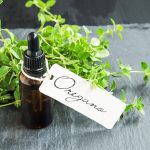 (NaturalHealth365) As you know, Western medicine relies heavily on antibiotics to treat infections – and sometimes, these drugs are truly needed. But the rise of antibiotic-resistant “superbugs” – along with the unwanted side effects that can accompany antibiotic use – has triggered an urgent search for naturally sourced substances, oregano oil, to kill pathogens safely and effectively.
In fact, recently published research reveals the potential of a familiar Mediterranean cooking herb to do just that, and the results are stunning.
Oregano oil has potent effects against Candida albicans
A member of the mint family, oregano is scientifically known as origanum vulgare L. The name “oregano” derives from the Greek words for “mountain” and “joy” – and oregano certainly seems to be bringing joy to researchers when it comes to its surprising antimicrobial properties.
In a study conducted at Georgetown University Medical Center and published in Molecular and Cellular Biology, the research team investigated the ability of oregano essential oil to kill Candida albicans. This fungal yeast overgrowth can cause joint pain, exhaustion, and digestive problems.
They found amazing results: at concentrations of .25 mg/ml, wild oregano oil – a blend known as P73 – completely inhibited both the germination and the mycelial growth of C. albicans in cultures.
The team credited the oil with “potent’ antifungal effects against C. albicans.
Defend against dangerous bacteria and viruses
In a 2012 study, researchers found that oregano essential oil inhibited the growth of 20 different clinical bacterial strains of E. coli – which can cause severe gastrointestinal problems, anemia, and even kidney failure – and 20 strains of P. aeruginosa, which can cause ear infections, skin rashes, and pneumonia.
The encouraging results led researchers to call for further study on oregano oil as an alternative antibacterial remedy – and to explore its use as an “effective means for the prevention of antibiotic-resistant bacteria.”
And there’s more.
Additional studies have shown that oregano oil kills at least 30 different strains of disease-causing bacteria, including staphylococcus aureus, the leading cause of skin and soft tissue infections, and coronavirus, a primary cause of the common cold, pneumonia, and other respiratory infections.
In addition, oil of oregano kills the H. pylori bacterium – a contributory factor in 90 percent of all duodenal ulcers and 80 percent of all gastric ulcers.
What makes this all-natural oil so potent?
Oregano’s two most formidable weapons are a pair of volatile oils, thymol and carvacrol. Carvacrol has also been studied for its therapeutic effects, and a 2016 study published in the European Review for Medical and Pharmacological Sciences showed that carvacrol from oregano oil protected against methotrexate toxicity.
Other constituents of oregano include various flavonoids, essential vitamins, and minerals, including iron, manganese, vitamin E, tryptophan, and omega-3 fatty acids. Oregano also contains ursolic acid, a powerful antioxidant and antibacterial agent.
Even MRSA is no match for this potent essential oil
Did you know that the World Health Organization (WHO) has classified the advent of “superbugs” as a global public health crisis? Currently, methicillin-resistant staphylococcus aureus – or MRSA – strikes 80,000 people and claims over 11,000 lives worldwide every year. Just don’t expect any organization – like WHO – to tell you the health benefits of a substance like, oregano oil.
By the way, the news about oregano oil just keeps getting better. A team of British and Indian researchers reports that the essential oil of Himalayan oregano – simply, origanum vulgare, which happens to grow in the Himalayas – is effective against the MRSA pathogen.
According to researcher Professor Vyv Salisbury, the essential oil kills MRSA at a dilution of 1 to 1,000. The oil kills MRSA both as a liquid and a vapor, and its antimicrobial ability is undiminished by heating in boiling water.
Plans are underway to develop an oregano-based soap for use in hospitals, both for washing hands and disinfecting surfaces.
How should I take this powerful essential oil?
P73 oil of oregano is available in capsule form.
Natural healthcare providers will often advise the use of oregano essential oil for colds, flu, sinusitis, and other respiratory illnesses, as well as for candida and yeast infections.
It can also be used for duodenal and gastric ulcers – in conjunction with other medications that target H. pylori – and, when mixed with coconut oil, can be used topically for athletes’ foot and ringworm.
Because oregano oil is so potent, you should only use it under the guidance of your trusted holistic physician, who can advise you on the correct amount. Some experts say oil of oregano should be diluted with water or mixed with coconut oil and not taken internally for more than two weeks.
Because oregano oil is such an effective antibacterial agent, long-term use can deplete levels of friendly gut bacteria. So it’s wise to make sure you consume sufficient amounts of probiotic foods – such as live-cultured yogurt, miso soup, or raw sauerkraut – along with prebiotic foods such as organic garlic, onion, and asparagus.
Sources for this article include:
NIH.gov
NIH.gov
NIH.gov
Medicalnewstoday.com
Medicalnewstoday.com
How to Make a Natural Odor Eliminator
Reproduced from original article:
https://articles.mercola.com/sites/articles/archive/2024/05/11/how-to-make-natural-odor-eliminator.aspx
Analysis by Dr. Joseph Mercola May 11, 2024

STORY AT-A-GLANCE
- If you’re bothered by strong scents from candles, air fresheners and spritzers, it’s because the majority on the market contain several different toxic ingredients
- A completely natural fabric and room freshener that rivals in effectiveness anything you can buy, your own DIY odor eliminating spray calls for only four ingredients, two of which are essential oils
- Several essential oils, including those used to make an all-natural air and fabric refresher, have zero volatile organic compounds, phthalates, acetaldehyde, acetone or ethanol
- The Environmental Protection Agency uses terms like “neurotoxic,” “hazardous,” “developmental toxin” and “linked to cancer” to describe the effects of fragrances in synthetically made fabric softeners and odor eliminators
- Colloidal silver is a powerful mineral with the capacity to multiply the effectiveness of antibiotics as much as a thousand times, and is a great addition to natural, homemade fabric and room sprays
If you’re like most people, you enjoy opening your dryer door and removing clothes, sheets and kitchen towels that have a fresh, clean scent. And on days you forgot to take out the garbage, you’d probably prefer to never come home again to find the smell of your house resembling a cross between a spoiled potato and a wet dog.
If you’re like most people, you may also find yourself reaching for the store-bought, chemically concocted fabric softeners, room sprays and candles promising to cover up or mask unpleasant household smells, even if you’re not sure what they’re made of. Whether or not you’re bothered by the strong scents you encounter when you walk into the cleaning aisle at your local supermarket, those heady fragrances are loaded with toxins that are anything but good for you or anybody else.
In fact, more than 100 volatile organic compounds (VOCs — read: carcinogenic) waft their way through your home from the laundry products you use, including detergents, liquid fabric softeners and dryer sheets.1 If you’re looking for a product that can cut through odors, but you’d rather use something that’s all-natural and free of artificial fragrances and dyes, here’s some good news — you can make your own, and all you need are four ingredients.
Recipe for an All-Natural, Homemade Odor Eliminator
This recipe for a completely natural fabric and room freshener spray rivals anything you can buy at your local supermarket or dollar store, but without the toxic ingredients. In fact, other than water, the other three ingredients contain powerful and unique healing properties. Here’s all you need:
- 1 cup (8 ounces) of water
- 6 droppers of colloidal silver (about 1/2 tablespoon)
- 40 drops of lavender oil (about 1/2 teaspoon)
- 40 drops of eucalyptus oil (about 1/2 teaspoon)
Mix the ingredients in a glass measuring cup, then pour into a spray bottle and shake gently before each use. It’s that easy. (Note — it’s always a good idea to test a small corner of any fabric before applying essential oils.) The ingredients in this spray are derived from plants and minerals, quite unlike those chemical-laced offerings designed to make your laundry, kitchen, furniture, bathrooms and other areas of your household smell nice.
The formula has been carefully considered, as for one thing, lavender essential oil is recommended for clothing as opposed to other oils like lemon that may stain your clothes. Eucalyptus and lavender both contain a number of purifying compounds, and colloidal silver has powerful antibacterial, antifungal and antiviral properties.
The Attributes of Lavender Oil
Lavender (Lavandula angustifolia) oil has been used for millennia, as far back as the ancient Greeks and Romans.2 It was often used in bathwater for both purification and fragrance, hence, the word “lavender” which means “to wash” in Latin.3 Lavender is a natural disinfectant and deodorant that’s been used in the most primitive settings, even for mummification.4
Today, it’s a common ingredient in laundry soap, shower gels, candles and drawer sachets. Lavender oil is also an effective and soothing emollient to massage into your skin. Add it to an Epsom salt foot bath for sore, tired feet, and be aware that vaporized lavender oil is effective as a muscle relaxer. The light fragrance is also noted for helping relieve insomnia.5
One reason lavender is effective for all these purposes and in healing is because of its VOCs, explaining why it’s so soothing added to a hot compress to ease the pain of sprained muscles or tendons. With over 150 different components, pure lavender oil is chemically complex, with antifungal, antidepressant, antibacterial, antimicrobial, antiseptic and numerous other “anti” properties that do more than smell nice.6

Save This Article for Later – Get the PDF Now
Eucalyptus Oil — Uses and Description
If you’re unfamiliar with the smell of eucalyptus, suffice it to say that it’s strong, so it doesn’t take a lot to produce a unique, sweet, woody smell used in early surgical forays as an antiseptic — even to clean urinary catheters in 19th century England.7
The oil of Eucalyptus globulus — and there are around 500 types8 — has been shown in clinical studies to treat pain and inflammation associated with bronchitis, colds, rhinosinusitis and asthma.9 As an antiseptic, the oil is effective used on wounds, burns and ulcers.
Besides stimulating your immune system, the oil also has the ability to exert pain relief and alleviate anxiety.10 Somewhat similar in terms of fragrance to mint, eucalyptus is often used in mouthwashes, cough drops, ointments and cleaning products because the clean scent seems to penetrate your nasal passages, but in a good way.
Beauty products containing eucalyptus also impart moisturizing benefits. The chemical makeup of eucalyptus includes limonene and alpha-terpineol. Cineol is the most prominent constituent, taking up 84.39% of total oil volume in the plant.11
Colloidal Silver Effective Against Antibiotic-Resistant Pathogens
Silver used against pathogens is, surprisingly, not a new thing. In fact, Hippocrates explained its abilities against pathogenic bacteria in around 400 B.C. In modern times, clinical studies have identified colloidal silver as strong enough to eradicate even antibiotic-resistant super pathogens. Interestingly, research shows that silver has the capacity to multiply the effectiveness of antibiotics as much as a thousand times.12
A study published in BioMed Research International13 reported that silver added to an antibiotic called vancomycin rendered it powerful enough to kill gram-positive bacteria such as staph and strep. It can also defeat gram-negative bacteria like those implicated in dangerous infections associated with hospitals, such as E. coli.14
Another study15 revealed that a small amount of silver added to the same antibiotic obliterated a urinary tract infection caused by tetracycline-resistant E. coli. There’s also clinical evidence that silver is effective for faster wound-healing16 and may boost immunity by helping fight off infections.17 As an added boon, it has a long shelf life.
Over the last several decades, the use of silver as an antibacterial faded into the background as a seemingly old-fashioned remedy. But that was before super bugs came along. Today, silver’s effectiveness and versatility has proven itself once again as a dramatically effective mineral against illness and disease.
Toxic Ingredients in Cleaning, Laundry and Deodorizing Products
If you’re an avid label reader, you may be dismayed to find that many of the chemicals used to make air fresheners and other cleansing and laundry products may not even be listed. Toxin Detective observes:18
“That’s because most companies keep fragrance ingredients a secret since they can claim that they are ‘confidential business information’ and trade secrets. This scent ingredient secrecy occurs wherever synthetic fragrances are found (perfumes, cosmetics, personal care products and cleaning products to name a few), and it is especially egregious when it comes to air fresheners because fragrance makes up most of the product.”
Some of these ingredients include phthalates, which are known hormone disruptors, and a nerve-deadening chemical that imparts the ability to stop smelling bad smells because it literally blocks your olfactory nerves. That’s how it so effectively “masks” other odors. In addition, the VOCs from your dryer and household venting system include acetaldehyde, acetone and ethanol.
The Environmental Protection Agency uses terms like “neurotoxic,” “hazardous,” “linked to cancer,” “developmental toxin” and causing potential nervous system damage to describe these chemicals.
Further, these chemicals are almost instantly absorbed into your system when you inhale them, which may explain the woozy feeling you may experience when you walk down the candle, perfume or cleaning aisles referred to earlier, as they can affect your respiratory, neurological, endocrine and immune systems.
One study19 notes that fragrance products can cross your blood-brain barrier, and many of the thousands of chemical agents in fragrances have psychoactive properties, just like psychoactive drugs.
Incredibly, that’s what the majority of American households spray in their bathrooms, living rooms, bedrooms, cars, offices and worst of all, nurseries. Here’s a sobering study — fragrance reactions in the workplace are now so common that detrimental effects are being compared to those of secondhand smoke.20
The sad fact is, not only are companies not required to fully disclose all the ingredients they use, there’s really no way of knowing the percentages they’re using. You may already be aware that pet birds have been known to fly through the mist of a spritz of room freshener and drop dead on the spot.
Tips for Eliminating Persistent, Noxious Odors
Some odors are not just more annoying than others, but those are the ones that often seem to be the most difficult to get rid of. In getting rid of dirt, grime and other unpleasant stains and substances, the smell will often depart at the same time. When the time comes to eliminate hard-to-handle household smells, here are some methods using natural ingredients you may already have on hand:
• Pet smells — Assuming you’ve cleaned out your cat box, rather than using cat litter or carpet cleaners loaded with chemicals to eliminate odors, certain surfaces call for different cleaning methods.
Natural cleaners like hydrogen peroxide, vinegar or baking soda can be used on fabrics and carpeting as well as wood and other hard surfaces. Resist the urge to rub or scrub; blotting with a wet paper towel actually does a better job, although it may need repeated applications.
• Bathroom smells — A toilet cleaner alternative consists of a combination of 1/2 cup of baking soda and about 10 drops of tea tree essential oil into the toilet bowl, followed by 1/4 cup of vinegar. Scrub with a toilet brush.
• Laundry smells — Using a gallon-sized jug, add 2 cups of baking soda and 2 cups of white vinegar. When the mixture stops foaming, add 4 cups of hot water and essential oils of your choice to desired strength. (You could try using 20 drops each of lavender and lemongrass oil.) Shake before each use and add about 1 cup for large loads in the rinse cycle.21
You may not be able to avoid coming into contact with harmful substances created in a misguided attempt to improve the not-so-pleasant smells you encounter from day to day. However, you can keep from adding to them by putting together your own homemade products that will make you healthier, rather than causing harm.
- 1 Environ Health Perspect. 2011 Jan; 119(1): A16, paragraph 2
- 2 Int J Mol Sci. 2023 May; 24(10): 8831, Introduction
- 3 Mount Sinai, “Lavender”
- 4 Ancient Origins, “History’s Love of Lavender: From Mummies to Bathhouses and Beyond!”
- 5 Evid Based Complement Alternat Med. 2013; 2013: 681304, 4.4 Sleep and Lavender
- 6 Natural News, September 14, 2013
- 7 Mount Sinai, “Eucalyptus”
- 8 International Journal of Forestry Research, January 17, 2013, Article ID 189393, Introduction
- 9 Pharmaceuticals (Basel). 2021 Dec; 14(12): 1210, 3.2 Antiviral Activity of Eucalyptus Oil
- 10 Evid Based Complement Alternat Med. 2014; 2014: 820126, Abstract
- 11 Catalysts 2022, 12(1), 48, 4. Study and Application of Eucalyptol for Greener Coupling Reactions
- 12 Science Translational Medicine June 19, 2013 Vol. 5, Issue 190, pp. 190ra81
- 13 Biomed Res Int. 2022; 2022: 3682757, Abstract
- 14 J Trop Med. 2022; 2022: 6495044, Abstract
- 15 Sci Transl Med. 2013 Jun 19; 5(190): 190ra81., “Ag+ potentiates bactericidal antibiotics both in vitro and in vivo”
- 16 Life (Basel). 2023 Jan; 13(1): 69, Abstract
- 17 Surg Infect (Larchmt). 2013 Feb; 14(1): 8–20, Abstract
- 18 Toxin Detective (Archived)
- 19 Sci Pharm. 2016; 84(4): 724–752
- 20 Journal of Management and Marketing Research
- 21 Kid Feed September 10, 2007
Natural Therapies for Cystic Fibrosis
Reproduced from original article:
https://articles.mercola.com/sites/articles/archive/2024/05/02/natural-therapies-for-cystic-fibrosis.aspx
Analysis by Dr. Joseph Mercola May 02, 2024

STORY AT-A-GLANCE
- Cystic fibrosis (CF) is a severe genetic disorder marked by excessive, thick mucus in the lungs and other organs, leading to chronic inflammation and reduced lung function, necessitating daily breathing treatments
- Nutritional support, including vitamins A, C, E, zinc, omega-3 (DHA), garlic, ginseng and curcumin, is commonly recommended for CF patients
- Vitamin D deficiency is notably prevalent among CF patients, affecting their lung function and overall disease progression; maintaining a vitamin D level of at least 60 ng/mL is recommended for mitigating these effects
- N-acetylcysteine (NAC) has emerged as a significant antioxidant in CF management, helping to reduce inflammation, break down mucus, enhance antibiotic effectiveness, and support immune response
- Reducing dietary intake of linoleic acid (LA) is advised for CF patients due to its potential to exacerbate disease symptoms through mitochondrial dysfunction
Cystic fibrosis (CF) is a progressive and terminal genetic disease that causes an overproduction and buildup of thick, sticky mucus in the lungs and other organs that lead to chronic inflammation and, eventually, a deterioration of lung function.
The disease requires daily breathing treatment for up to five hours a day, and many CF patients end up spending a lot of time in the hospital due to respiratory distress and chronic infections. Pancreatic and gastrointestinal complications, including malabsorption of proteins and fats, and chronic liver disease are also common. The median survival age is about 35 years.1
A 2012 paper2 in the Journal of Pharmacy Practice reviewed several of the most commonly recommended nutritional supports for those with CF, including vitamins A, C and E, zinc, omega-3 docosahexaenoic (DHA), garlic, ginseng and curcumin.
According to this paper, 75% of CF patients routinely use complementary and alternative medicine (CAM) in addition to their regular treatment, so it’s important for health professionals to be familiar with these options.
More recently, a scientific review3 published in 2022 highlighted the role of N-acetylcysteine (NAC) in the clinical management of CF. Removing all linoleic acid (LA) from your diet and optimizing your vitamin D level are two additional foundational recommendations that I will go over here.
Vitamins A, C and E and Zinc
Many CF patients have poor absorption of fat-soluble vitamins such as A and E, due to malabsorption of fats. For this reason, supplementation with these vitamins is often recommended. As a rule, patients are advised to consume between 120% and 150% of the recommended daily allowance (RDA) of nutrients to prevent premature death from malnutrition.4
The Journal of Pharmacy Practice paper5 cites research from 2001, which found that CF patients who received 1 milligram of beta-carotene per kilo of bodyweight per day (up to 50 mg per day) for three months, followed by a daily dose of 10 mg for another three months, experienced “a statistically significant decrease in the number of days of treatment with systemic antibiotics.”
Zinc supplementation at a dose of 30 mg per day has also been shown to reduce the average days of antibiotic use, and a pediatric study using an antioxidant-rich multivitamin supplement containing vitamins A, C, E and zinc and other micronutrients found “modest improvement” in lung function.
How to Select a Good Vitamin Supplement
Vitamin A (retinol) should not be confused with beta-carotene, which is pre-vitamin A that gets converted into vitamin A in your liver. To use beta-carotene, you need to have a well-functioning digestive tract and sufficient bile produced by your gallbladder. Specific enzymes are also needed to break down the carotene for the conversion into retinol to occur.
Most people have poor gut health, and this is particularly true for CF patients, which makes beta-carotene a poor alternative as a primary source of vitamin A. Retinol — preformed vitamin A — is found in animal products such as grass fed meat and poultry, liver, fish and raw organic dairy products like butter. This is the form of vitamin A your body can use, so make sure the vitamin A you buy specifies “retinol” or “retinoic acid,” and not just “vitamin A” or “beta-carotene.”
When it comes to vitamin C, you want to make sure it’s liposomal, as it will allow you to take higher dosages without causing loose stools. It’s also absorbed better.
While healthy people can typically get enough vitamin C from food such as red pepper, broccoli, kiwi, strawberries, citrus fruits, camu camu, rose hips or acerola cherries, if you’re ill, you need far more than what can be obtained from food (possibly except for acerola cherry, which contains 80 mg of vitamin C per cherry).
Selecting a natural supplement is particularly important when it comes to vitamin E. Studies have demonstrated that synthetic vitamin E has the opposite effect of natural vitamin E, such as increasing the risk of certain cancers rather than lowering it,6,7,8 for example. So, it’s important to make sure you’re getting a natural version.
What you’re looking for is “d alpha tocopherol.” Avoid all synthetic forms such as succinate, acetate and the racemic DL isomer. You want the pure D isomer, which is what your body can use. There are also other vitamin E isomers, and you want the complete spectrum of tocotrienols, specifically the beta, gamma, and delta types of vitamin E, in the effective D isomer.
Save This Article for Later – Get the PDF Now
Vitamin D
Vitamin D also plays a crucial role in the health and management of CF, offering several benefits backed by scientific research. A systematic review and meta-analysis9 published in January 2024 revealed that CF patients typically have significantly lower levels of vitamin D compared to healthy controls, both in childhood/adolescence and adulthood.
The prevalence of vitamin D levels considered insufficient (20–30 ng/mL) in CF patients was found to be 36% among pediatrics and adolescents and 63% among adults. Twenty-seven percent of pediatric/adolescent CF patients and 35% of adults had vitamin D levels of below 20 ng/mL, which is a severe deficiency state.
Ideally, you’d want a vitamin D level of at least 60 ng/mL year-round. To reach that level, I recommend daily walks with minimal clothing for 30 minutes before and after solar noon, for a total of one hour. During summertime, that would be right around 1 pm.
While oral vitamin D3 supplementation is an option if you cannot get enough sun exposure, you’ll miss out on many of the other health benefits that sun exposure provides. You also need to make sure you’re taking vitamin K2 and magnesium when using oral supplementation.
How Vitamin D Deficiency Impacts CF
Another study10 focused on the relationship between vitamin D levels and lung function in CF patients, specifically through the lung clearance index (LCI), a measure of lung function. The study found a strong negative correlation between vitamin D levels and LCI, indicating that lower vitamin D levels are associated with worse lung function.
It also noted that vitamin D deficiency could be particularly detrimental in patients with comorbidities such as cystic fibrosis-related diabetes (CFRD) and cystic fibrosis liver disease (CFLD).
Additionally, a pilot study11 published in 2019 investigated the immunomodulatory effects of vitamin D on pro-inflammatory cytokines in the airways of CF patients infected by Pseudomonas aeruginosa.
They found that supplementation with vitamin D led to a decrease in the levels of interleukins IL-17A and IL-23 in the exhaled breath condensate (EBC), indicating a reduction in inflammation.
These cytokines are known to play roles in the body’s inflammatory response, suggesting that vitamin D supplementation can help modulate the immune response in CF patients, potentially mitigating lung damage caused by chronic infections.
These findings collectively underscore the importance of monitoring and managing vitamin D levels in CF patients, not only for bone health but also for its potential benefits in improving lung function, reducing inflammation, and enhancing the body’s response to infections.
N-acetylcysteine (NAC)
NAC is a precursor to your body’s production of glutathione (GSH), also has an important role in the management of CF.12 As noted in the journal Pharmaceuticals:13
“[NAC] has been known for a long time as a powerful antioxidant and as an antidote for paracetamol overdose. However, other activities related to this molecule have been discovered over the years, making it a promising drug for diseases such as cystic fibrosis (CF).
Its antioxidant activity plays a key role in CF airway inflammation and redox imbalance. Furthermore, this molecule appears to play an important role in the prevention and eradication of biofilms resulting from CF airway infections, in particular that of Pseudomonas aeruginosa …
To do this, NAC can act alone, but it can also be used as an adjuvant molecule to known drugs (antibiotics/anti-inflammatories) to increase their activity.”
Here’s a quick overview of how NAC can be beneficial for CF patients, drawing on its various mechanisms:14
| Fighting oxidative stress — There’s a battle between damaging oxidative substances (ROS) and the body’s antioxidants. NAC steps in as a reinforcement, helping to boost the body’s antioxidant levels, especially glutathione (GSH). This helps to mitigate the damage caused by oxidative stress, which can worsen CF conditions. |
| Reducing inflammation — CF lungs are often inflamed, partly due to overactive immune responses that attract too many neutrophils (a type of white blood cell) to the site. These neutrophils release substances that can damage lung tissue. NAC helps calm this overreaction, reducing inflammation by modulating the production of molecules like cytokines that drive the inflammatory process. |
| Breaking down mucus — The thick mucus in CF can trap bacteria, creating biofilms that are hard to treat. NAC can break the sulfur bonds in the mucus, making it less sticky and easier to clear from the lungs. This action helps disrupt the biofilm structure, allowing antibiotics to reach and kill bacteria more effectively. |
| Enhancing antibiotic effectiveness — The presence of biofilms and thick mucus in CF lungs can make bacteria resistant to antibiotics. NAC can make these bacteria more susceptible to antibiotics by breaking down the biofilms. It can also work synergistically with certain antibiotics, improving their ability to kill bacteria. |
| Acting against bacteria directly — Even though NAC is not an antibiotic, it has properties that can directly inhibit the growth of bacteria and their ability to form biofilms. This adds an extra layer of defense against lung infections. |
| Supporting healthy immune responses — By reducing the oxidative stress and helping to manage the inflammatory response, NAC can indirectly support the body’s immune system, making it more effective at fighting off infections without causing additional damage to lung tissues. |
| Improving cell function — On a cellular level, NAC might help correct some of the dysfunction caused by the CF mutation. It has been suggested that NAC can help with the maturation and function of CFTR proteins, which are faulty in CF, thereby helping to alleviate some of the symptoms. |
Omega-3
Omega-3 is also thought to be important for CF patients because deficiency has been linked to worsened pulmonary and GI symptoms, as well as CF progression. DHA, in particular, is important, as it has a beneficial impact on lung function. Previous research has concluded that doses up to 50 mg of DHA per kilo of bodyweight is safe for CF patients.15
When it comes to omega-3, I recommend trying to get most of it from omega-3-rich seafood, such as wild-caught Alaskan salmon, herring, sardines, mackerel and anchovies. If using a supplement, avoid synthetic fish oils and opt for krill oil instead.
Herbal Remedies
Herbal remedies recommended for CF include:16
- Garlic, which has antibacterial effects.
- Ginseng, which has antioxidant, antimicrobial and immune modulating effects. Aqueous extract of ginseng has been shown to be effective in inhibiting P aeruginosa, a bacteria often involved in chronic pulmonary infections, including antibiotic-resistant strains.
- Curcumin, which has antioxidant properties. Limited data also suggests it may increase CFTR-regulated channel activity in CF patients. CFTR is a protein that, when dysfunctional, results in the development of CF symptoms.
Eliminate Linoleic Acid From Your Diet
As important as supplementing certain nutrients might be, CF patients must also be vigilant about avoiding certain things. As explained in my in-depth review, “Linoleic Acid — The Most Destructive Ingredient in Your Diet,” linoleic acid (LA) — an omega-6 polyunsaturated fat (PUFA) — acts as a mitochondrial poison and the primary contributor to all chronic disease.
If you have CF, I strongly advise you to eliminate as much LA from your diet as humanly possible. While LA is found in most foods, by eliminating processed foods, condiments, seed oils for cooking, fast food and restaurant food, and conventionally raised pork, chicken and eggs, you can get your LA intake below 5% of daily calories, which is about what our ancestors used to get.
While there are no studies detailing direct harm caused by LA in CF, dysfunctional lipid metabolism, including LA metabolism, is a characteristic of CF. So, there appears to be a complex interaction with LA that could influence disease outcomes.
Excess LA is a primary driver of mitochondrial dysfunction, and well-functioning mitochondria are a prerequisite for health and disease prevention.
That said, considering excess LA is a primary driver of mitochondrial dysfunction, there’s every reason to believe that it will have a detrimental impact on CF. After all, health and disease prevention require you to have well-functioning mitochondria. It’s as foundational as you can get.
If you’re not sure how much you’re eating, enter your food intake into Cronometer — a free online nutrition tracker — and it will provide you with your total LA intake. Cronometer will tell you how much omega-6 you’re getting from your food down to the 10th of a gram, and you can assume 90% of that is LA. Anything over 10 grams of LA is likely to cause problems.
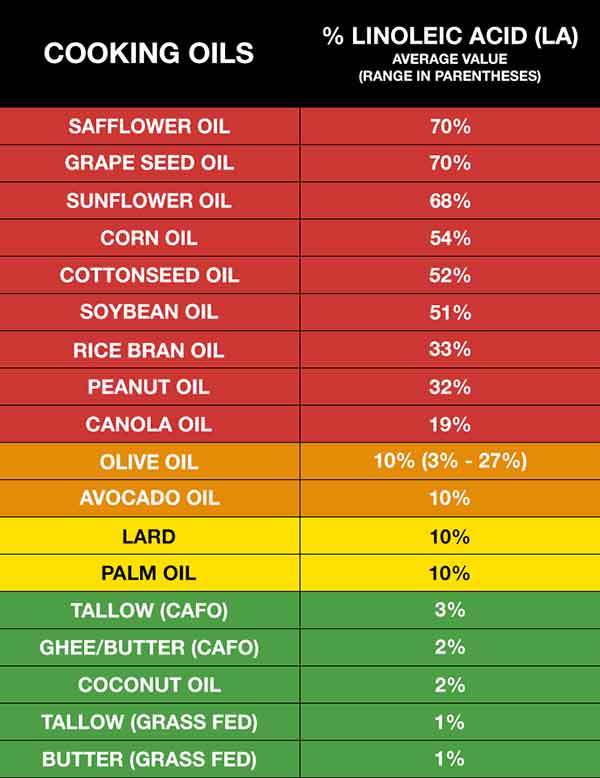
Healthy fat replacements include tallow, butter or ghee, all of which are excellent for cooking. The table below provides a fairly comprehensive list of the most commonly consumed oils and their approximate LA content.
In general, the lowest LA-containing fats — butter and beef tallow — would be the fats of choice. These excellent cooking fats would not only be the lowest in LA, but will also provide the fat-soluble vitamins, A, D, and K2. Coconut oil is also very low in LA but doesn’t provide the important fat-soluble vitamins that tallow and butter contain.
Vitamin E Prevents Oxidation of LA
If you’ve been eating a high-PUFA diet for a long time, consider taking vitamin E regularly until you get your LA down to healthy levels. As noted earlier, CF patients need extra vitamin E anyway, and this is yet another reason to make sure you’re getting enough.
High LA levels increase a potentially dangerous process in your body called lipolysis — the liberation of fatty acids from your fat cells into your bloodstream where they are mobilized. This then increases the oxidation of LA, which is precisely what you want to avoid. Ideally, you want to keep LA in your fat cells until they metabolize it with peroxisomes. Vitamin E can help neutralize this damaging effect of LA.
Due to the high LA burden, few people can get enough vitamin E from their diet to suppress the oxidative destruction caused by LA unless they’re supplementing with vitamin E.
The good news is that since the supplementation is short term, you’re not going to need it the rest of your life. If you can keep your LA intake to below 5 grams a day for three years, it’s likely you may not even need it at all, or at most, only a few times a month.
The Story of Claire Wineland
Claire Wineland, an inspirational speaker and YouTube sensation, was diagnosed with CF at birth. At age 13, she founded the Claire’s Place Foundation17 to help families with children who have CF. She died September 2, 2018, from a massive stroke following an otherwise successful lung transplant.
In 2016, Wineland appeared in an episode of “My Last Days,” a limited CW docuseries hosted by Justin Baldoni, featuring people living with terminal illness. September 2, 2019, YouTube Originals released the documentary “CLAIRE,” directed by Nicholas Reed (above).
While filled with chronic illness, Wineland’s life was a testament to how to live life well, with purpose and gratitude. It’s a potent reminder of how we need to live life to the fullest, even though we might die tomorrow. “I’ve always loved the idea of bringing life into places where people think life doesn’t really exist,” Wineland said.
Wineland’s mother said she was convinced her daughter came into the world with a mission to share the message of “what it’s like to be blessed with life.” I couldn’t agree more.
- 1, 2, 4, 5, 15, 16 Journal of Pharmacy Practice 2012; 26(1): 14-17
- 3, 12, 13, 14 Pharmaceuticals February 2022; 15(2): 217
- 6 Cancer Prevention Research May 2012, DOI: 10.1158/1940-6207.CAPR-12-0045
- 7 Science Daily April 23, 2012
- 8 Sci Transl Med 29 January 2014: Vol. 6, Issue 221, p. 221ra15
- 9 Journal of Health, Population and Nutrition January 17, 2024; 43, Article number 11
- 10 Children 2022; 9(3): 329
- 11 Italian Journal of Pediatrics 2019; 45, Article number 41
- 17 Claire’s Place Foundation, Inc
Canola Oil Proven to Destroy Your Body and Mind
Reproduced from original article:
https://articles.mercola.com/sites/articles/archive/2024/03/18/canola-oil-health-effects.aspx
The original Mercola article may not remain on the original site, but I will endeavor to keep it on this site as long as I deem it to be appropriate.
Analysis by Dr. Joseph Mercola March 18, 2024

STORY AT-A-GLANCE
- According to AARP, 93% of Americans are concerned with their brain health, but few understand how to protect it
- Research demonstrates canola oil led to significant declines in working memory and has a significant impact on weight management
- Canola oil is not healthy fat vital to your brain; it is manufactured from genetically engineered rapeseed plants altered to reduce levels of erucic acid toxic to humans and processed through several chemical baths before being bleached
- Healthier options include pastured, organic butter, virgin coconut oil, ghee (clarified butter) and lard for cooking and olive oil for non-cooking purposes
According to a study by AARP,1 93% of Americans are concerned with their brain health, but very few understood some of the natural strategies they could use to improve it. Contrary to popular belief, your brain function and cognitive performance do not have to decline with age. There are steps you can take that influence your memory, processing, executive functions and more.
Even if you are already in your “golden years,” simple changes may prompt brain health for the better. For instance, where once it was believed that neurons were only generated early in life, scientists now know that neurogenesis (generation of new neurons) continues into adulthood.2 Exactly what influences the rate of new neuron growth is still being explored, as are other factors that play a role in brain health.
Research, for instance, has uncovered damage canola oil consumption triggers in your brain and the effect this may have on your memory and learning ability.3 The study, published in the journal Nature, also found the consumption of canola oil increased weight gain.
Canola Oil Negatively Affects Brain Health and Weight Management
The study was led by researcher Dr. Domenico Praticò from Lewis Katz School of Medicine at Temple University in Philadelphia, Pennsylvania. Praticò commented to the Los Angeles Times that canola oil is perceived by many to be healthy — a widespread misconception:4
“Canola oil is appealing because it is less expensive than other vegetable oils, and it is advertised as being healthy. Very few studies, however, have examined that claim, especially in terms of the brain.”
Researchers used an animal model to evaluate the effect canola oil has on the brains of mice genetically engineered to develop Alzheimer’s disease.5 Canola oil developed a reputation of being healthy when doctors began warning people to reduce their saturated fat intake and consume vegetable oils instead. Canola has the lowest percentage of saturated fat of all commonly used vegetable oils and is relatively inexpensive, but is actually one of the worst oils for your health.
Canola oil is often used in homes and restaurants for baking, sautéing, frying and other forms of cooking, with consumers being deceived into believing it’s better for them than saturated fats. The mice were split into two groups; one group was fed the usual chow and the second group was fed chow with the human equivalent of 2 teaspoons of canola oil per day.
At the end of the experimental six months, researchers observed that the mice eating chow laced with canola oil were significantly heavier than the mice that did not eat canola oil. Additionally, the mice who had eaten canola oil demonstrated significant declines in working memory together with a decreased level of post-synaptic density protein-94, a marker of synaptic integrity. The researchers found canola oil had a negative effect on health and concluded:6
“Taken together, our findings do not support a beneficial effect of chronic canola oil consumption on two important aspects of AD [Alzheimer’s disease] pathophysiology which includes memory impairments as well as synaptic integrity.”
Your Brain Needs Healthy Fats
The same researchers used a similar model to evaluate the effects of olive oil on the brain function of mice.7 In that study,8,9 neither group was heavier than the other, and the mice fed chow enriched with extra-virgin olive oil performed significantly better on testing that evaluated the animals’ working memory, spatial memory and ability to learn.
The brain tissue of these mice, genetically engineered to develop Alzheimer’s disease as they age like the mice in the featured study, also revealed dramatic differences. The mice fed olive oil demonstrated preserved synaptic integrity and an increase in nerve cell autophagy, ultimately responsible for a reduction in amyloid plaques common in the brain of those with Alzheimer’s disease.10
Healthy fat is an essential component of the structure of your brain, which is composed of nearly 60% fat.11 It should come as no surprise that your brain needs quality fat to function optimally. Although your brain is a small part of your complete bodyweight, it uses 20% of your metabolic energy. Essential fatty acids are required but cannot be synthesized in your body, and so must come from dietary sources.
Most people get well over what is needed of omega-6 fats, which are found in most vegetable oils, and not nearly enough omega-3 fats. One omega-3 fat, DHA, has been linked with the growth of your retina and visual cortex during development,12 visual acuity and reduction in depression. Research has found those suffering from attention deficit hyperactivity disorder (ADHD) have lower levels of DHA, and DHA may play a role in neuroprotection.
Unlike the highly damaged fats in vegetable oil, saturated fat is the optimal “clean” fuel for your brain and is one of the main components of brain cells. As such, it’s excellent for brain health, with one study demonstrating that those who ate more saturated fat reduced their risk of developing dementia while those who favored carbohydrates had a significantly increased risk.13
To maintain optimal brain function, you need high-quality, undamaged omega-3s and omega-6 along with antioxidants to protect them from oxidation — not processed vegetable oils like canola oil. In summary, processed vegetable oils are bad for your brain health for a number of reasons, including the following:
- They are loaded with damaged omega-6 fatty acids without protective antioxidants
- They strip your liver of glutathione, which produces antioxidant enzymes, which further lowers your antioxidant defenses
- Most vegetable oils are made with genetically engineered (GE) crops designed to resist herbicides like glyphosate. As such, they may be more contaminated with glyphosate than non-GE crops, and glyphosate has been shown to disrupt the tight junctions in your gut and increase penetration of foreign invaders, especially heated proteins, which can cause allergies
Save This Article for Later – Get the PDF Now
Vilification of Healthy Fats Has Contributed to Rising Rates of Disease
Defaming healthy fats over the past decades has contributed to a rising rate of disease. Although healthy fats are used as fuel and leave you feeling full, many turned to eating carbohydrates when fats were discouraged. Carbs are metabolized and burned quickly, using insulin to usher blood glucose into the cell.
However, carbs trigger insulin resistance over time and increase the potential for crashing blood sugar levels two to three hours after a meal, leaving you hungry once again and increasing your food intake. This one mechanism increases your risk for obesity, which in turn increases your potential risk for insulin resistance, Type 2 diabetes, cardiovascular disease and stroke.
In a time when healthy saturated fats and dietary cholesterol were publicly slandered, Canada developed an alternative oil that met with the approval of the American Heart Association (AHA) — canola oil.14 Now sitting in the first position of recommended oils for healthy cooking on the AHA website, author Praticò had this to say about the results of his canola oil study:15
“Amyloid-beta 1-40 neutralizes the actions of amyloid 1-42, which means that a decrease in 1-40, like the one observed in our study, leaves 1-42 unchecked. In our model, this change in ratio resulted in considerable neuronal damage, decreased neural contacts, and memory impairment.”
In other words, consuming canola oil may increase your risk of developing Alzheimer’s disease, as the oil decreases the production of a protein that protects your brain against neuronal damage and cognitive impairment.
Toxicity of Canola Oil May Result From the Seed, Source or Processing
This short video shows you the conditions under which canola oil is manufactured and produced, including the deplorable number of chemicals and bleaches added to the product to achieve the clear liquid you see on your grocery store shelves. Just the way the oil is processed should be enough to encourage you to steer clear of consuming the product. But the risk associated with canola oil doesn’t stop with processing.
The canola plant was developed from rapeseed plants by Agriculture and Agri-Food Canada and the University of Manitoba using plant breeding techniques. In fact, the Canola Council of Canada calls the development, “Canada’s greatest agricultural success story.”16 Rapeseed oil was originally used as a motor lubricant during World War II.17 Once the war ended, demand plummeted and Canada began an intensive program to make the product edible.
Before it could be ingested the erucic acid and glucosinolates had to be bred out of the plant, as they are dangerous to human health.18 By the late 1970s, both chemicals were reduced to lower levels, and the plant was officially accepted as consumable. In the 1980s, research focused on shelf stability of the oil, animal diets and gaining a wider consumer acceptance.
By 2012, nearly all low-erucic acid rapeseed plants were genetically engineered to increase yield. Today, what began as a motor lubricant is now one of Canada’s most profitable crops.
The featured study evaluated the effect of canola oil on brain function without identifying which characteristic of the product triggers the problems. However, as most canola oil is produced from GE seeds, using plants originally unfit for human consumption and taken through a process that injects multiple chemicals and bleaches, it isn’t surprising the study was so conclusive.
Genetic Engineering Raises Health Risk With Each GE Food Consumed
This documentary details what happens when we use GE foods. Scientists are only beginning to uncover the long-term effects of splicing the genes of one living creature into another or developing a plant immune to the effects of herbicides.
However, some companies are not convinced by independently funded research and have relied on information from organizations such as the American Medical Association (AMA) and World Health Organization (WHO), which claim there is no credible evidence that GE foods are unsafe. However, even WHO admits:19
“Different GM [genetically modified] organisms include different genes inserted in different ways. This means that individual GM foods and their safety should be assessed on a case-by-case basis and that it is not possible to make general statements on the safety of all GM foods.”
In 2015, the European Commission decided it was in the best interest of their citizens to say “no” to genetically modified organisms (GMOs) within their borders, and all 28 countries required labeling of foods containing GMO products.20 This is in stark contrast to the U.S., where most canola grown is GE21 and products created from it not labeled as such.
Healthy Cooking Options
Cooking with nearly all vegetable oils is problematic as they don’t tolerate high heat. Healthier options for cooking include pastured, organic butter, virgin coconut oil, ghee (clarified butter) and lard. Olive oil and sesame oil add wonderful flavor and healthy fats to your foods, but they have very low smoke points and should be used unheated in salad dressings or drizzled over meats or vegetables for flavor.
Boosting Brain Health Naturally
It is never too late to support your neurological health. Remember, even small changes you make each day reap big rewards over time. Seek to change your habits consistently and persistently to support your memory, cognitive function and ultimately your enjoyment of everyday life. Here are several strategies you may use to improve your brain health:
| Vitamin D — There are strong links between low levels of vitamin D in Alzheimer’s patients and poor outcome on cognitive testing. Optimal vitamin D levels may protect brain cells by increasing the effectiveness of the glial cells in restoring damaged neurons. Additionally, vitamin D has anti-inflammatory properties. |
| Carotenoids — These antioxidant compounds are found most often in orange colored vegetables, such as sweet potatoes and carrots. Some carotenoids, such as lutein and zeaxanthin, are found in dark green vegetables, namely kale and spinach (as well as egg yolks). Lutein and zeaxanthin are best known for the role they play in vision health, but accumulating evidence suggests they play a role in cognitive health as well by enhancing neural efficiency.22 |
| Probiotics — You are likely familiar with the importance of probiotics for your gut health but may not know of the role they play in your cognitive health. Certain beneficial bacterial strains, such as those found in fermented foods, have a positive effect on your brain function.
In a study by the University of California Los Angeles, scientists found women who regularly consumed beneficial bacteria via yogurt experienced changes in multiple areas of their brain, including those related to sensory processing, cognition and emotion.23 |
| Exercise — Physical activity produces biochemical changes that strengthen and renew not only your body but also your brain — particularly areas associated with memory and learning. |
| Diet — Reducing overall calorie and carbohydrate consumption, while increasing healthy fats, has a powerful effect on your brain health. Beneficial health-promoting sources of healthy fats that your body — and your brain in particular — needs for optimal function include organic grass fed raw butter, olives, organic virgin olive oil and coconut oil, nuts like pecans and macadamia, free-range eggs, wild Alaskan salmon and avocado, for example.
Increasing your omega-3 fat intake and reducing consumption of damaged omega-6 fats (i.e., processed vegetable oils) in order to balance your omega-3-to-omega-6 ratio also has a significant benefit for your brain. |
| Sleep — Sleep not only is essential for regenerating your physical body, but imperative for reaching new mental insights and being able to see new creative solutions to old problems. Sleep removes the blinders and helps “reset” your brain to look at problems from a different perspective.
Research from Harvard indicates that people are 33% more likely to infer connections among distantly related ideas after sleeping,24 but few realize that their performance has actually improved. Sleep is also known to enhance your memories and help you “practice” and improve your performance of challenging skills. In fact, a single night of sleeping only four to six hours can impact your ability to think clearly the next day. |
- 1 AARP, January 20, 2015
- 2 Brain Aging: Models, Methods and Mechanisms
- 3, 6 Nature, 2017;7(17134)
- 4, 5 Los Angeles Times, December 11, 2017
- 7 Science Daily, June 21, 2017
- 8 Ann Clin Transl Neurol. 2017 Jun 21;4(8):564-574
- 9, 10 EurekAlert! June 21, 2017
- 11, 12 ACTA Neurology Taiwan, 2009; 18:231
- 13 Journal of Alzheimer’s Disease, 2012;32(2): 329
- 14 American Heart Association, Healthy Cooking Oils
- 15 Forbes, December 11, 2017
- 16 Canola Council of Canada
- 17 Small Footprint Family, The Inconvenient Truth About Canola Oil
- 18 Canola History, Good as Gold
- 19 World Health Organization, Food, genetically modified
- 20 Library of Congress, Restrictions on genetically modified organisms
- 21 Agricultural Marketing Resource Center, Canola Profile February 2022
- 22 Journal of International Neuropsychological Society, 2016; 23(1):11
- 23 Gastroenterology. 2013 Jun;144(7):1394-1401.e4
- 24 New York Times September 27, 2008
Lower Your Blood Pressure With This Simple Exercise
Reproduced from original article:
https://articles.mercola.com/sites/articles/archive/2024/02/15/isometric-exercise.aspx
The original Mercola article may not remain on the original site, but I will endeavor to keep it on this site as long as I deem it to be appropriate.
Analysis by Dr. Joseph Mercola February 15, 2024

STORY AT-A-GLANCE
- Simple isometric exercises, including wall sits, offer a natural strategy to lower blood pressure
- Out of multiple forms of physical activity, isometric exercise came out on top as “the most effective mode in reducing both systolic and diastolic blood pressure”
- Broken down to individual exercises, wall squats (isometric) were the most effective for reducing systolic blood pressure while running (aerobic) was most effective for reducing diastolic blood pressure
- About eight minutes of isometric training three times a week may be enough to significantly lower blood pressure
- Wall squats, planks, glute bridge and the overhead hold are examples of simple isometric exercises you can do virtually anywhere
For the 48.1% of U.S. adults with high blood pressure,1 learning how to do simple isometric exercises, including wall sits, may offer a natural strategy for relief. In fact, a systematic review and meta-analysis of 270 randomized controlled trials looked at the effects of multiple types of exercise, including aerobics, high-intensity interval training (HIIT), resistance training and combined training, on blood pressure.
While all were beneficial, isometric exercise came out on top as “the most effective mode in reducing both systolic and diastolic blood pressure.”2 It turns out that static contraction of muscle as you hold your body in one position, i.e., isometric exercise, may offer blood pressure benefits that some other types of more dynamic movement don’t.
Isometric Exercises Improve Resting Blood Pressure
When it comes to exercise recommendations to lower blood pressure, cardio aerobic-type exercises typically come to mind. But, according to researchers from Canterbury Christ Church University, this is outdated advice based on older study data that excludes HIIT and isometric exercise.3
The meta-analysis, which included clinical trials that analyzed the effects of exercise for two weeks or more on resting blood pressure, found all types of exercise led to significant reductions in resting systolic and diastolic blood pressure. However, the greatest reductions occurred after isometric training.4
The top number of your blood pressure measurement, the systolic, is a measurement of the maximum pressure inside your arteries as your heart contracts. The bottom number, the diastolic, is a measurement of the pressure in your blood vessels when your heart is not contracting. Both numbers are important in determining how much damage may occur over time to your blood vessels and other organ systems.
Effectiveness based on the “surface under the cumulative ranking curve” (SUCRA) values for systolic — which refers to the mean probability of being the best for lowering your systolic blood pressure — placed isometric exercise in the No. 1 slot with an effectiveness rating of 98.3%, followed by combined training (75.7%), dynamic resistance training (46.1%), aerobic exercise training (40.5%) and high-intensity interval training (39.4%).5
In rank order, the analysis found significant reductions in resting systolic blood pressure and diastolic blood pressure:
- Isometric exercise (–8.24/–4.00 mmHg)
- Combined training (–6.04/–2.54 mmHg)
- Dynamic resistance training (–4.55/–3.04 mmHg)
- Aerobic exercise (−4.49/–2.53 mmHg)
- High-intensity interval training (–4.08/–2.50 mmHg)
Broken down to individual exercises, wall squats (isometric) were the most effective for reducing systolic blood pressure while running (aerobic) was most effective for reducing diastolic blood pressure. Overall, however, isometric exercise worked best for lowering both systolic and diastolic blood pressure. Study author Jamie O’Driscoll told The Washington Post:6
“Our main message is that actually engaging in exercise is fantastic and any exercise might reduce your blood pressure. But if you’re an individual who is currently exercising to the guidelines and you’re still having a bit of difficulty reducing that blood pressure and you want to avoid going on medication, perhaps isometrics is an additional mode to complement the exercise you’re already doing.”
What Are Isometric Exercises?
Isometric exercises are low-impact movements that involve holding a position so the same muscle length is maintained, tiring out your muscles to fatigue.7 “Any kind of an exercise that is holding tension in any position which doesn’t involve dynamic movement is generally isometric exercise,” study author Jamie Edwards told The Washington Post.8 In other words, static contraction defines isometric exercise, examples of which include:9
| Wall squat | Isometric calf raise | Planking |
| Hollow-body hold | Low isometric squat | Static slide lunge |
| Overhead hold | Iso hang | Glute bridge |
| Incline pushup hold | V-sit | Single-leg stand |
In addition to blood pressure benefits, isometric strength exercises may help strengthen joints better than dynamic strength training,10 and it’s useful for reducing pain while increasing range of motion and functional ability in people with knee osteoarthritis.11 Isometric training is also beneficial for relieving neck pain, improving joint mobility and improving neck dysfunction.12
Past research similarly revealed that isometric resistance training reduces systolic blood pressure by nearly 7 mmHg and diastolic blood pressure by close to 4 mmHg. Performing isometric handgrip exercise also significantly reduces systolic blood pressure and mean arterial pressure, offering another accessible tool for blood pressure health.
As the scientists explained in the journal Medicine, “Low- to moderate-intensity isometric handgrip exercise can be performed anywhere, requires relatively inexpensive equipment, and does not elicit the same level of cardiovascular stress as aerobic exercise.”13 As for how isometric exercise lowers blood pressure so effectively, The Washington Post reported:14
“Isometric exercises effectively lower blood pressure because contracting a muscle and holding the position temporarily reduces blood flow to that muscle, O’Driscoll said. When you release that contraction, blood flow through the muscle tissue increases. This produces important signals that prompt blood vessels to relax more and creates less resistance to blood flow, which ultimately reduces blood pressure, O’Driscoll said.”
Download this Article Before it Disappears
Eight Minutes of Isometric Exercise, Three Times a Week
How much isometric exercise is necessary to lower blood pressure? Isometric exercise training programs often use protocols involving four, two-minute contractions separated by one to four-minute rest intervals. The sessions are done three times a week.15 In other words, about eight minutes of isometric training three times a week may significantly lower blood pressure.
A wall sit is one straightforward option that can be easily done in two-minute increments, followed by two minutes of rest and repeated four times. The entire workout is then repeated three times each week. “On average, a regular isometric routine of wall sits lowered systolic blood pressure (the top number) by 10 mmHg and diastolic pressure by 5 mmHg, according to the research,” The Washington Post reported.16
Meditation Exercises Also Lower Blood Pressure
On the topic of low-impact forms of exercise that are useful for maintaining healthy blood pressure, meditation exercises, particularly qigong, are useful for lowering diastolic blood pressure in people with elevated levels,17 while research shows meditation may also help lower blood pressure with just three months of practice, while at the same time decreasing psychological distress and increasing coping ability among young adults.18
Another group of researchers conducted a meta-analysis involving 13 studies on meditation and yoga for blood pressure health. Blood pressure decreased in response to both meditation and yoga, and meditation appeared to be particularly useful in decreasing the blood pressure of subjects older than 60 years.19
The calming effect of meditation has also been shown in numerous studies to benefit blood pressure. In a 2019 study published in the Journal of Human Hypertension, mindfulness meditation was evaluated for its effects on not only blood pressure but also anxiety, stress and depression.
For an eight-week period, participants engaged in mindfulness training for two hours a week, or participated in a control group involving health education talks. The meditation group had lower blood pressure monitoring values after the intervention, and were also less judgmental, more accepting and less depressed than the control group.20
Practicing “mindfulness” means you’re actively paying attention to the moment you’re in right now. Rather than letting your mind wander, when you’re mindful, you’re living in the moment and letting distracting thoughts pass through your mind without getting caught up in their emotional implications.
What Else Works to Lower Blood Pressure?
If your blood pressure is running high, you need to restore your insulin and leptin sensitivity, and the following strategies are among the most effective for doing so:
- Replace processed foods with whole, unprocessed organic foods.
- Avoiding seed oils — It would be helpful to also eliminate seeds and nuts unless you have been on a low-LA (linoleic acid) diet for at least three years.
- Optimize your vitamin D level.
- Only use healthy fats — Sources of healthy fats to add to your diet include grass fed butter, raw organic dairy, organic pastured egg yolks, coconuts, coconut oil and macadamia nuts and grass fed meats. The best carbs to add would be ripe fruit that you tolerate well. But the key is to make sure your fat intake is below 30%, which you can determine with Cronometer. If you fail to do this, the carbs can convert to fat and change your cholesterol profile unfavorably.
- Exercise regularly.
Optimizing your sodium to potassium ratio is also important. It’s generally recommended that you consume five times more potassium than sodium, but most Americans get the opposite ratio, eating two times more sodium than potassium. If you eat a lot of processed foods, which contain processed table salt, your sodium to potassium ratio is likely out of balance.
While conventional health care practitioners may suggest you remedy this by limiting salt intake, especially when it comes to lowering the risk of high blood pressure, focusing on increasing potassium is key. Research shows an association between higher potassium intake and lower blood pressure, regardless of sodium intake.21
To improve your ratio, eliminate processed foods, which are very high in processed salt and low in potassium and other essential nutrients. When using added salt, use a natural salt such as Himalayan salt. Further, eat a diet of whole, unprocessed foods, ideally organically and locally-grown to ensure optimal nutrient content.
This type of diet will naturally provide much larger amounts of potassium in relation to sodium. In my view the absolute best way to increase your potassium is by eating ripe fruit. Taking potassium supplements is not a good strategy and will simply not provide you with the benefits you are seeking. Other examples of potassium-rich foods include:22
| Spinach | Broccoli | Beet greens |
| Avocado | Bananas | Cantaloupe |
| Oranges | Coconut water | Tomatoes |
| Yogurt | Winter squash | Wild-caught salmon |
Latest Obesity Drugs to Do Wonders for Blood Pressure — How Perfect
Eli Lilly’s obesity drug tirzepatide — brand name Zepbound — is being positioned as the latest breakthrough to lower blood pressure. The U.S. Food and Drug Administration approved tirzepatide to manage Type 2 diabetes in 2021, under the brand name Mounjaro, a direct competitor to semaglutide (Ozempic). It was then approved to treat obesity in 2023,23 competing with the popular weight loss drug Wegovy.24
Now, however, tirzepatide is being said to “do wonders” for blood pressure,25 after research published in the journal Hypertension26 found it led to an average 7.4 mmHg drop in systolic blood pressure among those taking the lowest dose. Those taking the highest dose had an average drop of 8 mmHg.27 In a statement from the American Heart Association, study author Dr. James A. de Lemos said:28
“Although tirzepatide has been studied as a weight loss medication, the blood pressure reduction in our patients in this study was impressive. While it is not known if the impact on blood pressure was due to the medication or the participants’ weight loss, the lower blood pressure measures seen with tirzepatide rivaled what is seen for many hypertension medications.”
The news came just days before an announcement by former director of the U.S. Centers for Disease Control and Prevention Tom Frieden called for high blood pressure to be the “focus of the next breakthrough”:29
“In 2023, the weight-loss drug Wegovy and similar medications were a scientific and cultural — and profit-making — breakthrough … But what if we had medications that cost 5,000 times less and are better at preventing heart attacks and strokes? And what if only 1 in 5 people who need these medications get them? That’s the situation with drugs to treat high blood pressure — and it needs to change.”
It seems to be the perfect setup to roll out the next “blockbuster” blood pressure medication, but tirzepatide can cause side effects ranging from nausea and diarrhea to hair loss and gastroesophageal reflux disease.30
It also causes thyroid C-cell tumors in rats and, according to the FDA, “contains warnings for inflammation of the pancreas (pancreatitis), gallbladder problems, hypoglycemia (blood sugar that is too low), acute kidney injury, diabetic retinopathy (damage to the eye’s retina) in patients with Type 2 diabetes mellitus and suicidal behavior or thinking.”31
Given these significant risks, it’s important to remember that blood pressure can often be effectively lowered via lifestyle changes, including simple isometric exercises.
How to Perform 6 Popular Isometric Exercises
Getting back to isometric exercises, they provide a simple way to support healthy blood pressure while offering additional health gains. Best of all, you can do them virtually anywhere. If you’d like to give it a try, here are six examples of isometric exercises and how to perform them.
1. Wall squat and low squat — For the wall squat, stand with your back flat against a wall, then walk your feet about 1.5 feet (0.5 meter) out from the wall. With your feet shoulder-width apart, back flat against the wall and your abs tight, squat until your knees are bent at a 90-degree angle, or as low as you can comfortably go. Remain squatting for as long as you can, then stand back up by pushing up from your heels.
The low squat is similar, but here you’re not using a wall. Start by standing with your feet slightly more than hip-width apart. Keep your hands on your hips, or straight out in front of you. Push your hips back into a sitting position while bending your knees. Keep your spine long (don’t round forward). Hold for 10 to 30 seconds, then return to the starting position.
2. High plank and side plank — For the high plank, start in a kneeling pushup with your hands shoulder-distance apart. Straighten your knees, pushing down into the balls of your feet to raise your body into a high plank position, which looks exactly like the upward position of a pushup.
With your hands aligned with your shoulders and legs straight, engage your core and hold for 20 to 60 seconds, or as long as you can maintain proper form.
For the side plank, start out lying on your left side with legs straight (your hips, knees and feet stacked). Bend your left elbow and place your forearm on the ground under your shoulder. Push your left forearm into the ground to lift your torso and hips off the ground.
Engage your core to maintain your body in a straight line from head to heel. You can keep your right arm by your side or stretched up in the air. Hold for at least 10 seconds. Lower your torso down and switch sides.
3. Overhead hold — Using a suitable weight (based on your level of fitness) with both hands, engage your core and extend your arms above your head. Keep your arms fully extended and in line with your shoulders. Hold the weight steady over your head for 20 to 30 seconds.
4. Glute bridge — Lie on your back. Bend your knees so that your heels are about 12 to 16 inches from your behind. Keep your arms by your sides. Press into your heels, brace your core, and push your pelvis upwards by squeezing your glutes. Maintain the bridge position for 30 seconds without letting your hips sink.
5. Hollow-body hold — Lie on your back with your legs extended toward the ceiling, perpendicular to the floor. Squeeze your core to press your low back into the floor, then raise your head and shoulders a few inches off the floor while simultaneously lowering your legs as close to the floor as possible. Hold until you can’t hold any longer, then lower your head and shoulders to the floor.
6. Incline pushup hold — Place your hands on a sturdy surface, such as a bench or low table. Position your hands slightly wider than your shoulders. Walk backward until you’re in a pushup position, with your body weight supported on your hands and the balls of your feet. Engage your core and make sure your shoulders are not pushing up toward your ears.
Bend your elbows as in the downward motion of a pushup until your chest nearly touches the bench or table. Your arms should flare outward, forming 45-degree angles with your torso. Pause here and hold as long as you can, then step forward to stand up.
- 1 U.S. CDC, Facts About Hypertension
- 2, 5 British Journal of Sports Medicine 2023;57:1317-1326
- 3, 4 Canterbury Christ Church University July 26, 2023
- 6, 8, 14, 16 The Washington Post January 30, 2024 (Archived)
- 7 Cleveland Clinic September 14, 2023
- 9 Vertimax 20 Isometric Exercises
- 10 Int J Sports Med. 2019 May;40(6):363-375. doi: 10.1055/a-0863-4539. Epub 2019 Apr 3
- 11 Cureus. 2021 Oct; 13(10): e18972
- 12 Medicine (Baltimore). 2022 Sep 30; 101(39): e30864
- 13 Medicine (Baltimore). 2016 Dec; 95(52): e5791
- 15 British Journal of Sports Medicine 2023;57:1317-1326., Screening and study eligibility
- 17 Evid Based Complement Alternat Med. 2017; 2017: 9784271
- 18 American Journal of Hypertension, December 2009
- 19 J Altern Complement Med. 2017 Sep;23(9):685-695. doi: 10.1089/acm.2016.0234. Epub 2017 Apr 6
- 20 J Hum Hypertens. 2019 Mar;33(3):237-247. doi: 10.1038/s41371-018-0130-6. Epub 2018 Nov 13
- 21 American Journal of Physiology — Endocrinology and Metabolism April 4, 2017
- 22 Harvard T.H. Chan School of Public Health, Potassium
- 23, 29 The Washington Post February 7, 2024 (Archived)
- 24 The New York Times November 8, 2023
- 25, 27 Gizmodo February 5, 2024
- 26 Hypertension February 5, 2024
- 28 American Heart Association February 5, 2024
- 30, 31 U.S. FDA November 8, 2023
What’s the Best Predictor of Heart Disease?
Reproduced from original article:
https://articles.mercola.com/sites/articles/archive/2024/01/18/predictors-atherosclerosis.aspx
The original Mercola article may not remain on the original site, but I will endeavor to keep it on this site as long as I deem it to be appropriate.
Analysis by Dr. Joseph Mercola January 18, 2024
STORY AT-A-GLANCE
- High total cholesterol and/or elevated low-density lipoprotein (LDL) cholesterol do not cause atherosclerosis
- Low levels of high-density lipoprotein (HDL) cholesterol are associated with both atherosclerosis and insulin resistance, and insulin resistance appears to be the foundational cause of heart disease. As such, the fasting insulin test is one of the best predictors of atherosclerosis
- Insulin resistance is primarily driven by excessive consumption of the omega-6 fat linoleic acid (LA). High LA intake is also associated with elevated levels of oxidized LDL — found in atherosclerosis plaque — further confirming this link
- One theory is that oxidized LDL protects your body from oxidative damage by sacrificing itself. If true, it may be beneficial to have higher, rather than lower, LDL levels
- The apoB test can also be helpful in assessing your atherosclerosis risk. As mentioned above, apoB is the primary carrier for LDL, and research over the past decade shows it’s an accurate predictor of cardiovascular risk when apoB is high and LDL is normal
Is high total cholesterol and/or elevated low-density lipoprotein (LDL) cholesterol indicative of elevated heart disease risk? According to Dr. Paul Saladino, the answer is no. With regard to total cholesterol, as far back as 1977, with the publication of the Framingham Study,1 no correlation between heart disease and total cholesterol could be found.
Low levels of high-density lipoprotein (HDL) cholesterol was associated with coronary heart disease, but not high LDLs or total cholesterol. However, as noted by Saladino, low HDL is also associated with insulin resistance, and he believes this is part of the confusion.
Saladino suspects that what has been blamed on LDL (atherosclerosis) is due to insulin resistance, i.e., metabolic dysfunction. Insulin resistance/metabolic dysfunction, in turn, is primarily driven by excessive consumption of the omega-6 fat linoleic acid (LA).
High LA intake also raises your levels of oxidized LDL, which are what you find in atherosclerosis plaque. In the video above, Saladino and Dr. Nadir Ali specifically discuss the role of oxidized LDL, and why it is not a direct cause of atherosclerosis, as commonly thought.
Summary of Available LDL Tests
But before I summarize Saladino’s and Ali’s discussion, let’s take a look at the available LDL-related tests, as there’s more to LDLs than the total amount.
- A regular LDL cholesterol blood test (LDL-C), which measures the total amount of LDL cholesterol in your blood
- A nuclear magnetic resonance lipoprofile (NMR lipoprofile) test, which measures the size of the LDL particles (LDL-P), which is thought to be more predictive of your cardiovascular risk, even if you have low total cholesterol2
- Oxidized LDL (oxLDL) test, which measures the level of LDLs that have been damaged by oxidation
- The apolipoprotein B (apoB) test, which measures the number of apoB particles in your blood. ApoB is a protein involved in the metabolism of lipids and the primary carrier for LDL. This test is a good predictor of cardiovascular risk, and does so far more accurately than the standard cholesterol panel
- Advanced lipid testing, which measures the amounts of large-buoyant LDLs (lbLDL) and small-dense LDLs (sdLDL), with the sdLDLs being associated with insulin resistance and heart disease3
High LDL Does Not Cause Atherosclerosis
When it comes to LDL cholesterol, the most important factor is the level of oxidized LDL, as oxLDLs are primarily what you find in atherosclerosis plaque.4 Unfortunately, most doctors will simply prescribe a statin drug or PCSK9 inhibitor if LDLs are high, to reduce the total LDL.
As noted by Ali in the short video above, this is a serious mistake. The primary question that needs to be asked is why is LDL oxidized in the first place, and how can you prevent that oxidation from taking place?
“Is the oxidized LDL a bad player?” Ali asks, “[or] is it there to protect us from oxidative injury? Rather than letting the important cells get oxidized, is the LDL sacrificing itself in protecting the body? Then, your whole paradigm changes …
LDL is not a bad player — it’s trying to protect us. What I need to figure out is how do I prevent this oxidative injury in the first place, and an argument that should surface is that, maybe I should have more LDL around so that oxidative injury can be … prevented, rather than having less LDL? These are the kinds of fundamental questions that science should be asking.”
Download this Article Before it Disappears
Oxidized LDL May Be a Protective Mechanism
Saladino agrees, saying that LDL “is probably a repository for oxidized phospholipids,” much like lipoprotein(a) (Lp(a)). He cites research showing that the more polyunsaturated fats (PUFAs) you consume — such as LA — the higher your Lp(a) and oxidized LDL.
So, your LDL may in fact have a protective rather than injurious role. It may protect you from the harmful effects of LA and other PUFAs. What this means, then, is that high oxidized LDL may be a marker of high PUFA consumption, and it’s the PUFAs, LA in particular, that are driving the atherosclerotic disease process.
The primary way to prevent atherosclerosis, then, is to radically reduce your LA intake by eliminating seed oils from your cooking, and avoiding processed foods (which are loaded with seed oils) and restaurant foods (as most are cooked in seed oils).
When it comes to measuring your oxLDL, the Boston Heart test called oxidized phospholipids on APO-B (OxPL/apoB) appears to be a better choice than the traditional oxLDL. The oxLDL tends to be inaccurate because it’s just a proxy for APO-B and the LDL number, while the OxPL/apoB test gives you a truer measure of your oxidized LDLs.
The ApoB Test
Aside from oxLDL, the apoB test can also be helpful in assessing your atherosclerosis risk. As mentioned above, apoB is the primary carrier for LDL, and research over the past decade shows it’s an accurate predictor of cardiovascular risk when apoB is high and LDL is normal. As reported by The Washington Post:5
“The standard cholesterol panel calculates the total quantity or concentration of ‘bad’ cholesterol or LDL in the blood, in milligrams per deciliter (technically, LDL-C). Because cholesterol is a fatty substance and thus not water-soluble, it must be carried around in little particles known as lipoproteins.
Testing for apoB, a protein on the outside of LDL-carrying particles, counts the number of these lipoprotein particles in the blood. In addition to LDL, it also captures other types of cholesterol such as IDL (intermediate-density lipoproteins) and VLDL (very low-density lipoproteins), which carry triglycerides.
Why is this important? As our understanding of heart disease improves, scientists are recognizing that apoB particles are more likely to become lodged in the arterial wall and cause it to thicken and eventually form atherosclerotic plaques. Thus, the total number of apoB particles matters more than the overall quantity of cholesterol that they carry.
In a majority of people, apoB and LDL-C track fairly closely, says Allan Sniderman, a professor of cardiology at McGill University in Montreal. But some people have a ‘normal’ amount of LDL-C, but a high concentration of apoB particles — a condition called ‘discordance,’ which means they are at greater risk.”
sdLDL — Another Helpful Predictor of Atherosclerosis
Measuring your sdLDL-C can also be helpful, as explained by Dr. Eric Berg, a chiropractor, in the video above. The small-dense type of LDLs are indicative of inflammation inside your arteries, which is a hallmark of atherosclerosis. As noted by Berg, potential causes of this inflammation include:
- Seed oils
- Processed foods and junk foods
- Smoking
- Low vitamin E
- High glucose levels
Unfortunately, Berg lumps high-carb diets into these risk factors and recommends a ketogenic diet to avoid elevated sdLDL, but as I’ve explained in previous articles, high glucose levels are not necessarily a sign that you’re eating too many (healthy) carbs.
In summary, when you consume significantly more than 30% fat, a metabolic switch called the Randle Cycle switches from burning glucose in your mitochondria to burning fat instead. As a result, glucose backs up into your bloodstream, thereby raising your blood sugar.
Glucose is actually a cleaner and far more efficient fuel than dietary fats, provided it’s metabolized in your mitochondria and not through glycolysis. For a refresher, refer back to “Crucial Facts About Your Metabolism” and “Important Information About Low Carb, Cortisol and Glucose.”
Atherosclerosis Is a Consequence of Metabolic Dysfunction
In the video directly above, Saladino debates LDL cholesterol with Dr. Mohammed Alo, a cardiologist and personal trainer. While Alo argues for the conventional LDL-atherosclerosis connection, Saladino highlights evidence showing that it’s not LDL per se that is the cause, but rather insulin resistance in combination with high oxLDL, both of which are caused by high LA intake.
For this reason, Saladino believes one of the best assessments of your heart disease risk is a fasting insulin test, as your insulin sensitivity is such a foundational factor of your metabolic function. The OxPL/apoB test mentioned earlier would be a good complement.
If you have high fasting insulin, you are insulin resistant and hence have some degree of metabolic dysfunction (and, of course, mitochondrial dysfunction). Ideally, you want a fasting insulin level of 3 mcg/mL or less.
Most definitely, do not go by the “normal” ranges offered by labs in this case. Many will list levels as high as 24 mcg/mL as normal, when in fact that’s a clear sign of serious insulin resistance and metabolic dysfunction.
If you’re already eating a healthy diet, exercising, and all of your metabolic parameters look good, yet you have an insulin level of 7 or 8, the core culprit may be stress, because when cortisol goes up, insulin rises with it. Cortisol release is a rescue mechanism to ensure you don’t die from low blood sugar.
To assess whether stress is at play, keep an eye on your white blood cell count. Chronically depleted white blood cells are often a sign of chronic stress and high cortisol.
You can also get an AM cortisol test after fasting for 12 to 16 hours. You don’t want to fast longer than that because, after 16 hours of fasting, cortisol will naturally start to rise. An ideal AM cortisol range is between 15 and 17. If your fasting AM cortisol is below 15, it’s a sign you’ve become stuck in a long-term stress response.
High LA Intake Promotes Atherosclerosis
So, to summarize, Saladino argues that insulin resistance is the primary root cause for atherosclerosis — not elevated LDL or total cholesterol — and the primary driver of insulin resistance is excessive LA intake from seed oils. Lowering your LA intake is the foundational strategy to embrace.6
Low levels of high-density lipoprotein (HDL) is a proxy for insulin resistance, and if you have low HDL, then LDL tracks well with cardiovascular disease. But if you have normal HDL (65 to 85 mg/dL), then you typically have good insulin sensitivity and the correlation with LDL and atherosclerosis vanishes.
The Keto Trial Match Analysis7 presented in mid-December 2023 (video below) confirms this, as they found no relationship between elevated LDL levels and arthrosclerosis plaque.
Other Tests to Assess Your Metabolic Health
In addition to the tests already mentioned, other blood tests that can help you assess your metabolic health include the following. Additional information about these and other lab tests can be found in my interviews with Dr. Nasha Winters and Dr. Bryan Walsh.
• Fasting glucose — The ideal range is between 82 and 88 milligrams per deciliter (mg/dL), based on the available literature, while nonfasting glucose should ideally be between 82 and 130 mg/dL.
• Gamma-glutamyl transferase (GGT), a powerful predictor of mortality, also should not be above 20 U/L. GGT is a liver enzyme involved in glutathione metabolism and the transport of amino acids and peptides.
Not only will the GGT test tell you if you have liver damage, it can also be used as a screening marker for excess free iron and is a great indicator of your sudden cardiac death risk.
GGT is highly interactive with iron. Excessive iron will tend to raise GGT, and when both your serum ferritin and GGT are high, you are at significantly increased risk of chronic health problems, because then you have a combination of free iron, which is highly toxic, and iron storage to keep that toxicity going.
Cysteinylglycine is liberated from glutathione via GGT. That, in the presence of iron or copper, initiates the Fenton reaction. That’s when you get massive oxidative stress.
• The Intermountain health risk score is a mortality risk score created based on the basic blood chemistry markers of tens of thousands of patients in a hospital setting, including complete blood count (CBC), sodium, potassium bicarbonate, mean platelet volume and other basics. Based on these markers, you end up with a 30-day, a one-year and a five-year mortality risk.
A risk score calculator is freely available on the Intermountain website, where you can also find more information about this score.8 Simply enter your variables and it will calculate your score for you.
• Coronary artery calcium (CAC) scan — This test provides images of your coronary arteries. Existing calcium deposits, an early sign of coronary artery disease, will show up on these images, and can therefore reveal your risk of heart disease before other warning signs become apparent.9
For even more information about cholesterol, and why high cholesterol and/or high LDL are not risk factors for heart disease, check out the video below by Dr. Ken Berry.
- 1 American Journal of Medicine May 1977; 62(5): 707-714
- 2 Front. Nuci. Med July 13, 2022; 2
- 3 Health Matters LDL Size
- 4 Mediators of Inflammation 2013; 2013: 714653
- 5 Washington Post January 8, 2024
- 6 Chem Phys Lipids January 1998; 91(1): 1-11
- 7 Citizens Science Foundation December 13, 2023
- 8 Intermountain Risk Scores
- 9 Hopkins Medicine CAC Test
Vitamins A, B, C, D, E — What About Vitamin F?
Reproduced from original article:
https://articles.mercola.com/sites/articles/archive/2024/01/01/vitamin-f.aspx
The original Mercola article may not remain on the original site, but I will endeavor to keep it on this site as long as I deem it to be appropriate.
Analysis by Dr. Joseph Mercola January 01, 2024

STORY AT-A-GLANCE
- In the early 20th century, Casimir Funk, a Polish chemist, came up with the term “vitamine” — a compound that contains “amine,” which is Latin for nitrogen
- After Funk discovered vitamines, nutrition scientist Elmer McCollum revealed an “accessory” substance in certain fats that was needed for rats to grow; this substance was called vitamin A, for accessory
- McCollum and others named a nutrient vitamin B, for beriberi, while the different B vitamins were eventually numbered in the order they were discovered
- Vitamins were then named alphabetically until vitamin E; next came vitamin K, which is necessary for blood coagulation — or koagulation, as it was written in a German journal; rather than naming it vitamin F, the K abbreviation stuck
- Vitamin F did end up making a comeback, as it was used to name the essential fatty acids (EFAs) alpha-linolenic acid (ALA) and linoleic acid (LA)
Have you ever wondered what happened to vitamin F? We have vitamins A through E, and vitamin K, but vitamin F seems long forgotten. Getting to the bottom of the mystery requires digging into the history of vitamins, including how they came to be and the strategies used in naming them.
While it’s easy to take the knowledge of water- and fat-soluble vitamins for granted, it wasn’t until 1912 that the idea of vitamins came to be, setting the stage for more in-depth studies into these important nutritional compounds.
Nutrition Discoveries Came Before Vitamins
Humans have long had intrinsic knowledge that the foods they eat are tied to their health. In 1772, the discovery of nitrogen led to experiments on the element in food, followed by the discovery of an “animal substance” called protein in 1839. National Geographic reported:1
“For decades, historian Kenneth Carpenter writes, protein was considered the sole nutrient for human health despite emerging knowledge that fruits, vegetables, and milk eased conditions like scurvy and rickets. While these afflictions were common among those with limited diets, researchers still blamed other factors, like infections, tainted food, or even sea air.”
Around this time, it was recognized that beriberi, a disease now known to be caused by a vitamin B1 (thiamine) deficiency, may have a dietary link. Not only were poor people more likely to suffer from it than wealthier people, but those in prison who were fed white rice often developed the condition.
In the early 20th century, Casimir Funk, a Polish chemist, soon began to conduct experiments on pigeons, which revealed that those fed white rice grew ill. Their condition was reversed, however, when they ate rice bran and yeast. He suggested a “vitamine” — a compound that contains “amine,” which is Latin for nitrogen — was missing in the white rice diet, causing the pigeons to become sick. National Geographic continued:2
“The discovery of vitamins sent a shockwave through the scientific community, suggesting that diseases might be caused by nutritional deficiencies — and cured by adequate amounts of the newly discovered compounds. ‘A monotonous diet ought to be avoided,’ Funk declared. Researchers rushed to isolate other micronutrients associated with diseases like rickets, scurvy, goiters, and more.”
Vitamins Were Named Alphabetically — Until This
After Funk discovered vitamines, nutrition scientist Elmer McCollum revealed an “accessory” substance in certain fats that was needed for rats to grow. This substance was called vitamin A, for accessory. From there, McCollum and others named Funk’s rice bran nutrient vitamin B, for beriberi, while the different B vitamins were eventually numbered in the order they were discovered. As National Geographic noted:3
“The ‘e’ used in Funk’s new term was eventually dropped after scientists recognized that not all the compounds were nitrogen-containing amines. But the custom of naming vitamins alphabetically in order of discovery continued.
Today, four fat-soluble vitamins (A, D, E, and K) and nine water-soluble vitamins (Vitamin C and the eight B vitamins—B1 [thiamin], B2 [riboflavin], B3 [niacin], B5 [pantothenic acid], B6 [pyridoxine], B7 [biotin], B9 [folate], and B12 [cobalamin] — are considered essential to human growth and health.”
After vitamin E was discovered, Carl Peter Henrik Dam, a Danish biochemist, bucked the system with vitamin K, which is necessary for blood coagulation — or koagulation, as it was written in a German journal in which his research was published. Rather than naming it vitamin F, the K abbreviation stuck.
Download this Article Before it Disappears
Essential Fatty Acids Are Sometimes Called Vitamin F
Vitamin F did end up making a comeback, as it was used to name the essential fatty acids (EFAs) alpha-linolenic acid (ALA) and linoleic acid (LA).4 However, EFAs are need in substantial amounts, not trace amounts, which meant they didn’t meet the criteria to be called vitamins. For the record, Britannica defines vitamins as “any of several organic substances that are necessary in small quantities for normal health and growth in higher forms of animal life.”5
“Scientists discovered ALA and LA in the 1920s and mistook them for a vitamin they called vitamin F. The label stuck even though they were later found to be fats,” Cleveland Clinic reported.6 As explained by Nils Hoem, Ph.D., — a research scientist with Aker Biomarine, the largest krill oil company in the world — the plant-based omega-3 fats ALA and LA are both polyunsaturated fats (PUFAs) that are considered essential in conventional medicine.7
However, the amount of LA that many people consume in ultraprocessed foods has increased dramatically since its discovery. History shows that our lopsided consumption of ALAs began in the early 1900s, when people were discouraged from eating natural animal fats such as butter and lard.8 This led to a significant increase — more than two-fold — in the intake of LA, largely from vegetable oils.9
LA is an 18-carbon molecule. ALA also has 18 carbons. Since your body cannot make these fats, you must get them from your diet. That said, since LA is found in nearly every food, it’s virtually impossible to become deficient in LA. In fact, most people consume far too much LA, as it’s abundant in most ultraprocessed foods.
Others, such as the omega-3s EPA and DHA, which have 20 and 22 carbons respectively, can be synthesized in your body, provided you have enough available delta-6-desaturase, an enzyme responsible for their conversion.
The problem is that there’s competitive inhibition for that enzyme, so when you have 10-fold (1,000%) more omega-6 in your system, as many people do, then the delta-6-desaturase will be used to convert the omega-6 into arachidonic acid, instead of converting the ALA into EPA.
Since processed foods are loaded with omega-6 fats, it radically skews the omega-3 to omega-6 ratio and inhibits your body’s innate ability to synthesize beneficial EPA and DHA. Again, when you have large quantities of LA in your diet, it inhibits the enzyme, delta-6 desaturase, that converts ALA into EPA and then DHA.
So, it’s important to lower your LA intake as much as possible so your body can more easily convert any plant-based omega-3, found in flax, hemp and chia seeds, into the animal-based omega-3 fats EPA and DHA.
This competition for delta-6 becomes a moot point if you reduce your LA intake to only 1% to 2% of daily calories. But most people consume 20% to 25% of their calories in the form of LA, which means they have stored up this fat in their cells.
Restricting LA intake will balance out your omega-3s naturally, but increasing your intake of animal-based omega-3s is also important, as it can essentially push the omega-6 out of your membranes.
What About Vitamins G, H, I and J?
Other compounds once held the titles of the now-defunct vitamins G, H and J, although it seems I didn’t make the cut. According to The Globe and Mail:10
“Vitamin G is an obsolete name for riboflavin (now B2). H was the original name for biotin (now B7). There is no record of a historical vitamin I. Vitamin J has been associated with either riboflavin or the non-essential substance catechol, and M is an obsolete name for folic acid (B9).
Substances formerly referred to as vitamins L (anthranilic acid), N (thioctic or alpha-lipoic acid), O (carnitine), and P (flavonoids) are other examples of nutrients that do not meet the modern definition of a vitamin.”
More recently, vitamin G has been used to stand for “green space,” which is closely linked to physical and mental health and longevity.11
Vitamin Deficiencies Are Common
Despite widespread knowledge about the importance of vitamins for human health, many people are lacking in a variety of these compounds. Even at a subclinical level, being deficient in vitamins and minerals can cause a range of symptoms, ranging from fatigue and irritability to heart palpitations and pain.12 Common vitamin deficiencies include:
1. Vitamin D — Despite its name, vitamin D is not a regular vitamin. It’s a steroid hormone that your body is designed to obtain primarily through sun exposure, not via your diet. Worldwide, about 1 billion people are deficient in vitamin D, while an estimated 50% have vitamin D insufficiency.13
Older Americans tend to have the highest levels of vitamin D deficiency. In the U.S., 61% of older adults are deficient, rising to 90% in Turkey and 96% in India.14 In 2014, however, older Americans were already so deficient in vitamin D that it was estimated that as many as 100% of them were deficient, in large part due to less time spent outdoors.15
Vitamin D is necessary not only for healthy bones but for health throughout the body. As a powerful epigenetic regulator, vitamin D influences that activity of more than 2,500 genes, and vitamin D receptors are present all over the body, including in the intestine, pancreas, prostate and immune system cells.16 As noted in a systematic review published in Frontiers in Nutrition:17
“Previous association studies reported that vitamin D deficiency is also an important risk factor for SARS-CoV-2, weak muscle strength, cardiovascular disease, multiple sclerosis, upper respiratory tract infection, certain cancers, and other disease. In turn, these complications may increase the burden of global disease. Therefore, preventing vitamin D deficiency is a very important and urgent public health issue.”
I’ve long recommended a vitamin D level of 60 to 80 ng/ml (150-200 nmol/L) for optimal health and disease prevention. A level upward of 100 ng/mL also appears safe and beneficial for certain conditions, especially cancer.
However, the only way to gauge whether you might need to supplement, and how much to take, is to get your level tested, ideally twice a year, in the early spring, after the winter, and early fall when your level is at its peak and low point. Vitamin D is best obtained via sensible sun exposure, but supplementation may be necessary for some people.
2. Vitamin K2 — Known for its role in bone and heart health, vitamin K2 is found in grass fed animal products such as meat, eggs, liver and dairy,18 as well as in fermented foods, including sauerkraut, certain cheeses and the fermented soy food natto — items that many Americans do not consume enough of.
Vitamin K2, menaquinone, which is synthesized by intestinal bacteria, works synergistically with calcium, magnesium and vitamin D to build strong, healthy bone. Vitamin K2 directs calcium to your bones and prevents it from being deposited in your soft tissues, organs and joint spaces. Vitamin K2 also activates the protein hormone osteocalcin, produced by osteoblasts, which is needed to bind calcium into the matrix of your bone.
3. Vitamin B12 — A water-soluble vitamin also known as cobalamin, vitamin B12 plays a role in numerous biochemical reactions and neurological functions in your body, including DNA synthesis.19 Your body can’t make vitamin B12 on its own, so it must be obtained via your diet or supplementation.
It’s been suggested that nearly two-fifths of Americans may have lower than ideal B12 levels, with 9% deficient and 16% below 185 pmol/L, which is considered marginally deficient.20 While vegetarians and vegans are susceptible since B12 is derived from animal products, even meat eaters may be deficient, as problems with absorption are common.
4. Vitamin A — An estimated 51% of adults are not consuming enough vitamin A,21 increasing their risk of degenerative diseases like macular degeneration, a leading cause of blindness in the U.S.22
Vitamin A is a group of nutrients that falls into two different categories: retinoids found in animal foods and carotenoids found in plant foods. The two are chemically different and provide different health benefits, but both are necessary for optimal health. Plant foods high in beta-carotene include sweet potatoes, carrots, cantaloupe and mangoes.23 Animal foods rich in vitamin A include liver, egg yolks and grass fed butter.
If you think you may be missing out on important vitamins in your diet, the best way to boost your intake is via organic, whole foods. If you’re not eating right, a high-quality multivitamin may help fill in any gaps, with research suggesting they may improve biomarkers of nutrition compared to placebo.24,25
When choosing a multivitamin, be sure to look for a manufacturer that has checks and balances in place to ensure the quality of the product. And remember, since multivitamins contain both water- and fat-soluble vitamins, it’s generally recommended to take half your daily dose in the morning, with breakfast, and the other half with your main meal.
- 1, 2, 3 National Geographic November 9, 2023 (Archived)
- 4, 6 Cleveland Clinic, Vitamin F
- 5 Britannica, vitamin
- 7 Bitchute, Interview With Nils Hoem June 21, 2023
- 8, 9 BMJ Open Heart August 22, 2018
- 10 The Globe and Mail December 5, 2011
- 11 BMC Public Health. 2006; 6: 149
- 12 Nutrients. 2017 Jul; 9(7): 655
- 13, 14 National Library of Medicine, StatPearls, Vitamin D Deficiency, Epidemiology
- 15 J Aging Gerontol. 2014 Dec; 2(2): 60–71
- 16 Nutrients. 2021 Oct; 13(10): 3596. Intro
- 17 Frontiers in Nutrition March 17, 2023, Discussion
- 18 NIH. Vitamin K
- 19 Journal of Clinical Nephrology & Kidney Diseases August 31, 2018
- 20 USDA August 2000
- 21 Oregon State University, Micronutrient Inadequacies, Vitamin A
- 22 U.S. CDC, Macular Degeneration
- 23 National Institutes of Health, Vitamin A, Sources Of Vitamin A, Table 2
- 24 Oregon State University June 14, 2023
- 25 Nutrients 2023, 15(12), 2691; doi: 10.3390/nu15122691
Omega-3 — A Simple Way to Lower Your Risk of Disease
Reproduced from original article:
https://articles.mercola.com/sites/articles/archive/2023/11/12/omega-3-to-lower-your-risk-of-disease.aspx
The original Mercola article may not remain on the original site, but I will endeavor to keep it on this site as long as I deem it to be appropriate.
Analysis by Dr. Joseph Mercola November 12, 2023
STORY AT-A-GLANCE
- The Omega-3 Index test measures the amount of EPA and DHA, the two long-chain omega-3s found in marine sources, in red blood cell membranes, expressed as a percentage of the total fatty acids in the membrane
- Most Americans have an index of 4% to 5% of EPA/DHA in their red blood cell membranes, and the target is between 8% to 12%. To raise your index from 5% to 8%, you need roughly 1,000 mg to 1,200 mg of EPA/DHA per day
- Higher omega-3 index has been linked to better health across the board, and appears to lower the risk of most, if not all, chronic diseases
- Another ratio commonly referred to is the omega-6 to omega-3 ratio, but this ratio is not nearly as useful or important as the omega-3 index
- EPA and DHA help thin the blood, lower the risk of stroke and heart attack, lower serum triglyceride levels, blood pressure and inflammation, add structural stability to the mitochondrial membrane and aid mitochondrial energy processes
In this video, I interview William (Bill) Harris, Ph.D., an internationally recognized expert on omega-3 fatty acids. He’s been studying omega-3s since 1980 and has published more than 300 scientific papers on fatty acids and health.
Three years ago, he founded the Fatty Acid Research Institute (FARI)1 in South Dakota, which specializes in epidemiological research, where they look at the relationship between blood omega-3 levels and risk for disease. He’s also a faculty member of the University of South Dakota School of Medicine.
“We’re trying to build a case that omega-3 levels in the blood are as, if not more, important than knowing your cholesterol level when it comes to your health and being able to control it,” he says.
The Omega-3 Index
What he’s referring to is the level of omega-3 in your red blood cell membranes. Two decades ago, his team developed a red blood cell membrane-based omega-3 test called the Omega-3 Index. You can take the Omega-3 Index test at their website for only $49.95.
The Index measures the amount of EPA and DHA, the two long-chain omega-3s found in marine sources, in red blood cell membranes, expressed as a percent of the total fatty acids in the membrane.
“We thought that was absolutely the best way to assess your body’s omega-3 status, and so we’ve been using that ever since,” he says. Harris has conducted correlation studies showing the Omega-3 Index test reflects the status of the heart in heart transplant patients, for example. Commenting on the usefulness of the index, Harris says:
“It responds very well to increased intake of EPA and DHA, like a good biomarker should, and higher levels have been linked to better health across the board of a variety of disease conditions, so I think it really is meaningful.”
Higher Omega-3 Consistently Linked to Better Health
Harris goes on to discuss the relevance of epidemiological, population-based studies, which is where you look at large datasets of people. The Framingham Study is one classic example, where they sought to determine why so many men were dying of heart attacks in a Boston suburb in the 1940s.
Healthy men and women were recruited and data were collected on their lifestyles, diet and bloodwork. Participants were then followed for decades, to see who died of heart attack. The Framingham studies developed the concept of risk factors, which for heart attack include high blood pressure and smoking.
In the mid-1970s, offspring of participants in the original Framingham study were recruited for additional research. This is known as the Framingham Offspring Study, and it included Omega-3 Index testing of stored blood samples.
“The people, on average, were about 65 at the time that blood was drawn in the early 2000s. We then asked the question, ‘If you have a high (or low) omega-3 index at that age, does that predict any disease outcomes?’ Yes, it does. It predicts risk for Alzheimer’s disease. It predicts risk for heart disease. It predicts risk for death from any cause.
With higher levels of omega-3, people live longer. That’s a microcosm of the kinds of studies we work on at the Fatty Acid Research Institute because there have been 50 or 60 Framingham-type studies all around the world. [A]lmost all have measured omega-3 levels and disease outcomes. This is our sandbox!”
Download this Article Before it Disappears
What About the Omega-6 to Omega-3 Ratio?
Another ratio commonly referred to is the omega-6 to omega-3 ratio, but Harris doesn’t think this ratio is nearly as useful or important as the omega-3 index. For starters, it’s not very precise because there are other omega-3 fats besides EPA and DHA, such as DPA and ALA.
There are also seven different types of omega-6 fatty acids, and we don’t know a whole lot about them. One exception is linoleic acid (LA), which I’ve written about on many occasions. I also cowrote a paper on LA2 with Christopher D’Adamo, which was published in the peer-reviewed journal Nutrients in July 2023.
“So, when you say omega-6 or omega-3, you don’t really know what the denominator is and what the numerator is, and it presumes that all the omega-3s behave the same and have the same health benefits, and all the omega-6s have the same health benefits or detriments, which is really not true,” Harris explains.
“That’s not very nuanced in my view, because we’ve seen some studies where some omega-6 fatty acids are apparently good. They’re associated with better outcomes, whereas, others are not. So, to pool them into one metric where you don’t know how it’s made up is another reason I don’t like this particular ratio.
I guess the third one is, you can have a high level of omega-6 and a high omega-3, or a low omega-3 and a low omega-6 and have exactly the same ratio. It’s really the amount that’s there that’s the most important. What we’re lacking in America, or in the West in general, is the long-chain omega-3s. That’s the biggest problem.
I hate to distract from that problem by digging into the omega-6 side of it because some people could say, ‘Well, I can fix my ratio just by eating less omega-6 and not increasing my omega-3,’ and I don’t think that’s going to help.”
The counterargument to that would be that there are enzymes, desaturases and elongases, that take the baseline essential fats — ALA and LA — and convert these precursors into the long chains products, EPA/DHA and ARA, and if you overwhelm the system with LA, you essentially monopolize those enzyme systems and the omega-3 products are harder to make.
If you consume preformed long-chain omega-3s, then that is not an issue, but if you don’t, then excessive omega-6s will prevent the conversion of omega-3. Limiting omega-6 can, in this way, be somewhat helpful, as it allows for the shorter chain omega-3 (ALA) to be converted to the longer chain EPA and DHA. Harris responds:
“That’s true, but there are certain metabolites of even arachidonic acid that are beneficial. For example, lipoxgenase A1 is anti-inflammatory, and prostacyclin prevents platelet aggregation.
There are metabolites of linoleic acid itself that don’t go through arachidonic that have at least beneficial relationships with blood pressure and inflammation. It’s a much more complicated system, I think, than just omega-6 is bad, omega-3 is good. It’s just much more nuanced than that.”
OmegaQuant does offer an omega-6 to omega-3 ratio test called Omega-3 Index plus Omega-6/Omega-3 Ratio. But when it comes to addressing a bad ratio, Harris still believes the best way to do that is to increase your EPA and DHA intake, as opposed to merely lowering your omega-6 intake.
Why Omega-3s Are so Beneficial to Health
So, what is it about omega-3 EPA and DHA that makes them so important for health? In summary, these fatty acids:
| Help thin the blood, which discourages inappropriate clotting that can lead to a stroke or heart attack |
| Lower serum triglyceride levels |
| Help lower blood pressure, in part by improving the health of the lining of your blood vessels so that they can relax better |
| Have several anti-inflammatory effects — For example, provided you have enough EPA and DHA in your membranes, when an inflammatory insult occurs, metabolites of the EPA and DHA — resolvins and protectins — will be synthesized. As their names imply, these metabolites help protect against and resolve inflammation. If you do not have sufficient omega-3, the inflammatory response persists longer and can become chronic |
| Help the mitochondrial membrane process energy — Improving the fluidity and flexibility of the mitochondrial membrane allows enzymes and the other proteins embedded in the membrane to operate more smoothly |
| Add structural stability to cell membranes throughout the body — Importantly, if the membrane is loaded with monounsaturated or saturated fats, the omega-3 cannot get in there. The membrane will then be stiffer in that area, which impedes the activity of essential receptors, enzymes, transporters and other proteins that control the flow of nutrients into and waste products out of the cell.
With the proper amount of omega-3, the membranes allow these agents to move freely, making everything work as it should |
Why Fish Oil Is Not an Ideal Omega-3 Source
While most reach for fish oil to increase their omega-3 level, this isn’t the best choice. In fact, most “fish oils” on the market today are actually synthetic ethyl esters, which are different from the triglyceride and phospholipid forms omega-3 found in sea foods, which are roughly 50/50 triglycerides and phospholipids. Krill oil also delivers omega-3 primarily in the phospholipid form. Harris explains:
Yesterday I spoke to a few hundred people at the Documenting Hope Conference in Orlando and was able to share my latest insights on how to optimize your health and prepare for the next crisis. I was surprised that people fly in from around the world to see me.
“Yes, there are two natural forms. The omega-3s are found in triglycerides, which we classically think of as oils. A triglyceride has three fatty acids on each molecule. Typically, in most fish that are rich in omega-3, one of those three will be EPA or DHA, so about 30% of the fish oil will be omega-3. That’s the triglyceride.
The other natural form that marine omega-3s are found in is phospholipids. Phospholipids are the primary constituents of cell membranes, and it’s in the cell membrane where the omega-3s do their primary work.
There are two spots for fatty acids on a phospholipid, and it depends on the fish, but typically about maybe 20% to 30% of the phospholipids have EPA and DHA. Those two forms are natural. You get both triglycerides and phospholipids when you eat a salmon steak or any other “oily” fish; these are the highest in omega-3.
The ethyl ester is a completely synthetic product. It starts out as a raw fish oil. That’s where that EPA and DHA molecules comes from in the first place, but at the refinery, all the fatty acids get chopped off of the triglyceride backbone. Then they throw away the monounsaturates, the saturates and the small amount of omega-6s, and that leaves the omega-3s by themselves.
The omega-3s have to be hooked to something before encapsulation, and so the favorite thing is to hook them up to ethanol (alcohol) to make “ethyl esters.” When all they have in the vat is now omega-3 ethyl esters, then they can pack more EPA and DHA into each capsule, so the concentration is higher.
Virtually all of the pharmacologic products that are omega-3-based are ethyl esters, and they have been used since the mid-1990s. But there is nothing “natural” about an ethyl ester.
I guess there’s debate on how effective they are. We do know that if you take the ethyl ester on an empty stomach, you’re not really going to absorb it. They’re very poorly absorbed.
Their absorption can be improved if you take the ethyl ester with a fatty meal, because that will stimulate the digestive juices and allow some of it to be absorbed, but it’s not the best form for absorption. Triglycerides and phospholipids are much better forms for absorption.”
Are Ethyl Esters Beneficial?
In the Italian GISSI-Prevenzione Trial,3 published in 1999, heart attack survivors were given one capsule of Omacor (an ethyl ester form with 840 mg of EPA+DHA per 1 g capsule) a day. After two to three years of follow-up, they reported a tremendous drop in cardiovascular death and all-cause mortality.
However, there was no placebo group. They merely compared it to standard of care. It was also an open-label trial, with no objective assessment of compliance.4 Moreover, the study was funded by companies that sell the product, so there’s a conflict of interest there that may have influenced the results.
Indeed, since then, several studies have used Omacor (or Lovaza, the US version) and have produced mixed results. Some showed no benefit at all, others were positive. An example of the latter is the REDUCE-IT Study, which used an EPA-only ethyl ester called Vascepa, made by Amarin. Patients at high risk for heart disease were given 4 grams a day.
Compared to placebo, at the five-year mark, the treatment group had a 25% lower risk of cardiovascular disease, nonfatal heart attacks and all-cause mortality. That was a very positive outcome. However, the placebo was an indigestible mineral oil, which may have confounded results. Did Vascepa really improve health, or did the “placebo” increase the risk of cardiac events?
“That’s been hotly debated,” Harris says. “Of course, if your placebo really is harmful, even if your drug does nothing, it will look like the latter is doing great because it’s doing better than the placebo, which is supposed to be neutral.
Well, there is considerable evidence now that at least some of the apparent benefit of the EPA ethyl ester was derived from a worsening of outcomes in the placebo group. Taking 4 grams, almost a teaspoon of mineral oil a day for five years, well, that’s just not natural at all.”
See Me Speak Live in Miami Next Sunday
Next Sunday I will be speaking at the Everything Matters Event in Miami. It will be a very small event of only a few hundred people at the Sacred Space in Miami and we will be diving deep into the world of quantum healing and spiritual connection. For the first time ever I will be sharing my spritiual journey and my latest insights on how to optimize your health through bioidentcal progesterone therapy that I just learned last week and am using myself to balance my hormones.
It is a rare opportunity to hear me speak as the next time I am scheduled to speak will be at Biohacking in June next year. You will also have an opportunity to have dinner with me on Sunday evening. And one of the biggest surprises is that the tickets for this event are 95% less expensive than Biohacking. The dinner and admission is only $200 next week and is $5000 at Biohacking. My guess is that tickets for the event will sell out today.
So come and see me speak live and have dinner with me next Sunday at the Everything Matters Event in Miami. You can enjoy the warm weather and sunshine with temperatures projected to be 82 for a high and 72 for a low in lovely south Florida. It will likely be the last opportunity to hear me speak before the next crisis hits. Hope to see you there.
How Much Omega-3 Do You Need?
So, in summary, the best sources of omega-3 DHA and EPA are cold-water fatty fish like wild-caught Alaskan salmon (farm-raised salmon has omega-3 but in lower amounts than it used to since farmers have been adding vegetable oils to the salmon feed), mackerel, herring, sardines and krill oil.
The next question is, how much do you need for optimal health and disease prevention? This brings us back to the Omega-3 Index. Most Americans have an index of 4% to 5% of EPA/DHA in their red blood cell membranes, and the target is thought to be between 8% and 12%.
From Harris’ studies, raising your index from 5% to 8%, you need roughly 1,000 mg to 1,200 mg of EPA/DHA per day. As for the ratio of EPA to DHA, Harris says the general recommendation is either a 60-to-40 or 40-to-60 mix. “Just don’t do a 10-to-90 mix.” The ratio is a nonissue if you’re getting your omega-3s from fatty fish, which provide these fatty acids in a fairly balanced amount.
“Personally, I try to eat fish a couple of times a week,” Harris says. “But I don’t always succeed, so I do what a lot of people do. I take a supplement. I take about 1,400 mg a day, EPA and DHA.”
The best way to determine the dose you need is to do an Omega-3 Index test, available from OmegaQuant. It’s a dried blood spot test and the kit is sent to your home. The basic test is about $50, and you get your results about five days after it’s received in the lab. After a few months of supplementing, retest to see where you’re at, and adjust your dose accordingly. In closing, Harris notes:
“Again, my mantra is the Omega-3 index. EPA and DHA [levels] are what need to be improved, need to be increased. It’s not a silver bullet, but it’s one thing you CAN do something about cheaply, safely, easily, quickly. There’s not a disease yet that we’ve seen that has not benefited from having a higher omega-3.”
Best Anti-Inflammatory Nutrients
Reproduced from original article:
https://articles.mercola.com/sites/articles/archive/2023/10/16/best-anti-inflammatory-nutrients.aspx
The original Mercola article may not remain on the original site, but I will endeavor to keep it on this site as long as I deem it to be appropriate.
Analysis by Dr. Joseph Mercola Fact Checked October 16, 2023
STORY AT-A-GLANCE
- Inflammation is your body’s built-in emergency response to assaults resulting in injury or infection. If the inflammation is not resolved, it becomes chronic, which can result in serious disease states such as rheumatoid arthritis, liver disease and heart disease
- There are many anti-inflammatory nutrients, and if you make a habit of including enough of them in your diet, you can keep inflammation in check relatively easily
- Nutrients known for their potent anti-inflammatory properties include omega-3 fats EPA and DHA, which are also crucial for the functionality of your cell membranes and the membranes of your mitochondria, and ginger, which has been shown to bolster immune system function and ameliorate autoimmune diseases such as lupus and rheumatoid arthritis
- Curcumin, a compound found in turmeric, has antibacterial, anticancer, anti-inflammatory, antimalarial, antioxidant, antiparasitic, antiproliferative, pro-apoptotic and wound healing properties. Conditions responsive to curcumin include certain types of cancer, high blood pressure, heart disease and blood clots, intestinal and bowel issues, neurodegenerative conditions and glaucoma
- Other potent anti-inflammatory nutrients include chondroitin, glucosamine, MSM, vitamin E, glycine, bromelain, boswellic acid and green tea extract
Inflammation is your body’s built-in emergency response to assaults resulting in injury or infection. In the acute state, inflammation is an important and vitally necessary part of your body’s healing mechanism.
However, if the inflammation is not resolved, it becomes chronic, which is profoundly destructive and plays a role in nearly every chronic degenerative disease.
While anti-inflammatory drugs may be helpful in some situations, they can have undesirable side effects and are rarely an ideal solution in the long run. To prevent and treat chronic inflammation, dietary nutrients, either from whole food or a nutritional supplement, are typically your best option.
The good news is there are many anti-inflammatory nutrients out there, and if you make a habit of including enough of them in your diet, you can keep inflammation in check relatively easily. Below, in no particular order, I’ll review some of the nutrients known for their anti-inflammatory powers.
Vitamin E
Vitamin E prevents LA stored in your tissues from being oxidized into dangerous toxic byproducts. Since most people are walking around with LA stores that are 10 times higher than normal, and since excess LA is likely one of the primary contributors to chronic disease, it can be a good idea to take vitamin E regularly until you get your LA down to healthy levels, which may take up to six years for most people.
Vitamin E also prevents LA stored in your tissues from being oxidized into dangerous toxic byproducts.
Vitamin E can almost miraculously prevent most of the damage done by LA, and it can also reverse or prevent many of the issues associated with excess estrogen. This is important because LA has remarkable parallels to excess estrogen in terms of its metabolic and anti-health effects. You see, when you eat excess PUFA or LA, you increase your body’s production of estrogen.
So, when you increase LA, estrogen levels go up — and that’s not a good thing. Both LA and estrogen interestingly increase the flow of calcium from outside the cell to inside because the concentration of calcium outside as well is 50 times higher than inside. So, the excess as LA will cause the influx of calcium inside the cell, which causes nitric oxide and superoxide to increase inside the cell.
When you do this, with this magical combination, you increase a very pernicious reactive nitrogen species called peroxynitrite, and that causes pervasive damage to tissues in your body.
Both LA and estrogen also increase a potentially dangerous process in your body called lipolysis, which is simply the liberation of fatty acids from your fat cells into your bloodstream where they are mobilized. This then increases the oxidation or, simply, the burning of fats in your mitochondria, which is precisely what you want to avoid as ideally you want to be burning glucose in your mitochondria, not fatty acids.
Fortunately, vitamin E can help neutralize this damaging effect of LA. Vitamin E also directly inhibits the activity of an enzyme called aromatase. This is an enzyme that converts the male hormones like testosterone and DHEA into estrogens.
Even better, it serves as an estrogen antagonist, meaning it binds to the estrogen receptor to block it from binding to estrogen. This dramatically lowers the damage from excess estrogen.
Vitamin E works very similarly to the drug tamoxifen, which is used to treat estrogen receptor-positive breast cancers. For these reasons, I firmly believe nearly everyone needs to be getting vitamin E in their diet. However, due to the high LA burden, very few people are able to get enough vitamin E from their diet to suppress this oxidative destruction from excess LA in their tissues.
The good news is that since the supplementation is short term, you’re not going to need it the rest of your life.
If you can keep your LA intake to below 5 grams a day for three years, it’s likely you may not even need it at all, or at most, only a few times a month. However, if for whatever reason, during this time, or when the LA in your tissues are low or normal, and you go out and binge on a meal that’s very high in LA, I would strongly recommend taking a vitamin E capsule to protect yourself from this exposure.
Vitamin E also protects against free radical damage and the normal effects of aging. It’s particularly important for brain health, and studies have found it can help delay the loss of cognitive function in people with Alzheimer’s disease by preventing cell membrane damage and neuronal death.1
How to Pick a Good Vitamin E Supplement
Most vitamin E supplements are synthetic. This is a major clue that it is different from the vitamin E you’re getting from real food. How can you tell a vitamin E supplement is synthetic? Well, all you must do is read the label. Fortunately, they make it pretty simple.
Synthetic vitamin E is called alpha tocopherol acetate. The acetate is the key. If the label says tocopherol acetate, it’s screaming that it is synthetic. Next, you need to pay attention to the orientation of the optical isomer. Most vitamin supplements are racemic, or they have left- and right-hand isomers. This is a problem as most biological molecules have optical isomers that are right-handed. They’re usually called D and L isomers for right and left.
When you have both left and right isomers present, it’s called racemic. Biologically, there’s usually only one optical isomer that works well, and with vitamin E it is the D isomer that works in your body, while the L isomer is useless. Yet in synthetic supplements, 50% of the vitamin E in the supplement is the useless L isomer.
To make matters even worse, many synthetic versions use an ester of vitamin E, which only has about 50% of the activity of the natural product. So, the total activity of many vitamin E supplements is reduced by 75%.
So, the first step in identifying healthy good vitamin E supplements is to make sure you’re not getting real vitamin E and not synthetic. What you’re looking for is “d alpha tocopherol,” as on the label below. As you can see on this label, it says that this is d alpha tocopherol. It is not DL or racemic; this is the pure D isomer, which is what your body can use.

You might also have noticed that this is vitamin E from sunflower oil, which has a very high percentage of LA. Not to worry, though, as the LA in the capsule is an insignificant amount, probably less than 50 or 100 milligrams.
Your goal is to keep LA intake under 5,000 milligrams, so it really won’t negatively impact your LA intake at all. You’ll also notice that the dose is 134 milligrams or units. You really wouldn’t want to use much more than this, as it is unnecessary. More is not better; you don’t want to take 400 units, you don’t want 1,000 units, you want the sweet spot Goldilocks dose, which is about 100 units, or 100 mg.
You also see at the bottom of this label that there are other vitamin E isomers, the complete spectrum of tocotrienols, specifically the beta, gamma and delta types of vitamin E, which are also only the effective D isomer.
So, you can use this label as a template to select a healthy vitamin E supplement. It’s important to get this right, and nearly everyone watching this would benefit from taking the appropriate vitamin E supplement, which is why I’m spending so much time on it.
Download this Article Before it Disappears
Omega-3 Fats
Omega-3 fats play a crucial role in the health and functionality of your cell membranes and the membranes of your mitochondria. June 25, 2023, I posted an interview with Nils Hoem, Ph.D., in which we took a deep dive into this.
Membranes are lipid structures made of phospholipids and other constituents. The foods you eat provide the raw material substrate that is then assembled into the mitochondrial and cellular membranes, which is why the type of fats you consume is so important.
If you’re eating any processed foods, you’re likely getting far too much omega-6 linoleic acid (LA), which damages your mitochondrial machinery and reduces your body’s ability to convert the 18-carbon omega 3 fat ALA into the 20-carbon fat EPA and 22-carbon fat DHA.
If you reduce your LA intake to historical norms — about 2% of your daily calories — and get enough omega-3 ALA (found in chia seeds, walnuts, beans and seaweed), then you can make substantial amounts of DHA and EPA and may not need supplementation. You can probably also forgo supplements if you eat fatty fish like wild-caught salmon, mackerel, sardines and anchovies on a regular basis.
That said, most people who are not strict enough about reducing their LA intake and don’t eat these kinds of fish might benefit from a DHA/EPA supplement. If you decide to take an omega-3 supplement, I believe krill oil is superior to most fish oil supplements, which are synthetically produced ethyl esters. The omega-3 in krill, on the other hand, is just the way it is in nature, and is attached to phospholipids that increase its absorption, which means you need less of it.
Krill oil also contains almost 50 times more astaxanthin, a potent antioxidant, than fish oil, which prevents the highly perishable omega-3 fats from oxidizing before they’re integrated into your cellular membranes.
While LA is highly inflammatory, the omega-3s are anti-inflammatory and help protect your bones, muscles, joints and connective tissues from damage, and repair any damage that has already occurred.
A 2019 animal study2 that compared the analgesic and anti-inflammatory activity of Neptune krill oil and fish oil concluded that while both reduced severe inflammation and pain, the Neptune krill oil was the most effective.
Ginger Root
Ginger, which is easy to grow at home, has been shown to bolster immune system function and ameliorate autoimmune diseases such as lupus and rheumatoid arthritis by making neutrophils (a type of white blood cell) more resistant to neutrophil extracellular trap (NET) formation, which is known to propel inflammation and contribute to autoimmune diseases. As reported by CU Anschutz Medical Campus in September 2023:3
“In a clinical trial, the researchers found that daily intake of a ginger supplement for seven days (20 mg of gingerols/day) by healthy volunteers boosted a chemical inside the neutrophil called cAMP. These high levels of cAMP then inhibited NETosis (neutrophil extracellular trap formation) in response to various disease-relevant stimuli.
‘Our research, for the first time, provides evidence for the biological mechanism that underlies ginger’s apparent anti-inflammatory properties in people,’ said senior co-author Jason Knight, MD, PhD, associate professor in the Division of Rheumatology at the University of Michigan.”
Ginger also has antibacterial, antiviral, antioxidant and anticancer properties that protect against disease, both acute and chronic. The National Library of Medicine has the following to say about ginger:4
“The exact mechanism is not understood entirely, but several active compounds of ginger have been shown to have biological activity.
- Gingerol and gingerol-related compounds: Antioxidant activity, anti-tumor activity via induction of apoptosis and modulation of genetic activity, anti-inflammatory and anti-analgesic activity, antimicrobial activity, and hepatoprotective activity
- Paradol: Antioxidant, anti-cancerous, and antimicrobial properties
- Shogaol: Antioxidant, anti-inflammatory, anti-cancerous activity via inhibition of cell invasion, reduction of matrix metalloproteinase-9 expression, and anti-proliferation activity
- Zingerone: Antioxidant activity, anti-inflammatory, and anti-bacterial properties
- 1-Dehydro-10-gingerdione: Regulation of inflammatory genes
- Terpenoids: Induction of apoptosis via activation of p53
- Ginger flavonoids: Antioxidant activity
… Ginger has been shown to play a vital role as an antimicrobial agent. Several active components have been shown to be active against E coli, Salmonella typhi, Bacillus subtilis, Candida albicans, M. avium, and M. tuberculosis …
Antioxidants help free the body of free radicals and reduce oxidative stress. The imbalance between reactive oxygen species (ROS) production and antioxidative defense mechanisms can induce oxidative stress …
Ginger is a source of numerous antioxidants and plays a role in reducing lipid oxidation and ROS formation. Studies have shown ginger root’s active compounds’ ability to scavenge superoxide anion and hydroxyl radicals and inhibit lipid peroxidation in vivo.
Inflammation is an important immune response mechanism to damage and can be mediated via interleukin-1 (IL-1), tumor necrosis factor (TNF), and anti-inflammatory cytokines … In vivo studies have shown ginger’s ability to suppress pro-inflammatory cytokines and down-regulate induction of inflammatory genes.”
Turmeric Extract
Besides giving Indian curries their rich golden color, turmeric contains a polyphenol called curcumin, which exhibits more than 150 potentially therapeutic actions.
With thousands of studies performed,5 researchers have shown curcumin has antibacterial, anticancer, anti-inflammatory, antimalarial, antioxidant, antiparasitic, antiproliferative, pro-apoptotic and wound healing properties. Scientists investigating curcumin’s biological activities had this to say about the extent to which it plays a vital role in supporting your health:6
“Modern science has shown that curcumin modulates various signaling molecules, including inflammatory molecules, transcription factors, enzymes, protein kinases, protein reductases, carrier proteins, cell survival proteins, drug resistance proteins, adhesion molecules, growth factors, receptors, cell-cycle regulatory proteins, chemokines, DNA, RNA and metal ions.”
Given its antioxidant and anti-inflammatory properties, conditions shown to be responsive to curcumin include7 certain types of cancer8,9 (by blocking blood supply to tumors and modulating signaling pathways involved in cancer), high blood pressure, heart disease and blood clots, intestinal and bowel issues10 (by stimulating bile production), neurodegenerative conditions,11 and glaucoma12 (by limiting oxidative damage in the eye and lowering intraocular pressure).
While turmeric is widely available in powdered form, it contains a very small amount of curcumin, which is also known to be poorly absorbed through your gastrointestinal tract. For these reasons, you’ll receive more health benefits from a curcumin extract. Because it’s a lipophilic (fat-loving) molecule, many curcumin preparations include some sort of oil or fat to improve its absorbability and bioavailability.
Glucosamine, Chondroitin and MSM
Glucosamine and chondroitin are compounds found in human cartilage, while MSM13 (methylsulfonylmethane) is a sulphur-rich compound found in certain plants, fruits and vegetables.
Research suggests glucosamine and chondroitin work synergistically when paired, and MSM can further boost their effects by enhancing cell penetration. All three have anti-inflammatory properties and are commonly used in the treatment of arthritis symptoms.
Alone or together, glucosamine and chondroitin help relieve arthritis-related pain by slowing the degradation of collagen and cartilage and improving the function of your joints. As explained by Center TRT:14
“Glucosamine and chondroitin are two essential components of cartilage that play a crucial role in maintaining joint health. Glucosamine is a vital building block for glycosaminoglycans, which are essential for the formation and repair of cartilage.
Chondroitin, on the other hand, is a structural component of cartilage that helps it retain water, thereby providing the necessary lubrication and shock absorption for joints to function smoothly.
Together, glucosamine and chondroitin work synergistically to support healthy joints. While glucosamine promotes the growth and repair of cartilage, chondroitin helps maintain its integrity and flexibility. This is why glucosamine and chondroitin supplements are often recommended for individuals experiencing joint pain or stiffness resulting from age-related wear and tear, injury, or arthritis.
Moreover, research has shown that the combination of glucosamine and chondroitin can help slow down the progression of joint damage in individuals with osteoarthritis,15 which is a common degenerative joint disease characterized by the breakdown of cartilage.”
Other Anti-Inflammatory Nutrients
Other anti-inflammatory nutrients you may want to consider include:
• Glycine — Glycine exerts potent anti-inflammatory effects by inhibiting activation of immune cells and suppressing the production of pro-inflammatory cytokines. It acts on inflammatory cells like macrophages to block the signaling of the NLRP3 inflammasome.
Glycine also reduces TNFα, IL-6, and other cytokine levels in macrophages, and counteracts LPS-induced inflammatory responses. Furthermore, glycine acts on neutrophils to inhibit CXCR2 signaling and recruitment, as well as blocking ICAM-1 expression and limiting endothelial adhesion.
• Bromelain — Bromelain is an enzyme found in pineapples. It can reduce inflammation, joint pain and joint degradation, improve gut function and digestive health, and aid in the metabolism of amino acids. There’s also evidence suggesting it can help to prevent respiratory issues and heart disease, and bolster immune function.16
• Boswellic acid — Boswellic acid, extracted from the boswellia serrata tree, has a long history of use in traditional medicine. It can reduce pain and inflammation throughout the body, including arthritis pain.17
• Green tea extract — Green tea extract contains a potent antioxidant catechin called EGCG, which combats inflammation, relieves joint and muscle soreness, and prevents future oxidative stress and damage. It can also improve the function of your brain, heart and blood vessels, and help your immune system fight off various diseases.18
- 1 Medical News Today April 14, 2015
- 2 Biotechnology Reports June 2019; 22: e00341
- 3 CU Anschutz Medical Campus September 22, 2023
- 4 National Library of Medicine Ginger Root
- 5 PubMed.gov, Curcumin
- 6, 9 Clinical and Experimental Pharmacology and Physiology March 2012; 39(3): 283–299
- 7 LIVESTRONG October 3, 2017
- 8 Cancer Prevention Research (Philadelphia) April 2014; 7(4): 466-474
- 10 Cochrane Database of Systematic Reviews October 17, 2012; 10: CD008424
- 11 Biofactors January 2013; 39(1): 122-132
- 12 J Ocul Pharmacol Ther October 2014; 30(8): 657-664
- 13 Nutrients March 2017; 9(3): 290
- 14 Center TRT June 13, 2023
- 15 Molecular and Cellular Proteomics June 2012; 11(6): M111.012417
- 16 Biotechnol Res Int 2012; 2012: 976203
- 17 Indian Journal of Pharmaceutical Sciences May-June 2011; 73(3): 255-261
- 18 Chinese Medicine 2010; 5: 13
Cooking Oil: A Household Ingredient That You Should Not Take for Granted
Reproduced from original article:
https://www.mercola.com/infographics/healthiest-cooking-oil.htm
The original Mercola article may not remain on the original site, but I will endeavor to keep it on this site as long as I deem it to be appropriate.

Cooking oil is one of the most common culinary ingredients you’ll find in American homes. It’s used in countless dishes, but what exactly does it do?
The main purpose of using cooking oil is to quickly transfer heat to the food that’s being cooked. This is why frying is usually quicker than other cooking methods, such as boiling or roasting. Cooking oil has good tolerance against high temperatures, which means it doesn’t boil or break down right away.
In addition, cooking oil can provide additional flavor, depending on what it’s made of, and bring out the fat-soluble nutrients in the other ingredients. When used in baking, it can help with moisture retention, as well as tenderizing and leavening the ingredients.
Despite these advantages, the main issue with cooking oil (especially vegetable oil) is that when it is heated, it releases trans fat, free radicals and toxins that can leach into your food and wreak havoc on your health.
Why You Should Avoid Vegetable Oils Like the Plague
Vegetable oils are one of the unhealthiest oils you can consume. They are rich in trans fat, which is a synthetic fatty acid that inhibits your body’s production of prostacyclin, a factor that keeps your blood flowing smoothly. If your body cannot produce enough prostacyclin, blood clots can form in your arteries, increasing your risk of heart disease.
Aside from endangering your cardiovascular health, trans fat may even impair your memory. According to a study published in Time, participants who consumed high levels of trans fat remembered 11 fewer words compared to those who consumed lower levels.
Much of the reason why vegetable oils contain trans fat is because they are hydrogenated, a process wherein hydrogen gas is forced into the oil at a high pressure during manufacturing. Companies use this method to extend the shelf life of their products, but at the cost of people’s health.
Furthermore, vegetable oils produce oxidized cholesterol when heated, increasing thromboxane formation, a factor that clots your blood, as well as two toxins: cyclic aldehydes and acrylamide.
In light of all this information, which vegetable oils should you avoid? I’ve put together a list of vegetable oils that can endanger your health:
- Soybean oil: This contains plenty of highly processed omega-6 fats. When you use it to cook food, the increased levels of omega-6 can lead to chronic inflammation.
- Corn oil: Similar to soybean oil, corn oil has extremely high amounts of omega-6 compared to omega-3. In fact, the ratio is estimated to be around 49:1. Ideally, the ratio should be 1:1 only.
- Cottonseed oil: It’s estimated that 93 percent of cotton in the U.S. is genetically engineered. Consuming oil made from these cotton plants can have an adverse effect on your health in the long run.
- Canola oil: You may have seen plenty of advertisements that present canola oil as a safe and healthy cooking ingredient. Unfortunately, this is not true, as canola oil can introduce oxidized cholesterol into your body when consumed.
Instead of Vegetable Oils, These Are the Healthiest Cooking Oils You Can Use
With the prevalence of hydrogenated cooking oils in the market, what options are you left with? Fortunately, there are many healthy alternatives available, and they are easy to acquire:
- Olive oil: This oil contains healthy fatty acids that can help lower your risk of heart disease. In addition, it may help lower the risk of breast cancer in women.
- Grass-fed butter: Raw, organic butter made from healthy grass-fed cows’ milk contains many nutrients, such as vitamins A, D, E and K2. Furthermore, it contains various minerals and antioxidants that can help support your health.
- Peanut oil: This oil contains high levels of omega-6 similar to other vegetable oils, but it can be beneficial to your health (it is high in antioxidants) as long as you consume it unheated and in moderation.
- Sesame oil: Similar to peanut oil, sesame oil is high in omega-6. However, if consumed unheated and in small amounts, it may benefit your health, especially if you are diabetic.
- Coconut oil: This is what I believe is the best cooking oil you can use for your dietary needs. It has various health benefits, which I will discuss below.
Cooking With Coconut Oil: One of the Best Oils You Can Use
Coconut oil has been getting plenty of attention lately, and rightfully so. I believe it’s one of the best things you can add to your diet because it can help optimize your health in ways you may have never experienced before. In fact, I use it exclusively whenever I cook, and I wholeheartedly believe that you should as well. Take a look at the amazing benefits it can provide:
- Cardiovascular Health
Coconut oil may have a positive effect on your heart health. Researchers discovered that consuming it can help improve your good cholesterol levels, while simultaneously lowering bad cholesterol levels. As a result, your risk of heart disease decreases. - Energy Boost
Coconut oil can be a great source of healthy energy, thanks to its medium-chain fatty acids (MCFAs). When consumed, the MCFAs are immediately digested and converted by your liver into energy that you can immediately use. - Weight Management
Aside from giving you an energy boost, coconut oil simultaneously stimulates your metabolism to encourage shedding body fat, thus helping you maintain a healthy weight profile. - Antimicrobial Properties
The compounds of coconut oil can help keep your internal organs free from microbes. According to a mice study, subjects who were fed coconut oil had a significant reduction in candida albicans, a yeast strain that causes candidiasis, or more commonly known as yeast infection. - Oral Health
Coconut oil can be used for oil pulling, a hygienic practice that uses oil to rinse your mouth. Its antimicrobial properties help “pull” out and eliminate bacteria and viruses that live in your mouth, along with food debris stuck between your teeth.
Try These Healthy and Delicious Recipes That Use Coconut Oil
The great thing about coconut oil is that it can be used in a variety of cooking methods. It has a mild flavor that helps bring out the natural flavors of other ingredients. I encourage you to try the following recipes so you can taste the difference.
|
Mom’s Best Fried Chicken Recipe |
Salmon Supreme Recipe |
Healthy Quinoa Pie Recipe |
Ingredients:
|
Ingredients:
|
Ingredients:
|
Procedure:
Note: Do not burn or char your meats and avoid eating the black portions. |
Procedure:
*Note: If Old Bay Seasoning is not available, another seafood seasoning would be fine, or a combination of celery salt, dried mustard, black pepper and a small amount of the following: ground bay leaves, ground cloves, allspice, ginger, mace, cardamom, cinnamon and paprika. |
Procedure:
|