Linoleic Acid
now browsing by category
Microscopic Menace — Scientists Discover Plastic Nanoparticles in Men’s Testicles
Reproduced from original article:
https://articles.mercola.com/sites/articles/archive/2024/07/15/plastic-nanoparticles-in-mens-testicles.aspx
Analysis by Dr. Joseph Mercola July 15, 2024

STORY AT-A-GLANCE
- Scientists discovered microplastics in men’s testicles, raising concerns about their potential impact on reproductive health
- Researchers were surprised to find microplastics in the testicles, given the tight blood-tissue barrier in the male reproductive system, known as the blood-testis barrier
- The study found microplastics in all the testes examined, with polyethylene (PE) being the most common type of plastic
- A 2023 study similarly found microplastics in the male reproductive system, including the testis and semen
- Plastics are loaded with chemicals that are xenoestrogens that can mimic the effects of estrogen in your body; much of their danger is related to their stimulation of estrogen receptors
The average person eats about 5 grams of plastic per week — about the amount found in one credit card.1 So it’s no wonder that tiny pieces of plastic are turning up throughout the human body, including in places you might not expect. Following research that found plastic particles in the human bloodstream,2 and another study that found them in the human heart,3 scientists have now discovered microplastics in men’s testicles.4
The study’s lead author, Dr. John Yu, a toxicologist in the College of Nursing at the University of New Mexico, wasn’t expecting microplastics to have infiltrated the testicles, given the tight blood-tissue barrier in the male reproductive system, known as the blood-testis barrier.
As noted in Pharmacological Reviews, “The blood-testis barrier (BTB) is one of the tightest blood-tissue barriers in the mammalian body.”5 The presence of microplastics in the testes suggests that microplastics can bypass or penetrate the BTB, raising concerns about their ability to infiltrate other protected and sensitive tissues in the body, as well as their potential impact on reproductive health.
Microplastics Found in Human and Dog Testicles
For the study, researchers from the University of New Mexico measured 12 types of microplastics in 47 canine and 23 human testes.6 Microplastics are small plastic particles that are less than 5 millimeters in size. They may be intentionally manufactured for use in products like cosmetics, personal care items (such as exfoliating beads in face scrubs) and industrial applications. They also include microfibers shed from synthetic clothing during washing.
Microplastics also include small plastic fragments that result from the breakdown of larger plastic items, such as bottles, bags and other plastic debris. This breakdown can occur due to environmental exposure, such as sunlight (photodegradation), ocean waves and weathering.
The study involved both human and dog testicles, as dogs share many physiological and anatomical similarities with humans, making them a valuable model for studying human diseases and conditions.
Further, because dogs share the same living environment as humans, they are exposed to similar pollutants, chemicals and other potential hazards. As such, they’re often considered sentinel animals,7 meaning they can serve as early warning indicators of potential health risks and environmental hazards that might also affect humans.
The study found microplastics in all the canine and human testes examined, with significant differences between individuals. On average, total microplastic levels were 122.63 µg (micrograms) per gram (g) in dogs and 328.44 µg/g in humans.8 Both humans and canines had similar proportions of the main types of microplastics, with polyethylene (PE) being the most common.
Polyvinyl chloride (PVC) was also detected and linked with lower sperm count in dog testicles. Higher levels of PVC were also associated with decreased weight of the testicles, as was polyethylene terephthalate (PET).9 A 2023 study similarly found microplastics in the male reproductive system, including the testis and semen.10
Are Microplastics Involved in Male Infertility?
It’s estimated that 11 million tons of plastic waste enter the world’s oceans annually — an amount that could nearly triple by 2040.11 What’s the end result of a plastic world? An impending fertility crisis is upon us. Men experienced a 50% to 60% decline in sperm counts from 1973 to 2011, according to a 2017 study published in Human Reproduction Update.12
An update to the study, which includes data from 53 countries and an additional seven years13 — 2011 to 2018 — found sperm concentration declined “appreciably” by 51.6% from 1973 to 2018. The percent decline per year doubled, increasing from 1.16% after 1972 to 2.64% after 2000.14
Total sperm count also declined at an alarming level — 62.3% from 1973 to 2018. A class of plastic chemicals called phthalates, which are so ubiquitous that the U.S. Centers for Disease Control and Prevention has stated “phthalate exposure is widespread in the U.S. population,”15 may be particularly to blame.
An estimated 8.4 million metric tons of plasticizers, including phthalates, are used worldwide each year,16 with phthalate production amounting to about 4.9 million metric tons annually.17 Microplastics often contain phthalates, which can leach out of the material18 causing endocrine-disrupting effects.

Save This Article for Later – Get the PDF Now
Exposure to Plastic Chemicals in Utero May Affect Male Fertility as an Adult
Women’s exposure to phthalates during pregnancy is linked to male babies’ anogenital distance (AGD) — the distance from the anus to the base of the penis — with higher exposure associated with shortened AGD.19 Later in life, shorter AGD is linked with a smaller penis20 and poorer semen quality, such that AGD at birth may be predictive of adult reproductive function.21
Phthalate syndrome refers to a number of disturbances to male reproductive development that have been observed after exposure to phthalates in utero.22 In studies on rats, it’s been found that when a rat that’s been gestating in a mother rat fed phthalates during the sensitive periods of reproduction, his genitals end up smaller and less developed, his testicles might not be fully descended, his penis may be smaller, and the whole size of the genital area is smaller.23,24
What’s more, phthalates represent only one class of endocrine-disrupting chemicals. There are many more, including bisphenol-A (BPA), flame retardants, pesticides and per- and polyfluoroalkyl chemicals (PFAS) chemicals.25 Since microplastics often contain harmful endocrine-disrupting chemicals, this is one way they may affect fertility.
It’s also likely that they affect fertility via other mechanisms as well, including inflammation, oxidative stress and even direct disruption of reproductive functions if they accumulate in the testes and other sensitive areas.
An evidence review conducted for California State Legislature in 2023 revealed, in fact, that “exposure to microplastics is suspected to adversely impact sperm quality and testicular health in humans based on … high quality of the body of evidence.”26
Plastic’s Estrogenic Effects
Plastics are xenoestrogens that can mimic the effects of estrogen in the body.27 Much of their danger is related to their stimulation of estrogen receptors. Phthalates, for instance, have estrogenic properties, and some endocrine-disrupting chemicals are also considered estrogenic carcinogens.
This is because the abnormal stimulation of estrogen receptors promotes cell proliferation and potentially contributes to the development and progression of estrogen-sensitive cancers, such as breast cancer28 and endometrial cancer.29
Due to their estrogenic effects, plastics exposure contributes to estrogen dominance, which may affect men’s reproductive health. Exposure to certain endocrine disruptors is associated with reduced semen quality and impaired fertility in men,30 for instance, while endocrine disruptors — particularly xenoestrogens — are also “etiologic factors in the global decrease of sperm counts and other problems of the male reproductive tract.”31
Progesterone Can Help Lower Your Estrogen Burden
Before you consider using progesterone it is important to understand that it is not a magic bullet and you get the most benefit by implementing a Bioenergetic diet approach that allows you to effectively burn glucose as your primary fuel with backing up electrons in your mitochondria that reduces your energy production. My new book coming out shortly about Cellular Health covers this process in great detail.
Once you have dialed in your diet, an effective strategy that can help counteract estrogen excess is to take transmucosal progesterone (not oral or transdermal), which is a natural estrogen antagonist. Progesterone is one of only four hormones I believe many adults can benefit from. (The other three are thyroid hormone T3, DHEA and pregnenolone.)
I do not recommend transdermal progesterone, as your skin expresses high levels of 5-alpha reductase enzyme, which causes a significant portion of the progesterone you’re taking to be irreversibly converted primarily into allopregnanolone and cannot be converted back into progesterone.
Ideal Way to Administer Progesterone
Please note that when progesterone is used transmucosally on your gums as I advise, the FDA believes that somehow converts it into a drug and prohibits any company from advising that on its label.
However, please understand that it is perfectly legal for any physician to recommend an off-label indication for a drug to their patient. In this case progesterone is a natural hormone and not a drug and is very safe even in high doses. This is unlike synthetic progesterone called progestins that are used by drug companies, but frequently, and incorrectly, referred.
Dr. Ray Peat has done the seminal work in progesterone and probably was the world’s greatest expert on progesterone. He wrote his Ph.D. on estrogen in 1982 and spent most of his professional career documenting the need to counteract the dangers of excess estrogen with low LA diets and transmucosal progesterone supplementation.
He determined that most solvents do not dissolve progesterone well and discovered that vitamin E is the best solvent to optimally provide progesterone in your tissue. Vitamin E also protects you against damage from LA. You just need to be very careful about which vitamin E you use as most supplemental vitamin E on the market is worse than worthless and will cause you harm not benefit.
It is imperative to avoid using any synthetic vitamin E (alpha tocopherol acetate — the acetate indicates that it’s synthetic). Natural vitamin E will be labeled “d alpha tocopherol.” This is the pure D isomer, which is what your body can use. There are also other vitamin E isomers, and you want the complete spectrum of tocopherols and tocotrienols, specifically the beta, gamma, and delta types, in the effective D isomer.
There are also other vitamin E isomers, and you want the complete spectrum of tocopherols and tocotrienols, specifically the beta, gamma, and delta types, in the effective D isomer. As an example of an ideal vitamin E you can look at the label on our vitamin E in our store. You can use any brand that has a similar label.
You can purchase pharmaceutical grade bioidentical progesterone as Progesterone Powder, Bioidentical Micronized Powder, 10 Grams for about $40 on many online stores like Amazon. That is nearly a year’s supply, depending on the dose you choose.
However, you will need to purchase some small stainless steel measuring spoons as you will need a 1/64 tsp which is 25 mg and a 1/32 tsp which is 50 mg. A normal dose is typically 25-50 mg and is taken 30 minutes before bed as it has an anti-cortisol function and will increase GABA levels for a good night’s sleep.
Unfortunately, this vendor frequently runs out of product, and if that’s the case, then you can use Simply Progesterone by Health Natura. It’s premixed with vitamin E and MCT oil.
If you are a menstruating woman, you should take the progesterone during the luteal phase or the last half of your cycle, which can be determined by starting 10 days after the first day of your period and stopping the progesterone when your period starts.
If you are a male or non-menstruating woman you can take the progesterone every day for four to six months and then cycle off for one week. The best time of day to take progesterone is 30 minutes before bed as it has an anti-cortisol function and will increase GABA levels for a good night’s sleep.
This is what I have personally doing for over a year with very good results. I am a physician so do not have any problems doing this. If you aren’t a physician you should consult one before using this therapy, as transmucosal progesterone therapy requires a doctor’s prescription.
Additional Strategies to Decrease Your Estrogen Load
Considering that estrogenic microplastics are ubiquitous in the environment, including in food and drinking water, taking steps to avoid them is important both for reproductive and overall health — and may help lower your estrogen burden.
You can help reduce your exposure by becoming conscious of the plastic you’re using daily — and cut back where you can. Some steps are easy, like swapping plastic bags, bottles, straws, utensils and food containers for more durable, reusable options. You’ll also want to choose fresh foods as much as possible. Avoid fast foods and ultraprocessed foods, and choose those with minimal natural packaging or glass packaging instead.
You should also filter your drinking water and be mindful of the materials you use in your home. Avoid flooring, shower curtains and furniture made with phthalates, and vacuum often to pick up household dust, which is often contaminated. Some additional commonsense strategies that can help you limit your exposure and lower your estrogen load include:
| Avoid synthetic estrogens — Minimize exposure to synthetic estrogens, such as those found in hormone replacement therapy and oral contraceptives. Consult with a qualified health care professional about alternative treatments and/or contraceptive methods with lower estrogen content. |
| Avoid linoleic acid (LA) — Omega-6 PUFA like LA functions very similarly to estrogen as they both increase your risk for cancer and decrease metabolic function by suppressing your thyroid. Best to read my comprehensive LA article for more details. |
| Choose natural products — Opt for natural and organic personal care products, including makeup, skin care, and hair care items, to reduce exposure to synthetic chemicals like parabens and phthalates, which have estrogenic properties. |
| Limit pesticide exposure — Choose organic produce whenever possible to reduce exposure to pesticides, many of which have estrogenic effects. Washing fruits and vegetables thoroughly can also help remove pesticide residues. |
| Rethink your household products — Many household cleaning products, laundry detergents and air fresheners contain chemicals with estrogenic properties. Swap them out for natural, nontoxic alternatives or make your own cleaning solutions using vinegar, baking soda and essential oils instead. |
| Avoid plastic containers — Minimize the use of plastic containers and food packaging, which can leach estrogenic compounds into food and beverages. Instead, opt for glass or stainless steel containers for food storage and water bottles. |
| Maintain a healthy weight — Aim for a healthy weight and body composition through a balanced diet and regular exercise. Excess body fat, particularly around the thighs, hips, and buttocks, can contribute to higher estrogen levels. |
| Support liver health — Support liver function, as your liver plays a crucial role in metabolizing and eliminating excess estrogen from your body. Eat a nutrient-rich diet, limit alcohol consumption and consider incorporating liver-supporting herbs and supplements, such as milk thistle or dandelion root. |
| Promote hormonal balance — Explore natural approaches to promote hormonal balance, such as consuming foods rich in cruciferous vegetables (such as broccoli, cauliflower and kale) and flaxseeds, which contain compounds that help support estrogen metabolism and detoxification. |
| Reduce stress — Manage stress through relaxation techniques like meditation, deep breathing exercises, yoga or spending time in nature. Chronic stress can disrupt hormone balance, including estrogen levels, so prioritizing stress reduction is essential. |
- 1 WWF Analysis, No Plastic in Nature: Assessing Plastic Ingestion From Nature To People June 2019
- 2 Environment International May 2022, Abstract
- 3 Environ. Sci. Technol. 2023, 57, 30, 10911–10918, Abstract
- 4, 6, 8 Toxicological Sciences May 15, 2024
- 5 Pharmacol Rev. 2012 Jan;64(1):16-64. doi: 10.1124/pr.110.002790. Epub 2011 Oct 28
- 7, 9 NPR May 22, 2024
- 10 Sci Total Environ. 2023 Jun 15:877:162713. doi: 10.1016/j.scitotenv.2023.162713. Epub 2023 Mar 21
- 11 Pew Trusts July 23, 2020
- 12 Human Reproduction Update, Volume 23, Issue 6, November-December 2017, Pages 646–659, doi: 10.1093/humupd/dmx022
- 13 EurekAlert! November 15, 2022
- 14 Human Reproduction Update November 15, 2022, Outcomes
- 15 U.S. CDC, Phthalates Factsheet (Archived)
- 16 CNN February 20, 2021
- 17 American Journal of Public Health February 18, 2021, page e1
- 18 Environ Sci Technol. 2021 Sep 7; 55(17): 11814–11823
- 19 Environ Health Perspect. 2005 Aug; 113(8): 1056–1061
- 20 Scientific American March 16, 2021
- 21 Environ Health Perspect. 2011 Jul 1; 119(7): 958–963
- 22 Environ Int. 2020 Jan;134:105287. doi: 10.1016/j.envint.2019.105287. Epub 2019 Nov 26
- 23 YouTube, After Skool, A Global Fertility Crisis, Shanna Swan October 12, 2021, 13:31
- 24 Environ Res. 2008 Oct; 108(2): 177–184
- 25 Scientific American March 13, 2024
- 26 California State Policy Evidence Consortium (CalSPEC). Microplastics Occurrence, Health Effects, and […] January 2023. Sacramento, CA., Page 33
- 27 Cancers 2022, 14(19): 4637
- 28 Environ Sci Pollut Res Int., 2018 Aug; 25(24):23624-23630
- 29 Environ Health Perspect., 2020 Dec;128(12):127005
- 30 Medicine, Biology, Environmental Science February 1, 2010
- 31 Rev Environ Health. 2002 Oct-Dec;17(4):253-62. doi: 10.1515/reveh.2002.17.4.253
Longevity Expert Shares Clues About Drivers of Chronic Disease
Reproduced from original article:
https://articles.mercola.com/sites/articles/archive/2024/06/30/drivers-of-chronic-disease.aspx
Analysis by Dr. Joseph Mercola June 30, 2024
STORY AT-A-GLANCE
- Dr. Ahvie Herskowitz, a former UCSF professor, treats complex health issues by addressing root causes. He believes microbiome problems and leaky gut are fundamental to many diseases, including cancer and autoimmune disorders
- Chronic diseases often result from accumulated toxicities and nutritional deficiencies. Herskowitz estimates 80%-90% of Americans have metabolic syndrome, largely due to processed foods and environmental toxins
- “Nuisance symptoms” like toenail fungus or indigestion may indicate underlying health issues. Herskowitz found Alzheimer’s patients had 2.5 times more such symptoms compared to healthy individuals
- To measure biological age, Herskowitz uses tests for oxidative stress, chronic immune function, mitochondrial function, and senescent cells. He also emphasizes the importance of monitoring serum ferritin levels
- Herskowitz describes an innovative cancer test that analyzes tumor genomics to guide chemotherapy decisions. He believes this approach could revolutionize cancer treatment in the United States
I recently interviewed Dr. Ahvie Herskowitz, former clinical professor of medicine at the University of California, San Francisco, and founder of Anatara Medicine, a multidisciplinary integrative center in San Francisco.1 Herskowitz, an internist, has a deep foundational knowledge and science background that’s ideal for treating complicated health care cases.
We may be collaborating on a project in the future, but in the meantime at his center, they’re using advanced techniques to help people restore their health, including strategies for longevity and treatments for very ill patients, including those with autoimmunity, gut problems, cancer and more.
Microbiome Issues, Leaky Gut Causing Failure to Thrive
Herskowitz treats illness by looking at the foundational causes of disease. We discussed that a leading cause of death is, in my view, endotoxemia resulting in septic shock. This occurs when you secrete endotoxin from facultative anaerobes, otherwise called oxygen-tolerant bacteria, which shouldn’t be in your gut.
These pathogenic bacteria secrete a very virulent form of endotoxin, also known as lipopolysaccharides (LPS), which can cause inflammation if they translocate across the compromised gut barrier into the systemic circulation. Leaky gut, or a disturbed microbiome, is therefore one of the foundational causes of all disease.
Herskowitz explains, “I think that everyone that’s doing poorly and failing to thrive has a biome issue and a leaky gut issue, almost 100% … And in the standard allopathic intensive care units, it’s not considered a foundational issue.” When Herskowitz treats cancer patients, he says, they’re often in a state of failure to thrive.
“They’ve gotten so burdened by so many different layers of toxicity, that their system cannot keep up anymore enough,” he says. “And … that’s eventually due to mitochondrial failure throughout the body.”
Patients Overwhelmed by Toxicity and Nutritionally Depleted
Chronic diseases often result due to a buildup of toxicities and a lack nutrition and healing in the body to compensate for them. “All these toxicities affect every cell of the body simultaneously,” Herskowitz says.
“So, we all have relative strengths and weaknesses. And that comes up as to what organ is going to be the most involved. But we all have to almost decide whether we’re going to release these toxins on a day-to-day basis, otherwise our concept of longevity is going to be badly estimated.”
Herskowitz estimates that 80% to 90% of the U.S. population has metabolic syndrome, which increases the risk of heart disease, stroke and Type 2 diabetes. Obesity is another epidemic. Both are due to several factors, including toxicity that started more than 50 years ago as the food supply became increasingly processed. Herskowitz explains:
“This is where you get to the concept of an infinite number of toxicities, feeding a system that only has a finite way of cellular responses … it’s the seed oils [containing] linoleic acid, it’s the ultraprocessed foods and snacks. So, when you go to a general store today …
The overwhelming majority of the food that’s sold there is not to be for human consumption … and then the concept of our farming system has evolved toward efficiency … listen, industry is not our friend. It’s not our partner … their job is to sell more stuff, and to do so in an efficient way.
… I watched it over 45 years, I mean, ‘70s, ‘80s, 90s, this stuff is getting worse. Now the most difficult group to get an appointment with in the hospital is not the cardiology department, because it’s usually the largest department, but it’s endocrine and rheumatology, neurology.”
In other words, exposure to ultraprocessed foods and other toxicities is wreaking havoc in the body, leading to widespread chronic disease. “It causes havoc within the communications network, so that hormones go awry, inflammation goes awry and the detoxification system is overwhelmed,” Herskowitz explains.
“This leads to all the different disorders … it’s a straightforward thing … you have this nutrient depletion, which obviously … you’re more susceptible to everything. And then each of us is reaching our limit, so to speak.”
Save This Article for Later – Get the PDF Now
Why You Should Pay Attention to ‘Nuisance Symptoms’
Herskowitz often sees patients when they’re very ill — but they don’t start out this way. He often looks back into their medical records over 25 years to see their past medical history. People who end up with serious diseases like Alzheimer’s disease often have far more “nuisance symptoms” over the years. This includes symptoms such as toenail fungus, indigestion, occasional diarrhea, hyperactivity or even high blood pressure.
In Herskowitz’s experience, his Alzheimer’s patients had 2.5 times more nuisance symptoms compared to a control group that didn’t have Alzheimer’s. “It’s consistent with this toxicity type of concept,” he says. “When you’re toxic, you have all these little things going on, and you don’t pay attention to them, because they’re not severe.”
However, they’re clues that something is off balance in your body, which can likely be addressed in the early stages. Unfortunately, most physicians aren’t looking for these types of systemic problems.
Tests to Measure How Old You Really Are
One of the challenges facing longevity medicine is figuring out what to measure in order to get an idea of how old you really are — meaning your biological age, which is how well your body is functioning compared to your chronological age, the actual number of years you’ve been alive. Biological age can be younger or older than your chronological age depending on your lifestyle, environmental factors and genetics.
Herskowitz believes oxidative stress is one useful measure to show where you are in a given moment in time over time. At his center, they use a urine test called 8-hydroxy-2-deoxyguanosine (8-OHdG) as a biomarker for oxidative damage and they use the lipid peroxides as a marker. He also uses tests to measure chronic immune function, mitochondrial function and senescent cells.
Senescent cells are cells that have stopped dividing and entered a state of permanent growth arrest without undergoing cell death. These cells can no longer replicate, but they remain metabolically active.
Senescence is a natural part of the cellular lifecycle and serves as a mechanism to prevent the proliferation of damaged cells, which can lead to cancer. However, the accumulation of senescent cells over time can contribute to aging and various age-related diseases. According to Herskowitz:
“[We look for] concepts of the subtlety of how the immune system is being suppressed. And it’s not the current CBC [complete blood count]. It’s more on the chronic side. So how does it deal with biological toxins? And that’s more a journey into the complement immune cascade, which deals with chronic infection, chronic biological toxins and how to deal with it.
So, measures of complement cascades for autoimmunity as well. And then probably the biggest one, other than mitochondrial function and oxidative stress, to me is if we can measure the number of senescent cells we have in our body at any time. The higher it is, the worse you’re doing.”
Herskowitz also uses markers of metabolic pathways that measure glucose metabolism. “It’s not as simple as glucose,” he says. “It’s more inflammatory/metabolic/hormonal,” or the fact that patients are so nutrient deficient that their system isn’t generating sufficient energy. Further, on a day-to-day basis, Herskowitz uses serum ferritin level as an important marker of health.
I have also long stated that serum ferritin, which measures stored iron, is one of the most important tests that everyone should have done on a regular basis as part of a preventive, proactive health screen.
Innovative Test for Cancer Treatment
Meanwhile, Herskowitz described an innovative test for tumors that can improve treatment decisions. Many people with cancer capitulate to taking chemotherapy, either because of fear, their own choice or direction from loved ones or their oncologist.
Many alternative practitioners treating cancer patients say their biggest challenge is the fact that virtually no one comes to see them before they take chemotherapy, which often destroys their body’s healing abilities.
Herskowitz, who uses antioxidants, nutrition, photobiomodulation, intravenous therapies and other strategies for cancer, details a test he believes may change the way chemotherapy is given in the U.S.:
“There’s a new innovation you should be aware of. And that’s taking a slice of the tumor itself on the biopsy side, articulating the various genomic mutations, and looking for the same genomic mutations in the peripheral blood. Now, it’s not a new generation of circulating tumor cell counts, and this is all different generation. So, the goal here is, say, I’m on chemo.
I don’t want to be on it, unless it’s working. Whether it’s high dose chemo, or even low dose chemo, I want it to be working on my behalf. And unless these markers are going down, I’m going to switch. I can tell my oncologist to switch because the genomic data are universally accepted by any oncologist in any university setting.
And I think that’s going to change the way chemotherapy is given in the United States over time. These are approved tests for advanced cancers, and now they’re moving to get approvals for all cancers of any kind.”
Cellular Function Is Becoming Less Efficient
In his decades of clinical experience, Herskowitz says he’s seen our overall capacity for cellular function becoming less efficient. “Practicing now is just different,” he says. For instance, less than 2% of the population used to have autoimmunity, but now he believes it’s somewhere between 10% and 20% — and we may be reaching a tipping point.
“I don’t know where we’re going to be in 10 years … people are still functioning, which is remarkable … [but] I think that we’ve lost most of our reserves. Our reserve function is relatively gone So, maybe more than 50% of our reserve function has now gone over the last four decades,” he says, referring to not only biological resiliency but also metabolic and mitochondrial function. Fortunately, there’s still hope to turn health around.
“Mitochondrial biogenesis is possible, at some point, so I think we still have a lot of hope that right now we can reverse by going clean. And the cleaner you go, the better you’ll feel anyway,” Herskowitz explains. The fact is, your body has unbelievable resiliency provided you identify what’s causing your problems and address it, including by eliminating ultraprocessed foods from your diet and reducing your exposure to other toxicities.
You can find out more about Herskowitz’s strategies for longevity and chronic disease at his website Anataramedicine.com. As mentioned, we’re going to be working together in the future so Herskowitz can further direct his knowledge and insights into correcting the faults in the system. He adds:
“I can tell you one thing. I’ll end it like this. There’s a lot of secrets going on, there’s a lot of mystery. There’s a lot of things we don’t know very much about. And the worst thing a doctor can do is have an arrogant attitude. They understand everything. And I think that as long as we remain open and honest now, and remain lifelong learners, we will all be in better shape.”
Study Finds Giving Babies Peanut Butter Lowers Their Peanut Allergy Risk — But Should You Do It?
Reproduced from original article:
https://articles.mercola.com/sites/articles/archive/2024/07/02/babies-peanut-allergy.aspx
Analysis by Dr. Joseph Mercola July 02, 2024

STORY AT-A-GLANCE
- Food allergies are a growing health concern that affects about 6% of American adults and children. Among the leading food allergens that pose a significant threat are peanuts
- A May 2024 study published in the journal NEJM Evidence found that introducing babies to peanuts by feeding them peanut butter early in life may help reduce their risk for peanut allergy
- While early peanut introduction could be helpful for allergy prevention, there’s an important caveat you have to keep in mind about peanut butter — it contains high amounts of polyunsaturated fatty acids (PUFAs), including linoleic acid
- Excessive linoleic acid consumption can compromise your child’s cellular and mitochondrial function, which is a hallmark of most all chronic diseases
Food allergies are a growing health concern that affects about 6% of American adults and children, according to the U.S. Centers for Disease Control and Prevention.1 Among the leading food allergens that pose a significant threat are peanuts, putting nearly 1.5 million Americans under the age of 18 at risk of life-threatening reactions like anaphylaxis.2
The American Academy of Pediatrics previously recommended parents delay the introduction of peanuts to their children until age 3. However, they discontinued this advice in 2008, and in 2019, they updated their guidelines to acknowledge that avoidance may not help prevent food allergies. In fact, there’s growing evidence to support the notion that early exposure to peanuts could be more helpful in allergy prevention later in life.3
A May 2024 study4 published in the journal NEJM Evidence further reinforces this assertion. “This is the first study to establish long-term oral tolerance as a protective strategy against peanut allergy,” Gideon Lack, professor of pediatric allergy at King’s College London and one of the authors of the study, told Fox News.5 But while this approach may sound promising, is it really the right choice for your child?
Series of Studies Show the Potential Benefits of Early Peanut Exposure
The featured study, known as the Learning Early About Peanut Allergy (LEAP)-Trio trial, builds on the results of the original LEAP clinical trial and its follow-up, the LEAP-On study. The initial LEAP trial6 in 2015 involved more than 600 infants between 4 and 11 months of age, who were considered at high risk of developing peanut allergies due to existing egg allergies or severe eczema. As reported in a news release from the National Institutes of Health:7
“During the LEAP trial, half of the participants regularly consumed peanut products from infancy until age 5 years, while the other half avoided peanut during that period. Researchers found that early introduction of peanut products reduced the risk of peanut allergy at age 5 by 81%.
Subsequently, children from LEAP who participated in LEAP-On were asked to avoid eating peanut products from ages 5 to 6 years. Investigators found that most children from the original peanut-consumption group remained protected from peanut allergy at age 6.”
“Peanut allergy develops very early in most children between 6 and 12 months of life. If you want to prevent a disease this needs to be done before the disease develops,” Lack told CNN. He explains that this phenomenon, known as oral tolerance induction, shows that early exposure to allergens can train the immune system to resist allergies later in life.8
To follow up with these findings, the 2024 LEAP-Trio study9 sought to determine if the protective benefits of early peanut consumption would extend into adolescence. Researchers followed up with 508 participants from the original LEAP study, now around 12 years old. They found that peanut allergy remained “significantly more prevalent” in the peanut avoidance group, with 15.4% of them being allergic.
In comparison, only 4.4% of those who consumed peanuts early were allergic. These findings revealed that introducing peanuts early in life could lower the risk of peanut allergies in adolescents by 71%.10
“The key finding of this study is that early consumption of peanut, starting early in the first year of life, confers long-term protection against peanut allergy all the way into adolescence, even without continued consumption of peanut beyond the age of 5 years,” Lack further explained to Fox News Digital.11
Tiny Amounts of Peanut Butter May Be Beneficial, But Here’s the Catch
Dr. Jeanne Marrazzo, director of the U.S. National Institute of Allergy and Infectious Diseases (NIAID), emphasized in a news release12 that the findings of the LEAP-Trio study “should reinforce parents’ and caregivers’ confidence that feeding their young children peanut products beginning in infancy according to established guidelines can provide lasting protection from peanut allergy.”
“If widely implemented, this safe, simple strategy could prevent tens of thousands of cases of peanut allergy among the 3.6 million children born in the United States each year,” Marrazzo added.
Lack emphasizes that when introducing peanuts to infants’ diets, it’s ideal to use smooth peanut butter mixed into a puree to avoid choking hazards. The sooner a child is exposed to food allergens, the better. However, they must be developmentally and neurologically ready to handle solid foods, meaning they can chew and swallow without a risk of choking. He discourages introducing solids to infants before 3 months of age.13
Dr. Purvi Parikh, an allergist and immunologist at NYU Langone in New York and spokesperson for the Allergy & Asthma Network, told CNN similar recommendations. She advised that introducing peanuts to children who are at low risk for allergies can start at 4 to 6 months old under a pediatrician’s guidance. However, children with severe eczema and egg allergy should see an allergist before being given peanuts.14
“Since babies cannot have solids yet it is recommended for it to be a thin consistency similar to breast milk or formula and can be mixed into it to avoid any choking and can start with a small amount and slowly increase as tolerated every 3 to 4 days,” Parikh added.15
However, although early peanut introduction could be helpful for allergy prevention, there’s an important caveat you have to keep in mind about peanut butter — it contains high amounts of polyunsaturated fatty acids (PUFAs).16 So while it may be beneficial in tiny amounts for lowering the risk of peanut allergies in children, it’s ideal to minimize PUFA consumption overall for optimal health.
Save This Article for Later – Get the PDF Now
Excessive PUFA Consumption Can Wreck Your Child’s Health
PUFAs, particularly the omega-6 fat linoleic acid (LA), are abundant in seed oils used in cooking, as well as seeds and nuts, as you can see in the table below. Peanuts, in particular, are 32% linoleic acid.
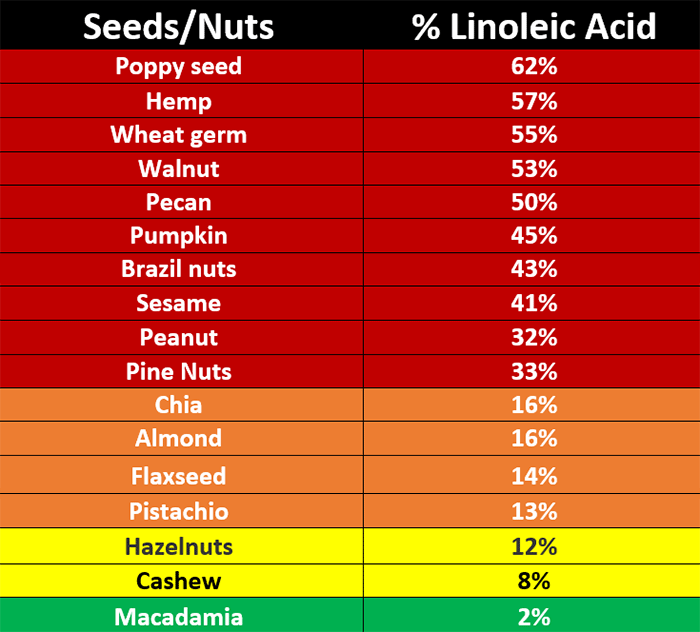
To be clear, LA is only toxic when consumed in excessive quantities. Unfortunately, the vast majority of people nowadays consume far more LA than the ideal amounts, compromising their cellular and mitochondrial function.
Even children and adolescents are at risk of consuming excessive LA through foods containing vegetable oil and ultraprocessed food items.17 One study18 showed that PUFA consumption in children increases with age, with toddlers consuming 2.5 to 7.9 grams per day on average, while adolescents consume 5.4 to 17.9 grams.
That means the average toddler is already eating more LA than the recommended 2 to 5 grams. By the time they’re in their teens, they may be consuming more than three times the upper limit.
One of the reasons PUFAs are problematic is that they’re easily damaged by the oxygen species generated from cellular energy production. This damage leads to the formation of advanced lipoxidation end products (ALEs), which in turn generate dangerous free radicals that can damage your cell membranes, mitochondria, proteins and DNA. Lipid oxidation is also implicated as the primary reason for the decreased shelf life of peanut butter.19
Even more concerning is that PUFAs are integrated into the cell membranes and can stay there for five to seven years. They are also missing more than one pair of hydrogen atoms, making them highly susceptible to oxidation, which causes the fat to break down into harmful metabolites such as OXLAMs (oxidized LA metabolites).
These ALEs and OXLAMs then go on to cause mitochondrial dysfunction, which is a hallmark of most all chronic diseases. For these reasons, I recommend limiting your LA intake to less than 5 grams, or even better, less than 2 grams per day. To learn more about the potential consequences of excess linoleic acid consumption on your or your child’s health, check out my article “Linoleic Acid — The Most Destructive Ingredient in Your Diet.”
Limit Your Child’s Peanut Butter Intake
To reiterate, if you’re thinking about introducing peanuts to your child early on to potentially reduce their risk of peanut allergy, I suggest offering it only in tiny amounts to avoid going overboard on their PUFA intake. According to the United States Department of Agriculture (USDA),20 100 grams of peanut butter contains 9.73 grams of LA — that makes around 1.6 grams of LA per tablespoon of peanut butter.
While this may seem like a small amount, remember that linoleic acid is pervasive in our diet. Even small amounts of LA found in nuts and nut butters can easily push your child’s daily LA intake beyond the ideal threshold, contributing to potential health issues down the line.
The Food and Agriculture Organization (FAO) and World Health Organization (WHO) recommend that LA should make up at least 3% of total energy intake for children aged 1 to 2 years, and at least 2% for children older than 2 years.21 My recommendation is to keep LA intake to less than 5 grams per day. Once the daily 5-gram mark is reached, the perishable double bonds of LA will begin to oxidize and generate dangerous free radicals.
Nourish Your Child With the Right Foods
Since the protective effects of early peanut introduction are shown to extend into adolescence without the need to eat peanut products after age 5,22 there’s no need for you to consistently pack high-PUFA peanut butter sandwiches for your child’s school lunches. Instead, focus on nourishing your family with health-boosting foods, such as the ones listed in the table below.
But before you add healthy carbs to your child’s diet, they need to have optimal gut health. If their gut health is impaired, eating fibrous fruits and starches will only feed the pathogenic bacteria in their gut. So, if your child’s gut health is less than optimal, start by eliminating as much LA from their diet as possible and introduce healthy carbs slowly, starting with fruit juices.
|
Healthy carbs |
|
| Fresh fruit juices, such as sweet organic orange juice (not bitter) | In season, ripe fruits |
| Maple syrup or honey | Well-cooked veggies (for micronutrients and fiber) |
| Well-cooked roots and tubers | White rice |
| Masa harina | Sourdough bread |
| Well-cooked beans (occasionally) | |
|
Fats |
|
| Butter, ghee and tallow | Low-PUFA eggs |
| Raw milk and cheese | Organic chocolate |
| Coconut oil | |
|
Proteins |
|
| Bone broth | Ground beef or bison |
| Gelatinous cuts of meat, such as beef shank, oxtail, pork hock or chicken gizzards | Chicken wings, drumsticks and thighs from properly fed chickens |
- 1 CBC National Center for Health Statistics
- 2, 8, 13, 14, 15 CNN, May 28, 2024
- 3 Pediatrics (2019) 143 (4): e20190281
- 4, 9, 10, 22 NEJM Evid 2024;3(6)
- 5, 11 Fox News, May 28, 2024
- 6 N Engl J Med 2015;372:803-813
- 7, 12 NIH, May 28, 2024
- 16 J Food Sci Technol. 2016 Jan; 53(1): 31–41
- 17 Jornal de Pediatria. Volume 100, Supplement 1, March–April 2024, Pages S18-S30
- 18 Food Addit Contam Part A Chem Anal Control Expo Risk Assess. 2015 Sep 2; 32(9): 1397–1405, Results and discussion
- 19 J Food Sci Technol. 2016 Jan; 53(1): 31–41, Issues related to peanut consumption
- 20 USDA Food Data Central, Peanut butter, creamy
- 21 Nutrients. 2021 Oct; 13(10): 3547, Effective Intake for Total and Specific Fatty Acids
‘Failure to Thrive’ Is an Outdated Medical Diagnosis
Reproduced from original article:
https://articles.mercola.com/sites/articles/archive/2024/07/01/failure-to-thrive.aspx
Analysis by Dr. Joseph Mercola July 01, 2024

STORY AT-A-GLANCE
- “Failure to thrive” is a diagnosis that arose in the earliest 20th century, and is still given to children and adults today. It ignores the underlying conditions that can contribute to poor health, mainly impaired cellular energy production
- Factors affecting cellular health include excessive linoleic acid intake, exposure to electromagnetic fields, endotoxin production in the gut and xenoestrogen ingestion from plastics
- Strategies to help optimize your health include minimizing linoleic acid consumption to below 5 grams per day from all sources, reducing reliance on plastic wrapping, avoiding processed foods and optimizing gut health
- Ultraprocessed fortified products that will “address nutritional deficiencies” and supposedly help with growth and development contain unhealthy ingredients like canola oil, soy and artificial sweeteners. They cannot substitute the nutrients you get from real whole foods
As technology advances, so has the ability of doctors to provide an accurate diagnosis to their patients. But as the saying goes, old habits die hard, and one medical diagnosis that still lives on is “failure to thrive,” (FTT) which is commonly given to both children and adults.1
FTT carries an accusatory tone, squarely putting the blame on the patient instead of finding out underlying conditions that needs to be addressed. Getting an FTT diagnosis can cause delays in receiving health care, leading to a downward spiral of poor health.
The Origin of an Outdated Medical Diagnosis
According to a May 2024 article from The New York Times,2 the earliest trace of the medical term “failure to thrive” was published in the 1933 edition of a medical textbook titled “The Diseases of Infancy and Childhood.”3 Essentially, it’s a catch-all term for infants and young children experiencing poor growth, “regardless of the underlying cause.”4
While pediatricians criticized and challenged the medical discourse surrounding FTT in children, this line of thinking eventually spread to geriatrics, the field of medicine focusing on the elderly.5 According to The New York Times:
“In 1976, three neurologists noted6 the similarity between this ‘well-defined pediatric syndrome’ and a pattern of muscle wasting and cognitive decline in some of their older patients that led to sudden death.
Before long, adult ‘failure to thrive’ had become an official diagnosis and a research priority for the Institute of Medicine. Like a virus jumping from species to species, it had made the jump across specialties. And in this field, too, problems soon appeared.”
But what does FTT mean? In its simplest terms, it means that a child didn’t grow as fast or as big as other children. However, the issue here is that FTT isn’t clearly defined, and “ideal growth” can have different metrics.7
Adult FTT is similar, but the circumstances are different. It presents itself as a combination of poor nutrition, weight loss and physical inactivity, as well as psychological factors, such as depression. But again, FTT, in the case of adults, cannot be pointed to a single disease.8
‘Failure to Thrive’ Is a Failure of the Medical System
A diagnosis of FTT may be the most unacceptable verdict you can get during a visit to the doctor. It shifts back the blame to your upbringing and other factors beyond your control, implying your parents didn’t properly care for you when you were young. If your child has been diagnosed with FTT, then you’re considered a bad parent.
As noted by The New York Times,9 doctors must become detectives to address your or your child’s health concerns, but FTT lazily ignores any possible solutions.
In one example, a geriatrician in St. Paul’s Hospital in Canada learned that an 82-year-old man diagnosed with Alzheimer’s had fallen and injured his head. Even if tests revealed internal bleeding, other doctors diagnosed him with FTT, which, is not accurate in any way at all.
This leads me to the crux of the matter — FTT does nothing to address the root cause of what patients are truly experiencing, further reinforcing my criticisms of the health care industry’s preference for allopathic, or symptom-based, approach to treatment.
If you or a loved one has been recently given a diagnosis of FTT, it would be wise to not take it at face value. I believe that at the heart of FTT is poor cellular health, or your body’s inability to produce energy properly, which I’ll discuss below.
Save This Article for Later – Get the PDF Now
Four Factors That Cause Poor Cellular Health
Before I discuss the factors contributing to poor cellular health, I will outline the common denominator found in all of them — calcium dysregulation. More than just a mineral for your bones and teeth, calcium also plays a role in countless cellular activities, such as cell division and neurotransmitter release. The mitochondria within your own cells also use calcium ions for their needs, such as producing energy.10
As it turns out, elevated intracellular calcium can result in increased superoxide and nitric oxide levels, which combine into peroxynitrite, a potent reactive oxygen species that can contribute to poor health. Research11 has shown that peroxynitrite can contribute to endothelial cell dysfunction and even lung injury that can lead to pulmonary edema. Among diabetics,12 peroxynitrite may interfere with insulin signaling.
That said, here are four key factors that can affect intracellular calcium, thus your body’s overall cellular health.
• Excess polyunsaturated fat (PUFA) intake — Linoleic acid (LA), an omega-6 PUFA found abundantly in seed and vegetable oils as well as ultraprocessed foods, may be the most harmful ingredient in the Western diet. When consumed in excess, it negatively impacts your metabolic rate and gut microbiome, which are the two of the most important factors that impact your health.
The main issue with PUFAs is they’re easily damaged through oxidation,13 beginning the downward spiral to poor metabolic health by releasing damaging free radicals.14 In turn, they break down further into ALEs (advanced lipoxidation end products). In the case of omega-6 fats, they turn into dangerous OXLAMs (oxidized linoleic acid metabolites).15,16 Moreover, LA has been found to increase intracellular calcium, resulting in the generation of peroxynitrite.17
In a study18 published in Neurology, a pro-inflammatory diet was associated with a higher risk for dementia, a disease rooted in mitochondrial dysfunction.19 If you have problems with your mitochondria, metabolic health is affected, as they play a central role in energy production.20
The researchers noted that PUFAs are one of the top contributors to inflammation. Trans fat, which is a highly processed form of vegetable oil,21 also rank high in the list of pro-inflammatory macronutrients.
• Estrogen load from microplastics — Did you know that you’re possibly eating a credit card’s worth of plastic every week? In an analysis22 published by the World Wildlife Fund (WWF), undertaken by the University of Newcastle in Australia, data suggest that people are consuming around 5 grams of plastic every week.
Water (from all sources, including ground water and tap water), is the largest source of microplastics. Another notable source is shellfish. Since they’re eaten whole, which includes their digestive systems, any microplastics they consumed while living in plastic-filled oceans transfer to you.
That said, how are plastics related to estrogen? It turns out they have estrogenic properties,23 and in the context of cellular health, estrogen increases intracellular calcium levels, as noted in published research.24,25,26
• Endotoxin production in the gut — In healthy intestines, the tight junctions in their walls act like gatekeepers, choosing which nutrients can enter your bloodstream to be sent to your organs that need sustenance. However, these tight junctions can open, causing substances that must remain in the gut to leak into the bloodstream.
When this happens, your body’s immune function acts up, resulting in health problems such as food sensitivities, allergies and autoimmune diseases. One such substance that more people need to be aware of is endotoxin.
Endotoxin is a portion of the outer membrane of gram-negative bacteria, and is what remains when a bacterium disintegrates.27 As you can imagine, if your gut permeability is compromised, more endotoxins can enter your bloodstream, triggering disease. Again, an increase in intracellular calcium plays a role in this interaction, as noted one study.28
Left unabated, these endotoxins can wreak havoc on your system, which can be life-threatening. In a study29 published in BJA Education, endotoxins can lead to septic shock, causing symptoms such as fever and hypotension. Another notable symptom is hyperventilation, which occurs due to endotoxins and other inflammatory sources stimulate the medullary respiratory center in your brain.30
Endotoxin overload is a downstream problem of excessive LA intake, which sets off the chain reaction that raises oxygen levels in your large intestine (where it shouldn’t be), thereby allowing endotoxin-producing, pathogenic bacteria to thrive and take over. Pathogenic bacteria can survive in oxygen-rich environments, whereas beneficial bacteria cannot.
• Electromagnetic field (EMF) exposure — People are bombarded with EMFs every day with hidden consequences to public health. Studies have linked them to health issues such as lower sperm quality31 and neuronal DNA damage.32 Now, research has found that it’s a potent factor in poor cellular health, too.
How do EMFs work against your health in this context? Again, we return to the concept of impaired release of calcium into the cell. In the case of EMFs, they activate voltage-gated calcium channel (VGCC) receptors within the cell, catalyzing the production of peroxynitrite by triggering an influx of calcium.33
Research34,35,36 published by Martin Pall, Ph.D., shows that VGCCs can already be activated by low-intensity sources EMFs, such as cell phones. If that’s the case, what more for stronger sources of EMFs, such as Wi-Fi and 5G towers?
Addressing the Root of Poor Cellular Health
Since your cellular health can be affected by many factors, it makes sense to apply a multifaceted approach to repair it. In this regard, adopting a combination of healthy lifestyle changes can help put you back on track. Here are my recommendations:
• Minimize LA intake — It would be wise to keep your LA intake below 5 grams from all sources. If you can get it below 2 grams, that’s even better. To help you track your LA intake, make it a habit to enter all your foods into Cronometer, a free online nutrition tracker. That way, you can tally how much LA you’re consuming per day.
Resist the temptation to eat all processed foods, especially from fast food establishments. Remove and avoid all sources of seed oils and nuts from your diet, as these are high in linoleic acid. I also advise restricting your intake of monounsaturated fatty acids (MUFAs) like olive oil, as they contain oleic acid, which is nearly as bad as linoleic acid.
I believe that minimizing your LA intake can help address a big part of your cellular health. Also, since LA is so pervasive in the food system, it’s hard to be deficient in it. To learn more about LA’s damaging effects, I recommend reading my article, “Linoleic Acid — The Most Destructive Ingredient in Your Diet.”
• Repair your gut health — Complex carbs have long been thought to be beneficial for the gut microbiome, whereas simple carbs (sugar) have been linked to aging. However, I don’t recommend you jump right into eating foods made of complex carbohydrates, as it can be problematic if your gut health is impaired.
Research shows that complex carbohydrates nourish your gut microbiome, especially the ones living in your large intestine. These include plant cell wall polysaccharides, such as cellulose, which are then fermented in the gut by your microbiota.37
However, the main issue with complex carbohydrates is if your gut health isn’t already optimized, they can also feed pathogenic bacteria. They thrive in your gut when you’re exposed to metabolic poisons like LA16 and xenoestrogens.17 As a result, mitochondrial energy production is impaired. The lack of energy allows oxygen into the large intestine, creating the ideal setting for pathogenic bacteria to grow.
As harmful bacteria continue feeding on the complex carbohydrates you just ate, they multiply further. Once enough of them die, they leave behind an endotoxin called lipopolysaccharide that further impairs cellular energy production. If you’re experiencing bowel issues, then it means your gut isn’t well-equipped to digest them.
To remedy this, slowly incorporate complex carbohydrates into your diet. I recommend fresh juice from ripe fruits. If your body can tolerate it, move onto healthy, whole ripe fruits. My top choices include:
| Oranges | Tangerines | Mango |
| Grapes | Melon | Watermelon |
| Pineapple (in moderation, as it contains serotonin) | ||
After you’ve accustomed yourself to whole fruits, you can add more complex carbohydrates, but slowly. Start with cooked starches, mainly potatoes and white rice. However, potatoes contain water-soluble oxalates, which can be problematic once they accumulate in your body. So, make sure to boil them to lower their oxalate content.
You can also increase the amount of resistant starch,18 which doesn’t spike your blood sugar, by cooking, refrigerating or reheating the food before eating.
• Reduce EMF exposure — Two of the most important actions you can do to quickly reduce EMF exposure is by turning off the Wi-Fi and opting for Ethernet cables. The other one is being diligent with your phone use, especially at night. It’s best to turn it off at night, since you don’t use it anyway, and purchase an analog alarm clock.
For additional information, I recommend you to read my article, “EMFs Destroy Sperm Count” which goes into greater detail about different strategies to minimize EMF exposure in your home.
• Reduce your plastic consumption — Just like EMFs, plastic — which contain estrogenic chemicals — is all around us and practically inescapable, considering most food and other consumer goods are packaged in it. Here are several ways you can reduce your exposure to plastic:
| Opt for products sold in glass containers rather than plastic whenever possible. | Store your food in glass containers rather than plastic ones. |
| Look for plastic-free alternatives to commonly used products at home, such as toothbrushes and toys. | Choose reusable products over single-use ones, such as glass bottles for your drinks, cloth grocery bags, handkerchiefs, cloth diapers and nondisposable razors. |
| Invest in a home filtration system for your drinking water. In addition, bring your own refillable water bottles when going out. | Bring your own silverware, as well as glass containers in the event you have to dine outside. |
‘Nutritionally Fortified’ Ultraprocessed Products Will Not Solve FTT
Pharmaceutical companies have latched onto the FTT bandwagon, releasing fortified products aimed at children and adults that will “address nutritional deficiencies” and supposedly “help” their bodies grow. While the intention seems noble, do not fall for their advertising, as these products contain highly processed sugar and other ingredients that do not contribute to better health. Some examples of these products include:
- BOOST by Nestlé
- PediaSure and Ensure by Abbott
- Pro-Stat by Nutricia
- Med Pass by Hormel Health Labs
- Breakfast Essentials by Carnation
Upon close inspection, you’ll find that these ultraprocessed products contain soy protein isolates and sources of LA, such as canola oil.38,39,40 Other unhealthy ingredients include artificial sweeteners, such as sucralose.41
In 2023, a woman from New York sued Abbott Laboratories, accusing the company of misleading its consumers that its PediaSure products were “clinically proven to boost children’s height.” According to Reuters:42
“Joanne Noriega said she bought PediaSure Grow & Gain vanilla and strawberry drinks for her 8-year-old grandson, who was ‘short for his age,’ believing they would help him get taller.
After a year of two PediaSure drinks per day, her grandson was still short for his age and had become ‘so overweight’ that she stopped buying the drinks.
Noriega dismissed PediaSure as ‘just a flavored sugar and milk-based drink that contains vitamins, which is not a cure for shortness.’ She said also that Abbott ‘knows from its own studies that its Clinically Proven Claim is false and misleading.’”
As such, it’s better to avoid them and focus on eating real, healthy foods that provide the optimal nutrition you and your child need. These synthetic, fortified products cannot replace the nutrients that fresh real foods provide.
- 1, 2, 9 The New York Times, May 13, 2024
- 3 Paediatrics and Child Health Volume 18, Issue 10, October 2008, Pages 464-46, Abstract
- 4 Paediatrics and Child Health Volume 18, Issue 10, October 2008, Pages 464-46, Introduction
- 5 Mount Sinai Health System, What Is Geriatrics?
- 6 The Journal of Nervous and Mental Disease 162(6):p 401-409, June 1976
- 7 Johns Hopkins Medicine, Failure to Thrive
- 8 Medscape, Failure to Thrive in Elderly Adults
- 10 Current Biology 2006; 16(18)
- 11, 12 Experimental Lung Research 2000; 26: 349-359
- 13 Oxid Med Cell Longev. 2014;2014: 360438. doi: 10.1155/2014/360438, Abstract
- 14 Pharmacognosy Review. 2010;4(8):118-126, Lipid Peroxidation
- 15 Nephrology Dialysis Transplantation, Volume 16, Issue 8, August 2001, Pages 1598–1606
- 16 Prostaglandins Leukot Essent Fatty Acids. 2012 Oct-Nov;87(4-5):135-41
- 17 Journal of Lipid Research Volume 45, Issue 5, May 2004, Pages 794-804, Abstract
- 18 Neurology. 2021 Dec 14; 97(24): e2381–e2391, Abstract
- 19 Curr Neuropharmacol. 2022 Mar 28; 20(4): 675–692, Abstract
- 20 Biochem Biophys Res Commun. 2017 Jan 15;482(3):426-431
- 21 Mayo Clinic, Trans Fat Is Double Trouble for Heart Health
- 22 World Wildlife Fund, Assessing Plastic Ingestion From Nature to People
- 23 Environ Health Perspect. 2011 Jul 1; 119(7): 989–996, Abstract
- 24 Endocrinology 2015; 131(3): 1305-1312
- 25 International Journal of Biological Sciences 2022; 18(3): 1065-1078
- 26 Proc Natl Acad Sci April 1999; 96: 4686-4691
- 27 Britannica, Endotoxin
- 28 Biochimica et Biophysica Acta (BBA) – Molecular Basis of Disease Volume 1454, Issue 1, 31 May 1999, Pages 1-10, Abstract
- 29 BJA Educ. 2022 Jun; 22(6): 224–230, Gram-Negative Septic Shock
- 30 Medscape, Septic Shock Clinical Presentation
- 31 Environ Int. 2014 Sep:70:106-12
- 32 NeuroToxicology Volume 94, January 2023, Pages 46-58, Abstract
- 33 Open Journal of Veterinary Medicine, 11, 57-86, Abstract
- 34 J Cell Mol Med. 2013 Aug;17(8):958-65
- 35 IJIREM Volume- 2 Issue- 5 Year- 2015, 71-76
- 36 Rev Environ Health. 2015;30(2):99-116
- 37 Nutrients. 2022 Sep; 14(18): 3809, Gut and Carbohydrates
- 38 Nestle, BOOST Original
- 39 Carnation, Breakfast Essentials
- 40 Hormel Health Labs, Med Pass Fortified Nutrition Shakes
- 41 Nutricia, Pro-Stat
- 42 Reuters, May 16, 2023
What Is Adenomyosis? This Little-Known Condition Affects Up to 1 in 5 Women
Reproduced from original article:
https://articles.mercola.com/sites/articles/archive/2024/06/26/what-is-adenomyosis.aspx
Analysis by Dr. Joseph Mercola June 26, 2024

STORY AT-A-GLANCE
- Adenomyosis is a benign estrogen-dependent uterine disorder that may cause abnormal uterine bleeding, pelvic pain and infertility
- It’s estimated that about 20% of women, primarily those of reproductive age, may suffer from the condition, yet there’s surprisingly little awareness surrounding it
- Estrogen is believed to promote the growth of adenomyosis; many people are exposed to excessive estrogen in the form of birth control, estrogen replacement therapy and even exposure to plastics
- Estrogen is also carcinogenic and antimetabolic, radically reducing the ability of your mitochondria to create cellular energy
- One of the most important strategies for adenomyosis — aside from avoiding estrogen and xenoestrogens — is to take natural progesterone, which is anti-estrogenic
Adenomyosis is a benign estrogen-dependent uterine disorder,1 which involves symptoms such as abnormal uterine bleeding, pelvic pain and infertility.2 In cases of adenomyosis, endometrial tissue, which normally lines the uterus, is found in the myometrium, or the muscular wall of the uterus.
In other words, the uterine lining grows into the uterus’ muscular wall,3 causing symptoms ranging from mild to severe. For some women, adenomyosis causes no symptoms at all while others experience debilitating pain.
It’s estimated that about 20% of women, primarily those of reproductive age, may suffer from the condition,4 yet there’s surprisingly little awareness surrounding it among health care professionals and the public alike.5
What Are the Signs and Symptoms of Adenomyosis?
Adenomyosis can be categorized into two main types: focal and diffuse. In focal adenomyosis, the endometrial tissue is localized to a specific area or areas within the uterine muscle. These localized regions are sometimes referred to as adenomyomas, which are similar to fibroids but contain endometrial tissue.
Diffuse adenomyosis involves a more widespread infiltration of endometrial tissue throughout the uterine muscle. This type is characterized by a uniformly thickened uterine wall. In either type, the lining of the uterus grows into the uterine wall, leading to thickening and enlargement of the uterus, which in some cases may double or triple in size.6
“The displaced tissue continues to act normally — thickening, breaking down and bleeding — during each menstrual cycle,” Mayo Clinic notes.7 Common symptoms of adenomyosis include heavy menstrual bleeding, severe menstrual cramps, pelvic pain and bloating.
Some women with adenomyosis may also experience pain during intercourse. Infertility is also possible and women with adenomyosis who become pregnant are more likely to have complications such as miscarriage, pre-term delivery, preeclampsia and post-delivery bleeding.8
The condition can sometimes be asymptomatic, however, making diagnosis challenging. While most women who develop adenomyosis are between the ages of 40 and 50, it can develop in younger women as well. The condition is becoming more common in women in their 30s,9 and even teenagers can be affected. Other factors that increase the risk of adenomyosis include:
- Carrying two or more pregnancies to term10
- Prior uterine surgeries, including uterine fibroid removal, cesarean section or dilatation and curettage (D&C)
- Endometriosis
Top Causes of Adenomyosis
A combination of hormones, genetics and inflammation or injury to the area likely influence adenomyosis development. Science Alert reported:11
“It is thought that the region between the endometrium and myometrium becomes damaged, either by the natural processes of the menstrual cycle, pregnancies, and childbirth, or medical procedures. In some women, damage to the endometrial tissue layer does not heal as it should, and the endometrium-like cells enter and grow abnormally into the myometrium.”
It’s possible that uterine incisions during surgery may allow for the direct invasion of endometrial cells into the uterine wall, for instance. It’s also been suggested that the misplaced endometrial tissue may be deposited in the uterine wall in the fetus during development.12
Inflammation of the uterine lining after childbirth is another potential factor that could degrade the boundary of cells lining the uterus. Another theory suggests bone marrow stem cells in uterine muscle could trigger the condition.13
Estrogen, a hormone involved in the menstrual cycle, is also believed to promote the growth of adenomyosis. Therefore, conditions that result in higher levels of estrogen may be linked to an increased risk. “Regardless of how adenomyosis develops, its growth depends on the body’s circulating estrogen,” Mayo Clinic explains.14
Save This Article for Later – Get the PDF Now
Estrogen Promotes Adenomyosis
“Estrogens have been proven to be the crucial hormones driving the growth of adenomyosis,” as noted in the Journal of Clinical Medicine.15 Yet, estrogen’s exact role in worsening adenomyosis is still not fully understood.
In one study, researchers found that a molecule called miR-145 is much higher in adenomyosis tissue compared to healthy tissue.16 High levels of miR-145 turn on genes that cause inflammation and cell adhesion.
One important gene affected by miR-145 is CITED2, which plays a key role in stopping cell movement. The study showed that estrogen, through a specific receptor, increases miR-145 levels, helping adenomyosis to progress. Yale Medicine also explains:17
“Evidence suggests that prolonged exposure to estrogen may be a contributing factor [to uterine adenomyosis]. Women may be exposed to more estrogen if their menstrual cycles are shorter than average or if they have been pregnant two or more times.”
However, many people are exposed to excessive estrogen in the form of birth control, estrogen replacement therapy and even exposure to plastics.
The Hazards of High Estrogen
While estrogen is routinely referred to as “the female hormone,” this is misleading, as it’s not exclusive to women. Moreover, there’s not just one estrogen but several. One of the properties of estrogens is their ability to increase cells’ ability to hold water, which is why women with estrogen dominance are prone to edema (water retention). Cellular swelling is both a characteristic of the cellular stress response and a signal for cellular proliferation.
During the follicular phase of the menstrual cycle, estrogen stimulates the uterine lining and follicles to swell and multiply in preparation for the fertilization of an egg. Similarly, during and after pregnancy, breast tissue swells and grows larger to facilitate milk production. But cellular swelling and proliferation is also a hallmark of cancer. Indeed, the word oncology comes from the Greek word “oncos,” which means swelling.
In his 1997 book, “From PMS to Menopause: Female Hormones in Context,”18 biologist Ray Peat19 stated that estrogen had been shown to replicate the shock phase of the stress reaction in animals. According to Peat, the physiological purpose of estrogens is to stimulate cell division by triggering water uptake by the cell. Peat also suspected that estrogen was a metabolic inhibitor that slows down energy production in the cell.
Further, as bioenergetic researcher Georgi Dinkov explained in my interview with him, estrogen is carcinogenic and antimetabolic, radically reducing the ability of your mitochondria to create cellular energy in a form of ATP by depending on aerobic glycolysis (the Warburg effect), which radically impairs oxidative phosphorylation. This further contributes to its carcinogenic effect.
According to Dinkov, the biochemical role of estrogen is to aid in wound healing. In cases of tissue trauma, estrogen reverts the differentiated cells in that specific tissue back to a stem cell-like condition, to repair the damaged tissue. In young, healthy women, progesterone will turn off estrogen’s activity. However, progesterone declines with age, but estrogen synthesis typically does not. Hence, if your estrogen is high and progesterone low, your cancer risk will rise.
Estrogen also promotes the differentiation and proliferation of fat cells (adipocytes) in the subcutaneous fat layer, which is particularly prevalent in the thighs, hips and buttocks and therefore leads to increased fat storage in these areas.
Some people and clinicians believe that bioidentical estrogen solves the problem but it does nothing of the sort. Bioidentical estrogen still has all the same negative characteristics. It increases the risk of all cancers, lowers your metabolic rate and increases your risk of obesity, diabetes and osteoporosis — along with adenomyosis.
Tips to Lower Your Estrogen Exposure and Load
Conventional adenomyosis treatment typically involves pain medications and hormonal treatments, such as birth control pills, and even surgery, including hysterectomy. But one of the most important strategies — aside from avoiding estrogen and xenoestrogens — is to take natural progesterone. Not only is progesterone anti-estrogenic but it’s a potent cortisol blocker and will improve mitochondria production of cellular energy by blocking estrogen and cortisol.
Before you consider using progesterone it is important to understand that it is not a magic bullet and you get the most benefit by implementing a Bioenergetic diet approach that allows you to effectively burn glucose as your primary fuel with backing up electrons in your mitochondria that reduces your energy production. My new book coming out shortly about Cellular Health covers this process in great detail.
Once you have dialed in your diet, an effective strategy that can help counteract estrogen excess is to take transmucosal progesterone (not oral or transdermal), which is a natural estrogen antagonist. Progesterone is one of only four hormones I believe many adults can benefit from. (The other three are thyroid hormone T3, DHEA and pregnenolone.)
I do not recommend transdermal progesterone, as your skin expresses high levels of 5-alpha reductase enzyme, which causes a significant portion of the progesterone you’re taking to be irreversibly converted primarily into allopregnanolone and cannot be converted back into progesterone.
As a general recommendation, I recommend taking 25 to 50 mg of bioidentical progesterone per day, taken in the evening one hour before bed, as it can also promote sleep. For optimal bioavailability, progesterone needs to be mixed into natural vitamin E. The difference in bioavailability between taking progesterone orally without vitamin E and taking it with vitamin E is 45 minutes versus 48 hours.
You can make your own by dissolving pure USP progesterone powder into one capsule of a high-quality vitamin E, and then rub the mixture on your gums. Fifty milligrams of powdered progesterone is about 1/32 teaspoon.
Do not use synthetic vitamin E (alpha tocopherol acetate — the acetate indicates that it’s synthetic). Natural vitamin E will be labeled “d alpha tocopherol.” This is the pure D isomer, which is what your body can use.
There are also other vitamin E isomers, and you want the complete spectrum of tocopherols and tocotrienols, specifically the beta, gamma, and delta types, in the effective D isomer. As an example of an ideal vitamin E you can look at the label on our vitamin E in our store. You can use any brand that has a similar label.
If you are a menstruating woman, you should take the progesterone during the luteal phase or the last half of your cycle which can be determined by starting 10 days after the first day of your period and stopping the progesterone when your period starts.
If you are a male or non-menstruating woman you can take the progesterone every day for 4-6 months and then cycle off for one week. The best time of day to take progesterone is 30 minutes before bed as it has an anti-cortisol function and will increase GABA levels for a good night’s sleep.
Please note that when progesterone is used transmucosally on your gums as I advise, the FDA believes that somehow converts it into a drug and prohibits any company from advising that on its label. However, please understand that it is perfectly legal for any physician to prescribe an off-label indication for a drug.
In this case progesterone is a natural hormone and not a drug and is very safe even at high doses. This is unlike synthetic progesterone, called progestins, that are used by drug companies, but frequently, and incorrectly, referred to as progesterone, which are dangerous and should never be used by anyone.
Considering the health risks associated with estrogen excess, here are some additional commonsense strategies that can help you limit your exposure and lower your estrogen load:
| Avoid synthetic estrogens — Minimize exposure to synthetic estrogens, such as those found in hormone replacement therapy and oral contraceptives. Consult with a qualified health care professional about alternative treatments and/or contraceptive methods with lower estrogen content. |
| Avoid linoleic acid (LA) — Omega-6 PUFA like LA functions very similarly to estrogen as they both increase your risk for cancer and decrease metabolic function by suppressing your thyroid. Best to read my comprehensive LA article for more details. |
| Choose natural products — Opt for natural and organic personal care products, including makeup, skin care, and hair care items, to reduce exposure to synthetic chemicals like parabens and phthalates, which have estrogenic properties. |
| Limit pesticide exposure — Choose organic produce whenever possible to reduce exposure to pesticides, many of which have estrogenic effects. Washing fruits and vegetables thoroughly can also help remove pesticide residues. |
| Rethink your household products — Many household cleaning products, laundry detergents and air fresheners contain chemicals with estrogenic properties. Swap them out for natural, nontoxic alternatives or make your own cleaning solutions using vinegar, baking soda and essential oils instead. |
| Avoid plastic containers — Minimize the use of plastic containers and food packaging, which can leach estrogenic compounds into food and beverages. Instead, opt for glass or stainless steel containers for food storage and water bottles. |
| Maintain a healthy weight — Aim for a healthy weight and body composition through a balanced diet and regular exercise. Excess body fat, particularly around the thighs, hips, and buttocks, can contribute to higher estrogen levels. |
| Support liver health — Support liver function, as your liver plays a crucial role in metabolizing and eliminating excess estrogen from your body. Eat a nutrient-rich diet, limit alcohol consumption and consider incorporating liver-supporting herbs and supplements, such as milk thistle or dandelion root. |
| Reduce stress — Manage stress through relaxation techniques like meditation, deep breathing exercises, yoga or spending time in nature. Chronic stress can disrupt hormone balance, including estrogen levels, so prioritizing stress reduction is essential. |
- 1 Molecular Medicine Reports March 8, 2021
- 2 J Clin Med. 2023 Jul; 12(14): 4828
- 3, 10, 17 Yale Medicine, Uterine Adenomyosis
- 4 Best Practice & Research Clinical Obstetrics & Gynaecology August 2006, Volume 20, Issue 4, Pages 465-477
- 5, 8, 11 Science Alert May 13, 2024
- 6, 9 Cleveland Clinic, Adenomyosis
- 7, 12, 13, 14 Mayo Clinic, Adenomyosis
- 15 J Clin Med. 2022 Aug; 11(15): 4407
- 16 Reproductive BioMedicine Online May 12, 2024, 104108
- 18 From PMS to Menopause: Female Hormones in Context (PDF)
- 19 Ray Peat Articles
‘Alarming’ Levels of Toxins Found in Popular Frozen Meals
Reproduced from original article:
https://articles.mercola.com/sites/articles/archive/2024/06/20/toxins-frozen-food.aspx
Analysis by Dr. Joseph Mercola June 20, 2024
STORY AT-A-GLANCE
- Aggressive marketing campaigns and advertising by food companies promote ultraprocessed foods as desirable and convenient
- Many brands, like Stouffer’s, also promote a wholesome image with “scratch-made taste,” but many contain “alarming” levels of toxins in every bite
- Many Stouffer’s products received the worst “10” rating from the Environmental Working Group (EWG) Food Scores, due to poor nutrition, ingredient concerns and processing concerns
- Ultraprocessed foods have infiltrated the globe, bringing with them rapid increases in obesity, diabetes, high blood pressure, coronary heart disease, and 13 of 15 major cancers
- Ultraprocessed foods contain a number of harmful ingredients and contaminants, including seeds oils rich in linoleic acid (LA), additives, artificial sweeteners, emulsifiers, colorants, bisphenols and phthalates
In the early 1900s, many Americans lived in rural areas and engaged in farming. Homegrown foods, fresh produce and locally sourced meats were staples of the U.S. diet. Food processing at the time was minimal, focusing on methods like canning, fermenting and preserving to extend the shelf life of seasonal produce.
By the mid-20th century, America became more industrialized and many people moved to urban areas for jobs. This shift reduced the ability to grow and source food locally, increasing reliance on commercially produced foods. By the late 20th century, the food industry continued to innovate, creating ultraprocessed foods designed for convenience, taste, long shelf life and profits — not nutrition.
Aggressive marketing campaigns and advertising by food companies promoted ultraprocessed foods as desirable and convenient, with many brands, like Stouffer’s, also promoting a wholesome image with “scratch-made taste.”1 But underneath their claims of quality and “ingredients you can feel good about”2 is a dark side — “alarming” levels of toxins in every bite.3
Popular Frozen Food Earns Toxic Rating
The Environmental Working Group (EWG) Food Scores is an online database that rates more than 80,000 foods, 5,000 ingredients and 1,500 brands.4 The scoring system evaluates products based on three key factors: nutrition, ingredient concerns and processing concerns. Each food product is given a score on a scale from 1 (best) to 10 (worst).
Among the brands evaluated is Stouffer’s, which makes popular frozen meals like lasagna, macaroni and cheese and French bread pizza. Though convenient, consuming these meals may come at a steep cost to your health. Healthy Holistic Living reported:5
“The Environmental Working Group (EWG), a respected authority on the intersection of environmental issues and human health, recently turned its investigative lens towards the frozen food industry, with Stouffer’s landing in a particularly harsh spotlight. The findings? Alarming, to say the least.
Stouffer’s products, especially the Cheesy Chicken Bacon Ranch frozen bowl, earned the ignominious distinction of scoring a ’10’ on EWG’s toxicity scale — the worst possible rating — a clear indicator of severe health and safety concerns.”
Stouffer’s Cheesy Chicken Ranch Bowl received the dismal 10 rating due to a number of red flags:6
| Contains sodium nitrite, which is associated with cancer | Hormones or growth promoters were likely used in its meat production |
| Antibiotics were likely used in the meat | Contains the non-specific ingredient “flavor.” “What exactly is in these flavor mixtures, no one outside the manufacturer knows for sure.
Even government scientists and regulators must often guess,” noted Ken Cook, EWG president and cofounder7 |
| Contains food additives of “higher concern” | Classified as having high processing concerns |
Healthy Holistic Living continued:8
“Stouffer’s has built a reputation on providing easy, family-friendly meals that seem to offer both convenience and a semblance of nutritional value. The company’s marketing efforts heavily emphasize the use of ‘healthy’ and ‘nontoxic’ ingredients, creating an image of a trustworthy brand committed to consumer well-being.
However, a closer examination of Stouffer’s products reveals a disconcerting discrepancy between their marketing and the actual contents of their frozen meals.”
Further, EWG notes, “This product contains the following ingredient(s) that may be genetically engineered or derived from GE crops: Soy Protein Isolate, Sugars, Maltodextrin, Modified Food Starch, and Modified Starch (Corn)”9 Of course, Stouffer’s, which is owned by multinational food conglomerate Nestlé, isn’t unique in its use of questionable ingredients and production of low-quality, ultraprocessed food.
Global Health Is Suffering Due to Expansion of Ultraprocessed Foods
Ultraprocessed foods have infiltrated the globe, bringing with them “rapid increases in prevalence of overweight‐obesity and other nutrition‐related noncommunicable diseases (NCDs), such as diabetes, hypertension, other aspects of coronary heart disease, and 13 of the 15 major cancers,” according to research published in Obesity Reviews.10 The authors explain:11
“At present, all high-income and many low- and middle-income countries are in a stage of the transition where nutrition-related noncommunicable diseases including obesity, type 2 diabetes, and hypertension are dominating adult morbidity and mortality and are very high or growing rapidly in prevalence … All low- and middle-income countries face rapid growth in consumption of ultraprocessed food and beverages.”
Meanwhile, 61% of Americans’ food intake comes in the form of highly processed foods and drinks. The amount is similar in Canada (62%) and the U.K. (63%).12 “Ultraprocessed foods tend to be energy-dense, low-cost, and nutrient-poor,” a study in Frontiers in Nutrition reported.13
In the last decade, prices for unprocessed foods increased at a greater rate than prices for ultraprocessed foods, leading researchers to suggest, “low energy cost could be one mechanism linking ultraprocessed foods with negative health outcomes.”14 Their analysis found ultraprocessed foods are primarily grains (91%), fats and sweets (73%), dairy (71%) and beans, nuts and seeds (70%).
For comparison, “only 36% of meat, poultry and fish, 26% of vegetables, and 20% of fruit” were classified as ultraprocessed. Examples of ultraprocessed foods include:15
| Bread, cakes and pies | Margarine |
| Salted crackers | Cookies |
| Meat products including ham, hot dogs and hamburgers | Pizza |
| Sugar-sweetened beverages |
Save This Article for Later – Get the PDF Now
Ultraprocessed Foods Tied to Cardiometabolic Health Problems, Premature Death
A 2024 meta-analysis, which included 9,888,373 participants, higher intake of ultraprocessed foods was associated with a higher risk of adverse health outcomes in 32 out of 45 pooled analyses reviewed.16 These health outcomes included metabolic, cancer, mental, respiratory, cardiovascular, gastrointestinal and all-cause mortality.
The study found strong links between high consumption of ultraprocessed foods and heart disease, Type 2 diabetes and mental health disorders, for instance. Specifically, convincing evidence showed that eating more ultraprocessed foods significantly raised the risk of cardiovascular disease-related death and Type 2 diabetes. There was also strong evidence connecting these foods to anxiety and common mental disorders.
Highly suggestive evidence also linked ultraprocessed foods to higher risks of overall mortality, heart disease death, Type 2 diabetes, depression, sleep problems, wheezing and obesity.
“The adverse health outcomes associated with ultraprocessed foods may not be fully explained by their nutrient composition and energy density alone but also by physical and chemical properties associated with industrial processing methods, ingredients, and by-products,” the researchers explained.17 They cited several ways that ultraprocessed foods are harmful to human health:18
| Intensive processing leads to alterations in the food matrix, called dietary reconstitutions, which may affect digestion, nutrient absorption and feelings of satiety |
| Additives such as artificial sweeteners, emulsifiers, colorants and nitrates/nitrites can have detrimental health outcomes |
| Additives may have adverse effects on the gut microbiome and related inflammation |
| Exposure to the multiple additives in these foods “may have potential ‘cocktail effects’ with greater implications for human health than exposure to a single additive” |
| Intensive industrial processing may produce potentially harmful substances — including acrolein, acrylamide, advanced glycation end products, furans, heterocyclic amines, industrial trans-fatty acids and polycyclic aromatic hydrocarbon — linked to chronic inflammatory diseases |
| Harmful contaminants, such as bisphenols, microplastics and phthalates often exist in packaging materials and can migrate into the food |
Consuming Ultraprocessed Foods Worsens Brain Health
Consuming heavily processed junk food takes a toll on your whole body, including your brain. Research published in JAMA Neurology demonstrated that consuming ultraprocessed foods such as breakfast cereal, frozen foods and soda could lead to cognitive decline and increase your risk of Alzheimer’s disease.19
The study involved 10,775 people living in Brazil over an eight-year period. The data showed a correlation between an individual’s “high consumption” of ultraprocessed food, such that high consumption led to a 28% faster decline in global cognitive scores, including memory, verbal fluency and executive function.20
However, instead of using 50% or 60% of the daily caloric intake of ultraprocessed food as high consumption, this study defined high consumption as “more than 20%.” The study didn’t identify whether there was a dose-dependent effect.
In other words, they only looked at whether eating more than 20% of the daily caloric intake in ultraprocessed foods would affect cognitive decline. If a person ate double or triple that amount, as many do, would the rate of cognitive decline be greater?
Another study also found brain risks of ultraprocessed foods. It included 72,083 participants aged 55 years or older. Over a 10-year follow-up period, consumption of ultraprocessed food was associated with an increased risk of dementia and vascular dementia.21
Meanwhile, replacing just 10% of ultraprocessed foods in the diet with unprocessed or minimally processed foods was associated with a 19% lower risk of dementia — highlighting how powerful even minimal healthy dietary changes can be.
“Although more research is needed, as a neuroscientist who researches how diet can influence cognition later in life,” Sara Burke, associate professor of neurobiology and cognitive aging at the University of Florida, wrote in Science Alert, “I find that these early studies add a new layer for considering how fundamental nutrition is to brain health.”22
Toxic Seed Oils Are Common in Processed Foods
Ultraprocessed foods are typically loaded with seed oils, also known as vegetable oils, such as corn oil, soybean oil, sunflower oil and canola oil. Vegetable and seed oils are high in the omega-6 fatty acid linoleic acid (LA).23 At a molecular level, excess LA consumption damages your metabolism and impedes your body’s ability to generate energy in your mitochondria, driving chronic disease.
Another significant problem with polyunsaturated fats (PUFAs) like LA is that they are chemically unstable, which makes them highly susceptible to being damaged by oxygen species generated from the energy production in your cells.
This damage causes them to form advanced lipoxidation end-products (ALEs), which in turn generate dangerous free radicals that damage your cell membranes, mitochondria, proteins and DNA. LA also breaks down into harmful metabolites such as oxidized LA metabolites (OXLAMs), which have a profoundly negative impact on your health. These ALEs and OXLAMs then go on to cause mitochondrial dysfunction, which is a hallmark of most all chronic disease.
The half-life of LA is around 600 to 680 days, or approximately two years. This means it will take you about six years to replace 95% of the LA in your body with healthy fats. This is the primary reason for keeping your LA intake low as possible.
LA is found in virtually every ultraprocessed food, including restaurant foods, sauces and salad dressings, so to eliminate it you’ll need to eliminate most processed foods and restaurant foods from your diet. It’s also hidden in “healthy” foods like chicken and pork,24 as well as olive oil, which is often cut with cheaper seed oils.
And don’t fall for the narrative that fake foods — like lab-made plant-based meat and burgers — are good for you. Even though they’re being passed off as healthy, these products are heavily processed and qualify as ultraprocessed. To stay healthy, replace ultraprocessed foods with whole foods from a local farmer, or those you grow yourself, as much as possible.
- 1 Nestle Professional, Stouffer’s
- 2 Goodness.com, About Us
- 3, 5, 8 Healthy Holistic Living, Popular ‘Gourmet’ Frozen Food Gets All-Time Worst Marks for Toxic Chemical Ingredients
- 4 Environmental Working Group, Food Scores
- 6, 9 EWG, Food Scores, Stouffer’s Cheesy Chicken Bacon Ranch Grilled White Meat Chicken, Bacon, and Broccoli With Pasta
- 7 EWG, EWG’s Food Scores Gives Snapshot of the State of America’s Food Landscape
- 10, 11 Obes Rev. 2022 Jan; 23(1): e13366
- 12, 13, 14 Front Nutr. 2019; 6: 70
- 15 NBC News November 6, 2022
- 16 BMJ, 2024; 384:e077310
- 17, 18 BMJ, 2024; 384:e077310, Discussion
- 19, 20 JAMA Neurology December 5, 2022
- 21 Neurology July 27, 2022
- 22 Science Alert February 1, 2023
- 23 BMJ Open Heart, 2018;5:e000898
- 24 Journal of Dairy Science January 2018; 101(1): 222-232
How to Diagnose and Treat Osteoarthritis
Reproduced from original article:
https://articles.mercola.com/sites/articles/archive/2024/06/07/how-to-diagnose-and-treat-osteoarthritis.aspx
Analysis by Dr. Joseph Mercola June 07, 2024

STORY AT-A-GLANCE
- Osteoarthritis (OA) is often described as a “wear and tear” disease because it typically involves the breakdown of joint cartilage due to repetitive use and load over time
- However, the understanding of osteoarthritis has evolved, and it is now recognized as a more complex condition influenced by a combination of factors beyond just mechanical wear and tear
- Growing recognition among medical professionals suggests osteoarthritis should be considered a systemic disease, not just a localized joint condition
- Maintaining a healthy weight is a key part of osteoarthritis prevention; avoiding linoleic acid in seed oils can help you avoid obesity
- Homemade bone broth is rich in collagen, making it a natural food to support joint health; collagen is a major component of cartilage, the tissue that’s degraded in OA
Osteoarthritis (OA), the most common form of arthritis, is a degenerative joint disease that affects 32.5 million U.S. adults.1 Worldwide, about 595 million people are living with the condition, a 132% increase since 1990.2
Osteoarthritis occurs when the protective cartilage that cushions the ends of your bones wears down over time. Although osteoarthritis can damage any joint, the knee joint is most frequently affected, followed by the hip and hand.3 While there’s no known cure for osteoarthritis, it typically progresses slowly.
This means you can take steps to reduce further damage from the disease, like avoiding obesity and making collagen-rich bone broth. Scientists are also working on methods for early detection, which would allow treatment to begin before joint damage occurs.
Osteoarthritis Is Often Diagnosed After the Damage Is Done
Osteoarthritis is typically diagnosed based on a combination of clinical symptoms, physical examinations and diagnostic tests, including X-rays. Key symptoms of osteoarthritis include:
- Joint pain and tenderness — Affected joints may hurt during or after movement.
- Stiffness — Joint stiffness may be most noticeable upon waking up in the morning or after a period of inactivity.
- Loss of flexibility — There may be a loss of flexibility in the affected joint.
- Grating sensation — You might feel a grating sensation or hear a popping or crackling sound, when you use the joint.
- Bone spurs — These extra bits of bone, which feel like hard lumps, can form around the affected joint.
Your doctor will ask about any such symptoms and how long you’ve had them, as well as whether you’ve had past injuries or engage in activities that could contribute to joint damage. For instance, according to the Osteoarthritis Action Alliance (OAAA):4
“Certain occupations (e.g., construction, healthcare, farming, law enforcement, first responders, military) involving prolonged standing, squatting, lifting, kneeling, and repetitive motion with resultant excessive mechanical stress on a joint, raises the risk of OA and can worsen symptoms.
Osteoarthritis and back pain are the most common diagnoses related to disability-caused separation from the military, both during periods of peacetime and war.
High impact professional sports (e.g., hockey, soccer, and football), where there is not only repetitive loading with excessive force, but also increased joint trauma puts players at risk of OA. In addition to elite-level athletes (soccer, long-distance running, weightlifting and wrestling), non-elite soccer athletes are also at risk of developing OA.”
X-rays are commonly used to diagnose osteoarthritis, as they can reveal changes in joint structure. The problem is that by the time osteoarthritis is visible on an X-ray, the joint is already damaged. Research suggests, however, that earlier diagnosis may be possible.
Blood Biomarkers May Reveal Osteoarthritis Eight Years Before X-Rays Can
Researchers from Duke University conducted a study to find blood markers that could predict the development of knee osteoarthritis in women before any joint damage is visible on X-rays.5 In a group of 200 women, they found that just six specific blood proteins were able to indicate a 77% chance of developing OA, up to eight years before it could be seen on X-rays.
Predicting OA based on these blood markers was more accurate than using age, body mass index (BMI) or reports of knee pain, all of which showed much lower accuracy (51% for age and BMI, 57% for knee pain). The findings suggest that the joint tissue may already be undergoing changes long before OA is visible on an X-ray, hinting at an ongoing inflammatory process or “OA continuum.”
Moreover, the majority of the blood proteins that indicated the potential onset of OA also suggested the possibility of OA getting worse. So, the early changes leading to OA and the worsening of OA once it’s begun may share similar underlying processes.
“This tells us that there is an osteoarthritis continuum,” lead study author Dr. Virginia Byers Kraus told The New York Times. “You’re already on an escalator that’s leading you up the path to symptoms and X-ray changes way before we thought.”6 One day, a blood test may be used to diagnose osteoarthritis in its early stages, when treatment may be able to stop joint damage from occurring.
Save This Article for Later – Get the PDF Now
Osteoarthritis Is Caused by More Than Wear and Tear
Osteoarthritis is often described as a “wear and tear” disease because it typically involves the breakdown of joint cartilage due to repetitive use and load over time. However, the understanding of osteoarthritis has evolved, and it is now recognized as a more complex condition influenced by a combination of factors beyond just mechanical wear and tear.
While excessive or abnormal forces on your joints can accelerate the breakdown of cartilage, biomechanical imbalances that place uneven stresses on your joints can also contribute. Further, although osteoarthritis is not a traditional inflammatory arthritis like rheumatoid arthritis, inflammation does play a role. Chemicals in the joint can cause inflammation and damage to the cartilage and surrounding structures. According to OAAA:7
“Osteoarthritis is not simply caused by ‘wear and tear’ of the joint but is rather a complex disorder characterized by molecular, anatomic and physiologic changes. As such a complex disease, there are a variety of risk factors — both modifiable and non-modifiable — that contribute to its onset and progression, some of which can be mediated with appropriate management strategies.”
There is growing evidence, for instance, linking metabolic syndrome — a cluster of conditions including high blood pressure, high blood sugar excess body fat around the waist and abnormal cholesterol levels — to an increased risk of osteoarthritis.8
Extra body weight also increases the stress on weight-bearing joints like the knees and hips, increasing osteoarthritis risk, but adipose (fat) tissue also produces inflammatory substances that may contribute to joint deterioration. In fact, the Osteoarthritis Research Society International (OARSI) defines osteoarthritis as:9
“A disorder involving movable joints characterized by cell stress and extracellular matrix degradation initiated by micro- and macro-injury that activates maladaptive repair responses including pro-inflammatory pathways of innate immunity.
The disease manifests first as a molecular derangement (abnormal joint tissue metabolism) followed by anatomic, and/or physiologic derangements (characterized by cartilage degradation, bone remodeling, osteophyte formation, joint inflammation and loss of normal joint function), that can culminate in illness.”
Age is also a primary risk factor, as the cumulative effects of use on your joints are often compounded by an age-related decrease in the body’s ability to heal and maintain tissue. Hormonal changes, particularly during menopause, also play a significant role in the development of osteoarthritis in women. Genetics may also predispose individuals to osteoarthritis, influencing the durability of cartilage and the body’s repair mechanisms.
Is Osteoarthritis a Systemic Disease?
Growing recognition among medical professionals suggests osteoarthritis should be considered a systemic disease, not just a localized joint condition. Writing in Aging Clinical and Experimental Research, one team of scientists proposed renaming the disease “systemic OA” to move away from the perception that it’s focused solely on joints. They explained:10
“Its pathogenic mechanisms involve a variety of systemic conditions that contribute to joint damage. These include metabolic dysfunction, chronic low-grade inflammation, neuroplastic pain, and the influence of the central nervous system in the development of neuropathic pain.
Besides, OA can negatively affect other aspects of health, such as quality of life, reduced physical activity, social isolation, depression, and anxiety. OA can be considered a complex system in which pathological interactions involve not only obesity and metabolic dysfunction, but also fragility syndrome, sarcopenia, neurological complications, and systemic energy redistribution.”
This has implications for the way osteoarthritis is treated as well, since conventional treatment typically relies on support care, such as medications, physical therapy and heating pads.11 Instead, the researchers noted that medical care for OA should be “more holistic and personalized.”12
In addition to considering individual factors like genetics, lifestyle must be addressed, and resolving obesity should be a primary treatment, along with maintaining muscle health to support the joints.
Tips for Osteoarthritis Prevention
Maintaining a healthy weight is a key part of osteoarthritis prevention. Reducing body weight if you’re overweight can decrease the stress on weight-bearing joints like hips and knees and lower inflammation levels associated with obesity. Obesity is also a leading cause of knee replacements. One Australian study of 56,217 patients showed that, of the patients who received a knee replacement due to osteoarthritis, 31.9% were overweight and 57.7% were obese.13
Consuming too much linoleic acid (LA) in seed oils is a primary factor driving the overweight and obesity epidemics. At a molecular level, excess LA consumption also damages your metabolism and impedes your body’s ability to generate energy in your mitochondria.
Examples of seed oils high in LA include soybean, cottonseed, sunflower, rapeseed (canola), corn and safflower. To limit LA in your diet, you’ll need to avoid most processed foods.
Injury prevention is also important, as it’s estimated that up to 12% of OA cases result from injuries caused by automobile or military accidents, falls or sports.14 “Proper precautions such as stretching and strengthening exercises, appropriate footwear and other devices, along with supportive workplace or athletic team policies, can help reduce onset and progression of OA in occupational and sports settings,” OAAA notes.
Consuming specific anti-inflammatory and healing foods is another strategy to support overall health and osteoarthritis prevention. Cruciferous vegetables like broccoli, Brussels sprouts, cauliflower and cabbage, for instance, contain a compound called sulforaphane, which also helps reduce the risk of osteoarthritis,15 in part by blocking enzymes that are linked to joint destruction.
A team of researchers from the University of East Anglia published a study in the journal Arthritis and Rheumatism that showed substances in cruciferous vegetables could slow the progression of osteoarthritis, or possibly prevent it.16
Sulforaphane did this by inhibiting metalloproteinases that have been implicated in the development and progression of osteoarthritis. The researchers found it also blocked inflammation to protect against cartilage destruction both in the lab and animal models.
Other natural compounds, like turmeric, are useful for relieving osteoarthritis pain. A 2021 randomized trial compared turmeric against paracetamol, a painkiller also known as acetaminophen.
Bioavailable turmeric extract was as effective as paracetamol against osteoarthritis pain and symptoms in the knee and was safe and more effective in reducing tumor necrosis factor alpha (TNF alpha) and C-reactive protein (CRP).17 Acupuncture is another natural strategy that’s useful for pain relief and improving function in osteoarthritis.18
Bone Broth for Joint Health
Considering the underlying pathological processes leading to osteoarthritis start long before its symptoms, taking steps to support your joint health early on makes sense. One way to do this is by making homemade bone broth. Bone broth is made by simmering animal bones and connective tissue, which releases collagen and other nutrients into the broth.
Collagen is a major component of cartilage, the tissue that’s degraded in OA. While there are plenty of collagen supplements on the market, bone broth is by far the least expensive option. Collagen accounts for about 30% of the total protein in your body.
One of its primary functions is to provide structural support and strength to your tissues, such as skin, bones, tendons, ligaments and cartilage,19,20,21 allowing them to stretch while still maintaining tissue integrity. As such, collagen is crucial for repairing soft tissue, muscle and connective tissue, all of which tend to get weaker and less elastic with age.
Further, bone broth may help reduce joint pain and stiffness,22 including osteoarthritis pain.23 It helps reduce joint pain and inflammation, in part, courtesy of chondroitin sulfates, glucosamine and other compounds extracted from the boiled down cartilage.
To make homemade bone broth, simply place bones in an Instant Pot, fill the pot with pure, filtered water — just enough to cover the bones — add salt and other spices to taste, then set it to cook on high for two hours if the bones are from a concentrated animal feeding operation (CAFO) or four hours if organic and grass fed.
Using bones from CAFO beef can be problematic due to potential heavy metal contamination. So, when cooking these bones in the Instant Pot, it’s best to limit the time to two hours to avoid introducing heavy metals into your broth.
If you’re using beef bones from grass fed organic sources, you can safely cook them for four hours. Using bones from an organic source is even more important if you’re using chicken, as CAFO chickens tend to produce stock that doesn’t gel,24 which raises questions about the quality of the collagen you’re getting.
You can further customize your bone broth to align with specific health goals and nutritional needs. For instance, if you’re looking to support joint health, consider adding other ingredients that are rich in collagen such as chicken feet to maximize the health benefits.
- 1 Osteoarthritis Action Alliance, OA Prevalence and Burden
- 2 The Lancet Rheumatology September 2023
- 3 WHO, Osteoarthritis July 14, 2023
- 4, 7, 9 Osteoarthritis Action Alliance, OA Pathogenesis and Risk Factors
- 5 Science Advances April 26, 2024, Volume 10, Issue 17
- 6, 11 The New York Times May 2, 2024 (Archived)
- 8 J Clin Endocrinol Metab. 2024 Mar 14:dgae169. doi: 10.1210/clinem/dgae169. Online ahead of print
- 10, 12 Aging Clin Exp Res. 2024; 36(1): 45
- 13 ANZ Journal of Surgery, 2022;92(7-8)
- 14 Osteoarthritis Action Alliance, OA Prevention
- 15 CNN Health August 29, 2013
- 16 Arthritis & Rheumatism 2013;65(12)
- 17 Trials, 2021;22(105)
- 18 Annals of Internal Medicine 2004 Dec 21;141(12):901-10
- 19 Bone 2010 Mar;46(3):827-3
- 20 PLoS One 2014 Jun 13;9(6):e99920
- 21 J Agric Food Chem. 2010 Jan 27;58(2):835-41
- 22 Curr Med Res Opin. 2008 May;24(5):1485-96
- 23 Curr Med Res Opin. 2006 November; 22(11):2221-32
- 24 Weston A. Price January 1, 2000
Practice Makes Perfect — The Science of Memory Formation
Reproduced from original article:
https://articles.mercola.com/sites/articles/archive/2024/06/07/science-of-memory-formation.aspx
Analysis by Dr. Joseph Mercola June 07, 2024

STORY AT-A-GLANCE
- A May 2024 study conducted by researchers at the University of California, Los Angeles (UCLA) aimed to determine how training affects the working memory, which is responsible for temporarily retaining and processing information for immediate use
- Researchers trained mice to perform olfactory delayed-association tasks over two weeks. After doing this repetitive task for seven sessions, the mice learned to perform the task with an accuracy level of 94.2%, and their memory patterns began to “crystalize” with practice
- While consistent practice and exposure to information can help enhance memory and learning, not all influences on your memory can be positive. One prominent example of this is the indoctrination efforts during the pandemic
- The good news is you can reverse indoctrination and take back control of your memories by promoting the production of healthy new index neurons and optimizing mitochondrial energy production
Memory plays a crucial role in learning, decision-making and shaping your identity. It’s a continuous process of absorbing information, retaining it and retrieving that knowledge to frame your understanding of and responses to the world around you.
The cognitive function that allows you to temporarily retain and process information for immediate tasks is called the working memory.1 For instance, during a conversation, your working memory acts like a mental notepad, allowing you to keep track of the information you’re receiving and use it in real-time.
In May 2024, researchers at the University of California, Los Angeles (UCLA) Health presented a study in the journal Nature,2 which aimed to determine how training enhances the brain’s capacity for working memory, revealing intriguing findings about the brain’s capability.
How Are Memories Formed?
Memory formation is a complex process that begins with encoding. During this stage, the information captured by your sensory organs is sent to the corresponding sensory areas of the brain (visual cortex, auditory cortex, etc.), where it is processed and integrated with your existing knowledge and experiences.3
When you learn something new, your brain forms new connections called synapses between neurons. These connections create new circuits, essentially remapping your brain. The brain is a vast network of connections — each of its 100 billion nerve cells can form up to 10,000 connections with other nerve cells. These synapses get weaker or stronger depending on how much you’re exposed to particular information or activities.4
The hippocampus, located in the temporal lobe,5 plays an important role in memory formation. It organizes and integrates sensory information, transforming it into coherent memory traces.6 Attention during encoding helps the hippocampus focus on relevant information and filter out distractions.7
After encoding, the memory undergoes consolidation, stabilizing the newly formed memory trace.8 This involves two main stages — synaptic consolidation and systems consolidation. During synaptic consolidation, which occurs shortly after learning, the connections between synapses are strengthened,9 primarily through a process called long-term potentiation.10
Systems consolidation happens over a more extended period, gradually transferring the memory trace from the hippocampus to the neocortex. This transition from short-term to long-term storage is part of the consolidation process, making memories more stable and less dependent on the hippocampus.11
The final stage of memory formation is retrieval, wherein stored information is accessed and brought into conscious awareness when the memory is triggered. The prefrontal cortex coordinates this process, while the hippocampus helps access the relevant memory traces stored in the neocortex.12
Interestingly, each time a memory is retrieved, it can be modified before being stored again, a process known as reconsolidation.13 This allows memories to be updated with new information but also makes them susceptible to changes and distortions.
How Practice Cements Memory Formation
In the featured UCLA Health study,14 researchers focused on understanding how consistent practice influences the overall capacity and efficiency of the brain’s working memory. To evaluate this, they trained mice to perform olfactory delayed-association tasks over two weeks.
During the tests, the mice were presented with odors A or B for one second. After a five-second delay, they were presented with odors C or D for another second. If the combination is A followed by C or B followed by D, the mice need to lick during a choice period, which is three seconds after being presented with the second odor, to get a reward. If they were presented with a different combination, they were taught to withhold licking.
After doing this repetitively for seven sessions, the mice learned to perform the task with an accuracy level of 94.2%. “Tracking M2 (secondary motor cortex) neuron activity over 10 days revealed that late-delay WM (working memory) representations, which are crucial for task performance, initially fluctuate in early expert stages but stabilize with continued practice in the late expert phase,” the researchers observed.15
To put it simply, as the mice performed the task, their memory patterns began to “crystalize,” becoming more stable and consistent with practice. Dr. Peyman Golshani, corresponding author and UCLA Health neurologist, likens this process to practicing a musical melody. As reported by Science Daily, Golshani notes:16
“If one imagines that each neuron in the brain is sounding a different note, the melody that the brain is generating when it is doing the task was changing from day to day, but then became more and more refined and similar as animals kept practicing the task.”
He adds that these insights into the mechanisms of memory consolidation and the importance of consistent practice in cementing new skills and information in the brain “not only advances our understanding of learning and memory but also has implications for addressing memory-related disorders.”17
Save This Article for Later – Get the PDF Now
How Indoctrination Efforts Sabotage Your Autobiographical Memory
While consistent practice and exposure to information can help enhance memory and learning, it’s important to recognize that not all influences on your memory can be positive. One prominent example of this is the indoctrination efforts that the world underwent during the pandemic.
In the video above, Dr. Michael Nehls,18 author of “The Indoctrinated Brain: How to Successfully Defend Your Mental Freedom,”19 discusses the neuroscientific aspects of how brain alterations can render individuals more vulnerable to negative external influences.
According to Nehls, there are two types of thinking systems — System 1 (nonthinking) and System 2 (thinking). Our brains operate in System 1 most of the time. System 2 is only activated through conscious effort, upon recognizing the need for critical thinking. If you don’t have enough mental energy to think, you’re not likely to activate System 2. Instead, you get stuck in System 1, putting you on autopilot and making you more likely to follow mass thoughts or movements.
The media and global leaders have engineered a vicious cycle that makes it easier for you to be stuck in this state and get indoctrinated. It starts with fearmongering, shifting goals and poor health advice. This induces chronic stress, which, coupled with key nutritional deficiencies, leads to consistently high stress hormone levels and poor energy production. Stress hormones also inhibit hippocampal neurogenesis, reducing mental resilience and increasing stress.
Ultimately, this downward spiral erodes your autobiographical memory, which plays an important role in your individuality. Autobiographical memories are stored in the hippocampus and are heavily influenced by emotional association (how you felt when something happened).
When something is associated with fear, you’re more likely to remember it — and this is what technocrats are using as a powerful tool. By hijacking your remaining index neurons and overwriting your autobiographical memories with fear-inducing propaganda narratives, they can take away your individuality and manipulate you easily.
How to Protect Your Hippocampus
The good news is you can reverse indoctrination and take back control of your memories by promoting the production of healthy new index neurons. Nehls suggests addressing these factors that influence hippocampal neurogenesis:
| Purpose in life — According to Nehls, not having a sense of purpose in life increases your risk of developing hippocampal dementia, i.e. Alzheimer’s disease. |
| Nutrition — For optimal hippocampal growth, make sure you have adequate levels of essential micronutrients. Among these, iodine and vitamin D are the most important. Maintaining a vitamin D level within the range of 40 to 60 ng/mL (100 to 150 nmol/L) will support your immune and neurological health. |
| Social life — Loving relationships promote the release of oxytocin, a potent hippocampal growth factor. On the other hand, isolation and loneliness have a detrimental effect on hippocampal function. Companionship is also important because it provides the emotional experiences and conversations essential for the survival of hippocampal neurons. Without this new information, newly generated neurons will die off and their production will decline. |
| Exercise — Exercise can help stimulate hippocampal neurogenesis. In his book,20 Nehls cites research showing that seniors who take a one-hour brisk walk every day can grow their hippocampus by 2% in a single year. For comparison, Alzheimer’s patients lose about 5% of their hippocampal volume per year.21 |
| Sleep — Your hippocampus generates new neurons during sleep, when it’s not actively gathering new experiences. Melatonin, known to stimulate hippocampal neurogenesis, may play a key role in this process. Nehls states that it typically takes around two weeks to restart neurogenesis after experiencing chronic sleep deprivation. |
| Time — Trying to do more than what’s manageable generates stress, which not only hinders neurogenesis but also promotes neurodegeneration. However, having too much free time can be detrimental as well, as the stimuli needed for neuron growth are absent. According to Nehls, the optimal state is eustress — “positive stress caused by challenging yet doable tasks.” |
Optimize Your Mitochondrial Health to Boost Your Brainpower
In addition to Nehls’ recommendations, I recommend adopting the strategies below to boost your mitochondrial energy production, which will provide you with the energy needed to effectively engage your System 2 critical thinking skills.
• Limit your linoleic acid (LA) intake — LA severely impairs your mitochondrial function, compromising your ability to create cellular energy. Optimizing your mitochondrial energy production is crucial not only for a healthy body and mind but also for your intuition. The energy produced by your mitochondria is virtually identical to the energy that created the universe and undergirds physical reality.
So, once you optimize your mitochondrial energy production, you also swing the door open to your higher spiritual faculties where intuition, inner guidance and pure knowing reside. Once you’re connected to your inner knowing, no indoctrination attempt can succeed because you can “see” clearly, even when the truth is being hidden.
• Limit fats, eat healthy carbs in optimal amounts — When your fat intake exceeds about 35% of your daily calories, your body enters fat metabolism, which reduces mitochondrial efficiency by 25% to 50%. Eating optimal amounts of healthy carbs, such as fruits, raw honey and starches like white rice, will help optimize your mitochondrial glucose metabolism, resulting in higher energy production.
The paradox here is that you need good gut health to benefit from an optimal diet. If your gut health is impaired, eating fibrous fruits and starches will only feed the pathogenic bacteria in your gut. So, if your gut health is less than optimal, start by eliminating as much LA as possible (which is one of the primary destroyers of cellular energy production) and introduce healthy carbs slowly, starting with fruit juices.
Glucose metabolism also boosts the production of structured water (deuterium-depleted water) within the mitochondria and decreases the production of reactive oxygen species (ROS), enhancing overall mitochondrial function.
• Consider supplements for healthy metabolism — Niacinamide, also known as nicotinamide (a form of vitamin B3), is essential for healthy metabolism, mitochondrial function and cellular energy production. For general support, I recommend taking 50 milligrams three times a day.
Niacinamide may also be useful in early Alzheimer’s treatment,22 especially when combined with methylene blue, as they work synergistically. Methylene blue by itself has also shown promise in inhibiting Alzheimer’s progression.23
You can also consider using nootropics for cognitive enhancement and neuroprotection. For more information about nootropics, check out my article “5 Potent Nootropic Herbs to Supercharge Memory and Concentration.”
• Reduce your serotonin levels — Often mistaken as the “happy hormone,” serotonin actually acts as an antimetabolite, impairing mitochondrial energy production, which can lead to fatigue and a slowed metabolism. Studies have also linked elevated serotonin levels to dementia.24
One way to lower your serotonin is to increase GABA, which is available as a supplement, as GABA increases the degradation rate of serotonin. People who have high GABA levels usually have low serotonin, and vice-versa.
People with high GABA/low serotonin are typically calm and gregarious, whereas GABA deficiency and elevated serotonin is associated with anxiety, fear, depression, short temper, phobias, impulsiveness and disorganization.
Another important strategy is to address your gut health. When complex carbs that aren’t digested in your stomach travel down to your intestine, they end up feeding gram-negative bacteria that produce endotoxin, also known as LPS (lipopolysaccharide).
• Maintain low estrogen levels — Like serotonin, estrogen is also antimetabolic and will inhibit energy production. You can find tips to help lower your estrogen load here.
- 1 ScienceDirect, Working Memory
- 2, 14, 15 Nature. 2024 May 15. doi: 10.1038/s41586-024-07425-w
- 3 Harvard University, The Derek Book Center for Teaching and Learning, How Memory Works
- 4 Johns Hopkins Medicine, Inside the Science of Memory
- 5 Ann Indian Acad Neurol. 2012 Oct-Dec; 15(4): 239–246
- 6 Neuroscience & Biobehavioral Reviews Volume 118, November 2020, Pages 196-208
- 7 J Physiol. 2009 Jun 15; 587(Pt 12): 2837–2854
- 8 University of California San Francisco, Memory
- 9, 11 Front Synaptic Neurosci. 2019; 11: 1
- 10 Neuroscience Research Volume 183, October 2022, Pages 1-6, The molecular and cellular mechanisms underlying synaptic plasticity
- 12, 13 Curr Biol. 2013 Sep 9; 23(17): R764–R773., Prefrontal cortex–hippocampus interactions and mechanisms of memory retrieval
- 16, 17 ScienceDaily, May 15, 2024
- 18 Michael Nels, Informations
- 19 Amazon, The Indoctrinated Brain: How to Successfully Fend Off the Global Attack on Your Mental Freedom
- 20 Amazon, The Indoctrinated Brain: How to Successfully Fend Off the Global Attack on Your Mental Freedom, Page 66
- 21 ISRN Radiol. 2013; 2013: 174524
- 22 Clinical Trials Nicotinamide as an Early Alzheimer’s Treatment NCT03061474
- 23 Haidut.me December 2, 2019 (Archived)
- 24 Journal of Alzheimer’s Disease, vol. 96, no. 1, pp. 215-227, 2023
Flax Is Not a Health Food — Stop Consuming It and Use It to Paint Instead
Reproduced from original article:
https://articles.mercola.com/sites/articles/archive/2024/06/04/flax-high-pufa-estrogenic.aspx
Analysis by Ashley Armstrong June 04, 2024

STORY AT-A-GLANCE
- Flax, historically used in paints and industrial applications, is often marketed as a health food despite its potential negative effects on metabolism and long-term health
- The principal use of flax oil in the past has been for industrial purposes, such as paint, due to its high polyunsaturated fat (PUFA) content, which makes it prone to oxidation
- Consuming flaxseed oil, synonymous with linseed oil, can be harmful because PUFAs are unstable and oxidize easily
- Flaxseeds also contain lignans, a type of phytoestrogen, which can mimic estrogen and contribute to hormonal imbalances, increasing the risk of conditions like breast cancer
- Excess PUFA consumption lowers thyroid and metabolism, as thyroid hormone (the master metabolic regulator) is blocked at the production, transport, and cellular action steps by PUFA
When evaluating something as a ‘health food’ — we have to put our ‘metabolism lenses’ on. Does this improve metabolism and thus long-term health? Or, are there potentially some minute short-term benefits that come with long-term consequences and a down-regulation of metabolism? (Which will negatively impact health.)
There is really good marketing out there trying to convince us that ingredients historically used as paint are now a superfood. (Because it is extremely profitable!) One example is flaxseed and flaxseed oil — you should not be consuming these! And to better understand why, let’s briefly review why it works really well for paint!
The principal use of the oil in flax in the past has been in paints, coating and other industrial uses — the fibers were used to make fishing nets, ropes, and sailcloths and the linseed oil obtained from the flax plant has been one of the most important binders for oil paint for more than 500 years.
Flax is rich in an omega-3 polyunsaturated fat (PUFA) alpha-linoleic, C18:3. PUFAs contain 2 or more double bonds (shown in green, below), and each double bond in the fat makes it more unstable and prone to oxidation.

The structures of a saturated, monounsaturated, and polyunsaturated fat. Note the differences in points of unsaturation (C=C double bonds) on some of the fatty acids. From Nutrition: Science and Everyday Application, v. 1.0.
The longer the chains of these PUFA get (such as ALA), the more unsaturated and unstable they become.
How Flaxseed Went From Paint to ‘Health Food’

Flaxseed oil or flax oil is technically synonymous with the term ‘linseed oil,’ as both refer to the oil obtained from the dried, ripened seeds of the flax plant. The oil is obtained by pressing, sometimes involving a lot of chemicals for more industrial uses. Some refer to the ‘edible’ oil as flaxseed oil, and the industrial use as linseed oil. But the fatty acid composition of flaxseed oil or linseed oil (used interchangeably) are both PUFA rich.
Linseed oil works well as a paint due to its high level of PUFAs — all of those double bonds make them extremely prone to oxidation. In fact, linseed oil is classified as a “drying oil,” meaning it transitions from a liquid to a solid film through oxidative reactions.
“When this flax oil is exposed to air, the double bonds of ALA react with oxygen and result in relatively soft, durable film. This property is known as ‘drying’ quality of linseed oil.”1



However, newer petroleum products started to enter the market in place of linseed oil since they could be made cheaper, and this led to the reduced reliance on flax.2 So, the flax industry needed to find another market for it — enter the health food market and lots of marketing!

“50 years ago, paints and varnishes were made of soy oil, safflower oil, and linseed (flax seed) oil. Then chemists learned how to make paint from petroleum, which was much cheaper. As a result, the huge seed oil industry found its crop increasingly hard to sell.
Around the same time, farmers were experimenting with poisons to make their pigs get fatter with less food, and they discovered that corn and soy beans served the purpose, in a legal way.
The crops that had been grown for the paint industry came to be used for animal food. Then these foods that made animals get fat cheaply came to be promoted as foods for humans, but they had to direct attention away from the fact that they are very fattening. The ‘cholesterol’ focus was just one of the marketing tools used by the oil industry.
Unfortunately it [the false claims about cholesterol & saturated fat] is the one that has lasted the longest, even after the unsaturated oils were proven to cause heart disease as well as cancer.” ~ Dr. Ray Peat
Flax Is High in Estrogenic Compounds Too
Have you ever noticed that flax oils can only be purchased in dark containers, and must be stored in the fridge? (They oxidize in the presence of heat and oxygen). Can you imagine what happens when you consume this and put it in your warm, oxygen-rich body? (The inside of our body should be 98.6 deg F.) And yes, flax contains some fiber but still has a lot of PUFAs.
• Per 100 grams:
◦ The oil extracted out of flax contains 100 grams of fat with 14.3 grams of linoleic acid and 53.4 grams of ALA.
◦ Whole flax contains less fat (42.4 grams) since there is fiber, but still 5.9 grams linoleic acid and 22.8 grams ALA.
You can get these fibers in from other foods without all this PUFA. But there are other negative health consequences outside of the high susceptibility to oxidation. Flaxseeds contain a type of phytoestrogen called lignans. Phytoestrogens act like estrogen in the body (and we do not need more estrogen in modern times). “[L]ignans that are structurally similar to known estrogenic compounds.”3
Another example of a well-known phytoestrogen is isoflavones in soy. Well, flax is 20 times stronger than soy when it comes to the estrogenic impact!
Dr. Hobbins is a former surgeon who pioneered breast cancer detection through mammography and thermography. Dr. Hobbins and Wendy Sellers have hundreds of thermogram images showing striking visual evidence that estrogenic foods (including flax) promote vascularization and angiogenesis in the breast tissue, increasing the risk of breast cancer.4
Misinformed health care workers and manipulated studies are promoting these phytoestrogenic foods as cancer-preventing — when instead they could be making matters worse!
Add on top of this that the accumulation of PUFAs in tissues promotes the action of estrogen by activating aromatase AND people with lower metabolic rates are pooping less and less (pooping isn’t just to get rid of food waste, it is also a way to get rid of used hormones and other toxins in the body! So not pooping every day will cause some estrogen re-absorption).
Save This Article for Later – Get the PDF Now
Are You Really Low in Estrogen?
In this estrogenic and PUFA rich world — no wonder hormonal imbalances are rampant, and testosterone is plummeting in men! Many people believe that they are LOW in estrogen due to bloodwork. Unfortunately, serum estrogen levels are NOT representative of estrogen that has been stored in tissues. Estrogen can be low in plasma, but high in tissues.5
And when stored estrogen is assessed, most people are estrogen dominant due to high PUFA diets and exposure to environmental estrogens from pesticides and plastics. And for women, add on many years of birth control loading up on exogenous estrogen! So you likely do not need more estrogenic foods (like flax).
A simple way to gauge estrogen storage in fat and tissues is a simple prolactin blood test, as prolactin blood tests can be used as a proxy for stored estrogen since estrogen promotes the production of prolactin. Ideally prolactin is less than 10 ng/mL.
Excess PUFA Lowers Thyroid Function
Another reason to not eat flax — excess PUFA consumption lowers thyroid and metabolism — as thyroid hormone (the master metabolic regulator) is blocked at the production,6 transport,7 and cellular action8 steps by PUFA.
“Fatty acids inhibited the binding of T3 to both receptor proteins (TR-alpha and TR-beta) … The effectiveness of inhibition depends on the chain length and degree of saturation of the fatty acids.”9
Further, PUFAs block proper carb metabolism more so than saturated fats10 by inhibiting the function of the PDH enzyme11,12 and cytochrome C oxidase13 — two vital components in glucose metabolism. And the negative effect on glucose metabolism increases with chain length and degree of unsaturation of the fatty acids.14 In fact, flax consumption has been shown to make you more insulin resistant and hinder carb utilization.15,16
Flax Inhibits Cholesterol Production
Another undesirable trait of flax is that it lowers endogenous production of cholesterol — which may sound good initially. But cholesterol is the building block of steroid hormones, and lowering cholesterol through estrogenic foods like flax will lower testosterone in males and progesterone in females. Plus, anything that suppresses your cholesterol synthesis increases the risk of cancer (like statins).
The best way to lower elevated cholesterol levels is to improve thyroid (which will still allow the body to make adequate androgens). Hormones are a downstream effect and should not try to be manipulated through estrogenic-rich foods. Fix metabolism and thyroid health, and hormonal balance will come easier! Instead of flax, try:
- Reducing PUFA consumption and instead prioritize saturated fats
- Lowering plastic exposure
- Consuming carbohydrates to boost thyroid and metabolism (adequate thyroid is essential for both the production of progesterone and the detoxification of estrogen by the liver)
- Supplementing with bio identical progesterone, as needed (adequate progesterone levels help keep estrogen in check)
- Ensuring adequate Vitamin B6 consumption (serves as a prolactin inhibitor)
Transform Your Health — One Step at a Time


Ashley and her sister Sarah have put together a truly groundbreaking step-by-step course called “Rooted in Resilience.” They have compiled what clearly is the best application of Dr. Ray Peat’s work on Bioenergetic Medicine that I have ever seen.
It is so good that I am using the core of their program to teach the many Health Coaches that I am in the process of training for the new Mercola Health Clinics I am opening this fall. It took these women working nearly full-time on this project for a year to create it.
This has to be one of the absolute best values for health education I have ever seen. If you want to understand why you struggle with health problems and then have a clear program on how to reverse those challenges, then this is the course for you.
It is precisely the type of program I wish I would have had access to when I got out of medical school. I fumbled around for decades before I reached the conclusion they discuss in the course and share with you so you can restore your cellular energy production and recover your health.
| Select and eat the right foods to heal your metabolism and improve glucose utilization |
| Balance your hormones to help reduce anxiety, weight gain and sleep disturbances |
| Use reverse dieting to increase your calories without gaining weight and tanking your metabolism, all while improving your energy levels |
| Heal your gut for proper immune function, mood and weight management |
| Tweak your diet and lifestyle habits to improve your mindset and mental health |
| Crush your fitness goals with ease and get your life back on track |
| Master the most essential habits for health with bonus guides, including over 100 meal plans to take the stress out of meal time planning and shopping, and so much more! |
Learn more about Rooted in Resilience here.
About the Author
Ashley Armstrong is the cofounder of Angel Acres Egg Co., which specializes in low-PUFA (polyunsaturated fat) eggs that are shipped to all 50 states (join waitlist here), and Nourish Cooperative, which ships low-PUFA pork, beef, cheese, A2 dairy and traditional sourdough to all 50 states. Waitlists will reopen shortly.
- 1 Australian Journal of basic and Applied Sciences, 4(9): 4304-4312, 2010
- 2 Berglund, D.R. 2002. Flax: New Uses and Demands. p. 358–360 (Archived)
- 3 Proc Soc Exp Biol Med. 1995 Jan;208(1):6-12. doi: 10.3181/00379727-208-43824
- 4 Breast Cancer Boot Camp: Dr. Hobbins’s Breast Thermography Revolution
- 5 Behav Neurosci. 2013 Jun;127(3):400-14. doi: 10.1037/a0032016
- 6 Arch Biochem Biophys. 1985 Feb 15;237(1):118-23. doi: 10.1016/0003-9861(85)90260-7
- 7 Biochim Biophys Acta. 1986 Apr 11;881(2):292-6. doi: 10.1016/0304-4165(86)90016-4
- 8 Metabolism. 1988 Oct;37(10):996-1002. doi: 10.1016/0026-0495(88)90159-x
- 9 Biochem Biophys Res Commun. 1991 Sep 16;179(2):1011-6. doi: 10.1016/0006-291x(91)91919-4
- 10 Journal of Applied Physiology Vol. 104, No. 1. doi: 10.1152/japplphysiol.00636.2007
- 11 Biochim Biophys Acta. 1993 Aug 11;1169(2):126-34
- 12 Plos One. doi: 10.1371/journal.pone.0077280
- 13 J Hepatol. 2004 Nov;41(5):721-9. doi: 10.1016/j.jhep.2004.07.002
- 14 Biochem Mol Biol Int. 1994 Oct;34(4):671-84
- 15 Metabolism. 2007 Sep;56(9):1209-15
- 16 Metabolism. 2011 Dec;60(12):1711-8
5 Potent Nootropic Herbs to Supercharge Memory and Concentration
Reproduced from original article:
https://articles.mercola.com/sites/articles/archive/2024/05/20/nootropic-herbs-memory-concentration.aspx
Analysis by Dr. Joseph Mercola May 20, 2024

STORY AT-A-GLANCE
- Focus and concentration issues can significantly impact quality of life, affecting everything from daily routines to overall mental health
- Nootropic herbs are known for their ability to enhance cognitive function, including memory and concentration. Five notable nootropic herbs for enhancing cognitive function include Bacopa monnieri, Ginkgo biloba, Rhodiola rosea, Panax ginseng, and ashwagandha
- Elevated levels of serotonin have been linked to an increased risk of dementia in numerous studies. Another hazard is linoleic acid, which when consumed in excess can result in inefficient cellular energy production within the brain
- GABA’s role in the brain as a neurotransmitter helps in calming neural activity and can mitigate the harmful effects of too much linoleic acid and serotonin
- Nootropic herbs, GABA, and tailored lifestyle interventions can be incorporated as a comprehensive strategy to check cognitive decline and address both memory and concentration issues
Nootropics are sometimes called “smart drugs” since they enhance cognitive performance and especially executive functions like memory, focus and creativity. Naturally occurring nootropics support focus and concentration by improving neural mechanisms related to learning and memory.
Nootropic herbs have long been a staple of Ayurveda, Siddha, Unani and other traditional medicine practices. They have gained wide recognition in alternative and complementary medicine for their ability to boost mental processes. Rooted in centuries of traditional use, nootropic herbs form a bridge between ancient wisdom and contemporary natural health.
Among the most widely used and extensively researched nootropic herbs are Bacopa monnieri, Ginkgo biloba, Panax ginseng, and Rhodiola rosea. Each herb has a unique profile of benefits, from improving memory retention and speeding up reaction times to reducing mental fatigue and enhancing overall brain function.
In combination with lion’s mane mushrooms and GABA, which are not nootropic herbs, nootropic herbs can help promote mental clarity without the harsh side effects often associated with pharmaceutical cognitive enhancers. Each possesses unique properties and components worth further examination.
Consider These Five Nootropic Powerhouses
The rich tradition of herbal remedies is an effective solution for individuals seeking natural ways to support their focus and concentration. These powerhouse nootropics can serve as a cornerstone to a natural approach to cognitive enhancement and neuroprotection.
• Bacopa monnieri — Also referred to as brahmi or water hyssop, this perennial and non-aromatic herb is hailed in Ayurvedic medicine for its memory-enhancing properties. Studies suggest it can improve cognitive function and facilitate better communication between brain cells.1
The bioactive phytochemical constituents of Bacopa monnieri are alkaloids, saponins, flavonoids, triterpenes, and cucurbitacin. Bacopa monnieri contains a compound called bacosides, which are the principal active ingredient and play a pivotal role in neuroprotection. They contribute to the herb’s ability to enhance brain function and protect neural structures.2
Enhanced memory acquisition, verbal learning, reduced anxiety and general cognitive improvement were found in clinical trials of Bacopa monnieri.3 Both Bacopa monnieri and its extracts are famous for their antioxidant powers, working along several pathways to shield your brain from oxidative damage and help prevent cognitive decline in older adults.
The brain-boosting benefits of this potent herb likely come from the antioxidant properties found in both extracts and bacosides.4 Based on animal studies, the B. monnieri extract and bacosides were shown to enhance antioxidant status in the brain region of the hippocampus, frontal cortex, and striatum.5
• Ginkgo biloba — Often celebrated as one of the oldest living tree species, Ginkgo biloba is renowned for its powerful antioxidant properties and its ability to enhance cerebral blood flow, improve oxygen delivery and protect against damage from free radicals. Ginkgo biloba is one of the best-known nootropic herbs.
It has been used for thousands of years in Traditional Chinese Medicine (TCM) to treat a variety of ailments. Today, it is best known for its capacity to improve cognitive functions, particularly in the elderly. Compounds found in Ginkgo biloba, such as flavonoids and terpenoids, contribute to its neuroprotective effects, helping to combat cognitive decline and increase attention span and memory processing.6
Flavanol glycosides are primarily responsible for the antioxidant activity of Ginkgo biloba. Oxidative stress contributes to neurodevelopmental disorders, causing changes to the protein structure, lipid denaturation, and DNA damage. Since Ginkgo biloba has such strong antioxidant activity it is being studied and applied as a treatment modality for ADHD.
Ginkgo biloba also significantly improves attention and memory, making it a staple in natural cognitive enhancement.7
In a comprehensive review, Ginkgo biloba extracts were shown to have a positive impact on cognitive function, memory, and the overall quality of life in patients with cognitive impairment, highlighting its significance in supporting brain health and combating age-related cognitive decline. While ideal for improving memory and concentration, we have only scratched the surface of its potential.8
• Rhodiola rosea — This adaptogenic herb has been used for centuries to enhance memory and concentration. Rhodiola rosea also goes by the names golden root and arctic root. By reducing fatigue and improving resilience to stress, it addresses factors that significantly affect cognitive functions.9
Packed with active ingredients like rosavins and salidroside, it’s a powerhouse for boosting your brain’s dopamine levels. Not only does it enhance neurotransmitter function, but it also fights back against stress-induced cognitive fog, helping to promote a clear and focused mind. Rosavins have been specifically tied to reducing oxidative stress.
Depression is a prevalent mental disorder that manifests through a low mood, sluggish thinking, and notably slower speech and movement. Clinical studies reveal that Rhodiola rosea extract shows remarkable potential for its antidepressant properties in individuals experiencing mild to moderate depression.
Studies have demonstrated rhodiola’s capability to increase attention to detail, cognitive processing speed, and overall ability to multitask efficiently.10 This herb’s adaptogenic qualities make it particularly effective for those under stress, ultimately contributing to improved cognitive outcomes and productivity.
• Panax ginseng — This herb is often referred to as Asian or Korean ginseng. It stands out as a potent adaptogenic herb with significant cognitive enhancement potential. Revered for centuries in TCM, this root possesses strong anti-inflammatory and antioxidant properties.
This makes it an excellent nootropic for improving memory, concentration, and mental clarity. Ginsenosides are the active components in Panax ginseng and have been extensively studied for their ability to modulate neurotransmitter activity, while increasing brain-derived neurotrophic factor (BDNF) levels.
The role of BDNF in diseases of the central nervous system provides a window into the mechanism through which Panax ginseng mitigates stress on the brain and thereby enhances cognitive function and mental performance.11
Panax ginseng is a popular choice among students and professionals looking to boost their mental clarity and focus in a natural, sustained manner. Its benefits extend beyond temporary cognitive improvement, suggesting potential long-term effects in brain health and function.12
• Ashwagandha — Known scientifically as Withania somnifera, ashwagandha is another highly regarded herb within traditional medicine, celebrated for its adaptogenic properties. It is often referred to as Indian ginseng and has been used for centuries in Ayurvedic medicine to bolster memory and improve concentration.
Its potent effects on mental acuity are attributed to a reduction in excessive cortisol levels, a stress hormone, which can adversely impact cognitive functions.13
Ashwagandha supports the regeneration of brain cells and stabilizes the chemicals responsible for learning and memory. By mitigating stress and anxiety, it creates an optimal environment for enhancing cognitive functions.
Clinical studies suggest that consistent supplementation with ashwagandha may lead to significant improvements in task performance, attention, and memory, validating its use to naturally enhance cognition.
Its antioxidants also protect against neural oxidative stress, further supporting brain health and cognitive longevity. This makes ashwagandha a pivotal addition to an herbal arsenal for those aiming to support their mental performance and cognitive capacities.14
Lion’s Mane Stimulates Production of Nerve Growth Factor
While not technically an herb, Lion’s mane mushrooms are also associated with improved mental acuity, concentration, and memory. The core of this power packed mushroom are hericenones and erinacines.15
Lion’s mane mushroom stands at the forefront of natural cognitive enhancers due to its unique ability to stimulate the production of nerve growth factor (NGF). NGF is a protein that plays a crucial role in the maintenance, survival, and regeneration of neurons.16
By promoting the production of NGF, lion’s mane directly contributes to the enhancement of neuroplasticity — your brain’s ability to reorganize itself by forming new neural connections. This capacity is fundamental to improving cognitive functions such as memory and concentration.17
Furthermore, animal studies have demonstrated that the bioactive compounds within lion’s mane, hericenones and erinacines, can cross the blood-brain barrier, directly facilitating the growth and development of brain cells. This direct action not only helps in sharpening focus and recall but also in potentially slowing the cognitive decline associated with aging.18
Save This Article for Later – Get the PDF Now
Serotonin — The Unhappy Hormone
Understanding the role of serotonin is another crucial component in a comprehensive strategy to optimize your memory and concentration. Often dubbed the “happy hormone,” the role of serotonin in dementia has been completely misconstrued in media coverage.
Serotonin is an antimetabolite, putting the brakes on your body’s energy production within the mitochondria’s electron transport chain. High levels of serotonin might leave you feeling fatigued, slow your metabolism, and even lead to weight gain.
The pharmaceutical industry, however, has a vested interest in keeping the darker side of serotonin under wraps. After all, the narrative that low serotonin levels in your brain lead to depression fuels the sale of most antidepressants on the market today.
Risk of Elevated Serotonin Levels
In the quest to balance and potentially mitigate elevated serotonin levels, GABA emerges as a natural ally. This neurotransmitter functions as a counterbalance to excitatory neurotransmitters in the brain like serotonin. Elevated levels of serotonin can lead to a range of undesirable effects such as fatigue and slowed metabolism, as previously mentioned.
The calming effect of GABA on the brain supports relaxation, reduces stress, and can help improve sleep quality — all of which are beneficial for cognitive function and overall mental health.
By promoting a more balanced neurological environment, GABA supplementation can indirectly support improved memory, concentration, and mental clarity, making it a critical component in the holistic approach to enhancing cognitive performance and mitigating the adverse effects of excessive serotonin.19
Linoleic Acid Increases Inflammation and Lowers Cognitive Performance
Diet is a crucial aspect of maintaining and improving cognitive function. Slashing or eliminating your intake of linoleic acid (LA), a common polyunsaturated fatty acid (PUFA) found in seed oils such as soybean, corn, and sunflower oils is crucial.
The overconsumption of LA can lead to a cascade of health problems that impact brain health. Excessive intake of LA has been associated with increased inflammation and oxidative stress, conditions that are detrimental to brain cells and can impair cognitive functions such as memory and concentration.
Moderating your intake of LA by reducing the consumption of seed oils rich in PUFAs and instead focusing on a diet that includes healthy fats from sources like avocados and fatty fish, and “clean carbs” like ripe fruit and white rice can support brain health. These healthy fats contribute to the maintenance of cell membrane integrity and fluidity, facilitating optimal neuronal communication and cognitive function, while healthy carbs provide the needed fuel for optimal brain function.
Boost Your Cognitive Function and Brain Health With Nootropics
The pursuit of naturally enhanced memory and concentration encompasses a diverse array of powerful nootropics. The combination of these powerful natural compounds can help you optimize your mental performance and support long-term brain health.
A multi-pronged approach can also utilize GABA to mitigate high-serotonin levels, and include replacing PUFAs with healthy fats and clean carbs to optimize mitochondrial energy production, without which cognition will be compromised.
- 1 Frontiers in Nutrition, 2022; 9: 97237, Paragraph 2
- 2 Frontiers in Nutrition, 2022; 9: 97237, Paragraph 1
- 3 STATPEARLS, 2023; 3, Table 1
- 4 Annals of Neuroscience, 2017 May; 24(2): 111–122, Brahmi on Cerebral Blood Flow
- 5 Phytotherapy Research, 2000, May; 14, 174-9, Abstract
- 6 Neurotherapeutics, 2019, Jul; 16 (3), 666-674, Pharmacological Importance
- 7 Human Psychopharmacology, 2002 Aug;17(6):267-77, Abstract
- 8 Ginkgo Biloba, Mount Sinai Health, Memory and thinking
- 9 Molecules, 2022 Jun 17;27(12):3902, Abstract
- 10 Molecules, 2022 Jun; 27(12): 3902, Neuroprotective Effects
- 11 Neural Plasticity, Vol. 2017, Introduction
- 12 Journal of Ginseng Research, 2013 Apr; 37(2): 144–166, Table 3
- 13 Journal of Ayurvedic Integrated Medicine, 2022 Apr-Jun 13(2), Introduction, Discussion
- 14 Indian Journal of Psychological Medicine, 2012 Jul-Sep; 34(3): 255–262., Discussion
- 15 Journal of Neurochemistry, 2023 January 20, Figure 6, 7
- 16, 17 International Journal of Medicinal Mushrooms, 2013;15(6):539-54, Abstract
- 18 Behavioral Neurology, 2018 May 21, Protection against Alzheimer’s Disease, Table 2, Conclusion
- 19 Frontiers in Neuroscience, 2020 Sept 17, Introduction