Thymus
now browsing by category
Body’s Most Mysterious Organ May Play a Key Role in Longevity and Cancer
Reproduced from original article:
https://articles.mercola.com/sites/articles/archive/2026/07/28/thymus-health-longevity-cancer-immune-aging.aspx
Analysis by Dr. Joseph Mercola July 28, 2026
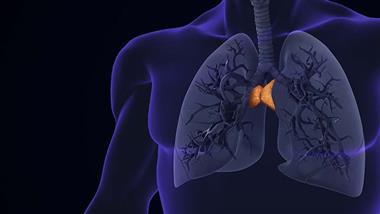
Story at-a-glance
- Your thymus, a small immune gland behind your breastbone, begins shrinking in early adulthood, and research shows that better thymus health is strongly associated with lower risks of cancer, cardiovascular disease, metabolic disorders, and early death
- Adults with healthier thymus tissue were about half as likely to die during a 12-year study period, suggesting that your “immune age” may influence longevity just as much as many traditional health risk factors
- Smoking, obesity, chronic inflammation, high blood sugar, and poor metabolic health were all linked to faster thymus deterioration, while healthier cholesterol levels and stronger physical resilience tracked with better immune aging
- Cancer patients with healthier thymus function tended to respond better to immunotherapy and survived longer across multiple cancer types, which researchers linked to stronger, more diverse T-cell defenses
- Daily habits that lower inflammation and support cellular energy production, including avoiding ultraprocessed foods and seed oils, maintaining muscle mass, getting morning sunlight, prioritizing sleep, and using exercise or sauna therapy, may help preserve thymus function and long-term immune resilience
Your thymus begins shrinking in your 20s, and it doesn’t stop. This small gland tucked behind your breastbone slowly transforms from active immune tissue into fat, and for years, scientists treated that decline as a harmless quirk of aging. New research suggests they had it backwards — that the thymus’s quiet disappearance may be one of the most consequential events in how your body ages.
Inside your thymus, specialized immune cells called T cells mature and learn how to recognize infections, damaged tissue, and abnormal cells before they spiral into disease. When thymus function declines, your immune defenses weaken, inflammation rises, and your body loses one of its most important early-warning systems. But that breakdown doesn’t happen equally in everyone.
Some adults maintain strong thymus function far longer than others, and the difference appears to shape how well you age, influencing everything from cancer risk to cardiovascular health to how your body responds to modern cancer treatments. Those findings challenge one of the oldest assumptions in immunology — that the thymus stops mattering after childhood — and they set the stage for a much bigger discussion about how your immune system influences longevity itself.
Your Thymus Predicts How Well You Survive Aging
A study published in Nature examined CT scans from 25,031 adults in the National Lung Screening Trial and 2,581 participants in the Framingham Heart Study to determine how strongly thymus health influences long-term disease risk and lifespan.1
Scientists developed an artificial intelligence system that analyzed the thymus from routine chest imaging and sorted people into low, average, or high thymus health categories. Instead of assuming the thymus becomes useless after childhood, the researchers tested whether preserving this immune organ into adulthood changes how you age.
• Adults with healthier thymus tissue lived far longer — The differences were massive. Participants with high thymus health had a 13.4% mortality rate over 12 years, compared to 25.5% among those with poor thymus health. People with stronger thymus function were about half as likely to die during the study period. Even after researchers adjusted for smoking, age, sex, and chronic illness, the relationship stayed strong.
• Cancer risk dropped sharply when thymus health stayed intact — Researchers found that adults with healthier thymus tissue were 36% less likely to develop lung cancer than those with low thymus health. Lung cancer death rates also fell dramatically. High-thymus participants had nearly half the risk of dying from lung cancer compared to the low-thymus group.
• Cardiovascular disease followed the same pattern — Adults with high thymus health had a cardiovascular mortality rate of 2.9%, compared to 7.5% in those with poor thymus function. In the Framingham Heart Study, the difference looked even more dramatic. Participants with healthier thymus tissue showed up to a 92% lower risk of cardiovascular death.
Researchers also found fewer new heart-related events such as congestive heart failure, heart attacks, and cerebral embolism, meaning blocked blood vessels in the brain.
• The thymus appeared to influence the entire body, not just immunity — Mortality rates from pulmonary disease, metabolic disorders, digestive disease and endocrine conditions all dropped when thymus health remained strong. Deaths linked to metabolic diseases such as diabetes were 68% lower in people with high thymus health compared to those with severe thymus decline.
Digestive disease deaths, including liver and pancreatic disease, also fell sharply. Instead of acting like a narrow immune organ, the thymus behaved more like a master regulator of healthy aging.
How Your Daily Habits Accelerate Immune Aging
The study revealed that lifestyle habits strongly shaped thymus health.2 Smoking duration, pack-years, and obesity all showed strong negative associations with thymus function. The more someone smoked, the worse their thymus health became. Researchers also found that higher body mass index correlated with greater fatty degeneration inside the thymus.
On the other hand, healthier metabolic markers correlated with better thymus scores. Higher HDL cholesterol — often called “good cholesterol” because it helps remove excess cholesterol from the bloodstream — was linked with healthier thymus tissue, while elevated triglycerides, blood sugar and blood pressure were linked with worse thymus health.
• Physical performance also reflected immune aging — Individuals with lower thymus health showed higher frailty scores and struggled more with walking speed, exhaustion and physical activity. That finding gives you a real-world picture of immune aging. Poor thymus health showed up in how people moved, how much energy they had, and how resilient their bodies remained under stress.
• Inflammation emerged as one of the biggest drivers of thymus decline — Researchers measured inflammatory proteins in blood samples and found that adults with lower thymus health carried higher levels of several inflammatory chemokines. These molecules fuel chronic inflammation throughout the body.
The study also tracked C-reactive protein, or CRP, a marker doctors use to measure systemic inflammation. People with chronically elevated CRP over five to 10 years had substantially lower thymus health scores.
• As your thymus deteriorates, your immune defenses lose their ability to keep disease under control — Your thymus trains T cells, which identify infected cells, damaged tissue and abnormal growths before they spiral into disease. As the thymus deteriorates, it produces fewer fresh T cells. Immune diversity shrinks. Surveillance weakens. Chronic inflammation rises.
Researchers explained that this loss of immune adaptability leaves the body less capable of controlling cancer development, infections, and tissue damage over time. However, some adults preserved strong thymus function decades longer than others, even later in life. That means immune aging doesn’t follow a fixed timeline. Your daily habits shape how quickly your immune system ages, which gives you control over long-term health.
Immune Age Shapes Cancer Treatment Survival
A second paper published in Nature focused on adults with multiple forms of cancer who received immune checkpoint inhibitors, also called ICIs — drugs designed to remove the “brakes” from the immune system, so T cells attack cancer more aggressively.3
Researchers analyzed imaging and clinical data from thousands of patients across several independent cancer cohorts, including people with lung cancer, melanoma, breast cancer, bladder cancer, and kidney cancer. Instead of looking only at the tumor itself, scientists examined the condition of each patient’s immune system through thymus health measurements taken from CT scans.
• Patients with healthier thymus tissue survived longer across multiple cancers — The strongest findings appeared in patients with advanced non-small cell lung cancer, or NSCLC, which is the most common form of lung cancer. Individuals with average to high thymus health consistently showed longer progression-free survival and overall survival than patients with poor thymus health.
Progression-free survival means the cancer stayed under control longer before worsening. Overall survival refers to how long patients remained alive after treatment began.
• The benefits extended beyond one specific cancer type — Researchers expanded the analysis across a pan-cancer group of 3,476 patients treated with immunotherapy, including a subgroup of 2,258 patients with cancers other than lung cancer (melanoma, renal, breast, bladder, and others). Better thymus health correlated with lower death risk across nearly every cancer category examined, including melanoma, renal cancer, breast cancer, and several pooled cancer types.
The paper described this effect as “tumor-agnostic,” meaning the association appeared regardless of where the cancer started in the body. In other words, healthier thymus function was associated with better outcomes whether the cancer started in the lungs, breast, kidney, or skin — a finding that complicates the standard model focused almost entirely on tumor genetics.
• The study revealed why some people respond dramatically to immunotherapy while others don’t — Researchers found that thymus health acted like a marker of “immune competence,” meaning the immune system’s ability to mount a strong attack against disease. Patients with healthier thymus tissue appeared better equipped to generate diverse, active T cells capable of recognizing and destroying cancer cells.
In contrast, individuals with poor thymus health had weaker immune adaptability and reduced cancer-fighting capacity.
The largest effects appeared in patients receiving immunotherapy before chemotherapy, though this interaction was a trend rather than a statistically significant finding. Citing prior evidence, the researchers noted that chemotherapy can impair thymic activity, which may reduce the body’s ability to generate fresh immune cells.
Patients who entered treatment with healthier immune reserves, therefore, appeared more resilient during therapy. This finding shifts attention toward preserving immune strength before aggressive treatments begin, instead of waiting until the immune system is already exhausted.
• Researchers also found evidence that thymus health reflects active T-cell production in adults — One of the most important biological findings involved T-cell diversity, the immune system’s ability to recognize a wide variety of threats. Better thymus health strongly aligned with broader T-cell diversity and stronger adaptive immune capacity.
Adaptive immunity refers to the branch of your immune system that learns from exposures and creates targeted defenses against infections and abnormal cells. A more diverse T-cell population gives your body a much larger “library” of immune responses.
Researchers noted that aging shifts the immune system away from flexible, adaptive responses and toward a more inflammatory state dominated by older immune cells. As thymus function declines, fewer fresh T cells enter circulation. Cancer cells then gain a greater opportunity to hide from immune surveillance and continue multiplying unchecked. This immune exhaustion also reduces how effectively immunotherapy drugs activate anticancer responses.
• The paper challenged another major assumption in medicine — that the thymus is expendable in adults — Researchers pointed out that the thymus receives little attention during cardiothoracic surgery or radiation therapy and is sometimes exposed to high-dose radiation or even removed during procedures. Their findings suggest that damaging the thymus carries long-term consequences for immune resilience and cancer survival.
Protect Your Immune System Before It Collapses
Your thymus responds to the choices you make every day. The research showed that smoking, metabolic dysfunction, inactivity, chronic inflammation, and poor overall resilience were tightly linked to faster thymus decline and worse long-term outcomes. That means your goal isn’t simply “boosting immunity.”
The real goal is preserving immune adaptability: keeping your body capable of generating fresh, diverse T cells decades into adulthood, so it can still recognize new threats rather than reacting blindly to old ones. The earlier you support that process, the more protection you build against cancer, cardiovascular disease, and immune exhaustion later in life.
1. Lower the inflammatory burden that ages your immune system faster — Chronic inflammation repeatedly showed up as one of the strongest predictors of poor thymus health. If your body constantly fights inflammatory stress, your immune system burns through resources faster and loses flexibility over time. Your immune system functions far better when it is not stuck in constant low-grade defense mode. Start with the biggest inflammatory triggers:
• Cut seed oils (soybean, canola, sunflower, safflower, corn, grapeseed) and the restaurant meals and packaged foods built on them. These oils deliver large amounts of linoleic acid (LA), a fatty acid that, in excess, gets incorporated into your cell membranes and mitochondria, where it can oxidize and contribute to the chronic inflammation associated with faster thymus aging
• Replace seed oils with grass fed butter, ghee, or tallow
• Reduce exposure to plastics and heavily fragranced products that contain xenoestrogens, meaning hormone-disrupting chemicals that interfere with cellular signaling
2. Feed your thymus with the nutrients it requires to maintain T-cell strength — Your thymus relies heavily on specific vitamins and minerals to maintain immune resilience. If your diet lacks nutrient density, your thymus loses some of the raw materials needed to sustain immune adaptability over time.
Zinc supports T-cell development and signaling, vitamin A helps regulate thymus structure and immune coordination, and vitamin C may help support the gland and T-cell production. Whole foods work best for building this foundation:
•Oysters and ruminant meats provide highly absorbable zinc
•Egg yolks and properly raised dairy contain vitamin A
•Citrus fruits, berries, and kiwi supply vitamin C along with supportive plant compounds
•Collagen-rich proteins support tissue repair and immune recovery
3. Use movement, heat, and light to stimulate natural growth and repair signals — Your body contains built-in repair systems that support tissue repair, recovery, and cellular regeneration. Rather than using costly hormone products, the following lifestyle measures may support these pathways:
•Blood flow restriction training, also called blood flow restriction (BFR) training or KAATSU, creates a temporary low-oxygen environment inside working muscles, allowing you to build strength and muscle mass using lighter loads
•Sauna sessions combined with exercise help improve circulation and detoxification
•Whole body vibration training using a high-quality vibration platform has been studied for its effects on musculoskeletal and metabolic health
•Red and near-infrared light therapy have been studied for their effects on mitochondrial energy production and cellular repair processes
4. Support immune resilience with targeted compounds that may influence thymic signaling — Some natural compounds have traditionally been used to support immune resilience. One example is astragalus (known in Traditional Chinese Medicine as Huangqi), which has also been used to support stamina. Some early research suggests compounds in astragalus may:
•Lower inflammatory stress
•Increase antioxidant protection
•Improve immune signaling
Other compounds under investigation include thymic peptides such as thymalin, thymosin beta-4, and thymosin alpha-1, which researchers have studied for their roles in immune signaling, tissue repair, and antiviral effects. Thymic protein A, derived from calf thymus tissue, has also been studied for its effects on helper T lymphocytes and thymus atrophy.
Many of these compounds remain experimental and are not FDA-approved for general use, and some are available only by prescription. In regenerative and integrative medicine settings, they have been explored in the context of chronic infections, immune exhaustion, and age-related immune decline — though anyone considering these therapies should consult a licensed physician.
5. Protect your thymus from chronic immune exhaustion — Your immune system is not separate from the rest of your body. When your metabolism strengthens, inflammation falls, and cellular energy production improves, your thymus and your long-term resilience improve alongside it. Smoking showed one of the strongest negative relationships with thymus health.
Tobacco exposure continuously overloads your immune system with oxidative stress and abnormal cell damage. You also reduce immune strain by:
•Prioritizing deep sleep and circadian rhythm consistency
•Getting morning sunlight to regulate immune signaling and mitochondrial function
•Avoiding excessive alcohol, which disrupts gut integrity and immune regulation
•Lowering exposure to chronic stress that keeps inflammatory hormones elevated
•Maintaining daily movement and preserving muscle mass as you age
These findings come from observational and clinical research. Associations do not prove that changing one factor will change another, and results may not apply to all individuals.
FAQs About Thymus Health, Longevity, and Cancer
Q: What does the thymus actually do in your body?
A: Your thymus is a small gland located behind your breastbone that trains T cells, which are specialized immune cells responsible for identifying infections, damaged tissue, and abnormal cells before they develop into larger problems. As the thymus shrinks and fills with fat over time, your body produces fewer fresh T cells, reducing immune diversity and weakening your ability to control inflammation, infections and cancer growth.
Q: Why does thymus health matter for longevity?
A: Researchers found that adults with healthier thymus tissue had dramatically lower death rates over a 12-year period compared to those with poor thymus health. Strong thymus function was linked to lower risks of lung cancer, cardiovascular disease, metabolic disorders, and several other chronic illnesses. The findings suggest the thymus acts as a major regulator of healthy aging rather than a useless organ left over from childhood.
Q: What daily habits are linked to worse thymus function?
A: Smoking, obesity, chronic inflammation, inactivity, and poor metabolic health were all strongly linked to faster thymus deterioration. Researchers also found that elevated blood sugar, triglycerides, and blood pressure correlated with worse thymus health, while healthier HDL cholesterol levels tracked with stronger thymus tissue. Long-term inflammatory stress appears to accelerate immune aging and reduce your body’s ability to maintain flexible immune defenses.
Q: How does thymus health affect cancer treatment outcomes?
A: Patients with healthier thymus tissue responded better to immunotherapy treatments across multiple cancer types, including lung cancer, melanoma, breast cancer, and kidney cancer. Better thymus health was associated with stronger T-cell diversity, longer survival, and improved ability to keep cancer under control. Researchers concluded that preserving immune resilience before aggressive treatments may improve how well patients tolerate and respond to therapy.
Q: What helps protect or support your thymus as you age?
A: Lowering chronic inflammation, improving metabolic health, and maintaining strong cellular energy production appear central to protecting thymus function.
Several supportive strategies include removing seed oils and ultraprocessed foods, prioritizing nutrient-dense foods rich in zinc and vitamin C, exercising regularly, using sauna and red-light therapy, getting morning sunlight, and maintaining consistent sleep patterns. Avoiding smoking and excessive alcohol also reduces long-term immune strain.
This article is for informational purposes only and does not constitute medical advice. It is not a recommendation to use any specific supplement, peptide, hormone, or therapy. Consult a qualified health care provider before making changes to your health regimen, especially if you have cancer or a serious medical condition.
The forgotten organ that can predict your risk of infections and premature death by up to 50%
Reproduced from original article:
https://www.naturalhealth365.com/the-forgotten-organ-that-could-predict-how-long-you-live-researchers-now-confirm.html
by: Patrick Tims, staff writer | June 6, 2026
 (NaturalHealth365) Most adults have never given a thought to their thymus. Unfortunately, Western medicine rarely mentions this organ after childhood. On top of that, the conventional scientific community falsely believes that the thymus becomes largely irrelevant once the body matures. Now two landmark studies published in Nature are overturning that assumption entirely, and the numbers are impossible to dismiss.
Researchers at Mass General Brigham used artificial intelligence to analyze CT scans from more than 25,000 adults. The AI assessed each participant’s thymus and generated a thymic health score. People with the highest scores had a 50% lower risk of death from any cause and a 63% lower risk of dying from cardiovascular disease.
Remarkably, those adults also showed a 36% lower risk of developing lung cancer. A second study analyzed outcomes in 3,476 cancer patients receiving immunotherapy. Stronger thymic health was associated with a 37% lower risk of cancer progression and a 44% lower risk of death.
Your protection against infections and disease
The thymus sits in the chest, just behind the breastbone. During childhood, the organ trains T cells, the specialized immune defenders that protect the body from infection and disease.
Cancer defense and cellular repair both depend on these cells. After puberty, the thymus begins to shrink and produces fewer new T cells. Consequently, most physicians stopped paying attention to the thymus, assuming the work was finished.
However, research from Mass General Brigham reveals that the thymus continues to produce T cells throughout adulthood. The quality of that ongoing production matters enormously.
Moreover, adults with healthier thymuses maintain greater immune cell diversity. That diversity, the research shows, translates directly into lower rates of chronic disease and longer survival. “The thymus has been overlooked for decades and may be a missing piece in explaining why people age differently,” said lead researcher Hugo Aerts, PhD.
Why thymic decline happens faster in some people than others
The research did not simply confirm that thymic health predicts longevity. Importantly, the team identified specific factors associated with accelerated decline. Chronic inflammation, smoking, and high body weight each correlated with significantly poorer thymic health scores.
That finding matters because the research places a meaningful degree of control over immune aging in each individual’s hands. Rather than leaving the outcome entirely to genetics or time, lifestyle choices now emerge as direct determinants of thymic health.
A person managing chronic inflammation, reducing body weight, and avoiding tobacco is also protecting the immune system, which is responsible for long-term disease resistance. The research makes that connection direct and specific.
What the immunotherapy finding reveals about immune capacity
The second study’s finding deserves separate consideration. Researchers analyzed cancer patients receiving immune checkpoint inhibitors. These treatments work by removing molecular brakes that cancer cells place on T cells, allowing those immune cells to resume attacking tumors.
Patients with the strongest thymic health showed a 37% lower risk of cancer progression and a 44% lower risk of death. In fact, those results held even after accounting for tumor type, treatment protocol, and other patient variables.
These finding suggests the thymus functions as a reservoir of immune capacity. When that reservoir is depleted over decades of inflammation and poor metabolic health, the T cells available to respond to treatment become fewer and less diverse. As a result, the immune system’s ability to fight cancer may be substantially shaped years before a diagnosis is ever made.
Steps that protect thymic function starting now
Address chronic inflammation. The research confirms that systemic inflammation accelerates thymic decline. A diet rich in organic dark leafy greens, organic berries, and extra-virgin olive oil provides anti-inflammatory polyphenols, and antioxidants. Together, those compounds directly reduce the inflammatory burden on immune tissue.
Curcumin from turmeric has strong research support for reducing systemic inflammatory markers. In addition, high-quality omega-3 foods or supplementation can help to reduce the risk of inflammation at the cellular level.
Support metabolic health as inseparable from immune resilience. High body weight was directly linked to poorer thymic health in the research. Reducing visceral fat through consistent daily movement and a diet low in refined carbohydrates creates a metabolic environment that supports rather than burdens the immune system.
Targeted supplementation with berberine further improves insulin sensitivity through pathways that reduce systemic inflammation. And, finally, magnesium can help you with both blood sugar regulation and the stress response, reducing one of the least-recognized contributors to chronic inflammation.
Prioritize nutrients that support T cell development and immune diversity. Zinc plays an essential and largely underappreciated role in thymus function and T cell maturation.
Research consistently links zinc deficiency to accelerated thymic atrophy and reduced immune cell diversity. Plus, selenium supports the antioxidant defenses that protect thymic tissue from oxidative damage.
Vitamin D, maintained at functional blood levels between 50 and 70 ng/mL, supports immune genes critical for T cell activation. But, keep in mind, most people on standard supplement amounts will not reach that target without testing and adjustments, as needed.
Together, these targeted nutrients supply the biological inputs the thymus depends on to remain functional across the lifespan.
The immune system builds future resilience long before disease arrives
Overall, a 50% reduction in all-cause mortality linked to a single organ’s health status is a finding that should reshape how adults think about immune function. Most people manage symptoms as they appear. Very few consider the underlying immune infrastructure that determines whether those symptoms ever develop.
Sources for this article include:
CoQ10 Triumphs Over Ubiquinol in Heart Health Battle
Reproduced from original article:
https://articles.mercola.com/sites/articles/archive/2024/12/12/coq10-ubiquinol-heart-health.aspx
Analysis by Dr. Joseph Mercola December 12, 2024

STORY AT-A-GLANCE
- CoQ10 supplementation shows significant benefits in heart failure patients, leading to lower cardiovascular death rates and improved cardiac function, making it more effective than the reduced form, ubiquinol
- CoQ10 aids in the early recovery of cardiac function post-myocardial infarction by reducing inflammation through the inhibition of CCR2+ macrophage recruitment and suppression of the NLRP3/IL1β inflammatory pathway
- Intravenous administration of CoQ10 demonstrates promise in emergency ischemic conditions by rapidly increasing tissue penetration, reducing infarct size, and enhancing antioxidant capacity, offering protection during acute ischemia and reperfusion
- CoQ10 reduces inflammation via the NLRP3/IL1β pathway, which is crucial for heart health, and its anti-inflammatory properties help improve cardiac function and reduce fibrosis and hypertrophy
- CoQ10’s antioxidant properties protect against oxidative stress, providing a promising alternative to conventional heart failure treatments with fewer side effects and long-term benefits
Heart failure is a significant health concern, especially among older adults. The average one-year case fatality rate for heart failure patients is 33%, highlighting the serious nature of this condition.1 Prevalence rates vary widely however, from as low as 0.2% in a Hong Kong hospital study to as high as 17.7% in a U.S. Medicare population aged 65 and older between 2002 and 2013.2
Coenzyme Q10 (CoQ10) has been extensively researched for its role in heart health, and numerous studies suggest CoQ10 supplementation can significantly reduce cardiovascular mortality and improve cardiac function. These benefits are crucial, given the high prevalence and mortality rates associated with heart failure.
Interestingly, in a surprising reversal of long-held beliefs, recent research suggests that CoQ10 (ubiquinone) is more effective for heart health than its reduced form, ubiquinol.3 For years, health experts and supplement manufacturers have advocated for ubiquinol, claiming its superior bioavailability made it the obvious choice for those seeking cardiovascular benefits.
Their recommendation seemed logical: since ubiquinol is the active form of CoQ10 in the body, taking it directly should provide better results. However, emerging evidence challenges this conventional wisdom, indicating that the body may actually use standard CoQ10 more effectively for cardiac function. As noted by the authors:4
“A slightly better water solubility and a lack of understanding absorption and transfer of CoQ10 and CoQH2 have led to misleading interpretations pushing CoQH2 as more bioactive form.”
This finding not only questions our understanding of CoQ10 supplementation but also highlights how assumptions about bioavailability don’t always translate to real-world therapeutic benefits.
I was absolutely thrilled to come across this new study, which confirms what I concluded after delving into Ray Peat’s work. It has helped me recognize that reductive stress is a significant factor contributing to reverse electron flow in the electron transport chain (ETC). The solution to reductive stress lies in the use of oxidants. Examples of effective oxidants that can help remove excess electrons include quinones such as vitamin K2, methylene blue, and ubiquinone (CoQ10).
When we were selling ubiquinol, the studies seemed to support its use, so I took the initiative to confront the company about it. After three months, their chief scientists produced a 30-page PowerPoint presentation in an attempt to convince me that ubiquinol was superior. However, the scientific evidence I presented indicated that the oxidized form was actually more effective.
Now, with this new study providing objective confirmation of my conclusions from two years ago, I finally have the proof I needed.
CoQ10 Mechanisms of Action
CoQ10 is a vital supplement for cardiovascular health, known for its role in energy production and antioxidant protection. This compound is essential for the production of ATP, the energy currency of cells, and plays a crucial role in maintaining mitochondrial function.
Mitochondria, often referred to as the powerhouses of the cell, rely on CoQ10 to shuttle electrons during the process of energy generation. This function is particularly important in heart cells, which have high energy demands.
Conventional treatments for heart failure often fall short, leaving patients with limited options and significant side effects. CoQ10 offers a promising alternative, providing cardiovascular benefits with fewer adverse effects. Its ability to reduce heart failure mortality and improve cardiac function makes it a key player in heart health management.
By improving mitochondrial function and energy production, CoQ10 supports the heart’s ability to pump efficiently. Additionally, its antioxidant properties protect against oxidative stress, a major contributor to heart disease. This dual action not only aids in the prevention of heart failure but also supports recovery in those already affected.
CoQ10 has also been shown to aid in the early recovery of cardiac function following a myocardial infarction, commonly known as a heart attack. By reducing inflammation and oxidative stress, CoQ10 helps to preserve heart tissue and improve overall cardiac health. This makes it an important supplement for those at risk of or recovering from heart-related events.
CoQ10 Proven Superior in Lowering Heart-Related Deaths
Importantly, a recent scientific review of 28 studies found that CoQ10 is more effective than its reduced form, ubiquinol, in reducing deaths related to heart diseases.5 Participants who took CoQ10 supplements showed significantly lower rates of cardiovascular mortality compared to those who took ubiquinol.
CoQ10 enhances mitochondrial function, which is crucial for energy production in heart cells. By improving how mitochondria operate, CoQ10 ensures that the heart muscle gets the energy it needs to pump blood efficiently. This improvement in energy production directly contributes to better heart health and reduced mortality rates.
Moreover, CoQ10 is more stable and bioavailable than ubiquinol. This means that CoQ10 is easier for the body to absorb and use effectively. Higher bioavailability ensures that more of the supplement reaches the heart cells where it is needed most, providing greater benefits.
Long-term studies have shown that the positive effects of CoQ10 persist over time, offering sustained protection against heart failure. In contrast, ubiquinol does not demonstrate the same level of long-term benefits, making CoQ10 the preferred choice for ongoing heart health management.
CoQ10 supplementation is particularly important if you’re on a statin drug. Statins block HMG coenzyme A reductase in your liver, which is how they reduce cholesterol. But this is also the same enzyme that makes CoQ10, making deficiency highly likely. Statin-induced CoQ10 deficiency is in many cases responsible for the myopathic side effects attributed to these drugs (i.e., side effects involving loss of muscle control).

Save This Article for Later – Get the PDF Now
CoQ10 Aids in Early Recovery of Cardiac Function Post-Myocardial Infarction
Other recent research found that CoQ10 significantly reduces inflammation by inhibiting the recruitment of CCR2+ macrophages. CCR2+ macrophages are a type of immune cell that contribute to inflammation in the heart after a myocardial infarction, making their reduction crucial for recovery.6
Additionally, CoQ10 suppresses the NLRP3/IL1β inflammatory pathway. This pathway plays a key role in the body’s inflammatory response, and its inhibition by CoQ10 helps decrease overall inflammation, promoting better heart function after an infarction.7
The research also demonstrated that CoQ10 improves cardiac function and reduces both fibrosis and hypertrophy. Fibrosis refers to the stiffening of heart tissue, while hypertrophy is the enlargement of heart muscle cells. By mitigating these factors, CoQ10 supports a healthier heart structure and more efficient pumping action.8
Furthermore, CoQ10 enhances survival rates in models of myocardial infarction. This improvement in survival underscores the compound’s potential to not only aid in recovery but also to increase the likelihood of long-term survival following a heart attack.
CoQ10’s anti-inflammatory properties are therefore crucial for heart health. By targeting specific inflammatory pathways and reducing harmful immune cell activity, CoQ10 helps maintain a balanced inflammatory state, which is essential for the heart’s healing process and overall function after ischemic injury.
Intravenous CoQ10 Administration Shows Promise in Emergency Ischemic Conditions
Yet another 2024 study found that administering CoQ10 directly into the bloodstream can quickly boost its levels in vital organs.9 This rapid increase is crucial because it allows CoQ10 to act swiftly during emergencies like heart attacks or strokes.
When CoQ10 is given intravenously, it reaches the affected tissues much faster than when taken orally. This speedy delivery ensures that organs under stress from a lack of blood flow receive the necessary protection immediately. By enhancing the heart’s ability to function during acute ischemia, CoQ10 helps maintain essential energy production and prevents further damage.
In emergency situations, CoQ10 plays a significant role in reducing the size of the damaged area, known as the infarct. Smaller infarct sizes mean that less heart muscle is lost, which directly improves the heart’s overall function and the patient’s chances of recovery.10 This reduction in damage is a key factor in improving long-term outcomes for patients experiencing severe heart conditions.
Additionally, intravenous CoQ10 boosts the body’s antioxidant defenses, which help neutralize harmful free radicals created during ischemic events. By reducing oxidative stress, CoQ10 protects cells from further injury and supports the healing process.11 This enhanced antioxidant capacity is vital for minimizing the overall impact of the ischemic event on the body.
Given these benefits, intravenous CoQ10 stands out as a valuable treatment option in acute medical settings. Its ability to rapidly increase tissue concentrations, protect against immediate damage, and support long-term heart function makes it an essential tool for managing emergency ischemic conditions.12
CoQ10 Counteracts Reductive Stress
As mentioned earlier, reductive stress is a major factor that contributes to reverse electron flow in the electron transport chain, and CoQ10, being a potent oxidant, helps remove excess electrons.
Reductive stress is an important topic because it’s fundamental to optimizing your biology. In a nutshell, reductive stress means you have too many mobile electrons in the cell. Think of your body’s cells as tiny engines that need to process fuel (from the food you eat) efficiently.
Just like a car needs the right mixture of fuel and air to run smoothly, your cells need the right balance of electrons (which come from breaking down food) and carriers (like NAD) to transport these electrons. These carriers work like taxis moving passengers (electrons) around the city (your cell).
Reductive stress happens when there’s too much fuel coming in. When all the electron carriers are full, new electrons have nowhere to go, creating a traffic jam in your cells. This typically occurs when we flood our system with too many calories. Just as a car engine runs poorly with too much fuel and not enough air (called a “rich” mixture), your cells can’t function properly when overwhelmed with too much energy input.
This cellular traffic jam is what scientists call reductive stress, and it’s a key feature of metabolic syndrome and other health issues.
To understand how oxidants like CoQ10 helps in this instance, think of it as a traffic controller for those electrons. When you have reductive stress, oxidants open up new routes to help move the traffic along.
CoQ10 specifically has a unique ability to accept backed-up electrons and safely transport them through the cellular machinery, helping to clear the congestion. By providing these alternative pathways for electron flow, oxidants like CoQ10 help restore balance to the system. They essentially help convert those backed-up electron carriers back into their empty form (NAD+), making them available to transport more electrons again.
Optimizing Your Heart Health with CoQ10
If you’re new to CoQ10 supplementation, an initial dose of 200 to 300 mg per day is recommended. After about three weeks, when plasma levels typically reach their optimal plateau, you can transition to a maintenance dose of 100 mg daily, which is sufficient for most healthy individuals. However, if you maintain an active lifestyle, exercise frequently, or experience high stress levels, you might benefit from continuing with 200 to 300 mg daily.
Special consideration must be given to certain health conditions. Those taking statin medications should supplement with at least 100 to 200 mg of CoQ10 daily, and possibly more. Similarly, individuals managing chronic conditions such as heart disease, diabetes, ALS, chronic fatigue, or autism may require higher doses.
For optimal absorption, split your daily dose into two or three portions rather than taking it all at once, and take it with a healthy source of fat since CoQ10 is fat-soluble. While these guidelines provide a general framework, working with an integrative physician can help determine the most appropriate dosage for your specific needs.
Additionally, given the varying quality of supplements available in the market, it’s crucial to select a CoQ10 product specifically formulated for maximum absorption and bioavailability.
CoQ10 Outshines Ubiquinol in Enhancing Heart Health
CoQ10 significantly reduces heart-related deaths more effectively than Ubiquinol. Studies demonstrate that individuals taking CoQ10 supplements experience lower rates of cardiovascular mortality due to improved mitochondrial function and efficient energy production in heart cells.
The stability and bioavailability of CoQ10 ensure it is easily absorbed and utilized by the body. This higher bioavailability allows more of the supplement to reach heart cells, providing consistent and long-lasting benefits that surpass those of Ubiquinol.
CoQ10 plays a crucial role in the early recovery of cardiac function after a myocardial infarction. It reduces inflammation by inhibiting specific immune cells and inflammatory pathways, which helps preserve heart tissue and improves overall heart health following a heart attack.
Intravenous administration of CoQ10 offers rapid elevation of its levels in vital organs during emergency ischemic conditions. This swift delivery protects the heart muscle, reduces the size of damaged areas, and supports better long-term recovery, making CoQ10 an essential treatment option in acute medical settings.
Incorporating CoQ10 into your daily routine can optimize heart health. By selecting a high-quality supplement, determining the appropriate dosage based on age, and maintaining consistent supplementation, you can enhance energy production, boost immune responses, and protect your heart from damage.
- 1, 2 Heart 2022;108:1351-1360
- 3, 4, 5 Current Cardiology Reports (2023) 25:1759–1767
- 6, 7, 8 BMC Cardiovascular Disorders (2024) 24:76
- 9, 10, 11, 12 Life 2024, 14(1); 134
Osteoporosis warning: How bone loss signals inflammation and a risk of disease
Reproduced from original article:
https://www.naturalhealth365.com/osteoporosis-warning-how-bone-loss-signals-inflammation-and-a-risk-of-disease.html
by: November 23, 2024
 (NaturalHealth365) Osteoporosis, a disease in which bones become brittle and prone to breakage, is so widespread that 50 percent of all women over age 50 (and 25 percent of all over-50 men) will eventually suffer an osteoporosis-related bone fracture. A new study published in the Journal of Cachexia, Sarcopenia and Muscle reveals systemic inflammation and frailty as key contributors to osteoporosis and fracture risks.
Unfortunately, the consequences of osteoporosis extend even beyond the pain and disabling effect of broken bones. In fact, recent research highlights a shocking connection between osteoporosis and life-threatening conditions such as heart disease, Alzheimer’s disease, and cancer.
Fortunately, a combination of natural nutrients may help prevent osteoporosis – and offer protection against the devastating diseases that can accompany it.
Pro-inflammatory molecules released by bone loss are linked to increased risk of deadly diseases
The creation of bone is regulated by the actions of the body’s osteoblasts (bone cells that create new bone) and osteoclasts (cells that break down bone).
At about age 35, the “balancing act” begins to shift – and the rate of bone breakdown starts to overtake the rate of bone development, leading to bone loss. Researchers are now learning that aging bones contain more “senescent” cells – meaning they have stopped reproducing themselves and now exclusively promote the breakdown of bone tissue.
These senescent cells release pro-inflammatory molecules into the bloodstream, laying the groundwork for disease. Senescent bone cells have been found in plaque deposits in heavily calcified arteries.
And, having large numbers of senescent cells in the bones is linked in studies with accelerated aging – particularly affecting the brain. Finally, people with osteoporosis have an increased risk of cancer.
Keep in mind, when over-activated, the bone proteins that normally regulate bone maintenance and healing can lead to uncontrollable cell growth and replication.
Discover a natural way to strengthen your bones
The antioxidant vitamin C plays a critical role in preventing bone loss – which it does by preventing the oxidative stress that destroys bone structure. Vitamin C also plays a pivotal role in the formation and structure of bones by forming collagen and developing other bone proteins.
If the body’s need for vitamin C is unmet, insufficient collagen production can result – leading to easily fractured bones. Many natural health experts believe osteoporosis is a vitamin C deficiency or “scurvy of the bones.”
Bone-building vitamin C is found in citrus fruits, kiwi, strawberries, and bell peppers. However, supplementation may be necessary – especially if you have osteoporosis. By the way, for superior bioavailability (absorption), natural health experts advise using a liposomal form of vitamin C.
Boron reduces the loss of indispensable calcium from the bones
This little-known trace mineral packs a powerful punch when it comes to supporting bone health.
Simply put, boron helps the body produce and use vitamin D – a mainstay of bone health. The mineral also helps regulate calcium, magnesium, and phosphorus levels – all “MVPs” of bone maintenance and support.
A study published in the Federation of American Societies for Experimental Biology Journal showed that 3 mg of boron daily helped prevent calcium loss and bone demineralization in postmenopausal women.
Natural health experts may advise 3 to 6 mg of boron daily. You can increase your dietary boron intake by eating organic nuts, beans, avocados, and whole grains.
Calcium: The primary structural component of bones
Bones contain 99 percent of the body’s calcium stores – integral to bone building.
But, for your body to use calcium to build bone, you must have sufficient levels and adequate amounts of vitamin D. Deficiency in both minerals can cause bone loss and symptoms of muscle pain, muscle cramps, and weakness.
Calcium exists in sardines, including the bones, dark leafy greens, and cruciferous vegetables, such as Brussels sprouts. Most adults require between 1,000 and 1,200 mg of calcium a day.
Magnesium deficiency is a cause of “incalculable” suffering
Magnesium works in concert with calcium to suppress hormones that break down bones – while activating enzymes needed to produce new bone. Unfortunately, experts estimate that about half of all Americans fail to consume enough of this important mineral.
More than 40 percent of post-menopausal women have low magnesium blood levels, which can trigger excessive bone breakdown.
In one landmark study on magnesium benefits, the researchers lamented that the deficiency of such an “inexpensive, low-toxicity nutrient” is currently causing diseases that are a source of untold “suffering and expense” worldwide.
Eating organic dark leafy greens, potatoes, raisins, chocolate, pumpkin seeds, nuts, and avocados can help ramp up your dietary intake of magnesium. Of course, your holistic healthcare provider may recommend supplementing with magnesium to avoid shortfalls.
Most natural healers recommend 250 to 750 mg a day. Magnesium citrate, magnesium glycinate, and magnesium taurate are considered the most bioavailable forms.
Vitamin D helps improve calcium absorption
Vitamin D reduces the activity of the pro-inflammatory signaling molecules that are released from senescent bone cells during bone breakdown. Unsurprisingly, vitamin D shortfalls are bad news for your bones and the rest of your body.
Vitamin D deficiency has been identified as a major contributor to osteoporosis – as well as to cancer, heart disease, type 2 diabetes, and lowered cognitive functioning. This fat-soluble vitamin is found in cold-water fatty fish (like wild-caught salmon), as well as in mushrooms and egg yolks.
Because the body manufactures vitamin D in response to sunlight, many natural health experts advise getting 20 minutes of direct sunlight three or four times a week. However, supplementation may be necessary to maintain healthy vitamin D levels, especially in northern climates.
Just remember to opt for vitamin D3 (cholecalciferol) over vitamin D2.
Vitamin K2 directs calcium in the body
Vitamin K2’s job is to route calcium where it belongs – in the bones and teeth – while keeping it out of blood vessel walls (thereby helping to prevent heart disease).
Vitamin K2 improves bone mineral density and is particularly beneficial for improving bone mineral content of the femoral bone – which is particularly susceptible to fracture during falls. Researchers have found that vitamin K2 is synergistic with vitamin D3 – meaning that each nutrient enhances the beneficial effect of the other.
In an influential study published in Maturitas, supplementation with a combination of vitamins K2 and D3 protected and increased vertebral bone mass in postmenopausal women.
Food sources of vitamin K2 include liver, egg yolks, and natto, a food made from fermented soybeans.
Your doctor may recommend 100 mcg per day of vitamin K2 in the form of menaquinone-7, a highly available form of the nutrient.
Prescription drugs can jeopardize zinc supply
Zinc is needed for bone cells (osteoblasts) to create bone tissue – and is crucial for the entry of vitamin D into cells. And, yes, patients with osteoporosis have been found to have low levels of zinc.
Ironically, pharmaceutical osteoporosis drugs – such as Boniva and Reclast – actually rob the body of this important trace mineral. The RDA for zinc is 8 mg for women and 11 for men.
You can increase your dietary zinc intake by eating organic pumpkin seeds, chickpeas, nuts, yogurt, and cruciferous vegetables, such as broccoli. Grass-fed beef, oysters, and pasture raised poultry are also rich in zinc.
As with the other vitamins and minerals, consult your holistic doctor before supplementing with zinc.
With millions of people either suffering from osteoporosis – or at serious risk – it’s time to fight back. And, your best weapons in the battle to slow and reverse bone loss could be these non-toxic, natural micronutrients.
Sources for this article include:
NIH.gov
LifeExtension.com
SaveOurBones.com
UniversityHealthNews
Why Your Multivitamin May Be Harming Your Health
© GreenMedInfo LLC. This work is reproduced and distributed with the permission of GreenMedInfo LLC.
Want to learn more from GreenMedInfo? Sign up for the newsletter here:
www.greenmedinfo.com/greenmed/newsletter
Reproduced from original article:
https://greenmedinfo.com/content/why-your-multivitamin-may-be-harming-your-health
Posted on: Thursday, November 7th 2024 at 12:15 pm
Written By: Sayer Ji, FounderThis article is copyrighted by GreenMedInfo LLC, 2024

What comes to mind when you think of toxic waste disposal? Biohazard suits, lead-lined vaults, and burial deep underground? You might be shocked to learn that a dumping ground for these chemicals is a product that many people consume daily to ensure good health – and it may be in your medicine cabinet.
When it comes to dietary supplements, all products are not created equal. A label can identify the presence of a specific ingredient without indicating if it’s from a natural, bioavailable and biocompatible source, or from a synthetic, inorganic source. This is despite the fact that our bodies may not recognize these synthetic ingredients as food.
When a supplement contains an ingredient that is not bioavailable, the body either will not absorb or utilize it correctly. The best one can hope for is that the substance will pass, inert, through the body. But with certain ingredients, the material from which they are extracted is highly toxic, rendering a substance that can do more bodily harm than good.
Industrial waste products such as fluoride (a byproduct of aluminum manufacturing and known neurotoxin), and cobalt-60, a radioactive waste material culled from nuclear reactors, have been used for decades in broad-reaching applications to make our water “healthier” and our food “safer.”
With FDA-approval and cherry-picked, manufacturer-sponsored studies as “proof”, the unsuspecting public is lulled into a sense of safety regarding these practices. And these aren’t the only such hoaxes being perpetrated on the American people.
Hidden in Plain Sight
As with most things in our modern world, understanding this logic requires you to follow the money trail. The economics are simple: chemical byproducts and industrial waste are environmentally hazardous and in abundant supply. This makes them both difficult and costly to dispose of properly. Selling these waste products as cheap, raw materials is a BIG win for manufacturers. And repackaging them as health supplements can be extremely profitable.
 One of the most popular health supplements by category is the multivitamin. Consumed by adults and children alike, multivitamins are sold as veritable health insurance. If you don’t get enough of the recommended daily allowance of essential vitamins and minerals, taking a quality multivitamin can fill this dietary gap.
But not all vitamins on supermarket shelves are actually good for you. Some manufacturers source “healthy nutrients” that are toxic to the body, even in small quantities. This confounding trend is not limited to off-brand manufacturers looking to produce cheap knock-offs of “the good stuff”. Some of the most trusted name brands use ingredients that show up on global watch lists of hazardous substances we’ve been instructed to avoid for health and safety.
Disguised as healthy nutrients, the following toxic imposters are listed on the labels of popular multivitamins Centrum, One-A-Day, and Flintstones for Kids. As you will see, some of the biggest dangers to consumers are hidden in plain sight!
Sodium selenate/Sodium selenite
Sodium selenate, a byproduct of copper metal refining, is four times more toxic than the known killing drug, cyanide. Yet, it is proudly listed as a “nutrient” in many common health products.
Based on animal studies, we know that a mere 100 milligrams of the stuff are a fatal dose to most humans. The amount found in Centrum is 55 micrograms (mcg); that’s 5 mcg more than the EPA allows in a liter of drinking water before declaring it unsafe for human consumption!
Organically-bound selenium is the vital human nutrient that sodium selenate can not replace. Selenium is found in foods like nuts, seeds, and organic produce grown in selenium-rich soil. This naturally-occurring trace mineral is very different than the unbound, synthetic form being put into some multivitamins.
Organic selenium is known for its ability to boost the immune system, improve thyroid function, protect against heart disease, and even prevent cancer. Sodium selenite/selenate, on the other hand, has been shown to cause DNA damage associated with cancer and birth defects.

This mass market vitamin reveals a litany of toxic chemicals sold as “nutrients’
Cupric oxide
Cupric oxide is one of several derivative forms of “dietary copper”, a micronutrient needed to ensure proper growth and development of bones and connective tissues, as well as for maintaining the health of vital organs such as the brain and heart.
Organically, copper is found in a variety of foods, including dark leafy greens, organ meats, beans, nuts, dried fruits, nutritional yeast, as well as oysters and shellfish. The synthetic derivations found in many multivitamins are an entirely different kettle of fish!
For decades, cupric oxide was the principal source of dietary copper in supplements sold for livestock and companion animals. But an array of studies conducted as far back as the 1980’s on the bioavailability of cupric oxide determined it was not fit for animal consumption. This hasn’t stopped it from being fed to humans!
A summary of these studies published by The American Society for Nutritional Sciences ascertained that cupric oxide is not bioavailable due to it’s inability to permeate the gut wall. The fact that this form of copper is still being used in human health supplements and even baby formula, is particularly troubling since an estimated 61% of people in the U.S., U.K., and Canada have dietary deficits of this essential nutrient. Copper deficits are linked to heart disease, osteoporosis, and poor blood sugar metabolism, among other troubling disorders.
The dangers of this supplement go beyond the nutritional deficits caused by this deceptive masquerade. Cupric oxide is listed on the European Union’s Dangerous Substance Directive as a hazardous substance, for humans and the environment. Not surprising, considering its use as a chemical in industrial applications such as the production of rayon fabric and dry cell batteries.
Ferrous fumarate (aka iron)
With a list of side effects a mile long including nausea, vomiting, gastrointestinal discomfort, constipation, diarrhea, blackened stools, tooth discoloration, and anorexia, it should come as no surprise that this is the one ingredient in Flintstones vitamins to precipitate the warning on the label:
Keep this product out of reach of children. In case of accidental overdose, call a doctor or poison control center immediately.
However, it might surprise you to learn that the amount of ferrous fumarate in one Centrum vitamin is six times higher than the maximum EPA allowed limit for 1 liter of drinking water!
 Another tip-off that this isn’t the iron Popeye was getting from spinach, is the fact that it is impossible to die from too much iron obtained from food. But ferrous fumarate is so toxic that accidental overdose is “a leading cause of fatal poisoning in children under 6.”
Ferrous fumarate is an industrial mineral that is not found in nature as food. A byproduct of iron mining, ferrous fumarate has drawn even more criticism as a supplement due to its interaction with vitamin C leading to ulceration of the GI tract, chronic inflammatory diseases, and cancer.
Adding to these concerns are the high doses present in many health supplements. Studies found high concentrations of iron to be associated with several pathologies, including cancer, diabetes, liver and heart disease.
Dishonorable Mention
In addition to the offenders already mentioned, the following common multivitamin ingredients have disturbing toxic rap sheets, and are found in dangerously high concentrations in most multivitamins.
Stannous chloride (tin)
In a 1983 study, it was determined that stannous chloride was “readily taken up by white blood cells and can cause damage to DNA.”
In small doses, it’s known to cause side effects such as skin irritation, headache, nausea, vomiting, and fatigue. In larger doses, severe growth retardation and cancer. While the EPA says a mere 4 mcg is the high-end limit for one liter of water to become undrinkable, you will find 10 mcg in one dose of Centrum.
Manganese sulfate
Manganese sulfate is often promoted as a supplement to prevent bone loss and anemia. The organic form of this essential nutrient helps with blood clotting, the formation of bones and connective tissues, as well as hormone regulation. Found in nuts, beans, seeds, and leafy greens, manganese is considered an essential nutrient. Manganese sulfate’s other claim to fame is its pervasive use as a chemical pesticide.
Even low doses of this chemical present significant neurological risk over time, as evidenced by reports of workplace exposure. Affected field workers showed loss of coordination and balance, along with an increase in reporting mild symptoms such as forgetfulness, anxiety, or insomnia.
In high concentrations, this supplement becomes a neurotoxin, presenting with Parkinson’s disease-like symptoms, including tremors and permanent memory loss. So why is the standard dose in a single Centrum more than four times the EPA safe consumption limit?
It should be noted that even if there aren’t extraordinary large amounts of these metals and toxicants in the vitamins you are taking, the age old justification that small amounts of chemicals or heavy metals won’t hurt you, i.e. “the dose makes the poison,” is now an outdated and disproved toxicological risk model. For instance, recent discoveries indicate that exceedingly small amounts of the following metals: “aluminium, antimony, arsenite, barium, cadmium, chromium (Cr(II)), cobalt, copper, lead, mercury, nickel, selenite, tin and vanadate,” exhibit estrogen receptor binding and stimulating properties, which has lead to them being described as ‘metalloestrogens’ with the capability to induce hormone reponse related carcinogenicity. This concept that, in some cases, the lower the dose concentration, or the lower the energy state, the higher the damage, has also been demonstrated with x-ray mammography, toxicants like glyphosate, and nanoparticles, to name but a few examples.
Who is Minding the Store?
It may seem unfathomable that these harmful, toxic chemicals could be allowed into our food and drug supply. The truth is, no one is minding the store. Loopholes abound, allowable limits are questionable, and even our organic food supply is not safe from subterfuge. Even organic infant formula can skirt regulatory oversight thanks to the numbers game.
 According to the USDA’s National Organic Program guidelines, any multi-ingredient product that contains 95% or more organic ingredients may be labeled organic. That means even the copper sulfate in Similac’s Advance Organic formula falls within the “contains less than 2%” ingredient list guideline, giving this noxious chemical a free pass.
The public has a right to expect that any substance that is suspected of being harmful will be held to a high-level of scrutiny before it is approved for mass consumption. This basic, precautionary principle would minimize public risk until all known toxicological data has been thoroughly examined. Only when a determination that no serious health risks are present can be made, should a substance be allowed into mass-market products.
However, it is essentially the reverse of this model that is in effect today. Only when a substance has repeatedly demonstrated harm in already exposed populations, is it subject to the level of scrutiny that can precipitate its removal from FDA-approved products on store shelves. This means lobbying and corporate interests often prevail through the off-loading of harmful substances that are considered “innocent until proven guilty.” Guilt, in this instance, means acute or large-scale sickness suffered by the public.
Currently, no law forbids the use of any of these questionable substances in dietary supplements, despite copious laboratory research demonstrating their toxicity in animals, and significant clinical data demonstrating their actual or potential toxicity in humans. Don’t wait for the fallout to affect you before you act. Look for high-quality, organic supplements with food-grade sources, and a proven supply chain. Also consider using whole food concentrates and focusing on improving the quality of your food instead of focusing on taking supplements to try to counterbalance a deficient diet.

Could Your Thymus Be the Key to Fighting Cancer?
Reproduced from original article:
https://articles.mercola.com/sites/articles/archive/2023/12/22/thymus.aspx
The original Mercola article may not remain on the original site, but I will endeavor to keep it on this site as long as I deem it to be appropriate.
Analysis by Dr. Joseph Mercola December 22, 2023

STORY AT-A-GLANCE
- Your thymus is a thyme leaf-shaped double-lobed organ located in the center of your chest, directly beneath your breastbone at the level of your heart
- The two types of cells that make up the thymus are reticular cells and lymphocytes, which include thymus-derived cells (T cells), thymus-independent lymphocytes (B cells) and natural killer cells (NK cells)
- The primary function of the thymus is to aid in the maturation process of T cells, which are in charge of determining your immune response to antigens
- Your thymus plays a crucial role in the the prevention of cancer. Recent research found patients who underwent thymectomy (surgical removal of the thymus) had a twofold higher risk of cancer five years post-surgery
- Common symptoms of low thymus function include susceptibility to the common cold and influenza, persistent chronic illnesses and fatigue, slow wound healing, and signs of premature or accelerated aging. Strategies to support and improve thymus function are included
Your thymus is a thyme leaf-shaped double-lobed organ located in the center of your chest, directly beneath your breastbone at the level of your heart. It’s part of your lymphatic system. The outer layer is called the cortex and the inner area is called the medulla. The two types of cells that make up the thymus are:1
- Reticular cells, a subtype of connective tissue
- Lymphocytes, a type of white blood cells responsible for the specificity of your adaptive immune responses. Lymphocytes include thymus-derived cells (T cells), thymus-independent lymphocytes (B cells) and natural killer cells (NK cells)
Your Thymus — The Key to Immune Health
The primary function of the thymus is to aid in the maturation process of T cells, which are in charge of determining your immune response to antigens. Immature T cells produced by the bone marrow first migrate into the cortex of the thymus. Once there, they begin to differentiate and mature into functional T cells, which are your body’s first line of defense against foreign invaders such as viruses.
The T cells either mature into helper T cells (CD4+) or NK cells (CD8+). T cells and B cells work synergistically to produce antibodies once a foreign pathogen has been detected. The lymphocytes reenter your bloodstream by migrating into the medulla, which has veins that connect it to the rest of the circulatory system.
As explained by Dr. J.E. Williams in an article2 detailing the roles of your thymus, T cells are involved in all aspects of immunity, including:
| Viral infections | The inflammatory cascade |
| Vaccination responses | Allergies |
| Autoimmunity | Gut dysbiosis |
| Metabolic dysfunction | Tissue repair |
| Maintaining a healthy pregnancy |
Your Thymus Is Crucial for Cancer Prevention
Your thymus is also crucial for the prevention of cancer, which makes sense considering your immune system is the first line of defense not only for viral infections but also cancer.3
Recent research4 by scientists at Harvard and Massachusetts General Hospital bears this out, showing that patients who underwent thymectomy (surgical removal of the thymus) had a twofold higher risk of cancer five years post-surgery, and a nearly threefold higher risk of dying from any cause. As reported by the authors:5
“At 5 years after surgery, all-cause mortality was higher in the thymectomy group than in the control group (8.1% vs. 2.8%; relative risk, 2.9 …), as was the risk of cancer (7.4% vs. 3.7%; relative risk, 2.0 …).
Although the risk of autoimmune disease did not differ substantially between the groups in the overall primary cohort (relative risk, 1.1 … ), a difference was found when patients with preoperative infection, cancer, or autoimmune disease were excluded from the analysis (12.3% vs. 7.9%; relative risk, 1.5 …).
In an analysis involving all patients with more than 5 years of follow-up (with or without a matched control), all-cause mortality was higher in the thymectomy group than in the general U.S. population (9.0% vs. 5.2%), as was mortality due to cancer (2.3% vs. 1.5%).
In the subgroup of patients in whom T-cell production and plasma cytokine levels were measured … those who had undergone thymectomy had less new production of CD4+ [helper T cells] and CD8+ [killer] lymphocytes than controls … and higher levels of proinflammatory cytokines in the blood.”
According to Dr. David Scadden,6 who led the investigation, the magnitude of the cancer risk post-thymectomy was entirely unexpected. “The primary reason why the thymus has an impact on overall health seems to be as a way to protect against the development of cancer,” he told The Harvard Gazette.7
Download this Article Before it Disappears
Routine Thymectomies Need To Be Reconsidered
For decades, scientists have believed the thymus was of little use in adulthood, as its size and activity dwindles right after puberty. While thymus cancer and myasthenia gravis (an autoimmune condition) are common causes for thymus removal, surgeons will often take it out during heart surgery as well.
Because of its location, it tends to get in the way when working on the heart, so removing it makes the surgeon’s job easier. However, these new findings suggest that might be a bad idea, as it can significantly raise the patient’s risk of cancer and premature death. As noted by Scadden, “This study demonstrates just how vital the thymus is to maintaining adult health.”
Other Substances Produced by Your Thymus
Your thymus also produces several other substances that are important for immune health, including cytokines, which play a crucial role in the regulation of your immune function. As explained by Williams:8
“… too many cytokines trigger an immune storm sparking a hyperactive response that can cause death. That was the case in the first SARS coronavirus infections. Patients were overwhelmed by the virus and their immune systems overly aggressive response.
Cytokine storms are common in older patients with COVID-19 coronaviral infections. But, a healthy, well-functioning thymus keeps the immune system in balance.”
Your thymus also produces:9
• Hormones, such as:
◦ Thymosins, which stimulate the maturation of T cells and regulate aging
◦ Thymopoietin, which modulates immune function
◦ Thymulin, a zinc-dependent hormone that induces T cell differentiation and enhances the function of T cells and NK cells, among other things
• Peptides, smaller versions of proteins that are involved in cell signaling and cell function; some peptides also act as hormones
• Interleukins, immune-modulating molecules that influence the inflammatory response to infection and cancer
How’s Your Thymus Function?
There’s no direct way to assess the function of your thymus, but a T- and B-lymphocyte test can give you an idea. If one or both of these lymphocytes are low, your thymus is probably underperforming. Common symptoms of low thymus function include:10
- Heightened susceptibility to the common cold and influenza
- Persistent chronic illnesses with nonspecific symptomology
- Persistent fatigue or being easily fatigued
- Slow wound healing
- Signs of premature or accelerated aging
Considering the importance of your thymic function, it stands to reason you’d want to optimize it to the best of your ability. As noted by Williams:11
“Even in healthy aging, the immune function deteriorates. That’s because, in humans, the thymus gland ages faster than the rest of the body. It reaches its peak during adolescence and begins to atrophy with a significant decrease in size and function by middle age. By 75 years, the thymus weighs only 1/6 of its maximum weight of 37 grams during youth.
Aging is inevitable and irreversible. Some age slower and live longer than others. But, sooner than later, everyone’s thymus shrinks. Declining thymus function with accompanying glandular atrophy contributes to susceptibility of infection, autoimmunity, and an increased risk for cancer.
We don’t know why the thymus gland atrophies at such an alarming rate, but aging researchers consider preventing thymic atrophy pivotal in prolonging health during aging. So, it makes sense to protect your thymus starting around 35 years. And, becoming very proactive by ages 45-55.”
How to Rejuvenate Your Thymus
So, how do you rejuvenate your thymus? Williams reviews several strategies that can support and restore its function, starting with a healthy diet and restorative sleep. You can find my latest recommendations on these topics in “A Surprising Reason Why You May Need More Carbs in Your Diet” and “Why Sleep Deprivation Is a Recipe for Ill Health.”
Other supportive strategies include the following. For additional recommendations and general dosage suggestions, see Williams’ article:12
• Vitamins and minerals — Zinc and vitamins A and C are particularly important for thymic function. Zinc is essential for optimal T cell function, while vitamin A supports the overall function of the thymus. High-dose vitamin C can help prevent atrophy and increases the number of T cells.
• Herbs — Huangqi (astragalus membranaceous) is a traditional Chinese medicine (TCM) remedy used to improve energy and stamina, prevent cold and flu, and slow aging.
Compounds within astragalus have been shown to have antioxidant, anti-inflammatory and immunoregulatory effects; they also boost telomerase activity, which is thought to increase longevity. Williams recommends an extract of the herb sold under the generic name of Astragaloside IV, or the brand name TA-65.
• Thymus gland extract — Thymic Protein A (TPA), made from calf thymus, has been shown to have immune-modulating and antiviral properties. It supports helper T lymphocytes, reverses thymus atrophy, and strengthens T cell differentiation.
• Thymus live cell injections — Typically, intramuscular injections are administered daily for 10 days, followed by weekly or monthly injections thereafter. Thymus alone is given to “prime” your immune system, while a combo of thymus and spleen is used to restore immune function.
Live cell injections are not approved by the U.S. Food and Drug Administration, but naturopathic doctors can obtain them from German and Swiss manufacturers and are licensed to use them.
• Thymic peptides, such as:
◦ Thymalin, the synthetic version of thymulin — It regulates immune function, lowers inflammation, increases T cell activity, raises immunoglobulin A, and it has neuroprotective effects.
◦ Thymosin Beta 4 (TB-500), which protects against viral infections, improves tissue regeneration and promotes bone remodeling after fractures.
◦ Thymosin Alpha-1, which supports immune function against chronic viruses and fungal infections.
Growth Hormone and IGF-1 Boosts Size and Function of Thymus
Williams also recommends supplementing with human growth hormone (HGH) and insulin-like growth factor 1 (IGF-1) to improve the size and function of your thymus.
I do not recommend supplements for this, as they tend to be extremely costly and can have adverse side effects. Instead, consider implementing lifestyle strategies that raise HGH and/or IGF-1 naturally, such as:
| High-intensity interval training — HIIT has been shown to dramatically increase HGH. To further boost HGH, restrict sugar intake for two hours post-exercise. Consuming sugar or fructose within two hours prior to or after high-intensity exercise will nullify HGH production. |
| Blood flow restriction training (BFR) or KAATSU — BFR involves exercising your muscles while partially restricting arterial inflow and fully restricting venous outflow in either both proximal arms or legs.13 By restricting the venous blood flow, you create a relatively hypoxic (low oxygen) environment in the exercising muscle, which in turn triggers a number of physiological benefits, including the production of HGH and IGF-1.14 |
| Sauna therapy combined with exercise also have synergistic effects that increase HGH. |
| Intermittent fasting — Research has found that fasting raises HGH by 1,300% in women and 2,000% in men.15 |
| Whole Body Vibration (WBV) training has been shown to boost both HGH and IGF-1.16,17 |
| Red and near-infrared light therapy activates genes involved in cell repair, cell regeneration and cellular growth, depending on the tissue. In your muscles, it locally increases expression of IGF-1. |
- 1 Britannica Thymus
- 2, 8, 9, 10, 11, 12 Drjewilliams.com Rejuvenate Your Thymus
- 3, 7 The Harvard Gazette August 2, 2023
- 4, 5 NEJM August 3, 2023; 389(5): 406-417
- 6 Dr. David Scadden Bio
- 13 Frontiers in Physiology 2019; 10: 533
- 14 International Journal of KAATSU Training Research 2005;1(1):1-5, Page 4
- 15 Intermountain Medical Center, EurekAlert! April 3, 2011
- 16 Full Body Vibration, Clinical Research and Studies
- 17 Dose Response April-June 2020; 18(2): 1559325820931262
Selenium in your cancer prevention program
by: July 20, 2019

(NaturalHealth365) What does selenium have to do with your health? The answer may surprise you (and motivate you – in a whole new way!)
Let’s start with a discussion about cancer – the second leading cause of death in the United States, right behind heart disease. Experts predict that cancer will soon surpass heart disease as the leading killer of American adults.
No doubt, we can all agree: the need for a safe (non-toxic) methods of preventing and treating this deadly disease is truly urgent. This brings us to why we – at NaturalHealth365 – are pleased to feature studies like this one – from Nutrition and Cancer highlighting the importance of consuming enough selenium – on a regular basis. (Note: PubMed has over 1,500 studies on “selenium and cancer prevention.”)
An essential trace element found in various foods, soil and water, selenium helps to prevent cancer by enhancing our immune system, increasing protection against stress and disease plus suppressing the growth of cancerous cells.
Selenium enhances the power of a “master antioxidant” to help detoxify the body
One of selenium’s most vital functions is to help create antioxidant enzymes, or selenoproteins, that recycle glutathione, the body’s “master antioxidant” and detoxifier. In this way, selenium strikes a blow against the disease-causing oxidative stress – which contributes to chronic degenerative disease.
But selenium also has many more “tricks up its sleeve” when it comes to fighting cancer.
Do NOT ignore the health dangers linked to toxic indoor air. These chemicals – the ‘off-gassing’ of paints, mattresses, carpets and other home/office building materials – increase your risk of headaches, dementia, heart disease and cancer.
Unlike therapies that address only one specific stage or type of cancer, selenium is pleiotropic. This means that it combats cancer through multiple pathways and mechanisms, allowing it to target the disease in various forms and stages.
So important is selenium that low levels are linked with an eight-fold increased risk of cancers of the bladder, lungs, stomach, esophagus and liver.
And, supplementation has been shown to lower cancer risk, particularly cancers of the bladder, lung and colon.
Selenium’s extensive therapeutic “toolkit” allows it to prevent cancerous cells from developing into tumors
In addition to preserving the selenoproteins that recycle antioxidants, selenium regulates inflammatory molecules that contribute to cancer growth.
This versatile nutrient also helps to boost the immune system, detoxify carcinogens and heavy metals, protect DNA from cancer-causing mutations and inactivate molecules crucial to the development of cancer cells.
In addition, selenium induces apoptosis – the programmed death of cancer cells – meaning it may help check the uncontrolled reproduction that can help cancer spread so swiftly.
Finally, selenium regulates sex hormone receptors used by some cancers, thereby helping to suppress tumor invasion and growth. Peer-reviewed research has documented reductions in cancer risk through selenium supplementation.
One recent meta-analysis involving nine randomized controlled clinical trials and over 152,000 participants showed that selenium supplementation can cut cancer risk by 26 percent.
Participants who had low levels of selenium at the beginning of the study experienced an even larger (36 percent) reduction in risk – and those in high-risk populations experienced a sizeable 34 percent decrease as well.
Great NEWS: Three different forms of selenium join forces to fight cancer “across the board”
Selenium exists in three distinct forms, each with its own unique capabilities against cancer. While their names can be tongue-twisters, it’s worth noting their individual benefits.
Inorganic sodium selenite destroys the mitochondria that exist in tumor cells – while leaving the mitochondria of healthy cells unharmed. It also helps repair damaged DNA while boosting the immune response.
While it is not absorbed as well as organic forms of selenium, sodium selenite seems to do the best job of boosting crucial glutathione activity.
The second form, selenium-methyl L-selenocysteine, is an organic complex of selenium that contains the sulfur-containing amino acid cysteine.
This form suppresses tumor growth by inhibiting angiogenesis – the creation of new blood vessels that carry nutrients to tumors. It also induces the destruction of cancer cells, and has been shown to boost the effectiveness of chemotherapy drugs.
The third form, L-selenomethionine, is an organic compound of selenium that contains the amino acid L-methionine. This is the form most frequently used in clinical trials – and it has yielded extremely promising results.
In a landmark 1996 University of Arizona study, participants were given 200 mcg of L-selenomethionine a day in order to discern whether the complex could prevent skin cancer. The study did not yield any evidence at all that L-selenomethione could prevent basal or squamous cell skin cancer, per se.
But what it did do – slash the incidence of death from all cancers, by 50 percent – caused researchers to do a double take.
The results were so impressive that the team did something that is almost unprecedented in medical research: stopped the “blinded” phase of the study cold – so that all participants could immediately begin to take advantage of maximum protection against cancer.
And that’s not all.
A separate study showed that L-selenomethionine could reduce risk of prostate cancer by 63 percent – when a prior history of cancer existed – and by a whopping 74 percent in those with normal levels of PSA (prostate-specific androgen, which researchers use as a marker of prostate cancer).
How to decrease your risk of bladder cancer by nearly 40 percent
Over 70,000 Americans will be diagnosed with bladder cancer over this year alone – and 14,000 will lose their lives to the disease.
A recent review shows that selenium can substantially decrease the risk of the disease.
In a meta-analysis involving over 17,000 participants and published in Cancer Epidemiology and Prevention Biomarkers, the authors noted that selenium supplementation was associated with a 39 percent decrease in the risk of bladder cancer – when averaged out over both sexes.
When the researchers looked at the effects of selenium supplementation on women alone, they found that it reduced bladder cancer risk by a robust 45 percent. The team called for more study to further explore the benefits of selenium supplementation.
Proper nutrition can help raise selenium levels
The USDA advises that the adult daily allowance for selenium is 55 mcg a day.
You can increase your selenium levels by eating organic cage-free eggs, wild-caught salmon, halibut, poultry and grass-fed beef.
Vegans and vegetarians can obtain selenium through sunflower seeds and Brazil nuts. In fact, with a whopping 607 micrograms of selenium per cup, Brazil nuts are the single best source of this essential mineral.
If you think selenium supplementation might be right for you, check with your integrative healthcare provider before adding it to your health routine – to best advise you on the proper forms and dosages to take.
Sources for this article include: