Cancer
now browsing by category
Cancer is a word most people dread, but it only affects less than half of us. LeanMachine wants to be in the other half, and correct nutrition is the way to get there. Billions of dollars are spent on treatment drugs, but almost nothing is spent on prevention!
Journal Retracts Unethical Glyphosate Safety Study 25 Years Later
Reproduced from original article:
https://articles.mercola.com/sites/articles/archive/2026/02/09/retracted-glyphosate-safety-study.aspx
Analysis by Dr. Joseph Mercola February 09, 2026

Story at-a-glance
- A highly influential 2000 glyphosate safety study long cited by regulators worldwide was retracted after evidence showed it was ghostwritten by Monsanto scientists and misrepresented as independent research
- Internal company emails revealed Monsanto planned, wrote, and celebrated the paper as a strategic tool to defend Roundup and Roundup Ready crops during a crucial period of expiring patents
- Despite ghostwriting being exposed in a 2017 litigation, the study continued shaping research, regulation, and public perception for years, accumulating more than 1,300 citations before a long-delayed retraction
- The journal admitted the study relied on unpublished Monsanto data while ignoring existing toxicity research, showing how selective evidence can quietly shape policy for years
- The glyphosate case reflects widespread unethical research across health and medicine, showing why you need to question consensus, examine incentives, and protect your health rather than trust the system blindly
For years, I have been sounding the alarm about glyphosate, the toxic herbicide that has infiltrated our food supply, our water, and our bodies. Meanwhile, regulatory authorities and chemical industry representatives have consistently dismissed these concerns, insisting that this ubiquitous weed killer poses no threat to human health and that the “scientific consensus” clearly demonstrates glyphosate’s safety. That consensus has just taken a major hit.
In a stunning development that vindicates what many of us have been saying for decades, one of the most influential studies used to justify glyphosate’s continued use has now been retracted by the very journal that published it. This study was among the most cited papers defending glyphosate safety, referenced hundreds of times in research papers, policy documents, and even Wikipedia entries that millions of people consult for health information.1
The retraction raises a deeply unsettling question that extends far beyond this single herbicide — How much of the “science” we’ve been told to trust is actually corrupted by corporate interests, and how many of the chemicals, drugs, and products declared “safe” are slowly poisoning us while hidden hands profit from the public’s ignorance?
The Smoking Gun Finally Emerges
The paper in question appeared in Regulatory Toxicology and Pharmacology in April 2000 and was authored by three scientists presented as independent experts — Gary Williams of New York Medical College, Robert Kroes of the University of Utrecht, and Ian Munro of Cantox Health Sciences International. It reviewed glyphosate safety and quickly became a cornerstone reference for regulators assessing the herbicide’s health risks.2
• The paper delivered an unequivocal safety verdict that regulators relied on — The authors concluded glyphosate posed no risk to human health, including no cancer, reproductive, developmental, or endocrine harm in humans or animals. Regulatory agencies worldwide, including the U.S. Environmental Protection Agency (EPA), have cited this paper as evidence that glyphosate-based herbicides are safe for continued use.3
• Monsanto secretly authored the paper while outside scientists signed off — Internal company documents released during litigation in 2017 showed Monsanto scientists wrote the paper themselves, while the named academics served only as editors and signatories. In one particular email from 2015, William Heydens, a Monsanto scientist, suggested the company could “ghost-write” another paper using the same playbook.
“[W]e would be keeping the cost down by us doing the writing and they would just edit and sign their names so to speak. Recall that is how we handled Williams, Kroes, and Munro, 2000,” he wrote.4
• Internal emails show deliberate manipulation of the scientific record — After the paper’s publication, Monsanto government affairs official Lisa Drake sent an email praising seven Monsanto employees for their “hard work over three years of data collection, writing, review, and relationship building with the papers’ authors.” She made clear why the ghostwritten paper mattered so much, saying:
“This human health publication on Roundup herbicide and its companion publication on ecotox and environmental fate will undoubtedly be regarded as ‘the’ reference on Roundup and glyphosate safety. Our plan is now to utilize it both in the defense of Roundup and Roundup Ready crops worldwide and in our ability to competitively differentiate ourselves from generics.”5
• Executives treated the deception as a corporate success — One executive, Katherine Carr, even asked whether the team of people at Monsanto who worked on the Williams paper could receive Roundup polo shirts as a “token of appreciation for a job well done.”6
Hugh Grant, who was a senior Monsanto executive at the time and later became CEO and chairman, added his congratulations: “This is very good work, well done to the team, please keep me in the loop as you build the PR info to go with it.”7
• The timing aligned with major financial stakes for Monsanto — The late 1990s marked the launch of “Roundup Ready” glyphosate-tolerant seeds, designed to allow farmers to spray the herbicide directly onto food crops. Any health concerns about glyphosate could derail this lucrative new business line.
Meanwhile, Monsanto’s patent on glyphosate was expiring in 2000, meaning the company would soon face competition from generic manufacturers. They needed authoritative-sounding “independent” research to maintain market dominance and justify regulatory approval. The ghostwritten paper delivered exactly that.8
Even after internal emails exposed Monsanto’s role in drafting the paper, its influence did not fade. Instead, the study continued to shape regulatory conversations, citation networks, and public narratives for years after the deception was known. If you want a deeper look at how these distorted safety claims translate into real-world health risks, read “Roundup Weedkiller Linked to Multiple Cancers.”
Retraction Came 8 Years After Ghostwriting Was Exposed
According to an analysis by Alexander Kaurov, an astrophysicist at Victoria University of Wellington, and Naomi Oreskes, a historian of science at Harvard University, the ghostwritten paper ranked in the top 0.1% of most-cited articles on glyphosate. It has been cited more than 1,300 times according to Google Scholar, and over 600 times according to Clarivate’s Web of Science.9
• The journal acted only after Kaurov and Oreskes reported the issues to the journal — Martin van den Berg, the journal’s editor-in-chief, said that the researchers’ retraction request was the first time a complaint had been brought directly to his desk. He admitted the retraction “could have been done as early as 2017, but it is clearly a case of two parallel information streams not connecting earlier.”10
• The deception runs even deeper than ghostwriting — According to the retraction notice, the paper based its safety conclusions solely on Monsanto-owned unpublished data, while ignoring multiple long-term toxicity and carcinogenicity studies that were already available by 1999.
“The article’s conclusions regarding the carcinogenicity of glyphosate are solely based on unpublished studies from Monsanto, which have failed to demonstrate tumorigenic potential.
The handling (co) Editor-in-Chief also became aware that by the time of writing of this article in the journal, the authors did not include multiple other long-term chronic toxicity and carcinogenicity studies, that were already done at the time of writing their review in 1999.
In their article the authors state that they are aware of other studies, that were unpublished and not available. However, the authors do not specify to what extent they tried to incorporate the findings of these (unpublished) studies. The reasons for this remain undisclosed but bring into question the broader objectivity of the conclusions presented.”11
• Retraction corrected the record but could not undo decades of impact — Kaurov and Oreskes emphasized that pulling the paper would not erase 25 years of regulatory and scientific influence. However, they argued it would send a clear and overdue signal that fraudulent authorship is unacceptable and that the scholarly record will be protected regardless of a paper’s age, citation count, or commercial value to a journal.12
• Bayer defended the paper by pointing to acknowledgments rather than authorship — Bayer, which purchased Monsanto in 2018, said the company believes Monsanto’s involvement was appropriately disclosed in the acknowledgments section, which thanked Monsanto toxicologists and scientists for significant contributions to exposure assessments and identified several Monsanto personnel as providing scientific support.
However, acknowledging someone for “scientific support” is not the same as disclosing that they ghostwrote the entire paper. The company’s statement then fell back on the familiar refrain:
“The consensus among regulatory bodies worldwide that have conducted their own independent assessments based on the weight of evidence is that glyphosate can be used safely as directed and is not carcinogenic.”13
A bill currently moving through Congress includes a quiet provision that would shield Bayer and other pesticide manufacturers from lawsuits over harms linked to Monsanto products. Learn more in “The Deadly Campaign to Shield All Pesticides from Legal Liability.”
• Is the “consensus” actually built on unethical research? — In an article by Chemical & Engineering News, Kaurov noted that there are more glyphosate papers widely known to be ghostwritten. Kaurov and Oreskes chose to highlight the Regulatory Toxicology and Pharmacology study because it was the oldest one.
Kaurov says he’s surprised that no one else had contacted the journal asking them to pull the paper since the revelations of Monsanto’s involvement in drafting it emerged in 2017.14
• Experts say undisclosed corporate authorship was a broader pattern — Alexandra Maertens, a computational toxicologist at the Johns Hopkins Bloomberg School of Public Health, also noted that several glyphosate manuscripts involved overlapping core authors and varying levels of Monsanto involvement. She stressed that these relationships should have been disclosed.15
• The EPA framed the issue as one of citation rather than influence — While acknowledging awareness of the retraction, the agency said it “has never relied on this specific article in developing any of its regulatory conclusions on glyphosate.” An EPA spokesperson said the agency has “extensively studied glyphosate, reviewing more than 6,000 studies across all disciplines” and that their current risk assessment uses “gold standard science.”16
However, the issue isn’t just whether the EPA directly cited this one paper in their final conclusions — it’s that this fraudulent study shaped the entire landscape of glyphosate research and regulatory discussions for a quarter century. When a paper this influential turns out to be ghostwritten industry propaganda, it calls into question the entire foundation of studies that came after it and were influenced by it.

Save This Article for Later – Get the PDF Now
The Glyphosate Scandal Is Just the Tip of the Iceberg
The pharmaceutical and chemical industries have turned scientific manipulation into standard operating procedure, and the glyphosate retraction merely exposes one thread in a vast web of deception that determines what drugs you’re prescribed, what chemicals end up in your food, and what your doctor believes to be true.
• Scientific misconduct now dominates drug and biomedical retractions — Back in 2012, researchers at the University of Illinois at Chicago’s Center for Pharmacoeconomic Research investigated retractions in drug and biomedical literature and found that nearly 75% of retracted drug studies were attributed to scientific misconduct, including data falsification or fabrication, questionable veracity, unethical author conduct, or plagiarism.
This represents a dramatic increase from a 1998 review, which found that 37% of scientific retractions between 1966 and 1997 were due to scientific misconduct. Even more alarming, data from Thomson Reuters shows that the number of scientific retractions has climbed more than 15-fold since 2001.17
• The pharmaceutical industry has a long track record of criminal misconduct — Nearly 20% of the top 100 Corporate Criminals of the 1990s were drug companies. Jon Jureidini, a professor of psychiatry at the University of Adelaide who reviewed internal drug company documents as an expert witness, found serious misrepresentation of both drug effectiveness and safety. Published papers presented favorable outcomes while negative findings were omitted entirely.18
• Ghostwriting is a standard industry tactic, not an anomaly — In 2008, Dr. Joseph S. Ross of Mount Sinai School of Medicine uncovered extensive ghostwriting linked to Vioxx, the painkiller associated with more than 60,000 deaths before its withdrawal.
Ross found internal Merck documents and emails pertaining to about 96 journal publications, some of which were developed by the company’s marketing department, not its scientific department. In one case, a neurologist was listed as an author despite having died in a plane crash a year earlier.19
• Avandia provides another example of how fraudulent science kills — This diabetes medication hit the market in 1999 and quickly became a blockbuster drug with $3.2 billion in annual revenue by 2006. A year later, a study published in the New England Journal of Medicine linked Avandia to a 43% increased risk of heart attack and a 64% higher risk of cardiovascular death.20
Between 1999 and 2007, Avandia was estimated to have caused more than 80,000 unnecessary heart attacks. Later analysis of 56 clinical trials found that for every 37 to 52 patients treated for five years, one additional heart attack could be expected. The estimated deaths between 1999 and 2009 approach 48,000.21 GlaxoSmithKline concealed damaging safety data for over a decade to protect sales.
• Negative drug trials are systematically buried — Dr. Marcia Angell, former editor-in-chief of The New England Journal of Medicine, stated bluntly that “trials can be rigged in a dozen ways, and it happens all the time.” Drug studies funded by pharmaceutical companies that reach unfavorable conclusions are rarely published, creating a literature skewed toward apparent efficacy and safety that does not reflect the full body of evidence.22
• Most published research findings are statistically unreliable — In 2005, epidemiologist Dr. John Ioannidis demonstrated that fewer than 50% of published scientific findings are likely to be true. His analysis showed that for most study designs and research environments, false conclusions are more probable than true ones due to small sample sizes, poor methodology, researcher bias, and selective reporting.23
• Even landmark cancer studies often fail replication — Former drug company researcher Glenn Begley attempted to replicate 53 influential cancer studies published in top-tier journals and found that only six could be reproduced. Nearly 90% failed replication. These studies were foundational for drug development decisions.
As Begley explained, when enormous financial and clinical bets depend on these findings, the inability to reproduce them undermines the credibility of the entire research pipeline.24
• A recent case illustrates how pervasive the problem remains — In December 2025, the Harvard-affiliated Dana-Farber Cancer Institute agreed to pay $15 million to settle claims that studies funded with grants from the National Institutes of Health (NIH) contained manipulated or duplicated images and data, prompting the retraction of at least six research papers and corrections to dozens more.
The settlement followed a whistleblower lawsuit and investigation into flawed data published between 2014 and 2020, showing that even top-tier research centers are not immune to compromised science.25
These cases show that the glyphosate retraction is not an outlier but a visible fracture in a system where distorted science routinely shapes medical decisions, regulatory policy, and public health outcomes.
Why Your Discernment Matters More Than Consensus
Ultimately, the take-home message here is that even if a chemical or a drug is “backed by science,” it’s not a guarantee that it’s safe, effective, or even honestly evaluated. You cannot blindly trust that the system is looking out for your health. Regulatory agencies, medical journals, and “expert consensus” can be vulnerable to corporate influence when profits are at stake, and history shows they are compromised far more often than most people realize.
• That does not mean you are powerless — It means responsibility has quietly shifted into your hands. Making sound health decisions today requires judgment, discernment, and a willingness to question authority rather than defer to it. No one else is ultimately accountable for your health or your family’s health, and industries built on selling products have little incentive to prioritize your long-term well-being over their bottom line.
This is why evaluating evidence means asking specific questions, like who funded the research, which data were included or excluded, and how the findings were later used in regulation or clinical practice. It also means favoring approaches that work with biology rather than attempting to override it.
• Healthy food starts with living soil — In food and agriculture, that means choosing foods grown through regenerative farming systems that work with soil biology, plant diversity, and ecosystem health. This approach doesn’t just reduce exposure to harmful herbicides; it restores nutrient density, improves resilience, and addresses root problems rather than masking them.
• The same principle applies to medicine — Many drugs are designed to suppress symptoms without addressing why those symptoms exist in the first place. Seek out practitioners who investigate root causes such as nutrition, environmental exposures, metabolic health, and toxic burden rather than defaulting to lifelong pharmaceutical management.
Your body has an extraordinary capacity to heal itself when properly supported with the right inputs rather than being indefinitely medicated for profit.
The retraction of the glyphosate paper will not undo decades of damage, but it does confirm an important message — the truth may be delayed, distorted, or suppressed, but it does surface. Waiting for institutions to correct themselves leaves you vulnerable. Protecting your health, as well as your family’s, requires vigilance, discernment, and the willingness to act before the system admits it was wrong.
Frequently Asked Questions (FAQs) About Glyphosate
Q: What is glyphosate?
A: Glyphosate is a broad-spectrum herbicide designed to kill plants by disrupting a metabolic pathway essential for growth. It’s used extensively in industrial agriculture, on crops engineered to tolerate it, and as a pre-harvest drying agent on certain grains.
Q: Where am I most likely to encounter glyphosate in my daily life?
A: You are most likely to encounter glyphosate through conventionally grown foods, such as corn, soy, and wheat. It can also appear in processed foods made from those crops and in environments where herbicides are routinely applied.
Q: If regulators say glyphosate is safe, why should I question that?
A: You should question regulatory claims because they have relied on a body of research that included undisclosed industry involvement and selective evidence. When a study that helped shape safety assessments is later retracted for ethical reasons, it weakens the confidence you can place in the conclusions drawn from that research.
Q: How can I reduce my glyphosate exposure?
A: You can reduce your exposure by choosing foods grown without routine herbicide use, prioritizing organic or regeneratively farmed options when possible, and minimizing highly processed foods made from herbicide-tolerant crops. These steps help lower your overall chemical burden while supporting farming systems that do not depend on glyphosate.
Q: Does unethical research affect other industries besides glyphosate?
A: Yes. The glyphosate case reflects a broader pattern across pharmaceuticals, chemical safety, and biomedical research. This means glyphosate is not an isolated case but a clear example of how compromised research can affect many areas of health when financial incentives override transparency.
- 1, 9 Environmental Science & Policy Volume 171, September 2025, 104160
- 2, 11 Regulatory Toxicology and Pharmacology Volume 31, Issue 2, April 2000, Pages 117-165
- 3, 5, 16 The Guardian, December 5, 2025
- 4, 10, 13 Retraction Watch, “Glyphosate Safety Article Retracted Eight Years After Monsanto Ghostwriting Revealed in Court”
- 6, 7, 8 US Right to Know, April 30, 2019
- 12, 14, 15 Chemical & Engineering News, December 5, 2025
- 17 News Wise, May 29, 2012
- 18 The Conversation, April 4, 2012
- 19 The New York Times, April 16, 2008
- 20 N Engl J Med. 2007 Jun 14;356(24):2457-71
- 21 Arch Intern Med. 2010 Jul 26;170(14):1191-1201
- 22 Huffpost, December 6, 2017
- 23 PLoS Med. 2005 Aug 30;2(8):e124
- 24 Reuters, March 29, 2012
- 25 Reuters, December 17, 2025
Cancer Is Affecting More Younger People, and Big Pharma’s Treatments Are Making It Worse
Reproduced from original article:
https://articles.mercola.com/sites/articles/archive/2026/01/25/rising-cancer-rates-immune-health.aspx
Analysis by Dr. Joseph Mercola January 25, 2026
Story at-a-glance
- In an interview with Tucker Carlson, Dr. Patrick Soon-Shiong discusses rising cancer rates while emphasizing shifts toward younger patients
- Soon-Shiong explains COVID-19’s spike protein attaches to ACE2 receptors throughout the body, causing persistent inflammation that may contribute to various health issues, including cancer
- Soon-Shiong criticizes Big Pharma’s influence over regulatory processes, arguing this creates barriers for innovative treatments while favoring incremental changes to existing profitable drugs
- Natural killer cells require adequate sleep, sunlight exposure, and whole foods to function optimally, forming your body’s frontline defense against cancer cells
- Boosting your immune system is key in fighting against cancer. In addition to optimizing sleep, minimizing seed oil intake and optimizing your vitamin D levels are important strategies
Why are cancer rates still increasing despite advances in medical technology and increased awareness of risk factors? This topic was deeply explored in an episode of Tucker Carlson’s podcast, featured above. In this interview, Carlson directed this eye-opening inquiry to his guest, Dr. Patrick Soon-Shiong, a surgeon and a prominent businessman who also owns the Los Angeles Times.1
Setting the stage for the rest of the interview, Carlson noted that massive campaigns about the dangers of smoking should have helped cancer rates drop. However, this wasn’t the case.
Soon-Shiong answers by focusing on the age of the people getting sick. He says the troubling part isn’t only the increasing rates, but a population shift toward younger patients. All this and more were discussed in the interview. I encourage you to listen to the entire conversation, as it reveals insights that your doctor won’t tell you, including Big Pharma’s machinations on oncology treatment.
Could COVID-19 Contribute to Rising Cancer Rates?
Carlson raises a question many people already wonder about but rarely discussed openly: He says there is widespread public speculation about whether the COVID-19 infection or mRNA shots relate to rising cancer rates, and he asks Soon-Shiong if there is a connection.
Soon-Shiong answers by placing COVID into a broader historical pattern. He says that certain viruses have long been linked to cancer, namely hepatitis with liver cancer, human papillomavirus (HPV) with cervical cancer, and human immunodeficiency virus (HIV) with Kaposi sarcoma. The said viruses share key traits — they persist in the body, drive ongoing inflammation, and interfere with the body’s natural tumor-control systems. He explains that COVID-19 fits this same pattern more closely than most people realize.
• Why COVID-19 affects so many different organs — According to his analysis, the spike protein attaches wherever ACE2 receptors exist, which include blood vessels throughout your body. Soon-Shiong connects this to symptoms people report after getting the infection or the shot, including brain fog, gut problems, pancreatic issues, and heart trouble.
• The most serious concern is persistence — Research groups, including ones at the University of California, San Francisco (UCSF), have shown that parts of the virus remain in the body long after the initial illness, and that key immune defenders can go inactive.
When Carlson points out that billions of people were exposed, Soon-Shiong calls the situation “frightening” and says clearing the virus and stopping long-term inflammation is essential. He says persistence can last three to four years, and notes that chronic inflammation often causes no obvious symptoms, citing roughly 15 million Americans living with long COVID.
• Why Soon-Shiong never got infected — When asked if he ever got COVID-19, Soon-Shiong said that he didn’t. He credits this protection to a strong internal defense response rather than luck or isolation. Based on his own testing, his body already had a type of immune memory that recognized a core part of the virus. He says this response allowed the virus to clear quickly instead of settling in.
• Soon-Shiong took COVID-19 seriously before most people did — In early 2020, he had a conversation with California Governor Gavin Newsom, saying that COVID-19 was not just a respiratory illness but something far more dangerous. He says he shut down his organization and redirected everything toward COVID-19 research, treating it as a once-in-a-generation threat that demanded full focus.
• A core belief about protection — Clearing SARS-CoV-2 requires more than antibodies. Soon-Shiong says the only way to get better is through deeper immune optimization, and he criticizes the antibody-only mindset.
When Science Meets Strong Resistance
After discussing COVID-19, Carlson shifts the topic to the powers that be. Soon-Shiong notes that his work faced resistance from Big Pharma and the government, and that certain ideas were blocked not because they failed, but because they challenged accepted strategies.
Carlson also chimes in about public messaging, especially around COVID-19 mandates. He says people were told the shots would prevent transmission, and that claim shaped health policy and social pressure. Soon-Shiong responds saying that promise was not just wrong but also “knowingly untrue,” and he presents that statement as a turning point in the public eroding trust on institutions.
• Claims of direct interference — Soon-Shiong says he was offered a government role, declined it, and later learned of internal emails meant to block him from leadership at the National Institutes of Health (NIH). He also says efforts to test his product as a booster were stopped without clear explanation, and that access to key lab materials was restricted.
• When oversight and money collide — The conversation turns to how drugs and treatments are reviewed in the United States. Specifically, Carlson asks why the same companies that sell drugs also fund the people who review them, leading the system to become biased.
Soon-Shiong agrees with Carlson’s concern and pushes it further. He says the problem worsens when this structure blocks new ideas from smaller companies. In his view, we have a system that favors familiar products and familiar players, while outsiders with different approaches struggle to get heard.
• An insight into the regulatory process — Large drug companies pay major “user fees” to regulators, and that money helps cover the salaries of reviewers. Soon-Shiong argues this setup rewards small tweaks to existing drugs rather than real breakthroughs, because safe, familiar changes move faster and protect existing revenue. For smaller biotech groups, he says, the same system creates delays and barriers that slow progress.
• Medical research in America is being left behind — Soon-Shiong warns that China is moving faster in biomedical innovation and says companies like AstraZeneca are investing there specifically “for innovation.” He calls for a serious revamp of the U.S. Food and Drug Administration (FDA), with reviewers trained in modern science and open to new approaches. He frames this shift as a chance for a true reset — a period where patient outcomes matter more than profit.
Save This Article for Later – Get the PDF Now
Simple Habits That Strengthen Your Immune Defense
Carlson and Soon-Shiong’s discussion then shifts into a more practical line of thinking, specifically how you can boost your immune system. With everything that’s going on, Soon-Shiong explains that everyday actions, rather than complex treatments, have a bigger impact on your health.
• The central role of your immune system against cancer — Soon-Shiong centers his response on a group of immune defenders he says are often ignored, such as NK cells, which are ancient parts of your immune system yet were only recognized by modern medicine in the 1970s. He describes them as a frontline defense that responds quickly when your body senses trouble, and he says supporting their activity matters more than most people realize.
• Why proper sleep is a vital foundation of immunity — Soon-Shiong explains that your NK cells recharge when you sleep, and without enough rest, that renewal never fully happens. He then talks about light exposure, explaining that certain types of light, including red light, stimulate immune activity. He ties this to why illness and low mood rise in winter, when people spend less time outdoors.
• Diet is the next pillar — Whole foods support your immune system, while toxins and additives in ultraprocessed foods push your body toward constant stress.
Soon-Shiong also emphasizes gut health, explaining that signals from your gut bacteria influence whether your immune system stays alert or becomes suppressed. To drive the point home, he shares the story of ulcers once being blamed on stress until H. pylori was identified, using it as an example of how rigid thinking delays real understanding.
The Part of Cancer Care Most Oncologists Miss
Soon-Shiong also challenges what doctors typically focus on when treating cancer. He suggests a simple thought experiment: Call a group of oncologists or primary care doctors and ask what they watch closely in a standard blood test. His point is not to shame doctors, but to show how habits shape treatment choices.
• Doctors are looking at the wrong things — Most clinicians zero in on anemia, platelets, and neutrophils, then prescribe drugs or transfusions to fix those numbers. Soon-Shiong argues that while these steps support the body during treatment, they do not cure cancer. He claims the cells that actually eliminate cancer are barely discussed on everyday oncology visits, even though they appear in the same blood test under a broad label that gets little attention.
• Many standard cancer treatments weaken the very defenses needed to prevent relapse — Chemotherapy, radiation, steroids, and even newer immune drugs suppress or damage key cancer-fighting cells, creating a “win the battle, lose the war” pattern. In Soon-Shiong’s view, this explains why tumors often return after an initial response.
Soon-Shiong likens the fight against cancer to a moving target, not a one-step fix. He says the practical challenge is like a chess game, where you expose what’s hiding, boost the cells that attack, and lower the forces that shut those attacks down at the right times. He also takes a shot at the way modern medicine is organized, claiming key fields are siloed and don’t talk to each other, which he says leads to missed connections and weaker strategy.
• Soon-Shiong’s own strategy — When Carlson asks what Soon-Shiong would do if diagnosed with cancer tomorrow, he outlines his personal approach. He says the goal is to expose hidden cancer cells without wiping out your defenses, activate and train your body’s killers at the same time, and shut down forces that block them.
He emphasizes outpatient care and less suffering, and he describes a future where a patient’s own blood cells are expanded, stored, and reused, comparing it to an “American Red Cross of cancer.”
Strategies to Boost Your Immune System
Based on Carlson and Soon-Shiong’s conversation, it’s clear that the immune system plays a central role in your body’s ability to defend against cancer. While Soon-Shiong makes great points, they weren’t discussed in-depth. That said, here are additional strategies that strengthen your immune function further:
1. Minimize seed oil intake — Not just because it’s inflammatory, but because of what it does to one of the most vital parts of your cells: cardiolipin. This specialized fat lives in your mitochondria and plays a key role in keeping those energy producers functioning properly. Cardiolipin stabilizes mitochondrial membranes, supports efficient energy production, and helps regulate mitophagy — the cleanup and recycling of damaged mitochondria.
But cardiolipin is vulnerable to oxidation. And linoleic acid (LA), a highly unstable omega-6 fat found in soybean, corn, cottonseed, and safflower oils, is especially prone to oxidative damage. When you eat too much LA, it gets incorporated into your cardiolipin, making your mitochondria fragile and dysfunctional. That means less energy, more inflammation, and faster aging at the cellular level.
Aim to keep your daily LA intake under 5 grams. If you can get it below 2 grams, you’re giving your mitochondria a serious upgrade. The Mercola Health Coach app, which will be available soon, includes a feature called the Seed Oil Sleuth. It makes tracking your LA intake easy — calculating it down to a tenth of a gram. For now, you can use food labels and trusted databases, but the app will streamline the process once it launches.
2. Minimize exposure to harmful chemicals — If you’re constantly microwaving your food in plastic, touching printed receipts, or working a job that exposes you to toxic chemicals, immune function becomes disrupted. That’s because these chemicals enter your bloodstream, so make sure to protect yourself properly. For in-depth tips, read “Insecticide Exposure Could Impair Mental Function in Older Adults.”
3. Spend time outdoors and optimize your sleep habits — If your job has you staying up late while being glued to screens the whole day, your immune system hasn’t been properly recharging and working.
Just like your everyday routines, your immune system also has a body clock, which resets when exposed to natural light. Also, try sleeping at the same time each night in a cool, completely dark room. Even missing an hour or two of sleep can already affect your defenses.
4. Don’t get any more COVID-19 boosters — You need to end further assault on your health. If you’ve already developed an adverse event due to these shots, the next section has some more strategies to help you recover.
Why This Interview Changed My Approach to Aging
This may be the most important interview I’ve ever had the opportunity to review. When I first heard Soon-Shiong, in early 2025, explain that oncologists routinely ignore Natural Killer cells — the very cells that eliminate threats — while standard treatments actively destroy them, everything clicked into place.
The foundation of aging isn’t any single disease. It’s immune decline. When your NK cells stop functioning optimally, senescent “zombie cells” accumulate, chronic inflammation rises, and tissue function deteriorates.
Solve that, and you address aging at its root. This insight consumed my research last year, and the result is what I call the NK Reset Formula — a patented, surface-engineered nanoliposome system designed to support NK cell function through targeted delivery.
The Key Difference: Quantity vs. Quality
Soon-Shiong’s approach through ImmunityBio focuses on increasing the number of NK cells. His FDA-approved drug Anktiva (N-803) is an IL-15 superagonist that rescues and proliferates NK cells in cancer patients. It’s a pharmaceutical intervention requiring hospital administration, and cell-based cancer immunotherapies typically cost $300,000 to $500,000 or more per patient — far beyond what most people can afford.
My approach is fundamentally different: Instead of adding more cells, I focused on improving the quality of the NK cells you already have. Here’s the problem — a healthy NK cell might eliminate 5 to 10 target cells before running out of metabolic capacity. After that, it enters functional exhaustion, essentially dying after a few hours of activity. Most of your NK cells never reach their full potential.
The NK Reset Formula uses surface-engineered nanoliposomes to deliver metabolic support directly to NK cells at the moment they need it most — when they’re engaging targets. The payload includes mitochondrial enhancers (PQQ, urolithin A, niacinamide) and cellular support compounds (quercetin, fisetin, curcumin, resveratrol), all with GRAS status.
The theoretical result: Instead of exhausting after 5 to 10 eliminations, each NK cell could theoretically continue functioning through what would normally be many generations of conventional NK cell lifespans. The studies still need to be done, but the mechanism is sound.
Supporting Your Body’s Natural Senescent Cell Clearance
Your body already has a system for eliminating senescent cells: NK cell surveillance. The problem is this system weakens with age, and most interventions aimed at senescent cells ignore the immune component entirely.
Small-molecule senolytics may trigger senescent cell death, but without adequate NK cell function, the debris causes secondary inflammation. The NK Reset Formula takes a different approach — supporting the immune cells responsible for natural senescent cell elimination, rather than trying to bypass them. This isn’t treating a disease. It’s maintaining the surveillance system your body uses to keep itself clean.
I expect the NK Reset Formula to be available by summer 2026, at a price point of a few hundred dollars — accessible to virtually anyone who wants to support their immune function and healthy aging. Compare that to cell-based immunotherapies costing hundreds of thousands of dollars, requiring hospital stays and intensive medical supervision.
The NK Reset Formula is targeted nutritional support you can take at home, and it’s comprehensively protected by patent, representing a fundamentally new approach to supporting immune function as we age.
Additional Tips for COVID-Related Side Effects
In closing, if you or a loved one is suffering from the effects of long COVID or getting the shot, the following strategies can help:
• Protocols that put recovery at the center — I recommend you go over the I-RECOVER program by the Independent Medical Alliance (IMA), formerly known as the Front Line COVID-19 Critical Care Alliance (FLCCC). It contains in-depth instructions about treating long COVID2 and post-vaccine injuries.3
• Minimize electromagnetic field (EMF) exposure — Research shows that everyday EMF sources, such as your Wi-Fi router “can disturb the homeostasis of free radicals leading to dysfunctions such as the ‘cellular stress response.'”4 For an extensive list of EMF reduction techniques, read “10 Studies Detail Health Risks of 5G.”
• Optimize your vitamin D levels — Research shows that vitamin D deficiency is linked to an increased risk of cancer.5 In a previous article, I also showed how vitamin D helps prevent respiratory infections, which includes COVID-19.
I recommend that you increase your vitamin D levels to a range between 60 nanograms per milliliter (ng/mL) for optimal health. The best way to achieve this is through sun exposure; however, it would be wise to do it properly, especially if you’ve been eating a diet high in seed oils.
When sunlight hits your skin, LA oxidizes, leading to inflammation and skin damage. To avoid this, avoid high-intensity sun exposure (mid-day sun) until you’ve lowered your LA intake for six months or more. For a deeper explanation regarding this complex interplay, read “The Fast-Track Path to Clearing Vegetable Oils from Your Skin.”
Frequently Asked Questions About Rising Cancer Rates and the Role of Your Immune System
Q: Why are cancer rates rising even though smoking rates are dropping?
A: According to Dr. Patrick Soon-Shiong, the biggest concern isn’t just higher cancer rates, but a shift toward younger people getting cancer, which traditional explanations don’t fully address.
Q: Is there a link between COVID-19 and rising cancer rates?
A: Soon-Shiong says COVID follows patterns seen in other cancer-linked viruses, including long-term persistence in the body, chronic inflammation, and weakened immune control that normally suppresses tumors.
Q: Why does COVID-19 affect so many different parts of the body?
A: He explains that the virus interacts with receptors found throughout blood vessels and organs, which helps explain lingering symptoms like brain fog, gut issues, heart problems, and pancreas-related concerns.
Q: Why does Dr. Soon-Shiong believe the immune system is overlooked in cancer care?
A: He argues doctors focus on blood markers that support treatment side effects, while often ignoring immune cells that actually destroy cancer, which explains frequent relapse after standard therapies.
Q: What everyday habits can strengthen immune defenses against cancer?
A: Proper sleep, regular sunlight exposure, whole foods, and reducing toxin exposure are daily habits that can strongly support immune strength and long-term health.
– Sources and References
How Urolithin A Drives Mitochondrial Renewal and Slows Immune Aging
Reproduced from original article:
https://articles.mercola.com/sites/articles/archive/2026/01/15/urolithin-a-immune-system-benefits.aspx
Analysis by Dr. Joseph Mercola January 15, 2026

Story at-a-glance
- As you age, your thymus produces fewer newly formed cells responsible for responding to unfamiliar pathogens, reducing your immune system’s adaptability. This shift, combined with persistent inflammation, defines the core features of immune aging
- Urolithin A, a postbiotic compound, stimulates mitochondrial renewal in aging immune cells. A recent study shows it can increase naïve-like T cells and strengthen immune surveillance in just four weeks of supplementation
- Clinical findings show that urolithin A boosts mitochondrial renewal pathways, increases markers linked to mitochondrial biogenesis, and improves immune cell metabolism
- Beyond immune health, studies reveal that urolithin A influences cancer pathways, enhances muscle strength and endurance, improves fatty liver markers, and reshapes metabolic signaling involved in obesity and insulin resistance
- Beyond using urolithin A, you can also support your mitochondria by lowering linoleic acid intake, eating the right carbohydrates, limiting environmental toxins, and supporting NAD⁺ production with niacinamide
Most people tend to think of immune health mainly as a defense against seasonal colds or infections. In reality, its influence runs deeper. A well-balanced immune system helps regulate inflammation, maintain internal stability, and support energy and vitality. As the years pass, however, the immune system undergoes natural changes that are part of the aging process itself.1
Mitochondrial breakdown drives much of this decline, yet effective strategies to address immune aging are still lacking. To address this gap, a recent study published in Nature Aging investigated whether urolithin A, a postbiotic compound, could stimulate mitochondrial clean-up and rebuilding, ultimately helping to renew aging immune cells from within.2
What Happens to Your Immune System as You Age?
As you grow older, your immune system undergoes what the Nature Aging study describes as “global remodeling of the immune system,” which involves several well-documented shifts that change how effectively your immune system responds to everyday challenges.3
• Thymic output declines, reducing newly formed T cells — One of the core shifts involves the thymus, the organ that produces naïve T cells. With age, thymic activity declines, leading to fewer newly formed T cells entering circulation. Because naïve T cells are your front-line responders to unfamiliar pathogens, this reduction makes it harder for your immune system to mount strong first-time responses.
• Memory T cells accumulate, limiting adaptability — As naïve T cells drop, memory T cells become a larger share of your immune system. Memory cells help with threats you have already encountered but bring little support when something new appears. This shift explains why older adults respond less robustly to vaccines and face more risk from novel infections.
• Inflammaging becomes a defining feature of later life — As immune cell patterns shift with age, the body enters a state of persistent, low-grade inflammation. This phenomenon, known as inflammaging, reflects higher levels of inflammatory mediators circulating at rest and is considered one of the central characteristics of an aging immune system. Learn more about this in “‘Inflammaging’ Is a Lifestyle Phenomenon, Not a Universal Aging Trait.”
Together, these changes outline the core features of immune aging. They show why an older immune system tends to be less flexible, slower to respond to new threats, and more prone to persistent inflammation.
New Insights Into Urolithin A’s Immune and Mitochondrial Actions
The featured study involved 50 healthy adults between 45 and 70 who received either 1,000 mg of urolithin A per day or a placebo for four weeks. Researchers collected blood at the beginning and end of the study to observe how immune cells shift over that short window. This made it possible to see whether mitochondrial support translates into measurable changes in immune cell composition and behavior.4
• Urolithin A increased naïve CD8 T cells — Participants who received urolithin A showed a significant increase in naïve CD8 T cells, which behave more like younger, freshly formed immune cells. These cells respond more reliably to threats and carry fewer markers of exhaustion. Alongside this shift, CD8 T cells also showed about a 15% increase in their ability to use fatty acids for energy, suggesting better metabolic flexibility.
• Innate immune cells showed stronger surveillance profiles — Urolithin A supplementation increased a subtype of natural killer (NK) cells known for being the most active in identifying and eliminating infected or abnormal cells. These NK cells deliver the strongest cytotoxic activity, so having more of them strengthens rapid-response immunity.
• Signs of increased mitochondrial biogenesis appeared within CD8 T cells — Participants who took urolithin A showed higher expression of markers associated with PGC-1α, the protein that guides mitochondrial growth and renewal.
This points to a process where immune cells were not only clearing out older, less efficient mitochondria but also strengthening their overall energy system, giving them a more reliable foundation when they activate or stay engaged for longer periods.
• Functional tests showed stronger immune responses — When researchers activated T cells in the lab, those from the urolithin A group produced more tumor necrosis factor (TNF), a cytokine that signals rapid immune engagement. Monocytes also demonstrated better uptake of E. coli particles, indicating improved ability to recognize and engulf microbial targets.
• Molecular programming shifts within immune cells — Single-cell analysis showed that urolithin A reshaped inflammatory and metabolic pathways across multiple immune cell types, pointing toward coordinated changes that support stronger, more balanced immunity as you age. As the researchers explained:
“Exploratory single-cell RNA sequencing demonstrated urolithin A (UA)-driven transcriptional shifts across immune populations, modulating pathways linked to inflammation and metabolism.
These findings indicate that short-term UA supplementation modulates human immune cell composition and function, supporting its potential to counteract age-related immune decline and inflammaging.”5
Taken together, the trial shows that urolithin A influences the immune system on several levels within a relatively short period of time. While the study was designed as an early investigation, its findings offer a clear indication that supporting mitochondrial health may play a meaningful role in maintaining immune resilience as you age.
Save This Article for Later – Get the PDF Now
Urolithin A’s Effects Across Different Conditions
Beyond immune aging, urolithin A has been studied for a variety of other health effects as well. Research shows that it interacts with several biological pathways relevant to long-term health, which has led scientists to examine its role in several conditions, including:6
• Cancer — Urolithin A shows anticancer activity mainly in preclinical work. Laboratory and animal studies report that it slows the growth of several tumor types, promotes cancer cell death (apoptosis), and interferes with pathways that support proliferation and invasion.
Reviews describe these effects in models of breast, pancreatic, oral, and other cancers, and highlight actions such as inhibiting NF-κB signaling, activating FOXO1 (a transcription factor that supports cellular stress responses and regulates genes involved in survival and repair), and triggering autophagy-related cell death in tumor cells.7
• Muscle strength — In a randomized clinical trial published in JAMA Network Open, older adults aged 65 to 90 were given 1,000 mg of urolithin A per day for four months. Results showed significantly improved muscle endurance, measured as the number of contractions until fatigue in both hand and leg muscles, compared with placebo.8
A separate trial in middle-aged adults, published in Cell Reports Medicine, found that daily urolithin A supplementation led to improvements in quadriceps strength, enhanced exercise performance, and favorable shifts in several biomarkers associated with mitochondrial health within a similar timeframe.9
• Fatty liver — In a mouse model of fructose-induced fatty liver disease, urolithin A supplementation reduced hepatic steatosis and improved the balance between fat creation and fat breakdown in the liver by impairing lipogenesis and enhancing β-oxidation.10 In parallel, a Biomedicines review notes that urolithin A attenuates inflammation in liver tissue in metabolic models, helping to stabilize the hepatic environment under stress.11
• Metabolic disorders — Urolithin A has been studied extensively in models of obesity, Type 2 diabetes, and metabolic syndrome. In laboratory and animal models, urolithin A reduced triglyceride accumulation in fat cells and liver cells by lowering genes that drive fat creation and activating AMPK, an energy-sensing pathway that shifts cells toward burning stored fat instead of stockpiling it.12
More detailed experiments in preadipocytes (the precursor cells that eventually mature into fat cells) found that urolithin A lowered triglyceride content and suppressed the expression of several key genes that help regulate fat storage, glucose transport, and fatty acid binding, so reducing their activity helps keep fat accumulation under control while still allowing fat cells to form normally.13
Several studies also showed that urolithin A protected mice and rats from high-fat diet-induced obesity and insulin resistance by supporting thermogenesis, increasing browning responses (a shift toward a more metabolically active type of fat cell), reducing oxidative stress, and lowering inflammatory activity within adipose tissue.14
Better Urolithin A Delivery Is Still Under Way
Before you try to increase your urolithin A levels, it’s important to understand how your body forms it, why many people produce very little, and what determines whether supplementation works as intended. Understanding these details helps you decide the most effective and practical way to support your mitochondrial renewal pathways.
• Urolithin A is naturally produced in your body — When you eat foods rich in ellagitannins, a class of polyphenols found in pomegranates and some berries, these plant compounds are first converted into ellagic acid and then transformed into different urolithins depending on which microbial species live in your gut.15
• Not everyone forms urolithin A efficiently — The ability to generate urolithin A depends entirely on your gut microbiota composition. Factors such as age, diet, medication use, and overall microbial diversity influence whether the conversion occurs.
Only about 40% of adults produce detectable levels after consuming ellagitannin-rich foods like pomegranate juice. Even among individuals who do produce it, output varies widely, which is why supplementation has become the most reliable way to achieve consistent levels.16
• How it’s delivered matters — Because urolithin A exerts its mitophagy action inside the mitochondria, it’s important to deliver it directly into the mitochondria. This is essential because mitochondria are constantly being damaged.
They contain the furnace of energy production, and because most people consume excess linoleic acid (LA) from seed oils, their mitochondria get destroyed prematurely. These damaged mitochondria need to be recycled; if they just accumulate, your cellular energy production collapses.
• Newer systems are being developed to improve this targeted delivery — Without mitochondrial targeting, much higher doses of urolithin A are required to reach the same intracellular effect (about 1,000-fold higher). Most formulations currently available do not include this targeting technology, but next-generation approaches are being designed to deliver urolithin A directly to the mitochondria so effective levels can be achieved with lower amounts.
• Urolithin A is also part of a paired approach — Urolithin A must be used in conjunction with PQQ (pyrroloquinoline quinone), which activates PGC-1α to stimulate mitochondrial biogenesis. This combination is important, as urolithin A clears out the damaged mitochondria while PQQ generates fresh replacements.
While better delivery systems are on the way, you already have practical ways to strengthen mitochondrial function, many of which support the same pathways urolithin A influences.
Practical Strategies to Improve Your Mitochondrial Health
Recognizing how strongly your mitochondria influence immune aging gives you a clearer sense of where to focus your efforts. The choices you make each day shape how well your mitochondria function, which in turn affects your metabolic stability and long-term immune resilience. Several practical steps can help you support these organelles and create a healthier foundation for cellular energy and overall health:
1. Remove processed foods and vegetable oils from your diet — Processed products are typically made with seed oils that contain large amounts of LA, which interferes with mitochondrial function and reduces your ability to generate energy efficiently. Nuts, seeds, and most restaurant meals contribute additional LA, since commercial kitchens rely heavily on these oils.
Chicken and pork often contain higher levels of LA as well, due to the way they are commonly raised and fed. Center your diet around whole foods and choose low-LA fats such as grass fed butter, tallow, and ghee. Aim to keep your daily LA intake under 5 grams, ideally aiming for less than 2 grams. Use an online nutrition tracker like the upcoming Mercola Health Coach App to monitor your intake.
2. Optimize your carbohydrate intake for cellular fuel — A balanced diet rich in the right carbs and free of ultraprocessed foods feeds your mitochondria with the glucose they’re designed to burn. Focus on whole fruits and white rice first, then gradually bring in root vegetables, legumes, and well-tolerated grains as your gut improves. Aim for 250 grams of healthy carbs daily to keep your thyroid working at full capacity.
3. Reduce exposure to environmental toxins — Your cells are exposed to synthetic chemicals every day. Substances such as endocrine-disrupting chemicals (EDCs) from plastics, estrogen-mimicking compounds like xenoestrogens, and widespread electromagnetic fields (EMFs) interfere with how efficiently your mitochondria produce energy. When these exposures accumulate, mitochondrial function declines.
Taking steps to limit this burden can make a meaningful difference. Choose household items made from natural materials whenever possible, and store food in glass instead of plastic. Creating a low-EMF sleeping environment is also helpful, as it allows your cells to recover overnight with less external stress. Collectively, these changes reduce the strain placed on your body.
4. Get proper sun exposure — Regular sun exposure supports cellular energy by stimulating the production of mitochondrial melatonin, which provides strong antioxidant protection inside your cells. However, it’s best to avoid direct sun during peak hours (typically 10 a.m. to 4 p.m. in most parts of the U.S.) until you have minimized seed oils in your diet for at least six months, as the buildup of LA in your tissues makes your skin more prone to sunburn.
5. Boost NAD+ Levels — Taking niacinamide at a dose of 50 mg three times a day helps raise your NAD+ levels, which supports mitochondrial energy production. Adequate NAD+ is essential for proper cell-death signaling and strengthens your immune system’s ability to recognize and clear damaged cells.
Frequently Asked Questions (FAQs) About Urolithin A
Q: What is urolithin A, and how does it work?
A: Urolithin A is a postbiotic compound that your body produces when gut bacteria break down ellagitannins from foods like pomegranates and berries.
It works by stimulating mitophagy, the process that clears out damaged mitochondria from your cells and promotes the growth of new, healthy ones. This mitochondrial renewal is particularly important for your immune cells, which need strong energy production to function effectively as you age.
Q: How does my immune system change as I get older?
A: As you age, your thymus produces fewer naïve T cells, which are your front-line responders to new threats. At the same time, memory T cells accumulate, making your immune system less adaptable to novel infections. You also experience persistent low-grade inflammation that becomes a defining feature of immune aging. Together, these changes make your immune system slower to respond and less flexible.
Q: Can my body produce urolithin A on its own?
A: Your body can produce urolithin A only if you eat foods that contain ellagitannins and you have the specific gut bacteria needed to convert them. Many adults lack the microbes required, which is why only about 40% produce detectable levels even after consuming ellagitannin-rich foods.
Q: What are the benefits of urolithin A beyond immune health?
A: Studies show effects in several areas, including muscle endurance, metabolic function, fat storage, and cellular stress responses. Preclinical research also reports anticancer activity, with urolithin A influencing pathways tied to tumor growth and autophagy. Human trials have confirmed gains in muscle performance and mitochondrial biomarkers.
Q: What other steps can I take to improve my mitochondrial function?
A: You can support your mitochondrial health through several practical daily choices. Lowering your LA intake by cutting back on seed oils and processed foods helps protect your mitochondria from ongoing oxidative damage. Eating the right kinds of carbohydrates also gives your cells the steady glucose they rely on for energy.
Reducing your exposure to environmental toxins and creating a low-EMF sleeping environment further lightens the stress placed on your cells each day. Regular sun exposure adds another layer of support by stimulating mitochondrial melatonin, and taking niacinamide helps raise your NAD⁺ levels, which your mitochondria rely on to function efficiently.
- 1 Timeline, October 31, 2025
- 2, 3, 4, 5 Nature Aging Volume 5, Pages 2309-2322 (2025)
- 6 Youth and Earth, February 16, 2025
- 7 Nanotheranostics. 2025 Apr 22;9(2):121-143
- 8 JAMA Netw Open 2022;5;(1):e2144279
- 9 Cell Reports Medicine Volume 3, Issue 5, 17 May 2022, 100633
- 10 Journal of Agricultural and Food Chemistry, 24 Feb 2023, 71(9):3967-3980
- 11, 12, 13, 14 Biomedicines 2021, 9(2), 192
- 15, 16 Front Nutr. 2025 May 16;12:1585922
Common food preservatives linked to breast, prostate cancer, large-scale study suggests
Reproduced from original article:
https://www.naturalhealth365.com/common-food-preservatives-linked-to-breast-prostate-cancer-large-scale-study-suggests.html
by: January 13, 2026

(NaturalHealth365) Walk down any supermarket aisle and scan ingredient labels. Potassium sorbate, sodium nitrite, and potassium metabisulfite are chemical preservatives that appear in everything from deli meat to wine, packaged snacks to canned vegetables. The food industry claims they’re safe, necessary for shelf life, tested, and approved.
A massive study published in the BMJ tracking over 105,000 people for more than seven years reveals a disturbing pattern: multiple widely used preservatives show significant associations with higher cancer rates, particularly breast and prostate cancers.
Sodium nitrite, found in bacon, ham, and sausages, increased prostate cancer risk; potassium sorbate raised overall cancer risk and breast cancer risk. Several sulfite preservatives used in wine, dried fruit, and processed foods also showed significant associations with cancer.
The food industry’s “safe in small amounts” argument collapses when you realize these chemicals accumulate from dozens of products consumed daily over decades.
The cancer connections researchers can no longer ignore
Researchers analyzed detailed dietary records from 105,260 adults, tracking exactly which preservatives they consumed and in what amounts. Over an average follow-up of 7.5 years, 4,226 participants developed cancer, including 1,208 breast cancers and 508 prostate cancers.
The findings weren’t subtle. Higher intakes of non-antioxidant preservatives overall increased cancer risk by 16%. Several individual preservatives showed even stronger associations.
Sodium nitrite, used to cure processed meats and give them that appealing pink color, raised prostate cancer risk by 32%. That’s meaningful, though nowhere near the cancer risk from heavy smoking. But here’s what matters: you’re not choosing to consume sodium nitrite the way someone chooses to smoke. It’s hidden in everyday foods marketed as convenient protein sources.
Potassium sorbate, commonly used to prevent mold in drinks, baked goods, and cheese, increased overall cancer risk by 14% and breast cancer risk by 26%. Potassium metabisulfite, used extensively in winemaking and dried fruits, raised overall cancer risk 11% and breast cancer risk 20%.
Sodium erythorbate, often added to processed meats alongside nitrites, increased overall cancer risk by 12% and breast cancer risk by 21%. The researchers examined 17 different preservatives individually, finding cancer associations for multiple compounds widely used throughout the food supply.
Why these chemicals may be triggering cancer development
Laboratory studies provide disturbing mechanistic evidence. Potassium sorbate exhibits cytotoxic effects in human cells and may promote the formation of advanced glycation end products, compounds linked to inflammation and disease progression. It can also cause chromosomal damage in human blood cells.
Nitrites convert to N-nitroso compounds in the body – substances classified as probably carcinogenic by the International Agency for Research on Cancer (IARC). The conversion accelerates in the presence of compounds found in meat, which explains the strong association between processed meat consumption and cancer.
Some preservatives enhance cell proliferation or trigger inflammatory pathways. Sodium acetate, for instance, stimulates proliferation in gastric cancer cells and increases inflammatory proteins linked to tumor development.
What makes this particularly insidious: these aren’t isolated exposures. The average person consumes multiple preservatives daily from various food sources. The study found participants consumed preservatives from dozens of different food categories – processed meats, alcoholic beverages, packaged snacks, canned goods, dairy products, and more.
About 35% of preservative intake came specifically from ultra-processed foods. But even products not classified as ultra-processed often contain these additives. Your “healthy” whole grain bread, organic dried fruit, or restaurant salad dressing likely contains multiple preservatives.
Simple strategies to dramatically reduce preservative exposure
You can’t completely avoid food preservatives in modern life, but you can drastically reduce your exposure.
Choose fresh over packaged whenever possible. Fresh organic vegetables, fruits, unprocessed organic meats, and organic whole grains contain no added preservatives. Shop the perimeter of the grocery store where fresh foods are typically located.
Read every ingredient label carefully. Look for sodium nitrite, potassium sorbate, potassium metabisulfite, sodium erythorbate, and sulfites (E220-E228 in European labeling). If you see these preservatives, especially in the first several ingredients, choose a different product.
Avoid processed meats entirely or choose preservative-free options. Bacon, ham, hot dogs, and sausages are primary sources of nitrites and nitrates. Many health food stores now carry preservative-free versions, though they require refrigeration and shorter shelf life.
Make more meals from scratch. Homemade foods give you complete control over ingredients. Batch cooking and freezing provide convenience without chemical preservatives.
Choose organic and minimally processed options when buying packaged foods. These products typically use fewer synthetic preservatives, though organic doesn’t automatically mean preservative-free, so still read labels.
Limit alcohol consumption, particularly wine and beer, which contain high levels of sulfites. If you drink wine, look for organic or low-sulfite options.
Support your body’s natural detoxification systems. These preservatives accumulate over time, so enhancing your body’s ability to eliminate toxins becomes critical.
Sources for this article include:
A Surprising Reason Why You May Need More Carbs in Your Diet
Reproduced from original article:
https://articles.mercola.com/sites/articles/archive/2025/12/28/surprising-reason-why-you-may-need-more-carbs.aspx
Analysis by Dr. Joseph Mercola December 28, 2025
Story at-a-glance
- A ketogenic diet can be very useful initially when transitioning people who are metabolically inflexible. However, continuing in ketosis long term can lead to problems, including stubborn weight gain or the inability to lose unwanted weight
- The reason for this has to do with cortisol. Your body needs glucose, and when deprived for too long, your body will release cortisol to stimulate the production of glucose by your liver. Cortisol also promotes inflammation and central obesity, so you don’t want chronically elevated cortisol levels
- Your metabolic rate is strongly affected by the type of sugar you consume. High-fructose corn syrup promotes ill health while whole fruit, raw honey, and pure organic cane sugar are readily metabolized without promoting weight gain
- When adding in more carbs, you also need to reduce your fat intake to avoid elevating your triglycerides
- Restricting dietary fat and/or blocking the oxidation of fat inside of the cell have strong therapeutic effects against cancer by forcing the cell out of its excessive fatty acid oxidation state
In this interview, Georgi Dinkov and I continue our discussion about diet, diving into some of the finer details that can make or break your health. Dinkov is a student of Ray Peat, who passed away around Thanksgiving 2022, leaving behind a legacy of iconoclastic wisdom on how to optimize biological health.
For example, a ketogenic diet can be very useful initially when transitioning people who are metabolically inflexible, which is about 95% of the population of the United States. So, in the short term, the vast majority of people can benefit from going keto. However, if you continue in ketosis long term, you’re going to run into problems.
Elevated Cortisol Leads to Central Obesity
As just one example, while weight loss is a typical response when going on a ketogenic diet, months later, maintaining that weight loss often becomes a struggle again. Dinkov experienced this firsthand. Once he started following Ray Peat’s recommendations, he lost the weight again and kept it off.
“My take is it’s an endocrine problem,” Dinkov says. “So if you’re struggling with weight you cannot lose, I think it’s a good idea to do a blood work [panel] for the steroids … Every single person that has been struggling with excessive weight that has emailed [me] their blood results, without exception, their cortisol is either high-normal or above the range, both the AM and the PM value.
Their thyroid is less than optimal, in fact, pretty bad for most people … They’re at the upper limit of normal. A very large number of people are basically hypothyroid … I think we are eating foods that are lowering our metabolic rate. We’re living an excessively stressful lifestyle.
That’s probably not a surprise for anybody. Many people think, well, stress is good for you. It’s good as a hormetic response in an acute situation, but not when you have chronically elevated cortisol. Every doctor will tell you if you have a chronic elevated cortisol, you will develop the so-called spectrum of Cushing syndrome …
One of the defining features of elevated cortisol is that you have central obesity. So that, to me, is really the problem. We have higher than desirable levels of stress, suboptimal diet, and we’re surrounded by a number of different endocrine disrupters which are now proven to reliably cause obesity in animal models, even in very small amounts. Most of those are found in plastics.”
Why I Changed My Mind About Low-Carb Diets
One of the foundational concepts of health that I’ve had to radically revise my thinking on, based on the work of the late Ray Peat and his student Georgi Dinkov, is the idea that eating a low-carb diet long-term is the best way to optimize your metabolic and mitochondrial health.
I now realize that this was misguided, and the reason for that has to do with the fact that your body requires glucose and if you aren’t eating it you will go into a hypoglycemic coma and die. Obviously, your body has safeguards to prevent that and the major one is the hormone cortisol.
In medical school, we learned that cortisol is a glucocorticoid. Gluco means glucose (sugar) and cortico means it comes from the adrenal cortex. It’s also another word for steroid. We were told that cortisol is responsible for maintaining glucose homeostasis but led to believe its primary purpose was for inflammation.
Well, that’s just not true. While cortisol certainly contributes to glucose balance, its primary purpose is to raise your blood sugar when it is too low and you don’t have enough glycogen reserves in your liver.
Save This Article for Later – Get the PDF Now
How Does Cortisol Work?
But just how does cortisol increase your blood sugar? It does it by breaking down your muscles, bones, and brain. It sacrifices your lean muscle mass to release amino acids that your liver converts to glucose in a process called gluconeogenesis.
So, ultimately, cortisol also is going to cause inflammation and impair your immune function. And it increases food cravings. So, you do not want your cortisol to be elevated. For a long time, I was a proponent of a low-carb diet, but now I realize that chronic low-carb is not a good idea.
As a fuel, glucose is vastly superior to fat, and this was something I simply got wrong. The same thing goes for fasting. Both low-carb and fasting are great interventions in the short-term for those who are overweight and metabolically inflexible.
However, once you’ve regained your metabolic flexibility, it is important to revise your strategy and add healthy carbs back in, or else these strategies will backfire and lead to decreased metabolic health, compromised mitochondrial function, and impaired metabolism.
Cortisol happens to be the primary aging hormone. If it is chronically elevated, you simply will die prematurely as it is highly catabolic, meaning it will break down your body tissues. To stay healthy as you age, you need to be anabolic and build healthy tissues like muscle and mitochondria. Elevated cortisol will seriously impair those efforts.
Important Cautions Before You Increase Carbs
So, it is clear that you need to be doing everything you can to keep your cortisol levels and chronic inflammation low. But it would also be a major mistake to increase your carb intake if you are still on a high-fat diet. I did this experiment in the mid-80s after I read the book by the Diamonds called Fit for Life.
They suggested having fruit only for breakfast which I tried. Then I did my lab work and found my fasting triglycerides and lipoprotein profiles had exploded for the worse. I prematurely concluded that a high fruit diet was nonsense and remained relatively low carb for nearly four decades.
This was until I encountered Ray Peat’s work and reevaluated my initial impression. I now understand that I was missing important parts of the strategy. And now I eat 3 to 4 pounds of watermelon (without the rind) virtually every morning at 5:30 as my first meal, followed by three eggs and eight ounces of white rice and two ounces of maple syrup 1 to 2 hours later.
That sounds like a lot of carbs, and it is. I have additional fruits later in the day and now my carb intake is about 475 grams a day and comprises about 60% of my daily calories. You might wonder what has happened to my weight and blood sugar with all these extra carbs.
Well, I thought my weight was good at 192 as I increased my muscle mass, but it has decreased by ten pounds to 182 with no change in muscle mass. My fasting blood sugar has dropped ten points. So far it seems to be working for me.
The Vital Metabolic Switch You Need to Understand
This is one of the most important principles in food science that I never learned or understood until later. My strong guess is that this is also true for most natural medicine clinicians. Low-carb diets have helped at least tens of millions of people improve their health for a very good reason and that is there is a stealth switch that controls what fuel your mitochondria can burn as they can only burn one fuel at a time, either fat or glucose.
The switch has been given the name the Randle Cycle, but it is more helpful to visualize it as a railroad switch that changes the tracks of the train, and the train can only travel down one track not both. This is because only one type of fuel can be burned at a time.
The best-case scenario is you metabolize, or burn, glucose in your mitochondria without any reductive stress (a term I will explain in my upcoming interview with Georgi Dinkov). When you do this, you will only generate 0.1% reactive oxygen species (ROS).
Not only does this route generate less ROS but is also incredibly efficient at energy production by creating 36 to 38 ATP for every molecule of glucose that is metabolized. It will also generate metabolic water and carbon dioxide which are also important for your health.
For this to occur you will need to consume less than 30% of your calories as fat. When you consume significantly more than that amount the switch changes to burn fat in your mitochondria and you will not be able to burn glucose until your fat decreases to less than 30% of calories.
Since glucose is unable to be shuttled into the mitochondria to burn it winds up backing up into your blood stream raising your blood sugar. This is a major contributor to diabetes. What little glucose is burned for fuel is done by using glycolysis which is a primitive pathway that bacteria and cancer cells use.
It is great we have this pathway as you absolutely need it for quick fuel when you are activating your type II muscle fibers. But if this is the primary way you burn glucose you are in a catastrophic metabolic state as you are creating loads of lactic acid as a waste product instead of healthy CO2, and you are only generating 2 ATP for every molecule of glucose, which is 95% less energy.
Lactic acid increases reductive stress, which causes reverse electron flow in the mitochondria and causes reductive stress which increase the ROS to 3% to 4% which is 30X to 40X more than when glucose is burned efficiently in the mitochondria. You likely don’t yet understand reductive stress, the opposite of oxidative stress, but will have done an interview with Georgi on this and will be posting it later this month.
How High-Fructose Corn Syrup Causes Disease
One factor that makes a big difference in your metabolic rate is the type of sugar you consume. Contrary to popular belief, there’s a dramatic difference between high-fructose corn syrup and cane sugar. They’re really two different foods. If the high-fructose corn syrup is properly processed to remove all starch, then it’s very similar to cane sugar because it’s about 55% fructose and 45% glucose.
However, studies have shown beverages sweetened with high-fructose corn syrup contain a tremendous amount of starch, which isn’t accounted for in the calories listed on the label. Once the starch is factored in, the caloric content of many sodas can easily quadruple that on the label, so you’re getting FAR more calories than you think.
Additionally, because the starch is made up of such tiny particles, they can enter your blood circulation unprocessed via your digestive system, causing an allergic reaction.
They can also trigger a low-grade inflammatory reaction, which will trigger the release of histamine, nitric oxide, and serotonin. As noted by Dinkov, if you’re sneezing and have itchy eyes even though it’s not allergy season, you may well be having a reaction to something you ate or drank, and high-fructose corn syrup may be the culprit.
Starch particles also serve as fuel for pathogenic bacteria in your gut, and the endotoxins from these bacteria contribute to inflammatory conditions. Small intestine bacterial overgrowth (SIBO) is one example of what can happen, especially if you’re on a proton pump inhibitor, as these drugs decrease the amount of stomach acid you’re producing. Stomach acid is there not only to help with digestion but also to keep bacteria in check.
“If you’re not producing a sufficient amount of acid, you’re going to get bacteria colonizing your small intestine, either from food or creeping up from the large intestine. And that’s not a good thing. Basically … the portion of the intestine that is supposed to be clean and just focused on absorbing food is now harboring a microbiome.
And then, if you give it any kind of a food that the bacteria can process, you’re increasing the turnover [which] result in the endotoxemia that is now accepted to cause a large number of diseases, especially cardiovascular disease, obesity, and neurological disease.
Alzheimer’s has been conclusively tied to chronic low-grade endotoxemia. They’re still claiming there’s a genetic component to it, but they’re now admitting that endotoxin is a causative factor in Alzheimer’s disease,” Dinkov says.
Can Cane Sugar Be Part of a Healthy Diet?
Most people who embrace natural health believe sugar is a pernicious evil, but Peat’s and Dinkov’s position is that the negative effects are primarily caused by high-fructose corn syrup, and that pure cane sugar can actually be a useful strategy to counteract some of the challenges that people can get into when on a strict low-carb diet. Dinkov explains:
“Cane sugar, if it’s pure, has a very different overall systemic health effect than high-fructose corn syrup … I think most of the sugar sold in the crystal form, especially organic ones, is pretty safe. Heavy metal contamination used to be a problem in sugar distillation but it looks like most of the western countries have sorted this out …
Now, some people that have an issue with sugar are saying, ‘Well, it’s just empty calories and whatnot.’ Multiple studies demonstrated that honey, which is very similar in composition to plain white sugar, does not trigger the normal hyperglycemic response that most of the other simple carbohydrates do. In fact, it improves the hyperglycemia in Type 2 diabetic patients despite being pure sugar.
I think that’s the greatest confirmation that we have that sugar is not evil. It depends how you’re getting it and in what form. One animal study demonstrated that rats, when given free access to [Mexican] Coke sweetened with cane sugar, they were eating the equivalent of 8,000 calories daily … without gaining an ounce of fat.
So sugar is not dangerous. It’s perhaps the only nutrient that we evolved to metabolize for fuel. But the other two micronutrients, even though we can metabolize them as fuel, come with a lot of strings attached …
If you’re oxidizing PUFA, then all hell breaks loose. If you’re oxidizing saturated fats, it’s far less dangerous. But in the long run it still puts you, due to the Randle cycle, into the semi-diabetic state because it decreases your insulin sensitivity.
So pure sugar is what we are meant to oxidize for fuel. If you get it from ripe fruit, great. If you can get it from [raw unadulterated] honey, probably just as good if not even better. But if not, then the pure white variety, preferably organic, that you get from the store, I think is a very good source of most of the carb calories that you intend to eat throughout the day.”
The Glucose-Cortisol Link
In my book “Fat for Fuel,” I argued that healthy saturated fats generate fewer free radical species in the electron transport chain than sugar. However, I’m starting to revise my views on this, based on Peat’s work.
The problem is that if your glucose level is low because you’re on a low-carb diet, your body is going to compensate by self-generating glucose, and that stimulus to make glucose is part of the obesity puzzle, because one of the ways in which your body produces glucose is by secreting cortisol.
And, as explained by Dinkov, if your cortisol is chronically elevated, you end up with central obesity and chronic inflammation, which clearly isn’t good. So, you’ve got to have a certain amount of glucose, and it’s best to get it from your diet rather than forcing your liver to make it, as cortisol is then also being churned out. Dinkov explains:
“If glucose is oxidized properly going through the Krebs Cycle and electron transport chain, it generates more carbon dioxide per molecule of glucose oxidized than do fats.
Now, carbon dioxide has this kind of controversial role in medicine. It used to be considered a metabolic byproduct that could be dangerous. People with chronic obstructive pulmonary disease have higher than normal levels of carbon dioxide in the blood.
But then, medicine started to look into this more closely, I think, over the last 10 years, outside of Dr. Pete’s research, and said, ‘Hm. Carbon dioxide seems to have a lot of positive effects in the body.’ One of them is vasodilation.
So basically, if your metabolism is not working properly, if you’re not oxidizing glucose properly, you’re not going to produce sufficient amounts of carbon dioxide. What happens then? Vasoconstriction. And since that is actually a problem, it raises blood pressure and all kinds of other things; all hell breaks loose. The body then releases an emergency vasodilator, known as nitric oxide. And that is now acquiring a bad reputation.
Even in mainstream medical circles, they’ve started seeing that people who are taking the drug nitroglycerin, which used to be the mainstream drug for angina — chest pain — for cardiovascular disease and blood pressure.
With nitroglycerin, you’ll quickly lower blood pressure. But over time, the inflammatory nature of nitric oxide ensures that these people actually get worse. And, in fact, most people who take nitroglycerin on a long-term basis die from a heart attack or ischemic stroke.
So, if you’re not eating enough glucose, your body will make it. And, in fact, the primary evolutionary role of cortisol, the acute role, is actually preventing blood glucose from dropping too low, because that will put you into a hypoglycemic coma.
In the longer run its secondary role is to dampen down inflammation. So really, the acute, the lifesaving role of cortisol on a daily basis, is to prevent you from dropping into a coma because your blood glucose went too low.
But we don’t want that process because it’s going to get the glucose from the tissues. So, we need glucose [in our diet]. I think even the ketogenic proponents are now getting to the point of saying, ‘We cannot be always in ketosis.’ In the long term, it’s not good.”
Will Sugar Feed Cancer?
Ketogenic diets have also been hailed for their ability to prevent and treat cancer, but even this may turn out to be a misunderstanding in the end.
“I think some of the ideas around glucose feeding cancer stem from two basic misunderstandings,” Dinkov says. “One is that cancer is an evil cell, genetically mutated, and that your only chance is to kill all of those cells because they’re not going away by themselves.
First of all, that’s not true. Spontaneous remissions of cancer are known, and they vary depending on the cancer. Prostate cancer has a pretty high rate of spontaneous remission … A paper that came about five years ago … from the MD Anderson Cancer Center in Texas … said it’s always been the position of medicine that cancerous mutations [happen] and after that, the cell becomes metabolically deranged.
But it looks like we’ve had it backwards. It’s the metabolic derangement that happens first, and, over time, this triggers the genetic mutations, because the cell, being in an energetic deficiency, cannot properly maintain its structure. That was a huge admission …
So what we need to be doing here is not trying to kill the cancer cell, because it is not a cancer cell. It is actually a normal cell that is metabolically deranged.
If we could compare it to anything, it’d be a diabetic cell [and] diabetes is now known to be caused by hyperlipidemia — too much fat in the body, too much fat in the blood. Basically, the cells are getting stuck in oxidizing fats, due to the Randle cycle.
And then, the glucose that’s floating around in diabetes, a good portion of it — because it cannot be metabolized — is being peed out … or you’re converting it into lactic acid. This [MD Anderson] paper said the exact same thing is happening in cancer.
We are seeing an abnormal rate of fatty acid oxidation, because the cell is stuck in the cycle due to oversupply of fat.
The glucose, the ‘cancer cell’ cannot actually metabolize it, but because the cell needs its glucose for a variety of purposes — not just synthesizing energy, but also synthesizing DNA and RNA, and those two … can only be synthesized from glucose, not from fats — the cancer cell says, ‘Oh, I’m in a state of extreme deficiency of glucose. Give me more.’
So, it increases the synthesis of these glucose transporters known as GLUT1 through GLUT4. Basically, that’s why when you give a patient with cancer a little bit of radioactive sugar, it accumulates mostly into the tumor, because the tumor has a much higher capacity for uptake of sugar.
However, and this is the key difference, it has a much lower capacity for oxidizing that sugar. So, you’re going to see a lot of radioactive sugar accumulation in the tumor, but most of it will get converted to lactic acid. So this paper that came out said, ‘We need to do something that gets the cell out of its stressed state.’
And I think we already agreed that excessive oxidation of fat is a stress state. Right? We don’t want to produce lactic acid, and as long as we are over-oxidizing fat, we will be producing lactic acid, and we will be uptaking more glucose …
Several studies have come out since then … and they said, ‘OK, how can we restrict the supply of fat?’ assuming the fat is the problem. There’s only really two macronutrients that can go to the cell. Assuming cancer is a metabolic disease, and assuming a cell can only oxidize fat or sugar, then if it’s not the sugar, it’s got to be the fat. There’s nothing else.
And if it’s not the mutations, if the mutations are secondary to the metabolic derangement, it’s got to be one of these two macronutrients that we can manipulate to actually try to cure the cancer. They already tried glucose restriction … That did not cure cancer. It did have a sensitizing effect to chemotherapy, but it did not result in actual cancer remission.
So now we’re back to the other micronutrient, restricting the supply of fat. Multiple studies … I have at least 30 on my blog … have shown that restricting lipolysis by administering the beta blocker propranolol … lowers lipolysis.
The way [propranolol] lowers blood pressure is by blocking adrenaline. If you’re blocking adrenaline, you’re also lowering lipolysis, because adrenaline is the primary activator of the hormone-sensitive lipase enzyme. Basically, you’re going to be restricting the supply of fat from your own tissues to the tumor.
What else can be done? Well, that’s not the only source of fat. You’re also getting it through the diet. Other studies have tried doing low-fat diets for cancer, and are getting actually good results. Not cure, but good results. The propranolol induced full remission in the cancer.”
Summary
Dinkov also cites research in which the beta oxidation inhibitor etomoxir, prescribed for heart disease, induced full remission in neuroglioblastoma, which is thought to be incurable. So, in summary, either restricting dietary fat or blocking the oxidation of fat inside the cell appears to have strong therapeutic effects against cancer by forcing the cell out of its excessive fatty acid oxidation state.
“And, once you do that, there’s no metabolic damage preventing the cell from oxidizing glucose,” Dinkov says. “It’s all functional. If you flood the cell with fat then, basically, that’s what the cell will oxidize, because it’s overabundant relative to the glucose that is getting to the cell. If you stop that process, or at least greatly restrict it, the cell starts oxidizing glucose again.”
The Devil in the Details
Here, I’d like to share a personal story. In an effort to adopt this new knowledge, I increased my carbohydrate intake to about 250 grams to 300 grams, depending on the day and the fruit availability. When I got my blood work back, I was surprised to find my triglycerides were in the low triple digits, just over 100, which is abnormal.
Normally, I’m closer to 50. In my clinical experience, elevated triglycerides is almost always related to excessive carbohydrate intake, which seems to conflict with what Dinkov just explained. But here’s the key: When you increase carbohydrates, you also have to lower fat. If you don’t, you could end up with complications, as just happened to me. So, now I’m lowering my fat intake. Dinkov confirms my experience:
“Most of the animal studies say, ‘High sugar diet causes this. High sugar diet causes that.’ But if you look at their diets, these animals are already on a high-fat diet. All they did was add more sugar on top of it. Well, of course, in a situation like that, you’re going to have an increase in the triglycerides, increase in LDL cholesterol, because the body can synthesize cholesterol from the sugars.
So, you’re going to get these biomarkers associated with cardiovascular disease to increase, but it’s actually not really a fair comparison. What you should be doing is keeping the diets isocaloric, the same. And also, not increase the total amount of calories, just replace some of that fat with sugar …
Another thing that is probably important is that since there’s always some baseline lipolysis going on, when you’re increasing the carbohydrate intake, the excess that cannot get metabolized will get converted to triglycerides and then stored.
When you are increasing the carbohydrate intake, you should be decreasing the amount of fat. If you’re not, then at least you should be taking something that stimulates the oxidation of carbohydrate so that it doesn’t result in the raising of triglycerides.
Aspirin, caffeine, especially vitamin B-3 niacinamide, all of these are known to lower triglycerides and, by now, the consensus mechanism of action is that all three of these components are increasing the oxidation of carbohydrates.
So, if you’re increasing carbohydrates and you’re getting an increase in triglycerides, two things, either you’re eating too much fat or your baseline metabolic rate is not where it should be, so you can use some metabolic stimulation from these substances.”
In addition to increasing the oxidation of glucose as fuel, aspirin, caffeine, and niacinamide may also inhibit the oxidation of fatty acids, specifically linoleic acid, and the most foundational strategy that anyone could implement to improve their health is to lower their linoleic acid, the omega-6 intake. These supplements will also lower inflammation, which in turn will lower your baseline cortisol.
The metabolite of aspirin, salicylic acid, also has an inhibitory effect on the enzyme 11-beta-hydroxysteroid dehydrogenase Type 1. This enzyme synthesizes active cortisol from the inactive precursor cortisone.
“So, aspirin will actually lower your synthesis of cortisol directly, not just by lowering inflammation, but also lowering the actual synthesis of cortisol,” Dinkov explains. “A study demonstrated that baby aspirin, 81-100 milligrams daily, decreased fatty acid oxidation by about 30% …
Aspirin also has an anti-lipolytic effect, not as strong as niacinamide, but it’s got these three different things that are basically helping to lower both the supply of fat to the cell and excessive oxidation of fats even at these tiny dosages.”
Be mindful about the aspirin you use, though. Immediate-release aspirin made with cornstarch is the preferred version that is now hard to find. Extended-release aspirin is not recommended due to the additives they put in it. Your best option would be to use a salicylic acid or willow bark supplement.
Benefits of Vitamin E
Dinkov also reviews the benefits of other supplements, such as vitamin E, which inhibits lipolysis, improves glucose metabolism, acts as an estrogen antagonist and helps counteract much of the damage caused by linoleic acid and other polyunsaturated fats (PUFAs).
According to Dinkov, research suggests your need for vitamin E can be directly calculated by your PUFA intake. You need about 2 milligrams of vitamin E from all sources per gram of PUFA that you’re eating. So, if you’re eating 50 grams of PUFA daily — which is about 10 times what you should be getting — you need about 100 mg of total tocopherol.
Importantly, PUFAs aren’t just the omega-6s. It’s also omega-3. In the interview, Dinkov goes into detail as to why omega-3 supplements such as fish oil are mostly garbage and shouldn’t be used. I also wrote an article about this very topic.
Whole food, in this case, small fatty fish and wild-caught Alaskan salmon are really your best bet. It’s virtually impossible to find fish oil that’s not rancid. So, to review, when you’re calculating your PUFA intake you also need to include your omega-3s. Ideally, your daily PUFA intake would be below 10 grams.
Dinkov’s Dietary Suggestions
In closing, Dinkov reviews some of his top dietary recommendations for optimal health. No. 1 is keeping PUFA intake below 10 grams; below 5 grams would be even better. No. 2 is to avoid high-fructose corn syrup when adding carbs. Stick with the simple sugars from ripe fruit, raw honey (make sure it’s not adulterated with high-fructose corn syrup, as many are) and/or pure organic cane sugar.
As for the macro composition of your diet, equal amounts of fat, healthy carbs, and protein seem to be best for otherwise healthy individuals, so he recommends getting one-third or 33% of your daily calories from each. If you have metabolic problems or some kind of inflammatory disease, he recommends cutting down on fats.
Lower fat intake will also allow your body to digest protein better, as bile acids are released in response to fat, and bile interferes with the absorption of protein. Next, he recommends adding:
- Vitamin E, based on your PUFA intake (as detailed above)
- Aspirin or willow bark extract
- Niacinamide at a dose of 50 mg to a max of 100 mg, three times a day. In addition to antiobesity effects, niacinamide will also help synthesize NAD+, which has important health benefits
- Caffeine — BC powder, sold as a headache remedy, contains both aspirin and caffeine. According to Dinkov, research has shown that taking caffeine with aspirin increases the blood concentrations of both and prolongs their effects. Taking 50 mg of aspirin with 50 mg of caffeine can raise your metabolic rate by about 7% and keep it elevated for up to 12 hours
- Copper — Copper is the rate limiting factor for cytochrome c oxidase (Complex 4). With aging, the amount of copper in that enzyme decreases while iron increases, and the less copper you have, the lower your metabolic rate. Ideally, get your copper from whole foods such as liver, oysters, shrimp, or acerola cherry. If using a supplement, bisglycinate is a good option with high bioavailability
How to Apply This When Using Time-Restricted Eating (TRE)
If you’re using time-restricted eating, or considering starting, then this final side note will be important. If you’re metabolically inflexible, insulin resistant, and unable to easily switch between burning sugar and fat as your primary fuel, then a TRE program, such as that described by Dr. Mindy Pelz in my interview with her, may be quite beneficial, and this is true whether you’re eating a ketogenic diet or not.
However, once you regain your metabolic flexibility, which can take anywhere from a few weeks to a few months, you will need to increase your eating window. The reason for this goes back to the glucose-cortisol connection, Dinkov explains in this interview. Your body needs glucose, and if you deprive it for too long, it will produce cortisol to stimulate your liver to make it.
This increased cortisol can contribute to chronic inflammation and cellular damage. Therefore, once you are no longer insulin resistant, it is best to vary your eating window between eight and 12 hours, and avoid going lower or higher than that window. It is also best to avoid eating before sunrise or after sunset and at least three hours before bedtime.
More Information
To learn more, be sure to listen to the entire interview, as we dive into far greater detail than what I’ve summarized here. Georgi is an absolute fire hydrant when it comes to biochemical details.
Also check out Georgi’s blog at www.haidut.me or follow him on Twitter. You can also obtain a major sampling of Ray Peat’s work for free by going to these two sites: wiki.chadnet.org/Ray-Peat and RayPeat.com.
How Metabolic Health and Inflammation Influence Cancer Risk
Reproduced from original article:
https://articles.mercola.com/sites/articles/archive/2025/12/21/metabolic-health-inflammation-cancer-risk.aspx
Analysis by Dr. Joseph Mercola December 21, 2025
Story at-a-glance
- Chronic inflammation and broken metabolism create the conditions that allow cancer cells to grow, spread, and overwhelm your body’s natural defenses
- Stress hormones like cortisol block glucose use and flood your system with fatty acids, forcing your cells into a backup energy mode that fuels tumors
- A combination of vitamins B1, B3, and B7 restored clean energy production in lab models, stopping tumor growth and showing promise for shifting metabolism back toward health
- Adding aspirin to this vitamin trio moved tumors from remission to complete disappearance in animal studies, with historical evidence showing these doses can be used safely
- Simple daily choices — such as reducing seed oils, supporting vitamin D, calming gut inflammation, and balancing hormones — help lower chronic stress signals and protect long-term health
Cancer doesn’t appear out of nowhere — it develops in an environment your body has been shaping for years. One of the most overlooked factors is the way everyday stressors gradually push your system out of balance. When your body is constantly under pressure, the signals that control repair, growth, and immunity start working against you instead of for you.
You might not notice it at first. A little more tired than usual, a few pounds gained or lost without explanation, aches that seem to linger — these are all signs your body is stuck in a cycle of strain. Left unchecked, this state doesn’t just wear you down, it lays the groundwork for serious disease.
This connection between chronic stress, energy disruption, and cancer risk was explored in detail during a discussion hosted by Chemaines Model Health, featuring bioenergetic researcher Georgi Dinkov.1 Their conversation revealed how cancer cells hijack broken energy pathways and why controlling stress and inflammation is central to prevention.
Inflammation and Metabolism Work Together to Drive Cancer
During the discussion, Dinkov explored why cancer diagnoses appear to be accelerating and explained that medicine now acknowledges chronic inflammation as a root cause of nearly all major diseases, including cancer, diabetes, heart disease, Alzheimer’s, and Parkinson’s.2 He pointed out that inflammation is not just a background problem — it directly sets the stage for cancer to appear and progress.
• Stress hormones connected to tumor growth — Cortisol, often called the stress hormone, is a double-edged sword. While it temporarily suppresses inflammation, Dinkov noted it also increases fatty acids in your blood and blocks glucose from being used properly.
This sets off a chain reaction where cells shift into glycolysis — a backup, less efficient energy system known as the cancer metabolism. This highlights why managing stress is not only about feeling better but about preventing the very metabolic changes that help tumors spread.
• Why tumors grow faster under these conditions — Dinkov explained that when your cells burn fatty acids instead of glucose, they generate what’s called reductive stress. This means electrons pile up in the cell instead of combining with oxygen, choking the system.
Over time, cells stop maintaining the machinery needed for efficient energy production and fall back on glycolysis, which produces lactic acid and fuels cancer progression. For your health, this shows why supporting glucose metabolism with proper diet and lifestyle is central to cancer prevention.
• How these pathways damage DNA repair. One enzyme designed to fix damaged DNA depends on a molecule called NAD+. When metabolism shifts away from glucose oxidation, NAD+ levels drop, leaving DNA damage unrepaired. This allows cancerous mutations to spread unchecked. Nurturing healthy metabolism isn’t just about energy — it protects the integrity of your DNA.
• Modern triggers keep inflammation active — According to Dinkov, synthetic spike proteins from mRNA injections accumulate in organs like your ovaries, testes, liver, kidneys, and even your heart, where they drive ongoing inflammation. He argued that this process doesn’t just create discomfort — it transforms normal tissue into fertile ground for tumors.
Dinkov described how most people over 30 already have small, dormant tumors discovered during autopsies, but these usually remain harmless when inflammation is low. When inflammation rises, however, your immune system weakens, and dormant tumors reactivate and become aggressive.
Cancer risk is not only about genes or random bad luck — it’s about how your body manages inflammation and metabolism daily. By lowering chronic stress, eating to support glucose metabolism, and avoiding inflammatory triggers, you give your body the upper hand.
From Dormancy to Disappearance with Targeted Metabolism Support
The second half of the discussion pivots to measurable tumor control.3 Dinkov described how adding biotin (vitamin B7) to thiamine (B1) and niacinamide (B3) locked tumor growth in place in mouse models — no shrinkage, but no further growth either, a state he called functional remission.4 These nutrients feed the enzymes that allow cells to return to clean, oxygen-based energy production.
He referenced human data in progressive multiple sclerosis showing higher carbon dioxide output — a sign of cleaner, oxygen-based energy — lower lactate (less “backup” sugar burning), and reduced free fatty acids and triglycerides when high-dose biotin was used — clues that metabolism shifted toward glucose oxidation and away from fatty acid burning.
• Dose details and a tighter blueprint make the findings practical — Dinkov noted his mouse-to-human equivalent biotin range of roughly 150 to 200 milligrams (mg) per day — versus 300 mg used in the multiple sclerosis research — alongside B1 and B3, which together arrested tumor growth in the mice.
Specifically, B-vitamin inputs — B1 for the glucose “gate,” B3 to restore NAD+ and curb fat release, B7 to supply a bypass entry into the energy cycle — map to specific energy problems, giving you targeted options rather than guesswork.
• Aspirin turned remission into full regression in his lab series — After layering aspirin on top of B1, B3, and B7, Dinkov reported that three mice with human lymphoma xenografts experienced complete tumor disappearance; even the injection-site scar faded with continued treatment, and the tumors did not return after stopping therapy.
He translated the mouse dose to about 13 mg per kilogram in humans — roughly 1 to 1.2 grams daily for a typical adult — pointing out historical rheumatology regimens that used higher amounts and modern trials that use about 1.3 grams without the feared harms. This implies that anti-inflammatory pressure — applied precisely — pairs with metabolic support to move beyond “stable” toward “gone.”
• A stronger form of aspirin and hormone support offer new options — Dinkov explained how a breakdown product of aspirin, called 2,6-dihydroxybenzoic acid, worked about 10 times better at getting into tissues and doing its job than regular aspirin. In older studies from the 1950s, this form gave people with severe arthritis relief at just one-tenth the usual aspirin dose.
Early cancer experiments are showing that it stops breast tumors from growing and even starts shrinking them when used alone or combined with key vitamins and aspirin. He also described prostate cancer models where tumors completely disappeared when treated with natural hormones like dihydrotestosterone — a strong form of testosterone — or natural progesterone, especially when paired with drugs that lower estrogen.
This challenges the long-held belief that male hormones fuel prostate cancer and instead points to hormone balancing as a powerful treatment path.
• Real-world guardrails address aspirin fears and improve tolerability — Dinkov emphasized evidence that widely publicized aspirin bleeding risks are overstated when you review the totality of human studies and noted that aspirin users show lower mortality if hospitalized for major bleeds, including brain and gastrointestinal bleeds.
He also shared practical protectors — pairing aspirin with vitamin K, glycine/gelatin, baking soda, or using twice-weekly dosing for prevention — to reduce stomach irritation while preserving cardiometabolic and anticancer benefits.
• Simple tools help calm inflammation and restore clean energy — Dinkov pointed out that everyday options like vitamin D, natural progesterone, aspirin, certain antihistamines, molecular hydrogen, baking soda, and cutting back on vegetable oils all work in different ways to lower inflammation and steady your metabolism.
Together with B vitamins, these approaches help your cells burn fuel cleanly, protect DNA repair, and prevent tumors from feeding on stress-driven signals. The goal is simple: keep your energy systems running smoothly while shutting down the “fuel lines” cancer relies on.
Save This Article for Later – Get the PDF Now
How to Target Inflammation and Restore Clean Energy
The goal isn’t just to quiet symptoms — it’s to strike at the roots of what allows cancer to take hold: chronic inflammation and broken energy metabolism. When your body is locked in stress mode, cells burn fuel inefficiently, inflammation runs high, and cancer cells exploit the chaos.
By restoring clean, glucose-based energy and shutting down the fuel lines that tumors rely on, you shift the terrain in your favor. What follows are five practical steps that show you how to reduce inflammation, steady your metabolism, and reclaim control over your long-term health.
1. Reduce seed oils and add support with molecular hydrogen — Industrial seed oils such as soybean, corn, safflower, sunflower, and generic “vegetable” oils flood your body with unstable fats such as linoleic acid that fuel inflammation and oxidative stress. These fats damage mitochondria and become the raw material for inflammatory chemicals and toxic byproducts.
Swapping them for stable fats like grass fed butter, ghee, and tallow helps protect your tissues. Molecular hydrogen acts like a selective antioxidant, directly neutralizing harmful byproducts of seed oil breakdown. A simple starting point is to clear seed oils from your pantry and replace them with healthier fats. Tracking “seed-oil-free days” creates accountability and helps lock in the habit.
2. Rebuild glucose metabolism with the B1-B3-B7 trio — Fatigue, brain fog, and stubborn weight are often signs that your cells are struggling to burn fuel efficiently. Vitamin B1 helps open the doorway that lets your food turn into usable energy.
Vitamin B3 restores a key helper molecule (NAD+) your cells need to keep that energy flowing while also slowing down the release of too much fat into your blood. Vitamin B7 gives your body a backup route to feed fuel into the energy cycle, keeping things running smoothly.
In animal studies, the combination of these three vitamins stopped tumor growth cold — no spread, no progression — while human data linked high-dose biotin to better energy output, lower lactate, and reduced fats in the blood. A practical way to build consistency is to track your daily intake for 30 days, noting changes in mood, energy, and digestion.
3. Add targeted anti-inflammatory pressure with aspirin — When layered onto the B-vitamin trio, aspirin moved tumors from “stable” to “gone” in mouse models. The human equivalent of the doses tested was around 1 to 1.2 grams daily, an amount historically used safely in other conditions.
Aspirin works by lowering prostaglandins — molecules that drive inflammation and tumor signaling. To minimize irritation, it can be paired with vitamin K drops, glycine or gelatin, or even a small pinch of baking soda. For prevention, twice-weekly use has been shown to provide a similar protective effect as daily dosing while reducing stomach risk.
Choose immediate-release aspirin formulations rather than coated extended-release versions to avoid unnecessary additives. Immediate-release aspirin is available on Amazon. Examine the inactive ingredients list carefully; ideally, corn starch should be the only additive listed.
For those with aspirin sensitivity, salicylic acid or willow bark supplements are alternatives worth considering. When you take aspirin, your body changes it into a form called salicylic acid. This is what actually works to reduce pain and swelling, and to keep your blood from clotting too much. Willow bark is a natural source of this compound that’s been used for centuries across different cultures. Common dosing guidelines for standardized willow bark extract (15% salicin) include:
• To approximate 81 mg of aspirin, take 400 mg to 800 mg of willow bark extract
• To approximate 111 mg of aspirin, take 500 mg to 1 gram of willow bark extract
4. Strengthen hormone balance and vitamin D support — Your hormones set the tone for how your body handles stress and illness. Vitamin D helps your body make a special protein that boosts immune function. Natural hormones like progesterone, along with tools that lower stress hormones such as cortisol, protect against damage caused by constant stress.
Research in prostate cancer models has even shown that supporting male hormones while lowering estrogen shrinks tumors, challenging long-standing medical beliefs. Getting regular sunlight and maintaining healthy vitamin D levels is a simple way to strengthen this system. You can track your progress by keeping tabs on sleep quality and calm focus.
5. Calm your gut and lower stress signals — Digestive health plays a major role in controlling inflammation throughout your body. When your gut is out of balance, it produces endotoxins that keep stress signals elevated and disrupt normal repair. This often shows up as bloating, irregular bowel movements, or poor sleep.
Keeping your carbohydrate intake steady with easy-to-digest options like fruit and white rice is also key. When carbs are too low or inconsistent, your body shifts into stress mode and burns fat in ways that damage metabolism. By focusing on digestion and steady fuel, you create a healthier rhythm that reduces stress signals and lowers the burden of inflammation.
FAQs About Metabolic Health, Inflammation, and Cancer Risk
Q: How are inflammation and metabolism linked to cancer risk?
A: Chronic inflammation keeps your body in a constant state of damage and repair, which weakens immunity and allows tumors to grow. At the same time, when your cells can’t burn glucose efficiently, they fall back on a less effective energy process (glycolysis) that cancer cells exploit. This combination — high inflammation and broken metabolism — creates the perfect environment for cancer to progress.
Q: What role do stress hormones play in tumor growth?
A: Cortisol, your main stress hormone, briefly lowers inflammation but also floods your blood with fatty acids and blocks glucose from being used properly. This forces cells into glycolysis, producing lactic acid and fueling tumor growth. High stress means your body is stuck in this harmful cycle, leaving cancer cells with the advantage.
Q: How did B vitamins and aspirin impact tumors in research?
A: In mouse models, a combination of vitamins B1, B3, and B7 stopped tumor growth, creating a state of remission. When aspirin was added to the mix, tumors didn’t just stop growing — they disappeared completely and did not return after treatment ended. The human-equivalent aspirin dose was around 1 to 1.2 grams daily, similar to amounts historically used safely in other conditions.
Q: Are hormones like testosterone really dangerous in prostate cancer?
A: Contrary to the common belief that testosterone fuels prostate cancer, Dinkov shared evidence that supporting male hormones while lowering estrogen actually shrank prostate tumors. This challenges mainstream dogma and points to hormone balancing — not suppression — as a promising treatment path.
Q: What simple steps lower inflammation and support clean energy?
A: Practical strategies include: rebuilding glucose metabolism with vitamins B1, B3, and B7; adding aspirin or willow bark; supporting vitamin D and natural progesterone; avoiding seed oils while adding protective compounds like molecular hydrogen; and improving gut health with balanced carbs. Each of these supports cleaner energy, steadier metabolism, and fewer inflammatory signals that cancer cells rely on.
Severe Diverticulitis Is Rising Rapidly Among Younger Adults
Reproduced from original article:
https://articles.mercola.com/sites/articles/archive/2025/12/18/early-onset-diverticulitis-young-adults.aspx
Analysis by Dr. Joseph Mercola December 18, 2025

Story at-a-glance
- Diverticulitis, once considered a disease of aging, is now surging among adults under 50, with younger patients facing more severe and complicated cases than ever before
- Researchers from UCLA and Vanderbilt University found that early-onset diverticulitis hospitalizations rose sharply from 2005 to 2020, while procedures like abscess drainage more than doubled
- Younger adults have an 82% lower risk of death compared to older patients, but far higher odds of requiring invasive interventions — proof that the disease is becoming more disruptive, not less
- Processed foods, seed oils, chronic stress, and disrupted gut bacteria are key drivers of early inflammation in your colon, damaging your intestinal barrier and setting the stage for diverticulitis
- You can protect your gut by removing seed oils, eating easy-to-digest whole foods, rebuilding beneficial bacteria like Akkermansia, and supporting mitochondrial energy production to restore gut balance and long-term colon health
Diverticulitis has quietly become a younger person’s disease. Once linked almost exclusively to aging, it’s now showing up with growing frequency in adults who are decades away from retirement. Many people in their 30s and 40s are discovering that persistent abdominal discomfort, bloating, or unpredictable bowel habits aren’t just stress or diet-related annoyances but signs of deeper inflammation brewing in the colon.
At its core, diverticulitis is inflammation in small pouches that develop along weak spots in your colon wall. These pouches often remain harmless for years, but when inflammation sets in, they become painful and disruptive. If left unaddressed, infection or rupture can follow, setting off a cascade of complications that demand urgent care. What’s changed is how early in life this process begins — and how aggressively it’s progressing.
The reality is that younger adults are living in an environment that strains gut health at every level — ultraprocessed foods, chronic stress, poor sleep, and environmental toxins all chip away at the delicate balance of bacteria and energy production that keeps your colon strong. This imbalance fuels inflammation, weakens intestinal barriers, and sets the stage for diseases that used to appear only later in life.
This reversal in age trends mirrors what’s happening with colorectal cancer, which is also rising among younger adults. The parallel patterns raise serious questions about what’s driving gut inflammation across the population — from diet and environmental toxins to microbiome disruption.
Understanding why this pattern is emerging — and what’s driving the increase in serious colon inflammation among younger adults — is the first step toward reversing it. The latest research sheds light on exactly how this change unfolded and what it reveals about the health habits shaping modern digestion.
Younger Adults Now Face a Faster, Harder-Hitting Form of Diverticulitis
A comprehensive analysis published in Diseases of the Colon & Rectum examined over 5.2 million hospital admissions for diverticulitis between 2005 and 2020.1 The research, led by UCLA’s Shineui Kim and Vanderbilt University’s Dr. Aimal Khan, sought to understand how diverticulitis is changing across generations. What they discovered marks a major shift in who this disease affects.
While diverticulitis was once considered a disorder of aging, the study found that 16% of all hospitalizations were now in adults under 50 — a number that has grown steadily year after year.2 Even more alarming, complicated cases in this younger group — those involving abscesses, perforations, or other severe infections — increased from 18.5% to 28.2% over the study period.
• Younger patients are being hospitalized more often — and with more serious disease — The data show a clear trend toward earlier and more aggressive forms of diverticulitis. Younger adults are ending up in hospitals not for mild inflammation, but for the kind that leads to dangerous internal infections. Complicated diverticulitis is far more serious than the uncomplicated type, which is often treated at home with dietary adjustments.
The complicated form frequently requires procedures like percutaneous drainage — where a radiologist inserts a tube through your skin to remove infected fluid — or even colectomy, surgery to remove a portion of the colon. The sharp rise in these serious cases indicates that whatever is driving this disease is becoming more potent in younger populations.
• Fewer younger adults are undergoing colon removal, but more are requiring invasive drainage procedures — Interestingly, colectomy rates among younger patients fell dramatically — from 34.7% to 20.3% — while the number needing drainage procedures more than doubled, climbing from 12.7% to 28.6%.
This shift suggests that while physicians are becoming more skilled at saving healthy colon tissue, they’re treating increasingly complex infections that require high-tech interventions. These patients recover faster and leave the hospital sooner, but the disease itself appears more aggressive and unpredictable.
• Hospital stays are shorter, costs are lower — but the disease is hitting a younger, more active population — The study found that younger adults with diverticulitis had 0.28 fewer days in the hospital on average and paid roughly $1,900 less per visit than older patients. On the surface, this sounds like an improvement, but it hides a deeper concern.
These are people in their working years, with careers and families, now sidelined by a disease that was once associated with retirement age. The direct costs of shorter stays don’t reflect the broader loss of productivity, chronic gut discomfort, or the emotional toll of recurring flare-ups.
• Younger patients show lower death rates but higher odds of needing serious interventions — Mortality among younger patients was significantly lower than in older adults, with early-onset diverticulitis linked to an 82% lower risk of death during hospitalization. However, younger patients had 29% higher odds of needing colectomy and 58% higher odds of requiring percutaneous drainage.
This combination — low mortality but high intervention rates — points to a disease that is less deadly but far more disruptive. That means the risk isn’t necessarily dying from diverticulitis but living with its complications or undergoing repeated hospitalizations.
• The findings reveal an unsettling connection between lifestyle and gut inflammation — There are several possible drivers behind this generational shift. Diets high in processed foods, refined carbohydrates, and seed oils inflame your colon and weaken its structure. Sedentary behavior and chronic stress further strain gut function, while obesity increases pressure inside your colon.
Over time, these factors could trigger the formation of weak spots where diverticula — tiny bulging pouches — develop. Once inflamed or infected, they cause pain, bloating, and fever. Without prompt management, these weak spots can rupture, leading to severe infection or sepsis.
A Growing Overlap with Early-Onset Colorectal Cancer Raises Urgent Questions
This rise in early-onset diverticulitis mirrors the concerning increase in colorectal cancer among younger Americans.3 Both conditions involve inflammation, bacterial imbalance, and damage to the lining of your colon. This parallel trend hints at shared underlying causes — perhaps linked to environmental toxins, gut microbiome disruption, or long-term dietary changes that promote chronic inflammation. If you’ve ever assumed colon problems only develop later in life, this research proves that assumption is dangerously outdated.
• Modern living could be reshaping your microbiome in ways that set the stage for inflammation — While the paper didn’t focus on microbiome analysis, it raises logical questions about the role of gut bacteria in this disease shift. Processed diets, excessive alcohol use, and exposure to seed oils damage the delicate balance of bacteria in your colon.
When oxygen-loving bacteria dominate, they release endotoxins that irritate your colon wall. Over time, this weakens the tissue, forming small outpouchings that become infection sites during stress, illness, or constipation. This imbalance might explain why younger people — who grew up during the rise of ultraprocessed foods — are increasingly vulnerable.
• New management approaches reflect progress, but prevention remains the real goal — Doctors are now reserving surgery for the most severe cases, focusing instead on targeted antibiotics and minimally invasive drainage techniques. These improvements have reduced hospital stays and costs, but they do nothing to address why more young adults are getting sick in the first place.
• Your everyday choices influence whether this disease progresses — or doesn’t start at all — The findings underscore how daily habits — what you eat, how long you sit, and how you manage stress — affect the health of your colon. Reducing processed foods, avoiding seed oils, and eating easy-to-digest carbohydrates that nourish beneficial bacteria protect against early colon inflammation.
Taking control of your gut health isn’t about reacting to disease — it’s about preventing it. The data from UCLA and Vanderbilt offer both a warning and an opportunity: the disease is getting younger, but awareness gives you the power to stay ahead of it.
Save This Article for Later – Get the PDF Now
How to Protect Your Gut and Stop Diverticulitis Before It Starts
If you’ve ever felt a dull ache or pressure in your abdomen after eating, or dealt with unexplained bloating and constipation that just won’t go away, you’re not alone. Diverticulitis doesn’t appear out of nowhere — it builds slowly as inflammation damages your colon wall and your gut bacteria fall out of balance.
The cause almost always traces back to a disrupted microbiome and low cellular energy production. Your gut health depends on how well your cells generate energy to maintain an oxygen-free environment where beneficial bacteria thrive. When that energy falters, harmful bacteria take over, inflammation rises, and diverticulitis follows. Below are five focused steps to rebuild your gut, restore balance, and support lasting colon health.
1. Eliminate inflammatory fats and restore cellular energy — The first step to healing your colon is to stop consuming the fats that destroy it. Seed oils — corn, soybean, sunflower, safflower, and canola — contain linoleic acid (LA), which accumulates in your tissues and breaks down into toxic byproducts that damage your gut lining.
When consumed in excess, these oils also disrupt your mitochondria — the tiny energy factories inside your cells — making it harder for your gut to stay oxygen-free. Without that oxygen-free balance, harmful bacteria begin to dominate.
Replace seed oils with tallow, ghee, or grass fed butter. By doing this, you lower oxidative stress, protect mitochondrial function, and give your gut the energy it needs to repair. Aim to keep daily LA intake under 5 grams, ideally closer to 2 grams. When my Mercola Health Coach app launches, the Seed Oil Sleuth feature will help you track this down to the tenth of a gram.
2. Rebuild your gut microflora to lower inflammation — Your gut is the command center of your metabolism, and when it’s inflamed, every system in your body feels it. Low energy, brain fog, mood swings, and poor digestion all trace back to one root problem — a damaged microbiome. The first step is to restore your gut terrain before you overload it with fiber or raw vegetables.
Fiber has value once your gut is healed, but in a damaged state it fuels the wrong bacteria, triggering more inflammation instead of repair.
Start simple. Fruit and white rice are gentle carb sources that nourish your cells without feeding endotoxin-producing microbes. Once your digestion steadies, layer in cooked root vegetables, then legumes, and finally whole grains. Healing always follows sequence — your gut needs to calm before it can handle complexity.
As balance returns, beneficial bacteria like Akkermansia muciniphila begin to flourish. Akkermansia produces mucin, a gel-like barrier that protects your intestinal wall and prevents toxins from leaking into your bloodstream. As it grows, it encourages colonies of other species that generate butyrate — the short-chain fat that heals your gut lining, lowers inflammation, and stabilizes your appetite.
To support this ecosystem, eat polyphenol-rich fruits such as blueberries, pomegranates, and cherries. Avoid seed oils and ultraprocessed foods that poison Akkermansia and destroy your microbial diversity. The goal is simple: rebuild your gut’s protective terrain so beneficial bacteria thrive and endotoxin-producing strains starve.
3. Support your mitochondria to maintain a healthy gut environment — Your gut health depends on energy — specifically, the energy your mitochondria produce inside every cell lining your digestive tract. When mitochondrial output drops, your colon loses its ability to maintain the oxygen-free environment your beneficial bacteria depend on.
Oxygen leaks in, suffocating the good and empowering the bad. Those oxygen-tolerant pathogens release endotoxins that inflame your gut and further choke off energy production, locking you into a vicious metabolic loop. To break that loop, you need to restore your energy metabolism.
Aim for roughly 250 grams of healthy carbohydrates each day. Glucose is your body’s preferred fuel, and your mitochondria cannot function optimally without it. The problem isn’t carbs — it’s eating them when your gut terrain is still inflamed. If you feel bloated, sluggish, or tired after meals, that’s a signal your gut is releasing too many endotoxins and your mitochondria are underperforming.
Once your digestion steadies, those same carbohydrates — from fruits, root vegetables, and properly prepared starches — become therapeutic. They feed butyrate-producing microbes, which in turn fuel your colon cells directly. This closed loop — carbs feeding bacteria, bacteria producing butyrate, butyrate energizing cells — is how you repair your gut from the inside out.
When your mitochondria and microbiome are synchronized, oxygen stays where it belongs, inflammation recedes, and your colon regains its natural rhythm and resilience. That’s how true healing begins: by restoring the flow of energy through every level of your biology.
4. Use targeted therapies to calm inflammation and revive damaged cells — Certain natural compounds help lower inflammation and protect cellular health. Dimethyl sulfoxide (DMSO) is one example. It enhances circulation, reduces oxidative stress, and stabilizes damaged tissues, making it useful for inflammatory conditions that affect your gut.
DMSO penetrates deeply into cells and acts as a carrier molecule, helping oxygen and nutrients reach areas where circulation is poor while easing swelling and discomfort.
When used properly, it helps restore your colon’s integrity and reduce the inflammation that drives diverticulitis. Pair this with magnesium to relax your gut muscles and ease spasms, and you support both cellular repair and smoother digestion.
5. Reinforce daily habits that nurture your colon long term — Healing your gut isn’t a quick fix — it’s the result of consistent daily choices. Limit antibiotics to absolute necessity, as they wipe out both harmful and beneficial bacteria. Eat slowly, chew thoroughly, and avoid eating late at night to give your digestive system time to rest.
Move your body throughout the day; walking after meals improves blood flow and reduces internal pressure on your colon wall. Manage stress with proper breathing, restorative sleep and positive thinking.
If you stay consistent with these steps, you’ll feel your digestion shift — less bloating, steadier energy, and a calmer gut. You’ll be rebuilding your microbiome, recharging your mitochondria, and strengthening your body’s most powerful defense against diverticulitis: a colon that’s energized, balanced, and resilient from the inside out.
FAQs About Diverticulitis in Young Adults
Q: Why are more younger adults developing diverticulitis?
A: Hospital data show a sharp rise in early-onset diverticulitis, meaning adults under 50 are now being hospitalized more often — and with more severe cases. This shift is linked to lifestyle and environmental changes such as diets high in processed foods and seed oils, chronic stress, poor sleep, and disrupted gut microbiomes. These factors weaken your intestinal barrier, fuel inflammation, and trigger infection in your colon’s weak spots much earlier in life.
Q: What are the warning signs of diverticulitis I should look for?
A: Common symptoms include abdominal pain (often on the lower left side), bloating, constipation, diarrhea, and occasional bleeding. In more advanced or “complicated” cases, you might experience fever, chills, or severe tenderness in your abdomen — signs that an abscess or infection could be forming. If these occur, immediate medical attention is required.
Q: How can I lower my risk of developing diverticulitis?
A: Focus on rebuilding your gut terrain and supporting mitochondrial energy production. Remove seed oils from your diet, since LA from these oils inflames and weakens your colon wall. Eat easy-to-digest carbohydrates such as fruit and white rice while your gut heals, then reintroduce root vegetables, legumes, and whole grains slowly. Movement and stress management also play major roles in maintaining gut health.
Q: What role do gut bacteria like Akkermansia and compounds like butyrate play in gut healing?
A: Akkermansia muciniphila strengthens your intestinal barrier by producing mucin, a protective gel that shields your gut lining. As it thrives, it supports other beneficial bacteria that create butyrate — a short-chain fatty acid that repairs your gut lining, lowers inflammation, and stabilizes appetite and blood sugar. Together, they help restore a balanced, oxygen-free environment where healthy microbes flourish.
Q: What practical steps can I take today to prevent or manage diverticulitis naturally?
A: Start by cutting all seed oils and ultraprocessed foods. Replace them with whole, nutrient-dense meals using tallow, ghee, or grass fed butter. Support your microbiome with polyphenol-rich fruits like blueberries and pomegranates, and move your body regularly to reduce pressure inside your colon. Manage stress daily and get restorative sleep. Consistency is key — these habits lower inflammation, strengthen your gut barrier, and protect against future flare-ups.
Depression Strongly Influences Surgical Recovery and Healing Outcomes
Reproduced from original article:
https://articles.mercola.com/sites/articles/archive/2025/12/01/depression-surgery-recovery.aspx
Analysis by Dr. Joseph Mercola December 01, 2025

Story at-a-glance
- Depression affects how your body heals after surgery by increasing inflammation and weakening your immune defenses, which lead to longer recovery times and higher complication rates
- Older adults with cancer who also have depression experience significantly higher post-surgical costs — nearly $25,000 compared to about $17,500 for patients without depression — showing that untreated mental health directly impacts both recovery and finances
- In patients undergoing spine surgery, depression nearly doubled the risk of delirium and tripled the likelihood of blood clots or infections, underscoring how mood disorders influence physical outcomes
- Depression triggers systemic inflammation and disrupts hormonal balance, particularly through chronically high cortisol levels, which slow wound healing and increase blood pressure — key drivers of poor recovery
- Addressing depression before surgery — through dietary changes, gut support, regular movement, sunlight exposure, and consistent rest — helps restore your body’s energy systems, reduces inflammation, and supports faster, more complete healing
Depression affects far more than your mood — it reaches into every system of your body, influencing how well you recover from illness, injury, or surgery. When your mind is under strain, your immune system weakens, inflammation rises, and your body’s repair processes slow down. That’s why people struggling with depression often take longer to heal, face more complications, and endure higher medical costs after surgery.
What’s striking is that depression often hides in plain sight. Its symptoms — fatigue, disrupted sleep, lack of motivation, and mental fog — are often dismissed as stress or aging. Yet these same signs reveal a deeper issue: your cells aren’t producing enough energy to keep your body functioning at full capacity. This shortage of cellular energy makes recovery harder and increases the risk of infections and chronic inflammation, both of which interfere with surgical healing.
Addressing depression — especially before an operation — isn’t just about emotional well-being. It’s about restoring your body’s energy systems so that you’re better equipped to handle the physical stress of surgery and recovery. Your mental state determines how effectively your body fights inflammation, repairs tissue, and manages pain — all key factors in whether you recover quickly or face setbacks.
In recent years, researchers have begun linking mental health directly to surgical outcomes, revealing that your brain-body connection is stronger than anyone once believed. The studies that follow explore how depression impacts postoperative recovery — and why addressing it early could make all the difference in your survival, resilience, and long-term health.
Depressed Cancer Patients Face Higher Post-Surgical Risk and Costs
A study examining outcomes in older adults with colorectal, hepatobiliary, and pancreatic cancers found that a diagnosis of depression, whether made up to a year before or after cancer detection, significantly worsens post-surgical recovery and drives up health care costs.1
Out of 32,726 participants, 1,731 had depression, and about three-quarters of them were prescribed antidepressants. The goal was to determine how depression — treated or untreated — affected recovery, hospital stays, readmissions, complications, and costs after surgery.
• Depressed patients faced tougher recoveries — Patients with depression faced higher risks of surgical complications, longer recovery times, and increased mortality. Those without depression fared best overall.
• Untreated depression drove costs up by thousands — The financial gap told a clear story. Non-depressed patients averaged $17,551 in total care costs. Those treated for depression spent about $22,086, while untreated depressed patients reached $24,897 — a 10.2% increase compared to patients without depression. These figures reveal that untreated mental health issues directly raise health care costs and slow recovery.
• Depression impairs your body’s ability to heal — Depression isn’t just a matter of mood. It interferes with self-care, disrupts immune responses, and increases inflammation — all of which slow wound healing. When depression goes untreated, patients are more likely to experience complications such as infections or delayed recovery.
• Experts call for integrating mental health into surgical care — Lead author Erryk S. Katayama explained that understanding mental health risk factors “can help create holistic and individualized treatment plans, anticipate and prevent complications, and ultimately optimize patient outcomes.” Senior author Dr. Timothy M. Pawlik added that treating depression may improve treatment compliance and overall self-care success.
• Your mindset matters before surgery — If you’re facing surgery, your emotional state isn’t secondary — it’s central. Addressing depression before an operation improves your physical resilience, shortens recovery time, and lowers costs. Simply put, healing starts long before you enter the operating room.
Depression Greatly Increases the Risk of Complications After Spine Surgery
As revealing as these findings are, they highlight a larger truth: depression doesn’t stay confined to your mind — it affects every system that determines how your body responds to injury, stress, and healing. The consistency of these results across very different types of surgery underscores a simple reality — no operation happens in isolation from your emotional health.
A study published in the Journal of Clinical Medicine reviewed 26 studies investigating how depression influences surgical recovery and complication rates in people undergoing spine surgeries.2 This meta-analysis evaluated outcomes like infection rates, reoperation frequency, and postoperative complications across tens of thousands of patients to determine whether depression altered the body’s ability to recover after major spinal procedures.
• Depressed patients experienced far more complications — The data revealed that depression was linked to a dramatic rise in surgical and medical complications. Depressed patients were almost twice as likely to experience delirium (sudden confusion or disorientation) and more than three times as likely to suffer from blood clots, including deep vein thrombosis and pulmonary embolism — conditions that often become life-threatening if untreated.
• Infections and neurological problems were far more common — Those with depression had higher odds of developing surgical site infections, urinary retention, or urinary tract infections, each of which can slow healing and prolong recovery. The odds of developing neurological injury — damage to nerves that control sensation and movement — were six times higher among depressed patients. These complications directly affect recovery time and quality of life after surgery.
• Hospital readmissions and reoperations increased significantly — Compared to non-depressed patients, those with depression were 35% more likely to be readmitted to the hospital and twice as likely to require a second operation. Even though their length of hospital stay was similar, their overall outcomes were worse, suggesting that the physical recovery process continued to be more complicated after discharge.
• Depression triggers systemic inflammation and disrupts immune balance — This means your body becomes less efficient at fighting infection or repairing tissue after injury. Depression also influences hormones like cortisol, which, when chronically elevated, slows wound healing and increases blood pressure. Together, these effects set the stage for poorer outcomes after surgery.
Save This Article for Later – Get the PDF Now
How to Strengthen Your Mind and Body to Overcome Depression
Depression weakens your body’s natural energy systems, making you feel tired, unmotivated, and disconnected from the world around you. It also affects your immune function, digestion, and ability to handle stress — the very systems you need to thrive, especially if you’re facing surgery. Before agreeing to any procedure, be sure it’s absolutely necessary. Ask questions, explore second opinions, and understand all your options so you can make the most informed decision possible.
Taking this pause to evaluate your choices also helps you begin shifting out of the helplessness that often surrounds depression. Regaining that sense of control and confidence is a powerful first step toward healing. You have far more control over this process than you may realize. By targeting the root causes that disrupt your body’s energy and mood balance, you can restore resilience from the inside out.
1. Remove seed oils and processed foods from your diet — Consuming ultraprocessed foods increases the risk of depression in older adults.3 These foods are loaded with linoleic acid (LA), a polyunsaturated fat that builds up in your tissues and damages mitochondria. This fat stresses your cells and impairs your brain’s ability to regulate mood. Start replacing vegetable oils — such as soybean, corn, and sunflower — with saturated fats like grass fed butter, ghee, or tallow.
Your target is less than 5 grams of LA daily, ideally under 2 grams. To track your intake, I recommend you download my Mercola Health Coach app when it’s available this year. It has a feature called the Seed Oil Sleuth, which monitors your LA intake to a tenth of a gram so you can stay in charge of your metabolism.
2. Rebuild your gut to repair your mood and immunity — Your gut and brain are in constant communication. When your microbiome — the community of bacteria living in your intestines — is imbalanced, it triggers inflammation that worsens depression. Your body needs about 250 grams of carbohydrates daily to maintain optimal cellular energy production, but too much fiber too soon ramps up endotoxin release and triggers digestive issues.
To fix this, focus on easily digestible carbohydrates like fruit and white rice first, then move to root vegetables and well-cooked legumes as your gut strengthens. When your digestion stabilizes, introduce whole grains that your body tolerates well. This step-by-step approach helps you restore balance, energy, and mood without unpleasant side effects.
3. Exercise regularly but gently — Movement helps regulate neurotransmitters that influence mood and energy production. One comprehensive review concluded that physical activity is 1.5 times more effective than the most prescribed antidepressants in reducing symptoms of depression and anxiety.4,5
Focus on daily walks and light strength training to improve circulation, oxygen delivery, and lymphatic flow. Even a 20-minute walk outdoors helps clear inflammation and supports better metabolic function — but gradually work your way up to one hour daily for best results.
4. Protect your mitochondria with daily sunlight — Expose your skin and eyes to morning sunlight to trigger natural energy production in your cells. This light signals your mitochondria to generate adenosine triphosphate (ATP) — your body’s energy currency — and stabilizes circadian rhythms. Avoid harsh midday sun until you’ve been off seed oils for at least six months; this helps prevent oxidative damage and rebuilds your skin’s tolerance to UV light.
5. Feed your body and mind with rest and rhythm — Healing starts with consistency. Keep regular sleep and meal times to support your circadian biology. To support high-quality sleep, dim your lights after sunset, and avoid screens late at night. When your body runs on rhythm, your stress hormones stabilize, inflammation drops, and your immune system can do its job — helping you recover faster and stronger after surgery.
FAQs About Depression and Surgical Recovery
Q: How does depression affect surgical outcomes?
A: Depression interferes with your body’s ability to heal by increasing inflammation and weakening your immune system. These effects slow wound repair, heighten infection risk, and make recovery longer and more difficult. Studies show that patients with depression experience more complications, higher readmission rates, and increased mortality after surgery compared to those without depression.
Q: Why does managing depression before surgery make such a difference?
A: Addressing depression before surgery gives your body a major advantage over going into an operation while depressed. Patients whose depression was managed had shorter hospital stays, fewer complications, and lower overall costs, while those who went into surgery untreated faced slower healing, higher inflammation, and a greater risk of readmission — clear proof that mental health directly determines physical recovery.
Q: What steps can I take to overcome depression naturally?
A: You can strengthen both mind and body by addressing the root causes of low mood and energy. Key steps include removing seed oils and processed foods, rebuilding gut health, getting daily sunlight, exercising regularly, and maintaining a consistent sleep routine. Each of these supports mitochondrial function, hormonal balance, and emotional stability.
Q: Is it true that diet affects mood and depression risk?
A: Yes. Research shows that consuming ultraprocessed foods increases the risk of depression. These foods contain fats like LA that damage mitochondria and promote inflammation. Replacing them with stable fats like grass fed butter, ghee, or tallow helps restore metabolic and mental health.
Q: What should I consider before having surgery if I’m struggling with depression?
A: First, make sure the procedure is truly necessary. Ask questions, explore second opinions, and understand your full range of options. Taking time to evaluate your choices helps you regain a sense of control — a key factor in overcoming depression. Strengthening your mental health before surgery not only supports faster healing but also improves your overall long-term outcome.
Visceral Fat Activity Drives Aggressive Endometrial Cancer
Reproduced from original article:
https://articles.mercola.com/sites/articles/archive/2025/11/29/visceral-fat-metabolism-cancer-risk.aspx
Analysis by Dr. Joseph Mercola November 29, 2025

Story at-a-glance
- Visceral fat — the deep fat around your organs — acts like a hormone-producing organ that fuels inflammation, disrupts metabolism, and increases the risk of aggressive endometrial cancer
- New research shows that fat activity, not fat amount, predicts cancer severity, meaning even women with moderate weight face higher risk if their fat is metabolically active
- Chronically inflamed visceral fat releases cytokines, fatty acids, and signaling molecules that promote tumor growth, insulin resistance, and immune suppression, creating a biological environment where cancer thrives
- You can calm overactive fat by eliminating seed oils, lowering stress hormones like cortisol, and supporting mitochondrial function through healthy carbs, restorative sleep, and natural progesterone balance
- Restoring metabolic health through consistent, daily habits helps deactivate inflammatory fat, lower cancer risk, and rebuild your body’s natural resilience and energy production
Cancer doesn’t always begin in the place you’d expect. Sometimes, it’s ignited by what’s happening deep inside your own fat tissue. Hidden beneath the surface, visceral fat — the kind that wraps tightly around your organs — behaves less like padding and more like an active organ, influencing hormones, metabolism, and even how your immune system responds to disease.
Endometrial cancer has long been linked to excess weight, but new evidence shows that the real danger comes from how metabolically active your fat is, not simply how much of it you have. This shift in understanding challenges decades of thinking about obesity and cancer risk. It’s not the scale that predicts your health trajectory — it’s what your fat is doing at the cellular level.
The deeper story here isn’t just about cancer; it’s about energy, inflammation, and the way modern lifestyles have altered how our bodies process fuel. When visceral fat becomes inflamed and hyperactive, it sends a steady stream of chemical signals that keep your system on alert — a biological alarm that doesn’t shut off.
Over time, that constant stress sets the stage for disease to take hold. In the next section, you’ll see how researchers have uncovered a direct connection between fat metabolism and cancer aggressiveness — and why understanding this relationship gives you powerful insight into protecting your own metabolic health.
Visceral Fat Behavior, Not Size, Predicts Cancer Aggressiveness
A study presented at the 38th Annual Congress of the European Association of Nuclear Medicine revealed that visceral fat is more than an innocent energy storehouse.1 Researchers from Haukeland University Hospital and the University of Bergen used advanced imaging to study 274 women diagnosed with endometrial cancer.
Their goal was to see whether fat activity, measured by glucose uptake — how much sugar the fat consumes for energy — predicted the aggressiveness of the disease. What they discovered changes how doctors understand obesity-related cancer risk: it’s not the volume of fat that matters most, but how metabolically active it is.
• Women with “hyperactive” fat faced more aggressive cancers — Patients whose visceral fat showed high glucose uptake were more likely to have advanced cancer stages and lymph node metastases.
This means that fat cells acting like overcharged engines — burning sugar and releasing inflammatory signals — were directly linked to cancer spreading faster. That distinction is key because women with similar body fat levels could have very different outcomes depending on how their fat behaves metabolically.
• Even women with moderate weight weren’t spared — The findings challenged the assumption that only obesity drives endometrial cancer progression. Some women with relatively modest body fat still showed intense metabolic activity in their visceral tissue — and those women faced worse disease outcomes.
The study showed “no strong correlation between the volume of visceral fat and its metabolic activity,” meaning you can’t judge your risk by body size alone.2 It’s the internal chemistry of the fat — its energy output and inflammatory signaling — that determines danger.
• Your body’s internal environment explains this link — Visceral fat acts like a hormone-producing organ, constantly sending chemical messages throughout your body. Visceral fat’s chronic inflammation leads to the release of cytokines and fatty acids that create a pro-tumor environment.
Cytokines are small proteins that act like distress signals, calling in immune cells, but when they’re overproduced, they push your body into chronic inflammation. This chronic inflammatory state damages healthy tissues, weakens immune surveillance, and allows cancer cells to grow unchecked.
• Inflamed fat drives insulin resistance, fueling cancer metabolism — Insulin resistance means your body no longer responds properly to insulin, the hormone that moves glucose into cells for energy.
As the researchers described, this metabolic disturbance floods your bloodstream with glucose and insulin, both of which act as growth fuel for cancer. The tumor cells, always hungry for energy, thrive in this environment. In essence, inflamed visceral fat turns your bloodstream into a steady food source for cancer cells.
• Signaling molecules act as secret messengers between fat and tumors — In healthy tissue, signaling molecules produced by fat cells help regulate metabolism, hunger, and immune balance.
But in inflamed visceral fat, these molecules become distorted messengers, sending “growth and survival” signals to nearby tumor cells. That cross-talk between fat and cancer creates a dangerous feedback loop — tumors grow faster, which further stresses your body’s metabolism, which in turn activates more inflammatory fat.
Understanding Visceral Fat Activity Matters for Metabolic Health
Active, inflamed fat isn’t just linked to cancer — it’s a driver of insulin resistance, cardiovascular disease, and premature aging. Recognizing that your internal fat chemistry matters more than your outward appearance empowers you to take meaningful steps to lower risk. Unlike genetic mutations, fat metabolism is modifiable through lifestyle changes — something entirely within your control.
• Technical advances could refine cancer risk prediction — Measuring fat metabolism is challenging because the signal from fat tissue is weaker than from other organs. However, the researchers emphasized that newer tools, including AI-assisted image analysis, could soon overcome these barriers.
These improvements would allow precise tracking of fat metabolism and its relationship with cancer progression — helping doctors monitor treatment effectiveness or detect early warning signs of relapse.
• Lifestyle choices influence how your fat behaves — Visceral fat activity responds dynamically to your habits. Diets high in processed oils and refined sugars activate inflammatory pathways, while whole foods rich in antioxidants, sunlight exposure, and restorative sleep help deactivate them. This means every decision — from the oils you cook with to how often you move — directly affects whether your internal fat acts as a healing ally or a metabolic saboteur.
• Researchers are now expanding on these findings — The researchers plan to study how fat metabolism interacts with circulating biomarkers such as cytokines, hormones, and tumor genetics.
Understanding those relationships could open doors to personalized therapies that target fat activity itself, not just the tumor. It’s a profound shift in thinking: instead of seeing fat as a passive symptom of obesity, science is beginning to view it as a metabolic participant in disease — one that you can influence with the right interventions.
Save This Article for Later – Get the PDF Now
Simple Daily Steps to Defend Against Fat-Driven Cancer
When you understand that active, inflamed visceral fat behaves like an engine of disease, not just storage tissue, the solution becomes clear — you have to quiet the engine. The goal isn’t weight loss for appearance’s sake; it’s restoring balance inside your body so that your fat stops releasing inflammatory molecules and starts functioning normally again.
Fortunately, your metabolism is adaptable. With the right changes, you can teach your body to shift from inflammatory energy production back to healthy cellular balance. Here’s how to start rebuilding that resilience step by step:
1. Eliminate seed oils to protect your mitochondria — If your diet includes vegetable oils like soybean, corn, sunflower, or canola, your visceral fat is constantly bathed in linoleic acid (LA) — a polyunsaturated fat that oxidizes easily and triggers toxic byproducts inside your cells.
Those byproducts damage your mitochondria, the tiny power plants that fuel your body, and drive the inflammation linked to cancer. Replace these oils with stable, saturated fats such as tallow, ghee, or grass fed butter. When you remove LA, your fat tissue slowly detoxifies, and its inflammatory signaling begins to subside.
2. Eat enough healthy carbs to heal your gut and fuel your cells — Carbs aren’t the enemy — your body runs best on glucose, and glucose comes from carbs. The real problem is eating the wrong kinds when your gut isn’t ready. Your gut acts as the command center for metabolism.
When it’s inflamed, it releases endotoxins — toxic bacterial byproducts that clog your mitochondria and stall energy production. If you notice bloating, loose stools, or fatigue after meals, your gut is likely overproducing these toxins.
Avoid high-fiber foods until your digestion steadies, since fiber feeds harmful bacteria in a damaged microbiome. Start with gentle, easy-to-digest carbs like fruit and white rice. As your gut heals, reintroduce root vegetables, then legumes, and eventually whole grains.
Aim for about 250 grams of healthy carbs per day to support your metabolism. Cut out ultraprocessed carbs entirely — they inflame your gut and drain energy. Over time, the right carbs help your beneficial bacteria make butyrate, a compound that repairs your gut lining, reduces inflammation, and stabilizes cravings.
3. Lower your exposure to estrogen and endocrine disruptors — Excess estrogen disrupts your metabolism and promotes fat storage, especially around your midsection. It also interferes with thyroid function and energy balance in both men and women. Start by reducing exposure to hidden sources of estrogenic chemicals. Ditch plastic containers, never heat food in plastic, and switch to glass or stainless steel.
Avoid handling receipts and minimize use of conventional personal care products filled with synthetic fragrances and parabens. If you’re using birth control pills or estrogen replacement, recognize that these add to your body’s estrogen load. Natural progesterone helps restore balance, counteracting estrogen’s metabolic slowdown and improving thyroid health and mood stability.
4. Reduce excess cortisol to shrink visceral fat and restore calm — Chronically high cortisol — your body’s main stress hormone — drives stubborn belly fat and keeps your metabolism stuck in “survival mode.” You can lower it through daily habits that signal safety to your brain.
Start with slow, deep breathing several times a day and get early morning sunlight to reset your cortisol rhythm. Include healthy carbohydrates with your meals to stabilize energy and calm your nervous system. Simple joys matter, too.
Laughter, music, time with pets, and doing something you genuinely enjoy all trigger biochemical changes that lower cortisol and tell your body it’s safe to relax. For deeper support, natural progesterone is one of the safest and most effective ways to block cortisol’s harmful effects, helping your body recover from stress overload and reestablish hormonal balance.
5. Rebuild consistency to retrain your metabolism for lasting health — Your metabolism thrives on rhythm. Eat meals at steady times to maintain stable blood sugar and hormonal patterns. Get morning sunlight to anchor your circadian rhythm and promote nighttime melatonin release for recovery. Avoid alcohol — it poisons mitochondria, spikes cortisol, and inflames visceral fat.
Focus on what you can sustain long term. Each time you choose real food over processed oils, walk instead of sit, or unwind instead of doomscrolling, you’re sending your metabolism a powerful message: it’s safe to function efficiently again. Over time, this consistency transforms your body’s inner chemistry — your fat calms down, your energy returns, and your terrain becomes resistant to chronic disease.
Your metabolism isn’t fixed; it’s trainable. By addressing the root cause — the inflammatory, energy-draining behavior of your visceral fat — you reclaim energy, reduce your long-term cancer risk, and strengthen the systems that keep you alive and vibrant.
FAQs About Visceral Fat and Endometrial Cancer
Q: What makes visceral fat more dangerous than regular body fat?
A: Visceral fat surrounds your internal organs and behaves like an active organ itself. Unlike subcutaneous fat under your skin, it releases inflammatory molecules and hormones that disrupt metabolism and weaken immune function. When it becomes inflamed and metabolically active, it drives insulin resistance and feeds cancer growth by flooding your body with glucose and inflammatory compounds.
Q: How is visceral fat linked to endometrial cancer?
A: Research from Haukeland University Hospital and the University of Bergen found that women whose visceral fat had higher metabolic activity were more likely to have aggressive or advanced endometrial cancer. The danger wasn’t related to fat quantity but to fat behavior — its glucose consumption, inflammatory signaling, and hormonal effects. These processes create an internal environment that supports tumor growth and spread.
Q: Can I have dangerous visceral fat even if I’m not overweight?
A: Yes. The study showed no strong correlation between the amount of visceral fat and its metabolic activity. This means even people with moderate weight can harbor metabolically “hot” fat that increases disease risk. Regular movement, balanced nutrition, and eliminating seed oils help keep this fat calm and inactive.
Q: What lifestyle changes help reduce visceral fat activity?
A: You can quiet inflamed visceral fat by eliminating seed oils, eating enough healthy carbohydrates to stabilize metabolism, reducing stress hormones like cortisol, and avoiding endocrine disruptors such as plastics and synthetic fragrances. These steps improve mitochondrial function, lower inflammation, and restore hormonal balance, helping your fat act like healthy tissue again.
Q: Why does balancing hormones like estrogen, progesterone, and cortisol matter for fat metabolism?
A: Excess estrogen and cortisol push your body into fat storage mode, especially around your waist. Natural progesterone helps counteract both, restoring calm and improving thyroid and mitochondrial function. Managing these hormones through lifestyle and targeted support lowers visceral fat activity and helps protect against diseases driven by metabolic inflammation, including cancer.
Niacinamide Found to Reduce the Risk of New Skin Cancers
Reproduced from original article:
https://articles.mercola.com/sites/articles/archive/2025/11/22/niacinamide-reduce-skin-cancer-risk.aspx
Analysis by Dr. Joseph Mercola November 22, 2025

Story at-a-glance
- Skin cancer affects one in five Americans, with nonmelanoma types like basal and squamous cell carcinoma making up most cases. Niacinamide, a form of vitamin B3, is found to offer a strong preventive effect
- A recent study published in JAMA Dermatology associated niacinamide use with a 14% lower overall risk of developing additional nonmelanoma skin cancers, with the greatest benefit seen after the first cancer diagnosis
- Earlier research showed that taking 500 milligrams of niacinamide twice daily reduced new nonmelanoma skin cancers by 23% and precancerous lesions by up to 15%
- Niacinamide protects your skin by restoring NAD+ for DNA repair, reducing inflammation, supporting immune defenses, and strengthening the barrier that maintains moisture and resilience against environmental stress
- For long-term use, smaller daily doses of 50 milligrams three times per day are safe and sustainable. Combining niacinamide with sensible sun exposure habits and good nutrition strengthens skin defense naturally
Skin cancer is one of the most common cancers worldwide.1 In the United States, one in five Americans is expected to develop skin cancer during their lifetime, and roughly 9,500 people receive a diagnosis each day.2 The vast majority of these cases are nonmelanoma skin cancers, which include basal cell carcinoma (BCC) and squamous cell carcinoma (SCC).3
The incidence of nonmelanoma skin cancers is estimated to be 18 to 20 times higher than that of melanoma.4 Although often treatable when detected early, recurrence is common and remains a significant concern.5 This has led researchers to explore better ways to prevent future cases, and one compound that has been recommended by dermatologists is niacinamide, a form of vitamin B3.6
What Is Niacinamide and How Does It Protect Your Skin?
Niacinamide is one of the two main forms of vitamin B3. The other is niacin, or nicotinic acid, which is known for causing flushing due to histamine release. Niacinamide does not produce this effect, which makes it easier to tolerate and suitable for long-term use. It used to be called nicotinamide, but the term niacinamide is now preferred to prevent confusion with nicotine, an entirely unrelated compound.
• Niacinamide supports the skin at the cellular level — It does this by restoring a vital molecule called nicotinamide adenine dinucleotide (NAD+), a coenzyme that every cell relies on for energy production, DNA repair, inflammation control, and mitochondrial health.
When prolonged UV exposure, oxidative stress, or aging depletes NAD+ levels, skin cells lose the energy needed to maintain normal repair processes. Niacinamide replenishes this supply, keeping your skin’s repair systems active and resilient.
• Inside your cells, niacinamide participates in the NAD+ salvage pathway — When NAD+ breaks down during normal metabolic activity, it forms niacinamide, which the body recycles by converting it into nicotinamide mononucleotide (NMN) and then back into NAD+. This cycle allows your cells to sustain energy production and DNA repair without interruption, ensuring that repair enzymes and antioxidant systems always have the resources they need.
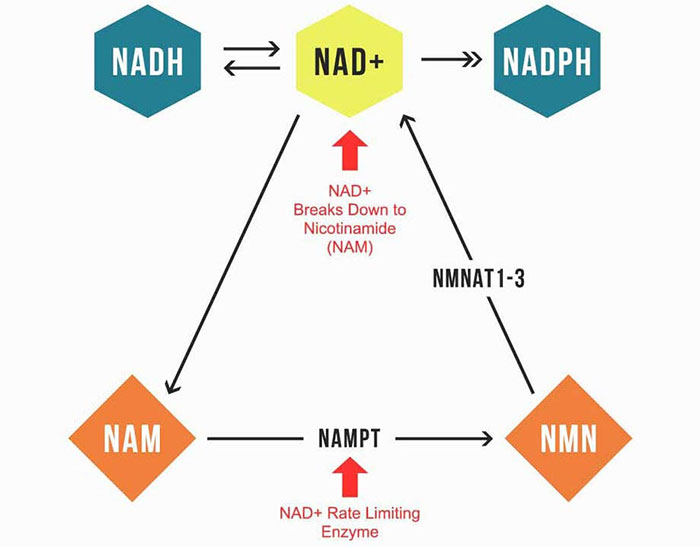
• NAD+ fuels key DNA-repair enzymes — These include poly (ADP-ribose) polymerase (PARPs) and sirtuins, which identify and repair DNA strand breaks. When NAD+ levels drop, these enzymes cannot function effectively, leading to the accumulation of damaged DNA. By maintaining NAD+ availability, niacinamide keeps these enzymes working efficiently and supports the genetic stability of your skin cells.
• Niacinamide also reinforces your skin’s structural defenses — It stimulates ceramide production, strengthening the barrier that locks in moisture and shields against environmental damage.7 Because of its effects, dermatologists have used niacinamide for decades in both topical and oral forms to manage acne, rosacea, hyperpigmentation, and photoaging.8
• Niacinamide’s influence extends far beyond skin health — Clinical studies have shown benefits in conditions linked to metabolic stress, inflammation, and mitochondrial dysfunction, including neurodegeneration,9 glaucoma,10 chronic pain,11 stress,12 and even oxidative damage linked to excessive linoleic acid (LA) intake.
To learn more about how niacinamide supports not only skin health but also your body’s broader resilience, read “The Wide-Ranging Health Benefits of Niacinamide.”
New Evidence Strengthens Niacinamide’s Role in Skin Cancer Prevention
The evidence confirming niacinamide’s protective role against skin cancer has been limited because its over-the-counter availability means most use goes unrecorded in medical databases. This is why researchers conducted a large-scale retrospective cohort study published in JAMA Dermatology, drawing on data from the Veterans Affairs (VA) Corporate Data Warehouse to examine whether niacinamide use led to a reduced risk of new skin cancers.13
• How the study was designed — The research team analyzed data from 33,822 veterans between 1999 and 2024. They identified patients who had filled prescriptions for 500 milligrams (mg) of oral nicotinamide twice daily for more than 30 days and compared them with matched controls who had not received the supplement.
In total, 12,287 niacinamide users were matched with 21,479 nonusers based on factors including age, sex, prior skin cancer history, and use of other dermatologic treatments. The primary outcome was time to the next diagnosis of BCC or cutaneous SCC (cSCC).
• Niacinamide use lowered overall skin cancer risk — Across the full study population, niacinamide use was associated with a 14% lower overall risk of developing skin cancer. The benefit was most pronounced when supplementation began after the first skin cancer diagnosis, producing a 54% reduction in new cases.
However, this preventive effect diminished when treatment was started after multiple prior cancers. Both BCC and cSCC incidence decreased, with the strongest risk reduction seen in cSCC.
• Findings in immunocompromised patients — The study also evaluated a subgroup of 1,334 patients who were immunocompromised due to organ transplants. Among these transplant recipients, no overall significant reduction in cancer risk was observed. However, early use of niacinamide after the first cancer diagnosis was linked to fewer cases of cSCC, underscoring the importance of timing in its effectiveness.
• Early use of niacinamide may redefine preventive skin cancer care — According to the study’s lead author, Dr. Lee Wheless, assistant professor of Dermatology and Medicine at Vanderbilt University Medical Center and a staff physician at VA Tennessee Valley Healthcare System:
“There are no guidelines for when to start treatment with nicotinamide for skin cancer prevention in the general population. These results would really shift our practice from starting it once patients have developed numerous skin cancers to starting it earlier. We still need to do a better job of identifying who will actually benefit, as roughly only half of patients will develop multiple skin cancers.”14
This real-world analysis builds on earlier randomized trials by confirming that niacinamide is associated with lower nonmelanoma skin cancer risk in a large, diverse population.
Save This Article for Later – Get the PDF Now
The First Clinical Evidence of Niacinamide’s Protective Effect
The protective role of niacinamide in skin cancer prevention was first confirmed in a controlled human trial published in The New England Journal of Medicine in 2015.15 The study, known as the Oral Nicotinamide to Reduce Actinic Cancer (ONTRAC) trial and conducted by researchers at the University of Sydney, showed that a simple oral supplement could lower the recurrence of common skin cancers in high-risk patients.16,17
• Study design and participants — The ONTRAC trial included 386 adults aged 30 to 91 years who had developed two or more nonmelanoma skin cancers in the past five years. Participants were randomly assigned to receive nicotinamide, 500 mg twice daily, or placebo for 12 months, with dermatologic evaluations every three months.
• What the results showed — After one year of supplementation, participants taking nicotinamide had 23% fewer new basal and squamous cell carcinomas than those taking placebo. The supplement also reduced actinic keratoses, precancerous lesions that signal future cancer risk, by 11% after three months and 15% after 12 months.
• Safety confirmed across all groups — Niacinamide was well tolerated, with no meaningful side effects. Unlike niacin, it did not cause flushing, headaches, or increased blood pressure, and no participants discontinued treatment due to adverse effects. Its clean safety profile made it an ideal option for older adults or those on multiple medications.
• Why the findings matter for high-risk patients — Lead investigator Diona Damian, MBBS, Ph.D., described niacinamide as “a new opportunity for skin cancer prevention,” noting that it is safe, inexpensive, and immediately accessible for those at greatest risk of recurrence.18
Supporting this view, Dr. Peter Paul Yu, the president of the American Society of Clinical Oncology at the time, called the results “a remarkably simple and inexpensive way to help people avoid repeat diagnoses of some of the most common skin cancers.”19
This trial established the foundation for research on niacinamide and skin cancer prevention. A survey conducted in 2021 found that nearly 77% of dermatologists who perform skin cancer surgery now recommend oral niacinamide to prevent skin cancers.20 Learn more about niacinamide’s protective role in “Niacinamide — The Best Supplement to Prevent Skin Cancer.”
How to Take Niacinamide Supplement
While clinical studies have shown that high doses can deliver therapeutic results in targeted treatments, those levels are not intended for routine use. For ongoing health and cellular support, smaller amounts taken regularly are safer and sustainable.
• Take small, evenly spaced doses throughout the day — For optimal health, I recommend taking 50 milligrams of niacinamide three times per day. You can also take it four times a day if you space out the dose evenly. Take a dose as soon as you get up, another before going to bed, and two more evenly spaced between those times.
• Higher doses can cause adverse effects — The problem with taking too much vitamin B3, whether in the form of niacin or niacinamide, is that it might backfire and contribute to cardiovascular disease and other side effects. Other potential side effects of high doses include nausea, vomiting, headache, dizziness, and fatigue.
• Make sure you’re getting all the other B vitamins — Your body relies on the full spectrum of B vitamins to maintain optimal health, especially regular niacin, riboflavin (B2), folate (B9), and pyridoxine (B6).
Vitamin B3 is found in grass fed beef, liver, wild-caught Alaskan salmon, and bananas,21 while vitamin B6 is abundant in grass fed beef, potatoes, and bananas.22 As for folate, you can obtain it in spinach, broccoli, and asparagus.23 Meanwhile, vitamin B12-rich foods include grass fed beef liver, wild rainbow trout, and wild sockeye salmon.24
5 Additional Strategies to Protect Your Skin Health
While niacinamide plays a key role in maintaining healthy skin, it works best as part of a broader foundation. Your daily lifestyle choices shape how your skin repairs, regenerates, and defends itself. The following strategies complement niacinamide’s protective effects and help lower your risk of skin cancer while supporting long-term skin vitality:
1. Optimize your vitamin D levels — Vitamin D activates receptors that regulate how your cells grow, repair, and communicate, helping reduce the risk of cancer by reducing DNA damage, improving immune surveillance, and promoting normal cell differentiation.25
A study from the University of Eastern Finland found that individuals who took vitamin D regularly had nearly 50% lower melanoma risk, even among those with high-risk skin types.26 Maintaining vitamin D levels in the 60 to 80 ng/mL (150 to 200 nmol/L) range provides the strongest protection.
While many studies discourage sun exposure, sunlight is your body’s primary and most efficient source of vitamin D. The key is to enjoy sunlight in a way that protects your skin from burning. Simple steps taken before and during sun exposure can make all the difference. For practical guidance on how to do this safely, read “Having Optimal Vitamin D Levels Helps Lower Your Risk of Melanoma.”
2. Nourish your skin from the inside out — Foods rich in antioxidants are especially valuable because they neutralize damaging free radicals. Prioritize carotenoid-rich fruits and vegetables such as carrots, sweet potatoes, tomatoes, and leafy greens. These pigments accumulate in your skin, where they act as a natural shield against oxidative damage.27
Equally important are vitamins C and E, which work together to preserve skin integrity. Vitamin C fuels collagen synthesis, accelerates tissue repair, and maintains the connective structure that keeps your skin firm and resilient.28 Good sources include bell peppers, citrus fruits, strawberries, and broccoli.29
Vitamin E shields cell membranes from lipid peroxidation, a reaction that weakens your skin’s lipid barrier and speeds visible aging.30 Pasture-raised eggs, grass fed beef liver, wild-caught fish, and leafy greens provide abundant amounts of this vitamin.
3. Improve sleep and circadian rhythm to boost skin repair — Your skin follows a daily rhythm of repair and renewal that peaks during sleep. Research shows that chronic circadian disruption not only weakens the skin barrier but also increases the risk of tumor formation by impairing clock genes that regulate cell division and DNA stability.31
Aim to get adequate, high-quality sleep nightly by creating a consistent bedtime routine, limiting blue light exposure in the evening, and getting natural sunlight in the morning to help reset your circadian rhythm. Keeping your room cool, dark, and quiet also supports deeper rest, allowing your skin the time it needs to repair and renew overnight.
4. Engage in regular physical activity — A study on melanoma shows that regular physical activity can slow tumor growth and enhance immune surveillance. Researchers also found that exercise boosts the activity of natural killer cells, improves blood flow to skin tissues, and reduces inflammatory signaling linked to tumor progression.32
You don’t need strenuous workouts to gain the benefits. Regular, moderate movements such as walking, stretching, or light resistance exercise will do. Consistent activity also helps balance blood sugar and hormones, which play a direct role in maintaining healthy and resilient skin.33
5. Be wise when it comes to sunscreen — Dermatologists often recommend daily sunscreen use to lower skin cancer risk, but many products on the market contain chemicals that can harm your health and the environment, including oxybenzone, octinoxate, homosalate, and octocrylene.34
If you choose to use a sunscreen, look for zinc oxide or titanium dioxide instead and make sure they’re not nano-sized. Lotions or creams with zinc oxide offer the most stable and broad UVA and UVB protection, while titanium dioxide is a good alternative.
Avoid high-SPF products above 50, which often create a false sense of security and don’t provide significantly better protection. SPF measures UVB defense only, not UVA, which causes the most skin damage and aging. Ultimately, sunscreen should not be your first line of defense. The healthiest approach is safe, sensible sun exposure.
Frequently Asked Questions (FAQs) About Niacinamide and Skin Cancer
Q: What is niacinamide?
A: Niacinamide is a form of vitamin B3 that supports your skin by restoring NAD+, which drives energy production and DNA repair, reducing inflammation, enhancing immune defenses, and strengthening the skin barrier by supporting ceramide production.
Q: Is niacinamide the same thing as niacin?
A: No. Niacinamide (also called nicotinamide) and niacin (nicotinic acid) are two different forms of vitamin B3. Niacin causes flushing due to histamine release, while niacinamide does not. However, excessive intake of either form can contribute to cardiovascular problems.
Q: How much niacinamide should I take for daily support?
A: Smaller doses of 50 milligrams (mg) taken three times per day are ideal for long-term use. Clinical trials that targeted skin cancer prevention used 500 mg twice daily, but that dose was studied in high-risk patients with previous skin cancers.
Q: Can I just get niacinamide from food?
A: You can get some niacinamide from foods naturally high in vitamin B3, including grass fed beef, liver, mushrooms, poultry, and salmon. You may also opt to take supplements to ensure steady support for your skin’s repair and protection processes.
Q: Does niacinamide help with other skin problems?
A: Yes. Dermatologists use niacinamide to manage acne, rosacea, uneven pigmentation, and signs of photoaging. Its anti-inflammatory, antioxidant, and barrier-strengthening effects make it a versatile nutrient for maintaining overall skin balance and resilience.
– Sources and References
- 1, 3, 4 Cancer Pathogenesis and Therapy Volume 3, Issue 2, March 2025, Pages 89-100
- 2 American Academy of Dermatology Association, Skin Cancer
- 5 Biomedicines. 2018 Jan 2;6(1):6
- 6, 14 Medical Xpress, September 18, 2025
- 7 Br J Dermatol. 2000 Sep;143(3):524-31
- 8 YouTube, Dr. Dray, The Skin Supplement You Need to Know About April 28, 2022
- 9 Clinical Trials Nicotinamide as an Early Alzheimer’s Disease Treatment (NEAT) NCT03061474
- 10 JAMA Ophthalmology 2022;140(1):11-18
- 11 Cell Reports Medicine November 8, 2023
- 12 Nutrients. 2022 Jun; 14(11): 2219
- 13 JAMA Dermatol. Published online September 17, 2025. doi: 10.1001/jamadermatol.2025.3238
- 15, 16 N Engl J Med. 2015 Oct 22;373(17):1618-26
- 17, 18, 19 Am Health Drug Benefits. 2015 Aug;8(Spec Issue):13-14
- 20 Dermatol Surg. 2021 Apr 1;47(4):452-453
- 21 NIH ODS, Niacin
- 22 My Food Data, Top 10 Foods Highest in Vitamin B6 April 25, 2024
- 23 My Food Data, Top 10 Foods Highest in Vitamin B9 (Folate) April 25, 2024
- 24 Harvard Health Publishing, The A List for Vitamin B-12 Sources (Archived)
- 25 Melanoma Manag. 2015 Feb 25;2(1):51–61
- 26 Melanoma Research 33(2):p 126-135, April 2023
- 27 Oxid Med Cell Longev. 2014 Mar 26;2014:860479
- 28 Nutrients 2017, 9(8), 866
- 29 Cleveland Clinic, April 10, 2023
- 30 Aspects of Molecular Medicine Volume 5, June 2025, 100063
- 31 Int J Mol Sci. 2021 Jun 6;22(11):6112
- 32 J Cancer. 2024 Jan 1;15(1):1-19
- 33 JMIR Dermatol. 2024 Mar 14;7:e51962
- 34 EWG.org The Trouble with Ingredients in Sunscreens