Surgery
now browsing by category
Depression Strongly Influences Surgical Recovery and Healing Outcomes
Reproduced from original article:
https://articles.mercola.com/sites/articles/archive/2025/12/01/depression-surgery-recovery.aspx
Analysis by Dr. Joseph Mercola December 01, 2025

Story at-a-glance
- Depression affects how your body heals after surgery by increasing inflammation and weakening your immune defenses, which lead to longer recovery times and higher complication rates
- Older adults with cancer who also have depression experience significantly higher post-surgical costs — nearly $25,000 compared to about $17,500 for patients without depression — showing that untreated mental health directly impacts both recovery and finances
- In patients undergoing spine surgery, depression nearly doubled the risk of delirium and tripled the likelihood of blood clots or infections, underscoring how mood disorders influence physical outcomes
- Depression triggers systemic inflammation and disrupts hormonal balance, particularly through chronically high cortisol levels, which slow wound healing and increase blood pressure — key drivers of poor recovery
- Addressing depression before surgery — through dietary changes, gut support, regular movement, sunlight exposure, and consistent rest — helps restore your body’s energy systems, reduces inflammation, and supports faster, more complete healing
Depression affects far more than your mood — it reaches into every system of your body, influencing how well you recover from illness, injury, or surgery. When your mind is under strain, your immune system weakens, inflammation rises, and your body’s repair processes slow down. That’s why people struggling with depression often take longer to heal, face more complications, and endure higher medical costs after surgery.
What’s striking is that depression often hides in plain sight. Its symptoms — fatigue, disrupted sleep, lack of motivation, and mental fog — are often dismissed as stress or aging. Yet these same signs reveal a deeper issue: your cells aren’t producing enough energy to keep your body functioning at full capacity. This shortage of cellular energy makes recovery harder and increases the risk of infections and chronic inflammation, both of which interfere with surgical healing.
Addressing depression — especially before an operation — isn’t just about emotional well-being. It’s about restoring your body’s energy systems so that you’re better equipped to handle the physical stress of surgery and recovery. Your mental state determines how effectively your body fights inflammation, repairs tissue, and manages pain — all key factors in whether you recover quickly or face setbacks.
In recent years, researchers have begun linking mental health directly to surgical outcomes, revealing that your brain-body connection is stronger than anyone once believed. The studies that follow explore how depression impacts postoperative recovery — and why addressing it early could make all the difference in your survival, resilience, and long-term health.
Depressed Cancer Patients Face Higher Post-Surgical Risk and Costs
A study examining outcomes in older adults with colorectal, hepatobiliary, and pancreatic cancers found that a diagnosis of depression, whether made up to a year before or after cancer detection, significantly worsens post-surgical recovery and drives up health care costs.1
Out of 32,726 participants, 1,731 had depression, and about three-quarters of them were prescribed antidepressants. The goal was to determine how depression — treated or untreated — affected recovery, hospital stays, readmissions, complications, and costs after surgery.
• Depressed patients faced tougher recoveries — Patients with depression faced higher risks of surgical complications, longer recovery times, and increased mortality. Those without depression fared best overall.
• Untreated depression drove costs up by thousands — The financial gap told a clear story. Non-depressed patients averaged $17,551 in total care costs. Those treated for depression spent about $22,086, while untreated depressed patients reached $24,897 — a 10.2% increase compared to patients without depression. These figures reveal that untreated mental health issues directly raise health care costs and slow recovery.
• Depression impairs your body’s ability to heal — Depression isn’t just a matter of mood. It interferes with self-care, disrupts immune responses, and increases inflammation — all of which slow wound healing. When depression goes untreated, patients are more likely to experience complications such as infections or delayed recovery.
• Experts call for integrating mental health into surgical care — Lead author Erryk S. Katayama explained that understanding mental health risk factors “can help create holistic and individualized treatment plans, anticipate and prevent complications, and ultimately optimize patient outcomes.” Senior author Dr. Timothy M. Pawlik added that treating depression may improve treatment compliance and overall self-care success.
• Your mindset matters before surgery — If you’re facing surgery, your emotional state isn’t secondary — it’s central. Addressing depression before an operation improves your physical resilience, shortens recovery time, and lowers costs. Simply put, healing starts long before you enter the operating room.
Depression Greatly Increases the Risk of Complications After Spine Surgery
As revealing as these findings are, they highlight a larger truth: depression doesn’t stay confined to your mind — it affects every system that determines how your body responds to injury, stress, and healing. The consistency of these results across very different types of surgery underscores a simple reality — no operation happens in isolation from your emotional health.
A study published in the Journal of Clinical Medicine reviewed 26 studies investigating how depression influences surgical recovery and complication rates in people undergoing spine surgeries.2 This meta-analysis evaluated outcomes like infection rates, reoperation frequency, and postoperative complications across tens of thousands of patients to determine whether depression altered the body’s ability to recover after major spinal procedures.
• Depressed patients experienced far more complications — The data revealed that depression was linked to a dramatic rise in surgical and medical complications. Depressed patients were almost twice as likely to experience delirium (sudden confusion or disorientation) and more than three times as likely to suffer from blood clots, including deep vein thrombosis and pulmonary embolism — conditions that often become life-threatening if untreated.
• Infections and neurological problems were far more common — Those with depression had higher odds of developing surgical site infections, urinary retention, or urinary tract infections, each of which can slow healing and prolong recovery. The odds of developing neurological injury — damage to nerves that control sensation and movement — were six times higher among depressed patients. These complications directly affect recovery time and quality of life after surgery.
• Hospital readmissions and reoperations increased significantly — Compared to non-depressed patients, those with depression were 35% more likely to be readmitted to the hospital and twice as likely to require a second operation. Even though their length of hospital stay was similar, their overall outcomes were worse, suggesting that the physical recovery process continued to be more complicated after discharge.
• Depression triggers systemic inflammation and disrupts immune balance — This means your body becomes less efficient at fighting infection or repairing tissue after injury. Depression also influences hormones like cortisol, which, when chronically elevated, slows wound healing and increases blood pressure. Together, these effects set the stage for poorer outcomes after surgery.

Save This Article for Later – Get the PDF Now
How to Strengthen Your Mind and Body to Overcome Depression
Depression weakens your body’s natural energy systems, making you feel tired, unmotivated, and disconnected from the world around you. It also affects your immune function, digestion, and ability to handle stress — the very systems you need to thrive, especially if you’re facing surgery. Before agreeing to any procedure, be sure it’s absolutely necessary. Ask questions, explore second opinions, and understand all your options so you can make the most informed decision possible.
Taking this pause to evaluate your choices also helps you begin shifting out of the helplessness that often surrounds depression. Regaining that sense of control and confidence is a powerful first step toward healing. You have far more control over this process than you may realize. By targeting the root causes that disrupt your body’s energy and mood balance, you can restore resilience from the inside out.
1. Remove seed oils and processed foods from your diet — Consuming ultraprocessed foods increases the risk of depression in older adults.3 These foods are loaded with linoleic acid (LA), a polyunsaturated fat that builds up in your tissues and damages mitochondria. This fat stresses your cells and impairs your brain’s ability to regulate mood. Start replacing vegetable oils — such as soybean, corn, and sunflower — with saturated fats like grass fed butter, ghee, or tallow.
Your target is less than 5 grams of LA daily, ideally under 2 grams. To track your intake, I recommend you download my Mercola Health Coach app when it’s available this year. It has a feature called the Seed Oil Sleuth, which monitors your LA intake to a tenth of a gram so you can stay in charge of your metabolism.
2. Rebuild your gut to repair your mood and immunity — Your gut and brain are in constant communication. When your microbiome — the community of bacteria living in your intestines — is imbalanced, it triggers inflammation that worsens depression. Your body needs about 250 grams of carbohydrates daily to maintain optimal cellular energy production, but too much fiber too soon ramps up endotoxin release and triggers digestive issues.
To fix this, focus on easily digestible carbohydrates like fruit and white rice first, then move to root vegetables and well-cooked legumes as your gut strengthens. When your digestion stabilizes, introduce whole grains that your body tolerates well. This step-by-step approach helps you restore balance, energy, and mood without unpleasant side effects.
3. Exercise regularly but gently — Movement helps regulate neurotransmitters that influence mood and energy production. One comprehensive review concluded that physical activity is 1.5 times more effective than the most prescribed antidepressants in reducing symptoms of depression and anxiety.4,5
Focus on daily walks and light strength training to improve circulation, oxygen delivery, and lymphatic flow. Even a 20-minute walk outdoors helps clear inflammation and supports better metabolic function — but gradually work your way up to one hour daily for best results.
4. Protect your mitochondria with daily sunlight — Expose your skin and eyes to morning sunlight to trigger natural energy production in your cells. This light signals your mitochondria to generate adenosine triphosphate (ATP) — your body’s energy currency — and stabilizes circadian rhythms. Avoid harsh midday sun until you’ve been off seed oils for at least six months; this helps prevent oxidative damage and rebuilds your skin’s tolerance to UV light.
5. Feed your body and mind with rest and rhythm — Healing starts with consistency. Keep regular sleep and meal times to support your circadian biology. To support high-quality sleep, dim your lights after sunset, and avoid screens late at night. When your body runs on rhythm, your stress hormones stabilize, inflammation drops, and your immune system can do its job — helping you recover faster and stronger after surgery.
FAQs About Depression and Surgical Recovery
Q: How does depression affect surgical outcomes?
A: Depression interferes with your body’s ability to heal by increasing inflammation and weakening your immune system. These effects slow wound repair, heighten infection risk, and make recovery longer and more difficult. Studies show that patients with depression experience more complications, higher readmission rates, and increased mortality after surgery compared to those without depression.
Q: Why does managing depression before surgery make such a difference?
A: Addressing depression before surgery gives your body a major advantage over going into an operation while depressed. Patients whose depression was managed had shorter hospital stays, fewer complications, and lower overall costs, while those who went into surgery untreated faced slower healing, higher inflammation, and a greater risk of readmission — clear proof that mental health directly determines physical recovery.
Q: What steps can I take to overcome depression naturally?
A: You can strengthen both mind and body by addressing the root causes of low mood and energy. Key steps include removing seed oils and processed foods, rebuilding gut health, getting daily sunlight, exercising regularly, and maintaining a consistent sleep routine. Each of these supports mitochondrial function, hormonal balance, and emotional stability.
Q: Is it true that diet affects mood and depression risk?
A: Yes. Research shows that consuming ultraprocessed foods increases the risk of depression. These foods contain fats like LA that damage mitochondria and promote inflammation. Replacing them with stable fats like grass fed butter, ghee, or tallow helps restore metabolic and mental health.
Q: What should I consider before having surgery if I’m struggling with depression?
A: First, make sure the procedure is truly necessary. Ask questions, explore second opinions, and understand your full range of options. Taking time to evaluate your choices helps you regain a sense of control — a key factor in overcoming depression. Strengthening your mental health before surgery not only supports faster healing but also improves your overall long-term outcome.
The Many Dangers of Spinal Surgery
Reproduced from original article:
https://www.midwesterndoctor.com/p/the-many-dangers-of-spinal-surgery
Ways for safely treating neck and back pain

Note: this article reviews various treatments for neck and back pain. One of these is manganese supplementation, which when done correctly (discussed below) restores the ligamentous integrity of the spinal ligaments. This is important as many spinal pain conditions (along with many other diseases) result from weak spinal ligaments.
In the first part of this series, I discussed how pain management fits perfectly into the medical business model since pain is a chronic condition and a lot of money can be made from partially treating it indefinitely. In turn, a variety of unsafe and ineffective medications are routinely used to treat pain, two of which, the NSAIDs and the opioids are arguably some of the most dangerous drugs on the market. Since the existing treatments frequently fail, patients are often referred for spinal surgery, which are both even more profitable than the other options but also even more dangerous.
Conversely, many effective treatments for chronic pain conditions exist, but they have been mostly kept off the market because there is no money to be made in them. In the case of neck and back pain, I feel the primary issue is that limited knowledge exists regarding what causes pain there. This is important because many of the existing “treatments” for back pain actually worsen the underlying causes of that pain. For example, ligamentous laxity underlies many chronic spinal pain conditions, but one of the primary treatments for spinal pain (injected steroids) directly weakens the affected ligaments, creating a situation where therapies which are good for business but bad for patients frequently end up being chosen.
Note: many other conditions like chronic dizziness are also frequently caused by poorly functioning vertebral ligaments.
Similarly, as discussed in the previous article, spinal degeneration is often due to waves of force not being able to smoothly transfer through the spine, something which becomes much worse once part of the spine becomes surgically fused together and loses its ability to move freely.
In this article we will explore the many dangers of spinal fusions, the predatory business model that promotes their use, and many of the safe ways my colleagues and I have used for decades to effectively treat neck and back pain. Prior to reading this article, I would highly recommend reading the first part of this series if you have not yet done so you can better place the ideas here into context.

The Business of Spinal Surgeries
In the first part of this series, I discussed how ligaments in the body weakening triggers many issues, including the spinal joints becoming worn down and arthritic, muscles in the back reflexively tightening, and discs bulging and then herniating. Yet, rather than address this, we often “treat” spinal pain by injecting those arthritic joints with a steroid, which temporarily reduces the inflammation there (for weeks to months) but does not address the cause of the inflammation.
In fact, the opposite happens because steroids weaken ligaments—thus creating the situation where more and more of the treatment is needed to provide a diminishing relief—which sadly is quite commonly seen within the predatory business model Western Medicine thrives upon.
In turn, I and many colleagues believe the reason why spinal steroid injections became so popular was not because of the evidence supporting it, but rather because of how much insurance reimburses for them.
Note: spinal epidural steroid injections (particularly for the low back) used to be an incredibly lucrative procedure (and made pain management one of the highest paying medical specialities). Because this incentivized these procedures and so much money ended up being spent on them, insurance providers (e.g., Medicare) reduced the reimbursements, which in turn resulted in more of them being performed by many doctors in order to make up for the revenue that was lost from declining reimbursements.
Tragically, an even worse situation exists with spinal surgeries, which I would argue results from a high degree of ambiguity with when they are justified and them being one of the most profitable areas in medicine.
Much of this was illustrated by an investigation by the Seattle Times I learned about from a patient who knew the family. It started with the story of Talia who had Ehler-Danlos syndrome and was gradually developing complications from her hypermobility.
Note: While EDS responds very well to certain treatments like nutritional supplementation, it is typically mismanaged and worsened by the increasingly invasive treatments it receives.
Talia’s father, a family physician, took her to see Seattle’s celebrity neurosurgeon, Dr. Delashaw (who as you might guess was widely advertised by the hospital). After selling the family on the surgery and the quality of care she would receive, Talia received it in the hopes it could improve her life—and once the surgery was completed, Deleshaw informed there were no complication and it had been perfect. However:
But as the anesthesia faded in Talia’s system, she realized that not everything was perfect, despite the confident assurances of her surgical team.
Her lower jaw was ajar, jutting forward like a bulldog’s. Her face was swollen. Her delicate, singsong voice came out in a harsh rasp. She couldn’t open her mouth enough to squeeze in a finger. On her hospital bed, lying next to the stuffed rhino and stuffed zebra she’d brought along, Talia croaked to the nurse that she was having difficulty breathing.
She rolled onto her side and vomited in the bed. When the nurse covered up the spew with a towel, Talia vomited again right on top of it.
Her father realized this was potentially a huge problem because she might lose the ability to breathe (due to neck swelling) and then require an emergency intubation, but be impossible to intubate because the fusion prevented her neck from moving. He aggressively petitioned the staff to move her into the ICU in case this happened and to have a cricothyrotomy kit available so an emergency hole could be cut into her neck to get air in.
The hospital staff repeatedly dismissed their concerns (even as Talia become more and more unable to breathe), and Dr. Deleshaw did nothing except quickly document that Talia was doing well.

Approximately 24 hours after her surgery, Talia’s throat closed and she lost the ability to breath. The ICU staff attempted to intubate her (which was impossible due to her fusion) and ignored Talia’s father’s pleas for an emergency cricothyrotomy (which I presume was ignored since it differed from their standard procedure) and after 20 minutes of impaired breathing, Talia entered cardiac arrest.
About 15 minutes after Talia took her last breath, a new doctor came in the room and assessed the scene. He [at last] called for the crike kit.
None was in the room.
This experience broke Talia’s father and led to him quitting the practice of medicine.
The publicity this case created led to a lengthy investigation of the hospital where it was discovered:
• In 2012, Dr. Deleshaw was hired by UC Irvine in 2011 because the administrators there (as memos showed) believed Delashaw could make them a lot of money and gave him a starting salary of 900,000 plus a commission for the money his surgeries made and those he could incentivize his colleagues to perform.
• Once there, Deleshaw started siphoning money from his colleagues to himself, which understandably upset the other doctors and Deleshaw later justified in testimony by stating:
I wanted all my faculty — as I said to them many times — I want them to be rich… But in order to be rich, you have to work and you have to do clinical volume or you have to have other kinds of financial support.
• At UC Irvine, his colleagues reported him for dozens of cases where Deleshaw had performed, reckless, unjustified, fraudulent (claiming to operate when the operation had not been really performed) and partially botched surgeries. They feared many of these surgeries were clear malpractice cases where a jury would almost certainly side against UC Irvine, and to quote one of his colleagues:
[Deleshaw’s surgical complication rates] are higher than anybody else I’ve ever seen in my life.
• To sustain this volume, Deleshaw would often delegate most of his work to doctor training under him (e.g., he would have three operations he was supposedly performing occur simultaneously or have clinic patients scheduled at the same time one of his “operations” was running). This is important because when he sold those operations to prospective patients, he made them feel like he would take care of the entire case and give a lot of attention to them to ensure they had the best possible outcome from the “amazing neurosurgeon.”
• Many other complaints were also filed against him such as forcing a patient who did not want a surgery to get one, giving questionable testimony in a malpractice case. One of the most noteworthy testimonials I saw against him occurred when the family of a patient he’d just operated on wouldn’t pick the patient up after the surgery (which required Deleshaw to have to spend a bit of time documenting the patient’s stay in the hospital), and Deleshaw forced a resident to call immigration control so the patient (who was not legally in the country) would be picked up by them and then deported—thereby removing the patient from the hospital.
• Despite these complaints UC Irvine did not address them, presumably due to all the money Deleshaw made for the institution and then two years after working at UC Irvine, the Seattle hospital decided to recruit Deleshaw to run their neurosurgery department against the protest of their own surgeons.
• Once hired, Deleshaw delivered and quickly changed the department to one that did far more lucrative surgeries:

• This required triple booking surgeries, doing a variety of more invasive (but more lucrative) surgeries and short staffing the hospital staff who looked after patients once the operation was complete.
For example, when aneurysms are treated, a safer option (accessing the brain through a blood vessels) can often be performed in place of a dangerous one (cutting the skull open to operate) and at both Irvine and Seattle, Deleshaw made the majority of surgeries switch to the more dangerous one (e.g., he increased the rate 5-fold at Irvine), which was followed by the severe complications of those surgeries dramatically increasing (e.g., severe brain bleeds were 9% there vs. 4% at other hospitals in the state, and brain bleeds after the clippings were 14% there vs. 7% for the state).
• Ultimately dozens of his colleagues left the hospital because they felt uncomfortable with the clear risk Deleshaw exposed patients to. Nonetheless, the hospital retained him in his chair position (paying him 2 million dollars in 2014), and when a medical board investigation was later conducted (due to Deleshaw creating a hostile work environment for his colleagues) it ultimately concluded that Deleshaw had done nothing wrong and no sanctions were taken against his license. In 2017 he left Seattle, and then later was hired by Tulane where he now works as a professor of neurosurgery.
Note: Deleshaw also sued the Seattle Times for their investigation of him. Ultimately the one “positive” thing which came out of all of this was the court dismissing his libel lawsuit.
Deleshaw clearly put profits before his patients, to the point such unsustainably high numbers of surgeries were done, even patients like Talia who had a doctor advocating for them throughout their patient stay could not get basic medical care done to protect them from lethal complications of these rushed surgeries.
At the same it’s important to note that while some neurosurgeons followed in Deleshaw’s footsteps, many others did not and prioritized the welfare of their patients over making even more money. However, the key takeaway from this story is not Deleshaw’s conduct, but rather that the administrators in both California and Washington sided with the unethical doctors because they made way more money for the hospital (and likewise changed the physician’s compensation structure to incentivize them performing more of these unsafe surgeries).
This in short is identical to the situation we saw throughout COVID-19—many doctors wanted to do the right thing and save their patient’s lives, but they were sanctioned by the hospital (and often the state) for doing so since it cost the hospital money, whereas the doctors who had many of their COVID-19 patients die because they followed bad protocols faced no consequences for doing so. Similarly, many doctors (including numerous ones I’ve corresponded with in both the USA and Canada) immediately recognized the dangers of the vaccines, but were sanctioned by their hospital for discussing this with patients and thus could not share those concerns.
Note: as detailed in The War on Ivermectin, there were 80 lawsuits where families with a relative being subjected to Fauci’s hospital COVID protocols and was expected to die had lawyer Ralph Lorigo sue the hospital for ivermectin to be administered to their relative. Of those 80 lawsuits, in 40 the judge sided with the family, and in 40 with the hospital. Of the 40 cases where ivermectin was given, 38 of the 40 patients survived. Of the 40 cases where the hospitals were allowed to withhold ivermectin, 2 of the 40 patients survived. This should have been a sign to consider using ivermectin but instead the hospitals banded together to develop a robust legal strategy to prevent any future lawsuits from succeeding. This in my eyes clearly illustrates the degree to which hospitals prioritize profits over patients.
So, I would argue that the incredible amount of money to be made in neurological surgeries means that you cannot just assume they are being done because they are in the best interests of the patients. In turn, the existing evidence shows that patients often do not benefit from spinal surgeries, but since there is a high degree of ambiguity in the value of those surgeries, less-ethical surgeons will frequently perform them on patients who are otherwise not good candidates for them. For example, while Deleshaw worked in Seattle, he dramatically increased the rate of (not medically justifiable) Lumbar fusions that were done.
Note: the existing evidence supporting spinal fusions is much weaker than you would expect (given how frequently they are performed). The existing evidence in turn shows the patients who respond best to spinal surgeries are those who have both pain and clear clinical signs of a nerve impingement. However, in many cases, spinal surgeries are performed in patients without those neurological signs.
The Risks and Benefits of Spinal Surgeries
When considering a spinal surgeries, I’ve found the following to be true:
• Cervical spinal surgeries cause the greatest number of issues for people.
• Thoracic spinal surgeries are the least frequently done (as they are the most difficult to do and the least likely site of a disc bulge or herniation due to the stability created by the rib cage). Normally, these are only done because the patient has an unusual condition (e.g., a damaged bone) which requires a surgical repair.
• Lumbar spinal surgeries, while not perfect, tend to benefit patients more than cervical spinal surgeries.
With surgeries, there are a few different types that are done. Such as:
Repairing a broken bone—these, while less than ideal are necessary and hence their benefits outweigh their risks.
Removing part of the vertebrae which is compressing a nerve (termed a laminectomy)—these tend to offer the greatest benefit to patients. In the lumbar spine they are frequently life changing and have minimal side effects, while in the cervical spine, they often benefit patients but have a greater risk of causing complications.
Note: there are non-surgical ways to perform laminectomies I’ve seen work wonders for patients, but very few people perform them due to the difficulty and potential liability involved.
Inserting foreign hardware into the spine (e.g., a spacer between two vertebrae where the disc is) or attaching multiple vertebrae to a piece of metal (termed a spinal fusion). There are a variety of ways fusions can be done, some of which partially preserve the motion of the spine (and cause less issues) and others which fully fuse a large portion of the spine to immovable rods running along it.
Note: surgeries that remove parts of a herniated disc are also performed. These often are followed by the placement of surgical hardware to stabilize the spine, especially if a significant portion of the spine in removed.
Throughout my career, I have both met people who considered spinal fusions to be life changing for then, but I have also met more people than I can count who had a very bad response to the fusion and would have given anything to have gone back in time and not gotten it.
Some of the major issues with spinal fusions include:
• The spinal fusion does not relieve a patient’s pain and often makes it harder to fix in the long term (e.g., patients with “failed back syndrome” are much harder to treat the pain of later on).
Note: almost all of the chronic back pain patients my colleagues and I have had minimal success with fell into this category.
• Loss of mobility in the spine (which can often be quite significant).
• Over time, the fusions (or the attached vertebrae) will often wear down and fail, which leads to the spinal fusion needing to be redone, or the patient being worse than they started after the fusion has failed. Similarly, vertebraes immediately next to a fusions often will gradually fail.
Note: the spine continually moves and conducts force through it, so if a place can’t move, force disproportionately concentrates there (e.g., the top or bottom of a fusion).
• Defective hardware fails in the patient, or experimental hardware is used without the patient’s consent. This can include defective (but proprietary) screws being used, blood-clot inducing cement being used, and counterfeit hardware being used.
Note: there have been numerous lawsuits over this as since spinal surgeries are a highly lucrative field, many questionable products are pushed onto the market by investors looking to make a quick profit. Similarly, spinal surgeons are often paid off by the hardware manufacturers to use their dubious wares.
• Toxic reactions to the metals used for spinal fusions (termed metallosis). I periodically meet patients who develop significant chronic injuries due to their reactivity to the metals placed in their spine (e.g., sadly I recently heard of a patient who underwent medically assisted suicide because no “expert” knew that their symptoms were a common example of metallosis and thus told the patient the illness was incurable). These reactions are the most common when toxic metals (cobalt, chromium or nickel) are used in the implants.
Note: research has shown that toxic metals from implants frequently corrode and enter the circulation. Additionally, while most physicians are unaware of metallosis, there are hundreds of studies on it and it has been repeatedly shown that metallosis can occur weeks to years after spinal fusions.
• A loss of sensation is created in the body due to a nerve being affected by the fusion. A variety of other much more debilitating conditions (e.g., arachnoiditis can also occur).
Note: metallosis can induce compressions of nerves.
• Significant injuries can occur as complications of the surgeries (e.g., consider Talia’s story). Likewise, many cases (e.g., in the elderly), a high rate of death occurs in the years immediately following the operation.
• There is a significant disruption of the vital energy that runs through the spine.
Note: while this one seems strange, many spiritual teachers I’ve spoken to feel very strongly about the importance of it. One of the best anecdotes I can describe was a vaccine injured patient I worked with who had a cervical fusion (which had to be redone) prior to the vaccine, and after their vaccine reaction, appeared to have developed a loss of neurological function on the left side of their body originating at the site of the fusion. I sent them to a well-known Chinese medicine practitioner who was able to restore their neurologic function and told me that “the Qi was very blocked there, it was hard to open it.”
For each of these reasons, I try to help patients avoid spinal surgeries unless it is very clear they need one and will benefit from it and it cannot be treated in another manner.
Treating Spinal Pain
When working with patients who have spinal pain, I find that most of what can be done with the conventional approaches can be achieved with much less invasive (and significantly more effective approaches.
Typically, I initially try doing some combination of the following:
• Send them to someone who had a good track record in providing permanent improvements through spinal manipulation (and more importantly does not injure people).
Note: in patients with ligamentous laxity or weakened bones, popping techniques can often cause significant issues.
• Have them address their upper-cross syndrome and any other tight muscles that appear to be contributing to the pressure on their spine.
• Do something to decompress the spine if there are any signs a disc in compressing the nerves of the spine.
In the majority of cases, these work (especially if the correct person does them). If they don’t or they only provide temporary relief, I then look at a variety of other less common causes and consider having options for acutely managing their pain.
While there are some nuances on how to do them correctly (e.g., the physical therapy and regenerative approaches for treating disc herniations or ligamentous instability), I find in the majority of cases they work and can avoid the need for surgery. When reading these, try to really think through each before you do them so you either do them correctly or find the correct person to do them with.
Breast cancer surgery might trigger metastasis, researchers discover why
Reproduced from original article:
https://www.naturalhealth365.com/breast-cancer-surgery-might-trigger-metastasis-researchers-discover-why.html
by: August 14, 2024
 (NaturalHealth365) It is an unfortunate medical fact that people with breast cancer are highly likely to experience a recurrence after surgical tumor removal or a mastectomy. The cancer relapse usually takes place within 18 months of a surgical intervention. However, until now, medical professionals were at a loss as to why. A recent case report published in SAGE Open Medical Case Reports highlights this issue, documenting a case of breast cancer recurrence in both superficial and deep tissues following mastectomy with immediate reconstruction. This study emphasizes the complexity of post-surgical recurrence and the need for vigilant follow-up imaging, even years after the initial surgery.
A study by the Massachusetts Institute of Technology (MIT) and the Whitehead Institute shed light on the underlying mechanisms, adding to our understanding of this phenomenon. Surprisingly, the healing process of the surgical scar is at the root of this high incidence of cancer recurrence following surgery.
Breast cancer surgery taxes the immune system and leads to the spread of cancer cells
The immune system’s default functioning is to prevent the spread of cancer. This action continues even as the body is battling cancer. However, with the added stress of healing from surgery, the body’s healing forces are sidetracked away from their full focus on resolving a cancerous condition.
Cancer cells are then prone to spreading throughout the body, allowing the cancer to progress. The post-surgical wound response provokes already disseminated cells to grow and proliferate, forming tumors called metastases in other parts of the body.
During the wound healing and scarring process, the immune system goes into overdrive, sending cells to the area to promote healing and closure of the wound. This reaction of the immune system can actually fuel the formation of secondary tumors in critical areas such as the brain, liver, and lungs, where they can become even more life-threatening than the original appearance of cancer in the breasts.
Anti-inflammatory agents show promise in supporting the immune system, fighting the formation of cancer cells
In the past, researchers chalked up increased incidents of breast cancer following surgery to handling and disrupting the area. However, since healthy breast tissue is also removed, it could not be the surgery alone spreading cancer.
Get access to health coaching from Jonathan Landsman and many other top health experts. Plus, our social community is full of great health information. Start chatting with our incredible health moderators + much more. Click here to learn more.
The researchers believe anti-inflammatory drugs could help control the immune system so that cancer does not spread to other parts of the body. Foods high in antioxidants are known to be effective in fighting and protecting against cancer.
Favor anti-inflammatory foods and supplements to support your immune system
Antioxidant-rich foods have anti-inflammatory effects and suppress the formation of free radicals in the body. Free radicals are highly damaging to cells and set the stage for the rogue cell division that characterizes the formation of cancer cells.
Organic dark leafy green vegetables (i.e. kale and collard greens), berries, artichokes, pecans, and dark chocolate are among the foods highest in healing antioxidants. Whether you are facing a cancer diagnosis or want to decrease your odds of getting it, these foods can help support a healthy immune system.
In addition, as an added ‘anticancer effect,’ you might want to consider taking anti-inflammatory supplements such as vitamin C, D and curcumin.
Sources for this article include:
The Forgotten Art of Surgery
Reproduced from original article:
https://articles.mercola.com/sites/articles/archive/2024/08/23/forgotten-art-of-surgery.aspx
Analysis by A Midwestern Doctor August 23, 2024

STORY AT-A-GLANCE
- Living tissue is immensely complex, and many spiritual traditions have provided profound insights as to what occurs when one engages in an art that interfaces with them. The art of surgery for instance is elegantly synopsized by a Chinese classic
- When performing surgery, radically improved outcomes are attained as one becomes more and more able to directly connect with the body and understands precisely where to separate the tissue
- Modern surgery has been overrun with new technologies (i.e. electrocautery and robotic surgery) that have been effectively marketed by their manufacturers. Unfortunately, these devices disconnect the surgeon from their patient
- This loss of connection in the newer generations of surgeons has led to worsened patients outcomes and an inability to deal with challenging situations. Unfortunately, since the new generation has redefined surgical success to conceal their inadequacies, members of the public often have no guidance on how to find the most qualified surgeon for their case
Shortly before I went to medical school I came across a forgotten Chinese spiritual classic that provided numerous metaphors for meditation. A few months later, a passage from it about a Dextrous Butcher popped into my mind as I began working with cadavers in the anatomy lab and it dawned on me that its metaphors for entering the deepest aspects of our being also applied to surgery.1
Since then, I’ve come to appreciate how well it applies to the entire art of medicine. It goes as follows:
“Cook Ting was cutting up an ox for Lord Wen-hui. As every touch of his hand, every heave of his shoulder, every move of his feet, every thrust of his knee — zip! zoop! He slithered the knife along with a zing, and all was in perfect rhythm, as though he were performing the dance of the Mulberry Grove or keeping time to the Ching-shou music. ‘Ah, this is marvelous!’ said Lord Wen-hui. ‘Imagine skill reaching such heights!’
Cook Ting laid down his knife and replied, ‘What I care about is the way, which goes beyond skill. When I first began cutting up oxen, all I could see was the ox itself. After three years I no longer saw the whole ox. And now — now I go at it by spirit and don’t look with my eyes. Perception and understanding have come to a stop and spirit moves where it wants.
I go along with the natural makeup, strike in the big hollows guide the knife through the big openings, and following things as they are. So I never touch the smallest ligament or tendon, much less a main joint.
A good cook changes his knife once a year — because he cuts. A mediocre cook changes his knife once a month — because he hacks. I’ve had this knife of mine for nineteen years and I’ve cut up thousands of oxen with it, and yet the blade is as good as though it had just come from the grindstone.
There are spaces between the joints, and the blade of the knife has really no thickness. If you insert what has no thickness into such spaces, then there’s plenty of room — more than enough for the blade to play about it. That’s why after nineteen years the blade of my knife is still as good as when it first came from the grindstone.
However, whenever I come to a complicated place, I size up the difficulties, tell myself to watch out and be careful, keep my eyes on what I’m doing, work very slowly, and move the knife with the greatest subtlety, until — flop! the whole thing comes apart like a clod of earth crumbling to the ground. I stand there holding the knife and look all around me, completely satisfied and reluctant to move on, and then I wipe off the knife and put it away.’
‘Excellent!’ said Lord Wen-hui. ‘I have heard the words of Cook Ting and learned how to fully live life!'”
Note: This essentially describes the process of living life through the spirit, and many of the most talented physicians I have come across agree this passage describes the evolution of their practice of medicine.2
The Art of Surgery
During my medical training, I assisted a group of OBGYNs who did a lot of C-section surgeries. One surgeon, an older Asian man caught my eye because of how graceful his hands were and how much smaller the injuries from his incisions were.
He shared with me that he was a lifelong Tai Chi practitioner and that this practice had caused him to become much more connected with his scalpel. Anytime he cut someone, he always made a point to feel connected to each layer of tissue he was cutting and conversely lamented having seen numerous cases of a babies being cut (e.g., on the face) by a typical OBGYN who wasn’t connected to their scalpel.
Note: Facial cuts or scrapes on newborns are estimated to occur in about 1 to 3 out of every 100 C-sections, especially during emergency procedures. These injuries affect the baby’s face, not the mother’s abdominal muscles.3
Electrocautery
Two common methods exist to cut through tissue. One is to use a sharp blade (the scalpel) to directly cut tissue and the other is to use a blunt metal blade which (through electricity) is heated to a high temperature so it causes the tissue it contacts to bubble and break apart.4
Electrocautery is often favored in surgery because it cauterizes as it cuts, reducing blood loss. This allows surgeons to work faster and with less precision. However, when I first encountered electrocautery, it was challenging for me to be around as it was almost as if I could sense the pain of the tissue being seared apart (which was particularly intense with the cervix). This led me to question electrocautery’s safety.
I subsequently discovered that electrocautery scars are more traumatic to the body, often leading to permanent health issues unless treated with specialized therapies that regenerate the scar and reset the nerves within it.
Note: Traumatized scars are a frequent cause of chronic illness due to the disruption they create within the autonomic nervous system and I frequently see dramatic results immediately follow the treatment of one.
The dead tissue left behind by cauterization can also lead to a higher rate of post-surgical infections.5 I’ve even seen cases where the immune system’s ability to contain a longstanding cancer was compromised,6 leading to fatal metastasis after surgery.
Note: One of the most effective methods for preventing post-surgical infections is ultraviolet blood irradiation.
Save This Article for Later – Get the PDF Now
Modern Surgery
As technology has advanced, it’s made once-impossible feats in medicine achievable, but at a cost. The reliance on expensive products has gradually replaced the innate skills doctors once depended on.
Take, for example, diagnosing common conditions like appendicitis. A thorough physical examination used to utilized, but now, the standard of care leans heavily on monetizable approaches like CT scans. This shift has caused the physical exam to become a lost art, leading to missed diagnoses that could have been caught with a hands-on approach (something I frequently encounter with challenging patients who’ve already seen many doctors).
Note: Medical residents who come from poorer countries to the US who trained without access to our expensive tests, when compared to their American-trained counterparts often excel at physical diagnosis because their training forced them to develop that skillset.
Electrocautery is a prime example of how technology can diminish surgical skills. While it simplifies surgery by eliminating the need for finesse, I’ve observed that younger doctors trained primarily with electrocautery are worse in the operating room, especially in specialties like OBGYN. Likewise, if you have a sizable patient pool or spend time in the recovery area of a hospital, you can often tell which surgeons use more or less cautery because of their poorer patient outcomes.
Note: The amount of blood loss which occurs during surgeries varies depending on the skill (and finesse) of a surgeon — surgeons who have ‘good hands’ are both faster and lose less blood (e.g., they have half the blood loss and take a third of the time for a surgery), as surgeons who go slower are typically compensating for their less astute anatomical awareness.
These are not absolutes however (e.g., a fast clumsy surgeon is a disaster, and certain surgeries like liver resections have to be done slowly to reduce blood loss). Unfortunately, since surgeons get the final say on how much blood was lost during their surgery, they frequently underestimate it.
An Awake Surgeon
When I first started my publication, I connected with a brilliant trauma surgeon who had recently been forced to flee Washington because he had advocated for the unvaccinated when everyone else was actively discriminating against them and denying them essential medical care.
From talking with Dr. Miller, I saw he had the rare capacity to see things for what they were and break from the crowd in order to do the right thing (a trait shared by the most talented doctors I’ve known). So, when he asked me to help publicize his story, I publicized it, and before I knew it, we’d ended up on national television.
Selling the COVID shots required making everyone hate the unvaccinated. Dr. James Miller's WA hospital discriminated against the unvaccinated by denying essential care (at times killing them). Miller did a free clinic for them but his license was targeted so he had to flee to FL pic.twitter.com/e3EDpHlEF6
— A Midwestern Doctor (@MidwesternDoc) August 15, 2024
Here are a few of Dr. Miller’s thoughts on The Dextrous Surgeon:
“The growing detachment of physicians from actual tactile experience has developed into a real problem, and I genuinely fear for our medical culture. The hands follow the mind.
I graduated from medical school in 2000. At that time the robotic operating systems began being heavily marketed despite there being no studies showing it improved any meaningful outcome — rather it often made them worse.
These robotic systems result in an uncoupling of tactile feedback between the patient and the surgeon. I worked with them early in my training and found it a fundamentally flawed technology for the care of people and rejected further use as I matured. My practical experience mirrored a truthful reading of the literature. Sadly, because of that marketing, patients routinely demanded robotic surgery.

For anyone who works with their hands (musicians, machinists, artists, carpenters, etc.), over time and with extensive practice, a deep intuition and flow develops, allowing for the steady progression towards expertise and excellence. This is why surgical specialty training programs require a minimum of 5 years of supervised guidance, after which years of diligent work are needed for mastery of surgery.
Feeling the tissues and organs, gently moving and manipulating them, while struggling to heal the whole person, all lead to developing pattern recognition beyond what is written and becomes an instinctual understanding. Instincts which, after mastering competence, allow for creativity and a very special form of healing.”
“Because of the heavy marketing, robotic surgery has now become the standard of care in almost every major abdominal or thoracic operation for urologists, gynecologists, general surgeons, and thoracic surgeons and recent graduates no longer know how to perform those surgeries with their own hands. They hence often cannot handle situations where robotic technology isn’t applicable, lacking both creativity and basic competence.
This is very worrisome as surgeons must be able to know how to improvise when something goes awry during a surgery, but since training has shifted to learning how to use each new technology, the fundamental surgical skills are disappearing.”
“In the last ten years, I’ve noticed a steep decline in the newer generations of surgeon, and worse still, unlike someone who learns through their hands, they never progress to mastery, leading to much worse outcomes for their patients.
Because of this, I’ve often been called in to fix a mess a robotic surgeon created that neither they nor their colleagues felt comfortable handling (in some cases needing to be granted emergency hospital privileges since the specialized surgery was not something I’d been ‘trained’ in like them).
I distinctly happen one case where this happened with a urologist who had no understanding of how he caused the complication and acted as if touching the tissues, respecting how they moved, and closing the muscle layers so they could hold the bowels into their correct compartment were novel concepts which he had never learned.
The part that really shocked is that rather than improve, those who suffered from these inadequacies seemed to spend most of their energies on redefining success rather than overcoming weaknesses. Sometime later, these same group of surgeons who expressed incompetence at the most fundamental levels of taking care of their own patients, became leaders of the medical safety committees in our hospital.
Rather than recognize the holes in their training/knowledge/skills and take initiative to learn/train how to care for the needs of their patients, they became administrative leaders. As such, they subsequently chose to redefine ‘competence’ or ‘good patient care’ into something that has nothing to do with patient outcomes or surgical ability.
I’ve seen this so many times. Hence, many like myself are now faced with the dilemma I faced: to have the privilege of helping people through surgery, which is something I loved and felt called to do, I had to compromise bits of excellence at regular intervals to work in these systems and tolerate ‘bad care’ being labeled as ‘good care’.
This is a difficulty of living a life and a medical practice of trying to be in touch with The Spirit or The Way. One needs to be working in a place with minimal (maybe no) cognitive and moral dissonance to have excellent outcomes and to be connected. When we work in an extremely flawed system and a fallen world, there is always an inherent tension to be connected to Truth.
But now the gap of reality has become staggering in healthcare. It is extremely difficult to stay in standard health care and remain without overwhelming cognitive and moral dissonance. In truth, it isn’t welcome anymore. Few are called and able. I could not anymore, and I chose to live without the dissonance and transition to a different facet of healing. For those who can stay and stay true, I have a fierce admiration.”
Note: A few of the more egregious examples of poorly performed surgery Dr. Miller witnessed are detailed here.
Conclusion
In my eyes, one of the greatest tragedies of Dr. Miller’s story (which also holds true for many other pioneering physicians who questioned the COVID-19 policies like Paul Marik) is that they are the doctors patients would most want to see in the hospitals — yet, the existing system pushes them out for putting patients before profits.
For example, in a recent article, I discussed the dangers of spinal surgery — a procedure which frequently leaves patients much worse off and often doesn’t address the root cause of back pain.
In that field, ethical spinal surgeons exist, but like the COVID dissidents, when they speak out against unjustified or poorly done spinal surgeries being performed by their unscrupulous colleagues, they are pushed aside by their profit focused institutions. In short I argue that were surgery were to return to its roots and prioritize connecting with the patient, many of these issues would stop happening.
Fortunately, the COVID-19 response was so egregious that it has woken the public up to this problem and a profound shift has occurred, best shown by a recent JAMA study of 443,455 participants, which found compared to 2019, where 71.5% of Americans trusted physicians and hospitals, now only 40.1% do.7
This is a critical loss for an industry which depends upon the public’s trust to function. To regain it, the medical profession must return to its roots and chose approaches that bring doctors closer to their patients rather than profitable medical technologies that further disconnect them.
Author’s note: This is an abridged version of a longer article on the subject which discusses the above points in more detail, shares cases that illustrate what can do wrong without a traditional training in surgery, and pointers for identifying the ideal surgeon to work with. That article and its additional references can be read here.
About the Author
A Midwestern Doctor (AMD) is a board-certified physician in the Midwest and a longtime reader of Mercola.com. I appreciate his exceptional insight on a wide range of topics and I’m grateful to share them. I also respect his desire to remain anonymous as he is still on the front lines treating patients. To find more of AMD’s work, be sure to check out The Forgotten Side of Medicine on Substack.
- 1 Stanford Encyclopedia of Philosophy, March 24, 2024
- 2, 6 The Forgotten Side of Medicine, March 13, 2024
- 3 Eplasty. 2009; 9: e3, January 9, 2009
- 4 Medscape, July 1, 2022
- 5 Front Surg. 2023; 10: 1264519, September 28, 2023
- 7 JAMA Netw Open. 2024;7(7):e2424984. doi: 10.1001/jamanetworkopen.2024.24984, July 31, 2024
Would You Choose to Stay Awake During Your Surgery?
Reproduced from original article:
https://articles.mercola.com/sites/articles/archive/2024/06/25/staying-awake-during-surgery.aspx
Analysis by Dr. Joseph Mercola June 25, 2024

STORY AT-A-GLANCE
- Orthopedic procedures, such as hand, knee or wrist surgery, are among the most common procedures now performed with patients awake, but heart surgery and many others are following suit
- Using only local anesthetics during surgery eliminates the risks associated with general anesthesia, shortens recovery time and costs considerably less
- Some people may feel overly stressed or anxious during awake surgery, or may be unable to stay still in one position for the duration of surgery
Staying awake during surgery is the norm for certain procedures, like some cesarean sections and brain surgeries. However, most people expect that they’ll be under general anesthesia should they require surgery.
This may soon change, as increasing numbers of patients are opting to take control of their surgical experience and stay awake during the procedure.
It’s a decision that comes with both benefits and risks — to the patient and the surgeon. Not every surgery is appropriate for staying awake, but if you’re given the option, here’s what you should consider.
During Which Types of Surgery Can Patients Stay Awake?
Not every hospital offers patients the “awake” option, even in surgeries for which it’s conducive, because it requires a customized experience. The surgeon must also be willing and the patient must be able to handle the procedure without becoming overly stressed or anxious.
Assuming all of this lines up, orthopedic procedures, such as hand, knee or wrist surgery, are among the most common procedures now performed with patients awake but, as reported by The New York Times, “surgery in breast, colorectal, thoracic, vascular, otolaryngological, urological, ophthalmological and cosmetic specialties is also moving in this direction.”1
Research suggests many patients have a favorable experience with the “wide awake approach.” In a study of the use of local anesthetics in hand surgery, 83% said they would choose this form of anesthesia again if they needed another operation.2 In another study, patients were equally satisfied on average whether they received local anesthesia or sedation.3
What Are the Benefits of Staying Awake During Surgery?
One of the primary benefits is avoiding the risks that come along with general anesthesia, which can be significant. Research published in the journal Anesthesiology compared the effectiveness of local versus general anesthesia for hip fracture surgery and found that local anesthesia was associated with better outcomes.
“Regional anesthesia is associated with a lower odds of inpatient mortality and pulmonary complications among all hip fracture patients compared with general anesthesia,” the researchers wrote.4
Further, with local anesthesia recovery time is reduced, as is the cost of surgery. Patients who undergo sedation spend more time at the hospital, require more pre-operative testing and report greater anxiety prior to surgery.5
An analysis of 100 wide awake hand surgery procedures performed at a military medical center also revealed significant cost savings compared to general anesthesia. For two procedures (carpal tunnel release and A1 pulley release), an 85% and 70% cost savings were reported, respectively.6
Save This Article for Later – Get the PDF Now
Some Patients Get to Take an Active Role in Surgery
In some cases, another major advantage is that a surgeon can assess a patient’s mobility during surgery, which can help to improve outcomes. As noted in the Bulletin of the Hospital for Joint Disease:7
“This confers particular advantage in surgeries such as tendon repairs, tendon transfers and soft tissue releases in which intraoperative active motion can [be] used to optimize outcomes.
The wide awake approach also confers significant benefit to patients, providers and health care systems alike due to efficiencies and cost savings.”
The Journal of Hand Surgery also reported on the use of local anesthesia for finger tendon transfer, with favorable results in part because the patients get to move their digits during surgery. The researchers explained:8
“Wide awake patients are comfortable, cooperative and educable, and are able to help the surgeon set the correct tension for the transfer.
They flex and extend the thumb before the skin is closed to make sure the transfer is not too tight or too loose. It helps that they remember seeing the thumb move nicely during the surgery when they are in postoperative hand therapy.”
A Swedish study similarly concluded that, compared to general anesthesia, awake hand surgery reduces patient discomfort, allows the patient to participate in the surgery, improves safe outcomes and greatly reduces the cost of medical care.9 “Furthermore, patients regarded as high-risk can be safely treated without risk of cardiac or pulmonary side effects,” the researchers wrote.10
Staying awake during surgery also provides a level of patient involvement that was previously not attainable. For people interested in taking an active role in their health care, awake surgery allows patients to watch the surgical procedure and even ask questions while it’s ongoing. As the Times put it:11
“Choosing to watch your own surgery is one more manifestation of the patient autonomy movement, in which patients, pushing back against physician paternalism, are eager to involve themselves more deeply in their own medical treatment.”
Wide Awake Surgery May Not Be for Everyone
There are some additional considerations to take into account when considering staying awake during surgery. Practical issues, like staying in one position for hours at a time, with nothing to keep you occupied, should not be ignored.
Also consider how you’ll react if you can feel pressure and vibrations from cutting or even smell burning flesh during the surgery. It’s a good idea to ask your surgical team what to expect so you can be mentally as well as physically prepared.
This realm of surgery is also changing the ways surgical teams communicate, as they must be careful not to alarm or offend the patient.
One 2016 study published in The American Journal of Surgery looked into surgeons’ approaches to communication during awake procedures and many reported challenges, especially in balancing teaching responsibilities with the needs and comfort of the patient.12
“Rather than risk unsettling the patient with what might be a typical instruction to a resident — ‘See if you can find your way through it’ — Dr. [Michael] Marin, [professor and chairman of the surgery department at Mount Sinai Medical Center] may be more circumspect: ‘We need to adjust this piece over here,'” the Times reported.13
It’s important to keep in mind that, even without general anesthesia, surgery still carries risks, including infection. You’ll want to explore all of your potential treatment options prior to deciding on surgery of any kind. In the case of knee surgery, for instance, the benefit may be comparable to that received by a sham surgery.
Patients Are Even Undergoing Heart Surgery While Awake
It’s one thing to consider staying awake while your thumb is being operated on, but quite another to consider staying awake during open heart surgery. This, too, is increasingly being done, however, with a range of benefits. Doctors can, for instance, monitor the patient’s brain during the surgery in case of a stroke.14
In Canada, surgeons are able to perform heart valve replacements while patients are awake. Medical director at the New Brunswick Heart Centre in Saint John, Dr. Vernon Paddock, told CBC News:15
“What we have found is that if we do them while they’re awake, the patients are much more stable and they recover much more quickly … Patients spend less time in the intensive care unit recovering because they don’t have the anesthetic to recover from.
… In fact, some of the patients — now we’ve started to bypass the intensive care unit and recover them in the cardiac [catheterization] lab.”
The awake procedure is also being used for people whom surgery is too risky — like 104-year-old Pat Marble. She received a valve replacement while awake at the Minneapolis Heart Institute at Abbott Northwestern in 2017.16
Be Sure the Surgery Is Necessary First
If you do, in fact, need surgery, the awake options, which allow you to avoid the many pitfalls of general anesthesia, are likely to be beneficial. However, if your physician tells you that you need surgery, unless it is an emergency, I would strongly recommend you get a second opinion first.
In many cases, you may find that you don’t need surgery after all, saving not only a considerable amount of money, but also avoiding the potentially deadly risks that any surgery carries. Tens of thousands of patients undergo unnecessary surgery each and every year, and you don’t want to be one of them.17
There are multiple reasons why unnecessary surgeries take place. In some cases they’re the result of criminal acts, in which surgeons intentionally prey on patients, performing surgeries even though they know they are not medically justified.
Far more often, however, are the physicians who perform unnecessary surgeries out of incompetence or a lack of training in less-invasive alternatives. Many health care providers may believe that surgery is the only answer, even when the success rates are minimal and better non-surgical treatment options exist.
Then there are those providers who perform the surgery simply because the profit will increase their income, and they can justify them as medically “necessary.”
If you’re considering surgery — even awake surgery — it’s always a good idea to get a second opinion — and possibly a third and fourth. The other key is to be proactive and start pursuing a healthy lifestyle today, so you don’t become a victim of an unnecessary medical procedure.
As much as possible, be proactive in using a healthy lifestyle to support and protect your health and, if illness or injury does occur, use natural methods that will allow your body to heal itself without the need for unnecessary surgery, drugs or other invasive medical procedures.
- 1, 11, 13 The New York Times March 25, 2017
- 2 Handchir Mikrochir Plast Chir. 2011 Jun;43(3):175-80
- 3 Hand (N Y). 2014 Dec;9(4):399-405
- 4 Anesthesiology. 2012 Jul;117(1):72-92
- 5 Hand (N Y). 2013 Mar; 8(1): 47–53
- 6 J Hand Surg Am. 2017 Mar;42(3):e139-e147
- 7 Bull Hosp Jt Dis (2013). 2017 Jan;75(1):47-51
- 8 J Hand Surg Am. 2014 Nov;39(11):2297-9
- 9, 10 Lakartidningen. 2015 Feb 3;112
- 12 Am J Surg. 2016 Jul 29
- 14 Fox News December 13, 2010
- 15 CBC News December 19, 2016
- 16 U.S. News and World Report, September 18, 2017
- 17 USA Today June 20, 2013
Removing Your Tonsils Is a Bad Idea
Reproduced from original article:
https://articles.mercola.com/sites/articles/archive/2023/08/24/tonsil-removal.aspx
The original Mercola article may not remain on the original site, but I will endeavor to keep it on this site as long as I deem it to be appropriate.
Analysis by Dr. Joseph Mercola Fact Checked August 24, 2023

STORY AT-A-GLANCE
- A tonsillectomy (removing your tonsils located on each side of the back of your throat) is one of the more common childhood surgeries; once thought to be redundant tissue, research demonstrates tonsils are integral to the development of the immune system
- Risks associated with tonsillectomies and adenoidectomies in childhood include an increased risk of asthma, influenza, pneumonia and chronic obstructive pulmonary disease as an adult
- The surgery is recommended for treatment of recurring, chronic or severe tonsillitis or complications resulting from enlarged tonsils, such as difficulty breathing at night; removal as an adult carries an increased risk of bleeding and secondary surgery
- Partial removal — tonsillotomy — reduces postoperative bleeding, pain and complications in children and adults; the procedure leaves a portion of the tonsils, which may help prevent chronic respiratory conditions when performed in childhood
Editor’s Note: This article is a reprint. It was originally published June 20, 2018.
A tonsillectomy is the surgical removal of your tonsils, two oval-shaped pads of tissue located on each side of the back of your throat.1 Although the number of tonsillectomies has declined drastically in the last 30 years, the surgery continues to be one of the most commonly performed on children,2 with more than 530,000 done each year on children under 15 in the U.S.3
Administration of the guidelines for the surgery differ between countries. For instance, England’s National Health Service (NHS) has classified the surgery as “of limited benefit,”4 with some commissioners unwilling to pay for surgery unless a child has had eight cases of tonsillitis documented by a physician visit in one year, strongly adhering to the letter of the Paradise Criteria for Tonsillectomy.5
This has resulted in a significant drop of routine tonsillectomies, with an increase in emergency admissions to the hospital for tonsillitis. While it may appear as if children are suffering more bad sore throats and infections in their tonsils, research finds the tonsillectomy childhood rite of passage may come with an associated long-term risk.6,7
Risks Associated With Tonsillectomy Years After Surgery
Not all scientists agree with the guidelines for tonsillectomies, believing reducing the criteria could result in a reduction in hospital admissions and overall associated health costs.8,9 Now, a first-of-a-kind published study demonstrates early removal of tonsillar and adenoid tissue, which often shrinks in adulthood, may have long-term respiratory system effects.10
The study was a collaborative effort between Copenhagen Evolutionary Medicine, University of Melbourne and Yale University.
The team analyzed data from just under 1.2 million children born between 1979 and 1999 in Denmark.11 They looked at the first 10 years of the children’s lives to determine if they underwent a tonsillectomy or adenoidectomy and then followed their health up to age 30.12 Of the participants, 17,400 had adenoidectomies, 11,830 had tonsillectomies and 31,377 had a combined adenotonsillectomy, where both the tonsils and adenoids were removed.
The researchers found the risk of preventing a sore throat from tonsillitis nearly vanished by age 40, but the surgery increases the lifetime risk of developing other serious respiratory conditions.13 Sean Byars, Ph.D., who led the research from the University of Melbourne, explained, “We calculated disease risks depending on whether adenoids, tonsils or both were removed in the first nine years of life because this is when these tissues are most active in the developing immune system.”
Although these tissues shrink by adulthood and were historically presumed redundant, it is now recognized they are strategically positioned in an arrangement known as Waldeyer’s ring. Waldeyer’s tonsillar ring tissue includes lymphoid tissue from the nasopharynx, tonsils and base of the tongue.14 The tissue acts as the first line of defense in recognizing bacteria and viruses and begins the immune response to clear the body of foreign invaders.
The analysis of the data revealed tonsillectomies were associated with an increased absolute and relative risk for diseases of the upper respiratory tract, including asthma, pneumonia, chronic obstructive pulmonary disorder (COPD) and influenza. Removal of the adenoids was linked with more than a double relative risk of COPD and nearly double the relative risk of upper respiratory tract diseases.
The researchers concluded it is important to consider long term risk associated with these surgeries,15 and wrote:16
“Our observed results show increased risks for long-term diseases after surgery support delaying tonsil and adenoid removal if possible, which could aid normal immune system development in childhood and reduce these possible later-life disease risks.
Given the tonsils and adenoids are part of the lymphatic system and play a key role both in normal development of the immune system and in pathogen screening during childhood in early life, it is not surprising that their removal may impair pathogen detection and increase risk of later respiratory and infectious diseases.”
Why Do Doctors Recommend Having Your Tonsils Removed?
Tonsillectomies are recommended for treatment of recurring, chronic or severe tonsillitis or complications resulting from enlarged tonsils, such as difficulty breathing at night.17 Rare diseases of the tonsils or bleeding tonsils may also result in a recommendation for tonsillectomy. According to the Paradise Criteria for Tonsillectomy, the minimum frequency must be seven episodes in the previous year or at least five in the previous two years.18
Tonsillitis often presents with a sore throat and includes a temperature greater than 100.9 degrees Fahrenheit with cervical adenopathy. These are tender lymph nodes along the neck greater than 2 centimeters in size. Children often present with tonsillar exudate, or a white film covering the tonsils, culturing positive for group a beta hemolytic streptococcus.
The initial treatment is antibiotics administered for the streptococcal infection.19 However, with recurring tonsillitis a tonsillectomy and potentially adenoidectomy would be recommended. Complications from enlarged tonsils can include difficulty swallowing, disrupted breathing during sleep and difficulty breathing.
As with other surgeries, a tonsillectomy comes with risks, including reactions to anesthetics, swelling, bleeding during surgery, or bleeding during healing and infection.20 Since surgery leaves an open wound in the throat, it is often difficult for children to swallow fluids, sometimes leading to dehydration.
Recovery usually takes 10 days and often includes pain in the throat and sometimes the ears, jaw or neck. Complications requiring emergency care include bleeding, fever, dehydration or breathing problems.
In one study, 8% of nearly 140,000 children ages 1 to 18 revisited the hospital within 30 days of having a tonsillectomy.21 The revisit rate varied between hospitals. It was as high as 12.6% in some and as low as 3% in others. Bleeding was the most common reason, followed by vomiting and dehydration, pain and infection. Children older than 10 were at a higher risk of returning to the hospital with bleeding, while having a lower risk of vomiting and dehydration.
Download this Article Before it Disappears
Adult Tonsillectomy Surgery Holds Greater Risk
Researchers demonstrated the increased risk for chronic respiratory conditions likely formed from tonsillectomies performed prior to full development of the immune system. However, the adult procedure carries different risks. A study in the Journal of the American Medical Association-Otolaryngology looked at the mortality, complications and reoperation rate in adult tonsillectomy.22
The researchers looked at health records of nearly 6,000 adult patients who underwent a tonsillectomy, evaluating mortality, complications and reoperation in a 30-day postoperative period. In most cases patients had a primary diagnosis of chronic tonsillitis and or adenoiditis.
The most common complication following the surgery was pneumonia, urinary tract infections and superficial site infections. Patients who required a second operation were more likely to be male and to have postoperative complications.
However, results of a second study we’re nearly as positive.23 Researchers from Penn State University found 20% of adults who had a tonsillectomy experienced complications, finding a rate significantly higher than previously published. The team also discovered the complications substantially increase health care expenditures for the patients.
This team analyzed data from over 36,000 adult tonsillectomy patients, finding complications included bleeding, pain, dehydration, blood transfusion, dislocation of cervical vertebra and fever.24 After one week, 15% suffered at least one possible complication. This rose to 20% by week two and four. The researchers found 10% visited an emergency room after discharge and nearly 1.5% were readmitted to the hospital within two weeks after the procedure.
On average, an adult tonsillectomy without complications costs $3,830, as compared to a surgery with hemorrhage, costing $6,388. Dennis Scanlon, Ph.D., professor of health policy and administration at Penn State University, commented on the results of the study, saying:25
“Our results highlight the challenges patients face when making informed decisions about medical and surgical treatments, as well as the excess costs and harm incurred due to complications. Patients expect to compare the risks and benefits of treatment options, but as our study shows, credible patient-centered information is often lacking, even for a common procedure that has been in practice for many, many years.
The availability of important risk and benefit information should be expedited, and providers need to be trained to engage patients in how to use this information to make informed choices.”
Tonsillotomy Is an Alternative Surgical Option
A tonsillotomy, or partial removal of the tonsils, may be an alternative surgical option for both children and adults. Tonsillotomy has provided favorable outcomes in children presenting with obstructive sleep apnea as it is associated with a lower incidence of postoperative bleeding, higher parent satisfaction and faster recovery time than a total tonsillectomy.26
Research has also demonstrated comparable results to a total tonsillectomy in the improvement of obstructive sleep apnea symptoms in children.
In a second study27 with 43 participating children between the ages of 2 and 9, a randomized trial compared the clinical effects of a standard tonsillectomy against a tonsillotomy using a CO2 laser. During follow-up, both patient groups found comparable relief from sleep apnea and tonsillar hypertrophy at three months and two years.
Tonsillotomy caused no measurable bleeding during the surgical procedure, and postoperative pain and distress were less pronounced than in the tonsillectomy procedure group. These results were replicated in another study group of children ages four to five.28
In a study evaluating the differences between tonsillotomy and tonsillectomy in adults suffering from tonsil-related health conditions,29 researchers concluded the evidence suggested equal efficacy between both procedures. Adult patients had a preference for the tonsillotomy as there was reduced pain, a reduction in analgesic use, higher patient satisfaction, lower operation time and a reduction in postoperative complications.
- 1, 17, 20 Mayo Clinic, Tonsillectomy
- 2, 21 USA Today, January 20, 2014
- 3, 5, 18, 19 American Family Physician, 2011;84(5):566
- 4 The Telegraph, April 16, 2012
- 6 The University of Melbourne, What are the Long Term Health Risks of Having Your Tonsils Out?
- 7, 15 JAMA, June 7, 2018 doi: 10.1001/jamaoto.2018.0614
- 8 Annals of the Royal College of Surgeons of England, 2014;96(8):586
- 9 Ulster Medical Society, 2013;82(2):121
- 10 EurekAlert!, June 7, 2018
- 11 Medical Xpress, June 7, 2018
- 12 New York Times, June 7, 2018
- 13, 16 The Telegraph, June 7, 2018
- 14 Science Direct, Waldeyer’s Tonsillar Ring
- 22 Journal of the American Medical Association – Otolaryngology, 2014;140(3):197
- 23, 25 Penn State News, April 4, 2014
- 24 Reuters, April 10, 2014
- 26 Australian Family Physician, 2016;45(12):894
- 27 ACTA Oto-Laryngologica, 2001, 121(7):854
- 28 Journal of Otolaryngology, 2014; 43:26
- 29 ACTA Oto-Laryngologica 2018; 138:5
Colonoscopies Fail to Reduce Colorectal-Related Deaths
Reproduced from original article:
https://articles.mercola.com/sites/articles/archive/2022/10/20/colonoscopies-carry-significant-risks.aspx
The original Mercola article may not remain on the original site, but I will endeavor to keep it on this site as long as I deem it to be appropriate.
Analysis by Dr. Joseph Mercola Fact Checked October 20, 2022
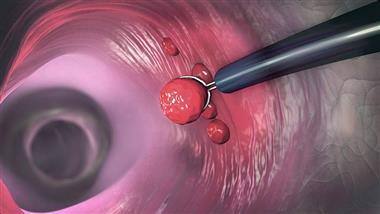
STORY AT-A-GLANCE
- A landmark study published in The New England Journal of Medicine found the “benefits” of colonoscopies are not as great as they’re made out to be
- After 10 years, those who were invited to get colonoscopies had an 18% lower risk of colorectal cancer than the unscreened group
- There was no statistically significant reduction in the risk of death from colorectal cancer in the group invited to screening compared to those who were not screened
- Colonoscopy may, in practice, reduce colorectal cancer risk similarly to other less expensive, and less invasive, screenings, including fecal testing
- Colonoscopies can cause serious adverse events, including death, bleeding after removal of a precancerous polyp and perforation
The U.S. Preventive Services Task Force recommends adults between the ages of 45 and 75 be screened for colorectal cancer every 10 years.1 As a result, about 15 million colonoscopies are performed every year in the U.S.2 The procedure, which involves extensive preparation and comes with considerable risks — include the risk of death — is touted as a key way to prevent colorectal cancer deaths.
However, as noted in a landmark study published in The New England Journal of Medicine, “Although colonoscopy is widely used as a screening test to detect colorectal cancer, its effect on the risks of colorectal cancer and related death is unclear.”3 The researchers set out to determine if the benefits of colonoscopies are as great as they’re made out to be — and found that they’re far from it.
Even study author Dr. Michael Bretthauer, a gastroenterologist with the University of Oslo in Norway, stated, “[W]e may have oversold the message for the last 10 years or so, and we have to wind it back a little.”
Study: Colonoscopies Don’t Reduce Cancer Deaths
The Northern-European Initiative on Colon Cancer (NordICC) study — a randomized trial involving 84,585 adults between 55 and 64 years of age — assigned participants in a 1-to-2 ratio to receive an invitation to undergo a colonoscopy or to receive no invitation or screening. None of the participants had gotten a colonoscopy previously.
After 10 years, those who were invited to get colonoscopies had an 18% lower risk of colorectal cancer than the unscreened group.4 However, there was no statistically significant reduction in the risk of death from colorectal cancer in the group invited to screening. The researchers intend to follow the participants for another five years to see if anything changes, but according to the study:5
“The risk of death from colorectal cancer was 0.28% in the invited group and 0.31% in the usual-care group … The number needed to invite to undergo screening to prevent one case of colorectal cancer was 455 … The risk of death from any cause was 11.03% in the invited group and 11.04% in the usual-care group.”
There were some limitations to the study, including a low uptake rate for those invited to get a colonoscopy. Only 42% of those invited to do the procedure actually did so. When the researchers analyzed the results based only on those who received colonoscopies, the procedure reduced the risk of colorectal cancer by 31% and reduced the risk of dying from colorectal cancer by 50%.6
Still, speaking with STAT News, Dr. Samir Gupta, a gastroenterologist who was not involved with the study, noted, “This is a landmark study. It’s the first randomized trial showing outcomes of exposing people to colonoscopy screening versus no colonoscopy. And I think we were all expecting colonoscopy to do better. Maybe colonoscopy isn’t as good as we always thought it is.”7
Colonoscopy ‘Not the Magic Bullet We Thought It Was’
According to the American Cancer Society, in 2022 there will be 106,180 new cases of colon cancer diagnosed and 44,850 new cases of rectal cancer.8 The two types are grouped together — collectively known as colorectal cancer — since they have many of the same characteristics.
The rate of people being diagnosed with either colon or rectal cancers has gone down since the 1980s. The American Cancer Society (ACS) attributes this to changes in lifestyle as well as more people getting screened.9 The death rate from colorectal cancer has also decreased over several decades — a decline that ACS again attributes to screening, as well as colorectal cancer treatments.
“One reason is that colorectal polyps are now being found more often by screening and removed before they can develop into cancers,” ACS notes.10 However, the featured study makes it clear that colonoscopies’ benefits may have been overstated. Bretthauer told STAT News:11
“It’s not the magic bullet we thought it was. I think we may have oversold colonoscopy. If you look at what the gastroenterology societies say, and I’m one myself so these are my people, we talked about 70, 80, or even 90% reduction in colon cancer if everyone went for colonoscopy. That’s not what these data show.”
Bretthauer suggested colonoscopy may, in practice, reduce colorectal cancer risk by 20% or 30%, which is close to reductions offered by other less expensive, and less invasive, screenings, including fecal testing. Bretthauer told STAT News:12
“That raises an important point for policymakers … Colonoscopy is more expensive, more time-intensive, and more unpleasant in preparation for patients. Many European countries balked at putting public health dollars towards a large, expensive program, he said, when the fecal testing was cheaper, easier, and had greater uptake in certain studies.
‘Now, the European approach makes much more sense. It’s not only cheaper, but maybe equally effective.’”
Do the Benefits Outweigh the Risks?
In 2019, the BMJ published clinical practice guidelines13 for colorectal cancer screening using a stool test — known as the fecal immunochemical test (FIT) — a single colonoscopy or a single sigmoidoscopy. A sigmoidoscopy is similar to a colonoscopy but less extensive and less invasive. During a colonoscopy, your entire large intestine is examined, while a sigmoidoscopy only checks the lower part of your colon.
The practice guidelines recommend physicians use a tool to estimate an individual’s potential risk for developing colorectal cancer in the next 15 years. The team recommends that only those who have a risk of 3% or greater should undergo screening tests, choosing from one of four screening options.
This included a FIT done every year or a FIT done every two years depending on risk factors. Patients may also choose a single sigmoidoscopy or, the weakest recommendation from the team, a single colonoscopy.
However, the team determined that the risks associated with colorectal cancer screening outweighed the benefits in many cases. For instance, the risk of death from a colonoscopy from one source was 1 in 16,318 procedures evaluated.14
In the same analysis, the researchers also found 82 suffered serious complications. Another analysis found a death rate of 3 per 100,000 colonoscopies, along with serious adverse events in 44 per 10,000, “with a number needed to harm of 225.”15
Colonoscopies Carry Significant Risks
For any medical procedure, the benefits must outweigh the risks to the patient. But depending on your risk factors, it’s possible that colonoscopy could cause more harm than good. Aside from the risk of death, additional concerning risks include perforation and bleeding after removal of a precancerous polyp.
A systematic review and meta-analysis found the risk of perforation after colonoscopy was about 6 per 10,000 while the risk of bleeding was about 24 per 10,000 procedures.16 However, the risks can vary significantly depending on where the procedure is performed.
The risk of perforation at Baylor University Medical Center, according to one study, was 0.57 per 1,000 procedures or 1 in 1750 colonoscopies.17 In a report published in Baylor University Medical Center Proceedings, it’s explained:18
“The frequency of complications is dependent on the skill of physicians doing the procedure, on safeguards that are in place within the laboratory where the procedure is carried out, and whether colonoscopy is done for screening or for diagnostic or therapeutic indications.
Major complications include adverse sedation or anesthetic events including aspiration pneumonia, post-polypectomy bleeding, diverticulitis, intraperitoneal hemorrhage, and colonic perforation.”
Improper Equipment Sterilization Is Dangerous
Another risk factor that varies from clinic to clinic has to do with how well the equipment is sterilized. David Lewis, Ph.D., and I discuss this in the short video above. One issue is the inability to thoroughly clean the inside of the scope.
One common issue is that, during the examination, the physician may be unable to see through the scope and is unsuccessful in the attempt to flush it using the air/water channel as it is clogged with human tissue from a past exam. The scope must be retracted and another one used. Since endoscopes have sensitive equipment attached, they cannot be heat sterilized.
Unfortunately, manufacturers have not been made to produce a scope with the ability to be heat sterilized. As Lewis points out in the video, “We can put a Rover on Mars, surely we can build a flexible endoscope that we can put in an autoclave.” These expensive tools are not disposable but require sterilization between each patient.
Lewis reports that up to 80% of hospitals are sterilizing the flexible endoscopes with glutaraldehyde (Cidex). On testing, he finds this has complicated the process as it does not dissolve tissue in the endoscope but rather preserves it.
When sharp biopsy tools are run through the tube, patient material from past testing is scraped off and potentially carried into your body. This is why it’s important to find a clinic or hospital that uses peracetic acid to thoroughly sterilize the equipment by dissolving proteins found in the flexible endoscopes. Before scheduling any endoscopic examination call to ask how the equipment is sterilized between patients.
Most Colorectal Cancer Cases Are Related to Diet
Aside from skin cancer, colorectal cancer is the third most common type of cancer in the U.S., as well as the third leading cause of cancer-related deaths.19 It’s wise to take steps to reduce your risk, and lifestyle changes can be quite effective. In fact, lifestyle factors, including dietary choices, play a major role in the occurrence and progression of colorectal cancer,20 with only an estimated 20% of cases caused by genetic factors with the remainder due to environmental factors.
Up to 70% of colorectal cancer (CRC) cases are believed to be related to diet, leading researchers with the University of South Carolina School of Medicine to state:21
“As such, bioactive food components offer exciting possibilities for chemoprevention due to their potential to target many factors associated with the development and progression of CRC. Furthermore, the ability of bioactive food components to elicit tumoricidal effects without displaying the high toxicity exhibited by standard pharmacological interventions may translate to improved quality of life and survival in patients with cancer.”
For instance, emodin, which is found in Chinese rhubarb as well as in aloe vera, giant knotweed, the herb Polygonum multiflorum (tuber fleeceflower) and Polygonum cuspidatum (Japanese knotweed), may help prevent colorectal disease due to impressive therapeutic effects, including anti-inflammatory and antitumor properties.22
Fermented foods are also gaining recognition as an important dietary anticancer adjunct. The beneficial bacteria found in fermented foods have been shown particularly effective for suppressing colon cancer. For example, butyrate, a short-chain fatty acid created when microbes ferment dietary fiber in your gut, has been shown to induce programmed cell death of colon cancer cells.23
Other strategies to help prevent colorectal cancer include eating more fiber, optimizing vitamin D, avoiding processed meat, maintaining a normal weight and controlling belly fat. In a larger sense, researchers have demonstrated that cancer is likely a metabolic disease controlled in part by dysfunctional mitochondria.
You can optimize your mitochondrial health through cyclical nutritional ketosis, calorie restriction, meal timing, exercise and normalizing your iron level. All of these lifestyle factors play a role in keeping your body healthy and disease-free.
– Sources and References
- 1 U.S. CDC, What Should I Know About Screening?
- 2, 4, 6 CNN October 9, 2022
- 3, 5 The New England Journal of Medicine October 9, 2022, Abstract
- 7, 11, 12 STAT News October 9, 2022
- 8, 9, 10 American Cancer Society, Key Statistics For Colorectal Cancer
- 13 The BMJ, 2019;367: l5515
- 14 Annals of Internal Medicine 2006 Dec 19;145(12):880
- 15 CMAJ Open. 2021 Oct-Dec; 9(4): E940–E947
- 16 CMAJ Open. 2021 Oct-Dec; 9(4): E940–E947, Intro
- 17, 18 Proc (Bayl Univ Med Cent). 2015 Jan; 28(1): 3–6
- 19 U.S. CDC, Colorectal Cancer Statistics
- 20 JAMA Network Open February 16, 2021, Intro
- 21 American Journal of Physiology, Gastrointestinal and Liver Physiology February 28, 2022, Intro
- 22 American Journal of Physiology, Gastrointestinal and Liver Physiology February 28, 2022
- 23 AICR, Factors Determining the Apoptotic Response of Colorectal Carcinoma Cells to Butyrate, a Fermentation Product Derived from Dietary Fiber (2009)