Cancer
now browsing by category
Cancer is a word most people dread, but it only affects less than half of us. LeanMachine wants to be in the other half, and correct nutrition is the way to get there. Billions of dollars are spent on treatment drugs, but almost nothing is spent on prevention!
Can Aspirin Prevent the Spread of Tumors? Researchers Say Yes
Reproduced from original article:
https://articles.mercola.com/sites/articles/archive/2026/03/31/can-aspirin-prevent-the-spread-of-tumors.aspx
Analysis by Dr. Joseph Mercola March 31, 2026
- Aspirin helps prevent cancer metastasis by boosting your immune system’s T cells, which attack cancer cells that try to spread throughout your body
- Metastasis causes 90% of cancer deaths as cancer cells travel through blood or lymph systems to form new tumors in organs like lungs, liver, or bones
- Aspirin blocks a substance in your body that normally slows down T cells, allowing them to move and attack cancer cells more effectively
- Low doses of aspirin (75 to 300 milligrams daily) appear effective, with benefits increasing after 5 to 7.5 years of regular use
- Willow bark is a natural alternative to aspirin; it contains a compound that your body turns into the same active ingredient as in aspirin
Did you know that a pill you likely already have in your medicine cabinet could help stop cancer from spreading? That’s right — aspirin, the little white tablet you pop for headaches or to keep your heart healthy, does more than you think. Scientists are discovering that aspirin could help your body fight cancer, especially when it tries to move to new places in your body.
This movement is called metastasis, and it’s what makes cancer so dangerous. In fact, metastasis is responsible for nine out of 10 cancer deaths.1 Finding a way to stop it could save lives — maybe even yours or someone you care about. It turns out aspirin boosts your immune system to fight cancer, leading researchers to suggest this familiar pill could become a cancer-fighting hero.
What’s the Sneaky Way Cancer Takes Over Your Body?
You might know cancer starts as a tumor, but what happens when it spreads? That’s metastasis, and it’s bad news.
• What’s metastasis? Metastasis is when cancer cells break away from the original tumor and travel through your blood or lymph system to form new tumors in places like your lungs, liver, or bones. Picture dandelion seeds blowing in the wind — once they land, they grow anywhere. That’s how cancer spreads throughout your body.
• Why is metastasis so dangerous? Because it doesn’t just stay in one spot. It can attack multiple organs at once, making it much harder to treat. Worse, it often happens silently. You might not feel a thing until it’s spread too far, which is why stopping it early is so important. Cancer deaths are typically due to metastasis, not a solitary tumor.
• Your immune system tries to fight back — It has special cells called T cells that act like security guards, spotting and destroying those traveling cancer cells. But sometimes cancer outsmarts them. It’s like the guards get tied up, letting the intruders slip by. The good news is that aspirin helps untie those guards so they can win the fight.
How Can Aspirin Power Up Your Cancer Defenses?
You’ve probably taken aspirin for a headache or fever. Maybe your doctor even suggested it for heart health. But stopping cancer spread? That’s a twist many aren’t aware of.
• Aspirin does more than just ease pain — It calms inflammation, which is a hallmark of cancer.
• Here’s how aspirin works with your blood — Your blood has tiny cell fragments called platelets that help stop bleeding when you get a cut. But sometimes these platelets accidentally help cancer by surrounding cancer cells and hiding them from your immune system, like a disguise. Aspirin, especially in small doses, stops platelets from making a substance that interfere with your T cells.
• What’s this substance? Think of it as a roadblock holding up your T cells — those security guards we talked about. It slows them down, so they can’t chase cancer cells as well. When aspirin clears this roadblock, your T cells get moving again, ready to tackle cancer cells trying to spread.
How Does Aspirin Boost Your Body’s Security Guards?
Let’s zoom in on your T cells. These are your body’s special forces, always patrolling to find and destroy cancer cells. They’re tough, but not invincible.
• Cancer’s sneaky move — Cancer releases a substance that dulls your T cells, like putting them to sleep so they can’t fight effectively.
• Aspirin fights back — Scientists found that aspirin stops this substance, waking up T cells to attack cancer cells more efficiently. In lab animals, this reduced cancer spread, with a 2025 Nature study showing fewer new growths.2 This suggests aspirin could keep your T cells sharp to prevent cancer spread.
Could Aspirin Be Your Cancer Shield?
So, what does this mean for you? Low-dose aspirin might help prevent cancer from spreading, especially if you’ve had early-stage cancer or it runs in your family.
• Aspirin keeps cancer spread at bay — Imagine adding aspirin to your health routine. It’s a simple step with big benefits.
• Aspirin works with vitamin C — Your body benefits even more when aspirin is combined with vitamin C, which also has antitumor effects. Studies have shown that this combination is more effective against cancer cells while remaining gentler on healthy cells compared to conventional chemotherapy drugs.3
• Aspirin dosage matters — Low doses of aspirin (75 to 300 milligrams (mg) per day) have been shown to be as effective as higher doses in reducing death from colorectal cancer, suggesting you don’t need large amounts to reap the benefits.4
• Consistency and long-term use seem to be key — Studies suggest the benefits of aspirin increase with long-term use. The most significant reductions in cancer risk occurred after five to 7.5 years of regular use.5
• How to select aspirin — Choose immediate-release aspirin formulations rather than coated extended-release versions to avoid unnecessary additives. Immediate-release aspirin is available on Amazon. Examine the inactive ingredients list carefully; ideally, corn starch should be the only additive listed.
Willow Bark Is a Natural Alternative
For those with aspirin sensitivity, salicylic acid or willow bark supplements are alternatives worth considering. When you take aspirin, your body changes it into a form called salicylic acid. This is what actually works to reduce pain and swelling, and to keep your blood from clotting too much. Willow bark is a natural source of this compound.
• Willow bark has been used for centuries — Across various cultures, willow bark has been relied upon for pain relief, fever reduction, inflammatory conditions, headaches, and even wound healing. Ancient Egyptians, Hippocrates, and Native American healers all recognized its medicinal properties, using it to treat ailments ranging from joint pain to skin rashes, and digestive issues. Its long history of use suggests broad therapeutic potential.
• Willow bark is a natural alternative to aspirin — Willow bark stands out as the best natural alternative to aspirin because it provides similar pain-relieving and anti-inflammatory benefits while being gentler on the stomach.
Unlike synthetic aspirin, which isolates and modifies salicylic acid, willow bark contains a complex mix of compounds — including flavonoids and polyphenols — that work together to enhance its effectiveness and reduce potential side effects.
This natural synergy allows for a slower, more balanced release of salicin in the body, leading to fewer digestive issues compared to aspirin. For those looking to avoid synthetic drugs but still gain aspirin-like benefits, willow bark offers a time-tested, well-rounded alternative that works with your body rather than against it.
• Willow bark dosages — For those who are sensitive to aspirin or prefer a plant-based option, willow bark extract can offer a similar effect with the right dosage. While aspirin and willow bark share similarities, their metabolism differs, meaning the body processes them in unique ways. Common dosing guidelines for standardized willow bark extract (15% salicin) include:
◦ To approximate 81 mg of aspirin, take 400 mg to 800 mg of willow bark extract
◦ To approximate 111 mg of aspirin, take 500 mg to 1 gram of willow bark extract
The Bottom Line — Aspirin’s Role in Cancer Prevention
The idea that a simple, inexpensive pill could help prevent cancer from spreading is both promising and powerful. Research continues to highlight aspirin’s ability to support the immune system’s T cells, keeping them active against rogue cancer cells that try to take hold in new areas of the body.
For those looking to enhance their health strategy, low-dose aspirin appears to offer significant benefits — especially when used consistently over time. While aspirin isn’t a standalone cure, its ability to reduce inflammation, interfere with cancer’s sneaky tactics, and boost immune surveillance makes it a compelling option for those at risk.
If you’re considering adding aspirin to your routine, talk to your healthcare provider about the right dosage and any potential interactions. And for those who prefer a natural alternative, willow bark provides a plant-based way to tap into similar benefits.
Cancer prevention doesn’t always require cutting-edge treatments — sometimes, the solution might already be in your medicine cabinet.
FAQs About Aspirin and Cancer
Q: Can aspirin really prevent cancer from spreading?
A: Yes, research suggests that low-dose aspirin helps prevent metastasis, which is when cancer spreads to other parts of your body. It does this by helping your immune system’s T cells fight cancer cells more effectively.
Q: How does aspirin help the immune system fight cancer?
A: Aspirin stops a substance that slows down your T cells, letting them move and attack cancer cells better to keep cancer from spreading.
Q: What is the recommended dosage of aspirin for cancer prevention?
A: Low doses of aspirin, typically between 75 to 300 mg per day, have been shown to be effective.
Q: Are there any natural alternatives to aspirin?
A: Yes, willow bark is a natural option that gives your body something similar to what makes aspirin work. It’s useful if you’re sensitive to aspirin.
Q: How long does it take to see the cancer-fighting benefits of aspirin?
A: Studies suggest the most significant reductions in cancer risk occur after five to 7.5 years of regular aspirin use. Consistency and long-term use are key to maximizing the protective effects.
- 1, 2 Nature March 5, 2025
- 3, 4, 5 Cureus. 2024 Feb 21;16(2):e54658
Niacinamide Found to Reduce the Risk of New Skin Cancers
Reproduced from original article:
https://articles.mercola.com/sites/articles/archive/2026/03/27/niacinamide-reduce-skin-cancer-risk.aspx
Analysis by Dr. Joseph Mercola March 27, 2026

Story at-a-glance
- Skin cancer affects one in five Americans, with nonmelanoma types like basal and squamous cell carcinoma making up most cases. Niacinamide, a form of vitamin B3, is found to offer a strong preventive effect
- A recent study published in JAMA Dermatology associated niacinamide use with a 14% lower overall risk of developing additional nonmelanoma skin cancers, with the greatest benefit seen after the first cancer diagnosis
- Earlier research showed that taking 500 milligrams of niacinamide twice daily reduced new nonmelanoma skin cancers by 23% and precancerous lesions by up to 15%
- Niacinamide protects your skin by restoring NAD+ for DNA repair, reducing inflammation, supporting immune defenses, and strengthening the barrier that maintains moisture and resilience against environmental stress
- For long-term use, smaller daily doses of 50 milligrams three times per day are safe and sustainable. Combining niacinamide with sensible sun exposure habits and good nutrition strengthens skin defense naturally
Skin cancer is one of the most common cancers worldwide.1 In the United States, one in five Americans is expected to develop skin cancer during their lifetime, and roughly 9,500 people receive a diagnosis each day.2 The vast majority of these cases are nonmelanoma skin cancers, which include basal cell carcinoma (BCC) and squamous cell carcinoma (SCC).3
The incidence of nonmelanoma skin cancers is estimated to be 18 to 20 times higher than that of melanoma.4 Although often treatable when detected early, recurrence is common and remains a significant concern.5 This has led researchers to explore better ways to prevent future cases, and one compound that has been recommended by dermatologists is niacinamide, a form of vitamin B3.6
What Is Niacinamide and How Does It Protect Your Skin?
Niacinamide is one of the two main forms of vitamin B3. The other is niacin, or nicotinic acid, which is known for causing flushing due to histamine release. Niacinamide does not produce this effect, which makes it easier to tolerate and suitable for long-term use. It used to be called nicotinamide, but the term niacinamide is now preferred to prevent confusion with nicotine, an entirely unrelated compound.
• Niacinamide supports the skin at the cellular level — It does this by restoring a vital molecule called nicotinamide adenine dinucleotide (NAD+), a coenzyme that every cell relies on for energy production, DNA repair, inflammation control, and mitochondrial health.
When prolonged UV exposure, oxidative stress, or aging depletes NAD+ levels, skin cells lose the energy needed to maintain normal repair processes. Niacinamide replenishes this supply, keeping your skin’s repair systems active and resilient.
• Inside your cells, niacinamide participates in the NAD+ salvage pathway — When NAD+ breaks down during normal metabolic activity, it forms niacinamide, which the body recycles by converting it into nicotinamide mononucleotide (NMN) and then back into NAD+. This cycle allows your cells to sustain energy production and DNA repair without interruption, ensuring that repair enzymes and antioxidant systems always have the resources they need.
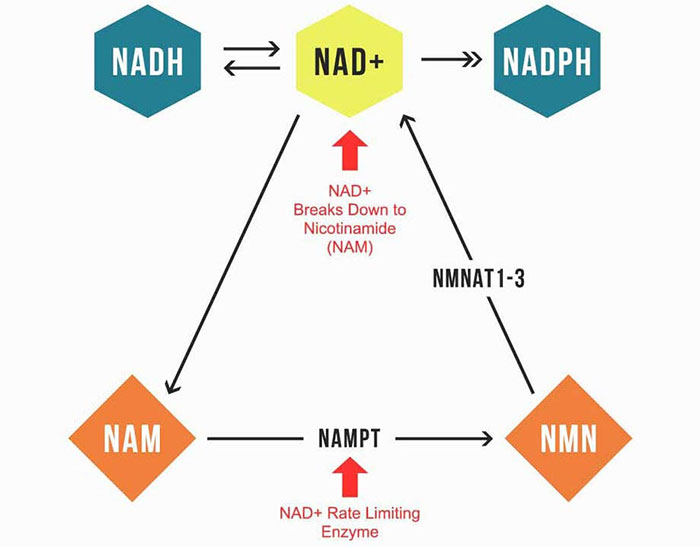
• NAD+ fuels key DNA-repair enzymes — These include poly (ADP-ribose) polymerase (PARPs) and sirtuins, which identify and repair DNA strand breaks. When NAD+ levels drop, these enzymes cannot function effectively, leading to the accumulation of damaged DNA. By maintaining NAD+ availability, niacinamide keeps these enzymes working efficiently and supports the genetic stability of your skin cells.
• Niacinamide also reinforces your skin’s structural defenses — It stimulates ceramide production, strengthening the barrier that locks in moisture and shields against environmental damage.7 Because of its effects, dermatologists have used niacinamide for decades in both topical and oral forms to manage acne, rosacea, hyperpigmentation, and photoaging.8
• Niacinamide’s influence extends far beyond skin health — Clinical studies have shown benefits in conditions linked to metabolic stress, inflammation, and mitochondrial dysfunction, including neurodegeneration,9 glaucoma,10 chronic pain,11 stress,12 and even oxidative damage linked to excessive linoleic acid (LA) intake.
To learn more about how niacinamide supports not only skin health but also your body’s broader resilience, read “The Wide-Ranging Health Benefits of Niacinamide.”
New Evidence Strengthens Niacinamide’s Role in Skin Cancer Prevention
The evidence confirming niacinamide’s protective role against skin cancer has been limited because its over-the-counter availability means most use goes unrecorded in medical databases. This is why researchers conducted a large-scale retrospective cohort study published in JAMA Dermatology, drawing on data from the Veterans Affairs (VA) Corporate Data Warehouse to examine whether niacinamide use led to a reduced risk of new skin cancers.13
• How the study was designed — The research team analyzed data from 33,822 veterans between 1999 and 2024. They identified patients who had filled prescriptions for 500 milligrams (mg) of oral nicotinamide twice daily for more than 30 days and compared them with matched controls who had not received the supplement.
In total, 12,287 niacinamide users were matched with 21,479 nonusers based on factors including age, sex, prior skin cancer history, and use of other dermatologic treatments. The primary outcome was time to the next diagnosis of BCC or cutaneous SCC (cSCC).
• Niacinamide use lowered overall skin cancer risk — Across the full study population, niacinamide use was associated with a 14% lower overall risk of developing skin cancer. The benefit was most pronounced when supplementation began after the first skin cancer diagnosis, producing a 54% reduction in new cases.
However, this preventive effect diminished when treatment was started after multiple prior cancers. Both BCC and cSCC incidence decreased, with the strongest risk reduction seen in cSCC.
• Findings in immunocompromised patients — The study also evaluated a subgroup of 1,334 patients who were immunocompromised due to organ transplants. Among these transplant recipients, no overall significant reduction in cancer risk was observed. However, early use of niacinamide after the first cancer diagnosis was linked to fewer cases of cSCC, underscoring the importance of timing in its effectiveness.
• Early use of niacinamide may redefine preventive skin cancer care — According to the study’s lead author, Dr. Lee Wheless, assistant professor of Dermatology and Medicine at Vanderbilt University Medical Center and a staff physician at VA Tennessee Valley Healthcare System:
“There are no guidelines for when to start treatment with nicotinamide for skin cancer prevention in the general population. These results would really shift our practice from starting it once patients have developed numerous skin cancers to starting it earlier. We still need to do a better job of identifying who will actually benefit, as roughly only half of patients will develop multiple skin cancers.”14
This real-world analysis builds on earlier randomized trials by confirming that niacinamide is associated with lower nonmelanoma skin cancer risk in a large, diverse population.
The First Clinical Evidence of Niacinamide’s Protective Effect
The protective role of niacinamide in skin cancer prevention was first confirmed in a controlled human trial published in The New England Journal of Medicine in 2015.15 The study, known as the Oral Nicotinamide to Reduce Actinic Cancer (ONTRAC) trial and conducted by researchers at the University of Sydney, showed that a simple oral supplement could lower the recurrence of common skin cancers in high-risk patients.16,17
• Study design and participants — The ONTRAC trial included 386 adults aged 30 to 91 years who had developed two or more nonmelanoma skin cancers in the past five years. Participants were randomly assigned to receive nicotinamide, 500 mg twice daily, or placebo for 12 months, with dermatologic evaluations every three months.
• What the results showed — After one year of supplementation, participants taking nicotinamide had 23% fewer new basal and squamous cell carcinomas than those taking placebo. The supplement also reduced actinic keratoses, precancerous lesions that signal future cancer risk, by 11% after three months and 15% after 12 months.
• Safety confirmed across all groups — Niacinamide was well tolerated, with no meaningful side effects. Unlike niacin, it did not cause flushing, headaches, or increased blood pressure, and no participants discontinued treatment due to adverse effects. Its clean safety profile made it an ideal option for older adults or those on multiple medications.
• Why the findings matter for high-risk patients — Lead investigator Diona Damian, MBBS, Ph.D., described niacinamide as “a new opportunity for skin cancer prevention,” noting that it is safe, inexpensive, and immediately accessible for those at greatest risk of recurrence.18
Supporting this view, Dr. Peter Paul Yu, the president of the American Society of Clinical Oncology at the time, called the results “a remarkably simple and inexpensive way to help people avoid repeat diagnoses of some of the most common skin cancers.”19
This trial established the foundation for research on niacinamide and skin cancer prevention. A survey conducted in 2021 found that nearly 77% of dermatologists who perform skin cancer surgery now recommend oral niacinamide to prevent skin cancers.20 Learn more about niacinamide’s protective role in “Niacinamide — The Best Supplement to Prevent Skin Cancer.”
How to Take Niacinamide Supplement
While clinical studies have shown that high doses can deliver therapeutic results in targeted treatments, those levels are not intended for routine use. For ongoing health and cellular support, smaller amounts taken regularly are safer and sustainable.
• Take small, evenly spaced doses throughout the day — For optimal health, I recommend taking 50 milligrams of niacinamide three times per day. You can also take it four times a day if you space out the dose evenly. Take a dose as soon as you get up, another before going to bed, and two more evenly spaced between those times.
• Higher doses can cause adverse effects — The problem with taking too much vitamin B3, whether in the form of niacin or niacinamide, is that it might backfire and contribute to cardiovascular disease and other side effects. Other potential side effects of high doses include nausea, vomiting, headache, dizziness, and fatigue.
• Make sure you’re getting all the other B vitamins — Your body relies on the full spectrum of B vitamins to maintain optimal health, especially regular niacin, riboflavin (B2), folate (B9), and pyridoxine (B6).
Vitamin B3 is found in grass fed beef, liver, wild-caught Alaskan salmon, and bananas,21 while vitamin B6 is abundant in grass fed beef, potatoes, and bananas.22 As for folate, you can obtain it in spinach, broccoli, and asparagus.23 Meanwhile, vitamin B12-rich foods include grass fed beef liver, wild rainbow trout, and wild sockeye salmon.24
5 Additional Strategies to Protect Your Skin Health
While niacinamide plays a key role in maintaining healthy skin, it works best as part of a broader foundation. Your daily lifestyle choices shape how your skin repairs, regenerates, and defends itself. The following strategies complement niacinamide’s protective effects and help lower your risk of skin cancer while supporting long-term skin vitality:
1. Optimize your vitamin D levels — Vitamin D activates receptors that regulate how your cells grow, repair, and communicate, helping reduce the risk of cancer by reducing DNA damage, improving immune surveillance, and promoting normal cell differentiation.25
A study from the University of Eastern Finland found that individuals who took vitamin D regularly had nearly 50% lower melanoma risk, even among those with high-risk skin types.26 Maintaining vitamin D levels in the 60 to 80 ng/mL (150 to 200 nmol/L) range provides the strongest protection.
While many studies discourage sun exposure, sunlight is your body’s primary and most efficient source of vitamin D. The key is to enjoy sunlight in a way that protects your skin from burning. Simple steps taken before and during sun exposure can make all the difference. For practical guidance on how to do this safely, read “Having Optimal Vitamin D Levels Helps Lower Your Risk of Melanoma.”
2. Nourish your skin from the inside out — Foods rich in antioxidants are especially valuable because they neutralize damaging free radicals. Prioritize carotenoid-rich fruits and vegetables such as carrots, sweet potatoes, tomatoes, and leafy greens. These pigments accumulate in your skin, where they act as a natural shield against oxidative damage.27
Equally important are vitamins C and E, which work together to preserve skin integrity. Vitamin C fuels collagen synthesis, accelerates tissue repair, and maintains the connective structure that keeps your skin firm and resilient.28 Good sources include bell peppers, citrus fruits, strawberries, and broccoli.29
Vitamin E shields cell membranes from lipid peroxidation, a reaction that weakens your skin’s lipid barrier and speeds visible aging.30 Pasture-raised eggs, grass fed beef liver, wild-caught fish, and leafy greens provide abundant amounts of this vitamin.
3. Improve sleep and circadian rhythm to boost skin repair — Your skin follows a daily rhythm of repair and renewal that peaks during sleep. Research shows that chronic circadian disruption not only weakens the skin barrier but also increases the risk of tumor formation by impairing clock genes that regulate cell division and DNA stability.31
Aim to get adequate, high-quality sleep nightly by creating a consistent bedtime routine, limiting blue light exposure in the evening, and getting natural sunlight in the morning to help reset your circadian rhythm. Keeping your room cool, dark, and quiet also supports deeper rest, allowing your skin the time it needs to repair and renew overnight.
4. Engage in regular physical activity — A study on melanoma shows that regular physical activity can slow tumor growth and enhance immune surveillance. Researchers also found that exercise boosts the activity of natural killer cells, improves blood flow to skin tissues, and reduces inflammatory signaling linked to tumor progression.32
You don’t need strenuous workouts to gain the benefits. Regular, moderate movements such as walking, stretching, or light resistance exercise will do. Consistent activity also helps balance blood sugar and hormones, which play a direct role in maintaining healthy and resilient skin.33
5. Be wise when it comes to sunscreen — Dermatologists often recommend daily sunscreen use to lower skin cancer risk, but many products on the market contain chemicals that can harm your health and the environment, including oxybenzone, octinoxate, homosalate, and octocrylene.34
If you choose to use a sunscreen, look for zinc oxide or titanium dioxide instead and make sure they’re not nano-sized. Lotions or creams with zinc oxide offer the most stable and broad UVA and UVB protection, while titanium dioxide is a good alternative.
Avoid high-SPF products above 50, which often create a false sense of security and don’t provide significantly better protection. SPF measures UVB defense only, not UVA, which causes the most skin damage and aging. Ultimately, sunscreen should not be your first line of defense. The healthiest approach is safe, sensible sun exposure.
Frequently Asked Questions (FAQs) About Niacinamide and Skin Cancer
Q: What is niacinamide?
A: Niacinamide is a form of vitamin B3 that supports your skin by restoring NAD+, which drives energy production and DNA repair, reducing inflammation, enhancing immune defenses, and strengthening the skin barrier by supporting ceramide production.
Q: Is niacinamide the same thing as niacin?
A: No. Niacinamide (also called nicotinamide) and niacin (nicotinic acid) are two different forms of vitamin B3. Niacin causes flushing due to histamine release, while niacinamide does not. However, excessive intake of either form can contribute to cardiovascular problems.
Q: How much niacinamide should I take for daily support?
A: Smaller doses of 50 milligrams (mg) taken three times per day are ideal for long-term use. Clinical trials that targeted skin cancer prevention used 500 mg twice daily, but that dose was studied in high-risk patients with previous skin cancers.
Q: Can I just get niacinamide from food?
A: You can get some niacinamide from foods naturally high in vitamin B3, including grass fed beef, liver, mushrooms, poultry, and salmon. You may also opt to take supplements to ensure steady support for your skin’s repair and protection processes.
Q: Does niacinamide help with other skin problems?
A: Yes. Dermatologists use niacinamide to manage acne, rosacea, uneven pigmentation, and signs of photoaging. Its anti-inflammatory, antioxidant, and barrier-strengthening effects make it a versatile nutrient for maintaining overall skin balance and resilience.
- 1, 3, 4 Cancer Pathogenesis and Therapy Volume 3, Issue 2, March 2025, Pages 89-100
- 2 American Academy of Dermatology Association, Skin Cancer
- 5 Biomedicines. 2018 Jan 2;6(1):6
- 6, 14 Medical Xpress, September 18, 2025
- 7 Br J Dermatol. 2000 Sep;143(3):524-31
- 8 YouTube, Dr. Dray, The Skin Supplement You Need to Know About April 28, 2022
- 9 Clinical Trials Nicotinamide as an Early Alzheimer’s Disease Treatment (NEAT) NCT03061474
- 10 JAMA Ophthalmology 2022;140(1):11-18
- 11 Cell Reports Medicine November 8, 2023
- 12 Nutrients. 2022 Jun; 14(11): 2219
- 13 JAMA Dermatol. Published online September 17, 2025. doi: 10.1001/jamadermatol.2025.3238
- 15, 16 N Engl J Med. 2015 Oct 22;373(17):1618-26
- 17, 18, 19 Am Health Drug Benefits. 2015 Aug;8(Spec Issue):13-14
- 20 Dermatol Surg. 2021 Apr 1;47(4):452-453
- 21 NIH ODS, Niacin
- 22 My Food Data, Top 10 Foods Highest in Vitamin B6 April 25, 2024
- 23 My Food Data, Top 10 Foods Highest in Vitamin B9 (Folate) April 25, 2024
- 24 Harvard Health Publishing, The A List for Vitamin B-12 Sources (Archived)
- 25 Melanoma Manag. 2015 Feb 25;2(1):51–61
- 26 Melanoma Research 33(2):p 126-135, April 2023
- 27 Oxid Med Cell Longev. 2014 Mar 26;2014:860479
- 28 Nutrients 2017, 9(8), 866
- 29 Cleveland Clinic, April 10, 2023
- 30 Aspects of Molecular Medicine Volume 5, June 2025, 100063
- 31 Int J Mol Sci. 2021 Jun 6;22(11):6112
- 32 J Cancer. 2024 Jan 1;15(1):1-19
- 33 JMIR Dermatol. 2024 Mar 14;7:e51962
- 34 EWG.org The Trouble with Ingredients in Sunscreens
Disease Categories with Strong Evidence for Molecular Hydrogen Therapy
Reproduced from original article:
https://articles.mercola.com/sites/articles/archive/2026/03/26/molecular-hydrogen-therapy.aspx
Analysis by Dr. Joseph Mercola March 26, 2026

Story at-a-glance
- Molecular hydrogen therapy is gaining scientific attention because it selectively neutralizes the most damaging reactive oxygen species that drive cellular damage, inflammation, and many chronic diseases
- Clinical research analyzing dozens of human trials found hydrogen therapy shows benefits across several major disease categories, including cardiovascular disease, cancer, respiratory disorders, and neurological injuries
- Hydrogen’s extremely small molecular size allows it to penetrate biological membranes and reach areas many drugs can’t access, including your brain and the mitochondria that produce your cellular energy
- Studies show hydrogen inhalation and hydrogen-rich water improve measurable health markers such as blood vessel function, inflammation levels, breathing performance, and neurological recovery after brain injury
- Using hydrogen therapy alongside lifestyle strategies that reduce oxidative stress — such as eliminating seed oils, avoiding alcohol, getting regular sunlight, and supporting your metabolism with adequate carbohydrates — strengthens cellular repair and improves overall resilience
More than 2,000 scientific papers now examine molecular hydrogen — a gas researchers once dismissed as biologically inert. That assumption held for decades until studies began revealing that hydrogen interacts directly with the reactive oxygen species responsible for cellular damage, inflammation, and chronic disease.
Your body produces reactive oxygen species — unstable molecules that damage your cells — naturally during energy metabolism. They’re a normal byproduct of being alive. But modern exposures accelerate their production far beyond what your defenses can handle. Pollution, ultraprocessed foods, toxins, and chronic illness all push your body toward oxidative stress — a state where damage outpaces repair.
This imbalance contributes to heart disease, cancer, neurodegenerative disorders, and metabolic dysfunction, making it one of the central problems in modern medicine. Most supplemental antioxidants work indiscriminately — they suppress harmful oxidants but also knock out the beneficial ones your cells use for signaling and immune defense.
Molecular hydrogen works differently, and the clinical research now emerging helps explain why scientists view it as one of the more promising therapeutic tools under investigation.
Molecular Hydrogen Therapy Influences Multiple Disease Systems
A scientific review published in the journal Molecules examined clinical research on molecular hydrogen therapy and evaluated its therapeutic effects across a wide range of diseases.1 The researchers analyzed 81 registered clinical trials and 64 peer-reviewed human studies investigating hydrogen administration through methods such as inhalation, hydrogen-rich water, and hydrogen-infused saline.
The goal of the review was to determine whether hydrogen gas could emerge as a viable medical therapy and identify which diseases respond most strongly to it. The researchers also explored the safety of hydrogen administration and how delivery methods influence outcomes in real-world clinical settings.
• Hydrogen therapy studies span heart disease, cancer, and brain disorders — Participants in the analyzed studies included patients with cardiovascular disease, cancer, respiratory illness, neurological disorders, autoimmune disease, metabolic conditions, and fatigue-related disorders. Researchers also examined hydrogen therapy in athletes, people with obesity, and patients recovering from severe infections.
Across these diverse groups, the researchers repeatedly observed improvements in markers of oxidative stress, inflammation, and metabolic function. Hydrogen’s benefits appear strongest in diseases driven by excessive oxidative stress — meaning conditions where unstable molecules damage tissues and disrupt normal cellular function.
• Cardiovascular studies revealed measurable improvements in heart and blood vessel function — In one early study, patients inhaled 2% hydrogen gas alongside standard temperature management therapy following cardiac arrest.2
The group receiving hydrogen experienced significantly higher 90-day survival rates compared to the control group receiving standard care alone. Researchers also recorded improvements in neurological outcomes, meaning patients retained better brain function after oxygen deprivation events associated with cardiac arrest.
• Other cardiovascular trials showed hydrogen improved blood vessel performance — Another clinical study examined how hydrogen-rich water affected endothelial function — the ability of blood vessels to expand and contract properly.
Participants who consumed water containing about 7 milligrams (mg) of dissolved hydrogen per liter showed significantly improved flow-mediated dilation compared to those receiving placebo water.3 Flow-mediated dilation measures how well arteries widen in response to blood flow, and impaired dilation is a warning sign of cardiovascular disease. Improved dilation indicates healthier blood vessel function and better circulation.
• Cancer research revealed hydrogen therapy influences immune activity and treatment tolerance — One clinical study involving 58 patients with advanced non-small cell lung cancer reported that patients receiving hydrogen inhalation experienced relief from pulmonary symptoms and longer progression-free survival compared to untreated patients.4
Progression-free survival refers to the length of time a patient lives without the cancer worsening. Researchers also observed that hydrogen therapy improved tolerance to chemotherapy, targeted therapy, and immunotherapy when used alongside conventional treatments.
• Hydrogen therapy improved quality of life during cancer treatments — Liver cancer patients undergoing radiation who drank hydrogen-rich water for six weeks reported meaningfully better quality of life — and importantly, the hydrogen didn’t weaken the radiation’s tumor-killing effects.5
The hydrogen therapy group showed reduced biological responses to radiation-induced oxidative stress without weakening the tumor-killing effects of radiation therapy. Researchers emphasized that hydrogen didn’t interfere with cancer treatment but instead reduced the damage to healthy tissue surrounding the tumors.
Hydrogen Therapy Improves Lung Inflammation and Brain Recovery
Hydrogen inhalation also demonstrated strong effects in respiratory disorders such as asthma and chronic obstructive pulmonary disease (COPD). In one clinical trial, patients inhaled a hydrogen-containing gas mixture for 45 minutes.6 Researchers observed significant reductions in inflammatory markers that signal inflammation in the lungs. Lower levels of these markers corresponded with reduced respiratory inflammation and improved breathing comfort.
• Neurological studies revealed hydrogen reaches the brain and improves recovery after injury — Because hydrogen molecules are extremely small and electrically neutral, they easily pass through biological membranes, including the blood-brain barrier that protects your brain from harmful substances.
Clinical trials investigating stroke and brain ischemia — meaning reduced blood flow to the brain — found that hydrogen inhalation or hydrogen-rich solutions reduced oxidative stress markers and improved neurological recovery scores in patients. Some patients also showed improvements in MRI imaging indicators that reflect reduced damage to brain tissue following stroke events.
• Hydrogen acts as a selective antioxidant — It neutralizes the most damaging reactive oxygen species, particularly hydroxyl radicals. These radicals are among the most destructive molecules produced inside cells because they attack DNA, proteins, and cellular membranes. By selectively neutralizing hydroxyl radicals while leaving beneficial signaling molecules intact, hydrogen preserves normal cellular communication while reducing oxidative damage.
• Hydrogen’s molecular size allows it to reach tissues other antioxidants can’t — Hydrogen has a molecular weight of only 2 Daltons, making it the smallest molecule in existence. Hydrogen is roughly 90 times smaller than vitamin C — small enough to slip through cell membranes the way air passes through a screen door.
Because of this extremely small size, hydrogen diffuses rapidly through biological membranes and distributes throughout the body, including inside mitochondria — the tiny structures that generate cellular energy. This rapid diffusion allows hydrogen to reach tissues that many drugs and antioxidants struggle to penetrate, including the brain and deep cellular compartments.
• Hydrogen therapy influences cellular signaling and inflammation regulation — Several clinical trials reported reductions in oxidative stress biomarkers and inflammatory cytokines after hydrogen therapy. Cytokines are small signaling proteins that coordinate immune responses. Think of cytokines as alarm signals your immune system sends — helpful in a crisis, but destructive when the alarm won’t stop ringing.
When cytokine levels become excessive, chronic inflammation develops and drives diseases such as heart disease, diabetes, and neurodegeneration. Hydrogen therapy helped bring these signaling molecules back to functional levels — enough to mount an immune response when needed, but not so much that inflammation becomes chronic and self-destructive.
Simple Ways to Use Molecular Hydrogen to Restore Cellular Balance
What makes these clinical findings so relevant is that hydrogen therapy isn’t locked behind a prescription pad or a hospital setting. Unlike many of the interventions studied in those trials — intravenous saline infusions, controlled gas inhalation under medical supervision — the core benefits of molecular hydrogen are accessible to you at home.
The same molecule that improved survival after cardiac arrest and reduced brain damage after stroke is available in forms you can use daily to protect your cells before disease takes hold. The question isn’t whether hydrogen works — the research increasingly confirms it does. The question is how to use it in a way that gives your body the greatest advantage.
Oxidative stress sits at the center of many chronic health problems. When damaging reactive oxygen species overwhelm your body’s defenses, mitochondria struggle to produce energy, inflammation rises, and recovery slows. Molecular hydrogen helps reset that system by supporting mitochondrial repair, improving cellular signaling, and reducing destructive oxidative stress.
When you combine hydrogen therapy with habits that protect your metabolism, you give your cells the conditions they need to recover and perform at their best. Here’s how to apply hydrogen therapy in a way that supports your body rather than working against it.
1. Start with hydrogen-rich water daily to restore cellular balance — If you want a simple place to begin, hydrogen-rich water offers one of the easiest entry points. Drop one hydrogen tablet into a glass of room-temperature water and drink it immediately after the tablet fully dissolves and the water turns cloudy. That cloudy appearance signals active hydrogen gas in the water.
Once the gas escapes, the therapeutic effect disappears. Drinking it right away ensures your body receives the hydrogen while it’s still active. If you deal with symptoms like brain fog, chronic fatigue, or persistent inflammation, taking hydrogen water two or three times daily — spaced at least an hour apart — creates a rhythmic pulse that strengthens your cellular defense systems.
2. Use the correct delivery method and timing — As noted in my interview with Tyler LeBaron, Ph.D., one of the world’s foremost experts on molecular hydrogen, hydrogen therapy works best when your cells receive it in short pulses rather than constant exposure. Hydrogen-rich water made from properly formulated tablets offers one of the most practical options for daily use. Drink it immediately after preparation so the hydrogen gas remains dissolved.
If you prefer inhalation, keep sessions short — about one to three hours — instead of continuous exposure. Intermittent exposure trains your cells to activate their own protective systems rather than becoming dependent on constant hydrogen supply.
3. Combine hydrogen therapy with habits that lower oxidative stress — Even the most powerful molecule can’t offset constant daily damage. If your goal is to restore cellular energy and reduce inflammation, the environment inside your body need to support that process.
Excessive intake of industrial seed oils, including soybean oil, corn oil, canola oil, or other vegetable oils, floods your cells with linoleic acid (LA), disrupting energy production and increasing oxidative stress. Replace seed oils with saturated fats such as grass fed butter, ghee, or tallow, and avoid ultraprocessed foods and restaurant meals, which are typically high in LA.
The goal is to get your LA intake below 5 grams, and ideally closer to 2 grams, daily. To track your intake, download the upcoming Mercola Health Coach app, which includes the Seed Oil Sleuth feature that calculates LA exposure with precise accuracy.
Alcohol also interferes directly with mitochondrial function and blocks recovery, so removing it from your routine protects the very systems hydrogen therapy strengthens. Daily sunlight exposure further amplifies the effect. Sunlight stimulates mitochondrial energy production and improves cellular signaling that hydrogen therapy supports.
If your body is full of LA from years of seed oil consumption, your skin is more prone to burning during midday sun. Avoid sunlight from 10 a.m. to 4 p.m. until you’ve reduced seed oils for at least six months, focusing instead on morning and late afternoon light. Once your tissues are free from these unstable fats, you’ll tolerate more sun safely.
4. Feed your metabolism with the carbohydrates your cells require — Starving your body with extreme dieting weakens mitochondrial energy production. When energy production drops, oxidative stress rises and your cells lose the ability to repair themselves. Your liver and muscles require adequate carbohydrates to maintain stable energy production.
Roughly 250 grams of carbohydrates per day supports metabolic function for most adults, with higher intake needed for people who exercise regularly. If your digestion struggles, begin with easy-to-digest foods like fruit and white rice before adding more complex carbohydrates. As your digestion improves, your body handles a wider range of foods and hydrogen therapy works more effectively.
5. Use hydrogen strategically before physical or mental stress — Timing hydrogen intake around stressful events strengthens your resilience. Drink hydrogen-rich water roughly 30 minutes before exercise, travel, intense workdays, or emotionally demanding situations. This pre-loads your cells with hydrogen right before the spike in oxidative stress that exercise, travel, or intense work normally triggers — giving your mitochondria a protective head start.
Many people notice sharper focus, better stamina, and faster recovery afterward. If you push hard physically or mentally, this timing strategy transforms hydrogen therapy from a passive supplement into a targeted tool that protects your cellular energy systems.
FAQs About Molecular Hydrogen Therapy
Q: What is molecular hydrogen therapy and why are scientists studying it?
A: Molecular hydrogen therapy uses hydrogen gas — the smallest molecule in existence — to help reduce oxidative stress inside the body. Oxidative stress occurs when reactive oxygen species build up and damage cells, contributing to diseases such as heart disease, cancer, neurological disorders, and metabolic dysfunction.
Research now includes more than 2,000 scientific papers and dozens of clinical trials investigating hydrogen therapy because it selectively neutralizes the most damaging free radicals without disrupting beneficial cellular signaling.
Q: What health conditions show the strongest evidence for hydrogen therapy?
A: Clinical studies reviewed in the journal Molecules report promising results across several major disease categories.7 These include cardiovascular diseases, cancer, respiratory illnesses such as asthma and COPD, neurological conditions including stroke and brain ischemia, metabolic disorders, autoimmune diseases, and chronic fatigue. Hydrogen therapy appears most effective in conditions driven by high oxidative stress and inflammation.
Q: How does molecular hydrogen work inside the body?
A: Hydrogen acts as a selective antioxidant that targets highly destructive molecules called hydroxyl radicals. These radicals damage DNA, proteins, and cellular membranes.
Because hydrogen has an extremely small molecular size, it easily diffuses through biological membranes and reaches tissues that many drugs can’t access, including your brain and mitochondria. This allows hydrogen to reduce oxidative stress, improve cellular signaling, and support mitochondrial energy production.
Q: What are the most common ways hydrogen therapy is used?
A: Hydrogen therapy is typically delivered in three ways: inhalation of hydrogen gas, drinking hydrogen-rich water, or receiving hydrogen-infused saline in clinical settings. Drinking hydrogen-rich water made with hydrogen-producing tablets is the simplest approach for daily use. In research studies, inhalation is also widely used, especially for respiratory and neurological conditions.
Q: How can you maximize the benefits of hydrogen therapy?
A: Hydrogen therapy works best when combined with lifestyle habits that lower oxidative stress. Limiting industrial seed oils that contain LA, avoiding alcohol, spending time in natural sunlight, and supporting mitochondrial energy production through adequate carbohydrate intake all help improve cellular health. Using hydrogen-rich water strategically — such as before physical or mental stress — also helps reduce oxidative stress and improve recovery.
Global Analysis Reveals Up to 4 in 10 Cancer Cases Could Be Prevented
Reproduced from original article:
https://articles.mercola.com/sites/articles/archive/2026/03/18/cancer-cases-prevention.aspx
Analysis by Dr. Joseph Mercola March 18, 2026
Story at-a-glance
- A sweeping global analysis found that nearly four in 10 cancer cases worldwide are linked to modifiable risk factors, meaning a large share of diagnoses are tied to exposures you can change
- Tobacco remains the single largest preventable driver of cancer, while infections such as HPV and H. pylori, and alcohol consumption account for millions of additional cases
- Lung, stomach, and cervical cancers make up nearly half of preventable cancers globally, highlighting how specific exposures translate into specific disease patterns
- Metabolic stressors — including excess body fat, poor mitochondrial function, and chronic inflammation — create an internal environment that supports tumor growth
- You can lower your long-term risk by eliminating smoking and alcohol, removing seed oils, balancing fat and carbohydrate intake, maintaining adequate protein, and committing to consistent daily movement such as walking
Cancer is often talked about as though it strikes at random — a matter of bad luck or inherited genes. But a sweeping new global analysis suggests otherwise. Published in Nature Medicine, the study from the World Health Organization and its International Agency for Research on Cancer (IARC) examined how much of the world’s cancer burden traces back to causes that are, in principle, avoidable.1
The findings reframe cancer less as an inevitability and more as a condition shaped by everyday exposures — what you breathe, drink, eat, and absorb over decades. The researchers’ conclusions carry enormous practical weight, because if a risk factor can be identified and measured, it can also be reduced. What follows is a breakdown of exactly how the analysis reached its conclusions, which exposures drive the most harm and what you can do to act on the data.
Global Data Show Where Cancer Risk Starts
For the study, researchers used data covering 36 cancer types across 185 countries and evaluated 30 risk factors that people and governments can address. They applied a statistical method that estimates how many cases would not occur if a risk factor were removed to determine how much of the global cancer burden traces back to specific exposures. This was not a small regional snapshot. It was a global audit of preventable cancer.
• More than one-third of new cancers were tied to modifiable causes — The investigators found that 7.1 million of 18.7 million new cancer cases in 2022 — 37.8% — were attributable to preventable risk factors. Among men, 45.4% of new cases were linked to these exposures, compared to 29.7% in women. That gap alone tells you something powerful: exposure patterns matter.
If nearly half of cancers in men connect to modifiable behaviors or environments, then your daily exposures shape long-term outcomes.
• Smoking dominated the preventable cancer landscape — Tobacco smoking accounted for 15.1% of all new cancer cases globally, making it the single largest contributor identified in the study. In men, smoking was responsible for an estimated 23% of new cancer cases, while in women it accounted for 6%.
This means smoking’s effect in men was nearly four times higher than in women. The numbers reflect cumulative DNA damage caused by carcinogens in tobacco smoke that trigger mutations and drive tumor formation. If smoking were removed, roughly 15% of global cancer cases would not occur.
• Infections and alcohol formed the next major tier of risk — Infections contributed 10.2% of global cancer cases, and alcohol consumption accounted for 3.2%. Among women, infections were responsible for 11% of new cancer cases — higher than smoking in that group.
That figure underscores how viruses and bacteria such as human papilloma virus (HPV) and Helicobacter pylori (H. pylori) reshape cancer risk through chronic inflammation and long-term cellular damage. Alcohol, by contrast, increases exposure to acetaldehyde, a toxic breakdown product that injures DNA and interferes with repair systems.
• Three cancer types made up nearly half of preventable cases — Lung, stomach and cervical cancers represented nearly 50% of preventable cancer cases globally. Lung cancer was linked primarily to smoking and air pollution. Stomach cancer largely traced back to H. pylori infection.
Cervical cancer was linked to HPV, but it’s important to note that, in most cases, only long-term, untreated HPV infections will trigger cervical cancer, and these are typically easily caught and treated with regular Pap smears.
• Regional differences exposed how environment shapes risk — Preventable cancers ranged from 24.6% to 38.2% in women depending on region and from 28.1% to 57.2% in men. East Asia showed the highest preventable cancer burden among men at 57%, while Latin America and the Caribbean showed the lowest at 28%.2
These differences reflect varying exposure to tobacco, infections, occupational hazards, and environmental pollutants. Where you live influences what you inhale, consume and encounter. The researchers concluded that “strengthening efforts to reduce modifiable exposures remains central to global cancer prevention.”
How to Reduce Your Preventable Cancer Risk
The data show that cancer risk is closely associated with what you inhale, drink, absorb, and store in your tissues. That means your strategy need to begin at the source. Focus first on removing metabolic stressors that damage mitochondria and drive inflammation, because cellular energy failure creates the environment where disease spreads. When you correct that terrain, you shift your long-term trajectory in a measurable way. Here are five steps you can take.
1. Shift your macronutrient balance toward carbs and away from excess fat — If your fat intake approaches 60% of daily calories, you force your body to rely heavily on fat for fuel. That metabolic state drives dysfunction and fuels disease spread, including cancer.3 Keep your fat intake between 30% and 40% of daily calories and aim for about 250 grams of healthy carbohydrates daily.
Build your meals around whole fruit, cooked root vegetables, white rice, healthy protein, and small amounts of well-tolerated whole grains if your gut handles them well. If your digestion struggles, begin with easier-to-digest carbohydrates like fruit and white rice and progress slowly. Your goal is steady glucose use, strong mitochondrial function and lower inflammatory signaling — chemical alarm signals that, when chronically elevated, create conditions favorable to tumor growth.
2. Eliminate vegetable oils and drive linoleic acid (LA) under 5 grams per day — The problem is not just fat. It’s LA, a polyunsaturated fat found in seed oils. High LA intake disrupts mitochondrial energy production, weakens your immune system’s ability to detect and destroy abnormal cells, and activates clotting factors that help tumors establish blood supply and spread.
Remove canola, corn, soybean, safflower, sunflower, and grapeseed oils from your kitchen. Replace them with grass fed butter, ghee or tallow.
For example, instead of sautéing vegetables in canola oil, cook them with ghee. Instead of store-bought salad dressing, use lemon juice and grass fed butter. Use olive oil and avocado oil sparingly, if at all, because they often contain hidden seed oils and high monounsaturated fat that stresses mitochondria.
You’re probably eating more LA than you think. When my Mercola Health Coach app launches, the Seed Oil Sleuth feature will help you track this down to the tenth of a gram. Aim for under 5 grams of LA daily, ideally under 2 grams.
3. Reduce inflammatory drivers by improving body composition and movement — Excess body fat releases inflammatory chemicals that support tumor growth. If you carry weight around your midsection, focus on restoring carbohydrate balance rather than crash dieting. Eat enough protein — about 0.8 grams per pound of ideal body weight, or 1.76 grams per kilogram — with one-third from collagen sources like bone broth.
This protects muscle mass while improving metabolic flexibility, your body’s ability to switch smoothly between burning glucose and fat for fuel. Commit to daily walking and avoid overdoing intense exercise. A sedentary body is a metabolically stagnant one — without regular movement, insulin sensitivity drops, inflammatory markers rise, and mitochondria lose their capacity to burn fuel efficiently.
At the same time, excessive high-intensity training spikes stress hormones and strains recovery. Working your way up to a one-hour brisk walk outdoors daily supports mitochondrial function, improves insulin sensitivity and reduces systemic inflammation.
If you’re starting from minimal activity, begin with 15 to 20 minutes a day and add five minutes per week. Add strength training two or three times per week, but don’t overdo intense sessions. If you feel wired, depleted or unable to recover, you’re pushing too hard. Daily movement builds resilience. Chronic overexertion breaks it down.
Making sure your vitamin D levels are optimized is also important. Multiple large-scale analyses link sufficient vitamin D to lower risk of colorectal, breast and other cancers.4
The mechanisms align with everything discussed in this article — vitamin D modulates immune function, supports your body’s ability to trigger programmed death in abnormal cells and helps regulate the inflammatory signaling that drives tumor growth. Test your blood levels twice a year and aim for 60 to 80 ng/mL (150 to 200 nmol/L).
Many people need supplemental vitamin D3, particularly during winter months or if they spend limited time outdoors. If you supplement, take it with a fat-containing meal to improve absorption, and pair it with magnesium and vitamin K2 to support proper calcium metabolism.
4. Lower chronic stress to protect metabolic function — Chronically high cortisol — your body’s main stress hormone — drives stubborn belly fat, suppresses immune function, and impairs the mitochondrial repair processes your body relies on to prevent abnormal cell growth. Lowering cortisol isn’t a luxury. It’s a metabolic intervention.
Start with slow, deep breathing several times a day and get early morning sunlight to reset your cortisol rhythm. Include healthy carbohydrates with your meals to stabilize energy and calm your nervous system.
Simple pleasures matter, too — laughter, music, time with pets, and doing something you genuinely enjoy all trigger measurable biochemical shifts that lower cortisol and signal safety to your brain. For deeper support, natural progesterone is one of the safest and most effective ways to block cortisol’s harmful effects, helping your body recover from stress overload and reestablish hormonal balance.
In addition, sleep is one of the most overlooked cancer-prevention tools. IARC classifies disrupted circadian rhythms as a probable carcinogen, and the reasons connect directly to the mechanisms discussed throughout this article — sleep deprivation impairs your body’s ability to repair damaged DNA, suppresses natural killer cells that hunt down abnormal cells and elevates the very cortisol you’re working to lower.
Prioritize seven to nine hours of uninterrupted sleep in a dark, cool room. Avoid screens for at least an hour before bed, dim lights after sunset, and keep a consistent sleep and wake time — even on weekends — to anchor your circadian rhythm.
5. Eliminate alcohol and smoking completely and remove other modifiable exposures — Alcohol acts as a metabolic poison and increases cancer burden, much like LA. When you drink, your liver converts ethanol into acetaldehyde, a toxic aldehyde that damages cell membranes and DNA. LA follows an almost identical route. As LA breaks down, it forms another toxic aldehyde called 4-hydroxynonenal (4-HNE).
Both acetaldehyde and 4-HNE are highly reactive molecules that attach themselves to proteins, phospholipids, and mitochondrial DNA, disrupting your body’s ability to generate adenosine triphosphate (ATP) — the energy currency that powers every function in your body, from heartbeat to DNA repair. Think of acetaldehyde and 4-HNE as molecular rust.
They corrode the very machinery your cells use to produce energy, leaving mitochondria damaged and inefficient. So, if you drink, stop. If you smoke, also stop. Address chronic infections where possible and limit exposure to environmental toxins like air pollution as much as possible. If you live near a busy road or in an area with poor air quality, run a HEPA air purifier in the rooms where you spend the most time, especially your bedroom.
When you walk or exercise outdoors, choose routes away from heavy traffic. Filter your drinking water with a high-quality system that removes chlorine, heavy metals, and industrial contaminants. Switch household cleaning and personal care products to versions free of synthetic fragrances, parabens, and phthalates. You don’t need to overhaul everything overnight — start with the exposures you encounter most frequently and work outward from there.
FAQs About Preventable Cancer Risk
Q: How much of cancer is actually preventable?
A: A large global analysis published in Nature Medicine found that roughly four in 10 new cancer cases worldwide are linked to modifiable risk factors.5 That means a significant share of the global cancer burden is tied to exposures such as smoking, alcohol, infections, excess body fat, and environmental pollutants rather than fate or genetics alone.
Q: What are the biggest preventable drivers of cancer?
A: Tobacco smoking ranks as the leading contributor worldwide. Infections such as HPV and H. pylori follow closely behind. Alcohol consumption also adds measurable risk. Lung, stomach, and cervical cancers account for nearly half of preventable cases globally, largely driven by these exposures.
Q: Why does body fat and metabolic health matter for cancer risk?
A: Excess body fat releases inflammatory chemicals that create a biological environment that supports tumor growth. Metabolic dysfunction also impairs mitochondrial function — your cells’ ability to produce energy efficiently. When your mitochondria can’t produce energy efficiently, your cells shift into a stressed, inflammatory state — and that’s precisely the environment where cancer cells thrive.
Q: How does diet influence cancer risk at the cellular level?
A: High intake of seed oils rich in LA and excess fat intake disrupt mitochondrial function and increase formation of toxic aldehydes that damage proteins, membranes and mitochondrial DNA. In contrast, balancing fat intake, prioritizing digestible carbohydrates and eliminating seed oils reduces metabolic stress and lowers inflammatory signaling.
Q: What practical steps reduce preventable cancer risk?
A: Stop smoking and eliminate alcohol. Remove seed oils to lower total LA intake. Maintain a balanced macronutrient profile with adequate carbohydrates and protein. Improve body composition through daily walking and moderate strength training rather than extreme dieting or overtraining. Address chronic infections and reduce exposure to environmental toxins whenever possible.
Block cancer cell development by eating a medicinal herb, study reveals
Reproduced from original article:
https://www.naturalhealth365.com/common-kitchen-herb-blocks-cancer-cell-progression-study-finds.html
by: March 5, 2026

(NaturalHealth365) Most people walk right past parsley at the grocery store. Some buy a bunch, stick the bundle in the fridge, and forget the whole thing ever happened. Others have been cooking with parsley for years without ever realizing what this delicious herb is actually capable of. Parsley – the green that usually ends up as a garnish on the side of your plate – has just become the subject of some very important cancer research.
A new study published in Cancer Letters found that a natural compound in parsley, apigenin, can stop cancer cells from growing and spreading. Researchers tested it against one of the hardest cancers to treat – bladder cancer, which comes back in up to 70% of patients even after treatment. What they found was remarkable.
Apigenin targeted a specific protein that drives tumor growth and slowed cancer growth, all without harming healthy tissue. That last part is worth repeating. No healthy tissue damage. That’s something most cancer drugs cannot claim.
What Western medicine keeps getting wrong about cancer
The cancer industry has spent decades pouring money into expensive drug treatments that often cause serious harm to the very patients they’re trying to help. Meanwhile, natural compounds found in everyday foods have been quietly building a case in the scientific literature – a case that rarely gets the attention it deserves.
Apigenin is a perfect example. Research shows this compound can trigger cancer cell death, slow tumor growth, and block the signals cancer uses to spread through the body. While apigenin works in multiple ways at once, most pharmaceutical drugs target one single pathway. Nature, it turns out, is more sophisticated.
Parsley does far more than fight cancer
The benefits of parsley go well beyond what this one study found. This herb is loaded with vitamins K, C, and A. Vitamin K supports strong bones and healthy arteries, vitamin C powers your immune system and helps your body repair itself, and vitamin A protects your eyes and skin.
Parsley also fights inflammation, the slow, silent process that drives most serious chronic diseases, including heart disease, diabetes, and cancer. Parsley also supports kidney function, helps the body flush out toxins, and delivers a concentrated dose of antioxidants that protect your cells from daily damage.
All of this from a food that many people consider ‘just a garnish.’
Natural solutions: How to actually get enough parsley
Reading about a powerful herb is one thing, but getting enough into your body consistently is another. Here’s how to make parsley a real part of your daily routine:
Fresh juicing – the option most people overlook: Running a generous handful of fresh organic parsley through a juicer is one of the most effective ways to get a concentrated dose of the herb’s active compounds. Add a bunch of parsley to a green juice with cucumber, celery, lemon, and ginger. Many people who focus on natural health skip juicing entirely, and that’s an opportunity they can’t afford to miss.
Add it generously to meals: Don’t treat parsley like a decoration. Throw large handfuls into soups, smoothies, salads, grain bowls, and sauces. Make this herb a real ingredient, not an afterthought.
Parsley tea: Steep a big handful of fresh parsley in hot water for 10 minutes. This is a simple, inexpensive, and easy daily habit to build.
Always buy organic: This matters more than most people realize. Conventionally grown parsley can carry significant pesticide residue. If the goal is to support your health, loading your body with toxic chemicals at the same time defeats the purpose entirely. The same principle applies to your whole diet – organic food reduces the toxic burden your body has to deal with every single day, and that matters enormously for long-term health.
Discover what leading cancer experts already know
Apigenin is just one example of what the natural health world has long said: food and nutrition are serious cancer-fighting tools that Western medicine consistently undervalues. If a compound in a $2 bunch of parsley can stop tumor growth without harming healthy tissue, what else are we missing?
Sources for this article include:
Scientists confirm a shocking brain tumor risk hiding in your home
Reproduced from original article:
https://www.naturalhealth365.com/scientists-confirm-a-shocking-brain-tumor-risk-hiding-in-your-home.html
by: March 7, 2026

(NaturalHealth365) Most families never think twice about one of the most overlooked threats to brain health. For example, the mobile device on the kitchen counter, the “smart” meter attached to many homes, or the wireless router humming in the hallway. Unfortunately, these devices have become a normal part of life.
But a growing stack of peer-reviewed research is raising questions that are becoming very hard to ignore, and the answers affect every person in the household, not just the children.
A new peer-reviewed study published in Environmental Research followed 200 children diagnosed with central nervous system tumors and compared them to nearly 800 healthy children. The findings were sobering. Children exposed to elevated extremely low-frequency magnetic fields (ELF-MF) at levels above 0.4 microtesla faced more than double the risk of developing a brain tumor. Prolonged tablet use, even without internet access, was associated with a risk increase of up to 253%.
What the study found, and why it matters beyond childhood
Researchers measured ELF-MF radiation in children’s bedrooms for 24 hours to capture realistic daily exposure. The source of this radiation comes from power lines, household wiring, and common electrical equipment. More than 5% of the children in the study were already living with ELF-MF levels above 0.3 microtesla, exceeding levels reported in most other populations studied.
Children face heightened risk for clear biological reasons. Their central nervous systems are still developing, their brain tissue is more conductive than that of adults, and their smaller skulls allow radiation to penetrate into deeper brain regions. The International Agency for Research on Cancer has classified both ELF-MF and radiofrequency radiation as possibly carcinogenic to humans, a classification that applies regardless of age.
Adults are not off the hook. Someone who began living near high-voltage power lines in childhood and continues to do so decades later accumulates a lifetime of exposure that no single study can fully capture.
A 2025 systematic review commissioned by the World Health Organization found high-certainty evidence linking wireless radiation to malignant gliomas and nerve tumors in animal studies, tumor types that have also appeared in human research. The 2018 National Toxicology Program study, a $30 million, 10-year effort, found clear evidence of gliomas in rats exposed to cell phone radiation. Adults carrying devices in pockets, sleeping near routers, and working in high-EMF environments are running their own long-term experiment with unknown results.
The exposure nobody is talking about
By September 2021, 96% of U.S. public schools were providing tablets to students. Common Sense Media reported that 40% of children had a tablet by age 2. These devices are now embedded in daily life from toddlerhood through adulthood, yet the radiation they emit – even when not connected to the internet – was significantly associated with increased brain tumor risk in this study.
Western medicine has been largely silent on cumulative EMF exposure as a cancer risk factor, leaving families to navigate this threat without guidance.
Natural solutions to reduce your family’s EMF exposure
Lowering your radiation burden doesn’t require dramatic lifestyle changes, but it does require awareness and a few deliberate habits.
Create distance between your body and devices. Keep tablets and phones at arm’s length whenever possible. Distance dramatically reduces radiation exposure; even a few inches makes a measurable difference. Never place a tablet directly on a child’s lap for extended use, and avoid holding a phone against your head for long calls. Use speakerphone or a wired headset instead.
Reduce bedroom exposure where it counts most. The study measured radiation in children’s bedrooms because that’s where the body does its most critical repair work – during sleep. Remove tablets and phones from bedrooms at night. Turn off Wi-Fi routers before bed, and keep devices unplugged and away from sleeping areas. Adults benefit from these habits just as much as children.
Support your body’s cellular defense systems through nutrition. A strong immune system and efficient DNA repair mechanisms are your best internal defense against environmental carcinogens. Organic cruciferous vegetables, such as broccoli, cauliflower, and Brussels sprouts, activate detoxification enzymes through sulforaphane.
Selenium-rich foods like Brazil nuts support antioxidant pathways that help neutralize oxidative stress caused by radiation exposure. Astaxanthin, one of nature’s most potent antioxidants, has also shown promise in protecting against radiation-induced cellular damage.
Reduce your total toxic load. EMF exposure compounds with other environmental stressors, including pesticides, heavy metals, and inflammatory foods. Eat clean, prioritize filtered water, and support liver and lymphatic function through daily movement and targeted supplementation.
What cancer prevention experts want you to know
The connection between chronic environmental exposures and cancer risk is precisely what Western medicine underestimates, and what holistic health experts have been documenting for years. EMF exposure, oxidative stress, immune suppression, and toxic burden all feed the same underlying processes that allow abnormal cells to escape the body’s surveillance systems.
Sources for this article include:
Oxidative Stress and Oral Bacteria Help Set the Stage for Stomach Cancer
Reproduced from original article:
https://articles.mercola.com/sites/articles/archive/2026/03/06/stomach-cancer-prevention-oxidative-stress.aspx
Analysis by Dr. Joseph Mercola March 06, 2026

Story at-a-glance
- Stomach cancer develops silently over decades, with early biological damage occurring long before obvious symptoms like indigestion or anemia appear
- Oxidative stress leaves distinct DNA damage in stomach cells, allowing abnormal cells to survive instead of being removed
- Harmful bacteria from your mouth can migrate into your stomach, where they drive chronic inflammation and weaken local immune defenses
- Age-related immune decline makes it harder for your body to control damaged stomach cells and invading microbes
- Reducing oxidative stress, protecting oral health, avoiding seed oils, and strengthening immune coordination early helps interrupt the process that leads to stomach cancer
You might dismiss persistent heartburn as “just stress” or blame your upset stomach on last night’s dinner. But inside your stomach lining, a different story might be unfolding — one that began years ago, long before you felt anything was wrong.
Stomach cancer still ranks among the world’s most lethal malignancies, yet it rarely receives the attention its death toll warrants. In 2020 alone, it accounted for roughly 769,000 deaths worldwide, placing it fourth among all cancer-related causes of death.1
Stomach cancer develops slowly, often over decades, without clear warning signs early on. By the time symptoms such as ongoing digestive discomfort, unexplained weight loss, nausea, or anemia appear, damage is already underway. Many people, understandably, write these signals off as stress, aging, or routine stomach trouble.
Even when doctors detect early changes in your stomach lining, they face an unsettling reality: they can’t reliably predict whose damaged tissue will become cancer and whose will remain stable. That uncertainty leaves you monitoring and waiting, knowing something’s wrong but unable to quantify your actual risk. Recent large-scale research shifts that picture.2
Instead of viewing stomach cancer as a sudden event, the data show a slow accumulation of biological stressors that leave detectable traces long before cancer appears. If you assume cancer only becomes visible once symptoms begin, that assumption no longer holds. The most important clues emerge earlier, embedded in subtle changes inside your stomach itself.
How Oxidative Stress and Oral Bacteria Push Stomach Cells Toward Cancer
A study published in Cancer Discovery looked at more than 1,500 samples of damaged stomach tissue from people in six different countries with very different stomach cancer rates. The researchers focused on intestinal metaplasia — think of it as your stomach lining forgetting its original job and trying to become intestine instead.
This identity crisis happens after years of irritation, and while it’s not cancer yet, it’s a warning that the protective barrier is breaking down. This condition raises cancer risk, but not everyone with it develops stomach cancer. The researchers wanted to understand why some people progress to cancer while others do not.
Many of the tissue samples came from older adults, smokers, or people living in regions where stomach cancer is more common. These groups already face higher risk, yet doctors often can’t tell who will get worse.
The study revealed that danger emerges not from any single factor, but from a perfect storm: ongoing cell damage overwhelms repair mechanisms while a weakening immune system fails to clear the damaged cells, and bacteria from your mouth colonize the wounded tissue, driving relentless inflammation.
• Repeated DNA damage showed up inside precancerous stomach cells — Researchers found damage in 47 different genes inside intestinal metaplasia tissue. One gene, called ARID1A, stood out because damage to it was strongly linked to higher cancer risk and poorer outcomes.
Think of ARID1A as your cell’s quality control inspector. It checks for DNA damage and, when it finds too much, triggers the cell’s self-destruct sequence. When this gene is damaged, it’s like the inspector went home — broken cells that should die instead stick around, accumulate more damage, and eventually turn cancerous.
• A clear signal of oxidative stress appeared in damaged tissue — The study identified a specific DNA damage pattern. Think of this as a fingerprint that shows what harmed the cell. The pattern points to oxidative stress, which is damage caused by unstable oxygen molecules that build up during poor metabolism or toxin exposure.
This pattern showed up in precancerous tissue but not in healthy stomach cells. Smoking made this damage much worse, showing how daily habits speed up injury inside the stomach lining.
• Aging blood cell mutations weakened immune protection — As you age, some blood stem cells accumulate mutations that give them a growth advantage — they’re like weeds in your bone marrow garden, crowding out the healthy plants. These mutated stem cells then churn out immune cells that don’t function properly. It’s not that you have fewer immune cells; you have the wrong kind, and they can’t effectively patrol your stomach lining for damaged cells.
• Bacteria from the mouth moved into the stomach — Researchers found higher levels of mouth bacteria, especially Streptococcus, inside stomach tissue from high-risk patients. These bacteria belong in your mouth, not your stomach. Their presence signals that your stomach’s protective barrier has broken down. Your stomach is supposed to be nearly sterile — its harsh acid environment is designed to kill most microbes.
When mouth bacteria survive there, it signals two disasters at once: your protective acid barrier has failed, and foreign invaders are now permanently camped in territory they shouldn’t be able to access. It’s like finding ocean fish swimming in your freshwater lake — the ecosystem has fundamentally broken.
While oral bacteria like Streptococcus are now a recognized threat, the more famous stomach bacterium H. pylori remains important. However, this research reveals that H. pylori isn’t working alone — your oral microbes interact with damaged tissue and weakened immunity to amplify risk.
• Immune weakness and bacteria fed off each other — The study showed that weakened immune defenses allowed mouth bacteria to survive in the stomach. Those bacteria then increased inflammation, which caused even more cell damage. This created a vicious cycle where damage, inflammation, and immune failure reinforced each other over time.
• Damage also disrupted the stomach’s microbial control system — Mutations appeared in a gene that helps regulate how the stomach manages bacteria. When this system breaks down, harmful bacteria persist while protective responses fade. Combined with oxidative stress, this turns your stomach lining from a protective barrier into a chronic inflammation zone.
Here’s what makes this research genuinely hopeful: every mechanism the scientists identified is modifiable. You don’t need expensive tests or experimental treatments. The biological processes that set the stage for stomach cancer respond to straightforward interventions — some as simple as what you eat for breakfast or how you care for your teeth. The key is acting now, while those early changes are still reversible.
Steps That Reduce the Drivers of Stomach Cancer Risk
The research makes one point clear: stomach cancer doesn’t begin as a sudden event. It grows out of long-term biological stress that wears down stomach tissue year after year. Oxidative damage, mouth bacteria that drift into your stomach, and gradual immune weakening create the conditions where abnormal cells survive instead of being cleared. The steps below focus on interrupting those processes early, when change still matters.
1. Lower oxidative stress where it starts — If you smoke, experience chronic inflammation (arthritis, autoimmune disease, inflammatory bowel issues), or battle persistent fatigue, oxidative stress is already damaging your stomach lining — even if you feel no digestive symptoms. Tobacco exposure directly drives the DNA damage pattern linked to stomach cancer, which makes complete avoidance essential. Energy balance matters just as much.
Chronic carbohydrate restriction weakens mitochondrial energy production and increases reductive stress, which raises internal damage. Adequate carbohydrate intake — about 250 grams daily — keeps your cellular energy production running smoothly, like a well-tuned engine that produces power instead of smoke. When carbs are too low, your mitochondria struggle and sputter, creating the very oxidative stress you’re trying to avoid.
2. Protect oral health as a first line of stomach defense — If gum bleeding, bad breath, frequent cavities, or dental inflammation show up regularly, harmful mouth bacteria are already thriving. Research shows these bacteria migrate into your stomach and fuel chronic inflammation there.
Careful brushing along the gumline, consistent flossing, and a diet low in refined sugar and processed foods help optimize your oral health. A healthier mouth directly lowers inflammatory pressure inside your stomach.
Practical implementation: Brush for two minutes twice daily using a soft-bristled brush angled at 45 degrees toward your gumline — this targets the bacterial buildup where gums meet teeth. Floss before brushing at night to dislodge debris that bacteria feed on.
If you see blood when you floss, you likely have gum inflammation; continue daily flossing and the bleeding should stop within one to two weeks. If it doesn’t, schedule a dental cleaning with a biological dentist.
3. Minimize linoleic acid-rich seed oils to protect mitochondrial function — Inside each mitochondrion there’s a highly specialized structure called the inner mitochondrial membrane — the surface where energy production takes place. Roughly 20% of this membrane is composed of cardiolipin, a distinctive phospholipid that contains four fatty acid chains instead of the usual two.
Cardiolipin stabilizes the electron transport chain, maintains the folded cristae structure that expands surface area for energy production, and helps manage proton flow needed to generate ATP.
Importantly, cardiolipin requires linoleic acid (LA) to function properly. The problem begins when excess dietary LA accumulates in the other 80% of the inner mitochondrial membrane — phospholipids that are NOT designed to carry high LA loads. In those surrounding membranes, LA is highly prone to oxidation.
Reactive oxygen species (ROS) generated during normal energy production initiate lipid peroxidation, forming toxic aldehydes that bind to respiratory proteins, impair electron transfer, and amplify oxidative stress in a self-perpetuating cycle. When LA in these non-cardiolipin phospholipids exceeds 7% to 8%, the risk of membrane dysfunction increases threefold.
Keeping daily LA intake under 5 grams, and closer to 2 grams when possible, helps limit excess incorporation into these non-cardiolipin membrane compartments. This means minimizing seed oils hidden in packaged foods, sauces, dressings, and restaurant meals, and choosing more oxidation-resistant fats such as tallow, ghee, or grass fed butter.
The Mercola Health Coach app, which will be available soon, includes a feature called the Seed Oil Sleuth. It makes tracking your LA intake easy — calculating it down to a tenth of a gram.
4. Remove habits that accelerate immune decline with age — Your immune system doesn’t simply “get worse with age” — it changes, and certain habits accelerate its dysfunction. After 40, blood stem cell mutations become more common, but lifestyle factors determine whether these mutations dominate your immune system or remain in check.
Alcohol undermines mitochondrial energy production and weakens immune signaling in your gut, which raises long-term risk. Protecting sleep timing and getting morning sunlight support circadian rhythm, the system that coordinates immune defense. A more responsive immune system clears damaged stomach cells before they accumulate additional mutations.
Protect your circadian rhythm by maintaining consistent sleep/wake times within a 30-minute window, even on weekends. Get 10 to 15 minutes of outdoor morning sunlight within one hour of waking — no sunglasses — to set your circadian clock. Dim indoor lights after sunset and avoid screens in the hours before bed. Aim for sleep between 10 p.m. and 6 a.m. when immune repair functions peak.
5. Pay attention to early warning signs, not just symptoms — If a family history of stomach cancer, long-term smoking exposure, or chronic gut issues are part of your background, silence does not equal safety. Signals such as unexplained anemia, persistent stomach discomfort, appetite changes, or sudden shifts in oral health reflect deeper changes in immunity and bacterial balance. These signs appear long before cancer develops and offer a window to act early, while prevention still works.
Together, these steps slow the biological wear that allows stomach cancer to take root. Lower oxidative stress, healthier oral bacteria, protected mitochondrial structure, stronger immune coordination, and a calmer stomach lining change the trajectory long before disease becomes visible.
FAQs About Stomach Cancer
Q: What makes stomach cancer so dangerous compared to other cancers?
A: Stomach cancer develops over many years and often causes few clear symptoms early on. By the time warning signs such as persistent indigestion, anemia, nausea, or unexplained weight loss appear, significant damage to your stomach lining has already occurred. This slow, silent progression is a major reason it remains one of the leading causes of cancer-related death worldwide.
Q: What early changes increase the risk of stomach cancer?
A: Three mechanisms conspire to create cancer risk: oxidative stress that damages DNA faster than cells repair it, age-related immune dysfunction that fails to clear damaged cells, and oral bacteria that colonize damaged stomach tissue and drive chronic inflammation. When all three are present simultaneously, risk multiplies exponentially. These factors leave detectable biological damage long before cancer forms, even when a person feels mostly well.
Q: How does oxidative stress contribute to stomach cancer risk?
A: Oxidative stress damages DNA inside stomach cells. Over time, this damage allows abnormal cells to survive and multiply instead of being removed. Smoking, poor metabolic health, and unstable dietary fats like LA accelerate this process, increasing the likelihood that precancerous changes progress.
Q: Why does oral health matter for stomach cancer prevention?
A: Certain mouth bacteria, especially those linked to gum disease, can move into your stomach when natural defenses weaken. Once there, they drive chronic inflammation and interfere with immune signaling. Maintaining good oral hygiene reduces the bacterial load reaching your stomach and lowers long-term inflammatory pressure.
Q: What practical steps lower long-term stomach cancer risk?
A: Key actions include eliminating smoking, supporting steady cellular energy with adequate carbohydrates, avoiding seed oils high in LA, protecting sleep and circadian rhythm, limiting alcohol, and paying attention to early warning signs such as anemia or persistent stomach discomfort. Addressing these root causes early changes the biological conditions that allow stomach cancer to develop.
Europe Establishes Its First Clinical Guide for Photobiomodulation in Cancer Care
Reproduced from original article:
https://articles.mercola.com/sites/articles/archive/2026/02/14/photobiomodulation-europe-clinical-guide-cancer-care.aspx
Analysis by Dr. Joseph Mercola February 14, 2026

Story at-a-glance
- Photobiomodulation (PBM) is a light-based therapy that uses specific wavelengths to interact with body tissues, influencing cellular activity without heat and supporting recovery across both medical and general wellness settings
- Europe recently released its first formal clinical guide for PBM in oncology, marking a shift toward standardized use of light-based supportive care across cancer treatment centers
- Clinical research shows PBM is most strongly supported for managing oral mucositis and radiation-related skin damage, two common cancer complications that can interfere with eating, speaking, and treatment continuity
- Beyond cancer care, PBM has been studied for wound healing, nerve pain, musculoskeletal recovery, skin health, and hair loss, with consensus reviews supporting its safety when properly applied
- Effective PBM depends on correct wavelength selection, dosing, and device quality, with red and near-infrared light delivering biologically active energy when used within established therapeutic ranges
Chemotherapy and radiation remain central to modern cancer treatment, yet they often place a heavy burden on the body, affecting everything from your ability to eat and speak to the health of your skin and nerves. For patients and clinicians alike, addressing these treatment-related complications continues to be a persistent challenge. In response, oncologists have begun exploring light-based approaches as a way to reduce these secondary burdens.
Light has shaped life on Earth since the first single-celled organisms used it to generate energy billions of years ago — and your cells still respond to specific wavelengths in ways that influence not just sleep-wake cycles but also healing. Photobiomodulation (PBM) is a treatment approach that harnesses this relationship between light and biology, with research backing its benefits in various medical fields.
Europe has recently taken a significant step in bringing this therapy into mainstream cancer care. A newly released guide represents the first comprehensive European standard for using PBM in oncology, establishing standards for a therapy that many clinicians have yet to fully explore.1 This development reflects a broader shift in how supportive cancer care is being approached.
Europe Sets a Formal Framework for PBM in Oncology
In October 2025, the French-speaking Association for Supportive Care in Cancer (AFSOS) introduced the first European reference guide for the use of PBM in oncology. The announcement was made during the 16th National Congress of Oncology Supportive Care, held in Lille, France. This marks the first formal clinical standard for PBM in European oncology.2
• The guide sets clear clinical standards for PBM use — Led by Dr. Antoine Lemaire of Valenciennes General Hospital, the guide outlines when and how PBM should be integrated into supportive cancer care. It emphasizes that many clinicians remain unfamiliar with PBM despite its growing evidence base, and it positions the new reference document as a tool to close this knowledge gap. The aim is to standardize usage, so patients receive consistent care across treatment centers.
• Well-established uses of PBM across supportive cancer care — Cancer treatments place significant stress on tissues that divide rapidly or rely on delicate structural integrity, such as the lining of the mouth, skin, nerves, and connective tissue. Among PBM’s applications in oncology, the strongest clinical support exists for treating mucositis and radiodermatitis, both of which are common and painful complications of cancer treatment.
Mucositis refers to the painful inflammation and ulceration of the mucous membranes lining the digestive tract, which can make eating and swallowing extremely difficult for patients undergoing chemotherapy or radiation. Radiodermatitis refers to skin damage caused by radiation exposure and can range from redness and dryness to blistering and open wounds. It is common in breast, head and neck, and pelvic cancers.3
• The guide also covers other applications where evidence is moderate but promising — These conditions span multiple types of tissue and treatment-related complications, including:4,5
◦Lymphoedema — Persistent swelling caused by impaired lymphatic drainage after surgery or radiation.
◦Xerostomia — Dry mouth resulting from salivary gland damage during head and neck radiation treatment.
◦Trismus — Restricted jaw movement linked to muscle or joint stiffness after radiation.
◦Osteoradionecrosis — Bone injury and breakdown caused by impaired blood flow after radiation.
◦Dysphagia — Difficulty swallowing due to tissue inflammation or neuromuscular impairment.
◦Dysphonia — Voice changes or hoarseness from irritation or injury to vocal structures.
◦Dysgeusia — Altered or reduced taste perception related to chemotherapy.
◦Chemotherapy-induced neuropathy and alopecia — Nerve pain, numbness, and hair loss triggered by cytotoxic drugs.
◦Palmoplantar erythroderma — Redness, swelling, and tenderness of the palms and soles linked to certain chemotherapies.
• PBM delivers low-intensity light to stimulate mitochondrial activity without heat — The guide describes PBM therapy as “a mechanism in which red, near infrared, or blue light is delivered to damaged target tissues.” The approach relies on controlled light exposure rather than thermal effects and is applied using devices selected according to tissue depth and treatment location.
However, while the guide includes blue light within its technical definition of PBM, I do not recommend artificial blue light exposure for therapeutic use, as it disrupts circadian signaling and has well-documented effects on sleep regulation, hormonal balance, and systemic health. For this reason, red and near-infrared wavelengths remain the focus of safer and more biologically aligned applications.
• Around 100 cancer centers in France are currently equipped with PBM devices — These clinics use either laser or light-emitting diode (LEDs) equipment. While lasers tend to deliver more focused penetration, LEDs provide broader diffusion, and both can be effective depending on the clinical need. The choice of tool, treatment duration, and dosing parameters all depend on the area being treated and the depth of tissue involvement.
Therapeutic dosing generally falls within the range of 10 to 12 joules per square centimeter, but each device has its own set of instructions to ensure the light reaches the target tissue at the correct strength. Sessions typically last about 20 minutes, often administered once or twice per week in protocols that span eight to 16 sessions. Adjustments are made based on symptom severity and location.
• The therapy is also expanding beyond oncology — Private clinicians increasingly use these devices in sports medicine and gynecologic care, while patient associations advocate for broader access. Some patients now request PBM directly, which raises the need for oncology clinicians to understand PBM and recognize appropriate indications within cancer care pathways.
• Despite growing adoption in clinical settings, PBM faces several barriers to wider use — The most pressing is the lack of dedicated reimbursement. At present, the cost of PBM is typically bundled into consultation fees, which limits its scalability.
The guide raises concerns about the rise of home-use PBM devices, noting that many sold online lack proper safety certification, deliver inadequate or poorly calibrated doses, or emit wavelengths that can pose health risks. While this caution is valid, it’s also important to recognize that not all consumer devices fall into this category.
When properly designed, dosed, and used with informed guidance, some at-home units can be a useful part of a broader therapeutic approach. The key is understanding how to choose equipment that’s both safe and effective. I’ll go into more detail later on how to evaluate devices and what to look for if you’re considering one for personal use.
By laying out clear protocols, validated use cases, and technical considerations, the new European guide brings much-needed structure to a therapy that has, until now, been applied unevenly across clinics. To understand why European oncologists are standardizing PBM protocols, it helps to grasp how light actually interacts with your cells.
Understanding the Science Behind Light
Not all light affects your body the same way. What matters is the wavelength — essentially, how long or short each wave of light is, measured in nanometers. Each part of the light spectrum interacts with your cells differently, and only a specific range carries the ability to penetrate deeply enough to influence healing, energy production, and inflammation without causing harm.
• Solar rays can be divided into three categories — Ultraviolet (UVA, UVB, and UVC) account for 7% of the solar spectrum. Visible light (violet, indigo, blue, green, yellow, orange, red), ranging from 400 to 700 nanometers, accounts for 39% of the spectrum. Invisible infrared (near-, mid-, and far-infrared) light, ranging from 700 to 10,000 nanometers, accounts for 54% of the spectrum.
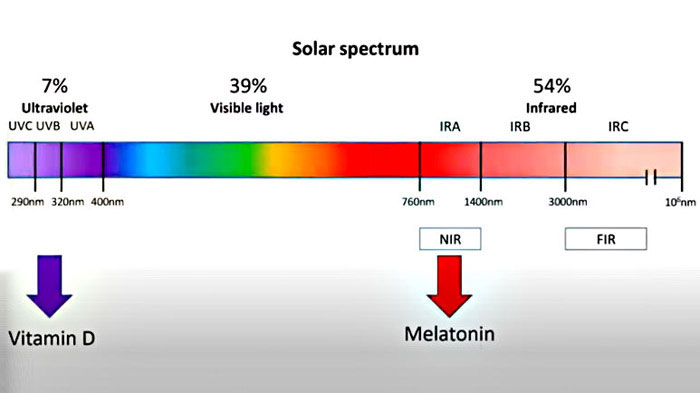
• This range is called the optical window — The ideal optical window is about halfway through the near-infrared range, between 600 and 900 nanometers. Within this optical window, the wavelengths are long enough to penetrate the body and reach deep into the tissues, but they’re not readily absorbed by hemoglobin, melanin, and water. The optical window sweet spot is around 800 to 810 nanometers.
• Penetration depth varies by wavelength — Red light starts around 600 nanometers. In the range of about 630 to 660 nanometers, red light typically reaches a few millimeters into tissue, making it relevant for skin and superficial structures. Meanwhile, near-infrared light begins above 700 nanometers. At around 800 to 850 nanometers, it penetrates much deeper, reaching muscles, joints, and other underlying tissues.
Longer wavelengths, closer to 1,050 nanometers, can penetrate even further, with research exploring their interaction with deeper tissue and neural structures, although these applications remain an active area of investigation.
• The key target within your cells is an enzyme called cytochrome c oxidase — This is a protein embedded in your mitochondria that acts as the final gatekeeper in cellular energy production. When this enzyme absorbs red or near-infrared light, it accelerates the production of adenosine triphosphate (ATP), the molecule your body uses for cellular energy. This increase in ATP supports everything from tissue repair to immune signaling and metabolic resilience.
• PBM influences melatonin production, but not the kind produced by your brain at night — Instead, near-infrared light stimulates melatonin synthesis inside the mitochondria, which account for roughly 95% of the melatonin produced in your body. By comparison, the melatonin secreted by the pineal gland during nighttime represents only 5% of your body’s total melatonin output.
Within mitochondria, melatonin serves as a powerful antioxidant. It neutralizes free radicals generated during normal energy production and helps protect mitochondrial structures from oxidative damage. Because mitochondria are present in nearly every cell, this mechanism helps explain why red and near-infrared light can exert effects across such a wide range of tissues.
• Nitric oxide is another key player — When light triggers its release from cellular storage sites, it leads to improved circulation by widening blood vessels and reducing inflammation. The result is better blood flow to damaged tissues, improved oxygen delivery, and support for immune and repair processes in areas under stress.
This broad impact on core biological functions has made PBM an area of growing interest in fields beyond oncology. To get a deeper look at how different wavelengths work in the body and what makes them therapeutically active, read “Exploring Benefits of Different Wavelengths of Light in Photobiomodulation.”

Save This Article for Later – Get the PDF Now
Other Health Benefits of PBM Beyond Cancer Care
A clinical consensus published in the Journal of the American Academy of Dermatology reviewed the available evidence on PBM and found that it shows therapeutic benefit for the following conditions:6
• Wound healing — Chronic wounds can persist for weeks or months due to poor blood flow, infection risk, or high levels of inflammation. This includes diabetic foot ulcers, venous leg ulcers, pressure ulcers (bedsores), and burns. PBM supports healing in these cases by improving circulation, reducing inflammation, and promoting tissue repair, especially when used alongside standard wound care.
• Peripheral nerve conditions — Damage to the peripheral nervous system can cause burning, tingling, numbness, or shooting pain in the limbs. PBM has been shown to help reduce nerve-related pain and restore some sensory function, particularly in cases of diabetic neuropathy or chemotherapy-induced nerve injury.
Additional studies have looked at its potential to relieve post-herpetic neuralgia (shingles-related nerve pain), improve bladder control, and stabilize blood pressure reflexes, though more data is needed in those areas.
• Musculoskeletal performance and recovery — PBM may influence muscle performance and fatigue depending on dose and wavelength. While further high-quality research is needed, these findings suggest promising uses in sports medicine and physical rehabilitation.
• Cognitive function and neurodegeneration — Though consensus was not reached for all neurological conditions, PBM has been studied for its effects on cognitive performance, memory, and attention. Applications explored in early or experimental studies include brain injury, dementia, chronic migraines, Alzheimer’s disease, and Parkinson’s disease.
I also recently finished a hypothesis paper, which has yet to be published, in which I propose that near-infrared light absorbed by mitochondria triggers local melatonin synthesis, which may activate powerful antioxidant defenses within brain cells. This mitochondrial melatonin system appears distinct from pineal melatonin and operates without circadian rhythms.
According to the model, near-infrared exposure initiates a cascade involving glutathione amplification and SIRT3 activation that offers targeted protection against oxidative stress. I believe this light-triggered mechanism could help defend neurons from age-related degeneration, particularly when combined with adequate intake of glutathione precursors like glycine and N-acetylcysteine (NAC).
• Dermatological and aesthetic uses — PBM has found a place in clinical dermatology, particularly for improving scar appearance and skin rejuvenation. In patients with androgenic alopecia, PBM has also been shown to promote hair regrowth when used at appropriate wavelengths and dosages.
• Oral applications — PBM has been described as generally well tolerated when used for maxillofacial conditions. While the consensus review did not detail specific clinical outcomes, separate research published in The Journal of the American Dental Association reports that PBM may be used as an adjunctive therapy in dental settings to support wound healing, reduce inflammation, and help manage pain.7
As with any biologically active therapy, outcomes depend not just on what condition is being treated, but on how the therapy is delivered. Understanding how to choose the right device — and how to dose it correctly — is essential for translating the science of PBM into safe, practical results.
Practical Guidance for Choosing a PBM Device and Using It Effectively
Using PBM to effectively improve your general wellness depends on both how much light is delivered and how it is delivered. Dose, wavelength, and device quality work together to determine whether PBM produces a meaningful biological response. The aim is to apply enough energy to activate cellular processes without exceeding the range where the effect begins to diminish. Here are some tips to keep in mind:
• Aim for the therapeutic middle range rather than going too low or too high — Research commonly uses doses between 5 and 50 joules per session, with a joule representing the amount of energy delivered in watts per second. This reflects a well-established principle in PBM: insufficient energy produces weak or no biological response, while excessive energy can reduce or inhibit the intended effect.
• Use about 25 joules per session for general whole-body wellness — This level can be reached using a large PBM panel and corresponds to roughly 10 minutes of exposure to the front of the body and 10 minutes to the back. This session length provides enough energy to support cellular signaling and tissue recovery without overwhelming the system.
• Match the device to your health goal, required depth, and daily routine — Consider what you intend to treat, how deep the light needs to reach, and how easily the device fits into your daily routine. Adjustable settings that control wavelength and dosage improve flexibility and help tailor sessions to your needs.
Always choose a clinically validated device from a reputable manufacturer to ensure safety, reliability, and accurate energy delivery. A practitioner trained in PBM can help tailor your dosing schedule based on individual health goals and response patterns.
• Choose a mixed red and near-infrared unit when you want both surface and deep-tissue effects — This device allows you to address both surface-level and deeper tissue issues simultaneously. However, achieving these combined benefits requires spending about 50% more time using the device compared to using a device that emits only near-infrared light.
• Select low-EMF, low-flicker devices to reduce unnecessary stress exposure — Mito Red is one example of a PBM manufacturer that has addressed several common concerns found in many light therapy devices. One of the key features is its extremely low electromagnetic field (EMF) output, measuring under 1 milligauss at a 6-inch distance and dropping to background levels beyond that.
In contrast, some infrared panels emit 5 to 10 gauss or more when used at close range, which may be a consideration for those sensitive to EMFs. They also eliminated light flicker, a subtle but measurable pulsing that tends to occur in infrared light devices and can affect neurological comfort over time. Visit their website to explore the full product line, including portable units, full-body panels for home use, commercial-grade panels, and red-light room systems.
• Consider using sauna therapy — Far infrared saunas, in particular, provide a practical way to deliver therapeutic wavelengths while also supporting detoxification through sweat. Learn more in “Infrared Sauna After Training Speeds Recovery and Supports Athletic Performance.”
• PBM complements natural light exposure — Regular time in natural sunlight remains the best way to receive a full spectrum of beneficial light wavelengths. But for many people, daily exposure is inconsistent or limited by season, lifestyle, or environment. PBM can be a great health investment to fill the gaps when natural light isn’t available, but it’s meant to supplement — not replace — sunlight exposure.
Frequently Asked Questions (FAQs) About Photobiomodulation
Q: What are the benefits of PBM in patients undergoing cancer treatment?
A: PBM is used in cancer care to help manage treatment-related side effects. Clinical research shows it may reduce the severity and duration of oral mucositis, ease pain in the mouth and throat, improve tolerance to radiation-related skin reactions, and support recovery of tissues affected by chemotherapy or radiation.
By helping preserve your ability to eat, speak, and maintain skin and nerve comfort, PBM may also reduce treatment interruptions and improve overall quality of life while you are undergoing cancer therapy.
Q: Why do red and near-infrared light matter more than other wavelengths?
A: Red and near-infrared wavelengths fall within a range that allows light to penetrate tissue without being excessively absorbed by skin pigment, blood, or water. This makes them better suited for interacting with deeper tissues compared to shorter wavelengths.
Q: Should I use blue light as part of PBM therapy?
A: Blue light is included in some technical definitions of photobiomodulation, but artificial blue light exposure can disrupt circadian signaling and sleep regulation. For this reason, focusing on red and near-infrared light aligns better with overall biological health outside tightly controlled medical settings.
Q: Can I use a PBM device at home?
A: Some at-home devices are designed to deliver appropriate wavelengths and doses, but quality varies widely. Look for clinically validated equipment with clear specifications and avoid devices that lack safety certification or accurate output information. Guidance from a knowledgeable practitioner helps reduce misuse.
Q: Does PBM replace spending time outdoors?
A: PBM does not replace natural sunlight. Time outdoors provides a broader spectrum of light and supports circadian health in ways devices cannot fully replicate. PBM works best as a supplement when regular outdoor light exposure is limited by the environment or schedule.
Journal Retracts Unethical Glyphosate Safety Study 25 Years Later
Reproduced from original article:
https://articles.mercola.com/sites/articles/archive/2026/02/09/retracted-glyphosate-safety-study.aspx
Analysis by Dr. Joseph Mercola February 09, 2026

Story at-a-glance
- A highly influential 2000 glyphosate safety study long cited by regulators worldwide was retracted after evidence showed it was ghostwritten by Monsanto scientists and misrepresented as independent research
- Internal company emails revealed Monsanto planned, wrote, and celebrated the paper as a strategic tool to defend Roundup and Roundup Ready crops during a crucial period of expiring patents
- Despite ghostwriting being exposed in a 2017 litigation, the study continued shaping research, regulation, and public perception for years, accumulating more than 1,300 citations before a long-delayed retraction
- The journal admitted the study relied on unpublished Monsanto data while ignoring existing toxicity research, showing how selective evidence can quietly shape policy for years
- The glyphosate case reflects widespread unethical research across health and medicine, showing why you need to question consensus, examine incentives, and protect your health rather than trust the system blindly
For years, I have been sounding the alarm about glyphosate, the toxic herbicide that has infiltrated our food supply, our water, and our bodies. Meanwhile, regulatory authorities and chemical industry representatives have consistently dismissed these concerns, insisting that this ubiquitous weed killer poses no threat to human health and that the “scientific consensus” clearly demonstrates glyphosate’s safety. That consensus has just taken a major hit.
In a stunning development that vindicates what many of us have been saying for decades, one of the most influential studies used to justify glyphosate’s continued use has now been retracted by the very journal that published it. This study was among the most cited papers defending glyphosate safety, referenced hundreds of times in research papers, policy documents, and even Wikipedia entries that millions of people consult for health information.1
The retraction raises a deeply unsettling question that extends far beyond this single herbicide — How much of the “science” we’ve been told to trust is actually corrupted by corporate interests, and how many of the chemicals, drugs, and products declared “safe” are slowly poisoning us while hidden hands profit from the public’s ignorance?
The Smoking Gun Finally Emerges
The paper in question appeared in Regulatory Toxicology and Pharmacology in April 2000 and was authored by three scientists presented as independent experts — Gary Williams of New York Medical College, Robert Kroes of the University of Utrecht, and Ian Munro of Cantox Health Sciences International. It reviewed glyphosate safety and quickly became a cornerstone reference for regulators assessing the herbicide’s health risks.2
• The paper delivered an unequivocal safety verdict that regulators relied on — The authors concluded glyphosate posed no risk to human health, including no cancer, reproductive, developmental, or endocrine harm in humans or animals. Regulatory agencies worldwide, including the U.S. Environmental Protection Agency (EPA), have cited this paper as evidence that glyphosate-based herbicides are safe for continued use.3
• Monsanto secretly authored the paper while outside scientists signed off — Internal company documents released during litigation in 2017 showed Monsanto scientists wrote the paper themselves, while the named academics served only as editors and signatories. In one particular email from 2015, William Heydens, a Monsanto scientist, suggested the company could “ghost-write” another paper using the same playbook.
“[W]e would be keeping the cost down by us doing the writing and they would just edit and sign their names so to speak. Recall that is how we handled Williams, Kroes, and Munro, 2000,” he wrote.4
• Internal emails show deliberate manipulation of the scientific record — After the paper’s publication, Monsanto government affairs official Lisa Drake sent an email praising seven Monsanto employees for their “hard work over three years of data collection, writing, review, and relationship building with the papers’ authors.” She made clear why the ghostwritten paper mattered so much, saying:
“This human health publication on Roundup herbicide and its companion publication on ecotox and environmental fate will undoubtedly be regarded as ‘the’ reference on Roundup and glyphosate safety. Our plan is now to utilize it both in the defense of Roundup and Roundup Ready crops worldwide and in our ability to competitively differentiate ourselves from generics.”5
• Executives treated the deception as a corporate success — One executive, Katherine Carr, even asked whether the team of people at Monsanto who worked on the Williams paper could receive Roundup polo shirts as a “token of appreciation for a job well done.”6
Hugh Grant, who was a senior Monsanto executive at the time and later became CEO and chairman, added his congratulations: “This is very good work, well done to the team, please keep me in the loop as you build the PR info to go with it.”7
• The timing aligned with major financial stakes for Monsanto — The late 1990s marked the launch of “Roundup Ready” glyphosate-tolerant seeds, designed to allow farmers to spray the herbicide directly onto food crops. Any health concerns about glyphosate could derail this lucrative new business line.
Meanwhile, Monsanto’s patent on glyphosate was expiring in 2000, meaning the company would soon face competition from generic manufacturers. They needed authoritative-sounding “independent” research to maintain market dominance and justify regulatory approval. The ghostwritten paper delivered exactly that.8
Even after internal emails exposed Monsanto’s role in drafting the paper, its influence did not fade. Instead, the study continued to shape regulatory conversations, citation networks, and public narratives for years after the deception was known. If you want a deeper look at how these distorted safety claims translate into real-world health risks, read “Roundup Weedkiller Linked to Multiple Cancers.”
Retraction Came 8 Years After Ghostwriting Was Exposed
According to an analysis by Alexander Kaurov, an astrophysicist at Victoria University of Wellington, and Naomi Oreskes, a historian of science at Harvard University, the ghostwritten paper ranked in the top 0.1% of most-cited articles on glyphosate. It has been cited more than 1,300 times according to Google Scholar, and over 600 times according to Clarivate’s Web of Science.9
• The journal acted only after Kaurov and Oreskes reported the issues to the journal — Martin van den Berg, the journal’s editor-in-chief, said that the researchers’ retraction request was the first time a complaint had been brought directly to his desk. He admitted the retraction “could have been done as early as 2017, but it is clearly a case of two parallel information streams not connecting earlier.”10
• The deception runs even deeper than ghostwriting — According to the retraction notice, the paper based its safety conclusions solely on Monsanto-owned unpublished data, while ignoring multiple long-term toxicity and carcinogenicity studies that were already available by 1999.
“The article’s conclusions regarding the carcinogenicity of glyphosate are solely based on unpublished studies from Monsanto, which have failed to demonstrate tumorigenic potential.
The handling (co) Editor-in-Chief also became aware that by the time of writing of this article in the journal, the authors did not include multiple other long-term chronic toxicity and carcinogenicity studies, that were already done at the time of writing their review in 1999.
In their article the authors state that they are aware of other studies, that were unpublished and not available. However, the authors do not specify to what extent they tried to incorporate the findings of these (unpublished) studies. The reasons for this remain undisclosed but bring into question the broader objectivity of the conclusions presented.”11
• Retraction corrected the record but could not undo decades of impact — Kaurov and Oreskes emphasized that pulling the paper would not erase 25 years of regulatory and scientific influence. However, they argued it would send a clear and overdue signal that fraudulent authorship is unacceptable and that the scholarly record will be protected regardless of a paper’s age, citation count, or commercial value to a journal.12
• Bayer defended the paper by pointing to acknowledgments rather than authorship — Bayer, which purchased Monsanto in 2018, said the company believes Monsanto’s involvement was appropriately disclosed in the acknowledgments section, which thanked Monsanto toxicologists and scientists for significant contributions to exposure assessments and identified several Monsanto personnel as providing scientific support.
However, acknowledging someone for “scientific support” is not the same as disclosing that they ghostwrote the entire paper. The company’s statement then fell back on the familiar refrain:
“The consensus among regulatory bodies worldwide that have conducted their own independent assessments based on the weight of evidence is that glyphosate can be used safely as directed and is not carcinogenic.”13
A bill currently moving through Congress includes a quiet provision that would shield Bayer and other pesticide manufacturers from lawsuits over harms linked to Monsanto products. Learn more in “The Deadly Campaign to Shield All Pesticides from Legal Liability.”
• Is the “consensus” actually built on unethical research? — In an article by Chemical & Engineering News, Kaurov noted that there are more glyphosate papers widely known to be ghostwritten. Kaurov and Oreskes chose to highlight the Regulatory Toxicology and Pharmacology study because it was the oldest one.
Kaurov says he’s surprised that no one else had contacted the journal asking them to pull the paper since the revelations of Monsanto’s involvement in drafting it emerged in 2017.14
• Experts say undisclosed corporate authorship was a broader pattern — Alexandra Maertens, a computational toxicologist at the Johns Hopkins Bloomberg School of Public Health, also noted that several glyphosate manuscripts involved overlapping core authors and varying levels of Monsanto involvement. She stressed that these relationships should have been disclosed.15
• The EPA framed the issue as one of citation rather than influence — While acknowledging awareness of the retraction, the agency said it “has never relied on this specific article in developing any of its regulatory conclusions on glyphosate.” An EPA spokesperson said the agency has “extensively studied glyphosate, reviewing more than 6,000 studies across all disciplines” and that their current risk assessment uses “gold standard science.”16
However, the issue isn’t just whether the EPA directly cited this one paper in their final conclusions — it’s that this fraudulent study shaped the entire landscape of glyphosate research and regulatory discussions for a quarter century. When a paper this influential turns out to be ghostwritten industry propaganda, it calls into question the entire foundation of studies that came after it and were influenced by it.
Save This Article for Later – Get the PDF Now
The Glyphosate Scandal Is Just the Tip of the Iceberg
The pharmaceutical and chemical industries have turned scientific manipulation into standard operating procedure, and the glyphosate retraction merely exposes one thread in a vast web of deception that determines what drugs you’re prescribed, what chemicals end up in your food, and what your doctor believes to be true.
• Scientific misconduct now dominates drug and biomedical retractions — Back in 2012, researchers at the University of Illinois at Chicago’s Center for Pharmacoeconomic Research investigated retractions in drug and biomedical literature and found that nearly 75% of retracted drug studies were attributed to scientific misconduct, including data falsification or fabrication, questionable veracity, unethical author conduct, or plagiarism.
This represents a dramatic increase from a 1998 review, which found that 37% of scientific retractions between 1966 and 1997 were due to scientific misconduct. Even more alarming, data from Thomson Reuters shows that the number of scientific retractions has climbed more than 15-fold since 2001.17
• The pharmaceutical industry has a long track record of criminal misconduct — Nearly 20% of the top 100 Corporate Criminals of the 1990s were drug companies. Jon Jureidini, a professor of psychiatry at the University of Adelaide who reviewed internal drug company documents as an expert witness, found serious misrepresentation of both drug effectiveness and safety. Published papers presented favorable outcomes while negative findings were omitted entirely.18
• Ghostwriting is a standard industry tactic, not an anomaly — In 2008, Dr. Joseph S. Ross of Mount Sinai School of Medicine uncovered extensive ghostwriting linked to Vioxx, the painkiller associated with more than 60,000 deaths before its withdrawal.
Ross found internal Merck documents and emails pertaining to about 96 journal publications, some of which were developed by the company’s marketing department, not its scientific department. In one case, a neurologist was listed as an author despite having died in a plane crash a year earlier.19
• Avandia provides another example of how fraudulent science kills — This diabetes medication hit the market in 1999 and quickly became a blockbuster drug with $3.2 billion in annual revenue by 2006. A year later, a study published in the New England Journal of Medicine linked Avandia to a 43% increased risk of heart attack and a 64% higher risk of cardiovascular death.20
Between 1999 and 2007, Avandia was estimated to have caused more than 80,000 unnecessary heart attacks. Later analysis of 56 clinical trials found that for every 37 to 52 patients treated for five years, one additional heart attack could be expected. The estimated deaths between 1999 and 2009 approach 48,000.21 GlaxoSmithKline concealed damaging safety data for over a decade to protect sales.
• Negative drug trials are systematically buried — Dr. Marcia Angell, former editor-in-chief of The New England Journal of Medicine, stated bluntly that “trials can be rigged in a dozen ways, and it happens all the time.” Drug studies funded by pharmaceutical companies that reach unfavorable conclusions are rarely published, creating a literature skewed toward apparent efficacy and safety that does not reflect the full body of evidence.22
• Most published research findings are statistically unreliable — In 2005, epidemiologist Dr. John Ioannidis demonstrated that fewer than 50% of published scientific findings are likely to be true. His analysis showed that for most study designs and research environments, false conclusions are more probable than true ones due to small sample sizes, poor methodology, researcher bias, and selective reporting.23
• Even landmark cancer studies often fail replication — Former drug company researcher Glenn Begley attempted to replicate 53 influential cancer studies published in top-tier journals and found that only six could be reproduced. Nearly 90% failed replication. These studies were foundational for drug development decisions.
As Begley explained, when enormous financial and clinical bets depend on these findings, the inability to reproduce them undermines the credibility of the entire research pipeline.24
• A recent case illustrates how pervasive the problem remains — In December 2025, the Harvard-affiliated Dana-Farber Cancer Institute agreed to pay $15 million to settle claims that studies funded with grants from the National Institutes of Health (NIH) contained manipulated or duplicated images and data, prompting the retraction of at least six research papers and corrections to dozens more.
The settlement followed a whistleblower lawsuit and investigation into flawed data published between 2014 and 2020, showing that even top-tier research centers are not immune to compromised science.25
These cases show that the glyphosate retraction is not an outlier but a visible fracture in a system where distorted science routinely shapes medical decisions, regulatory policy, and public health outcomes.
Why Your Discernment Matters More Than Consensus
Ultimately, the take-home message here is that even if a chemical or a drug is “backed by science,” it’s not a guarantee that it’s safe, effective, or even honestly evaluated. You cannot blindly trust that the system is looking out for your health. Regulatory agencies, medical journals, and “expert consensus” can be vulnerable to corporate influence when profits are at stake, and history shows they are compromised far more often than most people realize.
• That does not mean you are powerless — It means responsibility has quietly shifted into your hands. Making sound health decisions today requires judgment, discernment, and a willingness to question authority rather than defer to it. No one else is ultimately accountable for your health or your family’s health, and industries built on selling products have little incentive to prioritize your long-term well-being over their bottom line.
This is why evaluating evidence means asking specific questions, like who funded the research, which data were included or excluded, and how the findings were later used in regulation or clinical practice. It also means favoring approaches that work with biology rather than attempting to override it.
• Healthy food starts with living soil — In food and agriculture, that means choosing foods grown through regenerative farming systems that work with soil biology, plant diversity, and ecosystem health. This approach doesn’t just reduce exposure to harmful herbicides; it restores nutrient density, improves resilience, and addresses root problems rather than masking them.
• The same principle applies to medicine — Many drugs are designed to suppress symptoms without addressing why those symptoms exist in the first place. Seek out practitioners who investigate root causes such as nutrition, environmental exposures, metabolic health, and toxic burden rather than defaulting to lifelong pharmaceutical management.
Your body has an extraordinary capacity to heal itself when properly supported with the right inputs rather than being indefinitely medicated for profit.
The retraction of the glyphosate paper will not undo decades of damage, but it does confirm an important message — the truth may be delayed, distorted, or suppressed, but it does surface. Waiting for institutions to correct themselves leaves you vulnerable. Protecting your health, as well as your family’s, requires vigilance, discernment, and the willingness to act before the system admits it was wrong.
Frequently Asked Questions (FAQs) About Glyphosate
Q: What is glyphosate?
A: Glyphosate is a broad-spectrum herbicide designed to kill plants by disrupting a metabolic pathway essential for growth. It’s used extensively in industrial agriculture, on crops engineered to tolerate it, and as a pre-harvest drying agent on certain grains.
Q: Where am I most likely to encounter glyphosate in my daily life?
A: You are most likely to encounter glyphosate through conventionally grown foods, such as corn, soy, and wheat. It can also appear in processed foods made from those crops and in environments where herbicides are routinely applied.
Q: If regulators say glyphosate is safe, why should I question that?
A: You should question regulatory claims because they have relied on a body of research that included undisclosed industry involvement and selective evidence. When a study that helped shape safety assessments is later retracted for ethical reasons, it weakens the confidence you can place in the conclusions drawn from that research.
Q: How can I reduce my glyphosate exposure?
A: You can reduce your exposure by choosing foods grown without routine herbicide use, prioritizing organic or regeneratively farmed options when possible, and minimizing highly processed foods made from herbicide-tolerant crops. These steps help lower your overall chemical burden while supporting farming systems that do not depend on glyphosate.
Q: Does unethical research affect other industries besides glyphosate?
A: Yes. The glyphosate case reflects a broader pattern across pharmaceuticals, chemical safety, and biomedical research. This means glyphosate is not an isolated case but a clear example of how compromised research can affect many areas of health when financial incentives override transparency.
- 1, 9 Environmental Science & Policy Volume 171, September 2025, 104160
- 2, 11 Regulatory Toxicology and Pharmacology Volume 31, Issue 2, April 2000, Pages 117-165
- 3, 5, 16 The Guardian, December 5, 2025
- 4, 10, 13 Retraction Watch, “Glyphosate Safety Article Retracted Eight Years After Monsanto Ghostwriting Revealed in Court”
- 6, 7, 8 US Right to Know, April 30, 2019
- 12, 14, 15 Chemical & Engineering News, December 5, 2025
- 17 News Wise, May 29, 2012
- 18 The Conversation, April 4, 2012
- 19 The New York Times, April 16, 2008
- 20 N Engl J Med. 2007 Jun 14;356(24):2457-71
- 21 Arch Intern Med. 2010 Jul 26;170(14):1191-1201
- 22 Huffpost, December 6, 2017
- 23 PLoS Med. 2005 Aug 30;2(8):e124
- 24 Reuters, March 29, 2012
- 25 Reuters, December 17, 2025