Cancer
now browsing by category
Cancer is a word most people dread, but it only affects less than half of us. LeanMachine wants to be in the other half, and correct nutrition is the way to get there. Billions of dollars are spent on treatment drugs, but almost nothing is spent on prevention!
Yeast is a Cause of Cancer and Turmeric Can Kill Both, Research Confirms
© GreenMedInfo LLC. This work is reproduced and distributed with the permission of GreenMedInfo LLC.
Want to learn more from GreenMedInfo? Sign up for the newsletter here:
www.greenmedinfo.com/greenmed/newsletter
Reproduced from original article:
https://greenmedinfo.com/blog/yeast-cause-cancer-and-turmeric-can-kill-both-research-confirms
Posted on: Sunday, January 15th 2023 at 11:00 am
Written By: Sayer Ji, Founder
This article is copyrighted by GreenMedInfo LLC, 2023

One study validates a controversial cancer theory, namely, that yeast in our body can contribute to not just feeding, but actually causing cancer. Can the ancient healing spice turmeric come to the rescue?
A study published in Critical Reviews in Microbiology lends support to the concept that opportunistic Candida albicans (yeast) infection may not just be a consequence of cancer, but is an actively contributing cause as well.
Titled, “Candida albicans and cancer: Can this yeast induce cancer development or progression?“, the study provided the following important background information on this controversial subject:
There is currently increasing concern about the relation between microbial infections and cancer. More and more studies support the view that there is an association, above all, when the causal agents are bacteria or viruses. This review adds to this, summarizing evidence that the opportunistic fungus Candida albicans increases the risk of carcinogenesis and metastasis. Until recent years, Candida spp. had fundamentally been linked to cancerous processes as it is an opportunist pathogen that takes advantage of the immunosuppressed state of patients particularly due to chemotherapy. In contrast, the most recent findings demonstrate that C. albicans is capable of promoting cancer by several mechanisms, as described in the review: production of carcinogenic byproducts, triggering of inflammation, induction of Th17 response and molecular mimicry. We underline the need not only to control this type of infection during cancer treatment, especially given the major role of this yeast species in nosocomial infections, but also to find new therapeutic approaches to avoid the pro-tumor effect of this fungal species.
The four distinct ways by which Candida albicans may contribute to cancer are explained in more detail below:
- Production of carcinogenic byproducts: First, Candida Albicans produces nitrosamines, which are carcinogens that activate specific proto-oncogenes that could trigger cancerous lesions. Second, Candida albicans produce acetaldehyde, which is produced as the first metabolite of ethanol (the yeast fermentation byproduct), and which is a DNA-damaging (mutagenic) and carcinogenic chemical with a wide range of downstream cancer promoting properties.
- Triggering of inflammation: Prolonged, unresolved inflammation can promote cancer, both by causing damage to tissue, and through the secretion of proliferative chemicals intended to stimulate regeneration of damaged tissue, but which can render tissue immortalized when the inflammation is chronic and misdirected. Candida albicans is well known to promote a cascade of inflammatory responses within the body when growing beyond their normal population density due to immunosuppression, an inappropriate diet, and/or chemical exposure. These misguided inflammatory responses have been found to promote increases in tumor cell adhesion, which is believed to promote the formation of secondary tumors and/or metastasis.
- Induction of Th17 response: The set of CD4 T-cells that are dominant in response to Candida albicans, namely, TH17 cells, also secrete factors that may promote angiogenesis (the formation of new blood vessels) and increased tumor incidence and growth.
- Molecular mimicry: Antibodies produced against a protein on the surface of Candida Albicans (CR3-RP) has structural and antigenic similarities with a receptor on certain of our white blood cells (leukocytes). This “molecular mimicry” may cause antibodies to be formed against our immune cells that then disturb the anti-tumor and anti-Candida defenses of the host.
This research not only substantiates the concept that yeast overgrowth can be a contributing cause of cancer, but it also, indirectly, raises a red flag to both sugar and alcohol consumption. Clearly, if sugar and its conversion to ethanol produce acetaldehyde, reducing excessive consumption of either is a good chemopreventive step, and likely a completely necessary intervention when actively treating already established cancers — that is, if the goal is full remission.
Moreover, sugar has also been found to not just feed cancer, but actively contributes to the transformation of normal cells into cancerous ones; i.e. sugar is potentially carcinogenic. Read my article, “Research Reveals How Sugar CAUSES Cancer,” to learn more.
The implications of this research are profound since sugar also promotes yeast growth, which means that sugar is both directly and indirectly carcinogenic; a fact that is all the more concerning considering cancer treatment wards in major hospitals still give sugar-containing foods and beverages to their patients while being treated, or recovering from treatment.
Turmeric: A One-Two PUNCH
A published in the European Journal of Pharmacology reveals that the primary polyphenol in turmeric known as curcumin may be the perfect way to fight cancers that have a fungal component.
Titled, “Curcumin and its promise as an anticancer drug: An analysis of its anticancer and antifungal effects in cancer and associated complications from invasive fungal infections,” the study addressed the concerning problem of invasive fungal infections, as a major cause of both morbidity and mortality, in cancer patients. According to the study, “Effective anti-infection therapy is necessary to inhibit significant deterioration from these infections. However, they are difficult to treat, and increasing antifungal drug resistance often leads to a relapse.” The authors suggest curcumin might offer an ideal natural alternative:
Curcumin, a natural component that is isolated from the rhizome of Curcuma longa plants, has attracted great interest among many scientists studying solid cancers over the last half century. Interestingly, curcumin provides an ideal alternative to current therapies because of its relatively safe profile, even at high doses. To date, curcumin’s potent antifungal activity against different strains of Candida, Cryptococcus, Aspergillus, Trichosporon and Paracoccidioides have been reported, indicating that curcumin anticancer drugs may also possess an antifungal role, helping cancer patients to resist invasive fungal infection related complications. The aim of this review is to discuss curcumin’s dual pharmacological activities regarding its applications as a natural anticancer and antifungal agent. These dual pharmacological activities are expected to lead to clinical trials and to improve infection survival among cancer patients.”
The study went on to explain that conventional therapies often result in collateral damage to the patient’s immune system, which contributes to fungal overgrowth. Also, conventional drugs for fungal infections can cause serious harm to the liver and kidneys of patients, along with leading to the development of even more aggressive, treatment-resistant fungal infections.
Moreover, conventional cancer treatments only target one aspect of cancer, focusing on a single pathway or molecule on a cancer cell. This is why curcumin holds so much more promise as a “next generation multipurpose drug.” Not only does it combat fungal infections, but it has the ability to address a multitude of cancer targets, including being able to destroy the cancer stem cell subpopulation which is at the root of cancer malignancy and recurrence.
The study concluded:
Curcumin is an up-and-coming drug of natural origin with multi-target properties, and it has exhibited efficient anticancer and antifungal activities alone or in combination with conventional chemotherapy drugs and antifungal agents. The dual pharmacological activities of curcumin may make it a good candidate for the prevention and treatment of cancer and its cancer-related invasive fungal infection related complications. Further investigation is necessary to clarify curcumin’s anticancer and antifungal mechanisms for better understanding. In spite of the useful biological activities of curcumin, its poor water solubility and low bioavailability hinders its clinical applications. Various nano-sized curcumin delivery systems, such as nanoparticles, nanospheres, solid lipid nanoparticles, micelles, and liposomes have been shown to overcome these shortcomings and significantly improve the anticancer and antifungal activities of curcumin. Many studies on curcumin and its nanoformulations are still in the preclinical stage at present. A clinical trials stage is necessary to unlock the potential of curcumin nanoformulations as a therapeutic strategy for treating cancer and its IFI complications.”
Truly, curcumin is fast becoming the most extensively researched and most promising herb for disease prevention and treatment known, with at least 750 studied potential therapeutic applications. To learn more visit our Turmeric’s Research database. For more research on natural substances which combat Candida Albicans infections visit our database on the topic.

Your prescription drugs may be contaminated: 580,000 bottles recalled
Reproduced from original article:
https://www.naturalhealth365.com/your-prescription-drugs-may-be-contaminated-580000-bottles-recalled.html
by: November 6, 2025

(NaturalHealth365) The U.S. Food and Drug Administration (FDA) has recalled over 580,000 bottles of prazosin hydrochloride – a widely prescribed blood pressure medication – after testing revealed contamination with N-nitroso Prazosin impurity C, a potentially cancer-causing nitrosamine compound exceeding acceptable safety limits.
New Jersey-based Teva Pharmaceuticals and drug distributor Amerisource Health Services initiated voluntary nationwide recalls in October 2025 affecting 1 mg, 2 mg, and 5 mg capsules. The FDA classified this as a Class II recall, meaning the contaminated medication “may cause temporary or medically reversible adverse health consequences,” though the probability of serious harm is considered remote.
According to the FDA’s enforcement report (available at FDA.gov), nitrosamines are potentially cancer-causing chemicals that can form during drug manufacturing or storage. Long-term exposure may increase the risk of liver, stomach, and lung cancers.
A pattern of pharmaceutical contamination
This recall follows another high-profile medication safety alert just days earlier, when Ascend Laboratories pulled over 140,000 bottles of atorvastatin (generic Lipitor) due to improper tablet dissolution. These back-to-back incidents expose a troubling pattern: nitrosamine contamination has triggered massive recalls of valsartan, losartan, metformin, ranitidine, and varenicline (Chantix) since 2018.
The timing couldn’t be worse. America is the world’s largest pharmaceutical market, and prescription drug dependence has reached unprecedented levels. According to recent data, 61% of Americans currently take at least one prescription medication, 27% take four or more, and nearly 90% of adults over 65 regularly use prescription drugs. The U.S. consumes 8% of the world’s prescription drugs despite representing just 4% of the global population.
With 6.7 billion total prescriptions dispensed across the U.S. in 2022 and Americans spending more per capita on prescription drugs than any other country, the stakes for pharmaceutical safety have never been higher. When manufacturing quality controls fail, hundreds of millions of people face potential exposure to carcinogenic contaminants.
The hidden nitrosamine threat beyond medications
While pharmaceutical contamination makes headlines, most Americans remain unaware of pervasive nitrosamine exposure from unexpected everyday sources.
Processed and cured meats contain high nitrosamine levels. Bacon, hot dogs, deli meats, and sausages treated with nitrite preservatives form nitrosamines during cooking – especially when fried at high temperatures. The crispy, well-done edges contain the highest concentrations.
Drinking water harbors nitrosamine contamination. When water treatment facilities use chloramine disinfection, nitrosamines form as byproducts when chloramine reacts with organic matter. The predominant compound formed is N-nitrosodimethylamine (NDMA), classified as probably carcinogenic to humans.
Cosmetics and personal care products were major sources. Until recent regulations, over 40% of tested cosmetics, shampoos, and lotions contained N-nitrosodiethanolamine at concentrations up to 260 mg/kg. While banned in the EU, contamination remains a concern in products from unregulated markets.
Tobacco smoke delivers concentrated nitrosamine exposure. Cigarettes and smokeless tobacco contain tobacco-specific nitrosamines classified as carcinogenic to humans. Secondhand and thirdhand smoke (residue on surfaces) also expose non-smokers.
Simple steps to reduce your cancer risk naturally
Eliminate processed meats entirely. No amount is safe. Replace with organic, unprocessed proteins like wild-caught fish, 100% grass-fed beef, and pasture-raised poultry.
Install quality water filtration. Reverse osmosis or activated carbon filters remove nitrosamines from drinking water. Don’t rely solely on municipal treatment.
Choose clean personal care products. Use EWG’s Skin Deep database to verify products are free from nitrosamine precursors. Avoid products containing DEA, TEA, or other ethanolamines.
Support liver detoxification. Your liver processes nitrosamines through specific pathways. Optimize function with milk thistle, N-acetyl cysteine, glutathione, and organic cruciferous vegetables rich in sulforaphane.
Consume protective compounds. Vitamin C blocks nitrosamine formation in the stomach. Green tea polyphenols, resveratrol, and curcumin provide additional protection against DNA damage from nitrosamine exposure.
Address chronic inflammation. Nitrosamines cause cancer partly through oxidative stress and inflammation. Anti-inflammatory diets emphasizing omega-3 fatty acids, antioxidants, and organic whole foods reduce susceptibility to carcinogenic damage.
The complete cancer defense strategy Western medicine ignores
Nitrosamine exposure from contaminated drugs, processed foods, water, cosmetics, and air represents just one category of cancer-causing threats most people face daily.
Discover how to detect cancer cells before they become life-threatening and which hidden infections dramatically increase cancer risk. Learn which “healthy” foods actually feed cancer growth and access vitamin C therapy protocols with 30+ years of clinical experience. Understand emotional and energetic cancer triggers; the liver-cancer connection; and natural protocols to successfully eliminate cancer cells from your body.
Sources for this article include:
FDA.gov
FDA.gov
6abc.com
FDA.gov
NIH.gov
CDC.gov
Singlecare.com
Historical Rise of Cancer and Dietary Linoleic Acid — Mechanisms and Therapeutic Strategies
Reproduced from original article:
https://articles.mercola.com/sites/articles/archive/2025/10/14/linoleic-acid-and-cancer-risk.aspx
Analysis by Dr. Joseph Mercola October 14, 2025
Story at-a-glance
- Cancer now affects 30% to 50% of Americans, a massive increase from just 5% in 1900, reflecting how modern diets and lifestyles have reshaped your body’s internal terrain
- Excess linoleic acid (LA) from seed oils triggers toxic byproducts, chronic inflammation, and mitochondrial breakdown, all of which weaken your body’s defenses and fuel tumor growth
- Lowering LA intake from 7% to around 2% to 3% of daily calories has been shown to cut oxidative stress markers by 20% in as little as 12 weeks, giving your body a chance to recover
- A four-phase terrain restoration strategy uses seed oil elimination, staged carbohydrate reintroduction, gradual fiber restoration, and metabolic supports like intermittent fasting and exercise to rebuild resilience
- Simple daily steps — avoiding seed oils, rebuilding gut health, supporting mitochondria through movement and sleep, and tracking progress — give you control over your risk and long-term health
Cancer now strikes 30% to 50% of all Americans in their lifetime, compared to just 5% at the turn of the 20th century. This is not the result of better screening or recordkeeping — it reflects fundamental shifts in how your body’s terrain is shaped by modern living. What was once rare has become common, and the old explanations are no longer enough.
I recently published a landmark paper in the World Journal of Clinical Oncology, an internationally recognized, peer-reviewed journal known for advancing cutting-edge cancer research.1 In this work, I call for nothing less than a paradigm shift in how cancer is approached — moving away from patchwork symptom management and toward restoring health at the cellular level.
The framework I outlined challenges the current standard of care and instead focuses on correcting the metabolic imbalances, mitochondrial dysfunction, and inflammatory triggers that make your body more hospitable to disease. My paper lays the scientific foundation for practical, everyday strategies you can begin applying right now to reclaim your terrain.
By targeting root causes instead of chasing downstream effects, you put yourself in the best position to strengthen your defenses and lower your risk of cancer in a meaningful way. The next step is to unpack the key findings of this research and show you how restoring balance inside your cells changes the trajectory of your health.
Excess Linoleic Acid Creates a Cancer-Friendly Environment

My paper looked at how linoleic acid (LA), the main omega-6 fat in soybean, corn, and other seed oils, influences cancer development.2 I examined historical cancer trends and experimental findings to understand whether the dramatic increase in LA intake across the last century has helped drive higher rates of breast, prostate, colorectal, and melanoma cancers.
• The rise in LA tracked closely with cancer incidence — As shown in the figure above, Americans once consumed just 1% to 2% of their daily calories from this fat, but today it accounts for 7% or more. During the same period, the lifetime risk of cancer climbed from 5% in 1900 to over 30% to 50% in modern times. This rise coincides with the widespread adoption of industrial seed oils in processed food, margarine, salad dressings, and frying oils.
• Striking disease patterns tied to LA — High levels of LA in body tissues are repeatedly associated with greater risks of breast cancer (130 cases per 100,000 women), prostate cancer (112 cases per 100,000 men), colorectal cancer (39 cases per 100,000), and melanoma (26 cases per 100,000).3 These associations are supported by both biomarker studies — measuring LA stored in fat tissue — and dietary intake surveys.

• Excess LA increases toxic byproducts inside your body — When this unstable fat breaks down, it forms damaging molecules like 4-hydroxynonenal (4-HNE) that attack your DNA, proteins, and mitochondria — the energy factories of your cells. These byproducts are like sparks in a dry forest, igniting chain reactions that overwhelm your body’s repair systems.
The figure above shows how too much LA from seed oils clogs your cell’s energy system. This overload builds up a waste product called succinate, which tricks your body into acting like it’s starved of oxygen. That “false alarm” flips on cancer-promoting switches that feed tumors more sugar and grow new blood vessels to support their spread.
• The biological damage from LA unfolds in multiple ways — My paper describes five overlapping mechanisms:
◦ Oxidative stress — LA oxidizes easily, releasing toxic aldehydes that injure cells.
◦ Inflammation — It fuels production of inflammatory chemicals.
◦ Mitochondrial dysfunction — Damaged mitochondria leak energy and generate more free radicals.
◦ Suppressed autophagy — Your cells lose the ability to clear out defective parts, leaving “junk” behind.
◦ Gut dysbiosis — LA disrupts the balance of bacteria in your intestines, raising inflammatory endotoxin levels.
How Seed Oils Alter Your Mitochondria

Normally, the inner membranes of mitochondria rely on a fatty acid called cardiolipin to stabilize energy production. LA dominates this structure, but when too much accumulates, it oxidizes and destabilizes the system. This reduces adenosine triphosphate (ATP) — the molecule that powers everything you do — and leaves you tired, inflamed, and more vulnerable to disease
The figure above shows how too much LA from seed oils sparks a chain reaction inside your body. Damaged fats in cell membranes break down into toxic byproducts that weaken your mitochondria, boost harmful free radicals, and trigger chronic inflammation. At the same time, gut imbalance adds more stress signals, creating DNA damage and an internal environment that helps tumors grow.
• Even your gut bacteria shift in response to high LA — My paper explains that excess LA increases oxygen in your colon, killing off beneficial oxygen-intolerant microbes such as Faecalibacterium while favoring inflammatory strains like E. coli. The result is higher endotoxin exposure, which seeps into your bloodstream and stresses your immune system.
• Stress hormones interact with high-LA diets to worsen outcomes — Eating large amounts of LA raises cortisol and other stress-related hormones that push your liver to release extra glucose. Tumor cells thrive on this added fuel, while your muscles waste away under the constant demand. This creates a double burden: high energy for cancer cells, low strength for you.
• Odd-chain saturated fats help counteract the damage — This includes pentadecanoic acid (C15:0), found in dairy fat. This rare fat switches on AMPK, a cellular energy sensor, which helps restore normal mitochondrial function and reduces the buildup of succinate — a molecule that drives cancer-promoting pathways. While not a full solution, including this fat reduces some of the worst effects of high LA exposure.

Save This Article for Later – Get the PDF Now
Restoring Your Body’s Terrain with a Low-LA Strategy

My paper describes a theoretical framework called “terrain restoration,” which combines reducing LA with carefully staged carbohydrate reintroduction, microbiota support, and mitochondrial therapies. This is not yet proven in large clinical trials, but it draws on smaller studies, animal experiments, and ecological evidence. The idea is that reshaping your “internal terrain” — the balance of metabolism, immunity, and gut health — makes your body less favorable to cancer growth.
• Dietary change starts with removing seed oils — Soybean, corn, safflower, and sunflower oils provide over 80% of LA in Western diets. Replacing them with low-LA fats such as grass fed butter, ghee, beef tallow, or coconut oil helps gradually shift the fatty acid profile of your tissues.
In controlled feeding trials, reducing LA intake from more than 6% of daily calories to 2% to 3% lowered oxidative stress markers by 20% in just 12 weeks. These changes also encouraged the return of butyrate-producing gut microbes, which strengthen your intestinal barrier and calm inflammation.
• The framework uses four sequential phases — Terrain restoration follows a phased approach, illustrated in the figure above.
◦ Strict minimization of LA to remove the core trigger of metabolic damage.
◦ Eating easy-to-digest carbs like white rice or pulp-free fruit juice to restore energy without overwhelming your gut.
◦ Gradual fiber restoration to feed beneficial bacteria like Faecalibacterium and Bifidobacterium.
◦ Adjunctive metabolic supports including intermittent fasting, pentadecanoic acid, exercise, and supplements like carnitine, CoQ10, and NAD+ boosters to restore mitochondrial function.
• Artificial intelligence could help identify hidden oils — Since LA is embedded in more than 70% of packaged foods, conversational AI or barcode-scanning apps could help consumers spot hidden seed oils. Early pilot studies showed that AI-driven nutrition tools reduced label-reading errors by up to 60% and boosted confidence in making food swaps. This approach could help you lower your LA exposure without giving up convenience, though its real-world effects on health outcomes still need testing.
• The model emphasizes autophagy and mitochondrial repair — Autophagy is your body’s built-in recycling system, and mitophagy is the branch that clears out damaged mitochondria. Intermittent fasting triggers these processes by activating enzymes.
In mouse studies, just 24 hours of fasting doubled key markers of autophagy and sped up the clearance of defective mitochondria. This helps restore your cell’s energy capacity, reduce harmful free radicals, and break cycles of chronic inflammation.
• Exercise is a core therapy — Regular physical activity is one of the most powerful ways to restore mitochondrial health. It builds new mitochondria, improves insulin sensitivity, and reduces systemic inflammation. When paired with a low-LA diet, exercise addresses the “sedentary, overfed” state that magnifies the damage from seed oils. Simple habits like walking, resistance training, or cycling directly counteract the cellular environment that supports cancer.
Key Strategies and Real-World Challenges in Rebuilding a Cancer-Resistant Terrain
Your cells have a built-in system for energy renewal. This system helps create new mitochondria that fuel every part of your body. In studies of breast, prostate, and skin cancers, strengthening this process reversed harmful changes in cell metabolism and slowed tumor growth. It also keeps your cells efficient by clearing out broken mitochondria so the healthy ones work better. Building stronger, cleaner mitochondria is a cornerstone of protecting yourself against cancer.
• Gut restoration is woven into the strategy — The staged carbohydrate “ladder” approach avoids the pitfalls of both low-carb deprivation and sudden high-fiber overload. Starting with low-fiber foods like white rice, then carefully adding fruit, root vegetables, and other vegetables, allows healthy microbes to return without fueling inflammatory bacteria.
When this balance is restored, less endotoxin seeps into your bloodstream, reducing stress on your liver, fat tissue, and immune system. Your food choices directly shape the strength of your gut barrier and your resistance to systemic inflammation.
• Low-dose aspirin and precision antioxidants are added supports — Aspirin at 75 to 100 milligrams (mg) per day lowers production of inflammatory prostaglandins by about 50% in just 24 hours. This could interrupt hormone loops that fuel certain cancers, particularly obesity-related breast and colorectal cancers.
Meanwhile, new mitochondria-targeted antioxidants concentrate directly where damage occurs, shielding mitochondrial DNA and membranes from LA-driven peroxidation. Unlike broad antioxidant supplements, these agents work at nanomolar doses while preserving beneficial signaling.
• Sleep and stress management are terrain essentials — Consistent, high-quality sleep reduces cortisol by 20% to 30%, calms your nervous system, and lowers inflammatory markers. Adequate selenium and magnesium intake also support antioxidant defenses and energy metabolism. Eliminating smoking and limiting exposure to environmental toxins further reduces oxidative burden, reinforcing the dietary and lifestyle strategies.
• Challenges to real-world application remain — Even highly motivated people in feeding trials struggled to keep LA below 3% of calories without full meal provision from researchers. LA is deeply embedded in restaurants, packaged foods, and “healthy” snacks.
Tissue levels also change slowly, meaning it could take months to see shifts in stored fat composition. Cost, cultural food preferences, and conflicting public health messaging all add complexity. Yet digital tools and clinical guidance could make this shift more feasible over time.
• There’s a need for more human data — While preclinical studies consistently show that high LA promotes tumor growth through inflammation, oxidative stress, and mitochondrial dysfunction, human studies have produced mixed results. Some epidemiological analyses found no link, while others suggested inverse associations in certain cancers.
Differences in genetic profiles, omega-3 balance, and overall diet quality likely explain the discrepancies. This highlights why personalized nutrition — adjusting strategies based on your individual metabolism — is key.
Practical Steps to Rebuild Your Terrain and Lower LA Exposure
Your next move is to fix the root cause: chronically high LA from seed oils. I want you to reclaim your internal terrain so your metabolism, gut, and mitochondria work for you, not against you. Think simple swaps, staged carbs, and daily habits that lock in progress.
1. Replace seed oils and drive LA to 2% to 3% of calories — Start with your kitchen. Ditch soybean, corn, safflower, sunflower, and generic “vegetable oil.” Swap in grass fed butter, ghee, beef tallow, or coconut oil. Eat more meals cooked at home. When eating out, ask for your food to be cooked with butter instead of seed oil. Scan labels on everything: dressings, sauces, “healthy” snacks, crackers, nut butters. If you see those oils, put it back.
If you’re busy or overwhelmed, use a barcode-scanning grocery app or an AI ingredient checker to flag hidden seed oils fast. To track your intake, I recommend you download my Mercola Health Coach app when it’s available this year. It has a feature called the Seed Oil Sleuth, which monitors your LA intake to a tenth of a gram so you can stay in charge of your metabolism.
2. Rebuild carbs with a two-phase “ladder” to calm the gut and restore energy — Phase 1 involves using easy-to-digest carbs like white rice and pulp-free fruit juice to restore glycogen without feeding inflammatory gut blooms. Track bloating, gas, and stool changes for one to two weeks.
Phase 2 (fermentable fiber) then introduces cooked root vegetables, whole fruits, and modest portions of other fibers. Your aim is regular, well-formed stools, less bloating, and better energy. If your gut is sensitive, slow down the steps. Your microbiome needs time to repopulate butyrate-producing species.
3. Turn on cellular cleanup to repair mitochondria — Try eating within an eight-hour window each day, such as from 10 a.m. to 6 p.m., and fasting the other 16 hours. Break the fast with a protein-anchored meal, then place carbs later when you’re most active. Layer in sleep discipline: a fixed bedtime and wake time, a dark cool room, dim lights at sunset, and a 30-minute wind-down.
Lowering night-time stress hormones supports autophagy and quieter inflammation. Also consider food-first mitochondrial supports: quality grass fed dairy or ruminant fat for C15:0; nutrient-dense grass fed meats and eggs for carnitine; colorful produce for redox balance.
4. Support your mitochondria with movement that you’ll actually do — Commit to daily walking and two to three resistance sessions per week. Moderate, repeatable workouts beat overdoing it with high-intensity plans. Put carbs around effort: a little before for fuel, a little after for recovery.
This keeps stress hormones in check and favors muscle over fat. If you’re sedentary, start with 10 minutes of walking after each meal. If you already lift weights, focus on gradually increasing the weight or reps in basic moves like squats, deadlifts, presses, and rows.
5. Stay consistent with easy tracking and clear limits — Set a weekly LA budget — for example, “no seed oils at home, max one restaurant meal.” Treat it like a game: five clean days earns one flexible meal. Track three signals for two weeks: morning energy, digestive comfort, and post-meal clarity. If any trend slips, revisit the ladder or hidden oils.
Build a default menu: eggs and fruit; white rice with beef cooked in butter or ghee; potatoes and vegetables finished with tallow; raw grass fed yogurt if tolerated. Keep these ingredients stocked so decisions stay easy. This approach fixes what drives the problem first — excess LA — then restores fuel handling, gut balance, and mitochondrial resilience with habits you control every day.
FAQs About LA and Cancer Risk
Q: Why is LA such a concern for cancer risk?
A: Excess LA from seed oils like soybean, corn, safflower, and sunflower oxidizes easily, creating toxic byproducts that damage DNA, proteins, and mitochondria. This sets off inflammation, weakens your gut barrier, and creates an internal environment that favors tumor growth.
Q: How much LA should I aim for in my diet?
A: Keep LA at 2% to 3% of total daily calories, down from the current U.S. average of 7% or higher. In studies, lowering LA intake to this range reduced oxidative stress markers by about 20% within 12 weeks.
Q: What foods should I use instead of seed oils?
A: Swap out industrial seed oils for low-LA fats like grass fed butter, ghee, beef tallow, or coconut oil. Cooking at home makes it easier to control your fat sources, and checking labels helps you avoid hidden seed oils in processed foods.
Q: How do I restore gut health while lowering LA?
A: A two-phase “carbohydrate ladder” works best: start with easy-to-digest foods like white rice and pulp-free fruit juice to restore energy, then gradually add fiber-rich foods like fruit and root vegetables to rebuild beneficial bacteria without overwhelming your gut.
Q: What daily habits help repair my cells and reduce cancer risk?
A: Time-restricted eating, quality sleep, stress management, and regular exercise all support autophagy and mitochondrial renewal. Consistency matters more than perfection — walking after meals, lifting progressively heavier weights, and keeping a simple low-LA menu at home all help strengthen your defenses.
Bioenergetic Expert Warns Against Misguided Cancer Treatment Trends, Offers New Insights
Reproduced from original article:
https://articles.mercola.com/sites/articles/archive/2025/10/12/bioenergetic-expert-warns-cancer-treatment-trends.aspx?
Analysis by Dr. Joseph Mercola October 12, 2025
Story at-a-glance
- Cancer occurs when cells abandon efficient mitochondrial energy production for glycolysis, creating lactic acid buildup and cellular dysfunction
- Estrogen drives cancer progression by forcing cells into glycolysis, while protective hormones like progesterone, testosterone, and pregnenolone counteract these harmful effects
- Environmental toxins including pesticides, plastics, soy, flax, and blue light waves act as endocrine disruptors, creating estrogen dominance and damaging mitochondrial function
- Standard cancer treatments like chemotherapy backfire by leaving cellular debris that triggers inflammation throughout the body, spreading the disease further
- Therapeutic approaches using aspirin, carbon dioxide, B vitamins, and hormone optimization restore healthy cellular energy production and guide damaged cells toward apoptosis
In an interview by the Rooted in Resilience podcast, bioenergetic researcher Georgi Dinkov provided an update on his research regarding the pitfalls of common cancer treatments, arguing that this approach often goes in the wrong direction. Instead of focusing on what fuels tumors, many doctors target hormones in ways that may worsen the disease.1 He also discussed innovative strategies that result in better outcomes.
All these and more, are discussed in the podcast. I encourage you to listen to it, as it contains a wealth of new information that will change the way you think about cancer and the promising treatments that will be available in the future.
Why Do Cells Become Cancerous?
According to Dinkov, cancer is not just about random mutations, as mainstream medicine often teaches. Instead, he described it as your body falling back on an older, less efficient way of producing energy. But when stress or toxins push your cells to rely on it all the time, you are left with uncontrollable cells.
• Your cells cannibalize their own mitochondria — Dinkov described this change as your cells dismantling their mitochondria. Once those engines are taken apart, the cells start depending on a faster but dirtier process that leaves behind waste like lactic acid. This is what keeps the cancer state alive. The more your cells rely on this shortcut, the more likely they are to keep breaking down instead of functioning normally.
• Many cancer cells are not beyond saving — If you improve the cellular environment, your cells often return to normal energy production. This means that cancer, at least in its earlier stages, doesn’t always need to be attacked or destroyed. Instead, giving the cells what they need to repair themselves can turn them back into healthy, functioning tissue:
“[I] recently was on another podcast with, Dr. [Thomas] Seyfried, who’s the one who demonstrated that it’s not the mutations that are causing the cancer. It’s the dysfunctional mitochondria. And his research, as well as mine, shows that you can reverse a cancer cell and make it normal again, but only in the circumstances where the mitochondria is not damaged completely.”
• What to do for cells that are too far gone — Dinkov said they should be guided toward a natural shutdown process called apoptosis. This is a built-in safety feature in your body that removes damaged cells. “If it’s severely damaged and the cell can and should be forced to commit apoptosis, which is the controlled self-destruction,” he says.
The 2 Energy Pathways in Your Cells
Dinkov described how your cells rely on two different ways of making energy. The first is oxidative phosphorylation, which happens inside your mitochondria. This is the clean, high-powered method your cells are designed to use. The second is glycolysis, which takes place outside the mitochondria. Glycolysis is faster but much less efficient, producing only a small amount of energy along with a lot of waste products.
• When your cells begin depending mostly on glycolysis, trouble starts — Dinkov explained that glycolysis doesn’t just mean less energy — it also changes the chemistry inside the cell. The buildup of lactic acid pushes your cells into a more reductive state, which signals them to break down their mitochondria even further. The result is a downward spiral where the cells lose their ability to return to normal function.
• The breakdown in energy production is central to cancer behavior — According to Dinkov, glycolysis is meant as a backup for short-term survival, but cancer locks cells into that mode permanently. If the mitochondria are not working properly, cells become aggressive, multiplying rapidly.
• Restoring oxidative phosphorylation is the key to turning the tide — If you can push energy production back into the mitochondria, your cells have a chance to function normally again. But if the mitochondria are too badly damaged, then the better option is for those cells to self-destruct through apoptosis. Either way, focusing on mitochondrial health rather than simply blasting cells with drugs or radiation offers a different healing pathway.
Save This Article for Later – Get the PDF Now
How Estrogen Pushes Cancer Forward
Estrogen is a powerful force inside your body that changes how your cells make energy. Considering this, Dinkov argued that estrogen forces the cells to rely more on the backup system of glycolysis. This shift creates more lactic acid and weakens your mitochondria, pushing your cells toward a cancerous state.
• Other hormones balance your system — Progesterone, pregnenolone, testosterone, and dihydrotestosterone (DHT) provide a beneficial effect. Dinkov explained that these hormones help your cells resist estrogen’s effects by keeping energy flowing through the mitochondria.
• Here’s one example of how hormones protect against cancer — According to Dinkov, progesterone directly blocks estrogen’s activity at the cell level:
“So, first of all, pregnenolone, progesterone, to a smaller degree, DHEA [Dehydroepiandrosterone], testosterone dehydrogenase — they’re all aromatase inhibitors. So, they directly limit the synthesis of new estrogen no matter where it has been synthesized.
Every cell expresses the aromatase enzyme, which is the rate-limiting step in synthesizing estrogen. So, anything that that inhibits aromatase, you know, basically will decrease the production of estrogen.”
The Hidden Threats Around You
The environment you live in is stealthily shifting your body’s chemistry in ways that increase your risk of cancer.
• Toxic chemicals all around you fuel cancer risk — Dinkov explained that pesticides, plastics, and even foods like soy and flax carry compounds that act like estrogen once they enter your body. These are known as endocrine disruptors, and according to him, they create a constant state of estrogen dominance.
• Blue light exposure fuels cancer — Dinkov pointed out that the vast majority of people are exposed to blue light via fluorescent bulbs, which affect your health:
“Our mitochondria does not like blue light because blue light is toxic to bacteria, viruses, fungi, all these primitive microorganisms, which is probably another corroboration of the theory that mitochondria is originally, such an organism that fused with our primitive human cells because blue light is toxic to mitochondria as well.”
• Other side effects of blue light — Aside from increasing your risk of cancer, Dinkov noted that blue light affects your health in different ways. For example, if you sit under it for hours a day, such as being in an office, you’ll eventually develop headaches, cognitive disturbances and increased risk of mental health disorders.
Why Standard Cancer Treatments Might Backfire
As mentioned in the introduction, mainstream cancer treatments often create more harm than help. Dinkov explained that when doctors aggressively attack tumors with chemotherapy or radiation, the dying cells spill their insides into the bloodstream.
• Killed cancer put your immune system on overdrive — Once you kill cancer cells through pharmaceutical drugs, the debris acts like a danger signal to your body. The immune system reacts as if you are under attack from a major infection, spreading inflammation throughout your body. “A lot of the mitochondrial debris and the debris from the nucleus trigger the exact same pathways and receptors that bacteria or viral infections trigger,” he says.
• Inflammation shuts down your body’s preferred energy system — Oxidative phosphorylation takes a back seat. When that switch is flipped, healthy tissues across your body start acting more like cancer cells. “The entire body says, I’m under attack,” he explained, which pushes cells into the cancer metabolism instead of restoring balance.
This helps explain why many people see their cancer return after initially successful treatments. Dinkov said that doctors are very good at killing the primary tumor, but the aftermath often leads to scattered, aggressive new tumors appearing throughout the body. He described this as turning “a million little cancers, and it’s all over the body” because the environment has been shifted into the wrong metabolic state.
• Returning cancer cells to normal before apoptosis — Instead of going to war with cancer right away, Dinkov suggested another path. He argued that cancer cells can be coaxed back to normal function if energy production is restored:
“[M]ost cancer cells are still structurally normal, they are metabolically deranged, but they’re still normal. Some of them are too damaged, but it looks like there’s a small percentage. So really, the goal should be don’t immediately go on an all-out assault, right, which, it turns out to be self-destructive. Try to coax the cancer cell to act normal again and that can be done metabolically with various approaches.”
Why the Latest Research Isn’t in Research Journals Yet
Dinkov noted that his latest research on cancer hasn’t made it into mainstream medical journals, explaining that publishing bold results often triggers powerful pushback. “You should be ready with lawyers because they’re going to attack,” he said, noting that once a controversial study is challenged and retracted, your ability to publish again is severely damaged.
• Simply share the information — Instead of chasing recognition, Dinkov said he focuses on getting information directly to people. He’s already received confirmation from doctors around the world who are quietly using his protocols. One oncologist in Ireland, for example, emailed him saying several patients had their surgeries canceled because their tumors had completely disappeared.
• Nefarious forces are pushing back — Dinkov also pointed out how easy it is for his research to be challenged. Powerful interests in the cancer industry could run the same experiments and report different results. If that happens, journals often retract the original paper, which damages the credibility of the scientists involved. That fear, he said, is one reason many professors refuse to publish such controversial work, even if the data looks strong.
• Big Pharma wants to preserve the status quo — Dinkov noted that even if human trials confirm his approach, powerful resistance will remain. Cancer treatment today is a massive industry, and anything that threatens its profit model faces enormous barriers. For him, the biggest confirmation may not come from journals but from a grassroots movement of patients and doctors who have proven results:
“[I]f it works for sufficiently large number of people, then I don’t need to publish. In fact, I don’t care about publishing. Why do I need to give the enemies a sign that, you know, we’re brewing a resistance here and the resistance is working?”
There Are Ways to Bring Cells Back Toward an Optimally Healthy State
There are several tools that can help your cells return to healthy energy production instead of staying locked in the cancer state. Dinkov goes over them throughout the course of the podcast:
• Aspirin — You might think of aspirin only for pain or fever, but Dinkov described how it works inside your cells to slightly lower their internal pH. This acidic environmental shift gives cells a choice — if they’re still repairable, they switch back to the healthier oxidative phosphorylation, but if they’re too damaged, they self-destruct through apoptosis.
• Carbon dioxide (CO₂) — When you increase CO₂ in your body, it moves through your cells like a current, carrying electrons and helping energy flow more smoothly. Dinkov described carbon dioxide as doing the opposite of lactic acid — it encourages proper energy production and slows down cancer metabolism:
“[T]he acidic nature of the carbon dioxide molecule, it draws electrons across the cell as it moves, as it diffuses out of the cell. And that helps speed up the oxidative phosphorylation reaction. Also, carbon dioxide and lactate are inversely correlated in the body.”
• B vitamins — Vitamins B1 and B3 act as cofactors. Without them, the electron transport chain stalls out, and cells can’t make enough energy. In Dinkov’s research, combining aspirin with these nutrients restored energy flow in cells that had been struggling.
• Hormones — These include pregnenolone, which Dinkov described as the “structural cell stabilizer,” and testosterone. As mentioned earlier, progesterone blocks estrogen’s harmful effects as well. To learn how to use it properly and optimize your health, follow the instructions in the following sections.
Frequently Asked Questions (FAQs) About Cancer Growth and Treatment
Q: What drives cancer growth?
A: Bioenergetic researcher Georgi Dinkov explained that estrogen plays a central role in driving cancer by forcing cells into a backup energy process that produces lactic acid and weakens mitochondria. On the other hand, protective hormones like progesterone, pregnenolone, testosterone, and dihydrotestosterone (DHT) help balance the system by keeping energy flowing through mitochondria, making it harder for cancer to take hold.
Q: How does Dinkov view cancer compared to mainstream medicine?
A: Mainstream medicine often sees cancer as a problem of random mutations, but Dinkov described it differently. He said cancer is your body falling back on an old, inefficient energy system when mitochondria are damaged. Instead of being hopelessly broken, many cancer cells can be returned to normal if their environment is improved and healthy energy production is restored. Only the most damaged cells need to be removed through apoptosis.
Q: What role do mitochondria play in cancer?
A: Mitochondria are like the power plants of your cells. When they work well, they run on oxidative phosphorylation, an efficient way of making energy. But if stress or toxins damage them, your cells dismantle mitochondria and switch to glycolysis, a dirty backup process. This leads to lactic acid buildup, aggressive cell growth, and cancer behavior. Restoring oxidative phosphorylation gives cells the best chance to function normally again.
Q: How does the environment increase cancer risk?
A: Dinkov highlighted that the world around you is full of hidden stressors that push your cells toward cancer. Everyday chemicals such as pesticides, plastics, soy, and flax contain compounds that mimic estrogen, creating a constant hormonal imbalance. He also warned about blue light exposure from fluorescent bulbs and screens, which harms mitochondria, increases cancer risk, and contributes to headaches, mood issues, and even mental health problems.
Q: Why do common cancer treatments backfire?
A: Dinkov argued that aggressive treatments like chemotherapy and radiation shrink tumors but often make things worse overall. When large numbers of cancer cells are killed at once, they spill toxic debris into the bloodstream.
This triggers inflammation and shuts down oxidative energy production across the body, creating an environment where new, more aggressive cancers spread. Instead, he recommends supporting mitochondria so that repairable cells can return to normal, while the most damaged cells quietly shut down through apoptosis.
One workout can switch on your body’s cancer-fighting power
Reproduced from original article:
https://www.naturalhealth365.com/one-workout-can-switch-on-your-bodys-cancer-fighting-power.html
by: September 14, 2025
 (NaturalHealth365) Scientists have discovered that one workout can activate your body’s anti-cancer defenses – almost immediately.
New research published in Breast Cancer Research and Treatment has revealed something remarkable: a single workout – just one session of resistance training (RT) or high-intensity interval training (HIIT) – is enough to release powerful cancer-fighting molecules into the blood of breast cancer survivors.
And the effects were immediate. Within minutes of exercise, blood samples taken from women who had survived breast cancer showed spikes in special proteins called myokines – signaling molecules released by contracting muscles. These myokines didn’t circulate passively; when researchers applied the post-exercise blood serum to aggressive breast cancer cells in the lab, the cancer cell growth slowed dramatically.
Exercise as medicine: The power of myokines
We’ve known for years that exercise lowers cancer risk, improves survival, and reduces recurrence. But scientists have long wondered how movement translates into medicine. This new study shines a spotlight on myokines, essentially tiny messengers your muscles release when you move.
Some of the stars identified include:
- Decorin: interferes with tumor growth and helps shut down cancer-friendly signaling.
- IL-6: not just an “inflammation molecule” but, in the right context, a trigger for cancer cell self-destruction.
- SPARC: regulates tumor progression and limits cancer spread.
- Oncostatin M (OSM): pushes cancer cells into dormancy, where they can no longer multiply.
Both RT and HIIT boosted these myokines within minutes of finishing the workout. Cancer cell growth was suppressed by up to 29% in vitro.
Resistance training vs HIIT: Which wins?
Researchers randomized 32 breast cancer survivors into two groups: one did a single resistance training session (leg presses, rows, chest press, squats), while the other performed HIIT (short bursts of all-out effort on bike, treadmill, or rower).
Both groups experienced cancer-suppressing benefits. HIIT had a slight edge immediately after exercise, producing a bigger spike in IL-6 and stronger early suppression of cancer cell growth. Resistance training, however, elevated OSM at 30 minutes post-workout, suggesting longer-lasting anti-cancer effects.
Bottom line: both are potent. The best workout is the one you’ll do consistently.
Why these findings matter for survivors
Recurrence remains a fear for many breast cancer survivors, with estimates ranging from 10% to 30% depending on subtype and stage. Exercise offers something unique:
- No prescription required
- Minimal side effects (unlike chemotherapy or hormone therapy)
- Whole-body benefits (better mood, stronger muscles, improved heart health, reduced fatigue)
This research shows that you don’t need to be an elite athlete, or even commit to a 12-week program, to start reaping benefits.
One workout can flip the switch on your body’s built-in cancer defenses.
How to turn on your anti-cancer pharmacy
You don’t need a lab or a researcher measuring your blood to get these benefits. Here’s how you can apply the findings today:
- Do resistance training twice a week: Weights, machines, or bodyweight exercises like pushups, squats, and lunges. Aim for 3-4 sets of 8-12 reps at a challenging intensity.
- Add HIIT sessions once or twice a week: Cycling, rowing, sprint intervals, or bodyweight circuits. Short bursts (20–30 seconds of high effort followed by rest) stimulate myokine release.
- Mix it up for maximum benefits: Alternating between RT and HIIT combines immediate and longer-lasting anti-cancer effects.
- Consistency beats perfection: Home-based resistance bands or brisk stair intervals work – no gym required.
What’s the bottom line?
This is more than exercise for fitness. It’s exercise as medicine – a natural, side-effect-free therapy that can help shield survivors from recurrence and empower anyone looking to prevent cancer. Your muscles aren’t just for movement – they’re an untapped pharmacy capable of releasing anti-cancer molecules every time you train.
Sources for this article include:
Springer.com
Sciencedaily.com
Roundup Weedkiller Linked to Multiple Cancers
Reproduced from original article:
https://articles.mercola.com/sites/articles/archive/2025/08/18/glyphosate-roundup-linked-to-multiple-cancers.aspx
Analysis by Dr. Joseph Mercola August 18, 2025
Story at-a-glance
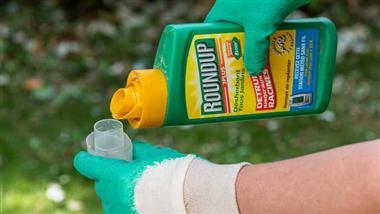
- An international study found that lifetime exposure to glyphosate, even at doses deemed “safe,” caused multiple aggressive cancers in rats, including leukemia, thyroid tumors, and nerve sheath cancers
- Tumors appeared earlier and were more widespread in rats exposed to commercial weedkiller formulations like Roundup, suggesting that so-called “inert” ingredients increase toxicity
- The study revealed a dose-response relationship, meaning the more glyphosate the rats consumed, the higher their cancer risk — mirroring the kind of chronic exposure humans face through food and water
- Glyphosate caused systemic DNA damage and disrupted hormones, creating ideal conditions for cancer to form and spread
- You can reduce your risk by switching to organic food, including wheat and oats, avoiding Roundup-style herbicides, supporting detox and gut repair with whole foods, and using a water filter that removes glyphosate
Glyphosate is everywhere — from wheat in cereal to water flowing from your tap. Originally designed to kill weeds, this herbicide has become a mainstay in modern agriculture, sprayed on millions of acres each year. It’s used not just on genetically modified (GM) crops like corn and soy, but also on conventional oats, wheat, and legumes just before harvest, meaning even non-GMO eaters are exposed. If you eat processed or packaged foods, glyphosate is almost certainly in your daily diet.
For years, the chemical has been surrounded by controversy. Lawsuits and independent reports have linked glyphosate to Non-Hodgkin lymphoma and other serious conditions, but regulators have continued to stand by its safety. Industry-funded studies argued there was no credible evidence it caused cancer. Meanwhile, everyday exposure levels kept rising, with no meaningful push to re-evaluate the risks.
But the conversation is changing. A new study, designed to mimic lifelong, real-world exposure, is shining a harsh spotlight on just how dangerous this herbicide really is.1 It’s not just about the presence of tumors — it’s about when they appear, how they spread, and the organs they strike. The research points to something far more alarming than we’ve been told. What it uncovered forces us to reconsider what “safe” exposure actually means.
Glyphosate Caused Rare, Aggressive Cancers at Legal Doses
An international study published in Environmental Health set out to answer a key question: Does lifetime exposure to glyphosate, the active ingredient in Roundup, cause cancer, even at doses considered safe by regulators?2
Scientists from the Ramazzini Institute in Italy, along with toxicology experts from multiple countries, exposed rats to glyphosate and two glyphosate-based herbicides from the moment of conception through 2 years of age. Their goal was to simulate real-world, chronic exposure across an entire lifespan, using low, mid, and high doses that mirrored what humans could encounter through diet, water, or residential use.
• The study found tumors across multiple organs, some rarely seen in rats — The animals were divided into groups exposed to glyphosate alone, Roundup Bioflow, RangerPro, or no treatment at all. What the researchers discovered was both alarming and unprecedented: malignant tumors appeared in organs not typically prone to cancer in rats, such as the adrenal glands, ovaries, and nervous system.
Tumors also developed in the thyroid, liver, and blood-forming organs, with some animals developing multiple cancers at once. The study found that even the lowest dose group — matching the U.S. legal limit for glyphosate in drinking water — showed a marked increase in tumor incidence compared to untreated controls.3
• Leukemia deaths occurred earlier and were more common in exposed rats — Among the most striking findings was the early onset and frequency of leukemia in glyphosate-treated animals. Leukemia is a type of cancer that affects the blood and bone marrow, and in this study, nearly half of all leukemia deaths happened before the rats reached 1 year of age, a period equivalent to early childhood in humans.
Control rats had no cases of leukemia, while treated animals developed not only leukemia but also other aggressive malignancies like malignant schwannomas (nerve sheath tumors), liver carcinomas, and adrenal gland tumors.
Glyphosate Interferes with DNA and Hormone Signaling
According to the study authors, glyphosate likely triggers cancer through multiple biological mechanisms. One major pathway is oxidative stress, meaning glyphosate causes an overproduction of damaging molecules called free radicals, which harm DNA and cellular components.4
The herbicide also disrupted endocrine function, interfering with hormones that regulate growth, metabolism, and reproductive health. These hormonal shifts fuel the growth of hormone-sensitive cancers, such as those in the thyroid and reproductive organs.
• DNA damage is a key mechanism behind glyphosate-linked cancers — The research team documented DNA strand breaks in multiple tissues, indicating that glyphosate damages the body’s genetic code.
This kind of damage, if not properly repaired, sets the stage for mutations that lead to uncontrolled cell growth — i.e., tumors. The DNA damage wasn’t isolated to one organ or system; it was systemic. When DNA repair processes are overwhelmed or faulty, cancer becomes much more likely.
• Commercial formulations caused more cancers than glyphosate alone — The glyphosate-only groups developed tumors, but animals exposed to Roundup Bioflow and RangerPro developed more tumors — and at higher rates. This suggests that so-called “inert” ingredients in commercial herbicides aren’t inert at all.
These additives, known as surfactants, help glyphosate penetrate plant leaves, but they likely also increase its ability to cross cell membranes in animals and humans. The researchers found that co-formulants amplified glyphosate’s toxicity, making these products more dangerous than glyphosate on its own.
• Dose mattered: higher glyphosate intake meant more cancer — The study showed a clear dose-response pattern. In plain terms, the more glyphosate the rats received, the more likely they were to develop cancer. Mid and high-dose groups had significantly more malignant tumors than low-dose groups or untreated controls. Tumors also appeared earlier in higher-dose animals, shortening lifespan and increasing suffering.
Save This Article for Later – Get the PDF Now
How to Protect Yourself from Glyphosate and Lower Your Cancer Risk
You’re not powerless against glyphosate — far from it. Once you understand how and where this chemical shows up in your life, you can take direct action to limit your exposure and help your body recover from its effects. If you’re already dealing with fatigue, hormonal imbalance, or chronic inflammation, this becomes even more important. The earlier you act, the more control you have over your long-term health outcomes.
If you’re a parent, you’ll want to pay special attention, as glyphosate harms developing organisms most severely. But even if you’re just trying to protect your gut, brain, or immune system, removing this chemical from your life makes a measurable difference. Here are five ways to take action now:
1. Eat organic, and cut out conventional wheat, oats, and legumes — These are some of the most contaminated foods in the U.S. supply because glyphosate is used as a desiccant — a drying agent — right before harvest. If you eat a lot of pasta, cereal, or baked goods, you’re likely getting a steady dose of this chemical.
Switch to organic alternatives whenever possible, or at minimum, choose non-GMO and glyphosate-tested brands. Look for third-party verified labels that test for glyphosate residue — not just “natural” claims, which often mean nothing.
2. Stop using Roundup or similar products around your home — If you’re spraying your driveway, fence line, or garden with weedkiller, you’re bringing glyphosate into your immediate environment. Pets and children are especially vulnerable. Ditch the Roundup and use alternatives like vinegar-based herbicides or mulching instead. You don’t need to expose your lungs and skin to a carcinogen just to keep dandelions down.
3. Support your detox pathways with glycine — To eliminate glyphosate from your body, you need to flood your system with glycine, an amino acid that competes with glyphosate for uptake and helps push it out through your urine.
Dr. Dietrich Klinghardt recommends starting with 1 teaspoon (4 grams) of glycine powder twice a day for a few weeks, then tapering down to 1/4 teaspoon (1 gram) twice daily. Glycine is inexpensive, naturally sweet-tasting, and easy to mix into water or food. For best results, take it around the time you’re eating meals that contain glyphosate residue.
4. Rebuild your gut and lower inflammation — Glyphosate damages beneficial gut bacteria and increases intestinal permeability — what many call “leaky gut” — which weakens your immune system and sets the stage for autoimmune conditions.
Cut out inflammatory vegetable oils like canola and soy, which contain linoleic acid (LA) that harms your mitochondria. Swap vegetable oils for tallow, ghee, or grass fed butter, and focus on consuming gentle carbs, like white rice and fruit, to support the cellular energy necessary to heal your gut.
5. Use a water filter that removes glyphosate — If you live in an agricultural area or drink municipal tap water, there’s a good chance glyphosate is in your drinking supply. Look for filters that specifically state they remove glyphosate — not all filters do. A whole-house filtration system is best, but if you’re renting or on a budget, a high-quality countertop filter is still better than nothing. Clean water is one of the easiest and most impactful places to start.
Taking these steps isn’t about fear — it’s about control. Making smart choices every day reduces your risk and improves how your body functions. When you reduce your toxic burden, everything works better — from your hormones to your immune system to your energy levels.
FAQs About Glyphosate and Cancer
Q: What did the new study reveal about glyphosate and cancer risk?
A: A large international study published in Environmental Health found that lifetime exposure to glyphosate, even at doses considered legal and “safe,” caused multiple types of aggressive cancers in rats.
Tumors developed in organs rarely affected by cancer in animals, including the adrenal glands, ovaries, and nervous system. Some cancers appeared early in life, and animals exposed to commercial glyphosate formulations developed more tumors than those exposed to glyphosate alone.
Q: How does glyphosate cause cancer?
A: The study found that glyphosate triggers cancer through multiple mechanisms, including DNA damage, oxidative stress (a buildup of harmful free radicals), and interfering with hormone function. These effects set the stage for mutations, tumor growth, and systemic inflammation, all of which raise your risk of developing cancer.
Q: Where is glyphosate most commonly found in food and water?
A: Glyphosate is commonly sprayed on GM crops like corn and soy, but also on non-GMO crops like wheat, oats, and legumes just before harvest. This means it’s often present in everyday foods like cereal, pasta, baked goods, and hummus. It’s also been detected in drinking water, particularly in agricultural regions.
Q: What types of cancers were linked to glyphosate in the study?
A: The exposed rats developed several types of cancers, including leukemia, liver tumors, thyroid cancer, malignant nerve sheath tumors, and adrenal gland cancers. Many of these tumors appeared earlier in life and in higher numbers compared to unexposed animals. Some of the cancers occurred in multiple organs simultaneously.
Q: How do I reduce my glyphosate exposure?
A: You can take immediate steps to lower your glyphosate exposure and protect your health. Start by choosing organic wheat, oats, and legumes, as these crops are some of the most heavily contaminated. Eliminate Roundup and similar herbicides from your home and garden to avoid direct contact and airborne drift. Support your body’s detoxification process with glycine.
Rebuild and strengthen your gut by cutting out inflammatory vegetable oils. Finally, install a water filtration system that’s proven to remove glyphosate. These steps not only reduce your toxic burden but also enhance your body’s ability to heal and defend itself over time.
PFAS ‘Universe’ Mapped — Nearly 15,000 Chemicals, Scant Human Data
Reproduced from original article:
https://articles.mercola.com/sites/articles/archive/2025/08/10/pfas-forever-chemicals-exposure.aspx
Analysis by Dr. Joseph Mercola August 10, 2025
Story at-a-glance
- Nearly 15,000 PFAS chemicals have been identified, but less than 2% have any safety data, leaving you exposed daily to toxins that haven’t been tested or regulated
- DuPont’s use of PFOA, also known as C8, in Teflon production led to widespread water and air contamination, with blood levels in workers and residents reaching hundreds of times above safe limits
- PFAS chemicals don’t break down and stay in your body for years, binding to proteins and accumulating in organs like your liver and brain, which increases your long-term health risks
- Major sources of exposure include contaminated drinking water, food packaging, nonstick cookware, waterproof clothing, and stain-resistant furniture, making daily contact nearly unavoidable without intervention
- You can lower your toxic burden by filtering your water, avoiding PFAS-treated products, donating blood or plasma, supporting liver detox with sulfur-rich foods, improving mitochondrial health, and pushing for regulatory change
You’ve been exposed to toxic chemicals that your doctor hasn’t ever mentioned, and they’re likely in your blood right now. You didn’t choose this, but industry did. Over the last century, companies have quietly released thousands of synthetic compounds into the environment, embedding them in everyday items like packaging, cookware, and clothing. These substances were designed to last forever — and that’s exactly what they’re doing inside your body.
Even low levels of these chemicals are now being linked to serious health problems, including hormone disruption, immune suppression, and cancer. Yet almost none of them have ever been tested for safety in humans.
And while the U.S. Environmental Protection Agency (EPA) has begun regulating a few of the oldest and most well-known types, the vast majority remain completely unmonitored, with no warnings, no restrictions, and no accountability. This article traces how one chemical invention spiraled into a global contamination crisis — and what you can do to protect yourself.
A Kitchen Coating Triggered One of the Worst Toxic Disasters in US History
The documentary How One Company Secretly Poisoned the Planet traces the shocking history of per- and polyfluoroalkyl substances (PFAS) back to a single lab accident.1 In 1938, a chemist at DuPont named Roy Plunkett accidentally created a slippery white powder — polytetrafluoroethylene — later branded as Teflon.
It seemed miraculous: it resisted heat, water, acid, and almost every chemical. That same indestructibility made it valuable to the military and industry. But manufacturing it required a separate chemical called PFOA (also known as C8), which would later be linked to widespread human health harm.
• Factory workers and residents living near DuPont’s plant were exposed to extremely toxic water and air — DuPont began producing Teflon at its Washington Works plant in Parkersburg, West Virginia, using C8 to polymerize the material. Instead of safely disposing of the waste, the company dumped thousands of pounds of C8 into the Ohio River, local landfills, and the air. The company’s own internal records from the 1960s showed that C8 caused organ damage and cancer in lab animals.
Still, they kept quiet and continued production. One local farmer, Earl Tennant, lost dozens of cattle that developed tumors, blackened teeth, and skin lesions. His creek had white foam pouring out from a DuPont discharge pipe. When Tennant sued, DuPont settled privately and did not admit fault.
• DuPont workers had blood levels of C8 more than 1,000 times higher than the U.S. average — According to the film, when 3M — the original supplier of C8 — found PFOA in the blood of the general U.S. population in the 1970s, they approached DuPont. DuPont tested its workers and discovered astronomically high levels.
Some employees already showed signs of liver dysfunction, and pregnant employees had birth defects in their children. Despite the alarming data, DuPont calculated its own “safe” limit for PFOA in water: one part per billion (ppb).
• Exposure spread far beyond the plant, with drinking water contamination reaching tens of thousands of residents — DuPont’s internal tests found 1,600 ppb of C8 in landfill water near Tennant’s farm — 1,600 times higher than their own safety threshold.
Yet they told no one. In a later class-action lawsuit covering 70,000 residents, an independent scientific panel found a “probable link” between C8 and six human diseases, including thyroid disease, ulcerative colitis, pregnancy-induced high blood pressure, and both testicular and kidney cancers. These health problems were observed at average blood concentrations of just 28 parts per billion.
• PFAS is extremely difficult to remove from your body once it builds up — C8 mimics fatty acids in the body, which means it binds to proteins in your blood and travels to organs like your liver, kidneys, and even your brain. Because your body doesn’t have a natural way to break carbon-fluorine bonds, these chemicals take years to leave your system.
That long retention time increases the chance of cumulative harm, even from small exposures. Researchers found that firefighters who donated blood regularly reduced their PFAS levels by up to 30% within a year. But the documentary stressed that placing the burden on individuals to filter or detox is backward. The real solution is stopping production and holding manufacturers accountable.
• The biggest risks were from packaging, food, and local water — Most people assume they’re exposed through nonstick cookware. While this is one route of exposure, another major risk is environmental — through contaminated water, processed food packaging, stain-resistant furniture, and firefighting foams.
Microwave popcorn bags, in particular, leach PFAS directly into the food during heating. Even small concentrations in water — just a few parts per trillion — build up in your bloodstream over time and push your levels into the danger zone.
Thousands of Toxic Chemicals, but Almost No Safety Data
A systematic evidence map published in Environmental Health Perspectives noted that about 14,735 individual PFAS substances are currently known to exist.2 Despite their widespread use, only 214 of those compounds have any published toxicology data. This means over 98% of PFAS have never been assessed for their health risks. For the average person, that translates into daily exposure to chemicals that regulatory agencies haven’t even begun to study or monitor.
• Toxicology studies focused heavily on just a few legacy chemicals, leaving major gaps — Of all the PFAS with published data, nearly every study focused on a handful of well-known substances like PFOA, PFOS, PFHxS, and PFNA.
These four chemicals dominate the scientific literature because they’ve been in use longest and were involved in lawsuits. But that leaves newer, so-called “replacement” PFAS like GenX and ADONA largely unstudied, even though early evidence suggests they’re just as harmful, or worse.
• The study authors warned that these gaps are regulatory blind spots — Just six PFAS are currently regulated under the EPA’s 2024 national drinking water standard. That leaves nearly 15,000 chemicals essentially unregulated in food, water, air, and consumer products. This patchwork regulation is fundamentally inadequate. Without broad-spectrum testing and proactive bans, industries simply substitute one PFAS for another without ever proving that the replacement is safe.
• PFAS manufacturers are exploiting the lack of data to delay regulations — Because most PFAS don’t have safety profiles, manufacturers claim there’s “no evidence of harm” — even though there’s also no evidence of safety.
This tactic, sometimes called the “regulatory data gap,” allows companies to shift public pressure off themselves and onto regulators who are already overwhelmed. For consumers, this means you’re likely using products daily that contain untested PFAS, and there’s no law requiring disclosure or warning.
• Scientists called for urgent reform to close the data gap and protect public health — The paper recommended expanding the use of high-throughput toxicity screening, which uses automated tools to test large numbers of chemicals quickly. It also called for predictive modeling to estimate toxicity based on chemical structure and prioritized testing based on likelihood of human exposure.
Without these tools, regulatory agencies are left playing catch-up with industries that are constantly developing new PFAS faster than they’re assessed. In the meantime, the public continues to be exposed, unknowingly and without protection.
Save This Article for Later – Get the PDF Now
How to Protect Yourself and Reduce Your Body Burden
You’re not helpless in this. While the contamination began with industry, there are still smart steps you can take right now to reduce your exposure, support your body’s detox systems, and push for real change. You’ll need to take action on two fronts: what comes into your body and how well your body handles it once it’s there.
If you’ve already been exposed, and nearly everyone has, your focus should be on stopping the source and helping your system eliminate what’s already built up. These five steps are a powerful place to start.
1. Filter your drinking water with a system that removes PFAS — If you’re not sure whether your area has contaminated water, check your local water utility’s report or test your water with a PFAS-specific kit. If PFAS is detected, choose a high-quality water filtration system designed to remove it. This is an effective step to help limit daily exposure.
2. Stop bringing new PFAS into your home — That means cutting out nonstick cookware, stain-resistant carpets and furniture, waterproofed clothing (like Gore-Tex), and fast food packaging. Look for PFAS-free or fluorine-free labels. If you’re a parent, especially watch out for school uniforms and outdoor gear treated with water- and stain-proof chemicals. These are common sources of childhood exposure.
3. Donate blood or plasma to lower your PFAS levels — If you meet donation criteria, this is one of the most effective ways to remove PFAS from your body. Several studies have shown that regular blood or plasma donations help clear compounds like PFOS and PFHxS, which otherwise take years to leave your system. This isn’t just a nice thing to do — it’s an active form of self-defense.
4. Support your liver and kidneys — your body’s natural detox system — You don’t need a trendy cleanse or expensive detox powder. What you need is consistent support for your detoxification organs. Eat sulfur-rich foods like garlic, onions, and cruciferous vegetables to fuel glutathione production, your body’s master detox compound.
Hydrate with filtered water, avoid alcohol, and remove vegetable oils from your diet — they’re high in linoleic acid (LA) that impairs mitochondrial function and slows down toxin elimination.
5. Push back, because voluntary industry change won’t protect you — The reason you’ve been exposed isn’t personal. It’s policy. Industry exploited a regulatory gap, and now the burden falls on you. So, don’t stop at protecting your own home. Support state-level bans on PFAS in consumer products, demand full ingredient disclosure on packaging, and advocate for expanded testing and cleanup in contaminated communities.
Your voice matters more than you think. Each layer of exposure you remove lowers your lifetime toxic burden and gives your body a better shot at recovery. This isn’t just about avoiding illness. It’s about reclaiming control over what gets into your body — and what doesn’t.
FAQs About PFAS
Q: What are PFAS and why should I be concerned?
A: PFAS are manmade chemicals used in nonstick cookware, stain-resistant fabrics, food packaging, waterproof clothing, and industrial processes. They’re called “forever chemicals” because they don’t break down in the environment or your body. Even low levels of PFAS are linked to serious health problems, including cancer, liver damage, thyroid dysfunction, and immune suppression.
Q: How widespread is PFAS contamination?
A: It’s virtually everywhere. According to current estimates, more than 98% of Americans have PFAS in their blood. These chemicals contaminate water, air, soil, and food products. A single PFAS, PFOA, was found in water supplies near military bases, airports, and manufacturing plants at levels far exceeding safety guidelines.
Q: Why haven’t more of these chemicals been regulated or tested?
A: Nearly 15,000 PFAS compounds are known to exist, but only about 200 have been studied for toxicity. Just six are currently regulated in U.S. drinking water. Industry often replaces banned PFAS with new versions that haven’t been tested, creating a cycle of ongoing exposure with little accountability.
Q: How do I reduce my PFAS exposure at home?
A: Start by filtering your drinking water with a system designed to remove PFAS. Avoid products labeled stain-resistant or waterproof, skip fast food packaging and microwave popcorn bags, and switch to stainless steel cookware. These steps cut off major exposure sources.
Q: Can I remove PFAS from my body once I’ve been exposed?
A: PFAS are slow to leave your body, but you can accelerate the process by donating blood or plasma, which helps remove these compounds from your system. You should also support your detox pathways by eating sulfur-rich foods, staying hydrated with clean water, and eliminating vegetable oils that impair mitochondrial health.
Common Energy Drink Ingredient May Fuel Blood Cancer
Reproduced from original article:
https://articles.mercola.com/sites/articles/archive/2025/07/26/common-energy-drink-ingredient-blood-cancer.aspx
Analysis by Dr. Joseph Mercola July 26, 2025
Story at-a-glance
- Taurine, a common ingredient in energy drinks, was found to fuel the growth of leukemia cells by activating a powerful growth switch called mTOR
- In animal studies, blocking taurine’s entry into leukemia cells dramatically slowed disease progression and extended survival by up to sixfold
- Taurine supports healthy aging in animals, but too much, especially from synthetic sources, poses serious risks if cancer is already present
- The same compound that helps your cells stay young is hijacked by cancer, making the source, dose, and context important
- The safest way to use taurine is through whole foods like grass fed beef and pastured eggs; avoid overdoing supplements and skip energy drinks, especially if you’re at risk for leukemia
Energy drinks don’t just spike your adrenaline — they also feed leukemia. A study published in Nature found that taurine, a common ingredient in energy drinks and many pre-workout supplements, fuels the growth of leukemia cells.1 Researchers with the University of Rochester uncovered how this amino acid supercharges the metabolism of leukemia stem cells by activating a powerful growth pathway called mTOR.
In lab tests and animal models, supplementing taurine made leukemia worse. Taurine isn’t just a random additive. It’s naturally produced by your body and found in high concentrations in meat, fish, and dairy. It helps regulate calcium balance, support brain function and stabilize cell membranes. In healthy individuals, taurine has been shown to improve cardiovascular health, boost energy metabolism and, according to 2023 research published in Science, even extend lifespan in animals.2
So which is it? Is taurine a longevity booster or a cancer risk? The answer isn’t simple, and it comes down to how much you’re getting, from what source and whether cancer is already in the picture. To understand what’s really happening inside the body, and how something as simple as a drink additive could alter the course of a deadly disease, you need to look at what this first study uncovered.
Leukemia Stem Cells Use Taurine as Fuel to Grow and Spread
The Nature study looked at how leukemia stem cells — especially in fast-moving types like acute myeloid leukemia (AML) — survive in the body.3 Researchers found that these cancer cells don’t work alone. They get help from nearby bone marrow cells that change their environment in ways that support cancer growth. One major discovery was that taurine plays a key role in this process.
• Certain bone cells pump out extra taurine to support cancer — As leukemia gets worse, nearby bone cells, called osteolineage cells, start producing more taurine. Taurine isn’t just floating around — it’s actively pulled into the cancer cells through a special channel called the taurine–taurine transporter (TAUT) axis. This allows the leukemia cells to take in extra energy and grow faster.
• Blocking taurine’s entry into cancer cells stopped the disease from spreading — When scientists disabled the TAUT transporter in leukemia cells, the cancer slowed down dramatically. Mice with the transporter turned off lived up to six times longer. Even if taurine was still in the body, cancer cells couldn’t use it without TAUT. That shows just how important this pathway is for the cancer’s survival.
• More taurine meant faster cancer growth and earlier death — Mice that were given extra taurine had their leukemia spread faster and died up to three times sooner. Researchers also found that taurine levels were much higher in the bone marrow of mice with leukemia than in healthy ones. When they blocked the enzyme that creates taurine in bone cells, the leukemia stem cells began to die off.
• Drug-resistant leukemia cells had even more TAUT transporters — Leukemia cells that resisted chemotherapy had higher levels of TAUT, meaning they were more dependent on taurine for survival. When scientists knocked out the TAUT transporter in these cells, they stopped growing, even in lab dishes, and couldn’t survive when transferred into mice.
Taurine Flips a Growth Switch Inside Leukemia Cells
Inside the cancer cells, taurine turns on something called mTOR, which acts like a master switch for cell growth and energy use. Without taurine, this switch doesn’t turn on, and the cells can’t generate the fast energy they need. Markers of energy production dropped sharply when taurine was removed.
• Without taurine, leukemia cells lost their ability to make energy — In cells lacking TAUT, the mTOR signal dropped by threefold. Even when researchers tried to feed the cells energy shortcuts like pyruvate, which is created when your body breaks down sugar, they couldn’t fully recover. That means taurine’s role is more than just fuel — it’s a trigger for the entire energy-making process.
• Taurine sends a signal, not just nutrients — Taurine doesn’t just nourish leukemia cells — it tells them when and where to grow. It uses proteins to direct the mTOR switch to the right place in the cell. Without that signal, the growth switch stays off. Because of this, TAUT is now being studied as a new target for treating leukemia.
• This finding hasn’t yet been confirmed in humans — The study showed that taurine levels are elevated in the bone marrow of mice with leukemia, but there’s no direct evidence showing the same taurine increase in humans with acute myeloid leukemia. That means taurine’s role in human leukemia is still uncertain and needs further investigation.
Save This Article for Later – Get the PDF Now
Taurine Drops with Age, but Getting It Back Slows the Aging Process
While cancer cells hijack taurine for their own gain, healthy cells suffer when there’s not enough of it. That’s what researchers uncovered in a study published in Science.4 They wanted to know if taurine was simply a marker of aging or if it actually drives the aging process itself. What they found could change how you think about growing older.
• Taurine levels steadily decline as you age — Researchers measured taurine in mice, monkeys, and humans and saw the same trend across the board: taurine drops sharply with age. It wasn’t just a small dip — it was a consistent and measurable drop that began in middle age.
• Replacing taurine helped animals live longer and stay healthier — When middle-aged mice were given taurine supplements, they thrived. The mice lived 10% to 25% longer depending on how the data was measured. Their strength improved, their metabolism worked better, and they moved more like younger animals.
• Taurine helped the whole body, not just one part, function better — In mice, daily taurine led to stronger bones, less body fat, and more balanced immune responses. Their brains showed fewer signs of aging-related damage. In monkeys, the same pattern emerged — taurine boosted immune activity and improved mitochondrial function, which are both central to how well your body handles aging.
People with Low Taurine Were More Likely to Have Serious Health Issues
Low taurine was linked to a higher risk of obesity, high blood pressure, Type 2 diabetes, and chronic inflammation. These are the same conditions that rob people of quality of life, and in many cases, of life itself.
• Exercise was one of the few natural ways to boost taurine levels — One workout session raised taurine and its related compounds in the bloodstream. This helps explain why physical activity slows aging, because it increases a compound that repairs, regenerates, and protects your cells.5
• Taurine reversed aging at the deepest cellular level — Supplemented animals had less DNA damage, slower cell aging, and better maintenance of telomeres, the protective tips of chromosomes that shrink as you age. That means taurine helped preserve the blueprint for life inside the cell, not just the visible signs of youth on the outside.
• Taurine worked through multiple repair pathways — It supported mitochondria — the energy makers inside your cells — and calmed inflammation that damages tissues over time. It also kept stem cells functioning longer and protected immune systems from burnout. Together, these effects help explain how taurine improved health so broadly and effectively.
• Taurine extended life in complex organisms, but not in yeast — Taurine helped worms live longer, but not single-celled yeast. This suggests its antiaging effects require the presence of complex tissues and systems that communicate and repair each other — something only multicellular creatures have.
• Researchers believe taurine deficiency isn’t just a symptom of aging — it’s a cause — Replacing taurine improved multiple markers of health and longevity, which led the researchers to conclude that taurine loss is a driver of aging.
How to Use Taurine Wisely Without Feeding Disease
If you’re leaning on energy drinks or taurine supplements to push through fatigue, there’s a smarter, safer way to get your energy back. Taurine has real benefits for longevity, brain function, and cellular health, but the source and amount matter, especially if you’re facing a condition like leukemia.
In some cases, too much taurine could make things worse by feeding the disease instead of supporting your recovery. And while energy drinks look like a quick fix, they come with a long list of problems that go far beyond taurine. To protect your health:
1. Cut out energy drinks and synthetic taurine blends completely — If you’re reaching for energy drinks to boost focus or stamina, stop. These drinks are loaded with synthetic taurine and caffeine — and scientists now call them a growing public health concern. They’re linked to heart problems,6 mood issues, digestive distress, and even neurological complications.7 If your energy is low, the real fix starts by restoring healthy mitochondrial function, not flooding your system with artificial stimulants.
2. Pause taurine supplements if you’ve been diagnosed with leukemia or are at high risk — If you’re taking taurine capsules or powders, look closely at why you started. For someone with blood cancer or a strong family history, even small supplemental doses could backfire.
Leukemia cells have been shown to hijack taurine as fuel, and supplying more, especially in concentrated form, could give those cells an unfair advantage. In that case, less is more. Even if you’re healthy, don’t go overboard on taurine supplementation.
3. Focus on whole-food sources instead of artificial boosters — Taurine is naturally found in high-quality animal foods like grass fed beef, pasture-raised eggs, and shellfish. These sources give you taurine in balance with other nutrients, not in isolation. Focus on supporting your health with these natural taurine sources. Skip taurine-fortified beverages and processed products, which don’t support your body the same way.
4. Support your mitochondria, don’t overstimulate them — Instead of looking for a shortcut, think long-term. Boosting taurine should be part of a strategy to improve mitochondrial efficiency — not to mask fatigue. Regular movement, deep sleep, sunlight, and real food do more to restore energy than any supplement. Taurine works best when it’s used intentionally and in context, not on top of a lifestyle that’s already running on empty.
5. Track your response and listen to your body — Whether you’re using taurine for mood, longevity, or stamina, start small and pay attention. Use a simple log to jot down how you’re feeling each day — energy, sleep, digestion, focus. If anything feels off, back down. Your body will tell you when something isn’t working. Respect that signal.
Taurine isn’t good or bad — it’s powerful. And like anything powerful, it demands respect and careful use. The goal isn’t to chase more energy but to create the kind of balance your cells actually need.
FAQs About Taurine
Q: What is taurine, and why is it in energy drinks?
A: Taurine is an amino acid your body makes naturally, and it’s found in meat, fish, and dairy. It’s added to energy drinks and pre-workout supplements because it helps regulate energy use, brain function, and cellular stability. But in concentrated form, especially when combined with caffeine, it overstimulates the body and is harmful in certain conditions like leukemia.
Q: How is taurine linked to leukemia?
A: A study published in Nature found that leukemia stem cells hijack taurine to grow and spread, using it to activate a key growth switch called mTOR.8 In animal models, extra taurine accelerated leukemia progression, while blocking taurine’s entry into cancer cells dramatically slowed the disease and improved survival.
Q: Does that mean taurine is dangerous for everyone?
A: No. Taurine plays important roles in healthy aging and energy metabolism. Research published in Science showed that taurine levels drop with age, and supplementing it helped animals live longer and stay healthier.9 The key is using it wisely — too much, especially in synthetic or supplement form, poses risks in people with leukemia or other blood cancers.
Q: Should I avoid energy drinks with taurine?
A: Yes. Energy drinks are not a healthy source of taurine. Studies have called them a rising public health issue because they’ve been linked to heart, digestive, psychiatric, and neurological problems.10,11 If you need more energy, focus on fixing the root cause — poor sleep, stress, and mitochondrial dysfunction — instead of reaching for a taurine-loaded energy drink.
Q: What’s the safest way to get taurine?
A: Stick with taurine-rich whole foods like grass fed beef, pasture-raised eggs, and shellfish. Avoid synthetic blends and monitor how your body responds if you’re supplementing for longevity or performance. And if you’ve been diagnosed with leukemia or are at high risk, cut out taurine supplements and talk with your care team about dietary adjustments.
- 1, 3, 8 Nature May 14, 2025
- 2, 4, 5, 9 Science June 9, 2023, Vol 380, Issue 6649
- 6, 10 Heart Rhythm June 5, 2024
- 7, 11 Rev. Cardiovasc. Med. 2022, 23(3), 83
This Powerful, Ancient Herb Offers Impressive Benefits
Reproduced from original article:
https://articles.mercola.com/sites/articles/archive/2025/07/22/jiaogulan-immortality-herb.aspx
Analysis by Dr. Joseph Mercola July 22, 2025

Story at-a-glance
- Used since 1406 CE in Chinese medicine, jiaogulan enhances stamina, lowers cholesterol, and supports metabolism, earning it the nickname “immortality herb” for its powerful benefits
- With an Oxygen Radical Absorbance Capacity (ORAC) value eight times higher than green tea, jiaogulan protects against cellular damage by neutralizing free radicals and reducing oxidative stress, which are key factors in aging and chronic disease
- Jiaogulan activates 5′ adenosine monophosphate-activated protein kinase (AMPK), your body’s energy switch, to enhance insulin sensitivity, block fat storage, and support cholesterol clearance — making it an effective ally in weight and blood sugar control
- This herb detoxifies the liver, improves circulation, and lowers inflammation through different flavor compounds, offering relief for conditions like fatty liver, high blood pressure, and chronic inflammation
- Studies show jiaogulan can shrink tumors, block cancer cell growth, and boost immunity — while sparing healthy tissue. Its natural compounds work across more than 30 cancer types, making it a promising adjunct therapy
When it comes to popular herbs in traditional Chinese medicine (TCM), you probably think of ginseng, goji berries, and astragalus. But have you heard of jiaogulan? This herb has a long history in TCM and is revered for promoting longevity, stamina, cardiovascular health, and more. Now, modern science is beginning to confirm these ancient claims with hard data.
One of the reasons jiaogulan is becoming widely appreciated is its high antioxidant content. According to studies, this humble plant has eight times the antioxidant power of green tea, earning it the name “the immortality herb.”
The Herb That Promotes Longevity — Basic Facts About Jiaogulan
Jiaogulan (Gynostemma pentaphyllum) is a creeping perennial herb that belongs to the Cucurbitaceae family. It’s also known by other names, such as southern ginseng or fairy herb, and is widely used in Northeast and Southeast Asia.1,2 In a New York Post article, Dr. Michael Aziz, a board-certified internal medicine physician, provides insight as to why jiaogulan is rising in popularity in recent years.3
• Jiaogulan has been used in folk medicine for centuries — One study notes that its use dates back to 1406 CE, when it was identified as a valuable survival food. However, in the U.S., very few people know about it, Aziz said. Some of jiaogulan’s benefits include helping boost metabolism, lower cholesterol, and promote longevity.
• This herb surpasses green tea’s antioxidant levels — Oxygen Radical Absorbance Capacity (ORAC) is a laboratory test that measures how well a food or substance neutralizes harmful free radicals. According to Aziz, jiaogulan’s ORAC value is eight times higher than green tea. To put it simply, the higher the ORAC score, the better the food protects your cells.
• Jiaogulan is available as an herbal tea or a supplement — Aziz says he consumes 900 milligrams of jiaogulan daily, brewing 1 to 2 teaspoons of jiaogulan tea leaves in 250 milliliters of water. He describes its flavor as bitter, earthy, and slightly sweet.
• The herb’s bitterness comes from saponins — In particular, jiaogulan contains gypenosides, a type of saponin that’s similar to the ginsenosides in ginseng. Aziz explains:
“Gypenosides stimulate AMP-activated protein kinase, an enzyme that plays a central role in maintaining cellular energy balance. They have antioxidant effects. They also improve insulin signaling and improve the function of mitochondria, which are the batteries of our cells. Those are some of the hallmarks of aging that affect longevity.”4
How This Ancient Herb Restores Balance and Curbs Inflammation
A recently published study featured in the Journal of Functional Foods offered a fresh look at how jiaogulan offers multiple benefits in body. After conducting an in-depth review of existing pharmacological literature on gypenosides and jiaogulan extracts.5
The study outlines how this herb influences multiple systems, particularly through its detoxifying, anti-inflammatory, and circulation-supporting effects.
• Jiaogulan can be categorized into three flavors — These are sweet, bitter, and slightly bitter. Each flavor exhibits distinct efficacy and effects. For example, in TCM, the bitter gypenosides are believed to clear “heat” and reduce inflammation, toxic buildup, and oxidative stress, while sweet compounds promote healthy organs, blood, and “qi” (your life force or energy). According to the researchers:
“The bitter taste and cold nature of GP [Gynostemma pentaphyllum] are particularly effective in clearing heat and detoxifying the body, making it beneficial for conditions such as viral hepatitis, chronic gastroenteritis, and chronic bronchitis [sic].
In addition, the sweet taste of GP nourishes the heart and protects the liver, benefits the qi and blood better, and is more effective against hyperlipidemia, hypertension, fatty liver, insomnia, and headaches.”
• The study highlights jiaogulan’s antioxidant effects — According to their research, this herb helps scavenge harmful molecules like DPPH and hydroxyl radicals before they inflict long-term damage. An overload of reactive oxygen species (ROS) in the body causes oxidative stress, which leads to numerous chronic diseases, including cancer, hypertension, diabetes, and atherosclerosis.
• Jiaogulan also has beneficial effects for diabetics — This herb is a valuable dietary ally for those managing diabetes, offering metabolic support while reducing reliance on pharmaceutical drugs.
Jiaogulan protects and repairs pancreatic beta cells, which are responsible for producing insulin, and enhances the production of key antioxidant enzymes like superoxide dismutase (SOD) and glutathione peroxidase (GSH-px), activating the Nrf2 signaling pathway to shield these cells from oxidative damage. It also inhibits alpha-glucosidase and alpha-amylase — enzymes that break down carbohydrates into glucose — thereby slowing the rise in blood sugar after meals.
• The herb also supports liver health — Jiaogulan has hepatoprotective effects, meaning it supports liver detoxification, protects against liver injury, and even shows promise in treating nonalcoholic fatty liver disease (NAFLD). According to the researchers:
“Through an experimental liver disease model induced by carbon tetrachloride (CCl4), GP has been shown to significantly alleviate hepatocyte necrosis and liver injury, which involves downregulation of Bax and cleaved PARP expression and upregulation of Bcl-2 expression.
In summary, GP has demonstrated extensive activity and application prospects in liver protection through various mechanisms, providing valuable natural resources for the development of new liver disease treatment drugs.”6
Overall, this research paper shows how jiaogulan works across systems to restore overall balance — something modern approaches often miss. Rather than just being another “anti-inflammatory” herb, it supports deep, systemic regulation that aligns both ancient and modern views of how healing should work.
Save This Article for Later – Get the PDF Now
Jiaogulan Actively Reprograms Fat and Cholesterol Metabolism
Recent research published in The Journal of Ethnopharmacology explored the specific compounds in jiaogulan responsible for its ability to regulate blood fats, including triglycerides and cholesterol. The study aimed to isolate which active substances are doing the work and map out the exact biological processes involved in their lipid-lowering effects.7
• The researchers looked at 101 individual compounds to identify their effect on lipid levels — They found that jiaogulan doesn’t just block fat absorption or reduce calorie intake. Instead, it goes deeper — modifying how fat is created, stored, and burned inside your body. In one major pathway, it suppresses enzymes that are responsible for turning excess calories into triglycerides (stored fat), while boosting those that help the body break down and use existing fat for energy.
By activating this switch, jiaogulan addresses one of the core drivers of weight gain and high triglycerides — excess lipogenesis, or the internal manufacture of fat from sugars and carbs.
• For cholesterol, the herb uses a different set of tools — It regulates genes that control cholesterol synthesis in the liver. At the same time, it improves how the liver clears out excess cholesterol by enhancing LDL receptor activity. These receptors pull LDL (“bad” cholesterol) from the blood and break it down.
• Jiaogulan also encourages bile acid production — Bile acids are made from cholesterol, so when your body makes more bile, it uses up cholesterol in the process.
The study also highlighted 5′ adenosine monophosphate-activated protein kinase (AMPK) activation as a central player in how jiaogulan supports metabolic health. AMPK is like a cellular thermostat for energy. When it senses low energy in the cell, it triggers pathways to increase fuel usage and reduce storage. Jiaogulan’s gypenosides flip that switch, which leads to increased fat burning, improved insulin sensitivity, and better blood sugar control.
For those struggling with stubborn weight, high triglycerides, or borderline cholesterol, this herb offers multiple levers of support. It doesn’t require a complete lifestyle overhaul to begin making a difference — it meets the body where it is and helps it respond more efficiently to the energy it already has.
Earlier Research Points to Jiaogulan’s Anticancer Benefits
Studies have highlighted this herb’s anticancer effects, and a comprehensive review published in the Chinese Medicine journal demonstrates this. After examining 108 peer-reviewed studies, the researchers confirmed that jiaogulan has broad-spectrum anticancer activity across 30 different cancer cell lines, while leaving normal cells largely unharmed.8
• The study included a wide range of tumor types from leukemia to liver, breast, and colon cancers — In one clinical report, patients receiving Gynostemma pentaphyllum (GpM) therapy had far lower relapse and metastasis rates compared to untreated controls (11.9% vs. 72.4% for relapse, and 8.5% vs. 55.2% for metastasis). Patients also showed improved immune responses, a key measure of resilience during cancer treatment.
• In terms of how fast and how powerfully GpM worked, the numbers were impressive — A compound called GP-B1 showed 65.4 µg/mL inhibitory concentration (IC50) against B16 melanoma cells, meaning it effectively blocked tumor cell growth at a relatively low dose.
Another component — a carotenoid fraction — had one of the lowest IC50 values recorded, at just 1.6 µg/mL against Hep3B liver cancer cells. Gypenosides also reduced tumor sizes by up to 75% in live animal models of colorectal cancer over 19 days.
• So what exactly improved? The researchers noted that GpM extracts stopped cancer cells from multiplying, triggered them to self-destruct, and prevented them from spreading. Polysaccharides from GpM also enhanced the body’s immune response, increasing levels of cancer-fighting cells and chemicals like tumor necrosis factor-a (TNF-a), interleukin-10 (IL-10), and interferon-γ.
These compounds didn’t just work in lab dishes — they shrank tumors in mice and boosted survival rates without harming healthy tissues.
Time-wise, the effects of GpM compounds were impressive, appearing just within days in lab tests. In animal models, tumors shrank significantly after just four weeks of treatment. And importantly, the longer the treatment continued, the more pronounced the anticancer effects became. For example, tumor size in SAS oral cancer models dropped by 65.76% after 28 days of daily gypenoside injections.
• Some extracts showed particularly strong benefits in certain types of cancers — For example, the carotenoid and chlorophyll fractions were particularly effective against liver cancer cell lines. Meanwhile, polysaccharides were more potent in melanoma and colorectal models, while gypenosides were broadly effective across leukemia, lung, prostate, and gastrointestinal cancers.
• Saponins (especially gypenosides) and polysaccharides were the most potent cancer-fighting agents — Saponins halted the cancer cell cycle, while polysaccharides acted more like immune boosters, giving the body extra firepower to fight tumors naturally. Other compounds like flavonoids and chlorophyll had moderate effects, with antioxidant benefits that complemented the main therapeutic effects.
Lastly, jiaogulan slowed down energy production in cancer cells by blocking glycolysis — a trick cancer cells use to fuel their aggressive growth — while enhancing immune response markers.
“In summary, GpM has been investigated extensively as a potent anti-cancer agent against many types of cancers both in vitro and in vivo. The general consensus from the literature is that GpM exerts its anti-cancer activities through multiple mechanisms, including cell cycle arrest, the induction of apoptosis, inhibition of invasion and metastasis, glycolysis inhibition and immunomodulation,” the researchers concluded.9
How to Safely Use Jiaogulan
Jiaogulan is popularly taken as an herbal tea and dietary supplement, but in China, it is also used in meals, like a vegetable. The immature stems are commonly eaten as a cold dish, similar to a salad, while the leaves are added to congee for flavor.10
• What’s the ideal dose? In studies, daily doses of up to 450 ml for 16 weeks (divided into two doses, one in the morning and another at night) have been found to be safe. However, it’s best to consult with your doctor to confirm the appropriate dosage for your needs.11
• Possible side effects — While jiaogulan has been found to be generally safe, there are instances when it causes minor side effects, like nausea and diarrhea. In rare cases, vomiting, dizziness, tinnitus, constipation, and blurred vision may occur.12
• Always consult with your healthcare provider before using jiaogulan — Jiaogulan’s safety in pregnant women and breastfeeding mothers has not been studied, so if you fall under these groups, it may be better to avoid using this herb.
According to VeryWell Health, the gypenosides in jiaogulan inhibit a liver enzyme called cytochrome P450 2D6 (CYP2D6), which is responsible for breaking down certain medications. Insufficient amounts of this enzyme may cause the drugs to build up in your body, leading to toxicity.13 Hence, if you’re taking any medications, check with your physician if jiaogulan is safe for you to take.
“Diabetics should be careful and adjust their medications down with the help of their doctors if they drink massive amounts,” Aziz said. This is due to jiaogulan’s ability to lower blood sugar.
Frequently Asked Questions (FAQs) About Jiaogulan
Q: What is jiaogulan and why is it called the “immortality herb”?
A: Jiaogulan (Gynostemma pentaphyllum) is a climbing herb used for centuries in Traditional Chinese Medicine. It’s called the “immortality herb” due to its reputation for promoting longevity, vitality, and disease resistance — now supported by research showing its potent antioxidant and metabolic effects.
Q: How does jiaogulan compare to green tea in antioxidant strength?
A: Jiaogulan has an ORAC (Oxygen Radical Absorbance Capacity) score eight times higher than green tea. This makes it extremely effective at neutralizing harmful free radicals, reducing oxidative stress, and supporting healthy aging and disease prevention.
Q: What are the metabolic and cardiovascular benefits of jiaogulan?
A: Jiaogulan activates AMPK, a key enzyme that regulates energy use and fat metabolism. It improves insulin sensitivity, lowers blood sugar, reduces triglycerides and LDL cholesterol, and boosts fat burning — making it beneficial for managing weight, diabetes, and heart health.
Q: Can jiaogulan help protect against cancer and support the immune system?
A: Yes. Research shows that jiaogulan extracts inhibit cancer cell growth, induce apoptosis (cell death), and prevent metastasis across various cancers, including liver, colon, and breast. Its polysaccharides and gypenosides also enhance immune responses without damaging healthy cells.
Q: Is jiaogulan safe to use, and how should it be taken?
A: Jiaogulan is generally safe when consumed as tea or supplements (up to 450 ml daily in studies), but may cause mild side effects like nausea or dizziness in some people. It may interact with medications, especially those processed by liver enzymes or used for diabetes. Always consult a healthcare provider before starting.
Unlocking DMSO — The Forgotten Molecule That Makes Drugs Work Better, Safer, and Faster
Reproduced from original article:
https://articles.mercola.com/sites/articles/archive/2025/07/04/unlocking-dmso.aspx
Analysis by A Midwestern Doctor July 04, 2025

Story at-a-glance
- DMSO is an “umbrella remedy” capable of treating a wide range of challenging ailments due to its combination of therapeutic properties (e.g., reducing inflammation, improving circulation, and reviving dying cells)
- One of DMSO’s unique properties is its ability to enter through the skin and carry anything it dissolves with it as it rapidly travels throughout the body, greatly enhancing the potency and viability of many pharmaceutical drugs
- Because of this, numerous preparations over the years have combined DMSO with a commonly used medication, and in many cases, demonstrated safety and efficacy of the combination to drug regulators
- Some of these DMSO combination therapies are able to treat challenging illnesses, such as significant musculoskeletal injuries, antibiotic resistant infections, persistent fungal and viral infections, chemotherapy resistant cancers, and chronic pain
- More creative DMSO combinations (which can be produced at home) have been frequently used to successfully treat many challenging conditions (e.g., tinnitus, a wide range of eye issues, cancers, and uncomfortable scars)
DMSO is a remarkable naturally occurring substance that (provided it’s used correctly1) safely and rapidly improves a variety of conditions medicine struggles with — particularly chronic pain. For example, thousands of studies show DMSO treats a wide range of:
• Injuries such as sprains, concussions, burns, surgical incisions, and spinal cord injuries (discussed here).
• Strokes, paralysis, many neurological disorders (e.g., Down syndrome and dementia), and numerous circulatory disorders (e.g., Raynaud’s, varicose veins, or hemorrhoids), which were discussed here.
• Chronic pain (e.g., from a bad disc, bursitis, arthritis, or complex regional pain syndrome), which was discussed here.
• Many autoimmune, protein, and contractile disorders, such as scleroderma, amyloidosis, and interstitial cystitis (discussed here).
• Head conditions, such as tinnitus, vision loss, dental problems, and sinusitis (discussed here).
• Internal organ diseases such as pancreatitis, infertility, liver cirrhosis, and endometriosis (discussed here).
• A wide range of skin conditions, such as burns, varicose veins, acne, hair loss, ulcers, skin cancer, and many autoimmune dermatologic diseases (discussed here).
• Many challenging infections, such as shingles, herpes, chronic ear or dental infections, and osteomyelitis (discussed here).
• Cancers and many complications from the illness and its treatments (discussed here).
In turn, since I started this series, it struck a chord, and I have received over 2,000 reports of remarkable responses to DMSO, and many readers have had for a variety of “incurable conditions.”
This begs an obvious question — if a substance capable of doing all of that exists, why does almost no one know about it? Simply put, like many other promising therapies, it fell victim to a pernicious campaign by the FDA, which kept it away from America despite decades of scientific research, congressional protest, and thousands of people pleading for the FDA to reconsider its actions. Consider for example, this 60 minutes program about DMSO that aired on March 23, 1980:
Understanding DMSO’s Combination Potential
DMSO’s effectiveness in treating a wide range of illnesses stems from its unique and diverse properties, many of which appear to target the root causes of disease — such as enhancing parasympathetic activity, improving circulation, regenerating senescent cells, providing potent anti-inflammatory effects, and blocking pain conduction. Sadly, despite hundreds of studies demonstrating these promising characteristics, the FDA has refused to recognize all but one property of DMSO.
In pharmacology, DMSO is often referred to as a “vehicle” that helps other drugs get into the body. Because of this, while DMSO only has one approved (intravesical) use in the United States, a variety of drugs are on the market that use DMSO as a “vehicle” to transport them in the body.
In short, when DMSO is given alone, it is “unsafe” and “unproven” but when combined with a patentable drug, it suddenly becomes “safe and effective.” Likewise, in package inserts, DMSO is typically described as a safe and inert ingredient (despite it often being the primary “active ingredient”).
DMSO’s ability to serve as a drug delivery system is due to its being a potent solvent with a variety of unique properties.
• Membrane permeability — DMSO will pass through biological membranes without damaging them, which is extremely unusual.2 This property is believed to be due to its exchange and interchange with water in biological membranes.3 In addition to not harming the skin, when tested with other substances that could enter the brain, DMSO was not observed to alter the cells lining the blood-brain barrier or the brain tissue.4
• Rapid distribution — Once it contacts the skin, DMSO rapidly spreads throughout the body. Within an hour of being applied to the skin, it can be found within the bones and teeth.5 Interestingly, DMSO does not penetrate tooth enamel or nails, which may explain why certain conditions affecting these structures require different approaches.6
• Solvent properties — DMSO is a highly potent solvent that can dissolve a wide range of polar and non-polar substances (and hence is sometimes used to solubilize other drug products). If a substance is dissolved within DMSO, DMSO can typically bring it into the body. While a few other substances can also serve as vehicles, DMSO is the most potent in pharmacology (e.g., DMSO is more effective than propylene glycol at delivering topical steroids into the body7).
• Enhanced circulation and cellular transport — Beyond simply transporting substances into the body, DMSO also greatly increases circulation. By taking the place of water (as it is small, can form hydrogen bonds, and is relatively polar) while being both fat and water soluble, it changes the permeability of the cell membrane, allowing new things to enter the cell and waste products to leave the cells.
As a result, DMSO is able to both spread what it transports throughout the body and significantly enhance the body’s innate ability to circulate what has already been absorbed (including to previously inaccessible areas).
This combination of properties enables the topical administration of drugs that would normally require injection, and in many cases, can significantly increase their potency because it penetrates deep regions of the body that pharmaceuticals typically have difficulty entering, or because it bypasses the cellular barriers that normally exclude foreign substances.
In turn, lower doses of drugs can frequently be used (reducing their toxicity) because they become more potent, and because DMSO combinations can be locally applied to bring a drug to a target region, rather than taking a standard oral dose that raises the entire body’s target concentration.
• Specialized DMSO pharmaceuticals — These properties allow well established drugs to be combined with DMSO. For example, NSAIDs (which are also used to treat pain and musculoskeletal injuries) have a variety of side effects when consumed orally (e.g., fatal NSAIDs gastric bleeds killed over 16,000 Americans in 19998). However, when combined with DMSO, NSAIDs can be applied topically to the site of injury, thereby avoiding the risks of oral NSAID consumption.
One FDA-approved drug (Pennsaid) does just that, and in clinical trials, it was found to have minimal systemic toxicity. DMSO significantly enhances the efficacy of diclofenac (Pennsaid’s NSAID) while exhibiting much lower toxicity compared to oral diclofenac.9,10,11,12
Many other FDA approved pharmaceutical products utilizing DMSO further demonstrate its therapeutic versatility:
◦Mekinist, a targeted cancer therapy, uses DMSO to stabilize the drug and enhance its water solubility, possibly increasing tumor penetration.13
◦Prochymal, a stem cell product for preventing tissue rejection, uses 10% DMSO to preserve stem cells, as do many other stem cell products.14
◦Onyx, a liquid injected into blood vessels to seal leaks, uses DMSO to dissolve the polymer so it remains liquid until reaching problem areas. DMSO is chosen because it’s a uniquely safe substance capable of this function.15
◦Viadur is a non-degradable implant for prostate cancer containing Lupron dissolved in DMSO, designed to slowly release Lupron over a year.16 DMSO is essential because Lupron is otherwise difficult to dissolve, and DMSO preserves its stability while being nontoxic.
Note: Lupron is an incredibly toxic hormone eliminating drug used for prostate cancer which was adopted by urologists due to it being incredibly lucrative (which then led to it being repurposed for many other areas of medicine such as gynecology and blocking puberty in transgender children).
Critical Considerations
DMSO’s function as a vehicle and potentiator has enabled a variety of innovations for common medical therapies (e.g., pain-killers, antibiotics, and chemotherapy), which has inspired many others to experiment with these combinations. However, for anyone planning to do this, it is critical to understand the safety precautions that must accompany using DMSO in this manner.
• Contamination risk — One of the major risks of DMSO is its potential to exacerbate the effects of a toxic substance already present in the skin, so it is crucial to clean the skin thoroughly before applying DMSO. The original investigator of DMSO learned this lesson the hard way when researching toxic pesticides.17
[Herschler] wanted to investigate whether certain highly toxic pesticides were soluble in DMSO. The researcher felt how soluble they were when he sprayed some of the solution onto his skin. DMSO transported the poison into the body within minutes. The poison worked: Herschler temporarily suffered from impaired consciousness and shortness of breath.
Remarkably, despite the immense potential harm, serious incidents are extremely rare, suggesting either that users are consistently careful about cleaning skin prior to DMSO applications or that the actual risk is limited to highly toxic substances.
• Potentiation effects — Many agents become significantly more potent when mixed with DMSO, and in a few reports made rare side effects typically seen at higher doses manifest (something which has occasionally been reported with the more toxic antibiotics like fluoroquinolones or certain chemotherapy drugs).
With natural substances, this is generally not problematic (as their potency and toxicity are typically much less than pharmaceuticals). Still, it remains a real consideration (although I have not come across any reports of this injuring someone).
• Size limitations — While DMSO can draw things inside the body, it can only do so for smaller molecules, with the size limit thought to be around 500 daltons (although there are numerous examples of larger drugs also being transported).
For this reason, DMSO tends to work well as a vehicle for individual drugs or chemicals but not larger proteins (e.g., peptides). Likewise, pathogenic organisms are far too big for DMSO to transport, so areas of application do not need to be disinfected prior to application.
Note: Below the skin, the transportation limit is much higher (e.g., evidence suggests DMSO can bring molecules larger than 70,000 Da through the blood-brain barrier, opening even wider possibilities for intravenous applications).18
• Purity requirements — When making DMSO combinations, it’s essential to obtain pure ingredients, as many pharmaceutical and supplement preparations contain multiple ingredients beyond the primary active compound
Note: One of DMSO’s most promising combinations is with a common dye (hematoxylin) as this combination selectively targets tumors with no toxicity to normal tissue and has remarkable efficacy against a wide range of cancers. Unfortunately, hematoxylin is often mixed with heavy metals (to better stain tissues), illustrating the need to ensure pure substances with DMSO.
• Leaching — As a solvent, DMSO can leach toxic chemicals (e.g., those added to the surfaces of plastics) and hence later bring them into the body. For this reason, it is advisable to avoid storing DMSO in plastic that is not DMSO resistant and to avoid mixing or preparing DMSO with plastic tools.
In most cases, DMSO only leaches plastic at concentrations about 20%, so if DMSO is diluted before putting it in contact with plastic many of these issues can be avoided. Likewise, many DMSO compatible materials exist for preparing DMSO combinations — all of which is discussed further here.
Note: Most implanted medical devices are not at risk of DMSO leaching them as it dilutes far below 20% by the time it reaches them and can contact their plastic components. The one exception are within dental implants, and for that reason, DMSO mouthwashes must always be sufficiently diluted.
Save This Article for Later – Get the PDF Now
DMSO Drug Interactions
Given DMSO’s ability to potentiate pharmaceuticals, a critical question arises: is it safe to take alongside other drugs? The answer is nuanced:
• What we know — Most pharmaceutical interactions, unfortunately, have not been studied. Fortunately (particularly since over 61% of Americans are on at least one medication19), significant reactions are rarely reported.
Generally speaking, the risk for potentiation is stronger the closer they are taken together (particularly when mixed together in an IV infusion) so it is generally advised to space DMSO and a pharmaceutical by at least two hours, and in the case of more toxic ones (e.g., fluoroquinolones and certain chemotherapies) by at least two days.
Note: DMSO can also mitigate many pharmaceutical toxicities, such as gentamicin’s kidney toxicity20 or many injuries caused by chemotherapy.
Most of the research into DMSO’s interactions was conducted during the initial trials in the 1960s, where it was discovered DMSO significantly potentiated alcohol and also potentiated barbiturates, corticosteroids, insulin, digitalis, nitroglycerin, quinidine sulfate, and chemotherapy21 (leading to lower doses sometimes being needed).
Since then, DMSO has also been observed to potentiate certain opioids (e.g., morphine patches), NSAIDs, anticonvulsants (e.g., gabapentin), and certain sedatives (e.g., trazodone). Users typically do not report potentiation of anticoagulants; however, as a serious risk might exist, it is advisable to monitor your coagulation parameters when using both concurrently.
Note: Insulin potentiation is hypothesized to result from DMSO’s protein refolding capacity restoring the functionality of insulin receptors.22
Conversely, DMSO has also been observed to reverse the effects of Botox, likely by neutralizing the toxin induced paralysis.
Therapeutic Synergies
Over the years, many remarkable pharmaceutical DMSO combinations have been developed for a wide range of medical applications. These include:
• Antibiotics — Antibiotic resistance is a major problem in medicine. However, when combined with DMSO, many organisms that are chronic and debilitating or life threatening (e.g., tuberculosis) lose their resistance to antibiotics.
DMSO also makes it possible to reach infections such as those within the bones that are normally difficult to reach and otherwise require maintaining very high blood concentrations of the drugs to ensure this result. Finally, in many cases (both for cost and to protect the gut microbiome) being able to topically apply an oral or IV antibiotic can be immensely advantageous (e.g., for mastitis or Lyme disease).
• Antifungals — Fungal infections are often located in areas that topical and oral antibiotics have difficulty penetrating. However, research shows combining an antifungal with topical DMSO can reach those infections and there are many reports of multiyear fungal infections quickly resolving from this combination.
• Herpes and shingles — Some of the most potent antiviral medications have difficulty penetrating through a lesion to where the virus resides. However, once combined with DMSO they do, and many clinical trials have proven the efficacy of these antiviral combinations.
• Corticosteroids — For issues within the body, steroids (which have significant systemic toxicity) must be injected or taken orally. When combined with DMSO, this is often no longer needed, and as DMSO potentiates steroids, much lower and far less toxic doses can be taken to address an autoimmune or musculoskeletal issue.
• Chemotherapy — By potentiating chemotherapy, DMSO has been proven to cure chemotherapy resistant cancers, and in many cases does so with much lower doses being needed.
Recently, owing to the emerging popularity of using ivermectin for treating cancer (which sometimes produces spectacular results but typically fits best as a complementary therapy), physicians have begun combining ivermectin with DMSO into a paste and topically applying it over tumors. While data is limited, this appears to consistently work, and sometimes produces dramatic responses like this one James Miller MD recently shared with me:
“I had a patient with a thoracic sarcoma that was debilitatingly painful with growth through a couple of ribs and metastases to his skull base that became basically pain free after 2 days of topical DMSO-ivermectin. At his 2.5 week follow up, he was completely pain free and had returned to playing racketball.”
Note: Nothing comparable to do this can be done with conventional cancer options (and given the severity of that situation, what would be used is also fairly toxic).
Conclusion
As so many things can be combined with DMSO, the incredible things we’ve seen so far are only the tip of the iceberg, and only the most preliminary (but highly encouraging) data exists on many of them, as there is so much to research. For example, DMSO combinations have been shown to effectively treat a wide range of eye issues (e.g., eye strain, macular degeneration, glaucoma, and cataracts), traumatic injuries (e.g., whiplash) tinnitus, uncomfortable scars, neuropathic pain and Lyme disease.
Likewise, DMSO combination therapies are not restricted to pharmaceuticals, and as such, over the years, the DMSO community has discovered hundreds of incredible natural DMSO combinations that revolutionize natural medicine.
Stanley Jacob, the father of DMSO who devoted his career to advancing the science of it, was driven by the recognition DMSO was not a new drug, but rather, like penicillin, a new therapeutic principle which redefined how medicine could be practiced. Fortunately, due to an extraordinary confluence of circumstances, we have now arrived in an era where it is at last (after more than a century) no longer possible to suppress natural healing methods.
People around the world are at last awakening to the Forgotten Sides of Medicine and the realization that the ways to find the cures we need is not “more research” but rather rediscovering what was already found (but not possible to profit off of). This is an incredibly exciting time and I am immensely grateful to be part of it with you.
Author’s Note: This is an abridged version of a longer article about DMSO combination therapies which goes into greater detail on the points mentioned here, many of the other combinations not covered (e.g., for tinnitus or vision loss), and provides guidance for preparing the combination therapies. That article, along with resources and protocols for obtaining and using DMSO can be read here.
A Note from Dr. Mercola About the Author
A Midwestern Doctor (AMD) is a board-certified physician from the Midwest and a longtime reader of Mercola.com. I appreciate AMD’s exceptional insight on a wide range of topics and am grateful to share it. I also respect AMD’s desire to remain anonymous since AMD is still on the front lines treating patients. To find more of AMD’s work, be sure to check out The Forgotten Side of Medicine on Substack.
- 1, 17 A Midwestern Doctor, June 21, 2025
- 2, 6 Annals of the New York Academy of Sciences, 243: 7-19
- 3 International Journal of Molecular Veterinary Research, 2013, Vol. 3, No. 6 (Archived)
- 4 Science. 1982 Jul 9;217(4555):164-6
- 5 Annals of the New York Academy of Sciences, 141: 85-95
- 7 Annals of the New York Academy of Sciences, 141: 428-436
- 8 Cleveland Clinic Journal of Medicine Volume 66, Number 9, October 1999
- 9 JAMA Internal Medicine | Vol. 164, No. 18
- 10 Current Medical Research and Opinion, 32(2), 241–250
- 11 Pain. 2009 Jun;143(3):238-245
- 12 The Journal of Rheumatology 2006; 33:3
- 13 Wikipedia, Trametinib
- 14 Wikipedia, Prochymal
- 15 Medtronic, OnyxTM Liquid Embolic System
- 16 Urology. 2003 Dec 22;62(6 Suppl 1):36-42
- 18 Science, 9 Jul 1982, Vol. 217, Issue 4555, pp. 164-166
- 19 kff.org, October 04, 2024
- 20 Universidad Dr. José Matías Delgado, 2012 (Archived)
- 21 Annals of the New York Academy of Sciences, 141: 532-550
- 22 A Midwestern Doctor, September 15, 2024