Vitamins
now browsing by category
Bioenergetic Expert Warns Against Misguided Cancer Treatment Trends, Offers New Insights
Reproduced from original article:
https://articles.mercola.com/sites/articles/archive/2025/10/12/bioenergetic-expert-warns-cancer-treatment-trends.aspx?
Analysis by Dr. Joseph Mercola October 12, 2025
Story at-a-glance
- Cancer occurs when cells abandon efficient mitochondrial energy production for glycolysis, creating lactic acid buildup and cellular dysfunction
- Estrogen drives cancer progression by forcing cells into glycolysis, while protective hormones like progesterone, testosterone, and pregnenolone counteract these harmful effects
- Environmental toxins including pesticides, plastics, soy, flax, and blue light waves act as endocrine disruptors, creating estrogen dominance and damaging mitochondrial function
- Standard cancer treatments like chemotherapy backfire by leaving cellular debris that triggers inflammation throughout the body, spreading the disease further
- Therapeutic approaches using aspirin, carbon dioxide, B vitamins, and hormone optimization restore healthy cellular energy production and guide damaged cells toward apoptosis
In an interview by the Rooted in Resilience podcast, bioenergetic researcher Georgi Dinkov provided an update on his research regarding the pitfalls of common cancer treatments, arguing that this approach often goes in the wrong direction. Instead of focusing on what fuels tumors, many doctors target hormones in ways that may worsen the disease.1 He also discussed innovative strategies that result in better outcomes.
All these and more, are discussed in the podcast. I encourage you to listen to it, as it contains a wealth of new information that will change the way you think about cancer and the promising treatments that will be available in the future.
Why Do Cells Become Cancerous?
According to Dinkov, cancer is not just about random mutations, as mainstream medicine often teaches. Instead, he described it as your body falling back on an older, less efficient way of producing energy. But when stress or toxins push your cells to rely on it all the time, you are left with uncontrollable cells.
• Your cells cannibalize their own mitochondria — Dinkov described this change as your cells dismantling their mitochondria. Once those engines are taken apart, the cells start depending on a faster but dirtier process that leaves behind waste like lactic acid. This is what keeps the cancer state alive. The more your cells rely on this shortcut, the more likely they are to keep breaking down instead of functioning normally.
• Many cancer cells are not beyond saving — If you improve the cellular environment, your cells often return to normal energy production. This means that cancer, at least in its earlier stages, doesn’t always need to be attacked or destroyed. Instead, giving the cells what they need to repair themselves can turn them back into healthy, functioning tissue:
“[I] recently was on another podcast with, Dr. [Thomas] Seyfried, who’s the one who demonstrated that it’s not the mutations that are causing the cancer. It’s the dysfunctional mitochondria. And his research, as well as mine, shows that you can reverse a cancer cell and make it normal again, but only in the circumstances where the mitochondria is not damaged completely.”
• What to do for cells that are too far gone — Dinkov said they should be guided toward a natural shutdown process called apoptosis. This is a built-in safety feature in your body that removes damaged cells. “If it’s severely damaged and the cell can and should be forced to commit apoptosis, which is the controlled self-destruction,” he says.
The 2 Energy Pathways in Your Cells
Dinkov described how your cells rely on two different ways of making energy. The first is oxidative phosphorylation, which happens inside your mitochondria. This is the clean, high-powered method your cells are designed to use. The second is glycolysis, which takes place outside the mitochondria. Glycolysis is faster but much less efficient, producing only a small amount of energy along with a lot of waste products.
• When your cells begin depending mostly on glycolysis, trouble starts — Dinkov explained that glycolysis doesn’t just mean less energy — it also changes the chemistry inside the cell. The buildup of lactic acid pushes your cells into a more reductive state, which signals them to break down their mitochondria even further. The result is a downward spiral where the cells lose their ability to return to normal function.
• The breakdown in energy production is central to cancer behavior — According to Dinkov, glycolysis is meant as a backup for short-term survival, but cancer locks cells into that mode permanently. If the mitochondria are not working properly, cells become aggressive, multiplying rapidly.
• Restoring oxidative phosphorylation is the key to turning the tide — If you can push energy production back into the mitochondria, your cells have a chance to function normally again. But if the mitochondria are too badly damaged, then the better option is for those cells to self-destruct through apoptosis. Either way, focusing on mitochondrial health rather than simply blasting cells with drugs or radiation offers a different healing pathway.

Save This Article for Later – Get the PDF Now
How Estrogen Pushes Cancer Forward
Estrogen is a powerful force inside your body that changes how your cells make energy. Considering this, Dinkov argued that estrogen forces the cells to rely more on the backup system of glycolysis. This shift creates more lactic acid and weakens your mitochondria, pushing your cells toward a cancerous state.
• Other hormones balance your system — Progesterone, pregnenolone, testosterone, and dihydrotestosterone (DHT) provide a beneficial effect. Dinkov explained that these hormones help your cells resist estrogen’s effects by keeping energy flowing through the mitochondria.
• Here’s one example of how hormones protect against cancer — According to Dinkov, progesterone directly blocks estrogen’s activity at the cell level:
“So, first of all, pregnenolone, progesterone, to a smaller degree, DHEA [Dehydroepiandrosterone], testosterone dehydrogenase — they’re all aromatase inhibitors. So, they directly limit the synthesis of new estrogen no matter where it has been synthesized.
Every cell expresses the aromatase enzyme, which is the rate-limiting step in synthesizing estrogen. So, anything that that inhibits aromatase, you know, basically will decrease the production of estrogen.”
The Hidden Threats Around You
The environment you live in is stealthily shifting your body’s chemistry in ways that increase your risk of cancer.
• Toxic chemicals all around you fuel cancer risk — Dinkov explained that pesticides, plastics, and even foods like soy and flax carry compounds that act like estrogen once they enter your body. These are known as endocrine disruptors, and according to him, they create a constant state of estrogen dominance.
• Blue light exposure fuels cancer — Dinkov pointed out that the vast majority of people are exposed to blue light via fluorescent bulbs, which affect your health:
“Our mitochondria does not like blue light because blue light is toxic to bacteria, viruses, fungi, all these primitive microorganisms, which is probably another corroboration of the theory that mitochondria is originally, such an organism that fused with our primitive human cells because blue light is toxic to mitochondria as well.”
• Other side effects of blue light — Aside from increasing your risk of cancer, Dinkov noted that blue light affects your health in different ways. For example, if you sit under it for hours a day, such as being in an office, you’ll eventually develop headaches, cognitive disturbances and increased risk of mental health disorders.
Why Standard Cancer Treatments Might Backfire
As mentioned in the introduction, mainstream cancer treatments often create more harm than help. Dinkov explained that when doctors aggressively attack tumors with chemotherapy or radiation, the dying cells spill their insides into the bloodstream.
• Killed cancer put your immune system on overdrive — Once you kill cancer cells through pharmaceutical drugs, the debris acts like a danger signal to your body. The immune system reacts as if you are under attack from a major infection, spreading inflammation throughout your body. “A lot of the mitochondrial debris and the debris from the nucleus trigger the exact same pathways and receptors that bacteria or viral infections trigger,” he says.
• Inflammation shuts down your body’s preferred energy system — Oxidative phosphorylation takes a back seat. When that switch is flipped, healthy tissues across your body start acting more like cancer cells. “The entire body says, I’m under attack,” he explained, which pushes cells into the cancer metabolism instead of restoring balance.
This helps explain why many people see their cancer return after initially successful treatments. Dinkov said that doctors are very good at killing the primary tumor, but the aftermath often leads to scattered, aggressive new tumors appearing throughout the body. He described this as turning “a million little cancers, and it’s all over the body” because the environment has been shifted into the wrong metabolic state.
• Returning cancer cells to normal before apoptosis — Instead of going to war with cancer right away, Dinkov suggested another path. He argued that cancer cells can be coaxed back to normal function if energy production is restored:
“[M]ost cancer cells are still structurally normal, they are metabolically deranged, but they’re still normal. Some of them are too damaged, but it looks like there’s a small percentage. So really, the goal should be don’t immediately go on an all-out assault, right, which, it turns out to be self-destructive. Try to coax the cancer cell to act normal again and that can be done metabolically with various approaches.”
Why the Latest Research Isn’t in Research Journals Yet
Dinkov noted that his latest research on cancer hasn’t made it into mainstream medical journals, explaining that publishing bold results often triggers powerful pushback. “You should be ready with lawyers because they’re going to attack,” he said, noting that once a controversial study is challenged and retracted, your ability to publish again is severely damaged.
• Simply share the information — Instead of chasing recognition, Dinkov said he focuses on getting information directly to people. He’s already received confirmation from doctors around the world who are quietly using his protocols. One oncologist in Ireland, for example, emailed him saying several patients had their surgeries canceled because their tumors had completely disappeared.
• Nefarious forces are pushing back — Dinkov also pointed out how easy it is for his research to be challenged. Powerful interests in the cancer industry could run the same experiments and report different results. If that happens, journals often retract the original paper, which damages the credibility of the scientists involved. That fear, he said, is one reason many professors refuse to publish such controversial work, even if the data looks strong.
• Big Pharma wants to preserve the status quo — Dinkov noted that even if human trials confirm his approach, powerful resistance will remain. Cancer treatment today is a massive industry, and anything that threatens its profit model faces enormous barriers. For him, the biggest confirmation may not come from journals but from a grassroots movement of patients and doctors who have proven results:
“[I]f it works for sufficiently large number of people, then I don’t need to publish. In fact, I don’t care about publishing. Why do I need to give the enemies a sign that, you know, we’re brewing a resistance here and the resistance is working?”
There Are Ways to Bring Cells Back Toward an Optimally Healthy State
There are several tools that can help your cells return to healthy energy production instead of staying locked in the cancer state. Dinkov goes over them throughout the course of the podcast:
• Aspirin — You might think of aspirin only for pain or fever, but Dinkov described how it works inside your cells to slightly lower their internal pH. This acidic environmental shift gives cells a choice — if they’re still repairable, they switch back to the healthier oxidative phosphorylation, but if they’re too damaged, they self-destruct through apoptosis.
• Carbon dioxide (CO₂) — When you increase CO₂ in your body, it moves through your cells like a current, carrying electrons and helping energy flow more smoothly. Dinkov described carbon dioxide as doing the opposite of lactic acid — it encourages proper energy production and slows down cancer metabolism:
“[T]he acidic nature of the carbon dioxide molecule, it draws electrons across the cell as it moves, as it diffuses out of the cell. And that helps speed up the oxidative phosphorylation reaction. Also, carbon dioxide and lactate are inversely correlated in the body.”
• B vitamins — Vitamins B1 and B3 act as cofactors. Without them, the electron transport chain stalls out, and cells can’t make enough energy. In Dinkov’s research, combining aspirin with these nutrients restored energy flow in cells that had been struggling.
• Hormones — These include pregnenolone, which Dinkov described as the “structural cell stabilizer,” and testosterone. As mentioned earlier, progesterone blocks estrogen’s harmful effects as well. To learn how to use it properly and optimize your health, follow the instructions in the following sections.
Frequently Asked Questions (FAQs) About Cancer Growth and Treatment
Q: What drives cancer growth?
A: Bioenergetic researcher Georgi Dinkov explained that estrogen plays a central role in driving cancer by forcing cells into a backup energy process that produces lactic acid and weakens mitochondria. On the other hand, protective hormones like progesterone, pregnenolone, testosterone, and dihydrotestosterone (DHT) help balance the system by keeping energy flowing through mitochondria, making it harder for cancer to take hold.
Q: How does Dinkov view cancer compared to mainstream medicine?
A: Mainstream medicine often sees cancer as a problem of random mutations, but Dinkov described it differently. He said cancer is your body falling back on an old, inefficient energy system when mitochondria are damaged. Instead of being hopelessly broken, many cancer cells can be returned to normal if their environment is improved and healthy energy production is restored. Only the most damaged cells need to be removed through apoptosis.
Q: What role do mitochondria play in cancer?
A: Mitochondria are like the power plants of your cells. When they work well, they run on oxidative phosphorylation, an efficient way of making energy. But if stress or toxins damage them, your cells dismantle mitochondria and switch to glycolysis, a dirty backup process. This leads to lactic acid buildup, aggressive cell growth, and cancer behavior. Restoring oxidative phosphorylation gives cells the best chance to function normally again.
Q: How does the environment increase cancer risk?
A: Dinkov highlighted that the world around you is full of hidden stressors that push your cells toward cancer. Everyday chemicals such as pesticides, plastics, soy, and flax contain compounds that mimic estrogen, creating a constant hormonal imbalance. He also warned about blue light exposure from fluorescent bulbs and screens, which harms mitochondria, increases cancer risk, and contributes to headaches, mood issues, and even mental health problems.
Q: Why do common cancer treatments backfire?
A: Dinkov argued that aggressive treatments like chemotherapy and radiation shrink tumors but often make things worse overall. When large numbers of cancer cells are killed at once, they spill toxic debris into the bloodstream.
This triggers inflammation and shuts down oxidative energy production across the body, creating an environment where new, more aggressive cancers spread. Instead, he recommends supporting mitochondria so that repairable cells can return to normal, while the most damaged cells quietly shut down through apoptosis.
Unique Protein Provides Clues on How to Extend Lifespan Through Diet
Reproduced from original article:
https://articles.mercola.com/sites/articles/archive/2025/07/09/klotho-protein-longevity.aspx
Analysis by Dr. Joseph Mercola July 09, 2025

Story at-a-glance
- A single protein called klotho extended healthy mice lifespan by 20%, while improving muscle strength, bone density, and cognitive function across multiple body systems
- Klotho functions as a “longevity switch” that naturally declines with age; it’s influenced by lifestyle choices rather than just chronological aging
- Regular moderate exercise, whole-food diets rich in antioxidants and adequate vitamin D significantly boost klotho levels, while overtraining reverses these benefits
- Poor sleep, chronic stress, loneliness, and habits like smoking all decrease klotho production, accelerating the aging process and increasing disease risk
- Scientists are exploring klotho as a biomarker for healthy aging, as low levels correlate with greater risk of cognitive decline, frailty, and early mortality
A single protein, klotho, extended the lifespan of healthy mice by 20% in a study from Molecular Therapy.1 In addition to longer life, these mice also moved better, thought faster and resisted age-related breakdown in muscles, bones, and brain function. Aging brings more than wrinkles. It weakens bones, shrinks muscle, blunts cognition and raises your risk of disease. Klotho works differently than any single drug or supplement.
It doesn’t just address one symptom; it improves how your body handles stress, repairs damage, and maintains organ function across multiple systems. As your klotho levels drop with age, your ability to regenerate tissues declines, your inflammation rises and your risk for conditions like osteoporosis, Alzheimer’s disease, and frailty climbs.
Klotho is a protein your kidneys and brain naturally produce, but only if you’re living in a way that supports that internal machinery. The good news? Your habits — what you eat, how you move, how well you sleep and even how connected you feel to others — all influence your body’s klotho production.
Researchers are calling klotho a “longevity switch,” and one of the most promising ways to measure how well your lifestyle is working. To understand why this matters so much for your long-term health, and what it looks like in practice, let’s break down the latest findings from the gene therapy experiment that helped klotho-deficient animals move, think and live like younger ones.
A Single Injection Extended Lifespan and Rewired Aging from the Inside Out
The Molecular Therapy study tested whether long-term exposure to a specific form of the klotho protein, known as secreted klotho, or s-Klotho, could slow down the aging process in healthy mice.2 Scientists used a specialized virus to deliver the gene that makes s-Klotho directly into the animals’ bloodstream and brain. Unlike many antiaging strategies that target one system, this method aimed to affect multiple organs at once.
• Mice with boosted klotho lived longer and aged better — Treated animals lived longer than untreated mice, but longevity wasn’t the only improvement.3 They also showed fewer signs of age-related decline. Their muscles stayed stronger, their bones remained denser and their brains showed more activity related to regeneration and memory. This suggests klotho extends quality of life, which is what matters most.
• Muscle strength and bone health improved — In strength tests like grip performance and bar hanging, klotho-treated mice performed better, especially when treated during adulthood rather than earlier life. Muscle tissue under the microscope revealed larger fibers and far less scar tissue. After simulated injury, their muscles rebuilt more like those of younger mice.
Bone health improved too. Males who received treatment at middle age had thicker, denser bone structure and smaller gaps in their spongy bone. Females, on the other hand, benefited more when treated earlier, before bone degeneration was advanced. Gene expression testing confirmed more activity in the genes that form strong, mineral-rich bone.
• Brain resilience increased through stem cell activity and immune cleanup — Klotho helped regenerate brain tissue by increasing the number of maturing neurons and maintaining supportive cells called astrocytes. The treated mice also showed more brain immune cells responsible for removing damaged proteins and debris. These were not inflamed cells but highly functional ones, associated with better memory and less age-related inflammation.
• Muscle and brain benefits were linked to reduced inflammation and better cell signaling — Klotho blocked specific age-related pathways known to cause tissue scarring and interfere with stem cell repair. In muscles, it preserved mitochondrial function and kept stem cells capable of rebuilding tissue. In the brain, it promoted neurogenesis — your brain’s ability to grow new neurons — and kept immune cells working efficiently.
• Klotho’s effects showed up in gene expression tied to longevity — Animals that received treatment showed higher expression of genes that build collagen in bone and drive bone formation. They also had lower levels of a gene that typically rises with aging and contributes to poor bone mineralization. In the brain, there was an upregulation of repair pathways and immune functions that target malfunctioning cells.
Your Daily Habits Control Your Body’s Antiaging Switch
A comprehensive review published in Metabolites explored how everyday choices, like how you eat, sleep, move, and manage stress, directly influence your body’s production of klotho.4 The paper proposed using klotho levels as a real-time biomarker to track whether your lifestyle is truly improving your long-term healthspan.
• Klotho tracks with overall well-being, not just disease — Most medical markers only flag disease after it’s already taken hold. But klotho is different; rather than being a disease marker, it’s a health marker. Your levels rise with good habits and fall with harmful ones, making it one of the few tools that could give you feedback on whether your habits are actually helping you age well.
• Moderate, consistent exercise is one of the best ways to raise klotho — Even light daily movement significantly boosted klotho levels, while extreme workouts or stressful conditions — like military training in high heat — lowered them. A 12-trial meta-analysis confirmed that aerobic and resistance training both worked, but overtraining reversed the benefits.
• A healthy diet is directly tied to higher klotho expression — Diets rich in fruits, vegetables, fermented foods, and antioxidants — like vitamin A, C, E, zinc, and selenium — were consistently linked to higher klotho levels.
The Mediterranean-style diet, with a focus on minimally processed foods, stood out in large-scale data, while low-carb diets didn’t help and sometimes made things worse. Vitamin D and curcumin (from turmeric) also triggered klotho production in lab studies.
• Poor sleep, loneliness, and chronic stress all push klotho down — Klotho responds to psychological load. Short sleep (under 5.5 hours) and excessive sleep (over 7.5 hours) both lowered levels. Chronic stress reduced klotho in women caring for sick children and in soldiers under high pressure. Social connection, especially emotional closeness, was correlated with better klotho status, even in middle age.
• Risky habits blunt klotho’s protective effects — Smoking, alcohol, and cannabis all showed negative or inconsistent relationships with klotho. In some cases, the body responded to inflammation by temporarily increasing levels, but this wasn’t protective, it was compensatory. Over time, the cumulative damage from these habits appeared to wear down klotho’s regenerative capacity.
Save This Article for Later – Get the PDF Now
Klotho Is Your Brain and Body’s Aging Thermostat
Published in the Clinical Kidney Journal, a comprehensive review examined how klotho influences aging, cognition, inflammation, and longevity through its effects on phosphate metabolism, vitamin D regulation and multiple molecular signaling pathways.5 The authors pulled together decades of preclinical and clinical evidence to outline how declining klotho levels are tightly linked to both chronic diseases and neurodegeneration.
• Lower klotho levels are consistently tied to shorter lifespan, poor memory, and cognitive decline — Mice that lack the klotho gene show signs of accelerated aging, including cognitive impairment, vascular disease, infertility, and early death. Humans with low klotho levels face higher risks for kidney disease, heart problems, and frailty.
One large national cohort study of 10,069 people found that adults with the lowest serum klotho levels had a 31% higher risk of dying from any cause compared to those with higher levels.
• Your klotho levels drop with age, but not just because you’re getting older — Inflammation, poor diet, and chronic illness all contribute to a decline in klotho expression. For instance, diabetic kidney disease, high blood pressure, and even low oxygen levels reduce klotho.
• Klotho helps your brain clear toxins and protect memory — Soluble klotho is produced in brain regions involved in memory and learning. Studies show it reduces oxidative stress, supports nerve cell repair and protects against damage from Alzheimer’s-related proteins.
Even when administered outside the brain, klotho fragments have been shown to boost synaptic plasticity and learning in mice, suggesting it activates neural repair pathways without needing to cross the blood-brain barrier.
• Klotho blocks the destructive pathways that fuel aging at the cellular level — This includes suppressing a pathway that promotes fibrosis and scarring, damping down signaling that raises inflammation and regulating intracellular calcium to maintain healthy cell function. Klotho also helps manage energy metabolism, antioxidant defense, and tissue regeneration, making it a master regulator of healthy aging.
Klotho Decline Reflects Aging and Disease Severity
Research published in Ageing Research Reviews analyzed klotho levels across 65 studies and confirmed that this antiaging protein consistently decreases with age, even in otherwise healthy people. The decline is more severe in those with kidney, metabolic, or endocrine disorders. Researchers tracked klotho in blood, cerebrospinal fluid (CSF), urine and tissue samples, reinforcing its usefulness as a biomarker for both aging and chronic disease progression.
• Klotho loss accelerates disease — Low klotho levels in the brain have been linked to reduced white matter integrity and greater oxidative stress, according to studies on aged rhesus monkeys.
In both animal and cell models, klotho deficiency led to increased susceptibility to inflammation and neurodegeneration. Restoring klotho, on the other hand, improved cell maturation and reduced inflammation in models of Alzheimer’s, multiple sclerosis, and amyotrophic lateral sclerosis (ALS).
• Baseline klotho levels are essential for future therapies — Because levels of klotho vary so widely by age and disease status, researchers emphasize the importance of establishing personal klotho baselines. Understanding what’s normal at different life stages helps doctors better assess risk and tailor future interventions.
• What this means for you — Monitoring your klotho levels could one day be as routine as checking blood pressure. If this protein turns out to be as central to healthy aging as the evidence suggests, it could help detect early signs of degenerative conditions and open the door to customized, preventative therapies. In short, klotho appears to be key to measuring, and maintaining, your body’s biological resilience over time.
Simple Ways to Activate Your Longevity Switch
If you want to increase your klotho levels and keep them high as you age, you need to focus on the lifestyle habits that trigger its natural production in your body. This isn’t about expensive treatments or supplements — it’s about addressing the root causes of accelerated aging: low cellular energy, chronic stress, poor diet, inactivity, and inflammation.
Klotho doesn’t show up when your system is overloaded. It rises when your body feels safe, nourished, and supported. Here’s what I recommend if you want to tap into the same antiaging system that helped mice live 20% longer and thrive in old age:
1. Move your body, but don’t overdo it — Klotho increases with daily movement, especially moderate aerobic activity like walking, cycling, or light resistance training. But if you push too hard, it reverses the benefit. If you’re sedentary or struggling with energy, start with 20 to 30 minutes of brisk walking each day and build up to an hour daily from there. The goal is consistency, not exhaustion.
2. Eat like your life depends on it, because it does — Choose foods that nourish your cells. If you’re still eating low-carb, you’re working against klotho. Build your meals around whole foods like fresh fruit, root vegetables, fermented foods like raw grass fed yogurt or kefir, and minerals like copper and magnesium. I recommend whole-food carbs first, along with collagen-rich protein and tallow, ghee, or grass fed butter as your fats of choice.
3. Give your gut a reason to heal — Fermented foods like sauerkraut, kimchi, and kefir support gut integrity and encourage healthy klotho levels. If you’re dealing with digestive issues, don’t jump straight to fiber-heavy foods. Start with healing carbs like whole fruit and white rice, and slowly build up. Your gut flora is part of the communication loop that regulates your aging proteins.
4. Soak in sunshine and get your vitamin D naturally — Vitamin D directly triggers the klotho gene, so if you’re inside all day, you’re missing a key switch. Aim for regular daily sunlight with no sunscreen, but avoid exposure during peak hours (10 a.m. to 4 p.m.) until you’ve eliminated vegetable oils from your diet for at least six months.
The linoleic acid in vegetable oils makes your skin more susceptible to damage from the sun. If you’re vitamin D deficient or are unable to get regular sun exposure, use a vitamin D3 supplement, but always check that it’s balanced with magnesium and K2.
5. Stop doing things that age you faster — Smoking, loneliness, and chronic stress send klotho in the wrong direction. Start by building real social connections, creating a wind-down routine for sleep and learning to recognize the signals that your body needs rest, not stimulation.
FAQs About Klotho and Aging
Q: What is klotho, and why is it so important for aging?
A: Klotho is a protein your body makes naturally, mostly in your kidneys and brain. It helps protect against the effects of aging by reducing inflammation, supporting brain function, and preserving muscle and bone health.
Low klotho levels have been linked to shorter lifespans, memory loss and age-related disease. Research now shows it may act as a “longevity switch” that reflects how well your body is aging — more accurately than conventional disease markers.6
Q: Does boosting klotho actually extend your lifespan?
A: Yes, at least in animal studies so far. A 2025 study published in Molecular Therapy found that raising klotho levels in healthy mice extended their lifespan by 20%.7 But it didn’t just help them live longer. They stayed stronger, sharper, and showed fewer signs of age-related decline in muscle, bone, and brain function.
Q: How do I increase my klotho levels naturally?
A: Daily habits play a powerful role. Research in Metabolites shows moderate exercise, a whole-food diet rich in antioxidants, restful sleep, sunlight exposure for vitamin D, and emotional connection all raise klotho levels.8 On the flip side, stress, poor diet, smoking, and sleep issues cause levels to drop.
Q: Is klotho something to take as a supplement or drug?
A: No, klotho isn’t available as a pill or over-the-counter treatment. Current experiments use gene therapy to increase klotho production inside the body, but these methods are still in early stages and not approved for humans. For now, your best bet is creating the right conditions for your body to make more of it on its own.
Q: Could klotho be used as a routine health test someday?
A: Yes, since klotho levels drop with age and illness, scientists believe it could become a future biomarker, like blood pressure, to assess how well your body is aging. One review of 65 studies confirmed that klotho declines with chronic disease, especially in the brain, kidney, and metabolic systems. Tracking it could help predict disease risk and guide early intervention.9
Vitamin B6 Lawsuits in Australia: Science, Safety, and the Truth Behind the Headlines
Reproduced from original OMNS article (OrthoMolecular News Service):
http://orthomolecular.org/
Subscribe to the free Orthomolecular Newsletter: http://orthomolecular.org/subscribe.html
Go to the OMNS Archive: http://orthomolecular.org/resources/omns/index.shtml
Orthomolecular Medicine News Service, August 27, 2025
by Richard Z. Cheng, M.D., Ph.D
Editor-in-Chief, Orthomolecular Medicine News Service
Editor’s Note – OMNS receives many thoughtful reader questions, but our current platform doesn’t support public Q&A. To foster more dialogue, I’ll share selected letters and replies on my Substack (👉 https://substack.com/@rzchengmd). OMNS will continue publishing articles from our editors and authors; this Substack Q&A is simply a complementary channel. I hope OMNS will add interactive features in the future so all editors can join the conversation. – Richard Z. Cheng, M.D., Ph.D., Editor-in-Chief
Summary – Recent headlines from Australia report lawsuits alleging nerve damage from vitamin B6 supplements. Understandably, this has sparked public concern: If vitamin B6 (pyridoxine) is essential for life, how can it also be accused of causing serious harm? And could these cases be used to further restrict public access to this vital nutrient?
What’s missing in these situations is not the value of supplementation itself – nutrient therapy remains a critical tool for health – but the way it is applied. In integrative orthomolecular medicine (IOM), no nutrient should be ever used as a stand-alone intervention. B6, like any vitamin or mineral, is prescribed in the context of the whole person: paired with essential cofactors, integrated with dietary and lifestyle measures, adjusted for individual biochemistry, and monitored for both safety and effectiveness. When supplementation is isolated from this broader IOM framework, its benefits can be reduced, and the risk of side effects increases – a gap that conventional guidelines and unsupervised use too often overlook.
1. What Is Vitamin B6 and Why Do We Need It?
Vitamin B6 is crucial for:
- 🧠 Neurotransmitter synthesis – serotonin, dopamine, GABA (1,2)
- 🍽 Amino acid metabolism – energy and brain chemistry (1)
- 🛡 Immune function – supporting antibody production (3)
- 🧬 Gene regulation – via one-carbon metabolism (4)
- ❤️ Homocysteine control – with B12 and folate (5)
Deficiency can lead to depression, irritability, fatigue, poor immunity, cracked lips, and-in severe cases-anemia or seizures (1).
2. Why Is B6 Linked to Toxicity in the News?
Peripheral neuropathy (nerve damage) from B6 supplementation has been documented- but typically in cases of:
- High-dose pyridoxine HCl >200-500 mg/day for many months or years (6,7)
- Missing key nutrient cofactors (magnesium, B2, B12, folate)
- Underlying metabolism issues that impair conversion of pyridoxine to its active form P5P (8,9)
Key points:
- Most cases are reversible after stopping supplementation (6)
- Active P5P form appears to have a lower risk profile (8)
- The U.S. NIH Upper Limit is set at 100 mg/day (1), yet many clinical protocols use 50-200 mg/day safely under supervision (10,11)
3. Vitamin B6 Toxicity: Mechanisms
To better understand the controversy, it is important to review the biological mechanisms by which excessive B6 can rarely cause harm:
- Dose and Duration – Most cases involve long-term intake of pyridoxine hydrochloride at >200-500 mg/day for months or years (6,7).
- Impaired Conversion to P5P – Pyridoxine must be converted in the liver to its active form, pyridoxal-5′-phosphate (P5P). When conversion is impaired (due to genetic variants, liver detox stress, or toxins), unmetabolized pyridoxine may accumulate and act as a functional antagonist, blocking active B6 pathways (8,9).
- Cofactor Deficiencies as Amplifiers – Low magnesium, riboflavin (B2), B12, or folate can impair pyridoxine utilization, amplifying the risk of neuropathy (8,12).
- Reversibility – In most reported cases, symptoms improve or resolve after discontinuation of high-dose supplementation. Persistent neuropathy is rare and usually linked to extremely high or hidden intakes (6,8).
👉 These mechanisms reinforce the orthomolecular principle: nutrients like B6 should never be used in isolation, but rather in synergy with cofactors, tailored to individual biochemistry, and monitored for both safety and benefit.
4. Other Factors That May Increase B6 Sensitivity
Even moderate doses can cause problems if certain conditions are present:
- Poor diet – high in carbs, ultra-processed foods, and low in protein (1,3).
- Chronic toxin exposure – Environmental toxins (e.g., heavy metals, pesticides, solvents) and certain medications (e.g., isoniazid, hydralazine) (13).
- Deficiency of other B-vitamins – Low B2 (riboflavin) or B12 (8,9).
- Low magnesium or zinc (8,12).
- Liver detox impairment (9).
- Genetic variants.
Integrative orthomolecular practice always considers these co-factors-addressing them can both reduce toxicity risk and maximize therapeutic benefit from B6.
5. The Australian Lawsuits – What We Know
Media reports suggest long-term use of B6 before neuropathy symptoms.
However:
- Doses, forms, and co-nutrient context are not disclosed
- Literature shows dose and form are critical to safety (6,7)
- In orthomolecular practice, unsupervised high-dose pyridoxine without cofactors is poor practice
6. Australia’s Regulatory Climate
The Therapeutic Goods Administration (TGA) already has some of the world’s strictest supplement rules.
- Since 2022, warning labels are required on products with >10 mg/day B6, claiming neuropathy can occur even below 50 mg/day (14).
- In 2025, the TGA proposed making products with 50-200 mg/day “pharmacist-only” (14,15).
This approach ignores decades of safe clinical use and individualized dosing principles. The risk is that lawsuits may push regulators toward even tighter restrictions, reducing access to safe, effective nutrient therapy.
7. Real-World Cases: Lessons from Australia
Prof. Ian Brighthope, my colleague on the OMNS editorial board, recently highlighted a striking case of vitamin B6 toxicity in Australia. Dr. Mary Buchanan, a general practitioner, developed progressive muscle weakness and peripheral neuropathy after unknowingly consuming excess B6 from over-the-counter magnesium tablets.
“I couldn’t walk – 100 metres was a struggle,”she recounted. Even a year after stopping, her recovery has been slow and incomplete.
➡️ Read Prof. Bright hope’s article here
This case illustrates two key issues Prof. Brighthope has emphasized:
- Hidden intake sources – B6 is found not only in supplements but also in energy drinks, cereals, and weight-loss shakes, leading to cumulative exposure well beyond safe levels.
- Regulatory response – Australia’s Therapeutic Goods Administration (TGA) has mandated warning labels for products with >10 mg/day of B6, after recognizing that neuropathy has been reported even at lower intakes when multiple products are combined.
8. Integrative Orthomolecular Medicine’s Perspective
In IOM, B6 is:
- Personalized – Based on genetics, diet, symptoms (10).
- Synergistic – Always paired with magnesium, B2, B12, folate, zinc (8,10).
- Lifestyle-integrated – Supported by low-carb, nutrient-dense diet, toxin reduction, exercise, hormone balance.
- Clinically monitored – Doses above 50-100 mg/day used only with follow-up for symptoms or labs (1,10).
9. Hormones and B6 Need.
Thyroid, adrenal, and sex hormones can change how your body uses B6:
- Thyroid hormones – B6 intake can influence thyroid function; supplementation may lower high TSH in hypothyroidism (16).
- Adrenal hormones – Corticosteroids may increase B6 needs (17-19).
- Sex hormones – Estrogens may compete with B6; adequate B6 supports progesterone and testosterone synthesis (20).
10. Facts vs. Myths
✅ Facts
- Toxicity is rare and dose-dependent (6,8)
- Active P5P form is better tolerated (8)
- Most cases reverse after stopping (6)
🚫 Myths
- “Any dose above the RDA is dangerous”- false
- “All B6 forms are equally risky”- false
- “B6 toxicity is always permanent”- false
11. Safe Supplementation Guidelines
| Use Case | Form | Dose | Notes |
|---|---|---|---|
| General support | P5P or pyridoxine | 10-50 mg/day | Long-term safe (1) |
| Therapeutic (e.g., PMS, CTS) | P5P preferred | 100-200 mg/day | Monitor if >3 months (10,11) |
| Neuropathy present | Switch to P5P or stop | < 50 mg/day | Symptoms often reversible (6,8) |
Always pair B6 with magnesium, B2, B12, folate, and zinc for optimal effect (8,10)
12. Bottom Line
Vitamin B6 is an essential nutrient and, when used wisely, a safe and powerful health tool. The Australian lawsuits highlight a need for better education on form, dose, and synergy – not fear-driven restrictions that may deny people access to safe, effective therapy.
About the Author
Richard Z. Cheng, M.D., Ph.D. – Editor-in-Chief, Orthomolecular Medicine News Service
Dr. Cheng is a U.S.-based, NIH-trained, board-certified physician specializing in integrative cancer therapy, orthomolecular medicine, functional & anti-aging medicine. He maintains active practices in both the United States and China.
A Fellow of the American Academy of Anti-Aging Medicine and a Hall of Fame inductee of the International Society for Orthomolecular Medicine, Dr. Cheng is a leading advocate for nutrition-based, root-cause health strategies. He also serves as an expert reviewer for the South Carolina Board of Medical Examiners, and co-founded both the China Low Carb Medicine Alliance and the Society of International Metabolic Oncology.
Dr. Cheng offers online Integrative Orthomolecular Medicine consultation services.
📰 Follow his latest insights on Substack: https://substack.com/@rzchengmd
References
1. Office of Dietary Supplements – Vitamin B6 [Internet]. [cited 2025 Aug 9]. Available from: https://ods.od.nih.gov/factsheets/VitaminB6-HealthProfessional/
2. Kennedy DO. B Vitamins and the Brain: Mechanisms, Dose and Efficacy–A Review. Nutrients. 2016 Jan 27;8(2):68.
3. Wintergerst ES, Maggini S, Hornig DH. Contribution of selected vitamins and trace elements to immune function. Ann Nutr Metab. 2007;51(4):301-23.
4. Finkelstein JD. Methionine metabolism in mammals. J Nutr Biochem. 1990 May;1(5):228-37.
5. Malinow MR, Bostom AG, Krauss RM. Homocyst(e)ine, diet, and cardiovascular diseases: a statement for healthcare professionals from the Nutrition Committee, American Heart Association. Circulation. 1999 Jan 5;99(1):178-82.
6. Dalton K, Dalton MJ. Characteristics of pyridoxine overdose neuropathy syndrome. Acta Neurol Scand. 1987 July;76(1):8-11.
7. Albin RL, Albers JW, Greenberg HS, Townsend JB, Lynn RB, Burke JM, et al. Acute sensory neuropathy-neuronopathy from pyridoxine overdose. Neurology. 1987 Nov;37(11):1729-32.
8. Schellack N, Yotsombut K, Sabet A, Nafach J, Hiew FL, Kulkantrakorn K. Expert Consensus on Vitamin B6 Therapeutic Use for Patients: Guidance on Safe Dosage, Duration and Clinical Management. Drug Healthc Patient Saf. 2025 Apr 7;17:97-108.
9. Hadtstein F, Vrolijk M. Vitamin B-6-Induced Neuropathy: Exploring the Mechanisms of Pyridoxine Toxicity. Adv Nutr. 2021 Oct 1;12(5):1911-29.
10. Brush MG, Bennett T, Hansen K. Pyridoxine in the treatment of premenstrual syndrome: a retrospective survey in 630 patients. Br J Clin Pract. 1988 Nov;42(11):448-52.
11. Ellis JM, Folkers K. Clinical aspects of treatment of carpal tunnel syndrome with vitamin B6. Ann N Y Acad Sci. 1990;585:302-20.
12. Gröber U, Schmidt J, Kisters K. Magnesium in Prevention and Therapy. Nutrients. 2015 Sept 23;7(9):8199-226.
13. Parry GJ, Bredesen DE. Sensory neuropathy with low-dose pyridoxine. Neurology. 1985 Oct;35(10):1466-8.
14. Administration (TGA) TG. Peripheral neuropathy with supplementary vitamin B6 (pyridoxine) | Therapeutic Goods Administration (TGA) [Internet]. Therapeutic Goods Administration (TGA); 2022 [cited 2025 Aug 9]. Available from: https://www.tga.gov.au/news/safety-updates/peripheral-neuropathy-supplementary-vitamin-b6-pyridoxine
15. NewsGP [Internet]. [cited 2025 Aug 9]. newsGP – Sweeping vitamin B6 restrictions proposed. Available from: https://www1.racgp.org.au/newsgp/clinical/sweeping-vitamin-b6-restrictions-proposed
16. Li L, Wang J, Chen J. Relationship between vitamin B6 intake and thyroid function in US adults: NHANES 2007-2012 results. PLoS One. 2025;20(4):e0321688.
17. Chang HY, Tzen JTC, Lin SJ, Wu YT, Chiang EPI. Long-term prednisolone treatments increase bioactive vitamin B6 synthesis in vivo. J Pharmacol Exp Ther. 2011 Apr;337(1):102-9.
18. Mahuren JD, Dubeski PL, Cook NJ, Schaefer AL, Coburn SP. Adrenocorticotropic hormone increases hydrolysis of B-6 vitamers in swine adrenal glands. J Nutr. 1999 Oct;129(10):1905-8.
19. Allgood VE, Powell-Oliver FE, Cidlowski JA. The influence of vitamin B6 on the structure and function of the glucocorticoid receptor. Ann N Y Acad Sci. 1990;585:452-65.
20. Rose DP. The interactions between vitamin B6 and hormones. Vitam Horm. 1978;36:53-99.
Orthomolecular Medicine
Orthomolecular medicine uses safe, effective nutritional therapy to fight illness. For more information: http://www.orthomolecular.org
Find a Doctor
To locate an orthomolecular physician near you: http://orthomolecular.org/resources/omns/v06n09.shtml
The peer-reviewed Orthomolecular Medicine News Service is a non-profit and non-commercial informational resource.
Editorial Review Board:
Jennifer L. Aliano, M.S., L.Ac., C.C.N. (USA)
Albert G. B. Amoa, MB.Ch.B, Ph.D. (Ghana)
Seth Ayettey, M.B., Ch.B., Ph.D. (Ghana)
Ilyès Baghli, M.D. (Algeria)
Greg Beattie, Author (Australia)
Barry Breger, M.D. (Canada)
Ian Brighthope, MBBS, FACNEM (Australia)
Gilbert Henri Crussol, D.M.D. (Spain)
Carolyn Dean, M.D., N.D. (USA)
Ian Dettman, Ph.D. (Australia)
Susan R. Downs, M.D., M.P.H. (USA)
Ron Ehrlich, B.D.S. (Australia)
Hugo Galindo, M.D. (Colombia)
Gary S. Goldman, Ph.D. (USA)
William B. Grant, Ph.D. (USA)
Claus Hancke, MD, FACAM (Denmark)
Patrick Holford, BSc (United Kingdom)
Ron Hunninghake, M.D. (USA)
Bo H. Jonsson, M.D., Ph.D. (Sweden)
Dwight Kalita, Ph.D. (USA)
Felix I. D. Konotey-Ahulu, M.D., FRCP (Ghana)
Peter H. Lauda, M.D. (Austria)
Fabrice Leu, N.D., (Switzerland)
Alan Lien, Ph.D. (Taiwan)
Homer Lim, M.D. (Philippines)
Stuart Lindsey, Pharm.D. (USA)
Pedro Gonzalez Lombana, M.D., Ph.D. (Colombia)
Diana MacKay (Gifford-Jones), M.P.P. (Canada)
Victor A. Marcial-Vega, M.D. (Puerto Rico)
Juan Manuel Martinez, M.D. (Colombia)
Mignonne Mary, M.D. (USA)
Dr.Aarti Midha M.D., ABAARM (India)
Jorge R. Miranda-Massari, Pharm.D. (Puerto Rico)
Karin Munsterhjelm-Ahumada, M.D. (Finland)
Sarah Myhill, MB, BS (United Kingdom)
Tahar Naili, M.D. (Algeria)
Zhiwei Ning, M.D., Ph.D. (China)
Zhiyong Peng, M.D. (China)
Pawel Pludowski, M.D. (Poland)
Isabella Akyinbah Quakyi, Ph.D. (Ghana)
Selvam Rengasamy, MBBS, FRCOG (Malaysia)
Jeffrey A. Ruterbusch, D.O. (USA)
Gert E. Schuitemaker, Ph.D. (Netherlands)
Thomas N. Seyfried, Ph.D. (USA)
Han Ping Shi, M.D., Ph.D. (China)
T.E. Gabriel Stewart, M.B.B.CH. (Ireland)
Jagan Nathan Vamanan, M.D. (India)
Dr. Sunil Wimalawansa, M.D., Ph.D. (Sri Lanka)
Andrew W. Saul, Ph.D. (USA), Founding Editor
Richard Cheng, M.D., Ph.D. (USA), Editor-In-Chief
Associate Editor: Robert G. Smith, Ph.D. (USA)
Editor, Japanese Edition: Atsuo Yanagisawa, M.D., Ph.D. (Japan)
Editor, Chinese Edition: Richard Cheng, M.D., Ph.D. (USA)
Editor, Norwegian Edition: Dag Viljen Poleszynski, Ph.D. (Norway)
Editor, Arabic Edition: Moustafa Kamel, R.Ph, P.G.C.M (Egypt)
Editor, Korean Edition: Hyoungjoo Shin, M.D. (South Korea)
Editor, Spanish Edition: Sonia Rita Rial, PhD (Argentina)
Editor, German Edition: Bernhard Welker, M.D. (Germany)
Associate Editor, Arabic Edition: Ayman Kamel, DVM, MBA (Egypt)
Associate Editor, German Edition: Gerhard Dachtler, M.Eng. (Germany)
Assistant Editor: Michael Passwater (USA)
Contributing Editor: Thomas E. Levy, M.D., J.D. (USA)
Contributing Editor: Damien Downing, M.B.B.S., M.R.S.B. (United Kingdom)
Contributing Editor: W. Todd Penberthy, Ph.D. (USA)
Contributing Editor: Michael J. Gonzalez, N.M.D., Ph.D. (Puerto Rico)
Technology Editor: Michael S. Stewart, B.Sc.C.S. (USA)
Associate Technology Editor: Robert C. Kennedy, M.S. (USA)
Legal Consultant: Jason M. Saul, JD (USA)
Comments and media contact: editor@orthomolecular.org OMNS welcomes but is unable to respond to individual reader emails. Reader comments become the property of OMNS and may or may not be used for publication.
Click here to see a web copy of this news release: http://orthomolecular.activehosted.com/p_v.php?c=466&m=404&s=a8c8fe7bea3fdaa4efae896c7612b3de&d=0&v=2&l
This article may be reprinted free of charge provided 1) that there is clear attribution to the Orthomolecular Medicine News Service, and 2) that both the OMNS free subscription link http://orthomolecular.org/subscribe.html and also the OMNS archive link http://orthomolecular.org/resources/omns/index.shtml are included.
Riordan Clinic | Orthomolecular.org
3100 N Hillside Ave
Wichita, Kansas 67219
United States
The Importance of Getting Regular Health Tests
Reproduced from original article:
https://articles.mercola.com/sites/articles/archive/2025/08/16/importance-of-getting-regular-health-tests.aspx
Analysis by Dr. Joseph Mercola August 16, 2025

Story at-a-glance
- Regular lab testing provides precise, actionable insights that enable early detection of possible diseases to improve long-term health outcomes
- Iron overload testing is crucial since excess iron is more common than deficiency; check serum ferritin levels and GGT enzyme levels for accuracy
- Hormone testing reveals metabolic health by measuring cortisol for stress levels, testosterone for mortality risk, and insulin resistance through HOMA-IR calculations
- Comprehensive biomarker monitoring includes vitamin D levels, complete thyroid panel beyond thyroid-stimulating hormone (TSH), and NAD+ testing for cellular function
- Biannual gut microbiome testing provides insights into bacterial balance, enabling smarter dietary decisions
When was the last time you had a thorough assessment of your health? Guessing about the current state of your health can lead to risky assumptions and dangerous oversights. Without concrete information, symptoms are likely to be misinterpreted or dismissed, allowing underlying issues to progress unnoticed. On the other hand, too much intake of a specific nutrient will also lead to health issues.
Lab testing removes uncertainty by providing precise, actionable insights into your health. By leveraging data-driven results, you gain clarity about your body’s true state, enabling you to select the optimal strategy to boost your health and proactively address concerns. The following are the tests I recommend that you take to keep you updated on what’s happening inside your body.
How to Test for Iron
One good reason why I recommend taking regular tests is to catch an unsuspecting health problem affecting many people — iron overload. In fact, it’s more widespread than iron deficiency. In addition, I’ve also written a paper about the duality of iron as a toxin and a nutrient, which will be published in the future. The recommendations I mention below stem from the findings of that specific research.
• How iron is normally tested — Checking for excess iron is straightforward and starts with a basic serum ferritin test, which shows how much iron your body has stored. This test reveals if your iron storage has reached higher-than-normal levels.
For context, transferrin refers to a protein produced in your liver that transports (hence the “transfer” in the name) iron molecules it binds to, transporting it to tissues. One example is your bone marrow, which requires iron to create new blood cells.1
• Transferrin saturation (TSAT) — While a serum ferritin test is a cornerstone test, it shows an incomplete picture. It works best alongside a TSAT test.
TSAT levels — calculated as serum iron divided by total iron-binding capacity (TIBC) then multiplied by 100 — shows the current amount of transferrin protein that’s bound to iron. Thus, it shows you the current iron levels you have available for erythropoiesis, commonly known as red blood cell production.
• Results to watch out for — When it comes to serum ferritin levels, I believe that the ideal range is between 30 and 100 ng/mL (nanograms per milliliter). This is sufficient for hemoglobin synthesis and avoids iron accumulation that can lead to oxidative stress in your body.

As for TSAT, my research indicates that the ideal range is between 25% and 35%. If regular tests show a range above 35%, you likely have iron overload. At 35% to 40%, iron that isn’t bound by transferrin protein — also known as toxic non-transferrin-bound iron (NTBI) — will damage your vital organs.2 In fact, TSAT ranges between 45% and 55% are linked to a 60% to 67% increase in all-cause mortality.
•Ideal ranges — To summarize, healthy results should show TSAT levels between 25% and 35%, alongside serum ferritin levels between 30 and 100 ng/mL.
Now, if your combined results show TSAT levels below 20% and serum ferritin levels below 15 micrograms per liter (µg/L), you likely have depleted iron reserves. Conversely, TSAT levels above 45% and ferritin levels above 100 ng/mL indicate excess iron. Taken altogether, serum ferritin not only serve as diagnostic markers — they also function as risk predictors.

• Other tests that detect iron — A comprehensive assessment usually includes an iron panel, complete blood count (CBC), gamma-glutamyl transferase (GGT), and a metabolic panel to fully understand your body’s iron status and overall health.
A healthy ferritin level is between 20 and 40 ng/mL. If results show that you’re below 20 ng/mL, you’re deficient in iron, which isn’t what you also want to happen. Conversely, you want your ferritin below 100 ng/mL, which is the maximum cut off.
• GGT test — This refers to the enzyme mainly produced by the liver, and is responsible for breaking down medications and toxins. When too much iron builds up in your body, it can harm your liver cells, causing GGT levels to rise significantly in your bloodstream.
What’s great about this test is that it also gives you insights on your excess free iron, as well as your risk for sudden death, insulin resistance, and cardiometabolic disease. Once you have your results, refer to the table below to know where you stand:
| Ideal GGT Level, units per liter (U/L) | Average level, above which your risk for chronic disease increases significantly | “Normal” GGT Level | |
|---|---|---|---|
| Men | Less than 16 U/L | 25 U/L | Up to 70 U/L |
| Women | Less than 9 U/L | 18 U/L | Up to 45 U/L |
Fine-Tuning Your Lifestyle for Longevity
Testing for possible nutrient deficiencies (or overload) is just one aspect of the big picture. You also need to test for other biomarkers, such as your hormones (testosterone, cortisol, and insulin) to detect your current stress levels. Doing so will lead to better metabolic health management.
• How cortisol is measured — Cortisol is produced by your adrenal glands, and it can be detected via your blood, urine, or saliva. Once samples are provided, be sure to follow your doctor’s instructions to generate the most accurate results possible.3
According to the Cleveland Clinic, cortisol in the blood, urine, or saliva are at their highest during the early morning and then decline afterward — midnight is the lowest point.4
• What your cortisol levels tell you about your health — In addition to measuring your stress levels, cortisol tests help rule out other conditions. For example, Addison’s disease occurs when your body isn’t producing enough cortisol. Conversely, Cushing’s syndrome is marked by high cortisol levels. Tumors are also marked by elevated cortisol.5
Finding out your current cortisol levels is important for overall health. It drastically accelerates aging and even contributes to muscle degradation over time. Lastly, it contributes to inflammation and a weakened immune system.
• The importance of testosterone — In a previous article, I cited research showing the link between sex hormones and mortality risk in men. Basically, if your testosterone levels drop by 213 ng/dL (nanograms per deciliter), you have a higher risk of all-cause mortality. In addition, testosterone levels below 153 ng/dL were associated with increased cardiovascular mortality risk.
• Ideal testosterone range — To find out your current levels, you’ll need to have your blood tested. That said, what’s a healthy range? In this article, I mentioned 300 to 1,000 ng/dL as a baseline.
• Testing for insulin resistance — In addition to cortisol, another crucial test that I recommend you take is measuring your insulin resistance. This is essential because results will serve as warning signs for your metabolic health. That said, insulin resistance is measured via the Homeostatic Model Assessment of Insulin Resistance (HOMA-IR) test. It calculates how your fasting glucose and insulin levels interact, and finds out how your body uses insulin.
• Interpreting HOMA-IR results — Below is a breakdown on how the HOMA-IR test is calculated. A score below 1 means you are currently insulin-sensitive and functioning well. Anything above that means that you currently have insulin resistance.
HOMA-IR = (Fasting Glucose x Fasting Insulin) / 405, where
◦ Fasting glucose is measured in mg/dL
◦ Fasting insulin is measured in μIU/mL (microinternational units per milliliter)
◦ 405 is a constant that normalizes the values
If you’re using mmol/L for glucose instead of mg/dL, the formula changes slightly:
HOMA-IR = (Fasting Glucose x Fasting Insulin) / 22.5, where
◦ Fasting glucose is measured in mmol/L (millimoles per liter)
◦ Fasting insulin is measured in μIU/mL, and
◦ 22.5 is the normalizing factor for this unit of measurement
Save This Article for Later – Get the PDF Now
Testing for Other Important Biomarkers
So far, I’ve covered the importance of having your iron, cortisol, insulin resistance, and testosterone levels tested. While they may seem like a lot, there’s still a few more tests that need to be done.
• Monitor your vitamin D — This nutrient is a crucial contributor to optimal health, and I’ve espoused its importance for many years now. Considering this, a simple blood test is all you need to know your current levels.
My recommended range is between 60 ng/mL and 80 ng/mL, and the cutoff for sufficiency is around 40 ng/mL. Once you’ve confirmed your level, you’ll know how much sun exposure or supplementation (if needed) is necessary for you to reach the ideal range. Then, retest in the next three to four months to make sure you’ve hit your goals.
• Don’t forget your thyroid hormones — Your endocrine system is a complex network of glands and organs that regulate hormone production. Among the many hormones produced in your body, the ones produced in the thyroid are perhaps the most important because they help regulate metabolism and are found in nearly every physiological process within you.
• Understanding thyroid antibodies — Examples include thyroglobulin antibodies (TgAb) and thyroid peroxidase antibodies (TPOAb). Results will give you deeper insight into whether autoimmune processes are attacking your thyroid gland. Pairing these antibody results with symptoms helps you make meaningful connections and clarifies what’s really going on with your body, particularly if you’re dealing with an autoimmune condition.
• Traditional thyroid assessments aren’t effective anymore — Testing for thyroid-stimulating hormone (TSH) alone often misses underlying issues. That’s because TSH levels fluctuate significantly and you’ll even appear relatively normal even when you’re actually experiencing severe symptoms.
For instance, individuals with Hashimoto’s thyroiditis might have completely normal hormone levels yet feel persistently unwell. Similarly, basal body temperature is also an unreliable indicator of thyroid health, as it can be influenced by multiple factors unrelated to thyroid function.
• How to test thyroid function — A full thyroid assessment should show the following results:
◦Low TSH
◦T3 levels in the upper range
◦rT3 levels in the lower range
◦Moderate T4 levels
However, note that even “normal” results will not guarantee that your thyroid is functioning properly. For deeper insight, test for rT3 and cholesterol. Small amounts of rT3 are normal and act as a buffer against thyroid overactivity. On the other end, elevated rT3 is problematic because it competes with T3, reducing your metabolic rate. Elevated cholesterol levels also usually signal suboptimal thyroid function.
Importance of NAD+ Testing
Nicotinamide adenine dinucleotide (NAD+) is an important molecule in your body. It plays a role in converting food to energy, as well as maintaining DNA integrity and proper cell function.
• A new test will come out soon — I’m excited to announce the upcoming Mitochondrial Wellness Test Kit, which will provide a snapshot of your latest mitochondrial function. While helpful, certain specialized tests will be needed to understand the nuances of your health.
• Current NAD+ testing is unsatisfactory — NAD+ rapidly deteriorates once it’s outside your cells, making accurate measurement tricky. Because of this fragility, samples require immediate handling and specialized techniques to avoid losing accuracy.
Typically, precise NAD+ measurement demands blood samples to be drawn and analyzed swiftly within the same specialized research facility — something not possible at most regular clinics. Transporting samples between labs also compromises results significantly due to degradation. However, these challenges haven’t stopped our mission to deliver valuable health insights.
• NAD+ testing standards will rise — My team and I have developed an innovative approach that bypasses the complexity of direct NAD+ measurement. Instead, our method evaluates your NAD+ status indirectly by examining the redox balance among these essential markers — acetoacetate and betahydroxybutyrate, lactate and pyruvate, and the oxidized and reduced forms of glutathione.
• The test will be affordable — I’m proud to share that this cutting-edge NAD+ test is inexpensive, giving more people access to their current cellular health. More announcements will be made once this product is available.
Assessing Your Gut Health
Another crucial aspect of your health that needs to be tested regularly is your gut function. As you know, certain gut strains are beneficial, while others aren’t. Thus, figuring out which bacteria are dominating your gut will give you an insight to what’s happening.
• Gut Microbiome Wellness Test Kit — Just like the Mitochondrial Wellness Test Kit, my team and I will be releasing the Gut Microbiome Wellness Test Kit. It’s uniquely crafted to help you gain insights into your gut bacteria’s profile. It will seamlessly pair with the upcoming Mercola Health Coach app, providing you with a seamless end-to-end journey — from collecting your sample to interpreting your results.
To paint a picture of this process, you’ll need to send over a fecal sample. Afterward, you’ll be provided with a detailed breakdown of key bacterial species, allowing you to make smarter dietary and lifestyle decisions. To encourage broad access among the public, we’re also giving it an affordable price tag.
• Frequency of gut microbiome testing — One major reason why we’ve made this test affordable is to encourage repeat testing, ideally twice a year. This is needed to see whether your situation has improved or worsened, and you cannot know what your status is if a single test already requires a significant amount of cash.
Tips on Addressing Nutritional and Hormonal Deficiencies
The reason why I recommend you get yourself screened is to help save you time and money. For example, if one vitamin is already at an optimal range, you can focus your effort on others that need more attention. That said, I recommend going through the following articles. They contain helpful strategies to help you maintain optimal health after you’ve completed your tests:
- Everything You Need to Know About Vitamin D for Your Health
- High Iron Levels Threaten Bone Health and Increase Fracture Risk
- How Low Testosterone Affects Men’s Health
- Blocking Cortisol Extends Lifespan by Improving Mitochondrial Function
- Key Nutrients to Support Optimal Thyroid Health
- The Crucial Role of NAD+ in Optimal Health
- Unlocking the Secrets of Gut Health
Frequently Asked Questions (FAQs) About Regular Health Screenings
Q: Why is guessing about your health risky?
A: Guessing or relying on symptoms alone can result in serious health issues going undetected, delaying necessary treatments and reducing your chances of successful recovery. Accurate lab testing removes uncertainty, providing clear insights into your health status.
Q: What tests are essential for assessing iron overload?
A: Begin with a serum ferritin test, which reveals how much iron your body stores. For a comprehensive view, consider an iron panel, Complete Blood Count (CBC), gamma-glutamyl transferase (GGT), and a metabolic panel to fully evaluate your iron levels and overall health risks.
Q: Why is it important to monitor cortisol and testosterone levels?
A: Cortisol levels reflect stress and inflammation, significantly influencing aging, muscle health, and immune function. Testosterone is linked directly to mortality risk, cardiovascular health, and overall vitality. Regularly testing these hormones helps detect and manage imbalances early, protecting your long-term health.
Q: How can you accurately assess your thyroid health?
A: Traditional testing methods, like TSH levels or basal body temperature alone, often fail to identify underlying thyroid conditions such as Hashimoto’s thyroiditis. Testing thyroid antibodies (TgAb and TPOAb), along with a comprehensive panel (TSH, T3, T4, reverse T3, cholesterol), provides a clearer picture and helps target autoimmune-related thyroid issues.
Q: How do NAD+ and gut microbiome tests contribute to overall wellness?
A: Measuring NAD+ indirectly through redox balance markers provides critical insights into mitochondrial and cellular health, influencing energy and metabolic functions. Gut microbiome testing identifies beneficial and harmful bacterial strains, guiding informed dietary and lifestyle adjustments. Both tests are designed to be affordable, accessible, and offer actionable results for improving overall wellness.
The Crucial Connection Between Vitamin K2, Calcium Metabolism, and Disease Prevention
Reproduced from original article:
https://articles.mercola.com/sites/articles/archive/2025/07/06/vitamin-k2-calcium-metabolism-disease-prevention.aspx
Analysis by Dr. Joseph Mercola July 06, 2025
Story at-a-glance
- Vitamin K2 directs calcium into your bones instead of arteries, which helps keep them strong and reduces calcification that leads to heart disease
- A Nutrients review revealed that higher K2 intake improved bone mineral density (BMD) and slashed fracture risk, particularly among older adults and postmenopausal women
- Your apolipoprotein E (ApoE) genotype influences how your body processes vitamin K2. ApoE 2/2 individuals clear it slowly, risking buildup, while ApoE 3/4 or 4/4 clear it fast, requiring higher doses
- MK-4, found in animal foods, has a short half-life; MK-7, from natto or supplements, lasts longer. Matching the correct form to your genetic profile helps ensure optimal calcium transport
- To direct calcium where it belongs, balance vitamin K2 with D3, avoid vegetable oils, and get enough magnesium. This will help prevent arterial calcification while maintaining strong bones and reducing your fracture risk
For decades, the conventional advice for optimal bone health has been to take calcium supplements — but the fact is that without the right co-factors, like vitamin K2, this nutrient doesn’t end up strengthening bones, and could cause damage instead.
Vitamin K2 ensures that calcium binds to bone where it belongs. Without sufficient amounts of K2, calcium builds up in places where it shouldn’t — like your arteries — while leaving your bones weak and brittle. This is why people with low vitamin K2 levels often develop both osteoporosis and hardened arteries, a paradox that drastically increases their risk of fractures and heart disease.
Vitamin K2 Strengthens Bones and Protects Against Fractures
A review published in Nutrients examined the role of vitamin K2 in bone health, specifically its impact on bone mineral density (BMD) and fracture risk in adults. The researchers focused on how K2 influences calcium utilization in the body, ensuring that this essential mineral strengthens bones rather than accumulating in arteries.1
• Vitamin K2 strengthens skeletal function — The study analyzed a population of older adults, who are particularly vulnerable to bone loss and fractures. They found that participants who regularly consumed vitamin K2, whether through diet or supplementation, exhibited stronger bones and a lower risk of fractures compared to those with lower intake levels.
The researchers noted that K2 supplementation was especially beneficial for postmenopausal women, who are at the highest risk for osteoporosis-related fractures.
• Bone mineral density is higher — One of the most striking findings was the measurable increase in BMD among those supplementing with K2. Bone density improved significantly within months, reducing the likelihood of fractures over time. Individuals with low K2 intake had signs of weakened bone structure, making them more susceptible to breaks from minor falls or injuries.
• Risk of fractures is reduced — The study also looked at fracture rates over time. Participants with higher K2 intake had fewer fractures, particularly in the hip and spine, two of the most vulnerable areas in aging individuals.
The difference was significant — those with insufficient K2 intake experienced nearly twice as many fractures as those who maintained adequate levels. This suggests that K2 not only improves bone density but also enhances bone strength and resilience.
• Vitamin K2 directs calcium — The biological mechanism behind these findings is straightforward but powerful. Vitamin K2 activates key proteins — osteocalcin and matrix Gla protein (MGP) — which direct calcium where it is needed and prevent it from accumulating where it shouldn’t.
Osteocalcin ensures calcium binds to the bone matrix, while MGP prevents calcium deposits from forming in arteries. Without sufficient K2, these proteins remain inactive, leading to both weakened bones and arterial calcification.
• Vitamin D interplays with vitamin K2 — To summarize, the researchers said, “[W]e find that an adequate supply of vitamin K, on top of an optimal vitamin D status, seems to add to the benefit of maintaining bone health. More research related to synergism and the possible mechanisms of vitamins D3 and K interaction in bone health is needed.”2
Concerns and Challenges Regarding Vitamin K2 Absorption
However, there are significant challenges when it comes to optimizing vitamin K2. For example, testing isn’t widely available, as most doctors do not consider it part of routine health screenings. There are also individual factors that affect your ability to utilize K2, one of which is your genetics.
• The journey to testing vitamin K2 — In the video above, Nadir Shah, a licensed structural engineer and educational consultant who runs the YouTube channel “Knowledge for Quality of Life,” shares his personal health journey and how he discovered that your genetic makeup influences the amount of vitamin K2 you absorb.
His research began back in 2021, when he and his wife (who has osteopenia, or bone density loss) became curious if they are meeting the optimal levels of nutrients — particularly for vitamin K2.3
• Vitamin K2 testing is challenging — According to Shah, “There is no such test that which can test all the micronutrients and all the vitamins, all the minerals, because I’ve been hunting those tests, basically in the insurance literature, health insurance, which I’m covered with, and there’s none basically.
We’ve been taking vitamin K2 along with vitamin D, which I have mentioned in my previous vlogs. We’ve been taking 100 micrograms, myself and my wife, both. We’ve been taking the same dosage. But there is no test for vitamin K2,” Shah explained.4
After an extensive search, Shah was able to find two labs that offered testing for K2 — Genova Diagnostic and Vibrant Labs of America. However, there is no separate K2 test; it’s actually part of a micronutrient panel test that costs nearly $400. What’s more, the test needs to be prescribed by a physician.5
• Finding a solution — According to Shah, he found an integrative medicine doctor in Phoenix, Arizona who recommend Vibrant Labs of America for micronutrient panel testing. After this encounter, his family got their results after four to six weeks.
• The importance of getting tested — Shah noted that, “[T]he eye-opening thing for me in that test … was the vitamin K2 level. I came OK in vitamin K2, but my wife was a bit short. She was OK at the serum level, when I say serum level means it’s the blood level, but at the blood cells at the cellular level, she falls short. And that was an alarming point for me …”
As Shah and his wife were taking the same dose, he then sought answers as to why there was such a significant difference in their levels. Her cellular levels of this nutrient were not reaching the optimal amount, which means it’s not activating the vitamin K-dependent proteins, matrix GLA protein and osteocalcin. It took him months, but he eventually found the answer in a research paper.6
Save This Article for Later – Get the PDF Now
The Role of ApoE Genotype in Vitamin K2 Absorption
Your apolipoprotein E (ApoE) genotype is one of the key genetic markers involved in processing vitamin K2. This gene influences how your body processes fats and vitamins, including vitamin K2. There are different variations of the ApoE gene, and depending on which one you inherit, your body may either clear vitamin K2 quickly or retain it for a longer time. In Shah’s case, he and his wife have different ApoE genotypes.7
• The differences in genotypes — According to Shah, “There are genotypes which we have inherited from mom and dad. There are basically three copies: 2, 3, and 4. Then there is a combo 2/3, 3/3, 3/4, and 4/4. So, there’s a combination of six altogether. These are called ApoE genotype alleles.”
• Genotypes determine vitamin K2 clearing — Shah continues, “I found out in that paper that people who are ApoE 2/2, they clear vitamin K2 very slow; particularly, their clearance rate is very slow. Now, 3/3 are typically neither slow nor fast, but 3/4 and 4/4 people — people who carry ApoE one copy of 4 or double copy of 4 — they clear their vitamin K2 from the body pretty fast.
It means that the dosage which I’ve been taking, 100 micrograms … was okay because I’m 3/3. We got both tested after that and that was like a light bulb went on,” Shah says.8
Many people do not know their ApoE genotype because it is not a standard diagnostic test. However, getting tested provides valuable insights into how your body processes vitamin K2 and other nutrients. After learning this information, Shah increased his wife’s K2 dose, and since then they have seen noticeable results.
• The impact of increasing vitamin K2 intake — Shah recalls their story, “Since 2021, we did another DEXA scan. Her osteopenia stopped progressing at two locations. That’s a good sign. Very good sign. Because if … the T-score doesn’t go in the negative further, it means that it has stopped. It means that she is getting enough K2 …”
• Boosting your vitamin K2 intake has no side effects — According to Shah, his wife is “eating natto as well. She is in the range of probably 800, 900 micrograms — eight- or ninefold than what she was taking before. And I am the same way. I increased even though I was okay, but I increased because there is no, we don’t feel any side effect, nothing whatsoever.”9
He adds that understanding your ApoE genotype is also useful for other aspects of your health. Certain variations are linked to a higher risk of Alzheimer’s disease, cardiovascular issues, and how your body handles cholesterol. Knowing this information will help you make better choices about your diet, supplements, and overall lifestyle.
The Type of Vitamin K2 You Take Matters
Shah also mentions that the form of vitamin K2 affects how efficiently you absorb it. The most common forms are menaquinone-4 (MK-4) and menaquinone-7 (MK-7).
• The difference between MK-4 and MK-7 — Shah explains, “MK-4’s half-life is only four hours and MK-7’s half-life is 72 hours. It stays in the system in the body longer … So, it means that MK-7 is not good for people who are ApoE genotype 2/2, because I’ve been seeing a lot of people when they take K2 MK-7, they feel palpitation.
What happens is that, based on the literature, if they take [it] on daily basis, the body is not clearing because it’s clearing slow, it’s going to back up and then it’s going to give you a side effect.”
• Your genotype dictates which form of vitamin K is better — From Shah’s findings, he noted that “People who are ApoE genotype 2/2, based on the literature, they are better off with MK-4 because it clears fast. Now, if you are 2/2 — the only way we are going to know what type of ApoE genotype we carry is we need to get tested, and it’s a once in a lifetime test.”10
• Top sources of MK-4 — MK-4 is a short-chain form of vitamin K2 found in animal products such as meat, eggs, liver, and dairy.11,12 However, it has a short biological half-life, which makes it a poor candidate as a dietary supplement. However, MK-4 from food is important for good health as it plays a role in gene expression. For example, research has found it helps lower your risk of liver cancer.13
• Top sources of MK-7 — Meanwhile, MK-7 is a longer-chained vitamin K2 found in fermented foods such as sauerkraut, certain cheeses, and natto. It’s produced by specific bacteria during the fermentation process. However, not all strains of bacteria make it, so not all fermented foods will provide it.14
How to Make Sure Calcium Goes to the Right Places
If you want strong bones and flexible arteries, getting enough vitamin K2 is non-negotiable. Without it, calcium ends up in all the wrong places — clogging your arteries instead of strengthening your bones. The good news is, you have control over this. By making a few simple adjustments, the calcium you ingest will work for you, not against you.
1. Get enough vitamin K2 from the right sources — Your body needs K2 to activate the proteins that direct calcium into your bones and keep it out of your arteries. The best natural sources are natto, hard cheeses like Gouda, egg yolks, and organ meats.
If you don’t regularly eat these foods, consider a high-quality vitamin K2 supplement. If you opt for an oral K2 supplement, it’s best taken with your evening meal, along with any vitamin D and/or calcium and magnesium you’re taking.
2. Balance your vitamins D3 and K2 intake — If you are supplementing with calcium and vitamin D3 but not vitamin K2, you’re making a huge mistake. Vitamin D3 increases calcium absorption, but, as discussed, you need K2 to prevent that extra calcium from going where it doesn’t belong.
Always make sure that for every 5,000 IUs of vitamin D3 you take, you’re also getting around 180 micrograms (mcg) of vitamin K2. This keeps calcium metabolism in balance and prevents calcification where you don’t want it.
3. Eliminate vegetable oils and processed foods — Too much linoleic acid (LA), found in vegetable oils like soybean, canola, and corn oil, damages your arteries, making them more vulnerable to calcium buildup.
Processed foods are packed with these inflammatory oils, so eliminating them from your diet is one of the best strategies to support your heart and overall health. Instead, cook with saturated fats like grass fed butter, ghee, or tallow, and avoid anything that lists vegetable oil as an ingredient.
4. Get more magnesium to keep calcium in check — Along with vitamin K2, magnesium is another key to proper calcium regulation. It helps prevent calcium from accumulating in soft tissues. If you’re not getting enough magnesium, your body struggles to properly use both vitamins K2 and D3.
The easiest way to find your ideal magnesium dose is by using magnesium citrate — slowly increasing the amount until you notice loose stools, then backing off slightly. Once you know your threshold, you can switch to other forms of magnesium, such as magnesium threonate (which doesn’t cause loose stools), for better brain and bone benefits.
If you’re eating a balanced diet with dairy, leafy greens, and bone broth, you probably don’t need extra calcium. Instead, focus on getting the right co-factors mentioned above, and let your body handle the rest naturally.
Frequently Asked Questions on Vitamin K2 and Bone Health
Q: Why is vitamin K2 important for bone health?
A: Vitamin K2 plays a crucial role in directing calcium to the bones, where it strengthens bone mineral density (BMD) and reduces fracture risk. Without sufficient K2, calcium accumulates in arteries instead, increasing the risk of both osteoporosis and cardiovascular disease.
Q: How does vitamin K2 impact bone density and fracture risk?
A: Studies show that vitamin K2 supplementation improves BMD and significantly reduces fractures, especially in older adults and postmenopausal women. It activates osteocalcin and matrix Gla protein (MGP), which ensure calcium binds to bones rather than accumulating in arteries.
Q: What factors affect vitamin K2 absorption in the body?
A: Genetics, specifically the ApoE genotype, influence how quickly your body clears vitamin K2. Individuals with ApoE 3/4 or 4/4 genotypes clear K2 faster and will need higher doses, while those with ApoE 2/2 clear it slowly and are better suited to the MK-4 form of vitamin K2.
Q: What are the best sources of vitamin K2?
A: Natural sources of vitamin K2 include fermented foods like natto, cheese made from grass fed dairy, egg yolks and organ meats. For supplementation, MK-4 has a shorter half-life and is better suited for fast K2 metabolizers, while MK-7 remains in the body longer and is preferable for slower metabolizers.
Q: How can I ensure calcium is used properly in my body?
A: To direct calcium to bones and prevent arterial calcification, maintain a balance of vitamins K2, D3, and magnesium. Aim for 180 mcg of vitamin K2 for every 5,000 IUs of D3. Also, avoid processed foods and vegetable oils, which contribute to arterial damage and improper calcium distribution.
- 1, 2 Nutrients 2024, 16(15), 2420
- 3, 4, 5, 7, 8, 9, 10 YouTube, Nadir Shah, “Knowledge for Quality of Life”, September 22, 2024
- 6 Longevity Medicine Review, July 20, 2018 (Archived)
- 11 Journal of Agricultural and Food Chemistry 2006; 54: 483-468 (PDF)
- 12 Haemostasis, 2000; 30: 298
- 13 Journal of Hepatology, 2007; 47(1): 83
- 14 J Food Sci Technol. 2014 Oct 19;52(8):5212–5219
What to Do if You Get Diagnosed with an Ovarian Cyst
Reproduced from original article:
https://articles.mercola.com/sites/articles/archive/2025/07/05/what-to-do-diagnosed-with-an-ovarian-cyst.aspx
Analysis by Dr. Joseph Mercola July 05, 2025

Story at-a-glance
- Most ovarian cysts are harmless and disappear naturally, but some cause severe complications like rupture or twisting the ovary, requiring emergency surgery
- Vegetable oils like canola and sunflower act as fake estrogens, damaging ovarian tissue and fueling cyst formation due to linoleic acid content
- PCOS drives recurring cysts through hormonal chaos, particularly insulin resistance and elevated estrogen that disrupts normal ovarian function and cycles
- Natural pain relief includes heat therapy, massage, and gentle movement, while chamomile and ginger teas help reduce inflammation and balance hormones
- Prevention focuses on eliminating vegetable oils, addressing insulin resistance and considering natural progesterone to restore hormonal balance and stop cyst recurrence
Ovarian cysts are among the most common gynecological findings, yet they often strike without warning. These fluid-filled sacs grow on or inside the ovaries and are typically harmless. But when they rupture, twist the ovary or grow too large, they trigger sudden, severe pain, disrupt your hormones, and even threaten fertility. In rare cases, they signal ovarian cancer.
Most women don’t even know they have a cyst until an ultrasound reveals it. That’s a concerning gap in awareness, especially considering the risk of complications. Pain in your lower abdomen, bloating, irregular periods, pain during sex, and changes in urination or bowel habits are common signs of an ovarian cyst. But depending on its size and type, some women feel nothing at all.
While about two-thirds of cysts disappear on their own, some do not.1 In some cases, cysts even cut off blood flow, requiring immediate surgery to save the organ. The concern isn’t just the cyst, however — it’s the conditions that create them. Polycystic ovary syndrome, or PCOS, is one major culprit. Characterized by irregular periods, facial hair, weight gain, and multiple small cysts, PCOS is also linked to infertility and insulin resistance.
Left unmanaged, it opens the door to long-term hormonal chaos. Understanding what kind of cyst you have and what caused it, is the key to avoiding unnecessary treatment, managing your symptoms and preserving your reproductive health. That’s where the first set of findings comes in.
Some Cysts Vanish on Their Own, While Others Send You Straight to the ER
Ovarian cysts are not always a cause for alarm, as many are part of a woman’s normal cycle. Speaking with TIME, ob-gyn Dr. Mary Jane Minkin of Yale Medicine explains that ovulation itself often produces what’s called a “functional cyst.”2 This happens when a follicle, the small sac that holds your egg, swells up with fluid during the release process. These types of cysts usually dissolve on their own without causing problems.
• But some cysts don’t disappear — and that’s when trouble begins — If a cyst grows too large, ruptures or causes ovarian torsion (twisting of the ovary), it often becomes a medical emergency. If torsion cuts off blood flow to the ovary, it risks permanent damage. Symptoms like intense pain, nausea and vomiting are red flags that demand immediate care.
Transvaginal ultrasound remains the gold standard for evaluating ovarian cysts. Radiologists look at shape, size, fluid content and blood flow. These details help determine whether the growth is benign or needs further attention.
• Size, content, and structure guide your next steps — Cysts filled only with fluid and under about 5 centimeters are often left alone. But if they have “solid components” or fingerlike projections, or if they keep growing, doctors often order blood tests such as cancer antigen 125 (CA-125) to check for cancer-related proteins.
• You may not need surgery even if you’re over 50 — One study followed women over 50 who had stable ovarian cysts and found their risk of developing ovarian cancer was just 0.27% over 3.5 years.3 That means many postmenopausal cysts are still safe to monitor rather than remove immediately.
• Ovarian preservation is part of the strategy — Even when surgical removal is necessary, doctors try to avoid removing the entire ovary whenever possible. Preserving hormonal function is key to protecting your heart, bones and brain long-term, especially if you’re still menstruating.
Ovarian Cysts Form for Many Reasons — and Not All Cysts Are Harmless
According to the Cleveland Clinic, while most ovarian cysts are classified as “functional” and develop as part of ovulation, other types like dermoid cysts, cystadenomas and endometriomas don’t follow this pattern.4 These growths form due to abnormal cell reproduction or endometriosis and need more monitoring to ensure they don’t lead to complications.
• Some cysts don’t cause symptoms, but others press on organs — Depending on their size and location, these growths may trigger pain in your back or pelvis, frequent urges to urinate or even pain during sex. Large cysts often create pressure and discomfort in the lower abdomen, especially if they start pressing against your bladder or bowel.
• Hormonal disorders raise your odds of getting more cysts — If you’ve ever had a cyst before, your chances of getting another are higher. But conditions like endometriosis or PCOS significantly raise the risk by disrupting your hormonal balance. Medications used to stimulate ovulation, like Clomid, also increase cyst formation.
• Cysts don’t always stay small — when they grow, the risks climb — While many shrink and disappear within a few menstrual cycles, some keep growing. Once a cyst crosses the 10-centimeter mark (nearly 4 inches), doctors often recommend surgical removal. This is especially true if the cyst starts causing pain or shows signs of abnormal structure on ultrasound.
• Ovarian cysts are rarely cancerous, but some are — Fewer than 1% of ovarian cysts turn out to be cancer. However, the odds increase if you’re postmenopausal. If the cyst is complex or solid in appearance, or if blood tests show high CA-125 levels, your doctor may refer you for a deeper evaluation.
• Prevention isn’t always possible, but tracking your symptoms helps — Most cysts don’t require treatment. But if you feel bloated, notice changes in your period or have pelvic pain that won’t go away, bring it up. Keeping track of symptoms gives your provider better insight into whether you need imaging or follow-up care.
Save This Article for Later – Get the PDF Now
Vegetable Oils Act Like Fake Estrogens and Damage Your Ovaries
In a study published in Environmental Science and Pollution Research, researchers tested common vegetable oils on female rats over a 28-day period and found they harmed ovarian function.5 The oils tested included genetically modified (GM) canola, GM maize and sunflower.
• Even without affecting basic hormone levels, these oils caused visible ovarian damage — The study found no major changes in lipid profiles or in the main reproductive hormones, but serum estradiol levels spiked in both the canola and sunflower oil groups.
Estradiol is a form of estrogen, and elevated levels of it are known to fuel cyst formation and disrupt ovarian function. Rats fed these oils developed ovarian atrophy, meaning the ovaries began to shrink and weaken structurally.
• Sunflower oil caused the most severe ovarian changes — While all oil-fed rats showed some form of ovarian toxicity, the sunflower group displayed the worst damage. Researchers observed severe congestion of ovarian blood vessels and numerous follicular cysts — fluid-filled sacs that distort normal ovary function. This mirrors the type of cystic development often seen in PCOS and other reproductive disorders.
• Canola oil triggered similar ovarian degeneration — The canola group also experienced atrophied ovaries and elevated estradiol levels. Although the structural damage wasn’t as extreme as in the sunflower-fed rats, it still indicated hormonal disruption and tissue breakdown. The presence of secondary and simple cysts pointed to interference with the ovulation process and follicular development.
• PUFs act like xenoestrogens inside the body — Bioenergetic researcher Georgi Dinkov emphasized that polyunsaturated fats (PUFs) like linoleic acid (LA), found in these oils, behave like endocrine-disrupting chemicals.6
That puts them in the same category as compounds like phthalates, parabens, and bisphenols. These substances mimic estrogen and hijack normal hormone signaling, leading to overstimulation of estrogen receptors in reproductive organs.
Unlike synthetic chemicals, which are increasingly regulated or avoided by health-conscious consumers, PUFs from vegetable oils are still consumed in massive quantities. They’re marketed as healthy, yet this study showed they have a direct toxic impact on ovarian structure — without the protections or warnings given to more notorious hormone disruptors.
• Estrogen overload from dietary oils fuels cyst formation — The mechanism is clear: elevated estrogen, triggered by LA-rich vegetable oils and other endocrine disruptors, increases the likelihood of abnormal follicle growth and cyst development. When your ovaries receive repeated, estrogen-like signals from environmental sources, they lose the ability to maintain balanced hormone cycles, setting the stage for dysfunction.
If you’re struggling with irregular cycles, ovarian cysts or PCOS symptoms, eliminating canola, sunflower and other vegetable oils is a key step. These oils actively interfere with your reproductive health on a cellular level. Awareness and dietary changes give you a powerful way to start reversing the damage.
Natural Therapies Help Ease Symptoms
While most home remedies won’t shrink cysts, they do ease your discomfort. At-home strategies like heat therapy and stretching help relieve pressure and reduce pain from ovarian cysts. These are symptom-focused tools, not treatments for the cyst itself. Still, if you’re in pain, these methods help you feel more in control and less anxious.
• Pain relief is more effective when you target tight muscles — Ovarian cyst pain often leads to muscle tension in your lower back, stomach or thighs. Massaging these areas reduces the surrounding tightness and improves your comfort.7 Other options include warm compresses or alternating heat and ice packs to loosen muscles and improve blood flow, both of which reduce the perception of pain.
• Movement is medicine, especially if your cysts are linked to PCOS — A systematic review found that regular exercise, especially when combined with dietary changes, had a stronger impact on PCOS symptom relief than diet alone.8 Daily walking is important, and yoga is another good place to start. It reduces stress hormones, increases flexibility, and supports hormonal regulation, all of which help if your cysts are tied to hormonal imbalance.
• Relaxation techniques go a long way toward managing pain — Stress amplifies pain, and cyst-related anxiety makes everything feel worse. Gentle exercises like slow breathing, guided meditation and yoga movements help interrupt pain signals and calm your nervous system.
• Chamomile and ginger tea help your hormones — Chamomile helps reduce menstrual cramps and inflammation. It also lowers testosterone levels, which are often elevated in women with PCOS.9,10 Ginger supports this process by reducing inflammation and helping balance reproductive hormones.11 These herbal teas help support hormonal recovery at the root level.
How to Support Your Ovaries and Stop Cysts from Coming Back
If you’ve been diagnosed with an ovarian cyst, or if you’re dealing with recurring ones, the next step isn’t just managing the pain. You need to focus on the root cause. Whether your cysts are tied to hormone imbalance, diet or environmental exposures, the goal is to create a body environment where those cysts don’t keep forming.
I want to help you take back control by giving you practical, no-nonsense steps that target what’s really going on under the surface. To begin rebuilding your hormonal foundation from the inside out, here’s where I recommend you start:
1. Eliminate vegetable oils from your diet — Stop eating LA in vegetable oils like canola, sunflower, corn, soybean, and grapeseed oil. These oils are marketed as healthy, but they act like synthetic estrogens inside your body.
They overstimulate your ovaries and fuel cyst development, even causing atrophy and congestion in ovarian tissue. Stop cooking with them. Stop eating processed foods made with them. Swap them out for saturated fats like tallow, ghee or grass fed butter.
2. If you have PCOS, fix the root issue — don’t just manage the symptoms — PCOS is driven by hormonal chaos, especially insulin resistance and excess androgens like testosterone. To start correcting it, you’ll need to move your body regularly — walking, stretching, and strength training all count.
You’ll also want to eliminate endocrine-disrupting chemicals and foods from your routine. That means cutting out plastic containers, personal care products with phthalates, and anything containing seed oils.
Vitamin D deficiency and insufficiency are also common among PCOS patients. Get regular daily sunlight to optimize your vitamin D — but avoid peak sun hours (10 a.m. to 4 p.m.) until you’ve cut back on LA for at least six months. These changes will reduce cyst formation and help bring your hormones back into balance.
3. Consider using natural progesterone to restore balance — If your cysts are tied to hormone imbalances, especially high estrogen, natural progesterone offers a powerful, targeted solution. Progesterone directly counteracts the effects of excess estrogen and helps normalize your cycle.
A 2020 study found that “cyclic progesterone for PCOS lowers androgens and restores estradiol-progesterone balance.”12 Used correctly, natural progesterone supports ovulation, reduces cyst formation and brings your hormones back into sync, without the side effects of synthetic options.
4. Take the guesswork out of your insulin status — If your cysts are connected to PCOS, there’s a good chance you’re insulin resistant, even if your blood sugar looks normal. Ask your practitioner for a test called HOMA-IR, short for Homeostatic Model Assessment of Insulin Resistance.
This test looks at both fasting insulin and glucose to show how well your body is processing sugar. If your score is above 1.0, it’s time to clean up your carb quality, lower LA intake and focus on blood sugar stability.
5. Use pain relief and movement to stay consistent while you heal — If your cyst is causing you pain, don’t wait it out in bed. Use a warm compress on your abdomen to increase blood flow. Massage the surrounding areas, especially your lower back and thighs.
Gentle yoga or walking helps keep your hormones moving in the right direction and stops muscle tension from making things worse. The goal is to stay active and consistent, not push through unbearable pain.
FAQs About Ovarian Cysts
Q: What causes ovarian cysts, and are they dangerous?
A: Ovarian cysts are fluid-filled sacs that often form during ovulation. Most are harmless and resolve on their own. However, some cysts grow large, rupture or twist the ovary, which causes intense pain and requires emergency surgery. In rare cases, complex cysts, especially those with solid components, are a sign of ovarian cancer.
Q: Do vegetable oils really affect your ovaries?
A: Yes. Research shows that vegetable oils high in LA, such as canola and sunflower oil, act like xenoestrogens — compounds that mimic estrogen in your body. These oils trigger ovarian atrophy, hormonal disruption and the development of cysts, even without raising conventional hormone markers. Eliminating these oils is a key first step in protecting ovarian health.
Q: What’s the link between PCOS and ovarian cysts?
A: PCOS is a hormonal disorder that causes irregular periods, high androgens (like testosterone), insulin resistance and the formation of multiple small cysts on the ovaries. PCOS is a root cause of recurring cysts and is strongly influenced by lifestyle factors like diet, movement and exposure to environmental toxins.
Q: Are there natural ways to relieve cyst-related pain and symptoms?
A: Yes. Heat therapy, massage, and gentle movement like yoga ease pelvic pressure and reduce pain. Herbal teas like chamomile and ginger help lower inflammation and balance hormones. These remedies won’t shrink the cyst itself but do improve your comfort and support hormonal healing while you address the root cause.
Q: What’s the best way to stop ovarian cysts from coming back?
A: Start by removing dietary sources of linoleic acid (vegetable oils), addressing insulin resistance through a blood test like HOMA-IR and cleaning up environmental hormone disruptors. If you have PCOS, support your body with regular movement, consider natural progesterone and focus on hormone-friendly habits like drinking herbal teas and managing stress.
- 1, 2 TIME May 13, 2025
- 3 Gynecology October 2024, Volume 231, Issue 4, P440.E1-440.E7
- 4 Cleveland Clinic, Ovarian Cysts
- 5 Environmental Science and Pollution Research February 2022;29(6):9153-9163
- 6 To Extract Knowledge from Matter
- 7, 9 Medical News Today, Home remedies for ovarian cyst symptoms
- 8 Syst Rev. 2019 Feb 12;8:51
- 10 J Res Med Sci. 2018 Apr 26;23:33
- 11 Front Nutr. 2022 Nov 29;9:1071515
- 12 Drug Discovery Today: Disease Models, Volume 32, Part B, Winter 2020, Pages 71-82, Highlights
Fisetin — An Unsung Hero in the Fight Against Vascular Calcification
Reproduced from original article:
https://articles.mercola.com/sites/articles/archive/2025/07/03/fisetin-cardiovascular-benefits.aspx
Analysis by Dr. Joseph Mercola July 03, 2025

Story at-a-glance
- Fisetin, naturally found in strawberries, apples, and onions, prevents artery stiffness by halting harmful calcium buildup in blood vessels
- Regular consumption of fisetin-rich foods significantly reduces inflammation and oxidative stress, effectively lowering your risk of heart disease and stroke
- Fisetin enhances your body’s natural defenses by activating enzymes that switch off dangerous signals responsible for arterial calcification
- Eliminating ultraprocessed foods from your diet protects your arteries from chronic inflammation and metabolic damage
- Daily physical activity and targeted carbohydrate intake help maintain healthy insulin levels, which is essential for preserving flexible arteries and good cardiovascular health
One of the most overlooked threats to your cardiovascular health is vascular calcification, meaning your arteries harden and stiffen as calcium builds up within their walls.
When your arteries lose flexibility, your heart works harder to pump blood, significantly raising your risk for hypertension, heart attack, and stroke. In fact, you could have it right now. Research indicates that nearly half of all adults over the age of 60 have some level of calcification throughout their body, also known as diffuse calcification.1
To manage the issue, researchers are turning towards fisetin, a natural flavonol found abundantly in foods like strawberries, apples, and onions. Interestingly, fisetin also exhibits antioxidant and anti-inflammatory properties that promote better overall health.
Fisetin Prevents Calcium Buildup in Arteries
In a study published in Aging,2 researchers investigated how fisetin helps prevent vascular calcification, a process that makes your blood vessels stiff and less able to function properly. To conduct their study, they used human vascular smooth muscle cells, segments of mouse arteries, and a special mouse model that mimics calcification caused by too much vitamin D.
The team treated cells and tissues with high levels of calcium and phosphate, which simulates conditions that promote artery hardening, and then added fisetin. They closely monitored changes in calcification markers, such as genes and proteins involved in calcium deposition.
• The impact of fisetin on cardiovascular health — When fisetin was added, it dramatically reduced the buildup of calcium in the artery cells and in artery segments from mice. Specifically, it lowered activity levels of genes known to promote calcification, including BMP2, ALPL, and CBFA1.
For context, BMP2 is a gene that signals your body to start depositing calcium, ALPL promotes mineralization, and CBFA1 is crucial in transforming smooth muscle cells into bone-like cells — none of which you want happening in your arteries. In other words, fisetin directly interrupts the dangerous transformation of your artery cells from smooth, flexible structures into hardened, calcium-filled tissues.
• Going deeper into fisetin’s effectiveness — The researchers observed that fisetin significantly reduced calcification markers across all experimental setups, proving it is consistently beneficial, and this wasn’t a minor improvement at all. It was substantial enough to suggest that regular intake of fisetin-rich foods or supplementation could effectively shield your arteries from harmful calcium buildup.
Interestingly, these benefits hinged strongly on one crucial enzyme called dual-specificity phosphatase 1 (DUSP1). When researchers turned it off, fisetin lost its protective effects completely. Even worse, shutting down this enzyme increased calcification, showing that DUSP1 is what fisetin activates to halt the hardening of arteries.
• Fisetin works right away — Time-related specifics were equally striking. In mouse models overloaded with vitamin D (a known way to rapidly induce artery calcification) the introduction of fisetin led to visible improvements in as little as two weeks. Calcium deposits were lower, showing fisetin works swiftly to prevent artery stiffening from progressing once introduced.
• Groups who will benefit the most from fisetin — The research strongly indicates that anyone already at risk from conditions like kidney disease, diabetes, or vitamin D overload (which excessively raises calcium levels) will likely see significant heart-health benefits from fisetin. These groups typically face higher risks of rapid vascular calcification.
Conversely, the effectiveness of fisetin compared to untreated scenarios was stark. Cells and tissues exposed to high phosphate and calcium without fisetin quickly became calcified, mirroring the conditions that lead to stiff, blocked arteries in people. But with fisetin treatment, those same tissues remained flexible and significantly less mineralized.
• A look into the biological processes — The central player in vascular calcification is a protein called p38 mitogen-activated protein kinase (p38 MAPK). Think of this protein as a harmful switch that, when activated by stress signals like excess calcium and phosphate, instructs your artery cells to harden and calcify.
Fisetin’s primary action involves activating DUSP1. When it raises the levels of DUSP1, p38 MAPK gets turned off, blocking the harmful signal pathway.
• Fisetin also helps maintain balance in cell signaling — Normally, cells in your arteries carefully regulate their internal calcium levels, but certain conditions disrupt this balance. High phosphate, chronic inflammation, and metabolic disorders upset calcium regulation, pushing smooth muscle cells toward calcification. By enhancing DUSP1 activity, fisetin restores balance, preserving the natural state of your arteries and safeguarding your cardiovascular system from unnecessary strain.
• The dual role of fisetin for your overall health — Not only does fisetin halt calcium buildup, it also addresses inflammation and oxidative stress, which are powerful contributors to artery disease.
Other Health Benefits of Increasing Fisetin Intake
In a meta-analysis published in Acta Scientific Nutritional Health,3 researchers investigated the different health-promoting effects of fisetin. Moreover, they highlighted its specific advantages for your cardiovascular system.
• Maintain lipid balance — This means your cholesterol and triglyceride levels become healthier. Animal studies showed substantial reductions in LDL cholesterol, commonly called “bad cholesterol,” and triglycerides after fisetin administration. This improvement is essential because lower LDL and triglycerides directly reduce your risk of plaque buildup in arteries, thereby dramatically lowering your chance of heart attack or stroke.
• Improve insulin sensitivity — This is a critical factor for managing and preventing Type 2 diabetes and its related cardiovascular complications. Laboratory tests showed improvements within weeks of fisetin supplementation, particularly on animal models of insulin resistance.
• Manage blood pressure — Several studies cited in the review demonstrated significant drops in blood pressure after fisetin was administered regularly. High blood pressure puts relentless strain on your heart and arteries, increasing risks of severe cardiac events.
• Control metabolic dysfunction — The most substantial cardiovascular benefits of fisetin appeared among test animal models. In these groups, fisetin not only normalized cholesterol levels and blood pressure, but also reduced inflammation. These benefits could also translate for human applications, too.
• Modulate the MAPK pathway — As noted in the previous study, this pathway triggers inflammatory responses in your blood vessels, contributing to plaque buildup and vascular damage if unchecked. Studies reviewed showed that fisetin blocks these inflammatory signals at their source, creating powerful protection against heart disease.
• Antioxidant capabilities — Antioxidants help neutralize harmful free radicals, and fisetin stands out because it specifically protects cardiovascular tissues. Previously published literature outlined in the featured study illustrated that fisetin directly scavenges damaging free radicals in heart cells, reducing oxidative stress and minimizing tissue damage.
When oxidative stress is controlled, your heart stays healthier and functions more effectively, significantly reducing your risks of long-term cardiovascular conditions.
• Anticancer properties — Interestingly, the researchers noted that fisetin helps fight cancer, specifically by activating tumor suppressor pathways through the p53 protein:4
“P53 is often referred to as the ‘guardian of the genome’ because it regulates critical cellular processes, such as DNA repair, cell cycle arrest, and apoptosis (programmed cell death), in response to cellular stress or DNA damage.
In many cancers, p53 is either mutated or downregulated, leading to uncontrolled cell growth and evasion of apoptosis. Fisetin has been shown to restore or enhance the function of p53, promoting cell cycle arrest and apoptosis in cancer cells.”
• Endothelial function support — Healthy endothelial cells are crucial for proper circulation, blood pressure control, and overall heart health, and fisetin was shown to help keep endothelial cells functioning optimally, maintaining healthy blood vessel dilation and smooth blood flow.
Save This Article for Later – Get the PDF Now
How to Protect Your Arteries and Improve Cardiovascular Health
If you’re dealing with early signs of arterial stiffness or simply want to ensure your cardiovascular system remains strong, tackling the root causes is your best strategy. Here are my recommendations to help you effectively improve your heart health naturally:
1. Boost your fisetin intake through diet — Start incorporating more fisetin-rich foods into your meals daily. Strawberries, apples, onions, cucumbers, and even persimmons contain significant amounts of this beneficial flavonol. As the prior studies have shown, increasing your fisetin intake will help reduce the risk of artery calcification, as well as lower inflammation, and improve overall heart health.
2. Cut out ultraprocessed foods from your life — Avoiding ultraprocessed foods, especially those high in linoleic acid (LA) is one of the most effective steps to protect your cardiovascular system.
These synthetic products directly fuel inflammation and oxidative stress, which are major drivers of artery stiffness. Instead, replace these harmful choices with whole, nutritious foods. Ideally, swap high-LA vegetable oils with healthy fats instead, such as grass fed butter, ghee, or tallow.
For a detailed explanation of the dangers that LA poses to human health, I encourage you to read my study published in Advances in Redox Research.5 There, I discuss crucial topics, such as LA’s effect on cardiolipin, metabolic function, and gut microbiome.
3. Get moving with regular exercise — Make exercise a non-negotiable part of your routine. Whether it’s biking, swimming, or lifting weights, regular physical activity significantly reduces inflammation and insulin resistance, improving the flexibility and health of your arteries.
If you are new to exercise, I recommend you start walking. This simple act, done gradually and steadily, is one of the most effective forms of exercise anyone can do. Best of all, it’s an exercise that can’t be overdone. For an in-depth look at the benefits of walking, read “The Benefits of Walking — How to Get More Steps in This Summer.”
4. Lose excess weight — In relation to the previous point, excess weight leads to plaque buildup in your arteries, thus restricting blood flow to your heart. Ultimately, this affects your other organs, too, as they won’t get enough blood. To help you tackle the root cause of obesity, read “Study Challenges the Current Definition of Obesity.”
5. Boost your vitamin K2 intake — This nutrient serves as your body’s master regulator for calcium distribution, ensuring that it supports important functions instead of calcifying your arteries. That said, I recommend boosting your K2 intake via fermented foods, such as natto and homemade fermented veggies. Certain cheeses, such as Munster, Gouda, and Brie, are also rich in vitamin K2.
Frequently Asked Questions (FAQs) About Fisetin and Vascular Calcification
Q: What is vascular calcification, and why is it harmful?
A: Vascular calcification occurs when calcium builds up in artery walls, making them stiff and less flexible. This condition increases the risk of hypertension, heart attacks, and strokes, especially prevalent among adults over age 60.
Q: How can fisetin help prevent vascular calcification?
A: Fisetin, a naturally occurring flavonol found in strawberries, apples, and onions, prevents artery calcification by activating the enzyme DUSP1. This enzyme inhibits harmful signals (specifically the p38 MAPK pathway) that otherwise lead to hardened arteries.
Q: Who would benefit most from increasing fisetin intake?
A: Individuals with conditions like kidney disease, diabetes, or those experiencing excessive vitamin D intake can gain cardiovascular benefits by regularly consuming fisetin-rich foods or supplements.
Q: Beyond cardiovascular health, what other health benefits does fisetin provide?
A: Fisetin supports overall health by improving cholesterol and triglyceride levels, enhancing insulin sensitivity, lowering blood pressure, reducing oxidative stress, and exerting anticancer effects by activating the p53 tumor suppressor pathway.
Q: What dietary and lifestyle changes can I make to improve cardiovascular health?
A: To protect your heart and arteries, incorporate more fisetin-rich foods (like strawberries, onions, apples), eliminate ultraprocessed foods, increase physical activity, manage body weight, and consume vitamin K2-rich foods like fermented vegetables and specific cheeses (Gouda, Brie, and Munster).
The Impact of Vitamin D Supplementation on Your Blood Pressure
Reproduced from original article:
https://articles.mercola.com/sites/articles/archive/2025/05/20/vitamin-d-supplementation-and-blood-pressure.aspx
Analysis by Dr. Joseph Mercola May 20, 2025

Story at-a-glance
- Research shows that optimizing your vitamin D level can lower systolic blood pressure within weeks
- People with low vitamin D levels saw the most dramatic improvements, making testing your level a smart first step if you struggle with high blood pressure
- Vitamin D helps lower blood pressure by reducing fluid retention and relaxing blood vessels
- Taking vitamin D alongside magnesium and vitamin K2 increases its effectiveness and reduces the dose needed to reach optimal levels
- Have your vitamin D level checked to establish a baseline. From there, you’ll be able to determine whether you need more sunlight exposure or need to take an oral supplement
More than 122 million American adults — nearly half — have high blood pressure (hypertension).1 Left untreated, hypertension dramatically increases your risk of stroke, heart failure, kidney failure, and sudden death, so it’s not an exaggeration to say that high blood pressure is one of the most dangerous and most overlooked conditions you can face. Early signs include headaches, dizziness, shortness of breath, or no symptoms at all — which is why it’s often called the “silent killer.”
Once diagnosed, most people are put on a lifetime prescription of medications, with little to no discussion of underlying causes or lifestyle-based solutions. However, new research has shown that optimizing your vitamin D level offers hope, even if you haven’t changed other contributing factors, such as your diet. This revelation offers immediate relief for people looking to address their blood pressure without suffering from the side effects of blood pressure medications.
Vitamin D Supplementation Slashes Blood Pressure
A meta-analysis published in Cureus analyzed how vitamin D supplementation impacts blood pressure in adults across a wide range of clinical settings and populations.2 The researchers selected 12 studies from all around the world, spanning countries such as the United States, China, Iran, Denmark, and Australia.
For the analysis, the team looked at changes in both systolic and diastolic blood pressure after vitamin D supplementation. Most of the participants were adults dealing with either high blood pressure or borderline hypertension — not already on medication for more serious conditions, but at enough risk to warrant intervention. Some were vitamin D deficient at baseline, while others had suboptimal but not deficient levels.
• High-dose vitamin D creates rapid results in a short span — In one of the reviewed studies, subjects took 50,000 IU of vitamin D per week for just eight weeks. The results were remarkable — systolic blood pressure dropped by 28.44 mmHg, and diastolic pressure fell by 7.38 mmHg.
“This finding suggests that high-dose supplementation over a short duration may yield greater blood pressure reductions, potentially due to the rapid correction of vitamin D deficiency,” the researchers said.
• Other studies saw more modest improvements, depending on the dose and duration — For example, one study wherein participants were given 1,200 IU per day for eight weeks still saw a drop in systolic pressure by 4.5 mmHg.
In another study, using only 200 IU daily for 16 weeks, researchers reported a 3.4 mmHg drop in systolic pressure and a 2.6 mmHg drop in diastolic pressure. Although smaller, these changes are still profound, especially in those with early-stage hypertension. According to the researchers, some of these shifts occurred even without changes to diet or exercise, showing the direct role vitamin D plays in blood pressure regulation.
• High weekly doses worked faster and produced greater results than lower daily doses spread over months — For instance, the study that administered 50,000 IU per week not only produced the biggest reductions, but did so in just two months.
In contrast, trials that stretched out over 24 to 48 weeks and used smaller doses (like 2,000 to 4,000 IU/day) resulted in blood pressure reductions closer to 1 to 4 mmHg. The results weren’t uniform, but the pattern was clear.
• Results vary, but deficient participants benefited the most — In these individuals, correcting vitamin D deficiency triggered rapid, noticeable improvements in both systolic and diastolic pressure. This reinforces the importance of testing your vitamin D level.
Researchers also pointed out the wide range in outcomes, noting that studies with similar doses produced very different effects depending on the starting health status of the participants. For example, one study gave 4,000 IU/day for 48 weeks and saw almost no change, while another used the same dose over 24 weeks and saw a clear 4 mmHg drop in systolic pressure.
What Happens to Your Body When You Take a Vitamin D Supplement?
One key mechanism has to do with how vitamin D affects the renin-angiotensin-aldosterone system (RAAS). This system controls how much fluid your kidneys retain and how tightly your blood vessels constrict.
When vitamin D is low, RAAS tends to be overactive, leading to more fluid retention, higher vascular resistance, and elevated blood pressure. The review found evidence that vitamin D helps suppress renin, which then lowers the activity of angiotensin II, a hormone that causes blood vessels to tighten up.
• Vitamin D supports blood pressure by improving endothelial function — The endothelium is the lining of your blood vessels. When it’s healthy, your vessels expand and contract easily. When it’s damaged, they stiffen, and that raises blood pressure.
Vitamin D also increases the production of nitric oxide, a molecule that helps blood vessels relax as well as reduces oxidative stress. Over time, this prevents stiffening of the arteries and supports better blood flow.
• Chronic inflammation is regulated — Many of the participants in the reviewed studies had markers of inflammation, either due to obesity, hypertension, or metabolic syndrome. In the context of the study, the researchers noted that vitamin D reduces levels of interleukin-6 (IL-6) and tumor necrosis factor-alpha (TNF-alpha), two cytokines known to worsen vascular inflammation.
Taken altogether, the study provides insight into the importance of maintaining proper vitamin D levels, and what can happen to your health if you don’t have enough of it. While the researchers looked into supplementation, you actually don’t have to spend a single cent to optimize your vitamin D levels — sunlight exposure may be enough, provided you live in a sunny enough locale.
Save This Article for Later – Get the PDF Now
How to Optimize Your Vitamin D Level
If you notice your blood pressure creeping up, or if you’re already on medication and wondering why it’s not fully working, take a look at your vitamin D level. Here are my recommendations to get your health on the right path again:
1. Sensible sunlight exposure is the best way to optimize your vitamin D — The ideal way to optimize your vitamin D levels is via safe sun exposure. Harnessing the sun’s power for vitamin D production offers benefits far exceeding simple vitamin synthesis. However, if your diet includes significant amounts of seed oils, extra caution is warranted.
These oils, rich in linoleic acid (LA), an omega-6 fatty acid, readily oxidize under UV light. This interaction on your skin initiates a cascade of breakdown products, leading to inflammation and DNA damage.
Ideally, reduce consumption of these oils for four to six months before increasing sun exposure. During this time, limiting time in the sun to early morning or late afternoon is recommended. Avoid direct sunlight during peak hours (10 a.m. to 4 p.m.) until your body has cleared the seed oils. Individual factors like skin pigmentation and body composition also influence safe sun exposure.
Those with darker skin tones require longer exposure to generate the same amount of vitamin D as those with lighter skin. Since body fat stores LA, individuals with higher body fat percentages should also exercise additional caution, as those stored oils prolong the risk period even after dietary changes.
To determine safe sun exposure, use the “sunburn test.” Monitor your skin for any redness. Staying below the threshold of even slight pinkness indicates you’re within safe limits. Avoid sunburn at all costs.
2. Take high-quality vitamin D3 if necessary — For individuals living in northern climates or those with limited sun exposure, supplementing with high-quality vitamin D3 is often necessary to achieve and maintain optimal vitamin D levels. Vitamin D3 is synthesized naturally in your skin when it’s exposed to sunlight, specifically ultraviolet B (UVB) rays.
On the other hand, vitamin D2 is typically derived from plant sources, including yeast and mushrooms exposed to UV light. While both forms are available as supplements, research has uncovered distinct differences in their effectiveness. Vitamin D3 is significantly more effective than D2 at raising blood vitamin D levels.3
3. Take your vitamin D with magnesium and vitamin K2 — If you take supplemental vitamin D3, you also need to be mindful of taking extra vitamin K2 and magnesium. It’s important to increase your vitamin K2 intake when taking high-dose supplemental vitamin D to avoid complications associated with excessive arterial calcification.
You need 146% more vitamin D to achieve a blood level of 40 ng/mL (100 nmol/L) if you do not take supplemental magnesium, compared to taking your vitamin D with at least 400 mg of magnesium per day.
Vitamin D improves magnesium absorption, but taking large doses of vitamin D can deplete magnesium, as magnesium is required in the conversion of vitamin D into its active form. Combined intake of both supplemental magnesium and vitamin K2 has a greater effect on vitamin D levels than either individually. You need 244% more oral vitamin D if you’re not concomitantly taking magnesium and vitamin K2.
4. Take your supplements with a bit of healthy — Both vitamin D and K2 are fat-soluble nutrients, which means they require fat to get into your system effectively. However, the type of fat matters.
If you’re still eating food high in vegetable oils — like soybean, canola, or even too much olive oil — you’re flooding your cells with linoleic acid (LA), which damages how your mitochondria process light and nutrients. Switch to grass fed butter, tallow, or ghee instead. I recommend reducing your LA intake to less than 5 grams per day, but don’t go overboard with healthy fat, either. Carbohydrates are still your body’s preferred fuel — not fat.
Additional Guidelines for Safe Sun Exposure
When you begin getting regular sun exposure, use this simple safety test — watch your skin for the first sign of pinkness, which is an early warning of sunburn. Stop sun exposure before your skin turns pink to prevent damage. This pinkness threshold helps you determine your safe exposure time.
Now, what if you need to spend time under the sun but haven’t completely removed LA from your body yet? Here are some protective strategies I recommend:
• Take 12 milligrams of astaxanthin daily to enhance your skin’s UV resistance.
• Apply topical niacinamide (vitamin B3) cream before sun exposure to protect against UV-induced DNA damage.
• Take a baby aspirin 30 to 60 minutes before sun exposure to help prevent LA conversion to harmful oxidized linoleic acid metabolites (OXLAMs).
• Use molecular hydrogen supplements to combat oxidative stress.
Check Your Vitamin D Levels Regularly
For optimal health, you’ll want to aim for a vitamin D level between 60 ng/mL and 80 ng/mL. The minimum cut off for sufficiency is 40 ng/mL to 60 ng/mL.
I’ve published a comprehensive vitamin D report in which I detail vitamin D’s mechanisms of action and how to ensure optimal levels. I recommend downloading and sharing that report with everyone you know. A quick summary of the key steps is as follows:
1. First, establish your baseline — Once you know what your current blood level is, you can assess the dose needed to maintain or raise it. If you cannot get enough vitamin D from the sun (you can use the DMinder app4 to see how much vitamin D your body can make depending on your location and other individual factors), then you’ll need an oral supplement.
2. Assess your individualized vitamin D dosage — To do that, you can either use the chart below, or use GrassrootsHealth’s Vitamin D*calculator. To convert ng/mL into the European measurement (nmol/L), simply multiply the ng/mL measurement by 2.5. To calculate how much vitamin D you may be getting from regular sun exposure in addition to your supplemental intake, use the DMinder app.
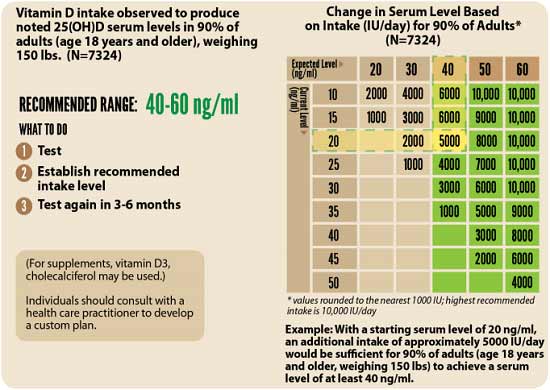
3. Retest in three to six months — Lastly, have your vitamin D level retested in three to six months, to evaluate how your sun exposure and/or supplement dose is working for you.
Frequently Asked Questions About Vitamin D and Its Impact on Blood Pressure
Q: Why is high blood pressure often called the silent killer?
A: High blood pressure (hypertension) affects around half of U.S. adults. It often shows no symptoms for years, quietly damaging vital organs like the heart, kidneys, brain, and eyes. If left untreated, it leads to stroke, heart failure, kidney failure, and even sudden death, making it one of the most dangerous and overlooked health conditions.
Q: Can vitamin D supplementation help lower blood pressure?
A: Yes. Research revealed that high-dose vitamin D supplementation reduces blood pressure within weeks. Even smaller daily doses showed modest but significant drops. The benefit was most noticeable in people who were vitamin D deficient to begin with.
Q: How does vitamin D influence blood pressure levels?
A: Vitamin D helps regulate the renin-angiotensin-aldosterone system (RAAS), which controls blood vessel constriction and fluid retention. It also enhances nitric oxide production, helping vessels relax. Moreover, it reduces oxidative stress and vascular inflammation and lowers levels of inflammatory markers like IL-6 and TNF-alpha.
Q: What’s the best way to optimize my vitamin D levels naturally and safely?
A: Start with smart sun exposure — aim for 15 to 30 minutes of midday sunlight on bare skin without sunscreen, but only if you’ve purged your body of vegetable oils for at least six months. If you’re just working to removing these oils, avoid peak sunlight hours to protect your skin.
Q: How should I monitor and adjust my vitamin D levels?
A: Regular testing is key. Aim for blood levels between 60 ng/mL and 80 ng/mL for optimal health. The steps below summarize the process:
1. Test your vitamin D level.
2. Use GrassrootsHealth’s Vitamin D*calculator to determine your proper dose.
3. Retest every three to six months to track and fine-tune your approach. Apps like DMinder can help estimate vitamin D synthesis from sun exposure based on your location and lifestyle.
Lupus Facts and Fictions
Reproduced from original article:
https://articles.mercola.com/sites/articles/archive/2025/05/15/lupus-facts-and-fictions.aspx
Analysis by Dr. Joseph Mercola May 15, 2025

STORY AT-A-GLANCE
- Lupus is a chronic autoimmune disease that most often affects your skin, joints, kidneys and heart
- Lupus causes inflammation and a wide range of symptoms such as fatigue, joint pain, skin rashes and fever
- Lupus can affect connective tissues in the body, which are largely composed of collagen
- Inadequate vitamin D levels are common in people with systemic lupus
- Addressing cellular energy deficiency and estrogen dominance may help you overcome and manage lupus
Lupus is a chronic autoimmune disease where the body’s immune system attacks its own tissues and organs. Most often, lupus affects your skin, joints, kidneys and heart, but other parts of your body, including your skin, eyes and digestive system, can also be affected.1
Lupus causes inflammation that can be widespread and may affect multiple organ systems simultaneously, leading to a wide range of symptoms such as fatigue, joint pain, skin rashes and fever. In the U.S., an estimated 1.5 million Americans have lupus. Globally, at least 5 million people are affected.2 While the exact causes are unknown, addressing cellular energy deficiency and estrogen dominance may help.
4 Main Types of Lupus
While anyone can develop lupus, including children and men, it’s much more common in women. Among those affected, 9 out of 10 are women, with most developing the condition between the ages of 15 and 44. About 1 in 3 lupus patients also suffer from multiple autoimmune diseases.3
However, it’s a myth that there’s only one type of lupus.4 In fact, there are four primary forms of the disease:5
1. Systemic lupus — This is the most common form of lupus, accounting for about 70% of cases. In about half of these, the heart, lungs, kidneys, brain or another major organ or tissue is affected.
2. Cutaneous lupus — This form of lupus primarily affects the skin and accounts for only about 10% of cases. It includes several subtypes, including discoid lupus, which is characterized by chronic, disc-shaped and raised lesions on the skin, often leaving scars. Another subtype, subacute cutaneous lupus, features red, scaly skin lesions that typically do not cause scarring but can be widespread.
3. Drug-induced lupus — This form of lupus, which accounts for about 10% of cases, is triggered by certain medications. Symptoms are similar to those of systemic lupus but typically resolve once the medication is discontinued.
Most cases of drug-induced lupus are associated with three medications: procainamide (Pronestyl), hydralazine (Apresoline) and quinidine (Quinaglute). However, at least 46 drugs, including those used to treat heart disease, thyroid disease, high blood pressure and neuropsychiatric conditions, as well as antibiotics and anti-inflammatory agents, may cause lupus.6
4. Neonatal lupus — This rare condition affects newborns, typically born to mothers with autoimmune antibodies associated with lupus. Babies with neonatal lupus may have skin rashes, liver problems and low blood cell counts, but symptoms typically resolve after six months. In some cases, newborns with neonatal lupus may develop congenital heart block, a serious heart condition.
What Are the Signs and Symptoms of Lupus?
The signs and symptoms of lupus can vary considerably from person to person and from day to day. Symptoms may come and go and change over time, according to the Lupus Foundation of America.
• A range of common symptoms are frequently reported by individuals with lupus — Some of the most common symptoms include the following. Note that many people affected only experience some of these symptoms, not all:7
◦Extreme fatigue
◦Joint pain or swelling
◦Swelling in the hands, feet or around the eyes
◦Headaches
◦Low fevers
◦Sensitivity to sunlight or fluorescent lights
◦Chest pain when breathing deeply
• Skin and hair-related issues are also frequent in lupus — Skin and hair problems are also common, including hair loss, sores in the mouth or nose and a butterfly-shaped rash on the cheeks and nose.
• Raynaud’s disease is a common co-occurring condition in people with systemic lupus — Many people with systemic lupus also experience Raynaud’s disease, characterized by episodic constriction of the small blood vessels in the extremities, such as the fingers and toes, in response to cold or stress.
• Raynaud’s symptoms include color changes and numbness due to reduced blood flow — This constriction reduces blood flow and can cause the affected areas to turn white or blue and feel cold and numb. As blood flow returns, the areas may turn red and throb or tingle.
Save This Article for Later – Get the PDF Now
The Collagen Connection
Lupus can affect connective tissues in the body, which are largely composed of collagen. Collagen is a structural protein that provides strength and elasticity to various tissues, including skin, tendons, ligaments and blood vessels. “Lupus can attack tissue, which leads to a loss of collagen in the skin,” the Lupus Foundation of America notes.8
In fact, systemic lupus is sometimes referred to as a collagen vascular disease,9 and research has shown a potential link between collagen deficiency and lupus.
• Siglec-G deficiency worsens lupus and arthritis in mice — One study found that the loss of the inhibitory receptor Siglec-G led to a moderate exacerbation of disease severity and early onset in both collagen-induced arthritis and spontaneous lupus nephritis in mice.10 Siglec-G is a protein found on all B cells, which are a type of immune cell. It acts as an inhibitor to keep the B1 cells from expanding too much.
• Loss of Siglec-G’s inhibitory function worsens disease progression — Overall, losing the inhibitory function of Siglec-G led to a moderate increase in disease severity and an earlier onset of both arthritis and lupus in these mice.
While the research primarily focused on the role of Siglec-G in immune regulation, it highlights how deficiencies in such regulatory mechanisms can exacerbate autoimmune diseases that affect collagen-containing tissues, thereby linking lupus, collagen and immune response regulation.
• Other studies link altered collagen metabolism to lupus progression — Other research found a significant link between altered collagen components and lupus, suggesting that changes in collagen metabolism may play a role in the disease’s manifestation and progression.11
• Bone broth is a natural and cost-effective way to increase collagen intake — One way to increase your intake of collagen is to consume homemade bone broth. Bone broth is made by simmering animal bones and connective tissue, which releases collagen and other nutrients into the broth. While there are plenty of collagen supplements on the market, bone broth is by far the least expensive option.
• Bone broth may help reduce inflammation and joint pain — Bone broth may help reduce joint pain and stiffness,12 as well as inflammation, in part, courtesy of chondroitin sulphates, glucosamine and other compounds extracted from the boiled down cartilage.
To make homemade bone broth, simply place bones in an Instant Pot, fill the pot with pure, filtered water — just enough to cover the bones — add salt and other spices to taste, then set it to cook on high for two hours if the bones are from a concentrated animal feeding operation (CAFO) or four hours if organic and grass fed.
Optimize Your Vitamin D Levels
Inadequate vitamin D levels are common in people with systemic lupus.13 Researchers from Brigham and Women’s Hospital, Harvard Medical School also found that vitamin D supplementation for five years reduced autoimmune disease by 22%.14
• Many lupus patients have vitamin D deficiency or insufficiency — Further, according to researchers in Cairo,15 most patients with systemic lupus erythematosus have some level of vitamin D deficiency, defined as a level of 10 ng/mL or less, or insufficiency, a level between 10 and 30 ng/mL.
• Sun exposure is the ideal way to obtain vitamin D — I strongly recommend getting your vitamin D from proper sun exposure, if possible, as it provides benefits beyond vitamin D optimization. Higher levels of vitamin D may even serve as a marker for healthy sun exposure, which in turn may be responsible for many of the health benefits, which include reduced risk of cancer and increased longevity, attributed to vitamin D.
• Sunlight supports melatonin production and other vital processes — Regular sun exposure, for instance, enhances production of melatonin — a potent anticancer agent.16 However, if you’re unable to get adequate sun exposure each day, vitamin D supplementation may be necessary.
The global prevalence of vitamin D deficiency (defined as a level of less than 20 ng/mL) and insufficiency (defined as a level of 20 to less than 30 ng/mL) is 40% to 100%,17 so many people are lacking.
•Vitamin D levels above 20 ng/mL are still not optimal — Further, 20 ng/mL has repeatedly been shown to be grossly insufficient for good health and disease prevention, which means the true prevalence of people without optimal levels of vitamin D is even greater. The only way to determine how much sun exposure is enough and/or how much vitamin D3 you need to take is to measure your vitamin D level, ideally twice a year.
Once you’ve confirmed your vitamin D levels via testing, adjust your sun exposure and/or vitamin D3 supplementation accordingly. Then, remember to retest in three to four months to make sure you’ve reached your target level.
The optimal level for health and disease prevention is between 60 ng/mL and 80 ng/mL (150 to 200 nmol/L), while the cutoff for sufficiency appears to be around 40 ng/mL. In Europe, the measurements you’re looking for are 150 to 200 nmol/L and 100 nmol/L respectively.
Address Excess Estrogen and Linoleic Acid
Most people have dysfunctional mitochondria, and if you don’t have enough mitochondria, you can’t create cellular energy efficiently enough to ward off chronic diseases, including autoimmune diseases like lupus. Optimizing your mitochondrial function is one of the most important strategies to optimize your cellular energy, so it’s at the core of almost everything that you do to improve your health.
Excess intake of linoleic acid (LA) — found in the seed oils used in most ultraprocessed foods — and estrogen dominance, I believe, are the leading contributors to mitochondrial dysfunction. Further, according to the Cleveland Clinic, “Reactions to certain hormones in your body (especially estrogen) may make you more likely to develop lupus.”18
Exposure to electromagnetic fields (EMFs) is another contributing factor to mitochondrial dysfunction. However, LA and estrogen negatively impact your body in similar ways. They both:
- Increase free radicals that cause oxidative stress and damage your mitochondria’s ability to produce energy
- Increase calcium inside the cell that causes an increase in nitric oxide and superoxide that increases peroxynitrite that also increases oxidative stress
- Cause an increase in intracellular water causing your body to retain water
- Slow down your metabolic rate and suppress your thyroid gland
“Lupus is often triggered during times of physical and emotional stress combined with a nutrient-poor inflammatory diet,” Dr. Brooke Goldner, an autoimmune professor at Cornell University, who has lupus, told Fox News.19
In addition to lowering your LA intake by avoiding ultraprocessed foods, seed oils, chicken, pork, seeds and nuts, focus on reducing your stress, as chronic stress promotes cortisol release, which is a potent suppressor of mitochondrial function and biogenesis. Progesterone can be quite helpful here, as it’s a potent cortisol blocker.
How to Counteract Estrogen Excess with Progesterone
Before you consider using progesterone it is important to understand that it is not a magic bullet and you get the most benefit by implementing a Bioenergetic diet approach that allows you to effectively burn glucose as your primary fuel with backing up electrons in your mitochondria that reduces your energy production. My new book, “Your Guide to Cellular Health: Unlocking the Science of Longevity and Joy,” covers this process in great detail.
• Transmucosal progesterone is a natural estrogen antagonist — Once you have dialed in your diet, an effective strategy that can help counteract estrogen excess is to take transmucosal progesterone (not oral or transdermal), which is a natural estrogen antagonist. Progesterone is one of only three hormones I believe many adults can benefit from. (The other two are DHEA and pregnenolone.)
• Avoid transdermal progesterone due to conversion to other compounds — I do not recommend transdermal progesterone, as your skin expresses high levels of 5-alpha reductase enzyme, which causes a significant portion of the progesterone you’re taking to be irreversibly converted primarily into allopregnanolone and cannot be converted back into progesterone.
• Recommended dose and timing of progesterone for best results — As a general recommendation, I recommend taking 25 to 50 mg of bioidentical progesterone per day, taken in the evening about 30 to 60 minutes before bed, as it can also promote sleep.
For optimal bioavailability, progesterone needs to be mixed into natural vitamin E. The difference in bioavailability between taking progesterone orally without vitamin E and taking it with vitamin E is 45 minutes versus 48 hours.
• Product suggestion and DIY preparation of progesterone mix — You can make your own mixture by dissolving pure USP progesterone powder into one capsule of a high-quality vitamin E, and then rub the mixture on your gums. Fifty milligrams of powdered progesterone is about 1/32 teaspoon.
• Do not use synthetic vitamin E (alpha tocopherol acetate — the acetate indicates that it’s synthetic) — Natural vitamin E will be labeled “d alpha tocopherol.” This is the pure D isomer, which is what your body can use.
There are also other vitamin E isomers, and you want the complete spectrum of tocopherols and tocotrienols, specifically the beta, gamma, and delta types, in the effective D isomer. As an example of an ideal vitamin E you can look at the label on our vitamin E in our store. You can use any brand that has a similar label.
• If you are a menstruating woman — Take the progesterone during the luteal phase or the last half of your cycle which can be determined by starting 10 days after the first day of your period and stopping the progesterone when your period starts.
• If you are a male or non-menstruating woman — Take the progesterone every day for four to six months and then cycle off for one week. The best time of day to take progesterone is about 30 to 60 minutes before bed, as it has an anti-cortisol function and will increase GABA levels for a good night’s sleep.
Please note that when progesterone is used transmucosally on your gums as I advise, the FDA believes that somehow converts it into a drug and prohibits any company from advising that on its label. However, please understand that it is perfectly legal for any physician to prescribe an off-label indication for a drug.
In this case progesterone is a natural hormone and not a drug and is very safe even at high doses. This is unlike synthetic progesterone, called progestins, that are used by drug companies, but frequently, and incorrectly, referred to as progesterone, which are dangerous and should never be used by anyone.
You Can Often Manage Lupus with a Healthy Lifestyle
By addressing cellular energy deficiency, you can often heal medical issues and get back to a healthy state. As Goldner told Fox News, “Lifestyle changes such as regular exercise, healthy eating and stress management can help improve the quality of life for people with lupus.” She suggests people “embrace taking control of all the variables they can manage, like how they eat, sleep and manage stress with self-care, so they can minimize illness and maximize recovery and remission.”20
Along those lines, ginger, which is easy to grow at home, is a top anti-inflammatory nutrient. It has been shown to bolster immune system function and ameliorate autoimmune diseases such as lupus and rheumatoid arthritis by making neutrophils (a type of white blood cell) more resistant to neutrophil extracellular trap (NET) formation, which is known to propel inflammation and contribute to autoimmune diseases.21
Frequently Asked Questions (FAQs) About Lupus
Q: What is lupus, and who is most at risk?
A: Lupus is a chronic autoimmune disease that causes the immune system to attack the body’s tissues, often affecting the skin, joints, kidneys, and heart. It primarily affects women between the ages of 15 and 44. There are four main types: systemic, cutaneous, drug-induced, and neonatal lupus.
Q: What are the common symptoms of lupus?
A: Lupus symptoms vary but often include fatigue, joint pain, headaches, fevers, and skin rashes. Hair loss, mouth sores, and a butterfly rash are also common. Many patients also develop Raynaud’s disease, which causes color changes and numbness in the fingers and toes due to poor blood flow.
Q: How are collagen and vitamin D connected to lupus?
A: Lupus can damage collagen-rich tissues, contributing to disease progression. Bone broth may help support collagen levels naturally. Vitamin D deficiency is common in lupus and may worsen symptoms. Sun exposure is ideal for boosting vitamin D, but testing is needed to find and maintain optimal levels.
Q: What role do estrogen and linoleic acid play in lupus development?
A: Excess estrogen and linoleic acid (from seed oils and processed foods) may impair mitochondrial function, increasing lupus risk. They promote oxidative stress, water retention, and metabolic suppression. Cutting back on these and managing stress can support cellular energy and reduce symptoms.
Q: Can progesterone help manage estrogen excess and lupus symptoms?
A: Yes. Transmucosal bioidentical progesterone is a safe, natural way to balance estrogen and improve sleep. It’s best taken with natural vitamin E. Avoid synthetic versions and follow a hormone-aligned schedule. Unlike synthetic progestins, bioidentical progesterone is well-tolerated and effective.
- 1 Lupus Foundation of America, What Is Lupus?
- 2, 3, 5 Lupus Foundation of America, Lupus Facts and Statistics
- 4, 19, 20 Fox News May 22, 2024
- 6 Lupus Foundation of America, Medications that can cause drug-induced lupus
- 7 Lupus Foundation of America, Lupus Symptoms
- 8 Lupus Foundation of America, What to do about uncommon symptoms
- 9 StatPearls [Internet]. Treasure Island (FL): StatPearls Publishing; 2024 Jan. 2024 Feb 12
- 10 J Immunol (2014) 192 (7): 2994–3002
- 11 Journal of China Medical University 2003
- 12 Curr Med Res Opin. 2008 May;24(5):1485-96
- 13 Autoimmun Rev. 2019 Nov;18(11):102392. doi: 10.1016/j.autrev.2019.102392. Epub 2019 Sep 11
- 14 BMJ 2022;376:e066452
- 15 Healio September 4, 2015
- 16 Youtube, The Joe Cohen Show, Episode 1, October 25, 2022, 4:00
- 17 Endocr Pract. 2021 May; 27(5): 484–493., Introduction
- 18 Cleveland Clinic, Lupus, Symptoms and Causes
- 21 CU Anschutz Medical Campus September 22, 2023
Can Aspirin Prevent the Spread of Tumors? Researchers Say Yes
Reproduced from original article:
https://articles.mercola.com/sites/articles/archive/2025/05/06/can-aspirin-prevent-the-spread-of-tumors.aspx
Analysis by Dr. Joseph Mercola May 06, 2025
STORY AT-A-GLANCE
- Aspirin helps prevent cancer metastasis by boosting your immune system’s T cells, which attack cancer cells that try to spread throughout your body
- Metastasis causes 90% of cancer deaths as cancer cells travel through blood or lymph systems to form new tumors in organs like lungs, liver or bones
- Aspirin blocks a substance in your body that normally slows down T cells, allowing them to move and attack cancer cells more effectively
- Low doses of aspirin (75 to 300 milligrams daily) appear effective, with benefits increasing after 5 to 7.5 years of regular use
- Willow bark is a natural alternative to aspirin; it contains a compound that your body turns into the same active ingredient as in aspirin
Did you know that a pill you likely already have in your medicine cabinet could help stop cancer from spreading? That’s right — aspirin, the little white tablet you pop for headaches or to keep your heart healthy, does more than you think. Scientists are discovering that aspirin could help your body fight cancer, especially when it tries to move to new places in your body.
This movement is called metastasis, and it’s what makes cancer so dangerous. In fact, metastasis is responsible for nine out of 10 cancer deaths.1 Finding a way to stop it could save lives — maybe even yours or someone you care about. It turns out aspirin boosts your immune system to fight cancer, leading researchers to suggest this familiar pill could become a cancer-fighting hero.
What’s the Sneaky Way Cancer Takes Over Your Body?
You might know cancer starts as a tumor, but what happens when it spreads? That’s metastasis, and it’s bad news.
• What’s metastasis? Metastasis is when cancer cells break away from the original tumor and travel through your blood or lymph system to form new tumors in places like your lungs, liver or bones. Picture dandelion seeds blowing in the wind — once they land, they grow anywhere. That’s how cancer spreads throughout your body.
• Why is metastasis so dangerous? Because it doesn’t just stay in one spot. It can attack multiple organs at once, making it much harder to treat. Worse, it often happens silently. You might not feel a thing until it’s spread too far, which is why stopping it early is so important. Cancer deaths are typically due to metastasis, not a solitary tumor.
• Your immune system tries to fight back — It has special cells called T cells that act like security guards, spotting and destroying those traveling cancer cells. But sometimes cancer outsmarts them. It’s like the guards get tied up, letting the intruders slip by. The good news is that aspirin helps untie those guards so they can win the fight.
How Can Aspirin Power Up Your Cancer Defenses?
You’ve probably taken aspirin for a headache or fever. Maybe your doctor even suggested it for heart health. But stopping cancer spread? That’s a twist many aren’t aware of.
• Aspirin does more than just ease pain — It calms inflammation, which is a hallmark of cancer.
• Here’s how aspirin works with your blood — Your blood has tiny cell fragments called platelets that help stop bleeding when you get a cut. But sometimes these platelets accidentally help cancer by surrounding cancer cells and hiding them from your immune system, like a disguise. Aspirin, especially in small doses, stops platelets from making a substance that interfere with your T cells.
• What’s this substance? Think of it as a roadblock holding up your T cells — those security guards we talked about. It slows them down, so they can’t chase cancer cells as well. When aspirin clears this roadblock, your T cells get moving again, ready to tackle cancer cells trying to spread.
Save This Article for Later – Get the PDF Now
How Does Aspirin Boost Your Body’s Security Guards?
Let’s zoom in on your T cells. These are your body’s special forces, always patrolling to find and destroy cancer cells. They’re tough, but not invincible.
• Cancer’s sneaky move — Cancer releases a substance that dulls your T cells, like putting them to sleep so they can’t fight effectively.
• Aspirin fights back — Scientists found that aspirin stops this substance, waking up T cells to attack cancer cells more efficiently. In lab animals, this reduced cancer spread, with a 2025 Nature study showing fewer new growths.2 This suggests aspirin could keep your T cells sharp to prevent cancer spread.
Could Aspirin Be Your Cancer Shield?
So, what does this mean for you? Low-dose aspirin might help prevent cancer from spreading, especially if you’ve had early-stage cancer or it runs in your family.
• Aspirin keeps cancer spread at bay — Imagine adding aspirin to your health routine. It’s a simple step with big benefits.
• Aspirin works with vitamin C — Your body benefits even more when aspirin is combined with vitamin C, which also has antitumor effects. Studies have shown that this combination is more effective against cancer cells while remaining gentler on healthy cells compared to conventional chemotherapy drugs.3
• Aspirin dosage matters — Low doses of aspirin (75 to 300 milligrams (mg) per day) have been shown to be as effective as higher doses in reducing death from colorectal cancer, suggesting you don’t need large amounts to reap the benefits.4
• Consistency and long-term use seem to be key — Studies suggest the benefits of aspirin increase with long-term use. The most significant reductions in cancer risk occurred after five to 7.5 years of regular use.5
• How to select aspirin — Choose immediate-release aspirin formulations rather than coated extended-release versions to avoid unnecessary additives. Immediate-release aspirin is available on Amazon. Examine the inactive ingredients list carefully; ideally, corn starch should be the only additive listed.
Willow Bark Is a Natural Alternative
For those with aspirin sensitivity, salicylic acid or willow bark supplements are alternatives worth considering. When you take aspirin, your body changes it into a form called salicylic acid. This is what actually works to reduce pain and swelling, and to keep your blood from clotting too much. Willow bark is a natural source of this compound.
• Willow bark has been used for centuries — Across various cultures, willow bark has been relied upon for pain relief, fever reduction, inflammatory conditions, headaches and even wound healing. Ancient Egyptians, Hippocrates and Native American healers all recognized its medicinal properties, using it to treat ailments ranging from joint pain to skin rashes and digestive issues. Its long history of use suggests broad therapeutic potential.
• Willow bark is a natural alternative to aspirin — Willow bark stands out as the best natural alternative to aspirin because it provides similar pain-relieving and anti-inflammatory benefits while being gentler on the stomach.
Unlike synthetic aspirin, which isolates and modifies salicylic acid, willow bark contains a complex mix of compounds — including flavonoids and polyphenols — that work together to enhance its effectiveness and reduce potential side effects.
This natural synergy allows for a slower, more balanced release of salicin in the body, leading to fewer digestive issues compared to aspirin. For those looking to avoid synthetic drugs but still gain aspirin-like benefits, willow bark offers a time-tested, well-rounded alternative that works with your body rather than against it.
• Willow bark dosages — For those who are sensitive to aspirin or prefer a plant-based option, willow bark extract can offer a similar effect with the right dosage. While aspirin and willow bark share similarities, their metabolism differs, meaning the body processes them in unique ways. Common dosing guidelines for standardized willow bark extract (15% salicin) include:
◦ To approximate 81 mg of aspirin, take 400 mg to 800 mg of willow bark extract
◦ To approximate 111 mg of aspirin, take 500 mg to 1 gram of willow bark extract
The Bottom Line — Aspirin’s Role in Cancer Prevention
The idea that a simple, inexpensive pill could help prevent cancer from spreading is both promising and powerful. Research continues to highlight aspirin’s ability to support the immune system’s T cells, keeping them active against rogue cancer cells that try to take hold in new areas of the body.
For those looking to enhance their health strategy, low-dose aspirin appears to offer significant benefits — especially when used consistently over time. While aspirin isn’t a standalone cure, its ability to reduce inflammation, interfere with cancer’s sneaky tactics, and boost immune surveillance makes it a compelling option for those at risk.
If you’re considering adding aspirin to your routine, talk to your healthcare provider about the right dosage and any potential interactions. And for those who prefer a natural alternative, willow bark provides a plant-based way to tap into similar benefits.
Cancer prevention doesn’t always require cutting-edge treatments — sometimes, the solution might already be in your medicine cabinet.
FAQs About Aspirin and Cancer
Q: Can aspirin really prevent cancer from spreading?
A: Yes, research suggests that low-dose aspirin helps prevent metastasis, which is when cancer spreads to other parts of your body. It does this by helping your immune system’s T cells fight cancer cells more effectively.
Q: How does aspirin help the immune system fight cancer?
A: Aspirin stops a substance that slows down your T cells, letting them move and attack cancer cells better to keep cancer from spreading.
Q: What is the recommended dosage of aspirin for cancer prevention?
A: Low doses of aspirin, typically between 75 to 300 mg per day, have been shown to be effective.
Q: Are there any natural alternatives to aspirin?
A: Yes, willow bark is a natural option that gives your body something similar to what makes aspirin work. It’s useful if you’re sensitive to aspirin.
Q: How long does it take to see the cancer-fighting benefits of aspirin?
A: Studies suggest the most significant reductions in cancer risk occur after five to 7.5 years of regular aspirin use. Consistency and long-term use are key to maximizing the protective effects.
- 1, 2 Nature March 5, 2025
- 3, 4, 5 Cureus. 2024 Feb 21;16(2):e54658