Vitamins
now browsing by category
Protecting Against Viruses and other Threats to Wellness: The Roles of Cysteine and Selenocysteine
Reproduced from original OMNS article (OrthoMolecular News Service):
https://orthomolecular.activehosted.com/index.php
Subscribe to the free Orthomolecular Newsletter: http://orthomolecular.org/subscribe.html
Go to the OMNS Archive: http://orthomolecular.org/resources/omns/index.shtml
Orthomolecular Medicine News Service, Nov 18, 2022
by Michael Passwater
OMNS (Nov. 18, 2022) Influenza cases are on the rise in the United States with over 1300 hospitalizations and 9 deaths during the first week of October. Respiratory syncytial virus (RSV) is rising sharply, and another 898 people died with Covid-19 as a primary or contributing cause of death. The list of Covid-19 variants continues to grow: BA.5, BA.4.6, BF.7, BQ.1, BQ.1.1. In Uganda, the Sudan Ebola virus has afflicted at least 80 people and killed 44. The World Health Organization recently reminded us that in spite of the persistent threat of infectious diseases, heart disease and cancer remain the leading killers of humans worldwide.
Nutritional treatments
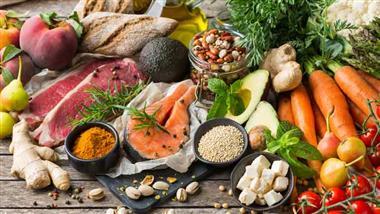
With so many threats from so many different directions, what can a person do? The advice of W. Todd Penberthy, PhD comes to mind, “Adequate amounts of essential nutrients and sufficient high quality sleep can enable the body to recover from virus-induced deficiencies of essential molecules and prevent death due to sepsis…. it is best to make sure adequate levels of all essential nutrients are present so multi-step biochemical pathways can function through to completion.” [1] In addition to vitamin C, niacin, and vitamin D, [2,3] the sulfur-containing amino acid cysteine and the selenium containing amino acid selenocysteine are necessary for immune function and wellness. [4] Garlic and onions are the richest sources of organosulfur compounds in the human diet. They also contain bioavailable selenium, while cruciferous vegetables such as broccoli are rich sources of bioavailable selenium.
History of garlic use
Throughout recorded history, garlic has been valued for its medicinal properties. Across the centuries and on many continents, garlic has been associated with courage, strength, protecting against evil spirits and rabid animals, and curing coughs and colds. The ancient Egyptian, Babylonian, Roman, and Chinese healers may have been on the right track to connect garlic with healing and wellness. And, reflecting the notable persistence of these cultural associations, Bram Stoker’s fictitious character, Dr. Von Helsing, recommended garlic to prevent the return of Count Dracula in the horrific novel in 1897. Modern clinical studies side with the ancients in support of garlic having real health benefits. Aged garlic extract (600 – 1500 mg) has been shown to reduce blood pressure as effectively as medication . [5] Further, three doses of garlic per day effectively reduced the symptoms of lead toxicity. [6] Additionally, anti-bacterial properties, and even anti-cancer properties, of garlic are well supported, likely because of its generous content of organosulfur compounds. [7,8,9]
Food sources of cysteine and selenocysteine
Garlic belongs to a group of vegetables known as alliums. Onions and Shallots also belong to this group. These vegetables are the richest sources of organosulfur compounds in the human diet, and also contain many other vitamins and trace minerals. Thirty-three different sulfur compounds have been identified in garlic, including allicin, diallyl disulfide, and s-allyl cysteine. A serving of garlic also contains about 1% of the daily requirement of selenium in the highly bioavailable form of methyl-selenocysteine (MSC or SeMSC), along with manganese, fiber, and vitamins C and B6. Similarly, onions contain many bioavailable sulfur compounds, along with vitamins C, B6, and B9, anthocyanins, quercetin, methyl-selenocysteine, and fructans (prebiotic fibers that feed helpful gut bacteria). Yellow onions contain 10 times more antioxidants than white onions. Methyl-selenocysteine along with manganese, and vitamins C and B9 are also prominent in broccoli and other cruciferous vegetables including Brussels Sprouts, cauliflower, and kale.
Supplemental sources of cysteine include alpha lipoic acid and N-acetyl-L-cysteine (NAC). Effective supplemental sources of selenocysteine include selenium yeast and Se-methyl-selenocysteine (SeMSC) Compared to selenocysteine , selenomethionine is abundant in nature, but is less helpful. Selenomethionine is randomly incorporated into proteins in place of methionine, which makes it unavailable for incorporation into selenium-containing enzymes where it is needed. This is not a trivial academic point. Clinical cancer studies using selenomethionine yielded negative results, while those using MSC produced positive results. Alliums and crucifers are unique in many ways, including their ability to produce SeMSC.
Traci Komorek, RD provides an introduction to incorporating alliums and crucifers into your diet in this 5 minute video: https://anticancerlifestyle.org/cruciferous-vegetables-and-alliums-everything-you-need-to-know.
Basic biochemistry of cysteine and selenocysteine
Sulfur is an important mineral in the body. Sulfur compounds are important to human health due to direct interactions with pathogens and tumor cells, and also as a vital source in the biosynthesis of the two sulfur-containing amino acids: methionine and cysteine. Thiamine (vitamin B1) and biotin (vitamin H) also contain sulfur. The most abundant sulfur containing molecule in humans is glutathione (GSH), which is synthesized from glutamate, cysteine, and glycine. Glutathione is the main antioxidant inside cells. It works with glutathione peroxidases (GPx) within cells to convert hydrogen peroxide into water, and to neutralize other oxides and toxins. Glutathione is oxidized into glutathione disulfide (GSSG) in the process (2GSH + H2O2 → GSSG + 2H2O). GSSG is recycled back to its reduced form GSH through a pathway that involves vitamin C and NADPH. In turn, GSH and GPx recycle oxidized vitamin C (DHAA) back to its reduced form (AA). [10] Glutathione has been called the master intracellular antioxidant because of its major role in many redox pathways, and it has been positively associated with human longevity. [11,12] However, it is important to remember the interdependencies and synergies of nutrients require adequate presence of compounds necessary for each step of each biochemical pathway for optimal health. Furthermore, biochemical individuality and the unique stresses faced at any given time may result in unique biochemical weak points from person to person and within the same person across time. In addition to the direct interdependence of GSH and vitamin C, GSH and vitamin D also depend on one another for optimal expression and function. When GSH levels fall, vitamin D levels fall; and vitamin D levels can be enhanced by increasing cysteine and GSH. [13]

Replacing the sulfur atom in cysteine with selenium is the difference between cysteine and selenocysteine. [14] GPx and other selenoproteins are one thousand times more efficient because of this single atom substitution.
Selenocysteine-containing proteins can also withstand greater levels of oxidation than their cysteine counterparts. Together, glutathione and selenoproteins make a strong intracellular defense network against excess oxidation.
This is important because cellular oxidation leads to tissue inflammation which leads to organ dysfunction and disease.
Similarly, injury including trauma or ischemia leads to tissue inflammation which leads to cellular oxidation. There are 25 known selenoproteins important to humans with at least seven different selenoproteins involved in protecting the cellular endoplasmic reticulum from excess oxidation.
Healthy cells, and a healthy blood circulation maintain a reductive state. Many diverse diseases including asthma, acute respiratory distress syndrome, beta thalassemia, cystic fibrosis, sickle cell disease, some cancers, ischemic heart disease, and serious viral infections including Covid-19 have been shown to shift the redox balance from a reductive state to an oxidative state. [15-18] After studying kidney, cardiovascular, and neurological function in over 150,000 patients with “long Covid”, Dr. Al-Aly concluded, “You can start thinking about getting COVID as almost an accelerant to aging. The viral infection accelerates the aging process in people.” [19-22] A solid nutritional foundation, including vitamins C and D, niacin, cysteine, and selenocysteine can help shift the body back towards a reductive state. Selenoproteins are also involved in immune function, protecting nucleic acids (DNA and RNA), and maintaining healthy coagulation – anticoagulation balance through interactions with von Willebrand factor and endothelial cells. [22-25]
Conclusion
The risk of infections and chronic disease is ubiquitous to all humans. Therefore, it is important to maintain adequate nutrition, including adequate cysteine and selenocysteine intake, increasing intake as necessary in proportion to the level of disease. Solid nutritional support, adequate quality sleep and exercise, and a positive grateful attitude help us move forward through a world filled with challenges.
To enhance cysteine and selenocysteine levels:
Foods: garlic, yellow onions, cruciferous vegetables including kale, collards, Brussels Sprouts, broccoli, cauliflower.
Supplements, suggested adult doses:
- Vitamin C: 500-1000 mg, 3 times daily (more to bowel tolerance if sick)
- Vitamin D3: 5000 IU/day (maintain plasma vitamin D level in the 40 – 80 ng/ml range)
- Vitamin K2: 100 mcg/d
- Magnesium: 400 mg/d (in malate, citrate, chelate, or chloride form)
- Niacin / niacinamide: 200 – 1000 mg/day (start with low divided doses and gradually increase)
- Zinc: 20 mg/day
- Alpha Lipoic Acid: 300 mg/d
- Copper: 2 mg/day (along with Zinc, in chelates orotate, or gluconate form)
- Selenium: 100-200 mcg/day, as selenium yeast, or Se-methyl-L-selenocysteine
References and Further Reading
1. Penberthy T (2022) NIACIN for COVID: How niacin, niacinamide, and NAD can help with Long COVID-19. Orthomolecular Medicine News Service. http://www.orthomolecular.org/resources/omns/v18n25.shtml
2. Passwater M (2022) Fueling the Immune System for the 21st Century. Orthomolecular Medicine News Service. http://www.orthomolecular.org/resources/omns/v18n23.shtml
3. Passwater M (2021) Vitamin C Levels in Critically Ill COVID Patients. Orthomolecular Medicine News Service. http://www.orthomolecular.org/resources/omns/v17n17.shtml
4. Passwater RA (2015) Longer Lifespans and Better Health with Glutathione: Taking the Confusion Out of the Master Antioxidant: An interview with John P. Richie, Jr, PhD. Whole Foods Magazine. https://wholefoodsmagazine.com/columns/vitamin-connection/longer-lifespans-and-better-health-glutathione-taking-confusion-out-maste
5. Ashraf R, Khan RA, Ashraf I, Qureshi AA (2013) Effects of Allium sativum (garlic) on systolic and diastolic blood pressure in patients with essential hypertension Pharm Sci 2013 Sep;26(5):859-63 https://pubmed.ncbi.nlm.nih.gov/24035939 https://applications.emro.who.int/imemrf/Pak_J_Pharm_Sci/Pak_J_Pharm_Sci_2013_26_5_859_863.pdf
6. Kianoush S, Balali-Mood M, Mousavi SR, et al (2012) Comparison of Therapeutic Effects of Garlic and D-Penicillamine in Patients with Chronic Occupational Lead Poisoning. Basic & Clinical Pharmacology & Toxicology, 110:476-481 https://pubmed.ncbi.nlm.nih.gov/22151785
7. Omar SH, Al-Wabel NA (2009) Organosulfur compounds and possible mechanism of garlic in cancer. Saudi Pharmaceutical J. 18:51-58 https://pubmed.ncbi.nlm.nih.gov/23960721
8. Passwater RA, Olson DM (1995) Method and composition to reduce cancer incidence. US Patent 6,090,414. https://pubchem.ncbi.nlm.nih.gov/patent/US-6090414-A
9. Bhatwalkar SB, Mondal R, Krishna SBN, et al. (2021) Antibacterial Properties of Organosulfur Compounds of Garlic (Allium sativum). Front. Microbiol. 12:613077. https://pubmed.ncbi.nlm.nih.gov/34394014
10. Winkler BS, Orselli SM, Rex TS (1994) The redox couple between glutathione and ascorbic acid: a chemical and physiological perspective. Free Radic Biol Med. 17:333-349. https://pubmed.ncbi.nlm.nih.gov/8001837
11. Andersen HR, Jeune B, Nybo H, et al. (1998) Low Activity Of Superoxide Dismutase and High Activity of Glutathione Reductase in Erythrocytes from Centenarians. Age Ageing 27:643-648. https://pubmed.ncbi.nlm.nih.gov/12675104
12. C.A. Lang, Mills BJ, Lang HL, et al. (2002) High Blood Glutathione Levels Accompany Excellent Physical and Mental Health in Women Ages 60 to 103 Years. J. Lab. Clin. Med. 140:380-381. https://pubmed.ncbi.nlm.nih.gov/12486409
13. Jain SK, Parsanathan R, Achari AE, et al (2018) Glutathione Stimulates Vitamin D Regulatory and Glucose-Metabolism Genes, Lowers Oxidative Stress and Inflammation, and Increases 25-Hydroxy-Vitamin D Levels in Blood: A Novel Approach to Treat 25-Hydroxyvitamin D Deficiency. Antioxid Redox Signal. 29:1792-1807. https://pubmed.ncbi.nlm.nih.gov/30160165
14. Schmidt RL, Simonović M (2012) Synthesis and decoding of selenocysteine and human health. Croat Med J. 53:535-550. https://pubmed.ncbi.nlm.nih.gov/23275319
15. Aykac K, Ozsurekci Y, Yayla BCC, et al. (2021) Oxidant and antioxidant balance in patients with COVID-19. Pediatr Pulmonol. 56:2803-2810. https://pubmed.ncbi.nlm.nih.gov/34265172
16. Nar R, Calıs AG. (2018) Assessment of dynamic thiol/disulfide homeostasis in patients with asthma. J Lab Med. 42:99-104. https://www.degruyter.com/document/doi/10.1515/labmed-2017-0144/html
17. Erenler AK, Yardan T. (2017) Clinical utility of thiol/disulfide homeostasis. Clin Lab. 63:867-870. https://pubmed.ncbi.nlm.nih.gov/28627824
18. Erel Ö, Neşelioğlu S, Tunçay ME, et al (2021) A sensitive indicator for the severity of COVID-19: thiol. Turk J Med Sci. 51:921-928. https://pubmed.ncbi.nlm.nih.gov/33306332
19. Loz Pena (2022) If you had COVID, several of your organs could be aging 3-4 years faster: Study. ABC7News, October 18, 2022. https://abc7news.com/covid-long-haul-study-aging-faster-after-organs-kidney/12340213
20. Bowe B, Xie Y, Xu E, Al-Aly Z (2021) Kidney Outcomes in Long COVID. J Am Soc Nephrol. 32:2851-2862. https://pubmed.ncbi.nlm.nih.gov/34470828
21. Xu E, Xie Y, Al-Aly Z (2022) Long-term neurologic outcomes of COVID-19. Nat Med. Online ahead of print. https://pubmed.ncbi.nlm.nih.gov/36138154
22. Xie Y, Xu E, Bowe B, Al-Aly Z (2022) Long-term cardiovascular outcomes of COVID-19. Nat Med. 28:583-590. https://pubmed.ncbi.nlm.nih.gov/35132265
23. Polonikov A (2020) Endogenous Deficiency of Glutathione as the Most Likely Cause of Serious Manifestations and Death in COVID-19 Patients. ACS Infect Dis. 6:1558-1562. https://pubmed.ncbi.nlm.nih.gov/32463221
24. Guillin OM, Vindry C, Ohlmann T, Chavatte L. (2019) Selenium, Selenoproteins, and Viral Infection. Nutrients, 11:2101. https://pubmed.ncbi.nlm.nih.gov/31487871
25. Huang Z, Rose AH, Hoffman PR. (2012) The Role of Selenium in Inflammation and Immunity: From Molecular Mechanisms to Therapeutic Opportunities. Antioxid Redox Signal. 16:705-743. https://pubmed.ncbi.nlm.nih.gov/21955027
Further Reading:
1. Passwater M (2021) Summary of Recent Research with Three Nutrients in the War Against Cancer. Orthomolecular Medicine News Service. http://www.orthomolecular.org/resources/omns/v17n26.shtml
2. Human Metabolome Database (2022) Metabocard for Se-Methylselenocysteine. https://hmdb.ca/metabolites/HMDB0004113
3. NIH Office of Dietary Supplements (2022) Selenium. Fact Sheet for Health Professionals. National Institutes of Health. https://ods.od.nih.gov/factsheets/Selenium-HealthProfessional
4. Micronutrient Information Center, Linus Pauling Institute (2022) Selenium. Oregon State University. https://lpi.oregonstate.edu/mic/minerals/selenium#infectious-diseases-treatment
Nutritional Medicine is Orthomolecular Medicine
Orthomolecular medicine uses safe, effective nutritional therapy to fight illness. For more information: http://www.orthomolecular.org
Find a Doctor
To locate an orthomolecular physician near you: http://orthomolecular.org/resources/omns/v06n09.shtml
The peer-reviewed Orthomolecular Medicine News Service is a non-profit and non-commercial informational resource.
Editorial Review Board:
Albert G. B. Amoa, MB.Ch.B, Ph.D. (Ghana)
Seth Ayettey, M.B., Ch.B., Ph.D. (Ghana)
Ilyès Baghli, M.D. (Algeria)
Ian Brighthope, MBBS, FACNEM (Australia)
Gilbert Henri Crussol, D.M.D. (Spain)
Carolyn Dean, M.D., N.D. (USA)
Ian Dettman, Ph.D. (Australia)
Susan R. Downs, M.D., M.P.H. (USA)
Ron Ehrlich, B.D.S. (Australia)
Hugo Galindo, M.D. (Colombia)
Martin P. Gallagher, M.D., D.C. (USA)
Michael J. Gonzalez, N.M.D., D.Sc., Ph.D. (Puerto Rico)
William B. Grant, Ph.D. (USA)
Claus Hancke, MD, FACAM (Denmark)
Tonya S. Heyman, M.D. (USA)
Patrick Holford, BSc (United Kingdom)
Suzanne Humphries, M.D. (USA)
Ron Hunninghake, M.D. (USA)
Bo H. Jonsson, M.D., Ph.D. (Sweden)
Dwight Kalita, Ph.D. (USA)
Felix I. D. Konotey-Ahulu, MD, FRCP, DTMH (Ghana)
Jeffrey J. Kotulski, D.O. (USA)
Peter H. Lauda, M.D. (Austria)
Alan Lien, Ph.D. (Taiwan)
Homer Lim, M.D. (Philippines)
Stuart Lindsey, Pharm.D. (USA)
Pedro Gonzalez Lombana, MD, MsC, PhD (Colombia)
Victor A. Marcial-Vega, M.D. (Puerto Rico)
Juan Manuel Martinez, M.D. (Colombia)
Mignonne Mary, M.D. (USA)
Jun Matsuyama, M.D., Ph.D. (Japan)
Joseph Mercola, D.O. (USA)
Jorge R. Miranda-Massari, Pharm.D. (Puerto Rico)
Karin Munsterhjelm-Ahumada, M.D. (Finland)
Tahar Naili, M.D. (Algeria)
Zhiyong Peng, M.D. (China)
Isabella Akyinbah Quakyi, Ph.D. (Ghana)
Selvam Rengasamy, MBBS, FRCOG (Malaysia)
Jeffrey A. Ruterbusch, D.O. (USA)
Gert E. Schuitemaker, Ph.D. (Netherlands)
Han Ping Shi, M.D., Ph.D. (China)
T.E. Gabriel Stewart, M.B.B.CH. (Ireland)
Thomas L. Taxman, M.D. (USA)
Jagan Nathan Vamanan, M.D. (India)
Garry Vickar, M.D. (USA)
Anne Zauderer, D.C. (USA)
Andrew W. Saul, Ph.D. (USA), Editor-In-Chief
Associate Editor: Robert G. Smith, Ph.D. (USA)
Editor, Japanese Edition: Atsuo Yanagisawa, M.D., Ph.D. (Japan)
Editor, Chinese Edition: Richard Cheng, M.D., Ph.D. (USA)
Editor, Norwegian Edition: Dag Viljen Poleszynski, Ph.D. (Norway)
Editor, Arabic Edition: Moustafa Kamel, R.Ph, P.G.C.M (Egypt)
Editor, Korean Edition: Hyoungjoo Shin, M.D. (South Korea)
Editor, Spanish Edition: Sonia Rita Rial, PhD (Argentina)
Contributing Editor: Thomas E. Levy, M.D., J.D. (USA)
Contributing Editor: Damien Downing, M.B.B.S., M.R.S.B. (United Kingdom)
Contributing Editor: W. Todd Penberthy, Ph.D. (USA)
Contributing Editor: Ken Walker, M.D. (Canada)
Assistant Editor: Helen Saul Case, M.S. (USA)
Technology Editor: Michael S. Stewart, B.Sc.C.S. (USA)
Associate Technology Editor: Robert C. Kennedy, M.S. (USA)
Legal Consultant: Jason M. Saul, JD (USA)
Comments and media contact: drsaul@doctoryourself.com OMNS welcomes but is unable to respond to individual reader emails. Reader comments become the property of OMNS and may or may not be used for publication.
This article may be reprinted free of charge provided 1) that there is clear attribution to the Orthomolecular Medicine News Service, and 2) that both the OMNS free subscription link http://orthomolecular.org/subscribe.html and also the OMNS archive link http://orthomolecular.org/resources/omns/index.shtml are included.
Riordan Clinic | Orthomolecular.org
3100 N Hillside Ave
Wichita, Kansas 67219
United States
Essential Nutrition to Protect Yourself From Coronavirus
Reproduced from original article:
https://articles.mercola.com/sites/articles/archive/2022/12/17/coronavirus-prevention.aspx
The original Mercola article may not remain on the original site, but I will endeavor to keep it on this site as long as I deem it to be appropriate.
Analysis by Dr. Joseph Mercola Fact Checked December 17, 2022
STORY AT-A-GLANCE
- According to bioweapons expert Francis Boyle, evidence suggests COVID-19 is a weaponized coronavirus originating from the Biosafety Level 4 facility in Wuhan City, China
- COVID-19 appears to be a chimera consisting of SARS (an already weaponized coronavirus), HIV genetic material and influenza virus, designed with gain of function properties that allow it to spread a greater distance than normal
- Others have suggested COVID-19 may involve Prevotella, a bacterium known to cause respiratory tract infections, and that this may explain some of the observed symptoms and how it can spread through feces
- RNA sequencing data from Wuhan show millions of Prevotella proteins amid a few thousand COVID-19 viruses. Prevotella bacteria was also found in six COVID-19 patients from the same family in Hong Kong
- Supplements thought to be useful in the prevention of coronavirus infection include NAC, elderberry, spirulina, beta-glucan, glucosamine, selenium, zinc, lipoic acid, sulforaphane, resveratrol, vitamin D, Bifidobacterium bifidum strain probiotics and sporebiotics
As of March 5, 2020, there were 98,067 reported cases of novel coronavirus infections affecting 88 countries and territories, 80,430 of which were in China. Worldometer.info provides an easy overview of confirmed cases and deaths that you can check for the latest statistics.1 Also, as of March 5, 2020, there were 11 deaths reported in the U.S., 10 in Washington state and one in California.2
As of March 5, 2020, of the 3,356 reported deaths, 3,013 were in China, predominantly in the Hubei Province in and around Wuhan City, which is ground zero for the outbreak. The virus was initially labeled 2019-nCOV before being renamed COVID-19 by the World Health Organization.3
COVID-19 — An Escaped Bioweapon?
According to bioweapons expert Francis Boyle, whom I interviewed on this topic, the evidence suggests COVID-19 is a weaponized coronavirus4 originating from the Biosafety Level 4 facility in Wuhan City. It’s the first BSL-4 facility in China, and was set up specifically to research coronavirus and SARS.
He describes COVID-19 as a chimera consisting of SARS (an already weaponized coronavirus), HIV genetic material and influenza virus, designed with so-called “gain of function” properties that allow it to spread a greater distance than normal.
It can travel 6 to 7 feet through the air, and some reports suggest the virus can shed that distance from contaminated human feces as well. Others have suggested COVID-19 may involve Prevotella,5,6,7 a bacterium known to cause respiratory tract infections, including pneumonia, and that this may explain some of the observed symptoms and how it can spread through feces.
The Bacteriophage Hypothesis
Bacteriophages — viruses that infect and reproduce inside bacteria, like a parasite — have been implicated “in the progression and maintenance of at least some pathologies, including those associated with protein misfolding,” according to one 2018 paper, which further notes:8
“Here, for the first time, we propose the concept of bacteriophages as human pathogens. We suggest that bacterial viruses have different ways to directly and indirectly interact with eukaryotic cells and proteins, leading to human diseases.”
In a February 2020 paper,9,10 Sandeep Chakraborty, a bioinformatics core member at UC Davis,11 notes that Prevotella “is present (sometimes in huge amounts) in patients from two studies in China and one in Hong Kong.”
He goes on to cite RNA sequencing data12 from Wuhan, China, published January 25, 2020, showing “millions of reads of Prevotella proteins” amid a few thousand COVID-19 viruses. Yet the researchers make no mention of the Prevotella in their paper. Prevotella bacteria was also found in six COVID-19 patients from the same family in Hong Kong.13
“These are the three studies I could find,” Chakraborty writes.14 “But the clinching evidence is the presence of the same integration point of nCov and Prevotella in Study 1 and Study 2.
Moreover, detection of the nCoV can be made very spec[f]ic by looking for a 500bp in the spike protein, which would be a good candidate for vaccine development, protein-inhibition and diagnosis (which was non-specific for SARS in many cases, including the CDC test). And, since this is now DNA, the standard detection tests using RT-PCR, which looks for RNA is having large false negatives.”
While this article was subsequently retracted in spite of Chakraborty’s objections, its points are crucial for analyzing what, exactly, was going on with the evolution of this virus. Indeed, even as the pandemic pushes into its third year, the concept still needs further verification and validation. From a treatment standpoint, it could indicate that antibiotic drugs might be useful as mutations evolve, and for prevention, probiotics, prebiotics and/or sporebiotics might play an important role.
There’s still a lot we don’t know about COVID-19, and if it did escape from Wuhan City’s BSL-4 facility, they’re not giving out any details about it that might help health care workers figure out an effective treatment plan.
While vitamin C treatment is one avenue under investigation, and wearing medical-grade face masks is the route many have taken to avoid infection, taking steps to strengthen your immune function is likely one of your most important prevention strategies. I review several of these strategies below.
Vitamin C Treatment for Coronavirus Under Investigation
February 4, 2020, researchers at Zhongnan Hospital in China announced they would investigate the effectiveness of vitamin C infusion for the treatment of severe COVID-19 infected pneumonia.15
Many of the deaths associated with this viral pneumonia appeared to be due to septic shock,16 and studies suggest were suggesting that high-dose vitamin C infusions could improve outcomes in cases of sepsis17 and respiratory infections.18 As noted in the Zhongnan Hospital’s study description:19
“Viral pneumonia is a dangerous condition with a poor clinical prognosis … Vitamin C, also known as ascorbic acid, has antioxidant properties. When sepsis happens, the cytokine surge caused by sepsis is activated, and neutrophils in the lungs accumulate in the lungs, destroying alveolar capillaries.
Early clinical studies have shown that vitamin C can effectively prevent this process. In addition, vitamin C can help to eliminate alveolar fluid by preventing the activation and accumulation of neutrophils, and reducing alveolar epithelial water channel damage.
At the same time, vitamin C can prevent the formation of neutrophil extracellular traps, which is a biological event of vascular injury caused by neutrophil activation.”
The researchers intended to treat patients with 24 grams of IV vitamin C per day for seven days at a speed of 7 milliliters per hour. The placebo group was going to receive an IV of normal saline.
The planned primary outcome measure was going to be the number of days without ventilation support during 28 days of hospitalization. Secondary outcome measures would have included mortality, ICU length of stay, the rate of CPR required, vasopressor use, respiratory function, sepsis-related organ failure and more.
However, no outcomes were reported, as the study was terminated because “the number of qualifying COVID-19 patients decreased with the control of the epidemic” before they could enroll enough patients to conduct the study.
Dr. Marik’s Sepsis Treatment Protocol May Be a Good Option
Had Zhongnan Hospital been able to complete the study, chances are vitamin C would have imparted some benefit, although Dr. Paul Marik’s sepsis treatment protocol might be an even better option.
One initial retrospective before-after clinical study20,21 showed giving patients 200 mg of thiamine every 12 hours, 1,500 mg of ascorbic acid (vitamin C) every six hours, and 50 mg of hydrocortisone every six hours for two days reduced sepsis mortality from 40% to 8.5%.
Research,22,23 published online January 9, 2020, found Marik’s intravenous sepsis protocol lowered mortality in pediatric patients as well. The study was performed at Ann & Robert H. Lurie Children’s Hospital of Chicago, and as noted by Science Daily,24 the preliminary data from this study “supports the promising outcomes seen in adults.”
Between January 2014 and February 2019, 557 pediatric patients with septic shock met the criteria for inclusion in the study. Forty-three received Marik’s vitamin C-B1-hydrocortisone protocol, 181 received hydrocortisone-only therapy, and 333 received neither of these treatments. The 43 patients receiving the vitamin C treatment were matched based on clinical status with 43 untreated controls and 43 hydrocortisone-only patients.
At the 30-day mark, controls and the hydrocortisone-only groups had a mortality rate of 28% while the treatment group had a mortality rate of just 9%. At 90 days, 35% of the controls and 33% of those receiving hydrocortisone-only had died, compared to just 14% of the treatment group.25
Essential Nutrition to Protect Yourself Against Coronavirus
As for prevention, nutrition plays a crucial role and several nutrients are known for their immune-boosting properties and ability to ward against viral infections. As reported in a February 24, 2020 press release:26
“In a compelling article27 in Progress in Cardiovascular Diseases … Mark McCarty of the Catalytic Longevity Foundation, San Diego, CA, USA, and James DiNicolantonio, PharmD, a cardiovascular research scientist at Saint Luke’s Mid America Heart Institute, Kansas City, MO, propose that certain nutraceuticals may help provide relief to people infected with encapsulated RNA viruses such as influenza and coronavirus …
COVID-19 is around 30 to 60 times more lethal than the typical annual flu. Both influenza and coronavirus cause an inflammatory storm in the lungs and it is this inflammatory storm that leads to acute respiratory distress, organ failure, and death.
Certain nutraceuticals may help to reduce the inflammation in the lungs from RNA viruses and others may also help boost type 1 interferon response to these viruses, which is the body’s primary way to help create antiviral antibodies to fight off viral infections.”
McCarty and DiNicolantonio list several nutrients available in supplement form that may be of particular benefit against COVID-19, including the following (below). For more details about each, see the full-text paper28 published in Progress in Cardiovascular Diseases:
| N-acetylcysteine (NAC) — Encourages glutathione production, thins mucus, lowers your chances of influenza infection and reduces your risk of developing severe bronchitis |
Elderberry extract — Known to shorten influenza duration by two to four days and reduce the severity of the flu. According to the authors:29
|
| Spirulina — Reduces severity of influenza infection and lowers influenza mortality in animal studies. In a human trial, spirulina significantly lowered the viral load in patients with HIV infection |
| Beta-glucan — Reduces severity of influenza infection severity and lowers influenza mortality in animal studies |
| Glucosamine — Upregulates mitochondrial antiviral-signaling protein (MAVS), reduces severity of influenza infection severity and lowers influenza mortality in animal studies |
Selenium — “Since selenium is an essential cofactor for certain peroxidases, and selenium deficiency has been endemic in certain regions of China and other parts of the world, insuring adequacy of selenium nutrition might also be appropriate in this context,” McCarty and DiNicolantonio note, adding:30
|
| Zinc — Supports “effective function and proliferation of various immune cells,” lowering mortality in the elderly by 27% |
Lipoic acid — Helps boost type 1 interferon response. As explained in a 2014 paper:31
|
| Sulforaphane — Helps boost type 1 interferon response |
A 2005 study32 in The Journal of Infectious Diseases also found resveratrol has the power to inhibit the replication of influenza A virus, significantly improving survival in influenza-infected mice. According to the authors, resveratrol “acts by inhibiting a cellular, rather than a viral, function,” which suggests it “could be a particularly valuable anti-influenza drug.”
Suggested Daily Dosages
The provisional daily dosage suggestions offered by McCarty and DiNicolantonio to help control RNA viruses, including influenza and coronavirus infection, are as follows:33
| Nutraceutical | Daily dosage |
|---|---|
| Ferulic acid | 500 to 1,000 milligrams (mg) |
| Lipoic acid | 1,200 to 1,800 mg (in place of ferulic acid) |
| Spirulina | 15 grams |
| NAC | 1,200 to 1,800 mg |
| Selenium | 50 to 100 micrograms (mcg) |
| Glucosamine | 3,000 mg or more |
| Zinc | 30 to 50 mg |
| Yeast beta-glucan | 250 to 500 mg |
| Elderberry extract | 600 to 1,500 mg |
The Importance of Vitamin D Optimization
Solar ultraviolet-B radiation and supplemental vitamin D have also been shown to reduce pandemic fatality rates, which makes sense considering how important vitamin D is for controlling infections and lowering your risk for influenza and the common cold.
As detailed in “Vitamin D Prevents Infections,” research shows high-dose vitamin D supplementation lowers the risk of respiratory illnesses and lung infections in the elderly by 40%. As noted by an author of that study, “Vitamin D can improve the immune system’s ability to fight infections because it bolsters the first line of defense of the immune system.”
Research34 published in 2009 pointed suggests fatality rates during the 1918-1919 influenza pandemic were influenced by season, with greater numbers of people dying during the winter than the summer. According to the authors:35
“Deaths during the 1918–1919 influenza pandemic have been linked to both the influenza virus and secondary bacterial lung infections. Case fatality rates and percentage of influenza cases complicated by pneumonia were available from survey data for twelve United States locations in the 1918–1919 pandemic.
This study analyzes case fatality rates and cases complicated by pneumonia with respect to estimated summertime and wintertime solar ultraviolet-B (UVB) doses as indicators of population mean vitamin D status.
Substantial correlations were found for associations of July UVB dose with case fatality rates and rates of pneumonia as a complication of influenza. Similar results were found for wintertime UVB. Vitamin D upregulates production of human cathelicidin, LL-37, which has both antimicrobial and antiendotoxin activities.
Vitamin D also reduces the production of proinflammatory cytokines, which could also explain some of the benefit of vitamin D since H1N1 infection gives rise to a cytokine storm.”
As a general guideline, get your vitamin D level tested twice a year, in the winter and summer, to make sure you’re in a healthy range of 60 ng/mL to 80 ng/mL year-round. (A compelling body of research suggests 40 ng/mL is the cutoff for sufficiency.)
Take Control of Your Gut
Last but not least, should the inclusion of Prevotella bacteria in COVID-19 turn out to be accurate, prebiotics, probiotics and sporebiotics may be of significant use. A number of studies36 have shown Bifidobacterium bifidum strain probiotics can help reduce Prevotella, while Lactobacillus strains tend to increase it.
Sporebiotics may be particularly beneficial. As explained in “How Spore Probiotics Can Help You,” which features an interview with Dr. Dietrich Klinghardt, spore-based probiotics consist of the cell wall of bacillus spores — the protective shell around the DNA and the working mechanism of that DNA — not the whole, live bacterium.
Bacillus spores have been shown to dramatically increase immune tolerance, which means they help repair damage in your intestinal barrier. Since they’re not “live,” they’re also unaffected by antibiotics.
The bacillus very effectively modulates cytokines — anti-inflammatory cytokines are upregulated while inflammatory cytokines are downregulated, thereby restoring balance between the two.
Research has also shown that sporebiotics massively increase reproduction of acidophilus, bifidus and other microbes in your gut via the electromagnetic messages they send out. This is entirely unique. When you take a regular probiotic, they primarily take care of themselves. Bacillus spores, on the other hand, actually enhance many of the other beneficial microbes.
Bacillus spores also create 24 different substances that have strong antimicrobial properties. However, they do not kill indiscriminately like antibiotics do. They specifically suppress pathogens that do make a valuable contribution to the whole.
As COVID-19 continues to take its toll, taking measures to strengthen your immune system would be a wise strategy as a strong immune system is your No. 1 defense against all types of infections, both viral and bacterial, and the nutraceuticals discussed in this article can all aid you in that effort.
- 1 Worldometer.info Covid-19 Coronavirus Outbreak
- 2 CBS News March 5, 2020
- 3 CDC.gov, COVID-19 FAQ
- 4 Great Game India February 28, 2020
- 5, 14 OSF.io, Sandeep Chakraborty February 3, 2020
- 6 Sanchakblog.wordpress.com February 8, 2020
- 7 Sanchakblog.wordpress.com February 6, 2020
- 8 Microorganisms 2018 Jun; 6(2): 54
- 9 OSF Preprints, 3 Feb. 2020
- 10 OSF Preprints, 5 Feb. 2020
- 11 Google Scholar Sandeep Chakraborty
- 12 BioRxiv.org, Complete genome characterisation of a novel coronavirus associated with severe human respiratory disease in Wuhan, China, Jan. 25, 2020
- 13 The Lancet January 24, 2020: 395(10223): 514-523
- 15, 16 Clinical Trials February 11, 2020
- 17, 22 American Journal of Respiratory and Critical Care Medicine January 9, 2020 [Epub ahead of print]
- 18 Int J Vitam Nutr Res. 1994;64(3):212-9
- 19 Clinical Trials February 11, 2020, Detailed Description
- 20 Chest June 2017; 151(6): 1229-1238
- 21 Dr. Malcolm Kendrick, January 28, 2017
- 23, 24 Science Daily January 22, 2020
- 25 American Journal of Respiratory and Critical Care Medicine January 9, 2020 [Epub ahead of print], Results
- 26 Elsevier.com January 24, 2020
- 27, 28, 29, 30 Prog Cardiovasc Dis. 2020 Feb 12. pii: S0033-0620(20)30037-2
- 31 Nat Rev Immunol. 2014 Jan; 14(1): 36–49
- 32 The Journal of Infectious Diseases May 15, 2005; 191(10): 1719-1729
- 33 Prog Cardiovasc Dis. 2020 Feb 12. pii: S0033-0620(20)30037-2, Table 1
- 34 Derma Endocrinology 2009 Jul-Aug; 1(4): 215–219
- 35 Derma Endocrinology 2009 Jul-Aug; 1(4): 215–219, Abstract
- 36 CFSremission.com, Decreasing Prevotella Genus, Probiotics and Bottom Line
Quercetin and Vitamin D — Allies Against Coronavirus?
Reproduced from original article:
https://articles.mercola.com/sites/articles/archive/2022/12/07/quercetin-vitamin-d-coronavirus-prevention.aspx
The original Mercola article may not remain on the original site, but I will endeavor to keep it on this site as long as I deem it to be appropriate.
Analysis by Dr. Joseph Mercola Fact Checked December 07, 2022
STORY AT-A-GLANCE
- As the outbreak of COVID-19 continues to spread around the world, more than 80 clinical trials are underway testing remedies ranging from intravenous vitamin C and stem cells to HIV drugs and malaria medication
- A derivative of quercetin has been shown to provide broad-spectrum protection against a wide range of viruses, including SARS. Canadian and Chinese researchers are now collaborating on a study to assess the effectiveness of quercetin against COVID-19 infection
- Quercetin is a powerful immune booster and broad-spectrum antiviral. It also inhibits the release of pro-inflammatory cytokines, which may be beneficial since serious COVID-19 infection and subsequent death appears to be due to cytokine storm activity
- There are plenty of data showing it’s an important component in the prevention and treatment of influenza and upper respiratory tract infections
- Other nutraceuticals thought to be useful in the prevention of coronavirus infection include NAC, spirulina, beta-glucan, glucosamine, selenium, zinc, lipoic acid and sulforaphane
As the outbreak of novel coronavirus, COVID-19,1 continues into its third year around the world,2 researchers are still feverishly searching for effective remedies, for both the original virus and its substrates. According to a February 15, 2020, Nature article,3 more than 80 clinical trials were already underway testing remedies ranging from intravenous vitamin C and stem cells from menstrual blood to HIV drugs and malaria medication.
There’s also a study looking at serum obtained from patients who recovered from laboratory confirmed COVID-19 infection — the idea being that it will contain antibodies a freshly-infected patient would need to fight off the infection more effectively.
Two other potential remedies vying for attention are quercetin and vitamin D. Not only are both known for their immune-boosting and antiviral benefits, they’re also inexpensive and widely available.
Can Quercetin Quell COVID-19 Infection?
As reported by Maclean’s,4 Canadian researchers Michel Chrétien and Majambu Mbikay began investigating quercetin in the aftermath of the SARS epidemic that broke out across 26 countries in 2003. They discovered a derivative of quercetin provided broad-spectrum protection against a wide range of viruses, including SARS.5,6
The Ebola outbreak in 2014 offered another chance to investigate quercetin’s antiviral powers and, here too, they found it effectively prevented infection in mice, “even when administered only minutes before infection.”
So, when the COVID-19 outbreak was announced in Wuhan City, China, in late December 2019, Chrétien contacted colleagues in China with an offer to help. In February 2020, Chrétien and his team received an official invitation to begin clinical trials. Maclean reports:7
“The Canadian and Chinese scientists would collaborate on the trials, which would include about 1,000 test patients. Chrétien and Mbikay plan to join colleagues from the non-profit International Consortium of Antivirals — which Chrétien co-founded with Jeremy Carver in 2004 as a response to the SARS epidemic — in manning a 24/7 communications centre as soon as clinical trials go ahead.
The U.S.-based Food and Drug Administration has already approved quercetin as safe for human consumption, which means the researchers can skip testing on animals. If the treatment works, it’ll be readily available … Chrétien’s team says their treatment would cost only $2 a day.”
Quercetin Is a Powerful Immune Booster
Research has already demonstrated that quercetin is a powerful immune booster and broad-spectrum antiviral. As such, it may be useful for both prevention and treatment of COVID-19 infection.
As noted in a 2016 study8 in the journal Nutrients, quercetin’s mechanisms of action include the inhibition of lipopolysaccharide (LPS)-induced tumor necrosis factor α (TNF-α) production in macrophages.
TNF-α is a cytokine involved in systemic inflammation, secreted by activated macrophages, a type of immune cell that digests foreign substances, microbes and other harmful or damaged components. Quercetin also inhibits the release of pro-inflammatory cytokines and histamine by modulating calcium influx into the cell.9
According to this paper, quercetin also stabilizes mast cells and has “a direct regulatory effect on basic functional properties of immune cells,” which allows it to inhibit “a huge panoply of molecular targets in the micromolar concentration range, either by down-regulating or suppressing many inflammatory pathways and functions.”10
How Quercetin Inhibits Viral Infection
One of the most well-studied attributes of quercetin, however, is its antiviral capacity, which has been attributed to three main mechanisms of action:
- Inhibiting the virus’ ability to infect cells
- Inhibiting replication of already infected cells
- Reducing infected cells’ resistance to treatment with antiviral medication
Research11 funded by the U.S. Department of Defense, published in 2007, found it lowers your risk of viral illness following extreme physical stress, which might otherwise undermine your immune function and render you more susceptible to infections.
Cyclists who received a daily dose of 1,000 mg of quercetin in combination with vitamin C (which enhances plasma quercetin levels12,13) and niacin (to improve absorption) for five weeks were significantly less likely to contract a viral illness after bicycling three hours a day for three consecutive days, compared to untreated controls. While 45% of the placebo group got sick, only 5% of the treatment group did.
In another study14 funded by the U.S. Defense Advanced Research Projects Agency (DARPA), published in 2008, animals treated with quercetin were challenged with a highly pathogenic H1N1 influenza virus. Again, the treatment group had significantly lower morbidity and mortality than the placebo group.
Quercetin Effectively Treats a Broad Range of Viruses
Other studies have also confirmed quercetin’s effectiveness against a broad range of viruses. Among them:
| A 1985 study, which found quercetin inhibits infectivity and replication of herpes simplex virus type 1, polio-virus type 1, parainfluenza virus type 3 and respiratory syncytial virus.15 |
| A 2010 animal study found that quercetin inhibits both influenza A and B viruses. Two other important discoveries were made. Firstly, the viruses were unable to develop resistance to quercetin and, secondly, when used concomitantly with antiviral drugs (amantadine or oseltamivir), the effect was significantly amplified — and it prevented drug-resistance from developing.16 |
A 2004 animal study investigating quercetin’s effect on influenza used a strain of the H3N2 virus. According to the authors:17
|
| Another 2016 study found quercetin offered protection against influenza A virus H1N1 by modulating protein expression. More specifically, the regulation of heat shock proteins, fibronectin 1 and prohibitin was instrumental in reducing viral replication.18 |
| A third study published in 2016 found quercetin inhibited a wide spectrum of influenza strains, including H1N1, H3N2 and H5N1. According to the authors, “This study indicates that quercetin showing inhibitory activity in the early stage of influenza infection provides a future therapeutic option to develop effective, safe and affordable natural products for the treatment and prophylaxis of [influenza A viruses] infections.”19 |
| In 2014, researchers noted that quercetin appears to be “a promising treatment for the common cold,” caused by the rhinovirus, adding that “Quercetin has been shown to reduce viral internalization and replication in vitro, and viral load, lung inflammation and airways hyper-responsiveness in vivo.”20
By attenuating oxidative damage, it also lowers your risk of secondary bacterial infections, which is actually the primary cause of influenza-related deaths. Importantly, quercetin increases mitochondrial biogenesis in skeletal muscle, which suggests part of its antiviral effects are due to enhanced mitochondrial antiviral signaling. |
| A 2016 animal study21 found quercetin inhibited mouse dengue virus and hepatitis virus. Other studies have confirmed quercetin’s power to inhibit both hepatitis B22 and C23 infection. |
Most recently, a March 2020 study24 in the Microbial Pathogenesis journal found quercetin “provides comprehensive protection against Streptococcus pneumoniae infection,” both in vitro and in vivo, primarily by neutralizing pneumolysin (PLY),25 one of the toxins released from pneumococci that encourages S. pneumoniae infection to blossom in the first place. As reported by the authors in Microbial Pathogenesis:
|
The Importance of Vitamin D
In the featured MedCram video, pulmonologist Dr. Roger Seheult discusses the importance of vitamin D for the prevention of COVID-19. While there are no clinical trials investigating vitamin D for coronavirus specifically, there are plenty of data showing it’s an important component in the prevention and treatment of influenza26 and upper respiratory tract infections.27
As noted by Seheult, while vitamin D does not appear to have a direct effect on the virus itself, it strengthens immune function, thus allowing the host body to combat the virus more effectively.28 It also suppresses inflammatory processes. Taken together, this might make vitamin D quite useful against COVID-19.
As explained by Seheult, robust immune function is required for your body to combat the virus, but an overactivated immune system is also responsible for the cytokine storm we see in COVID-19 infection that can lead to death.
“What we want is a smart immune system,” Seheult says, “An immune system that takes care of the virus but doesn’t put us into an inflammatory condition that could put us on a ventilator.”
Vitamin D Supplementation Cuts Respiratory Infection Rates
He goes on to cite research29 published in 2017 — a meta-analysis of 25 randomized controlled trials — which confirmed that vitamin D supplementation helps protect against acute respiratory infections. Studies have also shown there’s an apparent association between low vitamin D levels and susceptibility to viral infections such as influenza.
Living at northerly latitudes means you get the least amount of sunlight during winter months, resulting in lower vitamin D levels, and one hypothesis is that the seasonality of the flu is related to the fact that most people have lower vitamin D levels in the winter than in the summer.
For example, research30 published in 2009 pointed suggests fatality rates during the 1918-1919 influenza pandemic were influenced by season, with greater numbers of people dying during the winter than the summer.
It remains to be seen whether this seasonality applies to COVID-19 as well. If it does, it could well be that higher vitamin D levels strengthen immune function enough to where the virus cannot overtake the system.
The 2017 meta-analysis31 also made another important discovery. When they dug deeper into the data from each of the more than 11,000 participants, they found that it was the daily or weekly supplementation of vitamin D that had the greatest protective effect in those with the lowest vitamin D levels.32
Those with severe vitamin D deficiency who took a daily or weekly supplement cut their respiratory infection risk in half. Those with higher baseline levels also lowered their risk, albeit to a lesser extent. The acute administration of high bolus doses of vitamin D, on the other hand, had no significant impact on infection risk.
This supports the recommendation to maintain an optimal vitamin D level year-round. According to data from GrassrootsHealth’s D*Action studies, the optimal level for health and disease prevention appears to be between 60 nanograms per milliliter (ng/mL) and 80 ng/mL, while the cutoff for sufficiency appears to be around 40 ng/mL.
In one GrassrootsHealth analysis,33 those with a vitamin D level of at least 40 ng/mL reduced their risk of colds by 15% and flu by 41%, compared to those with a level below 20 ng/mL.
Other Potentially Beneficial Nutrients
An article34 in Progress in Cardiovascular Diseases by Mark McCarty of the Catalytic Longevity Foundation and James DiNicolantonio, PharmD, a cardiovascular research scientist at Saint Luke’s Mid America Heart Institute, highlights several other supplemental nutrients that could help bolster your immune function and lower your risk of COVID-19 infection. As reported in a February 24, 2020, press release:35,36
“COVID-19 is around 30 to 60 times more lethal than the typical annual flu. Both influenza and coronavirus cause an inflammatory storm in the lungs and it is this inflammatory storm that leads to acute respiratory distress, organ failure, and death.
Certain nutraceuticals may help to reduce the inflammation in the lungs from RNA viruses and others may also help boost type 1 interferon response to these viruses, which is the body’s primary way to help create antiviral antibodies to fight off viral infections.”
A summary of the nutraceuticals recommended by McCarty and DiNicolantonio include the following. (For more details about each, see the full-text paper37 published in Progress in Cardiovascular Diseases.)
| N-acetylcysteine — Encourages glutathione production, thins mucus, lowers your chances of influenza infection and reduces your risk of developing severe bronchitis |
Elderberry extract — Known to shorten influenza duration by two to four days and reduce the severity of the flu. According to the authors:38
|
| Spirulina — Reduces severity of influenza infection severity and lowers influenza mortality in animal studies. In a human trial, spirulina significantly lowered the viral load in patients with HIV infection |
| Beta-glucan — Reduces severity of influenza infection severity and lowers influenza mortality in animal studies |
| Glucosamine — Upregulates mitochondrial antiviral-signaling protein (MAVS), reduces severity of influenza infection severity and lowers influenza mortality in animal studies |
Selenium — “Since selenium is an essential cofactor for certain peroxidases, and selenium deficiency has been endemic in certain regions of China and other parts of the world, insuring adequacy of selenium nutrition might also be appropriate in this context,” McCarty and DiNicolantonio note, adding:39
|
| Zinc — Zinc has been shown to inhibit coronavirus in vitro and block coronavirus replication in cell culture.40 In the MedCram video below, Seheult discusses compelling evidence suggesting the malaria drug chloroquine can improve zinc absorption and how this may be useful in the treatment of coronavirus infection
|
Lipoic acid — Helps boost type 1 interferon response. As explained in a 2014 paper:41
|
| Sulforaphane — Helps boost type 1 interferon response |
The provisional daily dosage suggestions offered by McCarty and DiNicolantonio to help control RNA viruses, including influenza and coronavirus infection, are as follows:42
| Nutraceutical | Daily dosage |
|---|---|
| Ferulic acid | 500 to 1,000 milligrams (mg) |
| Lipoic acid | 1,200 to 1,800 mg (in place of ferulic acid) |
| Spirulina | 15 grams |
| NAC | 1,200 to 1,800 mg |
| Selenium | 50 to 100 micrograms (mcg) |
| Glucosamine | 3,000 mg or more |
| Zinc | 30 to 50 mg |
| Yeast beta-glucan | 250 to 500 mg |
| Elderberry extract | 600 to 1,500 mg |
Coconut Oil May Also Be Useful
Integrated Chemists of the Philippines also published information about a proposed study by Dr. Mary Newport on lauric acid and its derivative, monolaurin. As noted in this post:43
“Lauric acid is a medium-chain fatty acid which makes up about 50% of coconut oil; monolaurin is a metabolite that is naturally produced by the body’s own enzymes upon ingestion of coconut oil and is also available in pure form as a supplement …
Several in vitro, animal, and human studies support the potential of coconut oil, lauric acid and its derivatives as effective and safe agents against a virus like nCoV-2019. Mechanistic studies on other viruses show that at least three mechanisms may be operating.
Given the considerable scientific evidence for the antiviral activity of coconut oil, lauric acid and its derivatives and their general safety, and the absence of a cure for nCoV-2019, we urge that clinical studies be conducted among patients who have been infected with nCoV-2019 …
This treatment is affordable and virtually risk-free, and the potential benefits are enormous. On the other hand, given the safety and broad availability of virgin coconut oil (VCO), we recommend that VCO be considered as a general prophylactic against viral and microbial infection.”
– Sources and References
- 1 CDC.gov, COVID-19 FAQ
- 2 Worldometer.info Covid-19 Coronavirus Outbreak
- 3 Nature February 15, 2020
- 4, 7 Maclean’s February 24, 2020
- 5 Bioorg Med Chem. 2006 Dec 15;14(24):8295-306
- 6 Journal of Virology Sep 2004, 78 (20) 11334-11339, Antiviral activity of an analog of luteolin
- 8, 10 Nutrients 2016 Mar; 8(3): 167, 5.1.2 Mechanism of Action
- 9 Nutrients 2016 Mar; 8(3): 167, Table 1: Mast cell
- 11 Business Wire. Quercegen Pharmaceuticals. February 3, 2011
- 12 Journal of the American Dietetic Association 2011 Apr;111(4):542-9
- 13, 20 Journal of Infectious Diseases and Preventive Medicine May 24, 2014; 2: 111
- 14 American Journal of Physiology August 1, 2008
- 15 Journal of Medical Virology January 1985 DOI: 10.1002/jmv.1890150110
- 16 Antiviral Research 2010 Nov;88(2):227-35
- 17 Experimental Lung Research 2005; 31(5)
- 18 Journal of Agricultural and Food Chemistry 2016; 64(21): 4416-4425
- 19 Viruses 2016 Jan; 8(1): 6
- 21 Asian Pacific Journal of Tropical Medicine January 2016; 9(1): 1-7
- 22 Virologica Sinica August 2015; 30(4): 261-268
- 23 Hepatology 2009 Dec;50(6):1756-64
- 24 Microbial Pathogenesis March 2020; 140: 103934
- 25 Clinical & Experimental Immunology November 2004; 138(2): 195-201
- 26 Can Fam Physician. 2015 Jun; 61(6): 50
- 27 Endocr Pract. 2009 Jul–Aug; 15(5): 438–449
- 28 Clinical Therapeutics 2017; 39(5): 930-945 (PDF)
- 29, 31 The BMJ 2017;356:i6583
- 30 Derma Endocrinology 2009 Jul-Aug; 1(4): 215–219
- 32 Youtube, Coronavirus Epidemic Update 30, 7:58 minutes
- 33 GrassrootsHealth.net, Vitamin D Reduces Colds and Flu
- 34, 37, 38, 39 Prog Cardiovasc Dis. 2020 Feb 12. pii: S0033-0620(20)30037-2
- 35 Eurekalert January 24, 2020
- 36 Elsevier.com January 24, 2020
- 40 PLOS Pathogens November 4, 2010 DOI: 10.1371/journal.ppat.1001176
- 41 Nat Rev Immunol. 2014 Jan; 14(1): 36–49
- 42 Prog Cardiovasc Dis. 2020 Feb 12. pii: S0033-0620(20)30037-2, Table 1
- 43 Integrated Chemists of the Philippines January 31, 2020
The Importance of Melatonin for Optimal Health
Reproduced from original article:
https://articles.mercola.com/sites/articles/archive/2022/11/18/melatonin-for-sleep.aspx
The original Mercola article may not remain on the original site, but I will endeavor to keep it on this site as long as I deem it to be appropriate.
Analysis by Dr. Joseph Mercola Fact Checked November 18, 2022

STORY AT-A-GLANCE
- Your circadian rhythm is largely dictated by your pineal gland, located near the center of your brain, which produces melatonin, a hormone that is crucial for the regulation of your sleep cycle
- Melatonin is also an important energy hormone and a potent antioxidant that appears to play an important role in cancer prevention. It also benefits your brain, cardiovascular and gastrointestinal health, and has been shown to boost immune function
- Melatonin helps protect your mitochondria, which generate energy inside your cells. Melatonin appears to be the most powerful antioxidant in this regard, as it has the ability to enter into your mitochondria. It also recharges glutathione
- Melatonin works synergistically with vitamin D to optimize mitochondrial function. It also enhances vitamin D signaling
- Multiple sclerosis, cancer, neuropsychiatric disorders and high blood pressure are all examples of diseases that appear strongly linked to and affected by your vitamin D and melatonin status
Sleeping well is an essential strategy to optimize your health, and at the heart of it is your circadian rhythm. This is also known as your body clock. It’s a natural, biological timer present in every one of your cells that helps your body recognize sleepiness and wakefulness over a period of 24 hours.
Your circadian rhythm is largely dictated by your pineal gland, located near the center of your brain, which produces melatonin, a hormone that is crucial for the regulation of your sleep cycle.
If you have had enough exposure to bright light in the daytime, your pineal gland typically starts secreting melatonin around 9 p.m.1 As the amount of melatonin in your brain increases, sleepiness sets in as your body begins to prepare for sleep.
If you stay awake past dark, artificial light — especially that emitted by electronic devices — will inhibit your body’s melatonin production, so, ideally, you would stop using electronics at least an hour or two before bedtime to help increase melatonin production and maintain a steady circadian rhythm.
Melatonin Does More Than Control Sleep
While melatonin works as a natural sleep regulator, its biological effects don’t end there.2 It’s also a potent antioxidant3 that plays an important role in cancer prevention.4 It’s also thought to be important for brain, cardiovascular and gastrointestinal health,5 and has been shown to boost your immune function in a variety of ways.
In one study,6 researchers suggested melatonin may even improve the treatment of bacterial diseases such as tuberculosis. In another, melatonin was identified as a potential tool against inflammation and autoimmune diseases, including Type 1 diabetes.7
Melatonin is also an important energy hormone. As noted in the Stanford University course paper “Melatonin and Energy Levels:”8
“… decreasing the melatonin in the blood stream, consistent with the body’s natural response to suppress the secretion in the presence of light, causes the body to function at a higher energy level … An increase in the melatonin levels leads to a subsequent decrease in energy levels.
As such, understanding how to control and optimize the secretion and suppression of the melatonin for optimal hours of the day could help improve the treatment of sleep disorders and positively impact the energy levels of individuals.”
In short, if your sleep efficiency is impaired, meaning you’re not sleeping as deeply as you should, for as long as is ideal, then your energy level is going to be adversely affected.
Conversely, spending most of your daytime hours in poorly lit rooms, especially if you’re also exposed to excessive light after sunset, can impair your melatonin production, causing you to not sleep well.
Melatonin Protects Your Mitochondria
Importantly, the antioxidant activity of melatonin also helps protect your mitochondria, the tiny organelles inside your cells that generate most of the ATP or energy currency of your body. As noted in a 2007 paper in the Frontiers of Bioscience:9
“Melatonin is an ancient molecule present in unicellular organisms at the very early moment of life … The best-known actions of melatonin, currently supported by experimental and clinical data, include antioxidant and anti-inflammatory abilities, some of them involving genomic regulation of a series of enzymes.
Besides, melatonin displays anticonvulsant and antiexcitotoxic properties. Most of the beneficial consequences resulting from melatonin administration may depend on its effects on mitochondrial physiology.”
In fact, melatonin appears to be the most powerful antioxidant in this regard, as it has the ability to actually enter into your mitochondria.10 This is an ability that not all antioxidants have. According to this Frontiers of Bioscience paper,11 melatonin helps “prevent mitochondrial impairment, energy failure and apoptosis in oxidatively-damaged mitochondria.”
One of the things that makes melatonin so powerful is that it doesn’t just act as an antioxidant in and of itself; it also interacts with your body’s innate antioxidant system where it recharges glutathione.12 However, this brings us back to the importance of sleep.
Since melatonin is only released in response to darkness, and is easily and significantly inhibited by light (such as regular room lighting and electronic screens, after dark), your mitochondrial health will suffer if you do not take steps to optimize your sleep.
Aside from worsening your sleep quality and decreasing your sleep quantity, low melatonin production also increases oxidative stress, speeds up the aging process and raises your risk of degenerative diseases and chronic fatigue, thanks to its influence over your mitochondria.
How Mitochondrial Melatonin Is Generated
Mitochondrial melatonin production is one of the reasons why regular sun exposure is so crucial. Most people understand that sun exposure on bare skin generates vitamin D, courtesy of UVB (ultraviolet B radiation). Few, however, understand that the near-infrared spectrum, when hitting your skin, triggers the generation of melatonin in your mitochondria.
Russel Reiter, Ph.D. is a world-class expert on melatonin. With some 1,600 papers to his credit, as well as three honorary doctor of medicine13 degrees, he’s published more studies on melatonin than anyone else alive. In a previous interview, he explained how the near-infrared spectrum triggers the generation of melatonin in your mitochondria:
“Every one of those cells contains mitochondria and it appears that near-infrared radiation that is detected in fact induces melatonin production. That is important, because we now think that melatonin within mitochondria is inducible under a lot of stressful conditions.
That is not definitively proven, but it appears that under stress, all cells may upregulate their ability to produce melatonin because it’s so highly productive. And typically, under stress, free radicals are generated. That is emphasized by the [fact] that in plants … that happens.
In other words, if you expose plants to drought, heat, cold, to metal toxicity, the first thing they do is upregulate their melatonin, because all of those situations generate free radicals. And we suspect, although that has not yet been definitely proven, in animal cells as well, including human [cells].”
For more information on how this works, see my article, “What You Need to Know About Melatonin,” which includes my interview with Reiter.
Melatonin Works Synergistically With Vitamin D
In my February 2, 2020, article “The Importance of Vitamin D for Optimal Sleep,” which features my interview with neurologist and sleep coach Dr. Stasha Gominak, I review the hidden influence vitamin D has on your sleep.
A paper14 published in the May 2020 issue of The Journal of Steroid Biochemistry and Molecular Biology — which I was able to review early, parts of which I’m sharing with you here — sheds further light on this connection. Not only does melatonin enhance vitamin D signaling, the two molecules act synergistically to optimize your mitochondrial function.
As noted in this paper,15 “The biosynthetic pathways of vitamin D and melatonin are inversely related relative to sun exposure,” meaning both are dependent on properly timed exposure to the sun.
A hypothesis presented by the researchers is that vitamin D and melatonin “play an essential role as modulators of mitochondrial function and adaptation to circadian and seasonal variations.”
Additionally, “both molecules are involved in the homeostatic functioning of the mitochondria,” the authors point out, stressing that the mitochondria are, in fact, “the final common target for melatonin and vitamin D.” Furthermore:
“A deficiency of these molecules has been associated with the pathogenesis of cardiovascular diseases, including arterial hypertension, neurodegenerative diseases, sleep disorders, kidney diseases, cancer, psychiatric disorders, bone diseases, metabolic syndrome, and diabetes, among others.
During aging, the intake and cutaneous synthesis of vitamin D, as well as the endogenous synthesis of melatonin are remarkably depleted, therefore, producing a state characterized by an increase of oxidative stress, inflammation, and mitochondrial dysfunction …
Mitochondrial dysfunction has been related to the etiologies of many complex diseases where overactivation of the renin-angiotensin-aldosterone system (RAAS), vitamin D deficiency and the reduction of melatonin synthesis converge.
In this sense, experimental and clinical evidence indicates that inflammation, oxidative stress, as in mitochondrial dysfunction, are consistent with low levels of melatonin and vitamin D, and also represent risk factors connected with development and maintenance of prevalent acute and chronic pathologies.”
Melatonin-Vitamin D Combo Produces Strong Synergistic Effects
According to the 2020 paper in The Journal of Steroid Biochemistry and Molecular Biology,16 multiple sclerosis, cancer, neuropsychiatric disorders and high blood pressure are all examples of diseases that appear strongly linked to and affected by your vitamin D and melatonin status.
Interestingly, a 2012 study17 pointed out melatonin is “an overlooked factor in schizophrenia and in the inhibition of antipsychotic side effects.” Vitamin D deficiency has also been linked to a higher risk of schizophrenia,18,19 especially when levels are low during development.20
When combined in treatment, melatonin and vitamin D produce strong synergistic effects against cancer. Two separate studies21,22 have demonstrated the combination induces apoptosis and inhibits growth and division of breast cancer cells. In one of them, the combination resulted in “an almost complete cell growth arrest at 144 hours.”23
These effects were attributed (at least in part) to enhanced release of transforming growth factor beta 1 (TGF-β1), a type of cytokine that controls cell growth, proliferation, differentiation and apoptosis. Melatonin in combination with vitamin D has also been shown to protect against apoptotic ischemia-reperfusion injury in the kidney.24
Simple Ways to Optimize Your Melatonin and Vitamin D
The evidence suggests optimizing your melatonin production by making sure you sleep well at night may be a hidden key to maintaining mitochondrial health, which in turn is paramount for longevity and the prevention of virtually all chronic health problems.
However, while there are likely many benefits to supplementing with vitamin D and melatonin, it makes no sense to do so unless you are seeking to optimize your body’s own production.
The good news is it’s relatively simple and inexpensive to increase your melatonin and vitamin D levels. To optimize your vitamin D, I recommend getting sensible sun exposure on large portions of your body on a regular basis, ideally daily.
If for whatever reason you cannot get sufficient amounts of sun exposure, consider taking a vitamin D3 supplement (along with a little extra vitamin K2 to maintain a healthy ratio between these two nutrients).
I personally have not taken any oral vitamin D for well over 10 years and my levels are typically over 70 ng/mL, even in the winter, but I have started taking sublingual melatonin as I am now older than 65, and believe there are benefits for such, even though I sleep in pitch dark and get bright sun exposure around 85% of the time during the day.
Optimizing your melatonin production starts with getting plenty of bright sunlight during the day, as this helps “set” your circadian clock. Then, as the evening wears on and the sun sets, you’ll want to avoid bright lighting.
Blue light from electronic screens and LED light bulbs is particularly problematic and inhibits melatonin the most. If you need lighting, opt for incandescent light bulbs, candles or salt lamps. The blue light from electronic screens can be counteracted by installing blue-blocking software such as Iris,25 or wearing blue-blocking glasses.
Additionally, an interesting paper26 in Nature Structural & Molecular Biology, published in 2017, highlights the usefulness of time-restricted eating to improve your sleep cycle. As noted in this paper:
“The robustness of the circadian clock deteriorates with aging. Two new studies show that aging reprograms the circadian transcriptome in a cell-type-dependent manner and that such rewiring can be reversed by caloric restriction …
Surprisingly, the expression of core clock genes and clock-controlled genes remained unchanged with aging, despite the drastic circadian reprogramming. Thus, the core clock machinery remains largely intact in old age, giving hope for the prospect of reversing aging-associated circadian reprogramming to potentially improve physiological functions.
Indeed, CR-induced robust reprogramming of the circadian transcriptome partially overlaps with the circadian transcriptome in young mice. Thus, the profound physiological impact of CR may be, in part, mediated by the reprogramming of the circadian clock …
Given that aging-associated accumulation of DNA damage in stem cells originates from exposure to mitochondrial stress and that the mitochondrial protective programs are repressed in aged adult stem cells, it is tempting to speculate that reactivating the mitochondrial protective programs may provide a means to reduce the accumulation of cellular damage and reverse aging-associated circadian reprogramming.”
- 1 Sleep Foundation, Melatonin and Sleep
- 2 Pharmacological Research April 2012; 65(4): 437-444
- 3 Journal of Pineal Research December 17, 2002; 34(1)
- 4 International Journal of Molecular Sciences, 2013 Jan 24;14(2):2410-30
- 5 Current Neuropharmacology, 2017 Apr;15(3):434-443
- 6 Antimicrobial Agents and Chemotherapy, 1999 Apr;43(4):975-7
- 7 International Journal of Molecular Sciences, 2013 Apr; 14(4):8638-8683
- 8 Stanford University, Melatonin and Energy Levels, Sierra Kersten, May 24, 2018
- 9, 11 Front Biosci. 2007 Jan 1;12:947-63
- 10 The Journal of Steroid Biochemistry and Molecular Biology May 2020; 199: 105595, Page 13
- 12 Neuro Endocrinol Lett. 2006 Jun;27(3):365-8
- 13 UT Health. Russel Reiter, Ph.D.
- 14, 16 The Journal of Steroid Biochemistry and Molecular Biology May 2020; 199: 105595
- 15 The Journal of Steroid Biochemistry and Molecular Biology May 2020; 199: 105595, Abstract
- 17 Metabolic Brain Disease 2012; 27: 113-119
- 18 Journal of Neural Transmission 2000; 107: 839-842
- 19 IMAJ February 2012; 14: 88-92
- 20 Schizophrenia Bulletin September 10, 2010; 36(6): 1073-1078
- 21 Journal of Surgical Research April 2003; 110(2): 332-337
- 22, 23 Journal of Pineal Research November 22, 2010; 50(2)
- 24 The Journal of Steroid Biochemistry and Molecular Biology May 2020; 199: 105595, Page 19
- 25 Iristech.co
- 26 Nature Structural & Molecular Biology September 2017; 24(9): 687-688
No Cure for Polio?
Reproduced from original OMNS article (OrthoMolecular News Service):
https://orthomolecular.activehosted.com/index.php
Subscribe to the free Orthomolecular Newsletter: http://orthomolecular.org/subscribe.html
Go to the OMNS Archive: http://orthomolecular.org/resources/omns/index.shtml
Orthomolecular Medicine News Service, Nov 14, 2022
Commentary by W. Gifford-Jones, M.D.
OMNS (Nov. 14, 2022) On August 11th, 2022 The National Post stated that there was no cure for polio. They stated this as a fact again the next day.
A study of history would dispel this myth. But both the medical profession and the public consider that vitamin C is just a vitamin to be taken in small doses.
Yet I have stated for years in my medical column that vitamin C is also an antibiotic and an antifungal that is safe and inexpensive, and saves lives from diseases like polio and 30 other infections.
So, it is most frustrating to read that in a national newspaper this nonsense once again about vitamin C.
And this is why I’m writing this column to correct this fable.

The word polio always sends fear down my spine.
It’s because during my final year at Harvard Medical School I developed this disease.
I know the terror of the seeing the creeping paralysis of my legs and abdominal muscles and knowing there was no treatment or vaccine available for it during the great epidemic of polio in 1950.
Moreover, some hospital cases were in the iron lung.
I wondered whether I would be condemned for the rest of my life in this machine where you wish but are unable to kill yourself.
Many things pass through your mind on such occasions. But I got lucky and after months of physiotherapy was able to graduate and spend my life as a surgeon and columnist.
From this, you can understand why I have long been sharing documented evidence that shows the huge benefits of vitamin C in fighting a number of diseases including polio.
http://www.doctoryourself.com/omns/v09n16.shtml
http://www.doctoryourself.com/klennerbio.html
http://www.doctoryourself.com/ckorea2008.html
http://www.doctoryourself.com/omns/v13n18.shtml
http://www.doctoryourself.com/omns/v17n04.shtml
http://www.doctoryourself.com/omns/v06n01.shtml
The evidence that so many North American newspapers continue to ignore is that, many decades ago during an epidemic of polio, Dr. Frederick Klenner carried out an unusual experiment.
This southern U.S. doctor, with no training in viral diseases or even a biological laboratory, was asked to care for 60 polio patients.
He decided to treat all patients with tens of thousands of milligrams of vitamin C, administered both orally and by injection, in divided doses over several days. https://www.mv.helsinki.fi/home/hemila/CP/Klenner_1949_Polio.pdf All of his patients walked out of the hospital without any paralysis.
Klenner reported this monumental discovery at a medical meeting. But he may as well been talking to a group of well-trained chimpanzees.
It is hard to comprehend why this this huge medical finding did not trigger headlines around the world.
But it’s not the first time that doctors have ignored a great discovery.
Women were dying from childbirth in Vienna, when Dr. Semmelweis decreased this tragedy by simply washing his hands in lime-water following a post-mortem examination.
Yet his colleagues dismissed his findings and ridiculed him — until decades later when germ theory became widely accepted.
The Orthomolecular Medical News Service has been publicizing such work for 18 years.
Its international medical review board consists of physicians, university professors and researchers who provide a wealth of knowledge on viral diseases.
It is an excellent source of material for the media and many editors have regularly received these articles.
So why does the National Post tell their readers that there is no cure for polio?
Surely someone in this large media company would see this error.
I would like to hope that this virus will not result in any person developing polio.
But what a tragedy if this happens and the media have failed to tell a paralyzed victim that a combination of intravenous and high-dose oral vitamin C could have reversed it.
Nutritional Medicine is Orthomolecular Medicine
Orthomolecular medicine uses safe, effective nutritional therapy to fight illness. For more information: http://www.orthomolecular.org
Find a Doctor
To locate an orthomolecular physician near you: http://orthomolecular.org/resources/omns/v06n09.shtml
The peer-reviewed Orthomolecular Medicine News Service is a non-profit and non-commercial informational resource.
Editorial Review Board:
Albert G. B. Amoa, MB.Ch.B, Ph.D. (Ghana)
Seth Ayettey, M.B., Ch.B., Ph.D. (Ghana)
Ilyès Baghli, M.D. (Algeria)
Ian Brighthope, MBBS, FACNEM (Australia)
Gilbert Henri Crussol, D.M.D. (Spain)
Carolyn Dean, M.D., N.D. (USA)
Ian Dettman, Ph.D. (Australia)
Susan R. Downs, M.D., M.P.H. (USA)
Ron Ehrlich, B.D.S. (Australia)
Hugo Galindo, M.D. (Colombia)
Martin P. Gallagher, M.D., D.C. (USA)
Michael J. Gonzalez, N.M.D., D.Sc., Ph.D. (Puerto Rico)
William B. Grant, Ph.D. (USA)
Claus Hancke, MD, FACAM (Denmark)
Tonya S. Heyman, M.D. (USA)
Patrick Holford, BSc (United Kingdom)
Suzanne Humphries, M.D. (USA)
Ron Hunninghake, M.D. (USA)
Bo H. Jonsson, M.D., Ph.D. (Sweden)
Dwight Kalita, Ph.D. (USA)
Felix I. D. Konotey-Ahulu, MD, FRCP, DTMH (Ghana)
Jeffrey J. Kotulski, D.O. (USA)
Peter H. Lauda, M.D. (Austria)
Alan Lien, Ph.D. (Taiwan)
Homer Lim, M.D. (Philippines)
Stuart Lindsey, Pharm.D. (USA)
Pedro Gonzalez Lombana, MD, MsC, PhD (Colombia)
Victor A. Marcial-Vega, M.D. (Puerto Rico)
Juan Manuel Martinez, M.D. (Colombia)
Mignonne Mary, M.D. (USA)
Jun Matsuyama, M.D., Ph.D. (Japan)
Joseph Mercola, D.O. (USA)
Jorge R. Miranda-Massari, Pharm.D. (Puerto Rico)
Karin Munsterhjelm-Ahumada, M.D. (Finland)
Tahar Naili, M.D. (Algeria)
Zhiyong Peng, M.D. (China)
Isabella Akyinbah Quakyi, Ph.D. (Ghana)
Selvam Rengasamy, MBBS, FRCOG (Malaysia)
Jeffrey A. Ruterbusch, D.O. (USA)
Gert E. Schuitemaker, Ph.D. (Netherlands)
Han Ping Shi, M.D., Ph.D. (China)
T.E. Gabriel Stewart, M.B.B.CH. (Ireland)
Thomas L. Taxman, M.D. (USA)
Jagan Nathan Vamanan, M.D. (India)
Garry Vickar, M.D. (USA)
Anne Zauderer, D.C. (USA)
Andrew W. Saul, Ph.D. (USA), Editor-In-Chief
Associate Editor: Robert G. Smith, Ph.D. (USA)
Editor, Japanese Edition: Atsuo Yanagisawa, M.D., Ph.D. (Japan)
Editor, Chinese Edition: Richard Cheng, M.D., Ph.D. (USA)
Editor, Norwegian Edition: Dag Viljen Poleszynski, Ph.D. (Norway)
Editor, Arabic Edition: Moustafa Kamel, R.Ph, P.G.C.M (Egypt)
Editor, Korean Edition: Hyoungjoo Shin, M.D. (South Korea)
Editor, Spanish Edition: Sonia Rita Rial, PhD (Argentina)
Contributing Editor: Thomas E. Levy, M.D., J.D. (USA)
Contributing Editor: Damien Downing, M.B.B.S., M.R.S.B. (United Kingdom)
Contributing Editor: W. Todd Penberthy, Ph.D. (USA)
Contributing Editor: Ken Walker, M.D. (Canada)
Assistant Editor: Helen Saul Case, M.S. (USA)
Technology Editor: Michael S. Stewart, B.Sc.C.S. (USA)
Associate Technology Editor: Robert C. Kennedy, M.S. (USA)
Legal Consultant: Jason M. Saul, JD (USA)
Comments and media contact: drsaul@doctoryourself.com
OMNS welcomes but is unable to respond to individual reader emails. Reader comments become the property of OMNS and may or may not be used for publication.
This article may be reprinted free of charge provided 1) that there is clear attribution to the Orthomolecular Medicine News Service, and 2) that both the OMNS free subscription link http://orthomolecular.org/subscribe.html and also the OMNS archive link http://orthomolecular.org/resources/omns/index.shtml are included.
Riordan Clinic | Orthomolecular.org
3100 N Hillside Ave
Wichita, Kansas 67219
United States
Defending Against Post-Infection Cardiovascular Disease
Reproduced from original OMNS article (OrthoMolecular News Service):
https://orthomolecular.activehosted.com/index.php
Subscribe to the free Orthomolecular Newsletter: http://orthomolecular.org/subscribe.html
Go to the OMNS Archive: http://orthomolecular.org/resources/omns/index.shtml
Orthomolecular Medicine News Service, Nov 11, 2022
by Michael Passwater
OMNS (Nov. 11, 2022) One of the lessons learned from the COVID-19 pandemic is that viral infections increase the risk of life-threatening cardiovascular disease. A prospective study in the United Kingdom involving 17,871 patients with COVID-19 and 35,742 controls showed an increased risk of cardiovascular disease following illness from viral infection. The 14,304 mild cases that did not require hospitalization were 2.7 times more likely than controls to have a venous thromboembolism (VTE), and 10.2 times more likely to die during the follow-up period which averaged 141 days. The 2,701 cases with Covid-19 as the primary reason for hospitalization were 27.6 times more likely than controls to suffer a VTE, 21.6 times more likely to develop heart failure, 17.5 times more likely to suffer a stroke, and 14.6 times more likely to die. 866 cases hospitalized with Covid-19 as a secondary diagnosis also experienced increased cardiovascular events. The increased risks in all groups were greatest during the first 30 days following infection. [1] These numbers are striking, but also consistent with data from sepsis patients showing increased risks of cardiovascular disease and death during the “recovery phase” following sepsis. [2,3]
Nutrient deficiencies and disease
Nutrient deficiencies increase the body’s susceptibility to infectious diseases. Furthermore, invading viruses and bacteria and the body’s response to them increase the consumption of vital nutrients. [4-6] Vitamins C, D, E, K2, magnesium, glutathione, and selenoproteins (proteins in which selenium has been substituted for sulfur in a cysteine amino acid) are needed to support rapidly dividing and increasingly active immune cells. [7-11] Covid-19 has been shown to break down selenoproteins and disrupt antioxidant recycling processes and other vital cellular metabolism pathways. The exacerbation of nutrient deficiencies, including essential amino acids such as lysine, and pathogen-induced metabolic dysfunction, increases inflammation, susceptibility to coagulation (blood clotting or bleeding) problems, calcium metabolism and storage problems, and cardiac rhythm problems. [12-16]
Restoring health is more than eliminating pathogenic microbes. Nutrient levels and biochemical pathways must also be restored. Vitamin C, vitamin K2, vitamin E, and selenoproteins have important roles in maintaining healthy endothelial structure and function (blood vessel walls), and anticoagulation – coagulation balance. [8,14,17] Vitamin K2 and vitamin D also have major roles in calcium regulation. [18] The amino acid lysine, along with vitamin C, is also established as an important part of the Orthomolecular Medicine protocol for cardiovascular disease. [19,20] Lysine also has complex roles in coagulation. Tranexamic acid (TXA) is an antifibrinolytic medication often used in critical care medicine due to its association with increased survival and decreased bleeding in obstetrics, trauma, and major surgery. TXA is an analogue of lysine (a patentable version of an essential natural molecule). [21]
Lysine and vitamin C are also important for the production of collagen which provides structure to arteries.
And at high concentrations, free lysine in the blood can saturate the lysine binding sites of lipoprotein(a) preventing the Lp(a) molecules from sticking to blood vessel walls.
Rutin, specifically quercetin-3-rutinoside, is another natural substance of importance for the prevention of thrombosis (blood clots).
A decade ago, a Harvard report drew attention to rutin as a leading member of new class of anticoagulants.
It is one of the few substances known (synthetic or natural) that can both help prevent clots and help break down unwanted clots.
Rutin also has antioxidant and anti-inflammatory properties, and it has been shown to lower LDL cholesterol and ease arthritis pain.
[22-24] Rutin, along with catechins, are bioflavonoid phytochemicals found in apples.
The rutin content of apples can vary from 12 to 484 mcg/g of apple. [25]
A therapeutic dose of 250-500 mg of rutin would take 5-10 apples, but it is also available as a dietary supplement.
Rutin is also found in figs, asparagus, buckwheat, and black or green tea.
Protocol
Following a serious viral illness, an increased risk of heart attack, heart failure, stroke, venous thromboembolism, and death may persist for months. These risks are especially prominent following Covid-19 infections, and may exist even when the acute phase of the illness is mild. During and after illness, it is important to restore the spectrum of nutrient levels to assist with the complete elimination of the infectious agent and to replenish biochemical pathways for optimal wellness.
Additional cardiovascular support including vitamin C, lysine, and rutin may be indicated throughout recovery.
Recommended adult doses to reduce risk of serious infection:
- Vitamin C, 500-1000 mg, 3 times daily (more to bowel tolerance if sick)
- Vitamin D, 5,000 IU (125mcg)/day to achieve and maintain vitamin D blood levels in the 40-80 ng/mL (100-200 nmol/L) range
- Vitamin E, 400-800 IU/day (start with low dose, increase over weeks)
- Vitamin K2, 100 mcg/day
- Niacin / niacinamide 200 – 2,000 mg/d (in divided doses, start with smaller doses, increase over weeks)
- Magnesium 400 mg/d (in malate, citrate, chelate, or chloride form)
- Zinc, 20 mg/day
- Selenium 200 mcg/day as selenium yeast or Se-methyl-L-selenocysteine
Covid infection recovery (in addition to the above):
1st month –
- Rutin 250 mg twice per day,
- Lysine 3,000 mg twice per day
Months 2-4 – consider reducing Rutin to 250 mg per day, and Lysine to 1,000 mg twice per day in the absence of pre-existing cardiovascular disease.
In his book “How to Live Longer and Feel Better,” Linus Pauling developed a similar protocol for a healthy life. [26]
His basic approach was to provide the body with the essential vitamins – first and foremost vitamin C – and other micronutrients in the therapeutic amounts it needs to heal.
He recommended vitamin C in a dosage of 6-18 g (6,000-18,000 mg in divided doses) per day, or until the bowel tolerance limit is reached, and lysine in a dosage of 5-6 g (5,000-6,000 mg in divided doses) per day.
The high doses of vitamin C and lysine he recommended, along with adequate doses of other essential nutrients, allow the body’s biochemistry to function at a high level, purge viral infections, and prevent and reverse cardiovascular disease.
References
1. Raisi-Estabragh Z, Cooper J, Salih A, et al. (2022) Cardiovascular disease and mortality sequelae of COVID-19 in the UK Biobank. Heart heartjnl-2022-321492. https://pubmed.ncbi.nlm.nih.gov/36280346
2. Lai CC, Lee MTG, Lee WC, et al. (2018) Susceptible period for cardiovascular complications in patients recovering from sepsis. 190:E1062-E1069. https://pubmed.ncbi.nlm.nih.gov/30201613
3. Wang HE, Moore JX, Donnelly JP, et al. (2017) Risk of acute coronary heart disease after sepsis hospitalization in the REasons for Geographic and Racial Differences in Stroke (REGARDS) cohort. Clin Infect Dis. 65:29-36. https://pubmed.ncbi.nlm.nih.gov/28369197
4. Penberthy WT (2022) Niacin for COVID: How niacin, niacinamide, and NAD can help with Long COVID-19. Orthomolecular Medicine News Service. http://www.orthomolecular.org/resources/omns/v18n25.shtml
5. Passwater M (2022) Fueling the Immune System for the 21st Century. Orthomolecular Medicine News Service. http://www.orthomolecular.org/resources/omns/v18n23.shtml
6. Polonikov A. (2020) Endogenous Deficiency of Glutathione as the Most Likely Cause of Serious Manifestations and Death in COVID-19 Patients. ACS Infect Dis. 6:1558-1562. https://pubmed.ncbi.nlm.nih.gov/32463221
7. Carr AC, Maggini S (2017) “Vitamin C and Immune Function”. Nutrients 9:1211; https://pubmed.ncbi.nlm.nih.gov/29099763
8. Passwater, M (2021) Vitamin C Levels in Critically Ill Covid-19 Patients. Orthomolecular Medicine News Service. http://www.orthomolecular.org/resources/omns/v17n17.shtml
9. Horowitz RI, Freeman PR, Bruzzese J (2020) Efficacy of glutathione therapy in relieving dyspnea associated with COVID-19 pneumonia: A report of 2 cases. Respiratory Medicine Case Reports 30:101063. https://pubmed.ncbi.nlm.nih.gov/32322478
10. Ganga HV, Noyes A, White CM, Kluger J (2013) Magnesium adjunctive therapy in atrial arrhythmias. Pacing Clin Electrophysiol. 36:1308-1318. https://pubmed.ncbi.nlm.nih.gov/23731344
11. Wong A-P, Mohamed A-L, Niedzwiecki A (2015) The effect of multiple micronutrient supplementation on quality of life in patients with symptomatic heart failure secondary to ischemic heart disease: a prospective case series clinical study. Am J Cardiovasc Dis. 5:146-152. https://www.ncbi.nlm.nih.gov/pmc/articles/PMC4572086
12. Vavougios GD, Ntoskas KT, Doskas TK. (2020) Impairment in selenocysteine synthesis as a candidate mechanism of inducible coagulopathy in COVID-19 patients. Med Hypotheses 147:110475. https://pubmed.ncbi.nlm.nih.gov/33421689
13. Moghaddam A, Heller RA, Sun Q, et al. (2020) Selenium Deficiency Is Associated with Mortality Risk from COVID-19. Nutrients, 12:2098. https://pubmed.ncbi.nlm.nih.gov/32708526
14. Berenjian A, Sarabadani Z (2020) How menaquinone-7 deficiency influences mortality and morbidity among COVID-19 patients. Biocatalysis and Agricultural Biotechnology. 29:101792. https://pubmed.ncbi.nlm.nih.gov/32952745
15. DiNicolantonio JJ, O’Keefe JH. (2021) Magnesium and Vitamin D Deficiency as a Potential Cause of Immune Dysfunction, Cytokine Storm and Disseminated Intravascular Coagulation in covid-19 patients. Mo Med. 118:68-73. https://pubmed.ncbi.nlm.nih.gov/33551489
16. de Baail JHF, Hoenderon JGJ, Bindels RJM (2015) Magnesium in Man: Implications for Health and Disease. Physiological Reviews 95:1-46. https://pubmed.ncbi.nlm.nih.gov/25540137
17. Glynn RJ, Ridket PM, Goldhaber SZ, et al., (2007) Effects of Random Allocation to Vitamin E Supplementation on the Occurrence of Venous Thromboembolism: Report From the Women’s Health Study. 116:1497-1503. https://pubmed.ncbi.nlm.nih.gov/17846285
18. Shioi A, Morioka T, Shoji T, Emoto M (2020) The Inhibitory Roles of Vitamin K in Progression of Vascular Calcification. Nutrients 12:583. https://pubmed.ncbi.nlm.nih.gov/32102248
19. Cheng RZ (2022) Reversal of Cardiovascular Diseases with Orthomolecular Medicine: Two Case Reports and Literature Review. Orthomolecular Medicine News Service. http://www.orthomolecular.org/resources/omns/v18n12.shtml
20. Diel HW (2022) Lipoprotein(a): The biggest risk factor for heart attack and stroke? My self-experiment with the Pauling therapy and vitamin C. Orthomolecular Medicine News Service. http://www.orthomolecular.org/resources/omns/v18n27.shtml
21. Franchini M, Mannucci PM (2020) The never ending success story of tranexamic acid in acquired bleeding. 105:1201-1205. https://pubmed.ncbi.nlm.nih.gov/32336684
22. Jasuja R, Passam FH, Kennedy DR, et al. (2012) Protein disulfide isomerase inhibitors constitute a new class of antithrombotic agents. J Clin Invest. 122:2104-2113. https://pubmed.ncbi.nlm.nih.gov/22565308
23. Gudrais E (2012) Curbing Clots. Harvard Magazine, September-October 2012 https://www.harvardmagazine.com/2012/09/curbing-clots
24. Gotter A, Wilson DR (2017) The Potential Health Benefits of Rutin. Healthline. https://www.healthline.com/health/potential-benefits-of-rutin
25. Shafi W, Mansoor S, Jan S, et al. (2019) Variability in Catechin and Rutin Contents and Their Antioxidant Potential in Diverse Apple Genotypes. Molecules 24:943. https://pubmed.ncbi.nlm.nih.gov/30866542
26. Pauling L. (1986) How to Live Longer and Feel Better. (2006 Revised Ed) OSU Press. ISBN-13: 978-0870710964.
Additional Reading
Borrelli E, Roux-Lombard P, Grau GE, et al. (1996) Plasma concentrations of cytokines, their soluble receptors, and antioxidant vitamins can predict the development of multiple organ failure in patients at risk. Crit Care Med,24:392-397. https://pubmed.ncbi.nlm.nih.gov/8625625
Buehler PW, Alayash AI (2005) Redox Biology of Blood Revisited: The Role of Red Blood Cells in Maintaining Circulatory Reductive Capacity. Antioxidants & Redox Signaling. 1755-1760. https://pubmed.ncbi.nlm.nih.gov/16356136
Wang Y, Zhao N, Xiong Y, et al. (2020) Downregulated Recycling Process but Not De Novo Synthesis of Glutathione Limits Antioxidant Capacity of Erythrocytes in Hypoxia. Oxidative Medicine and Cellular Longevity. 2020:7834252. https://pubmed.ncbi.nlm.nih.gov/32963701
Wang Y, Huang J, Sun Y, et al. (2021) SARS-CoV-2 suppresses mRNA expression of selenoproteins associated with ferroptosis, endoplasmic reticulum stress and DNA synthesis. Food and Chemical Toxicology 153 :112286. https://pubmed.ncbi.nlm.nih.gov/34023458
Thomas T, Stefanoni D, Dzieciatkowska M, et al. (2020) Evidence of Structural Protein Damage and Membrane Lipid Remodeling in Red Blood Cells from COVID-19 Patients. J Proteome Res. 19: 4455-4469. https://pubmed.ncbi.nlm.nih.gov/33103907
Miller R, Wentzel AR, Richards GA. (2020) COVID-19: NAD+ deficiency may predispose the aged, obese and type2 diabetics to mortality through its effect on SIRT1 activity. Med Hypotheses 144:110044. https://pubmed.ncbi.nlm.nih.gov/32758884
Taylor EW. (2010) The oxidative stress-induced niacin sink (OSINS) model for HIV pathogenesis PMID:19857540. Toxicology. 278:124-130. https://pubmed.ncbi.nlm.nih.gov/19857540
Taylor EW, Radding W (2020). Understanding selenium and glutathione as antiviral factors in COVID-19: Does the viral Mpro protease target host selenoproteins and glutathione synthesis? Front Nutr. 7;143. https://pubmed.ncbi.nlm.nih.gov/32984400
Misialek JR, Lopez FL,Lutsey PL, et al. (2013) Serum and dietary magnesium and incidence of atrial fibrillation in whites and in African Americans-atherosclerosis risk in communities (ARIC) study. Circ J. 77:323-329. https://pubmed.ncbi.nlm.nih.gov/23047297
Markovits N, Kurnik D,Halkin H, et al. (2016) Database evaluation of the association between serum magnesium levels and the risk of atrial fibrillation in the community. Int J Cardiol,205:142-146. https://pubmed.ncbi.nlm.nih.gov/26736089
Nutritional Medicine is Orthomolecular Medicine
Orthomolecular medicine uses safe, effective nutritional therapy to fight illness. For more information: http://www.orthomolecular.org
Find a Doctor
To locate an orthomolecular physician near you: http://orthomolecular.org/resources/omns/v06n09.shtml
The peer-reviewed Orthomolecular Medicine News Service is a non-profit and non-commercial informational resource.
Editorial Review Board:
Albert G. B. Amoa, MB.Ch.B, Ph.D. (Ghana)
Seth Ayettey, M.B., Ch.B., Ph.D. (Ghana)
Ilyès Baghli, M.D. (Algeria)
Ian Brighthope, MBBS, FACNEM (Australia)
Gilbert Henri Crussol, D.M.D. (Spain)
Carolyn Dean, M.D., N.D. (USA)
Ian Dettman, Ph.D. (Australia)
Susan R. Downs, M.D., M.P.H. (USA)
Ron Ehrlich, B.D.S. (Australia)
Hugo Galindo, M.D. (Colombia)
Martin P. Gallagher, M.D., D.C. (USA)
Michael J. Gonzalez, N.M.D., D.Sc., Ph.D. (Puerto Rico)
William B. Grant, Ph.D. (USA)
Claus Hancke, MD, FACAM (Denmark)
Tonya S. Heyman, M.D. (USA)
Patrick Holford, BSc (United Kingdom)
Suzanne Humphries, M.D. (USA)
Ron Hunninghake, M.D. (USA)
Bo H. Jonsson, M.D., Ph.D. (Sweden)
Dwight Kalita, Ph.D. (USA)
Felix I. D. Konotey-Ahulu, MD, FRCP, DTMH (Ghana)
Jeffrey J. Kotulski, D.O. (USA)
Peter H. Lauda, M.D. (Austria)
Alan Lien, Ph.D. (Taiwan)
Homer Lim, M.D. (Philippines)
Stuart Lindsey, Pharm.D. (USA)
Pedro Gonzalez Lombana, MD, MsC, PhD (Colombia)
Victor A. Marcial-Vega, M.D. (Puerto Rico)
Juan Manuel Martinez, M.D. (Colombia)
Mignonne Mary, M.D. (USA)
Jun Matsuyama, M.D., Ph.D. (Japan)
Joseph Mercola, D.O. (USA)
Jorge R. Miranda-Massari, Pharm.D. (Puerto Rico)
Karin Munsterhjelm-Ahumada, M.D. (Finland)
Tahar Naili, M.D. (Algeria)
Zhiyong Peng, M.D. (China)
Isabella Akyinbah Quakyi, Ph.D. (Ghana)
Selvam Rengasamy, MBBS, FRCOG (Malaysia)
Jeffrey A. Ruterbusch, D.O. (USA)
Gert E. Schuitemaker, Ph.D. (Netherlands)
Han Ping Shi, M.D., Ph.D. (China)
T.E. Gabriel Stewart, M.B.B.CH. (Ireland)
Thomas L. Taxman, M.D. (USA)
Jagan Nathan Vamanan, M.D. (India)
Garry Vickar, M.D. (USA)
Anne Zauderer, D.C. (USA)
Andrew W. Saul, Ph.D. (USA), Editor-In-Chief
Associate Editor: Robert G. Smith, Ph.D. (USA)
Editor, Japanese Edition: Atsuo Yanagisawa, M.D., Ph.D. (Japan)
Editor, Chinese Edition: Richard Cheng, M.D., Ph.D. (USA)
Editor, Norwegian Edition: Dag Viljen Poleszynski, Ph.D. (Norway)
Editor, Arabic Edition: Moustafa Kamel, R.Ph, P.G.C.M (Egypt)
Editor, Korean Edition: Hyoungjoo Shin, M.D. (South Korea)
Editor, Spanish Edition: Sonia Rita Rial, PhD (Argentina)
Contributing Editor: Thomas E. Levy, M.D., J.D. (USA)
Contributing Editor: Damien Downing, M.B.B.S., M.R.S.B. (United Kingdom)
Contributing Editor: W. Todd Penberthy, Ph.D. (USA)
Contributing Editor: Ken Walker, M.D. (Canada)
Assistant Editor: Helen Saul Case, M.S. (USA)
Technology Editor: Michael S. Stewart, B.Sc.C.S. (USA)
Associate Technology Editor: Robert C. Kennedy, M.S. (USA)
Legal Consultant: Jason M. Saul, JD (USA)
Comments and media contact: drsaul@doctoryourself.com OMNS welcomes but is unable to respond to individual reader emails. Reader comments become the property of OMNS and may or may not be used for publication.
This article may be reprinted free of charge provided 1) that there is clear attribution to the Orthomolecular Medicine News Service, and 2) that both the OMNS free subscription link http://orthomolecular.org/subscribe.html and also the OMNS archive link http://orthomolecular.org/resources/omns/index.shtml are included.
Riordan Clinic | Orthomolecular.org
3100 N Hillside Ave
Wichita, Kansas 67219
United States
Fixing This Vitamin Deficiency Can Help You Sleep Better
Reproduced from original article:
https://articles.mercola.com/sites/articles/archive/2022/11/08/gominak-vitamin-d.aspx
The original Mercola article may not remain on the original site, but I will endeavor to keep it on this site as long as I deem it to be appropriate.
Analysis by Dr. Joseph Mercola Fact Checked November 08, 2022
STORY AT-A-GLANCE
- Vitamin D deficiency has become epidemic in many parts of the world as we’ve been taught to avoid the sun. Lower vitamin D levels have produced two unexpected consequences: poor sleep and a dangerous change in the intestinal microbiome
- Vitamin D is needed to produce acetylcholine, a neurotransmitter that helps you get into the deeper, healing phases of sleep, and controls your normal paralysis during deep sleep
- Certain B vitamins also play an important role in sleep. For example, B5 — pantothenic acid — makes coenzyme A, which you use to make acetylcholine
- If you’re healthy you have four types of gut bacteria living inside you. Those bacteria need your vitamin D to grow properly, and in return they make eight B vitamins that you need. Without enough vitamin D the healthy bacteria are replaced by others that don’t require vitamin D but are unable to make the B vitamins that you need to sleep normally
- Ideally, you need to normalize your gut microbiome so that your gut bacteria make all the B vitamins your body and brain need
- To normalize your gut microbiome, maintain a vitamin D level over 40 ng/mL and take B50 or B100 (all eight B’s at 100 mg each) for three months
In this interview, Dr. Stasha Gominak,1 a neurologist and sleep coach, explains the curious synergy between vitamin D deficiency, a changed microbiome and poor sleep.
I met Gominak at the American College for the Advancement in Medicine’s annual meeting in 2019 in Nashville. Her lecture was about ways to improve your sleep. I thought I was aware of most of them, but the connection between vitamin D and sleep surprised me.
Gominak’s research suggests lack of vitamin D causes impairment in your brain stem’s ability to produce normal sleep. So far, she’s treated more than 7,000 patients with her innovative “sleep repair” approach. She’s also published scientific papers on her theories.
Vitamin D Deficiency Linked to Sleep Disorders
Gominak had no interest in vitamin D, initially. She was fascinated by sleep, and was trying to figure out why so many young and otherwise healthy patients were having such trouble sleeping. Many also had sleep apnea. Over time, it became clear that most of them didn’t have enough rapid eye movement (REM) sleep, yet there was no medical hypothesis to explain why.
“I did a lot of sleep studies in teenagers and kids, the great majority of them relatively healthy people,” Gominak says. “They didn’t have terrible sleep apnea, but they all had much less deep sleep than normal, and it’s deep sleep that allows us to heal and feel rested.
They’re complaining of being tired. They have epilepsy. They have daily headache. They have things that are linked to our ability to repair our brain every night.’
Once finding that they had no deep sleep, I wanted to fix their sleep AND their neurologic problem. Unfortunately, I was pretty much stuck with using what we had at the time: continuous positive airway pressure (CPAP) devices for those who had apnea and sleeping pills for those with insomnia.
That was very unsatisfying for myself and the patients. Then, pretty much by accident, I found that one of my young headache patients who was extremely tired and had absolutely no deep sleep in her sleep study … had a B12 deficiency.
I began to check B12 levels in all the patients who had abnormal sleep. Eventually I measured vitamin D levels also. Over a period of time, it became clear that everybody’s vitamin D was low. That, by itself, was not enough to get excited about, but what was exciting was that there were numerous articles showing vitamin D receptors in the brain stem areas that control our ability to flip in and out of the phases of sleep.
The part of the brain called the brainstem contains our sleep clock and the cells that paralyze us so we can heal. These areas are covered with vitamin D receptors. That was published in the 1980s, but no one paid attention.”
Vitamin D has also been shown to modulate hibernation in animals, Gominak notes, yet vitamin D is not recognized for its impact on human sleep.
Adding to the work of Walter Stumpf, the scientist who published the original articles on vitamin D’s impact on hibernation, sleep and metabolism, Gominak performed a two-year study, concluding that sleep disorders of many kinds, not just sleep apnea, are linked to vitamin D deficiency and can be improved by careful supplementation. She explains that we track sleep at home by measuring paralysis in sleep:
“What we’re using now to measure sleep with sleep trackers is, ‘When are we paralyzed?’ Because the only time we get paralyzed is when we’re in deep sleep, slow-wave sleep or REM sleep.
The most important part of using vitamin D is vitamin D and other components come together to make acetylcholine. Acetylcholine is the neurotransmitter that allows us to get paralyzed correctly.”
Using a Fitness Tracker to Track Your Sleep Cycle
Today, many of her patients will use fitness trackers that track sleep, such as Fitbit or the Oura ring, both of which can measure slow-wave deep sleep, which is one of the sleep phases during which your body is paralyzed.
“As far as I can tell, the movement measurements used in most of those tracking devices are pretty accurate,” she says. That said, I discourage the use of Fitbit for two primary reasons.
First of all, it emits a green light, which can interfere with your sleep quality. Second, Fitbit was bought by Google, which is siphoning your personal health and fitness data from these devices for their own gain. I think the Oura ring is a superior device overall, and it won’t steal your personal data.
B Vitamins and Sleep
Vitamin D and B12 aren’t the only nutrients capable of influencing your sleep, however. Toward the end of the two-year study Gominak led, in which vitamin D and B12 were used, most patients began getting worse again. Their sleep started deteriorating, and they were experiencing more pain.
A patient gave her a book detailing the use of vitamin B5 (pantothenic acid) for rheumatoid arthritis pain. “I was not very interested in vitamins,” Gominak admits, but she eventually read the book. What finally caught her interest was the fact that B5 supplementation helped improve rheumatic patients’ sleep.
Research has shown that when B5 is blocked, patients will develop four distinct symptoms within two weeks: burning in the hands and feet, an odd puppet-like gait, gastrointestinal issues and insomnia. However, as Gominak and dozens of her patients discovered, too much can also cause problems.
When taking 400 milligrams (mg) of pantothenic acid and one daily capsule of B100 (a B supplement that contains all eight B vitamins), pain scores and sleep disturbances skyrocketed. Many complained of feeling “revved” up and unable to fall asleep again.
“I realized that I had just made everything about my sleep worse, taking the recommended dose of pantothenic acid,” Gominak says, “so I stopped the 400 mg [of B5] and [took] just B100, which has 100 mg pantothenic acid.”
Overnight, she noticed a distinct change. Her pain disappeared and her sleep improved. Patients that made the same switch reported similar results. All of this suggests there’s a lot we don’t know about the proper dosage of many vitamins. What’s more, further research led her to form the hypothesis that B vitamins really should be produced in your gut, by intestinal bacteria.
“If you think about animals that lie in the ground for four or six months, like bears, clearly … they’re not eating every day, [yet] they need a source of B [vitamins] every day. That implies the microbiome [is] an important … source of Bs …
Before the 1980s, there was very good science about the B vitamins … It turns out there are body stores of B’s. There are body sources of B6, B5, thiamin and vitamin C.
I was struggling to explain why we got better then worse again. Maybe when giving vitamin D, I made their sleep better and helped them make more repairs. But as they made more repairs, they used up their stores of the B vitamins.”
The All-Important Role of Gut Bacteria
Part of the problem, Gominak surmised, was that, for some reason, her patients’ gut bacteria were not properly making B vitamins, resulting in a deficiency. Merely adding vitamin D doesn’t fix that. “I had assumed vitamin D was a growth factor for the bacteria, and when I gave it, they would come back,” she said, “but they didn’t.”
As explained by Gominak, there are four species of intestinal bacteria that make the eight B vitamins, and they appear to work symbiotically, feeding each other these B vitamins back and forth. When they work optimally, you’re getting all the B vitamins your body needs, and when you have just the right dose, your sleep will be optimized as well.
Unfortunately, while we now know that a blood level of vitamin D between 60 nanograms per milliliter (ng/mL) and 80 ng/mL is ideal, we still do not know what an ideal level of B5 is. Blood measurements also appear to be rather inaccurate, as they do not reflect your stores.
“There’s also something extremely peculiar and interesting about B5,” Gominak says. “We now have a huge amount of knowledge about the absorption of B5. There is a pump, [which] pumps in alpha lipoic acid, biotin and pantothenic acid from the gut. The exact same pump is used to pump B5 into the cerebrospinal fluid.
The interesting part about that [when] it goes into the head, it becomes coenzyme A, which then helps to make acetylcholine. One of the things that was mysterious to me was, ‘Why would my patients need 100 mg when … every publication says 400 mg is the right dose of pantothenic acid?’
Clearly, I and my clients are in a different place. Now, that would suggest that having vitamin D around in the brain somehow changes what happens [to the B5 vitamin].”
The Importance of Acetylcholine
As explained by Gominak, in the adrenal, B5 makes cortisol. In the brain, it makes acetylcholine — first by being incorporated into coenzyme A, which is the donor for the acetyl group that makes “acetyl” choline. When the enzyme choline acetyl transferase is added to the mix, you get acetylcholine, and this is where vitamin D comes in.
There are vitamin D receptors in the reticular nucleus of the thalamus and vitamin D is related to the reticular activation — the sleep-wake portion of your brain. When vitamin D enters the nucleus, it expresses choline acetyl transferase. In other words, vitamin D is one of three components that must come together to make acetylcholine.
You will also need the raw material, choline, to produce sufficient amounts of acetylcholine. Choline is typically obtained from animal foods. The highest concentration is in egg yolks, which is one of the reasons I eat five eggs a day. It is important to obtain the eggs from high-quality organically raised chickens. I raise my own chickens but if you don’t, get them from someone locally who does.
Acetylcholine has many important functions. For starters, your parasympathetic nervous system runs on it, and many publications have shown that people with sleep disorders, or who are otherwise ill, have excessive sympathetic tone, which in turn results in elevated epinephrine and norepinephrine, which are indicative of stress.
According to Gominak, having an elevated sympathetic tone may actually be the result of an acetylcholine deficiency. What’s more, acetylcholine is instrumental in maintaining alertness during the day and allowing you to fall asleep and transition through the various sleep stages at night. It’s also part of what allows your body to be paralyzed during deep sleep. Yet no one ever takes acetylcholine into account when investigating sleep disturbances.
“It turns out that we don’t have any drugs for acetylcholine. There aren’t any, except nicotine,” she says. “Acetylcholine has nicotinic receptors or muscarinic receptors [and] there are a lot of connections between the acetylcholine nicotinic receptors and neurologic illness.”
Attention deficit disorder (ADD) and attention deficit hyperactivity disorder (ADHD) have become epidemic in the past decade, and research shows that acetylcholine nicotinic receptors in the frontal lobes are responsible for directing our attention and focus during the day.
Then, at night, a “switch” flips and we fall asleep. Interestingly, this switch into paralyzed sleep involves the same chemical that allows us to remain awake and focused, namely acetylcholine. According to Gominak, once your vitamin D and B levels normalize, your brain is finally able to start repairing damage that has been incurred during years of poor sleep.
As a result of increased repairs, patients will often find themselves sleeping longer than eight hours, and remain in deep REM sleep longer than normal, as this is the phase during which cellular repair and regeneration is done.
Without deep sleep, your body simply cannot perform the needed cellular repair to maintain health, which is part of why sleep dysfunction can have such wide-ranging health effects.
What Constitutes a Healthy Microbiome?
Interestingly, Gominak discovered that as you sleep more, you need more B vitamins. Which brings us back to the microbiome in your gut. Gominak cites one 2015 paper that postulates that having a healthy microbiome is all about having a microbiome that produces the eight B vitamins.
To optimize your gut microbiome, Gominak recommends having a vitamin D level above 40 ng/mL, and taking a B50 or B100 supplement for three months. This will help your microbiome “grow back” so that it’s producing the ideal amount of B vitamins on its own.
“If you never let your D fall below 40, you’ll never lose them again. That’s my belief,” she says. What’s more, normalizing your microbiome will also allow your body to protect itself against foreign invaders by producing natural antibiotics. Gominak explains:
“One of the really important concepts of having a normal microbiome is, it is not just in your small intestine and your colon. I actually smell different since my microbiome came back. It covers all parts in your body. The literature is really strong to make the argument that we are actually like the Charles Schultz character “Pig-Pen”.
We walk around in this cloud of bacteria, viruses and fungi that cover us — in our nose, in our mouth, in our skin, in our hair, all over us — and that those organisms are the ones that protect us from infections. They make chemicals that kill their competitors. They keep the clostridium difficile under control in our body.
One of the things that I’ve been able to see happen is my clients can still take antibiotics. They actually will reconstitute their microbiome normally as long as they keep their [vitamin] D over 40 ng/mL, they will grow back. I personally believe the appendix is designed the way it is to be a little library of all the bacteria.
It’s not that I don’t believe that antibiotics change what’s going on in there. They absolutely do. However, I don’t think we have to be as afraid of them. There are two things that are being proposed now to improve the microbiome:
One is probiotics. I personally have used them … I think they’re kind of worthless. If they would work, you would eat them for one month, and then you’d be self-sustaining for the rest of your life.
[The second is] about feeding your bacteria … Once you have a normal foursome [the four types of bacteria that produce the eight B vitamins], what we’re really doing is feeding the bacteria.
We feed the bacteria, and then the bacteria feed us. That’s not the way we’ve been looking at it. I would say all the literature that’s talking about the effect diet has on what lives inside us is absolutely pivotal. It’s not like, ‘You just take these vitamins and everything gets fixed.’ It’s not that simple by a long shot.”
The Case for Organic Food
With respect to your diet, it’s important to eat organic for two primary reasons. One is that most of the antibiotics are not given to humans. They’re given to animals, and the use of antibiotics in food production is a primary driver of antibiotic-resistant bacteria.
Most nonorganic food is also contaminated with glyphosate, which can decimate your gut bacteria and impact your mitochondrial function. There’s emerging evidence that mitochondrial function is really the core of health and chronic degenerative disease.
Mitochondria are primitive bacteria inside your cells that are affected by antibiotics, and glyphosate has antibiotic activity too. While there are many strategies you can use to upregulate mitochondrial biogenesis, it’s important to minimize the damage to begin with.
An interesting paper2 published online January 16, 2020 in The Journal of Steroid Biochemistry and Molecular Biology also sheds light on how vitamin D and melatonin work synergistically to protect mitochondrial health and ensure proper function. As noted in this paper:
“The biosynthetic pathways of vitamin D and melatonin are inversely related relative to sun exposure. A deficiency of these molecules has been associated with the pathogenesis of cardiovascular diseases, including arterial hypertension, neurodegenerative diseases, sleep disorders, kidney diseases, cancer, psychiatric disorders, bone diseases, metabolic syndrome, and diabetes, among others.
During aging, the intake and cutaneous synthesis of vitamin D, as well as the endogenous synthesis of melatonin are remarkably depleted, therefore, producing a state characterized by an increase of oxidative stress, inflammation, and mitochondrial dysfunction.
Both molecules are involved in the homeostatic functioning of the mitochondria. Given the presence of specific receptors in the organelle, the antagonism of the renin-angiotensin-aldosterone system (RAAS), the decrease of reactive species of oxygen (ROS), in conjunction with modifications in autophagy and apoptosis, anti-inflammatory properties inter alia, mitochondria emerge as the final common target for melatonin and vitamin D.”
Optimize Your Sleep to Improve Your Health
Let’s be clear: We’re not saying vitamin D and B supplements are magic bullets that will fix any sleep problem you may have. Your sleep hygiene is dependent on several other basic factors as well, such as limiting blue light exposure at night and making sure you get sunlight exposure during the brightest part of the day.
That said, vitamin D and pantothenic acid insufficiency can play significant roles if you’re still having trouble sleeping after addressing more foundational factors.
“The stuff that I have on my site are things that were overlooked … There are hundreds of sites that will tell you about circadian rhythms, taking away the electromagnetic forces in your bedroom and the blue light.
It’s not that what I have is the be all, end all. It’s that it’s a really important little piece that you need to set in there. I also happen to think that it connects the epidemics of sleep disorders to the weight gain and the IBS.”
In her practice, Gominak has seen patients recover from a variety of problems, from gastrointestinal problems to anemia, once their gut microbiome was normalized with the help of vitamin D and the temporary use of B vitamins.
Again, keep in mind that once your gut microbiome has been restored, taking high doses of B vitamins can backfire and trigger insomnia, as your body is now making the appropriate amount by itself. At that point, the excess ends up having an amphetamine-like effect that keeps you awake.
“I personally think that getting the microbiome back in most people who are pretty sick is [step] one. And then they need to have some supplementation, not huge doses, but some supplementation for a year or two after that. And then keep an open mind about the fact that eventually, you’ll get to a place where you don’t need to supplement most things, unless you have a particular genetic weakness.”
More Information
To learn more, see Gominak’s website, drgominak.com. Under “Quick Start Basics,” you’ll find the general outline of her RightSleep protocol. Also on the homepage you can purchase a workbook that helps you to work through her protocol during the course of a year.
“The website is dedicated to the why,” she says. “I’m very invested in the why. I saw these things happen to my patients. They can’t be making it up. They don’t know each other. They don’t even have the same disease, yet they all tell me the same thing.
That means the basic truth is always what the patient says about their body. And then it’s my job to see if I can find a scientific explanation for that, in animals and other humans.
I have lots of written material. I have free videos … I have a workbook you can buy. I also offer one-on-one sessions … I think many people who are not really very sick and just want to add this to their health regimen can do it easily with the workbook. That’s the intention anyway.
I also have to comment that once you get better from this D-microbiome point of view, what we all want is to be healthy and have long lives. Sleep is one of the four basic pillars: Sleep, diet, exercise and spirituality.
You can’t really short any of those and be a happy, fully healthy, content person. I don’t spend a lot of time talking about the other parts, but they’re very important as well.”
Incredible Explosion of Gold From 1,400-Year-Old Ginkgo Tree
Reproduced from original article:
https://articles.mercola.com/sites/articles/archive/2022/11/07/ginkgo-biloba-brain-benefits.aspx
The original Mercola article may not remain on the original site, but I will endeavor to keep it on this site as long as I deem it to be appropriate.
Analysis by Dr. Joseph Mercola Fact Checked November 07, 2022

STORY AT-A-GLANCE
- Scientists have demonstrated the plant extract ginkgo biloba can protect your brain from the toxicity associated with aluminum chloride, which has been linked to Alzheimer’s disease and other cognitive impairments
- Previous studies suggest the antioxidant properties found in ginkgo biloba help protect your cells from free-radical damage within your circulatory and nervous systems
- Because dementia and Alzheimer’s are not caused by a lack of ginkgo biloba or the absence of any single supplement, I recommend you act now to optimize your health, which is your best strategy for preventing degenerative brain disease
Years ago, a public service announcement in the U.S. concluded with this powerful statement: “A mind is a terrible thing to waste.” While that tagline promoted an education fund for minority college students, it could just as easily be used to underscore the importance of taking care of your brain health. I say that because of the prevalence of degenerative brain diseases, such as age-related dementia and Alzheimer’s disease.
Like me, you may have coworkers, neighbors, friends and family members who are affected by one of these progressive “mind-robbing” diseases. The numbers of those affected continue to grow at alarming rates, with more than 6 million Americans currently living with Alzheimer’s.1
While it’s terrible to watch a loved one slip away and literally “lose their mind,” it’s also important to remember that dementia and Alzheimer’s are not a normal part of aging. Rather than try to counteract the effects of these diseases once they develop, it’s better to adopt a healthy lifestyle now that will help you successfully avoid them.
Over the years, many studies have considered the effectiveness of ginkgo biloba for the treatment of Alzheimer’s and dementia. The latest research demonstrates ginkgo’s protective effects on the brain when exposed to aluminum chloride, a neurotoxin previously linked to Alzheimer’s and other cognitive impairments.
What Is Ginkgo Biloba and How Does It Help?
Given that the ginkgo tree is among the oldest trees in the world, ginkgo seeds have been used in traditional Chinese medicine and other types of treatment for thousands of years. The sole survivor of trees from 270 million years ago, it releases all its leaves in a golden explosion in just one day.2
Over the years, ginkgo has been transformed into capsules, cosmetics, extracts, tablets and teas. Today, ginkgo biloba is a top-selling extract and dietary supplement. Beyond what was mentioned above related to its potential cognitive- and memory-boosting properties, some of ginkgo’s benefits are thought to be as follows:3
- Decreases leg pain caused by narrowing of your arteries (intermittent claudication)
- Treats eye problems, such as age-related macular degeneration, diabetic eye issues and glaucoma
- Supports the treatment of multiple sclerosis, sexual dysfunction and tinnitus, among other health conditions
Ginkgo is believed to positively affect your body by increasing blood supply, reducing blood viscosity, boosting neurotransmitters and reducing harmful free radicals.4
According to Cleveland Clinic,5 an adult dose of 120 to 600 milligrams (mg) of ginkgo biloba per day seems to be effective for addressing memory problems. Some have suggested even better results may be achieved by taking ginkgo in combination with panax ginseng or codonopsis. In the video below, Tom O’Brien, master herbalist, presents 10 health benefits of ginkgo biloba.
Ginkgo Shown to Protect Your Brain Against Aluminum Chloride
In recent years, it has become increasingly clear that aluminum toxicity plays a role in neurodegenerative diseases. Because aluminum targets the same areas of your brain and nervous system, people with aluminum toxicity display many of the symptoms shared by those with attention deficit hyperactivity disorder (ADHD), autism, dementia, Parkinson’s and other neurological diseases.
Inhaling aluminum dust or vapors sends aluminum particles directly into your lungs in a highly absorbable form. From there, they pass into your bloodstream and are distributed throughout your body, including your bones and brain.
Exposure to aluminum is an occupational hazard for workers in agriculture, factories, mining and welding. Furthermore, you ingest aluminum vapors every time your nose catches a whiff of cigarette smoke. Studies of the health effects of aluminum vapors are grim, pointing to high levels of neurotoxicity.6
In a 2016 study published in Nutrition,7 ginkgo biloba was shown to protect the brain from toxicity associated with aluminum chloride. Exposure to aluminum chloride has been linked to Alzheimer’s and other cognitive impairments. The study, which lasted three months, was composed of four groups of lab rats as follows:
- Group 1 (control group) — daily normal diet and water
- Group 2 — daily oral dose of ginkgo biloba — 200 mg/kilogram (kg) body weight
- Group 3 — daily oral dose of aluminum chloride — 10 mg/kg body weight
- Group 4 — daily dose of both ginkgo biloba and aluminum chloride through a stomach tube — 200 and 10 mg/kg body weight, respectively
The rats given aluminum chloride showed:
| A significant increase in thiobarbituric acid reactive substance (TBARS), which signals damage produced by oxidative stress (similar to rust on your car, oxidative stress is a sign of aging in your body) |
| A decrease in antioxidants catalase, glutathione and superoxide dismutase in brain and testis tissues |
| A significant decrease in dopamine, noradrenaline and serotonin levels in brain tissue |
| A significant decrease in serum copper and zinc levels |
| A significant increase in serum iron |
| A significant decrease in testosterone |
In contrast, rats administered both ginkgo biloba and aluminum chloride had:
- Lower TBARS
- More of the antioxidants catalase, glutathione and superoxide dismutase in brain and testis tissues
Overall, the research demonstrates that ginkgo biloba plays a positive role in protecting the brain neurons of rats from oxidative stress caused by the intake of aluminum chloride. The study authors stated:8
“The histologic examination showed some degenerative changes in both brain and testis tissues [of the rats receiving aluminum chloride], while significant improvement in biochemical and histologic changes were observed in the ‘aluminum chloride plus ginkgo biloba’ group. It could be concluded that the protective effect of ginkgo biloba may be attributed to its antioxidant properties.”
These findings are in line with previous studies involving the extracts of ginkgo biloba, which are known to contain antioxidant compounds that protect your cells from free-radical damage within your circulatory and nervous systems.9
Ginkgo Also May Help Slow Aging Process in Your Mitochondria
A 2012 study published in International Psychogeriatrics10 suggests ginkgo biloba may slow the aging process within mitochondria of your cells, which can affect the progression of Alzheimer’s. The authors of the study said:
“A growing volume of data confirms that ginkgo biloba extract reduces oxidative stress and improves mitochondrial respiration, and thus may be useful in preventing or slowing down the progression of [Alzheimer’s disease].”
Other research has suggested the mitochondrial antiaging effect of ginkgo biloba is not limited to just neurons, but also extends to blood platelets, endothelial cells, fibroblasts, heart cells and liver cells.11 Later in this article I will present some diet and lifestyle tips to boost your brain health.
By far, one of the best strategies to support your brain and your mitochondria is to convert your body to burning fat instead of glucose as its primary fuel. You can learn more about metabolic mitochondrial therapy by reading my book, “Fat for Fuel.”
Risks and Cautions Related to Ginkgo Intake
According to the U.S. National Center for Complementary and Integrative Health,12 intake of ginkgo biloba is thought to be safe for healthy adults when taken by mouth in moderate amounts. Potential side effects of ginkgo may include allergic skin reactions, dizziness, headache and stomach upset.
An increased risk of bleeding is possible with ginkgo if you are older, pregnant or have a known bleeding risk. Ginkgo has been shown to interact with blood thinners (anticoagulants), so do not take it if you are currently on a blood-thinner medication. For similar reasons, you should not take ginkgo before undergoing surgery or dental procedures. Also, do not eat raw or roasted ginkgo seeds, because they can cause serious side effects and may be poisonous.
A 2013 study13 investigating the potential toxicology of ginkgo suggested consumption of it may raise your risk of developing liver cancer and thyroid cancer. However, that research has come under considerable criticism for the large doses of ginkgo extract that were administered to rodents daily during the two-year study.14
You Need B Vitamins if You Take Ginkgo Biloba
A word of caution related to ginkgo biloba: Its seeds contain ginkgotoxin (4′-O-methylpyridoxine), an “antivitamin” that may lead to neurological problems in certain people, particularly those who are deficient in certain B vitamins.15
B vitamins are important not only when you consume ginkgo, but they are also useful in helping to reduce brain shrinkage and prevent degenerative brain diseases. In particular, folic acid and vitamins B6 and B12 have been shown to play a powerful role in preventing Alzheimer’s.
High levels of the amino acid homocysteine have been linked to brain shrinkage and an increased risk of Alzheimer’s. B vitamins are known to suppress homocysteine. In a 2010 study,16 participants received relatively high doses of the three B vitamins mentioned above. Two years later, those who had received the vitamin-B regimen suffered significantly less brain shrinkage compared to those who had received a placebo.
Participants with the highest levels of homocysteine at the onset of the trial experienced brain shrinkage at half the rate of those taking a placebo. The study authors concluded: “The accelerated rate of brain atrophy in elderly with mild cognitive impairment can be slowed by treatment with homocysteine-lowering B vitamins.”
A 2014 study by some of the same scientists again underscored the importance of folic acid and vitamins B6 and B12 to slow brain shrinkage. Additionally, they noted B vitamins helped slow shrinkage specifically in brain gray-matter regions known to be most vulnerable to Alzheimer’s.17 One of the targeted areas was the medial temporal lobe. Researchers said:18
“Our results show that B-vitamin supplementation can slow the atrophy of specific brain regions that are a key component of the [Alzheimer’s disease] process and are associated with cognitive decline.”
Prevention Is Still Your Best Option
As with any chronic illness or disease, your best strategy for beating Alzheimer’s is prevention. The following four dietary recommendations are vital for maintaining brain health and staving off Alzheimer’s:
• Eat real food, ideally organic — Be sure to choose organic grass fed meats and animal products, as animals raised in concentrated animal feeding operations (CAFOs) are routinely fed genetically engineered (GE) grains contaminated with pesticides. Also, they are given a variety of drugs.
Research has shown vegetables to be particularly beneficial for slowing age-related cognitive decline, mainly due to the antioxidants they contain. Avoid processed foods of all kinds because they contain items that are harmful to your brain, such as refined sugar, artificial sweeteners, glutinous grains, GE ingredients and pesticides.
Ideally, you’ll want to keep your total fructose below 25 grams per day if you are in good health, or below 15 grams per day if you are insulin/leptin resistant or are battling a chronic disease.
• Replace refined carbohydrates with healthy fats — Contrary to what most people think, your brain does not need carbs and sugars. What it does need is healthy fats, such as saturated animal fats and animal-based omega-3s, which are far more important for optimal brain function. Healthy fats also support your mitochondria, a topic addressed more thoroughly in my book “Fat for Fuel.” Healthy fats to add to your diet include:
| Animal-based omega-3s, such as those found in krill oil and small fatty fish like anchovies and sardines | Avocados | Butter made from raw, grass fed, organic milk |
| Coconuts and coconut oil | Ghee (clarified butter) | Grass fed meats or pasture-raised poultry |
| Olives and olive oil (Avoid cooking with olive oil. Use it cold) | Organic pastured egg yolks | Raw cacao butter |
| Raw dairy | Raw nuts, such as macadamias and pecans | Seeds like black sesame, cumin, hemp and pumpkin seeds |
Avoid all trans fats and hydrogenated fats that have been modified to extend their longevity on the grocery store shelf. This includes margarine and various butter-like spreads. Vegetable oils such as soybean and canola should also be avoided.
• Avoid gluten and casein — The main items to forego in this category are wheat and pasteurized dairy, but not dairy fat, such as butter. Research shows that your blood-brain barrier is negatively affected by gluten.
Gluten also makes your gut more permeable, which allows proteins to get into your bloodstream where they sensitize your immune system. Once there, they promote autoimmunity and inflammation, both of which play a role in the development of Alzheimer’s.
• Optimize your gut flora — By avoiding the processed foods noted above, which discourage healthy bacteria in your gut, you can strengthen your gut microbiome. Other gut-harming items to avoid include antibacterial products, antibiotics and fluoridated water.
You can easily fortify your gut by regularly eating cultured and fermented foods, or intaking a high-quality probiotic. In my 2015 interview with Dr. David Perlmutter, he explores the compelling connection between your gut microbes and brain health, relating it to a number of neurological diseases, including Alzheimer’s.
Additional Alzheimer’s Prevention Strategies
In addition to the dietary recommendations mentioned above, the following additional prevention strategies will help you avoid Alzheimer’s.
| Get sufficient sleep — To be healthy, it’s vital you get enough sleep according to the sleep needs of people your age, targeting around seven to nine hours per night for adults, and even more for teenagers and children. |
| Exercise regularly — Strive to sit less than three hours a day, move as much as you can during your nonexercise hours and exercise regularly. Try some of my personal favorites, such as daily walking, high-intensity exercises, stretching and strength training.
Scientists have suggested exercise can trigger a change in the way the amyloid precursor protein is metabolized, thereby slowing down the onset and progression of Alzheimer’s.19 Exercise also increases your levels of the protein PGC-1alpha. Research has shown people with Alzheimer’s have less PGC-1alpha in their brains. |
| Intermittently fast — Intermittent fasting is a powerful tool to kickstart your body into remembering how to burn fat and repair the insulin/leptin resistance that is a contributing factor for Alzheimer’s. |
| Optimize your vitamin D levels with sensible sun exposure — Sufficient vitamin D helps your immune system combat inflammation associated with Alzheimer’s. The optimal vitamin D level for general health ranges between 40 to 60 nanograms per milliliter. The ideal way to raise your level is by regularly exposing large amounts of your skin to sunshine.
If you cannot get sufficient UV-sun exposure, taking an oral vitamin D3 supplement along with vitamin K2 and magnesium is highly advisable. |
| Remove dental amalgam fillings — Dental amalgam fillings, which are 50% mercury by weight, are one of the major sources of heavy metal toxicity. If you have amalgams and are in reasonably good health, review my mercury detox protocol and then find a biological dentist who can help you with the removal. |
| Avoid and eliminate aluminum from your body — Sources of aluminum include antiperspirants, non-stick cookware and vaccine adjuvants. Learn more about how to detox aluminum. |
| Avoid flu vaccinations — Many flu vaccines contain both mercury and aluminum. |
| Avoid statins and anticholinergic drugs — Drugs that block acetylcholine, a nervous system neurotransmitter, have been shown to increase your risk of dementia. These drugs include certain nighttime pain relievers, antihistamines, sleep aids, certain antidepressants, medications to control incontinence and certain narcotic pain relievers.
Statin drugs are particularly problematic because they suppress the synthesis of cholesterol, deplete your brain of coenzyme Q10, vitamin K2 and neurotransmitter precursors. |
| Challenge your mind daily — Researchers suspect that mental challenge helps to build your brain, making it less susceptible to the lesions associated with Alzheimer’s. |
Age-Related Declines Are Not Caused by Lack of Ginkgo Biloba
No matter how good the research related to ginkgo biloba is today, or becomes in the future, I strongly caution you from looking to a single supplement as a “quick fix.” Aged-related cognitive decline and signs of accelerated aging are most certainly not caused by a lack of ginkgo biloba or any other supplement!
Therefore, it is essential you carefully and thoroughly evaluate your diet and lifestyle choices and habits to ensure you are doing all you can now to prevent and/or address dementia and Alzheimer’s. Choose one or two areas for positive change, and start today taking steps toward optimizing your health.
- 1 Alz.org Alzheimer’s Association, 2017 Alzheimer’s Disease Facts and Figures
- 2 Twitter. Khai, photo by Han Fei
- 3, 12 National Center for Complementary and Integrative Health (NCCIH) March 10, 2017
- 4 Cochrane Database of Systematic Reviews January 21, 2009; (1): CD003120
- 5 Cleveland Clinic Pharmacotherapy Update. Ginkgo Biloba and Memory
- 6 Global Healing Center July 17, 2013
- 7, 8 Nutrition March 2017; 35: 93-99
- 9 Arch Phys Med Rehabil 2000 May;81(5):668-78
- 10 International Psychogeriatrics August 2012; 24(S1); S18-20
- 11 Platelets. 2010;21(5):373-9
- 13 National Toxicology Program Technical Report Series March 2013; (578): 1-183
- 14 Cancer Prevention Research January 2015; 8(1): 1–8
- 15 J Epilepsy Res. 2015 Dec; 5(2): 104–106
- 16 PLoS ONE September 2010; 5(9): e12244
- 17, 18 Proceedings of the National Academy of Sciences of the United States of America June 4, 2013; 110(23): 9523-8
- 19 The Journal of Neuroscience, April 27, 2005; 25(17): 4217-4221
Antibiotics Linked to Fatal Heart Condition
Reproduced from original article:
https://articles.mercola.com/sites/articles/archive/2022/10/22/antibiotics-trigger-heart-disease.aspx
The original Mercola article may not remain on the original site, but I will endeavor to keep it on this site as long as I deem it to be appropriate.
Analysis by Dr. Joseph Mercola Fact Checked October 22, 2022
STORY AT-A-GLANCE
- Fluoroquinolones, long associated with Achilles tendonitis and rupture, have been demonstrated to increase your risk of aortic dissection (a tear in the wall of the major artery, allowing blood to flow between the layers) or aortic rupture, which can lead to death
- Even though “black-box” warnings are now attached to them, fluoroquinolones are still often prescribed for upper respiratory infections or urinary tract infections
- Antibiotic use can trigger a permanent change in your gut microbiome, which accounts for nearly 80% of your immune system function, so it is important to use antibiotics only when absolutely necessary
- You may reduce your risk of bacterial and viral infections by supporting your immune system through simple lifestyle measures, such as quality sleep, fermented foods, regular exercise and optimizing your vitamin D level
Research shows your body’s microbiome has nearly 39 trillion bacteria.1 During early years, your family, dietary intake and environmental exposure contribute to the variety in your microbiome, influencing your lifelong health. Everyday activities such as brushing your teeth, eating, kissing someone or handling a family pet also affect your microbiome.
This composition may be as distinct to you as a fingerprint and plays an enormous role in disease prevention, and influences the function of your skin, lungs, breast and liver.2 Harmful bacteria can trigger illness and disease, which is frequently treated with antibiotics. Of the 10 most commonly prescribed, two are from the antibiotic class of fluoroquinolones.3
The Food and Drug Administration (FDA) first added a boxed warning to fluoroquinolones in 2008, due to the increased risk for tendinitis and tendon rupture.4 Boxed warnings, also referred to as black box warnings, appear on prescription drug labels designed to call attention to serious or life-threatening risks.5
An additional warning was added in 2011 for those suffering from myasthenia gravis, and updates were included in 2013 describing irreversible peripheral neuropathy.6 In 2018, the FDA warned fluoroquinolone antibiotics may increase the occurrence of ruptures or tears in the aorta.7 And, in January 2022, the FDA decided:8
“We have determined that fluoroquinolones should be reserved for use in patients with no other treatment options for acute bacterial sinusitis, or ABS, acute bacterial exacerbation of chronic bronchitis (ABECB), and uncomplicated UTI because the risks generally outweighs the benefits.
For some serious bacterial infections the benefits of fluoroquinolones outweigh the risks, and it is appropriate for them to remain available as a therapeutic option.”
Yet, despite these warnings, researchers found in April 2022 that fluoroquinolones are still among the most-prescribed antibiotics around the world.9 They concluded that some health care workers may have an “unsatisfactory knowledge” of the safety profiles and risks of these drugs, and that more education on adverse reactions to fluoroquinolones may be needed.
FDA Warning Links Fluoroquinolones With Aortic Damage
The aorta is the main artery in your body supplying oxygenated blood to your circulatory system. The artery comes from the left side of your heart and runs down the front of your backbone. The review by the FDA found fluoroquinolone antibiotics increase the risk of tears in the aorta, also called aortic dissections, or ruptures of an aortic aneurysm, leading to excessive bleeding and death.
The findings occurred when antibiotics were given by mouth or through an injection. This led the FDA to caution against the use of fluoroquinolone antibiotics in those at risk, unless there are no other treatment options available.
Specifically, the antibiotic should not be used in those who are at risk for, or have a current, aortic aneurysm, such as those suffering peripheral atherosclerotic vascular disease, hypertension and specific genetic conditions such as Ehlers-Danlos syndrome or Marfan syndrome.10
Findings were pulled from four published observational studies, which taken together demonstrated a consistent association between aortic dissection or rupture and fluoroquinolone use. The underlying mechanism could not be determined from those studies.
Some of the commonly used fluoroquinolones include ciprofloxacin (Cipro), levofloxacin (Levaquin), gemifloxacin (Factive) and moxifloxacin (Avelox). These are prescribed to treat upper respiratory and urinary tract infections. In a statement, the FDA warns:11
“Fluoroquinolones should not be used in patients at increased risk unless there are no other treatment options available.
Health care professionals should avoid prescribing fluoroquinolone antibiotics to patients who have an aortic aneurysm or are at risk for an aortic aneurysm, such as patients with peripheral atherosclerotic vascular diseases, hypertension, certain genetic conditions such as Marfan syndrome and Ehlers-Danlos syndrome, and elderly patients.”
Upper Respiratory Infections Are Often Viral
Viruses commonly trigger upper respiratory infections (URIs) with symptoms of runny nose, cough, low grade fever, sore throat and difficulty sleeping. URIs represent the most common acute illness in the outpatient setting, often related to the common cold, which is typically a mild, self-limited inflammation of the mucous membranes in the airways.12
Bacterial illness may follow a viral illness as a secondary infection, and commonly includes symptoms persisting longer than 14 days with a fever higher than one might typically expect from a virus. Oftentimes, the fever gets worse a few days into the illness rather than improving.13
Unfortunately, one of the more common reasons fluoroquinolones are prescribed is for upper respiratory infections, ordinarily triggered by a virus. According to the U.S. Centers for Disease Control and Prevention (CDC),14 the highest number of community antibiotic prescriptions are written in the southeastern states.
Fluoroquinolones ranked No. 4 in the highest number of prescriptions written per 1,000 people in the CDC’s outpatient antibiotic prescription index in 2016. Because providers were still opting for fluoroquinolones more than they should for respiratory infections such as pneumonia, the CDC reported in 2021 that an expert panel had recommended the use of these drugs for this purpose be lowered by 90%.15
Bacterial and viral infections are dissimilar in important respects related to the organism’s structure and the way they respond to medications. Although both are too small to be seen with the naked eye, the largest virus is actually smaller than the smallest bacteria.16 Unlike the more complex bacteria, viruses cannot survive without a host and only reproduce by attaching themselves to other cells. Also, unlike bacteria, most viruses are specific in the cells they attack.
The differences in the structure and complexity of the organism have an impact on the type of medication that may be effective against it. Viral infections are not affected by antibiotics such as fluoroquinolones. In fact, using antibiotics for viral infections only contributes to the rising number of antibiotic-resistant infections.
Fluoroquinolones Linked to Multiple Health Concerns
Fluoroquinolone antibiotics have been associated with Achilles tendon ruptures and damage for over a decade. Other severe adverse events, such as retinal detachments as well as aortic aneurysms, may also be associated with other systems requiring collagen formation.17 This may also explain, at least in part, how the drug increases your risk of aortic rupture or dissection, as collagen18 lines your arteries and veins to allow for stretch as the heart pumps blood.19
Subsequently, in July 2022 the FDA mandated another warning, “alerting physicians to the increased risk of tendonitis and tendon rupture associated with their use.”20 According to Dr. Renata Albrecht, who heads the FDA’s Division of Special Pathogen and Transplant Products, ‘Achilles’ ruptures associated with fluoroquinolones are three to four times more frequent than ruptures among people not taking these drugs.21
So, if you are taking these antibiotics, you should seek immediate medical care if you experience soreness or inflammation in muscles or tendons. You should also not exercise while your joints are affected.
The drugs are also powerful iron chelating agents that may trigger epigenetic changes through the loss of agents requiring iron as a cofactor. As noted in one study, this may also explain the classic renal toxicity associated with the antibiotics:22
“At sub-millimolar concentrations, these antibiotics inhibited jumonji domain histone demethylases, TET DNA demethylases and collagen prolyl 4-hydroxylases, leading to accumulation of methylated histones and DNA and inhibition of proline hydroxylation in collagen, respectively. These effects may explain fluoroquinolone-induced nephrotoxicity and tendinopathy.”
A recent study23 has linked the use of fluoroquinolones to the rising number of children and adults affected by kidney stones. The odds of stones increased 1.5 times with the use of fluoroquinolones and exposure within 3 to 12 months was associated with greater risk. It appeared children and adolescents were particularly susceptible.
Reactions can be bodywide, impacting your central nervous system and musculoskeletal, visual and renal systems, sometimes simultaneously. Among the serious reactions reported are:24
| Memory impairment | Delirium | Agitation |
| Disorientation | Retinal detachment25 | Hearing loss and/or tinnitus26 |
| Disturbance in attention | Kidney stones | Kidney failure27 |
| Hypoglycemia leading to coma | Aortic rupture or dissection | Tendon rupture or dissection |
More Psychiatric Side Effects Than You Might Imagine
Researchers recommend further study to understand the pathogenesis caused by antibiotics in order to treat antibiotic-associated diseases through the mitigation of the intestinal environment — restoring it to its original state.28
Further research has demonstrated an imbalance in gut microbiome caused by antibiotics can negatively affect health in a number of ways and for long periods of time.29 If your physician prescribes one of these dangerous antibiotics, ask to use another one. It would be unusual a fluoroquinolone would be the only antibiotic that could be used to treat your infection.
Remember, these dangerous antibiotics should be used as a last resort only. If it is necessary, be sure to carefully read the package insert and all the warnings, and seek medical attention the moment you notice a side effect.
The late Dr. David Flockhart, who served as professor of medicine and chief of clinical pharmacology at Indiana University School of Medicine, and who before his death was considered one of the leading experts in fluoroquinolone side effects, said in 2012 that “as many as one-third of patients taking a fluoroquinolone will experience some sort of psychiatric side effect.”30
But the thing is, Flockhart had tried to call attention to these drugs over 10 years earlier, in 2001, when he decried Ciprio specifically, as he tried to stress just how dangerous fluoroquinolones are:31
“Cipro is basically a big gun whose benefits outweigh its risks in certain circumstances. But the bigger the gun you use, the more damage you can expect as collateral.”
Antibiotics Trigger Permanent Changes to Your Gut Microbiome
The health of your gut microbiome is a game changer. It has become increasingly apparent in recent years that the composition of your gut microbiome plays an enormous role in your health and disease prevention. Cancer and many other health conditions have been traced back to the influence of gut microbes, including obesity, depression, Parkinson’s and allergies, just to name a few.
Since your gut is the main residence of your immune system,32 disrupting your gut microbiome automatically disrupt your immune function, which can have far-reaching consequences. One way antibiotics can promote disease is by creating an oxygen-rich environment in your intestines, favoring the growth of pathogenic bacteria.
Beneficial microbes grow in an anaerobic (no oxygen) environment, while pathogenic bacteria need oxygen to survive.33 Data suggest even one course of antibiotics can negatively alter your microbiome for up to one year, which is why it’s crucial to use antibiotics only when it is absolutely necessary.34
However, Dr. Martin Blaser with the Langone Medical Center at New York University argues the impact of antibiotics on gut bacteria may be permanent. In an editorial in Nature he writes:35
“Early evidence from my lab and others hint that, sometimes, our friendly flora never fully recover. These long-term changes to the beneficial bacteria within people’s bodies may even increase our susceptibility to infections and disease.
Overuse of antibiotics could be fueling the dramatic increase in conditions such as obesity, Type 1 diabetes, inflammatory bowel disease, allergies and asthma, which have more than doubled in many populations.”
Support Your Health and Your Gut
The stronger your immune system, the less chance any microbe will have of gaining a foothold in your body. Below are some basic strategies for supporting your immune system and preventing illness.
| Optimize your diet — Avoid foods that tax your immune system, such as trans fats, fried foods, processed foods, sugars and grains. Seek to reduce your net carbohydrate (sugar, grains, fructose) and protein intake, replacing them with high-quality healthy fats. |
| Balance your gut flora — One of the best ways to support your gut is by incorporating naturally fermented foods into your diet, working up to 4 to 6 ounces per day. You may take a high-quality probiotic supplement, but fermented foods tend to offer the greatest benefit. |
| Exercise regularly — Exercise improves the circulation of immune cells in your blood, creating a more efficient system at locating and eliminating pathogens in your body. Make sure your fitness plan incorporates weight training, high-intensity exercises, stretching and core work. |
| Get plenty of restorative sleep — Research shows sleep deprivation has the same effect on your immune system as physical stress or disease, which is why you may feel ill after a sleepless night. |
| Reduce stress — High levels of stress hormones can diminish your immunity, so be sure you’re implementing some sort of stress management. Meditation, prayer, yoga and Emotional Freedom Techniques (EFT) are all excellent strategies for managing stress, but you’ll have to find what works best for you. |
| Optimize vitamin D levels — Studies show inadequate vitamin D can increase your risk for MRSA and other infections. Your best source of vitamin D is through sensible sun exposure. Monitor your vitamin D level to confirm they’re in a therapeutic range of 60 to 80 ng/mL. If you can’t get UV exposure, consider taking an oral vitamin D3 supplement, in conjunction with magnesium and vitamin K2 (MK-7). |
In addition to the lifestyle measures listed above, there are natural agents that are naturally antibacterial, including the following:
| Vitamin C — Vitamin C’s role in preventing and treating infectious disease is well established. Intravenous vitamin C is an option, but if you don’t have access to a practitioner who can administer it, liposomal vitamin C is the most potent oral form. For more information on vitamin C, listen to my interview with Dr. Ronald Hunninghake (hyperlinked above), an internationally recognized vitamin C expert. |
| Garlic — Garlic is a powerful antibacterial, antiviral and antifungal. It can stimulate your immune system, help wounds heal and kill antibiotic-resistant bacteria. For highest potency, the garlic should be eaten fresh and raw (chopped or smashed). |
| Olive leaf extract — In vitro studies show olive leaf extract is effective against Klebsiella, a gram-negative bacteria, inhibiting its replication, in addition to being toxic to other pathogenic microbes. |
| Manuka honey — Manuka honey, made from the flowers and pollen of the Manuka bush, has been shown to be more effective than antibiotics in the treatment of serious, hard-to-heal skin infections. Clinical trials have found Manuka honey can effectively eradicate more than 250 clinical strains of bacteria, including resistant varieties such as MRSA. |
| Tea tree oil — Tea tree oil is a natural antiseptic proven to kill many bacterial strains.36 |
| Colloidal silver — Colloidal silver has been regarded as an effective natural antibiotic for centuries, and recent research shows it can even help eradicate antibiotic-resistant pathogens. If you are interested in this treatment, make sure you read the latest guidelines for safe usage of colloidal silver as there are risks with using it improperly. |
- 1 American Microbiome Institute, January 20, 2016
- 2 Institute of Science for Society February 26, 2014
- 3 Drugs.com, Antibiotics Guide
- 4, 6 Food and Drug Administration, July 26, 2016
- 5 Food and Drug Administration, A Guide to Drug Safety Terms at the FDA
- 7, 10 Food and Drug Administration, December 20, 2018
- 8 FDA. FDA Updates Warnings for Oral and Injectable Fluroquinolone Antibiotics Due to Disabling Side Effects. January 19, 2022
- 9 Frontiers in Medicine. April 29, 2022
- 11 NBC News, December 20, 2018
- 12 Medscape, Upper Respiratory Tract Infection
- 13 Duke Health, October 1, 2013
- 14 Centers for Disease Control and Prevention, Outpatient Antibiotic Prescriptions — United States, 2016
- 15 CDC. 2021 Update on Antibiotic Use in the United States. 2021
- 16 Mayo Clinic. Bacterial vs. Viral Infections: How Do They Differ?
- 17 BMJ Open, 2015; 5(11)
- 18 Collagen, G.A. Holzapfel, P 285
- 19 Collagen Complete, Did You Know That the Walls of Your Blood Vessels are Lined With Collagen and Elastin?
- 20, 21 ABC News. FDA Mandates Black Box Warning for Some Antibiotics. July 9, 2022
- 22 Journal of Biological Chemistry, 2015;290(36):22287
- 23 Renal and Urology News, May 15, 2018, Kidney Stones Linked to Oral Antibiotics
- 24 MPR, July 10, 2018
- 25 JAMA, 2012;307(13)
- 26 Ther Adv Drug Saf. 2018 Apr; 9(4): 219–221
- 27 Drug Safety, 2000;22(6):479
- 28 Yonsei Medical Journal, 2018;59(1):4
- 29 Frontiers in Microbiology, 2015;6:1543
- 30 Forbes, Antibiotic Alert: The Drug the Doctor Ordered Could Cause Deadly Side Effects, September 30, 2012
- 31 UCLA Department of Epidemiology, “Drug of Choice Has a Downside,” October 29, 2001
- 32 Hopkinsmedicine.org, November 2015
- 33, 34 Cell Host & Microbe 2016;19(4):443
- 35 Wired, August 26, 2011
- 36 Journal of Hospital Infection, 2004;56(4):283
Lipoprotein(a): The biggest risk factor for heart attack and stroke?
Reproduced from original OMNS article (OrthoMolecular News Service) here.
Subscribe to the free Orthomolecular Newsletter: http://orthomolecular.org/subscribe.html
Go to the OMNS Archive: http://orthomolecular.org/resources/omns/index.shtml
Orthomolecular Medicine News Service, October 6, 2022
My self-experiment with the Pauling therapy and vitamin C
by Hans W. Diel
OMNS (Oct. 6, 2022) Lipoprotein(a) belongs to the group of so-called lipoproteins, which are small particles that help transport water-insoluble lipids, cholesterol and cholesterol esters in the blood. In order to enable the transport of these substances in the aqueous phase of the blood, they are bound to proteins. The core of lipoprotein(a) consists of an LDL particle. The main difference from LDL is that lipoprotein(a) is equipped with an additional protein, the “sticky” apolipoprotein(a), which “envelopes” the LDL particle. A test specific for lipoprotein(a) is required to measure its blood level, because a standard LDL test cannot determine how much of LDL is lipoprotein(a).
Lipoprotein(a) is considered the greatest risk factor for heart attack and stroke. One in five people is affected by this risk factor – usually without knowing it – and has too much lipoprotein(a) in their blood. This is a hidden danger to health.
A link between high lipoprotein(a) and premature myocardial infarction was suspected as early as the 1970s. Today the link has been proved by numerous epidemiological and genetic studies. The studies concluded that those with the highest lipoprotein(a) values had a 3-4 times higher risk of myocardial infarction than those with the lowest values. [1,2]
My story
I only found out that I belong to the group of people who carry this risk factor, high lipoprotein(a), after my first heart attack eleven years ago. At that time my blood level was 79 mg/dl. I don’t know how high it was before the heart attack, because the level had never been checked in any previous examinations, neither by my family doctors nor by cardiologists or in university hospitals. Until then, I was completely unaware of this “lipoprotein(a)”, which is referred to as “lp(a)” for short.
I don’t know whether my parents or grandparents had elevated lp(a) concentrations and whether I might be hereditarily predisposed. And I also don’t know how long my coronary heart disease existed before the myocardial infarction, because it had never been diagnosed until then.
The doctors in the heart clinic measured lp(a) after the heart attack, but didn’t say a word about it, so I didn’t pay any further attention to the increased value in the laboratory report. The German doctor Ulrich Strunz was the first person to make me aware of the importance of high lp(a) for my heart disease. As he said, it is the most dangerous risk factor for the blood vessels and the actual cause of my coronary heart disease.
Conventional medicine does not yet have any drugs for a therapy to lower high lp(a) levels, although this substance has been studied for almost 60 years.
Since then this “scary” lp(a) has given me no peace. I have read, systematically researched and compiled as much as I could about lp(a) and heart disease. Among the first texts I looked into were the publications by Linus Pauling, which he wrote together with the physician Matthias Rath. [3-7] I wanted to know why Linus Pauling, one of the most important biochemists of the 20th century, recommended such simple natural substances as vitamin C and lysine to prevent lp(a) from sticking to the blood vessels. The reference to this recommendation by Linus Pauling had been given to me by Dr. Strunz.
In these publications, answers to the question of the cause of atherosclerosis, myocardial infarction and heart disease were given that completely deviate from conventional theories. [3-7] They develop the hypothesis that:
- A primary cause of atherosclerosis and heart attack is a chronic deficiency of vitamin C and other micronutrients
- Due to the vitamin C deficiency which leads to decreased collagen production, the arterial walls become weakened and unstable
- In this threatening situation, the body tries to repair the artery walls in a “makeshift” way by depositing repair molecules
- For this purpose, the body increasingly produces such repair molecules, of which the aforementioned lp(a) plays the decisive role
- If vitamin C deficiency continues, the accumulation of lp(a) leads to the development of atherosclerotic plaques and to myocardial infarction and stroke.
- Lp(a) only becomes a risk factor when the arterial walls are injured, caused by chronic vitamin deficiency. Then it is deposited on the arterial walls.
This hypothesis convinced me more than the conventional theory, which for decades has denounced high cholesterol as a danger to heart health. I did not have high cholesterol levels or any of the other so-called risk factors. I didn’t smoke, didn’t drink alcohol, wasn’t overweight, had no high blood pressure, no stress, did not lack exercise, and did not suffer from diabetes. All those risk factors considered dangerous and even causative for heart disease did not apply to me. Everything was always in order during my medical examinations.
Nevertheless I got two heart attacks. The first one happened during training. The second heart attack, five years later, during a 10 km run. I only survived thanks to immediate resuscitation. I must have puzzled the doctors with this.
It was clear to me that I would not have a third chance to survive such an event. I had to prevent this in any case. The doctors’ prognoses were poor: high-risk patient, heart failure therapy, low life expectancy.
I began to fight for my life.
The Pauling therapy
I decided to try out Linus Pauling’s recommendations for lp(a) therapy and the treatment of cardiovascular diseases in a self-experiment – despite dire warnings from the doctors. Pauling’s basic approach is to provide the body with the essential vitamins – first and foremost vitamin C – and other micronutrients in the therapeutic amounts it needs to heal. He recommended vitamin C in a dosage of 6-18 g (6,000-18,000 mg) per day, or until the bowel tolerance limit is reached, and lysine in a dosage of 5-6 g per day. [8]
This treatment method, supplemented by the intake of the amino acid proline (up to 2,000 mg per day) recommended by Matthias Rath, became known as “Pauling therapy”. In my self-experiment, I took these substances in a dosage tailored to my individual needs – supplemented by other vitamins and vital substances (especially: Niacin and other B vitamins, vitamins E, D, and A, and amino acids arginine, citrulline) My self-experiment spanned five years.
The results of my self-experiment in brief
- In the period from 2011 (after my first heart attack) to 2021, a total of 30 lp(a) measurements were performed.
- The lp(a) value at the beginning of my self-test in June 2016 was 110 mg/dl = about 260 nmol/l. This was two weeks after my second heart attack and the highest value measured up to that point.
- The lp(a) value at the last measurement in April 2021 was 50 mg/dl = about 120 nmol/l
- With the Pauling therapy, the drop in lp(a) level was therefore more than half. It was lowered by almost 55 percent to 120 nmol/l, which corresponds closely to the threshold value recommended by the international professional societies (50 mg/dl or 120 nmol/l)
- This self-experiment revealed that the lp(a) value is not – as is generally claimed – unchangeable. The value is subject to considerable fluctuations, and with the application of natural remedies a significant influence and reduction can be achieved
- In the course of the self-experiment, there have been significant improvements in my state of health and my heart disease
- My discontinuing the medicines prescribed by the doctors had no adverse effect.
The decisive role of the Pauling therapy for this success is obvious, documented by my records. More important than the lp(a)-lowering in my self-experiment were the effects on my health and on the healing of my heart disease. And these were extremely positive, confirmed by the report on my cardiological control examinations. It says: cardio pulmonary complete stable condition, asymptomatic patient, no angina pectoris symptoms, no relevant stenosis, ECG unremarkable, good systolic pump function.
More than that, I was able to put my body under full load. Even the cardiac arrhythmias that I had for a long time no longer occurred. Only the Pauling therapy could have caused this success, because I did not use any medication.
After the findings of my self-experiment I trust even more in the Pauling therapy and will continue with it. And I hope to do so for many years to come.
Disclaimer
I am not a doctor, and I believe you should work with yours if you want to implement any of the recommendations and experiences from my self-experiment. Do not discontinue any medication without the approval of your doctor.
(Hans W. Diel is the author of Lipoprotein(a) – The biggest risk factor for heart attack and stroke? Everything you should know about it and how you can protect yourself with natural remedies [German]. ?Druckpunkt Ruhr UG, 2022)
References
1. Kamstrup PR, Benn M, Tybjaerg-Hansen A,Nordestgaard BG (2008) Extreme lipoprotein(a) levels and risk of myocardial infarction in the general population: the Copenhagen City Heart Study. Circulation. 117:176-184. https://pubmed.ncbi.nlm.nih.gov/18086931
2. Kamstrup PR Tybjaerg-Hansen A, Steffensen R, Nordestgaard BG (2009) Genetically elevated lipoprotein(a) and increased risk of myocardia infarction. JAMA. 301:2331-2339. https://pubmed.ncbi.nlm.nih.gov/19509380
3. Rath M, Pauling L. (1990a) Hypothesis: Lipoprotein(a) is a surrogate for ascorbate. PNAS USA 87:6204-6207. https://pubmed.ncbi.nlm.nih.gov/2143582
4. Rath M, Pauling L. (1991) Solution to the Puzzle of Human Cardiovascular Disease: Its primary cause is ascorbate deficiency, leading to the deposition of lipoprotein(a) and fibrinogen/fibrin in the vascular wall. J Orthomolecular Med. 6(3-4):125-134. https://www.dr-rath-foundation.org/wp-content/uploads/2018/03/Solution-to-the-Puzzle-of-Human-Cardiovascular-Disease.pdf
5. Rath M. (1992c) Lipoprotein-a reduction by ascorbate. J Orthomolecular Med. 7:81-82. https://isom.ca/wp-content/uploads/2020/01/JOM_1992_07_2_04_LipoproteinA_Reduction_by_Ascorbate.pdf
6. Rath M, Pauling L. (1992) Unified Theory of Human Cardiovascular Disease Leading the Way to the Abolition of This Disease as a Cause for Human Mortality. J. Orthomolecular Med. 7:5-15. https://isom.ca/wp-content/uploads/2020/01/JOM_1992_07_1_02_A_Unified_theory_of_Human_Cardiovascular_Disease_Leading-.pdf
7. Rath M, Pauling L. (1991b) Apoprotein(a) is an adhesive protein. Journal of Orthomolecular Medicine 6:139-143. https://isom.ca/wp-content/uploads/2020/01/JOM_1991_06_3-4_05_Apoproteina_Is_An_Adhesive_Protein.pdf
8. Pauling L. (1986) How to Live Longer and Feel Better. (2006 Revised Ed) OSU Press. ISBN-13: 978-0870710964
Nutritional Medicine is Orthomolecular Medicine
Orthomolecular medicine uses safe, effective nutritional therapy to fight illness. For more information: http://www.orthomolecular.org
Find a Doctor
To locate an orthomolecular physician near you: http://orthomolecular.org/resources/omns/v06n09.shtml
The peer-reviewed Orthomolecular Medicine News Service is a non-profit and non-commercial informational resource.
Editorial Review Board:
Albert G. B. Amoa, MB.Ch.B, Ph.D. (Ghana)
Seth Ayettey, M.B., Ch.B., Ph.D. (Ghana)
Ilyès Baghli, M.D. (Algeria)
Ian Brighthope, MBBS, FACNEM (Australia)
Gilbert Henri Crussol, D.M.D. (Spain)
Carolyn Dean, M.D., N.D. (USA)
Ian Dettman, Ph.D. (Australia)
Susan R. Downs, M.D., M.P.H. (USA)
Ron Ehrlich, B.D.S. (Australia)
Hugo Galindo, M.D. (Colombia)
Martin P. Gallagher, M.D., D.C. (USA)
Michael J. Gonzalez, N.M.D., D.Sc., Ph.D. (Puerto Rico)
William B. Grant, Ph.D. (USA)
Claus Hancke, MD, FACAM (Denmark)
Tonya S. Heyman, M.D. (USA)
Patrick Holford, BSc (United Kingdom)
Suzanne Humphries, M.D. (USA)
Ron Hunninghake, M.D. (USA)
Bo H. Jonsson, M.D., Ph.D. (Sweden)
Dwight Kalita, Ph.D. (USA)
Felix I. D. Konotey-Ahulu, MD, FRCP, DTMH (Ghana)
Jeffrey J. Kotulski, D.O. (USA)
Peter H. Lauda, M.D. (Austria)
Alan Lien, Ph.D. (Taiwan)
Homer Lim, M.D. (Philippines)
Stuart Lindsey, Pharm.D. (USA)
Pedro Gonzalez Lombana, MD, MsC, PhD (Colombia)
Victor A. Marcial-Vega, M.D. (Puerto Rico)
Juan Manuel Martinez, M.D. (Colombia)
Mignonne Mary, M.D. (USA)
Jun Matsuyama, M.D., Ph.D. (Japan)
Joseph Mercola, D.O. (USA)
Jorge R. Miranda-Massari, Pharm.D. (Puerto Rico)
Karin Munsterhjelm-Ahumada, M.D. (Finland)
Tahar Naili, M.D. (Algeria)
Zhiyong Peng, M.D. (China)
Isabella Akyinbah Quakyi, Ph.D. (Ghana)
Selvam Rengasamy, MBBS, FRCOG (Malaysia)
Jeffrey A. Ruterbusch, D.O. (USA)
Gert E. Schuitemaker, Ph.D. (Netherlands)
Han Ping Shi, M.D., Ph.D. (China)
T.E. Gabriel Stewart, M.B.B.CH. (Ireland)
Thomas L. Taxman, M.D. (USA)
Jagan Nathan Vamanan, M.D. (India)
Garry Vickar, M.D. (USA)
Anne Zauderer, D.C. (USA)
Andrew W. Saul, Ph.D. (USA), Editor-In-Chief
Associate Editor: Robert G. Smith, Ph.D. (USA)
Editor, Japanese Edition: Atsuo Yanagisawa, M.D., Ph.D. (Japan)
Editor, Chinese Edition: Richard Cheng, M.D., Ph.D. (USA)
Editor, Norwegian Edition: Dag Viljen Poleszynski, Ph.D. (Norway)
Editor, Arabic Edition: Moustafa Kamel, R.Ph, P.G.C.M (Egypt)
Editor, Korean Edition: Hyoungjoo Shin, M.D. (South Korea)
Editor, Spanish Edition: Sonia Rita Rial, PhD (Argentina)
Contributing Editor: Thomas E. Levy, M.D., J.D. (USA)
Contributing Editor: Damien Downing, M.B.B.S., M.R.S.B. (United Kingdom)
Contributing Editor: W. Todd Penberthy, Ph.D. (USA)
Contributing Editor: Ken Walker, M.D. (Canada)
Assistant Editor: Helen Saul Case, M.S. (USA)
Technology Editor: Michael S. Stewart, B.Sc.C.S. (USA)
Associate Technology Editor: Robert C. Kennedy, M.S. (USA)
Legal Consultant: Jason M. Saul, JD (USA)
Comments and media contact: drsaul@doctoryourself.com OMNS welcomes but is unable to respond to individual reader emails. Reader comments become the property of OMNS and may or may not be used for publication.
This article may be reprinted free of charge provided 1) that there is clear attribution to the Orthomolecular Medicine News Service, and 2) that both the OMNS free subscription link http://orthomolecular.org/subscribe.html and also the OMNS archive link http://orthomolecular.org/resources/omns/index.shtml are included.
Riordan Clinic | Orthomolecular.org
3100 N Hillside Ave
Wichita, Kansas 67219
United States