Supplements
now browsing by category
6 Healthy Lifestyle Habits That May Help Slow Memory Decline

STORY AT-A-GLANCE
- Some people notice changes in memory as they get older, which one study suggests you can influence by making lifestyle changes in diet, exercise, smoking, alcohol consumption, cognitive activity and social contact
- Each factor was categorized, and statistical analysis of the raw data demonstrated that each of the individual behaviors was associated with a slower decline in memory
- The researchers also looked at individuals with the APOE4 genotype, linked to memory decline and Alzheimer’s disease, finding that those who made positive changes in at least two to three of the lifestyle factors had a slower memory decline than those who did not
- Linoleic acid is a dietary factor that negatively influences overall health and brain health. This ubiquitous fat is the most destructive ingredient in your diet; a 2017 study found it was linked to worsening memory and learning ability in animals with Alzheimer’s-type disease
- Several more steps you might consider making to protect brain health and slow memory decline include eating more mushrooms, gaining better balance, good oral health, walking backward and steering clear of statin medications to name just a few
Research1 published in The BMJ has found links between a healthy lifestyle and memory decline in older adults using a 10-year, population based prospective cohort study. As people get older, some notice that they have changes in memory, like forgetting where they put their keys or having trouble remembering someone’s name.
For the most part, these changes don’t significantly impact a person’s daily life. Many people believe these are normal changes that occur with aging, and yet they don’t occur in everyone. It is normal for people of all ages to forget things occasionally, but progression to mild cognitive impairment, which is an early stage of loss of memory and other cognitive abilities, is not a normal part of aging.2
The prevalence of memory decline may be increasing. In a 1993 Spanish study3 of people aged 40 years and over, researchers found the prevalence of memory impairment was 3.6%, and in individuals 65 years and older it was 7.1%. According to the CDC, a more current measurement found that 1 in 10 U.S. adults aged 45 years and older reported having memory loss.4
While they are similar in nature, memory decline and dementia are two distinct conditions that affect how the brain functions. However, worsening memory loss is sometimes an early sign of Alzheimer’s disease,5 which affects an estimated 6 million Americans, 73% of which are 75 years and older. But there is hope, since data from the featured study indicates that making simple lifestyle choices can have a significant impact on your long-term brain health.
These Six Simple Steps Are Linked to Slower Memory Loss
A group of researchers from China were seeking to identify the types of lifestyle choices that might protect against memory loss as an individual ages.6 The researchers gathered participants aged 60 years or older from the northern, southern and western parts of China. In total, 29,072 people participated in the study. The researchers followed up with participants over a 10-year period, from 2009 to 2019.
Anyone who had a life-threatening disease, or hearing or vision loss, which are factors associated with cognitive decline, was excluded from the study. During the second phase, the people who were in Phase 1 who had available APOE genotyping, and who were not diagnosed with mild cognitive impairment or dementia, were included.
The researchers followed up with the participants four times over 10 years to look for links between memory in participants with normal cognitive function and lifestyle choices. Researchers used neuropsychological testing to identify cognitive performance at baseline, and at each follow-up during the 10-year period. Data for anyone who progressed to mild cognitive impairment or dementia was excluded in the main analysis.
The researchers analyzed six modifiable lifestyle factors, which included physical exercise, diet, alcohol, smoking, cognitive activity and social contact. In each category, individuals were ranked according to how much they participated in a particular factor. For example, people were categorized as currently smoking, never smoked or used to smoke.
After data collection, the researchers evaluated the association of each of these lifestyle factors against memory function. They found three distinct groups. Those who followed four to six of the lifestyle choices were in a favorable group, those who followed two to three were in an average group, and those who followed 0 to 1 were in the unfavorable group.
Statistical analysis of the raw data demonstrated that each of the individual behaviors was associated with a slower memory decline. After adjusting for health and socioeconomic factors, the individuals who had a healthy diet had the strongest protection against memory decline.7 This was followed by those who engaged in cognitive activity and then physical exercise.
The researchers began with the statement that “memory continuously declines as people age,” but the rate of that decline may be affected by lifestyle factors. Age-related memory decline is not always associated with Alzheimer’s disease or other types of dementia. Additionally, forgetfulness in old age may “be reversed or become stable rather than progress to a pathological state.”8
Results Were Also True for APOE4 Carriers
Factors that have been identified in past research that could affect memory include aging, chronic diseases, lifestyle patterns and the apolipoprotein (APOE) ε4 genotype.9 The researchers considered the APOE genotype because of its association with Alzheimer’s disease. APOE4 is a specific allele of the apolipoprotein E gene.
The APOE gene is involved in the production of a protein called apolipoprotein E, which plays a role in cholesterol metabolism and lipid transportation. The APOE gene has several alleles — or slight variations in the genetic sequencing — including APOE2, APOE3 and APOE4.
It is APOE4 that’s associated with an earlier and more rapid decline in memory and an increased risk of Alzheimer’s disease.10 People who inherit one copy of the APOE4 allele have an increased risk of developing Alzheimer’s disease and those who inherit two copies have an even higher risk.
However, the data from this study showed that while APOE4 genotype could increase your risk for developing dementia, those who carried APOE4 and had favorable or average lifestyles showed a slower memory decline as compared to those who had unfavorable lifestyles.11 In other words, while the gene can increase your risk, you have some control over whether that risk is expressed by how you take care of yourself.

Save This Article for Later – Get the PDF Now
Diet, Linoleic Acid and Memory Decline
I have long believed and talked about the difference that you can make in your health by making simple lifestyle choices in each of these same areas: nutrition, physical exercise, mental exercise, smoking, excessive alcohol and socialization. I would also suggest that there are other simple steps you can take to protect your memory and cognition, which I’ll discuss below.
But before moving further, I think we need to address one of the most destructive ingredients in your diet — linoleic acid. I take a more in-depth look at how linoleic acid destroys your health in “Linoleic Acid — The Most Destructive Ingredient in Your Diet.” But, if you don’t have time, let’s summarize the key points.
Fats are the primary building block of your cell membranes, which is why it’s important to eat the right type of fat for your health and longevity. Vegetable and seed oils are loaded with polyunsaturated fats (PUFAs), which are chemically unstable, making them highly susceptible to damage by oxygen species that are generated during energy production in the cells.
This damage causes them to form advanced lipoxidation end (ALE) products and free radicals that damage cell membranes, proteins, mitochondria and your DNA. Even worse, PUFAs are integrated into your cell membranes, where they can remain for five to seven years.
In the article linked above I explain why seed oils are far worse than sugar and how consuming LA can have a significant impact on your overall health, including increasing your risk of memory impairment and Alzheimer’s disease.
A 2017 study12 published in Scientific Reports from Temple University concluded that replacing olive oil with canola oil (a seed oil) was not justified. However, in the press release,13 the researchers admitted that canola oil was linked to worsening memory and learning ability in animals with Alzheimer’s disease.
Other Strategies That Can Protect Your Memory and Cognitive Health
As the featured study demonstrated, protecting your cognitive health and memory is as much a function of what you should do as it is what you shouldn’t do. Let’s look at some other steps you can take to help protect your memory and cognitive health.
| Mushrooms — As I discuss in “How Mushrooms Help Protect Your Brain,” these fungi contain ergothioneine and glutathione, also known as the “master antioxidant.” Both help protect against age-related diseases like heart disease, cancer and dementia. In countries with the highest levels of ergothioneine in the diet, individuals have the lowest risk of neurodegenerative diseases.
Data show that eating more than two portions of mushrooms in a week can reduce the risk of mild cognitive impairment by a significant percentage. Be sure to choose organic mushrooms or grow your own because fungi easily absorb air and soil contaminants. |
| 10-second balance test — This quick 10-second test is independently linked to all-cause mortality. Data also shows that if you cannot stand on one leg for 20 seconds you may have an increased risk of reduced cognitive function.
If you don’t have an underlying health condition that causes vertigo or loss of balance, you can improve your balance and stability, reducing your risk of falling and taking a step toward taking care of your brain health. I share six ways to improve your balance and stability in “Can You Pass the 10-Second Balance Test?“ |
| Address periodontal disease — Data show that periodontal disease may contribute to the development of Alzheimer’s. The risk of mild cognitive impairment and Alzheimer’s disease in those with periodontal disease is significantly higher than in those without periodontal disease. This underscores the importance of maintaining good oral health throughout your life. |
| Walking backward — A small study by researchers from London University has suggested that walking backward could boost your memory. Each time participants in the study walked backward consistently, they got more test answers correct, which suggested to researchers that there’s a link between time and space that is fundamental to the way our brain forms memory.
Walking backward is believed to have originated in ancient China. Today, it’s also used to build muscle, improve sports performance and promote balance. |
| Flavonol and choline — Nutrient deficiencies can impact memory function. A large-scale study of flavanol and epicatechin supplementation demonstrated that people with a baseline flavanol deficiency experienced improvements in memory. Choline is another essential nutrient that plays a role in memory, energy and metabolism.
Choline is necessary to make acetylcholine, which is a neurotransmitter involved in memory performance. Researchers have established a relationship between high dietary choline and better cognitive performance and low choline intake has been associated with an increase in anxiety. |
| Magnesium threonate — Researchers have found that some people’s brains shrink with age more than others, but now it’s believed that increasing synapses and their density could help prevent cognitive decline.
Scientists developed magnesium L-threonate in 2010, which is a patented compound with the ability to enhance working memory, short and long-term memory and learning. In 2016 they found that not only did it enhance performance, but it could reverse brain aging by more than nine years. |
| Avoid statins — Statins are promoted by Big Pharma to help protect against cardiovascular disease, yet they do not. People with early mild cognitive impairment and low to moderate cholesterol levels may more than double their risk of dementia when they use statin medications. The medication also contributes to a decline in metabolism in the brain’s posterior cingulate cortex, which is the region that declines significantly in early Alzheimer’s disease. |
| Shed excess body fat — Mounting evidence suggests that maintaining a healthy level of body fat and an increased level of muscle mass can affect your brain health and slow the rate of cognitive aging.
People with higher amounts of abdominal fat had lower levels of fluid intelligence with age while those with greater muscle mass were more protected against this decline. To fully understand your metabolism, and therefore the changes you can make to achieve a healthy weight see, “Crucial Facts About Your Metabolism.” |
- 1, 6 The BMJ, 2023; 380
- 2 Alzheimer’s Association, Mild Cognitive Impairment, line 1
- 3 Journal of Neurology, Neurosurgery and Psychiatry, 1993; 56(9)
- 4 Centers for Disease Control and Prevention, When to Talk to Your Doctor About Memory Loss, A growing problem – bullet 1
- 5 Alzheimer’s Association, Alzheimer’s Disease Facts and Figures
- 7 MDedge, Six Healthy Lifestyle Habits Linked to Slowed Memory Decline
- 8 The BMJ, 2023; 380 Introduction para 1
- 9 The BMJ, 2023; 380 Introduction para 2
- 10 The BMJ, 2023; 380 Comparison with other studies, para 3, 75% DTP – search “The APOE ε4 allele is reportedly correlated”
- 11 MDedge, Six Healthy Lifestyle Habits Linked to Slowed Memory Decline, Page 2, section 1, under the table
- 12 Scientific Reports, 2017;7
- 13 Temple University, December 7, 2017
How Ginkgo Biloba Can Help Cognitive Recovery After a Stroke
Reproduced from original article:
https://articles.mercola.com/sites/articles/archive/2024/03/18/ginkgo-biloba-stroke-cognitive-recovery.aspx
The original Mercola article may not remain on the original site, but I will endeavor to keep it on this site as long as I deem it to be appropriate.
Analysis by Dr. Joseph Mercola March 18, 2024

STORY AT-A-GLANCE
- Ginkgo has been used as a cardio- and cerebrovascular nutraceutical for centuries
- Ginkgo shows promise for improving cognitive recovery when used in the early days following stroke
- After 14 days, people treated with ginkgo diterpene lactone meglumine (GDLM) injections daily following ischemic stroke had greater signs of cognitive improvement
- If the findings are confirmed, GDLM injections could become part of routine care for cognitive function following an ischemic stroke
- GDLM also improves overall prognosis after ischemic stroke; those who received a combination of GDLM and aspirin for 14 days fared better than those given aspirin alone
Ginkgo biloba, which comes from one of the oldest known tree species, may hold secrets to boosting cognitive function, even after stroke. In the U.S., someone has a stroke every 40 seconds. In 87% of those cases, the stroke is ischemic, meaning blood flow to the brain is blocked.1
Cognitive impairment is a common consequence, with up to 60% of stroke survivors suffering from post-stroke cognitive impairment (PSCI) within one year. While about 20% of mild cases may resolve, up to one-third go on to develop dementia over the next five years.2 Ginkgo shows promise for improving cognitive recovery when used in the early days following stroke.3
Ginkgo May Help Improve Cognition After Stroke
Ginkgo has been used as a cardio- and cerebrovascular nutraceutical for centuries in Asian countries, and is a revered part of traditional Chinese medicine.4 Studies are ongoing looking into the effect of the ginkgo compound ginkgolide B to prevent cerebrovascular diseases, including ischemia stroke,5 but it also appears its components are useful for post-stroke recovery.
In 2023, researchers with the Beijing Tiantan Hospital of the Capital Medical University in Beijing revealed that people treated with ginkgo diterpene lactone meglumine (GDLM) injections daily following ischemic stroke had better overall recovery.6,7 The scientists then conducted a preliminary study to analyze cognitive recovery, specifically.
The study involved 3,163 stroke survivors who were treated for mild to moderate ischemic stroke. Within 48 hours, about half of them began receiving daily injections of GDLM (25 milligrams (mg)) for 14 days, while the rest received placebo injections. At the start of the study, most of the stroke survivors had moderate cognitive impairment, with an average score of 17 out of 30.
But by day 14, those who received GDLM, a combination of biologically active compounds in ginkgo, were showing greater signs of improvement, with cognitive scores an average of 3.93 points higher, compared to 3.62 points in the placebo group. After 90 days, the improvements continued, with the ginkgo groups improving by an average of 5.51 points, compared to 5.04 points for the control group.8
“The proportion of patients who reached a clinically significant level of improvement was 20% higher in the GDLM group, indicating that GDLM injections may improve cognitive function in patients with acute ischemic stroke,” study author Anxin Wang said in a news release. “Since the follow-up time in this study was only 90 days, the longer-term effect of GDLM injections requires longer-term research.”9
If the research, which was presented at the American Stroke Association’s International Stroke Conference 2024, is confirmed in future trials, GDLM injections could become part of routine care for cognitive function following an ischemic stroke. As for how it works, Wang said:10
“GDLM has shown a neuroprotective effect through multiple mechanisms, such as expanding brain blood vessels and improving brain cells’ tolerance to hypoxia (inadequate oxygen) and increasing cerebral blood flow. GDLM also has neuroprotective antioxidation, anti-inflammation and anti-apoptosis (cell death) properties.
Additionally, laboratory studies have previously indicated that GDLM may promote secretion of chemicals associated with avoiding neurodegenerative diseases, such as Parkinson’s disease and Alzheimer’s disease.”
GDLM also improves overall prognosis after ischemic stroke. In a study of 70 acute ischemic stroke (AIS) patients, those who received a combination of GDLM and aspirin for 14 days fared better than those given aspirin alone. “In summary, GDLI [ginkgo diterpene lactone meglumine injection] has antiplatelet effect and can improve the prognosis of AIS patients,” the researchers explained.11
Ginkgo Has Impressive Neuroprotective Effects
The sole survivor of trees from 270 million years ago, ginkgo releases all its leaves in a golden explosion in just one day.12 Ginkgetin is the first biflavonoid isolated, and it comes from ginkgo’s yellow leaves.13 Biflavonoids are known for valuable therapeutic properties against neurodegenerative diseases, and ginkgetin is no exception. A review of ginkgetin’s neuroprotective potential, published in Life (Basel), explains:14
“Ginkgetin is a compound found in ginkgo whose standardized extract (EGb 761) has been used for many years as a supportive therapy and to prevent cognitive impairment. Ginkgo extract can slow the progression of memory loss in AD [Alzheimer’s disease], usually at a high dose of 240 mg or more per day, and may have supportive and/or protective effects in the treatment of PD [Parkinson’s disease].”
In animal studies, ginkgetin also protected against neuronal injury caused by ischemic stroke and likely helps neurodegenerative diseases, in part, by buffering oxidative stress.15 It may also help protect your brain against aluminum toxicity, which plays a role in neurodegenerative diseases.
In one animal study, published in the journal Nutrition, ginkgo biloba was shown to alleviate oxidative stress and some of the neurotransmitter changes induced by aluminum chloride.16 Rats given aluminum chloride had significant increase in thiobarbituric acid reactive substance (TBARS), which signals damage produced by oxidative stress.
In contrast, rats administered both ginkgo biloba and aluminum chloride had lower TBARS and more of the antioxidants catalase, glutathione and superoxide dismutase in brain and testis tissue. Overall, the research demonstrates that ginkgo biloba plays a positive role in protecting the brain neurons of rats from oxidative stress caused by the intake of aluminum chloride, likely due to its antioxidant properties:17
“The leaf extract of Ginkgo biloba (EGb 761) has antioxidant and free radical scavenger properties that work by increasing the endogenous antioxidants and inhibiting free radical formation. Ginkgo biloba extract (GbE) is also used in treating cerebral disorders that result from aging and hypoxia [low oxygen].
In addition, the psychological and physiological benefits of Ginkgo biloba are based on its primary action of regulating neurotransmitters and exerting neuroprotective effects.”
Additional benefits of ginkgo include:
- Initiates synaptosomal uptake of dopamine — These actions improve cognitive function18 and 5-hydroxytryptamine (serotonin),19 a neurotransmitter known for mobilizing your brain and body for action, linked to positive effects on cognition and attention.
- Inhibition of platelet-activating factor — This factor prevents blood coagulation and keeps plaque from forming inside the arterial walls.20
- Enhances nitric oxide (NO) production in vessels — This promotes healthy endothelial function and subsequent positive effects on peripheral and cerebral blood.21
Save This Article for Later – Get the PDF Now
Quercetin — Another Natural Compound With Stroke Benefits
Nature is full of powerful compounds with health potential — ginkgo is just one of them. Another to keep on your radar is quercetin, one of more than 4,000 known flavonoids,22 compounds that contribute to the bitterness, astringency, flavor, aroma and oxidative stability of many fruits, berries and vegetables.
I recommend keeping quercetin in your medicine chest for times when you feel you’re coming down with something, such as a cold or influenza. Another benefit to quercetin, however, is its potential to lower uric acid levels,23 elevated levels of which are linked to an increased risk of heart disease and stroke,24 not to mention gout insulin resistance and Type 2 diabetes. Dr. David Perlmutter told Yahoo:25
“While we’ve known for decades about how uric acid increases the risk of gout, this new understanding about the role it plays in stroke is really encouraging, since there’s so much we can do to bring our uric acid levels under control. In fact, there’s great research showing how the nutrient quercetin can substantially lower uric acid levels.”
Quercetin also improves metabolic syndrome, a cluster of conditions (including high blood pressure, high blood sugar, high triglyceride levels and fat accumulation around the waist) that raise your risk for Type 2 diabetes, heart disease and stroke.26 Epidemiological studies also link quercetin with a reduced risk of coronary heart disease and stroke.27
What Increases Your Stroke Risk?
Prevention is better than treatment, which is why looking at some of the underlying triggers of stroke is important. High blood pressure is the greatest one, increasing risk of stroke by two- to fourfold.28 This is where quercetin is also helpful, as it may help significantly decrease blood pressure.29
Stress also increases your risk of heart attack and stroke by causing overactivity in your amygdala.30 Known as your brain’s fear center, this almond-shaped brain region, located in your temporal lobe, is activated in response to both real and perceived threats.
Based on brain scans, researchers were able to conclude that those with higher activity in the amygdala were at an elevated risk of a cardiac event, such as heart attack, stroke or angina (chest pain).31 As it turns out, there appears to be a significant correlation between amygdala activity and arterial inflammation (which is a risk factor for heart attack and stroke).
Environmental factors, like exposure to radon, are another culprit. In a study of 158,910 women followed for an average of 13 years,32 those in the highest radon exposure group had a 14% increased risk of stroke compared to those in the lowest. But even those in the middle exposure group had a 6% increased risk.33
Sleep is another contributing factor. Most strokes occur in the first hours of the day, a time during sleep when blood pressure patterns dip, then surge in the morning. “This morning blood pressure surge has been suggested to lead to increased cardiovascular and cerebrovascular events in the morning by disrupting vulnerable plaques, leading to rupture and thrombosis,” researchers explained in the journal Frontiers in Neurology.34
Sleep duration is also associated with an increased risk of high blood pressure, a leading risk factor for stroke. One study revealed, for instance, that sleeping for less than seven or more than eight hours per night is associated with an increased risk of high blood pressure.35
Disrupted sleep, including that caused by sleep apnea or limb movements during sleep, can also raise stroke risk, as noted in the Journal of Stroke, perhaps because it puts extra stress on your cardiovascular system:36
“Any causes of sleep curtailment or fragmentation such as sleep restriction, sleep apnea, insomnia, periodic limb movements during sleep, and shift work, not only impair cardiovascular restoration but also impose a stress on the cardiovascular system. Sleep disturbances have been reported to play a role in the development of stroke and other cardiovascular disorders.”
Ginkgo may be a useful herb to support cognitive function and stroke recovery, but to lower your stroke risk be sure to follow an anti-stroke lifestyle, which includes regular exercise and daily movement, proper high-quality sleep, stress management and avoidance of contributing factors like artificial sweeteners, statins and hormone replacement therapy and birth control pills.
- 1 U.S. CDC, Stroke Facts
- 2 Stroke May 1, 2023
- 3, 7, 8, 9, 10 Science Daily February 1, 2024
- 4, 5 Acta Pharm Sin B. 2024 Jan; 14(1): 1–19
- 6 JAMA Netw Open. 2023 Aug; 6(8): e2328828
- 11 Phytother Res. 2023 May;37(5):1986-1996. doi: 10.1002/ptr.7720. Epub 2023 Jan 6
- 12 X, Khai, photo by Han Fei
- 13, 14 Life (Basel). 2023 Feb; 13(2): 562
- 15 Life (Basel). 2023 Feb; 13(2): 562., 4. Ginkgetin for the Treatment of Neurodegenerative Diseases
- 16, 17 Nutrition March 2017; 35: 93-99
- 18 British Journal of Pharmacology 2010 Feb 1;159(3):659-68
- 19 Journal of Pharmacy and Pharmacology 1992 Nov;44(11):943-5
- 20 Phytomedicine. 2005 Jan;12(1-2):10-6
- 21 Cellular and Molecular Life Sciences 2007 Jul;64(13):1715-22
- 22 Nutrients. 2010 Dec; 2(12): 1231–1246., 2. Classification of Polyphenols
- 23 British Journal of Nutrition January 20, 2016
- 24 Cureus. 2021 Sep; 13(9): e18172
- 25 Yahoo September 22, 2023
- 26 Phytotherapy Research March 8, 2019; 33(5)
- 27 Journal of Nutrition 2007 Nov;137(11):2405-11
- 28 National Institute of Neurological Disorders and Stroke, Brain Basics: Preventing a Stroke, What are the treatable risk factors?
- 29 Nutrition Reviews January 6, 2020 DOI: 10.1093/nutrit/nuz071
- 30, 31 The Lancet, DOI: 10.1016/S0140-6736(16)31714-7
- 32 Neurology February 2024, 102(4)
- 33 Science Daily January 31, 2024
- 34 Front Neurol. 2017; 8: 392, Hypertension
- 35 Sleep. 2006 Aug;29(8):1009-14
- 36 J Stroke. 2018 Jan; 20(1): 12–32
Fight cancer and destroy parasites with the help of wormwood
Reproduced from original article:
https://www.naturalhealth365.com/fight-cancer-and-destroy-parasites-with-the-help-of-wormwood.html
by: March 13, 2024
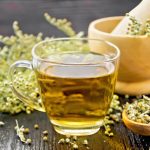 (NaturalHealth365) It’s quite unnerving to think about the possibility of unseen organisms living in our gastrointestinal tracts, but intestinal parasites are surprisingly common. According to the Centers for Disease Control and Prevention (CDC), roughly 5% of the U.S. population has antibodies to the Toxocara parasite – parasitic roundworms frequently present in the intestines of dogs (Toxocara canis) and cats (T. cati) – indicating that potentially tens of millions of Americans have come into contact with it. Parasitic infections are a particular concern because parasites have been associated with cancer formation.
But there’s some good news: Wormwood, a plant valued by holistic healers for its ability to tackle parasites, might offer a solution. Despite its somewhat off-putting name, wormwood – scientifically known as Artemisia absinthium – is a beneficial and therapeutic herb with potent antimicrobial and anti-inflammatory properties. Not only does it work wonders against intestinal parasites, but emerging research suggests it could also help with conditions like irritable bowel syndrome (IBS) and even show promise in fighting cancer.
Wormwood combats parasites and pathogens – naturally
For centuries, holistic healers have recommended wormwood as a remedy for intestinal parasites such as roundworms, flatworms, and threadworms (“pinworms”). In fact, wormwood is still known in parts of Europe as the “May Cure,” as it was traditionally taken in springtime as a revitalizing cleanse.
Wormwood owes much of its antiparasitic power to its content of a lactone called artemisinin. It also contains carotenoids, quercetin, flavonoids, and vitamin C.
Wormwood is believed to stimulate the activity of macrophages vital to immune system defense and is particularly efficient at killing parasitic larvae.
Experts say this versatile herb is also effective against pathogens, including E. coli, Salmonella, Candida albicans, and Giardia.
Note: Wormwood has an advantage over pharmaceutical antibiotics in that parasites and microbes don’t normally develop resistance to it. This is a valuable “plus.”
When used to kill parasites, wormwood is often combined with black walnut and clove oil for maximum benefit.
More good news: Scientists use wormwood to target cancer cells
A recent study published in Critical Reviews in Food Science and Nutrition highlighted the potential of natural compounds derived from medicinal plants, including wormwood, as complementary treatments for breast cancer. These compounds, along with metabolites extracted from microbes and probiotics, demonstrated antitumor effects such as antiproliferative and cytotoxic activity, increased chemosensitivity of tumors, antioxidant activity, and modulation of breast cancer-associated molecular pathways.
Researchers have also learned that artemisinin (wormwood) becomes toxic in the presence of iron – and they hope to exploit this fact to help defeat cancer cells. It turns out that cancer cells are dependent on iron to facilitate cell division – to a much greater extent than normal cells. In fact, cancer cells possess 5 to 15 times more iron-collecting receptors to help corral the mineral and funnel it into cells.
In a groundbreaking study published in Anticancer Research, scientists first enriched radiation-resistant breast cancer cells with holotransferrin – which helps carry iron into cells – and then treated them with artemisinin. The results were astonishing. Almost all the holotransferrin-exposed breast cancer cells died within 16 hours, leaving normal cells mostly unharmed.
Although more study is needed, these encouraging preliminary results led researchers to highlight wormwood’s potential use as an inexpensive and effective cancer treatment.
Wormwood improves Crohn’s disease symptoms and helps patients go steroid-free
Research has shown that wormwood can reduce the inflammation associated with certain gastrointestinal conditions, including Crohn’s disease and Small Intestinal Bacterial Overgrowth (SIBO). One double-blind German study published in Phytomedicine showed that wormwood can also decrease or eliminate the need for steroids.
Crohn’s disease patients who were already being treated with steroids were given an herbal blend containing wormwood at a dosage of 500 mg three times a day for ten weeks. By the end of the second week, the participants were able to begin tapering off steroids, and by week ten were steroid-free. An amazing 90 percent of the patients experienced decreases in symptoms – while 65 percent (well over half!) experienced complete remission of symptoms.
Steroid drugs feature a long list of side effects – including headache, dizziness, trouble sleeping, mood swings, heartburn, depression, and fatigue. Other reported adverse effects include vision problems, irregular heartbeat, loss of contact with reality, and seizures.
Not only were the vast majority of the patients able to stop taking the steroids, but the researchers found that they also experienced improvements in mood and quality of life.
How should I take wormwood?
Dried wormwood is available in tablets and capsules and may also be brewed into tea to stimulate digestion and reduce gas and bloating. To make tea, add half a teaspoon to 1 teaspoon of dried wormwood to a cup of boiling water and steep for five to fifteen minutes. Due to its frankly bitter taste, the tea is best sipped. While wormwood contains a toxic substance known as thujone, the dried form of wormwood used in herbal remedies does not contain enough of this compound to be harmful.
Still, you should only use wormwood under the supervision of an experienced holistic doctor. Don’t exceed the advised amounts or use it for longer than four weeks. Also, don’t give wormwood to children unless a qualified medical professional advises. And, if you are allergic to ragweed or other members of the aster family, don’t use wormwood.
The takeaway? When used correctly, Wormwood can be a potent ally against parasites, pathogens and intestinal inflammation – and even shows promise against cancer. Despite its unfortunate name, wormwood should be neither underestimated nor dismissed.
Sources for this article include:
NIH.gov
CDC.gov
Thenutritionwatchdog.com
NIH.gov
NIH.gov
Healthyhildegard.com
Niacin Was, Is, and Always will be Essential to Life and the Prevention of Cardiovascular Disease, Just for Starters
Reproduced from original OMNS article (OrthoMolecular News Service):
http://orthomolecular.org/
Subscribe to the free Orthomolecular Newsletter: http://orthomolecular.org/subscribe.html
Go to the OMNS Archive: http://orthomolecular.org/resources/omns/index.shtml
Orthomolecular Medicine News Service, March 9, 2024
By W. Todd Penberthy, Stephen McConnel, Robert G. Smith, Thomas Levy, Michael Passwater, and Richard Cheng
OMNS (Mar 9, 2024) Approximately 100 years ago, the niacin deficiency disease pellagra, was at its peak in the southern United States of America. Over 120,000 people would die between 1900 to 1920 due to a deficiency of the yet to be discovered niacin molecule. [1]
Then, in the 1940s after the discovery of niacin, the government made it a law that flour and rice had to be fortified to prevent pellagra, deaths, mental health issues, and overcrowding in insane asylums. [2]
This ultimately has saved countless lives ever since the mandatory fortification of niacin, and one also wonders whether it may have played a bigger role in creating a more peaceful world, no longer engaged in World Wars. [3]
Pellagra was by far the worst nutritional disaster in the history of the US, and this history speaks volumes to the sensitivity of the human body machine to niacin deficiency.
Nobody disputes that niacin fortification was one of the biggest advances in the US history of public health and this niacin fortification continues to rescue countless people even today in 2024 from excessive consumption of processed food.
So why is there now news questioning whether niacin fortification may suddenly be causing cardiovascular disease? [4,5]
Well, it gets your attention so you can watch inserted advertisements, but it started from a just published study from Stanley Hazen’s group at Cleveland Clinic. [6]
The study involves the measurement of plasma metabolites that correlate with major adverse cardiovascular events (MACE).
They identified two excreted metabolites (2PY and 4PY) as associated with MACE. Like most metabolites, they are excreted by the body for a reason.
These two plasma metabolites are produced after NAD is broken down (nicotinamide adenine dinucleotide; Vitamin B3 is taken to make NAD). This is shown in their manuscript.
However, the authors chose to label 2PY and 4PY as “niacin-associated” metabolites when in in fact these are “NAD-associated” metabolites. 2PY and 4PY are breakdown products of NAD, not niacin at all! This is clearly shown directly in figure 1 and in the last figure of their own manuscript.
Until the publication by the Cleveland Clinic, these metabolites, 2PY and 4PY, had never been associated with negative MACE or any negative outcomes. Nephrology journals have attempted to determine if these could be true uremic toxins.
However, Niacin was shown in a VA analysis of over 3.2 million, across an eight-year period, to actually reduce mortality by 11%. [7] This had an incredibly valid, P value, and analysis of all the nephrology journals related to niacin, shows a clear benefit.
Niacin has anti-protein and uric properties, improves GFR, and some studies have shown improvements in parathyroid status and FGF 23. [8] In fact, these metabolites appear to be associated with improvements in production, fibrosis, and inflammation. This contradicts what the authors claim in the Cleveland Clinic publication.
The Cleveland Clinic study did make interesting basic research observations suggesting that 2PY/4PY may have atherogenic properties. [6] However, this is an active area of research. Just last year a study evaluated 2PY in kidney disease models and actually concluded the opposite, stating that “NAD+ metabolites, such as N-Me-2PY, are not uremic toxins but are potential therapeutic agents that have anti-fibrotic effects in chronic kidney disease.” [9] Note, that these authors referred to 2PY as a “NAD+ metabolites,” which is a much more accurate description than “niacin-metabolites.”
Previously, there was a lot of focus on 2PY and 4PY in the nephrology community, given that high-dose nicotinamide was being used with great clinical success for the treatment of clinical kidney disease. [10] In these studies, it was observed that 2PY is a potent inhibitor of PARP1, which effectively helps prevent excessive depletion of NAD.
Niacin is different from the other NAD precursors (nicotinamide, NMN, nicotinamide riboside)
In fact, niacin is distinctly different from the other NAD precursors, such as nicotinamide, tryptophan, NMN, and nicotinamide riboside).
Niacin is distinguished as the only NAD precursor that consistently corrects dyslipidemia, favorably adjusting cholesterol, triglycerides, VLDL, LDL, ApoB, and Lp(a) levels in an unparalleled manner, and it has repeatedly reduced cardiovascular disease events in randomized clinical trials. [7]
Much of the uniqueness of niacin is due to the fact that it activates a separate and distinct pathway that none of the other NAD precursors activate. This is the GPR109 receptor-mediated flush-associated pathway. [11,12]
The researchers in this latest NAD-metabolite publication even took their erroneous association one grandiose step further by suggesting that an increase in niacin fortification initiated in ~1974 is what likely led to increases in MACE.
The suggestion that niacin may cause cardiovascular disease is the final straw in a string of errors, and this mistake could have potentially deadly consequences for patients.
There was no experimental niacin supplementation performed or any measures of NAD levels within the MACE population of the study. In other words, the study did not establish a direct connection with niacin at all.
Furthermore, the researchers found an association between the worst quartile of MACE patients and soluble VCAM1, which is known to be associated with atherogenesis and inflammation. They also found that the normally excreted metabolite 2PY can cause an increase in VCAM1. As a result, they concluded that niacin may be increasing VCAM1.
However, the complete opposite is true for niacin and VCAM1. It has been known for over a decade that niacin dramatically reduces VCAM1 and this has been shown in 6 independent studies. [13-18] This in direct contradiction with Dr. Hazen’s conclusions. Again, niacin administration was not even tested in this study.
Additionally, niacin decreases LpPLA2, MPO, hsCRP, ADMA, etc. An FDA indication statement: “Niacin can be used in combination with a bile acid binding agent to slow progression or regress atherosclerosis in patients with a history of CAD and hyperlipidemia.”
Plain old niacin (immediate-release niacin) is predominantly excreted through the kidneys, so these two metabolites under scrutiny do not stay in the bloodstream for any significant amount of time. Properly dosed, these metabolites are not present in the circulation for more than three or four hours a day. The authors failed to establish causality, which is the primary message here. They are putting patients at risk and confusing doctors who still use niacin.
I (SM) question whether the authors have any substantial clinical experience with niacin. I highly doubt it. If most of their day is spent doing procedures in the clinic, it is very unlikely that they have devoted any time to niacin therapy or any complex metabolic management that can be considered preventative.
Furthermore, opinions are just that, opinions. The people who have valid opinions have been using niacin for years, such as Dr. William Castelli, Dr. John Guyton, Dr. Capuzzi, and the list goes on. These are actual niacin experts. Why have they not been questioned? Why has the major media ignored any counterpoint to the Cleveland Clinic position?
Plain old grocery store available niacin still has the best outcomes for cardiovascular disease, even after nearly 90 niacin-inclusive trials attempting to improve.
The historical fact is that high-dose (≥500mg) niacin therapy has been proven to correct dyslipidemia and reduce cardiovascular disease in many independent randomized clinical trials since 1955. [7]
When niacin is assessed on its own in clinical trials, the results are that it clearly reduces the risk for strokes, acute coronary syndrome (any sudden reduced blood flow to the heart) and the likelihood for revascularization procedures, niacin clearly provides tremendous benefits in the context of cardiovascular disease. [19]
After more than 87 clinical trials using niacin, The Coronary Drug Project (CDP; 1975-) remains perhaps the only study that has ever evaluated the use of plain old grocery store-available immediate release niacin on its own compared to a placebo. [19-21]
The Coronary Drug Project (CDP; 1975-) used plain old grocery store available immediate release niacin (3g/d) daily for 5-6 years (Niacin, n=616 v Clofibrate, n=637 v placebo, n=1,587). [7]
Population was individuals with a prior myocardial infarction
11% reduction in total mortality at 15y, even after cessation of treatment at 6y
27% reduction in subsequent myocardial infarctions
25% reduction in cerebrovascular events (strokes)
This long-term benefit is remarkable and may be in part due to long-term epigenetic mechanisms of action involving niacin-NAD-Sirtuin pathways.
Most studies since the CDP have evaluated treatment groups that have either used modified forms of niacin (extended release, sustained release, other) or combinations (niacin with statins/laropiprant/other). Most of these studies compared these alternative niacin forms/combinations to statins.
In the HATS trial, niacin plus simvastatin reduced major clinical events (death, myocardial infarction, stroke or revascularization) by 90% compared to placebo (P = 0.03). [22]
For more rigorous and comprehensive explanations of niacin trials (mechanisms & meta-analysis), please see the amazing video presentations by biomedical scientist/statistician Nicolas Verhoeven, which dispel many of the misinterpretation/misinformation about niacin and clearly present in great detail the undeniable remarkably positive proven benefits of niacin in cardiovascular disease. [23-25]
You may wonder, how can there be 87 niacin-inclusive clinical trials and counting. This is because niacin remains the gold standard of cardiovascular disease dyslipidemia research.
Still plain old immediate release niacin persists as the best form of niacin, producing unbeaten positive outcomes in clinical trials with the Coronary Drug Project in spite of numerous attempts to control the flush response.
The Many Forms of Niacin: Failed Attempts to Improve
Many attempts have been made to reduce the flush by developing timed-release forms of niacin, such as extended-release niacin (ER-niacin/Niaspan) or sustained-release niacin (SR-niacin), or by adding pharmaceuticals that can inhibit the flush. These approaches did reduce the flush, but did they improve outcomes compared to common immediate-release niacin (IR-niacin)? Or could it be that the flush is actually beneficial?
While these approaches did reduce the flush response, the outcomes were never as positive as plain old IR-niacin in the CDP study (1g, 3x/d). Moreover, their safety profiles were not as good as IR-niacin. [26]
In fact, the real concerns with niacin come from its inability to be removed from the body, rather than from the flush itself. The flush may be shocking to someone who is not familiar with it, and individuals should never be given niacin without being warned about what to expect. However, with the awareness of what to expect comes comfort and unparalleled good health.
It is very clear that the flush response is desirable and has therapeutic benefits. When a flush inhibitor (laropiprant) was combined with niacin in an attempt to increase compliance in niacin-naive patients in the HPS-THRIVE trials (n>25,000), it actually prevented the positive outcome. Any basic scientist understands that this is clear evidence that the flush is desirable.
Laropiprant is a medication that was withdrawn worldwide based on recommendations from the European regulator. Despite this, niacin was still conveniently blamed. More details on this 2014 controversy tarnishing the reputation of niacin are described in my (WTP) previous OMNS piece. [8]
Other examples of the flush being therapeutic include dimethyl fumarate (Tecfidera), which is one of the most popular oral therapeutics for treating multiple sclerosis, and beta alanine, which is clinically proven to increase muscle performance. Both work by activating the same flush pathway (GPR109A activation) as niacin. However, neither of these are NAD precursors, and so dimethyl fumarate is likely inferior and Tecfidera is more expensive, while beta alanine is a precursor to vitamin B5, so it has additional benefits that have yet to be fully characterized and understood.
The data on immediate-release (standard grocery store) niacin remains an unparalleled success in the history of cardiovascular disease trial outcomes. [7,27,28]
There is no question about the benefits of plain immediate-release niacin (IRN). While extended-release niacin (ERN/Niaspan) from 1955-1998 may have drawbacks, it is therapeutically beneficial. Sustained-release niacin (SR) clearly has potential hepatic toxicity. Frankly, nearly any molecule would be toxic if it was released for more than 12-20 hours during the day, compared to the time frame of less than an hour for IRN-niacin.
Niacin vs Statins
Simple inexpensive immediate release niacin works on its own demonstrably reducing carotid intima thickness, while statins have repeatedly failed to achieve this endpoint. [7]
Niacin raises HDL more than any pharmaceutical, while lowering triglycerides, excessive cholesterol, LDL, Lp(a), ApoB, and VLDL. Statins do not achieve any of these endpoints as well and statins in fact raise Lp(a), which is actually a bad thing as Lp(a) happens to be one of the most important lipid markers of all.
Statins are well known to increase the risk for myopathy by depleting coenzyme Q (an essential part of mitochondrial respiration) [29], to increase the risk for diabetes [30], and to cause memory loss in some individuals. [31]
Statins increase Lp(a) by as much as 30% to raise the risk of major cardiovascular events (MACE) [32,33]. Statin patients with statin elevated Lp(a) is known to increase progression of calcific aortic stenosis. [34] Multiple studies have proven no benefit for statins for this indication. Niacin lowers Lp(a) to reduce MACE risk and are known to reduce carotid intimal calcifications (CIMT), while have failed to demonstrate benefits for CIMT.
Statins are known to increase the risk for new onset diabetes and the FDA has put this on their warning labels. [35,36] Statins increase the risk for hemorrhagic stroke [37],
By contrast 1g per day ER-niacin high dose niacin is actually proven to increase muscle strength [38], to reduce the most common cause of death among diabetics (heart disease; [39]), and to prevent dementia [40].
Statin clinical research has also been plagued by statistical deception as investigators make use of relative risks instead of absolute risks to make results appear more impressive and likely than they truly are. [41]
Immediate release inexpensive niacin has been used at high doses for over 70 years to correct dyslipidemia without any serious safety concerns. It costs pennies a day and continues to remain unbeaten in this regard. [26]
The Niacin Discoveries March on…
Shortly after the discovery of high dose niacin therapy for correcting elevated cholesterol in 1955, Dr. Abram Hoffer evaluated the use of high dose niacin to address schizophrenia. [42,43] He had previously been involved in determining how much niacin should be used for fortifications to Native American reservations in western Canada. After being put in charge of a mental asylum in Saskatchewan, he explored the use of high doses for schizophrenic patients. Ultimately, over several decades he would treat thousands of schizophrenic patients with great success and his legacy lives on with well-informed practicing integrative psychiatrists. [43,44]
Given the ongoing daily mass shootings in America, one wonders if we should honestly be increasing our fortification of niacin.
Niacin is the only B vitamin known to reverse chronic kidney disease by stages. [8]
We are still discovering many new uses for niacin. Four years ago it was discovered that “Niacin Cures Mitochondrial Myopathy” in a Finnish study as described a Cell Metabolism publication. [38]
One of us (WTP) personally knows of an individual that eliminated 8 years of trigeminal neuralgia after taking high dose niacin for 2 weeks. This condition is commonly called “the suicide disease” for its horrific pain. Niacin can be amazing for all things neurological.
This has now been proven in literally hundreds of basic research publications. [45,46] In this regard, basic research tends to always be 10 years ahead of what is known in clinical research due to the ethical and financial limitations of clinical research. Since the return on investment is the driving force behind most clinical research, clinical research is mostly limited to evaluating patentable xenobiotic molecules. Immediate-release niacin is not a patentable/profitable naturally occurring molecule.
Niacin is currently being evaluated in clinical trials for glioblastoma and under consideration for addressing demyelinating diseases by Dr. V. Wee Yong, Professor and Canada Research Chair of Neuroimmunology at the Hotchkiss Brain Institute and the Departments of Clinical Neurosciences and Oncology at The University of Calgary. [47,48]
His unbiased screening for small molecules led to the discovery and experimental proof that niacin is clearly extremely useful in the contexts of both cancer and demyelinating disease. With over 320 peer-reviewed publications and counting, his research is now being translated into clinical trials for the evaluation of niacin for treating glioblastoma.
Niacin has been repeatedly proven to reduce fatty liver in many studies and it is currently in clinical trials for treating Non-Alcoholic Fatty Liver Disease. [16,38,49] This stands in contrast to the common misconception that niacin exerts liver toxicity, which was a problem observed only with the previously patented sustained-release form of niacin, but not the immediate release form of niacin that is commonly available in most grocery stores.
High-dose niacin is linked to increased longevity and improved health, improved metabolic homeostasis, and antioxidant defense. [50-53]
How does niacin do so much?
Well for starters the NAD that is made from niacin is required for over 400 gene functions, which is a far greater number of genetic functions than any other vitamin. [54] Accordingly, high-dose niacin can restore good health by restoring gene function for many individuals.
Secondly, there is the flush pathway, which inherently exerts dramatic physiological effects even in the skin and brain capillaries. When combined, the benefits of niacin are too numerous to categorize and amazingly, it is completely safe. [26,55]
Again, the “niacin-associated” metabolites, 2PY and 4PY, are in fact NAD-associated excreted metabolites and they are not niacin-associated metabolites since they are not breakdown products of niacin.
Yes NAD, the hottest supplement in the past 10 years. This is shown right in their figures within the manuscript. Hardly any scientist is respecting the conclusion of their study, but unfortunately the story line is getting out.
Metabolomics technology without an appreciation of history and thorough thought, has no practical value or far worse in this case, when the conclusion is wrong. Tragically for patients, the media has taken this and ran with it, generating much misinformation disparaging a fortification that clearly saves countless lives as shown in figure 1 and despite high doses of niacin continually proven in RCTs to reduce cardiovascular disease. Every dyslipidemia cardiovascular disease scientist knows niacin remains the gold standard in their basic research for positive outcomes.
Meanwhile, Physician’s Weekly reports on the latest JAMA publication describing lower all-cause mortality in patients with higher dietary niacin intake. [56,57] This is not even patients that are taking supplements, but at least this study considered the documented niacin intake within the population of patients with NAFLD. The latest study could not even consider the niacin intake for the MACE patients.
Getting benefits from niacin can be very individualized.
Some individuals are quite sensitive to the flush from niacin, while others do not experience the flush at all. The niacin flush is always completely safe, but it can be shocking for those uninformed. Many learn to love the flush, myself (WTP) included. I know of one individual with multiple sclerosis (MS) who struggles to get a more pronounced flush response because he walks best when he experiences the flush. Moreover, clinical trials have now proven that high doses of niacin (750-1000mg) increase muscle strength, which is expected to be beneficial in the treatment of MS. [38]
There have been instances where physicians have told patients to take niacin, but did not inform them of the flush, causing panic when they experienced flushing, resulting in spiked blood pressure and falls. [58] It is important to get to know the flush on your own, starting with just 50-100mg and gradually increasing the dosage to as much as 2g at a time, typically.
One of us (RZC) includes high dose niacin (500-2,000 mg daily) as part of his integrative protocol for many chronic diseases especially for atherosclerotic cardiovascular disease, autoimmune diseases, and cancer for hundreds if not thousands of patients. He has seen significant improvement and even reversal of these diseases.
Clearly the parent molecule, nicotinic acid/niacin, has virtually, no deleterious effects. Like any medication, there are contraindications. However, it has been found to not cause diabetes or exacerbate insulin resistance, with the caveat that it needs to be dosed properly as it was before the introduction of niacin.
Taking niacin during a fasting state, as a single bolus once a day, can pose problems. These problems are all reversed when niacin is taken at mealtime. This also enables divided doses, which are easier to administer, and simplify and facilitate compliance for the patient. Smaller doses at mealtime, enable 2, 3, or 4 doses a day. The FDA still maintains an indication for the original niacin, up to 6 g per day. Very few providers are aware of this today, as most of the success of niacin was between 1955 and 1998.
It is common to build up a tolerance to higher doses of niacin. A lack of flush response is generally considered a sign of poor health. Schizophrenics on average do not flush as much or at all in response to niacin, but they often recover their ability to flush simultaneously with recovery from schizophrenia. This has led to theories about fatty acid deficiencies in schizophrenia. [59,60] In any case, niacin is completely safe and has been used by informed physicians for over 70 years and counting. [55]
In general, our suggestion is to strive for experiencing one, two, or three flushes a day with immediate release niacin (not timed, not sustained, not extended release).
This involves personal titration typically starting with 100mg for a first-time user to get to know how you respond. The range is typically 500mg-2g as an endpoint, with 500mg being the most common historically.
I (WTP) have personally taken over 1g daily for 20 years, with as much as 2g taken 3x a day more recently and always have a perfect lipid profile.
The higher doses exert a greater activity in correcting lipodystrophy and an increasing variety of yet-to-be discovered indications. [61]
It is always best to not only do niacin monotherapy but rather to always include absorbable magnesium/minerals (never the oxide form), vitamin D, zinc, and more orthomolecular or integrative basic treatments such as 500mg thiamine and 50mg vitamin B6 (pyridoxyl-5-phosphate), bowel tolerance vitamin C when indicated, etc…
Finally, sometimes elimination is the most important thing of all to solve a health issue. Eliminations may involve allergens, excessive sugar, excessive alcohol, drugs, or other toxins.
In closing, do not be scared by curious fleeting news stories. Instead, learn from history and never forget it.
Niacin is not going anywhere. It is required for life itself and higher doses are clearly safe and long-since proven to prevent cardiovascular disease just for starters.”
References
1. The Butterfly Caste: A Social History of Pellagra in the South (Contributions in American History): 9780837162768: Medicine & Health Science Books @ Amazon.Com Available online: https://www.amazon.com/Butterfly-Caste-Pellagra-Contributions-American/dp/0837162769 (accessed on 21 February 2024).
2. Park, Y.K.; Sempos, C.T.; Barton, C.N.; Vanderveen, J.E.; Yetley, E.A. Effectiveness of Food Fortification in the United States: The Case of Pellagra. Am J Public Health 2000, 90, 727-738, doi:10.2105/ajph.90.5.727. https://pubmed.ncbi.nlm.nih.gov/10800421
3. Penberthy, W. Todd Niacin Rescues Cannibalistic Hamsters The Historical Significance of 1940s Mandatory Niacin Enrichment 2017. http://orthomolecular.org/resources/omns/v13n09.shtml
4. Cleveland Clinic-Led Study Discovers Link between High Levels of Niacin – a Common B Vitamin – and Heart Disease – Cleveland Clinic Newsroom Available online: https://newsroom.clevelandclinic.org/2024/02/19/cleveland-clinic-led-study-discovers-link-between-high-levels-of-niacin-a-common-b-vitamin-and-heart-disease/ (accessed on 21 February 2024).
5. High Levels of Niacin May Increase Heart Disease Risk: What to Know about the B Vitamin Available online: https://www.nbcnews.com/health/heart-health/high-levels-niacin-may-increase-heart-disease-risk-know-b-vitamin-rcna139249 (accessed on 21 February 2024).
6. Ferrell, M.; Wang, Z.; Anderson, J.T.; Li, X.S.; Witkowski, M.; DiDonato, J.A.; Hilser, J.R.; Hartiala, J.A.; Haghikia, A.; Cajka, T.; et al. A Terminal Metabolite of Niacin Promotes Vascular Inflammation and Contributes to Cardiovascular Disease Risk. Nat Med 2024, 30, 424-434, doi:10.1038/s41591-023-02793-8. https://doi.org/10.1038/s41591-023-02793-8, https://pubmed.ncbi.nlm.nih.gov/38374343
7. Creider, J.C.; Hegele, R.A.; Joy, T.R. Niacin: Another Look at an Underutilized Lipid-Lowering Medication. Nat Rev Endocrinol 2012, 8, 517-528, doi:10.1038/nrendo.2012.22. https://pubmed.ncbi.nlm.nih.gov/22349076
8. McConnell, Stephen; Penberthy, W. Todd Reversing Chronic Kidney Disease with Niacin and Sodium Bicarbonate. Orthomolecular Medical News Service 2021. http://orthomolecular.org/resources/omns/v17n22.shtml
9. Yoshimura, N.; Yamada, K.; Ono, T.; Notoya, M.; Yukioka, H.; Takahashi, R.; Wakino, S.; Kanda, T.; Itoh, H. N-Methyl-2-Pyridone-5-Carboxamide (N-Me-2PY) Has Potent Anti-Fibrotic and Anti-Inflammatory Activity in a Fibrotic Kidney Model: Is It an Old Uremic Toxin? Clin Exp Nephrol 2023, 27, 901-911, doi:10.1007/s10157-023-02379-1. https://link.springer.com/article/10.1007/s10157-023-02379-1
10. Lenglet, A.; Liabeuf, S.; Bodeau, S.; Louvet, L.; Mary, A.; Boullier, A.; Lemaire-Hurtel, A.S.; Jonet, A.; Sonnet, P.; Kamel, S.; et al. N-Methyl-2-Pyridone-5-Carboxamide (2PY)-Major Metabolite of Nicotinamide: An Update on an Old Uremic Toxin. Toxins (Basel) 2016, 8, 339, doi:10.3390/toxins8110339. https://www.researchgate.net/publication/310432989_N-methyl-2-pyridone-5-carboxamide_2PY-Major_Metabolite_of_Nicotinamide_An_Update_on_an_Old_Uremic_Toxin
11. Penberthy, W.T. Nicotinic Acid-Mediated Activation of Both Membrane and Nuclear Receptors towards Therapeutic Glucocorticoid Mimetics for Treating Multiple Sclerosis. PPAR Res 2009, 2009, 853707, doi:10.1155/2009/853707. https://pubmed.ncbi.nlm.nih.gov/19461950
12. Taing, K.; Chen, L.; Weng, H.-R. Emerging Roles of GPR109A in Regulation of Neuroinflammation in Neurological Diseases and Pain. Neural Regen Res 2023, 18, 763-768, doi:10.4103/1673-5374.354514. https://pubmed.ncbi.nlm.nih.gov/36204834
13. Stach, K.; Zaddach, F.; Nguyen, X.D.; Elmas, E.; Kralev, S.; Weiss, C.; Borggrefe, M.; Kälsch, T. Effects of Nicotinic Acid on Endothelial Cells and Platelets. Cardiovasc Pathol 2012, 21, 89-95, doi:10.1016/j.carpath.2011.04.002. https://pubmed.ncbi.nlm.nih.gov/21632263
14. Gomaraschi, M.; Ossoli, A.; Adorni, M.P.; Damonte, E.; Niesor, E.; Veglia, F.; Franceschini, G.; Benghozi, R.; Calabresi, L. Fenofibrate and Extended-Release Niacin Improve the Endothelial Protective Effects of HDL in Patients with Metabolic Syndrome. Vascul Pharmacol 2015, 74, 80-86, doi:10.1016/j.vph.2015.06.014. https://pubmed.ncbi.nlm.nih.gov/26133666
15. Digby, J.E.; Martinez, F.; Jefferson, A.; Ruparelia, N.; Chai, J.; Wamil, M.; Greaves, D.R.; Choudhury, R.P. Anti-Inflammatory Effects of Nicotinic Acid in Human Monocytes Are Mediated by GPR109A Dependent Mechanisms. Arterioscler Thromb Vasc Biol 2012, 32, 669-676, doi:10.1161/ATVBAHA.111.241836. https://pubmed.ncbi.nlm.nih.gov/22267479
16. Ganji, S.H.; Qin, S.; Zhang, L.; Kamanna, V.S.; Kashyap, M.L. Niacin Inhibits Vascular Oxidative Stress, Redox-Sensitive Genes, and Monocyte Adhesion to Human Aortic Endothelial Cells. Atherosclerosis 2009, 202, 68-75, doi:10.1016/j.atherosclerosis.2008.04.044. https://pubmed.ncbi.nlm.nih.gov/18550065
17. Motawi, T.K.; Darwish, H.A.; Hamed, M.A.; El-Rigal, N.S.; Naser, A.F.A. A Therapeutic Insight of Niacin and Coenzyme Q10 Against Diabetic Encephalopathy in Rats. Mol Neurobiol 2017, 54, 1601-1611, doi:10.1007/s12035-016-9765-x. https://pubmed.ncbi.nlm.nih.gov/26867655
18. Wu, B.J.; Chen, K.; Barter, P.J.; Rye, K.-A. Niacin Inhibits Vascular Inflammation via the Induction of Heme Oxygenase-1. Circulation 2012, 125, 150-158, doi:10.1161/CIRCULATIONAHA.111.053108. https://pubmed.ncbi.nlm.nih.gov/22095827
19. D’Andrea, E.; Hey, S.P.; Ramirez, C.L.; Kesselheim, A.S. Assessment of the Role of Niacin in Managing Cardiovascular Disease Outcomes: A Systematic Review and Meta-Analysis. JAMA Netw Open 2019, 2, e192224, doi:10.1001/jamanetworkopen.2019.2224. https://jamanetwork.com/journals/jamanetworkopen/fullarticle/2730481
20. Schandelmaier, S.; Briel, M.; Saccilotto, R.; Olu, K.K.; Arpagaus, A.; Hemkens, L.G.; Nordmann, A.J. Niacin for Primary and Secondary Prevention of Cardiovascular Events. Cochrane Database Syst Rev 2017, 6, CD009744, doi:10.1002/14651858.CD009744.pub2. https://www.cochranelibrary.com/web/cochrane/content?templateType=information&urlTitle=%2Fcdsr%2Fdoi%2F10.1002%2F14651858.CD009744.pub2&doi=10.1002%2F14651858.CD009744.pub2&type=cdsr&contentLanguage=
21. Garg, A.; Sharma, A.; Krishnamoorthy, P.; Garg, J.; Virmani, D.; Sharma, T.; Stefanini, G.; Kostis, J.B.; Mukherjee, D.; Sikorskaya, E. Role of Niacin in Current Clinical Practice: A Systematic Review. Am J Med 2017, 130, 173-187, doi:10.1016/j.amjmed.2016.07.038. https://www.amjmed.com/article/S0002-9343(16)31058-0/fulltext
22. Vittone, F.; Chait, A.; Morse, J.S.; Fish, B.; Brown, B.G.; Zhao, X.-Q. Niacin plus Simvastatin Reduces Coronary Stenosis Progression Among Patients with Metabolic Syndrome Despite a Modest Increase in Insulin Resistance: A Subgroup Analysis of the HDL-Atherosclerosis Treatment Study (HATS). J Clin Lipidol 2007, 1, 203-210, doi:10.1016/j.jacl.2007.05.003. https://pubmed.ncbi.nlm.nih.gov/18591993/
23. Massive New Study Shows Niacin and NAD+ Cause Heart Disease?? Is This True?; 2024; https://youtu.be/xInw3F2AVTg?si=-khShvyzbhLHXezN
24. Niacin (Vitamin B3): Flushing Away Heart Disease. [4 Studies]; 2023; https://www.youtube.com/watch?v=N17cmKCVxcw
25. Can Niacin (Vitamin B3) Reduce Heart Disease? [Study 198 – 201 Analysis]; 2023; https://www.youtube.com/watch?v=p10JZ9crwXo
26. Guyton, J.R.; Bays, H.E. Safety Considerations with Niacin Therapy. Am J Cardiol 2007, 99, 22C-31C, doi:10.1016/j.amjcard.2006.11.018. https://pubmed.ncbi.nlm.nih.gov/17368274
27. Canner, P.L.; Berge, K.G.; Wenger, N.K.; Stamler, J.; Friedman, L.; Prineas, R.J.; Friedewald, W. Fifteen Year Mortality in Coronary Drug Project Patients: Long-Term Benefit with Niacin. J Am Coll Cardiol 1986, 8, 1245-1255, doi:10.1016/s0735-1097(86)80293-5. https://pubmed.ncbi.nlm.nih.gov/3782631
28. Carlson, L.A.; Rosenhamer, G. Reduction of Mortality in the Stockholm Ischaemic Heart Disease Secondary Prevention Study by Combined Treatment with Clofibrate and Nicotinic Acid. Acta Med Scand 1988, 223, 405-418, doi:10.1111/j.0954-6820.1988.tb15891.x. https://pubmed.ncbi.nlm.nih.gov/3287837
29. Tsushima, Y.; Hatipoglu, B. Statin Intolerance: A Review and Update. Endocr Pract 2023, 29, 566-571, doi:10.1016/j.eprac.2023.03.004. https://pubmed.ncbi.nlm.nih.gov/36958647/
30. Singh, H.; Sikarwar, P.; Khurana, S.; Sharma, J. Assessing the Incidence of New-Onset Diabetes Mellitus with Statin Use: A Systematic Review of the Systematic Reviews and Meta-Analyses. touchREV Endocrinol 2022, 18, 96-101, doi:10.17925/EE.2022.18.2.96. https://www.ncbi.nlm.nih.gov/pmc/articles/PMC9835812/
31. Lipitor Thief of Memory: Duane Graveline, Kilmer S. McCully, Jay S. Cohen: 9781424301621: Amazon.Com: Books Available online: https://www.amazon.com/Lipitor-Thief-Memory-Duane-Graveline/dp/1424301629 (accessed on 16 February 2021).
32. Effect of an Increase in Lp(a) Following Statin Therapy on Cardiovascular Prognosis in Secondary Prevention Population of Coronary Artery Disease – PubMed Available online: https://pubmed.ncbi.nlm.nih.gov/36348286/ (accessed on 7 March 2024).
33. Willeit, P.; Ridker, P.M.; Nestel, P.J.; Simes, J.; Tonkin, A.M.; Pedersen, T.R.; Schwartz, G.G.; Olsson, A.G.; Colhoun, H.M.; Kronenberg, F.; et al. Baseline and On-Statin Treatment Lipoprotein(a) Levels for Prediction of Cardiovascular Events: Individual Patient-Data Meta-Analysis of Statin Outcome Trials. Lancet 2018, 392, 1311-1320, doi:10.1016/S0140-6736(18)31652-0. https://pubmed.ncbi.nlm.nih.gov/30293769/
34. Marcovina, S.M.; Moriarty, P.M.; Koschinsky, M.L.; Guyton, J.R. JCL Roundtable-Lipoprotein(a): The Emerging Risk Factor. Journal of Clinical Lipidology 2018, 12, 1335-1345, doi:10.1016/j.jacl.2018.11.003. https://pubmed.ncbi.nlm.nih.gov/30527801/
35. FDA Drug Safety Communication: Important Safety Label Changes to Cholesterol-Lowering Statin Drugs | FDA Available online: https://www.fda.gov/drugs/drug-safety-and-availability/fda-drug-safety-communication-important-safety-label-changes-cholesterol-lowering-statin-drugs (accessed on 7 March 2024).
36. Zigmont, V.A.; Shoben, A.B.; Lu, B.; Kaye, G.L.; Clinton, S.K.; Harris, R.E.; Olivo-Marston, S.E. Statin Users Have an Elevated Risk of Dysglycemia and New-Onset-Diabetes. Diabetes/Metabolism Research and Reviews 2019, 35, e3189, doi:10.1002/dmrr.3189. https://onlinelibrary.wiley.com/doi/10.1002/dmrr.3189
37. Sanz-Cuesta, B.E.; Saver, J.L. Lipid-Lowering Therapy and Hemorrhagic Stroke Risk. Stroke 2021, 52, 3142-3150, doi:10.1161/STROKEAHA.121.034576. https://www.ahajournals.org/doi/10.1161/STROKEAHA.121.034576
38. Pirinen, E.; Auranen, M.; Khan, N.A.; Brilhante, V.; Urho, N.; Pessia, A.; Hakkarainen, A.; Kuula, J.; Heinonen, U.; Schmidt, M.S.; et al. Niacin Cures Systemic NAD+ Deficiency and Improves Muscle Performance in Adult-Onset Mitochondrial Myopathy. Cell Metab 2020, 31, 1078-1090.e5, doi:10.1016/j.cmet.2020.04.008. https://pubmed.ncbi.nlm.nih.gov/32386566
39. Li, S.; Wang, J.; Zhang, B.; Li, X.; Liu, Y. Diabetes Mellitus and Cause-Specific Mortality: A Population-Based Study. Diabetes Metab J 2019, 43, 319-341, doi:10.4093/dmj.2018.0060. https://pubmed.ncbi.nlm.nih.gov/31210036/
40. Gasperi, V.; Sibilano, M.; Savini, I.; Catani, M.V. Niacin in the Central Nervous System: An Update of Biological Aspects and Clinical Applications. Int J Mol Sci 2019, 20, 974, doi:10.3390/ijms20040974. https://pubmed.ncbi.nlm.nih.gov/30813414/
41. Diamond, D.M.; Ravnskov, U. How Statistical Deception Created the Appearance That Statins Are Safe and Effective in Primary and Secondary Prevention of Cardiovascular Disease. Expert Rev Clin Pharmacol 2015, 8, 201-210, doi:10.1586/17512433.2015.1012494. https://www.researchgate.net/publication/272189007_How_statistical_deception_created_the_appearance_that_statins_are_safe_and_effective_in_primary_and_secondary_prevention_of_cardiovascular_disease
42. Hoffer, A. Adventures in Psychiatry: The Scientific Memoirs of Dr. Abram Hoffer; KOS Publishing: Caledon, Ont., 2005; ISBN 978-0-9731945-6-2.
43. Hoffer, A.; Prousky, J. Successful Treatment of Schizophrenia Requires Optimal Daily Doses of Vitamin B3. Altern Med Rev 2008, 13, 287-291. https://pubmed.ncbi.nlm.nih.gov/19238764
44. Schizophrenia Is Chronic Encephalitis…and Niacin Cures It Available online: https://www.tomlevymd.com/articles/omns20231012/Schizophrenia-Is-Chronic-Encephalitis…and-Niacin-Cures-It (accessed on 21 February 2024).
45. Penberthy, W.T.; Tsunoda, I. The Importance of NAD in Multiple Sclerosis. Curr. Pharm. Des. 2009, 15, 64-99, doi:10.2174/138161209787185751. https://pubmed.ncbi.nlm.nih.gov/19149604
46. Wuerch, E.; Urgoiti, G.R.; Yong, V.W. The Promise of Niacin in Neurology. Neurotherapeutics 2023, 20, 1037-1054, doi:10.1007/s13311-023-01376-2. https://pubmed.ncbi.nlm.nih.gov/37084148
47. Sarkar, S.; Yang, R.; Mirzaei, R.; Rawji, K.; Poon, C.; Mishra, M.K.; Zemp, F.J.; Bose, P.; Kelly, J.; Dunn, J.F.; et al. Control of Brain Tumor Growth by Reactivating Myeloid Cells with Niacin. Sci Transl Med 2020, 12, eaay9924, doi:10.1126/scitranslmed.aay9924. https://pubmed.ncbi.nlm.nih.gov/32238578
48. Niacin-Mediated Rejuvenation of Macrophage/Microglia Enhances Remyelination of the Aging Central Nervous System – PubMed Available online: https://pubmed.ncbi.nlm.nih.gov/32030468/ (accessed on 22 May 2022).
49. High-Dose Niacin Is a Promising Treatment for Non-Alcoholic Fatty Liver Disease Available online: https://researchfeatures.com/high-dose-niacin-promising-treatment-non-alcoholic-fatty-liver-disease/ (accessed on 22 February 2024).
50. Jonathan Niacin, Coronary Disease and Longevity Available online: https://isom.ca/article/niacin-coronary-disease-longevity/ (accessed on 22 February 2024).
51. Mocchegiani, E.; Malavolta, M.; Muti, E.; Costarelli, L.; Cipriano, C.; Piacenza, F.; Tesei, S.; Giacconi, R.; Lattanzio, F. Zinc, Metallothioneins and Longevity: Interrelationships with Niacin and Selenium. Curr Pharm Des 2008, 14, 2719-2732, doi:10.2174/138161208786264188. https://pubmed.ncbi.nlm.nih.gov/18991691
52. Xiang, S.; Li, Y.; Li, Y.; Zhang, J.; Pan, W.; Lu, Y.; Liu, S. Increased Dietary Niacin Intake Improves Muscle Strength, Quality, and Glucose Homeostasis in Adults over 40 Years of Age. J Nutr Health Aging 2023, 27, 709-718, doi:10.1007/s12603-023-1967-0. https://pubmed.ncbi.nlm.nih.gov/37754210
53. Ganji, S.; Kamanna, S.; Kamanna, V.S.; Kashyap, M.L. Niacin Increases Human Aortic Endothelial Sirt1 Activity and Nitric Oxide: Effect on Endothelial Function and Vascular Aging. Am J Transl Res 2023, 15, 6771-6778. https://pubmed.ncbi.nlm.nih.gov/38186996
54. Penberthy, W. Todd; Kristian B. Axelsen Table of NAD-Utilizing Enzymes 2022. https://www.cmescribe.com/vitamin-dependent-gene-databases
55. Carlson, L.A. Nicotinic Acid: The Broad-Spectrum Lipid Drug. A 50th Anniversary Review. J Intern Med 2005, 258, 94-114, doi:10.1111/j.1365-2796.2005.01528.x. https://pubmed.ncbi.nlm.nih.gov/16018787
56. Pan, J.; Zhou, Y.; Pang, N.; Yang, L. Dietary Niacin Intake and Mortality Among Individuals With Nonalcoholic Fatty Liver Disease. JAMA Netw Open 2024, 7, e2354277, doi:10.1001/jamanetworkopen.2023.54277. https://jamanetwork.com/journals/jamanetworkopen/fullarticle/2814504
57. Dietary Niacin Supplementation May Reduce Mortality Risk in Patients with Non-Alcoholic Fatty Liver Disease – Physician’s Weekly Available online: https://www.physiciansweekly.com/dietary-niacin-supplementation-may-reduce-mortality-risk-in-patients-with-non-alcoholic-fatty-liver-disease/ (accessed on 4 March 2024).
58. Dr Abram Hoffer MD – Niacin Safety Pt1, No Danger (From Nicotinic Acid) But Must Warn About Flush; 2017; https://www.youtube.com/watch?v=UPfFAn7RSBg
59. Messamore, E. The Niacin Response Biomarker as a Schizophrenia Endophenotype: A Status Update. Prostaglandins Leukot Essent Fatty Acids 2018, 136, 95-97, doi:10.1016/j.plefa.2017.06.014. https://pubmed.ncbi.nlm.nih.gov/28688777
60. Orthomolecular Medicine for Everyone: Megavitamin Therapeutics for Families and Physicians : Hoffer, M.D. Ph.D. Abram, Saul, Andrew W: Amazon.Com.Au: Books Available online: https://www.amazon.com.au/Orthomolecular-Medicine-Everyone-Megavitamin-Therapeutics/dp/1681627620 (accessed on 22 February 2024).
61. Pieper, J.A. Understanding Niacin Formulations. Am J Manag Care 2002, 8, S308-314. https://pubmed.ncbi.nlm.nih.gov/12240702
Nutritional Medicine is Orthomolecular Medicine
Orthomolecular medicine uses safe, effective nutritional therapy to fight illness. For more information: http://www.orthomolecular.org
Find a Doctor
To locate an orthomolecular physician near you: http://orthomolecular.org/resources/omns/v06n09.shtml
The peer-reviewed Orthomolecular Medicine News Service is a non-profit and non-commercial informational resource.
Editorial Review Board:
Albert G. B. Amoa, MB.Ch.B, Ph.D. (Ghana)
Seth Ayettey, M.B., Ch.B., Ph.D. (Ghana)
Ilyès Baghli, M.D. (Algeria)
Barry Breger, M.D. (Canada)
Ian Brighthope, MBBS, FACNEM (Australia)
Gilbert Henri Crussol, D.M.D. (Spain)
Carolyn Dean, M.D., N.D. (USA)
Ian Dettman, Ph.D. (Australia)
Susan R. Downs, M.D., M.P.H. (USA)
Ron Ehrlich, B.D.S. (Australia)
Hugo Galindo, M.D. (Colombia)
Gary S. Goldman, Ph.D. (USA)
William B. Grant, Ph.D. (USA)
Claus Hancke, MD, FACAM (Denmark)
Patrick Holford, BSc (United Kingdom)
Ron Hunninghake, M.D. (USA)
Bo H. Jonsson, M.D., Ph.D. (Sweden)
Dwight Kalita, Ph.D. (USA)
Felix I. D. Konotey-Ahulu, M.D., FRCP (Ghana)
Peter H. Lauda, M.D. (Austria)
Fabrice Leu, N.D., (Switzerland)
Alan Lien, Ph.D. (Taiwan)
Homer Lim, M.D. (Philippines)
Stuart Lindsey, Pharm.D. (USA)
Pedro Gonzalez Lombana, M.D., Ph.D. (Colombia)
Victor A. Marcial-Vega, M.D. (Puerto Rico)
Juan Manuel Martinez, M.D. (Colombia)
Mignonne Mary, M.D. (USA)
Joseph Mercola, D.O. (USA)
Jorge R. Miranda-Massari, Pharm.D. (Puerto Rico)
Karin Munsterhjelm-Ahumada, M.D. (Finland)
Sarah Myhill, MB, BS (United Kingdom)
Tahar Naili, M.D. (Algeria)
Zhiyong Peng, M.D. (China)
Isabella Akyinbah Quakyi, Ph.D. (Ghana)
Selvam Rengasamy, MBBS, FRCOG (Malaysia)
Jeffrey A. Ruterbusch, D.O. (USA)
Gert E. Schuitemaker, Ph.D. (Netherlands)
Thomas N. Seyfried, Ph.D. (USA)
Han Ping Shi, M.D., Ph.D. (China)
T.E. Gabriel Stewart, M.B.B.CH. (Ireland)
Jagan Nathan Vamanan, M.D. (India)
Andrew W. Saul, Ph.D. (USA), Founding Editor
Richard Cheng, M.D., Ph.D. (USA), Editor-In-Chief
Associate Editor: Robert G. Smith, Ph.D. (USA)
Editor, Japanese Edition: Atsuo Yanagisawa, M.D., Ph.D. (Japan)
Editor, Chinese Edition: Richard Cheng, M.D., Ph.D. (USA)
Editor, Norwegian Edition: Dag Viljen Poleszynski, Ph.D. (Norway)
Editor, Arabic Edition: Moustafa Kamel, R.Ph, P.G.C.M (Egypt)
Editor, Korean Edition: Hyoungjoo Shin, M.D. (South Korea)
Editor, Spanish Edition: Sonia Rita Rial, PhD (Argentina)
Editor, German Edition: Bernhard Welker, M.D. (Germany)
Associate Editor, German Edition: Gerhard Dachtler, M.Eng. (Germany)
Assistant Editor: Michael Passwater (USA)
Contributing Editor: Thomas E. Levy, M.D., J.D. (USA)
Contributing Editor: Damien Downing, M.B.B.S., M.R.S.B. (United Kingdom)
Contributing Editor: W. Todd Penberthy, Ph.D. (USA)
Contributing Editor: Ken Walker, M.D. (Canada)
Contributing Editor: Michael J. Gonzalez, N.M.D., Ph.D. (Puerto Rico)
Technology Editor: Michael S. Stewart, B.Sc.C.S. (USA)
Associate Technology Editor: Robert C. Kennedy, M.S. (USA)
Legal Consultant: Jason M. Saul, JD (USA)
Riordan Clinic | Orthomolecular.org
3100 N Hillside Ave
Wichita, Kansas 67219
United States
Vitamin E Helps Decrease Your Cancer Risk
Reproduced from original article:
https://articles.mercola.com/sites/articles/archive/2024/03/12/vitamin-e-helps-decrease-cancer-risk.aspx
The original Mercola article may not remain on the original site, but I will endeavor to keep it on this site as long as I deem it to be appropriate.
Analysis by Dr. Joseph Mercola March 12, 2024
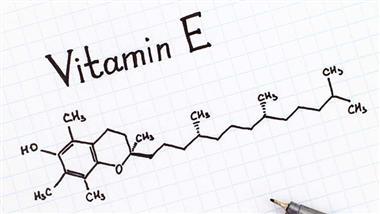
STORY AT-A-GLANCE
- Vitamin E is an important fat-soluble vitamin and antioxidant that combats inflammation, makes red blood cells, supports healthy immune function and helps your body use vitamin K, which is important for heart health
- Vitamin E deficiency increases your risk for immune dysfunction, cognitive deterioration, cardiovascular disease and certain cancers, including prostate, breast, colon and lung cancers
- A meta-analysis of 11 studies concluded that patients with lower concentrations of serum vitamin E (the vitamin E level in your blood) had a higher risk for colorectal cancer. Other studies have shown natural vitamin E may reduce your risk of lung cancer by more than 60%, and gamma-tocotrienol, a cofactor, may decrease prostate tumor formation by 75% and inhibit growth in human breast cancer cells
- Vitamin E also prevents linoleic acid (LA) stored in your tissues from being oxidized into toxic byproducts. Since most people have LA stores that are 10 times higher than normal, and since excess LA likely is one of the primary contributors to chronic disease, it can be a good idea to take vitamin E regularly until you get your LA down to healthy levels
- When supplementing, make sure it’s made with natural (not synthetic) vitamin E and has a balance of all eight vitamin E compounds that is free of genetically engineered ingredients and soy
Vitamin E is a fat-soluble vitamin with potent antioxidant activity that helps combat damaging free radicals. It also plays a role in the making of red blood cells, helps your body use vitamin K (which is important for heart health1) and is involved in your immune function and cell signaling. As with many other nutrients, many do not get enough of this basic micronutrient from their diet.
In the U.S. alone, 75% to 90% of the population fails to reach the recommended dietary allowance (RDA) of vitamin E.2,3 The RDA for people over the age of 14 is 15 milligrams of vitamin E per day, but most Americans get only half that amount.4 Insufficient vitamin E can increase your risk for a wide variety of diseases, including immune dysfunction, cognitive deterioration, cardiovascular disease and certain cancers,5 especially prostate, colon and lung cancers.6,7
Obesity heightens your risk of vitamin E deficiency further, in part because the increased oxidative stress in fat cells increases your body’s need for vitamin E to begin with. Obesity also impairs your body’s utilization of vitamin E.8,9 Food is your best source of vitamin E, since food contain a combination of the eight types of vitamin E. If you’re using a supplement, there are key considerations that need to be heeded, which I’ll review below.
Low Vitamin E Level Linked to Higher Risk of Cancer
A number of studies have looked at vitamin E’s influence on diseases like cancer. It’s important to realize that while some studies have linked vitamin E supplementation to an increased risk for cancer,10 most of those studies were looking at synthetic vitamin E, which I do not recommend using.
For example, there was a study published in 2015 that analyzed the effects of vitamin E intake on lung cancer risk among female nonsmokers. This was a study that looked at diet versus supplemental vitamin E in 72,000 subjects. After 12 years of follow-up, 481 women had been diagnosed with lung cancer.
Interestingly, dietary vitamin E strongly correlated with a lower risk of lung cancer, while supplemental vitamin E was associated with an increased risk. Not surprisingly, the supplemental vitamin E used was synthetic.
Overall, this makes a strong case for making sure you’re either getting your vitamin E from food, or from a natural vitamin E supplement, as natural vitamin E is the only kind that has a protective effect. Case in point: studies assessing the anti-cancer potential of natural vitamin E have found that:
- 300 IUs11 of natural vitamin E per day may reduce lung cancer risk by 61%12
- Gamma-tocotrienol, a cofactor found in natural vitamin E preparations, may decrease prostate tumor formation by 75%13
- Gamma-tocotrienol also fights existing prostate cancer tumors and may inhibit growth in human breast cancer cells14
A 2017 meta-analysis15 of 11 studies concluded that patients with lower concentrations of serum vitamin E (the vitamin E level in your blood) had a higher risk for colorectal cancer. An earlier study,16 published in 1993, also found that high intake of vitamin E helped decrease the risk of colorectal cancer — especially in those under the age of 65. As explained in the study:
“Vitamin E is the major lipid-soluble antioxidant found in cell membranes, where it protects against lipid peroxidation. In addition, like carotenoids and water-soluble vitamin C, it can also stimulate the immune system and may protect against the development of cancer by enhancing immune surveillance. Vitamins E and C reduce nitrite, compounds that induce tumors …”
Other Health Benefits of Natural Vitamin E
Aside from its cancer-preventive potential, natural vitamin E may also:
• Lower your risk of heart disease and stroke.17
• Help relieve symptoms associated with nonalcoholic steatohepatitis, a common obesity-related fatty liver disease.
• Lower your risk of age-related macular degeneration, a leading cause of vision loss in the elderly.18
• Boost improvements in blood vessel function that occur when a smoker quits smoking.19
• Delay loss of cognitive function in Alzheimer’s patients.20 Results showed that clinical progression of Alzheimer’s slowed by 19% per year in the group receiving 2,000 IUs per day of vitamin E, compared with placebo. This delay translated into just over six months of delayed progression over the two-year follow-up period. Caregiver time also increased the least in the group receiving vitamin E.
This study actually used synthetic alpha-tocopherol that was not balanced with tocotrienols or any of the other tocopherols — beta, gamma and delta. Chances are the benefits would have been even greater if the natural form was used.
Download this Article Before it Disappears
Vitamin E Protects Against Damage Caused by Linoleic Acid and Estrogen
Another important benefit of vitamin E is that it prevents linoleic acid (LA) stored in your tissues from being oxidized into toxic byproducts. Since most people are walking around with LA stores that are 10 times higher than normal.
Since excess LA is likely one of the primary contributors to chronic disease, it can be a good idea to take vitamin E regularly until you get your LA down to healthy levels, which may take up to six years for most people. Vitamin E can almost miraculously prevent most of the damage done by LA.
Vitamin E can also reverse or prevent many of the issues associated with excess estrogen. This is important because excess estrogen has remarkable parallels to LA in terms of its metabolic and anti-health effects. When you eat excess polyunsaturated fat (PUFA) or LA, you increase your body’s production of estrogen. So, when you increase LA, estrogen levels go up — and that’s not a good thing.
Both LA and estrogen increase the influx of calcium into the cell, which causes nitric oxide and superoxide to increase inside the cell. Nitric oxide and superoxide combine almost instantaneously to form a very pernicious reactive nitrogen species called peroxynitrite, which causes pervasive damage to tissues in your body.
LA and estrogen also increase a potentially dangerous process in your body called lipolysis, which is simply the liberation of fatty acids from your fat cells into your bloodstream where they are mobilized. This then increases the oxidation of LA, which is precisely what you want to avoid as ideally you want to keep LA in your fat cells until they metabolize it with peroxisomes. Fortunately, vitamin E can also help neutralize this damaging effect of LA.
Vitamin E also directly inhibits the activity of an enzyme called aromatase. This is an enzyme that converts the male hormones like testosterone and DHEA into estrogens. Even better, it serves as an estrogen antagonist, meaning it binds to the estrogen receptor to block it from binding to estrogen. This dramatically lowers the damage from excess estrogen.
Vitamin E works very similarly to the drug tamoxifen, which is used to treat estrogen receptor-positive breast cancers. For these reasons, I firmly believe nearly everyone needs to be getting vitamin E in their diet. However, due to the high LA burden, very few people can get enough vitamin E to suppress this oxidative destruction unless they’re taking a supplement.
The good news is that since the supplementation is short term (provided you’re actively reducing your LA intake), you’re not going to need it the rest of your life. If you can keep your LA intake to below 5 grams a day for three years, it’s likely you may not even need it at all, or at most, only a few times a month.
However, if you go out and binge on a meal that’s very high in LA, I would strongly recommend taking a vitamin E capsule to protect yourself from this exposure.
Once your LA levels get low, you only need about 2 mg of vitamin E per gram of LA. If your LA intake is at or below 5 grams a day, as recommended, you only need about 10 mg of vitamin E, which is a very low dose. Since vitamin E is fat soluble, it stays in your fat tissues for some time.
Vitamin E Reverses Mitochondrial Oxidation Inhibition
Two studies that highlight the destructive influences of estrogen and cortisol were published all the way back in 196321 and 1960.22 As explained by bioenergetic researcher Georgi Dinkov,23 these studies show that estrogen and cortisol inhibit NADH oxidation in the mitochondria, thereby shifting the ratio between NAD+ and NADH in the mitochondria in favor of reduction.
Reduction, in turn, causes a reverse in the flow of electrons in the electron transport chain, which causes damaging reactive oxygen species (ROS) to be generated. The end result is poor mitochondrial function and chronic inflammation, which are at the root of most chronic conditions, including diabetes, cardiovascular disease and cancer.
On top of that, estrogen also inhibits pyruvate dehydrogenase, which increases NADH accumulation and skews the NAD+/NADH ratio even more, and “induces a multi-fold rise in ceruloplasmin — a reliable biomarker of both acute and chronic inflammation, as well as some cancers (e.g. lymphomas),” Dinkov warns.24 The good news is that since vitamin E is such a potent inhibitor of both estrogen and cortisol, it can reverse these adverse effects.
How Much Vitamin E Do You Need for Optimal Health?
According to one scientific review,25,26 a mere 21% of the people studied had a protective level of serum vitamin E, which is thought to be 30 micromole per liter (μmol/L). This appears to be the threshold above which “definable effects on human health in multiple areas” are obtained.27 Human studies have also found that achieving a level of 30 μmol/L requires a daily intake of at least 50 IUs of vitamin E.28
A primary reason for such widespread deficiency is that most people eat a primarily processed food diet, which tends to be lacking in vitamin E and other important nutrients.
Deficiency during pregnancy can be particularly problematic. Worldwide, about 13% of people have vitamin E levels below the “functional deficiency” threshold of 12 μmol/L, and most of these are newborns and young children. Babies deficient in vitamin E are at increased risk for immune and vision problems. Being deficient in vitamin E during pregnancy also raises your risk for miscarriage.29
Since vitamin E is fat-soluble, taking it with some healthy fat, such as coconut oil or avocado, can help increase its bioavailability. In fact, studies have shown your body will absorb only about 10% of the vitamin E from a supplement when you take it without fat.30
Signs and Symptoms of Vitamin E Deficiency
Signs and symptoms of serious vitamin E deficiency include:31,32
| Muscle weakness and unsteady gait | Loss of muscle mass |
| Cardiac arrhythmia | Vision problems, including constriction of your visual field; abnormal eye movements; blindness |
| Dementia | Liver and kidney problems |
How to Pick a Good Vitamin E Supplement
Most vitamin E supplements are synthetic, and you want to steer clear of those. Studies have demonstrated that synthetic vitamin E has the opposite effect of natural vitamin E, such as increasing the risk of certain cancers rather than lowering it,33,34,35 for example. So, it’s important to make sure you’re getting a natural version.
Synthetic vitamin E is called alpha tocopherol acetate. The acetate indicates that it’s synthetic. Next, you need to pay attention to the orientation of the optical isomer. Most vitamin supplements are racemic, or they have left- and right-hand isomers. This is a problem as most biological molecules have optical isomers that are right-handed.
They’re usually called D and L isomers, which stands for right and left. When you have both left and right isomers present, it’s called racemic. Biologically, there’s usually only one optical isomer that works well, and with vitamin E it is the D isomer that works in your body, while the L isomer is useless.
Yet in synthetic supplements, 50% of the vitamin E is the useless L isomer. To make matters even worse, many synthetic versions use an ester of vitamin E, which only has about 50% of the activity of the natural product. So, the total activity of many vitamin E supplements is reduced by 75%.
So, the first step in identifying healthy good vitamin E supplements is to make sure you’re getting real vitamin E and not synthetic. What you’re looking for is “d alpha tocopherol.” This is the pure D isomer, which is what your body can use. Synthetic alpha-tocopherol is listed with a “dl” (i.e., dl-alpha-tocopherol).
There are also other vitamin E isomers, and you want the complete spectrum of tocotrienols, specifically the beta, gamma, and delta types of vitamin E, in the effective D isomer.
Another potential problem is that if you take high amounts of alpha-tocopherol in isolation, it could potentially deplete the other tocopherols and tocotrienols from your body. This is true whether you’re taking a natural or a synthetic one, so I recommend looking for a food-based supplement that has a balance of all eight types of vitamin E (four tocopherols and four tocotrienols).
Also look for a supplement that is free of soy, soybean oil derivatives and genetically engineered (GE) ingredients (some of the most common GE ingredients found in supplements are derivatives of corn, soy and cotton seed).
Your Best Source of Vitamin E
Supplements are best taken in addition to, not in place of, a healthy diet, and only if you actually need them. One way to evaluate your need for a vitamin E or other supplements is to use a nutrient tracker, such as Cronometer.com/Mercola, which is the most accurate one on the market because of their decision to eliminate inaccurate crowd sourced data. It’s available free of charge.
Vitamin E can easily be obtained from a healthy diet, so before considering a supplement, consider including more vitamin E-rich foods36,37 in your diet. Vitamin E is synthesized by plants, and the highest amounts are found in plant oils.
However, while some health authorities recommend canola oil as a good source,38 this is actually a terrible source due to its high LA content. Beans — another good source of vitamin E — may also be problematic for many due to their high lectin content.
One of the best healthy natural sources of vitamin E would be grass fed ruminants like beef or bison. A normal serving can provide enough vitamin E to protect against the oxidative stress from LA in a low LA diet. If you have a high LA diet and have had one for quite some time, like most people, then you will want to consider a supplement with around 100 units of vitamin E that meets the criteria in the section above.
Avoid supplements that don’t meet these criteria or much higher doses of vitamin E as more is not necessarily better and can be highly counterproductive.
- 1, 5, 31 University of Maryland Medical Center, Vitamin E (Archived)
- 2 British Journal of Nutrition 2012 Aug;108(4):692-8
- 3, 6, 25 Prevent Disease July 26, 2016 (Archived)
- 4, 17 National Institutes of Health, Vitamin E Fact Sheet
- 7, 38 PCRM.org, How Vitamin E Helps Protect Against Cancer (Archived)
- 8 Science Daily November 2, 2015
- 9, 30 Science Daily October 7, 2015
- 10 Science Daily May 19, 2016
- 11 Calculator Site, How to Convert IUs to Mcg or Mg
- 12 Int J Cancer. 2008 Sep 1;123(5):1173-80
- 13 International Journal of Cancer 2011: 128/(9); 2182-2191
- 14 European Journal of Lipid Science and Technology January 18, 2008
- 15 Medicine 2017 Jul; 96(27): e7470
- 16 Cancer Research September 15, 1993; 53: 4230-4237 (PDF)
- 18 Ophthalmology. 2009 May;116(5):939-46
- 19 Time Magazine April 25, 2013
- 20 JAMA January 1, 2014: 311(1); 33-44
- 21 Journal of the American Geriatrics Society April 1963, 11(4)
- 22 The Journal of Biological Chemistry 1960; 235(12): 3413-3416
- 23, 24 Haidut.me March 4, 2024 (Archived)
- 26 Nutraingredients-USA.com July 19, 2016
- 27, 28 International Journal for Vitamin and Nutrition Research, ISSN 0300-9831
- 29 Johns Hopkins December 3, 2014
- 32 Medscape Vitamin E December 21, 2021
- 33 Cancer Prevention Research May 2012, DOI: 10.1158/1940-6207.CAPR-12-0045
- 34 Science Daily April 23, 2012
- 35 Sci Transl Med 29 January 2014: Vol. 6, Issue 221, p. 221ra15
- 36 The World’s Healthiest Foods Vitamin E (Archived)
- 37 MyFoodData.com, Top 10 Foods Highest in Vitamin E
The Silent Epidemic of Excess Iron
Reproduced from original article:
https://articles.mercola.com/sites/articles/archive/2024/03/10/high-iron.aspx
The original Mercola article may not remain on the original site, but I will endeavor to keep it on this site as long as I deem it to be appropriate.
Analysis by Dr. Joseph Mercola March 10, 2024
STORY AT-A-GLANCE
- High iron is an under-recognized health threat. There’s a general lack of awareness in the medical community regarding the potential health risks associated with high iron levels
- A ferritin level above 100 typically means you’re either inflamed, have high iron, or both. A level above 200 is considered pathological. The higher your ferritin level, the shorter your lifespan. You’re also more likely to die of a heart attack and cancer
- Left untreated, high iron levels can cause liver damage and an increased susceptibility to certain diseases, including infections and cancer
- Lab tests that can help diagnose iron-related conditions such as hemochromatosis include a full iron panel, a complete blood count (CBC) test, gamma-glutamyl transferase (GGT), and a comprehensive metabolic panel to ensure you have sufficient liver enzymes. Measuring your copper and ceruloplasmin levels can also be helpful
- The easiest way to lower your iron is to donate blood on a regular basis. Natural supplements such as curcumin, silymarin and alpha-lipoic acid can also help prevent from continuing to accumulate iron from your food
In this interview, Christy Sutton, D.C., reviews the dangers of excessive iron. While most doctors look for iron deficiency, few ever pay attention to elevated iron. Sutton is the author of two books, “Genetic Testing: Defining Your Path to a Personalized Health Plan: An Integrative Approach to Optimize Health,” and “The Iron Curse, Is Your Doctor Letting High Iron Destroy Your Health?”
Iron plays an important role in health, especially for children and young adults. Without sufficient iron, you’re not going to be able to form red blood cells and certain proteins in your mitochondria that are responsible for producing energy. On the flip-side, an excess of iron can cause significant damage.
A Silent Epidemic
Sutton’s interest in iron has been “lifelong” she says, as she struggled with low iron while her husband has a genetic anomaly that causes him to have elevated iron levels. So, she has personal experience with both ends of the spectrum.
“I have Crohn’s [disease], celiac, and lost part of my small intestine due to Crohn’s when I was 16,” she says. “Because of that, I have to take a bile sequestrant. Then, being menstruating female who’s had a child, low iron has been something that I have been watched very closely for and I had to take iron a lot.
Like a lot of clinicians, when I came into practice, I seemed to be more hyper-focused on people’s problems that were my own problems. I dealt with iron issues. So, I wanted to watch my patients’ iron levels closely. Then I realized, ‘Oh, not everybody is low. A lot of people actually have high iron.’
It wasn’t until I was writing my first book, ‘Genetic Testing: Defining Your Path to a Personalized Health Plan,’ that I discovered the hemochromatosis genes. I realized that my husband had a hemochromatosis gene, and I realized that that was why I kept telling him to donate blood.
His doctor would order iron labs, ferritin, CBC, and he would get elevated iron often, high ferritin. He was developing high liver enzymes and his red blood cells were getting high as well, which is a common issue with people that have too much iron …
He went to a gastroenterologist, because he was trying to figure out why his liver enzymes were high. I thought it was the high iron, but that was presented to the gastroenterologist and dismissed. So, they went down this rabbit hole of misdiagnosing him with autoimmune hepatitis.
Later we went to a hematologist where we figured out he had hereditary hemochromatosis. So, it’s not something that’s particularly difficult to treat. Removing blood, diet supplements, things like that can help.
But once I got really savvy about looking for the genes and the labs combined, I realized that this is a silent epidemic that is not really being talked about. I would tell people, ‘You have a problem with high iron,’ and then they would often go and get a second opinion.
Their second opinion would say, ‘You’re fine. Don’t worry about it,’ which is a common issue where people are getting high iron labs that should warrant more investigation and then they’re just getting dismissed.”
How to Lower Your Iron Level
I have beta thalassemia, a hemolytic anemia that results in a high turnover of red blood cells. My red blood cells only live about two months, rather than the normal three months. As a result, my iron tends to accumulate because of the rapid turnover. So, while I do not have the hemochromatosis gene, it results in similar problems. I inherited it from my father, who had a ferritin level close to 1,000 by the time he was diagnosed. Ideally, it should be below 40.
One of the supplements he tried was inositol, also referred to as hexaphosphate or IP-6, but it did nothing. I rapidly came to the conclusion that the supplements typically recommended for high iron are useless and potentially even dangerous, because they prevent you from doing what is really helpful, which is to remove iron through regular phlebotomies.
The most effective way to lower your iron is to donate blood two to four times a year. If losing 10% of your blood in one sitting is problematic for you, then you can remove blood in smaller amounts once a month on the schedule I have listed below. If you have congestive heart failure or severe COPD, you should discuss this with your doctor, but otherwise this is a fairly appropriate recommendation for most.
| Men | Postmenopausal Women | Premenopausal Women |
| 150 ml | 100 ml | 50 ml |
As it turns out, Sutton did not include IP-6 in her book, as she couldn’t find any research to back up the claims. She doesn’t dismiss all supplements, however. One of the most helpful, in her view, is curcumin.
“Clinically, I have seen curcumin’s ability to lower iron almost to a fault,” she says. “It’s annoying to me, because I can’t take curcumin for inflammation because it makes me low in iron. But for people that are high in iron or even inflamed with high iron, high ferritin, that’s a great place to start, because curcumin binds to iron.
It also has all of these other wonderful health promoting properties. It’s so good for your brain — it actually helps remove excess iron from the brain and other organs, the heart, liver, spleen.
So, unlike other iron chelators that might be used pharmaceutically, it doesn’t have all these possible negative side effects, but it works very effectively. I mean, I’ve seen it be used in hereditary hemochromatosis patients to lower iron without blood removal … Now, people that have really high iron might need 3 grams a day, which can create diarrhea. So, you have to look at other potentially limiting factors.”
She also recommends taking curcumin with an iron-rich meal, such as shellfish or red meat, to inhibit iron uptake. Other supplements that help bind iron include silymarin, (an extract from milk thistle). It too is very good for hemochromatosis patients, because it lowers iron and helps protect and repair the liver. Another thing that binds to and lowers iron is alpha-lipoic acid. It’s also great for protecting nerves and lowering blood sugar.
“I don’t think silymarin lowers iron quite as much as curcumin, but it’s still a significant way to lower iron,” she says. “The best way to take these — to lower iron — is take them with iron-rich meals. If you want to take them just for medicinal properties but not to lower iron, take them away from iron-rich meals.”
Download this Article Before it Disappears
Health Risks Associated With High Iron
The health risks of high iron are manifold and include an elevated risk of skin infections and skin cancer. I suspect high iron may actually be a catalyst when it comes to skin cancer, along with high linoleic acid (LA) intake. LA is oxidized by iron, creating something called lipofuscin, which is basically iron attached to oxidized LA.
A more common term for lipofuscin is liver spots. So, liver spots are a dermal representation of oxidative damage to LA by high iron. Similarly, skin cancer is likely driven by a combination of high LA and high iron. Ancestral LA levels were below 2%. Today, the average is around 25%. If you had normal ancestral levels, you could have higher iron yet not get as much damage.
Understanding Hemochromatosis
There are several potential diagnoses related to iron, including iron deficient anemia, copper deficient anemia, iron overload and hereditary hemochromatosis, and getting to the correct diagnosis can be tricky.
“The nice thing is that you can always fall back on labs,” Sutton says. “You don’t want to just use symptoms to guide you, because if you’re using symptoms, then this person is well far down a pathological path that you could have potentially stopped years ago, if not decades before.”
Starting with hereditary hemochromatosis, this is when you have inherited one of three hemochromatosis genes, which causes increased iron absorption by decreasing hepcidin, a liver protein. If you have the hemochromatosis gene, you don’t make as much hepcidin, causing you to absorb more iron.
That can become pathological, because over time, you just keep absorbing more and more iron, until your body finally runs out of places to put it. The first place that gets overloaded is your liver. After that, your body will store the iron in other organs, such as your heart, pancreas, brain, pituitary gland, gonads, ovaries, testes and skin.
Eventually, the iron will go everywhere because the human body has evolved to hold onto as much iron as possible. The only way, really, to lose iron is through blood loss. This is why menstruating women have a lower risk for high iron and a higher risk for low iron.
“Having said that, when you start looking at the hemochromatosis genes, all bets are off, because you’ll see females that have these hemochromatosis genes that develop high iron … you will even see children with the hemochromatosis genes that develop high iron,” Sutton says.
“I discovered that in my colleague’s 5-year-old, where predatory hemochromatosis was causing her to have severe neurological problems. That was a very difficult thing to get through because the hematologist didn’t really want to deal with it.
When you look at labs, hereditary hemochromatosis can look very similar to non-hereditary hemochromatosis, which is where you have high iron but you don’t have one of those hemochromatosis genes.
So, for you, you have more of a non-hereditary secondary hemochromatosis, because you have that thalassemia issue where your red blood cells are breaking and letting all this iron out and then you develop high iron with potentially low red blood cells.
That’s common with thalassemia. Some people, they don’t have a thalassemia gene and they develop high iron without hemochromatosis gene, because they’re just eating a lot of iron-rich foods and they’re not losing iron through menstruation. This is usually men.”
How to Diagnose Hemochromatosis
When it comes to lab work, Sutton recommends starting with a full iron panel, a complete blood count (CBC) test, gamma-glutamyl transferase (GGT), and a comprehensive metabolic panel to ensure you have sufficient liver enzymes. Measuring your copper and ceruloplasmin levels can also be helpful.
“The full iron panel has the ferritin, the TIBC [total iron-binding capacity], the UIBC [unsaturated iron-binding capacity], the serum iron and the iron saturation. With hereditary hemochromatosis, you develop high ferritin with a high iron saturation. That combination is hereditary hemochromatosis. So, over 45% iron saturation and high ferritin …
With hereditary hemochromatosis, you’ll see high iron, you’ll see the TIBC go low, the UIBC go low. The serum iron often goes high, and then that ferritin will go high. You’ll often see the liver enzymes go high and it’s common to see the red blood cells, hemoglobin, hematocrit go high.
But that doesn’t always happen. These days, so many are taking testosterone. So, you have to always ask, ‘Are you on testosterone?’ Because that can cause red blood cells, hemoglobin, hematocrit to go high as well …
I always get the GGT as a part of the labs that I order. Occasionally, I will see a high GGT when the AST and ALT, which are the other two liver enzymes, are normal. More often than not, I’ll see a high ALT or high AST. Usually, if they’re not drinking alcohol and they just have high iron, you’re going to see that high ALT.”
What’s the Ideal Ferritin Level?
Sutton recommends keeping ferritin below 100. Ferritin above 100 means you’re either inflamed, have high iron, or both. Studies referenced in her book suggest that anything over 200 is pathological. The higher your ferritin level, the shorter your lifespan. You’re also more likely to die of a heart attack and cancer.
“I feel like 100 is high enough that I’m not swooping everybody in, but low enough that I’m not leaving stragglers out,” she says. “Now, if somebody has a ferritin over 100 with an iron saturation that is in the 40s or higher, then I’m highly suspicious of a hemochromatosis gene and I immediately want to get those hemochromatosis genes tested.
If they have a hemochromatosis gene, then we know why they’re high on iron and we know where this story is going — and it’s not going to be a pretty picture most likely. Then it’s time to refer to a hematologist … and talk to them about how to get iron lower …
The key is, if you don’t have a hemochromatosis gene, then you need to figure out ‘Why does this person have high iron? Do they have a thalassemia gene? Are they just eating a lot of iron?’ And then, ‘Do they have hemolysis for some unknown reason?’ That’s a non-hereditary hemochromatosis situation.
The treatment is basically the same, other than you want to use more of the supplements, go really heavy on the supplements to lower iron. If you have plenty of red blood cells and hemoglobin, then therapeutic phlebotomy is a wonderful place to start.
A lot of times people don’t because they either have a thalassemia issue where their red blood cells are getting chewed up too quickly, or they have lost so much blood so quickly because their doctors are just trying to get the iron down that they become low in hemoglobin or red blood cells. Rather than waiting for months for that to recover, you could be doing the supplements to lower the iron.”
The Link Between High Iron and Cushing’s Disease
Sutton’s husband also developed a pituitary tumor that was causing him to have high cortisol (Cushing’s disease). “Ultimately, I think the high iron created a lot of oxidative stress on his pituitary gland,” Sutton says. The only reason he was diagnosed early enough to save him was that they’d been checking his cortisol and DHEA on a regular basis.
“Periodically, they would jump up and then go back down. Then when the hemochromatosis got properly treated and the DHEA was still high, we were like, ‘Why is this happening?’ So we went to the endocrinologist and I said, ‘I’m worried my husband has Cushing’s.’ She was like, ‘He doesn’t have Cushing’s. He doesn’t look like somebody with Cushing’s. His hemoglobin A1C is normal.’
Five months later, he’s having surgery to remove the pituitary tumor. The reason I say that is because for years, he was told, ‘You just need to exercise and lose weight.’ His problem was not exercise. He had a pituitary tumor and hemochromatosis. Hemochromatosis was destroying his liver and his brain and his heart and everything else, and the pituitary tumor was causing him to have high cortisol, which made him look overweight.”
I believe progesterone may be one of the best ways to treat Cushing’s disease, as it very effectively blocks cortisol. Other natural substances that will inhibit cortisol include aspirin, DHEA, pregnenolone, emodin, vitamins A and D, gelatin or glycine, and niacinamide.1
The normal dose for progesterone is 25 to 50 milligrams. For Cushing’s, I would recommend about 300 mg. It’s virtually impossible to overdose on progesterone and there are no downsides to it. One caveat is that you need to administer it correctly to gain the optimal effects.
Avoid creams, pills and suppositories. Instead, mix pharmaceutical grade progesterone with the contents of one natural vitamin E capsule. Mix it with a paperclip or tiny spoon until all the powder is dissolved, then rub it on your gums. Vitamin E is the only natural compound that dissolves progesterone completely. For guidance on how to pick a good vitamin E supplement, see “The Four Hormones Most Adults Need More Of.”
Understanding Iron-Deficient Anemia
As explained by Sutton, iron deficient anemia is a serious issue. Children born of women with iron-deficient anemia have significantly higher risk of low IQ, ADD, ADHD and other neurological issues that often do not go away with age.
“Many kids suffer from low iron, because they eat a lot of calcium rich foods. Calcium binds to iron, and then you get low in the iron. Maybe they’re picky eaters, they’re growing rapidly. So many kids are not being checked for their iron levels and they’re being diagnosed with ADHD when their problem is actually just low iron, because if you don’t have enough iron, you can’t make dopamine. So, low iron is a serious issue.”
People with iron-deficient anemia will typically have high TIBC and UIBC, as their bodies are trying to mobilize more iron. Serum iron and iron saturation will be low and ferritin will typically be below 30.
“Now, iron deficient anemia is more complicated in many ways because the question is, why are you low in iron?” Sutton says. “There’s so many reasons that you can be low in iron. Are you just not eating enough? Are you not absorbing it? I think the most common reasons that people develop low iron is because they have a GI bleed. They have intestinal malabsorption issues, maybe undiagnosed celiac disease.
There is a gene that can cause you to be more likely to have low iron. I have that gene and that gene actually causes you to make more hepcidin. With iron-deficient anemia you’ll also see low red blood cells sometimes, low hemoglobin and low hematocrit. MCH [mean corpuscular hemoglobin] might get low, MCV [mean corpuscular volume] might get low.”
Copper Deficiency Can Cause Both Low and High Iron
One common cause for iron-deficient anemia is a deficiency in copper. Paradoxically, lack of copper is also a common cause for iron overload. Sutton explains:
“The reason for that is because copper is necessary for two key enzymes. The first one is called hephaestin and the second one is called ceruloplasmin. Hephaestin is in the lining of the gut, the intestinal lining. Copper is necessary for iron to be absorbed in the gut lining. So, without copper, you will not absorb iron and you will develop iron deficient anemia.
Once iron has been absorbed in the gut lining by hephaestin, it passes it off to ceruloplasmin, which is the second copper-rich enzyme. Ceruloplasmin basically then allows that copper to transfer in and then move throughout the body. So, without ceruloplasmin, iron gets stuck in the tissues. It’ll get stuck in the digestive system, it’ll get stuck in the retina, it’ll get stuck in the brain, it’ll get stuck in the liver.
So, you develop iron overload in the tissues. But eventually, if you’re low in copper long enough, you might then become low in iron, and then you don’t end up with all this extra iron in the tissues. The solution is take copper to fix that problem. That’s the way you solve copper-deficient anemia.
Copper-deficient anemia looks very similar to iron-deficient anemia if you’re looking at the iron panel. You’ll have a high TIBC, high UIBC, low serum iron, low iron saturation, low ferritin. You’ll also potentially see low neutrophils and low white blood cells, because you need copper to have normal immune function as well. So, you might be more at risk for infections.
Then of course you can look at the ceruloplasmin. I don’t find ceruloplasmin to be the easiest lab to look at, because it’s an inflammatory marker … If you’re taking hormones like estrogen or birth control or you’re pregnant or you’re just inflamed or have an infection, ceruloplasmin can jump around and go high.
If you have a low or low-normal ceruloplasmin, and then you take copper and ceruloplasmin goes up, that’s a good sign that you didn’t have enough copper.”
How to Get More Iron Into Your Diet
The best way to get iron is through your diet. Shellfish and beef are iron-rich foods with highly absorbable iron. That’s key, because there are two types of iron: heme iron and non-heme iron, the latter of which is not very absorbable. Heme iron is found in animal products while non-heme iron is found in vegetables such as spinach.
“If you’re not eating iron-rich foods like red meat, then you’re more likely to get low in iron if that is something that you struggle with,” Sutton says. “If you struggle with being high in iron, maybe you don’t want to eat as many of those things or maybe you just want to remove blood and supplement accordingly, so that you continue to eat those things.
The form that I like if I’m going to go to a supplement is ferrous peptonate, which I found to be the gentlest on my gut but also get the iron levels up. I really don’t like ferrous sulfate, which is the most common given iron. I don’t think it works very well, and it tends to create a lot of stomach pain. I always have to take my iron with food and sometimes I’ll add copper or vitamin C to it. If I don’t take it with food, it’s really going to upset my stomach.”
More Information
To learn more, check out Sutton’s books, “Genetic Testing: Defining Your Path to a Personalized Health Plan: An Integrative Approach to Optimize Health,” and “The Iron Curse, Is Your Doctor Letting High Iron Destroy Your Health?”
What Do L-Carnitine Supplements Really Do?
Reproduced from original article:
https://articles.mercola.com/sites/articles/archive/2024/03/07/what-do-l-carnitine-supplements-really-do.aspx
The original Mercola article may not remain on the original site, but I will endeavor to keep it on this site as long as I deem it to be appropriate.
Analysis by Dr. Joseph Mercola March 07, 2024

STORY AT-A-GLANCE
- Your body needs carnitine for energy production; it helps transport long-chain fatty acids into your mitochondria where they’re oxidized and turned into energy in the form of adenosine triphosphate (ATP)
- Acetyl-L-carnitine has many beneficial effects on brain metabolism, protects against neurotoxic insults and has been shown to benefit certain forms of depression
- Carnitine has been widely studied for autism as a treatment that targets mitochondria; one meta-analysis found low carnitine in 80% of children with autism
- Carnitine may help moderate oxidative stress and decrease inflammation, benefiting heart health; it may also help prevent potentially fatal arrhythmias
- Carnitine supplementation significantly improved ovulation and pregnancy rates, while reducing BMI and insulin resistance, in women with polycystic ovary syndrome (PCOS)
Carnitine is another important nutrient that’s abundant in animal foods. Your body produces L-carnitine from the amino acid lysine, and while healthy people are typically able to synthesize enough, certain conditions — like pregnancy — may cause your body’s need for carnitine to exceed its ability to produce it. For this reason, carnitine is considered a conditionally essential nutrient.1
L-carnitine and acetyl-L-carnitine are forms of carnitine found in dietary supplements. While your body absorbs carnitine from animal foods such as grass fed beef better than carnitine in dietary supplements,2 some research suggests L-carnitine supplements may benefit certain conditions.
Carnitine for Brain Health
Your body needs carnitine for energy production. It helps transport long-chain fatty acids into your mitochondria where they’re oxidized and turned into energy in the form of adenosine triphosphate (ATP),3 which is needed by your cells for life, repair and regeneration. Carnitine may also help remove toxins from the mitochondria.4
Acetyl-L-carnitine (ALCAR) is more easily absorbed in your gut than L-carnitine, and also crosses the blood-brain barrier.5 ALCAR has many beneficial effects on brain metabolism, protects against neurotoxic insults and has been shown to benefit certain forms of depression. In one study,6 healthy mice given ALCAR for 25 days at a dose of about half a gram per kilo were found to have increased levels of the neurotransmitters noradrenaline and serotonin.
According to the authors, this is “consistent with ALCAR’s potential efficacy for depressive symptoms.” In another study, ALCAR was found to improve the clinical condition of patients with degenerative cerebellar ataxia, a condition resulting in the loss of control of bodily movements.7 According to the authors, “statistically significant improvement of some symptoms and a slow progression of the disease in both groups of patients” were observed.
Carnitine for Alzheimer’s Disease and Autism
Carnitine is also being studied for use in Alzheimer’s disease. According to the National Institutes of Health:8
“Cholinergic neurons use the neurotransmitter acetylcholine, and Alzheimer’s disease is often treated by increasing acetylcholine levels or preventing its breakdown. Carnitine might be conditionally essential in individuals with Alzheimer’s disease because it may support acetylcholine synthesis and help remove toxic compounds to alleviate mitochondrial dysfunction associated with extensive degeneration of brain structures.
Therefore, researchers have examined whether acetyl-L-carnitine supplements benefit individuals with Alzheimer’s disease or other forms of dementia, but studies have had mixed results.”
In a meta-analysis of 21 studies, adults with mild cognitive impairment or Alzheimer’s disease took 1.5 grams to 3 grams of acetyl-L-carnitine or placebo daily for three to 12 months. Those taking acetyl-L-carnitine had greater improvements than those taking placebo.9,10
It’s also been widely studied for autism as a treatment that targets mitochondria. One meta-analysis found low carnitine in 80% of children with autism.11 As explained in Seminars in Pediatric Neurology:12
“Two medium sized (n = 30, 30) double-blind placebo-controlled studies using L-carnitine treatment (50 mg/kg/d for 3 months and 100 mg/kg/d for 6 months) found that scores on the Childhood Autism Rating Scale (CARS) improved with L-carnitine as compared to placebo with one study finding that greater symptomatic improvement was correlated with a greater increase in blood carnitine levels.
A small (n = 10) 8-week open-label trial of L-carnitine used particularly high doses (up to 400 mg/kg/d in 3 divided doses, maximum of 6000 mg/d) …
Several parental rated measures showed improvements in behavior and hyperactivity before correction for multiple comparisons and improvements in language correlated with post-treatment blood carnitine levels. Children with ASD and genetic mutations in the carnitine pathway also appear to response to L-carnitine.
… Thus, L-Carnitine is a promising treatment for children with ASD. For child neurologists, it is always important to remember that children with ASD could have an underlying defect in carnitine metabolism.”
Download this Article Before it Disappears
Carnitine for Heart Health
There’s some evidence that carnitine may help moderate oxidative stress and decrease inflammation, benefitting heart health. It may also help prevent potentially fatal arrhythmias, or irregular heart rhythms.13
One meta-analysis involving 3,629 adults found, “Compared with placebo or control, L-carnitine is associated with a 27% reduction in all-cause mortality, a 65% reduction in Vas [ventricular arrhythmias], and a 40% reduction in anginal symptoms in patients experiencing an acute myocardial infarction.”14
There’s some controversy over carnitine for cardiovascular disease, however, because it’s metabolized by gut microbiota into trimethylamine-N-oxide (TMAO), a substance associated with an increased risk of cardiovascular disease,15 although the evidence on that is mixed.
According to James DiNicolantonio, Pharm.D., who is also the coauthor of my book, “Superfuel: Ketogenic Keys to Unlock the Secrets of Good Fats, Bad Fats, and Great Health,” the likely true cause of elevated TMAO levels is hepatic insulin resistance.16 Because carnitine (and choline) raises TMAO, some recommend limiting dietary and supplementary intake of these nutrients.
However, DiNicolantonio and his coauthors point out there’s a significant flaw in this theory, stating, “… supplemental carnitine is known to be highly protective in patients with vascular disease; and fish, the richest dietary source of preformed TMAO, is also protective.”17 There’s little evidence to suggest that dietary intake of TMAO or its precursors actually promote CVD, provided your renal function is normal. DiNicolantonio explains:18
“With respect to carnitine and CV risk, a meta-analysis19 of prospective clinical trials in patients who had recently experienced a myocardial infarction concluded that carnitine supplementation is markedly protective with respect to total mortality, ventricular arrhythmias and new-onset angina …
Clinical trials20,21 have also reported favorable effects of supplemental carnitine or carnitine esters on angina, intermittent claudication and heart failure.
Moreover, rodent atherogenesis studies, in which carnitine has been administered in doses reasonably proportional to the supplementation doses used clinically, have found that carnitine is anti-atherogenic, despite its propensity to raise TMAO …
It is therefore reasonable to suspect that moderately elevated TMAO, rather than being a mediator of the associated CV risk, is a marker for factors which both promote CV events and increase plasma TMAO.”
Carnitine for Weight Loss
Research suggests L-carnitine supplements, which are the least expensive form on the market with an absorption rate of 14% to 18%,22 may be useful for weight loss. In a systematic review and meta-analysis of 37 trials, L-carnitine supplementation significantly decreased body weight, body mass index and fat mass, particularly in adults who are overweight or obese.23
“A nonlinear dose-response association was seen between L-carnitine supplementation and body weight reduction … suggesting that ingestion of 2000 mg L-carnitine per day provides the maximum effect in adults,” the team, from Shahid Sadoughi University of Medical Sciences in Iran, noted.24
Carnitine May Improve Fertility
L-carnitine concentrates in the epididymis, a duct behind the testis where sperm mature. Concentrations of L-carnitine in semen have been linked to the number of sperm, suggesting it may play an important role in fertility in men. Some research also shows that L-carnitine supplementation for two months may improve sperm quality and motility.25 According to the NIH:26
“Carnitine might play a role in sperm maturation, sperm motility, and spermatogenesis. It might also reduce oxidative stress, which could improve oocyte growth and maturation. Therefore, researchers are examining whether supplemental carnitine improves sperm count, concentration, and motility as well as pregnancy rates.”
Women with polycystic ovary syndrome (PCOS), which can affect fertility, may also benefit from carnitine. A systematic review and meta-analysis involving women with PCOS revealed that carnitine supplementation ranging from 250 mg to 3,000 mg daily for 84 to 90 days significantly improved ovulation and pregnancy rates, while reducing BMI and insulin resistance.27
Carnitine to Boost Athletic Performance
There’s interest in the use of carnitine to enhance athletic performance, in part because carnitine preserves muscle glycogen while boosting fat oxidation. “It also spares the use of amino acids as energy sources during exercise, making them potentially available for new protein synthesis, and decreases the accumulation of lactate,” NIH notes,28 but research is mixed on its benefits.
In one study published in the Journal of Physiology, the data showed L-carnitine supplementation for six months raised levels of muscle carnitine by 21%.29 Further, participants taking carnitine supplements raised their athletic performance and work output by 11% in a 30-minute performance trial.
The researchers explained this improvement “by the dual role of carnitine — glycogen sparing at low intensities and reduced muscle lactate accumulation at high intensities.”30
Where carnitine further shines is for those with frailty. It’s been suggested that carnitine deficiency could cause frailty via mitochondrial dysfunction, with research showing pre-frail older adults had decreases in frailty and improvement in hand grip strength when they took 1.5 grams of carnitine daily for 10 weeks.31
Carnitine for Liver Health and More
Additional research is looking into the effects of carnitine supplementation on nonalcoholic fatty liver disease (NAFLD). A systematic review and meta-analysis revealed that L-carnitine supplementation may improve liver function and regulate triglyceride metabolism in those with NAFLD. Writing in Systematic Reviews, researchers explained:32
“The main drivers in NAFLD are inflammation and accumulation of lipids, and L-carnitine has been shown to have anti-inflammatory effects by upregulating the peroxisome proliferator activator receptor-γ (PPAR-γ) in the liver. L-carnitine is also closely related to fat metabolism.”
Beyond the liver, carnitine also shows promise for a range of other health conditions, including:33,34
- Insulin resistance
- Diabetes
- Osteoarthritis
- Muscle cramps
In another example, a systematic review and meta-analysis found men and women experienced improvements in waist circumference and blood pressure, two biomarkers of metabolic syndrome, when taking carnitine supplements.35
The studies used carnitine doses between 0.75 grams (gm) and 3 gm per day for eight to 24 weeks, with researchers suggesting biomarkers of metabolic syndrome could improve with a carnitine dose of 1 gm to 3 gm per day, by reducing fasting blood sugar and triglycerides, while increasing high-density lipoprotein (HDL) cholesterol.
Are You Getting Enough Carnitine?
Most people can effectively synthesize between 11 mg and 34 mg of carnitine per day, which is typically enough to prevent deficiency.36 Animal foods, including meat, seafood and dairy, are the richest sources of L-carnitine, so if you eat animal protein it will virtually assure you receive enough carnitine without having to take supplements.
However, if you eat a primarily plant-based diet or are targeting certain conditions, you may need to consider supplementation. Acetyl-L-carnitine (not regular L-carnitine), for instance, appears to be particularly beneficial for improving memory, but you need about 2,000 mg to 2,500 mg a day. Most notice a difference after a few weeks.
If you do choose to supplement, be sure to choose a reputable source. When NOW Foods tested seven largely unknown brands of acetyl-L-carnitine, none met label claims and most were labeled incorrectly.37
- 1 Linus Pauling Institute, L-Carnitine
- 2 NIH, Carnitine, Consumer
- 3, 4, 8, 9, 13, 15, 33 NIH, Carnitine, Health Professional
- 5, 22 Yahoo June 23, 2023
- 6 Neurochemistry International 2012 Jul;61(1):100-7
- 7 Clinical Neuropharmacology 2000 Mar-Apr;23(2):114-8
- 10 Int Clin Psychopharmacol. 2003 Mar;18(2):61-71. doi: 10.1097/00004850-200303000-00001
- 11 Seminars in Pediatric Neurology October 2020, Volume 35, 100829, ASD Is Associated With Unique Disorders of Mitochondrial Metabolism
- 12 Seminars in Pediatric Neurology October 2020, Volume 35, 100829
- 14, 19 Mayo Clin Proc. 2013 Jun;88(6):544-51. doi: 10.1016/j.mayocp.2013.02.007. Epub 2013 Apr 15
- 16, 17, 18 Open Heart 2019; 6: e000890 (PDF)
- 20 Int J Clin Pharmacol Ther Toxicol. 1985 Oct;23(10):569-72
- 21 Arzneimittelforschung. 1992 Sep;42(9):1101-4
- 23, 24 Clin Nutr ESPEN. 2020 Jun;37:9-23. doi: 10.1016/j.clnesp.2020.03.008. Epub 2020 Apr 18
- 25 Linus Pauling Institute, L-Carnitine, Infertility
- 26 NIH, Carnitine, Health Professional, Infertility
- 27 Clin Endocrinol (Oxf). 2023 May;98(5):682-691. doi: 10.1111/cen.14885. Epub 2023 Feb 17
- 28 NIH, Carnitine, Health Professional, Athletic performance enhancement
- 29 Journal of Physiology, 2011;589(pt.4)
- 30 Journal of Physiology, 2011;589(pt.7)
- 31, 34, 36 Linus Pauling Institute, L-Carnitine, Frailty
- 32 Syst Rev. 2023; 12: 74
- 35 Nutrients, 2020;12(9):2795
- 37 NOW, All Acetyl-l-Carnitine Is Not Created Equal
Can Magnesium Relieve Your Tinnitus?
Reproduced from original article:
https://articles.mercola.com/sites/articles/archive/2024/03/06/magnesium-tinnitus-relief.aspx
The original Mercola article may not remain on the original site, but I will endeavor to keep it on this site as long as I deem it to be appropriate.
Analysis by Dr. Joseph Mercola March 06, 2024
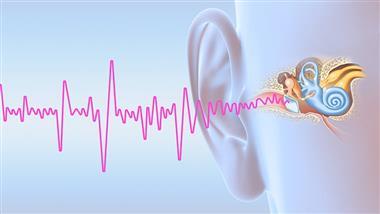
STORY AT-A-GLANCE
- Nearly 15% of the U.S. suffers from tinnitus — the perception of sound when no external sound is present, as a result of exposure to loud noises, medications, infection or disease
- Although not curable, there are treatments that may reduce the severity of symptoms, including supplementation with magnesium, zinc or ginkgo biloba
- Preventive strategies reduce your risk of suffering tinnitus; symptom severity may also be affected by other nutrients and tinnitus retraining therapy
Nearly 50 million Americans experience tinnitus, or nearly 15% of the U.S. population.1 Tinnitus is the perception of sound when there is no external sound present. Others can’t hear what you’re hearing, and it’s often referred to as “ringing in the ears.”
However, the reference to ringing doesn’t exactly ring true, as sufferers may complain of sounds that include hissing, buzzing, whistling or swooshing.2 For many, the condition resolves after a couple of days, but roughly 20 million struggle with chronic tinnitus, while 2 million have a debilitating form of the condition.
Currently, there is no cure, but there are treatment options that give sufferers better quality of life and may reduce the severity of the symptoms.
Historically, tinnitus develops in those over the age of 50. Research is now demonstrating the incidence is rising, even among young people, which is thought to be the result of increased exposure to loud environmental noise.
Unfortunately, tinnitus may be a future predictor of hearing loss, possibly related to other lifestyle choices, such as listening to loud music, using earbuds and using mobile phones. In a study from McMaster University in Canada, researchers are finding more children than expected between ages 11 and 17 with early tinnitus.3 According to study author Larry Roberts, Ph.D.:4
“It’s a growing problem and I think it’s going to get worse. My personal view is that there is a major public health challenge coming down the road in terms of difficulties with hearing.”
How Tinnitus Develops
After listening to loud music, you may notice a slight ringing in your ears that resolves over a short period of time. More than half of the students in the study from McMaster University had experienced this transient tinnitus and 28% had developed persistent early tinnitus.5
Neurological damage or damage to the small hairs that line your inner ear and vibrate in response to sound waves can result in tinnitus,6 and you may experience the condition in one or both ears.7
Auditory signals are sent from small structures in the ear to the cochlea and are transmitted to a structure in the brain called the dorsal cochlear nucleus. The dorsal cochlear nucleus has the capability of boosting or reducing sound, which may be compromised after multiple exposures to loud noise.
Researchers found that repetitive exposure to loud noise also alters brain plasticity. The development of tinnitus may also result from infection, medications and age.8 Tinnitus can also be a symptom of Meniere’s disease, a condition affecting the balance mechanism in the inner ear.
A buildup of earwax in the outer ear may cause pressure and affect the development of tinnitus. Hypertension, anxiety and stress are also associated with the development of the condition. After exposure to loud noise, you may find a short period of time where sound is subdued and it feels like the world turned down the volume.
During this period, your dorsal cochlear nucleus may try to compensate by boosting the auditory signal. While successful, it may result in a memory that triggers tinnitus, often in a specific sound frequency.
The consequence is hearing sound when there is no sound, as your dorsal cochlear nucleus continues to boost an auditory signal. Researchers have now identified a mineral that may prevent the dorsal cochlear nucleus from permanently turning up the dial and triggering chronic tinnitus.
Magnesium Supplementation May Reduce Symptoms
Studies have demonstrated an improvement in hearing when participants, who suffer from sensorineural or noise-induced hearing loss, are supplemented with magnesium.9
Magnesium intake in the U.S. is well below recommended levels,10 which may increase your potential risk of tinnitus. In the video above, I review the importance of choosing the right type of magnesium supplement.
To determine if using magnesium supplementation could reduce symptoms, participants with chronic tinnitus were asked to take a magnesium supplement for three months. The 26 individuals evaluated and recorded their symptoms daily, using the Tinnitus Distress Rating Scale.
Researchers also administered the Tinnitus Handicap Inventory before and after the intervention. Of the 26 participants who enrolled, 19 finished the study.11
Participants who ranked their symptoms as “slight” or greater on either scale before the supplementation, experienced a significant decrease in the severity of their symptoms after the intervention was completed.
The researchers concluded that magnesium supplementation had a beneficial effect. Magnesium helps maintain normal nerve function, including the nerves that are involved in hearing. However, while magnesium may help reduce tinnitus and hearing loss, taking supplementation is not a reason to purposefully expose yourself to loud noises.
Magnesium is also a powerful glutamate inhibitor. Glutamate is a neurotransmitter produced by hair cells in your inner ear when they are affected by sound waves. If glutamate is unregulated by a deficiency in magnesium, it may affect the development of tinnitus.12
Magnesium also helps to relax blood vessels, which may improve blood flow to the cochlea in the inner ear.13 Improved blood flow may help transport protective antioxidants to the inner ear.
Download this Article Before it Disappears
Magnesium Deficiency May Affect More Health Conditions
Animal studies demonstrate a deficiency in magnesium increases the risk of noise-induced hearing loss, but magnesium deficiency affects far more than your hearing. Magnesium is involved in the metabolism of carbohydrates and energy production, creation of DNA and RNA, and is a structural component in bone, cells walls and chromosomes.14
Symptoms of overt magnesium deficiency are relatively rare, as the mineral is plentiful in many foods and your body is able to limit excretion through your kidneys when your supply is limited. However, while overt deficiency is rare, many Americans do not get enough magnesium from their diet, which may contribute to symptoms related to low levels of the mineral.
Several health conditions may increase your risk of magnesium deficiency or low levels that contribute to symptoms, including gastrointestinal disorders that may lead to depletion of magnesium, age-related reduction in absorption, health conditions such as diabetes, which may cause your body to excrete more magnesium, and chronic alcoholism.15 Low levels of magnesium, in turn, can contribute to the development of:
| Metabolic syndrome | Hypertension | Diabetes |
| Cardiovascular disease | Heart arrhythmias | Osteoporosis |
| Complications in pregnancy | Pre-eclampsia and eclampsia | Asthma |
| Stroke | Endothelial dysfunction | Migraine headaches |
Psychiatric Disorders and Stress Associated With Tinnitus
Many adults who suffer from tinnitus also have coexisting psychiatric disorders that range from anxiety to personality disorders. In fact, some researchers suggest tinnitus is not simply a condition affecting the auditory system, but rather is neuropsychiatric in nature, which would explain why it often occurs alongside cognitive and behavioral symptoms.
Depression affects 62% of people with tinnitus.16 Stress is both a predictor and coexisting condition in people who suffer from tinnitus. In one study, stress was a strong predictor of the severity of the symptoms.17 Many people who suffer from tinnitus notice their first symptoms occur during a stressful life event, such as a sickness in a family member, accident or surgery, divorce or being laid off. As noted in the Journal of Neurology, Neurosurgery and Psychiatry:18
“These events can heighten the brain’s arousal, and the tinnitus may be noted cortically [by the cerebral cortex]. This interaction between reduced auditory sensation and brain compensation might explain why some people are very bothered by their tinnitus and others just adjust to it.”
Other Vitamins Impact Hearing Loss and Tinnitus
Other vitamins also impact hearing loss and tinnitus. These include:19,20
| Vitamin C — Vitamin C may protect against noise-induced hearing loss. Food sources include citrus fruits, tomatoes, broccoli and strawberries.21 |
| Beta-carotene — Increased intake is associated with better hearing at speech and high frequencies. Food sources include orange colored foods such as carrots, pumpkin and winter squash.22 |
| Antioxidants — These help neutralize reactive oxygen species involved in the progression of tinnitus. Food sources include wild blueberries, pecans, artichokes, cilantro, cranberries and blackberries.23 |
| Lipoic acid — Reduces age-related hearing loss and is found in spinach, broccoli and animal organ meats.24 |
| Folate and vitamin B12 — Important to the health of nerve cells, these vitamins reduce levels of homocysteine linked to higher risk of hearing problems. Food sources include lentils, chickpeas, spinach and asparagus.25 |
| Melatonin — A hormone critical for sleep, it is also effective against hearing loss resulting from loud noise. You may boost your melatonin naturally by practicing healthy sleep habits. |
| Ginkgo biloba — An herbal supplement that may protect against hearing loss and reduce severity of tinnitus symptoms. |
| Coenzyme Q10 (CoQ10) — Antioxidant that supports mitochondrial function and may reduce noise-induced hearing loss. Found in beef, herring, chicken, sesame seeds and broccoli.26 |
| Zinc — A mineral important to your nervous system, zinc has antioxidant and anti-inflammatory properties. Food sources include oysters, beef, chicken, cashews and almonds.27 |
| Taurine — May help reduce the severity of tinnitus and has demonstrated a protective effect in hearing loss associated with medication use. Food sources include seafood and meat. Your body can metabolize taurine from cysteine, but age reduces this ability.28 |
Specific Noise Frequencies May Combat Tinnitus
While there is no cure for the condition, some are able to acclimate to the tinnitus so it isn’t as disruptive to their daily lives. Essentially, a tinnitus retraining therapy program can help retrain your brain to “tune out” the noise generated by your nerve cells. The type of sound used in the therapy is determined by how the condition is experienced; some suffer from a constant high-pitched ringing, while others hear a steady series of swooshing sounds.
Tinnitus retraining therapy, also called habituation, works by conditioning your brain as you listen to background noise or music during your waking hours. This is intended to distract your brain from tinnitus and help the brain to effectively “forget” it’s occurring.29
However, it’s important to choose the right type of environmental noise to treat your specific tinnitus. Your therapy will account for spectral density of sound, which is how power from sound signals are distributed through frequencies. The sound of your tinnitus operates at different frequencies, and so will the sound used in your therapy.
White noise is like the sound of a fan, which appears to work best for people who suffer from tinnitus that sounds like a shushing. White noise combines high and low frequencies, much like a sound equalizer. Pink noise may sound like a waterfall, or rain on a roof, and may help relax your mind and encourage more restful sleep.30
Red/brown noise is any sound that mimics Brownian motion, or a random placement of particles in liquid and the subsequent collisions between fast moving atoms and molecules. This type of sound is best suited for tinnitus that responds well to low sounds, like thunder.
Tips to Protect Your Hearing
It’s estimated that half of cases of hearing loss are avoidable.31 Protecting yourself from loud noises is the first step in preventing both tinnitus and hearing loss. Eating a healthy and varied diet of whole foods can help prevent age-related hearing loss by optimizing your intake of vitamin rich foods. The following recommendations may also help prevent hearing loss or tinnitus:
| Turn down the volume on personal audio devices. |
| Download a decibel meter app for your smartphone, which will flash a warning if the volume is turned up to a potentially damaging level. |
| Wear earplugs when you visit noisy venues. If you work in a noisy environment, be sure to wear ear protection at all times. |
| Use carefully fitted noise-canceling earphones/headphones, which may allow you to listen comfortably at a lower volume. |
| Limit the amount of time you spend engaged in noisy activities. |
| Take regular listening breaks when using personal audio devices. |
| Restrict the daily use of personal audio devices to less than one hour. |
| If you live in a very noisy area, you may want to consider moving. If moving is not an option, consider adding acoustical tile to your ceiling and walls to buffer noise. Double-paneled windows, insulation, heavy curtains and rugs can also help reduce noise volume. |
| Use sound-blocking headphones to eliminate occasional sound disturbances such as that from traffic or lawnmowers. Wear ear protection when using your lawnmower or leaf blower. |
- 1, 2 American Tinnitus Association, Understanding the Facts
- 3, 4, 5 Daily News, June 7, 2016
- 6 Daily Mail, February 22, 2011
- 7 CNN March 22, 2017
- 8 NIH. Tinnitus May 1, 2023
- 9, 11 International Tinnitus Journal, 2011; 16(2):168
- 10, 14, 15 Oregon State University Micronutrient Information Center, Magnesium
- 12 Tinnitus Formula, Magnesium, Your Health and Tinnitus
- 13, 19 Life Extension, Hearing Loss and Tinnitus, Targeted Nutritional Therapies
- 16, 18 Journal of Neurology, Neurosurgery & Psychiatry. The Neuropsychiatry of Tinnitus
- 17 Psychotherapy and Psychosomatics, 2012;81(5):324
- 20 Life Extension Greater Intake of Beta-Carotene, Vitamin C, Magnesium Associated With Lower Risk of Hearing Loss
- 21 Oregon State University Micronutrient Information Center, Vitamin C
- 22 Oregon State University Micronutrient Information Center, Carotenoids
- 23 Superfoodly, ORAC Values: Antioxidant Values of Foods & Beverages
- 24 Oregon State University Micronutrient Information Center, Lipoic Acid
- 25 Oregon State University Micronutrient Information Center, Folate
- 26 Oregon State University Micronutrient Information Center, CoEnzyme Q10
- 27 Oregon State University Micronutrient Information Center, Zinc
- 28 Life Extension, The Forgotten Longevity Benefits of Taurine
- 29, 30 Sanuthera, White Noise, Pink Noise — What Color Is Your Tinnitus?
- 31 World Health Organization, February 27, 2015
Unlocking Personalized Health: Navigating the Unique Terrain of Nutritional Individuality
Reproduced from original article:
https://articles.mercola.com/sites/articles/archive/2024/03/03/nutritional-individuality.aspx
The original Mercola article may not remain on the original site, but I will endeavor to keep it on this site as long as I deem it to be appropriate.
Analysis by Dr. Joseph Mercola March 03, 2024
STORY AT-A-GLANCE
- Recent advances in genetic sequencing bring us one step closer to being able to optimize health based on a person’s unique genetic mutations
- Polymorphisms that affect your metabolic pathways can alter your individual nutrient requirements
- The ideal approach to health can be likened to a double-layered cake, with universally recognized practices forming the base layer, such as consuming whole foods and staying active, while the other layer pertains to unique individual factors
- Understanding your genetic idiosyncrasies is crucial for optimizing health beyond common guidelines
- Foods that would be most helpful in hitting your nutrient targets include egg yolks, liver, oysters, clams and unfortified nutritional yeast
In this interview, Chris Masterjohn, who has a Ph.D. in nutritional sciences from the University of Connecticut,1 and I discuss nutritional individuality, and how to assess your own personal nutritional needs.
While there are many opinions about which diet might be best, not all diets are ideal for everyone. There are exceptions to every rule, and only you can figure out whether a given recommendation is right for you.
As noted by Masterjohn, Roger Williams is the “father” of this field. He documented how the biochemistry of different people resulted in different nutritional needs.
“For example, one thing that he probably would’ve recognized about me is that my eyes are light blue. I’ve got greater UV destruction of retinol inside the eye, so I’m likely to require a higher amount of vitamin A,” Masterjohn says.
“I think there were many people, in between then and now, who have tried to come up with ways to determine, should you eat high carbs, should you eat low-carb, and all these different things. But I think we are now entering the realm where we can get a lot more precision on the hundreds of ways, really thousands of ways, that we are different. There are a lot of nuances that we are just now being able to come to.
It really takes a lot of work to get incredible precision, but we can now start thinking about things that people can self-experiment with at home, such as how different metabolic pathways might be altered, and why you might need to get most of your nutrients at levels that occur in a whole food, but maybe another person needs a lot of extra riboflavin, and another needs a lot of extra thiamine.
And, if either one of those people do the opposite, they’re going to wind up in a lot of trouble. So, I think we are now at the place where we want to start getting deeper into the precision that’s becoming available.”
Precision Technologies
One of the major technological advances we’ve seen over the last year is that whole genome sequencing has become affordable enough to be applied at mass scale. For example, the Regeneron Genetics Center recently completed sequencing 1 million exomes,2 which approximates whole genome sequencing.
What they discovered is that there’s an enormous variety of genetic mutations, so-called polymorphisms. So much so that the average person has one or two super-rare mutations shared by only a few other people. And Masterjohn suspects that may be an underestimate. “I think it’s really three to five,” he says.
“Before whole genome sequencing became affordable at mass scale … what people were doing to try to understand their DNA was something like 23andMe or Ancestry, and then often running those through third party reports,” Masterjohn says.
“Those are extremely limited in what they’re testing, because they’re only capturing a couple hundred thousand out of the millions of variations. But way more importantly than that, the snip chip test, the methodology that they’re using, loses all of its accuracy when you’re looking for something that is present in fewer than 1 in 1,000 people.
The test is dependent on the stats that you get from large numbers of people … The reason that this is important is because what whole genome sequencing has taught us is that each person is most impacted by somewhere around one to five super-rare genes that they have. This means the older testing from 23andMe is not giving you anything accurate at that level.
So, the way we should think about our health is kind of like a double layered cake — you’ve got one layer of the things that everyone should be doing … There are certain things that everyone would agree on, like eating mostly whole foods, make sure that you’re meeting all the basic requirements for your nutrients … stay active, get outside, get sunshine, et cetera.
But then there’s this other layer. Things that are unique to me are going to be extremely unique to me, because I’ve got a small handful of mutations … and [few or no other people are] going to have the same ones that I have.
And that, I think, is where you can unlock the [next] big step … None of it invalidates the things that we should all be doing … exercise and eating a healthy diet, but it does make us able to say, ‘Alright, I’ve done everything that I can, I’ve achieved 7 out of 10 for my health, how do I get to 10 out of 10? I think understanding those deep idiosyncrasies is how to unlock that last mile of the run.’”
The Role of Epigenetics
The human body has approximately 23,000 genes and each gene can produce a variety of proteins. In all, there are about 14 million polymorphisms, or sites of variation. This is in part what allows to produce 100,000 different proteins.
Now, while highly individualized health care is possible based on genetic variations, I believe we should consider the role of epigenetics as well. The fact that you have a unique genome doesn’t mean that you must get genetic testing to optimize your health. As explained by Bruce Lipton, Ph.D., genetic expression is primarily determined by epigenetic factors.
Epigenetics refers to changes in gene expression that do not involve alterations to the underlying DNA sequence. Epigenetic modifications occur through various mechanisms such as DNA methylation, histone modification and non-coding RNA regulation, just to name a few. In short, epigenetic factors play critical roles in the development of disease, disease susceptibility, and responses to environmental factors without directly changing the DNA sequence itself.
For example, the level of carbon dioxide (CO2) in your body modulates histone, which in turn modulates the expression of the DNA. For clarification, histones are proteins found in eukaryotic cell nuclei that play a crucial role in the packaging and organization of DNA.
Their main biological function is to package DNA into compact structures called nucleosomes, which are the fundamental units of chromatin. Histones help regulate gene expression by controlling access to the DNA strand, which can either promote or inhibit transcription.
Histones also undergo various post-translational modifications, such as acetylation, methylation, phosphorylation and ubiquitination, which can alter the structure of chromatin and influence gene expression. These modifications can act as signals for other proteins to bind to chromatin and regulate gene activity. So, overall, histones are essential for maintaining the structural integrity of chromosomes and regulating gene expression in eukaryotic cells.
My argument is that if you have a unique anomaly, it’s not necessarily a “fatal flaw” that requires special workarounds. There may be epigenetic mechanisms that can bypass or attenuate the mutation, and CO2 might be one of those ways, by modulating histone.
Download this Article Before it Disappears
Counterargument: Epigenetic Influence Is a Narrow One
Masterjohn disagrees, commenting:
“Genetics has a stronger impact on how each of us are different, and epigenetics has a stronger impact on, for example, if you have a unique problem — when in your life does it onset, and what is the power to resolve it?
It really doesn’t have that much of an impact on how individual we are, because the types of epigenetic regulations are relatively narrow. So, you could say, for example, psychological stress is going to impact your epigenetics …
Everyone’s trauma can be very, very unique in terms of the experience of it, and what the content of it was. But there’s not that many different types of stress response to trauma in the body. So, the resulting epigenetics are largely narrow …
I’m not implying that we know everything there is to know. I’m implying that we’ve learned some things that are valuable. So, when I say ‘genetic,’ [do not read] that as genetic determinism. If anything, I would argue against genetic determinism, because the point is to find the points of actionability.
If something’s actionable, then by definition it’s not deterministic, because your action is changing it. So, I’m not talking about determinism, I’m talking about uniqueness.
There are valuable things that we’ve learned very recently about the skew of genetic mutations in people that have actionable implications, which means there are nuances you can add to how you do things to optimize and maximize your health.
Obviously, these things interact, but epigenetics, I don’t think, add as much to the uniqueness as genetics do, because we can all get stressed, but generally stress is quite similar in what it’s doing. There’s a handful of stressors that we can experience, psychological, and emotional work, metabolic, not eating enough, exercising too much. There’s a bunch of them, but they’re relatively small.
Whereas, if you look at the skew of big bottlenecks in metabolic pathways, you’re looking at 30-ish essential nutrients that could be altered. You’re looking at three major macronutrients that could be altered, and you’re looking at combinations that come from those. You’re really looking at thousands of possible individual bottlenecks that have maybe dozens to hundreds of implications of how you could uniquely tailor your diet.”
Working With Polymorphisms in Real Life
As an example, Masterjohn discovered that he has a riboflavin-responsive mutation, and he’s heterozygous for it. In a heterozygous individual, the two alleles (alternate forms of a gene) for a particular trait are different. Infants who are homozygous for it — where the two alleles are identical — have a near-100% infancy death rate.
Giving these infants riboflavin supplementation drives that death rate down to 10%. As a result, he suspected that his riboflavin requirement might be higher than normal and, indeed, taking 75 milligrams of riboflavin each day abolished his seasonal allergies. “I have not had any allergies since I did that,” he says.
One of the things that you can look at is — if you develop a hypothesis around it, and you test it — what is the outcome? With regard to riboflavin, it affects Complex 1 in the mitochondrial electron transport chain. Masterjohn explains:
“The gene [affected] is ACAD9, and ACAD9 is a moonlighting protein that fulfills two functions. One is in fatty acid oxidation, and one is as a chaperone to assemble mitochondrial respiratory chain complexes … If you look at the case reports, it’s usually Complex 1 that’s deficient, but sometimes it’s Complex 2.
I also had a respiratory chain assay from a cheek swab that, interestingly enough, did not show that I had a deficiency of anything, but it did show that my Complex 2 was way higher than my Complex 1. This is not consistent with disease, but it is consistent with the fact that I have a mutation that decreases Complex 1.
I’ve found that super valuable, where, if I can predict, from a biochemical pathway, that this going to feed into Complex 1 more, or Complex 2 more, I can consistently show that the things that feed into Complex 2 lower my resting lactate, and the things that feed into Complex 1 raise my resting lactate.
That happens to be a very good leading indicator of a health effect. So, for example, I found that generally if something increases my lactate and I ignore it, it’s going to wind up shortening my sleep. Whereas, if I remove the things that increase my resting lactate, and I take the things that decrease my resting lactate, generally, that improves other things I track, such as my sleep.”
Trial and Error
In the interview, Masterjohn also provides another personal example relating to high-dose biotin supplementation gone wrong. Based on past symptoms, lab work and genetic testing suggesting his biotin recycling was poor, he started taking 10 mg of biotin per day.
By the end of one month, his focus was severely impaired, he kept dropping things and was easily angered. “I was in a conversation where the stress of the conversation would otherwise have been very trivial, but I got so angry that I screamed so hard that I saw flashing lights,” he said. “The only time I’ve ever experienced that in the past has been through physical stress. I’ve never gotten angry and had that happen.”
Once he stopped taking the biotin, all these symptoms vanished. In the end, he concluded that the biotin supplementation had worsened the respiratory chain issue caused by the riboflavin-responsive mutation. He comments:
“So, look, if you are content with just eating well and exercising well, and everything’s going well, and you’re not trying to optimize and you’re not trying to fix a problem, then fine, whatever. But no one needs to be on 10 milligrams of something that the requirement is 30 micrograms of, unless they have a very unique need for that.
There is a very severe homozygous biotin-related disease where this one mutation was considered an absolute death sentence in infancy. No one had ever said, ‘Maybe more than the traditional 10 milligrams of biotin for a genetic disorder in biotin metabolism is needed.’
Then, someone decided, ‘I’ve got one of these girls who has this mutation, she’s supposed to die any minute now, I’m going to keep titrating the biotin up until her skin rash goes away.’ So, they did that, and she wound up on 1.3 grams [1,300 mg] of biotin a day.
So, 10 milligrams gave me a neurological disorder, and 10 milligrams is insanely high compared to the 30 to 300 micrograms basal requirement is. She’s on 1.3 grams instead of 10 milligrams, 130 times what I was on. But last time anyone published on her, she was alive at 13 years old, which is considered impossible according to the textbooks on this disorder …
So, there is a need to experiment outside the boundaries of diagnosable diseases, and in the realm of optimization, but my point is, once you get into optimizing with things that are outside the realm of ‘everyone should do this,’ that’s the point where you really want to take additional measures to test whether you are actually optimizing what you think you are.
Fasting glucose, ketones and lactate … are not going to pinpoint an exact issue, but just knowing whether you are overstressing your respiratory chain for one of 300 reasons is a huge thing to know … So, if you put in biotin at 5 milligrams a day and your lactate goes from 0.7 to 2 millimoles per liter, you know that biotin overstresses your respiratory chain.
You don’t know with exact precision about why, but you don’t need to know that to say, that’s too much biotin for me, that was an error in my optimization, and I’m going to pull back.”
Cover the Basics First
Individual polymorphisms aside, one of the lifestyle strategies that applies to just about everyone is to get your basic micronutrients from whole foods. You’re just not going to hit the recommended daily allowances from processed foods and junk food. Masterjohn recommends tracking your nutrient intake using an app like Cronometer, at least for a few weeks, to make sure you’re hitting your targets.
“The foods that would be most helpful in hitting your nutrient targets would be egg yolks, liver, oysters, clams and unfortified nutritional yeast,” he says.
“If you hit those, you’re pretty much hitting everything, but you are kind of missing some plant-centric nutrients like vitamin C. I think bell peppers are super useful, yellow, orange and red bell peppers, out of the foods that are in a standard grocery market in the Western world, have the highest vitamin C to carbohydrate ratio.”
Cronometer will also help you determine if you’re eating too much linoleic acid (LA), which acts as a metabolic poison when consumed in excess. For more details, see “Linoleic Acid — The Most Destructive Ingredient in Your Diet.”
LA intake above 10% is highly likely to cause problems. Ideally, you want to keep it well below 5%. If your LA intake has been high, make sure you’re getting enough vitamin E, as it protects PUFAs from lipid peroxidation.
In other words, vitamin E protects your cells from the damage caused by LA and other PUFAs. And you don’t need much. According to Masterjohn, 0.6 mg of vitamin E per gram of PUFAs in your diet is all you need to protect against the damage.
Make Sure You’re Getting Enough Collagen
A subset of the whole food recommendation is to make sure you’re getting enough collagen. Homemade beef bone broth is an ideal source, and using a pressure cooker, you can whip up bone broth in as little as two to four hours.
“Generally speaking, one of the important metrics is the methionine-to-glycine ratio in the diet, and if you optimize around that, the rule of thumb is you want to eat all the bones and collagenous tissue that would be associated with the meat that you’re eating,” Masterjohn says. “I find it super easy to do that if I cook a chicken in the Instant Pot, and then I take the meat off and throw the bones back in.”
The devil’s in the details though. When cooking broth, you want to make sure the bones are as organic as possible, as the bones of animals raised in concentrated animal feeding operations (CAFOs) tend to be contaminated with heavy metals, which leach out during cooking.
Some bones are also better sources of collagen than others. Chicken feet and the knuckle bones (knee joint) of cows are particularly high in collagen and are therefore excellent choices for making bone broth. As a general rule of thumb, Masterjohn recommends getting 10 to 15 grams of collagen for every 100 grams of non-collagen animal protein.
“If you eat a more plant-based or shellfish-based diet, your methionine-to-glycine ratio starts to look a lot like what it would look like if you ate an animal diet, nose to tail. So, the degree to which you need to think about drinking bone broth is very dependent on how much meat you’re eating. You want to think about it a lot more when you’re eating a lot more [red] meat.”
A large portion of collagen is made up by glycine, which has many important health benefits. Interestingly, one easily recognized symptom of glycine deficiency is an overly reactive startle reflex. If you’re easily startled, you’re probably deficient in glycine.
Polymorphisms and Gut Function
As noted by Masterjohn, polymorphisms can also affect your gut function and even the makeup of your gut microbiome. So, while probiotics such as Akkermansia are important, addressing any underlying mitochondrial dysfunction caused by polymorphisms may be even more foundational.
“I’ve seen some amazing cases where someone has small intestinal bacterial overgrowth (SIBO) and then they supplement with high dose thiamine and it just disappears,” he says.
“That example is a case where they stumbled into it by luck, but they fixed a major reason for their own idiosyncratic mitochondrial dysfunction. And then that became apparent as the dominant driver of the microbiome.
Before I was talking about how, generally, if I feed Complex 2 versus Complex 1, my lactate goes down and my health goes up. One of the things that happens when I really know I’m optimizing around that is, a) I effortlessly lose body fat at a very high caloric intake, and b) I start having two perfect bowel movements a day.
The issue is, how fast can you figure out the idiosyncratic bottleneck and fix it? And does it conflict with the damage that’s done to your gut? So, for example, if you really should be on a high-starch diet for some reason, but now you’ve wrecked your microbiome such that eating a high-starch diet feeds the wrong microbes, then you might have some chicken-and-egg type of stuff to figure out.
And then, there might be other times where literally all you need is 2,000 milligrams of thiamine, and it’s like a miracle, and you don’t really have that conflict. Then, of course, there are all kinds of permutations of gray areas in between those two polarities.
Basically, what I would do is, I would look for and fix the underlying bottleneck, and then I would be borrowing from the basic principles of the GAPS diet, bone broth, et cetera, on an as-needed basis, to try to make sure that you’re not eating foods that are irritating, and you are eating foods that are healing for the gut. I do think glutamine has a particularly significant role in gut healing as well, alongside glycine and bone broth.”
More Information
In closing, Masterjohn comments:
“Do the low hanging fruit. Then, when you really want to optimize, the next thing — after you’ve really got [the basics] on lock — I think that’s where it’s time for some self-experimentation. It really helps to know a little bit about biochemistry, and do some testing like glucose, ketones, lactate, do some tracking micronutrients in Cronometer and so on.
If you subscribe to my newsletter, I talk about this stuff all the time. So, if you ever want to jump down the optimization rabbit hole with me, my newsletter is where to start that.”
You can subscribe to his newsletter and find loads more information on Masterjohn’s Substack.
Study Reveals Previously Unknown Mechanism Behind Acupuncture’s Ability to Reduce Pain
Reproduced from original article:
https://articles.mercola.com/sites/articles/archive/2024/03/01/acupunctures-ability-to-reduce-pain.aspx
The original Mercola article may not remain on the original site, but I will endeavor to keep it on this site as long as I deem it to be appropriate.
Analysis by Dr. Joseph Mercola March 01, 2024

STORY AT-A-GLANCE
- Research suggests acupuncture can be an effective treatment for pain. Clear and robust effects have been found in the treatment of back pain, neck pain, shoulder pain, osteoarthritis and headaches
- When properly administered to elicit de qi, acupuncture results in the release of nitric oxide (NO) at the acupuncture site, which in turn encourages the release of natural analgesics in your body
- Previous research shows acupuncture deactivates certain parts of your brain, thereby altering your experience of pain
When it comes to treating ailments such as chronic pain, I definitely prefer nontoxic options to drugs and surgery. Americans use 80% of all the opioids sold worldwide1 — a testament to the pervasiveness of pain in this country — and with drug overdoses now being the ninth leading cause of death in the U.S., we clearly need safer alternatives.
Acupuncture is one such alternative. Research shows it can be an effective option for a number of health problems, but pain in particular. Contrary to allopathic, symptom-based medicine, acupuncture aims to eliminate the root cause of your problem, which is said to originate in a dysfunction in your body’s energetic meridian system.
Basic Principles of Acupuncture
Traditional Chinese medicine (TCM) views the body as a cohesive system where everything within it is interconnected. In other words, it recognizes that each part of your body has the ability to affect all other parts.
There are 14 major energy channels called meridians that flow through your body. An energy called qi (or chi) circulates along the meridians to all parts of your body, including the internal organs and every cell. This qi is the vital force that literally keeps us alive. Vibrant health is a result of balanced, unimpeded flow of energy through your body.
According to TCM, illness and pain are the byproducts of energy blockages somewhere along one or more meridians. Each acupuncture point along the meridian acts like a pass-through or gate. Energy can get “bottlenecked” in these points, slowing down the flow, sometimes to the point of standstill. This is the precursor to pain and illness.
By inserting a thin needle into the congested or “clogged” area, it opens the gate and allows the energy to flow again. With qi flowing smoothly, your body can re-regulate the flow of energy, repair itself and maintain its own optimal level of health. Herbs and other therapies such as guacha, cupping and moxibustion — the burning of herbs on or over the skin — can be used to support the healing.
Acupuncture May Offer Drug-Free Pain Relief
In a 2012 analysis2,3 of 29 published studies involving more than 17,900 participants, researchers concluded that acupuncture has a definite effect in reducing chronic pain — more so than standard pain treatment. Real acupuncture also produced slightly better results than using sham needles, which suggests the benefits of needling are due to more than the placebo effect.
By going the extra mile and retrieving the raw data on self-reported pain, and standardizing the various study participants’ responses, they were also able to more accurately assess and compare them as a whole. Overall, the team discovered a “clear and robust” effect of acupuncture in the treatment of back pain, neck pain, shoulder pain, osteoarthritis and headaches.
On a scale of zero to 100, participants who started out with a pain rating of 60 experienced an average 30-point drop (a 50% reduction) in response to the real acupuncture treatments (using needles); a 25-point drop when receiving sham acupuncture; and a mere 17-point drop when receiving “standard pain care” that did not include acupuncture. According to the lead author:4
“The effects of acupuncture are statistically significant and different from those of sham or placebo treatments … So we conclude that the effects aren’t due merely to the placebo effect.”
Download this Article Before it Disappears
Acupuncture Cuts Pain by Boosting Nitric Oxide
While there’s been a great deal of controversy as to whether or not acupuncture works “for real,” and if so, how, research presents an answer to this question. The study5,6,7,8,9 in question was conducted by researchers at LA BioMed. The research laboratory has developed a noninvasive device capable of sampling biomolecules over specific skin regions.
Using this device, they were able to determine that when acupuncture is properly administered, nitric oxide (NO) is released at the “acupoints” — the acupuncture sites into which the needles are inserted. NO is a soluble gas that is continually produced from the amino acid L-arginine inside your cells. This gas plays an important role in supporting normal endothelial function and protecting your cells’ powerhouses, the mitochondria. It’s also a potent vasodilator.
By relaxing and dilating your blood vessels, NO improves blood flow and lowers blood pressure. NO also encourages release of natural analgesics (pain relieving chemicals) in your body. Together, this helps explain why and how acupuncture works to reduce pain.
A number of acupuncture studies have produced negative results. The reason for this may have to do with the way the acupuncture is done. In order for NO release to occur, “de qi” had to be elicited. De qi feels a bit like an electric shock. Westerners are not accustomed to this sensation, which is why many Western acupuncturists won’t do it.
De qi is elicited by twisting the inserted needle. In this study, they twisted the needle for two minutes or until de qi was elicited. They then manipulated the needles for two minutes every five minutes, for a total of 20 minutes each treatment. Heat can also amplify the effectiveness of the treatment and, here, the application of heat also increased NO release at the acupoints.
Acupuncture Reduces Osteoarthritis Pain
A number of studies support the use of acupuncture for pain. A large, landmark study10,11 published in 2004, which assessed whether acupuncture might work for osteoarthritis pain, produced remarkably positive results.
A total of 570 patients diagnosed with osteoarthritis of the knee were enrolled for this 26-week-long trial — the longest and largest randomized, controlled phase III clinical trial of acupuncture ever conducted. None of the participants had tried acupuncture before, and none had had knee surgery in the previous six months. Nor had they used steroid injections.
The participants were randomly assigned to receive one of three treatments: acupuncture, sham acupuncture or self-help strategies recommended by the Arthritis Foundation, which served as a control group).
Significant differences in response was seen by weeks 8 and 14, and at the end of the trial, the group receiving real acupuncture had a 40% decrease in pain and a nearly 40% improvement in function compared to baseline assessments — a 33% difference in improvement over the sham group.
According to the late Dr. Stephen E. Straus, who served as the first director of the National Center for Complementary and Alternative Medicine (NCCAM), which is a part of the National Institutes of Health:12
“For the first time, a clinical trial with sufficient rigor, size and duration has shown that acupuncture reduces the pain and functional impairment of osteoarthritis of the knee. These results also indicate that acupuncture can serve as an effective addition to a standard regimen of care and improve quality of life for knee osteoarthritis sufferers.
NCCAM has been building a portfolio of basic and clinical research that is now revealing the power and promise of applying stringent research methods to ancient practices like acupuncture.”
Other Evidence Showing What Acupuncture ‘Does’
Boosting NO release isn’t the only mechanism by which acupuncture reduces pain. Previous research suggests acupuncture stimulates your central nervous system to release natural chemicals that alter bodily systems, pain and other biological processes. In 2003, the World Health Organization (WHO) conducted an extensive review and analysis of clinical trials involving acupuncture.13 According to this report,14 acupuncture:
- Stimulates the conduction of electromagnetic signals, which may release immune system cells or painkilling chemicals
- Activates your body’s natural opioid system, which may help reduce pain or induce sleep
- Stimulates your hypothalamus and pituitary gland, which modulate numerous body systems
- Alters secretion of neurotransmitters and neurohormones, which may positively influence brain chemistry
According to the WHO’s analysis, “Some of these studies have provided incontrovertible scientific evidence that acupuncture is more successful than placebo treatments in certain conditions.” The report again confirmed its benefits for pain, saying:
“The proportion of chronic pain relieved by acupuncture is generally in the range 55–85 percent, which compares favorably with that of potent drugs (morphine helps in 70 percent of cases) and far outweighs the placebo effect (30–35 percent).”
Acupuncture Reduces Pain by Shutting Down Certain Brain Regions
In the BBC documentary, “The Science of Acupuncture,” which originally aired in 2015, a team of researchers conducted an experiment that had never been done before. Using high-tech MRI imaging, they visually demonstrated that acupuncture has a very real effect on the brain.
Acupuncture, it turns out, does something completely unexpected — it deactivates certain parts of the brain, particularly in the limbic system, decreasing neuronal activity, opposed to having an activating impact.
Their experiment also clearly showed that superficial sham needling does not have this effect. Your limbic system is associated with the experience of pain, adding further evidence that something unique happens during acupuncture. It quite literally alters your experience of pain by shutting down these deeper brain regions.
Other Nondrug Solutions for Pain Relief
There are many other ways to address pain beside acupuncture. Below is a long list of suggestions. Clearly, there are times when pain is so severe that a narcotic pain reliever may be warranted. But even in those instances, the options that follow may allow you to at least reduce the amount you take, or the frequency at which you need to take it.
If you need an acute pain reliever, you can consider an over-the-counter (OTC) option. Research15 shows prescription-strength naproxen (Naprosyn, sold OTC in lower dosages as Aleve) provides the same pain relief as more dangerous narcotic painkillers.
However, while naproxen may be a better alternative to narcotic painkillers, it still comes with a very long list of potential side effects,16 and the risks increase with frequency of use, which is why I discourage anyone from taking them, especially long term. It would be far better to try some of the nontoxic options below.
| Eliminate or radically reduce most grains and sugars from your diet — Avoiding grains and sugars will lower your insulin and leptin levels and decrease insulin and leptin resistance, which is one of the most important reasons why inflammatory prostaglandins are produced. That is why stopping sugar and sweets is so important to controlling your pain and other types of chronic illnesses. |
| Take a high-quality, animal-based omega-3 fat — Omega-3 fats are precursors to mediators of inflammation called prostaglandins. (In fact, that is how anti-inflammatory painkillers work, by manipulating prostaglandins.)
Good sources include wild-caught Alaskan salmon, sardines and anchovies, which are all high in healthy omega-3s while being low in contaminants such as mercury. As for supplements, my favorite is krill oil, as it has a number of benefits superior to fish oil. |
| Optimize your sun exposure and production of vitamin D — Optimize your vitamin D by getting regular, appropriate sun exposure, which will work through a variety of different mechanisms to reduce your pain. Sun exposure also has anti-inflammatory and pain relieving effects that are unrelated to vitamin D production, and these benefits cannot be obtained from a vitamin D supplement.
Red, near-, mid- and far-infrared light therapy (photobiology) and/or infrared saunas may also be quite helpful as it promotes and speeds tissue healing, even deep inside the body. |
| Medical cannabis — Medical marijuana has a long history as a natural analgesic and is now legal in some form in 43 states; seven states are still holding out with approving CBD only. You can learn the laws in your state on covercannabis.com.17 |
| Kratom — Kratom (Mitragyna speciosa) is another plant remedy that has become a popular opioid substitute.18 In August 2016, the U.S. Drug Enforcement Administration issued a notice saying it was planning to ban kratom, listing it as a Schedule 1 controlled substance. However, following massive outrage from kratom users who say opioids are their only alternative, the agency reversed its decision.19
There’s very little research showing how to use kratom safely and effectively, and it may have a very different effect from one person to the next. In 2023 Congress began introducing bills to address this issue and to regulate its use more closely.20 Kratom is likely safer than an opioid for someone in serious and chronic pain. However, it’s important to recognize that it is a psychoactive substance and should not be used carelessly. Also, while it may be useful for weaning people off opioids, kratom is in itself addictive. So, while it appears to be a far safer alternative to opioids, it’s still a powerful and potentially addictive substance. So please, do your own research before trying it. |
| Emotional Freedom Techniques (EFT) — EFT is a drug-free approach for pain management of all kinds. EFT borrows from the principles of acupuncture in that it helps you balance out your subtle energy system.
It helps resolve underlying, often subconscious, and negative emotions that may be exacerbating your physical pain. By stimulating (tapping) well-established acupuncture points with your fingertips, you rebalance your energy system, which tends to dissipate pain. |
Meditation and mindfulness training — Among volunteers who had never meditated before, those who attended four 20-minute classes to learn a meditation technique called focused attention (a form of mindfulness meditation) experienced significant pain relief — a 40% reduction in pain intensity and a 57% reduction in pain unpleasantness.21
K-Laser, class 4 laser therapy — If you suffer pain from an injury, arthritis or other inflammation-based pain, I’d strongly encourage you to try K-Laser therapy. It can be an excellent choice for many painful conditions, including acute injuries. By addressing the underlying cause of the pain, you will no longer need to rely on painkillers.
K-Laser is a class 4 infrared laser therapy treatment that helps reduce pain, reduce inflammation and enhance tissue healing — both in hard and soft tissues, including muscles, ligaments or even bones. The infrared wavelengths used in the K-Laser allow for targeting specific areas of your body and can penetrate deeply into the body to reach areas such as your spine and hip.
Chiropractic — Many studies have confirmed that chiropractic management is much safer and less expensive than allopathic medical treatments, especially when used for pain such as low back pain.
Qualified chiropractic, osteopathic and naturopathic physicians are reliable, as they have received extensive training in the management of musculoskeletal disorders during their course of graduate health care training, which lasts between four to six years. These health experts have comprehensive training in musculoskeletal management.
Physical therapy — Physical therapy has been shown to be as good as surgery for painful conditions such as torn cartilage and arthritis.Foundation training — Foundation training is an innovative method developed by Dr. Eric Goodman to treat his own chronic low back pain. It’s an excellent alternative to painkillers and surgery, as it actually addresses the cause of the problem.
Massage — A systematic review and meta-analysis published in the journal Pain Medicine included 60 high-quality and seven low-quality studies that looked into the use of massage for various types of pain, including muscle and bone pain, headaches, deep internal pain, fibromyalgia pain and spinal cord pain.22
The review revealed massage therapy relieves pain better than getting no treatment at all. When compared to other pain treatments like acupuncture and physical therapy, massage therapy still proved beneficial and had few side effects. In addition to relieving pain, massage therapy also improved anxiety and health-related quality of life.
Astaxanthin — Astaxanthin is one of the most effective fat-soluble antioxidants known. It has very potent anti-inflammatory properties and in many cases works far more effectively than anti-inflammatory drugs. Higher doses are typically required and you may need 8 milligrams (mg) or more per day to achieve this benefit.Ginger — This herb has potent anti-inflammatory activity and offers pain relief and stomach-settling properties. Fresh ginger works well steeped in boiling water as a tea or grated into vegetable juice.Curcumin — In a study of osteoarthritis patients, those who added 200 mg of curcumin a day to their treatment plan had reduced pain and increased mobility. A past study also found that a turmeric extract composed of curcuminoids blocked inflammatory pathways, effectively preventing the overproduction of a protein that triggers swelling and pain.23Boswellia — Also known as boswellin or “Indian frankincense,” this herb contains specific active anti-inflammatory ingredients.Bromelain — This enzyme, found in pineapples, is a natural anti-inflammatory. It can be taken in supplement form but eating fresh pineapple, including some of the bromelain-rich stem, may also be helpful.Cetyl myristoleate (CMO) — This oil, found in fish and dairy butter, acts as a joint lubricant and anti-inflammatory. I have used this for myself to relieve ganglion cysts and carpal tunnel syndrome. I used a topical preparation for this.Evening primrose, black currant and borage oils — These contain the essential fatty acid gamma-linolenic acid (GLA), which is particularly useful for treating arthritic pain.Cayenne cream — Also called capsaicin cream, this spice comes from dried hot peppers. It alleviates pain by depleting the body’s supply of substance P, a chemical component of nerve cells that transmits pain signals to your brain.Mind-body therapies — Methods such as hot and cold packs, aquatic therapy, yoga, various mind-body techniques and cognitive behavioral therapy24 can also result in astonishing pain relief without drugs.Grounding — Walking barefoot on the earth may also provide a certain measure of pain relief by combating inflammation.Low-Dose Naltrexone (LDN) — Naltrexone is an opiate antagonist, originally developed in the early 1960s for the treatment of opioid addiction. When taken at very low doses (LDN, available only by prescription), it triggers endorphin production, which can boost your immune function and ease pain.
- 1 Minnesota Department of Health. Opioids Perception of Pain. October 3, 2022
- 2, 4 Archives of Internal Medicine 2012 Oct 22;172(19):1444-53
- 3 Time Healthland September 11, 2012
- 5 Evidence-Based Complementary and Alternative Medicine 2017, Article ID: 4694238
- 6 Medicalxpress June 29, 2017
- 7 The Verge July 1, 2017
- 8 Forbes June 30, 2017
- 9 Medical News Today July 2, 2017
- 10 Annals of Internal Medicine 2004 Dec 21;141(12):901-10
- 11, 12 NBC News. Study: Acupuncture Aids Arthritis in Knee. December 20, 2004
- 13, 14 Integr Med Res. 2019 Sep; 8(3): 160–166
- 15 Drugs.com. Top 9 Things You Must Know About Naproxen. December 7, 2023
- 16 Drugs.com Naproxen
- 17 covercannabis.com. February 15, 2024
- 18 Current Topics in Medicinal Chemistry 2011;11(9):1165-75
- 19 Washington Post October 12, 2016
- 20 Congressional Research Service. Kratom Regulation. Federal Status and State Approaches. November 28, 2023
- 21 J Neurosci. 2011 Apr 6;31(14):5540-8
- 22 Pain Medicine May 10, 2016
- 23 Arthritis & Rheumatism November 2006; 54(11): 3452–3464
- 24 CNN May 28, 2014