Sunlight
now browsing by category
Vitamin D Could Help Extend Your Life
Reproduced from original article:
https://articles.mercola.com/sites/articles/archive/2022/12/19/vitamin-d-could-help-extend-your-life.aspx
The original Mercola article may not remain on the original site, but I will endeavor to keep it on this site as long as I deem it to be appropriate.
Analysis by Dr. Joseph Mercola Fact Checked December 19, 2022

STORY AT-A-GLANCE
- People genetically predisposed to vitamin D deficiency are 25% more likely to die from any cause compared to those with different genetics conducive to healthy vitamin D levels
- Researchers with the University of South Australia also revealed that vitamin D deficiency increases the risk of chronic diseases like heart disease, respiratory diseases and cancer
- The more severe the vitamin D deficiency, the greater the risk of mortality became
- For the study, low levels of vitamin D were defined as less than 10 ng/ml (25 nmol/L), which is a severe deficiency state; higher levels of 60 to 80 ng/ml are likely necessary for optimal health and longevity benefits
- Strive to get your vitamin D from healthy sun exposure; higher levels of vitamin D may serve as a marker for sun exposure, which in turn may be responsible for many of the beneficial health effects attributed to vitamin D
What are your vitamin D levels? If you’re not sure, getting tested — and then optimizing your levels — could help you live longer. While low vitamin D levels have long been associated with increased risk of death, data on severely deficient individuals are lacking.
Now, it’s been shown that people genetically predisposed to vitamin D deficiency were 25% more likely to die from any cause compared to those with different genetics conducive to healthy vitamin D levels.1
The data came from researchers with the Australian Center for Precision Health at the University of South Australia, who also revealed that vitamin D deficiency driven by genetics increases the risk of chronic diseases like heart disease, respiratory diseases and cancer.2
Too Little Vitamin D Increases Risk of Death, Cancer
To find out vitamin D deficiency’s role in mortality, researchers used data from 307,600 people included in the U.K. Biobank, a cohort from England, Scotland and Wales containing data about genetics and health. Study author Josh Sutherland explained in a news release:3
“Vitamin D deficiency has been connected with mortality, but as clinical trials have often failed to recruit people with low vitamin D levels — or have been prohibited from including vitamin deficient participants — it’s been challenging to establish causal relationships …
We used a new genetic method to explore and affirm the non-linear relationships that we’ve seen in observational settings, and through this we’ve been able give strong evidence for the connection between low vitamin D status and premature death.”
In addition to increasing risk of all-cause mortality by 25%, people genetically predisposed to vitamin D deficiency also had a:4
- 25% greater risk of dying from a heart-related illness
- 16% greater risk of dying from cancer
- 96% greater risk of dying from a lung-related illness
Further, the more severe the vitamin D deficiency, the greater the risk of mortality became.5 It should be noted that low levels of vitamin D were defined as less than 10 ng/ml (25 nmol/L), which is a severe deficiency state. I would consider 20 ng/ml as a bare minimum level for health.
“While severe vitamin D deficiency is rarer in Australia than elsewhere in the world, it can still affect those who have health vulnerabilities, the elderly, and those who do not acquire enough vitamin D from healthy sun exposure and dietary sources,” Sutherland said. “Our study provides strong evidence for the connection between low levels of vitamin D and mortality, and this is the first study of its kind to also include respiratory disease related mortality as an outcome.”6
Optimize Vitamin D to Lower Cancer, Disease Risk
Optimizing your vitamin D level is one strategy that can boost your health in myriad ways. A deficiency in vitamin D has been implicated in such problems as multiple sclerosis7 and Parkinson’s disease,8 for instance. The link between Parkinson’s and vitamin D is so strong that one study found people with high vitamin D levels had a 65% lower risk of Parkinson’s compared to those with low vitamin D levels.9
Vitamin D also significantly reduces oxidative stress in your vascular system, which can prevent the development of heart disease.10 And, based on data from 191,779 American patients, people with a vitamin D level of at least 55 ng/mL (138 nmol/L) had a significantly lower SARS-CoV-2 positivity rate compared to those with a level below 20 ng/mL (50 nmol/L).11 In addition, optimizing your vitamin D levels is one of the absolute best strategies to slash your cancer risk.
Previous research found that a vitamin D level of 47 ng/ml was associated with a 50% lower risk of breast cancer.12 Further, researchers at University of California, San Diego School of Medicine reported that raising your vitamin D level to at least 40 ng/ml can slash your risk of all invasive cancers by 67%.13
Another analysis — this one conducted by GrassrootsHealth and published June 2018 in PLOS ONE — showed women with a vitamin D level at or above 60 ng/ml (150 nmol/L) had an 82% lower risk of breast cancer compared to those with levels below 20 ng/ml (50 nmol/L).14
An earlier study, which looked at women in the U.K., found having a vitamin D level above 60 ng/mL resulted in an 83% lower breast cancer risk.15,16 As for how vitamin D fights cancer, GrassrootsHealth explained:17
“Vitamin D may play a number of roles in the prevention of breast cancer development and progression.
The biologically active form of vitamin D, 1,25(OH)2D3, binds to the vitamin D receptor (VDR) in normal breast epithelium and this complex regulates the cell cycle, promotes differentiation, increases cell-to-cell adhesion, protects cells from DNA damage, regulates cytokines, activates immune cells, and suppresses inflammation, all of which may act to reduce malignant transformations.
In breast cancer cells, this complex also activates apoptosis and other mechanisms to suppress tumor growth.”
Vitamin D Deficiency Leads to Dementia
In another study utilizing data from the U.K. Biobank, University of South Australia researchers revealed that vitamin D deficiency may lead to dementia.18 Those who were deficient had an increased risk of dementia and stroke, with the strongest association found for people with vitamin D levels below 10 ng/ml (25 nmol/L).19
Low vitamin D levels were also associated with lower brain volumes, and genetic analyses suggested there’s a causal relationship between vitamin D deficiency and dementia. Further, the researchers found that up to 17% of dementia cases in some populations may be prevented if people raised their vitamin D levels to 20 ng/ml (50 nmol/L).20 Study author Professor Elina Hyppönen explained:21
“Vitamin D is a hormone precursor that is increasingly recognized for widespread effects, including on brain health, but until now it has been very difficult to examine what would happen if we were able to prevent vitamin D deficiency.
… Dementia is a progressive and debilitating disease that can devastate individuals and families alike. If we’re able to change this reality through ensuring that none of us is severely vitamin D deficient, it would also have further benefits and we could change the health and wellbeing for thousands.”
In a separate six-year study that followed 1,658 people, vitamin D deficiency was also associated with a substantially increased risk of dementia, including Alzheimer’s disease.22 In fact, people who were severely deficient in vitamin D had a 125% increased risk of developing dementia, whereas those who were moderately deficient were at a 53% greater risk.
For Alzheimer’s disease specifically, being severely vitamin D deficient was linked to a 122% increased risk compared to a 69% increase for those who were moderately deficient.23 In addition:
- Higher intake of dietary vitamin D was associated with a lower risk of developing Alzheimer’s disease among older women24
- Among the elderly (including the “oldest-old”) in China, low vitamin D levels were associated with increased risk of cognitive decline and impairment25
- Low vitamin D levels among older women in the U.S. were associated with a higher risk of cognitive impairment and decline26
What Are Optimal Vitamin D Levels?
I’ve long recommended a vitamin D level of 60 to 80 ng/ml (150-200 nmol/L) for optimal health and disease prevention. A level upward of 100 ng/mL also appears safe and beneficial for certain conditions, especially cancer.
Remember that the only way to determine how much sun exposure is enough and/or how much vitamin D3 you need to take is to measure your vitamin D level, ideally twice a year. The D*Action Project by GrassrootsHealth is a cost-effective way to do this, while simultaneously progressing valuable research.
To participate, simply purchase a D*Action Measurement Kit and follow the registration instructions included. When supplementing, also remember to take synergistic effects with other nutrients into account. If you take high-dose vitamin D, you may also need to increase your intake of:
- Magnesium
- Vitamin K2
- Calcium
These four nutrients — vitamins D and K2, calcium and magnesium — all work in tandem and rely on sufficient amounts of each to work optimally. Once you’ve confirmed your vitamin D levels via testing, remember to retest in three to four months to make sure you’ve reached your target level.
If you have, then you know you’re taking the correct dosage and/or getting the right amount of sun exposure. If you’re still low (or have reached a level above 80 ng/ml), you’ll need to adjust your dosage accordingly and retest again in another three to four months.
Is Vitamin D a Marker for Sun Exposure?
I strongly recommend getting your vitamin D from proper sun exposure if at all possible. This is because not only will adequate sun exposure naturally raise your vitamin D levels to healthy levels, but it will provide numerous other benefits, many of which are only beginning to be understood.
It’s quite possible that having higher levels of vitamin D serves as a marker for healthy sun exposure, which in turn may be responsible for many of the beneficial health effects attributed to vitamin D — including increased longevity and lower cancer risk.
Many people are not aware that only 5% of your body’s melatonin — a potent anticancer agent — is produced in your pineal gland. The other 95% is produced inside your mitochondria — provided you get proper sun exposure. So vitamin D is more than likely a biomarker or surrogate for sun exposure, which is intricately involved in melatonin production.27
During the day, if you get enough sun exposure, near-infrared rays from the sun penetrate deep into your body and activate cytochrome c oxidase, which in turn stimulates the production of melatonin inside your mitochondria. Your mitochondria produce ATP, the energy currency of your body. A byproduct of this ATP production is the creation of reactive oxidative species (ROS), which are responsible for oxidative stress and free radicals.
Excessive amounts of ROS will damage the mitochondria, contributing to suboptimal health, inflammation and chronic health conditions such as diabetes, obesity and thrombosis (blood clots). But melatonin essentially mops up ROS that damage your mitochondria.
So by getting plenty of sun exposure during the day, your mitochondria will be bathed in melatonin, thereby reducing oxidative stress28,29 and offering a host of health benefits. In short, while vitamin D is important, for optimal health and longevity strive to get it from the sun, not by swallowing it.
- 1, 4 Drugs.com October 25, 2022
- 2 Annals of Internal Medicine October 25, 2022
- 3, 5, 6 University of South Australia October 26, 2022
- 7 Neurol Ther. 2018 Jun; 7(1): 59–85
- 8 Acta Neurol Scand. 2019 Aug 6
- 9 EPMA J. 2017 Dec; 8(4): 313–325. Interventional and genetic clinical studies
- 10 International Journal of Nanomedicine January 19, 2018; 2018(13): 455-466
- 11 PLOS ONE September 17, 2020 DOI: 10.1371/journal.pone.0239252
- 12 Anticancer Res. 2011 Sep;31(9):2939-48
- 13 PLOS ONE, 2016; 11 (4): e0152441
- 14 PLOS ONE June 15, 2015 (PDF)
- 15 European Journal of Cancer 2005 May;41(8):1164-9
- 16 GrassrootsHealth, Breast Cancer Reduction and Vitamin D
- 17 PLOS ONE June 15, 2015 (PDF), Page 9
- 18, 20, 21 University of South Australia June 14, 2022
- 19 The American Journal of Clinical Nutrition, Volume 116, Issue 2, August 2022, Pages 531–540, Results
- 22 Neurology August 6, 2014
- 23 Science Daily August 6, 2014
- 24 J Gerontol A Biol Sci Med Sci. 2012 Nov;67(11):1205-11
- 25 J Gerontol A Biol Sci Med Sci. 2016 Oct;71(10):1363–1368
- 26 J Gerontol A Biol Sci Med Sci. 2012 Oct;67(10):1092-8
- 27 Bitchute, The Joe Cohen Show, Episode 1, October 25, 2022, 4:00
- 28 Physiology February 5, 2020 DOI: 10.1152/physiol.00034.2019
- 29 YouTube, MedCram, Sunlight: Optimize Health and Immunity January 21, 2022
Does Coffee Dehydrate You?
Reproduced from original article:
https://articles.mercola.com/sites/articles/archive/2022/09/12/does-coffee-dehydrate-you.aspx
The original Mercola article may not remain on the original site, but I will endeavor to keep it on this site as long as I deem it to be appropriate, and will not be bullied into removing it.
Analysis by Dr. Joseph Mercola Fact Checked September 12, 2022

STORY AT-A-GLANCE
- What may have begun as a rumor, science has disproved. Drinking even a moderate amount of coffee each day will not lead to dehydration; in fact, habitual male drinkers may enjoy the same hydration from coffee as they do from water
- While coffee is not dehydrating, it may help to know other beverages offer greater hydration benefits when they take longer to absorb through the stomach, such as pasture raised, organically grown raw milk and organic coconut water
- Drinking coffee also stimulates your metabolism and reduces your risk for developing Type 2 diabetes, stroke, cardiovascular disease and premature death. One meta-analysis also found athletes benefited from improved performance and reduced post-workout soreness
- Dark roast coffee beans have some of the best health benefits related to their high levels of antioxidants and low level of acrylamide. It is also crucial to choose organically or biodynamically grown coffee beans to reduce your exposure to glyphosate and other chemical residues
While no one knows exactly when coffee was discovered, the National Coffee Association reports there are many legends surrounding its origin. The story repeated most frequently1 is of a goat herder who discovered the potential of the beans when he noticed the behavior of his goats after they ate the berries.2
From this humble beginning grew an enormous industry. According to data gathered by World Atlas3 the top three coffee consuming countries starts with Finland, where citizens drink 12 kilograms (26.4 pounds) of coffee per person per year. Norway is second consuming 9.9 kg (21.8 pounds) per capita, followed by Iceland with 9 kg (19.8 pounds) per person per year.
The U.S. ranks No. 25, in last place, where residents consume 4.2 kg (9.2 pounds) per capita, behind Portugal, Lebanon, Croatia, Greece and Brazil. According to the most recent data gathered by the National Coffee Association4 as reported by the Daily Coffee News,5 the amount of coffee consumed in America has remained unchanged in the last year, but more gourmet brew is being served.
For the first time in 69 years of publishing coffee trends, reported consumption of gourmet coffee has overtaken non-gourmet, the Daily Coffee News said. Another interesting factoid: If you frequent a local coffee house for your morning cup, you may be spending up to 45 hours per year waiting for your shot of caffeine.6
But whether you’re standing in line for your coffee or brewing it at home to boost you through the morning, have you ever wondered if the mild diuretic effect you experience may trigger dehydration?
Don’t Believe the Rumor About Coffee Dehydrating You
It may have begun as a rumor, but science has since proven that even a moderate intake of coffee each day will not produce dehydration.7 There has been a historical suggestion coffee and other caffeinated drinks may cause dehydration and therefore should be avoided to maintain an optimal fluid balance.
To evaluate physiological factors, researchers8 engaged 50 men who habitually drank from three to six cups of coffee each day. The group underwent testing using water or caffeinated coffee. The researchers controlled the participants’ activity, food, fluid and coffee intake during the study.
They measured total body water and used urinary and blood hydration markers to evaluate hydration status. Interestingly, they concluded “there were no significant differences across a wide range of hematological and urinary markers of hydration status between trials.”
Their data suggest habitual male coffee drinkers could enjoy some of the same hydration from coffee as from drinking water. Dr. Daniel Vigil from the David Geffen School of Medicine at the University of California explained to Time magazine9 how the mild diuretic effects of caffeine do not cause you to become dehydrated, but instead increase your level of hydration.
Although it seems logical to assume you’re headed toward dehydration when you experience frequent urination after drinking coffee, Vigil explains your body doesn’t lose more fluid from the mild diuretic effect of caffeine than you take in by drinking it. He explains a headache after drinking your morning cup of joe may indicate you’re sensitive to caffeine or that you could already be dehydrated.10
Some Drinks Offer More Hydration
A study published in the American Journal of Clinical Nutrition11 sought to assess the potential that different beverages had on hydration status and to identify a hydration index. They believed it was important to categorize drinks that promote fluid balance in clinical settings with an aim at helping individuals who may not have free access to fluid or the ability to take frequent bathroom breaks.
They analyzed the effect 13 commonly consumed beverages had on participants when they were in an optimal state of hydration, and found drinks that emptied from the stomach at a slower rate were able to continue to hydrate over a longer time period. As CNN explains, factors slowing absorption included protein, full-fat milk and low levels of sugar12 — exactly what you’d find in pasture-raised raw milk or coconut water.
Researchers found raising the level of sugar in the drinks did not increase the benefit to hydration. In fact, not only did it contribute to insulin resistance, but the higher levels of sugar were more dehydrating as the fluid reached the small intestines.
Every cell in your body depends on staying hydrated for health. Hydration is critical for your cardiovascular health as it keeps the muscles working efficiently and helps the heart pump the blood through the body more easily.13 However, hydration is about getting water inside your cells and not simply about drinking more water.
Coffee Stimulates Brown Fat and Your Metabolism
Most people drink their morning cup of coffee to help get their engines running, but researchers have also found the amount of caffeine in one standard cup of coffee is enough to stimulate brown fat activity, burning more energy and potentially improving your insulin sensitivity. These cellular activities may also help improve weight management.
Brown fat tissue is involved in heat generation and burning glucose and fats in a mitochondrial reaction mediated by mitochondrial uncoupling protein 1 (UCP1). When UCP1 is upregulated, it may reduce the potential for obesity. Researchers14 performed an analysis of the results of exposure to caffeine on cell cultures and in healthy human participants.
In both experiments, data demonstrated positive results. Treatment with caffeine increased the expression of UCP1 in cellular culture. In healthy adults, imaging demonstrated an increased temperature of brown adipose tissue in the supraclavicular area after drinking coffee that was not present after drinking water.
More Health Benefits Associated With Coffee
Hold the flavored cream and sugar if you’d like to enjoy many of the health benefits associated with properly grown, harvested and roasted coffee. Harvard recounts the history of coffee and health. In 1991 the World Health Organization placed it on a list of possible carcinogens. By 2016 research data showed coffee was associated with a decreased risk of certain cancers.
Just the thought of coffee is associated with a psychological arousal, especially in Western cultures. Researchers15 found after being exposed to coffee cues, such as images, participants reacted as if they had consumed the drink. Participants perceived time as shorter and thought in more concrete, precise terms suggesting a more alert state of mind.16
Based on another meta-analysis of 30 perspective studies17 from 2002 to 2015, researchers in Sweden concluded drinking coffee was inversely associated with the risk of developing Type 2 diabetes. Participants from ages 20 to 70 were followed for a median of 5.8 years. The researchers found those who drank coffee, compared to nondrinkers, had a lower risk of prediabetes and Type 2 diabetes.
Another long-term study18 suggested it was coffee reducing the risk and not tea. Detailed information was gathered every two to four years for more than 20 years from participants in three large studies. The data showed when volunteers increased coffee consumption by more than one cup every day for four years, they experienced a 12% lower risk of Type 2 diabetes in the next four years.
One meta-analysis found coffee also benefited athletes by improving their performance19 and another found caffeine reduced post-workout muscle soreness.20
Choose Organic or Biodynamic Dark Roast
While there are multiple benefits to drinking coffee, it is crucial to drink dark roast, organically or biodynamically grown coffee beans. The brown to black coffee beans you take out of the bag begin their life green. They are roasted at high heat to release their flavor.
Coffee may be produced as a light to dark roast, each with a unique taste and acidity level.21 Dark roasted coffee has some of the best health benefits related to the high level of antioxidants and low level of acrylamide.
The color of coffee roast is not your only consideration when you choose it. It’s also important to seek out organically or biodynamically ground coffee beans. For example, in their effort to monitor chemical residues, Nestle brand found:22
“… in some green coffee lots chemical residue levels are close to limits defined by regulations. We are reinforcing our controls working with suppliers to ensure that our green coffee continues to meet regulations all around the world.”
The chemical residues are the result of the application of glyphosate in countries producing coffee beans. Nestle has put into effect new procedures beginning October 1, 2019, until levels of glyphosate contamination in the beans can drop. Bloomberg23 reports this has “the potential to complicate global coffee trade-flows.”
Brazilian producers report they are working to reduce chemical residues to meet European requirements, which are much stricter than American regulations. Remember, the quality of the food you eat is determined by how it’s grown. Even organically produced food – meaning that it’s grown without pesticides – may be grown in nutrient-deficient soil.
- 1 The Insider, December 13, 2018
- 2 National Coffee Association, The History Of Coffee, An Ethiopian Legend
- 3 World Atlas, Top 10 Coffee Consuming Nations, Table Top 25 Coffee Consuming Nations
- 4 National Coffee Association, National Coffee Data Trends 2019
- 5 Daily Coffee News, March 11, 2019
- 6 History of Coffee, Economics of Coffee
- 7, 8 PLOS|One, 2014;9(1):e84154
- 9, 10 Time Magazine, March 16, 2018
- 11 American Journal of Clinical Nutrition, 2016;103(3):717
- 12 CNN, September 25, 2019
- 13 American Heart Association, Staying Hydrated – Staying Healthy
- 14 Scientific Reports, 2019;9(9104)
- 15 Consciousness and Cognition, 2019;70:57
- 16 University of Toronto Scarborough, March 26, 2019
- 17 Nutrition Reviews September 2018; 76(16): 395-417
- 18 Diabetologia July 2014; 57(7): 1346-1354
- 19 International Journal of Sport Nutrition and Exercise Metabolism, 2015;26(3):221
- 20 The Journal of Pain, 2007;8(3):237
- 21 Harvard T.H. Chan School of Public Health, The Nutrition Source, Coffee, Type of Roast
- 22, 23 Bloomberg, September 26, 2019
Difficult Times Ahead — How to Break Free From the System
Reproduced from original article:
https://articles.mercola.com/sites/articles/archive/2022/07/29/how-to-maintain-good-health.aspx
The original Mercola article may not remain on the original site, but I will endeavor to keep it on this site as long as I deem it to be appropriate, and will not be bullied into removing it.
Analysis by Dr. Joseph Mercola Fact Checked July 29, 2022
STORY AT-A-GLANCE
- While natural medicine is often viewed with suspicion as something “novel” and “unproven,” it’s actually allopathic medicine that is the new kid on the block. Before John D. Rockefeller seized control over the medical industry 112 years ago, naturopathic-based herbal medicine, sun exposure and homeopathy were standard
- Today, the Rockefeller Foundation is part of The Great Reset cast, which seeks to gain total control over every person in the world — financially, medically, physically and psychologically
- Several crises are now converging, and all of them are life threatening to some degree, starting with the bioweapon they call the COVID “vaccine.” We also face supply chain issues, and shortages of food and energy. Maintaining good health will become a primary concern moving forward, as we’ll face many added stressors
- Simple and free strategies that will improve and protect your health include getting regular sun exposure — the benefits of which include vitamin D production, vitamin A activation and, most importantly, subcellular melatonin production — and optimizing your circadian rhythm
- Eliminating seed oils from your diet and implementing time-restricted eating are two simple ways to improve your metabolic health, reverse insulin resistance and reduce excess body fat
In the video above, I’m interviewed by Maria Zeee of “The Shift.” As some of you know, I went through conventional medical training and started out as an allopathic osteopath, prescribing both drugs and vaccines.
Basically, medical school works as an indoctrination program where you learn how to diagnose disease based on certain sets of symptoms. Any given diagnosis is then treated with a prespecified suite of drugs.
After about five years into private practice, I realized I was on the wrong path — that these therapies did nothing to address the root cause of any disease — and I started educating myself about nutrition and foundational health practices, which have been my focus ever since.
After I realized that, I sent letters to all my patients and let them know that if they weren’t committed to getting off drugs they needed to find a new physician. I lost about 70% of my patients when I sent that letter, but those who remained and agreed to be treated with natural strategies such as nutrition and exercise fared well, and my reputation grew as a result.
Natural Medicine Is Not Unproven
I am in the process of writing my new book and the first chapter will be all about how Rockefeller captured the U.S. medical system over a century ago through a very clever campaign to clean up many problems it had in the 19th century.
He did this through the Flexner report and subsequent strategic investments which essentially gave him control over the entire medical system which would serve as tool for him to sell petrochemical-based pharmaceuticals to further increase his wealth. Most are not aware that even today Rockefeller owns 50% of the drug companies.
While today natural medicine is viewed with suspicion as something “novel” and “unproven,” it’s actually allopathic or “conventional” medicine that is the new kid on the block. Before John D. Rockefeller seized control over the medical industry 112 years ago, naturopathic-based herbal medicine, sun exposure and homeopathy were the standard of care.
Such treatments only became “quackery” after Rockefeller’s successful infiltration. Understanding how Rockefeller corrupted medicine can be helpful in understanding current-day events a bit better as well.
How Medicine Was Corrupted
John’s father was William Avery Rockefeller, an authentic “snake oil salesman” who conned people into buying his useless “Rock Oil” tonic for cancer — a mixture of laxative and petroleum. Avery once admitted he would cheat his children every chance he got, in order to “make ‘em sharp.”1
John D. learned the lessons of duplicity and fraud well, and by the time he was 40, he controlled 90% of the global oil refineries. Within another few years (early 1880s), he also controlled 90% of the marketing of oil, and one-third of all oil wells.
Together with General Motors, Rockefeller secretly bought up and dismantled the public transportation system in the U.S., to promote the need for a family car. They also replaced electric streetcars with gas-guzzling busses to expand their petroleum business.
In 1902, Rockefeller funded the establishment of the General Education Board, through which he intended to control public education. Other oil-backed schemes to mold and reshape the American education system followed, including a scheme to alter the teaching of American history to promote a view of collectivism, as well as a program culminating in the transformation of the practice of medicine.
As mentioned, naturopathic-based herbal medicine was the norm at that time, and Rockefeller set out to shift the medical industry toward using oil-derived pharmaceuticals instead. To that end, the Rockefeller Institute for Medical Research was established in 1901, headed up by Dr. Simon Flexner who, at the time, was a professor of experimental pathology at the University of Pennsylvania.
Flexner’s brother, Abraham, was contracted to write a report on the state of the American medical education system, and his study, The Flexner Report,2 published in 1910, paved the way for Rockefeller to completely overhaul the American medical system.
The result of this report is that virtually every natural medical therapy was criminalized and all practitioners were put out of business and replaced with “scientific” doctors. This was the very beginning of “trust the science”. Natural remedies and ancient effective cures were dismissed as quackery. The only medicines deemed reputable were patentable synthetic drugs, invented in the oil cartel’s own research centers.
Rockefeller’s Plan to Monopolize Medicine, Banking and Food
Around that same time, the oil cartel also found a way to take over and control the U.S. financial system, through the creation of the Federal Reserve, established in 1913. The Rockefellers have been powerbrokers in the banking industry ever since.
They also sought to consolidate control over the global food supply, using philanthropy as their cover for the takeover. The Rockefeller Foundation funded the Green Revolution that led to the introduction of petroleum-based agricultural chemicals, which quickly transformed agriculture, both in the U.S. and abroad.
President Johnson’s “Food for Peace” program actually mandated the use of petroleum-dependent technologies and chemicals by aid recipients, and countries that could not afford it were granted loans from the International Monetary Fund and the World Bank.
The Rockefeller Foundation also funded the “gene revolution” that brought us patentable genetically modified seeds. Today, The Rockefeller Foundation is part of The Great Reset cast, which seeks to gain total control over every person in the world — financially, medically, physically and psychologically.
Unfortunately, a majority of people are still unaware of The Great Reset and what it actually entails. According to Mattias Desmet, Ph.D., who popularized the concept of “mass formation hypnosis” as an explanation for the insanity we saw during the first two years of the pandemic, an estimated 30% of the population are completely hypnotized and unable to see or accept the truth.
About 10% never fell for the hypnotic propaganda, while the remainder are basically “fence sitters” who go along to get along. To prevent The Great Reset, it’s crucial to educate these fence sitters so they realize the danger in going along with the official narrative.
Now’s the Time to Get Healthy
As I note in this interview, several crises are now converging, and all of them are life threatening to some degree, starting with the bioweapon they call the COVID “vaccine.” The COVID shot has already killed hundreds of thousands of people, and more likely millions, and will continue to cause premature death and disability over the next several years.
We also face supply chain issues, and shortages of food and energy. Maintaining good health will become a primary concern moving forward, as there will be so many added stressors. On top of that, hospitals are also more dangerous than ever.
The good news is that getting and staying healthy is fairly simple. Your body is designed to heal itself, given the chance. If you’re new to this, be sure to sign up for my online newsletter and start reading. You can also find my articles archived on Substack.
In the interview, I explain why I had to create a fee-based Censored Library on Substack. For clarity, you can read all of my newsletter articles for free for 48 hours. If you want unlimited access, you’d need to join my Censored Library, which is $5 per month.
Health Tip No. 1: Sun Exposure
So, what are some of the strategies that can help keep you healthy that don’t cost a fortune (or anything at all)? One of the most basic ones is to get regular sun exposure, as its benefits include vitamin D production, vitamin A activation and, most importantly, subcellular melatonin production.
Ninety-five percent of the melatonin in your body is actually produced in your mitochondria in response to near-infrared light. Mitochondria are responsible for cellular energy production, and mitochondrial dysfunction is a root cause of most chronic disease.
Melatonin, meanwhile, is a very powerful antioxidant that reduces oxidative stress. By mopping up free radicals, melatonin reduces damage to the mitochondria and helps them work optimally.
Melatonin also helps increase glutathione, which is a major detoxification agent. Importantly, virtually none of the melatonin created in your mitochondria will ever make its way into your blood. Oral melatonin can also help your chronobiology and regulate sleep, when taken at the appropriate time (in the evening, shortly before bed).
Health Tip No. 2: Cut Seed Oils From Your Diet
If you’re worried about getting sunburn from all this sun exposure, this next talking point will offer relief, because the No. 1 cause of sunburn is excessive intake of seed oils and other foods high in linoleic acid (LA). This includes oils like canola, safflower, corn oil and many others.
The LA actually gets incorporated into your cellular membranes, and if you have high levels of LA in your cells, you’re going to be more prone to both sunburn and skin cancer. While LA has a half-life of about two years, and can take up to seven years to get rid of completely, many will notice a difference in the amount of sun they can tolerate fairly rapidly once they cut this fat from their diet.
That said, sunburn may be the least of your problems if you’re consuming high amounts of LA, as it acts as an overall metabolic poison.3 This will be one of the major subjects of my next book. I am actually hoping to give it to you for free in celebration of our 25th anniversary.
Seed oils, courtesy of the LA, are incredibly proinflammatory4 and drive oxidation in your body. This oxidation, in turn, triggers mitochondrial dysfunction that then drives the disease process.5,6,7,8,9,10,11 Anything over 10 to 15 grams a day is likely to cause problems in the long run, and the average American is eating 80 grams a day.
Your body also breaks down LA into harmful subcomponents called advanced lipid oxidation end products (ALEs) and oxidized LA metabolites (OXLAMs), which can cause significant damage at the cellular level.
For example, an ALE called 4HNE is a mutagen known to cause DNA damage, and OXLAMs are cytotoxic, genotoxic, mutagenic, carcinogenic, thrombogenic, atherogenic and obesogenic.12 In fact, one of the primary reasons for the obesity epidemic in the U.S. is the overwhelming amount of LA being consumed on a daily basis.
In addition to all of that, most seed oils are made from genetically engineered crops, making them a significant source of toxic glyphosate. Aside from cooking oils, the primary sources of LA are processed foods (any food containing or cooked in seed oil) and conventionally raised chicken and pork (as they’re fed a lot of corn).
Health Tip No. 3: Time-Restricted Eating
A third strategy that won’t cost you a dime, and may actually save you money, is time-restricted eating (TRE), a form of intermittent fasting where you eat all your meals and snacks within a six- to eight-hour window, and your last meal at least three hours before bedtime. This means that for 16 to 18 hours a day, you’re fasting.
This schedule will give you virtually all the same benefits as calorie restriction with respect to longevity benefits, but without any of the downsides, the primary one being compliance.
In the U.S., 90% eat across 12 hours. Some will even wake up in the middle of the night to eat, and this is a surefire recipe for metabolic disaster and chronic ill health. One of the primary benefits of TRE is that it will make you metabolically flexible, so that you can burn both fat and carbs for energy.
If you’re constantly hungry, chances are you’re metabolically inflexible and cannot efficiently burn fat. Your body is basically just screaming for another quick energy fix, because carbs burn fast and when they’re gone, you need more. Once your body can efficiently burn fat, hunger usually disappears.
Without hunger pangs driving your search for food, you’ll also be able to simply not eat if you’re in a situation where you can’t find healthy food. This way, you’re not “forced” to eat junk that will deteriorate your health.
TRE will also help prevent excessive activation of the mechanistic target of rapamycin (mTOR). mTOR is found in every tissue and responds to different nutrients and stimuli, including dietary protein, insulin, carbohydrates and exercise, and is best activated twice a day in a pulsatile fashion. When you activate it continuously as most people do when they graze throughout the day, it can lead to an increase in risk in diseases like cancer.
Tip No. 4: Optimize Your Circadian Rhythm
Circadian rhythm optimization is another frequently overlooked strategy that can have a tremendously beneficial impact on your health. Your body is designed to fall asleep a couple of hours or so after the sun has gone down, and to wake up more or less with the sun.
Most adults need right around eight hours of solid sleep per night for everything to function optimally. In the evening, avoid blue light from your TV and electronic screens. If you need lighting, you could use red LED bulbs, low-wattage filament bulbs or salt lamps. Alternatively, you could wear blue-blocking glasses. There are also various apps that will alter the color temperature of your screen at night.
These are but four simple strategies that cost you nothing and can make a huge difference in your health and well-being. There are dozens more, many of which I’ll cover in a free e-book that’s being published later this year. The truth is, your body is biased toward health and can heal from most anything as long as you give it what it needs and eliminate pernicious toxins that are jamming up your mitochondria and cellular machinery.
Become a Perpetual Student and Continue Your Learning
Last but not least, I mention in the interview that one of the most important traits you can develop if you want to be healthy is the mindset of a perpetual student. Pre-internet, learning was a laborious challenge that required physical trips to libraries and book stores, making photocopies and storing reams of paper.
As the internet took off, researching became incredibly easy. For about 20 years, you had the literature of the world at your fingertips. Today, censorship has stifled much of this intellectual freedom, and accessing information about health in particular is again a challenge.
Google, for example, is shadow banning and hiding valuable sites that contradict the official narrative so, unless you know where to look, you may not find them. Fortunately, I’ve been around for 25 years and have a large following that do know where to find my site. Newcomers, however, are at a distinct disadvantage.
So, at this point, it’s very important to identify trusted sources, and to follow them regularly, as doing a Google search is not going to lead you in the right direction anymore.
Virtually all search results are directed toward Big Pharma-approved and “fact checked” sites that regurgitate the talking points put forth by the globalist cabal that seek to force us into The Great Reset. One of my personal favorites that I follow regularly is Dr. Robert Malone’s GETTR account.
- 1 Corbett Report October 6, 2017
- 2 The Flexner Report 1910
- 3 YouTube, Ending the Debate Over Seed Oils September 9, 2021
- 4 J Surg Res. 2012 Sep; 177(1): e35–e43
- 5 STAT April 19, 2017
- 6 BMJ 2016;353:i1246
- 7 NIH Grantome, Dietary Treatment of Hyperlipidemia in Women vs Men
- 8 Atherosclerosis, Thrombosis and Vascular Biology 2004;24:498–503
- 9 Journal of Nutrition, Health and Aging 2018;22(8):885-891
- 10 British Heart Journal 1995 Oct;74(4):449-54
- 11 The Lancet August 29, 2017; 390(10107): 2050-2062
- 12 YouTube, Omega-6 Apocalypse 2, Chris Knobbe August 25, 2021, 6:05
Benefits of Sunshine on Your Bare Skin
Reproduced from original article:
https://articles.mercola.com/sites/articles/archive/2022/06/04/benefits-of-sunshine.aspx
The original Mercola article may not remain on the original site, but I will endeavor to keep it on this site as long as I deem it to be appropriate, and will not be bullied into removing it.
Analysis by Dr. Joseph Mercola Fact Checked June 04, 2022
STORY AT-A-GLANCE
- Health care officials’ recommendations to avoid sun exposure unless you’re slathered in sunscreen have deprived humans of their fundamental need for sunlight
- Dr. Paul Saladino, author of “The Carnivore Code,” delves into the many reasons why sunlight is so essential it could even be described as a nutrient
- Nitric oxide is produced in response to UVA and this leads to vasodilation; there are also beta endorphins produced in your skin when it’s exposed to UVA and UVB
- Exposure to UV light has benefits to the immune system; it affects cellular differentiation and can improve wound healing
- Outdoor workers have been found to have a decreased risk of melanoma skin cancer compared to indoor workers; consumption of linoleic acid from seed oils may increase your risk of sunburn and skin cancer
- The key to gaining the benefits of sunlight while minimizing the risk of sunburn is to gradually build up what Saladino refers to as your solar callus
Health care officials’ recommendations to avoid sun exposure unless you’re slathered in sunscreen have deprived humans of their fundamental need for sunlight. In the video above, Dr. Paul Saladino, author of “The Carnivore Code,” a book on nose-to-tail animal-based eating, and host of the Fundamental Health Podcast, delves into the many reasons why sunlight is so essential it could even be described as a nutrient.
“It’s been a critical part of our evolution throughout our existence,” he states.1 “Sunlight, real sunlight, is essential for optimal human life. You cannot be an optimal human without … adequate levels of real outdoor ultraviolet infrared visible spectrum light from the sun in the sky when you are not wearing sunscreens.”2
If more people spent time in the sun — not getting sunburned, but getting gradual exposure and gradually building up your skin’s tolerance — Saladino explains that rates of many types of cancers would likely go down and there would be fewer cardiovascular disease deaths and fewer cases of seasonal affective disorder, while improvements would be seen in many other diseases, such as rheumatoid arthritis and schizophrenia.3 This is the power of the sun.
Cancer Rates Rise With Distance From the Equator
When you put on sunscreen to “protect” your skin from the sun, you’re not only exposing your body to toxic chemicals in the sunscreen but also inhibiting the complex interactions that occur between ultraviolet (UV) light from the sun and your skin.
Nitric oxide, for instance, is produced in response to UVA and this leads to vasodilation. There are also beta endorphins produced in your skin when it’s exposed to UVA and UVB,4 and strong associations with cancer can be found depending on your location in relation to the equator.
“With increasing distances from the equator,” Saladino says, “we know that there are higher rates of colon, breast, pancreas, ovary, brain and kidney cancers, and the blood cancer multiple myeloma — as you move farther from the equator.”5 Tuberculosis is another disease that’s been correlated with sun exposure.6 In 1903, Niels Ryberg Finsen was awarded a Nobel Prize7 for his use of solar heliotherapy, or exposure to sunlight, to treat diseases such as tuberculosis.
“Once the anti-tuberculosis drugs were developed this type of therapy fell out of favor, but there were solariums there were these hospitals throughout the desert southwest. I went to medical school at the University of Arizona in Tucson and some of the places I did rotations were previously hospitals for tuberculosis patients who were put into the sun, and there was some improvement in their disease,” Saladino explains.8
Exposure to UV light also has benefits to the immune system. “It affects cellular differentiation. It can improve wound healing … I don’t think many people think about putting their wounds in the sun to help with healing, but the sun does help.”9
Sunlight Benefits From Vitamin D and Beyond
The fact that your skin produces vitamin D in response to sun exposure is another clue that it’s beneficial. Vitamin D upregulates your ability to fight infections, as well as chronic inflammation, and produces over 200 antimicrobial peptides (AMPs), one of which is cathelicidin, a naturally occurring broad-spectrum antibiotic.
The cathelicidin antimicrobial peptide, or CAMP, is made by immune cells and skin and gut cells, which act as a barrier to infection.10 A wealth of data also show that vitamin D levels are strongly correlated with the severity of SARS-CoV-2 infection.11 Saladino has visited the Hadza tribe in Africa, who are among the best still-living representations of the way humans have lived for tens of thousands of years.
He credits their regular sun exposure, as well as their native diet, for their lack of chronic diseases seen in modernized societies:12
“There is good observational epidemiological research that levels of vitamin D above 30 nanograms per milliliter (ng/mL) were quite protective and if we think about this evolutionarily, groups like the Hadza and the Maasai evolve at the equator. They have a lineage there that is many hundreds, thousands of years old.
Their vitamin D averages around 46 to 48 ng/mL, which I suggest is an evolutionarily appropriate level and probably good for most humans.”
To ward off infection and prevent chronic diseases, the level you’re aiming for is between 60 and 80 ng/mL, with 40 ng/mL being the low cutoff point for sufficiency to prevent a wide range of diseases, including cancer. The key is to get your vitamin D from the sun, not supplements. It’s important to understand that vitamin D is not the only benefit of sunlight. In fact, vitamin D is more than likely a biomarker or surrogate for sun exposure, which is also intricately involved in melatonin production.
During the day, if you get proper sun exposure, near-infrared rays from the sun penetrate deep into your body and activate cytochrome c oxidase, which in turn stimulates the production of melatonin inside your mitochondria. Your mitochondria produce ATP, the energy currency of your body. A byproduct of this ATP production is the creation of reactive oxidative species (ROS), which are responsible for oxidative stress and free radicals.
Excessive amounts of ROS will damage the mitochondria, contributing to suboptimal health, inflammation and chronic health conditions such as diabetes, obesity and thrombosis (blood clots). But melatonin essentially mops up ROS that damage your mitochondria. So by getting plenty of sun exposure during the day, your mitochondria will be bathed in melatonin, thereby reducing oxidative stress.13,14 Saladino adds:15
“I would advise you to get your vitamin D from real sunlight because of the other benefits of real sunlight — endorphins, nitric oxide, perhaps other cholesterol molecules like cholesterol sulfate. We don’t even, I think, understand all of the benefits of being in the sun. There are so many associations with latitude that suggest it could be deeper than vitamin D.”
Sunlight May Affect Your Microbiome
To understand solar energy, it helps to be aware that 39% of the solar spectrum is what we see as visible light. The majority of the solar spectrum, 54.3%, is infrared,16 which is not visible but rather felt as heat. Ultraviolet light accounts for only 6.8% of the solar spectrum, and vitamin D is specifically produced in response to UVB radiation, which is only a small part of the ultraviolet spectrum.
It’s the exposure to this full spectrum light that yields the most benefits, of which most are likely still unknown. Melatonin, for instance, is produced inside your mitochondria in response to near-infrared radiation, which is part of the infrared spectrum. Exposure to another type — narrow bank ultraviolet B, or NB-UVB — leads to another little-known benefit — modulation of the human intestinal microbiome.17
Study participants were divided into groups that took vitamin D supplements during the winter prior to the study and those who did not. They were then exposed to NB-UVB three times during a one-week period.
Not only did vitamin D levels increase in both groups, but the light exposure significantly increased alpha and beta diversity in the group that didn’t take vitamin D, and bacteria from several families were enriched. The researchers proposed that a skin-gut axis may exist that affects the gut microbiome, and it appears to be mediated by sunlight:18
“This is the first study to show that humans with low 25(OH)D serum levels display overt changes in their intestinal microbiome in response to NB-UVB skin exposure and increases in 25(OH)D levels, suggesting the existence of a novel skin-gut axis that could be used to promote intestinal homeostasis and health.”
Melanoma Is Not Always a Sun-Associated Cancer
The question many have with regard to sun exposure is whether it will increase skin cancer risk. Melanoma is considered to be the deadliest form of skin cancer, but data do not support the common rhetoric that it’s caused by sunlight.
In one study of outdoor workers and skin cancer risk in Europe, although they had more UV exposure both during work and leisure time and less sunscreen use compared to indoor workers, “No significant associations were found for melanoma.”19 “This finding is corroborated many times in the literature,” Saladino said. “There is a lot of literature to suggest that there are perhaps multiple roads to melanoma, not all of which are related to the sun.”20
Likewise, in a rapid review published in The Lancet it’s noted that outdoor workers have been found to have a decreased risk of melanoma compared to indoor workers, “suggesting that chronic sunlight exposure can have a protective effect.” It’s also noted that while some melanomas do form on areas of the skin exposed to sun, others form on areas that rarely see the sun.
“So clearly getting burned when you were a kid is a bad thing. You don’t want that to happen, but is melanoma truly a sun-associated cancer? I would say no. I think there is clear evidence that melanoma is not always associated with the sun,” Saladino says.21
Melanoma Linked to Linoleic Acid
Saladino points out a study from 1987,22 during which samples of fat tissue were taken from 100 melanoma patients and 100 people without melanoma and analyzed for fatty acids.
Not only is there an increase in linoleic acid in the tissue of all the subjects, but the percentage of polyunsaturated fatty acids (PUFAs) is significantly higher in the melanoma patients’ tissue. “The suggestion is made that increased consumption of dietary polyunsaturates may have a contributory effect in the etiology of melanoma,” the researchers concluded.23
Linoleic acid is the primary fat found in omega-6 polyunsaturated fats, including vegetable/seed oils, and accounts for about 80% of the fat composition of vegetable oils. Omega-6 fats must be balanced with omega-3 fats in order to not be harmful, but most Americans don’t eat that way.
Most of the omega-6 people eat, including seed oils, has been damaged and oxidized through processing. Once oxidized, it generates oxidized linoleic acid metabolites, which are mutagenic, carcinogenic, cytotoxic and atherogenic.24 According to Saladino:25
“Is it possible that increased linoleic acid consumption could be causing fragility to cell membranes and that could be leading to oxidative damage in the sun leading to DNA damage and then more melanocytic nevi precursor lesions or melanoma or could the same thing be happening with squamous and basal?
I would say yes. It’s not supported by literature yet because there haven’t been any studies looking at this. We need many more studies with linoleic acid … I have major concerns that linoleic acid found in seed oils is one of the biggest drivers of chronic disease in humans.”
Linoleic acid is found in virtually every processed food, including restaurant foods, sauces and salad dressings, as well as “healthy” foods like chicken, pork and some olive oil, so eliminating these foods in your diet is another stepping stone to good health.
Build Up Your Solar Callus
The key to gaining the benefits of sunlight while minimizing the risk of sunburn is not to use sunscreen, which typically contains endocrine-disrupting chemicals, but rather to build up what Saladino refers to as your solar callus:26
“If you are light skin, cover up, get a small amount of sun exposure, develop your solar callus … get that UVA and UVB into the different layers of your skin. Get that UVB-producing melanin gradually dark and gradually think about being in the sun. As a piece of homework that is my prescription for you, get into the sun gradually … this is your chance to fill up your sun reserves.
That’s vitamin D and other compounds that are produced from the sun in your skin and stored in your body but do that gradually. If you’re going to be out in the sun too long to safely be in the sun without burning based on your relative amount of melanin in your skin, then cover yourself.”
Be aware, however, that your diet also plays a significant role in your propensity for sunburn. High intake of linoleic acid raises your risk for sunburn while eliminating seed oils from your diet will dramatically reduce your risk of sunburn and skin cancer, as susceptibility to UV radiation damage is controlled by the level of PUFAs in your diet.
It’s almost like a dial. The PUFAs control how rapidly your skin burns, and how rapidly you develop skin cancer. Saladino points out that psoralens, which are found in certain plant foods like celery and parsnips, can also be problematic, as they make your skin more sensitive to sunlight. The take-home message, however, that Saladino stresses is this:27
“Do not fear the sun, my friends. Don’t get burned, but do not fear the sun — put it on your whole body, see how it feels … If you are in a place where you cannot get sun for much of the year either consider moving or I would consider a tanning bed look for perhaps a tanning bed that has some level of UVA and UVB that mimics the sun.”
- 1 YouTube, CarnivoreMD, The Sun Episode May 10, 2022, 3:30
- 2 YouTube, CarnivoreMD, The Sun Episode May 10, 2022, 9:43
- 3 YouTube, CarnivoreMD, The Sun Episode May 10, 2022, 19:11
- 4 YouTube, CarnivoreMD, The Sun Episode May 10, 2022, 20:50
- 5 YouTube, CarnivoreMD, The Sun Episode May 10, 2022, 20:13
- 6 PLoS One. 2013; 8(3): e57752
- 7 NobelPrize.org, The Nobel Prize in Physiology or Medicine 1903
- 8 YouTube, CarnivoreMD, The Sun Episode May 10, 2022, 23:14
- 9 YouTube, CarnivoreMD, The Sun Episode May 10, 2022, 24:55
- 10 Medical Xpress December 31, 2019
- 11 Nutrients. 2021 Oct; 13(10): 3596
- 12 YouTube, CarnivoreMD, The Sun Episode May 10, 2022, 27:35
- 13 Physiology February 5, 2020 DOI: 10.1152/physiol.00034.2019
- 14 YouTube, MedCram, Sunlight: Optimize Health and Immunity January 21, 2022
- 15 YouTube, CarnivoreMD, The Sun Episode May 10, 2022, 30:19
- 16 Journal of Photobiochemistry and Photobiology February 2016; 155: 78-85
- 17, 18 Front Microbiol. 2019; 10: 2410
- 19 J Eur Acad Dermatol Venereol. 2016 Apr;30 Suppl 3:5-11. doi: 10.1111/jdv.13603
- 20 YouTube, CarnivoreMD, The Sun Episode May 10, 2022, 38:18
- 21 YouTube, CarnivoreMD, The Sun Episode May 10, 2022, 38:46
- 22, 23 Nutr Cancer. 1987;9(4):219-26. doi: 10.1080/01635588709513930
- 24 YouTube June 13, 2020
- 25 YouTube, CarnivoreMD, The Sun Episode May 10, 2022, 39:52
- 26 YouTube, CarnivoreMD, The Sun Episode May 10, 2022, 53:05
- 27 YouTube, CarnivoreMD, The Sun Episode May 10, 2022, 1:03
How to Conquer Fatigue and Low Energy
Reproduced from original article:
https://articles.mercola.com/sites/articles/archive/2022/05/22/eat-for-energy.aspx
The original Mercola article may not remain on the original site, but I will endeavor to keep it on this site as long as I deem it to be appropriate, and will not be bullied into removing it.
Analysis by Dr. Joseph Mercola Fact Checked May 22, 2022
STORY AT-A-GLANCE
- To address fatigue and low energy, you need to improve your mitochondrial energy production
- Mitochondria have a mutually exclusive dual function. They produce energy, but they’re also environmental sensors that detect threats inside the body. When a threat is detected, the mitochondria downshift energy production to focus on self-defense
- Common threats that can result in reduced mitochondrial energy production include oxidative stress, poor nutrition, environmental toxins, psychological stress and sleep deprivation
- Mitochondrial capacity declines by about 10% with each decade of life, but it’s not a natural function of aging. Rather, the loss of mitochondria is due to a lack of hormetic stress. Mitochondria have to be challenged and stimulated in order to stay big and strong
- Light deficiency is an extremely common cause for fatigue. Sun exposure is required for melatonin production in your mitochondria, which protects them from damage. Red and infrared light also stimulate tissue-specific growth factors, directly stimulate ATP production at the mitochondria level, and act as signals to encourage mitochondria to grow bigger and stronger
In this interview, Ari Whitten, a return guest, discusses his latest book, “Eat for Energy: How to Beat Fatigue, Supercharge Your Mitochondria, and Unlock All-Day Energy.”
Whitten has also written an excellent book about infrared light exposure or photobiomodulation as a healing modality, called “The Ultimate Guide to Red Light Therapy: How to Use Red and Near-Infrared Light Therapy for Anti-Aging, Fat Loss, Muscle Gain, Performance, and Brain Optimization.”
As you might guess, the focus of his latest book is fatigue, and the foundational core for addressing that is to improve mitochondrial energy production. Your circadian rhythm also plays an important role. Whitten explains the premise of the book:
“It’s a collection of science-based strategies as far as what to eat, how to eat and when to eat, that can be tied in with any particular dietary pattern that you’ve already adopted. So, I’m not asking if you’re paleo or vegan or keto or Mediterranean. I’m not asking you to change that.
It’s dozens of strategies that you can incorporate into the dietary pattern of your choosing. So, I feel like it’s a really key piece of the puzzle for a lot of people. They can just immediately plug in with pretty minimal effort and get big results …
In the last 100 years, we’ve seen massively accelerating risks of dozens of diseases, and that is not the result of everybody being a unique individual and responding randomly to what’s going on. It’s not that everybody’s genetics just decided to express lots of disease.
It’s because the modern world changed in very fundamental ways, as far as diet, the modern lifestyle, as far as being sedentary, being in climate-controlled offices, losing all these forms of hormetic stressors, sleeping less, disrupting our circadian rhythm — these are the main drivers of pretty much all of these different chronic diseases.
And the answer isn’t to treat everybody as a unique individual and pretend like we don’t know all of these universal factors that are the actual root cause drivers of these diseases. It’s to address the foundation of these root cause drivers of diseases. That’s where you have to start.”
A New Understanding of Mitochondria
In high school and college biology courses, we’re taught to think of mitochondria as mindless energy generators that take in the food we eat, mostly carbs and fats, and then pump out cellular energy in form of the ATP. However, in the past five to 10 years, we’ve gained a whole new understanding of mitochondria, largely thanks to the work of Dr. Robert Naviaux, who runs a mitochondrial medicine lab at the University of California, San Diego.
“Naviaux, I think, is one of the most brilliant scientists and has created one of the biggest breakthroughs in medicine in the last century, arguably. He figured out that mitochondria have a second role, other than energy production, and that is in cellular defense.
In his words, mitochondria are the central hub of the wheel of metabolism. They are not just energy producers, but also environmental sensors, and they are constantly sampling the environment around them, figuring out what’s going on in the body.
And, basically, they’re asking one fundamental question: Are we under attack? Is there something we need to defend against? And this is the big key — these dual roles of energy production and cellular defense are mutually exclusive. So, to the degree that mitochondria are picking up on some dangers that are present, they turn down the dial on energy production.
And if the mitochondria are turning down the dial on energy production, subjectively on a macro level, us as an organism, a collection of trillions of these cells filled with mitochondria, feel the symptom of fatigue. We can think of our energy levels as largely a function of the degree to which our mitochondria are detecting the presence of dangers or threats in the body.”
Common threats your mitochondria might be responding to if you feel fatigued include oxidative stress, poor nutrition, environmental toxins, psychological stress and sleep deprivation, just to name a few.
What’s Your Resilience Threshold?
Most if not all stressors can be boiled down to oxidative stress, reactive nitrogen species, inflammation and purinergic signaling (a situation in which energy molecules leak out of the cell). Even something like psychological stress can cause this kind of reaction. But whether the stressor is serious enough to cause fatigue depends on your resilience threshold. What wipes one person out might not affect another.
“I like to think of fatigue as having two fundamental causes,” Whitten says. “One is all of these different kinds of environmental and lifestyle stressors. The other thing that interplays with, and is often left out by a lot of people, is what is happening at the cellular level inside of your body.
And the key thing to understand here is that our cells can either be filled with big, strong mitochondria, and lots of them, or weak, fragile, shrunken, broken, dysfunctional mitochondria, and very few of them.
It’s been shown in research that mitochondrial capacity declines by about 10% with each decade of life. If you look at older people, they generally have somewhere between 50% to 75% lower mitochondrial capacity than a young person.
But it’s not a natural function of aging, because we know from other research that when they look at mitochondrial capacity of healthy 70-year-olds, who are lifelong athletes, they don’t have lower mitochondrial capacity than an adult at 40 years old.
What that tells us is the loss of mitochondria is not a function of aging, per se. It’s a function of lack of hormetic stress in your life. Mitochondria have to be challenged and stimulated in order to stay big and strong.”
Other Factors That Influence Your Energy Levels
While mitochondrial dysfunction is a central issue in fatigue, other factors also come into play, including:
- Low muscle mass — Greater muscle mass contributes to metabolic flexibility and health, because muscle acts as a sink for glucose, thereby reducing your risk of insulin resistance. Low muscle mass, on the other hand, is a leading contributor to early death, and it’s a major contributor to low energy and fatigue
- Elevated blood sugar and insulin resistance — This primarily goes back to a poor diet high in processed foods and constant grazing throughout the day. Eating a whole food diet and implementing TRE can go a long way toward normalizing your insulin and blood sugar
- Lack of hermetic stress such as insufficient amounts of exercise
- Stress
- Poor gut health
How Your Diet Influences Your Energy Level
Naturally, your diet has a central influence on your energy level. One key driver of low energy and ill health is excessive omega-6 linoleic acid (LA) intake. LA contributes to insulin resistance, obesity and chronic inflammation, and as mentioned earlier, when mitochondria detect inflammation, they dial down energy production to shift resources toward self-defense.
High LA consumption has also been implicated in neurodegenerative diseases, cancer and many other chronic diseases. Processed food, which is not only high in LA but also sugar, can also considerably impact your energy levels by impairing your hormone regulation.
Circadian Rhythm Disruption Is a Common Culprit
According to Whitten, arguably one of the most important things you can do to improve your energy level is to optimize your circadian rhythm by consistently going to bed and rising in the morning at the same times. Another crucial factor is to get plenty of daytime sunlight exposure and to minimize artificial light exposure at night. As explained by Whitten:
“The circadian clock in your brain learns to distinguish what is day and what is night based on the differences in light intensity, along with the color of the wavelengths of that light. When you start your morning in indoor environments, under indoor lighting, looking at screens, and end your day in indoor environments with indoor lighting, looking at screens, you don’t have a big [light intensity] differential.”
Your circadian rhythm is also influenced by nutrient sensors throughout your body. While you use light to optimize the central clock in your brain, you use nutrition to optimize the peripheral clocks and sync them with the central clock. One way to do this is through time-restricted eating (TRE), where you eat all your meals within a six- to 10-hour window.
The Importance of Sun Exposure
Light deficiency is another extremely common cause for fatigue. Sun exposure triggers vitamin D production, which is important, but it also has many other functions and benefits that can directly impact your energy level.
For example, the vast majority of melatonin, some 95%, is produced in your mitochondria in response to sunlight (specifically red near-infrared light, which is what provides warmth). Melatonin is a potent anti-inflammatory, so sunlight allows you to target oxidative stress right where it’s needed the most.
“Melatonin is absolutely vital for protecting your mitochondria from harm and preventing them from accumulating damage as you age,” Whitten says. But swallowing melatonin is useless for this, as oral melatonin cannot reach the mitochondria.
Red and infrared light directly stimulate ATP production at the mitochondria level. These wavelengths also create a transient increase in reactive oxygen species, which are signaling molecules that instruct the mitochondria to grow bigger and stronger.
Sunlight also allows for the conversion of retinol (vitamin A) to retinoids, which is crucial for the function of vitamin D, and interacts with your malanocortin system, which involves alpha-melanocyte-stimulating hormone that helps regulate inflammation and appetite.
Sunlight also creates a surge of nitric oxide, which helps normalize your blood pressure and reduce your cardiovascular disease risk. Whitten cites a Swedish study that showed women with the lowest sun exposure had a cardiovascular disease risk equivalent to smoking a pack of cigarettes per day. Red and infrared light also have a long list of other health benefits.
Importantly, red and infrared light directly stimulate ATP production at the mitochondria level. These wavelengths also create a transient increase in reactive oxygen species, which are signaling molecules that instruct the mitochondria to grow bigger and stronger.
Red and infrared wavelengths also stimulate tissue-specific growth factors. So, in muscle cells, it increases insulin-like growth factor 1, which is a key growth factor for muscle growth. In your thyroid, it stimulates growth factors that help regenerate thyroid gland tissue in the brain.
In your skin, fibroblasts are stimulated by red and near-infrared light to increase collagen production. So, essentially, red and infrared light act as signals that trigger growth and regeneration at the cellular level, throughout your whole body.
“Our biology has evolved for millions of years to require adequate sun exposure in order to express normal health,” Whitten says. “Just to function normally, we require these different bioactive wavelengths and red and infrared light …
We know that hermetic stress, that doing exercise, doesn’t just protect the cells and the mitochondria from harm from exercise. It protects against a broad range of other stressors.
So, having a body that does exercise, that’s fit, protects you from oxidative damage that might occur from psychological stress or sleep deprivation or environmental toxins — things that are totally unrelated to the initial source of that hermetic stress that led to those adaptations.
I think what we have with melatonin is probably something that’s very similar. This is something critical for protecting our mitochondria from a broad range of, basically, every type of stressor. You got to have those melatonin levels charged up, and that’s a function of exposing your body to light.”
The Antiaging, Energy-Boosting Benefits of Methylene Blue
Methylene blue is the parent molecule for hydroxychloroquine and chloroquine, an off-patent drug commonly used to treat not only malaria but also COVID-19. Interestingly enough, this molecule has been shown to have antiaging benefits when used topically. There’s even a new cosmetics brand that uses it in their formulas. While it has a blue tint, when mixed with a carrier oil it does not stain your skin blue. According to Whitten, methylene blue:
“… has profound antiaging effects, anti-wrinkle effects and protects that skin from damage. It has mitochondrial protective effects … it’s neuroprotective, combats neurological disease and improves long-term brain health. It can also help increase energy …
It’s worth mentioning that there are some contraindications, there are some interactions with certain drugs that can be dangerous. Definitely, SSRIs [are contraindicated]. There’s also a strange medical condition called G6PD [that it’s contraindicated for].”
Methylene blue also contains important copper enzymes called ceruloplasmin, which acts as a copper storage in your body. Copper is extremely important from mitochondrial energy production, and methylene blue forms a buffer to oxidation, which allows the copper to work better.
More Information
To learn more, be sure to pick up a copy of “Eat for Energy: How to Beat Fatigue, Supercharge Your Mitochondria, and Unlock All-Day Energy.” The book addresses several foundational nutritional causes of fatigue and how to fix it, including:
| The influence of your circadian rhythm and how to optimize it via nutrition |
| TRE and how to sync your eating window with your waking-sleeping cycle |
| Calorie stacking — how stacking more of your daily calories towards the earlier part of the day results in increased energy levels (in part by enhancing neurotransmitters and hormones that are synced with the circadian rhythm) |
| How to optimize your body composition |
| How to optimize your gut health |
| Superfoods and supplements to optimize energy levels |
You can also learn more by tuning into his popular podcast, “The Energy Blueprint,” where every week he delves into a wide variety of health promoting strategies
What’s Your Score on This Heart Attack Predictor Test?
Reproduced from original article:
https://articles.mercola.com/sites/articles/archive/2022/05/24/atherosclerosis-health-risks.aspx
The original Mercola article may not remain on the original site, but I will endeavor to keep it on this site as long as I deem it to be appropriate, and will not be bullied into removing it.
Analysis by Dr. Joseph Mercola Fact Checked May 24, 2022
STORY AT-A-GLANCE
- A primary hindrance to extended health span is the process of atherosclerosis, the hardening of your arteries, which is the No. 1 cause of heart disease
- Your coronary artery calcium or CAC score is a powerful measure of your cardiac disease risk. Having a CAC score of zero in middle age means you have a very low risk (1.4%) of heart attack in the following decade; above 1,000, your risk of a heart attack within the next 10 years is 37%
- While age is typically seen as the primary risk factor for CVD, the CAC score takes precedence when it comes to identifying your real risk, and transcends other risk factors
- High LDL particle count can be a significant risk factor for CVD, but several factors also play a role, and will determine whether high particle count is contributing to atherosclerosis. These include oxidized LDL, damaged glycocalyx, endothelium damage, proteoglycan reactivity and poor HDL functionality
- Factors that drive atherosclerosis and should be avoided or addressed include glucose spikes, insulin resistance, inflammatory drivers, high blood pressure, oxidative stress, nutrient deficiencies, iron overload, heavy metals, autoimmune issues, infections and smoking
This article was previously published August 26, 2019, and has been updated with new information.
Ivor Cummins is a biochemical engineer with a background in medical device engineering and leading teams in complex problem-solving. On his website, TheFatEmperor.com,1 he offers guidance on how to decode science to transform your health.
In the featured lecture, “Avoiding and Resolving Modern Chronic Disease” presented at the Low Carb Denver 2019 conference,2,3 Cummins discusses the root causes of heart disease and other chronic health problems that rob us of our health span.
His father, who died of heart disease, also suffered with vascular dementia for about 15 years. In total, Cummins believes his father lost about 20 years of his health span — years he could have had, had he had access to better information.
According to the statistics Cummins cites, about 30% of people lived past the age of 70 in 1925. Since then, our life span has improved. Nowadays, a greater percentage of people live well into their 80s and 90s, compared to 1925.
However, Cummins believes that with appropriate nutrition and lifestyle modifications, we could live well past 100, and more importantly, remain healthier far longer than we are now.
As noted by Cummins, there’s little point in living longer if you’re chronically ill and cannot enjoy your life. He proposes that the primary hindrance to extended health span is the process of atherosclerosis, the hardening of your arteries, which is the No. 1 cause of heart disease.
By implementing the appropriate lifestyle strategies, you can prevent or at the very least stabilize the disease progression, thereby avoiding a life-threatening heart attack.
Understanding Your CAC Score
In his lecture, Cummins discusses the importance of your coronary artery calcium or CAC score, which he refers to as “the master measure for cardiac disease.”
As noted by the American College of Cardiology,4 a CAC scan “is one way to estimate someone’s risk of developing heart disease or having a heart attack or stroke.” The reason for this is because calcium deposits in your arteries signal buildup of plaque, which over time hardens and narrows your arteries.
The thicker your arteries, the higher your score. Cummins cites research5 showing that having a CAC score of zero in middle age means you have a very low risk (1.4%) of heart attack in the following decade.
A low score between 1 and 100 raises your risk to 4.1%, an intermediate score between 101 and 400 raises your risk to 15%, and a high score between 400 and 1,000 puts your risk at 26%. Above 1,000, your risk of a heart attack within the next 10 years is 37%.
He also cites data from the Framingham study showing the cardiovascular disease (CVD) risk for seniors with a zero CAC score is nearly identical to that of a 50-year-old with a zero score. Ditto for those with intermediate scores.
In other words, while age is typically seen as the primary risk factor for CVD, the CAC score takes precedence when it comes to identifying your real risk, and transcends other risk factors. Needless to say, if you stop the progression of calcification, you decrease your future risk of CVD, and the earlier you catch it, the better.
The CAC scan takes about 30 minutes and costs between $100 and $400.6 While some health insurance plans may pay for this test, most do not, so check your plan details. Ideally, discuss your need with your doctor, who can refer you to a facility that performs the scan. There are also walk-in CAC scan clinics around the U.S.,7 but you’ll still need to share the results with your doctor to have him or her interpret them for you.
What Drives CVD Progression?
To prevent atherosclerotic progression, you need to know what the driving factors are. Cummins compares data of calcification rates in Western white men and those of indigenous cultures.
The differences are provocative, with indigenous Tsimane men having virtually no calcification even into their later years, and even though they have very similar low density protein (LDL) particle counts (a well-recognized risk factor for CVD and the focus of Cummins’ lecture) as white men.
What lifestyle differences may account for these discrepancies? According to Cummins, these indigenous tribesmen have:
- An all-natural, unprocessed diet and healthy omega-3-to-omega-6 ratios
- Low blood glucose and insulin levels
- No diabetes, metabolic syndrome or hyperinsulinemia syndrome
- No hypertension
- No central obesity
Heart Healthy Strategies
If you want to protect your heart and live a healthy life well into your retirement, Cummins believes the following factors are the most important. As you will see below (and in his lecture), these factors are all underlying drivers of atherosclerosis. Thus, to avoid CVD you’ll want to:
| Avoid glucose spikes and insulin resistance | Avoid inflammatory drivers |
| Maintain healthy blood pressure | Limit oxidative stress |
| Address mineral and vitamin deficiencies | Avoid iron overload |
| Avoid heavy metal exposure and/or addressing heavy metal toxicity | Address autoimmune issues |
| Avoid and address infections | Quit smoking |
Factors That Influence the Effects of LDL
Cummins presents a model based on the airline industry’s airplane crash trajectory. There are many defense systems in place, and a failure must appear in each system layer for a crash to occur. The same model can be applied to CVD. In order for a heart attack to occur, more often than not, multiple factors must line up.
You’re probably familiar with the theory that high LDL particle count can be a significant risk factor for CVD. Cummins warns that should a dietary change cause your LDL particle count to skyrocket, you’d be wise to investigate further. To assess whether high LDL particle count is actually a problem, the following factors need to be taken into account, as they all play a role:
• Oxidized LDL in your bloodstream — According to Cummins, recent research shows it’s damage to the LDL in your blood that leads to oxidized LDL. Oxidized LDL is allowed into your arterial wall through the LOX-1 receptor, thereby contributing to the atherosclerotic process.
Meanwhile, undamaged LDLs “do not appear to partake in the process in a meaningful way,” Cummins says. So, if you have high LDL particle count, you’ll want to know whether or not they’re oxidized. The list above (of strategies that will protect your heart), are things that will affect the oxidation of your LDL.
• Damaged glycocalyx — The glycocalyx are tiny hair-like protrusions on the inside of your artery that act as a sieve for LDL. It regulates many of the components that determine which particles will be allowed to enter the artery wall.
The paper8 “Hypothesis: Arterial Glycocalyx Dysfunction Is the First Step in the Atherothrombotic Process” details the role of the glycocalyx. According to Cummins, scientists have identified the following factors as being damaging to the glycocalyx, which also match his list of CVD prevention strategies above:
| Diets high in sugar and processed foods | High blood pressure |
| Oxidative stress | Oxidized LDL (but not native LDL) |
| Smoking | Arterial morphology |
• Damaged endothelium — The endothelium is a single-celled layer inside your artery that manages the damaged LDLs entering the arterial wall. (In his lecture, Cummins explains the two ways in which LDL’s can enter your arterial wall.)
Factors that damage your endothelium, allowing LDLs to be driven across it, include the following. Again, most of the items on Cummins’ list of things to avoid to protect your heart will trigger these endothelia damaging factors:9
| C-reactive protein | Oxidized LDL |
| Oxidant induction | Reactive oxygen species |
| Lipopolysaccharide ingress from infections and leaky gut syndrome that causes an immune reaction | Tumor necrosis factor |
| Angiotensin II | Interleukin-I 7 |
• Proteoglycan reactivity — Proteoglycans are hair-like structures inside your arterial wall that can trap LDL particles and cause them to oxidize. What makes LDL particles get stuck here?
According to Cummins, the research shows it’s not LDL particle size per se that matters most. Heart attack patients, Type 2 diabetics and those with insulin resistance all have higher proteoglycan reactivity, and Cummins believes his list (above) covers most of the issues that these people have.
• Damaged high density lipoprotein (HDL) efflux — High HDL is typically viewed as being protective, but that’s not the whole story. As explained by Cummins, HDL helps remove cholesterol from your arterial wall.
As long as the HDL can keep up with the incoming cholesterol, buildup is prevented. Problems can occur, however, if your HDL become inefficient at their task. The importance and impact of HDL functionality is detailed in the paper10 “HDL Cholesterol Efflux Capacity and Incident Cardiovascular Events.”
The researchers measured not just the HDL level but the actual functionality of the participants’ HDL. Those with highly functional HDL had a significantly lower risk of CVD than those with poorly functioning HDL. “This is the real story on HDL,” Cummins says. So, how do you lower the functionality of your HDL? Fail to address the items on Cummins heart-health list.
Ketogenic Diet Is Part of the Answer
In short, the risk factors Cummins lists (high glucose and insulin levels, inflammation, high blood pressure, oxidative stress and so on), all damage your arteries in ways that allow LDL to cause CVD. Yet for the past half-century, the medical community has been near-exclusively focused on cholesterol while largely ignoring the root causes.
Unfortunately, as noted by Cummins, the media has been complicit in creating bad press and misleading information about lifestyle strategies that can effectively address these root causes, such as nutritional ketosis. The “keto crotch” disinformation, for example, was a PR ploy designed to scare people away from the ketogenic diet.
“All of this media has a chilling effect in applying low-carb or keto, and because a majority of our adult population are now essentially diabetic, we need low-carb and keto to fix the real root causes,” Cummins says.
To extend both your health span and life span, Cummins points out you need to do your due diligence as early as possible, which means addressing the root causes as early in life as possible.
A cyclical ketogenic diet can go a long way toward addressing those issues, lowering inflammation, normalizing your blood glucose, insulin and blood pressure and so on. Aside from eating a low-carb diet, Cummins also recommends:
- Eliminating industrial seed oils and processed foods from your diet
- Eat more low-mercury fish and optimize your omega-3 index
- Eat nutrient-dense whole foods, including eggs, butter and other healthy fats
- Get healthy sun exposure on a regular basis (making sure not to burn)
Diagnostic Recommendations
In summary, Cummins recommends getting regular lab work done to track your status. If your CVD risk based on your lab work is really low, you probably don’t need a CAC scan.
If your lab work indicates high risk, you don’t need a CAC scan, as you need to take action to lower your CVD risk anyway. CAC is best for those in the middle, who want to fine-tune their risk assessment.
If your CAC score is low, maintain a healthy lifestyle and retest in five to seven years to make sure you’re still on track. Midrange scores are indicative that changes are needed, if you want to lower your CVD risk. If you haven’t already implemented the prevention strategies listed earlier, now’s the time.
If your score is high, Cummins recommends following up with expert assessment of more comprehensive blood panels — such as A1C, GGT, ferritin, homocysteine and others — to pinpoint where the problem lies.
In the case of a high score, you may want to do another scan in about two years to get an idea of what your trajectory is — are the changes you’re making producing the desired results? If not, what may you be doing wrong, or what have you failed to address?
A high score also means you have little room for cheating — you’d be wise to implement as many healthy lifestyle strategies as possible, and be strict about maintaining them.
Just remember, your body has a remarkable way of self-healing, given half the chance, and as Cummins notes, we now know a whole lot more about what’s required for good health than we did in decades past. The key is to implement this knowledge.
– Sources and References
- 1 The Fat Emperor
- 2 Low Carb Denver 2019
- 3 Youtube.com Ivor Cummins — Avoiding and resolving modern chronic disease
- 4 Cardio Smart Understanding CAC Scoring
- 5 Youtube.com Ivor Cummins — Avoiding and resolving modern chronic disease, ~ 6 minutes
- 6 Cigna. Coronary Calcium Test
- 7 Mayo Clinic CAC Scans, A caution on walk-in heart scan clinics
- 8 QJM 2008 Jul;101(7):513-8
- 9 Youtube.com Ivor Cummins — Avoiding and resolving modern chronic disease, ~ 18 minutes
- 10 New England Journal of Medicine December 18, 2014; 371(25): 2383-2393
How to Conquer Fatigue and Low Energy
Reproduced from original article:
https://articles.mercola.com/sites/articles/archive/2022/05/08/eat-for-energy.aspx
The original Mercola article may not remain on the original site, but I will endeavor to keep it on this site as long as I deem it to be appropriate, and will not be bullied into removing it.
Analysis by Dr. Joseph Mercola Fact Checked May 08, 2022
STORY AT-A-GLANCE
- To address fatigue and low energy, you need to improve your mitochondrial energy production
- Mitochondria have a mutually exclusive dual function. They produce energy, but they’re also environmental sensors that detect threats inside the body. When a threat is detected, the mitochondria downshift energy production to focus on self-defense
- Common threats that can result in reduced mitochondrial energy production include oxidative stress, poor nutrition, environmental toxins, psychological stress and sleep deprivation
- Mitochondrial capacity declines by about 10% with each decade of life, but it’s not a natural function of aging. Rather, the loss of mitochondria is due to a lack of hormetic stress. Mitochondria have to be challenged and stimulated in order to stay big and strong
- Light deficiency is an extremely common cause for fatigue. Sun exposure is required for melatonin production in your mitochondria, which protects them from damage. Red and infrared light also stimulate tissue-specific growth factors, directly stimulate ATP production at the mitochondria level, and act as signals to encourage mitochondria to grow bigger and stronger
In this interview, Ari Whitten, a return guest, discusses his latest book, “Eat for Energy: How to Beat Fatigue, Supercharge Your Mitochondria, and Unlock All-Day Energy.”
Whitten has also written an excellent book about infrared light exposure or photobiomodulation as a healing modality, called “The Ultimate Guide to Red Light Therapy: How to Use Red and Near-Infrared Light Therapy for Anti-Aging, Fat Loss, Muscle Gain, Performance, and Brain Optimization.”
As you might guess, the focus of his latest book is fatigue, and the foundational core for addressing that is to improve mitochondrial energy production. Your circadian rhythm also plays an important role. Whitten explains the premise of the book:
“It’s a collection of science-based strategies as far as what to eat, how to eat and when to eat, that can be tied in with any particular dietary pattern that you’ve already adopted. So, I’m not asking if you’re paleo or vegan or keto or Mediterranean. I’m not asking you to change that.
It’s dozens of strategies that you can incorporate into the dietary pattern of your choosing. So, I feel like it’s a really key piece of the puzzle for a lot of people. They can just immediately plug in with pretty minimal effort and get big results …
In the last 100 years, we’ve seen massively accelerating risks of dozens of diseases, and that is not the result of everybody being a unique individual and responding randomly to what’s going on. It’s not that everybody’s genetics just decided to express lots of disease.
It’s because the modern world changed in very fundamental ways, as far as diet, the modern lifestyle, as far as being sedentary, being in climate-controlled offices, losing all these forms of hormetic stressors, sleeping less, disrupting our circadian rhythm — these are the main drivers of pretty much all of these different chronic diseases.
And the answer isn’t to treat everybody as a unique individual and pretend like we don’t know all of these universal factors that are the actual root cause drivers of these diseases. It’s to address the foundation of these root cause drivers of diseases. That’s where you have to start.”
A New Understanding of Mitochondria
In high school and college biology courses, we’re taught to think of mitochondria as mindless energy generators that take in the food we eat, mostly carbs and fats, and then pump out cellular energy in form of the ATP. However, in the past five to 10 years, we’ve gained a whole new understanding of mitochondria, largely thanks to the work of Dr. Robert Naviaux, who runs a mitochondrial medicine lab at the University of California, San Diego.
“Naviaux, I think, is one of the most brilliant scientists and has created one of the biggest breakthroughs in medicine in the last century, arguably. He figured out that mitochondria have a second role, other than energy production, and that is in cellular defense.
In his words, mitochondria are the central hub of the wheel of metabolism. They are not just energy producers, but also environmental sensors, and they are constantly sampling the environment around them, figuring out what’s going on in the body.
And, basically, they’re asking one fundamental question: Are we under attack? Is there something we need to defend against? And this is the big key — these dual roles of energy production and cellular defense are mutually exclusive. So, to the degree that mitochondria are picking up on some dangers that are present, they turn down the dial on energy production.
And if the mitochondria are turning down the dial on energy production, subjectively on a macro level, us as an organism, a collection of trillions of these cells filled with mitochondria, feel the symptom of fatigue. We can think of our energy levels as largely a function of the degree to which our mitochondria are detecting the presence of dangers or threats in the body.”
Common threats your mitochondria might be responding to if you feel fatigued include oxidative stress, poor nutrition, environmental toxins, psychological stress and sleep deprivation, just to name a few.
What’s Your Resilience Threshold?
Most if not all stressors can be boiled down to oxidative stress, reactive nitrogen species, inflammation and purinergic signaling (a situation in which energy molecules leak out of the cell). Even something like psychological stress can cause this kind of reaction. But whether the stressor is serious enough to cause fatigue depends on your resilience threshold. What wipes one person out might not affect another.
“I like to think of fatigue as having two fundamental causes,” Whitten says. “One is all of these different kinds of environmental and lifestyle stressors. The other thing that interplays with, and is often left out by a lot of people, is what is happening at the cellular level inside of your body.
And the key thing to understand here is that our cells can either be filled with big, strong mitochondria, and lots of them, or weak, fragile, shrunken, broken, dysfunctional mitochondria, and very few of them.
It’s been shown in research that mitochondrial capacity declines by about 10% with each decade of life. If you look at older people, they generally have somewhere between 50% to 75% lower mitochondrial capacity than a young person.
But it’s not a natural function of aging, because we know from other research that when they look at mitochondrial capacity of healthy 70-year-olds, who are lifelong athletes, they don’t have lower mitochondrial capacity than an adult at 40 years old.
What that tells us is the loss of mitochondria is not a function of aging, per se. It’s a function of lack of hormetic stress in your life. Mitochondria have to be challenged and stimulated in order to stay big and strong.”
Other Factors That Influence Your Energy Levels
While mitochondrial dysfunction is a central issue in fatigue, other factors also come into play, including:
- Low muscle mass — Greater muscle mass contributes to metabolic flexibility and health, because muscle acts as a sink for glucose, thereby reducing your risk of insulin resistance. Low muscle mass, on the other hand, is a leading contributor to early death, and it’s a major contributor to low energy and fatigue
- Elevated blood sugar and insulin resistance — This primarily goes back to a poor diet high in processed foods and constant grazing throughout the day. Eating a whole food diet and implementing TRE can go a long way toward normalizing your insulin and blood sugar
- Lack of hermetic stress such as insufficient amounts of exercise
- Stress
- Poor gut health
How Your Diet Influences Your Energy Level
Naturally, your diet has a central influence on your energy level. One key driver of low energy and ill health is excessive omega-6 linoleic acid (LA) intake. LA contributes to insulin resistance, obesity and chronic inflammation, and as mentioned earlier, when mitochondria detect inflammation, they dial down energy production to shift resources toward self-defense.
High LA consumption has also been implicated in neurodegenerative diseases, cancer and many other chronic diseases. Processed food, which is not only high in LA but also sugar, can also considerably impact your energy levels by impairing your hormone regulation.
Circadian Rhythm Disruption Is a Common Culprit
According to Whitten, arguably one of the most important things you can do to improve your energy level is to optimize your circadian rhythm by consistently going to bed and rising in the morning at the same times. Another crucial factor is to get plenty of daytime sunlight exposure and to minimize artificial light exposure at night. As explained by Whitten:
“The circadian clock in your brain learns to distinguish what is day and what is night based on the differences in light intensity, along with the color of the wavelengths of that light. When you start your morning in indoor environments, under indoor lighting, looking at screens, and end your day in indoor environments with indoor lighting, looking at screens, you don’t have a big [light intensity] differential.”
Your circadian rhythm is also influenced by nutrient sensors throughout your body. While you use light to optimize the central clock in your brain, you use nutrition to optimize the peripheral clocks and sync them with the central clock. One way to do this is through time-restricted eating (TRE), where you eat all your meals within a six- to 10-hour window.
The Importance of Sun Exposure
Light deficiency is another extremely common cause for fatigue. Sun exposure triggers vitamin D production, which is important, but it also has many other functions and benefits that can directly impact your energy level.
For example, the vast majority of melatonin, some 95%, is produced in your mitochondria in response to sunlight (specifically red near-infrared light, which is what provides warmth). Melatonin is a potent anti-inflammatory, so sunlight allows you to target oxidative stress right where it’s needed the most.
“Melatonin is absolutely vital for protecting your mitochondria from harm and preventing them from accumulating damage as you age,” Whitten says. But swallowing melatonin is useless for this, as oral melatonin cannot reach the mitochondria.
Sunlight also allows for the conversion of retinol (vitamin A) to retinoids, which is crucial for the function of vitamin D, and interacts with your malanocortin system, which involves alpha-melanocyte-stimulating hormone that helps regulate inflammation and appetite.
Sunlight also creates a surge of nitric oxide, which helps normalize your blood pressure and reduce your cardiovascular disease risk. Whitten cites a Swedish study that showed women with the lowest sun exposure had a cardiovascular disease risk equivalent to smoking a pack of cigarettes per day. Red and infrared light also have a long list of other health benefits.
Importantly, red and infrared light directly stimulate ATP production at the mitochondria level. These wavelengths also create a transient increase in reactive oxygen species, which are signaling molecules that instruct the mitochondria to grow bigger and stronger.
Red and infrared wavelengths also stimulate tissue-specific growth factors. So, in muscle cells, it increases insulin-like growth factor 1, which is a key growth factor for muscle growth. In your thyroid, it stimulates growth factors that help regenerate thyroid gland tissue in the brain.
In your skin, fibroblasts are stimulated by red and near-infrared light to increase collagen production. So, essentially, red and infrared light act as signals that trigger growth and regeneration at the cellular level, throughout your whole body.
“Our biology has evolved for millions of years to require adequate sun exposure in order to express normal health,” Whitten says. “Just to function normally, we require these different bioactive wavelengths and red and infrared light …
We know that hermetic stress, that doing exercise, doesn’t just protect the cells and the mitochondria from harm from exercise. It protects against a broad range of other stressors.
So, having a body that does exercise, that’s fit, protects you from oxidative damage that might occur from psychological stress or sleep deprivation or environmental toxins — things that are totally unrelated to the initial source of that hermetic stress that led to those adaptations.
I think what we have with melatonin is probably something that’s very similar. This is something critical for protecting our mitochondria from a broad range of, basically, every type of stressor. You got to have those melatonin levels charged up, and that’s a function of exposing your body to light.”
The Antiaging, Energy-Boosting Benefits of Methylene Blue
Methylene blue is the parent molecule for hydroxychloroquine and chloroquine, an off-patent drug commonly used to treat not only malaria but also COVID-19. Interestingly enough, this molecule has been shown to have antiaging benefits when used topically. There’s even a new cosmetics brand that uses it in their formulas. While it has a blue tint, when mixed with a carrier oil it does not stain your skin blue. According to Whitten, methylene blue:
“… has profound antiaging effects, anti-wrinkle effects and protects that skin from damage. It has mitochondrial protective effects … it’s neuroprotective, combats neurological disease and improves long-term brain health. It can also help increase energy …
It’s worth mentioning that there are some contraindications, there are some interactions with certain drugs that can be dangerous. Definitely, SSRIs [are contraindicated]. There’s also a strange medical condition called G6PD [that it’s contraindicated for].”
Methylene blue also contains important copper enzymes called ceruloplasmin, which acts as a copper storage in your body. Copper is extremely important from mitochondrial energy production, and methylene blue forms a buffer to oxidation, which allows the copper to work better.
More Information
To learn more, be sure to pick up a copy of “Eat for Energy: How to Beat Fatigue, Supercharge Your Mitochondria, and Unlock All-Day Energy.” The book addresses several foundational nutritional causes of fatigue and how to fix it, including:
| The influence of your circadian rhythm and how to optimize it via nutrition |
| TRE and how to sync your eating window with your waking-sleeping cycle |
| Calorie stacking — how stacking more of your daily calories towards the earlier part of the day results in increased energy levels (in part by enhancing neurotransmitters and hormones that are synced with the circadian rhythm) |
| How to optimize your body composition |
| How to optimize your gut health |
| Superfoods and supplements to optimize energy levels |
You can also learn more by tuning into his popular podcast, “The Energy Blueprint,” where every week he delves into a wide variety of health promoting strategies.

Is Sunbathing More Important Than Vitamin D?
Reproduced from original article:
https://articles.mercola.com/sites/articles/archive/2022/02/26/melatonin-in-mitochondria.aspx
The original Mercola article may not remain on the original site, but I will endeavor to keep it on this site as long as I deem it to be appropriate, and will not be bullied into removing it.
Analysis by Dr. Joseph Mercola Fact Checked February 26, 2022
STORY AT-A-GLANCE
- The vast majority, 95%, of the melatonin your body produces is made inside your mitochondria in response to near-infrared radiation from the sun. Only 5% of melatonin is produced in your pineal gland at night
- During the day, near-infrared rays from the sun penetrate deep into your body and activate cytochrome c oxidase, which in turn stimulates the production of melatonin inside your mitochondria
- Your mitochondria produce ATP, the energy currency of your body. A byproduct of this ATP production is reactive oxidative species (ROS), which are responsible for oxidative stress
- Excessive amounts of ROS will damage the mitochondria, contributing to suboptimal health, inflammation and chronic health conditions such as diabetes, obesity and thrombosis (blood clots)
- Melatonin mops up ROS that damage your mitochondria. Provided you get good sleep and plenty of sun exposure during the day, your mitochondria will be bathed in melatonin, thereby reducing oxidative stress
I have been absolutely fascinated with the association of sun exposure to health for nearly three decades. It was obvious to me that nearly all dermatologists are seriously confused about avoiding the sun, as sun exposure is essential to stay healthy.
I always knew there was some important fact we were missing, and I sincerely believe that in the MedCram video above, we learn what that is. Dr. Roger Seheult explains the ins and outs of how sunlight impacts your health — not only through increasing your vitamin D levels but through melatonin! It’s nearly two hours long, but well worth it if you have the time and are a fraction as fascinated by new science insights that could radically change your health as I am.
A condensed 25-minute version is included below. Seheult’s review is primarily based on the February 2020 paper,1 “Melatonin in Mitochondria: Mitigating Clear and Present Dangers,” published in the Physiology journal. It’s written by the best researcher in melatonin, Russel Reiter, Ph.D., whom I first heard lecture on melatonin over 25 years ago. This paper is one of the best papers I’ve read in a long while and you can access the full paper for free.
Melatonin Is Produced in Response to Sun Exposure
To summarize the key finding before we dive into the nitty-gritty, the vast majority of the melatonin your body produces — 95% — is actually made inside your mitochondria in response to near-infrared radiation from the sun. Only 5% of melatonin is produced in your pineal gland.
It is important to note that melatonin supplements, contrary to what you might expect, do not wind up in your mitochondria where they are needed most to quench the damage from oxidative stress produced in the electron transport chain.
Melatonin, of course, is a master hormone,2 a potent antioxidant3 and antioxidant recycler,4 and a master regulator of inflammation and cell death.5 These functions are part of what makes melatonin such an important anticancer molecule.6
Melatonin has also been shown to be an important part of COVID treatment, reducing incidence of thrombosis and sepsis7 and lowering mortality.8,9 As noted by Seheult, evidence suggests sun exposure may help combat any number of respiratory infections, including COVID, and the production of melatonin in your mitochondria appears to be a key part of why that works.
Seheult reviews a number of evidences showing that COVID rates across the world correlate to the solar index or the amount of sun striking the area. Positive case rates also correlate with vitamin D levels in the blood. Higher blood levels correlate with lower incidence of COVID and higher rates of survival for inpatients.
In short, vitamin D is more than likely a MARKER or surrogate for sun exposure. But all the benefits are likely due to other factors than vitamin D itself. As noted by Seheult, some studies looking at the effect of giving vitamin D to patients treated for severe COVID found no benefit, even at very high doses.
What’s more, research10 looking at UVA levels and COVID mortality rates found areas of the U.S., the U.K. and Italy with higher UVA also had lower COVID mortality rates. Vitamin D does not rise in response to UVA (only UVB), so, something in the sunlight, other than vitamin D, must have a beneficial impact. As noted by the authors:
“In conclusion, this study is observational and therefore any causal interpretation needs to be taken with caution. However, if the relationship identified proves to be causal, it suggests that optimizing sun exposure may be a possible public health intervention.
Given that the effect appears independent of a vitamin D pathway, it suggests possible new COVID-19 therapies and the importance of exploring the role of circulating NO [nitric oxide].”
Here, they speculated that nitric oxide, which is produced in response to UVA, could be the key, as nitric oxide has been shown to limit SARS-CoV-2 replication in vitro in addition to normalizing your blood pressure.
But while it’s true that nitric oxide rises in response to sunlight (specifically UVA and near-infrared), Seheult believes the primary mechanism at work here is melatonin, because it’s produced in response to the infrared spectrum, which makes up a much greater portion of the solar spectrum than ultraviolet, and works regardless of the angle at which it hits the earth.
Hence the southern part of England can have lower COVID deaths than the northern part, even though the entire country is too far north for vitamin D production.
Understanding Solar Energy
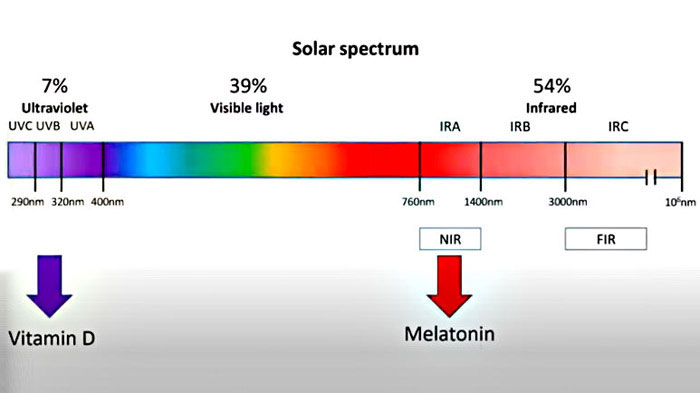
As you can see from the illustration above, 39% of the solar spectrum is what we see as visible light. The majority of the solar spectrum, 54%, is infrared,11 which is not visible but rather felt as heat. Ultraviolet light accounts for only 7% of the solar spectrum, and vitamin D is specifically produced in response to UVB radiation, which is only a small part of the ultraviolet spectrum.
Melatonin is produced inside your mitochondria in response to near-infrared radiation, which is part of the infrared spectrum. Because near-infrared has a much longer wavelength than ultraviolet, it can penetrate much deeper into your body, reaching cells in your subcutaneous tissue and not just on your skin. Near-infrared is not seen but rather felt as warmth. Its penetrative power (heat) also means it can penetrate lightweight clothing.
Melatonin Combats Oxidative Stress, Day and Night
Your mitochondria produce ATP, the energy currency of your cells. A byproduct of this ATP production are reactive oxidative species (ROS), which are responsible for oxidative stress. Excessive amounts of ROS will damage your mitochondria, contributing to suboptimal health, inflammation and chronic health conditions such as diabetes, obesity and thrombosis (blood clots).
The good news is your body has a built-in way to counteract these ROS. Inside your mitochondria, you also have an antioxidant system, and the main antioxidant is melatonin. (Melatonin also upregulates your glutathione pathway.)
Melatonin is perhaps best known as a sleep regulating hormone. At night, the level produced by your pineal gland rises, which help make you sleepy and ready for bed. As the sun rises and morning dawns, the level automatically recedes, allowing you to wake up.
But that’s not all melatonin does. As melatonin is released at night, it travels through your circulatory system and is taken up by cells. Once inside, the melatonin mops up excessive ROS.
Melatonin also helps counteract damaging ROS during the day, but through a different pathway. During the day, near-infrared rays from the sun penetrate deep into your body and activate cytochrome c oxidase, which in turn stimulates the production of melatonin inside your mitochondria.
Melatonin and Sunlight Are Intimately Connected
Melatonin and sunlight are intimately linked and their relationship is unique in the fact that there are two forms of melatonin, circulatory and subcellular, or that produced by the pineal gland and secreted into the blood, and that produced by your mitochondria and used there locally.
Both appear to be controlled by either the absence of sunlight or the presence of sunlight. While circulatory melatonin may be the “hormone of darkness,” subcellular melatonin is the “hormone of daylight.”
Since the beginning of human history, people have lived and worked outdoors during the light of day, absorbing light energy from the sky. An average of 10 hours outdoors each day, 70 hours weekly, was common. Today, we spend an average of fewer than 30 minutes a day or a mere three hours per week in daylight, according to a study by Dr. Daniel Kripke, professor of psychiatry at UC San Diego.12
It is likely that near-infrared (IR) photons stimulate subcellular melatonin synthesis in your mitochondria through cyclic adenosine monophosphate (cAMP) or NF-kB activation, or alternatively by stimulating bone marrow stem cells.13 However, if you fail to expose your skin to sufficient near-IR light from the sun than your mitochondria will have seriously depleted melatonin levels that can’t be corrected through supplementation.
Melatonin’s Role in COVID
Alright, so what does all of this have to do with treating COVID? For this, we need to snake our way through some biology. Angiotensin 2 is a pro-oxidant that is converted into angiotensin 1,7, an antioxidant, by the ACE2 enzyme. ACE2 is the same enzyme the SARS-CoV-2 spike protein attaches to and uses to enter the cell.
Angiotensin 2 increases blood pressure while angiotensin 1,7 lowers it by relaxing your vasculature. If you have high angiotensin 2, you’ll have higher ROS in the cell, which, as mentioned is detrimental, as it damages the machinery of the cell. Angiotensin 1,7, on the other hand, will decrease ROS in the cell.
The problem you encounter with COVID is that when the virus attaches to the cell, it knocks out the ACE2 enzyme (because the spike protein is now bound to it). So, angiotensin 2 increases, angiotensin 1,7 decreases, and the conversion from angiotensin 2 to angiotensin 1,7 cannot occur.
As a result, ROS increases unchecked inside the cell. SARS-CoV-2 infection also increases white blood cell production, and that increases ROS as well. The end result of this elevated oxidative stress is blood clots, which in turn leads to hypoxemia.
Melatonin can break this destructive cycle by mopping up ROS and protecting your mitochondria from destruction.14 As noted by Seheult, if you’re not getting enough sleep at night, and not getting enough sun exposure during the day, your mitochondria are basically “running hot” with inflammation. Melatonin is the coolant that dampens the ROS in your mitochondria.
If your mitochondria are already taxed and you come down with COVID, the added stress can tip you over the edge. If your melatonin system is working well, because you’re getting good sleep and plenty of sun exposure, you’re more likely to fight off the infection and not have it turn serious.
Seed Oils Increase Your Risk for Both COVID and Sunburn
This may seem like a tangent, but it’s an important one. Linoleic acid (LA) makes up the bulk — about 60% to 80% — of the omega-6 fat you consume, and it’s a primary contributor to nearly all chronic diseases. While formerly thought an essential fat, when consumed in excessive amounts, LA actually acts as a metabolic poison.
At a molecular level, excess LA consumption damages your metabolism and impedes your body’s ability to generate energy in the mitochondria. Polyunsaturated fats such as LA are highly susceptible to oxidation, which means the fat breaks down into harmful subcomponents. Oxidized LA metabolites (OXLAMs) are what cause the damage.
Over the last 150 years, the LA in the human diet has increased from 2 to 3 grams a day to 30 or 40 grams. It used to make up just 1% to 2% of the energy in our diet and now it makes up 15% to 20%. This massive increase in LA consumption is what likely contributes to the increased oxidative stress in your body contributing to an increased risk for virtually every chronic degenerative disease.
Primary sources are seed oils and processed foods (which contain seed oils). Conventionally-raised chicken and pork are other common sources, thanks to the LA-rich grains they’re fed. As indicated in the subhead, high LA intake can raise both your risk for sunburn (which you don’t want as that’s what’s contributes to skin cancer) and your risk for COVID.
Eliminating seed oils from your diet will dramatically reduce your risk of sunburn and skin cancer, as susceptibility to UV radiation damage is controlled by the level of PUFAs in your diet. It’s almost like a dial. The PUFAs control how rapidly your skin burns, and how rapidly you develop skin cancer.
As for LA’s impact on COVID, consider this: The key toxin that produces the symptoms of acute respiratory distress syndrome (ARDS) is called leukotoxin, which is made from LA by white blood cells to kill pathogens. Basically, the white blood cells convert the LA into leukotoxin, which contributes to the inflammatory domino effect Seheult describes.
Leukocytes incubated with LA convert all of the LA into this toxin until there’s none left, so, a major part of the disease process in ARDS is the conversion of LA into leukotoxin. That appears to be what’s killing many COVID patients. So, in summary, simply eliminating (or radically reducing) seed oils and conventional chicken and pork from your diet can go a long way toward:
a) Reducing your risk of sunburn, thus allowing you to get plenty of worry-free sun exposure to raise your vitamin D level, increase nitric oxide and boost melatonin production in your mitochondria
b) Lowering your risk of COVID complications by limiting the conversion of LA into leukotoxin
How Melatonin Is Created in Your Mitochondria
While Seheult focuses on the role of melatonin in COVID-19, the paper, “Melatonin in Mitochondria: Mitigating Clear and Present Dangers,”15 goes into much broader applications.
Again, melatonin is important for fighting cancer, and mitochondrial dysfunction plays a central role in most all chronic disease, including cancer, Parkinson’s, Alzheimer’s disease, heart disease and Type 2 diabetes, just to name a few. The paper also describes in far greater detail the mechanism for how melatonin is created within the mitochondria:16
“In normal cells, mitochondria account for energy (ATP) production, which results from glucose metabolism (glycolysis) and cellular respiration (oxidative phosphorylation or OXPHOS) in the inner mitochondrial membrane.
Glycolysis, which occurs in the cytosol, generates pyruvate, which is actively transported into the mitochondrial matrix. Here, pyruvate is converted to acetyl-CoA, the latter linking glycolysis with the citric acid cycle in the mitochondrial matrix and thus coupling it to ATP production.
Acetyl-CoA is also an essential co-factor for N-acetyltransferase (AANAT), which converts serotonin to N-acetylserotonin, the precursor of melatonin; AANAT activity rate limits melatonin synthesis.
In contrast to normal cells, many solid tumor cells allow the metabolism of glucose to pyruvate in the cytosol but restricts the transfer of pyruvate into the mitochondria; this is known as the Warburg effect … The Warburg effect allows cancer cells to rapidly proliferate, avoid apoptosis, and enhance the invasiveness and metastatic processes characteristic of tumors.”
The Warburg Effect in COVID
Interestingly, the Warburg effect is also at play in COVID. As explained in a June 2020 study17 that found melatonin inhibited COVID-19-induced cytokine storm, when your immune cells are in a hyper-inflammatory state, their metabolism changes in a way similar to that of cancer cells:
“Similar to cancer cells … immune cells such as macrophages/monocytes under inflammatory conditions abandon mitochondrial oxidative phosphorylation for ATP production in favor of cytosolic aerobic glycolysis (also known as the Warburg effect) …
The change to aerobic glycolysis allows immune cells to become highly phagocytic, accelerate ATP production, intensify their oxidative burst and to provide the abundant metabolic precursors required for enhanced cellular proliferation and increased synthesis and release of cytokines …
Because of melatonin’s potent antioxidant and anti-inflammatory activities, it would normally reduce the highly proinflammatory cytokine storm and neutralize the generated free radicals thereby preserving cellular integrity and preventing lung damage.”
Optimize Your Health With Sensible Sun Exposure
Basically, what “Melatonin in Mitochondria” found is that melatonin is an ideal target when trying to combat mitochondria-related diseases and cancer, because it has ready access to, and is synthesized in, your mitochondria, right where the oxidative stress occurs. By reprogramming the faulty glucose metabolism, melatonin can optimize mitochondrial function and curtail cancer growth.
Remember, taking melatonin supplements will not transfer to increasing mitochondrial melatonin production. It needs to be produced near your mitochondria and not float down from your pineal gland. So, oral supplementation is not a substitute for going outside during the day.
If you take it during the day, you’re tricking your body into thinking it’s nighttime, which could cause problems. As far as we know, the best way to increase mitochondrial melatonin is to optimize your near-IR exposure through regular sunlight exposure.
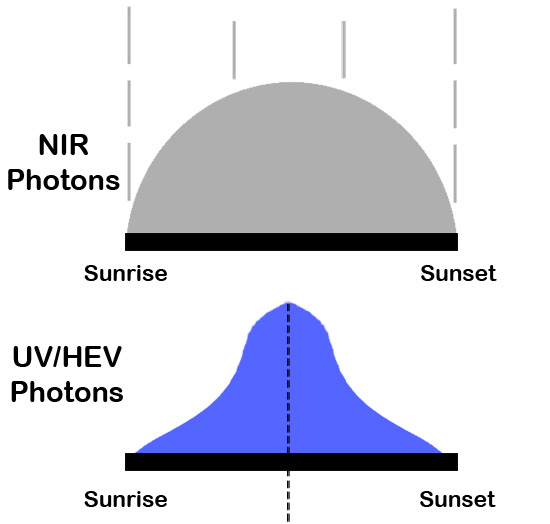
As you can see in the graph above, unlike increasing vitamin D, you have a much broader window where you can get near-IR exposure. Interestingly, spending time in nature is another way to increase your IR levels as most green plants and trees reflect IR. This is likely why forest bathing is so healthy.
The good news is you don’t have to be close to naked to benefit, as you do when optimizing your vitamin D production. The near-infrared radiation will penetrate lightweight clothing. So, you can cover yourself to prevent sunburn if you’re outside for a longer period of time, while still getting the near-infrared that you need. (Also, remember what I just told you about eliminating LA from your diet to cut your sunburn risk.) That said, you will absorb more IR on your bare skin.
The other side of the equation is avoiding bright light late at night. To optimize melatonin release in your pineal gland at night, avoid blue light-emitting gadgets at least a couple of hours before bed and keep the lighting in your room dim. Blue-blocking glasses can also be used. Once in bed, makes sure your room is pitch black, as even a small amount of light can interfere with melatonin production.
Together, sun exposure during the day and keeping it dark at night, will ensure your mitochondria are being bathed — day and night — in melatonin that reduces harmful ROS. So, as suggested by Seheult, try to spend more time outdoors, especially if you’re sick (whether it be COVID or some other respiratory infection) or battle chronic disease.
- 1, 15, 16 Physiology February 5, 2020 DOI: 10.1152/physiol.00034.2019
- 2 Indian J. Exp Biol. May 1996; 34(5): 391-402
- 3 Frontiers in Pharmacology August 21, 2020 DOI: 10.3389/fphar.2020.01220
- 4 Allergy Research Group, Melatonin, the Antioxidant Recycler
- 5 Cell Death & Disease 2019; 10 article number 317
- 6 Oncotarget June 13, 2017; 8(24): 39896–39921
- 7, 8 Diseases, 2021; doi.org/10.1016/j.ijid.2021.10.012
- 9 Frontiers in Medicine, 2020; doi.org/10.3389/fmed.2020.00226
- 10 British Journal of Dermatology May 31, 2021 10.1111/bjd.20093
- 11 Journal of Photobiochemistry and Photobiology February 2016; 155: 78-85
- 12 Sleep Med Rev. 2016 Aug; 28: 69–85
- 13 Melatonin Research February 2019; 2(1): 138-160
- 14 Life Sciences April 1, 2022; 294: 120368
- 17 Medical Drug Discoveries June 2020; 6:100044
This Is the Primary Benefit of Niacin (B3)
Reproduced from original article:
https://articles.mercola.com/sites/articles/archive/2020/11/16/niacin-benefits.aspx
Analysis by Dr. Joseph Mercola Fact Checked November 16, 2020
STORY AT-A-GLANCE
- Niacin plays an important role in photoprotection from the effect of UV radiation on DNA damage and oxidative stress and helps guard against the rising prevalence of skin cancer
- Some research has also found long-term benefits from taking niacin that lower your risk of all-cause mortality
- B vitamins help support your immune system. B3 is a precursor to NAD and may help prevent some of the worst COVID-19 outcomes from cytokine and bradykinin storms
- Seek to get your B3 from food; high dose supplements may trigger a niacin flush in which your skin will get red and tingle. Although it is irritating, it is harmless
Niacin, also called vitamin B3, is a water-soluble vitamin that is found naturally in foods, is added to processed foods and can be bought as a supplement. Niacin plays a vital role in over 400 enzymes, and one study suggests that a diet rich in niacin could protect your skin against ultraviolet (UV) radiation.1
A severe niacin deficiency called pellagra is ultimately a lethal disease. While it was common in the early 20th century, pellagra is uncommon in industrialized populations where most processed foods are fortified with niacin. Currently, pellagra is limited to people living in poverty whose diets are low in niacin and protein.2
The disease is marked by the four D’s: diarrhea, dermatitis, dementia and death. Symptoms of the condition include a brown discoloration on skin exposed to sunlight, a bright red tongue and vomiting, constipation and/or diarrhea. Neurological symptoms include headache, fatigue, loss of memory and depression.
Without treatment, the disease progresses until a person exhibits paranoid and suicidal behaviors with visual and auditory hallucinations and dies. Although this deficiency is rare in industrialized nations, insufficiency contributes to several disease entities and researchers have found:3
“Benefits of niacin supplementation have been observed in experimental models of cancer, cardiovascular disease, skin health, mental health, and oxidant lung injury.”
Niacin Protects Your Skin From UV Radiation
There are three main forms of niacin, which are dietary precursors to nicotinamide adenine dinucleotide (NAD). These are nicotinamide riboside, nicotinic acid and nicotinamide.4 Researchers in Italy studied skin cells from nonmelanoma skin cancers and treated them with different doses of nicotinamide for 48, 24 and 18 hours, after which they were exposed to UV light.
The lab studies showed the cells that were pretreated with nicotinamide were protected from oxidative stress, including damage to DNA from ultraviolet rays. In addition, the data showed niacin reduced local inflammation and the production of reactive oxygen species. Laura Camillo participated in the study and commented in a press release:5
“Our study indicates that increasing the consumption of vitamin B3, which is readily available in the daily diet, will protect the skin from some of the effects of UV exposure, potentially reducing the incidence of non-melanoma skin cancers. However, the protective effect of vitamin B3 is short-acting, so it should be consumed no later than 24 to 48 hours before sun exposure.”
The current lab study supported data from past studies demonstrating similar results. In an animal model, nicotinamide helps prevent photocarcinogenesis and protected the skin against UVA and UVB light.6 Researchers also tested nicotinamide supplements twice-daily in a human trial with people who had actinic keratosis, a precursor to skin cancer.
The nicotinamide supplements reduced the actinic keratosis by 35% relative to the placebo used in the study when it was measured at two and four months. The results were presented at the 41st European Society for Dermatological Research Annual Meeting 2011.
In a paper published in American Health & Drug Benefits, the author reported on one study investigating the use of oral nicotinamide in people who were at high risk for skin cancer.7 The data showed the supplement reduced the rate of new diagnosis of basal cell and squamous cell carcinoma after one year by 23% when the results were compared against a placebo.
Niacin also lowered the risk the participant would develop actinic keratosis. It was estimated the use of this inexpensive supplement could reduce health care costs by approximately $4.8 million each year. The investigators stressed the results were in individuals who had been diagnosed with skin cancer in the past and may not apply to other populations.
In addition, the researchers believe vitamin B3 could be used as a preventive strategy and not treatment. The lead investigator from the University of Sydney also warned the prevention did not take the place of routine care and skin examinations, commenting:8
“This form of prevention is safe and inexpensive, costing around $10 per month, and it is widely available. It is ready to go straight to the clinic for high-risk patients with a track record of skin cancer. This is a new opportunity for skin cancer prevention.”
Prevalence of Skin Cancer Is Rising
Approximately 20% of people living in the U.S. will have skin cancer by age 70.9 Experts estimate nearly 9,500 people receive a diagnosis of skin cancer every day in the U.S.10 There are four main types of skin cancer, including basal cell carcinoma, squamous cell carcinoma, Merkel cell carcinoma and melanoma.
Of the nonmelanoma types of skin cancer, nearly 80% are basal cell, which develop more often on the head and neck. These types of cancer grow slowly and rarely spread. Nearly 20% are squamous cell carcinomas that can be found in areas of the skin that had been burned, exposed to X-rays or damaged by chemicals. Merkel cell is a rare and highly aggressive form of cancer.
Experts estimate over 100,000 adults in the U.S. are diagnosed with invasive melanoma each year and it is the fifth most common cancer that can develop in any age person.11 From 1982 until 2011, the rate of melanoma in the U.S. doubled.12 Since then, the number of people diagnosed has continued to rise.13
Long-Term Heart Benefits of Niacin
Nicotinic acid has been used for more than 40 years to help control dyslipidemia.14 Supplementation with nicotinic acid from 1,000 milligrams (mg) to 2,000 mg have been used daily to increase HDL and lower LDL cholesterol in carefully monitored studies. However, doses this high can produce side effects.
Some clinical trials have demonstrated patients on niacin therapy have a lower number of cardiovascular events and deaths. Other trials were not as positive. After a review of the literature, the U.S. Food and Drug Administration concluded:15
“… scientific evidence no longer supports the conclusion that a drug-induced reduction in triglyceride levels and/or increase in HDL-cholesterol levels in statin-treated patients results in a reduction in the risk of cardiovascular events.”
As I’ve written before, it is the relationship between HDL, LDL and triglycerides that is a greater predictor of heart health and not the absolute numbers of each. This means the FDA statement supports lowering LDL cholesterol with dangerous statin medications but suggests altering HDL and triglyceride levels with an inexpensive and safe supplement would have no effect on heart health.
In one study published in the Journal of the American College of Cardiology, researchers evaluated data from 1966 to 1975, looking at the effectiveness and safety of five drugs in a population of 8,341 men.16
Two medications were discontinued early in the study because of adverse events. The niacin treatment showed modest benefit in reducing the number of heart attacks, but did not reduce all-cause mortality. However, researchers followed up with the group 15 years later, nearly nine years after the participants stopped using the interventions.
They found all-cause mortality was similar to the placebo group in all drugs except niacin. Nine years after the participants stopped taking niacin, it continued to have a positive effect on their health, lowering all-cause mortality by 11% over the placebo group.
B Vitamins May Lower Risk of Worst COVID Outcomes
In the past, I have reviewed how nutrients such as vitamins C and D play a role in the treatment of COVID-19. A recently published paper has also highlighted the potential value of B vitamins.17 The paper was an international collaborative effort among researchers from the University of Oxford, United Arab Emirates University and the University of Melbourne Australia.18
Although there are no studies evaluating the efficacy of B vitamins on patients with COVID-19, the scientists advocate for research into the group of vitamins, stressing their importance to the immune system and immune competence. The paper does not suggest that B vitamins could prevent or treat COVID-19 alone.
However, as scientists have discovered many times, a single vitamin or nutritional supplement does not work alone, but in concert with others. COVID-19 has been dangerous for those with underlying medical conditions or older adults as it triggers an overactivation of your immune system and a cytokine or bradykinin storm.
Niacin and nicotinamide are important to your immune health as they are precursors to NAD+. This is a crucial signaling molecule that naturally declines with age. According to David Sinclair with Harvard Medical School, higher levels of NLRP3 inflammasomes are culprits in cytokines storms and are influenced by NAD+ levels.19
Niacin is a building block of NAD and NADP. This component is vital when combating inflammation, such as what happens during a viral infection like COVID-19. The scientists advocating for research into B vitamins explain:20
“NAD+ is released during the early stages of inflammation and has immunomodulatory properties, known to decrease the pro-inflammatory cytokines, IL-1β, IL-6 and TNF-α.
Recent evidence indicates that targeting IL-6 could help control the inflammatory storm in patients with COVID-19. Moreover, niacin reduces neutrophil infiltration and exhibits an anti-inflammatory effect in patients with ventilator-induced lung injury …
In addition, nicotinamide reduces viral replication (vaccinia virus, human immunodeficiency virus, enteroviruses, hepatitis B virus) and strengthens the body’s defense mechanisms. Taking into account the lung protective and immune strengthening roles of niacin, it could be used as an adjunct treatment for COVID-19 patients.”
Be Aware of a Niacin Flush
Niacin can be found in a wide variety of foods, including animal-based foods such as poultry, beef and fish, and nuts and grains.21 Many processed foods such as breads, cereals and infant formulas are fortified with niacin.
One of the highest sources of B3 is grass fed beef liver, and even a half a cup of chopped onions has 0.1 mg of niacin per serving. Other rich sources include brown rice, beef, pork and sockeye salmon.
If you are considering using a niacin supplement, be aware that one of the common side effects is a niacin flush. This most often happens when the vitamin is taken in large doses and usually only when using nicotinic acid. Niacinamide does not commonly produce the flushing side effect, but also does not have the same effect on cholesterol levels.22
A niacin flush doesn’t happen when you eat foods high in niacin. The condition is marked by symptoms of a burning or tingling sensation in the chest, neck and face.23 Your skin can feel warm to the touch and take on a flushed, red appearance. For some, as little as a 50 mg supplement can trigger the reaction.
Although it is irritating, and sometimes alarming, it is nonetheless harmless. Some find using a time release supplement, taking it with meals or drinking plenty of fluid can reduce the flushing effect. Taking smaller doses spread throughout the day may also reduce the potential of a reaction.
- 1 India Times, November 2, 2020
- 2 National Institutes of Health, Niacin, Niacin Deficiency
- 3 Advances in Nutrition, 2016;7(3) Niacin Deficiencies last line
- 4 Oregon State University, Niacin, bullet 1
- 5 EurekAlert! October 31, 2020 Second last para
- 6 F1000 Research, September 23, 2011
- 7, 8 American Health & Drug Benefits, 2015;8(Spec Issue)
- 9 Skin Cancer Foundation, Skin Cancer Facts And Statistics
- 10 American Academy of Dermatology Association, Skin Cancer
- 11 Cancer.net, Melanoma Statistics
- 12 American Academy of Dermatology Association, Skin Cancer, Incidence rates, bullet 8
- 13 Skin Cancer Foundation, Skin Cancer Facts And Statistics, Melanoma
- 14 Harvard TH Chan School of Public Health, Niacin Vitamin B3, Niacin And Health
- 15 Federal Register, April 18, 2016, II Withdrawal under section 505
- 16 Journal of the American College of Cardiology, 1986; 8(6) abstract
- 17 Maturitas, 2020; doi.org/10.1016/j.maturitas.2020.08.007
- 18 MSN, August 28, 2020 para 2
- 19 Aging, 2020; doi.org/10.18632/aging.103344 Increased inflammation and cytokine storms in the aged first line para 7
- 20 Maturitas, 2020; doi.org/10.1016/j.maturitas.2020.08.007 1.3 Vitamin B3
- 21 National Institutes of Health, Niacin, Food sources
- 22 MedlinePlus, Niacinamide, how does it work para 3
- 23 British Columbia Drug and Poison Information Centre,Niacin: The Facts on Flushing
How Nitric Oxide Combats COVID-19
Reproduced from original article:
https://articles.mercola.com/sites/articles/archive/2020/10/16/coronavirus-nitric-oxide.aspx
Analysis by Dr. Joseph Mercola Fact Checked October 16, 2020
STORY AT-A-GLANCE
- Recent research shows nitric oxide (NO) has a direct antiviral effect on SARS-CoV-2, effectively blocking viral replication in vitro
- Inhaled NO has been shown to improve arterial oxygenation in hypoxemic patients by redistributing blood flow in the lung to better ventilated regions. It also counteracts blood clotting
- The SARS-CoV-2 main protease is a key enzyme in the virus’ life cycle, which makes it an attractive target for drug development. By targeting this enzyme, researchers believe you can effectively combat SARS-CoV-2, and that is precisely what NO does
- You may be able to boost your resilience against SARS-CoV-2 by implementing lifestyle strategies that increase your natural NO production
- Three strategies that will increase NO production in your body are blood flow restriction training and other high-intensity exercises, getting sensible sun exposure on large portions of your body and eating nitrate-rich plant foods
I’ve written many articles reviewing a wide variety of therapies demonstrated or hypothesized to have a positive impact on SARS-CoV-2 infection and COVID-19 disease progression. Now, we can add nitric oxide (NO) to the list — not to be confused with nitrous oxide (N2O, a sedative often referred to as laughing gas). According to Åke Lundkvist, a professor at Uppsala University who led the study1 in question:2
“To our knowledge, nitric oxide is the only substance shown so far to have a direct effect on SARS-CoV-2. Until we get a vaccine that works, our hope is that inhalation of NO might be an effective form of treatment. The dosage and timing of starting treatment probably play an important part in the outcome, and now needs to be explored as soon as possible.”
What Is Nitric Oxide?
Nitric oxide (NO) is a soluble gas continually produced from the amino acid L-arginine inside your cells. While NO is a free radical, it’s also an important biological signaling molecule that supports normal endothelial function and protects your mitochondria — the little “power stations” in your cells that produce a majority of your body’s energy in the form of ATP.
It’s stored in the lining of your endothelium (blood vessels), and can be triggered either through exercise or dietary means. NO is a potent vasodilator, helping relax and widen the diameter of your blood vessels.
NO has an antiviral effect against SARS-CoV-2 … Furthermore, inhaled NO improved arterial oxygenation in hypoxemic patients by redistributing blood flow in the lung to better ventilated regions, and counteracted blood clotting, both effects being of importance for COVID-19 patients. ~ Redox Biology 2020
Healthy blood flow in turn allows for efficient oxygenation of tissues and organs, and aids in the removal of waste and carbon dioxide. Importantly, NO infuses into areas that are hypoxic, meaning in need of oxygen, and both your heart and brain3,4 are heavy oxygen users. NO also:
| Improves your immune function, making your body better equipped to fight off foreign pathogens |
| Has powerful antibacterial potential |
| Protects your mitochondrial health |
| Helps maintain physiological homeostasis — For example, in your gut, NO regulates mucosal blood flow, intestinal motility and the thickness of mucus |
| Plays an important role in the homeostasis of reactive oxygen species, which can have a significant impact on metabolic pathways5 |
| Helps suppress inflammation |
| Promotes angiogenesis, the formation of new, healthy blood vessels6 |
| Helps improve your physical fitness — For example, raw beets have been shown to boost stamina during exercise by as much as 16% as a result of the increase in NO production7 |
| Improves brain neuroplasticity by improving oxygenation of the somatomotor cortex, a brain area that is often affected in the early stages of dementia8,9 |
| Helps reverse metabolic syndrome10 and has antidiabetic effects11,12 |

NO Effectively Inhibits SARS-CoV-2 Replication
As mentioned, NO is known to have broad-spectrum antimicrobial effects, and Swedish researchers have now demonstrated that NO effectively inhibits the replication of SARS-CoV-2 in vitro by targeting the SARS-CoV-2 main protease. The study13 in question was published in the October 2020 issue of Redox Biology. As explained in various sections of this paper:14
“Nitric oxide (NO) is a broad-spectrum antimicrobial and a potent vasodilator that has proved to be effective in reducing SARS-CoV replication and hypoxia in patients with severe acute respiratory syndrome …
NO has been demonstrated as an effective antiviral against SARS-CoV in vitro and in vivo by inhalation in very low concentrations in a small clinical trial.
Furthermore, inhaled NO improved arterial oxygenation in hypoxemic patients by redistributing blood flow in the lung to better ventilated regions, and counteracted blood clotting, both effects being of importance for COVID-19 patients.
The role of NO-inhalation in the prevention and treatment of COVID-19 has been proposed, but no clinical data has yet been reported. In the present study the antiviral effect of NO on SARS-CoV-2 infected cells was tested in vitro …
The NO-donor S-nitroso-N-acetylpenicillamine (SNAP) had a dose dependent inhibitory effect on SARS-CoV-2 replication … SNAP (NO donor), but not NAP (NO-lacking version of SNAP) showed a dose dependent reduction of SARS-CoV-2 viral RNA copy numbers, which proves that NO has an antiviral effect against SARS-CoV-2 and probably in the similar manner as previously described for SARS-CoV and other viruses …
Although the viral replication was not completely abolished (at 200 μM and 400 μM), SNAP delayed or completely prevented the development of viral cytopathic effect in treated cells, and the observed protective effect correlated with the level of inhibition of the viral replication.”
The image below compares and contrasts the cytopathic effects over time (24-hour intervals) between cells treated with SNAP (a NO donor) at 200 μM and 400 μM, and untreated controls. The cells are magnified 100 times.
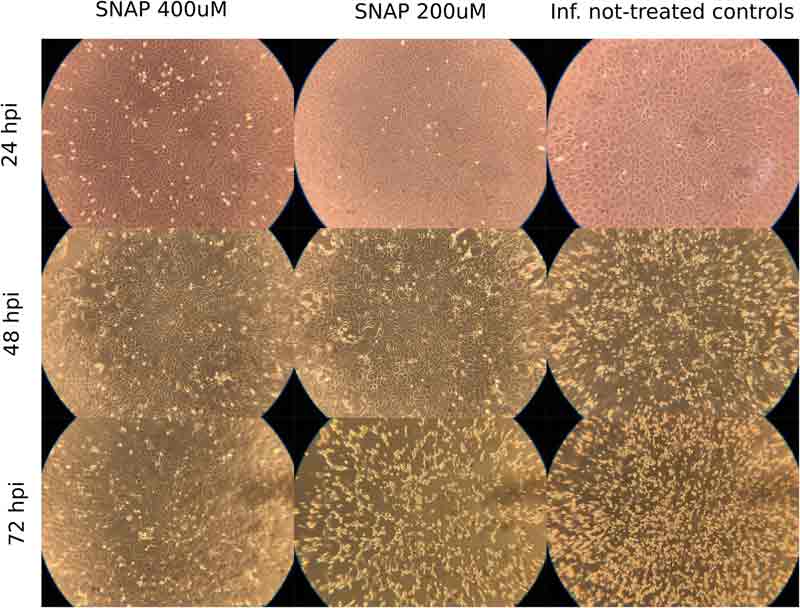
SARS-CoV-2 Main Protease Is an Attractive Drug Candidate
The SARS-CoV-2 main protease is a key enzyme in the virus’ life cycle,15 which makes it an attractive target for drug development.16 As explained in one Science paper,17 the SARS-CoV-2 main protease enzyme “cuts the polyproteins translated from viral RNA to yield functional viral proteins.”
By targeting this enzyme, researchers believe you can effectively combat SARS-CoV-2, and that is precisely what NO does. According to the Swedish researchers:18
“Based on this study and previous studies on SARS-CoV in vitro, and in a small clinical trial, we conclude that NO may be applied for clinical use in the treatment of COVID-19 and other human coronavirus infections.”
How to Increase NO Production Naturally
While the Swedish researchers suggest using NO inhalation therapy — which is already used for conditions such as hypoxic respiratory failure in adults19 and respiratory failure in neonates20 — you could also boost your resilience against the virus by implementing lifestyle strategies that increase your natural NO production.
For clarity, these strategies would not be of immediate help if you come down with a SARS-CoV-2 infection. Rather, by increasing your body’s production of NO on a regular basis, the virus may be less likely to gain a foothold if you’re exposed to it. That said, three strategies that will increase NO production in your body include:
- Blood flow restriction training (BFR)21
- Getting sensible sun exposure on large portions of your body, as NO is released into your bloodstream when sunlight hits your skin22,23
- Eating nitrate-rich plant foods24,25,26 such as arugula and red beets. NO production can be further magnified by combining these foods with probiotics27
BFR Boosts Vascular Function by Increasing NO
To give you some more details about these strategies, BFR has been shown to improve your vascular function, and one of the ways by which it does this is by increasing NO production. As explained in a 2012 study published in the International Journal of Vascular Medicine:28
“… after several minutes of arterial cuff occlusion at proximal or distal portion in any artery, for example, brachial and popliteal artery, immediate cuff deflation can lead to increase shear stress induced by reactive hyperemia and activate endothelial nitric oxide (NO) synthase (eNOS).
This activation leads to a shear-stress-mediated augmented NO production in endothelial cells … NO bioavailability in the endothelial cell … is an important factor and predictor in protecting against cardiovascular disease.”
The local muscle hypoxia brought on by BFR exercise also significantly increases vascular endothelial growth factor (VEGF), which act like “fertilizer” for your blood vessels. The medical term for this development of new blood vessels is angiogenesis. Angiogenesis, in turn, enhances NO bioavailability.
The following graph illustrates the vascular changes that occur in response to BFR. To learn more about BFR, including how to perform it properly, see “What You Need to Know About Blood Flow Restriction Training.”
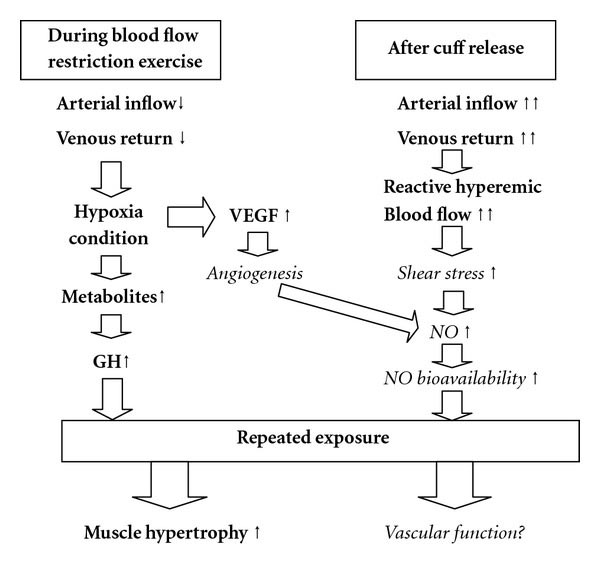
Whole Body UVA Irradiation Triggers NO Release
Next up: Sun exposure. It doesn’t get any easier than this, really. All you need to do is expose as much skin as possible to bright sunlight. As always, you’ll want to make sure you don’t stay out too long. Sunburn is counterproductive as it will only harm your skin. Once your skin turns the lightest shade of pink, move into the shade or put on clothing and a hat.
Ultraviolet A (UVA) and the near-infrared light spectrum both increase NO, so you’re getting that benefit from both ends of the light spectrum. As explained in a 2009 paper29 in the journal Circulation Research, when you expose your body to sunlight, photolabile NO derivates such as nitrite and S-nitroso thiols decompose and form vasoactive NO. (Photolabile means the compounds are altered or undergo chemical changes in response to light).
Eat a Nitrate-Rich Diet
Lastly, the dietary component. Dietary nitrates are converted into nitrites by oral bacteria during chewing. Once the nitrites are swallowed and come into contact with stomach acid, they get converted into NO. You can find more in-depth details about this conversion in “Top 9 Reasons to Optimize Your NO Production.” Nitrate-rich foods that can boost your NO level include:30,31,32
| Arugula | Red beets / fermented beets | Rhubarb |
| Cilantro | Butter leaf lettuce | Spring greens like mesclun mix |
| Basil | Oak leaf lettuce | Swiss chard |
As mentioned, taking a probiotic can optimize the NO production when eating nitrate-rich foods. The reason for this is because gut bacteria are involved in the first step of the NO metabolism chain. Probiotic bacteria such as Lactobacillus reduce nitrate to nitrite, the latter of which becomes a substrate for NO. So, by adding probiotics, you increase the NO substrate, which allows for higher levels of NO to be generated.
Aside from the many benefits already listed, NO has also been shown to improve muscle contractions in your diaphragm, thereby improving breathing. This, beside its antiviral effects, can have a direct benefit for COVID-19.
For the study,33 researchers split old mice into two groups. (For reference, the mice used in the study were 24 months old, which is equivalent to about 70 years of age in humans.) One group was given drinking water that contained sodium nitrate daily for 14 days. The other group was given plain water.
After the study period, they measured the isometric force and peak power of the diaphragm muscles in the mice and found that both significantly increased in the nitrate group. This increase in force and power translated to improved contraction of the diaphragm muscle, which can then improve lung function and breathing.
The increased power in the diaphragm could also help older people clear their lungs more effectively, which may help reduce the risk of developing infections. Your body’s ability to produce NO declines with age, so it’s important to take steps to increase your NO production as you get older. Respiratory muscle function also declines with age, contributing to breathing troubles, impaired airway clearance and a decreased quality of life.
Since nitrates can improve muscle function of the diaphragm, it may help improve the outlook for older populations with respiratory infections like COVID-19. Dietary nitrates also improve oxygen uptake by dilating the blood vessels and allowing more oxygen to be delivered to muscles, like the diaphragm, and other cells.34
How Molecular Hydrogen Impacts NO Production
In conclusion, I’d like to address the detrimental side of NO, and how this plays into COVID-19. As explained by Tyler W. LeBaron in a recent video lecture featured in “How Molecular Hydrogen Can Help Your Immune System,” most of the destruction wrought by SARS-CoV-2 is through reactive oxygen species (ROS) and systemic inflammation.
And, as mentioned earlier, NO is both a free radical and a signaling molecule. As such, it can have either positive or negative effects, depending on its levels and what else is going on.
ROS are molecules that cause oxidative damage. However, they’re not all bad all the time. Neutrophils that produce ROS also produce NO and superoxide. Superoxide helps kill pathogens, but you also don’t want too much of it, so it needs to be regulated. The same goes for NO.
While NO can inhibit viral replication and boost your immune system, you don’t want too much, because as levels of superoxide and NO rise, they combine and form peroxynitrites, which are extremely damaging. Peroxynitrites in turn form hydroxyl radicals, the most cytotoxic ROS.
Normally, when superoxide has done its job, it’s converted by superoxide dismutase into hydrogen peroxide, which in turn is converted into water and oxygen. This process is regulated by a transcription factor called Nrf2/keap1.
When this transcription factor is activated, it triggers your body’s natural antioxidants such as glutathione and catalase. Nrf2 — which is involved in phase 2 detoxification — regulates more than 200 protective proteins and enzymes. The problem is that when ROS is overabundant and out of control, the Nrf2 system is depleted and can no longer regulate the inflammatory process.
Molecular hydrogen (H2 gas) has the ability to activate the Nrf2/keap1 pathway, thereby replenishing your endogenous antioxidants. In so doing, H2 helps regulate and maintain homeostasis in the whole system, preventing the infection from getting out of control and causing cell death.
H2 can also lower excessive NO and superoxide production by downregulating NOX and NOS enzymes. In a scenario such as COVID-19, this would be good, as when these two molecules are excessively elevated they combine to create the pernicious peroxynitrite molecule.
Considering very high levels of NO appear to be part of the COVID-19 disease process in the later stages, it seems NO inhalation therapy might be best suited in the early stages of infection, not the more advanced stages when inflammation is running wild.
As noted by the Front-Line COVID-19 Critical Care (FLCCC) Alliance,35,36 peak viral replication takes place at the earliest signs of symptoms, which include cold/flu-like symptoms, loss of taste and smell, myalgia (muscle pain) and general malaise.
At this time, the focus should be on antiviral therapies — which is what NO inhalation therapy, in this case, could be designated as. As symptoms worsen, viral replication actually diminishes automatically, giving way to immune dysregulation, so at this point, NO might cause more problems than it solves.
Nebulized Hydrogen Peroxide — A Highly Effective Home Remedy
While unrelated to NO, I believe one of the most effective treatment options available is nebulized hydrogen peroxide. This is a home remedy I recommend everyone familiarize themselves with, as in many cases it can improve symptoms within mere hours. It is particularly effective in those who are in the later stages of the illness.
Dr. David Brownstein, who has successfully treated over 100 COVID-19 patients with nebulized hydrogen peroxide, published a case paper37 about this treatment in the July 2020 issue of Science, Public Health Policy and The Law. He also discusses its benefits in a recent interview I did with him.
In my April 2020 article, “Could Hydrogen Peroxide Treat Coronavirus?” I reviewed some of the basic science of how hydrogen peroxide works, as well as some of the studies assessing its therapeutic potential. The most relevant study38 was published in March 2020 in the Journal of Hospital Infection. They studied 0.5% hydrogen peroxide, and found it killed human coronaviruses, including the coronaviruses responsible for SARS and MERS.
Nebulized hydrogen peroxide is extremely safe. Brownstein has used it for 25 years with no ill effects being found. It’s also incredibly inexpensive, and you can administer it at home, without a prescription. In my view, it is one of the absolute best therapies for viral infections like SARS-CoV-2 or even worse respiratory viruses that will likely be unleashed in the future.
I strongly recommend buying a desktop nebulizer. It needs to produce a very fine mist, and desktop versions are stronger than handheld battery operated models. The one I use is the Pari Trek S Compressor Aerosol System with a face mask, (sold separately) not with the supplied mouth piece.
It is important to acquire the equipment and peroxide BEFORE you need it, as the sooner you treat the infection the better your results will be, although the testimonials are unbelievably impressive even in late stage illness. It is not necessary to treat yourself preventively, but only if you are sick or exposed to someone who is.
While I’ve been using a 0.1% dilution, Brownstein uses an even lower concentration of just 0.04%. Neither Brownstein nor I recommend using commercial 3% hydrogen peroxide found in most grocery stores, as it has potentially toxic chemical stabilizers in it. For optimal benefits, use food-grade peroxide and dilute it appropriately, using saline.
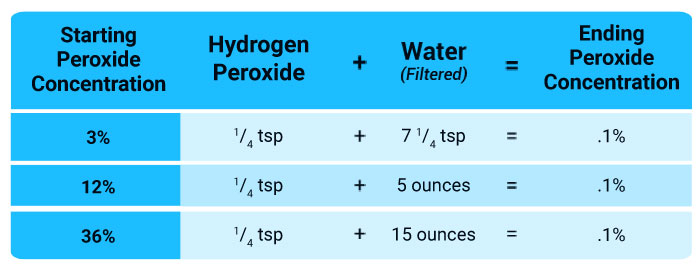
To dilute 35% food-grade peroxide into a 0.04% solution, first dilute it down to 3% by mixing 1 part peroxide with 10 parts sterile water, then take 3 cubic centimeters (CCs) of that 3% dilution and add it to a 250CC bag of normal saline. This brings it down to a .04% hydrogen peroxide concentration. In the video above, I go over the basics of how to do nebulized peroxide.
- 1, 13, 14, 18 Redox Biology 2020; 37: 101734
- 2 Science Daily, October 3, 2020
- 3 New York Daily News April 20, 2017
- 4 Express.co.uk April 20, 2017
- 5 Cell Metabolism 2018 Jul 3;28(1):9-22
- 6 American Journal of Cell Physiology 2017 Mar 1; 312(3): C254–C262
- 7 J Appl Physiol (1985). 2009 Oct;107(4):1144-55
- 8 Journals of Gerontology November 9, 2016, glw219
- 9 Neuroscience News April 19, 2017
- 10 PNAS October 12, 2010. 107 (41) 17716-17720
- 11 Free Radical Biology and Medicine September 2006; 41(5): 691-701
- 12 Hypertension 2008 Mar;51(3):784-90
- 15, 17 Science April 24, 2020; 368(6489): 409-412
- 16 Bioorg Med Chem Lett. 2020 Sep 1; 30(17): 127377
- 19 INOmax.com
- 20 NEJM 2006; 355:354-364
- 21, 28 International Journal of Vascular Medicine 012; 2012: 543218, 2.4. Flow Mediated Dilation
- 22 J Invest Dermatol. 2014 Jul;134(7):1839-1846
- 23 Circ Res. 2009 Nov 6;105(10):1031-40
- 24, 30 Morning Steel, Nitric Oxide Foods
- 25, 31 Anabolic Men, Nitric Oxide Foods
- 26, 32 Livestrong, Fruits and Vegetables High in Nitrates
- 27 PLOS One 2015; 10(3): e0119712
- 29 Circulation Research November 6, 2009;105(10):1031-40
- 33 J Physiol (2020)
- 34 Nutrients. 2017;9(1)
- 35 EVMS Medical Group, Critical Care COVID-19 Management Protocol (PDF)
- 36 Youtube,COVID-19 Patient Management with Dr. Paul Marik (Author of MATH+ Protocol)
- 37 Science, Public Health Policy and The Law July 2020; 1: 4-22 (PDF)
- 38 J Hosp Infect. 2020 Mar;104(3):246-251