Stress
now browsing by category
7 Conditions Masquerading As Dementia
© GreenMedInfo LLC. This work is reproduced and distributed with the permission of GreenMedInfo LLC.
Want to learn more from GreenMedInfo? Sign up for the newsletter here:
www.greenmedinfo.com/greenmed/newsletter
Reproduced from original article:
https://greenmedinfo.com/blog/7-conditions-masquerading-dementia
Posted on: Monday, May 30th 2022
Written By: GMI Reporter
This article is copyrighted by GreenMedInfo LLC, 2022

More than 40% of dementia diagnoses have been shown to be wrong. Here’s what may really be going on.
Imagine this nightmare. For the last few years your mother has had serious memory problems. She gets lost driving. She repeats the same question to you over and over again. She can’t process new information. She loses her train of thought in mid-sentence. A CT scan comes back with a diagnosis of early Alzheimer’s disease. The doctors offer a prescription with little encouragement it will work.
Do you despair?
A new program from UCLA and the Buck Institute for Research on Aging offers new hope. In the first study of its kind, researchers have proved that natural therapies can not only slow the progress of dementia but can actually reverse it.
In a paper titled “Reversal of Cognitive Decline: A novel therapeutic program“ Dr. Dale Bredesen showed how 9 out of the 10 subjects diagnosed with dementia got their minds back.[i]
Dr. Bredesen is a professor of neurology at The Mary S. Easton Center for Alzheimer’s Disease Research at UCLA, as well as a professor at the Buck Institute. The study was supported by multiple entities including the National Institutes of Health.
Cognitive decline is a major fear as we age. According to the Alzheimer’s Association “dementia is a general term for loss of memory and other mental abilities severe enough to interfere with daily life.” Alzheimer’s disease – just one of many forms of dementia – accounts for 60 to 80 percent of dementia cases. It affects about 5.4 million Americans and 30 million people around the world. By 2050, it’s expected to grow to 160 million people globally, including 13 million Americans. There is no effective treatment for Alzheimer’s and it is already the third leading cause of death in the United States.
Dr. Bredesen believes that multiple factors influence the development of dementia and Alzheimer’s. In a small study, he and his colleagues designed personalized and comprehensive protocols to reverse memory loss in 10 patients.
The results were remarkable. Nine of the 10 participants showed improvement in their memories within three to six months of starting the program.
Six patients had had to discontinue working or were struggling with their jobs at the time they joined the study. ALL were able to return to work or continue working with improved performance.
The subjects included five patients with memory loss associated with Alzheimer’s disease. The others had amnestic mild cognitive impairment, and subjective cognitive impairment.
Only one patient, diagnosed with late stage Alzheimer’s, did not improve.
Doctors used a “systems approach” in treating the patients. They developed a complex, 36-point therapeutic program that includes comprehensive changes in diet, brain stimulation, exercise, optimization of sleep, specific pharmaceuticals and vitamins, and multiple additional steps that affect brain chemistry.
In a press release Dr. Bredesen stated:
The existing Alzheimer’s drugs affect a single target, but Alzheimer’s disease is more complex. Imagine having a roof with 36 holes in it, and your drug patched one hole very well—the drug may have worked, a single “hole” may have been fixed, but you still have 35 other leaks, and so the underlying process may not be affected much.
Dr. Bredesen’s approach is based on extensive testing of each patient to determine what is affecting the signaling network in his or her brain. The protocol is then personalized for the patient. A sample protocol for one of his patients in the study included:
- eliminating all simple carbohydrates;
- eliminating gluten and processed food;
- increasing vegetables, fruits, and non-farmed fish;
- reducing stress with yoga and meditation;
- taking melatonin each night;
- increasing sleep from 4-5 hours per night to 7-8 hours per night;
- taking methylcobalamin (vitamin B12), vitamin D, CoQ10, and fish oil each day;
- optimizing oral hygiene using an electric flosser and electric toothbrush;
- hormone replacement therapy;
- fasting for a minimum of 12 hours between dinner and breakfast;
- fasting for a minimum of three hours between dinner and bedtime; and
- exercising for a minimum of 30 minutes, 4-6 days per week.
Although the downside to the program is the complexity and the number of lifestyle changes required, Dr. Bredesen noted that the only side effect of the protocol was “improved health and an optimal body mass index, a stark contrast to the side effects of many drugs.”
What can you do when faced with a diagnosis of cognitive decline, dementia, or Alzheimer’s disease?
The UCLA protocol recognizes that dementia can have many causes and those causes are often reversible.
Sharp Again Naturally (www.sharpagain.org) is a non-profit organization formed in 2012 to educate the public and the medical community about the reversible causes of dementia.
Here are seven areas Sharp Again Naturally suggests you investigate before accepting a dementia or Alzheimer’s diagnosis. These are conditions that may cause memory loss and dementia but can be reversed:
1. Nutritional imbalances and deficiencies. Deficiencies of omega 3s, vitamin B12, vitamin C, magnesium, selenium, probiotics, and other nutrients frequently cause symptoms of Alzheimer’s and dementia.
Adhering to a balanced Mediterranean-style diet is associated with slower cognitive decline. It’s also linked to a reduced risk of Alzheimer’s.
Studies also show low vitamin D levels are linked to Alzheimer’s. Low folate (vitamin B9) may also lead to cognitive decline.
Adding coconut oil may rescue a brain from Alzheimer’s. And turmeric is known to boost working memory in just one dose.
2. Artificial food colors, flavors, and sweeteners. Artificial additives of all kinds may cause dementia symptoms.
Studies show the artificial sweetener aspartame impairs cognitive function and leads to memory loss.
3. Prescription medication side effects. Drugs, especially pain medications, and psychotropic drugs can severely disrupt cognition.
Statins are particularly harmful. In one study from the University of California – San Diego, 90 percent of patients who stopped taking statin drugs reported improvement in cognitive problems in a matter of weeks. In some of the patients a diagnosis of dementia or Alzheimer’s was reversed.
Another study showed that the sleep drug Ambien increased the risk of dementia in elderly patients.
4. Inflammation from low-level infections, mold, food allergies, and Lyme Disease. Inflammation is the body’s attempt to get rid of a toxic element or organism, and so it occurs in many different situations, even root canals and urinary tract infections.
Studies suggest that mental disorders result from neuroinflammation.
5. Stress and stagnation/inactivity. Stress elevates cortisol levels, leading to inflammation, and in turn to hormone imbalances, cognitive impairment, heightened blood sugar levels, hypertension, delayed healing time, and susceptibility to disease. The body’s self healing mechanisms depend on unimpeded flow of lymph, blood, and other fluids, all of which are promoted by exercise. Inactivity, by contrast, allows cellular shutdown and blockages, taxing the whole system and interfering with healing on every level.
One study showed that in patients younger than 65 years-old, 41% of dementia diagnoses were incorrect. Misdiagnosis occurred most frequently in patients with depression or alcohol abuse.
6. Thyroid and other hormonal imbalances. Many people diagnosed with Alzheimer’s or dementia simply have low levels of T3 thyroid hormone. However, standard thyroid tests completely miss T3 levels, and Synthroid (T4) doesn’t help. It is estimated that 10 to 15% of all nursing home residents may be there because of low T3.
7. Mercury and other heavy metal poisoning. So-called silver amalgam fillings contain 50 percent mercury, and that mercury is neither stable nor inert. It off-gasses, crosses the blood-brain barrier, and destroys neurons even without contact. Removing these fillings is hazardous unless done with mercury-safe protocols.
Annual flu shots are another source of these toxins. Research shows that people who took the flu shot for five consecutive years had 10 times or 1000 percent higher risk of developing Alzheimer’s Disease than people who only had one or two flu shots due to the accumulation of mercury and aluminum in the vaccines.
Most doctors are not expert in these causes of dementia or how to treat them. Sharp Again Naturally is building a medical advisory board and a database to get the word out. It also offers help finding functional medicine specialists, naturopaths, or doctors who practice integrative medicine who are familiar with these areas.
Click here for more information on natural approaches to preventing and overcoming dementia.
Additional References
[i] Dale E. Bredesen, “Reversal of Cognitive decline: A novel therapeutic program.” AGING, September 2014, Vol. 6, No. 9.
How to Conquer Fatigue and Low Energy
Reproduced from original article:
https://articles.mercola.com/sites/articles/archive/2022/05/22/eat-for-energy.aspx
The original Mercola article may not remain on the original site, but I will endeavor to keep it on this site as long as I deem it to be appropriate, and will not be bullied into removing it.
Analysis by Dr. Joseph Mercola Fact Checked May 22, 2022
STORY AT-A-GLANCE
- To address fatigue and low energy, you need to improve your mitochondrial energy production
- Mitochondria have a mutually exclusive dual function. They produce energy, but they’re also environmental sensors that detect threats inside the body. When a threat is detected, the mitochondria downshift energy production to focus on self-defense
- Common threats that can result in reduced mitochondrial energy production include oxidative stress, poor nutrition, environmental toxins, psychological stress and sleep deprivation
- Mitochondrial capacity declines by about 10% with each decade of life, but it’s not a natural function of aging. Rather, the loss of mitochondria is due to a lack of hormetic stress. Mitochondria have to be challenged and stimulated in order to stay big and strong
- Light deficiency is an extremely common cause for fatigue. Sun exposure is required for melatonin production in your mitochondria, which protects them from damage. Red and infrared light also stimulate tissue-specific growth factors, directly stimulate ATP production at the mitochondria level, and act as signals to encourage mitochondria to grow bigger and stronger
In this interview, Ari Whitten, a return guest, discusses his latest book, “Eat for Energy: How to Beat Fatigue, Supercharge Your Mitochondria, and Unlock All-Day Energy.”
Whitten has also written an excellent book about infrared light exposure or photobiomodulation as a healing modality, called “The Ultimate Guide to Red Light Therapy: How to Use Red and Near-Infrared Light Therapy for Anti-Aging, Fat Loss, Muscle Gain, Performance, and Brain Optimization.”
As you might guess, the focus of his latest book is fatigue, and the foundational core for addressing that is to improve mitochondrial energy production. Your circadian rhythm also plays an important role. Whitten explains the premise of the book:
“It’s a collection of science-based strategies as far as what to eat, how to eat and when to eat, that can be tied in with any particular dietary pattern that you’ve already adopted. So, I’m not asking if you’re paleo or vegan or keto or Mediterranean. I’m not asking you to change that.
It’s dozens of strategies that you can incorporate into the dietary pattern of your choosing. So, I feel like it’s a really key piece of the puzzle for a lot of people. They can just immediately plug in with pretty minimal effort and get big results …
In the last 100 years, we’ve seen massively accelerating risks of dozens of diseases, and that is not the result of everybody being a unique individual and responding randomly to what’s going on. It’s not that everybody’s genetics just decided to express lots of disease.
It’s because the modern world changed in very fundamental ways, as far as diet, the modern lifestyle, as far as being sedentary, being in climate-controlled offices, losing all these forms of hormetic stressors, sleeping less, disrupting our circadian rhythm — these are the main drivers of pretty much all of these different chronic diseases.
And the answer isn’t to treat everybody as a unique individual and pretend like we don’t know all of these universal factors that are the actual root cause drivers of these diseases. It’s to address the foundation of these root cause drivers of diseases. That’s where you have to start.”
A New Understanding of Mitochondria
In high school and college biology courses, we’re taught to think of mitochondria as mindless energy generators that take in the food we eat, mostly carbs and fats, and then pump out cellular energy in form of the ATP. However, in the past five to 10 years, we’ve gained a whole new understanding of mitochondria, largely thanks to the work of Dr. Robert Naviaux, who runs a mitochondrial medicine lab at the University of California, San Diego.
“Naviaux, I think, is one of the most brilliant scientists and has created one of the biggest breakthroughs in medicine in the last century, arguably. He figured out that mitochondria have a second role, other than energy production, and that is in cellular defense.
In his words, mitochondria are the central hub of the wheel of metabolism. They are not just energy producers, but also environmental sensors, and they are constantly sampling the environment around them, figuring out what’s going on in the body.
And, basically, they’re asking one fundamental question: Are we under attack? Is there something we need to defend against? And this is the big key — these dual roles of energy production and cellular defense are mutually exclusive. So, to the degree that mitochondria are picking up on some dangers that are present, they turn down the dial on energy production.
And if the mitochondria are turning down the dial on energy production, subjectively on a macro level, us as an organism, a collection of trillions of these cells filled with mitochondria, feel the symptom of fatigue. We can think of our energy levels as largely a function of the degree to which our mitochondria are detecting the presence of dangers or threats in the body.”
Common threats your mitochondria might be responding to if you feel fatigued include oxidative stress, poor nutrition, environmental toxins, psychological stress and sleep deprivation, just to name a few.
What’s Your Resilience Threshold?
Most if not all stressors can be boiled down to oxidative stress, reactive nitrogen species, inflammation and purinergic signaling (a situation in which energy molecules leak out of the cell). Even something like psychological stress can cause this kind of reaction. But whether the stressor is serious enough to cause fatigue depends on your resilience threshold. What wipes one person out might not affect another.
“I like to think of fatigue as having two fundamental causes,” Whitten says. “One is all of these different kinds of environmental and lifestyle stressors. The other thing that interplays with, and is often left out by a lot of people, is what is happening at the cellular level inside of your body.
And the key thing to understand here is that our cells can either be filled with big, strong mitochondria, and lots of them, or weak, fragile, shrunken, broken, dysfunctional mitochondria, and very few of them.
It’s been shown in research that mitochondrial capacity declines by about 10% with each decade of life. If you look at older people, they generally have somewhere between 50% to 75% lower mitochondrial capacity than a young person.
But it’s not a natural function of aging, because we know from other research that when they look at mitochondrial capacity of healthy 70-year-olds, who are lifelong athletes, they don’t have lower mitochondrial capacity than an adult at 40 years old.
What that tells us is the loss of mitochondria is not a function of aging, per se. It’s a function of lack of hormetic stress in your life. Mitochondria have to be challenged and stimulated in order to stay big and strong.”
Other Factors That Influence Your Energy Levels
While mitochondrial dysfunction is a central issue in fatigue, other factors also come into play, including:
- Low muscle mass — Greater muscle mass contributes to metabolic flexibility and health, because muscle acts as a sink for glucose, thereby reducing your risk of insulin resistance. Low muscle mass, on the other hand, is a leading contributor to early death, and it’s a major contributor to low energy and fatigue
- Elevated blood sugar and insulin resistance — This primarily goes back to a poor diet high in processed foods and constant grazing throughout the day. Eating a whole food diet and implementing TRE can go a long way toward normalizing your insulin and blood sugar
- Lack of hermetic stress such as insufficient amounts of exercise
- Stress
- Poor gut health
How Your Diet Influences Your Energy Level
Naturally, your diet has a central influence on your energy level. One key driver of low energy and ill health is excessive omega-6 linoleic acid (LA) intake. LA contributes to insulin resistance, obesity and chronic inflammation, and as mentioned earlier, when mitochondria detect inflammation, they dial down energy production to shift resources toward self-defense.
High LA consumption has also been implicated in neurodegenerative diseases, cancer and many other chronic diseases. Processed food, which is not only high in LA but also sugar, can also considerably impact your energy levels by impairing your hormone regulation.
Circadian Rhythm Disruption Is a Common Culprit
According to Whitten, arguably one of the most important things you can do to improve your energy level is to optimize your circadian rhythm by consistently going to bed and rising in the morning at the same times. Another crucial factor is to get plenty of daytime sunlight exposure and to minimize artificial light exposure at night. As explained by Whitten:
“The circadian clock in your brain learns to distinguish what is day and what is night based on the differences in light intensity, along with the color of the wavelengths of that light. When you start your morning in indoor environments, under indoor lighting, looking at screens, and end your day in indoor environments with indoor lighting, looking at screens, you don’t have a big [light intensity] differential.”
Your circadian rhythm is also influenced by nutrient sensors throughout your body. While you use light to optimize the central clock in your brain, you use nutrition to optimize the peripheral clocks and sync them with the central clock. One way to do this is through time-restricted eating (TRE), where you eat all your meals within a six- to 10-hour window.
The Importance of Sun Exposure
Light deficiency is another extremely common cause for fatigue. Sun exposure triggers vitamin D production, which is important, but it also has many other functions and benefits that can directly impact your energy level.
For example, the vast majority of melatonin, some 95%, is produced in your mitochondria in response to sunlight (specifically red near-infrared light, which is what provides warmth). Melatonin is a potent anti-inflammatory, so sunlight allows you to target oxidative stress right where it’s needed the most.
“Melatonin is absolutely vital for protecting your mitochondria from harm and preventing them from accumulating damage as you age,” Whitten says. But swallowing melatonin is useless for this, as oral melatonin cannot reach the mitochondria.
Red and infrared light directly stimulate ATP production at the mitochondria level. These wavelengths also create a transient increase in reactive oxygen species, which are signaling molecules that instruct the mitochondria to grow bigger and stronger.
Sunlight also allows for the conversion of retinol (vitamin A) to retinoids, which is crucial for the function of vitamin D, and interacts with your malanocortin system, which involves alpha-melanocyte-stimulating hormone that helps regulate inflammation and appetite.
Sunlight also creates a surge of nitric oxide, which helps normalize your blood pressure and reduce your cardiovascular disease risk. Whitten cites a Swedish study that showed women with the lowest sun exposure had a cardiovascular disease risk equivalent to smoking a pack of cigarettes per day. Red and infrared light also have a long list of other health benefits.
Importantly, red and infrared light directly stimulate ATP production at the mitochondria level. These wavelengths also create a transient increase in reactive oxygen species, which are signaling molecules that instruct the mitochondria to grow bigger and stronger.
Red and infrared wavelengths also stimulate tissue-specific growth factors. So, in muscle cells, it increases insulin-like growth factor 1, which is a key growth factor for muscle growth. In your thyroid, it stimulates growth factors that help regenerate thyroid gland tissue in the brain.
In your skin, fibroblasts are stimulated by red and near-infrared light to increase collagen production. So, essentially, red and infrared light act as signals that trigger growth and regeneration at the cellular level, throughout your whole body.
“Our biology has evolved for millions of years to require adequate sun exposure in order to express normal health,” Whitten says. “Just to function normally, we require these different bioactive wavelengths and red and infrared light …
We know that hermetic stress, that doing exercise, doesn’t just protect the cells and the mitochondria from harm from exercise. It protects against a broad range of other stressors.
So, having a body that does exercise, that’s fit, protects you from oxidative damage that might occur from psychological stress or sleep deprivation or environmental toxins — things that are totally unrelated to the initial source of that hermetic stress that led to those adaptations.
I think what we have with melatonin is probably something that’s very similar. This is something critical for protecting our mitochondria from a broad range of, basically, every type of stressor. You got to have those melatonin levels charged up, and that’s a function of exposing your body to light.”
The Antiaging, Energy-Boosting Benefits of Methylene Blue
Methylene blue is the parent molecule for hydroxychloroquine and chloroquine, an off-patent drug commonly used to treat not only malaria but also COVID-19. Interestingly enough, this molecule has been shown to have antiaging benefits when used topically. There’s even a new cosmetics brand that uses it in their formulas. While it has a blue tint, when mixed with a carrier oil it does not stain your skin blue. According to Whitten, methylene blue:
“… has profound antiaging effects, anti-wrinkle effects and protects that skin from damage. It has mitochondrial protective effects … it’s neuroprotective, combats neurological disease and improves long-term brain health. It can also help increase energy …
It’s worth mentioning that there are some contraindications, there are some interactions with certain drugs that can be dangerous. Definitely, SSRIs [are contraindicated]. There’s also a strange medical condition called G6PD [that it’s contraindicated for].”
Methylene blue also contains important copper enzymes called ceruloplasmin, which acts as a copper storage in your body. Copper is extremely important from mitochondrial energy production, and methylene blue forms a buffer to oxidation, which allows the copper to work better.
More Information
To learn more, be sure to pick up a copy of “Eat for Energy: How to Beat Fatigue, Supercharge Your Mitochondria, and Unlock All-Day Energy.” The book addresses several foundational nutritional causes of fatigue and how to fix it, including:
| The influence of your circadian rhythm and how to optimize it via nutrition |
| TRE and how to sync your eating window with your waking-sleeping cycle |
| Calorie stacking — how stacking more of your daily calories towards the earlier part of the day results in increased energy levels (in part by enhancing neurotransmitters and hormones that are synced with the circadian rhythm) |
| How to optimize your body composition |
| How to optimize your gut health |
| Superfoods and supplements to optimize energy levels |
You can also learn more by tuning into his popular podcast, “The Energy Blueprint,” where every week he delves into a wide variety of health promoting strategies
Two Remarkable Stress Relief Supplements; Take Them Together
Reproduced from original article:
https://articles.mercola.com/sites/articles/archive/2022/05/17/magnesium-and-vitamin-b6.aspx
The original Mercola article may not remain on the original site, but I will endeavor to keep it on this site as long as I deem it to be appropriate, and will not be bullied into removing it.
Analysis by Dr. Joseph Mercola Fact Checked May 17, 2022
STORY AT-A-GLANCE
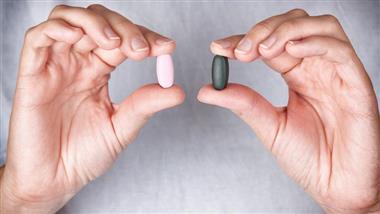
- Vitamin B6 escorts magnesium to the cells that need it most, thus ensuring that the magnesium you’re getting, whether from foods or supplements, is being used as efficiently as possible. Vitamin B6 thus helps augment the many benefits of magnesium
- Research shows a combination of magnesium and vitamin B6 can lower perceived stress to a greater degree than magnesium alone in those with severe or extremely severe stress. Those taking magnesium and B6 in combination also experienced fewer side effects
- Magnesium and vitamin B6 are two nutrients commonly recommended for women with premenstrual syndrome. Magnesium deficiency may cause and intensify PMS symptoms, and magnesium appears to work because it has a calming effect on the neuromuscular system
- Researchers have found vitamin B6 and magnesium are most effective for lowering rates of depression, water retention and anxiety in women with PMS
- The recommended dietary allowance for magnesium ranges from 310 mg to 420 mg for adults over the age of 19, depending on age, gender and pregnancy status, and the adult RDA for vitamin B6 is between 1.2 mg and 2 mg per day, depending on age and gender; both nutrients are abundant in whole foods
This article was previously published June 10, 2019, and has been updated with new information.
You may be familiar with the connection between magnesium, calcium and vitamins K2 and D and how they work in tandem. But are you aware of the crucial link between magnesium and vitamin B6 (pyridoxine)? Individually, magnesium and vitamin B6 are both essential for heart and brain health. Both also play roles in the regulation of your blood sugar level.1,2
When you get insufficient amounts of magnesium from your diet, your body will leach magnesium from your bones, muscles and internal organs, which can lead to osteoporosis, kidney problems and liver damage.
Vitamin B6 can help ameliorate this by escorting magnesium to the cells that need it most, thus ensuring that the magnesium you’re getting, whether from foods or supplements, is being used as efficiently as possible. In so doing, vitamin B6 also helps augment the many benefits of magnesium.
Magnesium-B6 Combo Is Superior for Severe Stress
The importance of magnesium in combination with vitamin B6 was presented in a 2018 study3 in the journal PLOS ONE. Taken together, these two nutrients have been shown to have a complementary effect on stress reduction in animal studies.
In this randomized trial, they evaluated whether the combination of magnesium and B6 would improve perceived stress levels in 264 human subjects who also had low magnesium to start. Healthy adults with a depression anxiety stress scale score above 18 and a serum level of magnesium between 0.45 nanomoles per liter (mmol/L) and 0.85 mmol/L were randomized to receive either:
- 300 milligrams (mg) of magnesium in combination with 30 mg of vitamin B6
- 300 mg of magnesium only
The primary endpoint was a reduction in stress score from baseline to Week 8. While both treatment groups experienced similar reductions in their stress scores — the magnesium-B6 combo group reporting a 44.9% reduction in perceived stress and the magnesium-only group a 42.4% reduction — a more significant impact was shown in those with severe and/or extremely severe stress.
According to the authors, adults with a stress score at or above 25 had a 24% greater improvement with magnesium-vitamin B6 versus magnesium only at Week 8. Those taking magnesium and B6 in combination also experienced fewer side effects: 12.1% of those taking magnesium-vitamin B6 versus 17.4% of those taking magnesium only experienced some form of adverse event. As noted by the authors:4
“These findings suggest oral Mg supplementation alleviated stress in healthy adults with low magnesemia and the addition of vitamin B6 to Mg was not superior to Mg supplementation alone. With regard to subjects with severe/extremely severe stress, this study provides clinical support for greater benefit of Mg combined with vitamin B6.”
Magnesium and B6 May Ease Premenstrual Syndrome
Magnesium and vitamin B6 are two nutrients commonly recommended for women struggling with premenstrual syndrome. According to a research paper5 published in the Journal of Caring Sciences, magnesium deficiency has been proposed “as one of the factors causing and intensifying premenstrual syndrome symptoms,” and magnesium appears to work because it has a calming effect on the neuromuscular system.
“Vitamin B6 is another proposed treatment for this syndrome,” the paper notes.6 “On the one hand vitamin B6 increases serotonin and dopamine levels and improves premenstrual syndrome symptoms, and on the other, it has an essential role in the synthesis of prostaglandin and fatty acids, which are reduced in etiologies causing premenstrual syndrome.
Moreover, researchers believe that vitamin B6 deficiency decreases dopamine in the kidneys and therefore increase sodium excretion, which in turn causes water accumulation in the body and induces symptoms such as swelling in extremities, edema, and abdominal and chest discomfort. The administration of vitamin B6 can thus decrease these symptoms and improve premenstrual acne.”
To evaluate the effects of these two nutrients on premenstrual syndrome, 126 women diagnosed with premenstrual syndrome, based on American Psychiatric Association criteria, were divided into three groups, which received either 250 mg of magnesium oxide, 250 mg of vitamin B6, or a placebo, taken from the first day of the menstrual cycle until the beginning of the next cycle.
Magnesium and B6 Have Similar Rates of Effectiveness
Overall, magnesium and B6 had similar rates of effectiveness for premenstrual syndrome in this Journal of Caring Sciences study. Mean scores of premenstrual syndrome before and after intervention in the three groups were as follows:
| Magnesium | Vitamin B6 | Placebo | |
|---|---|---|---|
| Before intervention | 36.89% | 36.51% | 35.8% |
| After intervention | 22.22% | 22.84% | 28.41% |
As you can see, while the placebo also helped reduce premenstrual syndrome symptoms, magnesium and B6 did so more effectively, and at similar rates. When looking at specific symptoms, B6 and magnesium were found to be the most effective for lowering rates of depression, water retention and anxiety. In conclusion, the authors noted:7
“Considering the importance of premenstrual syndrome and the numerous effects it has on society and the lives of women, health groups should prioritize the diagnosis and treatment of this syndrome. Since there is no definitive etiology and treatment for this syndrome, many researchers have tried to find the best and most effective drug with the least side effects to prevent the occurrence of the syndrome …
The current study was also undertaken with the goal of finding an effective compound with no side effects to reduce the symptoms of this syndrome and its direct and indirect economic and social effects. All compounds used in the current study had no side effects, were effective, non-chemical, and acceptable by most groups of women in the society.
Hence, health groups, especially midwives, can compare the effectiveness the compound on their specific patients and select the most appropriate treatment for each individual. Moreover, in cases where the patient is prohibited from using chemical drugs to treat premenstrual syndrome, such as oral contraceptive pills and gonadotropin releasing hormone (GnRH) agonists, the use of these compounds seems effective …”
Unfortunately, a combination of magnesium and B6 was not evaluated in this study. It would have been interesting to see what their combined effect would have been. Considering the importance of both of these nutrients for health, I see no risk in combining them, though, should you struggle with premenstrual syndrome.
The Importance of Magnesium for Optimal Health
Magnesium8 is the fourth most abundant mineral in your body and the second most common intracellular cation9 (positively charged ion) after potassium. It’s required for the healthy function of most cells in your body, but is especially important for your heart, kidneys and muscles.
Low magnesium will impede your cellular metabolic function and deteriorate mitochondrial function, which can have far-reaching health consequences, seeing how loss of mitochondrial function is a foundational factor in most chronic diseases, including heart disease and cancer.
According to one scientific review,10 which included studies dating as far back as 1937, low magnesium actually appears to be the greatest predictor of heart disease, and other recent research shows even subclinical magnesium deficiency can compromise your cardiovascular health.11
Being one of the most abundant minerals in the human body, it’s not surprising that it has several hundred biological functions. To list just a few, magnesium helps:
- Relax your muscles as well as your blood vessels — Being deficient in it can cause muscle cramps and weakness
- Promote mental and physical relaxation — It’s a stress antidote that works by boosting GABA, an inhibitory neurotransmitter that relaxes your nervous system. Magnesium also helps boost your melatonin production
- Detoxification and reduces damage from electromagnetic fields
- Regulate blood sugar and improve insulin sensitivity, potentially protecting against Type 2 diabetes
Magnesium Is Required for Activation of Vitamin D
Magnesium is also a component necessary for the activation of vitamin D,12,13,14 and deficiency may hamper your ability to convert vitamin D from sun exposure and/or oral supplementation.
According to Mohammed Razzaque, professor of pathology at Lake Erie College of Osteopathic Medicine in Pennsylvania, coauthor of a study published in The Journal of the American Osteopathic Association (JAOA) in March 2018,15 “By consuming an optimal amount of magnesium, one may be able to lower the risks of vitamin D deficiency, and reduce the dependency on vitamin D supplements.”
Interestingly, the first paper I ever had published, back in 1985, was also in the JAOA. My paper was about the use of calcium to control hypertension, but if I had written the paper this century, it most certainly would have been about the use of magnesium for that purpose.16
A second study,17 published in The American Journal of Clinical Nutrition in December 2018 also concluded that your magnesium status plays an important role in your vitamin D status. Overall, people with high magnesium intake were less likely to have low vitamin D. They also had a lower mortality risk from cardiovascular disease and bowel cancer.
As explained by Dr. Qi Dai, professor of medicine at Vanderbilt University Medical Center and the lead author of this study, “Magnesium deficiency shuts down the vitamin D synthesis and metabolism pathway.” What’s more, magnesium was found to have a regulating effect, raising and lowering vitamin D based on baseline levels.
In people who had a baseline vitamin D level of 30 ng/mL (75 nmol/L) or below, magnesium supplementation raised their vitamin D level. However, in those who started out with higher vitamin D levels (50 ng/mL or 125 nmol/L), magnesium supplementation lowered their vitamin D.
Magnesium for Brain Health and Neurological Functioning
Magnesium is also crucial for optimal brain function, and is a common culprit in neurological ailments, including:
• Migraines18,19,20 — Researchers have noted that empiric treatment with a magnesium supplement is justified for all migraine sufferers.21
• Depression — Magnesium plays an important role in depression as it acts as a catalyst for mood-regulating neurotransmitters like serotonin. Research22 published in 2015 found a significant association between very low magnesium intake and depression, especially in younger adults.
Research23 published in PLOS ONE demonstrated magnesium supplementation improved mild-to-moderate depression in adults, with beneficial effects occurring within two weeks of treatment. In fact, the effects of magnesium were comparable to prescription SSRIs in terms of effectiveness, but without any of the side effects associated with these drugs.
Participants in the treatment group received a daily dose of 248 milligrams (mg) of elemental magnesium for six weeks, while controls received no treatment. According to the authors, “It works quickly and is well tolerated without the need for close monitoring for toxicity.”
• Memory problems and loss of brain plasticity — Memory impairment occurs when the connections (synapses) between brain cells diminish. While many factors can come into play, magnesium is an important one.
According to Dr. David Perlmutter, a neurologist and fellow of the American College of Nutrition, “magnesium is a critical player in the activation of nerve channels that are involved in synaptic plasticity.”24 Magnesium threonate, which most effectively permeates the blood-brain-barrier, is likely your best choice here.
The specific brain benefits of magnesium threonate were demonstrated in a 2010 study25 published in the journal Neuron, which found this form of magnesium enhanced “learning abilities, working memory, and short- and long-term memory in rats.”
Health Benefits of Vitamin B6
Like magnesium, vitamin B6 (as well as several other B vitamins) also plays an important role in heart and brain health. It is used in the creation of neurotransmitters, and is required for proper brain development during pregnancy and infancy.26
Vitamins B6, B9 (folate, or folic acid in its synthetic form) and B12 may be particularly important for supporting cognitive function as you age, and have been shown to play a major role in the development of dementia, including Alzheimer’s disease, which is the most serious and lethal form.
A primary mechanism of action here is the suppression of homocysteine,27 which tends to be elevated when you have brain degeneration. High homocysteine has also been implicated in the development of atherosclerosis.28,29
The good news is your body can eliminate homocysteine naturally, provided you’re getting enough B9 (folate), B6 and B12. One study confirming this was published in 2010.30 Participants received either a placebo or 800 micrograms (mcg) of folic acid (the synthetic form of B9), 500 mcg of B12 and 20 mg of B6.
The study was based on the presumption that by controlling homocysteine levels you might be able to reduce brain atrophy, thereby slowing the onset of Alzheimer’s. Indeed, after two years those who received the vitamin-B regimen had significantly less brain shrinkage compared to the placebo group.
A 2013 study31 took this research a step further, showing that not only do B vitamins slow brain shrinkage, but they specifically slow shrinkage in brain regions known to be most severely impacted by Alzheimer’s disease.
As in the previous study, participants taking high doses of folic acid and vitamins B6 and B12 lowered their blood levels of homocysteine, decreasing brain shrinkage by as much as 90%. High doses of vitamins B6, B8 (inositol) and B12 have also been shown to significantly reduce symptoms of schizophrenia, more so than standard drug treatments alone.32 Vitamin B6 is also important for healthy:
- Metabolism, by helping break down amino acids in the muscles to be used as energy and by converting lactic acid to glucose in your liver
- Immune system, as it helps create white blood cells that fight infections
- Hair and skin health, by reducing hair loss and alleviating dermatitis
How to Improve Your Magnesium and Vitamin B6 Status
The recommended dietary allowance (RDA) for magnesium ranges from 310 mg to 420 mg for adults over the age of 19, depending on age, gender and pregnancy status,33 and the adult RDA for vitamin B6 is between 1.2 mg and 2 mg per day, depending on age and gender.34
Both magnesium and vitamin B6 are abundant in whole foods. Good sources of magnesium include leafy greens, berries, avocado, seeds, nuts and raw cacao nibs. Eating a primarily processed food diet is the primary culprit in magnesium deficiency, and if you fall into this group, you’d be wise to take a magnesium supplement.
Vitamin B6 is abundant in animal foods such as beef and wild-caught salmon, as well as dark leafy greens, papaya, oranges, cantaloupe, sweet potatoes, avocados, bananas, spinach, pistachios and sunflower seeds.35 Nutritional yeast is another excellent source.
- 1 Diabetes Self Management, Magnesium, The Forgotten Healer
- 2 Michigan Medicine, Vitamin B6
- 3, 4 PLOS ONE 2018; 13(12): e0208454
- 5, 6, 7 Journal of Caring Sciences 2012 Dec; 1(4): 183–189
- 8 Medical News Today December 20, 2017
- 9, 11 Open Heart 2018:e000668 (PDF)
- 10 New Hope Network January 31, 2013
- 12 Live Science February 26, 2018
- 13 Medicalxpress.com February 27, 2018
- 14 News-Medical.net February 26, 2018
- 15 Eurekalert February 27, 2018
- 16 Journal of the American Osteopathic Association 1985; 85:104-107
- 17 American Journal of Clinical Nutrition December 1, 2018; 108(6): 1249-1258
- 18 Migraine.com, Magnesium
- 19, 21 J Neural Transm (Vienna). 2012 May;119(5):575-9
- 20 Cephalalgia 1996 Jun;16(4):257-63
- 22 Journal of the American Board of Family Medicine 2015 Mar-Apr;28(2):249-56
- 23 PLOS ONE June 27, 2017
- 24 Drperlmutter.com, Magnesium and Your Brain
- 25 Neuron January 27, 2010; 65(2): 165-177
- 26 Live Science August 20, 2015
- 27 Nutritionfacts.org January 18, 2019
- 28 American Journal of Pathology 1969 Jul;56(1):111-28
- 29, 35 Harvard TH Chan, The Nutrition Source: B Vitamins
- 30 PLoS ONE 5(9): e12244
- 31 PNAS 2013 Jun 4;110(23):9523-8
- 32 Psychological Medicine February 16, 2017; 47(9): 1515-1527
- 33 NIH.gov Magnesium
- 34 NIH.gov Vitamin B6
A Generation of Nature-Deficient Youth?
Reproduced from original article:
https://articles.mercola.com/sites/articles/archive/2022/05/12/nature-deficit-disorder.aspx
The original Mercola article may not remain on the original site, but I will endeavor to keep it on this site as long as I deem it to be appropriate, and will not be bullied into removing it.
Analysis by Dr. Joseph Mercola Fact Checked May 12, 2022

STORY AT-A-GLANCE
- According to one survey, 50% of children spend less than one hour outside daily
- The disconnect from the natural environment may be leading to a host of physical and mental problems in children and adolescents, leading to a phenomenon known as nature deficit disorder
- Nature deficits are on the rise due to increasingly urbanized lifestyles, which generally include access to fewer natural spaces, lots of screen time and increased pressure from work and school, which leads to more time spent indoors
- Less exposure to nature in youth has paralleled an increase in mental health disorders, persistent feelings of sadness and hopelessness and suicidal thoughts
- In youth and young adults, exposure to nature improves cognitive functioning, decreases attention deficit disorder and promotes self-awareness, among other benefits
Time outdoors is so fundamental to human life that in U.S. maximum security prisons, inmates are guaranteed two hours outdoors each day. Yet, according to one survey, 50% of children spend less than one hour outside daily.1 This disconnect from the natural environment may be leading to a host of physical and mental problems in children and adolescents, leading to a phenomenon known as nature deficit disorder.
Nature deficit disorder is, specifically, the “human costs of alienation of nature,” of which there are many. This, coupled with the fact that U.S. children spend three times more hours on computers or watching television as they do playing outdoors,2 could be contributing to the mental health crisis that’s emerged among youth.3
What Is Nature Deficit Disorder?
The term “nature deficit disorder” was coined by journalist Richard Louv, author of “Last Child in the Woods.”4 This is not an actual psychological diagnosis but rather a term used to describe a lifestyle deficit that contributes to poor psychological and physical health.
Louv suggested that humans’ alienation from nature led to “diminished use of the senses, attention difficulties and higher rates of physical and emotional illnesses.”5 Speaking with Yale Environment 360, Louv explained that there’s been a surge in research highlighting the ill effects of a nature deficit in recent years:6
“When I wrote Last Child in the Woods in 2005, this wasn’t a hot topic. This subject was virtually ignored by the academic world. I could find 60 studies that were good studies. Now it’s approaching and about to pass 1,000 studies, and they point in one direction: Nature is not only nice to have, but it’s a have-to-have for physical health and cognitive functioning.”
Nature deficits are on the rise due to increasingly urbanized lifestyles, which generally include access to fewer natural spaces, lots of screen time and increased pressure from work and school, which leads to more time spent indoors and less leisure time in general, as well as less leisure time spent outdoors.
Changes in the perception of risk were also highlighted by Louv as a driving force behind nature deficit disorder, though he was referring to risks such as “stranger danger” at the time.
The COVID-19 pandemic magnified perceived risks of illness and social gatherings even further, such that outdoor time became even more scarce. In a study published in Environmental Research in March 2022, it was revealed that many U.S. college students limited outdoor recreation and reduced their use of parks during the pandemic due to fears about the virus as well as lack of access or crowding.7
The reduction in park use was associated with higher levels of emotional distress, as was living in a county with a smaller area of parks per capita. In another study of U.S. adolescents conducted between April 2020 and June 2020, declines in participation in outdoor activities, connection to nature and mental well-being were noted.8 It’s likely that nature deficit disorder is now even more prevalent than it was prior to the pandemic.
Lack of Nature Contributing to Mental Health Crisis
Thirty years ago, the greatest public health threats to teenagers included binge drinking, drunk driving, smoking and teenage pregnancy. That has been largely replaced with a new menace: mental health disorders. As reported by The New York Times:9
“In 2019, 13 percent of adolescents reported having a major depressive episode, a 60 percent increase from 2007. Emergency room visits by children and adolescents in that period also rose sharply for anxiety, mood disorders and self-harm. And for people ages 10 to 24, suicide rates, stable from 2000 to 2007, leaped nearly 60 percent by 2018, according to the Centers for Disease Control and Prevention.”
The rise in mental health disorders has paralleled an increase in excessive cellphone and computer use — defined as at least three hours a day, not including school work — among teens in the last decade. As children spend less time indoors, they spend more time on screens, including exposure to social media. Over the same decade, persistent feelings of sadness and hopelessness, along with suicidal thoughts, also increased.10
You may have heard of the term “food desert,” which describes communities that have limited access to nutritious foods. “Park deserts” also exist, in which communities lack green spaces for their residents to spend time in.
With younger generations spending increasing amounts of time staring at screens, living in urban environments without access to natural spaces, the disconnectedness from nature is getting worse instead of better.
Writing in the journal BMC Public Health, researchers with The University of Texas Health Science Center at Houston described access to nature as an environmental justice issue, adding that “individuals who are Latinx, low-income, and/or with low levels of education have less access to vegetation,” are putting their physical, mental and social-emotional well-being at risk.11
What Do Children Gain From Nature?
Regular access to and time spent in nature has immeasurable benefits on human health and well-being. Writing in Frontiers in Public Health, researchers with the Institute of Psychiatry and the National Institute of Mental Health and Neurosciences in India explained:12
“It is often experienced that a simple walk in a park, observing a plant sprouting to life from a tiny seed or going on vacation far away from the hustle of the city has at least partially relieved people the from overwhelming stress that we might be into and made people feel new again.
This gives us a clear indication that man indeed has a deep rooted desire to connect back to the natural world however much he separates himself from it, in his technologically advanced, sophisticated, well-furnished residence.”
However, it’s not only an intrinsic feeling or assumption that nature is good for children’s health; research also bears this out. In a systematic review involving 35 papers, about half found statistically significant positive relationships between nature and mental health outcomes.13
Further, it’s been previously found that, in youth and young adults, exposure to nature improves cognitive functioning, decreases attention deficit disorder and promotes self-awareness. Attending outdoor camp has been suggested as one way for children to gain crucial time in the outdoors, and one study, indeed, found benefits when young adults attended a four-week wilderness camp.14
In addition to sense of place and nature connection improving, the participants felt that the wilderness environment facilitated social connections, and they experienced significantly improved well-being, including benefits to:15
- Perceived stress
- Relaxation
- Positive and negative emotions
- Sense of wholeness
- Transcendence
Ecological Interventions Benefit Medical Disorders
Ecotherapy is a term to describe psychotherapeutic techniques that treat mental and physical health using environmental or ecological interventions, such as social and therapeutic horticulture, green exercise, environmental conservation, wilderness therapy, care farming and animal-assisted interventions.
All of these bring people back in touch with their natural roots, leading to health improvements that can be difficult to gain using other interventions. Ecotherapy techniques have been shown to benefit a range of disorders, including:16
| High blood pressure | Obesity |
| Post-surgical recovery | Depression |
| Stress | Post-traumatic stress disorder |
| Attention deficit hyperkinetic disorder | Adjustment disorders |
A 2019 study revealed, for example, that patients in a psychiatric hospital benefited immensely from gardening.17 Working with plants and soil stimulated reflective processes in the patients, who used the activity and the garden itself symbolically to gain insights into their illness.
Along with providing calmness and a needed change of environment from the hospital setting, gardening led to improved mood and pro-social behavior while fostering a sense of community, belonging and shared purpose. The patients also experienced reduced isolation and felt the activity gave them a distraction from unpleasant thoughts. Gardening may be so powerful, in part due to what’s known as attention restoration theory:18
“Attention restoration theory suggests the ability to concentrate may be restored by exposure to natural environments. Participating in gardening activities allowed an individual to move mentally and physically to a different place, provided an opportunity to feel connected to a larger world and allowed the participant to engage in their environment to meet their needs and interests, all of which contribute to the restorative environment.
Engagement in gardening activities has been associated with stress reduction, increased focused attention, social health, and self-efficacy.”
Particularly during the pandemic, when people, including youth, became even more isolated from their natural environment, researchers have suggested that natural areas can be used to combat “psychological turmoil,” and pointed out that ecotherapy interventions can be “simple and transformative,” adding:19
“[W]e can place our hands on the soil to feel grounded, vade in the water to feel emotionally healed, fill our lungs with fresh air to feel mentally clear, raise our faces to the heat of the sun and connect with the fire to feel the immense power within us, the sum of which is, physical connection with nature has an ameliorating effect on our mental health concerns.
Indeed research so far indicates reconnecting with nature through certain unembellished methods will certainly bring about modification in the positive direction in our well-being and mental health issues.”
Helping Youth Reconnect With Nature
Positive changes are underway as it’s becoming increasingly clear that humans need nature, perhaps more than nature needs us. A survey by HR advisory firm Future Workplace found that access to natural light and outdoor views was the No. 1 most sought-after attribute of workplace environment, beating out fitness centers, on-site childcare and cafeterias.20
Even schooling is increasingly taking place outdoors. Louv, who cofounded the Children & Nature Network to increase children’s time spent in nature, said outdoor schools, where the majority of learning occurs in natural spaces, have increased by 500% since 2012 in the U.S.21
Even spending 120 minutes or more in nature a week was associated with a greater likelihood of good health or high well-being, compared to no nature contact,22 and you can break it up any way you want — one hour twice a week, 20 minutes six days a week, and so on.
Encouraging youth to turn off electronics and spend time outdoors — engaged in sports, gardening, walking the dog or just being in nature — should be a priority. Whenever you have an opportunity to get outdoors, do it — meal times, family gatherings and even washing your car are all opportunities to be outdoors.
Overscheduling is another common barrier to youth getting access to the natural environment, and it’s estimated that the average U.S. child spends just four to seven minutes outdoors engaging in unstructured play each day.23
As such, one of the simplest things parents can do for youth, according to the Children & Nature Network, may also be among the most profound: “Make nature play a priority like any other scheduled event and use the time for quality family bonding too.”24
– Sources and References
- 1 Ivanhoe.com May 8, 2022
- 2, 11 BMC Public Health. 2021; 21: 98
- 3, 9, 10 The New York Times April 23, 2022
- 4, 6, 21 Yale Environment 360 January 13, 2020
- 5 Int J Environ Res Public Health. 2016 Jan; 13(1): 142
- 7 Environmental Research March 2022, Volume 204, Part D, 112367
- 8 Sustainability 2021, 13(21), 12297; doi: 10.3390/su132112297
- 12, 16, 19 Front Public Health. 2020; 8: 604440
- 13 J Epidemiol Community Health. 2018 Oct; 72(10): 958–966
- 14, 15 Evid Based Complement Alternat Med. 2015; 2015: 651827
- 17, 18 Archives of Psychiatric Nursing February 2019, Volume 33, Issue 1, Pages 57-64
- 20 Harvard Business Review September 3, 2018
- 22 Scientific Reports June 13, 2019
- 23 Children & Nature Network, Families
- 24 Children & Nature Network, Pathways to Play
Why Has Early Puberty Skyrocketed During the Pandemic?
Reproduced from original article:
https://articles.mercola.com/sites/articles/archive/2022/04/22/early-puberty-during-covid-19-pandemic.aspx
The original Mercola article may not remain on the original site, but I will endeavor to keep it on this site as long as I deem it to be appropriate, and will not be bullied into removing it.
Analysis by Dr. Joseph Mercola Fact Checked April 22, 2022

STORY AT-A-GLANCE
- Incidence of early puberty has surged since the start of the COVID pandemic, and is affecting children at ages that are historically unprecedented
- Many children diagnosed with slow-progressing early puberty also experienced an acceleration of pubertal progressing during and/or after lockdown
- Early puberty can have serious consequences for those affected. It’s been linked to a higher risk for depression, eating disorders, substance abuse and antisocial behavior
- The cause for the unprecedented rise in early puberty is unknown, but experts suspect it has to do with lifestyle changes related to lockdowns, such as stress, elevated electromagnetic field (EMF) exposure, an unhealthy diet, low physical activity, increased obesity, elevated exposure to endocrine-disrupting chemicals in the home and poor sleep
- Several COVID-19 clinical trials have involved anti-androgen drugs, with many showing positive results in terms of blocking the progression of infection. Some have suggested the influence of androgen on SARS-CoV-2 infection may be why young children have such a low incidence of COVID-19, as they have low androgen levels
According to recent data, incidence of early puberty has surged since the start of the COVID pandemic.1 It’s also affecting children at ages that are historically unprecedented. What could possibly account for this phenomenon?
Rare Condition Has Suddenly Become More Prevalent
Early puberty, also known as precocious puberty, has historically been rare, affecting approximately 1 in 5,000 to 10,000 children. The female-to-male ratio of incidence is about 10-to-1 in favor of girls.
But for some as-yet unknown reason, since early 2020, doctors around the world have seen a surprising increase in cases, predominantly if not exclusively among girls, with girls as young as 5 sprouting breasts and menstruation starting in girls younger than 8. Typically, breast development begins around age 10 to 11, with menstruation starting two years later.
Dr. Vaishakhi Rustagi, a pediatric endocrinologist in Delhi, India, told The Fuller Project2 that he normally sees about 20 cases of early puberty each year, but since June 2020, he’s seen more than 300 such patients.
In Italy, a survey3 of five pediatric endocrinology sites found 328 girls had been referred for suspected early puberty between March and September 2020, up from 140 during the same seven-month period in 2019. Another Italian study4 found patients previously diagnosed with slow-progressing early puberty experienced an acceleration of pubertal progressing during and/or after lockdown.
Similar findings have emerged from Turkey, where early puberty cases reported between April 2020 and March 2021 were more than double that of any of the preceding three years5 (58 cases during the pandemic year compared to a total 66 cases for the previous three years combined).
Early Puberty Can Have Serious Consequences
While on the surface this may not seem like a catastrophe, it can in fact have serious consequences for those affected. Early puberty has been linked to a higher risk for depression, eating disorders, substance abuse and antisocial behavior, for example.
Early puberty may also be caused by a more serious condition, such as a central nervous problem, or an ovary, adrenal, pituitary or brain tumor, so these conditions need to be ruled out as causative factors before hormone treatment is considered.
Early puberty (provided it’s not caused by some underlying condition that needs to be addressed) is typically treated with a monthly injection of gonadotropin-releasing hormone (GnRH analogue therapy6), which delays further development. Once the child reaches the appropriate age for puberty, the hormone treatment is stopped, and the process of puberty then restarts.
Did Lockdowns Trigger Early Puberty?
The authors of the Italian study7 hypothesize there might be an association between early puberty in girls and “the complex lifestyle changes related to the lockdown.” But how?
One possibility is stress. Dr. Adiaha Spinks-Franklin, a pediatrician at Texas Children’s Hospital, told The Fuller Project,8 “From 9 to like 15, you’re going through this process, but the stress of the pandemic sped up that physiological process. Meanwhile, socially and emotionally, they’re still children.” Rustagi agrees, saying, “I think it’s directly related to the amount of stress that the children have gone through.”9
Other suspects include elevated electromagnetic field (EMF) exposure, an unhealthy diet, low physical activity, increased obesity, elevated exposure to endocrine-disrupting chemicals in the home and poor sleep10,11 — all of which were exacerbated during the lockdowns as children were cooped up indoors and had to study remotely.
Additionally, pervasive exposure to plastics and microplastics loaded with phthalates and BPA, which are known endocrine disrupters, certainly haven’t helped the situation.
Separately, none of these are sufficient to explain the sudden explosion of early puberty, but taken together, they might trigger changes in central nervous mediators and an increase in catecholamines to set off the pubertal process.
A Curious Connection
Curiously, at the same time as precocious puberty was skyrocketing, researchers at Penn Medicine published preclinical trial results12,13 suggesting anti-androgen drugs could disrupt the ACE2 and TMPRSS2 receptors that SARS-CoV-2 uses to gain entry into the cell.
The study,14 which was funded by the National Institutes of Health and a U.S. Department of Defense award, was published March 19, 2021.
In it, the authors noted that the two receptors are regulated by androgen hormone — the same hormone responsible for premature adrenarche15 (sexual maturation and libido) — and by blocking the receptors with Camostat and other androgen inhibiting drugs, viral entry and replication were prevented. According to a Penn Medicine press release:16
“The findings provide more insight into the molecular mechanisms of the virus but also support the use of anti-androgen therapies to treat COVID-19 infections, which are currently being investigated in clinical trials and have produced promising results. They also support data showing increased mortality and severity of disease among men compared to women, who have much lower levels of androgen.
‘We provide the first evidence that not only TMPRSS2, which is known to be regulated by androgen, but ACE2 can also be directly regulated by this hormone,’ said senior author Irfan A. Asangani, PhD, an assistant professor of Cancer Biology in the Perelman School of Medicine at the University of Pennsylvania.
‘We also show that the SARS-CoV-2 spike relies on these two receptors to impale and enter cells, and that they can be blocked with existing drugs. That’s important because if you stop viral entry, you reduce the viral load and disease progression.’”
Other research17 has found ACE2 receptors are present on nearly all testicular cells. This raises the question of whether male fertility and/or gonad function might be adversely affected by SARS-CoV-2 infection. It’s also been shown that estrogen regulates the expression of ACE2 in pulmonary epithelial cells.18 So, sex hormones appear to play a role in SARS-CoV-2 infection in more ways than one.
Puberty Versus Adrenarche
For clarity, while premature adrenarche and early puberty are similar, they’re not the same. Adrenarche refers to the activation of the adrenal glands, resulting in the production of sex hormones such as androgens, which are responsible for public hair, oily skin and hair, body odor, acne, sexual desire and increased libido.
Puberty, on the other hand, is the maturation process of sexual reproduction. Brain signals are sent to the testes and ovaries, triggering the development of sperm and eggs respectively, as well as secondary characteristics such as the deepening of the voice in boys and breasts in girls.
Is This Why Children Aren’t Susceptible to COVID?
While we haven’t heard a whole lot about it in the news, several COVID-19 clinical trials over the past year or so have involved anti-androgen drugs, with many showing positive results in terms of blocking the progression of infection. Some have also suggested that the influence of androgen on SARS-CoV-2 infection may be why young children have such a low incidence of COVID-19, as they have low androgen levels.
Androgens upregulate the protease TMPRSS2, which facilitates efficient virus-host cell fusion with the epithelium of the lungs, thus increasing susceptibility to SARS-CoV-2 infection and development of severe COVID-19. ~ Journal of the Endocrine Society
As explained in the paper, “The Resilient Child: Sex-Steroid Hormones and COVID-19 Incidence in Pediatric Patients”:19
“Androgens upregulate the protease TMPRSS2, which facilitates efficient virus-host cell fusion with the epithelium of the lungs, thus increasing susceptibility to SARS-CoV-2 infection and development of severe COVID-19. Owing to low levels of steroid hormones, prepubertal children may have low expression of TMPRSS2, thereby limiting the viral entry into the host cells.”
That said, there’s something quite curious about the timing of this information, because all of a sudden, the health care system has become very focused on normalizing transgenderism. Is it possible that they’re thinking of dosing children with sex hormones as a treatment for COVID and need a cover story? As noted in the Penn Medicine study:20
“Together, our data provide a strong rationale for clinical evaluations of TMPRSS2 inhibitors, androgen-deprivation therapy / androgen receptor antagonists alone or in combination with antiviral drugs as early as clinically possible to prevent COVID-19 progression.”
Could treating children with anti-androgens cause changes in how they feel about their sexuality? And if so, could it be that the medical industry wants to “get ahead” of the trend and quench questions by indoctrinating everyone into thinking transgenderism and gender confusion is completely normal? That’s pure speculation, of course, but perhaps something to tuck into the back of your mind for later on.
Precocious Puberty Triggers
While there’s no direct evidence EMF exposure during childhood can trigger early puberty, one animal study21 did find Wi-Fi and cell phone radiation during pregnancy increased the risk of early puberty in the offspring.
So, it’s possible that generational effects are at play, and/or that this susceptibility is worsened by other environmental factors such as diet, lack of exercise, obesity, stress and exposure to endocrine-disrupting chemicals and foods high in estrogen.
Without a clear cause, it’s difficult to prescribe a remedy. But I believe it’s safe to say that parents would be wise to pay close attention to what their children are doing and being exposed to — pandemic or not. For example:
| Feed your children a healthy diet of unprocessed or minimally processed foods. Avoid sodas and sweetened beverages and encourage them to drink purified water instead. |
| Implement a time-restricted eating schedule where you limit meals and snacks to a six- to eight-hour window each day. |
| Limit their EMF exposure by setting time limits on computer, tablet and cell phone use, and turn off the Wi-Fi in your home when not in use, especially at night. |
| Optimize their sleep by having them go to bed and wake up at consistent times. |
| Encourage daily physical activity. If they’re not allowed outside due to COVID restrictions, find some form of physical exercise that they can do indoors, such as bodyweight exercises. For ideas, see Sports Mom Survival Guide’s “12 Bodyweight Exercises Your Child Can Do From Home.”22 |
| Investigate potential sources of endocrine-disrupting chemicals around your home, and remove or replace them as necessary.
Common sources23 include brominated flame retardants found in clothing, furniture and mattresses; phthalates found in plastic containers, plastic water bottles, older sippy cups, nonstick food wrappers, epoxy resins in canned foods and personal care products with fragrance; lead found in old paint and many public water supplies; pesticides and herbicides used around yard and found on nonorganic produce; PFAS found in nonstick cookware, carpets and textiles. |
| Teach (and ideally model) stress reduction techniques to your child, and talk to them about how they feel. |
- 1 MD Edge April 4, 2022
- 2, 8, 9, 10 The Fuller Project March 28, 2022
- 3, 7 Endocr. Connect. February 14, 2022; 11(2): E210650
- 4 Italian Journal of Pediatrics 2020; 46: article number 165
- 5 Journal of Pediatric Endocrinology and Metabolism December 8, 2021 DOI: 10.1515/jpem-2021-0565
- 6 Mayo Clinic Early Puberty
- 11 Frontiers in Pediatrics 2021; 9: 734899
- 12, 14, 20 iScience March 19, 2021; 24(3): 102254
- 13, 16 Penn Medicine Press Release March 22, 2021
- 15 Childrens Hospital Premature Adrenarche
- 17, 18 Hormones 2021; 20: 259-268
- 19 Journal of the Endocrine Society September 2020; 4(9): bvaa106
- 21 Biological Trace Element Research 2013; 156: 221-229
- 22 Sports Mom Survival Guide, 12 Bodyweight Exercises Your Child Can Do From Home
- 23 Endocrine.org Endocrine-Disrupting Chemicals
The Pandemic Cause No One Wants to Talk About
Reproduced from original article:
https://articles.mercola.com/sites/articles/archive/2021/10/02/toxic-stressor-exposure.aspx
Analysis by Dr. Joseph Mercola Fact Checked October 02, 2021

STORY AT-A-GLANCE
- Toxic stressor exposures, which can be chemical, physical, biological or psychological in nature, hinder your immune system’s ability to fight off viruses, and they deserve greater recognition in the fight against COVID-19 and future pandemics
- Most (95%) of COVID-19 deaths have other comorbidities and underlying conditions that contributed to the death, such as heart disease, high blood pressure, obesity, cancer or diabetes
- Many of these underlying conditions that increase the risk of severe COVID-19 and death are caused by toxic exposures, such as poor diet, environmental chemicals, inactivity and stress
- The COVID-19 pandemic response has focused on short-term emergency measures like quarantines, lockdowns and injections, which do nothing to address the long-term outlook for helping humans fight pathogenic viral diseases
- The reason that SARS-CoV-2 was singled out as the only toxic stressor to target, according to the study, has to do with political and financial reasons, not scientific ones, protecting major production and consumption stakeholders like the pharmaceutical industry, food industry and biotech industry
- In order to protect the public in the long-term, a “quarantine” from toxins like ultraprocessed foods, environmental chemicals, wireless radiation and much more would be far more effective than quarantining from one virus
The COVID-19 pandemic has focused on a singular target — SARS-CoV-2 — and how to neutralize it using an injection. But the issue of viral illness is so much larger than a single virus or one pandemic. Humans and viruses coexist. It’s a daily reality that you’ll be exposed to one or more of them, but not everyone will get sick.
What determines how you fare when exposed to any given virus is a complex mix of genetics and toxic stressors that degrade your immune system. Those “toxic stressor exposures,” which can be chemical, physical, biological or psychological in nature, hinder your immune system’s ability to fight off viruses,1 and they deserve greater recognition in the fight against COVID-19 and future pandemics.
As noted by a team of researchers in the journal Food and Chemical Toxicology, the role of toxic substance exposures is under-reported in the COVID-19 pandemic:2
“Coronavirus disease 2019 (COVID-19) and previous pandemics have been viewed almost exclusively as virology problems, with toxicology problems mostly being ignored.
This perspective is not supported by the evolution of COVID-19, where the impact of real-life exposures to multiple toxic stressors degrading the immune system is followed by the SARS-CoV-2 virus exploiting the degraded immune system to trigger a chain of events ultimately leading to COVID-19.”
Viruses Won’t Be Going Away
The notion of injecting our way out of viral illness ignores the crucial fact that viruses are all around us, and it’s impossible to develop an injection for every one that’s dangerous. Currently, there are about 263 viruses from 25 viral families known to infect humans.3 But this is just the tip of the iceberg. More than 1,100 viruses have been identified in animals and humans, but even this doesn’t give the full picture of how many viruses are circulating around us.
The Global Virome Project revealed that about 1.67 million viral species may have yet to be discovered in mammals and birds, and up to 827,000 of them have zoonotic potential, meaning they’re capable of being transmitted from animals to humans.4 It should be noted that viruses aren’t all bad.
Some of them may offer beneficial effects, like helping to regulate gut microbiota and to protect against noninfectious diseases. Further, the very exposure to viruses is a necessary evil, one that primes, maintains and strengthens your optimal immune response:5
“The mammalian virome includes diverse commensal and pathogenic viruses that evoke a broad range of immune responses from the host. A subset of the virome (in particular, zoonotic viruses that appear to be pathogenic in humans) challenges the immune system continually.
This process appears to be a dual-edged sword. Healthy immune systems respond optimally to viral challenges and are further strengthened by the continual challenges, offering additional protection against other viral challenges.”
Chronic Conditions Linked to COVID-19 Severity, Death
According to data from the U.S. Centers for Disease Control and Prevention, only about 5% of COVID-19 deaths list only COVID-19 on the death certificate.6 The other 95% have other comorbidities and underlying conditions that contributed to the death, such as heart disease, high blood pressure, obesity, cancer or diabetes.
Many of these underlying conditions that increase the risk of severe COVID-19 and death are caused by toxic exposures, such as poor diet, environmental chemicals, inactivity and stress.
“In short, it is the pervasive, constant exposure to toxic stressors in our environment, in combination with genetic factors, that cause us to develop diseases that impair our immune systems and make us susceptible to serious COVID-19 infection,” reported the Alliance for Natural Health. As the researchers noted, this includes factors such as:7
- Lifestyle — This includes physical inactivity, smoking, excessive alcohol consumption, poor diet including ultraprocessed foods and refined grains and chronic sleep deprivation.
- Pharmaceuticals and other iatrogenic causes — Among adults 65 and older, 54% take four or more prescription drugs.8,9 Immunosuppressants, nonsteroidal anti-inflammatory drugs (NSAIDs), acetaminophen, surgical stress, anesthesia, antidepressants, antibiotics, nanomedicine products, adjuvanted vaccines and ionizing radiation therapy can all degrade the immune system.
- Biotoxins and biomaterials — These refer to mold including aflatoxin, as well as viruses and bacteria.
- Occupational and environmental exposures — This type of exposure can include endocrine disrupting chemicals, microplastics, heavy metals, pesticides, air pollution, radiation, cell phones and Wi-Fi, heavy metals, PFAS, fine particulate matter, disinfection byproducts and more.
- Psychosocial and socioeconomic factors — From depression to chronic stress, social isolation, stressful life events and childhood adversity, these issues can also contribute to poor health.
For instance, researchers from the Alma Mater Studiorum University of Bologna in Italy analyzed 482 COVID-19 patients hospitalized between March 1, 2020, and April 20, 2020.10 “Obesity is a strong, independent risk factor for respiratory failure, admission to the ICU and death among COVID-19 patients,” they wrote, and the extent of risk was tied to a person’s level of obesity.
Even patients with mild obesity had a 2.5 times greater risk of respiratory failure and a five times greater risk of being admitted to an ICU compared to non-obese patients. Those with a BMI of 35 and over — moderate or severe obesity — were also 12 times more likely to die from COVID-19.11
Also, as with many viral infections, COVID-19 appears to have a nutritional component, by which you may lower your risk of severe outcomes by using vitamins and minerals therapeutically, but nutrient deficiencies continue to be ignored as official risk factors for COVID-19. COVID-19 patients given a combination of vitamin D, magnesium and vitamin B12, for instance, were significantly less likely to require oxygen therapy or ICU care compared to patients who did not.12
Focusing Only on Virology Misses the Importance of Toxicology
The COVID-19 pandemic response has focused on short-term emergency measures like quarantines, lockdowns and injections, which do nothing to address the long-term outlook for helping humans fight pathogenic viral diseases. Strategies that focus on boosting the immune system, however, are inexpensive, numerous and readily available, and could save lives now and in future pandemics:13
“There are strong misconceptions about the role played by SARS-CoV-2 in the emergence of COVID-19, especially the severity of COVID-19 in selected demographic groups. These misconceptions result in treatments focused on virology without any consideration of toxicology: containing/attenuating SARS-CoV-2 exposure/viral loads rather than intrinsically strengthening the immune system.
These virology-based actions do not address the underlying toxicology-based problems that must be addressed properly in order to decrease human vulnerability to infectious diseases, including COVID-19.”
Infectious diseases like COVID-19, SARS and influenza have a lot in common, including that only a small fraction who are exposed develop symptoms and, of them, an even smaller percentage die from the infection, often due to pneumonia or acute respiratory distress syndrome.14
Those most likely to die from these infectious diseases include the elderly with underlying conditions. Having a comorbidity such as heart disease, chronic respiratory disease, cancer, obesity or diabetes is a more reliable indicator of impaired immunity than even chronological age among older adults, the Food and Chemical Toxicology researchers explained.
Toxic stressor exposures contribute not only to these underlying conditions but also to metabolic stress and, with chronic conditions often comes elevated baseline inflammation, which further increases the risk of dying when exposed to a virus like SARS-CoV-2. All of these factors add up to increased vulnerability to infectious disease — vulnerability that likely could be prevented:15
“The most severe consequences from COVID-19 and influenza stem from a degraded/dysfunctional immune system, and the exploitation of the degraded immune system by the virus. For a healthy immune system, the virus would be unable to overcome its strong defenses, and would be neutralized.”
The Public Should ‘Quarantine’ From Toxic Stressors
The study used a hypothetical scenario that it would take exposure to four hazardous elements during the COVID-19 pandemic to result in fatal pneumonia. These might be pesticides, poor diet, wireless radiation and SARS-CoV-2. “Assume that any combination of three of the four hazardous elements would not be sufficient to result in pneumonia, and would result in no symptoms,” they noted.16
Yet, public health officials targeted only one potential hazard, SARS-CoV-2, ignoring the myriad other toxic stressors that, together, have a much greater presence and impact on public health. “The key concept here is that the virus-toxic stressors combination nexus is determining the ultimate health outcome, not necessarily any one of the constituents in isolation,” they said.17
The reason that SARS-CoV-2 was singled out as the only toxic stressor to target, according to the study, has to do with political and financial reasons, not scientific ones, protecting major production and consumption stakeholders like the pharmaceutical industry, food industry and biotech industry.
In order to protect the public, however, a “quarantine” from the toxins listed above — ultraprocessed foods, environmental chemicals, wireless radiation and much more — would be far more effective than quarantining from one virus:18
“Assigning responsibility for the pandemic to Mother Nature rather than to those who bear the major responsibility for laying the pandemic groundwork ensures that these harmful practices and their associated pandemics (including the annual deaths of the most vulnerable demographic related to the so-called influenza epidemics/pandemics) will continue unabated.
Why are not any of the other constituents of the virus-toxic stressors combination nexus being placed under effective ‘quarantine’ from the public? Why are not smoking, or air pollution, or excess alcohol, or wireless radiation, or agrochemicals, or industrial chemicals, being placed under quarantine?
There is no lack of evidence of linkages between these environmental pollutants and immune-related diseases.”
Rather than waiting for “official” advice to make common sense, positive changes in your life that will bolster your immune response, let this be your motivation. The more you avoid toxic exposures like unhealthy food, chemicals, unnecessary pharmaceuticals, social isolation, inactivity and pesticides, the better your immune system will function, and the healthier you’ll be in the event of any viral exposure that may come your way.
For long-term pandemic prevention, the researchers believe, and I would strongly agree, that toxicology-based approaches should be given priority over virology-based approaches. They added:19
“Since current COVID-19 treatments globally ignore the toxicology component almost completely, only limited benefits can be expected from these treatments.
… A more protective quarantine (for the current pandemic and against future pandemics) would be to impose effective ‘quarantines’ for the public against the intrinsically toxic constituents of the virus-toxic stressors combination nexus (e.g., pesticides, PFOS, PCBs, nerve agents, wireless radiation, etc.).
… If such a strategy had been followed consistently in the past, it could have prevented/minimized the incidence and outcome of COVID-19.”
- 1, 9 Alliance for Natural Health, September 2, 2021
- 2, 3, 4, 5, 7, 13, 14, 15, 16, 17, 18, 19 Food and Chemical Toxicology, August 14, 2020
- 6 U.S. CDC, COVID-19 Provisional Counts
- 8 KFF August 9, 2019
- 10 Eur J Endocrinol. 2020 Jul 1;EJE-20-0541.R2. doi: 10.1530/EJE-20-0541. Online ahead of print
- 11 U.S. News & World Report July 23, 2020
- 12 medRxiv June 10, 2020
Arctic herb linked to IMPROVED quality of life, especially for people feeling emotionally upset
Reproduced from original article:
www.naturalhealth365.com/arctic-herb-quality-of-life-3847.html
by: Karen Sanders, staff writer | May 27, 2021
 (NaturalHealth365) For centuries, natural practitioners have relied on Rhodiola rosea to stop depression, treat age-related cognitive decline, promote overall wellbeing and boost physical performance. Now, emerging data links this ancient herb with the ability to prolong life.
Rhodiola also called golden root or arctic root grows in the mountainous areas of Asia and Europe. The medicinal use of rhodiola root, which has a characteristic fragrance of roses, has been documented as early as the first century A.D. In fact, rhodiola has been traditionally used in Russian folk medicine to treat stress, hysteria, and headaches; in the ancient Indian healing system known as Ayurveda, rhodiola is treasured as a rasayana, or “royal” herb capable of extending life.
Multifaceted herbal solution reduces stress-related fatigue
Like ginseng, another adaptogenic herb, rhodiola boosts the immune system, combats depression and fatigue, and helps the body deal with stress. Animal and test-tube studies have supported the power of rhodiola, as an antioxidant, to decrease the creation of free radicals – which helps to prevent serious health conditions like, cancer and heart disease.
Rhodiola’s therapeutic powers – which have been known to natural healers for close to two thousand years — are currently impressing conventional Western-trained scientists. Even the anti-natural healing advocates at Memorial Sloan-Kettering Cancer Center credit rhodiola with neuroprotective, antidepressant, and antioxidant effects, and confirms that the herb can improve physical and mental performance while reducing stress-related fatigue.
Interestingly, the effects of this useful herb can vary by the amount you take. While low amounts appear to stimulate mental clarity and promote vitality – by improving blood flow to the brain and stimulating the serotonin, norepinephrine, and dopamine systems – higher amounts have a mildly sedating effect.
Recent studies confirm rhodiola has potent life-extending properties
In a study published in 2013 in the medical journal PLOS One, researchers found that rhodiola increased the lifespan of Drosophilia fruit flies by a dramatic 24 percent. Drosophila fruit flies are a common subject of laboratory study, due to both their abbreviated life spans and the number of genes they share in common with humans. Although this result may seem at first glance to have little relevance to human longevity, knowing how rhodiola helps prolong life can help scientists glean valuable insight into ways in which the herb can help treat and prevent age-related health issues and degenerative diseases.
Making the study results even more significant is the fact that rhodiola produced its results by an unusual mechanism that was unrelated to dietary restriction, the usual method of increasing life span in studies.
Dietary restriction prolongs life — up until the point that diet is so severely restricted that malnutrition becomes an issue. Contrary to all expectations, rhodiola prolonged life even when the severely decreased nutrients should have shortened it, and even helped extend the lives of flies that were already elderly. These promising results led researchers to conclude that rhodiola is a viable candidate to treat aging and age-related disease in humans.
Like so many other life-prolonging herbs, rhodiola is rich in antioxidants.
In addition to rhodiola’s primary active constituents – phytochemicals known as rosavin, rosarin, and salidroside – the roots are also packed with flavonoids, catechins, and proanthocyanidins – the same healthful plant pigments found in acknowledged ‘superfoods’ such as blueberries and cherries. Beta-sitosterol, a natural anti-inflammatory substance, is found in rhodiola as well, as well as beneficial gallic acid, which is also a constituent of life-prolonging green tea.
How effective is rhodiola in helping people with depression?
In a double-blind, randomized 6-week study published in 2007 in Nordic Journal of Psychiatry, patients with mild to moderate depression who were given rhodiola experienced a substantial reduction in symptoms of depression and insomnia, as assessed on day 42 with the use of the Hamilton Depression Scale and the Beck Depression Inventory.
Patients who received a placebo rather than rhodiola reported no improvement whatsoever. Plus, no serious side effects were reported in the rhodiola group.
How much rhodiola should I take?
Rhodiola, standardized to contain 3 percent rosavin and 1 to 2 percent salidroside, is available in capsule and tablet form at health food stores and online. The usual amount is 200 to 600 milligrams per day.
Rhodiola is generally considered safe, but you shouldn’t use it to treat depression – or any other condition – unless under the guidance of a qualified medical professional – well trained in herbalism. It can interact with prescription drugs and other supplements; so consult your doctor before taking rhodiola – especially if you also take psychotropic medications or have diabetes or a thyroid condition.
This sweet-smelling, rose-scented arctic root – which is currently being studied for possible applications in treating Alzheimer’s disease and cancer – may hold a sweet promise indeed: the potential for extending human life.
Sources for this article:
NIH.gov
NIH.gov
MSKCC.org
MentalHealthAmerica.net
PLOS.org
Lower your stress, depression, and even inflammation by eating THIS delicious treat
Reproduced from original article:
www.naturalhealth365.com/dark-chocolate-benefits-3819.html
by: Sara Middleton, staff writer | May 3, 2021
 (NaturalHealth365) Dark chocolate is one of those foods that tends to go through a revolving door in the media. In one news cycle, we’re told dark chocolate isn’t a health food and is so high in calories that it should be avoided. In the next news cycle, we hear that dark chocolate actually comes with many notable health benefits.
So, which is it? The truth is, dark chocolate is generally considered to be beneficial for your physical and even mental well-being — provided you consume it in moderation. And while you don’t have to eat dark chocolate to live a healthy lifestyle, there are a few tips that will help you figure out how to choose the right dark chocolate brand if you want to add this sweet treat to your weekly diet.
Mounting evidence suggests dark chocolate offers multiple health benefits
Dark chocolate contains a high number of many healthy compounds, including antioxidants called flavonoids, as well as minerals like magnesium, zinc, and even iron. Many researchers suspect that these healthy nutrients are what give dark chocolate its impressive list of health benefits. Here are just a few of the most recent findings:
- A 2019 study involving more than 13,000 participants found that people who eat dark chocolate are less likely to be depressed. The researchers, who published their data in the peer-reviewed journal Depression and Anxiety, controlled for confounding factors like weight, marital status, ethnicity, education, household income, physical activity, smoking, and chronic health problems and still found this surprising correlation between dark chocolate and mood.
- Research out of Loma Linda University in California and presented at the Experimental Biology 2018 annual meeting showed that dark chocolate also has beneficial effects on a person’s memory, inflammation levels, and immune system (in addition to mood).
- A 2017 review published in Frontiers in Immunology found that consuming dark chocolate may have beneficial effects on blood pressure, at least in older individuals and people at higher risk of cardiovascular disease.
Surprisingly, some research has found that consuming dark chocolate may improve a person’s fasting blood sugar levels and “healthy” HDL cholesterol.
Overwhelmed by choice? Here are some tips on how to pick the best dark chocolate
If you want to enjoy some dark chocolate in your weekly diet, here are a few things to look for:
- Cocoa percentage: Make sure it contains at least 70% cocoa or more
- Sustainability and quality: If your budget and availability allow, opt for fair-trade and organic dark chocolate since this may support sustainable and ethical food practices and reduce your exposure to pesticides
- Non-alkalized chocolate: “Dutching” or alkalization is a process used by some manufacturers to reduce dark chocolate’s bitter flavor, but research suggests this can reduce the number of healthy antioxidants left over
As for how much dark chocolate you need to eat to gain its noted health benefits, there’s no specific amount. Many studies investigating dark chocolate consumption use between 20 and 30 grams (around 1 ounce) per day.
In addition, here’s a “pro tip:” Let the small piece of chocolate melt in your mouth. Don’t chew it for a longer lasting, more satisfying result.
Remember, going over that (small) amount by too much may start to negate the health benefits simply because you end up consuming too much of a good thing. So, pay attention to portion sizes, but feel free to enjoy!
Sources for this article include:
Sciencedaily.com
Sciencedaily.com
Medicalnewstoday.com
Healthline.com
NIH.gov
NIH.gov
NIH.gov
Wiley.com
FASEbj.org
Studies Prove This Root Helps You Sleep and Manage Stress
Reproduced from original article:
https://articles.mercola.com/sites/articles/archive/2020/10/29/ashwagandha-helps-you-sleep-and-manage-stress.aspx
Analysis by Dr. Joseph Mercola Fact Checked October 29, 2020

STORY AT-A-GLANCE
- Ashwagandha is a powerful adaptogenic herb that helps your body adjust to stress and helps promote restful sleep
- People with insomnia experienced the most improvement in their sleep patterns using ashwagandha, which was well-tolerated in people of all health conditions and ages
- Ashwagandha reduced anxiety and stress, which can lead to poor performance and increase your risk of adverse health conditions if left unmanaged
- Traditional use for ashwagandha is for memory enhancement; it may also improve executive function, attention and information processing
Ashwagandha (Withania somnifera) is a powerful adaptogenic herb, which means it helps your body adapt to stress1 by balancing your immune system, metabolism and hormonal systems. It is known as a multipurpose herb and was used in ancient Ayurvedic and Chinese medicine.2 The plant is native to India and a member of the Solanaceae family, along with eggplant and tomato.3
A 2020 study tested ashwagandha for its ability to promote sleep. Based on the results, the researchers believe the herb could be an alternative treatment for insomnia.4 They gathered 80 participants, 40 of whom were healthy individuals without a sleep disorder and 40 who had a known diagnosis of insomnia.
Consider Ashwagandha to Improve Your Sleep Quality
Each group was further split into two groups: one intervention and one control group. The intervention group received ashwagandha and the control group received a placebo. The participants took the supplements for eight weeks during which assessments were done to evaluate sleep parameters, sleep quality and anxiety.
The results revealed that the groups of healthy individuals and those with insomnia who were taking ashwagandha demonstrated significant improvement in the study parameters. Those who had insomnia showed the most improvement. The researchers wrote the “root extract was well-tolerated by all the participants irrespective of their health condition and age.”5
The participants took 300 milligrams (mg) twice each day of the root extract KSM-66 sold by Ixoreal Biomed.6 The same supplement was tested in another study in which the researchers found it improved quality of sleep, quality of life and mental alertness in older adults.7
The researchers in the second study suggested the root extract may be effective in the elderly population as they tolerated the supplement well and “it was reported as safe and beneficial by the study participants.”8 Kartikeya Baldwa, CEO of Ixoreal Biomed Inc., commented on the results of the newest study to a reporter from NutraIngredients:9
“Sleep is critical to be healthy, to recover from exercise and to function optimally both physically and cognitively. Ashwagandha root has been referenced for centuries for its sleep benefits. This study is the first clinical study to evaluate the effect of ashwagandha root extract on sleep quality in both healthy adults and insomnia patients and demonstrates significant positive effects on sleep quality in the participants.
The paper is published in a prestigious journal and is a valuable contribution to the scientific literature. It substantiates the use of ashwagandha root extract as an adaptogen that helps reduce anxiety and promote restful sleep.”
Why Improving Your Sleep Quality Is Important
The importance of getting enough quality sleep each night cannot be overstated. You likely recognize that a good sleep schedule is a vital component of a healthy lifestyle. But, according to a survey from Mattress Firm, which revealed some disturbing facts about sleep patterns in America, getting a good night’s sleep may be challenging.10
The results showed the average adult who responded to the survey didn’t get the seven to eight recommended hours of sleep each night. Of those who responded, a total of 40% said their sleep was “not very good” or “not good at all.” This may be related to the activities people reported doing in bed, which included watching TV, eating and playing video games.
But it’s not only the number of hours that’s important, but also the quality. Fragmented sleep can trigger chronic inflammation and contribute to mental health conditions and neurological disorders such as major depression and Alzheimer’s disease.11
Fragmented sleep is also associated with atherosclerosis,12 a buildup of fatty plaque in the arteries sometimes called clogged or hardened arteries that can result in fatal heart disease.13
Experts estimate that up to 70 million people in the U.S. of all ages are plagued by sleep-related health conditions.14 They are common in both men and women and span all socioeconomic classes. The potential for being sleep deprived has risen significantly in the past 30 years, according to the American Sleep Apnea Association.
Contributing factors include digital technology and blurred lines between work and home. This may be exacerbated by the recent pandemic and an increasing number of people working remotely.
Ashwagandha Helps Lower Stress Markers
In addition to improving quality of sleep, the researchers found ashwagandha reduced the measure of anxiety in the participants.15 According to the Anxiety and Depression Association of America, there is a relationship between stress and anxiety. They define the difference as stress being a response to a threat, while anxiety is a response to the stress.16
Another study evaluated the effectiveness of a full-spectrum extract of ashwagandha root to help reduce stress and anxiety.17 Since stress can lead to poor performance and increase your risk for adverse health conditions, the researchers sought to evaluate the effectiveness of ashwagandha in adults who were known to be under stress.
They gathered 64 individuals who had a history of chronic stress. Before beginning the intervention, the participants underwent laboratory testing that included measuring serum cortisol and assessing their stress level using a standardized assessment questionnaire.
The group was randomized into a treatment group and control group. Those in the study group took 300 mg of ashwagandha root twice a day for 60 days. Analysis of the data revealed a significant reduction in stress assessment at the end of 60 days when compared to the placebo group.
People taking ashwagandha also had substantially lower serum cortisol levels. The group taking ashwagandha reported only mild adverse effects that were comparable to the placebo group. The results led the researchers to conclude that the root extract was safe and effective at improving resistance to stress and self-assessed quality of life.
A systematic literature review evaluating five human trials found similar results to the interventional study. The researchers concluded each of the five studies demonstrated ashwagandha resulted in greater improvement than a placebo when measuring anxiety or stress.18
Ashwagandha May Help Improve Nonrestorative Sleep
Nonrestorative sleep is a subjective feeling you have that your sleep had been “insufficiently refreshing.”19 This may happen despite appearing like you had slept through the night. It is one of the symptoms of insomnia that can be independent of other signs.
Difficulty with nonrestorative sleep plays an important role in medical conditions such as fibromyalgia, chronic fatigue syndrome, heart disease and obesity.20 Scientists have found it is associated with other sleep disorders such as restless leg syndrome, sleep apnea and periodic limb movement disorders.
Although it has been studied in people with sleep disturbances, one team of researchers published their study protocol and rationale to evaluate the role ashwagandha may have in nonrestorative sleep in the general population.21
Because nonrestorative sleep plays an important role in medical conditions that are linked to chronic inflammation and ashwagandha has demonstrated the ability to reduce stress and prepare for sleep, researchers hoped ashwagandha would help improve scores on a restorative sleep questionnaire given to participants taking the supplement for six weeks.
The results of the study were published in the journal Sleep Medicine. The scientists enrolled 144 individuals who completed the study and found there was a 72% improvement in sleep quality in those taking ashwagandha compared to 29% in the placebo group.22
The researchers monitored data that showed a significant improvement in sleep efficiency, time, latency and wakefulness after sleep. Quality of life scores were vastly improved in physical, psychological and environmental domains. Additionally, there were no adverse events reported.
More Benefits From Ashwagandha Include Cognitive Function
A traditional use for ashwagandha is memory enhancement, particularly the root of the plant. In 2017, a published study in the Journal of Dietary Supplements demonstrated the root extract helped improve memory and cognitive function in 50 people who had mild cognitive impairment.23
This is a slight decline in cognitive ability that is associated with an increased potential risk for developing other serious dementias, including Alzheimer’s disease.24 The participants were split into two groups either receiving 300 mg of ashwagandha root extract twice a day or placebo over eight weeks.
The participants taking ashwagandha also demonstrated improvement in executive function, information-processing speed and sustained attention.25 In addition to improving function, the root extract may help slow deterioration of brain cells in people diagnosed with dementia. In one review of Ayurvedic medicines, the researchers wrote:26
“The beneficial effects of Ashwagandha root constituents in neurodegenerative diseases may be due to their neurite promoting, antioxidant, anti-inflammatory, antiapoptotic, and anxiolytic activities, as well as their ability to improve mitochondrial dysfunction and restore energy levels and increase levels of antioxidant defenses such as reduced glutathione.”
Another study engaged 20 healthy men who were randomized to receive 500 mg of encapsulated root and leaf extract of ashwagandha or a placebo for 14 days.27 They were put through a battery of computerized psychometric testing and researchers found those taking ashwagandha showed significant improvements in their reaction time, card sorting testing and choice discrimination.
Considerations and Side Effects
If you choose to consider an ashwagandha supplement, talk to your holistic health care practitioner since even natural remedies, like herbs, can interact with other medications or supplements you may be taking.
Women who are pregnant or breastfeeding should avoid ashwagandha since it can cause spasmolytic activity in the uterus that may result in a premature birth. In general, ashwagandha is associated with only mild side effects, if any, and appears to be safe for most people.
Typical dosages can range from 125 mg to 1,250 mg each day. Many of the current studies provided participants with 600 mg of root extract each day. In addition to being taken internally, ashwagandha can also be useful in topical form as an essential oil diluted with a carrier oil.
- 1 Indian Journal of Psychological Medicine 2012;34(3):255
- 2 Alternative Medicine Review 2000;5(4):334
- 3 Herb Pharm Ashwagandha
- 4 Journal of Ethnopharmacology, 2020;264
- 5 Journal of Ethnnopharmacology, 2021, 264
- 6, 9, 15 Nutraingredients-USA, October 12, 2020
- 7, 8 Cureus, 2020; doi.org/10.7759/cureus.7083
- 10 Mattress Firm, pages 2,3,4
- 11, 13 Berkeley News June 4, 2020 para 2
- 12 Science Daily June 4, 2020 Para 1
- 14 American Sleep Apnea Association, The State of Sleep Health in America, para 3
- 16 Anxiety and Depression Association of America, Stress
- 17 Indian Journal of Psychological Medicine, 2012;34(3):255
- 18 Journal of Alternative and Complementary Medicine, 2014;20(12)
- 19 Journal of Clinical Sleep Medicine, 2013;9(9)
- 20 JAMA, 2005;165(1)
- 21 Medicine(Baltimore), 2018;97(26)
- 22 Sleep Medicine, 2020;72:28
- 23, 25 Journal of Dietary Supplements, 2017;14(6)
- 24 Neurology, 2014;82(4)
- 26 Evidence Based Complementary and Alternative Medicine, 2018;2018:2481076
- 27 Pharmacognosy Research 2014;6(1)
Walnuts Can Help You Beat Stress
© 23rd October 2020 GreenMedInfo LLC. This work is reproduced and distributed with the permission of GreenMedInfo LLC.
Want to learn more from GreenMedInfo? Sign up for the newsletter here:
www.greenmedinfo.com/greenmed/newsletter
Reproduced from original article:
www.greenmedinfo.com/blog/walnuts-can-help-you-beat-stress1
Posted on: Sunday, February 17th 2013 at 5:00 am
Written By: GreenMedInfo Research Group
This article is copyrighted by GreenMedInfo LLC, 2020

If you’re feeling stressed out or you know that you’re in for a bad day, you might want to eat a handful of walnuts to relieve the pressure
According to one study by researchers at Penn State University, a diet rich in walnuts and walnut oil may prepare the body to deal better with stress.
The researchers wanted to examine how walnuts and walnut oil, which contain polyunsaturated fats, influence blood pressure at rest and under stress. That’s because people who have an exaggerated biological response to stress are at higher risk of heart disease. According to the researchers, they wanted to find out if omega 3-fatty acids from plant sources would blunt cardiovascular responses to stress.
In the study 22 healthy adults with elevated LDL cholesterol followed three different diets for six weeks each. The participants were subjected to stress either by giving a speech or immersing a foot in cold water. The results, published in the Journal of the American College of Nutrition, showed that when participants were following a diet that included walnuts and walnut oil, their blood pressure and stress responses were lower.
The “average” American diet does not include any nuts on a daily basis and the diet found to be effective to reduce the stress reaction included about 9 whole walnuts as an average serving. That may be all it takes for you to feel the calming effects.
A quarter cup of walnuts provides over 90% of the recommended daily value of omega-3 fats. Previous studies had already shown that omega-3 fatty acids like the alpha linolenic acid found in walnuts and flax seeds, can reduce LDL (the so-called “bad”) cholesterol, and may also reduce inflammation.
Walnuts are rich in healthy fats, dietary fiber, minerals, vitamins, antioxidants and phytosterols, and have long been associated with improved heart health. The U.S. Food and Drug Administration allows walnut providers to make the health claim that “eating 1.5 ounces per day of walnuts as part of a diet low in saturated fat and cholesterol may reduce the risk of heart disease.”
Besides its beneficial effects on blood pressure and inflammation, walnuts have also been shown to be an excellent source of antioxidants, help to prevent gallstones, improve sleep by boosting melatonin, protect bone health and prevent weight gain.
Now this study points out that walnuts and walnut oil reduce blood pressure during stressful periods. And since we can’t completely avoid all the stresses in our lives, it’s good to know that such a simple and convenient snack could help us deal with the pressure.
Amazingly, the walnut actually resembles the organ it nourishes: the brain.

Sayer Ji, founder of GreenMedInfo.com, discussed this amazing resemblence in a previous article: “Why Walnut Resembles the Brain It Nourishes“:
While commonly viewed as mere coincidence, it is difficult for me to acknowledge the exquisite design of the walnut, whose eerily skull-like shell encompasses the fatty-acid rich, bihemispheric “brain” of the nut, without opening myself to the possibility that mother nature wove metaphor, meaning, and a high degree of co-evolutionary non-arbitrariness into the natural order of things. Walnuts are well known to have a disproportionately higher amount of the very fatty acids, specifically the EPA/DHA omega 3 fatty acid substrate alpha linolenic acid that the brain requires for optimal health. Moreover, walnuts contain well-known neuroprotective compounds, such as gallic acid, vitamin E isomers, melatonin, folate, and polyphenols. Coincidence, or mother nature providing a clue so obvious we would have to be nuts (or nut deficient) in order to overlook it?”
For more research on the health benefits of walnuts, view our database on the topic.

Disclaimer: This article is not intended to provide medical advice, diagnosis or treatment. Views expressed here do not necessarily reflect those of GreenMedInfo or its staff.