Estrogen
now browsing by category
Microscopic Menace — Scientists Discover Plastic Nanoparticles in Men’s Testicles
Reproduced from original article:
https://articles.mercola.com/sites/articles/archive/2024/07/15/plastic-nanoparticles-in-mens-testicles.aspx
Analysis by Dr. Joseph Mercola July 15, 2024

STORY AT-A-GLANCE
- Scientists discovered microplastics in men’s testicles, raising concerns about their potential impact on reproductive health
- Researchers were surprised to find microplastics in the testicles, given the tight blood-tissue barrier in the male reproductive system, known as the blood-testis barrier
- The study found microplastics in all the testes examined, with polyethylene (PE) being the most common type of plastic
- A 2023 study similarly found microplastics in the male reproductive system, including the testis and semen
- Plastics are loaded with chemicals that are xenoestrogens that can mimic the effects of estrogen in your body; much of their danger is related to their stimulation of estrogen receptors
The average person eats about 5 grams of plastic per week — about the amount found in one credit card.1 So it’s no wonder that tiny pieces of plastic are turning up throughout the human body, including in places you might not expect. Following research that found plastic particles in the human bloodstream,2 and another study that found them in the human heart,3 scientists have now discovered microplastics in men’s testicles.4
The study’s lead author, Dr. John Yu, a toxicologist in the College of Nursing at the University of New Mexico, wasn’t expecting microplastics to have infiltrated the testicles, given the tight blood-tissue barrier in the male reproductive system, known as the blood-testis barrier.
As noted in Pharmacological Reviews, “The blood-testis barrier (BTB) is one of the tightest blood-tissue barriers in the mammalian body.”5 The presence of microplastics in the testes suggests that microplastics can bypass or penetrate the BTB, raising concerns about their ability to infiltrate other protected and sensitive tissues in the body, as well as their potential impact on reproductive health.
Microplastics Found in Human and Dog Testicles
For the study, researchers from the University of New Mexico measured 12 types of microplastics in 47 canine and 23 human testes.6 Microplastics are small plastic particles that are less than 5 millimeters in size. They may be intentionally manufactured for use in products like cosmetics, personal care items (such as exfoliating beads in face scrubs) and industrial applications. They also include microfibers shed from synthetic clothing during washing.
Microplastics also include small plastic fragments that result from the breakdown of larger plastic items, such as bottles, bags and other plastic debris. This breakdown can occur due to environmental exposure, such as sunlight (photodegradation), ocean waves and weathering.
The study involved both human and dog testicles, as dogs share many physiological and anatomical similarities with humans, making them a valuable model for studying human diseases and conditions.
Further, because dogs share the same living environment as humans, they are exposed to similar pollutants, chemicals and other potential hazards. As such, they’re often considered sentinel animals,7 meaning they can serve as early warning indicators of potential health risks and environmental hazards that might also affect humans.
The study found microplastics in all the canine and human testes examined, with significant differences between individuals. On average, total microplastic levels were 122.63 µg (micrograms) per gram (g) in dogs and 328.44 µg/g in humans.8 Both humans and canines had similar proportions of the main types of microplastics, with polyethylene (PE) being the most common.
Polyvinyl chloride (PVC) was also detected and linked with lower sperm count in dog testicles. Higher levels of PVC were also associated with decreased weight of the testicles, as was polyethylene terephthalate (PET).9 A 2023 study similarly found microplastics in the male reproductive system, including the testis and semen.10
Are Microplastics Involved in Male Infertility?
It’s estimated that 11 million tons of plastic waste enter the world’s oceans annually — an amount that could nearly triple by 2040.11 What’s the end result of a plastic world? An impending fertility crisis is upon us. Men experienced a 50% to 60% decline in sperm counts from 1973 to 2011, according to a 2017 study published in Human Reproduction Update.12
An update to the study, which includes data from 53 countries and an additional seven years13 — 2011 to 2018 — found sperm concentration declined “appreciably” by 51.6% from 1973 to 2018. The percent decline per year doubled, increasing from 1.16% after 1972 to 2.64% after 2000.14
Total sperm count also declined at an alarming level — 62.3% from 1973 to 2018. A class of plastic chemicals called phthalates, which are so ubiquitous that the U.S. Centers for Disease Control and Prevention has stated “phthalate exposure is widespread in the U.S. population,”15 may be particularly to blame.
An estimated 8.4 million metric tons of plasticizers, including phthalates, are used worldwide each year,16 with phthalate production amounting to about 4.9 million metric tons annually.17 Microplastics often contain phthalates, which can leach out of the material18 causing endocrine-disrupting effects.

Save This Article for Later – Get the PDF Now
Exposure to Plastic Chemicals in Utero May Affect Male Fertility as an Adult
Women’s exposure to phthalates during pregnancy is linked to male babies’ anogenital distance (AGD) — the distance from the anus to the base of the penis — with higher exposure associated with shortened AGD.19 Later in life, shorter AGD is linked with a smaller penis20 and poorer semen quality, such that AGD at birth may be predictive of adult reproductive function.21
Phthalate syndrome refers to a number of disturbances to male reproductive development that have been observed after exposure to phthalates in utero.22 In studies on rats, it’s been found that when a rat that’s been gestating in a mother rat fed phthalates during the sensitive periods of reproduction, his genitals end up smaller and less developed, his testicles might not be fully descended, his penis may be smaller, and the whole size of the genital area is smaller.23,24
What’s more, phthalates represent only one class of endocrine-disrupting chemicals. There are many more, including bisphenol-A (BPA), flame retardants, pesticides and per- and polyfluoroalkyl chemicals (PFAS) chemicals.25 Since microplastics often contain harmful endocrine-disrupting chemicals, this is one way they may affect fertility.
It’s also likely that they affect fertility via other mechanisms as well, including inflammation, oxidative stress and even direct disruption of reproductive functions if they accumulate in the testes and other sensitive areas.
An evidence review conducted for California State Legislature in 2023 revealed, in fact, that “exposure to microplastics is suspected to adversely impact sperm quality and testicular health in humans based on … high quality of the body of evidence.”26
Plastic’s Estrogenic Effects
Plastics are xenoestrogens that can mimic the effects of estrogen in the body.27 Much of their danger is related to their stimulation of estrogen receptors. Phthalates, for instance, have estrogenic properties, and some endocrine-disrupting chemicals are also considered estrogenic carcinogens.
This is because the abnormal stimulation of estrogen receptors promotes cell proliferation and potentially contributes to the development and progression of estrogen-sensitive cancers, such as breast cancer28 and endometrial cancer.29
Due to their estrogenic effects, plastics exposure contributes to estrogen dominance, which may affect men’s reproductive health. Exposure to certain endocrine disruptors is associated with reduced semen quality and impaired fertility in men,30 for instance, while endocrine disruptors — particularly xenoestrogens — are also “etiologic factors in the global decrease of sperm counts and other problems of the male reproductive tract.”31
Progesterone Can Help Lower Your Estrogen Burden
Before you consider using progesterone it is important to understand that it is not a magic bullet and you get the most benefit by implementing a Bioenergetic diet approach that allows you to effectively burn glucose as your primary fuel with backing up electrons in your mitochondria that reduces your energy production. My new book coming out shortly about Cellular Health covers this process in great detail.
Once you have dialed in your diet, an effective strategy that can help counteract estrogen excess is to take transmucosal progesterone (not oral or transdermal), which is a natural estrogen antagonist. Progesterone is one of only four hormones I believe many adults can benefit from. (The other three are thyroid hormone T3, DHEA and pregnenolone.)
I do not recommend transdermal progesterone, as your skin expresses high levels of 5-alpha reductase enzyme, which causes a significant portion of the progesterone you’re taking to be irreversibly converted primarily into allopregnanolone and cannot be converted back into progesterone.
Ideal Way to Administer Progesterone
Please note that when progesterone is used transmucosally on your gums as I advise, the FDA believes that somehow converts it into a drug and prohibits any company from advising that on its label.
However, please understand that it is perfectly legal for any physician to recommend an off-label indication for a drug to their patient. In this case progesterone is a natural hormone and not a drug and is very safe even in high doses. This is unlike synthetic progesterone called progestins that are used by drug companies, but frequently, and incorrectly, referred.
Dr. Ray Peat has done the seminal work in progesterone and probably was the world’s greatest expert on progesterone. He wrote his Ph.D. on estrogen in 1982 and spent most of his professional career documenting the need to counteract the dangers of excess estrogen with low LA diets and transmucosal progesterone supplementation.
He determined that most solvents do not dissolve progesterone well and discovered that vitamin E is the best solvent to optimally provide progesterone in your tissue. Vitamin E also protects you against damage from LA. You just need to be very careful about which vitamin E you use as most supplemental vitamin E on the market is worse than worthless and will cause you harm not benefit.
It is imperative to avoid using any synthetic vitamin E (alpha tocopherol acetate — the acetate indicates that it’s synthetic). Natural vitamin E will be labeled “d alpha tocopherol.” This is the pure D isomer, which is what your body can use. There are also other vitamin E isomers, and you want the complete spectrum of tocopherols and tocotrienols, specifically the beta, gamma, and delta types, in the effective D isomer.
There are also other vitamin E isomers, and you want the complete spectrum of tocopherols and tocotrienols, specifically the beta, gamma, and delta types, in the effective D isomer. As an example of an ideal vitamin E you can look at the label on our vitamin E in our store. You can use any brand that has a similar label.
You can purchase pharmaceutical grade bioidentical progesterone as Progesterone Powder, Bioidentical Micronized Powder, 10 Grams for about $40 on many online stores like Amazon. That is nearly a year’s supply, depending on the dose you choose.
However, you will need to purchase some small stainless steel measuring spoons as you will need a 1/64 tsp which is 25 mg and a 1/32 tsp which is 50 mg. A normal dose is typically 25-50 mg and is taken 30 minutes before bed as it has an anti-cortisol function and will increase GABA levels for a good night’s sleep.
Unfortunately, this vendor frequently runs out of product, and if that’s the case, then you can use Simply Progesterone by Health Natura. It’s premixed with vitamin E and MCT oil.
If you are a menstruating woman, you should take the progesterone during the luteal phase or the last half of your cycle, which can be determined by starting 10 days after the first day of your period and stopping the progesterone when your period starts.
If you are a male or non-menstruating woman you can take the progesterone every day for four to six months and then cycle off for one week. The best time of day to take progesterone is 30 minutes before bed as it has an anti-cortisol function and will increase GABA levels for a good night’s sleep.
This is what I have personally doing for over a year with very good results. I am a physician so do not have any problems doing this. If you aren’t a physician you should consult one before using this therapy, as transmucosal progesterone therapy requires a doctor’s prescription.
Additional Strategies to Decrease Your Estrogen Load
Considering that estrogenic microplastics are ubiquitous in the environment, including in food and drinking water, taking steps to avoid them is important both for reproductive and overall health — and may help lower your estrogen burden.
You can help reduce your exposure by becoming conscious of the plastic you’re using daily — and cut back where you can. Some steps are easy, like swapping plastic bags, bottles, straws, utensils and food containers for more durable, reusable options. You’ll also want to choose fresh foods as much as possible. Avoid fast foods and ultraprocessed foods, and choose those with minimal natural packaging or glass packaging instead.
You should also filter your drinking water and be mindful of the materials you use in your home. Avoid flooring, shower curtains and furniture made with phthalates, and vacuum often to pick up household dust, which is often contaminated. Some additional commonsense strategies that can help you limit your exposure and lower your estrogen load include:
| Avoid synthetic estrogens — Minimize exposure to synthetic estrogens, such as those found in hormone replacement therapy and oral contraceptives. Consult with a qualified health care professional about alternative treatments and/or contraceptive methods with lower estrogen content. |
| Avoid linoleic acid (LA) — Omega-6 PUFA like LA functions very similarly to estrogen as they both increase your risk for cancer and decrease metabolic function by suppressing your thyroid. Best to read my comprehensive LA article for more details. |
| Choose natural products — Opt for natural and organic personal care products, including makeup, skin care, and hair care items, to reduce exposure to synthetic chemicals like parabens and phthalates, which have estrogenic properties. |
| Limit pesticide exposure — Choose organic produce whenever possible to reduce exposure to pesticides, many of which have estrogenic effects. Washing fruits and vegetables thoroughly can also help remove pesticide residues. |
| Rethink your household products — Many household cleaning products, laundry detergents and air fresheners contain chemicals with estrogenic properties. Swap them out for natural, nontoxic alternatives or make your own cleaning solutions using vinegar, baking soda and essential oils instead. |
| Avoid plastic containers — Minimize the use of plastic containers and food packaging, which can leach estrogenic compounds into food and beverages. Instead, opt for glass or stainless steel containers for food storage and water bottles. |
| Maintain a healthy weight — Aim for a healthy weight and body composition through a balanced diet and regular exercise. Excess body fat, particularly around the thighs, hips, and buttocks, can contribute to higher estrogen levels. |
| Support liver health — Support liver function, as your liver plays a crucial role in metabolizing and eliminating excess estrogen from your body. Eat a nutrient-rich diet, limit alcohol consumption and consider incorporating liver-supporting herbs and supplements, such as milk thistle or dandelion root. |
| Promote hormonal balance — Explore natural approaches to promote hormonal balance, such as consuming foods rich in cruciferous vegetables (such as broccoli, cauliflower and kale) and flaxseeds, which contain compounds that help support estrogen metabolism and detoxification. |
| Reduce stress — Manage stress through relaxation techniques like meditation, deep breathing exercises, yoga or spending time in nature. Chronic stress can disrupt hormone balance, including estrogen levels, so prioritizing stress reduction is essential. |
- 1 WWF Analysis, No Plastic in Nature: Assessing Plastic Ingestion From Nature To People June 2019
- 2 Environment International May 2022, Abstract
- 3 Environ. Sci. Technol. 2023, 57, 30, 10911–10918, Abstract
- 4, 6, 8 Toxicological Sciences May 15, 2024
- 5 Pharmacol Rev. 2012 Jan;64(1):16-64. doi: 10.1124/pr.110.002790. Epub 2011 Oct 28
- 7, 9 NPR May 22, 2024
- 10 Sci Total Environ. 2023 Jun 15:877:162713. doi: 10.1016/j.scitotenv.2023.162713. Epub 2023 Mar 21
- 11 Pew Trusts July 23, 2020
- 12 Human Reproduction Update, Volume 23, Issue 6, November-December 2017, Pages 646–659, doi: 10.1093/humupd/dmx022
- 13 EurekAlert! November 15, 2022
- 14 Human Reproduction Update November 15, 2022, Outcomes
- 15 U.S. CDC, Phthalates Factsheet (Archived)
- 16 CNN February 20, 2021
- 17 American Journal of Public Health February 18, 2021, page e1
- 18 Environ Sci Technol. 2021 Sep 7; 55(17): 11814–11823
- 19 Environ Health Perspect. 2005 Aug; 113(8): 1056–1061
- 20 Scientific American March 16, 2021
- 21 Environ Health Perspect. 2011 Jul 1; 119(7): 958–963
- 22 Environ Int. 2020 Jan;134:105287. doi: 10.1016/j.envint.2019.105287. Epub 2019 Nov 26
- 23 YouTube, After Skool, A Global Fertility Crisis, Shanna Swan October 12, 2021, 13:31
- 24 Environ Res. 2008 Oct; 108(2): 177–184
- 25 Scientific American March 13, 2024
- 26 California State Policy Evidence Consortium (CalSPEC). Microplastics Occurrence, Health Effects, and […] January 2023. Sacramento, CA., Page 33
- 27 Cancers 2022, 14(19): 4637
- 28 Environ Sci Pollut Res Int., 2018 Aug; 25(24):23624-23630
- 29 Environ Health Perspect., 2020 Dec;128(12):127005
- 30 Medicine, Biology, Environmental Science February 1, 2010
- 31 Rev Environ Health. 2002 Oct-Dec;17(4):253-62. doi: 10.1515/reveh.2002.17.4.253
‘Failure to Thrive’ Is an Outdated Medical Diagnosis
Reproduced from original article:
https://articles.mercola.com/sites/articles/archive/2024/07/01/failure-to-thrive.aspx
Analysis by Dr. Joseph Mercola July 01, 2024

STORY AT-A-GLANCE
- “Failure to thrive” is a diagnosis that arose in the earliest 20th century, and is still given to children and adults today. It ignores the underlying conditions that can contribute to poor health, mainly impaired cellular energy production
- Factors affecting cellular health include excessive linoleic acid intake, exposure to electromagnetic fields, endotoxin production in the gut and xenoestrogen ingestion from plastics
- Strategies to help optimize your health include minimizing linoleic acid consumption to below 5 grams per day from all sources, reducing reliance on plastic wrapping, avoiding processed foods and optimizing gut health
- Ultraprocessed fortified products that will “address nutritional deficiencies” and supposedly help with growth and development contain unhealthy ingredients like canola oil, soy and artificial sweeteners. They cannot substitute the nutrients you get from real whole foods
As technology advances, so has the ability of doctors to provide an accurate diagnosis to their patients. But as the saying goes, old habits die hard, and one medical diagnosis that still lives on is “failure to thrive,” (FTT) which is commonly given to both children and adults.1
FTT carries an accusatory tone, squarely putting the blame on the patient instead of finding out underlying conditions that needs to be addressed. Getting an FTT diagnosis can cause delays in receiving health care, leading to a downward spiral of poor health.
The Origin of an Outdated Medical Diagnosis
According to a May 2024 article from The New York Times,2 the earliest trace of the medical term “failure to thrive” was published in the 1933 edition of a medical textbook titled “The Diseases of Infancy and Childhood.”3 Essentially, it’s a catch-all term for infants and young children experiencing poor growth, “regardless of the underlying cause.”4
While pediatricians criticized and challenged the medical discourse surrounding FTT in children, this line of thinking eventually spread to geriatrics, the field of medicine focusing on the elderly.5 According to The New York Times:
“In 1976, three neurologists noted6 the similarity between this ‘well-defined pediatric syndrome’ and a pattern of muscle wasting and cognitive decline in some of their older patients that led to sudden death.
Before long, adult ‘failure to thrive’ had become an official diagnosis and a research priority for the Institute of Medicine. Like a virus jumping from species to species, it had made the jump across specialties. And in this field, too, problems soon appeared.”
But what does FTT mean? In its simplest terms, it means that a child didn’t grow as fast or as big as other children. However, the issue here is that FTT isn’t clearly defined, and “ideal growth” can have different metrics.7
Adult FTT is similar, but the circumstances are different. It presents itself as a combination of poor nutrition, weight loss and physical inactivity, as well as psychological factors, such as depression. But again, FTT, in the case of adults, cannot be pointed to a single disease.8
‘Failure to Thrive’ Is a Failure of the Medical System
A diagnosis of FTT may be the most unacceptable verdict you can get during a visit to the doctor. It shifts back the blame to your upbringing and other factors beyond your control, implying your parents didn’t properly care for you when you were young. If your child has been diagnosed with FTT, then you’re considered a bad parent.
As noted by The New York Times,9 doctors must become detectives to address your or your child’s health concerns, but FTT lazily ignores any possible solutions.
In one example, a geriatrician in St. Paul’s Hospital in Canada learned that an 82-year-old man diagnosed with Alzheimer’s had fallen and injured his head. Even if tests revealed internal bleeding, other doctors diagnosed him with FTT, which, is not accurate in any way at all.
This leads me to the crux of the matter — FTT does nothing to address the root cause of what patients are truly experiencing, further reinforcing my criticisms of the health care industry’s preference for allopathic, or symptom-based, approach to treatment.
If you or a loved one has been recently given a diagnosis of FTT, it would be wise to not take it at face value. I believe that at the heart of FTT is poor cellular health, or your body’s inability to produce energy properly, which I’ll discuss below.
Save This Article for Later – Get the PDF Now
Four Factors That Cause Poor Cellular Health
Before I discuss the factors contributing to poor cellular health, I will outline the common denominator found in all of them — calcium dysregulation. More than just a mineral for your bones and teeth, calcium also plays a role in countless cellular activities, such as cell division and neurotransmitter release. The mitochondria within your own cells also use calcium ions for their needs, such as producing energy.10
As it turns out, elevated intracellular calcium can result in increased superoxide and nitric oxide levels, which combine into peroxynitrite, a potent reactive oxygen species that can contribute to poor health. Research11 has shown that peroxynitrite can contribute to endothelial cell dysfunction and even lung injury that can lead to pulmonary edema. Among diabetics,12 peroxynitrite may interfere with insulin signaling.
That said, here are four key factors that can affect intracellular calcium, thus your body’s overall cellular health.
• Excess polyunsaturated fat (PUFA) intake — Linoleic acid (LA), an omega-6 PUFA found abundantly in seed and vegetable oils as well as ultraprocessed foods, may be the most harmful ingredient in the Western diet. When consumed in excess, it negatively impacts your metabolic rate and gut microbiome, which are the two of the most important factors that impact your health.
The main issue with PUFAs is they’re easily damaged through oxidation,13 beginning the downward spiral to poor metabolic health by releasing damaging free radicals.14 In turn, they break down further into ALEs (advanced lipoxidation end products). In the case of omega-6 fats, they turn into dangerous OXLAMs (oxidized linoleic acid metabolites).15,16 Moreover, LA has been found to increase intracellular calcium, resulting in the generation of peroxynitrite.17
In a study18 published in Neurology, a pro-inflammatory diet was associated with a higher risk for dementia, a disease rooted in mitochondrial dysfunction.19 If you have problems with your mitochondria, metabolic health is affected, as they play a central role in energy production.20
The researchers noted that PUFAs are one of the top contributors to inflammation. Trans fat, which is a highly processed form of vegetable oil,21 also rank high in the list of pro-inflammatory macronutrients.
• Estrogen load from microplastics — Did you know that you’re possibly eating a credit card’s worth of plastic every week? In an analysis22 published by the World Wildlife Fund (WWF), undertaken by the University of Newcastle in Australia, data suggest that people are consuming around 5 grams of plastic every week.
Water (from all sources, including ground water and tap water), is the largest source of microplastics. Another notable source is shellfish. Since they’re eaten whole, which includes their digestive systems, any microplastics they consumed while living in plastic-filled oceans transfer to you.
That said, how are plastics related to estrogen? It turns out they have estrogenic properties,23 and in the context of cellular health, estrogen increases intracellular calcium levels, as noted in published research.24,25,26
• Endotoxin production in the gut — In healthy intestines, the tight junctions in their walls act like gatekeepers, choosing which nutrients can enter your bloodstream to be sent to your organs that need sustenance. However, these tight junctions can open, causing substances that must remain in the gut to leak into the bloodstream.
When this happens, your body’s immune function acts up, resulting in health problems such as food sensitivities, allergies and autoimmune diseases. One such substance that more people need to be aware of is endotoxin.
Endotoxin is a portion of the outer membrane of gram-negative bacteria, and is what remains when a bacterium disintegrates.27 As you can imagine, if your gut permeability is compromised, more endotoxins can enter your bloodstream, triggering disease. Again, an increase in intracellular calcium plays a role in this interaction, as noted one study.28
Left unabated, these endotoxins can wreak havoc on your system, which can be life-threatening. In a study29 published in BJA Education, endotoxins can lead to septic shock, causing symptoms such as fever and hypotension. Another notable symptom is hyperventilation, which occurs due to endotoxins and other inflammatory sources stimulate the medullary respiratory center in your brain.30
Endotoxin overload is a downstream problem of excessive LA intake, which sets off the chain reaction that raises oxygen levels in your large intestine (where it shouldn’t be), thereby allowing endotoxin-producing, pathogenic bacteria to thrive and take over. Pathogenic bacteria can survive in oxygen-rich environments, whereas beneficial bacteria cannot.
• Electromagnetic field (EMF) exposure — People are bombarded with EMFs every day with hidden consequences to public health. Studies have linked them to health issues such as lower sperm quality31 and neuronal DNA damage.32 Now, research has found that it’s a potent factor in poor cellular health, too.
How do EMFs work against your health in this context? Again, we return to the concept of impaired release of calcium into the cell. In the case of EMFs, they activate voltage-gated calcium channel (VGCC) receptors within the cell, catalyzing the production of peroxynitrite by triggering an influx of calcium.33
Research34,35,36 published by Martin Pall, Ph.D., shows that VGCCs can already be activated by low-intensity sources EMFs, such as cell phones. If that’s the case, what more for stronger sources of EMFs, such as Wi-Fi and 5G towers?
Addressing the Root of Poor Cellular Health
Since your cellular health can be affected by many factors, it makes sense to apply a multifaceted approach to repair it. In this regard, adopting a combination of healthy lifestyle changes can help put you back on track. Here are my recommendations:
• Minimize LA intake — It would be wise to keep your LA intake below 5 grams from all sources. If you can get it below 2 grams, that’s even better. To help you track your LA intake, make it a habit to enter all your foods into Cronometer, a free online nutrition tracker. That way, you can tally how much LA you’re consuming per day.
Resist the temptation to eat all processed foods, especially from fast food establishments. Remove and avoid all sources of seed oils and nuts from your diet, as these are high in linoleic acid. I also advise restricting your intake of monounsaturated fatty acids (MUFAs) like olive oil, as they contain oleic acid, which is nearly as bad as linoleic acid.
I believe that minimizing your LA intake can help address a big part of your cellular health. Also, since LA is so pervasive in the food system, it’s hard to be deficient in it. To learn more about LA’s damaging effects, I recommend reading my article, “Linoleic Acid — The Most Destructive Ingredient in Your Diet.”
• Repair your gut health — Complex carbs have long been thought to be beneficial for the gut microbiome, whereas simple carbs (sugar) have been linked to aging. However, I don’t recommend you jump right into eating foods made of complex carbohydrates, as it can be problematic if your gut health is impaired.
Research shows that complex carbohydrates nourish your gut microbiome, especially the ones living in your large intestine. These include plant cell wall polysaccharides, such as cellulose, which are then fermented in the gut by your microbiota.37
However, the main issue with complex carbohydrates is if your gut health isn’t already optimized, they can also feed pathogenic bacteria. They thrive in your gut when you’re exposed to metabolic poisons like LA16 and xenoestrogens.17 As a result, mitochondrial energy production is impaired. The lack of energy allows oxygen into the large intestine, creating the ideal setting for pathogenic bacteria to grow.
As harmful bacteria continue feeding on the complex carbohydrates you just ate, they multiply further. Once enough of them die, they leave behind an endotoxin called lipopolysaccharide that further impairs cellular energy production. If you’re experiencing bowel issues, then it means your gut isn’t well-equipped to digest them.
To remedy this, slowly incorporate complex carbohydrates into your diet. I recommend fresh juice from ripe fruits. If your body can tolerate it, move onto healthy, whole ripe fruits. My top choices include:
| Oranges | Tangerines | Mango |
| Grapes | Melon | Watermelon |
| Pineapple (in moderation, as it contains serotonin) | ||
After you’ve accustomed yourself to whole fruits, you can add more complex carbohydrates, but slowly. Start with cooked starches, mainly potatoes and white rice. However, potatoes contain water-soluble oxalates, which can be problematic once they accumulate in your body. So, make sure to boil them to lower their oxalate content.
You can also increase the amount of resistant starch,18 which doesn’t spike your blood sugar, by cooking, refrigerating or reheating the food before eating.
• Reduce EMF exposure — Two of the most important actions you can do to quickly reduce EMF exposure is by turning off the Wi-Fi and opting for Ethernet cables. The other one is being diligent with your phone use, especially at night. It’s best to turn it off at night, since you don’t use it anyway, and purchase an analog alarm clock.
For additional information, I recommend you to read my article, “EMFs Destroy Sperm Count” which goes into greater detail about different strategies to minimize EMF exposure in your home.
• Reduce your plastic consumption — Just like EMFs, plastic — which contain estrogenic chemicals — is all around us and practically inescapable, considering most food and other consumer goods are packaged in it. Here are several ways you can reduce your exposure to plastic:
| Opt for products sold in glass containers rather than plastic whenever possible. | Store your food in glass containers rather than plastic ones. |
| Look for plastic-free alternatives to commonly used products at home, such as toothbrushes and toys. | Choose reusable products over single-use ones, such as glass bottles for your drinks, cloth grocery bags, handkerchiefs, cloth diapers and nondisposable razors. |
| Invest in a home filtration system for your drinking water. In addition, bring your own refillable water bottles when going out. | Bring your own silverware, as well as glass containers in the event you have to dine outside. |
‘Nutritionally Fortified’ Ultraprocessed Products Will Not Solve FTT
Pharmaceutical companies have latched onto the FTT bandwagon, releasing fortified products aimed at children and adults that will “address nutritional deficiencies” and supposedly “help” their bodies grow. While the intention seems noble, do not fall for their advertising, as these products contain highly processed sugar and other ingredients that do not contribute to better health. Some examples of these products include:
- BOOST by Nestlé
- PediaSure and Ensure by Abbott
- Pro-Stat by Nutricia
- Med Pass by Hormel Health Labs
- Breakfast Essentials by Carnation
Upon close inspection, you’ll find that these ultraprocessed products contain soy protein isolates and sources of LA, such as canola oil.38,39,40 Other unhealthy ingredients include artificial sweeteners, such as sucralose.41
In 2023, a woman from New York sued Abbott Laboratories, accusing the company of misleading its consumers that its PediaSure products were “clinically proven to boost children’s height.” According to Reuters:42
“Joanne Noriega said she bought PediaSure Grow & Gain vanilla and strawberry drinks for her 8-year-old grandson, who was ‘short for his age,’ believing they would help him get taller.
After a year of two PediaSure drinks per day, her grandson was still short for his age and had become ‘so overweight’ that she stopped buying the drinks.
Noriega dismissed PediaSure as ‘just a flavored sugar and milk-based drink that contains vitamins, which is not a cure for shortness.’ She said also that Abbott ‘knows from its own studies that its Clinically Proven Claim is false and misleading.’”
As such, it’s better to avoid them and focus on eating real, healthy foods that provide the optimal nutrition you and your child need. These synthetic, fortified products cannot replace the nutrients that fresh real foods provide.
- 1, 2, 9 The New York Times, May 13, 2024
- 3 Paediatrics and Child Health Volume 18, Issue 10, October 2008, Pages 464-46, Abstract
- 4 Paediatrics and Child Health Volume 18, Issue 10, October 2008, Pages 464-46, Introduction
- 5 Mount Sinai Health System, What Is Geriatrics?
- 6 The Journal of Nervous and Mental Disease 162(6):p 401-409, June 1976
- 7 Johns Hopkins Medicine, Failure to Thrive
- 8 Medscape, Failure to Thrive in Elderly Adults
- 10 Current Biology 2006; 16(18)
- 11, 12 Experimental Lung Research 2000; 26: 349-359
- 13 Oxid Med Cell Longev. 2014;2014: 360438. doi: 10.1155/2014/360438, Abstract
- 14 Pharmacognosy Review. 2010;4(8):118-126, Lipid Peroxidation
- 15 Nephrology Dialysis Transplantation, Volume 16, Issue 8, August 2001, Pages 1598–1606
- 16 Prostaglandins Leukot Essent Fatty Acids. 2012 Oct-Nov;87(4-5):135-41
- 17 Journal of Lipid Research Volume 45, Issue 5, May 2004, Pages 794-804, Abstract
- 18 Neurology. 2021 Dec 14; 97(24): e2381–e2391, Abstract
- 19 Curr Neuropharmacol. 2022 Mar 28; 20(4): 675–692, Abstract
- 20 Biochem Biophys Res Commun. 2017 Jan 15;482(3):426-431
- 21 Mayo Clinic, Trans Fat Is Double Trouble for Heart Health
- 22 World Wildlife Fund, Assessing Plastic Ingestion From Nature to People
- 23 Environ Health Perspect. 2011 Jul 1; 119(7): 989–996, Abstract
- 24 Endocrinology 2015; 131(3): 1305-1312
- 25 International Journal of Biological Sciences 2022; 18(3): 1065-1078
- 26 Proc Natl Acad Sci April 1999; 96: 4686-4691
- 27 Britannica, Endotoxin
- 28 Biochimica et Biophysica Acta (BBA) – Molecular Basis of Disease Volume 1454, Issue 1, 31 May 1999, Pages 1-10, Abstract
- 29 BJA Educ. 2022 Jun; 22(6): 224–230, Gram-Negative Septic Shock
- 30 Medscape, Septic Shock Clinical Presentation
- 31 Environ Int. 2014 Sep:70:106-12
- 32 NeuroToxicology Volume 94, January 2023, Pages 46-58, Abstract
- 33 Open Journal of Veterinary Medicine, 11, 57-86, Abstract
- 34 J Cell Mol Med. 2013 Aug;17(8):958-65
- 35 IJIREM Volume- 2 Issue- 5 Year- 2015, 71-76
- 36 Rev Environ Health. 2015;30(2):99-116
- 37 Nutrients. 2022 Sep; 14(18): 3809, Gut and Carbohydrates
- 38 Nestle, BOOST Original
- 39 Carnation, Breakfast Essentials
- 40 Hormel Health Labs, Med Pass Fortified Nutrition Shakes
- 41 Nutricia, Pro-Stat
- 42 Reuters, May 16, 2023
What Is Adenomyosis? This Little-Known Condition Affects Up to 1 in 5 Women
Reproduced from original article:
https://articles.mercola.com/sites/articles/archive/2024/06/26/what-is-adenomyosis.aspx
Analysis by Dr. Joseph Mercola June 26, 2024

STORY AT-A-GLANCE
- Adenomyosis is a benign estrogen-dependent uterine disorder that may cause abnormal uterine bleeding, pelvic pain and infertility
- It’s estimated that about 20% of women, primarily those of reproductive age, may suffer from the condition, yet there’s surprisingly little awareness surrounding it
- Estrogen is believed to promote the growth of adenomyosis; many people are exposed to excessive estrogen in the form of birth control, estrogen replacement therapy and even exposure to plastics
- Estrogen is also carcinogenic and antimetabolic, radically reducing the ability of your mitochondria to create cellular energy
- One of the most important strategies for adenomyosis — aside from avoiding estrogen and xenoestrogens — is to take natural progesterone, which is anti-estrogenic
Adenomyosis is a benign estrogen-dependent uterine disorder,1 which involves symptoms such as abnormal uterine bleeding, pelvic pain and infertility.2 In cases of adenomyosis, endometrial tissue, which normally lines the uterus, is found in the myometrium, or the muscular wall of the uterus.
In other words, the uterine lining grows into the uterus’ muscular wall,3 causing symptoms ranging from mild to severe. For some women, adenomyosis causes no symptoms at all while others experience debilitating pain.
It’s estimated that about 20% of women, primarily those of reproductive age, may suffer from the condition,4 yet there’s surprisingly little awareness surrounding it among health care professionals and the public alike.5
What Are the Signs and Symptoms of Adenomyosis?
Adenomyosis can be categorized into two main types: focal and diffuse. In focal adenomyosis, the endometrial tissue is localized to a specific area or areas within the uterine muscle. These localized regions are sometimes referred to as adenomyomas, which are similar to fibroids but contain endometrial tissue.
Diffuse adenomyosis involves a more widespread infiltration of endometrial tissue throughout the uterine muscle. This type is characterized by a uniformly thickened uterine wall. In either type, the lining of the uterus grows into the uterine wall, leading to thickening and enlargement of the uterus, which in some cases may double or triple in size.6
“The displaced tissue continues to act normally — thickening, breaking down and bleeding — during each menstrual cycle,” Mayo Clinic notes.7 Common symptoms of adenomyosis include heavy menstrual bleeding, severe menstrual cramps, pelvic pain and bloating.
Some women with adenomyosis may also experience pain during intercourse. Infertility is also possible and women with adenomyosis who become pregnant are more likely to have complications such as miscarriage, pre-term delivery, preeclampsia and post-delivery bleeding.8
The condition can sometimes be asymptomatic, however, making diagnosis challenging. While most women who develop adenomyosis are between the ages of 40 and 50, it can develop in younger women as well. The condition is becoming more common in women in their 30s,9 and even teenagers can be affected. Other factors that increase the risk of adenomyosis include:
- Carrying two or more pregnancies to term10
- Prior uterine surgeries, including uterine fibroid removal, cesarean section or dilatation and curettage (D&C)
- Endometriosis
Top Causes of Adenomyosis
A combination of hormones, genetics and inflammation or injury to the area likely influence adenomyosis development. Science Alert reported:11
“It is thought that the region between the endometrium and myometrium becomes damaged, either by the natural processes of the menstrual cycle, pregnancies, and childbirth, or medical procedures. In some women, damage to the endometrial tissue layer does not heal as it should, and the endometrium-like cells enter and grow abnormally into the myometrium.”
It’s possible that uterine incisions during surgery may allow for the direct invasion of endometrial cells into the uterine wall, for instance. It’s also been suggested that the misplaced endometrial tissue may be deposited in the uterine wall in the fetus during development.12
Inflammation of the uterine lining after childbirth is another potential factor that could degrade the boundary of cells lining the uterus. Another theory suggests bone marrow stem cells in uterine muscle could trigger the condition.13
Estrogen, a hormone involved in the menstrual cycle, is also believed to promote the growth of adenomyosis. Therefore, conditions that result in higher levels of estrogen may be linked to an increased risk. “Regardless of how adenomyosis develops, its growth depends on the body’s circulating estrogen,” Mayo Clinic explains.14
Save This Article for Later – Get the PDF Now
Estrogen Promotes Adenomyosis
“Estrogens have been proven to be the crucial hormones driving the growth of adenomyosis,” as noted in the Journal of Clinical Medicine.15 Yet, estrogen’s exact role in worsening adenomyosis is still not fully understood.
In one study, researchers found that a molecule called miR-145 is much higher in adenomyosis tissue compared to healthy tissue.16 High levels of miR-145 turn on genes that cause inflammation and cell adhesion.
One important gene affected by miR-145 is CITED2, which plays a key role in stopping cell movement. The study showed that estrogen, through a specific receptor, increases miR-145 levels, helping adenomyosis to progress. Yale Medicine also explains:17
“Evidence suggests that prolonged exposure to estrogen may be a contributing factor [to uterine adenomyosis]. Women may be exposed to more estrogen if their menstrual cycles are shorter than average or if they have been pregnant two or more times.”
However, many people are exposed to excessive estrogen in the form of birth control, estrogen replacement therapy and even exposure to plastics.
The Hazards of High Estrogen
While estrogen is routinely referred to as “the female hormone,” this is misleading, as it’s not exclusive to women. Moreover, there’s not just one estrogen but several. One of the properties of estrogens is their ability to increase cells’ ability to hold water, which is why women with estrogen dominance are prone to edema (water retention). Cellular swelling is both a characteristic of the cellular stress response and a signal for cellular proliferation.
During the follicular phase of the menstrual cycle, estrogen stimulates the uterine lining and follicles to swell and multiply in preparation for the fertilization of an egg. Similarly, during and after pregnancy, breast tissue swells and grows larger to facilitate milk production. But cellular swelling and proliferation is also a hallmark of cancer. Indeed, the word oncology comes from the Greek word “oncos,” which means swelling.
In his 1997 book, “From PMS to Menopause: Female Hormones in Context,”18 biologist Ray Peat19 stated that estrogen had been shown to replicate the shock phase of the stress reaction in animals. According to Peat, the physiological purpose of estrogens is to stimulate cell division by triggering water uptake by the cell. Peat also suspected that estrogen was a metabolic inhibitor that slows down energy production in the cell.
Further, as bioenergetic researcher Georgi Dinkov explained in my interview with him, estrogen is carcinogenic and antimetabolic, radically reducing the ability of your mitochondria to create cellular energy in a form of ATP by depending on aerobic glycolysis (the Warburg effect), which radically impairs oxidative phosphorylation. This further contributes to its carcinogenic effect.
According to Dinkov, the biochemical role of estrogen is to aid in wound healing. In cases of tissue trauma, estrogen reverts the differentiated cells in that specific tissue back to a stem cell-like condition, to repair the damaged tissue. In young, healthy women, progesterone will turn off estrogen’s activity. However, progesterone declines with age, but estrogen synthesis typically does not. Hence, if your estrogen is high and progesterone low, your cancer risk will rise.
Estrogen also promotes the differentiation and proliferation of fat cells (adipocytes) in the subcutaneous fat layer, which is particularly prevalent in the thighs, hips and buttocks and therefore leads to increased fat storage in these areas.
Some people and clinicians believe that bioidentical estrogen solves the problem but it does nothing of the sort. Bioidentical estrogen still has all the same negative characteristics. It increases the risk of all cancers, lowers your metabolic rate and increases your risk of obesity, diabetes and osteoporosis — along with adenomyosis.
Tips to Lower Your Estrogen Exposure and Load
Conventional adenomyosis treatment typically involves pain medications and hormonal treatments, such as birth control pills, and even surgery, including hysterectomy. But one of the most important strategies — aside from avoiding estrogen and xenoestrogens — is to take natural progesterone. Not only is progesterone anti-estrogenic but it’s a potent cortisol blocker and will improve mitochondria production of cellular energy by blocking estrogen and cortisol.
Before you consider using progesterone it is important to understand that it is not a magic bullet and you get the most benefit by implementing a Bioenergetic diet approach that allows you to effectively burn glucose as your primary fuel with backing up electrons in your mitochondria that reduces your energy production. My new book coming out shortly about Cellular Health covers this process in great detail.
Once you have dialed in your diet, an effective strategy that can help counteract estrogen excess is to take transmucosal progesterone (not oral or transdermal), which is a natural estrogen antagonist. Progesterone is one of only four hormones I believe many adults can benefit from. (The other three are thyroid hormone T3, DHEA and pregnenolone.)
I do not recommend transdermal progesterone, as your skin expresses high levels of 5-alpha reductase enzyme, which causes a significant portion of the progesterone you’re taking to be irreversibly converted primarily into allopregnanolone and cannot be converted back into progesterone.
As a general recommendation, I recommend taking 25 to 50 mg of bioidentical progesterone per day, taken in the evening one hour before bed, as it can also promote sleep. For optimal bioavailability, progesterone needs to be mixed into natural vitamin E. The difference in bioavailability between taking progesterone orally without vitamin E and taking it with vitamin E is 45 minutes versus 48 hours.
You can make your own by dissolving pure USP progesterone powder into one capsule of a high-quality vitamin E, and then rub the mixture on your gums. Fifty milligrams of powdered progesterone is about 1/32 teaspoon.
Do not use synthetic vitamin E (alpha tocopherol acetate — the acetate indicates that it’s synthetic). Natural vitamin E will be labeled “d alpha tocopherol.” This is the pure D isomer, which is what your body can use.
There are also other vitamin E isomers, and you want the complete spectrum of tocopherols and tocotrienols, specifically the beta, gamma, and delta types, in the effective D isomer. As an example of an ideal vitamin E you can look at the label on our vitamin E in our store. You can use any brand that has a similar label.
If you are a menstruating woman, you should take the progesterone during the luteal phase or the last half of your cycle which can be determined by starting 10 days after the first day of your period and stopping the progesterone when your period starts.
If you are a male or non-menstruating woman you can take the progesterone every day for 4-6 months and then cycle off for one week. The best time of day to take progesterone is 30 minutes before bed as it has an anti-cortisol function and will increase GABA levels for a good night’s sleep.
Please note that when progesterone is used transmucosally on your gums as I advise, the FDA believes that somehow converts it into a drug and prohibits any company from advising that on its label. However, please understand that it is perfectly legal for any physician to prescribe an off-label indication for a drug.
In this case progesterone is a natural hormone and not a drug and is very safe even at high doses. This is unlike synthetic progesterone, called progestins, that are used by drug companies, but frequently, and incorrectly, referred to as progesterone, which are dangerous and should never be used by anyone.
Considering the health risks associated with estrogen excess, here are some additional commonsense strategies that can help you limit your exposure and lower your estrogen load:
| Avoid synthetic estrogens — Minimize exposure to synthetic estrogens, such as those found in hormone replacement therapy and oral contraceptives. Consult with a qualified health care professional about alternative treatments and/or contraceptive methods with lower estrogen content. |
| Avoid linoleic acid (LA) — Omega-6 PUFA like LA functions very similarly to estrogen as they both increase your risk for cancer and decrease metabolic function by suppressing your thyroid. Best to read my comprehensive LA article for more details. |
| Choose natural products — Opt for natural and organic personal care products, including makeup, skin care, and hair care items, to reduce exposure to synthetic chemicals like parabens and phthalates, which have estrogenic properties. |
| Limit pesticide exposure — Choose organic produce whenever possible to reduce exposure to pesticides, many of which have estrogenic effects. Washing fruits and vegetables thoroughly can also help remove pesticide residues. |
| Rethink your household products — Many household cleaning products, laundry detergents and air fresheners contain chemicals with estrogenic properties. Swap them out for natural, nontoxic alternatives or make your own cleaning solutions using vinegar, baking soda and essential oils instead. |
| Avoid plastic containers — Minimize the use of plastic containers and food packaging, which can leach estrogenic compounds into food and beverages. Instead, opt for glass or stainless steel containers for food storage and water bottles. |
| Maintain a healthy weight — Aim for a healthy weight and body composition through a balanced diet and regular exercise. Excess body fat, particularly around the thighs, hips, and buttocks, can contribute to higher estrogen levels. |
| Support liver health — Support liver function, as your liver plays a crucial role in metabolizing and eliminating excess estrogen from your body. Eat a nutrient-rich diet, limit alcohol consumption and consider incorporating liver-supporting herbs and supplements, such as milk thistle or dandelion root. |
| Reduce stress — Manage stress through relaxation techniques like meditation, deep breathing exercises, yoga or spending time in nature. Chronic stress can disrupt hormone balance, including estrogen levels, so prioritizing stress reduction is essential. |
- 1 Molecular Medicine Reports March 8, 2021
- 2 J Clin Med. 2023 Jul; 12(14): 4828
- 3, 10, 17 Yale Medicine, Uterine Adenomyosis
- 4 Best Practice & Research Clinical Obstetrics & Gynaecology August 2006, Volume 20, Issue 4, Pages 465-477
- 5, 8, 11 Science Alert May 13, 2024
- 6, 9 Cleveland Clinic, Adenomyosis
- 7, 12, 13, 14 Mayo Clinic, Adenomyosis
- 15 J Clin Med. 2022 Aug; 11(15): 4407
- 16 Reproductive BioMedicine Online May 12, 2024, 104108
- 18 From PMS to Menopause: Female Hormones in Context (PDF)
- 19 Ray Peat Articles
Why You Should Purchase Meat, Eggs and Dairy Products Directly From a Farmer You Know
Reproduced from original article:
https://articles.mercola.com/sites/articles/archive/2024/06/20/buying-directly-from-farmers-you-know.aspx
Analysis by Sally Fallon Morell June 20, 2024

STORY AT-A-GLANCE
- The Weston A. Price Foundation’s 50% Campaign encourages consumers to buy at least 50% of their food directly from farmers and artisan processors to build a local food system, create food security, and ensure farmers’ prosperity
- Seventy percent of U.S. chickens are fed arsenic-containing feed, which can convert to inorganic arsenic in the meat, posing potential health risks to consumers. Soy isoflavones and antibiotics in industrial meat can also disrupt human health, with soy compounds acting like estrogen and antibiotics leading to resistance and gut flora disruption
- A 2019 study found 92% of conventional corn samples contaminated with mycotoxins, which can cause serious health issues in humans, including cancer and heart problems
- The drug ractopamine, used in pig farming to promote lean muscle growth, is banned in many countries due to safety concerns but is still widely used in the U.S.
- Consuming supermarket meat, eggs, and dairy products daily can lead to a high load of toxins, especially in children, making it crucial to purchase these foods directly from local, conscientious farmers who use pasture feeding and non-medicated feed
Last year the Weston A. Price Foundation launched its 50% Campaign, urging consumers to purchase at least 50% of their food directly from farmers and artisan processors.
This helps build a local food system, creates food security and ensures prosperity for our farmers. But there are many other reasons to avoid industrial meat and obtain the animal products you need directly from a farmer you know.
Most Chickens Are Fed Arsenic-Containing Feed
ARSENIC: Did you know that 70% of chickens in the U.S. receive feed containing arsenic? The FDA allows an arsenic-based drug called nitarsone in chicken feed. Arsenic-containing compounds were first approved for commercial use in medicated animal feed in the 1940s in order to promote faster growth in poultry and increased feed efficiency — in other words, the chickens get fatter without eating as much.
The poultry industry claims that the arsenic fed to their birds has no adverse health effects on the consumer because the kind of arsenic used in feed additives is “organic” arsenic. However, recent studies have found that organic arsenic has the ability to convert to inorganic arsenic in animal tissue, the animal tissue that you eat.
Even if the arsenic remains in organic form, it may have the same effect on people that it has on chickens — causing them to gain weight even when eating less.1
Diseased Chickens Approved for Slaughter and Consumption
DISEASE: In July of 2020, the USDA accepted a petition from the National Chicken Council to allow slaughterhouses to process birds infected with avian leukosis. The infection causes a condition similar to cancer, leading to malignant tumors and lesions. Whether the condition can be passed on to humans is unclear, but eating diseased chicken does not seem like a good thing to do under any circumstances.2
MYCOTOXINS: A 2019 study of one thousand conventional corn samples found that 92% were contaminated with one or more mycotoxins. These fungal poisons can cause breathing problems, lung inflammation, fever and burning sensations, and serious conditions like cancer, fibromyalgia, heart problems, and lupus — and even mental deficiencies.
If they are in the animal feed, they’ll end up in the muscles of the animals. Make sure your farmer is using organic feed or, even better, avoiding corn altogether.3
Save This Article for Later – Get the PDF Now
Risky Drug Allowed in Pig Farming
RACTOPAMINE: This drug, mostly given to pigs, promotes lean muscle growth (at the expense of fat). Due to safety concerns, about one hundred sixty nations ban or restrict the use of this drug, including Russia, China and all countries in the European Union. But in the U.S., an estimated 60% to 80% of pigs receive ractopamine in their feed.
Ractopamine belongs to a class of drugs called beta-agonists, which were developed to treat asthma. The U.S. Food and Drug Administration (FDA) approved ractopamine for use on pigs after just one human health study — an evaluation of six young, healthy men, one of whom dropped out because his heart began racing and pounding abnormally.
In addition to cardiovascular effects, ractopamine has been linked behavioral changes, and nervousness in humans and pigs. Babies born to rats fed ractopamine developed cleft palates, protruding tongues, short limbs, missing digits, open eyelids and enlarged hearts. In pigs, ractopamine causes them to collapse and become “downers,” that is, animals too sick or injured to walk.4
Estrogenic Compounds and Antibiotics Show Up in Meat
SOY ISOFLAVONES: These estrogen-like compounds will show up in the meat, milk and eggs of animals fed soy — which means any animal raised in the industrial system. Best to find a farmer who uses no soy at all — but at least pasture feeding will reduce the amount of soy that animals like chickens, pigs and dairy cows receive. Pastured beef production requires neither corn nor soy.
ANTIBIOTICS: Livestock (cows, pigs, chicken and even fish) receive antibiotics, not only to treat or prevent illness, but also to encourage rapid growth. Of course, people ingest these drugs when they eat antibiotic-treated meat, eggs and milk, with the now well-known result of antibiotic resistance — not to mention disruption of gut flora.
Worldwide, an estimated 73% of antibiotics are consumed by farm animals; global antibiotic use is estimated to increase 67% from 2010 to 2030. Europe banned the use of antibiotics for growth promotion purposes in 2006, and the use of sub-therapeutic doses of medically important antibiotics in animal feed and water to promote growth and improve feed efficiency became illegal in the United States in 2017.5
However, use of antibiotics in animal feed is huge in developing countries, especially China, and since we don’t yet have Country of Origin (COO) labeling, it’s hard to avoid such antibiotic-laced products when you buy your animal foods in the supermarket. Federal law forbids the use of antibiotics in dairy cows, but the test used to detect antibiotics (called the SNAP test) only picks up about five of more than two dozen antibiotics in use.6
Toxic Load From Meat, Eggs and Dairy Can Be Quite High
Since in America we tend to eat animal foods every day, the load of toxins from supermarket meat, eggs and dairy products can be very high and the effects profound, especially in growing children.
The solution? Purchase your meat, eggs and dairy products directly from a local farmer, one who practices pasture feeding and who uses non-medicated feed (preferably soy-free). In the process of protecting your family, you will also be supporting independent, conscientious farmers and a robust local economy.
About the Author
Sally Fallon Morell is author of the best-selling cookbook “Nourishing Traditions” and many other books on diet and health. She is the founding president of the Weston A. Price Foundation (westonaprice.org) and a founder of A Campaign for Real Milk (realmilk.com). Visit her blog at nourishingtraditions.com.
- 1 PBS SoCal, October 9, 2013, FDA Finally Bans Most Arsenic in Chicken Feed — Oh, By the Way, There’s Arsenic in Your Chicken
- 2 Eat This, Not That! August 19, 2020, New USDA Ruling Allows for Chicken to Be Produced From Diseased Birds
- 3 Probio, Multiple Mycotoxins Detected in Corn Samples Collected From Five Continents (Archived)
- 4 Live Science, July 26, 2014, Banned in 160 Nations, Why is Ractopamine in U.S. Pork? (Op-Ed)
- 5 Wikipedia, Antibiotic use in livestock
- 6 afsca, Recent developments in antibiotics screening tests (Archived)
Practice Makes Perfect — The Science of Memory Formation
Reproduced from original article:
https://articles.mercola.com/sites/articles/archive/2024/06/07/science-of-memory-formation.aspx
Analysis by Dr. Joseph Mercola June 07, 2024

STORY AT-A-GLANCE
- A May 2024 study conducted by researchers at the University of California, Los Angeles (UCLA) aimed to determine how training affects the working memory, which is responsible for temporarily retaining and processing information for immediate use
- Researchers trained mice to perform olfactory delayed-association tasks over two weeks. After doing this repetitive task for seven sessions, the mice learned to perform the task with an accuracy level of 94.2%, and their memory patterns began to “crystalize” with practice
- While consistent practice and exposure to information can help enhance memory and learning, not all influences on your memory can be positive. One prominent example of this is the indoctrination efforts during the pandemic
- The good news is you can reverse indoctrination and take back control of your memories by promoting the production of healthy new index neurons and optimizing mitochondrial energy production
Memory plays a crucial role in learning, decision-making and shaping your identity. It’s a continuous process of absorbing information, retaining it and retrieving that knowledge to frame your understanding of and responses to the world around you.
The cognitive function that allows you to temporarily retain and process information for immediate tasks is called the working memory.1 For instance, during a conversation, your working memory acts like a mental notepad, allowing you to keep track of the information you’re receiving and use it in real-time.
In May 2024, researchers at the University of California, Los Angeles (UCLA) Health presented a study in the journal Nature,2 which aimed to determine how training enhances the brain’s capacity for working memory, revealing intriguing findings about the brain’s capability.
How Are Memories Formed?
Memory formation is a complex process that begins with encoding. During this stage, the information captured by your sensory organs is sent to the corresponding sensory areas of the brain (visual cortex, auditory cortex, etc.), where it is processed and integrated with your existing knowledge and experiences.3
When you learn something new, your brain forms new connections called synapses between neurons. These connections create new circuits, essentially remapping your brain. The brain is a vast network of connections — each of its 100 billion nerve cells can form up to 10,000 connections with other nerve cells. These synapses get weaker or stronger depending on how much you’re exposed to particular information or activities.4
The hippocampus, located in the temporal lobe,5 plays an important role in memory formation. It organizes and integrates sensory information, transforming it into coherent memory traces.6 Attention during encoding helps the hippocampus focus on relevant information and filter out distractions.7
After encoding, the memory undergoes consolidation, stabilizing the newly formed memory trace.8 This involves two main stages — synaptic consolidation and systems consolidation. During synaptic consolidation, which occurs shortly after learning, the connections between synapses are strengthened,9 primarily through a process called long-term potentiation.10
Systems consolidation happens over a more extended period, gradually transferring the memory trace from the hippocampus to the neocortex. This transition from short-term to long-term storage is part of the consolidation process, making memories more stable and less dependent on the hippocampus.11
The final stage of memory formation is retrieval, wherein stored information is accessed and brought into conscious awareness when the memory is triggered. The prefrontal cortex coordinates this process, while the hippocampus helps access the relevant memory traces stored in the neocortex.12
Interestingly, each time a memory is retrieved, it can be modified before being stored again, a process known as reconsolidation.13 This allows memories to be updated with new information but also makes them susceptible to changes and distortions.
How Practice Cements Memory Formation
In the featured UCLA Health study,14 researchers focused on understanding how consistent practice influences the overall capacity and efficiency of the brain’s working memory. To evaluate this, they trained mice to perform olfactory delayed-association tasks over two weeks.
During the tests, the mice were presented with odors A or B for one second. After a five-second delay, they were presented with odors C or D for another second. If the combination is A followed by C or B followed by D, the mice need to lick during a choice period, which is three seconds after being presented with the second odor, to get a reward. If they were presented with a different combination, they were taught to withhold licking.
After doing this repetitively for seven sessions, the mice learned to perform the task with an accuracy level of 94.2%. “Tracking M2 (secondary motor cortex) neuron activity over 10 days revealed that late-delay WM (working memory) representations, which are crucial for task performance, initially fluctuate in early expert stages but stabilize with continued practice in the late expert phase,” the researchers observed.15
To put it simply, as the mice performed the task, their memory patterns began to “crystalize,” becoming more stable and consistent with practice. Dr. Peyman Golshani, corresponding author and UCLA Health neurologist, likens this process to practicing a musical melody. As reported by Science Daily, Golshani notes:16
“If one imagines that each neuron in the brain is sounding a different note, the melody that the brain is generating when it is doing the task was changing from day to day, but then became more and more refined and similar as animals kept practicing the task.”
He adds that these insights into the mechanisms of memory consolidation and the importance of consistent practice in cementing new skills and information in the brain “not only advances our understanding of learning and memory but also has implications for addressing memory-related disorders.”17
Save This Article for Later – Get the PDF Now
How Indoctrination Efforts Sabotage Your Autobiographical Memory
While consistent practice and exposure to information can help enhance memory and learning, it’s important to recognize that not all influences on your memory can be positive. One prominent example of this is the indoctrination efforts that the world underwent during the pandemic.
In the video above, Dr. Michael Nehls,18 author of “The Indoctrinated Brain: How to Successfully Defend Your Mental Freedom,”19 discusses the neuroscientific aspects of how brain alterations can render individuals more vulnerable to negative external influences.
According to Nehls, there are two types of thinking systems — System 1 (nonthinking) and System 2 (thinking). Our brains operate in System 1 most of the time. System 2 is only activated through conscious effort, upon recognizing the need for critical thinking. If you don’t have enough mental energy to think, you’re not likely to activate System 2. Instead, you get stuck in System 1, putting you on autopilot and making you more likely to follow mass thoughts or movements.
The media and global leaders have engineered a vicious cycle that makes it easier for you to be stuck in this state and get indoctrinated. It starts with fearmongering, shifting goals and poor health advice. This induces chronic stress, which, coupled with key nutritional deficiencies, leads to consistently high stress hormone levels and poor energy production. Stress hormones also inhibit hippocampal neurogenesis, reducing mental resilience and increasing stress.
Ultimately, this downward spiral erodes your autobiographical memory, which plays an important role in your individuality. Autobiographical memories are stored in the hippocampus and are heavily influenced by emotional association (how you felt when something happened).
When something is associated with fear, you’re more likely to remember it — and this is what technocrats are using as a powerful tool. By hijacking your remaining index neurons and overwriting your autobiographical memories with fear-inducing propaganda narratives, they can take away your individuality and manipulate you easily.
How to Protect Your Hippocampus
The good news is you can reverse indoctrination and take back control of your memories by promoting the production of healthy new index neurons. Nehls suggests addressing these factors that influence hippocampal neurogenesis:
| Purpose in life — According to Nehls, not having a sense of purpose in life increases your risk of developing hippocampal dementia, i.e. Alzheimer’s disease. |
| Nutrition — For optimal hippocampal growth, make sure you have adequate levels of essential micronutrients. Among these, iodine and vitamin D are the most important. Maintaining a vitamin D level within the range of 40 to 60 ng/mL (100 to 150 nmol/L) will support your immune and neurological health. |
| Social life — Loving relationships promote the release of oxytocin, a potent hippocampal growth factor. On the other hand, isolation and loneliness have a detrimental effect on hippocampal function. Companionship is also important because it provides the emotional experiences and conversations essential for the survival of hippocampal neurons. Without this new information, newly generated neurons will die off and their production will decline. |
| Exercise — Exercise can help stimulate hippocampal neurogenesis. In his book,20 Nehls cites research showing that seniors who take a one-hour brisk walk every day can grow their hippocampus by 2% in a single year. For comparison, Alzheimer’s patients lose about 5% of their hippocampal volume per year.21 |
| Sleep — Your hippocampus generates new neurons during sleep, when it’s not actively gathering new experiences. Melatonin, known to stimulate hippocampal neurogenesis, may play a key role in this process. Nehls states that it typically takes around two weeks to restart neurogenesis after experiencing chronic sleep deprivation. |
| Time — Trying to do more than what’s manageable generates stress, which not only hinders neurogenesis but also promotes neurodegeneration. However, having too much free time can be detrimental as well, as the stimuli needed for neuron growth are absent. According to Nehls, the optimal state is eustress — “positive stress caused by challenging yet doable tasks.” |
Optimize Your Mitochondrial Health to Boost Your Brainpower
In addition to Nehls’ recommendations, I recommend adopting the strategies below to boost your mitochondrial energy production, which will provide you with the energy needed to effectively engage your System 2 critical thinking skills.
• Limit your linoleic acid (LA) intake — LA severely impairs your mitochondrial function, compromising your ability to create cellular energy. Optimizing your mitochondrial energy production is crucial not only for a healthy body and mind but also for your intuition. The energy produced by your mitochondria is virtually identical to the energy that created the universe and undergirds physical reality.
So, once you optimize your mitochondrial energy production, you also swing the door open to your higher spiritual faculties where intuition, inner guidance and pure knowing reside. Once you’re connected to your inner knowing, no indoctrination attempt can succeed because you can “see” clearly, even when the truth is being hidden.
• Limit fats, eat healthy carbs in optimal amounts — When your fat intake exceeds about 35% of your daily calories, your body enters fat metabolism, which reduces mitochondrial efficiency by 25% to 50%. Eating optimal amounts of healthy carbs, such as fruits, raw honey and starches like white rice, will help optimize your mitochondrial glucose metabolism, resulting in higher energy production.
The paradox here is that you need good gut health to benefit from an optimal diet. If your gut health is impaired, eating fibrous fruits and starches will only feed the pathogenic bacteria in your gut. So, if your gut health is less than optimal, start by eliminating as much LA as possible (which is one of the primary destroyers of cellular energy production) and introduce healthy carbs slowly, starting with fruit juices.
Glucose metabolism also boosts the production of structured water (deuterium-depleted water) within the mitochondria and decreases the production of reactive oxygen species (ROS), enhancing overall mitochondrial function.
• Consider supplements for healthy metabolism — Niacinamide, also known as nicotinamide (a form of vitamin B3), is essential for healthy metabolism, mitochondrial function and cellular energy production. For general support, I recommend taking 50 milligrams three times a day.
Niacinamide may also be useful in early Alzheimer’s treatment,22 especially when combined with methylene blue, as they work synergistically. Methylene blue by itself has also shown promise in inhibiting Alzheimer’s progression.23
You can also consider using nootropics for cognitive enhancement and neuroprotection. For more information about nootropics, check out my article “5 Potent Nootropic Herbs to Supercharge Memory and Concentration.”
• Reduce your serotonin levels — Often mistaken as the “happy hormone,” serotonin actually acts as an antimetabolite, impairing mitochondrial energy production, which can lead to fatigue and a slowed metabolism. Studies have also linked elevated serotonin levels to dementia.24
One way to lower your serotonin is to increase GABA, which is available as a supplement, as GABA increases the degradation rate of serotonin. People who have high GABA levels usually have low serotonin, and vice-versa.
People with high GABA/low serotonin are typically calm and gregarious, whereas GABA deficiency and elevated serotonin is associated with anxiety, fear, depression, short temper, phobias, impulsiveness and disorganization.
Another important strategy is to address your gut health. When complex carbs that aren’t digested in your stomach travel down to your intestine, they end up feeding gram-negative bacteria that produce endotoxin, also known as LPS (lipopolysaccharide).
• Maintain low estrogen levels — Like serotonin, estrogen is also antimetabolic and will inhibit energy production. You can find tips to help lower your estrogen load here.
- 1 ScienceDirect, Working Memory
- 2, 14, 15 Nature. 2024 May 15. doi: 10.1038/s41586-024-07425-w
- 3 Harvard University, The Derek Book Center for Teaching and Learning, How Memory Works
- 4 Johns Hopkins Medicine, Inside the Science of Memory
- 5 Ann Indian Acad Neurol. 2012 Oct-Dec; 15(4): 239–246
- 6 Neuroscience & Biobehavioral Reviews Volume 118, November 2020, Pages 196-208
- 7 J Physiol. 2009 Jun 15; 587(Pt 12): 2837–2854
- 8 University of California San Francisco, Memory
- 9, 11 Front Synaptic Neurosci. 2019; 11: 1
- 10 Neuroscience Research Volume 183, October 2022, Pages 1-6, The molecular and cellular mechanisms underlying synaptic plasticity
- 12, 13 Curr Biol. 2013 Sep 9; 23(17): R764–R773., Prefrontal cortex–hippocampus interactions and mechanisms of memory retrieval
- 16, 17 ScienceDaily, May 15, 2024
- 18 Michael Nels, Informations
- 19 Amazon, The Indoctrinated Brain: How to Successfully Fend Off the Global Attack on Your Mental Freedom
- 20 Amazon, The Indoctrinated Brain: How to Successfully Fend Off the Global Attack on Your Mental Freedom, Page 66
- 21 ISRN Radiol. 2013; 2013: 174524
- 22 Clinical Trials Nicotinamide as an Early Alzheimer’s Treatment NCT03061474
- 23 Haidut.me December 2, 2019 (Archived)
- 24 Journal of Alzheimer’s Disease, vol. 96, no. 1, pp. 215-227, 2023
How Iodine Deficiency Increases Your Risk for Chronic Illnesses
Reproduced from original article:
https://articles.mercola.com/sites/articles/archive/2024/06/04/iodine-deficiency.aspx
Analysis by Dr. Joseph Mercola June 04, 2024

STORY AT-A-GLANCE
- Iodine is an essential element you must consume in your diet; deficiency may lead to hypothyroidism, certain cancers, dry eyes, dry mouth and fibromyalgia
- Alternative milk options, including almond, hemp and hazelnut milk, are sold to meet the needs of those intolerant to cow’s milk. Research shows these products are exceedingly low in iodine, delivering only 2% of iodine found in a serving of cow’s milk
- Dietary options to boost your iodine intake include kelp, strawberries, cranberries and organic, grass fed butter that is also naturally high in vitamins, minerals and conjugated linoleic acid
Iodine is essential to your health. Unfortunately, data collected by the U.S. National Health and Nutrition Examination Survey has revealed a significant drop in median urine iodine values.1 The median iodine level measured in urine samples was 320 micrograms per liter (mcg/L) between 1971 and 1974. By 1988, it dropped to 145 mcg/L. Surveys taken in the years since show levels have stabilized, except in pregnant women whose median urine level dropped further to 125 mcg/L.
Many people don’t know they need to consume a little iodine each day to maintain healthy levels of this essential micronutrient. Your body uses iodine across several organ systems, but it is most commonly known to synthesize thyroid hormones that regulate nearly every bodily system. Several thyroid hormones secreted by your thyroid gland are transported throughout your body where they control your metabolism and energy production.2
This means that every cell in your body depends on the production and function of thyroid hormones. Your thyroid gland is under the control of your pituitary gland that is located at the base of your brain. In turn, the pituitary gland is under the control of your hypothalamus. In other words, there are several steps needed to identify low thyroid hormone levels and to tell your thyroid gland to begin secreting more.
A 2017 study published in the British Journal of Nutrition3 evaluated the iodine levels of cow’s milk and milk alternatives in search of a potential reason for this growing iodine insufficiency.
Milk Substitutes Are Low in Iodine
Researchers from the University of Surrey evaluated the iodine content in 47 milk alternatives and compared those levels to cow’s milk. The researchers included almond, soy, coconut, rice and hazelnut milk alternatives, but excluded products marketed specifically for infant consumption.4 They discovered the majority of brands did not have adequate levels of iodine as compared to cow’s milk. Most contained only 2% of that found in cow’s milk.
Only three milk alternatives were fortified with iodine.5 This means that opting for a milk alternative may increase your risk of developing an iodine deficiency, as the milk alternatives tested only provided 2 mcg per serving,6 while 2 cups of cow’s milk will cover your recommended dietary allowance (RDA) of iodine.7
Statistically speaking, you may have difficulty absorbing milk products, which means you would have a negative reaction when you drink cow’s milk. According to the U.S. National Library of Medicine, approximately 65% of all people have difficulty digesting lactose after infancy.8
Lactose is the sugar found in cow’s milk. This intolerance or allergic reaction to milk sugar is the reason some turn to milk alternatives. Margaret Rayman, professor of nutritional medicine at the University of Surrey, said:9
“Many people are unaware of the need for this vital dietary mineral and it is important that people who consume milk-alternative drinks realize that they will not be replacing the iodine from cows’ milk which is the main UK source of iodine. This is particularly important for pregnant women and those planning a pregnancy.
A glass of a milk-alternative drink would only provide around 2 mcg of iodine which is a very small proportion of the adult recommended iodine intake of 150 mcg/day. In pregnancy, that recommendation goes up to 200 mcg/day.”
Iodine — An Essential Micronutrient
Iodine is an essential micronutrient that helps alkalize your body’s pH, provides your thyroid with the necessary nutrients to produce thyroid hormones, protects against cancer and is a natural antibacterial agent. In this short video, iodine expert Dr. Jorge Flechas explains how iodine affects your health well beyond your thyroid gland.
Your thyroid hormones are essential for normal growth and development in children, neurological development in babies before birth and in the first year of life, and in regulating your metabolism.10 Deficiency may be most damaging to the developing brain and could result in miscarriage, preterm birth or neurological impairment in a newborn.
Before moving forward, let’s clarify the difference between iodine and iodide. Iodine is the molecule that is taken up by cells in the body. However, iodine is not very available in food and supplements. Iodide, having greater stability, is the form typically found in supplements. In your body, the iodide molecule is converted into iodine, which is the active form needed by your thyroid gland.
The RDA is 150 mcg per day for adults, 220 mcg/day for pregnant women and 290 mcg/day for women who are breastfeeding.11 However, as evidenced by dropping levels of median urine levels, most adults are not consuming enough iodine each day to meet the minimum levels required for health.
The World Health Organization (WHO) defined iodine deficiency in large populations as median urinary concentrations of 99 mcg/L or less.12 These low levels of iodine would likely result in visible symptoms, such as a goiter (swelling of the thyroid gland), hypothyroidism or pregnancy-related problems. More insidious are problems with subclinical deficiency, or levels that can’t support optimal health but are not low enough to create immediate life-threatening problems.
Save This Article for Later – Get the PDF Now
Your Risks of Subclinical Iodine Deficiency
Risks of subclinical iodine deficiency are not limited to pregnancy and infant neurological development or weight gain. Nearly 2 billion people worldwide don’t get enough iodine in their diet, and 50 million suffer from brain damage caused by the deficiency.13 This may very well be the most preventable cause of brain damage in infants and children, and yet 36.5% of children are estimated to have an iodine deficiency.14
Even a small deficiency in an adult’s iodine level may reduce your IQ by up to 15 points,15 which may affect your ability to get a job and keep it. Subclinical iodine deficiency, also known as iodine deficiency disorder (IDD), is subtler than a goiter and may be more dangerous.
Iodine helps lower the risk for reductive stress that may lead to chronic diseases, such as diabetes, atherosclerosis and arthritis.16 When your thyroid is not fully functional it can also lead to heart disease. Other tissues in your body also use iodine in appreciable amounts, including:
| Salivary glands — Low levels of iodine may lead to dry mouth. |
| Skin — Your body uses iodine in the development of skin, teeth, nails and bones. Low levels of iodine may lead to acne.17 |
| Eyes — Iodine is an antioxidant that naturally protects your eyes against ultraviolet radiation.18 |
| Immune system — Iodine is a scavenger of free hydroxyl radicals and stimulates the activity of other antioxidants.19 |
| Muscles — Iodine deficiency may lead to pain, fibromyalgia and muscle weakness.20 |
| Pancreas — Radioactive iodine therapy is a common therapy in thyroid cancer. Studies demonstrate that radioactive iodine is absorbed by the pancreas and predisposes you to glucose intolerance.21 |
| Stomach — Iodine is used by the cells lining your stomach to concentrate chloride to produce hydrochloric acid used in the digestion of your food.22 |
Iodine Protects You Against Cancer
Iodine functions in a protective role against the growth of cancer cells. Although the exact mechanism is unknown, researchers have found that cancer cells shrink after injection with iodine and some die and are then replaced with healthy cells.23 Iodine is also involved in apoptosis, or programmed cell death necessary for the development of new cells and removal of malignant or diseased cells.
The incidence of thyroid cancer has increased worldwide, driven in part by better screening that may pick up small benign tumors, which otherwise would not have caused a medical problem. However, this has also coincided in the U.S. with a reduction of iodine intake.24 Some studies have suggested that prophylactic iodine in deficient populations may reduce the diagnosis of more aggressive forms of thyroid cancer.
Iodine is also vital to breast health in women who are breastfeeding and in older women. A deficiency may lead to fibrocystic disease or breast cancer.25 Human breast tissue and breast milk contain higher concentrations of iodine than your thyroid gland, as iodine is essential to the development of a newborn’s brain.
However, it also plays an important role in the health of the breast tissue as it exerts a powerful antioxidant effect. Breast tissue deficient in iodine has elevated markers of lipid peroxidation, one of the early signs of cancer development.26
Breast tissue that is iodine-deficient also demonstrates increases in estrogen receptor proteins and alterations in DNA.27 When a woman’s iodine levels are low, it stimulates the ovaries to produce more estrogen, which stimulates growth in breast tissue. Iodine also helps regulate cortisol, which is associated with a higher risk of breast cancer.28 When you compare Japanese and Western diets against the incidence of cancers, these differences become even more apparent.
Breast cancer rates for women living in Japan and eating a diet high in iodine are 66% lower than for American women.29 However, once a Japanese woman moves to the U.S., her breast cancer rate rises to the level of American women.30 Cells that line your stomach also capitalize on the antioxidant effects of iodine.
Those living in iodine-deficient populations have a higher incidence of goiters and stomach cancers.31 An increase in iodine intake has been strongly correlated with a reduction in the incidence of stomach cancer.32
Iodine Deficiency Affects More Women Than Men
Women are much more likely to develop symptoms of hypothyroidism.33 Edward Toromanyan, chief endocrinologist of the Ministry of Health of Armenia, notes,34 “According to different research, women are having problems with thyroid gland three to 10 times more than men. This also applies to toxic goiter and insufficiency of thyroid hormones.”
In the U.S., hypothyroidism disproportionately affects women more than men, likely because the female hormone estrogen inhibits the absorption of iodine, while testosterone may promote the absorption of iodine.35 Therefore, what little iodine you consume from your diet is absorbed and used differently based on your gender.
According to Flechas, hypothyroidism is associated with 80% to 90% free estrogen levels. This means the lack of iodine increases free estrogen levels that stimulate growth in breast tissue. The normal value of free estrogen is 40% to 60%. On the other hand, hyperthyroidism is associated with only 20% free estrogen. The interplay of estrogen, thyroid hormone and iodine is a complex mechanism and increases a woman’s risk of iodine deficiency.
Chemicals in Your Environment Also Block Iodine Absorption
While women have a greater incidence of iodine deficiency related to their hormone production, everyone experiences poor absorption and utilization related to environmental contamination. Some contaminants that compete with iodine include:
• Fluoride — Fluoride is a halogen that has an atomic weight lighter than iodine and can grab receptor sites more easily, thus taking the place of iodine resulting in a deficiency in your thyroid, stomach cells, ovaries and other organs.
• Bromide — Iodine used to be used in processing flour. However, manufacturers have replaced it with bromide, another halogen with a lower atomic weight than iodine.36 This switch effectively reduced your consumption of iodine and injected an element that competes with iodine in your body.
• Perchlorate — This is a contaminant found in the groundwater across the U.S. and in measurable amounts in milk, fruit and vegetables.37 In high doses, perchlorate may inhibit the function of your thyroid gland, but even in low doses, it inhibits the uptake of iodine by your thyroid gland, leading to hypothyroidism.38
• Nitrates — This may interfere with the uptake of iodine in your thyroid.39 Avoid added nitrates you find in processed meats, such as luncheon meat, sausage, bacon, hot dogs and some packaged seafood.40
• Mercury — There is evidence that iodine may help detoxify your body of toxic mercury,41 found in fish, dental amalgams and consumer products such as antiques, electronics, batteries, light bulbs and pharmaceutical products.42
Iodine Sources
Before the 1920s, the Great Lakes, Appalachians and Northwestern regions of the U.S. were known as the “goiter belt,” as 26% to 70% of children suffered from goiter.43 An iodine prophylaxis program was begun in Ohio in 1917 with over 2,100 schoolgirls. In the following years, the researchers found a significantly decreased frequency of goiter in the girls who received the iodine supplement over those who did not.
It wasn’t until 1924, after a successful iodination program in Switzerland and spurred by a series of reports, that table salt was fortified with iodine. However, research has found varying degrees of iodine in salt labeled iodized, and 53% of the samples had much less iodine than was listed on the label.44 Experts believe the declining levels of iodine in the U.S. population may be the result of several factors, including:
| Eating less salt in the mistaken belief that it is bad for your heart | Consuming more dairy substitutes low in iodine, such as almond, hazelnut or hemp milk |
| Snacking on junk foods that are not salted with iodized salt | Eating foods grown in iodine-depleted soil |
| Drinking less dairy, which is often a primary source of iodine | Eating little to no iodine-rich sea plants, such as kelp |
Foods that contain higher amounts of iodine include sea vegetables, such as kelp, kombu and wakame.45 Kelp has the highest amount of any food and just one serving gives you four times the RDA. You can read more about the restorative benefits of kelp in my previous article, “Seaweed Is the Next Trendy Superfood.”
Organic, grass fed butter is another source of iodine and healthy fats in your diet. Grass fed butter is also high in vitamins, glycosphingolipids and conjugated linoleic acids that are important to support your overall health. You can read more about the benefits of grass fed butter in my article, “Butter Is Booming.”
- 1 Medscape, Endocrinology, Iodine Deficiency
- 2 Endocrine Web, How Your Thyroid Works (Archived)
- 3 British Journal of Nutrition, 2017;118(7):525
- 4, 9 University of Surrey, September 25, 2017 (Archived)
- 5 The Conversation, September 26, 2017
- 6 Independent.co.uk, November 15, 2017
- 7 The Guardian, October 1, 2017
- 8 U.S. National Library of Medicine, Lactose Intolerance
- 10, 11, 24 Oregon State University, Iodine
- 12 WHO, Iodine Deficiency
- 13, 15 World Health Organization, Is it true that lack of iodine really causes brain damage? (Archived)
- 14 Bulletin of the World Health Organization, 2005;83(7):518
- 16 Cell Biochemistry and Function, 2000;18(2):143
- 17, 18 Global Healing Center, March 16, 2011 (Archived)
- 19, 23 Organic Facts, Iodine: Benefits, Recommended Intake, & Side Effects
- 20 Journal of Neuropathology and Experimental Neurology, 1978;37(2):192
- 21 Cell Journal, 2017;19(2):184
- 22 Science Direct, Gastric Juice
- 25, 26 Life Extension, October 2011
- 27 Advances in Experimental Medicine and Biology, 1977;91:293-304
- 28 Journal of Neuroendocrinology, 2000;12(12):1149
- 29 International Journal of Cancer, 2002;99(5):747
- 30 Journal of the National Cancer Insitute, 1993;85(22):1819
- 31 International Journal of Cancer, 2006;119(6):1508
- 32 European Journal of Nutrition, 2007;46(5):251
- 33 NIH Medline Plus, The Thyroid and You: Coping With a Common Condition (Archived)
- 34 News AM March 15, 2014
- 35 Journal of Hygiene Research, 1998;27(6):396
- 36 Virginia Prime Care, “Is Your Bread Slowly Poisoning You?”
- 37 Science October 6, 2006
- 38 Best Practice and Research, 2010;24(1):133
- 39 Endotext, September 27, 2016
- 40 American Institute for Cancer Research, August 7, 2014
- 41 Weston A. Price Foundation, The Great Iodine Debate
- 42 U.S. Environmental Protection Agency, Mercury in Consumer Products
- 43 Nutrients, 2012;4(11):1740
- 44 Environmental Science and Technology, 2008;32(4):1315
- 45 Global Healing, 13 Foods Rich in Iodine
Flax Is Not a Health Food — Stop Consuming It and Use It to Paint Instead
Reproduced from original article:
https://articles.mercola.com/sites/articles/archive/2024/06/04/flax-high-pufa-estrogenic.aspx
Analysis by Ashley Armstrong June 04, 2024

STORY AT-A-GLANCE
- Flax, historically used in paints and industrial applications, is often marketed as a health food despite its potential negative effects on metabolism and long-term health
- The principal use of flax oil in the past has been for industrial purposes, such as paint, due to its high polyunsaturated fat (PUFA) content, which makes it prone to oxidation
- Consuming flaxseed oil, synonymous with linseed oil, can be harmful because PUFAs are unstable and oxidize easily
- Flaxseeds also contain lignans, a type of phytoestrogen, which can mimic estrogen and contribute to hormonal imbalances, increasing the risk of conditions like breast cancer
- Excess PUFA consumption lowers thyroid and metabolism, as thyroid hormone (the master metabolic regulator) is blocked at the production, transport, and cellular action steps by PUFA
When evaluating something as a ‘health food’ — we have to put our ‘metabolism lenses’ on. Does this improve metabolism and thus long-term health? Or, are there potentially some minute short-term benefits that come with long-term consequences and a down-regulation of metabolism? (Which will negatively impact health.)
There is really good marketing out there trying to convince us that ingredients historically used as paint are now a superfood. (Because it is extremely profitable!) One example is flaxseed and flaxseed oil — you should not be consuming these! And to better understand why, let’s briefly review why it works really well for paint!
The principal use of the oil in flax in the past has been in paints, coating and other industrial uses — the fibers were used to make fishing nets, ropes, and sailcloths and the linseed oil obtained from the flax plant has been one of the most important binders for oil paint for more than 500 years.
Flax is rich in an omega-3 polyunsaturated fat (PUFA) alpha-linoleic, C18:3. PUFAs contain 2 or more double bonds (shown in green, below), and each double bond in the fat makes it more unstable and prone to oxidation.

The structures of a saturated, monounsaturated, and polyunsaturated fat. Note the differences in points of unsaturation (C=C double bonds) on some of the fatty acids. From Nutrition: Science and Everyday Application, v. 1.0.
The longer the chains of these PUFA get (such as ALA), the more unsaturated and unstable they become.
How Flaxseed Went From Paint to ‘Health Food’

Flaxseed oil or flax oil is technically synonymous with the term ‘linseed oil,’ as both refer to the oil obtained from the dried, ripened seeds of the flax plant. The oil is obtained by pressing, sometimes involving a lot of chemicals for more industrial uses. Some refer to the ‘edible’ oil as flaxseed oil, and the industrial use as linseed oil. But the fatty acid composition of flaxseed oil or linseed oil (used interchangeably) are both PUFA rich.
Linseed oil works well as a paint due to its high level of PUFAs — all of those double bonds make them extremely prone to oxidation. In fact, linseed oil is classified as a “drying oil,” meaning it transitions from a liquid to a solid film through oxidative reactions.
“When this flax oil is exposed to air, the double bonds of ALA react with oxygen and result in relatively soft, durable film. This property is known as ‘drying’ quality of linseed oil.”1



However, newer petroleum products started to enter the market in place of linseed oil since they could be made cheaper, and this led to the reduced reliance on flax.2 So, the flax industry needed to find another market for it — enter the health food market and lots of marketing!

“50 years ago, paints and varnishes were made of soy oil, safflower oil, and linseed (flax seed) oil. Then chemists learned how to make paint from petroleum, which was much cheaper. As a result, the huge seed oil industry found its crop increasingly hard to sell.
Around the same time, farmers were experimenting with poisons to make their pigs get fatter with less food, and they discovered that corn and soy beans served the purpose, in a legal way.
The crops that had been grown for the paint industry came to be used for animal food. Then these foods that made animals get fat cheaply came to be promoted as foods for humans, but they had to direct attention away from the fact that they are very fattening. The ‘cholesterol’ focus was just one of the marketing tools used by the oil industry.
Unfortunately it [the false claims about cholesterol & saturated fat] is the one that has lasted the longest, even after the unsaturated oils were proven to cause heart disease as well as cancer.” ~ Dr. Ray Peat
Flax Is High in Estrogenic Compounds Too
Have you ever noticed that flax oils can only be purchased in dark containers, and must be stored in the fridge? (They oxidize in the presence of heat and oxygen). Can you imagine what happens when you consume this and put it in your warm, oxygen-rich body? (The inside of our body should be 98.6 deg F.) And yes, flax contains some fiber but still has a lot of PUFAs.
• Per 100 grams:
◦ The oil extracted out of flax contains 100 grams of fat with 14.3 grams of linoleic acid and 53.4 grams of ALA.
◦ Whole flax contains less fat (42.4 grams) since there is fiber, but still 5.9 grams linoleic acid and 22.8 grams ALA.
You can get these fibers in from other foods without all this PUFA. But there are other negative health consequences outside of the high susceptibility to oxidation. Flaxseeds contain a type of phytoestrogen called lignans. Phytoestrogens act like estrogen in the body (and we do not need more estrogen in modern times). “[L]ignans that are structurally similar to known estrogenic compounds.”3
Another example of a well-known phytoestrogen is isoflavones in soy. Well, flax is 20 times stronger than soy when it comes to the estrogenic impact!
Dr. Hobbins is a former surgeon who pioneered breast cancer detection through mammography and thermography. Dr. Hobbins and Wendy Sellers have hundreds of thermogram images showing striking visual evidence that estrogenic foods (including flax) promote vascularization and angiogenesis in the breast tissue, increasing the risk of breast cancer.4
Misinformed health care workers and manipulated studies are promoting these phytoestrogenic foods as cancer-preventing — when instead they could be making matters worse!
Add on top of this that the accumulation of PUFAs in tissues promotes the action of estrogen by activating aromatase AND people with lower metabolic rates are pooping less and less (pooping isn’t just to get rid of food waste, it is also a way to get rid of used hormones and other toxins in the body! So not pooping every day will cause some estrogen re-absorption).
Save This Article for Later – Get the PDF Now
Are You Really Low in Estrogen?
In this estrogenic and PUFA rich world — no wonder hormonal imbalances are rampant, and testosterone is plummeting in men! Many people believe that they are LOW in estrogen due to bloodwork. Unfortunately, serum estrogen levels are NOT representative of estrogen that has been stored in tissues. Estrogen can be low in plasma, but high in tissues.5
And when stored estrogen is assessed, most people are estrogen dominant due to high PUFA diets and exposure to environmental estrogens from pesticides and plastics. And for women, add on many years of birth control loading up on exogenous estrogen! So you likely do not need more estrogenic foods (like flax).
A simple way to gauge estrogen storage in fat and tissues is a simple prolactin blood test, as prolactin blood tests can be used as a proxy for stored estrogen since estrogen promotes the production of prolactin. Ideally prolactin is less than 10 ng/mL.
Excess PUFA Lowers Thyroid Function
Another reason to not eat flax — excess PUFA consumption lowers thyroid and metabolism — as thyroid hormone (the master metabolic regulator) is blocked at the production,6 transport,7 and cellular action8 steps by PUFA.
“Fatty acids inhibited the binding of T3 to both receptor proteins (TR-alpha and TR-beta) … The effectiveness of inhibition depends on the chain length and degree of saturation of the fatty acids.”9
Further, PUFAs block proper carb metabolism more so than saturated fats10 by inhibiting the function of the PDH enzyme11,12 and cytochrome C oxidase13 — two vital components in glucose metabolism. And the negative effect on glucose metabolism increases with chain length and degree of unsaturation of the fatty acids.14 In fact, flax consumption has been shown to make you more insulin resistant and hinder carb utilization.15,16
Flax Inhibits Cholesterol Production
Another undesirable trait of flax is that it lowers endogenous production of cholesterol — which may sound good initially. But cholesterol is the building block of steroid hormones, and lowering cholesterol through estrogenic foods like flax will lower testosterone in males and progesterone in females. Plus, anything that suppresses your cholesterol synthesis increases the risk of cancer (like statins).
The best way to lower elevated cholesterol levels is to improve thyroid (which will still allow the body to make adequate androgens). Hormones are a downstream effect and should not try to be manipulated through estrogenic-rich foods. Fix metabolism and thyroid health, and hormonal balance will come easier! Instead of flax, try:
- Reducing PUFA consumption and instead prioritize saturated fats
- Lowering plastic exposure
- Consuming carbohydrates to boost thyroid and metabolism (adequate thyroid is essential for both the production of progesterone and the detoxification of estrogen by the liver)
- Supplementing with bio identical progesterone, as needed (adequate progesterone levels help keep estrogen in check)
- Ensuring adequate Vitamin B6 consumption (serves as a prolactin inhibitor)
Transform Your Health — One Step at a Time


Ashley and her sister Sarah have put together a truly groundbreaking step-by-step course called “Rooted in Resilience.” They have compiled what clearly is the best application of Dr. Ray Peat’s work on Bioenergetic Medicine that I have ever seen.
It is so good that I am using the core of their program to teach the many Health Coaches that I am in the process of training for the new Mercola Health Clinics I am opening this fall. It took these women working nearly full-time on this project for a year to create it.
This has to be one of the absolute best values for health education I have ever seen. If you want to understand why you struggle with health problems and then have a clear program on how to reverse those challenges, then this is the course for you.
It is precisely the type of program I wish I would have had access to when I got out of medical school. I fumbled around for decades before I reached the conclusion they discuss in the course and share with you so you can restore your cellular energy production and recover your health.
| Select and eat the right foods to heal your metabolism and improve glucose utilization |
| Balance your hormones to help reduce anxiety, weight gain and sleep disturbances |
| Use reverse dieting to increase your calories without gaining weight and tanking your metabolism, all while improving your energy levels |
| Heal your gut for proper immune function, mood and weight management |
| Tweak your diet and lifestyle habits to improve your mindset and mental health |
| Crush your fitness goals with ease and get your life back on track |
| Master the most essential habits for health with bonus guides, including over 100 meal plans to take the stress out of meal time planning and shopping, and so much more! |
Learn more about Rooted in Resilience here.
About the Author
Ashley Armstrong is the cofounder of Angel Acres Egg Co., which specializes in low-PUFA (polyunsaturated fat) eggs that are shipped to all 50 states (join waitlist here), and Nourish Cooperative, which ships low-PUFA pork, beef, cheese, A2 dairy and traditional sourdough to all 50 states. Waitlists will reopen shortly.
- 1 Australian Journal of basic and Applied Sciences, 4(9): 4304-4312, 2010
- 2 Berglund, D.R. 2002. Flax: New Uses and Demands. p. 358–360 (Archived)
- 3 Proc Soc Exp Biol Med. 1995 Jan;208(1):6-12. doi: 10.3181/00379727-208-43824
- 4 Breast Cancer Boot Camp: Dr. Hobbins’s Breast Thermography Revolution
- 5 Behav Neurosci. 2013 Jun;127(3):400-14. doi: 10.1037/a0032016
- 6 Arch Biochem Biophys. 1985 Feb 15;237(1):118-23. doi: 10.1016/0003-9861(85)90260-7
- 7 Biochim Biophys Acta. 1986 Apr 11;881(2):292-6. doi: 10.1016/0304-4165(86)90016-4
- 8 Metabolism. 1988 Oct;37(10):996-1002. doi: 10.1016/0026-0495(88)90159-x
- 9 Biochem Biophys Res Commun. 1991 Sep 16;179(2):1011-6. doi: 10.1016/0006-291x(91)91919-4
- 10 Journal of Applied Physiology Vol. 104, No. 1. doi: 10.1152/japplphysiol.00636.2007
- 11 Biochim Biophys Acta. 1993 Aug 11;1169(2):126-34
- 12 Plos One. doi: 10.1371/journal.pone.0077280
- 13 J Hepatol. 2004 Nov;41(5):721-9. doi: 10.1016/j.jhep.2004.07.002
- 14 Biochem Mol Biol Int. 1994 Oct;34(4):671-84
- 15 Metabolism. 2007 Sep;56(9):1209-15
- 16 Metabolism. 2011 Dec;60(12):1711-8
Migraines Strongly Associated With High Estrogen and Low Thyroid
Reproduced from original article:
https://articles.mercola.com/sites/articles/archive/2024/05/20/migraines-high-estrogen-low-thyroid.aspx
Analysis by Dr. Joseph Mercola May 20, 2024

STORY AT-A-GLANCE
- Migraines impact 12% of Americans and are the second leading cause of disability worldwide, affecting 1 billion people globally and ranking as the third most prevalent illness
- Excess estrogen and inadequate progesterone, along with high linoleic acid (LA) intake, are key factors in migraines. Lowering LA and estrogen can eliminate most migraines
- Estrogen enhances pain signals by sensitizing cells around the trigeminal nerve and blood vessels in the head. Research has also found that progesterone — a natural estrogen blocker — is protective against migraines
- Balancing your estrogen-progesterone levels involves choosing natural products, limiting pesticide exposure, avoiding plastic, supporting liver health, maintaining a healthy weight, and considering trans mucosal progesterone for its estrogen-blocking effects
- High LA intake and estrogen dominance are also key culprits in hypothyroidism, as PUFAs inhibit T3, and those with a history of migraines are also at increased risk for hypothyroidism. Migraine sufferers who manage their hypothyroidism effectively often report improvements in migraine frequency and severity, which is another indication that thyroid hormone balance plays a role in migraine
Migraines affect an estimated 12% of the American population and is the second leading cause of disability worldwide.1 Worldwide, as many as 1 billion people are affected,2 making migraine the third most prevalent illness in the world.
They can strike both young and old, but most sufferers are women. According to research,3 migraine prevalence begins to rise around puberty and continues to rise until 39 years of age, after which it decreases again. Menopause frequently offers migraine relief for women, which hints at the role of estrogen.
Unfortunately, despite their prevalence, researchers still struggle to understand exactly how and why migraines occur.
Few understand that excess estrogen and inadequate progesterone is a key factor, or that high linoleic acid (LA) intake exacerbates the situation. If you lower LA and estrogen, most migraines vanish without further intervention. Thyroid function also plays an important role, which makes sense considering high LA intake is a primary causative factor of hypothyroidism as well.
Estrogen Is a Major Player in Migraines
Migraines are thought to be a disorder of your central nervous system, most likely originating in your brain stem.4 While most brain regions do not register or transmit pain signals, the trigeminal nerve network does.
Pain is relayed through the trigeminal network to an area in your brain stem called the trigeminal nucleus. From there, it is conveyed to the sensory cortex in your brain that is involved in awareness of pain and other senses. As it turns out, estrogen is a major factor in this chain of events.
The late Ray Peat, a pioneer in bioenergetic medicine, argued that estrogen is a major cause of migraines, and in 2018, research5,6,7 was published that offered fresh support for that view. Researchers found that estrogen sensitizes cells around the trigeminal nerve and connected blood vessels in the head, thereby augmenting pain signals.
Estrogen, of course, is at its highest during women’s reproductive years, which also helps explain not only the gender difference in prevalence but also the age range at which migraines are most common.
Additionally, the study in question not only implicated estrogen as a causative factor in migraines, but also stated that progesterone is protective. This makes sense if estrogen is causative, as progesterone is an estrogen blocker.
How to Improve Your Estrogen-Progesterone Balance
If you struggle with migraines, avoiding estrogen replacement therapy (including bioidentical estrogen), birth control pills and xenoestrogens from plastics will be paramount. As I’ve noted in previous articles, estrogen dominance is nearly as dangerous as excessive LA intake when it comes to destroying your mitochondrial function.
Nearly 1,000 everyday items contain estrogenic compounds, so avoiding xenoestrogens may be easier said than done. However, making a concerted effort can go a long way. Here are some common-sense strategies that can help you limit your exposure and lower your estrogen load:
| Avoid synthetic estrogens — Minimize exposure to synthetic estrogens, such as those found in hormone replacement therapy and oral contraceptives. Consult with a qualified health care professional about alternative treatments and/or contraceptive methods with lower estrogen content. |
| Choose natural products — Opt for natural and organic personal care products, including makeup, skin care, and hair care items, to reduce exposure to synthetic chemicals like parabens and phthalates, which have estrogenic properties. |
| Limit pesticide exposure — Choose organic produce whenever possible to reduce exposure to pesticides, many of which have estrogenic effects. Washing fruits and vegetables thoroughly can also help remove pesticide residues. |
| Rethink your household products — Many household cleaning products, laundry detergents and air fresheners contain chemicals with estrogenic properties. Swap them out for natural, nontoxic alternatives or make your own cleaning solutions using vinegar, baking soda and essential oils instead. |
| Avoid plastic containers and cutting boards — Minimize the use of plastic containers and food packaging, which can leach estrogenic compounds (xenoestrogens) into food and beverages. Instead, opt for glass or stainless-steel containers for food storage and water bottles. Also, never microwave plastics, as heat leaches the chemicals into your food. Use glass or ceramic containers for microwaving. |
| Filter your tap water and avoid water bottled in plastic — If you need to buy bottled water, opt for glass bottles. Also make sure the filter you use to purify your tap water can filter out microplastics, which have estrogenic properties.
If you have hard tap water, consider boiling it before using it for cooking or drinking, as hard water traps more microplastics. Recent research shows boiling hard tap water for five minutes removes up to 90% of the microplastics in the water.8 |
| Maintain a healthy weight — Aim for a healthy weight and body composition through a balanced diet and regular exercise. Excess body fat, particularly around the thighs, hips, and buttocks, can contribute to higher estrogen levels. |
| Support liver health — Support liver function, as the liver plays a crucial role in metabolizing and eliminating excess estrogen from the body. Eat a nutrient-rich diet, limit alcohol consumption, and consider incorporating liver-supporting herbs and supplements, such as milk thistle or dandelion root. |
| Promote hormonal balance — Explore natural approaches to promote hormonal balance, such as consuming foods rich in cruciferous vegetables (such as broccoli, cauliflower and kale) and flaxseeds, which contain compounds that help support estrogen metabolism and detoxification. |
| Reduce stress — Manage stress through relaxation techniques like meditation, deep breathing exercises, yoga or spending time in nature. Chronic stress can disrupt hormone balance, including estrogen levels, so prioritizing stress reduction is essential. |
Save This Article for Later – Get the PDF Now
Progesterone Counteracts Estrogen Dominance
Another effective strategy that can help counteract estrogen excess is to take trans mucosal progesterone (not oral or transdermal), which is a natural estrogen antagonist. Progesterone is one of only four hormones I believe many adults can benefit from. (The other three are thyroid hormone T3, DHEA and pregnenolone.)
As a general recommendation, I recommend taking 25 to 50 mg of bioidentical progesterone per a day, taken in the evening one hour before bed, as it can also promote sleep. For optimal bioavailability, progesterone needs to be mixed into natural vitamin E. The difference in bioavailability between taking progesterone orally without vitamin E and taking it with vitamin E is 45 minutes versus 48 hours.
Simply Progesterone by Health Natura is premixed with vitamin E and MCT oil. You can also make your own by dissolving pure USP progesterone powder into one capsule of a high-quality vitamin E, and then rub the mixture on your gums. Fifty milligrams of powdered progesterone is about 1/32 teaspoon.
Do not use synthetic vitamin E (alpha tocopherol acetate — the acetate indicates that it’s synthetic). Natural vitamin E will be labeled “d alpha tocopherol.” This is the pure D isomer, which is what your body can use. There are also other vitamin E isomers, and you want the complete spectrum of tocopherols and tocotrienols, specifically the beta, gamma, and delta types, in the effective D isomer.
I do not recommend transdermal progesterone, as your skin expresses high levels of 5-alpha reductase enzyme, which causes a significant portion of the progesterone you’re taking to be irreversibly converted primarily into allopregnanolone and cannot be converted back into progesterone.
Migraines Are a Clear Sign of Mitochondrial Dysfunction
An even more foundational cause of migraines is mitochondrial dysfunction. As such, any strategy that helps improve your mitochondrial function is likely to be helpful.
The most important of these strategies is to limit your intake of LA, an omega-6 polyunsaturated fat (PUFA), as it acts as a mitochondrial toxin when consumed in excess. I published a paper together with Christopher D’Adamo on the detrimental health effects of LA in July 2023, which you can read for free.9
In summary, the main reason why excess LA causes so many health problems — including migraines — is that it prevents your mitochondria from working properly. Mitochondria are subcellular organelles responsible for producing most of your cellular energy in the form of ATP, and without ATP, your cells cannot function and repair themselves normally.
PUFAs such as LA are easily damaged by oxygen in a process called oxidation,10 which triggers the creation damaging free radicals.11 These, in turn, give rise to advanced lipoxidation end-products (ALEs)12 and oxidized linoleic acid metabolites (OXLAMs).13,14 These ALEs and OXLAMs are what cause mitochondrial dysfunction, which is a hallmark of most all chronic disease, including migraines.
Migraines and Low Thyroid Function
As detailed in “Your Thyroid Is the Regulator of Your Entire Existence,” high LA intake and estrogen dominance are also key culprits in hypothyroidism (low thyroid function), as PUFAs interfere with your cell’s ability to use active thyroid hormone (T3).
To maintain or increase energy production, your cells must be able to access T3. Studies have demonstrated that PUFAs function as competitive inhibitors of T3 action,15 and LA is the most potent inhibitor of T3.16
Not surprisingly, research has indicated a potential link between migraines and hypothyroidism.17 For example, a 2013 study18 highlighted that 3% of migraine sufferers also had hypothyroidism, with a significant majority finding out about their thyroid condition after the onset of migraines.
More strikingly, a 2016 study19 reported a 41% increased risk of hypothyroidism in individuals with a history of migraines. Further research20 conducted in India in 2021 with 100 participants found that those suffering from migraines were more likely to have a thyroid disorder, especially hypothyroidism.
Migraine sufferers who manage their hypothyroidism effectively often report improvements in migraine frequency and severity, which is another indication that thyroid hormone balance plays a role in migraine.21
Radically Reduce Your LA Intake to Avoid Migraine Attacks
Ideally, you’d want to keep your LA intake below 2% of your daily calories, but even 5% would be a significant improvement since most people consume far more than that.
If you’re not sure how much you’re eating, enter your food intake into Cronometer — a free online nutrition tracker — and it will provide you with your total LA intake. Cronometer will tell you how much omega-6 you’re getting from your food down to the 10th of a gram, and you can assume 90% of that is LA. The primary sources of LA that need to be radically limited are:
| Seed oils for cooking. Healthy fat replacements include tallow, butter or ghee | Most processed foods, including condiments |
| Any restaurant food cooked in seed oil rather than butter | Most nuts and seeds |
| Most olive oil and avocado oil, due to the high prevalence of adulteration with cheaper seed oils | Conventionally raised chicken and pork, due to being fed LA-rich grains |
LA Content of Common Cooking Oils
The table below provides a relatively comprehensive list of the most commonly consumed oils and their approximate LA content.22,23,24
In general, the lowest LA-containing fats — butter and beef tallow — would be the fats of choice. These excellent cooking fats also provide the fat-soluble vitamins, A, D, and K2. Coconut oil is also very low in LA but doesn’t provide the important fat-soluble vitamins that tallow and butter contain.
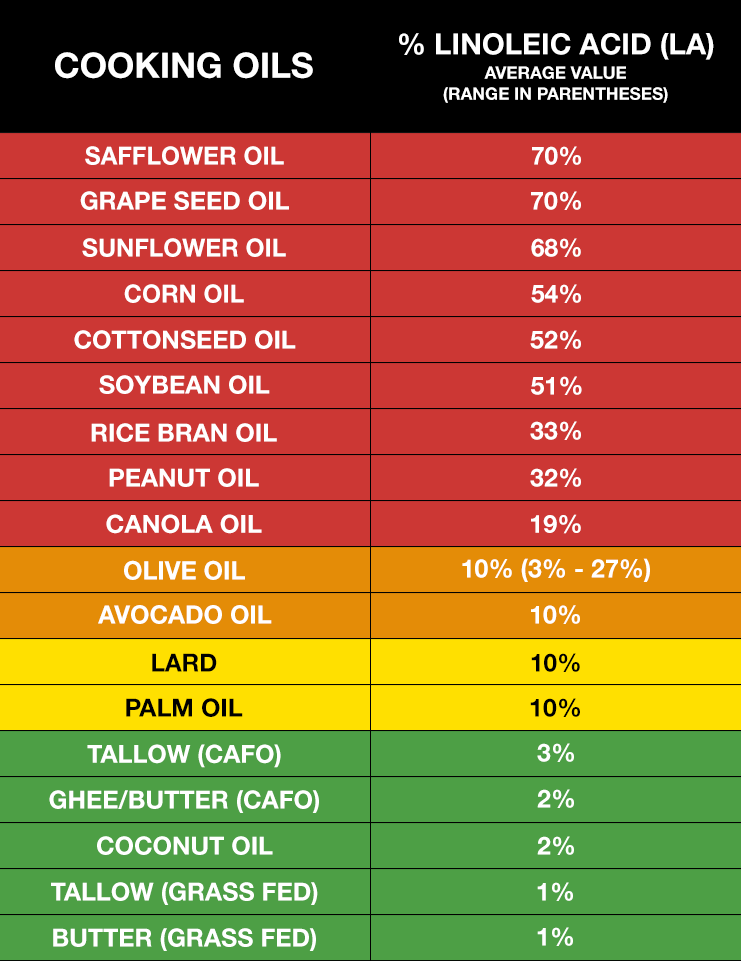
Aspirin for the Prevention and Treatment of Migraines
In addition to lowering your estrogen burden and LA intake, several nutritional supplements, medications and alternative remedies can be employed. Aspirin is one inexpensive and readily available option.
As reported in a 2019 paper in The American Journal of Medicine, properly dosed aspirin can safely and effectively abort a migraine attack when taken early enough, and may also be used preventatively in lower doses:25,26
“The totality of evidence, which includes data from randomized trials, suggests that high-dose aspirin, in doses from 900 to 1300 mg, taken at the onset of symptoms, is an effective and safe treatment option for acute migraine headaches.
In addition, the totality of evidence, including some, but not all, randomized trials, suggests the possibility that daily aspirin, in doses from 81 to 325 mg, may be an effective and safe treatment option for the prevention of recurrent migraine headaches.
The relatively favorable side effect profile of aspirin and extremely low costs compared with other prescription drug therapies may provide additional options for primary healthcare providers in the treatment of both acute and recurrent migraine headaches.”
Helpful Supplements
Other supplements that can help reduce migraine frequency and/or severity include:
| Magnesium — Which can affect both serotonin receptor function and the production and use of neurotransmitters — has also been shown to play an important role in the prevention and treatment of migraines, and migraine sufferers are more likely to suffer from magnesium deficiency than non-migraineurs.27
Since magnesium administration is both easy and safe, researchers have noted that empiric treatment with a magnesium supplement is justified for all migraine sufferers.28 As a prophylactic, be prepared to boost your magnesium intake for at least three months to experience results. In many cases, receiving a high dose of magnesium can also abort an attack in progress. The most effective way to administer magnesium for migraine would be to get an intravenous (IV) infusion. I used to regularly administer magnesium IVs for those with acute migraines and it seemed to work for most patients to abort the headache. Barring that option, magnesium threonate may be your best option for an oral supplement, as its superior ability to cross the blood-brain barrier makes it more likely to have a beneficial effect on your brain. |
| B vitamins — Other vitamin deficiencies linked to migraines include riboflavin (B2), B6, B12 and folic acid. One 2009 study29 evaluated the effect of 2 mg of folic acid, 25 mg vitamin B6 and 400 micrograms (mcg) of vitamin B12 in 52 patients diagnosed with migraine with aura. Compared to the placebo group, those receiving these supplements experienced a 50% reduction in migraine disability over a six-month period.
Previous studies30 have also reported that high doses of riboflavin can help prevent migraine attacks. In one study, patients who took 400 mg of riboflavin per day experienced a 50% reduction in migraine frequency after three months. |
| CoQ10 — Ubiquinol — the reduced form of CoQ10 — plays a vital role in ATP production, which is the basic fuel for your mitochondria. Your body does produce ubiquinol naturally; in fact, it is the predominant form in most healthy cells, tissues and organs. However, with rampant pollution and poor diet, mitochondrial dysfunction has become increasingly common, warranting supplementation with either ubiquinol or CoQ10.
One study published in the journal Neurology31 found that CoQ10 was superior to a placebo in preventing migraines and reducing severity. Of the patients who received 100 mg of CoQ10 three times a day, 50% reported significantly reduced frequency of headaches compared to only 14% of those who took the placebo. |
| GABA — Migraine is one of several common symptoms of GABA deficiency. |
Carbon dioxide — Migraines can also be addressed with CO2. In some cases, migraines can be triggered by overbreathing, causing a lack of CO2 that constricts the blood vessels in your brain. Exogenous CO2 delivery methods include:
|
- 1, 3 Stat Pearls, Migraine Headache
- 2 Migraine Research Foundation, Migraine Facts
- 4 Scientific American July 21, 2013
- 5 Ray Peat Forum August 29, 2018
- 6 Frontiers in Molecular Biosciences August 14, 2018
- 7 EurekAlert! August 14, 2018
- 8 ZeroHedge March 8, 2024
- 9 Nutrients July 2023; 15(14): 3129
- 10 Oxid Med Cell Longev. 2014;2014: 360438. DOI: 10.1155/2014/360438
- 11 Pharmacognosy Review. 2010;4(8):118-126
- 12 Biochemical Journal. 1982;208(1):129-140
- 13 Nephrol Dialysis Transplant. 2001;16(8):1598-1606
- 14 Free Radical Biol Med. 1992;13:341-390
- 15 Journal of Nutrition June 1990; 120(6):625-30
- 16 Metabolism July 1992; 41(7): 788-792
- 17 Healthier U September 25, 2023
- 18 Journal of Headache and Pain 2013; 14, Article number P138
- 19 Headache September 27, 2016
- 20 Mymensingh Med J 2021 Jan;30(1):43-47
- 21 Paloma Health February 17, 2022
- 22 Renewable Energy. 2018; 126: 403-419
- 23 Int J Mol Sci. 2015;16(6):12871-12890
- 24 The Plan Journal. 2008;54:640-655
- 25 The American Journal of Medicine November 8, 2019; 133(4): 412-416
- 26 Haidut.me December 4, 2019 (Archived)
- 27, 28 J Neural Transm (Vienna). 2012 May;119(5):575-9
- 29 Pharmacogenetics and Genomics 2009 Jun;19(6):422-8
- 30 European Journal of Neurology 2004 Jul;11(7):475-7
- 31 Neurology 2005 Feb 22;64(4):713-5
Hidden Hazards: Nearly 1,000 Everyday Items Identified as Estrogenic Carcinogens
Reproduced from original article:
https://articles.mercola.com/sites/articles/archive/2024/03/25/estrogen.aspx
Analysis by Dr. Joseph Mercola March 25, 2024
STORY AT-A-GLANCE
- Estrogens are linked to serious health risks, including cancer. The National Institutes of Health added steroidal estrogens used in estrogen replacement therapy and oral contraceptives to its list of known human carcinogens in December 2002
- Synthetic estrogen exposure has surged due to environmental contamination and the widespread use of estrogenic chemicals in consumer products
- A January 2024 study identified 279 estrogenic compounds commonly found in consumer products that induce mammary tumors in animals; another 642 chemicals that could potentially increase the risk of breast cancer by stimulating estrogen or progesterone signaling
- Estrogen dominance, characterized by high estrogen levels, is associated with obesity, particularly around the thighs, hips and buttocks
- Strategies to reduce estrogen exposure include avoiding synthetic products, choosing natural alternatives and supporting liver health. Lifestyle modifications, such as maintaining a healthy weight, minimizing plastic use and managing stress can also help lower your estrogen level and reduce associated health risks
While estrogen replacement is generally regarded as beneficial, if not crucial, for women entering into menopause, a closer look reveals it can cause severe problems and you do not, in fact, want high levels of estrogen.
Originally called adipin, estrogen got its name from its association with weight gain, as in adipose (fat) tissue. In the mid-‘50s, when the drug industry started pushing synthetic estrogens, this knowledge faded from memory.
One of the most infamous early synthetic estrogens prescribed was diethylstilbestrol (DES), which caused fetal malformations and deaths, and cancers in the mothers who took it. DES was eventually withdrawn and banned for use in humans.
DES is not estrogen itself but rather a chemical that mimics estrogen’s actions by activating estrogen receptors. In fact, DES can potentially activate these receptors even more strongly than natural estrogen. This alone is a strong indication that estrogen excess is of serious concern. Studies looking at the effects of estrogen and estrogenic chemicals only add to the certainty.
Estrogen Is Carcinogenic
The National Institutes of Health added steroidal estrogens used in estrogen replacement therapy and oral contraceptives to its list of KNOWN human carcinogens all the way back in December 2002.1 In my mind, estrogen and excess linoleic acid are the two primary reasons for most cancers.
Likewise, the Women’s Health Initiative (WHI) studies, which began in 1991,2 showed estrogen replacement therapy in menopausal women significantly increased the risk of heart attacks, strokes, dementia, Parkinson’s disease and cancer, not just in the breast but all female reproductive organs.
In October 2023, I interviewed bioenergetic researcher Georgi Dinkov about the hazards of estrogen. I’ve included that interview above for your convenience.
As noted by Dinkov in a recent blog post,3 that interview apparently “struck a nerve” with a doctor who “went through the trouble of writing an extensive blog post trying to debunk the already established fact that estrogen is a carcinogen, by claiming that most of that data stems from the WHI studies, and that those are now considered flawed, ergo estrogen cannot be considered a carcinogen.”
In response, Dinkov sent the doctor a long, yet not exhaustive, list of academic articles and studies demonstrating that estrogen is indeed a mutagenic carcinogen — and that any chemical with estrogenic properties poses a serious threat to health.
Hundreds of Everyday Chemicals Linked to Increased Breast Cancer Risk
As just one example, a January 2024 paper4 in Environmental Health Perspectives identified 279 estrogenic compounds commonly found in consumer products that induce mammary tumors in animals, and another 642 chemicals that could potentially increase the risk of breast cancer by stimulating estrogen or progesterone signaling. As reported by Environmental Health News:5
“… More than 900 chemicals commonly found in consumer products and the environment have been linked to breast cancer risk in a new study. The study … identified 921 chemicals that could potentially increase the risk of breast cancer and found that 90% are ubiquitous in consumer products, food and drinks, pesticides, medications and workplaces.
The list includes chemicals like parabens and phthalates, which are commonly found in makeup, skin and hair care products; and numerous pesticide ingredients, including malathion, atrazine and triclopyr, which are used on food and in household pest control products in the U.S.
Breast cancer among young women has increased in recent years.6 Between 2010 and 2019, diagnoses among people 30 to 39 years old increased 19.4%, and among those ages 20 to 29, rates increased 5.3%. This change is too fast to be explained by genetics, so researchers have begun looking more closely at potential environmental causes for the disease.
A 2020 study7 found that women who used chemical hair straighteners more than six times a year had about a 30% higher risk of breast cancer than those who didn’t use chemical straighteners. Those products typically contain one or more of the chemicals identified in the new study as increasing the chances of getting breast cancer.”
Save This Article for Later – Get the PDF Now
Everyday Items May Expose You to Hazardous Levels of Estrogen
In modern times, many synthetic compounds, especially plasticizing compounds, have been developed that have estrogenic properties. Other terms for such compounds are endocrine disruptors and xenoestrogens.
DES is strikingly similar in composition to bisphenol-A (BPA), which the U.S. Food and Drug Administration banned for use in baby bottles and sippy cups in 2012.8 Many pesticides, preservatives, organic pollutants, drugs and even textiles also have estrogenic activity. Polyester and spandex, for example, contain high levels of estrogen-mimicking BPA.9 As noted by Dinkov:10
“… it looks like we are bathing 24×7 in a toxic sea of almost 1,000 chemicals with such properties (aka xenoestrogens), and given their ubiquity in food, drugs, industry, household, hospitals, and even nature it is little surprise the population of Western countries is sicker than ever.
Considering the sheer number of chemicals involved and the near impossibility of avoiding them, keeping the metabolic rate high (helps with excretion of xenoestrogens) and usage of anti-estrogenic chemicals (eg. vitamin E, progesterone, pregnenolone, aspirin, DHT, antihistamines, etc) becomes that much more important.”
The Physiological Role of Estrogen
Estrogen’s carcinogenic properties can in part be explained by its ability to increase cells’ ability to hold water. This is why women with estrogen dominance are prone to edema (water retention). Cellular swelling is both a characteristic of the cellular stress response and a signal for cellular proliferation.
During the follicular phase of the menstrual cycle, estrogen stimulates the uterine lining and follicles to swell and multiply in preparation for the fertilization of an egg. Similarly, during and after pregnancy, breast tissue swells and grows larger to facilitate milk production.
But cellular swelling and proliferation is also a hallmark of cancer. Indeed, the word oncology comes from the Greek word “oncos,” which simply means swelling.
In his 1997 book, “From PMS to Menopause: Female Hormones in Context,”11 biologist Ray Peat12 stated that estrogen had been shown to replicate the shock phase of the stress reaction in animals. According to Peat, the physiological purpose of estrogens is to stimulate cell division by triggering water uptake by the cell.
This is one of the greatest books in health I have ever read. Currently it is out of print and being sold by resellers for $350. I hope to connect with Ray’s widow later this year and get permission to republish his book with a new publishing company I am starting called Joy House and hope we can republish it later this year.
Peat believed that estrogen is a metabolic inhibitor that slows down energy production in the cell. Otto Warburg, after whom the Warburg Effect was named, stated that “the prime cause of cancer is the replacement of the respiration of oxygen in normal body cells by a fermentation of sugar.”
In simpler terms, this is when your body has more than enough oxygen to burn (oxidize) glucose in your mitochondria but instead shuttles glucose outside the mitochondria into the cytoplasm to oxidize or burn in glycolysis and produce lactate. This is the classic form of energy production in cancer cells.
It is not that cancer burns sugar for fuel; it is that cancer cells are sick and unable to effectively burns glucose in their mitochondria so they must shift to inefficiently burn glucose in glycolysis in the cytoplasm, despite having enough oxygen present. This is typically due to mitochondrial metabolic dysfunction.
Essentially, this means anything that limits or prevents your cells’ ability to efficiently burn glucose in your mitochondria is capable of causing cancer, and according to Peat, this is precisely what estrogen is doing.
Obesity, Especially in Women, Is Estrogen-Driven
Estrogen can also promote the accumulation of fat around the thighs, hips and buttocks through several mechanisms. For starters, it influences where fat is stored in the body. Women tend to store fat in these areas due to having higher estrogen levels than men. This pattern is often referred to as the “pear-shaped” body type.
Estrogen also promotes the differentiation and proliferation of fat cells (adipocytes) in the subcutaneous fat layer, which is particularly prevalent in the thighs, hips and buttocks and therefore leads to increased fat storage in these areas.
As mentioned, estrogen also plays a role in regulating metabolism, including glucose and lipid metabolism. Higher estrogen levels can promote the uptake and storage of fatty acids in adipose tissue, contributing to fat accumulation in the lower body.
Hormonal interactions and cellular signaling also play a role. Estrogen interacts with other hormones involved in fat metabolism, such as insulin and cortisol, and these interactions can influence fat deposition and distribution in the body, favoring storage in the lower body regions.
Bioidentical estrogens are every bit as dangerous as synthetic ones and are dangerous, in any amounts, unless they are balanced by an abundance of the natural forms of thyroid, progesterone, and DHEA. Estrogen is a cumulative toxin, because it causes changes in every system of your body, even when present in normal amounts. These cumulative changes appear to accelerate aging in all tissues.
Estrogens are one of the primary factors contributing to increasing your cancer risk, along with the plastic burden contributing their xenoestrogens, as both decrease mitochondrial function. Progesterone is the antidote because it is not only anti-estrogen but is a potent cortisol blocker and will improve mitochondria production of cellular energy by blocking estrogen and cortisol.
Progesterone is the main female hormone, and is a protective hormone during pregnancy, but it is also important in men since it is a general brain-regulating and protective hormone. Lastly, adipose tissue contains estrogen receptors, and estrogen signaling can directly affect the function and activity of fat cells. It promotes the expression of genes involved in fat storage and inhibits genes associated with fat breakdown.
Fasting Isn’t the Answer
Contrary to popular belief, extended fasting isn’t the answer if you’re trying to reshape a pear-shaped body type.13 The reason for this is because chronic fasting often ends up burning more muscle than fat. As reported in the Times of India seven years ago:14
“Dr. Purwa Duggal says stubborn fat in areas such as abdomen, thighs, hips, butt, etc are linked to high estrogen. Prolonged starvation does not necessarily mean burning fat. It may initially cause muscle wasting or utilization of glycogen stores.
Catecholamines, which are fight or flight hormones produced in the body in response to stress, are required to burn fat. ‘Blood flow to stubborn fat areas is usually very poor, as a result, the catecholamines are unable to reach the area to mobilize the fat. Even if the fat is mobilized, while it continues to be in the blood stream, it may get re-deposited in the original areas,’ she adds.”
How to Lower Your Estrogen Load
One of the most important strategies aside from avoiding estrogen and xenoestrogens is to take natural progesterone. Most formulations are not effective as they are oral or transdermal. Ideally it should be dissolved in a high-quality vitamin E with MCT oil and rubbed on mucous membranes like your cheeks or gums. Typical doses are 25 to 50 mg once or twice a day.
Considering the health risks associated with estrogen excess, here are some commonsense strategies that can help you limit your exposure and lower your estrogen load:
| Avoid synthetic estrogens — Minimize exposure to synthetic estrogens, such as those found in hormone replacement therapy and oral contraceptives. Consult with a qualified health care professional about alternative treatments and/or contraceptive methods with lower estrogen content. |
| Choose natural products — Opt for natural and organic personal care products, including makeup, skin care, and hair care items, to reduce exposure to synthetic chemicals like parabens and phthalates, which have estrogenic properties. |
| Limit pesticide exposure — Choose organic produce whenever possible to reduce exposure to pesticides, many of which have estrogenic effects. Washing fruits and vegetables thoroughly can also help remove pesticide residues. |
| Rethink your household products — Many household cleaning products, laundry detergents and air fresheners contain chemicals with estrogenic properties. Swap them out for natural, nontoxic alternatives or make your own cleaning solutions using vinegar, baking soda and essential oils instead. |
| Avoid plastic containers — Minimize the use of plastic containers and food packaging, which can leach estrogenic compounds into food and beverages. Instead, opt for glass or stainless steel containers for food storage and water bottles. |
| Maintain a healthy weight — Aim for a healthy weight and body composition through a balanced diet and regular exercise. Excess body fat, particularly around the thighs, hips, and buttocks, can contribute to higher estrogen levels. |
| Support liver health — Support liver function, as the liver plays a crucial role in metabolizing and eliminating excess estrogen from the body. Eat a nutrient-rich diet, limit alcohol consumption, and consider incorporating liver-supporting herbs and supplements, such as milk thistle or dandelion root. |
| Promote hormonal balance — Explore natural approaches to promote hormonal balance, such as consuming foods rich in cruciferous vegetables (such as broccoli, cauliflower and kale) and flaxseeds, which contain compounds that help support estrogen metabolism and detoxification. |
| Reduce stress — Manage stress through relaxation techniques like meditation, deep breathing exercises, yoga or spending time in nature. Chronic stress can disrupt hormone balance, including estrogen levels, so prioritizing stress reduction is essential. |
- 1 Science Daily December 13, 2002
- 2 Women’s Health Initiative
- 3, 10 Haidut.me February 20, 2024 (Archived)
- 4 Environmental Health Perspectives January 10, 2024; 132(1)
- 5 Environmental Health News January 10, 2024
- 6 JAMA Network Open 2023; 6(8):e2328171
- 7 Cancer Epidemiology December 3, 2019
- 8 Legislative Bans of BPA
- 9 CEH.org September 1, 2021
- 11 From PMS to Menopause: Female Hormones in Context (PDF)
- 12 Ray Peat Articles
- 13 Haidut.me December 17, 2023 (Archived)
- 14 Times of India April 25, 2017
What You Need to Know About Estrogen and Serotonin
Reproduced from original article:
https://articles.mercola.com/sites/articles/archive/2024/01/14/estrogen-and-serotonin.aspx
The original Mercola article may not remain on the original site, but I will endeavor to keep it on this site as long as I deem it to be appropriate.
Analysis by Dr. Joseph Mercola January 14, 2024
STORY AT-A-GLANCE
- Estrogen is an obesity promoter and well-established human carcinogen
- The Women’s Health Initiative studies, which began in 1991, showed estrogen replacement therapy in menopausal women significantly increased the risk of heart attacks, strokes, dementia, Parkinson’s disease and cancer, not just in the breast but all female reproductive organs
- The biochemical role of estrogen is to aid in wound healing. In cases of tissue trauma, estrogen reverts the differentiated cells in that specific tissue back to a stem cell-like condition, to repair the damaged tissue. In young, healthy women, progesterone will turn off estrogen’s activity. Progesterone declines with ages, but estrogen synthesis typically does not. Hence, if your estrogen is high and progesterone low, your cancer risk will rise
- Estrogen is antimetabolic and radically reduces the ability of your mitochondria to create cellular energy in a form of ATP
- Elevated serotonin destroys empathy, love and wisdom, and contributes to fibrosis, impaired thyroid function, reduced metabolism and reductive stress. High serotonin is also responsible for bizarre, recurring nightmares and may play a role in PTSD as well
In this interview, Bulgarian bioenergetic researcher Georgi Dinkov discusses the downsides of estrogen and serotonin, both of which are generally considered beneficial for physical and mental health.
The drug industry is making a mint on the idea that depression is caused by low serotonin, for example. However, a closer look reveals both estrogen and serotonin can cause severe problems and you do not want high levels of either of them.
Estrogen Is an Obesity Promoter and Known Human Carcinogen
The original name for estrogen was adipin, so called because it was known to make you fat, as in adipose (fat) tissue. In the mid-‘50s, when the drug industry started pushing synthetic estrogens, this knowledge faded from memory. One of the most infamous early synthetic estrogens prescribed was diethylstilbestrol (DES), which caused fetal malformations and deaths, and cancers in the mothers who took it.
DES was eventually withdrawn and banned for use in humans. DES is not estrogen. It’s an estrogenic chemical, and it does activate estrogen receptors, but potentially more potently than estrogen does, and it has no other mechanisms of action except through its estrogenic effects.
This gives us a strong signal that estrogen excess is of serious concern. That estrogen can cause cancer is well-established. In December 2002, the National Institutes of Health added steroidal estrogens used in estrogen replacement therapy and oral contraceptives to its list of KNOWN human carcinogens.1
“Even mainstream doctors will admit that there is this thing called estrogen receptor-positive breast cancer,” Georgi says. “The role of estrogen there is well known. Nobody’s denying it, but the story has always been, it’s a localized-only effect. It’s a tissue-specific effect.
If you look at the estrogen levels of menopausal women … it’s undetectable. However, if you take a tissue biopsy from the tumor or the breast tissue around it, you’ll see that estrogen levels are sky-high there.
Begrudgingly, medicine said, ‘OK, yes, estrogen is involved as a causal agent in estrogen receptor-positive breast cancer. However, this effect is specific only to the breast. Elsewhere, estrogen is really beneficial, and that’s the reason why we’re seeing ovarian uterine atrophy, vulva atrophy and all these menopausal women need more estrogen.’”
However, the Women’s Health Initiative (WHI) studies, which began in 1991,2 showed estrogen replacement therapy in menopausal women significantly increased the risk of heart attacks, strokes, dementia, Parkinson’s disease and cancer, not just in the breast but all female reproductive organs. In the interview, Georgi also reviews evidence showing that estrogen can play a role in all types of cancer, not just reproductive ones.
Estrogen Therapy Has Seen a Revival, With Dire Consequences
The publication of the WHI results led to a significant decline in estrogen replacement therapy, starting in the late 1990s, early 2000s, until about 2015, when studies refuting those earlier results started coming out. Scientists argued estrogen could be safely used if dosed and timed better. Cancer rates don’t bear that out though.
Some people and clinicians believe that bioidentical estrogen solves the problem but it does nothing of the sort. Bioidentical estrogen still has all the negative characteristics described in this article. It increases the risk of all cancers, not just breast and prostate, lowers your metabolic rate, and increases your risk of obesity, diabetes and osteoporosis.
“If you look at cancer rates, not just for breast cancer but for all of the female reproductive organs, you’ll see there was a drop in deaths from these cancers over the last 20 years, and then that rate started going up, and not just up, but exponentially up over the last five or six years,” Georgi says.
“This coincides perfectly with the gap, which is about 15 years of not using estrogen on a mass scale, and then … reintroducing it back into the treatment protocols. Both the rates of the cancers and the deaths from these cancers plummeted over this 15-year period, and now it’s back, and actually exceeds what it used to be.”
Download this Article Before it Disappears
Estrogen Myths
According to Georgi, the biochemical role of estrogen is to aid in wound healing. In cases of tissue trauma, estrogen reverts the differentiated cells in that specific tissue back to a stem cell-like condition, to repair the damaged tissue.
In young, healthy women, progesterone will tend to antagonize estrogen’s activity. In men, that pro-differentiation factor is androgens. Both pro-differentiation factors (progesterone and androgens) decline with age. However, estrogen synthesis typically does not.
“That’s another big myth that we need to address,” Georgi says. “Talk to any doctor and they’ll tell you, ‘Menopause is a condition of severe progesterone and estrogen deficiency. We’ve done countless tests of the blood and we’ve seen that estrogen levels and progesterone levels are undetectable.’
That’s expected because most of the estradiol — which is the main estrogen both for males or females — and progesterone are of ovarian origin in females. In other words, if the ovaries atrophy, yes, you will expect to see declining levels of the steroids in the blood because the ovaries are not working so well. In fact, eventually they fail.
However, another thing that’s probably not well known, even among doctors, is that every cell in the body expresses the enzyme aromatase and contains the machinery to synthesize its own estrogen from circulating precursors. And those circulated precursors are always there, usually cholesterol which, by the way, rises with age.
So that would imply that if we test tissues, even in menopausal women, we should see increase in estrogen — especially in women that are having problems with their health — versus decrease, which is what’s seen in the blood. And every test I’ve seen on biopsies done confirms that.
In 2022, a Chinese group published a very large study with Chinese women where they measured the levels of more than 20 different hormones in hair … which is kind of like a surrogate for what’s going on in the tissues because hair grows out of cells called follicular cells.
Basically, the levels of steroids in these cells are probably representative of what gets deposited into a hair. If you look at the estrogen levels of these women, which span all age groups, estrogen levels not only did not decline with age, they actually slightly increased …
Progesterone did decline, almost to undetectable levels. Thyroid hormone, the active portion, T3, also declined. Reverse T3 increased, and there was an inverse correlation between body mass index (BMI) and the levels of either T3 and progesterone, and a positive correlation between BMI and the levels of estrogen.
So, to me, that gives you very strong evidence that estrogen is really not what we’re being told it is, in the sense that you can freely administer it and will restore youthfulness in menopausal women.”
Estrogen Summary
So, to summarize, low estrogen levels in your blood is not an indictment of estrogen deficiency. This is because most cells can synthesize estrogen from common precursors that are widely available in your body, including cholesterol.
The problem is that the estrogen that these cells produce doesn’t equilibrate with the blood, but stays within these cells and gives a false impression of estrogen deficiency. And, while estrogen is an essential component in tissue repair, that growth and repair process needs to be turned off when the job is completed, and if it isn’t, the risk of cancer rises dramatically.
The problem is that progesterone and androgens — the off-switches for estrogen in women and men respectively — do decline with age, because cells do not have a comparable enzyme like aromatase, to synthesize them. Their synthesis is restricted to gonadal tissues. This leads to elevated estrogen levels and decreased progesterone and testosterone, which typically results in unregulated cell growth, the essence of cancer.
Making matters worse, estrogen is antimetabolic and radically reduces the ability of your mitochondria to create cellular energy in a form of ATP by depending on aerobic glycolysis (the Warburg effect) which radically impairs oxidative phosphorylation. This further contributes to its carcinogenic effect. Georgi explains:
“When you have to repair tissue, you can forego, for a little bit, the oxidative phosphorylation, but it always needs to come back, because that is the differentiating factor. Stem cells stay in ‘cancer metabolism’ because … it’s the way cells have to be in order to divide at the maximum rate possible with the minimum consumption of resources possible.
But if you want this tissue to become an organ instead of a blob of cells that consumes all your energy, you need to turn off that estrogen signal, and either high metabolism and/or progesterone, and/or thyroid [hormone], both of which also prometabolic, are known as the main differentiating factors in humans.”
The Many Health Benefits of Progesterone
As explained by Georgi, progesterone is the main endogenous and most direct and potent glucocorticoid receptor antagonist. This is a profound important point that I was unaware of until Georgi mentioned it. As such, it’s also a cortisol blocker, with a similar activity as the anticancer drug and cortisol blocker RU-486, which is now virtually impossible to get.
The primary difference between them is that RU-486 also blocks progesterone, so when you take it you have to be very careful about supplementing. Taking progesterone bypasses this issue, and Georgi believes it has about the same effectiveness as mifepristone (RU-486).
Georgi goes into great detail about RU-486. As I said, it’s virtually impossible to get a hold of this compound outside the mifepristone these days, which is why I won’t expound on it here, but if you want to learn more about it, listen to the interview.
Progesterone is also a GABA agonist and could be useful to take concomitant with a GABA supplement. You may even be able to use much lower doses of both if you combine them together. This affinity for GABA accounts for some of progesterone’s psychological benefits. Georgi explains:
“The strongest GABA agonist in the body, slightly stronger than progesterone, is a progesterone derivative, a metabolite, known as allopregnanolone. It was recently approved by the FDA for postpartum depression.3
A company is developing an oral formulation with the long-chain fatty acids called LYT-300, and now they’re applying to the FDA for clinical trials for post-traumatic stress disorder, psychosis, sleep disturbances, anxiety — all of these things GABA is known to relieve.
They’re saying, ‘Oh, we have the most potent endogenous GABA agonist here, allopregnanolone, for all these conditions.’ But we can say, ‘Well, you don’t have to get allopregnanolone by prescription. You can do it with progesterone, maybe a slightly higher dosage, but still in the same ballpark.’”
As mentioned, progesterone also inhibits cortisol, and cortisol has been well-documented to play a major role in depression.
On a side note, GABA and allopregnanolone also appear to have anticancer activity. According to Georgi, GABA is known to improve mitochondrial energy production and inhibit excessive glycolysis. Excessive glycolysis and impaired mitochondrial function just happen to be the classic hallmarks of cancer. In older studies, injecting GABA directly into tumors was found to trigger complete regression in a matter of days.
Progesterone Dosing
In my view, what mature women really need are progesterone and pregnenolone, not estrogen. So, in practical terms, you’ll want to make sure your levels of progesterone and pregnenolone are within healthy limits, which are the levels you’d have in your 20s.
According to Georgi, “a physiological dose for a young healthy child before they actually reach puberty is about 30 milligrams of progesterone daily … so, 30 milligrams seems to be a decent dosage prophylactically.”
How to Optimize Progesterone Absorption
To maintain an optimal progesterone level, you can either take preformed progesterone or its precursor, pregnenolone. If you’re taking oral progesterone, be sure to take it with a small amount of saturated or monounsaturated fat — something with a carbon chain above 14, to optimize absorption. Butter is an ideal choice.
“If you don’t avoid the first-pass metabolism, you’re going to waste about 85% of the progesterone taken,” Georgi says.
But the key, and what I had misunderstood from my previous conversations with Georgi, is that the pregnenolone or DHEA, can’t be merely taken at the same meal with butter. It needs to be taken out of the pill and mixed well into the butter.
You don’t need much butter (or ghee), just about one-fourth of a teaspoon. You can mix it with a toothpick or similar small tool and put on your food and you are off to the races avoiding the 85% destruction that typically occurs when you swallow the capsule without this trick.
Progesterone has potent sedative effects, so if you’re getting to a point where you’re getting disoriented, or your thinking or speech slows or you’re getting sleepy, you’ll probably know that your dose was too high and have taken too much. You can take advantage of its GABA agonist effect by taking it 30 to 60 minutes before bedtime.
“A hefty dose of progesterone causes symptoms indistinguishable from being drunk,” Georgi says, “so don’t operate machinery when you’re taking a lot of progesterone.” Of course, if you have trouble sleeping, then taking the progesterone in the evening can be helpful.
One commercial product that Georgi and I discussed was Progest-E which the late biologist and thyroid expert Ray Peat developed, and contains progesterone mixed with vitamin E. Since our interview, however, I did some research and now would strongly recommend avoiding Progest-E.
Why? For two reasons. One, it is put into a cheap plastic squeeze bottle. I’m not sure why Peat did not realize that flexible plastic is loaded with plasticizers like BPA and phthalates and are strong estrogen mimics.
But, the more important reason is that it is virtually impossible to squeeze out a precise dose of “one drop” from the bottle. My experience suggests that one drop could be a small fraction of a drop or five or even more drops. So, this product needs to be avoided.
Fortunately, there is a far better one available called Simply Progesterone that you can get at Health Natura.4 It has the same progesterone concentration of 3 mg/drop as the Progest-E. Simply Progesterone comes in a glass bottle with a real glass dropper that you can easily and accurately measure. This product is a winner and the one that I personally use and believe most people would benefit from taking.
DHEA Dosing and Considerations
For optimal health, you also want to keep an eye on your cortisol-to-DHEA ratio.
“The cortisol-to-DHEA ratio — whether in blood, tissue, hair or nails — has now been established as the single most reliable predictor of all-cause mortality and morbidity throughout the entire lifespan,” Georgi says.
“That ratio should be less than 0.3. In other words, heavily in favor of DHEA. Anything over 0.5 is known to start causing mood disturbances [like] depression. Anything over 1, you’re probably at risk of diabetes or cardiovascular disease, or worse.”
That said, DHEA is a precursor to estrogens, so you don’t want excessive amounts of DHEA. For most people, 10 mg to 12 mg of DHEA is more than adequate. That’s how much you produce in your mid-20s.
It would be highly unwise to simply swallow DHEA, as 85% will be broken down by your liver and we have no idea how harmful the liver metabolites are. You can use the same butter trick described above for pregnenolone, to avoid this. But it would also be wise to not take doses over 10 mg without professional supervision. You do not want to increase your estrogen and prolactin levels.
You must be careful, though, as taking DHEA can easily be converted to estrogen by aromatase and subsequently increase prolactin levels. It you are going to take DHEA it would be best to take it with progesterone as that will inhibit DHEA’s conversion into estrogen since progesterone is a potent aromatase inhibitor.
“As far as dosages [are concerned] … if you’re still producing DHEA, which you can verify on blood tests, you can calculate the delta between what the optimal interval was when you were young [and what it is now].
Let’s say the optimal level was 500, and now you are in your 60s. The [lab] range says you’re fine, but your level is 200. The delta is about 60%, so you need to take 60% of that daily [amount] that you used to produce when you were in your 20s.
Sixty percent of 12 mg is what you really need to be taking in order to restore the level to the youthful level without running into the risk of raising estrogen too much. And if you combine it with progesterone, you should be getting an even stronger anti-cortisol effect while further preventing the conversion of DHEA into estrogen.”
Pregnenolone Benefits and Dosing Suggestions
Pregnenolone, which your body makes from cholesterol, converts first to progesterone and then to allopregnanolone. Pregnenolone is also converted to DHEA, which is a precursor for estrogens and androgens.
“Pregnenolone is really unique in the sense that if you have an excess of a specific steroid, it will likely lower it,” Georgi says, “and if you have a deficiency of a specific steroid, it will probably raise it.
About 100 mg is probably enough because, being the top level hormone, it’s going to convert downstream into whatever you need … I know of a study with schizophrenia where 50 mg decreased significantly both the symptoms of schizophrenia and bipolar disorder.”
While most people opt for oral pregnenolone, I prefer rectal suppositories. I make my own by mixing the pregnenolone with cacao butter, a very long chain fat that facilitates absorption. For most people, 100 mg is sufficient. If you opt for oral pregnenolone, mix it into half a teaspoon of butter to make an emulsion.
Low Serotonin Is Not the Cause of Depression
Next, we discuss serotonin, which used to be called enteramine because it’s produced in the gut. Enteric refers to things related to your intestines. Serotonin has been incorrectly dubbed the “happy hormone.” It’s not.
Selective serotonin reuptake inhibitors (SSRIs) are a class of antidepressants that raise your serotonin levels, but contrary to popular belief, this can cause significant problems. The easiest solution for depression, anxiety and insomnia is GABA, with or without progesterone.
“Even 100 mg of oral GABA was enough to lower the assessment scores of patients with anxiety and depression disorders. The Beck’s Depression Inventory is for depression, and there’s another one for anxiety. Just 100 mg of GABA was sufficient to lower significantly in the score on both scales.
Combining it with another GABA agonist amino acid known as L-theanine, which is founding in tea, drastically increased the effects. And L-theanine lowers the levels of serotonin in the brain. It’s perhaps the most direct evidence that serotonin in the brain is not good at elevated levels.
So for people who are on antidepressants, one of the first things that I would do is go to a doctor and ask about two drugs that are approved for treating depression but are antiserotonergic. One is called mepirzapine, also known as mirtazapine.
If you look at the structure, it’s very similar to a drug called cyproheptadine, which is a known selective serotonin antagonist. Mepirzapine or mirtazapine is approved for treating patients in the United States.
If you want to get your psychiatrist angry, please ask him or her to explain how an antiserotonin drug is approved for depression, considering that all the other proserotonin drugs are also approved for depression. Something doesn’t add up there.”
Cyproheptadine also acts as a sleeping pill, so if you do not have insomnia, don’t go over 2.5 mg. Cut it in half or even a quarter. It’s also a potent histamine blocker and can be used for acute allergic reactions. It is a prescription and think it would be wise to have it on hand, but Benadryl could also be used.
It also might have benefit for those who are on SSRIs, sleeping pills or anti-anxiety agents. However, I think high dose GABA therapy is likely a far better, safer, and less expensive approach. Georgi and I discuss this in the podcast.
Just be careful about combination products as they may contain magnesium. While magnesium is very helpful if you push the GABA to high doses you will get far too much magnesium and it will have a laxative effect.
The other drug Georgi recommends is tianeptine, which is a selective serotonin reuptake enhancer (SSRE), basically the converse of an SSRI, and it too is a potent antidepressant.
If you don’t want to go the pharmaceutical route, you can use GABA, at a dose of 500 mg to 2,000 mg (2 grams) daily. This range has been shown to relieve anxiety and insomnia in people who are already taking SSRI drugs, Georgi notes, adding, “I’ve seen people in very severe cases of anxiety and depression plateau it about 3 to 4 grams. After that … the mental effects usually plateau.”
Interestingly, if you take too much GABA, some of it will get deaminated and convert into succinic acid, an intermediate of the Krebs cycle. As such, GABA also helps boost mitochondrial function at high doses. So from a toxicity perspective it appears to be very safe.
Elevated Serotonin Has Devastating Psychological Effects
Ironically, while many doctors blame insomnia on depression caused by low serotonin, it may actually be the other way around. Georgi explains:
“Every single antiserotonin drug ever tested … has demonstrated both antidepressant and prosomnic, basically anti-insomnic, effects in animal studies and some human studies as well. So, serotonin is known to actually cause insomnia. How?
If serotonin is a precursor to melatonin, how can it actually cause problems with the sleep? It’s because serotonin is the most potent activator in the body of the release of cortisol through ACTH. In fact, the first antidepressant drug, Prozac, is a partial serotonin antagonist. It specifically blocks the serotonin receptor responsible for the release of cortisol, serotonin receptor 2C5-HT2C.
Prozac is a potent inhibitor of that receptor while maintaining the rest of its serotonergic effects. So, it’s the perfect coverup, right? You can claim that serotonin is great for your depression, while in reality you’re giving a drug that’s blocking the effects of serotonin and lowering cortisol, but that’s unknown to most people, even doctors that I’ve discussed it with.
Another side effect of GABA is that GABA increases the degradation rate of serotonin even when it’s taken orally. So you cannot have high levels of both. So people that are high in GABA are usually low in serotonin. They’re very calm, they’re very gregarious.
Serotonin is not a happiness hormone. Multiple studies, even a court case recently agreed that serotonin actually destroys empathy, love and wisdom. Those are specific quotes from the court study. Another animal study found that crabs exposed to very low levels of SSRIs because of sewage being dumped into the ocean … turn extremely violent, homicidal and cannibalistic.
They turn on each other. There’s nothing else that can explain this behavior except for the SSRI drugs. So really that’s what serotonin does. It’s also a metabolic inhibitor … The primary role of serotonin is metabolic, and the evolutionary role of serotonin is probably for numbing pain when you’re under stress.
It turns off your pain reaction, even your grief reaction, but at the expense of turning off all the other emotions as well. Multiple studies have demonstrated that serotonin is basically a lobotomizing chemical when it comes to emotions. Sure, it’ll numb your depression, but it will also numb everything else too. You’ll be walking around like a zombie.”
Other Adverse Effects of Serotonin
High serotonin can also cause serotonin syndrome and contribute to fibrosis (including cardiac and pulmonary fibrosis), impaired thyroid function, reduced metabolism due to excessive glycolysis and high lactic acid production, and reductive stress. High serotonin is also responsible for bizarre, recurring nightmares and may play a role in PTSD as well.
Serotonin also inhibits pyruvate dehydrogenase, cytochrome c oxidase and Complex 2 of the electron transport chain (succinic acid dehydrogenase, which also participates in the Krebs cycle).
“The evolutionary reason is probably that in times of stress and injury, these things rise in order to help you repair. But it should be acute only,” Georgi says.
“These days we have them chronically elevated, and that’s a signal to the body that things are chronically bad, and it will dispose of any known essential function that it thinks it can in order to conserve energy, which means your high metabolism (which means you’re gaining weight), your good mood (which means you’re going to be depressed).
Then eventually, if things go down that route, the body will start turning off ‘nonessential’ organs by turning them into fibrotic clumps so that they don’t have to waste energy on repairing them. That’s how you get fibrosis. Ultimately, the end stage of fibrosis is cancer, unless you die from the organ failure before that.”
In closing, the take-home from all of this is that you really want to minimize estrogen and keep your serotonin level as low as possible, and increasing progesterone, pregnenolone and GABA will help lower both and appear to be useful, inexpensive, nonprescription modalities if you use them correctly. For even more details, be sure to listen to the interview in its entirety.