Progesterone
now browsing by category
Adenomyosis Is a Hidden, Estrogen-Driven Cause of Severe Period Pain
Reproduced from original article:
https://articles.mercola.com/sites/articles/archive/2025/08/23/adenomyosis-symptoms-causes-natural-treatment.aspx
Analysis by Dr. Joseph Mercola August 23, 2025

Story at-a-glance
- Adenomyosis is often mistaken for bad period pain or endometriosis, but it involves tissue growing into the uterine muscle, causing swelling, heavy bleeding, and knife-like cramps
- Many women suffer for years without a diagnosis because doctors misinterpret symptoms or rely on outdated assumptions that the condition only affects older women
- Research shows adenomyosis leads to serious complications like infertility, miscarriage, preeclampsia, and dangerously low hemoglobin levels requiring emergency transfusions
- Estrogen overload is the main driver of adenomyosis, and it’s made worse by birth control, plastics, vegetable oils, and hormone-disrupting chemicals found in everyday products
- You can start reversing estrogen dominance naturally by cutting synthetic hormones, avoiding xenoestrogens, restoring metabolism with the right carbs, and using natural progesterone
If your period pain feels unbearable — like a deep, throbbing ache or stabbing cramps that knock the wind out of you — it’s not something to brush off. Pain that severe isn’t normal. For millions of women, it’s the body’s warning signal for something deeper that’s often misunderstood or completely missed.
You’ve likely been told that heavy bleeding, pelvic pressure, and fatigue are just part of being a woman. But what if those symptoms point to a disease that’s quietly hijacking your uterus and flooding your body with inflammation? That’s the reality for countless women who are dismissed, misdiagnosed, or left in the dark for years, sometimes decades. This condition, known as adenomyosis, doesn’t always show up clearly on a scan.
It’s not taught well in medical school. And it’s rarely mentioned in mainstream conversations about women’s health. But it’s there, silently reshaping lives, month after month. I want to walk you through what the research now shows — why it happens, who’s at risk, and what your options actually are. The science is evolving fast, and the data is clear: you don’t have to live like this. Let’s take a look at the overlooked patterns and newest discoveries about this underdiagnosed disease.
Most Women Are Told Their Pain Is Normal — It Isn’t
From the women suffering through debilitating cramps to the doctors mislabeling it as “just a bad period,” an article in The Hearty Soul pulls back the curtain on how widespread yet invisible adenomyosis is.1 It presents differently from endometriosis and takes a devastating toll on a woman’s social life, mental well-being, and ability to function day to day.
• Symptoms often mimic other conditions, which causes many women to go undiagnosed — Unlike endometriosis, adenomyosis causes the uterine wall itself to thicken and expand, sometimes doubling or tripling in size. Women describe the pain as knife-like cramping that strikes during menstruation, along with painful sex, bloating, pelvic pressure, and severe bleeding that disrupts quality of life.
There’s a cultural normalization of these symptoms, but just because menstrual pain is common doesn’t mean it’s normal.
• Doctors often dismiss or misinterpret these symptoms, further delaying diagnosis — Gynecologist Dr. Shamitha Kathurusinghe, who points out that many doctors are themselves misinformed: “There’s a lot of misinformation because there’s a lot of misunderstanding that comes from messaging that doctors are getting.” That means women aren’t just being ignored — they’re being actively misled into thinking their symptoms don’t warrant investigation.
• The lack of awareness creates a cycle of isolation and suffering — Many women miss work, cancel plans, and lose relationships because of the unpredictability and severity of their symptoms. Yet they often remain silent out of embarrassment or fear of being labeled “dramatic.”
• Adenomyosis doesn’t always come with symptoms, making it harder to catch early — The condition is often silent for years, only showing up after other reproductive complications arise. But when it does cause symptoms, it mimics endometriosis or fibroids, which complicates diagnosis and treatment decisions.
Younger Women Are Now at Risk — and Doctors Aren’t Catching It
A review published in the Journal of Clinical Medicine revealed just how often adenomyosis is missed or misunderstood in clinical settings.2 The paper compiled data from dozens of high-quality studies to explore how adenomyosis affects everything from fertility to miscarriage risk. The review focused on women of reproductive age and made clear that current diagnostic and treatment approaches are still not consistent, even among specialists.
• Adenomyosis is now being found in much younger women than previously thought — The conventional view has been that this condition primarily affects women in their 40s or 50s, especially those who’ve already had children.
But the paper highlighted that focal forms of adenomyosis — where lesions are isolated rather than spread throughout the uterine muscle — are now increasingly being diagnosed in women in their 30s and even younger. These women often present with fertility problems or abnormal bleeding, but their symptoms are dismissed or misattributed to something else.
• There’s a strong link between adenomyosis and pregnancy complications — Women with adenomyosis have a much higher risk of miscarriage, preterm birth, preeclampsia (dangerously high blood pressure during pregnancy), and delivering babies that are smaller than normal for their gestational age.
These risks are especially pronounced when the adenomyosis is diffuse, meaning it spreads across a wider area of the uterus rather than being confined to one spot. This type of tissue growth interferes with the placenta’s ability to attach and develop normally.
• Even though diagnostic tools exist, global guidelines are still not aligned — so your doctor’s advice may depend on where you live — While some countries are adopting advanced classification systems based on imaging criteria, others still lack a formal system to define or grade adenomyosis severity. That means two women with the exact same symptoms often get completely different diagnoses and treatments depending on which clinic or country they visit.
• The biological explanation lies in how the tissue invades the uterine muscle and disrupts its structure — Researchers believe that tissue from the uterine lining becomes embedded in the muscle wall either through mechanical injury — such as from surgery — or through a faulty junction between the endometrium and the myometrium — the inner and outer layers of the uterus.
Once this tissue is inside the muscle, it thickens and swells with each menstrual cycle, causing inflammation, scarring, and impaired uterine function.
• Several theories explain how adenomyosis starts, but most point to a breakdown in your uterine architecture — One theory, called tissue injury and repair, suggests that repeated damage to the uterine lining causes abnormal healing responses, leading to invasion of the muscle by uterine lining cells.
Another theory proposes that stem cells in the uterus misfire and turn into the wrong kind of tissue, embedding themselves where they don’t belong. In either case, the result is the same: a uterus that’s constantly inflamed, structurally compromised, and metabolically inefficient.

Save This Article for Later – Get the PDF Now
Adenomyosis Isn’t Just Painful — It Leads to Emergency Room Visits
An overview from Johns Hopkins Medicine highlights how adenomyosis becomes medically dangerous, not just inconvenient or uncomfortable.3 While the condition is often brushed off as a heavy period, the article makes clear that some women bleed so much they end up severely anemic, requiring blood transfusions just to restore basic function.
Gynecologic oncologist Dr. Mildred Chernofsky explains that adenomyosis involves tissue that grows into the muscular wall of the uterus and bleeds every month like normal uterine lining. But because it’s trapped in the muscle, it causes inflammation, swelling, and massive blood loss.
• The most severe cases involve hemoglobin levels dropping to life-threatening lows — According to Chernofsky, “I may see patients that bleed until they have a hemoglobin level of 7 grams per deciliter and are extremely anemic.” Normal hemoglobin levels for women range from 12 to 16 g/dL. When blood levels drop this low, women often experience fatigue, dizziness, fainting, shortness of breath, and lightheadedness.
• Most women don’t even realize their uterus has enlarged until the symptoms are advanced — The uterus becomes spongy, heavy, and balloon-like. This bloating feels like constant pressure in your lower abdomen or a sense of fullness that doesn’t go away. Yet during physical exams, doctors often don’t recognize the warning signs unless they specifically palpate the uterus and check for size, shape, and density irregularities.
• Diagnosing adenomyosis still depends heavily on imaging, and MRI remains the most accurate tool — While an ultrasound is usually the first step, it’s not always sensitive enough to pick up on deeper tissue invasion. “MRI provides incredibly high-resolution images and shows us the thickness of the endometrial-myometrial junction,” says Chernofsky. That junction — the boundary where the uterine lining meets the muscle — is usually where the disease starts.
• Adenomyosis often gets confused with two other conditions: endometriosis and fibroids, but the treatments are different — While all three cause pelvic pain and heavy bleeding, they originate in different tissues and require different approaches. Endometriosis involves tissue outside the uterus. Fibroids are benign tumors. Adenomyosis, on the other hand, is diffuse tissue growth inside the uterine wall, and can’t simply be “cut out” the way fibroids sometimes are.
• Surgery is often used as a last resort — Unlike fibroids, adenomyosis tissue spreads throughout the uterus and often has fingerlike projections that invade the muscle. That makes it difficult to remove piece by piece. This means that for women with severe, unrelenting symptoms, removing the uterus becomes conventional medicine’s go-to permanent solution.
How to Stop Feeding the Root Cause of Adenomyosis
If you’ve been dealing with symptoms like heavy bleeding, intense cramping, or a constantly bloated abdomen — and you suspect or know you have adenomyosis — then it’s time to focus on the root of the issue: excess estrogen. Estrogen dominance fuels this disease.4 That includes both the estrogen your body produces and the synthetic or food-based estrogens you’re exposed to without realizing it.
You’re not powerless here. You can start taking control today. The goal is to block what’s driving this disease while rebuilding your energy and restoring balance. If you’re looking to avoid hormonal treatments like birth control pills or you’re looking for alternatives to surgery, these five steps will help you move forward.
1. Cut off the estrogen at the source — If you’re on birth control or hormone replacement therapy, and you’re dealing with adenomyosis symptoms, those drugs are likely making things worse. Synthetic estrogens increase tissue growth inside your uterus.5
You’ll also want to stay far away from plastics, conventional cleaning products, and chemical-laden beauty products — these all contain xenoestrogens, which mimic estrogen in your body. Switch to glass containers, and use natural or homemade personal care and cleaning options.
2. Use natural progesterone to block the damage — Natural progesterone is your anti-estrogen. It doesn’t just relieve symptoms — it actually blocks the effects of both estrogen and cortisol. That’s a powerful combination. But don’t rush into it. If your diet is still holding you back from making energy at the cellular level, progesterone won’t have its full effect. First, rebuild your metabolic foundation.
Once your diet supports mitochondrial energy production, introducing a natural progesterone, as described below, makes a noticeable difference.
3. Fix your metabolism with the right carbs — not fewer — If you’ve been doing keto or low-carb, stop. Shift toward 250 grams of carbs per day, and more if you’re very active. This is what your cells need to make adenosine triphosphate (ATP), the fuel that powers everything from brain function to hormone balance.
Start with white rice and whole fruit. Add well-cooked root vegetables next. Hold off on raw greens, whole grains and beans until your gut is healthy, meaning your bowel habits, bloating, and overall comfort are under control.
4. Filter your toxins, especially vegetable oils — Linoleic acid (LA), the dominant fat in vegetable oils, mimics estrogen, contributing to estrogen dominance. As a result, LA disrupts hormonal balance along with mitochondrial function. Cut out all forms of vegetable oils, including from processed foods, restaurant meals, and even nuts and seeds. Replace them with tallow, grass fed butter, or ghee.
5. Know your prolactin level — Many people believe they’re low in estrogen due to bloodwork, when they actually have high levels in their organs. This is because serum estrogen levels are not representative of estrogen that’s stored in tissues. Estrogen is often low in plasma but high in tissues. Prolactin levels serve as a reliable indicator of estrogen activity, as estrogen directly stimulates your pituitary gland to produce prolactin.
When prolactin levels are elevated, it signals increased estrogen receptor activation, whether from your body’s own estrogen production or environmental exposures to endocrine-disrupting chemicals in microplastics and other pollutants. This relationship is particularly significant when combined with low thyroid function, making prolactin an important marker for identifying hormonal imbalance.
FAQs About Adenomyosis
Q: What is adenomyosis and how is it different from other conditions like endometriosis or fibroids?
A: Adenomyosis is a condition where the tissue that normally lines your uterus grows into the muscular wall of the uterus itself. This causes the uterus to swell and leads to intense cramps, heavy bleeding, and chronic pelvic pain. Unlike endometriosis (where tissue grows outside the uterus) or fibroids (benign tumors), adenomyosis spreads through the uterine muscle and can’t be removed surgically in the same way.
Q: Why do so many women go undiagnosed with adenomyosis?
A: Doctors often misinterpret adenomyosis symptoms or attribute them to other conditions. Symptoms like painful periods, bloating, and fatigue are frequently dismissed as “normal,” especially in younger women. Additionally, imaging tools like ultrasound don’t always catch the disease. MRI is more accurate but less commonly used, so many women are left undiagnosed or misdiagnosed for years.
Q: What are the long-term risks of untreated adenomyosis?
A: Left untreated, adenomyosis often leads to severe anemia from chronic blood loss, requiring emergency care or blood transfusions. It also increases the risk of pregnancy complications, including miscarriage, preeclampsia, and preterm birth. Over time, the ongoing inflammation and uterine damage leads to reduced fertility and significant declines in quality of life.
Q: What is the root cause of adenomyosis and how do I address it?
A: The underlying driver of adenomyosis is excess estrogen, including both natural estrogen and environmental estrogens from plastics, chemicals, and synthetic hormones. To lower your estrogen load, cut out vegetable oils and processed foods, reduce chemical exposures and birth control pills, use natural progesterone and support your metabolism through strategic dietary shifts and mitochondrial repair.
Q: What steps can I take today to start feeling better?
A: Start by eliminating hormone disruptors like synthetic birth control and chemical-laden products. Shift to a higher-carb, whole-food diet to rebuild your mitochondrial function. Add natural progesterone and monitor prolactin levels to get a more accurate picture of your true estrogen burden and hormonal balance.
Unlocking the Secrets of Hormone Health and Vitality
Reproduced from original article:
https://articles.mercola.com/sites/articles/archive/2024/08/18/endocrine-health.aspx
Analysis by Dr. Joseph Mercola August 18, 2024
STORY AT-A-GLANCE
- I recently interviewed U.K. clinician Keith Littlewood about endocrine health, revealing important details that may help you boost your well-being and vitality
- Littlewood, who splits his time between consulting with patients and completing a Ph.D. in endocrine research, bases his work on that of scientists like Ray Peat and has extensive clinical experience
- Littlewood believes estrogen dominance and estrogen excess are among the primary causes of thyroid disruption
- Littlewood recommends targeting your diet first to address your thyroid health, including getting enough protein, calories and healthy carbohydrates, and making sure you can utilize those carbohydrates
- Fixing thyroid problems involves a comprehensive approach that addresses what you’re eating — avoiding low-carb and low-calorie diets — your stress levels and your exposure to environmental pollutants, like endocrine-disrupting chemicals, along with exercise, such as walking
Endocrinology is a branch of medicine that focuses on the study of hormones and the glands and tissues that produce them. It addresses the intricate balance of hormones that regulate many of your body’s essential functions, and how to keep them in the proper equilibrium. I recently interviewed U.K. clinician Keith Littlewood on this topic, revealing important details that may help you boost your well-being and vitality.
Littlewood, who splits his time between consulting with patients and completing a Ph.D. in endocrine research, bases much of his work on Ray Peat and has extensive clinical experience on how to improve energy, metabolism, digestion, sleep, fertility and other key foundations of optimal health.
The Importance of Understanding Thyroid Physiology
One of Littlewood’s areas of focus is looking at how endocrine disruptors affect thyroid physiology at the molecular level and the super molecular level. Of the many hormones in your body, thyroid hormones are perhaps the most important, as they regulate your metabolism and are required for nearly every physiological process in your body. When your thyroid levels are unbalanced, it can spell serious trouble.
An imbalance can lead to significant health issues, including fibromyalgia, irritable bowel syndrome, eczema, gum disease and autoimmune disorders, just to name a few. This is because your thyroid impacts various parts of your body, making the symptoms of dysfunction diverse. Your hypothalamus secretes thyrotropin-releasing hormone (TRH) that triggers your pituitary gland to release thyroid stimulating hormone (TSH) that then causes your thyroid to release T4.
Nearly 90% of your thyroid hormone is released in an inactive form of T4. Your liver then converts T4 to T3 with the help of an enzyme. Thyroid problems may exist, however, even when standard thyroid function tests show normal results. Littlewood says:
“TSH can be just a completely redundant test for multiple reasons … even abundance of T4 can be problematic and stimulate certain pathways. And that’s really why … T3 should be being looked at as opposed to TSH because stressed people have generally suppressed TSH values.
Chronic dieters can have suppressed TSH values. There are hormone-disrupting chemicals in the environment that can suppress how thyroid function is being modulated.
And I think that makes it even more complex when a clinician would just look at TSH and T4 and go, ‘Well, your blood tests are completely normal, let’s move on to something else or it’s in your head.’ This is a common theme that I’ve seen well over a decade now with clients who’ve had their blood tests and just because they looked at these two markers, they’re euthyroid [normal thyroid function] rather than potentially hypothyroid.
… just looking at TSH and T4 on its own, it can be very muddy water to look into. That’s why the relatively crude test of temperature and pulse can be pretty useful. But again, you want other markers as well. You want cholesterol, you might want to look at prolactin, other hormone levels, you might want to look at lactate, all of these other markers that could be useful in getting you to understand what thyroid is actually doing.”
While people with subclinical hypothyroidism will often have normal lab work, if your body temperature and pulse rate are off, that’s a tipoff that your thyroid is not functioning properly. Also, even if your TSH is low (which is what you want), it could be suppressed by cortisol and adrenaline. Checking your temperature and pulse after eating is one way to double-check that.
A cholesterol test can also be helpful. High cholesterol (mid- to high-200s) is often a sign that your thyroid is not converting cholesterol to steroid hormones. Conversely, low cholesterol can be a sign of infection.
The Primary Causes of Thyroid Disruption
While there are dozens of factors that may disrupt thyroid function, Littlewood believes estrogen dominance and estrogen excess are among the primary causes.
“I think if we look to the major kind of cohort who tend to suffer the most, it’s women … estrogen will suppress thyroid function and when there’s an estrogen dominance and estrogen excess, it will suppress how much thyroid hormone is being produced,” he says. “This kind of state will need supplementing with thyroid hormone because thyroid hormone will help increase estrogen metabolism.”
However, other factors, including diet and environmental pollution, also need to be addressed. “The diet becomes intricately involved with trying to resolve this. You can’t just throw thyroid hormones and expect that you’re going to, A, lose weight and B, resolve all those issues because if you don’t have enough energy in the tank, then you’re not going to be able to function at that point as well,” Littlewood says.
He mentions Brassica vegetables, such as cabbage, Brussels sprouts, broccoli and cauliflower, which contain thiocyanates that may suppress thyroid function in large quantities, as one example. However, he adds that environmental pollutants can also be damaging, particularly if you have a genetic predisposition for thyroid problems or your diet isn’t ideal. These factors can come together creating the “perfect storm” for disease:
“If you’ve got poor inheritable traits … your nutrition’s not in good order … you’re under lots of stress and you’re exposing yourself to certain endocrine disruptors … [via] food choices, certain pesticides, very polluted environments in the city, perhaps even wireless exposure … All of these things can create a perfect storm. So, it becomes almost like a clinical ecology exercise to start with.
What can you remove from your environment that might be damaging you? And that could be a thousand different things for a thousand different people. So that’s where it becomes quite useful to do your due diligence about what somebody needs. It’s a needs analysis to get people to where they want to be. There’s no point in just saying, ‘Hey, his thyroid hormone, everything’s going to work out right,’ because it never happens like that.”
Save This Article for Later – Get the PDF Now
Get Your Diet Right First
Many lifestyle factors can contribute to low thyroid function, including stress, inadequate light exposure and exposures to endocrine-disrupting chemicals. In terms of diet, high polyunsaturated fat (PUFA) intake, including linoleic acid, is a major culprit, as PUFAs interfere with your cell’s ability to use active thyroid hormone.
With so many factors potentially affecting your endocrine health, where should you begin to get it all sorted out? Littlewood recommends targeting your diet first:
“One of the most common themes that I’ve found — and my practice is probably about 70% females overall — it’s getting enough protein in, it’s getting enough calories in, it’s getting enough carbohydrates in and making sure that you can utilize those carbohydrates quite well … what you should be able to do is utilize carbohydrates as a fuel, everybody should be able to do it.”
Low-carb diets can wreak havoc with your thyroid. For healthy thyroid function, you need to make sure T4 can be efficiently converted into T3.
To encourage the conversion of T4 to T3, eat a diet of whole, unprocessed or minimally processed foods and make sure you include enough protein and healthy, easily digested carbs that won’t cause intestinal irritation or endotoxin production, such as whole fruit. Littlewood explains that he often sees issues among his patients who have followed low-carb diets:
“This is something that I’ve seen with lots of females coming in who’ve gone keto, they’ve gone carnivore and they’re experiencing more disturbed menstrual cycles, increased hair loss. You can see that they’re progesterone deficient. You see that estrogen taking a hold, and this is where it becomes problematic and you start to see the sleep, the digestion, the mood, energy, all of these things that tend to go out of whack.
So, I would say that the diet is the base for everybody to get that right. A lot of people are unsure of some of the chemicals that are around, and they tend to become more aware of that as the process goes on.
So, I do think it’s getting the diet right first of all. I think it’s becoming aware of the things that could potentially disrupt thyroid, decrease progesterone, increase estrogen, and then you could start to look at that straight away. But it’s certainly something, I often work for at least a month or two, getting the diet right before you even consider entertaining them to think about thyroid hormone.”
Fixing your gut health is also important. “Digestion goes hand in hand with thyroid. It goes hand in hand with regulating thyroid, absorbing thyroid from the gut as well, and also how to regulate insulin as well. And if you can’t digest your nutrients, you are always going to have a problem with supporting the thyroid,” Littlewood says.
The Estrogen Connection
Many people believe that they are low in estrogen due to bloodwork, when they actually have high levels in their organs. This is because serum estrogen levels are not representative of estrogen that’s stored in tissues. Estrogen can be low in plasma, but high in tissues.1
Estrogen inhibits the conversion of T4 to T3, and is one of the major contributors to cancer in my view, but many clinicians assume serum levels are equivalent to tissue levels — and they’re not. So, many people get false low results when their estrogen levels are actually high.
“The highest amount of T3 is found intracellularly. It’s not in serum. So, if you apply that rationale to estradiol, for example, and maybe the other weaker estrogens like estrone and estriol, they are going to be in the tissues. Now, bear in mind, if you have any amount of adipose tissue, you are generating estrogen by default, and the amount of aromatase that’s being produced will convert testosterone and other hormones also to estrogen,” Littlewood explains.
A better option for gauging estrogen levels in fat and tissues is a prolactin blood test. Estrogen promotes the production of prolactin, which is a hormone produced by the pituitary gland:
“Prolactin can be very, very useful. I think keeping prolactin round about 10 milligrams per deciliter is the general idea. I think the average reference range is anywhere from 20 up to a couple of hundred … when you start to see prolactin that high, you start to infer that there’re going to be some problems probably related to high estrogen.
Sometimes you can actually look at someone and tell whether they’re estrogen dominant. You can certainly see it in guys drinking a lot of beer, a lot of phytoestrogens. You will tend to see a combination of weight gain that is promoted by high phytoestrogen exposure.
And in females, you can see that too. There are certainly estrogen-like traits with increased adiposity, certainly hormone dysregulation, which can go from dysregulated cycles to heavy clotting to dysmenorrhea, amenorrhea.
It can go both ways. And there are, again, the mixing or muddying of the water tends to be conflated by the increased estradiol will suppress thyroid hormone, will suppress progesterone … I think keeping prolactin as low as possible is great. And … progesterone will do that. It is predominantly a female hormone, but men do need it as well.”
How to Use Progesterone
Before you consider using progesterone it is important to understand that it is not a magic bullet and you get the most benefit by implementing a Bioenergetic diet approach that allows you to effectively burn glucose as your primary fuel without backing up electrons in your mitochondria that reduces your energy production. My new book, Cellular Health the Unified Theory of All Disease for Ultimate Longevity and Joy comes out very soon and covers this process in great detail.
Once you have dialed in your diet, an effective strategy that can help counteract estrogen excess is to take transmucosal progesterone (not oral or transdermal), which is a natural estrogen antagonist. Progesterone is one of only four hormones I believe many adults can benefit from. (The other three are thyroid hormone T3, DHEA and pregnenolone.)
I do not recommend transdermal progesterone, as your skin expresses high levels of 5-alpha reductase enzyme, which causes a significant portion of the progesterone you’re taking to be irreversibly converted primarily into allopregnanolone and cannot be converted back into progesterone.
Ideal Way to Administer Progesterone
Please note that when progesterone is used transmucosally on your gums as I advise, the FDA believes that somehow converts it into a drug and prohibits any company from advising that on its label.
However, please understand that it is perfectly legal for any physician to recommend an off-label indication for a drug to their patient. In this case progesterone is a natural hormone and not a drug and is very safe even in high doses. This is unlike synthetic progesterone called progestins that are used by drug companies, but frequently, and incorrectly referred.
Dr. Ray Peat has done the seminal work in progesterone and probably was the world’s greatest expert on progesterone. He wrote his Ph.D. on estrogen in 1982 and spent most of his professional career documenting the need to counteract the dangers of excess estrogen with low LA diets and transmucosal progesterone supplementation.
He determined that most solvents do not dissolve progesterone well and discovered that vitamin E is the best solvent to optimally provide progesterone in your tissue. Vitamin E also protects you against damage from LA. You just need to be very careful about which vitamin E you use as most supplemental vitamin E on the market is worse than worthless and will cause you harm not benefit.
It is imperative to avoid using any synthetic vitamin E (alpha tocopherol acetate — the acetate indicates that it’s synthetic). Natural vitamin E will be labeled “d alpha tocopherol.” This is the pure D isomer, which is what your body can use. There are also other vitamin E isomers, and you want the complete spectrum of tocopherols and tocotrienols, specifically the beta, gamma, and delta types, in the effective D isomer.
There are also other vitamin E isomers, and you want the complete spectrum of tocopherols and tocotrienols, specifically the beta, gamma, and delta types, in the effective D isomer. As an example of an ideal vitamin E you can look at the label on our vitamin E in our store. You can use any brand that has a similar label.
You can purchase pharmaceutical grade bioidentical progesterone as Progesterone Powder, Bioidentical Micronized Powder, 10 grams for about $40 on many online stores like Amazon. That is nearly a year’s supply, depending on the dose you choose. It is currently unavailable on Amazon and does not show up. Check back later.
However, you will need to purchase some small stainless steel measuring spoons as you will need a 1/64 tsp which is 25 mg and a 1/32 tsp which is 50 mg. A normal dose is typically 25-50 mg and is taken 30 minutes before bed as it has an anti-cortisol function and will increase GABA levels for a good night’s sleep.
If you are a menstruating woman, you should take the progesterone during the luteal phase or the last half of your cycle, which can be determined by starting 10 days after the first day of your period and stopping the progesterone when your period starts.
If you are a male or non-menstruating woman you can take the progesterone every day for four to six months and then cycle off for one week. The best time of day to take progesterone is 30 minutes before bed as it has an anti-cortisol function and will increase GABA levels for a good night’s sleep.
This is what I have personally doing for over a year with very good results. I am a physician so do not have any problems doing this. If you aren’t a physician you should consult one before using this therapy, as transmucosal progesterone therapy requires a doctor’s prescription.
A Comprehensive Approach Works Best
Littlewood emphasizes that fixing your thyroid problems isn’t as simple as taking thyroid hormones. You need to use a comprehensive approach that addresses what you’re eating — avoiding low-carb and low-calorie diets — your stress levels and your exposure to environmental pollutants, like endocrine-disrupting chemicals.
“You can throw light deficiency with that as well, inadequate vitamin D,” Littlewood says. “All of these things contribute to it.” Often, it’s the most fundamental, simple changes that make the biggest difference in your health. To that end, Littlewood also recommends regular exercise and movement, especially walking, to address endocrine issues and take your health to the next level:
“Very simple strategies can lead to some amazing results, and some of these things just get wrapped up in medical diagnosis, overtreatment, overdiagnosis, and I think this is still a huge problem. And like the ideas that we talked about, what are some of the things that Ray [Peat said that] have stuck with me? It’s understanding that you don’t need to go through this kind of overdiagnosis and overcomplication.
… exercise, I think, is key … I don’t think he [Peat] placed exercise as high up there as he might’ve done. But again, he talked about living a life that had a lot of contentment to it and doing things that were useful and interesting, rather than spending a life of overexercising and breathless exercise, which would lead to this hyperthyroid state anyway.
… the right amount of exercise, it’s not too much, certainly not too little, and that’s, again, something you tend to see — people who’ve been exercising five, six days a week push themselves into a hole. So yeah, adequate strength training, mobility training, moderate amount of cardiovascular exercise through regular walking I think is where most people need to be.”
If you want to learn more about Littlewood, you can find him via his websites, balancedbodymind.com and keithlittlewood.co.uk.
New Study Confirms Benefits of Exercise for Breast Cancer Patients
Reproduced from original article:
https://articles.mercola.com/sites/articles/archive/2024/08/09/benefits-of-exercise-breast-cancer-patients.aspx
Analysis by Dr. Joseph Mercola August 09, 2024

STORY AT-A-GLANCE
- Exercise benefits breast cancer patients by boosting immune function and lowering recurrence risk. A 30-minute moderate-intensity cycling session increased tumor-killing white blood cells, particularly natural killer cells, by 202%
- For breast cancer patients undergoing chemotherapy, a home-based exercise and nutrition intervention led to better outcomes. 53% of participants showed no signs of cancer after treatment, compared to 28% in the usual care group
- Exercise improves cognitive function in breast cancer survivors, with aerobic training being the most commonly studied. Muscle-brain communication likely plays a role in these cognitive benefits
- A combination of exercise types and dietary changes is most effective for breast cancer patients. Multimodal programs combining different exercises with diet modifications best reduce fat and preserve lean muscle mass
- Walking is an accessible, low-impact exercise that can reduce cancer risk and improve survival rates. Breast cancer survivors who walked daily for over 15 minutes showed a 60% lower risk of death
Exercise plays a significant role in improving outcomes for breast cancer patients. While the benefits of physical activity for overall health have long been established, a growing body of evidence highlights its specific advantages for those battling breast cancer. From boosting immune system function to improving cognitive health, exercise is a powerful tool in the cancer care toolkit.
A study published in Frontiers in Immunology focused on newly diagnosed patients and revealed that even a single exercise session is beneficial, triggering positive changes in circulating immune cells.1 The findings offer fresh insights into the mechanisms by which physical activity can support recovery and empower patients in their fight against breast cancer.
A 30-Minute Exercise Session Increases Tumor-Killing White Blood Cells
Researchers from University of Turku in Finland examined how a 30-minute moderate-intensity cycling session influenced various immune cell subsets in the blood of 19 breast cancer patients between the ages of 36 and 68.2 The participants had not yet started cancer treatments, and participated in the cycling session at a resistance of their choice.3
Significant changes in immune cell composition occurred following exercise, including increases in several key immune cell types, such as total leukocytes, neutrophils, lymphocytes and various T-cell subsets. Of particular interest was the substantial increase in natural killer (NK) cells, which showed a remarkable 202% increase at the end of the exercise period compared to resting levels.
The researchers also noted changes in the proportions of different immune cells. The percentage of NK cells and CD8+ T-cells increased, while the proportion of myeloid-derived suppressor cells (MDSCs) decreased. These shifts suggest a potential move toward a more anti-tumorigenic immune profile following exercise.
“The balance of different types of white blood cells determines whether the immune system works to destroy cancer or to support it. If there are more cancer-destroying cells than cancer-promoting cells in the tumor area, the body is more capable of fighting cancer,” study author Tiia Koivula said in a news release.4
Interestingly, the study also found correlations between certain immune cell mobilizations and aspects of the patients’ disease state, such as tumor size and hormone receptor status. Koivula continued:5
“We found that during the exercise, the number and proportion of cancer-destroying cells increases in the bloodstream, while the proportion of cancer-promoting cells either stays the same or decreases. However, it is still unclear whether these changes seen in the bloodstream also lead to changes in the white blood cell counts in tumor area.
In this study, it was seen that the number of almost all white blood cell types decreased back to resting values one hour after the exercise. With the current knowledge, we cannot say where the white blood cells go after the exercise, but in preclinical studies, cancer-destroying cells have been seen to migrate into the tumor area.”
Exercise Leads to Better Outcomes During Treatment
Often, people with cancer capitulate to taking chemotherapy, either because of fear, their own choice or direction from loved ones or their oncologist. However, many alternative practitioners treating cancer patients say their biggest challenge is the fact that virtually no one comes to see them before they take chemotherapy, which often destroys their body’s healing abilities.
For those undergoing chemotherapy, exercise is a useful intervention, according to a randomized trial published in the Journal of Clinical Oncology.6 Researchers gathered a group of 173 women with different stages of breast cancer and split them into two groups: one that received home-based exercise and nutrition intervention and another that continued with their usual care.
Among the women who were receiving chemotherapy before surgery, known as neoadjuvant chemotherapy, the group that exercised more and ate healthier had much better results. More than half of them (53%) had what’s called a pathologic complete response (pCR), meaning there were no signs of cancer left after treatment, compared to 28% in the usual care group.
The study also noted that despite the high prevalence of chemotherapy-induced side effects, participants in the intervention group were able to improve their diet quality during treatment. “Given that pCR is an accepted predictor of recurrence and mortality, our findings could provide oncologists with a supportive care intervention that affects the ability to potentially improve survival outcomes,” the researchers concluded.7
Save This Article for Later – Get the PDF Now
Exercise Improves Cognitive Function in Breast Cancer Survivors
Many women who’ve beaten breast cancer report concerns about their cognitive abilities afterward. It’s a phenomenon known as cancer-related cognitive impairment (CRCI), and it’s become a major focus for researchers. This is another area where exercise shines.
A scoping review published in the journal Breast Cancer8 set out to explore how physical activity and exercise programs affect CRCI in breast cancer survivors, analyzing studies published over a 21-year period from 2000 to 2021.
Out of 1,129 articles, only 20 met the criteria for inclusion in this review. Most of the observational studies were cross-sectional, meaning they looked at data from a specific point in time. On the experimental side, the majority were randomized controlled trials or randomized crossover trials — these are considered the gold standard in research.
The studies used a variety of tools to measure cognitive function, including neuropsychological tests and self-reported questionnaires.
When it came to physical activity, most studies focused on moderate to vigorous physical activity (MVPA), which is defined as activities that require more than 3 METs — or metabolic equivalent of task — of energy expenditure. For comparison, 1 MET describes the energy cost of a person sitting quietly, while walking at a moderate pace of 3 miles per hour requires about 3.5 METs.9
While the evidence is still emerging, there’s promise in using exercise to improve brain health among breast cancer survivors. Aerobic training, in particular, was the most commonly studied type of exercise.
“The exploratory approach of this review demonstrates modest but increasingly promising evidence regarding exercise’s potential to improve brain health among breast cancer survivors,” the researchers concluded.10 Interestingly, they added that muscle-brain crosstalk, or the communication between your muscles and brain, is likely involved in exercise’s benefits on cognitive function in breast cancer survivors.11
What Types of Exercise Are Best for Breast Cancer Patients and Survivors?
In breast cancer survivors, exercise isn’t just about getting fit; it’s about recovering both physically and mentally, and finding a way back to “normal” life after cancer treatment. A systematic review and meta-synthesis looked into how breast cancer survivors feel about exercise after they’ve finished their treatment.
The researchers combed through nine different databases and included 24 studies, looking at what helps survivors stick with their exercise programs, and what gets in their way. One of the key takeaways is that breast cancer survivors need ongoing support to keep exercising. In addition to having a good workout plan, this involves getting emotional support and encouragement from health care providers, family members and others.
Ultimately, the study revealed that a team effort, with different types of experts working together to create exercise programs that really work, is ideal for breast cancer survivors.12 As for which types of exercise are best, a systematic review and meta-analysis involving 84 studies looked into which combination of exercise, physical activity and dietary interventions works best for reducing fat and potentially increasing lean muscle mass.13
Obesity is a risk factor for developing breast cancer and for its recurrence. Plus, it can lead to poorer outcomes for those battling the disease. So, finding effective ways to manage weight in women diagnosed with breast cancer or at high risk of the disease is important.
The study revealed that it’s not just one approach that works best — it’s a combination. The most effective interventions were those that combined different strategies. For instance, calorie restriction combined with exercise was a powerhouse for reducing fat mass and body weight. But when it came to building lean muscle mass, resistance exercise came out on top.
Overall, multimodal programs — those that combine different types of exercise with dietary changes — were the superstars. These programs were the most effective at reducing fat, lowering body fat percentage, decreasing overall body weight and either increasing or preserving lean muscle mass.
Walking Is an Ideal Form of Exercise for Many
Whether you’re looking to lower your risk of chronic diseases like cancer or recover from disease, embracing walking can improve both your physical and mental health. Pus, it’s a free, accessible activity that you can do virtually anywhere, and since it’s low-impact and moderate-intensity, it’s appropriate for people of all ages and fitness levels.
A review published in GeroScience14 found that walking is a powerful antiaging intervention that can reduce the risk of chronic age-related diseases like cancer. “A recent analysis of the UK Biobank cohort, which measured accelerometer-based daily step count in 78,500 individuals, showed that accruing more daily steps, including intentional walking steps, was associated with a lower risk of incident cancer and mortality due to cancer,” the researchers explained.15
In another example, a cohort study involving breast cancer survivors found that even moderate physical activity, such as walking, was linked to a 60% lower risk of death.16 Study author Reina Haque, senior cancer epidemiologist in the Kaiser Permanente Southern California Department of Research & Evaluation, said in a news release:17
“Our study shows that breast cancer survivors who exercise at moderate levels, such as walking every day for more than 15 minutes, may experience the same survival benefits as those who do more strenuous exercise.”
Unlike high-intensity workouts, which can backfire if you overdo it, moderate-intensity activity like walking offers the health benefits of physical activity without the risks of overexercising.
Important Tips for Breast Cancer Prevention
Mitochondrial dysfunction is at the heart of most chronic diseases, including cancer. In addition to excess linoleic acid intake, gut dysbiosis that leads to the production of endotoxin and exposure to electromagnetic fields (EMFs), estrogen dominance is a primary contributor to mitochondrial dysfunction.
Estrogens are a leading factor contributing to increasing your cancer risk — along with the plastic burden contributing their xenoestrogens — as both decrease mitochondrial function. Progesterone is the antidote because it is not only anti-estrogen but also inhibits cortisol and will improve mitochondria production of cellular energy by blocking estrogen and cortisol.
Hormonal birth control may also increase breast cancer risk. A case-control study and meta-analysis, published in PLOS Medicine, assessed breast cancer risk associated with different types of hormonal contraceptives.18 The study found that current or recent use of hormonal contraceptives was associated with an increased risk of breast cancer, with researchers stating:19
“Our findings suggest that there is a relative increase of around 20% to 30% in breast cancer risk associated with current or recent use of either combined oral or progestogen-only contraceptives …
When our findings for oral contraceptives are combined with results from previous studies (which included women in a wider age range), they suggest that the 15-year absolute excess risk of breast cancer associated with use of oral contraceptives ranges from 8 per 100,000 users (an increase in incidence from 0.084% to 0.093%) for use from age 16 to 20 to about 265 per 100,000 users (from 2.0% to 2.2%) for use from age 35 to 39.”
How to Use Progesterone
Before you consider using progesterone it is important to understand that it is not a magic bullet, and that you get the most benefit by implementing a Bioenergetic diet approach that allows you to effectively burn glucose as your primary fuel without backing up electrons in your mitochondria that reduces your energy production. My new book, “Cellular Health: The Unified Theory of All Disease for Ultimate Longevity and Joy” comes out very soon and covers this process in great detail.
Once you have dialed in your diet, an effective strategy that can help counteract estrogen excess is to take transmucosal progesterone (i.e., applied to your gums, not oral or transdermal), which is a natural estrogen antagonist. Progesterone is one of only four hormones I believe many adults can benefit from. (The other three are thyroid hormone T3, DHEA and pregnenolone.)
I do not recommend transdermal progesterone, as your skin expresses high levels of 5-alpha reductase enzyme, which causes a significant portion of the progesterone you’re taking to be irreversibly converted primarily into allopregnanolone and cannot be converted back into progesterone.
Ideal Way to Administer Progesterone
Please note that when progesterone is used transmucosally on your gums as I advise, the FDA believes that somehow converts it into a drug and prohibits any company from advising that on its label. This is why companies like Health Natura promotes their progesterone products as “topical.”
However, please understand that it is perfectly legal for any physician to recommend an off-label indication for a drug to their patient. In this case progesterone is a natural hormone and not a drug and is very safe even in high doses. This is unlike synthetic progesterone called progestins that are used by drug companies, but frequently, and incorrectly, referred.
Dr. Ray Peat has done the seminal work in progesterone and probably was the world’s greatest expert on progesterone. He wrote his Ph.D. on estrogen in 1982 and spent most of his professional career documenting the need to counteract the dangers of excess estrogen with low LA diets and transmucosal progesterone supplementation.
He determined that most solvents do not dissolve progesterone well and discovered that vitamin E is the best solvent to optimally provide progesterone in your tissue. Vitamin E also protects you against damage from LA. You just need to be very careful about which vitamin E you use as most supplemental vitamin E on the market is worse than worthless and will cause you harm not benefit.
It is imperative to avoid using any synthetic vitamin E (alpha tocopherol acetate — the acetate indicates that it’s synthetic). Natural vitamin E will be labeled “d alpha tocopherol.” This is the pure D isomer, which is what your body can use. There are also other vitamin E isomers, and you want the complete spectrum of tocopherols and tocotrienols, specifically the beta, gamma, and delta types, in the effective D isomer.
There are also other vitamin E isomers, and you want the complete spectrum of tocopherols and tocotrienols, specifically the beta, gamma, and delta types, in the effective D isomer. As an example of an ideal vitamin E you can look at the label on our vitamin E in our store. You can use any brand that has a similar label.
You can purchase pharmaceutical grade bioidentical progesterone as Progesterone Powder, Bioidentical Micronized Powder, 10 Grams for about $40 on many online stores like Amazon. That is nearly a year’s supply, depending on the dose you choose.
However, you will need to purchase some small stainless steel measuring spoons as you will need a 1/64 tsp which is 25 mg and a 1/32 tsp which is 50 mg. A normal dose is typically 25 to 50 mg and is taken 30 minutes before bed, as it has an anti-cortisol function and will increase GABA levels for a good night’s sleep.
Unfortunately, this vendor frequently runs out of product, and if that’s the case, then you can use Simply Progesterone by Health Natura. It’s premixed with vitamin E and MCT oil. Again, while Health Natura states that its product is for “topical use only,” I recommend applying it transmucosally, by rubbing it on your gums.
If you are a menstruating woman, you should take the progesterone during the luteal phase or the last half of your cycle, which can be determined by starting 10 days after the first day of your period and stopping the progesterone when your period starts.
If you are a male or non-menstruating woman you can take the progesterone every day for four to six months and then cycle off for one week. The best time of day to take progesterone is 30 minutes before bed as it has an anti-cortisol function and will increase GABA levels for a good night’s sleep.
This is what I have personally doing for over a year with very good results. I am a physician so do not have any problems doing this. If you aren’t a physician you should consult one before using this therapy, as transmucosal progesterone therapy requires a doctor’s prescription.
Additional Prevention Strategies
Additional strategies to protect against excessive estrogen load include:
| Choose natural products — Opt for natural and organic personal care products, including makeup, skincare and hair care items, to reduce exposure to synthetic chemicals like parabens and phthalates, which have estrogenic properties. |
| Limit pesticide exposure — Choose organic produce whenever possible to reduce exposure to pesticides, many of which have estrogenic effects. Washing fruits and vegetables thoroughly can also help remove pesticide residues. |
| Rethink your household products — Many household cleaning products, laundry detergents and air fresheners contain chemicals with estrogenic properties. Swap them out for natural, nontoxic alternatives or make your own cleaning solutions using vinegar, baking soda and essential oils instead. |
| Avoid plastic containers — Minimize the use of plastic containers and food packaging, which can leach estrogenic compounds into food and beverages. Instead, opt for glass or stainless steel containers for food storage and water bottles. |
| Maintain a healthy weight — Adopt a balanced diet and regularly exercise. This reduces your risk for overweight or obesity. Excess body fat, particularly around the thighs, hips and buttocks, can also contribute to higher estrogen levels. |
| Support liver health — Support liver function, as your liver plays a crucial role in metabolizing and eliminating excess estrogen from your body. Eat a nutrient-rich diet, limit alcohol consumption and consider incorporating liver-supporting herbs and supplements, such as milk thistle or dandelion root. |
| Promote hormonal balance naturally — Explore natural approaches to promote hormonal balance, such as consuming well-cooked cruciferous vegetables like broccoli, cauliflower and kale, which contain compounds that help support estrogen metabolism and detoxification. |
| Reduce stress — Manage stress through relaxation techniques like meditation, deep breathing exercises, yoga or spending time in nature. Chronic stress can disrupt your hormone balance, including estrogen levels, so prioritizing stress reduction is essential. |
- 1, 2 Front. Immunol., 23 June 2024
- 3, 4, 5 News Medical Life Sciences July 3, 2024
- 6, 7 J Clin Oncol. 2023 Dec 1; 41(34): 5285–5295
- 8, 10, 11 Breast Cancer. 2023; 30(6): 885–909
- 9 Texas A&M Agrilife Extension
- 12 Supportive Care in Cancer September 8, 2023, Volume 31, article number 565
- 13 Cancer October 3, 2023
- 14, 15 GeroScience. 2023 Dec; 45(6): 3211–3239
- 16 JAMA Netw Open. 2022;5(11):e2242660., Discussion
- 17 Medical News Today November 22, 2022
- 18, 19 PLOS Medicine March 21, 2023
Migraines Strongly Associated With High Estrogen and Low Thyroid
Reproduced from original article:
https://articles.mercola.com/sites/articles/archive/2024/05/20/migraines-high-estrogen-low-thyroid.aspx
Analysis by Dr. Joseph Mercola May 20, 2024

STORY AT-A-GLANCE
- Migraines impact 12% of Americans and are the second leading cause of disability worldwide, affecting 1 billion people globally and ranking as the third most prevalent illness
- Excess estrogen and inadequate progesterone, along with high linoleic acid (LA) intake, are key factors in migraines. Lowering LA and estrogen can eliminate most migraines
- Estrogen enhances pain signals by sensitizing cells around the trigeminal nerve and blood vessels in the head. Research has also found that progesterone — a natural estrogen blocker — is protective against migraines
- Balancing your estrogen-progesterone levels involves choosing natural products, limiting pesticide exposure, avoiding plastic, supporting liver health, maintaining a healthy weight, and considering trans mucosal progesterone for its estrogen-blocking effects
- High LA intake and estrogen dominance are also key culprits in hypothyroidism, as PUFAs inhibit T3, and those with a history of migraines are also at increased risk for hypothyroidism. Migraine sufferers who manage their hypothyroidism effectively often report improvements in migraine frequency and severity, which is another indication that thyroid hormone balance plays a role in migraine
Migraines affect an estimated 12% of the American population and is the second leading cause of disability worldwide.1 Worldwide, as many as 1 billion people are affected,2 making migraine the third most prevalent illness in the world.
They can strike both young and old, but most sufferers are women. According to research,3 migraine prevalence begins to rise around puberty and continues to rise until 39 years of age, after which it decreases again. Menopause frequently offers migraine relief for women, which hints at the role of estrogen.
Unfortunately, despite their prevalence, researchers still struggle to understand exactly how and why migraines occur.
Few understand that excess estrogen and inadequate progesterone is a key factor, or that high linoleic acid (LA) intake exacerbates the situation. If you lower LA and estrogen, most migraines vanish without further intervention. Thyroid function also plays an important role, which makes sense considering high LA intake is a primary causative factor of hypothyroidism as well.
Estrogen Is a Major Player in Migraines
Migraines are thought to be a disorder of your central nervous system, most likely originating in your brain stem.4 While most brain regions do not register or transmit pain signals, the trigeminal nerve network does.
Pain is relayed through the trigeminal network to an area in your brain stem called the trigeminal nucleus. From there, it is conveyed to the sensory cortex in your brain that is involved in awareness of pain and other senses. As it turns out, estrogen is a major factor in this chain of events.
The late Ray Peat, a pioneer in bioenergetic medicine, argued that estrogen is a major cause of migraines, and in 2018, research5,6,7 was published that offered fresh support for that view. Researchers found that estrogen sensitizes cells around the trigeminal nerve and connected blood vessels in the head, thereby augmenting pain signals.
Estrogen, of course, is at its highest during women’s reproductive years, which also helps explain not only the gender difference in prevalence but also the age range at which migraines are most common.
Additionally, the study in question not only implicated estrogen as a causative factor in migraines, but also stated that progesterone is protective. This makes sense if estrogen is causative, as progesterone is an estrogen blocker.
How to Improve Your Estrogen-Progesterone Balance
If you struggle with migraines, avoiding estrogen replacement therapy (including bioidentical estrogen), birth control pills and xenoestrogens from plastics will be paramount. As I’ve noted in previous articles, estrogen dominance is nearly as dangerous as excessive LA intake when it comes to destroying your mitochondrial function.
Nearly 1,000 everyday items contain estrogenic compounds, so avoiding xenoestrogens may be easier said than done. However, making a concerted effort can go a long way. Here are some common-sense strategies that can help you limit your exposure and lower your estrogen load:
| Avoid synthetic estrogens — Minimize exposure to synthetic estrogens, such as those found in hormone replacement therapy and oral contraceptives. Consult with a qualified health care professional about alternative treatments and/or contraceptive methods with lower estrogen content. |
| Choose natural products — Opt for natural and organic personal care products, including makeup, skin care, and hair care items, to reduce exposure to synthetic chemicals like parabens and phthalates, which have estrogenic properties. |
| Limit pesticide exposure — Choose organic produce whenever possible to reduce exposure to pesticides, many of which have estrogenic effects. Washing fruits and vegetables thoroughly can also help remove pesticide residues. |
| Rethink your household products — Many household cleaning products, laundry detergents and air fresheners contain chemicals with estrogenic properties. Swap them out for natural, nontoxic alternatives or make your own cleaning solutions using vinegar, baking soda and essential oils instead. |
| Avoid plastic containers and cutting boards — Minimize the use of plastic containers and food packaging, which can leach estrogenic compounds (xenoestrogens) into food and beverages. Instead, opt for glass or stainless-steel containers for food storage and water bottles. Also, never microwave plastics, as heat leaches the chemicals into your food. Use glass or ceramic containers for microwaving. |
| Filter your tap water and avoid water bottled in plastic — If you need to buy bottled water, opt for glass bottles. Also make sure the filter you use to purify your tap water can filter out microplastics, which have estrogenic properties.
If you have hard tap water, consider boiling it before using it for cooking or drinking, as hard water traps more microplastics. Recent research shows boiling hard tap water for five minutes removes up to 90% of the microplastics in the water.8 |
| Maintain a healthy weight — Aim for a healthy weight and body composition through a balanced diet and regular exercise. Excess body fat, particularly around the thighs, hips, and buttocks, can contribute to higher estrogen levels. |
| Support liver health — Support liver function, as the liver plays a crucial role in metabolizing and eliminating excess estrogen from the body. Eat a nutrient-rich diet, limit alcohol consumption, and consider incorporating liver-supporting herbs and supplements, such as milk thistle or dandelion root. |
| Promote hormonal balance — Explore natural approaches to promote hormonal balance, such as consuming foods rich in cruciferous vegetables (such as broccoli, cauliflower and kale) and flaxseeds, which contain compounds that help support estrogen metabolism and detoxification. |
| Reduce stress — Manage stress through relaxation techniques like meditation, deep breathing exercises, yoga or spending time in nature. Chronic stress can disrupt hormone balance, including estrogen levels, so prioritizing stress reduction is essential. |
Save This Article for Later – Get the PDF Now
Progesterone Counteracts Estrogen Dominance
Another effective strategy that can help counteract estrogen excess is to take trans mucosal progesterone (not oral or transdermal), which is a natural estrogen antagonist. Progesterone is one of only four hormones I believe many adults can benefit from. (The other three are thyroid hormone T3, DHEA and pregnenolone.)
As a general recommendation, I recommend taking 25 to 50 mg of bioidentical progesterone per a day, taken in the evening one hour before bed, as it can also promote sleep. For optimal bioavailability, progesterone needs to be mixed into natural vitamin E. The difference in bioavailability between taking progesterone orally without vitamin E and taking it with vitamin E is 45 minutes versus 48 hours.
Simply Progesterone by Health Natura is premixed with vitamin E and MCT oil. You can also make your own by dissolving pure USP progesterone powder into one capsule of a high-quality vitamin E, and then rub the mixture on your gums. Fifty milligrams of powdered progesterone is about 1/32 teaspoon.
Do not use synthetic vitamin E (alpha tocopherol acetate — the acetate indicates that it’s synthetic). Natural vitamin E will be labeled “d alpha tocopherol.” This is the pure D isomer, which is what your body can use. There are also other vitamin E isomers, and you want the complete spectrum of tocopherols and tocotrienols, specifically the beta, gamma, and delta types, in the effective D isomer.
I do not recommend transdermal progesterone, as your skin expresses high levels of 5-alpha reductase enzyme, which causes a significant portion of the progesterone you’re taking to be irreversibly converted primarily into allopregnanolone and cannot be converted back into progesterone.
Migraines Are a Clear Sign of Mitochondrial Dysfunction
An even more foundational cause of migraines is mitochondrial dysfunction. As such, any strategy that helps improve your mitochondrial function is likely to be helpful.
The most important of these strategies is to limit your intake of LA, an omega-6 polyunsaturated fat (PUFA), as it acts as a mitochondrial toxin when consumed in excess. I published a paper together with Christopher D’Adamo on the detrimental health effects of LA in July 2023, which you can read for free.9
In summary, the main reason why excess LA causes so many health problems — including migraines — is that it prevents your mitochondria from working properly. Mitochondria are subcellular organelles responsible for producing most of your cellular energy in the form of ATP, and without ATP, your cells cannot function and repair themselves normally.
PUFAs such as LA are easily damaged by oxygen in a process called oxidation,10 which triggers the creation damaging free radicals.11 These, in turn, give rise to advanced lipoxidation end-products (ALEs)12 and oxidized linoleic acid metabolites (OXLAMs).13,14 These ALEs and OXLAMs are what cause mitochondrial dysfunction, which is a hallmark of most all chronic disease, including migraines.
Migraines and Low Thyroid Function
As detailed in “Your Thyroid Is the Regulator of Your Entire Existence,” high LA intake and estrogen dominance are also key culprits in hypothyroidism (low thyroid function), as PUFAs interfere with your cell’s ability to use active thyroid hormone (T3).
To maintain or increase energy production, your cells must be able to access T3. Studies have demonstrated that PUFAs function as competitive inhibitors of T3 action,15 and LA is the most potent inhibitor of T3.16
Not surprisingly, research has indicated a potential link between migraines and hypothyroidism.17 For example, a 2013 study18 highlighted that 3% of migraine sufferers also had hypothyroidism, with a significant majority finding out about their thyroid condition after the onset of migraines.
More strikingly, a 2016 study19 reported a 41% increased risk of hypothyroidism in individuals with a history of migraines. Further research20 conducted in India in 2021 with 100 participants found that those suffering from migraines were more likely to have a thyroid disorder, especially hypothyroidism.
Migraine sufferers who manage their hypothyroidism effectively often report improvements in migraine frequency and severity, which is another indication that thyroid hormone balance plays a role in migraine.21
Radically Reduce Your LA Intake to Avoid Migraine Attacks
Ideally, you’d want to keep your LA intake below 2% of your daily calories, but even 5% would be a significant improvement since most people consume far more than that.
If you’re not sure how much you’re eating, enter your food intake into Cronometer — a free online nutrition tracker — and it will provide you with your total LA intake. Cronometer will tell you how much omega-6 you’re getting from your food down to the 10th of a gram, and you can assume 90% of that is LA. The primary sources of LA that need to be radically limited are:
| Seed oils for cooking. Healthy fat replacements include tallow, butter or ghee | Most processed foods, including condiments |
| Any restaurant food cooked in seed oil rather than butter | Most nuts and seeds |
| Most olive oil and avocado oil, due to the high prevalence of adulteration with cheaper seed oils | Conventionally raised chicken and pork, due to being fed LA-rich grains |
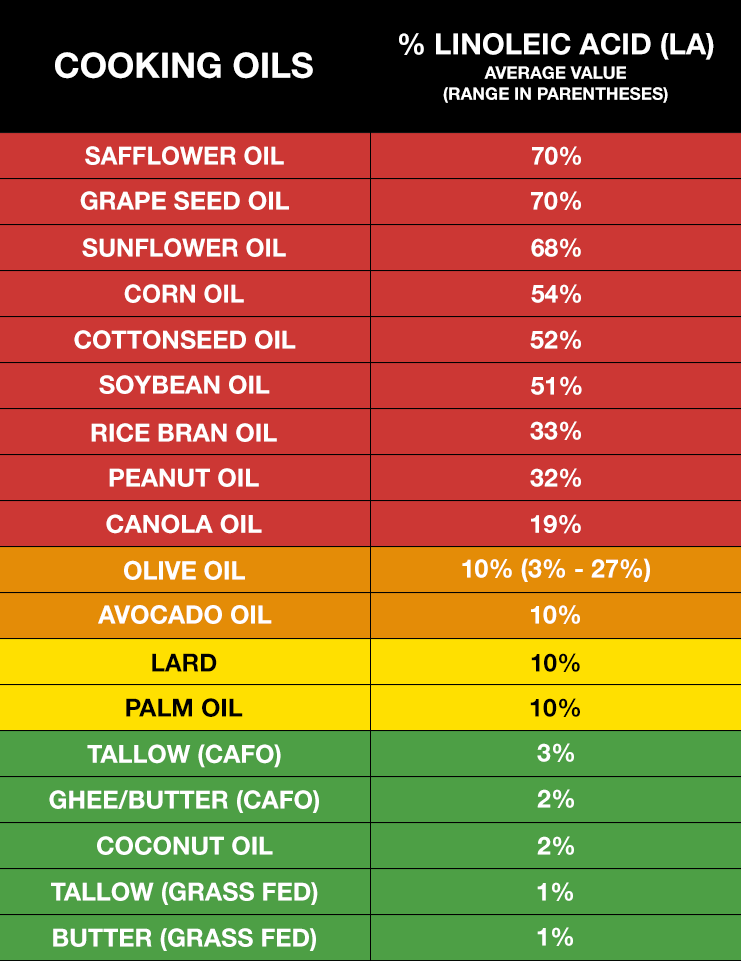
LA Content of Common Cooking Oils
The table below provides a relatively comprehensive list of the most commonly consumed oils and their approximate LA content.22,23,24
In general, the lowest LA-containing fats — butter and beef tallow — would be the fats of choice. These excellent cooking fats also provide the fat-soluble vitamins, A, D, and K2. Coconut oil is also very low in LA but doesn’t provide the important fat-soluble vitamins that tallow and butter contain.
Aspirin for the Prevention and Treatment of Migraines
In addition to lowering your estrogen burden and LA intake, several nutritional supplements, medications and alternative remedies can be employed. Aspirin is one inexpensive and readily available option.
As reported in a 2019 paper in The American Journal of Medicine, properly dosed aspirin can safely and effectively abort a migraine attack when taken early enough, and may also be used preventatively in lower doses:25,26
“The totality of evidence, which includes data from randomized trials, suggests that high-dose aspirin, in doses from 900 to 1300 mg, taken at the onset of symptoms, is an effective and safe treatment option for acute migraine headaches.
In addition, the totality of evidence, including some, but not all, randomized trials, suggests the possibility that daily aspirin, in doses from 81 to 325 mg, may be an effective and safe treatment option for the prevention of recurrent migraine headaches.
The relatively favorable side effect profile of aspirin and extremely low costs compared with other prescription drug therapies may provide additional options for primary healthcare providers in the treatment of both acute and recurrent migraine headaches.”
Helpful Supplements
Other supplements that can help reduce migraine frequency and/or severity include:
| Magnesium — Which can affect both serotonin receptor function and the production and use of neurotransmitters — has also been shown to play an important role in the prevention and treatment of migraines, and migraine sufferers are more likely to suffer from magnesium deficiency than non-migraineurs.27
Since magnesium administration is both easy and safe, researchers have noted that empiric treatment with a magnesium supplement is justified for all migraine sufferers.28 As a prophylactic, be prepared to boost your magnesium intake for at least three months to experience results. In many cases, receiving a high dose of magnesium can also abort an attack in progress. The most effective way to administer magnesium for migraine would be to get an intravenous (IV) infusion. I used to regularly administer magnesium IVs for those with acute migraines and it seemed to work for most patients to abort the headache. Barring that option, magnesium threonate may be your best option for an oral supplement, as its superior ability to cross the blood-brain barrier makes it more likely to have a beneficial effect on your brain. |
| B vitamins — Other vitamin deficiencies linked to migraines include riboflavin (B2), B6, B12 and folic acid. One 2009 study29 evaluated the effect of 2 mg of folic acid, 25 mg vitamin B6 and 400 micrograms (mcg) of vitamin B12 in 52 patients diagnosed with migraine with aura. Compared to the placebo group, those receiving these supplements experienced a 50% reduction in migraine disability over a six-month period.
Previous studies30 have also reported that high doses of riboflavin can help prevent migraine attacks. In one study, patients who took 400 mg of riboflavin per day experienced a 50% reduction in migraine frequency after three months. |
| CoQ10 — Ubiquinol — the reduced form of CoQ10 — plays a vital role in ATP production, which is the basic fuel for your mitochondria. Your body does produce ubiquinol naturally; in fact, it is the predominant form in most healthy cells, tissues and organs. However, with rampant pollution and poor diet, mitochondrial dysfunction has become increasingly common, warranting supplementation with either ubiquinol or CoQ10.
One study published in the journal Neurology31 found that CoQ10 was superior to a placebo in preventing migraines and reducing severity. Of the patients who received 100 mg of CoQ10 three times a day, 50% reported significantly reduced frequency of headaches compared to only 14% of those who took the placebo. |
| GABA — Migraine is one of several common symptoms of GABA deficiency. |
Carbon dioxide — Migraines can also be addressed with CO2. In some cases, migraines can be triggered by overbreathing, causing a lack of CO2 that constricts the blood vessels in your brain. Exogenous CO2 delivery methods include:
|
- 1, 3 Stat Pearls, Migraine Headache
- 2 Migraine Research Foundation, Migraine Facts
- 4 Scientific American July 21, 2013
- 5 Ray Peat Forum August 29, 2018
- 6 Frontiers in Molecular Biosciences August 14, 2018
- 7 EurekAlert! August 14, 2018
- 8 ZeroHedge March 8, 2024
- 9 Nutrients July 2023; 15(14): 3129
- 10 Oxid Med Cell Longev. 2014;2014: 360438. DOI: 10.1155/2014/360438
- 11 Pharmacognosy Review. 2010;4(8):118-126
- 12 Biochemical Journal. 1982;208(1):129-140
- 13 Nephrol Dialysis Transplant. 2001;16(8):1598-1606
- 14 Free Radical Biol Med. 1992;13:341-390
- 15 Journal of Nutrition June 1990; 120(6):625-30
- 16 Metabolism July 1992; 41(7): 788-792
- 17 Healthier U September 25, 2023
- 18 Journal of Headache and Pain 2013; 14, Article number P138
- 19 Headache September 27, 2016
- 20 Mymensingh Med J 2021 Jan;30(1):43-47
- 21 Paloma Health February 17, 2022
- 22 Renewable Energy. 2018; 126: 403-419
- 23 Int J Mol Sci. 2015;16(6):12871-12890
- 24 The Plan Journal. 2008;54:640-655
- 25 The American Journal of Medicine November 8, 2019; 133(4): 412-416
- 26 Haidut.me December 4, 2019 (Archived)
- 27, 28 J Neural Transm (Vienna). 2012 May;119(5):575-9
- 29 Pharmacogenetics and Genomics 2009 Jun;19(6):422-8
- 30 European Journal of Neurology 2004 Jul;11(7):475-7
- 31 Neurology 2005 Feb 22;64(4):713-5
Hidden Hazards: Nearly 1,000 Everyday Items Identified as Estrogenic Carcinogens
Reproduced from original article:
https://articles.mercola.com/sites/articles/archive/2024/03/25/estrogen.aspx
Analysis by Dr. Joseph Mercola March 25, 2024
STORY AT-A-GLANCE
- Estrogens are linked to serious health risks, including cancer. The National Institutes of Health added steroidal estrogens used in estrogen replacement therapy and oral contraceptives to its list of known human carcinogens in December 2002
- Synthetic estrogen exposure has surged due to environmental contamination and the widespread use of estrogenic chemicals in consumer products
- A January 2024 study identified 279 estrogenic compounds commonly found in consumer products that induce mammary tumors in animals; another 642 chemicals that could potentially increase the risk of breast cancer by stimulating estrogen or progesterone signaling
- Estrogen dominance, characterized by high estrogen levels, is associated with obesity, particularly around the thighs, hips and buttocks
- Strategies to reduce estrogen exposure include avoiding synthetic products, choosing natural alternatives and supporting liver health. Lifestyle modifications, such as maintaining a healthy weight, minimizing plastic use and managing stress can also help lower your estrogen level and reduce associated health risks
While estrogen replacement is generally regarded as beneficial, if not crucial, for women entering into menopause, a closer look reveals it can cause severe problems and you do not, in fact, want high levels of estrogen.
Originally called adipin, estrogen got its name from its association with weight gain, as in adipose (fat) tissue. In the mid-‘50s, when the drug industry started pushing synthetic estrogens, this knowledge faded from memory.
One of the most infamous early synthetic estrogens prescribed was diethylstilbestrol (DES), which caused fetal malformations and deaths, and cancers in the mothers who took it. DES was eventually withdrawn and banned for use in humans.
DES is not estrogen itself but rather a chemical that mimics estrogen’s actions by activating estrogen receptors. In fact, DES can potentially activate these receptors even more strongly than natural estrogen. This alone is a strong indication that estrogen excess is of serious concern. Studies looking at the effects of estrogen and estrogenic chemicals only add to the certainty.
Estrogen Is Carcinogenic
The National Institutes of Health added steroidal estrogens used in estrogen replacement therapy and oral contraceptives to its list of KNOWN human carcinogens all the way back in December 2002.1 In my mind, estrogen and excess linoleic acid are the two primary reasons for most cancers.
Likewise, the Women’s Health Initiative (WHI) studies, which began in 1991,2 showed estrogen replacement therapy in menopausal women significantly increased the risk of heart attacks, strokes, dementia, Parkinson’s disease and cancer, not just in the breast but all female reproductive organs.
In October 2023, I interviewed bioenergetic researcher Georgi Dinkov about the hazards of estrogen. I’ve included that interview above for your convenience.
As noted by Dinkov in a recent blog post,3 that interview apparently “struck a nerve” with a doctor who “went through the trouble of writing an extensive blog post trying to debunk the already established fact that estrogen is a carcinogen, by claiming that most of that data stems from the WHI studies, and that those are now considered flawed, ergo estrogen cannot be considered a carcinogen.”
In response, Dinkov sent the doctor a long, yet not exhaustive, list of academic articles and studies demonstrating that estrogen is indeed a mutagenic carcinogen — and that any chemical with estrogenic properties poses a serious threat to health.
Hundreds of Everyday Chemicals Linked to Increased Breast Cancer Risk
As just one example, a January 2024 paper4 in Environmental Health Perspectives identified 279 estrogenic compounds commonly found in consumer products that induce mammary tumors in animals, and another 642 chemicals that could potentially increase the risk of breast cancer by stimulating estrogen or progesterone signaling. As reported by Environmental Health News:5
“… More than 900 chemicals commonly found in consumer products and the environment have been linked to breast cancer risk in a new study. The study … identified 921 chemicals that could potentially increase the risk of breast cancer and found that 90% are ubiquitous in consumer products, food and drinks, pesticides, medications and workplaces.
The list includes chemicals like parabens and phthalates, which are commonly found in makeup, skin and hair care products; and numerous pesticide ingredients, including malathion, atrazine and triclopyr, which are used on food and in household pest control products in the U.S.
Breast cancer among young women has increased in recent years.6 Between 2010 and 2019, diagnoses among people 30 to 39 years old increased 19.4%, and among those ages 20 to 29, rates increased 5.3%. This change is too fast to be explained by genetics, so researchers have begun looking more closely at potential environmental causes for the disease.
A 2020 study7 found that women who used chemical hair straighteners more than six times a year had about a 30% higher risk of breast cancer than those who didn’t use chemical straighteners. Those products typically contain one or more of the chemicals identified in the new study as increasing the chances of getting breast cancer.”
Save This Article for Later – Get the PDF Now
Everyday Items May Expose You to Hazardous Levels of Estrogen
In modern times, many synthetic compounds, especially plasticizing compounds, have been developed that have estrogenic properties. Other terms for such compounds are endocrine disruptors and xenoestrogens.
DES is strikingly similar in composition to bisphenol-A (BPA), which the U.S. Food and Drug Administration banned for use in baby bottles and sippy cups in 2012.8 Many pesticides, preservatives, organic pollutants, drugs and even textiles also have estrogenic activity. Polyester and spandex, for example, contain high levels of estrogen-mimicking BPA.9 As noted by Dinkov:10
“… it looks like we are bathing 24×7 in a toxic sea of almost 1,000 chemicals with such properties (aka xenoestrogens), and given their ubiquity in food, drugs, industry, household, hospitals, and even nature it is little surprise the population of Western countries is sicker than ever.
Considering the sheer number of chemicals involved and the near impossibility of avoiding them, keeping the metabolic rate high (helps with excretion of xenoestrogens) and usage of anti-estrogenic chemicals (eg. vitamin E, progesterone, pregnenolone, aspirin, DHT, antihistamines, etc) becomes that much more important.”
The Physiological Role of Estrogen
Estrogen’s carcinogenic properties can in part be explained by its ability to increase cells’ ability to hold water. This is why women with estrogen dominance are prone to edema (water retention). Cellular swelling is both a characteristic of the cellular stress response and a signal for cellular proliferation.
During the follicular phase of the menstrual cycle, estrogen stimulates the uterine lining and follicles to swell and multiply in preparation for the fertilization of an egg. Similarly, during and after pregnancy, breast tissue swells and grows larger to facilitate milk production.
But cellular swelling and proliferation is also a hallmark of cancer. Indeed, the word oncology comes from the Greek word “oncos,” which simply means swelling.
In his 1997 book, “From PMS to Menopause: Female Hormones in Context,”11 biologist Ray Peat12 stated that estrogen had been shown to replicate the shock phase of the stress reaction in animals. According to Peat, the physiological purpose of estrogens is to stimulate cell division by triggering water uptake by the cell.
This is one of the greatest books in health I have ever read. Currently it is out of print and being sold by resellers for $350. I hope to connect with Ray’s widow later this year and get permission to republish his book with a new publishing company I am starting called Joy House and hope we can republish it later this year.
Peat believed that estrogen is a metabolic inhibitor that slows down energy production in the cell. Otto Warburg, after whom the Warburg Effect was named, stated that “the prime cause of cancer is the replacement of the respiration of oxygen in normal body cells by a fermentation of sugar.”
In simpler terms, this is when your body has more than enough oxygen to burn (oxidize) glucose in your mitochondria but instead shuttles glucose outside the mitochondria into the cytoplasm to oxidize or burn in glycolysis and produce lactate. This is the classic form of energy production in cancer cells.
It is not that cancer burns sugar for fuel; it is that cancer cells are sick and unable to effectively burns glucose in their mitochondria so they must shift to inefficiently burn glucose in glycolysis in the cytoplasm, despite having enough oxygen present. This is typically due to mitochondrial metabolic dysfunction.
Essentially, this means anything that limits or prevents your cells’ ability to efficiently burn glucose in your mitochondria is capable of causing cancer, and according to Peat, this is precisely what estrogen is doing.
Obesity, Especially in Women, Is Estrogen-Driven
Estrogen can also promote the accumulation of fat around the thighs, hips and buttocks through several mechanisms. For starters, it influences where fat is stored in the body. Women tend to store fat in these areas due to having higher estrogen levels than men. This pattern is often referred to as the “pear-shaped” body type.
Estrogen also promotes the differentiation and proliferation of fat cells (adipocytes) in the subcutaneous fat layer, which is particularly prevalent in the thighs, hips and buttocks and therefore leads to increased fat storage in these areas.
As mentioned, estrogen also plays a role in regulating metabolism, including glucose and lipid metabolism. Higher estrogen levels can promote the uptake and storage of fatty acids in adipose tissue, contributing to fat accumulation in the lower body.
Hormonal interactions and cellular signaling also play a role. Estrogen interacts with other hormones involved in fat metabolism, such as insulin and cortisol, and these interactions can influence fat deposition and distribution in the body, favoring storage in the lower body regions.
Bioidentical estrogens are every bit as dangerous as synthetic ones and are dangerous, in any amounts, unless they are balanced by an abundance of the natural forms of thyroid, progesterone, and DHEA. Estrogen is a cumulative toxin, because it causes changes in every system of your body, even when present in normal amounts. These cumulative changes appear to accelerate aging in all tissues.
Estrogens are one of the primary factors contributing to increasing your cancer risk, along with the plastic burden contributing their xenoestrogens, as both decrease mitochondrial function. Progesterone is the antidote because it is not only anti-estrogen but is a potent cortisol blocker and will improve mitochondria production of cellular energy by blocking estrogen and cortisol.
Progesterone is the main female hormone, and is a protective hormone during pregnancy, but it is also important in men since it is a general brain-regulating and protective hormone. Lastly, adipose tissue contains estrogen receptors, and estrogen signaling can directly affect the function and activity of fat cells. It promotes the expression of genes involved in fat storage and inhibits genes associated with fat breakdown.
Fasting Isn’t the Answer
Contrary to popular belief, extended fasting isn’t the answer if you’re trying to reshape a pear-shaped body type.13 The reason for this is because chronic fasting often ends up burning more muscle than fat. As reported in the Times of India seven years ago:14
“Dr. Purwa Duggal says stubborn fat in areas such as abdomen, thighs, hips, butt, etc are linked to high estrogen. Prolonged starvation does not necessarily mean burning fat. It may initially cause muscle wasting or utilization of glycogen stores.
Catecholamines, which are fight or flight hormones produced in the body in response to stress, are required to burn fat. ‘Blood flow to stubborn fat areas is usually very poor, as a result, the catecholamines are unable to reach the area to mobilize the fat. Even if the fat is mobilized, while it continues to be in the blood stream, it may get re-deposited in the original areas,’ she adds.”
How to Lower Your Estrogen Load
One of the most important strategies aside from avoiding estrogen and xenoestrogens is to take natural progesterone. Most formulations are not effective as they are oral or transdermal. Ideally it should be dissolved in a high-quality vitamin E with MCT oil and rubbed on mucous membranes like your cheeks or gums. Typical doses are 25 to 50 mg once or twice a day.
Considering the health risks associated with estrogen excess, here are some commonsense strategies that can help you limit your exposure and lower your estrogen load:
| Avoid synthetic estrogens — Minimize exposure to synthetic estrogens, such as those found in hormone replacement therapy and oral contraceptives. Consult with a qualified health care professional about alternative treatments and/or contraceptive methods with lower estrogen content. |
| Choose natural products — Opt for natural and organic personal care products, including makeup, skin care, and hair care items, to reduce exposure to synthetic chemicals like parabens and phthalates, which have estrogenic properties. |
| Limit pesticide exposure — Choose organic produce whenever possible to reduce exposure to pesticides, many of which have estrogenic effects. Washing fruits and vegetables thoroughly can also help remove pesticide residues. |
| Rethink your household products — Many household cleaning products, laundry detergents and air fresheners contain chemicals with estrogenic properties. Swap them out for natural, nontoxic alternatives or make your own cleaning solutions using vinegar, baking soda and essential oils instead. |
| Avoid plastic containers — Minimize the use of plastic containers and food packaging, which can leach estrogenic compounds into food and beverages. Instead, opt for glass or stainless steel containers for food storage and water bottles. |
| Maintain a healthy weight — Aim for a healthy weight and body composition through a balanced diet and regular exercise. Excess body fat, particularly around the thighs, hips, and buttocks, can contribute to higher estrogen levels. |
| Support liver health — Support liver function, as the liver plays a crucial role in metabolizing and eliminating excess estrogen from the body. Eat a nutrient-rich diet, limit alcohol consumption, and consider incorporating liver-supporting herbs and supplements, such as milk thistle or dandelion root. |
| Promote hormonal balance — Explore natural approaches to promote hormonal balance, such as consuming foods rich in cruciferous vegetables (such as broccoli, cauliflower and kale) and flaxseeds, which contain compounds that help support estrogen metabolism and detoxification. |
| Reduce stress — Manage stress through relaxation techniques like meditation, deep breathing exercises, yoga or spending time in nature. Chronic stress can disrupt hormone balance, including estrogen levels, so prioritizing stress reduction is essential. |
- 1 Science Daily December 13, 2002
- 2 Women’s Health Initiative
- 3, 10 Haidut.me February 20, 2024 (Archived)
- 4 Environmental Health Perspectives January 10, 2024; 132(1)
- 5 Environmental Health News January 10, 2024
- 6 JAMA Network Open 2023; 6(8):e2328171
- 7 Cancer Epidemiology December 3, 2019
- 8 Legislative Bans of BPA
- 9 CEH.org September 1, 2021
- 11 From PMS to Menopause: Female Hormones in Context (PDF)
- 12 Ray Peat Articles
- 13 Haidut.me December 17, 2023 (Archived)
- 14 Times of India April 25, 2017
The Four Hormones Most Adults Need More Of
Reproduced from original article:
https://articles.mercola.com/sites/articles/archive/2023/12/03/four-hormones-most-adults-need-more-of.aspx
The original Mercola article may not remain on the original site, but I will endeavor to keep it on this site as long as I deem it to be appropriate.
Analysis by Dr. Joseph Mercola December 03, 2023
STORY AT-A-GLANCE
- Four hormones most adults can benefit from are progesterone, thyroid hormone T3, DHEA and pregnenolone
- Around the ages of 11 and 12, right before puberty, the hormonal profiles of boys and girls are relatively similar. They produce about the same amounts of pregnenolone and progesterone. This is also the time when thyroid hormone levels are the highest they’ll ever be, and it’s the time in a person’s life cycle when their mortality is the lowest. Most supplementation recommendations are based on these prepubescent levels
- To optimize bioavailability, take T3, DHEA and/or pregnenolone orally, after dissolving them in a long-chain fat (14 carbons or more) such as ghee or butter
- The normal daily output of DHEA by the adrenal gland is about 20 to 50 milligrams (mg), so for most people, the max DHEA dose would be 50 mg, ideally split into several smaller doses. Human studies have shown that once you take more than 50 mg of DHEA per day, you begin to increase estrogen biomarkers. Best to start at 5-10 mg.
- As a general recommendation, I recommend taking 30 to 50 mg of bioidentical progesterone per a day, taken in the evening before bed, as it can promote sleep. The same dose (30 to 50 mg a day) is recommended for pregnenolone. This is the physiological dose, meaning it’s what you need for full replenishment, assuming you’re producing nothing
In this interview, repeat guest Georgi Dinkov and I discuss the four hormones most adults need more of if they want to optimize their health. In my introduction I mention that we will review the benefits and mechanisms of action of carbon dioxide (CO2), but that will be covered in Part 2 of this interview that will be posted in the next few weeks.
As for hormones, if you’re optimally healthy, hormone replacement therapy (HRT) is unnecessary, as your body will make whatever hormones you need. The problem is that very few people, including me, enjoy truly optimal health.
We live in a very polluted world, so “optimal health” is a high bar for all of us. I take four hormones that I believe most adults can benefit from: Progesterone, thyroid hormone T3, DHEA and pregnenolone.
Three of these, progesterone, DHEA and pregnenolone are available over-the-counter. Thyroid hormones, however, require a doctor’s prescription. You also need to get routine blood tests done (typically two to four times a year) to make sure your thyroid hormones are maintained at optimal levels. Overtreatment can result in hyperthyroid symptoms, which you clearly want to avoid.
How Hormones Impact Health Span and Life Span
As noted by Dinkov, around the ages of 11 and 12, right before puberty, the hormonal profiles of boys and girls are relatively similar, and they produce about the same amounts of pregnenolone and progesterone.
This is also the time when thyroid hormone levels are the highest they’ll ever be, and it’s the time in a person’s life cycle when their mortality is the lowest. Once puberty strikes, adrenal activity increases. In fact, the old name for puberty was adrenarchy, which tells you that adrenal activity is driving the process.
At this time, boys start producing more testosterone and girls progesterone (depending on where they are in the menstrual cycle). Interestingly, many studies have shown that the later puberty starts, the longer the lifespan and health span of both sexes. Conversely, the earlier the onset of puberty, the shorter the lifespan and the more prone to diseases the individual will be.
“After puberty starts and until the late 20s, people are remarkably resilient to stress,” Dinkov notes. “In fact, stress often seems stimulating for them. This seems to change drastically after they hit 30, and especially after 35. It’s basically a very steep decline.
And if you look at the way the hormonal profile changes, you’ll see that whenever young, healthy people are exposed to stress, there’s a spike in cortisol release, followed closely by a spike of pregnenolone and DHEA release for males, and pregnenolone, progesterone and DHEA release for females.
That delayed release of these secondary hormones drop off a cliff after the age of about 35. The ranges for pregnenolone, progesterone and DHEA, and even testosterone, change depending on what age group you fall into, but the range for cortisol doesn’t change.
So, throughout your lifetime, unless you’re critically ill, in which case cortisol drops, or you have Addison disease, which is full on adrenal failure, your cortisol levels do not decline, and that’s what keeps you alive because, if you have adrenal failure, unless you take cortisol shots you will die from hypoglycemia or Addison’s disease. So, it’s lethal.
Cortisol is really a life-saving hormone. It’s proinflammatory, but its primary purpose is to keep blood sugar from dropping too low, because your brain runs predominantly on glucose. So, basically, after the age of 35, cortisol stays the same.
It’s a catabolic hormone. It can shred your muscles, soft tissue, bone, you name it. There’s no organ that is immune to the effects of cortisol. There is only one that is somewhat resilient, and it’s the heart. And the reason the heart is so resilient in both genders is because in males, the heart contains a very large amount of testosterone, and in females it contains very large amounts of progesterone.
Both of these happen to be glucocorticoid antagonists. So they’re protecting this vital muscle … but all the other tissues can be shredded and they’re considered basically nonessential. So, after the age of 35, you have a stable supply of a catabolic hormone and then a rapidly declining supply of pregnenolone, progesterone and DHEA, all three of which have antiglucocorticoid effects.”
All of that said, if you’re taking progesterone, you don’t need to worry about the DHEA converting to estrogenic substances because progesterone will block that conversion. Even if there is conversion, progesterone is an antagonist at the estrogen receptors so it will directly block the estrogen as well. Pregnenolone has similar effects. It’s a milder aromatase inhibitor than progesterone, but it’s still quite good at preventing the uptake of estrogen into the cell.
Cortisol-to-DHEA Ratio Is a Good Predictor of Life Span
One of the take-homes from the above is that when you’re young, before puberty sets in, you have high production of T3 thyroid hormone, cortisol and anti-cortisol steroids. After age 35, there’s a gradual decline of thyroid function and a rapid decline in the synthesis and release of the anti-cortisol hormones, some of which also happen to be anti-estrogenic.
As a result, you enter a state of relative glucocorticoid and estrogen excess, both of which have detrimental effects on health. Dinkov explains:
“The state of glucocorticoid excess is not very well known. It’s easily measurable though by the ratio of cortisol to DHEA, or cortisol to progesterone, or cortisol to pregnenolone. Studies demonstrate that the cortisol to DHEA ratio is the best predictor we have for how long you’re going to live and for any diseases that you’re going to develop throughout your lifetime.”
Download this Article Before it Disappears
DHEA Influences Your Immune Function
One of the reasons for this is because DHEA is an immune booster, and your immune system is your first line of defense against both acute and chronic diseases, including cancer. And the amount of DHEA produced is about the same in both sexes, regardless of age. Dinkov suspects an ideal ratio of cortisol to DHEA is 0-to-3 or lower.
As for DHEA by itself, he recommends aiming for a level in the upper 50th percentile for the upper range of a 20-year-old, which is around 600 nanograms per deciliter (ng/dL). So, ideally, if you’re older than 35, you’d want your DHEA to be somewhere between 300 and 600 ng/dL.
As for the daily dosage, the normal daily output of DHEA by the adrenal gland is about 10 milligrams (mg), so for most people, the max DHEA dose would be 5-10 mg and mixed with a long-chain fat. According to Dinkov, human studies have shown that once you take more than 10 mg of DHEA per day, you begin to increase estrogen biomarkers, which is something you don’t want.
“Anything less than [10 mg], which happens to be a physiological dose, doesn’t really cause that much of a problem, but I would still take it with progesterone because blood levels are not always indicative of tissue levels,” Dinkov says.
“In fact, [DHEA] is not always reflected on the blood test … If you look at the studies, they show you that cells have a very high uptake of pregnenolone and DHEA. They accumulate them at levels 100 times higher than what they are in the bloodstream. So if you’re very DHEA deficient, it will take a while to fill up your reserves and then for the extra to spill over. About six months.
There’s a study with Italian women. They took 10 mg for a full year. Eventually that restored their levels back to normal, but not until the six-month mark did they see significant change. So it really depends on how deficient you are, for how long you’ve been deficient, and the state of your adrenal gland.
Another study demonstrated that the DHEA starts working immediately. You don’t see it in the blood test, but they started measuring downstream metabolites of DHEA and found that taking just 10 mg of DHEA drastically increased the metabolites of the dihydrotestosterone such as 3-alpha androstane diol and metabolites of testosterone, such as testosterone glucoronate and sulfate.
So, DHEA starts working immediately and converting to downstream hormones, but it’s going to take a while to see that in the biomarkers that are usually measured, which is DHEA and DHEA sulfate. What they really should be doing is measure all of the other things that DHA can convert into.
And some of those things are estrogens. Chances are, at least based on studies, that either prolactin or estrone will rise if you’re taking too high of a dose long before there will be changes in the blood levels of DHEA or DHEA sulfate.”
Caveats and Warnings
There are a few important caveats here. Taking too high a dose of DHEA can cause unwanted hair growth in women, and breast growth in men,1 so be sure to monitor your symptoms. DHEA is also banned in sports. It’s classified as a doping agent by the World Anti-Doping Agency, so athletes must take their competitive status into account before taking supplemental DHEA.
Also, never take DHEA without progesterone. They need to be taken together. Another point to optimize the therapy and not derail it is that if you take T3, DHEA and/or pregnenolone orally, you need to dissolve them in a long-chain fat (14 carbons or more) first.
If you don’t do that, they’ll be metabolized by your liver, which significantly lowers their effectiveness. According to Dinkov, the bioavailability of oral hormones can be as low as 10%. Dissolving the supplements in a little ghee or butter will bypass liver metabolism and allow you to get the most out of your supplements.
Olive oil is also a long-chain fat, but I don’t recommend it in this case, as it can have 20% linoleic acid (LA) and a flavor that many don’t like. According to Dinkov, at least one study has demonstrated that LA binds directly to estrogen receptors and acts like estrogen.
So, LA not merely promotes the effects of estrogen but also acts as an estrogen directly. Since estrogen is a potent carcinogen, you want to avoid things with estrogenic activity.
Progesterone Works Best With Vitamin E
Progesterone, meanwhile, needs to be mixed into vitamin E for optimal bioavailability. Health Natura sells a progesterone in vitamin E product. Alternatively, you can make your own by dissolving pure USP progesterone powder in one capsule of a high-quality vitamin E. The difference in bioavailability between taking progesterone orally without vitamin E and taking it with vitamin E is 45 minutes versus 48 hours.
Another good reason for taking progesterone with vitamin E is because it binds to red blood cells, which allows the progesterone to be carried throughout your body and be distributed to where it’s needed the most. What’s more, Dinkov cites recent research showing that when you dissolve a substance in vitamin E, it specifically targets sites with the highest inflammation.
Other Important Benefits of Vitamin E
Another important benefit of vitamin E is that it prevents LA stored in your tissues from being oxidized into toxic byproducts. Since most people are walking around with LA stores that are 10 times higher than normal, and since excess LA is likely one of the primary contributors to chronic disease, it can be a good idea to take vitamin E regularly until you get your LA down to healthy levels, which may take up to six years for most people.
Vitamin E can almost miraculously prevent most of the damage done by LA. It can also reverse or prevent many of the issues associated with excess estrogen. This is important because LA has remarkable parallels to excess estrogen in terms of its metabolic and anti-health effects.
When you eat excess PUFA or LA, you increase your body’s production of estrogen. So, when you increase LA, estrogen levels go up — and that’s not a good thing. Both LA and estrogen interestingly increase the flow of calcium from outside the cell to inside because the concentration of calcium outside as well is 50 times higher than inside. So, the excess as LA will cause the influx of calcium inside the cell, which causes nitric oxide and superoxide to increase inside the cell.
Nitric oxide and superoxide combine almost instantaneously to form a very pernicious reactive nitrogen species called peroxynitrite, which causes pervasive damage to tissues in your body.
Both LA and estrogen also increase a potentially dangerous process in your body called lipolysis, which is simply the liberation of fatty acids from your fat cells into your bloodstream where they are mobilized. This then increases the oxidation of LA, which is precisely what you want to avoid as ideally you want to keep LA in your fat cells until they metabolize it with peroxisomes.
Fortunately, vitamin E can also help neutralize this damaging effect of LA. Vitamin E also directly inhibits the activity of an enzyme called aromatase. This is an enzyme that converts the male hormones like testosterone and DHEA into estrogens.
Even better, it serves as an estrogen antagonist, meaning it binds to the estrogen receptor to block it from binding to estrogen. This dramatically lowers the damage from excess estrogen.
Vitamin E works very similarly to the drug tamoxifen, which is used to treat estrogen receptor-positive breast cancers. For these reasons, I firmly believe nearly everyone needs to be getting vitamin E in their diet. However, due to the high LA burden, very few people can get enough vitamin E from their diet to suppress this oxidative destruction unless they’re supplementing with vitamin E.
The good news is that since the supplementation is short term, you’re not going to need it the rest of your life. If you can keep your LA intake to below 5 grams a day for three years, it’s likely you may not even need it at all, or at most, only a few times a month.
However, if for whatever reason, during this time, or when the LA in your tissues are low or normal, and you go out and binge on a meal that’s very high in LA, I would strongly recommend taking a vitamin E capsule to protect yourself from this exposure.
Vitamin E also protects against free radical damage and the normal effects of aging. It’s particularly important for brain health, and studies have found it can help delay the loss of cognitive function in people with Alzheimer’s disease by preventing cell membrane damage and neuronal death.2
How to Pick a Good Vitamin E Supplement
Most vitamin E supplements are synthetic, and you want to steer clear of those. Studies have demonstrated that synthetic vitamin E has the opposite effect of natural vitamin E, such as increasing the risk of certain cancers rather than lowering it, for example. So, it’s important to make sure you’re getting a natural version.
Synthetic vitamin E is called alpha tocopherol acetate. The acetate indicates that it’s synthetic. Next, you need to pay attention to the orientation of the optical isomer. Most vitamin supplements are racemic, or they have left- and right-hand isomers. This is a problem as most biological molecules have optical isomers that are right-handed.
They’re usually called D and L isomers, which stands for right and left. When you have both left and right isomers present, it’s called racemic. Biologically, there’s usually only one optical isomer that works well, and with vitamin E it is the D isomer that works in your body, while the L isomer is useless. Yet in synthetic supplements, 50% of the vitamin E in the supplement is the useless L isomer.
To make matters even worse, many synthetic versions use an ester of vitamin E, which only has about 50% of the activity of the natural product. So, the total activity of many vitamin E supplements is reduced by 75%.
So, the first step in identifying healthy good vitamin E supplements is to make sure you’re getting real vitamin E and not synthetic. What you’re looking for is “d alpha tocopherol.” This is the pure D isomer, which is what your body can use.
Many vitamin E brands will use vitamin E from sunflower oil, which has a very high percentage of LA. However, the LA in the capsule is an insignificant amount, probably less than 50 or 100 mg, so in this case it’s not a problem. Your goal is to keep LA intake under 5,000 mg, and even better under 2,500 mg, so it really won’t negatively impact your LA intake at all.
As for dose, you don’t need more than 100 mg a day. There are also other vitamin E isomers, and you want the complete spectrum of tocotrienols, specifically the beta, gamma, and delta types of vitamin E, in the effective D isomer. It’s important to get this right, which is why I’m going into this much detail.
Most People Can Benefit From Bioidentical Progesterone
So, to tie up the discussion about progesterone, bioidentical progesterone (not synthetic progestin) is probably the most important hormone that most adults need. Conversely, I believe estrogen — including bioidentical estrogen — should never be used, as estrogen is carcinogenic.
As noted by Dinkov, virtually all cancers respond to hormones and estrogen is a primary growth factor in all of them. So, there’s really no such thing as a nonendocrine cancer. To learn more about this, see our previous interview, where we dove deeper into the hazards of estrogen.
Unfortunately, most people who use progesterone use it transdermally, which could be problematic. As explained by Dinkov, your skin expresses high levels of 5-alpha reductase enzyme, which causes a significant portion of the progesterone you’re taking to be irreversibly converted primarily into allopregnanolone and cannot be converted back into progesterone.
If you’re taking it orally with vitamin E as the solvent, a significant portion will be non-metabolized, that non-metabolized progesterone has potent pro-thyroid effects. It’s also a thermogenic steroid. It induces uncoupling, so you’ll be producing more heat, which is one of the effects of taking T3. While not as potent as taking T3, it can raise your metabolic rate by about 10%.
Progesterone also blocks cortisol and helps protect against excess cortisol production, but not to the point of causing cortisol deficiency (Addison disease), and it helps deactivate adrenaline.
“There are human studies demonstrating that you administer progesterone, even in its nonoptimal form — such as just the powder without the long-chain fatty acids and definitely without the tocopherols — even in that form, 100 to 200 milligrams orally.
A single dose is sufficient to drop cortisol and adrenaline by about 60%. As a side effect of that, the blood pressure also dropped in both sexes,” Dinkov says. “So, we know that progesterone has a very potent antistress effect by acting specifically on the two sides of the stress system, cortisol and adrenaline.
One of the explanations is that progesterone has shown some ability to directly activate the alpha receptors, which are negative feedback. In other words, if you activate the alpha adrenal receptor, you basically send in the signal that there’s too much adrenaline, so the body will produce less adrenaline …”
The dose of bioidentical progesterone I recommend is 30 to 50 mg a day (again, mixed with a long-chain fat), taken in the evening before bed, as it can promote sleepiness. The same dose (30 to 50 mg a day) is recommended for pregnenolone. This is the physiological dose, meaning it’s what you need for full replenishment, assuming you’re producing nothing.
Important Caveat for Menstruating Women
Women who still menstruate need to be careful with the timing of their progesterone supplementation. Progesterone is crucial for successful pregnancy, and you can severely inhibit your ability to get pregnant if you take it at the wrong time. (During pregnancy, progesterone actually skyrockets. In the third trimester, women produce about 600 mg a day.)
If your menses are regular, start taking the progesterone on the 14th day after your menstrual flow begins, and take it for 14 days straight (until cycle day 27). If your cycles are short, start on day 12 and continue for 14 days. Always take the progesterone for the full 14 days even if your menses begin before the 14 days are over. Start the next progesterone 14 days after the flow began.3
There’s no toxicity to progesterone, unlike estrogen and testosterone, neither of which I recommend. Progesterone, T3, DHEA and pregnenolone are the only hormones you really need. Supplementing progesterone also will not lower your natural production, so you don’t need to be concerned about that. In fact, it enhances your natural production.
Thyroid Hormone Supplementation
When it comes to your thyroid, most people only need T3. That said, desiccated thyroid contains both T3 and T4 and can be a good option for some. Here, unless you’re treating a specific thyroid problem, the generally recommended dose is 10 micrograms two to three times a day. Dinkov comments:
“The thyroid gland produces about 100 micrograms in a healthy person — 100 micrograms of T3 over 24-hour period. If you take more than 25 micrograms, even that is a very high dose because it has such a potent thermogenic effect, and in higher doses can be catabolic.
The body has deiodinase enzymes, and they very quickly convert the excess T3 into something called T2 and even T1 … So, in other words, you’re going to be wasting most of it. Interestingly, the same type of enzymes, T3 deactivating, are highly overexpressed in cancer cells, and cancer cells just happen to be very hypometabolic, as we’ve discussed previously.
So the thyroid gland produces T3 and T4 in a ratio of about 1 to 4 in favor of T4. T4 is actually a prohormone, it by itself does not have a very high activity directly at the thyroid receptors T3. So, it circulates and about 80% of it in the liver, in a healthy person, should get converted to T3. The other 20% can get converted to T3 peripherally, or if the dosage of T4 is too high, the excess very quickly gets converted to something called reverse T3.
This is a very dangerous state because reverse T3 acts as a thyroid hormone antagonist … Most doctors don’t take these things into account, so if they prescribe you, let’s say, 100 or 200 micrograms T4 daily. You better be praying that this will get properly converted because if it doesn’t, and gets converted to reverse T3, you’ll end up in a more hypothyroid state than if you did not take the T4 at all …
T4 is almost never a good option by itself unless the person is very young. But even then, if a person is hypothyroid, that by definition already means that the liver will be burdened, because one of the primary functions of the liver is the detox mechanisms and one of the primary things that liver detoxifies are polyunsaturated fats and estrogens.
But the detoxification mechanisms themselves depend on thyroid function. So hypothyroid means sluggish liver by definition. So, if you give a hypothyroid person T4 only, especially if the dose is higher, you’re asking for trouble. Some of that will get converted to reverse T3.”