Headache
now browsing by category
Why You Get Headaches During Exercise Even When You Stay Hydrated
Reproduced from original article:
https://articles.mercola.com/sites/articles/archive/2026/05/09/exercise-induced-headaches.aspx
Analysis by Dr. Joseph Mercola May 09, 2026

Story at-a-glance
- Exercise headaches affect up to 26% of adults and occur even when properly hydrated, often due to how the brain manages heat during physical exertion
- Your brain cools itself by increasing blood flow, which raises pressure in your skull that triggers headaches, especially if you’re new to exercise or increase intensity too quickly
- Warning signs include vision problems, nausea or thunderclap headaches that come on suddenly; these require medical evaluation to rule out serious conditions
- Prevention strategies include warming up slowly, staying well-hydrated before and during workouts, exercising in cool environments and gradually building fitness levels
- Most exercise headaches are harmless and typically improve over time as your cardiovascular system adapts to physical stress
It’s common to be perfectly hydrated and still get hit with a brutal headache right after a workout. For some, it starts as a subtle throb on both sides of the head. For others, it’s a sudden pounding that stops them in their tracks. These are known as exercise-induced headaches, which some describe as “the worst headache of my life.” They affect up to 26% of adults, depending on the study.1
While exercise headaches don’t always mean something is seriously wrong, they’re also not something to brush off. When your brain sends up a signal like that, it’s worth listening. What’s frustrating is how unpredictable they often feel. You drink water, fuel properly, get enough sleep and still end up sidelined by pain. So, what’s actually going on?
The answer has less to do with how hydrated you are and more to do with how your body regulates pressure and blood flow under stress. You don’t need to give up your workouts to stop the cycle. You just need to understand what’s driving these headaches in the first place. That’s where the science comes in.
An article in The Conversation explored why some people develop exertion headaches despite staying hydrated and exercising regularly.2 It examined current theories and findings to help explain what’s actually going on inside your body when these headaches strike.
• Exercise headaches affect people differently based on how fit they are — These headaches are more common in people new to intense workouts or those who ramp up too fast. They usually happen after a physically demanding session. But what’s considered “strenuous” really depends on your current fitness level, so even moderate effort could trigger them if you’re not yet adapted.
• The pain lasts from a few minutes to two full days — However, they sometimes go away in time. The article notes that some people stop getting these headaches after a few months of consistent training. That’s because your cardiovascular system slowly becomes better at handling physical stress and regulating blood flow to your brain.
• A key cause appears to be how your brain handles heat — Unlike the rest of your body, your brain doesn’t sweat. To cool down, it redirects more blood flow to your head during exercise. This creates higher pressure in your skull, which triggers pain.
Further, during exercise, your arteries and veins widen to deliver more blood and oxygen to your muscles and organs. The same thing happens in your brain, but in a confined space, this creates extra pressure, especially when you’re already hot or dehydrated. When it’s hot outside, your body sends even more blood to your brain in an attempt to cool it down. This overcompensation results in increased intracranial pressure and worsens the headache.
• Dehydration compounds the problem, but isn’t always the main trigger — While many people assume they’re getting these headaches from not drinking enough water, hydration alone isn’t the whole story. However, dehydration puts extra stress on your cardiovascular system, which could make your brain’s cooling response more aggressive — and more painful.
• Gradual fitness improvements reduce headache risk over time — People who build up slowly tend to report fewer and milder exercise headaches, likely because their blood vessels become more efficient at dilating and contracting with less pressure buildup.
Vision Problems and Nausea Are Red Flags You Shouldn’t Ignore
Although most exercise headaches are harmless, some are tied to dangerous conditions like brain hemorrhages, infections, or elevated brain pressure.3 If you’re experiencing these headaches for the first time, or if they’re sudden and severe, you should get evaluated. The Cleveland Clinic also broke down how exertion headaches differ from typical head pain.4
• Some symptoms mimic migraines and need to be taken seriously — While throbbing pain on both sides of the head is common, the Cleveland Clinic highlights more serious symptoms like vision changes, nausea and vomiting. If you’re seeing blind spots, getting dizzy or feeling sick to your stomach after workouts, that’s not something to push through.
• Unlike general tension headaches, exertion headaches often feel like a strong pulsing sensation — This typically builds quickly during or after physical activity. They also sometimes feel like a thunderclap — sudden and explosive. These details matter because understanding your symptoms helps you communicate more clearly with your doctor if you need to seek help. Underlying conditions are rare but important to rule out.
• If you’ve never had one before, don’t brush it off — First-time exertion headaches, especially if severe or paired with other neurological symptoms, should be evaluated by a medical professional. Confusion, fainting, extreme drowsiness or a headache that lasts more than two days are all red flags.
Once you understand what’s triggering your symptoms and get the green light from your doctor, you’ll be more confident about pushing forward with your workouts without worrying about the next headache hitting out of nowhere.
Why Pushing Too Hard Too Soon Sets You Up for Headaches
According to Dr. Ashhar Ali, a neurologist at Henry Ford Health, starting a workout program too aggressively runs the risk of causing your brain and body to react negatively.5 If your system isn’t yet conditioned for exertion, the added pressure from overexertion could show up as a headache. The fix is simple but requires patience: start slow and give your body time to adapt.
• Dehydration is a major driver of head pain — While it’s possible to get an exercise headache even if you drink plenty of water, Ali emphasizes the systemic impact of dehydration on your brain. It doesn’t just leave you tired, it alters fluid balance, increases body strain and heightens the chances of blood vessel dilation in your head, triggering that pounding sensation. “Headaches are another side effect of not drinking enough water,” he warns.6
• Heat overload during workouts makes things worse — Exercising in hot environments, whether outdoors in direct sun or indoors with poor airflow, is another trigger. What’s more, your clothing choice matters. Heavy fabrics, dark colors, or non-breathable materials trap heat and force your body to work harder to cool down. That extra burden increases pressure in the brain, leading to pain.
• Altitude training isn’t for everyone, and it’s a problem if you’re not used to it — Working out at higher elevations, especially while traveling, is a serious headache trigger. The oxygen is thinner at higher altitudes, and your brain has to work harder to compensate.
For people not acclimated to these conditions, the change in oxygen pressure often results in sharp, exertion-related headaches. Ideally, take a few days to adjust before attempting intense exercise in these conditions.
• These headaches are often mistaken for something else — People frequently misattribute these headaches to stress or muscle tension, when in fact, it’s the training environment and pace that’s to blame. This misdirection leads many to overlook simple fixes like resting, hydrating, staying cool, or adjusting their workout intensity.
How to Stop Headaches from Derailing Your Workouts
If you’re dealing with headaches after a strength-training session, or even just an intense walk, it’s not in your head, at least not the way you think. The problem isn’t always hydration or a poor night’s sleep. Often, it’s how your brain responds to overheating, overexertion or sudden pressure changes.
The good news? You don’t have to live with it, and you don’t have to quit your workouts either. These are direct ways to fix the root of the issue and keep your head clear while you train. Here’s what I recommend if you’re trying to avoid exercise-induced headaches:
1. Start with a slow warm-up and build intensity over time — You wouldn’t go from zero to sprint in five seconds, and your brain doesn’t like it either. Give your blood vessels time to adapt by easing into your workout. Start with gentle movements, low weights, or a light walk. If you’ve been sedentary or are just getting back into fitness, your body needs time to relearn how to regulate pressure and blood flow.
2. Fix your hydration before, during and after training — If you’re even slightly dehydrated, your body has to work harder to pump blood, especially to your brain. That raises your risk for pain. Don’t just sip water once your headache starts, get ahead of it. Drink throughout the day, not just right before or during your session.
If you sweat a lot or train outside, you’ll want to consider a mineral-rich hydration option like coconut water or a homemade mix of water, sea salt, and fruit juice to replenish what you lose. Overall, just listen to your thirst. A good rule of thumb is to check your urine. It should be a pale yellow color — if it’s dark, you’re dehydrated.
3. Control your workout environment — If you’re exercising in a hot, stuffy room or wearing heavy or dark-colored clothes, you’re setting yourself up for overheating. Switch to natural breathable fabrics and avoid workouts in extreme heat. If you’re indoors, use a fan or open a window. Your brain doesn’t cool itself like your skin, so anything that prevents heat buildup helps protect you.
4. Adjust your workouts at high altitude or during travel — If you’re in the mountains or somewhere with thinner air, your brain is working overtime just to get enough oxygen. It’s easy to push too hard without realizing it. If you’re not used to high elevations, avoid intense training the first few days. Focus on lower-impact options like walking, yoga or light bodyweight exercises while your body adjusts.
FAQs About Exercise Headaches
Q: Why do I get a headache after working out, even when I drink water?
A: Exercise headaches aren’t always caused by dehydration alone. Your brain can’t cool down by sweating like the rest of your body, so it sends more blood to your head to regulate temperature. That increases pressure inside your skull, which triggers pain, especially if you ramp up intensity too fast.
Q: Are exercise-induced headaches dangerous?
A: Most of the time, no. They usually fade within a few hours to two days and tend to improve over time as your cardiovascular system adapts. However, if it’s your first headache, or if the pain is sudden and severe, lasts longer than two days or comes with symptoms like nausea, vision changes, or confusion, you should get checked to rule out more serious conditions.
Q: Who is most likely to get these headaches?
A: People who are new to intense workouts, pushing too hard too fast, training in high heat or altitude, or wearing heat-trapping clothes are more likely to experience exercise headaches. Dehydration and poor conditioning are also major contributors.
Q: How do I stop these headaches from happening again?
A: Start with a slow warm-up, stay hydrated throughout the day, train in a cool environment and avoid high-intensity workouts in extreme heat or thin air.
Q: What symptoms should I look out for?
A: Red flags include a thunderclap headache (sudden and extreme pain), fainting, stiff neck, confusion, vomiting or vision issues. If any of these show up, or if the headache lasts more than 48 hours, it’s important to get evaluated for more serious conditions like vascular spasms or brain bleeds.
Migraines Strongly Associated With High Estrogen and Low Thyroid
Reproduced from original article:
https://articles.mercola.com/sites/articles/archive/2024/05/20/migraines-high-estrogen-low-thyroid.aspx
Analysis by Dr. Joseph Mercola May 20, 2024

STORY AT-A-GLANCE
- Migraines impact 12% of Americans and are the second leading cause of disability worldwide, affecting 1 billion people globally and ranking as the third most prevalent illness
- Excess estrogen and inadequate progesterone, along with high linoleic acid (LA) intake, are key factors in migraines. Lowering LA and estrogen can eliminate most migraines
- Estrogen enhances pain signals by sensitizing cells around the trigeminal nerve and blood vessels in the head. Research has also found that progesterone — a natural estrogen blocker — is protective against migraines
- Balancing your estrogen-progesterone levels involves choosing natural products, limiting pesticide exposure, avoiding plastic, supporting liver health, maintaining a healthy weight, and considering trans mucosal progesterone for its estrogen-blocking effects
- High LA intake and estrogen dominance are also key culprits in hypothyroidism, as PUFAs inhibit T3, and those with a history of migraines are also at increased risk for hypothyroidism. Migraine sufferers who manage their hypothyroidism effectively often report improvements in migraine frequency and severity, which is another indication that thyroid hormone balance plays a role in migraine
Migraines affect an estimated 12% of the American population and is the second leading cause of disability worldwide.1 Worldwide, as many as 1 billion people are affected,2 making migraine the third most prevalent illness in the world.
They can strike both young and old, but most sufferers are women. According to research,3 migraine prevalence begins to rise around puberty and continues to rise until 39 years of age, after which it decreases again. Menopause frequently offers migraine relief for women, which hints at the role of estrogen.
Unfortunately, despite their prevalence, researchers still struggle to understand exactly how and why migraines occur.
Few understand that excess estrogen and inadequate progesterone is a key factor, or that high linoleic acid (LA) intake exacerbates the situation. If you lower LA and estrogen, most migraines vanish without further intervention. Thyroid function also plays an important role, which makes sense considering high LA intake is a primary causative factor of hypothyroidism as well.
Estrogen Is a Major Player in Migraines
Migraines are thought to be a disorder of your central nervous system, most likely originating in your brain stem.4 While most brain regions do not register or transmit pain signals, the trigeminal nerve network does.
Pain is relayed through the trigeminal network to an area in your brain stem called the trigeminal nucleus. From there, it is conveyed to the sensory cortex in your brain that is involved in awareness of pain and other senses. As it turns out, estrogen is a major factor in this chain of events.
The late Ray Peat, a pioneer in bioenergetic medicine, argued that estrogen is a major cause of migraines, and in 2018, research5,6,7 was published that offered fresh support for that view. Researchers found that estrogen sensitizes cells around the trigeminal nerve and connected blood vessels in the head, thereby augmenting pain signals.
Estrogen, of course, is at its highest during women’s reproductive years, which also helps explain not only the gender difference in prevalence but also the age range at which migraines are most common.
Additionally, the study in question not only implicated estrogen as a causative factor in migraines, but also stated that progesterone is protective. This makes sense if estrogen is causative, as progesterone is an estrogen blocker.
How to Improve Your Estrogen-Progesterone Balance
If you struggle with migraines, avoiding estrogen replacement therapy (including bioidentical estrogen), birth control pills and xenoestrogens from plastics will be paramount. As I’ve noted in previous articles, estrogen dominance is nearly as dangerous as excessive LA intake when it comes to destroying your mitochondrial function.
Nearly 1,000 everyday items contain estrogenic compounds, so avoiding xenoestrogens may be easier said than done. However, making a concerted effort can go a long way. Here are some common-sense strategies that can help you limit your exposure and lower your estrogen load:
| Avoid synthetic estrogens — Minimize exposure to synthetic estrogens, such as those found in hormone replacement therapy and oral contraceptives. Consult with a qualified health care professional about alternative treatments and/or contraceptive methods with lower estrogen content. |
| Choose natural products — Opt for natural and organic personal care products, including makeup, skin care, and hair care items, to reduce exposure to synthetic chemicals like parabens and phthalates, which have estrogenic properties. |
| Limit pesticide exposure — Choose organic produce whenever possible to reduce exposure to pesticides, many of which have estrogenic effects. Washing fruits and vegetables thoroughly can also help remove pesticide residues. |
| Rethink your household products — Many household cleaning products, laundry detergents and air fresheners contain chemicals with estrogenic properties. Swap them out for natural, nontoxic alternatives or make your own cleaning solutions using vinegar, baking soda and essential oils instead. |
| Avoid plastic containers and cutting boards — Minimize the use of plastic containers and food packaging, which can leach estrogenic compounds (xenoestrogens) into food and beverages. Instead, opt for glass or stainless-steel containers for food storage and water bottles. Also, never microwave plastics, as heat leaches the chemicals into your food. Use glass or ceramic containers for microwaving. |
| Filter your tap water and avoid water bottled in plastic — If you need to buy bottled water, opt for glass bottles. Also make sure the filter you use to purify your tap water can filter out microplastics, which have estrogenic properties.
If you have hard tap water, consider boiling it before using it for cooking or drinking, as hard water traps more microplastics. Recent research shows boiling hard tap water for five minutes removes up to 90% of the microplastics in the water.8 |
| Maintain a healthy weight — Aim for a healthy weight and body composition through a balanced diet and regular exercise. Excess body fat, particularly around the thighs, hips, and buttocks, can contribute to higher estrogen levels. |
| Support liver health — Support liver function, as the liver plays a crucial role in metabolizing and eliminating excess estrogen from the body. Eat a nutrient-rich diet, limit alcohol consumption, and consider incorporating liver-supporting herbs and supplements, such as milk thistle or dandelion root. |
| Promote hormonal balance — Explore natural approaches to promote hormonal balance, such as consuming foods rich in cruciferous vegetables (such as broccoli, cauliflower and kale) and flaxseeds, which contain compounds that help support estrogen metabolism and detoxification. |
| Reduce stress — Manage stress through relaxation techniques like meditation, deep breathing exercises, yoga or spending time in nature. Chronic stress can disrupt hormone balance, including estrogen levels, so prioritizing stress reduction is essential. |

Save This Article for Later – Get the PDF Now
Progesterone Counteracts Estrogen Dominance
Another effective strategy that can help counteract estrogen excess is to take trans mucosal progesterone (not oral or transdermal), which is a natural estrogen antagonist. Progesterone is one of only four hormones I believe many adults can benefit from. (The other three are thyroid hormone T3, DHEA and pregnenolone.)
As a general recommendation, I recommend taking 25 to 50 mg of bioidentical progesterone per a day, taken in the evening one hour before bed, as it can also promote sleep. For optimal bioavailability, progesterone needs to be mixed into natural vitamin E. The difference in bioavailability between taking progesterone orally without vitamin E and taking it with vitamin E is 45 minutes versus 48 hours.
Simply Progesterone by Health Natura is premixed with vitamin E and MCT oil. You can also make your own by dissolving pure USP progesterone powder into one capsule of a high-quality vitamin E, and then rub the mixture on your gums. Fifty milligrams of powdered progesterone is about 1/32 teaspoon.
Do not use synthetic vitamin E (alpha tocopherol acetate — the acetate indicates that it’s synthetic). Natural vitamin E will be labeled “d alpha tocopherol.” This is the pure D isomer, which is what your body can use. There are also other vitamin E isomers, and you want the complete spectrum of tocopherols and tocotrienols, specifically the beta, gamma, and delta types, in the effective D isomer.
I do not recommend transdermal progesterone, as your skin expresses high levels of 5-alpha reductase enzyme, which causes a significant portion of the progesterone you’re taking to be irreversibly converted primarily into allopregnanolone and cannot be converted back into progesterone.
Migraines Are a Clear Sign of Mitochondrial Dysfunction
An even more foundational cause of migraines is mitochondrial dysfunction. As such, any strategy that helps improve your mitochondrial function is likely to be helpful.
The most important of these strategies is to limit your intake of LA, an omega-6 polyunsaturated fat (PUFA), as it acts as a mitochondrial toxin when consumed in excess. I published a paper together with Christopher D’Adamo on the detrimental health effects of LA in July 2023, which you can read for free.9
In summary, the main reason why excess LA causes so many health problems — including migraines — is that it prevents your mitochondria from working properly. Mitochondria are subcellular organelles responsible for producing most of your cellular energy in the form of ATP, and without ATP, your cells cannot function and repair themselves normally.
PUFAs such as LA are easily damaged by oxygen in a process called oxidation,10 which triggers the creation damaging free radicals.11 These, in turn, give rise to advanced lipoxidation end-products (ALEs)12 and oxidized linoleic acid metabolites (OXLAMs).13,14 These ALEs and OXLAMs are what cause mitochondrial dysfunction, which is a hallmark of most all chronic disease, including migraines.
Migraines and Low Thyroid Function
As detailed in “Your Thyroid Is the Regulator of Your Entire Existence,” high LA intake and estrogen dominance are also key culprits in hypothyroidism (low thyroid function), as PUFAs interfere with your cell’s ability to use active thyroid hormone (T3).
To maintain or increase energy production, your cells must be able to access T3. Studies have demonstrated that PUFAs function as competitive inhibitors of T3 action,15 and LA is the most potent inhibitor of T3.16
Not surprisingly, research has indicated a potential link between migraines and hypothyroidism.17 For example, a 2013 study18 highlighted that 3% of migraine sufferers also had hypothyroidism, with a significant majority finding out about their thyroid condition after the onset of migraines.
More strikingly, a 2016 study19 reported a 41% increased risk of hypothyroidism in individuals with a history of migraines. Further research20 conducted in India in 2021 with 100 participants found that those suffering from migraines were more likely to have a thyroid disorder, especially hypothyroidism.
Migraine sufferers who manage their hypothyroidism effectively often report improvements in migraine frequency and severity, which is another indication that thyroid hormone balance plays a role in migraine.21
Radically Reduce Your LA Intake to Avoid Migraine Attacks
Ideally, you’d want to keep your LA intake below 2% of your daily calories, but even 5% would be a significant improvement since most people consume far more than that.
If you’re not sure how much you’re eating, enter your food intake into Cronometer — a free online nutrition tracker — and it will provide you with your total LA intake. Cronometer will tell you how much omega-6 you’re getting from your food down to the 10th of a gram, and you can assume 90% of that is LA. The primary sources of LA that need to be radically limited are:
| Seed oils for cooking. Healthy fat replacements include tallow, butter or ghee | Most processed foods, including condiments |
| Any restaurant food cooked in seed oil rather than butter | Most nuts and seeds |
| Most olive oil and avocado oil, due to the high prevalence of adulteration with cheaper seed oils | Conventionally raised chicken and pork, due to being fed LA-rich grains |
LA Content of Common Cooking Oils
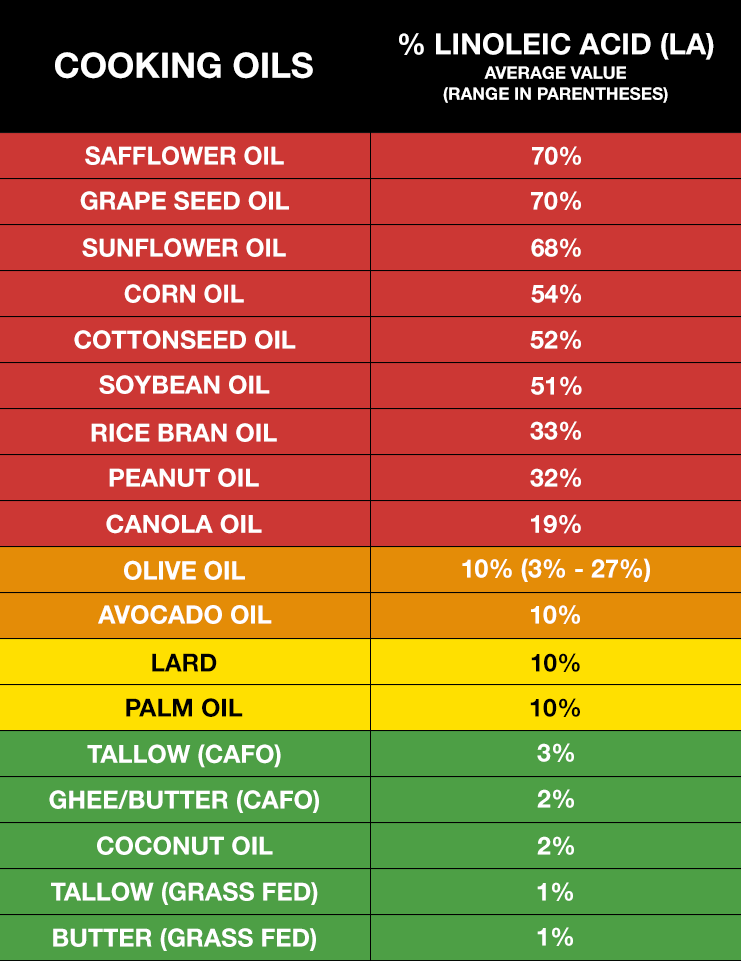
The table below provides a relatively comprehensive list of the most commonly consumed oils and their approximate LA content.22,23,24
In general, the lowest LA-containing fats — butter and beef tallow — would be the fats of choice. These excellent cooking fats also provide the fat-soluble vitamins, A, D, and K2. Coconut oil is also very low in LA but doesn’t provide the important fat-soluble vitamins that tallow and butter contain.
Aspirin for the Prevention and Treatment of Migraines
In addition to lowering your estrogen burden and LA intake, several nutritional supplements, medications and alternative remedies can be employed. Aspirin is one inexpensive and readily available option.
As reported in a 2019 paper in The American Journal of Medicine, properly dosed aspirin can safely and effectively abort a migraine attack when taken early enough, and may also be used preventatively in lower doses:25,26
“The totality of evidence, which includes data from randomized trials, suggests that high-dose aspirin, in doses from 900 to 1300 mg, taken at the onset of symptoms, is an effective and safe treatment option for acute migraine headaches.
In addition, the totality of evidence, including some, but not all, randomized trials, suggests the possibility that daily aspirin, in doses from 81 to 325 mg, may be an effective and safe treatment option for the prevention of recurrent migraine headaches.
The relatively favorable side effect profile of aspirin and extremely low costs compared with other prescription drug therapies may provide additional options for primary healthcare providers in the treatment of both acute and recurrent migraine headaches.”
Helpful Supplements
Other supplements that can help reduce migraine frequency and/or severity include:
| Magnesium — Which can affect both serotonin receptor function and the production and use of neurotransmitters — has also been shown to play an important role in the prevention and treatment of migraines, and migraine sufferers are more likely to suffer from magnesium deficiency than non-migraineurs.27
Since magnesium administration is both easy and safe, researchers have noted that empiric treatment with a magnesium supplement is justified for all migraine sufferers.28 As a prophylactic, be prepared to boost your magnesium intake for at least three months to experience results. In many cases, receiving a high dose of magnesium can also abort an attack in progress. The most effective way to administer magnesium for migraine would be to get an intravenous (IV) infusion. I used to regularly administer magnesium IVs for those with acute migraines and it seemed to work for most patients to abort the headache. Barring that option, magnesium threonate may be your best option for an oral supplement, as its superior ability to cross the blood-brain barrier makes it more likely to have a beneficial effect on your brain. |
| B vitamins — Other vitamin deficiencies linked to migraines include riboflavin (B2), B6, B12 and folic acid. One 2009 study29 evaluated the effect of 2 mg of folic acid, 25 mg vitamin B6 and 400 micrograms (mcg) of vitamin B12 in 52 patients diagnosed with migraine with aura. Compared to the placebo group, those receiving these supplements experienced a 50% reduction in migraine disability over a six-month period.
Previous studies30 have also reported that high doses of riboflavin can help prevent migraine attacks. In one study, patients who took 400 mg of riboflavin per day experienced a 50% reduction in migraine frequency after three months. |
| CoQ10 — Ubiquinol — the reduced form of CoQ10 — plays a vital role in ATP production, which is the basic fuel for your mitochondria. Your body does produce ubiquinol naturally; in fact, it is the predominant form in most healthy cells, tissues and organs. However, with rampant pollution and poor diet, mitochondrial dysfunction has become increasingly common, warranting supplementation with either ubiquinol or CoQ10.
One study published in the journal Neurology31 found that CoQ10 was superior to a placebo in preventing migraines and reducing severity. Of the patients who received 100 mg of CoQ10 three times a day, 50% reported significantly reduced frequency of headaches compared to only 14% of those who took the placebo. |
| GABA — Migraine is one of several common symptoms of GABA deficiency. |
Carbon dioxide — Migraines can also be addressed with CO2. In some cases, migraines can be triggered by overbreathing, causing a lack of CO2 that constricts the blood vessels in your brain. Exogenous CO2 delivery methods include:
|
- 1, 3 Stat Pearls, Migraine Headache
- 2 Migraine Research Foundation, Migraine Facts
- 4 Scientific American July 21, 2013
- 5 Ray Peat Forum August 29, 2018
- 6 Frontiers in Molecular Biosciences August 14, 2018
- 7 EurekAlert! August 14, 2018
- 8 ZeroHedge March 8, 2024
- 9 Nutrients July 2023; 15(14): 3129
- 10 Oxid Med Cell Longev. 2014;2014: 360438. DOI: 10.1155/2014/360438
- 11 Pharmacognosy Review. 2010;4(8):118-126
- 12 Biochemical Journal. 1982;208(1):129-140
- 13 Nephrol Dialysis Transplant. 2001;16(8):1598-1606
- 14 Free Radical Biol Med. 1992;13:341-390
- 15 Journal of Nutrition June 1990; 120(6):625-30
- 16 Metabolism July 1992; 41(7): 788-792
- 17 Healthier U September 25, 2023
- 18 Journal of Headache and Pain 2013; 14, Article number P138
- 19 Headache September 27, 2016
- 20 Mymensingh Med J 2021 Jan;30(1):43-47
- 21 Paloma Health February 17, 2022
- 22 Renewable Energy. 2018; 126: 403-419
- 23 Int J Mol Sci. 2015;16(6):12871-12890
- 24 The Plan Journal. 2008;54:640-655
- 25 The American Journal of Medicine November 8, 2019; 133(4): 412-416
- 26 Haidut.me December 4, 2019 (Archived)
- 27, 28 J Neural Transm (Vienna). 2012 May;119(5):575-9
- 29 Pharmacogenetics and Genomics 2009 Jun;19(6):422-8
- 30 European Journal of Neurology 2004 Jul;11(7):475-7
- 31 Neurology 2005 Feb 22;64(4):713-5
Here’s Why You Should Consider Not Chewing Gum
Reproduced from original article:
https://articles.mercola.com/sites/articles/archive/2024/01/10/chewing-gum-downsides.aspx
The original Mercola article may not remain on the original site, but I will endeavor to keep it on this site as long as I deem it to be appropriate.
Analysis by Dr. Joseph Mercola January 10, 2024

STORY AT-A-GLANCE
- Global chewing gum sales are expected to reach $48.68 billion in 2025, but there are downsides to gum chewing to be aware of
- If you chew gum excessively, it signals to your body that it’s time to digest food when it’s really not, which could have health implications
- When you chew gum, it may increase the amount of air and saliva that you swallow, leading to bloating, pressure on the stomach and possibly worsened acid reflux symptoms
- Gum is essentially made of plastic and often contains titanium dioxide (TiO2) nanoparticles, artificial colors and other harmful additives
- Chewing gum is also linked to headaches and temporomandibular disorders, and poses a significant threat to the environment due to plastic pollution
Chewing gum is a common pastime worldwide, with global sales expected to reach $48.68 billion in 2025. In North America alone, the chewing gum market may reach $3.5 billion by 2024.1 Some people chew gum for the flavor while others use it more as a tool to reduce food cravings or help quit smoking.
Still others chew gum as a form of stress relief, as chewing, also known as mastication, may reduce anxiety.2 But before you get hooked on this seemingly innocent habit, there are several downsides to chewing gum that you should be aware of.
Chewing Triggers Biological Processes in Your Body
Chewing, and especially chewing slowly, helps with the mastication-to-digestion process, starting in your mouth. Chewing helps break down your food faster, and stimulates the production of saliva, which contains an enzyme called lingual lipase to help break down fats, and which helps (quite a bit) when you swallow. The longer you chew, the more time those enzymes have to start breaking down your food.
The process makes digestion easier on your stomach and small intestine, because digestion takes a lot of energy. Chewing food thoroughly makes it easier for your intestines to absorb the nutrients in the foods you eat.
Chewing also increases glucagon-like peptide 1 (GLP-1). As a peptide hormone, GLP-1 is, among other things, part of a group of incretin hormones, which are released when you eat to regulate insulin, along with many other functions.3 Along with affecting insulin, GLP-1 may influence the nervous system, leading to an appetite-reducing response.
A link may also exist between histaminic neurons in the brain and the periodontal ligament and the masseter muscle — one of four muscles involved in chewing — to influence blood sugar levels.4 These processes are beneficial when you’re about to eat, but if you chew gum excessively, it signals to your body that it’s time to digest food, when it’s not.
Chewing Gum May Cause Digestive Issues, Jaw Troubles
When you chew gum, it may increase the amount of air and saliva that you swallow.5 This can lead to bloating, pressure on the stomach and possibly worsened acid reflux symptoms.6 Titanium dioxide (TiO2) nanoparticles are also common in gum. They’re added as a whitening agent to increase brightness and resistance to discoloration.
Research shows, however, that chronic exposure to TiO2 nanoparticles significantly decreases intestinal barrier function while increasing reactive oxygen species generation, proinflammatory signaling and intestinal alkaline phosphatase activity, which plays a role in intestinal health.7
Iron, zinc, and fatty acid transport also significantly decreased following exposure to TiO2 nanoparticles. In a Binghamton University news release, it’s explained:8
“Acute exposures did not have much effect, but chronic exposure [three meal’s worth over five days] diminished the absorptive projections on the surface of intestinal cells called microvilli.
With fewer microvilli, the intestinal barrier was weakened, metabolism slowed and some nutrients — iron, zinc, and fatty acids, specifically — were more difficult to absorb. Enzyme functions were negatively affected, while inflammation signals increased.”
The European Union banned titanium dioxide for food use in 2021 after the European Food Safety Authority Panel on Food Additives and Flavourings found it “can no longer be considered as safe when used as a food additive.” The panel concluded that TiO2 particles “have the potential to induce DNA strand breaks and chromosomal damage” and a “concern for genotoxicity could not be ruled out.”9
Temporomandibular disorders, which include those relating to the temporomandibular joint, or TMJ, are also associated with gum chewing.10 Incidence of TMD symptoms, including clicking and pain, were higher in gum chewers than non-chewers.11 If you chew gum on one side of your mouth more often than the other, it can also cause jaw muscle imbalance.
Anytime you overuse a certain set of muscles, it can lead to contracted muscles and related pain, including headaches, earaches, and toothaches over time.
Download this Article Before it Disappears
Gum Was Once Natural, Now Contains Plastic
Gum is a processed food that contains questionable ingredients. These include “gum base,” which is what makes gum chewy. The exact ingredients that make up gum base are often kept quiet as a trade secret, but they may include:12
- Fillers — These provide texture and bulk to the gum and are usually calcium carbonate or magnesium silicate (talc).
- Elastomers — Long synthetic polymer molecules such as polyvinyl acetate.
- Emulsifiers — These chemicals help keep flavors and colors mixed.
- Softeners — Vegetable oil and lecithin are used to keep the product soft and chewy. Once these have washed away and been swallowed, the gum gets stiff.
It wasn’t always this way. People have been chewing gum for thousands of years. One 5,700-year-old piece of chewed gum from Denmark was found to be made of birch pitch, a substance obtained by heating birch bark.
Interestingly, birch pitch contains betulin, a compound with antiseptic properties, so it’s possible the “gum” was chewed for medicinal purposes.13 Other ancient gum was made from chicle, which comes from the sap of the Sapodilla tree.14
Modern scientists sought to find a recipe that provided the same characteristics of these natural substances using synthetic chemicals that were easier to source. The U.S. Food and Drug Administration’s list of additives15 permitted for direct addition to food for consumption includes Section 172.615 that covers the chemicals allowed in chewing gum.
These are the additives they say “may be safely used in the manufacture of chewing gum”16 and bear the name “chewing gum base,” which:17
“… means the manufactured or partially manufactured nonnutritive masticatory substance comprised of one or more of the ingredients named and so defined in paragraph (a) of this section.”
The list of ingredients the FDA allows in gum base includes the following, which are plastics, rubbers and waxes:18
- Butadiene-styrene rubber
- Isobutylene-isoprene copolymer (butyl rubber)
- Petroleum wax, Petroleum wax synthetic
- Polyethylene, one of the most widely used plastics, included in plastic wrap, grocery bags, drainage pipes and bulletproof vests
- Polyvinyl acetate, one of the ingredients found in PVA glue, which you may know as school glue and wood glue19
As author David Jones wrote in Just One Ocean, “You probably had no idea that you were chewing on what is essentially a lump of malleable plastic and that’s not surprising, because the manufacturers don’t actually tell you as much — they kind of dodge around the detail.”20
Toxic Food Chemicals Are Common in Chewing Gum
In addition to titanium dioxide nanoparticles, synthetic food dyes, including Red No. 40, Yellow No. 5, Yellow No. 6 and Blue No. 1, are often added to chewing gum. Such dyes are linked to hyperactivity and other neurobehavioral problems in children.21 As noted by the Environmental Working Group:22
“The California health agency [Office of Environmental Health Hazard Assessment] also found that current federal safe intake levels of these dyes might not protect children’s brain health. Current legal levels were set by the Food and Drug Administration decades ago and do not take recent research into account.
Human studies have also linked synthetics dyes to learning difficulties and restlessness in sensitive children. In the EU, products containing Red No. 40, Yellow No. 5, and Yellow No. 6 must contain the warning ‘May have an adverse effect on activity and attention in children.’”
Artificial sweeteners are also common in chewing gum. While sugar-sweetened gum isn’t recommended, as it can promote tooth decay,23 artificial sweeteners like aspartame are toxic. A systematic review and meta-analysis conducted by the World Health Organization revealed “potential undesirable effects from long-term use of NSS [non-sugar sweeteners], such as an increased risk of Type 2 diabetes, cardiovascular diseases and mortality in adults.”24
Further, even sugar-free gum can be bad for your teeth if it contains acidic additives. Acid-containing sugar-free gum, which may be fruit-flavored, may increase the risk of demineralizing enamel on your teeth, causing dental erosion.25
Chewing Gum May Trigger Headaches and Release Mercury From Fillings
Excessive gum-chewing may be an underrecognized trigger for headaches, particularly in children and adolescents. One study involved 30 children with a median age of 16 years who suffered from chronic migraine or tension headaches. After quitting gum-chewing for one month, headaches went away completely in 19 of them while another seven had a reduction in headache frequency and severity.26
When the children then started chewing gum again, their headaches returned within days. It’s possible the headaches may be linked to chewing-gum-induced TMJ, which may cause headaches. A separate systematic electronic search of the literature concluded:27
“Despite the limited evidence, it seems reasonable to suggest that headache attacks may be triggered by gum-chewing in migraineurs and in patients with tension-type headache …
Although larger randomized studies will be necessary to definitely establish the relationship between gum-chewing and headache across different populations, it seems cautionary to suggest that subjects with migraine or tension-type headache should avoid or limit gum-chewing in their lifestyle.”
While it’s often stated that chewing gum may reduce appetite, one study found gum chewers’ meals end up being less nutritious than those eaten by non-gum-chewers.28 Chewing gum was also linked to increased meal size and reduced nutrient adequacy. Mint gum chewers were also less likely to eat fruit but their intake of snack foods was not affected, possibly because the minty flavor in the gum makes fruits — but not junk foods — taste bitter.
If you have mercury fillings, you should also know that chewing gum may cause this known neurotoxin to release from the fillings into your body. According to one study:29
“… chewing gum has been shown to increase the release rate of mercury vapor from dental amalgam fillings … The impact of excessive chewing on mercury levels was considerable.”
Every time you chew, mercury vapor is released and quickly finds its way into your bloodstream, where it causes oxidative processes in your tissues. If you chew gum, you’re going to be chewing often, which is why it’s particularly problematic for those with mercury fillings.
Gum Is ‘One of the Biggest Threats to Our Ecology’
Another often overlooked reason to give up gum? It poses a significant risk to the environment because it’s made of “nonbiodegradable hydrophobic polymers.”30 Because many people toss their gum on sidewalks and streets, gum pollution is a major pollution problem.
According to a review in Current World Environment, “Each year, chewing gum generates more than 105 [100,000] tonnes of “plastic” garbage. Thus, the discarded nonbiodegradable residue of the gum produces plastic pollution. Every year, enormous sums of money are spent to clean up the abandoned gum from the streets.”31
So, not only may chewing gum have adverse effects on your own health, collectively it’s contributing to considerable environmental damage as well. If you’re chewing gum for stress relief, consider other options like meditation, yoga and the Emotional Freedom Technique (EFT). If it’s the flavor you’re after, try adding fresh mint leaves or cinnamon to water for a healthy alternative.
- 1 Statista September 28, 2023
- 2 J Healthc Eng. 2023 Sep 20;2023:9834258. doi: 10.1155/2023/9834258. eCollection 2023. PMID: 37772010
- 3 Substack, Modern Discontent March 28, 2023
- 4 PLOS One April 14, 2023
- 5 Arq. Gastroenterol. 52 (3). Jul-Sep 2015
- 6 Medical News Today, Can chewing gum make acid reflux worse?
- 7 NanoImpact. 2017 Jan; 5: 70–82., Abstract
- 8 Binghamton University February 16, 2017
- 9 EFSA Journal May 2021, Volume 19, Issue 5
- 10 Gen Dent. 2014 Nov-Dec;62(6):e33-6
- 11 J Craniofac Surg. 2014 Sep;25(5):1818-21. doi: 10.1097/SCS.0000000000000993
- 12 Science Focus, What Is in Chewing Gum?
- 13 Nature Communications volume 10, Article number: 5520 (2019)
- 14 BBC Science Focus, What Is Chewing Gum Made Of?
- 15, 16 Code of Federal Regulations Title 21, January 6, 2022
- 17 Code of Federal Regulations Title 21, January 6, 2022, para c
- 18 Code of Federal Regulations Title 21, January 6, 2022, Table
- 19 Duluth Labs, September 7, 2017
- 20 Just One Ocean, Chewing Gum
- 21 California Office of Environmental Health Hazard Assessment April 16, 2021
- 22 EWG July 31, 2023
- 23 Acta Med Acad. 2013 Nov;42(2):117-30. doi: 10.5644/ama2006-124.80
- 24 WHO April 12, 2022
- 25 British Dental Journal volume 211, page E15 (2011)
- 26 Pediatr Neurol. 2014 Jan;50(1):69-72. doi: 10.1016/j.pediatrneurol.2013.08.015. Epub 2013 Nov 1
- 27 CNS Neurol Disord Drug Targets. 2015;14(6):786-90. doi: 10.2174/1871527314666150225143105
- 28 Eating Behaviors April 2013, Volume 14, Issue 2, Pages 149-156
- 29 J Dent Res. 1996 Jan;75(1):594-8
- 30, 31 Current World Environment s2021;16(3). DOI: 10.12944/CWE.16.3.22