Antibiotics
now browsing by category
Eye Drops Linked to Antibiotic-Resistant Bacterial Infection
Reproduced from original article:
https://articles.mercola.com/sites/articles/archive/2023/02/18/eye-drops-antibiotic-resistant-infection.aspx
The original Mercola article may not remain on the original site, but I will endeavor to keep it on this site as long as I deem it to be appropriate.
Analysis by Dr. Joseph Mercola Fact Checked February 18, 2023
STORY AT-A-GLANCE
- January 20, 2023, the CDC announced an investigation into a multistate cluster of infections from May 17, 2022, to January 19, 2023, caused by Carbapenem-resistant Pseudomonas aeruginosa associated with artificial tears
- The infection was identified in 50 patients across 11 states, causing one death and at least three people to go blind in one eye
- Antibiotic resistance has been rising since the discovery of penicillin and now contributes to 4.95 million deaths worldwide each year; without change, consumption of antibiotics is estimated to increase by 200% by 2030
- Dry eye can be temporary from environmental factors like dry air or exposure to smoke, or it can be chronic. Data show optimizing vitamin D and omega-3 levels and using curcumin can all help ameliorate the symptoms of dry eye
Aging may be inevitable, but many age-related problems do not need to be. For example, your vision is largely dependent on your lifestyle. Your eyes, like many other organ systems, require appropriate nutrients throughout the years to ensure you maintain good eyesight and lower the potential of dry eye.
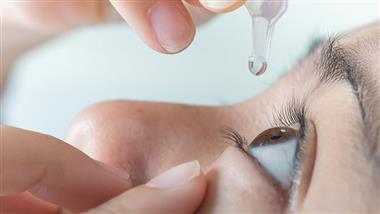
In late January 2023, a brand of eye drops marketed for dry eyes was connected to drug-resistant bacterial infections.1 Eye lubricant drops are marketed to support your tears. Your eyes need tears to keep them wet, smooth and to help focus light so you can see clearly. Your body uses tears to protect the eye from infections and foreign body irritations, like dust and dirt.
There are three different layers of fluid in your tears. Each layer is produced differently and performs a different function. The outer layer is an oily surface that keeps the watery layer from drying too quickly. It also makes the surface of the eyes smooth. The middle layer is watery and helps nourish the eye tissue and keep the eyes moist. The innermost layer of fluid is mucus.
This helps the watery layer stick to the surface of the eye and remain in place. Together these three layers are called the tear film. Inside the tear film are factors that help suppress inflammation in the eye, promote wound healing and defend against infection.2
You also have three different types of tears. Basil tears are the type just described that always stay in your eyes to help lubricate them and protect your cornea. Reflex tears are produced when an irritant is in your eye, such as a foreign body. These tears are released in large amounts to help flush out the foreign body and fight bacteria.
Finally, you produce emotional tears in response to sadness, joy and fear. According to the American Academy of Ophthalmology,3 some scientists propose emotional tears contain hormones that are not found in other types of tears. They hypothesize the stress hormones released in emotional tears may help regulate the body.
EzriCare Artificial Tears Linked to Infection
January 20, 2023, the CDC4 announced they were investigating a multistate cluster of infections caused by Carbapenem-resistant Pseudomonas aeruginosa that appeared to be associated with EzriCare Artificial Tears. The CDC stated they had identified 56 isolates from 50 patients across 11 states from May 17, 2022, to January 19, 2023.
The common exposure among the patients was the use of EzriCare Artificial Tears, which is a preservative-free product sold in a multidose bottle. The bacteria were isolated from several areas of the body, including cultures of the cornea, sputum, urine, blood and rectal swabs. January 24, 2023, EzriCare5 announced they had not received consumer complaints or reports of adverse events.
At that point, they also claimed to have “not received communication from any regulatory agency providing any outcomes or details to EzriCare about the ongoing investigation.”6 February 1, 2023, the company announced they received notice of the investigation, had stopped distribution and began contacting customers to advise them to discontinue use.
According to EzriCare, the artificial tears product is manufactured by Global Pharma Healthcare Pvt Limited in India and imported by ARU Pharma Inc. EzriCare places its label on the bottles and markets them to their customers. The company’s understanding is that the same product is also marketed under other brand names.
According to the CDC, as of January 20, 2023, there has been one death when pseudomonas entered the bloodstream. According to Fox News,7 there were 11 reported cases of eye infections and at least three people who became blind in one eye from the infection.
According to the CDC,8 pseudomonas aeruginosa is one type of pseudomonas that causes hospital-acquired infections. It is commonly found in the soil and water. Pseudomonas aeruginosa has become multidrug resistant and in 2017 caused an estimated 32,600 hospital-acquired infections and an estimated 2,700 deaths.
Antibacterial Resistance on the Rise
Interestingly, the first clinical use of antibiotics was Pyocyanase,9 which was extracted from pseudomonas aeruginosa and used in hospitals in the 1890s. Not long after the introduction of penicillin, doctors began noticing antibiotic resistance in bacteria that had once quickly succumbed to treatment. And the problem continues to grow.
In 2013, the CDC10 published the first Antibiotic Resistant Threats Report to highlight the danger of antimicrobial resistance and underscore the threat to human health. The 2022 report found much of the progress had been lost, in large part to the overuse of antibiotics during the COVID-19 viral pandemic.
Antibiotic-resistant pathogens are conservatively estimated to cause at least 2.8 million infections annually in the U.S.11 and lead to 35,000 deaths each year. Globally, data from a study12 published in February 2022, show there are 4.95 million deaths associated with antibiotic-resistant infection and 1.27 million directly attributable to them.
Even as the challenge of antibiotic resistance was better understood, global consumption of the drugs rose by 65% between 2000 and 2015,13 driven by low- and middle-income countries where the drugs are often available without a prescription, which increases the risk for potential abuse. Antibiotics are routinely used to promote growth in livestock,14 and use accounts for about 80% of all antibiotics.15
The danger associated with giving livestock antibiotics is that it changes their gut microbiome, which is in part how they promote unnatural growth in the animal. However, some of those gut bacteria become antibiotic resistant. These can either be passed into the environment through the animal’s manure or may contaminate the meat during slaughter or processing.
The problems with antibiotic resistance need to be addressed through public policy. Yet, our individual choices influence personal risk. You can help lower your risk of contracting and or spreading a drug-resistant infection using some of the following strategies.
• Practice infection prevention, with a focus on naturally strengthening your immune system. Foundational strategies include avoiding sugars, processed foods and grains, stress reduction and optimizing your sleep and vitamin D level. Adding in traditionally fermented and cultured foods helps optimize your microbiome. Properly wash your hands with warm water and plain soap, to prevent the spread of bacteria.
• Limit your exposure to antibiotics — Keep in mind that antibiotics do not work for viral infections. Avoid antibiotics in food by purchasing organic or biodynamic grass fed meats and animal products and organically grown fruits and vegetables. Avoid antibacterial soaps, hand sanitizers and wipes, as these promote antibiotic resistance by allowing the strongest bacteria to survive and thrive in your home.
• Take commonsense precautions in the kitchen — Kitchens are notorious breeding grounds for disease-causing bacteria. To avoid cross-contamination between foods in your kitchen, adhere to the following recommendations:
◦ Use a designated cutting board, preferably wood, not plastic, for raw meat and poultry, and never use this board for other food preparation. Color coding your cutting boards is a simple way to distinguish between them.
◦ Sanitize your cutting board with hot water and detergent. For an inexpensive, safe and effective kitchen counter and cutting board sanitizer, use 3% hydrogen peroxide and vinegar. Keep each liquid in a separate spray bottle, and then spray the surface with one, followed by the other, and wipe off.
◦ Coconut oil can also be used to clean, treat and sanitize your wooden cutting boards. It’s loaded with lauric acid with potent antimicrobial actions. The fats will also help condition the wood.

Download this Article Before it Disappears
What Is ‘Dry Eye’?
Another step to lowering your risk of infection is to reduce your dependence on over-the-counter products, such as artificial tears. Artificial tears or eye lubricants are used to help ease the symptoms of dry eye syndrome. This happens when the eye is unable to produce enough tears to maintain a healthy eye environment. The incidence of dry eye increases with age and may be related to hormonal changes.16
Other environmental factors that trigger temporary symptoms of dry eye include wearing contact lenses, a dry indoor environment, smoking or secondhand smoke exposure, or cold and allergy medications. In some cases, chronic dry eye may be caused by a nutritional deficiency, or damage to the tear gland. The most common cause of tear gland damage is Sjögren’s Syndrome, which is a systemic autoimmune, rheumatic disease that affects the whole body.
Symptoms of dry eye include blurred vision, sensitivity to light, burning, itching or redness in the eye, or a scratchy feeling. Depending on the type or cause of the condition, an ophthalmologist may prescribe over-the-counter eye drops, prescription medications, tear duct plugs or surgery.
The American Optometric Association17 recommends several steps to prevent temporary dry eye. This includes blinking regularly when you’re staring at a computer screen for a long time, wearing sunglasses to reduce exposure to the sun and dry winds and increasing the humidity at work and home. Dehydration and a lack of sleep can also contribute to temporary symptoms of dry eye.
Tips to Treat Dry Eye Naturally
While it may seem easier to grab a bottle of artificial tears, the long-term solution is to make slight changes in your lifestyle habits and nutritional intake to help offset the condition. Your tears are made in part with water, so it makes sense to stay hydrated. Dehydration also leads to you feeling tired, grumpy and sick, and accelerates biological aging.
It’s not necessary to count how many glasses of water you drink each day. Two indicators you need fluid are your thirst and the color of your urine. Thirst helps ensure your needs are met on a day-to-day basis. The color of your urine can also be used as a guide. While your urine color can be influenced by medication or supplements, overall, if it’s a deep dark yellow, you are likely not drinking enough water.
Adequate hydration is indicated by pale, straw-colored or light-yellow urine. Most healthy individuals urinate on average seven to eight times each day. If you aren’t urinating at least every two to three hours while you’re awake, it may indicate that you’re not drinking enough.
Optimizing your vitamin D levels also protects against dry eye syndromes. A 2015 study18 called it “more than an incidental association” and concluded that dry eye and impaired tear function in patients with a vitamin D deficiency indicate it plays a protective role.
As I’ve discussed in the past optimizing vitamin D levels affects many bodily systems including reducing your risk of infectious disease,19 cardiovascular disease20 and autoimmune diseases21 to name just three.
Regular sensible sun exposure is the best way to optimize your vitamin D status, but many need an oral vitamin D3 supplement during the winter months. The only way to gauge whether you need a supplement and how much to take, is to test your vitamin D level, ideally twice a year. This is particularly important if you’re pregnant, planning to become pregnant, or if you have cancer.
The optimal level is between 60 nanograms per milliliter (ng/mL) and 80 ng/mL with 40 ng/mL being a low cutoff point for sufficiency to prevent a wide range of diseases. GrassrootsHealth22 makes testing easy by offering an inexpensive vitamin D3 testing kit and an online vitamin D3 calculator you can use to estimate the dosage once you know your current serum level.
Another nutritional supplement that is effective in preventing and supporting eye health is omega-3 fatty acids. This is a recommendation from the American Optometric Association23 and a survey24 of 206 optometrists in Australia and New Zealand. In that survey, 78% recommended omega-3-rich foods or supplements for dry eye disease and 79% said they recommended their patients consume omega-3 fats to improve their eye health.
Although fish oil is a well-known source, it has several drawbacks, including the lack of phospholipids. Omega-3 fats DHA and EPA are water insoluble and thus must be packaged into lipoprotein vehicles such as phospholipids. This is primarily why krill oil bioavailability is so much higher than fish oil since the DHA and EPA in fish oil are bound to triglycerides. Marine sources high in omega-3 and low in environmental pollutants include:
- Wild Alaskan salmon
- Small fatty, cold-water fish such as herring, sardines and anchovies
- Fish roe
- Krill oil
Finally, data also show that curcumin has a beneficial effect on several ocular diseases, including dry eye syndrome. In a 2014 paper,25 the researchers noted the beneficial effects on dry eye as did researchers in 201926 and 2020.27
It is a potent antioxidant28 and boosts the function of your own antioxidant enzymes.29 Overall, curcumin appears to be powerful, cost-effective and has a low toxicity profile. As such, it could be a valuable supplement. It is also worth noting the beneficial impact on pathways that help reverse insulin resistance, metabolic syndrome and obesity.30,31
I believe curcumin is a valuable nutritional addition worthy of consideration for all-around good health since inflammation drives so many different disease processes.
- 1 CNN Health, January 31, 2023
- 2 Experimental Eye Research, 2020; 197(108115)
- 3 American Academy of Ophthalmology, All About Emotional Tears, last subhead
- 4 Centers for Disease Control and Prevention, January 20, 2023
- 5, 6 EzriCare, January 24, 2023
- 7 Fox News, February 1, 2023
- 8 CDC, Pseudomonas aeruginosa in Healthcare Settings
- 9 Medical News Life Sciences, The History of Antibiotics
- 10 Centers for Disease Control and Prevention, 2019
- 11 CDC, In Our Scope: 2022 and Beyond
- 12 The Lancet, 2022; doi: 10.1016/S0140-6736(21)02724-0
- 13 PNAS, 2018;115(15)
- 14 USDA, November 24, 2015
- 15 Food Safety News, November 24, 2011
- 16 Mount Sinai, Dry Eye Syndrome
- 17, 23 American Optometric Association, Dry Eye
- 18 Journal of Rheumatic Diseases, 2015; 19(1)
- 19 SciDevNet, July 24, 2015
- 20 International Journal of Nanomedicine, 2018;13(455)
- 21 The BMJ, 2022;376
- 22 GrassrootsHealth, D*action Tests
- 24 Nutrients, 2020 Apr 22;12(4):1179
- 25 Planta Medica, 2014; 80(4)
- 26 Central European Journal of Immunology, 2019;44(2)
- 27 Nutrients, 2020;12(4)
- 28 Advances in Experimental and Medicinal Biology, 2007;595
- 29 BioMedicine 2019;9(4)
- 30 Frontiers in Pharmacology, 2019; doi: 10.3389/fphar.2019.00649
- 31 Toxicology and Applied Pharmacology, 2016;304
Got MilQ? Fake Milk to Replace Dairy and Breast Milk
Reproduced from original article:
https://articles.mercola.com/sites/articles/archive/2022/12/22/biomilq-fake-milk.aspx
The original Mercola article may not remain on the original site, but I will endeavor to keep it on this site as long as I deem it to be appropriate.
Analysis by Dr. Joseph Mercola Fact Checked December 22, 2022
STORY AT-A-GLANCE
- The globalist technocrats are intent on monopolizing the entire food supply. They already have a monopoly on grains and have made headway in genetically engineered (GE) seafood. The next targets include lab-grown meats and dairy substitutes
- Biomilq, made from cultured breast tissue, will be marketed as a breast milk substitute
- The company Helaina is working on creating glycoproteins “identical to those found in breast milk.” Those proteins can then be added to a variety of infant formulas, seniors’ nutrition and, eventually, all sorts of foods
- The justification for creating synthetic milk substitutes is, of course, preventing and reversing “climate change.” That’s the justification used to sell virtually all fake foods. In reality, however, they will perpetuate and worsen adverse effects on the environment
- Lab-created foods are ultraprocessed and therefore qualify as junk food. Fake meat and dairy cannot replace the complex mix of nutrients found in grass fed beef and dairy, and it’s likely that consuming ultraprocessed meat and milk alternatives may lead to many of the same health issues that are caused by a processed food diet
- The starting ingredients in fermented synthetic biology products are cheap sugars derived from GE corn and soy. All GE crops are grown in environmentally destructive monocultures, and use loads of herbicides such as glyphosate, pesticides like neonicotinoids and synthetic fertilizers. As a result, they’re loaded with chemical residues that end up in the final product
The globalist technocrats are intent on monopolizing the entire food supply. They already have a monopoly on genetically engineered (GE) grains and have made headway in GE seafood. The next targets are lab-grown meats and dairy substitutes. There’s even a lab-made breast milk alternative on the way called Biomilq, which is made from cultured breast tissue.1
Another company, Helaina, aims to create glycoproteins “identical to those found in breast milk,”2 which can then be added to a variety of infant formulas. They may also be used in seniors’ nutrition and eventually, all sorts of foods.
Many familiar globalists are invested in these faux dairy ventures. Biomilq investors, for example, include Bill Gates, Jeff Bezos, Mark Zuckerberg, Richard Branson, Masayoshi Son, Jack Ma, Michael Bloomberg and Marc Benioff.3
The first Biomilq product is expected to be ready for the market within the next three to five years.4 Other animal-free milk products are expected to hit the shelves sometime between 2023 and 2024.5,6 That includes ice cream made with lab-grown diary, which will go into Ben & Jerry’s product line.7
In the Environmental Health Symposium video above, Alan Lewis reviews what goes into the making of synthetic biology. Synthetic biology goes by many names, including “gene edited fermentation” and “precision fermentation products.”
While that sounds fairly innocuous, synthetic biology manufacturers rarely ever discuss what goes into the feed they use to grow the target organism, or what happens to the waste at the end of the fermentation process. That’s understandable, as both raise a number of serious questions.
What Are the Base Ingredients?
As explained by Lewis, the starting ingredients in fermented synthetic biology products are cheap sugars derived from GE corn and soy. All GE crops are grown in environmentally destructive monocultures with taxpayer subsidies, and use loads of herbicides such as glyphosate, pesticides like neonicotinoids and synthetic fertilizers. As a result, they’re loaded with chemical residues that end up in the final product.
In addition to a base of sugars, hundreds of other ingredients may be added to the ferment in order to produce the desired end product, such as a certain protein, color, flavor or scent.
Aside from the desired target metabolite, these gene-edited organisms may also be spitting out any number of non-target metabolites that have completely unknown environmental consequences and health effects.
As explained by Lewis, the most-often used microorganism in the fermentation process is E.coli. The E.coli is gene-edited to produce the desired compound through its digestive process. It also needs to be antibiotic-resistant, since it needs to survive the antibiotics used to kill off other undesirable organisms in the vat.
Aside from the desired target metabolite, these gene-edited organisms may also be spitting out any number of non-target metabolites that have completely unknown environmental consequences and health effects.
How Are Synthetic Biology Ferments Created?
As explained by Lewis, the various “feed” ingredients are placed in a fermentation bioreactor set at 87 to 90 degrees Fahrenheit for anywhere from 24 to hundreds of hours to grow the target microorganism. The target organisms in the ferment consume the nutrients they need, and what’s left over after those organisms are extracted is hazardous biowaste.
Importantly, while traditional fermentation processes, such as the making of beer, produces waste products that are edible by animals, compostable and pose no biohazard, the same cannot be said for these GMO synthetic biology ferments. The biowaste must first be deactivated, and then it must be securely disposed of. It cannot go into a landfill.
It’s important to realize that they are creating GMO organisms that have never existed on earth before, and these organisms and their waste are neither edible nor compostable, and there are unknown risks involved with unintentional or intentional release of these organisms into the environment.
They may also result in novel foodborne illnesses. And, since antibiotics are used to prevent the growth of undesirable organisms in the ferment, antibiotic-resistant organisms are automatically integrated into the final product. The types of foodborne illness that might be caused by gene-edited E.coli and its metabolites are anyone’s guess at this point. Nobody knows what such illness might look like.
The Fake Justification for Fake Foods
The justification for creating synthetic biology for food, including milk substitutes, is to prevent and reverse “climate change.” As reported by CNBC in June 2020:8
“Biomilq co-founder and CEO Michelle Egger … and her co-founder, CSO Leila Strickland, hope that the breast milk produced by Biomilq from culturing mammary epithelial cells will help reduce the carbon footprint from the global infant formula market …
‘Right now, by the estimations we have been able to make, at least 10% of the dairy market globally ends up in infant formula,’ Eggers said. ‘That means per-infant-fed formula in the U.S., 5,700 metric tons of CO2 are produced, and 4,300 gallons of freshwater are consumed each year to feed a child. Parents want to do what’s best for their kids but shouldn’t have to decide between feeding their children and protecting the planet.'”
While the push for synthetic biology is built on the idea that it will somehow save the environment from the ravages of factory farming, concentrated animal feeding operations (CAFOs) and monocultures, it’s incredibly misleading, because it doesn’t address the fact that there are environmentally beneficial ways to farm, and we really should switch to those instead of transitioning into factory laboratories where everything that comes out of it is a biohazard.
Fake Food Manufacturing Creates Toxic Waste Products
In February 2021, the Good Food Institute (GFI), a nonprofit group behind the alternative protein industry, released a techno-economic analysis of cultivated meat, which was prepared by consulting firm CE Delft.9 In it, they developed a model to reduce the current costs of cultured meat production down to a point that would make it economically feasible in full-scale plants by 2030, a model they said is “feasible.”
In attempting to create cultured meat on the scale that would be necessary to feed the world, logistical problems are numerous and, possibly, insurmountable. There are waste products — catabolites — to deal with, as even cultured cells excrete waste that is toxic.
Oxygen and nutrients must also be adequately distributed to all the cells, something that’s difficult in a large reactor. Stirring the cells faster or adding more oxygen may help, but this can cause fatal stress to the cells.10
The environmental “benefits” are also on shaky ground when you factor in soy production as well as the use of conventional energy sources. When this is factored in, GFI’s life-cycle analysis found that cultured meat may actually be worse for the environment than conventionally produced chicken and pork.11,12
Repeat of a Failed System
Yet, the push for the creation of synthetic biology continues. In the foreword to Navdanya International’s report “False Solutions That Endanger Our Health and Damage the Planet,” Vandana Shiva details how lab-grown foods are catastrophic for human health and the environment, as they are repeating the mistakes already made with industrial agriculture:13
“In response to the crises in our food system, we are witnessing the rise of technological solutions that aim to replace animal products and other food staples with lab-grown alternatives. Artificial food advocates are reiterating the old and failed rhetoric that industrial agriculture is essential to feed the world.
Real, nutrient-rich food is gradually disappearing, while the dominant industrial agricultural model is causing an increase in chronic diseases and exacerbating climate change.
The notion that high-tech, ‘farm free’ lab food is a viable solution to the food crisis is simply a continuation of the same mechanistic mindset which has brought us to where we are today — the idea that we are separate from and outside of nature.
Industrial food systems have reduced food to a commodity, to ‘stuff’ that can then be constituted in the lab. In the process, both the planet’s health and our health have been nearly destroyed.”
Lab-Made Foods Are Junk Foods
It’s important to realize that all lab-created “foods” are ultraprocessed, and will likely impart the same kind of ill health effects as other ultraprocessed foods. In 2018, Friends of the Earth (FOE), a grassroots environmental group, released a report that posed critical questions about the trend toward synthetic biology. In it, they stressed the highly-processed nature of these products:14
“Various ‘processing aids’ are employed to make some of these products, including organisms (like genetically engineered bacteria, yeast and algae) that produce proteins, and chemicals to extract proteins.
For example, chemicals like hexane are used to extract components of a food, like proteins (from peas, soy, corn etc.) or compounds (from genetically engineered bacteria) to make xanthan gum … disclosure of these ingredients is not required.
Other processing aids (e.g. bacteria, yeast, algae), including those that are genetically engineered to produce proteins, are also not currently required to be disclosed on package labeling. The lack of transparency makes it difficult to assess the inputs and impact of their use.”
Basically, what the globalist cabal is attempting to do is to eliminate conventional farming methods like raising cattle for beef and dairy products, and replace them with synthetic, patented reproductions. In short, they’re taking whole foods and turning them into ultraprocessed junk foods, all while trying to convince you the junk food is healthier for you.
Synthetic Biology Is Part of a Control Scheme
Aside from the potential health hazards, lab-grown foods rely on monocultured crops that destroy the soil, resulting in carbon release. So, right there, the climate change justification falls apart. Since synthetic biology relies on GMO monoculture, it creates the very things they claim to counteract: environmental degradation that results in climate change.
As noted by Lewis, synthetic biology, which is the latest addition to the patented, genetically modified organism (GMO) food system, also results in a “massive shift in ownership and concentration of wealth … and control over our food supply.”
In short, synthetic biology creates reliance on industry that can then be used to manipulate and control the population in any number of ways. In the long term, people will eventually lose the know-how of producing their own food using traditional methods, and this may well be part of the plan.
The globalist cabal intends to create a one world government, and what better control tool than having everyone completely dependent on the state for all of its food?
Protect Your Health by Avoiding Frankenfoods
The drive for plant-based alternatives to real animal food, be it meat or dairy, isn’t due to health, or even to support vegan or vegetarian diets. Those truly interested in eating a plant-based diet can do so by eating real plants, after all, and in so doing can enjoy the many health benefits that eating plant foods provides. No, it’s about creating a system of control through food. It’s also a way to control people’s health.
It’s already known that the consumption of ultraprocessed food contributes to disease,15 but manufactured fake meat and dairy may also pose additional unknown risks.16 The benefactor of ill health, of course, is Big Pharma.
The processed food industry has spent many decades driving chronic illness that is then treated with drugs rather than a better diet. Synthetic foods will likely be an even bigger driver or chronic ill health and early death.
The fact is, fake meat and dairy cannot replace the complex mix of nutrients found in grass fed beef and dairy, and it’s likely that consuming ultraprocessed meat and milk alternatives may lead to many of the same health issues that are caused by a processed food diet. So, if you want to really protect your health and the environment, skip pseudofoods that require patents and stick to those found in nature instead.
- 1, 4 Alarabiya.net May 3, 2022
- 2 Food Navigator December 12, 2022
- 3, 8 CNBC June 16, 2020
- 5 Startup Daily July 27, 2021
- 6 Sydney Spring Herald September 13, 2022
- 7 ZME Science December 9, 2022
- 9 Techno-Economic Analysis for the production of cultivated meat February 2021
- 10, 12 The Counter September 22, 2021
- 11 LCA of cultivated meat – February 2021, Page 3
- 13 Children’s Health Defense April 5, 2022
- 14 Friends of the Earth, From Lab to Fork, June 2018 (PDF)
- 15 BMJ 2018; 360:k322
- 16 Consumer Reports, August 29, 2019, Impossible Burger, What is it?
Antibiotics Linked to Fatal Heart Condition
Reproduced from original article:
https://articles.mercola.com/sites/articles/archive/2022/10/22/antibiotics-trigger-heart-disease.aspx
The original Mercola article may not remain on the original site, but I will endeavor to keep it on this site as long as I deem it to be appropriate.
Analysis by Dr. Joseph Mercola Fact Checked October 22, 2022
STORY AT-A-GLANCE
- Fluoroquinolones, long associated with Achilles tendonitis and rupture, have been demonstrated to increase your risk of aortic dissection (a tear in the wall of the major artery, allowing blood to flow between the layers) or aortic rupture, which can lead to death
- Even though “black-box” warnings are now attached to them, fluoroquinolones are still often prescribed for upper respiratory infections or urinary tract infections
- Antibiotic use can trigger a permanent change in your gut microbiome, which accounts for nearly 80% of your immune system function, so it is important to use antibiotics only when absolutely necessary
- You may reduce your risk of bacterial and viral infections by supporting your immune system through simple lifestyle measures, such as quality sleep, fermented foods, regular exercise and optimizing your vitamin D level
Research shows your body’s microbiome has nearly 39 trillion bacteria.1 During early years, your family, dietary intake and environmental exposure contribute to the variety in your microbiome, influencing your lifelong health. Everyday activities such as brushing your teeth, eating, kissing someone or handling a family pet also affect your microbiome.
This composition may be as distinct to you as a fingerprint and plays an enormous role in disease prevention, and influences the function of your skin, lungs, breast and liver.2 Harmful bacteria can trigger illness and disease, which is frequently treated with antibiotics. Of the 10 most commonly prescribed, two are from the antibiotic class of fluoroquinolones.3
The Food and Drug Administration (FDA) first added a boxed warning to fluoroquinolones in 2008, due to the increased risk for tendinitis and tendon rupture.4 Boxed warnings, also referred to as black box warnings, appear on prescription drug labels designed to call attention to serious or life-threatening risks.5
An additional warning was added in 2011 for those suffering from myasthenia gravis, and updates were included in 2013 describing irreversible peripheral neuropathy.6 In 2018, the FDA warned fluoroquinolone antibiotics may increase the occurrence of ruptures or tears in the aorta.7 And, in January 2022, the FDA decided:8
“We have determined that fluoroquinolones should be reserved for use in patients with no other treatment options for acute bacterial sinusitis, or ABS, acute bacterial exacerbation of chronic bronchitis (ABECB), and uncomplicated UTI because the risks generally outweighs the benefits.
For some serious bacterial infections the benefits of fluoroquinolones outweigh the risks, and it is appropriate for them to remain available as a therapeutic option.”
Yet, despite these warnings, researchers found in April 2022 that fluoroquinolones are still among the most-prescribed antibiotics around the world.9 They concluded that some health care workers may have an “unsatisfactory knowledge” of the safety profiles and risks of these drugs, and that more education on adverse reactions to fluoroquinolones may be needed.
FDA Warning Links Fluoroquinolones With Aortic Damage
The aorta is the main artery in your body supplying oxygenated blood to your circulatory system. The artery comes from the left side of your heart and runs down the front of your backbone. The review by the FDA found fluoroquinolone antibiotics increase the risk of tears in the aorta, also called aortic dissections, or ruptures of an aortic aneurysm, leading to excessive bleeding and death.
The findings occurred when antibiotics were given by mouth or through an injection. This led the FDA to caution against the use of fluoroquinolone antibiotics in those at risk, unless there are no other treatment options available.
Specifically, the antibiotic should not be used in those who are at risk for, or have a current, aortic aneurysm, such as those suffering peripheral atherosclerotic vascular disease, hypertension and specific genetic conditions such as Ehlers-Danlos syndrome or Marfan syndrome.10
Findings were pulled from four published observational studies, which taken together demonstrated a consistent association between aortic dissection or rupture and fluoroquinolone use. The underlying mechanism could not be determined from those studies.
Some of the commonly used fluoroquinolones include ciprofloxacin (Cipro), levofloxacin (Levaquin), gemifloxacin (Factive) and moxifloxacin (Avelox). These are prescribed to treat upper respiratory and urinary tract infections. In a statement, the FDA warns:11
“Fluoroquinolones should not be used in patients at increased risk unless there are no other treatment options available.
Health care professionals should avoid prescribing fluoroquinolone antibiotics to patients who have an aortic aneurysm or are at risk for an aortic aneurysm, such as patients with peripheral atherosclerotic vascular diseases, hypertension, certain genetic conditions such as Marfan syndrome and Ehlers-Danlos syndrome, and elderly patients.”
Upper Respiratory Infections Are Often Viral
Viruses commonly trigger upper respiratory infections (URIs) with symptoms of runny nose, cough, low grade fever, sore throat and difficulty sleeping. URIs represent the most common acute illness in the outpatient setting, often related to the common cold, which is typically a mild, self-limited inflammation of the mucous membranes in the airways.12
Bacterial illness may follow a viral illness as a secondary infection, and commonly includes symptoms persisting longer than 14 days with a fever higher than one might typically expect from a virus. Oftentimes, the fever gets worse a few days into the illness rather than improving.13
Unfortunately, one of the more common reasons fluoroquinolones are prescribed is for upper respiratory infections, ordinarily triggered by a virus. According to the U.S. Centers for Disease Control and Prevention (CDC),14 the highest number of community antibiotic prescriptions are written in the southeastern states.
Fluoroquinolones ranked No. 4 in the highest number of prescriptions written per 1,000 people in the CDC’s outpatient antibiotic prescription index in 2016. Because providers were still opting for fluoroquinolones more than they should for respiratory infections such as pneumonia, the CDC reported in 2021 that an expert panel had recommended the use of these drugs for this purpose be lowered by 90%.15
Bacterial and viral infections are dissimilar in important respects related to the organism’s structure and the way they respond to medications. Although both are too small to be seen with the naked eye, the largest virus is actually smaller than the smallest bacteria.16 Unlike the more complex bacteria, viruses cannot survive without a host and only reproduce by attaching themselves to other cells. Also, unlike bacteria, most viruses are specific in the cells they attack.
The differences in the structure and complexity of the organism have an impact on the type of medication that may be effective against it. Viral infections are not affected by antibiotics such as fluoroquinolones. In fact, using antibiotics for viral infections only contributes to the rising number of antibiotic-resistant infections.
Fluoroquinolones Linked to Multiple Health Concerns
Fluoroquinolone antibiotics have been associated with Achilles tendon ruptures and damage for over a decade. Other severe adverse events, such as retinal detachments as well as aortic aneurysms, may also be associated with other systems requiring collagen formation.17 This may also explain, at least in part, how the drug increases your risk of aortic rupture or dissection, as collagen18 lines your arteries and veins to allow for stretch as the heart pumps blood.19
Subsequently, in July 2022 the FDA mandated another warning, “alerting physicians to the increased risk of tendonitis and tendon rupture associated with their use.”20 According to Dr. Renata Albrecht, who heads the FDA’s Division of Special Pathogen and Transplant Products, ‘Achilles’ ruptures associated with fluoroquinolones are three to four times more frequent than ruptures among people not taking these drugs.21
So, if you are taking these antibiotics, you should seek immediate medical care if you experience soreness or inflammation in muscles or tendons. You should also not exercise while your joints are affected.
The drugs are also powerful iron chelating agents that may trigger epigenetic changes through the loss of agents requiring iron as a cofactor. As noted in one study, this may also explain the classic renal toxicity associated with the antibiotics:22
“At sub-millimolar concentrations, these antibiotics inhibited jumonji domain histone demethylases, TET DNA demethylases and collagen prolyl 4-hydroxylases, leading to accumulation of methylated histones and DNA and inhibition of proline hydroxylation in collagen, respectively. These effects may explain fluoroquinolone-induced nephrotoxicity and tendinopathy.”
A recent study23 has linked the use of fluoroquinolones to the rising number of children and adults affected by kidney stones. The odds of stones increased 1.5 times with the use of fluoroquinolones and exposure within 3 to 12 months was associated with greater risk. It appeared children and adolescents were particularly susceptible.
Reactions can be bodywide, impacting your central nervous system and musculoskeletal, visual and renal systems, sometimes simultaneously. Among the serious reactions reported are:24
| Memory impairment | Delirium | Agitation |
| Disorientation | Retinal detachment25 | Hearing loss and/or tinnitus26 |
| Disturbance in attention | Kidney stones | Kidney failure27 |
| Hypoglycemia leading to coma | Aortic rupture or dissection | Tendon rupture or dissection |
More Psychiatric Side Effects Than You Might Imagine
Researchers recommend further study to understand the pathogenesis caused by antibiotics in order to treat antibiotic-associated diseases through the mitigation of the intestinal environment — restoring it to its original state.28
Further research has demonstrated an imbalance in gut microbiome caused by antibiotics can negatively affect health in a number of ways and for long periods of time.29 If your physician prescribes one of these dangerous antibiotics, ask to use another one. It would be unusual a fluoroquinolone would be the only antibiotic that could be used to treat your infection.
Remember, these dangerous antibiotics should be used as a last resort only. If it is necessary, be sure to carefully read the package insert and all the warnings, and seek medical attention the moment you notice a side effect.
The late Dr. David Flockhart, who served as professor of medicine and chief of clinical pharmacology at Indiana University School of Medicine, and who before his death was considered one of the leading experts in fluoroquinolone side effects, said in 2012 that “as many as one-third of patients taking a fluoroquinolone will experience some sort of psychiatric side effect.”30
But the thing is, Flockhart had tried to call attention to these drugs over 10 years earlier, in 2001, when he decried Ciprio specifically, as he tried to stress just how dangerous fluoroquinolones are:31
“Cipro is basically a big gun whose benefits outweigh its risks in certain circumstances. But the bigger the gun you use, the more damage you can expect as collateral.”
Antibiotics Trigger Permanent Changes to Your Gut Microbiome
The health of your gut microbiome is a game changer. It has become increasingly apparent in recent years that the composition of your gut microbiome plays an enormous role in your health and disease prevention. Cancer and many other health conditions have been traced back to the influence of gut microbes, including obesity, depression, Parkinson’s and allergies, just to name a few.
Since your gut is the main residence of your immune system,32 disrupting your gut microbiome automatically disrupt your immune function, which can have far-reaching consequences. One way antibiotics can promote disease is by creating an oxygen-rich environment in your intestines, favoring the growth of pathogenic bacteria.
Beneficial microbes grow in an anaerobic (no oxygen) environment, while pathogenic bacteria need oxygen to survive.33 Data suggest even one course of antibiotics can negatively alter your microbiome for up to one year, which is why it’s crucial to use antibiotics only when it is absolutely necessary.34
However, Dr. Martin Blaser with the Langone Medical Center at New York University argues the impact of antibiotics on gut bacteria may be permanent. In an editorial in Nature he writes:35
“Early evidence from my lab and others hint that, sometimes, our friendly flora never fully recover. These long-term changes to the beneficial bacteria within people’s bodies may even increase our susceptibility to infections and disease.
Overuse of antibiotics could be fueling the dramatic increase in conditions such as obesity, Type 1 diabetes, inflammatory bowel disease, allergies and asthma, which have more than doubled in many populations.”
Support Your Health and Your Gut
The stronger your immune system, the less chance any microbe will have of gaining a foothold in your body. Below are some basic strategies for supporting your immune system and preventing illness.
| Optimize your diet — Avoid foods that tax your immune system, such as trans fats, fried foods, processed foods, sugars and grains. Seek to reduce your net carbohydrate (sugar, grains, fructose) and protein intake, replacing them with high-quality healthy fats. |
| Balance your gut flora — One of the best ways to support your gut is by incorporating naturally fermented foods into your diet, working up to 4 to 6 ounces per day. You may take a high-quality probiotic supplement, but fermented foods tend to offer the greatest benefit. |
| Exercise regularly — Exercise improves the circulation of immune cells in your blood, creating a more efficient system at locating and eliminating pathogens in your body. Make sure your fitness plan incorporates weight training, high-intensity exercises, stretching and core work. |
| Get plenty of restorative sleep — Research shows sleep deprivation has the same effect on your immune system as physical stress or disease, which is why you may feel ill after a sleepless night. |
| Reduce stress — High levels of stress hormones can diminish your immunity, so be sure you’re implementing some sort of stress management. Meditation, prayer, yoga and Emotional Freedom Techniques (EFT) are all excellent strategies for managing stress, but you’ll have to find what works best for you. |
| Optimize vitamin D levels — Studies show inadequate vitamin D can increase your risk for MRSA and other infections. Your best source of vitamin D is through sensible sun exposure. Monitor your vitamin D level to confirm they’re in a therapeutic range of 60 to 80 ng/mL. If you can’t get UV exposure, consider taking an oral vitamin D3 supplement, in conjunction with magnesium and vitamin K2 (MK-7). |
In addition to the lifestyle measures listed above, there are natural agents that are naturally antibacterial, including the following:
| Vitamin C — Vitamin C’s role in preventing and treating infectious disease is well established. Intravenous vitamin C is an option, but if you don’t have access to a practitioner who can administer it, liposomal vitamin C is the most potent oral form. For more information on vitamin C, listen to my interview with Dr. Ronald Hunninghake (hyperlinked above), an internationally recognized vitamin C expert. |
| Garlic — Garlic is a powerful antibacterial, antiviral and antifungal. It can stimulate your immune system, help wounds heal and kill antibiotic-resistant bacteria. For highest potency, the garlic should be eaten fresh and raw (chopped or smashed). |
| Olive leaf extract — In vitro studies show olive leaf extract is effective against Klebsiella, a gram-negative bacteria, inhibiting its replication, in addition to being toxic to other pathogenic microbes. |
| Manuka honey — Manuka honey, made from the flowers and pollen of the Manuka bush, has been shown to be more effective than antibiotics in the treatment of serious, hard-to-heal skin infections. Clinical trials have found Manuka honey can effectively eradicate more than 250 clinical strains of bacteria, including resistant varieties such as MRSA. |
| Tea tree oil — Tea tree oil is a natural antiseptic proven to kill many bacterial strains.36 |
| Colloidal silver — Colloidal silver has been regarded as an effective natural antibiotic for centuries, and recent research shows it can even help eradicate antibiotic-resistant pathogens. If you are interested in this treatment, make sure you read the latest guidelines for safe usage of colloidal silver as there are risks with using it improperly. |
- 1 American Microbiome Institute, January 20, 2016
- 2 Institute of Science for Society February 26, 2014
- 3 Drugs.com, Antibiotics Guide
- 4, 6 Food and Drug Administration, July 26, 2016
- 5 Food and Drug Administration, A Guide to Drug Safety Terms at the FDA
- 7, 10 Food and Drug Administration, December 20, 2018
- 8 FDA. FDA Updates Warnings for Oral and Injectable Fluroquinolone Antibiotics Due to Disabling Side Effects. January 19, 2022
- 9 Frontiers in Medicine. April 29, 2022
- 11 NBC News, December 20, 2018
- 12 Medscape, Upper Respiratory Tract Infection
- 13 Duke Health, October 1, 2013
- 14 Centers for Disease Control and Prevention, Outpatient Antibiotic Prescriptions — United States, 2016
- 15 CDC. 2021 Update on Antibiotic Use in the United States. 2021
- 16 Mayo Clinic. Bacterial vs. Viral Infections: How Do They Differ?
- 17 BMJ Open, 2015; 5(11)
- 18 Collagen, G.A. Holzapfel, P 285
- 19 Collagen Complete, Did You Know That the Walls of Your Blood Vessels are Lined With Collagen and Elastin?
- 20, 21 ABC News. FDA Mandates Black Box Warning for Some Antibiotics. July 9, 2022
- 22 Journal of Biological Chemistry, 2015;290(36):22287
- 23 Renal and Urology News, May 15, 2018, Kidney Stones Linked to Oral Antibiotics
- 24 MPR, July 10, 2018
- 25 JAMA, 2012;307(13)
- 26 Ther Adv Drug Saf. 2018 Apr; 9(4): 219–221
- 27 Drug Safety, 2000;22(6):479
- 28 Yonsei Medical Journal, 2018;59(1):4
- 29 Frontiers in Microbiology, 2015;6:1543
- 30 Forbes, Antibiotic Alert: The Drug the Doctor Ordered Could Cause Deadly Side Effects, September 30, 2012
- 31 UCLA Department of Epidemiology, “Drug of Choice Has a Downside,” October 29, 2001
- 32 Hopkinsmedicine.org, November 2015
- 33, 34 Cell Host & Microbe 2016;19(4):443
- 35 Wired, August 26, 2011
- 36 Journal of Hospital Infection, 2004;56(4):283
Manuka Honey Helps Combat Antibiotic Resistant Lung Infection
Reproduced from original article:
https://articles.mercola.com/sites/articles/archive/2022/09/19/manuka-honey-for-lung-infection.aspx
The original Mercola article may not remain on the original site, but I will endeavor to keep it on this site as long as I deem it to be appropriate, and will not be bullied into removing it.
Analysis by Dr. Joseph Mercola Fact Checked September 19, 2022

STORY AT-A-GLANCE
- The nectar from manuka flowers contains dihydroxyacetone, a precursor to methylglyoxal (MGO), an antimicrobial compound not found in most other honey
- The presence of MGO is credited for much of manuka honey’s medicinal prowess, which includes the ability to combat complex antibiotic-resistant respiratory infections
- All four varieties of manuka honey tested showed antimicrobial activity against Mycobacterium abscessus, a type of mycobacteria that often cause aggressive lung infections
- When manuka honey was combined with antibiotics to treat Mycobacterium abscessus, the drug dosage was able to be cut by eightfold
- Manuka honey is used for a variety of medical-grade applications, including honey gel, honey for wound dressings and nebulized honey used to treat asthma
Honey has been valued for its antimicrobial properties for thousands of years. Made from flower nectar, honey contains sugars, amino acids, phenolics and other compounds that combine to exert a wealth of medicinal properties. When it comes to broad-spectrum antimicrobial activity, however, manuka honey deserves top billing.
Produced from certain manuka plants — also known as tea trees — of the Leptospermum species native to New Zealand and Australia,1 manuka is used for a variety of medical-grade applications, including honey gel, honey for wound dressings and nebulized honey used to treat asthma.2
The nectar from manuka flowers contains dihydroxyacetone, a precursor to methylglyoxal (MGO), an antimicrobial compound not found in most other honey. The presence of MGO is credited for much of manuka honey’s medicinal prowess, which includes the ability to combat complex antibiotic-resistant respiratory infections.3
Manuka Honey Treats Aggressive Lung Infection
Mycobacterium abscessus is a type of mycobacteria that often cause aggressive lung infections in people with cystic fibrosis, bronchiectasis and other preexisting lung conditions. Conventional treatment often involves more than 12 months of antimicrobial chemotherapy, which still doesn’t get rid of the infection in many cases.4
According to researchers with the U.K.’s Aston University, patients often stop taking the drugs due to severe side effects, including nausea, vomiting, liver damage, low platelet levels and low white blood cell count. Even among those who do stick with the intensive drug treatment, it’s only successful 30% to 50% of the time.5
“New and novel strategies are urgently required to combat these infections,” the researchers wrote. “One such strategy thus far overlooked for mycobacteria is manuka honey.”6
The Aston University team conducted a study using samples of Mycobacterium abscessus from 16 infected patients with cystic fibrosis to determine the effectiveness of manuka honey against it.7 All four varieties of manuka honey tested showed antimicrobial activity against the bacteria, including 16 drug-resistant clinical isolates.8
The researchers used a nebulizer and lung model to test the results of manuka honey with the drug amikacin, which is used to treat bacterial infections. A typical dosage of amikacin used in the treatment of Mycobacterium abscessus is 16 micrograms per milliliter.
When combined with manuka honey, however, not only was the duo effective but far less amikacin — just 2 micrograms per milliliter — was needed.9 According to study author Jonathan Cox, a senior lecturer in microbiology at Aston University:10
“By combining a totally natural ingredient such as manuka honey with amikacin, one of the most important yet toxic drugs used for treating Mycobacterium abscessus, we have found a way to potentially kill off these bacteria with eight times less drug than before. This has the potential to significantly reduce amikacin-associated hearing loss and greatly improve the quality of life of so many patients — particularly those with cystic fibrosis.
I am delighted with the outcome of this research because it paves the way for future experiments and we hope that with funding we can move towards clinical trials that could result in a change in strategy for the treatment of this debilitating infection.”
Honey Works for Upper Respiratory Tract Infections
Upper respiratory tract infections (URTIs), otherwise known as the common cold, are a common reason why people are prescribed antibiotics unnecessarily, exacerbating antimicrobial resistance.11 Honey makes a suitable option for symptom relief, working better than usual care, according to a systematic review and meta-analysis published in BMJ Evidence-Based Medicine.12
After reviewing 1,345 records from 14 studies, the researchers found that, compared with usual care, honey improved cough frequency and cough severity, as well as the combined symptom score. They noted:
“Honey was superior to usual care for the improvement of symptoms of upper respiratory tract infections. It provides a widely available and cheap alternative to antibiotics. Honey could help efforts to slow the spread of antimicrobial resistance, but further high quality, placebo controlled trials are needed.”
The results support previous studies with similar results. In one Italian study involving 134 children with a nonspecific cough, researchers compared the use of multiple doses of honey to the use of dextromethorphan and levodropropizine, two commonly prescribed over-the-counter cough medications in Italy.13
The children were given either a mixture of milk and wildflower honey or a dose of one of the medications, based on the group they were assigned to. The researchers found that the milk and honey mixture was at least as effective as the medications. Similar results were found by a study published in the Cochrane Database of Systematic Reviews that looked into honey for the treatment of acute cough in children. It concluded:14
“Honey probably relieves cough symptoms to a greater extent than no treatment, diphenhydramine, and placebo, but may make little or no difference compared to dextromethorphan. Honey probably reduces cough duration better than placebo and salbutamol.”
How Do Manuka Honey’s Antibacterial Properties Work?
Different types of manuka honey have varying levels of antibacterial potency, which is related to its Unique Manuka Factor (UMF) rating. UMF is correlated to a particular honey’s content of MGO and total phenols. While some types of manuka honey may be more potent than others, no bacterial resistance to honey has been identified to date, possibly because it’s made up of such a complex mixture of MGO and other substances.15
Honey may also affect bacterial cell morphology and growth by altering its shape and size, according to an overview published in AIMS Microbiology.16 It also noted that manuka honey can stimulate macrophages to release mediators such as interleukin 6 and tumor necrosis factor α, which are necessary for reducing microbial infections and promoting tissue healing.17 Other active compounds in honey that may affect its antibacterial activity include:18
- Hydrogen peroxide (especially in non-manuka honey)
- Acidic pH level
- Hyper-osmolality effect
- Bee defensin-1, an antimicrobial bee-derived peptide19
“Manuka honey can be safely used as an alternative natural antibiotic,” the researchers noted, adding, “Finally, the conclusion is that honey is a natural and safe antibiotic, since no literature published has reported bacterial resistance for honey, which is attributed to the complexity of honey components working solely or in a synergistic manner with other components.”20
Manuka Honey’s Wound-Healing Powers
Manuka honey has been widely explored for wound healing, in part due to its ability to wipe out bacteria living in biofilms, which often adhere to wound surfaces. Manuka honey is capable not only of disrupting existing biofilms, which can cause persistent infections, but also of preventing their formation.21
In addition to inhibiting the growth of all bacterial pathogens it’s been tested against, researchers noted, “Treatment with manuka honey results in a unique signature of differential gene expression with down-regulation of stress response and virulence-related genes.”22 When combined with antibiotics, it also works synergistically or enhances their effects, while preventing the development of resistance and even making resistant bacterial strains more susceptible to treatment.23
In the case of wound healing, honey has been used for this purpose for thousands of years, and in the U.S. the use of medical grade honey for wound care is approved by the Food and Drug Administration.24 Manuka honey has immunomodulatory properties that enhance wound healing and tissue regeneration.25
Even in cases of chronic, nonhealing wounds, such as diabetic leg ulcers, manuka honey dressings have been found to mostly heal the sores within three months. “The antibacterial component of manuka honey is a small water-soluble molecule that diffuses easily, which explains why manuka honey has also exhibited efficacy against bacteria contained in biofilms,” according to a review published in Wounds.26 The researchers explained:27
“The manuka honey used in wound-care products can withstand dilution with substantial amounts of wound exudate and still maintain enough activity to inhibit the growth of bacteria. There is good evidence for honey also having bioactivities that stimulate the immune response (thus promoting the growth of tissues for wound repair), suppress inflammation, and bring about rapid autolytic debridement.”
Choosing High-Quality Honey
Medical grade honey is now widely available and used by some hospitals for wound healing and wound infection control. Medicinal honey products are also available over the counter for home use. However, keep in mind that the health benefits of honey do not extend to the processed honey you find on grocery store shelves, which is often little more than fructose syrup.
Contamination with chemicals, including glyphosate, most commonly known as the active ingredient in Roundup herbicide, is also a concern. In their National Chemical Residues Program Report released January 2020, it’s noted that 300 raw extracted archival and retail packed honey samples were tested for glyphosate residues during 2017/2018, while another 60 retail packed Manuka honey samples were tested for the herbicide during 2018/2019.28
Out of the 300 samples, 22.3% contained glyphosate residues above the laboratory limit of reporting, with clover or pasture floral types testing positive more often than other varieties. About 1.7% of the unblended or unprocessed (raw extracted) honey samples contained glyphosate residues at levels above the regulatory limit.
Among the 2018/2019 retail samples tested, 18.3% contained glyphosate residues, though they were below the regulatory maximum. Beekeepers are, unfortunately, at the mercy of their neighbors’ glyphosate usage, as they can’t control which plants their bees choose to visit. Some beekeepers, however, are carefully managing where they put their hives to minimize pesticide exposure and keep track of when spraying occurs to help reduce exposures.29
If you see the Detox Project’s glyphosate-residue-free certification on Manuka honey, it means the product has no glyphosate residues down to government-recognized limits of detection (usually 0.01 parts per million), and lower levels than the default government Maximum Residue Limits in the European Union and Japan.30
For manuka honey, also keep an eye out on the UMF rating, which can range from UMF5+ to UMF30+. The higher the rating, the more MGO and other beneficial compounds it contains, so for medicinal purposes, generally the higher the UMF, the better.
- 1 Front Microbiol. 2016; 7: 569. Published online 2016 Apr 20. doi: 10.3389/fmicb.2016.00569
- 2, 3, 4, 5 Microbiology September 7, 2022, Introduction
- 6 Microbiology September 7, 2022, Abstract
- 7, 9, 10 Phys.org September 7, 2022
- 8 Microbiology September 7, 2022, Discussion
- 11, 12 BMJ Evid Based Med. 2021 Apr;26(2):57-64. doi: 10.1136/bmjebm-2020-111336. Epub 2020 Aug 18
- 13 Allergologia et Immunopathologia, 2015;43(5)
- 14 Cochrane Database Syst Rev. 2018; 2018(4): CD007094
- 15, 16 AIMS Microbiol. 2018; 4(4): 655–664
- 17 AIMS Microbiol. 2018; 4(4): 655–664., 3.1 Unique Manuka Factor honey
- 18, 20 AIMS Microbiol. 2018; 4(4): 655–664., Conclusions
- 19, 21 Front Microbiol. 2016; 7: 569
- 22, 23 Front Microbiol. 2016; 7: 569., Table 2
- 24 NBC News December 26, 2007
- 25 Curr Drug Metab. 2017;18(10):881-892. doi: 10.2174/1389200218666170911152240
- 26 Wounds June 2015
- 27 Wounds June 2015, Abstract
- 28 National Chemical Residues Programme Report January 2020, Summary
- 29 1 News July 26, 2020
- 30 The Detox Project, Certification, Glyphosate Residue Free
Are We Heading Toward a Tsunami of Antimicrobial Resistance?
Reproduced from original article:
https://articles.mercola.com/sites/articles/archive/2022/08/03/tsunami-of-antimicrobial-resistance.aspx
The original Mercola article may not remain on the original site, but I will endeavor to keep it on this site as long as I deem it to be appropriate, and will not be bullied into removing it.
Analysis by Tessa Lena August 03, 2022
STORY AT-A-GLANCE
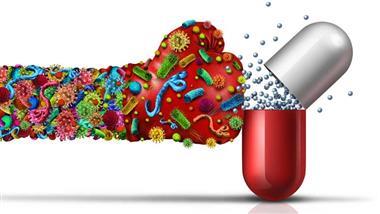
- Health authorities and the World Economic Forum predict that millions of people will be dying from superbugs every year by 2050
- According to the WEF, antimicrobial resistance is a “looming health catastrophe that could be more deadly than COVID-19”
- They are calling for a new “subscription model” as a solution and a “political intervention to reconstruct the market and make the development, production of and marketing antibiotics profitable again”
- While there is no reason to believe the WEF on anything, antimicrobial resistance is on the rise due to overuse of antibiotics in medicine and agriculture, antibiotics into water supply, overuse of antibacterial household products, and weekend immunity due to stress and toxins
- Superbug infections are particularly alarming in hospital settings
This story is about antimicrobial resistance, a real and potentially serious medical issue, as well as a new scarecrow and cash cow of the pharmaceutical and biochemical industries and their investors.
Let’s Start With the Foundations
Human body is mysterious and amazing, made with wisdom and care. It is simply amazing how well we are designed to deal with natural dangers, and how many healing foods and medicines nature has for us when we need a lift in our defenses. As a species, all we have to do is to be humble, curious, balanced, and grateful, and to live in harmony with nature as opposed to try to fight it. So much love and beauty!
Sadly, there is an ongoing attack on our ability to live in harmony with nature. As it often goes, we tend to not think about those things early on due to constant brainwashing and manufactured distractions — but sooner or later, the laws of nature catch up to us, and many develop health issues — and then start on a journey of rediscovering the basic things about health and life.
Many people are forced to figure it out the hard way due to developing a chronic disease. Others, otherwise healthy, are very sensitive to environmental toxins, and their bodies react to pollution dramatically and immediately (and of course, those two conditions are often interrelated).
In a way, we, the modern people at the mercy of the Rockefeller food and medicine, are like innocent puppies in a lab. Our handlers feed us poisons in food, water, air, clothes, furniture, homes, drugs, and vaccines — and we take them because by default, we don’t expect such “surround” treachery.
But sooner or later, we start noticing problems, and we learn, and the abuse becomes apparent to our eyes. And once we learn, we try to warn others who are still oblivious to the poisoning process — and then they think we are crazy because they are still not at a point where they feel it or make the connection.
In a sense, living in today’s world is extremely confusing and abusive — but we don’t think about it as kids because this broken world of ours is the only world we know, it’s the world of our parents and grandparents, it’s the default — and we only start to think about it when our bodies react to abuse in a visible way.
We, the people of today, are born into a giant abusive experiment made from scraps of incredible beauty. And yes, we pay the price for the imbalance. But as we pay the price, as we walk the journey and rediscover the basics, as we cry and scream and wonder why we’ve duped so badly — we remember our souls at last, and then there is no stopping us. Once we remember our souls, there is no stopping us. There is no stopping us.
The World Economic Forum on Antimicrobial Resistance
What do our “masters” have to say about antimicrobial resistance? The World Economic Forum, for example, has a lot to say! They have pages and pages of search results on the topic.
According to this WEF article, tellingly titled, “This is how to fight antibiotic-resistant superbugs with a simple subscription payment model,” people are now dying from infections that had been previously treatable.
There’s not a peep by the WEF about the fact that superbugs are a prime demonstration of what happens when people get arrogant and start fighting nature without understanding all the intricate connections, while pursuing mainly profit. There’s not a peep about how the Rockefeller medicine model is outright toxic.
The WEF’s “solution” to the problem of antimicrobial resistance is of course to love pharma companies a little more, give them more money in a guaranteed manner, and that’ll solve it. In other words, it’s the “new normal” for us peasant — and business as usual for pharma, with more sass.
What I find alarming is that various WEF articles about antimicrobial resistance talk about how currently, there is “no market” for new antibiotics, and it’s a problem, and so we need to develop a market, and drum up the funding (taxpayer money, without a doubt), etc. etc.
It makes me think about that one time when Peter Daszak lamented that there was no perceived need for pan-influenza and pan-coronavirus vaccines — and then we got COVID! A quote from the WEF article:
“The solution requires political intervention to reconstruct the market and make the development, production of and marketing antibiotics profitable again. We need to change the way we value antibiotics — by paying for reliable and sustainable access to these lifesaving drugs.”
Notably, they say that millions of people may be dying from superbugs every year by 2050. That prediction is based on models. So just to be clear, they are touting this “prediction,” but they also have a lot of public and industry figures captured, and their predictions are a bit like business goals that are worked on by an impressive staff, consisting of world and industry leaders.
In that light, I find the prediction alarming, especially given that certain safe and effective medical products seem to mess with people’s immune systems, and that there is a war on natural immunity altogether.
Plus, antimicrobial resistance is genuinely on the rise, and people innate immunity is on the overall decline due to a wide range of poisons, as well as lockdowns and other “health” measures, including mad spaying of antibacterial products on everything, to save us all from COVID. The use of antibacterial products and sanitizers from here to horizon can’t be good for us in the context of antimicrobial resistance, can it?
And here’s more from the WEF article called, “The looming health catastrophe that could be more deadly than COVID-19”:
“Superbugs. You’ve probably heard of them, but did you know they’re one of the biggest threats to global public health? Left unchecked, these drug-resistant bugs could kill millions of people every year with the damage to health potentially dwarfing that of COVID-19, according to the AMR action fund.”
“That makes antimicrobial resistance, or AMR, a top 10 global public health threat, according to the World Health Organization, which is raising awareness and promoting ways forward with World Antimicrobial Awareness Week.”
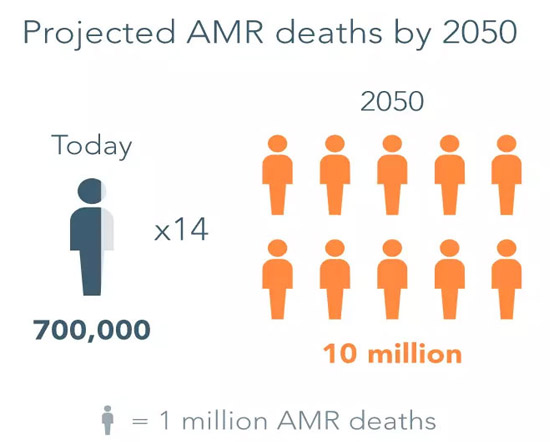
“Tackling resistance matters because the problem has the potential to spiral, with the AMR Action Fund estimating that deaths from antibiotic-resistant infections could rise to around 10 million a year by 2050, up from around 700,000 in 2019. And it could cost the global economy as much as $100 trillion between now and 2050.”
And here is a quote that reveals their thinking. And while in general, it makes sense that R&D requires funding, the comment about no current market makes it a little alarming, in the light of the general trends.
“‘There is currently no viable market for the development of new antibiotics,’ says Kasim Kutay, CEO of Novo Holdings, which administers the investment in the AMR Action Fund on behalf of the Novo Nordisk Foundation. ‘As a result, antibiotics that are in the early stages of development never reach patients because of a lack of funding for the later stages of clinical research. The AMR Action Fund is an important part of the solution to this.'”
And here is another WEF article from 2021, titled “Optimism despite COVID-19 impact on antimicrobial resistance”:
“The pipeline of new antibiotics is running dry, because the market for antibiotics is broken. The development costs for newly approved antibiotics cannot be covered through sales. Most of the major pharmaceutical companies have stopped developing new antibiotics, and many smaller enterprises have folded due to the lack of a sustainable economic model.
The main reason is that newly developed, effective antibiotics are being used as a ‘last resort’ in the hospital sector: they are sensibly kept locked away in the medical cabinet, only to be used if the cheap generics fail. Of course, this is damaging to the manufacturers’ incentive, as it undermines the possibility to make revenues from new antibiotics. [emphasis mine]“
They even a paraphrase of the same “call for action” for the politicians. So it seems like the World Economic Forum people are really drumming their fingers, demanding a political interference into the market (do we have a free market?):
“The solution requires political intervention to reconstruct the market and make the development and production of antibiotics profitable again. We need to change the way we value antibiotics to make-up for costly development.”
Me, a peasant at heart, is thinking, maybe there is no market because people aren’t that scared? And maybe, the real danger for the “market” is that the Rockefeller medicine model is visibly failing on so many fronts, and the orchestrated destructive “COVID response” has opened many eyes, and now the “masters” are worried that people will turn to “alternative” treatments that could potentially treat the bugs that have developed a residence to pharmaceutical products — and stop contributing the pharma industry pockets?
So they want to scare us senseless to ensure that we refrain from acting in our best interests and continue being enchanted? Maybe that’s what’s happening?
And by the way, I think that there can be different ways to treat a disease, and it’s good to be open-minded and generally use common sense and discretion. And modern medicine can be life-saving when used in balance, even though our ancestors probably didn’t need many of the treatments that we use today because they were exposed to more nature and less pollution, and weren’t being constantly poisoned.
There are medicines for different times and different circumstances and different people — but what is certain is that our medical system at large is very broken, and there is no reason to trust it blindly. I am being very diplomatic with this statement.
Asymptomatic Transmission of Superbugs?
Another trend that I find potentially alarming in the aftermath of the COVID “health response” and the conversation about the asymptomatic transmission of superbugs.
Even if it may be wise to keep in mind the possibility of asymptomatic carrying and potential transmission of some bacterial or fungal infections — and we do carry a lot of bugs at all times, and can typically handle them just fine, unless our body is broken or poisoned — if the “COVID testing principle” is applied, then all citizens might be asked to perpetually test for everything “so as not to kill the grandma.,” etc. And that would be ugly. Profitable to the masters but ugly.
Plus, quite a few of those superbug infections come from the hospital settings and medical devices — so using more devices to protect us from superbugs is hardly a useful solution. Here’s from Healthline:
“For some people, being infected with a superbug causes no symptoms at all. When healthy people carry germs without being symptomatic, they can infect vulnerable people without even realizing it.”
Like I said, it really depends on where they take this. More from Healthline:
“According to the 2019 Antibiotic Resistance Threat Report, published by the Centers for Disease Control and Prevention (CDC), more than 2.8 million drug-resistant infections happen every year in the United States, and more than 35,000 of them are fatal.”
“The CDC’s report lists 18 bacteria and fungi that endanger human health, classifying them as either: urgent, serious, concerning threats.”
Urgent threats
- Carbapenem-resistant Acinetobacter
- Candida auris
- Clostridioides difficile
- Carbapenem-resistant Enterobacteriaceae
- Drug-resistant Neisseria gonorrhoeae
Serious threats
- Drug-resistant Campylobacter
- Drug-resistant Candida
- ESBL-producing Enterobacteriaceae
- Vancomycin-resistant Enterococci (VRE)
- Multidrug-resistant Pseudomonas aeruginosa
- Drug-resistant nontyphoidal Salmonella
- Drug-resistant Salmonella serotype Typhi
- Drug-resistant Shigella
- Methicillin-resistant Staphylococcus aureus (MRSA)
- Drug-resistant Streptococcus pneumoniae
- Drug-resistant Tuberculosis
Concerning threats
- Erythromycin-resistant group A Streptococcus
- Clindamycin-resistant group B Streptococcus
What Does the Most Trustworthy Health Authority in the World, the World Health Organization, Have to Say About Antimicrobial Resistance?
The World Health Organization (or their social media person) wants us to “unite to preserve antimicrobials,” which kind of gives away the focus of the WHO on the pharmaceutical industry as opposed to people:
Here is another tweet by the WHO in which they instruct the people on how to fight against the danger of AMR (never mind the extensive use of antibiotics in agriculture and all sorts of chemical pollution that messes with our immunity).
Interestingly, the list includes “preventing infections.” I don’t know, after all we’ve been through, a call to “prevent infections” makes me nervous. Are they developing new experimental medical products to shove down our throats, or will they ask us all to wear butt plugs to prevent potentially infectious … I am not going to say it? It’s 2022, nothing is off the table!
And here’s the WHO on One Health Global Leaders Group on Antimicrobial Resistance (I guess, there are so many words in the English language, and it’s hard to avoid the phrase “global leaders”):
The Directors General described the rapid rise of antimicrobial resistance as one of the world’s most urgent threats to human, animal, plant and environmental health – endangering food security, international trade, economic development and undermining progress towards the Sustainable Development Goals (SDGs).
Pasteur Act in the U.S.
In June 2021, Pasteur Act was introduced into Senate, and it does exactly what the World Economic Forum has been drumming its fingers about:
“This bill authorizes the Department of Health and Human Services (HHS) to enter into subscription contracts for critical-need antimicrobial drugs, provides $11 billion in appropriations for activities under the bill, and contains other related provisions.”
It seems like according to the bill, the definition of an “antimicrobial drug” does not include “vaccines” (although the new official definition of vaccines is so broad that it includes therapeutics, so honestly we don’t know at this point).
WEF on the Pasteur Act and the Recent Developments in AMR
The WEB lists the following developments on the AMR front:
- Introduction in the US of the PASTEUR Act, which aims to kick-start the development of urgently needed new antibiotics by changing the way the US government pays for them.
- Progress on Swedish and UK government models implementing new AMR payment structures targeted at rebooting the broken marketplace.
- The EU is to address several AMR challenges, including the lack of investment in antimicrobials and inappropriate use of antibiotics, as appears from the recent Pharmaceutical Strategy for Europe adopted by the Commission in November 2020.
- The AMR Action Fund has raised US$1 billion from major pharmaceutical companies and foundations to invest in biotech. The aim is to bring as many as four new antibiotics to patients by 2030.
Resistant Candida Species
Fungi, and in particular Candida species, are among the resistant bugs that are on the rise. As a side note, a lot of the symptoms of systemic Candida infection overlap with the symptoms of “long COVID,” and this is food for thought. Here is the CDC on resistant Candida species.
“Antifungal resistance is an increasing problem with the fungus Candida, a yeast. Candida infections may resist antifungal drugs, making them difficult to treat.
About 7% of all Candida blood samples tested at CDC are resistant to the antifungal drug fluconazole. Although one Candida species, Candida albicans, is the most common cause of severe Candida infections, resistance is most common in other species, particularly Candida auris, Candida glabrata, and Candida parapsilosis.1
Concern is rising over the emerging fungus Candida auris,2 which is rare in most areas of the United States but is a growing threat. Resistance rates for C. auris are much higher than for other Candida species, with:
- About 90% of U.S. C. auris samples being resistant to fluconazole, and
- Up to one-third are resistant to the antifungal drug amphotericin B”
By the way, here is a Newsweek article titled, “Drug-Resistant Candida auris Fungus Found in Louisiana for First Time, Weeks After Oregon”:
“Candida auris is an emerging fungus in the U.S., with cases mostly occurring after mid-2015, according to the Council of State and Territorial Epidemiologists in 2018. It has been reported from over 30 countries overall … Candida auris presents a serious global health threat with most cases of infection resulting from local spread within health care facilities. There have been over 1,150 clinical cases in the U.S. since 2013.”
“In some patients it can cause severe illness and death, entering the bloodstream and spreading throughout the body. Patients who have been hospitalized for a long time, have lines or tubes entering the body, or who have previously received antibiotics or antifungal medicines appear to be at highest risk of infection.”
“The CDC states that based on information from a limited number of patients, 30 to 60 percent of people infected with the fungus have died. However, many of these patients have had other serious illnesses as well.”
“Part of the concern surrounding Candida auris is that it is resistant to multiple antifungal drugs. Some strains are resistant to all three available classes of antifungals, the CDC states, making infection with these strains even more difficult to treat.”
Nature to the Rescue
Interestingly, there is a number of studies showing the effectiveness of various plants and natural antifungals against various species of Candida. Since I am an artist and a journalist, not a doctor, and since I don’t want to get anything accidentally banned once the censors sense a new danger to the profits of their masters, I am just going to point to this study, published at the NIH website, titled, “Plants’ Natural Products as Alternative Promising Anti-Candida Drugs.”
All in all, I think that given where the wind is blowing, now is a very good time to learn about natural antifungals, as well is to really invest into boosting (sorry not that kind of boosting) our immunity and developing good habits that support a healthy microbiome, since a healthy microbiome is very important for our health, including the immune system.
I think we might be heading toward a tsunami of toxicity-driven health issues that are related to a disrupted microbial balance, and we better be in our best shape as much as we can, and in high spirits as well.
Microbiome and COVID
It is amazing how complex the human body is, and how little the scientists really know about it. The importance of maintaining a wholesome microbiome is rarely (if at all) talked about in the mainstream but it turns out that there is a direct correlation between the diversity of the gut microbiome and even the severity of COVID symptoms!
For example, this study by Dr. Sabine Hazan et al. is an eye-opener. According to the study, severely symptomatic patients had “less bacterial diversity,” and “positive patients overall had lower relative abundances of Bifidobacterium, Faecalibacterium, and Roseburium, while having increased Bacteroides.” There was an “inverse association between disease severity and abundance of the same bacteria.”
On the positive role of Bifidobacteria, here is another study by Dr. Sabine, titled, “Pre-Existing Microbiome Signature in a SARS-CoV-2 Discordant Family,” in which she looks at the differences in gut microbiomes of the index patient and his mother. (And yes, the question of the intrinsic reliability of the PCR test is another matter, but the study is very interesting.)
“Our index patient is a 19-year-old man with Crohn’s disease. After developing symptoms consistent with COVID-19, he, his 62-year-old father, and 14-year-old sister tested positive for SARS-CoV-2 in May 2020. Despite a shared household, his 50-year-old mother with a history of asthma and his healthy brother and sister-in-law (a married couple) remained negative.
The index patient and his mother had undergone microbiome analysis in May 2019, following his brother and his sister-in-law in November 2020. We observed significant differences between the fecal microbiota of the SARS-CoV-2-positive son and those of his healthy family.
There were differences in the bacterial phylum, class, order, family, and genus level with the increased relative abundance of Bacteroidetes and reductions or deletions in bacterial diversity, particularly of the Bifidobacterium family. This unique study may signal a new exploratory avenue for the prevention or treatment of SARS-CoV-2 infections.”
Notably, it’s been shown that probiotics tend to improve long COVD.
Microbiome and Parasites
Here is an interesting preliminary observation regarding the tight relationship between gut microbiome and parasite infections. The authors don’t claim to know whether the difference in microbiome determined the susceptibility to parasite infection or whether it could be attributed to the parasite infection itself. But the research is definitely interesting.
“In Genome Biology, a study led by University of Pennsylvania scientists investigated the links between parasite infection and the gut microbiome.
Using genetic methods to characterize the gastrointestinal microbiome of 575 ethnically diverse Cameroonian people representing populations from nine villages with meaningful differences in lifestyle, the researchers discovered that the presence of parasites was strongly associated with the overall composition of the microbiome.”
Conclusion
In conclusion, I would like to say that we are in a phase of history where the limitations and the “side effects” of the algorithmic, pharma-driven model of medicine are getting obvious to more people, and that is the reason for all the bullying. What I think will happen is that a lot of people will flee the toxic, trap-setting Rockefeller medicine, and no threats and no temptation will be able to stop the exodus.
May we re-discover the joy of living in good health, the joy of being in harmony with our soul and with nature. We know what’s good for us, and there is no stopping us.
About the Author
To find more of Tessa Lena’s work, be sure to check out her bio, Tessa Fights Robots.
Broccoli Compound May Solve Antibiotic Resistance Problem
Reproduced from original article:
https://articles.mercola.com/sites/articles/archive/2022/08/04/diindolylmethane-health-benefits.aspx
The original Mercola article may not remain on the original site, but I will endeavor to keep it on this site as long as I deem it to be appropriate, and will not be bullied into removing it.
Analysis by Dr. Joseph Mercola Fact Checked August 04, 2022
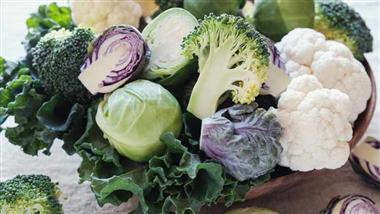
STORY AT-A-GLANCE
- Cruciferous vegetables have long been cherished for their health benefits. Broccoli, cabbage, collards, Brussels sprouts, cauliflower, kale and bok choy, just to name a few, contain several plant compounds that are important for optimal health, including powerful chemoprotective compounds
- One of the most well-known of these is sulforaphane, an organic sulfur. Sulforaphane supports normal cell function and division while causing apoptosis (programmed cell death) in several types of cancer
- Another important phytochemical found in cruciferous veggies is indole-3 carbinol (I3C), which is converted into diindolylmethane (DIM). DIM boosts immune function and, like sulforaphane, has anticancer properties
- Recent research has found DIM effectively inhibits antibiotic-resistant biofilms and significantly boosts the effectiveness of antibiotics. Pseudomonas aeruginosa and Acinetobacter baumannii are both resistant to multiple drugs. DIM was able to inhibit biofilm formation in these bacteria by 65% to 70%
- When DIM was combined with the antibiotic tobramycin, biofilm growth of P. aeruginosa was diminished by 98%. Applied topically to infected wounds, DIM with or without the antibiotic gentamycin allowed for significantly faster healing, while treatment with gentamycin alone had no effect
Cruciferous vegetables have long been cherished for their health benefits. Broccoli, cabbage, collards, Brussels sprouts, cauliflower, kale and bok choy, just to name a few, contain several plant compounds that are important for optimal health, including powerful chemoprotective compounds.
One of the most well-known of these is sulforaphane, an organic sulfur. Studies have shown sulforaphane supports normal cell function and division while causing apoptosis (programmed cell death) in colon,1 liver,2 prostate,3 breast4 and tobacco-induced lung cancer.5 Just three servings of broccoli per week may reduce a man’s risk of prostate cancer by more than 60%.6
Another important phytochemical found in cruciferous veggies is indole-3 carbinol (I3C),7 which in your gut is converted into diindolylmethane (DIM). DIM in turn boosts immune function and, like sulforaphane, plays a role in the prevention and treatment of cancer.8,9
Cruciferous Compound Can Break Antibiotic Resistance
Interestingly, researchers now believe that DIM may be a potent weapon against antibiotic-resistant pathogens as well.10,11 Israel21c.org reports:12
“A phytochemical derived from cruciferous vegetables, such as broccoli, breaks down the biofilm that lets bacteria resist antibiotics, according to a study from Ben-Gurion University in Israel … The paper,13 co-authored by researchers from Near East University and Girne American University in Cyprus, was published in the journal Pharmaceutics.
The scientists found that phytochemical 3,3′-diindolylmethane (DIM) successfully broke down the biofilms protecting pathogens including Acinetobacter baumannii and Pseudomonas aeruginosa 65% and 70% of the time, respectively …
When the team introduced DIM into an infected wound, it sped up the healing process significantly. ‘Our findings show promise for other avenues of research in addition to known classes of antibiotics,’ said [professor Ariel] Kushmaro.”
Antibiotic Resistance Is a Serious Problem
This could potentially be the breakthrough we’ve been searching for. Antimicrobial resistance has been on the rise for decades, thus making infections that were previously easy to treat a serious threat again. According to the World Health Organization, antimicrobial resistance is “one of the top 10 global public health threats facing humanity,”14 and the primary cause for this man-made epidemic is the widespread misuse of antibiotics.
Antibiotic overuse occurs not just in human medicine, but also in food production. In fact, agricultural uses account for about 80% of all antibiotic use in the U.S.,15 so it’s a major source of human antibiotic consumption.
Animals are often fed antibiotics at low doses for disease prevention and growth promotion, and those antibiotics are transferred to you via meat and other animal products, and even via the manure used as crop fertilizer.
Many pathogens have also developed resistance to more than one drug, so-called pan-resistance, which makes treating them even more problematic. And, while pan-resistant superbugs are increasing, the development of new antibiotics to tackle them has come to a near halt. According to the WHO:16
“In 2019 WHO identified 32 antibiotics in clinical development that address the WHO list of priority pathogens, of which only six were classified as innovative. Furthermore, a lack of access to quality antimicrobials remains a major issue. Antibiotic shortages are affecting countries of all levels of development and especially in health care systems.
Antibiotics are becoming increasingly ineffective as drug-resistance spreads globally leading to more difficult to treat infections and death. New antibacterials are urgently needed — for example, to treat carbapenem-resistant gram-negative bacterial infections as identified in the WHO priority pathogen list.
However, if people do not change the way antibiotics are used now, these new antibiotics will suffer the same fate as the current ones and become ineffective.”
DIM for Pan-Resistant Bacteria
The four pathogenic bacteria investigated in the study17 cited above — Pseudomonas aeruginosa, Acinetobacter baumannii, Serratia marcescens and Providencia stuartii — are all gram-negative bacteria, and in the initial investigation, DIM reduced biofilm formation in all four by as much as 80%.
Of these, Pseudomonas aeruginosa and Acinetobacter baumannii are both resistant to multiple drugs, so in follow-up tests they focused on these two specifically. As previously noted, DIM was able to inhibit biofilm formation in these bacteria by 65% to 70%. When DIM was combined with the antibiotic tobramycin, biofilm growth of P. aeruginosa was diminished by 98%.
Nonhealing wounds are often infected with pan-resistant bacteria, and it’s the biofilm that prevents the tissues from healing back together. To test whether DIM could work topically in these scenarios, the researchers infected puncture wounds on pigs with P. aeruginosa, and then applied a cream containing either DIM alone, the antibiotic gentamycin alone, or DIM plus gentamycin combined.
Wounds treated with DIM for 10 days healed significantly better than untreated wounds, thanks to a significant reduction in biofilm formation, and the combination of DIM plus antibiotic worked even better. Wounds treated with gentamycin alone saw no improvement.
When to Use This Phytochemical
Just like high-dose vitamin C, which is another potent weapon to treat infections, especially when used IV, I don’t believe that DIM should be used every day as a prophylactic to prevent infections. It should be used only when needed to treat antibiotic resistant infections as it will likely do so without any of the side effects of potent antibacterials.
Other Health Benefits of Cruciferous Vegetables
While you may not be able to treat a pan-resistant infection with a few servings of broccoli, the fact that this food may offer a solution to the pressing problem of antibiotic-resistance is exciting, and just goes to show that nature has answers to many of our problems — including problems we’ve created ourselves.
That said, cruciferous veggies have many other health benefits that are worth taking note of, and which you can obtain simply by including more of them in your diet. In addition to its anticancer benefits, I3C — the precursor to DIM — is also a powerful antioxidant, and can help balance both male and female hormones, thereby supporting reproductive health in both sexes.
I3C also supports your liver’s detoxification processes, and helps heal liver damage by supporting the reproduction of normal, healthy cells. Sulforaphane, meanwhile, has been shown to have antidiabetic properties and improves blood pressure.18 It also supports healthy kidney function19 and gut health20 by normalizing DNA methylation.
In simple terms, DNA methylation21 is the process by which a methyl group (one carbon atom attached to three hydrogen atoms) is added to part of a DNA molecule. This is a crucial part of normal cell function as it allows cells to “remember who they are and where they have been.” DNA methylation also suppresses viral- and other disease-related gene expression.
Just realize that broccoli is not a “magic” bullet. In fact, some physicians, like Dr. Paul Saladino, present powerful arguments that nearly all vegetables are to be avoided (but not fruits). This is because the hormetic benefits from their phytochemicals can be obtained in other lifestyle measures.
The most important lifestyle measure would be to avoid all seed oils. If you only limited your diet changes to keep your seed oil less than 2% of your daily calories as confirmed by Cronometer, I strongly believe your health would improve exponentially more than regularly having the finest organic/biodynamic vegetables.
This is largely because excess LA (linoleic acid) is the most pernicious toxin in our food supply and is responsible for most all of our chronic diseases. Other lifestyle measures to improve your health would include exercise, regular sun exposure on bare skin, and sauna. Having said that, compounds found in broccoli and other cruciferous veggies have been shown to:
| Lower your risk of obesity22 |
| Suppress inflammation — In part by reducing (by as much as 73%) reactive oxygen species that cause cell damage,23 and in part through the creation of short chain fatty acids (SCFAs).24 The fiber in cruciferous veggies is broken down into SCFAs by gut bacteria, and SCFAs have been shown to lessen your risk of inflammatory diseases |
| Improve Type 2 diabetes by reducing glucose production — In one study, patients with dysregulated diabetes who received broccoli sprout extract in addition to metformin had up to 10% lower fasting blood glucose levels than the placebo group.25 Sulforaphane also lowers your risk of other health problems associated with Type 2 diabetes, such as heart disease and stroke |
| Support healthy liver function and lower your risk of nonalcoholic fatty liver disease26 |
| Reduce risk of osteoarthritis27 — In part by blocking enzymes linked to joint destruction28 |
| Improve allergies and asthma by reducing oxidative stress in your airways and countering cell damage caused by pollution and allergens29 |
| Improve verbal communication and decrease repetitive behaviors in children with autism — This effect is thought to be related to sulforaphane’s ability to trigger a heat-shock response — a biological effect that protects cells from stress during a fever. Previous research has shown that, in some autistic people, repetitive behaviors decline during fevers.
In one study, positive results from sulforaphane were observed within as little as four weeks. Communication improved, as did symptoms of hyperactivity and irritability. By the end of the 18-week study, about half (15 of 29) of those receiving sulforaphane experienced improved ability to interact socially30 |
| Improve chemically-induced colitis and leaky gut31 |
| Inhibit Helicobacter pylori (H. pylori), the bacteria thought to cause gastric ulcers32 |
| Increase your free testosterone level33 |
| Protect muscles against exercise-induced damage34 |
| Facilitate detoxification of chemical pollutants35,36,37 |
| Protect against neurodegenerative diseases such as Parkinson’s and Alzheimer’s disease38 |
| Promote healthy, beautiful skin (a side effect of improved liver function and detox). Sulforaphane also helps protect your skin against damage from UV radiation39 |
How to Optimize the Benefits of Broccoli
To get the most out of your broccoli, lightly steam it for three to four minutes until it’s tough-tender. Do not steam longer than five minutes. This will allow you to get the most bioavailable sulforaphane out of it. If you opt for boiling, blanch the broccoli in boiling water for no more than 20 to 30 seconds, then immerse it in cold water to stop the cooking process.
If you want to augment the sulforaphane content even further, pair broccoli and other cruciferous veggies with a myrosinase-containing food40 such as mustard seed,41 daikon radishes, wasabi, arugula or coleslaw. Of these, mustard seed is the most potent.
If you’re not a fan of mature cruciferous vegetables, then consider broccoli sprouts instead. They actually pack a greater punch in terms of nutrition, so you don’t have to eat as much. According to researchers at Johns Hopkins University, a mere 5 grams (0.17 ounces) of broccoli sprouts contain concentrations of the compound glucoraphanin equal to that found in 150 grams (5.2 ounces) of mature broccoli.42
Sprouts can also contain up to 100 times more enzymes than raw fruits and vegetables, allowing your body to extract more vitamins, minerals, amino acids and essential fats from the foods you eat. You can easily and inexpensively grow broccoli sprouts at home, indoors, and you don’t have to cook them. They are eaten raw, usually as an addition to salad or juice.
– Sources and References
- 1 Cancer Research March 1, 2000:60(5):1426-33
- 2 Medical News Today March 4, 2016
- 3 Science Direct Aug. 2012
- 4 Clinical Cancer Research May 1, 2010; 16(9):2580-90
- 5 Cancer Research September 15, 2005; 65(18):8548-57
- 6 Selfhacked.com, Sulforaphane as a Panacea
- 7 Superfoods.scientific.research.com Indole 3 Carbinol Benefits and Side Effects
- 8 Nutrition and Cancer 2004;50(2):161-7
- 9 Journal of Biomedical Research 2014 Sep; 28(5): 339–348
- 10, 13, 17 Pharmaceutics 2022; 14(5): 967
- 11 Medical News Today July 18, 2022
- 12 Israel21c.org July 12, 2022
- 14, 16 WHO Antimicrobial Resistance
- 15 Food Safety News February 24, 2011
- 18 American Journal of Hypertension 2012 Feb;25(2):229-35
- 19 Am J Hypertens February 2012
- 20 Dr. Amy Yasko, H. Pylori: Another piece of the puzzle Parts 1 and 2
- 21 Nature Education 2008; 1(1): 116
- 22 Deacon Chronicle January 24, 2018
- 23 Diabetes August 4, 2008
- 24 Science Daily September 29, 2015
- 25 New Scientist June 14, 2017 (Archived)
- 26 Vanduyn Center February 12, 2020
- 27 Arthritis & Rheumatism 2013 Dec;65(12):3130-40
- 28 Live Science May 30, 2013
- 29 Respir Res. 2015; 16(1): 106. September 15, 2015
- 30 PNAS 2014 Oct 28; 111(43): 15550–15555
- 31 Journal of Functional Foods October 2017; 37: 685-698
- 32 Oncology Times January 25, 2006; 28(2): 27-29
- 33 Magnum Health May 5, 2022
- 34 SuppVersity November 12, 2012
- 35 Cancer Prevention Research 2014; 7(8): 813-823
- 36 Johns Hopkins Press Release June 16, 2014
- 37 NPR June 18, 2014
- 38 Oxid Med Cell Longev. 2013; 2013: 415078
- 39 PNAS October 30, 2007; 104(44): 17500-17505
- 40 American Institute for Cancer Research November 7, 2013
- 41 Food Chemistry June 1, 2013; 138(2-3):1734-41
- 42 Proc Natl Acad Sci U S A. 1997 Sep 16;94(19):10367-72
Antibiotics Linked to Inflammatory Bowel Disease
Reproduced from original article:
https://articles.mercola.com/sites/articles/archive/2022/06/01/antibiotics-linked-to-ibd.aspx
The original Mercola article may not remain on the original site, but I will endeavor to keep it on this site as long as I deem it to be appropriate, and will not be bullied into removing it.
Analysis by Dr. Joseph Mercola Fact Checked June 01, 2022
STORY AT-A-GLANCE
- People over 60 who have used antibiotics may be at increased risk of developing inflammatory bowel disease (IBD)
- Use of antibiotics was associated with a 64% increased risk of developing IBD, and the risk increased with additional doses
- Compared with those who had taken no antibiotics in the previous five years, risk of IBD in those who received five or more antibiotics prescriptions increased by 236%
- All classes of antibiotics were associated with increased IBD risk, but fluoroquinolones had the most notable association
- Antibiotics have also been linked to an increased risk of bowel cancer, heart attack and stroke
People over 60 who have used antibiotics may be at increased risk of developing inflammatory bowel disease (IBD), a condition characterized by chronic inflammation of the gastrointestinal (GI) tract.1 The finding, which was presented at the Digestive Disease Week conference held in San Diego, California, in May 2022, may explain the rising rates of IBD occurring among older adults.
“It’s quite important to really understand what’s driving this,” lead study author Dr. Adam Faye, of New York University Langone School of Medicine, said in a news release. “There’s clearly something in the environment that’s driving this new onset of older-onset IBD.”2
An estimated 3 million (or 1.3%) of U.S. adults suffer from IBD, which includes Crohn’s disease and ulcerative colitis.3 A CDC study revealed that from 2001 to 2018, the prevalence of IBD among 25.1 million Medicare beneficiaries aged 67 years or older increased among all racial/ethnic groups.4
Environmental factors are a likely culprit, with the CDC researchers finding that living in urban areas was associated with an increased risk of IBD. As such they stated that factors that influence the microbiome, such as pollution, diet and lifestyle, could be involved.5
Antibiotics also have a significant effect on the microbiome and represent another environmental factor that may be driving up IBD rates in older adults. Faye said:6
“In older adults, we think that environmental factors are more important than genetics. When you look at younger patients with new diagnoses of Crohn’s disease and ulcerative colitis, there’s generally a strong family history. But that is not the case in older adults, so it’s really something in the environment that is triggering it.”
IBD Risk Increases by 64% With Antibiotics Use
Faye and colleagues analyzed records from more than 2.3 million adults aged 60 to 90 who were part of the Danish National Patient Register and the Danish National Prescription Register from 2000 to 2018. Patients newly diagnosed with IBD were identified and compared with antibiotic use.
Use of antibiotics was associated with a 64% increased risk of developing IBD, and the risk increased with additional doses.7 Compared with those who had taken no antibiotics in the previous five years:8
- One prescription for antibiotics was associated with a 27% increased risk of IBD
- Two prescriptions increased risk by 55%
- Three prescriptions increased risk by 67%
- Four prescriptions increased risk by 96%
- Five or more prescriptions increased risk by 236%
Adults who had been prescribed antibiotics one to two years prior to IBD diagnosis had the highest risk, but those who took the drugs two to five years prior also had an elevated risk. All classes of antibiotics were associated with increased IBD risk, though fluoroquinolones, which include brand names Cipro and Levaquin, had the most notable association.9
This is the same class of drugs that may harm your heart by causing an increased risk of ruptures or tears in the aorta blood vessel. The aorta is the main artery in your body supplying oxygenated blood to your circulatory system.
In December 2018, the U.S. Food and Drug Administration warned that fluoroquinolones taken by mouth or via injection could lead to these aortic dissections or ruptures of an aortic aneurysm that could lead to serious bleeding or death.10 The risks of these and other antibiotics must be carefully weighed against the benefits prior to use.
“We think of antibiotic stewardship not only to prevent the development of multidrug-resistant organisms, but in this case now we should be thinking about it to prevent the development of inflammatory bowel disease,” Faye said,11 pointing out that antibiotics’ disruption to the gut microbiome could be contributing to the development of IBD.
“Maybe there’s something in the microbiome that antibiotics are doing that’s priming an individual to then later develop inflammatory bowel disease, and this really needs to be looked at further,” he said.12
Antibiotics Linked to Bowel Cancer
While antibiotics can be lifesaving, at least 30% of outpatient antibiotic prescriptions are unnecessary, according to CDC estimates.13 Taking antibiotics when unnecessary exposes you to increased risk for no benefit, and the risks include serious disease aside from IBD — even cancer.
In 2014, researchers linked antibiotics use to a slightly increased risk (8% to 11%) of developing colorectal cancer, also known as bowel cancer, possibly because of alterations to the gut microbiome.14 Likewise, past research has also shown that people with less bacterial diversity in their gastrointestinal tracts are more likely to develop colon cancer.15
Separate research found that women who had used antibiotics for two months or more were at an increased risk of developing colon polyps, which can be a precursor to colorectal cancer.16 Those who used the drugs for a total of at least two months in their 20s and 30s had a 36% increased risk of polyps compared to those who did not.
Even taking antibiotics for 15 days or more, at any age range, was associated with an increased risk of polyps. In 2016, another study also found increasing use of antibiotics was associated with an increasing risk of colorectal cancer, especially when used frequently.17
Antibiotics May Increase Risk of Stroke, Heart Attack
Even one course of antibiotics negatively alters your microbiome for up to a year,18 which is precisely why it’s crucial to only use antibiotics when absolutely necessary. When used for longer periods, they also can cause considerable damage, including to your heart.
A study published in the European Heart Journal found that women aged 60 and older who used antibiotics for two months or longer — often for respiratory infections, urinary tract infections and dental problems — were 32% more likely to develop cardiovascular disease than women who did not use such drugs.19
Overall, among women in late adulthood who take antibiotics for two months or more, 6 per 1,000 would develop cardiovascular disease, compared to 3 per 1,000 for women who did not. Women in middle age (40 to 59 years) who used antibiotics for longer than two months also had a 28% increased risk of cardiovascular disease. Again, alterations in gut microbiota were highlighted as playing a detrimental part in antibiotics’ adverse effects to the heart.
“Antibiotic use is the most critical factor in altering the balance of microorganisms in the gut. Previous studies have shown a link between alterations in the microbiotic environment of the gut and inflammation and narrowing of the blood vessels, stroke and heart disease,” study author Lu Qi, director of the Tulane University Obesity Research Center in New Orleans, stated in a news release.20
Taking antibiotics for at least two months also increases the risk of death from all causes by 27% among women in late adulthood, compared to women who did not take the drugs.21 The women taking long-term antibiotics also had a 58% higher risk of death due to heart problems.
Millions Suffer From Antibiotic-Resistant Infections
Due to the widespread misuse and overuse of antibiotics — including by industrial agriculture for purposes of growth promotion22,23 and preventing diseases in animals — many types of bacteria have developed resistance to antibiotics. As a result, more than 2.8 million antibiotic-resistant infections occur in the U.S. annually, with more than 35,000 people dying as a result.24
When Clostridioides difficile infections, which are associated with antibiotics use, are added in to these figures, more than 3 million infections and 48,000 deaths attributed to antibiotics use or antibiotic-resistant infections occur every year in the U.S.
This public health emergency underscores the fact that when you take antibiotics, there are both short- and long-term risks, the latter of which, such as antibiotic-resistant infections or IBD, may not become evident until long after you’ve stopped taking the drugs.
Natural Options for IBD
If you must take antibiotics, add more traditionally fermented and cultured foods to your diet to optimize your gut flora, and consider the use of spore-based probiotics, or sporebiotics, which are part of a group of derivatives of the microbe called Bacillus, have been shown to dramatically increase your immune tolerance.
I also recommend taking the beneficial yeast Saccharomyces boulardii after you’ve finished your antibiotics to prevent secondary complications of antibiotic treatment, such as diarrhea. If you’ve been diagnosed with ulcerative colitis, one of the forms of IBD, be aware that natural treatment options may help.
Ulcerative colitis symptoms range from mild to severe, and while most people have periods of remission when symptoms disappear, it can be debilitating when symptoms flare up, causing frequent, urgent bowel movements, fatigue, nausea, weight loss, fever and anemia. In about 10% of cases, ulcerative colitis is severe and may lead to bloody bowel movements and severe abdominal cramping.25
Up to one-third of patients even undergo surgery to remove the colon and rectum,26 but ginger, which has a range of biological activities, including antioxidant, anti-inflammatory and cytotoxic (potential anti-carcinogenic) effects,27 has been shown to reduce disease activity in this condition.28
In one study, ginger was found to reduce malondialdehyde (MDA), a biomarker of oxidative stress, in patients with ulcerative colitis significantly after six and 12 weeks. Ginger also led to reductions in severity of disease activity and increased patients’ quality of life significantly after 12 weeks.29
IBD can be challenging to treat, so work with a knowledgeable natural health care practitioner who can develop a comprehensive treatment protocol. However, in addition to ginger the following natural options may also provide some relief:
- Probiotics — People with inflammatory conditions such as ulcerative colitis who took the probiotic bacteria Bifidobacterium infantis for eight weeks had lower levels of inflammation than those taking a placebo.30
- Curcumin — The turmeric compound curcumin may help to induce and maintain remission in ulcerative colitis patients without serious side effects.31
- Omega-3 fats — The animal-based omega-3 fats in krill oil, EPA and DHA, have immune-boosting qualities along with anti-inflammatory properties proven to benefit disorders of the gut, including ulcerative colitis.32
- Optimizing vitamin D levels — In vitamin-D-deficient patients with ulcerative colitis, vitamin D supplementation was associated with reduced intestinal inflammation in one study.33
- 1, 2, 7, 9, 11, 12 University of Minnesota, Center for Infectious Disease Research and Policy May 13, 2022
- 3 U.S. CDC, Prevalence of IBD
- 4, 5 MMWR May 14, 2021, 70(19);698–701
- 6, 8 EurekAlert! May 13, 2022
- 10 U.S. FDA December 20, 2018
- 13 University of Minnesota, Center for Infectious Disease Research and Policy, Overuse and overprescribing of antibiotics
- 14 Live Science June 3, 2014
- 15 J Natl Cancer Inst. 2013 Dec 18;105(24):1907-11
- 16 Gut April 4, 2017
- 17 Dig Dis Sci. 2016 Jan;61(1):255-64
- 18 MBio November 10, 2015
- 19 European Heart Journal April 24, 2019
- 20 Tulane University April 26, 2019
- 21 Medical News Today March 26, 2018
- 22 World Health Organization November 7, 2017
- 23 The Bureau of Investigative Journalism September 19, 2018
- 24 U.S. CDC, Antibiotic Resistance, About Antibiotic Resistance
- 25 National Institute of Diabetes and Digestive and Kidney Diseases, Ulcerative Colitis
- 26 Crohn’s & Colitis Foundation of America, IBD Factbook, Surgery
- 27 J Ethnopharmacol. 2008 Aug 13;118(3):367-72. doi: 10.1016/j.jep.2008.04.026. Epub 2008 May 15
- 28, 29 Complementary Therapies in Medicine April 2019, Volume 43, Pages 1-6
- 30 EurekAlert! October 31, 2011
- 31 Acta Med Indones. 2017 Oct;49(4):363-368
- 32 Journal American College Nutrition December 2002; 21(6):495-505
- 33 J Crohns Colitis. 2018 Jul 30;12(8):963-972. doi: 10.1093/ecco-jcc/jjy052
The Surprising Health Benefits of Methylene Blue
Reproduced from original article:
https://articles.mercola.com/sites/articles/archive/2022/04/17/methylene-blue-health-benefits.aspx
The original Mercola article may not remain on the original site, but I will endeavor to keep it on this site as long as I deem it to be appropriate, and will not be bullied into removing it.
Analysis by Dr. Joseph Mercola Fact Checked April 17, 2022
Sorry, this video no longer available…
STORY AT-A-GLANCE
- Methylene blue helps mitochondrial respiration and improves brain energy metabolism. By doing that, it can improve cognitive performance and prevent neurodegeneration
- Methylene blue is the parent molecule for hydroxychloroquine and chloroquine, off-patent drugs commonly used to treat not only malaria but also COVID-19
- Emergency rooms around the world use it, as it’s the only known antidote for metabolic poisons causing methemoglobinemia, which is when a metabolic poison interferes with the transport of oxygen in hemoglobin
- Methylene blue is a hormetic drug, so low doses have the opposite effect of high doses
- Low doses, 0.5 mg to 1 mg per kilo of bodyweight, are recommended for nonacute, longer-term treatments. Uses include the prevention and treatment of dementia, post-stroke and other brain injuries, cognitive enhancement, and the general optimization of health if you’re already healthy
In this interview, Francisco Gonzalez-Lima, Ph.D., discusses a really powerful strategy to improve your mitochondria, which generate the vast majority of the energy your cells produce from food.
Gonzalez-Lima is an expert on methylene blue, which helps mitochondrial respiration and improves brain energy metabolism. By doing that, it can improve cognitive performance and prevent neurodegeneration.
“With methylene blue, we have been able to show all of those [benefits],” Gonzalez-Lima says. “Our group was the first to map the effects of methylene blue in the brain of humans and show its effects on improving brain metabolism, blood flow and memory function.”
What Is Methylene Blue?
Methylene blue is the parent molecule for hydroxychloroquine and chloroquine, off-patent drugs commonly used to treat not only malaria but also COVID-19. Best known as a fish tank antiseptic and textile dye for blue jeans, it was actually the first synthetic drug in modern history, developed in 1876. Since then, we’ve discovered it has many really important medicinal benefits.
The first medical application of methylene blue was for malaria. In 1890, Paul Ehrlich, a scientist at the famous Charité Hospital in Berlin, Germany, discovered methylene blue inhibits an enzyme that weakens the malaria parasite.
One of the first antipsychotic medications was also made from methylene blue. Other drugs developed from or with it include antibiotics and antiseptics. In the past, it was commonly used to treat urinary tract infections. It’s also been used as an antiviral agent in blood used for transfusions.
To this day, methylene blue is found in every hospital in the world, as it’s the only known antidote for metabolic poisons (any poison that interferes with oxygen transport or displaces oxygen, either from the blood or from the mitochondria).
For example, if you’re admitted for carbon monoxide poisoning, they’ll give you methylene blue intravenously. Cyanide is another example. The only known antidote for cyanide poisoning is methylene blue. It’s also been speculated that methylene blue might be useful in the treatment of acute lung infections such as SARS-CoV-2.
Importantly, methylene blue is a hormetic drug, which means that low doses have the opposite effect as high doses. For example, it’s primarily used in emergency rooms at the upper dosage limit (3 milligrams to 4 mg per kilo of bodyweight) for methemoglobinemia, which is when a metabolic poison interferes with the transport of oxygen in hemoglobin, by the iron in hemoglobin being oxidized to +3 rather than its normal reduced +2 state.
However, if you take too high a dose, you produce methemoglobinemia. At dosages in between, there’s no effect. Likewise, while low dosages have an antioxidant effect, high doses are pro-oxidative and can kill bacteria and tumor cells.
Methylene Blue, an Antioxidant and Energy Producer
Gonzalez-Lima’s research has primarily focused on low-dose benefits for nonacute purposes over the longer term — such as neuroprotective benefits and cognitive enhancement. While it has several mechanisms of action, a unique feature is that it acts on the level of electrons. He explains:
“Our body uses electrons as part of the electron transport chain that happens inside mitochondria, and these electrons, moved along through the mitochondria, are generated from electron donors that we produce by the foods that we eat.
All the foods that we eat, the only way they contribute to energy is by producing electron donors. They donate these electrons to the electron transport inside the mitochondria. The ultimate electron acceptor in nature is oxygen. That’s why the process of removing electrons from a compound is referred to as oxidation.
In mitochondria, this process is called oxidative phosphorylation. The electron transport is coupled with the phosphorylation of adenosine to eventually produce the adenosine triphosphate molecule (ATP). Methylene blue is an electron cycler. It’s an autooxidizing compound.
So, methylene blue donates its electrons directly to the electron transport chain, it obtains electrons from surrounding compounds, and maintains oxygen consumption and energy production. By doing this, it helps oxygen to be fully reduced into water.
So, it becomes two things that are often not found together. It acts as an antioxidant, because oxygen is neutralized into water by donating electrons to the electron transport, and it produces energy, because when the electron transport pumps are moving along oxidative phosphorylation, you have an increase in ATP formation.
Oftentimes, we have things that improve energy metabolism, but then they lead to oxidative stress. In the case of methylene blue, that’s not the case.
You can increase oxygen consumption rates, increase ATP production for energy metabolism, and at the same time reduce oxidative stress which, of course, will lead to reduction in oxidative damage at the level of mitochondria, then at the level of the other parts of the cells, and eventually membranes of the cells, and reactions that are cascades of this oxidative damage.”
Basically, as an electron cycler, methylene blue acts like a battery, but unlike other compounds that do the same thing, it doesn’t cause damaging oxidation in the process. If anything interferes with oxygenation or cellular respiration, such as cyanide, methylene blue is able to bypass that point of interference through electron cycling, thus allowing mitochondrial respiration, oxygen consumption and energy production to function as it normally would.
Improved Mitochondrial Respiration Improves Health, Cognition
Methylene blue can also be helpful in instances where you have impaired blood flow that prevents the delivery of oxygenated hemoglobin to the tissues. In this case, methylene blue helps counteract the reduced blood flow by optimizing the efficiency of mitochondrial respiration.
Healthy blood flow is particularly important for brain function, and many older people have chronic hypoperfusion that contributes to neurodegeneration and memory problems. These issues, Gonzalez-Lima says, can be prevented by methylene blue.
In summary, inside the electron transport chain in your mitochondria are five complexes, the primary purpose of which is to conduct the electrons generated from food, primarily carbohydrates and fat, in the form of acetyl CoA. Sometimes the electron transport chain gets blocked or impaired, and methylene blue is able to bypass such blockages.
When you’re perfectly healthy, low doses of methylene blue will enhance oxygen consumption, mitochondrial respiration and ATP production above baseline, basically optimizing the whole system. So, it acts as a metabolic enhancer and not just an antidote for metabolic poisons and other inhibitory processes.
The most important complex, Cytochrome c Oxidase, which catalyzes the reaction of oxygen becoming water, is blocked by cyanide. But methylene blue can insert electrons wherever there is a blockage.
What’s more, when you’re perfectly healthy, low doses of methylene blue will enhance oxygen consumption, mitochondrial respiration and ATP production above baseline, basically optimizing the whole system. So, it acts as a metabolic enhancer and not just an antidote for metabolic poisons and other inhibitory processes.
Methylene blue’s action on mitochondrial respiration is also coupled with biochemical upregulation of your oxygen consumption machinery in general, and hemodynamic processes that increase local blood supply to tissues.
And, as detailed by Gonzalez-Lima in the interview, this upregulation remains even after the methylene blue is expelled from your system (primarily through urination unchanged as your body minimally metabolizes it), and over time, it can actually increase the number of mitochondria. In your brain, this will benefit cognition, as your brain is the most energy-dependent organ in your body.
Methylene blue also activates the Nrf2 pathway. Nrf2 is a transcription factor that, when activated, goes into the cell’s nucleus and binds to the antioxidant response element (AREs) in the DNA. It then induces the transcription of further cytoprotective enzymes such as glutathione, superoxide dismutase catalase, glutathione peroxidase, phase II enzymes, heme-1 oxygenase and many others.
Methylene Blue for Brain Health
Perhaps one of the most revolutionary benefits of methylene blue is for the prevention and treatment of dementia, neurodegenerative diseases such as Alzheimer’s and Parkinson’s, and neural injuries caused by stroke and traumatic brain injuries (TBIs). This is particularly important as the COVID jabs have radically increased strokes. As explained by Gonzalez-Lima:
“Any process where increasing oxygen-based energy production plays a major role, methylene blue will have a role to play. One of the first studies we did that was very impressive [was on] a model in the eye. The reason we used the eye was because the retina in animals is readily accessible so that we can inject into the retina.
Rotenone [a broad-spectrum pesticide and Complex 1 inhibitor] inhibits mitochondrial respiration, subsequently there is atrophy and degeneration of the retinal layer, which is very dramatic. If methylene blue is on board, we can prevent this process because the mitochondrial respiration can continue, so the tissue is not affected.
This was a model called an optic neuropathy due to mitochondrial defects. It’s the most common form of blindness in younger people, so we did this to verify in vivo that [methylene blue] could have this neuroprotective effect. Then we did it in other things like brains. We found a similar phenomenon …
Methylene blue can be protective in ischemic and hemorrhagic strokes. We’ve also published a study with a hypoxia. In other words, we reduced the amount of oxygen delivered to the animals, and we could use an fMRI, noninvasively, in the animals to see that we were able to increase the amount of cerebral metabolic rate for oxygen consumption in the presence of methylene blue under hypoxic conditions.
With respect to dementia, by the time you see the tau protein inside neurons, those neurons are metabolically, essentially, dead, so it is too late. By acting on that, you cannot recover the metabolic machinery and the health of the neurons.
So, those neurons are not rescued in any way that is functionally meaningful. Generally speaking, biomarkers are not good therapeutic targets because they may or may not have any causal relationship with the disease.”
In biohacker circles, low-dose methylene blue is used as a nootropic, meaning a compound that helps improve cognitive function. However, while some promote sublingual or buccal application (under your tongue or on the inside of your cheek), the best way is to swallow it, as the acid in your stomach makes it more bioavailable.
Urinary Tract Infections in the Elderly
In my mind, this is one of the most important uses: It is a highly effective agent against urinary tract infections (UTIs). Many elderly are put on antibiotics, which disrupts their microbiome. Methylene blue was used for many decades at a dose of 65 mg per day and was even sold in pharmacies as Urolene Blue.
Since your body doesn’t really metabolize it, it is excreted by your kidneys into your bladder where it reaches very high concentrations over time and becomes a potent oxidant stress that kills virtually any pathogen in the bladder. Plus, it has the additional “side effect” of improving brain health and reducing dementia. In my mind, it is reprehensible medical malpractice not to use methylene blue in UTIs in the elderly. It clearly is the safest and most effective drug of choice.
Contraindications
While methylene blue is very safe, there are some contraindications. One is G6PD deficiency, which is also a contraindication for high-dose ascorbic acid treatments, which could be deadly. Methylene blue is also a mild monoamine oxidase (MAO) inhibitor, so taking high doses with a selective serotonin reuptake inhibitor (SSRI) antidepressant could potentially lead to serotonin syndrome, which is not good. The risk of this, however, is very small. Gonzalez-Lima explains:
“With respect to the warning about the SSRIs, the problem is not methylene blue but the amount of SSRI. The problem was in a specific application of methylene blue where they use it for parathyroid surgery as a stain …
To my knowledge, there’s never been more than five cases, where the patients were anesthetized, and they still had SSRIs [in their system], and they did repeated flushing in the open neck with methylene blue, which exceeded these doses that we have been talking about.
The U.S. FDA reacted with this warning. But this has been reviewed by both surgeons and pharmacologists at the Mayo Clinic, and they wrote a rebuttal paper where they indicate that there is no evidence to suggest oral methylene blue has any interaction with the therapeutic dosing of serotonergic compounds, especially SSRIs, and that this was something that happened under these specific [surgical] conditions.
Canada limits the warning to that particular application, but our FDA went beyond that to any kind of serotonergic drug. I think there is absolutely no evidence for oral methylene blue having interactions in this low-dose range with any SSRIs.
And when they talk about the MAO inhibitor function, it really only works as an MAO inhibitor in the higher concentration of the higher dose range, not the low-dose range. So, the effects of methylene blue as an antidepressant — only to a very limited extent, if you repeat it cumulative treatments — can be due to any kind of a MAO inhibitor role.
In addition, it is due to its metabolic enhancing function, so it antagonizes some of the depression symptoms like the low energy that is experienced with depression. So yes, it is effective to reduce symptoms of depression. Unfortunately, this warning is going to make some physicians scared of using it in combination with SSRIs.”
Dosing Suggestions
As mentioned, methylene blue is a hormetic, so low dosages have the opposite effect of high dosages. While every possible dose response has not been tested, as a general guideline, the benefits Gonzalez-Lima discusses in this interview are based on dosages between 0.5 milligram per kilogram of bodyweight to 4 mg per kg. He admits lower doses may work but he hasn’t tested them.
For an acute treatment, the upper limit is between 3 mg to 4 mg per kg, which is typically the range given as an IV antidote for methemoglobinemia. For nonacute, more long-term treatment, 0.5 mg to 1 mg per kg per day works better. It has a half-life of 12 to 13 hours, so once-a-day dosing is fine. He gives the following example of how methylene blue has been used in the treatment of fears and phobias:
“One of the processes in which a memory formation can be used therapeutically is when you form a memory to extinguish fear. Individuals who have a phobia, you can expose them to the specific situation that is involved in the phobia, and there is a learning called extinction learning that happens that you extinguish your response.
In that situation, we only give methylene blue once after this extinction learning to facilitate the process of memory consolidation. What happens after you go through the learning is the process of consolidation, which requires energy.
So, by facilitating the energy availability during the consolidation phase, which happens over a number of hours, then the next time [you’re exposed to fear-evoking stimuli, you’ve] consolidated that extinction memory more effectively.
We’ve done this also with post-traumatic stress disorder (PTSD), where you use prolonged exposure therapy. In that situation, you can give the methylene blue after different sessions where you see that there is a good extinction learning.
In other words, where people are learning through exposure to reduce their fear levels, that’s when you want to reinforce that therapeutic learning by giving them the methylene blue right after the session.”
For brain health, nootropic effects and the prevention or treatment of dementia, 0.5 mg to 1 mg per kg per day (or when needed) is the dose Gonzalez-Lima recommends and uses.
How to Select a High-Quality Product
Last but not least, selecting the correct product is of crucial importance, in addition to getting the dosing right. There are three basic types of methylene blue: industrial, chemical and pharmaceutical-grade.
The only version you’ll want to use medicinally is pharmaceutical-grade. Do not ingest methylene blue from the pet store that is meant for fish tanks. Industrial-grade methylene blue has lots of impurities, and typically contain only 10% to 25% methylene blue.
Chemical or laboratory grade, which is used for staining purposes on laboratories, has a much higher purity, but it’s still not suitable for medicinal purposes as it typically has heavy metal contaminants like lead, cadmium and arsenic. Over time, the impurities can accumulate in your body, resulting in toxicity.
Pharmaceutical grade is 99%+ pure. This is the kind used when injected intravenously for antidote purposes, or used orally. These products will be marked USP, which stands for United States Pharmacopeia.
According to Gonzalez-Lima, USP is better in terms of purity than the European pharmaceutical grade, which has fewer requirements. Taking the methylene blue with some ascorbic acid (vitamin C) facilitates absorption. You won’t find methylene blue at your local pharmacy but many compounding pharmacies can obtain the pharmaceutical grade.
“Ascorbic acid is a way to facilitate the cycling of methylene blue by promoting its reduction,” he explains. Considering the importance of mitochondrial health, methylene blue appears to be a simple and remarkably effective way to improve your overall health and cognitive function.
The Most Popular and Dangerous Seafood You Can Buy
Reproduced from original article:
https://articles.mercola.com/sites/articles/archive/2022/04/13/shrimp-antibiotic-resistance.aspx
The original Mercola article may not remain on the original site, but I will endeavor to keep it on this site as long as I deem it to be appropriate, and will not be bullied into removing it.
Analysis by Dr. Joseph Mercola Fact Checked April 13, 2022
STORY AT-A-GLANCE
- A new investigation by CBC News Marketplace found potentially harmful antibiotic-resistant bacteria in imported shrimp sold in various supermarkets in Canada
- Investigative reporters purchased 51 packages of shrimp imported from Vietnam, Thailand, China, India and Ecuador
- Investigators found 17% or 2 out of every 10 packages were contaminated with antibiotic resistant bacteria, also known as superbugs; of that 17%, 89% showed resistance to multiple antibiotics
- Superbugs, one of the greatest threats to human health, may kill more people than cancer by 2050
- The overuse of antibiotics in factory farm animals and the heavy spraying of pesticides on food crops is the No. 1 driver of deadly superbugs
This article was previously published July 27, 2019, and has been updated with new information.
Shrimp is a tasty dish that can be eaten for breakfast, lunch or dinner. It pairs well with a variety of foods including eggs, pasta, sushi and steak. But is shrimp safe to eat? Well, that depends on where it comes from and how it is raised.
An investigation by CBC News Marketplace1 found potentially harmful antibiotic-resistant bacteria on imported shrimp sold in various supermarkets in Canada. While the use of antibiotics on shrimp is banned in Canada, the majority of shrimp is imported, largely from Asia.
Investigative reporters with CBC News purchased 51 packages of shrimp sold in grocery stores in a variety of Canadian cities including Montreal, Saskatoon, Calgary and Toronto.
Canada imports shrimp from a number of countries including Vietnam, Thailand, China and India. Investigators purchased imported shrimp labeled “organic” as well as some with the “Best Aquaculture Practices” certification, which maintains that farmers only use antibiotics minimally.
They packaged up the shrimp and sent it to a special lab at the University of Saskatchewan to be tested for dangerous bacteria.
Microbiologist Joseph Rubin, an expert in antimicrobial resistance, tested the shrimp for different types of antibiotic-resistant bacteria and foodborne pathogens, including E. coli, Salmonella and Staphylococcus Aureus, potentially harmful bacteria that can develop a resistance to antibiotics. In other words, he was checking for superbugs that antibiotics cannot kill.
Rubin is an assistant professor in the department of veterinary microbiology who studies bacterial superbugs. He is working to prevent a potentially deadly epidemic and is particularly interested in the spread of superbugs from animals to humans through food contamination.2
Testing Finds Antibiotic Killers in Imported Shrimp
The first batch of imported shrimp tested positive for E. coli. The sample also contained antibiotics, leading Rubin to suspect that, based on the growth, the shrimp may also contain antibiotic-resistant bacteria. The lab ran a DNA test overnight to confirm. Sure enough, the sample contained Extended-Spectrum Beta-Lactamase-producing strains of bacteria (ESBLs).
This strain of bacteria is gram-negative, producing an enzyme that allows bacteria to break down commonly used antibiotics, such as penicillins and cephalosporins.3 When this happens, the antibiotics don’t work. The test results, to say the least, are alarming.
Rubin found that 17% or 2 out of every 10 packages he tested were contaminated with antibiotic-resistant bacteria. Of those, 89% contained bacteria resistant to multiple antibiotics, and of those, 33% tested positive for ESBL-producing bacteria. He also found an ESBL superbug on shrimp that came from Vietnam in a package labeled “organic.”
Of the nine samples tested that contained resistant bacteria, six of those came from products that listed the “Best Aquaculture Practices”4 certification.
The testing revealed that one country had more superbug-contaminated shrimp than the others. That country was India. Of the nine samples that tested positive for antibiotic-resistant bacteria, two of the packages were from China, one was from Vietnam, one was from Thailand and five were from India.
Products From One Country More Likely To Be Contaminated
Canada imports about $700 million worth of shrimp each year. The majority of it comes from countries like India, China, Thailand and Vietnam.5 But, according to the film, most of the imported shrimp found in Canadian supermarkets is from India, which exports 15 million kilograms (30 million pounds) into the country each year.
India uses more antibiotics than any other country in the world. It doubled its use in less than two decades. The reason for India’s spike in the use of antibiotics, according to the Hindustan Times, is:6
“Rising incomes, over-the-counter sale, a poorly regulated private hospital sector, high rates of hospital infection, inexpensive antibiotics and frequent infectious disease outbreaks are driving consumption in India and other low- and middle-income countries.”
Ramanan Laxinarayan, who serves as director of the Center for Disease Dynamics, Economics & Policy, helped lead the analysis of antibiotic use in 76 countries and told the Hindustan Times:
“The background burden of bacterial infections, and misuse for all fevers regardless of whether they are caused by parasites, viruses or bacteria, is another major causal factor. Unless we improve regulation, we can expect that the resistance problem will get worse.”
Industrial Agriculture Is the Biggest Driver of Superbugs
While it’s true the overprescribing of antibiotics is contributing to resistance, the biggest drivers of superbugs are the overuse of antibiotics in factory farm animals and the heavy spraying of pesticides on food crops. As reported by the Organic Consumers Association:7
“Nearly 80 percent of antibiotics in the U.S. are administered to conventionally raised cows, pigs and chickens to promote growth and treat disease. This means exposing healthy animals to antibiotics over long periods of time.
The result is antibiotic-resistant bacteria that can be passed on to humans through the consumption of animal products or direct exposure to animal manure, which is often generously applied to farmland as a means to cope with the vast amount of waste produced by concentrated animal feeding operations (CAFOs).
A study published in the journal JAMA found that people living near pig farms or cropland fertilized with pig manure are 30 percent more likely to contract methicillin-resistant Staphylococcus aureus bacteria or MRSA.
In November 2018, Consumer Reports revealed that it detected a number of prohibited drugs in hundreds of samples of meat products sold in the U.S. Testing found ketamine, a hallucinogenic party drug, phenylbutazone, a dangerous anti-inflammatory, and chloramphenicol, a powerful antibiotic linked to potentially deadly anemia, in beef, poultry and pork products.
The findings highlight the need for stricter testing by regulatory agencies, as well as a transition away from drug-dependent factory farms to organic regenerative agriculture, which emphasizes soil health, holistic land management, animal welfare and farmworker fairness.”
‘Pandora’s Box Is Open When It Comes to Resistance’
CBC News reporters spoke with biochemist Gerry Wright, director of the Michael G. DeGroote Institute for Infectious Disease Research at McMaster University in Hamilton, Ontario.8 When asked about his opinion on the threat of antibiotic resistance, Wright admits he’s absolutely “terrified by this stuff.”
Anyone who has had a knee replacement or any kind of surgery, chemotherapy for cancer or a premature baby has a weak immune system and relies on antibiotics, he says. The rise in superbugs could have grave consequences for these somewhat common conditions, he adds.
Multidrug resistance is probably the greatest threat to modern medicine, says Wright. He acknowledges that the overuse of drugs in food in Canada and abroad is a major contributor to superbugs. When it comes to raising shrimp, they’re often crammed in disease-prone pools and given antibiotics to keep them alive. As a result, the drugs end up in shrimp that’s eaten by people.
When CBC News asked Wright how bacteria in the shrimp developed resistance to antibiotics, he explained that while there is always a low-level of resistance, the kinds of resistance that were found in the testing points to a connection to antibiotic use.
Antibiotics were either used on the shrimp or in the ponds for other organisms where the shrimp were raised, he said, adding that there has to be a way for those resistance genes to be there. “Pandora’s box is open when it comes to resistance. We can’t scrub the planet of this problem,” he said.
Does Cooking Shrimp Eliminate the Threat of Superbugs?
When CBC News shared their results with the companies and certifiers whose shrimp tested positive for superbugs, they blamed the contamination on processing, shipping or some other environmental exposure. They also said that cooking shrimp thoroughly would kill any potentially harmful superbugs. CBC News put that claim to the test.
Researchers from the University of British Columbia coated some shrimp with an opaque, luminescent gel before inviting home cook Charlotte Lee to prepare a dish. Lee was unaware of the application of the gel, which was expected to stick to everything she touched. Using the gel was a way to show how easily bacteria on the shrimp could be spread.
Lee prepared a delicious shrimp dish. Despite carefully cleaning her hands and working space, once the lights were turned off, the luminescent gel showed up in a number of places, including on the containers of several ingredients she used. The gel was found on a box of corn starch, on an egg carton, the tap where she washed her hands, and even on the CBC News reporter’s hand, who introduced himself with a handshake.
The experiment showed how easily potentially harmful bacteria can end up in your kitchen, including on surfaces where it can survive for months, and even grow again, given the right conditions. “It’s a good reminder for us that even if we cook meat or shrimp really well, that there’s still a way for bad stuff on it to get into us,” reports CBC News.
The gel also showed up on a bunch of green onions that Lee used to prepare the shrimp dish. If someone were to make a salad with those green onions, resistant bacteria could end up in your gut, where it has the potential to share resistance genes with other gut bacteria, said Rubin, adding that antibiotic resistance can build up over time.
Imported Foods Present a Loophole in Canada
Ensuring food in Canada is safe to eat is the job of the Canadian Food Inspection Agency. CBC News tried to get an on-camera interview with CFIA but had no such luck.
So, they traveled to Quebec City to ask Canada’s Minister of Health, Ginette Petitpas Taylor, why CFIA isn’t testing for antibiotic-resistant bacteria on imported shrimp. The agency currently tests for traces of antibiotic residue, but that test does not determine if superbugs are making their way into the country, as noted in the film.
CBC News asked Taylor if the Canadian government is concerned about antibiotic-resistant bacteria on shrimp. “Canada is concerned, but we’re confident the CFIA is doing the work needed to protect our nation’s food supply,” she said.
The Canadian government maintains it is taking action to reduce medically important antimicrobials in animals.9 But the challenge is dealing with food imported from other countries that don’t have the same regulations.
“There is a gap and we need to close it,” Wright told CBC News. “The problem is that right now, other than your ‘little study,’ we just don’t know how much of this stuff is ending up on imported shrimp, as well as other popular foods,” he added.
Quality Shrimp From Local Producers
The beginning of the film features award-winning chef Robert Clark. He prepares scrumptious dishes without using sauce or strong spices. His secret? Sourcing quality shrimp.
“The more you maintain the integrity of a product, the easier it is,” he told CBC News. “It’s tough to buy quality shrimp at the supermarket, where a lot of it is grown in cesspools and contains things like antibiotics, pesticides and insecticides,” Clark said. That’s why he sources his shrimp from a local producer who avoids antibiotics.
The Berezan Shrimp Company, a Canadian owned and operated family business based in Langley, British Columbia, was one such producer that was dedicated to producing sustainable seafood. Nicknamed the “shrimp spa,” the Berezan Shrimp Co. was passionate about protecting the planet’s natural ecosystems.10 It used the most technologically advanced land-based farm to produce shrimp without antibiotics and does so in a way that doesn’t affect our oceans or environment.
They were hoping to boost production and become a major supplier in the Canadian market. The indoor facility was able to control the engineered air and water, thus keeping the water clean and the shrimp healthy, which meant no need for antibiotics.
CBC News checked that claim and tested its shrimp and found no antibiotic-resistant bacteria. Cleanliness has a cost, however. Shrimp from the Berezan Shrimp Co. cost about 30% more than imported shrimp. But food, especially high-quality food, shouldn’t be cheap, Clark said.
“Our priorities in North America are wrong. It’s more important that we have the right car than it is to feed our children the right food,” he said. When CBC asked if our demand for cheap food has caused us to live in the world we now live in, he replied, “You get what you pay for.”
So what happened to Berezan Shrimp Co.? It closed in late 2019 when it couldn’t contain a virus in imported shrimp it received from a farm in Texas, and the cost of production soared so high the company buckled and closed.
The Cost of Cheap Food
You may think this means that producing expensive foods just aren’t worth it, but cheap food also has a cost. The overuse of pesticides on food crops and antibiotics in livestock is taking a toll on human health, as well as the health of our planet. Pesticides, antibiotics and other drugs are polluting our waterways, air and soil, affecting our ability to produce clean, healthy food.
Antibiotic resistance has quickly turned into a worldwide health threat of massive proportions. According to the U.S. Centers for Disease Control and Prevention,11 2 million American adults and children become infected with antibiotic-resistant bacteria each year, and at least 23,000 of them die as a result.
Superbugs are multiplying so quickly that the number of deaths caused by drug-resistant infections could outpace those caused by cancer by 2050, according to a study funded by the British government.12
Fortunately, there are ways to protect you and your family from drug-resistant bacteria. When it comes to purchasing shrimp, look for shrimp that is wild caught or locally produced.
Second, be sure to cook your shrimp carefully and thoroughly, to avoid cross-contamination. Finally, when it comes to other types of food, try to buy most of it locally and choose organic as much as possible. Small producers are less likely to misuse antibiotics and eating organic foods can reduce your exposure to harmful pesticides.
- 1, 5 CBC News Marketplace March 15, 2019
- 2 Academic Minute November 11, 2014
- 3 UpToDate. Extended-Spectrum Beta-Lactamases. December 6, 2021
- 4 Best Aquaculture Practices Certification 2017
- 6 Hindustan Times March 27, 2018
- 7 Organic Consumers Association April 24, 2019
- 8 The Wright Lab 2017
- 9 Government of Canada June 18, 2018
- 10 Hatchery International. November 14, 2019
- 11 CDC Threat Report 2013 Summary
- 12 Review on Microbial Resistance July 2014
6 INCREDIBLE probiotic foods to improve digestion and immunity
Reproduced from original article:
https://www.naturalhealth365.com/probiotic-foods-3958.html
by: Michelle Marks | September 1, 2021
 (NaturalHealth365) Probiotics are foods that help build the population of healthy bacteria in the gut. Why is this so important to human health? Because poor digestive health leads to a wide range of health issues from allergies to many forms of cancer.
Unfortunately, too many people have consumed synthetic antibiotics – which kill healthy bacteria. As healthy adults, we are supposed to carry around 3 to 4 pounds of “good” bacteria and yeast in our gut. But, every time we take antibiotics, we kill beneficial bacteria inside the digestive tract.
Dysbiosis has been linked to a multitude of chronic health conditions, scientific evidence suggests
Eventually, a condition called dysbiosis can occur – which can cause arthritis, autoimmune illness, vitamin B deficiency, chronic fatigue syndrome, food allergies, and food sensitivities, irritable bowel disorders plus skin problems like, eczema and psoriasis.
Naturally, antibiotics may be necessary – in some cases. But, if your doctor prescribes antibiotics without mentioning the need for probiotics, I would question his professional experience.
THESE are some of the best probiotic foods to improve digestive health
Try eating fresh sauerkraut and pickles. Finely shredded cabbage, which gets fermented, is a super-rich source of probiotics. A 2007 study published in the journal of Applied and Environmental Microbiology revealed that more than 13 different species of gut-friendly bacteria are present in sauerkraut. Naturally speaking, pickles and sauerkraut are some of the best probiotic foods to eat – especially after a heavy dose of antibiotics.
Fortunately, it’s quite easy to make your own sauerkraut at home by combining finely shredded cabbage with Himalayan sea salt. Just store it in a mason jar at room temperature. In the presence of sea salt, the cabbage releases water, and the surface bacteria on the cabbage helps in the process of fermentation.
If you want to buy sauerkraut, be sure to avoid the ‘commercial’ varieties that are heat-treated and pasteurized for obvious reasons. My personal favorite store brand is Real Pickles.
Miso soup is one of the mainstays of traditional Japanese medicine and is commonly used in macrobiotic cooking as a digestive regulator. Made from fermented rye, beans, rice, or barley – you can easily add a tablespoon of miso paste to hot water to make an excellent (quick), probiotic-rich soup. One of my favorite companies for quality miso paste is South River Miso Company.
Kefir, which is similar to yogurt, is a fermented dairy product. High in lactobacilli and bifidus bacteria, kefir is also rich in antioxidants. Look for a good, organic version at your local health food store to improve digestive health and help restore your microbiome.
Kombucha is a form of fermented tea that contains a high amount of healthy gut bacteria. This probiotic drink has been used for centuries as a natural way to boost energy levels, improve digestion and achieve weight loss goals. Just keep in mind that kombucha, with its natural sugars, may not be for everyone – especially if you suffer from candida.
Tempeh – as long as it’s non-GMO – is a probiotic-rich, fermented soybean product. It’s also a delicious meat substitute for vegetarians or vegans and a nice source of vitamin B12.
Kimchi is the Asian form of pickled sauerkraut. It’s actually an extremely spicy and sour fermented cabbage – typically served in Korea. Kimchi is rich in beta-carotene, calcium, iron, and vitamins A, C, B1, and B2, plus a great source of probiotics. However, proceed with a bit of caution, as this food has an intense spicy flavor.
But wait, that’s not all! THESE foods also offer probiotic benefits
Remember, to restore your gut bacteria, it is also important to consume a variety of raw fruits and vegetables – as often as possible. We say ‘raw’ because, although most produce gets washed before consumption, some bacteria clings to the surface, providing natural probiotic benefits.
Improving gut health is relatively inexpensive and loaded with health benefits like a stronger immune system and greater clarity of mind. If you suffer from serious health problems, work with an experienced healthcare provider to restore healthy bacteria today.
Sources used for this article: