Antibiotics
now browsing by category
Surprising Ways COVID-19 Will Destroy Your Immune System
Reproduced from original article:
https://articles.mercola.com/sites/articles/archive/2021/07/21/covid-19-antibiotics-overuse.aspx
Analysis by Dr. Joseph Mercola Fact Checked July 21, 2021

STORY AT-A-GLANCE
- The overuse of antibiotics, biocides and disinfectants to fight COVID-19 may “raise disastrous effects” for antimicrobial resistance (AMR)
- The COVID-19 pandemic has accelerated the spread of AMR, as the majority of patients are treated with antibiotics, despite most not having a bacterial co-infection
- The excessive and liberal use of antimicrobial products like household and industrial disinfectants, hand sanitizers and other cleaners is raising the risk of AMR in the environment
- Your mitochondria, which play a role in antibacterial and antiviral immune responses, are an off-site target of certain antibiotics, thus antibiotic therapy may in turn may weaken your immune response
- With proper “training” at regular intervals denied by COVID lockdowns, your immune system can overreact when triggered by ordinarily harmless substances, leading to allergies and inflammation
Antimicrobial resistance (AMR) has been declared one of the top 10 global public health threats to humanity,1 and it didn’t disappear once the COVID-19 pandemic appeared. Instead, it’s gotten worse, as infection control measures and hand hygiene using antimicrobial gels have become ubiquitous.
AMR causes about 700,000 deaths globally every year, but researchers estimated in mid-2020 that an additional 130,000 AMR deaths would occur in 2020 due to the COVID-19 pandemic.2 The number of AMR deaths will likely surpass the number of COVID-19 deaths by at least threefold — annually — by 2050,3 with some estimates suggesting AMR deaths may reach as high as 10 million deaths per year.4
Prior to the pandemic, antimicrobial stewardship programs5 had been set up worldwide to help stop the inappropriate use of antimicrobials in hospitals, long-term care facilities and other settings, but a review by scientists with Shahid Beheshti University of Medical Sciences in Iran, published in Frontiers in Microbiology, predicts that an overuse of antibiotics, biocides and disinfectants to fight COVID-19 may “raise disastrous effects.”6 Further, the overuse of antibiotics may also be directly harming immune response.
Antibiotics Given to COVID-19 Patients ‘Just in Case’
Now remember that COVID-19 is caused by the SARS-CoV-2 virus, which means antibiotics are useless against it. Despite this, antibiotics have been used prophylactically throughout the pandemic for COVID-19 patients, typically using the logic that it could prevent bacterial co-infections.
However, the rate of secondary bacterial co-infections has generally been low, while the use of antibiotics has remained high. This isn’t a case of antibiotics being used strategically for patients who develop bacterial infections, but rather using them “just in case.”7 In a study of 38 Michigan hospitals, 56.6% of patients with COVID-19 were given antibiotics early in their stay, but only 3.5% of them turned out to have a bacterial infection.8
“For every patient who eventually tested positive for both SARS-Cov2 and a co-occurring bacterial infection that was present on their arrival, 20 other patients received antibiotics but turned out not to need them,” Dr. Valerie Vaughn, the study’s lead author, said.9 Other studies have revealed similar signs of rampant antibiotic overuse.
In a study of 99 COVID-19 patients in Wuhan, China, 71% received antibiotic treatment, but only 1% had bacterial co-infections.10 Overall, it’s estimated that 1% to 10% of patients with COVID-19 contract a bacterial co-infection,11 yet antibiotics remained a mainstay of treatment for the majority of cases.
Antibiotics Considered ‘Routine’ Part of COVID-19 Treatment
Despite decades of efforts to reduce the unnecessary use of antibiotics, one of the largest studies of antibiotic use in hospitalized COVID-19 patients revealed that such drugs are being used indiscriminately and inappropriately for COVID-19. More than half (52%) of the approximately 5,000 patients included in the study received antibiotics, and in 36% of cases, more than one antibiotic was given.12
Most of the time, in 96% of cases, the antibiotics were given before a bacterial infection was confirmed, either at admission or within the first 48 hours of hospitalization. As it turned out, only 20% ended up actually having a suspected or confirmed bacterial infection for which the antibiotics would be indicated. The rest received them unnecessarily. The Frontiers in Microbiology researchers explained:13
“It is noteworthy to be highlighted that the inappropriate use of antibiotics could considerably and silently lead to AMR development during this global outbreak. Unfortunately, recent studies reveal that, in several countries, common and extensive use of antibiotic treatment for COVID-19 hospitalized patients is considered as a part of the routine treatment package.”
Even the World Health Organization made it clear that countries were at risk of the accelerated spread of AMR due to the COVID-19 pandemic. They cited data showing antibiotic use increased throughout the pandemic. About 79% to 96% of people who reported taking antibiotics didn’t have COVID-19 but were taking them in the hopes of preventing infection, even though antibiotics don’t work against viral infections.14
Antimicrobial Overuse Could Damage Immunity
Antibiotics can cause a number of serious adverse effects, a little-known one being damage to your mitochondria, which are genetically closely linked to bacteria.15 Your mitochondria are responsible for most of your cellular energy production and also play a role in antibacterial and antiviral immune responses — and they’re an off-site target of certain antibiotics,16 which are known to inhibit mitochondrial activity, DNA synthesis and biogenesis.
“Thus, antibiotic therapy could be an important and not well appreciated cause of mitochondrial dysfunction. This in turn may weaken your immune response against the COVID-19 infection,” according to the featured review.17 In April 2020, scientists called for “urgent thinking out of the box” when it comes to antibiotics against COVID-19, as they noted:18
“ … mitochondria are vulnerable to antibacterial treatments, interrupting their physiology. Inhibition of these processes by antibiotics might render the immune system less capable of fighting acute COVID-19 viral infections.”
Concerning Overuse of Biocides and Disinfectants
The COVID-19 pandemic is poised to send antimicrobial-resistant disease sky high, as along with antibiotics overuse came the excessive and liberal use of antimicrobial products like household and industrial disinfectants, hand sanitizers and other cleaners.
The ramifications are immense and only beginning to be understood. There are potential adverse effects to human health from inhaling disinfectants, as such chemicals are known to accumulate in the lungs, liver, kidneys, stomach, brain and blood.19 Exposures were certainly elevated during the pandemic for many people, who were exposed to disinfectants by inhalation and oral routes, as well as via the skin and eyes.
There are also significant environmental concerns due to the “unusual release and dissemination of higher concentrations of biocide-based products into the surface and underground waters and also wastewater treatment systems” during the pandemic.20 When disinfectants and biocides enter the environment, they can wipe out beneficial bacterial species that are keeping drug-resistant microorganisms in check.
“[I]f the biocide concentrations reach the sub-minimum inhibitory concentration (sub-MIC), this event may augment the selective pressure, boost the horizontal gene transfer (HGT), and drive the evolution of AMR,” scientists warn.21
A team from the University of Plymouth in England also conducted a risk assessment to determine the potential environmental impact of prescribing COVID-19 patients antibiotics, which revealed, “The data for amoxicillin indicate a potential environmental concern for selection of AMR … ”22 The team urged such assessments be carried out in the future to keep tabs on the potentially disastrous effects of pandemic prescribing habits on AMR.23
Gut Microbiome Influences Immune Response to COVID
Antibiotics disturb your gut microbiome, which has far-reaching effects on your overall health, including your immune system’s ability to fight COVID-19 — marking yet another way that indiscriminate antibiotics usage is counterproductive.
When researchers with The Chinese University of Hong Kong analyzed gut microbiome compositions from 100 patients with COVID-19, they found gut commensals known to modulate the immune system were low compared to people without the infection.24 The makeup of patients’ gut bacteria — including both the volume and variety — affected the severity of COVID-19 infection as well as the immune response.25
Imbalanced gut microbiome could also contribute to the inflammatory symptoms associated with “long COVID,” in which symptoms persist for months after infection. According to the study:26
“In light of reports that a subset of recovered patients with COVID-19 experience persistent symptoms such as fatigue, dyspnea and joint pains, some over 80 days after initial onset of symptoms, we posit that the dysbiotic gut microbiome could contribute to immune-related health problems post-COVID-19.”
In the study, 50% to 75% of patients received antibiotics, while less than 7% had bacterial infections. While the researchers found no difference in outcomes with or without antibiotics, the drugs were not linked to improved patient outcome and, they noted, “it is still possible that a higher prevalence of antibiotic administration in severe and critical patients could worsen inflammation.”27
Isolation Disturbs Your Immune Response
Of all the negative effects of social isolation endured during the pandemic, those experienced by your immune system may be the last that come to mind, despite being among the most significant for your future health. What does staying home have to do with your immune system?
It alters your 24-hour light/dark cycle, on which your body is built to respond. With more time spent indoors, you have less sunlight exposure and less opportunity to produce vitamin D, which activates macrophages in your lungs that act as a first line defense against respiratory infections, among other immune activities.28
It’s true that taking vitamin D supplements can somewhat compensate for this, provided your levels are optimized, but other ill effects of lockdown are less easily remedied. Take exercise, another crucial component of a well-oiled immune response, that can reduce stress levels and diseases like heart disease and Type 2 diabetes, which are linked to worsened outcomes from COVID-19.
But even beyond that, staying indoors means you lose out on regular exposures to the natural world, which come with their own set of immune benefits. Trees release phytoncides, which people inhale and are known to alter natural killer cells.29 This is why, in Japan, shinrin-yoku, or forest bathing, is said to enhance immune function30 — but it’s difficult to spend much time immersed in the forest if you’re locked down at home.
The other factor that cannot be ignored is the lack of exposure to everyday dirt and germs that is missed when people stay home, socially distanced and sanitized. “Our immune system needs a job,” Dr. Meg Lemon, a Denver dermatologist, told The New York Times. “We evolved over millions of years to have our immune systems under constant assault. Now they don’t have anything to do.”31
What is perhaps most disturbing is that this comment was made in March 2019 — prior to the pandemic. Now, it’s exponentially worse, and your immune system is likely missing out on interactions with bacteria and other microorganisms that teach it, train it how to respond and keep it primed throughout your life.
Without proper “training” at regular intervals, your immune system can overreact when triggered by ordinarily harmless substances, leading to allergies and inflammation. Might a generation of children, kept isolated and masked, have immune repercussions when exposed to ordinarily routine childhood viruses post-pandemic?
Already, cases of respiratory syncytial virus (RSV), which normally circulates in the winter, have popped up in the summer months, suggesting possibly increased immunological susceptibility.32
New Antibiotics Are Unlikely to Save Us
There are 43 antibiotics in clinical development, but none of them shows much promise for solving rapidly rising AMR, as innovation is stagnant — most “new” antibiotics brought to the market are variations of drug classes that have been around since the 1980s. Further, according to WHO’s annual Antibacterial Pipeline Report, antibiotics currently in development are insufficient to tackle AMR:33
“The 2020 report reveals a near static pipeline with only few antibiotics being approved by regulatory agencies in recent years. Most of these agents in development offer limited clinical benefit over existing treatments, with 82% of the recently approved antibiotics being derivatives of existing antibiotic classes with well-established drug-resistance. Therefore, rapid emergence of drug-resistance to these new agents is expected.”
Also at issue, hospital reimbursement systems discourage the use of expensive new antibiotics, because they are only reimbursed up to a point. This means patients may be given older drugs that won’t work as well to protect the hospital from financial losses.
Legislation to reform this — the Developing an Innovative Strategy for Antimicrobial Resistant Microorganisms Act — has been introduced to help open up the use of new targeted antibiotics for superbug infections.34 Preserving the efficacy of existing antibiotics is also important, and agricultural antibiotics overuse cannot be ignored in this equation.
Worldwide, most antibiotics are used not for human illness or companion pets, but for livestock.35 Writing in the International Journal of Antimicrobial Agents, researchers stated, “the ongoing pandemic is stretching the limits of optimal antibiotic stewardship”36 and called for an end to unnecessary use of antimicrobial agents.37
So, be sure you always avoid antibiotics unless they are absolutely necessary. Additionally, choosing organic foods, including grass fed meats and dairy products, can help you avoid exposure to antibiotic residues in the food supply, while also supporting food growers who are not contributing to AMR.
You’ll also want to be careful in your use of disinfectants and sanitizers, using them sparingly and only when truly necessary, which — if you’re outside of a hospital — will be hardly at all.
- 1 WHO, Antimicrobial Resistance
- 2 Front Microbiol. 2020; 11: 1020. Public Awareness
- 3 NewStatesman June 2, 2021
- 4, 13, 17, 20, 21 Front Microbiol. 2020; 11: 1020
- 5 CDC, Core Elements of Hospital Antibiotic Stewardship Programs
- 6, 19 Front. Microbiol., 15 December 2020
- 7, 9 University of Michigan Health Lab August 27, 2020
- 8 Clinical Infectious Diseases, Volume 72, Issue 10, 15 May 2021, Pages e533–e541, https://doi.org/10.1093/cid/ciaa1239
- 10 The Lancet February 15-21 2020, Volume 395, Issue 10223, Pages 507-513
- 11 Front. Microbiol., 15 December 2020. Antimicrobial resistance/antibiotics
- 12 The Pew Charitable Trusts March 2021
- 14 World Health Organization November 18, 2020
- 15, 16, 18 Preprints.org April 16, 2020
- 22, 23 Journal of Antimicrobial Chemotherapy, Volume 75, Issue 11, November 2020, Pages 3411–3412, https://doi.org/10.1093/jac/dkaa338
- 24, 26, 27 Gut 2021;70:698-706
- 25 BMJ November 1, 2021
- 28 BBC May 21, 2020
- 29, 30 Environ Health Prev Med. 2010 Jan; 15(1): 9–17
- 31 The New York Times March 12, 2019
- 32 The Guardian June 9, 2021
- 33 World Health Organization April 15, 2021
- 34 STAT March 23, 2020
- 35 Science September 20, 2019
- 36, 37 Int J Antimicrob Agents. 2021 Apr; 57(4): 106324
The Next Pandemic Is Here and Being Ignored
Reproduced from original article:
https://articles.mercola.com/sites/articles/archive/2021/06/17/antimicrobial-resistance.aspx
Analysis by Dr. Joseph Mercola Fact Checked June 17, 2021

STORY AT-A-GLANCE
- AMR has been declared one of the top 10 global public health threats to humanity, but it rarely makes front page news, especially now that COVID has entered the arena
- Not only has the COVID-19 pandemic — and its unprecedented promotion of hand sanitizer, antimicrobials and disinfectants — made AMR worse, but it continues to overshadow the growing threat of AMR
- Incidence of carbapenem-resistant Enterobacterales colonization increased from 6.7% in 2019 to 50% in March to April 2020
- Antibiotic use increased throughout the pandemic; about 79% to 96% of people who reported taking antibiotics didn’t have COVID-19 but were taking them in the hopes of preventing infection, even though antibiotics don’t work against viral infections
- While about 15% of people with severe COVID-19 may develop a bacterial co-infection that would require antibiotics, 75% of COVID-19 patients were actually receiving such drugs
Antibiotic resistance (AR) and antimicrobial resistance (AMR) took a backseat to the COVID-19 pandemic, but it hasn’t gone away. It remains “one of the biggest public health challenges of our time,” as even the U.S. Centers for Disease Control and Prevention (CDC) admits.1
While antibiotic resistance refers to bacteria resistant to antibiotics, antimicrobial resistance is a broader term used to describe resistance to drugs among a variety of microbes, including parasites, viruses and fungi.2
AMR has been declared one of the top 10 global public health threats to humanity,3 but it rarely makes front page news, especially now that COVID has entered the arena.
Not only has the COVID-19 pandemic — and its unprecedented promotion of hand sanitizer, antimicrobials and disinfectants — made AMR worse,4 but it continues to overshadow the growing threat of AMR, which will likely surpass the number of COVID-19 deaths by at least threefold — annually — by 2050. As noted by NewStatesman:5
“The scary thing is, [AMR is] insidious and silent. The latest figures suggest AMR will cause over 10 million deaths per year by 2050. This is more than deaths from cancer and diabetes combined, and triple the current Covid-19 death toll of 3.4 million deaths worldwide since 2019.”
Antimicrobial Resistance Increased During COVID-19 Pandemic
While the world stopped due to COVID-19, the use of antimicrobial agents — for disinfecting surfaces and public spaces and treating patients — increased. The high rates of antimicrobial agent usage in COVID-19 patients are now being blamed for a rapid rise in multidrug-resistant organisms (MDROs), including:6
|
Extended-spectrum β-lactamase (ESBL)-producing Klebsiella pneumoniae |
Carbapenem-resistant New Delhi metallo-β-lactamase (NDM)-producing Enterobacterales |
| Acinetobacter baumannii | Methicillin-resistant Staphylococcus aureus (MRSA) |
| Pan-echinocandin-resistant Candida glabrata | Multitriazole-resistant Aspergillus fumigatus |
In many cases, COVID-19 patients have presented with secondary infections with multidrug-resistant organisms. Fungal co-infections in COVID-19 patients are also common, as is antibiotic treatment, with one report from China suggesting that more than 70% of COVID-19 patients received antibiotics.7
Other research suggested 84.7% of hospitalized COVID-19 patients received intravenous antibiotic therapy, while a report published in the Journal of Antimicrobial Chemotherapy stated that up to 95% of COVID-19 patients in hospitals are prescribed antibiotics.8
As for why so many patients were excessively treated with antibiotics, despite COVID-19 being caused by a virus (SARS-CoV-2), researchers suggested that co-bacterial fungal or secondary infections were only part of the reason. Others included:9
- Since the symptoms of COVID-19, such as cough and fever, may also occur in bacterial pneumonia “clinicians empirically add a broad-spectrum antibiotic despite the suspicion of a viral origin”
- Anxiety and uncertainty regarding COVID-19 and an absence of effective SARS-CoV-2 treatments potentially drove “widespread and excessive prescription of antibiotics”
Multiple reports point to increased AMR during the pandemic. For instance, incidence of carbapenem-resistant Enterobacterales colonization increased from 6.7% in 2019 to 50% in March to April 2020.10
Excessive Antimicrobials During Pandemic Affect Environment
AMR has clear toxicological effects on the environment, in part because patients excrete a large proportion of drugs they ingest into wastewater, which allows drug residues and drug metabolites to be released into rivers and coastal waters.11
A team from the University of Plymouth in England conducted a risk assessment to determine the potential environmental impact of prescribing COVID-19 patients antibiotics, which revealed, “The data for amoxicillin indicate a potential environmental concern for selection of AMR …”12 The team urged such assessments be carried out in the future to keep tabs on the potentially disastrous effects of pandemic prescribing habits on AMIR:13
“We recommend more extensive environmental assessments be undertaken for all antimicrobial medicines used during pandemics. This will facilitate development of a robust evidence base in order to guide antibiotic prescribing choices that are less likely to increase AMR and have the least environmental impact …”
Even the World Health Organization made it clear that countries were at risk of the accelerated spread of AMR due to the COVID-19 pandemic. They cited data showing that antibiotic use increased throughout the pandemic. About 79% to 96% of people who reported taking antibiotics didn’t have COVID-19 but were taking them in the hopes of preventing infection (antibiotics don’t work against viral infections).14
Further, WHO noted that while about 15% of people with severe COVID-19 may develop a bacterial co-infection that would require antibiotics, 75% of COVID-19 patients were actually receiving such drugs.15
Why Development of New Antibiotics Isn’t the Answer
Clearly alternatives to antibiotics are needed — and fast. It’s been estimated that the pharmaceutical industry will need upward of $37 billion over the next decade to replace antibiotics that no longer work.16 However, drug companies have little financial incentive to innovate new antibiotics, so unless taxpayers end up footing the bill, it’s unlikely that such products will enter the market anytime soon.
There are 43 antibiotics in clinical development, but none of them show much promise for solving rapidly rising AMR, as innovation is stagnant — most “new” antibiotics brought to the market are variations of drug classes that have been around since the 1980s. WHO’s annual Antibacterial Pipeline Report also found that antibiotics currently in development are insufficient to tackle AMR:17
“The 2020 report reveals a near static pipeline with only few antibiotics being approved by regulatory agencies in recent years. Most of these agents in development offer limited clinical benefit over existing treatments, with 82% of the recently approved antibiotics being derivatives of existing antibiotic classes with well-established drug-resistance. Therefore, rapid emergence of drug-resistance to these new agents is expected.”
Pesticides Make Antibiotic Resistance Worse
The overuse of antimicrobials during the COVID-19 pandemic is a driving factor making AMR worse, but it’s only one piece of the puzzle. Widely used herbicides like glyphosate (Roundup) and dicamba (Kamba) also play a role.
Research from University of Canterbury researchers revealed that agrichemicals and antibiotics in combination increase the evolution of antibiotic resistance, such that bacteria may develop antibiotic resistance up to 100,000 times faster when they’re exposed to certain herbicides in the environment.18
Herbicides promote antibiotic resistance by priming pathogens to more readily become resistant to antibiotics.19 This includes Roundup (the actual formulation of Roundup, not just its active ingredient glyphosate in isolation), which was shown to increase the antibiotic-resistant prowess of E. coli and salmonella, along with dicamba and 2,4-D. Rodale News reported:20
“The way Roundup causes this effect is likely by causing the bacteria to turn on a set of genes that are normally off, [study author] Heinemann says. ‘These genes are for ‘pumps’ or ‘porins,’ proteins that pump out toxic compounds or reduce the rate at which they get inside of the bacteria …’
Once these genes are turned on by the herbicide, then the bacteria can also resist antibiotics. If bacteria were to encounter only the antibiotic, they would instead have been killed.
In a sense, the herbicide is ‘immunizing’ the bacteria to the antibiotic … This change occurs at levels commonly used on farm field crops, lawns, gardens, and parks.”
In the U.S., industrial agriculture even uses the antibiotics oxytetracycline and streptomycin as pesticides on agricultural plants, a practice that’s banned in the European Union and Brazil due to rising concerns over antibiotic resistance. But in the U.S., the Environmental Protection Agency approved the “maximum level” of oxytetracycline for use in citrus fruits in December 201821 — just days after approving residues of the drug on fruit.22
Agricultural Antibiotics Cannot Be Ignored
Industrially raised farm animals living on concentrated animal feeding operations (CAFOs) have emerged as another major reservoir of antibiotic-resistant bacteria. Due to poor farming practices, including the use of low doses of antibiotics in animal feed for purposes of growth promotion, antibiotic resistance in farm animals is on the rise, threatening human and animal health along with food production sustainability.
Worldwide, most antibiotics are used not for human illness or companion pets but for livestock. Overall, 73% of the antibiotics sold globally are used in farm animals raised for food, typically on CAFOs.23 Researchers explained the glaring role of CAFOs in antibiotic resistance in Environmental Health Perspectives:24
“This prolonged use of antibiotics, especially at low levels, presents a risk of not killing the bacteria while promoting their resistance by selecting for resistant populations.
The resistance genes can pass readily from one kind of bacteria to another. Thus, workers in the animal units may become colonized with resistant organisms and can pass them on to co-workers and family members or friends.
Consumers of meat may also become colonized through mishandling of raw meat or through insufficient cooking. Ultimately, these genes may pass into pathogens, and diseases that were formerly treatable will be capable of causing severe illness or death.”
In addition, most antibiotics ingested by animals are not metabolized but, rather, excreted. This waste is then applied to soil as a fertilizer, which may then be sprayed with herbicide. The antibiotic-resistant microbes can also be carried elsewhere by houseflies.25
Pandemic ‘Stretched the Limits’ of Optimal Antibiotics Usage
Increased AMR is yet another fallout of the COVID-19 pandemic, which will combine with the already perilous AMR pandemic in progress, resulting in further deaths and environmental destruction. Writing in the International Journal of Antimicrobial Agents, researchers stated, “the ongoing pandemic is stretching the limits of optimal antibiotic stewardship”26 and called for an end to unnecessary use of antimicrobial agents:27
“Moreover, unnecessary use of antimicrobial agents would be associated with a significant economic burden on healthcare systems, which could be directly caused by the drug itself and indirectly caused by healthcare costs for the management of drug-related adverse events … continuing this intervention to curb inappropriate antibiotic usage and surveying the reasons for guideline non-adherence should be conducted within hospitals.”
Beyond this, choosing organic foods, including grass fed meats and dairy products, can help you avoid exposure to antibiotic residues in the food supply, while also supporting food growers who are not contributing to AMR. Unfortunately, as the world continues to put all of its attention on COVID-19, the catastrophe of AMR is getting worse instead of better.
- 1 U.S. CDC, Antibiotic/Antimicrobial Resistance
- 2 WHO, What is the difference between antibiotic and antimicrobial resistance?
- 3 WHO, Antimicrobial Resistance
- 4 Int J Antimicrob Agents. 2021 Apr;57(4):106324. doi: 10.1016/j.ijantimicag.2021.106324. Epub 2021 Mar 19
- 5 NewStatesman June 2, 2021
- 6, 7, 9, 10, 26, 27 Int J Antimicrob Agents. 2021 Apr; 57(4): 106324
- 8, 11, 12, 13 Journal of Antimicrobial Chemotherapy, Volume 75, Issue 11, November 2020, Pages 3411–3412
- 14, 15 World Health Organization November 18, 2020
- 16 Kaiser Health News
- 17 World Health Organization April 15, 2021
- 18, 25 PeerJ October 12, 2018
- 19 mBio March 24, 2015: 6(2); e00009-15
- 20 Rodale News 2015
- 21 Federal Register December 4, 2018
- 22 WGCU December 18, 2018
- 23 Science September 20, 2019
- 24 Environ Health Perspect. 2007 Feb; 115(2): 313–316
Drug problem: Overprescribed medication causes digestive disorder and fuels the spread of drug-resistant bacteria
Reproduced from original article:
www.naturalhealth365.com/digestive-disorder-antibiotics-3719.html
by: Sara Middleton, staff writer | February 5, 2021
 (NaturalHealth365) The dangerous explosion of drug-resistant bacteria has been called by the U.S. Centers for Disease Control and Prevention (CDC) “one of the biggest public health challenges of our time.” The CDC also states that at least 2.8 million Americans are afflicted by drug-resistant infections each year, which can cause widespread systemic inflammation and organ damage. Sadly, for over 35,000 of these individuals, the infection proves fatal.
Of course, the drugs we are referring to are antibiotics, which have a long history of misuse and improper prescription. But as scary as these so-called “superbugs” are, drug-resistant bugs aren’t the only problem caused by antibiotics use. A recent study found that using these popular drugs is associated with a chronic digestive disorder known as inflammatory bowel disease (IBD).
Prior history of taking this medication doubles your risk of developing a chronic digestive disorder
Inflammatory bowel disease is a collective term for two related conditions, Crohn’s disease, and ulcerative colitis. Together, these conditions lead to a lifelong struggle with sometimes severe symptoms like fatigue, bleeding from the rectum, abdominal pain, weight loss, and persistent diarrhea.
Having IBD also increases a person’s risk of colon cancer, which is the second deadliest type of cancer after lung cancer.
According to a 2019 study published in The Lancet, global rates of IBD increased substantially between 1990 and 2017. Now, a recent study from The Lancet Gastroenterology & Hepatology suggests that antibiotics – especially broad-spectrum antibiotics – could be part of what’s driving this rising prevalence.
The research comes out of the Karolinska Institutet in Sweden and Harvard Medical School in Boston, MA. For their data collection, the international team of researchers utilized patient information gathered from an existing cohort called the Epidemiology Strengthened by histoPathology Reports in Sweden (ESPRESSO) study. From this cohort, the researchers identified nearly 24,000 new cases of IBD. 16,000 of these cases were diagnosed as ulcerative colitis, and 8,000 of these cases were diagnosed as Crohn’s disease.
Do NOT ignore the health dangers linked to toxic indoor air. These chemicals – the ‘off-gassing’ of paints, mattresses, carpets and other home/office building materials – increase your risk of nasal congestion, fatigue, poor sleep, skin issues plus many other health issues.
Get the BEST indoor air purification system – at the LOWEST price, exclusively for NaturalHealth365 readers. I, personally use this system in my home AND office. Click HERE to order now – before the sale ends.
After comparing the medical and family history of these patients and adjusting for confounding risk factors, the researchers concluded that a prior history of antibiotics use was associated with almost a two-times increased risk of IBD. This association remained even when comparing the newly diagnosed IBD patients with their own siblings – a relevant finding, given that up to 25 percent of all people with IBD have at least one family member who also has it.
Even if antibiotics are prescribed and used correctly, it’s not a stretch to imagine how these drugs can be so harmful to the gut. Engineered specifically to kill bacteria, antibiotics can indiscriminately harm or destroy the delicate microbiome essential for immunity, metabolism, nutrient absorption, and overall health. Not only can this deplete the gut of “friendly” gut bacteria, but it can also pave the way for harmful “bad” gut bacteria to take over.
Antibiotics are more dangerous than you think. These are the risks your doctor might not tell you
As noted by the CDC, unnecessary use of antibiotics will not only not help you, but it can actively harm you, too. And even appropriate use of antibiotics can lead to side effects, ranging from minor to severe or even life-threatening. These include:
- Yeast infections
- C. diff infections, a potentially deadly bacterial overgrowth that can lead to diarrhea and colon damage
- Rash
- Nausea
- Severe, sometimes life-threatening allergic reactions
Keep in mind that antibiotics should never be prescribed for viral illnesses, including those that cause the common cold, most sore throats, the flu, and most cases of chest colds (e.g., bronchitis). And the CDC notes that even some sinus infections and ear infections do NOT require antibiotics, simply because these usually get better on their own.
Does your doctor want to prescribe you antibiotics? If so, never question your right to question your doctor – because the last thing you want to do is take antibiotics when you don’t truly need them.
Sources for this article include:
ScienceDaily.com
Consumer.healthday.com
FredHutch.org
UofMHealth.org
TheLancet.com
CDC.gov
TheLancet.com
CDC.gov
UptoDate.com
Healthline.com
Can antibiotic use harm our children? Research says the dangers are real
Reproduced from original article:
https://www.naturalhealth365.com/antibiotic-use-asthma-3690.html
by: Sima Ash | January 11, 2021
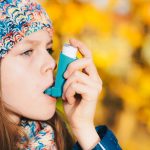 (NaturalHealth365) Tragically, the number of children in the United States living with autism, ADHD, asthma, and allergies (the 4 A’s) has increased over the years. Many parents whose children suffer from these chronic conditions report frequent use of antibiotics during the early stages of their children’s lives. In fact, a study confirmed a link between antibiotic use during the first year of life and the development of asthma.
Researchers published their findings in The Lancet Respiratory Medicine and revealed that impaired viral immunity and genetic variants on a region of chromosome 17 increase the risk of antibiotic use in early life, leading to later development of asthma. However, other research challenges this finding.
It’s time to shed light on the long-term risks of antibiotic use in children
In the same issue of The Lancet Respiratory Medicine, scientists reported that the link between asthma and antibiotics is due to the ‘hygiene hypothesis’ – as children today are exposed to fewer microbes than in the past. Another research paper published in The Annals of Allergy, Asthma, and Immunology pointed out that disruption in gastrointestinal microbiota weakened the immune system causing children to develop asthma.
As with most chronic conditions, there is usually not one single cause responsible for the disease. Instead, typically several factors must occur simultaneously, creating a “perfect storm” that leads to the development of a chronic condition. Although scientists do not understand completely how antibiotics cause asthma, the truth is, doctors should prescribe them more sparingly to reduce the associated adverse health effects.
Breastfeeding offers incredible immune-boosting benefits to infants
Research shows that breast milk is rich in white blood cells, antibodies, and has greater antioxidant ability than bovine milk, especially in the glutathione synthesis pathway. Breastfeeding is truly a superior way to feed an infant during the early stages of life. When babies aren’t breastfed, disruption of the gut lining occurs, further increasing the infant’s vulnerability to illness.
Could food allergies play a role in ear infections?
Do NOT ignore the health dangers linked to toxic indoor air. These chemicals – the ‘off-gassing’ of paints, mattresses, carpets and other home/office building materials – increase your risk of nasal congestion, fatigue, poor sleep, skin issues plus many other health issues.
Get the BEST indoor air purification system – at the LOWEST price, exclusively for NaturalHealth365 readers. I, personally use this system in my home AND office. Click HERE to order now – before the sale ends.
Ear infections are one of the most common childhood illnesses that doctors treat with medications. To reduce the courses of antibiotics children receive, preventing ear infections in the first place is essential. A number of studies show that pepsinogen – a digestive enzyme produced by the body to break down food proteins – is often a culprit in ear infections. When researchers looked closely, they found the enzyme in concentrations about 1,000 times higher in the middle ear than in the blood.
In one study, 83% of children who had ear infections tested positive for pepsinogen. So, in essence, the ear infection is a symptom of acid reflux, and antibiotics are often unnecessary.
How does pepsinogen get from the stomach to the middle ear?
When a baby lies on his back, pepsinogen can flow up to the throat and drip into the middle ear creating a breeding ground for bacteria. Often, the only indication of acid reflux in children is a cough when they lay down at night. The journal Otolaryngology-Head and Neck Surgery concluded that controlling reflux may be essential in controlling middle ear infections.
An abundance of scientific evidence suggests that the most common culprit behind childhood acid reflux is dairy. Even if your child tests negative for dairy in an allergy test, the negative result does not exclude the possibility of dairy causing the reflux.
Bottom line: don’t eat foods tainted with antibiotics.
During a child’s first year of life, table food is introduced. Considering that 80% of antibiotics in the United States are given to livestock, be sure to only feed your child meat that comes from animals raised without antibiotics. Pay attention to pesticide-contaminated fruits and vegetables too. Antimicrobial pesticides do exist and can wreak havoc on children’s developing systems.
As an action step, tap into “nature’s medicine cabinet.”
Although antibiotics may sometimes be necessary to help the body fight off an infection, natural solutions often resolve the issue without pharmaceutical drugs. Integrative healthcare providers frequently use remedies such as garlic, honey, coconut oil, colloidal silver, and other solutions to assist the body in its healing process.
Sources for this article include:
Green Tea Helps Cystitis Sufferers and Prevents Antibiotic Resistance
© 11th October 2020 GreenMedInfo LLC. This work is reproduced and distributed with the permission of GreenMedInfo LLC. Want to learn more from GreenMedInfo? Sign up for the newsletter here www.greenmedinfo.com/greenmed/newsletter
Reproduced from original article:
https://www.greenmedinfo.com/blog/green-tea-helps-cystitis-sufferers-and-prevents-antibiotic-resistance
Posted on: Saturday, March 21st 2020 at 4:00 pm
Written By: GreenMedInfo Research Group
This article is copyrighted by GreenMedInfo LLC, 2020

If you are one of the millions of women who have suffered from a painful urinary tract infection, a common cause of cystitis, make sure you have green tea in your kitchen cabinet. Science has yielded proof that this delicious drink can help you heal faster and ensure that the antibiotics are effective
A frequently prescribed antibiotic combination, trimethoprim-sulfamethoxazole, is used to treat many types of infection, including bronchitis, middle ear infections and cystitis, a common infection of the bladder.[i] Sold under the brand names Bactrim®, Bactrim BS® and Sulfatrim Pediatric®, these antibiotics, jointly called co-trimoxazole, have proven effective against E. coli, the bacteria responsible for up to 95% of cystitis infections.[ii]
But the overuse of antibiotics worldwide has caused many bacterial strains, including E. coli, to become increasingly drug-resistant, prompting scientists to explore the use of anti-microbial herbs in combination with antibiotics in order to boost their efficacy.
Co-trimoxazole has been shown in clinical studies to have synergistic effects when combined with green tea catechins, powerful antimicrobials and active polyphenols in green tea.[iii]
Study Offers Hope in Green Tea as Aid to Cystitis Sufferers
These synergistic effects were explored by researchers at Kerman University of Medical Sciences in Kerman, Iran, in a pioneering clinical trial investigating green tea as an adjunct therapy for treatment of cystitis in women.
In this triple-blind, randomized trial, researchers selected 35 patients from a sample group of healthy, premenopausal, non-pregnant adult women between 18 and 50 years of age with acute uncomplicated cystitis.
Women with complicating factors such as diabetes, discharge or vaginitis, as well as regular green tea drinkers were excluded from consideration. Researchers hypothesized that the response rate to co-trimoxazole would be around 50%, and that this rate would rise to around 80% by adding green tea to patients’ daily intake.
To test their hypothesis, 107 patients were allocated into one of two groups, experimental or placebo (control). Participants were assigned to receive four 500-milligram (mg) capsules of green tea in the experimental group, while the control group received the same number of starch-only capsules with identical shape, color and packaging.
Both groups were dosed daily for a period of three days, while also receiving the standard course of antibiotic treatment: two 480-mg tablets of co-trimoxazole twice daily for three days.
Green Tea Has Powerful Antimicrobial Effects
Green tea is known for powerful healing properties, including the ability to fight viral infections and prevent periodontal disease. In prior studies on the antimicrobial effect of green tea for UTIs, it has been noted that effectiveness is enhanced when green tea is administered before bed due to the retention of therapeutic catechins in the bladder overnight.[iv]
Study authors noted that more than 90% of the antimicrobial agents in green tea are excreted in the first eight hours after ingestion, therefore the patients received their capsules in the evening during the study period.[v]
The presence of acute uncomplicated cystitis symptoms was recorded via urinalysis at baseline and also on the fourth day at the end of the study period. Patients were screened for symptoms during the three-day trial via phone consultation.
Patients whose symptoms were not resolved on the fourth day were referred to physicians for further treatment, and patients were asked to return to the clinic at two, four and six weeks post-commencement for physician assessment of the symptoms of recurrent uncomplicated cystitis.
Green Tea Helps Women Treat Uncomplicated Cystitis
Of the 107 eligible participants, 70 women completed the trial. Women in the green tea group showed a statistically significant decrease in the prevalence of cystitis symptoms at each time point after initiating treatment in comparison with the placebo group.
Meanwhile, the addition of the green tea resulted in a statistically significant improvement in urinalysis results (abnormal urine color, the presence of pus and bacteria in the urine), with the exception of blood in the urine (hematuria), after three days of treatment.
Regarding side effects of treatment, seven patients in the placebo group and six in the green tea group reported mild nausea that was resolved within two days. There was no statistically significant difference in the incidence of nausea between the two groups. No other significant side effects were reported.
In the placebo group, 63% of the patients remained symptomatic, 37.1% had bacteriuria and 57.1% had pyuria on urinalysis after three days of co-trimoxazole therapy, suggesting that there is a high prevalence of co-trimoxazole resistance among E. coli strains in the urinary tract for individuals in this geographic region (Kerman, Iran).
Previous in vitro studies in Iran have reported that more than 47% of the E. coli isolates from patients with UTIs were resistant to cotrimoxazole.[vi], [vii] However, in the green tea group, almost all the patients responded to the treatment.
If the response rates were related to the synergistic effects of green tea catechins, it suggests that adding green tea to co-trimoxazole therapy could be a way to decrease and control the rates of co-trimoxazole resistance among uropathogenic E. coli strains.[viii]
In their final analysis, researchers concluded that green tea was an effective adjunct to trimethoprim-sulfamethoxazole therapy for treating acute uncomplicated cystitis in women. They concluded that this result could be related to antibacterial effects of green tea catechins and its synergistic effects when taken in conjunction with standard antibiotic treatment.[ix]
Cystitis: A Common Infection for Women
Common or “uncomplicated” cystitis is a bacterial infection of the bladder that is the most prevalent type of urinary tract infection (UTI) in women,[x] spurring more than 6 million trips to the doctor every year in the U.S.[xi]
Cystitis is typically caused when E. coli bacteria enter the bladder through the urethra, although other types of bacteria can also cause cystitis.[xii] Cystitis can occur as a reaction to certain drugs or radiation treatment, or in response to irritants such as feminine hygiene sprays and spermicides.[xiii]
Health factors like having a blocked bladder or loss of bowel control create conditions where bacteria are more prevalent around the urethra. These bacteria move up the urethra and into the bladder causing cystitis, which is why illnesses requiring the use of a urinary catheter increase the likelihood of developing a UTI.[xiv]
Women generally become more susceptible to cystitis if they are older, pregnant, diabetic or confined to bed rest for long periods of time.[xv]
Signs You May Have Cystitis
Discomfort while urinating is typically the first sign of a cystitis infection. The sensation of painful, urgent or more frequent urination may accompany a sensation of bladder fullness or lower abdominal discomfort. The region around the pubic bones may become more sensitive. You may also have a low-grade fever and may even detect blood in your urine.
During the more than 6 million visits to physicians that women make each year seeking treatment for UTI, diagnostic measures generally include asking the patient to urinate into a cup for a leukocyte esterase dipstick urinalysis, aimed at detecting white blood cells in the urine, showing that infection is present. Doctors may also take a bacterial culture. Diagnostic imaging is not indicated in the diagnosis of cystitis.[xvi]
GreenMedInfo.com has identified more than 400 reasons to drink green tea. To learn more about the power of plant-based medicine, including the impressive health benefits of green tea, explore the scientifically-backed research on GreenMedInfo.com.

References
[i] Drugs.com, Treatment options, Urinary tract infection, https://www.drugs.com/mtm/sulfamethoxazole-and-trimethoprim.html
[ii] Uncomplicated Urinary Tract Infection, Hooton, Thomas M., N Engl J Med 2012; 366:1028-1037, DOI: 10.1056/NEJMcp1104429, https://www.nejm.org/doi/full/10.1056/NEJMcp1104429
[iii] Green tea as an adjunctive therapy for treatment of acute uncomplicated cystitis in women: A randomized clinical trial. Kheirabadi Z, Mehrabani M, Sarafzadeh F, Dabaghzadeh F, Ahmadinia N. Complement Ther Clin Pract. 2019 Feb;34:13-16. doi: 10.1016/j.ctcp.2018.10.018. PMID: 30712716
[iv] Antibiotic prophylaxis in pediatric urology. Song SH, Kim KS. Indian J Urol. 2008 Apr-Jun; 24(2): 145-149. doi: 10.4103/0970-1591.40605, PMID: 19468387
[v] Green tea as an adjunctive therapy for treatment of acute uncomplicated cystitis in women: A randomized clinical trial. Kheirabadi Z, Mehrabani M, Sarafzadeh F, Dabaghzadeh F, Ahmadinia N. Complement Ther Clin Pract. 2019 Feb;34:13-16. doi: 10.1016/j.ctcp.2018.10.018. PMID: 30712716
[vi] Nozarian Z, Abdollahi A. Microbial Etiology and Antimicrobial Susceptibility of Bactria Implicated in Urinary Tract Infection in Tehran, Iran. Iran J Pathol. 2015;10(1):54-60. PMID: 26516326
[vii] Antibiotic resistance profile and virulence genes of uropathogenic Escherichia coli isolates in relation to phylogeny. Adib N., et al. Trop Biomed. 2014 Mar;31(1):17-25. PMID: 24862040
[viii] Green tea as an adjunctive therapy for treatment of acute uncomplicated cystitis in women: A randomized clinical trial. Kheirabadi Z, Mehrabani M, Sarafzadeh F, Dabaghzadeh F, Ahmadinia N. Complement Ther Clin Pract. 2019 Feb;34:13-16. doi: 10.1016/j.ctcp.2018.10.018. PMID: 30712716
[ix] Green tea as an adjunctive therapy for treatment of acute uncomplicated cystitis in women: A randomized clinical trial. Kheirabadi Z, Mehrabani M, Sarafzadeh F, Dabaghzadeh F, Ahmadinia N. Complement Ther Clin Pract. 2019 Feb;34:13-16. doi: 10.1016/j.ctcp.2018.10.018. PMID: 30712716
[x] University of Rochester Medical Center, Urology, Adult Patients, Interstitial Cystitis, https://www.urmc.rochester.edu/urology/adult-patients/interstitial-cystitis.aspx
[xi] Medscape, Drugs & Diseases, Infections Diseases, Urinary Tract Infection (UTI) and Cystitis (Bladder Infection) in Females, https://emedicine.medscape.com/article/233101-overview
[xii] Medline Plus, Medical encyclopedia, Cystitis, https://medlineplus.gov/ency/article/000526.htm
[xiii] Mayo Clinic, Patient Care & Health Information, Diseases & Conditions, Cystitis, https://www.mayoclinic.org/diseases-conditions/cystitis/symptoms-causes/syc-20371306
[xiv] Medline Plus, Medical encyclopedia, Cystitis, https://medlineplus.gov/ency/article/000526.htm
[xv] Medline Plus, Medical encyclopedia, Cystitis, https://medlineplus.gov/ency/article/000526.htm
[xvi] Medscape, Drugs & Diseases, Infectious Diseases, Urinary Tract Infection (UTI) and Cystitis (Bladder Infection) in Females, https://emedicine.medscape.com/article/233101-overview
 The GMI Research Group (GMIRG) is dedicated to investigating the most important health and environmental issues of the day. Special emphasis will be placed on environmental health. Our focused and deep research will explore the many ways in which the present condition of the human body directly reflects the true state of the ambient environment.
Disclaimer: This article is not intended to provide medical advice, diagnosis or treatment. Views expressed here do not necessarily reflect those of GreenMedInfo or its staff.
Farm raised fish: The “untold” health risk exposed
Reproduced from original article:
www.naturalhealth365.com/farm-raised-fish-fatty-liver-3282.html
by: February 7, 2020

(NaturalHealth365) Head to the seafood counter at your local grocery store and you’re faced with a big choice: farm raised fish or wild caught fish.
You already know that certain types of fish, such as salmon, offer many health benefits. But, there are also the stories of health risks and contaminants that surround certain types of fish. And, while eating fish is often considered a healthy option, that’s not always true – especially if you don’t pay attention to the type of fish you take home from the store.
While shopper demand for tasty fish remains high, some of the world’s fish stocks continue to decline. So, some “experts” claim to have the answer: farmed fish. But is this really a healthy and safe choice?
One recent study discovered that farm raised fish have a fatty liver, leading to multiple negative health consequences and caused from a variety of factors we should find concerning.
Fatty liver in farm raised fish results in negative health consequences
According to researchers, fatty liver has become very common in fish raised on farms. When fish have a fatty liver, it reduces growth and can reduce their nutritional quality when we eat them, and even impair their immune response.
Although scientists haven’t figured out one definitive cause of fatty liver in farm raised fish, one of the biggest contributors is likely the unbalanced nutrition and excess energy intake that occurs as a result of overfeeding, foods deficient in essential vitamins, and a diet that includes excess carbohydrates and dietary fats.
Do NOT ignore the health dangers linked to toxic indoor air. These chemicals – the ‘off-gassing’ of paints, mattresses, carpets and other home/office building materials – increase your risk of headaches, dementia, heart disease and cancer.
Get the BEST indoor air purification system – at the LOWEST price, exclusively for NaturalHealth365 readers. I, personally use this system in my home AND office. Click HERE to order now – before the sale ends.
Researchers believe that one way to reduce the problem with fatty liver among farm raised fish is to focus on feeding them a more nutrient-balanced diet, keeping the water environment healthy, and ensuring the feed given these fish is fresh.
Additional health risks to eating the wrong kind of fish
Of course, beyond this new information showing that farm raised fish often have fatty liver, there’s plenty of other research that shows additional health risk to eating farm raised instead of wild caught fish.
One of the key differences between farm raised and wild caught fish is their nutrition. Wild caught fish usually has fewer calories and lower fat content than farmed fish.
When you eat this kind of commercially-produced fish, you have a risk of being exposed to persistent organic pollutants, which are found to be 5-10 times higher in farmed fish and have been linked to diseases like obesity and type 2 diabetes.
In addition, due to crowded conditions, farmed fish are pumped with antibiotics to keep disease away.
Unfortunately, eating large quantities of fish and meat packed with antibiotics contribute to diseases becoming antibiotic resistant. Studies have also shown that the contaminant levels in farmed salmon are higher than in wild caught salmon – which means that farm raised fish is likely to be higher in contaminants while wild caught options are considered to be safer overall.
No doubt, wild caught fish offers a more nutritious, safer option when you’re trying to add more fish to your diet. So next time you’re in the store picking out fish for dinner, skip the farmed fish and pay a little extra for the healthier, wild caught fish.
Sources for this article include:
Why are these powerful natural antibiotics better than popping a toxic pill?
Reproduced from original article:
www.naturalhealth365.com/powerful-natural-antibiotics-3273.html

(NaturalHealth365) In November 2019, the U.S. Centers for Disease Control and Prevention (CDC) admitted that more people are contracting and dying from antibiotic-resistant superbugs than anyone previously thought. We can’t say we’re shocked – since we now know that antibiotics are an over-prescribed class of drugs. Fortunately, we have something as simple as tea tree oil that could help put an end to this unnecessary human suffering.
Plenty of research suggests that natural antibiotics like tea tree oil, oregano oil, and garlic can be just as effective as synthetic antibiotics at killing harmful pathogens. And with what is already known about garlic benefits, it’s clear that this is promising in the fight against “superbugs.”
Studies show these natural antibiotics effectively eliminate the threat of infections
On average, someone in America dies from an antibiotic-resistant infection every 15 minutes! And this doesn’t even include the millions of other people who are simply suffering from bugs of all kinds that are not (yet) resistant to conventional drugs.
Fortunately, it seems that natural remedies really can make a difference. Here’s a quick look at some recent research showing how natural compounds like garlic benefits someone who is fighting against an illness or infection:
- 2019 thesis work out of Aydın Adnan Menderes University in Turkey revealed that tea tree oil was nearly as effective as pharmaceutical antibiotics at killing bacteria. The paper’s author points out that because natural remedies like tea tree oil can take longer to produce a beneficial result, the true effectiveness of the tea tree oil may not have been fully captured in the study and that more research is needed. Tea tree oil and other organic compounds like oregano oil tend to have far fewer side effects compared to synthetic drugs, so it may be safer to use a more potent concentration of these natural antibiotics.
- In 2014, researchers published a paper in Global Advances in Health and Medicine that explored whether herbal remedies would be effective at treating small intestine bacterial overgrowth (SIBO). In a study involving more than 100 patients with SIBO, the researchers discovered that herbal and nutraceutical therapies were just as effective at treating the bacterial overgrowth as a powerful antibiotic drug known as rifaximin.
- A 2012 study published in Journal of Antimicrobial Chemotherapy showed that a compound in garlic called diallyl sulfide is 100 times more effective than popular antibiotics erythromycin and ciprofloxacin at fighting the Campylobacter bacterium – a leading cause of gastrointestinal illnesses and a main trigger for a frightening paralyzing disorder known as Guillain-Barré syndrome.
Want a cold and flu-free season? Practice these five tips regularly
The tingle in your throat. The pressure in your ears. The achy feeling in your muscles. The mental fogginess that leaves you spinning your wheels at work. You know what the early warning signs and symptoms of a cold look like.
Do NOT ignore the health dangers linked to toxic indoor air. These chemicals – the ‘off-gassing’ of paints, mattresses, carpets and other home/office building materials – increase your risk of headaches, dementia, heart disease and cancer.
Get the BEST indoor air purification system – at the LOWEST price, exclusively for NaturalHealth365 readers. I, personally use this system in my home AND office. Click HERE to order now – before the sale ends.
So, in addition to adding oregano oil, garlic, tea tree, and other natural antibiotics to your self-care routine, be sure to check out these other natural tips to boost your immune system and keep you from having to use a sick day this winter:
- Supplement your diet with antioxidants, probiotics, and other nutrients that can keep you healthy and/or ease your symptoms if you do fall under the weather – we’ve highlighted a few before, including raw honey, olive leaf extract, ginger, and herbal tea.
- Drink lots of water – staying well-hydrated helps your body flush itself of germs and toxins.
- Wash your hands with soap and warm water regularly – but steer clear of hand sanitizers, since they make it easier for harmful chemicals like BPA to get absorbed through your skin.
- Protect your sleep at all costs. Getting fewer than the recommended 7 to 9 hours of sleep per night can dramatically impair your immune system.
- Stay on top of your stress with techniques like exercise, mindfulness meditation, and journaling. Being stressed out doesn’t exactly cause you to fall ill, but it will make you more likely to fall ill if you come in contact with germs or someone else who’s already sick.
- And, of course, our most important tip: keep plenty of (high quality) vitamin C around to maintain a strong immune system – especially during the winter months.
Bottom line: many of these natural remedies are a much better way to keep your body healthy and strong – without threatening the health of your liver, and other vital organs, due to the toxicity of synthetically-produced drugs.
Sources for this article include:
Kidshealth.org
CDC.gov
UWhealth.org
Researchgate.net
Sciencedaily.com
Academic.oup.com
NIH.gov
NYTimes.com