Vitamins
now browsing by category
Niacinamide — The Best Supplement to Prevent Skin Cancer
Reproduced from original article:
https://articles.mercola.com/sites/articles/archive/2024/10/01/niacinamide-skin-cancer-prevention.aspx
Analysis by Dr. Joseph Mercola October 01, 2024
STORY AT-A-GLANCE
- Niacinamide (vitamin B3) enhances DNA repair and reduces UV-induced immunosuppression in skin cells, preventing non-melanoma skin cancers
- A large-scale study found higher niacin intake associated with a 16% lower risk of squamous cell carcinoma. Another study showed niacinamide twice daily for 12 months reduced new nonmelanoma skin cancers by 23%
- Niacinamide works by preventing ATP depletion, boosting cellular energy and enhancing DNA repair. It’s particularly beneficial for those with multiple past skin cancers, showing 54% reduction in basal cell carcinomas and 52% in squamous cell carcinomas
- Many studies use 500-mg doses, but caution is advised. Small doses of 50 mg three times daily are better to optimize energy and boost cellular NAD+ levels. Excessive intake may lead to side effects or backfire
- Topical niacinamide offers benefits for acne treatment, sebum reduction, antiaging effects and rosacea management. Oral niacinamide also supports brain health, chronic pain relief, stress protection, vision health and may ameliorate damage from linoleic acid consumption
In the video above, board-certified dermatologist Dr. Andrea Suarez, known online as Dr. Dray, shares some fascinating insights about niacinamide, a water-soluble form of vitamin B3 (niacin), and its benefits for skin health.1
Niacinamide, also known as nicotinamide, is a precursor for NAD+, which is not only involved in the conversion of food to energy but is also important in the process of repairing damaged DNA. This is crucial because your skin faces constant environmental stressors, including ultraviolet (UV) radiation, which can damage DNA in skin cells and suppress your immune system.
Niacinamide shows promise for skin cancer prevention due to its ability to enhance DNA repair and reduce UV-induced immunosuppression in skin cells. These mechanisms are useful in preventing the development of non-melanoma skin cancers (NMSCs), which include basal cell carcinoma (BCC) and squamous cell carcinoma (SCC).
The Promise of Niacinamide for Skin Cancer Prevention
Clinical trials show that taking 500 milligrams (mg) of niacinamide twice daily significantly reduce the incidence of NMSCs in high-risk individuals.2 This news was particularly encouraging for those with a history of skin cancer. However, while many studies for skin cancer prevention use 500-mg doses, caution is warranted.
Niacinamide at a dose of 50 mg three times per day is a better dose and will provide the fuel for the rate limiting enzyme for NAD+, NAMPT. I recommend getting niacinamide in powder form because the lowest available dose in most supplements is 500 mg, and that will decrease NAD+ due to negative feedback on NAMPT, which is the opposite of what you’re looking for.
Other research has shown a beneficial role of niacinamide intake specifically for SCC risk reduction. In one large-scale study involving the Nurses’ Health Study and the Health Professionals Follow-up Study, researchers found that total niacin intake was inversely associated with SCC risk. The pooled hazard ratio was 0.84, suggesting a 16% lower risk of SCC for those with higher niacin intake.3
Niacinamide: Your Skin’s New Best Friend
A study conducted in Australia and published in The New England Journal of Medicine also found that this simple supplement significantly reduces the risk of developing nonmelanoma skin cancers.4 The study, involving 386 high-risk patients, revealed that taking 500 mg of niacinamide twice daily for 12 months led to a 23% lower rate of new nonmelanoma skin cancers compared to those taking a placebo.
This effect was seen in both basal cell carcinomas and squamous cell carcinomas, the two most common types of skin cancer. Again, the benefits of niacinamide were most pronounced in patients who had a history of numerous skin cancers, suggesting it might be particularly helpful for those at higher risk. The best part? Niacinamide is inexpensive, easily accessible as an over-the-counter supplement and comes with minimal, if any, side effects.
In addition to reducing skin cancer risk, niacinamide showed impressive results in decreasing actinic keratoses — precancerous skin lesions that can develop into squamous cell carcinomas. Participants taking niacinamide had 11% fewer actinic keratoses at three months and 20% fewer at nine months compared to the placebo group. This translated to three to five fewer actinic keratoses on average.
The mechanism behind niacinamide’s protective effects lies in its ability to prevent adenosine triphosphate (ATP) depletion and boost cellular energy, enhancing DNA repair. Your cells need ATP for life, repair and regeneration. Niacinamide also reduces UV-induced immunosuppression without altering your baseline immunity, providing a two-pronged approach to skin protection.
Many conventional chemopreventive agents, such as oral retinoids, cause significant side effects like dry skin, increased lipid levels and even liver toxicity. However, niacinamide showed no clinically significant adverse effects in the study. While the study used a dose of 500 mg twice daily, the minimum effective dose for skin cancer prevention is unknown.

Save This Article for Later – Get the PDF Now
Niacinamide Reduces Skin Cancer in High-Risk Individuals
If you’ve had multiple skin cancers in the past, niacinamide is particularly beneficial for you. A systematic review and meta-analysis revealed that niacinamide’s effectiveness in preventing skin cancers tends to increase for individuals with a higher number of previous skin cancers.5
Niacinamide was effective in reducing both BCCs and SCCs, with a 54% reduction in BCCs and a 52% reduction in SCCs compared to control groups. To reap the full benefits of niacinamide for skin cancer prevention, consistency is key.
Again, the studies showing significant reductions in skin cancers used a dosage of 500 mg twice daily, taken orally for at least 12 months. This regimen appears to be effective for both healthy individuals and organ transplant recipients, who are at higher risk for skin cancers due to immunosuppression.
Niacinamide: A Secret Weapon for Skin Cancer Prevention
Unlike sunscreen, which blocks UV rays, niacinamide works by repairing DNA damage that has already occurred in your skin cells. This means it helps reverse past sun damage and reduce your risk of developing skin cancer, particularly BCC and SCC. As noted in the journal Cureus:6
“By providing the precursor molecules for key components to produce adenosine triphosphate (ATP), nicotinamide also enhances DNA repair by replenishing cellular energy after UV damage. Current research also suggests that nicotinamide plays a role in blocking inflammatory cell activation and influences cell life span, survival, and cancer progression.”
Niacinamide’s skin-protective effects stem from its ability to boost your body’s natural defense mechanisms. When you take niacinamide supplements, you’re providing your cells with the building blocks they need to produce ATP, the energy currency of your cells. This extra energy empowers your skin cells to repair DNA damage more efficiently after UV exposure.
But that’s not all — niacinamide also helps block inflammatory cell activation and influences cell lifespan and survival. This multipronged approach makes it a powerful ally in your skin cancer prevention strategy. It’s a simple addition to your daily routine that could have significant benefits for your skin health.
It’s especially important if you have a history of skin cancer, as studies have shown that many patients with non-melanoma skin cancers often have vitamin deficiencies.7 By addressing these deficiencies, you’re giving your skin the tools it needs to protect itself.
Interestingly, a 2023 study found that patients who believed more strongly in niacinamide’s ability to reduce skin cancer risk were more likely to use it consistently.8 On average, patients perceived that niacinamide could reduce their risk of basal cell carcinoma by 31.2% and squamous cell carcinoma by 30.2%.
Those who were actually taking niacinamide had an even higher perception of its effectiveness, believing it could reduce their risk by 41.2% for BCC and 38.3% for SCC. The researchers noted, “Our results should encourage providers to educate patients and their families on nicotinamide and its link to skin cancer prevention.”9
Too Much Niacinamide Can Backfire
Keep in mind that the niacinamide dosages used in research studies vary widely and can be on the high side. As a general rule, I only recommend taking small doses of 50 mg of niacinamide three times a day.
This dosage has been shown to optimize energy metabolism and boost NAD+ levels, which are foundational for optimal health. It can be taken four times a day if you space them out. Take a dose as soon as you get up, before going to bed, and twice evenly spaced between those times.
The problem with taking too much vitamin B3, whether in the form of niacin or niacinamide, is that it might backfire and contribute to cardiovascular disease10,11 and other side effects. Dray stresses the importance of proper dosage and warned about potential dangers of excessive intake:12
“You can run into dangerous side effects when taking very high doses. You can get into toxic ranges if you take too much. Three and a half grams per day will definitely get you to toxic levels that can damage your liver.”
Other potential side effects of high doses include nausea, vomiting, headache, dizziness and fatigue. There’s also a risk of medication interactions, particularly with carbamazepine. I recommend getting niacinamide in powder form so you can control the dose. Niacinamide will only cost you about 25 cents a month if you get it as a powder. Typically, 1/64 of a teaspoon of niacinamide powder is about 50 mg.
Niacinamide: A Versatile Skincare Ingredient and Overall Health Remedy
While the focus of many studies is on oral supplementation, Dray also touched on the benefits of topical niacinamide in skincare products, noting, “It’s actually very beneficial for a variety of skin issues when applied topically because it’s anti-inflammatory, it’s an antioxidant.”13 She explains that niacinamide applied topically is useful for:14
1. Acne treatment — “Four percent niacinamide is as effective for moderate acne as 1% clindamycin.”
2. Sebum reduction — “Two percent niacinamide gel … decreases sebum production, reducing oiliness and shine.”
3. Antiaging effects — “It’s been demonstrated when applied anywhere from 2% to 4% to help improve the look of fine lines, red blotchiness … It also can improve the appearance of sunspots, help them fade.”
4. Rosacea management — “Niacinamide can improve barrier function and make the symptoms of rosacea … better.”
However, Dray notes that some individuals may find topical niacinamide irritating, especially at higher concentrations. In addition to helping your skin, oral niacinamide also benefits other aspects of health, such as:
- Brain health, including Alzheimer’s disease15
- Chronic pain16
- Stress reduction17
- Vision health, including glaucoma18
- Ameliorate damage caused by linoleic acid (LA) consumption
The last one is particularly important, as one of the most toxic metabolic byproducts of LA is 4 HNE, a toxic aldehyde that appears to play a causative role in heart failure.19 Fortunately, there is an enzyme system called aldehyde dehydrogenases that deactivates 4 HNE.
The best way to increase the activity of this enzyme system is to make sure you have sufficient NAD+, and the most efficient way to optimize your NAD+ level is to make sure you’re getting 50 mg of niacinamide three times a day.
Further, as niacinamide emerges as a promising and versatile compound for skin health and cancer prevention, its ability to enhance DNA repair, reduce UV-induced immunosuppression and decrease the incidence of non-melanoma skin cancers makes it a valuable tool in dermatological care.
While clinical trials have shown significant benefits at higher doses, it’s crucial to approach supplementation cautiously, as excessive intake can lead to adverse effects. The recommended dosage of 50 mg three times daily in powder form strikes a balance between efficacy and safety.
Beyond skin health, niacinamide offers benefits throughout your body, underlining its importance as a multifaceted supplement. As research continues to unfold, niacinamide stands out as a simple, cost-effective and generally safe addition to your health regimen, particularly for those concerned about skin cancer risk and overall skin health.
- 1, 12, 13, 14 YouTube, Dr. Dray, The Skin Supplement You Need to Know About April 28, 2022
- 2 Nutrients. 2024 Jan; 16(1): 100, Discussion
- 3 Nutrients. 2024 Jan; 16(1): 100, Dietary Niacin Intake and NMSC
- 4 N Engl J Med 2015;373:1618-1626
- 5 J Cutan Med Surg. 2022 May; 26(3): 297–308
- 6, 7, 8, 9 Cureus. 2023 Aug; 15(8): e44403
- 10 Nature Medicine February 19, 2024; 30: 424-434
- 11 Memorial Sloan Kettering Cancer Center, Nicotinamide
- 15 Clinical Trials Nicotinamide as an Early Alzheimer’s Disease Treatment (NEAT) NCT03061474
- 16 Cell Reports Medicine November 8, 2023
- 17 Nutrients. 2022 Jun; 14(11): 2219
- 18 JAMA Ophthalmology 2022;140(1):11-18
- 19 Haidut.me February 21, 2024 (Archived)
Crucial Nutrients to Support Your Skeleton as You Age
Reproduced from original article:
https://articles.mercola.com/sites/articles/archive/2024/09/27/nutrients-for-aging-bones.aspx
Analysis by Dr. Joseph Mercola September 27, 2024

STORY AT-A-GLANCE
- Osteoporosis is a growing problem in the U.S., affecting 10.2 million adults over 50, with an additional 43.3 million having low bone mass
- Calcium, vitamin D, vitamin K2 and magnesium are essential nutrients for maintaining strong bones, with natural sources being the preferred method of boosting intake
- Protein, particularly from collagen-rich foods like bone broth, is also crucial for the structural integrity and maintenance of your bones
- Weight-bearing exercise and maintaining a healthy weight are additional important factors that help promote bone health and strength
- REMS technology provides a more accurate and radiation-free alternative to DEXA scans for diagnosing and monitoring bone density
Osteoporosis, a bone disease characterized by low bone mineral density, is becoming more common among older Americans. According to the latest data from the U.S. Centers for Disease Control and Prevention (CDC), 10.2 million people over the age of 50 have osteoporosis. In addition, 43.3 million people have low bone mass, which is a precursor to osteoporosis.1
According to The New York Times,2 your body will break down more tissue than it can rebuild as you age. If this isn’t acted upon, it can make you more susceptible to fractures. Before your skeletal health reaches that point, consider increasing your intake of these nutrients, which are crucial to forming strong bones.
Calcium Is Your Skeleton’s Foundation
Calcium may be the most well-known mineral associated with bone health. In fact, research points out that 98% of your body’s calcium is stored in your bones. Moreover, your skeleton acts as a calcium reservoir, drawing from it whenever needed to maintain other biological processes. For example, calcium is also used for muscle contraction, as well as the receiving and sending of signals throughout the nervous system.3
Regarding calcium intake, the ideal amount depends on your age and other factors. Here are the recommended dietary allowances (RDAs) in milligrams (mg), according to the Office of Dietary Supplements:4
| Age | Male | Female |
|---|---|---|
| 0 to 6 months | 200 mg | 200 mg |
| 7 to 12 months | 260 mg | 260 mg |
| 1 to 3 years | 700 mg | 700 mg |
| 4 to 8 years | 1,000 mg | 1,000 mg |
| 9 to 13 years | 1,300 mg | 1,300 mg |
| 14 to 18 years | 1,300 mg | 1,300 mg |
| 19 to 50 years | 1,000 mg | 1,000 mg |
| 51 to 70 years | 1,000 mg | 1,200 mg |
| Over 70 years | 1,200 mg | 1,200 mg |
The New York Times recommends meeting your calcium RDA through your diet,5 and this is something I agree with, too. However, your body also needs other nutrients to metabolize calcium properly (more on this later).
As for dietary sources of calcium, The New York Times recommends dairy products, such as milk and yogurt (make sure they’re certified grass fed). Leafy greens such as kale and collard greens, as well as sardines are also viable sources.6 In addition to these, I also suggest adding more cheese to your diet.
When made the traditional way using animal rennet, cheese is a veritable superfood. As noted by Ashley Armstrong in her article “Cheese, the Ultimate Superfood,” it also contains beneficial bacteria, healthy fats and other nutrients that can support your health. Not to mention, cheese made this way tastes great.
Vitamin D Helps Improve Calcium Absorption
Optimizing your vitamin D level is important for overall health. Research shows it plays a role in a wide variety of processes, such as glucose metabolism, heart health and immune function.7 In the context of skeletal health, it’s been shown to influence calcium absorption. If you don’t get enough vitamin D, your risk for rickets, a disease marked by skeletal deformities, increases.8
While I’ve long recommended sun exposure as the ideal method of optimizing vitamin D levels, it must be done properly. Before embarking on a routine of sun exposure at solar noon, I recommend minimizing your intake of linoleic acid (LA) to less than 5 grams a day.
If you can get it below 2 grams, that’s even better. The reason for this is because when sunlight interacts with your skin, LA breaks down, which can lead to inflammation and DNA damage. This is one of the primary reasons for sunburn and, over time, skin cancer.
If you’ve been reducing your LA consumption, you can slowly begin to get sunlight exposure. However, avoid peak sunlight hour around solar noon until you’ve been off seed oils for at least four to six months. This means staying out of direct sunlight during 11 AM to 3 PM during Daylight Saving Time (10 AM to 2 PM Standard Time) during the U.S. summer.
The best way to gauge whether your sun exposure is appropriate is to monitor your skin. If you don’t notice the slightest hint of pink on your skin, that means your sunlight exposure was within a safe range. If you developed redness, you’ve been overexposed. As you reduce LA in your diet, your risk of sunburn and skin cancer will drop significantly, but stay cautious, especially during the transition period.
Everyone’s skin is different, but the common denominator signifying that damage has occurred is sunburn. If you need to spend time in the sun before your body has fully detoxed accumulated seed oils, these compounds can offer valuable support:
• Astaxanthin — This powerful antioxidant helps increase your skin’s resistance to sun damage. Taking 12 mg daily can neutralize free radicals and reduce inflammation, providing extra protection against UV radiation.
• Niacinamide cream (vitamin B3) — Applying niacinamide topically before going under the sun can help improve your skin’s barrier and protect against UV-induced DNA damage.
• Baby aspirin — When taken 30 to 60 minutes before sun exposure, it may help lower your risk of skin cancer by inhibiting the formation of harmful oxidized linoleic acid metabolites (OXLAMs) in your skin.
• Molecular hydrogen (H2) — H2 provides an extra layer of protection against sun damage and mitigates the effects of vegetable oils. It operates at the cellular level by neutralizing harmful free radicals, especially hydroxyl radicals. It can also penetrate cell membranes to target inflammation and oxidative damage directly at the source while preserving beneficial reactive oxygen species (ROS).
Beyond its protective role, H2 boosts energy levels and enhances recovery, making it a valuable support for cellular health, particularly when dealing with sun exposure and dietary challenges from vegetable oils.
Save This Article for Later – Get the PDF Now
Vitamin K2 Works in Tandem with Calcium
Vitamin K is a fat-soluble vitamin that comes in two bioactive forms — K1 (phylloquinone) and K2 (menaquinone). Vitamin K1 typically comes from leafy greens, while vitamin K2 is found in animal products, such as dairy.9
Vitamin K is known for its role in blood coagulation,10 but research has shown it also plays a role in bone formation. Specifically, it increases osteoblastogenesis (forming new bone tissue) and decreases osteoclast formation (the breakdown of old bone tissue).11,12
Along with calcium, leafy greens are also rich in vitamin K1. Sources include broccoli, Brussels sprouts, cabbage, lettuce, collard greens and kale.13 As for vitamin K2, it’s found in organic, grass fed animal foods such as eggs, liver, meat and dairy. Cheese is also a good source of both vitamin K2 and calcium.14
Remember Magnesium in the Equation
Magnesium is another crucial part of bone health. As noted by a study published in Biometals,15 deficiency in this mineral may reduce bone stiffness and increase osteoclast activity. Magnesium also plays an important role in vitamin D activation and synthesis.
Dark green leafy vegetables are reliable sources of magnesium. However, supplementation may be needed by most people, as factors such as alcohol consumption, prescription drug use, sweating and stress16 can affect magnesium homeostasis. Most soils are also depleted of magnesium, which means foods tend to be lower in magnesium today than in years past.
If you opt for an oral supplement, I recommend magnesium threonate, as it appears to be the most efficient in penetrating the cell membranes, including the blood-brain barrier. The RDA is around 310 to 420 mg per day, depending on your age and sex,17 but I believe a more ideal amount is 1,000 to 2,000 mg per day, due to the factors I just mentioned.
You can start with a small dose of 200 mg per day and gradually increase the dosage until you develop slightly loose stools. To use this method, you need to use magnesium citrate, as it’s known for having a laxative effect. Once you know your cutoff, you can switch to other forms of magnesium.
Your Bones Also Need Collagen and Protein
While most people frequently associate protein intake with muscle strength, your bones need it as well. In fact, the human skeleton contains lots of protein. A study18 published in the Journal of Frailty, Sarcopenia & Falls succinctly summarizes the role of protein in bone health:
“Protein makes up ~50% of bone volume and approximately one-third of its mass. It provides the structural matrix of bone, whereas calcium is the dominant mineral within that matrix.
Collagen and a variety of noncollagenous proteins form the organic matrix of bone, so an adequate dietary protein intake would seem to be essential for optimal acquisition and maintenance of adult bone mass.”
When it comes to collagen, the ideal source is homemade beef bone broth. Using a pressure cooker, you can prepare this scrumptious meal in as little as two to four hours. However, the devil’s in the details.
For the best, most nutritious bone broth, you want to make sure that the beef bones come from organic sources. Bones sourced from concentrated animal feeding operations (CAFOs) usually contain heavy metals, which can leach out during cooking.
Interestingly, certain bones are better sources of collagen than others. For example, chicken feet and the knuckle bones (knee joint) of cows are particularly high in collagen and are therefore excellent choices for making bone broth.
Now, what’s the ideal protein intake? Ideally, it should be about 15% of your daily calories, and of that, one-third should be collagen. I recommend a daily protein intake of 0.8 grams of protein per kilogram of ideal body weight (the weight you would ideally be, not necessarily the weight you are now), or approximately 0.36 grams of protein per kilogram.
Additional Strategies That Can Help Promote Optimal Bone Health
There’s more to supporting healthy bones other than just taking in the right nutrients. Dr. Sara Shippee, an orthopedic surgeon at the University of Chicago Medicine, shares other strategies that can help strengthen bones as you age:19
• Get regular exercise — Most of us are aware that exercise can boost our fitness level, but did you know that it can make your bones healthier?
“Weight-bearing exercise is particularly good for bone density and bone health and is actually good for your cartilage, too,” Wallace said. As one study20 published in 2021 noted, exercise is a crucial factor that can influence bone strength upon reaching adulthood.
Like muscles, bones are living organisms that constantly break themselves down to create newer, stronger bones. And just like muscles that get stronger through training, your bones receive the same benefit, too.
So, what kind of exercises can you do? Moderate-intensity exercise seems to be the best. High-intensity exercise is also viable, but take care not to overdo it.21 For specific exercises that you can do, read my article “How Exercise Can Help Promote Stronger Bones.”
• Maintain a healthy weight — In relation to the point above, you may have heard the advice that heavier weight may ward off osteoporosis due to the increased impact on your bones as you move.
This may make sense at first, but a closer look reveals that it’s not true at all. Obesity is a health issue that needs addressing as it can endanger your health. According to a 2020 study:22
“Mechanical loading has positive effects on bone health, but this may not suffice in obesity. Low-grade systemic inflammation is probably harmful to the bone and increased bone marrow adipogenesis may lead to decreased bone mass in obese individuals. Finally, visceral abdominal fat may exert different actions to the bone compared with the subcutaneous fat.”
• Get the proper routine scans — One of the most common ways osteoporosis is diagnosed is through DEXA (dual-energy X-ray absorptiometry) scans. However, as pointed out by A Midwestern Doctor in “The Great Osteoporosis Scam,” this method produces inconsistent results and repeated scans every other year won’t provide much benefit.
Moreover, the rise in doctors recommending DEXA scans suspiciously coincides with the release of drug that supposedly reduces the risk of developing osteoporosis.23
Instead, I recommend another way of diagnosing bone mineral density that will not expose your body to ionizing radiation — REMS (Radiofrequency Echographic Multi Spectrometry) technology. According to a study published in Diagnostics,24 REMS technology works by analyzing raw ultrasound signals, and that this approach may be a better alternative compared to DEXA scans.
- 1 CDC, March 2021
- 2, 5, 6 The New York Times, July 22, 2024
- 3, 4 NIH, “Calcium”
- 7 StatPearls [Internet], Vitamin D
- 8 OrthoInfo, “Vitamin D for Good Bone Health”
- 9 NIH, “Vitamin D” Introduction
- 10 Nutrition Reviews, Volume 80, Issue 4, April 2022, Pages 677–698, Introduction
- 11 Calcif Tissue Int. 2023; 112(2): 178–196, Abstract
- 12 Cleveland Clinic, “Osteoblasts and Osteoclasts”
- 13 Harvard T.H. Chan, Vitamin K
- 14 Nutr Rev. 2022 Apr; 80(4): 677–698, Abstract
- 15 Biometals. 2021; 34(4): 715–736, Introduction
- 16 Medical Hypotheses 2001 Feb;56(2):163-70, Abstract
- 17 NIH, Magnesium
- 18 J Frailty Sarcopenia Falls. 2020 Mar; 5(1): 1–5, Introduction
- 19 UChicagoMedicine, August 5, 2024
- 20 Front Endocrinol (Lausanne). 2021; 12: 704647, The Influence of Physical Activity on Bone Health
- 21 Aging Dis. 2023 Oct 1; 14(5): 1555–1582, Abstract
- 22 J Musculoskelet Neuronal Interact. 2020; 20(3): 372–381, Abstract
- 23 NPR, December 21, 2009
- 24 Diagnostics (Basel). 2023 May; 13(10): 1666, Abstract
Some Cases of Diabetes May Simply Be a Vitamin B6 Deficiency
Reproduced from original article:
https://articles.mercola.com/sites/articles/archive/2024/09/25/diabetes-vitamin-b6-deficiency.aspx
Analysis by Dr. Joseph Mercola September 25, 2024

STORY AT-A-GLANCE
- Vitamin B6 plays a crucial role in blood sugar regulation through “first responder” beta cells in the pancreas. Some cases of diabetes may be linked to vitamin B6 deficiency or dysfunction
- Vitamin D deficiency is associated with increased risk of Type 2 diabetes. Maintaining adequate vitamin D levels may improve glucose metabolism and reduce diabetes risk
- B vitamins, especially B6, B12 and folate, are important for both blood sugar control and mental health. They can help manage diabetes symptoms and reduce anxiety and depression
- Minerals like zinc, magnesium and chromium are essential for glycemic regulation and mental well-being. Deficiencies in these minerals are linked to diabetes progression and mood disorders
- Mitochondrial health is crucial for preventing chronic diseases like diabetes. Reducing exposure to toxins like seed oils, endocrine disruptors and EMFs can improve cellular energy production and overall health
Your body’s ability to regulate blood sugar relies on a complex dance between different cells in your pancreas. Research has uncovered a fascinating new player in this intricate process — “first responder” beta cells.1 These special cells are the quickest to react when glucose levels rise, triggering a cascade of activity throughout your pancreas.
Scientists have found that these first responders have a unique molecular signature, setting them apart from other beta cells.2 Intriguingly, they express higher levels of an enzyme called pyridoxamine 5′-phosphate oxidase (PNPO), which is crucial for producing vitamin B6.3
You may have heard of pyridoxal 5′-phosphate (PLP) which differs from pyridoxamine 5′-phosphate oxidase (PNPO). They both are vital for vitamin B6 metabolism, serving different and distinct roles. PNPO is an enzyme that converts other B6 forms into PLP, the active vitamin B6. PLP acts as a coenzyme in many metabolic processes like amino acid metabolism and neurotransmitter synthesis.
PNPO deficiency can lead to vitamin B6-dependent epilepsy, while PLP deficiency causes various neurological and metabolic issues. PLP is commonly used as a supplement due to its direct involvement in metabolism, whereas PNPO is not supplemented. PLP is light-sensitive and needs careful storage, unlike the stable PNPO enzyme.
This discovery suggests that vitamin B6 may play a more significant role in insulin secretion and blood sugar control than previously thought. By understanding the importance of these first responder cells and their reliance on vitamin B6, researchers are opening up new avenues for diabetes prevention and treatment.
Vitamin B6: The Unsung Hero of Blood Sugar Regulation
The study’s findings highlight the critical importance of vitamin B6 in maintaining healthy blood sugar levels. When researchers interfered with vitamin B6 production or function, they observed a dramatic impairment in the pancreas’s ability to respond to rising glucose levels.4
This effect was seen not only in zebrafish but also in mouse pancreatic tissue, suggesting that the mechanism is likely conserved across species, including humans. The implications of this discovery are profound. It raises the possibility that some cases of diabetes or prediabetes might be rooted in a deficiency or dysfunction related to vitamin B6 metabolism.
This new perspective could lead to more targeted and effective treatments for certain individuals struggling with blood sugar control. Rather than focusing solely on insulin or glucose metabolism, addressing vitamin B6 status could restore normal pancreatic function in some patients.
A New Understanding of Pancreatic Coordination
Your pancreas doesn’t just release insulin in a simple, uniform manner. Instead, it relies on a sophisticated hierarchy of cell communication. The research reveals that first responder cells act as leaders, coordinating the activity of surrounding beta cells. This organization allows for a rapid, synchronized response to rising blood sugar levels.
The study used cutting-edge techniques, including optogenetics, to manipulate individual cells within the pancreas of living zebrafish. By activating or silencing specific cells, the scientists could observe how the entire system responded. Remarkably, they found that interfering with just a single first responder cell could disrupt the entire pancreatic response to glucose.5
This demonstrates how crucial these vitamin B6-rich cells are to the overall function of your pancreas. Understanding this cellular hierarchy provides new insights into how diabetes might develop and offers potential targets for future treatments. While more research is needed, these findings suggest that ensuring adequate vitamin B6 status could be an important strategy for maintaining healthy blood sugar levels.
For some individuals, addressing a vitamin B6 deficiency might even be enough to restore normal pancreatic function and glucose regulation. Vitamin B6 is found abundantly in animal foods such as organic, pastured beef as well as dark leafy greens, papaya, oranges, cantaloupe and bananas.6 Nutritional yeast is another source.
Save This Article for Later – Get the PDF Now
Vitamin D Deficiency: A Hidden Risk Factor for Type 2 Diabetes
Research has also shed light on a fascinating connection between vitamin D levels and Type 2 diabetes.7 A study conducted in India examined the relationship between vitamin D and glycosylated hemoglobin (HbA1c), a key marker of long-term blood sugar control. The findings reveal that individuals with Type 2 diabetes tend to have significantly lower vitamin D levels compared to those without the condition.8
Further, there’s an inverse relationship between vitamin D and HbA1c levels — as vitamin D increases, HbA1c decreases. This suggests that maintaining adequate vitamin D levels may play a crucial role in managing blood sugar and reducing your risk of developing Type 2 diabetes. Sunlight exposure is a primary source of vitamin D, but many people struggle to maintain sufficient levels, even in tropical regions.
Factors such as indoor lifestyles, darker skin pigmentation and limited dietary sources contribute to widespread vitamin D deficiency, making it a global health concern. Vitamin D’s importance extends far beyond bone health.
This essential hormone influences many of your bodily functions, including cellular processes, neuromuscular activity and immune function. Deficiency in vitamin D has been linked to a host of health issues, ranging from rickets in children to osteoporosis, cancer9 and autism10 in adults.
While the exact mechanisms linking vitamin D to glucose metabolism are still being explored, emerging evidence suggests several potential pathways. Vitamin D may improve insulin sensitivity and reduce inflammation, both of which are crucial for maintaining healthy blood sugar levels.11
Vitamin D and Diabetes: Unraveling the Connection
By maintaining optimal vitamin D levels, you may be able to improve your glucose metabolism and reduce your risk of developing this chronic condition. Research has also shown that vitamin D deficiency negatively impacts insulin sensitivity and can directly influence insulin secretion from pancreatic β-cells.12 Supplementation with vitamin D has been found to significantly improve fasting blood glucose, insulin levels and insulin resistance in diabetic patients.13
Moreover, vitamin D’s role in modulating inflammation and oxidative stress makes it a key player in both diabetes and mental health in diabetics. In diabetes, vitamin D helps reduce systemic inflammation by hindering nuclear transcription and decreasing cytokine production. This anti-inflammatory effect is crucial, as inflammation is a significant factor in insulin resistance and β-cell dysfunction.14
People with diabetes are at an increased risk of mental disorders such as depression and anxiety, as well as cognitive decline.15 Vitamin D’s ability to downregulate oxidative stress-related events and influence antioxidant defense mechanisms is beneficial in this respect.
Studies have revealed a shared nutraceutical-gene network module between insulin resistance and depression, suggesting that addressing vitamin D deficiency could potentially prevent both conditions.16 Regular monitoring of vitamin D levels and appropriate sun exposure and supplementation, if necessary, may be beneficial for individuals at risk of or already dealing with diabetes and mental health issues.
The global prevalence of vitamin D deficiency (defined as a level of less than 20 ng/mL) and insufficiency (defined as a level of 20 to less than 30 ng/mL) is 40% to 100%,17 so many people are lacking. Globally, 76.6% of adults have vitamin D levels below 30 ng/mL (75 nmol/l).18
Further, 20 ng/mL has repeatedly been shown to be grossly insufficient for good health and disease prevention, which means the true prevalence of people without optimal levels of vitamin D is even greater. The only way to determine how much sun exposure is enough and/or how much vitamin D3 you need to take is to measure your vitamin D level, ideally twice a year.
Once you’ve confirmed your vitamin D levels by blood testing, it is important to adjust your sun exposure and/or vitamin D3 supplementation accordingly. Then, remember to retest in three to four months to make sure you’ve reached your target level.
The optimal level for health and disease prevention is between 60 ng/mL and 80 ng/mL (150 nmol/L to 200 nmol/L), while the cutoff for sufficiency appears to be around 40 ng/mL. In Europe, the measurements you’re looking for are 150 nmol/L to 200 nmol/L and 100 nmol/L respectively.
The Power of B Vitamins: More Than Just Blood Sugar Control
While vitamin B6 takes center stage in diabetes management, the entire B vitamin complex plays an important role in both blood sugar regulation and mental health. Recent studies have shown that B vitamins, particularly B6, B12 and folate, are essential for optimal brain function and the production of neurotransmitters like dopamine and GABA.19
A deficiency in these micronutrients has been linked to neurological disorders, including anxiety and depression,20 while high doses of vitamin B6 supplements have been found to significantly reduce anxiety, stress and depression symptoms. One study reported that adults supplementing with 25 milligrams (mg) of vitamin B6 twice daily for six months experienced improved mental well-being.21
Additionally, vitamin B6 has been found to effectively lower blood glucose levels in gestational diabetes and reduce postprandial blood glucose levels after consuming carbohydrates by inhibiting small-intestinal α-glucosidase enzyme activity.22 Furthermore, B vitamin complex supplementation has demonstrated the ability to enhance glycemic control and renal function in diabetic patients by reducing homocysteine levels.23
The Balancing Act of Minerals: Zinc, Magnesium and Chromium
Minerals play a vital role in maintaining both blood sugar balance and mental health. Zinc, for instance, is crucial for glycemic regulation and immune function. Studies have shown that zinc supplementation can improve fasting glucose concentrations and protect against oxidative damage in diabetes.24 Additionally, zinc deficiency has been linked to depression and anxiety, as zinc-containing neurons are found in brain regions affecting mood and cognitive ability.25
Magnesium, another essential mineral, is involved in over 300 enzymatic reactions, including those related to glucose metabolism. Hypomagnesemia, or low levels of magnesium, is strongly associated with Type 2 diabetes and can lead to more rapid disease progression. Magnesium supplementation, meanwhile, has been shown to enhance insulin sensitivity in diabetic patients and improve symptoms of depression and anxiety.26
Chromium, while less studied, has also shown promise in both diabetes management and mental health. Low chromium levels are associated with an increased risk of diabetes and elevated inflammation.27
Supplementation with chromium has been found to improve glycemic control and reduce carbohydrate cravings and mood swings in individuals with depressive symptoms.28 By ensuring adequate intake of these trace minerals through diet or targeted supplementation, you may be able to support both your blood sugar control and mental well-being.
Mitochondrial Health Is an Overlooked Key to Preventing Chronic Diseases Like Diabetes
The rise in chronic diseases, including diabetes, may be linked to more than just nutrient deficiencies like vitamin B6 and vitamin D. Three major mitochondrial toxins — linoleic acid in seed oils, endocrine-disrupting chemicals (EDCs) in plastics and other consumer products, and electromagnetic fields (EMFs) — play a significant role in compromising cellular energy production.
These toxins create an environment in the gut that favors endotoxin-producing bacteria, potentially contributing to a wide range of diseases including heart disease, cancer and obesity. The key to addressing these issues lies in restoring healthy energy production at the cellular level, which in turn helps maintain proper gut flora balance.
Contrary to popular belief, glucose is actually a superior fuel for your body compared to dietary fat. While refined sugar in large quantities is unhealthy, it’s less harmful than polyunsaturated fats (PUFAs) found in seed oils. Eliminating these oils, which are prevalent in ultraprocessed foods, is crucial for optimal health.
Excessive fat intake can lead your body to favor fat metabolism over glucose metabolism, resulting in suboptimal energy production. This is significant because every bodily process relies on adequate energy availability. By focusing on increasing mitochondrial energy production, many health issues can be addressed naturally.
Industrial toxins, like omega-6 fats from vegetable and seed oils, plastics with estrogen-like additives and EMFs, severely impact mitochondrial energy production. Addressing these factors, along with nutrient deficiencies like vitamin B6, vitamin D and trace minerals, may be key in preventing and managing chronic diseases, including diabetes.
Tired of Guessing About Your Health? Your Path to Clarity Starts with HOMA-IR
Are you insulin resistant? The HOMA-IR test is a powerful tool to determine this. Developed in 1985, the HOMA-IR test combines fasting glucose and insulin levels to give us a clear picture of how well your body responds to insulin. It’s a reliable and practical test for insulin resistance and prediabetes.
What sets the HOMA-IR apart is its accessibility and reliability. Unlike complex, invasive procedures, this test needs only a blood draw. This makes it convenient for patients and practical for use in clinics. The HOMA-IR gives a clear measure of insulin resistance. It helps people and doctors spot metabolic issues early and track improvements over time. The HOMA-IR formula is as follows:
HOMA-IR = (Fasting Glucose x Fasting Insulin) / 405, where
- Fasting glucose is measured in mg/dL
- Fasting insulin is measured in μIU/mL (microinternational units per milliliter), and
- 405 is a constant that normalizes the values
If you’re using mmol/L for glucose instead of mg/dL, the formula changes slightly:
HOMA-IR = (Fasting Glucose x Fasting Insulin) / 22.5, where
- Fasting glucose is measured in mmol/L
- Fasting insulin is measured in μIU/mL, and
- 22.5 is the normalizing factor for this unit of measurement
So, what’s considered a healthy HOMA-IR score? Anything below 1.0. If you’re above that, you’re considered insulin resistant. The higher your values, the greater your insulin resistance. Conversely the lower your HOMA-IR score, the less insulin resistance you have, assuming you are not a Type 1 diabetic who makes no insulin. Insulin resistance often exists long before obvious signs of trouble, silently disrupting your body’s balance and setting the stage for serious conditions later.
Incidentally, my personal HOMA-IR score is 0.2, which is incredibly low. In fact, it’s the lowest Dr. Cate Shanahan, who introduced me to HOMA-IR, has ever seen. The reason for this is that my body became more efficient at burning fuel, due to the increased availability of glucose. I consumed extra carbohydrates, which gave my cells energy. They could function better, which improved my metabolic health.
- 1, 2, 3, 4, 5 Science Advances, June 26, 2024
- 6 Harvard TH Chan, The Nutrition Source: Vitamin B6
- 7, 8, 11 Apollo Medicine, April 2024
- 9 World J Gastrointest Oncol. 2024 Jun 15;16(6):2394-2403. doi: 10.4251/wjgo.v16.i6.2394
- 10 Cureus. 2023 Oct 26;15(10):e47716. doi: 10.7759/cureus.47716. eCollection 2023 Oct
- 12, 13, 14, 15, 16, 19, 20, 21, 22, 23, 24, 25, 26, 27, 28 Nutrients. 2023 Sep; 15(18): 3929
- 17 Endocr Pract. 2021 May; 27(5): 484–493, Introduction
- 18 Frontiers in Nutrition, March 16, 2023
Breast cancer surgery might trigger metastasis, researchers discover why
Reproduced from original article:
https://www.naturalhealth365.com/breast-cancer-surgery-might-trigger-metastasis-researchers-discover-why.html
by: August 14, 2024
 (NaturalHealth365) It is an unfortunate medical fact that people with breast cancer are highly likely to experience a recurrence after surgical tumor removal or a mastectomy. The cancer relapse usually takes place within 18 months of a surgical intervention. However, until now, medical professionals were at a loss as to why. A recent case report published in SAGE Open Medical Case Reports highlights this issue, documenting a case of breast cancer recurrence in both superficial and deep tissues following mastectomy with immediate reconstruction. This study emphasizes the complexity of post-surgical recurrence and the need for vigilant follow-up imaging, even years after the initial surgery.
A study by the Massachusetts Institute of Technology (MIT) and the Whitehead Institute shed light on the underlying mechanisms, adding to our understanding of this phenomenon. Surprisingly, the healing process of the surgical scar is at the root of this high incidence of cancer recurrence following surgery.
Breast cancer surgery taxes the immune system and leads to the spread of cancer cells
The immune system’s default functioning is to prevent the spread of cancer. This action continues even as the body is battling cancer. However, with the added stress of healing from surgery, the body’s healing forces are sidetracked away from their full focus on resolving a cancerous condition.
Cancer cells are then prone to spreading throughout the body, allowing the cancer to progress. The post-surgical wound response provokes already disseminated cells to grow and proliferate, forming tumors called metastases in other parts of the body.
During the wound healing and scarring process, the immune system goes into overdrive, sending cells to the area to promote healing and closure of the wound. This reaction of the immune system can actually fuel the formation of secondary tumors in critical areas such as the brain, liver, and lungs, where they can become even more life-threatening than the original appearance of cancer in the breasts.
Anti-inflammatory agents show promise in supporting the immune system, fighting the formation of cancer cells
In the past, researchers chalked up increased incidents of breast cancer following surgery to handling and disrupting the area. However, since healthy breast tissue is also removed, it could not be the surgery alone spreading cancer.
Get access to health coaching from Jonathan Landsman and many other top health experts. Plus, our social community is full of great health information. Start chatting with our incredible health moderators + much more. Click here to learn more.
The researchers believe anti-inflammatory drugs could help control the immune system so that cancer does not spread to other parts of the body. Foods high in antioxidants are known to be effective in fighting and protecting against cancer.
Favor anti-inflammatory foods and supplements to support your immune system
Antioxidant-rich foods have anti-inflammatory effects and suppress the formation of free radicals in the body. Free radicals are highly damaging to cells and set the stage for the rogue cell division that characterizes the formation of cancer cells.
Organic dark leafy green vegetables (i.e. kale and collard greens), berries, artichokes, pecans, and dark chocolate are among the foods highest in healing antioxidants. Whether you are facing a cancer diagnosis or want to decrease your odds of getting it, these foods can help support a healthy immune system.
In addition, as an added ‘anticancer effect,’ you might want to consider taking anti-inflammatory supplements such as vitamin C, D and curcumin.
Sources for this article include:
Nutritional Pharmacology and Cancer: A Comprehensive Review
Reproduced from original OMNS article (OrthoMolecular News Service):
http://orthomolecular.org/
Subscribe to the free Orthomolecular Newsletter: http://orthomolecular.org/subscribe.html
Go to the OMNS Archive: http://orthomolecular.org/resources/omns/index.shtml
Orthomolecular Medicine News Service, September 17, 2024
Juan Manuel Martinez, M.D.
Introduction
Intravenous (IV) and oral nutritional pharmacology represents a rapidly evolving field within oncology, offering potential therapeutic benefits by delivering high concentrations of nutrients and pharmacological agents directly to patients. The integration of IV nutritional strategies into cancer management aims to mitigate the side effects of conventional treatments, enhance immune function, and potentially exhibit direct anti-cancer effects.
Compassion in Cancer Treatment: A Broader Perspective
Compassion in cancer treatment goes beyond standard clinical care to include a profound sensitivity to the emotional, psychological, and physical suffering of patients. It is an integral part of patient-centered care, especially in the context of serious illnesses like cancer, where patients often experience not just physical pain but also emotional and existential distress.
Compassionate care involves recognizing and addressing these multiple dimensions of suffering. It encourages healthcare providers to engage with patients on a deeper level, understanding their fears, concerns, and hopes. In practice, this means offering emotional support, facilitating open communication about treatment options and outcomes, and ensuring that patients feel respected and valued throughout their care journey.
From a nutripharmacological perspective, compassion also manifests in the personalized care plans that consider the unique nutritional and pharmacological needs of each patient. This might include customizing IV nutritional therapies to not only support the body’s physical health but also to enhance the patient’s overall well-being, reduce treatment-related side effects, and improve quality of life.
In integrative oncology, compassion might be reflected in the use of supportive therapies that address both the physical and emotional aspects of cancer treatment. For instance, alongside conventional cancer treatments, patients might receive nutritional counseling, stress management techniques, and therapies aimed at improving mental health, such as mindfulness and relaxation exercises. These complementary approaches can significantly improve the patient’s experience and outcomes, making compassion a cornerstone of holistic cancer care.
Vitamin C and Cancer
High-dose intravenous vitamin C (IVC) has garnered significant interest in cancer therapy. Early studies demonstrated that pharmacologic doses of ascorbate could selectively induce cytotoxicity in cancer cells without harming normal cells. This selective cytotoxicity is primarily attributed to the production of hydrogen peroxide in the extracellular space surrounding tumor cells, which is lethal to cancer cells but not to normal cells due to their higher antioxidant capacity [1]. Clinical investigations have shown that high-dose IVC can improve the quality of life and reduce chemotherapy side effects in cancer patients [2]. Recent research supports these findings, highlighting IVC’s potential as a promising multi-targeting agent in cancer treatment. Böttger et al. (2021) demonstrated the efficacy of high-dose IVC in targeting multiple cancer pathways, establishing it as a potent anti-cancer agent [3].
The idea that vitamin C could play a critical role in cancer therapy is not new. Over 60 years ago, William J. McCormick, M.D., proposed that deficient collagen formation, due to vitamin C deficiency, is a key factor in various conditions, including cancer [4]. McCormick hypothesized that nutritional vitamin C deficiency might underlie collagen diseases and, subsequently, cancer. His theory laid the groundwork for later studies, including those by Linus Pauling and Ewan Cameron, who explored high-dose vitamin C for cancer treatment. This historical perspective adds depth to our understanding of vitamin C’s potential in modern oncology.
Pharmaco-Nutrients and Immuno-Nutrients in Cancer
The concept of pharmaco-nutrients and immuno-nutrients has gained significant attention in cancer treatment, forming part of an integrative approach aimed at enhancing therapeutic outcomes. These nutrients, administered at pharmacological doses, exert effects beyond their basic nutritional roles, particularly in modulating the immune system and bolstering the body’s resilience against cancer.
Pharmaco-Nutrients in Cancer Therapy
Pharmaco-nutrients are nutrients administered in doses high enough to produce drug-like effects. Notable examples include:
- Omega-3 Fatty Acids: Omega-3 fatty acids, particularly eicosapentaenoic acid (EPA) and docosahexaenoic acid (DHA), have demonstrated anti-inflammatory and anti-cancer properties. These fatty acids inhibit the production of pro-inflammatory cytokines and reduce cancer cachexia risk by modulating inflammation-related pathways and preserving muscle mass [5].
- Glutamine: This amino acid is critical in maintaining gut integrity and supporting immune function during cancer treatment. For patients undergoing chemotherapy, glutamine has been shown to reduce the incidence of mucositis and other gastrointestinal side effects, thereby improving overall nutritional status [6].
- Curcumin: The active compound in turmeric, curcumin, exhibits anti-inflammatory, antioxidant, and anti-cancer properties. At pharmacological doses, curcumin can inhibit cancer cell proliferation, induce apoptosis, and enhance the efficacy of chemotherapy and radiotherapy [7].
Immuno-Nutrients in Cancer Therapy
Immuno-nutrients are specific nutrients that modulate the immune system, thereby improving the body’s defense mechanisms against cancer:
- Arginine: A conditionally essential amino acid, arginine enhances T-cell function, increases nitric oxide production, and improves wound healing. In the context of cancer, arginine supplementation supports immune function and enhances the response to immunotherapy [8].
- Nucleotides: As the building blocks of DNA and RNA, nucleotides play a crucial role in immune function. Supplementation with nucleotides has been shown to enhance immune responses, improve gut health, and support recovery in cancer patients [9].
- Vitamin D: Vitamin D is known for its immunomodulatory effects, which are crucial in cancer therapy. It enhances the pathogen-fighting capabilities of monocytes and macrophages while decreasing inflammation. Sufficient levels of vitamin D are associated with better outcomes in cancer patients, particularly in terms of survival and response to treatment [10].
Pleiotropic Effects of Pharmacological Intravenous Vitamin C in Oncology
Pharmacological intravenous vitamin C (IVC) has been increasingly studied in oncology for its pleiotropic effects-meaning it can exert multiple effects depending on the context, dosage, and specific cancer type. Understanding these effects is crucial to explaining the discrepancies in study outcomes, such as those between the Mayo Clinic’s study and the pioneering work of Dr. Linus Pauling and Ewan Cameron.
- Pro-Oxidant Activity: At pharmacological doses, IVC generates hydrogen peroxide in the extracellular fluid, selectively targeting cancer cells while sparing normal cells [11].
- Immune Modulation: IVC has shown potential in modulating the immune system by enhancing the function of various immune cells, including T-cells and natural killer cells. This modulation can lead to improved immune surveillance and possibly better tumor control [12].
- Collagen Synthesis: Vitamin C is crucial for collagen synthesis, which may help stabilize the extracellular matrix and potentially limit tumor invasion and metastasis [13].
- Anti-Inflammatory Effects: IVC has demonstrated the ability to reduce inflammation, a common feature in the tumor microenvironment. By lowering pro-inflammatory cytokines, IVC may help create a less conducive environment for cancer progression [14].
- Inhibition of Hypoxia-Inducible Factor (HIF-1): IVC may inhibit HIF-1, a key regulator in the cellular response to hypoxia, which is often upregulated in tumors. This inhibition can disrupt the metabolic flexibility of cancer cells and reduce their survival under low oxygen conditions [15].
- Enhancing Chemotherapy and Radiotherapy: IVC has been shown to enhance the efficacy of conventional cancer treatments like chemotherapy and radiotherapy. It can increase the sensitivity of cancer cells to these treatments while protecting normal cells from their toxic effects, highlighting its role as an adjuvant therapy [16].
Critical Comparison: Mayo Clinic and Pauling & Cameron’s Studies
The Mayo Clinic’s study on terminal cancer patients failed to replicate the results achieved by Dr. Linus Pauling and Ewan Cameron, who claimed that high doses of vitamin C could extend the lives of these patients. The primary reasons for this discrepancy lie in the differences in experimental design and methodology between the two studies, particularly in the administration routes of vitamin C-oral versus intravenous (IV)-and the broader implications within orthomolecular medicine and nutripharmacology.
- Study Design: Pauling and Cameron conducted non-controlled studies, while the Mayo Clinic performed randomized, double-blind, placebo-controlled trials. This rigorous design minimizes bias and could explain the differences in outcomes [17].
- Bioavailability and Pharmacokinetics: A critical difference between the studies was the method of vitamin C administration. Oral administration of vitamin C, as used in the Mayo Clinic’s study, is limited by the body’s intestinal absorption mechanisms, which become saturated at relatively low doses. This limitation prevents oral vitamin C from achieving the high plasma concentrations possible with intravenous administration [18]. Intravenous vitamin C, on the other hand, bypasses the digestive system entirely, allowing it to directly enter the bloodstream and reach pharmacological concentrations that can be more than tenfold higher than what is possible with oral dosing [19]. This distinction is crucial in orthomolecular medicine, where achieving these higher blood levels is believed to be necessary for therapeutic effects, especially in cancer treatment.
- Pharmacological Effects of High-Dose IV Vitamin C: Within the field of nutripharmacology, IV vitamin C is recognized for its unique properties that differ from those seen with dietary or oral vitamin C. At high plasma concentrations, vitamin C can act as a pro-oxidant, generating hydrogen peroxide selectively in tumor tissues, which can lead to cancer cell death while sparing normal cells [20]. This pharmacological effect is not observed with oral administration due to its inability to reach such high plasma levels [21]. The Mayo Clinic’s use of oral vitamin C, therefore, would not be expected to produce the same therapeutic outcomes as Pauling and Cameron’s use of IV vitamin C.
Nutritional Interventions in Cancer Cachexia
Cancer cachexia, characterized by weight loss, muscle atrophy, and inflammation, remains a significant challenge in oncology. Nutritional interventions, including IV administration of omega-3 fatty acids, amino acids, and micronutrients, have shown promise in improving nutritional status and attenuating the progression of cachexia [22]. These interventions not only provide essential nutrients but also modulate inflammatory pathways, which play a critical role in the pathogenesis of cachexia [23].
Nutritional Support During Chemotherapy
Adjuvant chemotherapy often results in various late toxicities, including fatigue, gastrointestinal disturbances, and immunosuppression. Nutritional approaches, particularly IV supplementation, can support patients undergoing chemotherapy by reducing the severity of these side effects. For instance, IV administration of antioxidants, such as vitamin C and glutathione, has been studied for its potential to protect normal tissues from oxidative damage caused by chemotherapy [24].
Comparative Analysis of Nutritional Pharmacology and Traditional Pharmaceuticals in Cancer Care
The following table compares the roles of nutritional pharmacology, specifically intravenous vitamin C, with traditional pharmaceutical approaches in oncology.
| Aspect | Intravenous Nutritional Pharmacology (e.g., Vitamin C) | Traditional Pharmaceuticals (e.g., Chemotherapy) |
|---|---|---|
| Mechanism of Action | Antioxidant, Pro-oxidant, Immune Modulation | Cytotoxicity, Inhibition of Cell Proliferation |
| Targeted Therapy | Selective for Cancer Cells | Broad Spectrum (Affects Healthy and Cancer Cells) |
| Side Effects | Minimal, Related to High-Dose Vitamin C | Significant, Including Immunosuppression and Organ Toxicity |
| Cost-Effectiveness | Cost-effective, Especially in High Doses | High Cost, Especially with Newer Agents |
| Patient Tolerability | High, With Fewer Side Effects | Low, Due to Severe Side Effects |
Here is the comparative chart showing the outcomes (tumor regression, survival improvement, and quality of life improvement) for conventional cancer therapies alone (chemotherapy, radiotherapy, immunotherapy) versus these therapies combined with intravenous nutri-pharmacological therapy (IVC). The chart clearly illustrates the enhanced outcomes when IVC is included in the treatment regimen
- IHR Magazine discusses how intravenous vitamin C (IVC) therapy, when combined with chemotherapy, can enhance treatment efficacy. It suggests that vitamin C sensitizes cancer cells to chemotherapy, potentially reducing tumor progression and improving patient outcomes. IHR Magazine. “Effectiveness of Intravenous Vitamin C in Combination with Conventional Chemotherapy in Cancer Treatment.”
- It refers to studies showing that IVC can improve tumor regression, survival rates, and overall quality of life, especially when used in combination with standard cancer treatments. Journal of Experimental & Clinical Cancer Research. “High-dose intravenous vitamin C, a promising multi-targeting agent in the treatment of cancer.” BioMed Central. Available at: Journal of Experimental & Clinical Cancer Research.
- The reference from the National Cancer Institute (NCI) highlights that IVC can achieve plasma concentrations significantly higher than oral administration, which might contribute to its ability to selectively kill cancer cells without harming normal cells. National Cancer Institute (NCI). “Intravenous High-Dose Vitamin C in Cancer Therapy.” Available at: NCI.
- The reference from Cancer Ireland notes that IVC has shown potential in stabilizing disease and prolonging survival, particularly in advanced or refractory cancers when combined with chemotherapy. Cancer Ireland. “Intravenous Vitamin C Therapy.” Available at: Cancer Ireland.
These findings highlight the potential of combining traditional cancer treatments with advanced therapies like IVC to achieve better clinical outcomes, although further research is needed to confirm long-term benefits.
Understanding Pleiotropic Effects and the Triage Theory
Pharmacological and Nutritional Targeting of Cancer Pathways
Recent advances in cancer biology have identified voltage-gated sodium channels as potential pharmacological targets in cancer treatment. Nutritional interventions, including specific micronutrients delivered intravenously, may inhibit these channels, thereby reducing cancer cell proliferation and metastasis [25]. This novel approach underscores the intersection of nutritional pharmacology and molecular oncology, providing a new avenue for cancer treatment [26].
Historical Background of Intravenous Vitamin C in Cancer Treatment
The concept of using high-dose vitamin C as a therapeutic agent dates back to the mid-20th century. In the 1950s, Dr. Frederick Klenner, a pioneer in the use of vitamin C, began utilizing high doses of intravenous vitamin C to treat a wide range of viral infections and chronic diseases [27]. Dr. Klenner’s groundbreaking work demonstrated that large doses of vitamin C could effectively treat conditions such as polio, hepatitis, and encephalitis [28]. Although his work initially focused on infectious diseases, it laid the foundation for later investigations into the use of vitamin C in cancer treatment.
The turning point in cancer therapy came with the pioneering work of Dr. Linus Pauling and Dr. Ewan Cameron in the 1970s. Linus Pauling, a two-time Nobel laureate, and Ewan Cameron, a Scottish surgeon, hypothesized that high doses of vitamin C, administered intravenously, could inhibit the growth of cancer cells and improve the quality of life for cancer patients [29].
Pauling and Cameron’s collaboration resulted in a series of studies that demonstrated prolonged survival in terminal cancer patients treated with high-dose vitamin C compared to those who received standard care. Their findings, published in several scientific journals, sparked considerable interest in the potential role of vitamin C in oncology. However, subsequent studies, particularly those conducted at the Mayo Clinic in the late 1970s, failed to replicate these results when vitamin C was administered orally [30]. This discrepancy was later attributed to differences in the administration route-intravenous vs. oral-and the pharmacokinetics of vitamin C.
The Work of Hugh Riordan and Michael Gonzalez
The legacy of Pauling and Cameron’s work was carried forward by Dr. Hugh Riordan and his colleagues, including Dr. Michael Gonzalez, who further investigated the therapeutic potential of intravenous vitamin C (IVC) in cancer treatment. Dr. Riordan, an advocate of orthomolecular medicine-a form of complementary and alternative medicine that emphasizes the use of naturally occurring substances in optimal amounts-was instrumental in developing protocols for the safe and effective administration of IVC in cancer patients [31].
Dr. Riordan’s research, conducted at the Riordan Clinic, provided compelling evidence that pharmacologic doses of vitamin C could exert cytotoxic effects on cancer cells while sparing normal cells [32]. This work was published extensively and has been widely cited in the fields of orthomolecular medicine and regenerative medicine [33]. Dr. Michael Gonzalez, a professor at the University of Puerto Rico, further expanded on this research, exploring the biochemical mechanisms underlying vitamin C’s anti-cancer effects and its role in enhancing the efficacy of conventional therapies [34].
Recent Advances and Current Perspectives
In recent years, the scientific community has revisited the potential of IVC in oncology, with a growing body of evidence supporting its use as an adjunctive therapy. Researchers have focused on optimizing IVC protocols, understanding the pharmacodynamics of high-dose vitamin C, and elucidating its role in modulating oxidative stress and immune responses in cancer patients [35].
The concept of ortho-regenerative medicine has also emerged, building on the principles of orthomolecular medicine to incorporate regenerative techniques that support the body’s natural healing processes [36]. IVC is now considered a key component of this approach, particularly in integrative oncology settings where it is used to enhance patient resilience and improve clinical outcomes [37].
Protocols of Metabolic Rehabilitation for Cancer
According to the protocols outlined by Dr. Juan Manuel Martínez Méndez, metabolic-mitochondrial rehabilitation for cancer requires an integrative and compassionate approach. These protocols aim to regulate and optimize all organic systems, selectively inducing apoptosis in cancer stem cells while generating positive pleiotropic effects, such as improving the quality of life, reducing oxidative stress, enhancing hepatic detoxification, and supporting overall cellular health. The protocols include high doses of sodium ascorbate (vitamin C), often exceeding 50 grams per infusion, combined with other therapies like alpha-lipoic acid, which together act as potent redox agents to combat oxidative stress in cancer patients.
The rehabilitation strategy also incorporates other therapies like bioresonance and magnetic field therapy, aimed at treating the patient holistically by addressing physical, emotional, and mental dimensions. The goal is to maximize the integral energy function of the body, leading to improved outcomes in the fight against cancer [38].
Conclusion
IV nutritional pharmacology presents a promising adjunct to conventional cancer therapies, offering benefits such as enhanced therapeutic efficacy, reduced toxicity, and improved patient outcomes. While more research is needed to fully understand the mechanisms and optimize protocols, current evidence supports the integration of these approaches in the comprehensive care of cancer patients. The history of intravenous vitamin C in cancer treatment is a testament to the persistence and innovation of researchers dedicated to exploring alternative and complementary therapies. From the early hypotheses of William J. McCormick, Pauling, Cameron, and Klenner to the contemporary work of Riordan and Gonzalez, IVC has evolved into a promising adjunctive therapy in cancer care. As research continues, the integration of IVC into comprehensive cancer treatment protocols holds potential for improving patient outcomes and advancing the field of ortho-regenerative medicine.
References
1. Levine, M., Padayatty, S. J., & Espey, M. G. (2011). Vitamin C: A concentration-function approach yields pharmacology and therapeutic discoveries. Advances in Nutrition. Retrieved from ScienceDirect.
2. Padayatty, S. J., Riordan, H. D., Hewitt, S. M., Katz, A., Hoffer, L. J., & Levine, M. (2006). Intravenously administered vitamin C as cancer therapy: three cases. Canadian Medical Association Journal. Retrieved from CMAJ.
3. Böttger, F., Vallés-Martí, A., Cahn, L., et al. (2021). High-dose intravenous vitamin C, a promising multi-targeting agent in the treatment of cancer. Journal of Experimental & Clinical Cancer Research, 40, 343. doi:10.1186/s13046-021-02134-y.
4. McCormick, W. J. (1959). Cancer: A Collagen Disease Secondary to a Nutritional Deficiency? Journal of Orthomolecular Medicine.
5. Lopez-Charcas, O., Pukkanasut, P., Velu, S. E., & Cunnane, S. C. (2021). Pharmacological and nutritional targeting of voltage-gated sodium channels in the treatment of cancers. iScience. Retrieved from Cell.
6. Savarese, D. M. F., Savy, G., Vahdat, L., Wischmeyer, P. E., & Corey, B. (2003). Prevention of chemotherapy and radiation toxicity with glutamine. Cancer Treatment Reviews, 29(6), 501-513.
7. Anand, P., Sundaram, C., Jhurani, S., Kunnumakkara, A. B., & Aggarwal, B. B. (2008). Curcumin and cancer: An “old-age” disease with an “age-old” solution. Cancer Letters, 267(1), 133-164.
8. Calder, P. C., et al. (2017). The impact of arginine metabolism on immune function in health and disease. Immunology Letters, 196, 25-36.
9. Grimble, G. K. (1996). Nutritional modulation of immune function. Proceedings of the Nutrition Society, 55(1B), 349-358.
10. Grant, W. B., et al. (2020). Vitamin D supplementation and cancer risk: A review of randomized controlled trials. Anticancer Research, 40(9), 4793-4800.
11. Cameron, E., & Pauling, L. (1976). Supplemental ascorbate in the supportive treatment of cancer: Prolongation of survival times in terminal human cancer. Proceedings of the National Academy of Sciences, 73(10), 3685-3689.
12. Levine, M., et al. (2008). Vitamin C Pharmacokinetics: Implications for Oral and Intravenous Use. Annals of Internal Medicine, 140(7), 533-537.
13. Levine, M., & Padayatty, S. J. (2016). Reevaluation of Ascorbate in Cancer Treatment: Emerging Evidence, Open Minds and Serendipity. Journal of the American College of Nutrition, 35(2), 93-100.
14. Fritz, H., Flower, G., Weeks, L., Cooley, K., & Auer, R. (2014). Intravenous vitamin C and cancer: a systematic review. Integrative Cancer Therapies, 13(4), 280-300. doi:10.1177/1534735414534463.
15. Rock, E., & DeMichele, A. (2003). Nutritional approaches to late toxicities of adjuvant chemotherapy in breast cancer survivors. The Journal of Nutrition. Retrieved from ScienceDirect.
16. Pauling, L., & Cameron, E. (1978). Supplemental Ascorbate in the Supportive Treatment of Cancer. Proceedings of the National Academy of Sciences of the United States of America, 73(10), 3685-3689.
17. Baracos, V., et al. (2011). Cancer-associated cachexia. Nature Reviews Disease Primers. Retrieved from ScienceDirect.
18. Padayatty, S. J., et al. (2004). Vitamin C Pharmacokinetics: Implications for Oral and Intravenous Use. Annals of Internal Medicine, 140(7), 533-537.
19. Mikirova, N., et al. (2013). Pharmacokinetics of Vitamin C: Insights into the Oral and Intravenous Administration in Humans. Journal of Translational Medicine, 11(1), 191.
20. Verrax, J., & Calderon, P. B. (2009). Pharmacologic Concentrations of Ascorbate Are Achieved by Parenteral Administration and Exhibit Antitumoral Effects. Free Radical Biology and Medicine, 47(1), 32-40.
21. Verrax, J., & Calderon, P. B. (2008). The Controversy of Antioxidant Use in Cancer Therapy: The Case of Vitamin C. Free Radical Research, 42(5), 563-570.
22. Gullett, N. P., Mazurak, V., Hebbar, G., & Ziegler, T. R. (2011). Nutritional interventions for cancer-induced cachexia. Cancer Problems. Retrieved from NCBI.
23. Klenner, F. R. (1974). Observations on the dose and administration of ascorbic acid when employed beyond the range of a vitamin in human pathology. Journal of Preventive Medicine, 6(3), 232-243.
24. Rock, E., & DeMichele, A. (2003). Nutritional approaches to late toxicities of adjuvant chemotherapy in breast cancer survivors. The Journal of Nutrition. Retrieved from ScienceDirect.
25. Lopez-Charcas, O., Pukkanasut, P., Velu, S. E., & Cunnane, S. C. (2021). Pharmacological and nutritional targeting of voltage-gated sodium channels in the treatment of cancers. iScience. Retrieved from Cell.
26. Riordan, H. D., & Hunninghake, R. (1998). The Riordan intravenous vitamin C protocol for cancer: A retrospective review of 24 cases. Journal of Orthomolecular Medicine, 13(3). Retrieved from Riordan Clinic.
27. Klenner, F. R. (1971). The Treatment of Poliomyelitis and Other Virus Diseases with Vitamin C. Southern Medical Journal, 41(10), 1154-1160.
28. Riordan, H. D., Jackson, J. A., & Riordan, N. H. (1990). Intravenous Ascorbate in the Treatment of Cancer. Journal of Orthomolecular Medicine, 5(1), 5-13.
29. Pauling, L. (1986). How to Live Longer and Feel Better. W. H. Freeman & Company.
30. Riordan, H. D., & Hunninghake, R. (1998). The Riordan intravenous vitamin C protocol for cancer: A retrospective review of 24 cases. Journal of Orthomolecular Medicine, 13(3). Retrieved from Riordan Clinic.
31. Gonzalez, M. J., & Miranda-Massari, J. R. (2014). Vitamin C and Cancer: What Can We Conclude – 1,609 Patients and 33 Years Later? Journal of Orthomolecular Medicine, 29(1), 56-60.
32. Gonzalez, M. J., Miranda-Massari, J. R., Mora, E. M., Guzman, A., Riordan, N. H., Riordan, H. D., & Casciari, J. J. (2005). Orthomolecular oncology review: Ascorbic acid and cancer 25 years later. Integrative Cancer Therapies, 4(1), 32-44. doi:10.1177/1534735404273861.
33. Muscaritoli, M., Arends, J., Bachmann, P., Baracos, V., Barthelemy, N., Bertz, H., … & Zupanec, V. (2021). ESPEN practical guideline: Clinical Nutrition in cancer. Clinical Nutrition, 40(3), 1411-1428. Retrieved from ScienceDirect.
34. Gonzalez, M. J., & Miranda-Massari, J. R. (2010). Vitamin C: The Real Story – The Remarkable and Controversial Healing Factor. Basic Health Publications, Inc.
35. Hoffer, L. J., et al. (2008). Ascorbate Pharmacokinetics in Humans: Implications for Oral and Intravenous Use. American Journal of Clinical Nutrition, 88(5), 1191-1197.
36. https://drjuanmanuelmartinezm.com/medicina-orto-regenerativa/
37. Levine, M., et al. (1996). Vitamin C Pharmacokinetics in Healthy Volunteers: Evidence for a Recommended Dietary Allowance. Proceedings of the National Academy of Sciences, 93(8), 3704-3709.
38. https://drjuanmanuelmartinezm.com/protocolos-de-rehabilitacion-metabolica-para-el-cancer-new-1-best/
Nutritional Medicine is Orthomolecular Medicine
Orthomolecular medicine uses safe, effective nutritional therapy to fight illness. For more information: http://www.orthomolecular.org
Find a Doctor
To locate an orthomolecular physician near you: http://orthomolecular.org/resources/omns/v06n09.shtml
The peer-reviewed Orthomolecular Medicine News Service is a non-profit and non-commercial informational resource.
Editorial Review Board:
Albert G. B. Amoa, MB.Ch.B, Ph.D. (Ghana)
Seth Ayettey, M.B., Ch.B., Ph.D. (Ghana)
Ilyès Baghli, M.D. (Algeria)
Barry Breger, M.D. (Canada)
Ian Brighthope, MBBS, FACNEM (Australia)
Gilbert Henri Crussol, D.M.D. (Spain)
Carolyn Dean, M.D., N.D. (USA)
Ian Dettman, Ph.D. (Australia)
Susan R. Downs, M.D., M.P.H. (USA)
Ron Ehrlich, B.D.S. (Australia)
Hugo Galindo, M.D. (Colombia)
Gary S. Goldman, Ph.D. (USA)
William B. Grant, Ph.D. (USA)
Claus Hancke, MD, FACAM (Denmark)
Patrick Holford, BSc (United Kingdom)
Ron Hunninghake, M.D. (USA)
Bo H. Jonsson, M.D., Ph.D. (Sweden)
Dwight Kalita, Ph.D. (USA)
Felix I. D. Konotey-Ahulu, M.D., FRCP (Ghana)
Peter H. Lauda, M.D. (Austria)
Fabrice Leu, N.D., (Switzerland)
Alan Lien, Ph.D. (Taiwan)
Homer Lim, M.D. (Philippines)
Stuart Lindsey, Pharm.D. (USA)
Pedro Gonzalez Lombana, M.D., Ph.D. (Colombia)
Victor A. Marcial-Vega, M.D. (Puerto Rico)
Juan Manuel Martinez, M.D. (Colombia)
Mignonne Mary, M.D. (USA)
Joseph Mercola, D.O. (USA)
Dr.Aarti Midha M.D., ABAARM (India)
Jorge R. Miranda-Massari, Pharm.D. (Puerto Rico)
Karin Munsterhjelm-Ahumada, M.D. (Finland)
Sarah Myhill, MB, BS (United Kingdom)
Tahar Naili, M.D. (Algeria)
Zhiyong Peng, M.D. (China)
Isabella Akyinbah Quakyi, Ph.D. (Ghana)
Selvam Rengasamy, MBBS, FRCOG (Malaysia)
Jeffrey A. Ruterbusch, D.O. (USA)
Gert E. Schuitemaker, Ph.D. (Netherlands)
Thomas N. Seyfried, Ph.D. (USA)
Han Ping Shi, M.D., Ph.D. (China)
T.E. Gabriel Stewart, M.B.B.CH. (Ireland)
Jagan Nathan Vamanan, M.D. (India)
Andrew W. Saul, Ph.D. (USA), Founding Editor
Richard Cheng, M.D., Ph.D. (USA), Editor-In-Chief
Associate Editor: Robert G. Smith, Ph.D. (USA)
Editor, Japanese Edition: Atsuo Yanagisawa, M.D., Ph.D. (Japan)
Editor, Chinese Edition: Richard Cheng, M.D., Ph.D. (USA)
Editor, Norwegian Edition: Dag Viljen Poleszynski, Ph.D. (Norway)
Editor, Arabic Edition: Moustafa Kamel, R.Ph, P.G.C.M (Egypt)
Editor, Korean Edition: Hyoungjoo Shin, M.D. (South Korea)
Editor, Spanish Edition: Sonia Rita Rial, PhD (Argentina)
Editor, German Edition: Bernhard Welker, M.D. (Germany)
Associate Editor, German Edition: Gerhard Dachtler, M.Eng. (Germany)
Assistant Editor: Michael Passwater (USA)
Contributing Editor: Thomas E. Levy, M.D., J.D. (USA)
Contributing Editor: Damien Downing, M.B.B.S., M.R.S.B. (United Kingdom)
Contributing Editor: W. Todd Penberthy, Ph.D. (USA)
Contributing Editor: Ken Walker, M.D. (Canada)
Contributing Editor: Michael J. Gonzalez, N.M.D., Ph.D. (Puerto Rico)
Technology Editor: Michael S. Stewart, B.Sc.C.S. (USA)
Associate Technology Editor: Robert C. Kennedy, M.S. (USA)
Legal Consultant: Jason M. Saul, JD (USA)
Comments and media contact: editor@orthomolecular.org OMNS welcomes but is unable to respond to individual reader emails. Reader comments become the property of OMNS and may or may not be used for publication.
This article may be reprinted free of charge provided 1) that there is clear attribution to the Orthomolecular Medicine News Service, and 2) that both the OMNS free subscription link http://orthomolecular.org/subscribe.html and also the OMNS archive link http://orthomolecular.org/resources/omns/index.shtml are included.
Riordan Clinic | Orthomolecular.org
3100 N Hillside Ave
Wichita, Kansas 67219
United States
Vitamin D Deficiency Correlates with an Increased Risk of Thyroid Cancer
Reproduced from original article:
https://articles.mercola.com/sites/articles/archive/2024/09/10/vitamin-d-deficiency-thyroid-cancer.aspx
Analysis by Dr. Joseph Mercola September 10, 2024

STORY AT-A-GLANCE
- Thyroid cancer incidence has tripled over the past decades, with an estimated 44,020 new cases in 2024. Vitamin D deficiency has been linked to increased thyroid cancer risk
- A recent meta-analysis found thyroid cancer patients had significantly lower vitamin D levels. Every 10 ng/ml increase in vitamin D levels decreased thyroid cancer risk by 6%
- Vitamin D influences hormonal balance beyond your thyroid, affecting adrenal and sex hormones. It impacts testosterone in men and estrogen and progesterone in women, influencing reproductive health
- Vitamin D deficiency is also associated with other hormone-related cancers, including ovarian, prostate and breast cancer. It demonstrates anticancer, antimetastatic and anti-tumorigenic effects
- Sunlight exposure is your best source of vitamin D. Optimal levels for cancer prevention range from 60 to 80 ng/mL
Your thyroid gland plays an important role in regulating your body’s most vital functions, including metabolism, energy production, growth and development. Located at the base of your neck, this small, butterfly-shaped organ produces hormones that influence nearly every cell, tissue and organ. Keeping it functioning properly is essential for overall health, as any disruption in its activity can lead to serious health issues, including thyroid cancer.
Thyroid cancer is now becoming an increasingly prevalent concern, with its incidence more than tripling in the United States over the past decades.1 The American Cancer Society estimates that in 2024 alone, about 44,020 new cases will be diagnosed, with women being three times more likely to develop the disease than men.2
One significant factor that has been implicated in the development of thyroid cancer is vitamin D deficiency. A comprehensive meta-analysis published June 18, 2024, in the journal Frontiers in Nutrition, examined the existing evidence surrounding this topic, highlighting the importance of maintaining optimal vitamin D levels as a potential protective strategy against thyroid cancer.
The Link Between Vitamin D and Thyroid Cancer
The featured meta-analysis analyzed data from 21 studies involving 2,434 patients with thyroid cancer and 7,398 controls. The researchers focused on two key forms of vitamin D — 25-hydroxyvitamin D (25 (OH)D), a marker of overall vitamin D status, and 1,25-hydroxyvitamin D (1,25 (OH)D), the active form of the vitamin.
“[A]ccumulating evidence has highlighted the potential anticancer action of vitamin D through its ability to hinder the proliferation, invasiveness and metastatic potential of malignant cells and promoting cell differentiation.
In light of those mechanisms above, it is widely believed that the deficiency of vitamin D may be closely associated with an increased susceptibility to various types of cancers. Also, the relationship between TC (thyroid cancer) and vitamin D levels has been a topic of debate.
Numerous clinical and experimental studies have suggested that individuals with TC tend to exhibit lower levels of vitamin D compared to both healthy individuals and those with benign thyroid nodules, while findings in some other studies have presented contrasting results. As a result, the association between vitamin D deficiency and the risk of TC has also remained inconclusive so far.”
The analysis found that patients with thyroid cancer had significantly lower levels of both 25 (OH)D and 1,25 (OH)D compared to healthy individuals and those with benign thyroid conditions. Specifically, 25 (OH)D levels were about 13% lower while 1,25 (OH)D levels were 10% lower in thyroid cancer patients. The study also indicated that vitamin D deficiency can increase the risk of thyroid cancer by 49%.
Moreover, their findings revealed an inverse linear association between vitamin D levels and thyroid cancer risk. The authors suggest that for every 10 ng/ml increase in vitamin D levels, your risk of getting thyroid cancer decreased by 6%. According to the authors:
“[A]lthough numerous negative results have been published, we still propose vitamin D deficiency as a potential risk factor for TC. Furthermore, robust clinical and preclinical evidence is needed for a large, well-executed and more inclusive systematic review with meta-analysis on this topic.”
How Vitamin D Influences Hormonal Balance
The influence of vitamin D on thyroid health is partly due to its role in maintaining hormonal balance and overall endocrine health. It regulates thyroid hormones through several key mechanisms. First, it binds to vitamin D receptors (VDRs) in various tissues, including the thyroid gland. This interaction helps modulate the expression of genes involved in the synthesis and metabolism of thyroid hormones.3
Vitamin D also has a direct effect on the enzymes type 1 and type 2 iodothyronine deiodinases (Dio1 and Dio2), which are responsible for converting inactive thyroid hormones (T4) into their active form (T3).4 It helps regulate thyroid-stimulating hormone (TSH) as well, which is secreted by the pituitary gland and is crucial for controlling thyroid hormone production.
According to the University of Rochester Medical Center,5 “TSH is also known to encourage the growth of the thyroid gland. It may also encourage the growth of some types of thyroid cancer cells.” Hence, maintaining normal TSH levels supports balanced thyroid hormone secretion and helps reduce thyroid cancer risk.
Additionally, vitamin D supports your immune system, helping reduce the risk for autoimmune conditions like Hashimoto’s thyroiditis, which can disrupt thyroid hormone levels.6 It also affects cellular growth and differentiation, including in thyroid cells. By promoting normal cell function and preventing abnormal growth, vitamin D helps maintain healthy thyroid tissue and hormone production.7
Aside from influencing thyroid hormones, vitamin D plays a role in the regulation of other hormones, including adrenal and sex hormones. In men, it impacts testosterone levels, and in women, it affects estrogen and progesterone, influencing fertility and reproductive health.8
Save This Article for Later – Get the PDF Now
Vitamin D Plays a Role in Other Hormone-Related Cancers
Given the pivotal role of vitamin D in regulating your hormone systems, it’s no wonder that a deficiency has been linked to the development of other hormone-related cancers. For example, a 2024 study published in the International Immunopharmacology9 examined how vitamin D affects the progression of ovarian cancer, especially in relation to the enzyme CYP24A1, which is responsible for breaking this vitamin down.
The researchers found that vitamin D “promoted the polarization of macrophages towards the M1 phenotype while inhibiting M2 polarization, thus demonstrating anticancer potential.” To put it simply, vitamin D helps create more cancer-fighting immune cells in the tumor environment.
However, when CYP24A1 is overexpressed, it counteracts the beneficial effects of vitamin D by breaking it down more rapidly. These findings demonstrate the importance of maintaining optimal vitamin D levels and reducing CYP24A1 for reducing the risk of ovarian cancer.10
Another study published in The Journal of Nutritional Biochemistry11 found that vitamin D deficiency aggravates prostate cancer growth and metastasis by promoting epithelial-mesenchymal transition (EMT). This process enhances the cancer cells’ ability to invade surrounding tissues and spread to other parts of the body.
In terms of breast cancer, the leading cause of death in women globally, numerous studies have found that patients often have lower vitamin D levels compared to healthy controls.12,13 This similar trend was also observed in other types of cancer, including colorectal, bladder, multiple myeloma, kidney and squamous cell lung cancer.14,15
More About the Cancer-Fighting Effects of Vitamin D
A review published in The Journal of Steroid Biochemistry and Molecular Biology16 summarizes the different ways vitamin D targets cancer, including:
- Anticancer effects, referring to vitamin D’s ability to influence various stages of cancer development, including the initiation, growth and spread of cancer cells.
- Antimetastatic effects, which describe vitamin D’s capacity to inhibit cancer cells from spreading beyond the original tumor site. By preventing this spread, vitamin D can help enhance prognosis and survival rates.
- Anti-tumorigenic, meaning vitamin D helps inhibit the formation and growth of tumors. It achieves this through mechanisms such as triggering cancer cell death, interrupting cell cycle progression and blocking pathways that support tumor growth.
The authors highlighted vitamin D’s role against the following cancers:17
| Breast | Prostate | Bladder |
| Colon | Glioblastoma | Melanoma |
| Squamous cell carcinoma | Ovarian | Multiple myeloma |
| Osteosarcoma | Head and neck |
Sun Exposure Is the Best Way to Optimize Your Vitamin D Levels
The most natural and effective way to boost your vitamin D levels is through exposure to sunlight. On a typical sunny day, your body may produce up to 25,000 international units (IU) of vitamin D.18
Another reason why I strongly recommend getting your vitamin D from proper sun exposure, if possible, is that it provides benefits beyond vitamin D optimization, including increased longevity and production of melatonin, which may help protect against oxidative stress and cancer.19,20
Unfortunately, many people aren’t in the sun enough to optimize their vitamin D levels. If you’re unable to get adequate sun exposure each day, vitamin D supplementation may be necessary. However, the only way to determine how much sun exposure is enough and/or how much vitamin D3 you need to take is to measure your vitamin D level, ideally twice a year.
Once you’ve confirmed your vitamin D levels via testing, adjust your sun exposure and/or vitamin D3 supplementation accordingly. Then, remember to retest in three to four months to make sure you’ve reached your target level.
The Optimal Vitamin D Level for Cancer Prevention
Research has shown that once you reach a minimum serum vitamin D level of 40 ng/mL (100 nmol/L), your risk for cancer diminishes by 67%, compared to having a level of 20 ng/mL or less.21 However, I believe 40 ng/mL is only the cutoff for sufficiency.
For health and disease prevention, including cancer prevention, I recommend you aim for optimal levels between 60 ng/mL and 80 ng/mL. In Europe, the measurements you’re looking for are 150 to 200 nmol/L respectively.
It’s important to remember that calcium, vitamin D3, magnesium and vitamin K2 must be properly balanced for optimal overall health. Your best and safest bet is to simply eat more calcium-, magnesium- and vitamin K2-rich foods, along with sensible sun exposure.
However, if you find supplementation is necessary after a serum vitamin D test, also supplement with magnesium and vitamin K2 (MK-7) to ensure proper balance. You’ll also want to ensure you’re following an overall healthy lifestyle to reduce your cancer risk as much as possible. As researchers explained in Nutrients:22
“Vitamin D supplementation is not the magic pill that miraculously solves the cancer burden or that can replace a healthy lifestyle. It is necessary to foster a good environment and invigorate a healthy lifestyle, including a high-quality diet and physical activity. Both have been proven to confer health benefits in many diseases, including cancer, and are the best preventive measures available.”
- 1 JAMA. 2017 Apr 4; 317(13): 1338–1348
- 2 American Cancer Society, Key Statistics for Thyroid Cancer
- 3 Endotext [Internet]. Vitamin D: Production, Metabolism and Mechanisms of Action
- 4 Int J Mol Sci. 2023 Feb; 24(4): 3586
- 5 University of Rochester Medical Center, Thyroid Cancer: Hormone Therapy
- 6 Nutrients 2023, 15(14), 3174
- 7 J Mol Endocrinol. 2022 Apr 1; 68(3): 137–151
- 8 News Medical, The Role of Vitamin D in Hormonal Balance
- 9, 10 International Immunopharmacology. Volume 138, 10 September 2024, 112575
- 11 The Journal of Nutritional Biochemistry Volume 111, January 2023, 109177
- 12 Hematology/Oncology and Stem Cell Therapy. Volume 14, Issue 1, March 2021, Pages 16-26
- 13 JBMR Plus, Volume 5, Issue 12, 1 December 2021, e10582
- 14 Nutrients 2022, 14(7), 1448
- 15 Biochemical Pharmacology Volume 196, February 2022, 114735
- 16, 17 The Journal of Steroid Biochemistry and Molecular Biology July 2023, Volume 231, 106308
- 18 J Steroid Biochem Mol Biol. 2019 May;189:228-239. doi: 10.1016/j.jsbmb.2018.12.010. Epub 2019 Jan 4., Abstract
- 19 Youtube, The Joe Cohen Show, Episode 1, October 25, 2022, 4:00
- 20 Physiology February 5, 2020 DOI: 10.1152/physiol.00034.2019
- 21 PLOS ONE 2016; 11 (4): e0152441
- 22 Nutrients 2022, 14(21), 4512; doi: 10.3390/nu14214512
Magnesium 101 — A Comprehensive Guide to Its Health Benefits
Reproduced from original article:
https://articles.mercola.com/sites/articles/archive/2024/09/09/comprehensive-guide-magnesium-health-benefits.aspx
Analysis by Dr. Joseph Mercola September 09, 2024

STORY AT-A-GLANCE
- Magnesium is essential for over 80% of metabolic functions, but more than 50% of the U.S. population fail to meet the estimated average requirement, potentially leading to various health issues
- Magnesium deficiency is linked to multiple diseases, including cardiovascular issues, diabetes, respiratory problems and neurological disorders. It’s crucial for calcium regulation and overall cellular health
- Studies suggest magnesium may help ease anxiety and depression. Research indicates potential mental health benefits when combined with vitamin D3
- Magnesium plays a vital role in brain health, potentially reducing the risk of Alzheimer’s and Parkinson’s disease by curbing neuroinflammation and supporting cognitive functions
- Adequate magnesium intake is important for heart health, bone strength and muscle function. It can be obtained through diet or supplements, with various forms available
There’s growing interest in magnesium, and the discourse about it has skyrocketed in recent years. An article published in Vogue1 says that social media is partly responsible for the renewed interest in this nutrient, with various videos promoting it as a “miracle mineral” with a wide array of health benefits.
However, many people are still not getting enough magnesium to reap its positive effects. In the U.S., more than 50% of the population fail to meet the estimated average requirement (EAR) for this vital nutrient.2
With that being said, let’s take a closer look at the myriad benefits magnesium offers so you’ll understand why it’s garnering so much attention, and why optimizing your levels is so important for your health.
Mighty Magnesium — How Does It Work in Your Body?
Dubbed “the MVP of minerals,”3 magnesium is the fourth most abundant mineral in the human body (after calcium, potassium and sodium),4 and is involved in 80% of metabolic functions.5 This macronutrient is needed for biological processes such as muscle contraction, maintaining your heartbeat, creating energy and activating nerves to send and receive messages.
According to an article in Bulletproof, magnesium is a “helper molecule,” or a cofactor.6 It assists around 600 enzymes required for cell metabolism and other processes,7 such as:8,9,10
| Protein synthesis | Blood glucose control |
| Blood pressure regulation | Energy storage and transfer |
| Regulating nerve and muscle (including your heart) function | Gene maintenance |
| Immune system support |
Magnesium is found in almost every single cell in your body, which is why you simply cannot function without it. Carolyn Dean, author of “The Magnesium Miracle,” highlights the importance of this nutrient, saying, “All these minerals are essential but magnesium seems to do the most — it acts as a cell mineral ion gatekeeper, allowing the appropriate amount of the other minerals to enter the cells.”11
Magnesium Deficiency Puts You at Risk of Various Diseases
As mentioned above, magnesium acts as a gatekeeper for other nutrients, playing a significant role in transporting calcium and potassium across your cell membranes, which is crucial for “nerve impulse conduction, muscle contraction, vasomotor tone, and normal heart rhythm.”12
In addition, magnesium acts as a calcium channel blocker. According to Dr. Thomas Levy, a cardiologist who wrote the book “Magnesium: Reversing Disease,” excess calcium inside your cells is a primary contributor to most diseases, saying:
“[M]agnesium was the No. 1 calcium antagonist and general metabolic calcium function inhibitor. It mirrored everything. More calcium increased your chance of death by all causes, less decreased it. More magnesium decreased it, less magnesium increased it …”
Hence, it makes sense that having insufficient magnesium in your system can put you at high-risk of chronic pathologies. According to a 2023 study published in Nutrients,13 “Habitually low intakes of magnesium and in general the deficiency of this micronutrient induce changes in biochemical pathways that can increase the risk of illness and, in particular, chronic degenerative diseases.”
To give you an overview of just how instrumental magnesium is to your overall well-being, here are some of the potential diseases and health conditions associated with magnesium deficiency:14
| Cardiovascular diseases | Hypertension and stroke | Type 2 diabetes |
| Respiratory illnesses and asthma | Depression | Stress-related conditions and psychiatric disorders |
| Dementia, Alzheimer’s, and Parkinson’s disease | Muscle pain | Fragile bones |
| Cancer | Fibromyalgia | Chronic fatigue |
In healthy individuals, it’s uncommon to be deficient in magnesium, since when you have low levels, your kidneys will simply regulate the amount that is excreted in the urine, helping conserve this nutrient.
However, deficiency can occur if you’re not getting the optimal amount from your diet (or through supplements) for prolonged periods. Taking certain medications like diuretics or having a medical condition like Type 2 diabetes can also cause you to become deficient.15
Some of the symptoms of magnesium deficiency16 are listed below — if you’re experiencing any of these, it’s best to evaluate your diet and increase your intake:
| Appetite loss | Nausea |
| Vomiting | Fatigue or weakness |
| Numbness and tingling | Shaking or muscle cramps (usually indicate severe deficiency) |
Save This Article for Later – Get the PDF Now
Magnesium May Help Ease Anxiety and Promote Mental Health
One of the reasons why magnesium’s popularity on social media has skyrocketed recently may be related to its effects on mental health. According to research, magnesium impacts your mental well-being, as having insufficient levels of this nutrient may lead to depression, anxiety and panic attacks.17
In July 2023, a photographer named Tyler Wesley posted a Tiktok video18 on how taking 500 milligrams of magnesium glycinate supplement, combined with vitamin D3, helped ease his anxiety. As of this writing, Wesley’s video has over 2.1 million likes and over 19.2K comments, many of whom say the supplement also worked for them. In an article published in The Guardian,19 Katie Holton, a nutritional neuroscientist at American University, further explains:
“Magnesium seems to have an overall calming effect. It may inhibit stress responses by preventing over-excitation through a neurotransmitter called glutamate. Too much glutamate can disrupt brain processes and has been associated with multiple mental health conditions.”20
There are many studies supporting the positive effects that magnesium has on mood and mental health. A 2020 systematic review published in the journal Nutrients looked at the efficacy of magnesium and its role in neurological and psychiatric diseases. The researchers noted that “magnesium could be considered a hallmark of pathology or could represent a biomarker of response to drug treatment in patients with mood disorders.”21
A systematic meta-analysis published in the Frontiers in Psychiatry also highlighted magnesium’s potential effects on depression.22 After reviewing seven clinical trials, they found that taking supplemental magnesium led to a significant decline in depression scores among adults with depressive disorder.
As Wesley mentioned in his video, he took a combination of vitamin D3 and magnesium to ease his anxiety. In fact, these two nutrients work harmoniously to help boost your mental well-being. You need magnesium to activate vitamin D, and deficiency may hamper your ability to convert vitamin D from sun exposure and/or oral supplementation. For more about this topic, I recommend reading my article “Can This Dynamic Duo Curb Your Anxiety and Depression?”
Magnesium Helps Reduce Risk of Alzheimer’s and Parkinson’s Disease
Having low levels of magnesium may influence how your brain works, as it is crucial in the proper transmission of nerve signals and in preserving the integrity of the blood-brain barrier. This nutrient acts as a buffer between neuron synapses, particularly those involved with cognitive functions (learning and memory).
Magnesium also plays a role in curbing neuroinflammation. One review23 published in the Journal of Molecular Sciences gives insight into how an imbalance in magnesium levels is associated with multiple sclerosis (MS), Parkinson’s and Alzheimer’s disease, all of which are rooted in neuroinflammation.
“Neuroinflammation drives tissue damage in neurodegeneration. Solid evidence suggests a role of Mg [magnesium] in taming neuroinflammation and in retarding some neurodegenerative diseases.
Therefore, a correct and, if possible, personalized dietary intake of Mg might represent a preventive measure, whereas supplementing Mg might be an adjunct option in neurodegeneration,” the researchers said.24
Some of their review’s highlights include:25
- A meta-analysis of 21 studies26 published in the last 20 years found that Alzheimer’s patients had significantly lower levels of magnesium compared to healthy individuals
- A multicenter case-control study27 conducted in Japan found that people who ate more magnesium-rich foods had a lower chance of developing Parkinson’s disease
- Magnesium increases brain-derived neurotrophic factor (BDNF),28 a neurotransmitter that is essential for dopamine production; this hormone is necessary for pleasure, memory and learning
Studies also stress the importance of both vitamin D and magnesium, and how improving your levels of both nutrients can play a significant role in cognitive function, especially among the elderly. One study, published in the European Journal of Nutrition, notes:29
“[O]ur findings suggest that participants who had high intake of magnesium or those with optimal vitamin D status ranging from 81-98 nmol/l are associated with better cognitive function.
In particular, among those who had sufficient vitamin D status (≥50 nmol/l), daily total magnesium intake meeting the RDA was related to better cognitive performance, indicating that both optimal levels of serum 25(OH)D and adequate magnesium intake may be required to protect against cognitive decline in older adults.”
Magnesium Helps Protect Against Cardiovascular Diseases
Magnesium is also particularly important for your heart health, as it helps maintain normal blood pressure levels and protect against stroke. According to an article in Everyday Health:30
“Magnesium is central to a healthy heart rhythm because it’s involved in transporting other electrolytes, such as calcium and potassium, into cells. Electrolytes are all important for nerve signals and the muscle contractions of a normal heartbeat … [M]agnesium also helps with muscle contraction or pumping of the heart.”
One study published in Antioxidants31 notes that “having low levels of this nutrient is a predictor for cardiovascular and all-cause mortality,” and that addressing deficiency may help protect against these health conditions.
A separate study, published in Nutrients,32 also notes that being deficient in magnesium not only causes severe muscle cramps but also increases the risk of irregular heartbeats (arrhythmia).
“[H]igh magnesium intake is related to lower probability of major CV risk factors (such as hypertension and diabetes), stroke, and total CVD. In addition, a reduced risk of ischemic and coronary heart disease is related to higher levels of circulating magnesium,” the authors comment.33
Magnesium Is Essential for Healthy Bones and Muscles
Elderly populations have a higher tendency to be chronically deficient in magnesium, mainly due to a reduction in both dietary intake and intestinal absorption.34 This can be detrimental, as magnesium significantly impacts bone and muscular health.
In the human body, magnesium is mostly stored in the bones, along with calcium and phosphorus — this is why this nutrient is vital to maintaining optimal bone health. Having low magnesium levels has been associated with lower bone mineral density, which can increase the risk of fractures, especially among older individuals.35,36
A comprehensive review37 published in 2023 looked at the effects of magnesium on skeletal muscle health, particularly its impact on muscle aging and integrity. Based on their analysis, the researchers found that supplementation enhances “muscle power, torque, exercise performance, lean body mass and handgrip strength.” They also noted a reduction in muscle soreness and markers of muscle damage.
“Magnesium plays multifaceted roles in muscle function, including its roles in contraction, electrolyte balance, energy provision, and anti-inflammatory and antioxidant defense, and has emerged as a critical mineral in preserving muscle health and functionality,” they conclude.38
Are You Getting Enough Magnesium?
The recommended dietary allowances (RDA) for magnesium depend on your age and gender. Below are the recommended RDAs, according to the National Institutes of Health:39
| Age | Male | Female | Pregnancy | Lactation |
|---|---|---|---|---|
| Birth to 6 months | 30 mg | 30 mg | ||
| 7–12 months | 75 mg | 75 mg | ||
| 1–3 years | 80 mg | 80 mg | ||
| 4–8 years | 130 mg | 130 mg | ||
| 9-13 years | 240 mg | 240 mg | ||
| 14-18 years | 410 mg | 360 mg | 400 mg | 360 mg |
| 19-30 years | 400 mg | 310 mg | 350 mg | 310 mg |
| 31-50 years | 420 mg | 320 mg | 360 mg | 320 mg |
| 51+ years | 420 mg | 320 mg |
As mentioned above, elderly groups are more likely to be deficient, so they are advised to increase their intake of this nutrient. Pregnant and breastfeeding mothers also have slightly higher requirements.
Most of the magnesium in your system is stored in your cells (99%), mostly in your bones (50% to 65%), and soft tissues, muscle and organs (34% to 39%). Only 1% to 2% is stored in the blood and other fluids40 — this is why blood tests are not a reliable tool to determine if you’re meeting the recommended levels.
Hence, it would be wise to increase your intake of this nutrient through your diet. Some of the foods that are high in magnesium include:41,42
| Raw milk and homemade yogurt | Broccoli |
| White rice | Bok choy |
| Potato | Turnip greens |
| Dried seaweed or agar | Brussels sprouts |
Oral Supplementation and Other Ways to Boost Your Levels
Ideally, it’s best to buy organic and unprocessed varieties of the foods above to ensure that you’re getting enough magnesium. However, some factors may affect your ability to absorb magnesium from these healthy choices.
For example, fruits and vegetables, even organic varieties, will have poor levels of this nutrient if they’re grown in magnesium-depleted soil. Herbicides like glyphosate also act as agricultural chelators, which can effectively obstruct the uptake of minerals from the soil in many foods. Cooking and processing can deplete magnesium levels in foods as well.
In this case, you may benefit from oral supplementation. My personal preference is magnesium threonate, as it appears to be the most efficient at penetrating cell membranes, including your mitochondria and blood-brain barrier.
You can take magnesium threonate with or without food. If you’re also taking calcium, I advise taking them together. If you exercise regularly, consider taking your calcium and magnesium in a ratio of one part calcium to two parts magnesium with your pre-workout meal.
While the ideal magnesium-to-calcium ratio is thought to be 1-to-1, take note that most people get far more calcium than magnesium from their diet. Hence, your need for supplemental magnesium may be two to three times greater than calcium.
It’s virtually impossible to overdose on magnesium, since your body has a built-in mechanism to prevent toxicity. Similar to vitamin C, when you consume too much oral magnesium, your body will simply excrete it in the form of loose stools — this is a sign that you’ve exceeded your ideal dose. Aside from oral supplements, there are other easy and inexpensive ways to get higher dosages of magnesium without having to deal with its laxative effects:
- Take Epsom salt (magnesium sulfate) baths — The magnesium will effectively absorb through your skin.
- Use a topical solution — I prepare a supersaturated solution of Epsom salt by dissolving 7 tablespoons of the salt into 6 ounces of water and heating it until all the salt has dissolved. I pour it into a dropper bottle and then apply it to my skin and rub fresh aloe leaves over it to dissolve it.
- 1, 4, 11 Vogue, June 14, 2024
- 2 Oregon State University, Micronutrient Inadequacies in the US Population: an Overview, Magnesium
- 3, 6, 10 Bulletproof, June 25, 2024
- 5, 12 Asian Journal of Complementary and Alternative Medicine, 2023, Volume 11 Issue 02
- 7, 17 Nutrients 2023, 15(14), 3135
- 8 Nutrients. April 2021; 13(4): 1136, Biochemistry of Magnesium to Understand the Consequences of Its Deficiencies
- 9 NIH Office of Dietary Supplements, Magnesium, Introduction
- 13 Nutrients. 2021 Apr; 13(4): 1136
- 14 Nutrients 2021, 13(2), 463
- 15 NIH Office of Dietary Supplements, Magnesium, Magnesium Deficiency
- 16 Cleveland Clinic, Magnesium-Rich Food
- 18 Tiktok, Tyler John Wesley, July 8, 2023
- 19, 20 The Guardian, January 9, 2024
- 21 Nutrients. 2020 Jun; 12(6): 1661, Discussion
- 22 Front. Psychiatry, December 22, 2023, Volume 14 – 2023
- 23, 25 Int J Mol Sci. January 2023; 24(1): 223
- 24 Int J Mol Sci. January 2023; 24(1): 223, Conclusions
- 26 Front Aging Neurosci. January 2022, 10:13:799824
- 27 J Neurol Sci. July 15, 2011;306(1-2):98-102
- 28 Int J Mol Sci. June 19, 2022;23(12):6827
- 29 Eur J Nutr. February 2021; 60(1): 465–474, Discussion
- 30 Everyday Health, June 13, 2023
- 31 Antioxidants 2020, 9(10), 907
- 32 Nutrients 2021, 13(4), 1136
- 33 Nutrients 2021, 13(4), 1136, Cardiovascular Diseases
- 34 Nutrients. December 2023; 15(24): 5127, Magnesium
- 35 Bone. January 2022:154:116233
- 36 Biometals. 2021; 34(4): 715–736
- 37 Nutrients. December 2023; 15(24): 5127
- 38 Nutrients. December 2023; 15(24): 5127, Conclusions
- 39 NIH Office of Dietary Supplements, Magnesium, Health Risks from Excessive Magnesium
- 40 Nutrients. 2021 Apr; 13(4): 1136, Introduction
- 41 NIH Office of Dietary Supplements, Magnesium, Sources of Magnesium
- 42 USDA National Nutrient Database for Standard Reference Release 28, Nutrients: Magnesium, Mg (mg) (PDF)
What Happens to Your Body When You Eat Watermelon Regularly?
Reproduced from original article:
https://articles.mercola.com/sites/articles/archive/2024/08/31/benefits-of-eating-watermelon-regularly.aspx
Analysis by Dr. Joseph Mercola August 31, 2024

STORY AT-A-GLANCE
- Watermelon is a nutrient-dense fruit containing vitamins, minerals and bioactive compounds that offer antimicrobial, antidiabetic, anti-inflammatory, antioxidant and antihypertensive benefits, surpassing other fruits in antioxidant content
- It may help reduce cardiovascular disease risk by improving heart rate variability and vasodilation through its L-citrulline and L-arginine content, which are precursors to nitric oxide
- It also aids weight management due to its low calorie content and ability to promote satiety, with studies showing reductions in body weight and fat percentage in children
- Watermelon supports male fertility by improving semen quality, increasing antioxidant enzyme activities, boosting hormonal levels and enhancing sexual activity, as evidenced by various animal and human studies
- Watermelon also offers benefits for skin health, muscle recovery, bone health and digestion, thanks to its diverse nutrient profile
Fresh, ripe fruits are some of the ideal sources of carbohydrates you can include in your diet. Some fruits are better than others, though, and among all the options available, watermelon stands out as one of your best choices. I personally consume about 3 to 4 pounds of this fruit (without the rind) per day.
Watermelon is considered the United States’ favorite melon,1 and is especially popular during the summer months, thanks to its high water content (about 91% by weight),2 making it a healthy option for quenching your thirst. Beyond helping you stay hydrated and refreshed, watermelon offers an impressive nutrient profile that can contribute to your optimal overall health.
Beneficial Nutrients and Compounds in Watermelon
Watermelon (Citrullus lanatus) belongs to the Cucurbitaceae or gourd family. Contrary to the misconception that it’s just water and sugar, watermelon is actually a nutrient-dense fruit. A 2023 review3 published in the journal JBRA Assisted Reproduction highlighted the fruit’s nutritional profile:
“Watermelon is a robust source of vitamins, minerals and other important substances that may contribute to its pharmacologic applications. Vitamins provided through watermelon consumption include thiamine, riboflavin, niacin and folate.
Beyond this, vital electrolytes including potassium, magnesium, calcium, phosphorus and iron are also found in watermelon … Carotenoids found in watermelons such as lycopene and β-carotene are responsible for the watermelon’s red and orange hues, respectively. Cucurbitacin, triterpenes, sterols and alkaloids are bioactive chemicals found in watermelon.”
These vitamins, minerals and bioactive compounds contribute to watermelon’s wide range of pharmacologic benefits, which include antimicrobial, anthelmintic, antidiabetic, anti-inflammatory, antioxidant and antihypertensive actions.
It’s also been found to possess a higher antioxidant content than other fruits such as tomatoes, strawberries and guavas. These properties make watermelon a valuable therapeutic ally for various health conditions.4
Watermelon Helps Reduce Your Risk of Heart Disease
Cardiovascular disease (CVD) remains a leading cause of death worldwide,5 making prevention through dietary choices increasingly important. Watermelon is one of the fruits that have been studied for its potential to combat this condition.
A 2021 study6 published in Current Atherosclerosis Reports noted that watermelon’s cardiometabolic benefits come from its L-citrulline and L-arginine content, which are precursors of nitric oxide (NO). NO is important to your body, but the caveat is that it needs to come from real food. It plays a role in vasodilation, helping relax and widen your blood vessels, thereby reducing blood pressure levels.
Another study7 published in the journal Nutrients corroborates these findings, highlighting the role of NO on heart rate variability (HRV), a measure of the variation in time between successive heartbeats. Low HRV is associated with an increased risk of CVD and mortality, as well as the accumulation of visceral fat, hyperglycemia, endothelial dysfunction and increased inflammation.
The study also showed that watermelon juice helped counteract the reduction in NO-mediated vasodilation caused by an oral glucose challenge, a test where a glucose-rich drink is consumed to assess how the body processes sugar. According to the authors:8
“Using a rigorous study design, we show the efficacy of a naturally rich source of amino acids, L-citrulline and L-arginine to preserve HRV during a hyperglycemic episode.
These findings build on our previous work that shows WMJ [watermelon juice] supplementation protects vascular function during hyperglycemia. NO bioavailability is potentially a link between these two integrated physiological systems, but more work is required to develop a mechanistic understanding of this relationship.”
Further supporting this fruit’s cardiovascular benefits, a 2023 study9 published in the journal Diabetes Research and Clinical Practice showed that consuming watermelon helped reduce the factors of cardiovascular disease, including systolic blood pressure (SBP) and low-density lipoprotein (LDL). “The current findings provide promising evidence of the antihypertensive effect of watermelon,” the researchers concluded.
Save This Article for Later – Get the PDF Now
Consuming This Fruit Can Also Help You Lose Weight
With its high water content, watermelon is low in calories, making it a good fruit of choice if you’re being mindful of your calorie intake. A study10 conducted by researchers from the School of Exercise and Nutritional Sciences at San Diego State University evaluated the effects of blenderized watermelon on overweight and obese children aged 10 to 17.
For eight weeks, the participants drank either a cup of blended watermelon or a sugary beverage every day. After a four-week break, they then switched to the other drink. The researchers measured their weight, body fat and several health indicators before and after each period.
Their findings showed that drinking blenderized watermelon led to significant reductions in body weight, body fat percentage and HbA1c, which reflects the average level of blood sugar you have over the past two to three months. In contrast, consuming the sugary drink led to an increase in body fat. “Watermelon is a potential alternative to unhealthful snacks for improving anthropometry and some risk factors related to obesity in children,” the researchers noted.11
Another way watermelon can aid weight management is by promoting satiety and curbing the desire to eat unhealthy foods. A 2022 study published in Nutrients12 found that “[i]t’s possible the sweetness of watermelon curbed the desire to have other foods with added sugars.” Watermelon consumption was also found to improve overall nutrient intake and diet quality in both adults and children.
“Children and adult watermelon consumers had greater than 5% higher intake of dietary fiber, magnesium, potassium and vitamin A as well as more than 5% lower intake of added sugars and total saturated fatty acids, as well as higher intake of lycopene and other carotenoids. This study suggests watermelon can increase nutrient intake as well as diet quality in both children and adult Americans.”
Watermelon May Be Beneficial for Male Fertility
Watermelon may be beneficial for reproductive health as well, particularly in men, as indicated by a 2023 article13 published in JBRA Assisted Reproduction. The reviewed studies highlighted several ways this fruit can help enhance male fertility:14
- Improved semen quality — Watermelon contains vitamin C, which has been shown to preserve human sperm by neutralizing harmful radicals and inhibiting sperm agglutination (clumping), thereby improving sperm morphology, motility and viability. Its carotenoid content may also contribute to protecting the sperm cells and the blood-testis barrier.
- Higher antioxidant enzyme activities — Watermelon consumption led to increased superoxide dismutase (SOD) concentration, an enzyme that plays a crucial role in neutralizing harmful free radicals. By boosting SOD levels, watermelon helps protect sperm cells from oxidative stress and damage, improving overall sperm health and function.
- Increased hormonal levels — Animal studies have shown that watermelon extract can increase levels of testosterone and gonadotropin, which are essential hormones for male fertility.
- Enhanced sexual activity — Animal studies have shown that watermelon extract can increase sexual activity, as evidenced by more frequent mating attempts, longer duration before ejaculation and shorter recovery time between mating sessions in rats.
This Fruit Can Also Protect Your Liver
Watermelon is one of the fruits that have been found to exert antifibrotic effects in animal models with nonalcoholic fatty liver disease (NAFLD). According to a 2023 study15 published in the Heliyon journal, this effect is largely due to watermelon’s phytosterol content, which may help reduce liver inflammation and function.
An animal study16 published in the journal Food Science & Nutrition further demonstrated the hepatoprotective benefits of watermelon, particularly highlighting its L-citrulline content. The researchers found that L-citrulline helps combat NAFLD by enhancing lipid metabolism, reducing fat production and protecting the liver against damage caused by fat accumulation and fibrogenesis.
More Reasons to Eat Watermelon
In addition to the benefits discussed above, watermelon consumption may also have benefits for:
• Skin and muscles — Watermelon contains vitamins A and C,17 which are both important for maintaining healthy skin. Vitamin A supports cell growth and repair,18 while vitamin C aids in collagen production, which is essential for skin elasticity and healing.19 Additionally, L-citrulline may help improve blood flow, which in turn reduces muscle soreness and aids in recovery after exercise.
• Bone and joint health — The potassium and magnesium content20 of watermelon contributes to your bone health by supporting calcium absorption and maintaining bone density. Potassium helps reduce calcium loss through urine,21 while magnesium plays a role in bone formation.22
Watermelon also contains beta-cryptoxanthin, which has anti-inflammatory properties that may help alleviate joint pain and stiffness, promoting overall joint health.23
• Cancer prevention — Watermelon’s high levels of antioxidants, particularly lycopene and beta-carotene, are associated with lower risks of cancer. Lycopene has been linked to a reduced risk of prostate, breast and lung cancer due to its ability to combat free radicals,24,25 whereas beta-carotene may lower your risk of gastric and other cancers by neutralizing oxidative stress that can damage cells and DNA.26
• Digestion — Watermelon’s high water content helps support regular bowel movements, while its fiber content adds bulk to your stool and reduces your risk of constipation.27
Tips for Choosing and Preparing Watermelon
When buying watermelon, there are several key signs to look for to ensure you’re getting a ripe and tasty fruit. Start by checking the color — a ripe watermelon will have a deep green color with a noticeable contrast in shade between the stripes.
Look for a creamy, yellow spot on the rind — this is where the melon rested on the ground and ripened in the sun. If it’s very pale or white, the watermelon may have been picked too early and might not be as ripe.
Next, give it a tap or a knock. A ripe watermelon will produce a deep, hollow sound, while an underripe or overripe one might sound dull. Weight is another good indicator; pick up the watermelon to feel how heavy it is. It should be heavy for its size, suggesting it’s full of juice.
Make sure to also check the shape and condition of its rind. You want one that’s symmetrical, smooth and waxy without any cuts, bruises, irregular bumps or dents. Cracks and soft spots could be signs of overripeness or spoilage.28,29,30
Once you’ve picked out the perfect watermelon, follow this simple step-by-step guide from The Spruce Eats to slice it properly:31
- Start by placing the watermelon on a firm cutting board or work surface.
- Using a heavy, sharp knife, slice off both ends of the watermelon just enough to expose the flesh inside and provide a stable base for the next steps.
- Stand the watermelon upright on one of the cut ends. Carefully slice it down the middle lengthwise, creating two halves.
- Place each half of the watermelon cut-side down on the cutting board. Slice each half into quarters. You can then cut these quarters into thick or thin slices depending on your preference.
- Serve the watermelon slices immediately for the best flavor or cover them and refrigerate until you’re ready to eat.
Optimize Your Mitochondrial Function to Make the Most of Watermelon
While I believe that ripe fruits like watermelon (as well as starches like white rice) are ideal carbs, it’s important to note that they’re complex carbohydrates. Complex carbs can nourish your gut microbiome, but they can also feed pathogenic bacteria when you’re exposed to metabolic poisons like linoleic acid32 and xenoestrogens.33
These can impair your mitochondrial energy production and increase oxygen levels in the intestine, creating an environment conducive to pathogenic bacteria growth. When these harmful bacteria consume complex carbs, they proliferate and eventually die, releasing high levels of lipopolysaccharide, an endotoxin that further compromises cellular energy production.
The solution is to improve your mitochondrial function, so that your mitochondria are able to produce enough cellular energy to maintain an appropriate oxygen gradient in your intestine. Once you achieve that, you can benefit from complex carbs again. Until then, it’s best to carefully introduce complex carbs into your diet.
If complex carbs result in bowel issues, then consider temporarily restricting your carb intake to very simple carbohydrates such as pulp-free fruit juice, which is easier to digest. Once your gut health improves and you can tolerate whole fruits, you can add more forms of complex carbs into your diet.
- 1 Economic Research Service, August 3, 2023
- 2, 17 Nutrients. 2022 Nov; 14(22): 4883
- 3, 4, 13, 14 JBRA Assist Reprod. 2023 Oct-Dec; 27(4): 702–708
- 5 Glob Heart. 2024; 19(1): 11
- 6 Curr Atheroscler Rep. 2021;23(81)
- 7, 8 Nutrients 2023, 15(4), 810
- 9 Diabetes Res Clin Pract. 2023 Aug:202:110801
- 10, 11 Pediatr Obes. 2023 Aug;18(8):e13038
- 12 Nutrients 2022, 14(22), 4883
- 15 Heliyon. 2023 Apr; 9(4): e15347
- 16 Food Sci Nutr. 2021 Sep; 9(9): 4893–4904
- 18 NIH ODS, Vitamin A and Carotenoids
- 19 Oregon State University, Vitamin C and Skin Health
- 20 USDA FoodData Central, Watermelon, raw
- 21 Medscape, Hypercalciuria Treatment & Management
- 22 Biometals. 2021; 34(4): 715–736
- 23 Arthritis Foundation, Best Fruits for Arthritis
- 24 Antioxidants 2022, 11(6), 1150
- 25 Nutrients 2022, 14(23), 5152
- 26 World J Clin Cases. 2021 Aug 16; 9(23): 6591–6607
- 27 Human Nutrition & Metabolism Volume 34, December 2023, 200223
- 28 Real Simple, June 12, 2024
- 29 Delish, July 10, 2024
- 30 Texas A&M Today, July 1, 2020
- 31 The Spruce Eats, May 12, 2022
- 32 Gut Microbes. 2023; 15(1): 2229945
- 33 Curr Opin Endocr Metab Res. 2021 Aug; 19: 41–45
Estrogen and Dementia: Challenging Conventional Wisdom
Reproduced from original article:
https://articles.mercola.com/sites/articles/archive/2024/07/29/estrogen-and-dementia.aspx
Analysis by Dr. Joseph Mercola July 29, 2024

STORY AT-A-GLANCE
- A new study in JAMA Neurology challenges the long-held belief that estrogen protects against dementia in women. The research found that pure estrogen receptor antagonists and aromatase inhibitors were associated with a lower risk of dementia across women’s lifespans
- This study contradicts previous research suggesting estrogen’s protective effects on the brain, particularly in post-menopausal women
- The findings imply that other substances with anti-estrogenic effects, such as progesterone and certain vitamins, might also protect against dementia
- The medical establishment’s response to this study has been mixed, with some attempts to misrepresent or downplay its implications
- Natural anti-estrogenic approaches, including diet, exercise, and progesterone supplementation, may offer potential strategies for reducing dementia risk
For decades, mainstream medicine has promoted the idea that estrogen is protective for the brain, particularly in post-menopausal women. The conventional wisdom has been that the increased risk of dementia in older women is due to the “deficiency” of estrogen that occurs during menopause. However, a groundbreaking new study published in JAMA Neurology challenges this long-held belief, providing compelling evidence that blocking estrogen may lower the risk of dementia.1
Research Causing a Paradigm Shift
This recent study is perhaps the most damaging piece of evidence I’ve encountered in the last five years that contradicts the claim that estrogen protects the brain. The research, published in one of the most prestigious medical journals, found that using pure estrogen receptor antagonists or aromatase inhibitors was associated with a lower risk of developing dementia across the entire expected female lifespan.
What makes this study particularly significant is its use of “pure” anti-estrogen drugs. Previous studies showing protective effects against dementia often used selective estrogen receptor modulators (SERMs) like clomiphene, tamoxifen, or raloxifene. These drugs have anti-estrogenic effects in some tissues but are potent estrogens in others.
This dual nature allowed the medical establishment to explain away the protective effects as actually confirming the “benefit” of estrogen for the brain, since SERMs can be estrogenic in brain tissue.
However, the current study leaves no room for such interpretations. It examined the effects of pure estrogen receptor antagonists like Faslodex (fulvestrant) and its nonsteroidal analog Elacestrant, as well as aromatase inhibitors like letrozole. These drugs are highly selective blockers of estrogen receptors with no other known major effects.
The fact that aromatase inhibitors, which reduce the body’s production of estrogen, also showed protective effects against dementia further solidifies the case against estrogen as a protective factor for brain health.
Rethinking Estrogen’s Role
These findings suggest that other substances with anti-estrogenic effects might also have protective effects against dementia. This includes:
- Progesterone
- Fat-soluble vitamins (A, D, E, K)
- Aspirin
- DHT (dihydrotestosterone)
- Flavones and flavanones (apigenin, naringenin, chrysin, quercetin, luteolin)
The study’s results were particularly pronounced in patients under 75 years of age, indicating that anti-estrogenic interventions might be most effective when started earlier in life.
Save This Article for Later – Get the PDF Now
The Medical Establishment’s Response
It will be interesting to see how the medical establishment responds to this study. Given its publication in JAMA, a highly respected journal, it will be difficult to dismiss outright. However, we’re already seeing some concerning trends in how the information is being presented and interpreted.
Nefarious Tactics in Reporting
1. Progesterone misrepresentation — Some popular press articles reporting on this study have attempted to implicate progesterone as a co-culprit with estrogen. They mention that the anti-estrogenic drugs in the study are used to treat breast cancers caused by “estrogen and progesterone.”
This misrepresentation could lead the public to believe that progesterone increases the risk of dementia or cancer, when in fact, the opposite is true. The drugs mentioned in the study target exclusively estrogen and estrogen-positive cancers, not progesterone-positive cancers. Moreover, progesterone itself acts as both an estrogen receptor antagonist and an aromatase inhibitor, potentially offering protection against dementia based on the study’s findings.
2. Misleading terminology — The study itself uses the term “hormone modulating therapy” (HMT) to describe the anti-estrogenic treatments. This vague terminology avoids stating that the therapy is purely estrogen-blocking in nature, unlike SERM drugs which have mixed effects. It also fails to clarify that the therapy targets solely estrogen, not progesterone.
These tactics appear to be attempts to twist the science to serve pharmaceutical interests and avoid stating the obvious conclusion based on the study’s findings: that estrogen may be a cause of dementia and Alzheimer’s, while anti-estrogenic therapy (including natural options like progesterone) may be protective and possibly even therapeutic for existing dementias.
A Critical Examination of the Estrogen Hypothesis
For years, the medical community has operated under the assumption that estrogen is beneficial for brain health, particularly in post-menopausal women. This belief has led to widespread use of hormone replacement therapy (HRT) and other estrogen-boosting interventions. However, this new study forces us to critically examine this hypothesis.
The idea that estrogen deficiency causes cognitive decline in older women has been based largely on observational studies and the timing of when women typically experience increased rates of dementia (post-menopause). However, correlation does not imply causation, and there are many other factors that change as women age that could contribute to cognitive decline.
Moreover, previous clinical trials of hormone replacement therapy have yielded mixed results regarding cognitive function and dementia risk. The Women’s Health Initiative Memory Study,2 for instance, found that combined estrogen-progestin therapy actually increased the risk of dementia in postmenopausal women.
The current study provides strong evidence that blocking estrogen or reducing its production may be protective against dementia. This suggests that estrogen might actually be harmful to brain health, rather than protective. If this is the case, it would explain why rates of dementia increase after menopause — not because of estrogen deficiency, but because of the cumulative effects of lifelong estrogen exposure.
Natural Anti-Estrogenic Approaches
If blocking estrogen indeed proves protective against dementia, it opens up a range of potential preventive strategies beyond pharmaceutical interventions. Many natural compounds and lifestyle factors can have anti-estrogenic effects:
1. Cruciferous vegetables — Compounds in broccoli, cauliflower, and Brussels sprouts can help metabolize estrogen.
2. Green tea — Contains compounds that may inhibit aromatase, the enzyme that produces estrogen.
3. Exercise — Regular physical activity can help balance hormones and may have anti-estrogenic effects.
4. Sleep — Proper sleep hygiene is crucial for hormonal balance, including estrogen regulation.
5. Stress management — Chronic stress can disrupt hormone balance. Techniques like meditation, yoga, or deep breathing can help.
6. Vitamin D — This fat-soluble vitamin has been shown to have anti-estrogenic effects.
7. Progesterone — As mentioned earlier, natural progesterone can act as an estrogen antagonist.
The Role of Progesterone
It’s worth delving deeper into the role of progesterone, given its potential importance in light of this study’s findings. Progesterone is often overlooked in discussions about hormones and brain health, with most of the focus being on estrogen. However, progesterone has several properties that make it potentially neuroprotective:
1. Estrogen receptor antagonist — Progesterone can block the effects of estrogen in certain tissues.
2. Aromatase inhibitor — It can reduce the production of estrogen in the body.
3. Neuroprotective effects — Independent of its effects on estrogen, progesterone has been shown to have direct neuroprotective properties in animal studies.
4. Anti-inflammatory — Progesterone can reduce inflammation in the brain, which is thought to play a role in the development of dementia.
Given these properties, and the findings of the current study, it’s possible that progesterone supplementation could be a natural way to potentially reduce dementia risk. However, more research is needed to confirm this hypothesis.
How to Use Progesterone
Before you consider using progesterone it is important to understand that it is not a magic bullet, and that you get the most benefit by implementing a Bioenergetic diet approach that allows you to effectively burn glucose as your primary fuel without backing up electrons in your mitochondria that reduces your energy production. My new book, “Cellular Health: The Unified Theory of All Disease for Ultimate Longevity and Joy” comes out very soon and covers this process in great detail.
Once you have dialed in your diet, an effective strategy that can help counteract estrogen excess is to take transmucosal progesterone (i.e., applied to your gums, not oral or transdermal), which is a natural estrogen antagonist. Progesterone is one of only four hormones I believe many adults can benefit from. (The other three are thyroid hormone T3, DHEA and pregnenolone.)
I do not recommend transdermal progesterone, as your skin expresses high levels of 5-alpha reductase enzyme, which causes a significant portion of the progesterone you’re taking to be irreversibly converted primarily into allopregnanolone and cannot be converted back into progesterone.
Ideal Way to Administer Progesterone
Please note that when progesterone is used transmucosally on your gums as I advise, the FDA believes that somehow converts it into a drug and prohibits any company from advising that on its label. This is why companies like Health Natura promote their progesterone products as topical only.
However, please understand that it is perfectly legal for any physician to recommend an off-label indication for a drug to their patient. In this case progesterone is a natural hormone and not a drug and is very safe even in high doses. This is unlike synthetic progesterone called progestins that are used by drug companies, but frequently, and incorrectly, referred.
Dr. Ray Peat has done the seminal work in progesterone and probably was the world’s greatest expert on progesterone. He wrote his Ph.D. on estrogen in 1982 and spent most of his professional career documenting the need to counteract the dangers of excess estrogen with low LA diets and transmucosal progesterone supplementation.
He determined that most solvents do not dissolve progesterone well and discovered that vitamin E is the best solvent to optimally provide progesterone in your tissue. Vitamin E also protects you against damage from LA. You just need to be very careful about which vitamin E you use as most supplemental vitamin E on the market is worse than worthless and will cause you harm not benefit.
It is imperative to avoid using any synthetic vitamin E (alpha tocopherol acetate — the acetate indicates that it’s synthetic). Natural vitamin E will be labeled “d alpha tocopherol.” This is the pure D isomer, which is what your body can use. There are also other vitamin E isomers, and you want the complete spectrum of tocopherols and tocotrienols, specifically the beta, gamma, and delta types, in the effective D isomer.
There are also other vitamin E isomers, and you want the complete spectrum of tocopherols and tocotrienols, specifically the beta, gamma, and delta types, in the effective D isomer. As an example of an ideal vitamin E you can look at the label on our vitamin E in our store. You can use any brand that has a similar label.
You can purchase pharmaceutical grade bioidentical progesterone as Progesterone Powder, Bioidentical Micronized Powder, 10 Grams for about $40 on many online stores like Amazon. That is nearly a year’s supply, depending on the dose you choose.
However, you will need to purchase some small stainless steel measuring spoons as you will need a 1/64 tsp which is 25 mg and a 1/32 tsp which is 50 mg. A normal dose is typically 25 to 50 mg and is taken 30 minutes before bed, as it has an anti-cortisol function and will increase GABA levels for a good night’s sleep.
Unfortunately, this vendor frequently runs out of product, and if that’s the case, then you can use Simply Progesterone by Health Natura. It’s premixed with vitamin E and MCT oil. Again, while Health Natura states that its product is for “topical use only,” I recommend applying it transmucosally, by rubbing it on your gums.
If you are a menstruating woman, you should take the progesterone during the luteal phase or the last half of your cycle, which can be determined by starting 10 days after the first day of your period and stopping the progesterone when your period starts.
If you are a male or non-menstruating woman you can take the progesterone every day for four to six months and then cycle off for one week. The best time of day to take progesterone is 30 minutes before bed as it has an anti-cortisol function and will increase GABA levels for a good night’s sleep.
This is what I have personally doing for over a year with very good results. I am a physician so do not have any problems doing this. If you aren’t a physician you should consult one before using this therapy, as transmucosal progesterone therapy requires a doctor’s prescription.
Implications for Current Medical Practices
If the findings of this study are corroborated by further research, it could have significant implications for current medical practices:
1. Hormone replacement therapy — The use of estrogen-based HRT for menopausal symptoms and osteoporosis prevention may need to be reconsidered, especially in women with a family history of dementia.
2. Breast cancer treatment — The potential cognitive benefits of anti-estrogen therapies used in breast cancer treatment could be an additional factor to consider when weighing treatment options.
3. Preventive strategies — Healthcare providers may need to start considering anti-estrogenic approaches as part of dementia prevention strategies, particularly in high-risk individuals.
4. Research focus — This study may shift the focus of dementia research towards investigating the potential harmful effects of estrogen on the brain, rather than its presumed protective effects.
Challenges and Controversies
Despite the strength of this study’s findings, it’s likely to face significant pushback from certain sectors of the medical community. The estrogen hypothesis has been deeply ingrained in medical thinking for decades, and paradigm shifts often face resistance.
Moreover, there are powerful financial interests at stake. The hormone replacement therapy industry is worth billions of dollars globally. A shift away from estrogen-based therapies could have significant economic implications.
There’s also the challenge of reconciling these findings with other known effects of estrogen. For instance, estrogen is known to have protective effects against osteoporosis. How do we balance the potential cognitive risks with other health considerations? These challenges underscore the need for more research in this area.
So, while this study provides compelling evidence, it’s just one piece of the puzzle. We need large-scale, long-term studies to fully understand the relationship between estrogen, anti-estrogen therapies, and cognitive health.
A Call for Open-Minded Inquiry
The findings of this study challenge long-held beliefs about estrogen and brain health. They suggest that our understanding of hormones and cognitive function may be more complex than previously thought.
As a medical professional and health advocate, I believe it’s crucial that we approach these findings with an open mind. We must be willing to question our assumptions and follow the evidence where it leads, even if it contradicts established beliefs.
For individuals concerned about cognitive health, these findings offer new avenues to explore. While it’s too early to make definitive recommendations based on this single study, it may be worth discussing anti-estrogenic strategies with your healthcare provider, especially if you have a family history of dementia.
Remember, hormonal balance is complex and individualized. What works for one person may not work for another. Always consult with a qualified healthcare professional before making significant changes to your health regimen.
As we move forward, it’s my hope that this study will stimulate further research into the relationship between hormones and brain health. By continuing to ask questions and challenge our assumptions, we can work towards a better understanding of how to prevent and treat devastating conditions like dementia and Alzheimer’s disease.
In the meantime, focusing on overall brain health through a balanced diet, regular exercise, stress management, and cognitive stimulation remains a prudent approach for everyone. As we await further developments in this exciting area of research, these lifestyle factors continue to be our best defense against cognitive decline.
All About Phytic Acid and Phytates – Good and Bad
Reproduced from original article:
https://www.precisionnutrition.com/all-about-phytates-phytic-acid
By Ryan Andrews, MS, MA, RD, RYT, CSCS
Phytic acid – the storage form of phosphorus – is one of those pesky “anti-nutrients” the Paleo community keeps telling you to avoid.
It’s often considered an anti-nutrient because it binds minerals in the digestive tract, making them less available to our bodies.
Yet these same anti-nutrient properties can also help in the prevention of chronic disease.
What is phytic acid?
Seeds — such as nuts, edible seeds, beans/legumes, and grains — store phosphorus as phytic acid. When phytic acid is bound to a mineral in the seed, it’s known as phytate.
The tables below compare various seed types according to their phytic acid/phytate content.
Whole grains
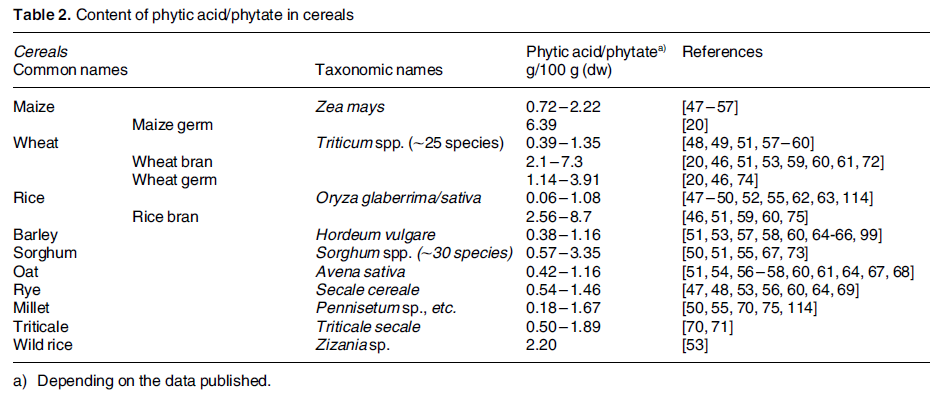
Legumes
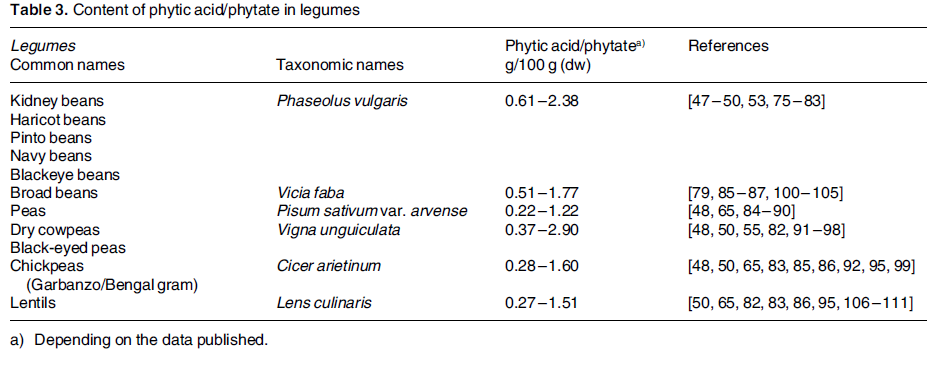
Nuts
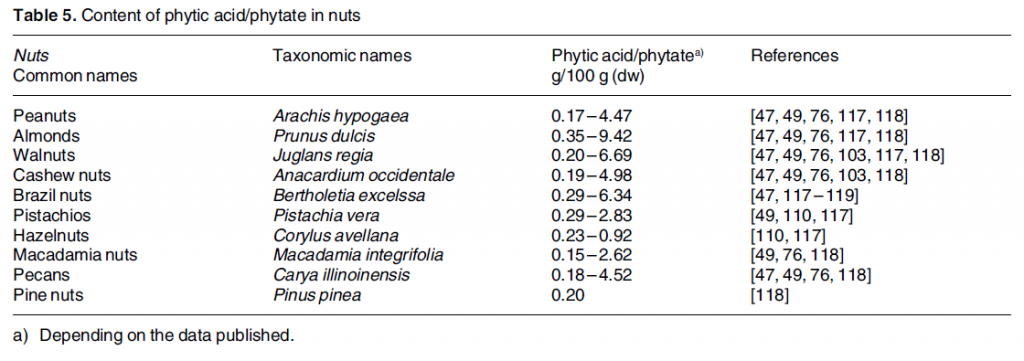
Oil seeds
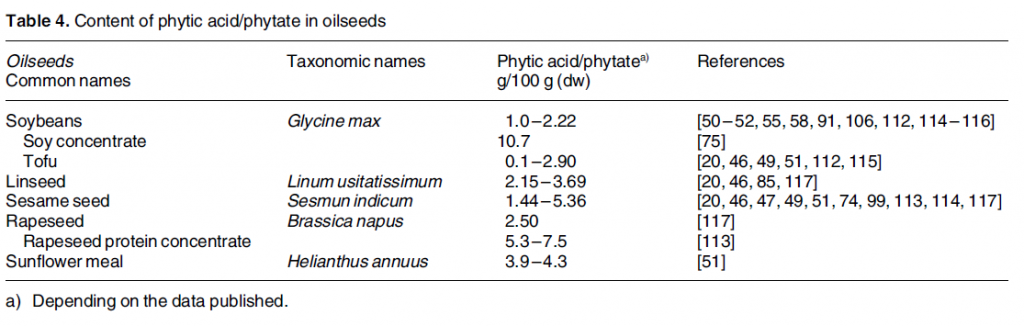
As you can see, phytic acid content varies greatly among plants. This is due to the type of seed, environmental condition, climate, soil quality, how phytate is measured in the lab, and so forth.
Roots, tubers, and other vegetables may also contain phytic acid, but usually in lower amounts.
The most concentrated sources tend to be whole grains and beans. Phytic acid is isolated in the aleurone layer in most grains, making it more concentrated in the bran. In legumes, it’s found in the cotyledon layer (where the protein is).
Phytate = phytic acid bound to a mineral
Phytates perform an essential role in plants, as they are an energy source for the sprouting seed. When a seed sprouts, phytase enzymes break down the stored phytates.
When we eat the plant, phytates are hydrolyzed during digestion to myo-inositol-1,2,3,4,5,6-hexkisphosphate (IP6) and lower inositol polyphosphates including IP1 through IP5 (these are phytate degradation products).
Who’s eating phytic acid?
Everyone who eats plants consumes some phytic acid. It’s all a question of degree.
As you can imagine, intake tends to be much higher among those who follow non-Westernized diets. In developing countries, plants are staple foods, which means people eat more of them, and therefore get more phytic acid.
In developed countries, plant-based or vegetarian eaters tend to consume more phytic acid than omnivores. Further, males usually consume more phytic acid than females, simply because they eat more food.
Phytate digestion
Most phytate (37-66%) is degraded in the stomach and small intestines.
Ordinarily, our bodies regulate phytate levels pretty well, adjusting uptake in the gut and excretion until body levels come into balance.
Vitamin D status in the body seems to influence how much phytate is actually retained. The more vitamin D, the more phytate retained; the less vitamin D, the less phytate retained.
Potential problems with phytic acid
Phytic acid can bind minerals in the gut before they are absorbed and influence digestive enzymes. Phytates also reduce the digestibility of starches, proteins, and fats.
Here’s an example.
Vegan eaters often consume more iron than omnivores. Yet, they also consume more anti-nutrients, including phytates, and these reduce the amount of iron available to their bodies. Consuming 5-10 mg of phytic acid can reduce iron absorption by 50%.
This is why vegetarian eaters should eat more iron than omnivores (33 mg for veg eaters vs. 18 mg for omnivores).
Daily iron loss for men & women
- Adult men lose ~1 mg of iron per day
- Adult menstruating women lose ~1.4 mg/day
- Postmenopausal women lose ~0.8 mg/day
- Lactating women lose ~1.1 mg/day
While in the intestines, phytic acid can bind the minerals iron, zinc, and manganese. Once bound, they are then excreted in waste.
This can be a good or bad thing, depending on the condition. It’s a bad thing if you’re having trouble building up iron stores in the body and have developed iron-deficiency anemia.
When is it a good thing? Keep reading – you’ll find potential benefits of phytic acid below.
Potential benefits of phytic acid
Despite its potential drawbacks, phytic acid is similar in some ways to a vitamin, and metabolites of phytic acid may have secondary messenger roles in cells.
Some experts even suggest that it’s the phytic acid in whole grains and beans that lends them their apparent protective properties against cardiovascular disease, cancer, and diabetes.
(Remember, the grains with little to no phytic acid are the refined ones.)
The supplement industry has caught on to this. Have you even seen a bottle of inositol hexaphosphate, or IP6? That’s simply a supplemental source of phytic acid.
When phytic acid binds minerals in the gut, it prevents the formation of free radicals, thus making it an antioxidant. Not only that, but it seems to bind heavy metals (e.g., cadmium, lead) helping to prevent their accumulation in the body
Phytic acid’s preventative properties
Cancer
Foods higher in phytic acid seem to enhance the activity of natural killer cells and inhibit tumor growth.
Those who consume more phytic acid are less likely to succumb to breast and prostate cancer. Exposing the colon to less iron seems to decrease the risk of colon cancer. And phytic acid might reduce the side effects of chemotherapy.
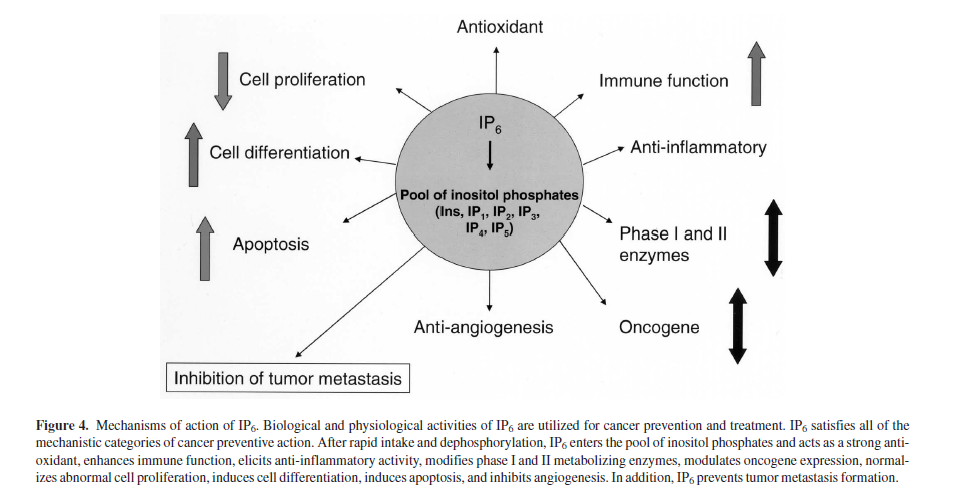
Cardiovascular disease
Phytic acid helps prevent hardening of the arteries and platelet formation.
Kidney stones
With some phytate being excreted in the urine, this may improve kidney health and prevent stones.
Insulin resistance
Phytic acid plays a role in pancreatic function and insulin secretion. And it may reduce the glycemic response from meals, meaning you feel full for longer.
Hemochromatosis
Hemochromatosis, or iron overload, is a common genetic disorder that phytic acid’s iron-binding properties can protect against or reduce.
In the balance
Is phytic acid worth worrying about? Maybe not, for most of us.
One study showed that subjects consuming a Mediterranean-style diet that included 1000-2000 mg of phytic acid per day did not suffer from reduced mineral bioavailability.
At the same time, certain people might have to be more wary.
In particular, iron intake and absorption can be critical for infants nearing six months of age. So when plants are added to infants’ diets, it may be important to adopt strategies to reduce phytic acid and enhance iron absorption.
Overcoming phytic acid as an antinutrient
Luckily, it’s possible to overcome the anti-nutrient effects of phytic acid in our foods while still getting the benefits of a plant-rich diet. Here are a few strategies that my be more or less helpful depending on the specific situation:
Heat
Heating foods can destroy small amounts of phytic acid. (Note: heat can also destroy phytase and vitamin C.)
Processing
Milling grains and removing the bran decreases phytic acid. Unfortunately, milling also tends to remove many of the minerals! Removing the bran and then enriching a food with minerals might allow for enhanced nutrient absorption in the body.
Soaking
Soaking beans and grains can reduce phytic acid (and other antinutrients).
Fermenting
Fermentation and bread leavening (using yeast) can help to break down phytic acid due to the activation of native phytase enzymes, reducing the number of phosphate groups.
This is big stuff since myo-inositol phosphates with fewer than five phosphate groups don’t inhibit zinc absorption (IP1 to IP4). And those with fewer than three phosphate groups don’t inhibit iron absorption (IP3 to IP2).
Also, some of the acids produced during fermentation might actually boost absorption of certain minerals.
Sprouting
Sprouting and malting enhances native phytase activity in plants and thus decreases phytic acid.
Vitamin C
Vitamin C appears strong enough to overcome phytic acid. In one study, adding 50 mg of vitamin C counteracted the phytic acid load of a meal. In another study, 80 mg of ascorbic acid (vitamin C) counteracted 25 mg of phytic acid.
Protein powders
During processing of plant-based protein powders, it’s possible to de-phytinize (via addition of microbial phytase). Also, protein isolates and concentrates can be treated with dialysis or ultrafiltration to remove phytic acid.
Seed breeding
Scientists are working on seed breeds containing less phytic acid. There are modern seed hybrids of grain and legume plants that contain less phytic acid.
Animal protein
Animal protein may enhance absorption of zinc, iron, and copper. Adding small amounts of animal protein might increase the absorption of these minerals in the body. (Well, except for dairy/casein, as it also seems to hinder iron and zinc absorption.)
Gut health
A low pH in the gut enhances iron absorption. Balancing the level of beneficial bacteria in the GI tract might help with this. See All About Probiotics.
Bonus: Can other animals digest phytic acid?
Ruminant animals (e.g., cattle, sheep, goats, buffalo) possess phytase producing flora for digesting phytic acid.
Non-ruminant animals (e.g., pigs, chickens, dogs, cats) don’t have phytase producing flora, so phytic acid passes through them undigested and makes its way into the soil.
Feeding livestock too much grain can inhibit mineral absorption and increase phosphorus excretion, leading to pollution. Ever heard of the Dead Zone in the Gulf of Mexico?
Summary and recommendations
In healthy people eating balanced diets, phytic acid’s effects on iron, zinc, and manganese status is minimal and it doesn’t seem to cause nutrient deficiencies.
To argue that some plant foods are “unhealthy” because of their phytic acid content seems mistaken, especially when phytic acid’s potential negative effects on mineral assimilation may be offset by its health benefits.
So we should aim to reduce phytic acid rather than eliminate it.
To reduce the anti-nutrient effects of phytic acid in foods, try the following:
- Soak, sprout, ferment, and cook plant foods.
- Consume vitamin C-rich foods with meals that contain phytic acid. Dense source of vitamin C include guava, bell pepper, kiwi, oranges, grapefruit, strawberries, Brussels sprouts, cantaloupe, papaya, broccoli, sweet potato, pineapple, cauliflower, kale, lemon juice, and parsley.
- Use vinegar in salad dressings and cooking to enhance mineral absorption and offset phytic acid.
- Supplement with phytase enzymes if necessary.
- Eat mineral fortified foods if necessary
- Supplement minerals if there is still a shortfall in your diet.
- If you’re eating a plant-based diet and have confirmed nutrient deficiencies, and you’ve tried all the above strategies with no success, adding small amounts of animal foods on occasion might boost stores of necessary minerals in your body.