Vitamins
now browsing by category
Low Magnesium Linked to Increased DNA Damage in Healthy Adults
Reproduced from original article:
https://articles.mercola.com/sites/articles/archive/2024/12/02/low-magnesium-dna-damage.aspx
Analysis by Dr. Joseph Mercola December 02, 2024
STORY AT-A-GLANCE
- Low magnesium levels, especially when combined with high homocysteine, significantly increase DNA damage in healthy adults, accelerating cellular aging and increasing the risk of chronic degenerative diseases
- Magnesium plays a crucial role in DNA replication, repair and stability. It acts as a cofactor for enzymes involved in these processes and helps maintain the double helix structure
- Magnesium is essential for brain health, regulating NMDA receptors, modulating immune responses and acting as an antioxidant. It also supports synaptic plasticity, learning and memory functions
- Adequate magnesium levels are vital for blood sugar control, insulin sensitivity and cellular energy production. Magnesium deficiency leads to insulin resistance and metabolic disorders like Type 2 diabetes
- To optimize magnesium levels, consider supplements like magnesium threonate, consume magnesium-rich foods and try alternative methods such as Epsom salt baths or topical application for better absorption
There’s a critical link between magnesium levels and the integrity of your DNA, according to research published in the European Journal of Nutrition.1 The study, conducted on healthy middle-aged Australians, revealed that low magnesium levels, especially when combined with high homocysteine, significantly increase DNA damage.
This finding underscores the vital role magnesium plays in maintaining your genetic health and staving off age-related diseases. As the fourth most abundant mineral in your body, magnesium is involved in over 600 enzymatic reactions, including those crucial for DNA replication and repair.
Ensuring adequate magnesium intake could be a key factor in protecting your genetic material and promoting healthy aging. In fact, by examining various biomarkers of DNA damage, researchers have shed light on how magnesium deficiency might accelerate cellular aging and increase your risk of developing chronic degenerative diseases.
The Hidden Dangers of Magnesium Deficiency
While magnesium’s importance for bone health and nerve function is well-known, its role in safeguarding your DNA is less recognized. The study found that participants with lower magnesium levels exhibited higher frequencies of micronuclei (MN) and nucleoplasmic bridges (NPBs) in their cells.2 These are telltale signs of DNA damage and chromosomal instability.
Essentially, when your body lacks sufficient magnesium, it struggles to efficiently replicate and repair DNA, leaving your genetic material vulnerable to damage. This vulnerability manifests as increased oxidative stress and a higher likelihood of DNA strand breaks. Over time, these effects accumulate, leading to premature aging of your tissues and organs.
The research suggests that chronic magnesium deficiency might create a state of persistent oxidative stress in your body, similar to the effects seen with deficiencies in other crucial micronutrients like zinc.3
The Homocysteine Connection: A Double-Edged Sword
The study didn’t just focus on magnesium; it also examined the interplay between magnesium levels and homocysteine, an amino acid linked to various health issues when present in high concentrations. Researchers discovered a significant negative correlation between magnesium and homocysteine levels. In other words, as magnesium levels decreased, homocysteine levels tended to increase.4
This relationship is noteworthy because elevated homocysteine is associated with an increased risk of neurodegenerative diseases, cardiovascular problems and pregnancy complications. Participants with both low magnesium and high homocysteine levels showed the highest frequency of DNA damage markers.
This synergistic effect suggests that the combination of magnesium deficiency and elevated homocysteine could be particularly detrimental to your genetic health, accelerating the aging process and increasing your susceptibility to age-related diseases.5

Save This Article for Later – Get the PDF Now
Unraveling the Mechanisms of Magnesium’s Protective Effects
To understand why magnesium is so crucial for your DNA’s integrity, it’s important to look at its role in various cellular processes. Magnesium acts as a cofactor for enzymes involved in DNA replication and repair, such as DNA polymerase and DNA ligases. When magnesium levels are low, these enzymes can’t function optimally, leading to errors in DNA replication and inefficient repair of damaged DNA.6
Additionally, magnesium plays a role in maintaining the stability of DNA and RNA structures. It helps neutralize the negative charges on DNA phosphate groups, contributing to the overall stability of the double helix structure.
The study also hints at magnesium’s involvement in epigenetic regulation and protein modification processes that are crucial for maintaining genomic integrity.7 By ensuring adequate magnesium levels, you’re providing your cells with the tools they need to protect and maintain your genetic material effectively.
Magnesium’s Role in Protecting Your Brain’s Delicate Balance
Your brain’s health depends on a delicate balance of various processes, and magnesium plays a key role in maintaining this equilibrium. Recent research reveals how magnesium acts as a gatekeeper for N-methyl-D-aspartate (NMDA) receptors, which are vital for learning and memory.8 By regulating these receptors, magnesium helps prevent excessive glutamate activity, which leads to inflammation and neuronal damage.
Additionally, magnesium has been found to influence the production of substance P, a neuropeptide involved in pain perception and inflammatory responses. Low magnesium levels increase substance P, exacerbating neuroinflammation.9 Furthermore, magnesium’s interplay with calcium in your neurons is critical. By limiting calcium influx, magnesium helps prevent a cascade of events that could otherwise result in intensified inflammation and neuronal injury.
This balancing act extends to magnesium’s role in modulating immune responses, particularly through its interaction with nuclear factor kappa-light-chain-enhancer of activated B cells (NF-κB), a key player in inflammatory processes. By inhibiting NF-κB activation, magnesium helps dampen the expression of proinflammatory genes, reducing overall brain inflammation.10
The Hidden Power of Magnesium as an Antioxidant
While not typically classified as an antioxidant, emerging research suggests that magnesium plays a role in your body’s defense against oxidative stress.11 This is particularly important for your brain health, as oxidative stress is a significant contributor to cognitive decline and neurodegenerative diseases.
Studies have shown that magnesium deficiency is associated with increased markers of oxidative stress, including modified lipids, proteins and DNA. Importantly, magnesium appears to support your body’s antioxidant defense mechanisms. One key way it does this is by stabilizing superoxide dismutase (SOD), a critical enzyme that converts harmful superoxide radicals into less reactive molecules.12
This stabilization of SOD provides a unique link between magnesium and your antioxidant defense system. Magnesium’s involvement in various cellular processes, including mitochondrial function and fatty acid metabolism, further contributes to its role in managing oxidative stress.
By supporting these fundamental processes, magnesium helps maintain cellular health and resilience against oxidative damage. This antioxidant-like activity of magnesium adds another layer to its neuroprotective properties, helping to slow the progression of age-related cognitive decline and neurodegenerative disorders.13
Magnesium’s Impact on Your Brain’s Plasticity and Memory
Recent discoveries have also unveiled magnesium’s role in synaptic plasticity, your brain’s ability to form and reorganize connections between neurons.14 This process is fundamental to learning, memory and cognitive flexibility.
Research has shown that presynaptic intracellular magnesium is instrumental in mediating the transition between two crucial synaptic configurations: one involved in encoding new information and learning, and another responsible for storing and recalling memories.15 This insight highlights magnesium’s importance not just in maintaining neural health but in actively shaping your cognitive processes.
Studies on animal models of Alzheimer’s disease have demonstrated that magnesium supplementation enhances cognitive function and synaptic plasticity. Moreover, in a rat model of Alzheimer’s, magnesium sulfate supplementation improved cognitive function, synaptic plasticity and even the morphology of dendritic spines — the tiny protrusions on neurons that receive input from other neurons.16
These findings suggest that maintaining optimal magnesium levels could be crucial for preserving cognitive function as you age.17
Magnesium for Blood Sugar Control and Cellular Energy Production
Your body’s intricate blood sugar control system also relies on magnesium. This essential nutrient is involved in the function of your pancreatic beta cells, which produce insulin to regulate blood glucose levels.18 When you eat, these cells respond by releasing insulin to help your body store glucose as glycogen, primarily in your liver and muscle cells.
Magnesium is vital for this process, acting as a cofactor for enzymes involved in glucose metabolism and insulin signaling. If your magnesium levels are low, your beta cells may struggle to produce and release insulin effectively, leading to blood sugar imbalances. Furthermore, magnesium deficiency impairs the activity of glucokinase, an enzyme that acts as a glucose sensor in beta cells and controls the rate of glucose entry into these cells.19
Without adequate magnesium, your body’s ability to sense and respond to changes in blood glucose levels may be compromised, setting the stage for metabolic disorders like Type 2 diabetes. Low magnesium levels also contribute to insulin resistance by altering the activity of the insulin receptor and its downstream signaling pathways. Conversely, insulin resistance leads to increased urinary magnesium loss, further depleting your body’s magnesium stores.20
This creates a self-perpetuating cycle that’s difficult to break. Studies have shown that individuals with Type 2 diabetes often have lower intracellular magnesium concentrations compared to those without diabetes.21
Beyond its effects on insulin and glucose metabolism, magnesium is essential for your cells’ energy production processes. It acts as a cofactor for numerous enzymes involved in glycolysis and the Krebs cycle, two key pathways in cellular energy generation. In the absence of sufficient magnesium, these enzymes may not function optimally, leading to reduced energy production and metabolic inefficiencies.22
It’s important to remember that magnesium’s benefits are far-reaching. Adequate magnesium intake helps maintain healthy blood pressure, support proper muscle and nerve function and promote strong bones.
There are also positive correlations between magnesium levels and other important nutrients like folate and vitamin B12, suggesting that magnesium status is an indicator of overall nutritional health.23 By prioritizing your magnesium intake, you’re not just protecting your DNA, brain or blood sugar; you’re supporting your body’s overall function and resilience.
How to Optimize Your Magnesium Levels
More than half of Americans don’t get enough magnesium daily,24 and this deficiency is even more widespread in certain groups. Various health conditions and lifestyle choices increase magnesium loss from your body. For example, if you have diabetes or drink alcohol regularly, you’re at higher risk of magnesium deficiency.
Your magnesium levels are also affected by lack of sleep and stress. Even short periods of stress might lower your magnesium. When it comes to supplements, I prefer magnesium threonate because it’s particularly good at entering cells, including those in your brain and mitochondria.
However, if you’re new to magnesium supplements, it’s best to start slowly with magnesium citrate to find the right dose for you. This method, called “bowel tolerance,” helps you determine how much magnesium your body needs. Like vitamin C, excessive oral magnesium results in loose stools, indicating that you’ve surpassed your optimal intake. This natural safeguard makes magnesium toxicity highly unlikely.
Start with 200 milligrams (mg) of magnesium citrate per day and gradually increase until you notice your stools becoming slightly loose. This indicates you’ve found your ideal dose. From there, try other types of magnesium if you want.
Take magnesium threonate with or without food. If you’re also taking calcium supplements, it’s good to take them together. Fitness enthusiasts might benefit from a pre-workout regimen that includes calcium and magnesium in a 1:2 ratio. While a 1:1 ratio of magnesium to calcium is often recommended, most diets are already high in calcium. So, you might need two to three times more magnesium than calcium in your supplements to balance things out.
Remember, blood tests aren’t always reliable for checking your magnesium levels, especially in muscles and bones. Instead, tracking what you eat is a more practical way to make sure you’re getting enough magnesium. Foods that are high in magnesium include:
| Raw milk and homemade yogurt | Broccoli |
| White rice | Bok choy |
| Potato | Turnip greens |
| Dried seaweed or agar | Brussels sprouts |
Aside from food and oral supplements, alternative methods to increase your magnesium levels include:
• Epsom salt baths — Soaking in magnesium sulfate-rich water enables transdermal (skin) absorption, circumventing your digestive system.
• Topical application — Create a concentrated Epsom salt solution using the following steps:
◦Heat 6 ounces of water and dissolve 7 tablespoons of Epsom salt
◦Once cooled, transfer to a dropper bottle
◦Apply directly to your skin
◦For enhanced absorption, follow with fresh aloe vera gel
As we continue to uncover the intricate ways in which nutrients interact with our genes and cellular processes, the importance of maintaining optimal magnesium levels becomes increasingly clear. To ensure healthy aging and disease prevention, prioritize getting an adequate intake of magnesium.
- 1, 2, 3, 4, 5, 6, 7, 23 European Journal of Nutrition June 12, 2024
- 8, 9, 10, 11, 12, 13, 14, 15, 16, 17 Front. Endocrinol., 25 September 2024 Sec. Cellular Endocrinology, Volume 15 – 2024
- 18, 19, 20, 21, 22 Front. Nutr., 25 September 2024 Sec. Nutritional Epidemiology, Volume 11 – 2024
- 24 Oregon State University, “Micronutrient Inadequacies in the US Population: An Overview” Micronutrient Deficiencies and Inadequacies
Osteoporosis warning: How bone loss signals inflammation and a risk of disease
Reproduced from original article:
https://www.naturalhealth365.com/osteoporosis-warning-how-bone-loss-signals-inflammation-and-a-risk-of-disease.html
by: November 23, 2024
 (NaturalHealth365) Osteoporosis, a disease in which bones become brittle and prone to breakage, is so widespread that 50 percent of all women over age 50 (and 25 percent of all over-50 men) will eventually suffer an osteoporosis-related bone fracture. A new study published in the Journal of Cachexia, Sarcopenia and Muscle reveals systemic inflammation and frailty as key contributors to osteoporosis and fracture risks.
Unfortunately, the consequences of osteoporosis extend even beyond the pain and disabling effect of broken bones. In fact, recent research highlights a shocking connection between osteoporosis and life-threatening conditions such as heart disease, Alzheimer’s disease, and cancer.
Fortunately, a combination of natural nutrients may help prevent osteoporosis – and offer protection against the devastating diseases that can accompany it.
Pro-inflammatory molecules released by bone loss are linked to increased risk of deadly diseases
The creation of bone is regulated by the actions of the body’s osteoblasts (bone cells that create new bone) and osteoclasts (cells that break down bone).
At about age 35, the “balancing act” begins to shift – and the rate of bone breakdown starts to overtake the rate of bone development, leading to bone loss. Researchers are now learning that aging bones contain more “senescent” cells – meaning they have stopped reproducing themselves and now exclusively promote the breakdown of bone tissue.
These senescent cells release pro-inflammatory molecules into the bloodstream, laying the groundwork for disease. Senescent bone cells have been found in plaque deposits in heavily calcified arteries.
And, having large numbers of senescent cells in the bones is linked in studies with accelerated aging – particularly affecting the brain. Finally, people with osteoporosis have an increased risk of cancer.
Keep in mind, when over-activated, the bone proteins that normally regulate bone maintenance and healing can lead to uncontrollable cell growth and replication.
Discover a natural way to strengthen your bones
The antioxidant vitamin C plays a critical role in preventing bone loss – which it does by preventing the oxidative stress that destroys bone structure. Vitamin C also plays a pivotal role in the formation and structure of bones by forming collagen and developing other bone proteins.
If the body’s need for vitamin C is unmet, insufficient collagen production can result – leading to easily fractured bones. Many natural health experts believe osteoporosis is a vitamin C deficiency or “scurvy of the bones.”
Bone-building vitamin C is found in citrus fruits, kiwi, strawberries, and bell peppers. However, supplementation may be necessary – especially if you have osteoporosis. By the way, for superior bioavailability (absorption), natural health experts advise using a liposomal form of vitamin C.
Boron reduces the loss of indispensable calcium from the bones
This little-known trace mineral packs a powerful punch when it comes to supporting bone health.
Simply put, boron helps the body produce and use vitamin D – a mainstay of bone health. The mineral also helps regulate calcium, magnesium, and phosphorus levels – all “MVPs” of bone maintenance and support.
A study published in the Federation of American Societies for Experimental Biology Journal showed that 3 mg of boron daily helped prevent calcium loss and bone demineralization in postmenopausal women.
Natural health experts may advise 3 to 6 mg of boron daily. You can increase your dietary boron intake by eating organic nuts, beans, avocados, and whole grains.
Calcium: The primary structural component of bones
Bones contain 99 percent of the body’s calcium stores – integral to bone building.
But, for your body to use calcium to build bone, you must have sufficient levels and adequate amounts of vitamin D. Deficiency in both minerals can cause bone loss and symptoms of muscle pain, muscle cramps, and weakness.
Calcium exists in sardines, including the bones, dark leafy greens, and cruciferous vegetables, such as Brussels sprouts. Most adults require between 1,000 and 1,200 mg of calcium a day.
Magnesium deficiency is a cause of “incalculable” suffering
Magnesium works in concert with calcium to suppress hormones that break down bones – while activating enzymes needed to produce new bone. Unfortunately, experts estimate that about half of all Americans fail to consume enough of this important mineral.
More than 40 percent of post-menopausal women have low magnesium blood levels, which can trigger excessive bone breakdown.
In one landmark study on magnesium benefits, the researchers lamented that the deficiency of such an “inexpensive, low-toxicity nutrient” is currently causing diseases that are a source of untold “suffering and expense” worldwide.
Eating organic dark leafy greens, potatoes, raisins, chocolate, pumpkin seeds, nuts, and avocados can help ramp up your dietary intake of magnesium. Of course, your holistic healthcare provider may recommend supplementing with magnesium to avoid shortfalls.
Most natural healers recommend 250 to 750 mg a day. Magnesium citrate, magnesium glycinate, and magnesium taurate are considered the most bioavailable forms.
Vitamin D helps improve calcium absorption
Vitamin D reduces the activity of the pro-inflammatory signaling molecules that are released from senescent bone cells during bone breakdown. Unsurprisingly, vitamin D shortfalls are bad news for your bones and the rest of your body.
Vitamin D deficiency has been identified as a major contributor to osteoporosis – as well as to cancer, heart disease, type 2 diabetes, and lowered cognitive functioning. This fat-soluble vitamin is found in cold-water fatty fish (like wild-caught salmon), as well as in mushrooms and egg yolks.
Because the body manufactures vitamin D in response to sunlight, many natural health experts advise getting 20 minutes of direct sunlight three or four times a week. However, supplementation may be necessary to maintain healthy vitamin D levels, especially in northern climates.
Just remember to opt for vitamin D3 (cholecalciferol) over vitamin D2.
Vitamin K2 directs calcium in the body
Vitamin K2’s job is to route calcium where it belongs – in the bones and teeth – while keeping it out of blood vessel walls (thereby helping to prevent heart disease).
Vitamin K2 improves bone mineral density and is particularly beneficial for improving bone mineral content of the femoral bone – which is particularly susceptible to fracture during falls. Researchers have found that vitamin K2 is synergistic with vitamin D3 – meaning that each nutrient enhances the beneficial effect of the other.
In an influential study published in Maturitas, supplementation with a combination of vitamins K2 and D3 protected and increased vertebral bone mass in postmenopausal women.
Food sources of vitamin K2 include liver, egg yolks, and natto, a food made from fermented soybeans.
Your doctor may recommend 100 mcg per day of vitamin K2 in the form of menaquinone-7, a highly available form of the nutrient.
Prescription drugs can jeopardize zinc supply
Zinc is needed for bone cells (osteoblasts) to create bone tissue – and is crucial for the entry of vitamin D into cells. And, yes, patients with osteoporosis have been found to have low levels of zinc.
Ironically, pharmaceutical osteoporosis drugs – such as Boniva and Reclast – actually rob the body of this important trace mineral. The RDA for zinc is 8 mg for women and 11 for men.
You can increase your dietary zinc intake by eating organic pumpkin seeds, chickpeas, nuts, yogurt, and cruciferous vegetables, such as broccoli. Grass-fed beef, oysters, and pasture raised poultry are also rich in zinc.
As with the other vitamins and minerals, consult your holistic doctor before supplementing with zinc.
With millions of people either suffering from osteoporosis – or at serious risk – it’s time to fight back. And, your best weapons in the battle to slow and reverse bone loss could be these non-toxic, natural micronutrients.
Sources for this article include:
NIH.gov
LifeExtension.com
SaveOurBones.com
UniversityHealthNews
Top 10 Natural Substances for Tissue Decalcification (Including the Pineal Gland)
© GreenMedInfo LLC. This work is reproduced and distributed with the permission of GreenMedInfo LLC.
Want to learn more from GreenMedInfo? Sign up for the newsletter here:
www.greenmedinfo.com/greenmed/newsletter
Reproduced from original article:
https://greenmedinfo.com/content/top-10-natural-substances-tissue-decalcification-including-pineal-gland
Posted on: Monday, November 4th 2024 at 2:00 pm

While soft tissue calcification has long been considered irreversible, emerging research reveals natural compounds capable of both preventing and potentially reversing this process.
Quick Summary:
- Pathological calcification affects multiple tissue types, with particular impact on cardiovascular health and endocrine function.
- Research identifies ten evidence-based natural substances showing significant potential for prevention and reversal of calcium deposits.
- Special attention to pineal gland calcification reveals promising therapeutic approaches through targeted intervention.
Pathological calcification of soft tissues represents a significant clinical concern, affecting up to 80% of adults over 60. Recent research demonstrates that this process, while common, may be more modifiable than previously understood. This review examines ten evidence-based natural interventions, with particular focus on their mechanisms of action and clinical applications.
Evidence-Based Natural Interventions
1. Magnesium
Studies demonstrate magnesium’s significant capacity to inhibit hydroxyapatite crystal formation in vascular tissue, with clinical trials showing up to 40% reduction in calcification markers. In vitro research confirms dose-dependent inhibition of calcification in vascular smooth muscle cells.1
2. Vitamin K2 (Menaquinone)
Prospective studies show high dietary menaquinone intake correlates with 52% reduction in coronary calcification. When combined with vitamin D3, research indicates enhanced calcium regulatory protein expression.2
3. Phytate
Acting as a crystallization inhibitor, phytate prevents calcium salt precipitation across multiple tissue types. Clinical studies demonstrate significant reduction in pathological calcification, particularly in renal and cardiovascular tissues.3
4. EPA (Eicosapentaenoic Acid)
Combined with alpha-lipoic acid, EPA shows remarkable potential in reducing aortic and kidney calcification. Research indicates modulation of both inflammatory mediators and calcium regulatory proteins.4
5. Melatonin
Beyond chronobiotic effects, melatonin demonstrates specific protective action against pineal gland calcification. Studies show particular efficacy in preventing fluoride-induced calcification.5
6. Vitamin D
Optimization of vitamin D status, particularly when combined with K2, demonstrates significant impact on calcium homeostasis. Clinical trials show dose-dependent effects on vascular calcification reduction.6
7. Selenium/Astragalus Complex
Research indicates significant reduction in calcium deposits, particularly in renal tissue. Mechanism involves modulation of crystal formation and inflammatory processes.7
8. Pomegranate Extract
Clinical studies demonstrate protective effects against calcium crystal formation, with particular efficacy in preventing kidney stone development.8
9. Citric Acid
Studies show significant decalcifying properties, particularly effective against established calcium deposits in cardiovascular tissue.9
10. Curcumin
Multiple mechanisms of action documented, including anti-inflammatory properties and direct inhibition of crystal formation.10
Pineal Gland Considerations
The pineal gland presents unique challenges in addressing calcification. Research indicates this endocrine organ’s susceptibility to calcium deposition increases with age, potentially affecting melatonin production and circadian rhythm regulation. Studies demonstrate three primary risk factors: fluoride exposure, artificial light exposure, and chronic stress.11
Electron microscopy studies reveal hydroxyapatite as the primary form of calcium deposition in pineal tissue. This finding proves particularly relevant as magnesium and phytate demonstrate specific inhibitory effects on hydroxyapatite crystal formation.12
Clinical Applications
Implementation of decalcification protocols requires systematic approach based on tissue type and calcification severity. Research supports a three-tiered intervention strategy:
Primary Prevention
Research demonstrates optimal outcomes when combining multiple agents, particularly magnesium with vitamin K2. Studies show 47% greater reduction in arterial calcification using this combination compared to single-agent therapy.13
Active Intervention
For established calcification, clinical trials support higher dosages of primary agents combined with supporting compounds. EPA combined with alpha-lipoic acid shows particular promise, demonstrating 38% reduction in calcification markers over 12 months.14
Maintenance Protocol
Long-term management focuses on prevention of recurrence through continued supplementation and modification of environmental risk factors. Studies indicate sustained benefits with ongoing intervention.15
Safety Considerations
While natural interventions demonstrate favorable safety profiles, monitoring remains essential. Research indicates particular attention to:
- Calcium Homeostasis: Regular monitoring prevents potential imbalances
- Renal Function: Especially important with higher supplement doses
- Coagulation Parameters: Relevant when using vitamin K2
- Hormone Levels: Particularly important for pineal gland protocols
Future Research Directions
Current investigations focus on molecular mechanisms of decalcification, optimization of combination protocols, and development of targeted delivery systems. Emerging research suggests potential for personalized protocols based on individual risk factors and calcification patterns.
Conclusion
Evidence supports the efficacy of natural compounds in addressing pathological calcification across multiple tissue types. The ten identified substances demonstrate significant potential through various mechanisms of action, with particular promise for pineal gland calcification. Understanding continues to evolve, suggesting increasingly refined therapeutic approaches.
References
1. Galliani I, Mongiorgi R. “Pineal gland calcification with calcium hydroxyapatite may be inhibited by magnesium.” Boll Soc Ital Biol Sper. 1991;67(9):837-844. PMID: 1725704.
2. Beulens JW, Bots ML, Atsma F, et al. “High dietary menaquinone (Vitamin K2) intake is associated with reduced coronary calcification.” Atherosclerosis. 2009;203(2):489-93. PMID: 18722618.
3. Grases F, Costa-Bauzà A, Prieto RM. “Inhibition of calcium oxalate crystallization and prevention of stone formation by phytate.” Taehan Kanho Hakhoe Chi. 2007;37(3):276-85. PMID: 19666212.
4. Schlemmer CK, Coetzer H, Claassen N, et al. “EPA and lipoic acid reduce kidney and aortic ectopic calcification in rats.” Prostaglandins Leukot Essent Fatty Acids. 1998;59(3):221-7. PMID: 9844996.
5. Luke J. “Fluoride deposits in the pineal gland with age and is associated with enhanced gland calcification.” Caries Res. 2001;35(2):125-8. PMID: 11275672.
6. Davis W, Rockway S, Kwasny M. “Omega-3 fatty acids and vitamin D supplementation results in a substantial reduction in coronary calcium scores.” Am J Ther. 2009;16(4):326-32. PMID: 19092644.
7. Huang F, Sun XY, Ouyang JM. “Selenized astragalus polysaccharide prevents calcium oxalate crystal formation.” Mater Sci Eng C Mater Biol Appl. 2020;110:110732. PMID: 32204043.
8. Tugcu V, Kemahli E, Ozbek E, et al. “Protective effect of pomegranate juice on kidney stone formation.” J Urol. 2010;184:1162-1168. PMID: 19025399.
9. Köse N, et al. “Citric acid as a decalcifying agent for the excised calcified human heart valves.” Anadolu Kardiyol Derg. 2008;8(2):94-8. PMID: 18400627.
10. Wang CL, et al. “Curcumin inhibits arterial calcification through anti-inflammatory and calcium regulatory pathways.” Front Pharmacol. 2020;11:826. PMID: 32733235.
11. Kaptsov VA, Gerasev VF, Deynego VN. “Light pollution may contribute to pineal gland calcification and other health conditions.” Gig Sanit. 2015;94(7):11-5. PMID: 26856133.
12. Mrvelj A, Womble MD. “These findings demonstrate that a fluoride-free diet encouraged pinealocyte proliferation and pineal gland growth in aged animals.” Biol Trace Elem Res. 2020;197(1):175-183. PMID: 31713773.
13. Geleijnse JM, Vermeer C, Grobbee DE, et al. “Dietary intake of menaquinone is associated with a reduced risk of coronary heart disease.” J Nutr. 2004;134(11):3100-5. PMID: 15514282.
14. Budoff MJ, Ahmadi N, Gul KM, et al. “Aged garlic extract supplemented with B vitamins, folic acid and L-arginine retards the progression of subclinical atherosclerosis.” Breast Cancer Res Treat. 2004;83(3):221-31. PMID: 19573556.
15. Song J. “Pineal gland dysfunction in Alzheimer’s disease: relationship with the immune-pineal axis, sleep disturbance, and neurogenesis.” Mol Neurodegener. 2019;14(1):28. PMID: 31296240.

This Silent Disease Affects Millions of Americans
Reproduced from original article:
https://articles.mercola.com/sites/articles/archive/2024/11/02/osteoporosis-silent-disease.aspx
Analysis by Dr. Joseph Mercola November 02, 2024

STORY AT-A-GLANCE
- Osteoporosis affects millions, often silently until a fracture occurs. Risk factors include age, diet, activity level, hormones and certain medications. DEXA scans diagnose it, and doctors often prescribed drugs immediately after routine examinations
- Calcium and vitamin D are crucial for bone health. Sunlight exposure boosts vitamin D, but caution is needed if linoleic acid intake is high. Magnesium and vitamin K2 also support bone mineral density
- Protein, especially collagen, is essential for bone strength. Balancing collagen and meat intake is important, as excessive red meat negatively impacts bone mass. Bone broth from organic sources is recommended
- Exercise strengthens bones through impact and resistance. Blood flow restriction training (KAATSU) improves bone density without lifting heavy weights, making it suitable for people with lower bone mineral density
- Whole-body vibration therapy shows promise in increasing bone mineral density and reducing fracture risk, particularly in postmenopausal women and the elderly. It also offers cognitive benefits
According to the U.S. Department of Health and Human Services, around 10 million people over the age of 50 have osteoporosis. An additional 43 million have low bone mineral density, putting them at risk for full-blown osteoporosis.1 This is a concerning number of people who have compromised skeletal health, as osteoporosis increases your risk of major fractures.
Spotting the Signs of Osteoporosis
Osteoporosis is referred to as the “silent disease” because it doesn’t present any symptoms until you suffer a fracture.2 But as it progresses, you’ll notice gradual changes in your body that indicate loss of skeletal rigidity:3
| Decreasing height | Rounded shoulders | Developing hump at the back |
| Head begins to protrude forward | Intermittent or constant upper, middle and/or lower back pain | Noticeable changes in body shape |
What causes this silent disease to occur in the first place? As you age, your body breaks down bone tissue faster than it replenishes,4 and this process is influenced by various factors. Examples include your diet (whether you’re getting the appropriate minerals or not), level of physical activity, hormonal changes and any medications you’re taking. Unhealthy habits such as smoking and heavy alcohol consumption affect your bone health, too.5
Doctors typically recommend a bone density scan when you have a family history of osteoporosis, or if you’re over 50 years old.6 The most common method of identifying osteoporosis is a DEXA (dual-energy X-ray absorptiometry) scan, which measures bone mineral density. However, as I’ve noted in my recent article “The Great Osteoporosis Scam,” once osteoporosis is diagnosed, doctors will typically prescribe drugs that do more harm than good.
The Problem with Osteoporosis Drugs
When a doctor confirms an osteoporosis diagnosis, the standard treatment is a prescription for bisphosphonates (Fosamax or Actonel), which inhibit osteoclasts (cells that break down bone).7 While the intention is good, there are two major problems:
- Bisphosphonates will disrupt your body’s bone-building process, resulting in the preservation of “old bone” rather than promoting healthy bone formation through natural methods (more on this later)
- Bisphosphonates have side effects,8 such severe musculoskeletal pain
If you were to take bisphosphonates, you’ll probably see an improvement in your DEXA scan score. But that won’t address the root cause of osteoporosis and won’t contribute to the long-term improvement of your bone mineral density.
Proton-pump inhibitors (PPIs), a class of drugs designed to relieve heartburn symptoms, are one of the most commonly prescribed drugs in the United States,9 and they contribute to the ever-growing osteoporosis epidemic as well. Plenty of published research have shown that PPIs negatively affect bone density by:
- Inducing hypochlorhydria (a state where production of hydrochloric acid production is absent or very low), which inhibits calcium absorption10
- Dysregulating bone resorption, which is essential for healthy bone11
- Gut microbiome alterations resulting in altered mineral absorption12
- Causing hypomagnesemia (low magnesium)13
Research shows that PPIs also affect bone health by affecting collagen synthesis. As noted in a 2020 study published in the Frontiers in Endocrinology:14
“PPIs may actually target the ECM [extracellular matrix] in general and members of the collagen family in particular to influence bone pathophysiology including increasing the risk of osteoporosis and osteoporotic fractures …”
Save This Article for Later – Get the PDF Now
The Interplay Between Calcium and Vitamin D
When it comes to promoting bone health, it’s important to start at the source — addressing nutrient deficiencies that contribute to weakened bones. A great starting point is increasing calcium, since almost 98% of this mineral present in your body is found in your bones.
Your body constantly needs calcium because your bones continuously remodel themselves.15 So, how much calcium does your body need? Here are the recommended intakes, according to the Office of Dietary Supplements:16
| Age | Male | Female |
|---|---|---|
| 0 to 6 months | 200 mg | 200 mg |
| 7 to 12 months | 260 mg | 260 mg |
| 1 to 3 years | 700 mg | 700 mg |
| 4 to 8 years | 1,000 mg | 1,000 mg |
| 9 to 13 years | 1,300 mg | 1,300 mg |
| 14 to 18 years | 1,300 mg | 1,300 mg |
| 19 to 50 years | 1,000 mg | 1,000 mg |
| 51 to 70 years | 1,000 mg | 1,200 mg |
| Over 70 years | 1,200 mg | 1,200 mg |
The best sources of calcium are milk and dairy products, preferably from grass fed cows. Yogurt, cheese and kefir are great choices. Drinking raw milk by itself is another great option.
Another vital piece of the equation is optimizing your vitamin D levels. Research has shown that vitamin D plays a role in helping with calcium absorption, and that boosting vitamin D levels helps improve bone mineral density.17
The best way to boost vitamin D levels is by getting regular sunlight exposure, ideally during solar noon when UVB rays are at their peak. To make sure you’re on the right path, have your blood tested too. For optimal health, aim for a range between 60 ng/mL and 80 ng/mL of vitamin D in your blood.
But before you go out for some sunlight, there are caveats that you need to consider. For example, if you’ve been eating a diet high in linoleic acid (LA), then it’s not safe for you to go out at peak noon.
When sunlight hits your skin, it will oxidize and break down the LA embedded there, causing inflammation and DNA damage. High LA intake is often the cause if you burn rapidly. The logical approach is to drastically reduce the LA in your body, which takes up to six months. Aim for a daily LA intake of less than 5 grams. If you can get below 2 grams, that’s even better.
During this transition period, limit your sun exposure to early morning or late afternoon. To protect your skin, I also recommend taking:
• Niacinamide — Also known as nicotinamide, a form of vitamin B3, will help against DNA damage caused by ultraviolet light exposure.
• Low-dose aspirin — Taking a small amount of aspirin 30 to 60 minutes before going under the sun helps prevent LA from turning into oxidized linoleic acid metabolites (OXLAMs), a primary contributor to inflammation and disease.
• Molecular hydrogen — This potent molecule reduces oxidative stress by eliminating harmful free radicals throughout your system.
Don’t Forget Magnesium and Vitamin K2
Rounding out the nutrients needed to combat osteoporosis are magnesium and vitamin K2. Research has shown that magnesium deficiency leads to brittle, fragile bones that lead to microfractures. Moreover, magnesium is needed to stimulate osteoblastic activity, and it influences skeletal homeostasis regulators — parathyroid hormone and vitamin D.18
As for vitamin K2, studies have shown that it promotes osteogenic differentiation. In other words, it directs your body to promote more healthy bone formation instead of failure. It also promotes osteoclastic resorption by suppressing osteoclast activity.19
Now that you know the importance of magnesium and vitamin K2, what are the best dietary sources? For magnesium, ideal sources include vegetables, such as spinach, broccoli and carrots.20
Meanwhile, vitamin K2 is found in fermented foods such as sauerkraut, kefir, cheese and yogurt.21 For an in-depth explanation of the recommended dosages for each nutrient (calcium, vitamin D and K2, and magnesium) for optimal results, read my article “Is Magnesium the Missing Link in Your Heart Healthy Routine?”
Bones Also Need Protein, Specifically Collagen
Amino acids, which are synthesized into protein, form the building blocks of your body. While most people think of protein in terms of muscle building, your entire body uses it in some way, including your bones. In fact, the human skeleton contains plenty of protein, particularly collagen for its elasticity.
Adequate collagen provides your bones “cushion,” helping them bend and yield to external forces instead of fracturing. As noted in a study published in Journal of Frailty, Sarcopenia & Falls:22
“Collagen and a variety of noncollagenous proteins form the organic matrix of bone, so an adequate dietary protein intake would seem to be essential for optimal acquisition and maintenance of adult bone mass.”
For optimal bone health, you need a balance of muscle meat and collagen amino acids. Red meat contains very little of the health-promoting amino acids (highlighted in green), which means that relying only on muscle meat will be insufficient for building strong connective tissues and maintaining bone strength.
Additionally, while the three primary amino acids in collagen are associated with anti-inflammatory and other health benefits, those found abundantly in red meat (highlighted in red) promote inflammation.
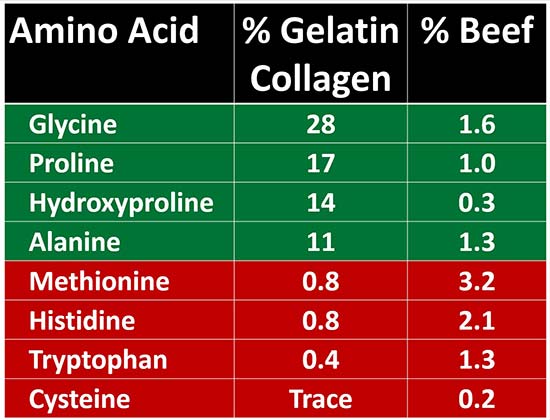
I recommend you get one-third of your protein intake from collagen or gelatin because solely focusing on meat alone will have a negative effect on your bone health. As noted in a study published in Proceedings of the Nutrition Society,23 “It is known that calcium excretion may rise with increased protein intake suggesting a detriment to bone mass.”
The best way to get more collagen into your diet is by making bone broth from organic grass fed animal bones. Slow-cooking or pressure cooking more gelatinous cuts of meat are another option, as are collagen and gelatin supplements.
The Impact Caused During Exercise Strengthens Your Bones
Most people are aware that exercise helps boost your overall fitness and even lowers your risk of cancer, diabetes and cardiovascular disease.24 Exercise is also a foundational way to strengthen your bones. As noted in a 2022 study published in Frontiers in Immunology,25 exercise exhibits a positive effect on osteoporosis. Specifically, the impact felt by your bones causes them to adapt, remodel and strengthen themselves:
“Mechanical forces applied to bone tissue induce the movement of interstitial fluid along tubules and bone cell pores, thereby causing cell-level shear stress and deformation of bone cell plasma membrane. These changes lead to the beginning of the bone remodeling process and stimulate bone resorption and formation cycles,” the study authors noted.
The researchers noted that resistance training, as well as aerobic training, positively benefits bone density by stimulating hormonal reactions to promote stronger bone reformation.26 In addition to these two, you also must pay attention to the intensity of the exercises you do. According to another study,27 exercise must be dynamic, and placing a load (such as weights) generates forces that will have a strong and consistent positive effect on bone development.
KAATSU Improves Bone Density Without Lifting Heavy Weights
While strength training can be risky for the elderly and those with already brittle bones, there’s a way to circumvent this risk. Blood flow restriction training, particularly the KAATSU method, allows you to get the benefits of resistance exercise without the need for heavy weights.
KAATSU works by restricting blood flow in your extremities in cycles, which creates intermittent hypoxia. This results in the production of anti-inflammatory myokines that build muscle strength while lifting lighter weights, which is a big benefit for those who have lower mineral density and are looking to ease into exercising. In my interview with Steven Munatones, an expert KAATSU practitioner, he explains how it works:
“KAATSU cycle is basically a very clever biohack that will allow the muscles to work and allow the vascular tissue to become more elastic. You don’t perceive the pain of heavy lifting, but your vascular tissue and muscle fibers are being worked out just as effectively, and you can do it for a longer period of time.”
Moreover, KAATSU will help boost bone mineral density, and this benefit has been documented in studies. In one example, published in Frontiers in Physiology,28 researchers observed participants who performed BFR training for six weeks.
After the test period was complete, results revealed that even at low intensity, BFR stimulated acute bone formation biomarkers. In another study,29 researchers noted that low-intensity BFR exercise was just as effective as high-intensity exercise in reducing biomarkers of bone destruction.
So, how do you incorporate KAATSU into your exercise routine? Simply wear the KAATSU bands while working out, either with or without weights. For additional information, read my article “How to Stay Fit for Life.” You’ll find an in-depth explanation of how KAATSU works, as well as specific exercises that take advantage of this amazing exercise innovation.
Mix Up Your Exercise Routine with a Vibration Plate
In addition to exercise and KAATSU, another way of combatting osteoporosis is whole-body vibration (WBV) therapy. Essentially, it’s a method wherein vibrations are sent throughout your body in small, controlled doses. This causes positive effects on your body, including increased bone mineral density. In a 2022 meta-analysis30 of 14 randomized controlled trials, researchers noted that WBV therapy exhibited positive effects on patients with knee osteoarthritis (OA):
“Meta-analysis showed that low-frequency and high-frequency whole-body vibration had additional positive effects compared with strengthening exercises alone on pain, knee extensor muscle strength, and physical function in individuals with knee OA. Whole-body vibration with strengthening exercises can be incorporated into treatment protocols.”
Another meta-analysis31 published similar results. Here, researchers showed that WBV therapy boosts bone mineral density in postmenopausal women and reduces the risk of bone fractures in healthy adults. Elderly people who intend to use a vibration plate to manage their osteoporosis will also enjoy other benefits, such as increased cognition.32
For a closer look into the mechanisms and history behind WBV therapy, read my article “Utilize the Power of Vibrations to Promote Wellness.” There, I also discuss exercises that are done on a vibration plate, as well as tips on how to choose the best product for your needs.
- 1 US HHS, “Osteoporosis Workgroup”
- 2 The Medical Independent, August 26, 2024
- 3, 6 Cleveland Clinic, “Osteoporosis”
- 4 The New York Times, July 22, 2024
- 5 NIH, “Osteoporosis”
- 7 Mayo Clin Proc. September 2008; 83(9): 1032–1045, Abstract
- 8 BMJ. 2008 January 19; 336(7636): 117
- 9 Eur J Clin Pharmacol. 2023; 79(9): 1159–1172, Background
- 10 Osteoporos Int. 2023; 34(11): 1917–1926, Discussion
- 11 Front Endocrinol (Lausanne). 2020; 11: 473, Background
- 12, 13 International Journal of Molecular Sciences September 2022; 23(18): 10733, Section 3
- 14 Front Endocrinol (Lausanne). 2020; 11: 473, Perspective
- 15, 16 ODS, “Calcium”
- 17 Human Nutrition & Metabolism Volume 34, December 2023, 200221, Introduction
- 18 Nutrients. 2013 Aug; 5(8): 3022–3033, Low Magnesium and Osteoporosis: Experimental Evidence
- 19 Nutrients 2023, 15(23), 4935, Mechanisms of Action
- 20 ODS, “Magnesium”
- 21 Cleveland Clinic, March 20, 2023
- 22 J Frailty Sarcopenia Falls. 2020 Mar; 5(1): 1–5, Introduction
- 23 Proc Nutr Soc. 2021 May;80(2):165-172, Catabolic Associations of Dietary Protein with Bone Health
- 24 BMC Public Health volume 20, Article number: 1724 (2020), Abstract
- 25, 26 Front Immunol. 2022; 13: 1005665, Mechanisms of Exercise in Alleviating OP
- 27 Front Endocrinol (Lausanne). 2021; 12: 704647, The Influence of Physical Activity on Bone Health
- 28 Front Physiol. 2022; 13: 837631, Abstract
- 29 J Birjand Univ Med Sci. 2021; 28(1):24-31, Abstract
- 30 J Rehabil Med. 2022; 54: 2032, Abstract
- 31 Complementary Therapies in Medicine Volume 65, May 2022, 102811, Abstract
- 32 AIMS Neurosci. 2023; 10(2): 130–143, Abstract
Metformin Use Shown to Induce Vitamin B12 Deficiency in Diabetics
Reproduced from original article:
https://articles.mercola.com/sites/articles/archive/2024/10/29/metformin-vitamin-b12-deficiency.aspx
Analysis by Dr. Joseph Mercola October 29, 2024

STORY AT-A-GLANCE
- Metformin is a commonly prescribed medication for managing Type 2 diabetes, but its long-term use is linked to vitamin B12 deficiency, which leads to serious health issues
- Vitamin B12 deficiency, often seen in metformin users, causes neurological problems like neuropathy and hematological issues such as anemia
- Regular screening for vitamin B12 levels is recommended for individuals taking metformin to prevent complications from deficiency
- Lifestyle interventions, including diet and exercise, offer a safer and more effective alternative to prevent diabetes compared to relying on metformin
- Understanding the research behind metformin’s impact on vitamin B12 levels is important for grasping the full implications of its use in diabetes management
Metformin remains the most commonly prescribed oral medication for managing Type 2 diabetes due to its effectiveness in controlling blood glucose levels. However, emerging research indicates a significant concern regarding vitamin B12 deficiency, particularly with long-term metformin use.
This deficiency is associated with several serious health complications, including neurological problems such as peripheral neuropathy and hematological issues like anemia, both of which negatively impact quality of life.
The prevalence of Type 2 diabetes is escalating globally, posing a significant public health challenge. Factors contributing to this rise include increasing obesity rates, sedentary lifestyles and an aging population.1 Metformin is a conventional first-line treatment for managing Type 2 diabetes.
However, long-term use of metformin is linked to reduced absorption of vitamin B12.2 This vitamin is crucial for nerve function and the production of red blood cells. Deficiency leads to serious health issues, including peripheral neuropathy and megaloblastic anemia, significantly impairing the quality of life for diabetic patients.
These findings underscore the necessity for regular monitoring of vitamin B12 levels in individuals undergoing metformin therapy to prevent potential adverse effects.
Early Detection of B12 Deficiency in Metformin Users
In the early 1970s, health care professionals began noticing a troubling pattern among diabetic patients treated with metformin. Research published in the British Medical Journal found that individuals on long-term metformin therapy displayed symptoms like peripheral neuropathy and macrocytic anemia — classic signs of vitamin B12 deficiency.3
Further investigations revealed that metformin interferes with calcium, disrupting the binding of the vitamin B12-intrinsic factor complex to receptors in the ileum, thereby hampering the absorption process. This research prompted recommendations for routine vitamin B12 level monitoring in patients prescribed metformin.
High Prevalence of Vitamin B12 Deficiency in Long-Term Metformin Users
Studies consistently demonstrate that individuals with Type 2 diabetes on long-term metformin therapy exhibit a significantly higher prevalence of vitamin B12 deficiency compared to those not using the medication.4 Up to 93% of diabetic patients treated with metformin may develop this deficiency over extended periods, highlighting the need for heightened awareness and proactive management.
Higher doses of metformin and longer treatment durations are directly associated with an increased risk of deficiency.5 Patients on more than 2,000 milligrams (mg) of metformin daily or those taking it for over four years are particularly susceptible. This suggests that clinicians should consider dosage and treatment length when prescribing metformin and implement regular monitoring protocols.
Age, higher dosages and prolonged metformin use increase the risk of vitamin B12 deficiency. Older patients and those requiring high doses may benefit from more frequent screenings and supplementation strategies to prevent complications.6
Vitamin B12 deficiency exacerbates neuropathy and impairs cognitive health, leading to issues such as memory loss and increased dementia risk. This interplay between diabetes management and nutritional deficiencies underlines the importance of not only controlling blood glucose but also ensuring overall health.
Save This Article for Later – Get the PDF Now
How Metformin Interferes with Vitamin B12 Absorption
Metformin disrupts vitamin B12 absorption by interfering with calcium ions in the gut, preventing the formation of the vitamin B12-intrinsic factor complex, which is essential for absorption in the ileum.7 Additionally, metformin impacts the receptors responsible for recognizing and absorbing this complex, further reducing vitamin B12 uptake.
Furthermore, the effects of metformin on gut motility also contribute to its interference with vitamin B12 absorption. The medication alters gastrointestinal transit time, which impacts the bioavailability of essential nutrients, including vitamin B12.
This effect is especially pronounced in patients taking higher doses over extended periods, necessitating a closer examination of the dosage and the need for supplementation. Recognizing this multifactorial disruption is key in understanding why metformin patients are at an increased risk for vitamin B12 deficiency.
Consequences of Vitamin B12 Deficiency
The neurological implications of vitamin B12 deficiency in patients taking metformin are particularly concerning. Peripheral neuropathy, characterized by tingling, numbness or burning sensations in the hands and feet, is a common issue that may progress to severe nerve damage if untreated. This complication often mimics diabetic neuropathy, making it difficult for health care providers to distinguish between the two conditions without proper screening.
In addition to peripheral neuropathy, vitamin B12 deficiency may lead to cognitive disturbances such as impaired memory, difficulty concentrating and increased risks of developing dementia. These cognitive symptoms substantially impact quality of life, especially in elderly patients who are already vulnerable to cognitive decline. The compounding effect of diabetes management and vitamin deficiency presents a significant challenge for maintaining both physical and mental health.
Hematologically, vitamin B12 deficiency results in megaloblastic anemia, a condition in which red blood cells are abnormally large and inefficient in oxygen transport. Symptoms of this type of anemia include fatigue, weakness, pallor and shortness of breath.
These symptoms exacerbate the already taxing demands of managing Type 2 diabetes, leading to increased health care visits, additional medical costs and decreased patient well-being. The early detection and treatment of vitamin B12 deficiency are therefore vital for maintaining overall health and optimizing diabetes management.
Widespread Societal Impacts of Metformin-Induced Vitamin B12 Deficiency
The long-term use of metformin in managing Type 2 diabetes has significant repercussions on public health. Metformin’s association with vitamin B12 deficiency leads to an increased incidence of neuropathy and anemia among diabetic patients. These health complications necessitate additional medical interventions, placing a greater strain on health care systems already burdened by the rising prevalence of diabetes.
Economically, the implications are profound. Managing complications arising from vitamin B12 deficiency requires more frequent medical consultations, additional laboratory tests and supplementary treatments such as vitamin B12 supplementation. This not only elevates healthcare costs for individuals but also increases the overall financial burden on health care infrastructures, diverting resources from other critical areas of patient care.
Strategies to Mitigate Vitamin B12 Deficiency in Metformin Users
Serum vitamin B12 levels and additional biomarkers like homocysteine and methylmalonic acid provide more sensitive indicators for early detection of deficiency.8 Elevated homocysteine and methylmalonic acid levels are particularly useful for identifying functional vitamin B12 deficiency, even when serum B12 levels appear borderline.
By using these biomarkers, health care providers can detect deficiency before symptoms become clinically apparent, ensuring timely intervention. Further, also consider:
• Supplementation — Oral or intramuscular vitamin B12 supplements help restore adequate levels, depending on the severity of the deficiency.9 Oral supplementation is generally effective for mild to moderate deficiency, with dosages ranging from 1,000 to 2,000 micrograms daily.
Intramuscular injections, typically administered monthly, may be more suitable for patients with severe deficiency or those with malabsorption issues. Patients on long-term metformin therapy should discuss supplementation options with their health care providers to determine the best approach based on individual needs and risk factors.
• Dietary modifications — Incorporating B12-rich foods, such as meat and dairy, is essential. Vegetarians and vegans, who are particularly at risk for vitamin B12 deficiency due to dietary restrictions, should consider supplements.10 Regular dietary assessments help identify gaps in nutrition and guide appropriate dietary adjustments to support optimal vitamin B12 levels.
• Regular monitoring — Routine blood tests every six to 12 months allow for early intervention to maintain B12 levels. Monitoring is particularly crucial for patients on higher doses of metformin or those who have been on the medication for several years. Establishing a schedule for regular screening helps catch deficiencies early.
• Patient education — Patients need to be educated about the risks associated with metformin and the importance of a healthy lifestyle for diabetes prevention and treatment. Many patients are unaware of the link between metformin use and vitamin B12 deficiency and the alternatives for safer diabetes management.
Lifestyle Strategies Work Better Than Metformin for Diabetes Management
Lifestyle changes such as diet and exercise have been shown to prevent Type 2 diabetes more effectively than metformin alone, reducing reliance on medication and the associated risk of vitamin B12 deficiency.11
Studies indicate that weight loss, increased physical activity and dietary modifications significantly improve insulin sensitivity and glycemic control, allowing patients to reduce or discontinue metformin use. These kinds of lifestyle interventions will also support overall nutritional health, thereby decreasing your risk of nutrient deficiencies.
Billions Worldwide Face Micronutrient Deficiencies, Study Finds
Reproduced from original article:
https://articles.mercola.com/sites/articles/archive/2024/10/10/global-micronutrient-deficiencies.aspx
Analysis by Dr. Joseph Mercola October 10, 2024

STORY AT-A-GLANCE
- A balanced diet is important for proper nutrition, but many people fall short on essential micronutrients due to consuming energy-dense but nutrient-poor foods
- Micronutrient deficiencies lead to significant health issues like pregnancy complications, weakened immunity and increased risk of diseases
- A recent study published in The Lancet Global Health found that over half of the global population is lacking essential micronutrients, with deficiencies varying by age and gender
- The researchers found that more than 5 billion people are deficient in iodine (68%), vitamin E (67%) and calcium (66%), while over 4 billion lack iron (65%), riboflavin (55%), folate (54%) and vitamin C (53%)
- In the U.S., common nutrient deficiencies include vitamins D, B12, B1, B2, B3, A, C and E, as well as calcium, magnesium and iodine. Tips to address these deficiencies are included below
Food goes beyond providing energy — it’s essential for proper nutrition. Yet, many people fail to get the essential micronutrients they need. The problem often lies in food quality rather than quantity. People are consuming energy-dense, nutrient-poor foods, setting them up for an excess of omega-6 fats from seed oils as well as added sugars, while missing out on vital micronutrients.
Micronutrient deficiencies are a prevalent form of malnutrition, leading to serious consequences like pregnancy complications, weakened immunity and increased risk of diseases. While past studies have investigated nutrient deficiencies and supplies, there has been no comprehensive global assessment of micronutrient intake inadequacies until now.
A recent study published in The Lancet Global Health1 addresses this gap by evaluating whether current intake levels meet recommended health standards, focusing on deficiencies across different ages and genders. Their findings highlight an alarming trend — over half of the global population is deficient in the necessary micronutrients for optimal health.
Global Study Reveals Alarming Widespread Micronutrient Inadequacies
The study,2 conducted by researchers at Harvard T.H. Chan School of Public Health and the University of California, Santa Barbara (UCSB), used data from 31 countries to model global nutrient needs. They applied these models to a dataset from 185 countries, estimating nutrient deficiencies for 99.3% of the world’s population. Fifteen essential nutrients, including calcium, B vitamins and vitamin C, were evaluated across different age and gender groups.
“Our study is a big step forward,” said co-lead author Christopher Free, Ph.D., a research professor at the University of California, Santa Barbara (UCSB), in a news release.3 “Not only because it is the first to estimate inadequate micronutrient intakes for 34 age-sex groups in nearly every country, but also because it makes these methods and results easily accessible to researchers and practitioners.” According to the authors:4
“More than 5 billion people do not consume enough iodine (68% of the global population), vitamin E (67%) and calcium (66%). More than 4 billion people do not consume enough iron (65%), riboflavin (55%), folate (54%) and vitamin C (53%).
Within the same country and age groups, estimated inadequate intakes were higher for women than for men for iodine, vitamin B12, iron and selenium and higher for men than for women for magnesium, vitamin B6, zinc, vitamin C, vitamin A, thiamin and niacin.”
These results underscore the widespread nature of micronutrient deficiencies globally, revealing distinct patterns related to sex and geographic location. “We hope this analysis … improves understanding of global micronutrient inadequacy so that public health interventions can more effectively address deficiencies,” the researchers concluded.
Common Nutrient Deficiencies in the US
According to data from the National Health and Nutrition Examination Surveys (NHANES), an estimated 31% of the U.S. population is at risk of developing one or more micronutrient deficiencies.5 The most common nutrient deficiencies include vitamins D, B1, B2, B3 and B12, A, C, E, calcium, magnesium and iodine.
Although the study didn’t include vitamin D since it primarily focused on nutrients obtained through diet, vitamin D deficiency remains a significant concern in the U.S., impacting approximately 35% of the population.6 Vitamin D is a fat-soluble vitamin that is essential for various physiological functions, including calcium absorption, bone health and immune function.
While it’s found naturally in some foods, your body endogenously produces vitamin D when your skin is exposed to ultraviolet rays from the sun.
However, many factors limit this natural production, including living in northern latitudes, having darker skin, spending most time indoors or using sunscreen. Additionally, as people age, their skin becomes less efficient at producing vitamin D from sun exposure.7
The ideal way to increase your vitamin D levels is through sensible sun exposure. On a typical sunny day,8 your body produces up to 25,000 international units IU of vitamin D. However, it’s important to approach sun exposure with care, especially if your diet is high in seed oils (rich in linoleic acid, or LA).
These oils migrate to your skin and oxidize when exposed to sunlight, causing inflammation and DNA damage, which makes you more prone to sunburn. If you’re on a high-LA diet, I recommend avoiding intense sun exposure until you’ve reduced your seed oil intake for four to six months. As you reduce your LA intake, slowly increase your time outdoors. You’ll eventually be able to enjoy an hour or more during peak sunlight hours.
If you’re unable to get adequate sun exposure, vitamin D3 supplementation is a wise choice. For health and disease prevention, aim for a level between 60 ng/mL and 80 ng/mL. In Europe, the measurements you’re looking for are 150 to 200 nmol/L, respectively.
To determine how much vitamin D3 you need to take, measure your vitamin D level, ideally twice a year. Your ideal dose is whatever it takes to keep you within that 60 ng/mL to 80 ng/mL range. It’s also important to remember that calcium, vitamin D3, magnesium and vitamin K2 must be properly balanced, as these four nutrients work together.
Save This Article for Later – Get the PDF Now
Vitamin B1, B2 and B3
Vitamin B1, also known as thiamine, is used by nearly all your cells and is essential for several functions in the body, including energy production, nerve function, heart health, cognition, digestion and immune function.9
While thiamine deficiency is often the result of alcohol misuse, chronic infections, poor nutrition and/or malabsorption, research suggests vitamin B1 availability has dramatically declined throughout the food chain in recent years,10 and that naturally affects your ability to get sufficient thiamine from your diet.
Adult men and women need 1.2 and 1.1 milligrams (mg), respectively, each day.11 If you have symptoms of thiamine deficiency, you might need higher doses. For tips on how to boost your vitamin B1 levels, I recommend reading my article, “Common Signs of Vitamin B1 Deficiency.”
Similarly, vitamin B2, commonly known as riboflavin, is important for energy production, cellular function and metabolism. As a coenzyme in various redox reactions, riboflavin is essential for converting food into usable energy. It plays a central role in the electron transport chain, where it helps produce ATP, the primary energy source for the body. This makes riboflavin particularly important for overall energy levels and metabolic health.12,13
To increase your riboflavin levels, consume a diet rich in riboflavin sources. Good dietary sources include grass fed dairy products, lean meats like grass fed beef tenderloin, organic low-PUFA eggs, cremini and portabella mushrooms, and green leafy vegetables like spinach and beet greens.
Vitamin B3 exists in two primary forms — niacin (nicotinic acid) and niacinamide (nicotinamide). Both are essential to human health and play important roles in cellular metabolism, converting the food you eat into energy.
These forms of vitamin B3 also serve as precursors for the coenzymes nicotinamide adenine dinucleotide (NAD+) and nicotinamide adenine dinucleotide phosphate (NADP), which are vital for energy production, DNA repair and cell signaling.
For optimal health, I recommend taking 50 mg of niacinamide three times a day. This dosage has been shown to optimize energy metabolism and boost NAD+ levels.
The problem with taking too much vitamin B3, whether in the form of niacin or niacinamide, is that it might backfire and contribute to cardiovascular disease as demonstrated in a study conducted by the Cleveland Clinic.14 I talked more about this in my article, “Vitamin B3 Boosts Muscle Mass, Improves Glucose Control.” As for food sources, vitamin B3 is found in grass fed beef and beef liver, bananas and mushrooms.15
Vitamin B12
Also known as cobalamin, vitamin B12 is a water-soluble vitamin that plays a role in numerous biochemical reactions and neurological functions in your body, including DNA synthesis. Your body can’t make vitamin B12 on its own, so it must be obtained via your diet or supplementation.16
According to NHANES data, about 3.6% of U.S. adults aged 19 and older have a vitamin B12 deficiency, with the rate slightly increasing to 3.7% in those 60 and older. However, vitamin B12 insufficiency is more common, affecting around 12.5% of adults aged 19 and older and 12.3% of those 60 and older. During pregnancy, vitamin B12 levels often decrease, sometimes falling below normal levels.17
Vitamin B12 is found almost exclusively in animal foods, such as grass fed beef and beef liver, lamb, organic eggs and grass fed dairy products. The few plant foods that are sources of B12 are actually B12 analogs that block the uptake of true B12, so do not make the mistake of thinking you can rely on vegan sources for all your B12 needs.
If you rarely eat the foods listed, consider using nutritional yeast. It’s high in B12 and has a cheesy flavor that works well on any number of dishes. One 16-gram serving (just over 2 tablespoons) provides 24 micrograms of natural vitamin B12.18 Advancing age diminishes your body’s ability to absorb B12 from food, so you might want to consider supplementation as you get older.19
Vitamins A and C
An estimated 51% of adults are not consuming enough vitamin A,20 increasing their risk of degenerative diseases like macular degeneration, a leading cause of blindness in the U.S.21 Vitamin A is also responsible for immune system function as well as cellular growth and differentiation.22
Vitamin A is a group of nutrients that falls into two different categories — retinoids found in animal foods and carotenoids found in plant foods. The two are chemically different and provide different health benefits, but both are necessary for optimal health. Plant foods high in beta-carotene include sweet potatoes, carrots, cantaloupe and mangoes. Animal foods rich in vitamin A include liver, egg yolks and grass fed butter.23
Vitamin C, also known as ascorbic acid, is known for its potent antioxidant properties and role in numerous bodily functions, including tissue growth and repair, collagen synthesis, iron absorption and immune function.24
A wide variety of foods are high in vitamin C, including red pepper, parsley, broccoli, kiwi, strawberries, guava, tomato and all citrus fruits. You’ll get significant amounts of vitamin C from your diet if you eat these foods on a daily basis.
In addition to dietary sources, I highly recommend keeping liposomal vitamin C in your medicine cabinet, particularly for acute viral illnesses. If I were to become acutely ill, I would take 4 grams of liposomal vitamin C every hour until feeling better, then start decreasing the dosage slowly over a few days once symptoms improve.
Vitamin E
Vitamin E is a fat-soluble vitamin with potent antioxidant properties, protecting your cells from free radical damage. It also supports the production of red blood cells, regulates your body’s use of vitamin K (which is important for heart health) and is involved in your immune function and cell signaling.25 Additionally, it protects your body against damage caused by linoleic acid and estrogen.
In the U.S. alone, approximately 88.5% of the population fails to reach the recommended dietary allowance (RDA) of vitamin E.26 To increase vitamin E levels, eat foods rich in this nutrient, including spinach, pumpkin, asparagus, red bell peppers, tomatoes, kiwi and mango.27
Some health authorities recommend vegetable oils, seeds and nuts as good sources,28 but these are actually terrible due to their high LA content. Beans — another good source of vitamin E — are also problematic for many due to their high lectin content.
Supplementation is also an option to increase your levels, but it’s important to look for a real vitamin E supplement and not synthetic. What you’re looking for is “d alpha tocopherol.” I go into detail about this in “Vitamin E Helps Decrease Your Cancer Risk.”
Calcium and Magnesium
Over 40% of the U.S. population fails to meet their calcium needs through diet alone, putting them at increased risk of bone-related issues such as osteoporosis and fractures.29 Calcium is also essential for muscle contraction, nerve transmission and blood clotting.30
A deficiency in calcium coupled with excess phosphorus intake due to phosphate additives in processed food poses additional risk, as it disrupts your calcium-to-phosphorus ratio, which leads to calcification of the vascular system and cardiovascular problems.31
Some good dietary sources of calcium to increase your levels include grass fed dairy products like yogurt, milk and cheese made from animal rennet. Some vegetables contain this mineral as well, such as collard greens, spinach, turnip greens, kale, cooked taro root and bok choy.32
Estimates suggest that over half of the U.S. population also aren’t getting enough magnesium from their diet.33 While the minimum amount needed to avoid deficiency is about 150 to 180 milligrams per day, optimal levels are closer to 600 milligrams per day. For reference, the RDA ranges from 310 to 420 milligrams per day, depending on age and sex.34
Some good dietary sources of magnesium include dark chocolate, leafy greens, potatoes (peeled and boiled) and plain organic yogurt, to name a few. Avocados are also commonly recommended as a good source of this mineral, but they’re high in monounsaturated fat (MUFAs), which harms your metabolic function if consumed in excess.
Iodine
Iodine is an essential trace mineral that plays a role in the production of thyroid hormones, which regulate metabolism, growth and development. Adequate iodine intake is vital for maintaining healthy thyroid function and reducing the risk of disorders such as goiter and hypothyroidism. In addition, iodine is important for healthy bone and brain development during pregnancy and infancy.35
Foods that contain higher amounts of iodine include sea vegetables, such as kelp, kombu and wakame.36 Kelp has the highest amount of any food and just one serving gives you four times the recommended daily allowance. Organic, grass fed butter is another good source of iodine. Iodized salt also increases your levels if you don’t avoid eating it in the mistaken belief that it’s bad for your heart.
Will Taking a Multivitamin Help with Nutrient Deficiencies?
A diet rich in whole, nutrient-dense foods is key to avoiding nutrient deficiency. However, multivitamins help address gaps if you’re not eating right or if you suspect you have deficiencies. Research37 from Oregon State University found that older men who took multivitamins showed improved nutritional biomarkers compared to those who took a placebo.
In fact, some participants in the placebo group had decreased nutrition markers, indicating that diet alone might not be sufficient, particularly for maintaining vitamin and carotenoid levels.38 Multivitamins also benefit memory in older adults. One study39 found that daily use could improve memory performance comparable to reversing about three years of age-related decline compared to a placebo.
If you’re planning to take multivitamins, it’s generally recommended to take half your daily dose in the morning, with breakfast, and the other half with your main meal. Remember, though, that multivitamins should complement, not replace, a healthy diet.
Dietary supplements are meant to support a balanced lifestyle, not substitute for it. Consider consulting with a holistic health professional to identify specific nutrient deficiencies and tailor your supplement and food choices to address them.
- 1, 2, 4 Lancet Glob Health. 2024 Aug 29:S2214-109X(24)00276-6
- 3 EurekAlert! August 29, 2024
- 5 The Institute of Functional Medicine, The Hidden Hunger: Micronutrient Deficiencies
- 6 StatPearls [Internet]. Vitamin D Deficiency
- 7 Endocrine. 2023; 79(1): 31–44
- 8 Journal of Steroid Biochemistry and Molecular Biology, 2019;189
- 9 Biosci Rep. 2023 Oct 31;43(10):BSR20230374
- 10 The Science Times January 31, 2021
- 11 NIH Thiamin, February 9, 2023
- 12 NIH ODS, Riboflavin
- 13 StatPearls [Internet]. Biochemistry, Oxidative Phosphorylation
- 14 Nature Medicine volume 30, pages 424–434 (2024)
- 15 Harvard T.H. Chan School of Public Health, Niacin – Vitamin B3
- 16 StatPearls [Internet]. Vitamin B12 (Cobalamin)
- 17 Harvard T.H. Chan School of Public Health, Riboflavin — Vitamin B2
- 18 USDA FoodData Central, Nutritional Yeast
- 19 The New York Times, Vitamin B12 as Protection for the Aging Brain
- 20 Oregon State University, Micronutrient Inadequacies, Vitamin A
- 21 Front Nutr. 2022; 9: 914457
- 22, 23 NIH ODS, Vitamin A and Carotenoids
- 24 StatPearls [Internet]. Vitamin C (Ascorbic Acid)
- 25, 28 NIH ODS, Vitamin E
- 26 USA Today, April 1, 2023
- 27 HSPH, Vitamin E
- 29 Oregon State University, Micronutrient Inadequacies in the US Population: an Overview
- 30 StatPearls [Internet]. Physiology, Calcium
- 31 Arterioscler Thromb Vasc Biol. 2024 Mar;44(3):584-602
- 32 Dietary Guidelines for Americans, Food Sources of Calcium
- 33 Oregon State University, Micronutrient Inadequacies (Magnesium)
- 34 National Institutes of Health, Magnesium
- 35, 36 NIH ODS, Iodine
- 37 Nutrients 2023, 15(12), 2691; doi: 10.3390/nu15122691
- 38 Oregon State University June 14, 2023
- 39 The American Journal of Clinical Nutrition July 2023, Volume 118, Issue 1, Pages 273-282, Results
Nutritional Pharmacology and Cancer: A Comprehensive Review
© GreenMedInfo LLC. This work is reproduced and distributed with the permission of GreenMedInfo LLC.
Want to learn more from GreenMedInfo? Sign up for the newsletter here:
www.greenmedinfo.com/greenmed/newsletter
Reproduced from original article:
https://greenmedinfo.com/content/nutritional-pharmacology-and-cancer-comprehensive-review
Posted on: Tuesday, October 1st 2024 at 3:00 am

Originally published on www.orthomolecular.org by Juan Manuel Martinez, M.D.
Introduction
Intravenous (IV) and oral nutritional pharmacology represents a rapidly evolving field within oncology, offering potential therapeutic benefits by delivering high concentrations of nutrients and pharmacological agents directly to patients. The integration of IV nutritional strategies into cancer management aims to mitigate the side effects of conventional treatments, enhance immune function, and potentially exhibit direct anti-cancer effects.
Compassion in Cancer Treatment: A Broader Perspective
Compassion in cancer treatment goes beyond standard clinical care to include a profound sensitivity to the emotional, psychological, and physical suffering of patients. It is an integral part of patient-centered care, especially in the context of serious illnesses like cancer, where patients often experience not just physical pain but also emotional and existential distress.
Compassionate care involves recognizing and addressing these multiple dimensions of suffering. It encourages healthcare providers to engage with patients on a deeper level, understanding their fears, concerns, and hopes. In practice, this means offering emotional support, facilitating open communication about treatment options and outcomes, and ensuring that patients feel respected and valued throughout their care journey.
From a nutripharmacological perspective, compassion also manifests in the personalized care plans that consider the unique nutritional and pharmacological needs of each patient. This might include customizing IV nutritional therapies to not only support the body’s physical health but also to enhance the patient’s overall well-being, reduce treatment-related side effects, and improve quality of life.
In integrative oncology, compassion might be reflected in the use of supportive therapies that address both the physical and emotional aspects of cancer treatment. For instance, alongside conventional cancer treatments, patients might receive nutritional counseling, stress management techniques, and therapies aimed at improving mental health, such as mindfulness and relaxation exercises. These complementary approaches can significantly improve the patient’s experience and outcomes, making compassion a cornerstone of holistic cancer care.
Vitamin C and Cancer
High-dose intravenous vitamin C (IVC) has garnered significant interest in cancer therapy. Early studies demonstrated that pharmacologic doses of ascorbate could selectively induce cytotoxicity in cancer cells without harming normal cells. This selective cytotoxicity is primarily attributed to the production of hydrogen peroxide in the extracellular space surrounding tumor cells, which is lethal to cancer cells but not to normal cells due to their higher antioxidant capacity [1]. Clinical investigations have shown that high-dose IVC can improve the quality of life and reduce chemotherapy side effects in cancer patients [2]. Recent research supports these findings, highlighting IVC’s potential as a promising multi-targeting agent in cancer treatment. Böttger et al. (2021) demonstrated the efficacy of high-dose IVC in targeting multiple cancer pathways, establishing it as a potent anti-cancer agent [3].
The idea that vitamin C could play a critical role in cancer therapy is not new. Over 60 years ago, William J. McCormick, M.D., proposed that deficient collagen formation, due to vitamin C deficiency, is a key factor in various conditions, including cancer [4]. McCormick hypothesized that nutritional vitamin C deficiency might underlie collagen diseases and, subsequently, cancer. His theory laid the groundwork for later studies, including those by Linus Pauling and Ewan Cameron, who explored high-dose vitamin C for cancer treatment. This historical perspective adds depth to our understanding of vitamin C’s potential in modern oncology.
Pharmaco-Nutrients and Immuno-Nutrients in Cancer
The concept of pharmaco-nutrients and immuno-nutrients has gained significant attention in cancer treatment, forming part of an integrative approach aimed at enhancing therapeutic outcomes. These nutrients, administered at pharmacological doses, exert effects beyond their basic nutritional roles, particularly in modulating the immune system and bolstering the body’s resilience against cancer.
Pharmaco-Nutrients in Cancer Therapy
Pharmaco-nutrients are nutrients administered in doses high enough to produce drug-like effects. Notable examples include:
- Omega-3 Fatty Acids: Omega-3 fatty acids, particularly eicosapentaenoic acid (EPA) and docosahexaenoic acid (DHA), have demonstrated anti-inflammatory and anti-cancer properties. These fatty acids inhibit the production of pro-inflammatory cytokines and reduce cancer cachexia risk by modulating inflammation-related pathways and preserving muscle mass [5].
- Glutamine: This amino acid is critical in maintaining gut integrity and supporting immune function during cancer treatment. For patients undergoing chemotherapy, glutamine has been shown to reduce the incidence of mucositis and other gastrointestinal side effects, thereby improving overall nutritional status [6].
- Curcumin: The active compound in turmeric, curcumin, exhibits anti-inflammatory, antioxidant, and anti-cancer properties. At pharmacological doses, curcumin can inhibit cancer cell proliferation, induce apoptosis, and enhance the efficacy of chemotherapy and radiotherapy [7].
Immuno-Nutrients in Cancer Therapy
Immuno-nutrients are specific nutrients that modulate the immune system, thereby improving the body’s defense mechanisms against cancer:
- Arginine: A conditionally essential amino acid, arginine enhances T-cell function, increases nitric oxide production, and improves wound healing. In the context of cancer, arginine supplementation supports immune function and enhances the response to immunotherapy [8].
- Nucleotides: As the building blocks of DNA and RNA, nucleotides play a crucial role in immune function. Supplementation with nucleotides has been shown to enhance immune responses, improve gut health, and support recovery in cancer patients [9].
- Vitamin D: Vitamin D is known for its immunomodulatory effects, which are crucial in cancer therapy. It enhances the pathogen-fighting capabilities of monocytes and macrophages while decreasing inflammation. Sufficient levels of vitamin D are associated with better outcomes in cancer patients, particularly in terms of survival and response to treatment [10].
Pleiotropic Effects of Pharmacological Intravenous Vitamin C in Oncology

Pharmacological intravenous vitamin C (IVC) has been increasingly studied in oncology for its pleiotropic effects-meaning it can exert multiple effects depending on the context, dosage, and specific cancer type. Understanding these effects is crucial to explaining the discrepancies in study outcomes, such as those between the Mayo Clinic’s study and the pioneering work of Dr. Linus Pauling and Ewan Cameron.
- Pro-Oxidant Activity: At pharmacological doses, IVC generates hydrogen peroxide in the extracellular fluid, selectively targeting cancer cells while sparing normal cells [11].
- Immune Modulation: IVC has shown potential in modulating the immune system by enhancing the function of various immune cells, including T-cells and natural killer cells. This modulation can lead to improved immune surveillance and possibly better tumor control [12].
- Collagen Synthesis: Vitamin C is crucial for collagen synthesis, which may help stabilize the extracellular matrix and potentially limit tumor invasion and metastasis [13].
- Anti-Inflammatory Effects: IVC has demonstrated the ability to reduce inflammation, a common feature in the tumor microenvironment. By lowering pro-inflammatory cytokines, IVC may help create a less conducive environment for cancer progression [14].
- Inhibition of Hypoxia-Inducible Factor (HIF-1): IVC may inhibit HIF-1, a key regulator in the cellular response to hypoxia, which is often upregulated in tumors. This inhibition can disrupt the metabolic flexibility of cancer cells and reduce their survival under low oxygen conditions [15].
- Enhancing Chemotherapy and Radiotherapy: IVC has been shown to enhance the efficacy of conventional cancer treatments like chemotherapy and radiotherapy. It can increase the sensitivity of cancer cells to these treatments while protecting normal cells from their toxic effects, highlighting its role as an adjuvant therapy [16].
Critical Comparison: Mayo Clinic and Pauling & Cameron’s Studies
The Mayo Clinic’s study on terminal cancer patients failed to replicate the results achieved by Dr. Linus Pauling and Ewan Cameron, who claimed that high doses of vitamin C could extend the lives of these patients. The primary reasons for this discrepancy lie in the differences in experimental design and methodology between the two studies, particularly in the administration routes of vitamin C-oral versus intravenous (IV)-and the broader implications within orthomolecular medicine and nutripharmacology.
- Study Design: Pauling and Cameron conducted non-controlled studies, while the Mayo Clinic performed randomized, double-blind, placebo-controlled trials. This rigorous design minimizes bias and could explain the differences in outcomes [17].
- Bioavailability and Pharmacokinetics: A critical difference between the studies was the method of vitamin C administration. Oral administration of vitamin C, as used in the Mayo Clinic’s study, is limited by the body’s intestinal absorption mechanisms, which become saturated at relatively low doses. This limitation prevents oral vitamin C from achieving the high plasma concentrations possible with intravenous administration [18]. Intravenous vitamin C, on the other hand, bypasses the digestive system entirely, allowing it to directly enter the bloodstream and reach pharmacological concentrations that can be more than tenfold higher than what is possible with oral dosing [19]. This distinction is crucial in orthomolecular medicine, where achieving these higher blood levels is believed to be necessary for therapeutic effects, especially in cancer treatment.
- Pharmacological Effects of High-Dose IV Vitamin C: Within the field of nutripharmacology, IV vitamin C is recognized for its unique properties that differ from those seen with dietary or oral vitamin C. At high plasma concentrations, vitamin C can act as a pro-oxidant, generating hydrogen peroxide selectively in tumor tissues, which can lead to cancer cell death while sparing normal cells [20]. This pharmacological effect is not observed with oral administration due to its inability to reach such high plasma levels [21]. The Mayo Clinic’s use of oral vitamin C, therefore, would not be expected to produce the same therapeutic outcomes as Pauling and Cameron’s use of IV vitamin C.
Nutritional Interventions in Cancer Cachexia
Cancer cachexia, characterized by weight loss, muscle atrophy, and inflammation, remains a significant challenge in oncology. Nutritional interventions, including IV administration of omega-3 fatty acids, amino acids, and micronutrients, have shown promise in improving nutritional status and attenuating the progression of cachexia [22]. These interventions not only provide essential nutrients but also modulate inflammatory pathways, which play a critical role in the pathogenesis of cachexia [23].
Nutritional Support During Chemotherapy
Adjuvant chemotherapy often results in various late toxicities, including fatigue, gastrointestinal disturbances, and immunosuppression. Nutritional approaches, particularly IV supplementation, can support patients undergoing chemotherapy by reducing the severity of these side effects. For instance, IV administration of antioxidants, such as vitamin C and glutathione, has been studied for its potential to protect normal tissues from oxidative damage caused by chemotherapy [24].
Comparative Analysis of Nutritional Pharmacology and Traditional Pharmaceuticals in Cancer Care
The following table compares the roles of nutritional pharmacology, specifically intravenous vitamin C, with traditional pharmaceutical approaches in oncology.
| Aspect | Intravenous Nutritional Pharmacology (e.g., Vitamin C) | Traditional Pharmaceuticals (e.g., Chemotherapy) |
|---|---|---|
| Mechanism of Action | Antioxidant, Pro-oxidant, Immune Modulation | Cytotoxicity, Inhibition of Cell Proliferation |
| Targeted Therapy | Selective for Cancer Cells | Broad Spectrum (Affects Healthy and Cancer Cells) |
| Side Effects | Minimal, Related to High-Dose Vitamin C | Significant, Including Immunosuppression and Organ Toxicity |
| Cost-Effectiveness | Cost-effective, Especially in High Doses | High Cost, Especially with Newer Agents |
| Patient Tolerability | High, With Fewer Side Effects | Low, Due to Severe Side Effects |

Here is the comparative chart showing the outcomes (tumor regression, survival improvement, and quality of life improvement) for conventional cancer therapies alone (chemotherapy, radiotherapy, immunotherapy) versus these therapies combined with intravenous nutri-pharmacological therapy (IVC). The chart clearly illustrates the enhanced outcomes when IVC is included in the treatment regimen
- IHR Magazine discusses how intravenous vitamin C (IVC) therapy, when combined with chemotherapy, can enhance treatment efficacy. It suggests that vitamin C sensitizes cancer cells to chemotherapy, potentially reducing tumor progression and improving patient outcomes. IHR Magazine. “Effectiveness of Intravenous Vitamin C in Combination with Conventional Chemotherapy in Cancer Treatment.”
- It refers to studies showing that IVC can improve tumor regression, survival rates, and overall quality of life, especially when used in combination with standard cancer treatments. Journal of Experimental & Clinical Cancer Research. “High-dose intravenous vitamin C, a promising multi-targeting agent in the treatment of cancer.” BioMed Central. Available at: Journal of Experimental & Clinical Cancer Research.
- The reference from the National Cancer Institute (NCI) highlights that IVC can achieve plasma concentrations significantly higher than oral administration, which might contribute to its ability to selectively kill cancer cells without harming normal cells. National Cancer Institute (NCI). “Intravenous High-Dose Vitamin C in Cancer Therapy.” Available at: NCI.
- The reference from Cancer Ireland notes that IVC has shown potential in stabilizing disease and prolonging survival, particularly in advanced or refractory cancers when combined with chemotherapy. Cancer Ireland. “Intravenous Vitamin C Therapy.” Available at: Cancer Ireland.
These findings highlight the potential of combining traditional cancer treatments with advanced therapies like IVC to achieve better clinical outcomes, although further research is needed to confirm long-term benefits.
Understanding Pleiotropic Effects and the Triage Theory
Pharmacological and Nutritional Targeting of Cancer Pathways
Recent advances in cancer biology have identified voltage-gated sodium channels as potential pharmacological targets in cancer treatment. Nutritional interventions, including specific micronutrients delivered intravenously, may inhibit these channels, thereby reducing cancer cell proliferation and metastasis [25]. This novel approach underscores the intersection of nutritional pharmacology and molecular oncology, providing a new avenue for cancer treatment [26].
Historical Background of Intravenous Vitamin C in Cancer Treatment
The concept of using high-dose vitamin C as a therapeutic agent dates back to the mid-20th century. In the 1950s, Dr. Frederick Klenner, a pioneer in the use of vitamin C, began utilizing high doses of intravenous vitamin C to treat a wide range of viral infections and chronic diseases [27]. Dr. Klenner’s groundbreaking work demonstrated that large doses of vitamin C could effectively treat conditions such as polio, hepatitis, and encephalitis [28]. Although his work initially focused on infectious diseases, it laid the foundation for later investigations into the use of vitamin C in cancer treatment.
The turning point in cancer therapy came with the pioneering work of Dr. Linus Pauling and Dr. Ewan Cameron in the 1970s. Linus Pauling, a two-time Nobel laureate, and Ewan Cameron, a Scottish surgeon, hypothesized that high doses of vitamin C, administered intravenously, could inhibit the growth of cancer cells and improve the quality of life for cancer patients [29].
Pauling and Cameron’s collaboration resulted in a series of studies that demonstrated prolonged survival in terminal cancer patients treated with high-dose vitamin C compared to those who received standard care. Their findings, published in several scientific journals, sparked considerable interest in the potential role of vitamin C in oncology. However, subsequent studies, particularly those conducted at the Mayo Clinic in the late 1970s, failed to replicate these results when vitamin C was administered orally [30]. This discrepancy was later attributed to differences in the administration route-intravenous vs. oral-and the pharmacokinetics of vitamin C.

The Work of Hugh Riordan and Michael Gonzalez
The legacy of Pauling and Cameron’s work was carried forward by Dr. Hugh Riordan and his colleagues, including Dr. Michael Gonzalez, who further investigated the therapeutic potential of intravenous vitamin C (IVC) in cancer treatment. Dr. Riordan, an advocate of orthomolecular medicine-a form of complementary and alternative medicine that emphasizes the use of naturally occurring substances in optimal amounts-was instrumental in developing protocols for the safe and effective administration of IVC in cancer patients [31].
Dr. Riordan’s research, conducted at the Riordan Clinic, provided compelling evidence that pharmacologic doses of vitamin C could exert cytotoxic effects on cancer cells while sparing normal cells [32]. This work was published extensively and has been widely cited in the fields of orthomolecular medicine and regenerative medicine [33]. Dr. Michael Gonzalez, a professor at the University of Puerto Rico, further expanded on this research, exploring the biochemical mechanisms underlying vitamin C’s anti-cancer effects and its role in enhancing the efficacy of conventional therapies [34].
Recent Advances and Current Perspectives
In recent years, the scientific community has revisited the potential of IVC in oncology, with a growing body of evidence supporting its use as an adjunctive therapy. Researchers have focused on optimizing IVC protocols, understanding the pharmacodynamics of high-dose vitamin C, and elucidating its role in modulating oxidative stress and immune responses in cancer patients [35].
The concept of ortho-regenerative medicine has also emerged, building on the principles of orthomolecular medicine to incorporate regenerative techniques that support the body’s natural healing processes [36]. IVC is now considered a key component of this approach, particularly in integrative oncology settings where it is used to enhance patient resilience and improve clinical outcomes [37].
Protocols of Metabolic Rehabilitation for Cancer
According to the protocols outlined by Dr. Juan Manuel Martínez Méndez, metabolic-mitochondrial rehabilitation for cancer requires an integrative and compassionate approach. These protocols aim to regulate and optimize all organic systems, selectively inducing apoptosis in cancer stem cells while generating positive pleiotropic effects, such as improving the quality of life, reducing oxidative stress, enhancing hepatic detoxification, and supporting overall cellular health. The protocols include high doses of sodium ascorbate (vitamin C), often exceeding 50 grams per infusion, combined with other therapies like alpha-lipoic acid, which together act as potent redox agents to combat oxidative stress in cancer patients.
The rehabilitation strategy also incorporates other therapies like bioresonance and magnetic field therapy, aimed at treating the patient holistically by addressing physical, emotional, and mental dimensions. The goal is to maximize the integral energy function of the body, leading to improved outcomes in the fight against cancer [38].
Conclusion
IV nutritional pharmacology presents a promising adjunct to conventional cancer therapies, offering benefits such as enhanced therapeutic efficacy, reduced toxicity, and improved patient outcomes. While more research is needed to fully understand the mechanisms and optimize protocols, current evidence supports the integration of these approaches in the comprehensive care of cancer patients. The history of intravenous vitamin C in cancer treatment is a testament to the persistence and innovation of researchers dedicated to exploring alternative and complementary therapies. From the early hypotheses of William J. McCormick, Pauling, Cameron, and Klenner to the contemporary work of Riordan and Gonzalez, IVC has evolved into a promising adjunctive therapy in cancer care. As research continues, the integration of IVC into comprehensive cancer treatment protocols holds potential for improving patient outcomes and advancing the field of ortho-regenerative medicine.
References
1. Levine, M., Padayatty, S. J., & Espey, M. G. (2011). Vitamin C: A concentration-function approach yields pharmacology and therapeutic discoveries. Advances in Nutrition. Retrieved from ScienceDirect.
2. Padayatty, S. J., Riordan, H. D., Hewitt, S. M., Katz, A., Hoffer, L. J., & Levine, M. (2006). Intravenously administered vitamin C as cancer therapy: three cases. Canadian Medical Association Journal. Retrieved from CMAJ.
3. Böttger, F., Vallés-Martí, A., Cahn, L., et al. (2021). High-dose intravenous vitamin C, a promising multi-targeting agent in the treatment of cancer. Journal of Experimental & Clinical Cancer Research, 40, 343. doi:10.1186/s13046-021-02134-y.
4. McCormick, W. J. (1959). Cancer: A Collagen Disease Secondary to a Nutritional Deficiency? Journal of Orthomolecular Medicine.
5. Lopez-Charcas, O., Pukkanasut, P., Velu, S. E., & Cunnane, S. C. (2021). Pharmacological and nutritional targeting of voltage-gated sodium channels in the treatment of cancers. iScience. Retrieved from Cell.
6. Savarese, D. M. F., Savy, G., Vahdat, L., Wischmeyer, P. E., & Corey, B. (2003). Prevention of chemotherapy and radiation toxicity with glutamine. Cancer Treatment Reviews, 29(6), 501-513.
7. Anand, P., Sundaram, C., Jhurani, S., Kunnumakkara, A. B., & Aggarwal, B. B. (2008). Curcumin and cancer: An “old-age” disease with an “age-old” solution. Cancer Letters, 267(1), 133-164.
8. Calder, P. C., et al. (2017). The impact of arginine metabolism on immune function in health and disease. Immunology Letters, 196, 25-36.
9. Grimble, G. K. (1996). Nutritional modulation of immune function. Proceedings of the Nutrition Society, 55(1B), 349-358.
10. Grant, W. B., et al. (2020). Vitamin D supplementation and cancer risk: A review of randomized controlled trials. Anticancer Research, 40(9), 4793-4800.
11. Cameron, E., & Pauling, L. (1976). Supplemental ascorbate in the supportive treatment of cancer: Prolongation of survival times in terminal human cancer. Proceedings of the National Academy of Sciences, 73(10), 3685-3689.
12. Levine, M., et al. (2008). Vitamin C Pharmacokinetics: Implications for Oral and Intravenous Use. Annals of Internal Medicine, 140(7), 533-537.
13. Levine, M., & Padayatty, S. J. (2016). Reevaluation of Ascorbate in Cancer Treatment: Emerging Evidence, Open Minds and Serendipity. Journal of the American College of Nutrition, 35(2), 93-100.
14. Fritz, H., Flower, G., Weeks, L., Cooley, K., & Auer, R. (2014). Intravenous vitamin C and cancer: a systematic review. Integrative Cancer Therapies, 13(4), 280-300. doi:10.1177/1534735414534463.
15. Rock, E., & DeMichele, A. (2003). Nutritional approaches to late toxicities of adjuvant chemotherapy in breast cancer survivors. The Journal of Nutrition. Retrieved from ScienceDirect.
16. Pauling, L., & Cameron, E. (1978). Supplemental Ascorbate in the Supportive Treatment of Cancer. Proceedings of the National Academy of Sciences of the United States of America, 73(10), 3685-3689.
17. Baracos, V., et al. (2011). Cancer-associated cachexia. Nature Reviews Disease Primers. Retrieved from ScienceDirect.
18. Padayatty, S. J., et al. (2004). Vitamin C Pharmacokinetics: Implications for Oral and Intravenous Use. Annals of Internal Medicine, 140(7), 533-537.
19. Mikirova, N., et al. (2013). Pharmacokinetics of Vitamin C: Insights into the Oral and Intravenous Administration in Humans. Journal of Translational Medicine, 11(1), 191.
20. Verrax, J., & Calderon, P. B. (2009). Pharmacologic Concentrations of Ascorbate Are Achieved by Parenteral Administration and Exhibit Antitumoral Effects. Free Radical Biology and Medicine, 47(1), 32-40.
21. Verrax, J., & Calderon, P. B. (2008). The Controversy of Antioxidant Use in Cancer Therapy: The Case of Vitamin C. Free Radical Research, 42(5), 563-570.
22. Gullett, N. P., Mazurak, V., Hebbar, G., & Ziegler, T. R. (2011). Nutritional interventions for cancer-induced cachexia. Cancer Problems. Retrieved from NCBI.
23. Klenner, F. R. (1974). Observations on the dose and administration of ascorbic acid when employed beyond the range of a vitamin in human pathology. Journal of Preventive Medicine, 6(3), 232-243.
24. Rock, E., & DeMichele, A. (2003). Nutritional approaches to late toxicities of adjuvant chemotherapy in breast cancer survivors. The Journal of Nutrition. Retrieved from ScienceDirect.
25. Lopez-Charcas, O., Pukkanasut, P., Velu, S. E., & Cunnane, S. C. (2021). Pharmacological and nutritional targeting of voltage-gated sodium channels in the treatment of cancers. iScience. Retrieved from Cell.
26. Riordan, H. D., & Hunninghake, R. (1998). The Riordan intravenous vitamin C protocol for cancer: A retrospective review of 24 cases. Journal of Orthomolecular Medicine, 13(3). Retrieved from Riordan Clinic.
27. Klenner, F. R. (1971). The Treatment of Poliomyelitis and Other Virus Diseases with Vitamin C. Southern Medical Journal, 41(10), 1154-1160.
28. Riordan, H. D., Jackson, J. A., & Riordan, N. H. (1990). Intravenous Ascorbate in the Treatment of Cancer. Journal of Orthomolecular Medicine, 5(1), 5-13.
29. Pauling, L. (1986). How to Live Longer and Feel Better. W. H. Freeman & Company.
30. Riordan, H. D., & Hunninghake, R. (1998). The Riordan intravenous vitamin C protocol for cancer: A retrospective review of 24 cases. Journal of Orthomolecular Medicine, 13(3). Retrieved from Riordan Clinic.
31. Gonzalez, M. J., & Miranda-Massari, J. R. (2014). Vitamin C and Cancer: What Can We Conclude – 1,609 Patients and 33 Years Later? Journal of Orthomolecular Medicine, 29(1), 56-60.
32. Gonzalez, M. J., Miranda-Massari, J. R., Mora, E. M., Guzman, A., Riordan, N. H., Riordan, H. D., & Casciari, J. J. (2005). Orthomolecular oncology review: Ascorbic acid and cancer 25 years later. Integrative Cancer Therapies, 4(1), 32-44. doi:10.1177/1534735404273861.
33. Muscaritoli, M., Arends, J., Bachmann, P., Baracos, V., Barthelemy, N., Bertz, H., … & Zupanec, V. (2021). ESPEN practical guideline: Clinical Nutrition in cancer. Clinical Nutrition, 40(3), 1411-1428. Retrieved from ScienceDirect.
34. Gonzalez, M. J., & Miranda-Massari, J. R. (2010). Vitamin C: The Real Story – The Remarkable and Controversial Healing Factor. Basic Health Publications, Inc.
35. Hoffer, L. J., et al. (2008). Ascorbate Pharmacokinetics in Humans: Implications for Oral and Intravenous Use. American Journal of Clinical Nutrition, 88(5), 1191-1197.
36. https://drjuanmanuelmartinezm.com/medicina-orto-regenerativa/
37. Levine, M., et al. (1996). Vitamin C Pharmacokinetics in Healthy Volunteers: Evidence for a Recommended Dietary Allowance. Proceedings of the National Academy of Sciences, 93(8), 3704-3709.
38. https://drjuanmanuelmartinezm.com/protocolos-de-rehabilitacion-metabolica-para-el-cancer-new-1-best/

Testosterone Shields Against COVID-19, Study Shows
Reproduced from original article:
https://articles.mercola.com/sites/articles/archive/2024/10/04/testosterone-shields-against-covid-19.aspx?
Analysis by Dr. Joseph Mercola October 04, 2024

STORY AT-A-GLANCE
- CYP19A1, a gene encoding aromatase that converts testosterone to estradiol, has also been linked to COVID-19 severity. A mutation in this gene, which increases aromatase activity, is found in 68.7% of men hospitalized with COVID-19
- Short pinky fingers are associated with lower testosterone levels. A July 2024 study published in Andrology confirmed that COVID-19 patients who had shorter pinky fingers — indicative of lower testosterone levels — experienced more severe outcomes
- Testosterone production declines with age, starting around age 30. Other factors like chronic diseases, stress, poor diet and environmental factors also contribute to reduced testosterone levels. Symptoms of low testosterone include fatigue, irritability, reduced libido, infertility and changes in body composition
- Niacinamide naturally increases your testosterone levels by raising NAD+. Studies show it’s helpful for addressing age-related testosterone decline in both males and females
- Additional strategies to boost your testosterone include regular exercise, adequate sun exposure to optimize vitamin D levels and herbal remedies like fenugreek and ashwagandha
Testosterone, also known as the male sex hormone, is important for the health of both genders. This steroid hormone is primarily produced in men’s testicles and, to a lesser extent, in women’s ovaries. It’s responsible for the development of male secondary sexual characteristics, muscle mass and strength, bone density and the production of red blood cells.1
It also influences mood, energy levels and cognitive function in both sexes.2 However, testosterone levels in men naturally decline with age. Previous research3,4 suggested that this decline in testosterone affects elderly men’s risk of severe COVID-19.
To further investigate the link between testosterone levels and COVID-19 severity, a study published in July 2024 in the journal Andrology5 examined testosterone-dependent finger length patterns in hospitalized COVID-19 patients compared to a control group. Their findings uncovered important insights about testosterone’s protective role against severe COVID-19 outcomes.
Further Proof of Testosterone’s Role in COVID Severity
The featured study,6 conducted at the Medical University of Lodz in Poland, examined two competing theories regarding testosterone’s impact on COVID-19 prognosis. The first, known as the high-androgen-driven theory, suggests that elevated testosterone levels cause the virus to infect cells more effectively.
Conversely, the second theory purports that lower testosterone levels, particularly common in elderly men, heighten their immune response to COVID-19, resulting in worse outcomes. To investigate these theories, the researchers analyzed finger length ratios — specifically comparing the index and little fingers — in hospitalized COVID-19 patients versus healthy controls.
This approach is based on the theory that digit ratios are influenced by exposure to testosterone and estrogen during fetal development and puberty. Longer index fingers are associated with low testosterone/high estrogen exposure, while longer little or pinkie fingers indicate high testosterone/low estrogen exposure.
Their findings showed that hospitalized COVID-19 patients consistently had shorter little fingers relative to their other fingers when compared to the control group, a “feminized” pattern indicative of lower testosterone levels. This supports the low-androgen-driven theory, which suggests that reduced testosterone contributes to more severe COVID-19 outcomes.
The lead researcher, Professor John Manning from Swansea University’s Applied Sports, Technology, Exercise and Medicine (A-STEM) research team, explained:7
“The patients had digit ratios that indicated low testosterone before and after birth. The pattern was present at the beginning of the pandemic and after widespread vaccination. This means we can conclude that testosterone is protective against severe COVID-19. The effect may arise because the hormone reduces inflammation in the lungs and other organs. The findings have public health and treatment implications.”
A Key Gene in Testosterone Metabolism Affects COVID Severity
In an earlier study published in Cell Reports Medicine,8 researchers uncovered another testosterone-related factor affecting COVID-19 severity in men — a gene called CYP19A1. The study, led by Gülsah Gabriel from the Leibniz Institute of Virology, builds on a decade of work investigating similar patterns in avian influenza.
CYP19A1 encodes aromatase, an enzyme that converts testosterone to estradiol. The researchers found that a specific mutation in this gene is present in 68.7% of men hospitalized with COVID-19, despite being rare in the general population. This mutation is known to increase aromatase activity, leading to lower testosterone and higher estradiol levels.
Moreover, the researchers found that SARS-CoV-2 infection itself dramatically increases aromatase expression in lung cells, far more than other respiratory viruses. These findings were corroborated through various methods, including analysis of human COVID-19 patients, examination of lung tissue from deceased patients, and experiments with golden hamsters.
In infected male hamsters, CYP19A1 expression increased significantly in the lungs, resulting in decreased testosterone and elevated estradiol levels in their plasma. This hormonal imbalance appears to contribute to more severe COVID-19 outcomes in males.
Interestingly, the researchers found that treating infected male hamsters with letrozole, an aromatase inhibitor, partially restored hormonal balance and improved lung health. These findings not only offer insights into why men face higher risks from COVID-19 but also highlight the often-overlooked role of hormones in respiratory infections.
As Gabriel notes, “It is one of the first studies [showing] that the lung, which is not a classical or typical endocrine organ, suddenly can become an endocrine organ upon infection. It seems that [respiratory viruses] can have long-lasting effects if they dysregulate the enzymes.”9
Save This Article for Later – Get the PDF Now
What Causes Testosterone Production to Decrease?
Testosterone production in men is regulated by signals from the brain to the pituitary gland. The pituitary gland then signals the testes to produce testosterone, and a “feedback loop” continuously monitors levels of this hormone in the blood. Any disruption to this system leads to declining testosterone levels.10
In healthy adult males, testosterone levels usually range from 300 to 1,000 nanograms per deciliter (ng/dL).11 Age-related decrease in testosterone production, also known as andropause, begins around age 30, with testosterone decreasing by about 1% per year on average.12 By the time men reach their 70s, many have testosterone levels 30% less than what they had in their peak years.13
Aside from aging, genetic conditions and other illnesses also contribute to a decrease in testosterone levels. These include:14,15
| Chronic diseases like diabetes, obesity, and liver or kidney disease | Lifestyle factors such as stress, poor diet and lack of exercise |
| Medications that interfere with hormonal balance | Congenital disorders like Klinefelter syndrome and Turner syndrome |
| Sleep apnea | Exposure to endocrine-disrupting chemicals (EDCs) |
| High polyunsaturated fat (PUFA) and phytoestrogen intake | Environmental pollutants |
Symptoms of Low Testosterone Levels
Low levels of circulating testosterone cause symptoms of androgen deficiency. Androgens are a group of sex hormones, which include testosterone. The clinical symptoms of low testosterone vary widely, depending on the onset of androgen deficiency, whether the issue lies in sperm production or testosterone synthesis, is associated with an underlying genetic factor, or whether there’s a history of androgen therapy.16 Symptoms of androgen deficiency include:17
| Fatigue | Irritability |
| Infertility | Poor feeling of well-being |
| Decreased libido | Reduced frequency and quality of erections |
Men may also experience gynecomastia (enlarged breast tissue), hot flashes, sweating, fatigue, reduced muscle mass and increased body fat.18 In some cases, unrelated issues like a history of Type 2 diabetes, obesity, metabolic syndrome or other systemic diseases that affect testosterone physiology are present.19 A study in the journal Molecular Psychiatry20 also links testosterone deficiency to anxiety disorders.
Niacinamide Naturally Increases Testosterone Levels
One way to increase your testosterone levels naturally is by taking niacinamide (aka, nicotinamide, a form of vitamin B3 or niacin), which is also crucial for healthy mitochondrial function and cellular energy production. A February 2022 study published in the journal Nature Aging21 demonstrated that niacinamide treats problems associated with declining testosterone levels due to aging.
They found that by raising NAD+, niacinamide improves local testosterone distribution, which is essential for supporting the tissues and organs affected by reduced testosterone levels. These findings confirm that niacinamide is a necessary cofactor to address the nearly universal decline in testosterone in both men and women. As explained by bioenergetic medicine expert Georgi Dinkov:22
“[T]he findings that androgen (in this case, testosterone) deficiency seen almost universally with advancing age is due primarily to deficiency of the co-factor NAD+, which can be remediated by supplementing NAD+ precursors such as niacinamide.
It appears that the rate-limiting step for androgen (testosterone) synthesis is the enzyme 3b-HSD, for which NAD+ is the main cofactor. Thus, a decline in NAD+ seen in aging (and disease) leads to decline in 3b-HSD activity and thus reduced androgen (testosterone) levels.”
To address declining testosterone, I recommend taking:
- 50 mg of niacinamide three times a day
- 5 mg to 10 mg of DHEA orally once a day
- 50 mg of oral pregnenolone once a day
Ideally, take the hormone supplements DHEA and pregnenolone with a saturated fat, like a teaspoon of butter, to make sure they bypass metabolism in the liver, which will radically decrease their effectiveness.
Additional Ways to Optimize Your Testosterone Production
In addition to taking niacinamide, here are some additional strategies to naturally increase testosterone:
• Exercise regularly — A comprehensive meta-analysis published in the Journal of Endocrinological Investigation23 showed that moderate and high-intensity exercises led to significant increases in testosterone in men, with an average increase of 0.74 nmol/L (21.3 ng/dL). The testosterone boost was most evident immediately after exercise and within the first 30 minutes post-exercise, typically returning to baseline after 30 minutes.
I recommend doing moderate exercises such as walking, as they cannot be overdone. A study in the Endocrine journal24 found that men who took fewer than 4,000 steps per day had a higher likelihood of having low testosterone levels. Conversely, men who took 4,000 to 8,000 steps per day had a significantly lower risk of being deficient.
The study also noted that for each additional 1,000 steps taken daily, testosterone levels increased by an average of 7 ng/dL.25 Further supporting the benefits of exercise, a Turkish study26 showed that both continuous and intermittent blood flow restriction (BFR) training, also known as KAATSU in Japan, combined with resistance exercise led to increased testosterone levels in young males.
• Get adequate sun exposure — If you get enough sun exposure, you’ll have a surplus of cellular energy, which increases your testosterone production. It also optimizes your vitamin D level, which supports healthy testosterone production.
A study in the Asian Journal of Andrology showed that lower serum vitamin D levels were associated with reduced total testosterone levels in men. Additionally, higher serum vitamin D levels were positively associated with better seminal parameters, including sperm concentration, motility and morphology.
“[These findings] clearly demonstrate a direct and positive relationship between serum vitamin D level and overall semen quality, male reproductive potential, and testosterone levels,” the authors noted.
However, keep in mind that if your diet is high in seed oils (rich in linoleic acid), you should approach sun exposure with caution. These oils oxidize in sunlight, causing inflammation and DNA damage. This is why you suffer rapid sunburn when your diet is high in seed oils. I recommend avoiding high-intensity sun exposure until you’ve been off these oils for about six months.
At that point, you can gradually increase your sun exposure. Eventually, you will be able to enjoy an hour or more of peak sunlight hours without getting burned.
• Consider herbal remedies — One of the herbs that has gained attention for its ability to boost testosterone levels is fenugreek. A study published in the Journal of Personalized Medicine27 found that fenugreek boosts serum testosterone levels by inhibiting enzymes such as aromatase and 5-alpha-reductase, which are involved in testosterone metabolism. Fenugreek also contains sapogenins and saponins, which have anabolic and androgenic activities.
Another herb that I recommend you consider is ashwagandha. Known for its adaptogenic properties, ashwagandha has been shown to support overall hormonal balance and reduce stress. Research suggests that it increases testosterone levels by decreasing cortisol, a hormone that negatively impacts testosterone production when elevated.28
- 1 StatPearls [Internet]. Physiology, Testosterone
- 2 Harvard Health Publishing, “Testosterone: What It Is and How It Affects Your Health”
- 3 Int J Mol Sci. 2022 Jan; 23(2): 935
- 4 Front Endocrinol (Lausanne). 2021; 12: 694083
- 5, 6 Andrology, 2024; DOI: 10.1111/andr.13709
- 7 Science Daily, August 9, 2024
- 8 Cell Reports Medicine. Volume 4, Issue 9, 19 September 2023, 101152
- 9 Drug Discovery and Development, November 8, 2023
- 10, 15 Harvard Health Publishing, “Lifestyle Strategies to Help Prevent Natural Age-Related Decline in Testosterone”
- 11 Mount Sinai, Testosterone
- 12, 14 Cleveland Clinic, September 20, 2022
- 13 Harvard Health Publishing, “Testosterone, Aging and the Mind”
- 16 Lancet, 2014; 383(9924)
- 17, 19 Practitioner, 2017; 261(1803)
- 18 Better Health Channel, Androgen Deficiency in Men, Symptoms of Androgen Deficiency
- 20 Molecular Psychiatry Volume 29, Pages 686–703 (2024)
- 21 Nature Aging 2022; 2: 105-114
- 22 Haidut.me March 31, 2022 (Archived)
- 23 J Endocrinol Invest. 43, 1349–1371 (2020)
- 24, 25 Endocrine 72, 874–881 (2021)
- 26 SPORT TK-Revista EuroAmericana de Ciencias del Deporte. August 2023, Volume 12 (8)
- 27 J. Pers. Med. 2023, 13(3), 427
- 28 Advances in Nutrition Volume 12, Issue 3, May 2021, Pages 744-765
Polycystic Ovarian Syndrome — A Health Issue Affecting Women Worldwide
Reproduced from original article:
https://articles.mercola.com/sites/articles/archive/2024/09/24/polycystic-ovarian-syndrome.aspx
Analysis by Dr. Joseph Mercola September 24, 2024

STORY AT-A-GLANCE
- Polycystic ovarian syndrome (PCOS) affects 5 to 6 million women in the U.S. and 8% to 13% of women worldwide. It’s characterized by elevated testosterone, ovulation problems and large ovaries with small follicles, impacting fertility and mental health
- Women with PCOS are at higher risk for depression, anxiety, eating disorders and suicide attempts. PCOS also affects self-esteem, gender identity, relationships and sexuality
- PCOS has no specific cause or cure, but risk factors include family history, diabetes, and insulin resistance. Symptoms are manageable and pregnancy still occurs with proper treatment
- Inositol and carnitine supplements show promise in managing PCOS symptoms, improving menstrual regularity, fertility and other metabolic markers. Other helpful supplements include CoQ10, turmeric, licorice and vitamin K2
- Environmental factors like exposure to “forever chemicals” (PFAS) and microplastics increase PCOS risk and disrupt hormones. Reducing exposure and considering progesterone therapy may help balance hormones
According to the Endocrine Society, an estimated 5 to 6 million women in America are affected with polycystic ovary syndrome (PCOS), a condition marked by elevated testosterone, ovulation problems and large ovaries with small follicles.1 Around the world, 8% to 13% of women have PCOS, and many more remain undiagnosed.2
I believe PCOS is an issue that warrants discussion, as research indicates it’s a leading cause of infertility worldwide.3 Sharing stories of women going through it will help others become aware of symptoms they have, allowing them to get appropriate help. It just so happens that September is also PCOS Awareness Month, so this is an opportune moment for everyone to learn.
The Impact of PCOS on Women’s Mental Health
Aside from the ovulation problems that PCOS brings, it largely affects mental health. Writing for The Guardian, freelance journalist Ali Francis, shares how PCOS is linked to a rise in various mental health issues:4
“Though estimates vary, between 8% and 13% of reproductive-age women have PCOS, and many experience adverse mental health outcomes. Recent studies have revealed that people with PCOS are four to seven times more likely to have depression and anxiety, three to six times more likely to have an eating disorder, and 8.47 times more likely to attempt suicide.
In a survey conducted by the nonprofit PCOS Challenge: The National Polycystic Ovary Syndrome Association, 62.15% of the 900 respondents reported high to severe mental health impacts caused by the condition.”
Francis also noted that PCOS affects other aspects of your mental well-being. These include “self-esteem, gender identity, relationships and sexuality.” Visiting a doctor can be mentally jarring, too. Conflicting medical advice, delayed diagnoses and unsuccessful treatments contribute to the mental health burden experienced by women with PCOS.5
Francis experienced the very same struggle herself. To understand what was going through her mind, she consulted a psychiatrist. During her consultation, she explained that she had mood swings that “seemed to occur at the same time every month.”6
However, the psychiatrist dismissed her claims, suggesting that she could have bipolar disorder. While the consultation didn’t arrive at a final diagnosis, Francis was already offered a prescription to take medication for bipolar disorder. Thankfully, she didn’t take it, determined to look for other solutions.7
While there are studies8,9 indicating a link between PCOS and bipolar disorder due to overlapping symptoms, Francis didn’t experience excessive energy and other sudden behavioral changes — hallmark symptoms of bipolar disorder. The fact that the symptoms happen at regular intervals reinforced her intuition. “This suggests a sensitivity to hormonal fluctuations during the menstrual cycle,” says Phoutdavone Phimphasone-Brady, Ph.D., a PCOS specialist.10
What Causes PCOS?
It’s important to understand that PCOS is not a disease. In an interview for The Independent,11 hormone specialist Hannah Alderson says that it is a collection of symptoms that vary from one woman to another. She also adds that it’s marked by an overproduction of testosterone, cortisol and insulin. Contributing to the problem further is that there’s no accurate way to diagnose PCOS with a single test. Instead, women need to meet two of three criteria:12
• Elevated androgens — Diagnosed via blood tests as well as visual examination, including excess facial hair and acne. One example of an androgen doctors look for is testosterone
• Ovulatory dysfunction — Common markers include irregular or absent periods
• Presence of polycystic ovaries — Viewed during an ultrasound session
One reason why PCOS is difficult to diagnose is because the cause is unknown. However, factors such as prior family history of PCOS, diabetes and insulin resistance increase accuracy of the diagnosis. Chronic inflammation has been associated with PCOS, too.13
Is there a cure for PCOS, at the very least? Unfortunately, there is no known treatment,14 and it is a lifelong disorder.15 However, that doesn’t mean all hope is lost. In fact, the symptoms of PCOS are manageable through natural strategies. Alderson even noted that women can still become pregnant:16
“PCOS can impact fertility because if you’re not ovulating, you won’t naturally fall pregnant, making PCOS a leading cause of infertility,” explains Alderson. “However, it is not a definitive sentence of infertility. By addressing the root causes of PCOS, a woman’s chances of falling pregnant can be positively impacted.”
Save This Article for Later – Get the PDF Now
Inositol Is Effective for PCOS
In a 2023 study published in the journal Reproductive Biology and Endocrinology,17 researchers from Budapest, Hungary demonstrated that inositol is effective for managing PCOS. For context, inositol (typically called vitamin B8) is a sugar synthesized by the human body that belongs to the vitamin B complex group.
It’s considered an insulin sensitizer since it modulates the insulin signaling pathway, and the researchers hypothesize it to be a better alternative to metformin, a drug that causes digestive distress.18
The team conducted a meta-analysis of previously published literature to assess the safety and effectiveness of inositol. From their initial search, they identified 26 high-quality trials with a total of 1,691 participants. The primary measurement of success was the normalization of the menstrual cycle. Other outcomes considered to be a success were clinical and laboratory hyperandrogenism, body mass index and carbohydrate metabolism.
Based on the team’s analysis, inositol produced a regular menstrual cycle in women with PCOS 1.79 times higher than placebos and showed noninferiority compared to metformin. Inositol also induced greater decreases across various biomarkers, including free and total testosterone, glucose levels — important aspects implicated in PCOS.19
Inositol also produced fewer side effects reported with inositol than with metformin. Meanwhile, side effects in those who took metformin include bloating, generalized weakness and nausea.20 The researchers concluded by saying, “Inositol is an effective and safe treatment in PCOS. Moreover, inositol showed noninferiority in most outcomes compared to the gold standard treatment, metformin.”21
Consider Taking a Carnitine Supplement
Carnitine is a popular supplement used in exercise to support energy production and muscle repair,22 but research shows that it has other uses as well. In the context of PCOS, carnitine supplementation helps improve fertility.
In a systematic review and meta-analysis published in 2023,23 a total of 839 women diagnosed with PCOS were given a dosage ranging anywhere from 250 milligrams to 3,000 milligrams daily for 84 to 90 days, respectively. After calculating the results, those who took carnitine supplements had 3.42 times better ovulation rates and 11.05 times better pregnancy rates compared to placebo groups.
Interestingly, carnitine also helps facilitate weight loss, which is a boon for women struggling to maintain a healthy weight due to PCOS. In a systematic review and meta-analysis of 37 trials published in Clinical Nutrition ESPEN,24 L-carnitine (a type of carnitine) supplementation significantly decreased body weight, body mass index and fat mass in overweight and/or obese adults:
“A nonlinear dose-response association was seen between L-carnitine supplementation and body weight reduction … suggesting that ingestion of 2000 mg L-carnitine per day provides the maximum effect in adults,” the team, from Shahid Sadoughi University of Medical Sciences in Iran, noted.
Other Supplements to Help Manage PCOS Better
In addition to taking a carnitine supplement, there are other alternatives available. Here are some recommendations, based on published research:
• CoQ10 — A 2023 meta-analysis25 found that CoQ10 supplementation improved insulin resistance and blood lipid levels, as well as increased sex hormone levels (while reducing testosterone) in 1,021 participants across nine randomized controlled trials.
• Turmeric — Research26 has shown this culinary spice has therapeutic applications thanks to its curcuminoids. In particular, they “are useful in managing PCOS and preventing ovarian cell dysfunction, thereby improving ovulation and fertility.”
• Licorice — In the same study,27 licorice was noted to have potent anti-androgen properties and helps maintain healthy estrogen levels. Furthermore, the flavonoids in licorice help secrete insulin better, which contributes to better management of insulin-related PCOS symptoms.
• Vitamin K2 — Depression is another notable symptom of women experiencing PCOS, and one study28 noted that increasing vitamin K2 helps relieve this condition.
Reduce Your Exposure to ‘Forever Chemicals’
The very environment you live in and the things you touch influence your risk of developing PCOS. According to one study29 conducted by Mount Sinai Health System researchers, exposure to PFAS (per- and polyfluoroalkyl substances), also known as “forever chemicals,” reduces a woman’s fertility by 40% and increases the risk of PCOS. In a news release, senior study author Dr. Damaskini Valvi explains:30
“PFAS can disrupt our reproductive hormones and have been linked with delayed puberty onset and increased risks for endometriosis and polycystic ovary syndrome in few previous studies. What our study adds is that PFAS may also decrease fertility in women who are generally healthy and are naturally trying to conceive.”
Valvi’s findings are supported by other research. In a study31 published in Singapore, researchers gathered plasma from 382 women of childbearing age hoping to conceive. Using various analytical models, they noted that “higher exposure to PFAS, individually and as a mixture, is associated with reduced probability for clinical pregnancy and live birth.”32
The researchers also noted that forever chemicals not only disrupt reproductive hormones, but also increase the risk of endometriosis and polycystic ovary syndrome (PCOS).33 Thus, reducing your exposure to forever chemicals is paramount. To start, I recommend avoiding the products listed below:
| Pretreated or stain-repellent treatments — Do your due diligence to find out if these chemicals are on your clothing, furniture and carpeting, as well as any you’re about to buy. Clothing advertised as “breathable” is typically treated with polytetrafluoroethylene, a synthetic fluoropolymer commonly known as Teflon. |
| Products treated with flame-retardant chemicals — This includes furniture, carpet, mattresses and baby items. Instead, choose naturally less flammable materials such as leather, wool and cotton. |
| Fast food and carry-out foods — The containers are typically treated with PFAS. |
| Microwave popcorn — PFAS may be present in the inner coating of the bag and may migrate to the oil from the packaging during heating. If you still want to eat popcorn, use “old-fashioned” stovetop non-GMO popcorn cooked in healthy cooking oil. |
| Nonstick cookware and other treated kitchen utensils — Healthier options include ceramic and enameled cast iron cookware, both of which are durable, easy to clean and completely inert, which means they won’t release any harmful chemicals into your home. |
| Personal care products containing PTFE, “fluoro” or “perfluoro” ingredients such as Oral B Glide floss — The Environmental Working Group Skin Deep database is an excellent source to search for healthier personal care options.34 |
Plastics Cause Hormonal Imbalances
As noted earlier, PCOS causes androgens such as testosterone to rise, causing hormonal imbalance. However, that’s just one example. According to Nicole Galan, a registered nurse who has worked with many patients with PCOS, high levels of estrogen are also a factor.35 And what is a major contributor for elevated estrogen levels? Microplastics.
As noted in my article “Microscopic Menage — Scientists Discover Plastic Nanoparticles in Men’s Testicles,” plastics are xenoestrogens that mimic the effects of estrogen in the body, and the danger occurs due to them stimulating your estrogen receptors. Phthalates, for instance, have estrogenic properties, and some endocrine-disrupting chemicals are also considered estrogenic carcinogens.
To help restore hormonal balance, consider taking progesterone. As noted in a 2020 study,36 “cyclic progesterone for PCOS lowers androgens and restores estradiol-progesterone balance.” In another study,37 progesterone helped a woman develop regular menstrual cycles, cervical mucus and breast tenderness. While these findings shine a ray of hope for PCOS, progesterone must be taken properly. Below, I’ll discuss how to take it properly for maximum effect.
How to Use Progesterone
Before you consider using progesterone, it is important to understand that it is not a magic bullet, and that you get the most benefit by implementing a Bioenergetic diet approach that allows you to effectively burn glucose as your primary fuel without backing up electrons in your mitochondria that reduces your energy production. My new book, “Your Guide to Cellular Health: Unlocking the Science of Longevity and Joy” comes out very soon and covers this process in great detail.
Once you have dialed in your diet, an effective strategy that can help counteract estrogen excess is to take transmucosal progesterone (i.e., applied to your gums, not oral or transdermal), which is a natural estrogen antagonist. Progesterone is one of only four hormones I believe many adults can benefit from. (The other three are thyroid hormone T3, DHEA and pregnenolone.)
I do not recommend transdermal progesterone, as your skin expresses high levels of 5-alpha reductase enzyme, which causes a significant portion of the progesterone you’re taking to be irreversibly converted primarily into allopregnanolone and cannot be converted back into progesterone.
Ideal Way to Administer Progesterone
Please note that when progesterone is used transmucosally on your gums as I advise, the FDA believes that somehow converts it into a drug and prohibits any company from advising that on its label. This is why companies like Health Natura promotes their progesterone products as “topical.”
However, please understand that it is perfectly legal for any physician to recommend an off-label indication for a drug to their patient. In this case, progesterone is a natural hormone and not a drug and is very safe even in high doses. This is unlike synthetic progesterone called progestins that are used by drug companies, but frequently, and incorrectly, referred.
Dr. Ray Peat has done the seminal work in progesterone and probably was the world’s greatest expert on progesterone. He wrote his Ph.D. on estrogen in 1982 and spent most of his professional career documenting the need to counteract the dangers of excess estrogen with low LA diets and transmucosal progesterone supplementation.
He determined that most solvents do not dissolve progesterone well and discovered that vitamin E is the best solvent to optimally provide progesterone in your tissue. Vitamin E also protects you against damage from LA. You just need to be very careful about which vitamin E you use as most supplemental vitamin E on the market is worse than worthless and will cause you harm not benefit.
It is imperative to avoid using any synthetic vitamin E (alpha tocopherol acetate — the acetate indicates that it’s synthetic). Natural vitamin E will be labeled “d alpha tocopherol.” This is the pure D isomer, which is what your body can use.
There are also other vitamin E isomers, and you want the complete spectrum of tocopherols and tocotrienols, specifically the beta, gamma, and delta types, in the effective D isomer. As an example of an ideal vitamin E, you can look at the label on our vitamin E in our store. You can use any brand that has a similar label.
You can purchase pharmaceutical grade bioidentical progesterone as Progesterone Powder, Bioidentical Micronized Powder, 10 grams for about $40 on many online stores like Amazon. That is nearly a year’s supply, depending on the dose you choose.
However, you will need to purchase some small stainless steel measuring spoons as you will need a 1/64 tsp, which is 25 mg and a 1/32 tsp, which is 50 mg. A normal dose is typically 25-50 mg and is taken 30 minutes before bed, as it has an anti-cortisol function and will increase GABA levels for a good night’s sleep.
Unfortunately, this vendor frequently runs out of product, and if that’s the case, then you can use Simply Progesterone by Health Natura. It’s premixed with vitamin E and MCT oil. Again, while Health Natura states that its product is for “topical use only,” I recommend applying it transmucosally, by rubbing it on your gums.
If you are a menstruating woman, you should take the progesterone during the luteal phase or the last half of your cycle, which can be determined by starting 10 days after the first day of your period and stopping the progesterone when your period starts.
If you are a male or non-menstruating woman, you can take the progesterone every day for four to six months and then cycle off for one week. The best time of day to take progesterone is 30 minutes before bed as it has an anti-cortisol function and will increase GABA levels for a good night’s sleep.
This is what I have been personally doing for over a year with very good results. I am a physician so do not have any problems doing this. If you aren’t a physician, you should consult one before using this therapy, as transmucosal progesterone therapy requires a doctor’s prescription.
- 1 Endocrine Society, January 24, 2022
- 2 WHO, June 28, 2023
- 3 Cureus. 2022 Aug; 14(8): e27943, Abstract
- 4, 5, 6, 7, 10 The Guardian, September 3, 2024
- 8 Progress in Neuro-Psychopharmacology and Biological Psychiatry Volume 115, 20 April 2022, 110498, Abstract
- 9 Journal of Affective Disorders Volume 263, 15 February 2020, Pages 458-462, Abstract
- 11, 12, 16 The Independent, August 30, 2024
- 13 The Economic Times, August 31, 2024
- 14 Cleveland Clinic, “Polycystic Ovary Syndrome (PCOS)”
- 15 Yale Medicine, “Polycystic Ovary Syndrome (PCOS)”
- 17, 19, 21 Reproductive Biology and Endocrinology, 2023;21:10, Abstract
- 18 Reproductive Biology and Endocrinology, 2023;21:10, Background
- 20 Reproductive Biology and Endocrinology, 2023;21:10, Side Effects
- 22 Journal of the International Society of Sports Nutrition, volume 17, Article number: 49 (2020), Background
- 23 Clin Endocrinol (Oxf). 2023 May;98(5):682-691, Abstract
- 24 Clin Nutr ESPEN. 2020 Jun:37:9-23, Highlights
- 25 Reprod Sci. 2023 Apr;30(4):1033-1048, Abstract
- 26 BioTech (Basel). 2023 Mar; 12(1): 4, Curcuma Longa
- 27 BioTech (Basel). 2023 Mar; 12(1): 4, Glycyrrhiza Glabra
- 28 BMC Womens Health. 2022; 22: 315, Abstract
- 29, 30 Mount Sinai, March 17, 2023
- 31 Science of The Total Environment, Volume 873, 15 May 2023, 162267, Abstract
- 32 Science of The Total Environment, Volume 873, 15 May 2023, 162267, Discussion
- 33 Science of The Total Environment, Volume 873, 15 May 2023, 162267, Introduction
- 34 Environmental Working Group Skin Deep Database
- 35 Very Well Health, “Estrogen Dominance in Women with PCOS”
- 36 Drug Discovery Today: Disease Models, Volume 32, Part B, Winter 2020, Pages 71-82, Highlights
- 37 Medicina (Kaunas). 2021 Oct; 57(10): 1024, Abstract
Natural strategies to prevent NAFLD and support liver health
Reproduced from original article:
https://www.naturalhealth365.com/natural-strategies-to-prevent-nafld-and-support-liver-health.html
by: September 23, 2024
(NaturalHealth365) With rates of obesity and type 2 diabetes continuing to soar, liver disease has been largely ignored by the mainstream media.
And the problem is widespread. In fact, experts say that nonalcoholic fatty liver disease (NAFLD) currently affects around 30 percent of the global population. It’s shocking, to say the least.
Unfortunately, because symptoms of liver disease – in the early stages – can be so mild or unnoticeable, many people don’t even realize they have it. But this ‘silent’ disease can have deadly consequences.
Keep in mind, about 25 percent of the time, NAFLD progresses to a more serious condition known as nonalcoholic steatohepatitis, or NASH – which can cause liver scarring, liver failure, and even liver cancer.
How to prevent HUGE health problems: Avoid liver disease naturally
As you continue to read here, we’ll reveal how proper nutrition can help you to avoid liver disease. But first, we must understand the scope of the issue.
The liver neutralizes and eliminates toxins and waste products – such as ammonia – that would otherwise accumulate in the blood. In addition, it produces the bile needed to digest fat, stores essential vitamins and minerals, and breaks down and detoxifies alcohol, medications, and environmental toxins.
However, liver function can be compromised by NAFLD, which is defined as a condition in which fat constitutes more than 5 percent of the liver. As the name suggests, NAFLD can occur in people who consume few or no alcoholic beverages.
Excessive consumption of processed sugars and conventionally raised fatty foods will increase your risk of liver disease – along with being overweight and living a sedentary lifestyle.
In addition, the use of prescription and over-the-counter medications can contribute to NAFLD.
Warning: NAFLD can progress to steatohepatitis
NAFLD can be considered a warning light on a car’s dashboard – or, even more accurately – a yellow traffic light that signals the need for caution. If not arrested, NAFLD can progress to nonalcoholic steatohepatitis, or NASH – defined as fat comprising 10 percent of the liver.
Symptoms of NASH can include fatigue, dark urine, weight loss, lack of appetite, jaundice (yellowing of skin or eyes), and pain in the center or right upper part of the belly.
Although NAFLD is becoming increasingly common, the good news is that liver cells have an amazing ability to regenerate. NAFLD can be prevented, treated – and even reversed – with simple lifestyle changes and nutritional protocols.
Let’s take a closer look at some of the most effective supplements and nutrients to support liver health. As always, check first with your holistic doctor before trying them.
Silymarin in milk thistle helps restore liver cells
When it comes to herbal interventions for liver disease, milk thistle just might be the all-time MVP.
Its active principle, silymarin, has been shown to detoxify the liver, reduce oxidative damage caused by free radicals, decrease liver inflammation, regulate the metabolism of fats, and help clear the blood of toxins.
Silymarin has even been shown to be effective in reducing the growth of liver cancer cells and has helped prolong survival rates in clinical studies of patients with liver cancer.
In addition, silymarin improves insulin resistance – thereby combating diabetes, another threat to liver health. Because it can rebuild liver cells, silymarin can reverse the damage from alcohol consumption, pesticides, and heavy metals.
Look for non-GMO milk thistle products standardized to contain 70 to 80 percent silymarin. Holistic healthcare providers usually recommend between 280 mg and 450 mg a day for liver support.
Curcumin in turmeric combats NAFLD
Turmeric, a liver support mainstay in the Ayurvedic healing system and traditional Chinese medicine, is a common kitchen spice that lends a tangy flavor and distinctive yellow coloration to curry dishes and mustards. It owes its therapeutic value to the presence of curcumin, an antioxidant flavonoid.
Randomized clinical trials have supported the ability of curcumin to reduce liver fat, cut inflammation, support healthy bile production, and promote detoxification.
Although it’s almost impossible to consume enough turmeric for therapeutic effects, no worries – curcumin is available as a supplement. The ‘standard’ recommended amount is around 450 mg to 1,000 mg daily for liver support.
Glutathione: The body’s ‘master’ antioxidant is crucial for liver health
Glutathione is found in every cell, but is particularly concentrated in the liver – where it is essential to detoxification. But – as is the case with so many precious, life-sustaining compounds – levels drop with normal aging (and with chronic disease).
However, most experts say the best way to boost glutathione levels is not through supplements but through eating optimal amounts of foods rich in glutathione’s three “building blocks” – the amino acids cysteine, glycine, and glutamic acid.
Organic, cage-free eggs, garlic, and non-denatured whey protein are particularly valuable for boosting glutathione levels, as are cruciferous vegetables such as broccoli and Brussels sprouts. Other good sources are asparagus, spinach, avocado, squash, and green tea.
N-acetyl cysteine renews glutathione
N-acetyl cysteine, or NAC, is a supplementary form of cysteine. It is so essential to liver function that medical professionals rely on it in hospital settings to treat life-threatening acetaminophen overdoses.
NAC’s high success rate is because this amino acid restores and replenishes levels of glutathione that toxins have depleted. Clinical studies have also shown that NAC can substantially improve liver function in patients with NAFLD.
The usual amount for treating NAFLD is 500 mg to 1,000 mg daily.
Vitamin C can help you to avoid fat buildup around the liver
Vitamin C, also known as ascorbic acid, is a powerful antioxidant and immune system booster.
This essential vitamin protects against oxidative damage to the liver – and can help reduce accumulated fat. According to one study, amounts as low as 500 mg of vitamin C a day can help prevent fatty buildup – while amounts of 5,000 mg per day help to actively flush out fats.
A holistic physician might suggest an amount of 1,500 mg a day for liver support. As a side note, vitamin C pioneer Dr. Linus Pauling typically advised somewhat higher dosages, in the area of 2,500 mg to 10,000 mg daily.
Alpha-lipoic acid (ALA) enhances the effects of glutathione
This vitamin-like compound is water-soluble, meaning that it can easily penetrate cell membranes for therapeutic effect. A potent antioxidant, ALA works hand-in-glove with glutathione to neutralize and eliminate toxic heavy metals and scavenge harmful free radicals.
Studies have shown that ALA can decrease the scarring associated with liver injury. A typical amount for liver support is 100 to 300 mg a day.
Show your liver some love with an organic diet
Eating foods high in beta-carotene, such as sweet potatoes, squash, and carrots, is a wise move to avoid liver disease. The body converts beta-carotene to vitamin A, indispensable for flushing out toxins and reducing fat in the liver.
Potassium-rich foods, such as bananas and beet greens, are also beneficial to the liver.
Don’t forget: Opt for certified organic foods as much as possible for best results. These can help to greatly lower your toxic burden – thereby reducing stress and strain on the liver.
And, finally, sharply reducing or eliminating alcohol, refined sugars, fried or fatty foods, processed foods or fast (junk) foods is an excellent way to ‘love your liver.’
Editor’s note: Discover the best ways to avoid fatty liver disease from top experts, own the Fatty Liver Docu-Class created by NaturalHealth365 Programs.
Sources for this article include: