Vitamins
now browsing by category
The 20-5-3 Nature Prescription: How Much Time Should You Be Outside?
Reproduced from original article:
https://articles.mercola.com/sites/articles/archive/2024/03/20/the-20-5-3-nature-prescription.aspx
The original Mercola article may not remain on the original site, but I will endeavor to keep it on this site as long as I deem it to be appropriate.
Analysis by Dr. Joseph Mercola March 20, 2024

STORY AT-A-GLANCE
- The 20-5-3 nature prescription describes how much time you spend outdoors to be happy and healthy
- At the bottom of the pyramid is 20 minutes: This is the amount of time you should aim to spend outdoors three times a week to boost memory, cognitive function and well-being
- The next part of the 20-5-3 rule refers to five hours — the length of time you strive to spend in semi-wild nature each month
- The final part of the 20-5-3 nature prescription describes three days — the number you should spend every year in remote areas of the natural world
- Spending time outdoors may put your brain into “soft fascination” mode, which has meditation-like benefits
It’s no secret that spending time in nature is good for your mind and body. Humans are designed to be connected to their natural environment, and when this connection is severed, as is so common in the modern world, physical, emotional and mental health suffers.
I’ve long recommended spending time outdoors daily to reap the benefits of sensible sun exposure. But even beyond sunlight, the natural world offers a place for humans to destress and connect in ways that don’t occur inside of four walls.
Michael Easter, professor at the University of Nevada, Las Vegas, and author of “The Comfort Crisis: Embrace Discomfort to Reclaim Your Wild, Happy, Healthy Self,” described his time spent in the Alaskan wilderness as “transcendent.”1 Yet, Americans may spend up to 92% of their time inside,2 missing out on key benefits.
Still, the advice to “spend time outdoors” is ambiguous, leaving many to wonder how much time in nature is necessary for optimal health and well-being. The 20-5-3 nature pyramid may provide some clarity.
20 Minutes in Nature, Three Times a Week
Rachel Hopman, Ph.D., a neuroscientist at Northeastern University, told Easter about the nature pyramid — a simple guideline for the amount of time you should spend in nature. At the bottom of the pyramid is 20 minutes. This is the amount of time you should aim to spend outdoors three times a week to boost memory, cognitive function and well-being.3 It may also lower levels of the stress hormone cortisol.
It’s important to note that walking while using a cellphone did not lead to the same beneficial effects. However, simply going for a walk outside may put your brain into “soft fascination” mode, which has meditation-like benefits. Easter wrote:4
“In nature, our brains enter a mode called ‘soft fascination.’ Hopman described it as a mindfulness-like state that restores and builds the resources you need to think, create, process information, and execute tasks. It’s mindfulness without the meditation.
A short daily nature walk — or even a walk down a tree-lined street — is a great option for people who aren’t keen on sitting and focusing on their breath. But turn off your phone — alerts from it can kick you out of soft-fascination mode.”
Other research by Hopman and colleagues found spending time in natural environments, like parks or forests, can make you feel better and think clearer. When you focus on something, your brain uses up energy, like a battery running out of power. But nature is different — it gives your brain a break because you don’t have to try so hard to pay attention to it. Hopman’s study looked at brain waves of 29 people before, during and after spending time in nature.5
They found that a specific type of brain wave, called posterior alpha power, was lower when people were in nature compared to when they were not. This suggests that changes in this brain wave might help explain how being in nature affects our brains.
Five Hours in Semi-Wild Nature Each Month
The next part of the 20-5-3 rule refers to five hours — the length of time you strive to spend in semi-wild nature each month. It’s not only the hours spent that are important but also the environment. Look for a natural area such as a state park, which gives you access to a wilder space — more so than you’d find in your average city park.
Part of the relaxation humans feel when immersed in nature may come from viewing fractals. “Fractals are patterns that repeat at increasingly fine sizes and so create shapes of rich visual complexity. Prevalent in nature, clouds, trees and mountains are common examples, as are cauliflowers and fern leaves,” according to research published in Urban Science.6
Fractals are like repeating patterns, but they look a bit different each time they repeat. Most studies on how people react to fractals have used ones that mimic the patterns we see in nature, rather than ones that repeat exactly at different sizes. Researchers wondered: Do we feel better because of any kind of fractal, or specifically because of the ones found in nature?
To find out, a study looked at both types of fractals — the ones that mimic nature and the ones that repeat exactly — and gradually changed one into the other.7 They showed these patterns to 35 people while measuring their brain activity. The results revealed that people responded differently to the two types of fractals — and the ones that looked like natural patterns were better at helping people feel relaxed and focused.
“Cities don’t have fractals,” Hopman told Easter. “Imagine a typical building. It’s usually flat, with right angles. It’s painted some dull color.”8

Save This Article for Later – Get the PDF Now
Three Days in the Wild Every Year
The final part of the 20-5-3 nature prescription describes three days — the number you should spend every year in remote areas of the natural world. Easter explains:9
“This is the top of the pyramid. Three is the number of days you should spend each year off the grid in nature, camping or renting a cabin (with friends or solo). Think: places characterized by spotty cell reception and wild animals, away from the hustle and bustle.
This dose of the wildest nature is sort of like an extended meditation retreat … It causes your brain to ride alpha waves, the same waves that increase during meditation or when you lapse into a flow state. They can reset your thinking, boost creativity, tame burnout, and just make you feel better.”
Indeed, after a week spent river-rafting, the participants in one study reported an average 29% decrease in post-traumatic stress disorder (PTSD) symptoms and a 21% decrease in general stress, along with improvements in social relationships, life satisfaction and happiness.10,11 The researchers attributed the benefits to the feelings of awe experienced when in the natural world. Easter described similar emotions after time spent in the wild:12
“I experienced savage weather, crossed raging rivers, and faced a half-ton grizzly. My brain was feeling less hunkered down in its typical foxhole — a state I’d compare to that of a roadrunner on meth, dementedly zooming from one thing to the next. My mind felt more like it belonged to a monk after a month at a meditation retreat. I just felt … better.
The biologist E.O. Wilson put what I was feeling this way: ‘Nature holds the key to our aesthetic, intellectual, cognitive, and even spiritual satisfaction.'”
Not Enough Time in Nature Poses Health Risks
Urbanized lifestyles, characterized by limited access to natural spaces, extensive screen time and heightened work and academic pressures, contribute to an increase in nature deficits. This trend results in a reduction in outdoor leisure time and a greater amount of time spent indoors.
Journalist Richard Louv, in his book “Last Child in the Woods,” coined the term “nature deficit disorder” to describe this phenomenon.13 Although not a formal psychological diagnosis, it highlights how nature deficiency is linked to adverse psychological and physical health outcomes. Louv contends that human disconnection from nature leads to diminished sensory engagement, attention difficulties and elevated rates of both physical and emotional ailments.
Time outdoors is so fundamental to human life that even in U.S. maximum security prisons, inmates are guaranteed two hours outdoors each day. Yet, according to one survey, 50% of children spend less than one hour outside daily.14 It’s further noted in Proceedings of the Royal Society B:15
“Humans in developed countries spend much of their time indoors and in urban landscapes that bear little resemblance to the environment in which our species evolved. For example, a large survey based in the USA suggested that a typical citizen spends 87% of their time indoors and an additional 6% of their time in vehicles.
Living almost entirely apart from nature can lead to an overall disconnection from nature that has negative consequences for environmental conservation and can deprive individuals of the health and well-being benefits that nature provides.”
Spending Time in Green and Blue Spaces Is Good for You
Varying the time you spend in natural environments among green spaces — like forests and parks — or blue spaces, like rivers, lakes and coastal areas, also provides significant benefits to overall well-being. There is a growing recognition of the importance of both green and blue spaces.
While green and blue spaces share some characteristics such as cooling effects and exposure to biodiversity, they also offer unique experiences. Blue spaces, for example, provide opportunities for recreational activities like swimming and offer distinct soundscapes such as the sounds of water, unlike green spaces.
A team of researchers, analyzing data from 18 countries, found that the greatest mental health benefits may stem from exposure to various types of natural environments. Visiting green spaces, inland blue spaces or coastal blue spaces within the past four weeks was positively associated with well-being and inversely associated with mental distress.
Feeling psychologically connected to nature, known as nature connectedness, was similarly linked to mental well-being and was associated with a lower likelihood of using depression medication.16 In separate studies, it was observed that older adults with access to parks exhibited better physical and psychological health, while individuals who frequented blue spaces also reported improved health.17
Another variable is exposure to specific sites and sounds in the natural world, like birds and their songs. It turns out these sweet melodies may yield lasting mental health benefits, according to research from the Institute of Psychiatry, Psychology & Neuroscience (IoPPN) at King’s College London.18
The study took place between April 2018 and October 2021. It involved 1,292 participants primarily from the U.K., the European Union and the U.S. A cellphone app called Urban Mind was used to collect real-time reports of participants’ mood and environment.
Significant improvements were reported in the mental well-being of people with and without depression upon seeing a bird or hearing birdsongs compared to not seeing or hearing a bird.19 The positive benefits to mood lasted until the next app message, or up to eight hours.20
Why I Disagree With This Recommendation
I view the 20-5-3 nature rule as a feeble attempt to identify the minimum requirement of being outdoors in the sun. I realize that many, even at this astonishing low level, still fail to achieve this recommendation. This is a devastatingly sad commentary on just how unhealthy our behavior has become.
Getting regular daily sun exposure has been a passion of mine for several decades. There are many benefits to this activity that was engaged in by virtually every one of our ancient ancestors. It was virtually impossible to violate this because the daily necessities of living forced nearly everyone to experience daily sun exposure, not 20 minutes three times a week.
Even up to the turn of the twentieth century the most common occupation in the US was that of farmer who is outside most of the day. Today virtually all of us have indoor jobs. So, even if we live at a latitude where healthy sun exposure is possible, most fail to go outdoors and are stuck inside all day long.
I strongly believe that most of us should strive to be outdoors for an hour a day. Ideally that hour should be around solar noon to achieve the benefits of UVB and near IR wavelengths that, not only increase vitamin D, but additionally increase a storage form of energy known as structured water that can power your body when you don’t have sun exposure.
- 1, 3, 4, 8, 9, 12 Pocket June 12, 2021
- 2 Men’s Health June 4, 2021
- 5 Cogn Res Princ Implic. 2020 Dec; 5: 51
- 6 Urban Sci. 2022, 6(1), 3; doi: 10.3390/urbansci6010003
- 7 Nonlinear Dynamics Psychol Life Sci. 2015 Jan;19(1):1-12
- 10 Berkeley News July 12, 2018
- 11 Emotion December 2018
- 13 Yale Environment 360 January 9, 2020
- 14 Ivanhoe.com May 8, 2022
- 15 Proc Biol Sci. 2020 Dec 23; 287(1941): 20201811
- 16 Sci Rep. 2021; 11: 8903., Abstract
- 17 Int J Environ Health Res. 2021 Sep;31(6):703-714. doi: 10.1080/09603123.2019.1681379. Epub 2019 Oct 18
- 18 Scientific Reports October 27, 2022
- 19 The Hill October 27, 2022
- 20 King’s College London October 27, 2022
Canola Oil Proven to Destroy Your Body and Mind
Reproduced from original article:
https://articles.mercola.com/sites/articles/archive/2024/03/18/canola-oil-health-effects.aspx
The original Mercola article may not remain on the original site, but I will endeavor to keep it on this site as long as I deem it to be appropriate.
Analysis by Dr. Joseph Mercola March 18, 2024

STORY AT-A-GLANCE
- According to AARP, 93% of Americans are concerned with their brain health, but few understand how to protect it
- Research demonstrates canola oil led to significant declines in working memory and has a significant impact on weight management
- Canola oil is not healthy fat vital to your brain; it is manufactured from genetically engineered rapeseed plants altered to reduce levels of erucic acid toxic to humans and processed through several chemical baths before being bleached
- Healthier options include pastured, organic butter, virgin coconut oil, ghee (clarified butter) and lard for cooking and olive oil for non-cooking purposes
According to a study by AARP,1 93% of Americans are concerned with their brain health, but very few understood some of the natural strategies they could use to improve it. Contrary to popular belief, your brain function and cognitive performance do not have to decline with age. There are steps you can take that influence your memory, processing, executive functions and more.
Even if you are already in your “golden years,” simple changes may prompt brain health for the better. For instance, where once it was believed that neurons were only generated early in life, scientists now know that neurogenesis (generation of new neurons) continues into adulthood.2 Exactly what influences the rate of new neuron growth is still being explored, as are other factors that play a role in brain health.
Research, for instance, has uncovered damage canola oil consumption triggers in your brain and the effect this may have on your memory and learning ability.3 The study, published in the journal Nature, also found the consumption of canola oil increased weight gain.
Canola Oil Negatively Affects Brain Health and Weight Management
The study was led by researcher Dr. Domenico Praticò from Lewis Katz School of Medicine at Temple University in Philadelphia, Pennsylvania. Praticò commented to the Los Angeles Times that canola oil is perceived by many to be healthy — a widespread misconception:4
“Canola oil is appealing because it is less expensive than other vegetable oils, and it is advertised as being healthy. Very few studies, however, have examined that claim, especially in terms of the brain.”
Researchers used an animal model to evaluate the effect canola oil has on the brains of mice genetically engineered to develop Alzheimer’s disease.5 Canola oil developed a reputation of being healthy when doctors began warning people to reduce their saturated fat intake and consume vegetable oils instead. Canola has the lowest percentage of saturated fat of all commonly used vegetable oils and is relatively inexpensive, but is actually one of the worst oils for your health.
Canola oil is often used in homes and restaurants for baking, sautéing, frying and other forms of cooking, with consumers being deceived into believing it’s better for them than saturated fats. The mice were split into two groups; one group was fed the usual chow and the second group was fed chow with the human equivalent of 2 teaspoons of canola oil per day.
At the end of the experimental six months, researchers observed that the mice eating chow laced with canola oil were significantly heavier than the mice that did not eat canola oil. Additionally, the mice who had eaten canola oil demonstrated significant declines in working memory together with a decreased level of post-synaptic density protein-94, a marker of synaptic integrity. The researchers found canola oil had a negative effect on health and concluded:6
“Taken together, our findings do not support a beneficial effect of chronic canola oil consumption on two important aspects of AD [Alzheimer’s disease] pathophysiology which includes memory impairments as well as synaptic integrity.”
Your Brain Needs Healthy Fats
The same researchers used a similar model to evaluate the effects of olive oil on the brain function of mice.7 In that study,8,9 neither group was heavier than the other, and the mice fed chow enriched with extra-virgin olive oil performed significantly better on testing that evaluated the animals’ working memory, spatial memory and ability to learn.
The brain tissue of these mice, genetically engineered to develop Alzheimer’s disease as they age like the mice in the featured study, also revealed dramatic differences. The mice fed olive oil demonstrated preserved synaptic integrity and an increase in nerve cell autophagy, ultimately responsible for a reduction in amyloid plaques common in the brain of those with Alzheimer’s disease.10
Healthy fat is an essential component of the structure of your brain, which is composed of nearly 60% fat.11 It should come as no surprise that your brain needs quality fat to function optimally. Although your brain is a small part of your complete bodyweight, it uses 20% of your metabolic energy. Essential fatty acids are required but cannot be synthesized in your body, and so must come from dietary sources.
Most people get well over what is needed of omega-6 fats, which are found in most vegetable oils, and not nearly enough omega-3 fats. One omega-3 fat, DHA, has been linked with the growth of your retina and visual cortex during development,12 visual acuity and reduction in depression. Research has found those suffering from attention deficit hyperactivity disorder (ADHD) have lower levels of DHA, and DHA may play a role in neuroprotection.
Unlike the highly damaged fats in vegetable oil, saturated fat is the optimal “clean” fuel for your brain and is one of the main components of brain cells. As such, it’s excellent for brain health, with one study demonstrating that those who ate more saturated fat reduced their risk of developing dementia while those who favored carbohydrates had a significantly increased risk.13
To maintain optimal brain function, you need high-quality, undamaged omega-3s and omega-6 along with antioxidants to protect them from oxidation — not processed vegetable oils like canola oil. In summary, processed vegetable oils are bad for your brain health for a number of reasons, including the following:
- They are loaded with damaged omega-6 fatty acids without protective antioxidants
- They strip your liver of glutathione, which produces antioxidant enzymes, which further lowers your antioxidant defenses
- Most vegetable oils are made with genetically engineered (GE) crops designed to resist herbicides like glyphosate. As such, they may be more contaminated with glyphosate than non-GE crops, and glyphosate has been shown to disrupt the tight junctions in your gut and increase penetration of foreign invaders, especially heated proteins, which can cause allergies
Save This Article for Later – Get the PDF Now
Vilification of Healthy Fats Has Contributed to Rising Rates of Disease
Defaming healthy fats over the past decades has contributed to a rising rate of disease. Although healthy fats are used as fuel and leave you feeling full, many turned to eating carbohydrates when fats were discouraged. Carbs are metabolized and burned quickly, using insulin to usher blood glucose into the cell.
However, carbs trigger insulin resistance over time and increase the potential for crashing blood sugar levels two to three hours after a meal, leaving you hungry once again and increasing your food intake. This one mechanism increases your risk for obesity, which in turn increases your potential risk for insulin resistance, Type 2 diabetes, cardiovascular disease and stroke.
In a time when healthy saturated fats and dietary cholesterol were publicly slandered, Canada developed an alternative oil that met with the approval of the American Heart Association (AHA) — canola oil.14 Now sitting in the first position of recommended oils for healthy cooking on the AHA website, author Praticò had this to say about the results of his canola oil study:15
“Amyloid-beta 1-40 neutralizes the actions of amyloid 1-42, which means that a decrease in 1-40, like the one observed in our study, leaves 1-42 unchecked. In our model, this change in ratio resulted in considerable neuronal damage, decreased neural contacts, and memory impairment.”
In other words, consuming canola oil may increase your risk of developing Alzheimer’s disease, as the oil decreases the production of a protein that protects your brain against neuronal damage and cognitive impairment.
Toxicity of Canola Oil May Result From the Seed, Source or Processing
This short video shows you the conditions under which canola oil is manufactured and produced, including the deplorable number of chemicals and bleaches added to the product to achieve the clear liquid you see on your grocery store shelves. Just the way the oil is processed should be enough to encourage you to steer clear of consuming the product. But the risk associated with canola oil doesn’t stop with processing.
The canola plant was developed from rapeseed plants by Agriculture and Agri-Food Canada and the University of Manitoba using plant breeding techniques. In fact, the Canola Council of Canada calls the development, “Canada’s greatest agricultural success story.”16 Rapeseed oil was originally used as a motor lubricant during World War II.17 Once the war ended, demand plummeted and Canada began an intensive program to make the product edible.
Before it could be ingested the erucic acid and glucosinolates had to be bred out of the plant, as they are dangerous to human health.18 By the late 1970s, both chemicals were reduced to lower levels, and the plant was officially accepted as consumable. In the 1980s, research focused on shelf stability of the oil, animal diets and gaining a wider consumer acceptance.
By 2012, nearly all low-erucic acid rapeseed plants were genetically engineered to increase yield. Today, what began as a motor lubricant is now one of Canada’s most profitable crops.
The featured study evaluated the effect of canola oil on brain function without identifying which characteristic of the product triggers the problems. However, as most canola oil is produced from GE seeds, using plants originally unfit for human consumption and taken through a process that injects multiple chemicals and bleaches, it isn’t surprising the study was so conclusive.
Genetic Engineering Raises Health Risk With Each GE Food Consumed
This documentary details what happens when we use GE foods. Scientists are only beginning to uncover the long-term effects of splicing the genes of one living creature into another or developing a plant immune to the effects of herbicides.
However, some companies are not convinced by independently funded research and have relied on information from organizations such as the American Medical Association (AMA) and World Health Organization (WHO), which claim there is no credible evidence that GE foods are unsafe. However, even WHO admits:19
“Different GM [genetically modified] organisms include different genes inserted in different ways. This means that individual GM foods and their safety should be assessed on a case-by-case basis and that it is not possible to make general statements on the safety of all GM foods.”
In 2015, the European Commission decided it was in the best interest of their citizens to say “no” to genetically modified organisms (GMOs) within their borders, and all 28 countries required labeling of foods containing GMO products.20 This is in stark contrast to the U.S., where most canola grown is GE21 and products created from it not labeled as such.
Healthy Cooking Options
Cooking with nearly all vegetable oils is problematic as they don’t tolerate high heat. Healthier options for cooking include pastured, organic butter, virgin coconut oil, ghee (clarified butter) and lard. Olive oil and sesame oil add wonderful flavor and healthy fats to your foods, but they have very low smoke points and should be used unheated in salad dressings or drizzled over meats or vegetables for flavor.
Boosting Brain Health Naturally
It is never too late to support your neurological health. Remember, even small changes you make each day reap big rewards over time. Seek to change your habits consistently and persistently to support your memory, cognitive function and ultimately your enjoyment of everyday life. Here are several strategies you may use to improve your brain health:
| Vitamin D — There are strong links between low levels of vitamin D in Alzheimer’s patients and poor outcome on cognitive testing. Optimal vitamin D levels may protect brain cells by increasing the effectiveness of the glial cells in restoring damaged neurons. Additionally, vitamin D has anti-inflammatory properties. |
| Carotenoids — These antioxidant compounds are found most often in orange colored vegetables, such as sweet potatoes and carrots. Some carotenoids, such as lutein and zeaxanthin, are found in dark green vegetables, namely kale and spinach (as well as egg yolks). Lutein and zeaxanthin are best known for the role they play in vision health, but accumulating evidence suggests they play a role in cognitive health as well by enhancing neural efficiency.22 |
| Probiotics — You are likely familiar with the importance of probiotics for your gut health but may not know of the role they play in your cognitive health. Certain beneficial bacterial strains, such as those found in fermented foods, have a positive effect on your brain function.
In a study by the University of California Los Angeles, scientists found women who regularly consumed beneficial bacteria via yogurt experienced changes in multiple areas of their brain, including those related to sensory processing, cognition and emotion.23 |
| Exercise — Physical activity produces biochemical changes that strengthen and renew not only your body but also your brain — particularly areas associated with memory and learning. |
| Diet — Reducing overall calorie and carbohydrate consumption, while increasing healthy fats, has a powerful effect on your brain health. Beneficial health-promoting sources of healthy fats that your body — and your brain in particular — needs for optimal function include organic grass fed raw butter, olives, organic virgin olive oil and coconut oil, nuts like pecans and macadamia, free-range eggs, wild Alaskan salmon and avocado, for example.
Increasing your omega-3 fat intake and reducing consumption of damaged omega-6 fats (i.e., processed vegetable oils) in order to balance your omega-3-to-omega-6 ratio also has a significant benefit for your brain. |
| Sleep — Sleep not only is essential for regenerating your physical body, but imperative for reaching new mental insights and being able to see new creative solutions to old problems. Sleep removes the blinders and helps “reset” your brain to look at problems from a different perspective.
Research from Harvard indicates that people are 33% more likely to infer connections among distantly related ideas after sleeping,24 but few realize that their performance has actually improved. Sleep is also known to enhance your memories and help you “practice” and improve your performance of challenging skills. In fact, a single night of sleeping only four to six hours can impact your ability to think clearly the next day. |
- 1 AARP, January 20, 2015
- 2 Brain Aging: Models, Methods and Mechanisms
- 3, 6 Nature, 2017;7(17134)
- 4, 5 Los Angeles Times, December 11, 2017
- 7 Science Daily, June 21, 2017
- 8 Ann Clin Transl Neurol. 2017 Jun 21;4(8):564-574
- 9, 10 EurekAlert! June 21, 2017
- 11, 12 ACTA Neurology Taiwan, 2009; 18:231
- 13 Journal of Alzheimer’s Disease, 2012;32(2): 329
- 14 American Heart Association, Healthy Cooking Oils
- 15 Forbes, December 11, 2017
- 16 Canola Council of Canada
- 17 Small Footprint Family, The Inconvenient Truth About Canola Oil
- 18 Canola History, Good as Gold
- 19 World Health Organization, Food, genetically modified
- 20 Library of Congress, Restrictions on genetically modified organisms
- 21 Agricultural Marketing Resource Center, Canola Profile February 2022
- 22 Journal of International Neuropsychological Society, 2016; 23(1):11
- 23 Gastroenterology. 2013 Jun;144(7):1394-1401.e4
- 24 New York Times September 27, 2008
Niacin Was, Is, and Always will be Essential to Life and the Prevention of Cardiovascular Disease, Just for Starters
Reproduced from original OMNS article (OrthoMolecular News Service):
http://orthomolecular.org/
Subscribe to the free Orthomolecular Newsletter: http://orthomolecular.org/subscribe.html
Go to the OMNS Archive: http://orthomolecular.org/resources/omns/index.shtml
Orthomolecular Medicine News Service, March 9, 2024
By W. Todd Penberthy, Stephen McConnel, Robert G. Smith, Thomas Levy, Michael Passwater, and Richard Cheng
OMNS (Mar 9, 2024) Approximately 100 years ago, the niacin deficiency disease pellagra, was at its peak in the southern United States of America. Over 120,000 people would die between 1900 to 1920 due to a deficiency of the yet to be discovered niacin molecule. [1]
Then, in the 1940s after the discovery of niacin, the government made it a law that flour and rice had to be fortified to prevent pellagra, deaths, mental health issues, and overcrowding in insane asylums. [2]
This ultimately has saved countless lives ever since the mandatory fortification of niacin, and one also wonders whether it may have played a bigger role in creating a more peaceful world, no longer engaged in World Wars. [3]
Pellagra was by far the worst nutritional disaster in the history of the US, and this history speaks volumes to the sensitivity of the human body machine to niacin deficiency.
Nobody disputes that niacin fortification was one of the biggest advances in the US history of public health and this niacin fortification continues to rescue countless people even today in 2024 from excessive consumption of processed food.
So why is there now news questioning whether niacin fortification may suddenly be causing cardiovascular disease? [4,5]
Well, it gets your attention so you can watch inserted advertisements, but it started from a just published study from Stanley Hazen’s group at Cleveland Clinic. [6]
The study involves the measurement of plasma metabolites that correlate with major adverse cardiovascular events (MACE).
They identified two excreted metabolites (2PY and 4PY) as associated with MACE. Like most metabolites, they are excreted by the body for a reason.
These two plasma metabolites are produced after NAD is broken down (nicotinamide adenine dinucleotide; Vitamin B3 is taken to make NAD). This is shown in their manuscript.
However, the authors chose to label 2PY and 4PY as “niacin-associated” metabolites when in in fact these are “NAD-associated” metabolites. 2PY and 4PY are breakdown products of NAD, not niacin at all! This is clearly shown directly in figure 1 and in the last figure of their own manuscript.
Until the publication by the Cleveland Clinic, these metabolites, 2PY and 4PY, had never been associated with negative MACE or any negative outcomes. Nephrology journals have attempted to determine if these could be true uremic toxins.
However, Niacin was shown in a VA analysis of over 3.2 million, across an eight-year period, to actually reduce mortality by 11%. [7] This had an incredibly valid, P value, and analysis of all the nephrology journals related to niacin, shows a clear benefit.
Niacin has anti-protein and uric properties, improves GFR, and some studies have shown improvements in parathyroid status and FGF 23. [8] In fact, these metabolites appear to be associated with improvements in production, fibrosis, and inflammation. This contradicts what the authors claim in the Cleveland Clinic publication.
The Cleveland Clinic study did make interesting basic research observations suggesting that 2PY/4PY may have atherogenic properties. [6] However, this is an active area of research. Just last year a study evaluated 2PY in kidney disease models and actually concluded the opposite, stating that “NAD+ metabolites, such as N-Me-2PY, are not uremic toxins but are potential therapeutic agents that have anti-fibrotic effects in chronic kidney disease.” [9] Note, that these authors referred to 2PY as a “NAD+ metabolites,” which is a much more accurate description than “niacin-metabolites.”
Previously, there was a lot of focus on 2PY and 4PY in the nephrology community, given that high-dose nicotinamide was being used with great clinical success for the treatment of clinical kidney disease. [10] In these studies, it was observed that 2PY is a potent inhibitor of PARP1, which effectively helps prevent excessive depletion of NAD.
Niacin is different from the other NAD precursors (nicotinamide, NMN, nicotinamide riboside)
In fact, niacin is distinctly different from the other NAD precursors, such as nicotinamide, tryptophan, NMN, and nicotinamide riboside).
Niacin is distinguished as the only NAD precursor that consistently corrects dyslipidemia, favorably adjusting cholesterol, triglycerides, VLDL, LDL, ApoB, and Lp(a) levels in an unparalleled manner, and it has repeatedly reduced cardiovascular disease events in randomized clinical trials. [7]
Much of the uniqueness of niacin is due to the fact that it activates a separate and distinct pathway that none of the other NAD precursors activate. This is the GPR109 receptor-mediated flush-associated pathway. [11,12]
The researchers in this latest NAD-metabolite publication even took their erroneous association one grandiose step further by suggesting that an increase in niacin fortification initiated in ~1974 is what likely led to increases in MACE.
The suggestion that niacin may cause cardiovascular disease is the final straw in a string of errors, and this mistake could have potentially deadly consequences for patients.
There was no experimental niacin supplementation performed or any measures of NAD levels within the MACE population of the study. In other words, the study did not establish a direct connection with niacin at all.
Furthermore, the researchers found an association between the worst quartile of MACE patients and soluble VCAM1, which is known to be associated with atherogenesis and inflammation. They also found that the normally excreted metabolite 2PY can cause an increase in VCAM1. As a result, they concluded that niacin may be increasing VCAM1.
However, the complete opposite is true for niacin and VCAM1. It has been known for over a decade that niacin dramatically reduces VCAM1 and this has been shown in 6 independent studies. [13-18] This in direct contradiction with Dr. Hazen’s conclusions. Again, niacin administration was not even tested in this study.
Additionally, niacin decreases LpPLA2, MPO, hsCRP, ADMA, etc. An FDA indication statement: “Niacin can be used in combination with a bile acid binding agent to slow progression or regress atherosclerosis in patients with a history of CAD and hyperlipidemia.”
Plain old niacin (immediate-release niacin) is predominantly excreted through the kidneys, so these two metabolites under scrutiny do not stay in the bloodstream for any significant amount of time. Properly dosed, these metabolites are not present in the circulation for more than three or four hours a day. The authors failed to establish causality, which is the primary message here. They are putting patients at risk and confusing doctors who still use niacin.
I (SM) question whether the authors have any substantial clinical experience with niacin. I highly doubt it. If most of their day is spent doing procedures in the clinic, it is very unlikely that they have devoted any time to niacin therapy or any complex metabolic management that can be considered preventative.
Furthermore, opinions are just that, opinions. The people who have valid opinions have been using niacin for years, such as Dr. William Castelli, Dr. John Guyton, Dr. Capuzzi, and the list goes on. These are actual niacin experts. Why have they not been questioned? Why has the major media ignored any counterpoint to the Cleveland Clinic position?
Plain old grocery store available niacin still has the best outcomes for cardiovascular disease, even after nearly 90 niacin-inclusive trials attempting to improve.
The historical fact is that high-dose (≥500mg) niacin therapy has been proven to correct dyslipidemia and reduce cardiovascular disease in many independent randomized clinical trials since 1955. [7]
When niacin is assessed on its own in clinical trials, the results are that it clearly reduces the risk for strokes, acute coronary syndrome (any sudden reduced blood flow to the heart) and the likelihood for revascularization procedures, niacin clearly provides tremendous benefits in the context of cardiovascular disease. [19]
After more than 87 clinical trials using niacin, The Coronary Drug Project (CDP; 1975-) remains perhaps the only study that has ever evaluated the use of plain old grocery store-available immediate release niacin on its own compared to a placebo. [19-21]
The Coronary Drug Project (CDP; 1975-) used plain old grocery store available immediate release niacin (3g/d) daily for 5-6 years (Niacin, n=616 v Clofibrate, n=637 v placebo, n=1,587). [7]
Population was individuals with a prior myocardial infarction
11% reduction in total mortality at 15y, even after cessation of treatment at 6y
27% reduction in subsequent myocardial infarctions
25% reduction in cerebrovascular events (strokes)
This long-term benefit is remarkable and may be in part due to long-term epigenetic mechanisms of action involving niacin-NAD-Sirtuin pathways.
Most studies since the CDP have evaluated treatment groups that have either used modified forms of niacin (extended release, sustained release, other) or combinations (niacin with statins/laropiprant/other). Most of these studies compared these alternative niacin forms/combinations to statins.
In the HATS trial, niacin plus simvastatin reduced major clinical events (death, myocardial infarction, stroke or revascularization) by 90% compared to placebo (P = 0.03). [22]
For more rigorous and comprehensive explanations of niacin trials (mechanisms & meta-analysis), please see the amazing video presentations by biomedical scientist/statistician Nicolas Verhoeven, which dispel many of the misinterpretation/misinformation about niacin and clearly present in great detail the undeniable remarkably positive proven benefits of niacin in cardiovascular disease. [23-25]
You may wonder, how can there be 87 niacin-inclusive clinical trials and counting. This is because niacin remains the gold standard of cardiovascular disease dyslipidemia research.
Still plain old immediate release niacin persists as the best form of niacin, producing unbeaten positive outcomes in clinical trials with the Coronary Drug Project in spite of numerous attempts to control the flush response.
The Many Forms of Niacin: Failed Attempts to Improve
Many attempts have been made to reduce the flush by developing timed-release forms of niacin, such as extended-release niacin (ER-niacin/Niaspan) or sustained-release niacin (SR-niacin), or by adding pharmaceuticals that can inhibit the flush. These approaches did reduce the flush, but did they improve outcomes compared to common immediate-release niacin (IR-niacin)? Or could it be that the flush is actually beneficial?
While these approaches did reduce the flush response, the outcomes were never as positive as plain old IR-niacin in the CDP study (1g, 3x/d). Moreover, their safety profiles were not as good as IR-niacin. [26]
In fact, the real concerns with niacin come from its inability to be removed from the body, rather than from the flush itself. The flush may be shocking to someone who is not familiar with it, and individuals should never be given niacin without being warned about what to expect. However, with the awareness of what to expect comes comfort and unparalleled good health.
It is very clear that the flush response is desirable and has therapeutic benefits. When a flush inhibitor (laropiprant) was combined with niacin in an attempt to increase compliance in niacin-naive patients in the HPS-THRIVE trials (n>25,000), it actually prevented the positive outcome. Any basic scientist understands that this is clear evidence that the flush is desirable.
Laropiprant is a medication that was withdrawn worldwide based on recommendations from the European regulator. Despite this, niacin was still conveniently blamed. More details on this 2014 controversy tarnishing the reputation of niacin are described in my (WTP) previous OMNS piece. [8]
Other examples of the flush being therapeutic include dimethyl fumarate (Tecfidera), which is one of the most popular oral therapeutics for treating multiple sclerosis, and beta alanine, which is clinically proven to increase muscle performance. Both work by activating the same flush pathway (GPR109A activation) as niacin. However, neither of these are NAD precursors, and so dimethyl fumarate is likely inferior and Tecfidera is more expensive, while beta alanine is a precursor to vitamin B5, so it has additional benefits that have yet to be fully characterized and understood.
The data on immediate-release (standard grocery store) niacin remains an unparalleled success in the history of cardiovascular disease trial outcomes. [7,27,28]
There is no question about the benefits of plain immediate-release niacin (IRN). While extended-release niacin (ERN/Niaspan) from 1955-1998 may have drawbacks, it is therapeutically beneficial. Sustained-release niacin (SR) clearly has potential hepatic toxicity. Frankly, nearly any molecule would be toxic if it was released for more than 12-20 hours during the day, compared to the time frame of less than an hour for IRN-niacin.
Niacin vs Statins
Simple inexpensive immediate release niacin works on its own demonstrably reducing carotid intima thickness, while statins have repeatedly failed to achieve this endpoint. [7]
Niacin raises HDL more than any pharmaceutical, while lowering triglycerides, excessive cholesterol, LDL, Lp(a), ApoB, and VLDL. Statins do not achieve any of these endpoints as well and statins in fact raise Lp(a), which is actually a bad thing as Lp(a) happens to be one of the most important lipid markers of all.
Statins are well known to increase the risk for myopathy by depleting coenzyme Q (an essential part of mitochondrial respiration) [29], to increase the risk for diabetes [30], and to cause memory loss in some individuals. [31]
Statins increase Lp(a) by as much as 30% to raise the risk of major cardiovascular events (MACE) [32,33]. Statin patients with statin elevated Lp(a) is known to increase progression of calcific aortic stenosis. [34] Multiple studies have proven no benefit for statins for this indication. Niacin lowers Lp(a) to reduce MACE risk and are known to reduce carotid intimal calcifications (CIMT), while have failed to demonstrate benefits for CIMT.
Statins are known to increase the risk for new onset diabetes and the FDA has put this on their warning labels. [35,36] Statins increase the risk for hemorrhagic stroke [37],
By contrast 1g per day ER-niacin high dose niacin is actually proven to increase muscle strength [38], to reduce the most common cause of death among diabetics (heart disease; [39]), and to prevent dementia [40].
Statin clinical research has also been plagued by statistical deception as investigators make use of relative risks instead of absolute risks to make results appear more impressive and likely than they truly are. [41]
Immediate release inexpensive niacin has been used at high doses for over 70 years to correct dyslipidemia without any serious safety concerns. It costs pennies a day and continues to remain unbeaten in this regard. [26]
The Niacin Discoveries March on…
Shortly after the discovery of high dose niacin therapy for correcting elevated cholesterol in 1955, Dr. Abram Hoffer evaluated the use of high dose niacin to address schizophrenia. [42,43] He had previously been involved in determining how much niacin should be used for fortifications to Native American reservations in western Canada. After being put in charge of a mental asylum in Saskatchewan, he explored the use of high doses for schizophrenic patients. Ultimately, over several decades he would treat thousands of schizophrenic patients with great success and his legacy lives on with well-informed practicing integrative psychiatrists. [43,44]
Given the ongoing daily mass shootings in America, one wonders if we should honestly be increasing our fortification of niacin.
Niacin is the only B vitamin known to reverse chronic kidney disease by stages. [8]
We are still discovering many new uses for niacin. Four years ago it was discovered that “Niacin Cures Mitochondrial Myopathy” in a Finnish study as described a Cell Metabolism publication. [38]
One of us (WTP) personally knows of an individual that eliminated 8 years of trigeminal neuralgia after taking high dose niacin for 2 weeks. This condition is commonly called “the suicide disease” for its horrific pain. Niacin can be amazing for all things neurological.
This has now been proven in literally hundreds of basic research publications. [45,46] In this regard, basic research tends to always be 10 years ahead of what is known in clinical research due to the ethical and financial limitations of clinical research. Since the return on investment is the driving force behind most clinical research, clinical research is mostly limited to evaluating patentable xenobiotic molecules. Immediate-release niacin is not a patentable/profitable naturally occurring molecule.
Niacin is currently being evaluated in clinical trials for glioblastoma and under consideration for addressing demyelinating diseases by Dr. V. Wee Yong, Professor and Canada Research Chair of Neuroimmunology at the Hotchkiss Brain Institute and the Departments of Clinical Neurosciences and Oncology at The University of Calgary. [47,48]
His unbiased screening for small molecules led to the discovery and experimental proof that niacin is clearly extremely useful in the contexts of both cancer and demyelinating disease. With over 320 peer-reviewed publications and counting, his research is now being translated into clinical trials for the evaluation of niacin for treating glioblastoma.
Niacin has been repeatedly proven to reduce fatty liver in many studies and it is currently in clinical trials for treating Non-Alcoholic Fatty Liver Disease. [16,38,49] This stands in contrast to the common misconception that niacin exerts liver toxicity, which was a problem observed only with the previously patented sustained-release form of niacin, but not the immediate release form of niacin that is commonly available in most grocery stores.
High-dose niacin is linked to increased longevity and improved health, improved metabolic homeostasis, and antioxidant defense. [50-53]
How does niacin do so much?
Well for starters the NAD that is made from niacin is required for over 400 gene functions, which is a far greater number of genetic functions than any other vitamin. [54] Accordingly, high-dose niacin can restore good health by restoring gene function for many individuals.
Secondly, there is the flush pathway, which inherently exerts dramatic physiological effects even in the skin and brain capillaries. When combined, the benefits of niacin are too numerous to categorize and amazingly, it is completely safe. [26,55]
Again, the “niacin-associated” metabolites, 2PY and 4PY, are in fact NAD-associated excreted metabolites and they are not niacin-associated metabolites since they are not breakdown products of niacin.
Yes NAD, the hottest supplement in the past 10 years. This is shown right in their figures within the manuscript. Hardly any scientist is respecting the conclusion of their study, but unfortunately the story line is getting out.
Metabolomics technology without an appreciation of history and thorough thought, has no practical value or far worse in this case, when the conclusion is wrong. Tragically for patients, the media has taken this and ran with it, generating much misinformation disparaging a fortification that clearly saves countless lives as shown in figure 1 and despite high doses of niacin continually proven in RCTs to reduce cardiovascular disease. Every dyslipidemia cardiovascular disease scientist knows niacin remains the gold standard in their basic research for positive outcomes.
Meanwhile, Physician’s Weekly reports on the latest JAMA publication describing lower all-cause mortality in patients with higher dietary niacin intake. [56,57] This is not even patients that are taking supplements, but at least this study considered the documented niacin intake within the population of patients with NAFLD. The latest study could not even consider the niacin intake for the MACE patients.
Getting benefits from niacin can be very individualized.
Some individuals are quite sensitive to the flush from niacin, while others do not experience the flush at all. The niacin flush is always completely safe, but it can be shocking for those uninformed. Many learn to love the flush, myself (WTP) included. I know of one individual with multiple sclerosis (MS) who struggles to get a more pronounced flush response because he walks best when he experiences the flush. Moreover, clinical trials have now proven that high doses of niacin (750-1000mg) increase muscle strength, which is expected to be beneficial in the treatment of MS. [38]
There have been instances where physicians have told patients to take niacin, but did not inform them of the flush, causing panic when they experienced flushing, resulting in spiked blood pressure and falls. [58] It is important to get to know the flush on your own, starting with just 50-100mg and gradually increasing the dosage to as much as 2g at a time, typically.
One of us (RZC) includes high dose niacin (500-2,000 mg daily) as part of his integrative protocol for many chronic diseases especially for atherosclerotic cardiovascular disease, autoimmune diseases, and cancer for hundreds if not thousands of patients. He has seen significant improvement and even reversal of these diseases.
Clearly the parent molecule, nicotinic acid/niacin, has virtually, no deleterious effects. Like any medication, there are contraindications. However, it has been found to not cause diabetes or exacerbate insulin resistance, with the caveat that it needs to be dosed properly as it was before the introduction of niacin.
Taking niacin during a fasting state, as a single bolus once a day, can pose problems. These problems are all reversed when niacin is taken at mealtime. This also enables divided doses, which are easier to administer, and simplify and facilitate compliance for the patient. Smaller doses at mealtime, enable 2, 3, or 4 doses a day. The FDA still maintains an indication for the original niacin, up to 6 g per day. Very few providers are aware of this today, as most of the success of niacin was between 1955 and 1998.
It is common to build up a tolerance to higher doses of niacin. A lack of flush response is generally considered a sign of poor health. Schizophrenics on average do not flush as much or at all in response to niacin, but they often recover their ability to flush simultaneously with recovery from schizophrenia. This has led to theories about fatty acid deficiencies in schizophrenia. [59,60] In any case, niacin is completely safe and has been used by informed physicians for over 70 years and counting. [55]
In general, our suggestion is to strive for experiencing one, two, or three flushes a day with immediate release niacin (not timed, not sustained, not extended release).
This involves personal titration typically starting with 100mg for a first-time user to get to know how you respond. The range is typically 500mg-2g as an endpoint, with 500mg being the most common historically.
I (WTP) have personally taken over 1g daily for 20 years, with as much as 2g taken 3x a day more recently and always have a perfect lipid profile.
The higher doses exert a greater activity in correcting lipodystrophy and an increasing variety of yet-to-be discovered indications. [61]
It is always best to not only do niacin monotherapy but rather to always include absorbable magnesium/minerals (never the oxide form), vitamin D, zinc, and more orthomolecular or integrative basic treatments such as 500mg thiamine and 50mg vitamin B6 (pyridoxyl-5-phosphate), bowel tolerance vitamin C when indicated, etc…
Finally, sometimes elimination is the most important thing of all to solve a health issue. Eliminations may involve allergens, excessive sugar, excessive alcohol, drugs, or other toxins.
In closing, do not be scared by curious fleeting news stories. Instead, learn from history and never forget it.
Niacin is not going anywhere. It is required for life itself and higher doses are clearly safe and long-since proven to prevent cardiovascular disease just for starters.”
References
1. The Butterfly Caste: A Social History of Pellagra in the South (Contributions in American History): 9780837162768: Medicine & Health Science Books @ Amazon.Com Available online: https://www.amazon.com/Butterfly-Caste-Pellagra-Contributions-American/dp/0837162769 (accessed on 21 February 2024).
2. Park, Y.K.; Sempos, C.T.; Barton, C.N.; Vanderveen, J.E.; Yetley, E.A. Effectiveness of Food Fortification in the United States: The Case of Pellagra. Am J Public Health 2000, 90, 727-738, doi:10.2105/ajph.90.5.727. https://pubmed.ncbi.nlm.nih.gov/10800421
3. Penberthy, W. Todd Niacin Rescues Cannibalistic Hamsters The Historical Significance of 1940s Mandatory Niacin Enrichment 2017. http://orthomolecular.org/resources/omns/v13n09.shtml
4. Cleveland Clinic-Led Study Discovers Link between High Levels of Niacin – a Common B Vitamin – and Heart Disease – Cleveland Clinic Newsroom Available online: https://newsroom.clevelandclinic.org/2024/02/19/cleveland-clinic-led-study-discovers-link-between-high-levels-of-niacin-a-common-b-vitamin-and-heart-disease/ (accessed on 21 February 2024).
5. High Levels of Niacin May Increase Heart Disease Risk: What to Know about the B Vitamin Available online: https://www.nbcnews.com/health/heart-health/high-levels-niacin-may-increase-heart-disease-risk-know-b-vitamin-rcna139249 (accessed on 21 February 2024).
6. Ferrell, M.; Wang, Z.; Anderson, J.T.; Li, X.S.; Witkowski, M.; DiDonato, J.A.; Hilser, J.R.; Hartiala, J.A.; Haghikia, A.; Cajka, T.; et al. A Terminal Metabolite of Niacin Promotes Vascular Inflammation and Contributes to Cardiovascular Disease Risk. Nat Med 2024, 30, 424-434, doi:10.1038/s41591-023-02793-8. https://doi.org/10.1038/s41591-023-02793-8, https://pubmed.ncbi.nlm.nih.gov/38374343
7. Creider, J.C.; Hegele, R.A.; Joy, T.R. Niacin: Another Look at an Underutilized Lipid-Lowering Medication. Nat Rev Endocrinol 2012, 8, 517-528, doi:10.1038/nrendo.2012.22. https://pubmed.ncbi.nlm.nih.gov/22349076
8. McConnell, Stephen; Penberthy, W. Todd Reversing Chronic Kidney Disease with Niacin and Sodium Bicarbonate. Orthomolecular Medical News Service 2021. http://orthomolecular.org/resources/omns/v17n22.shtml
9. Yoshimura, N.; Yamada, K.; Ono, T.; Notoya, M.; Yukioka, H.; Takahashi, R.; Wakino, S.; Kanda, T.; Itoh, H. N-Methyl-2-Pyridone-5-Carboxamide (N-Me-2PY) Has Potent Anti-Fibrotic and Anti-Inflammatory Activity in a Fibrotic Kidney Model: Is It an Old Uremic Toxin? Clin Exp Nephrol 2023, 27, 901-911, doi:10.1007/s10157-023-02379-1. https://link.springer.com/article/10.1007/s10157-023-02379-1
10. Lenglet, A.; Liabeuf, S.; Bodeau, S.; Louvet, L.; Mary, A.; Boullier, A.; Lemaire-Hurtel, A.S.; Jonet, A.; Sonnet, P.; Kamel, S.; et al. N-Methyl-2-Pyridone-5-Carboxamide (2PY)-Major Metabolite of Nicotinamide: An Update on an Old Uremic Toxin. Toxins (Basel) 2016, 8, 339, doi:10.3390/toxins8110339. https://www.researchgate.net/publication/310432989_N-methyl-2-pyridone-5-carboxamide_2PY-Major_Metabolite_of_Nicotinamide_An_Update_on_an_Old_Uremic_Toxin
11. Penberthy, W.T. Nicotinic Acid-Mediated Activation of Both Membrane and Nuclear Receptors towards Therapeutic Glucocorticoid Mimetics for Treating Multiple Sclerosis. PPAR Res 2009, 2009, 853707, doi:10.1155/2009/853707. https://pubmed.ncbi.nlm.nih.gov/19461950
12. Taing, K.; Chen, L.; Weng, H.-R. Emerging Roles of GPR109A in Regulation of Neuroinflammation in Neurological Diseases and Pain. Neural Regen Res 2023, 18, 763-768, doi:10.4103/1673-5374.354514. https://pubmed.ncbi.nlm.nih.gov/36204834
13. Stach, K.; Zaddach, F.; Nguyen, X.D.; Elmas, E.; Kralev, S.; Weiss, C.; Borggrefe, M.; Kälsch, T. Effects of Nicotinic Acid on Endothelial Cells and Platelets. Cardiovasc Pathol 2012, 21, 89-95, doi:10.1016/j.carpath.2011.04.002. https://pubmed.ncbi.nlm.nih.gov/21632263
14. Gomaraschi, M.; Ossoli, A.; Adorni, M.P.; Damonte, E.; Niesor, E.; Veglia, F.; Franceschini, G.; Benghozi, R.; Calabresi, L. Fenofibrate and Extended-Release Niacin Improve the Endothelial Protective Effects of HDL in Patients with Metabolic Syndrome. Vascul Pharmacol 2015, 74, 80-86, doi:10.1016/j.vph.2015.06.014. https://pubmed.ncbi.nlm.nih.gov/26133666
15. Digby, J.E.; Martinez, F.; Jefferson, A.; Ruparelia, N.; Chai, J.; Wamil, M.; Greaves, D.R.; Choudhury, R.P. Anti-Inflammatory Effects of Nicotinic Acid in Human Monocytes Are Mediated by GPR109A Dependent Mechanisms. Arterioscler Thromb Vasc Biol 2012, 32, 669-676, doi:10.1161/ATVBAHA.111.241836. https://pubmed.ncbi.nlm.nih.gov/22267479
16. Ganji, S.H.; Qin, S.; Zhang, L.; Kamanna, V.S.; Kashyap, M.L. Niacin Inhibits Vascular Oxidative Stress, Redox-Sensitive Genes, and Monocyte Adhesion to Human Aortic Endothelial Cells. Atherosclerosis 2009, 202, 68-75, doi:10.1016/j.atherosclerosis.2008.04.044. https://pubmed.ncbi.nlm.nih.gov/18550065
17. Motawi, T.K.; Darwish, H.A.; Hamed, M.A.; El-Rigal, N.S.; Naser, A.F.A. A Therapeutic Insight of Niacin and Coenzyme Q10 Against Diabetic Encephalopathy in Rats. Mol Neurobiol 2017, 54, 1601-1611, doi:10.1007/s12035-016-9765-x. https://pubmed.ncbi.nlm.nih.gov/26867655
18. Wu, B.J.; Chen, K.; Barter, P.J.; Rye, K.-A. Niacin Inhibits Vascular Inflammation via the Induction of Heme Oxygenase-1. Circulation 2012, 125, 150-158, doi:10.1161/CIRCULATIONAHA.111.053108. https://pubmed.ncbi.nlm.nih.gov/22095827
19. D’Andrea, E.; Hey, S.P.; Ramirez, C.L.; Kesselheim, A.S. Assessment of the Role of Niacin in Managing Cardiovascular Disease Outcomes: A Systematic Review and Meta-Analysis. JAMA Netw Open 2019, 2, e192224, doi:10.1001/jamanetworkopen.2019.2224. https://jamanetwork.com/journals/jamanetworkopen/fullarticle/2730481
20. Schandelmaier, S.; Briel, M.; Saccilotto, R.; Olu, K.K.; Arpagaus, A.; Hemkens, L.G.; Nordmann, A.J. Niacin for Primary and Secondary Prevention of Cardiovascular Events. Cochrane Database Syst Rev 2017, 6, CD009744, doi:10.1002/14651858.CD009744.pub2. https://www.cochranelibrary.com/web/cochrane/content?templateType=information&urlTitle=%2Fcdsr%2Fdoi%2F10.1002%2F14651858.CD009744.pub2&doi=10.1002%2F14651858.CD009744.pub2&type=cdsr&contentLanguage=
21. Garg, A.; Sharma, A.; Krishnamoorthy, P.; Garg, J.; Virmani, D.; Sharma, T.; Stefanini, G.; Kostis, J.B.; Mukherjee, D.; Sikorskaya, E. Role of Niacin in Current Clinical Practice: A Systematic Review. Am J Med 2017, 130, 173-187, doi:10.1016/j.amjmed.2016.07.038. https://www.amjmed.com/article/S0002-9343(16)31058-0/fulltext
22. Vittone, F.; Chait, A.; Morse, J.S.; Fish, B.; Brown, B.G.; Zhao, X.-Q. Niacin plus Simvastatin Reduces Coronary Stenosis Progression Among Patients with Metabolic Syndrome Despite a Modest Increase in Insulin Resistance: A Subgroup Analysis of the HDL-Atherosclerosis Treatment Study (HATS). J Clin Lipidol 2007, 1, 203-210, doi:10.1016/j.jacl.2007.05.003. https://pubmed.ncbi.nlm.nih.gov/18591993/
23. Massive New Study Shows Niacin and NAD+ Cause Heart Disease?? Is This True?; 2024; https://youtu.be/xInw3F2AVTg?si=-khShvyzbhLHXezN
24. Niacin (Vitamin B3): Flushing Away Heart Disease. [4 Studies]; 2023; https://www.youtube.com/watch?v=N17cmKCVxcw
25. Can Niacin (Vitamin B3) Reduce Heart Disease? [Study 198 – 201 Analysis]; 2023; https://www.youtube.com/watch?v=p10JZ9crwXo
26. Guyton, J.R.; Bays, H.E. Safety Considerations with Niacin Therapy. Am J Cardiol 2007, 99, 22C-31C, doi:10.1016/j.amjcard.2006.11.018. https://pubmed.ncbi.nlm.nih.gov/17368274
27. Canner, P.L.; Berge, K.G.; Wenger, N.K.; Stamler, J.; Friedman, L.; Prineas, R.J.; Friedewald, W. Fifteen Year Mortality in Coronary Drug Project Patients: Long-Term Benefit with Niacin. J Am Coll Cardiol 1986, 8, 1245-1255, doi:10.1016/s0735-1097(86)80293-5. https://pubmed.ncbi.nlm.nih.gov/3782631
28. Carlson, L.A.; Rosenhamer, G. Reduction of Mortality in the Stockholm Ischaemic Heart Disease Secondary Prevention Study by Combined Treatment with Clofibrate and Nicotinic Acid. Acta Med Scand 1988, 223, 405-418, doi:10.1111/j.0954-6820.1988.tb15891.x. https://pubmed.ncbi.nlm.nih.gov/3287837
29. Tsushima, Y.; Hatipoglu, B. Statin Intolerance: A Review and Update. Endocr Pract 2023, 29, 566-571, doi:10.1016/j.eprac.2023.03.004. https://pubmed.ncbi.nlm.nih.gov/36958647/
30. Singh, H.; Sikarwar, P.; Khurana, S.; Sharma, J. Assessing the Incidence of New-Onset Diabetes Mellitus with Statin Use: A Systematic Review of the Systematic Reviews and Meta-Analyses. touchREV Endocrinol 2022, 18, 96-101, doi:10.17925/EE.2022.18.2.96. https://www.ncbi.nlm.nih.gov/pmc/articles/PMC9835812/
31. Lipitor Thief of Memory: Duane Graveline, Kilmer S. McCully, Jay S. Cohen: 9781424301621: Amazon.Com: Books Available online: https://www.amazon.com/Lipitor-Thief-Memory-Duane-Graveline/dp/1424301629 (accessed on 16 February 2021).
32. Effect of an Increase in Lp(a) Following Statin Therapy on Cardiovascular Prognosis in Secondary Prevention Population of Coronary Artery Disease – PubMed Available online: https://pubmed.ncbi.nlm.nih.gov/36348286/ (accessed on 7 March 2024).
33. Willeit, P.; Ridker, P.M.; Nestel, P.J.; Simes, J.; Tonkin, A.M.; Pedersen, T.R.; Schwartz, G.G.; Olsson, A.G.; Colhoun, H.M.; Kronenberg, F.; et al. Baseline and On-Statin Treatment Lipoprotein(a) Levels for Prediction of Cardiovascular Events: Individual Patient-Data Meta-Analysis of Statin Outcome Trials. Lancet 2018, 392, 1311-1320, doi:10.1016/S0140-6736(18)31652-0. https://pubmed.ncbi.nlm.nih.gov/30293769/
34. Marcovina, S.M.; Moriarty, P.M.; Koschinsky, M.L.; Guyton, J.R. JCL Roundtable-Lipoprotein(a): The Emerging Risk Factor. Journal of Clinical Lipidology 2018, 12, 1335-1345, doi:10.1016/j.jacl.2018.11.003. https://pubmed.ncbi.nlm.nih.gov/30527801/
35. FDA Drug Safety Communication: Important Safety Label Changes to Cholesterol-Lowering Statin Drugs | FDA Available online: https://www.fda.gov/drugs/drug-safety-and-availability/fda-drug-safety-communication-important-safety-label-changes-cholesterol-lowering-statin-drugs (accessed on 7 March 2024).
36. Zigmont, V.A.; Shoben, A.B.; Lu, B.; Kaye, G.L.; Clinton, S.K.; Harris, R.E.; Olivo-Marston, S.E. Statin Users Have an Elevated Risk of Dysglycemia and New-Onset-Diabetes. Diabetes/Metabolism Research and Reviews 2019, 35, e3189, doi:10.1002/dmrr.3189. https://onlinelibrary.wiley.com/doi/10.1002/dmrr.3189
37. Sanz-Cuesta, B.E.; Saver, J.L. Lipid-Lowering Therapy and Hemorrhagic Stroke Risk. Stroke 2021, 52, 3142-3150, doi:10.1161/STROKEAHA.121.034576. https://www.ahajournals.org/doi/10.1161/STROKEAHA.121.034576
38. Pirinen, E.; Auranen, M.; Khan, N.A.; Brilhante, V.; Urho, N.; Pessia, A.; Hakkarainen, A.; Kuula, J.; Heinonen, U.; Schmidt, M.S.; et al. Niacin Cures Systemic NAD+ Deficiency and Improves Muscle Performance in Adult-Onset Mitochondrial Myopathy. Cell Metab 2020, 31, 1078-1090.e5, doi:10.1016/j.cmet.2020.04.008. https://pubmed.ncbi.nlm.nih.gov/32386566
39. Li, S.; Wang, J.; Zhang, B.; Li, X.; Liu, Y. Diabetes Mellitus and Cause-Specific Mortality: A Population-Based Study. Diabetes Metab J 2019, 43, 319-341, doi:10.4093/dmj.2018.0060. https://pubmed.ncbi.nlm.nih.gov/31210036/
40. Gasperi, V.; Sibilano, M.; Savini, I.; Catani, M.V. Niacin in the Central Nervous System: An Update of Biological Aspects and Clinical Applications. Int J Mol Sci 2019, 20, 974, doi:10.3390/ijms20040974. https://pubmed.ncbi.nlm.nih.gov/30813414/
41. Diamond, D.M.; Ravnskov, U. How Statistical Deception Created the Appearance That Statins Are Safe and Effective in Primary and Secondary Prevention of Cardiovascular Disease. Expert Rev Clin Pharmacol 2015, 8, 201-210, doi:10.1586/17512433.2015.1012494. https://www.researchgate.net/publication/272189007_How_statistical_deception_created_the_appearance_that_statins_are_safe_and_effective_in_primary_and_secondary_prevention_of_cardiovascular_disease
42. Hoffer, A. Adventures in Psychiatry: The Scientific Memoirs of Dr. Abram Hoffer; KOS Publishing: Caledon, Ont., 2005; ISBN 978-0-9731945-6-2.
43. Hoffer, A.; Prousky, J. Successful Treatment of Schizophrenia Requires Optimal Daily Doses of Vitamin B3. Altern Med Rev 2008, 13, 287-291. https://pubmed.ncbi.nlm.nih.gov/19238764
44. Schizophrenia Is Chronic Encephalitis…and Niacin Cures It Available online: https://www.tomlevymd.com/articles/omns20231012/Schizophrenia-Is-Chronic-Encephalitis…and-Niacin-Cures-It (accessed on 21 February 2024).
45. Penberthy, W.T.; Tsunoda, I. The Importance of NAD in Multiple Sclerosis. Curr. Pharm. Des. 2009, 15, 64-99, doi:10.2174/138161209787185751. https://pubmed.ncbi.nlm.nih.gov/19149604
46. Wuerch, E.; Urgoiti, G.R.; Yong, V.W. The Promise of Niacin in Neurology. Neurotherapeutics 2023, 20, 1037-1054, doi:10.1007/s13311-023-01376-2. https://pubmed.ncbi.nlm.nih.gov/37084148
47. Sarkar, S.; Yang, R.; Mirzaei, R.; Rawji, K.; Poon, C.; Mishra, M.K.; Zemp, F.J.; Bose, P.; Kelly, J.; Dunn, J.F.; et al. Control of Brain Tumor Growth by Reactivating Myeloid Cells with Niacin. Sci Transl Med 2020, 12, eaay9924, doi:10.1126/scitranslmed.aay9924. https://pubmed.ncbi.nlm.nih.gov/32238578
48. Niacin-Mediated Rejuvenation of Macrophage/Microglia Enhances Remyelination of the Aging Central Nervous System – PubMed Available online: https://pubmed.ncbi.nlm.nih.gov/32030468/ (accessed on 22 May 2022).
49. High-Dose Niacin Is a Promising Treatment for Non-Alcoholic Fatty Liver Disease Available online: https://researchfeatures.com/high-dose-niacin-promising-treatment-non-alcoholic-fatty-liver-disease/ (accessed on 22 February 2024).
50. Jonathan Niacin, Coronary Disease and Longevity Available online: https://isom.ca/article/niacin-coronary-disease-longevity/ (accessed on 22 February 2024).
51. Mocchegiani, E.; Malavolta, M.; Muti, E.; Costarelli, L.; Cipriano, C.; Piacenza, F.; Tesei, S.; Giacconi, R.; Lattanzio, F. Zinc, Metallothioneins and Longevity: Interrelationships with Niacin and Selenium. Curr Pharm Des 2008, 14, 2719-2732, doi:10.2174/138161208786264188. https://pubmed.ncbi.nlm.nih.gov/18991691
52. Xiang, S.; Li, Y.; Li, Y.; Zhang, J.; Pan, W.; Lu, Y.; Liu, S. Increased Dietary Niacin Intake Improves Muscle Strength, Quality, and Glucose Homeostasis in Adults over 40 Years of Age. J Nutr Health Aging 2023, 27, 709-718, doi:10.1007/s12603-023-1967-0. https://pubmed.ncbi.nlm.nih.gov/37754210
53. Ganji, S.; Kamanna, S.; Kamanna, V.S.; Kashyap, M.L. Niacin Increases Human Aortic Endothelial Sirt1 Activity and Nitric Oxide: Effect on Endothelial Function and Vascular Aging. Am J Transl Res 2023, 15, 6771-6778. https://pubmed.ncbi.nlm.nih.gov/38186996
54. Penberthy, W. Todd; Kristian B. Axelsen Table of NAD-Utilizing Enzymes 2022. https://www.cmescribe.com/vitamin-dependent-gene-databases
55. Carlson, L.A. Nicotinic Acid: The Broad-Spectrum Lipid Drug. A 50th Anniversary Review. J Intern Med 2005, 258, 94-114, doi:10.1111/j.1365-2796.2005.01528.x. https://pubmed.ncbi.nlm.nih.gov/16018787
56. Pan, J.; Zhou, Y.; Pang, N.; Yang, L. Dietary Niacin Intake and Mortality Among Individuals With Nonalcoholic Fatty Liver Disease. JAMA Netw Open 2024, 7, e2354277, doi:10.1001/jamanetworkopen.2023.54277. https://jamanetwork.com/journals/jamanetworkopen/fullarticle/2814504
57. Dietary Niacin Supplementation May Reduce Mortality Risk in Patients with Non-Alcoholic Fatty Liver Disease – Physician’s Weekly Available online: https://www.physiciansweekly.com/dietary-niacin-supplementation-may-reduce-mortality-risk-in-patients-with-non-alcoholic-fatty-liver-disease/ (accessed on 4 March 2024).
58. Dr Abram Hoffer MD – Niacin Safety Pt1, No Danger (From Nicotinic Acid) But Must Warn About Flush; 2017; https://www.youtube.com/watch?v=UPfFAn7RSBg
59. Messamore, E. The Niacin Response Biomarker as a Schizophrenia Endophenotype: A Status Update. Prostaglandins Leukot Essent Fatty Acids 2018, 136, 95-97, doi:10.1016/j.plefa.2017.06.014. https://pubmed.ncbi.nlm.nih.gov/28688777
60. Orthomolecular Medicine for Everyone: Megavitamin Therapeutics for Families and Physicians : Hoffer, M.D. Ph.D. Abram, Saul, Andrew W: Amazon.Com.Au: Books Available online: https://www.amazon.com.au/Orthomolecular-Medicine-Everyone-Megavitamin-Therapeutics/dp/1681627620 (accessed on 22 February 2024).
61. Pieper, J.A. Understanding Niacin Formulations. Am J Manag Care 2002, 8, S308-314. https://pubmed.ncbi.nlm.nih.gov/12240702
Nutritional Medicine is Orthomolecular Medicine
Orthomolecular medicine uses safe, effective nutritional therapy to fight illness. For more information: http://www.orthomolecular.org
Find a Doctor
To locate an orthomolecular physician near you: http://orthomolecular.org/resources/omns/v06n09.shtml
The peer-reviewed Orthomolecular Medicine News Service is a non-profit and non-commercial informational resource.
Editorial Review Board:
Albert G. B. Amoa, MB.Ch.B, Ph.D. (Ghana)
Seth Ayettey, M.B., Ch.B., Ph.D. (Ghana)
Ilyès Baghli, M.D. (Algeria)
Barry Breger, M.D. (Canada)
Ian Brighthope, MBBS, FACNEM (Australia)
Gilbert Henri Crussol, D.M.D. (Spain)
Carolyn Dean, M.D., N.D. (USA)
Ian Dettman, Ph.D. (Australia)
Susan R. Downs, M.D., M.P.H. (USA)
Ron Ehrlich, B.D.S. (Australia)
Hugo Galindo, M.D. (Colombia)
Gary S. Goldman, Ph.D. (USA)
William B. Grant, Ph.D. (USA)
Claus Hancke, MD, FACAM (Denmark)
Patrick Holford, BSc (United Kingdom)
Ron Hunninghake, M.D. (USA)
Bo H. Jonsson, M.D., Ph.D. (Sweden)
Dwight Kalita, Ph.D. (USA)
Felix I. D. Konotey-Ahulu, M.D., FRCP (Ghana)
Peter H. Lauda, M.D. (Austria)
Fabrice Leu, N.D., (Switzerland)
Alan Lien, Ph.D. (Taiwan)
Homer Lim, M.D. (Philippines)
Stuart Lindsey, Pharm.D. (USA)
Pedro Gonzalez Lombana, M.D., Ph.D. (Colombia)
Victor A. Marcial-Vega, M.D. (Puerto Rico)
Juan Manuel Martinez, M.D. (Colombia)
Mignonne Mary, M.D. (USA)
Joseph Mercola, D.O. (USA)
Jorge R. Miranda-Massari, Pharm.D. (Puerto Rico)
Karin Munsterhjelm-Ahumada, M.D. (Finland)
Sarah Myhill, MB, BS (United Kingdom)
Tahar Naili, M.D. (Algeria)
Zhiyong Peng, M.D. (China)
Isabella Akyinbah Quakyi, Ph.D. (Ghana)
Selvam Rengasamy, MBBS, FRCOG (Malaysia)
Jeffrey A. Ruterbusch, D.O. (USA)
Gert E. Schuitemaker, Ph.D. (Netherlands)
Thomas N. Seyfried, Ph.D. (USA)
Han Ping Shi, M.D., Ph.D. (China)
T.E. Gabriel Stewart, M.B.B.CH. (Ireland)
Jagan Nathan Vamanan, M.D. (India)
Andrew W. Saul, Ph.D. (USA), Founding Editor
Richard Cheng, M.D., Ph.D. (USA), Editor-In-Chief
Associate Editor: Robert G. Smith, Ph.D. (USA)
Editor, Japanese Edition: Atsuo Yanagisawa, M.D., Ph.D. (Japan)
Editor, Chinese Edition: Richard Cheng, M.D., Ph.D. (USA)
Editor, Norwegian Edition: Dag Viljen Poleszynski, Ph.D. (Norway)
Editor, Arabic Edition: Moustafa Kamel, R.Ph, P.G.C.M (Egypt)
Editor, Korean Edition: Hyoungjoo Shin, M.D. (South Korea)
Editor, Spanish Edition: Sonia Rita Rial, PhD (Argentina)
Editor, German Edition: Bernhard Welker, M.D. (Germany)
Associate Editor, German Edition: Gerhard Dachtler, M.Eng. (Germany)
Assistant Editor: Michael Passwater (USA)
Contributing Editor: Thomas E. Levy, M.D., J.D. (USA)
Contributing Editor: Damien Downing, M.B.B.S., M.R.S.B. (United Kingdom)
Contributing Editor: W. Todd Penberthy, Ph.D. (USA)
Contributing Editor: Ken Walker, M.D. (Canada)
Contributing Editor: Michael J. Gonzalez, N.M.D., Ph.D. (Puerto Rico)
Technology Editor: Michael S. Stewart, B.Sc.C.S. (USA)
Associate Technology Editor: Robert C. Kennedy, M.S. (USA)
Legal Consultant: Jason M. Saul, JD (USA)
Riordan Clinic | Orthomolecular.org
3100 N Hillside Ave
Wichita, Kansas 67219
United States
Vitamin E Helps Decrease Your Cancer Risk
Reproduced from original article:
https://articles.mercola.com/sites/articles/archive/2024/03/12/vitamin-e-helps-decrease-cancer-risk.aspx
The original Mercola article may not remain on the original site, but I will endeavor to keep it on this site as long as I deem it to be appropriate.
Analysis by Dr. Joseph Mercola March 12, 2024
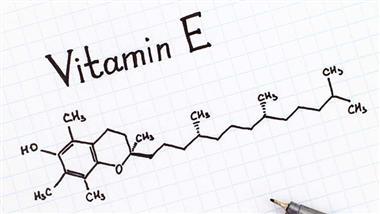
STORY AT-A-GLANCE
- Vitamin E is an important fat-soluble vitamin and antioxidant that combats inflammation, makes red blood cells, supports healthy immune function and helps your body use vitamin K, which is important for heart health
- Vitamin E deficiency increases your risk for immune dysfunction, cognitive deterioration, cardiovascular disease and certain cancers, including prostate, breast, colon and lung cancers
- A meta-analysis of 11 studies concluded that patients with lower concentrations of serum vitamin E (the vitamin E level in your blood) had a higher risk for colorectal cancer. Other studies have shown natural vitamin E may reduce your risk of lung cancer by more than 60%, and gamma-tocotrienol, a cofactor, may decrease prostate tumor formation by 75% and inhibit growth in human breast cancer cells
- Vitamin E also prevents linoleic acid (LA) stored in your tissues from being oxidized into toxic byproducts. Since most people have LA stores that are 10 times higher than normal, and since excess LA likely is one of the primary contributors to chronic disease, it can be a good idea to take vitamin E regularly until you get your LA down to healthy levels
- When supplementing, make sure it’s made with natural (not synthetic) vitamin E and has a balance of all eight vitamin E compounds that is free of genetically engineered ingredients and soy
Vitamin E is a fat-soluble vitamin with potent antioxidant activity that helps combat damaging free radicals. It also plays a role in the making of red blood cells, helps your body use vitamin K (which is important for heart health1) and is involved in your immune function and cell signaling. As with many other nutrients, many do not get enough of this basic micronutrient from their diet.
In the U.S. alone, 75% to 90% of the population fails to reach the recommended dietary allowance (RDA) of vitamin E.2,3 The RDA for people over the age of 14 is 15 milligrams of vitamin E per day, but most Americans get only half that amount.4 Insufficient vitamin E can increase your risk for a wide variety of diseases, including immune dysfunction, cognitive deterioration, cardiovascular disease and certain cancers,5 especially prostate, colon and lung cancers.6,7
Obesity heightens your risk of vitamin E deficiency further, in part because the increased oxidative stress in fat cells increases your body’s need for vitamin E to begin with. Obesity also impairs your body’s utilization of vitamin E.8,9 Food is your best source of vitamin E, since food contain a combination of the eight types of vitamin E. If you’re using a supplement, there are key considerations that need to be heeded, which I’ll review below.
Low Vitamin E Level Linked to Higher Risk of Cancer
A number of studies have looked at vitamin E’s influence on diseases like cancer. It’s important to realize that while some studies have linked vitamin E supplementation to an increased risk for cancer,10 most of those studies were looking at synthetic vitamin E, which I do not recommend using.
For example, there was a study published in 2015 that analyzed the effects of vitamin E intake on lung cancer risk among female nonsmokers. This was a study that looked at diet versus supplemental vitamin E in 72,000 subjects. After 12 years of follow-up, 481 women had been diagnosed with lung cancer.
Interestingly, dietary vitamin E strongly correlated with a lower risk of lung cancer, while supplemental vitamin E was associated with an increased risk. Not surprisingly, the supplemental vitamin E used was synthetic.
Overall, this makes a strong case for making sure you’re either getting your vitamin E from food, or from a natural vitamin E supplement, as natural vitamin E is the only kind that has a protective effect. Case in point: studies assessing the anti-cancer potential of natural vitamin E have found that:
- 300 IUs11 of natural vitamin E per day may reduce lung cancer risk by 61%12
- Gamma-tocotrienol, a cofactor found in natural vitamin E preparations, may decrease prostate tumor formation by 75%13
- Gamma-tocotrienol also fights existing prostate cancer tumors and may inhibit growth in human breast cancer cells14
A 2017 meta-analysis15 of 11 studies concluded that patients with lower concentrations of serum vitamin E (the vitamin E level in your blood) had a higher risk for colorectal cancer. An earlier study,16 published in 1993, also found that high intake of vitamin E helped decrease the risk of colorectal cancer — especially in those under the age of 65. As explained in the study:
“Vitamin E is the major lipid-soluble antioxidant found in cell membranes, where it protects against lipid peroxidation. In addition, like carotenoids and water-soluble vitamin C, it can also stimulate the immune system and may protect against the development of cancer by enhancing immune surveillance. Vitamins E and C reduce nitrite, compounds that induce tumors …”
Other Health Benefits of Natural Vitamin E
Aside from its cancer-preventive potential, natural vitamin E may also:
• Lower your risk of heart disease and stroke.17
• Help relieve symptoms associated with nonalcoholic steatohepatitis, a common obesity-related fatty liver disease.
• Lower your risk of age-related macular degeneration, a leading cause of vision loss in the elderly.18
• Boost improvements in blood vessel function that occur when a smoker quits smoking.19
• Delay loss of cognitive function in Alzheimer’s patients.20 Results showed that clinical progression of Alzheimer’s slowed by 19% per year in the group receiving 2,000 IUs per day of vitamin E, compared with placebo. This delay translated into just over six months of delayed progression over the two-year follow-up period. Caregiver time also increased the least in the group receiving vitamin E.
This study actually used synthetic alpha-tocopherol that was not balanced with tocotrienols or any of the other tocopherols — beta, gamma and delta. Chances are the benefits would have been even greater if the natural form was used.
Download this Article Before it Disappears
Vitamin E Protects Against Damage Caused by Linoleic Acid and Estrogen
Another important benefit of vitamin E is that it prevents linoleic acid (LA) stored in your tissues from being oxidized into toxic byproducts. Since most people are walking around with LA stores that are 10 times higher than normal.
Since excess LA is likely one of the primary contributors to chronic disease, it can be a good idea to take vitamin E regularly until you get your LA down to healthy levels, which may take up to six years for most people. Vitamin E can almost miraculously prevent most of the damage done by LA.
Vitamin E can also reverse or prevent many of the issues associated with excess estrogen. This is important because excess estrogen has remarkable parallels to LA in terms of its metabolic and anti-health effects. When you eat excess polyunsaturated fat (PUFA) or LA, you increase your body’s production of estrogen. So, when you increase LA, estrogen levels go up — and that’s not a good thing.
Both LA and estrogen increase the influx of calcium into the cell, which causes nitric oxide and superoxide to increase inside the cell. Nitric oxide and superoxide combine almost instantaneously to form a very pernicious reactive nitrogen species called peroxynitrite, which causes pervasive damage to tissues in your body.
LA and estrogen also increase a potentially dangerous process in your body called lipolysis, which is simply the liberation of fatty acids from your fat cells into your bloodstream where they are mobilized. This then increases the oxidation of LA, which is precisely what you want to avoid as ideally you want to keep LA in your fat cells until they metabolize it with peroxisomes. Fortunately, vitamin E can also help neutralize this damaging effect of LA.
Vitamin E also directly inhibits the activity of an enzyme called aromatase. This is an enzyme that converts the male hormones like testosterone and DHEA into estrogens. Even better, it serves as an estrogen antagonist, meaning it binds to the estrogen receptor to block it from binding to estrogen. This dramatically lowers the damage from excess estrogen.
Vitamin E works very similarly to the drug tamoxifen, which is used to treat estrogen receptor-positive breast cancers. For these reasons, I firmly believe nearly everyone needs to be getting vitamin E in their diet. However, due to the high LA burden, very few people can get enough vitamin E to suppress this oxidative destruction unless they’re taking a supplement.
The good news is that since the supplementation is short term (provided you’re actively reducing your LA intake), you’re not going to need it the rest of your life. If you can keep your LA intake to below 5 grams a day for three years, it’s likely you may not even need it at all, or at most, only a few times a month.
However, if you go out and binge on a meal that’s very high in LA, I would strongly recommend taking a vitamin E capsule to protect yourself from this exposure.
Once your LA levels get low, you only need about 2 mg of vitamin E per gram of LA. If your LA intake is at or below 5 grams a day, as recommended, you only need about 10 mg of vitamin E, which is a very low dose. Since vitamin E is fat soluble, it stays in your fat tissues for some time.
Vitamin E Reverses Mitochondrial Oxidation Inhibition
Two studies that highlight the destructive influences of estrogen and cortisol were published all the way back in 196321 and 1960.22 As explained by bioenergetic researcher Georgi Dinkov,23 these studies show that estrogen and cortisol inhibit NADH oxidation in the mitochondria, thereby shifting the ratio between NAD+ and NADH in the mitochondria in favor of reduction.
Reduction, in turn, causes a reverse in the flow of electrons in the electron transport chain, which causes damaging reactive oxygen species (ROS) to be generated. The end result is poor mitochondrial function and chronic inflammation, which are at the root of most chronic conditions, including diabetes, cardiovascular disease and cancer.
On top of that, estrogen also inhibits pyruvate dehydrogenase, which increases NADH accumulation and skews the NAD+/NADH ratio even more, and “induces a multi-fold rise in ceruloplasmin — a reliable biomarker of both acute and chronic inflammation, as well as some cancers (e.g. lymphomas),” Dinkov warns.24 The good news is that since vitamin E is such a potent inhibitor of both estrogen and cortisol, it can reverse these adverse effects.
How Much Vitamin E Do You Need for Optimal Health?
According to one scientific review,25,26 a mere 21% of the people studied had a protective level of serum vitamin E, which is thought to be 30 micromole per liter (μmol/L). This appears to be the threshold above which “definable effects on human health in multiple areas” are obtained.27 Human studies have also found that achieving a level of 30 μmol/L requires a daily intake of at least 50 IUs of vitamin E.28
A primary reason for such widespread deficiency is that most people eat a primarily processed food diet, which tends to be lacking in vitamin E and other important nutrients.
Deficiency during pregnancy can be particularly problematic. Worldwide, about 13% of people have vitamin E levels below the “functional deficiency” threshold of 12 μmol/L, and most of these are newborns and young children. Babies deficient in vitamin E are at increased risk for immune and vision problems. Being deficient in vitamin E during pregnancy also raises your risk for miscarriage.29
Since vitamin E is fat-soluble, taking it with some healthy fat, such as coconut oil or avocado, can help increase its bioavailability. In fact, studies have shown your body will absorb only about 10% of the vitamin E from a supplement when you take it without fat.30
Signs and Symptoms of Vitamin E Deficiency
Signs and symptoms of serious vitamin E deficiency include:31,32
| Muscle weakness and unsteady gait | Loss of muscle mass |
| Cardiac arrhythmia | Vision problems, including constriction of your visual field; abnormal eye movements; blindness |
| Dementia | Liver and kidney problems |
How to Pick a Good Vitamin E Supplement
Most vitamin E supplements are synthetic, and you want to steer clear of those. Studies have demonstrated that synthetic vitamin E has the opposite effect of natural vitamin E, such as increasing the risk of certain cancers rather than lowering it,33,34,35 for example. So, it’s important to make sure you’re getting a natural version.
Synthetic vitamin E is called alpha tocopherol acetate. The acetate indicates that it’s synthetic. Next, you need to pay attention to the orientation of the optical isomer. Most vitamin supplements are racemic, or they have left- and right-hand isomers. This is a problem as most biological molecules have optical isomers that are right-handed.
They’re usually called D and L isomers, which stands for right and left. When you have both left and right isomers present, it’s called racemic. Biologically, there’s usually only one optical isomer that works well, and with vitamin E it is the D isomer that works in your body, while the L isomer is useless.
Yet in synthetic supplements, 50% of the vitamin E is the useless L isomer. To make matters even worse, many synthetic versions use an ester of vitamin E, which only has about 50% of the activity of the natural product. So, the total activity of many vitamin E supplements is reduced by 75%.
So, the first step in identifying healthy good vitamin E supplements is to make sure you’re getting real vitamin E and not synthetic. What you’re looking for is “d alpha tocopherol.” This is the pure D isomer, which is what your body can use. Synthetic alpha-tocopherol is listed with a “dl” (i.e., dl-alpha-tocopherol).
There are also other vitamin E isomers, and you want the complete spectrum of tocotrienols, specifically the beta, gamma, and delta types of vitamin E, in the effective D isomer.
Another potential problem is that if you take high amounts of alpha-tocopherol in isolation, it could potentially deplete the other tocopherols and tocotrienols from your body. This is true whether you’re taking a natural or a synthetic one, so I recommend looking for a food-based supplement that has a balance of all eight types of vitamin E (four tocopherols and four tocotrienols).
Also look for a supplement that is free of soy, soybean oil derivatives and genetically engineered (GE) ingredients (some of the most common GE ingredients found in supplements are derivatives of corn, soy and cotton seed).
Your Best Source of Vitamin E
Supplements are best taken in addition to, not in place of, a healthy diet, and only if you actually need them. One way to evaluate your need for a vitamin E or other supplements is to use a nutrient tracker, such as Cronometer.com/Mercola, which is the most accurate one on the market because of their decision to eliminate inaccurate crowd sourced data. It’s available free of charge.
Vitamin E can easily be obtained from a healthy diet, so before considering a supplement, consider including more vitamin E-rich foods36,37 in your diet. Vitamin E is synthesized by plants, and the highest amounts are found in plant oils.
However, while some health authorities recommend canola oil as a good source,38 this is actually a terrible source due to its high LA content. Beans — another good source of vitamin E — may also be problematic for many due to their high lectin content.
One of the best healthy natural sources of vitamin E would be grass fed ruminants like beef or bison. A normal serving can provide enough vitamin E to protect against the oxidative stress from LA in a low LA diet. If you have a high LA diet and have had one for quite some time, like most people, then you will want to consider a supplement with around 100 units of vitamin E that meets the criteria in the section above.
Avoid supplements that don’t meet these criteria or much higher doses of vitamin E as more is not necessarily better and can be highly counterproductive.
- 1, 5, 31 University of Maryland Medical Center, Vitamin E (Archived)
- 2 British Journal of Nutrition 2012 Aug;108(4):692-8
- 3, 6, 25 Prevent Disease July 26, 2016 (Archived)
- 4, 17 National Institutes of Health, Vitamin E Fact Sheet
- 7, 38 PCRM.org, How Vitamin E Helps Protect Against Cancer (Archived)
- 8 Science Daily November 2, 2015
- 9, 30 Science Daily October 7, 2015
- 10 Science Daily May 19, 2016
- 11 Calculator Site, How to Convert IUs to Mcg or Mg
- 12 Int J Cancer. 2008 Sep 1;123(5):1173-80
- 13 International Journal of Cancer 2011: 128/(9); 2182-2191
- 14 European Journal of Lipid Science and Technology January 18, 2008
- 15 Medicine 2017 Jul; 96(27): e7470
- 16 Cancer Research September 15, 1993; 53: 4230-4237 (PDF)
- 18 Ophthalmology. 2009 May;116(5):939-46
- 19 Time Magazine April 25, 2013
- 20 JAMA January 1, 2014: 311(1); 33-44
- 21 Journal of the American Geriatrics Society April 1963, 11(4)
- 22 The Journal of Biological Chemistry 1960; 235(12): 3413-3416
- 23, 24 Haidut.me March 4, 2024 (Archived)
- 26 Nutraingredients-USA.com July 19, 2016
- 27, 28 International Journal for Vitamin and Nutrition Research, ISSN 0300-9831
- 29 Johns Hopkins December 3, 2014
- 32 Medscape Vitamin E December 21, 2021
- 33 Cancer Prevention Research May 2012, DOI: 10.1158/1940-6207.CAPR-12-0045
- 34 Science Daily April 23, 2012
- 35 Sci Transl Med 29 January 2014: Vol. 6, Issue 221, p. 221ra15
- 36 The World’s Healthiest Foods Vitamin E (Archived)
- 37 MyFoodData.com, Top 10 Foods Highest in Vitamin E
Can Magnesium Relieve Your Tinnitus?
Reproduced from original article:
https://articles.mercola.com/sites/articles/archive/2024/03/06/magnesium-tinnitus-relief.aspx
The original Mercola article may not remain on the original site, but I will endeavor to keep it on this site as long as I deem it to be appropriate.
Analysis by Dr. Joseph Mercola March 06, 2024
STORY AT-A-GLANCE
- Nearly 15% of the U.S. suffers from tinnitus — the perception of sound when no external sound is present, as a result of exposure to loud noises, medications, infection or disease
- Although not curable, there are treatments that may reduce the severity of symptoms, including supplementation with magnesium, zinc or ginkgo biloba
- Preventive strategies reduce your risk of suffering tinnitus; symptom severity may also be affected by other nutrients and tinnitus retraining therapy
Nearly 50 million Americans experience tinnitus, or nearly 15% of the U.S. population.1 Tinnitus is the perception of sound when there is no external sound present. Others can’t hear what you’re hearing, and it’s often referred to as “ringing in the ears.”
However, the reference to ringing doesn’t exactly ring true, as sufferers may complain of sounds that include hissing, buzzing, whistling or swooshing.2 For many, the condition resolves after a couple of days, but roughly 20 million struggle with chronic tinnitus, while 2 million have a debilitating form of the condition.
Currently, there is no cure, but there are treatment options that give sufferers better quality of life and may reduce the severity of the symptoms.
Historically, tinnitus develops in those over the age of 50. Research is now demonstrating the incidence is rising, even among young people, which is thought to be the result of increased exposure to loud environmental noise.
Unfortunately, tinnitus may be a future predictor of hearing loss, possibly related to other lifestyle choices, such as listening to loud music, using earbuds and using mobile phones. In a study from McMaster University in Canada, researchers are finding more children than expected between ages 11 and 17 with early tinnitus.3 According to study author Larry Roberts, Ph.D.:4
“It’s a growing problem and I think it’s going to get worse. My personal view is that there is a major public health challenge coming down the road in terms of difficulties with hearing.”
How Tinnitus Develops
After listening to loud music, you may notice a slight ringing in your ears that resolves over a short period of time. More than half of the students in the study from McMaster University had experienced this transient tinnitus and 28% had developed persistent early tinnitus.5
Neurological damage or damage to the small hairs that line your inner ear and vibrate in response to sound waves can result in tinnitus,6 and you may experience the condition in one or both ears.7
Auditory signals are sent from small structures in the ear to the cochlea and are transmitted to a structure in the brain called the dorsal cochlear nucleus. The dorsal cochlear nucleus has the capability of boosting or reducing sound, which may be compromised after multiple exposures to loud noise.
Researchers found that repetitive exposure to loud noise also alters brain plasticity. The development of tinnitus may also result from infection, medications and age.8 Tinnitus can also be a symptom of Meniere’s disease, a condition affecting the balance mechanism in the inner ear.
A buildup of earwax in the outer ear may cause pressure and affect the development of tinnitus. Hypertension, anxiety and stress are also associated with the development of the condition. After exposure to loud noise, you may find a short period of time where sound is subdued and it feels like the world turned down the volume.
During this period, your dorsal cochlear nucleus may try to compensate by boosting the auditory signal. While successful, it may result in a memory that triggers tinnitus, often in a specific sound frequency.
The consequence is hearing sound when there is no sound, as your dorsal cochlear nucleus continues to boost an auditory signal. Researchers have now identified a mineral that may prevent the dorsal cochlear nucleus from permanently turning up the dial and triggering chronic tinnitus.
Magnesium Supplementation May Reduce Symptoms
Studies have demonstrated an improvement in hearing when participants, who suffer from sensorineural or noise-induced hearing loss, are supplemented with magnesium.9
Magnesium intake in the U.S. is well below recommended levels,10 which may increase your potential risk of tinnitus. In the video above, I review the importance of choosing the right type of magnesium supplement.
To determine if using magnesium supplementation could reduce symptoms, participants with chronic tinnitus were asked to take a magnesium supplement for three months. The 26 individuals evaluated and recorded their symptoms daily, using the Tinnitus Distress Rating Scale.
Researchers also administered the Tinnitus Handicap Inventory before and after the intervention. Of the 26 participants who enrolled, 19 finished the study.11
Participants who ranked their symptoms as “slight” or greater on either scale before the supplementation, experienced a significant decrease in the severity of their symptoms after the intervention was completed.
The researchers concluded that magnesium supplementation had a beneficial effect. Magnesium helps maintain normal nerve function, including the nerves that are involved in hearing. However, while magnesium may help reduce tinnitus and hearing loss, taking supplementation is not a reason to purposefully expose yourself to loud noises.
Magnesium is also a powerful glutamate inhibitor. Glutamate is a neurotransmitter produced by hair cells in your inner ear when they are affected by sound waves. If glutamate is unregulated by a deficiency in magnesium, it may affect the development of tinnitus.12
Magnesium also helps to relax blood vessels, which may improve blood flow to the cochlea in the inner ear.13 Improved blood flow may help transport protective antioxidants to the inner ear.
Download this Article Before it Disappears
Magnesium Deficiency May Affect More Health Conditions
Animal studies demonstrate a deficiency in magnesium increases the risk of noise-induced hearing loss, but magnesium deficiency affects far more than your hearing. Magnesium is involved in the metabolism of carbohydrates and energy production, creation of DNA and RNA, and is a structural component in bone, cells walls and chromosomes.14
Symptoms of overt magnesium deficiency are relatively rare, as the mineral is plentiful in many foods and your body is able to limit excretion through your kidneys when your supply is limited. However, while overt deficiency is rare, many Americans do not get enough magnesium from their diet, which may contribute to symptoms related to low levels of the mineral.
Several health conditions may increase your risk of magnesium deficiency or low levels that contribute to symptoms, including gastrointestinal disorders that may lead to depletion of magnesium, age-related reduction in absorption, health conditions such as diabetes, which may cause your body to excrete more magnesium, and chronic alcoholism.15 Low levels of magnesium, in turn, can contribute to the development of:
| Metabolic syndrome | Hypertension | Diabetes |
| Cardiovascular disease | Heart arrhythmias | Osteoporosis |
| Complications in pregnancy | Pre-eclampsia and eclampsia | Asthma |
| Stroke | Endothelial dysfunction | Migraine headaches |
Psychiatric Disorders and Stress Associated With Tinnitus
Many adults who suffer from tinnitus also have coexisting psychiatric disorders that range from anxiety to personality disorders. In fact, some researchers suggest tinnitus is not simply a condition affecting the auditory system, but rather is neuropsychiatric in nature, which would explain why it often occurs alongside cognitive and behavioral symptoms.
Depression affects 62% of people with tinnitus.16 Stress is both a predictor and coexisting condition in people who suffer from tinnitus. In one study, stress was a strong predictor of the severity of the symptoms.17 Many people who suffer from tinnitus notice their first symptoms occur during a stressful life event, such as a sickness in a family member, accident or surgery, divorce or being laid off. As noted in the Journal of Neurology, Neurosurgery and Psychiatry:18
“These events can heighten the brain’s arousal, and the tinnitus may be noted cortically [by the cerebral cortex]. This interaction between reduced auditory sensation and brain compensation might explain why some people are very bothered by their tinnitus and others just adjust to it.”
Other Vitamins Impact Hearing Loss and Tinnitus
Other vitamins also impact hearing loss and tinnitus. These include:19,20
| Vitamin C — Vitamin C may protect against noise-induced hearing loss. Food sources include citrus fruits, tomatoes, broccoli and strawberries.21 |
| Beta-carotene — Increased intake is associated with better hearing at speech and high frequencies. Food sources include orange colored foods such as carrots, pumpkin and winter squash.22 |
| Antioxidants — These help neutralize reactive oxygen species involved in the progression of tinnitus. Food sources include wild blueberries, pecans, artichokes, cilantro, cranberries and blackberries.23 |
| Lipoic acid — Reduces age-related hearing loss and is found in spinach, broccoli and animal organ meats.24 |
| Folate and vitamin B12 — Important to the health of nerve cells, these vitamins reduce levels of homocysteine linked to higher risk of hearing problems. Food sources include lentils, chickpeas, spinach and asparagus.25 |
| Melatonin — A hormone critical for sleep, it is also effective against hearing loss resulting from loud noise. You may boost your melatonin naturally by practicing healthy sleep habits. |
| Ginkgo biloba — An herbal supplement that may protect against hearing loss and reduce severity of tinnitus symptoms. |
| Coenzyme Q10 (CoQ10) — Antioxidant that supports mitochondrial function and may reduce noise-induced hearing loss. Found in beef, herring, chicken, sesame seeds and broccoli.26 |
| Zinc — A mineral important to your nervous system, zinc has antioxidant and anti-inflammatory properties. Food sources include oysters, beef, chicken, cashews and almonds.27 |
| Taurine — May help reduce the severity of tinnitus and has demonstrated a protective effect in hearing loss associated with medication use. Food sources include seafood and meat. Your body can metabolize taurine from cysteine, but age reduces this ability.28 |
Specific Noise Frequencies May Combat Tinnitus
While there is no cure for the condition, some are able to acclimate to the tinnitus so it isn’t as disruptive to their daily lives. Essentially, a tinnitus retraining therapy program can help retrain your brain to “tune out” the noise generated by your nerve cells. The type of sound used in the therapy is determined by how the condition is experienced; some suffer from a constant high-pitched ringing, while others hear a steady series of swooshing sounds.
Tinnitus retraining therapy, also called habituation, works by conditioning your brain as you listen to background noise or music during your waking hours. This is intended to distract your brain from tinnitus and help the brain to effectively “forget” it’s occurring.29
However, it’s important to choose the right type of environmental noise to treat your specific tinnitus. Your therapy will account for spectral density of sound, which is how power from sound signals are distributed through frequencies. The sound of your tinnitus operates at different frequencies, and so will the sound used in your therapy.
White noise is like the sound of a fan, which appears to work best for people who suffer from tinnitus that sounds like a shushing. White noise combines high and low frequencies, much like a sound equalizer. Pink noise may sound like a waterfall, or rain on a roof, and may help relax your mind and encourage more restful sleep.30
Red/brown noise is any sound that mimics Brownian motion, or a random placement of particles in liquid and the subsequent collisions between fast moving atoms and molecules. This type of sound is best suited for tinnitus that responds well to low sounds, like thunder.
Tips to Protect Your Hearing
It’s estimated that half of cases of hearing loss are avoidable.31 Protecting yourself from loud noises is the first step in preventing both tinnitus and hearing loss. Eating a healthy and varied diet of whole foods can help prevent age-related hearing loss by optimizing your intake of vitamin rich foods. The following recommendations may also help prevent hearing loss or tinnitus:
| Turn down the volume on personal audio devices. |
| Download a decibel meter app for your smartphone, which will flash a warning if the volume is turned up to a potentially damaging level. |
| Wear earplugs when you visit noisy venues. If you work in a noisy environment, be sure to wear ear protection at all times. |
| Use carefully fitted noise-canceling earphones/headphones, which may allow you to listen comfortably at a lower volume. |
| Limit the amount of time you spend engaged in noisy activities. |
| Take regular listening breaks when using personal audio devices. |
| Restrict the daily use of personal audio devices to less than one hour. |
| If you live in a very noisy area, you may want to consider moving. If moving is not an option, consider adding acoustical tile to your ceiling and walls to buffer noise. Double-paneled windows, insulation, heavy curtains and rugs can also help reduce noise volume. |
| Use sound-blocking headphones to eliminate occasional sound disturbances such as that from traffic or lawnmowers. Wear ear protection when using your lawnmower or leaf blower. |
- 1, 2 American Tinnitus Association, Understanding the Facts
- 3, 4, 5 Daily News, June 7, 2016
- 6 Daily Mail, February 22, 2011
- 7 CNN March 22, 2017
- 8 NIH. Tinnitus May 1, 2023
- 9, 11 International Tinnitus Journal, 2011; 16(2):168
- 10, 14, 15 Oregon State University Micronutrient Information Center, Magnesium
- 12 Tinnitus Formula, Magnesium, Your Health and Tinnitus
- 13, 19 Life Extension, Hearing Loss and Tinnitus, Targeted Nutritional Therapies
- 16, 18 Journal of Neurology, Neurosurgery & Psychiatry. The Neuropsychiatry of Tinnitus
- 17 Psychotherapy and Psychosomatics, 2012;81(5):324
- 20 Life Extension Greater Intake of Beta-Carotene, Vitamin C, Magnesium Associated With Lower Risk of Hearing Loss
- 21 Oregon State University Micronutrient Information Center, Vitamin C
- 22 Oregon State University Micronutrient Information Center, Carotenoids
- 23 Superfoodly, ORAC Values: Antioxidant Values of Foods & Beverages
- 24 Oregon State University Micronutrient Information Center, Lipoic Acid
- 25 Oregon State University Micronutrient Information Center, Folate
- 26 Oregon State University Micronutrient Information Center, CoEnzyme Q10
- 27 Oregon State University Micronutrient Information Center, Zinc
- 28 Life Extension, The Forgotten Longevity Benefits of Taurine
- 29, 30 Sanuthera, White Noise, Pink Noise — What Color Is Your Tinnitus?
- 31 World Health Organization, February 27, 2015
Unlocking Personalized Health: Navigating the Unique Terrain of Nutritional Individuality
Reproduced from original article:
https://articles.mercola.com/sites/articles/archive/2024/03/03/nutritional-individuality.aspx
The original Mercola article may not remain on the original site, but I will endeavor to keep it on this site as long as I deem it to be appropriate.
Analysis by Dr. Joseph Mercola March 03, 2024
STORY AT-A-GLANCE
- Recent advances in genetic sequencing bring us one step closer to being able to optimize health based on a person’s unique genetic mutations
- Polymorphisms that affect your metabolic pathways can alter your individual nutrient requirements
- The ideal approach to health can be likened to a double-layered cake, with universally recognized practices forming the base layer, such as consuming whole foods and staying active, while the other layer pertains to unique individual factors
- Understanding your genetic idiosyncrasies is crucial for optimizing health beyond common guidelines
- Foods that would be most helpful in hitting your nutrient targets include egg yolks, liver, oysters, clams and unfortified nutritional yeast
In this interview, Chris Masterjohn, who has a Ph.D. in nutritional sciences from the University of Connecticut,1 and I discuss nutritional individuality, and how to assess your own personal nutritional needs.
While there are many opinions about which diet might be best, not all diets are ideal for everyone. There are exceptions to every rule, and only you can figure out whether a given recommendation is right for you.
As noted by Masterjohn, Roger Williams is the “father” of this field. He documented how the biochemistry of different people resulted in different nutritional needs.
“For example, one thing that he probably would’ve recognized about me is that my eyes are light blue. I’ve got greater UV destruction of retinol inside the eye, so I’m likely to require a higher amount of vitamin A,” Masterjohn says.
“I think there were many people, in between then and now, who have tried to come up with ways to determine, should you eat high carbs, should you eat low-carb, and all these different things. But I think we are now entering the realm where we can get a lot more precision on the hundreds of ways, really thousands of ways, that we are different. There are a lot of nuances that we are just now being able to come to.
It really takes a lot of work to get incredible precision, but we can now start thinking about things that people can self-experiment with at home, such as how different metabolic pathways might be altered, and why you might need to get most of your nutrients at levels that occur in a whole food, but maybe another person needs a lot of extra riboflavin, and another needs a lot of extra thiamine.
And, if either one of those people do the opposite, they’re going to wind up in a lot of trouble. So, I think we are now at the place where we want to start getting deeper into the precision that’s becoming available.”
Precision Technologies
One of the major technological advances we’ve seen over the last year is that whole genome sequencing has become affordable enough to be applied at mass scale. For example, the Regeneron Genetics Center recently completed sequencing 1 million exomes,2 which approximates whole genome sequencing.
What they discovered is that there’s an enormous variety of genetic mutations, so-called polymorphisms. So much so that the average person has one or two super-rare mutations shared by only a few other people. And Masterjohn suspects that may be an underestimate. “I think it’s really three to five,” he says.
“Before whole genome sequencing became affordable at mass scale … what people were doing to try to understand their DNA was something like 23andMe or Ancestry, and then often running those through third party reports,” Masterjohn says.
“Those are extremely limited in what they’re testing, because they’re only capturing a couple hundred thousand out of the millions of variations. But way more importantly than that, the snip chip test, the methodology that they’re using, loses all of its accuracy when you’re looking for something that is present in fewer than 1 in 1,000 people.
The test is dependent on the stats that you get from large numbers of people … The reason that this is important is because what whole genome sequencing has taught us is that each person is most impacted by somewhere around one to five super-rare genes that they have. This means the older testing from 23andMe is not giving you anything accurate at that level.
So, the way we should think about our health is kind of like a double layered cake — you’ve got one layer of the things that everyone should be doing … There are certain things that everyone would agree on, like eating mostly whole foods, make sure that you’re meeting all the basic requirements for your nutrients … stay active, get outside, get sunshine, et cetera.
But then there’s this other layer. Things that are unique to me are going to be extremely unique to me, because I’ve got a small handful of mutations … and [few or no other people are] going to have the same ones that I have.
And that, I think, is where you can unlock the [next] big step … None of it invalidates the things that we should all be doing … exercise and eating a healthy diet, but it does make us able to say, ‘Alright, I’ve done everything that I can, I’ve achieved 7 out of 10 for my health, how do I get to 10 out of 10? I think understanding those deep idiosyncrasies is how to unlock that last mile of the run.’”
The Role of Epigenetics
The human body has approximately 23,000 genes and each gene can produce a variety of proteins. In all, there are about 14 million polymorphisms, or sites of variation. This is in part what allows to produce 100,000 different proteins.
Now, while highly individualized health care is possible based on genetic variations, I believe we should consider the role of epigenetics as well. The fact that you have a unique genome doesn’t mean that you must get genetic testing to optimize your health. As explained by Bruce Lipton, Ph.D., genetic expression is primarily determined by epigenetic factors.
Epigenetics refers to changes in gene expression that do not involve alterations to the underlying DNA sequence. Epigenetic modifications occur through various mechanisms such as DNA methylation, histone modification and non-coding RNA regulation, just to name a few. In short, epigenetic factors play critical roles in the development of disease, disease susceptibility, and responses to environmental factors without directly changing the DNA sequence itself.
For example, the level of carbon dioxide (CO2) in your body modulates histone, which in turn modulates the expression of the DNA. For clarification, histones are proteins found in eukaryotic cell nuclei that play a crucial role in the packaging and organization of DNA.
Their main biological function is to package DNA into compact structures called nucleosomes, which are the fundamental units of chromatin. Histones help regulate gene expression by controlling access to the DNA strand, which can either promote or inhibit transcription.
Histones also undergo various post-translational modifications, such as acetylation, methylation, phosphorylation and ubiquitination, which can alter the structure of chromatin and influence gene expression. These modifications can act as signals for other proteins to bind to chromatin and regulate gene activity. So, overall, histones are essential for maintaining the structural integrity of chromosomes and regulating gene expression in eukaryotic cells.
My argument is that if you have a unique anomaly, it’s not necessarily a “fatal flaw” that requires special workarounds. There may be epigenetic mechanisms that can bypass or attenuate the mutation, and CO2 might be one of those ways, by modulating histone.
Download this Article Before it Disappears
Counterargument: Epigenetic Influence Is a Narrow One
Masterjohn disagrees, commenting:
“Genetics has a stronger impact on how each of us are different, and epigenetics has a stronger impact on, for example, if you have a unique problem — when in your life does it onset, and what is the power to resolve it?
It really doesn’t have that much of an impact on how individual we are, because the types of epigenetic regulations are relatively narrow. So, you could say, for example, psychological stress is going to impact your epigenetics …
Everyone’s trauma can be very, very unique in terms of the experience of it, and what the content of it was. But there’s not that many different types of stress response to trauma in the body. So, the resulting epigenetics are largely narrow …
I’m not implying that we know everything there is to know. I’m implying that we’ve learned some things that are valuable. So, when I say ‘genetic,’ [do not read] that as genetic determinism. If anything, I would argue against genetic determinism, because the point is to find the points of actionability.
If something’s actionable, then by definition it’s not deterministic, because your action is changing it. So, I’m not talking about determinism, I’m talking about uniqueness.
There are valuable things that we’ve learned very recently about the skew of genetic mutations in people that have actionable implications, which means there are nuances you can add to how you do things to optimize and maximize your health.
Obviously, these things interact, but epigenetics, I don’t think, add as much to the uniqueness as genetics do, because we can all get stressed, but generally stress is quite similar in what it’s doing. There’s a handful of stressors that we can experience, psychological, and emotional work, metabolic, not eating enough, exercising too much. There’s a bunch of them, but they’re relatively small.
Whereas, if you look at the skew of big bottlenecks in metabolic pathways, you’re looking at 30-ish essential nutrients that could be altered. You’re looking at three major macronutrients that could be altered, and you’re looking at combinations that come from those. You’re really looking at thousands of possible individual bottlenecks that have maybe dozens to hundreds of implications of how you could uniquely tailor your diet.”
Working With Polymorphisms in Real Life
As an example, Masterjohn discovered that he has a riboflavin-responsive mutation, and he’s heterozygous for it. In a heterozygous individual, the two alleles (alternate forms of a gene) for a particular trait are different. Infants who are homozygous for it — where the two alleles are identical — have a near-100% infancy death rate.
Giving these infants riboflavin supplementation drives that death rate down to 10%. As a result, he suspected that his riboflavin requirement might be higher than normal and, indeed, taking 75 milligrams of riboflavin each day abolished his seasonal allergies. “I have not had any allergies since I did that,” he says.
One of the things that you can look at is — if you develop a hypothesis around it, and you test it — what is the outcome? With regard to riboflavin, it affects Complex 1 in the mitochondrial electron transport chain. Masterjohn explains:
“The gene [affected] is ACAD9, and ACAD9 is a moonlighting protein that fulfills two functions. One is in fatty acid oxidation, and one is as a chaperone to assemble mitochondrial respiratory chain complexes … If you look at the case reports, it’s usually Complex 1 that’s deficient, but sometimes it’s Complex 2.
I also had a respiratory chain assay from a cheek swab that, interestingly enough, did not show that I had a deficiency of anything, but it did show that my Complex 2 was way higher than my Complex 1. This is not consistent with disease, but it is consistent with the fact that I have a mutation that decreases Complex 1.
I’ve found that super valuable, where, if I can predict, from a biochemical pathway, that this going to feed into Complex 1 more, or Complex 2 more, I can consistently show that the things that feed into Complex 2 lower my resting lactate, and the things that feed into Complex 1 raise my resting lactate.
That happens to be a very good leading indicator of a health effect. So, for example, I found that generally if something increases my lactate and I ignore it, it’s going to wind up shortening my sleep. Whereas, if I remove the things that increase my resting lactate, and I take the things that decrease my resting lactate, generally, that improves other things I track, such as my sleep.”
Trial and Error
In the interview, Masterjohn also provides another personal example relating to high-dose biotin supplementation gone wrong. Based on past symptoms, lab work and genetic testing suggesting his biotin recycling was poor, he started taking 10 mg of biotin per day.
By the end of one month, his focus was severely impaired, he kept dropping things and was easily angered. “I was in a conversation where the stress of the conversation would otherwise have been very trivial, but I got so angry that I screamed so hard that I saw flashing lights,” he said. “The only time I’ve ever experienced that in the past has been through physical stress. I’ve never gotten angry and had that happen.”
Once he stopped taking the biotin, all these symptoms vanished. In the end, he concluded that the biotin supplementation had worsened the respiratory chain issue caused by the riboflavin-responsive mutation. He comments:
“So, look, if you are content with just eating well and exercising well, and everything’s going well, and you’re not trying to optimize and you’re not trying to fix a problem, then fine, whatever. But no one needs to be on 10 milligrams of something that the requirement is 30 micrograms of, unless they have a very unique need for that.
There is a very severe homozygous biotin-related disease where this one mutation was considered an absolute death sentence in infancy. No one had ever said, ‘Maybe more than the traditional 10 milligrams of biotin for a genetic disorder in biotin metabolism is needed.’
Then, someone decided, ‘I’ve got one of these girls who has this mutation, she’s supposed to die any minute now, I’m going to keep titrating the biotin up until her skin rash goes away.’ So, they did that, and she wound up on 1.3 grams [1,300 mg] of biotin a day.
So, 10 milligrams gave me a neurological disorder, and 10 milligrams is insanely high compared to the 30 to 300 micrograms basal requirement is. She’s on 1.3 grams instead of 10 milligrams, 130 times what I was on. But last time anyone published on her, she was alive at 13 years old, which is considered impossible according to the textbooks on this disorder …
So, there is a need to experiment outside the boundaries of diagnosable diseases, and in the realm of optimization, but my point is, once you get into optimizing with things that are outside the realm of ‘everyone should do this,’ that’s the point where you really want to take additional measures to test whether you are actually optimizing what you think you are.
Fasting glucose, ketones and lactate … are not going to pinpoint an exact issue, but just knowing whether you are overstressing your respiratory chain for one of 300 reasons is a huge thing to know … So, if you put in biotin at 5 milligrams a day and your lactate goes from 0.7 to 2 millimoles per liter, you know that biotin overstresses your respiratory chain.
You don’t know with exact precision about why, but you don’t need to know that to say, that’s too much biotin for me, that was an error in my optimization, and I’m going to pull back.”
Cover the Basics First
Individual polymorphisms aside, one of the lifestyle strategies that applies to just about everyone is to get your basic micronutrients from whole foods. You’re just not going to hit the recommended daily allowances from processed foods and junk food. Masterjohn recommends tracking your nutrient intake using an app like Cronometer, at least for a few weeks, to make sure you’re hitting your targets.
“The foods that would be most helpful in hitting your nutrient targets would be egg yolks, liver, oysters, clams and unfortified nutritional yeast,” he says.
“If you hit those, you’re pretty much hitting everything, but you are kind of missing some plant-centric nutrients like vitamin C. I think bell peppers are super useful, yellow, orange and red bell peppers, out of the foods that are in a standard grocery market in the Western world, have the highest vitamin C to carbohydrate ratio.”
Cronometer will also help you determine if you’re eating too much linoleic acid (LA), which acts as a metabolic poison when consumed in excess. For more details, see “Linoleic Acid — The Most Destructive Ingredient in Your Diet.”
LA intake above 10% is highly likely to cause problems. Ideally, you want to keep it well below 5%. If your LA intake has been high, make sure you’re getting enough vitamin E, as it protects PUFAs from lipid peroxidation.
In other words, vitamin E protects your cells from the damage caused by LA and other PUFAs. And you don’t need much. According to Masterjohn, 0.6 mg of vitamin E per gram of PUFAs in your diet is all you need to protect against the damage.
Make Sure You’re Getting Enough Collagen
A subset of the whole food recommendation is to make sure you’re getting enough collagen. Homemade beef bone broth is an ideal source, and using a pressure cooker, you can whip up bone broth in as little as two to four hours.
“Generally speaking, one of the important metrics is the methionine-to-glycine ratio in the diet, and if you optimize around that, the rule of thumb is you want to eat all the bones and collagenous tissue that would be associated with the meat that you’re eating,” Masterjohn says. “I find it super easy to do that if I cook a chicken in the Instant Pot, and then I take the meat off and throw the bones back in.”
The devil’s in the details though. When cooking broth, you want to make sure the bones are as organic as possible, as the bones of animals raised in concentrated animal feeding operations (CAFOs) tend to be contaminated with heavy metals, which leach out during cooking.
Some bones are also better sources of collagen than others. Chicken feet and the knuckle bones (knee joint) of cows are particularly high in collagen and are therefore excellent choices for making bone broth. As a general rule of thumb, Masterjohn recommends getting 10 to 15 grams of collagen for every 100 grams of non-collagen animal protein.
“If you eat a more plant-based or shellfish-based diet, your methionine-to-glycine ratio starts to look a lot like what it would look like if you ate an animal diet, nose to tail. So, the degree to which you need to think about drinking bone broth is very dependent on how much meat you’re eating. You want to think about it a lot more when you’re eating a lot more [red] meat.”
A large portion of collagen is made up by glycine, which has many important health benefits. Interestingly, one easily recognized symptom of glycine deficiency is an overly reactive startle reflex. If you’re easily startled, you’re probably deficient in glycine.
Polymorphisms and Gut Function
As noted by Masterjohn, polymorphisms can also affect your gut function and even the makeup of your gut microbiome. So, while probiotics such as Akkermansia are important, addressing any underlying mitochondrial dysfunction caused by polymorphisms may be even more foundational.
“I’ve seen some amazing cases where someone has small intestinal bacterial overgrowth (SIBO) and then they supplement with high dose thiamine and it just disappears,” he says.
“That example is a case where they stumbled into it by luck, but they fixed a major reason for their own idiosyncratic mitochondrial dysfunction. And then that became apparent as the dominant driver of the microbiome.
Before I was talking about how, generally, if I feed Complex 2 versus Complex 1, my lactate goes down and my health goes up. One of the things that happens when I really know I’m optimizing around that is, a) I effortlessly lose body fat at a very high caloric intake, and b) I start having two perfect bowel movements a day.
The issue is, how fast can you figure out the idiosyncratic bottleneck and fix it? And does it conflict with the damage that’s done to your gut? So, for example, if you really should be on a high-starch diet for some reason, but now you’ve wrecked your microbiome such that eating a high-starch diet feeds the wrong microbes, then you might have some chicken-and-egg type of stuff to figure out.
And then, there might be other times where literally all you need is 2,000 milligrams of thiamine, and it’s like a miracle, and you don’t really have that conflict. Then, of course, there are all kinds of permutations of gray areas in between those two polarities.
Basically, what I would do is, I would look for and fix the underlying bottleneck, and then I would be borrowing from the basic principles of the GAPS diet, bone broth, et cetera, on an as-needed basis, to try to make sure that you’re not eating foods that are irritating, and you are eating foods that are healing for the gut. I do think glutamine has a particularly significant role in gut healing as well, alongside glycine and bone broth.”
More Information
In closing, Masterjohn comments:
“Do the low hanging fruit. Then, when you really want to optimize, the next thing — after you’ve really got [the basics] on lock — I think that’s where it’s time for some self-experimentation. It really helps to know a little bit about biochemistry, and do some testing like glucose, ketones, lactate, do some tracking micronutrients in Cronometer and so on.
If you subscribe to my newsletter, I talk about this stuff all the time. So, if you ever want to jump down the optimization rabbit hole with me, my newsletter is where to start that.”
You can subscribe to his newsletter and find loads more information on Masterjohn’s Substack.
Tasty and Healthy Bright Green Drink With No Powdery Aftertaste
Reproduced from original article:
https://articles.mercola.com/sites/articles/archive/2024/03/02/celery-juice.aspx
The original Mercola article may not remain on the original site, but I will endeavor to keep it on this site as long as I deem it to be appropriate.
Analysis by Dr. Joseph Mercola March 02, 2024

STORY AT-A-GLANCE
- Celery isn’t just a pretty, green vegetable perfectly formed to hold cheese or peanut butter. Instead, it’s a nutrient-packed piece of produce that you may want to ensure is part of your weekly dietary plan
- Celery is packed with vitamins and phytonutrients that can help lower your blood pressure and aid in gut regularity. It has antidiabetic properties, limits the risk of endothelial cell injury, has cardioprotective effects, and improves learning and memory in animals with beta-amyloid peptide-induced amnesia
- The compound apigenin found in celery enhances brain neurons, promoting stronger and more sophisticated connections in the lab, and offering an alternative treatment for neurodegenerative diseases
- Researchers are also interested in two compounds in celery — apigenin and luteolin — for potential cancer-fighting properties, both as adjuvant chemotherapeutic agents and in cancer prevention by inducing apoptosis and autophagy
- Note that celery has previously made the Dirty Dozen for high pesticide content, but in 2023 dropped to No. 15. Choose organically grown celery and don’t use celery extract or celery seed if you are pregnant or have active kidney inflammation
Celery isn’t just a pretty, green vegetable perfectly formed to hold cheese or peanut butter. Instead, it’s a nutrient-packed piece of produce that you may want to ensure is part of your weekly dietary plan. Forbes Health1 touches on three of the benefits of celery juice, but there are even more, especially when you include celery seeds.
Celery (Apium graveolens) is part of the parsley family (Apiaceae) and is typically added in small amounts to soups and stews or can be found on vegetable trays or in salads. Wild celery is native to the Mediterranean,2 and while we use it as food today, people in ancient Egypt, Rome and China likely used it medicinally and wove the leaves into victory crowns for athletes.
Celery may have gotten its big culinary break in the 1600s in France and Italy when it was used to help extend meals to feed families, and likely made its way to the U.S. in the 1800s where Dutch immigrants grew it first in Michigan. Most people either like it or can take it or leave it, but the flavor isn’t strong enough to develop true detractors.
Celery Juice May Influence Your Blood Pressure and Gut Health
Celery has long been considered a “diet” food, containing roughly 12 calories in every two medium-sized stalks.3 Yet, while it’s also high in fiber and low in sugar, there are several other health benefits to eating celery or drinking the juice. Celery is a rich source of antioxidants, phytosterols, flavones and flavanols and:4
| Calcium | Phosphorus | Potassium |
| Vitamin C | Folate | Beta-carotene |
| Vitamin A | Lutein and zeaxanthin | Vitamin K |
In 2019, the celery juice movement was growing, having picked up a large audience on Instagram, thanks to Anthony Williams, the self-proclaimed “Medical Medium” and self-described originator of the “Global Celery Juice Movement.”
In 2019, The Guardian5 reported that sales had jumped 454% in the U.S. According to Verified Market Reports,6 sales in 2020 were just under $5 million and Future Market Insights7 reports in 2023 the market size was $14.6 million and anticipated to grow to $27 million by 2033.
While the origin of the celery movement is somewhat murky, celery does offer several health benefits and a couple of cautions. Let’s start with the benefits. When celery is consumed in juice form, it may or may not provide digestive and gut health benefits, depending on whether the pulp has been removed. Celery fiber is a good source of nutrition for beneficial bacteria in your gut and helps regulate bowel movements.
If you’re making celery juice at home, consider keeping the fiber in the juice to help aid in regularity and support your gut microbiome.8 Another health benefit attributed to celery juice is the reduction of high blood pressure, which affects 48.1% of all adults in the U.S.9 One of the nutritional components in celery that appears to affect blood pressure are phthalides, which is a phytochemical known to relax the arterial walls and improve blood flow.10
Two papers report the blood pressure-lowering effect of celery, including a case study11 on a 74-year-old man who didn’t respond well to antihypertensive medications but whose pressure dropped from 150/80 to 118/82 after drinking celery juice for six months and receiving chiropractic care for neck pain.
The second 2020 paper12 included 24 participants, which after measuring the data, the writers concluded that “there is a significant effect of celery juice on blood pressure reduction in hypertension patients …”
Apigenin: A Flavonoid That Enhances Neuronal and Arterial Health
Apigenin is a flavone, which is a biologically active class of flavonoids. Parsley is highest in apigenin, having 215.5 mg per 100 grams (roughly 3.5 ounces).13 The vegetable with the next highest amount is celery hearts, with 19.1 mg per 100 grams of celery. A 2019 paper14 explored the potential of flavonoids, including apigenin, and reported key findings in lab, animal, and human studies.
The team noted that there have been a high number of studies that indicated apigenin has several interesting pharmacological and nutraceutical activities, including antioxidant properties and a low intrinsic toxicity compared with other structurally similar flavonoids.15 Interest in apigenin has increased over the years, and with it, studies into the potential benefits it has in the human body.
Apigenin has demonstrated antidiabetic properties which may be attributed to inhibition of alpha-glucosidase activity, increased insulin secretion and the ability to neutralize reactive oxygen species in the cell. Apigenin can also supply moderate amounts of nitric oxide to endothelial cells, which researchers believe reduces arterial and venous dysfunction from hyperglycemia and limits the risk of endothelial cell injury.16
Animal studies have demonstrated a cardioprotective effect in diabetic cardiomyopathy-induced mice and protected against myocardial injury in rats by mitigating myonecrosis, cell death and oxidative stress. Data suggest that the antioxidant, anti-inflammatory, anti-amyloidogenic, neuroprotective and cognitive enhancing properties present an interesting potential in the prevention and treatment of Alzheimer’s disease.17
The writers reported on several animal studies that indicated apigenin improved spatial learning and memory and provided neurovascular protection in an animal model with beta-amyloid peptide-induced amnesia.
Another reason apigenin is significant to health is because it enhances brain neurons. One study18 demonstrated that when it was applied to human stem cells in a petri dish, the stem cells turned into neurons 25 days later. The researchers found that the synapses connecting the neurons were “stronger and more sophisticated,” something that did not happen without apigenin. Stronger neuron synopsis bolsters several aspects of brain function.
The researchers noted that the flavone binds to estrogen receptors, which in turn affects the development, function and plasticity of the nervous system. In the past, estrogen-based therapies have been limited because of the increased risk of tumors and cardiovascular problems, but researchers believed that apigenin may be an alternative for the treatment of neurodegenerative diseases, such as schizophrenia, Alzheimer’s, Parkinson’s and depression.
“We show a new path for new studies with this substance,” points out Stevens Rehen, lead author of the paper. “Moreover, flavonoids are present at high amounts in some foods, and we can speculate that a diet rich in flavonoids may influence the formation of neurons and the way they communicate within the brain.”19
Download this Article Before it Disappears
Seeds and Stalks Are Nutrient-Rich Sources of Phytonutrients
In addition to neuronal and arterial effects, researchers are interested in apigenin for potential cancer-fighting properties, both as an adjuvant chemotherapeutic agent20 and in cancer prevention by inducing apoptosis and autophagy.21 Specifically, preclinical findings22 published in 2012 suggested it has potential in the treatment of progestin-dependent breast disease.
Research23 has also found that apigenin inhibits the growth of pancreatic cancer cells in the lab, which may suggest a potential as an adjuvant treatment in pancreatic cancer, which has a 12% five-year relative survival rate in the U.S.24 A high intake of flavonoids, including apigenin, luteolin and quercetin, are associated with cancer prevention and specifically lung cancer.25
Another compound found in celery — luteolin — is also linked to chemoprotective properties. Researchers wrote that “Luteolin’s anticancer property is associated with the induction of apoptosis, and inhibition of cell proliferation, metastasis and angiogenesis.”26 It also sensitizes cancer cells to chemotherapy and suppresses cell survival.
Celery has been used as a natural remedy for several types of acute and chronic conditions. Many of the biological and chemical properties have a variety of activities. A 2015 paper27 reported that a fully standardized preparation called Celery Seed Extract, using plants sourced from Northern India, was at least as effective as common anti-inflammatory medications aspirin, ibuprofen and Naproxen in suppressing arthritis.
The extract also reduced existing inflammation in an animal model and protected the gastric lining against irritation normally triggered by nonsteroidal anti-inflammatory drugs (NSAIDs). Unlike other dietary supplements, the available data suggested that the Celery Seed Extract was less likely to alter the metabolism of prescription medications and thus may be a potential natural option for use in the treatment of arthritis and other inflammatory diseases.
Take Care When Adding Celery Juice to Your Diet
Celery is a wonderfully refreshing and crunchy snack. While the high fiber may make it difficult to get too much of the whole veggie in your diet, you may be able to drink enough celery juice to trigger one or two health concerns. Celery has been on the Environmental Working Group’s Dirty Dozen, which lists the top 12 fruits and vegetables that are most contaminated with pesticides.
In 2013, celery was No. 2 on the Dirty Dozen list;28 in 2023, it had dropped to No. 15,29 which continues to make the case for purchasing organically grown celery. This is especially important when you are juicing the light green stalks, as you’ll be chugging more celery than you can normally eat, thus increasing your exposure to toxins. Another thing to note is that if you cook it, the technique you use affects the nutritional content.
When boiled or blanched, celery loses more of the antioxidants than when it’s steamed for 10 minutes.30 Consistent consumption of celery seed, juice or extract can increase thyroid hormone output and potentially produce hyperthyroidism, as demonstrated in a case report in 2019.31 In 2018, SFGate also noted:32
“Substances that interfere with the uptake of iodine into the thyroid, called goitrogens, can cause goiter, or enlargement of the thyroid. Celery can act as a goitrogen if eaten in very large quantities, especially if it’s not cooked.”
Celery also contains a compound called psoralens that can increase sensitivity to ultraviolet light when it contacts your skin.33 The area where the celery juice contacts your skin will develop a rash in 12 to 36 hours after exposure to the sun, which can last three to five days but may remain hyperpigmented for months.
Women who are pregnant should avoid celery seeds since they can induce uterine contractions and people with active kidney inflammation should avoid celery seed.34 Finally, it’s important to remember that no one food is a magic bullet. Instead, it’s important to consume a varied and balanced diet of raw, organic food groups to attain optimal health.
- 1, 8 Forbes Health, January 2, 2024
- 2 NPR, June 13, 2016
- 3, 4 USDA Department of Agriculture, Celery, Raw
- 5 The Guardian, February 13, 2019
- 6 Verified Market Reports, Celery Juice Market Overview
- 7 Future Market Insights, Celery Juice Market
- 9 Centers for Disease Control and Prevention, Facts About Hypertension
- 10 Phytotherapy Research, 2019;33(12)
- 11 Journal of Chiropractic Medicine, 2021;20(2)
- 12 Journal of Physics, 2020;1477
- 13 Oregon State University, Flavonoids
- 14 International Journal of Molecular Sciences, 2019; 20(6)
- 15 International Journal of Molecular Sciences, 2019; 20(6) Section 3.1
- 16 International Journal of Molecular Sciences, 2019; 20(6) Section 3.2.1
- 17 International Journal of Molecular Sciences, 2019; 20(6) Section 3.2.2
- 18, 19 EurekAlert! December 10, 2015
- 20 Cell and Bioscience, 2017;7(50)
- 21 Journal of Cancer Prevention, 2016;21(4), Abstract
- 22 Hormones and Cancer, 2012;3(4)
- 23 Molecular Cancer, 2006;5
- 24 Cancer.net, Pancreatic Cancer: Statistics
- 25 International Journal of Molecular Sciences, 2019; 20(6) Section 3.2.4
- 26 Current Cancer Drug Targets, 2008;8(7)
- 27 Progress in Drug Research, 2015; 70
- 28 LocalHarvest. February 28, 2013
- 29 Environmental Working Group, Full List
- 30 Food Science and Technology, 2011;44(1)
- 31 International Journal of Preventive Medicine, 2019;10
- 32, 33 SFGate, December 27, 2018
- 34 Mount Sinai, Celery Seed Precautions
Even More Health Benefits of Niacinamide
Reproduced from original article:
https://articles.mercola.com/sites/articles/archive/2024/02/27/more-health-benefits-of-niacinamide.aspx
The original Mercola article may not remain on the original site, but I will endeavor to keep it on this site as long as I deem it to be appropriate.
Analysis by Dr. Joseph Mercola February 27, 2024
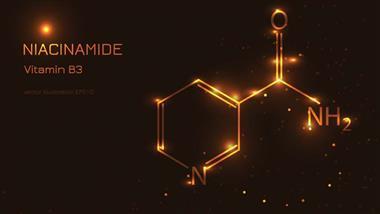
STORY AT-A-GLANCE
- Niacinamide, also known as nicotinamide (a form of vitamin B3), is important for healthy mitochondrial function and cellular energy production
- Patients with established glaucoma scored significantly higher on visual field tests after taking niacinamide and calcium pyruvate daily for about two months
- Niacinamide can be used to treat declining testosterone levels in men and women, and protects against stress by lowering cortisol
- Niacinamide has anticancer and antiaging effects, and can be useful in the treatment of Alzheimer’s disease and COVID-19
- It may also be valuable in the treatment of both alcoholic liver disease and nonalcoholic liver disease (NAFLD), as low NAD is involved in the disease process
I recently posted an article detailing the importance of niacinamide (aka, nicotinamide, a form of vitamin B3 or niacin) for healthy mitochondrial function and cellular energy production, and how it can help reverse obesity and leaky gut, and prevent neurodegeneration, kidney disease and heart failure. Here, I’ll review several additional conditions that can be prevented and/or treated with this inexpensive and readily available supplement.
More Niacinamide Is NOT Better, There’s a Goldilocks’ Dose
Keep in mind that the dosages used in the research studies discussed below do vary widely, but as a rule, I only recommend taking small doses of 50 milligrams of niacinamide three times a day.
This dosage has been shown to optimize energy metabolism and boost NAD+ levels, which are foundational for everything else to work. It can be taken four times a day if you space them out. Take a dose as soon as you get up, before going to bed, and twice evenly spaced between those times.
The problem with taking too much vitamin B3, whether in the form of niacin or niacinamide, is that it might backfire and contribute to cardiovascular disease as documented by the Cleveland Clinic. ZeroHedge reports:1
“The new study out of the Cleveland Clinic, published in Nature Medicine,2 determined there is a delicate balance between too much niacin and just enough — a sort of Goldilocks effect … [As] observed by the Cleveland Clinic team, too much niacin creates a byproduct known as 4PY.
This product circulates within the bloodstream and is associated with a higher risk of heart attack, stroke, and other cardiac events. Additionally, 4PY was shown in preclinical studies to trigger vascular inflammation, damaging blood vessels and eventually leading to atherosclerosis.
The researchers discovered this by examining data from 1,162 patients who had experienced major cardiovascular events. Just under half of the patients (442) were female. Initially, the team sought common markers that could lead to cardiovascular events. The most common factor within the pool of patients was excess levels of niacin.
The findings led to additional studies to validate the initial research. Both cohort studies, conducted in the United States and Europe, confirmed that niacin breakdown predicted an individual’s future risk of heart attack, stroke, and death from cardiovascular disease.”
Niacinamide Limits Damage From PUFA Peroxidation
With that caveat out of the way, let’s take a look at some of the health benefits associated with niacinamide supplementation, starting with its ability to ameliorate damage caused by linoleic acid (LA) consumption.
One of the most toxic metabolic byproducts of LA is 4 HNE, a toxic aldehyde that appears to play a causative role in heart failure.3 Fortunately, there is an enzyme system called aldehyde dehydrogenases that deactivates 4 HNE. The best way to increase the activity of this enzyme system is to make sure you have sufficient NAD+, and the most efficient way to optimize your NAD+ level is to make sure you’re getting 50 mg of niacinamide three times a day.
Download this Article Before it Disappears
Raise Your Testosterone Naturally With Niacinamide
Niacinamide can be used to treat problems associated with declining testosterone levels due to aging, as demonstrated in a February 2022 Nature Aging study.4 This study also involved eye health, specifically evaporative dry eye disease, but with a focus on the effects of androgens.
They found that by raising NAD+, local testosterone distribution in the meibomian gland in the eyelids, which produces oil to prevent the evaporation of tears, was improved. As a result, age-related atrophy of the gland was reduced, which alleviated the dry eye condition. In this case, they used a 5% solution of the NAD+ precursors nicotinamide mononucleotide (NMN) or nicotinamide riboside (NR). The two regimens assessed were as follows:
- Chronic — 2 mg NAD+ precursor four times a day in each eye for 90 days.
- Acute — 5 mg NAD+ precursor six times a day in each eye for 14 days.
However, as noted by biohacker Georgi Dinkov,5 plain niacinamide has been shown to be just as effective as NMN and NR for raising NAD+, so there’s no reason why it wouldn’t work as well. Moreover, these findings are also applicable for other tissues and organs affected by declining testosterone, not just your eyes.
It confirms that niacinamide is a necessary cofactor to address the nearly universal decline in testosterone in both males and females, so this is yet another reason that most people need it. Dinkov writes:6
“… the findings that androgen (in this case, testosterone) deficiency seen almost universally with advancing age is apparently due primarily to deficiency of the co-factor NAD+, which can apparently be remediated by supplementing NAD+ precursors such as niacinamide.
It appears that the rate-limiting step for androgen (testosterone) synthesis is the enzyme 3b-HSD, for which NAD+ is the main cofactor. Thus, a decline in NAD+ seen in aging (and disease) leads to decline in 3b-HSD activity and thus reduced androgen (testosterone) levels.
Conversely, the study found that restoring NAD+ levels almost fully remediated the reduced function of 3b-HSD, the androgen (testosterone deficiency), and thus was basically curative for the specific condition (dry-eye) the study investigated…
As far as the systemic steroidogenic deficiency seen with aging that I mentioned earlier, oral dosing of an NAD+ precursor such as niacinamide would likely be needed, and human studies have demonstrated that daily doses in the 300 mg-500 mg daily range optimally stimulate NAD+ synthesis. (It would be better to start with 50 mg three times a day (150 mg) and increase if necessary.)
While most studies found that higher daily oral doses are unable to further raise NAD+ levels through the precursor pathway, higher doses of niacinamide specifically have been shown to inhibit the enzyme PARP-1, which is a ‘consumer’ of NAD+ and inhibiting it also raises NAD+ levels.
So, experimenting with the niacinamide with doses in the 500mg-1,500mg daily range would probably identify an optimal daily dose regimen for most people looking to increase steroidogenesis, especially if precursors such as pregnenolone and/or DHEA are taken as well.”
To address declining testosterone, I recommend taking:
- 50 mg of niacinamide three times a day
- 5 mg to 10 mg of DHEA orally once a day
- 50 mg of oral pregnenolone once a day
Ideally, take the hormone supplements DHEA and pregnenolone with a saturated fat, like a teaspoon of butter, to make sure they bypass metabolism in the liver, which will radically decrease their effectiveness.
Niacinamide Protects Against Stress
Another phenomenally important human study7,8,9 confirms that niacinamide lowers cortisol by increasing NAD+. NAD+ is the cofactor for an enzyme called 11b-HSD2, which deactivates cortisol by turning it into cortisone. So, increasing NAD+ with niacinamide will help lower cortisol, and this can benefit just about everyone, seeing how most people are plagued by stress and have elevated cortisol, which in turn drives inflammation and inhibits fat loss.
Raising NAD+ with niacinamide supplementation was also shown to improve glucose metabolism and insulin sensitivity. It also increased ATP levels, which is your cellular energy currency. As such, niacinamide may be one of the most important supplements you can take.
Importantly, this study used plain niacinamide rather than the more expensive NMN or NR, so we don’t have to infer these benefits. They took place using plain niacinamide and D-ribose. The dosages used were 240 mg of niacinamide twice a day, and 1,280 mg of D-ribose twice a day, for one week.
Anticancer Effects
Niacinamide can also help prevent and treat cancer. As noted in one 2022 study in Nature Metabolism,10,11 limiting fat availability to cancer cells may be one of the keys to curing cancer. NAD+ also plays an important role, and niacinamide raises NAD+:
“Production of oxidized biomass, which requires regeneration of the cofactor NAD+, can be a proliferation bottleneck that is influenced by environmental conditions … Here, we show that de novo lipid biosynthesis can impose a substantial NAD+ consumption cost in proliferating cancer cells.
When electron acceptors are limited, environmental lipids become crucial for proliferation because NAD+ is required to generate precursors for fatty acid biosynthesis. We find that both oxidative and even net reductive pathways for lipogenic citrate synthesis are gated by reactions that depend on NAD+ availability.”
An earlier study,12 published in 2020, found that niacin (vitamin B3) could control the growth of brain tumors by reactivating myeloid cells (a type of bone marrow cell). As explained by the authors:
“Although innate immune cells are typically present inside tumors, they often have an inactive phenotype such that they are ineffective at killing the cancer cells or even promote tumor growth. Sarkar et. al. discovered that it may be possible to reprogram these cells to a more active type using niacin (vitamin B3).
The authors showed that niacin-exposed monocytes can inhibit the growth of brain tumor-initiating cells. Moreover, niacin treatment of intracranial mouse models of glioblastoma increased monocyte and macrophage infiltration into the tumors, stimulated antitumor immune responses, and extended the animals’ survival …”
Here, a mere 7 mg of niacin per kilo of bodyweight per day halted the growth of brain tumors and nearly doubled survival times. The niacin group also survived longer than those receiving chemotherapy alone. While this study used niacin, niacinamide would work just as well. Tying the results back to the study above, Dinkov notes:13
“The proposed mechanism of action was immune system activation. I, personally, do not buy this explanation as a main mechanism of action. IMHO vitamin B3’s known effects on inhibiting lipolysis … and promoting the oxidation of glucose are probably more important for inhibiting the tumor growth and prolonging survival.”
Antiaging Effects
Niacinamide and other B vitamins also have important antiaging effects. In a December 2021 article, Dinkov reviewed a 2011 study14 that suggests fasting can speed up aging by depleting your energy reserves, and that vitamin B2 has the opposite effect and slows the aging process. Commenting on this finding, Dinkov wrote:15
“[This is] a great study that not only suggests a dirt cheap and widely available option for retarding aging, but once again demonstrates that stress (e.g. fasting) directly causes aging by depleting/blocking OXPHOS [oxidative phosphorylation, the metabolic pathway cells use to oxidize nutrients, thereby releasing chemical energy to produce ATP], and the key mechanism for stopping/reversing aging is by restoring energy production.
The proposed ‘senolytic’ in this study is the humble vitamin B2, also known as riboflavin. Vitamin B2 is the precursor for FAD [flavin adenine dinucleotide] — a key coenzyme, responsible for about 20% of the energy produced in the OXPHOS process. Btw, the other 80% are controlled by NAD — a molecule synthesized endogenously from the precursor niacinamide.
There has been an explosion in publications over the last decade touting NAD as the cure to virtually every disease out there, and many of those claims are well-backed by evidence. While there are … proprietary NAD precursors such as nicotinamide riboside and nicotinamide mononucleotide, plain old niacinamide works just as well and is drastically cheaper.
Niacin is another NAD precursor but [it] increases histamine and serotonin, and still has to be converted into niacinamide before it can end up as NAD. So, no reason to take anything else but niacinamide.
Doing so, raises the NAD/NADH ratio, shifts the cell redox state towards oxidation (as opposed to reduction), and the ample energy produced by the cell can be used for all types of maintenance ‘work’ the cells need to perform in order to stay healthy, prevent aging, etc …
[V]itamin B2 has a similar metabolic role as well. It is a precursor to the co-factor FAD and taking B2 raises FAD and thus the FAD/FADH ratio, which facilitates electron flow through the electron chain complexes I&II. Conversely, having insufficient levels of FAD (and/or low FAD/FADH ratio) can effectively block the ETC [electron transport chain].
This crucial role of FAD in the ETC demonstrates why excessive fatty acid oxidation (FAO) is harmful. Namely, FAD is consumed in the process of beta-oxidation of fatty acids and as such excessive FAO can consume too much FAD, drop the FAD/FADH ratio, and thus block electron flow through ETC.
This reduction/blockade of ETC is exactly what is seen in most chronic, degenerative diseases, but especially in conditions such as cancer, diabetes, Alzheimer’s disease, autoimmune conditions, etc.
Well, the [Physiology] study … found that this reduction of mitochondrial activity (ETC) is exactly what triggers the senescence process, and activating mitochondria (specifically ETC II) by supplementing vitamin B2 prevented cellular aging. Here is the actual explanation from the study authors:
‘… Cells under stress produce SLC52A1, and increase their absorption of vitamin B2 from outside the cell. Once inside the cell, the vitamin B2 is converted into FAD and increases mitochondrial energy production by becoming a coenzyme of mitochondrial respiratory chain complex II. As a result of the AMPK and p53 (which induce cellular senescence) are inactive, therefore stress-mediated cellular senescence is suppressed.’”
Niacinamide for Liver Disease
Niacinamide may also be valuable in the treatment of both alcoholic liver disease and nonalcoholic liver disease (NAFLD). By now, you can probably guess why. It’s because low NAD is involved in the disease process.
A study16,17 published in 2016 showed that chronic alcohol bingeing injures your liver and other organs by reducing NAD+, which is a required cofactor for important enzymes and mitochondrial renewal.
In short, a decline in the NAD/NADH ratio (your redox status) is a main driver of alcohol-related pathologies, and not just in your liver but in all organs. The answer is to increase NAD+, which is effectively done using niacinamide. According to Dinkov, niacinamide also works synergistically with methylene blue:18
“Both [niacinamide and methylene blue] can raise the NAD/NADH ratio quite robustly on their own, but in combination are synergistic and may allow for much lower doses to achieve the same effects.
People have sent me emails showing their blood tests demonstrated the same increase in NAD/NADH from a combination of 1mg MB [methylene blue] and 250 mg niacinamide as using 5mg+ MB or 750mg-1,000mg niacinamide separately.”
Related to this is the importance of eating the correct fats. You want to increase your saturated fat and avoid PUFAs, especially linoleic acid (LA), as PUFAS are stored and accumulated whereas saturated fats are burned for energy.19,20 It can take up to seven years to clear LA from your body due to its long half-life. In the meantime, you need to be careful about not pushing the LA out too rapidly through fasting, low-carb diets or vigorous exercise.
The accumulation of PUFAs in your cells are, I believe, one of the greatest contributors to chronic and degenerative diseases of all kinds, as they wreak havoc with your cellular machinery and impair mitochondrial function (and hence reduce energy production). Niacinamide can be helpful while you’re clearing stored PUFAs from your cells, as it’s an anti-lipolytic agent.
Niacinamide for Alzheimer’s Disease
Niacinamide is required for healthy metabolism and, as such, it can also be useful in early Alzheimer’s treatment.21 Combining it with methylene blue may boost benefits even further, as they work synergistically, and methylene blue alone has been shown to stop the progression of Alzheimer’s.22
Increasing the carbs only seems to work when your fat intake is below 35% of your total daily carbs. If it is higher, the Randle cycle will prevent the extra carbs from being metabolized in the mitochondria and will shuttle them to glycolysis which increases lactic acid and will likely worsen one’s health.
Thiamine, the B1 mentioned in the study, is a cofactor for the enzyme that converts the glucose metabolite pyruvate into acetyl-CoA, which is what is pushed into the mitochondria to be burned as fuel. Taking niacinamide (vitamin B3) will help three of the complexes in the mitochondria work and vitamin B2, riboflavin, will help one complex to produce the ATP, so using all three would be ideal.
Niacinamide is the only one that appears to benefit from lowering the dosing to 50 mg three times a day. As reported by Dinkov:23
“[A 2019] study24 demonstrated that increasing levels of acetyl-CoA (the starting intermediate of the Krebs cycle), even at a stage of very advanced aging/AD [Alzheimer’s disease], can reverse aspects of both pathologies.
While the study used patented compounds, the same effects can be achieved by ensuring a steady supply of dietary carbs combined with increasing the function of pyruvate dehydrogenase (PDH). Increasing the activity of PDH can be achieved by supplementing with vitamin B1 (a cofactor of PDH), keeping the NAD/NADH ratio as high as possible and keeping fatty acid oxidation (FAO) down …
[T]hese approaches have been successfully tested in many animal models and one of the molecules that works through the latter two mechanisms is niacinamide. In fact, there is a human clinical trial25 [completed in August 2022] with 3 grams of niacinamide daily for treating AD, and though the results have not been published yet the leaked information suggests highly positive results. Methylene blue (MB) can do the same …”
Niacinamide and COVID-19
As it turns out, raising NAD+ appears to be therapeutic for COVID infection as well.26 The reason for this is because SARS-CoV-2 infection dysregulates NAD synthesis and the NAD metabolome, which is a component of your innate immunity.
As noted by Dinkov, this study again demonstrates “the crucial role energy plays even in ‘non-metabolic’ diseases such as viral infections.” Indeed, without energy your body cannot defend itself against infection and disease, and since NAD+ is such a crucial component of energy production, it makes perfect sense that having higher NAD levels will make you more resilient against viral infections. The answer again, then, is niacinamide, with or without methylene blue.
By now, you should have a good idea about how important niacinamide is for your health, and why I think it’s one of the most important supplements you can take on a daily basis.
Niacinamide Helps Treat Glaucoma
Research27,28 published in November 2021 reported that patients with established glaucoma scored significantly higher on visual field tests after taking 3 grams of niacinamide in combination with 3 grams of (calcium) pyruvate daily for about two months. As reported by the authors:
“Given the decrease in NAD with aging, which may render retinal neurons more vulnerable to disease-related insults, the investigators hypothesized that increasing NAD may support the mitochondrial activity of RGCs and decrease their susceptibility to glaucoma.
In a rat model of ocular hypertension, retinal and optic nerve NAD declined as a function of IOP, while nicotinamide was neuroprotective at a range of doses. In addition, nicotinamide has been shown to be low in the sera of patients with primary open-angle glaucoma. These data further support a role for NAD in glaucoma.
Furthermore, Harder et al reported that an IOP-mediated decrease in retinal pyruvate levels was associated with dysregulated glucose metabolism prior to detectable optic nerve degeneration in metabolic studies of DBA/2J mice.
They also found that oral supplementation with pyruvate protected both rat and mouse models of glaucoma from neurodegeneration, with a combination of nicotinamide and pyruvate being the most protective in the chronic mouse model…
Given the significant neuroprotective effects observed in recent studies, the similarities in cellular biology of NAD+ and pyruvate pathways between mice and humans, as well as the safety profile of these supplements, we investigated the effect of nicotinamide and pyruvate on the visual function of patients with treated manifest glaucoma …
[R]esults suggest that treatment with nicotinamide and pyruvate tripled the likelihood of improvement of test locations relative to placebo.”
If you have glaucoma and want to give niacinamide a try, I recommend limiting your dose to 50 mg three times a day, before increasing to 3 grams a day, which I believe is excessive.
- 1 ZeroHedge February 21, 2024
- 2 Nature Medicine February 19, 2024; 30: 424-434
- 3 Haidut.me February 21, 2024 (Archived)
- 4 Nature Aging 2022; 2: 105-114
- 5, 6 Haidut.me March 31, 2022 (Archived)
- 7 Nutrients June 2022; 14(11): 2219
- 8 Nutritional Outlook July 11, 2022
- 9 Haidut.me July 12, 2022 (Archived)
- 10 Nature Metabolism 2022; 4: 711-723
- 11, 13 Haidut.me July 14, 2022 (Archived)
- 12 Science Translational Medicine April 1, 2020; 12(537)
- 14 Physiology August 2011; 26(4): 214-224
- 15 Haidut.me December 21, 2021 (Archived)
- 16 Exp Mol Pathol April 2016; 100(2): 303-306
- 17 NMN.com April 7, 2016
- 18 Haidut.me October 22, 2020 (Archived)
- 19 PLOS ONE 2012; 7(11): e48852
- 20 Haidut.me October 22, 2019 (Archived)
- 21, 25 Clinical Trials Nicotinamide as an Early Alzheimer’s Treatment NCT03061474
- 22 Haidut.me December 2, 2019 (Archived)
- 23 Haidut.me December 13, 2019 (Archived)
- 24 eLife Sciences November 19, 2019
- 26 Metabolism December 2020; 295(52): 17986-17996
- 27 JAMA Ophthalmology 2022;140(1):11-18
- 28 Haidut.me December 9, 2021 (Archived)
Side Benefits, Not Side Effects
Reproduced from original OMNS article (OrthoMolecular News Service):
http://orthomolecular.org/
Subscribe to the free Orthomolecular Newsletter: http://orthomolecular.org/subscribe.html
Go to the OMNS Archive: http://orthomolecular.org/resources/omns/index.shtml
Orthomolecular Medicine News Service, February 22, 2024
A personal report by Hans W. Diel
OMNS (Feb 22, 2024) My 5-year-long self-experiment with lipoprotein(a) therapy — to cure my heart disease — has not been without side effects. [1] However, these side effects are not ones that I would ask my doctor or pharmacist about. (The familiar statement “For risks and side effects, read the package leaflet and ask your doctor or pharmacist,” which I am alluding to here, is obligatory for advertising medicines in the media). These side effects are also not the ones that most doctors over-caution about: for example, hypervitaminosis, toxicity, heart damage, inflammation of the stomach lining, and even carcinogenic effects.
No, to the contrary, during my self-experiment I experienced a whole series of miraculous healthy side effects that I only mentioned in passing in the documentation of my experiment with Linus Pauling’s vitamin therapy. [1,2]
Here, I refer to the successful treatment or prevention of sometimes serious illnesses as “side effects” because the threats and arrogance of pharma-fixated doctors towards the use of natural remedies is annoying and deceptive. Often they say hardly a word about the sometimes very serious side effects of the drugs they prescribe as standard. Of course, the term “side effects” does not do justice to my personal experience in disease treatment and prevention. Each successful experience is a reason to provide more detail.
The most gratifying “list of successes”:
- Raynaud’s syndrome cured
- High blood pressure (arterial hypertension) disappeared
- Cardiac arrhythmias no longer occur
- Heart rate significantly reduced
- Vitiligo stopped
- No coronavirus infection
How can the successes be explained? Here is a brief explanation:
I am convinced that the decisive basis is the “therapy package” that I put together as part of my experiment with the Pauling therapy, supplemented by recommendations from the German physician Dr Ulrich Strunz. [3] First, I got blood tests and identified a combination of micronutrients to compensate for nutrient deficiencies in my body. Then I took adequate doses of nutrient supplements every day, based on my body’s needs. The blood testing has become routine for me. It helps me to maintain the right, optimum level.
I have not taken any medication, not a single one.
OMNS readers will likely know which individual essential nutrients played a particular role in my success. They include adequate doses of vitamins C,D,E, and the B vitamins, along with minerals such as magnesium, zinc, and selenium, as well as omega-3 fatty acids. How and to what extent what actually worked cannot be traced in detail because my self-experiment had a different goal, namely to cure my heart disease, and was not specifically focused on these “side effects”. However, according to my findings, the following assumptions are reasonable:
With Raynaud’s syndrome (a circulatory disorder of the fingers or toes caused by paroxysmal vasospasms, which are particularly noticeable when exposed to cold. Named after its discoverer, the French doctor Maurice Raynaud. Individual fingers become white and numb, as if they are dying. Painful and frightening), magnesium, as well as the amino acids arginine and citrulline are likely to have been the key factors. As already mentioned, the disease is cured.
Blood pressure has been significantly and persistently reduced, especially after increased intake of arginine, citrulline, taurine, potassium and magnesium, and is now regularly in the range of 120 to 65 mmHg.
The cardiac arrhythmia (ventricular arrhythmia), which was particularly evident under stress, has not occurred for five years now, as observed by regular cardiological examinations. Magnesium, potassium, taurine and probably also omega-3 have likely contributed significantly to this. I have raised my omega-3 index to 14%. (Dyerberg/Passwater have reported on the effect of omega-3 on arrhythmias in their book “The Missing Wellness Factors – EPA and DHA” [4] and William Sears/James Sears in “The Omega-3 Effect” [5]).
I attribute the calming of the heart rate (now 55 – 60 bpm) primarily to magnesium, potassium, taurine and an adequate salt intake, which I have based on the recommendations of Brownstein “Salt Your Way to Health” [6] and Dinicolantonio “The Salt Fix” [7], controlled by measuring the sodium level. My exercise and meditation sessions certainly also played a part. I did not take the beta blockers prescribed to relieve my heart “as part of heart failure therapy”. For most individuals, eating plentiful servings of vegetables and fruits can provide adequate potassium.
For the last 10 years, the spread of vitiligo (an autoimmune skin disease in which white patches form on the skin due to the loss of pigment cells in various parts of the body) has been halted. The complete therapy package certainly plays a fundamental role here too. However, I suspect that the high-dose vitamin D intake makes a decisive contribution. My vitamin D level has improved from 18 ng/ml – measured after my first heart attack – to 100 ng/ml. Jeff Bowles had similar experiences with vitamin D in his unconventional experiment (described in the book “The Miraculous Results of Extremely High Doses of the Sunshine Hormone Vitamin D3”. [8]. Michael Holick also discusses autoimmune diseases and vitamin D in his book “The Vitamin D Solution” [9].
In the last 6 years I have not had a cold or flu. I attribute this in particular to the high-dose intake of vitamin C and vitamin D in particular, but also to the combined effect with magnesium and the other micronutrients that strengthen the immune system (e.g. zinc, selenium). I have also been spared coronavirus-related illnesses.
All of this seems an unbelievable result for conventional medicine that mainly relies on drugs from pharmaceutical companies. I am tempted to illustrate the helplessness of this medicine with the advice of one of its representatives. To deal with Raynaud’s syndrome, he advised me to place my hands under my armpits or buttocks to protect them when it is cold, e.g. in the car. He himself would always do this with his hands, which are also affected by this condition. Apart from wishing him a safe journey at all times, there is nothing more to add.
Disclaimer
I am not a doctor and therefore advise you to consult your doctor if you wish to use any of the experiences I have gained from my self-experiment. These are my personal experiences and do not constitute medical advice. Do not discontinue any medication without the consent of your doctor.
( Hans W. Diel has been dealing specifically with the issue of lipoprotein(a) and the question of effective treatment options since his heart attack 12 years ago. After a second heart attack, he carried out a 5-year self-experiment on lipoprotein(a) therapy and the healing of his heart disease with natural remedies. He is the author of the book “Lipoprotein(a) – Der größte Risikofaktor für Herzinfarkt und Schlaganfall?” You can contact the author by email: hwdiel@icloud.com )
References
1. Diel HW (2022) Lipoprotein(a): The biggest factor for heart attack and stroke? My self-experiment with the Pauling therapy and vitamin C. Orthomolecular Medicine News Service, http://orthomolecular.org/resources/omns/v18n27.shtml
2. Pauling L (1986) How to Live Longer and Feel Better. (2006 Revised Ed) OSU Press, ISBN 9780870710964.
3. Diel H, Maki J (2022) Lipoprotein(a) – Der größte Risikofaktor für Herzinfarkt und Schlaganfall? (translated: Lipoprotein(a) – The biggest risk factor for heart attack and stroke?) Druckpunkt Ruhr, ISBN 9783982424507.
4. Dyerberg J, Passwater R. (2012) The Missing Wellness Factors – EPA and DHA. Basic Health Publications, ISBN 9781591203001.
5. Sears W, Sears J (2012) The Omega-3 Effect. Little Brown and Co., ISBN 9780316196840.
6. Brownstein D (2006) Salt Your Way to Health. Medical Alternative Press, ISBN 978-0966088243.
7. Dinicolantonio J (2017) The Salt Fix. Piatkus, ISBN 9780349417387.
8. Bowles J (2014) The Miraculous Results of Extremely High Doses of the Sunshine Hormone Vitamin D3. Jeff T Bowles Publishing LLC, ASIN B005FCKN25.
9. Holick M (2010) The Vitamin D Solution. Plume Books, ISBN 9780452296886.
Nutritional Medicine is Orthomolecular Medicine
Orthomolecular medicine uses safe, effective nutritional therapy to fight illness. For more information: http://www.orthomolecular.org
Find a Doctor
To locate an orthomolecular physician near you: http://orthomolecular.org/resources/omns/v06n09.shtml
The peer-reviewed Orthomolecular Medicine News Service is a non-profit and non-commercial informational resource.
Editorial Review Board:
Albert G. B. Amoa, MB.Ch.B, Ph.D. (Ghana)
Seth Ayettey, M.B., Ch.B., Ph.D. (Ghana)
Ilyès Baghli, M.D. (Algeria)
Barry Breger, M.D. (Canada)
Ian Brighthope, MBBS, FACNEM (Australia)
Gilbert Henri Crussol, D.M.D. (Spain)
Carolyn Dean, M.D., N.D. (USA)
Ian Dettman, Ph.D. (Australia)
Susan R. Downs, M.D., M.P.H. (USA)
Ron Ehrlich, B.D.S. (Australia)
Hugo Galindo, M.D. (Colombia)
Gary S. Goldman, Ph.D. (USA)
William B. Grant, Ph.D. (USA)
Claus Hancke, MD, FACAM (Denmark)
Patrick Holford, BSc (United Kingdom)
Ron Hunninghake, M.D. (USA)
Bo H. Jonsson, M.D., Ph.D. (Sweden)
Dwight Kalita, Ph.D. (USA)
Felix I. D. Konotey-Ahulu, M.D., FRCP (Ghana)
Peter H. Lauda, M.D. (Austria)
Fabrice Leu, N.D., (Switzerland)
Alan Lien, Ph.D. (Taiwan)
Homer Lim, M.D. (Philippines)
Stuart Lindsey, Pharm.D. (USA)
Pedro Gonzalez Lombana, M.D., Ph.D. (Colombia)
Victor A. Marcial-Vega, M.D. (Puerto Rico)
Juan Manuel Martinez, M.D. (Colombia)
Mignonne Mary, M.D. (USA)
Joseph Mercola, D.O. (USA)
Jorge R. Miranda-Massari, Pharm.D. (Puerto Rico)
Karin Munsterhjelm-Ahumada, M.D. (Finland)
Sarah Myhill, MB, BS (United Kingdom)
Tahar Naili, M.D. (Algeria)
Zhiyong Peng, M.D. (China)
Isabella Akyinbah Quakyi, Ph.D. (Ghana)
Selvam Rengasamy, MBBS, FRCOG (Malaysia)
Jeffrey A. Ruterbusch, D.O. (USA)
Gert E. Schuitemaker, Ph.D. (Netherlands)
Thomas N. Seyfried, Ph.D. (USA)
Han Ping Shi, M.D., Ph.D. (China)
T.E. Gabriel Stewart, M.B.B.CH. (Ireland)
Jagan Nathan Vamanan, M.D. (India)
Richard Cheng, M.D., Ph.D. (USA), Editor-In-Chief
Associate Editor: Robert G. Smith, Ph.D. (USA)
Editor, Japanese Edition: Atsuo Yanagisawa, M.D., Ph.D. (Japan)
Editor, Chinese Edition: Richard Cheng, M.D., Ph.D. (USA)
Editor, Norwegian Edition: Dag Viljen Poleszynski, Ph.D. (Norway)
Editor, Arabic Edition: Moustafa Kamel, R.Ph, P.G.C.M (Egypt)
Editor, Korean Edition: Hyoungjoo Shin, M.D. (South Korea)
Editor, Spanish Edition: Sonia Rita Rial, PhD (Argentina)
Editor, German Edition: Bernhard Welker, M.D. (Germany)
Associate Editor, German Edition: Gerhard Dachtler, M.Eng. (Germany)
Assistant Editor: Michael Passwater (USA)
Contributing Editor: Thomas E. Levy, M.D., J.D. (USA)
Contributing Editor: Damien Downing, M.B.B.S., M.R.S.B. (United Kingdom)
Contributing Editor: W. Todd Penberthy, Ph.D. (USA)
Contributing Editor: Ken Walker, M.D. (Canada)
Contributing Editor: Michael J. Gonzalez, N.M.D., Ph.D. (Puerto Rico)
Technology Editor: Michael S. Stewart, B.Sc.C.S. (USA)
Associate Technology Editor: Robert C. Kennedy, M.S. (USA)
Legal Consultant: Jason M. Saul, JD (USA)
This article may be reprinted free of charge provided 1) that there is clear attribution to the Orthomolecular Medicine News Service, and 2) that both the OMNS free subscription link http://orthomolecular.org/subscribe.html and also the OMNS archive link http://orthomolecular.org/resources/omns/index.shtml are included.
Riordan Clinic | Orthomolecular.org
3100 N Hillside Ave
Wichita, Kansas 67219
United States
The Four Hormones Most Adults Need More Of
Reproduced from original article:
https://articles.mercola.com/sites/articles/archive/2024/02/18/four-hormones-most-adults-need-more-of.aspx
The original Mercola article may not remain on the original site, but I will endeavor to keep it on this site as long as I deem it to be appropriate.
Analysis by Dr. Joseph Mercola February 18, 2024
STORY AT-A-GLANCE
- Four hormones most adults can benefit from are progesterone, thyroid hormone T3, DHEA and pregnenolone
- Around the ages of 11 and 12, right before puberty, the hormonal profiles of boys and girls are relatively similar. They produce about the same amounts of pregnenolone and progesterone. This is also the time when thyroid hormone levels are the highest they’ll ever be, and it’s the time in a person’s life cycle when their mortality is the lowest. Most supplementation recommendations are based on these prepubescent levels
- To optimize bioavailability, take T3, DHEA and/or pregnenolone orally, after dissolving them in a long-chain fat (14 carbons or more) such as ghee or butter
- The normal daily output of DHEA by the adrenal gland is about 20 to 50 milligrams (mg), so for most people, the max DHEA dose would be 50 mg, ideally split into several smaller doses. Human studies have shown that once you take more than 50 mg of DHEA per day, you begin to increase estrogen biomarkers. Best to start at 5-10 mg
- As a general recommendation, I recommend taking 30 to 50 mg of bioidentical progesterone per a day, taken in the evening before bed, as it can promote sleep. The same dose (30 to 50 mg a day) is recommended for pregnenolone. This is the physiological dose, meaning it’s what you need for full replenishment, assuming you’re producing nothing
In this interview, repeat guest Georgi Dinkov and I discuss the four hormones most adults need more of if they want to optimize their health. In my introduction I mention that we will review the benefits and mechanisms of action of carbon dioxide (CO2), but that will be covered in Part 2 of this interview that will be posted in the next few weeks.
As for hormones, if you’re optimally healthy, hormone replacement therapy (HRT) is unnecessary, as your body will make whatever hormones you need. The problem is that very few people, including me, enjoy truly optimal health.
We live in a very polluted world, so “optimal health” is a high bar for all of us. I take four hormones that I believe most adults can benefit from: Progesterone, thyroid hormone T3, DHEA and pregnenolone.
Three of these, progesterone, DHEA and pregnenolone are available over-the-counter. Thyroid hormones, however, require a doctor’s prescription. You also need to get routine blood tests done (typically two to four times a year) to make sure your thyroid hormones are maintained at optimal levels. Overtreatment can result in hyperthyroid symptoms, which you clearly want to avoid.
How Hormones Impact Health Span and Life Span
As noted by Dinkov, around the ages of 11 and 12, right before puberty, the hormonal profiles of boys and girls are relatively similar, and they produce about the same amounts of pregnenolone and progesterone.
This is also the time when thyroid hormone levels are the highest they’ll ever be, and it’s the time in a person’s life cycle when their mortality is the lowest. Once puberty strikes, adrenal activity increases. In fact, the old name for puberty was adrenarche, which tells you that adrenal activity is driving the process.
At this time, boys start producing more testosterone and girls progesterone (depending on where they are in the menstrual cycle). Interestingly, many studies have shown that the later puberty starts, the longer the lifespan and health span of both sexes. Conversely, the earlier the onset of puberty, the shorter the lifespan and the more prone to diseases the individual will be.
“After puberty starts and until the late 20s, people are remarkably resilient to stress,” Dinkov notes. “In fact, stress often seems stimulating for them. This seems to change drastically after they hit 30, and especially after 35. It’s basically a very steep decline.
And if you look at the way the hormonal profile changes, you’ll see that whenever young, healthy people are exposed to stress, there’s a spike in cortisol release, followed closely by a spike of pregnenolone and DHEA release for males, and pregnenolone, progesterone and DHEA release for females.
That delayed release of these secondary hormones drop off a cliff after the age of about 35. The ranges for pregnenolone, progesterone and DHEA, and even testosterone, change depending on what age group you fall into, but the range for cortisol doesn’t change.
So, throughout your lifetime, unless you’re critically ill, in which case cortisol drops, or you have Addison disease, which is full on adrenal failure, your cortisol levels do not decline, and that’s what keeps you alive because, if you have adrenal failure, unless you take cortisol shots you will die from hypoglycemia or Addison’s disease. So, it’s lethal.
Cortisol is really a life-saving hormone. It’s proinflammatory, but its primary purpose is to keep blood sugar from dropping too low, because your brain runs predominantly on glucose. So, basically, after the age of 35, cortisol stays the same.
It’s a catabolic hormone. It can shred your muscles, soft tissue, bone, you name it. There’s no organ that is immune to the effects of cortisol. There is only one that is somewhat resilient, and it’s the heart. And the reason the heart is so resilient in both genders is because in males, the heart contains a very large amount of testosterone, and in females it contains very large amounts of progesterone.
Both of these happen to be glucocorticoid antagonists. So they’re protecting this vital muscle … but all the other tissues can be shredded and they’re considered basically nonessential. So, after the age of 35, you have a stable supply of a catabolic hormone and then a rapidly declining supply of pregnenolone, progesterone and DHEA, all three of which have antiglucocorticoid effects.”
All of that said, if you’re taking progesterone, you don’t need to worry about the DHEA converting to estrogenic substances because progesterone will block that conversion. Even if there is conversion, progesterone is an antagonist at the estrogen receptors so it will directly block the estrogen as well. Pregnenolone has similar effects. It’s a milder aromatase inhibitor than progesterone, but it’s still quite good at preventing the uptake of estrogen into the cell.
Cortisol-to-DHEA Ratio Is a Good Predictor of Life Span
One of the take-homes from the above is that when you’re young, before puberty sets in, you have high production of T3 thyroid hormone, cortisol and anti-cortisol steroids. After age 35, there’s a gradual decline of thyroid function and a rapid decline in the synthesis and release of the anti-cortisol hormones, some of which also happen to be anti-estrogenic.
As a result, you enter a state of relative glucocorticoid and estrogen excess, both of which have detrimental effects on health. Dinkov explains:
“The state of glucocorticoid excess is not very well known. It’s easily measurable though by the ratio of cortisol to DHEA, or cortisol to progesterone, or cortisol to pregnenolone. Studies demonstrate that the cortisol to DHEA ratio is the best predictor we have for how long you’re going to live and for any diseases that you’re going to develop throughout your lifetime.”
Download this Article Before it Disappears
DHEA Influences Your Immune Function
One of the reasons for this is because DHEA is an immune booster, and your immune system is your first line of defense against both acute and chronic diseases, including cancer. And the amount of DHEA produced is about the same in both sexes, regardless of age. Dinkov suspects an ideal ratio of cortisol to DHEA is 0-to-3 or lower.
As for DHEA by itself, he recommends aiming for a level in the upper 50th percentile for the upper range of a 20-year-old, which is around 600 nanograms per deciliter (ng/dL). So, ideally, if you’re older than 35, you’d want your DHEA to be somewhere between 300 and 600 ng/dL.
As for the daily dosage, the normal daily output of DHEA by the adrenal gland is about 10 milligrams (mg), so for most people, the max DHEA dose would be 5-10 mg and mixed with a long-chain fat. According to Dinkov, human studies have shown that once you take more than 10 mg of DHEA per day, you begin to increase estrogen biomarkers, which is something you don’t want.
“Anything less than [10 mg], which happens to be a physiological dose, doesn’t really cause that much of a problem, but I would still take it with progesterone because blood levels are not always indicative of tissue levels,” Dinkov says.
“In fact, [DHEA] is not always reflected on the blood test … If you look at the studies, they show you that cells have a very high uptake of pregnenolone and DHEA. They accumulate them at levels 100 times higher than what they are in the bloodstream. So if you’re very DHEA deficient, it will take a while to fill up your reserves and then for the extra to spill over. About six months.
There’s a study with Italian women. They took 10 mg for a full year. Eventually that restored their levels back to normal, but not until the six-month mark did they see significant change. So it really depends on how deficient you are, for how long you’ve been deficient, and the state of your adrenal gland.
Another study demonstrated that the DHEA starts working immediately. You don’t see it in the blood test, but they started measuring downstream metabolites of DHEA and found that taking just 10 mg of DHEA drastically increased the metabolites of the dihydrotestosterone such as 3-alpha androstane diol and metabolites of testosterone, such as testosterone glucoronate and sulfate.
So, DHEA starts working immediately and converting to downstream hormones, but it’s going to take a while to see that in the biomarkers that are usually measured, which is DHEA and DHEA sulfate. What they really should be doing is measure all of the other things that DHA can convert into.
And some of those things are estrogens. Chances are, at least based on studies, that either prolactin or estrone will rise if you’re taking too high of a dose long before there will be changes in the blood levels of DHEA or DHEA sulfate.”
Caveats and Warnings
There are a few important caveats here. Taking too high a dose of DHEA can cause unwanted hair growth in women, and breast growth in men,1 so be sure to monitor your symptoms. DHEA is also banned in sports. It’s classified as a doping agent by the World Anti-Doping Agency, so athletes must take their competitive status into account before taking supplemental DHEA.
Also, never take DHEA without progesterone. They need to be taken together. Another point to optimize the therapy and not derail it is that if you take T3, DHEA and/or pregnenolone orally, you need to dissolve them in a long-chain fat (14 carbons or more) first.
If you don’t do that, they’ll be metabolized by your liver, which significantly lowers their effectiveness. According to Dinkov, the bioavailability of oral hormones can be as low as 10%. Dissolving the supplements in a little ghee or butter will bypass liver metabolism and allow you to get the most out of your supplements.
Olive oil is also a long-chain fat, but I don’t recommend it in this case, as it can have 20% linoleic acid (LA) and a flavor that many don’t like. According to Dinkov, at least one study has demonstrated that LA binds directly to estrogen receptors and acts like estrogen.
So, LA not merely promotes the effects of estrogen but also acts as an estrogen directly. Since estrogen is a potent carcinogen, you want to avoid things with estrogenic activity.
Progesterone Works Best With Vitamin E
Progesterone, meanwhile, needs to be mixed into vitamin E for optimal bioavailability. Health Natura sells a progesterone in vitamin E product. Alternatively, you can make your own by dissolving pure USP progesterone powder in one capsule of a high-quality vitamin E. The difference in bioavailability between taking progesterone orally without vitamin E and taking it with vitamin E is 45 minutes versus 48 hours.
Another good reason for taking progesterone with vitamin E is because it binds to red blood cells, which allows the progesterone to be carried throughout your body and be distributed to where it’s needed the most. What’s more, Dinkov cites recent research showing that when you dissolve a substance in vitamin E, it specifically targets sites with the highest inflammation.
Other Important Benefits of Vitamin E
Another important benefit of vitamin E is that it prevents LA stored in your tissues from being oxidized into toxic byproducts. Since most people are walking around with LA stores that are 10 times higher than normal, and since excess LA is likely one of the primary contributors to chronic disease, it can be a good idea to take vitamin E regularly until you get your LA down to healthy levels, which may take up to six years for most people.
Vitamin E also prevents LA stored in your tissues from being oxidized into dangerous toxic byproducts.
Vitamin E can almost miraculously prevent most of the damage done by LA. It can also reverse or prevent many of the issues associated with excess estrogen. This is important because LA has remarkable parallels to excess estrogen in terms of its metabolic and anti-health effects.
When you eat excess PUFA or LA, you increase your body’s production of estrogen. So, when you increase LA, estrogen levels go up — and that’s not a good thing. Both LA and estrogen interestingly increase the flow of calcium from outside the cell to inside because the concentration of calcium outside as well is 50 times higher than inside. So, the excess as LA will cause the influx of calcium inside the cell, which causes nitric oxide and superoxide to increase inside the cell.
Nitric oxide and superoxide combine almost instantaneously to form a very pernicious reactive nitrogen species called peroxynitrite, which causes pervasive damage to tissues in your body.
Both LA and estrogen also increase a potentially dangerous process in your body called lipolysis, which is simply the liberation of fatty acids from your fat cells into your bloodstream where they are mobilized. This then increases the oxidation of LA, which is precisely what you want to avoid as ideally you want to keep LA in your fat cells until they metabolize it with peroxisomes.
Fortunately, vitamin E can also help neutralize this damaging effect of LA. Vitamin E also directly inhibits the activity of an enzyme called aromatase. This is an enzyme that converts the male hormones like testosterone and DHEA into estrogens.
Even better, it serves as an estrogen antagonist, meaning it binds to the estrogen receptor to block it from binding to estrogen. This dramatically lowers the damage from excess estrogen.
Vitamin E works very similarly to the drug tamoxifen, which is used to treat estrogen receptor-positive breast cancers. For these reasons, I firmly believe nearly everyone needs to be getting vitamin E in their diet. However, due to the high LA burden, very few people can get enough vitamin E from their diet to suppress this oxidative destruction unless they’re supplementing with vitamin E.
The good news is that since the supplementation is short term, you’re not going to need it the rest of your life. If you can keep your LA intake to below 5 grams a day for three years, it’s likely you may not even need it at all, or at most, only a few times a month.
However, if for whatever reason, during this time, or when the LA in your tissues are low or normal, and you go out and binge on a meal that’s very high in LA, I would strongly recommend taking a vitamin E capsule to protect yourself from this exposure.
Vitamin E also protects against free radical damage and the normal effects of aging. It’s particularly important for brain health, and studies have found it can help delay the loss of cognitive function in people with Alzheimer’s disease by preventing cell membrane damage and neuronal death.2
How to Pick a Good Vitamin E Supplement
Most vitamin E supplements are synthetic, and you want to steer clear of those. Studies have demonstrated that synthetic vitamin E has the opposite effect of natural vitamin E, such as increasing the risk of certain cancers rather than lowering it, for example. So, it’s important to make sure you’re getting a natural version.
Synthetic vitamin E is called alpha tocopherol acetate. The acetate indicates that it’s synthetic. Next, you need to pay attention to the orientation of the optical isomer. Most vitamin supplements are racemic, or they have left- and right-hand isomers. This is a problem as most biological molecules have optical isomers that are right-handed.
They’re usually called D and L isomers, which stands for right and left. When you have both left and right isomers present, it’s called racemic. Biologically, there’s usually only one optical isomer that works well, and with vitamin E it is the D isomer that works in your body, while the L isomer is useless. Yet in synthetic supplements, 50% of the vitamin E in the supplement is the useless L isomer.
To make matters even worse, many synthetic versions use an ester of vitamin E, which only has about 50% of the activity of the natural product. So, the total activity of many vitamin E supplements is reduced by 75%.
So, the first step in identifying healthy good vitamin E supplements is to make sure you’re getting real vitamin E and not synthetic. What you’re looking for is “d alpha tocopherol.” This is the pure D isomer, which is what your body can use.
Many vitamin E brands will use vitamin E from sunflower oil, which has a very high percentage of LA. However, the LA in the capsule is an insignificant amount, probably less than 50 or 100 mg, so in this case it’s not a problem. Your goal is to keep LA intake under 5,000 mg, and even better under 2,500 mg, so it really won’t negatively impact your LA intake at all.
As for dose, you don’t need more than 100 mg a day. There are also other vitamin E isomers, and you want the complete spectrum of tocotrienols, specifically the beta, gamma, and delta types of vitamin E, in the effective D isomer. It’s important to get this right, which is why I’m going into this much detail.
Most People Can Benefit From Bioidentical Progesterone
So, to tie up the discussion about progesterone, bioidentical progesterone (not synthetic progestin) is probably the most important hormone that most adults need. Conversely, I believe estrogen — including bioidentical estrogen — should never be used, as estrogen is carcinogenic.
As noted by Dinkov, virtually all cancers respond to hormones and estrogen is a primary growth factor in all of them. So, there’s really no such thing as a nonendocrine cancer. To learn more about this, see our previous interview, where we dove deeper into the hazards of estrogen.
Unfortunately, most people who use progesterone use it transdermally, which could be problematic. As explained by Dinkov, your skin expresses high levels of 5-alpha reductase enzyme, which causes a significant portion of the progesterone you’re taking to be irreversibly converted primarily into allopregnanolone and cannot be converted back into progesterone.
If you’re taking it orally with vitamin E as the solvent, a significant portion will be non-metabolized, that non-metabolized progesterone has potent pro-thyroid effects. It’s also a thermogenic steroid. It induces uncoupling, so you’ll be producing more heat, which is one of the effects of taking T3. While not as potent as taking T3, it can raise your metabolic rate by about 10%.
Progesterone also blocks cortisol and helps protect against excess cortisol production, but not to the point of causing cortisol deficiency (Addison disease), and it helps deactivate adrenaline.
“There are human studies demonstrating that you administer progesterone, even in its nonoptimal form — such as just the powder without the long-chain fatty acids and definitely without the tocopherols — even in that form, 100 to 200 milligrams orally.
A single dose is sufficient to drop cortisol and adrenaline by about 60%. As a side effect of that, the blood pressure also dropped in both sexes,” Dinkov says. “So, we know that progesterone has a very potent antistress effect by acting specifically on the two sides of the stress system, cortisol and adrenaline.
One of the explanations is that progesterone has shown some ability to directly activate the alpha receptors, which are negative feedback. In other words, if you activate the alpha adrenal receptor, you basically send in the signal that there’s too much adrenaline, so the body will produce less adrenaline …”
The dose of bioidentical progesterone I recommend is 30 to 50 mg a day (again, mixed with a long-chain fat), taken in the evening before bed, as it can promote sleepiness. The same dose (30 to 50 mg a day) is recommended for pregnenolone. This is the physiological dose, meaning it’s what you need for full replenishment, assuming you’re producing nothing.
Important Caveat for Menstruating Women
Women who still menstruate need to be careful with the timing of their progesterone supplementation. Progesterone is crucial for successful pregnancy, and you can severely inhibit your ability to get pregnant if you take it at the wrong time. (During pregnancy, progesterone actually skyrockets. In the third trimester, women produce about 600 mg a day.)
If your menses are regular, start taking the progesterone on the 14th day after your menstrual flow begins, and take it for 14 days straight (until cycle day 27). If your cycles are short, start on day 12 and continue for 14 days. Always take the progesterone for the full 14 days even if your menses begin before the 14 days are over. Start the next progesterone 14 days after the flow began.3
There’s no toxicity to progesterone, unlike estrogen and testosterone, neither of which I recommend. Progesterone, T3, DHEA and pregnenolone are the only hormones you really need. Supplementing progesterone also will not lower your natural production, so you don’t need to be concerned about that. In fact, it enhances your natural production.
Thyroid Hormone Supplementation
When it comes to your thyroid, most people only need T3. That said, desiccated thyroid contains both T3 and T4 and can be a good option for some. Here, unless you’re treating a specific thyroid problem, the generally recommended dose is 10 micrograms two to three times a day. Dinkov comments:
“The thyroid gland produces about 100 micrograms in a healthy person — 100 micrograms of T3 over 24-hour period. If you take more than 25 micrograms, even that is a very high dose because it has such a potent thermogenic effect, and in higher doses can be catabolic.
The body has deiodinase enzymes, and they very quickly convert the excess T3 into something called T2 and even T1 … So, in other words, you’re going to be wasting most of it. Interestingly, the same type of enzymes, T3 deactivating, are highly overexpressed in cancer cells, and cancer cells just happen to be very hypometabolic, as we’ve discussed previously.
So the thyroid gland produces T3 and T4 in a ratio of about 1 to 4 in favor of T4. T4 is actually a prohormone, it by itself does not have a very high activity directly at the thyroid receptors T3. So, it circulates and about 80% of it in the liver, in a healthy person, should get converted to T3. The other 20% can get converted to T3 peripherally, or if the dosage of T4 is too high, the excess very quickly gets converted to something called reverse T3.
This is a very dangerous state because reverse T3 acts as a thyroid hormone antagonist … Most doctors don’t take these things into account, so if they prescribe you, let’s say, 100 or 200 micrograms T4 daily. You better be praying that this will get properly converted because if it doesn’t, and gets converted to reverse T3, you’ll end up in a more hypothyroid state than if you did not take the T4 at all …
T4 is almost never a good option by itself unless the person is very young. But even then, if a person is hypothyroid, that by definition already means that the liver will be burdened, because one of the primary functions of the liver is the detox mechanisms and one of the primary things that liver detoxifies are polyunsaturated fats and estrogens.
But the detoxification mechanisms themselves depend on thyroid function. So hypothyroid means sluggish liver by definition. So, if you give a hypothyroid person T4 only, especially if the dose is higher, you’re asking for trouble. Some of that will get converted to reverse T3.”