Toxins
now browsing by category
Bee-gone extinction: How the decline of bees threatens humanity’s harvest
Reproduced from original article:
https://www.naturalhealth365.com/bee-gone-extinction-how-the-decline-of-bees-threatens-humanitys-harvest.html
by: July 9, 2023
 (NaturalHealth365) Did you know? According to the American Museum of Natural History, it’s been estimated that anywhere from 100 to 10,000 species – ranging from microscopic organisms to big plants and animals – go extinct each year. One animal species that is at risk today? Bees.
Honey bees, in particular – both wild and domestic – are responsible for the vast majority of the world’s pollination, which is essential for food production and growth. But a new study published in Environmental Health Perspectives reveals a shocking reality: the massive decline in bees and other pollinators is already responsible for half a million early human deaths per year, namely by interrupting the global food supply. The truth is simple – if we lose bees, we all lose.
Proliferation of new pesticides, other factors to blame for the scary decline in global bee population – and we’re all affected by it
The widespread use of pesticides – many of which are resistant to degradation and can persist in the environment for years and decades – isn’t the only thing threatening our world’s bee population. Air pollution, drought, and land and habitat destruction certainly aren’t helping.
But we have to ask: when Big Ag corporations realize massive profits thanks to their powerful, widespread, and often unregulated pesticide products (which they claim are essential for improving the world’s food supply), who is really suffering the consequences? The answer is simple: all of us.
According to Greenpeace USA, one single bee colony can pollinate as many as 300 million flowers per day. But it’s not just the flowers we have to worry about. 70 out of the 100 most common cultivated crops – which include things like apples, blueberries, tomatoes, bananas, avocados, cashews, and almonds and contribute to about 90 percent of the world’s food supply – are pollinated by bees. Here’s why that’s relevant:
The world’s bee population is declining at an alarming rate.
According to the U.S. National Agricultural Statistics, the United States alone experienced a 60 percent reduction in the number of honey bee hives between 1947 and 2008. And without bees, experts warn, the global ecosystem would be seriously threatened, and humans would face the loss of diverse, nutrient-dense, and affordable produce – which could cost us our health, autonomy, and freedom from profit-driven corporate entities looking for even more ways to own the world’s food chain.
And to be clear: however strongly agricultural companies like Bayer, DuPont, and Monsanto try to deny it, the widespread use of chemicals, including neurotoxic insecticides called neonics, is having a huge and dangerous impact on pollinators. Studies have already shown that more than 150 chemical residues are regularly identified in bee pollen alone!
And yet … we continue to see captured agencies like the U.S. Environmental Protection Agency (EPA) continue to approve harmful pesticides that are known to kill bees, butterflies, and birds.
So, what can be done? Check out these small things you can do to help save the bees
We call on major corporations, economic systems, policymakers, and global leaders to take meaningful, transparent, cost-effective, and science-based action toward preserving the environment and protecting our future generations. In the meantime, there are also things we can do on an individual level to help support the population of honey bees and other pollinators, including birds and butterflies.
The Bee Conservancy is a nonprofit organization “dedicated to protecting bees, safeguarding the environment, and securing food justice through community-based education, research, habitat creation, and advocacy.” On its website, the organization lists a variety of ways you can help save bees and make a positive impact on the environment. Here are a few ideas to get you inspired:
- Support your local beekeepers by purchasing their products and donating to local beekeeping groups
- Plant trees or start a “bee garden” with flowers that have a variety of shapes, sizes, colors, and bloom times – but skip the chemical pesticides and herbicides!
- When doing yard work, wait until the springtime to cut back dead flower stocks and leave old stems up to 24 inches high, as this provides homes for cavity-nesting bees – about one-third of all bees live in hollow plant stems, logs, or holes inside trees!
That’s not all you can do, of course. Upgrade your household cleaning products to organic and non-toxic options. Vote for political leaders whom you believe will champion environmental causes and hold agencies and corporations accountable for their actions.
And whenever your budget allows, support local, organic, and regenerative farmers when searching for produce and animal products. Why? Because the decimation of grasslands and forests for the establishment of mono-crop farmlands destroys wild bee habitats and exposes even more of the environment to pesticides.
So, vote with your money and support environmentally-conscious food suppliers and operations – it can go a long way toward helping out our planet overall.
Sources for this article include:
AMNH.org
NIH.gov
Britannica.com
Commondreams.org
Thebeeconservancy.org
ABCnews.go.com
Childrenshealthdefense.org
Contaminated COVID Products and Green Monkey Virus
Reproduced from original article:
https://articles.mercola.com/sites/articles/archive/2023/06/26/sv40-promoter-mrna-covid-shots.aspx
The original Mercola article may not remain on the original site, but I will endeavor to keep it on this site as long as I deem it to be appropriate.
Analysis by Dr. Joseph Mercola Fact Checked June 26, 2023
STORY AT-A-GLANCE
- Microbiologist Kevin McKernan and his team recently discovered simian virus 40 (SV40) promoters in Pfizer’s and Moderna’s bivalent mRNA COVID shots
- SV40 have long been suspected of causing cancer in humans
- DNA contaminants may have the ability to alter the human genome. One of Pfizer’s vials also had an SV40 promoter with a nuclear localization sequence (NLS), a 72 base pair insertion that makes the promoter “much more aggressive and also drives the sequence into the nucleus” of the cell
- DNA contamination is a warning sign that endotoxin, which causes anaphylaxis when injected, may be present
- A cinnamycin-resistant gene is also included in the sequencing vector, and it’s unclear if or how this might impact human health. In a worst case scenario, it could make your microbiome resistant to antibiotics
In the video above, Jessica Rose, Ph.D., interviews microbiologist Kevin McKernan on “Good Morning CHD.” McKernan’s team recently discovered1,2,3,4 simian virus 40 (SV40) promoters in Pfizer’s and Moderna’s bivalent mRNA COVID shots, which, for decades, have been suspected of causing cancer in humans.5 As explained in the abstract, posted on OSF Preprints in April 2023:6
“Several methods were deployed to assess the nucleic acid composition of four expired vials of the Moderna and Pfizer bivalent mRNA vaccines. Two vials from each vendor were evaluated … Multiple assays support DNA contamination that exceeds the European Medicines Agency (EMA) 330ng/mg requirement and the FDAs 10ng/dose requirements …”
Equally, if not more, troubling, these DNA contaminants also can alter the human genome. As explained by McKernan, genomic sequencing involves reading the letters of the genome, A, T, C and G, which make up the DNA code. Both DNA and RNA can be sequenced in this manner.
DNA can be likened to a copy of the hard drive of your cell, while RNA is like your task manager, dictating the software program being run in a given moment. When you sequence RNA, you get a sense of what the cell is being instructed to do, while sequencing DNA tells you everything the cell could possibly do if the proper instructions are present.
COVID Shots Contain Both RNA and DNA
It’s been assumed that the COVID shots contained only RNA, but using genomic sequencing, McKernan discovered they contain DNA fragments as well, and there really should not be any. The RNA is basically copied, or “Xeroxed” off the DNA, and only the RNA should be in the final product.
As noted by McKernan, the DNA used is proprietary. “They don’t want people to know all the tricks they put in the DNA to drive maximum amount of Xeroxing, if you will.” But what popped out during sequencing was the entire sequencing vector, “which shows us everything they’re doing to drive the expression of this RNA,” McKernan says.
So, we now know they’re using a T7 promoter, an SV40 promoter, an antibiotic-resistance gene, that the replication is bacterial in origin and more. As explained by McKernan, to get the amount of RNA required for these shots, you need very large amounts of DNA. To get the DNA required, a piece of DNA that codes for RNA in a circle, called a plasmid, was created and then reproduced inside E. coli in a huge vat.
Plasmids are unique in that they have an origin of replication that allows the DNA to copy itself several hundred times inside every cell of the E. coli, and, since bacteria double every 20 minutes, you get exponential amplification of the DNA overnight.
The DNA must then be extracted from the E. coli and purified. Once that’s done, a T7 in vitro transcription reaction is run on the purified DNA, which copies the RNA off that DNA.
The plasmid that is put in with the E. coli — the sequencing vector — is the blueprint for how the RNA is made, and this is what McKernan found, in its entirety, in the vials. It really should not be there. Only the purified RNA should be present.
Regulatory agencies have an acceptable upper limit for double-stranded DNA (dsDNA) in medical products, but the DNA McKernan found was orders of magnitude higher than those thresholds.
The arbitrary limit for dsDNA set by the European Medicines Agency (EMA) is 330 nanograms per milligram (ng/mg), but McKernan suspects that limit isn’t stringent enough, because they probably didn’t consider that it might include replicable DNA. In all likelihood, this limit was primarily based on concerns about E. coli DNA, which might get mixed in.
In a May 20, 2023, Substack article,7 McKernan also pointed out that Pfizer itself submitted evidence to the EMA showing sampled lots contained anywhere from 1 ng/mg to 815 ng/mg of DNA, so regulators knew they had quality control problems from the start. In McKernan’s testing, the highest level of DNA contamination found was 30%, which is rather astounding.
Endotoxin Concerns
McKernan also explains that one of the primary concerns when pulling plasmids out of E. coli is the fact that endotoxins frequently tag along. Lipopolysaccharide (LPS), an endotoxin, sits on the outside of gram-negative bacteria such as E. coli. When endotoxin is injected, it can cause anaphylaxis, and life-threatening anaphylaxis just so happens to be among the most commonly reported side effects of these shots. According to McKernan:8
“Whenever we see DNA contamination, like from plasmids, ending up in any injectable, the first thing people think about is whether there’s any E. coli endotoxin present because that creates anaphylaxis for the injected … You can see people get injected with this and drop. That could be the background from this E. coli process of manufacturing the DNA …”

Download this Article Before it Disappears
What Is the SV40 Promoter For?
As mentioned earlier, the sequencing vector found also included an SV40 promoter. To be clear, this is not the whole virus. It’s only the promoter, meaning a specific portion of the viral DNA that is essential for gene expression. The problem is that this particular promoter is known to be problematic.
SV40 promoters have been studied for years and are known to trigger cancer when encountering an oncogene (a gene that has the potential to cause cancer). What’s more, McKernan found that one of the Pfizer vials had not just one but two SV40 promoters.
One of them had a nuclear localization sequence (NLS) that the other didn’t have — a 72 base pair insertion for a nuclear localization sequence (NLS) that makes the promoter “much more aggressive and also drives the sequence into the nucleus” of the cell. NLS is basically a sequence that tags a given protein for import into the cell nucleus, and this further heightens the risk of genome integration.
You can get [genome] integration off these vectors alone, and if vectors have things that localize in the nucleus, then odds go up tremendously that there could be genome integration going on. ~ Kevin McKernan
Now, this second, more aggressive promoter was only found in one of the two Pfizer vials tested, even though they were from the same lot. What might account for this remarkable quality discrepancy? At bare minimum, it suggests Pfizer is changing its manufacturing on the fly, without oversight. Changing the plasmid used is a major change in manufacturing that really should require regulatory oversight, McKernan notes.
As for why any of the SV40 promoters are in there, McKernan in certain that it was part of an intentional design, as these promoters have a long research history.
Genome Integration Can Occur in More Ways Than One
The reason NLS is so concerning is because it can drive genome integration even in the absence of LINE-1 (long interspersed nuclear elements 1), which allow for insertions, deletions and rearrangements within the genome through reverse transcription.
“If you’re injecting this much DNA, you don’t need LINE-1 at all. You can get integration off these vectors alone, and if vectors have things that localize in the nucleus, then odds go up tremendously that there could be genome integration going on,” McKernan says.
Cytoplasmic transfection can also allow for genetic manipulation because the nucleus disassembles and exchanges cellular components with the cytosol during cell division.
Even if genetic modification does not occur, the fact that you’re getting foreign DNA into your cells can pose a risk. Partial expression could occur, for example, or it might interfere with other transcription translations that are already in the cell.
How Might Cinnamycin Resistance Gene Affect Human Health?
Rose and McKernan also discuss how the cinnamycin-resistant gene found in the sequencing vector might impact human health. What happens if this gets into a patient and encounters bacteria? Will it make that bacteria resistant to cinnamycin (a tricyclic antibiotic)?
“While speculative, at the moment, we would assume yes,” McKernan says. “Plasmids get absorbed by bacteria at 37 degrees (Fahrenheit) temperature, which is the temperature of your gut … and if they can confer any selective advantage, then they’re going to replicate and become the dominant species in your microbiome.”
Possibly, it might require the patient to be on an antibiotic when this occurs, as this is what would give the bacteria the selective advantage. Still, antibiotic use is quite common, so this is not a concern that should be discarded off hand. Potentially, these bivalent jabs may be spreading antibiotic resistance through the injected population, which could have grave consequences.
Will Your Microbiome Produce Spike Protein?
A related question is whether your microbiome might also produce spike protein permanently. McKernan suspects the bacteria will make spike RNA, but bacterial ribosomes don’t have the right equipment to read that RNA, so they probably won’t be able to translate it.
That said, bacteria are frequently absorbed by mammalian cells in a process called bactofection, and this is a known gene transfer technique.9 So, this may result in your cells producing spike protein.
The RNA in the COVID jab is also modified to resist breakdown, so you really have two versions of the spike protein that can persist longer than anticipated, and the spike protein, of course, is the most toxic part of the virus that can cause your body to attack itself.
“The real concern is we’ve got an amplifiable piece of DNA that can replicate in bacteria,” McKernan says. “Your body is loaded with bacteria [and] it’s going to start replicating this DNA once it’s inside of them, and we don’t know what’s going to happen after that.
It could make RNA, it could get absorbed into mammalian cells, it could be killed and completely gotten rid of. But the DNA shouldn’t be there to begin with. So, we have to start monitoring how much DNA is actually in lot to lot? What is its length? Is it circular? And how much of it can we tolerate?”
McKernan Calls on Scientists to Reproduce His Results
On his Substack, McKernan has published all the details10 scientists and labs would need to rapidly and inexpensively replicate his investigation and assess the dsDNA contamination of COVID shots around the world, and he’s urging researchers to do so.
According to McKernan, one team has already contacted him saying they found sequencing vector in the original monovalent COVID shots. Their findings will hopefully be released shortly.
Resources for Those Injured by the COVID Jab
The more we learn about the COVID jabs, the worse they appear. If you got one or more jabs and are now reconsidering, first and foremost, never ever take another COVID booster, another mRNA gene therapy shot or regular vaccine.
You need to end the assault on your body. Even if you haven’t experienced any obvious side effects, your health may still be impacted long-term, so don’t take any more shots.
If you’re suffering from side effects, your first order of business is to eliminate the spike protein that your body is producing. Two remedies that can do this are hydroxychloroquine and ivermectin. Both drugs bind and facilitate the removal of spike protein.
The Front Line COVID-19 Critical Care Alliance (FLCCC) has developed a post-vaccine treatment protocol called I-RECOVER. Since the protocol is continuously updated as more data become available, your best bet is to download the latest version straight from the FLCCC website at covid19criticalcare.com11 (hyperlink to the correct page provided above).
For additional suggestions, check out the World Health Council’s spike protein detox guide,12 which focuses on natural substances like herbs, supplements and teas. To combat neurotoxic effects of spike protein, a March 2022 review paper13 suggests using luteolin and quercetin. Time-restricted eating (TRE) and/or sauna therapy can also help eliminate toxic proteins by stimulating autophagy.
- 1, 6 OSF Preprints April 10, 2023, Edited April 11, 2023 DOI: 10.31219/osf.io/b9t7m
- 2 Twitter KanekoaTheGreat May 20, 2023
- 3, 7 Anandamide (Kevin McKernan) Substack May 20, 2023
- 4 The Healthcare Channel May 22, 2023
- 5 Expert Rev Respir Med October 2011; 5(5): 683-697
- 8 The Health Care Channel, Greer Journal Why the COVID “mRNA” vaccines are actually DNA gene therapies that must be removed from the market
- 9 Gene Therapy September 15, 2005; 13: 101-105
- 10 Nepetalactone Newsletter March 22, 2023
- 11 Covid19criticalcare.com
- 12 World Council for Health Spike Protein Detox Guide November 30, 2021
- 13 Molecular Neurobiology March 2022; 59(3): 1850-1861
Secret Push to Bury Paraquat’s Link to Parkinson’s Disease
Reproduced from original article:
https://articles.mercola.com/sites/articles/archive/2023/06/14/paraquat-parkinsons.aspx
The original Mercola article may not remain on the original site, but I will endeavor to keep it on this site as long as I deem it to be appropriate.
Analysis by Dr. Joseph Mercola Fact Checked June 14, 2023
STORY AT-A-GLANCE
- Paraquat is an herbicide and registered desiccant that has been used on American farms since 1964. A desiccant is a chemical that speeds up the ripening of the crop and dries it out, which facilitates harvesting and allows it to be harvested sooner than were the crop left to dry naturally
- Fifty countries have banned paraquat due to its extreme toxicity and adverse effects on health. A single sip is lethal to a human. A considerable body of evidence also links paraquat to Parkinson’s disease
- As of mid-March 2023, 2,998 lawsuits filed by farmers with Parkinson’s disease had been consolidated in Illinois federal court. The first bellwether trial is scheduled to begin in October 2023. Class actions have also been filed with state courts in California, Florida, Pennsylvania and Washington. The first state court trial is scheduled to begin in September 2023 in California
- The discovery process has unearthed a trove of documents showing Syngenta knew as early as the 1960s that paraquat posed neurological risks and kept the evidence from regulators
- Research shows paraquat becomes exponentially more hazardous in combination with plant lectins, as the lectins help shuttle paraquat into your brain, where it induces the neuronal degeneration seen in Parkinson’s disease. Many of the foods treated with paraquat are high-lectin foods, such as peas, beans and potatoes, so strive to buy organic whenever possible
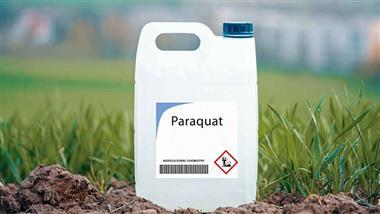
Paraquat is an herbicide and registered desiccant that has been used on American farms since 1964. A desiccant is a chemical that speeds up the ripening of the crop and dries it out, which facilitates harvesting and allows it to be harvested sooner than were the crop left to dry naturally.
Desiccation is also used to improve profits, as farmers are penalized when the grain contains moisture. The greater the moisture content of the grain at sale, the lower the price they get.
While 50 countries have banned paraquat due to its extreme toxicity and adverse effects on health (a single sip is lethal to a human1), the chemical remains legal in the U.S., provided farmers receive training on its application. Proper application doesn’t ensure its safety, however, as recent lawsuits by thousands of farmers make clear.
Paraquat Linked to Parkinson’s Disease
A considerable body of evidence2 links paraquat to Parkinson’s disease and, as of mid-March 2023, 2,998 lawsuits filed by farmers with Parkinson’s disease had been consolidated in Illinois federal court. The first bellwether trial is scheduled to begin in October 2023.3
The farmers are suing Syngenta, the lead manufacturer, and Chevron, a key distributor, arguing the herbicide caused their disease, and that the manufacturer was aware of this risk and concealed it from the public.
The discovery process has unearthed a trove of documents4 showing Syngenta has indeed known that paraquat poses neurological risks and feared the possibility of lawsuits for decades.
Most of the paraquat lawsuits are taking place in Illinois federal court, but class actions have also been filed with state courts in California, Florida, Pennsylvania, and Washington. The first state court trial is scheduled to begin in September 2023 in California.5 As reported by the Miller & Zois law firm, which is handling paraquat cases in all 50 U.S. states:6
“Parkinson’s disease is a progressive neurodegenerative disorder of the brain that affects primarily the motor system, the part of the central nervous system that controls movement.
The characteristic symptoms of Parkinson’s disease are its ‘primary’ motor symptoms: resting tremor; bradykinesia (slowness in voluntary movement and reflexes); rigidity; and postural instability. There is currently no cure for Parkinson’s disease.
Existing treatments do not slow or stop their progression; such treatments are capable only of temporarily and partially relieving motor symptoms. These treatments also have unwelcome side effects the longer they are used.
Paraquat is a toxic chemical that is a highly effective plant killer. Unfortunately, the same properties that make paraquat toxic to plant cells also make it highly damaging to human nerve cells and create a substantial risk to anyone who uses it.
Oxidative stress is a major factor in — if not the precipitating cause of — the degeneration and death of dopaminergic neurons which is the primary pathophysiological cause of Parkinson’s disease.
Paraquat is designed to injure and kill plants by creating oxidative stress, which causes or contributes to causing the degeneration and death of plant cells. Similarly, Paraquat injures and kills animals by creating oxidative stress, which causes the degeneration and death of animal cells.
The causal link between Paraquat and Parkinson’s disease is well established. Hundreds of animal studies involving various routes of exposure have found that paraquat creates oxidative stress that results in pathophysiology consistent with that seen in human Parkinson’s disease.
Many epidemiological studies have also found an association between Paraquat exposure and Parkinson’s disease, including multiple studies finding a two- to five-fold or greater increase in the risk of Parkinson’s disease in populations with occupational exposure to paraquat compared to populations without such exposure.”
Attorneys working on these cases have also highlighted recent research7 linking paraquat exposure to end stage renal disease,8 so it’s possible that the litigation effort against Syngenta might expand even further.
Syngenta Obfuscated the Evidence
In a June 2, 2023, article9 in The Guardian, journalist and author Carey Gillam reviews evidence from the paraquat lawsuits showing Syngenta has known about the chemical’s risk to human health for decades, and went out of its way to bury that evidence.
Some of the research10 out there suggests lifetime exposure to paraquat raises your risk of Parkinson’s by as much as 250% (odds ratio 2.5), primarily through oxidative stress. In the 2020 book, “Ending Parkinson’s Disease: A Prescription for Action,” four leading neurologists also cite paraquat as a causative factor for the condition.11
Not surprisingly, Syngenta relied on the same strategies developed and perfected by the tobacco industry in years past. While independent researchers kept linking paraquat to Parkinson’s disease, Syngenta sowed doubt by maintaining the evidence was “fragmentary” and “inconclusive,” even though it wasn’t.
Indeed, internal documents obtained during the discovery process reveals Syngenta knew that paraquat accumulated in the human brain and could permanently impair the central nervous system.12,13,14 As reported by Gillam:15
“Though it worked to publicize research that supported paraquat safety, Syngenta kept quiet about a series of in-house animal experiments that analyzed paraquat impacts in the brains of mice, according to company records and deposition testimony.
Scientists who study Parkinson’s disease have established that symptoms develop when dopamine-producing neurons in a specific area of the brain called the substantia nigra pars compacta (SNpc) are lost or otherwise degenerate. Without sufficient dopamine production, the brain is not capable of transmitting signals between cells to control movement and balance.
The Syngenta scientist Louise Marks did a series of mouse studies between 2003 and 2007 that confirmed the same type of brain impacts from paraquat exposure that outside researchers had found. She concluded that paraquat injections in the laboratory mice resulted in a ‘statistically significant’ loss of dopamine levels in the substantia nigra pars compacta.”
Download this Article Before it Disappears
Jeopardizing Human Health for Profit
The company withheld these and other internal research results from regulators and denounced the validity of independent science showing neurological effects.
Worse, when Syngenta met with U.S. Environmental Protection Agency (EPA) officials in 2013 to update the agency on its internal research, the company claimed studies showed paraquat, even at high doses, did NOT reduce dopamine-producing neurons, directly contradicting Marks’ findings.16
Similarly, in a follow-up presentation to the EPA in 2017,17 Syngenta claimed that paraquat had “no effect” in the brain and that a “causal relationship between paraquat and Parkinson’s was not supported.”
During a recent deposition, Dana Dixon, lead for product safety operations at Syngenta, was asked point blank if the information presented to the EPA was a lie. Dixon claimed they were “not hiding” Marks’ results, but rather chose to “focus on other studies” that refuted it.18
Syngenta ‘Swat Team’ Beat Down Negative Reports
At one point, Syngenta also worked behind the scenes to keep a highly regarded scientist involved in the study of Parkinson’s off the EPA’s advisory panel, and internal documents show company officials wanted to make sure the effort could not be traced back to them.19
As reported by Gillam, Syngenta also had a special “swat team” tasked with the immediate rebuttal of any new reports of adverse effects:20
“… files reveal an array of tactics, including enlisting a prominent UK scientist and other outside researchers who authored scientific literature that did not disclose any involvement with Syngenta …
[M]isleading regulators about the existence of unfavorable research conducted by its own scientists; and engaging lawyers to review and suggest edits for scientific reports in ways that downplayed worrisome findings.
The files also show that Syngenta created what officials called a ‘Swat team’ to be ready to respond to new independent scientific reports that could interfere with Syngenta’s ‘freedom to sell’ paraquat.
The group, also referred to as ‘Paraquat Communications Management Team,’ was to convene ‘immediately on notification’ of the publication of a new study, ‘triage the situation’ and plan a response, including commissioning a ‘scientific critique.’
A key goal was to ‘create an international scientific consensus against the hypothesis that paraquat is a risk factor for Parkinson’s disease,’ the documents state.”
In internal company documents from 2003, Syngenta officials discussed the need for a “coherent strategy across all disciplines focusing on external influencing, that proactively diffuses the potential threats that we face,” including influencing the future work by external researchers.
They also hired external scientists to write papers in support of paraquat without disclosing their relationship with the company. Ghostwriting scientific studies was also a tactic employed by Monsanto, to hide known dangers associated with its Roundup herbicide.
Lawyers Played Central Role in Obfuscation of Evidence
As detailed by Gillam, corporate defense lawyer Jeffrey Wolff also appears to have played a central role in the obfuscation of evidence. He instructed Syngenta scientists on how to take notes and manage communications to ensure the company would be able to claim attorney-client privilege in the case of litigation.
For example, action notes taken were to be labeled “Work Product Doctrine Material Confidential” and carry an attorney-client privilege statement.21 Wolff also had an active role in editing various scientific statements, reports and presentations to hide or downplay negative internal findings.
For example, a 2009 internal presentation by a company scientist on paraquat and Parkinson’s disease was reviewed by Wolff, who objected to a statement that said a majority of cases were related to environmental causes. Instead, Wolff suggested the presentation state that the “great majority of PD cases are idiopathic or of unknown cause.”
In another case, Wolff recommended removing the written admission that paraquat caused loss of neurons in the substantia nigra pars compacta from a scientific slide show, and instead only mention it verbally during the presentation. As reported by Gillam, the heavy involvement of lawyers is also straight out of the tobacco industry’s dirty playbook:22
“The involvement of lawyers with the scientists at Syngenta appears similar to highly criticized practices by the tobacco industry in the 1970s and ’80s that downplayed the dangers of smoking, said Thomas McGarity, former EPA legal adviser and co-author of the 2008 book titled ‘Bending Science: How Special Interests Corrupt Public Health Research.’
‘It looks like the paraquat maker has adopted nearly every strategy we outlined in our book about bending science,’ McGarity said. ‘Science matters. We have to be able to depend on science,’ he said.
‘When it is perverted, when it is manipulated, then we get bad results. And one result is that pesticides that cause terrible things like Parkinson’s remain on the market.’”
Lectins in Food Shuttle Paraquat Into the Brain
Disturbingly, animal research shows paraquat becomes exponentially more hazardous in combination with plant lectins. The cruel irony here is that paraquat is widely used as an herbicide and desiccant on lectin-rich crops in particular, including wheat, soybeans, potatoes, cereal grains and beans.
Plant lectins help shuttle paraquat into your brain, where it induces the neuronal degeneration seen in Parkinson’s disease.
According to the study23 in question, published in the journal NPJ Parkinson’s Disease in 2018, plant lectins help shuttle paraquat into your brain, where it does the most damage. As reported by the authors:
“Increasing evidence suggests that environmental neurotoxicants or misfolded α-synuclein generated by such neurotoxicants are transported from the gastrointestinal tract to the central nervous system via the vagus nerve, triggering degeneration of dopaminergic neurons in the substantia nigra pars compacta (SNpc) and causing Parkinson’s disease (PD).
We tested the hypothesis that gastric co-administration of subthreshold doses of lectins and paraquat can recreate the pathology and behavioral manifestations of PD in rats …
These data demonstrate that co-administration of subthreshold doses of paraquat and lectin induces progressive, L-dopa-responsive parkinsonism that is preceded by gastric dysmotility. This novel preclinical model of environmentally triggered PD provides functional support for Braak’s staging hypothesis of idiopathic PD.”
Here again, we see the central role of the substantia nigra pars compacta, the very area of the brain that Syngenta scientist Marks found to be adversely impacted by paraquat. What’s more, the combination of paraquat and lectins could well be the underlying mechanism behind “idiopathic” Parkinson’s, which Wolff wanted listed as the primary “cause.”
Paraquat in Food Supply Puts Your Health at Risk
This also means that farmers aren’t the only ones at risk. Direct exposure is only one way by which paraquat can cause harm. Ingestion through food is the other, and oftentimes, that food is also high in lectins, which multiplies the danger. Reporting on the 2018 findings, Medical News Today wrote:24
“[P]araquat, once in the stomach, causes alpha-synuclein to be misfolded and then helps it travel to the brain. Scientists believe that alpha-synuclein runs along the vagus nerve, which itself runs between the stomach and the brain.
In fact, recent studies have shown that the vagus nerve has a direct connection with the substantia nigra, making it a prime suspect in Parkinson’s disease. This direct link also helps explain why digestive problems often precede the motor symptoms of Parkinson’s by several years.
To investigate, the researchers fed rats small doses of paraquat for 7 days. They also fed them lectins … As expected, they identified Parkinson’s-related changes … As study co-author Prof. Thyagarajan Subramanian explains:
‘We were able to demonstrate that if you have oral paraquat exposure, even at very low levels, and you also consume lectins … then it could potentially trigger the formation of this protein — alpha-synuclein — in the gut. Once it’s formed, it can travel up the vagus nerve and to the part of the brain that triggers the onset of Parkinson’s disease.’
This series of experiments demonstrates how the interplay between two ingested compounds can conspire to create and then transport toxic protein structures from the gut to the brain.”
Take-Home Message
The take-home message here is that foods treated with paraquat may be just as hazardous as direct exposure on a farm. Paraquat is considered one of the “best” drying options for legumes in particular, which are also particularly high in lectins.
As a result, many foods that vegetarians and vegans rely on may pose significant health hazards — and in more ways than one, as lectins are also problematic in and of themselves. In February 2022, I posted an interview with Dr. Steven Gundry, author of “The Plant Paradox,” in which we reviewed the health hazards of lectins.
As explained by Gundry, plant lectins can wreak havoc on your health by attaching to your cell membranes, causing inflammation, damage to your nerves and cell death. Some can also interfere with gene expression and disrupt endocrine function.
So, while lectins can cause severe health problems in and of themselves, by spraying paraquat on lectin-rich crops, those crops are made exponentially more hazardous, as the lectins act as transport vehicles for the toxic herbicide.
You can reduce lectin concentration by pressure cooking, for example, but if you’re starting out with contaminated food, you’re dealing with extra-toxic kinds of lectins. To avoid or at least minimize these hazards, it’s important to buy organic beans, peas, potatoes and other high-lectin foods from a reputable source, ideally a local farmer you can trust.
The other take-home message from all this is that chemical companies are among the least trustworthy sources out there. Like Monsanto before them, Syngenta officials have spent decades hiding the dangers of paraquat, while untold numbers of people got sick, suffered and died.
As noted by Bruce Blumberg, professor of developmental and cell biology at the University of California, Irvine, in response to the revelations about Syngenta’s obfuscation of evidence:25
“It is highly unethical for a company not to reveal data they have that could indicate that their product is more toxic than had been believed. [These companies are] trying to maximize profits and they jeopardize public health, and it shouldn’t be allowed. That is the scandal.”
- 1 EPA Paraquat Risk Message
- 2 NIH February 11, 2011
- 3, 5 Drug Watch April 18, 2023
- 4, 13 The New Lede Paraquat Papers Media Library
- 6, 8 Lawsuit Information Center Paraquat Lawsuit June 1, 2023
- 7 Environmental Health December 12, 2022; 21 Article number 127
- 9, 11, 12, 15, 16, 18, 20, 21, 22 The Guardian June 2, 2023
- 10 Environmental Health Perspectives June 2011; 119(6): 866-872
- 14 The New Lede Paraquat Papers October 20, 2022
- 17 Paraquat Research Program Update February 6, 2017
- 19, 25 The Guardian October 20, 2022
- 23 NPJ Parkinsons Disease 2018; 4: 30
- 24 Medical News Today December 10, 2018
Worried about skin cancer? Harness the power of food for sun protection
Reproduced from original article:
https://www.naturalhealth365.com/worried-about-skin-cancer-harness-the-power-of-food-for-sun-protection.html
by: May 29, 2023
 (NaturalHealth365) Can you imagine a life devoid of joyous moments under the warm embrace of the sun? Unfortunately, there are many who have succumbed to an unwarranted fear of sun exposure, robbing themselves of the simple pleasures it brings. Despite the countless well-documented benefits of sunlight for human health, we have been inundated with messages warning us of its supposed malevolence. Of course, it is essential to note that while sunlight offers numerous benefits, overexposure should be avoided to protect against potential harm.
If you enjoy spending time in the great outdoors and looking for natural methods to safeguard yourself against the risks of skin cancer, there is good news: you can actively bolster your sun protection by incorporating certain foods into your diet, offering a holistic approach that aligns with your preference for natural methods. In addition to relying solely on sunscreen without toxic chemicals, these dietary choices can further enhance your defense against harmful sun exposure.
Protect your skin from the inside out with these SIMPLE dietary choices
Most people are unaware that foods rich in certain nutrients can help reduce their risk of skin cancer. Consuming the right foods will help safeguard your sensitive skin against the sun’s ultraviolet rays, essentially protecting your body from the inside out. Extensive research has shed light on the protective role of antioxidants, including vitamins and various nutrients, in the battle against free radicals and their harmful effects, which can contribute to the development of skin cancer.
In light of recent developments, an increasing number of dermatologists are now recommending their patients incorporate nutrient-rich foods into their diet as a means of fortifying their skin health. Not only do these foods provide a natural source of essential antioxidants, but they also offer a synergistic blend of nutrients that work together to maximize their effectiveness.
1. Curcumin
The plant pigment known as curcumin that makes turmeric yellow in hue is revered for its ability to destroy those life-threatening melanoma skin cancer cells. Curcumin also combats the formation and spread of cancer by functioning as a powerful antioxidant that prevents the formation of aflatoxin and nitrosamine processes that hike the risk of cancer.
Indulging in turmeric adds a delightful burst of flavor to cauliflower, rice, potatoes, carrots, and various other vegetables, making it a delicious and healthful addition to your meals.
2. Berries
Berries, known for their rich content of ellagic acid, offer a flavorful and nutritious way to naturally boost your sun protection, making them a delicious addition to your diet. Ellagic acid, derived from ellagitannin, is a compound found in various red fruits.
Among these fruits, raspberries have been identified as particularly potent in the fight against skin cancer, making them an excellent addition to your sun protection regimen.
3. Nuts
Pecans and walnuts also contain ellagitannin, which detoxifies harmful liver enzymes and stops carcinogens from clinging to DNA. This acid also causes cancer cells to destruct, eliminating the free radicals that cause skin cancer.
4. Mushrooms
Mushrooms, a natural source of beta-glucans, contain compounds that have been shown in studies to actively combat the development of melanoma. These beta-glucans have the remarkable ability to attract immune cells to the cancerous area, aiding in the destruction of malignant cells and potentially serving as a valuable defense against melanoma.
5. Weave in carotenoids for added sun protection
Carotenoids, the pigments that make vegetables and fruits yellow, red, and orange in hue, shield the skin against damage from the sun’s ultraviolet radiation. Examples of veggies and fruits with carotenoids include tomatoes, cantaloupe, carrots, spinach, and kale.
6. Vitamin E
By incorporating a combination of carotenoid-rich fruits and vegetables along with foods containing vitamin E into your diet, you can effectively counteract and mitigate the effects of the sun’s ultraviolet light on your skin. This powerful combination works synergistically to provide enhanced protection and nourishment, helping to maintain the health and vitality of your skin even in the face of sun exposure.
7. Selenium
Harnessing the power of selenium-rich foods such as halibut, Brazil nuts, cod, and mushrooms can significantly enhance the body’s antioxidant defense system, offering an additional layer of protection against the damaging effects of sun exposure. By incorporating these selenium-packed foods into your diet, you can fortify your body’s natural defense mechanisms, bolstering its ability to counteract the harmful effects of the sun’s rays.
8. Beware of aflatoxin
The presence of chlorophyll in plants and plant-based foods has been found to effectively reduce the risk of aflatoxin contamination. Aflatoxins are harmful substances that can damage DNA, consequently elevating the risk of developing skin cancer.
Notably, peanuts are particularly susceptible to aflatoxin contamination. By consuming a diet rich in chlorophyll-containing foods, you can help minimize your exposure to aflatoxins.
9. Reduce your alcohol intake
Regular alcohol intake has been linked to an increased risk of malignant melanoma, potentially attributed to the conversion of alcohol into acetaldehyde within the body. This process can result in DNA damage, raising the likelihood of developing skin cancer.
10. Sidestep nitrate-laden meat
Nitrates, present in soil, water, and air, are commonly used as additives in cured meat products for their visual appeal. However, mounting evidence suggests a concerning association between nitrates and the development of cancer.
By making conscious choices in our diet and lifestyle, such as incorporating sun-protective foods, being mindful of alcohol consumption, and reducing the intake of nitrates in cured meats, we can take proactive steps to enhance our skin health and reduce the risk of skin cancer.
Remember, small changes can have a significant impact on our well-being, so let’s prioritize our skin’s protection and overall health.
Sources for this article include:
This Toxic Herbicide Is Unregulated Despite Court Order
Reproduced from original article:
https://articles.mercola.com/sites/articles/archive/2023/05/06/dicamba.aspx
The original Mercola article may not remain on the original site, but I will endeavor to keep it on this site as long as I deem it to be appropriate.
Analysis by Dr. Joseph Mercola Fact Checked May 06, 2023

STORY AT-A-GLANCE
- In 2020, a federal court ruled the EPA ignored evidence that dicamba would lead to widespread crop damage and invalidated the registrations for this herbicide
- Instead of pulling it from the market, the EPA reapproved it months later with minor label changes
- In 2021, the EPA admitted that its changes made little difference, and dicamba was still causing grave damage, prompting a lawsuit alleging the agency failed to take action against the herbicide, despite the court order
- During the 2021 growing season, the EPA received reports of about 3,500 dicamba-related incidents, which revealed more than 1 million acres of soybean crops were damaged due to dicamba drift; similar damage was expected during 2022
- The EPA reported that these numbers significantly underestimate the true extent of dicamba-driven damage, but it still allows it to be widely used throughout the U.S.
Dicamba, a highly volatile herbicide known for drifting and damaging off-target crops, is still causing widespread environmental damage and, likely, harm to human health. This is despite a 2020 promise from the U.S. Environmental Protection Agency to take action against the chemicals, which are often sprayed “over the top” of genetically engineered dicamba-tolerant soybean and cotton crops.
In 2020, a federal court ruled, “The EPA made multiple errors in granting the conditional registrations”1 for dicamba herbicides, ignoring evidence that they would lead to widespread crop damage.
The court order invalidated the registrations for dicamba,2 but instead of pulling it from the market, the EPA reapproved it months later with minor label changes. In 2021, the EPA admitted that its changes made little difference, and dicamba was still causing grave damage, prompting a lawsuit alleging the agency failed to take action against the herbicide, despite the court order.3
Dicamba Drift Devastates US Crops
Millions of acres of croplands across the U.S. have been damaged by dicamba drift,4 and there’s also disturbing information that the chemical harms trees.5 Dicamba use has also turned farmers against one another, as those experiencing damaged crops blame neighboring farms for spraying dicamba.
When dicamba was first used, it was typically applied only sparingly and not during the growing season due to its known potential to kill nearby crops. As resistance grew to other herbicides, like glyphosate, however, Monsanto — now owned by Bayer — came up with a plan. As reported by investigative journalist Carey Gillam:6
“In 2011 Monsanto announced that glyphosate had been “relied on too long by itself” and said it planned to collaborate with BASF to develop a cropping system of genetically engineered (or GMO) crops that would tolerate being sprayed with dicamba. It said it would introduce a new type of dicamba herbicide that would not drift far from fields where it was sprayed.”
The newer dicamba was approved by the EPA in 2016, but it did not prove to be the panacea that Monsanto had promised. By November 2017, an estimated 3.6 million acres across 25 U.S. states had been damaged by dicamba drift.7 The EPA was aware of the damage then but didn’t go nearly far enough to stop the desecration. According to the EPA:8
“In 2017 and again in 2018, EPA amended the registrations of all over-the-top dicamba products following reports that growers had experienced crop damage and economic losses resulting from the off-site movement of dicamba.
The U.S. Court of Appeals for the Ninth Circuit vacated the 2018 registrations in June 2020 on the basis that ‘EPA substantially understated risks that it acknowledged and failed entirely to acknowledge other risks.’ Days after the court’s decision, EPA issued cancellation orders for the affected products that addressed existing stocks.”
EPA Admits It Failed to Stop Dicamba Damage
Four months after the 2020 court ruling, the EPA reapproved the toxic herbicides with new directions on the labels.9 The EPA reported:10
“In October 2020, EPA issued new registrations for two dicamba products and extended the registration of an additional dicamba product. These registration decisions were made with some input from EPA’s career scientists and managers and were expected to address the risk concerns noted by the Ninth Circuit.
All three registrations included new measures that the Agency expected to prevent off-target movement and damage to non-target crops and other plants.”
However, a follow-up conducted by the EPA in December 2021 revealed the same problems were occurring. The EPA admitted:11
“Despite the control measures implemented in EPA’s October 2020 dicamba registration decision, incident reports from the 2021 growing season showed little change in the number, severity, and/or geographic extent of dicamba-related incidents when compared to the reports the Agency received before the 2020 control measures were required.”
During the 2021 growing season, the EPA received reports of about 3,500 dicamba-related incidents, which revealed:12
- More than 1 million acres of soybean crops were damaged due to dicamba drift
- Dicamba also damaged other non-target crops, including sugar beets, rice, sweet potatoes, peanuts and grapes
- Dicamba damaged plants and trees growing near homes and in wild areas, including a 160,000-acre wildlife refuge
- More than 280 of the incident reports were from counties that had imposed additional restrictions on dicamba use to protect endangered species near dicamba-tolerant soybean and cotton crops
Further, the EPA reported that these numbers significantly underestimate the true extent of dicamba-driven damage, noting:13
“Based on prior research and numerous stakeholder meetings, EPA has reason to believe the number of incidents reported significantly understates the actual number of incidents related to dicamba use. For example, in a 2020 memo, EPA estimated that one in 25 dicamba incidents was reported to EPA. No evidence available to EPA suggests that underreporting has changed.”
Download this Article Before it Disappears
EPA Makes More Dicamba Label Changes
After their 2021 report revealed devastating damage due to dicamba, the EPA admitted that a similar amount of damage likely occurred during 2022:14
“EPA has not yet fully analyzed 2022 incident data, but based on incident reports received and discussions with state regulators, weed scientists, and academics, EPA has reason to believe dicamba-related incidents continued through the 2022 growing season as well.”
Still, in a bulletin released February 16, 2023, the EPA chose not to ban dicamba to stop its environmental destruction. Instead, it approved more labeling amendments intended to reduce the risks of over-the-top dicamba use. The revised labels state that over-the-top dicamba application on dicamba-tolerant crops is prohibited after June 12, 2023, in Iowa, Illinois and Indiana and after June 20 in South Dakota.15
“This restricts over-the-top dicamba application to earlier in the growing season, when temperatures are likely to be lower, and is intended to reduce the potential for dicamba to volatilize and drift off-site,” the EPA noted.16
In 2020, a lawsuit was filed against the EPA by National Family Farm Coalition, Center for Food Safety, Center for Biological Diversity and Pesticide Action Network North America. It challenged the EPA’s reapproval of dicamba after the court had removed it.17 New filings in the lawsuit, made in 2023, again allege the EPA has endangered U.S. cropland by ignoring the 2020 court order. In a statement, the plaintiffs explained:18
“The new litigation was prompted by the EPA’s decision to ignore the court’s ruling and move forward with reapproving the pesticide. In re-approving dicamba, the EPA once again failed to weigh the true costs to farmers and the environment.”
Speaking to The Guardian, Nathan Donley, environmental health science director with the Center For Biological Diversity, blamed the EPA’s close ties with the pesticide industry for their leniency in “treating the pesticide industry not as regulated companies, but as clients”:19
“The pesticide industry has a ton of clout in the EPA’s pesticide office, a ton of ability to persuade people there, and the culture at the office is very in alliance with the pesticide industry.”
Dozens of farmers are suing Bayer and BASF for crop damage caused by dicamba. The first case that went to trial involved Bader Farms in Missouri, which alleged an “ecological disaster” was created to force farmers to buy GE dicamba-tolerant seeds. Bader Farms was awarded $250 million in punitive damages and $15 million in compensatory damages in the case.20
Dicamba Linked to Cancer, Health Risks
The EPA has also downplayed health risks linked to dicamba, stating, “EPA has not identified any risks of concern regarding human health, including all population subgroups, or for occupational handlers. EPA has not identified cancer as a human health risk of dicamba.”21
However, an analysis that evaluated dicamba use with a follow-up period of up to 20 years found an association between the herbicide and liver cancer and intrahepatic bile duct cancer in those with the highest levels of exposure.22 Donley stated in a news release:23
“This sweeping study exposes the terrible human cost of the EPA’s reckless decision to expand the use of dicamba. For the EPA to approve widespread use of this poison across much of the country without assuring its safety to people and the environment is an absolute indictment of the agency’s persistent practice of rubber-stamping dangerous pesticides.
… Just as with glyphosate, we were falsely told that dicamba was completely safe for humans and there was nothing to worry about. With dicamba’s ability to drift for miles, people in many areas of the country are now routinely forced to breathe in this dangerous pesticide.”
Separate research also linked dicamba to colon and lung cancer24 and Non-Hodgkin lymphoma,25 along with an increased risk of hypothyroidism.26
Regulatory Capture Is Putting Health and Environment at Risk
André Leu, former president of International Federation of Organic Agriculture Movements (IFOAM) and current international director of Regeneration International, is the author of “Poisoning Our Children: The Parent’s Guide to the Myths of Safe Pesticides.” He explains how the agricultural industry and global chemical industry have manipulated the system to control and suppress safety concerns.
Through this regulatory capture, regulators end up working for the industry’s rather than the public’s interest. Part and parcel of this process is the revolving door between government and industry, where regulators are given high-paying industry jobs and industry executives get hired as senior managers in regulatory agencies such as the U.S. Environmental Protection Agency (EPA), where they start approving the products of their former company.
“That is really a form of corruption,” Leu says, “But we see this everywhere around the world. In every country I look at, the regulators are owned by the industry.” For its part, the EPA has a long history of siding with the pesticide industry. Not only has it stated that dicamba isn’t harmful, but it’s insisted the herbicide glyphosate “is not likely to be carcinogenic to humans.”27
Moreover, regulators make decisions on the safety of poisons in our food and environment based on data provided by the company selling the toxin — and most of these studies are confidential, so the public — as well as other scientists and researchers — cannot access them.
But as noted by Leu, when access to corporate studies is gained through freedom of information requests or legal discovery, most turn out to be of poor quality while others show a whole range of diseases and risks. When he reviewed data on pesticides, he concluded children, in particular, are at risk from exposure to even small amounts of these chemicals.
We can’t wait for the EPA to take action to start protecting the most vulnerable among us. To minimize your exposure to pesticides — and help influence positive agricultural change in your local area — buy organically produced foods from small farmers as much as possible, and avoid using pesticides around your home and garden. You can also plant and grow your own food using organic methods.
- 1, 2 The Guardian June 4, 2020
- 3, 9, 18, 19 The Guardian April 24, 2023
- 4 University of Missouri August 14, 2017
- 5 University of Missouri Extension, Winter 2018, Volume 22, Number 1
- 6 U.S. Right to Know June 12, 2020
- 7 New York Times November 1, 2017
- 8, 10, 11, 14, 15, 16 U.S. EPA February 16, 2023
- 12, 13 U.S. EPA December 21, 2021
- 17 Center for Food Safety December 21, 2020
- 20 U.S. Right to Know June 20, 2021
- 21 U.S. EPA Dicamba 2020 Registration
- 22 International Journal of Epidemiology, Volume 49, Issue 4, August 2020, Pages 1326–1337, doi: 10.1093/ije/dyaa066
- 23 Center for Biological Diversity May 4, 2020
- 24 Environmental Health Perspectives August 1, 2010, Discussion
- 25 Cancer Epidemiol Biomarkers Prev (2001) 10 (11): 1155–1163
- 26 Environmental Health Perspectives September 26, 2018
- 27 EPA Glyphosate Proposed Interim Registration Review Decision Case Number 0178 April 2019
Exposure to common herbicide promotes breast cancer development, new study reveals
Reproduced from original article:
https://www.naturalhealth365.com/exposure-to-common-herbicide-promotes-breast-cancer-development-new-study-reveals.html
by: April 24, 2023
 (NaturalHealth365) It’s well known that genetics, lifestyle, and environmental factors all play a role in the development of chronic diseases like cancer. As for environmental factors specifically, acute and/or chronic exposure to harmful carcinogenic toxins – often manmade and utilized in manufacturing or agricultural processes – is one of the chief risk factors, especially for conditions like breast cancer.
Now, a new study published in Ecotoxicology and Environmental Safety highlights yet another environmental toxin that could help explain the increasing rates of breast cancer among women. The good news is, with the right information, we can dramatically reduce our risk by taking action today. Keep reading to understand the scope of the problem and how to avoid being harmed.
Popular conventional herbicide compound “promotes breast cancer development,” says new research study
The study in highlight, says “Atrazine promotes breast cancer development by suppressing immune function and upregulating MMP expression.” Published in the March 2023 volume of the aforementioned peer-reviewed journal, the study begins by pointing out that a common herbicide called atrazine is “used extensively” and “is present in both surface water and groundwater.” The authors also stated that laboratory and epidemiological studies had reported an “interfering effect on immune systems, endocrine systems, and tumours” concerning this toxic chemical.
In their study investigating the effects of atrazine on cancer development, the researchers were able to determine that this environmental toxin is cancer-promoting for at least a couple reasons:
- It suppresses immune cell function (specifically, anti-tumor immune function)
- It upregulates (activates) enzymes that help promote tumor development and growth
The authors go so far as to categorize atrazine as “primarily toxic to immune organs.”
While it should be noted that this study involved laboratory practices – including the use of cell cultures and animal models – its results do offer some critical insight into how this popular herbicide can cause harm to humans.
The researchers write that their study “demonstrated that atrazine accelerated the cell cycle and encouraged the proliferation and invasion of breast cancer tumor cells. Furthermore, atrazine can reduce anti-tumor immunity by decreasing lymphocyte infiltration and modulating cytokine production inside the tumor microenvironment, thereby promoting tumor immune escape and breast cancer progression. To fully understand the mechanism underlying atrazine’s immunosuppression of breast cancers, further research is needed.”
So, what is atrazine exactly?
According to the U.S. Centers for Disease Control and Prevention (CDC), atrazine (6-chloro-N-ethyl N’-(1-methylethyl)-triazine-2,4-diamine) is a commonly used and popular herbicide (often sold under brand names Aatrex®, Aatram®, Atratol®, and Gesaprim®) that is used to kill weeds. Most often used on farms, atrazine is often sprayed on crops of sugarcane, corn, pineapples, sorghum, macadamia nuts, and evergreen trees.
In addition, the herbicide is also often used to prevent weed growth in more public areas, such as highways and railroads.
Considered a Restricted Use Pesticide (RUP), atrazine may only be used or purchased by “certified herbicide users,” who must apply for licensure through their state office.
So, how might you be exposed? The CDC notes that atrazine can stay in the water (including groundwater, rivers, lakes, and streams) “for a long time,” but they claim this herbicide “does not tend to accumulate in living organisms such as algae, bacteria, clams, or fish, and, therefore, does not tend to build up in the food chain.” This means one of the primary routes of exposure is through contaminated drinking water (people living near farms where this chemical is used are also at increased risk of exposure). Indeed, atrazine has been detected in at least 20 Superfund sites in the United States.
The CDC adds that potential health effects of exposure to this herbicide include:
- Harm to the reproductive system
- Liver, heart, and kidney damage
- Cancer (as we’ve learned)
- Fetal development problems, including low fetal weight and heart, urinary, and limb defects (following maternal exposure)
As for reducing your risk of exposure, the CDC recommends some common-sense tactics, such as avoiding playing or being in areas near where atrazine is used, investing in a good quality water purification system for your home and/or office, and cleaning and vacuuming your floors regularly (since small amounts of atrazine have been detected in carpets in some Midwestern homes).
Sources for this article include:
Sciencedirect.com
Childrenshealthdefense.org
Cancer.org
CDC.gov
Phospholipids: A Hidden Superpower for Your Health
Reproduced from original article:
https://articles.mercola.com/sites/articles/archive/2023/04/24/omega-3-phospholipids.aspx
The original Mercola article may not remain on the original site, but I will endeavor to keep it on this site as long as I deem it to be appropriate.
Analysis by Dr. Joseph Mercola Fact Checked April 24, 2023

STORY AT-A-GLANCE
- Unlike krill oil — a superior source of omega-3 fats — fish oil lacks phospholipids, which increase omega-3 fat absorption and provide other benefits
- A new lysophospholipid form of DHA shows promise for preventing the visual decline that often occurs alongside chronic diseases like Alzheimer’s and diabetes
- While the DHA in most fish oil supplements cannot reach the retina, where DHA concentrates, LPC-DHA crosses into the retina from the bloodstream
- Krill oil counteracts neuroinflammatory processes, due to its phospholipids and additional beneficial compounds, like astaxanthin
- Although krill oil contains less EPA and DHA per gram of supplement than fish oil does, it’s more bioavailable since the EPA and DHA are bound in a phospholipid form
You’ve likely heard about the many benefits of omega-3 fats for your heart, brain and more, but if you’re consuming it in supplement form, be sure it’s alongside phospholipids. Wild-caught salmon, sardines and certain other fish are excellent sources of the omega-3 fats eicosapentaenoic acid (EPA) and docosahexaenoic acid (DHA).1
However, because most Americans do not consume much seafood, many rely on fish oil supplements instead. This is a mistake for virtually anyone who makes this choice. This is because the chemical process used to make most of these products — trans-esterification — transforms the oil into a synthetic product that’s far removed from the natural fats you’d get when eating sardines or other fatty fish.2
There are many issues with synthetic fish oil, and absorption is only one of them. Free fatty acids of fish oil have an absorption rate of at least 95%. EPA in its natural triglyceride form had a 68% absorption rate in one study, while ethyl ester forms — the type found in nearly all fish oil supplements — absorbed only about 20% as well as the free fatty acids.3
Unlike krill oil — a superior source of omega-3 fats — fish oil lacks any phospholipids. Research is now confirming just how important the phospholipid component is when it comes to gleaning all the benefits you can from your omega-3 fats.
Phospholipid Form of Omega-3 Helps Prevent Visual Decline
Recent studies show a new lysophospholipid form of DHA (LPC-DHA) shows promise for preventing the visual decline that often occurs alongside chronic diseases like Alzheimer’s and diabetes, according to a study presented at the 2023 annual meeting of the American Society for Biochemistry and Molecular Biology.4 While the DHA in most fish oil supplements cannot reach the retina, where DHA concentrates, LPC-DHA crosses into the retina from the bloodstream.
“Increasing the retinal DHA at clinically feasible doses has not been possible until now because of the specificity of the blood-retinal barrier that is incompatible with the specificity of the intestinal barrier,” study author Sugasini Dhavamani explained. “This study uses the novel approach of dietary LPC-DHA that overcomes both intestinal and blood-retinal barriers and improves retinal function.”5
In order to reach the retina, the DHA must first be absorbed from the intestine into the bloodstream and from there cross into the retina. The study, which involved mice, found that not only did LPC-DHA increase DHA in the retina, it reduced eye problems related to Alzheimer’s disease.6 Mice fed LPC-DHA daily for six months had a 96% increase in DHA and signs that the structure of the retina was better preserved.7
Low levels of DHA in the retina are common in people with Alzheimer’s, diabetes and age-related macular degeneration (ARMD), and if you don’t have enough DHA in the retina it’s associated with vision loss. Dhavamani explained:8
“Dietary LPC-DHA is enormously superior to TAG-DHA [triacylglycerol DHA, the type found in fish oil supplements] in enriching retinal DHA and could be potentially beneficial for various retinopathies in patients. This approach provides a novel therapeutic approach for the prevention or mitigation of retinal dysfunction associated with Alzheimer’s disease and diabetes.”
While these certainly are impressive results, they certainly are not novel and essentially replicate the characteristics of the phospholipids that are in krill and have been well-documented for many decades.
Krill Oil Protects Against Cognitive Impairment
Typically, DHA and EPA are water insoluble and therefore cannot be transported in their free form in your blood. They must be packaged into lipoprotein vehicles such as a phospholipid. This is primarily why the bioavailability of krill oil is so much higher than fish oil, because in fish oil, the DHA and EPA are bound to triglycerides.
Many studies highlight krill oil’s effectiveness, including for brain health. In an animal study, krill oil had a beneficial effect on neuroinflammation and oxidative stress, which are associated with the development of Alzheimer’s disease. In mice with Alzheimer’s disease, krill oil also inhibited memory loss.9
Writing in the journal Neuroscience Research, scientists from Central Michigan University again highlighted krill’s unique position to counteract neuroinflammatory processes, due to its phospholipids and additional beneficial compounds, like astaxanthin:10
“Similar to the more widely studied fish oil, KO [krill oil] contains the long chain fatty acids eicosapentaenoic acid (EPA) and docosahexaenoic acid (DHA) which are essential for basic brain functions.
Moreover, the phospholipid bound nature of fatty acids found in KO improves bioavailability and efficiency of absorption, thus supporting the belief that KO may offer a superior method of dietary n-3 delivery. Finally, KO contains astaxanthin, an antioxidant capable of reducing potentially excessive oxidative stress and inflammation within the brain.”
Download this Article Before it Disappears
Krill Oil Protects Neurons From Age-Related Degeneration
In another example, this time involving roundworms and human cells to investigate whether krill oil promotes healthy aging, a number of hallmarks of aging were modified. “There is accumulating evidence that interfering with the basic aging mechanisms can enhance healthy longevity,” the team noted.11
In a model of Parkinson’s disease, krill oil protected dopaminergic neurons, which synthesize the neurotransmitter dopamine, from aging-related degeneration while improving behaviors and cognition that depends on dopamine.
“Krill oil rewires distinct gene expression programs that contribute to attenuating several aging hallmarks, including oxidative stress, proteotoxic stress, senescence, genomic instability, and mitochondrial dysfunction,” according to the researchers.12
They suggested krill oil increases neurons’ resilience by helping to ward off inflammation and oxidative stress — “thus,” they note, “krill oil supplementation might serve as a possible approach for healthy brain aging interventions.”13
Krill Offers Unique Benefits for Iron Overload, Choline
Why else is krill oil, with its valuable phospholipids, so valuable? Research suggests it alleviates oxidative stress and iron accumulation, such that it could be used as a treatment for toxicity caused by iron overload which is pervasive in most adults.14
Krill oil is also a particularly good source of choline. While choline is found in a variety of foods, intakes for adults and children are believed to be far below optimal levels, putting public health at risk and leading experts to suggest that [intake of choline-rich foods should be encouraged.15
Krill oil contains 69 choline-containing phospholipids to synthesize phosphatidylcholine, a critical component of human cell membranes.16 This is key to its benefits as a source of choline, because it’s estimated that 60% of choline in organic salts is otherwise lost when gut bacteria convert it to the metabolite trimethylamine (TMA).
Enzymes then turn TMA into trimethylamine-N-oxide (TMAO), a potential biomarker for insulin resistance and heart problems. Krill oil, however, contains fatty acids in the form of phosphatidylcholine (PC) — unlike fish oil, which contains them in triglyceride form.
As noted by the researchers, “Choline in the form of PC is considerably less converted to TMA as demonstrated in a single-dose study with krill oil,17 potentially resulting in more efficient delivery of choline.”18 It’s been shown for instance, that 28 days of krill oil supplementation increased choline levels in healthy young adults.19
In a study comparing phosphatidylcholine, present in krill oil, and choline bitartrate salt, it was found that the krill oil led to higher levels of the important metabolites betaine and dimethylglycine (DMG) along with lower levels of TMAO, which can lead to health issues, compared to the other choline source. Researchers explained:20
“Krill oil is increasingly recognized as a useful source of phosphatidylcholine, in addition to its acknowledged role in providing the omega-3 fatty acids EPA and DHA. In a former study, phosphatidylcholine was shown to raise plasma choline levels more efficiently compared to ingestion of free choline as choline chloride.”
With Krill Oil, You Get Astaxanthin
It’s worth mentioning that when you choose omega-3s in the form of krill oil, you also get some astaxanthin, an antioxidant produced by the microalgae Haematococcus pluvialis when its water supply dries up, forcing it to protect itself from UV radiation. Besides the microalgae that produce it, the only other sources are the sea creatures that consume the algae, such as wild salmon, shellfish and krill.
Many researchers believe astaxanthin is the most powerful antioxidant ever discovered for eye health.21,22 It has protective benefits against a number of eye-related problems, including ARMD and cataracts, as well as:
- Cystoid macular edema
- Diabetic retinopathy23
- Retinal arterial occlusion and venous occlusion
- Glaucoma24
- Inflammatory eye diseases (retinitis, iritis, keratitis and scleritis)
Astaxanthin easily crosses into the tissues of your eye and exerts its effects safely and with more potency than any of the other carotenoids, without adverse reactions. Specifically, astaxanthin has been shown to ameliorate or prevent light-induced damage, photoreceptor cell damage,25 ganglion cell damage and damage to the neurons of the inner retinal layers.
Research published in the Journal of Clinical Biochemistry and Nutrition in 2017 showed 16 weeks of astaxanthin supplementation protected against wrinkles and loss of skin moisture, and improved skin elasticity.26
Most Fish Oil Supplements Should Be Avoided
I recommend avoiding nearly all commercial fish oil supplements, because the DHA and EPA are delivered in the form of ethyl esters. These are essentially a synthetic substrate, created through the microdistillation process of crude fish oil, in which ethanol and/or industrial alcohol is added. This mix is heat distilled in a vacuum chamber, resulting in a concentrated omega-3 ethyl ester condensate.
Not only does this molecular distillation process remove vital resolvins and protectins that are important in reducing inflammation, but it also concentrates the EPA and DHA. You can tell the concentration of these two fats in any given supplement by looking at the label. In fish, the oil consists of 20% to 30% EPA and DHA, whereas purified fish oil concentrate typically contains between 60% and 85% EPA and DHA.27
Most corporations produce ethyl ester fish oil because it’s far less expensive to produce than the triglyceride form. Ethyl esters are also easier to work with during processing, as they have a higher boiling point, which becomes important when the oils are heated and purified of environmental pollutants.
Ethyl esters are the least bioavailable form of omega-3. Manufacturers could convert them back into the triglyceride form by detaching the ethyl alcohol molecule and reattaching a glycerol molecule in a process known as re-esterification,28 but most don’t because it’s so costly.
Your Body Metabolizes Ethyl Ester Forms Differently
It’s important to understand that your body metabolizes the triglyceride and ethyl ester forms of omega-3 differently, and this is when the issues arise. Since the glycerol backbone is missing in the ethyl ester form, the EPA and DHA will scavenge for available triglycerides or steal a glycerol molecule from somewhere.
The fatty acids need to be converted back into triglyceride form or your gut epithelium will not be able to process them. When the ethyl ester form of EPA or DHA ends up stealing glycerol molecules, the molecule that lost its glycerol will then go searching for a replacement, creating a negative domino effect. Further, the fatty acids cannot be transported through your blood unless they’re in triglyceride form.
On the other hand, when you consume omega-3s in triglyceride form, the fatty acids are first separated from the glycerol backbone. All of the individual parts are then absorbed by gut epithelial cells, where they’re reattached to form triglyceride.
When you consume ethyl esters, they must be processed in your liver. There, the ethanol backbone is separated from the free fatty acids, and your body must then reattach the free fatty acids to glycerol to form triglyceride. Your liver must also process the ethyl alcohol, which may release free radicals and cause oxidative stress — the opposite of what you’re trying to achieve when you consume fish oil.
Ideally, consume omega-3 fats in whole-food form by eating fatty, cold-water fish. This includes wild-caught Alaskan salmon, sardines, anchovies, mackerel and herring. If you choose to use a supplement, krill oil provides a superior alternative to fish oil.
Although krill oil contains less EPA and DHA per gram of supplement than fish oil does, it’s more bioavailable since the EPA and DHA are bound in a phospholipid form. This means you can take lower doses while reaping superior results.
- 1, 2 Class Action Complaint, Filed September 24, 2021
- 3 Biochem Biophys Res Commun. 1988 Apr 15;152(1):328-35
- 4, 5, 6, 8 EurekAlert! March 27, 2023
- 7 New York Post March 28, 2023
- 9 Int. J. Mol. Sci. 2017, 18(12), 2554; doi: 10.3390/ijms18122554
- 10 Neurosci Res. 2020 Aug;157:1-14. doi: 10.1016/j.neures.2019.08.001. Epub 2019 Aug 22
- 11, 12 Aging November 9, 2022
- 13 Aging November 9, 2022, Conclusions
- 14 Environ Sci Pollut Res Int. 2020 Feb;27(4):3950-3961. doi: 10.1007/s11356-019-06983-1. Epub 2019 Dec 10
- 15 Nutr Rev. 2009 Nov; 67(11): 615–623
- 16 Lipids. 2011;46(1):25-36
- 17 Nutrients. (2019) 11:2548. doi: 10.3390/nu11102548
- 18 Front. Nutr., 18 August 2020 | doi: 10.3389/fnut.2020.00133
- 19 Lipids Health Dis. 2015 Dec 15;14:163. doi: 10.1186/s12944-015-0162-7
- 20 Nutrients. 2019 Oct; 11(10): 2548
- 21 Journal of the Science of Food and Agriculture May 1, 2001: 81(6); 559-568
- 22 Oxid Med Cell Longev. 2019; 2019: 3849692
- 23 J Ophthalmol. 2022; 2022: 8071406
- 24 Mar Drugs. 2020 May; 18(5): 239
- 25 Antioxidants (Basel). 2020 Aug; 9(8): 729
- 26 Clinical Biochemistry and Nutrition July 2017; 61(1): 33-39
- 27, 28 A Comparison of Synthetic Ethyl Ester Form Fish Oil vs. Natural Triglyceride Form (PDF), What Are Triglycerides and Ethyl Esters?
NEW study reveals the chemical cause of Parkinson’s Disease
Reproduced from original article:
https://www.naturalhealth365.com/new-study-reveals-the-chemical-cause-of-parkinsons-disease.html
by: April 6, 2023
 (NaturalHealth365) Is there a hidden danger lurking in your water, that causes Parkinson’s disease? The short answer is yes!
But, we’re not talking about birth control pill residue and other pharmaceuticals, “forever chemicals” like PFAS, or heavy metals like lead and arsenic (although depending on where you live in the country, these things certainly could be present in your tap water, and perhaps to an alarming degree).
A new paper published in the Journal of Parkinson’s Disease adds to decades of research suggesting a positive link between a common chemical and an increased risk of a common neurodegenerative condition, Parkinson’s disease (PD).
Common chemical used to decaffeinate coffee, dry clean your clothes may be in your tap water – and may increase your risk of Parkinson’s disease
The January 2023 paper focuses on the presence of a “widely used industrial solvent and common environmental contaminant” known as trichloroethylene (TCE). The authors conducted a thorough literature review and several case studies to conclude that the “ubiquitous chemical is contributing to the global rise of PD and that TCE is one of its invisible and highly preventable causes.”
Concerns over TCE are not new. For well over a century, this chemical has been used for everything from dry cleaning clothes to removing paint to degreasing metal to decaffeinating coffee! Research also suggests that TCE contaminates up to one-third of U.S. groundwater and is found in 15 toxic Superfund sites in the Silicon Valley area as well as the notoriously contaminated Marine Corps base Camp Lejeune.
Already linked to health problems like congenital heart disease, miscarriages, and cancer, TCE has also been associated with a 500% increased risk of Parkinson’s disease, according to the authors of the study.
The authors acknowledge that there is still a lot to be learned about the link between this chemical and PD (let alone other health problems). One proposed mechanism of harm is that TCE can easily cross the blood-brain barrier and damage mitochondria (energy-producing centers) in brain cells. Previous research has suggested that this damage can lead to the loss of cells that produce dopamine, which is a hallmark of PD, a progressive neurodegenerative condition that can cause stiffness, poor coordination and balance, tremors, and other movement-related problems.
The authors of the January 2023 paper entitled, “Trichloroethylene: Invisible Cause of Parkinson’s Disease?” also warn that TCE “pollutes outdoor air, taints groundwater, and contaminates indoor air” and note that the use of this compound is only increasing, not decreasing. They call for additional research and testing, cleaning up of contaminated sites, and eventually banning TCE outright.
Protect your family’s water source
Water is essential, so what happens when we have to worry about contaminants in whatever comes out of our tap? How can we continue to nourish and hydrate ourselves properly while minimizing our risk of exposure to potentially harmful impurities?
First, we recommend checking out the Environmental Working Group’s Tap Water Database, most recently updated in 2021. Users of this database can simply input their area code to learn more about the safety and risks of their tap water. This information can give you a more clear action plan about what to do next.
EWG also provides a helpful tipsheet you can use to reduce your and your family’s exposure to common drinking water pollutants and contaminants. The Environmental Protection Agency (EPA) and U.S. Centers for Disease Control and Prevention (CDC) also list several recommendations, including the following:
- Using water filters, ranging from countertop products to in-home installed water filtration systems like reverse osmosis, ion exchange, or distillation
- Avoid using tap water, if at all possible
- If you can’t avoid using tap water, then avoid drinking or cooking with hot water from your tap since hot water may dissolve certain contaminants like copper from pipes more easily than cold water
- Updating or removing parts of your home water system or well that may expose you to things like lead (consult with a licensed professional, such as a well-water contractor, if you decide to make this home investment)
- To help detoxify your body of this chemical and so many other unwanted toxins, consider using a far infrared sauna – on a weekly basis.
Sources for this article include:
IOSpress.com
Neurosciencenews.com
EWG.org
Sciencedaily.com
EPA.gov
CDC.gov
NIH.gov
The Deadliest Chemical in US Agriculture Goes on Trial

STORY AT-A-GLANCE
- Glyphosate — the active ingredient in the broad-spectrum herbicide RoundUp — is commonly used off-label as a desiccant and/or preharvest treatment to speed ripening. This is why even non-GMO foods often contain glyphosate
- Paraquat and diquat are registered desiccants that have been used in U.S. agriculture since 1962, and as bad as glyphosate is, these “quats” may be even worse
- More than 3,000 farmers with Parkinson’s disease are suing Syngenta, the lead manufacturer of paraquat, and Chevron, a key distributor, arguing the chemical caused their disease. The first federal trial is set for October 2023. More than 100 lawsuits have also been filed in California state courts, where trials are set to begin in June 2023
- In 2021, the U.S. Environmental Protection Agency (EPA) reapproved paraquat for another 15 years. Earth Justice sued the EPA claiming the agency has “understated the extent of paraquat’s adverse effects.” The EPA is now re-reviewing its paraquat data and has until December 2023 to draft its reanalysis
- Research suggests plant lectins are the key link between paraquat and the damage resulting in Parkinson’s disease. Lectins are proteins found in many grains, legumes, and beans — the very crops most-often treated with paraquat. Paraquat can trigger Parkinson’s disease when combined with plant lectins as the lectins transport the toxin straight into the brain
As previously reported in “Preharvest Use of Glyphosate Poisons Kids’ Food,” testing has revealed alarmingly high levels of glyphosate in the vast majority (43 out of 45) breakfast products and snacks made with oats.
Glyphosate — the active ingredient in the broad-spectrum herbicide RoundUp — is commonly used on genetically engineered (GE) crops to kill weeds, but high levels of the chemical is also found in non-GE foods. The reason for this is because it’s also used as an off-label desiccant and/or preharvest treatment to speed ripening.1
The Monsanto pamphlet “Preharvest Staging Guide”2 clearly states that Roundup formulation “should not be used as a desiccant,” but many farmers use it that way anyway,3 despite the known risks.
That said, other registered desiccants certainly aren’t any safer, and food is not tested for them either. This raises questions about whether desiccants ought to be allowed at all. It’s a sticky problem though, for a number of reasons. For example, many farmers today do not own their own harvesting equipment. They hire companies that come in and do it.
It’s costly, so to make sure the grain is ready for harvesting on a specific date, they pretreat it with a desiccant to ensure it’s sufficiently dry in time for harvesting.
Desiccating also eliminates excess green plant material, which reduces wear and tear on machinery, and improves profits, as farmers are penalized when the grain contains too much moisture. The greater the moisture content of the grain at sale, the lower the price they get.
Paraquat and Diquat to Face Trial
Paraquat and diquat are two herbicides and registered desiccants used in U.S. agriculture since 1962, and as bad as glyphosate is, these “quats” may be even worse. As reported by Civil Eats:4
“… paraquat is still one of the most popular herbicides in the U.S., applied in the greatest quantities to fields of soybeans, cotton, and grapes, according to the U.S. Geological Survey.5 It’s also the deadliest pesticide used in U.S. agriculture, capable of killing a human with just a sip, as the U.S. Environmental Protection Agency (EPA) warns.6
As far back as 1983, the journalist Andrew Revkin warned that ‘the potent weedkiller is killing people,’ as he starkly detailed7 its link to suicides and accidental deaths. A considerable body of evidence8 links the toxicant to Parkinson’s disease, a progressive neurological condition with no cure.”
While 50 countries have banned paraquat due to its adverse effects on health, the chemical remains legal in the U.S., provided farmers receive training on its application. Soon, that may change, however, as more than 3,000 farmers with Parkinson’s disease are now suing Syngenta, the lead manufacturer, and Chevron, a key distributor, arguing paraquat caused their disease.
“The lawsuits, which were consolidated to pool evidence, have led to a trove of hundreds of documents9 … including evidence that the companies knew — as early as the 1960s — about paraquat’s potential risks to the brain and feared the potential of lawsuits,” Civil Eats reports.10
The first federal trial is set for October 2023. More than 100 lawsuits filed in California state courts have also been consolidated and are set to begin in June 2023.
EPA’s Paraquat Analysis Is Being Challenged
In 2021, the U.S. Environmental Protection Agency (EPA) reapproved paraquat for another 15 years. The approval was challenged by Earth Justice, which filed a lawsuit against the EPA claiming the agency “repeatedly understated the extent of paraquat’s adverse effects.”
In response to that lawsuit, the EPA asked the Ninth Circuit Court of Appeals to allow it to revisit its analysis of paraquat. In December 2022, the court granted its request. The EPA now has until December 2023 to draft its reanalysis. If the EPA does a thorough-enough job, paraquat may end up being restricted or banned. Civil Eats continues:11
“‘The initial paraquat risk assessment was scientifically and legally baseless,’ said Jonathan Kalmuss-Katz, a senior attorney at Earthjustice, which in 2021 challenged the EPA’s registration on behalf of other petitioners, including the Center for Biological Diversity, Farmworker Justice, and the California Rural Legal Assistance Foundation.
‘The key question now is whether EPA uses this new opportunity to follow the science and protect the public from this incredibly dangerous pesticide’ …
The lawsuit challenged a range of oversights, claiming the EPA considered the economic risk to growers more heavily than the health risk to farmers and farmworkers, in violation of federal pesticides law …
The agency, petitioners claimed, also overlooked the medical evidence relating to Parkinson’s disease, citing research12 by the National Health Institute, the nation’s main medical research agency, which ‘found that people who applied paraquat were more than twice as likely to develop Parkinson’s disease as those who applied other pesticides.'”
According to Majed Nachawati, the co-lead attorney of the state court litigation in California, the core argument in all these lawsuits is that paraquat exposure — both topical exposure and inhalation — is indeed causally linked to Parkinson’s.
Download this Article Before it Disappears
Paraquat Augments Lectin Toxicity
Interestingly, research13 strongly suggests plant lectins are the key link between paraquat and the damage resulting in Parkinson’s disease. Lectins are sugar-binding plant proteins found in many grains, legumes and beans. High-lectin foods include peanuts, soy, lentils, rice, potatoes and wheat, just to name a few.
Lectins attach to your cell membranes, and some experts, including Dr. Steven Gundry,14 author of “The Plant Paradox,” argue that plant lectins are a hidden culprit behind many health problems as they can cause severe inflammation, damage nerves, kill cells, interfere with gene expression and disrupt endocrine function.
Lectins are proteins found in many grains, legumes and beans — the very crops most-often treated with paraquat. Paraquat can trigger Parkinson’s disease when combined with plant lectins as the lectins transport the toxin straight into the brain.
What’s worse, researchers have found that paraquat can trigger Parkinson’s disease when combined with plant lectins,15 as the lectins can transport the toxin straight into the brain. The cruel irony here is that paraquat is widely used as an herbicide and desiccant on crops rich in lectins, including wheat, soybeans, potatoes, cereal grains and beans.
In other words, while lectins can cause severe health problems in and of themselves, by spraying paraquat on lectin-rich crops, those crops are made exponentially more hazardous, as the lectins act as transport vehicles for the toxic herbicide. As reported by Medical News Today in 2018:16
“[P]araquat, once in the stomach, causes alpha-synuclein to be misfolded and then helps it travel to the brain. Scientists believe that alpha-synuclein runs along the vagus nerve, which itself runs between the stomach and the brain.
In fact, recent studies have shown that the vagus nerve has a direct connection with the substantia nigra, making it a prime suspect in Parkinson’s disease. This direct link also helps explain why digestive problems often precede the motor symptoms of Parkinson’s by several years.
To investigate, the researchers fed rats small doses of paraquat for 7 days. They also fed them lectins … As expected, they identified Parkinson’s-related changes … As study co-author Prof. Thyagarajan Subramanian explains:
‘We were able to demonstrate that if you have oral paraquat exposure, even at very low levels, and you also consume lectins […] then it could potentially trigger the formation of this protein — alpha-synuclein — in the gut. Once it’s formed, it can travel up the vagus nerve and to the part of the brain that triggers the onset of Parkinson’s disease.’
This series of experiments demonstrates how the interplay between two ingested compounds can conspire to create and then transport toxic protein structures from the gut to the brain.”
Diquat May Pose Similar Risks
Diquat, while generally considered less toxic than paraquat, is still thought to have similar health risks. As noted in a 2015 study,17 diquat causes cell death by producing reactive oxygen species independently of the mitochondria, and appears to be quite hazardous to brain tissue. According to the authors:
“Evidence indicates that Parkinson’s disease (PD), in addition to having a genetic aetiology, has an environmental component that contributes to disease onset and progression …
Given its similarity to paraquat, an agrochemical removed from registration in the EU for its suspected potential to cause PD, we have investigated the in vitro capacity of the related herbicide Diquat to cause PD-like cell death.
Diquat showed greater toxicity towards SH-SY5Y neuroblastoma cells and human midbrain neural cells than paraquat and also MPTP, which was independent of dopamine transporter-mediated uptake.
Diquat caused cell death independently of caspase activation … with only a minor contribution from apoptosis, which was accompanied by enhanced reactive oxygen species production in the absence of major inhibition of complex I of the mitochondrial respiratory chain …
Diquat may, therefore, kill neural tissue by programmed necrosis rather than apoptosis, reflecting the pathological changes seen following high-level exposure, although its ability to promote PD is unclear.”
Take-Home Message
The take-home message from all this is that the hazards of desiccation are not limited to glyphosate. Paraquat has been linked to the development of Parkinson’s disease by attaching to lectins in the foods, and diquat may also have similar effects.
These herbicides are considered the “best” drying option for legumes, which are also particularly high in lectins. As a result, many foods that vegetarians and vegans rely on may pose significant health hazards in more ways than one.
You can reduce lectin concentration by pressure cooking, for example, but if you’re using an unclean source, you’re dealing with extra-toxic kinds of lectins. To avoid or at least minimize these hazards, it’s important to buy organic beans, peas, potatoes and other high-lectin foods from a reputable source, ideally a local farmer you can trust.
- 1 JAMA. 2017;318(16):1610-1611
- 2 Roundup.ca, Preharvest Staging Guide
- 3 Environmental Sciences Europe 2016; 28(1): 3
- 4, 10, 11 Civil Eats March 22, 2023
- 5 USGS Estimated Annual Pesticide Use
- 6 EPA Paraquat Risk Message
- 7 Public Eye, Paraquat
- 8, 12 NIH February 11, 2011
- 9 The New Lede Paraquat Papers Library
- 13, 15 NPJ Parkinson’s Disease 2018; 4: 3
- 14 Drgundry.com Lectin Guide
- 16 Medical News Today December 10, 2018
- 17 Archives of Toxicology October 2015; 89(10): 1811-1825
Will These ‘Foods’ Be Banned for Toxic Chemicals?
Reproduced from original article:
https://articles.mercola.com/sites/articles/archive/2023/04/05/bill-to-ban-five-toxic-chemicals.aspx
The original Mercola article may not remain on the original site, but I will endeavor to keep it on this site as long as I deem it to be appropriate.
Analysis by Dr. Joseph Mercola Fact Checked April 05, 2023

STORY AT-A-GLANCE
- California lawmakers are hoping to ban five toxic chemicals used in the manufacture of many processed foods, including titanium dioxide, potassium bromate, brominated vegetable oil, red dye No. 3 and propylparaben
- Combined, these chemicals are estrogen disrupters, lower sperm count, are known to cause cancer in animals and humans, disrupt the gut microbiome, damage the central nervous system, cause loss of memory and muscle coordination, and are linked to hyperactivity in children
- If enacted, the bill would prohibit the manufacture, sale and distribution of products containing these chemicals, such as Skittles, Sour Patch Kids, jellybeans, Pez candy, Campbell’s Soup and Trident sugar-free gum to name a few
- Foods that most people overlook are condiments that are far from benign and can have a cumulative biological effect. Making mayonnaise, sour cream, salad dressing and ketchup at home takes just a few minutes, helps reduce excess sugar in your diet and eliminates artificial preservatives, dyes and flavor enhancers
California lawmakers are hoping to ban the addition of five toxic food additives in foodstuffs sold in California that the FDA approves for use but are associated with cancer and organ and DNA damage.1 According to the FDA,2 “Today, food and color additives are more strictly studied, regulated and monitored than at any other time in history.”
In other words, the FDA allows food additives for U.S. consumption that other countries ban even though additives are more strictly studied and regulated “than at any other time in history.” Two groups of food ingredients are exempt from regulation. The first are substances that were approved before 1958 and the second are those that are generally recognized as safe (GRAS) based on use before 1958 or published data. The FDA also states that their regulations:3
“… [R]equire evidence that each substance is safe at its intended level of use before it may be added to foods. Furthermore, all additives are subject to ongoing safety review as scientific understanding and methods of testing continue to improve. Consumers should feel safe about the foods they eat.”
And yet, despite these statements, the evidence does exist that the five food additives California lawmakers would like to ban, and which are currently approved by the FDA for use in food products, are dangerous for consumers and may place your health at risk.
California Takes the Lead on Eliminating Five Food Toxins
In February 2023,4 California assemblymember Jesse Gabriel, D-Woodland Hills, proposed Bill AB418 that would prohibit food containing red dye No. 3, potassium bromate, propylparaben, brominated vegetable oil and titanium dioxide from the sale, manufacture and distribution in the state. In a press release from the assemblymember’s office, Susan Little, governmental affairs senior advocate for the Environmental Working Group (EWG) asked:5
“Why are these toxic chemicals in our food? We know they are harmful and that children are likely eating more of these chemicals than adults. It makes no sense that the same products food manufacturers sell in California are sold in the EU but without these toxic chemicals. We thank Assemblymember Gabriel’s efforts to remove these toxic additives from California’s food supply.”
Some of the foodstuffs containing these toxic chemicals include Skittles, Sour Patch Kids, jellybeans, Pez candy, Campbell’s Soup and Trident sugar-free gum. Other consumables on the chopping block include Old El Paso sauce, Hot Tamales candy, Sun Drop soda and some breads.6
If the bill passes and becomes law, it will also prevent companies from manufacturing products with these chemicals inside the state, even if they’re not sold in California. Although the bill is aimed at protecting California, Gabriel hopes that it could have a national impact.
He explained to a reporter from the Daily Mail7 that he hopes companies will change their recipes as they’re unlikely to pull their products and abandon the large California market. However, Mars Inc. already makes a different version of Skittles sold in the EU, yet continues to sell the more toxic form in the U.S.
If the bill is enacted, California would be the first state to ban the use of dangerous chemicals in processed foods. In a press release, Gabriel, who is chair of the Assembly Committee on Privacy and Consumer Protection, commented on his state webpage:8
“Californians shouldn’t have to worry that the food they buy in their neighborhood grocery store might be full of dangerous additives or toxic chemicals. This bill will correct for a concerning lack of federal oversight and help protect our kids, public health, and the safety of our food supply.”
Europe Bans Toxins and the US Embraces Them
In an era in which the FDA claims food additives are more regulated than at any other time in history, Mars Inc. announced in 20169 that they were committed to removing “harmful and potentially poisonous nanoparticles of titanium dioxide from its food products, including many popular candies.” Yet, over six years later, the company has made no move to remove these harmful chemicals and the FDA has made no move to protect the public.
The Skittles website continues to list titanium dioxide as one of the ingredients in the candy. In 2022, California filed a lawsuit against Mars Inc. claiming it deceived its customers and put health at risk by continuing to use titanium dioxide. According to a report in Insider,10 the company sold an estimated $185 million in Skittles in 2017, which ranked it as the top non-chocolate chewy candy.
The FDA continues to list titanium dioxide as safe under Title 21,11 yet as the agency must surely know, published studies have raised safety questions. Although food companies began phasing out titanium dioxide in products shipped to the EU, it continues to be added to food sold in the U.S., Britain and Canada.
When The New York Times requested a comment from the FDA on why the EU banned titanium dioxide, but the U.S. had not, the official comment was that available studies “do not demonstrate safety concerns connected to the use of titanium dioxide as a color additive.”12
One researcher on a 2014 study on titanium dioxide told The Times there was cause for concern since many of the candies with the highest levels of the toxin are consumed by children at a higher relative dose. Scott Faber, senior vice president at the EWG added that steering clear of the toxin is difficult since companies are not required to publish it on their ingredient list and it could be included simply as “color added.” Faber went on to say:13
“Titanium dioxide is really the poster child for many chemicals that were reviewed, in some cases, more than 50 years ago for safety by the F.D.A. and haven’t been reviewed since. So, titanium dioxide is part of a bigger story about regulatory failure.”
Tatiana Santos, chemicals manager with the European Environmental Bureau, spoke with a reporter from The Guardian, characterizing the FDA’s lack of consumer protection in a statement,14 “The U.S. often waits until the harm is done, and the EU tries to prevent it to a certain extent. It often seems the U.S. favors the market over protection.”
Download this Article Before it Disappears
Dangers of the Five Listed Food Additives
Each of the five food additives listed in California’s proposed Bill AB418 may trigger health concerns, so it’s a good idea to watch for these on food labels. When you cook and bake using whole products, you can avoid toxic chemical additives the FDA insists are not dangerous to your health, but which data show cause damage.
• Titanium dioxide — Nanoparticles of titanium dioxide are used in many foods as an artificial cake additive, anti-caking agent and whitener. It can be found in chewing gum, salad dressings, baked goods and coffee creamer. When the dust is inhaled, titanium dioxide is classified by the International Agency for Research on Cancer as possibly carcinogenic to humans — yet, it’s an ingredient in the breast cancer drug tamoxifen.15
A 2017 paper16 demonstrated titanium dioxide nanoparticles could be found in tissue after only one week of exposure in an animal model at levels relevant to human consumption. The researchers concluded that the data indicated a risk for susceptibility to autoimmune diseases and colorectal cancer when exposed to dietary sources.
A 2021 EFSA Panel on Food Additives and Flavorings17 found that based on the evidence and many uncertainties as well as a concern for genotoxicity, titanium dioxide “can no longer be considered safe when used as a food additive.” Scientists theorized in a 2022 paper18 that after exposure to titanium dioxide stopped, the toxic effects would continue to be detected.
Using colon cells, they found that exposure caused alterations that were not reversed even after 48 hours. A 2021 review of the literature19 looked at how titanium dioxide affected the gut microbiota. They evaluated 18 animal studies and acknowledged that while extrapolation from animals to humans is challenging, the review did highlight titanium dioxide plays a key role in gut nanotoxicity.
• Brominated vegetable oil (BVO) — While the EU has banned BVO, the FDA allows manufacturers to use it as an emulsifier in citrus-flavored soda to keep the flavor from floating to the top.20 BVO contains bromine, which the Daily Mail21 notes can damage the central nervous system with long-term exposure and has been linked to memory loss, chronic headaches and poor balance.
Mountain Dew removed BVO in 2020, but Sun Drop and other budget and store-brand versions of Mountain Dew still use it. India, Japan and the EU have banned its use as an additive as there are concerns that the bromine could accumulate in fatty tissue.
The EWG22 warns that drinking large amounts of BVO-containing soda increases your risk of irritation to the skin and mucous membranes, fatigue, loss of muscle coordination and memory, and headaches. The risks have been known since the early 1980s and even earlier studies showed animals eating diets contaminated with brominate developed changes to their heart and liver. Yet, since 1958, the FDA has classified it as GRAS.
• Potassium bromate — According to the Advisory Board,23 potassium bromate is another additive that is banned in Europe because it may cause cancer but still allowed to be added to flour and baked goods in the U.S. A request to ban potassium bromate was denied by the FDA, even though the International Agency for Research on Cancer (IARC) classifies it as a possible human carcinogen.
According to the EWG,24 the EU believes it may cause cancer, the California Office of Environmental Health Hazard Assessment believes it’s known to cause cancer and the IARC believes it is possibly carcinogenic to humans. In 2015,25 the EWG’s online tool found 86 baked goods and other food products where manufacturers use potassium bromate as an ingredient. In 2023, that number has risen to 180.26
• Red dye No. 3 — As the Daily Mail notes,27 this food dye is used in many sweet candies. Yet, since the early 1980s, researchers have demonstrated that it is linked to cancer and laboratory animals and behavioral issues in children.
January 30, 1990, The New York Times28 reported that the FDA had banned red dye No. 3 in cosmetics, yet it continues to allow the toxic chemical to be ingested in food and drugs.29 Consumer advocacy groups continue to petition the FDA to remove red dye No. 3 based on its link to cancer in animal studies and hyperactivity in children.30
• Propylparaben — Propylparaben belongs to a group of chemicals widely used as artificial preservatives called parabens. The Daily Mail31 notes that propylparaben is often used in baking products, yet the additive has been associated with infertility in animal studies, reduced sperm count in males and as an estrogen disruptor in females.
Propylparaben is covered under the GRAS classification by the FDA. In 2019, the EWG32 reported that human studies from Harvard linked reduced fertility with higher levels of propylparaben in the urine. A 2021 paper33 reviewed the use of propylparaben, known for wide use in personal care products, drugs and food.
The researchers reviewed the available evidence from animal and human studies, during which they addressed the circular logic proponents use to suggest that because the chemical has been used for several decades it must be safe. After evaluating the data, they concluded “… that inadequate evidence has been provided for the safe use of PP [propylparaben] in food, cosmetics and consumer products.”34
Don’t Forget the Condiments
One food category that most Americans often overlook when they’re evaluating dietary choices is condiments. Since they are eaten in small quantities, you may brush them off as harmless. But, far from being benign, they can have a cumulative biological effect35 demonstrated at low doses rather than high doses, especially for hormone-disrupting chemicals. Examples of unhealthy commercially prepared condiments include:
• Mayonnaise — Most commercially prepared mayonnaise primarily uses GMO soybean oil, which is one of the most harmful oils you can eat. Whether it is partially hydrogenated, organic or even made from newer varieties, it causes chaos at the cellular level.
However, mayonnaise is easy to make in a blender with organic eggs and healthy oils. It doesn’t last as long, but it tastes much better and can be made with just a few basic ingredients. You’ll find a good recipe at The Hungry Mouse website.36
• Sour cream — Commercially prepared sour cream doesn’t offer much in the way of real food. Not only that, but the nonorganic organic dairy products used often contain genetically engineered bovine growth hormone (rBGH) also known as recombinant bovine somatotropin (rBST). It increases milk supply in cows and is linked to breast cancer in women.37
Despite decades of evidence, the FDA still maintains it’s safe. Culturing your own sour cream at home has the added benefit of including natural probiotics that are killed off during commercial processing. For more information on making your own cultured sour cream visit Cultures for Health.38
• Salad dressings — The ever-popular ranch and bleu cheese salad dressings are often filled with soybean oil, monosodium glutamate and food dyes. You can make your own at home with homemade yogurt as a base and add your own fresh herbs from the garden. Once you’ve mastered making homemade mayonnaise and sour cream, your choice of dressings, sauces and dips is only limited by your imagination.
• Ketchup — Commercially prepared ketchup is like an intravenous infusion of high fructose corn syrup. In addition, the large bolus of sugar may come from genetically engineered corn syrup. The ingredients in homemade ketchup are simply tomatoes, vinegar, sugar, spices and seasonings. You can cut the sugar by substituting healthful sweeteners, such as honey.
You do not have to give up condiments. Instead of grabbing a commercially prepared bottle, take a few minutes to make your own using real food packed with nutrition. You’ll reduce excess sugar in your diet, and eliminate preservatives, dyes and flavor enhancers.
- 1, 6 Daily Mail, March 16, 2023
- 2 FDA, February 6, 2018 subhead 5
- 3 FDA, February 6, 2018
- 4 Yahoo! News, March 19, 2023
- 5, 8 Assemblymember Jesse Gabriel, February 22, 2023
- 7 Daily Mail, March 16, 2023 Para 6,7 & 20 under image of food on cali’s chopping block
- 9 Center for Food Safety, October 27, 2016
- 10 Insider, July 15, 2022
- 11 FDA, January 17, 2023
- 12, 13 The New York Times, July 26, 2022
- 14 The Guardian, June 23, 2022
- 15 RxPharma Choice
- 16 Scientific reports, 2017; 7(40373)
- 17 EFSA Journal, 2021; 19(5)
- 18 Toxicology, 2022; 478(153280)
- 19 International Journal of Environmental Research and Public Health, 2021; 18(4)
- 20 FDA, May 17, 2022
- 21 Daily Mail, March 16, 2023 Search “Brominated vegetable oil”
- 22 Environmental Working Group, January 13, 2021
- 23 Advisory Board, September 19, 2022 #1
- 24 Environmental Working Group, Potassium Bromate
- 25 EWG, October 14, 2015
- 26 EWG, Food Scores – Potassium Bromate
- 27 Daily Mail, March 16, 2023 Search “Red 3”
- 28 The New York Times, January 30, 1990
- 29 FDA, November 8, 2021
- 30 Food Safety News, January 17, 2023
- 31 Daily Mail, March 16, 2023 Search
- 32 EWG, April 9, 2019
- 33, 34 Current Environmental Health Reports, 2021;8(1)
- 35 E360 March 19, 2012
- 36 The Hungry Mouse, May 27, 2013
- 37 Breast Cancer Prevention Partners, Bovine Growth Hormone (rBGH) or Recombinant Bovine Somatotropin (rBST)
- 38 Cultures for Health, June 23, 2022