Nutrition

now browsing by category

“Let food be thy medicine, and medicine be thy food” ~ Hippocrates.
Doctors should be taught this in medical school, as well as “First, do no harm”.


How Cyclical Ketosis Can Help Combat Chronic Fatigue


Reproduced from original article:
https://articles.mercola.com/sites/articles/archive/2019/12/20/cyclical-ketogenic-eating-for-chronic-fatigue.aspx
Analysis by Dr. Joseph Mercola Fact Checked image
December 20, 2019

cyclical ketogenic helps combat chronic fatigue

STORY AT-A-GLANCE

  • Chronic fatigue syndrome appears to be rooted in mitochondrial dysfunction. Your mitochondria are responsible for energy production, and as the name implies, low energy and severe fatigue are hallmarks of this condition
  • Immune cells in the blood of patients diagnosed with chronic fatigue show clear signs of low energy production. The debilitating fatigue they experience is due to an inability to produce the cellular energy needed
  • A ketogenic diet, high in healthy fats and low in net carbohydrates, with moderate protein, is a key dietary strategy that helps optimize mitochondrial function
  • Patients with chronic fatigue also lack diversity in the gut microbiome, and the presence of certain inflammatory cytokines in their blood closely correlates with symptom severity
  • Strategies that reduce inflammation, heal your gut microbiome and support mitochondrial function and energy synthesis are all beneficial for chronic fatigue patients

Chronic fatigue syndrome (CFS), which is thought to affect up to 2.5 million Americans,1 is a debilitating condition in which sufferers experience unrelenting fatigue no matter how much rest they get. Pain and chronic inflammation are other hallmarks. A number of other names are also used for this condition, including:

  • Myalgic encephalopathy/myalgic encephalomyelitis (ME)
  • Post-viral fatigue syndrome (PVFS)
  • Chronic fatigue immune dysfunction syndrome (CFIDS)2
  • Systemic exertion intolerance disease (SEID)3

The most common designation is ME/CFS and, according to the CDC, about 90% of people with ME/CFS have not yet been diagnosed.4 In the past, ME/CFS was typically brushed off as being a psychological problem, but in more recent years, researchers have discovered physiological commonalities between groups of individuals that validate their symptoms.

For example, ME/CFS patients tend to have similar changes in gut bacteria, and certain inflammatory biomarkers in your blood appear to correlate with ME/CFS symptoms.5 Most recently, researchers have found additional support for the hypothesis that ME/CFS is rooted in mitochondrial dysfunction, which makes logical sense considering your mitochondria are responsible for energy production.

These tiny powerhouses are an interconnected network that rapidly and effectively distributes energy throughout your body’s cells.6 Your mitochondria are also responsible for programmed cell death, and serve as important signaling molecules that help regulate the expression of your genes.

When your mitochondria do not work properly, low energy is a natural side effect. Knowing this, the remedy becomes clearer as well. A ketogenic diet, high in healthy fats and low in net carbohydrates, with moderate protein, is a key dietary strategy that helps optimize mitochondrial function.

What Is Chronic Fatigue Syndrome?

Until recently, the diagnosis of ME/CFS has been one of exclusion. This meant all other illnesses mimicking the symptoms of ME/CFS had to first be ruled out before doctors could suggest you were suffering from ME/CFS. Symptoms of ME/CFS can vary widely from one individual to the next.

The most common symptom is one of overwhelming exhaustion that worsens with physical or mental energy expenditure and does not get better with rest.7 It may take up to 48 hours after activity to experience the full extent of the exhaustion. Other symptoms of the condition may mimic other medical conditions, and include:8,9,10

Muscle pain Memory problems Headaches
Sore throat Pain in multiple joints Difficulty sleeping
Tender lymph nodes Visible muscle twitching (fasciculations) Difficulty concentrating
Short attention span Word find problems Excessive sweating
Palpitations Fainting Clumsiness
Enlarged glands Intermittent flu-like symptoms Alcohol intolerance
Irritable bowl-like symptoms Mood swings Temperature control
Food intolerance Gastrointestinal problems Hypersensitivity to light and noise

ME/CFS Is a Side Effect of Cellular Exhaustion

As mentioned, researchers have now identified what appears to be a root problem: exhaustion at a cellular level. This study11 was published in PLOS One at the end of October 2017. Immune cells in the blood of patients diagnosed with ME/CFS “show clear signs of low energy production,” Science Alert reports.12 This strongly suggests mitochondrial dysfunction, as the mitochondria are responsible for energy production. As noted in the featured article:13

“Researchers looked specifically at the metabolic processes of oxidative phosphorylation and glycolysis — two ways cells break apart chemical fuel to transfer energy in respiration. White blood cells taken from 52 patients with CFS and 35 controls were put through their paces under optimal and stressful conditions, testing their capacity to deal with low oxygen levels.

There appeared to be a number of key differences in their metabolic processes. But none were as dramatic as the contrast in maximum levels of respiration. By forcing the cells to boost their energy production, the researchers found those with CFS could only squeeze about another 50 percent from their cells — unlike the controls, who nearly doubled their output.”

In short, ME/CFS patients lack the ability to compensate for increased stress on a cellular level, and the debilitating fatigue they experience is due to the inability to produce the cellular energy needed to keep the body fully functional. Their mitochondria are simply unable to produce enough ATP to maintain an energy gradient across their cell membranes. As noted by the authors:

“Lower reserve capacity observed in CFS patients are indicative of the cells of patients performing closer to their capacity in normal conditions without stress than healthy controls. Lowered maximal respiration suggests that the PBMCs [peripheral blood mononuclear cells] of CFS patients are not capable of the same levels of respiration as healthy controls.”

ME/CFS Also Linked to Lack of Microbial Diversity in Gut

Another study published in the journal Microbiome evaluated the blood and stool of 48 people diagnosed with ME/CFS and compared the results to those from 39 healthy people.14,15 Here, differences were found in both stool and blood samples. Using DNA sequencing, a process of determining the precise order of nucleotides in a DNA molecule, they found a distinct lack in diversity in the gut microbiome in affected individuals.

Although these changes could not be clearly identified as either the cause or consequence of ME/CFS, researchers were heartened by the presence of these markers in 83% of the sample, and the possibility of treatment options to reduce symptoms. Quoted in the Washington Journal, professor of molecular biology and genetics at Cornell University, Maureen Hanson said:16

“Our work demonstrates that the gut bacterial microbiome in chronic fatigue syndrome patients isn’t normal, perhaps leading to gastrointestinal and inflammatory symptoms in victims of the disease. Furthermore, our detection of a biological abnormality provides further evidence against the ridiculous concept that the disease is psychological in origin.”

Addressing Leaky Gut May Help ME/CSF Patients

The researchers theorize the inflammatory markers in the blood could be the result of a “leaky gut from intestinal problems that allow bacteria to enter the blood.”17 Indeed, other recent research18,19 has confirmed the presence of more than a dozen inflammatory cytokines in blood that closely correlate with reported symptom severity in patients suffering from ME/CFS.

This confirms a suspicion of some researchers that symptoms of fluctuating flu-like symptoms and body aches associated with ME/CFS is linked to an inflammatory response.20 It’s important to realize that there is a distinct link between leaky gut and the foods you eat. Probably the single most important factor here is the herbicide glyphosate, which is pervasive. Between 1974 and 2014, over 3.5 billion pounds of glyphosate were used in the U.S. alone.21

Worldwide in 2017, 4.4 billion pounds (2 billion kilograms) of glyphosate were being used annually.22 Glyphosate will decimate tight junctions and contribute to leaky gut. Fortunately, you can radically reduce your exposure by eating organic and avoiding processed foods, which are usually contaminated. You can also check your glyphosate level with a simple urine test, to see how badly you’ve been exposed.

Grains and lectins, even organic non-GMO, are particularly troublesome. Research shows that gluten stimulates a protein molecule in your gut called zonulin, which triggers the opening of junctures between the cells in your gut lining. In essence, it makes your gut more permeable, allowing food particles to escape into your bloodstream, causing inflammation, immune reactions and raising your risk of various autoimmune disorders.

Certain plant lectins may also contribute to leaky gut by binding to receptor sites on your intestinal mucosal cells, thereby interfering with the absorption of nutrients across your intestinal wall. As such, they act as “antinutrients” and can have a detrimental effect on your gut microbiome by shifting the balance of your bacterial flora.

Among the worst culprits are wheat germ agglutinin (WGA), found in wheat and other seeds in the grass family. In fact, according to Dr. Steven Gundry, author of “The Plant Paradox: The Hidden Dangers in ‘Healthy’ Foods That Cause Disease and Weight Gain,” gluten is a minor problem compared to WGA.

Evidence suggests lectins are strongly associated with autoimmune disorders in general, so anyone struggling with a dysfunctional immune system may want to seriously consider experimenting with a low-lectin diet. As for ME/CFS, leaky gut is not an automatic precursor. However, healing and sealing your gut and reducing the inflammatory response in your body may result in a significant reduction in chronic fatigue symptoms by supporting your immune system.

Ketogenic Diet May Speed Resolution of Chronic Fatigue

In 2015, Dr. Courtney Craig, a chiropractor and nutritionist, wrote about her personal experience with the ketogenic diet. Diagnosed with CFS in her teen years, she’s been able to control her condition using a number of integrative health strategies, including intermittent fasting and nutritional ketosis. Describing a particularly harrowing relapse, she goes on to discuss how switching to a ketogenic diet helped her rapidly recover. She writes, in part:23

“I needed a serious immune and mitochondrial reset … So, I shifted my usual paleo-diet around, and astonishingly I bounced back very quickly … I started consuming about 80 percent of my calories from healthy fats … This is something I do periodically when the fatigue rears its ugly head … It’s also advocated by doctors like … Dr. Thomas Seyfried …

I flipped a switch on my metabolism. I stopped relying so much on glucose for metabolism, and instead encouraged my liver to break down those dietary fats into ketones — a much “cleaner” energy source … The downside of burning carbohydrate as fuel, is production of cellular stress and free radicals. Ketones provide a “cleaner” energy for cells and are less damaging to cell membranes … A ketogenic diet can be initiated with a 12 to 72 hour fast.

Then the diet is maintained by consuming 75-90% of calories as fat, with the remainder coming from moderate amounts of protein and very little carbohydrate. The ketogenic diet is one that should be considered when dealing with ME/CFS … A body of research in animals and humans have highlighted some of the mechanisms by which dietary ketones promote cellular health.“

Indeed, when your body is able to burn fat for fuel, your liver creates water-soluble fats (ketones) that:

  1. Burn far more efficiently than carbs, thereby creating fewer reactive oxygen species and secondary free radicals that can damage your cellular and mitochondrial cell membranes, proteins and DNA
  2. Decrease inflammation, as they are histone deacetylase inhibitors
  3. Mimic the life span extending properties of calorie restriction, which includes improved glucose metabolism and reduced inflammation24
  4. Have a similar structure to branched-chain amino acids, thereby aiding the building muscle mass and promoting longevity

The Importance of Cyclical Ketosis

Nutritional ketosis is the metabolic state associated with an increased production of ketones in your liver; i.e., the biological reflection of being able to burn fat, and is defined as having blood ketones in the range of 0.5 to 3.0 millimoles per liter. As a general guideline, a dietary intake of 20 to 50 grams (or less) per day of net carbs (total carbohydrates minus fiber) while also keeping protein low-to-moderate is usually low enough to allow you to make the shift to nutritional ketosis.

However, once you achieve metabolic flexibility and are able to generate ketones with nutritional ketosis, it’s important to include higher carb intakes every now and then. For all its benefits, continuous ketosis actually has some downsides that are easily avoided by implementing a cyclical “feast and famine” regimen. I detail the reasons for this in my book, “Fat for Fuel.” In summary, long-term uninterrupted ketosis can trigger a rise in blood sugar by driving your insulin level too low.

This paradoxical situation can occur because the primary function of insulin is not actually to drive sugar into the cell but rather to suppress the production of glucose by your liver (hepatic gluconeogenesis).

Cycling in and out of nutritional ketosis will effectively prevent this rise in blood sugar in the absence of high glucose. So, once you are able to burn fat as fuel, having a day or two each week where you eat more net carbs and protein is important, especially when you’re doing strength training, to prevent sarcopenia.

After a day of “feasting,” you then cycle back into nutritional ketosis (the “fasting” stage) for the remainder of the week. By periodically pulsing higher carb intakes, consuming, say, 100 or 150 grams of carbs opposed to 20 to 50 grams per day, your ketone levels will dramatically increase and your blood sugar will drop.

Chronic Fatigue Patients Need Mitochondrial Support

In this 2016 interview, I discuss the importance of mitochondrial function and how it may impact your symptoms of chronic illnesses like ME/CFS. It stands to reason that a condition that triggers an inflammatory response and gut dysfunction, and that results in overwhelming fatigue, will respond favorably to treatment strategies that reduce inflammation, heal your gut microbiome and support mitochondrial function and energy synthesis.

Diet-wise, a cyclical ketogenic diet would be a foundational strategy. The following dietary recommendations will also help heal and seal your gut, lower inflammation and support healthy energy production. You can also read more about supporting your gut health in “Nourishing Your Gut Bacteria is Critical for Health and Mental Well-Being.”

Avoid gluten and wheat products — Gliadins, a component of gluten, are a class of protein found in wheat and cereals that increase the permeability of your gut. Keep in mind that gluten can also be found in other grains, not just wheat.
Avoid lectins — To learn more, including which foods are best avoided due to high lectin content, please see “How to Reduce Lectins in Your Diet.”
Reduce your net carbs — The carbohydrate sugar, like grains, will upset the balance of microbes in your gut. Sugar is the food source for bacteria that can prompt damage to your intestinal walls, while fiber is the food source for bacteria that build your intestinal membranes.

Your net carbs are the total grams of carbohydrates you’ve eaten in a day, minus the grams of fiber you’ve eaten. The difference is your net carbs. Seek to reduce your net carbs to 50 grams per 1,000 calories of food you eat each day.

Increase your fiber intake — The fiber you eat from whole foods is the nutrient source for bacteria in your gut that helps maintain and build the membrane cells in your intestinal walls. This helps to seal the “gaps” between the cells and reduces any leakage of waste products and bacteria into your blood stream. Focus on eating whole food vegetables, nuts and seeds (with the exception of lectin-rich varieties).
Eat fermented foods — Fermented foods are a great source of natural probiotics to feed healthy microbes in your gut. Olives, pickles, kimchi, cheese from grass fed cows, homemade yogurt and sauerkraut are just a few of the foods you may not have considered. Your best bet is to make your own. In this video, Julie and I demonstrate how to make your own fermented vegetables at home.

Supplement with nutrients important for cellular energy synthesis such as ubiquinol, the reduced form of CoQ10, and D-ribose, a core building block of adenosine triphosphate or ATP. Also eat foods rich in glutathione precursors, sulfur and selenium to encourage glutathione production. Glutathione is one of your body’s most important antioxidants and a natural detoxification agent.
Intermittently fast, making sure your last meal is taken at least three hours before bedtime. The rationale for avoiding late night eating is directly tied to the way your body produces energy.

Other Strategies to Help Reduce Chronic Fatigue Symptoms

There is no known cure for ME/CFS, but there are strategies that can help alleviate symptoms,25 over and beyond the dietary recommendations already mentioned. My full metabolic mitochondrial therapy program is described in my book, “Fat for Fuel.” Cold thermogenesis, photobiology, detoxification, exercise and avoiding electromagnetic fields are all strategies that will help improve mitochondrial health and function.

When it comes to exercise, work out according to your ability, with a focus on increasing the amount of exercise you can handle. Research shows that a combination of aerobic activity and strength training can improve pain and fatigue symptoms. Gentle exercise such as yoga can also be an excellent part of your program, and yoga benefits your mind as well as your body.

You may also want to address your mental outlook. In addition to talk therapy, I would recommend trying The Emotional Freedom Techniques (EFT) to help normalize your bioenergetic circuitry. Emotionally traumatic events can leave “energy blockages” for many years, which then interfere with your overall health, including immune function. There are many different techniques that can be used, but EFT is my favorite, and it’s easy to learn and apply.

Sources and References

The cancer fighting benefits of Coenzyme Q10

Reproduced from original article:
www.naturalhealth365.com/benefits-of-coq10-3221.html

by:  | 

benefits-of-coq10

(NaturalHealth365) Coenzyme Q10, or CoQ10, is a substance found in every cell of our body. It is in a variety of foods, and healthy people are not likely to develop a deficiency of this nutrient. But, you might want to think about taking in some extra CoQ10 – especially if you’re taking a statin to lower your cholesterol levels.

CoQ10 has many potential health benefits, including possibly lowering the risk of certain cancers. Women, especially, should take note, since recent research points to links between breast cancer risk and lower levels of CoQ10 in the blood.

Clearing up the confusion about CoQ10

Coenzyme Q10 is technically not a vitamin because your body can synthesize it, so you do not need to get it from food. However, its structure is similar to that of vitamins. Also like vitamins, it acts as a coenzyme functions in your body’s metabolic reactions.

CoQ10 also has powerful antioxidant properties. For example, it helps prevent harmful oxidation of LDL cholesterol, and it supplements the work of vitamin E, or tocopherol. When your blood levels of CoQ10 are lower, your body needs more vitamin E from the diet to carry out heart-healthy antioxidant reactions.

What are the health benefits associated with CoQ10?

Can a Coenzyme Q10 deficiency increase the risk of cancer?

Since the 1960s, researchers have noted associations between lower blood levels of CoQ10 and cancer. People with lymphoma, myeloma, and lung, head, neck, and prostate cancers tend to have lower levels of CoQ10.

Do NOT ignore the health dangers linked to toxic indoor air.  These chemicals – the ‘off-gassing’ of paints, mattresses, carpets and other home/office building materials – increase your risk of headaches, dementia, heart disease and cancer.

Get the BEST indoor air purification system – at the LOWEST price, exclusively for NaturalHealth365 readers.  I, personally use this system in my home AND office.  Click HERE to order now – before the sale ends.

A recent study looking into links between CoQ10 and breast cancer examined data from nearly 1,000 women aged 40 to 70 in the Shanghai Women’s Health Study. Those who had serum levels of CoQ10 in the bottom fifth of participants had a 90 percent greater chance of being diagnosed with breast cancer than those whose levels were in the middle fifth.

“The current Shanghai Women’s Health Study, with relatively larger sample size and longer follow-up time suggests an inverse association for plasma CoQ10 levels with breast cancer risk in Chinese women,” according to study authors Robert V. Cooney of the University of Hawaii and colleagues. Based on these results, future research should investigate potential effects of supplementation on the risk of breast cancer.

The study also confirmed the association between low CoQ10 and higher risk of cervical cancer, myeloma, and melanoma. This makes the results relevant to men as well as women. This study is far from definitive, but it seems likely that there is a link between healthy CoQ10 levels and reduction in cancer risk.

CoQ10 is in a variety of foods, including meat, fish, and eggs, and organ meats, such as heart, kidney, and liver, are especially rich sources. You can also find CoQ10 in plant-based foods, such as cauliflower, peanuts, soybean oil, and strawberries.

Obviously, you can obtain additional benefits, with ease, by supplementing your diet with a high quality CoQ10 supplement.

Sources for this article include:

Healthline.com
NaturalHealth365.com

How Biochar Is Triggering a New Industrial Revolution


Reproduced from original article:
https://articles.mercola.com/sites/articles/archive/2019/12/08/sustainable-biochar-to-mitigate-global-climate-change.aspx

Analysis by Dr. Joseph Mercola   Fact Checked      December 08, 2019

STORY AT-A-GLANCE

  • Pollution and destructive agricultural practices are devastating the ecosystem and influencing our global weather patterns. Adding biochar to soil and building materials of all kinds is a simple and inexpensive strategy that can remediate much of this damage
  • Biochar added to cattle feed helps eliminate the need for antibiotics. When grazed on pasture, the manure from cows fed biochar improves plant growth, reducing cattle feed and water requirements, speeds up field rotation as the pasture recovers faster, and helps the land resist floods and droughts
  • Aside from adding activated biochar to farm fields, there are myriad other uses. It can be added to steel, concrete, asphalt, buildings, bridges, roads and tunnels
  • We do not need to burn trees to create biochar. Alternative waste stream sources that can be used include chicken litter, paper mill waste, municipal sewage, industrial pallets, textile scraps, sawdust and scrap wood from furniture factories, just to name a few
  • For entrepreneurs, biochar now offers opportunities on par with those available at the beginning of the industrial revolution. There’s enormous opportunity for microenterprise, new businesses and, indeed, whole new industries to start up

In this interview, Albert Bates, director of the Global Village Institute for Appropriate Technology and author of “Burn: Using Fire to Cool the Earth,” discusses how biochar can transform agriculture while simultaneously normalize our climate.

Biochar also has a wide range of other industrial uses that can allow us to radically reduce carbon in our atmosphere. Many believe climate change is a fabrication concocted by political scientists with a vested interest.

But the reality is, we have changed our world with pollution and destructive agricultural practices that are devastating the ecosystem and influencing our global weather patterns. The good news is, adding biochar to soil and building materials of all kinds is a simple and inexpensive strategy that can remediate much of this damage.

Moments of Revelation

Bates began his investigation into this issue while working as an attorney. He explains:

“I was doing environmental law and represented a group of plaintiffs who were suing a chemical company for polluting a local water supply … an aquifer, which is federally protected. It was kind of a slam-dunk case.

But the chemical company came into court and argued that there’s plenty of water in Tennessee. We don’t need to be protecting sources that are 1 kilometer underground. I brought in experts to show climate change is going to change the amount of water that we need in the future.

Population growth is going to change the amount of water we need. We really should be protecting those sources … I won the case, but I lost my nerve. I began to [think], ‘Oh my gosh. What’s going to happen here on Earth?’ … I had this revelation at that time. I left the practice of law and went off and became a mushroom farmer …

It was a time for me to just take stock, to sit back and to be with my forest and to think about things and not be in the conflict zone until I’d sorted it out … Eventually I became more involved with permaculture. I became a permaculture instructor.

That took me to a conference on permaculture in Brazil. While there, I [saw] what they call the ‘terra preta de indio’ … the Amazonian dark earths. This was a mystery that had been around for 400 years.

How did people living at the equator make these rich, deep black soils that go meters deep into the ground, when, really, everywhere you look that’s at that latitude, it’s a two-season system with a rainy season and a dry season?

The ground doesn’t store the nutrients. The plants do. When a plant dies, it’s immediately taken back up into the living biomass. There’s really no soil wealth like we have in the temperate zones. So how did it happen that they have this rich, deep black soil in the Amazon?

The answer was that they had made it. They had made that fertile soil … I had to understand, ‘How does this work? How did you actually build soils?’ It turns out the secret ingredient was charcoal … they had created a structure in the soil. It wasn’t chemistry that was making the fertility. It was biology. That hard, mineralized carbon became a habitat for soil microbes.”

The Importance of Soil Biology

As explained by Bates, soil microbes create what you might think of as a coral reef in the soil — a highly fertile area of water storage, air storage and nutrient storage that can nourish a wide variety of soil microbes. This soil biology makes for very nutrient-dense plants. That, in turn, allowed large civilizations to flourish in the Amazon.

The charcoal also takes carbon from the atmosphere, sequestering it in the earth for long periods of time — thousands of years, typically, provided you don’t use destructive agricultural processes such as tilling. So, this carbon sequestration benefits not only soils and plants but also the atmosphere.

“Right now, at this point in time, we really need [carbon sequestration] for another reason; we need to have that timeout to give us some time to slow our emissions down, to go carbon-neutral.

This is what you might call carbon-negative or a drawdown effect of carbon actually leaving the atmosphere, leaving the ocean and coming back into the land, where it had been, as fossil fuels, before.”

How Biochar Is Created

Now, a simple wood fire is not sufficient, as this will merely create ash, which doesn’t create the carbon structure needed. What you need to do is burn the biomass without oxygen. This creates a type of charcoal typically referred to as biochar.

“Biochar is distinguished from charcoal,” Bates explains. “Every fire goes through two stages. The first stage is you warm up the material or maybe strike a match and the phosphor in the end creates the flame. That heats up the match for just a moment, and then you get the burning, the smoke and the flame.

As it begins to burn down the match, it leaves behind a charcoal stick. That’s the first phase of the fire. That’s carbonization. That’s actually the burning of the gases … Each [gas has] its own kindling temperature. The last to go would be carbon. Finally, what happens is the carbon oxidizes and joins with oxygen.

It turns into CO2 or CO. As that carbon stick on the end of the match turns into ash, that’s the second stage of the fire. In the process of making charcoal — I’ll distinguish that from biochar in a second — the process is to stop it before it oxidizes.

The way you do that is to deprive the fire of oxygen … So, you’re baking at the first stage. You’re burning off the gases … And then you’re holding that last stage, the hard carbon stage, in a permanent condition and not letting it go to ash and not creating smoke. That’s the pyrolysis process. That’s the carbonization …

If you look at it under a microscope, you see that it’s got all of these pores. Some of that is the original plant structure and some of that is the volatile gases. As they explode, they cratered the sides of the original vessels of the plant and left behind the skeletal structure …

What you get there is this ability to absorb and adhere things. It’s got a cation exchange. It’s kind of magnetic in the way that it sticks things to its walls. It’s particularly strong in sticking nitrogen [and] sulfur …”

Biochar for Detox and Cattle Feed

The ability to absorb is what makes activated charcoal and biochar so effective for detoxification. Caution needs to be used when taken internally, as it will chelate beneficial minerals as well. I like to take it at least one hour before or two hours after a meal.

But it’s really inexpensive and something, I think, most people can benefit from, considering it’s nearly impossible these days to avoid toxic chemical exposures. You need some type of detoxification agent to help eliminate some of these toxins. Biochar can be an effective tool for that. Biochar is also used to great benefit in livestock. When you add biochar to the animals’ diet, it helps eliminate the need for antibiotics.

“It’s especially significant in cattle,” Bates says. “Cows have enteric digestion. They’ve got their rumen. They’re doing fermentation in their stomachs. You’ve got this process of fermentation, which is a microbial soup. It’s bacterially active ferment.

If you can add a little bit of biochar to that, it actually improves it the same way it improves the microbial habitant in soil. It becomes that coral-reef effect within the gut of the animal … Their rumen gets really good. The antibiotic need diminishes to zero. They then add weight faster.

They have a higher efficiency of feed conversion, so less food puts on more weight or produces more milk than it had before they started supplementing 1% to 2% biochar into their diet. Not only that, when it comes out the back end of the animal, first off, you’re getting about 30% less methane production … when you add biochar to the diet at 1%.

But now, that manure is now rich in biochar, and so, it’s going to compost about one-third or a quarter faster than normal composting operations would take. It scavenges nitrous oxide and sulfur dioxide. It takes those elements that would become greenhouse gases in the composting process, holds them, uses them and puts them back into what’s the final product that’s going into the soil.

A cow that’s been grazed in an open pasture and is being fed biochar as a supplement is fertilizing that pasture to the point where the roots of the grasses grow deeper and thicker. The grasses come up faster and more nutrient-dense, so that, again, reduces the cattle feed requirement.

You can graze more cattle on the same amount with faster rotations because of this. And then you have the effect of the cattle — the pasture recovering [faster] and being able to resist floods and droughts. It just continues to get better year after year because the biochar is slowly being added to the soil from the cow. So, you’ve got this beneficial loop.”

In his book, Bates features an Australian farmer, Doug Powell, who fed his cows biochar and added large amounts of dung beetles to his fields. The beetles roll up balls of manure and bring them underground. In the first year, he increased profits by $20,000 simply by bringing more biochar into the ground. This is just one innovative solution offered in “Burn: Using Fire to Cool the Earth.”

Climate in Crisis

Bates has investigated the predicted effects of 1, 2 or 3 degrees Celsius of warming. In his 1990 book, “Climate in Crisis,” Bates made some predictions that are now coming to pass.

“Right now, we’re seeing this breakdown of the polar vortex … We used to have just this circular motion around the pulse of the Jetstream. The North Pole, in particular, had this very even circular motion. It had a little bit of waves in it.

We get cold fronts every now and then coming down to the Northern United States. But for the most part, it was a fairly even average distribution. Then, starting about two to three years ago, we had what we call Rossby Waves.

They may begin to break and dive deep into the continent and at the same time drive heat far up into the Arctic. That’s had the effect of accelerating the melting of the Arctic, the Greenland ice [and] Siberian permafrost, which is an accelerant, because the permafrost is full of methane …

That’s now being released to the atmosphere. This year we’re seeing forest fires above the Arctic Circle … There are methane fires coming out along the coastlines. We’re seeing this rapid melting of Greenland and of the Arctic …

If you look at a map today, right now, where is the temperature at this moment in the world? You will see it’s really hot in Greenland. And then just right next to that, in Scandinavia and the Northwestern corner of Russia, it’s extremely cold. [In] China it’s extremely hot.

And then you go a little bit farther around and you find that it’s hot in Southern Alaska. Now we’re starting to see this alternating heat and cold as that big wave motion is happening from the pole to the equator.

That’s climate weirding. It’s making it extremely difficult for farmers to do normal crops, to predict when’s the cold going to be too extreme or when they’re going to get a drought.

They’re actually getting these enormous swings of high temperatures and then cold temperatures, and then high temperatures and then cold temperatures. We hit records all across Europe last week: 108 degrees Fahrenheit in Paris. The next day, the Tour de France stage had to be cancelled because of ice, snow and slush on the roadway.

That’s what I’m talking about. It’s these extremes that are very challenging. When I start to look for solutions, I have to say it’s about trees. It’s about forests. It’s about more photosynthesis.”

Again, even if you don’t believe in climate change, the solutions Bates offers are good for the planet no matter what. There is absolutely no downside to using them.

It’s going to lower pollution levels (and who doesn’t want cleaner air, water and soil?), improve the quality and nutrient density of crops, reduce chemical runoff and thus reduce toxic algae growth in our oceans. These strategies are also economically beneficial, so there’s a significant profit motive as well.

Novel Uses for Charcoal

Aside from adding biochar to farm fields, there are myriad other uses. As noted by Bates, you can add it to steel, concrete, asphalt, buildings, bridges, roads and tunnels.

“Let’s start putting carbon into everything. Let’s start using more wood. Let’s start having more of a wooden kind of a vernacular to our way of living.

Actually, it’s very beautiful and it has benefits, like it makes the cement stronger. It makes the asphalt less likely to form potholes. There are all these benefits that you get when you start to experiment with these materials,” he says.

“We’ve had this problem in the scientific community, which was looking for ways to go beyond just emissions reductions and actually pull carbon out of the atmosphere. They found limits to this biochar strategy …

How many trees would you have to have, or how much waste material from one source or another would you have to have in order to make enough biochar to make a difference, and then where would you put that biochar? They figured maybe 2 billion tons a year could be put into agriculture and into making fertilizers. That’s not enough.

We need to get about 50 billion tons out of the atmosphere every year because we’re putting 40 billion tons up there. We need to take out what we’re putting up there and another quarter or so in order to start bringing down the concentrations in the atmosphere, in order to restore the climate back to normal.

We need to have an active drawdown system. How do you do that? My co-author, Kathleen Draper, and I began to look at, ‘Where can we store biochar besides agriculture?’ We started to look at biochar plastics. I could actually make a polymer using biochar that is comparable to the kind of polymers that you would use to make roofing tiles, surfboards, boats or any number of things.

It’s hard. It’s durable. It’s going to be there but it’s also taking carbon out of the atmosphere. I looked at cement. If you take normal cement and replace part of the sand that’s in the cement, if you can replace up to maybe 8%, you’re not reducing the strength of the concrete. The first 2% actually increases the strength.

There’s no reason for a cement maker not to be replacing sand with biochar. The cost is comparable and the price of sand is going up and the price of biochar is coming down. So, let’s make cement with a biochar content …

You’re increasing the strength. You’re increasing the crack resistance, the anti-spalling, which is heat resistance. You’re increasing the tensile strength and the compressive strength. All of that just by changing out sand for biochar.”

Biochar Provides EMF Shielding

Another reason for using biochar in building materials is the fact that the carbon acts as an electromagnetic field (EMF) shield, thus insulating you from EMFs from the environment. It also intercepts Wi-Fi and blocks infrared. In essence, it’s an effective solution for creating a Faraday cage, radically reducing the amounts of radiofrequencies that are entering your home environment from the outside.

“I go around looking at electromagnetic sources with my meter. I get spikes near the electrical boxes. I think it would be so easy if the plastics that make those circuit boxes or those wall-framing sockets were just made of this kind of material instead of just plain plastic. They could be blocking that electric spectrum from entering the room, just that simply,” Bates says.

Biomass Sources

Now, we wouldn’t necessarily want to burn down our forests to create biochar, and the good news is we don’t need to. Bates cites an Australian study that looked at novel sources for biochar. Two sources, chicken litter and paper mill waste, could provide biochar into the indefinite future for Australia, the paper found.

Other sources include municipal sewage or biosolids, industrial pallets, textile scraps, sawdust and scrap wood from furniture factories. At present, only 20% or so of the waste stream is being utilized. According to Bates, it’s large enough that we don’t need to cut down trees to make biochar.

“You can be making biochar on a local scale, community scale, from small reactors, close to source; identifying waste streams ahead of time and then tapping those to make your biochar with.

If it’s a little bit contaminated … you wouldn’t want that in your garden. But you could use it for a cement. You could put it into the roadways. If you add it to asphalt, it reduces a number of potholes. It makes the highway more flexible. The cars get better mileage both on gasoline and on the tires.

You actually have this beneficial effect from adding it to asphalt. All of those things are possible. You could use those waste streams that are contaminated and put it into those products that don’t have to be as pure as your food.”

China Leads the Way in Biochar Innovation

After finishing his book (which is why this is not in there), Bates went to China, where he discovered biochar has become a new industrial revolution. China, Bates says, is far ahead of everyone else in this area, installing biochar reactors in areas where suitable waste streams are located.

They get rid of the waste and create biochar that is 15% more effective than conventional fertilizers yet costs less. Bates explains:

“In China, they went from small scale field trials to building the first prototype large reactors — rotary kilns that are processing thousands of tons a day — to … deploying six of them in strategic places around the country. And then the next year, going to 24. And then this year, going to 200. Next year, they’re going to put it out on the new Silk Road to India, Africa and so on.

These are like plug-and-play. You just drop the reactor on the site where you’ve got a lot of biomass coming in from waste. You put it back into those fields and [they become] drought-resistant and flood-resistant. You get better yields and the price is less than fertilizer …

They’re building ecovillages. They want to build 100 ecovillages in five years. These are villages that will be net draw down. They’ll be taking more carbon out the atmosphere. They’ll be self-sufficient in food and clean water and education and so forth within the village.

For the farmers who are moving to those villages, it’s a better life. It’s a better system than they had before. They provide the labor that’s needed to work in those large biochar-producing units that they’re putting in.”

Sweden Has Embraced Biochar-Infused Pavement Materials

Sweden is also taking advantage of biochar technology, placing biochar underneath pavement and using biochar-infused streets and sidewalks. A small-scale test showed it massively improved tree growth and helped clean water supplies.

According to Bates, Stockholm had originally planned to meet its biochar needs using municipal wastes. They soon realized they needed more, so Finland is now producing biochar for them as well. Sweden reinvented a 200-year-old pavement recipe using gravel and wood oil instead of tar, and biochar (up to 20%) instead of sand. The water-cleansing effect is particularly noteworthy.

“Just the fact that the water itself is being cleaned from the streets and it goes back to the oceans clean — this is very important, especially when you think about microplastics and all of that kind of contaminants that you put into the environment all the time. That’s being cleaned too. None of that is reaching the ocean,” Bates says.

Activating the Biochar

An important point not to be overlooked is that when you’re using biochar for agricultural purposes, you first need to charge or activate it before you put it into the soil. (It does not need to be activated when used in building materials.) As explained by Bates, the “Four M’s” to remember are:1

  1. Moisten — Moisture must be added to the biochar. Fresh from the kiln, biochar is bone dry and hydrophobic (water-repelling). To make it retain water and support microbes, it needs to be made hydrophilic (water-absorbing) again, and this is done by adding sufficient amounts of water, without making it waterlogged. Typically, water is added to the kiln to cool it and stop the fire.
  2. Micronize — Next, the biochar must be broken down into a smaller size through crushing, grinding and screening. Smaller particle sizes increase the surface area and allows the biochar to retain more water and allows for greater ion penetration.
  3. Mineralize — Lastly, you need to mineralize it, meaning you need to add to it the minerals your garden needs, such as rock powder or sea minerals. That will provide the microbes’ the nourishment they need to thrive. It will also add to the plant stores in your garden, allowing your plants to thrive.
  4. Microbial inoculation — Next, you want to add microbes, fungi, bacteria and nonparasitic nematodes. These are aerobic bacteria that can be added through a compost tea. Alternatively, you can add the biochar to your compost pile.

When a plant is deficient in a trace mineral, say magnesium, the exudates that comes out from its roots will trigger a signal through the fungal network that this plant needs more magnesium.

If you have activated biochar in the soil at the root zone, there’s automatic storage of minerals there. When there’s too much of a given mineral, it’s stored in the biochar’s reef-like structure, and when something is needed, it’s taken from that storage and transferred to the plant by nematodes. It is this dynamic structure of the biochar that allows for enormous plant growth.

Adding activated biochar can quadruple plant growth in the first year, Bates says. But you have to charge it properly. If the biochar is not activated, it will store nutrients but not release them to the plant, which can have the opposite effect that you’re looking for.

More Information

For entrepreneurs, biochar now offers opportunities on par with those available at the beginning of the industrial revolution. “That kind of scale of change is underway,” Bates says. “It’s an enormous opportunity for microenterprise, for new businesses, for whole new industries to start.”

One place to find opportunities is to visit the International Biochar Initiative (IBI) website.2 “On any given day, you’re going to find new material there and webinars and opportunities to learn about some of these new industries,” Bates says. If any of this has struck a chord in you, you’ll also want to pick up a copy of his book, “Burn: Using Fire to Cool the Earth.”

The U.S. Biochar Initiative also holds an annual conference in North America,3 and the International Biochar Initiative has an international conference.4 There are also a number of other biochar conferences and symposiums where you can learn a lot in a very short amount of time.

Another valuable resource is the Innovations In Biochar website — a joint creation by the U.S. Department of Agriculture and the U.S. Forest Service. It includes downloadable references such as how to build a kiln, how to use biochar in barns and compost piles, and much more.

– Sources and References

Choose Avocados to Help Reduce Risk for Obesity and Diabetes


Reproduced from original article:
https://articles.mercola.com/sites/articles/archive/2019/12/06/avocados-help-reduce-obesity-diabetes-risk.aspx

Analysis by Dr. Joseph Mercola  — Fact Checked
avocado diabetes

STORY AT-A-GLANCE

  • Avocados may help with weight management and blood sugar control, reducing your risk of obesity and diabetes. Avocados help you feel full longer, are packed with fiber and are high in amounts of several essential vitamins and minerals, including the B vitamins, potassium and vitamin K
  • Researchers have discovered a unique fat molecule in avocados, avocatin B (AvoB), which demonstrates a positive effect on reducing insulin resistance by assisting the body in the complete oxidation of fatty acids in mitochondria. Results were positive in an animal study and human subjects
  • Factors affecting your risk of diabetes include obesity, high blood pressure, lack of physical activity, depression and a history of heart disease or stroke. Additionally, low levels of vitamin D and magnesium are associated with a higher risk of diabetes
  • The practice of intermittent fasting, during which you restrict calories for several hours or days, has a positive effect on metabolic flexibility, reducing your risk of diabetes. Consider one of several ways to incorporate this practice in your routine

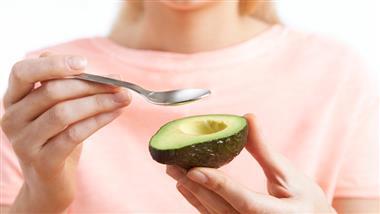
Avocados are rich in monounsaturated fat your body burns easily for energy. They may be one of the healthiest foods you can eat every day as they help protect your heart and optimize your cholesterol. They also are rich in fiber.

Together with high amounts of several essential vitamins and minerals, including the B vitamins, potassium and vitamin K, the avocado is a fruit you may want to consider for more than guacamole. Adding avocados to salad also helps your body to absorb three to five times more carotenoids, helping your body fight against free radical damage.

An average sized avocado also contains about 10% of the recommended daily value of magnesium, a mineral used by every organ in your body. Insufficient levels may lead to unexplained muscle fatigue or weakness, abnormal heart rhythms or muscle spasms.

Avocados are also surprisingly high in fiber, which plays an important role in digestive, heart and skin health. Fiber is also important in helping to regulate blood sugar and weight management. One study found eating one-half of a fresh avocado with lunch may help you feel full longer and prevent snacking later.

Avocados don’t ripen on the tree, but only after they’re picked. Choose firm avocados, as they will keep in the refrigerator for a couple of weeks, ripening slowly. On your counter, they will ripen within a few days. After you cut it, an avocado will turn brown from oxidation.

If you don’t eat it all, you can keep it fresh longer by leaving the pit with the avocado and storing in an airtight container. Brush lemon juice and olive oil over the cut flesh to help inhibit oxidation. Be aware, though, that the oil can add oiliness to the texture, while the juice will give it a slight lemon flavor.

Avocados at Breakfast May Reduce Hunger Through the Day

Being overweight increases the risk of insulin resistance and Type 2 diabetes, and it’s possible that eating avocados may help address these conditions. When it comes to weight management, some ethnic groups may be more prone to developing both prediabetes and Type 1 diabetes, for example, Hispanic/Latino Americans, according to the Centers for Disease Control and Prevention.1

Although this is “a diverse group that includes people of Cuban, Mexican, Puerto Rican and South and Central American,” they all have a higher potential risk of developing diabetes than nonHispanic whites, the CDC says. The increased risk may come from general risk factors including genetics, foods you eat, your weight and your activity levels.

To gain insight into how to affect change, one survey of Hispanic millennials showed that they would be interested in learning about lifestyle changes they could make that could reduce their risk for diabetes without medication.2 The investigation was spearheaded by the Hass Avocado Board, which runs Saborea Uno Hoy, a self-described research program3 that promotes avocados for their health benefits.

A clinical study published in Nutrients4 sought to evaluate how well avocados could satisfy hunger and replace carbohydrates in a meal. Using 31 overweight or obese adults, the researchers used a visual analog scale that matched against serum levels of ghrelin, a hormone associated with appetite, to measure how full the participants felt after consuming one of three different meals.

There was greater suppression of hunger after the participants consumed a whole avocado as compared to the control meal high in carbohydrates and low in fat. They also felt more satisfied after a meal with a half or whole avocado as compared to the control meal.

The researchers wrote, “Replacing carbohydrates in a high-carbohydrate meal with avocado-derived fat-fiber combination increased feelings of satiety …” Although the study size was small, the findings support a growing body of research that eating healthy fats, including those found in avocados, has a positive impact on weight management and glucose control.

A Fat Found Only in Avocado Associated With Glycemic Control

Another intriguing study found that avocados have yet another impact on glucose control and the management of diabetes.5 Researchers from the University of Guelph in Ontario, Canada, discovered a fat molecule found only in avocados, avocatin B (AvoB), has a positive effect on reducing insulin resistance.6

The researchers wrote a diabetic’s inability to properly utilize blood glucose is associated with mitochondrial fatty acid oxidation. When the body completely oxidizes fatty acid, the body can use fat for fuel. However, obesity and diabetes inhibit the body’s ability to completely oxidize fatty acids.

AvoB counters this incomplete oxidation in the pancreas and skeletal muscles, improving insulin sensitivity. As detailed by Science Daily, scientists fed mice fed high-calorie meals for eight weeks to induce obesity and insulin resistance. Then, in the following five weeks, they added AvoB to the diet of half the group.

At the end of the study the treated animals weighed less than those in the control group, demonstrating slower weight gain during the intervention, and exhibiting improved insulin sensitivity. The researchers also engaged human subjects and found AvoB supplement was absorbed safely without affecting kidney or liver function.

The human subjects also enjoyed weight reduction while eating a typical Western diet. The beneficial effects of consuming monounsaturated fats from avocados shown in recent studies support past research7 comparing a diet rich in complex carbohydrates against one rich in oleic acid from avocado and olive oil.

Data revealed replacing complex digestible carbohydrates with monounsaturated fatty acids in those with noninsulin-dependent diabetes improved the participants lipid profile while maintaining glycemic control.

Certain Lifestyle Choices May Increase Risk of Diabetes

In 2015, 9.4% of the U.S. population had been diagnosed with diabetes.8 This is slightly higher than the 8.5% of global prevalence among adults over 18 years of age recorded by the World Health Organization9 in 2014.

Your potential risk of developing Type 2 diabetes is dependent on your lifestyle choices and genetics. While you can’t change your genes, there are certain risk factors over which you have control that can affect your chances of getting diabetes, including:10

Being overweight or obese Having high blood pressure Dealing with depression
Having an imbalance in your cholesterol levels Having a history of heart disease or stroke Being physically inactive

In addition to these risk factors, low levels of vitamin D also affect your risk for developing metabolic syndrome, characterized by high triglycerides, low levels of high-density lipoprotein (HDL) cholesterol, large waist circumference, high blood pressure and high blood sugar and/or insulin resistance.

Vitamin D is a steroid hormone responsible for influencing virtually every cell in your body. Studies have found those who have lower levels of vitamin D have a greater risk of developing metabolic syndrome. Low levels of magnesium also contribute to the development of type 2 diabetes and heart disease.

One review found magnesium deficiency may be the greatest predictor of heart disease, and that even subclinical deficiency may compromise your cardiovascular health. Studies have found those who have Type 2 diabetes are more prone to magnesium deficiency; depletion has been found in 75% with poorly controlled disease.

In addition, magnesium plays an important role in the regulation of high blood pressure, another risk factor for Type 2 diabetes. Studies have also demonstrated supplementation may lower your risk and improve your condition if you currently have diabetes.

You can boost your magnesium by eating foods rich in magnesium, using Epsom salt baths or taking an oral supplement. My personal preference is magnesium threonate, since it appears to be efficient at penetrating cell membranes, including the mitochondria and blood-brain barrier.

Intermittent Fasting Helps You Achieve Metabolic Flexibility

When your body is resistant to insulin it lowers the cells’ ability to use glucose for energy. In response, the pancreas secretes more insulin to overcome the cells’ weak response and maintain blood glucose in a healthy range. Additionally, animal studies have demonstrated that repeated fasting may induce pancreatic beta cell growth accompanied by a marked improvement in blood sugar control.

In one animal study, researchers found pancreatic fat plays a role in the development of Type 2 diabetes, but intermittent fasting helps prevent these fatty deposits. The team found mice undergoing intermittent fasting every other day exhibited better glucose control and less fat in the liver and pancreas than the control group that was allowed unlimited food.

Intermittent fasting encourages your body to burn fat for fuel. By not relying exclusively on carbohydrates, it reduces insulin resistance that can develop in tissues and organs. Your skeletal muscle burns 60% to 80% of glucose thought to be related to the interaction of skeletal muscle and insulin resistance in those with Type 2 diabetes.

An overall metabolic inflexibility may be overridden by fasting and improving mitochondrial capacity. In other words, the ability to use both fat and carbohydrates for fuel is necessary to reduce insulin resistance, maintain weight and achieve optimal health.

What Is Intermittent Fasting and How Do You Practice It?

There are several ways to integrate intermittent fasting. The idea is to forgo food for a specific amount of time. The method you choose will vary by the number of days, hours and calories you allow.

There is no one plan that works for everyone, so it’s likely you’ll find a way to fit it into your lifestyle preferences to improve your metabolic flexibility. I recommend starting with a 12-hour fast from 7 p.m. until 7 a.m. Once you have achieved this for a week, try adding one hour every week for a month. This will help you easily move from a 12-hour daily fast to a 16-hour daily fast.

Before starting, remember intermittent fasting is not necessarily a form of calorie restriction but, rather, eliminating food sources to improve metabolic flexibility. Sugar and hunger cravings will disappear as your body begins burning fat, so the quality of your diet does play an important role in your health.

Reduce or eliminate as much processed food as possible and practice fasting under your physician’s care if you have an underlying medical condition. Here are several different ways of incorporating intermittent fasting into your daily routine:

  • 12-hours-a-day fast — This is often used as a jumping-off point as described above.
  • 16-hours-a-day fast — This is sometimes referred to as the 16/8 method and is a graduation from the 12-hour fast. Many people choose to finish eating by 7 p.m. and do not eat again until noon.
  • Two days a week — For some it may be easier to restrict food for 24 hours twice weekly as opposed to each day. Men may eat up to 600 calories on the fasting days and women up to 500 calories. To use this type of intermittent fasting successfully, there should be at least one nonfasting day between your fasting days.
  • Every other day — There are several variations of an every-other-day plan. Some completely avoid solid food and others allow up to 500 calories on fasting days. The authors of one study found this type of intermittent fasting was effective for weight loss and heart health for both normal and overweight adults.
  • Meal skipping — This is a more flexible approach that works well for those who respond to hunger signals and normally eat when they’re hungry and skip meals when they’re not.
– Sources and References

How trace minerals help to heal the body

Reproduced from original article:
www.naturalhealth365.com/trace-minerals-heal-3210.html
by: Natalie Robins, staff writer | 

sea salt(NaturalHealth365) Even if you try to eat a healthy, organic diet – you could be at risk for nutritional deficiencies without realizing it.  In fact, the National Institutes of Health concluded that “the vast majority of people in both affluent and emerging industrialized countries do not reach even 75 percent of the RDAs for numerous trace minerals.”The importance of nutrient status (and deficiencies) cannot be overstated. For example, magnesium deficiency is widespread among Americans. One study, sponsored by the National Institutes of Health, shows that 68% of Americans are magnesium deficient and, some experts like Carolyn Dean, MD have been warning the public for years.

Editor’s note: Sea salt is an excellent way to get trace minerals into your diet.  But, beware, most brands of sea salt are contaminated with microplastics.  Click here to discover our top pick for sea salt.

What is the importance of trace minerals?

Some minerals, such as calcium, potassium, and phosphorus, are more common in food and in your body. Trace minerals, on the other hand, are essential minerals that you only need in trace amounts.

The following is a condensed look at certain minerals and their purpose in the body:

  • Chromium is necessary for proper regulation of blood sugar and improves insulin sensitivity.
  • Cobalt is present in vitamin B12 and it is necessary for generating healthy, red blood cells.
  • Zinc allows for proper immune response, growth, antioxidant function and wound healing.
  • Selenium is necessary for proper antioxidant function and liver detoxification. It is also essential for healthy muscles and hair.
  • Iodine is necessary for your body to make thyroid hormone – which is involved in almost every process in your body including energy metabolism and temperature regulation.

Bottom line, trace minerals are essential to protect against common health issues, such as heart disease, diabetes, and cognitive decline. Without enough trace minerals, you’re also susceptible to contamination from heavy metals such as arsenic, mercury and lead.

Do NOT ignore the health dangers linked to toxic indoor air.  These chemicals – the ‘off-gassing’ of paints, mattresses, carpets and other home/office building materials – increase your risk of headaches, dementia, heart disease and cancer.

Get the BEST indoor air purification system – at the LOWEST price, exclusively for NaturalHealth365 readers.  I, personally use this system in my home AND office.  Click HERE to order now – before the sale ends.

Why modern farming techniques MUST change to help save humanity

Why aren’t Americans getting enough trace minerals from their food supply?  Obviously, we should be looking at soil content.  Over the past century, the quality of our soil has been depleted by 85 percent – mainly due to modern methods of farming.

The agricultural sector is driven by crop yield, using every possible method to increase the number of pounds harvested. Intensive farming, combined with soil erosion, has resulted in soil with a lower mineral content. To make matters worse, chemical fertilizers are insufficient to replace the minerals needed for optimal health and poison the environment.

The singular focus on agricultural yield comes at the expense of nutritious food products and the nutritional status and health of Americans. Fruits and vegetables are now grown in soil with a lower nutrient content than in the past. A study in Canada found that tomatoes, spinach, cabbage, and lettuce have on average one-eighth the mineral content today than they did at the beginning of the 20th century.

The ocean provides a natural way to correct mineral deficiencies

If you just can’t depend on the produce section of your supermarket, how can you give your body the nutrients it needs to heal your body? The answer may lie in the ocean, which is rich in minerals.

They’re in their complete, non-denatured form, which is the form most beneficial (and recognizable) to the human body.

If you have the time and space, you can grow your own fruits and vegetables using ocean trace minerals to fertilize them. Another option is to eat seaweed, either as a food or as a supplement. Sea vegetable capsules are another source of minerals, and sea vegetables also contain health-promoting compounds such as fucoidan – which can help lower your risk for disease.

Of course, like with any other food, it’s important to know the source – to minimize the risk of consuming toxic chemicals in the food supply.

Editor’s note:  If you want to avoid mineral deficiencies – I encourage you to investigate the health benefits of QuintEssential Optimum Mineralization 3.3.  This super clean product is now available, in limited supply, at the NaturalHealth365 Store.  And, yes, I’ve personally been using this high-quality product for over 4 years!

Sources for this article:

Personalhealthfacts.com
Healthy-Vegetable-Gardening.com

Black Cohosh Better Than Prozac for Menopause

© 27th November 2019 GreenMedInfo LLC. This work is reproduced and distributed with the permission of GreenMedInfo LLC. Want to learn more from GreenMedInfo? Sign up for the newsletter here www.greenmedinfo.com/greenmed/newsletter
Reproduced from original article:
https://www.greenmedinfo.health/blog/black-cohosh-better-prozac-menopause

Posted on: Wednesday, November 27th 2019 at 4:45 pm

Do you feel fear or worry regarding the onset of menopause, either for yourself or someone you love? Antidepressants and hormone treatments may be the popular prescriptions, but before you take medications with serious risks, learn about the incredible results of black cohosh for those pesky, sweaty, hot flashy nights

Even in the modern day, there are abundant myths and mysteries surrounding menopause, the period in a woman’s life that occurs 12 months after her last menstrual cycle.[1] Perimenopause, the transition period before menopause, is marked by hormonal changes leading to the cessation of menses.[2]

Both phases, hereafter collectively referred to as menopause, are characterized by physical and psycho-social changes that lend to the stories surrounding women’s behaviors, thoughts, and feelings during this time of transition.

Menopause can range from a few months to several years in duration and is spurred by decreased estrogen production in the ovaries. These hormonal shifts can have associated and, at times, unpleasant side-effects, which may be managed through holistic or pharmacological interventions, or a combination of the two modalities.

Historically, some have prescribed to the belief that “the change” brings about an unwelcome and inevitable reality, both for women and the men in their lives. Is it any wonder that the “fix” has become to prescribe mood-altering drugs, or to attempt to “put back” the hormones that the passage of time is depleting? In truth, this natural cessation of fertility need not be synonymous with a distressing or unpleasant experience.

Antidepressants are widely prescribed for menopause symptoms ranging from depression and low libido, to anxiety and social isolation. Instead of directly addressing the emotional aspects of aging, empty-nesting, and our physiological need for strong social bonds, modern medical dogma is to simply prescribe a “magic pill” in hopes that these uncomfortable feelings will disappear.

Beyond the emotional and psychological impacts, vasomotor symptoms are commonly experienced during perimenopause up to full menopause. Changes in body temperature such as flushing and night sweats are frequently reported, and the condition known as “hot flashes” can onset. According to a 2008 study,[3] nearly 80% of peri- and postmenopausal women reported experiencing some or all of these symptoms.

Medicating Menopause: A Risky Prescription

A popular treatment administered to menopausal women in the U.S. is ERT, or estrogen replacement therapy. While it may seem natural to replace fading endogenous hormones with an exogenous supply,  warning bell has been sounded regarding potentially harmful side effects.[4] ERT has been linked to cancer, cardiovascular disease and stroke, among other concerning outcomes.[5]

Another prescribed treatment for vasomotor symptoms is gabapentin, known by the brand name Neurontin, an anti-seizure drug used to treat nerve pain and conditions such as restless leg syndrome. Also prescribed for anxiety, gabapentin has a high potential for addiction and misuse,[6] and can have undesirable side effects such as slurred speech, blurred vision and impaired motor function.[7] Even worse, Neurontin has been linked to cases of suicidal ideation[8] and respiratory failure,[9] among other serious side effects.[10]

Another option frequently prescribed are the broad spectrum of mood-altering and antidepressant drugs. Selective serotonin reuptake inhibitors, SSRIs, and serotonin-norepinephrine reuptake inhibitors, SNRIs are often the first course of treatment when a menopausal patient complains of depression, lethargy, or hormonal issues.

According to the U.S. Centers for Disease Control and Prevention, women are 2.5 times more likely to be prescribed an antidepressant than men.[11] Nearly 23% of woman ages 40 to 59 are taking antidepressant medication in the U.S., more than any other age-sex group.[12]

Validated by Science: Natural Options for Hormonal Balance

While natural options for managing menopause may not be routinely prescribed by allopathic physicians, science has validated that black cohosh is a viable treatment for several discomforting symptoms of this life-changing transition.

This double-blind placebo-controlled study, found that black cohosh (scientific name: Cimicifuga Racemosa) was “equipotent” to mixed-estrogen drugs for relief from vasomotor symptoms, and for improving markers of bone metabolism, a factor related to osteoporosis.

What’s not equal when comparing most plant medicines to pharmaceuticals are potential adverse effects. Premarin®, a popular mixed-estrogen drug, has a warning label that cites increased risks of heart attack, cancer, blood clots and stroke,[13] while studies involving a 12-month course of treatment with black cohosh root (the part of the plant used in herbal formulations) show it was administered with no known adverse effects.[14]

Another impressive study pitting black cohosh against a popular prescription involves Prozac® for treatment of postmenopausal symptoms. The 2007 study, published in Advances in Therapy, compared questionnaires from 120 healthy women with menopausal symptoms who rated such factors as quality of life, depression scores, and frequency and severity of vasomotor symptoms like flushing and night sweats.[15]

Women in this study were randomly assigned to 1 of 2 groups, with one group receiving fluoxetine (generic form of Prozac®) and the other group receiving black cohosh. The women were surveyed before, during and after the study, for a period of six months. They kept daily diaries recording the number and intensity of hot flashes and night sweats, as well as completing several standardized questionnaires.

Results of this study showed that black cohosh reduced overall scores for hot flushes and night sweats better than Prozac®. At the end of the sixth month of treatment, black cohosh reduced the hot flush score by 85%, compared with a 62% result for fluoxetine.

By the study’s end, 40 women taking the prescription drug had discontinued the study, while only 20 women in the black cohosh group discontinued, potentially speaking to benefits gained from long-term use of herbs, the reverse of which is true for many pharmaceutical drugs, which are contraindicated for longer periods of use.

Managing Change Gracefully

Placebo effect dictates that the beliefs we hold about our health and treatment options have significant impact on our experiences. Be aware of any negative beliefs you might hold about menopause; despite popular opinions and superstitions,[1] there is no mandate that this phase of life must be a difficult one.

With improved psycho-social awareness of the stressors women experience mid-life, and better understanding of naturally effective treatment options, we can begin to view menopause as a celebration of life rather than the death of fertility. It’s the dawning of a new cycle, a time ripe for giving of your experience and wisdom. Protect your vitality with naturally effective plant medicine and enjoy all the seasons of your life.

To learn more about black cohosh and other natural treatment options for menopause, explore the 79 abstracts and 38 natural substances that are compiled on GreenMedInfo’s Research Database.


References

[1] Menopause and Hormone Replacement February 25, 2015 https://www.ncbi.nlm.nih.gov/books/NBK279050/

[2] The North American Menopause Society, Menopause 101 https://www.menopause.org/for-women/menopauseflashes/menopause-symptoms-and-treatments/menopause-101-a-primer-for-the-perimenopausal

[3] Frequency and severity of vasomotor symptoms among peri- and postmenopausal women in the United States. Williams RE, Kalilani L, DiBenedetti DB, Zhou X, Granger AL, Fehnel SE, Levine KB, Jordan J, Clark RV. Climacteric. 2008 Feb; 11(1):32-43. https://www.ncbi.nlm.nih.gov/pubmed/18202963/

[4] Project Aware https://www.project-aware.org/Managing/Hrt/benefits-risks.shtml

[5] Am J Obstet Gynecol. 1995 Sep;173(3 Pt 2):982-9. https://www.ncbi.nlm.nih.gov/pubmed/7573295

[6] J Exp Pharmacol. 2017; 9: 13-21. https://www.ncbi.nlm.nih.gov/pmc/articles/PMC5308580/

[7] Toxnet, Gabapentin https://toxnet.nlm.nih.gov/cgi-bin/sis/search/a?dbs+hsdb:@term+@DOCNO+7364

[8] Pregabalin-induced self-harm behavior. Tandon VR, Mahajan V, Gillani ZH, Mahajan A. Indian J Pharmacol. 2013 Nov-Dec; 45(6):638-9. https://www.ncbi.nlm.nih.gov/pubmed/24347781/

[9] Recurrent hypoventilation and respiratory failure during gabapentin therapy. Batoon SB, Vela AT, Dave D, Wahid Z, Conetta R, Iakovou C, Banzuela M. J Am Geriatr Soc. 2001 Apr; 49(4):498. https://www.ncbi.nlm.nih.gov/pubmed/11347805/

[10] Pfizer, Neurontin https://www.pfizermedicalinformation.com/en-us/neurontin/adverse-reactions

[11] U.S. CDC, NCHS Data Brief No. 76, October 2011 https://www.cdc.gov/nchs/products/databriefs/db76.htm

[12] U.S. CDC, NCHS Data Brief No. 76, October 2011 https://www.cdc.gov/nchs/products/databriefs/db76.htm

[13] Pfizer, Premarin https://www.pfizermedicalinformation.com/en-us/patient/premarin

[14] National Center for Complementary and Integrative Health, Black Cohosh https://nccih.nih.gov/health/blackcohosh/ataglance.htm

[15] Adv Ther. 2007 Mar-Apr;24(2):448-61.https://www.ncbi.nlm.nih.gov/pubmed/17565936

Disclaimer: This article is not intended to provide medical advice, diagnosis or treatment. Views expressed here do not necessarily reflect those of GreenMedInfo or its staff.

Warfarin – The Rat Poison Drug

Written by Brenton Wight, Health Researcher
Copyright [c] 1999-[y] Brenton Wight. All Rights Reserved.
Updated 19th September 2020

Why use Warfarin?

Warfarin is a blood thinner, belonging to a class of drugs known as anti-coagulants, designed to keep blood thin and prevent clots. They make it hard for clots to form, which is a good thing if we are trying to prevent an ischemic (blood blockage) stroke, but a bad thing if we have a hemorrhagic (bleeding)stroke.
It is the most often prescribed drug prescribed for AF (atrial fibrillation), a type of irregular heartbeat, where upper chambers of the heart quiver instead of contracting efficiently, affecting millions of people.
Although AF is not necessarily life-threatening by itself, it can increase risk of blood clots which can break free to cause an ischemic stroke if the clot lodges in a brain artery, or pulmonary thrombosis if lodged in a lung artery.
However, there are down sides.
– Warfarin makes it difficult to stop a cut from bleeding.
– Warfarin increases risk of a hemorrhagic stroke (bleeding in the brain).
– Warfarin increases risk of intestinal bleeding.
– Warfarin increases risk of an aneurysm where a blood vessel ruptures.
– Warfarin increases risk of uncontrolled bleeding due to a fall or accident.

The Warfarin Study

A new study shows that Warfarin (marketed under the name Coudamin), a heart drug taken by millions of people, increases dementia risk 300%.
This study, led by Dr. T. Jared Bunch, was conducted by the Intermountain Healthcare Clinical Pharmacist Anticoagulation Service, based in Salt Lake City, and examined the medical records of more than 10,000 patients.
Dr Bunch presented the study results at the Heart Rhythm Society’s annual meeting in San Francisco.
The findings were:

  • Patients with erratic warfarin levels have a higher risk of small clots, or small bleeds in the brain, causing dementia
  • AF patients have three times the risk of dementia compared to those who take warfarin for other conditions
  • Some foods, drinks, antibiotics and other drugs alter warfarin blood levels quickly. Regular blood tests and dose variations are essential to maintain the correct range
  • The dementia risk increases to four times higher if the dose is not exactly right or requires frequent adjustment

History of Rat Poison

The University of Wisconsin developed the drug as a rat poison in the 1940’s. It kills rodents by invoking bleeding. Rats bleed to death after ingesting the poison.
Endo Laboratories began selling it for human use in the 1950’s, but Warfarin proved to be a management problem for doctors and patients. Bad reactions to many foods and some drugs, especially antibiotics, are common with Warfarin treatment.

Warfarin Side Effects

Another study by New England Journal of Medicine showed that warfarin accounts for double the emergency hospitalizations than any other drug, and is the leading cause of emergency room visits by seniors.
Apart from dementia, warfarin causes internal bleeding, stomach ulcers, kidney failure, and chronic cough. Hillary Clinton takes warfarin, and has suffered a severe cough while campaigning in 2016.
Of course, given that dementia is a common problem with seniors, and the risk for dementia is three to four times higher, more dementia means more missed or doubled-up doses of Warfarin, sometimes leading to death of the patient.

Prescription Alternatives

There are a few options:

  • Apixaban (Eliquis)
  • Dabigatran (Pradaxa)
  • Edoxaban (Savaysa)
  • Rivaroxaban (Xarelto)

Whichever we use, there is always a risk of bleeding problems.
The new medications have a reduced risk of bleeding, and wear off faster than warfarin, so appear to be safer.
However, dangerous bleeding while taking warfarin can be controlled with Vitamin K, or a combination of PCC (prothrombin complex concentrate) and fresh frozen plasma.
The amount of vitamin K in the diet, contained in leafy green vegetables, determines the effectiveness of Warfarin, so we must consistently eat the same foods. We can eat salads (and we should) but we have to eat them all the time with warfarin. This is not a problem for the new drugs because Vitamin K does not interfere with their operation. If we ate plenty of salads regularly throughout our life, we would probably never need warfarin!
Praxbind (idarucizumab) can be used in emergencies to reverse the anti-clotting effects of Pradaxa.
Other drugs to reverse blood-thinning are still in development.
Xarelto currently (in 2019) has no approved antidote, meaning that an overdose or a bleed from, say, a fall resulting in a nasty bump on the head, could cause death by a brain bleed.
Because Xarelto and others have no really effective antidote, bleeding is difficult to control. Given that many seniors with poor cognitive function are taking these drugs, overdosing is common, and can cause death. A horrifying sight in the emergency room is a patient bleeding from the nose, eyes, fingernails, toenails etc.

Drugs and Lifestyle

The new drugs are more convenient in that they do not require as many blood tests as warfarin, which requires testing at least monthly, after getting the initial dose right, where the starting dose is high, followed by a maintenance dose, and blood tests are required every 2 to 3 days until the levels stabilise.
Apart from the inconvenience of regular blood testing, many people do not like getting stuck with a needle so often.

Interaction with Other Medications

Some prescription drugs, some supplements and some foods interfere with warfarin, while others make warfarin work too well, which can cause a major bleeding problem.
Some seniors have presented at the emergency room with blood coming from all fingernails, toenails, eyes, nose, mouth, etc.
Often the slightest bump in the body results in extensive bruising, and a small cut results in excessive bleeding.
There is an enormous list of medications that interact with warfarin. The newer blood thinners also have interactions, but nowhere near as many.
The new blood thinners have some benefits over warfarin, but if we manage our warfarin well, there is no need to change. However, if we have kidney failure or mechanical heart valves the new medications may not be safe.

Natural Alternatives

Warfarin patients whose dosages often change should ask their doctor for alternative medications, as other blood thinners have fewer potential problems.
Aspirin is another blood-thinning medication given to those with cardiovascular problems, but again, can cause massive problems with internal bleeding, loss of eyesight from Macular Degeneration (bleeding and expansion of blood vessels in the retina), or hemmorhagic stroke (brain bleed).
Natural remedies work well for some people, and here are a few known to work:

These or other natural alternatives may require Warfarin levels to be lowered. Thinning the blood too much while taking Warfarin may be very dangerous.
Green leafy vegetables, high in vitamin K, act as an antidote to warfarin, requiring higher dosage for effectiveness, but a change in diet will cause a higher risk of bleeding.

Disclaimer

LeanMachine is not a doctor, and everyone should consult with their own health professional before taking any product to ensure there is no conflict with existing prescription medication.
LeanMachine has been researching nutrition and health since 2011 and has completed many relevant studies including:
Open2Study, Australia – Food, Nutrition and Your Health
RMIT University, Australia – Foundations of Psychology
Swinburne University of Technology, Australia – Chemistry – Building Blocks of the World
University of Washington, USA – Energy, Diet and Weight
Johns Hopkins Bloomberg School of Public Health, USA – Health Issues for Aging Populations
Johns Hopkins Bloomberg School of Public Health, USA – International Nutrition
Johns Hopkins Bloomberg School of Public Health, USA – Methods in Biostatistics I
Johns Hopkins Bloomberg School of Public Health, USA – Methods in Biostatistics II
Johns Hopkins Bloomberg School of Public Health, USA – Principles of Human Nutrition
TUFTS University, USA – Nutrition and Medicine
TUFTS University, USA – Lipids/Cardiovascular Disease I and Lipids/Cardiovascular Disease II
Technical Learning College, USA – Western Herbology, Identification, Formulas
Bath University, England – Inside Cancer
WebMD Education – The Link Between Stroke and Atrial Fibrillation
WebMD Education – High Potassium: Causes and Reasons to Treat
Leiden University Medical Center, Netherlands – Anatomy of the Abdomen and Pelvis
MIT (Massachusetts Institute of Technology) – A Clinical Approach to the Human Brain
LeanMachine has now examined thousands of studies, journals and reports related to health and nutrition and this research is ongoing.

Copyright [c] 1999-[y] Brenton Wight and BJ & HJ Wight trading as Lean Machine abn 55293601285

Why the Milk Monopoly Is Faltering


Reproduced from original article:
https://articles.mercola.com/sites/articles/archive/2019/12/03/dairy-industry-monopoly.aspx

Analysis by Dr. Joseph Mercola –
December 03, 2019

STORY AT-A-GLANCE

  • Dean Foods, the largest dairy processor in the U.S., filed for Chapter 11 bankruptcy in November 2019. Dairy Farmers of America (DFA) — the largest dairy co-op in the U.S. — may end up buying Dean Foods, forming an even larger dairy monopoly
  • The merger would pose a serious conflict of interest for dairy farmers, as DFA is supposed to advocate for farmers but would end up being a processor. As such, they’d have an interest in keeping milk prices low, at the detriment of the dairy farmers they represent
  • Milk is a perfect example of how your choices are being restricted for no other reason than to benefit big business. Raw milk is banned in many states on the basis of claims that it may make you sick. In sharp contrast to the U.S., many European countries sell raw milk in vending machines
  • In recent years, an increasing number of Americans have embraced organics and everything that goes with it, including minimal processing, higher nutrient density, fewer chemical contaminants, animal welfare, food safety and environmental regeneration
  • The dairy monopoly doesn’t seem to understand modern consumers, as it ignores all of the concerns that have brought organics from a small specialty niche into mainstream prominence. The failure to give consumers what they want is killing the dairy industry

Life is about choice. Every day we make choices that determine how we want to live — what we eat, what we read, whom we elect and so on. But as lobby groups and Big Business wield their influence, your daily choices become increasingly limited. And when your options are deliberately cherry picked and certain alternatives are vilified and suppressed, how much choice do you really have?

Milk is a perfect example of how your choices are being restricted for no other reason than to benefit big business. Raw milk is banned in many states on the basis of claims that it may make you sick.

Yet, toxic herbicides and pesticides are dumped on our crops by the tankful, and this is touted as perfectly safe. If this reasoning seems nonsensical, then your reality testing is intact.

Government and industry are marked by massive corruption that has permeated most of the regulatory bodies in the U.S. The fight for food freedom isn’t just for those who love raw milk — it’s for anyone who wants to be able to obtain the food of their choice from the source of their choice.

In sharp contrast to the U.S., where raw milk is demonized, many European countries sell raw milk in vending machines, as illustrated in the featured video by The Healthy Home Economist.1 How can raw milk be safe all over Europe — safe enough to be dispensed from a vending machine, no less — yet be too hazardous to be sold in the U.S.?

The answer to that is that it isn’t dangerous at all. In fact, the U.S. standards for raw milk are in many instances higher than those for pasteurized milk. As noted by Healthy Home Economist founder Sarah Pope in the video,2 the reason Americans don’t have free access to raw milk has nothing to do with consumer safety; it’s about maintaining the profits of the Big Dairy monopoly.

Two Dairy Monopolies May Merge Into One

As reported by Washington Monthly,3 Dean Foods, the largest dairy processor in the U.S., filed for Chapter 11 bankruptcy in November 2019.4 Aside from processors like Dean Foods, farmers have the option of selling their milk to dairy cooperatives, which negotiate sales of the milk to processors and retailers on behalf of its members.

Dairy co-ops have been rapidly consolidating, however, leaving farmers with fewer options for sales. Now, their options may dwindle even further, as Dairy Farmers of America (DFA) — the largest dairy co-op in the U.S. — may end up buying Dean Foods.

The merger would pose a serious conflict of interest for dairy farmers, as DFA is supposed to advocate for farmers but would end up being a processor. As such, they’d have an interest in keeping milk prices low, at the detriment of the more than 14,000 dairy farmers they represent.5,6

While combining these two monopolies would violate antitrust rules under normal circumstances, such mergers are legal when one firm is about to go out of business. Together under one umbrella, Dean Foods and DFA would form a monopoly that threatens the livelihood of farmers to a greater degree than any retaliatory tariffs from China ever could.

DFA already controls about 30% of the raw milk supply while Dean controls 12% of the fluid milk market. Both of these monopolies have settled antitrust claims in the past, and their merger is hardly going to make it any less anticompetitive. As reported by Washington Monthly:7

“… antitrust laws permit collusion once it occurs within a single corporation. ‘The more DFA expands downstream into fluid milk processing the greater the leverage it’s going to have in a variety of ways,’ Peter Carstensen, a Professor Emeritus at the University of Wisconsin Law School and former Department of Justice antitrust attorney, told me.

So-called ”tacit’ coordination becomes much more possible because … that will be an internal corporate [decision].’ The merger means that dairy farmers have even fewer processors competing to buy their milk.

‘As a producer, I’m concerned about DFA making this large a purchase,’ said Charles Untz, a farmer and former DFA board member. ‘It puts a lot of the control of the fluid market in the hands of one co-op. That sends a little fear as far as the milk price goes, because they can literally dictate what they pay for milk’ …

If DFA operated the way co-ops are supposed to, its farmer owners would be able to decide if a major deal like acquiring Dean Foods was worth the risk. But because of its vast size and entrenched management, farmers have little control …”

Milk Industry Doesn’t Understand Modern Consumers

Again and again, farmers are told to “go big or go broke.” But this isn’t necessarily true. At least this trend isn’t the result of free market forces. In recent years, an increasing number of Americans have embraced organics and everything that goes with it, including minimal processing, higher nutrient density, fewer chemical contaminants and animal welfare.

People are becoming more educated about the environmental impact of monocrop agriculture and concentrated animal feeding operations (CAFOs), as well as their ramifications for food quality and food safety.

What a growing number of consumers want is more raw, organic and grass fed milk, yet the dairy industry is pushing forward with plans for ever-larger CAFOs and increased centralization and monopolization.

This is why Dean is going bankrupt. It’s not because it’s not big enough already. It seems Big Dairy simply doesn’t understand modern consumers, seeing how it’s doing the complete opposite of what so many are calling for.

Big Dairy ignores all of the concerns that have brought organics from a tiny little specialty niche into mainstream prominence. Among them is the growing public understanding of the health concerns associated with CAFO products.

Just like ground beef mixtures, any given gallon of CAFO milk can contain milk from as many as thousands of cows. It takes just one sick cow to contaminate many thousands of hamburger patties or gallons of milk — even when processors assure you that their products have been inspected, tested and sanitized.

On the other hand, the risk of widespread illness affecting hundreds of people all over the country is barely possible with ground beef and milk from small organic farms and dairies, as the ground beef you buy there typically comes from a single cow, and the milk is mixed with a limited number of cows on the farm.

Another growing concern is the environmental pollution associated with CAFOs. Consumers are starting to recognize that CAFOs are among the biggest polluters destroying our air, soil and water, and are using their purchasing dollars to support operations that understand the role the farm plays in maintaining ecological balance, and are actually improving the environment rather than destroying it.

Fear-Mongering Used to Control Raw Milk Sales

Just where did America’s fear of raw milk come from? Raw milk did go through a “dark age” in the mid-1800s, which is still used to seed fear in present day. At that time, the cows’ diets, combined with unsanitary conditions, water supplies contaminated with raw sewage and lack of refrigeration led to the spread of diseases like tuberculosis and typhoid. Many died from raw milk that came from unsanitary dairies raising malnourished cows.

The “swill milk” scandal also occurred around the 1850s.8 Dairy cows fed the remnants from grain distillation and raised in poor conditions produced diseased milk, which was then mixed with chalk and sold as fresh. A reported 8,000 children died as a result, which increased consumer support and industry acceptance of pasteurization.9

Today, this fear is still used as a tool to restrict your right to raw milk, even though the conditions that made raw milk unfit for consumption have long since been amended.

Tennessee Bill Seeks to Eliminate Herdshare Programs

A perfect example of government overreach based on these outdated fears is Senate Bill 15 (SB15), introduced in Tennessee by Sen. Richard Briggs, R-Knoxville, which would make it illegal for a partial owner of a hoofed animal to drink the milk from that animal.10

Only a sole owner of a hoofed animal would be allowed to drink its milk. In essence, the bill is an attempt to snuff out herdshare programs. Herdshares are private agreements formed between farmers and individuals, which entitle you to the benefits of owning a “share” of a cow, such as a certain amount of milk each week.

However, SB15 not only would make it illegal for herdshare owners to obtain raw milk but also would make it against the law for the farmer running a herdshare to drink milk from their own cow, as they would not be considered a “sole owner.”

SB15 is poised as a bill to protect the public welfare from the “risks” of drinking raw milk, but raw milk is a nutritious and safe food when it comes from cows raised on pasture.

Briggs reportedly introduced SB15 to close the herdsharing “loophole” after 10 children in the state were sickened by E. coli that was blamed on raw milk obtained from a Knoxville shareholder dairy. But according to Weston A. Price, “no E. coli was found in any of the dairy’s milk that public health officials tested.”11

Raw Butter Producers Sue the FDA

The unfounded fears of raw dairy even extend to raw butter, and producers of raw butter are now suing12 the U.S. Food and Drug Administration, which prohibits sale of raw butter across state lines.

The lawsuit was filed by the Farm-to-Consumer Legal Defense Fund (FTCLDF), a nonprofit membership organization, and seeks to overturn the decades-old ban on interstate sale of unpasteurized milk products, which includes butter. This is rather nonsensical, because even if you’re concerned about raw milk contamination, pathogens have a hard time growing in butter. As reported by Reason:13

“A European study14 published earlier this year found that ‘the chance of growth of Listeria monocytogenes in raw milk homestead butter is small.’ (Unpasteurized butter is common in many countries, including those in Europe.)

The FTCLDF suit cites numerous studies — including research by the FDA itself — that supports the contention raw butter is not a good medium for pathogenic growth.

It also cites the federal government’s own data, which suggests ‘at most–one’ reported case of foodborne illness has occurred in recent decades as a result of consuming unpasteurized butter. That illness, in Utah in 2007, was caused by consuming homemade (rather than commercially sold) butter.

Not surprisingly, foodborne illnesses caused by raw butter are virtually unknown. For example, the suit notes there have been no cases of foodborne illness traced to raw butter from McAfee’s dairy, Organic Pastures, which has sold more than 2 million pounds of raw butter in California since 2001.”

Raw Milk Cheese Also Wrongly Targeted

Unfounded fears of raw milk and government overreach also threaten the artisan cheese industry, as detailed in the book, “Ending the War on Artisan Cheese,” written by food scientist Catherine Donnelly.15 In an interview with Eater, Donnelly states:16

“There are careful standards that cheesemakers pay attention to because if they don’t start out with the best quality raw materials, they’re not going to end up with a good cheese.

Paying attention to the microbiological quality of the raw milk is really, really critical. The raw milk, the starting material, has to be of good quality or you’re not going to have a sellable product.”

What’s more, Donnelly notes that more foodborne illness outbreaks are associated with processed and pasteurized products than raw milk and raw cheese. Despite that, the FDA continues to favor Big Dairy at the expense of smaller artisan producers:17

“Who has the ear of the FDA when regulations are being promulgated? It isn’t the small, rural farm people who have a seat at the table, influencing policy. It’s the large, multinational corporations who are looking at their bottom line and profit.

If those voices are having input on regulations, there isn’t a holistic approach for the FDA to look at something other than a one-size-fits-all approach to regulations. Cheese makers have no market for their product if it’s contaminated and they’re making their customers sick.

But I would argue that a small-scale producer has much more control over the safety of that process than some of these large-scale industrial plants, where there are lots of post-pasteurization processes like shredding, and cutting, and repackaging, and lots of opportunities for exposure to contamination. That’s why we see more outbreaks associated with industrially processed products, as opposed to artisan.”

While in the U.S. cheese must either be made from pasteurized milk or held for 60 days before it can be sold, Europe considers raw milk essential to such delicacies as traditional French cheese. Pennsylvania cheesemaker Sue Miller explained to Mother Nature Network:18

“There are all these great enzymes living in the milk when it’s raw that create flavor profiles. When milk is pasteurized, they get extinguished so you have to add cultures to accentuate the flavors of the milk … I’d love for people to really try raw milk cheese. In Europe people don’t want pasteurized cheese. They know how good raw milk cheese is.”

Support Raw Milk and Your Right to Food Freedom

Ultimately, whether you drink milk or not, and whether you prefer raw or pasteurized milk, is a personal choice and should remain that way. You have the right to choose what to eat, regardless of the government’s opinion on what’s healthy and what’s not.

As mentioned, strict regulations are already in place for raw milk — in some cases far stricter than those for pasteurized milk. So there’s really no reason — aside from bolstering CAFO profits — to prohibit the sale of raw milk, cheese or butter.

As long as farmers are prohibited from selling to consumers directly, processors can and do price fix the market, ultimately leading to corporate monopolies, consolidation of CAFO dairy farms, a degradation of food safety and quality, and the intentional destruction of small, family dairy farms.

The answer to the dying dairy industry is to make raw milk legally accessible everywhere. At present, 43 of 50 states19 have made it possible to buy raw milk in one way or another (even though some states still force farmers to label the milk as being restricted to pet consumption only, which is yet another fear tactic designed to keep the squeamish at bay).

You can help push the remaining seven states to legalize raw milk by making a donation to the Weston A. Price Foundation’s Real Milk Campaign. If you’re still unsure of where to find raw milk, check out Raw-Milk-Facts.com and RealMilk.com.

They can tell you what the status is for legality in your state, and provide a listing of raw dairy farms in your area. The Farm to Consumer Legal Defense Fund20 also provides a state-by-state review of raw milk laws.21 California residents can also find raw milk retailers using the store locator available at www.OrganicPastures.com.

Why Your Brain Craves PQQ


Reproduced from original article:
https://articles.mercola.com/sites/articles/archive/2019/12/02/pqq-for-brain-health.aspx

Analysis by Dr. Joseph Mercola – Fact Checked
December 02, 2019
pqq for brain health

STORY AT-A-GLANCE

  • Pyrroloquinoline quinone (PQQ) is particularly important for the health and protection of your mitochondria. It also helps regenerate new mitochondria
  • PQQ has been shown to improve the function of beta amyloid-damaged brain cells — a hallmark of Alzheimer’s disease — and prevent the formation of alpha-synclein proteins associated with Parkinson’s disease. It can even help prevent neuronal cell death in cases of traumatic brain injury
  • Studies show PQQ improves mental processing and memory. It also works synergistically with CoQ10, producing better results than either of these nutrients alone
  • PQQ lowers C-reactive protein and interleukin-6, which are inflammatory biomarkers, and upregulates Nrf2 expression — a biological hormetic that upregulates beneficial intercellular antioxidants
  • PQQ has also been shown to boost the activity of primary life span extension transcriptional factors, which led the researchers to surmise that PQQ may play a role in longevity

While your diet is one of the most important tools you can use to take control of your health, certain supplements can be helpful, especially when it comes to improving your mitochondrial function. One particularly powerful supplement in this regard is pyrroloquinoline quinone (PQQ),1 which has been shown to promote the growth of new mitochondria (mitochondrial biogenesis).

Your mitochondria also require PQQ to catalyze energy producing reactions, and it’s critical in protecting your mitochondria from damage. Your mitochondria are the tiny energy producers inside your cells, which is why mitochondrial dysfunction is at the heart of just about all chronic diseases, old age and death.

In order for your body to function properly, it needs sufficient energy and, for that, you need well-nourished, well-functioning mitochondria. PQQ is an important player in this regard.2 As noted by Dave Asprey, founder of Bulletproof and author of books on energy, life span and brain power:3

“Anti-aging starts at the cellular level and PQQ is an easy way to protect your cells, all while helping to improve the most mitochondrial-dense parts of your body like your brain and heart.”

PQQ Enhances Mitochondrial Density and Function

PQQ is relatively unique in its ability to enhance mitochondrial biogenesis, i.e., the creation of new, healthy mitochondria in aging cells, which is the basis of so many of its health benefits. As reported by Better Nutrition magazine:4

“In addition to improving energy production, this characteristic of PQQ shifts some of the aging process into reverse gear. In a study5 at the University of California, Davis, researchers gave a small group of men and women PQQ supplements and tested the effects 76 hours later.

Using blood and urine tests, researchers found that PQQ improved mitochondrial performance and reduced chronic inflammation. The effective dose was 0.3 mg of PQQ per kilogram of body weight — 20 mg of PQQ for a 150-pound person, as an example.”

One mechanism by which PQQ lowers inflammation, improves mitochondrial function and stimulates mitochondrial biogenesis is by upregulating Nrf2 expression — a biological hormetic that upregulates intercellular antioxidants such as superoxide dismutase and catalase.

PQQ has also been shown to boost the activity of primary life span extension transcriptional factors, which led the researchers to surmise that PQQ may play a “novel role” in longevity.6 Indeed, it modulates a variety of signaling pathways, including mTOR, which plays a role in aging and cancer,7 and helps repair DNA,8 all of which suggests it may help you live longer.

PQQ also enhances NADH,9 which is converted to NAD+ as food is broken down into energy.10 When DNA damage is repaired, NAD+ is used up, and if you run out you can’t repair the damage, which is likely the central cause for most of the diseases we are seeing in the modern world now.

How PQQ Protects and Benefits Your Brain

PQQ’s ability to shield your brain cells and their DNA from harm also suggests it can be a powerful preventive aid against neurodegenerative diseases. Mitochondrial DNA is quite prone to damage from free radicals and pro-oxidants. Most of the free radicals in the body are produced within the mitochondria themselves, which is why they’re so susceptible.

Free radicals are an unavoidable artifact of converting food into cellular fuel, and your food is ultimately metabolized in your mitochondria. PQQ has been shown to protect against this kind of damage. It also activates your mitochondria’s built-in repair and replication mechanisms.

In your brain, the practical end result is an overall improvement of neurologic function,11 including improved cognition, learning and memory,12 and a reduced risk of neurodegenerative diseases. Research13 has shown PQQ protects and improves the survival of neurons by stimulating the synthesis of nerve growth factor (NGF) in certain glial cells found in your central nervous system.

It’s also been shown to improve the function of beta amyloid-damaged brain cells14 — a hallmark of Alzheimer’s disease — and prevent the formation of alpha-synclein proteins associated with Parkinson’s disease.15

According to a 2012 study,16 PQQ can even help prevent neuronal cell death in cases of traumatic brain injury. According to the authors of this study, “PQQ may play an important role in recovery post-TBI.”

Adding CoQ10 Provides Synergistic Benefits

Both animal and human studies using doses between 10 and 20 milligrams (mg) of PQQ have demonstrated improvement in mental processing and memory on its own, but combining it with Coenzyme Q10 could potentially be even more beneficial.

One study found PQQ in combination with CoQ10 produced better results than either of these nutrients alone, so there appears to be some synergistic effects. I recommend using the reduced form of CoQ10, called ubiquinol, as it is more readily available for your body.

Both CoQ10 and PQQ are fat-soluble, so they’re best taken with a small amount of fat in your meal rather on an empty stomach. In addition to being a powerful antioxidant in its own right, CoQ10/ubiquinol also facilitates the recycling (catalytic conversion) of other antioxidants, so when taken in combination with PQQ, you’re really turbocharging your body’s antioxidant capacity.

PQQ Is a Powerful Antioxidant and Immune Booster

Another reason why PQQ is so beneficial has to do with its powerful antioxidant activity. It’s capable of undergoing upward of 20,000 catalytic conversions. A catalytic conversion is when an antioxidant neutralizes a free radical. In other words, PQQ is a remarkably efficient antioxidant. For comparison, vitamin C can only go through four catalytic conversions before it’s used up.17,18

Research has shown PQQ lowers the inflammatory biomarkers C-reactive protein and interleukin-6 in humans at doses between 0.2 mg and 0.3 mg per kg.19

PQQ also supports your immune function and PQQ deficiency has been linked to immune dysfunction.20 In one study,21 PQQ supplementation increased the responsiveness of B- and T-cells (white blood cells that play central roles in your immune response) to mitogens (proteins that induces cell division or mitosis).

PQQ Activates Metabolic Master Switch

The list of potential applications for PQQ is extremely long, as its metabolic effects go well beyond improving mitochondrial function. For example, it helps activate adenosine monophosphate-activated protein kinase (AMPK), which is an important molecular target for metabolic health.

AMPK is an enzyme inside your body’s cells. It’s sometimes called a “metabolic master switch” because it plays an important role in regulating metabolism. As noted in the Natural Medicine Journal:22

“AMPK induces a cascade of events within cells that are all involved in maintaining energy homeostasis … AMPK regulates an array of biological activities that normalize lipid, glucose, and energy imbalances.

Metabolic syndrome (MetS) occurs when these AMPK-regulated pathways are turned off, triggering a syndrome that includes hyperglycemia, diabetes, lipid abnormalities, and energy imbalances …

AMPK helps coordinate the response to these stressors, shifting energy toward cellular repair, maintenance, or a return to homeostasis and improved likelihood of survival.

The hormones leptin and adiponectin activate AMPK. In other words, activating AMPK can produce the same benefits as exercise, dieting, and weight loss — the lifestyle modifications considered beneficial for a range of maladies.”

With age, your AMPK level drops naturally, but poor diet can reduce AMPK activity at any age. This enzyme plays a major role in body fat composition, inflammation and blood lipids, so boosting its activity can go a long way toward improving blood sugar control, reducing visceral fat and lowering LDL cholesterol.

AMPK also stimulates mitochondrial autophagy (mitophagy) and mitochondrial biogenesis, as well as five other critically important pathways: insulin, leptin, mTOR, insulin-like growth factor 1 (IGF-1) and proliferator-activated receptor gamma co-activator 1-alpha (PGC-1α).

It is important to note that PQQ will not likely work well, if at all, if you are eating around the clock, as elevated insulin levels will activate mTOR and inhibit AMPK, thus limiting PQQ’s ability to increase it.

Other Benefits of PQQ

PQQ has also been linked to several other health benefits, including:

  • Improved reproductive outcomes in animals23 (PQQ deficiency has been linked to abnormal reproductive performance24)
  • Reduced risk of nonalcoholic fatty liver disease in offspring when given to obese mouse mothers during pregnancy and lactation25
  • Improved sleep (by modulating the cortisol awakening response)26

As you can see, the list of PQQ’s health benefits is quite long. And, while PQQ is found in foods such as natto, parsley, green pepper, spinach, papaya, kiwi and green tea,27 the amounts you get from your diet are likely to be insufficient if you want to reap all of its beneficial health effects.

When taking a PQQ supplement, you’ll know within a few weeks whether the brand and dosage is working for you. Overall, you should feel better, with greater energy and clearer thinking.

– Sources and References

Why Vegetable Oils Are Carcinogenic


Reproduced from original article:
https://articles.mercola.com/sites/articles/archive/2019/11/25/effects-of-vegetable-oil-on-our-health.aspx

Analysis by Dr. Joseph Mercola – Fact Checked

STORY AT-A-GLANCE

  • Replacing dangerous vegetable oils such as corn oil, soybean oil and canola oil with healthy fats such as lard, butter or coconut oil is a simple way to boost your health and reduce your risk of chronic disease, including cancer
  • Vegetable oils are a concentrated source of omega-6 linoleic acid, which has led to a severe imbalance between the omega-6 to omega-3 ratio in most people’s diets. This imbalance appears to be why vegetable oils promote cancer
  • Consumption of saturated animal fats such as butter, lard and beef tallow fell by 27% between 1970 and 2014, while consumption of vegetable oils rose by 87%
  • Historically, mankind consumed omega-3 and omega-6 at a ratio of 1-to-1. Today, most get 25 times more omega-6 than omega-3, and this imbalance has been linked to heart disease, gastrointestinal diseases, inflammatory conditions and cancer, especially neuroblastoma, breast, prostate, colon and lung cancer
  • Your body metabolizes omega-3 and omega-6 PUFAs into eicosanoids (hormone-like substances), and as a general rule, omega-3 eicosanoids are anti-inflammatory while omega-6 eicosanoids have proinflammatory effects. Part of the benefits of omega-3 fats is that they block the proinflammatory effects of omega-6 eicosanoids

Dietary fats are a crucial component of a healthy diet, but the devil’s in the details, and the type of fats you choose can make a world of difference. Replacing dangerous oils with healthy fats is one simple way to boost your health and reduce your risk of chronic disease.

Sadly, the fats that promote ill health are the very ones we’ve been told are the healthiest, and vice versa. Among the absolute worst types of fat you can eat are vegetable oils, such as corn oil, soybean oil, sunflower and canola oil, found in most processed foods and restaurant meals.

According to the 2017 U.S. Department of Agriculture report,1 “U.S. Trends in Food Availability,” consumption of saturated animal fats such as butter, lard and beef tallow fell by 27% between 1970 and 2014, while consumption of vegetable oils rose by 87%. Intake of salad and cooking oils specifically rose by a remarkable 248%.

In my view, processed vegetable oils, rich in omega-6 polyunsaturated fatty acids (PUFAs), are the most dangerous dietary factor of them all, taking a greater toll on human health than high fructose corn syrup even.

Not only have vegetable oils been linked to heart disease, gastrointestinal diseases such as irritable bowel disorder, and inflammatory conditions such as arthritis, they’ve also been linked to cancer, especially neuroblastoma, breast, prostate, colon and lung cancer. 2

Vegetable Oils — A Hidden Cause of Cancer

In a November 8, 2019, Medium article,3 Maria Cross, a nutritionist with a master of science degree, discusses the science behind vegetable oils and what makes them carcinogenic. She explains:

“There are two classes of PUFA: omega-6 and omega-3. Although functionally distinct and non-interchangeable, these two classes are perpetually engaged in a metabolic balancing act, pushing and pulling as they compete for absorption in the body.

There is nothing intrinsically wrong with omega-6 PUFAs: we need them … If omega-6 fat is essential to health, it makes no sense that it can also cause cancer …

That’s why scientists believe that it is not omega-6 per se that is to blame; it’s the balance between the two groups of PUFA that is out of kilter and wreaking havoc on our bodies. We evolved on, and are genetically adapted to, a diet that provides more or less equal amounts of omega-3 and omega-64 …

With the industrialization of our diets, and the vast quantities of vegetable cooking oils that go into them, the ratio between omega-6 and omega-3 has shifted enormously and we consume up to 25 times5 more omega-6 than omega-3 …

There can only be consequences, and indeed there are: experimental data6 supports the theory that it is this skewed balance between the two PUFAs that influences the development of a tumor.”

How Lopsided PUFA Ratios Promote Cancer

The cancer connection is also reviewed in a 2016 paper,7 “Role of Diets Rich in Omega-3 and Omega-6 in the Development of Cancer,” which points out that “Omega-6 and omega-3 PUFAs often compete with one another for metabolism and act in an opposing manner.”

Your body metabolizes omega-3 and omega-6 PUFAs into eicosanoids, which are hormone-like substances, and as a general rule, omega-3 eicosanoids are anti-inflammatory while omega-6 eicosanoids have proinflammatory effects.8 Part of the benefits of omega-3 fats is that they block the proinflammatory effects of omega-6 eicosanoids.

As noted in the 2016 paper9 cited above, “several studies have demonstrated that omega-6 PUFAs induce progression in certain types of cancer,” while “omega-3 PUFAs possess a therapeutic role against certain types of cancer.”

Table 1 in that paper lists eight known mechanisms by which omega-3 lowers your risk of cancer. For example, omega-3 has been shown to inhibit insulin-like growth factor (IGF) and down-regulate growth factor receptors involved in cancer.

Omega-3 fats also reduce angiogenesis and cell-to-cell adhesion, improve the structure and function of cells, combat inflammation (which is a hallmark of cancer10) and induce cancer cell apoptosis (cell death).11 Table 2 in that same paper lists the pro-tumor mechanisms of omega-6 fats, which include:12

  • Creation of reactive species that damage DNA
  • 17-beta-estradiol epoxidation, which in turn generates a carcinogenic compound
  • Enhancing the genotoxic effects of other compounds

As explained in my book, “Superfuel,” co-written with James DiNicolantonio, Pharm.D., omega-6 also inhibits cardiolipin, an important component of the inner membrane of your mitochondria that needs to be saturated in DHA in order for it to function properly.13

Cardiolipin can be likened to a cellular alarm system that triggers apoptosis (cell death) by signaling caspase-3 when something goes wrong with the cell. If the cardiolipin is not saturated with DHA, it cannot signal caspase-3, and hence apoptosis does not occur. As a result, dysfunctional cells are allowed to continue to grow, which can turn into a cancerous cell.

Advertisement

Get Up to 50% Off on Select Create Your Own Protein Powder Packs


Vegetable Oils Promote Virtually All Chronic Disease

Cancer is by far not the only health risk associated with vegetable oils. As mentioned, they promote virtually all chronic disease by throwing your omega-3 to omega-6 ratio off kilter. But they also influence your disease risk in other ways.

Importantly, vegetable oils degrade when heated, forming extremely toxic oxidation products, including cyclic aldehydes.14 Cyclic aldehydes cause oxidized low-density lipoprotein (LDL) associated with heart disease. They also crosslink tau protein and create neurofibrillary tangles, thereby contributing to the development of neurodegenerative diseases.

As explained by Dr. Cate Shanahan in her book, “Deep Nutrition: Why Your Genes Need Traditional Food,”15 in order to understand how dietary fats affect your health you need to understand how fats oxidize.

The omega-6 PUFAs found in vegetable oils have highly perishable bonds that react with oxygen, creating a free radical cascade that turns normal fatty acids in your body into dangerous high-energy molecules that zip around, wreaking havoc in a way similar to that of radiation.

What’s more, many of the vegetable oils produced today — especially corn and soy oil — are genetically engineered and a significant source of glyphosate exposure, and glyphosate has also been linked to gut damage and other health problems.

Shanahan’s book also expounds on the hazards of 4-hydroxynonenal (4HNE), which forms during the processing of most vegetable oils. 4HNE is highly toxic, especially to your gut bacteria, and consumption of 4HNE has been correlated with having an obesogenic balance of gut flora.

4HNE causes cytotoxicity and DNA damage, and instigates free radical cascades that damage the mitochondrial membrane. As noted by Shanahan in our 2017 interview, featured in “Dietary Fats — The Good, the Bad and the Ugly”:

“You can’t design a better delivery vehicle for a toxin that’s going to destroy your health slowly over the course of maybe 10, 20 years, depending on the genetics of your antioxidant system capacity.”

Shanahan also notes that organic vegetable oil is not the answer, as 4HNE occurs even if the oil is obtained from organic crops. It’s an intrinsic byproduct of the refining and processing of the oil, no matter how healthy the oil initially was.

The omega-6 found in vegetable oils also damages the endothelium (the cells lining your blood vessels), allowing LDL and very low-density lipoprotein (VLDL) particles to penetrate into the subendothelium.

In other words, these oils get integrated into your cell and mitochondrial membranes, and once these membranes are impaired, it sets the stage for all sorts of health problems.

They also make cell membranes less fluid, which impacts hormone transporters in the cell membrane and slows your metabolic rate, and inhibit the removal of senescent cells — aged, damaged or crippled cells that have lost the ability to reproduce and produce inflammatory cytokines that rapidly accelerate disease and aging.

Vegetable oils also strip your liver of glutathione (which produces antioxidant enzymes), thereby lowering your antioxidant defenses,16 and inhibit delta-6 desaturase (delta-6), an enzyme involved in the conversion of short-chained omega-3s to longer chained omega-3s in your liver.17

Address Your Omega-6 to Omega-3 Ratio to Protect Your Health

Marine-based omega-3 is one of the most important fats in the human diet, as docosahexaenoic acid (DHA) and eicosapentaenoic acid (EPA) are actually key structural elements of cells, including your brain cells, and not just simple fuel. If you don’t have enough DHA and EPA, your body’s ability to repair and maintain healthy cell structures is seriously impaired.

The key that many overlook is the importance of getting the ratio of omega-3 to omega-6 right. Simply adding in more omega-3 might not be sufficient if you’re not also taking steps to significantly lower your omega-6 intake, and vegetable oils are a primary source.

As noted in the 2002 paper,18 “The Importance of the Ratio of Omega-6/Omega-3 Essential Fatty Acids”:

“Excessive amounts of omega-6 polyunsaturated fatty acids (PUFA) and a very high omega-6/omega-3 ratio, as is found in today’s Western diets, promote the pathogenesis of many diseases, including cardiovascular disease, cancer, and inflammatory and autoimmune diseases, whereas increased levels of omega-3 PUFA (a low omega-6/omega-3 ratio) exert suppressive effects.

In the secondary prevention of cardiovascular disease, a ratio of 4/1 was associated with a 70% decrease in total mortality. A ratio of 2.5/1 reduced rectal cell proliferation in patients with colorectal cancer, whereas a ratio of 4/1 with the same amount of omega-3 PUFA had no effect.

The lower omega-6/omega-3 ratio in women with breast cancer was associated with decreased risk. A ratio of 2–3/1 suppressed inflammation in patients with rheumatoid arthritis, and a ratio of 5/1 had a beneficial effect on patients with asthma, whereas a ratio of 10/1 had adverse consequences.

These studies indicate that the optimal ratio may vary with the disease under consideration. This is consistent with the fact that chronic diseases are multigenic and multifactorial.

Therefore, it is quite possible that the therapeutic dose of omega-3 fatty acids will depend on the degree of severity of disease resulting from the genetic predisposition. A lower ratio of omega-6/omega-3 fatty acids is more desirable in reducing the risk of many of the chronic diseases of high prevalence in Western societies …”

Since most processed foods and restaurant foods contain these oils, ridding your diet of them means ditching processed fare and restaurant meals, and cooking from scratch using healthier cooking fats. While you do need omega-6, it should be in its unprocessed form, not industrial vegetable oils. Good sources are whole, raw plant seeds and tree nuts.

Healthiest Fats for Cooking

While the devil’s in the details, and the details may be complicated, the simplest way to understand what a healthy diet consists of is to think back 100 years or so and consider what food was back then, and how it was prepared.

What you’re aiming for is real food — whole food that is as close to its natural state as possible. This may be particularly important when it comes to fats. Again, ditching vegetable oils and any food cooked with it can go a long way toward lowering inflammation and mitochondrial and cellular damage, which will protect you from a variety of common killers, including cancer. As for what to replace the vegetable oils with, the following are among your healthiest options:

•Organic pastured pork lard — A 2015 analysis19 of more than 1,000 raw foods ranked raw separated pork fat, also known as pork lard, as the eighth healthiest food on a list of 100.20 Valuable nutrients found in lard include vitamin D,21 omega-3 fats,22 monounsaturated fats23 (the same fats found in avocados and olive oil24), saturated fats25 and choline.26

•Coconut oil is another excellent cooking oil that is loaded with health benefits.

•Olive oil — Authentic olive oil contains healthy fatty acids that can help lower your risk of heart disease. While the standard recommendation has been to avoid using olive oil for cooking and to only use it cold, recent research27 in which 10 popular cooking oils were compared contradicts this advice, showing extra-virgin olive oil actually scored best for both oxidative stability and lack of harmful compounds produced when heated.

A word of caution is warranted, however. Fake olive oil abounds,28 so it’s important to take the time to investigate your sources. Many are adulterated with cheap vegetable oils or nonhuman grade olive oils,29 which are harmful to health in a number of ways. For more information, see “Is Your Olive Oil Fake?” where I cover this topic in-depth.

•Organic butter (preferably made from organic grass fed raw milk) instead of margarines and vegetable oil spreads — Butter is a healthy whole food that has received an unwarranted bad rap.

•Organic ghee is even better, as you remove the milk solids that many have problems with — Ghee is pure fat with no carbs and is what I personally use. The best way to make it is to place it in a glass container in a dehydrator and don’t heat it higher than 100 degrees F. to preserve the quality.

You can suck off the milk solids with a glass baster. Once you have the ghee you don’t even need to refrigerate it as it is stable at room temperature for many weeks.

To round out your healthy fat intake, be sure to eat raw fats, such as those from avocados, raw nuts, raw dairy products and olive oil. Also increase your animal-based omega-3 fat intake by eating more sardines, anchovies, mackerel, herring or wild-caught Alaskan salmon, or take a supplement such as krill oil.
healthiest cooking oil

– Sources and References