Nutrition

now browsing by category

“Let food be thy medicine, and medicine be thy food” ~ Hippocrates.
Doctors should be taught this in medical school, as well as “First, do no harm”.


The connection between artificial sweeteners and diabetes

Reproduced from original article:
www.naturalhealth365.com/artificial-sweeteners-diabetes-3201.html

by:  | 

artificial-sweeteners-news

(NaturalHealth365) According to the American Diabetes Association, diabetes has become a pandemic, affecting 30 million people in the United States alone. Unfortunately, the rate of diabetes continues to grow exponentially due to the overconsumption of processed foods – which dominate the standard American diet or its more popular name, “SAD.”

Shockingly, by 2030, WHO is predicting diabetes will become the seventh leading cause of death around the world.  So, what’s the main ingredient fueling this health crisis of metabolic disorders?  Look no further than the consumption of artificial sweeteners, under names like, Sweet’N Low, NutriSweet, Equal, aspartame – the list goes on and on.

Listen to the experts: Artificial sweeteners are neurotoxic – causing major health problems

A study at the Imperial College of London found that people who drink a single 12-ounce soda a day increased their risk of type-2 diabetes by 18 percent – compared to those who avoided soda.

A study from Harvard Medical School and Brigham and Women’s Hospital in Boston found that women who drink one soda per day double their risk of developing type 2 diabetes – compared to women who drink less than one soda per month.

In addition, if these quotes (below) don’t make you think twice about consuming artificial sweeteners … then, nothing will.

Do NOT ignore the health dangers linked to toxic indoor air.  These chemicals – the ‘off-gassing’ of paints, mattresses, carpets and other home/office building materials – increase your risk of headaches, dementia, heart disease and cancer.

Get the BEST indoor air purification system – at the LOWEST price, exclusively for NaturalHealth365 readers.  I, personally use this system in my home AND office.  Click HERE to order now – before the sale ends.

“Unfortunately, many patients in my practice, and others seen in consultation, developed serious metabolic, neurologic and other complications that could be specifically attributed to using aspartame products. This was evidenced by the loss of diabetic control, the intensification of hypoglycemia, the occurrence of presumed ‘insulin reactions’ (including convulsions) that proved to be aspartame reactions, and the precipitation, aggravation or simulation of diabetic complications (especially impaired vision and neuropathy) while using these products… dramatic improvement of such features after avoiding aspartame, and the prompt predictable recurrence of these problems when the patient resumed aspartame products, knowingly or inadvertently.” – H.J.Roberts, M.D., F.A.C.P., F.C.C.P

“In view of all these indications that the cancer-causing potential of aspartame is a matter that had been established way beyond any reasonable doubt, one can ask: What is the reason for the apparent refusal by the FDA to invoke for this food additive the so-called Delaney Amendment to the Food, Drug and Cosmetic Act? Is it not clear beyond any shadow of a doubt that aspartame has caused brain tumors or brain cancer in animals?” – Dr. Adrian Gross, former FDA toxicologist

“So in the case of diet drinks in aluminum cans, the very toxic brain aluminum fluoride compound co-exists with multiple toxins found in aspartame, thus creating the most powerful government-approved toxic soup imaginable. With the strong association between aluminum, excitotoxins, aluminum fluoride complexes and Alzheimer’s disease, it would be completely irresponsible to encourage people to consume this toxic mixture.” – Russell Blaylock, M.D.

Uninformed consumers, in an effort to reduce sugar intake and reduce the risk of diabetes, tend to think that artificial sweeteners offer some kind of “safe” alternative to processed sugar. But, as we now know, the scientific evidence is abundantly clear – consuming artificial sweeteners actually increase the risk of obesity, diabetes plus many other health problems.

How artificial sweeteners cause glucose intolerance

When researchers from the Weizmann Institute of Science in Rehovot, Israel began studying the effects of aspartame, sucralose and other artificial sweeteners in the body, what they found was startling. Data acquired through the study revealed a significant change within the composition and function of the ‘good’ bacteria within the intestines of mice fed a steady measure of various non-caloric artificial sweeteners.

Since these bacteria play an important role in digestion and glucose metabolism, threatening this balance of good and bad bacteria, within the gut, by eating artificial sweeteners can lead to glucose intolerance, over time.

In addition to changing the intestinal bacterial composition, artificial sweeteners were also linked to higher blood sugar levels. People who regularly consume chemical sugar substitutes were found to have greater difficulty regulating blood sugar, and people who do not normally consume artificial sweeteners experienced higher blood sugar levels after doing so for just one week.

One of the researchers at Weizmann, Eran Elinav, told reporters during a news conference that he made a decision to stop using artificial sweeteners because of the surprising results of the study.

Artificial sweeteners proven to do more harm than good

With scientific data that upholds the dangers of artificial sweeteners within the gut and other areas of the body, why would anyone continue consuming these dangerous substances? Furthermore, why are these substances still touted as ‘safe’ and even beneficial for people who need to lower their sugar intake or calorie consumption?

Sadly, there are many organizations like, the American Cancer Society … that continue to push the notion that aspartame is “safe” and does not cause cancer.  Just look at what they say … and we’ll let you decide how deceptive they are.

In about 6,000 food products, artificial sweeteners lurk in all kinds of commonly consumed products such as, sugar-free gum, diet sodas, breakfast cereals, baby food and even the most popular brands of yogurt. It’s no wonder we see the steady growth of obesity, diabetes and neurological diseases like, Alzheimer’s.

Instead of using these neurotoxin poisons to prevent or “manage” diabetes, we must learn to enjoy natural sugars (in moderation) and commit to a lifestyle of clean, healthy living – including the consumption of organic vegetables, fruits, sprouted nuts, seeds plus a reasonable amount of healthy fats and proteins … as much as possible.

Combined with an active lifestyle, a balanced diet of real food – found in nature – free of artificial sweeteners and other food additives … will enable you to maintain a healthy blood sugar level and never be concerned about diabetes.

Sources for this article include:

Clinical.Diabetesjournals.org
Nature.com

Medicinal Mushrooms Cut Herpes Suffering Time in Half

© 26th November 2019 GreenMedInfo LLC. This work is reproduced and distributed with the permission of GreenMedInfo LLC. Want to learn more from GreenMedInfo? Sign up for the newsletter here www.greenmedinfo.com/greenmed/newsletter
Reproduced from original article:
www.greenmedinfo.health/blog/medicinal-mushrooms-cut-herpes-suffering-time-
half

The herpes virus afflicts millions of people worldwide, causing painful blister-like sores that are often embarrassing. There is no known cure, and medications have a long list of potential side effects and a “take it forever” prescription. Did you know that there is a clinically proven, natural way to provide relief that is growing right under your feet?

Mushrooms, both wild and cultivated, have been prized for their medicinal value for more than 2,000 years. A staple of Traditional Chinese Medicine (TCM), Ganoderma lucidum or lingzhi mushroom, commonly called reishi, are among the rarest and most prized of therapeutic, edible fungi.

Deemed by ancient healers as the “mushroom of immortality,” reishis are large, dark mushrooms with a shiny, slick surface and “woody” texture, which is unsurprising, considering that they grow on old, hardwood trees. In order to meet culinary and medicinal demands for this valued mushroom, reishis are now actively cultivated in different varieties, using wood chips and logs as growing mediums.

One potential benefit of supplementing with this superfood is its proven ability to ease the painful symptoms from recurrent herpes simplex viral infections.

Herpes: A Global Epidemic

According to the World Health Organization, an estimated 3.7 billion people (nearly 70% of adults worldwide under age 50) are infected with herpes simplex virus type 1 (HSV-1).[1] Often referred to as “oral herpes,” this type generally presents with lesions known as “cold sores” on or around the mouth. HSV-1 is mainly transmitted via oral-to-oral contact but can also cause genital herpes via oral-to-genital contact.

An estimated 417 million people from this same group (around 11% of adults under 50 worldwide) have HSV type 2 infections (HSV-2), or genital herpes.[2] Both types of herpes are considered lifelong infections with no known cure.

While most herpes infections are asymptomatic, for some sufferers, outbreaks are severe and can recur frequently. Symptoms include painful blisters at the site of infection, open ulcerations that burn and weep, and chronic itching. Non-physical symptoms can be acute, including shame and a desire for physical isolation due to social stigma surrounding infection.

Mushrooms Speed Relief of Herpes Symptoms

With no known cures and few effective treatments, scientists are focused on finding ways to help sufferers manage this often-debilitating condition more effectively. It was to this end that researchers at the Toyodo Hijikata Clinic and Kansai Medical University in Osaka, Japan, conducted a clinical experiment on medicinal mushrooms’ ability to improve recovery time for patients suffering from outbreaks due to HSV-2.

Published in the Journal of Alternative and Complementary Medicine, the paper details the attempt to reduce the amount of time needed for patients afflicted by genital herpes outbreaks to return to an asymptomatic state using an herbal mixture comprised primarily of reishi-type mushrooms.

A total of 28 adults participated in this clinical study. These individuals had experienced recurrent herpes outbreaks for more than one year and had received standard outpatient care at other medical facilities without improvement.

The treatment mixture, a combination of two, powdered reishi-type mushrooms (Ganoderma lucidum, Elfuinga applanata) and other traditional herbal remedies such as water chestnut and tropical almond, was administered to test subjects, while the control group received no treatment.

According to published results, the difference was dramatic: the mushroom and herb mixture provided “…fast, effective relief from symptoms of recurrent herpes (genitalis and labialis).” Herpes genitalis sufferers experienced a decrease in symptomatic time of more than 50% compared to the control group, with an average 4.9 days to recovery from pain and associated symptoms, while the group receiving no treatment required 10.9 days before relief was experienced.

Similarly, the time required to obtain relief from herpes labialis was nearly eight days without treatment but only four days when patients received the herbal supplement.

Effective Relief From Herpes Pain

A similar study provides reliable confirmation of the power of mushrooms to inhibit the pain associated with herpes outbreaks. Herpes zoster is another type of herpetic infection caused by reactivation of the varicella-zoster virus that causes chickenpox.

Also called “shingles,” herpes zoster is characterized by ulcerative lesions on the skin forming a painful rash-type cluster of blisters that can be slow to heal. Current conventional treatment protocols include oral antiviral medications, as well as pain medications to provide relief from these outbreaks.

The 2005 study, a pilot clinical trial, was published in the American Journal of Chinese Medicine.[3] Researchers provided a hot water extract of herbs containing Ganoderma lucidum, aka reishi mushroom, to five patients suffering from shingles. According to published results, pain relief was experienced within a few days of intake, with near-complete pain relief by day 10 of administration of the herbal extract.

Relief was experienced by patients of all ages (from 17 to 74 years) and in all outbreak locations (head, legs and lower body). Patients responded quickly to treatment and after more than one year of follow-up examinations, no patient had developed post-herpetic neuralgia, a lingering pain that is the most common after-effect of shingles.

Are Mushrooms a Prescription for Long Life?

Reishi mushrooms have been widely studied in modern medical research, with many of their traditional therapeutic powers confirmed.

Known for their ability to boost the circulatory and immune systems, people supplement with reishi mushrooms for health conditions such as high blood pressure and high cholesterol, and to improve cardiovascular health, among other documented benefits. Some of the properties attributed to reishis include their ability to:

Mushrooms as Nutritional Medicine

Mushrooms are often considered a vegetable but are in fact a type of edible fungus. Rich in selenium, niacin, potassium, vitamins D and B3, as well as copper and iron, mushrooms are potent antioxidants that activate the immune system, eradicate dangerous free radicals and ensure proper functioning of nerves and muscles.

While eating reishi mushrooms is less common due to their tough, woody texture and bitter taste, this healing powerhouse is widely available as a tea and in both liquid and powdered extract formulas.

Red reishis have the longest history of medicinal use and have been shown to be effective in the treatment of a wide range of health conditions. Unlike other mushrooms, only the reishi (Lingzhi) has triterpenes (ganoderic acid), an important compound that gives them their bitter taste and is widely believed to be responsible for reishi’s amazing pharmacological effects.

Finally, mushrooms have a beneficial effect on the all-important microbiome, contributing a prebiotic effect by encouraging proliferation of healthy gut bacteria, resulting in better digestion, anti-aging effects and improved metabolic processes, including potential weight loss.[4] This effect is attributed to the cobweb-like mycelium that make up the mushrooms’ structure, and connects mushroom clusters underground via a network of intelligent signaling pathways.

Explore the many healing effects of medicinal mushrooms and take advantage of Mother Nature’s infinite healing intelligence. GreenMedInfo has an in-depth database of nutritional-medical research. Find out more by exploring the 138 abstracts reishi mushrooms and their miraculous healing potential.


References

[1] https://www.who.int/news-room/fact-sheets/detail/herpes-simplex-virus

[2] IBID

[3] Am J Chin Med. 2005;33(4):517-23.

[4] https://www.nature.com/articles/nrgastro.2015.137

Disclaimer: This article is not intended to provide medical advice, diagnosis or treatment. Views expressed here do not necessarily reflect those of GreenMedInfo or its staff.

8 Juicy Reasons to Eat More Strawberries

© 30th October 2019 GreenMedInfo LLC. This work is reproduced and distributed with the permission of GreenMedInfo LLC. Want to learn more from GreenMedInfo? Sign up for the newsletter here www.greenmedinfo.com/greenmed/newsletter
Reproduced from original article:
www.greenmedinfo.health/blog/8-juicy-reasons-eat-more-strawberries

Posted on: Wednesday, October 30th 2019 at 11:00 am

Who doesn’t love strawberries? And you don’t need any reason other than the pleasure of their sweetness to eat them every day. But according to researchers from Oklahoma State University, there’s lots more to strawberries than the flavor.[i]

Their study was published in the journal Critical Reviews in Food Science and Nutrition with funding from the NIH and the California Strawberry Commission. In it the researchers review over 130 studies attesting to the strawberry’s status as a “functional food.”

There is no regulated meaning for the term “functional food.” But it usually refers to a food that provides some benefit in addition to calories that may reduce disease risk or promote general health. That can be said of every fresh, organic whole food. But functional food is also a term that has become a marketing tool for food manufacturers who “enrich” their processed foods with vitamins, minerals, herbs and other supplements.

But strawberries don’t need any enriching. They consistently rank among the top fruits and vegetables for health benefits. They are full of powerful natural compounds that include:

  • Antioxidants – Strawberries were found to have higher oxygen radical absorbance capacity (ORAC) activity than black raspberries, blackberries or red raspberries.[ii] One study even found strawberries have the highest antioxidant capacity of ALL fruits and vegetables commonly available in the UK as measured by the trolox equivalent antioxidant capacity (TEAC) assay.[iii]
  • Polyphenols – Strawberries have been listed among the 100 richest sources of dietary polyphenols.[iv] They contain flavonoids like catechin, epicatechin, quercetin, kaempferol, cyanidins, naringenin, hesperadin, pelargonidin, ellagic acid and ellagitannins. Flavonoids are free radical scavengers, and have anti-inflammatory effects. They also dilate blood vessels and slow tumor growth.
  • Vitamins and Minerals – Strawberries are high in vitamin C (ascorbic acid), B vitamins, vitamin E, folate, carotenoids and potassium.
  • Anthocyanins – These are water-soluble compounds responsible for the deep colors of berries and are among the principal bioactives in strawberries.
  • Phytosterols – These plant-derived sterols have structures and functions similar to cholesterol.

All of those natural components translate to a broad range of health benefits. Animal and cell culture studies show strawberries may be effective in reducing risk factors for cardiovascular disease including obesity, hyperglycemia, hyperlipidemia, hypertension, and oxidative stress.

Here are eight scientifically proven reasons to eat more strawberries:

1. Strawberries Lower Heart Attack Risk

In an analysis of data from over 93,000 subjects in the famous Nurses’ Health Study I and the Nurses’ Health Study II, researchers looked at the effects of eating strawberries and blueberries on cardiovascular health. They found that over a 14-year period, women eating just three servings weekly of blueberries or strawberries reduced their risk of heart attack by 33% compared to those eating berries once monthly or less.[v]

In addition, in an analysis of data from over 34,489 postmenopausal women in the Iowa Women’s Health Study, eating strawberries was associated with a significant reduction in deaths from cardiovascular disease over a 16-year follow-up period.[vi]

2. Strawberries Reduce Hypertension

Researchers again used the data from the two Nurses Studies as well as data from the Health Professionals Follow-Up Study to measure cardiovascular health benefits of strawberry and blueberry anthocyanins. They found that higher intakes of strawberry and blueberry anthocyanins (16-22 mg/day) were associated with a significant 8% reduction in the risk of hypertension. That was compared to those consuming only 5-7 mg/day of berry anthocyanins.[vii]

3. Strawberries Lower Inflammation and C-Reactive Protein (CRP)

In a study of 38,176 female US health professionals enrolled in the Women’s Health Study participants were asked whether they ate fresh, frozen, or canned strawberries “never,” or “less than one serving per month,” or up to “6+ servings per day.” Over an 11-year follow-up period, cardiovascular disease was lower among those consuming more strawberries.

CRP levels were significantly reduced among women consuming just two or more servings of strawberries per week.[viii]Elevated CRP is strongly associated with inflammation and is a high-risk factor for cardiovascular disease.

4. Strawberries Reduce Cancer Risk

In a prospective five-year cohort study in an elderly population, higher consumption of fresh strawberries and other fruits and vegetables was associated with significantly reduced cancer mortality. The authors attribute these observations to the carotenoid content of fruits and vegetables known to exert anti-carcinogenic effects.[ix]

In another larger five-year prospective cohort study, eating more foods from the Rosaceae botanical subgroup, including strawberries, was associated with a protective effect against esophageal squamous cell carcinoma compared to eating less of this fruit group.[x] The same cohort also reported reduced rates of head and neck cancer among those consuming more servings of the Rosaceae botanical subgroup including strawberries.[xi]

Other studies show that strawberries can even reverse early stage esophageal cancer.

5. Strawberries Reduce Oxidized Cholesterol

Studies show strawberries increase plasma antioxidant capacity helping to reduce oxidized LDL cholesterol. In human trials fresh, frozen, or freeze-dried strawberries were shown to reduce oxidative stress associated with metabolic syndrome or eating high-fat meals.[xii]

6. Strawberries Lower LDL Cholesterol and Raise HDL Cholesterol

The fiber, phytosterols, and polyphenols in strawberries have been shown to lower serum total and LDL cholesterol.[xiii] It’s also been shown to raise serum high-density lipoprotein (HDL)-cholesterol.[xiv]

7. Strawberries Help Control Blood Glucose Levels

Polypenols in a berry mixture that included strawberries produced a lower glucose response after eating a meal.[xv]

8. Strawberries May Help Reverse Age-Related Neurodegenerative Disorders

In an animal study researchers at the USDA Human Nutrition Research Center on Aging at Tufts found that strawberry extracts significantly reversed signs of age-related neuronal deficits.[xvi]

And animals eating a diet including 2% strawberries for two months showed significant protection from radiation damage to neurons.[xvii] Researchers suggest that strawberries and other berries may have a role in reversing Alzheimer’s disease or Parkinson’s disease.[xviii]

Are Fresh or Frozen Strawberries Better?

Studies show benefits to all forms of strawberries whether fresh, frozen, dried, pureed, or made into juices or jams. But the more they’re processed the more strawberries can lose some of their active compounds.

Frozen strawberries have significantly higher vitamin C (ascorbic acid) and polyphenols than freeze-dried or air-dried.[xix] Processing strawberries into juices and purees also results in a loss of ascorbic acid, polyphenols, and antioxidant capacity.[xx] And canning strawberries or making them into jams can significantly reduce the levels of anthocyanins and total phenolic compounds.[xxi]

Fresh or frozen are the best choices for health benefits when it comes to strawberries. But processed strawberry products still have some benefits and are a good choice when the real things aren’t in season.

Just remember to buy organic berries. Most conventionally grown strawberries are heavily sprayed with pesticides.

For more studies visit GreenMedInfo’s page on strawberries.

Originally published: 2014-10-07

Article updated: 2019-10-30


References

[i] Arpita Basu , Angel Nguyen , Nancy M. Betts & Timothy J. Lyons “Strawberry As a Functional Food: An Evidence-Based Review.” Critical Reviews in Food Science and Nutrition, (2014) 54:6, 790-806.

[ii] Wang, S. Y., and Lin, H. S. (2000). “Antioxidant activity in fruits and leaves of blackberry, raspberry, and strawberry varies with cultivar and developmental stage.” J. Agric. Food Chem. 48:140-146.

[iii] Proteggente, A. R., Pannala, A. S., Paganga, G., Van Buren, L., Wagner, E., Wiseman, S., Van De Put, F., Dacombe, C., and Rice-Evans, C. A. (2002). The antioxidant activity of regularly consumed fruit and vegetables reflects their phenolic and vitamin c composition. Free Radic. Res. 36:217-233.

[iv] P’erez-Jim’enez, J., Neveu, V., Vos, F., and Scalbert, A. (2010). “Identification of the 100 richest dietary sources of polyphenols: An application of the phenolexplorer database.” Eur. J. Clin. Nutr. 64:S112-S120.

[v] Aedín Cassidy, Kenneth J Mukamal, Lydia Liu, Mary Franz, A Heather Eliassen, Eric B Rimm. High anthocyanin intake is associated with a reduced risk of myocardial infarction in young and middle-aged women. Circulation. 2013 Jan 15 ;127(2):188-96.

[vi] Mink, P. J., Scrafford, C. G., Barraj, L. M.,Harnack, L., Hong, C. P.,Nettleton, J. A., and Jacobs, D. R., Jr. (2007). Flavonoid intake and cardiovascular disease mortality: A prospective study in postmenopausal women. Am. J. Clin. Nutr. 85:895-909.

[vii] Cassidy, A., O’Reilly, E. J., Kay, C., Sampson, L., Franz, M., Forman, J. P., Curhan, G., and Rimm, E. B. (2010). Habitual intake of flavonoid subclasses and incident hypertension in adults. Am. J. Clin. Nutr. 93:338-347.

[viii] Sesso, H. D., Gaziano, J. M., Jenkins, D. J., and Buring, J. E. (2007). Strawberry intake, lipids, c-reactive protein, and the risk of cardiovascular disease in women. J. Am. Coll. Nutr. 26:303-310.

[ix] Colditz, G. A., Branch, L. G., Lipnick, R. J.,Willett,W. C., Rosner, B., Posner, B. M., and Hennekens, C. H. (1985). Increased green and yellow vegetable intake and lowered cancer deaths in an elderly population. Am. J. Clin. Nutr. 41:32-36.

[x] Freedman, N. D., Park, Y., Subar, A. F., Hollenbeck, A. R., Leitzmann, M. F., Schatzkin, A., and Abnet, C. C. (2007). Fruit and vegetable intake and esophageal cancer in a large prospective cohort study. Int. J. Cancer. 121:2753-2760.

[xi] Freedman, N. D., Park, Y., Subar, A. F., Hollenbeck, A. R., Leitzmann, M. F., Schatzkin, A., and Abnet, C. C. (2008). Fruit and vegetable intake and head and neck cancer risk in a large United States prospective cohort study. Int. J.Cancer. 122:2330-2336.

[xii] Paiva, S. A., Yeum, K. J., Cao, G., Prior, R. L., and Russell, R. M. (1998). Postprandial plasma carotenoid responses following consumption of strawberries, red wine, vitamin c or spinach by elderly women. J. Nutr. 128:2391-2394.

[xiii] Basu, A., Fu, D. X., Wilkinson, M., Simmons, B., Wu, M., Betts, N. M., Du, M., and Lyons, T. J. (2010). Strawberries decrease atherosclerotic markers in subjects with metabolic syndrome. Nutr. Res. 30:462-469.

[xiv] Erlund, I., Koli, R., Alfthan, G., Marniemi, J., Puukka, P., Mustonen, P.,Mattila, P., and Jula, A. (2008). Favorable effects of berry consumption on platelet function, blood pressure, and hdl cholesterol. Am. J. Clin. Nutr. 87:323-331.

[xv] T¨orr¨onen, R., Sarkkinen, E., Tapola, N., Hautaniemi, E.,Kilpi, K., andNiskanen, L. (2010). Berries modify the postprandial plasma glucose response to sucrose in healthy subjects. Br. J. Nutr. 103:1094-1097

[xvi] Joseph, J. A., Shukitt-Hale, B., Denisova, N. A., Prior, R. L., Cao, G., Martin, A., Taglialatela, G., and Bickford, P. C. (1998). Long-term dietary strawberry, spinach, or vitamin e supplementation retards the onset of age-related neuronal signal-transduction and cognitive behavioral deficits. J. Neurosci. 18:8047-8055.

[xvii] Rabin, B. M., Joseph, J. A., and Shukitt-Hale, B. (2005). Effects of age and diet on the heavy particle-induced disruption of operant responding produced by a ground-based model for exposure to cosmic rays. Brain Res. 1036:122-129.

[xviii] Joseph, J. A., Shukitt-Hale, B., and Willis, L. M. (2009). Grape juice, berries, and walnuts affect brain aging and behavior. J. Nutr. 139:1813S-1817S.

[xix] Asami, D. K., Hong,Y. J.,Barrett, D. M., and Mitchell, A. E. (2003).Comparison of the total phenolic and ascorbic acid content of freeze-dried and air-dried marionberry, strawberry, and corn grown using conventional, organic, and sustainable agricultural practices. J. Agric. Food Chem. 51:1237-1241.

[xx] Klopotek,Y., Otto, K., and B¨ohm,V. (2005). Processing strawberries to different products alters contents of vitamin c, total phenolics, total anthocyanins, and antioxidant capacity. J. Agric. Food Chem. 53:5640-5646.

[xxi] Ngo, T., Wrolstad, R. E., and Zhao, Y. (2007). Color quality of Oregon strawberries-impact of genotype, composition, and processing. J. Food Sci. 72:C025-C032.

Disclaimer: This article is not intended to provide medical advice, diagnosis or treatment. Views expressed here do not necessarily reflect those of GreenMedInfo or its staff.
LeanMachine Note: Strawberries may also be sprayed, so organic is best, and wash before eating.

Common antibiotic could lead to fatal heart issues

Reproduced from original article:
www.naturalhealth365.com/antibiotic-heart-risks-3192.html

antibiotic

(NaturalHealth365) Antibiotics are a popular class of drugs that the U.S. Centers for Disease Control and Prevention (CDC) estimate are frequently over-prescribed. In fact, the CDC has previously suggested that as many as 1 in 3 antibiotic prescriptions are unnecessary!

Used to kill infections, antibiotics can also wreak havoc on your gut health and immune system. And along with the physicians incorrectly prescribing them and individuals incorrectly taking them, antibiotics are giving rise to the dangerous public health crisis of antibiotic resistance, aka “superbugs.”  To make matters worse, data indicates that a certain type of antibiotic sold as, Zithromax poses serious heart risks to consumers.

Heart attack warning: Zithromax antibiotic could be a deadly choice

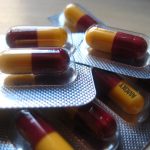
Zithromax is an antibiotic typically prescribed for infections like bronchitis, ear infections, and pneumonia.  Sometimes called azithromycin, Zmax, or “Z-Pack”, many doctors and patients prefer it because it can be taken for fewer days than other common antibiotics like amoxicillin. Compared to the typical 10-day course, a full course of Zithromax is only five days.

However, Zithromax is twice as expensive as generic amoxicillin and can cost as much as a few bucks per pill – which likely explains why pharmaceutical companies love it so much (sales for the drug topped $464 million in 2011 in the United States alone).

But data from a 2012 study out of Vanderbilt University determined that people who use Zithromax have an increased risk of sudden deadly heart issues. Researchers looked at millions of antibiotic prescriptions given to well over half a million Medicaid patients between the years of 1992 and 2006.

They discovered that 29 heart-related deaths occurred among people taking Zithromax during the short five-day course.

Do NOT ignore the health dangers linked to toxic indoor air.  These chemicals – the ‘off-gassing’ of paints, mattresses, carpets and other home/office building materials – increase your risk of headaches, dementia, heart disease and cancer.

Get the BEST indoor air purification system – at the LOWEST price, exclusively for NaturalHealth365 readers.  I, personally use this system in my home AND office.  Click HERE to order now – before the sale ends.

While rare, these heart-related deaths were enough to show that certain individuals taking Z-Pack drugs may be twice as likely to die while taking the drug compared to similar individuals taking other kinds of antibiotics (or taking none at all).  The proposed reason is that Z-Pack drugs may lead to dysfunctional electrical activity and ultimately lead to fatal heart rhythms.

This data has been corroborated by other research, including a follow-up paper published in May 2012 in the prestigious New England Journal of Medicine.

Today, the U.S. Food and Drug Administration cautions medical providers to avoid giving Zithromax to patients with known cardiovacular risk factors, including prolonged QT intervals, potassium or magnesium deficiencies, bradycardia (slow heart rate), or people already taing drugs to treat abnormal heart rhythms.

How to avoid the need for antibiotics and reduce your risk of infections

Let’s face it: antibiotics are a risky class of drugs and are medically unnecessary at least 30% of the time.

So, to help yourself stay healthy throughout the year and help you avoid both bacterial infections and antibiotics …

  • Make sure you’re getting enough vitamin C and vitamin D through foods like leafy greens, citrus fruits, fatty fish and eggs (you can also back up your health with high quality supplements).
  • Cut out heavily processed foods: Especially simple sugars, these foods are main drivers behind the rise of chronic disease and can make you sick, fat, and more prone to infections.
  • Commit to good quality sleep! Not getting enough sleep damages your immune system. It also promotes weight gain and higher levels of stress.

Sources for this article include:

NHS.uk
Mayoclinic.org
CBSnews.com
NEJM.org
Medicalnewstoday.com
Yahoo.com
CDC.gov
FDA.gov

Better Than Zoloft for Depression: Rhodiola

© 30th October 2019 GreenMedInfo LLC. This work is reproduced and distributed with the permission of GreenMedInfo LLC. Want to learn more from GreenMedInfo? Sign up for the newsletter here www.greenmedinfo.com/greenmed/newsletter
Reproduced from original article:
https://www.greenmedinfo.health/blog/better-zoloft-depression-rhodiola

Posted on: Wednesday, October 30th 2019 at 5:00 pm

Will doctors ever opt for an herb over a drug for depressed patients? It may sound unlikely but researchers from the University of Pennsylvania think they should consider it

In a randomized placebo-controlled trial doctors tested the herb rhodiola rosea against the conventional antidepressant therapy sertraline (Zoloft) in patients with major depressive disorder (MDD).[i]

A diagnosis of MDD means a patient exhibited two or more major depressive episodes, depressed mood and/or loss of interest or pleasure in life activities for at least 2 weeks. In addition, they show signs of significant unintentional weight loss or gain, insomnia or sleeping too much, fatigue, diminished ability to think or concentrate, and recurrent thoughts of death.

The study looked at 57 adults diagnosed with major depressive disorder. The patients received treatments of either rhodiola rosea extract, sertraline, or placebo.

After 12 weeks there was no statistically significant difference between the rhodiola and the Zoloft. Compared to the placebo, rhodiola patients had 1.4 times the odds of improvement while the Zoloft patients had 1.9 times the odds of improvement.

Other evidence is mounting that Zoloft and other SSRIs are no more effective than placebo for depression symptoms.

In the Penn study the researchers concluded that rhodiola may possess a more favorable risk to benefit ratio for individuals with mild to moderate MDD because it produced only half the side effects of Zoloft. In fact, a whopping 63% of patients on Zoloft reported side effects – most commonly nausea and sexual dysfunction. That compared to only 30% of patients on rhodiola.

The authors suggested that “herbal therapy may have the potential to help patients with depression who cannot tolerate conventional antidepressants due to side effects.”

An earlier placebo controlled study found rhodiola effective for patients with mild to moderate depression.

Rhodiola rosea is a hardy yellow flower native to the arctic mountains of Eastern Siberia. It’s sometimes called the “Root of the Arctic” or Tibetan ginseng.

Ancient healers used rhodiola to treat infections, anemia, stomach upset, and depression. In the old Soviet Union scientists used rhodiola to help soldiers improve mood, brain function and physical performance.

Human studies show that just one 200 mg dose of rhodiola helped volunteers improve their exercise endurance.[ii]

It’s also been shown to relieve mental fatigue. In one study of doctors on night call just 170 mg of rhodiola per day for two weeks helped the doctors think and remember better, concentrate, calculate, and respond to audio and visual cues.[iii]

And taking 100 mg of rhodiola every day for 20 days helped students improve their capacity to work, their coordination, and their general sense of wellbeing. Their learning ability increased 61% and their fatigue levels dropped by 30%.[iv]

Another study showed rhodiola may be helpful in smoking cessation.

For more information visit GreenMedInfo’s page on rhodiola/Tibetan ginseng. For an extensive list of natural anti-depressive agents take a look at GreenMedInfo.com’s depression page. Or, read a summary article titled, 23 Natural Alternatives for Depression.

Originally published: 2015-06-08

Article updated: 2019-10-30


References

[i] Jay D. Amsterdam et al. “Rhodiola rosea versus sertraline for major depressive disorder: A randomized placebo-controlled trial.” Phytomedicine, 2015 Mar 15;22(3):394-9. doi: 10.1016/j.phymed.2015.01.010. Epub 2015 Feb 23.

[ii] De Bock K, Eijnde BO, Ramaekers M, Hespel P. “Acute Rhodiola rosea intake can improve endurance exercise performance.” Int J Sport Nutr Exerc Metab. 2004 Jun;14(3):298-307.

[iii] Darbinyan V, Kteyan A, Panossian A, et al. “Rhodiola rosea in stress induced fatigue—a double blind cross-over study of a standardized extract SHR-5 with a repeated low-dose regimen on the mental performance of healthy physicians during night duty.” Phytomedicine. 2000 Oct;7(5):365-71.

[iv] Spasov AA et al. “A double-blind, placebo-controlled pilot study of the stimulating and adaptogenic effect of Rhodiola rosea SHR-5 extract on the fatigue of students caused by stress during an examination period with a repeated low-dose regimen.” Phytomedicine. 2000 Apr;7(2):85-9.

Disclaimer: This article is not intended to provide medical advice, diagnosis or treatment. Views expressed here do not necessarily reflect those of GreenMedInfo or its staff.

LeanMachine Notes:

I have been recommending Rhodiola for years to my patients, with a high degree of success.
This Solgar brand is high quality, coming in a darkened glass container for purity and freshness.
I am told the American Astronauts were sick after landing from prolonged space missions, while their Russian counterparts were out playing tennis, their recovery attributed to Rhodiola.

The Damaging Effects of Oxalates on the Human Body


Reproduced from original article:
articles.mercola.com/sites/articles/archive/2019/11/10/oxalic-toxicity.aspx

Analysis by Dr. Joseph Mercola – Fact Checked – November 10, 2019

STORY AT-A-GLANCE

  • Oxalic acid or oxalates are very tiny molecules that bind minerals like calcium and form crystals. It is found in a variety of seeds, nuts and many vegetables. It’s only two carbons and four oxygen molecules. It’s a highly reactive compound that is attracted to positively charged minerals
  • Oxalates not only can cause kidney stones (calcium oxalate kidney stones) but also may be responsible for a wide variety of other health problems related to inflammation, auto-immunity, mitochondrial dysfunction, mineral balance, connective tissue integrity, urinary tract issues and poor gut function
  • Oxalic acid can harm glandular function, connective tissue function, neurological function and the function of the tissues of excretion, particularly the kidneys and bladder
  • Having a damaged gut lining will increase your absorption of oxalates. An inflamed or damaged gut lining is a very common problem, thanks to frequent antibiotic use and the presence of a number of chemicals in our food supply, including glyphosate. Other plant compounds such as phytates and lectins (such as gluten) can worsen gut health and exacerbate the impact of oxalates
  • Tissue destruction, fibromyalgia and autoimmune diseases such as rheumatoid arthritis and lupus are all issues that can be related to oxalates

Sally Norton,1 who has studied nutrition and has a graduate degree in public health, is one of the leading experts on oxalate poisoning — a topic you don’t hear much about. Chances are you may never have heard about oxalates, or have any idea why they might matter.

As is often the case with experts in any health field, her expertise is an outgrowth of her personal struggles with health problems that didn’t respond to more conventional treatments, including healthy living (Norton was a vegetarian for 16 years).

“Like so many other people who are now discovering this, I was the kind of person who, no matter what I did, I could not create the vibrant robust health that I felt that I wanted, that I felt was intended for me to have.

It was just perpetual frustration, which is kind of amazing because the more you try to be healthy, the less it works — even when you’ve got a degree in nutrition from Cornell University and a degree in public health.

I worked in integrative medicine and knew all the holistic and complementary healing modalities … Here I was, the health expert who was not healthy …

The Vulvar Pain (VP) Foundation started educating people 25 years ago and making a big effort to get foods properly tested to know about oxalates in food because the story here is that we’re eating foods that are full of a toxin called oxalate …

We’re not paying attention to how this chemical’s affecting our physiology … [Oxalate] is a natural chemical that plants make, and we even make oxalate in our own metabolism.”

Chances are, if you have heard of oxalates, you’ve heard of them in relation to calcium oxalate kidney stones. A vast majority of the scientific information available on oxalate refers to this. However, while it certainly contributes to kidney stones, it can also have other detrimental health effects.

Interestingly, from the 1850s through the early 1900s, oxalate poisoning was well-recognized. Back then, it was referred to as oxalic acid diathesis. It was known to be a seasonal problem that got worse in the spring and summer, when fresh greens were available, when people’s oxalate consumption would go up.

Unfortunately, it has since gotten lost and left out of clinical science. As noted by Norton, there’s scientific evidence showing oxalic acid can harm glandular function, connective tissue function, neurological function and the function of excretion routes, particularly the kidneys.

Oxalate 101


Oxalic acid or oxalates are tiny molecules found in a variety of seeds, nuts and vegetables. It’s only two carbons and four oxygen molecules. It’s a highly reactive compound that is attracted to positively charged minerals. Norton explains:

“Calcium has a particular love of oxalate, and vice versa. The two of them seek each other out quite easily. We often see very abundantly the calcium oxalate form of oxalate. We see it in the plants. The plants form crystals and have the smaller individual ions and nanocrystals.

But they do form these bigger constructions, these kinds of plant pyramids, rocks and sticks and diamonds and things that the plants make, probably deliberately for many … plants are making use of oxalate for self-defense.

In the body, you’re going to see these other forms … A molecule that has less strong a bond — potassium oxalate, sodium oxalate and so on — those are the soluble forms. When you see oxalate in nature, you see the big calcium oxalate crystals — that’s the same thing that the kidney stone is made of. The major ingredient of the classic kidney stone is oxalate.

Unfortunately, in our parlance in medicine, we think of it as calcium … We just generalize to calcium because there are multiple types of calcium stones. But in the case of oxalate stones and oxalates causing calcification in the body, the oxalate part gets sort of dropped.

Medicine is not taught that you need the substrate to make a kidney stone. You need to provide enough oxalic acid or oxalate, soluble oxalate, the potassium oxalate, the sodium oxalates and so on. You can provide enough of that to perform this calcification in the kidneys and elsewhere in the body.

The plants that we’re eating have these oxalate crystals. The big ones just cause abrasion … They’re very small, but at the cellular level they’re quite big and abrasive. They just cause mechanical damage …

These soluble oxalates are the ones that easily — because they’re so tiny — pass through in between cells. Just with passive transport, we end up absorbing oxalates. The amount we absorb depends on a lot of factors, especially the health of our digestive tract.

Those of us with any inflammation in the digestive tract are more prone … to absorbing more of that soluble oxalate and even nanocrystals of calcium oxalate. At least 1% of calcium oxalate from food is also absorbed, in addition to the soluble oxalate.

But you see, soluble oxalate is not content being potassium oxalate. It would much rather be calcium oxalate, iron oxalate or magnesium oxalate. Right away, it starts grabbing minerals. It starts messing with mineral metabolism. It even can create bouts of acidosis.”

Advertisement

Get Up to 40% Off on Select Complete Probiotics


Conditions That Can Worsen Oxalates’ Impact

As mentioned, having a damaged gut lining will increase your absorption of oxalates. Most people, in fact, have damaged gut lining, thanks to a number of assaulting compounds and chemicals.

The presence of glyphosate in our food supply is one of these problematic compounds. If you’re not eating mostly organic food, you’re bound to be consuming glyphosate, which can wreak havoc on your gut function, as described in “Glyphosate: Pathways to Modern Diseases.”

Other gut-destroying exposures include frequent antibiotic use, which can lead to various forms of microbiome imbalance, including small intestinal bacterial overgrowth.

Some processed foods contain mucus-destroying emulsifiers. Even a number of naturally occurring plant compounds such as phytates and lectins (such as gluten) as well as the sharp oxalate microcrystals are trouble for gut health. These and other compounds found in foods can worsen gut inflammation and exacerbate the impact of oxalates by allowing oxalates easy entry into the blood stream.

Many of the foods that have become popularized in the modern diet are also high-oxalate foods, which means exposure is higher in general.

High-Oxalate Foods

Examples of high-oxalate foods include potatoes, peanuts, nuts, spinach, beets, beet greens, chocolate, blackberries, kiwi, figs, black beans, buckwheat, quinoa and whole grains. Norton ate a lot of beans, soy, Swiss chard, and sweet potatoes when she was a vegetarian; these are all high oxalate foods. When she cut wheat and soy from her diet, sweet potatoes became a daily staple in her diet.

Eventually, she discovered the healing value of animal foods such as bone broth, but it took many years of painful disease before she made the connection between her arthritis and her favorite plant foods.

Nuts and seeds tend to contain high amounts of oxalates, so any seed is suspect if you’re sensitive. Pumpkin seeds, watermelon seeds, sunflower and flax are among the safest, as they contain lower amounts. Oils and fats, even when extracted from plants, are all low in oxalates.

“When you extract an oil or fat, you do not take with you the oxalates. It could have been from a peanut. The oil’s still low. Olives are pretty high, but olive oil’s low. It’s really simple. It’s not in the animal foods, and it’s not in the oils and fats. But it’s in most things that are seeds,” Norton says.

“It’s also in several green vegetables, mainly spinach, Swiss chard and beet greens. Those are really the bad ones. There are a couple of kales that are not so good.

Collards are kind of medium bad. The mixed greens that people like now … those baby mixes are loaded with little beet green leaves, little Swiss chard leaves, which are high [in] oxalates …

Certain fruits are really high: kiwi … clementine … Anjou pears, guava, figs, elderberries, apricots, blackberries, unripe avocados … Starfruit is so high it’s really dangerous.”

Signs and Symptoms of Oxalate Poisoning

Tissue destruction, fibromyalgia and autoimmune diseases such as rheumatoid arthritis and lupus are all issues that can be related to oxalates because oxalate in tissues trigger the inflammasome reactions of the body’s innate immune system.

“This reactive compound kind of trashes your basic building blocks of connective tissue,” Norton says. Oxalates also cause inflammation and interfere with your body’s natural healing and repair mechanisms that usually happen overnight while you sleep.

Needless to say, this can worsen a wide variety of ailments, and trigger just as many. Norton tells the story of her own health problems, and how she finally identified oxalates as the culprit causing them all.

“Glycoproteins are where the oxalates get stuck on cells. We tend to see oxalates keeping old injuries in place where you don’t fully recover all the way. That’s one symptom. You’ve got things that don’t completely clear up. For me, it was my feet … I was forced to leave school and go get these feet dealt with. I just could not function anymore.

I had surgery. I stayed out of school for four years because I wasn’t getting better … I was getting weird vulvar symptoms, arthritis, fatigue, difficulty focusing and cognitive problems. There are a lot of neurological neurotoxicity [effects from oxalate] that interfere with cognitive function and sleep.

Fast forward years later to 2009 when I learned about the Vulvar Pain Foundation and connected the bout of vulvar pain that I had to my diet. But it took me years more of flipping around with complete disability. I could no longer work … I basically was sofa-bound.

I had to have a hysterectomy … There was endometriosis in there. The ovaries were trashed … and I didn’t recover well from that. My endocrinologist sent me off to this sleep lab because he said, ‘You’re eating great. You look awesome by way of blood tests. But, obviously, you can’t read, function or exercise.’

I was surprised to see that my nervous system was so toxic that my brain was waking up 29 times an hour … I developed irritable bowel syndrome, and then eventually it turned into chronic constipation, which is very common amongst us oxalate-poisoned people.

Part of what’s going on there is those nerves and muscles are almost paralyzed. They’ve lost their control. Their sphincters aren’t working well. The muscle tone in the colon is not functioning well because of this constant stream of oxalates coming …

It looks like you have SIBO, or you probably do, because of all the antibiotics. Of course, … emulsifiers in our [processed] foods are eroding away the mucous layer. The mucous layer is another layer of protection that we’ve lost and increases our absorption of oxalates.”

Eventually, you may develop signs and symptoms that look very much like an autoimmune disease, such as rheumatoid arthritis or lupus. Norton realized she needed to get her gut healthy. The question was how. She’d already tried everything she could think of.

An experiment with a kiwi diet in 2013 finally made the oxalate issue hit home. Her arthritis flared up and she couldn’t sleep from the pain. At that point, it dawned on her that the kiwi — a high-oxalate fruit — and the arthritis were connected.

In about 10 days on an oxalate-free diet, all of her symptoms improved. Six months after that, her feet, which had never properly healed after her surgery, were completely fine.

Lectins and Oxalates Are a Problematic Mix

On a related note, lectins — another plant chemical — can also wreak havoc on your health, and Dr. Steven Gundry, author of “The Plant Paradox: The Hidden Dangers in ‘Healthy’ Foods That Cause Disease and Weight Gain,” strongly believes lectins are at play in many autoimmune diseases. Norton warns that together, lectins and oxalates can “gang up on you.”

“Plants have many other chemicals too. In my research, it looks like the main target of plant chemicals that are aggressive and harmful to us is the gut … Lectins are going to create that leaky damage and make you vulnerable to infection and absorbing oxalates.

Basically, these [oxalate] nanocrystals and ions are the most toxic forms. The bigger ones that later on you can see in … kidney stones, they’re actually less toxic than the little ones.

Nanocrystals are known to interfere with the charge on cells. They depolarize cell membranes and start disabling the functions of membranes, which means your mitochondria are not working. The oxalate slows down the mitochondrial ability to produce energy.

The nanocrystals of asbestos and oxalates have basically the same level of harm. It’s just that we don’t eat asbestos three times a day and call it health food.”

How Oxalates Contribute to Heart Failure

Oxalates can also contribute to heart arrhythmia, heart failure, endothelial disorders or generalized endothelial distress. Endothelial cells are the cells that line everything, including your vascular system. Oxalates floating around your vascular system can do considerable damage, causing irritation and injury to endothelial cells.

“You set up the conditions for vascular problems,” Norton says. “Oxalates are grabbing minerals. It’s taking calcium out of the blood … and probably other minerals as well. It also has the potential to take the place of the normal chelator that would hold iron in your transferrin …

What we see in people who are post-keto, where they’ve been doing the almond bread and spinach smoothies a lot (these are the kind of people who come to me — ex-vegans and ex-keto dieters), they are getting attacks of heart rates of 130, 150. They’re getting attacks of arrhythmia … A few of them get hospitalized and they’re seeing T-wave inversions … In this case, people have stopped eating the almond bread and the spinach smoothies …

Now the body is so ready to be done with the oxalate that’s gotten stuck in all these tissues that it starts removing too much at one time. Then you get localized acidosis. You get effects in the blood. You get effects in the heart rate.

We see this electrolyte disturbance, which involves continued wasting of potassium and other minerals. We have to keep re-adding these minerals. Also, it’s almost like tissue dehydration. I really like to push salt, potassium, calcium and magnesium to help manage this sort of flushing …

Diaphragm hiccups, by the way, are a bad sign … hiccups are a neurotoxicity symptom; the vagus nerve and the whole diaphragm is getting flipped up by being poisoned … The literature … shows that one of the last symptoms before the rats die or the humans die from oxalic acid poisoning is hiccups …”

Dental tartar and even dental caries are other signs of excessive oxalates. I struggled with chronic tartar buildup myself, until I learned it was related to oxalates. When clearing out oxalates you may also experience sinus pain. Your sinuses, eyes, teeth, jaw and salivary glands are all prone to oxalate buildup, as are your fingers, toes, feet and joints in general.

Do You Need to Ditch High-Oxalate Foods From Your Diet?

If you’re eating a lot of high-oxalate foods and are struggling with any kind of chronic health issue that doesn’t seem to respond to other sensible lifestyle changes and treatments, you’d be wise to give a low- or no-oxalate diet a try.

In my own case, I was eating a lot of sweet potatoes because they’re a good source of “healthy” carbs, but they are also loaded with oxalates. All potatoes are. There is no potato that’s not high in oxalates, so get rid of the potatoes. Norton offers the following advice:

“Turning this around, you have to make a decision that you’re willing to walk away from group think because everybody around you thinks that plants are so great and you need the spinach smoothies … If you’re willing to get some facts that are science-based, then I’ve got a lot of free information on my website.

The way I understand one of the major mechanisms is this something called a trigger-maintenance theory of the oxalate accumulation in the body. The body is really smart. It’s holding onto oxalates because it’s trying to protect you from that heart arrhythmia and all that vascular damage.

The nonvascular system … the body is willing to sacrifice in order to keep the vascular system well … If you’ve got too much oxalate in your blood, the other cells will deliberately hold on to it as a temporary deal …

The body’s holding on to oxalate is meant to be temporary. Every tissue that’s holding oxalate so wants it to be gone. You give it that opportunity when you stop eating oxalates. But there can be so much already onboard. If that stuff starts moving at the same time, you could release oxalate from tissues at a [toxic] level … We’ve got to be careful about how quickly and how we go about moving [oxalate out] …

There are simple things you can do to start lowering your oxalate. Pick the foods that you don’t need in your life and then eventually get down to the chocolate and cut that too …

On my website you can get a beginner’s guide2 that explains the basics and has a graphic that shows that your spinach smoothie is 20 times what your level of oxalate should be on a whole day’s intake. It has a list of the safe bet foods and the worst offender foods that you’ve got to start cutting back on and then eventually eliminating altogether …

The two main causes of disease are toxicity and nutrient deficiency. Oxalate is causing both … You’re losing both B-vitamins and minerals. It’s very toxic. It is a poison. It’s fundamentally messing with the basics of metabolism that allows tissue recovery, repair, [that] allows growth and flourishing.”

The Carnivore Elimination Diet

Norton has for several months now been doing the carnivore diet as described in “Health Effects of the Carnivore Diet,” which features my interview with Dr. Paul Saladino. Norton discusses her transition:

“I kept seeing allergy, intolerance and colon intolerance to a lot of plant foods. I had already worked my way down to eating lemon juice because citric acid … helps weaken in bonds of the [oxalate] crystals and make them quite easy to come apart.

Citric acid protects your kidneys and is a great way to dissolve kidney stones. A half a cup of lemon juice a day and a low-oxalate diet will help your kidneys release all this oxalate painlessly. You just start peeing out all your kidney problems without pain.

I was using a lot of lemon juice, four or so lemons a day, and eating coconut products and coconut water, often from fresh young coconuts, sometimes bottled or dried coconut, and very little else for like a year. It really does help the colon repair and recover. It’s such a nice elimination diet.

April 1, 2019, I dropped the lemons and a few more supplements I was taking, like vitamin E, and dropped the coconut products … I went full carnivore.

I, myself, think that the mitochondrial and metabolic damage that’s happening from the oxalates is also being promoted by PUFAs, the polyunsaturated fatty acids, which I did not have a lot in my diet.

But some of us still need some sugars in the diet to keep the mitochondria happy. I’m back to using some maple syrup and some mangoes and a little bit of carbs to keep my legs from cramping up with low muscle glycogen.

I still love a high-fat diet. I eat a lot of beef fat and pork fat. I really enjoy a meat-centered diet. I think it’s a fabulous elimination diet that can help us. Then figure out how to bring back into the diet, as much as you wish to, low-oxalate foods like lettuce, apples and coconut stuff and some rice, some blueberries … things that you may want in your diet.

There’s a whole lot of vegetables in the cabbage family that are low in oxalate, if your digestive tract likes them, [that] … have resistant starch in them and can be useful … Transitioning from a high-oxalate diet to a low-oxalate diet, maybe even all the way down to the carnivore-style elimination diet, needs to be gradual.

Because if you create a big microbiome die-off, you’re just going to feel sick from that as well. When the oxalates start coming out, that makes you feel sick. That’s another reason why we need supplements.”

Recommended Supplements for Oxalate Poisoning

Supplements recommended by Norton for those struggling with oxalate poisoning include calcium citrate, potassium citrate, magnesium citrate and potassium bicarbonate. These are all simple mineral salts that you can easily buy in bulk powders, which I recommend doing as readymade capsules contain amounts that are so low you’ll have to swallow a whole handful of pills to get the dosage you need.

If you dislike the taste of potassium bicarbonate (which has a flavor reminiscent of baking soda), you can purchase large empty capsules and make your own. Natural unprocessed salt (such as Himalayan salt) is another important “supplement.”

“Some people go through these waves of feeling ill again as their body starts pushing out oxalates because, when you stop eating oxalate, that doesn’t fix your oxalate problem in the short run, because you’re still full of oxalates …

It’s just that the acute phases that were occurring post-meal aren’t there anymore. But you’re going to have some other phases that are often circadian in nature where you have waves of not feeling good.

We want to be aware that some of what’s going on there is a form of acidosis … The combination of lemon juice and bicarbs — about a quarter cup of lemon juice and about one-eighth teaspoon of sodium bicarb and one-eighth teaspoon of potassium bicarb — makes a lovely Alka-Seltzer Gold, made with natural citric acid …”

Again, any changes you make, whether removing food items high in oxalate or adding supplements, make sure you do it slowly and incrementally. If you have a lot of oxalate in your body, too-rapid a change can shock your already fragile system, causing you to get worse rather than better.

Over time, work your way up to 1,200 milligrams of calcium citrate, about 400 to 500 mg of magnesium and 2,500 – 4,000 mg of potassium per day. The purpose of the calcium citrate is to help release oxalates from your tissues, so when looking for calcium citrate, make sure it does not have vitamin D in it, as the vitamin D encourages absorption of oxalates.

“The bicarb is wonderful because it’s not citric acid [which, for some, can irritate the gut]. It is also alkalizing, as is the citric acid and the minerals. All of this helps with alkalization. You’re replacing the minerals. You’re also providing it citric acid, which protects your kidneys and other tissues from oxalate accumulation and damage.

They’re really helpful. You want to take as much as you can tolerate, because the more the merrier when it comes to the minerals. I think general liquid mineral for a broad spectrum is really good, [and] taking [natural unprocessed] salt to help pull hydration and pull potassium back into the bones and the muscles.

A lot of us, if you get any muscle numbness, like fibromyalgia pains, that’s the potassium deficiency showing up in the muscles, where they end up in chronic rigor and you get hypoxia from the poor circulation going on there.

Once you’ve got enough potassium that will disappear completely in about five or six weeks … I have salt and potassium bicarb, potassium citrate always in my drinking water … I drink it all day long, all the time …”

If you don’t want to drink it throughout your day, Norton recommends taking a third of your daily dose at bedtime, as this is when your body is repairing and recovering and needs these nutrients most. Take another dose in the morning, and a third dose with a meal. An additional dose can be taken if you’re having an episode you think might be related to oxalate release.

More Information

Norton currently has a book in the works. Until then, the best place to find more information is her website, SallyKNorton.com. There you can find symptom lists, guidance on oxalate-elimination, low-oxalate recipes, free articles and additional interviews and talks,3 along with more details on the science behind oxalates’ devastating health effects.

For a quick look at your own intake of high oxalate foods and the signs of oxalate-related health issues, check out Sally’s Symptom and Exposure Inventory, HERE.

“If you work your way through the various tabs on my site, you will get a huge education there,” Norton says. “And then work your way … through my blog … There’s enough reading there. You’ll be busy for a while. That will really help a lot.”


Effectively lower blood sugar levels with a natural plant extract

Reproduced from original article:
www.naturalhealth365.com/lower-blood-sugar-levels-3178.html

help-blood-sugar-levels

(NaturalHealth365) According to the U.S. Centers for Disease Control and Prevention, close to 30 million Americans – almost one in ten – have type 2 diabetes. And, an alarming 84 million people have prediabetes – elevated blood sugar levels that can progress to diabetes (with possible complications including kidney disease, heart disease and stroke).

In light of this growing epidemic – and amid the pressing need for effective, non-toxic interventions – a just-published study offers hope by showcasing the ability of clove extracts to safely lower elevated blood glucose levels.

Cloves, a common cooking spice, have been utilized in Ayurvedic and Asian healing systems for centuries to treat digestive disorders, influenza and tooth pain.  To learn how these potent little dried flower buds can help normalize and regulate blood sugar – and help to ward off diabetes – keep reading.

Alert: Prediabetes affects over half of all those over 65

What is prediabetes, exactly, and why is it dangerous?  Prediabetes exists when glucose (blood sugar) levels are elevated (over 100 mg/dL), but fall short of 125 mg/dL – the conventional medical threshold for diabetes.

The condition can often be reversed with weight loss and increased physical activity – but experts point out that roughly 30 percent of people with untreated prediabetes will go on to develop diabetes within three to five years.

And, although prediabetes doesn’t meet the medical standard for diabetes, it can still feature dangerous after-meal blood sugar elevations, or “spikes.” These spikes are associated with harmful effects such as neuropathy (nerve damage to feet), vision loss, kidney damage and heart disease.

Do NOT ignore the health dangers linked to toxic indoor air.  These chemicals – the ‘off-gassing’ of paints, mattresses, carpets and other home/office building materials – increase your risk of headaches, dementia, heart disease and cancer.

Get the BEST indoor air purification system – at the LOWEST price, exclusively for NaturalHealth365 readers.  I, personally use this system in my home AND office.  Click HERE to order now – before the sale ends.

In people over 65, post-meal blood sugar spikes appear to impede cognitive function, as well.  Not particularly good news for those who may already be coping with varying degrees of age-related mild cognitive impairment!

It’s official: Cloves promote better blood sugar control

In a new study published in May 2019 in BMC Complementary and Alternative Medicine, researchers evaluated the effects of clove extracts on adult volunteers.  The participants were divided into two groups: those with normal fasting glucose and those with prediabetic fasting glucose levels.

Fasting glucose levels are measured eight hours after ingesting food.  And, participants were then given 250 mg of clove extract after a meal for 30 days.

The team found that the clove extract lowered fasting glucose levels of the prediabetic participants – but did not alter the desirable fasting levels of those with normal glucose.  In fact, the clove extract reduced after-meal glucose by 21.5 percent in the “normal” group – and by a substantial 27.2 percent in the prediabetic group.

The team concluded that cloves can be used to maintain healthy blood sugar levels, particularly in those with less-than-optimal glucose control.  It should be noted: that if cloves help to keep prediabetes in check, that’s highly significant – as prediabetes can increase the risk of heart disease and stroke, even when it doesn’t develop into type 2 diabetes.

New study confirms earlier research on the blood sugar-lowering effect of cloves

Researchers have long suspected that cloves could be useful in addressing diabetes.

Past studies have shown that cloves increase the secretion of insulin, the hormone that ferries sugar from the blood to the muscles. Previous research has also shown that clove extracts benefit liver function – essential in blood sugar control – as well as antioxidant status.

And, in 2006, Pakistani researchers found that clove extracts improved the function of insulin and lowered glucose levels in people with type 2 diabetes.  Cloves were also found to reduce harmful LDL cholesterol – but did not reduce levels of beneficial HDL cholesterol.

By the way, the amount used in the Pakistani study was modest: the equivalent of one to two cloves a day.

Cloves reduce blood sugar with three different mechanisms

Cloves, scientifically known as Syzgium aromaticum, are antimicrobial, anti-inflammatory and strongly antioxidant.  In fact, researchers have reported that cloves contain 30 times more antioxidants than blueberries, often considered the “gold standard” of antioxidant foods.

Along with gallic and ellagic acids, catechin and quercetin, cloves are particularly rich in eugenol, a compound with antibacterial and analgesic effects.  However, some scientists credit a compound called nigericin in cloves with increasing the uptake of sugar and promoting the secretion of insulin.

Specifically, cloves reduce blood sugar by enhancing the uptake of glucose into muscle cells, by inhibiting digestive enzymes from releasing the glucose from refined sugars and starches, and by inhibiting the production of glucose in the liver.

This three-pronged response makes cloves uniquely helpful for decreasing insulin resistance and managing blood sugar.

Reverse prediabetes with healthy lifestyle choices

Experts say that the current epidemic of diabetes and prediabetes is driven by obesity, poor nutrition and a sedentary lifestyle.

An organic diet (high in antioxidant-rich vegetables, fruits and unrefined grains and free of refined sugars, GMOs and unhealthy fats) just might be your best bet for preventing diabetes – along with maintaining a healthy weight and getting sufficient exercise.

As the latest study shows, cloves may also be helpful in managing blood sugar.

Of course, clove extracts are available in tablets and tinctures.  You can also make clove tea by boiling a teaspoon of powdered cloves for 8 to 10 minutes, straining and cooling. For an added health benefit, add cinnamon and cardamom.

Many studies used a teaspoon (2 grams) of ground cloves, and natural healers may recommend amounts in this range.

As always, consult with your integrative physician before supplementing with cloves – especially if you are already taking medications to control blood sugar.  Note: of course, don’t stop taking prescribed medications unless specifically advised to do so by your physician.

As the scientists noted in the groundbreaking new clove study, type 2 diabetes is a “tremendous public health issue.”  And, spicy, aromatic clove buds just may hold the secret to better blood sugar control – thereby striking a blow against this dangerous disease.

Sources for this article include:

CDC.gov
LifeExtension.com
NIH.gov
Healthline.com

Low Magnesium Linked to Diabetes and High Blood Pressure


Reproduced from original article:
https://articles.mercola.com/sites/articles/archive/2019/11/18/low-magnesium-diabetes.aspx

Analysis by Dr. Joseph Mercola – Fact Checked – November 18, 2019
low magnesium diabetes

STORY AT-A-GLANCE

  • Magnesium is involved in more than 600 different biochemical reactions in your body, and deficiency can contribute to significant health problems. Two common pathologies associated with magnesium deficiency are Type 2 diabetes and heart disease
  • Low magnesium levels have been linked to insulin resistance, a precursor to Type 2 diabetes, as it impairs your body’s ability to regulate blood sugar, which is important for the prevention of Type 2 diabetes
  • Recent research links low magnesium levels with diabetes and high blood pressure, both of which are risk factors for heart disease
  • Magnesium has been shown to improve Type 2 diabetes. Diabetics who took 250 milligrams of magnesium per day for three months improved their insulin sensitivity by 10% and reduced blood sugar by 37%
  • The best way to ascertain your magnesium status is to do an RBC magnesium test, which measures the amount of magnesium in your red blood cells, along with tracking any signs and symptoms of magnesium deficiency

Magnesium1 is involved in hundreds of biochemical reactions in your body,2,3 and deficiency can contribute to significant health problems. Two common pathologies associated with magnesium deficiency are Type 2 diabetes4,5 and heart disease.

According to one scientific review,6 low magnesium may actually be the greatest predictor of heart disease, and other recent research7 published in Open Heart journal suggests even subclinical magnesium deficiency can compromise your cardiovascular health.

As noted in a 2018 scientific review8,9 published in Open Heart journal, a “vast majority of people in modern societies are at risk for magnesium deficiency” due to “chronic diseases, medications, decreases in food crop magnesium contents, and the availability of refined and processed foods.”

According to this review, most fail to meet the recommended daily allowance (RDA) for magnesium; 48% of Americans do not get sufficient magnesium from their diet. Among postmenopausal women with osteoporosis, the rate of magnesium deficiency is 84%.10

Type 2 diabetics also tend to be more prone to magnesium deficiency, and magnesium depletion has been found in 75% of patients with poorly controlled Type 2 diabetes, the review states.11

Magnesium Protects Your Heart Health

Low magnesium has been linked to a higher risk for high blood pressure,12 stroke13 and sudden cardiac death.14 According to the Open Heart study authors,15 “most people need an additional 300 mg of magnesium per day in order to lower their risk of developing numerous chronic diseases,” and this includes heart disease and diabetes. Magnesium supports healthy heart function and helps prevent heart disease by:16

  • Combating inflammation, thereby helping prevent hardening of your arteries
  • Normalizing blood pressure
  • Improving blood flow by relaxing your arteries and preventing your blood from thickening, allowing it to flow more smoothly

Magnesium Status Impacts Diabetes and Blood Pressure

Magnesium also plays an important role in diabetes, and this is not nearly as recognized as it needs to be. Low magnesium levels have been linked to a higher risk of insulin resistance, a precursor to Type 2 diabetes,17 as it impairs your body’s ability to regulate blood sugar, which is important for the prevention of Type 2 diabetes.18,19,20,21

In one study,22 prediabetics with the highest magnesium intake reduced their risk for blood sugar and metabolic problems by 71%, compared to those with the lowest intake. High levels of insulin in the blood, common with insulin resistance, also lead to further loss of magnesium.23

Most recently, a study24 published in October 2019 in the online issue of Diabetes Research and Clinical Practice again linked low magnesium levels with both diabetes and high blood pressure, both of which are risk factors for heart disease. As reported by the authors:25

“Across the quartiles of serum magnesium from high to low, the prevalence ratios for diabetes were 1.00, 1.35, 1.88, and 2.70, respectively. The presence of hypertension significantly increased the probability of diabetes along a wide range of low serum magnesium. A low intake of MRDP [magnesium related dietary pattern] was also positively associated with diabetes and high HbA1c.”

Advertisement

Get Up to 40% Off on Select Ketogenic Packs


Other Studies Linking Magnesium Status to Diabetes Risk

An earlier meta-analysis,26 published in 2007, also found that magnesium intake was inversely associated with Type 2 diabetes incidence. This analysis included seven cohort studies looking at magnesium from either food or diet and supplements combined. According to the authors:

“All but one study found an inverse relation between magnesium intake and risk of Type 2 diabetes, and in four studies the association was statistically significant.

The overall relative risk for a 100 mg day increase in magnesium intake was 0.85. Results were similar for intake of dietary magnesium and total magnesium. There was no evidence of publication bias.”

Magnesium supplementation not only can lower your risk of Type 2 diabetes, but also has been shown to improve your condition if you already have full-blown diabetes. This was demonstrated in a 2018 study27 in the journal Nutrients.

Type 2 diabetics who took 250 milligrams (mg) of magnesium per day for three months saw a significant improvement in insulin levels and HbA1C (hemoglobin A1c, which is a marker of long-term glucose control) compared to controls.

As noted by the authors,28 “The results of this study matched previous studies that concluded that daily oral Mg supplementation substantially improved insulin sensitivity by 10% and reduced blood sugar by 37%.”

Are You Deficient in Magnesium?

The best way to ascertain your magnesium status is to do an RBC magnesium test, which measures the amount of magnesium in your red blood cells, along with tracking any signs and symptoms of magnesium deficiency, such as:29,30

Seizures; muscle spasms, especially “charley horses” or spasms in your calf muscle that happen when you stretch your leg, and/or eye twitches
Numbness or tingling in your extremities
Insulin resistance
High blood pressure, heart arrhythmias and/or coronary spasms
Increased number of headaches and/or migraines
Low energy, fatigue and/or loss of appetite
The Trousseau sign31 — To check for this sign, a blood pressure cuff is inflated around your arm. The pressure should be greater than your systolic blood pressure and maintained for three minutes.

By occluding the brachial artery in your arm, spasms in your hand and forearm muscles are induced. If you are magnesium deficient, the lack of blood flow will cause your wrist and metacarpophalangeal joint to flex and your fingers to adduct (illustrated in the video below).

A more exhaustive list can be found in Dr. Carolyn Dean’s blog post, “Gauging Magnesium Deficiency Symptoms,”32 which will give you a checklist to go through every few weeks. This will also help you gauge how much magnesium you need to resolve your deficiency symptoms.

Get Tested Today

GrassrootsHealth, which is conducting consumer-sponsored research into vitamin D and omega-3, has now added magnesium to its nutrient research.

Their Vitamin D, Magnesium and Omega 3 PLUS Elements test kit is an excellent and cost-effective way to check the status of several vital nutrients, along with the essential minerals selenium, zinc and copper and the harmful heavy metals cadmium, lead and mercury.

Each kit contains instructions for how to collect your blood sample. You then mail in your sample and fill out a quick online health questionnaire through GrassrootsHealth.

Your participation in this research project will enable GrassrootsHealth researchers to provide accurate data about the magnesium status in the population, the level at which disease prevention is actually obtained, and guidance on dosing to achieve optimal levels.

All of this is crucial information that can go a long way toward improving public health. As explained by GrassrootsHealth, questions about magnesium that this particular project aims to provide answers for include:33

  • What specific health outcomes are associated with this nutrient for me, for the total group?
  • How can I figure out how much to take? What’s the dose-response relationship for all? For me?
  • Does it matter if I’m also taking vitamin D? Omega-3?
  • Does it matter what compound of this nutrient I take? What time of day? How often?
  • What are the demonstrated health outcomes used to create this nutrient’s recommended range?

Your test results will be emailed to you in about 10 to 20 days after your samples are received. Your health data are used anonymously. Please note that 100% of the proceeds from the kits go to fund the research project. I do not charge anything extra as a distributor of these test kits.

check magnesium levels

Why Most People Need More Magnesium

One of the reasons why magnesium insufficiency or deficiency is so common, both among adults34 and teens,35 is in part due to the fact that most people don’t eat enough plant foods. Magnesium is actually part of the chlorophyll molecule responsible for the plant’s green color.

If you frequently eat processed foods, your risk of deficiency is magnified. That said, even if you eat plenty of greens you might still need to take a supplement, as most foods are grown in mineral-depleted soils and are thus much lower in magnesium than they have been historically.

Magnesium absorption is also dependent on having sufficient amounts of selenium, parathyroid hormone and vitamins B6 and D, and is hindered by excess ethanol, salt, coffee and phosphoric acid in soda.

Sweating, stress, lack of sleep, excessive menstruation, certain drugs (especially diuretics and proton-pump inhibitors) also deplete your body of magnesium.36 For these reasons, most people probably need to take supplemental magnesium. Taking a magnesium supplement is particularly advisable if you:37

Experience symptoms of insufficiency or deficiency38
Have high blood pressure
Engage in strenuous exercise on a regular basis — Research39 shows just six to 12 weeks of strenuous physical activity can result in magnesium deficiency, likely due to increased magnesium demand in your skeletal muscle
Are taking diuretics or medication for high blood pressure, especially thiazides, which have been shown to induce undetectable magnesium deficiency40 (while patients may have normal or even high serum magnesium, their bodies are actually depleted of magnesium)
Have had or are planning heart transplant or open heart surgery
Are at risk for or have had a heart attack, or if you experience ventricular arrhythmia
Have congestive heart failure
Are insulin resistant or diabetic (as this increases magnesium depletion)

Eat More Magnesium-Rich Foods

The recommended dietary allowance for magnesium is around 310 to 420 mg per day depending on your age and sex,41 but many experts believe you may need 600 to 900 mg per day.42

Personally, I believe many may benefit from amounts as high as 1 to 2 grams (1,000 to 2,000 mg) of elemental magnesium per day, as most of us have electromagnetic field exposures that simply cannot be mitigated, and the extra magnesium may help lower the damage from that exposure.

If your veggie consumption is low to begin with, consider including more magnesium-rich vegetables in your daily diet. Dark-green leafy vegetables lead the pack when it comes to magnesium content, and juicing your greens is an excellent way to boost your intake.

Other foods that are particularly rich in magnesium include natto, raw cacao nibs, unsweetened cocoa powder, avocados, pumpkin and sesame seeds, and herbs like chives and basil.43 One way to check your daily magnesium intake from foods is to use a free online nutritional tracker such as Cronometer.

Other Ways to Boost Your Magnesium Level

If your magnesium intake from food is found lacking, it would certainly be wise to supplement, either orally or topically. For oral supplementation, my personal preference is magnesium threonate, as it appears to be the most efficient at penetrating cell membranes, including your mitochondria and blood-brain barrier.

As a general rule, I recommend starting out on a dose of 200 mg of oral magnesium citrate per day, gradually increasing your dose until you develop slightly loose stools. To use this method, you need to use magnesium citrate, as it’s known for having a laxative effect. Once you know your cutoff, you can switch to other forms if you like. Other effective ways to boost your magnesium level include:

•Taking Epsom salt (magnesium sulfate) baths, as the magnesium will effectively absorb through your skin.

•Using a topical solution — I prepare a supersaturated solution of Epsom salt by dissolving 7 tablespoons of the salt into 6 ounces of water and heating it until all the salt has dissolved. I pour it into a dropper bottle and then apply it to my skin and rub fresh aloe leaves over it to dissolve it.

This is an easy and inexpensive way to increase your magnesium and will allow you to get higher dosages into your body without having to deal with its laxative effects.

Magnesium can be taken with or without food. If you’re also taking calcium, take them together. If you exercise regularly, consider taking your calcium and magnesium in a ratio of one part calcium to two parts magnesium with your pre-workout meal.

While the ideal ratio of magnesium to calcium is thought to be 1-to-1, most people get far more calcium than magnesium from their diet; hence, your need for supplemental magnesium may be two to three times greater than calcium.

Sources and References

The Little Known Miracle of Life: Fulvic acid

© 7th November 2019 GreenMedInfo LLC. This work is reproduced and distributed with the permission of GreenMedInfo LLC. Want to learn more from GreenMedInfo? Sign up for the newsletter here www.greenmedinfo.com/greenmed/newsletter
Reproduced from original article:
www.greenmedinfo.health/blog/little-known-miracle-life-fulvic-acid

Posted on: Thursday, November 7th 2019 at 12:30 pm

In the beginning, the earth was blessed with rich, fertile soil and lush vegetation. The soil was teaming with microbes — bacteria, fungi, and protozoa, to name a few. In the perfect cycle of life, microbes in the soil break down dead plant material and create substances and nutrients that nourish plants. When humans eat these plants, we enjoy the nutrients that they provide

The microbes in the soil make the hidden treasure called fulvic acid, the miracle of life. Fulvic acid is not a vitamin or a mineral and science cannot synthesize this substance in a laboratory. Our bodies require it for optimal health, but, we no longer get fulvic acid in adequate amounts from our food.

While the scientific research is growing in support of fulvic acid, there are less than 1,750 studies on PubMed.gov. One needs to dig around to find fulvic studies related to human benefits, but information and clinical evidence exists. This is not “just another supplement” but a powerful, life-giving substance that is quietly disappearing from our food and this is taking a toll on human health.

Fulvic acid has been reported to rejuvenate health and bring a multitude of benefits that are unmatched by any other natural substance.

Fulvic acid (FA) has been used for 3,000 years as Shilajit in Indian medicine.

Carrasco-Gallardo stated, “It is likely that the curative properties attributable to shilajit are provided by the significant levels of fulvic acids that shilajit contains, considering that fulvic acid is known by its strong antioxidant actions.” [v]

Historically, it was believed that fulvic acid/Shilajit had immune-modulating, antioxidant, diuretic, antihypertensive, and hypoglycemic benefits. [Winker][Trivadi] FA was used in diabetes, and to support the urinary, immune, digestive, cardiac, and nervous systems. [xxiv][i][ii][viii]

In Ayurveda literature it is called “rasayana” or rejuvenator, enhancing the quality of life. [xxxviii][xv]

Benefits

Fulvic acids can be found in compost or peat, lignite (brown coal which gives inferior fulvic acid) or ancient humic deposits that come from deep within the earth. Unlike other deposits formed over time deep below the earth’s surface, like coal, oil and natural gas, humic deposits are safe, providing powerful compounds that provide an impressive number of benefits for plants, humans and animals.

  • enhances the body’s absorption of vitamins and minerals [xxxix]
  • anti-inflammatory effects [iv][x][xiv][xxxvii][xxxiii]
  • anti-allergy [xl]
  • improves many aspects of eczema [xiv]
  • speeds skin healing [xxix][xiv][xxxvii]
  • enhances healing of wounds infected with drug-resistant pathogens [xliv][xlii]
  • protects against free radical damage as an antioxidant [iv][xxxiv][xxv]
  • anti-aging benefits [v]
  • improves gut flora and gut health [xxxix]
  • anti-diarrheal effects in animals and humans [xxvi]
  • improves energy levels [xxiv]
  • reduces oxidative stress [xxxix]
  • useful in treatment of osteoarthritis patients [xix]
  • shows antiviral activity, interfering with a virus’ ability to attach to a host cell, penetrate the host cell, and reproduce itself [xxii][xxviii]
  • displays antimicrobial activity [xxxvi]
  • displays antifungal activity [xiii][xxxii]
  • effective for the management of oral biofilm infections [xxxiii]
  • anti-aging effect on the skin, increasing fibroblast viability and reducing collagen degradation [xxi]
  • neuroprotective, improves memory and brain function [v][ix][xvi]
  • supports the immune system [xxxix]
  • stimulates metabolism [vi]
  • cleanses toxins and heavy metals from the body [xviii][vii][xxiii]
  • shows immunomodulatory activity [xxxi]
  • modulates homocysteine and pro-inflammatory mediators linked to atherosclerosis [xii]
  • promotes ulcer healing [xv][xxxi][xli]

Science cannot create fulvic acid

Fulvic acid offers a seemingly endless spectrum of benefits for human and animal health that would make any pharmaceutical company nervous. Fulvic acid cannot be made by man because it involves photosynthesis and humification. The process that creates fulvic acid requires nature’s recyclers, microorganisms, working in fertile, rich soil over a long period of time. Microbes decompose organic material (manure, compost, decaying plant material), in the soil to create nutrients for the plant including trace minerals, carbon, hydrogen, oxygen, nitrogen, phosphorus, and potassium. Microbes make the minerals in the soil into a useful form for plants and over time the microbes help create an amazing substance called humus (hyoo-muh s).

“Essentially, All Life Depends Upon The Soil … There Can Be No Life Without Soil And No Soil Without Life”

~ Charles E. Kellogg, head of the Soil Survey in the United States Department of Agriculture (USDA) for 37 years (1934-1971)

We never had to worry about getting enough fulvic acid, it simply existed in our soil and in our food, since time began. Fertile soil, and the microbial life within it, is a highly valuable natural resource that is critical for food security and for human health. Fertile soil is teaming with microbial life (it is interesting to note that there are more bacteria in two spoonfuls of rich, fertile soil than there are humans on planet earth). Sustainable farming practices that add compost and organic compounds to the soil help create a robust microbial community. Microbes are required for the cycle of life. They work to break down plant and animal matter, and over hundreds and thousands of years, fulvic acid is one of the end products of decomposition.

Common agricultural practices cause the loss of fulvic acid in food and the progressive deterioration of human health

Over the past 50 to 100 years, farming practices that sustained humans for thousands of years have drastically changed. Chemical fertilizers, herbicides and pesticides were created to increase crop yield, kill insects and control weeds. Modern agricultural practices increase the amount of food produced but the toll this has taken on soil microbes, plant nutrients and human and animal health is underappreciated.

While attempting to kill the pests and weeds and bolster plant production, the chemicals used in agriculture have inadvertently attacked friendly troops in the soil jungle.

The price of growing food this way is dramatically altering the natural recycling process required in nature, and the downstream effects on human health are mounting.

Fulvic acid may seem like “just another nutrient” that is declining in food, but it is actually the most important health-building compound because it is nature’s intended vehicle for transporting minerals and other nutrients into living cells.

Fulvic acid is nature’s answer to depleted food and too many toxins

Fulvic acid and humic acid are the key substances found in humus, the end result of the humification process where microbes in the soil break down once living matter, usually plants. It is believed that most of the health benefits attributed to Shilajit and humic substances are primarily due to the presence of fulvic acid. [v]

Fulvic acid is a very small molecule of low molecular weight. It is smaller than humic acid and penetrates the cell membrane and even the mitochondria. [v] Because fulvic acid bonds easily to nutrients like vitamins and minerals, it efficiently delivers nutrients where they are needed. Without fulvic acid our bodies’ ability to absorb nutrients (from food or supplementation) is diminished. [xxiv]

Fulvic acid’s small molecular weight coupled with the fact that it is water soluble at all pH levels, makes it superior for working in the body to:

  • deliver nutrients
  • bring antioxidant benefits
  • remove cellular waste products and toxins [xliii]

“You can trace every sickness, every disease and every ailment to a mineral deficiency.”

~Dr. Linus Pauling, awarded two Nobel Prizes

It is well known that minerals are required for a range of biochemical processes, but mineral deficiencies are epidemic. Our food lacks the vitamin and mineral content that it should have and most supplements do not absorb well enough to correct mineral deficiencies. The fulvic acid complex contains bioavailable minerals and trace elements that are desperately needed to combat widespread mineral deficiency in humans.

Fulvic acid is nature’s answer to the problem that man has created with over-farming and the production of processed foods.

Fulvic acid is a magical vehicle with 60 seats

The main components of fulvic acid are carbon, hydrogen and oxygen. These molecules in fulvic acid easily bond to other molecules and transport them through the body. It can possess over 70 trace elements, electrolytes, polyphenols, flavonoids, and essential amino acids.

Naturopathic physician, Dr. Daniel Nuzum, has been studying fulvic acid since 1998. He has used fulvic acid supplements with thousands of patients, and he researches and teaches extensively about fulvic acid. Very few doctors can make this claim, and have little to no experience with fulvic acid. Dr. Nuzum is an expert and he is able to communicate a difficult concept in a way that is easy to understand. “Fulvic acts like the FedEx truck and the garbage truck,” Dr. Nuzum explained. “It delivers nutrition into the cell and carries the trash (toxins & waste) out too!”

Fulvic acid has 60 receptor sites and because it is a carbon-based compound, it bonds easily to nutrients. Dr. Nuzum likens fulvic acid to a 60-passenger bus carrying nutrients in each of the 60 seats. The fulvic acid bus travels along to cells needing a nutrient package delivered. When it drops off the nutrient package, a seat is empty on the fulvic acid bus, so it picks up cellular waste and toxins, like the garbage man, and removes them from your system.

The missing puzzle piece

Many people are feeling the effects of low nutrient absorption, even in the presence of a good diet with regular intake of supplemental vitamins and minerals. This information about fulvic acid is the missing puzzle piece for many people seeking health. Whether you are fighting an infection, rebuilding health, or desire anti-aging strategies, add fulvic acid daily to help your body absorb and use needed nutrients. Take advantage of this powerful electrolyte and antioxidant.

Increase cellular voltage to increase health and energy

Fulvic acid has highly active carbon, hydrogen, molecular oxygen (available oxygen) and enables better electrolyte balance. It recharges cells allowing them to carry an electrical charge longer than normal and survive longer as a cell.

Your body must get enough electrons to keep cells at a healthy, healing voltage. While proper nutrition is a critical piece, it is not enough without voltage. This is where fulvic acid comes in to help. Fulvic acid brings molecular oxygen into the body, increasing the oxygen concentration.

CareyLyn Carter, biochemist and researcher said in an interview, “Fulvic acid molecules act like mini-batteries, going around and charging everything that it comes in contact with. It raises the voltage. When our cell’s membranes are fully charged, nutrients can get inside the cell more easily. When nutrients are inside cells they are available for biochemical processes that support our wellness.”

A closer look at fulvic acid for skin conditions, cancer and brain health

Fulvic acid improves skin conditions

Fulvic acid has anti-inflammatory properties.

A randomized, double blind, controlled study showed that fulvic acid significantly improves inflammatory skin conditions, like eczema with topical use, twice daily. It has been shown to be a safe and effective treatment for skin infections, and would be useful for humans and animals. [xiv]

It was found that fulvic acid reduces the pH of the skin, relieves the itch and improves the appearance of the skin rash. [xiv] FA relieves inflammatory skin conditions. [xxxvii]

Fulvic acid has antimicrobial properties and is a safe and effective topical treatment for skin infections. [xxxvi] Previously studies were cited supporting the use of fulvic acid and humic substances for wounds, rashes and fungal infections.

Fulvic acid has anti-cancer actions

Fulvic acid and the humic compounds are potential cancer chemopreventive agents [xxvii] and have been shown to induce cancer cell apoptosis. [xx]

Fulvic acid and humic substances have actions that combat certain cancer risk factors:

  • free radicals (fulvic acid acts as an antioxidant) [v][xliii][xxx]
  • toxins and heavy metals (fulvic acid bonds to and removes toxins and heavy metals) [xviii][vii][xxiii]
  • UV Radiation (fulvic acid is a photoprotective agent) [xxiv]
  • diabetes (humic substances showed hypoglycemic effects in animal studies) [xxxv]
  • inflammation (Winkler and Ghosh stated in a 2018 review study “there is substantial evidence to pursue FvA (fulvic acid) research in preventing chronic inflammatory diseases, including diabetes.”) [xxxix]

Huang showed that fulvic acid suppresses resistin. High levels of serum resistin are associated with several types of cancer and is thought to play a role in the development of colorectal cancer (CRC) by initiating the adhesion of colorectal cancer cells to the endothelium. FA inhibits the adhesion of CRC activated by resistin.[xvii]

Fulvic acid is neuroprotective and gives brain benefits

The Journal of Alzheimer’s Disease, published a study in 2011 that concluded, fulvic acid “has several nutraceutical properties with potential activity to protect cognitive impairment.” Researchers showed evidence that fulvic acid inhibited the formation of intracellular tangles of tau protein, seen in Alzheimer’s disease. [ix]

How to supplement with fulvic acid

Natural sources of fulvic acid

As discussed, conventional food production methods are destroying microbes in the soil, therefore it is imperative to eat the highest quality, organically grown food possible to increase the fulvic acid content and nutrient content of the food.

Organic vegetables

It is possible to get fulvic acid from plants, provided that they have been grown organically, in fertile soil, rich in humic substances. As you know from the earlier discussion on current agricultural practices, this is very difficult to find these days so most people benefit from taking fulvic acid as a supplement.

The best organic vegetables, in terms of fulvic acid, are the root vegetables like radishes, carrots and beets, but there is no way to know for sure that you are getting adequate fulvic acid from your diet.

Organic unsulphured blackstrap molasses from sugar cane

Another source of fulvic acid is organic unsulphured blackstrap molasses from sugar cane. This sweetener provides a good source of minerals and fulvic acid to aid in mineral absorption.

Fulvic acid supplementation

If you are taking any medication, please consult with your healthcare provider for contraindications. While fulvic acid is safe, there just are not enough studies on using fulvic acid with medication.

Take fulvic acid daily as part of your health rejuvenation regimen.

As fulvic acid supplements are being added to the market in a variety of forms, the consumer must be aware that not all fulvic acid supplements are equally safe. Fulvic acid is available in liquid preparations or powder supplements and capsules. It is believed that liquid forms are more bioavailable.

Here are a few things to consider when looking for a fulvic acid supplement:

  • Source. It is important to know that the fulvic acid was not obtained from brown coal (lignite) or deposits from a source contaminated with heavy metals like aluminum, lead, mercury and arsenic. Look for a product sourced from high quality humic shale.
  • Extraction. Look for fulvic acid extracted with pure, distilled water (not tap water) and no harsh solvents.
  • Water. Tap water containing chlorine and fluoride must never mix with fulvic acid or any of nature’s nutrients as harmful compounds can form. Find out if your fulvic acid provider uses tap water in their supplement preparation.
  • Potency. Will the supplier provide lab-verified data about their potency.
  • Preservative-free, ideally.
  • Glass packaging. Using any type of plastic in the extraction or bottling of fulvic acid is dangerous because the fulvic acid breaks plastic down. Plastic is a petroleum-based substance and will contaminate fulvic acid solutions.

Fulvic acid is a natural, water soluble substance that can be combined with liquids for oral consumption and it can be used topically. Follow directions from the manufacturer of the product you choose, and consider different options for use:

  • Combine fulvic acid with other plant compounds, like spirulina in water, to enhance the benefits.
  • Add fulvic acid to a smoothie or antioxidant superfood supplement drink.
  • Take fulvic acid with herbs, medicinal mushrooms or essential oils suitable for internal consumption.
  • Topically, use fulvic acid in a natural healing salve recipe including plant extracts known to support the skin’s healing.

Should you add fulvic acid to your daily health regimen?

The choice is yours. I believe that we need to supplement with fulvic acid now in order to harness the ability to get more nutrient absorption, increased detoxification, and increased electrical potential.

This may be the missing puzzle piece and help explain the dramatic increase in chronic disease that people of all ages are experiencing. The information on fulvic acid resonated with me the first time I began hearing about it. When that happens, I cannot keep silent – for who knows whether you and I have come to this information for such a time as this.

Originally published: 2019-11-06

Article updated: 2019-11-07

7 Foods and Nutrients Proven to Cut Macular Degeneration Risk

© 20th September 2019 GreenMedInfo LLC. This work is reproduced and distributed with the permission of GreenMedInfo LLC. Want to learn more from GreenMedInfo? Sign up for the newsletter here www.greenmedinfo.com/greenmed/newsletter
Reproduced from original article:
www.greenmedinfo.health/blog/7-foods-and-nutrients-proven-cut-macular-degeneration-risk
Posted on:  Wednesday, October 30th 2019 at 4:15 pm
Written By:  GreenMedInfo Research Group
This article is copyrighted by GreenMedInfo LLC, 2019

As the baby-boomers age, blindness from age-related macular degeneration is on the rise. More than 3 million more people will become victims in the next five years. Eating right can lower your risk

Age-related macular degeneration (AMD) is the leading cause of vision loss among people 50 and older. It affects more than 1.75 million people in the U.S. and is expected to strike as many as 3 million in the next five years.

The macula is the small spot near the center of the retina. The eye needs it for central vision to see objects straight ahead. When the macula becomes damaged, it severely limits your ability to see things in your central line of vision.

As AMD progresses, a blurred area develops near the center of your vision. Objects may not appear as sharp or bright as they used to. Colors seem faded. That loss of central vision can interfere with daily activities like recognizing faces, reading, driving, working, cooking, or watching TV.

Besides age, the biggest risk factor for AMD is smoking. Other risk factors include sun exposure, high blood pressure and obesity.

Studies have found certain nutrients protect against the progression of AMD. Researchers at the National Eye Institute conducted two Age-Related Eye Disease Studies (AREDS and AREDS2).[i]

The first AREDS study showed that a combination of vitamin C, vitamin E, beta-carotene, zinc, and copper reduce the risk of late-stage AMD by 25%.

The AREDS2 study found that a combination of the carotenoids lutein and zeaxanthin in place of beta-carotene was just as effective. [ii] Carotenoids were also believed to be safer than beta-carotene for smokers at higher risk of lung cancer.

The AREDS2 nutrient combination is widely available in supplement form. But in addition to those nutrients studies show other foods and compounds are effective to reduce the risk and progression of AMD and improve vision.

Multiple studies show that supplementing with carotenoids and antioxidants improves AMD. In one randomized, double-blind placebo controlled study from a Veterans Administration Hospital 90 patients were assigned to receive 10 mg of lutein alone, or 10 mg of lutein plus a combination of antioxidants, vitamins, and minerals, or a placebo. After 12 months they found that either alone or in combination with other nutrients, lutein improved visual function.

But it’s not just supplements. Eating more foods high in lutein and zeaxanthin reduces AMD risk. In a prospective cohort study published in JAMA, Harvard researchers followed more than 100,000 people from the Nurses’ Health Study and the Health Professionals Follow-up Study in the United States. Based on diet reports the researchers found that those eating the most foods containing lutein and zeaxanthin had a 40 percent reduction in AMD risk compared to those eating the least. Other carotenoids including beta-cryptoxanthin, alpha-carotene, and beta-carotene, were linked with a 25 to 35 percent lower risk.

Here are seven foods and nutrients proven to support eye health and reduce your risk of AMD.

1. Olive Oil

In an Australian study of 6,734 people aged 58 to 69 years, researchers collected dietary information over five years. Ten years later they measured the participants’ macula for signs of early or late AMD. They found that eating 100 ml of olive oil every week cut AMD rates by 52 percent compared to lower olive oil intakes. That’s just about seven tablespoons, or less than a half cup of olive oil a week.

2. Goji Berries

Swiss researchers found that goji berries may reduce the risk of AMD. They conducted a double blind, randomized, placebo-controlled study of 150 people aged 65 to 70 years. Half the subjects received 13.7 grams per day of a milk-based formulation containing goji berry – also called wolfberry – or a placebo for 90 days. Goji berries are high in antioxidants and zeaxanthin.

The subjects were tested for blood levels of zeaxanthin and antioxidants. They were also examined for the appearance of drusen in the macula. Drusen are yellow deposits under the retina. They are made up of lipids, a fatty protein, and their presence indicates an increased risk of AMD. In the study, drusen increased in the placebo group but remained stable in the goji berry group.

In addition, zeaxanthin blood levels increased by 26 percent in the goji group and antioxidant capacity increased 57 percent. Those measures did not change in the placebo group.

3. Rosemary

A study from Sanford-Burnham Medical Research Institute found rosemary may protect against macular degeneration. Researchers discovered that carnosic acid, a component of rosemary, protects your retina from degeneration and toxicity. They treated retinal cells with carnosic acid found in rosemary and found it triggered the production of antioxidant enzymes in the cells. That in turn lowered cell-damaging free radicals. They also tested carnosic acid in animals, finding that mice treated with it suffered less vision damage when exposed to light.

4. Saffron

Australian and Italian researchers proved the Mediterranean spice saffron helps slow progression of AMD and improve vision. They conducted a randomized, double-blind, placebo-controlled study of people with early stage AMD. One group in the study supplemented with 20 mg per day of saffron. After just 90 days the researchers saw significant improvement in the saffron group.[iii]

Then the researchers tested a group of 29 patients aged 55 to 85 with early-stage AMD. The patients received 20 mg per day of saffron as a supplement for about 14 months. All of the patients reported an improvement in their quality of vision. They experienced improvements in contrast and color perception, reading ability, and vision in low lighting. All of that added up to a substantial improvement in the patients’ quality of life.[iv]

The researchers noted that saffron from the crocus flower contains chemical compounds called crocin and crocetin. These are antioxidant derivatives of carotenoids. Crocin protects photoreceptors from light-induced death. Crocetin increases the availability of oxygen to the cells.

5. Ginkgo Biloba

French researchers tested ginkgo biloba against a placebo on 10 out-patients with senile macular degeneration. In spite of the small group, the researchers concluded that ginkgo biloba extract led to a statistically significant improvement in long distance visual acuity.

6. B Vitamins

A Harvard study found that daily supplementation with B vitamins may reduce the risk of AMD. Researchers conducted a randomized, double-blind, placebo-controlled trial of 5,442 female health care professionals 40 years or older. Participants were randomly assigned to receive a daily combination of 2.5 mg of folic acid (vitamin B9), 50 mg of pyridoxine hydrochloride (vitamin B6), and 1 mg of cyanocobalamin (vitamin B12), or placebo. After an average of 7.3 years of treatment and follow-up, the vitamin B group had a 34 percent lower risk of AMD. For visually significant AMD the risk dropped 41 percent. The researchers indicated that B vitamins may reduce high homocysteine levels which have been linked to AMD.

7. Egg Yolks

Studies show that egg yolks have the highest percentage levels of lutein and zeaxanthin.[v] Other sources containing both of these carotenoids are corn and honeydew melon, as well as dark leafy greens such as kale, turnip greens, collard greens, and romaine lettuce.

Foods highest in just lutein include kiwi, red seedless grapes, zucchini, yellow squash, pumpkin, cucumber, spinach, peas, green peppers, butternut squash, celery, Brussels sprouts, scallions, and broccoli.

Other foods high in zeaxanthin include orange peppers, oranges, and mango.

For more information visit GreenMed Info’s page on macular degeneration.

Originally published: 2016-04-14

Article Updated: 2019-10-30


References

[i] Age-Related Eye Disease Study Research Group, “A randomized, placebo-controlled, clinical trial of high-dose supplementation with vitamins C and E, beta carotene, and zinc for age-related macular degeneration and vision loss: AREDS report no. 8,” Archives of Ophthalmology, vol. 119, pp. 1417-1436, 2001.

[ii] The Age-Related Eye Disease Study 2 (AREDS2) Research Group. Lutein + Zeaxanthin and Omega-3 Fatty Acids for Age-Related Macular Degeneration: The Age-Related Eye Disease Study 2 (AREDS2) Randomized Clinical Trial. JAMA. 2013;309(19):2005-2015. doi:10.1001/jama.2013.4997.

[iii] Benedetto Falsini et al, “Influence of saffron supplementation on retinal flicker sensitivity in early age-related macular degeneration.” Invest Ophthalmol Vis Sci. 2010;51(12):6118-24. Epub 2010 Aug 4. PMID: 20688744

[iv] M. Piccardi et al, “A Longitudinal Follow-Up Study of Saffron Supplementation in Early Age-Related Macular Degeneration: Sustained Benefits to Central Retinal Function.” Evidence-Based Complementary and Alternative Medicine Volume 2012 (2012), Article ID 429124, 9 pages https://dx.doi.org/10.1155/2012/429124

[v] O. Sommerburg, J. Keunen, A. Bird, and F. J G M van Kuijk. “Fruits and vegetables that are sources for lutein and zeaxanthin: the macular pigment in human eyes.” 1998 Aug; 82(8): 907-910.

Disclaimer: This article is not intended to provide medical advice, diagnosis or treatment. Views expressed here do not necessarily reflect those of GreenMedInfo or its staff.