Nutrition
now browsing by category
“Let food be thy medicine, and medicine be thy food” ~ Hippocrates.
Doctors should be taught this in medical school, as well as “First, do no harm”.
Can Green Bananas Somehow Prevent Overeating?
Reproduced from original article:
https://articles.mercola.com/sites/articles/archive/2022/04/30/green-banana-flour-gut-health.aspx
Analysis by Dr. Joseph Mercola Fact Checked April 30, 2022

STORY AT-A-GLANCE
- Green banana flour is a new social media sensation, yet traditional cultures have used it for centuries. When used raw it has a slight banana taste, but cooked it adds an earthy flavor that blends well with many dishes
- It is a resistant starch that helps regulate appetite, keeps you feeling full longer, and is rich in prebiotics to feed your beneficial gut microbiome. Lab data suggest it feeds specific bacteria known to speed gut restoration
- High fiber diets support your gut microbial health by feeding beneficial gut bacteria. Poor gut health is linked to obesity, diabetes, Parkinson’s disease, learning disabilities and ADHD
- Reheating high carbohydrate foods, such as potatoes, pasta and rice, can lower blood glucose spikes and increase resistant starch. Freezing, defrosting and toasting bread may achieve the same result
Green banana flour is wheat- and gluten-free, and promotes gut health. Dubbed the new Super Food,1 it has become a new social media sensation. There also is growing evidence to suggest green banana flour may contribute to a healthy gut microbiome.
The growing popularity on social media began in July 2021 when the prime minister of India endorsed green banana flour on his radio program.2 Overall, bananas are a mixed bag of nutrition and carbohydrates. One medium banana3 (approximately 118 grams) contains 105 calories, 1.29 grams of protein, 26.9 grams of carbohydrates and 14.4 grams of natural sugar with just 3.07 grams of fiber.
The same banana is also a good source of vitamin B6, potassium, manganese and magnesium. Interestingly, while not commonly eaten in the Western World, banana peels are also packed with nutrients.4 The peel is high in magnesium and potassium as well as vitamin B6 and B12.
If you choose to eat the peel, be sure you wash it first since it’s also the area of the fruit exposed to pesticides and other toxins. Although not as sweet as the fleshy part, banana peels can be boiled, cooked or fried.
Bananas are one of the world’s most popular fruits.5 In 2009, the University of Florida extension program called the banana market “one of the world’s most important crops grown by small- and large-scale producers.” Banana production goes on in more than 130 countries, with India being the largest producer of fresh bananas.6
The newest forecast7 offers a projected growth of 4.5% through 2027. Lockdown restrictions, however, impacted production and closed markets that resulted in price drops in some markets and an increase in others. In 2020, the Asian Pacific Market produced 55% of bananas worldwide and the U.S. was the leading importer with a 16.7% share in 2019.
Currently, India produces 29.7 million tons of bananas per year, yet half a million tons may be lost when the fruit goes bad.8 Green banana flour may help convert the surplus bananas and their peels into a usable product and thus offer farmers a source of income from fruit that may have otherwise been thrown away.
Health Benefits of Nutrient-Dense Green Banana Flour
Green banana flour is produced by chopping, drying and then grinding unripe bananas.9 As its popularity grew, so did the recipes that incorporate green banana flour, which range from Hawaiian pineapple chicken pizza to brownies.10
When raw flour is used, it has a slight banana taste, but once cooked it has an earthy flavor that blends well with many dishes.11 Green banana flour that’s made with the peel should be reserved for savory dishes as it has a much stronger flavor. The flour contains little fat and is rich in fiber, potassium, magnesium and vitamins in much the same way that raw bananas are, but with a twist that could be enticing for those who want to cut back on how much they eat.
The flour also reportedly helps regulate appetite and prevents those using it from overeating. Urvashi Agarwal is an integrative health coach in the northern Indian state of Uttar Pradesh, who was interviewed by the South China Morning Post. Agarwal says:12
“The [green banana] flour’s high fiber content not only smoothes the digestion process, but also keeps you full for longer, aiding in weight control. The flour promotes digestion and enhances gut bacteria. It is easy to consume and for those who are short on time, it can be mixed in smoothies and beverages to make a healthy, on-the-go drink.”
Agarwal also says the flour is rich in prebiotic fiber and resistant starch, both of which help support beneficial bacteria in the gut microbiome. She adds:13 “Rich in minerals, the flour is also great during pregnancy and post-pregnancy, and for treating conditions such as diabetes and obesity.”
Aarti Mukherji, from the Max Super Specialty Hospital in New Delhi, explained that while green banana flour is new in the West, “People in West African, Southeast Asia, and South and Central American countries have used it for centuries.”14
One systematic review of 18 studies found that the benefits of green banana consumption relating to gastrointestinal systems and diseases, weight control, renal and liver complications and glycemic and insulin metabolism were confirmed by all but one study.15
Another paper16 published in Frontiers in Nutrition evaluated the use of green banana flour as a prebiotic and the effect it might have on gut microbiota. The animal study was conducted for two weeks and revealed that mice on the interventional diet with green banana flour recovered gut permeability and intestinal barrier disruption much more quickly than mice who were allowed to recover naturally.
Evaluation of the microbiota found the animals treated with green banana flour had improvements in specific bacteria — Bacteroidales S24-7, Lachnospiraceae, Bacteroidaceae, and Porphyromonadaceae — that can speed gut restoration.
High Fiber Supports Gut Microbial Health
Farmers are also touting the benefits of banana flour as “an eco-friendly product that promotes planet health”17 — in addition to which, foods that support your gut microbiome help to prevent many different health conditions, including obesity,18 diabetes,19 Parkinson’s disease,20 learning disabilities and ADHD.21
One 2020 scientific review22 went so far as to say that all inflammatory disease begins in the gut. The papers specifically addressed the role of zonulin-mediated gut permeability in the pathogenesis of chronic inflammatory diseases.
According to Dr. Alessio Fasano, pediatric gastroenterologist, researcher and director of the Center for Celiac Research and Treatment, exposure to environmental triggers has increased intestinal permeability and created a “hyper-belligerent” immune system. This is driven by the composition of gut microbiome and “its epigenetic influence on the host genomic expression.”23
You can have a positive impact on your beneficial gut bacteria by giving them the nutrients they need to thrive. These nutrients are called prebiotics which is found primarily in fiber-rich food. The following whole foods help add prebiotic fiber to your diet and improve the health of your microbiome, thus improving your overall health:24,25,26
| Apples | Asparagus | Banana |
| Beetroot | Breast milk | Burdock root |
| Cashews | Chicory root | Couscous |
| Fennel bulb | Garlic | Grapefruit |
| Green peas | Jerusalem artichokes | Jicama |
| Konjac root | Leeks | Nectarines |
| Onion | Persimmon | Pistachios |
| Pomegranate | Savoy cabbage | Seaweed |
| Shallots | Snow peas | Tamarillo |
Reheating Certain Carbohydrates Results in Resistant Starch
Digestive resistant starches are also prebiotics as they ferment slowly in the large intestines where they nourish healthy bacteria and make you feel full without being bloated or gassy. Unlike other starchy foods, they do not cause sugar spikes. In this short video, 10 people take part in a three-day experiment to evaluate the glycemic changes triggered by eating cooked, cooled and reheated pasta.
Unripe tropical fruits, like papaya, mango and banana contain digestive-resistant starches. However, there are tricks you can use to prepare normally high net carbohydrate foods, so they have more digestive-resistant starches and thus do not spike your glucose and insulin as high as when they are freshly cooked. These high net carb foods include potatoes, rice, bread and pasta.
Although this is an interesting insight into the preparation of high-carbohydrate foods, it is my belief that most people still need to avoid most carbohydrate-rich, processed foods because of the impact they have on insulin resistance.
Additionally, most of these products are made with wheat, which has lectins and is contaminated with glyphosate that impairs tight junctions in the gut. If you’re craving potatoes and you are metabolically flexible, healthier choices are sweet and purple varieties.
In an interview with BBC, nutritional physiology professor Denise Robertson revealed the results of a small trial, in which she noted that the blood sugar of all 10 participants had the same reaction — eating reheated pasta caused a spike in blood sugar that was 50% lower than the spike caused by eating freshly cooked pasta. As the interviewer and Robertson point out, it is highly unusual for all participants to have the same reaction.
Similar results have been found when cooking and chilling potatoes and barley. One study demonstrated that cooking and cooling potatoes overnight increase the resistant starch by 280%.27 Cooking and chilling barley, peas, lentils and beans also produces higher resistant starch content.28
According to another study29 presented at a meeting of the American Chemical Society, when nonfortified rice was cooked with a teaspoon of coconut oil and then cooled for 12 hours, it increased the resistant starch tenfold and reduced calories by as much as 60%. Researchers found that it wasn’t just cooling the rice but also the addition of coconut oil that appeared to be a key strategy.
Interestingly, you can create some of the same effects with bread. One study30 engaged 10 healthy participants to test incremental blood sugar response after randomized feedings of fresh, frozen and defrosted, fresh toasted or frozen defrosted and then toasted bread.
They found that freezing and defrosting homemade bread could lower blood glucose values from an average of 259 mmol min/L to 179 mmol min/L. Toasting the bread lowered blood glucose from 259 mmol min/L to 193 mmol min/L. If the bread was toasted after freezing and defrosting, the blood glucose level was just 157 mmol min/L.
More High Fiber Choices You Can Make in Your Diet
I often mention the value of fermented foods to help “heal and seal” your gut since they contain both probiotics and healthy fiber to feed the beneficial bacteria. Culturing vegetables at home is easy and inexpensive. You can also make your own homemade yogurt, which is far healthier than yogurt you can purchase at the grocery store, much of which is loaded with added sugar.
Other examples of fermented foods are sauerkraut, kefir, kimchi and natto. Homemade fermented foods are cost-effective because they can contain up to 100 times the probiotics of the average supplement which you can make for a fraction of the cost at home.
They offer a natural variety of microflora and because up to 80% of your immune system is located in your gut, they play a crucial role in keeping your digestive tract operating smoothly.
- 1, 9, 11 South China Morning Post, April 17, 2022
- 2 South China Morning Post, April 17, 2022 Para 3
- 3 USDA Food Data Central, Bananas, Raw
- 4, 5 Livescience, December 14, 2021
- 6 University of Florida, Banana Market
- 7 Mordor Intelligence, Banana Market – Growth, Trends, COVID-19 Impact, and Forecasts (2022-2027)
- 8 South China Morning Post, April 17, 2022 Para 3 from bottom
- 10 Pinterest, Green Banana Flour Recipes
- 12 South China Morning Post, April 17, 2022 Para 10, 12
- 13 South China Morning Post, April 17, 2022 Para 1 under her picture holding a drink and powder
- 14 South China Morning Post, April 17, 2022 Para 2 under the video
- 15 Nutrients, 2019; 11 (6)
- 16 Frontiers in Nutrition, March 14, 2022
- 17 South China Morning Post, April 17, 2022 Para4 from bottom
- 18 Nutrition Today, 2016;51(4)
- 19 PLOS ONE February 5, 2010; 5(2): e9085
- 20 Frontiers in Aging Neuroscience, February 12, 2021
- 21 LD Resources Foundation, Improving Your Gut Health Helps You with ADHD, Learning Disabilities, Dyslexia and Autism
- 22, 23 F100Research 2020, 9(F1000 Faculty Rev):69
- 24 UMass Chan Medical School. 10 Best Prebiotic Foods for IBD. May 8, 2019
- 25 Monash University, FAQs for the High Fiber, High Prebiotic Diet Table 1
- 26 Hindustan Times February 25, 2017
- 27 American Journal of Clinical Nutrition July 1, 1992; 56(1): 123-127
- 28 International Journal of Food Sciences and Nutrition 2009;60 Suppl 4:258
- 29 ACS.org March 23, 2015
- 30 European Journal of Clinical Nutrition 2008 May;62(5):594
When You Cook with This, Toxic Compounds Are Released
Reproduced from original article:
https://articles.mercola.com/sites/articles/archive/2022/04/23/why-splenda-is-not-safe-for-consumption.aspx
The original Mercola article may not remain on the original site, but I will endeavor to keep it on this site as long as I deem it to be appropriate, and will not be bullied into removing it.
Analysis by Dr. Joseph Mercola Fact Checked April 23, 2022

STORY AT-A-GLANCE
- Cooking with sucralose generates chloropropanols, part of a class of toxins known as dioxins, which have been linked to cancer and endocrine disruption. Other toxic compounds created when sucralose is exposed to heat include polychlorinated dibenzo-p-dioxins and dibenzofurans
- Research shows sucralose — sold under brand names such as Splenda, Splenda Zero, Zero-Cal, Sukrana, Apriva, SucraPlus, Candys, Cukren and Nevella — is metabolized and accumulates in fat cells
- Many studies have linked artificial sweeteners to an increased risk for obesity, insulin resistance, Type 2 diabetes and metabolic syndrome — the very conditions for which the sweeteners are promoted
- Sucralose reduces gut bacteria by as much as 50%, preferentially targeting bacteria known to have important human health benefits. Splenda has also been shown to exacerbate gut inflammation and intensify symptoms in people with Crohn’s disease
- Research published in 2016 found male mice experienced a significant dose-related increase in malignant tumors and cancer of the blood, bone marrow and the lymphatic system when fed higher doses of sucralose
This article was previously published May 8, 2019, and has been updated with new information.
Are artificial sweeteners such as Splenda still part of your daily diet? If so, I would strongly recommend reconsidering. It’s important to realize that while artificial sweeteners have no (or very few) calories, they are still metabolically active,1 and not in a beneficial way.
For example, research2,3 published in the online version of the Journal of Toxicology and Environmental Health August 21, 2018, shows sucralose — sold under brand names such as Splenda, Splenda Zero, Zero-Cal, Sukrana, Apriva, SucraPlus, Candys, Cukren and Nevella — is metabolized and accumulates in fat cells.
Remarkably, artificial sweeteners have become so ubiquitous, research4 published in the April 2019 issue of Ecotoxicology and Environmental Safety refers to them as an “emerging” environmental contaminant, noting they have “high water persistence.”
According to this paper, artificial sweeteners are chemically stable in the environment and water supplies appear to be at greatest risk for contamination. The researchers looked at 24 environmental studies assessing the presence of artificial sweeteners in the environment from 38 locations around the world, including Europe, Canada, the U.S. and Asia.
“Overall, the quantitative findings suggested that the occurrence of non-nutritive artificial sweeteners is present in surface water, tap water, groundwater, seawater, lakes and atmosphere,” the paper states. What the ultimate ramifications for wildlife, especially marine life, and human health might be are still anyone’s guess.
Artificial Sweeteners Promote Obesity, Diabetes and More
As explained in the 2016 paper,5 “Metabolic Effects of Non-Nutritive Sweeteners,” many studies have linked artificial sweeteners to an increased risk for obesity, insulin resistance, Type 2 diabetes and metabolic syndrome. This is in stark contrast to what you’re told by industry, which continues to promote artificial sweeteners as a way to lower your risk of those conditions.
The paper presents several mechanisms by which artificial sweeteners promote metabolic dysfunction:
1.They interfere with learned responses that contribute to glucose control and energy homeostasis — Studies have demonstrated that when sweet taste and caloric intake are mismatched, your body loses its ability to properly regulate your blood sugar.
2.They interact with sweet-taste receptors expressed in digestive system that play a role in glucose absorption and trigger insulin secretion, thereby inducing both glucose intolerance and insulin resistance, which raises your risk of obesity. Sweet taste without calories also increases appetite6 and subjective hunger ratings.7
3.They destroy your gut microbiota — A 2008 study8 revealed sucralose (Splenda) reduced gut bacteria by as much as 49.8%, preferentially targeting bacteria known to have important human health benefits. Consuming as few as seven little Splenda packets may be enough to have a detrimental effect on your gut microbiome.
More recent research,9 published in the journal Molecules in October 2018, confirmed and expanded these findings, showing that all currently approved artificial sweeteners (aspartame, sucralose, saccharin, neotame, advantame and acesulfame potassium-k) disrupt the gut microbiome — in part by damaging the bacteria’s DNA, and in part by interfering with their normal activities.
Another 201810 found Splenda consumption may exacerbate gut inflammation and intensify symptoms in people with Crohn’s disease by promoting harmful gut bacteria. These results echoed those published in 2014,11 where they found Splenda may exacerbate symptoms of Crohn’s disease by augmenting “inflammatory activity at the biochemical level” and altering microbial-host interactions within the intestinal mucosa.
Similarly, research12 published in 2017 implicated sucralose in chronic liver inflammation by altering “the developmental dynamics of the gut microbiome.”
Why You Should Never Cook With Splenda
Splenda (sucralose) is frequently recommended for cooking and baking,13 and is often used in processed foods in which high heat was involved. This, despite the fact that scientists have warned about the dangers of heating sucralose for years.
In the 2013 paper,14 “Sucralose, a Synthetic Organochloride Sweetener: Overview of Biological Issues,” the authors state that “Cooking with sucralose at high temperatures … generates chloropropanols, a potentially toxic class of compounds.” This paper also warns the acceptable daily intake set for sucralose may in fact be hundreds of times too high to ensure safety.
The German Federal Institute for Risk Assessment (BfR) recently issued a report15 on the available data on sucralose, confirming that cooking with sucralose is likely a terrible idea, as chlorinated compounds are formed at high temperatures. As reported by MedicalXpress:16
“When sucralose (E 955) is heated to temperatures higher than 120 degrees C a gradual — and with further continuously increasing temperature — decomposition and dechlorination of the sweetener occurs.
Temperatures of between 120 degrees C [248 degrees Fahrenheit] and 150 degrees C [302 degrees F] are possible during industrial manufacturing and processing of foods, and are also reached in private households during cooking and baking of foods containing sucralose.
This may lead to the formation of chlorinated organic compounds with a health-damaging potential, such as polychlorinated dibenzo-p-dioxins (PCDD), dibenzofurans (PCDF) and chloropropanols.”
Chloropropanols, while still poorly understood, are believed to have adverse effects on your kidneys and may have carcinogenic effects.17 One good reason to be suspicious of chloropropanols is because they’re part of a class of toxins known as dioxins, and dioxins are known to cause cancer and endocrine disruption.
The fact that sucralose creates toxic dioxins when heated is also a concern for those who use vaping liquid containing this artificial sweetener. A 2017 study18 found sucralose contributes sweet taste only when used in a cartridge system, and chemical analysis showed the use of a cartridge system also raised the concentration of sucralose in the aerosol.
I find it interesting that these studies are now confirming what I suspected and published in my book, published over 10 years ago — “Sweet Deception” — which was an expose on Splenda.
Sucralose Shown to Have Carcinogenic Potential
Research19 published in 2016 in the International Journal of Occupational and Environmental Health tested the carcinogenic potential of sucralose by adding it to mouse feed, at various concentrations, starting at 12 days of gestation and continuing throughout their natural life span.
Results showed male mice experienced a significant dose-related increase in malignant tumors and hematopoietic neoplasias (cancer of the blood, bone marrow and the lymphatic system). The dosages tested were 0, 500, 2,000, 8,000 and 16,000 parts per million (ppm). The worst results occurred in males given 2,000 ppm and 16,000 ppm. According to the authors:
“These findings do not support previous data that sucralose is biologically inert. More studies are necessary to show the safety of sucralose, including new and more adequate carcinogenic bioassay on rats. Considering that millions of people are likely exposed, follow-up studies are urgent.”
Pregnant Women Beware
More recent research,20 published in 2018, revealed the artificial sweeteners sucralose and acesulfame-potassium transfer into breast milk — a crucial fact that pregnant women need to be mindful of, considering the harmful effects of these compounds. To determine whether the sweeteners could transfer into breast milk, the researchers enrolled 34 women who were exclusively breastfeeding.
Each of the women drank 12 ounces of Diet Rite Cola, which contains 68 milligrams (mg) of sucralose and 41 mg of acesulfame-potassium, before breakfast. Habitual use of artificial sweeteners was also assessed via a diet questionnaire. Breast milk samples were collected before ingestion and every hour thereafter for six hours. As reported by the authors:
“Owing to one mother having extremely high concentrations, peak sucralose and acesulfame-potassium concentrations following ingestion of diet soda ranged from 4.0 to 7387.9 ng/mL and 299.0 to 4764.2 ng/mL, respectively.”
This is believed to be the first time researchers have demonstrated that infants are in fact exposed to artificial sweeteners even when exclusively breastfed (if the mother consumes them). An accompanying commentary21 by pediatric experts notes:
“NNS [non-nutritive sweeteners] were present in the breast milk of all subjects in physiologically significant amounts, and … at concentrations well above the taste thresholds. Why is this important?
NNS or non-caloric artificial sweeteners (NCAS) are ubiquitous in the modern diet … Despite the approval by the FDA and European Food Safety Authority, concerns, admittedly largely unproven, persist about their safety … The concerns about NNS are three-fold.
First, that they may adversely alter taste preferences. Second, that the ultimate effect may be contrary to what is intended and their ingestion may increase food consumption. Third, that they may adversely alter the gut bacterial microbiome and its metabolites.
All of these concerns are magnified with early exposure in life. The evidence to support these concerns is either inductive or based on experimental models and emerging human data.”
‘Diet’ Beverages Linked to Risk of Stroke and Heart Attack
Another 2018 study22 by the American Heart Association (AHA) found that, compared to drinking none or just one “diet” drink per week, women over 50 who drank two or more artificially sweetened beverages per day had a:23
- 31% increased risk for ischemic stroke
- 29% increased risk of coronary heart disease
- 23% increased risk of all types of stroke
- 16% increased risk of early death
The risk is particularly high for women with no previous history of heart disease, those who are obese and/or African-American women. The study included more than 81,714 women from the Women’s Health Initiative Observational Study, a longitudinal study of the health of 93,676 postmenopausal women between the ages of 50 and 79. The mean follow-up time was close to 11.9 years. According to the authors:
“In women with no prior history of cardiovascular disease or diabetes mellitus, high consumption of ASB [artificially-sweetened beverages] was associated with more than a twofold increased risk of small artery occlusion ischemic stroke … High consumption of ASBs was associated with significantly increased risk of ischemic stroke in women with body mass index ≥30 …”
In an accompanying editorial,24 “Artificial Sweeteners, Real Risks,” Hannah Gardener, assistant scientist in the department of neurology at the University of Miami, and Dr. Michell Elkind at Columbia University, suggest drinking pure water instead of no-calories sweetened beverages, as it is by far the safest and healthiest low-calorie drink there is.
If you want some flavor, just squeeze a little bit of fresh lemon or lime into mineral water. In instances where your cooking, baking or beverage needs a little sweetener, be mindful of your choice.
Sucralose Linked to Liver, Kidney and Thymus Damage
Other recent research25 published in the journal Morphologie found sucralose caused “definite changes” in the liver of treated rats, “indicating toxic effects on regular ingestion.” The researchers warn these findings suggest sucralose should be “taken with caution to avoid hepatic damage.”
In other words, regularly using Splenda could damage your liver. Here, adult rats were given a much higher (yet nonlethal) oral dose of sucralose — 3 grams (3,000 mg) per kilo body mass per day for 30 days, after which the animals’ livers were dissected and compared to the livers of unexposed controls. According to the authors:
“Experimental rats showed features of patchy degeneration of hepatocytes along with Kupffer cells hyperplasia, lymphocytic infiltration, sinusoidal dilatation and fibrosis indicating a definite hepatic damage on regular ingestion of sucralose. Sinusoidal width was also found to be increased in experimental animals as compared to controls.”
Studies have also linked sucralose consumption to liver and kidney enlargement26,27 and kidney calcification.28,29 Another organ affected by sucralose is your thymus, with studies linking sucralose consumption to shrinkage of the thymus (up to 40%30,31) and an increase in leukocyte populations (immune system cells) in the thymus and lymph nodes.32
Sucralose Safety Has Been Repeatedly Questioned
As of April 12, 2022, there are 21,800 references to sucralose in the scientific search engine Google Scholar, so there’s no shortage of studies to review if you’re curious. Here’s a small sampling of papers raising questions about the safety of this artificial sweetener.
| Artificial Sweetener Such as Sucralose May Promote Inflammation in Human Subcutaneous Fat-Derived Mesenchymal Stromal Cells, 2017 33 — Research presented at GW Annual Research Days in 2017 shows sucralose consumption caused an increase in superoxide accumulation and cellular inflammation.
The sweetener also Increased expression of a specific sweet taste receptor. According to the researchers, “upregulation of adipogenic genes … cultured in near physiological concentrations of sucralose, indicate possible causality between increased fat deposition and sweetener use.” |
| The Non-Caloric Sweeteners Aspartame, Sucralose and Stevia sp. Induce Specific but Differential Responses to Compartmentalized Adipose Tissue Accumulation, 201734 — In this study, consumption of sucralose resulted in weight gain and elevated blood glucose and body fat accumulation. |
| Sucralose Activates an ERK1/2–Ribosomal Protein S6 Signaling Axis, 201635 — Sucralose was found to stimulate insulin secretion much like glucose, but through completely different and poorly understood pathways. According to the authors, these findings “will have implications for diabetes.” |
Changes in the Expression of Cell Surface Markers in Spleen Leukocytes in a Murine Model of Frequent Sucralose Intake, 201636 — This study found frequent sucralose intake may affect your immune function. According to the authors:
|
| Popular Sweetener Sucralose as a Migraine Trigger, 200637 — As noted by the authors, “This observation of a potential causal relationship between sucralose and migraines may be important for physicians to remember this can be a possible trigger during dietary history taking.
Identifying further triggers for migraine headaches, in this case sucralose, may help alleviate some of the cost burden (through expensive medical therapy or missed work opportunity) as well as provide relief to migraineurs.” |
Healthier Sugar Substitutes
Two of the best sugar substitutes are Stevia and Lo Han Kuo (also spelled Luo Han Guo). Stevia, a highly sweet herb derived from the leaf of the South American stevia plant, is sold as a supplement. It’s completely safe in its natural form and can be used to sweeten most dishes and drinks.
Lo Han Kuo is similar to Stevia, but is my personal favorite. I use the Lakanto brand vanilla flavor which is a real treat for me. The Lo Han fruit has been used as a sweetener for centuries, and is about 200 times sweeter than sugar.
A third alternative is to use pure glucose, also known as dextrose. Dextrose is only 70% as sweet as sucrose, so you’ll end up using a bit more of it for the same amount of sweetness, making it slightly more expensive than regular sugar. But, it is safer than regular sugar, which is 50% fructose.
So, dextrose is well worth it for your health as it does not contain any fructose whatsoever. Contrary to fructose, glucose can be used directly by every cell in your body and as such is a far safer sugar alternative.
– Sources and References
- 1, 14 Journal of Toxicology and Environmental Health, Part B, Critical Reviews 2013 Sep; 16(7): 399–451
- 2 Journal of Toxicology and Environmental Health, Part A, August 21, 2018; 81(18): 913-923
- 3 Inverse August 27, 2018
- 4 Ecotoxicology and Environmental Safety April 15, 2019; 170: 699-707
- 5 Physiol Behav. 2015 Dec 1; 152(0 0): 450–455
- 6 Physiol Behav. 1993 Mar; 53(3):459-66
- 7 Lancet. 1986 May 10; 1(8489):1092-3
- 8 Journal of Toxicology and Environmental Health 2008;71(21):1415-29
- 9 Molecules 2018; 23(10): 2454
- 10 Inflammatory Bowel Diseases April 23, 2018; 24(5): 1005-1020
- 11 Gastroenterology May 2014; 146(5), Supplement 1: S830
- 12 Frontiers in Physiology July 24, 2017
- 13 Splenda, Cooking and Baking With Splenda
- 15 BfR opinion No 012/2019 April 9, 2019
- 16 Medicalxpress April 15, 2019
- 17 Foodstandards.gov.au, Chloropropanols in Food
- 18 PLOS ONE October 2, 2017
- 19 International Journal of Occupational and Environmental Health 2016; 22(1): 7-17
- 20 J Pediatr Gastroenterol Nutr. 2018 Mar;66(3):466-470
- 21 J Pediatr Gastroenterol Nutr. 2018 Mar; 66(3): 371-372
- 22 Stroke February 14, 2018
- 23 Science Daily February 14, 2019
- 24 Stroke February 14, 2019, Artificial Sweeteners, Real Risks
- 25 Morphologie August 2, 2018 [Epub ahead of print]
- 26, 28, 30 New Scientist November 23, 1991
- 27, 29, 31 Pacific Health Info, January 29, 2005
- 32 FASEB April 1, 2015, abstract number 593.4
- 33 GW Annual Research Days 2017 Artificial Sweetener: Sucralose May Promote Inflammation in Human Subcutaneous Fat-derived Mesenchymal Stromal Cells
- 34 FASEB April 1, 2017; 31(1)
- 35 FEBS Open Bio December 7, 2016; 7(2)
- 36 FASEB April 1, 2016; 30(1), supplement
- 37 Headache 2006 Sep;46(8):1303-4
Do You Know the Wide-Ranging Health Benefits of Selenium?
Reproduced from original article:
https://articles.mercola.com/sites/articles/archive/2022/04/21/selenium-health-benefits.aspx
The original Mercola article may not remain on the original site, but I will endeavor to keep it on this site as long as I deem it to be appropriate, and will not be bullied into removing it.
Analysis by Dr. Joseph Mercola Fact Checked
STORY AT-A-GLANCE
- Selenium is a powerful antioxidant that helps reduce the signs of aging you see and feel in your body, which is the result of molecular and immune system changes, increased susceptibility to environmental stressors, metabolic imbalances and disease
- Supplementing with selenium when levels are within normal limits does not prevent heart disease. However, data show people with low serum levels are at higher risk for cardiovascular disease, indicating optimal levels are necessary but more is not better
- An animal model shows selenium may help protect against obesity, which is a significant trigger for many chronic diseases. Low selenium levels may also be linked to age-related cognitive decline and are associated with worse COVID outcomes
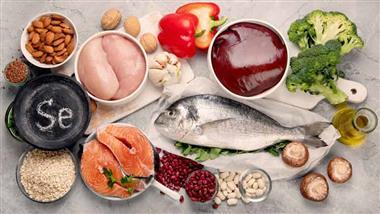
- Signs of deficiency include hair loss, fatigue, frequent sickness, cognitive decline and muscle weakness. Brazil nuts are the best food source for selenium as just six to eight nuts provide 989% of your daily allowance
Selenium is an essential trace mineral that plays a unique and important role in a variety of biological functions. Your body cannot make selenium, so it’s important to get it from your food. It’s a major component in more than two dozen proteins that play crucial roles in a variety of functions, including thyroid hormone metabolism, DNA synthesis and reproduction.1
Selenium is also an antioxidant, which means it helps protect the body against free radicals and reactive oxygen species (ROS). It exists in two forms: inorganic and organic, both of which are found in dietary sources — including the organic form in animal tissue.
Like most compounds, your body requires an optimal amount of selenium, which means that more is not better. There is some evidence to suggest that high serum concentrations can adversely affect glycemic control.2 This means that individuals who have Type 2 diabetes or are at risk for Type 2 diabetes should measure serum concentrations before considering using a selenium supplement.
When your body has optimal levels of selenium, it can help improve biological functioning, which in turn has a positive effect on antiaging, heart disease, cognitive decline and viral load progression.
Antioxidant Has Antiaging Benefits
The signs of aging you can visibly see in your skin and experience in your body are the result of molecular and immune system changes, increased susceptibility to environmental stressors, metabolic imbalance and disease that may happen as you age.3 These effects are the result of an imbalance between oxidative defense and ROS damage. Stem cell exhaustion, epigenetic alterations and changes in mitochondrial renewal also affect aging.
While signs of aging are common, there are steps you can take to help mitigate these effects. Maintaining optimal levels of nutrients and micronutrients is one of those steps. A review4 in 2019 showed the effect selenium has on the aging process occurs in part through the role it plays in selenoproteins, which are necessary for the expression of several important antioxidants.5
Selenium is used in the expression of five separate glutathione peroxidases,6 which are responsible for reducing damage from ROS. These and other selenoprotein compounds play powerful roles as antioxidants, reducing the inflammation triggered by ROS and prolonging telomere length, which is the protective cap on the end of DNA strands.7
When telomeres shorten to a critical length after division, the cells either die or stop dividing. These actions play a vital role in aging and some researchers suggest that supplementing with selenium, especially in the elderly, may be of “great significance” as a strategy for the prevention of age-related diseases.8
Low Selenium Raises Risk of Heart and Thyroid Disease
Obesity is a significant risk factor for heart disease. One study published in March 20219,10 found that adding selenium to the diet in an animal model helped protect against obesity and increased the healthy lifespan of the animals. The researchers were also interested in whether selenium could have the same beneficial effect on metabolism as restricting the amino acid, methionine.
Selenium supplementation in this animal model provided the same protection against weight gain as restricting methionine, and dramatically reduced levels of the energy regulating hormones IGF-1 and leptin. The results suggested that supplementing with selenium had nearly the same effect as a diet restricted in methionine.11 But selenium may also have a direct impact on your cardiovascular system.
Scientists have been studying the effect of selenium on the cardiovascular system for decades, after finding that the disease was more prevalent in areas of the world where there were low serum selenium concentrations, such as in eastern Finland.12
One meta-analysis13 in 2006 looked at observational studies that evaluated selenium serum concentrations and found they were inversely associated with the risk for coronary heart disease. The important aspect of this study is the researchers measured serum concentration of selenium and did not rely on an evaluation of supplementation alone.
In 2013, a Cochrane Database Systematic Review14 concluded that there was limited evidence to support selenium supplementation to prevent heart disease. However, data from the studies showed most participants had a baseline or mean selenium serum concentration between 70 and 150 nanograms per milliliter (ng/mL), which is the normal concentration found in human blood serum.15
In other words, it appeared supplementing with selenium was not effective when blood serum concentrations were already within the normal value. Another study16 published in 2020 also evaluated serum selenium levels and found those in the high range of the reference value had a decreased risk for cardiovascular disease and mortality.
Optimal levels of selenium may also help individuals experiencing heart failure. One study17 found serum levels of selenium were independently associated with exercise tolerance in patients with heart failure and deficiency was linked to a 50% higher mortality rate.
Thyroid hormones also influence the cardiovascular system, and may induce or worsen heart disease, including heart failure and atherosclerotic vascular disease.18 Several studies have demonstrated that supplementation with selenium in hyper- and hypothyroidism is associated with improvement.19,20,21
Age-Related Cognitive Decline May Be Linked to Low Selenium
Preventing cognitive impairment in the elderly is a significant public health challenge. One meta-analysis22 that gathered data from Europe, Australia and the Americas found that the incidence of mild cognitive impairment per 1,000 person-years was 40.94 in ages 80 to 84 and 60.1 in ages 85 and older.
According to the Alzheimer’s Association, more than 6 million Americans are currently living with Alzheimer’s and 1 in 3 seniors dies with at least one form of dementia.23 One link may be selenium as it is well understood that serum concentrations of selenium commonly decline with age.
One longitudinal study24 found that decreases in plasma selenium were associated with declines in neuropsychological function in aging people. Another study25 found lower serum levels of selenium were associated with decreased performance and neurological testing in older adults.
As serum deficiencies occur, the brain retains selenium the longest, which has suggested that it plays a vital role in brain function. A review of nine years of data26 has suggested that maintaining optimal selenium status was important to the neuropsychological function in the elderly.
Low Selenium and Zinc Associated With Worse COVID Outcomes
Selenium and zinc both play a role in supporting your immune system. One of the selenoprotein enzymes, glutathione peroxidase, is an important catalyst in the conversion of glutathione. This in turn reduces damage from reactive oxygen species.27 When glutathione peroxidase is compromised, the downstream effect is the overproduction of cytokines that can induce a cytokine storm as seen in severe COVID-19 infections.
Selenium influences other pathways that affect viral diseases as well. Authors of a paper in Environmental Research28 note that HIV-1 infections are higher in areas of Africa where the soil is deficient in selenium and testing shows Ebola infections are closely associated with people who are severely deficient in selenium.
Coxsackievirus is an RNA virus that typically causes a mild illness, yet severe infections are found in areas of China where selenium is deficient.29 The authors have suggested that these pathways influence a person’s reaction to a COVID-19 infection and theorize that supplementing with selenium during an active infection may help reduce damage to the endothelial cells.
Other studies in China30 and Germany31 have demonstrated there’s a positive relationship between the survival rate for people with active COVID-19 infections and selenium levels.
One study32 published in 2021 sought to identify predictive markers doctors could use to better stratify COVID-19 patients on admission to the hospital. In this study, researchers measured serum levels of zinc, iron, copper and selenium. Selenoprotein P levels were also measured, which requires selenium for full expression.
The researchers found that patients admitted with cancer have significant deficits in selenium and zinc. Three of the five patients with the lowest levels of iron, who also had profound selenium and zinc deficits, died during the study. Analysis of the biomarkers found most hospitalized patients had particularly low levels of selenium and zinc.
When patients with comorbidities were analyzed, they found a pronounced deficit in iron, zinc and selenium and a higher chance of survival in cancer patients with higher levels of selenium. The researchers concluded that the data confirmed:33
“… an insufficient Se (total Se and SELENOP) and Zn status at admission to the hospital is associated with an exceptionally high mortality risk and severe disease course with COVID-19.
In view of the predictive accuracy of Se and Zn deficiency as mortality risk factor at hospital admission, supplemental Se and Zn supply should be considered to support the immune system, in particular for patients with inflammation-related comorbidities like cancer or diabetes mellitus.”
Signs of Deficiency and Food Choices Rich in Selenium
Selenium is found in the soil and should concentrate in plant foods. However, experts estimate that up to 1 billion people globally may be deficient from inadequate intake.34
One paper published in Environmental Research35 cited a World Health Organization report that found over 40 countries where the soil is deficient in selenium. Some of the lowest levels are found in New Zealand, Slovakia, Finland and sub-Saharan Africa.
People who have a deficiency in selenium are at higher risk of conditions that affect the endocrine system, cardiovascular system, immune system and reproductive system and that may affect mood and behavior.
Although it’s necessary to be tested to determine if you are deficient, several symptoms may indicate you aren’t getting enough selenium in your diet. These can include:36,37,38
| Hair loss | Fatigue | Weight gain |
| Sick more often | Greater oxidative stress | Shortness of breath |
| Cognitive decline | Muscle weakness |
I recommend getting as many of your essential vitamins, minerals and elements from your diet as possible. The recommended daily allowance for zinc ranges from 2 mg for infants to 11 mg to 8 mg for men and women over the age of 19.39 Food sources include oysters, pasture-raised beef, dark meat chicken, pumpkin seeds and dry roasted cashews.
The recommended daily allowance for selenium ranges from 15 micrograms (mcg) for infants to 55 mcg for men and women over 19 years.40 The best food sources of selenium are Brazil nuts. Just six to eight nuts deliver 544 mcg, or 989% of your daily allowance. Other sources include sardines, pasture-raised beef, turkey, chicken and pasture-raised eggs.
- 1 National Institutes of Health, Selenium
- 2 Oregon State University, selenium, summary
- 3 Biomolecules, 2021;11(10)
- 4, 8 Aging Clinical and Experimental Research, 2019; 31(8)
- 5, 36 Selenium Deficiency, 2021
- 6 Oregon State University, Selenium, Glutathione Peroxidases
- 7 Stanford Medicine, January 22, 2015
- 9 eLifeSciences, March 30, 2021
- 10, 11 Science Daily, March 30, 2021
- 12 Biological Trace Element Research, 1990; 24(2)
- 13 American Journal of Clinical Nutrition, 2006; 84(4)
- 14 Cochrane Database Systematic Review, 2013;2013(1) Characteristics of Included Studies
- 15 Mayo Clinic Laboratories, Selenium, Reference Values
- 16 Critical Reviews in Food Science and Nutrition, 2020; doi.org/10.1080/10408398.2020.1803200
- 17 European Journal of Heart Failure, 2019;22(8)
- 18 Circulation, 2019;139(25)
- 19 Current Opinion in Endocrinology, Diabetes and Obesity, 2013;20(5)
- 20 Nature Reviews Endocrinology, 2020;16
- 21 Endocrine Web, September 15, 2015
- 22 Alzheimer’s and Dementia, 2019;11
- 23 Alzheimer’s Association, Facts and Figures
- 24 Epidemiology, 2007; 18(1)
- 25 Movement Disorders, 2010; 25(12)
- 26 Biofactors, 2012; 38(2)
- 27 Environmental Research, 2021, 196(110984)
- 28 Environmental Research, 2021, 196(110984) Section 3.1 & 3.2
- 29 Environmental Research, 2021, 196(110984) Section 3.3
- 30 American Journal of Clinical Nutrition, 2020; doi.org/10.1093/ajcn/nqaa095
- 31 Nutrients, 2020;12(7) Germany in study design section 2.0
- 32 Nutrients, 2021;13(10) Section 5. Conclusions
- 33 Nutrients, 2021;13(10) Section 5
- 34 Selenium Deficiency, 2021 Section Epidemiology
- 35 Environmental Research, 2021, 196(110984) Section 2.1
- 37 Yahoo!News, February 2, 2018
- 38 Oregon State University, Selenium, Deficiency
- 39 National Institutes of Health, Zinc, Recommended Intakes
- 40 National Institutes of Health, Selenium, Recommended Intakes
Cardamonin Shows Promise for Improving Tumor Therapy
Reproduced from original article:
https://articles.mercola.com/sites/articles/archive/2022/04/11/cardamonin-tumor-therapy.aspx
The original Mercola article may not remain on the original site, but I will endeavor to keep it on this site as long as I deem it to be appropriate, and will not be bullied into removing it.
Analysis by Dr. Joseph Mercola Fact Checked April 11, 2022

STORY AT-A-GLANCE
- Triple-negative breast cancer is among the most aggressive forms of breast cancer, which researchers showed responded positively in the lab when exposed to cardamonin, a compound found in the spice cardamom
- The compound has received attention for over a decade for chemoprotective and chemotherapeutic properties, including against breast cancer and colon cancer, showing it could reduce cancer cell glucose uptake
- The current study showed it produced a dose-dependent decrease in PD-L1, which is a protein found more plentifully in tumor cells and is how they evade the immune system
- While some researchers are turning to medicinal plants to help treat cancers, others have incorporated nutritional ketosis with highly encouraging results
According to the American Cancer Society,1 the average risk for a woman in the U.S. of developing breast cancer is about 13%. Said another way, there’s a 1 in 8 chance of developing the disease, yet this also means there’s a 7 in 8 chance that she will never develop breast cancer.
Research2 presented at the Experimental Biology 2022 meeting in Philadelphia demonstrated how a compound found in the spice cardamom, could have therapeutic potential against triple-negative breast cancer.
Breast cancer is categorized as invasive or noninvasive.3 Noninvasive breast cancer has not spread to the surrounding tissue and is called ductal carcinoma in situ (DCIS) or intraductal carcinoma. When breast cancer is invasive it has spread to the surrounding tissue. The two most common types are invasive ductal and invasive lobular carcinoma.
These make up between 70% and 80% of all diagnosed breast cancers, but there are two special types of invasive breast cancers that account for fewer diagnoses but are more difficult to treat.
Inflammatory breast cancer grows aggressively and blocks the lymph vessels in the skin. This causes the area over the cancer to have an orange peel appearance and the skin to look inflamed. It is rare, accounting for up to 5% of all breast cancers. Triple-negative breast cancer is also an especially aggressive cancer and accounts for up to 15% of all breast cancers that are diagnosed.
Triple-negative breast cancer gets its name from testing negative for estrogen and progesterone receptors, and negative for the protein called HER2.4 The lack of hormonal receptors in the cancer cells means the tumor doesn’t respond to hormonal therapies or those that target HER2. This type of breast cancer is more common in women younger than 40, Black women and women with the BRCA1 genetic mutation.
Current treatments include surgical resection and a combination of one or more treatments of radiation therapy, chemotherapy and immunotherapy, which have also been referred to as cut, burn and poison. Unfortunately, this has been the sum of the treatments available in Western medicine. Researchers are now seeking treatment from medicinal plants and have found one compound extracted from cardamom and other herbs may have anticarcinogenic properties.5
Compound in Cardamom Shows Promise in Breast Cancer Treatment
The compound — cardamonin — has received attention for over a decade for chemoprotective and chemotherapeutic properties.6 Cardamonin belongs to a group of flavonoids called aromatic enones that are often responsible for the yellow color in plants. The group of flavonoids is called chalcones and has a history in medicinal chemistry.
One study7 published in 2019 noted that cardamonin has anti-inflammatory and antitumor activity, but the mechanism it uses to inhibit breast cancer had not been identified. They found that cardamonin inhibited the Nrf2-dependent reactive oxygen species (ROS) scavenging system. The accumulation of ROS induced apoptosis in the cancer cells.
They also found that the compound reduced glucose uptake and lactic acid production, which affects cancer cell metabolism. A second study8 in 2020 wrote that the compound “is well-known to inhibit proliferation, migration, invasion and induce apoptosis … The good biosafety and pharmacokinetic profiling of cardamonin satisfy it as an attractive molecule for the development of an anticancer agent.”
Past research has also demonstrated that cardamonin has antineoplastic activity against colon cancer.9 The current study presented at Experimental Biology 2022 meeting had encouraging results against triple-negative breast cancer, showing the compound affected the genetic pathway that cancer cells use to avoid the immune system.
The current lab study used cell lines of triple-negative breast cancer from women with African-American ancestry and another cell line from women of European origin.10 According to the press release, the researchers investigated how the compound affected programmed cell death of the lignin 1 (PD-L1) gene found more plentifully in tumor cells than in normal cells.11
The overexpression of this gene plays a vital role in how cancer cells can evade the immune system. There was a dose-dependent decrease in cell viability across both cell lines, but a reduction in PD-L1 expression only in the Caucasian cell line. The researchers wrote:12
“The data show that cardamonin may alter the production of PD-L1 at the transcription level in MDA-MB-231 [Caucasian] TNBC cells, but not in MDA-MB-468 [African American] cells, corroborating with literature showing differences in the tumor microenvironments between African Americans and non-African Americans.
In conclusion, cardamonin may have the therapeutic potential to decrease the levels of PD-L1 in the tumor microenvironment combating the cancer cells’ effectiveness of evading the immune system.”
Patricia Mendonca, Ph.D., is the assistant professor and research analyst at Florida A&M University who presented the research in Philadelphia. She stated in a press release:13
“The fact that cardamonin has been used for centuries as a spice and, more recently, as a supplement shows that its intake is safe and may bring health benefits. Our research shows that cardamonin holds potential for improving cancer therapy without as many side effects as other chemotherapeutic agents.”
The War on Cancer Starting to Focus on Medicinal Plants
Mendonca also stressed the importance of investigating medicinal plants, saying:14 “It has been challenging to develop a targeted therapy for triple-negative breast cancer that is safe and effective at the same time. Because of this, there is a critical need to investigate medicinal plants as a new way to combat this cancer.”
It was in the mid-1970s when scientists believed they understood the molecular basis of cancer. The hypothesis was that cancer was caused by sequential mutations that could then be precisely targeted using gene-based therapies. This ushered in the era of targeted therapy, which has been a bitter disappointment. While scientists were excited by lab results, targeted therapy has barely moved the needle on cancer death rates.
During my interview below with Travis Christofferson, author of “Tripping Over the Truth: How the Metabolic Theory of Cancer is Overturning One of Medicine’s Most Entrenched Paradigms,” and Dr. Abdul Kadir Slocum from the ChemoThermia Oncology Center in Turkey, Christofferson commented on the broken system of investigating and choosing chemotherapeutic agents:15,16
“An example of that is Tarceva, which was approved about 10 years ago. It’s got a pretty bad side effect profile. It’s expensive. It boosts median survival for pancreatic cancer patients by 10 days. That’s what we’re dealing with, those kinds of things.
Ironically, we have this Catch-22 in the system where Big Pharma is incentivized to de-risk this process because it’s so expensive and makes these marginal improvements.
In the meantime, we have these non-patentable therapies sitting on the sidelines, that could potentially be game changers for cancer, but they cannot get the billion-dollar backing to push through these huge trials to get the burden of proof to where the oncology community will actually incorporate them to the clinic.
The arsenal we have today compared to the ’70s is so much more rich [with therapies] that we could use. We have all these interesting metabolic therapies. We have repurposed drugs that we could use.
In the epilogue in my book, I ask the question, What would it look like today if we had a less onerous regulatory environment like they did in the ’70s, and good oncologists were allowed to … try some of these therapies in the clinic and see what happens? That’s why I’m so happy we have Dr. Slocum here, because he’s given us his first glimpse of what metabolic therapies will look like when they’re incorporated into the clinic.”
Cancer Is a Metabolic Disease
Cancer, including breast cancer, is a metabolic disease that can respond to nutritional ketosis. In this interview with Christofferson and Slocum, we discussed how Slocum and his team at ChemoThermia Oncology Center in Turkey are using fasting to support their chemotherapy efforts with cancer patients. The patients are first put on a ketogenic diet, which creates metabolic stress in the cancer cells.17,18
Before administering chemo, the patients do a 14-hour fast, which increases the metabolic stress. Typically, blood glucose levels are around 80 milligrams per deciliter (mg/dL) when the team then applies glycolysis inhibitors that create additional stress, since the cells are already starved of glucose.
Next, the patients receive insulin to lower their blood glucose levels even further before chemotherapy is administered. In the days after chemotherapy, the team uses hyperbaric oxygen therapy and hyperthermia, plus a daily infusion of glycolysis inhibitors with high dose vitamin C (50 grams) and dimethyl sulfoxide (DMSO).
The results have been notable and published in several papers,19,20,21,22 including treatment of stage 4 triple-negative breast cancer.23 Thomas Seyfried, Ph.D., professor of biology at Boston College, is also a leading expert and researcher in the field of cancer metabolism and nutritional ketosis.
His book, “Cancer as a Metabolic Disease: On the Origin, Management and Prevention of Cancer” is a foundational textbook on this topic, and in August 2016, he received the Mercola.com Game Changer Award for his work. In a past interview,24 we discussed the mechanisms of cancer and the influence of mitochondrial function, which plays a crucial role in the development and treatment of this disease.
His landmark cancer theory25 was first published in 2010. Many of his views are encapsulated in his paper26 “Mitochondrial Substrate-Level Phosphorylation as Energy Source for Glioblastoma: Review and Hypothesis,” published online December 27, 2018. He’s also published several other papers27,28,29,30,31,32,33 on the metabolic underpinnings of cancer.
Fasting May Drastically Reduce Risk of Breast Cancer
Cancer is a metabolic disease deeply rooted in mitochondrial dysfunction. In a nutshell, cancer cells burn glucose, which generates far more ROS than fat and ketones. To burn fat, the cell must be healthy and normal, so a high-fat, low-sugar diet essentially starves cancer while nourishing healthy cells.
To be clear, unless you’re on a drug that requires you to eat at certain times or when you take it, time-restricted eating and a ketogenic diet can safely and easily be implemented even if you’re going through conventional cancer treatment. In fact, as Slocum has demonstrated, it can make chemotherapy more effective.
It goes without saying that when using metabolic therapies, the patient carries a significant responsibility for their own outcome. The doctor cannot cook your food, force you to take supplements or withhold food when it’s time to fast. You must be very diligent and disciplined to follow the specified regimen.
Essentially, if you have a life-threatening condition like stage 4 cancer, you need to be a bit obsessive and follow the regimen to the letter. You cannot veer from the protocol if you expect to achieve the kind of results Slocum has found in his treatment facility.
That said, if you’re seeking to optimize your health or slow down the aging process, cycling through “feast and famine” — as opposed to continuously remaining in nutritional ketosis — appears to be a better approach. If you do it continuously, it can actually be highly counterproductive. This applies to using nutritional ketosis for optimal health or cancer treatment. As Slocum describes the treatment protocol at the center:34
“As an example, patients come and they’re on a ketogenic diet. When they will be coming in for chemotherapy after a 14-hour fast, then that would apply a glycolysis and insulin to lower the glucose and then apply chemotherapy.
After applying chemotherapy, on the day of chemotherapy, they are able to eat whatever they want, especially because of the mild hypoglycemia that is caused by supplying insulin. The day of chemotherapy is when they get as much carbohydrate as they want.”
Patients being treated for cancer must also have days where they eat more net carbs and more protein, especially with strength training, to prevent sarcopenia that is common in cancer. This is because when cancer cells are deprived of glucose, they can break down muscle tissue to extract glutamine.
Interestingly, Seyfried is working with a glutamine inhibitor called DON to prevent this from happening, thereby making the therapy even more effective. It is important to understand that the “metabolic magic” actually occurs during that refeeding phase when net carbs and protein are increased, which increases muscle growth.
After a day or two, you then cycle back into nutritional ketosis. Typically, this is done once a week. To a degree, Slocum uses this technique on cancer patients as well, although they’re only allowed to eat higher amounts of net carbs once every two or three weeks, on the day they receive chemotherapy.
– Sources and References
- 1 American Cancer Society, Key Statistics for Breast Cancer
- 2, 5 NewsWise, March 25, 2022
- 3 American Cancer Society, Types of Breast Cancer
- 4 BreastCancer.org, Triple-Negative Breast Cancer, group of bullets – 1, 2, 3
- 6 Journal of Medicinal Foods, 2014;17(6)
- 7 Journal of Experimental and Clinical Cancer Research, 2019, 39(377)
- 8 Exploration of Targeted Anti Tumor Therapy, 2020;1
- 9 Scientific Reports, 2017, 7(13945)
- 10, 13, 14 NewsWise, April 3, 2022
- 11, 12 Experimental Biology 2022, Pathology, April 3, 2022
- 15, 17 Bitchute, October 6, 2021
- 16 Interview Transcript, page 2 para 3, 4, 5
- 18 Interview Transcript
- 19 Cureus, 2021; doi.org/10/7759/cureus.14686
- 20 Inonu University Research Information System, 2016;17(1)
- 21 Complementary Medicine Research, 2020;27
- 22 Nigerian Journal of Clinical Practice, 2020;23(5)
- 23 Cureus, 2017; doi.org/10.7759/cureus.1445
- 24 Bitchute, August 7, 2019
- 25 Nutrition and Metabolism, 2010; 7(7)
- 26 ASN Neuro December 27, 2018
- 27 Carcinogenesis 2014 Mar; 35(3): 515–527
- 28 Frontiers in Cell and Developmental Biology 2015; 3: 43
- 29 Clinical Nutrition, 2021;40(3)
- 30 Nutrition Journal, 220;19(1)
- 31 iScience, 2020;23(11)
- 32 Pharmaceutics, 2021;13(7)
- 33 Molecular Metabolism, 2021;54:101389
- 34 Interview Transcript, page 14 para 2
Muscle Mass — The Key to Longevity
Reproduced from original article:
https://articles.mercola.com/sites/articles/archive/2022/04/10/muscle-mass-key-to-longevity.aspx
The original Mercola article may not remain on the original site, but I will endeavor to keep it on this site as long as I deem it to be appropriate, and will not be bullied into removing it.
Analysis by Dr. Joseph Mercola Fact Checked April 10, 2022
STORY AT-A-GLANCE
- Muscle-centric medicine is part of the solution for many chronic health problems, as most are rooted in skeletal muscle insulin resistance
- Resistance training is superior to cardio exercise because muscle mass optimizes you for longevity. The greater your muscle mass, the higher your survivability against all diseases
- You need protein reserves to survive serious disease, and most of your protein reserve is stored in muscle. If you have very little muscle, you’re going to pass away prematurely because you have no amino acid reserves. Your muscle also interfaces with your immune system
- It’s never too late to start building muscle, even if you’re in your 70s or even 80s, using diet and exercise
- High-quality animal protein is essential for muscle growth. Most people need 1 gram of protein per pound of ideal body weight (the weight you would ideally be). Divide that by the number of meals you eat to get your per-meal quota which, for older adults should be around 30 to 50 grams per meal
In this interview, Dr. Gabrielle Lyon, an osteopathic physician, reviews what I believe is one of the best health optimizing strategies there is, namely strength training. She’s a graduate of Midwestern University and has spent a good part of her professional career focusing on how to increase strength and muscle mass, which is an often-overlooked foundation for health and longevity.
Muscle Mass Is a Key to Longevity
Lyon and I both strongly believe muscle-centric medicine is part of the solution for many chronic health problems, including obesity, yet very little attention is given to it.
“Obesity, Alzheimer’s diabetes and cardiovascular disease actually begin in skeletal muscle, years before they become apparent,” she says. “Obesity, diabetes, these are diseases of skeletal muscle insulin resistance.
But what’s so shocking is that everyone is focused, especially in the medical community, on attacking obesity, as opposed to fixing the underlying problem, which is really augmenting skeletal muscle and optimizing muscle with nutrition, which is primary, and training, secondary.”
As explained by Lyon, while there’s certainly benefit to cardiovascular exercise — mitochondrial biogenesis, for example — resistance training is far more foundational to your long-term health, because skeletal muscle is the organ of longevity. Muscle mass optimizes you for longevity.
The greater your muscle mass, the higher your survivability against all diseases, including cancer. According to Lyon, cachexia, for example — the loss of muscle mass — kills 1 in 5 cancer patients.
You need protein reserves to survive serious disease, and most of your protein is stored in muscle. If you have very little muscle, you’re going to pass away prematurely because you have no amino acid reserves. Your muscle also interfaces with your immune system.
“Listen, aging can be highly catabolic. There’s this immunosenescence that happens. The body doesn’t regulate the way that it used to. But moving and contracting skeletal muscle is the best defense that we have,” Lyon says.
Muscle Is Your Metabolic Regulator
As explained by Lyon, muscle is the regulator of your metabolism, and here’s why:
“Skeletal muscle is your primary site for glucose disposal — 80-some percent. Individuals who are struggling with elevated blood sugar, elevated glucose, elevated triglycerides, skeletal muscle is your primary site for disposal and utilization of these nutrients, these substrates. Having healthy skeletal muscle will manage that metabolic currency.
It’s really interesting because, as we age, the health of muscle decreases [unless] we become extremely focused on stimulating muscle through diet — I think the diet is most important because it is accessible to everybody — [and] resistance training and cross training … [resulting] in states like diabetes, hypertension, cardiovascular disease. Insulin resistance actually begins in skeletal muscle.”
The good news it’s never too late to start building muscle, even if you’re in your 70s or even 80s, using diet and exercise. It becomes more difficult to add muscle with advancing age, yes, but it’s far from impossible. To prove it is possible, I’m 67, and over the past year, I’ve put on 25 pounds of muscle mass and now weigh over 200 pounds.
The Case for Animal Protein
In terms of diet, skeletal muscle requires high-quality dietary protein, ideally animal protein, to stimulate muscle protein synthesis. There’s 20 amino acids and nine of them are essential, which means you have to get them from your diet, as your body cannot make them from other substrates. In particular, skeletal muscle requires branched-chain amino acids — leucine, isoleucine and valine.
Must you eat animal protein? No, but one of the problems with avoiding animal protein is that it is quite difficult to obtain enough complete essential amino acids, especially branched chained amino acids to stimulate mTOR.
While there are plants that are high in protein, they’re not identical or even equivalent to animal protein in most cases. Certain micronutrients found in animal foods you simply cannot get from plants. This includes vitamin B 12, vitamin A (retinol not beta-carotene), creatine, bioavailable iron, carnitine and carnosine, all of which are important for muscle growth and health in general. Lyon comments:
“I consider high-quality protein to be animal-based proteins. That’s not to say, if you are an individual who is vegan or vegetarian, that you cannot get the same amount of protein. You can, but that would require additional supplementation …
But one has to understand that 30 grams of protein from hemp is different from 30 grams of protein from, say, a chicken breast. (NOTE: I don’t advise anyone to eat chicken because of the high linoleic acid content).
In fact, as you age, it becomes really important to realize that, if you are going to try to get your protein from, say, quinoa — people say quinoa is high in protein — it would take 6 cups of quinoa to get the equivalent of one 3-ounce chicken breast.
So, if you are listening to this, I really want you to take to heart that you need to focus on high quality proteins, and if you are vegan or a vegetarian, that you need to then supplement with something — some branched-chain or essential amino acids — in addition to your meal.”
On a side note, glutamine, a nonessential amino acid (meaning your body can generate it) is an important nutrient source for your immune cells, and the way your body generates glutamine is through muscle contraction. So, when you’re contracting skeletal muscle, you’re quite literally nourishing your immune system!
Finding Your Ideal Protein Intake
To determine your personal protein requirement, Lyon recommends 1 gram of protein per pound of ideal body weight (the weight you would ideally be, not necessarily the weight you are now). Once you have that number, you can divide it by the number of meals you eat to get your per-meal quota which, for older adults should be around 30 to 50 grams per meal.
For reference, there’s approximately 7 grams of protein in each ounce of steak, so a 5-ounce steak would give you 35 grams of high-quality protein. For children, the average amount per meal is around 5 to 10 grams, while young adults typically can get away with 20 grams per meal.
For most normal-weight adults, 30 grams per meal is really the minimum you need to stimulate muscle protein synthesis. If you have a robust strength training program, you may need to go even higher. To make sure you’re getting enough protein in your meals, consider using a free nutritional tracker like Cronometer. That way, you’re not guessing.
Will a High-Protein Diet Harm Your Kidneys?
Some avoid protein for fear it might damage their kidneys. People with chronic renal failure do need to limit their protein intake so as not to tax their kidneys, but if your kidneys are healthy, you don’t need to worry about this. Lyon explains:
“I think the majority of individuals have healthy kidney function. Actually, protein intake has been shown to improve glomerular filtration rate, not have a negative impact. The body should be capable to manage high-quality protein without an issue, and there’s been multiple meta analysis with individuals with healthy kidneys in terms of protein consumption. It’s another falsehood.
The same thing with osteoporosis. People will say, ‘You don’t want to each too much protein because it’s bad for your bones.’ Well, what do people think bones are made of? Bones are made of proteins. Yes. They are made of calcium, but the requirement is through protein. [Editor’s note: Protein is the matrix that holds the calcium]. So, that’s another falsehood.
When I went through my geriatric training, it became so apparent that what we were seeing in clinic, and what we were doing to protect aging individuals was so vastly different than what was out in the public sphere.
It’s interesting. Individuals can ride the wave of youth for only so long, and then what ultimately happens is, as you age, you have to get good information, because the wiggle room for mistakes and the wiggle room for actually executing important and correct information becomes less …
[Protein] is the one nutrient that will really be able to save people’s lives. It is the pinnacle, because it protects skeletal muscle. Yes, carbohydrates have a protein sparing effect. Yes, you can do a ketogenic diet, and there may be protein sparing effects. But the question I would ask is why?
We know we need to prioritize protein because we have to optimize skeletal muscle. It is important for neurotransmitters. It is important for the immune system. It is important for regulation for mucin from gut lining. It is important for all things in the body, hands down, and it’s essential.
Skeletal muscle goes through this process of anabolic resistance, and as we age, the efficiency [decreases]. Muscle is also a nutrient sensing organ. Its efficiency to utilize and sense protein decreases as we age.”
Should You Work Out Fasted?
I believe time restricted eating (TRE) is best done 16 to 20 hours a day, every day. Sixteen to 18 hours is probably the sweet spot. This schedule will give you virtually all the same benefits as calorie restriction with respect to longevity benefits, but without any of the downsides, the primary one being compliance.
I prefer to do my workout in a fasted state, followed by an infrared sauna and swim, and then break my fast afterward. This will reduce the carbohydrate load in the muscles as they’re using up glucose during the workout. This, in turn, gives you the additional benefits of autophagy.
Lyon also points out that when muscle contracts, it releases myokines, which play a role in both lipolysis (the breakdown of fat) and glucose utilization. When you train in a low-glycogen fasted state, myokine release is increased.
While we’re on the topic of time-restricted eating, this will also help prevent excessive activation of the mechanistic target of rapamycin (mTOR). As explained by Lyon, mTOR is found in every tissue and responds to different nutrients and stimuli, including dietary protein, insulin, carbohydrates and exercise.
About five years ago, largely due to Dr. Ron Rosedale, co-founder of the Colorado Center for Metabolic Medicine, I was concerned about too much protein stimulating mTOR so I restricted my protein intake. However, mTOR is activated not only by protein but also by carbohydrates. A key misunderstanding about mTOR is that it’s not protein that’s the problem, or even carbs. You stimulate mTOR on a vegetarian diet as well.
The other more serious issue is that most people eat more or less continuously throughout each day, which will keep mTOR continuously activated. When you’re eating all your meals within a window of, say, six to eight hours, and fasting for the remaining 16 to 18 hours, mTOR gets stimulated only once or twice a day, which is not a problem.
mTOR is best activated twice a day in a pulsatile fashion. When you activate it continuously as most people do, it can lead to an increase in risk in diseases like cancer.
Timing of Your Post-Workout Meal
As for the timing of your post-workout meal, Lyon disagrees with the common notion that protein feeding can occur any time after your workout as long as it’s within 24 hours.
The current recommendation is very low for exercise. It’s 150 minutes per week … I would say that’s probably the bare minimum that anybody should do, not the optimal; 30 minutes of moderate intensity exercise, five days a week, is likely not going to be enough. ~ Dr. Gabrielle Lyon
She believes it’s far better to eat that meal shortly after exercise. “In a geriatric population, we know that blood flow is optimized post-training, and we know that adding in a protein meal right after training … is extremely beneficial,” Lyon says. This goes for carbs too.
“To gain muscle mass, you do need calories,” she says. “Protein and carbohydrates play a different role post-training, whether one is for glycogen repletion versus muscle protein synthesis or muscle repair, both are very valuable.”
Are You Getting Enough Exercise?
When it comes to executing an exercise program to optimize muscle, Lyon recommends working with an experienced coach to create a suitable program.
“Volume is very important, and volume is exactly what it sounds like, it’s the amount of repetitions. It’s all cumulative in terms of weight and repetition. That is what we have seen in the literature. When you are new [to exercise], it is much easier to stimulate muscle tissue. So, if you are an untrained individual, you could get away with 10 sets per week.
I preface this by saying I don’t actually develop training programs for individuals. I think doing this in-person with a professional trainer is really where you’re going to get your benefit, because they can watch you. They can determine what moves you need to do.
You don’t want to get injured, because injury really sets individuals back. There are certain groups of people that may have a predisposition to get injured, for example, an individual with hypothyroidism. I see that they have poor tissue turnover. They get joint pain. The recovery tends to be a bit of an issue, so getting with someone who knows what they’re doing is really important.
That said, the current recommendation is very low for exercise. When I say very low, it’s 150 minutes per week. That could be 30 minutes, five days a week of exercise … I would say that’s probably the bare minimum that anybody should do, not the optimal, but the bare minimum; 30 minutes of moderate intensity exercise, five days a week, is likely not going to be enough.”
Exertion Is Important
A key part of resistance training is actually exerting yourself. “It’s called resistance exercise for a reason,” Lyon says. “There needs to be a component of effort that I don’t see people putting in.” If you’re on your phone or watching TV, chances are you’re not putting in sufficient effort.
“It’s not just about putting in the time. I expect you to execute in a way that requires focus and a way that requires exertion that is intense enough that you are fatigued … I would consider going to failure. Perceived exertion is really important.
There’s a mind-muscle connection. You can do a lot of movements, but it doesn’t mean you’re actually targeting the muscle group that you are intending to target. If you do a certain exercise, maybe you’re going to do a squat, and perhaps you compensate in a different way. You use your quads more than you use your hamstring or your glute.
Really focusing on the muscle that you are training is of extraordinary importance. You do need to create muscle damage. You do need to change the metabolic homeostasis in your body. You do need to have enough recovery, enough nutrients for recovery, but you do have to tax that muscle, and one way in which you tax the muscle is through effort.
One way that you also tax and understand the effort is through perceived exhaustion. I’m not saying you have to train to maximum exhaustion, but, if we are thinking about how to really step up and protect ourselves as we age, people are always looking for this external fountain of youth. It’s not.
It’s not something you’re going to take in. The fountain youth truly is within this muscle system as the organ of longevity. That’s how people are going to really excel and change the trajectory of the way in which they age.”
Blood Flow Restriction (BFR) Training
An excellent strategy that can allow even the elderly to get a very intense workout while minimizing the risk of injury is blood flow restriction (BFR) training. KAATSU is the original BFR device, developed in Japan. With BFR, you can get the same results with just 30% of the weight you’d have to use otherwise. As explained by Lyon:
“[With BFR], your body will recognize the same stimulus, growth factors, cell turnover, as you would if you were lifting heavier weights. It can be very valuable, especially when you are just starting out. Again, do it with a professional … Something else that’s interesting is electro stim suits, [but they’re] a lot more expensive.”
While we didn’t have enough time to really cover BFR in our interview, you can go to Bitchute and type in KAATSU and you will find my previous interviews on this topic. I know it is a bit pricey, which is why I was able to work out a deal with the manufacturer if you use the discount code. You’ll find the discount code in the video description by clicking “MORE+” on any of the videos there.
I have been doing KAATSU for a few years now along with increasing my protein intake to 1.6 grams/kg of my body weight, which is about 150 grams of protein for me. To illustrate that you can have quite a dramatic change in your body by these techniques, the picture below is from my medical school days about 40 years ago. My arm size was 11 inches.
Interestingly I just talked to the guy with the glasses who was a classmate in school, Jay Bishop. He’s a urologist in Arizona and his adorable wife Sue is on the left. She has had Type 1 diabetes for over 50 years and still doing well with virtually no complications.

The video below shows my arms that are now 15 inches, while I’m deadlifting 370 pounds.
More Information
To learn more about protein and Lyon’s muscle-centric approach to health, check out her YouTube channel and/or sign up for her newsletter. If you’re ready to make some serious changes and take your health to the next level, you can contact the Institute for Muscle Centric Medicine, which Lyon founded. Lyon is also active on Instagram.
Five Reasons to Eat More Sweet Potatoes
© GreenMedInfo LLC. This work is reproduced and distributed with the permission of GreenMedInfo LLC.
Want to learn more from GreenMedInfo? Sign up for the newsletter here:
www.greenmedinfo.com/greenmed/newsletter
Reproduced from original article:
https://greenmedinfo.com/blog/five-reasons-eat-more-sweet-potatoes
Posted on: Thursday, March 31st 2022 at 9:45 am
Written By: GreenMedInfo Research Group
This article is copyrighted by GreenMedInfo LLC, 2022

From cognitive protection to immune support here are five compelling reasons to incorporate sweet potatoes into your everyday diet
Sweet potatoes are more than just a popular staple food serving as a sweet appetizer, side dish or filling snack on their own. This starchy root vegetable has plenty to offer when it comes to achieving optimal health. Sweet potato is a common food source for many indigenous populations in Africa, Central and South Americas, the Caribbean and Hawaii.[i]
It’s an excellent source of natural compounds, including beta-carotene and anthocyanins. The high concentration of these compounds in the root crop, paired with its stable colors, make sweet potato a healthful alternative to synthetic coloring agents in food. Let’s take a closer look at five ways that sweet potatoes benefit overall wellness.
1. Rich Nutrition Profile
One cup of cubed sweet potatoes provides the following:[ii]
|
Water — 103 grams (g) |
Energy — 114 kilocalories (kcal) |
Protein — 2.09 g |
|
Carbohydrate — 26.9 g |
Fiber — 3.99 g |
Sugar — 5.56 g |
|
Calcium — 39.9 milligrams (mg) |
Iron — 0.811 mg |
Potassium — 448 mg |
|
Phosphorus — 62.5 mg |
Sodium — 73.2 mg |
Vitamin C — 3.19 mg |
The orange and purple varieties are rich in antioxidants such as beta-carotene, chlorogenic acid and vitamin C.[iii],[iv] There’s an abundance of colors of sweet potatoes worldwide, including white, yellow, orange and purple. In the American market, however, sweet potato typically has a deep-orange flesh color, a skin color of light to medium rose, copper or red, a sweet flavor and moist texture.[v]
2. Enhanced Memory and Cognitive Health
A 2013 study found that a purple sweet potato extract rich in caffeoylquinic acids led to a neuroprotective effect on the brain of animal models, potentially helping improve spatial learning and memory.[vi]
Purple sweet potato color comes from a class of naturally occurring anthocyanins that have strong antioxidant and neuroprotective activity.[vii] In animal subjects, it showed great promise in improving cognitive function. In further animal studies, purple sweet potatoes were shown to protect the brain by reducing inflammation.[viii]
3. Immune Support
Sweet potatoes with orange flesh are among the best natural sources of beta-carotene, which is converted to vitamin A in the body.[ix]
Vitamin A is critical to a healthy immune system. “It is not surprising that vitamin A deficiency is associated with impaired intestinal immune responses and increased mortality associated with gastrointestinal and respiratory infections,” researchers wrote in Nature Reviews Immunology.[x]
Purple sweet potatoes are also of particular interest in immune support, with polysaccharides including water-soluble polysaccharide, dilute alkali-soluble polysaccharide and concentrated alkali-soluble polysaccharide (CASP) evaluated for immune-enhancing effects.[xi]
All three polysaccharides evaluated were found to stimulate immune responses of macrophages as well as positively regulate the subjects’ adaptive immunity by enhancing immunoglobulin production. Separate research also indicates that purple sweet potato extract may address immune dysfunction by mobilizing antioxidant defenses.[xii]
4. Anticancer Potential
Anthocyanins, a group of antioxidants found in sweet potatoes, have been widely evaluated for their anticancer properties, particularly against colorectal, colon, bladder, breast and gastric cancers.[xiii],[xiv],[xv],[xvi]
Against colorectal cancer, sweet potatoes may induce cell-cycle arrest, antiproliferative and apoptotic, or cell death, mechanisms. In bladder cancer, sweet potato anthocyanins had an antitumor effect. Taiwanese purple-fleshed sweet potatoes, too, were found to have anticancer activities through their ability to inhibit the growth of cancer cell lines such as breast cancer, gastric cancer and colon adenocarcinoma.
Even sweet potato peel, usually discarded as waste, contains constituents that may help prevent various types of cancer from developing.[xvii]
5. Diabetes Control and Prevention
Anthocyanins can also serve as a functional food for diabetes. Antioxidants in general have been found to reduce oxidative stress due to hyperglycemia, and anthocyanins from purple sweet potatoes positively affected liver and renal activity as well as blood pressure in diabetic animal models.[xviii]
This class of antioxidants, found in purple sweet potato, also had beneficial effects on diabetes-induced endothelial dysfunction in animal subjects.[xix] You can learn more about sweet potatoes and their health benefits through studies on the GreenMedInfo.com database.
References [i] Bovell-Benjamin A “Sweet potato: a review of its past, present, and future role in human nutrition” Adv Food Nutr Res. 2007;52:1-59. [ii] USDA FoodData Central, Sweet Potato https://fdc.nal.usda.gov/fdc-app.html#/food-details/168482/nutrients [iii] Rautenbach F et al “Antioxidant capacity and antioxidant content in roots of 4 sweetpotato varieties” J Food Sci. 2010 Jun;75(5):C400-5. [iv] Philpott M et al “In situ and in vitro antioxidant activity of sweetpotato anthocyanins” J Agric Food Chem. 2004 Mar 24;52(6):1511-3. [v] USDA July 30, 2021 https://www.usda.gov/media/blog/2018/11/06/makings-good-sweet-potato [vi] Sasaki K et al “Caffeoylquinic acid-rich purple sweet potato extract, with or without anthocyanin, imparts neuroprotection and contributes to the improvement of spatial learning and memory of SAMP8 mouse” J Agric Food Chem. 2013 May 29 ;61(21):5037-45. Epub 2013 May 16. [vii] Juan Z et al “Purple sweet potato color protects against high-fat diet-induced cognitive deficits through AMPK-mediated autophagy in mouse hippocampus” J Nutr Biochem. 2018 Nov 12 ;65:35-45. Epub 2018 Nov 12. [viii] Wang Y et al “Purple sweet potato color suppresses lipopolysaccharide-induced acute inflammatory response in mouse brain” Neurochem Int. 2010 Feb;56(3):424-30. Epub 2009 Nov 24. [ix] Islam S et al “Carotenoids and β-carotene in orange fleshed sweet potato: A possible solution to vitamin A deficiency” Food Chem. 2016 May 15;199:628-31. doi: 10.1016/j.foodchem.2015.12.057. Epub 2015 Dec 12. [x] Mora J et al “Vitamin effects on the immune system: vitamins A and D take centre stage” Nat Rev Immunol. 2008 Sep; 8(9): 685-698. [xi] Tang C et al “Immune-enhancing effects of polysaccharides from purple sweet potato” Int J Biol Macromol. 2019 Feb 15 ;123:923-930. Epub 2018 Nov 19. [xii] Kim O et al “Immunomodulatory and Antioxidant Effects of Purple Sweet Potato Extract in LP-BM5 Murine Leukemia Virus-Induced Murine Acquired Immune Deficiency Syndrome” J Med Food. 2015 Jun 15. Epub 2015 Jun 15. [xiii] Lim S et al “Role of anthocyanin-enriched purple-fleshed sweet potato p40 in colorectal cancer prevention” Mol Nutr Food Res. 2013 Nov ;57(11):1908-17. Epub 2013 Jun 19. [xiv] Mazewski C et al “Comparison of the effect of chemical composition of anthocyanin-rich plant extracts on colon cancer cell proliferation and their potential mechanism of action using in vitro, in silico, and biochemical assays” Food Chem. 2018 Mar 1 ;242:378-388. Epub 2017 Sep 18. [xv] Li W et al “Purple sweet potato anthocyanin exerts antitumor effect in bladder cancer” Oncol Rep. 2018 May 8. Epub 2018 May 8. [xvi] Sugata M et al “Anti-Inflammatory and Anticancer Activities of Taiwanese Purple-Fleshed Sweet Potatoes (Ipomoea batatas L. Lam) Extracts” Biomed Res Int. 2015; 2015: 768093. Epub 2015 Oct 5. [xvii] Oluyori A et al “Sweet Potato Peels and Cancer Prevention” Nutr Cancer. Nov-Dec 2016;68(8):1330-1337. Epub 2016 Sep 27. [xviii] Herawati E et al “Protective Effects of Anthocyanin Extract from Purple Sweet Potato (L.) on Blood MDA Levels, Liver and Renal Activity, and Blood Pressure of Hyperglycemic Rats” Prev Nutr Food Sci. 2020 Dec 31 ;25(4):375-379. [xix] Sun C et al “Purple sweet potato color inhibits endothelial premature senescence by blocking the NLRP3 inflammasome” J Nutr Biochem. 2015 Oct ;26(10):1029-40. Epub 2015 May 15.

These Five Foods Safely Suppress Your Appetite
© GreenMedInfo LLC. This work is reproduced and distributed with the permission of GreenMedInfo LLC.
Want to learn more from GreenMedInfo? Sign up for the newsletter here:
www.greenmedinfo.com/greenmed/newsletter
Reproduced from original article:
www.greenmedinfo.com/blog/these-five-foods-safely-suppress-your-appetite
Posted on: Wednesday, March 30th 2022 at 4:00 pm
Written By: GreenMedInfo Research Group
This article is copyrighted by GreenMedInfo LLC, 2022

Black pepper, spinach and other common foods can assist in appetite control, helping you stay on a natural path toward health and wellness
Being overweight or obese is the result of a complex set of interactions among genetic, behavioral and environmental factors.[i] And despite the seemingly countless weight loss diets, strategies, potions and devices offered to Americans today, it’s important to know that healthy weight loss entails comprehensive lifestyle changes, including a balanced diet.
As part of a natural strategy, you may explore a range of natural herbs, spices and foodstuffs to suppress or control your appetite in a risk-free way, versus taking appetite suppressant pills that typically come with nasty side effects.
1. Black Pepper
Piper nigrum, commonly known as black pepper, is a highly reputed herb in the traditional Indian medicinal system of Ayurveda. Much of its benefit comes from the component piperine, a bioavailability enhancer and a potential obesity fighter.[ii] Pungent spices like black pepper are also appetite-suppressing.
A 2018 study put this to the test, evaluating whether the consumption of a black pepper-based beverage would affect appetite sensations, postprandial glucose levels, gut hormones, thyroid function and gastrointestinal health after eating a white wheat bread “challenge” meal with 50 grams (g) of carbs.[iii]
In the study involving 16 healthy subjects, the researchers concluded that the black pepper beverage might be beneficial for modulating appetite. According to the study, the beverage modulated appetite by reducing hunger, desire to eat and “prospective consumption,” while increasing satiety and fullness.[iv]
2. Spinach
A long-term human study from Lund University in Sweden found that a spinach extract containing green leaf membranes known as thylakoids reduced hedonic hunger by up to 95%, as well as increased weight loss at 43%.[v]
Hedonic hunger is the craving that people have for unhealthy foods such as sweets or junk food. In the study, thylakoids reinforced the production of satiety hormones in the body, leading to better appetite control and increased weight loss.
“Our analyses show that having a drink containing thylakoids before breakfast reduces cravings and keeps you feeling more satisfied all day,” said Charlotte Erlanson-Albertsson, author and professor at Lund University.[vi]
In an animal study, authors evaluated the appetite-suppressing effect of a flavonoid-rich extract of spinach leaf.[vii] Spinach demonstrated a promising effect by inducing a quicker-than-normal release of cholecystokinin, a short-term satiety signal. This may be due to the high flavonoid content, they added.
3. Fennel
Fennel, which belongs to the Apiaceae family, is an ancient medicinal plant with known antioxidant, anti-inflammatory and antibacterial properties. An animal study on fennel’s effect on body weight, feed intake food efficiency rate and serum leptin showed it could reduce the rate of food efficiency — or the percent of food intake stored as fat — in the subjects.[viii]
In research among overweight women in South Korea, nine healthy subjects were given fennel tea, fenugreek tea or placebo tea, then provided with a lunch buffet, after which their food consumption was analyzed.[ix] The researchers then measured subjective appetite, hunger, fullness, desire to eat and prospective food intake.
Drinking the fennel and fenugreek teas significantly aided in suppressing subjective appetite among the participants. Compared with placebo, fennel tea translated to less hunger and prospective food intake as well as greater feelings of fullness.
4. Flaxseed
A food and fiber crop rich in dietary fiber and omega-3 fats, flaxseed is also widely explored for appetite suppression.
In two randomized studies with 24 and 20 subjects each, a small dose of flaxseed fiber substantially suppressed appetite along with energy intake. Administered as drinks or tablets, flaxseed fiber produced similar responses.[x]
In a separate study, four different meals were tested in 18 young men in a double-blind study. Test meals were served after an overnight fast, with flaxseeds in varying forms as the fiber source.[xi] The findings suggested that flaxseed fiber may suppress postprandial lipemia, the rise in blood triglycerides after eating, as well as appetite. Subsequent energy intake, however, was not affected.
5. Yogurt
A fermented milk product viewed as an essential food and nutrient source, recent clinical evidence suggests yogurt is involved in controlling body weight, therefore helping reduce the risk for Type 2 diabetes.[xii]
Factors at work include yogurt’s unique composition, including its lactic acid bacteria, which may affect gut microbiota. Yogurt intake may lead to increased body fat loss, decreased food intake, increased satiety and altered gut hormone response.
“The relative energy and nutrient content and contribution of a standard portion of yogurt to the overall diet suggest that the percentage daily intake of these nutrients largely contributes to nutrient requirements and provides a strong contribution to the regulation of energy metabolism,” the authors explained.
Discover more abstracts on appetite-related weight problems on the GreenMedInfo.com database.

References
[i] Institute of Medicine (US) Subcommittee on Military Weight Management. Washington (DC): National Academies Press (US); 2004.
[ii] Shah S et al “Effect of piperine in the regulation of obesity-induced dyslipidemia in high-fat diet rats” Indian J Pharmacol. 2011 May-Jun; 43(3): 296–299. [iii] Zanzer Y et al “Black pepper-based beverage induced appetite-suppressing effects without altering postprandial glycaemia, gut and thyroid hormones or gastrointestinal well-being: a randomized crossover study in healthy subjects” Food Funct. 2018 May 23 ;9(5):2774-2786. [iv] Zanzer Y et al “Black pepper-based beverage induced appetite-suppressing effects without altering postprandial glycaemia, gut and thyroid hormones or gastrointestinal well-being: a randomized crossover study in healthy subjects” Food Funct. 2018 May 23 ;9(5):2774-2786. [v] Montelius C et al “Body weight loss, reduced urge for palatable food and increased release of GLP-1 through daily supplementation with green-plant membranes for three months in overweight women” Appetite. 2014 Oct;81:295-304. Epub 2014 Jun 30. [vi] ScienceDaily September 2, 2014 https://www.sciencedaily.com/releases/2014/09/140902114928.htm [vii] Panda V et al “Appetite suppressing effect of Spinacia oleracea in rats: Involvement of the short term satiety signal cholecystokinin” Appetite. 2017 06 1 ;113:224-230. Epub 2017 Feb 24. [viii] Saghafi N et al “The Effect of Foeniculum Vulgare (Fennel) on Body Composition in Postmenopausal Women with Excess Weight: A Double-blind Randomized Placebo-controlled Trial” J Menopausal Med. 2017 ; 23:166-171. [ix] Bae J et al “Fennel (Foeniculum vulgare) and Fenugreek (Trigonella foenum-graecum) Tea Drinking Suppresses Subjective Short-term Appetite in Overweight Women” Clin Nutr Res. 2015 Jul ;4(3):168-74. Epub 2015 Jul 31. [x] Ibrugger S et al “Flaxseed dietary fiber supplements for suppression of appetite and food intake” Appetite. 2012 Apr;58(2):490-5. Epub 2012 Jan 5. [xi] Kristensen M et al “Flaxseed dietary fibers suppress postprandial lipemia and appetite sensation in young men” Nutr Metab Cardiovasc Dis. 2013 Feb ;23(2):136-43. Epub 2011 Jul 29. [xii] Panahi S et al “The Potential Role of Yogurt in Weight Management and Prevention of Type 2 Diabetes” J Am Coll Nutr. 2016 Jun 22:1-15. Epub 2016 Jun 22.
Could Eating Too Many Vegetables Wreck Your Health?
Reproduced from original article:
https://articles.mercola.com/sites/articles/archive/2022/03/20/carnivore-health-effects.aspx
The original Mercola article may not remain on the original site, but I will endeavor to keep it on this site as long as I deem it to be appropriate, and will not be bullied into removing it.
Analysis by Dr. Joseph Mercola Fact Checked March 20, 2022
Download Interview Transcript Download my FREE Podcast Video Link
STORY AT-A-GLANCE
- Dr. Paul Saladino, a functional medicine practitioner, advocates the use of a nose-to-tail carnivore diet to heal many autoimmune conditions, and points to evidence suggesting the notion that all plants are beneficial may need to be revisited and revised
- Plant lectins can have harmful effects by binding to specific receptor sites on your intestinal mucosal cells and interfering with the absorption of nutrients across your intestinal wall. Lectins act as antinutrients and can have a detrimental effect on your gut microbiome by shifting the balance of your bacterial flora
- In studies where rodents were given very high amounts of methionine, an amino acid found in animal protein, a shortening of lifespan was observed, leading to the oft-repeated claim that animal protein shortens lifespan
- Follow-up studies revealed it was not the methionine that caused this effect but, rather, an imbalance of methionine to glycine in the rodents’ diet. A nose-to-tail carnivore diet has a well-balanced methionine to glycine ratio, and appears to provide all the nutrients your body needs
- A nose-to-tail carnivore diet may be optimized by combining it with intermittent fasting or other periodic fasting regimen
This article was previously published July 7, 2019, and has been updated with new information.
Dr. Paul Saladino1 trained at the University of Arizona with a focus on integrative medicine. He completed his residency in psychiatry at the University of Washington in 2019, and is a certified functional medicine practitioner through the Institute for Functional Medicine. In this interview, Saladino discusses the surprising benefits of the carnivore diet, especially for those struggling with autoimmune disease.
Initially, I was skeptical of the carnivore diet, but once I listened to Saladino’s detailed analysis and justification for this approach, I changed my position and believe it is appropriate for a large number of individuals.
While at the time of this interview, Saladino was still a resident-in-training, he’s developed profound expertise in this area by attending medical school twice, and diving deep into the medical literature.
“I graduated from college in 1999. I went to the College of William and Mary, studied chemistry and biology and did a whole bunch of molecular biology research there. My dad’s a doctor, so I [was] steeped in medicine throughout my pre-career years and throughout my childhood …
I’ve always been interested in the way that health and disease affected quality of life and the way that food affected the way that I felt as a human being,” Saladino says.
“I’ve been an athlete for most of my life, running and backcountry skiing and climbing mountains and so on. I was always kind of tuned into connections between food and health and disease. But when I got out of college … I took six years off and just spent the time in the mountains, exploring and adventuring.
Perhaps I already had this sort of seed within me of just questioning norms and asking interesting questions or being very curious. But that time certainly fed that. I hiked the Pacific Crest Trail … 2,700 miles. I climbed mountains throughout the Pacific Northwest, the Rockies in Colorado. I got into mountaineering and backcountry skiing.
Eventually, I realized that I really loved biology. I was really curious about some of these health questions. I wanted to go back to school. My dad is … an internist, an incredible man who spent so much of his life caring for patients. But I also saw him spend a lot of time working and not a lot of time being able to achieve balance and real self-work …
I went to physician assistant (PA) school at the George Washington University, and then started working in cardiology with a group of cardiologists in Bend, Oregon. Cardiology originally was a good fit for me because I thought I was a runner at the time … This is what maybe is unique about my training … I went to medical school twice.”
Looking for the Root of Disease
A PA can be likened to an accelerated shortcut to being a physician. They have nearly identical practicing privileges, although a PA works under the authority of a supervising physician.
So, Saladino went through two years of basic clinical science twice, which helps explain his deep understanding and appreciation of the biological sciences. He admits that while his initial interest was primarily determining the benefits and drawbacks of various drug treatments, he quickly developed an interest in understanding the actual root of disease.
“I wanted to know how to change the course of a disease, how to get to the root cause of the disease. I know this is what you’re fascinated by too. It unites a lot of us in these fields. It’s, ‘What is causing a disease?’ This is the most interesting question to me and medicine.
That birthed my second career in medicine … Because I realized very quickly into my career as a PA that I was going to want to go back to medical school to get an M.D., to get a doctoral degree, to continue my training, to have the ability to practice as a physician, and to do that practice from a perspective of someone looking for root causes of diseases.
That’s really been my focus. I ended up working as a PA in cardiology for four years. At that point, I went back to medical school at the University of Arizona in Tucson, which has a pretty strong history of integrative medicine … They have the Center for Integrative Medicine there …
As I looked at medicine differently, food seemed to be such a huge part. The things that we are putting into our body really seem to be a big part of what created health and disease …
Right now, I’m in my last month of my four years of residency at the University of Washington. I’ve got one month left to finish residency. But it was really the first seven years of my medical training after being a PA that kind of set the stage for this next sort of exploration, curiosity, realization for me …
I had this incredible privilege to see medicine through the eyes of someone who had been in the trenches. I thought, ‘OK. Now I’m learning medicine again. What is going on here?’ Every time I learned something, I thought, ‘What is the root cause here? What is going on?’
What happened for me was this constant kind of disappointment, this constant sort of struggle realizing, ‘The pharmaceuticals are incredible, but they’re not treating the root cause. People don’t often get better’ … I was looking for tools that worked … I had the suspicion that it was diet. What I’m learning is that there may be an ideal diet for everyone, or it might be individualized. It might be some of both in there.”
The Carnivore Diet
When Saladino discovered the carnivore diet, he’d already been contemplating ancestral norms and evolutionary ideas, asking questions such as: “Where have humans come from? How do we eat? What is the most congruent way of eating for humans that is going to give us optimal health?”
He admits the idea of the carnivore diet is “super radical.” He first heard of the carnivore diet from Jordan Peterson on a Joe Rogan podcast. He talked about his daughter Mikhaila, who had a bad case of juvenile rheumatoid arthritis (JRA), which is an autoimmune inflammatory disease.
She had multiple joint replacements at a young age, which crippled her. “She discovered this way of eating only animal meat,” Saladino says, and over time, her symptoms improved.
“In medicine, we talk about case reports. I love case reports because I want to see how things actually work at a real level,” Saladino says. “It was so striking to me that someone like Mikhaila could essentially reverse and completely heal from JRA and then the depression that was connected with it, probably because of the concomitant immunologic and inflammatory mechanisms with this radical dietary change.
I thought, ‘That is really striking. I want to study that.’ Then Jordan Peterson talks about the fact that he had anxiety and sleep apnea and other issues himself. They improved when he started eating an animal-based diet.”
Might Plant Diets Trigger Autoimmune Problems in Some People?
Now, why would an animal-only diet be more effective than a plant-only diet? Everyone “knows” plant foods are good for you and a crucial part of a healthy diet. Saladino continues:
“I love that this notion just turned it all on its head. It just tipped everything over and I thought, ‘Wait a minute. It kind of makes sense. Maybe plants don’t want to get eaten. Maybe plants aren’t good for humans?’ At the beginning, I was very skeptical and I thought, ‘I really need to dig into this,’ and so I did …
This fundamental premise, this idea that plants and humans, plants and herbivores or plants and animals have coevolved, and every life form really has one goal. That’s to push its DNA into the next species and to continue the lineage of that species.
A mustard plant wants the mustard plant to continue. An oak tree wants the oak tree to continue. Life and ecology is this beautiful intermingling of all these species working together but fighting and eating each other and trying to kill each other, but sometimes being symbiotic.
This concept that ‘Maybe plants don’t want to get eaten after all,’ maybe this unconditional narrative that all plants are good for you all the time, maybe we should question that. That’s a pretty radical concept, because I think even within the functional medicine sphere, there’s this notion that all plants are good for you and the more plants you eat, the better.
But this counterculture, disruptive concept that for some people — perhaps for all of us, perhaps just for some people — plants can trigger autoimmunity through a variety of mechanisms is really intriguing.”
The Plant Paradox
I’ve previously highlighted the work of Dr. Steven Gundry, who wrote the book “The Plant Paradox.” In it, he succinctly explains why and how plants, which we expect to be beneficial for us, can be harmful at times. Gundry’s premise is based on the harmful effects of lectins — plant proteins, sometimes called sticky proteins or glyca-binding proteins — because they seek out and bind to certain sugar molecules on the surface of cells.
Some — including wheat germ agglutinin (WGA), found in wheat and other grass-family seeds — bind to specific receptor sites on your intestinal mucosal cells and interfere with the absorption of nutrients across your intestinal wall. As such, they act as “antinutrients,” and can have a detrimental effect on your gut microbiome by shifting the balance of your bacterial flora. Saladino had already investigated lectins as a means to improve his own eczema.
“I think one of the ways that I differ greatly from mainstream medicine in my conceptualization … is I don’t believe in 76,000 diseases. I believe in like five diseases. Everybody manifests them a little differently. I kind of knew that my autoimmune disease was probably the same as almost everybody else’s autoimmune disease.
If I could understand what was triggering my autoimmune disease, maybe that will be the first start of this journey, this first thread that I could pull on to understand what was causing other people’s autoimmune diseases, because autoimmunity, inflammation, these are almost synonyms. If we can understand that, we can help a lot of people.
I was just going through this process. Gundry’s work was a part of it. I think that now I would disagree with him on many issues … [He] has some great ideas about lectins …
I think … he’s tried to create the lowest lectin, plant-based diet that he can with a small amount of meat … But I think that he and many others are misunderstanding a series of studies done in the ’60s and ’70s with rodents and methionine overfeeding that suggested excess levels of methionine would shorten the lives of these rodents.
Gundry and some other people have said, ‘Animal protein shortens lives of humans’ … I was actually a vegan 13 or 14 years ago. I explored that … My impression is that most of the plant-based physicians, when they’re saying the animal protein shortens lives, they’re referring to these methionine studies.”
Imbalance of Methionine-Glycine Ratio Is the Problem
As noted by Saladino, in studies where rodents are given very high amounts of methionine, a sulfur-containing amino acid found in animal protein, a shortening of lifespan is observed. However, rodent diets are quite different from human diets. Mice and rats are not eating salad and steak. They’re given chow to which certain nutrient ratios have been added or subtracted.
When the amount of methionine in the rat or mouse diet is increased by about 2%, lifespan starts to dwindle. The original conclusion was that excess methionine might shorten human lives as well, and some human biochemistry research suggest that might be the case. However, if you look at subsequent studies, you find there’s more to the story.
“[W]hen they did the next study, they took the methionine out of the diet a little bit. They did methionine restriction. What did they see? They saw lengthening of the life of the rats … That was further strengthening their first hypothesis. But then the magical thing happened.
They gave them a large amount of methionine or the same amount of methionine, 2% of the diet with more glycine. What did they see? They saw extension of the lifespan. Then they realized — and this is what I think everybody’s leaving out — that it’s not about the excess methionine. It’s about the imbalance and the methionine-glycine ratio.
We know this from human biochemistry. If you look at the folate cycle, if you look at methylation, if you look at the way we handle methyl groups, methionine is a methyl-containing amino acid. We know that homocysteine is converted to methionine by a series of enzymes. This involves the methylenetetrahydrofolate (MTHFR) gene, which makes L-5-methylfolate.
Your body uses L-5-methylfolate with homocysteine and the enzymes methionine synthase (MTR) and methionine synthase reductase (MTRR) … to add a methyl group to homocysteine to make methionine. Methionine is the precursor for S-adenosyl methionine (SAM-e). SAM-e does all these methylation reactions in the body.
But what we know is that excess methionine is buffered by glycine. Our body will use glycine to buffer methionine. If we get too many methyl groups and we don’t have the corresponding amino acids to buffer them, the biochemistry can get kind of messed up.
Then the hypothesis, which I think is fairly compelling, is that too many sulfur-containing amino acids can create oxidative stress. Homocysteine is a sulfur-containing amino acid. I think there’s good evidence that too much homocysteine probably causes oxidative stress by the same mechanism.
What we’re looking at is a balance between sulfur- and nonsulfur-containing amino acids. We need the glycine, which doesn’t have any sulfur, to sort of balance and buffer the methionine. There is this interesting concept that if we eat too much methionine, we will imbalance glycine.
Glycine is such a crucial amino acid. If we use up all of our glycine to buffer methionine, we won’t have enough glycine to make two very critical proteins: collagen and glutathione.”
Can a Carnivore Diet Provide All the Nutrients You Need?
Glycine is the smallest and simplest of the amino acids. Methionine and glycine are found in muscle meat at a ratio of about 2% methionine and about 7% to 8% glycine. In connective tissue, you find about 0.9% methionine and about 23% to 24% glycine, which isn’t surprising because connective tissue consists mostly of collagen.
Collagen is typically constructed from three amino acids: glycine, proline and hydroxyproline, at a 1-to-1-to-1 ratio. So, there’s a significant difference between collagenous tissue and muscle meat.
“When we are thinking about eating a carnivorous diet, I am a strong advocate for this concept of nose-to-tail eating, this idea that evolutionarily, our ancestors were certainly eating the whole animal, both from a spiritual perspective or a respective perspective for the animal and from a functional pragmatic perspective. They wanted all the calories and all the nutrients,” Saladino says.
“If you look at an animal, there are unique nutrients in the muscle meat. There’s a whole unique set of nutrients in the liver, and … unique amino acid composition in the connective tissue. There are unique nutrients in the bones. There are unique nutrients in the bone marrow and the fatty tissues. You can see this animal as this sort of fascinating partitioning of nutrients.
The idea of a carnivore diet or a whole-foods, animal-based diet became much more viable for me when I realized … studying anthropology that our ancestors were in fact eating the whole animal. Every indigenous culture that I’m aware of on the planet that’s living now eats the whole animal.
Then you think, ‘Now it makes sense.’ It’s not just about eating steak. You’re really getting this incredibly diverse array of nutrients in the whole animal … You can get every single thing that we need. It’s really interesting to kind of break it down and say, ‘You’re getting calcium in the bones. You’re getting copper to balance the zinc in the liver. You’re getting this B vitamin in the liver. You’re getting this B vitamin in the muscle meat.’
But what we find is that we have to eat the whole animal. If we just eat the muscle meat, we’re really going to be missing out on nutrients. But that’s such an incredible postulate to say, ‘Wait a minute. I can get all the nutrients that I need as a human by eating an animal nose-to-tail?’ That’s incredible. It’s like the best multivitamin ever.
I would argue further that animal-based nutrients are much more bioavailable than plant-based nutrients. They’re in the right ratio, which are incredible if you look at zinc, copper, calcium and magnesium. Then it kind of makes sense when you think about it from an evolutionary perspective. A deer or an elephant is a mammal. They’re much more similar to a human operating system, to a human physiology, than a plant is.
We can get some nutrients from plants, but an animal looks so much more like us, that it’s so much more compatible with our biochemistry when we take it in. The last part of the equation is that we can do all that, eating animals nose-to-tail without any of the antinutrients … that might be present in plants.
It appears that some people may be uniquely sensitive to those anti-nutrients. My hypothesis … is that may be the root cause for a lot of autoimmunity.”
Organ Meats in a Pill
If you struggle with the idea of eating organ meats, you could consider a whole food supplement. There are now a few companies that provide desiccated organ tablets. Some of the better ones are sourcing grass fed animals from New Zealand, allowing you to get desiccated brain, liver, pancreas and spleen.
“A lot of people are finding improvements in histamine issues with kidney,” Saladino says. “The best thing would be to eat kidney, because it has diamine oxidase (DAO) …
But a lot of people are taking the desiccated organ complex with kidney from Ancestral Supplements or another manufacturer and getting improvements in histamine issues because of the DAO that’s in that.”
What About mTOR Activation?
One of my initial concerns, and one of the reasons why I seriously doubted the carnivore diet would be a good idea, is the chronic activation of mammalian target of rapamycin (mTOR), a protein-sensing pathway involved in aging. When mTOR is activated then autophagy is inhibited, and that is the last thing you want to do on a long-term basis, as it is a prescription for metabolic disaster.
However, as I listened to Saladino’s presentations, it became clear that it was a no-carb diet and would clearly put people into ketosis. And if they further restricted their eating window to six hours and did a one-day-a-week fast, there should be more than enough time to inhibit mTOR and activate autophagy.
For quite some time I was overly fearful of eating too much protein and over activating mTOR activation as it can speed aging and decreases life span. Some people are even taking rapamycin supplements to continually suppress it. But you do need to activate mTOR now and then, especially if you want to have any hope of ever increasing your muscle mass.
What I also came to realize is that activating mTOR and increasing muscle mass is even more important as you age. Sarcopenia or loss of muscle mass as you age can dramatically contribute to frailty. So, it is a fine balance.
Insulin Is Primary mTOR Activator When in Ketosis
As noted by Saladino, there’s an important distinction to be made here, and that is that when you are in a ketogenic state, insulin is a far more profound activator of mTOR than leucine.
Needless to say, a carnivore diet is about as low-carb (ketogenic) as you get. There’s virtually no carbohydrates. You’re going to be generating massive amounts of ketones as a result, and you’ll already be in ketosis.
The question is, can these two approaches — the carnivore diet and partial fasting to trigger autophagy — be successfully integrated? Based on Saladino’s explanation of how the carnivore diet affects mTOR, it appears they might make for an excellent hybrid program.
“In a gross oversimplification, [mTOR] is kind of like the anabolic lever. It’s the ‘build your body up’ side of your metabolism. It’s balanced by 5′ adenosine monophosphate-activated protein kinase (AMPK), which is the more catabolic. When we’re eating … we’re sort of activating mTOR … When we’re not eating, we’re generally triggering AMPK …
There has to be a balance … What’s fascinating to me about the mTOR story is that when I really dug into this, the literature would suggest there are two ways to activate mTOR. There are different mechanisms, but they both do it. One of them is proteins, specifically leucine. One of them is insulin …
In terms of insulin and leucine, if we compare those … insulin had a much greater effect on mTOR, turning it on. The insulin effect also acted much longer, on the order of three to four hours. Leucine certainly will turn mTOR on, but it has a lesser effect. I think, relatively speaking, at the risk of putting a number on it, it was about 30% less, and then it did it for only about 45 minutes to one hour.
What we’re seeing here is we can activate mTOR with protein, specifically leucine load … But if we activate mTOR with leucine, it’s kind of on and then off about an hour later. If we activate mTOR with insulin, then it’s going to be on for three to four hours. People can leverage this in whatever direction they want.
But with regard to a carnivore diet, some of the interesting discussion is around the question, ‘Will eating … nose to tail … over-activate mTOR?’ I think what’s interesting is it probably won’t, if we look at the molecular mechanisms, because it will primarily be a leucine switch of mTOR that we’re turning on. It’ll be on-off, on-off, rather than the insulin switch of mTOR.
Relatively speaking here, I think there’s an interesting possibility that if we’re eating carbohydrates, we’re going to trigger more mTOR through the actions of insulin and the insulin-glucagon ratio than we are with protein. The carnivore diet is kind of like a unique example, because there’s essentially no carbohydrate.
When we look at ketogenic diets, like a carnivore diet, we know that insulin is very low … When we eat food, insulin is going to rise. But in a ketogenic state, we know that insulin and glucagon are going to rise together. That ratio is not really going to change.
This comes up a lot in discussions with people. They say, ‘Isn’t eating a lot of protein going to spike my insulin? Isn’t eating a lot of protein going to turn on gluconeogenesis? My blood sugar is going to spike.’ That’s not what we see at all, especially on a carnivore diet, because the insulin and the glucagon are going to rise a little bit, and they rise concomitantly, so then the insulin-glucagon ratio doesn’t change.
When the insulin-glucagon ratio stays consistent, you’re not really activating mTOR through insulin. You’re not getting a big insulin spike at all … If someone’s not in ketosis, if they’re not fat-adapted and you eat a bunch of protein, yes, you’re going to get a big spike in your insulin. That insulin-glucagon ratio is going to change drastically. But this is in stark contradistinction to the way that insulin responds when you’re in a ketogenic state.”
Carnivore Diet May Work Well With Partial Fasting Regimen
In summary, Saladino believes there’s little risk of overactivating mTOR with leucine on a nose-to-tail carnivore diet along with appropriate time restricted eating and fasting.
So, the answer to the question “can these two approaches — the carnivore diet and partial fasting to trigger autophagy — be successfully integrated?” the answer seems to be yes. From an evolutionary perspective, it seems clear humans have hunted animals for meat (although not necessarily exclusively). Mankind also fasted for periods of time.
“I think there’s absolutely a role for intermittent fasting, time-restricted eating, longer fasts — 24, 48, 72 hours — where you really shut everything off and you turn on AMPK,” Saladino says. “You shut mTOR down permanently for a little while, and then turn it back on with protein and meat …
I would argue that the meat or the animal foods are a little bit more of a precise switch for mTOR. You can just be like, ‘On, off, on, off.’ Like I said, you can exercise, turn it on, get anabolic, work out, build muscle, regrow and then do other phases where you’re breaking down, doing autophagy or apoptosis and totally recycling your cells.”
I’ve previously written many articles detailing the ins and outs of intermittent fasting and cyclical partial fasting. This is also the topic of my latest book, “KetoFast.” I’ve also written about the importance of eating your last meal at least three hours before bedtime.
Aside from preventing the deterioration of your mitochondria, avoiding late-night eating will also help inhibit fat accumulation. NADPH creates fatty acids. If you eat food before you go to bed, thereby providing your body with energy that you’re not using, then something must be done with that energy. Since you’re not moving, your body stores it away for later use.
To store the energy as fat, your body uses NADPH to make fatty acids. As a result of that creation, your NADPH levels plummet, thus reducing your body’s ability to recharge your antioxidant structure. I think this may be one of the most important justifications for not eating three or four hours before bedtime.
Other Topics Covered in This Interview
Saladino covers a lot of ground in this interview — more than can be included in this written summary, so I encourage you to listen to the interview in its entirety. In it, we also cover the following topics, and consider the following questions:
• The best use of polyphenols — Most polyphenols are plant-based, and are beneficial for autophagy and the activation of various metabolic pathways.
Fisetin and quercetin are now used for senolytic therapy, leading-edge longevity strategies to remove senescent cells (cells that stop reproducing but are still active and create inflammatory molecules, typically cytokines that cause metabolic havoc). You don’t need a large percentage of senescent cells to radically accelerate the aging process.
• Is there a dark side to sulforaphane (the anticancer compound found in broccoli)? According to Saladino, there might be, as sulforaphane is actually a plant toxin and the brassica genus is a significant contributor to endemic goiter and cretinism (a prenatal condition caused by inadequate iodine).
• Alternative ways to increase glutathione beside plant-based sulforaphane, such as heat stress, cold stress, exercise, fasting and nutritional ketosis.
• How green smoothie cleanses can backfire by overloading on oxalates, and how you can mediate against oxalate toxicity by adding about 500 mg of powdered calcium citrate or magnesium citrate (which bind to oxalate and allow it to pass unabsorbed through your digestive tract)
• What does Saladino’s personal bloodwork look like after eight months on a nose-to-tail carnivore diet, and what does it say about its health effects?
More Information
By the time this interview airs, Saladino will have completed his residency and opened his private practice focusing on functional medicine for the treatment of psychiatric and nonpsychiatric ailments. You can learn more about Saladino and his practice on Paulsaladinomd.com.
He plans on doing virtual consultations as well, so you may benefit from his experience even if you’re in another state. To schedule a virtual or in-person consultation, email him at PaulSaladinoMD@gmail.com.
Saladino is also writing a book, and is starting to speak at various conferences. He’ll be at KetoCon in Austin, in June 2019. He also has a podcast called “Fundamental Health With Paul Saladino M.D.,” which you can find on iTunes, Stitcher, Spotify and YouTube. In closing, Saladino says:
“I think this is one of the conversations that I really like having … It’s saying, ‘Hey. This is a radical thing. We really need to examine this carefully and do blood testing and make sure it’s safe for people, because it seems to help people with autoimmune disease.’
I’ve seen people with Crohn’s and ulcerative colitis and eczema and psoriasis resolve, which is just mind-boggling … But the flipside is you need to make sure [it’s safe] … ‘Are people going to get deficiencies?’ I don’t think so. I think there’s an evolutionary basis for this. But how do we show this is safe and get some pilot studies going?
Because it’s my strengthening suspicion that this is going to be a very useful tool for us in the medical world moving forward … What I’ve learned about functional medicine is that it all starts in the gut. Every functional medicine doctor has to be a gastroenterologist …
I’m going to be treating patients in my practice who are psychiatric and non-psychiatric because I really think it’s all connected … I’ll be treating people with all sorts of conditions, from GI to autoimmune … I really believe that a lot of psychiatric illness is autoimmune in nature and that a big part of improving that in the future is going to be treating people from that perspective, in a very holistic way.”
Editor’s Note: This article was updated July 29, 2019, to correct an error on how to mediate against oxalate toxicity.
Muscle Strengthening Linked to Lower Risk of Dying
Reproduced from original article:
https://articles.mercola.com/sites/articles/archive/2022/03/18/muscular-strength-and-mortality.aspx
The original Mercola article may not remain on the original site, but I will endeavor to keep it on this site as long as I deem it to be appropriate, and will not be bullied into removing it.
Analysis by Dr. Joseph Mercola Fact Checked March 18, 2022
STORY AT-A-GLANCE
- Engaging in muscle-strengthening exercises for just 30 to 60 minutes per week is enough to lower your risk of death
- Muscle-strengthening activities were associated with a 10% to 17% lower risk of all-cause mortality, cardiovascular disease, total cancer, diabetes and lung cancer
- A systematic review and meta-analysis involving 38 studies and more than 1.9 million participants similarly found that higher levels of upper and lower body muscular strength are associated with a lower risk of mortality
- Exercise, especially strength training with blood flow restriction (BFR), is one of the best ways to increase nicotinamide adenine dinucleotide (NAD), a vital signaling molecule that’s believed to play an important role in longevity
Engaging in weight training and other forms of muscle-strengthening activities is a simple way to protect your health and lower your risk of premature death. A systematic review and meta-analysis revealed that resistance training was associated with 21% lower all-cause mortality, and this rose to 40% when combined with aerobic exercise.1
A second systematic review and meta-analysis similarly found that muscle-strengthening activities were associated with reduced incidence of kidney cancer and total cancer mortality.2 While it’s become increasingly clear that weight training benefits overall health, most existing guidelines for physical activity focus mostly on its role in musculoskeletal health.
In order to help determine the optimal amount of weight training that should be recommended for overall health, including the reduction of chronic diseases and premature death, Japanese researchers set out to determine the optimal dose of muscle-strengthening activities — and it turned out to be easily attainable.
Just 30 to 60 Minutes per Week Reduces Risk of Death
Engaging in muscle-strengthening exercises for just 30 to 60 minutes per week is enough to lower your risk of death, according to the meta-analysis.3 It involved 16 studies, which revealed that muscle-strengthening activities were associated with a 10% to 17% lower risk of all-cause mortality, cardiovascular disease (CVD), total cancer, diabetes and lung cancer.
A j-shaped association was found for all-cause mortality, with the maximum risk reduction occurring at about 30 to 60 minutes per week of muscle-strengthening activities, which means there may be no additional benefit once you reach the 60-minute mark.
“The influence of a higher volume of muscle-strengthening activities on all-cause mortality, CVD and total cancer is unclear when considering the observed J-shaped associations,” the researchers noted.4 However, for diabetes, an l-shaped association, with a large risk reduction before 60 minutes of muscle-strengthening activities per week, was found.
“[T]he risk of diabetes sharply decreased until 60 min/week of muscle-strengthening activities, followed by a gradual decrease,” according to the study.5 Muscle-strengthening activities combined with aerobic activities were also associated with a lower risk of all-cause, CVD and total cancer mortality, with the researchers explaining:
“Joint analysis between muscle-strengthening and aerobic activities showed that a greater benefit for all-cause, CVD and total cancer mortality was obtained when these two types of activities were combined. These results confirm the findings of previous meta-analyses. Therefore, beyond aerobic activities, muscle-strengthening activities may provide additional benefits for preventing mortality.”
Greater Muscular Strength Predicts Lower Mortality Risk
By building your muscular strength, you can ward off cardiometabolic risks. Previous research has found that a higher level of muscular strength has a protective effect on premature death from any cause and high blood pressure in men. It’s also linked to a lower risk of cancer mortality, metabolic syndrome and age-related weight and fat gain.6
A systematic review and meta-analysis involving 38 studies and more than 1.9 million participants similarly found that higher levels of upper and lower body muscular strength are associated with a lower risk of mortality.7
Specifically, higher levels of handgrip strength were linked to lower all-cause mortality, while adults with greater muscular strength, as tested by a knee extension strength test, had a 14% lower risk of death compared to adults with lower muscular strength. Even among those aged 65 years and over, death and hospitalization were significantly lower among stronger men and women.8
Why Is Strength Training so Good for Longevity?
Exercise, especially strength training with blood flow restriction (BFR), is one of the best ways to increase nicotinamide adenine dinucleotide (NAD) levels and energy,9 because it activates NAMPT, an enzyme that’s responsible for NAD biosynthesis.
NAD is a vital signaling molecule10 that’s believed to play an important role in longevity. This is partly due to its role as an essential substrate for sirtuins,11 which are enzymes related to longevity, as well as its role in DNA repair.
Already, more specialized techniques like BFR training are being adopted by the NFL and other major professional sports organizations for recovery and rehabilitation. BFR training improves strength and builds muscle using very light weights, while, metabolically, it decreases your risk for sarcopenia and most other age-related diseases, making it particularly useful for the elderly. Researchers explained in Frontiers in Physiology:12
“Performing exercise with reduced blood flow achieved by restriction of the vasculature proximal to the muscle dates back to Dr. Yoshiaki Sato in Japan, where it was known as “kaatsu training,” meaning “training with added pressure.” Kaatsu training is now performed all over the world and is more commonly referred to as “BFR training” and achieved using a pneumatic tourniquet system.”
Boosting Your Strength With BFR
The World Health Organization recommends engaging in muscle-strengthening activities at least twice a week, which is based primarily on the benefits it can provide to musculoskeletal health. However, the featured meta-analysis suggests that this may also be enough to lower your risk of chronic diseases and premature death:13
“Given this result, the current recommendation of at least 2 days/week could be reasonable, although a higher volume may require caution. However, our findings should be interpreted with caution because the number of included studies was small and we could not directly examine the frequency of muscle-strengthening activities …
Moreover, attention should also be paid to evidence that most programs providing benefits for musculoskeletal health in elderly people are performed ≥2 days/week.”
One way to maximize your weight training is by using BFR, which involves partially restricting arterial inflow and modifying venous outflow while you work your limb muscles. In short, BFR replaces the mechanical stress of weight lifting with metabolic stress, leading to benefits that are comparable to high-intensity exercises, making it especially useful for those unable to lift heavy loads, including the elderly and injured, or people who are just starting out.
With BFR, you can use zero to 30% of your single-rep max weight and still significantly enhance strength and muscle mass, because you’re essentially tricking your body into believing you’re lifting a heavier weight than you actually are.
During BFR training, the slow twitch Type I muscle fibers become highly fatigued, necessitating the recruitment of fast twitch Type II muscle fibers as the exercise progresses, leading to both short and long-term benefits, including increased strength, muscle thickness and cardiovascular endurance, along with improved physiology of the cardiovascular system.14
Super Slow Weight Training Is Another Option
Virtually everyone can benefit from muscle-strengthening activities, even if you’re older, frail or unable to lift much weight. In the latter case, super-slow weight training can be ideal. By slowing your movements down, it turns your weight-training session into high-intensity exercise.
People of all ages can benefit from super-slow weight training, but this is definitely a method to consider if you’re middle-aged or older. I recommend using four or five basic compound movements for your super-slow (high intensity) exercise set. Compound movements are movements that require the coordination of several muscle groups — for example, squats, chest presses and compound rows. Here is my version of the technique.
- Begin by lifting the weight as slowly and gradually as you can, such as a four-second positive and a four-second negative, meaning it takes four seconds, or a slow count to four, to bring the weight up, and another four seconds to lower it. (When pushing, stop about 10 to 15 degrees before your limb is fully straightened; smoothly reverse direction)
- Slowly lower the weight back down to the slow count of four
- Repeat until exhaustion, which should be around four to eight reps. Once you reach exhaustion, don’t try to heave or jerk the weight to get one last repetition in. Instead, just keep trying to produce the movement, even if it’s not “going” anywhere, for another five seconds or so. If you’re using the appropriate amount of weight or resistance, you’ll be able to perform eight to 10 reps
- Immediately switch to the next exercise for the next target muscle group and repeat the first three steps
Support Optimal Muscle Synthesis With Whey
Optimal nutrition is important to reap all of the benefits that muscle-strengthening activities have to offer. Amino acids from protein are particularly important in this process, acting as the raw material or “building blocks” of your muscle while also playing a role in new muscle growth. Leucine, in particular, has been established as an amino acid with greater anabolic properties.15
The richest source of leucine, which helps regulate the turnover of protein in your muscle, is whey protein. Older people not only have accelerated muscle loss but also require greater protein intake to stimulate maximum muscle protein synthesis compared to younger people.16
For instance, while the muscle protein synthesis rate of healthy young adults increases by about 75% following intake of 20 grams of protein, older adults require about 40 grams of protein to experience a similar increase.17
Without whey, it can be difficult to achieve enough leucine to maintain body protein from diet alone. Fortunately, whey, in combination with exercise, represents a simple option for older adults looking to maintain and increase their muscle mass.
- 1 European Journal of Preventive Cardiology, Volume 26, Issue 15, 1 October 2019, Pages 1647–1665
- 2 International Journal of Behavioral Nutrition and Physical Activity volume 18, Article number: 69 (2021)
- 3, 4, 5, 13 British Journal of Sports Medicine February 28, 2022
- 6 J Cardiopulm Rehabil Prev. 2012 Nov-Dec;32(6):351-8
- 7 Arch Phys Med Rehabil. 2018 Oct;99(10):2100-2113.e5. doi: 10.1016/j.apmr.2018.01.008. Epub 2018 Feb 7
- 8 Age Ageing. 2015 Sep;44(5):790-5. doi: 10.1093/ageing/afv080. Epub 2015 Jul 11
- 9 Mark Moss, Interview, 35:25
- 10, 11 Nat Commun. 2018; 9: 1286
- 12 Front. Physiol., 15 May 2019
- 14 Int J Environ Res Public Health. 2022 Feb; 19(3): 1160
- 15 American Journal of Physiology, Endocrinology and Metabolism September 2019, Volume 317, Issue 3, Pages E473-E482
- 16 J Gerontol A Biol Sci Med Sci. 2015 Jan;70(1):57-62. doi: 10.1093/gerona/glu103. Epub 2014 Jul 23
- 17 Front. Nutr., 06 March 2019 Pre Sleep protein and overnight recovery
Simple but Powerful Ways to Boost Athletic Performance
Reproduced from original article:
https://fitness.mercola.com/sites/fitness/archive/2022/03/13/win-exercise.aspx
The original Mercola article may not remain on the original site, but I will endeavor to keep it on this site as long as I deem it to be appropriate, and will not be bullied into removing it.
Analysis by Dr. Joseph Mercola Fact Checked March 13, 2022
STORY AT-A-GLANCE
- When and what you eat, and how you hydrate, can make a big difference in your athletic performance, and can affect your payoff in terms of the amount of muscle you can build
- Athletes need about 30 grams of protein four times a day. If you do a whole-body workout, you’ll need about 40 grams of protein to maximize muscle protein synthesis
- The choice of exercising in a fasted state or not depends on your goal. For a professional athlete, it makes sense to have some carbs and food in your system to optimize performance. For the average person, however, especially older people, optimizing autophagy is likely a far more important goal, so for them exercising while fasting may be a better choice
- Dehydration acclimation will trigger beneficial adaptations such as expansion of baseline blood volume, which will improve your athletic performance over time
- Athletic performance can also be improved by boosting your blood volume with acute salt and fluid loading, increasing your bicarbonate level to hit peak alkalosis, and by cooling your body before or during your workout
James DiNicolantonio, PharmD, (my coauthor for “Superfuel”) and Siim Land have written three books together, “The Immunity Fix,” “The Mineral Fix” and, now, “WIN: Achieve Peak Athletic Performance, Optimize Recovery and Become a Champion,” which is the topic of today’s discussion. “WIN” is a great reference, loaded with simple but powerful exercise strategies. It’s also one of the best books ever written on hydration.
I’ve often warned that unless you’re engaging in regular exercise, especially after you hit 40 or 50, you’re headed for an eventual metabolic and structural catastrophe. The only sure thing about your future is that you’ll become frail, which is a miserable way to die. There’s no magic pill for frailty.
To avoid frailty you simply must engage in regular movement and exercise. When and what you eat, and how you hydrate, can make a big difference in your performance though, and can affect your payoff in terms of the amount of muscle you can build.
Should You Eat Before Exercising?
Many fitness experts believe that you should have carbs and protein before you work out, because you’ll be able to work out stronger. However, I believe far greater benefits can be had by exercising in a fasted state, as this will allow you to maximize autophagy. Land addresses this in his brilliant book, “Metabolic Autophagy.” DiNicolantonio says:
“I think it’s important to train both in a fasted state, as well as loading with complex carbs about an hour before vigorous exercise. The reason is because you want metabolic adaptations for both systems — utilizing fat for fuel in a fasted state, and also the ability to utilize glucose.
Essentially, if you’re exercising in a fasted state, your body’s going to be better at utilizing fat for fuel, and it’s going to help spare glycogen, which is important for anaerobic performance. So, training in a fasted state … will help more vigorous exercise performance [by] sparing of glycogen, because you’re able to utilize the fat for fuel better, and you’re probably going to burn fat better in a fasted state as well.
But the data is very clear that if you are performing at a vigorous pace, essentially 70% VO2 max or higher, preloading with about 50 grams of complex carbs is absolutely going to help preserve muscle glycogen levels and improve performance, both from an endurance and a peak power output standpoint.”
Land agrees, stating that the choice of exercising in a fasted state or not depends on your goal. If you’re a professional athlete, he believes it makes more sense to have some carbs and food in your system, because it will optimize performance. And, if you’re competing, you’ll need to train at near-peak performance most if not all the time, so training in a fasted state may be counterproductive.
“Of course, there is some merit to training periodically in a fasting state or a low-glycogen state, to build up this metabolic flexibility and adaptation. But from a progressive overload perspective, which means that you actually get better over time, you get stronger or faster, whatever the sport is, then you will need to have some calories to help you to push yourself further,” Land says.
For the average person, however, especially older people, optimizing autophagy is likely a far more important health goal. Nothing depletes glycogen from your muscles more effectively than exercising in a fasting state, which will maximally upregulate autophagy. So, for many, it’s a really powerful strategy. That said, it’s not black-and-white. As noted by Land:
“Always exercising in a fasting state can also lead to a muscle catabolism, and that can also be harmful for the elderly. So even for the elderly, it can be good to, periodically at least, have some calories in their system, especially amino acids, during the exercise to help to prevent this muscle catabolism.”
Should You Take HMB?
One of the things you want to achieve with your exercise is the activation of mTOR, and one way to do that is to make sure your body has plenty of branched-chain amino acids, especially leucine, isoleucine and valine. One of the metabolic byproducts of leucine is hydroxymethylbutyrate (HMB). Some fitness experts recommend taking HMB either before or after your workout.
According to DiNicolantonio, there’s evidence that HMB is beneficial, particularly in catabolic states, but the jury’s still out. Some studies show dramatic improvements in muscle gains when using HMB, but it’s still fairly controversial. “Personally, I can’t necessary recommend it outside of really low-caloric intake states to help preserve muscle mass,” he says.
Land agrees, saying he believes HMB would be most appropriate for people with sarcopenia, or people who are on low-calorie or low-protein diets. “If you’re getting enough protein in your diet, then you probably don’t need it,” he says.
How Proper Hydration Can Optimize Your Workout
My favorite part of “WIN” is the section on hydration. There’s far more to proper hydration and hydrating for fitness performance than meets the eye. Most will simply drink water or, worse, sports drinks chockfull of sugar in addition to the electrolytes, and call it done. But as explained by DiNicolantonio:
“If you’re a highly competitive athlete, training three months out before competition … then you want to practice something called dehydration acclimation. Multiple sessions of mild dehydration will lead to adaptations where you will get expansion of baseline blood volume and all these other adaptations, where you’re actually performing better later on.
Your training may suffer a little bit performing dehydration acclimation [but] you get those metabolic adaptations. Then, before competition, you do salt loading with high doses of salt and fluids about 90 minutes prior. That’s going to dramatically boost blood volume and increase performance. But you don’t always want to use high doses of salt, because you want adaptations to being in a dehydrated state.
So, there’s really three ways to hydrate. If you don’t feel like you have a lot of energy before a training camp, you want to take 1,000 to 2,000 milligrams of sodium [one-half to 1 full teaspoon of salt] and 10 to 20 ounces of fluid, respectively, to get a blood volume expansion of about 3% to 4%, so that you can train fairly well.
The goal then is to actually lose about 1.5 to 2.5% of your body weight through sweat, which will induce mild dehydration. When you do that multiple times, you get dehydration acclimation …
The top benefits are when you start hitting 3,000 to 4,300 milligrams of sodium, which is essentially 1.5 to 2 teaspoons of salt per liter of fluid. When you hit those higher amounts (consumed with 26 to 33.8 oz. of fluid, respectively), you can get 8% to 10% increases in blood volume and dramatic improvements in performance …
If you want to acutely boost performance dramatically, you want an 8% to 10% increase in blood volume, because the blood volume drops within five minutes of vigorous exercise by 8% to 10% as blood flows away from the heart towards working skeletal muscle.
This relative drop of blood volume feeding the heart … is really the main linchpin for decreasing athletic performance. So, if you … take appropriate salt solutions prior to performance, you can prevent the drop in blood volume and dramatically improve performance.
When I say dramatically improve performance, there’s nothing better. Nothing even comes close to preloading with salt and fluids. I’ll give you an example. Beta-alanine can increase the time you can perform vigorous exercise by about one minute. However, taking salt solutions can increase exercise time by anywhere from typically 10 to over 20 minutes, so it’s 10 to 20 times more effective than the best preworkout [supplement] on the market.”
The Importance of Carnosine
That said, beta-alanine is also very important. It’s the rate-limiting amino acid for the formation of carnosine, which slows the aging of cells and protects against mitochondrial dysfunction.1 It’s especially important if you’re prediabetic, which a majority of Americans are. Another way to boost your carnosine level is with magnesium orotate. Orotate (orotic acid, a mineral) converts into beta-alanine, and then into carnosine in your liver.
So, it basically acts like a delayed-release beta-alanine. There are also carnosine supplements available, but they’re not as cost-effective. As noted by DiNicolantonio, taking a precursor is typically better than taking the actual substance that you’re trying to increase.
Hydration Is More Than Merely Drinking Water
A common misconception is that hydration is all about water intake. DiNicolantonio and Land turn that myth on its head in their book. Merely hydrating with plain water can actually have negative effects on performance, both vigorous exercise performance and endurance exercise. DiNicolantonio explains:
“To give you an example, if you consume just 5 ounces of water in 15 minutes, that exceeds gastric emptying. And, when you’re vigorous exercising, gastric emptying dramatically goes down. So, if you drink too much water, you’re going to bloat the system.
Water is just going to sit in the stomach, and you can actually decrease vigorous exercise performance by 2.5% just drinking water, which is what most people think is going to help them.
So, that’s the problem in vigorous exercise. In endurance exercise, drinking too much plain water dramatically increases hyponatremia or low sodium levels in the blood, which can kill you … Drinking plain water has also been shown to increase the susceptibility of skeletal muscle to electrically-induced muscle cramps. So again, salt and electrolytes play key roles here at reducing muscle cramps, especially in performance in the heat …
If you get the salt solution dosing correct, it can decrease your heart rate by nine to 10 beats per minute. It can increase exercise duration by 20 to 21 minutes, which is essentially anywhere from 25% to 50% increase in how long you can exercise vigorously, which is crazy when you think about it.
And, it can decrease core body temperature by three-quarters of a degree Fahrenheit, because we lose water from our blood volume to dissipate heat through sweat. And so, if you have more fluid, you can cool off better. You’ll have better sweat rates, and that can evaporate and cool you down quicker. So, you can keep your core body temperature lower simply by drinking salt solutions before exercise.”
Hydration and Other Benefits of Glycine
To do the hydration protocol reviewed above, you’d start drinking the salt solutions around 90 minutes before your exercise, finishing it off over the course of about 30 minutes. It’s important to not include any kind of glucose in the solution, as glucose will increase diuresis and cause dehydration.
To your salt solution you could, however, add glycine, an amino acid with a mildly sweet taste. Glycine helps increase the absorption of sodium in the intestine and decrease core body temperature. Glycine is also an inhibitory neurotransmitter and may help reduce muscle cramps. Glycine is thought to be the reason for why pickle juice is so effective at rapidly aborting muscle cramps.
“There’s been two studies showing that pickle juice, at about 2.5 ounces, can abort a muscle cramp within 30 to 90 seconds,” DiNicolantonio says. “It can’t be due to volume expansion and interstitial fluid expansion. It would never happen that quick. It’s the acetic acid in the pickle juice, we think, that releases glycine, and that basically aborts a muscle cramp.”
My favorite hydration strategy is to drink a quart of water about one hour before my workout and sauna, in which I have added two packets of our new electrolyte powder and one-half teaspoon of glycine powder (about 3 grams).
Summary of the Dehydration Acclimation Protocol
So, to summarize the dehydration acclimation protocol discussed above:
- 90 minutes before exercise, start drinking a solution of 0.5 to 1 teaspoon salt with 10 to 20 ounces of fluid to get a blood volume expansion of 3% to 4%, or 1.5 to 2 teaspoons of salt with 26 ounces to a full liter of fluid, respectively, for an 8% to 10% increase in blood volume for maximum improvement in performance.
- Optional: Add 4 o 6 grams of glycine to improve sodium absorption and decrease core body temperature.
- Next, your goal is to lose 1.5% to 2.5% of your body weight through sweat, which will induce mild dehydration.
- Rehydrate using a formula of one-half teaspoon of sodium per liter of fluid lost during your training.
- As you do that multiple times, you become acclimated to dehydration and get all the benefits of that — better baseline blood volume, better sweat rates, improved ability to cool off.
Raising Your Alkalinity Can Boost Performance
There’s a common misconception that delayed-onset muscle soreness is due to lactate or lactic acid. As explained by DiNicolantonio, lactate is actually the beneficial molecule that pulls the acid — hydrogen ions — out of your cells. Your body actually uses lactate as fuel during exercise.
However, lactate correlates with high acid in your cells, so there’s this myth that lactate is bad for you, even though it’s not. When you vigorously exercise, you produce loads of hydrogen ions because ATP demand exceeds supply. When that happens, you automatically retain acid.
You can get ahead of the problem by boosting your bicarbonate level to hit peak alkalosis. This will increase your pH, reducing the acidity in your blood, and this too can dramatically improve performance. The reason for this is because many mitochondrial enzymes are pH-sensitive. As the cell becomes more acidic, it shuts down those enzymes and reduces ATP production. Eventually, the muscle ceases to work.
“A lot of people don’t believe that you can make the body more alkaline,” DiNicolantonio says. “Well, it’s clear you can, because you can boost bicarbonate levels using things like sodium bicarbonate or sodium citrate.
A lot of people also don’t believe that diet has anything to do with the acid/base balance in the body, but it does. Because, from a physiological perspective, the kidneys can only get rid of 40 to 70 milliequivalents of acid before it starts retaining 1 milliequivalent of acid for every 2.5 milliequivalents above that threshold. To get rid of that retained acid, you have to breathe it out, but to breathe out acid, you have to deplete one molecule of bicarbonate.
So yes, you can breathe out acid, but it’s not a free lunch. You will deplete your bicarbonate levels. This is why you do need a balance if you’re on an animal-based diet or a carnivore diet. You need to be consuming some type of bicarbonate-forming substance, whether it be sodium citrate or sodium bicarbonate, to offset the acid load of the diet.”
I agree that this is likely a crucial point. If you’re on a high-meat or carnivore diet, you need to address this because you can get far too acidic and it best to neutralize this excessive acidity with bicarbonate and/or citrate. I personally use both, as citrate has the added advantage of binding to oxalates in your foods.
Testing for and Correcting High Acidity
The good news is you can easily measure the pH of your body fluids with a litmus test. According to DiNicolantonio, the best time to test is four hours after a meal. If your urine pH is less than 6.8, you’re likely retaining acid. Ideally, you want to be around 7.4.
If you’re too acidic, you can take either sodium citrate or sodium bicarbonate to lower it. DiNicolantonio’s preference is sodium citrate, as it does not increase the pH of your stomach the way sodium bicarbonate does. He explains:
“Essentially, when you are consuming bicarbonate, it’s making the stomach pH increase and you’re diluting the acid of your stomach. You need acid in order to digest food and absorb nutrients. It’s super important. So, if you start messing with the pH of your stomach, that’s not good because you might not be able to digest food well.
That’s how we kill pathogens, too, so the risk of food-borne illness will go up as well. And chloride is important to form hydrochloric acid in the stomach acid. The reason why I like sodium citrate is because you’re not dumping bicarbonate into the gut, and you’re not decreasing the acidity of the stomach.
The key here though is that most studies have inappropriately dosed sodium citrate much too close to exercise to show benefits. It takes longer to form bicarbonate in the body when you take citrate versus taking bicarbonate. So, you actually should be dosing sodium citrate about four hours before performance to get to a peak alkalosis state.
What’s great about citrate too is, if it doesn’t get converted to bicarbonate, citrate is actually better than bicarbonate in regards to improving alkalinity. Because one molecule of citrate can bind three hydrogen ions, whereas it’s a one-to-one binding of bicarbonate to hydrogen. So, citrate really is just an amazing way to alkalinize your body …
But here’s what’s really important. You don’t want to drink it in solution, because it’s tough on the gut. It’s really something you want to take with food, at least 20 to 25 grams of carbs. You take it four hours before performance, which is really when you should be having your protein meal. So, it’s nice that you can dose the citrate with food, so you can tolerate it better …
Five grams of sodium citrate inhibits 60 milliequivalents of acid. An average carnivore is going to produce 150 to 200 milliequivalents of acid. So, in order to neutralize that, you would need anywhere from 5 grams of sodium citrate, about three times a day.
You really want to be at a net acid excretion of zero, because even if your body is able to excrete acid, it’s still damaging on the kidneys to do that, so you want to try to get it to a neutral acid excretion.”
The Importance of Getting Your Protein Dosage Right
“WIN” also delves into the issue of protein, which is really important. In the past, I got overzealous about not activating mTOR and went on a low-protein diet (0.6 to 0.8 grams of protein per kilogram). It was a terrible mistake.
Once I realized it and doubled my protein intake to 1.5 grams per kg (140 to 150 grams) per day. This helped me put on over 25 pounds of muscle mass and I now weigh 200 pounds for the first time in my life and my body fat is around 10%. Land expounds on this important topic:
“In animal studies, mTOR activation can be linked to accelerated aging and some cancers. But there’s no human studies, and at least when it comes to exercise performance, mTOR is still quite central to things like muscle protein synthesis and muscle growth.
We also know that muscle use is very important for longevity and anti-aging, so I think the worries about [mTOR] can be a bit overblown. I mean, protein isn’t the only thing that activates mTOR. It’s also carbs and insulin, so you’re screwed either way if you’re wanting to restrict mTOR.
But there’s a limit to how much mTOR you’re going to activate in one sitting. Because the amount of protein synthesis is also limited, and that threshold is around 20 to 40 grams of protein in one sitting, you’re not going to activate more muscle protein synthesis by consuming more protein. So, it doesn’t matter if you eat 100 grams of protein or 20 grams of protein in one sitting. You’re still going to activate the same amount of mTOR …
If you eat six times a day, then you’re still going to turn on mTOR even if you eat very few calories. Even if you eat like 100 calories or 10 grams of protein. You’re on a low-protein diet, you’re eating 10 grams of protein, but you’re eating six times a day then it’s still spiking your mTOR several times, compared to eating two times a day or once a day.
But even if you are eating 200 grams of protein, for example, in one sitting, you’re not going to activate more mTOR because it’s going to be capped off. That’s why athletes and bodybuilders are eating six times a day, to basically have their protein synthesis elevated frequently so that they will build more muscle and recover faster.
So, that’s why the athlete would be eating more frequently whereas the average person [shouldn’t]. And it doesn’t matter how much protein they’re eating. If you’re eating in a confined eating window, then the eating frequency basically matters in terms of how much mTOR you’re going to activate over the course of 24 hours, not the actual amount of protein in grams.”
How Much Protein Do You Need for Muscle Building?
So, just how much protein do you need? The recommended daily allowance (RDA) for protein is quite low, only 0.4 grams per pound of body weight.
But the research shows that, at least for elderly people, higher protein intake is better for maintaining muscle mass and bone density and reducing frailty. For the elderly, Land recommends 0.7 to 1.0 grams of protein per pound of body weight (double that amount for grams per kg). So, the RDA is considered inadequate even for regular people.
For athletes, the evidence is pretty clear that you want about 30 grams of protein four times a day as a minimum. If you do a whole-body workout, you actually want to increase that to about 40 grams of protein to maximize muscle protein synthesis. ~ James DiNicolantonio
When it comes to sports and fitness, protein demands increase exponentially as well. According to Land, the optimal peak seems to be around 1.6 grams per kilogram of body weight, or 0.8 to 1 grams per pound of body weight. You’re not going to be building more muscle if you eat more protein than that. Higher amounts will help burn more fat though, or will result in less weight gain if you’re in a calorie surplus. DiNicolantonio chimes in:
“For athletes, the evidence is pretty clear that you want about 30 grams of protein four times a day as a minimum. If you do a whole-body workout, you actually want to increase that to about 40 grams of protein to maximize muscle protein synthesis. The data is pretty clear too, that taking 30 to 40 grams of casein, which is a long-acting protein, about 30 minutes before bedtime, will help maximize muscle protein synthesis.”
How to Cool Down More Effectively
Another important topic covered really well in “WIN” is how to lower your core body temperature. Most people make the mistake of simply cooling the back of their neck or their chest when they get hot.
But to rapidly and effectively lower your body temperature, you need to focus on your glabrous skin, which is enervated with special blood vessels that can dilate and bring in cold directly from the venous supply right into the arterial supply, bypassing the capillaries. Your glabrous skin is found on:
- The palms of your hands
- Your ears
- Your face, particularly the forehead and cheeks
- The bottoms of your feet
How Cooling Your Body Can Improve Performance
DiNicolantonio explains:
“Studies show that cooling the glabrous skin is twice as effective as cooling the chest or the back. In really hot situations, the glabrous skin can dump five times as much heat as compared to non-glabrous skin. The best way to cool those skin surfaces down is using water, because water conducts heat/cold two to four times better.
So simply putting your palms and the bottoms of your feet in cold water, you do that for 30 minutes and you’re going to drop your body temperature. The goal for precooling the body is to drop core body temperature by 0.5 degrees Fahrenheit, which is about 0.3 degrees Celsius.
You see the dramatic improvements in performance because you have a larger tank to soak up all the heat before you hit a critical core body temperature [where you start to sweat and lose electrolytes] …
If you’re precooling the body, you want to avoid water temperatures of 59 Fahrenheit or less, because that can actually inhibit performance. Ideally, you want to be between that 64 and 84 degrees Fahrenheit, which is considered cool water.
You can start at 84 and slowly notch your way down. What the studies show is that if you’re using 84 Fahrenheit water, it’s probably going to take you an hour to drop half a degree Fahrenheit. But if you’re using 64, it’ll probably only take you 20 to 30 minutes, depending on how much surface area you’re cooling.
You don’t even have to do precooling. You can do this during training. It’s been shown if you cool glabrous skin, like cooling both of the palms during the rest periods, you can increase bench reps and pull-ups by 40-140%. So, you get really good benefits from cooling the body.”
To learn more, be sure to pick up a copy of “WIN: Achieve Peak Athletic Performance, Optimize Recovery and Become a Champion.”