Nutrition
now browsing by category
“Let food be thy medicine, and medicine be thy food” ~ Hippocrates.
Doctors should be taught this in medical school, as well as “First, do no harm”.
Annual Update for Regenerative Agriculture Week
Reproduced from original article:
https://articles.mercola.com/sites/articles/archive/2022/03/06/regenerative-agriculture-week.aspx
The original Mercola article may not remain on the original site, but I will endeavor to keep it on this site as long as I deem it to be appropriate, and will not be bullied into removing it.
Analysis by Dr. Joseph Mercola Fact Checked March 06, 2022
STORY AT-A-GLANCE
- The Organic Consumers Association (OCA) is a family of organizations that include Regeneration International. The Regeneration International research farm in Miguel de Allende, Mexico, has started a reforestation project using mesquite trees and agave plants
- Agave leaves (which have always been discarded and considered useless) and mesquite pods can be fermented and turned into nutritious animal feed that costs one-third to one-quarter of the price for alfalfa
- Donations made to the OCA during Regenerative Agriculture Week will be matched dollar for dollar by Mercola.com
- My team and I are even creating access to biodynamic practices and better food sources through Solspring®, an authentic food brand that offers Demeter Certified Biodynamic® and organic ingredients from across the globe
It’s our annual Regenerative Agriculture Week again, and to give you an update, I interviewed Ronnie Cummins, co-founder and international director of the Organic Consumers Association (OCA). OCA is one of the nonprofits we donate a portion of our revenues to each year.
While giving out information is important, we also want to make sure we can pave the way to make it easier for you to actually implement healthy changes such as switching to an organic diet. That’s hard to do unless organic foods are readily available, and OCA is wholly dedicated to that mission.
About the OCA
The OCA is actually a family of organizations that include Regeneration International, which has a research farm in Mexico. It’s staffed by about 50 people, mainly agronomists and farm workers. They also have a research farm in Minnesota that operates primarily during growing season. In the winter, they grow foods in a specially designed solar powered greenhouse.
“There is a way to grow green vegetables year-round, but we have to stop prioritizing GMO soybeans and corn in the Midwest and start prioritizing food for real people if we’re going to do that,” Cummins says.
“In Mexico, it’s a totally different situation. We’re in a semi-desert area near San Miguel de Allende. Our research on regenerative and organic food here is focused on how you can grow a bunch of food and basically restore the environment when you don’t have wells and you don’t have rainfall eight months a year.
We only get rain three or four months a year, so it’s necessary to use all these permaculture type practices. In a good year, we get 20 inches [of rainfall].
So, we have ponds where we catch millions of liters of water from the mountains. We have cisterns below all the buildings. We catch the water on the roofs and put it into the cisterns. We have composting toilets, recycled shower water, and we try to grow crops and trees that are adapted to low moisture.”
The 75-acre farm needs to collect and store about 12 million liters or 3 million gallons of water during the rainy season, which then has to last the rest of the year.
Crops that work well in this semi-desert and have low water requirements include native desert plants and trees like agave and mesquite. Growing these has allowed the farm to re-green the desert landscape and produce fermented animal feed that’s both inexpensive and healthy.
Air Layering Project to Begin
The regenerative farm in Mexico is now gearing up for a new reforestation project. By taking a limb from a healthy mesquite tree, adding some natural hormones and wrapping the branch with a bag filled with compost, you will, after three to four months, have a small tree ready for planting as new roots grow into the compost-filled bag. At that point, you can either plant it into a container, or directly into the soil. This process is known as “air layering.”
“Our 1-year-old mesquite trees are as big as a 7-year-old mesquite tree from a seed,” Cummins says. “It’s a method that we’re really excited about. People in the Southwestern U.S., Texas and the Southwest, are very familiar with mesquite because there’s so many of them.
Texas, I believe, has 55 million acres of mesquite. The bean pods on the trees are highly nutritious. You can make flour and bake with it. Animals also love the pods as an animal feed.”
The roots of the mesquite tree can burrow hundreds of feet down in search of water, and they in turn provide nutrition for other plants. As explained by Cummins, they exchange liquid carbon from the tree for the nutrients from the soil.
“The combination of the native agaves and these types of nitrogen fixing trees is the real key to restoring the environment,” Cummins says. “Originally, 400 years ago, this was a savanna. It had oak trees. It had lots of mesquite trees. It had a different climate.
The timber was valuable, though. The Spaniards basically deforested much of Mexico over the years, because they needed charcoal for the silver mines. In Europe, they loved the mesquite trees and the oak trees for building purposes — building ships, houses and so on. Once they deforested large swaths of Mexico … it changed the climate.
Now, the native trees need human intervention to reforest. But if you can come up with a system, which we have, that rewards the small farmer or the rancher right away — in this case because they get low-cost animal feed that’s much cheaper than alfalfa or corn silage — you can get people to start adopting this [strategy].
We’ve planted about 350,000 agave seedlings in the last two years, and we’re seeing the popularity of this system now starting to spread. We’re actually getting inquiries from all over the world now, including ranchers in Texas who would like to improve their pastures and their ecosystems in general.”
Creating a Win-Win Situation
When you hear “agave,” chances are your mind goes straight to tequila. As explained by Cummins, the state of Jalisco grows 500 million blue agave plants for the tequila industry. The problem is, they’re being grown as a monoculture. All preexisting vegetation is cut down to make room for the agave. They also use chemical fertilizers, typically RoundUp. Together, it degrades the landscape rather than improves it.
What OCA and Regenerative International are doing is organic, regenerative and biodynamic. It preserves biodiversity and makes use of the natural potential of the plants. The big breakthrough came when a local farmer figured out that the leaves of the agave plant, which are huge biomass, can be fermented and turned into nutritious animal feed.
A single agave leaf can weigh 40 to 80 pounds, and these leaves were always discarded. “For thousands of years they were considered junk,” Cummins says. What they found was that you can place finely chopped leaves in a closed container and ferment them.
To that, you can also add mesquite pods. Cummins has been using a mix of 80% to 90% agave leaf and 10% to 20% mesquite pods. This mix is superior to alfalfa in terms of nutrition, but costs only a third or a quarter of the price.
Cows, sheep, goats, pigs, chickens and even sheepdogs, enjoy it. A big part of the cost-savings is from the reduced water consumption. Alfalfa needs about 26 times more water than agave and mesquite. Most of the animals on the farm eat the natural vegetation and get the agave mash as a supplement. However, by adding garbanzo beans — another low-water crop — you could produce a feed that the animals could live on exclusively.
“We think it’s a good idea to graze the animals,” Cummins says, “even in the dry season when there’s not much vegetation. But we graze them a lot less than has become the custom over the last 100 years.
Sixty percent of Mexico, like the Southwestern U.S., is semi-desert arid, and it’s been over-grazed. So, we need to get back to a regenerative grazing situation where you partly rest the land, you’re reforesting it and using contours to help retain the rainwater.
Forty percent of the world is arid or semi-arid, and is in danger of reverting to outright desert where nothing will grow. But we can reverse this process using native plants and organic and permaculture techniques that modern organic farmers have developed over the last 50 to 100 years.
Alfalfa is a great perennial if you have plenty of water and you’re not draining the aquifer. But that’s not the way it’s being done. In Southern California, the giant dairy farms, the giant feed lots that are feeding alfalfa to the animals across the Southwest, these areas do not have the water availability to be doing this. We’ve got to stop that and start looking at the long-term water resources we have.”
Bringing the Rain
The amazing thing about reforestation is that it can actually change the climate and improve rainfall. Regenerative ranchers in Northern Mexico, in the Chihuahuan Desert, who have added 1 million acres of rotational grazing, report getting 15% to 20% more rainfall than their neighbors who haven’t regenerated their land.
“You can literally bring back rain to a level that was traditionally there, if you regenerate the landscape,” Cummins says. “You do this not just with human ingenuity and stewardship, but the animals are totally necessary to speed up this process. We need animals grazing in areas, even the semi-arid arid areas, but we don’t want them to over-graze …
We need to use their natural behavior in conjunction with what we’re doing to restore the environment. And we can do that.”
New Market Opportunities
Cummins laid out a plan for transforming the U.S. through regenerative practices in his 2020 book, “Grassroots Rising.” In the U.S., market demand is one of the primary factors driving regenerative farming and ranching. There is a bigger demand for grass fed meat and animal products now than there was 10 years ago, but it’s not growing fast enough.
Feed lots and factory farming still dominate, in part because that’s what our government subsidizes. Changing the farming subsidies to prioritize regenerative farming would go a long way to changing the status quo. Encouraging private investors to put their money where their mouth is, is another possibility.
“I’m pretty excited about this. There’s a new type of asset being developed on the stock exchange. The rules are being written up by the Securities and Exchange Commission. These are called Natural Asset Stocks, or Natural Asset Corporations.
This is a type of stock different from anything we’ve seen up until now. The government of Costa Rica, for example, is putting all the lands that the government owns, the forests and the farmlands, into a Natural Asset Corporation.
So, if you’re a manager of a pension fund, or an investor, or a corporation, you can invest in one of these natural assets. You don’t own the land, you’re not having a lien on any of the income that comes from this land. What you own are the ecosystem services that the land provides.
For example, you’ve got this system of agave and mesquite trees. We are incorporating now to where someone can own the environmental services. In other words, the amount of water that we’re saving, the amount of carbon that we’re sequestering, the amount of methane that our animals are releasing — they’re releasing less when they eat this fermented silage.
Instead of going to a corporation or a foundation and looking for a donation, what you do is you say, ‘Would you like to invest in a natural asset?’ And then over time, as the forest matures, as the system matures, as you regenerate the soil, your asset is worth more money. If you choose to sell that asset, you can actually make money off of it.
This is very appealing to Wall Street at this point. They’re really worried about their reputation, as they should be, but they also are not going to change overnight what they’re doing. But this is a way that they can pull some of their assets out of financial assets and put them into ecosystem assets, and still get a return on their money.
But this is like organic certification. You can’t just say that you’re doing a benefit to the environment and then get people to invest in this benefit. You have to be able to prove it. We’ve developed a system of verification that is quite accurate scientifically. It involves measuring things like the numbers of plants, the size of the plants. You do soil analysis and so on, the traditional things you would look at.
But then with modern technology, it’s possible to fly a drone over the area and take photographs. And then you compare your measurements on the ground with what the drone is seeing through their multiple cameras.
And then you develop an algorithm and progressions to where you can then fly the drone over another area that you haven’t measured on the ground, and you get the readings on how much carbon biomass is in the environment. You get a reading on other ecosystem services.”
Reasons To Be Hopeful
They’re also using a blockchain accounting system to verify the calculations and make it very difficult to cheat. So, anyone who invests in a natural asset will be able to verify, several years down the road, at a very low cost, whether the asset has improved or degenerated.
“When people ask, ‘Are you really greening the desert?’ ‘Are you really restoring the environment?’ ‘Are you conserving water?’ ‘Are you producing important food for animals and humans?’ you’ll be able to prove it one package.
There’s $125 trillion out there invested in financial assets. Most of this is degenerating the planet. But there’s $125 trillion-worth of natural assets that are not valued right now. We believe that approximately 1% of the financiers and the corporate money managers and pension managers right now are quite concerned about the environment, the same way we are, and are ready to start moving a portion of their assets.
We only need to move 1% in the next decade to get the ball rolling. The benefits of regenerative food and farming are far beyond even just the ecosystem benefits. As we’ve seen during the pandemic, sales of organic food have grown substantially.
Sales of dietary supplements have grown substantially. A lot of people have learned the joys of cooking at home again, instead of going out to restaurants. We’ve got a potential market demand. We just need to get the ball rolling.”
The Regenerative Network
Regenerative International, incorporated in 2014, has since built a global network of regenerative farmers and ranchers, with some 400 affiliates in 60 countries. You can find a map of these regenerative farms on RegenerationInternational.org.
Much of the energy over the past seven years has been spent on educating the world about the importance of regenerative farming practices, including its ability to improve climate, preserve water and improve nutrition. Today, most people have at least heard about regenerative farming.
The primary focus now is to seek out the best practices and make sure they’re shared, publicized and duplicated. The fermented agave idea, for example, came from a local farmer who visited the Regeneration International farm in Mexico. He asked if they’d heard of fermenting the leaves for animal feed. He’d been doing it for 12 years, yet no one had ever heard of this strategy.
As it turns out, it’s a fantastic solution that solves several problems at once. There may be other solutions out there that people just don’t know about, and Regeneration International aims to find them and share them, worldwide.
My New Line of Certified Biodynamic Products
My team and I are even creating access to biodynamic practices and better food sources through Solspring®, an authentic food brand that offers Demeter Certified Biodynamic® and organic ingredients from across the globe.
Not only are we making it easier for the average person to shop, cook and consume biodynamic products they can trust, we’re also supporting farmers worldwide by offering a premium price for their harvests. From the U.S. to India, we strongly support their transition to biodynamic practices, and building healthier, more diverse farmlands.
OCA Is Paving the Way
Since its inception in 1998, OCA has worked to educate people about organic, biodynamic, regenerative food. Cummins spent a couple of decades fighting for the organic industry before that as well. They’ve also educated the public to realize that farming does have a big impact on the environment.
“If you care about clean water, for example, you better care about regenerative agriculture,” he says. “If you care about animals, you better care about how factory farming is an abomination, and so on. We’ve created, I believe, the potential market demand.
We simply have to have the products available, and we have to stop governments from subsidizing degenerate food and farming. The market has the potential to correct a lot of the problems out there, if we work together to do that.”
“Most groups in the world that care about regenerative food and farming are strapped for cash. For example, we have 50 people at this research farm in Mexico. Most of them are graduate students from agronomy schools. We provide housing. We pay them a wage. It costs money to do this, and it costs money to pay for the school buses that come with kids on them, and the small farmers who come in to see what we’re doing.
OCA has always tried to be an international organization, so part of the money we raise goes to our international staff. We have one staff person in Africa. We’ve got one in Southern France, one in Australia, one in Argentina. This is what we use our money for.
I spend half my time exposing the bad stuff … and the other half on positive solutions. You get frustrated after 50 years in the organic movement of asking the government to please stop allowing cheating of standards. Lo and behold, we’re getting to the point where we’re going to be able to measure a lot of these things scientifically, and verify them. If USDA organic seal isn’t enough, we’ll have another seal that you can get behind.
In this day and age, you can know where each piece of meat came from, each fish, each vegetable. That’s what we’re going to have to move to. We need organic standards that are truthful. We have unfinished business in the U.S. because the government’s special interests have blocked mandatory labeling of GMOs.
They’re not requiring labels on nanotechnology. They’re lying about pesticide residues, and so on. We have to keep fighting the battle for truthful labeling and transparency, [and] thank goodness, we’re at a point where we’re going to be able to have a better method, not only of farming, but of proving that [organic, regenerative methods] are being employed.”
Nonstop Ringing: Can COVID-19 Lead to Tinnitus?
Reproduced from original article:
https://articles.mercola.com/sites/articles/archive/2022/03/04/can-covid-19-lead-to-tinnitus.aspx
The original Mercola article may not remain on the original site, but I will endeavor to keep it on this site as long as I deem it to be appropriate, and will not be bullied into removing it.
Analysis by Dr. Joseph Mercola Fact Checked March 04, 2022

STORY AT-A-GLANCE
- Tinnitus is a noise you hear in one or both ears triggered inside the auditory system; it is a symptom of an abnormality or injury and not a specific disease
- Tinnitus is one symptom of long COVID and from the COVID shot. How the symptom is triggered is still being studied; the virus can infect inner ear cells and the spike protein can disrupt blood supply to the sensitive structures responsible for hearing
- One study found 53% of those with mild to moderate COVID had sensorineural hearing loss, which was present in all patients who took remdesivir. Other long COVID symptoms include fatigue, memory problems, depression or anxiety, mood changes and joint pain
- One of the key strategies to preventing infection and treating long-haul symptoms is to protect and support your gut microbiome. Doctors also prescribe holistic support, rest and a gradual increase in activity
Since the start of 2020, people who have gotten COVID-19 have not all recovered immediately. Some have experienced symptoms for several weeks or months after recovering from the infection. These symptoms have been called chronic COVID, long COVID, long-haul syndrome, long-haul COVID, and post-acute sequelae of SARS-CoV-2 infection (PASC).1
One of the symptoms is tinnitus, or a consistent ringing in the ears. Doctors have also noticed that the constellation of symptoms from long COVID is strikingly similar to myalgic encephalomyelitis, also known as chronic fatigue syndrome or ME/CFS.2 Doctors at Columbia University have asked if these two conditions could be closely related or one and the same.
Mady Hornig, a psychiatrist from Columbia Mailman School of Public Health, has contributed influential research from over a decade of studying ME/CFS and helped to establish the condition is a biological disease. In an interview, she stated the next few years could bring an unprecedented wave of ME/CFS-like illness.3
What is Tinnitus?
Tinnitus is not a specific disease, but rather a symptom of an abnormality or injury to the auditory system. The auditory system begins with the external ear and ends with the auditory nerve that leads to the brain. Between these are multiple small structures that carry air vibrations which are interpreted as specific sounds by the brain.4
People with tinnitus describe it as ringing in the ears. However, others also may hear roaring, clicking, hissing or buzzing. Several health conditions can trigger tinnitus, or the condition may be as simple as an obstruction blocking the ear canal, such as ear wax.5
Health conditions that are known to trigger tinnitus include ear and sinus infections, cardiovascular disease, brain tumors, hormonal changes in women and thyroid abnormalities. It is sometimes the first sign of hearing loss, or it can be the side effect of a medication.
Cleveland Clinic notes tinnitus is not completely understood.6 Audiologist Sarah Sydlowski compares the condition to phantom limb pain, which is pain that feels like it’s coming from a part of the body that is no longer there, such as a leg or an arm. She says:
“Commonly, tinnitus is the result of your inner ear (cochlea) being damaged in some way. When this happens, the cochlea doesn’t stop working. It still tries to function so you’re able to hear certain sounds. And when your inner ear isn’t working correctly, it starts producing sounds to replace what you’re supposed to hear naturally. It’s a phantom sound.”
This area of the auditory system is highly vascularized with tiny arteries that provide the cochlea and other sensory cells with nutrition and oxygen.7 An interruption in the blood supply can damage these structures, which is how cardiovascular disease and diabetes can have a significant impact on hearing.
At this point, researchers are still investigating how COVID-19 may affect the auditory system. Some have hypothesized that nerve inflammation may be the cause of tinnitus after a COVID-19 shot. However, it is also known that the spike protein from the virus8 can cause endothelial damage. This could then impact blood supply to the auditory system.
Symptom of Long-Haul Syndrome and Shot
A January 2021 systematic review of the literature evaluated the effect COVID-19 has on the auditory system. The study9 looked at 28 case reports or series and 28 cross-sectional studies that included reports of hearing loss, tinnitus and vertigo.
The researchers pooled estimates of the prevalence of these conditions based on the patient’s recall of their symptoms. They discovered that in this patient cohort that had COVID-19, 7.6% reported hearing loss, 14.8% reported tinnitus and 7.2% reported rotary vertigo.
In October 2021, scientists from Stanford medicine published a study10 in Communications Medicine that linked an infection with SARS-CoV-2 to hearing and balance disorders. Dr. Konstantina Stankovic, otolaryngologist and inner ear researcher, led the study after finding many of her patients in her Massachusetts Clinic were complaining of tinnitus, dizziness and hearing loss.
The researchers used a cellular model of human and mouse inner ear cells. They found a mechanistic explanation for the dysfunction to the cells that allowed the virus entry, specifically infecting human inner ear cells. They believe their findings may be the underlying pathway the virus uses to affect hearing and balance. Stankovic commented in a press release:11
“Our study showed evidence that the SARS-CoV-2 virus that causes COVID-19 can directly infect the inner ear. During the peak of the pandemic, when patients were having more life-threatening complications, they weren’t paying much attention to whether their hearing was reduced or whether they had vertigo. It was easy to dismiss these symptoms as just being a coincidence, and routine testing for SARS-CoV-2 was not yet available.”
Another study12 published in the Indian Journal of Otolaryngology and Head & Neck Surgery in December 2021, assessed hearing in 100 individuals who had a mild to moderate infection of COVID-19. In that group, 22 had received remdesivir for treatment of COVID-19.
The researchers found 31 of the 100 participants had ear symptoms, the most common of which was tinnitus, followed closely by new onset hearing loss. Pure tone audiometry was measured, and sensorineural hearing loss was present in 53 patients. The hearing loss was present in all who received remdesivir.
The testing was done as an initial workup and the researchers plan to follow these patients at regular intervals of three and six months for repeat evaluations. It is important to note that the percentage of patients with tinnitus is similar to what has been found in other studies. These patients were also evaluated for high-frequency hearing loss, a symptom that has not been consistently addressed in other studies.13
In a search for tinnitus in the vaccine adverse event reporting system (VAERS) using data published through January 28, 2022, the system returned 18,349 reports following the COVID-19 shot.14 To date there were 1,088,558 reports filed, which means the reported incidence of tinnitus after the shot was 1.8%, or lower than what is reported after an infection with SARS-CoV-2.
Treatment Strategies for Tinnitus
It is important you do not overlook any new ringing or buzzing in your ears that lasts for more than a day. Starting treatment early can help reduce the effects and an Ear Nose and Throat (ENT) doctor can rule out other issues that may have occurred coincidentally at the same time. An audiologist will also do a hearing check to rule out hearing loss.
Tinnitus following COVID can resolve in months, but there are strategies an ENT may prescribe to help improve the symptoms. If tinnitus is a symptom of hearing loss, hearing aids can help. An audiologist may suggest a white noise machine to help produce a background noise, thus making the symptoms of tinnitus less noticeable.15
Cognitive-behavioral therapy helps teach coping strategies and relaxation techniques that can reduce the distress tinnitus triggers. You may also find relief from tinnitus retraining therapy. This is sometimes called auditory habituation therapy and consists of two modalities.16
The first is a low-level sound generator that is delivered through a hearing aid type of device. This can help desensitize patients who are sensitive to sound and may help retrain the brain to de-emphasize the noise from tinnitus. Secondly, patients undergo directive counseling to help cope with the stress and which is used to help retrain the brain in conjunction with the sound generator.
Music therapy is another form of treatment for tinnitus that can help lower the negative reactions a patient has and stimulate the auditory cortex simultaneously. The University of California San Francisco17 also uses neuromonics acoustic desensitization protocol. This incorporates a processor connected to earphones that deliver music individualized to the person’s hearing loss, as well as counseling.
The American Tinnitus Association18 stresses that these are treatments and not cures since they cannot repair the underlying cause nor eliminate the signal to the brain. It is important to recognize that each case of tinnitus must be approached individually since no two cases are the same.
More Long-Haul Symptoms
Tinnitus is one of many common long COVID symptoms that can persist for four or more weeks after you are diagnosed with COVID-19. In an interview19 with cardiologist Dr. Peter McCullough, October 2021, he discussed long COVID and the symptoms he’s seen in his practice. According to McCullough, 50% of this group will have manifestations of long COVID syndrome:20
“So, the sicker someone is, and the longer the duration of COVID, the more likely they are to have long COVID syndrome. That’s the reason why we like early treatment. We shorten the duration of symptoms and there’s less of a chance for long COVID syndrome.”
According to McCullough, a paper presented by pathologist Dr. Bruce Patterson at the International COVID Summit in Rome, September 12 to 14, 2021, showed that in “individuals who’ve had significant COVID illness, 15 months later the s1 segment of the spike protein is recoverable from human monocytes.” He added:21
“That means the body literally has been sprayed with the virus and it spends 15 months, in a sense, trying to clean out the spike protein from our tissues. No wonder people have long COVID syndrome.”
These symptoms are a result of damage to the following body systems:22
- Pulmonary/lungs
- Immune/allergy
- Mitochondria/energy system
- Heart
- Central/Peripheral nervous system
As of July 2021, people with symptoms of long COVID may now qualify under the Americans with Disability Act,23 Titles II and III that affect state and local government and public accommodations.
If the symptoms substantially limit one or more major life activities, it can also be a disability under Section 504 and section 1557, which protect against discrimination and provide additional resources. Signs and symptoms that persist for four or more weeks after diagnosis of COVID-19 include:24,25
| Fatigue | Cough | Joint pain |
| Chest pain | Dizziness when you stand | Mood changes Depression or anxiety |
| Loss of smell or taste | Fast or pounding heartbeat | Change in smell or taste |
| Pins-and-needles feeling | Sleep problems | Dizziness on standing |
| Muscle pain or headache | Shortness of breath or difficulty breathing | Memory, concentration or sleep problems |
| Worsened symptoms after physical or mental activities | Changes in menstrual period cycles |
Strategies to Improve Symptoms of Long COVID
One of the key strategies to preventing infection and treating long-haul symptoms is to protect and support your gut microbiome. According to an article in The BMJ published August 11, 2020, many long COVID patients recover spontaneously “with holistic support, rest, symptomatic treatment and gradual increase in activity.” To support recovery, the article suggests:26
“… patients should be managed pragmatically and symptomatically with an emphasis on holistic support while avoiding over-investigation. Fever, for example, may be treated symptomatically with paracetamol or non-steroidal anti-inflammatory drugs.
Monitoring functional status in post-acute COVID-19 patients is not yet an exact science. A post-COVID-19 functional status scale has been developed pragmatically but not formally validated …
Referral to a specialist rehabilitation service does not seem to be needed for most patients, who can expect a gradual, if sometimes protracted, improvement in energy levels and breathlessness, aided by careful pacing, prioritization, and modest goal setting.
In our experience, most but not all patients who were not admitted to hospital recover well with four to six weeks of light aerobic exercise (such as walking or Pilates), gradually increasing in intensity as tolerated. Those returning to employment may need support to negotiate a phased return.”
One Swedish study27 demonstrated that taking probiotics for 14 days could help alleviate some of the symptoms of long COVID, namely muscle soreness and brain fog. I also recommend optimizing your gut microbiome by avoiding processed vegetable oils, processed foods and conventionally raised meats in animal products.
Consider increasing your soluble and insoluble fiber intake which are necessary nutrients for beneficial bacteria and eat plenty of traditionally fermented foods, such as fermented grass-fed organic milk products, fermented vegetables and natto.
- 1 Johns Hopkins Medicine, COVID Long Haulers
- 2, 3 Columbia Mailman School of Public Health, August 6th, 2021
- 4 University of Texas Health, Auditory System Structure and Function
- 5 National Institute On Deafness and Other Communication Disorders, Tinnitus
- 6, 7 Cleveland Clinic, May 24, 2021
- 8 Circulation Research, 2021; 128
- 9 International Journal of Audiology, 2021; 60(12)
- 10 Communications Medicine, 2021; 1(44)
- 11 Stanford Medicine SCOPE December 1, 2021
- 12, 13 Indian Journal Of Otolaryngology And Head & Neck Surgery, 2021; 73(4)
- 14 Open VAERS, COVID reports, Searched Data January 28, 2022 symptom=Tinnitus
- 15 National Institute on Deafness and Other Communication Disorders, Tinnitus, Section 7
- 16, 17 University of California San Francisco Health, Tinnitus Treatments
- 18 American Tinnitus Association, Treatment Options
- 19 YouTube October 25, 2021
- 20 YouTube October 25, 2021, 5:43
- 21 YouTube October 25, 2021, 6:15
- 22 YouTube October 25, 2021, 6:04
- 23 Health and Human Services, July 26, 2021
- 24 Mayo Clinic, COVID-19 Long Term Effects
- 25 Centers for Disease Control and Prevention, September 16, 2021
- 26 The BMJ, 2020;370
- 27 Medicines, 2021; 8(9)
Best Vegetables for Your Heart
Reproduced from original article:
https://articles.mercola.com/sites/articles/archive/2022/02/17/vegetables-for-heart-health.aspx
The original Mercola article may not remain on the original site, but I will endeavor to keep it on this site as long as I deem it to be appropriate, and will not be bullied into removing it.
Analysis by Dr. Joseph Mercola Fact Checked February 17, 2022

STORY AT-A-GLANCE
- The more vegetables you eat, the lower your risk of heart disease, with different types of vegetables protecting your heart through different mechanisms
- Leafy greens have high amounts of nitrates that naturally boost your nitric oxide level. L-citrulline in watermelon also boosts nitric oxide
- Cruciferous veggies lower your risk of stroke and heart attack by promoting more supple neck arteries and preventing the buildup of arterial plaque
- Probiotic-rich sauerkraut has been shown to reduce inflammation, improve high blood pressure, reduce triglyceride levels and maintain healthy cholesterol levels, all of which benefit your cardiovascular and heart health
- The best way to maximize your benefits is to eat a wide variety of vegetables on a daily basis, making sure to include nitrate-rich leafy greens, cruciferous vegetables, magnesium- and quercetin-rich varieties, plus onions and some homemade sauerkraut
This article was previously published April 16, 2018, and has been updated with new information.
Research has shown that the more vegetables you eat, the lower your risk of heart disease, with different types of vegetables protecting your heart through different mechanisms. Leafy greens, for example, have high amounts of nitrates that naturally boost your nitric oxide (NO) level.1 Cruciferous veggies, on the other hand, lower your risk of stroke and heart attack by promoting more supple neck arteries and preventing the buildup of arterial plaque.
In fermented cabbage, it’s the fiber content that helps lower blood pressure and improve blood sugar control, thereby lowering your risk of heart problems. Phytonutrients in sauerkraut also help promote easy blood flow and flexible blood vessels, and veggies rich in magnesium and quercetin also provide important heart benefits. Following is a summary of some of the top vegetable types for maintaining healthy heart function well into old age.
Nitrate-Rich Veggies Boost Heart Health
NO is an important biological signaling molecule that supports normal endothelial function and protects your mitochondria. A potent vasodilator, it also helps relax and widen your blood vessels, which improves blood flow.
A recent study published in The American Journal of Clinical Nutrition,2 which followed nearly 1,230 seniors for 15 years, found that the higher an individual’s vegetable nitrate intake, the lower their risk for atherosclerotic vascular disease (ASVD) and all-cause mortality.
According to the authors, “These results support the concept that nitrate-rich vegetables may reduce the risk of age-related ASVD mortality.” Research3 has also shown a diet high in vegetable nitrates helps prevent and treat prehypertension and hypertension (high blood pressure), and protects against heart attacks, courtesy of their NO-boosting power.
Vegetable nitrates should not be confused with the nitrates found in processed meats such as bacon, hot dogs, ham and other cured meats. Dietary nitrates can convert into either health-boosting NO or nitrosamines, which are carcinogenic and should be avoided as much as possible.4
Vegetable nitrates turn into beneficial NO while the nitrates in processed meats are primarily converted into harmful nitrosamines. The top 10 nitrate-rich foods that can help boost your heart health include:5
- Arugula 480 mg of nitrates per 100 grams
- Rhubarb 281 mg
- Cilantro 247 mg
- Butter leaf lettuce 200 mg
- Spring greens like mesclun mix 188 mg
- Basil 183 mg
- Beet greens 177 mg
- Oak leaf lettuce 155 mg
- Swiss chard 151 mg
- Red beets 110 mg
Surprise! Watermelon Also Boosts NO Production
Watermelon is a popular summer delicacy, and it will also improve NO production thanks to L-citrulline. However, it is important to understand that watermelon is high in net carbs and consuming large amounts of it on a regular basis will likely worsen insulin resistance and increase your risk of heart disease.
Watermelon also has lycopene, a carotenoid antioxidant that gives fruits and vegetables like tomatoes and watermelon their pink or red color. Its antioxidant activity has long been suggested to be more powerful than that of other carotenoids, such as beta-carotene, and research suggests it may significantly reduce your risk of stroke.
A study6 that followed men in their mid-40s to mid-50s for more than 12 years found those with the highest blood levels of lycopene were 55% less likely to have a stroke than those with the lowest levels. Other antioxidants, including alpha carotene, beta-carotene, vitamin E and vitamin A, showed no such benefit. L-citrulline, meanwhile, is a precursor of L-arginine, the substrate for nitric oxide synthase in the production of NO. As explained in a 2006 study:7
“Supplemental administration [of] L-arginine has been shown to be effective in improving NO production and cardiovascular function in cardiovascular diseases associated with endothelial dysfunction, such as hypertension, heart failure, atherosclerosis, diabetic vascular disease and ischemia-reperfusion injury, but the beneficial actions do not endure with chronic therapy.
Substantial intestinal and hepatic metabolism of L-arginine … makes oral delivery very ineffective … In contrast, L-citrulline is not metabolized in the intestine or liver … L-citrulline entering the kidney, vascular endothelium and other tissues can be readily converted to L-arginine, thus raising plasma and tissue levels of L-arginine and enhancing NO production.”
Cruciferous Veggies Improve Arterial Suppleness
Cruciferous vegetables such as broccoli, cauliflower, Brussels sprouts and cabbage — which are widely recognized for their anticancer benefits — also have a heart-healthy influence.
A study8 that examined the effects of vegetable intake on carotid artery measures, which are indicative of arterial health (narrow, hard arteries restrict blood flow and can lead to heart attack and stroke), found those who consumed the most cruciferous vegetables had thinner and therefore healthier carotid arteries than those who consumed the fewest.
On average, those who ate at least three daily servings of cruciferous veggies had nearly 0.05 millimeters (mm) thinner carotid arterial walls (the artery in your neck) than those who ate two servings or less. Each 0.1-mm decrease in thickness is associated with a decreased stroke and heart attack risk ranging from 10 to 18 percent, so the results were considered rather significant.
Overall, each 10-gram daily serving of cruciferous vegetables was associated with a 0.8 percent reduction in carotid artery wall thickness. This link was not found with other types of vegetables. According to study author Lauren Blekkenhorst:
“After adjusting for lifestyle, cardiovascular disease risk factors (including medication use) as well as other vegetable types and dietary factors, our results continued to show a protective association between cruciferous vegetables and carotid artery wall thickness9 …
However, this does not discount the importance of other vegetable types, as we know increasing a variety of all vegetables is important to maintain good health. Our research suggests that recommendations to include a couple of servings of cruciferous vegetables amongst the recommended amount of vegetables may help to optimize the vascular health benefits.10“
Eat Your Cruciferous Veggies With Mustard Seed
The sulforaphane in broccoli and other cruciferous veggies has potent anticancer benefits as well, and you can easily augment these perks by pairing your cruciferous vegetables with a myrosinase-containing food.11
Myrosinase is an enzyme that converts glucoraphanin to sulforaphane. Examples include mustard seed,12 daikon radishes, wasabi, arugula or coleslaw, with mustard seed being the most potent. Adding a myrosinase-rich food is particularly important if you eat the broccoli raw, or use frozen broccoli.
Ideally, broccoli should be steamed for three to four minutes to increase the available sulforaphane content. This light steaming eliminates epithiospecifier protein — a heat-sensitive sulfur-grabbing protein that inactivates sulforaphane — while retaining the myrosinase in the broccoli.13
This is important because without myrosinase, your body cannot absorb sulforaphane. If you opt for boiling, blanch the broccoli in boiling water for no more than 20 to 30 seconds, then immerse it in cold water to stop the cooking process.
If you prefer raw food, you’d be better off eating raw broccoli sprouts instead of mature broccoli, as the sprouts contain up to 50 times the amount of anticancer compounds found in mature broccoli, including sulforaphane.14,15,16 As a result, you can eat far less of them while still maximizing your benefits.
Sauerkraut Does Your Heart Good
The fiber17 and healthy bacteria found in traditionally fermented and cultured foods also benefit your heart in a number of different ways. For example, probiotic-rich sauerkraut has been shown to reduce inflammation, promote gut health (which has system-wide implications), improve high blood pressure, reduce triglyceride levels and maintain healthy cholesterol levels,18 all of which benefit your cardiovascular and heart health.
Lactobacillus plantarum bacteria in fermented cabbages have also been shown to boost the activities of superoxide dismutase and glutathione peroxidase — two powerful antioxidants created in your body — and elevate gene expression of Nrf2,19 a transcription factor that regulates cellular oxidation and reduction and aids in detoxification. Sauerkraut is easy to make at home with just a few simple ingredients. Here’s a recipe for raw sauerkraut with fresh ginger from my recipe site:
Raw Sauerkraut Recipe
Ingredients
- 1 whole green cabbage
- 1 tablespoon grated fresh ginger
- 2 carrots, grated
- Celery juice
- Starter culture
Procedure
- Grate, shred or slice the cabbage thinly, except for the outer leaves (set them aside). Shred the carrots and ginger, and add to the cabbage.
- Mix the starter culture in the celery juice, making sure it’s completely dissolved. Add the juice to your vegetables, spreading it out evenly.
- Put as much as sauerkraut in a ceramic pot or glass container as you can.
- Get a masher, and mash the vegetables down. This will release more juices in your sauerkraut and eliminate any air pockets.
- Place a cabbage leaf on top of your sauerkraut and tuck it down the sides. Cover the jar with the lid loosely (fermentation produces carbon dioxide, which will expand the jar).
- Store the container in a place with a controlled temperature, like a cooler, for five to seven days. On the seventh day, transfer the sauerkraut to the refrigerator.
Magnesium-Rich Vegetables
Magnesium is profoundly important for heart health, and most people are deficient. More than 300 different enzymes rely on magnesium for proper function, and magnesium is required for a whole host of biochemical processes. This includes but is not limited to the creation of ATP (adenosine triphospate), the energy currency of your body,20,21 relaxation of blood vessels and healthy muscle and nerve function, including the action of your heart muscle.
If you’re lacking in cellular magnesium, it can lead to the deterioration of your cellular metabolic function, which in turn can snowball into more serious health problems, including cardiovascular disease, sudden cardiac death and even death from all causes. The best way to maintain healthy magnesium levels is to make sure you’re eating plenty of dark-green leafy vegetables.
Juicing your greens is an excellent way to increase your magnesium, along with many other important plant-based nutrients. When it comes to leafy greens, those highest in magnesium include:
| Spinach | Swiss chard |
| Turnip greens | Beet greens |
| Collard greens | Broccoli |
| Brussels sprouts | Kale |
| Bok Choy | Romaine lettuce |
Aside from vegetables, other foods that are particularly rich in magnesium include:22,23,24
| Raw cacao nibs and/or unsweetened cocoa powder — One ounce (28 grams) of raw cacao nibs contain about 64 mg of magnesium, plus many other valuable antioxidants, iron and prebiotic fiber that help feed healthy bacteria in your gut. |
| Avocados — One medium avocado contains about 58 mg of magnesium, plus healthy fats and fiber, and other vitamins. They’re also a good source of potassium, which helps offset the hypertensive effects of sodium. |
| Seeds and nuts — Pumpkin seeds, sesame seeds and sunflower seeds score among the highest, with one-quarter cup providing an estimated 48%, 32% and 28% of the RDA of magnesium respectively. Cashews, almonds and Brazil nuts are also good sources. One ounce (28 grams) of cashews contains 82 mg of magnesium, which equates to about 20% of the RDA. |
| Fatty fish — Interestingly, fatty fish such as wild caught Alaskan salmon and mackerel are also high in magnesium. A half fillet (178 grams) of salmon can provide about 53 mg of magnesium, equal to about 13 percent of the RDA. |
| Squash — One cup of winter squash provides close to 16.80 grams of magnesium — about 4 percent of your RDA. |
| Herbs and spices — Herbs and spices pack lots of nutrients in small packages, and this includes magnesium. Some of the most magnesium-rich varieties are coriander, chives, cumin seed, parsley, mustard seeds, fennel, basil and cloves. |
| Fruits and berries — Ranking high for magnesium are: papaya, raspberries, tomato, cantaloupe, strawberries and watermelon. For example, one medium-sized papaya can provide nearly 58 grams of magnesium. |
Heart-Healthy Benefits of Onions, Other Quercetin-Rich Foods
Last but not least there’s onions. Packed with quercetin, onions help combat inflammation and boost immune function. As a supplement, quercetin has been used to ameliorate obesity, Type 2 diabetes25 and circulatory dysfunction. A 2016 meta-analysis26 of randomized controlled trials found quercetin effectively lowered blood pressure at a dosage of about 500 mg per day. Other studies have shown it helps reduce your risk of atherosclerosis.27 Onions also contain:
- Sulphur-containing phytochemicals that help normalize your cholesterol and triglyceride levels, and have anticlotting properties that help lower your risk of stroke, coronary artery disease and peripheral vascular diseases
- Polyphenols, which play an important role in preventing and reducing the progression of cardiovascular diseases
- Inulin, indigestible prebiotic fiber that nourishes beneficial bacteria in your gut
As a general rule, the more pungent onions provide the greatest benefits. In summary, the best way to maximize your benefits is to eat a wide variety of vegetables on a daily basis, making sure to include nitrate-rich leafy greens, cruciferous vegetables, magnesium- and quercetin-rich varieties, plus onions and some homemade sauerkraut.
- 1 Essentialstuff.org April 28, 2014
- 2 American Journal of Clinical Nutrition May 31, 2017; 106(1): 207-216
- 3 Hypertension 2008 Mar;51(3):784-90
- 4 World Cancer Research Fund, Limit Red Meat and Avoid Processed Meat
- 5 Nutrition Facts Vegetables Rate by Nitrate February 22, 2012
- 6 Neurology October 9, 2012; 79(15); 1540-1547
- 7 Cardiovascular Drug Review 2006 Fall-Winter;24(3-4):275-90
- 8 Journal of the American Heart Association April 4, 2018; 7: e008391
- 9 Medical News Today April 5, 2018
- 10 Reuters April 4, 2018
- 11 Molecules. 2018 Nov; 23(11): 2983
- 12 Food Chemistry June 1, 2013; 138(2-3):1734-41
- 13 Science Daily April 5, 2005
- 14 Proc Natl Acad Sci U S A. 1997 Sep 16; 94(19): 10367–10372
- 15 Science Daily September 19, 1997
- 16 Elynjacobs.com February 27, 2017
- 17 Harvard Health. Eat More Fiber-Rich Foods to Foster Heart Health. July 12, 2020
- 18 Journal of Applied Microbiology April 21, 2006; 100(6)
- 19 Food and Function 2013 Jun;4(6):982-9
- 20 Journal of Biological Chemistry 1999 Oct 8;274(41):28853-6
- 21 Magnesium 1987;6(1):28-33
- 22 Cleveland Clinic. Magnesium-Rich Food
- 23 Nutrition Value. Winter Squash
- 24 ReadCacao. October 29, 2019
- 25 Medicinenet.com August 30, 2013
- 26 Journal of the American Heart Association 2016; 5:e002713
- 27 University of Maryland Medical Center, Quercetin
‘Ministry of Truth’ vs Nutritional Medicine
Reproduced from original OMNS article (OrthoMolecular News Service):
https://orthomolecular.activehosted.com/index.php
Subscribe to the free Orthomolecular Newsletter: http://orthomolecular.org/subscribe.html
Go to the OMNS Archive: http://orthomolecular.org/resources/omns/index.shtml
Orthomolecular Medicine News Service, January 6, 2022
Commentary by Damien Downing, MBBS, MRSB
OMNS (Jan. 6, 2022) Just outside the local primary school here in north London, somebody has sprayed these words on a phone or cable junction box, highly visible to the mums and tots:
I often cycle past there, and have always thought “Mmm, a bit extreme”, but now I’m starting to wonder.
In George Orwell’s novel “1984,” Winston Smith works at the Ministry of Truth, which administers Newspeak, deciding what the “truth” is, propagating it, and rewriting history when necessary. Newspeak is “characterized by a continually diminishing vocabulary; complete thoughts are reduced to simple terms of simplistic meaning” according to our old friends Wikipedia. The purpose is thought control; you know the saying “The French have a word for it”? If you don’t have a word for it you struggle to think it. So words like “anti-vaxxer” polarize opinions and prevent any subtlety of thinking about viruses and vaccinations.
For two years, we at the OMNS have been stating one simple message:
Nutritional therapy works on Covid, as it does on all viruses.
On January 26, 2020 the OMNS Editor in Chief, Andrew W. Saul, wrote a news release: “Vitamin C Protects Against Coronavirus.” [1] It also made recommendations for vitamin D3, magnesium, zinc and selenium, which strengthen the immune system. We have continued to repeat and expand the message again and again. And have been suspended by Facebook again and again.
Others, including highly respected front-line physicians such as Paul Marik, have also figured out the importance of these nutrients. [2] In fact we have known about the anti-infective potential of vitamin C for over 50 years, since it was reported by Frederick Klenner. [3,4] He described traditional sources such as acerola cherries, which are very rich sources of C. That puts the knowledge back way before we named it “vitamin C.”
And it makes nonsense of the narrative that there is only one solution to Covid: vaccinate, again and again.
Two years ago I failed to persuade mainstream colleagues of the utility of this. “It’s not evidence-based,” they said. Now two review papers have shown the evidence, and it’s pretty solid.
The first, in the journal Life, is called “Vitamin C Intervention for Critical COVID-19: A Pragmatic Review of the Current Level of Evidence.” [5,6] It shows clearly that “this simple vitamin saves lives when given in the right dose.” In fact, vitamin C saves about 80% of the lives of critically ill Covid patients.
With a roll-call of experts saying vitamin C can save lives, what has been the response of the authorities, the powers-that-be?
The UK’s National Health service responded back in 2020 by promising a trial of intravenous vitamin C. Until that evidence becomes available, they have continued to say that there is no good evidence that vitamin C works. Scientists including the authors of the above paper sent them studies and they still said that. Finally a freedom of information (FOI) request established that the NHS had received the papers and had ignored them, for at least a year.
But the promised international multi-center trial would fix this, right? The only problem is, apparently, that the NHS had already signed an exclusive contract with a single company to supply the vitamin C, and that company was and still is unable to provide any. So the trial still has not started. Even for a piece of fiction, you couldn’t make it up! I could lend them some tomorrow.
The second review is by my colleague, independent researcher Rachel Nicoll: “COVID-19: Presenting the case for vitamin D: A cheap, effective measure overlooked by most governments.” [7]
As always with Rachel’s writings this is very information-rich. Here’s just one sentence;
A meta-analysis of 23 studies containing 11,901 participants found that in patients with vitamin D deficiency, the risk of being infected with COVID was 3.3 times higher and the risk of developing severe COVID was around 5 times higher compared to those with more healthy vitamin D levels.
Our knowledge of vitamin D and its importance for immunity has progressed by leaps and bounds in this pandemic, but a lot of this too we have known for ages. I wrote a book about it back in 1988; there’s a team in San Diego that has been studying sunlight and health for decades. [8]
Just as modern agriculture has been depriving us of many essential nutrients, [9] modern lifestyles have been depriving us of sunlight and therefore vitamin D. Lucky you if you live somewhere sunny like San Diego, because here in London nearly everybody is vitamin D deficient. Not that things are perfect in San Diego; we all shun the sun these days, often due to scare tactics about skin cancer.
That’s a story for another time, but here’s a take-home thought about vitamin D levels. It has been shown that a population needs a vitamin D blood level above about 75 nmol/L (30 ng/ml) to stop deaths from Covid, [10] but precious few of us manage it. So what should our blood level be? Where’s the benchmark when nearly everybody is deficient? If you take our nearest evolutionary relatives, non-human primates, they have around twice that level, 125 to 200 nmol/L (50-80 ng/ml). [11,12] We’re not just falling behind them, we’re missing it by a mile. You need at least 10,000 IU per day long-term to achieve that.
Guess what comes next? When the “experts,” at least in the UK, are asked about the safety and toxicity of vitamin D, they say we should not take more than 2000 IU per day. But this is based on the UK’s Scientific Advisory Committee on Nutrition (SACN) 2016 report. SACN cited a 2006 paper by Vieth as showing toxic effects above this level. However, the Vieth paper actually states that toxicity may occur at 25(OH)D concentrations beyond 500 nmol/L (200 ng/ml), levels which could not be achieved unless an individual was taking extremely high doses for a prolonged period of time (such as 30,000 IU/day for three months). [13] This warning has been misunderstood and misquoted and has given rise to a lot of pointless restriction of vitamin D intake. So even though the error about vitamin D safety was pointed out 15 years ago, and repeatedly since then, it is still being perpetuated by supposed experts.
Two years down the line, then, we at the Orthomolecular Medicine News Service are still saying the same simple message that nutrition works. And the bureaucrats at the ‘Ministry of Truth’ are still deleting it.
References
1. Saul AW (2020) Vitamin C Protects Against Coronavirus. Orthomolecular Medicine News Service. http://orthomolecular.org/resources/omns/v16n04.shtml
2. Front Line COVID-19 Critical Care Alliance: Prevention & Treatment Protocols for COVID-19. (2022) https://covid19criticalcare.com
3. Klenner FR. (1949) The treatment of poliomyelitis and other virus diseases with vitamin C. South Med J, 111:209-214. https://www.seanet.com/~alexs/ascorbate/194x/klenner-fr-southern_med_surg-1949-v111-n7-p209.htm
4. Klenner FR. (1951) Massive Doses of Vitamin C and the Virus Diseases. Presented in the Fifty-second Annual Meeting of the Tri-State Medical Association of the Carolinas and Virginia, held at Columbia, February 19th and 20th, 1951. https://www.seanet.com/~alexs/ascorbate/195x/klenner-fr-southern_med_surg-1951-v103-n4-p101.htm
5. Holford P, Carr AC, Zawari M, Vizcaychipi MP (2021) Vitamin C Intervention for Critical COVID-19: A Pragmatic Review of the Current Level of Evidence. Life, 11:1166. https://www.mdpi.com/2075-1729/11/11/1166
6. Holford P (2021) Twelve intervention trials conclude that vitamin C works for Covid. So why are hospitals being prohibited from using it? Orthomolecular Medicine News Service. http://www.orthomolecular.org/resources/omns/v17n27.shtml
7. Health Advisory and Recovery Team (2021) COVID-19: the case for supporting the human immune system with vitamin D: Why is this simple vitamin not promoted more? https://www.hartgroup.org/briefing-covid-19-the-case-for-supporting-the-human-immune-system-with-vitamin-d
8. Mohr SB, Gorham ED, Garland CF, et al. (2021) San Diego group studying positive effects of sunlight. https://pubmed.ncbi.nlm.nih.gov/?term=Mohr+SB+Gorham+ED+Garland+CF
9. Lowther M (2020) Why are there fewer nutrients in our food? Orthomolecular Medicine News Service. http://orthomolecular.org/resources/omns/v16n54.shtml
10. Downing D (2020) How we can fix this pandemic in a month. Orthomolecular Medicine News Service. http://orthomolecular.org/resources/omns/v16n49.shtml
11. Power ML, Oftedal OT, Savage A, et al. (1997) Assessing vitamin D status of callitrichids: Baseline data from wild cotton-top tamarins (Saguinus oedipus) in Colombia. Zoo Biol 16:39-46. https://doi.org/10.1002/(SICI)1098-2361(1997)16:1<39::AID-ZOO6>3.0.CO;2-C
12. Power ML, Dittus, WPJ (2017) Vitamin D status in wild toque macaques (Macaca sinica) in Sri Lanka. Am J Primatol. 79:e22655. http://www.primates.lk/health-vitamin-d-in-wild-monkeys-and-you
13. Vieth R (2006) Critique of the considerations for establishing the tolerable upper intake level for vitamin D: critical need for revision upwards. J Nutr, 136:1117-1122. https://pubmed.ncbi.nlm.nih.gov/16549491
Nutritional Medicine is Orthomolecular Medicine
Orthomolecular medicine uses safe, effective nutritional therapy to fight illness. For more information: http://www.orthomolecular.org
Find a Doctor
To locate an orthomolecular physician near you: http://orthomolecular.org/resources/omns/v06n09.shtml
The peer-reviewed Orthomolecular Medicine News Service is a non-profit and non-commercial informational resource.
Editorial Review Board:
Albert G. B. Amoa, MB.Ch.B, Ph.D. (Ghana)
Seth Ayettey, M.B., Ch.B., Ph.D. (Ghana)
Ilyès Baghli, M.D. (Algeria)
Ian Brighthope, MBBS, FACNEM (Australia)
Gilbert Henri Crussol, D.M.D. (Spain)
Carolyn Dean, M.D., N.D. (USA)
Ian Dettman, Ph.D. (Australia)
Susan R. Downs, M.D., M.P.H. (USA)
Ron Ehrlich, B.D.S. (Australia)
Hugo Galindo, M.D. (Colombia)
Martin P. Gallagher, M.D., D.C. (USA)
Michael J. Gonzalez, N.M.D., D.Sc., Ph.D. (Puerto Rico)
William B. Grant, Ph.D. (USA)
Claus Hancke, MD, FACAM (Denmark)
Tonya S. Heyman, M.D. (USA)
Suzanne Humphries, M.D. (USA)
Ron Hunninghake, M.D. (USA)
Bo H. Jonsson, M.D., Ph.D. (Sweden)
Dwight Kalita, Ph.D. (USA)
Felix I. D. Konotey-Ahulu, MD, FRCP, DTMH (Ghana)
Jeffrey J. Kotulski, D.O. (USA)
Peter H. Lauda, M.D. (Austria)
Alan Lien, Ph.D. (Taiwan)
Homer Lim, M.D. (Philippines)
Stuart Lindsey, Pharm.D. (USA)
Pedro Gonzalez Lombana, MD, MsC, PhD (Colombia)
Victor A. Marcial-Vega, M.D. (Puerto Rico)
Charles C. Mary, Jr., M.D. (USA)
Mignonne Mary, M.D. (USA)
Jun Matsuyama, M.D., Ph.D. (Japan)
Joseph Mercola, D.O. (USA)
Jorge R. Miranda-Massari, Pharm.D. (Puerto Rico)
Karin Munsterhjelm-Ahumada, M.D. (Finland)
Tahar Naili, M.D. (Algeria)
W. Todd Penberthy, Ph.D. (USA)
Zhiyong Peng, M.D. (China)
Isabella Akyinbah Quakyi, Ph.D. (Ghana)
Selvam Rengasamy, MBBS, FRCOG (Malaysia)
Jeffrey A. Ruterbusch, D.O. (USA)
Gert E. Schuitemaker, Ph.D. (Netherlands)
T.E. Gabriel Stewart, M.B.B.CH. (Ireland)
Thomas L. Taxman, M.D. (USA)
Jagan Nathan Vamanan, M.D. (India)
Garry Vickar, M.D. (USA)
Ken Walker, M.D. (Canada)
Anne Zauderer, D.C. (USA)
Andrew W. Saul, Ph.D. (USA), Editor-In-Chief
Associate Editor: Robert G. Smith, Ph.D. (USA)
Editor, Japanese Edition: Atsuo Yanagisawa, M.D., Ph.D. (Japan)
Editor, Chinese Edition: Richard Cheng, M.D., Ph.D. (USA)
Editor, French Edition: Vladimir Arianoff, M.D. (Belgium)
Editor, Norwegian Edition: Dag Viljen Poleszynski, Ph.D. (Norway)
Editor, Arabic Edition: Moustafa Kamel, R.Ph, P.G.C.M (Egypt)
Editor, Korean Edition: Hyoungjoo Shin, M.D. (South Korea)
Editor, Spanish Edition: Sonia Rita Rial, PhD (Argentina)
Contributing Editor: Thomas E. Levy, M.D., J.D. (USA)
Contributing Editor: Damien Downing, M.B.B.S., M.R.S.B. (United Kingdom)
Assistant Editor: Helen Saul Case, M.S. (USA)
Technology Editor: Michael S. Stewart, B.Sc.C.S. (USA)
Associate Technology Editor: Robert C. Kennedy, M.S. (USA)
Legal Consultant: Jason M. Saul, JD (USA)
Comments and media contact: drsaul@doctoryourself.com OMNS welcomes but is unable to respond to individual reader emails. Reader comments become the property of OMNS and may or may not be used for publication.
All About Nuts: Eight Healthiest Varieties
© GreenMedInfo LLC. This work is reproduced and distributed with the permission of GreenMedInfo LLC.
Want to learn more from GreenMedInfo? Sign up for the newsletter here:
www.greenmedinfo.com/greenmed/newsletter
Reproduced from original article:
www.greenmedinfo.com/blog/all-about-nuts-eight-healthiest-varieties
Posted on: Thursday, July 2nd 2020 at 3:45 pm
Written By: GreenMedInfo Research Group
This article is copyrighted by GreenMedInfo LLC, 2020

Do you want a quick, easy, no-prep snack that can keep you fueled on-the-go while reducing your risk of disease and death? It sounds nuts — and it is nuts!
If you are interested in maintaining a healthy diet and lifestyle, nuts are, quite simply, a food group you need in your life. Compact and convenient, in a wide variety of shapes, sizes and flavor profiles, nuts are an easy way to boost nutrition and energy levels without any preparation required.
Besides being portable and easy to consume, eating nuts has been shown to improve heart health and reduce mortality from cardiovascular disease.[i] Consumption of tree nuts and even peanuts (technically a legume, but nutritionally similar) has been significantly associated with a reduced risk of certain cancers[ii] and a reduced risk of all-cause mortality. These nutritional powerhouses are so potent, eating just a handful of nuts per day has been associated with a 20% reduced risk of death.[iii]
In this overview, we explore eight of the healthiest varieties of nuts on the planet. And unlike some exotic superfoods, these exemplars of nutritional potency are generally affordable and available anywhere food is sold. So, read on and discover the many reasons nuts are a great snack choice for keeping you well-fueled and satisfied throughout your busy days.
Eight Healthiest Varieties of Nuts
1. Walnuts
Walnuts not only look like bihemispheric “brains” in miniature, they have been scientifically linked to better brain health. Walnuts are a significant source of omega-3 alpha-linolenic acid, a nutritional requirement for optimal neurological functioning. Moreover, walnuts contain well-known neuroprotective compounds, such as gallic acid, vitamin E isomers, melatonin, folate and polyphenols.
Another benefit of adding walnuts to your diet is better heart health. Walnuts have been shown to improve vascular endothelial function, which aids blood clotting, immune function and platelet adhesion.
Other benefits of walnuts include beneficial microbiome enhancement, which has been linked to improved overall immunity and resistance to disease. There is even evidence that eating walnuts preserves youthful telomere strands, a key element in anti-aging. If you need more convincing, here are 13 reasons to eat more walnuts.
2. Hazelnuts
Hazelnuts, also known as filberts, are believed to have originated over 5,000 years ago in China. Today, nearly 100% of the U.S. crop is grown in the Willamette Valley in Oregon.[iv] While not as common a snack as many other nut varieties, hazelnuts pack serious nutritional punch and a light, sweet flavor that should not be overlooked.
According to Nuts.com, “Hazelnuts have one of the highest ORAC (Oxygen Radical Absorbance Capacity) scores of any nut,” signifying high levels of antioxidants.[v] They also contain the highest proanthocyanidins concentration of any tree nut, with antioxidant capabilities that are 20 times more potent than vitamin C and 50 times more than vitamin E.[vi]
As further testament to the antioxidant power of this tiny tree nut, a hazelnut-enriched diet modulates oxidative stress and inflammation gene expression without weight gain.[vii] And dietary supplementation with hazelnut oil has been shown to reduce serum hyperlipidemia and slow the progression of nonalcoholic fatty liver disease.[viii]
3. Almonds
Almonds are a high-protein staple of many athletes and fitness buffs, and for good reason. Clinical studies have shown that almond supplementation two hours before exercise can improve performance in endurance exercise in trained subjects.[ix]
Fitness enthusiasts and others who are intent on reducing fat in their diet need not shy away from indulging in a healthy handful of these little wonders. Almond supplementation in combination with a low-calorie diet has been shown to improve a preponderance of abnormalities associated with metabolic syndrome, while reducing hyperlipidemia,[x] the presence of high levels of fat in the blood.
Besides being good for your blood and your physical fitness, almond consumption may even reduce your risk of cardiovascular disease.[xi] In fact, one of the best things you may be able to do for yourself is to simply eat 15 almonds per day. But don’t conflate almonds with almond milk, which can contain a measly 2% almonds but a lot of carrageenan, which has been linked to inflammation and colon disease.
4. Macadamias
Macadamia nuts are one of the more precious nut varieties on our list, depending on where you live and shop. Large, velvety and exotic, macadamias are rich and flavorful with U.S. suppliers based almost exclusively in the Hawaiian Islands.
Studies on the health benefits of macadamia nuts once again show that eating fat from healthy sources like nuts will not make you fat, nor will it create problems with cholesterol. Quite the opposite; a macadamia nut-rich diet reduces total and LDL cholesterol in men and women with slightly elevated cholesterol.[xii]
Macadamia nuts are high in monounsaturated fat. When combined with a moderately low-fat diet, macadamias have produced beneficial effects on cholesterol and low-density lipoprotein (LDL) cholesterol levels when compared with a typical American diet. So ditch the chips and cookies; when you’re ready for a snack, fortify yourself with a handful of delicious macadamia nuts instead.
5. Pecans
Like most nut varieties, pecans are a great source of vitamins, minerals and dietary fiber. Flaky and sweet, pecans are a favorite among Southerners (Georgia is one of the top-producing states in the U.S.) who use them in decadent desserts like pecan pie. While skipping the corn syrup and added sugar is best for your health, don’t skip on pecans.
If their delicious taste and inviting texture were not reason enough, studies on pecans have demonstrated a significantly positive effect on cardiometabolic risk,[xiii] thus reducing the likelihood of developing atherosclerotic cardiovascular (CV) disease and diabetes mellitus.
Pecans have significant antioxidant activity,[xiv] possibly due to their high vitamin E content, a powerful antioxidant that protects against cell damage. They have also been shown in clinical studies on mice to support brain health by slowing down the progression of motor-neuron degeneration.[xv]
6. Brazil nuts
Brazil nuts are large tree nuts native to the Amazon rainforest. Besides their satisfying taste and texture (did I mention size?) brazil nuts are one of the best sources of the vital nutrient selenium.[xvi]
Selenium is an essential trace mineral that is only found in certain foods. Low levels of selenium have been linked to fatigue and brain fog, as well as more serious deficiencies such as thyroid problems, immune system dysfunction, infertility and cognitive decline.[xvii]
Increasing selenium levels via Brazil nut supplementation has been associated in clinical trials with improvement in thyroid hormone levels,[xviii] as well as significantly improving blood levels of selenium and glutathione peroxidase in kidney patients undergoing dialysis.
Eating Brazil nuts can also improve your mood. Results of a clinical trial of adults suffering from anxiety showed that the group that was supplemented with 100 micrograms (mcg) of selenium per day for five weeks had less anxiety than the placebo group. According to the report, the lower the level of selenium in the diet, the higher the levels of anxiety, depression and tiredness among patients, all of which decreased following five weeks of selenium therapy.[xix]
The recommended RDA for adults is at least 55 mcg of selenium each day. Eating just a few Brazil nuts each day will keep your selenium tank filled up and make sure you have the benefits of good mood and sufficient energy to tackle your day.
7. Cashews
Cashews are easily one of America’s favorite nuts. This is one snack food fad that actually works. Incorporation of cashews into typical American diets could decrease total cholesterol and LDL cholesterol.[xx] Cashews have the honorable distinction of also being anti-cancer: cashews contain an anticancer catechol, which has demonstrated activity against drug-resistant cancer cell lines.
Cashews may even be able to help the body in utero. In a 2017 animal study, pregnant mice who were fed a cashew supplement produced offspring with more highly matured reflexes and better memory than mice not fed cashews.
Essential fatty acids are indispensable during pregnancy, lactation and infancy, and researchers believe that this nutritional boost positively influenced the transmission of nerve impulses and brain function to the offspring. Whether you’re pregnant or not, eating cashews can be a satisfying way to get the essential fatty acids and dietary fiber that you need each day to enjoy optimal health.
8. Pistachios
Pistachio nuts may come in a shell, but they are worth the effort. These small, flavorful nuts are actually the seeds of the Pistacia vera tree, and they are packed with enough nutrients to make them worth the bit of work required.
Pistachios are a potent source of essential B vitamins, including B6, which is vital to a healthy central nervous system.[xxi] Pistachios also promote heart-healthy blood lipid levels thanks to their fatty acid content that helps maintain antioxidant and anti-inflammatory activity in the body. Studies have shown that a pistachio-enriched and walnut-enriched diet could lower triglycerides, LDL cholesterol and total cholesterol,[xxii] adding to the heart-centric benefits of this delicious snack.
Don’t worry about overdoing it; 1 ounce of pistachios has less than 160 calories and is actually quite a robust serving of 49 to 50 nuts. So, go ahead and indulge in a handful (or two). Your heart will thank you for it.
To learn more about the health benefits of eating nuts, consult the GreenMedInfo.com natural health database with more than 300 abstracts on nut research.
References [i] Nerea Becerra-Tomás, Indira Paz-Graniel, Cyril W C Kendall, Hana Kahleova, Dario Rahelić, John L Sievenpiper, Jordi Salas-Salvadó. Nut consumption and incidence of cardiovascular diseases and cardiovascular disease mortality: a meta-analysis of prospective cohort studies. Nutr Rev. 2019 Oct 1 ;77(10):691-709. PMID: 31361320 [ii] Lang Wu, Zhen Wang, Jingjing Zhu, Angela L Murad, Larry J Prokop, Mohammad H Murad. Nut consumption and risk of cancer and type 2 diabetes: a systematic review and meta-analysis. Nutr Rev. 2015 Jul ;73(7):409-25. PMID: 26081452 [iii] Maira Bes-Rastrollo, Nicole M Wedick, Miguel Angel Martinez-Gonzalez, Tricia Y Li, Laura Sampson, Frank B Hu. Prospective study of nut consumption, long-term weight change, and obesity risk in women. Am J Clin Nutr. 2009 Jun;89(6):1913-9. Epub 2009 Apr 29. PMID: 19403639 [iv] Nuts.com, Nuts, Hazelnuts (Filberts), https://nuts.com/nuts/hazelnuts. Accessed 4/22/2020 [v] Nuts.com, Nuts, Hazelnuts (Filberts), https://nuts.com/nuts/hazelnuts. Accessed 4/22/2020 [vi] Nuts.com, Nuts, Hazelnuts (Filberts), https://nuts.com/nuts/hazelnuts. Accessed 4/22/2020 [vii] Laura Di Renzo, Giorgia Cioccoloni, Sergio Bernardini, Ludovico Abenavoli, Vincenzo Aiello, Marco Marchetti, Andrea Cammarano, Iraj Alipourfard, Ida Ceravolo, Santo Gratteri. A Hazelnut-Enriched Diet Modulates Oxidative Stress and Inflammation Gene Expression without Weight Gain. Oxid Med Cell Longev. 2019 ;2019:4683723. Epub 2019 Jul 4. PMID: 31354906 [viii] Jen-Her Lu, Kai Hsia, Chih-Hsun Lin, Chien-Chin Chen, Hsin-Yu Yang, Ming-Huei Lin. Dietary Supplementation with Hazelnut Oil Reduces Serum Hyperlipidemia and Ameliorates the Progression of Nonalcoholic Fatty Liver Disease in Hamsters Fed a High-Cholesterol Diet. Nutrients. 2019 Sep 14 ;11(9). Epub 2019 Sep 14. PMID: 31540081 [ix] Laura Esquius, Ramon Segura, Guillermo R Oviedo, Marta Massip-Salcedo, Casimiro Javierre. Effect of Almond Supplementation on Non-Esterified Fatty Acid Values and Exercise Performance. Nutrients. 2020 Feb 27 ;12(3). Epub 2020 Feb 27. PMID: 32121011 [x] David J A Jenkins, Cyril W C Kendall, Augustine Marchie, Andrea R Josse, Tri H Nguyen, Dorothea A Faulkner, Karen G Lapsley, Jeffrey Blumberg. Almonds reduce biomarkers of lipid peroxidation in older hyperlipidemic subjects. J Nutr. 2008 May;138(5):908-13. PMID: 18424600 [xi] Michelle A Lee-Bravatti, Jifan Wang, Esther E Avendano, Ligaya King, Elizabeth J Johnson, Gowri Raman. Almond Consumption and Risk Factors for Cardiovascular Disease: A Systematic Review and Meta-analysis of Randomized Controlled Trials. Adv Nutr. 2019 Jun 27. Epub 2019 Jun 27. PMID: 31243439 [xii] Amy E Griel, Yumei Cao, Deborah D Bagshaw, Amy M Cifelli, Bruce Holub, Penny M Kris-Etherton. A macadamia nut-rich diet reduces total and LDL-cholesterol in mildly hypercholesterolemic men and women. Basic Clin Pharmacol Toxicol. 2009 Mar;104(3):206-10. Epub 2009 Jan 21. PMID: 18356332 [xiii] Diane L McKay, Misha Eliasziw, C Y Oliver Chen, Jeffrey B Blumberg. A Pecan-Rich Diet Improves Cardiometabolic Risk Factors in Overweight and Obese Adults: A Randomized Controlled Trial. Nutrients. 2018 Mar 11 ;10(3). Epub 2018 Mar 11. PMID: 29534487 [xiv] Chatrapa Hudthagosol, Ella Hasso Haddad, Katie McCarthy, Piwen Wang, Keiji Oda, Joan Sabaté. Pecans acutely increase plasma postprandial antioxidant capacity and catechins and decrease LDL oxidation in humans. J Nutr. 2011 Jan;141(1):56-62. Epub 2010 Nov 24. PMID: 21106921 [xv] UMass Lowell, News, Stories, 2009-10, Shea Pecan Study, Pecans Provide Neurological Protection, https://www.uml.edu/news/stories/2009-10/shea_pecan_study.aspx. Accessed 4/22/2020. [xvi] Christine D Thomson, Alexandra Chisholm, Sarah K McLachlan, Jennifer M Campbell. Brazil nuts: an effective way to improve selenium status. Am J Clin Nutr. 2008 Feb;87(2):379-84. PMID: 18258628 [xvii] Shreenath AP, Dooley J. Selenium Deficiency. [Updated 2020 Mar 25]. In: StatPearls [Internet]. Treasure Island (FL): StatPearls Publishing; 2020 Jan. https://www.ncbi.nlm.nih.gov/books/NBK482260/ [xviii] Milena Barcza Stockler-Pinto, Juan Jesús Carrero, Luciene De Carvalho Cardoso Weide, Silvia Maria Franciscato Cozzolino, Denise Mafra. EFFECT OF SELENIUM SUPPLEMENTATION VIA BRAZIL NUT (BERTHOLLETIA EXCELSA, HBK) ON THYROID HORMONES LEVELS IN HEMODIALYSIS PATIENTS: A PILOT STUDY. Nutr Hosp. 2015 Oct 1 ;32(4):1808-12. Epub 2015 Aug 1. PMID: 26545554 [xix] Benton D., Cook R. The impact of selenium supplementation on mood. Biol Psychiatry. 1991 Jun 1;29(11):1092-8. https://www.ncbi.nlm.nih.gov/pubmed/1873372 [xx] Eunice Mah, Jacqueline A Schulz, Valerie N Kaden, Andrea L Lawless, Jose Rotor, Libertie B Mantilla, DeAnn J Liska. Cashew consumption reduces total and LDL cholesterol: a randomized, crossover, controlled-feeding trial. Am J Clin Nutr. 2017 Mar 29. Epub 2017 Mar 29. PMID: 28356271 [xxi] Hernández-Alonso P, Bulló M, Salas-Salvadó J. Pistachios for Health: What Do We Know About This Multifaceted Nut?. Nutr Today. 2016;51(3):133–138. doi:10.1097/NT.0000000000000160 [xxii] Kai Liu, Suocheng Hui, Bin Wang, Kanakaraju Kaliannan, Xiaozhong Guo, Linlang Liang. Comparative effects of different types of tree nut consumption on blood lipids: a network meta-analysis of clinical trials. Am J Clin Nutr. 2019 Nov 27. Epub 2019 Nov 27. PMID: 31773150

5 Top Foods for Eye Health
© GreenMedInfo LLC. This work is reproduced and distributed with the permission of GreenMedInfo LLC.
Want to learn more from GreenMedInfo? Sign up for the newsletter here:
www.greenmedinfo.com/greenmed/newsletter
Reproduced from original article:
https://www.greenmedinfo.com/blog/5-top-foods-eye-health
Posted on: Wednesday, August 5th 2020 at 1:45 pm
Written By: GreenMedInfo Research Group
This article is copyrighted by GreenMedInfo LLC, 2020

Do you find yourself squinting and straining to read the daily news and wondering why the writing on menus has become so small? Are you interested in keeping your vision sharp no matter what your age? If so, these five best foods for eye health are a natural way to give your vision a boost from the inside out!
Maintaining eye health becomes increasingly important as you age. Followers of natural health know that nutrition is your best defense against degeneration associated with aging and eye health is no exception.
We have compiled five of the best foods for eye health so that you can include these power-packed nutrients in your diet. Eating these vital foods and maintaining good overall health practices can help your eyes stay strong and your vision remain clear well into your golden years.
1. Ginkgo Biloba
Extracted from one of the oldest species of tree in the world, ginkgo is a nutritional supplement that has been used as traditional herbal medicine in China for hundreds of years. Derived from the leaves of the Ginkgo biloba tree, some of which are believed to be more than 2,500 years old, ginkgo is available as a tea, capsule, tablet or tincture and has gained acclaim for a wide array of health benefits.
Ginkgo leaves contain natural flavonoids imbued with antioxidants that are believed to improve eye health by boosting circulation and protecting against damaging free radicals.[i] Studies have shown ginkgo may help reduce age-related macular degeneration and may be useful in the treatment of peripheral vascular disease.[ii]
Ginkgo has been shown to increase ocular blood, making it potentially effective in treating glaucoma[iii] and other eye diseases. Adding this potent supplement to your regimen may provide an added layer of protection against age-related memory loss and heart disease.[iv]
Ginkgo is generally well-tolerated but does have some contraindications and should not be combined with other drugs. The maximum recommended dose for ginkgo extract is 240 milligrams (mg) a day.[v]
2. Goji Berry
Another traditional Chinese medicine that has relevance to modern lifestyles is goji berries. This nutrient-dense superfood contains all eight essential amino acids and a healthy dose of protein, which is unusual for a fruit. Goji berries are also unusually good for eye health.
A study from 2017 found that a low dose of goji berry extract (between 250 and 350 mg per kilogram (kg) of body weight) helped ameliorate the symptoms of dry eye disease.[vi] Researchers attributed these actions to increased antioxidant and plasma zeaxanthin levels, a common carotenoid that has been associated with a significantly reduced risk of age-related maculopathy and cataract.[vii]
Maculopathy is any disease of the macula, the part of the eye associated with accurate vision. Cataract is the clouding of the eye associated with aging that blurs vision and affects sensitivity to light,[viii] which may be positively impacted by proper nutrition.
Zeaxanthin is one of 600 carotenoids found in nature, but one of only two that are deposited in high quantities in the retina (macula) of the eye.[ix] Antioxidant nutrients like zeaxanthin neutralize unstable free radical molecules that are associated with the oxidative stress that causes retinal damage.
Goji berries’ high antioxidant profile may further help protect against macular degeneration. A study published in the journal Optometry and Vision Science found that the boost in antioxidant and plasma zeaxanthin levels provided by daily dietary supplementation with goji berry for a period of 90 days protected elderly subjects’ eyes from hypopigmentation and soft drusen accumulation in the macula,[x] tiny deposits of protein and fat that get deposited under the retina.
The study also found that goji berries helped filter harmful high-energy blue wavelengths of light to protect and maintain healthy cells in the eyes.[xi] Gojis, also called wolfberries, are available fresh in some locations, dried and as a juice or extract. Goji berry is generally well-tolerated and associated with more than 20 beneficial pharmacological actions.
3. Carrots
Carrots are widely known to be beneficial for eye health. Loaded with beneficial vitamins and micronutrients, it’s no wonder that eating carrots is associated with strong eyesight.
Nutrient deficiency is a serious problem in developing countries where malnutrition is more common and can be a precursor to disease. While malnutrition is less frequent in first-world nations, bariatric surgeries, which are performed to achieve weight loss, or surgeries to remove diseased sections of the bowel can create malabsorption syndrome, the body’s failure to absorb nutrients from food.
A 2013 study published in the Journal of Optometry examined the case of a 55-year-old woman who presented to doctors with a two-year period of progressive night blindness. Initial treatment with oral vitamin A supplementation was ineffective, suggesting that the deficiency was related to malabsorption rather than dietary insufficiency.
The patient had a medical history of Crohn’s disease and had undergone three previous bowel resections, which subsequently led to the malabsorptive state associated with short bowel syndrome. Injections of vitamin A once per month over an 18-month period led to significant improvements in the patient’s night vision, including remission of symptoms and vision tests that returned to normal ranges.[xii]
Carrots are also a good source of the carotenoids beta carotene, lutein and zeaxanthin, a class of antioxidant micronutrients that are believed to protect against macular degeneration and cataracts.[xiii]
A 2008 study examined the relationship between dietary intake of carotenoids and the risk of cataract in women and found that higher dietary intakes of lutein and zeaxanthin are associated with significantly decreased risk of cataract.[xiv] Green leafy vegetables and egg yolks are also good sources of lutein and zeaxanthin.
The Age-Related Eye Disease Study, sponsored by the U.S. government’s National Eye Institute, found that vitamin supplementation that included beta carotene at levels well above the Recommended Dietary Allowance (RDA) reduced the risk of developing advanced macular degeneration by a whopping 25%.[xv]
4. Coconut Oil
The GreenMedInfo.com research database has 80 scientific abstracts on coconut oil’s many healthiful properties. Despite all the favorable press in recent years, you may not know that one of coconut oil’s benefits to health is retina protection.
Macular degeneration is the leading cause of vision loss in the U.S., affecting more than 10 million Americans, which is more than cataracts and glaucoma combined.[xvi] Age-related macular degeneration, or AMD, is diagnosed when an eye doctor detects drusen, yellow plaque-like deposits, under the surface of the retina. Over time, these deposits can blur the central field of vision and, if left untreated, vision loss can become severe and debilitating.[xvii]
One of the prime risk factors for developing AMD is exposure to ultraviolet light. A 1966 study found that rats who were fed a diet of coconut oil and exposed to bright light had significantly better retinal morphologies than rats in control groups, something researchers attributed to reduced caspase-3 activity.[xviii]
Caspase-3 is a family of protease enzymes that plays an essential role in inflammation and apoptosis, or programmed cellular death. Benefits to the retina increased when the dosage of coconut oil was doubled, suggesting that coconut oil was the significant factor behind these potent eye health benefits.[xix]
5. Oily Fish
Many fish are rich sources of omega-3 fatty acids. Oily fish are fish that have oil in their gut and body tissue, so eating them offers higher levels of omega-3-rich fish oil. The fish that contain the most beneficial levels of omega-3s include:
- Tuna
- Salmon
- Trout
- Mackerel
- Sardines
- Anchovies
- Herring
Some studies have found that fish oil can reverse dry eye, including dry eye caused by spending too much time on a computer.
Your retinas need two types of omega-3 fatty acids to work right: DHA and EPA. You can find both in fatty fish, such as salmon, tuna and trout, as well as other seafood. Omega-3s also seem to protect your eyes from AMD and glaucoma. Low levels of these fatty acids have been linked to dry eyes. Be sure to choose fish sourced from non-polluted waters.
References [i] Tian J, Liu Y, Chen K. Ginkgo biloba Extract in Vascular Protection: Molecular Mechanisms and Clinical Applications. Curr Vasc Pharmacol. 2017;15(6):532‐548. doi: 10.2174/1570161115666170713095545 [ii] Evans JR. Ginkgo biloba extract for age-related macular degeneration. Cochrane Database Syst Rev. 2013;2013(1):CD001775. Published 2013 Jan 31. doi: 10.1002/14651858.CD001775.pub2 [iii] Kang JM, Lin S. Ginkgo biloba and its potential role in glaucoma. Curr Opin Ophthalmol. 2018;29(2):116‐120. doi: 10.1097/ICU.0000000000000459 [iv] Nguyen T, Alzahrani T. Ginkgo Biloba. [Updated 2020 Feb 27]. In: StatPearls [Internet]. Treasure Island (FL): StatPearls Publishing; 2020 Jan-. Available from: https://www.ncbi.nlm.nih.gov/books/NBK541024/ [v] Nguyen T, Alzahrani T. Ginkgo Biloba. [Updated 2020 Feb 27]. In: StatPearls [Internet]. Treasure Island (FL): StatPearls Publishing; 2020 Jan-. Available from: https://www.ncbi.nlm.nih.gov/books/NBK541024/ [vi] Chien KJ, Horng CT, Huang YS, et al. Effects of Lycium barbarum (goji berry) on dry eye disease in rats. Mol Med Rep. 2018;17(1):809‐818. doi:10.3892/mmr.2017.7947 [vii] Delcourt C, Carrière I, Delage M, Barberger-Gateau P, Schalch W; POLA Study Group. Plasma lutein and zeaxanthin and other carotenoids as modifiable risk factors for age-related maculopathy and cataract: the POLA Study. Invest Ophthalmol Vis Sci. 2006;47(6):2329‐2335. doi: 10.1167/iovs.05-1235 [viii] American Academy of Opthamology, Eye Health, https://www.aao.org/eye-health/diseases/what-are-cataracts [ix] American Optometric Association, Patients & Public, Caring for Your Vision, Diet & Nutrition, Lutein & Zeaxanthin. https://www.aoa.org/patients-and-public/caring-for-your-vision/diet-and-nutrition/lutein [x] APA Bucheli, Peter*; Vidal, Karine*; Shen, Lisong†; Gu, Zhencheng*; Zhang, Charlie‡; Miller, Larry E.*; Wang, Junkuan* Goji Berry Effects on Macular Characteristics and Plasma Antioxidant Levels, Optometry and Vision Science: February 2011 – Volume 88 – Issue 2 – p 257-262. doi: 10.1097/OPX.0b013e318205a18f [xi] APA Bucheli, Peter*; Vidal, Karine*; Shen, Lisong†; Gu, Zhencheng*; Zhang, Charlie‡; Miller, Larry E.*; Wang, Junkuan* Goji Berry Effects on Macular Characteristics and Plasma Antioxidant Levels, Optometry and Vision Science: February 2011 – Volume 88 – Issue 2 – p 257-262. doi: 10.1097/OPX.0b013e318205a18f [xii] Clifford LJ, Turnbull AMJ, Denning AM. Reversible night blindness – A reminder of the increasing importance of vitamin A deficiency in the developed world [Ceguera nocturna reversible – recordatorio de la importancia creciente de la deficiencia de vitamina A en el mundo desarrollado]. J Optom. 2013;6(3):173‐174. doi: 10.1016/j.optom.2013.01.002 [xiii] Rasmussen HM, Johnson EJ. Nutrients for the aging eye. Clin Interv Aging. 2013;8:741‐748. doi: 10.2147/CIA.S45399 [xiv] Christen, Liu, Glynn, Gaziano, Buring. Dietary carotenoids, vitamins C and E, and risk of cataract in women: a prospective study. Arch Ophthalmol. 2008 Jan;126(1):102-9. PMID: 18195226 [xv] Rasmussen HM, Johnson EJ. Nutrients for the aging eye. Clin Interv Aging. 2013;8:741‐748. doi: 10.2147/CIA.S45399 [xvi] American Macular Degeneration Foundation, What is Macular Degeneration? https://www.macular.org/what-macular-degeneration [xvii] American Macular Degeneration Foundation, What is Macular Degeneration? https://www.macular.org/what-macular-degeneration [xviii] Noell WK, Walker VS, Kang BS, Berman S. Retinal damage by light in rats. Invest Ophthalmol. 1966;5(5):450‐473. [xix] Noell WK, Walker VS, Kang BS, Berman S. Retinal damage by light in rats. Invest Ophthalmol. 1966;5(5):450‐473.
Top Tips for a Healthier 2022
Reproduced from original article:
https://articles.mercola.com/sites/articles/archive/2022/01/04/top-tips-for-a-healthier-2022.aspx
The original Mercola article may not remain on the original site, but I will endeavor to keep it on this site as long as I deem it to be appropriate, and will not be bullied into removing it.
Analysis by Dr. Joseph Mercola Fact Checked January 04, 2022
STORY AT-A-GLANCE
- The start of a new year is often a good time to take stock and plan out beneficial lifestyle changes. Included are 22 tips for making 2022 your healthiest year yet
- Top tips include optimizing your vitamin D, targeting your immune system with immune-boosting nutraceuticals, treating COVID symptoms early, improving your liver health, protecting your vision and combating inflammation and autoimmune diseases
- Items to eliminate include processed foods high in seed oils and processed sugar, as well as electromagnetic field exposures, freedom of speech robbers such as Google and Facebook, and toxic clothing
- Items to add include magnesium, collagen, filtered water, vision-enhancing nutrients, osteoporosis-busting exercise and healthy sleep
The start of a new year is often a good time to take stock and plan out beneficial lifestyle changes. Here are 22 tips for making 2022 your healthiest year yet. How many have you incorporated so far, and which ones can you add to your toolbox for the coming year?
Tip 1: Optimize Your Vitamin D
Vitamin D optimization is an absolute foundational strategy for fighting infections as it bolsters the first line of defense of your immune system. Ideally, test your vitamin D level twice a year, in the winter and summer, to make sure you’re in a healthy range of 60 ng/mL to 80 ng/mL year-round. (A compelling body of research suggests 40 ng/mL is the cutoff for sufficiency.)
Vitamin D can reduce your risk of COVID-19 and other respiratory infections by reducing the survival and replication of viruses, reducing inflammatory cytokine production, maintaining endothelial integrity and increasing ACE2 concentrations, which helps lower COVID-19 severity.
If your vitamin D levels are not optimal and you come down with COVID, it is best to take 0.5 mcg of calcitriol on the first day and then 0.25 mcg for a week, as this is the active form of vitamin D. Merely swallowing regular vitamin D capsules will not help with COVID for one to two weeks, which is why you must add calcitriol.
You can learn more about the mechanisms behind vitamin D in my June 2020 scientific report, available on StopCovidCold.com. October 31, 2020, I also published a scientific review1 in the peer-reviewed journal Nutrients — “Evidence Regarding Vitamin D and Risk of COVID-19 and Its Severity” — co-written with William Grant, Ph.D., and Dr. Carol Wagner, both of whom are part of the GrassrootsHealth expert vitamin D panel. You can read the paper for free here.
Tip 2: Up Your Intake of Key Immune-Boosting Nutrients
Many nutrients are known for their immune-boosting properties and ability to ward against encapsulated RNA viruses such as influenza and coronaviruses. A number of them were identified and listed in a February 2020 article in the journal Progress in Cardiovascular Diseases.2,3,4
A number of nutrients have also shown promise against the atypical symptoms associated with severe COVID-19, such as excessive, out of control inflammation and blood clots.
While these symptoms have become increasingly rare as the virus has mutated into milder strains (Omicron being a prime example), some early COVID-19 patients are still struggling with long-term symptoms, colloquially known as “long COVID.” For them, such nutraceuticals may be particularly helpful.
Here’s a summary of the nutritional supplements identified. (For suggested dosages, see the Progress in Cardiovascular Diseases paper.5)
| N-acetylcysteine (NAC) — Encourages glutathione production, thins mucus, lowers your chances of influenza infection and reduces your risk of developing severe bronchitis. |
| Elderberry extract — Known to shorten influenza duration by two to four days and reduce the severity of the flu. |
| Spirulina — Reduces severity of influenza infection severity and lowers influenza mortality in animal studies. In a human trial, spirulina significantly lowered the viral load in patients with HIV infection. |
| Beta-glucan — Reduces severity of influenza infection severity and lowers influenza mortality in animal studies. |
| Glucosamine — Upregulates mitochondrial antiviral-signaling protein (MAVS), reduces severity of influenza infection severity and lowers influenza mortality in animal studies. |
| Selenium — Selenium deficiency increases the rate at which viruses can mutate, promoting the evolution of more pathogenic strains. |
| Zinc — Supports “effective function and proliferation of various immune cells,” lowering mortality in the elderly by 27%. If treating acute COVID, it’s best taken with quercetin (500 mg) to drive the zinc into the cell to limit viral replication. |
| Lipoic acid — Helps boost type 1 interferon response, which activate intracellular antimicrobial programs, thereby limiting viral spread between cells, and modulate your innate immune responses, restraining pro-inflammatory pathways and inhibiting cytokine production. They also activate your adaptive immune system.6 |
| Sulforaphane — Helps boost type 1 interferon response. |
| Resveratrol — A 2005 study7 in The Journal of Infectious Diseases found resveratrol has the power to inhibit the replication of influenza A virus, significantly improving survival in influenza-infected mice. According to the authors, resveratrol “acts by inhibiting a cellular, rather than a viral, function,” which suggests it “could be a particularly valuable anti-influenza drug.” |
Tip 3: Treat COVID as FIRST Sign of Infection
Should you develop COVID symptoms, you simply MUST start treatment immediately. We now know early treatment is key for successful resolution of the infection. It could literally be the difference between life and death and I can’t stress that enough. It is far better to overtreat a cold like COVID than ignoring the symptoms and dismissing them.
There are several early treatment protocols available, most of which focus on similar remedies. I believe the Frontline COVID-19 Critical Care Alliance’s (FLCCCs) protocol is among the most comprehensive. You can find a listing of doctors who can prescribe necessary medicines on the FLCCC website.
There, you can also find downloadable PDFs in several languages for prevention and early at-home treatment, the in-hospital protocol and long-term management guidance for long-haul COVID-19 syndrome.
A slightly revised version of the FLCCC protocol is below. I’ve altered some of the dosages, and added a few more therapies that they have yet to include, such as nebulized hydrogen peroxide and intravenous ozone.
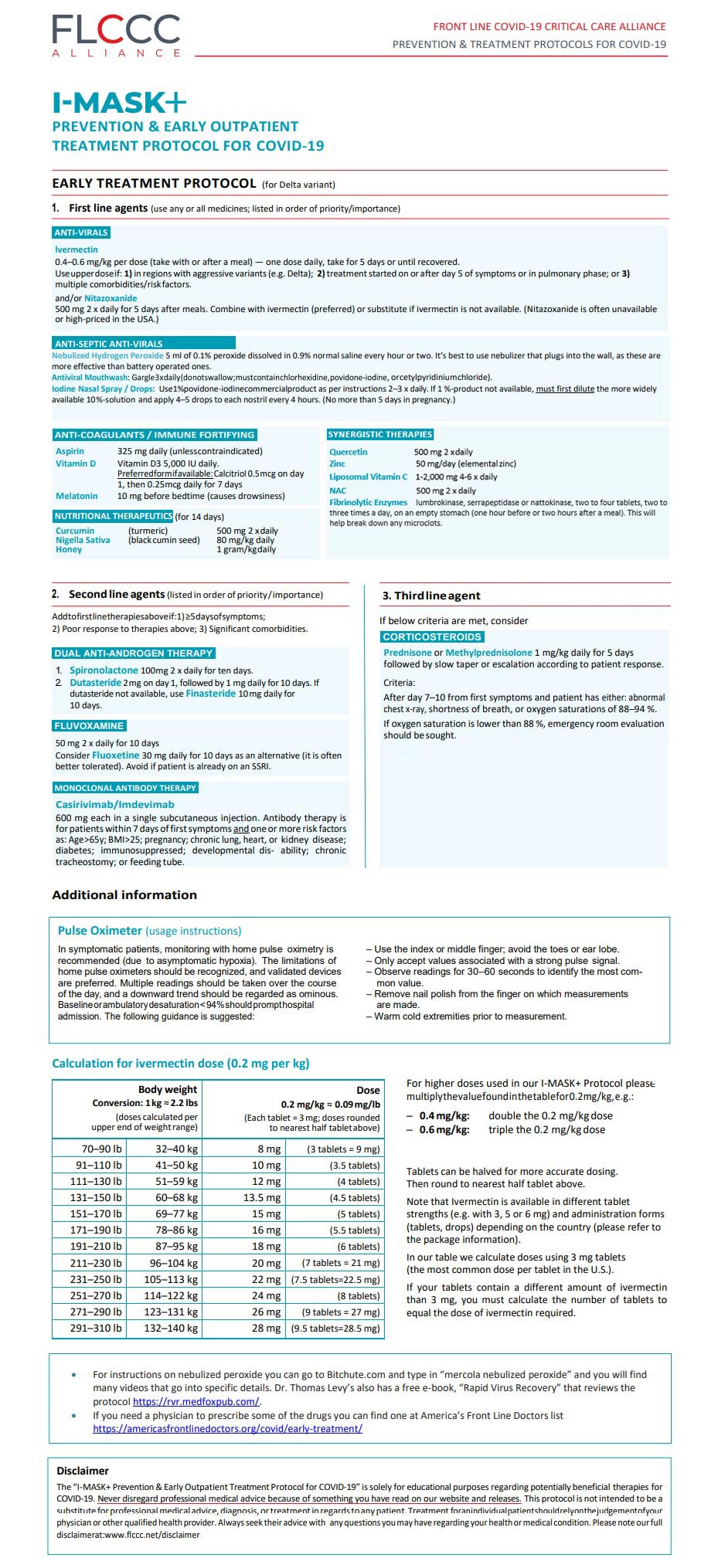
Tip 4: Optimize Your Health With Systemic Enzymes
Enzymes are proteins composed of individual amino acids necessary to speed up cellular functions and biological processes. Some of the bodily processes that require enzymes include energy production, oxygen absorption, toxic waste removal, breaking down fats in your blood, dissolving blood clots and fighting infections.
Proteolytic enzymes such as lumbrokinase and serrapeptase act as blood cleansers that combat inflammation and rebalance your immune system.
In the era of COVID, an enzyme called lumbrokinase may be of particular benefit, as it helps break down blood clots. If you’ve had COVID-19 in the past, and/or received one or more COVID injections, lumbrokinase may be helpful to prevent blood clotting issues.
Proteolytic enzymes such as lumbrokinase and serrapeptase serve to digest unwanted proteins in your blood, like blood clots. They also help combat inflammation and rebalance your immune system, facilitating the removal of inflammatory proteins, removing fibrin (a clotting material that restricts blood flow and prolongs inflammation), reducing edema in inflamed regions, and boosting the potency of macrophages and killer cells.
If you want these enzymes to work on the potentially damaging proteins in your blood and not the food in your stomach, you will need to take them on an empty stomach, either one hour before or two hours after a meal. Otherwise the enzymes will be used to digest your food and not work in your bloodstream.
Tip 5: Boost Your Liver Health With Choline
Nonalcoholic fatty liver disease (NAFLD) is a common condition caused by an unhealthy processed food diet. Aside from cutting out processed foods high in sugars and seed oils, adding in more choline can be helpful, as it appears to be a key controlling factor in arresting the development of fatty liver.
It does this by enhancing secretion of very low density lipoprotein (VLDL) particles in your liver, which are required to safely transport fat out of your liver. Choline deficiency may result in excess fat and cholesterol buildup. Choline also aids in DNA synthesis and is important for healthy mitochondrial function.
Choline-rich foods to consider loading up on include wild-caught Alaskan salmon, krill oil, organic pastured chicken, vegetables such as broccoli, cauliflower and asparagus, shiitake mushrooms, grass fed beef liver and pastured egg yolks.
A single hard-boiled egg can contain anywhere from 113 to 147 milligrams of choline, or about 25% of your daily requirement, making it one of the best choline sources in the American diet. Only grass fed beef liver beats it, with 430 milligrams of choline per 100-gram serving.
Tip 6: Eliminate ALL Seed (Vegetable) Oils
A compelling report in the journal Gastroenterology offers a radically novel yet logically sound explanation as to why some COVID-19 patients develop life-threatening organ failure, namely their high unsaturated fat intake. Since diet-related comorbidities are responsible for 94% of COVID-19-related deaths,8 taking control of your diet is a simple, common-sense strategy to lower the risks associated with this infection.
Simply put, high intake of polyunsaturated fats (PUFAs) — a primary source of which is industrial seed oils — is associated with increased mortality from COVID-19, while healthy saturated fats actually lower your risk of death.
Omega-6 linoleic acid (LA) makes up the bulk of the omega-6 consumed and is the primary contributor to nearly all chronic diseases, because when consumed in excessive amounts, LA acts as a metabolic poison radically limiting mitochondrial function and your ability to produce cellular energy.
The reason for this is because polyunsaturated fats such as LA are highly susceptible to oxidation. As the fat oxidizes, it breaks down into harmful sub-components such as advanced lipid oxidation end products (ALES) and oxidized LA metabolites (OXLAMs). These ALES and OXLAMs are actually what cause the damage.
While excess sugar is certainly bad for your health and should typically be limited to 25 grams per day or less, it doesn’t cause a fraction of the oxidative damage that LA does. Processed vegetable oils are a primary source of LA, but even food sources hailed for their health benefits contain it, and can be a problem if consumed in excess. Cases in point: olive oil and conventionally raised chicken, which are fed LA-rich grains.
Tip 7: Boost Your Magnesium Intake
Magnesium is required for the healthy function of most cells in your body. Deficiency will impede your cellular metabolic function and deteriorate mitochondrial function, which can result in more serious health problems. Deficiency is widespread, thanks to inadequate consumption of leafy greens, so if you rarely eat your veggies, you could probably benefit from supplementation.
Having low amounts of magnesium has also been shown to significantly increase your supplemental vitamin D requirement. Research by GrassrootsHealth9 shows you need 146% more vitamin D to achieve a blood level of 40 ng/ml (100 nmol/L) if you do not take supplemental magnesium, compared to taking your vitamin D with at least 400 mg of magnesium per day.
Your vitamin K2 intake can also affect your required vitamin D dosage. Data10 from nearly 3,000 individuals revealed 244% more oral vitamin D was required to get 50% of the population to achieve a vitamin D level of 40 ng/ml (100 nmol/L) if they weren’t concurrently also taking magnesium and vitamin K2. So, a simple way to optimize your vitamin D absorption is to take it in conjunction with magnesium and K2.
Foods with the highest magnesium levels include spinach, Swiss chard, turnip greens, beet greens, collard greens, broccoli, Brussels sprouts, kale, bok choy and romaine lettuce.
If you’re using a supplement, you may want to use magnesium threonate to provide at least some of your magnesium, as it appears to be most efficient at penetrating cell membranes, including your mitochondria and blood-brain barrier. Another effective way to boost your magnesium level is to take Epsom salt (magnesium sulfate) baths, as the magnesium will effectively absorb through your skin.
Tip 8: Improve Your Bowel Evacuation
Healthy evacuation of your bowels is a factor that many tend to ignore. The good news is that improving your bowel function can be as simple as changing how you sit on the toilet. Your puborectalis muscle helps control elimination during a bowel movement and prevent incontinence when you’re standing.
However, when you sit on a typical toilet, this muscle cannot fully relax, which is why you may need to push or even strain in order to have a bowel movement. While squatting, however, the muscle relaxes fully, making elimination easier.
Squatting on the toilet bowl can help you eliminate waste better if you are constipated. But this requires strength, flexibility and balance, especially if you’re not used to this method. Other options include using a simple footstool to help you get into a more “squatty” position or leaning forward as you sit on the toilet, with your hands on or near the floor.
Tip 9: Combat Chronic Inflammation
Chronic inflammation is a hallmark of virtually all disease, including cancer, obesity and heart disease. While inflammation is a perfectly normal and beneficial process that occurs when your body’s white blood cells and chemicals protect you from foreign invaders like bacteria and viruses, it leads to trouble when the inflammatory response gets out of hand and continues indefinitely.
Your diet plays a significant, if not primary, role in this chain of events and is the perfect place to start to address it. Certain nutritional supplements can also be helpful as add-ons. Here’s a summary of key principles:
• Limit or eliminate vegetable oils (seed oils) — A key part of an anti-inflammatory diet involves excluding refined vegetable oils, as they are clearly one of the most pernicious and pervasive poisons in the food supply. Simply avoiding all processed foods and most restaurant foods will go a long way toward helping you avoid them.
• Eat more veggies — Vegetables are a key anti-inflammatory staple. Ideally, opt for organic locally grown veggies that are in season, and consider eating a fair amount of them raw. If you struggle with autoimmune disease or have significant inflammation in your body, though, consider limiting vegetables with high lectin content. Some high- lectin foods can be made safer to eat through proper soaking and cooking, as well as fermenting and sprouting.
• Add in fermented foods — Traditionally fermented and cultured foods are other anti-inflammatory staples that work their “magic” by optimizing your gut flora. A majority of inflammatory diseases start in your gut as the result of an imbalanced microbiome.
Fermented foods such as kefir, natto, kimchi, miso, tempeh, pickles, sauerkraut, olives and other fermented vegetables will help reseed your gut with beneficial bacteria. Ideally, you’ll want to eat a wide variety of them as each contains a different set of beneficial bacteria (probiotics).
If you don’t like fermented vegetables, consider yogurt made from raw, organic milk from grass fed cows. Yogurt has been shown to reduce inflammation by improving the integrity of your intestinal lining, thereby preventing toxins in your gut from crossing into your bloodstream.
• Boost your omega-3 fat intake — Marine-based omega-3 fats found in fatty cold-water fish that are low in environmental toxins — such as wild Alaskan salmon, sardines and anchovies — are also important anti-inflammatories, particularly for brain and heart health. In fact, your omega-3 level is a powerful predictor of mortality. If you don’t enjoy these types of fish, consider using krill oil instead.
• Cook with herbs and spices — Ounce for ounce, herbs and spices are among the most potent anti-inflammatory ingredients available and making sure you’re eating a wide variety of them on a regular basis can go a long way toward preventing chronic illness. Among the most potent anti-inflammatory herbs and spices are cloves, cinnamon, Jamaican allspice, apple pie and pumpkin pie spice mixtures, oregano, marjoram, sage, thyme and Italian spice.
Tip 10: Filter Your Water
While the U.S. has many water quality concerns, it doesn’t really matter where you live anymore, as many dangerous chemicals find their way into the ecosystem, spreading from one continent to another. This is why filtering your household water is more a necessity than an option these days.
Filtering your drinking water is good practice, but equally important is filtering the water you use for bathing. This is because immersing yourself in contaminated water may be even more hazardous to your health than drinking it.
Chemicals absorbed through your skin go directly into your bloodstream, bypassing your digestive and internal filtration systems. Unfiltered water can also expose you to dangerous chlorine vapors and chloroform gas, which can cause dizziness, fatigue, asthma, airway inflammation and respiratory allergies.
Unless you can verify the purity of your water, you should seriously consider installing a high-quality, whole-house water filtration system. Ideally, filter the water both at the point of entry and at the point of use. This means filtering all the water that comes into the house, and then filtering again at the kitchen sink and shower. As for the type of filtration system to get, there are various options, most of which have both benefits and drawbacks.
Common options include reverse osmosis (RO), ion exchange, and granular carbon or carbon block filters. Ideally, you want a filtration system that uses a combination of methods to remove contaminants, as this will ensure the removal of the widest variety of contaminants.
Tip 11: Reduce Your EMF Exposure
One of the most dangerous kinds of pollution affecting your health is the invisible sea of electromagnetic fields (EMFs) your body swims in daily, both outdoors and in your home. Common sources include cell phones, cell towers, computers, smart meters and Wi-Fi, to name just a few. Strategies to reduce your EMF exposure include:
| Connect your computer to the internet via a wired connection and put it in airplane mode. Also opt for wired keyboards, trackballs, mice, printers and house phones. |
| If you must use Wi-Fi, be sure to shut it off whenever it’s not in use, especially at night. |
| Shut off the electricity to your bedroom at night to reduce electrical fields from the wires in your walls. |
| Use a battery-powered alarm clock, ideally one without any light. |
| Replace your microwave oven with a steam convection oven, which will heat your food quickly and far more safely. |
| Avoid “smart” appliances and thermostats that depend on wireless signaling, including smart TVs. Consider using a large computer monitor as your TV instead, as it doesn’t emit Wi-Fi. |
| Opt out of smart meters if you can or add a shield to an existing smart meter. |
| Avoid using a wireless baby monitor. Instead, move the baby’s bed into your bedroom, or use a hard-wired monitor. |
| Remove all fluorescent lights from your home and switch to incandescent bulbs. |
| Avoid carrying your cell phone on your body unless it’s in airplane mode, and never sleep with it in your bedroom. |
| Use the speakerphone on your cell phone, and hold it at least 3 feet away from you. Ideally, use your cell phone as little as possible. |
Even if you implement these strategies, you’re unlikely to eliminate all exposure, as EMFs saturate public places and can invade your home from your neighbors. To minimize the harmful effects, the following strategies can be helpful:
• Increase your magnesium intake — As a natural calcium channel blocker, magnesium can help reduce the effects of EMF on your voltage-gated calcium channels. Since many are deficient in magnesium, I believe you could benefit from as much as 1 to 2 grams of magnesium per day.
• Molecular hydrogen — Molecular hydrogen has been shown to target free radicals produced in response to radiation, such as peroxynitrites. Studies have shown molecular hydrogen can mitigate about 80% of this damage.
Molecular hydrogen will also activate Nrf2, a biological hormetic that upregulates superoxide dismutase, catalase and all the other beneficial intercellular antioxidants. This in turn lowers inflammation, improves your mitochondrial function and stimulates mitochondrial biogenesis.
• Protective spices — Cinnamon, cloves, ginger root, rosemary and turmeric have exhibited protective effects against EMF-induced damage.
Tip 12: Boost Your Collagen Production Naturally
Collagen is the most common and abundant of your body’s proteins. One of its primary purposes is to provide structural scaffolding for your various tissues to allow them to stretch while still maintaining tissue integrity.
As a compound of essential amino acids, there’s only one way to get collagen: Your body can’t produce it, so you must obtain it through your diet. Historically, traditional diets provided ample collagen in the form of broth made from boiled chicken feet or beef bones. These are by far your best alternatives.
If you decide to use a collagen supplement, it’s important to know what to look for. Laboratory testing has revealed many popular collagen and bone broth products contain potentially hazardous contaminants typically associated with concentrated animal feeding operations (CAFOs), so to avoid contaminants, make sure your collagen supplement is certified “100% Organic” by the U.S. Department of Agriculture (USDA).
Moreover, collagen supplements can be either unhydrolyzed (undenatured) or hydrolyzed (denatured). The processing that most collagen supplements undergo to become hydrolyzed can also result in questionable byproducts that are best avoided. My personal preference is to use a less denatured (unhydrolyzed) organic collagen supplement, as it has a more balanced amino acid profile.
That said, I still believe the natural approach is best. Making homemade bone broth using bones and connective tissue from grass fed, organically raised animals isn’t very complicated and will produce the best results.
Tip 13: Optimize Your Sleep
One of the most radical and recent discoveries revealing the importance of sleep for health is that each and every organ has its own biological clock. In your brain is a “master clock” that synchronizes these clocks and your bodily functions to match the 24-hour light and dark cycle.
When you upset your circadian rhythm by not getting enough sleep, the results can have far-reaching consequences, affecting everything from mood, creativity and brain detoxification to DNA expression, chronic disease risk — including dementia — and longevity. Helpful tips to optimize your sleep include:
| Sleep in complete darkness, or as close to it as possible, to avoid lowering melatonin production, which can interfere with your sleep. |
| Keep the temperature in your bedroom no higher than 70 degrees Fahrenheit. |
| Eliminate EMFs in your bedroom. |
| Keep all electronic devices at least 3 feet from your bed. |
| Adopt a neutral sleeping position by propping your pillow under your neck, not your head, to maintain a proper spinal curve. |
| Reserve your bed for sleeping and don’t keep a TV in your bedroom. |
| Consider separate bedrooms if sharing your bed with a partner impairs your sleep. Pets may also need to be kept in another room if they disturb your sleep. |
Tip 14: Ditch Google and Facebook Once and for All
Over the years, the government and business monopolies, including the likes of Big Tech, have formed a global alliance hell-bent on protecting and concentrating member profits. The price for keeping business going as usual is personal liberty and freedom of speech that may impact these fascist government-industrial complexes.
In recent times, we’ve seen unprecedented efforts to censor natural health topics in various online platforms, especially Google and Facebook, under the guise of protecting you against “misinformation.”
By censoring the voices that challenge mainstream information on crucial health topics like pharmaceutical drugs, vaccines, GMOs, pesticides, junk foods, artificial sweeteners and fake meat, Google and Facebook are able to protect the profits of its advertisers and stakeholders.
Across the board, Google only gives you the results they want you to see, while relevant articles and news they deem “harmful” are buried. Facebook, meanwhile, relies on so-called “fact checkers” to dissuade and redirect users away from anything that contradicts the mainstream narrative. We now have proof that Facebook’s “fact checks” are nothing more than opinion pieces, thanks to a lawsuit by journalist John Stossel,11,12,13 but they’re still presented as assertions of facts.
If you’re fed up with Google’s and Facebook’s exploitation and manipulation, the best way to break free is by being informed. If we work together to boycott them, Google and Facebook will crumble.
We have added a built-in sharing tool on top of each newsletter article to make it easier for you to share it to your friends and family via email or text. And, while the articles on my website are only viewable for 48 hours, we are in the process of transferring our entire archive over to the Censored Library on Substack. This will allow us to bring back my previously deleted articles in a liability-protected format.
For just $5 a month, or the discounted annual rate of $50 per year, you will have access to all of my articles, all the time, even after they’ve been deleted from Mercola.com.


Tip 15: Protect Your Eye Health
Your ocular health affects your overall well-being, so routine eye exams are an important health basic. Additionally, keep your eyes healthy and your vision sharp by:
• Removing trans fats from your diet — As with linoleic acid, processed foods and baked goods are primary sources of harmful trans fats.
• Removing high fructose corn syrup from your diet — High blood pressure can damage the small blood vessels in your retina, obstructing blood flow, and a key strategy to normalize your blood pressure is to dramatically reduce your fructose intake.
High sugar intake is also a primary culprit of elevated blood sugar readings. High blood sugar not only obstructs blood flow by damaging blood vessels in your retina but also pulls fluid from the lens of your eye, which can affect your ability to focus. As a general guide, I recommend keeping your total daily fructose consumption below 25 grams a day, including fructose from fruit.
• Eating your veggies — Consuming high amounts of carotenoid-rich vegetables, especially ones rich in lutein and zeaxanthin, can encourage healthy vision.
• Boosting your omega-3 fat intake — Omega-3 fats protect healthy vision. Good sources include wild-caught Alaskan salmon, sardines and anchovies. If you use a supplement, I recommend krill oil, which also contains astaxanthin, a potent antioxidant.
• Quitting smoking — Smoking increases free radical production throughout your body, putting you at risk for any number of health problems, including vision problems.
Aside from lutein and zeaxanthin, astaxanthin is one of the best antioxidants for eye health. It’s been shown to protect against a number of eye-related problems, including age-related macular degeneration, which is the No. 1 cause of blindness in the elderly, glaucoma, cataracts, inflammatory eye diseases, cystoid macular edema, retinal arterial occlusion, diabetic retinopathy and venous occlusion.
Astaxanthin also helps maintain appropriate eye pressure, energy levels and visual acuity. Because the above list includes several of the leading causes of blindness in the U.S., this powerful antioxidant becomes increasingly important.
Tip 16: Grow Your Own Food
Growing your own food has many rewards, from providing you with fresher, uncontaminated produce and cutting your grocery bill, to increasing your sense of well-being and slashing your risk of depression. Research14 also shows elderly individuals who garden on a regular basis have a 36% lower risk of dementia than non-gardeners.
There are many different ways to grow your own food, even if you live in an apartment. You can use virtually every square foot of your space, including vertical space, for growing food. Hanging baskets are ideal for a wide variety of foods, such as strawberries, leafy greens, runner beans, pea shoots, tomatoes and a variety of herbs. And, instead of flowers, window boxes can hold herbs, greens, radishes, scallions, bush beans, strawberries, chard and chilies, to name just a few.
Rule No. 1 for growing nutrient-dense food is building healthy soil. There are five basic principles to growing topsoil and building a healthy soil ecosystem, and these rules apply whether you’re working a farm or tending a small vegetable garden in your backyard:
- Avoid disturbing the soil microbiome — The less mechanical disturbance the better, which means no tillage, herbicides, pesticides or fungicides
2. Protect the soil’s surface — Use cover crops, untreated lawn clippings, mulch and wood chips to maintain soil biology, prevent water evaporation and lower soil temperature, which is particularly important on hot days
3. Diversify your crops — Having a diverse array of plant life is essential to healthy soil, and cover crops help fulfill this requirement
4. Maintain living roots in the ground as long as possible — Growing something at all times is key to soil vitality, so be sure to plant a cover crop after you harvest your vegetables
5. Integrate livestock and other animals, including insects — To mimic the impact of wild herds, regenerative farmers will pasture chickens, cows, lambs, pigs and other animals to benefit the soil and ensure a highly nutrient-dense finished product. While many homeowners cannot keep farm animals on their property, you can easily attract pollinators and predator insects to ward off garden pests by including lots of flowering plants
One of the simplest and most inexpensive gardening alternatives is to grow your own sprouts. They’re a particularly excellent choice during winter months, when outdoor gardening is limited or ruled out. They also grow quickly, allowing you to harvest in about a week, and you don’t have to cook them. Sprouts are also a perfect complement to fermented vegetables, which are also easy and inexpensive to make at home, from scratch.
Sprouts are actually among the most nutrient-dense foods out there. Topping the list are sunflower seed and pea sprouts, which are typically about 30 times more nutritious than organic vegetables. Sunflower and pea sprouts are among my own favorites. Broccoli sprouts, known for their anticancer activity, are another excellent choice.
Tip 17: Try Blood Flow Restriction (BFR) Training
Blood flow restriction (BFR) training, also known as vascular occlusion training, involves “partially restricting arterial inflow and fully restricting venous outflow” while working the occluded muscle. BFR training works on a very simple principle: It tricks your body into believing that it’s moving far heavier weights than you’re actually using, generating compensatory metabolic responses.
With BFR training, you’re able to significantly enhance your strength and muscle mass using a fraction of the weight typically used, in about half the time it would normally take.
Its ability to achieve such remarkable physiological benefits has to do with the fact that when you restrict the venous blood flow from the muscle group being engaged, you create a relatively hypoxic environment in the exercising muscle which then boosts beneficial metabolic responses, such as increasing muscle lactate and growth hormone, and inhibiting myostatin.
Venous flow restriction is achieved by wrapping the extremity being worked with an inflatable cuff or band. The band needs to be tight enough to shut down the venous return to the heart, allowing the venous blood to “pool” in the region of the limb that is being exercised, while loose enough to allow arterial flow-through.
With very light exercise, and in about 15 to 20 minutes, you get an exhaustive workout that sends a signal to your brain to help you “recover and adapt to it.” Your brain then sends out a wide variety of powerful hormonal responses that cause your muscles and blood vessels to grow.
BFR is particularly beneficial for the elderly, as it dramatically reduces the risk of injury while optimizing muscle growth beyond what strength training with heavy weights can actually do! To learn the ins and outs of BRF, be sure to download and read through my free BFR report.
Tip 18: Lower Your Risk for Autoimmune Disease
Autoimmune diseases are on the rise, so the earlier you take steps to prevent them, the better. The good news is that some of the strategies that can lower your risk of autoimmune problems are incredibly simple and inexpensive.
For example, drinking a solution of baking soda on a daily basis can help reduce inflammation associated with and caused by autoimmune conditions. Baking soda provides a signal to mesothelial cells — which line your internal organs — that your body is doing fine; it’s not under attack, so developing an aggressive immune system and/or a harmful autoimmune response is unnecessary.15
To try this strategy, simply add one-half teaspoon of baking soda to half a glass of water (about 4 ounces), stir until it’s completely dissolved, and repeat no more than three times per day, and no more than seven one-half teaspoons in any given 24-hour period.
Another strategy that costs nothing is to allow fevers to run their course, as long as they’re not above 103 degrees F. While most tend to rush to administer fever-reducing medicine at the first sign of a low-grade fever, this can actually backfire. Fever facilitates your detoxification process, with the aim of producing a cleaner system. Reducing the fever can effectively prevent or interrupt your body’s natural healing process.
A far better alternative would be to administer liposomal vitamin C, which will aid and speed the process, not stop it. Certain homeopathic medicines can also be beneficial. If you’ve suppressed fevers all your life, you may benefit from regular saunas, ideally one with low or no electromagnetic fields, as this will help detoxify your system. If you’ve been vaccinated, you probably need to take saunas on a regular basis as well.
Tip 19: Combat Osteoporosis
With osteoporosis — brittle bone — comes the risk of bone fractures due to a fall, and hip fractures in particular are notorious for raising an older individual’s risk of death. Low bone density, known as osteopenia, also raises your risk of fractures and may progress into osteoporosis. But before you turn to conventional drugs, you should know that there are far safer ways to address this problem, such as by loading up on nutrients that help promote bone growth. These include:
| Vitamin D | Vitamins K1 and K2 |
| Calcium | Magnesium |
| Collagen | Boron |
| Strontium |
Sufficiently load-bearing exercise is also important. Research suggests the load needed to trigger bone growth in the hip is 4.2 times your bodyweight. Unfortunately, conventional strength training comes nowhere near that — but BFR does! So, preventing osteoporosis is yet another reason to add BFR to your lifestyle tool kit.
Tip 20: ‘Green’ Up Your Wardrobe
Fast fashion is a major contributor to the global waste problem, as clothing is now the fastest growing category of waste. Across the board, throughout the distribution chain, whatever cannot be sold always ends up in a landfill. The textile industry is also a major environmental polluter.
The primary solution should be obvious: Buy less. Buying only what you actually need will allow you to spend more on high-quality items that last. If an item is still in good condition but for whatever reason doesn’t fit your body or lifestyle anymore, ask around to see if anyone wants or needs it first.
As a last-ditch resort, donate clothing that is still in good condition to a reputable charity that serves the needs of your local community. Local women’s shelters and crisis centers may accept your donations.
If you need to purchase new clothes, make sure to choose organic, GOTS-certified clothing made from sustainably grown fabrics. The SITO brand is an example of a GOTS-certified organic clothing brand, established by the biodynamic certification agency Demeter. SITO supports our global mission for improving fabric production and putting an end to fast fashion.
Tip 21: Take Control of Your Blood Pressure
In 2017, the American Heart Association (AHA) and the American College of Cardiology, along with nine other health organizations, changed the cutoff used to diagnose high blood pressure from 140/90 to 130/80.
This slight shift increased the number of people diagnosed with high blood pressure to include many who had previously been considered within the normal range. According to the AHA, an estimated 103 million U.S. adults today have high blood pressure (hypertension), and about 1 in 3 people has prehypertension.
According to medical physiology textbooks, as much as 95% of hypertension is called essential hypertension, meaning the underlying cause is unknown. However, a number of factors have been identified as contributing to high blood pressure, including but not limited to insulin and leptin resistance, potassium deficiency and elevated uric acid levels. The good news is that there are many techniques and lifestyle changes, including the following:
| Exercise — A comprehensive fitness program can go a long way toward regaining your insulin sensitivity and normalizing your blood pressure. In fact, exercise is considered a first line of treatment by several health authorities, including the World Health Organization, the International Society of Hypertension and the U.S. Joint National Committee on Detection, Evaluation and Treatment of High Blood Pressure.
If you are insulin resistant, you’ll also want to include weight training. When you work individual muscle groups, you increase blood flow to those muscles, and good blood flow will increase your insulin sensitivity. |
| Vitamin D optimization — Vitamin D deficiency is associated with both arterial stiffness and hypertension. For optimal health, maintain a vitamin D level between 60 ng/mL and 80 ng/mL year-round. |
| Time-restricted eating — Eating all your meals within a six- to eight-hour window each day is one of the most effective ways I’ve found to normalize your insulin/leptin sensitivity, which is a root cause of high blood pressure. |
| Stress management — It has been shown that people with heart disease can lower their risk of subsequent cardiac events by over 70% simply by learning to manage their stress. Suppressed negative emotions such as fear, anger and sadness can severely limit your ability to cope with the unavoidable every day stresses of life. It’s not the stressful events themselves that are harmful, but your lack of ability to cope. |
| Essential oils — A number of essential oils can be helpful, including lavender, ylang- ylang, marjoram, bergamot, rose, frankincense, rosemary, lemon balm and clary sage. |
| Beets — In one small placebo-controlled trial,16 one glass (250 milliliters or 8.5 ounces) of beetroot juice per day for one month reduced blood pressure in those diagnosed with hypertension by an average of 8 mmHg systolic and 4 mmHg diastolic pressure.
This 8/4 mmHg reduction is very close to that provided by blood pressure medications, which typically can reduce blood pressure by about 9/5 mmHg, and for many it was enough to bring their blood pressure down to normal levels. The treatment group also saw a 20% improvement in blood vessel dilation capacity and a 10% reduction in arterial stiffness. |
Tip 22: KetoFast
KetoFast is the term I coined to describe a protocol that combines three key strategies: a cyclical ketogenic diet, intermittent fasting and cyclical partial fasting. The first step to KetoFast is to make sure you stop eating at least three hours before bedtime to avoid creating unnecessary free radicals.
Next, compress your eating to a six- to eight-hour timeframe, meaning you eat all of your calories for the day during those six to eight hours. For the remaining 16 to 18 hours, you’re fasting. For example, delay your first meal of the day until 11 am or noon and stop eating by 7 pm.
Once you’ve followed this intermittent fasting schedule for a month, you can move into the second phase, which involves having a single reduced-calorie meal, ideally breakfast, followed by a 24-hour water-only fast, once or twice a week. This meal will typically be somewhere between 300 and 500 calories. This meal should consist of:
- Carbs — Less than 10 grams of net carbohydrates (total carbs minus fiber), primarily from nonstarchy vegetables, seeds or nuts.
- Protein — Half of your personalized daily protein requirement. If you’re younger than 60, a general recommendation for your daily protein requirement would be 0.8 grams of protein per kilogram of lean body mass, or 0.5 grams of protein per pound of lean body mass. The key here is not just lowering your overall protein intake but, rather restricting your intake of branched-chain amino acids such as leucine, found primarily in meat and dairy products.
- Fat — The remainder of your calories come from healthy fats such as coconut oil, avocado, MCT oil, butter, olive oil and raw nuts.
The day after your water-only fast, go ahead and feast. Now’s the perfect time to do hardcore strength training, and to load up on protein. Immediately after your workout is when you’ll want to eat that grass fed organic steak and/or whey protein, as now you’re in rebuilding mode.
The intermittent and partial fasting regimen described in KetoFast essentially mimics ancestral eating patterns, allowing your body to work optimally by allowing for periods of breakdown and cleanout, and periods of rebuilding and rejuvenation.
One way that your body promotes this is through autophagy, which is the body’s innate cleanout process, in which damaged mitochondria, proteins and cellular components are digested and then recycled during the regeneration phase, which occurs during refeeding. By upregulating autophagy, you may significantly lower your risk of most diseases, including cancer and neurodegeneration.
A common misconception is that because nutritional ketosis is so beneficial, it stands to reason that remaining in ketosis for the rest of your life would be the way to go. I disagree with this approach, having experienced the drawbacks of it firsthand.
Continuous keto can start wreaking havoc with your hormonal system, specifically your thyroid. It’s important to realize that nutritional ketosis is a catabolic process, meaning you’re breaking things down. This is a good and necessary process, but you also need to build your body back up! After some months on a continuous ketogenic diet, you start losing muscle mass, which is the complete opposite of what you’re looking for.
I strongly recommend cycling in and out of ketosis once you’ve regained your metabolic flexibility and are able to effectively burn fat for fuel. In other words, you stay in ketosis only long enough to make sure you’re burning fat, and then you move into a more balanced approach where you’re adding in higher amounts of healthy carbs once or twice a week.
- 1 Nutrients October 31, 2020;12, 3361; doi:10.3390/nu12113361
- 2 Prog Cardiovasc Dis. 2020 Feb 12. pii: S0033-0620(20)30037-2
- 3 EurekAlert! January 24, 2020
- 4 Elsevier.com January 24, 2020
- 5 Prog Cardiovasc Dis. 2020 Feb 12. pii: S0033-0620(20)30037-2, Table 1
- 6 Nat Rev Immunol. 2014 Jan; 14(1): 36–49
- 7 The Journal of Infectious Diseases May 15, 2005; 191(10): 1719-1729
- 8 CDC.gov August 26, 2020
- 9 GrassrootsHealth Is Supplemental Magnesium Important for Vitamin D Levels?
- 10 GrassrootsHealth Magnesium and Vitamin K2 Combined Important for Vitamin D Levels
- 11 wattsupwiththat.com John Stossel Lawsuit against Meta Platforms (PDF)
- 12 WND December 10, 2021
- 13 wattsupwiththat.com December 9, 2021
- 14 Medical Journal of Australia 2006 Jan 16;184(2):68-70
- 15 Science Daily April 25, 2018
- 16 Medical News Today February 22, 2018
Shiitake Mushrooms Proven to Benefit Dozens of Diseases
© GreenMedInfo LLC. This work is reproduced and distributed with the permission of GreenMedInfo LLC.
Want to learn more from GreenMedInfo? Sign up for the newsletter here:
www.greenmedinfo.com/greenmed/newsletter
Reproduced from original article:
www.greenmedinfo.com/blog/shiitake-mushrooms-proven-benefit-dozens-diseases
Posted on: Wednesday, October 27th 2021 at 3:00 pm
Written By: GreenMedInfo Research Group
This article is copyrighted by GreenMedInfo LLC, 2021

If you’re looking for a superfood to support your immune system health and act as an overall health tonic, shiitake mushrooms are a top choice. As a bonus, they impart a savory umami flavor to virtually any meal they touch
Shiitake mushrooms (Lentinus edodes) have been prized for their anticancer and immunomodulating properties since ancient times and are a mainstay of traditional Chinese medicine. Historically, shiitake mushrooms were harvested from mountainous regions in Asia, but today they’re the second most widely cultivated mushroom variety in the world — second only to the common button mushroom.[i]
Shiitake mushrooms are also a popular culinary-medicinal mushroom in Japan, and the word shiitake comes from the Japanese words shii, or “from a hardwood tree,” and “take,” or “mushroom.”[ii]
Their rich, earthy, almost buttery flavor is packed with umami, the fifth taste that’s hard to put into words but is often described as meaty and savory. This makes them an ideal meat substitute in vegetarian dishes and a worthy addition to soups, stews, seafood and poultry dishes. Looking for even more good reasons to add shiitake mushrooms to your meals? They’re linked to notable benefits to your health.
A Shiitake a Day Keeps the Doctor Away
Shiitake mushrooms are a rich source of protein, fiber, minerals and vitamins, including B1, B2, B12, C, D and niacin, as well as antioxidants and beta-glucans.[iii] They contain the most vitamin D of any plant food.[iv]
A form of beta-glucans in shiitake mushrooms, known as lentinans, are believed to play a role in their immunomodulatory effects, while other beta-glucans have documented stimulatory effects on the immune system that are strong enough to ward off influenza in animal studies.[v]
Lentinan extracts have also been found to produce immunomodulatory and pulmonary cytoprotective effects that can reduce oxidative stress, activate beneficial macrophages that are part of your innate immune system and even ameliorate the inflammatory cytokine storm that causes potentially fatal acute respiratory distress syndrome (ARDS).[vi]
Even eating a reasonable amount — 4 ounces — of dried shiitake mushrooms daily can have a significant impact on your immune function. When researchers gave a daily four-ounce serving of dried shiitake mushrooms to healthy adults between the ages of 21 and 41 for four weeks, improved immunity resulted, including increased cell proliferation and reduced C-reactive protein, a measure of inflammation.[vii]
The immunomodulatory effects of lentinans are so strong that they also reduced infection by antibiotic-resistant Klebsiella pneumoniae bacteria that had led to pulmonary sepsis in rodents. Bacterial infection is a leading cause of ARDS, which in turn is often lethal in critically ill patients, but administration of lentinan to bolster the immune system may be a promising solution.[viii]
Shiitake Mushrooms Prized for Anticancer Effects
By boosting your immune system, shiitake mushrooms have notable anticancer effects. Some research also suggests they may have antitumor activity that works on cells directly, even without immune system involvement.[ix]
When taken orally, lentinan extract from shiitake mushrooms led to significant regression in tumor formation in mice with colon cancer.[x] It also led to “remarkable” antitumor effects in mice “not only by enhancing the immunity but also by directly killing the tumor and the induction of tumor cell apoptosis … .”[xi]
Even in the case of advanced pancreatic cancer, lentinan increased patients’ survival time and improved quality of life.[xii] What’s more, beta-glucans from shiitake mushrooms are capable of selectively inducing cell death of breast cancer cells while leaving healthy cells untouched,[xiii] while mycelia extract from the mushroom reduced the incidence of adverse effects from chemotherapy when taken by patients with advanced cancer.[xiv]
Active hexose correlated compound (AHCC), a supplement that’s made from shiitake mushroom mycelia, is made up of a powerful mixture of amino acids, minerals and polysaccharides. It acts as an immune system enhancer against tumor cells and pathogens[xv] and is the second most popular complementary and alternative medicine used by cancer patients in Japan.[xvi]
Lentinan has also been singled out as a promising therapy for a number of human cancers, including:[xvii]
|
Lung |
Gastric |
|
Colorectal |
Ovarian |
|
Cervical |
Non-Hodgkin lymphoma |
Shiitakes as a Health Tonic
Like many whole foods, the synergistic effects of the nutrients and polysaccharides in shiitake mushrooms provide nourishing support for your whole body. Shiitake mushroom bars were described as a “nutritious food and a functional health food alternative” in the International Journal of Medicinal Mushrooms, in part because they lowered triglyceride levels by 10% after 66 days of consumption.[xviii] Studies have found shiitake extracts to be:[xix],[xx]
|
Antiviral |
Liver protective |
|
Antihypercholemic |
Antiproliferative |
|
Cytotoxic |
Antimutagenic |
|
Anticavity |
Therapeutic against ulcerative colitis |
In addition, beta-glucans in mushrooms like shiitakes increase intestinal viscosity, which reduces cholesterol absorption and promotes its excretion. They’re therefore useful for optimizing cholesterol levels and have also been shown to have a favorable effect on other conditions including high blood pressure, diabetes and infectious diseases.[xxi]
At GreenMedInfo.com, you can browse through nearly 50 disease and conditions that shiitake mushrooms may support. Among them:
|
Cancer |
Inflammation |
|
Elevated triglycerides |
High cholesterol |
|
HIV infection |
Acetaminophen toxicity |
|
Aging |
Arthritis |
|
Arteriosclerosis |
Hepatitis C |
|
Type 1 diabetes |
Osteoporosis |
|
Sepsis |
Influenza |
|
Atherosclerosis |
Ulcerative colitis
|
|
Bacterial infections |
Low immune function |
|
Fungal infection |
DNA damage |
How to Enjoy Shiitake Mushrooms
Fresh shiitake mushrooms work well sliced thickly, especially when used for their meaty flavor and texture. Look for shiitakes with thick, domed caps[xxii] — it’s the cap that you’ll be eating, since the stems are quite tough. After rinsing the mushrooms gently or wiping them off with a damp cloth, trim off the stems, which you can save to add flavor to soup, pasta sauce or stew.
Fresh shiitake mushroom caps can be quickly sautéed or stir-fried. If you choose to use the stems, add them first since they take longer to cook. Dried shiitake mushrooms are also popular, but you’ll need to rehydrate them in hot water for about 20 minutes before cooking.[xxiii] The liquid from re-hydrated dried mushrooms can also be used as a base for vegetable broth and is an important part of dashi, a Japanese soup stock.[xxiv]
References [i] University of Vermont Extension, Late Winter/Spring https://pss.uvm.edu/ppp/articles/shiitake.html [ii] Fine Cooking, Shiitake Mushrooms https://www.finecooking.com/ingredient/shiitake-mushrooms [iii] Int J Med Mushrooms. 2021;23(7):1-12. doi: 10.1615/IntJMedMushrooms.2021038773. https://pubmed.ncbi.nlm.nih.gov/34375514/ [iv] Mycobiology. 2014 Sep; 42(3): 301-304. https://www.ncbi.nlm.nih.gov/pmc/articles/PMC4206800/ [v] Prog Cardiovasc Dis. 2020 May-June; 63(3): 383-385. https://www.ncbi.nlm.nih.gov/pmc/articles/PMC7130854/ [vi] Science of the Total Environment. August 25, 2020 https://www.sciencedirect.com/science/article/pii/S0048969720328473#bb0030 [vii] Journal of the American College of Nutrition. April 11, 2015 https://www.tandfonline.com/doi/full/10.1080/07315724.2014.950391 [viii] Letters in Applied Microbiology. July 24, 2020 https://sfamjournals.onlinelibrary.wiley.com/doi/abs/10.1111/lam.13358 [ix] Food and Nutrition Sciences. 2014, Vol. 5, No. 12 https://www.scirp.org/html/1-2701100_47339.htm#ref31 [x] J Altern Complement Med. 2002 Oct;8(5):581-9. doi: 10.1089/107555302320825093. https://pubmed.ncbi.nlm.nih.gov/12470439/ [xi] J Agric Food Chem. 2013 Oct 16;61(41):9849-58. doi: 10.1021/jf403291w. Epub 2013 Oct 8. https://pubmed.ncbi.nlm.nih.gov/24063660/ [xii] Hepatogastroenterology. Jan-Feb 2009;56(89):240-4. https://pubmed.ncbi.nlm.nih.gov/19453066/ [xiii] Nutrients. 2021 Aug; 13(8): 2564. https://www.ncbi.nlm.nih.gov/pmc/articles/PMC8401741/ [xiv] Asian Pac J Cancer Prev. 2011;12(7):1671-4. https://pubmed.ncbi.nlm.nih.gov/22126542/ [xv] Asian Pac J Cancer Prev. 2017; 18(3): 633-638. https://www.ncbi.nlm.nih.gov/pmc/articles/PMC5464477/ [xvi] Journal of Clinical Oncology. September 21, 2016 https://ascopubs.org/doi/10.1200/jco.2005.04.126 [xvii] Nutrients. 2021 Aug; 13(8): 2564. https://www.ncbi.nlm.nih.gov/pmc/articles/PMC8401741/ [xviii] Int J Med Mushrooms. 2021;23(7):1-12. doi: 10.1615/IntJMedMushrooms.2021038773. https://pubmed.ncbi.nlm.nih.gov/34375514/ [xix] Memorial Sloan Kettering Cancer Center, Shiitake Mushroom https://www.mskcc.org/cancer-care/integrative-medicine/herbs/shiitake-mushroom#references-22 [xx] Int J Med Mushrooms. 2021;23(7):13-26. doi: 10.1615/IntJMedMushrooms.2021038850. https://pubmed.ncbi.nlm.nih.gov/34375515/ [xxi] Mycobiology. 2014 Sep; 42(3): 301-304. https://www.ncbi.nlm.nih.gov/pmc/articles/PMC4206800/ [xxii] Bon Appetit, Fresh Shiitake Mushrooms May 5, 2008 https://www.bonappetit.com/test-kitchen/cooking-tips/article/fresh-shiitake-mushrooms [xxiii] Master Class September 28, 2021 https://www.masterclass.com/articles/how-to-use-shiitake-mushrooms-in-your-everyday-cooking#how-to-cook-with-shiitake-mushrooms [xxiv] Umami Information Center, Shiitake mushroom https://www.umamiinfo.com/richfood/foodstuff/mushroom.html
Honey Reduces Risk of Heart Disease
© GreenMedInfo LLC. This work is reproduced and distributed with the permission of GreenMedInfo LLC.
Want to learn more from GreenMedInfo? Sign up for the newsletter here:
www.greenmedinfo.com/greenmed/newsletter
Reproduced from original article:
www.greenmedinfo.com/blog/honey-reduces-risk-heart-disease
Posted on: Thursday, January 30th 2020 at 2:30 pm
Written By: GreenMedInfo Research Group
This article is copyrighted by GreenMedInfo LLC, 2020

Got a sweet tooth that you just can’t squash? Relax! Nature has provided a healthy way to satisfy your sugar cravings. Put down the toxic white stuff and pick up a jar of pure, raw honey. Your heart will thank you for it
In a cooperative effort between researchers at the medical sciences departments of Iran’s Isfahan University and Mashhad University, honey has been shown to aid the body in healthy processing of fats by decreasing the overall amount of cholesterol and fats in the bloodstream.[i] The study was published in August 2018 in the journal of the European Society for Clinical Nutrition and Metabolism (ESPEN), Clinical Nutrition ESPEN.
Researchers were inspired by previous studies that demonstrated honey’s beneficial effects on cardiovascular disease symptoms. Their chief aim was to investigate whether the effect of honey consumption on overall lipids in the blood was markedly different than the effects of sucrose, or table sugar, on the blood lipid profiles of 60 young, healthy male subjects.
Good Fats Are Key to Heart Health
A lipid profile, also called a coronary risk panel, is a blood test that measures total blood triglycerides including high-density lipoproteins (HDL), often referred to as “good cholesterol,” and low-density lipoproteins (LDL), commonly known as “bad cholesterol.” In truth, there is only one “type” of cholesterol, a molecule that is incapable of dissolving in blood. In order to transport cholesterol to the various cells throughout the body, lipoproteins such as LDLs and HDLs act as cholesterol carriers.
LDLs may have earned their bad reputation due to the fact that, once they have deposited their cholesterol load, they become small enough to burrow into the linings of arteries where they can oxidize, resulting in damaging inflammation. Conversely, one of HDLs functions is to carry anti-oxidative enzymes to cells where they may help neutralize potential harm done by depleted LDLs’ oxidation.
The blood lipid profile is a primary screening tool for assessing an individual’s risk of developing coronary heart disease. The word “lipids” refers to fats and fat-like substances that are key regulators of cellular activity, such as the energetic functions of your body.[ii]
The effectiveness of this cellular transport system is dependent on having the right amount of healthy fats in your bloodstream. If an imbalance occurs, excess cholesterol may get deposited into the walls of blood vessels, eventually leading to atherosclerosis, or hardening of the arteries, that can cause heart attack and stroke due to blocked blood flow to the heart and brain.[iii]
In the focus study, 60 male subjects between the ages of 18 and 30 were randomly recruited and assigned into one of two groups: honey (experimental) and sucrose (control). Participants were included in the study if they were healthy, non-athletic and a non-smoker. Participants were excluded if they already consumed a large amount of honey in their daily life, took any sort of medication or had recently undergone major diet and lifestyle changes.
Body mass index (BMI) was measured and participants’ physical activity was self-reported via the International Physical Activity Questionnaire (IPAQ), a survey that assesses walking time, moderate and vigorous physical activities and time spent sitting throughout a typical week.
The experimental group received 70 grams of natural honey per day, while the control group received 70 grams of sucrose per day for a period of six weeks. Fasting lipid profile, including total cholesterol, HDL cholesterol, LDL and triacylglycerol, was determined for each subject at the beginning of the trial (baseline) via a 5-milliliter blood sample, which was collected in the morning after a 12-hour fasting period.
The lab tests were repeated after the six-week intervention period was complete. All 60 participants successfully completed the trial, and in the final analysis confounding variables including age, physical activity and some nutrient intake were adjusted.
Honey Improves Cholesterol While Table Sugar Is Toxic
Participants’ baseline measurements for fasting blood sugar, systolic blood pressure and diastolic blood pressure were not different between the honey and sucrose groups, indicating that there were no significant pre-existing differences between the groups at the beginning of the study. After the final blood lipid profiles were produced, researchers compiled the following findings:
- Consumption of honey decreased total cholesterol and LDL and increased the presence of HDL in the blood.
- Consumption of sucrose had the inverse effect, increasing total cholesterol and significantly raising LDL levels, while decreasing HDL in the blood.
In summary, total cholesterol significantly decreased in the honey group compared with the beginning of the trial, while total cholesterol increased in sucrose group. LDL cholesterol was decreased by honey consumption and increased by sugar intake. Honey also increased HDL cholesterol in the blood, while sucrose decreased the presence of this healthy fat.
The main finding of this study, noted researchers, was “the ability of natural honey to modulate some of the risk factors of cardiovascular disease.” According to the U.S. Centers for Disease Control and Prevention (CDC), heart disease is the leading cause of death in the U.S. with one person dying from cardiovascular disease every 37 seconds.[iv] Researchers called for further clinical trials to confirm their promising results.
Honey: Nature’s Oldest Health Food
Honey has an unprecedented history of use as a food and medicament, stemming back as far as recorded history. It has been found in ancient Egyptian tombs, still perfectly preserved, and in cave art dating back some 8,000 years.[v] Honey contains many active biological constituents including polyphenols, nutritionally dense phytochemicals that have antioxidant properties.[vi]
Many studies have confirmed that polyphenols provide a protective effect against diseases such as heart disease, cancer, diabetes, arterial diseases and more.[vii] There are over 200 abstracts on GreenMedInfo.com extolling the numerous health benefits of consuming pure, raw honey. Become a member today to access our in-depth research tools and learn more about how honey is one of nature’s most miraculous foods.
References [i] The effect of honey consumption compared with sucrose on lipid profile in young healthy subjects (randomized clinical trial). Rasad H, Entezari MH, Ghadiri E, Mahaki B, Pahlavani N. Clin Nutr ESPEN. 2018 Aug;26:8-12. doi: 10.1016/j.clnesp.2018.04.016. PMID: 29908688 [ii] American Association for Clinical Chemistry, Lab Tests Online.org, Tests, Lipid panel https://labtestsonline.org/tests/lipid-panel [iii] American Association for Clinical Chemistry, Lab Tests Online.org, Tests, Lipid panel https://labtestsonline.org/tests/lipid-panel [iv] CDC, Heart disease, Facts https://www.cdc.gov/heartdisease/facts.htm [v] Heathmont Honey, Bees, Honey history, https://www.heathmonthoney.com.au/bees/HoneyHistory.htm [vi] Beneficial roles of honey polyphenols against some human degenerative diseases: A review. Md Sakib Hossen, Pharmacol Rep. 2017 Dec;69(6):1194-1205. Epub 2017 Jul 4. PMID: 29128800 [vii] Beneficial roles of honey polyphenols against some human degenerative diseases: A review. Md Sakib Hossen, Pharmacol Rep. 2017 Dec;69(6):1194-1205. Epub 2017 Jul 4. PMID: 29128800
Flavonoid compounds from milk thistle discovered to have anticancer properties
Reproduced from original article:
https://www.naturalhealth365.com/flavonoid-milk-thistle-3153.html
by: Lori Alton, staff writer | October 14, 2019

(NaturalHealth365) Herbal healers have long treasured milk thistle – and its flavonoid compounds – for its ability to clean out the liver and reduce the risk of illnesses such as hepatitis, cirrhosis and nonalcoholic fatty liver disease.
But milk thistle may possess another valuable feather in its cap – recent studies support the ability of silymarin, a milk thistle constituent, to attack cancer in a variety of ways while leaving normal cells unharmed. In fact, a new South Korean study credits silymarin with the ability to strike at cancer by interfering with a key pathway the disease needs in order to spread.
As if that weren’t impressive enough, research shows that silymarin from milk thistle can strengthen the therapeutic action of chemotherapy drugs, while simultaneously easing their toxic side effects. Not that we “promote” the use of chemotherapy, but – it does illustrate the amazing ability of milk thistle to protect our health.
New study: Silymarin inhibits the spread of stomach cancer cells
In a study conducted at Kongju National University and published just last month in Oncology Reports, researchers found that silymarin significantly decreased the survival and migration of cancer cells – thereby interfering with the ability of the disease to spread to other locations in the body.
Silymarin also caused apoptosis – or programmed “cell suicide”– in stomach cancer cells. The team discovered that silymarin worked by interfering with the MAP-Kinase pathway, a chain of proteins involved in the growth of cancer cells.
Clearly, this is good news! The scientists noted silymarin’s potential for development as a cancer treatment, and called for more study.
Silymarin fights cancer through multiple methods of attack
Why, exactly, are researchers so impressed with silymarin’s therapeutic potential? For one thing, silymarin has powerful antioxidant and anti-inflammatory capabilities, allowing it to scavenge harmful free radicals and limit disease-causing oxidative damage.
In addition, silymarin protects and preserves glutathione, the “master antioxidant” and keystone of the body’s defense system. Silymarin also prevents toxins from binding to cell membrane receptors – thereby helping to protect against the cancer-causing mutation of cells.
Finally, silymarin decreases production of matrix metalloproteinases (MMPs), enzymes that promote the metastasis of cancer. In research published in Carcinogenesis, scientists credited silymarin with suppressing the invasiveness of bone cancer by interfering with production of MMPs.
Plus, in a separate study, researchers noted that silymarin prevented the progression of liver cancer – also by inhibiting MMPs.
Clinical and case studies highlight silymarin’s potential against hormone-sensitive cancers
Silymarin shows particular promise in preventing and treating cancers that depend on hormones to grow, such as cancers of the breast and prostate.
The flavonoid has been shown to block migration in breast cancer cells – even those of triple negative breast cancer, which is particularly invasive. Silymarin also decreases levels of telomerase, which promotes breast cancer cell survival.
In a promising study published in Cancer Research in 2007, 160 mg of silymarin a day reduced prostate cancer tumor size up to 64 percent. Silymarin can also help prevent prostate cancer by boosting levels of proteins that destroy potentially pre-cancerous cells – and by suppressing production of inflammatory molecules linked to prostate cancer spread.
In one study, a regimen of silymarin – along with vitamin C and E along with the cancer-fighting mineral selenium – significantly reduced markers of cancer in prostate cancer patients.
Milk thistle extracts increase the power of conventional cancer drugs, while alleviating toxic effects
In addition to its other gifts, silymarin can help diminish adverse effects from anticancer drugs. In one randomized, placebo-controlled study involving children with acute lymphoblastic leukemia, 160 to 320 mg a day of silymarin for 28 days reduced liver toxicity from chemotherapy.
The flavonoid also helped to restore liver function in breast cancer patients treated with the chemo drug carboplatin. As if that weren’t impressive enough, silymarin also seems to promote and intensify the cancer-fighting properties of other medications and therapies.
In one study, silibinin (a type of silymarin) made brain cancer cells more susceptible to trial cancer treatments. Other studies have demonstrated silymarin’s ability to increase the effectiveness of photodynamic theory on bladder cancer cells.
Non-toxic milk thistle features an excellent safety profile
Milk thistle is available in tablets, capsules and powders – and can even be sipped as a tea. Integrative healthcare providers may advise milk thistle dosages in the area of 100 mg to 450 mg a day – with about 150 mg advised for general liver support.
Note: It’s best to consult with a doctor – that has experience with herbs – before trying milk thistle, and don’t attempt to treat cancer – or any other medical condition – with milk thistle extract unless under the supervision of a medical professional.
Milk thistle’s remarkable ability to destroy cancer cells – coupled with its lack of toxicity – makes it one of the “M.V.P.s” of natural cancer therapies.
Editor’s note: The NaturalHealth365 Store offers LuvByNature LiverLuv – the best supplement for liver support – containing milk thistle plus much more! Click here to order today.
Sources for this article include: