Muscle
now browsing by category
Why ‘Unbalanced’ Muscles Cause Pain
Reproduced from original article:
https://articles.mercola.com/sites/articles/archive/2024/12/26/unbalanced-muscles.aspx
Analysis by Dr. Joseph Mercola December 26, 2024
STORY AT-A-GLANCE
- Muscle imbalances occur when certain muscles become stronger or tighter than their opposing counterparts, disrupting musculoskeletal harmony and causing pain through altered movement patterns
- Common causes include repetitive movements, poor posture, inadequate training routines and lifestyle factors like improper footwear, affecting both athletes and non-athletes
- Hip muscle imbalances significantly impact lower back health, with weakness in hip extensors or flexors altering gait and placing excessive stress on your spine
- Knee pain and injuries, particularly patellofemoral pain syndrome, often result from muscle imbalances
- Natural options include avoiding excessive sitting, regular stretching, strengthening exercises targeting underactive muscles, proper footwear, balance training and maintaining good posture throughout daily activities
Have you ever felt persistent pain in your shoulder, elbow, wrist or lower back, especially after engaging in activities that involve repetitive movements? These discomforts might stem from muscle imbalances — where certain muscles become stronger or tighter than their opposing counterparts.
Muscle imbalances disrupt the harmony of your musculoskeletal system, leading to altered movement patterns and increased stress on joints. This imbalance is particularly prevalent in athletes, including those who perform overhead movements, such as those in baseball, tennis, volleyball and water polo.1 However, muscle imbalances affect non-athletes as well — even working at a computer for long hours each day puts you at risk.
No matter the activity, when one side of your body becomes dominant due to repetitive use, the non-dominant side often lags behind in strength and flexibility. Muscle imbalances aren’t just a matter of asymmetry; they’re significant contributors to pain and injury in both athletes and the general population.
The Causes Behind Muscle Imbalances
Several factors contribute to the development of muscle imbalances. Primarily, repetitive movements in one direction or pattern cause certain muscles to overwork while others become underutilized. For instance, in overhead sports, your dominant arm and shoulder undergo constant stress from throwing or swinging, leading to increased muscle volume and strength on that side.
This dominance results in weaker muscles on the non-dominant side, creating an imbalance. Additionally, inadequate training routines that neglect the non-dominant muscles, improper techniques and insufficient rest periods exacerbate these imbalances. Runner’s knee, also known as patellofemoral pain syndrome, is another condition often caused by overuse and muscle imbalances.
Even chewing gum on one side of your mouth more often than the other, it can also cause jaw muscle imbalance. Lifestyle factors, such as poor posture, improper footwear and sedentary habits, also play a role by promoting uneven muscle development. Understanding these causes is essential for preventing imbalances and the associated pain, ensuring that your body remains balanced and resilient against injuries.
Recognizing the Signs of Muscle Imbalance
Identifying muscle imbalances early helps prevent the progression to more severe pain and injuries. Common signs include persistent aches or soreness in specific joints, reduced range of motion and noticeable differences in muscle size or strength between opposing sides of your body.
For example, you might find that one shoulder is significantly stronger or more developed than the other, or experience tightness in certain muscles that restrict your movement. Additionally, muscle imbalances may lead to compensatory movements, where other muscles or joints compensate for the weaker ones, causing further strain.
If you notice any of these signs, address them promptly through targeted exercises and proper training techniques to restore balance and alleviate discomfort.
Left untreated, unbalanced muscles significantly increase the risk of various injuries. In overhead athletes, for instance, shoulder injuries are among the most common, including rotator cuff tears, impingements and labral tears.2 These injuries occur because the dominant shoulder undergoes excessive stress, leading to overuse and strain.
Elbow injuries, such as medial epicondylitis (commonly known as golfer’s elbow), and wrist injuries like radial epiphysitis, are also prevalent. Lower back pain is another frequent issue, arising from compensatory movements and poor posture caused by muscle imbalances.3 These injuries not only cause pain but also hinder performance and reduce the overall functionality of affected areas.

Save This Article for Later – Get the PDF Now
Muscle Imbalances and Hip Health
Beyond the commonly discussed shoulder and upper limb issues, muscle imbalances significantly impact hip health, often leading to debilitating lower back pain.4 Whether you’re an athlete or simply going about your daily activities, over time repetitive movements may lead to unequal muscle strength around your hips that disrupts the alignment and function of your pelvic girdle.5
Weakness in your hip extensors or flexors can alter your gait, placing excessive stress on your lower back. Studies have shown that hip extensor weakness and hip flexor imbalances are closely linked to the development of chronic low back pain, especially in female athletes.6
Additionally, weakened gluteus medius muscles in the hip region are frequently associated with a positive Trendelenburg sign, indicating compromised hip stability. This instability not only causes pain but also affects your ability to perform movements efficiently. Addressing hip muscle imbalances through targeted strengthening exercises for your glutes and hip flexors helps restore balance, improve posture and alleviate lower back discomfort.7
Knee Injuries Linked to Muscle Imbalance
Knee pain is another prevalent issue linked to muscle imbalances, particularly patellofemoral pain syndrome (PFPS). PFPS affects approximately 22.7% of the general population and is often the result of weakened quadriceps and imbalanced muscle activation around your knee.8
When the vastus medialis, a key quadriceps muscle, fails to activate promptly, it disrupts patellar tracking, leading to increased stress on your knee joint. This imbalance causes pain and predisposes you to further injuries such as ligament strains and cartilage damage.
Moreover, weak hip muscles, particularly the gluteus medius, exacerbate knee problems by failing to stabilize your pelvis during movement, forcing your knee to compensate. Incorporating exercises that strengthen both your quadriceps and hip stabilizers helps correct these imbalances, improving knee alignment and reducing pain.9
Functional Assessments Help Identify Muscle Imbalances
Functional assessments are often used to uncover the underlying biomechanical issues that contribute to pain and injuries. Everyday movements like walking, squatting or even standing reveal how well your muscles work in harmony.
Functional assessments, such as single-leg squats, gait analysis and step-up exercises, provide valuable insights into your muscle coordination and strength distribution.10 For example, during a single-leg squat, discrepancies in hip and knee movements highlight weaknesses or tightness in specific muscle groups.
These assessments go beyond conventional strength tests, revealing how muscle imbalances affect your overall movement patterns. Identifying your unique imbalances and deficiencies enables the creation of personalized exercise programs tailored to restore balance and enhance your body’s natural mechanics, ensuring a healthier, pain-free lifestyle.
Exercise Programs Relieve a Common Muscle Imbalance
Have you ever noticed a forward head posture or rounded shoulders, especially after long hours at a desk or intense training sessions? These are hallmark signs of upper crossed syndrome (UCS), a common muscle imbalance pattern that disrupts your upper body’s alignment and function.
UCS is characterized by an imbalance between overactive and underactive muscles in your neck, shoulders and upper back. Specifically, your upper trapezius and pectoral muscles become tight and overactive, pulling your shoulders forward and your head into a forward position. Conversely, your lower and middle trapezius, serratus anterior and infraspinatus muscles become weak and underactive, failing to stabilize your scapula and maintain proper shoulder alignment.
This imbalance not only causes visible postural problems but also leads to chronic pain in your neck, shoulders and upper back. Studies have shown that a comprehensive corrective exercise program (CCEP) significantly enhances muscle activation, movement patterns and postural alignment in individuals with UCS.11
Over an eight-week period, CCEP incorporates a variety of exercises designed to strengthen your underactive muscles while stretching and relaxing the overactive ones. What makes CCEP particularly effective is its holistic approach, addressing not just the symptoms but the underlying neuromuscular and biomechanical factors that perpetuate muscle imbalances.
Participants in studies have reported lasting improvements in muscle balance and posture, even after a short period of detraining. Cobra yoga pose is one exercise to consider. This traditional beginner yoga pose is a gentle backbend position accomplished from a face-down, on-the-floor position.12
The goal is to strengthen your spine while opening your chest. It’s an excellent counter activity to relieve upper crossed syndrome that occurs when you are working over a desk. Begin by lying on the floor on your stomach, stretching your legs behind you and placing the tops of your feet on the floor.13
Put your hands under your shoulders and keep your elbows close to your body. Press the tops of your feet, thighs and lower pelvis firmly into the floor while straightening your arms to lift your chest. Go only as high as you can while maintaining connection from your lower pelvis through your toes on the floor. Start by holding this for 15 seconds, building to 30 seconds as you grow stronger. Inhale on the way up and exhale with your release on the way down.
Tips to Relieve Muscle Imbalances
Achieving and maintaining muscle balance doesn’t always require intensive training or specialized programs. Natural methods may effectively relieve muscle imbalances and enhance your overall musculoskeletal health. Start by incorporating regular stretching into your daily routine to improve muscle flexibility and reduce tightness in overactive muscles like the pectorals and upper trapezius.
Practices such as yoga help enhance flexibility and promote body awareness, helping you recognize and correct postural deviations. Additionally, flexibility routines also enhance muscle elasticity and joint range of motion, reducing the risk of tightness that contributes to imbalances. Additionally, mindfulness and proper breathing techniques alleviate muscle tension and promote relaxation, addressing the stress that often contributes to muscle imbalances.
Strengthening exercises should focus on the underactive muscles — like your lower trapezius, serratus anterior and gluteus medius — to restore balance and stability. Simple bodyweight exercises, such as planks, side-lying leg lifts and scapular retractions — where you pull your shoulder blades together — can be done anywhere and require no special equipment.
Be sure to incorporate exercises that target both your dominant and non-dominant sides. Unilateral training, such as single-arm presses or single-leg deadlifts, ensures that each side of your body develops equally, preventing one side from compensating for the other.
Proper technique during physical activities is paramount; whether you’re lifting weights, playing sports or performing daily tasks, ensuring that you move correctly minimizes undue stress on specific muscles. Equally important is allowing sufficient rest and recovery periods, giving your muscles time to repair and grow uniformly.
More Natural Methods to Relieve Muscle Imbalances
If you have a movement imbalance it will invariably tend to result in some type of injury over time. Further, your body is naturally asymmetrical. Balance is maintained through the integration of these system imbalances, and when balanced integration fails, structural weaknesses and pain often develop.
Spinal manipulation, commonly performed by physical therapists, chiropractors and osteopaths, is one tool to help relieve muscle imbalance by restoring alignment and reducing tension in your spine, which improves nerve function and alleviates compensatory muscle strain.
Proper footwear is another important element, as it provides stability and arch support, promoting balanced muscle engagement in your feet, legs and hips, which can help prevent muscle imbalances.
Conversely, improper footwear — such as shoes lacking arch support or with a narrow toe box — negatively alter posture and gait mechanics, leading to compensatory strain on certain muscle groups, which may over time cause muscle imbalances and contribute to issues like bunions, knee, hip and lower back pain.
Incorporating balance training, such as standing on one leg or using a balance board, also enhances muscle coordination and prevents imbalances from developing. Moreover, maintaining an ergonomic workspace and being mindful of your posture throughout the day helps prevent the onset of muscle imbalances. You’ll also want to avoid excessive sitting and incorporate plenty of daily movement.
Muscle imbalances, whether caused by repetitive athletic movements, poor posture or specific syndromes like upper crossed syndrome, play a significant role in the development of chronic pain and injury.
However, addressing muscle imbalances through targeted exercises and natural methods will restore harmony to your musculoskeletal system, enhance your physical performance and allow you to enjoy a healthier, more active lifestyle. Embrace these strategies today and take proactive steps toward a balanced and resilient body.
The Truth About Muscle Growth: Why Your Body Needs Calories to Build Those Gains
Reproduced from original article:
https://articles.mercola.com/sites/articles/archive/2024/11/12/calories-muscle-growth.aspx
Analysis by Ashley Armstrong November 12, 2024

STORY AT-A-GLANCE
- Optimal muscle growth depends on adequate calories and a balanced intake of proteins, carbs, and fats. Without consuming enough calories, your body can’t build or maintain muscle mass, no matter how hard you train
- Cutting calories by even 20% can reduce muscle protein synthesis by 16%, making it harder to build and maintain muscle
- Building muscle boosts your metabolism, improves body composition, enhances insulin sensitivity, and reduces the risk of chronic diseases
- After age 30, muscle mass declines rapidly, increasing health risks, making muscle maintenance crucial for longevity
- Consuming more than 1.8g of protein per kg body weight offers no additional muscle benefits and may lead to unnecessary protein oxidation
Ever wonder why your muscles aren’t growing despite spending countless hours doing bicep curls in front of the gym mirror? (Don’t worry, we’ve all been there, admiring our “gains” from every possible angle.) While your dedication to the perfect pump face is admirable, there might be a crucial piece of the puzzle you are missing: calories.
Been there, done that! For years I was undereating and was never able to build adequate muscle despite working hard in the gym!
Your Muscles: The High-Maintenance Luxury Condos of Your Body
Think of your muscles as luxury real estate. Just like maintaining a penthouse suite in downtown Manhattan, muscles are expensive to maintain and even more costly to build! They’re not some modest studio apartment that’s content with minimal utilities — they’re demanding tenants that require significant resources (calories!) to stick around.
And let me tell you, these muscular tenants are worth it! The benefits of having good muscle mass read like a health enthusiast’s dream wish list:
| Improved metabolic rate1 | Better body composition2 | Enhanced glucose utilization3 |
| Better insulin sensitivity4 | More efficient LDL cholesterol clearing5 | Lower risk of cardiovascular disease6 |
| Reduced blood pressure7 | Better mental health8 | Increased bone mineral density9 |
| Enhanced physical function10 | Reduced cognitive decline11 |
With all these perks, it’s no surprise that people who resistance train have a 15% lower risk of premature death from all causes.12 Building muscle is one of the best longevity hacks!
The Age-Old Problem
Here’s the not-so-fun part: after age 30, we start losing muscle mass at a rate of 3% to 8% per decade, and this loss accelerates after 60.13 It’s like your body has decided to slowly downgrade from that luxury condo to a tiny house, without even consulting you first.
Research shows that lower lean mass is strongly associated with increased mortality, regardless of other health conditions.14 In other words, keeping your muscular real estate portfolio robust isn’t just about looking good in tank tops — it’s about staying alive and healthy.
One of the best things you can do for your health is to build, and hold on to, as much muscle as you naturally can. Your muscle is an endocrine organ that helps increase your metabolic rate and improves how your body works on a systemic level!
But here is the good news — while humans are very good at losing muscle as we age, the positive is that we are also very good at building muscle! When we give our bodies the right tools and provide our muscles with the right stimulus to elicit a positive change.
Working hard in the gym and providing an adequate muscle stimulus through smart strength training is of course important! You need to give your muscles a reason to change! But the body also needs recovery resources (calories). The body requires energy to build!
Save This Article for Later – Get the PDF Now
The Energy Economics of Muscle Building
Now, here’s where things get interesting. Your body is constantly doing complex calculations behind the scenes. Normal protein turnover alone accounts for about 20% of your basal metabolic rate.15 That’s right — just maintaining your existing muscles is like running a small power plant.
But building new muscle? That’s like constructing a whole new wing on your house while the existing building is still in use. It requires:
- Energy for the actual workouts
- Fuel to replenish glycogen (your muscles can use up to 30% to 40% of their stores during training)16
- Increase in BMR, since any muscle you build will increase energy expenditure, both at rest and during exercise due to the addition of metabolically active tissue, meaning muscle tissue requires more calories and energy to maintain
- Resources for muscle protein synthesis (MPS), which is the process by which the body builds new muscle proteins
Given skeletal MPS is elevated for upwards of 24 to 48 h after resistance exercise, the high metabolic cost of protein synthesis needs to also be accounted for.
“Given skeletal MPS is elevated for upwards of 24 to 48 h after resistance exercise, the high metabolic cost of protein synthesis needs to also be accounted for. The process of translation elongation is likely to account for a large portion of the synthetic cost with 4 high energy phosphate bonds per peptide bond formed required or 3.6 kJ·g−1 of protein synthesized.
Although significant, translation is one of many energy requiring steps in protein synthesis, with processes such as transcription, folding and movement of proteins within cells all being energy dependent. The high energy cost of protein synthesis and the duration over which protein synthetic machinery can be upregulated clearly highlights an underestimated cost of protein synthesis and thus, muscle mass accretion.”17
It’s like having contractors working around the clock, and they all need to be paid — in calories.
The Calorie Deficit Dilemma: Why Your Body Goes on Strike
Imagine trying to build a house while simultaneously cutting the construction budget by 20%. That’s essentially what happens when you try to build muscle in a significant calorie deficit. Studies show that a 20% calorie deficit can lead to a 16% reduction in muscle protein synthesis.18
Your body basically tells the construction workers to slow down because resources are scarce. There are a few exceptions for who can get away with building muscle while eating in a deficit:
• Complete beginners (the legendary “newbie gains”)
• Obese individuals — Research shows that for severely overweight individuals, the energy cost of hypertrophy and building muscle can be obtained endogenously from body fat.19,20,21 Meaning, these individuals can build muscle when eating in a calorie deficit with an adequate training stimulus
For everyone else? You need to bring more resources to the table.
The Protein Paradox: More Isn’t Always Better
Here’s a truth bomb that might ruffle some gym bros’ feathers: more protein won’t necessarily lead to more gains. Research shows that about 1.6g to 1.8g per kg of body weight per day is the sweet spot.22 High protein intakes do not further facilitate skeletal muscle hypertrophy or strength gains23,24,25 and instead just can increase amino acid catabolism and protein oxidation.26

If you prefer eating more protein and do fine digestion wise and are happy with your metabolic rate, then have at it! But a super high protein diet isn’t going to necessarily lead to more gains.
Your body needs a balanced approach with ENERGY MACROS — adequate carbs (4 to 7g per kg bodyweight day) and fats (18% to 30% of daily intake).27 Protein can be used for energy, but it is an inefficient process and not ideal for optimal metabolic health.
Those low-carb diets might be trendy, but they could be sabotaging your gains. Studies show that keto diets can impair muscle growth in resistance-trained individuals compared to moderate fat intakes.28,29,30
Finding Your Sweet Spot
The good news? You don’t need to stuff yourself like it’s Thanksgiving dinner every day. Research indicates that eating at maintenance calories or very slightly above is optimal for muscle growth. While being in a surplus can increase anabolic hormones,31,32 most people can build plenty of muscle at maintenance level calories. Think of it like your body’s construction budget:
• Too little money (calories) — Construction stops
• Just right — Steady progress
• Too much — Some gets wasted on unnecessary expenses (fat gain)
It is important to note that you should not overconsume calories based on your current metabolic state. Don’t just go ‘all in’ and eat a bunch of food! Think of your metabolism like a thermostat — it can be adjusted, but it needs to be done carefully. If you’ve been running on low calories for a while, your metabolic “temperature” has likely adjusted to that setting. The good news? You can gradually turn up the dial through a process called “reverse dieting.”
Here’s the really exciting part: as your metabolism improves, you get to enjoy one of life’s greatest pleasures — eating more food while maintaining your weight. (Yes, you read that right!) That’s the magic of a well-tuned metabolism.
But here’s the key thing to understand: your maintenance calories aren’t a fixed number — they’re more like a comfort zone. Think of it as a caloric range, say 2200 to 2600 calories, where your body is happy to maintain its weight. It’s like your body’s “Goldilocks zone” — not too little, not too much, but just right.
When you consistently eat below this range, your body adapts by lowering its metabolic rate, essentially creating a new, lower maintenance level. It’s like your body’s version of energy conservation mode — clever for survival, but not ideal for long-term health and fitness goals. You will not be able to build muscle well when in this state.
In fact, you may be in a ‘muscle wasting’ state where your body is using your muscle for energy! Because remember, the body is smart and knows that muscle is expensive to have around!
The trick is to gradually increase your calories over time, allowing your metabolism to adjust and adapt to higher energy intake. Think of it as slowly turning up the volume instead of blasting the speakers — your body (and your neighbors) will thank you for the gradual approach.
The Bottom Line: Feed Your Gains
Your body is smart — perhaps too smart sometimes. It won’t waste resources building muscle if it thinks there’s a famine coming. That’s why chronic dieting and always living in a calorie deficit is like telling your body to prepare for the apocalypse — it’s going to hold onto fat and think twice about building metabolically expensive muscle. Remember:
- Muscle is premium real estate that improves everything from your metabolism to your mind
- Your body needs adequate resources to build and maintain it
- Chronic under-eating is the enemy of gains
- You don’t need to go crazy with protein or completely avoid carbs
- Finding your maintenance calories is key
So, the next time you’re tempted to start another crash diet while trying to build muscle, remember: you can’t build a mansion on a tiny house budget. Give your body the resources it needs, and it will reward you with the gains you’re after.
Transform Your Health — One Step at a Time


Ashley and her sister Sarah have put together a truly groundbreaking step-by-step course called “Rooted in Resilience.” They have compiled what clearly is the best application of Dr. Ray Peat’s work on Bioenergetic Medicine that I have ever seen.
It is so good that I am using the core of their program to teach the many Health Coaches that I am in the process of training for the new Mercola Health Clinics I am opening this fall. It took these women working nearly full-time on this project for a year to create it.
This has to be one of the absolute best values for health education I have ever seen. If you want to understand why you struggle with health problems and then have a clear program on how to reverse those challenges, then this is the course for you.
It is precisely the type of program I wish I would have had access to when I got out of medical school. I fumbled around for decades before I reached the conclusion they discuss in the course and share with you so you can restore your cellular energy production and recover your health.
| Select and eat the right foods to heal your metabolism and improve glucose utilization |
| Balance your hormones to help reduce anxiety, weight gain and sleep disturbances |
| Use reverse dieting to increase your calories without gaining weight and tanking your metabolism, all while improving your energy levels |
| Heal your gut for proper immune function, mood and weight management |
| Tweak your diet and lifestyle habits to improve your mindset and mental health |
| Crush your fitness goals with ease and get your life back on track |
| Master the most essential habits for health with bonus guides, including over 100 meal plans to take the stress out of meal time planning and shopping, and so much more! |
Learn more about Rooted in Resilience here.
About the Author
Ashley Armstrong is the co-founder of Angel Acres Egg Co., which specializes in low-PUFA (polyunsaturated fat) eggs that are shipped to all 50 states (join waitlist here), and Nourish Cooperative, which ships low-PUFA pork, beef, cheese, A2 dairy and traditional sourdough to all 50 states. Waitlists will reopen shortly.
- 1 J Sports Sci. 2020 Jul;38(14):1635-1649
- 2 Am J Clin Nutr. 1988 Jan;47(1):19-25
- 3 Prog Mol Biol Transl Sci. 2014:121:133-63
- 4 Diabetes Care. 1998 Aug;21(8):1353-5
- 5 J Gerontol A Biol Sci Med Sci. 2002 Feb;57(2):B54-60
- 6 J Physiol. 2009 Dec 1;587(Pt 23):5551-8
- 7 Sports Med. 2000 Oct;30(4):249-68
- 8 Front Psychol. 2014 Jul 10:5:753
- 9 Endocrinol Metab (Seoul). 2018 Dec;33(4):435-444
- 10 Eur Rev Aging Phys Act. 2020 Aug 7:17:11
- 11 Journal of the American Geriatrics Society, Volume 65, Issue 3, March 2017, Pages 550-559
- 12 British Journal of Sports Medicine 2022;56:755-763
- 13 Curr Opin Clin Nutr Metab Care. 2004 Jul;7(4):405–410
- 14 Osteoporos Sarcopenia. 2021 Mar;7(Suppl 1):S19-S27
- 15 Institute of Medicine (US) Committee on Military Nutrition Research. Washington (DC): National Academies Press (US); 1999
- 16 Eur J Appl Physiol. 2006 Mar;96(5):525-34. doi: 10.1007/s00421-005-0118-0
- 17 Front Nutr. 2019 Aug 20;6:131. doi: 10.3389/fnut.2019.00131
- 18 J Nutr. 2010 Apr;140(4):745-51
- 19 J Appl Physiol (1985). 2000 Jun;88(6):2251-9
- 20 Am J Clin Nutr. 2016 Mar;103(3):738-46
- 21 Am J Clin Nutr. 1993 Oct;58(4):561-5. doi: 10.1093/ajcn/58.4.561
- 22 Br J Sports Med. 2018 Mar;52(6):376-384
- 23 J Int Soc Sports Nutr. 2014 May 12:11:19
- 24 J Int Soc Sports Nutr. 2015 Oct 20:12:39
- 25 J Int Soc Sports Nutr. 2016 Jan 16:13:3
- 26 Am J Clin Nutr. 2014 Jan;99(1):86-95
- 27 J Sports Sci. 2011:29 Suppl 1:S67-77
- 28 J Strength Cond Res. 2018 Dec;32(12):3373-3382
- 29 Sports (Basel). 2018 Jan 9;6(1):1. doi: 10.3390/sports6010001
- 30 J Int Soc Sports Nutr. 2018 Jul 9;15(1):31
- 31 J Clin Endocrinol Metab. 1998 Sep;83(9):3277-84. doi: 10.1210/jcem.83.9.5136
- 32 Diabetes Metab. 2014 Dec;40(6):439-44
This Silent Disease Affects Millions of Americans
Reproduced from original article:
https://articles.mercola.com/sites/articles/archive/2024/11/02/osteoporosis-silent-disease.aspx
Analysis by Dr. Joseph Mercola November 02, 2024

STORY AT-A-GLANCE
- Osteoporosis affects millions, often silently until a fracture occurs. Risk factors include age, diet, activity level, hormones and certain medications. DEXA scans diagnose it, and doctors often prescribed drugs immediately after routine examinations
- Calcium and vitamin D are crucial for bone health. Sunlight exposure boosts vitamin D, but caution is needed if linoleic acid intake is high. Magnesium and vitamin K2 also support bone mineral density
- Protein, especially collagen, is essential for bone strength. Balancing collagen and meat intake is important, as excessive red meat negatively impacts bone mass. Bone broth from organic sources is recommended
- Exercise strengthens bones through impact and resistance. Blood flow restriction training (KAATSU) improves bone density without lifting heavy weights, making it suitable for people with lower bone mineral density
- Whole-body vibration therapy shows promise in increasing bone mineral density and reducing fracture risk, particularly in postmenopausal women and the elderly. It also offers cognitive benefits
According to the U.S. Department of Health and Human Services, around 10 million people over the age of 50 have osteoporosis. An additional 43 million have low bone mineral density, putting them at risk for full-blown osteoporosis.1 This is a concerning number of people who have compromised skeletal health, as osteoporosis increases your risk of major fractures.
Spotting the Signs of Osteoporosis
Osteoporosis is referred to as the “silent disease” because it doesn’t present any symptoms until you suffer a fracture.2 But as it progresses, you’ll notice gradual changes in your body that indicate loss of skeletal rigidity:3
| Decreasing height | Rounded shoulders | Developing hump at the back |
| Head begins to protrude forward | Intermittent or constant upper, middle and/or lower back pain | Noticeable changes in body shape |
What causes this silent disease to occur in the first place? As you age, your body breaks down bone tissue faster than it replenishes,4 and this process is influenced by various factors. Examples include your diet (whether you’re getting the appropriate minerals or not), level of physical activity, hormonal changes and any medications you’re taking. Unhealthy habits such as smoking and heavy alcohol consumption affect your bone health, too.5
Doctors typically recommend a bone density scan when you have a family history of osteoporosis, or if you’re over 50 years old.6 The most common method of identifying osteoporosis is a DEXA (dual-energy X-ray absorptiometry) scan, which measures bone mineral density. However, as I’ve noted in my recent article “The Great Osteoporosis Scam,” once osteoporosis is diagnosed, doctors will typically prescribe drugs that do more harm than good.
The Problem with Osteoporosis Drugs
When a doctor confirms an osteoporosis diagnosis, the standard treatment is a prescription for bisphosphonates (Fosamax or Actonel), which inhibit osteoclasts (cells that break down bone).7 While the intention is good, there are two major problems:
- Bisphosphonates will disrupt your body’s bone-building process, resulting in the preservation of “old bone” rather than promoting healthy bone formation through natural methods (more on this later)
- Bisphosphonates have side effects,8 such severe musculoskeletal pain
If you were to take bisphosphonates, you’ll probably see an improvement in your DEXA scan score. But that won’t address the root cause of osteoporosis and won’t contribute to the long-term improvement of your bone mineral density.
Proton-pump inhibitors (PPIs), a class of drugs designed to relieve heartburn symptoms, are one of the most commonly prescribed drugs in the United States,9 and they contribute to the ever-growing osteoporosis epidemic as well. Plenty of published research have shown that PPIs negatively affect bone density by:
- Inducing hypochlorhydria (a state where production of hydrochloric acid production is absent or very low), which inhibits calcium absorption10
- Dysregulating bone resorption, which is essential for healthy bone11
- Gut microbiome alterations resulting in altered mineral absorption12
- Causing hypomagnesemia (low magnesium)13
Research shows that PPIs also affect bone health by affecting collagen synthesis. As noted in a 2020 study published in the Frontiers in Endocrinology:14
“PPIs may actually target the ECM [extracellular matrix] in general and members of the collagen family in particular to influence bone pathophysiology including increasing the risk of osteoporosis and osteoporotic fractures …”
Save This Article for Later – Get the PDF Now
The Interplay Between Calcium and Vitamin D
When it comes to promoting bone health, it’s important to start at the source — addressing nutrient deficiencies that contribute to weakened bones. A great starting point is increasing calcium, since almost 98% of this mineral present in your body is found in your bones.
Your body constantly needs calcium because your bones continuously remodel themselves.15 So, how much calcium does your body need? Here are the recommended intakes, according to the Office of Dietary Supplements:16
| Age | Male | Female |
|---|---|---|
| 0 to 6 months | 200 mg | 200 mg |
| 7 to 12 months | 260 mg | 260 mg |
| 1 to 3 years | 700 mg | 700 mg |
| 4 to 8 years | 1,000 mg | 1,000 mg |
| 9 to 13 years | 1,300 mg | 1,300 mg |
| 14 to 18 years | 1,300 mg | 1,300 mg |
| 19 to 50 years | 1,000 mg | 1,000 mg |
| 51 to 70 years | 1,000 mg | 1,200 mg |
| Over 70 years | 1,200 mg | 1,200 mg |
The best sources of calcium are milk and dairy products, preferably from grass fed cows. Yogurt, cheese and kefir are great choices. Drinking raw milk by itself is another great option.
Another vital piece of the equation is optimizing your vitamin D levels. Research has shown that vitamin D plays a role in helping with calcium absorption, and that boosting vitamin D levels helps improve bone mineral density.17
The best way to boost vitamin D levels is by getting regular sunlight exposure, ideally during solar noon when UVB rays are at their peak. To make sure you’re on the right path, have your blood tested too. For optimal health, aim for a range between 60 ng/mL and 80 ng/mL of vitamin D in your blood.
But before you go out for some sunlight, there are caveats that you need to consider. For example, if you’ve been eating a diet high in linoleic acid (LA), then it’s not safe for you to go out at peak noon.
When sunlight hits your skin, it will oxidize and break down the LA embedded there, causing inflammation and DNA damage. High LA intake is often the cause if you burn rapidly. The logical approach is to drastically reduce the LA in your body, which takes up to six months. Aim for a daily LA intake of less than 5 grams. If you can get below 2 grams, that’s even better.
During this transition period, limit your sun exposure to early morning or late afternoon. To protect your skin, I also recommend taking:
• Niacinamide — Also known as nicotinamide, a form of vitamin B3, will help against DNA damage caused by ultraviolet light exposure.
• Low-dose aspirin — Taking a small amount of aspirin 30 to 60 minutes before going under the sun helps prevent LA from turning into oxidized linoleic acid metabolites (OXLAMs), a primary contributor to inflammation and disease.
• Molecular hydrogen — This potent molecule reduces oxidative stress by eliminating harmful free radicals throughout your system.
Don’t Forget Magnesium and Vitamin K2
Rounding out the nutrients needed to combat osteoporosis are magnesium and vitamin K2. Research has shown that magnesium deficiency leads to brittle, fragile bones that lead to microfractures. Moreover, magnesium is needed to stimulate osteoblastic activity, and it influences skeletal homeostasis regulators — parathyroid hormone and vitamin D.18
As for vitamin K2, studies have shown that it promotes osteogenic differentiation. In other words, it directs your body to promote more healthy bone formation instead of failure. It also promotes osteoclastic resorption by suppressing osteoclast activity.19
Now that you know the importance of magnesium and vitamin K2, what are the best dietary sources? For magnesium, ideal sources include vegetables, such as spinach, broccoli and carrots.20
Meanwhile, vitamin K2 is found in fermented foods such as sauerkraut, kefir, cheese and yogurt.21 For an in-depth explanation of the recommended dosages for each nutrient (calcium, vitamin D and K2, and magnesium) for optimal results, read my article “Is Magnesium the Missing Link in Your Heart Healthy Routine?”
Bones Also Need Protein, Specifically Collagen
Amino acids, which are synthesized into protein, form the building blocks of your body. While most people think of protein in terms of muscle building, your entire body uses it in some way, including your bones. In fact, the human skeleton contains plenty of protein, particularly collagen for its elasticity.
Adequate collagen provides your bones “cushion,” helping them bend and yield to external forces instead of fracturing. As noted in a study published in Journal of Frailty, Sarcopenia & Falls:22
“Collagen and a variety of noncollagenous proteins form the organic matrix of bone, so an adequate dietary protein intake would seem to be essential for optimal acquisition and maintenance of adult bone mass.”
For optimal bone health, you need a balance of muscle meat and collagen amino acids. Red meat contains very little of the health-promoting amino acids (highlighted in green), which means that relying only on muscle meat will be insufficient for building strong connective tissues and maintaining bone strength.
Additionally, while the three primary amino acids in collagen are associated with anti-inflammatory and other health benefits, those found abundantly in red meat (highlighted in red) promote inflammation.
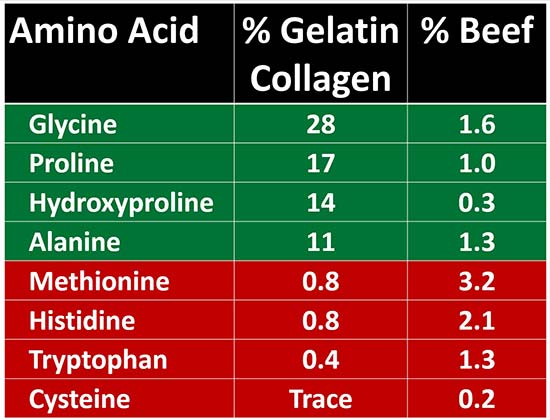
I recommend you get one-third of your protein intake from collagen or gelatin because solely focusing on meat alone will have a negative effect on your bone health. As noted in a study published in Proceedings of the Nutrition Society,23 “It is known that calcium excretion may rise with increased protein intake suggesting a detriment to bone mass.”
The best way to get more collagen into your diet is by making bone broth from organic grass fed animal bones. Slow-cooking or pressure cooking more gelatinous cuts of meat are another option, as are collagen and gelatin supplements.
The Impact Caused During Exercise Strengthens Your Bones
Most people are aware that exercise helps boost your overall fitness and even lowers your risk of cancer, diabetes and cardiovascular disease.24 Exercise is also a foundational way to strengthen your bones. As noted in a 2022 study published in Frontiers in Immunology,25 exercise exhibits a positive effect on osteoporosis. Specifically, the impact felt by your bones causes them to adapt, remodel and strengthen themselves:
“Mechanical forces applied to bone tissue induce the movement of interstitial fluid along tubules and bone cell pores, thereby causing cell-level shear stress and deformation of bone cell plasma membrane. These changes lead to the beginning of the bone remodeling process and stimulate bone resorption and formation cycles,” the study authors noted.
The researchers noted that resistance training, as well as aerobic training, positively benefits bone density by stimulating hormonal reactions to promote stronger bone reformation.26 In addition to these two, you also must pay attention to the intensity of the exercises you do. According to another study,27 exercise must be dynamic, and placing a load (such as weights) generates forces that will have a strong and consistent positive effect on bone development.
KAATSU Improves Bone Density Without Lifting Heavy Weights
While strength training can be risky for the elderly and those with already brittle bones, there’s a way to circumvent this risk. Blood flow restriction training, particularly the KAATSU method, allows you to get the benefits of resistance exercise without the need for heavy weights.
KAATSU works by restricting blood flow in your extremities in cycles, which creates intermittent hypoxia. This results in the production of anti-inflammatory myokines that build muscle strength while lifting lighter weights, which is a big benefit for those who have lower mineral density and are looking to ease into exercising. In my interview with Steven Munatones, an expert KAATSU practitioner, he explains how it works:
“KAATSU cycle is basically a very clever biohack that will allow the muscles to work and allow the vascular tissue to become more elastic. You don’t perceive the pain of heavy lifting, but your vascular tissue and muscle fibers are being worked out just as effectively, and you can do it for a longer period of time.”
Moreover, KAATSU will help boost bone mineral density, and this benefit has been documented in studies. In one example, published in Frontiers in Physiology,28 researchers observed participants who performed BFR training for six weeks.
After the test period was complete, results revealed that even at low intensity, BFR stimulated acute bone formation biomarkers. In another study,29 researchers noted that low-intensity BFR exercise was just as effective as high-intensity exercise in reducing biomarkers of bone destruction.
So, how do you incorporate KAATSU into your exercise routine? Simply wear the KAATSU bands while working out, either with or without weights. For additional information, read my article “How to Stay Fit for Life.” You’ll find an in-depth explanation of how KAATSU works, as well as specific exercises that take advantage of this amazing exercise innovation.
Mix Up Your Exercise Routine with a Vibration Plate
In addition to exercise and KAATSU, another way of combatting osteoporosis is whole-body vibration (WBV) therapy. Essentially, it’s a method wherein vibrations are sent throughout your body in small, controlled doses. This causes positive effects on your body, including increased bone mineral density. In a 2022 meta-analysis30 of 14 randomized controlled trials, researchers noted that WBV therapy exhibited positive effects on patients with knee osteoarthritis (OA):
“Meta-analysis showed that low-frequency and high-frequency whole-body vibration had additional positive effects compared with strengthening exercises alone on pain, knee extensor muscle strength, and physical function in individuals with knee OA. Whole-body vibration with strengthening exercises can be incorporated into treatment protocols.”
Another meta-analysis31 published similar results. Here, researchers showed that WBV therapy boosts bone mineral density in postmenopausal women and reduces the risk of bone fractures in healthy adults. Elderly people who intend to use a vibration plate to manage their osteoporosis will also enjoy other benefits, such as increased cognition.32
For a closer look into the mechanisms and history behind WBV therapy, read my article “Utilize the Power of Vibrations to Promote Wellness.” There, I also discuss exercises that are done on a vibration plate, as well as tips on how to choose the best product for your needs.
- 1 US HHS, “Osteoporosis Workgroup”
- 2 The Medical Independent, August 26, 2024
- 3, 6 Cleveland Clinic, “Osteoporosis”
- 4 The New York Times, July 22, 2024
- 5 NIH, “Osteoporosis”
- 7 Mayo Clin Proc. September 2008; 83(9): 1032–1045, Abstract
- 8 BMJ. 2008 January 19; 336(7636): 117
- 9 Eur J Clin Pharmacol. 2023; 79(9): 1159–1172, Background
- 10 Osteoporos Int. 2023; 34(11): 1917–1926, Discussion
- 11 Front Endocrinol (Lausanne). 2020; 11: 473, Background
- 12, 13 International Journal of Molecular Sciences September 2022; 23(18): 10733, Section 3
- 14 Front Endocrinol (Lausanne). 2020; 11: 473, Perspective
- 15, 16 ODS, “Calcium”
- 17 Human Nutrition & Metabolism Volume 34, December 2023, 200221, Introduction
- 18 Nutrients. 2013 Aug; 5(8): 3022–3033, Low Magnesium and Osteoporosis: Experimental Evidence
- 19 Nutrients 2023, 15(23), 4935, Mechanisms of Action
- 20 ODS, “Magnesium”
- 21 Cleveland Clinic, March 20, 2023
- 22 J Frailty Sarcopenia Falls. 2020 Mar; 5(1): 1–5, Introduction
- 23 Proc Nutr Soc. 2021 May;80(2):165-172, Catabolic Associations of Dietary Protein with Bone Health
- 24 BMC Public Health volume 20, Article number: 1724 (2020), Abstract
- 25, 26 Front Immunol. 2022; 13: 1005665, Mechanisms of Exercise in Alleviating OP
- 27 Front Endocrinol (Lausanne). 2021; 12: 704647, The Influence of Physical Activity on Bone Health
- 28 Front Physiol. 2022; 13: 837631, Abstract
- 29 J Birjand Univ Med Sci. 2021; 28(1):24-31, Abstract
- 30 J Rehabil Med. 2022; 54: 2032, Abstract
- 31 Complementary Therapies in Medicine Volume 65, May 2022, 102811, Abstract
- 32 AIMS Neurosci. 2023; 10(2): 130–143, Abstract
DMSO Is a Miraculous Therapy for Pain and Tissue Injury
Reproduced from original article:
https://articles.mercola.com/sites/articles/archive/2024/10/25/dmso-pain-tissue-injury.aspx
Analysis by A Midwestern Doctor October 25, 2024

STORY AT-A-GLANCE
- The standard approach for managing pain and musculoskeletal injuries often involves NSAIDs (e.g., ibuprofen), which are linked to serious risks, including tens of thousands of deaths annually
- DMSO is a highly effective, natural pain reliever that has helped individuals disabled by chronic pain (e.g., from failed spinal surgery or severe arthritis) regain their quality of life. It also addresses conditions that other therapies struggle to alleviate like complex regional pain syndrome
- DMSO is effective in promoting wound healing and healthy scar formation, making it remarkable for surgical recovery and burns
- DMSO has an 80% to 90% success rate for treating a wide range of musculoskeletal conditions, including arthritis, back and neck strains, sprains, bursitis, and traumatic injuries. Its rapid and dramatic effects have made it popular among professional athletes for quick recovery
Modern medicine often sidelines “miracle” drugs that work too well. Despite decades of evidence showing that the naturally occurring chemical Dimethyl Sulfoxide (DMSO) is a remarkably safe and versatile treatment for a range of challenging conditions — such as strokes, head trauma, spinal cord injuries, dementia, and even Down Syndrome — it has been largely overlooked.
This sidelining is particularly remarkable as DMSO is also one of the most effective treatments for acute and chronic pain, musculoskeletal injuries, and chronic degenerative conditions (e.g., arthritis).
DMSO, Nature’s Healer
DMSO is a powerful, natural compound with several unique properties that make it an incredibly versatile healing agent:
| Rapid absorption — When applied to the skin or ingested, DMSO quickly spreads throughout the body. |
| Cellular protection — It shields cells from lethal stressors like burns, frostbite, blood loss, radiation, and shockwaves, and can rescue already damaged cells on the verge of dying. |
| Safety profile — DMSO is extremely safe,1 and in almost all cases, its only side effects are temporary skin irritation or creating a garlic-like odor. In contrast, the standard of care (NSAIDs) kill tens of thousands of Americans each year and are the leading cause of drug induced hospital admissions. |
| Conduction blocking — DMSO selectively blocks pain signals from small nerve fibers (e.g., C fibers)2,3,4 which are often involved in chronic pain (e.g., DMSO is one of the most effective treatments for complex regional pain syndrome). This blocking effect is reversible and doesn’t cause tolerance. |
|
Choline esterase inhibition — By inhibiting acetylcholinesterase,5,6,7,8 DMSO boosts acetylcholine levels, enhancing parasympathetic function and reducing pain. |
| Anti-inflammatory action9 — DMSO is incredibly effective at rapidly reducing inflammation (e.g., it lowers inflammatory cytokines, scavenges free radicals, and drains edema that would otherwise compress tissues). |
| Muscle relaxation — DMSO rapidly relaxes skeletal muscles, easing pain from tension and spasms.10,11,12 |
DMSO and Tissue Healing
DMSO greatly improves wound healing (e.g., from burns or surgeries). For example:
• A study of 1371 chronic skin wounds that had often remained unhealed for years (e.g., infected ulcers or severe burns) found 95.04% had a rapid and complete recovery (e.g., no burn scars).13 Likewise, a systematic review found DMSO effectively treated ulcers.14
• Numerous studies show that DMSO accelerates limb regeneration in animals15 and surgical wound healing in humans.16 It also enhances the viability of skin grafts and flaps, offering benefits for plastic and reconstructive surgery.17,18,19,20,21,22
• Animal studies have shown DMSO increases the tensile strength of surgical scars23,24 (which significantly improves surgical outcomes), decreases experimentally induced intestinal adhesions25 (a common complication of abdominal surgeries) by 80%, prevents hypertrophic (excessive) scar formation.26
• Human studies show DMSO can flatten and loosen keloid scars27 and gradually eliminate subcutaneous fibrosis induced by radiation.28
• Finally, DMSO is also sometimes used to repair keloid scars. For example, in one study of ten people with keloids, applying 50% to 80% DMSO a couple of times a day induced scar flattening with the loosening of the collagen surrounding the fibrous bundles.29 Similarly, another study found DMSO eliminated (through a gradual softening and reduction of it).30
Save This Article for Later – Get the PDF Now
DMSO and Musculoskeletal Injuries
Many of the early adopters of DMSO went from skeptics to believers because of the rapid and dramatic improvements they saw from it healing acute injuries (e.g., as they had patients with debilitating bursitis in the shoulder recovering within minutes of receiving DMSO).
As it was far safer and more effective than any other way to treat musculoskeletal injuries, joint disorders or chronic pain, DMSO was rapidly adopted by doctors and pharmaceutical companies across the country (e.g., millions were invested to bring DMSO products to market and hundreds of thousands of Americans had life-changing benefits from it).
Unfortunately, as DMSO’s use was skyrocketing, on November 10, 1965, the FDA decided to globally ban all research on it by falsely claiming it was incredibly dangerous. Because of this, there was an explosion and then sudden disappearance of DMSO research, which sadly continued even with Congress repeatedly trying to get the FDA to overturn their indefensible prohibition of DMSO.
Note: A detailed review of DMSO’s extensive safety data and toxicology studies can be viewed here.
As a result, very little knowledge now exists of DMSO’s use in human musculoskeletal injuries other than it existing in a few FDA approved products (where it typically is combined with another agent). Remarkably however, it is fully permitted in veterinary medicine (which led to a lot of Americans using DMSO that was “meant for horses”) where it is frequently utilized for musculoskeletal injuries. Those forgotten studies include:
| A 1964 study,31 where 22 out of 25 patients with subacromial bursitis experienced a rapid improvement within 30 minutes of DMSO, while in chronic cases 32 of 40 patients improved and in some patients, a reduction in shoulder calcium deposits was also noted (which in a later 1967 study,32 were shown on X-ray to disappear following DMSO). |
This 1965 study:33
 |
This large 1967 study:34
 Note: In that study,35 many of the results were immediate and dramatic. For example, this was one bursitis patient.  |
This 1967 study:36
 |
This 1967 study:37
 |
A 1967 study that found:38
 Note: The miscellaneous conditions treated in this study by DMSO included 19 cases of sciatica, 6 cases of coccydynia, and 2 cases of lupus.39 |
Another 1967 study40 found:
 |
| A 1967 study41 gave PT and 70% DMSO to 7 people with frozen shoulders, 4 of whom had excellent pain relief and improved motion. |
A 1967 blinded study42 for acute musculoskeletal disorders (using 10% DMSO gel as a “placebo”) that found:
  In that study, its author (a former president of the Aerospace Medical Association43) remarked:
He then conducted a follow-up double-blind study44 on patients with sprains, strains, bursitis, or tendinitis which found DMSO significantly improved those conditions and reduced the time patients lost from work. |
| A 1994 blinded study45 gave 157 patients with acute tendinopathies (e.g., tennis elbow) 10% DMSO gel or a placebo ointment three times a day for 14 days within 3 days of symptoms starting. Pain of movement under loading and the mobility of the joints were significantly improved after, respectively, 3 and 7 days of treatment with DMSO. After 14 days on DMSO, a further improvement was observed, and 44% of the patients (and 9% of placebo) were pain-free.
Note: DMSO has also been reported to be effective for carpal tunnel syndrome46 (and other hand issues like trigger fingers). For those struggling with carpal tunnel syndrome, I discussed our approaches to the disorder here. |
Finally, a 1967 analysis47 of 76 studies using topically applied (90%) DMSO for musculoskeletal conditions found 72% improved. Specifically:
   Note: The review also included 102 Traumas (contusion, fracture, etc.), 29 Tenosynovitis, 27 Neuritis, 20 Muscle spasms, 20 unspecified types of arthritis, and 220 miscellaneous issues (e.g., fibrositis, epicondylitis, synovitis, calcific tendinitis). To quote the authors:
Finally, at a symposium on DMSO,48 data on 9,521 patients were presented, which showed DMSO was effective therapy in a wide variety of acute traumatic conditions, in acute and chronic subacromial bursitis, osteoarthritis, gouty arthritis, and in some patients with rheumatoid arthritis (along with other conditions such as early Dupuytren’s contracture). Note: A later 1981 study49 also found DMSO was superior to indomethacin in the treatment of gout. |
Sports Injuries
“What I like about DMSO is that you don’t have to interrupt your training every time you get a minor pull or sprain. It doesn’t pump you up like certain pills. It’s simply a very useful thing to use for simple athletic injuries.
Some people have told me that you shouldn’t use it because it might mask the pain of a serious injury, but a good athlete knows his body well. Even when I’m using DMSO, I know when I can push and when I can’t.” — Al Oerter, a discus thrower and the first American to win 4 consecutive Olympic gold medals.50
One of the greatest challenges professional athletes face are sports injuries which prevent them from returning to the field, particularly since many sports injuries are a product of micro-injuries building up until a critical point is passed (e.g., from adhesions and scars in the soft tissue).
In turn, since DMSO both heals micro-injuries and rapidly treats traumatic injury (returning them to full functionality), DMSO was rapidly adopted by professional athletes once they realized what it could do for their careers (and being off the field was often devastating to their careers).
In turn, due to the voice their position afforded them, a few professional athletes (e.g., Atlanta Falcons Quarterback June Jones51 — who now is a coach52) became some of the most impactful advocates for DMSO (e.g., Jones stated in Congressional testimony53 that “veterinary” DMSO was widely used but athletes were afraid of publicly discussing it). Likewise, in 2013, a Dallas Cowboys Lineman stated:54
“You get it [from] the veterinarian and it goes right to the bloodstream. It’s an ointment that’s like anti-inflammatory. You put it on your skin and you put it on a muscle, and I guarantee you, in about 30 minutes you’d feel it. It wasn’t on the list [of banned substances] … we used DMSO and people knew it. Everyone knew about it.”
Furthermore, in his riveting testimony, Jones provided cases that left the Congressmen in disbelief, such as a teammate with a bone chip and a torn ligament (which would require months of recovery and hence end their season) taking DMSO immediately after the injury and 7 or 8 days later returning to the field (with the bone chip remaining but no longer causing issues).
Likewise, at that Congressional hearing, the former team physician for the Oakland Raiders55 testified that he’d used 70% topical DMSO on a careful and controlled basis for his players 20 to 30 times a year for 5 years. From this, he observed that DMSO was the most beneficial when given in the first 3 to 4 days of an acute injury where a muscle or joint had severe swelling, particularly of the extremities, especially the ankle, elbow, hands, or wrist.
Overall, he stated that DMSO provided good to excellent results 70% to 80% of the time (e.g., through reduced pain and swelling) and the players felt they were able to return to play 50% to 75% faster than they had from similar injuries in the past. Conversely, they did not find DMSO was helpful for chronic injuries, but this may have been due to it not being used long enough for the effects to kick in.
Note: He also emphasized that DMSO would transform the field of occupational medicine. I fully agree with his assessment, especially given just how frequently Worker’s Comp fails to help its patients.
Similarly, podiatrist Lowell Scott Weil (who was the physician for both the Chicago Bears and the United States Olympic gymnastics team) used DMSO on a regular basis (particularly injured gymnasts).
After 12 years of using it, he shared,56 he’d seen it rapidly heal injuries (e.g., he had a gymnast who suffered an ankle sprain expected to end her season, but instead quickly recovered and made the U.S. Olympic team, and a football player who tore his hamstring but was able to rapidly return to the field).
Overall, he had a 60% treatment success rate and saw the best response to DMSO for tendinitis, myositis, and post-injury situations such as muscle pulls, ankle sprains, strains, and tears of the soft tissue (and conversely the only side effects he had were skin irritation). Additionally, he also used it for arthritic patients (especially rheumatoid arthritis) with many having dramatic relief. Many other compelling anecdotes exist.
For example, this book57 discusses the experience of an Oregon State track coach and early adopter of DMSO who had many amazing stories of DMSO treating hamstring and achilles tendon injuries such as an athlete being able to return to the field at full capacity 3 days after a normally disqualifying hamstring injury and the story of a blind long distance runner who was able to run due to DMSO fixing musculoskeletal injuries and (according to the author) then played a pivotal role in opening the sport to women.
Note: A major problem in certain sports like football is repeated concussions (which are now recognized to put them at risk for cognitive impairment and dementia later in life). As discussed in the first part of this series, in addition to treating strokes and spinal cord injuries, DMSO is also immensely helpful for mitigating the effects of concussions.
Research also directly demonstrates DMSO’s utility in sports medicine:
• A 1965 study58 treated 47 injured athletes from a wide range of sports (e.g., tennis, diving, or wrestling) by applying 90% DMSO applied to the injured areas 3 times a day initially and then after 2 days, twice a day. The 30 acute traumas (e.g., sprains, strains, dislocations, serious cuts) were observed to rapidly resolve, sometimes “so spectacularly as to compel us to urge our patients to observe greatest caution in order to avoid further damage to a joint.”
The 10 chronic conditions (e.g., tennis elbow) and 7 conditions resulting from prolonged immobilization also responded rapidly and those athletes were often able to quickly return to the field. These results and the lack of observed adverse events led the investigators to argue DMSO urgently needed to become the standard of care in sports medicine.
• A study59 of 78 patients (mostly athletes) with overstrained tendons received Dolobene gel (15% DMSO, dexpanthenol and heparin) for 2 to 3 weeks, with over 50% having a significant improvement of symptoms and those improvements including a 94% improvement in pain, a 55% improvement of swelling, 95% improvement of redness and 92% improvement of warmth.
• A study60 gave Dolobene gel to 30 athletes with soft tissue injuries of the upper and lower extremities twice daily for 4 weeks. There were 4 athletes with contusion of the shoulder, 8 with distortion and contusion of the knee joint, 8 with muscle, tendon and ligament lesions, and 10 with distortion of the ankle joint.
Following DMSO, 10 had an excellent response (improvement), 5 had an excellent to good response, 10 had a good response and 5 had a moderate response. Specifically, pain, inflammation, swelling, reabsorption of hematomas, tenderness and recovery time were assessed.
• A study61 gave Dolobene gel and ultrasound to 15 subjects who had received a blunt tissue trauma (without fracture) to the lower extremity within the last 24 hours. Compared to 15 placebos, the treatment resulted in a faster relief of pain, reduction of edema, and recovery of mobility.
• A 1966 study62 of 28 professional baseball players found that giving them DMSO after injuries caused their downtime be one third of what was observed by the treating physician in the previous year with 42 players.
Note: While not quite the same as getting tackled, I’ve also come across cases63 of individuals taking DMSO immediately after getting hit by a car while crossing the street (which caused injuries but no fractures) and immediately fully recovering.
Conclusion
Many of the benefits of DMSO are so extraordinary that they understandably invite a healthy degree of skepticism, and it is for that reason I have spent months carefully compiling the evidence behind it. Likewise, after presenting the initial case for DMSO to the readership of the Forgotten Side of Medicine, I put out a call for what those who’d tried DMSO had experienced.
In those comments, dozens of readers reported remarkable experiences of DMSO, many of which mirror those described throughout this article, but also other even more remarkable ones (e.g., for a child with Down Syndrome, a man with Parkinson’s and a woman who had severed her spinal cord).
The suppression of DMSO has always deeply bothered me, and in turn, I feel incredibly grateful to be alive at a time when the world is ready to learn of the suppressed medical truths many before me (e.g., the DMSO researchers) devoted their lives to bring to humanity.
Furthermore, I believe this is just the start, as beyond open platforms like Twitter (X) rapidly eroding the public’s trust in corrupt medical dogmas, I know through trusted confidants directly connected to RFK Jr. that the next four years offers an unprecedented opportunity to begin rectifying many of the previously insurmountable problems that have plagued our health care system and make America Healthy Again.
Author’s note: This is an abridged version of a longer article that goes into greater detail on the points mentioned here, others not as extensively covered (e.g., the wealth of evidence DMSO is a life-changing pain treatment), and guidance for topical DMSO use (e.g., dosing, therapeutic precautions and where to obtain it).
That article and its additional references can be read here (along with a companion article discussing DMSO’s remarkable utility for a variety of musculoskeletal injuries and chronic pain conditions and an article about how DMSO treats a variety of “incurable” autoimmune and genetic disorders).
A Note from Dr. Mercola About the Author
A Midwestern Doctor (AMD) is a board-certified physician from the Midwest and a longtime reader of Mercola.com. I appreciate AMD’s exceptional insight on a wide range of topics and am grateful to share it. I also respect AMD’s desire to remain anonymous since AMD is still on the front lines treating patients. To find more of AMD’s work, be sure to check out The Forgotten Side of Medicine on Substack.
- 1 The Forgotten Side of Medicine, October 12, 2024
- 2, 3 Exp Neurol. 1969 Jun;24(2):272-6
- 4 Neurosci Lett. 1993 Feb 19;150(2):145-8
- 5 ACS Chem Neurosci. 2017 Dec 20;8(12):2618-2625. doi: 10.1021/acschemneuro.7b00344. Epub 2017 Oct 16
- 6 Brain Res. 1991 Dec 6;566(1-2):329-32. doi: 10.1016/0006-8993(91)91719-h
- 7 Biochem Pharmacol. 1983 Jan 1;32(1):151-8
- 8 Nature. 1966 Oct 22;212(5060):405
- 9 The Forgotten Side of Medicine, September 29, 2024
- 10 Proc Soc Exp Biol Med. 1966 May;122(1):103-7
- 11 Ann N Y Acad Sci. March 1967, Volume 141, Issue 1, Pages 310-325
- 12 DMSO Symposium. Vienna: Berlin, Saladruck. Vol. 21. 1966
- 13 Ann N Y Acad Sci. 1975 Jan 27:243:408-11
- 14 Wounds UK 15(15):361-370, November 2003
- 15 Ann N Y Acad Sci. January 1975, Volume 243, Issue 1, Pages 257-268
- 16 Klin Khir (1962). 1988:(1):1-3
- 17 DMSO.org, March 12, 1993
- 18, 22 Aesthet Surg J. 2005 Mar-Apr;25(2):201-9
- 19 Otolaryngol Head Neck Surg. 1994 Feb;110(2):228-31
- 20, 21 Plast Reconstr Surg. 2007 Dec;120(7):1819-1822
- 23 Am Surg. 1966 Jun;32(6):421-4
- 24 La Presse Medicale, 01 Jan 1967, 75(1):20
- 25 Arch Surg. 1965 Dec;91(6):920-3
- 26 J Plast Reconstr Aesthet Surg. 2017 Apr;70(4):509-517
- 27, 29 Ann N Y Acad Sci. March 1967, Volume 141, Issue 1, Pages 638-645
- 28, 30 Ann N Y Acad Sci. 1967 Mar 15;141(1):603-12
- 31 Northwest Med. 1964 Mar:63:167-8
- 32, 34, 35 Ann N Y Acad Sci. March 1967, Volume 141, Issue 1, Pages 506-516
- 33 JAMA. 1965;192(4):309-313
- 36 Ann N Y Acad Sci. March 1967, Volume 141, Issue 1, Pages 586-598
- 37 Ann N Y Acad Sci. 1967 Mar 15;141(1):572-85
- 38 Ann N Y Acad Sci. March 1967, Volume 141, Issue 1, Pages 532-550
- 39 A Midwest Doctor, September 25, 2024
- 40 Ann N Y Acad Sci. 1967 Mar 15;141(1):599-602
- 41 Ann N Y Acad Sci. 1967 Mar 15;141(1):569-71
- 42 Ann N Y Acad Sci. March 1967, Volume 141, Issue 1, Pages 496-505
- 43 Aeropsace Medical Association
- 44 Curr Ther Res Clin Exp. 1971 Aug;13(8):536-40
- 45 Fortschr Med. 1994 Apr 10;112(10):142-6
- 46, 63 Amazon, The DMSO Handbook for Doctors
- 47, 48 Ann N Y Acad Sci. March 1967, Volume 141, Issue 1, Pages 517-523
- 49 Terapevticheskii Arkhiv, 01 Jan 1981, 53(7):127-129
- 50 Amazon, DMSO: The True Story of a Remarkable Pain-Killing Drug
- 51, 53 UPI Archives, December 17, 1981
- 52 Wikipedia, June Jones
- 54 New York Post, February 8, 2013
- 55 Dr. Graham Reedy (Archived)
- 56 Amazon, DMSO: Nature’s Healer
- 57 Amazon, The Persecuted Drug: The Story of DMSO
- 58 Gazz. Intern. Med. Chir. 70 (1965): 1605
- 59, 60, 61 Springer Book Archive, DMSO, 1985, Neue Erfahrungen in der Behandlung des Sehnenüberlastungssyndroms, Pages 54–57
- 62 DMSO Symposium. Saladruck, Berlin, 1966
Carbohydrates: The Unexpected Ally in Your Fat Loss Journey
Reproduced from original article:
https://articles.mercola.com/sites/articles/archive/2024/09/10/carbohydrates-fat-loss.aspx
Analysis by Ashley Armstrong September 10, 2024

STORY AT-A-GLANCE
- Carbohydrates are not inherently fattening and can be beneficial for fat loss when included in a calorie-controlled diet. Including carbs in a fat loss diet can improve long-term adherence and satisfaction, making sustainable weight loss more achievable
- Insulin spikes from carbohydrates do not directly cause fat gain; obesity and inactivity are the primary contributors to insulin resistance
- Including carbs in your diet helps preserve muscle mass during fat loss by reducing muscle protein breakdown and supporting exercise performance
- Low-carb diets can negatively impact hormones, decreasing testosterone and increasing cortisol in both males and females
- Carbohydrates play a role in maintaining progesterone levels, which is important for hormonal balance in both men and women. Adequate carbohydrate intake also supports thyroid function and metabolic health by maintaining T3 hormone levels during calorie deficits
Let’s start with a myth: carbohydrates are inherently fattening and should be removed from your diet if you want to lose weight. This is not true! Carbohydrates can and should be included in a healthy fat loss phase. So in this article let’s talk about why including carbs in your diet is BENEFICIAL for fat loss.
But What About Insulin?
When it comes to fat loss, carbohydrates are demonized in many diet camps likely because of the fear mongering around insulin and blood sugar.
The logic seems so clear and appealing: High carbs lead to insulin which leads to fat storage. Low carbs keep insulin low, which should get you effortlessly lean while you enjoy endless amounts of fat, right? No! Do carbs increase insulin levels? Yes, they do. Does increased insulin after meals lead to fat gain? No. Did you know that dietary protein spikes insulin?1 So following the above logic, does dietary protein cause fat gain? No!
Insulin isn’t the devil people want you to believe. Like every other hormone in your body, insulin has a specific purpose and isn’t always a bad thing. (For example — insulin plays a crucial role in promoting muscle growth and maintenance since it facilitates glucose and amino acid uptake into muscle cells, preventing muscle protein breakdown).2
Research demonstrates that obesity and inactivity are the biggest contributors to insulin resistance3,4,5,6 not carbs. In fact, high fat diets can negatively impact insulin sensitivity.7,8 Dietary fat is not a bad thing — but moderate fat and the inclusion of carbs can be beneficial for a number of reasons.
Let’s look at what happened in one study comparing low carb (5% cal) vs. moderate carb (40% cal) where calories were controlled and protein was matched (this is a huge problem in the research: many low carb diet studies don’t match protein intake between the groups leading to more variables.)
Subjects who ate the moderate carb diet reported significantly better mood and lost about the same amount of weight as those on a ketogenic low-carb diet — demonstrating that carb consumption does not inhibit weight loss.
The group who ate more carbs showed a small (though not statistically significant) tendency to lose more body fat as compared to those on a low carb diet (5.5 kg vs 3.4 kg in 6 weeks).
Can a low-carb diet work to help people lose weight? Of course it can. Is it because it is low in carbs? No. As a weight loss strategy, cutting carbs (while reducing the total number of calories) can work well for some people! But cutting carbs can come with costs:
- Reduced thyroid and metabolic function
- Decreased glycogen levels
- Increased muscle loss
- Hormonal imbalances
- More frequent binge eating episodes
So, let’s explore why carbs might actually be good for fat loss:
1. Metabolic health: The carb and thyroid connection — Carbohydrates play a vital role in supporting metabolic health. The liver requires glucose (derived from carbohydrates) to convert T4 to T3, a crucial thyroid hormone. T3 is a thyroid hormone that plays a significant role in regulating metabolism.
When T3 levels are low, the body’s metabolic processes tend to slow down, which means that fewer calories are burned at rest, making fat loss more challenging.
Research has shown that maintaining carbohydrate intake during a calorie deficit helps sustain T3 levels, which is essential for overall metabolic health.9 “During the low carbohydrate diet rT3 increased and T3 decreased but they remained unchanged during the carbohydrate-rich diet.”10
The research is clear that including more carbohydrates tends to increase T3 levels in the body, while low-carb diets tend to lower T3 levels.11,12
 Image from: Chews Food Wisely
Low Energy Availability (LEA) is a condition where the body doesn’t have enough energy to support normal physiological functions after accounting for the energy expended in exercise and daily activities. This can lead to various health problems, including hormonal imbalances, reduced bone density, and impaired immune function.
Studies indicate that adequate carbohydrate intake can help prevent LEA, even during a calorie deficit.13 By providing your body with a steady source of easily accessible energy, you minimize the risk of entering this low energy state, supporting overall health and well-being during your fat loss journey.
In conclusion, including carbs in your diet during a fat loss phase might help sustain T3 levels, potentially supporting metabolic rate and preventing some of the negative effects associated with low-calorie diets on thyroid function.
2. The glycogen factor: Beyond water weight — One of the primary advantages of including carbohydrates in your fat loss diet is their role in maintaining muscle glycogen stores. (Glycogen is stored carbohydrates that serve as a quick-release energy reserve.) Your body can store approximately 400 to 500 grams of glycogen in muscles and 80 to 120 grams in the liver.14
Interestingly, each gram of glycogen is stored with about three grams of water, which means that 500 to 600 grams of glycogen can account for 3 to 4 pounds of your body weight.
 Image from: Heatrick
This glycogen-water relationship explains why people on low-carb diets often see rapid initial weight loss. As the body burns through stored glycogen (since you aren’t consuming carbs), the body releases the associated water, leading to a quick drop in scale weight.15 However, this is primarily water loss, not fat loss.
By maintaining carbohydrate intake, you ensure that your weight loss comes primarily from fat stores rather than this initial water weight.
If you stay in a calorie deficit on a keto diet for long enough, you will of course lose body fat as well. However, when you reintroduce carbs, you’ll likely regain some water weight back as your glycogen stores are replenished.
3. Reduce muscle protein breakdown — Researchers have found that low-carb diets can increase muscle protein breakdown, as measured by increased urinary nitrogen excretion.16
As we just discussed above, consuming carbs keeps your muscle glycogen levels full, which improves your gym performance and helps your recovery — increasing your chances of maintaining muscle mass during a calorie deficit.
When you lose weight, that includes some fat and muscle. But by including carbs, you reduce the amount of muscle you lose since you are reducing muscle protein breakdown! When you get enough carbs to meet your needs, you replenish muscle glycogen and create an anabolic (building-up) hormonal environment.
Conversely, when you don’t eat enough carbohydrate, muscle glycogen is depleted and a catabolic (breaking-down) hormonal environment is created,17 which means more protein breakdown and less protein synthesis. This means slower muscle growth — or even muscle loss.
Research shows that lowering carb intake can affect your muscle mass even if protein remains constant.18 Low carb diets likely increase muscle breakdown, because severely low carbs lowered insulin levels.
Another reason for the reduction in muscle protein breakdown is that carbs can help enhance your performance in the gym. The more you can push yourself in the gym with pushing close to muscular failure at heavier weights, the better mechanical tension and stimulus you can achieve, sending a message to the muscle: “please stick around!”
Carbs are also protein sparing, meaning they supply the body the glucose it needs for vital functions so that it doesn’t have to break down muscle tissue to produce those carbs. When you don’t consume carbs, your body will use some of your dietary protein to perform higher amounts of gluconeogenesis19 in order for your body to meet its baseline glucose needs.
Gluconeogenesis is primarily performed in the liver, so consuming carbs will support liver health since you are reducing one more thing the liver must do (amongst its list of 500 tasks) — more gluconeogenesis!
Carbohydrates play a crucial role in preserving muscle mass during a calorie deficit by maintaining glycogen stores. Plus, muscles that are full of glycogen look MUCH better aesthetically than muscles depleted of glycogen.
4. Negatively impacts hormones — Low carbohydrate diets have been shown to negatively impact hormones for both males and females, decreasing testosterone while increasing cortisol.20,21,22,23
When in a low carb state, your body activates stress hormones in order to make the carbs that your body requires for basic physiological functions.24
Most people nowadays are estrogen dominant due to xenoestrogens, phytoestrogens in certain foods, modern pollutants, birth control, and estrogen hormone replacement.25 For example — menopause and PCOS are not conditions of estrogen deficiency, instead it is excess estrogen.
Improving progesterone production helps balance hormones and reverse estrogen dominance. Well, low carb diets can negatively affect progesterone production. Dr. Katharina Dalton, a pioneer in hormonal balance and PMS, found that dietary changes could significantly influence hormonal levels and alleviate symptoms of PMS.
To properly restore the progesterone hormonal function and hormone balance, she had her patients eat carbs (primarily starches) at each meal.26 Dr. Dalton had two main reasons:
a. To avoid dips in blood sugar — “Progesterone receptors cannot transport or bind to, a molecule of progesterone if there has been a drop in blood sugar.”
b. To keep adrenaline as low as possible — “Progesterone receptors do not transport progesterone molecules into the nucleus of cells if adrenaline is present.”
We are bombarded with estrogenic substances in daily life, so progesterone is vital for truly everyone, including males! And carbs can help optimize progesterone production.
Female hormones are extremely sensitive to diet. For example, one study following 45 patients aged 12 to 19 on a ketogenic diet found menstrual dysfunction was the most common side effect (45% of female subjects) and 6 experienced amenorrhea.27
5. Improved diet adherence and satisfaction — Perhaps one of the most underappreciated benefits of including carbohydrates in a fat loss diet is improved adherence. Carbs contribute to greater food variety, making meals more enjoyable and satisfying. This increased satisfaction can make it easier to stick to your diet long-term, which is crucial for sustainable weight loss.
Finding a diet approach that you can remain consistent with that is not unnecessarily restrictive will help you avoid the never ending restrict-binge-restrict-binge cycle where you may lose 10 lbs, regain it, lose 10 lbs, regain it … that is not sustainable and is a sign what you are doing isn’t working!
This psychological factor is often overlooked but can be crucial in achieving and maintaining your fat loss goals. When you feel less restricted in your food choices, you’re more likely to adhere to your diet plan in the long run.
Conclusion: The Carbohydrate Balance
While creating a calorie deficit is necessary for fat loss, completely eliminating carbohydrates may not be the most effective or sustainable approach. The removal of carbs may help you initially lose weight (since you remove an entire food group, and thus a lot of calories). But, then what? How do you come out of that state? Can you maintain that day in and day out?
By including quality carbohydrates in your diet, you can support your fat loss goals while maintaining muscle mass, metabolic health, better hormones and diet satisfaction. While everyone’s metabolism will be slightly lowered when dieting (this is why you may stall after a while and have to make tweaks along the way), research shows that consuming carbs while eating in a caloric deficit leads to LESS of a metabolism reduction due to higher thyroid functioning.
It is important to point out, however, that even if carbs are included, CHRONICALLY eating lower calorie will eventually lead to a low-energy-availability state. Which is why it is important to have planned out fat loss phases, and not chronically under eat calories.
Remember, sustainable weight loss is about finding a balanced approach that works for you in the long term. So, before you jump on the no-carb bandwagon, consider the potential benefits of keeping carbs as part of your fat loss strategy. Your body — and your taste buds — might thank you for it.
Save This Article for Later – Get the PDF Now
Transform Your Health — One Step at a Time
Ashley and her sister Sarah have put together a truly groundbreaking step-by-step course called “Rooted in Resilience.” They have compiled what clearly is the best application of Dr. Ray Peat’s work on Bioenergetic Medicine that I have ever seen.
It is so good that I am using the core of their program to teach the many Health Coaches that I am in the process of training for the new Mercola Health Clinics I am opening this fall. It took these women working nearly full-time on this project for a year to create it.
This has to be one of the absolute best values for health education I have ever seen. If you want to understand why you struggle with health problems and then have a clear program on how to reverse those challenges, then this is the course for you.
It is precisely the type of program I wish I would have had access to when I got out of medical school. I fumbled around for decades before I reached the conclusion they discuss in the course and share with you so you can restore your cellular energy production and recover your health.
| Select and eat the right foods to heal your metabolism and improve glucose utilization |
| Balance your hormones to help reduce anxiety, weight gain and sleep disturbances |
| Use reverse dieting to increase your calories without gaining weight and tanking your metabolism, all while improving your energy levels |
| Heal your gut for proper immune function, mood and weight management |
| Tweak your diet and lifestyle habits to improve your mindset and mental health |
| Crush your fitness goals with ease and get your life back on track |
| Master the most essential habits for health with bonus guides, including over 100 meal plans to take the stress out of meal time planning and shopping, and so much more! |
About the Author
Ashley Armstrong is the cofounder of Angel Acres Egg Co., which specializes in low-PUFA (polyunsaturated fat) eggs that are shipped to all 50 states (join waitlist here), and Nourish Cooperative, which ships low-PUFA pork, beef, cheese, A2 dairy and traditional sourdough to all 50 states. Waitlists will reopen shortly.
- 1 Physiol Rep. 2023 Jan; 11(2): e15577
- 2 Am J Physiol Endocrinol Metab. Author manuscript; available in PMC 2010 Jan 12
- 3 Am J Med. 2006 May;119(5 Suppl 1):S10-6, doi: 10.1016/j.amjmed.2006.01.009
- 4 Free Radic Res. 2014 Jan;48(1):93-108, doi: 10.3109/10715762.2013.847528. Epub 2013 Oct 17
- 5 Am J Physiol Endocrinol Metab. 2021 Dec 1;321(6):E766-E781, doi: 10.1152/ajpendo.00254.2020. Epub 2021 Nov 1
- 6 Clin Nutr. 2010 Jun;29(3):386-90, doi: 10.1016/j.clnu.2009.09.006. Epub 2009 Oct 28
- 7 Front Public Health. 2023 Mar 16:11:1115333
- 8 Eur J Nutr. 2017 Feb;56(1):431-443. doi: 10.1007/s00394-015-1108-6. Epub 2015 Nov 28
- 9 J Clin Endocrinol Metab. 1976 Jan;42(1):197-200. doi: 10.1210/jcem-42-1-197
- 10 Am J Clin Nutr. 1982 Jan;35(1):24-35. doi: 10.1093/ajcn/35.1.24
- 11 Nutrients. 2018 Jan; 10(1): 5
- 12 PLoS One. 2022; 17(6): e0269440
- 13 Med Sci Sports Exerc. 2022 Mar 1;54(3):377-387. doi: 10.1249/MSS.0000000000002819
- 14 Nutr Rev. 2018 Apr; 76(4): 243–259
- 15 Nutrients. 2022 Feb; 14(3): 423
- 16 J Clin Endocrinol Metab. 2003 Aug;88(8):3801-5. doi: 10.1210/jc.2002-021087
- 17, 18 Journal of Applied Psychology, Volume 109, Issue 2, August 2010, Pages 431-438
- 19 The Journal of Clinical Endocrinology & Metabolism, Volume 85, Issue 5, 1 May 2000, Pages 1963–1967, doi: 10.1210/jcem.85.5.6573
- 20 Eur J Appl Physiol Occup Physiol. 1993;66(4):304-8. doi: 10.1007/BF00237773
- 21 Eur J Appl Physiol. 2010 Apr;108(6):1125-31. doi: 10.1007/s00421-009-1220-5. Epub 2009 Dec 20
- 22 Life Sciences, 40(18):1761-8 40(18):1761-8, doi: 10.1016/0024-3205(87)90086-5
- 23 Eur Food Res Technol 242, 2001–2009 (2016). doi: 10.1007/s00217-016-2772-3
- 24 Jay Feldman Wellness, April 30, 2024
- 25 Ray Peat, Aging, estrogen, and progesterone
- 26 Shakespeare & Co., Once a Month: Understanding and Treating PMS (Paperback)
- 27 Epilepsia. 2003 Jun;44(6):847-51. doi: 10.1046/j.1528-1157.2003.57002.x
Magnesium 101 — A Comprehensive Guide to Its Health Benefits
Reproduced from original article:
https://articles.mercola.com/sites/articles/archive/2024/09/09/comprehensive-guide-magnesium-health-benefits.aspx
Analysis by Dr. Joseph Mercola September 09, 2024

STORY AT-A-GLANCE
- Magnesium is essential for over 80% of metabolic functions, but more than 50% of the U.S. population fail to meet the estimated average requirement, potentially leading to various health issues
- Magnesium deficiency is linked to multiple diseases, including cardiovascular issues, diabetes, respiratory problems and neurological disorders. It’s crucial for calcium regulation and overall cellular health
- Studies suggest magnesium may help ease anxiety and depression. Research indicates potential mental health benefits when combined with vitamin D3
- Magnesium plays a vital role in brain health, potentially reducing the risk of Alzheimer’s and Parkinson’s disease by curbing neuroinflammation and supporting cognitive functions
- Adequate magnesium intake is important for heart health, bone strength and muscle function. It can be obtained through diet or supplements, with various forms available
There’s growing interest in magnesium, and the discourse about it has skyrocketed in recent years. An article published in Vogue1 says that social media is partly responsible for the renewed interest in this nutrient, with various videos promoting it as a “miracle mineral” with a wide array of health benefits.
However, many people are still not getting enough magnesium to reap its positive effects. In the U.S., more than 50% of the population fail to meet the estimated average requirement (EAR) for this vital nutrient.2
With that being said, let’s take a closer look at the myriad benefits magnesium offers so you’ll understand why it’s garnering so much attention, and why optimizing your levels is so important for your health.
Mighty Magnesium — How Does It Work in Your Body?
Dubbed “the MVP of minerals,”3 magnesium is the fourth most abundant mineral in the human body (after calcium, potassium and sodium),4 and is involved in 80% of metabolic functions.5 This macronutrient is needed for biological processes such as muscle contraction, maintaining your heartbeat, creating energy and activating nerves to send and receive messages.
According to an article in Bulletproof, magnesium is a “helper molecule,” or a cofactor.6 It assists around 600 enzymes required for cell metabolism and other processes,7 such as:8,9,10
| Protein synthesis | Blood glucose control |
| Blood pressure regulation | Energy storage and transfer |
| Regulating nerve and muscle (including your heart) function | Gene maintenance |
| Immune system support |
Magnesium is found in almost every single cell in your body, which is why you simply cannot function without it. Carolyn Dean, author of “The Magnesium Miracle,” highlights the importance of this nutrient, saying, “All these minerals are essential but magnesium seems to do the most — it acts as a cell mineral ion gatekeeper, allowing the appropriate amount of the other minerals to enter the cells.”11
Magnesium Deficiency Puts You at Risk of Various Diseases
As mentioned above, magnesium acts as a gatekeeper for other nutrients, playing a significant role in transporting calcium and potassium across your cell membranes, which is crucial for “nerve impulse conduction, muscle contraction, vasomotor tone, and normal heart rhythm.”12
In addition, magnesium acts as a calcium channel blocker. According to Dr. Thomas Levy, a cardiologist who wrote the book “Magnesium: Reversing Disease,” excess calcium inside your cells is a primary contributor to most diseases, saying:
“[M]agnesium was the No. 1 calcium antagonist and general metabolic calcium function inhibitor. It mirrored everything. More calcium increased your chance of death by all causes, less decreased it. More magnesium decreased it, less magnesium increased it …”
Hence, it makes sense that having insufficient magnesium in your system can put you at high-risk of chronic pathologies. According to a 2023 study published in Nutrients,13 “Habitually low intakes of magnesium and in general the deficiency of this micronutrient induce changes in biochemical pathways that can increase the risk of illness and, in particular, chronic degenerative diseases.”
To give you an overview of just how instrumental magnesium is to your overall well-being, here are some of the potential diseases and health conditions associated with magnesium deficiency:14
| Cardiovascular diseases | Hypertension and stroke | Type 2 diabetes |
| Respiratory illnesses and asthma | Depression | Stress-related conditions and psychiatric disorders |
| Dementia, Alzheimer’s, and Parkinson’s disease | Muscle pain | Fragile bones |
| Cancer | Fibromyalgia | Chronic fatigue |
In healthy individuals, it’s uncommon to be deficient in magnesium, since when you have low levels, your kidneys will simply regulate the amount that is excreted in the urine, helping conserve this nutrient.
However, deficiency can occur if you’re not getting the optimal amount from your diet (or through supplements) for prolonged periods. Taking certain medications like diuretics or having a medical condition like Type 2 diabetes can also cause you to become deficient.15
Some of the symptoms of magnesium deficiency16 are listed below — if you’re experiencing any of these, it’s best to evaluate your diet and increase your intake:
| Appetite loss | Nausea |
| Vomiting | Fatigue or weakness |
| Numbness and tingling | Shaking or muscle cramps (usually indicate severe deficiency) |
Save This Article for Later – Get the PDF Now
Magnesium May Help Ease Anxiety and Promote Mental Health
One of the reasons why magnesium’s popularity on social media has skyrocketed recently may be related to its effects on mental health. According to research, magnesium impacts your mental well-being, as having insufficient levels of this nutrient may lead to depression, anxiety and panic attacks.17
In July 2023, a photographer named Tyler Wesley posted a Tiktok video18 on how taking 500 milligrams of magnesium glycinate supplement, combined with vitamin D3, helped ease his anxiety. As of this writing, Wesley’s video has over 2.1 million likes and over 19.2K comments, many of whom say the supplement also worked for them. In an article published in The Guardian,19 Katie Holton, a nutritional neuroscientist at American University, further explains:
“Magnesium seems to have an overall calming effect. It may inhibit stress responses by preventing over-excitation through a neurotransmitter called glutamate. Too much glutamate can disrupt brain processes and has been associated with multiple mental health conditions.”20
There are many studies supporting the positive effects that magnesium has on mood and mental health. A 2020 systematic review published in the journal Nutrients looked at the efficacy of magnesium and its role in neurological and psychiatric diseases. The researchers noted that “magnesium could be considered a hallmark of pathology or could represent a biomarker of response to drug treatment in patients with mood disorders.”21
A systematic meta-analysis published in the Frontiers in Psychiatry also highlighted magnesium’s potential effects on depression.22 After reviewing seven clinical trials, they found that taking supplemental magnesium led to a significant decline in depression scores among adults with depressive disorder.
As Wesley mentioned in his video, he took a combination of vitamin D3 and magnesium to ease his anxiety. In fact, these two nutrients work harmoniously to help boost your mental well-being. You need magnesium to activate vitamin D, and deficiency may hamper your ability to convert vitamin D from sun exposure and/or oral supplementation. For more about this topic, I recommend reading my article “Can This Dynamic Duo Curb Your Anxiety and Depression?”
Magnesium Helps Reduce Risk of Alzheimer’s and Parkinson’s Disease
Having low levels of magnesium may influence how your brain works, as it is crucial in the proper transmission of nerve signals and in preserving the integrity of the blood-brain barrier. This nutrient acts as a buffer between neuron synapses, particularly those involved with cognitive functions (learning and memory).
Magnesium also plays a role in curbing neuroinflammation. One review23 published in the Journal of Molecular Sciences gives insight into how an imbalance in magnesium levels is associated with multiple sclerosis (MS), Parkinson’s and Alzheimer’s disease, all of which are rooted in neuroinflammation.
“Neuroinflammation drives tissue damage in neurodegeneration. Solid evidence suggests a role of Mg [magnesium] in taming neuroinflammation and in retarding some neurodegenerative diseases.
Therefore, a correct and, if possible, personalized dietary intake of Mg might represent a preventive measure, whereas supplementing Mg might be an adjunct option in neurodegeneration,” the researchers said.24
Some of their review’s highlights include:25
- A meta-analysis of 21 studies26 published in the last 20 years found that Alzheimer’s patients had significantly lower levels of magnesium compared to healthy individuals
- A multicenter case-control study27 conducted in Japan found that people who ate more magnesium-rich foods had a lower chance of developing Parkinson’s disease
- Magnesium increases brain-derived neurotrophic factor (BDNF),28 a neurotransmitter that is essential for dopamine production; this hormone is necessary for pleasure, memory and learning
Studies also stress the importance of both vitamin D and magnesium, and how improving your levels of both nutrients can play a significant role in cognitive function, especially among the elderly. One study, published in the European Journal of Nutrition, notes:29
“[O]ur findings suggest that participants who had high intake of magnesium or those with optimal vitamin D status ranging from 81-98 nmol/l are associated with better cognitive function.
In particular, among those who had sufficient vitamin D status (≥50 nmol/l), daily total magnesium intake meeting the RDA was related to better cognitive performance, indicating that both optimal levels of serum 25(OH)D and adequate magnesium intake may be required to protect against cognitive decline in older adults.”
Magnesium Helps Protect Against Cardiovascular Diseases
Magnesium is also particularly important for your heart health, as it helps maintain normal blood pressure levels and protect against stroke. According to an article in Everyday Health:30
“Magnesium is central to a healthy heart rhythm because it’s involved in transporting other electrolytes, such as calcium and potassium, into cells. Electrolytes are all important for nerve signals and the muscle contractions of a normal heartbeat … [M]agnesium also helps with muscle contraction or pumping of the heart.”
One study published in Antioxidants31 notes that “having low levels of this nutrient is a predictor for cardiovascular and all-cause mortality,” and that addressing deficiency may help protect against these health conditions.
A separate study, published in Nutrients,32 also notes that being deficient in magnesium not only causes severe muscle cramps but also increases the risk of irregular heartbeats (arrhythmia).
“[H]igh magnesium intake is related to lower probability of major CV risk factors (such as hypertension and diabetes), stroke, and total CVD. In addition, a reduced risk of ischemic and coronary heart disease is related to higher levels of circulating magnesium,” the authors comment.33
Magnesium Is Essential for Healthy Bones and Muscles
Elderly populations have a higher tendency to be chronically deficient in magnesium, mainly due to a reduction in both dietary intake and intestinal absorption.34 This can be detrimental, as magnesium significantly impacts bone and muscular health.
In the human body, magnesium is mostly stored in the bones, along with calcium and phosphorus — this is why this nutrient is vital to maintaining optimal bone health. Having low magnesium levels has been associated with lower bone mineral density, which can increase the risk of fractures, especially among older individuals.35,36
A comprehensive review37 published in 2023 looked at the effects of magnesium on skeletal muscle health, particularly its impact on muscle aging and integrity. Based on their analysis, the researchers found that supplementation enhances “muscle power, torque, exercise performance, lean body mass and handgrip strength.” They also noted a reduction in muscle soreness and markers of muscle damage.
“Magnesium plays multifaceted roles in muscle function, including its roles in contraction, electrolyte balance, energy provision, and anti-inflammatory and antioxidant defense, and has emerged as a critical mineral in preserving muscle health and functionality,” they conclude.38
Are You Getting Enough Magnesium?
The recommended dietary allowances (RDA) for magnesium depend on your age and gender. Below are the recommended RDAs, according to the National Institutes of Health:39
| Age | Male | Female | Pregnancy | Lactation |
|---|---|---|---|---|
| Birth to 6 months | 30 mg | 30 mg | ||
| 7–12 months | 75 mg | 75 mg | ||
| 1–3 years | 80 mg | 80 mg | ||
| 4–8 years | 130 mg | 130 mg | ||
| 9-13 years | 240 mg | 240 mg | ||
| 14-18 years | 410 mg | 360 mg | 400 mg | 360 mg |
| 19-30 years | 400 mg | 310 mg | 350 mg | 310 mg |
| 31-50 years | 420 mg | 320 mg | 360 mg | 320 mg |
| 51+ years | 420 mg | 320 mg |
As mentioned above, elderly groups are more likely to be deficient, so they are advised to increase their intake of this nutrient. Pregnant and breastfeeding mothers also have slightly higher requirements.
Most of the magnesium in your system is stored in your cells (99%), mostly in your bones (50% to 65%), and soft tissues, muscle and organs (34% to 39%). Only 1% to 2% is stored in the blood and other fluids40 — this is why blood tests are not a reliable tool to determine if you’re meeting the recommended levels.
Hence, it would be wise to increase your intake of this nutrient through your diet. Some of the foods that are high in magnesium include:41,42
| Raw milk and homemade yogurt | Broccoli |
| White rice | Bok choy |
| Potato | Turnip greens |
| Dried seaweed or agar | Brussels sprouts |
Oral Supplementation and Other Ways to Boost Your Levels
Ideally, it’s best to buy organic and unprocessed varieties of the foods above to ensure that you’re getting enough magnesium. However, some factors may affect your ability to absorb magnesium from these healthy choices.
For example, fruits and vegetables, even organic varieties, will have poor levels of this nutrient if they’re grown in magnesium-depleted soil. Herbicides like glyphosate also act as agricultural chelators, which can effectively obstruct the uptake of minerals from the soil in many foods. Cooking and processing can deplete magnesium levels in foods as well.
In this case, you may benefit from oral supplementation. My personal preference is magnesium threonate, as it appears to be the most efficient at penetrating cell membranes, including your mitochondria and blood-brain barrier.
You can take magnesium threonate with or without food. If you’re also taking calcium, I advise taking them together. If you exercise regularly, consider taking your calcium and magnesium in a ratio of one part calcium to two parts magnesium with your pre-workout meal.
While the ideal magnesium-to-calcium ratio is thought to be 1-to-1, take note that most people get far more calcium than magnesium from their diet. Hence, your need for supplemental magnesium may be two to three times greater than calcium.
It’s virtually impossible to overdose on magnesium, since your body has a built-in mechanism to prevent toxicity. Similar to vitamin C, when you consume too much oral magnesium, your body will simply excrete it in the form of loose stools — this is a sign that you’ve exceeded your ideal dose. Aside from oral supplements, there are other easy and inexpensive ways to get higher dosages of magnesium without having to deal with its laxative effects:
- Take Epsom salt (magnesium sulfate) baths — The magnesium will effectively absorb through your skin.
- Use a topical solution — I prepare a supersaturated solution of Epsom salt by dissolving 7 tablespoons of the salt into 6 ounces of water and heating it until all the salt has dissolved. I pour it into a dropper bottle and then apply it to my skin and rub fresh aloe leaves over it to dissolve it.
- 1, 4, 11 Vogue, June 14, 2024
- 2 Oregon State University, Micronutrient Inadequacies in the US Population: an Overview, Magnesium
- 3, 6, 10 Bulletproof, June 25, 2024
- 5, 12 Asian Journal of Complementary and Alternative Medicine, 2023, Volume 11 Issue 02
- 7, 17 Nutrients 2023, 15(14), 3135
- 8 Nutrients. April 2021; 13(4): 1136, Biochemistry of Magnesium to Understand the Consequences of Its Deficiencies
- 9 NIH Office of Dietary Supplements, Magnesium, Introduction
- 13 Nutrients. 2021 Apr; 13(4): 1136
- 14 Nutrients 2021, 13(2), 463
- 15 NIH Office of Dietary Supplements, Magnesium, Magnesium Deficiency
- 16 Cleveland Clinic, Magnesium-Rich Food
- 18 Tiktok, Tyler John Wesley, July 8, 2023
- 19, 20 The Guardian, January 9, 2024
- 21 Nutrients. 2020 Jun; 12(6): 1661, Discussion
- 22 Front. Psychiatry, December 22, 2023, Volume 14 – 2023
- 23, 25 Int J Mol Sci. January 2023; 24(1): 223
- 24 Int J Mol Sci. January 2023; 24(1): 223, Conclusions
- 26 Front Aging Neurosci. January 2022, 10:13:799824
- 27 J Neurol Sci. July 15, 2011;306(1-2):98-102
- 28 Int J Mol Sci. June 19, 2022;23(12):6827
- 29 Eur J Nutr. February 2021; 60(1): 465–474, Discussion
- 30 Everyday Health, June 13, 2023
- 31 Antioxidants 2020, 9(10), 907
- 32 Nutrients 2021, 13(4), 1136
- 33 Nutrients 2021, 13(4), 1136, Cardiovascular Diseases
- 34 Nutrients. December 2023; 15(24): 5127, Magnesium
- 35 Bone. January 2022:154:116233
- 36 Biometals. 2021; 34(4): 715–736
- 37 Nutrients. December 2023; 15(24): 5127
- 38 Nutrients. December 2023; 15(24): 5127, Conclusions
- 39 NIH Office of Dietary Supplements, Magnesium, Health Risks from Excessive Magnesium
- 40 Nutrients. 2021 Apr; 13(4): 1136, Introduction
- 41 NIH Office of Dietary Supplements, Magnesium, Sources of Magnesium
- 42 USDA National Nutrient Database for Standard Reference Release 28, Nutrients: Magnesium, Mg (mg) (PDF)
Relationship Found Between Creatine in the Brain and Recovery From Traumatic Stress
Reproduced from original article:
https://articles.mercola.com/sites/articles/archive/2024/07/17/creatine-brain-benefits.aspx
Analysis by Dr. Joseph Mercola July 17, 2024

STORY AT-A-GLANCE
- While creatine is well-known for its benefits in physical performance and muscle health, its potential advantages for brain health are becoming increasingly recognized
- Creatine, which is naturally found in muscle cells and the brain, may assist in recovery from the stress of traumatic experiences
- Creatine is used by your body to convert adenosine diphosphate (ADP) to adenosine triphosphate (ATP) — the main energy currency of cells — and may be a neurobiological marker of stress reactivity and recovery
- Veterans with higher levels of creatine in the anterior cingulate cortex — a brain region involved in processing negative emotional states — had greater reductions in stress since their last traumatic experience
- Creatine is found only in animal-based food — not plants — as well as in supplement form; grass fed meats are among the best sources of creatine, but avoid pork and chicken, as they typically have high levels of linoleic acid
Creatine is a substance naturally found in muscle cells and the brain. It helps your muscles produce energy during high-intensity exercise or heavy lifting. Most of the body’s creatine is stored in muscles, where it’s used for quick bursts of energy.
As such, creatine is commonly used by athletes to improve performance, as it’s immediately used by your body to convert adenosine diphosphate (ADP) to adenosine triphosphate (ATP) — the main energy currency of cells — and supply energy muscles need for contraction. However, creatine also helps provide energy to your brain and research suggests it may play an important role in recovery from traumatic stress.
Unraveling the Neurobiological Reasons Why Some Develop PTSD — and Others Don’t
While creatine is well-known for its benefits in physical performance and muscle health, its potential advantages for brain health are becoming increasingly recognized. In a study involving U.S. veterans, researchers with the University of Utah School of Medicine revealed the compound may assist in recovery from the stress of traumatic experiences.
“There is emerging preclinical evidence that creatine (Cr), a molecule critical to brain bioenergetics, may be a neurobiological marker of stress reactivity and recovery,” the scientists wrote in the Journal of Affective Disorders.1 They noted that little is known about why some individuals recover from traumatic events while others develop post-traumatic stress disorder (PTSD) and other psychological conditions.
The symptoms of PTSD can be categorized into four main types: intrusive memories, avoidance, negative changes in thinking and mood, and changes in physical and emotional reactions. These symptoms can vary over time and differ from person to person.
According to the study, about 70% of adults worldwide have experienced at least one traumatic life event. Yet, the lifetime prevalence of PTSD is 6.1%, “implying that most individuals exhibit robust recovery from traumatic life events.” The researchers explain:2
“This line of research suggests that individual differences in the stress recovery process may be involved in the pathogenesis of PTSD. Thus, understanding factors associated with recovery from traumatic life events may provide novel insights into the assessment, prevention and treatment of PTSD and other trauma-related conditions.”
While early childhood experiences, individual personality and the number of traumatic experiences a person has likely play a role, neurobiological factors may also be involved. Toward this end, the anterior cingulate cortex (ACC) is a brain region involved in processing negative emotional states.3 Located in the frontal lobe, the ACC plays a critical role in various cognitive and emotional processes.
The ACC is particularly active during experiences of negative emotions, such as pain, sadness and fear. It’s also involved in the regulation of emotional responses, decision-making and the anticipation of adverse outcomes. The researchers wondered if neurochemical factors were also involved, leading them to creatine:4
“Existing research suggests that Cr concentrations in the ACC are indicative of stress-related mental health conditions, which are often precipitated by traumatic life events. Moreover, preclinical models in animals indicate exposure to traumatic stress reduces ACC Cr levels. Nevertheless, it remains unclear to what extent traumatic life events in humans are associated with Cr concentrations in the brain.”
Creatine May Help Recovery From Traumatic Stress
To help reveal the relationship between creatine concentrations in the ACC and stress related to traumatic life events, the researchers conducted brain scans on 25 U.S. veterans and collected data on their mental health status and history of traumatic events.
Veterans with higher levels of creatine in the ACC had greater reductions in stress in the time since their last traumatic experience.5 “ACC concentrations of Cr may be an important neurochemical factor related to stress recovery. Future work should investigate Cr as a possible protective factor against the effects of traumatic stress,” the study concluded.6
Again, creatine enables ATP regeneration, which plays a crucial role in cellular function. And, as PsyPost noted, “The researchers hypothesized that creatine levels in the brain could influence an individual’s ability to recover from trauma by affecting the energy availability in critical brain regions.”7
This is an example of why you need ample cellular energy for optimal brain function. Your brain, being the most energy-dependent organ, makes up only about 2% of your bodyweight yet consumes 20% of the energy used by your entire body.8 Therefore, a surplus of cellular energy creation is necessary to have the ability to allow your brain to work optimally.
Without enough cellular energy, not only is your ability to think and make good decisions compromised, but mental health is subsequently compromised as well.
Save This Article for Later – Get the PDF Now
How to Increase Cellular Energy
Avoiding dietary pitfalls like excess linoleic acid (LA), in the form of vegetable and seed oils, is instrumental in optimizing mitochondrial function and increasing cellular energy. Factors like estrogen and endotoxins can also deplete your cellular energy. Meanwhile, improving your mitochondrial energy production can also help bring you joy, which is essential for mental health.
Creatine, however, is also important. By supporting ATP regeneration, creatine helps improve the efficiency of energy utilization in cells. Creatine may also support mitochondrial function by enhancing the availability of ATP, improving overall cellular energy metabolism.
The following are key concepts that need to be integrated to improve all cellular energy, and certainly energy produced for your brain. They all revolve around improving mitochondrial function:
- Lower LA as much as possible — This is the single most important mitochondrial poison. Since there’s no downside to limiting your LA, you’ll want to keep it as low as possible, which you do by avoiding high-LA foods, including vegetable and seed oils found in most ultraprocessed foods.
- Lower estrogen excess — Estrogen, even bioidentical, is nearly as dangerous as LA in destroying mitochondrial function. Aside from avoiding all estrogen supplements and plastics, as they are potent sources of xenoestrogens, you can take trans mucosal progesterone, not oral or transdermal, as it is a potent estrogen blocker.
- Make sure your thyroid is working well — Thyroid function is absolutely essential to make sure you have a high metabolic rate and produce plenty of ATP. If you are going to do a thyroid test, it is important your TSH be well-suppressed and below 0.5. You can also confirm by taking your temperature first thing in the morning and two hours after meals. Low temperatures indicate low thyroid activity.
- Optimize your microbiome — This is also key, as not only are 95% of people metabolically inflexible, but because of mitochondrial poisons their microbiome is out of balance with a preponderance of pathogenic endotoxin-producing bacteria, another potent mitochondrial poison.
Creatine’s Many Brain Benefits
Stuart Phillips, Ph.D., is a professor of kinesiology at McMaster University in Canada. He’s an expert in growing and maintaining muscle mass as you age. In an interview with Rhonda Patrick, Ph.D.,9 he commented on using creatine regularly, “You know, the stuff now with creatine that they’re uncovering that makes me think, ‘Maybe this should be part of my regular routine.’ Actually [it] has less to do with the muscle and more to do with the brain and cognitive performance.”
In fact, creatine monohydrate is one supplement that Phillips said makes his short list for its benefits for muscle growth and brain health. “Its effects are pretty mild on muscle, but they’re there. They’re potent. They last. Now the brain and the cognitive side of things … the evidence is growing in that area too.”10
Research has demonstrated that creatine plays a critical role in the function of the brain and other tissues that have high energy demand.11 Children who have genetic errors of creatine synthesis present with severe neurological symptoms and patients with other neurodegenerative diseases benefit from creatine supplements. Other research suggests reduced creatine is associated with depression and anxiety.12
Creatine also has demonstrated beneficial effects in mice with Parkinson’s-like disease.13 It prevented 90% of the typical drop in dopamine levels that are associated with several of the serious symptoms, including loss of muscle function and speech impairment.
In an experimental model mimicking the effects of a mild traumatic brain injury, one research team even found supplementing with creatine helped cognitive processing during oxygen deprivation.14 They concluded, “This is the first demonstration of creatine’s utility as a neuroprotective supplement when cellular energy provision is compromised.”
Other research, published in Nutrition Reviews, found creatine supplementation enhanced memory performance in healthy adults, particularly those aged 66 to 76 years.15 The study concluded:16
“These beneficial effects from creatine supplementation on memory performance may be related to creatine’s ability to influence brain bioenergetics. For example, creatine elevates phosphocreatine and ATP levels and increases oxidative phosphorylation in synaptosomes and isolated brain mitochondria. In hippocampal neuron cultures, creatine stimulates mitochondrial activity.”
The Best Sources of Creatine
For individuals looking to increase their creatine intake through diet, including a variety of creatine-rich foods can be beneficial. Creatine is found only in animal-based food — not plants. Grass fed meats are among the best sources of creatine. Avoid pork and chicken, as they typically have high levels of LA.
While grass fed meats can contribute to creatine intake, they may not provide the same high doses that can be achieved through creatine supplementation. Of the different formulations of creatine on the market, creatine monohydrate is the one that has been studied most frequently and therefore has the strongest evidence of health benefits.
It’s important to choose creatine from a reputable manufacturer. Clinical trials that have lasted up to five years have reported no adverse effects in healthy individuals.17 However, it is important to stay within the recommended dose.
Some people are sensitive to using creatine and feel bloated if they don’t drink enough water with the supplement. However, most of the time it goes away in just a few hours. Factors that affect bloating include how much water you drink, the intensity of your workouts and your diet.
If you’re a vegan or a vegetarian, you might consider using creatine to help protect brain health. Research suggests creatine supplements may boost cognitive function in vegetarians.18
- 1 Journal of Affective Disorders June 15, 2024, Volume 355, Pages 115-121
- 2, 3, 4, 12 Journal of Affective Disorders June 15, 2024, Volume 355, Pages 115-121, Introduction
- 5, 7 PsyPost May 13, 2024
- 6 Journal of Affective Disorders June 15, 2024, Volume 355, Pages 115-121, Abstract
- 8 Cell Reports May 29, 2018
- 9 YouTube, FoundMyFitness June 29, 2022, 1:47:33
- 10 YouTube, FoundMyFitness June 29, 2022, 1:44
- 11 Annual Review of Nutrition, 2007; 27
- 13 Experimental Neurology, 1999;157(1)
- 14 The Journal of Neuroscience, 2015;35(4)
- 15 Nutrition Reviews, Volume 81, Issue 4, April 2023, Pages 416–427
- 16 Nutrition Reviews, Volume 81, Issue 4, April 2023, Pages 416–427, Discussion
- 17 Journal of the International Society of Sports Nutrition, 2007;4(6) Medical Safety of Creatine Supplementation para 2, 3
- 18 Science Daily April 8, 2019
Higher Taurine Intake Correlates With Some Measures of Strength in Middle Age
Reproduced from original article:
https://articles.mercola.com/sites/articles/archive/2024/05/31/taurine-may-support-muscle-strength-middle-age.aspx
Analysis by Dr. Joseph Mercola May 31, 2024

STORY AT-A-GLANCE
- Taurine is an amino acid found in animal foods such as seafood, grass fed red meat, dairy products and pastured eggs
- Taurine is considered a “conditionally essential,” or semi-essential, amino acid because, while your body can naturally produce it, supplementation might be necessary under certain conditions
- Research involving Japanese adults suggests higher taurine intake may protect muscle strength in middle age and beyond
- Higher taurine intake was linked to a significant increase in knee extension muscle strength over eight years
- Taurine levels are thought to play a key role in aging and longevity, however levels typically decline with age
Taurine is a type of amino acid, which are the building blocks of proteins. Unlike many other amino acids, taurine is not used to build proteins but rather plays several other critical roles in the body, such as supporting nerve growth, producing bile salts and helping with digestion and maintaining proper hydration.1
Taurine is considered a “conditionally essential,” or semi-essential, amino acid because, while your body can naturally produce it, supplementation might be necessary under certain conditions, such as in infants or in people with specific medical conditions.
Taurine levels, however, decline with age2 and are thought to play a key role in aging and longevity. In fact, research involving Japanese adults suggests higher taurine intake may protect muscle strength in middle age and beyond.3
Higher Taurine Intake May Support Muscle Strength in Middle Age
The study was conducted as part of the National Institute for Longevity Sciences-Longitudinal Study of Aging (NILS-LSA) in Japan. Participants, all aged 40 years or older, provided dietary data at the beginning of the study and underwent physical fitness assessments at the start and eight years later.
The researchers specifically investigated how taurine intake affected changes in four measures of physical fitness: knee extension muscle strength, flexibility (sit-and-reach test), balance (one-leg standing with eyes closed) and walking speed. Adjustments were made in the analysis for factors such as sex, age, body measurements, educational level, health status, smoking, depressive symptoms and medical history to isolate the effects of taurine.
The average daily taurine intake among the study participants was 207.5 milligrams (mg). However, higher taurine intake was linked to a significant increase in knee extension muscle strength over eight years. According to the study:4
“Knee extension muscle strength is an indicator of lower limb muscle strength, which is directly related to the ability to perform activities of daily living, such as walking and standing. Muscle strength is influenced by the muscle cross-sectional area and fast/slow muscle fiber ratio. Aging leads to a decrease in muscle cross-sectional area and fast-muscle fiber size, leading to muscle weakness.”
This positive association was particularly notable in participants aged 65 years and older, where higher taurine intake correlated with a slower decline in muscle strength — although taurine intake did not show a significant relationship with the other assessed fitness parameters of flexibility, balance and walking speed.
The research suggests that taurine intake from the diet could play a crucial role in preserving muscle strength among older adults, marking the first research to link dietary taurine with muscle strength maintenance over time. It’s also possible, however, that taurine may serve as a marker for intake of other beneficial compounds in the diet. As noted by Fight Aging!:5
“In the context of recent studies on taurine supplementation, [this] … open access paper seemed interesting. The authors report on correlations between taurine intake in the normal diet with a few measures of fitness and muscle strength in middle-aged individuals. Human studies of taurine supplementation require a dose in the range of 1.5-6.0 grams per day to remove the 50% loss in circulating taurine.
This supplement dose is the human equivalent extrapolated from the effective doses in mice and non-human primates. Here, dietary intake of taurine in the study participants was estimated to be ~200 milligrams per day, which is actually higher than previously reported averages, particularly for vegetarians.
Given that, one might argue that taurine levels in the diet are a proxy for the influence of some other better-studied aspect of dietary choices on long-term health, such as overall protein intake.”
Taurine Helps Keep Aging Muscles Strong
Taurine has been found to play a significant role in countering the effects of aging on muscle regeneration, the researchers explained.6 This suggests that taurine not only supports normal muscle function but may also be crucial in maintaining muscle strength as people age.7
Long-term consumption of taurine could enhance its levels in muscle tissues, helping regulate the crucial flow of calcium ions that are essential for muscle contractions. This process could be key to maintaining muscle strength and overall physical health in middle-aged and older adults.8 Further, animal studies have revealed that taurine plays a role in how muscles function, affecting:9
- Muscle performance — Taurine helps muscles contract more effectively by managing the flow of calcium ions within muscle cells. This is important because calcium ions are key to muscle contractions.
- Muscle relaxation — When there’s not enough taurine, muscles may not relax as smoothly after contracting.
- Aging and muscle health — In older rats, adding taurine to their diet increased its presence in their muscles, which improved muscle function. Conversely, animals that couldn’t transport taurine properly showed signs of faster aging and had shorter lifespans. Their muscles also aged quicker both in appearance and function.10
- Heart health — Low taurine levels can make the heart prone to fibrosis, a condition where the heart becomes stiffer as you age.
Taurine also acts as an antioxidant and anti-inflammatory agent that may be useful in warding off sarcopenia, an age-related condition characterized by the loss of muscle mass and function. In a study involving older mice, taurine supplementation counteracted the effects of aging in skeletal muscle.11
Specifically, taurine helped improve muscle regeneration after injury by reducing inflammation and preserving muscle fiber integrity. It also reduced oxidative stress in aged muscles by maintaining cellular redox balance.
Save This Article for Later – Get the PDF Now
Is Taurine Deficiency a Driver of Aging?
Of the amino acids, taurine is the most abundant source of sulfur and is required for a wide range of physiological processes, including the healthy function of your immune system, nervous system,12 metabolism and digestion — but that’s not all.
According to research published in the June 2023 issue of the journal Science, taurine also appears to play an important role in longevity and healthy aging.13 According to the editor’s summary of the study:14
“Supplementation with taurine slowed key markers of aging such as increased DNA damage, telomerase deficiency, impaired mitochondrial function, and cellular senescence. Loss of taurine in humans was associated with aging-related diseases, and concentrations of taurine and its metabolites increased in response to exercise. Taurine supplementation improved life span in mice and health span in monkeys.”
For the study, researchers gave taurine supplements to middle-aged mice daily. Remarkably, both male and female mice that received taurine lived longer than those that didn’t, with their life spans increasing by about 10% to 12% and their life expectancy at 28 months rising by 18% to 25%.15
But extending life isn’t enough; the quality of that extended life is also crucial. The study found that taurine not only helped the mice live longer but also kept them healthier for longer. The supplemented mice showed improved functions in critical areas such as bones, muscles, pancreas, brain, fat, gut and the immune system, effectively increasing their health span, or their period of healthy living.
Similar results were observed in monkeys and even extended to other species, like worms. Further investigation revealed that taurine supplementation reduced common signs of aging. It helped decrease cell aging, protected against damage to the ends of chromosomes, improved mitochondrial function, reduced DNA damage and lowered inflammation.16
Moreover, in humans, lower levels of taurine and related compounds were linked with several health issues, including obesity, high blood pressure, inflammation and diabetes. Interestingly, exercise was found to increase taurine levels in the blood, which may help explain some of the antiaging benefits of physical activity.
Overall, taurine supplementation could be a promising way to not only extend life span but also improve quality of life as we age, by mitigating various biological signs of aging. “This identifies taurine deficiency as a driver of aging,” the researchers concluded.17
Taurine Deficiency Linked to Chronic Diseases
In addition to playing a key role in longevity, a deficiency of taurine may contribute to chronic disease. Research suggests people with lower blood levels of taurine have increased risk of several chronic and/or degenerative diseases, including:18,19,20
| Obesity | Diabetes |
| Insulin resistance | Liver disease |
| High blood pressure | Systemic inflammation |
| Retinal degeneration | Heart disease |
| Immune dysfunction | Muscle wasting |
Patients suffering from heart failure also tend to be deficient in taurine, which is thought to be related to its ability to improve mitochondrial function and energy metabolism. Restoring taurine levels in these patients has been shown to improve the contractile function of their hearts.21 Stroke victims may also benefit from taurine, which is able to cross the blood-brain barrier and is beneficial for the central nervous system.22
Taurine deficiency is also associated with endoplasmic reticulum stress,23 a major contributor to prion diseases. Taurine is also thought to be important for proper protein folding. As such, taurine may also be an important aid in the treatment of neurodegenerative diseases such as Alzheimer’s and Parkinson’s. Signs of taurine deficiency are varied due to taurine’s many biological effects. Common symptoms include:24,25,26
- Fatigue and low energy, as taurine is involved in energy production
- Muscle cramps, muscle weakness, muscle wasting/atrophy and poor exercise performance, as taurine is essential for muscle health and function
- Increased oxidative stress and systemic inflammation, which contributes to and is a hallmark of most chronic diseases
- Impaired immune function, as taurine is involved in immune cell function and the regulation of inflammation
- Vision problems associated with retinal degeneration, as taurine is essential for development and maintenance of the cells in your retina
Food Sources of Taurine
Taurine is found in animal foods such as seafood, red meat, poultry and dairy products, and it’s always best to get your nutrients from your diet.
If you’re a vegan, however, you may want to consider a high-quality taurine supplement, as you’re not getting any from the foods you eat. While your body can synthesize some taurine, it’s not going to be sufficient in the long run, especially as you get older and your body’s ability to synthesize it diminishes.
- 1 Cleveland Clinic October 1, 2023
- 2, 13, 14, 15, 16, 17 Science June 9, 2023
- 3, 4 Front. Nutr., 20 March 2024
- 5 Fight Aging! April 16, 2024
- 6, 8, 9 Front. Nutr., 20 March 2024, Discussion
- 7 J Pharmacol Exp Ther. 1998 Sep;286(3):1183-90
- 10 PLoS One. 2014 Sep 17;9(9):e107409. doi: 10.1371/journal.pone.0107409. eCollection 2014
- 11 Curr Protein Pept Sci. 2018 Jul; 19(7): 673–680
- 12 Journal of Biomedical Science August 24, 2010; 17 Article No. S1
- 18, 25 Science June 9; 380(6649) DOI: 10.1126/science abn9257
- 19, 26 Biomolecules & Therapeutics 2018; 26(3): 225-241
- 20 Twitter Dr. Eashwarran Kohilathas April 7, 2023
- 21 American Heart Journal June 2002; 143(6): 1092-1100
- 22 Brain Sciences June 2013; 3(2): 877-907
- 23 Adv Exp Med Biol 2015; 803: 481-487
- 24 Biomol Ther (Seoul). 2018 May; 26(3): 225–241
The Vital Role of NAD+ and Niacin in Longevity and Well-being
Reproduced from original OMNS article (OrthoMolecular News Service):
http://orthomolecular.org/
Subscribe to the free Orthomolecular Newsletter: http://orthomolecular.org/subscribe.html
Go to the OMNS Archive: http://orthomolecular.org/resources/omns/index.shtml
Orthomolecular Medicine News Service, March 22, 2024
Richard Z. Cheng, Sarah Myhill and Atsuo Yanagisawa
OMNS (Mar 22, 2024)
Abstract
The paper delves into the critical role of NAD+ and its precursor, niacin, in health, aging, and disease management. It highlights the decline in NAD+ levels with aging, associated with age-related diseases, and the potential therapeutic benefits of restoring NAD+ through precursors like niacin. Boosting NAD+ levels have shown significant improvements in cardiovascular health by reducing blood pressure and arterial stiffness. Moreover, niacin supplementation exhibits anti-inflammatory effects and plays a crucial role in neurological health conditions like Alzheimer’s and Parkinson’s diseases. Studies also suggest that niacin may have a preventive effect on cancer and contribute to longevity by enhancing immune function and metabolic homeostasis. Overall, the research underscores the pivotal impact of NAD+ and niacin on well-being, longevity, and disease prevention, emphasizing the need for further exploration into targeted strategies for maintaining NAD+ availability through supplementation with its precursors including niacin.
NAD+ levels decline with aging
NAD+ decline is a key feature of aging and cancer, and its restoration through precursors may offer therapeutic benefits (Demarest 2019, Khaidizar 2021). NAD+ levels decline with aging, a phenomenon attributed to increased consumption by NAD+-consuming enzymes such as PARPs, SARM1, sirtuins, and CD38 (Schultz 2016, Strømland 2021). This decline has been observed in various species, including humans, and is associated with age-related diseases (Peluso 2021, Clement 2019). The decline in NAD+ levels is accompanied by an increase in the reduced form of NAD+ and NADP+ (Clement 2019). This age-related decline in NAD+ levels is linked to metabolic dysfunction and age-related diseases (Chini 2017). However, the evidence for this decline is limited and often restricted to a single tissue or cell type (Peluso 2021). Further research is needed to better understand the role of NAD+ in aging and to develop targeted strategies to maintain its availability (McReynolds 2020).
Boosting NAD+ levels improve cardiovascular health
A growing body of research suggests that boosting NAD+ levels can improve cardiovascular health. Chronic supplementation with NAD+ precursors, such as nicotinamide riboside, is well-tolerated and effectively elevates NAD+ levels in healthy middle-aged and older adults, potentially reducing blood pressure and arterial stiffness (Martens 2018, Rotllan 2021, Freeberg 2023). NAD+ precursors are safe and can increase NAD+ levels in multiple tissues (Freeberg 2023). Boosting NAD+ metabolism in cardiovascular diseases has the potential benefits (Matasic 2018). NAD+ repletion can induce health benefits in age-related cardiovascular and metabolic disease models (Kane 2018). The positive effects of NAD+ replenishment in preclinical models of cardiovascular diseases were noted (Abdellatif 2021), including the potential of nicotinamide mononucleotide as a nutraceutical against cardiac aging (Wei 2021). Mechanistic evidence, showing that boosting NAD+ levels can improve mitochondrial respiration and reduce proinflammatory activation in heart failure patients was shown (Zhou 2020).
NAD precursors and hallmarks of aging
NAD+ is a critical metabolite that declines with aging and is associated with age-related diseases (Lautrup 2023). Its depletion contributes to mitochondrial dysfunction, a hallmark of aging (McReynolds 2019). NAD+ precursors, such as niacin, nicotinamide riboside and nicotinamide mononucleotide, have shown potential in promoting healthy aging and improving neurodegeneration (Reiten 2021). These precursors have also been linked to lifespan extension and redox homeostasis (Lin 2015, Braidy 2019). Boosting NAD+ levels may counter aging-associated pathologies and age-related diseases (Aman 2018). The NAD+-mitophagy axis, which regulates mitochondrial homeostasis, is a promising therapeutic target for aging and neurodegenerative diseases (Aman 2018). NAD+ precursors have been shown to improve glucose and lipid metabolism, reduce weight gain, and protect the heart from ischemic injury (Bhasin 2023). Age-related changes in NAD+ metabolism in the brain have been linked to Alzheimer’s disease (Braidy 2010).
Comparison of NAD+ Precursors in Biological and Therapeutic Effects
NAD+ precursors, including niacin, niacinamide (NAM), and NMN, play crucial roles in cellular processes and have garnered attention for their therapeutic potential. Here is a comparison of these precursors based on their biological effects and FDA approval status:
- Niacin (NA):
- Niacin has been established as an approved drug for the treatment of certain conditions (Yaku 2023).
- It is known for its role in redox reactions and as a signaling molecule that controls key processes like energy metabolism and cell survival (Rajman 2018).
- Niacin has been shown to delay the onset of diabetes mellitus type 1 in experimental models and prevent inflammation and atherosclerosis in animals (Rotllan 2021).
- Niacinamide (NAM):
- Niacinamide has demonstrated neuroprotective effects and reduced infarct size in experimental models (Rajman 2018).
- Studies have shown that NAM administration did not cause adverse effects and prevented inflammation and atherosclerosis in animals (Rotllan 2021).
- Nicotinamide Mononucleotide (NMN):
- NMN has shown promising therapeutic effects, including reducing infarct size in experimental models (Rajman 2018).
- Recent evidence suggests that NMN treatment replicated the neuroprotective effects seen with NAM administration (Rajman 2018).
In summary, all three NAD+ precursors have shown beneficial effects in various studies. While niacin is an approved drug with established benefits, niacinamide and NMN have demonstrated neuroprotective effects and potential therapeutic applications. Further research is needed to fully understand the efficacy of these precursors in humans and optimize their therapeutic outcomes.
Comparison of niacin and NAM, NMN on lipid metabolism
Niacin and its derivatives, such as NAM and NMN, have shown effects on reducing LDL-cholesterol and increasing HDL-cholesterol levels. Niacin, in pharmacological doses, acts as a lipid-modulating drug that increases HDL levels, which are crucial for cholesterol scavenging and transport to the liver (Rajman 2018). It has been found to reduce non-HDL cholesterol levels and cardiovascular events (Rajman 2018). Niacin also plays a role in stabilizing ApoA-I and preventing the uptake of HDL in the liver, thereby increasing HDL availability for cholesterol scavenging (Rajman 2018).
On the other hand, NAM supplementation has shown significant effects on improving lipid metabolism, particularly in patients with cardiovascular disease and dyslipidemia (Zhong 2022). While NAM itself may not directly improve lipid metabolism, it is essential in the NAD+ pathway, which influences lipid levels. NMN, another precursor, has been linked to improving muscle performance and increasing NAM levels in the body (Pirinen 2020).
In summary, niacin has a direct impact on lipid metabolism by increasing HDL levels and reducing non-HDL cholesterol, while NAM and NMN play roles in the NAD+ pathway that indirectly affect lipid metabolism. Each of these compounds offers unique benefits in managing cholesterol levels.
Advantages of Niacin Over NAM and NMN
Niacin, a well-known NAD+ precursor, offers distinct advantages over nicotinamide (NAM) and nicotinamide mononucleotide (NMN) based on various studies and research findings:
- Metabolic Bypass Therapy:
- Niacin serves as a metabolic “by-pass” therapy, providing functional benefits through the suppression of mTOR signaling (Pirinen 2020).
- This unique characteristic of niacin highlights its potential in metabolic regulation and cellular processes.
- Approved Drug Status:
- Niacin has been established as an approved drug for specific therapeutic applications (Yaku 2023).
- Its approval status signifies its recognized efficacy and safety profile in clinical settings.
- Lipid Modulation and Health Benefits:
- Niacin has been shown to increase the use of lipids as energy substrates, improve cholesterol profiles, and promote SIRT1-target gene expression in adipose tissues (Romani 2019).
- These lipid-modulating effects of niacin contribute to its potential benefits for cardiovascular health and metabolic functions.
In summary, niacin’s unique metabolic effects, approved drug status, and lipid-modulating properties distinguish it from NAM and NMN. While all three precursors play essential roles in NAD+ metabolism, niacin stands out for its established therapeutic benefits and specific mechanisms of action that make it a valuable option in promoting cellular health and metabolic balance.
Niacin supplementation improves cardiovascular health.
Niacin supplementation has been shown to improve cardiovascular health through various mechanisms. It inhibits acute vascular inflammation and improves endothelial function, independent of changes in plasma lipid levels (Wu 2010). It also improves the distribution of lipoprotein particle sizes and reduces inflammatory markers in patients with coronary artery disease (Kuvin 2006). Furthermore, niacin has been associated with a reduction in cardiovascular events, including coronary artery revascularization, nonfatal myocardial infarction, and stroke (Duggal 2010). However, the efficacy of niacin in reducing cardiovascular disease events has been challenged by the results of the AIM-HIGH trial (Lavigne 2013. Despite these conflicting findings, niacin has consistently shown benefits in preventing or treating atherosclerotic cardiovascular disease in various clinical trials (Guyton 1998). However, the role of niacin in managing cardiovascular disease outcomes in current practice remains uncertain (D’Andrea 2019, Garg 2017).
Niacin and inflammation
Niacin supplementation has been shown to have anti-inflammatory effects in various studies. Niacin was found to reduce oxidative stress and inflammation in rats with chronic renal failure (Cho 2009), to inhibit acute vascular inflammation and improved endothelial function (Wu 2010, Wu 2012), to alter lipoprotein particle size and distribution, and to reduce inflammatory markers in patients with coronary artery disease (Kuvin 2006). Niacin increased anti-inflammatory markers and decreased pro-inflammatory markers in mice with high-fat diet-induced obesity and rats with ulcerative colitis, respectively (Wanders 2013, Salem 2017). These findings were further supported by the findings that show that niacin downregulated the nuclear transcription factor-κB signaling pathway and attenuated lung inflammation in guinea pigs and rats with sepsis (Si 2014, Kwon 2011).
Niacin improves renal insufficiency
Niacin supplementation has shown promising results in ameliorating oxidative stress, inflammation, proteinuria, and hypertension in rats with chronic renal failure (Cho 2009). It has also been found to improve renal lipid metabolism and slow the progression of chronic kidney disease (Cho 2009b). Furthermore, niacin has been suggested as a potential treatment for dyslipidemia and hyperphosphatemia associated with chronic renal failure (Ahmed 2010). In patients with chronic kidney disease, low-dose niacin supplementation has been found to improve dyslipidemia, lower serum phosphorus levels, and increase glomerular filtration rate (Kang 2013). McConnell and Penberthy (McConnell 2021) reported improvement or reversal of renal insufficiency in more than 2 dozen patients with various stages of renal insufficiency by taking niacin along with sodium bicarbonate.
Niacin’s effects on neurological health
Niacin plays a crucial role in neurological health, particularly in conditions like Alzheimer’s disease (AD), Parkinson’s disease (PD), emotional disorders, and schizophrenia.
- 1. Alzheimer’s Disease.
- Association with AD: Dietary niacin intake has been inversely associated with AD, suggesting a potential protective effect against cognitive decline (Gasperi 2019).
- Biological Mechanisms: Niacin influences key biological processes like energy metabolism, mitochondrial functions, and calcium homeostasis, which are vital for brain functions such as neurotransmission, learning, and memory (Gasperi 2019).
- Clinical Trials: Studies have shown that niacin supplementation may help limit Alzheimer’s progression by modulating microglial activity in the brain (Manjarrez 2022).
- Parkinson’s Disease
- Niacin’s Role: Increased niacin intake enhances striatal dopamine synthesis and restores optimal NAD+/NADH ratio in PD patients (Gasperi 2019).
- Clinical Trials: Research suggests that niacin enhancement can potentially maintain or improve quality of life in PD patients and slow disease progression (Chong 2021).
- Emotional Disorders and Schizophrenia
- Symptom Management: Niacin supplementation has been shown to combat symptoms like psychosis, disorientation, memory loss, and confusion in conditions resembling AD (Fricker 2018).
- Neuro-Inflammation: Niacin has been found to ameliorate neuro-inflammation in PD through specific receptors like GPR10 (Fricker 2018).
Niacin’s effects on cancer
Niacin has been studied for its potential role in cancer prevention and treatment. Niacin supplementation increased the latency of carcinogenesis in rats, suggesting a protective effect (Boyonoski 2002). Niacin intake was found to be associated with reduction of risks of squamous cell carcinoma risks (Park 2017) and leukemia (Bartleman 2008). Niacin seems to have a protective effect on skin cancer in mice, possibly through its role in DNA repair and immune system regulation (Gensler 1999). These findings are consistent with the hypothesis that niacin deficiency may enhance carcinogenesis (Kirkland 2003, Jacobson 1995). Jacobson further developed a biomarker for assessing niacin status, which could be used to evaluate its potential role in cancer prevention (Jacobson 1993).
Niacin’s effects on longevity
Niacin, a precursor to NAD+ and a key player in cellular metabolism, has been linked to longevity and improved health in several studies. Niacin has important roles in immune function, cellular metabolism and metabolic homeostasis, inflammation, oxidative stress and antioxidant defense, all of which are crucial for aging and age-related diseases (Li 2006, Cho 2009a, Mocchegiani 2008, Yaku 2018). Niacin supplementation can increase lifespan and reduce mortality, particularly in the context of cardiovascular health (Preuss 2011, Canner 1986). Niacin inhibits vascular inflammation and improves endothelial function, independent of changes in plasma lipids (Wu 2010). These findings collectively suggest that niacin supplementation may have a positive impact on longevity and health span, particularly in the context of cardiovascular health and cellular metabolism.
Niacin on energy metabolism, endurance and muscle health
Research on NAD+ boosters, particularly niacin, has shown promising results in improving energy metabolism, exercise endurance, and muscle health. Studies have demonstrated that niacin supplementation can increase NAD+ levels in both blood and muscle, leading to improvements in muscle strength, mitochondrial biogenesis, and body composition (Pirinen 2020, Remie 2020). However, the effects of niacin on insulin sensitivity, mitochondrial function, and other metabolic health parameters are still under investigation (Remie 2020). Niacin has also been found to have anti-inflammatory effects, which could be beneficial for muscle health (Elhassan 2019). Despite these positive findings, some studies have reported no significant effects of niacin supplementation on exercise performance (Stocks 2020, Kourtzidis 2016). Further research is needed to fully understand the potential of niacin as an NAD+ booster in improving energy metabolism, exercise endurance, and muscle health.
Contribution of Drs. Abram Hoffer, Andrew W Saul, and Other Orthomolecular Medicine Experts on Niacin
Dr. Abram Hoffer and Dr. Andrew W. Saul, along with other orthomolecular medicine experts, have made significant contributions to the understanding and utilization of niacin in healthcare. Dr. Hoffer, born in 1917, was a pioneer in the field, emphasizing the therapeutic benefits of niacin in treating various conditions like schizophrenia, arthritis, high blood cholesterol, learning disorders, and more (Passwater 2017). His extensive research and publications have revolutionized medical approaches towards natural healing and reduced reliance on pharmaceuticals.
Abram Hoffer, M.D., Ph.D., founder of the International Society for Orthomolecular Medicine (ISOM.Ca) (Carter 2019), was a pioneer in the field, emphasizing the therapeutic benefits of niacin in treating various conditions like schizophrenia, arthritis, high blood cholesterol, learning disorders, and more (Passwater 2017). His extensive research and publications have revolutionized medical approaches towards natural healing and reduced reliance on pharmaceuticals.
Niacin plays a crucial role in various metabolic pathways in the body. Hoffer’s work highlighted the benefits of niacin in preventing atherosclerosis, hyperlipidemia, and related coronary diseases (Smith 2023). He emphasized that niacin is essential for optimal health due to its role as a precursor to NAD, an enzymatic co-factor in metabolic processes (Smith 2023). Hoffer’s research suggested that high doses of niacin can be particularly beneficial for individuals with specific genetic backgrounds or health conditions, as it can help prevent and reverse diseases like schizophrenia, depression, cardiovascular issues, and even conditions like Alzheimer’s and cancer (Smith 2023).
Moreover, Hoffer’s studies indicated that niacin therapy could have positive effects on various health conditions such as arthritis, ADHD, mental illnesses, and even COVID-19 recovery (Smith 2023). He also explored the use of niacin to improve circulatory health and potentially address erectile dysfunction (Smith 2023). Hoffer’s approach involved individualizing niacin doses based on each person’s needs, with typical daily doses ranging up to 3,000 mg divided into three doses. He noted that niacin is generally safe and not toxic at tolerable doses but can cause flushing in some individuals (Hoffer 2015).
Hoffer’s work on megavitamin therapy and orthomolecular medicine, although controversial in mainstream medical circles, has contributed significantly to understanding the potential benefits of high-dose niacin therapy for various health conditions (Wikipedia). While his ideas have faced criticism and skepticism from some quarters of the medical community, his research laid the foundation for exploring the therapeutic potential of niacin and other nutrients in treating diseases like schizophrenia and cancer (Wikipedia).
Abram Hoffer’s research on niacin underscores its importance in maintaining overall health and its potential therapeutic benefits for a range of conditions. His work has shed light on the significant impact of niacin supplementation on disease prevention and treatment.
Dr. Saul, a prominent figure in orthomolecular medicine, has collaborated with Dr. Hoffer on several books, including “Niacin: The Real Story,” (Saul 2023) which delves into the healing properties of niacin and its role in cardiovascular health (Saul 2023, Passwater 2017). Their work highlights the effectiveness of niacin in lowering cholesterol levels and preventing heart disease, emphasizing lifestyle changes alongside niacin supplementation for optimal health outcomes (Passwater 2017).
The research conducted by these experts underscores the importance of niacin as a vital nutrient with diverse health benefits. Their advocacy for natural healing approaches and the therapeutic potential of niacin has significantly impacted medical practices and continues to offer valuable insights into holistic healthcare solutions (Saul 2017).
Summary and Conclusion
In the realm of integrative medicine, the significance of NAD boosters like niacin in chronic disease management and anti-aging protocols cannot be overstated. The research presented underscores the pivotal role of NAD+ and niacin in promoting health, combating age-related diseases, and enhancing longevity. Niacin’s ability to boost NAD+ levels, improve cardiovascular health, exhibit anti-inflammatory effects, impact neurological health positively, and potentially prevent cancer aligns seamlessly with the principles of integrative medicine. Incorporating NAD boosters like niacin into integrative medical management protocols offers a holistic approach to addressing chronic diseases by targeting underlying metabolic dysfunctions and age-related pathologies. The therapeutic potential of niacin in maintaining redox homeostasis, enhancing cellular metabolism, and modulating inflammation underscores its importance in anti-aging medicine. Therefore, integrating NAD boosters like niacin into integrative medical protocols can be a valuable strategy for optimizing health outcomes, managing chronic diseases, and promoting healthy aging.
Niacin stands out as a superior NAD booster compared to other alternatives due to its extensive history of research, FDA approval status, and well-documented health benefits. With a long-standing legacy in medical research, niacin has been extensively studied and endorsed by prominent figures in integrative and orthomolecular medicine like Abram Hoffer, MD. Niacin’s FDA approval status and established safety profile further solidify its position as a reliable and effective NAD booster. The wealth of evidence supporting niacin’s efficacy across various health domains positions it as a cornerstone in holistic approaches to health and longevity.
Niacin has been part of the integrative protocols for orthomolecular medicine practitioners such as one of the authors (RZC) for chronic disease management and anti-aging medicine on hundreds if not thousands of patients with excellent results. The usual dosages RZC recommends are between 500-2,000 mg/day. The dosage may be increased on certain conditions such as emotional or psychiatric disorders such as depression, anxiety, or schizophrenia. First, no significant side effects have been reported, except “niacin flush” which is expected and probably desired response. Improvements ranging from anxiety, depression even improvement in schizophrenia have been observed. Not being a trained psychiatrist, RZC was pleasantly surprised to be able to help psychiatric patients. RZC has also seen several cases of improvement of renal insufficiency. Niacin is also part of RZC’s standard integrative cancer protocol and RZC has many cancer patients happily maintained on the integrative cancer management protocol, with at least improved quality of life and probably prolonged survival. RZC has a high number of autoimmune disease patients under his care. Reversal or significant improvement of autoimmune diseases with niacin as part of the integrative protocol is common among RZC’s patients.
Atherosclerotic cardiovascular disease (ASCVD) is one of the most interested areas for RZC simply because it’s the world’s No. 1 killer. RZC has improved/reversed 6 cases ASCVD so far (Cheng 2023). RZC himself personally takes between 2,000 – 3,000 mg of niacin (the plain instant release form) with a meal, as part of his own nutrition supplement package. He has seen his lipid profile improving and insulin resistance markers (HOMA-IR, T/HDL, TyG) completely reversed to normal levels. Very importantly, his physical strength and endurance have improved significant which allows him (a 64-year man) to be able to compete with young men often 10-30 years younger on badminton courts for 2-3 hours each time and 3 times a week.
References:
1. Abdellatif M, Sedej S, Kroemer G. NAD+ Metabolism in Cardiac Health, Aging, and Disease. Circulation. 2021 Nov 30;144(22):1795-1817. doi: 10.1161/CIRCULATIONAHA.121.056589. Epub 2021 Nov 29. PMID: 34843394.
2. Ahmed MH. Niacin as potential treatment for dyslipidemia and hyperphosphatemia associated with chronic renal failure: the need for clinical trials. Ren Fail. 2010 Jun;32(5):642-6. doi: 10.3109/08860221003753323. PMID: 20486851.
3. Aman et al. Therapeutic potential of boosting NAD+ in aging and age-related diseases, Translational Medicine of Aging, Volume 2, 2018, Pages 30-37. https://doi.org/10.1016/j.tma.2018.08.003.
4. Bartleman AP, Jacobs R, Kirkland JB. Niacin supplementation decreases the incidence of alkylation-induced nonlymphocytic leukemia in Long-Evans rats. Nutr Cancer. 2008;60(2):251-8. doi: 10.1080/01635580701649628. PMID: 18444158.
5. Boyonoski AC, Spronck JC, Jacobs RM, Shah GM, Poirier GG, Kirkland JB. Pharmacological intakes of niacin increase bone marrow poly(ADP-ribose) and the latency of ethylnitrosourea-induced carcinogenesis in rats. J Nutr. 2002 Jan;132(1):115-20. doi: 10.1093/jn/132.1.115. PMID: 11773517.
6. Braidy N, Berg J, Clement J, Khorshidi F, Poljak A, Jayasena T, Grant R, Sachdev P. Role of Nicotinamide Adenine Dinucleotide and Related Precursors as Therapeutic Targets for Age-Related Degenerative Diseases: Rationale, Biochemistry, Pharmacokinetics, and Outcomes. Antioxid Redox Signal. 2019 Jan 10;30(2):251-294. doi: 10.1089/ars.2017.7269. Epub 2018 May 11. PMID: 29634344; PMCID: PMC6277084.
7. Carter S. Origins of Orthomolecular Medicine. Integr Med (Encinitas). 2019 Jun;18(3):76-77. PMID: 32549819; PMCID: PMC7217386.
8. Canner PL, Berge KG, Wenger NK, Stamler J, Friedman L, Prineas RJ, Friedewald W. Fifteen year mortality in Coronary Drug Project patients: long-term benefit with niacin. J Am Coll Cardiol. 1986 Dec;8(6):1245-55. doi: 10.1016/s0735-1097(86)80293-5. PMID: 3782631.
9. Cheng, R. (2023) Reversal of cardiovascular disease, sharing a few cases. https://www.drwlc.com/blog/2023/01/22/reversal-of-cardiovascular-diseases-sharing-a-few-cases/; https://youtu.be/0oeZeJRp0WY?si=XtYekUNYsrAg_QGk
10. Chini CCS, Tarragó MG, Chini EN. NAD and the aging process: Role in life, death and everything in between. Mol Cell Endocrinol. 2017 Nov 5;455:62-74. doi: 10.1016/j.mce.2016.11.003. Epub 2016 Nov 5. PMID: 27825999; PMCID: PMC5419884.
11. Cho KH, Kim HJ, Rodriguez-Iturbe B, Vaziri ND. Niacin ameliorates oxidative stress, inflammation, proteinuria, and hypertension in rats with chronic renal failure. Am J Physiol Renal Physiol. 2009 Jul;297(1):F106-13. doi: 10.1152/ajprenal.00126.2009. Epub 2009 May 6. PMID: 19420110.
12. Cho KH, Kim HJ, Kamanna VS, Vaziri ND. Niacin improves renal lipid metabolism and slows progression in chronic kidney disease. Biochim Biophys Acta. 2010 Jan;1800(1):6-15. doi: 10.1016/j.bbagen.2009.10.009. Epub 2009 Oct 28. PMID: 19878707.
13. Chong R, Wakade C, Seamon M, Giri B, Morgan J, Purohit S. Niacin Enhancement for Parkinson’s Disease: An Effectiveness Trial. Front Aging Neurosci. 2021 Jun 17;13:667032. doi: 10.3389/fnagi.2021.667032. PMID: 34220485; PMCID: PMC8245760.
14. Clement J, Wong M, Poljak A, Sachdev P, Braidy N. The Plasma NAD+ Metabolome Is Dysregulated in “Normal” Aging. Rejuvenation Res. 2019 Apr;22(2):121-130. doi: 10.1089/rej.2018.2077. Epub 2018 Oct 23. PMID: 30124109; PMCID: PMC6482912.
15. D’Andrea E, Hey SP, Ramirez CL, Kesselheim AS. Assessment of the Role of Niacin in Managing Cardiovascular Disease Outcomes: A Systematic Review and Meta-analysis. JAMA Netw Open. 2019 Apr 5;2(4):e192224. doi: 10.1001/jamanetworkopen.2019.2224. PMID: 30977858; PMCID: PMC6481429.
16. Demarest et al. NAD+ Metabolism in Aging and Cancer. Annual Review of Cancer Biology 2019 3:1, 105-130
17. Duggal JK, Singh M, Attri N, Singh PP, Ahmed N, Pahwa S, Molnar J, Singh S, Khosla S, Arora R. Effect of niacin therapy on cardiovascular outcomes in patients with coronary artery disease. J Cardiovasc Pharmacol Ther. 2010 Jun;15(2):158-66. doi: 10.1177/1074248410361337. Epub 2010 Mar 5. PMID: 20208032.
18. Elhassan YS, Kluckova K, Fletcher RS, Schmidt MS, Garten A, Doig CL, Cartwright DM, Oakey L, Burley CV, Jenkinson N, Wilson M, Lucas SJE, Akerman I, Seabright A, Lai YC, Tennant DA, Nightingale P, Wallis GA, Manolopoulos KN, Brenner C, Philp A, Lavery GG. Nicotinamide Riboside Augments the Aged Human Skeletal Muscle NAD+ Metabolome and Induces Transcriptomic and Anti-inflammatory Signatures. Cell Rep. 2019 Aug 13;28(7):1717-1728.e6. doi: 10.1016/j.celrep.2019.07.043. PMID: 31412242; PMCID: PMC6702140.
19. Gensler HL, Williams T, Huang AC, Jacobson EL. Oral niacin prevents photocarcinogenesis and photoimmunosuppression in mice. Nutr Cancer. 1999;34(1):36-41. doi: 10.1207/S15327914NC340105. PMID: 10453439.
20. Freeberg KA, Udovich CC, Martens CR, Seals DR, Craighead DH. Dietary Supplementation With NAD+-Boosting Compounds in Humans: Current Knowledge and Future Directions. J Gerontol A Biol Sci Med Sci. 2023 Dec 1;78(12):2435-2448. doi: 10.1093/gerona/glad106. PMID: 37068054; PMCID: PMC10692436.
21. Fricker RA, Green EL, Jenkins SI, Griffin SM. The Influence of Nicotinamide on Health and Disease in the Central Nervous System. Int J Tryptophan Res. 2018 May 21;11:1178646918776658. doi: 10.1177/1178646918776658. PMID: 29844677; PMCID: PMC5966847.
22. Garg A, Sharma A, Krishnamoorthy P, Garg J, Virmani D, Sharma T, Stefanini G, Kostis JB, Mukherjee D, Sikorskaya E. Role of Niacin in Current Clinical Practice: A Systematic Review. Am J Med. 2017 Feb;130(2):173-187. doi: 10.1016/j.amjmed.2016.07.038. Epub 2016 Oct 26. PMID: 27793642.
23. Gasperi V, Sibilano M, Savini I, Catani MV. Niacin in the Central Nervous System: An Update of Biological Aspects and Clinical Applications. Int J Mol Sci. 2019 Feb 23;20(4):974. doi: 10.3390/ijms20040974. PMID: 30813414; PMCID: PMC6412771.
24. Guyton JR. Effect of niacin on atherosclerotic cardiovascular disease. Am J Cardiol. 1998 Dec 17;82(12A):18U-23U; discussion 39U-41U. doi: 10.1016/s0002-9149(98)00767-x. PMID: 9915658.
25. Hoffer A. Niacin: The Real Story: Learn About the Wonderful Healing Properties of Niacin. 2015. Basic Health Publications, Inc.
26. Kane AE, Sinclair DA. Sirtuins and NAD+ in the Development and Treatment of Metabolic and Cardiovascular Diseases. Circ Res. 2018 Sep 14;123(7):868-885. doi: 10.1161/CIRCRESAHA.118.312498. PMID: 30355082; PMCID: PMC6206880.
27. Khaidizar FD, Bessho Y, Nakahata Y. Nicotinamide Phosphoribosyltransferase as a Key Molecule of the Aging/Senescence Process. Int J Mol Sci. 2021 Apr 2;22(7):3709. doi: 10.3390/ijms22073709. PMID: 33918226; PMCID: PMC8037941.
28. Kirkland JB. Niacin and carcinogenesis. Nutr Cancer. 2003;46(2):110-8. doi: 10.1207/S15327914NC4602_02. PMID: 14690785.
29. Kuvin JT, Dave DM, Sliney KA, Mooney P, Patel AR, Kimmelstiel CD, Karas RH. Effects of extended-release niacin on lipoprotein particle size, distribution, and inflammatory markers in patients with coronary artery disease. Am J Cardiol. 2006 Sep 15;98(6):743-5. doi: 10.1016/j.amjcard.2006.04.011. Epub 2006 Jul 26. PMID: 16950175.
30. Kwon WY, Suh GJ, Kim KS, Kwak YH. Niacin attenuates lung inflammation and improves survival during sepsis by downregulating the nuclear factor-κB pathway. Crit Care Med. 2011 Feb;39(2):328-34. doi: 10.1097/CCM.0b013e3181feeae4. PMID: 20975550.
31. Hoffer, Abram. https://www.tpauk.com/main/article/vitamin-b3-niacin-therapy-as-used-by-abram-hoffer-m-d/
32. Kang et al. Kidney Res Clin Pract. 2013 Mar;32(1):21-6. doi: 10.1016/j.krcp.2012.12.001. Epub 2012 Dec 31. PMID: 26889433; PMCID: PMC4716108.
33. Jacobson EL. Niacin deficiency and cancer in women. J Am Coll Nutr. 1993 Aug;12(4):412-6. doi: 10.1080/07315724.1993.10718330. PMID: 8409103.
34. Jacobson EL, Dame AJ, Pyrek JS, Jacobson MK. Evaluating the role of niacin in human carcinogenesis. Biochimie. 1995;77(5):394-8. doi: 10.1016/0300-9084(96)88152-1. PMID: 8527495.
35. Lavigne PM, Karas RH. The current state of niacin in cardiovascular disease prevention: a systematic review and meta-regression. J Am Coll Cardiol. 2013 Jan 29;61(4):440-446. doi: 10.1016/j.jacc.2012.10.030. Epub 2012 Dec 19. PMID: 23265337.
36. Lautrup S, Hou Y, Fang EF, Bohr VA. Roles of NAD+ in Health and Aging. Cold Spring Harb Perspect Med. 2024 Jan 2;14(1):a041193. doi: 10.1101/cshperspect.a041193. PMID: 37848251; PMCID: PMC10759992.
37. Li F, Chong ZZ, Maiese K. Cell Life versus cell longevity: the mysteries surrounding the NAD+ precursor nicotinamide. Curr Med Chem. 2006;13(8):883-95. doi: 10.2174/092986706776361058. PMID: 16611073; PMCID: PMC2248696.
38. Lin, J., Pan, Y. & Wang, J. NAD+ and its precursors in human longevity. Quant Biol 3, 193-198 (2015). https://doi.org/10.1007/s40484-015-0055-9
39. Manjarrez, Alejandra Apr 11, 2022. https://www.the-scientist.com/could-vitamin-supplementation-help-alzheimer-s-patients-69897
40. Martens CR, Denman BA, Mazzo MR, Armstrong ML, Reisdorph N, McQueen MB, Chonchol M, Seals DR. Chronic nicotinamide riboside supplementation is well-tolerated and elevates NAD+ in healthy middle-aged and older adults. Nat Commun. 2018 Mar 29;9(1):1286. doi: 10.1038/s41467-018-03421-7. PMID: 29599478; PMCID: PMC5876407.
41. Matasic DS, Brenner C, London B. Emerging potential benefits of modulating NAD+ metabolism in cardiovascular disease. Am J Physiol Heart Circ Physiol. 2018 Apr 1;314(4):H839-H852. doi: 10.1152/ajpheart.00409.2017. Epub 2017 Dec 22. PMID: 29351465; PMCID: PMC5966770.
42. McConnell, Stephen, Penberthy, W. Todd. Reversing Chronic Kidney Disease with Niacin and Sodium Bicarbonate. Orthomolecular Medical News Service 2021. http://orthomolecular.org/resources/omns/v17n22.shtml
43. McReynolds MR, Chellappa K, Baur JA. Age-related NAD+ decline. Exp Gerontol. 2020 Feb 22;134:110888. doi: 10.1016/j.exger.2020.110888. Epub ahead of print. PMID: 32097708; PMCID: PMC7442590.
44. Mocchegiani E, Malavolta M, Muti E, Costarelli L, Cipriano C, Piacenza F, Tesei S, Giacconi R, Lattanzio F. Zinc, metallothioneins and longevity: interrelationships with niacin and selenium. Curr Pharm Des. 2008;14(26):2719-32. doi: 10.2174/138161208786264188. PMID: 18991691.
45. Park SM, Li T, Wu S, Li WQ, Weinstock M, Qureshi AA, Cho E. Niacin intake and risk of skin cancer in US women and men. Int J Cancer. 2017 May 1;140(9):2023-2031. doi: 10.1002/ijc.30630. Epub 2017 Feb 14. PMID: 28152570; PMCID: PMC5937269.
46. Peluso A, Damgaard MV, Mori MAS, Treebak JT. Age-Dependent Decline of NAD+-Universal Truth or Confounded Consensus? Nutrients. 2021 Dec 27;14(1):101. doi: 10.3390/nu14010101. PMID: 35010977; PMCID: PMC8747183.
47. Kourtzidis IA, Stoupas AT, Gioris IS, Veskoukis AS, Margaritelis NV, Tsantarliotou M, Taitzoglou I, Vrabas IS, Paschalis V, Kyparos A, Nikolaidis MG. The NAD(+) precursor nicotinamide riboside decreases exercise performance in rats. J Int Soc Sports Nutr. 2016 Aug 2;13:32. doi: 10.1186/s12970-016-0143-x. PMID: 27489522; PMCID: PMC4971637.
48. Passwater R. 2017. https://www.wholefoodsmagazine.com/articles/8635-niacin-the-original-megavitamin-is-more-important-than-ever
49. Pirinen E, Auranen M, Khan NA, Brilhante V, Urho N, Pessia A, Hakkarainen A, Kuula J, Heinonen U, Schmidt MS, Haimilahti K, Piirilä P, Lundbom N, Taskinen MR, Brenner C, Velagapudi V, Pietiläinen KH, Suomalainen A. Niacin Cures Systemic NAD+ Deficiency and Improves Muscle Performance in Adult-Onset Mitochondrial Myopathy. Cell Metab. 2020 Jun 2;31(6):1078-1090.e5. doi: 10.1016/j.cmet.2020.04.008. Epub 2020 May 7. Erratum in: Cell Metab. 2020 Jul 7;32(1):144. PMID: 32386566.
50. Preuss HG, Echard B, Clouatre D, Bagchi D, Perricone NV. Niacin-bound chromium increases life span in Zucker Fatty Rats. J Inorg Biochem. 2011 Oct;105(10):1344-9. doi: 10.1016/j.jinorgbio.2011.01.005. Epub 2011 Feb 1. PMID: 21930012.
51. Rajman L, Chwalek K, Sinclair DA. Therapeutic Potential of NAD-Boosting Molecules: The In Vivo Evidence. Cell Metab. 2018 Mar 6;27(3):529-547. doi: 10.1016/j.cmet.2018.02.011. PMID: 29514064; PMCID: PMC6342515.
52. Reiten OK, Wilvang MA, Mitchell SJ, Hu Z, Fang EF. Preclinical and clinical evidence of NAD+ precursors in health, disease, and ageing. Mech Ageing Dev. 2021 Oct;199:111567. doi: 10.1016/j.mad.2021.111567. Epub 2021 Sep 10. PMID: 34517020.
53. Remie CME, Roumans KHM, Moonen MPB, Connell NJ, Havekes B, Mevenkamp J, Lindeboom L, de Wit VHW, van de Weijer T, Aarts SABM, Lutgens E, Schomakers BV, Elfrink HL, Zapata-Pérez R, Houtkooper RH, Auwerx J, Hoeks J, Schrauwen-Hinderling VB, Phielix E, Schrauwen P. Nicotinamide riboside supplementation alters body composition and skeletal muscle acetylcarnitine concentrations in healthy obese humans. Am J Clin Nutr. 2020 Aug 1;112(2):413-426. doi: 10.1093/ajcn/nqaa072. PMID: 32320006; PMCID: PMC7398770.
54. Romani M, Hofer DC, Katsyuba E, Auwerx J. Niacin: an old lipid drug in a new NAD+ dress. J Lipid Res. 2019 Apr;60(4):741-746. doi: 10.1194/jlr.S092007. Epub 2019 Feb 19. PMID: 30782960; PMCID: PMC6446705.
55. Rotllan N, Camacho M, Tondo M, Diarte-Añazco EMG, Canyelles M, Méndez-Lara KA, Benitez S, Alonso N, Mauricio D, Escolà-Gil JC, Blanco-Vaca F, Julve J. Therapeutic Potential of Emerging NAD+-Increasing Strategies for Cardiovascular Diseases. Antioxidants (Basel). 2021 Dec 3;10(12):1939. doi: 10.3390/antiox10121939. PMID: 34943043; PMCID: PMC8750485.
56. Salem HA, Wadie W. Effect of Niacin on Inflammation and Angiogenesis in a Murine Model of Ulcerative Colitis. Sci Rep. 2017 Aug 2;7(1):7139. doi: 10.1038/s41598-017-07280-y. PMID: 28769047; PMCID: PMC5541000.
57. Saul AW. (2017) Abram Hoffer Centenary. http://orthomolecular.org/resources/omns/v13n19.shtml
58. Saul AW, Hoffer A, Foster HD. (2023) Niacin, the Real Story (2nd Ed). Basic Health Publications, Inc.
59. Schultz MB, Sinclair DA. Why NAD(+) Declines during Aging: It’s Destroyed. Cell Metab. 2016 Jun 14;23(6):965-966. doi: 10.1016/j.cmet.2016.05.022. PMID: 27304496; PMCID: PMC5088772.
60. Si Y, Zhang Y, Zhao J, Guo S, Zhai L, Yao S, Sang H, Yang N, Song G, Gu J, Qin S. Niacin inhibits vascular inflammation via downregulating nuclear transcription factor-κB signaling pathway. Mediators Inflamm. 2014;2014:263786. doi: 10.1155/2014/263786. Epub 2014 May 27. PMID: 24991087; PMCID: PMC4058495.
61. Smith, R. 2023. Niacin: The Real Story (2nd Edition) by Abram Hoffer, Andrew W. Saul, and Harry D. Foster https://isom.ca/article/niacin-the-real-story-2nd-edition-review/
62. Stocks B, Ashcroft SP, Joanisse S, Dansereau LC, Koay YC, Elhassan YS, Lavery GG, Quek LE, O’Sullivan JF, Philp AM, Wallis GA, Philp A. Nicotinamide riboside supplementation does not alter whole-body or skeletal muscle metabolic responses to a single bout of endurance exercise. J Physiol. 2021 Mar;599(5):1513-1531. doi: 10.1113/JP280825. Epub 2021 Jan 29. PMID: 33492681.
63. Strømland Ø, Diab J, Ferrario E, Sverkeli LJ, Ziegler M. The balance between NAD+ biosynthesis and consumption in ageing. Mech Ageing Dev. 2021 Oct;199:111569. doi: 10.1016/j.mad.2021.111569. Epub 2021 Sep 9. PMID: 34509469.
64. Velagapudi V, Pietiläinen KH, Suomalainen A. Niacin Cures Systemic NAD+ Deficiency and Improves Muscle Performance in Adult-Onset Mitochondrial Myopathy. Cell Metab. 2020 Jun 2;31(6):1078-1090.e5. doi: 10.1016/j.cmet.2020.04.008. Epub 2020 May 7. Erratum in: Cell Metab. 2020 Jul 7;32(1):144. PMID: 32386566.
65. Wanders D, Graff EC, White BD, Judd RL. Niacin increases adiponectin and decreases adipose tissue inflammation in high fat diet-fed mice. PLoS One. 2013 Aug 13;8(8):e71285. doi: 10.1371/journal.pone.0071285. PMID: 23967184; PMCID: PMC3742781.
66. Wei Z, Chai H, Chen Y, Cheng Y, Liu X. Nicotinamide mononucleotide: An emerging nutraceutical against cardiac aging? Curr Opin Pharmacol. 2021 Oct;60:291-297. doi: 10.1016/j.coph.2021.08.006. Epub 2021 Sep 8. PMID: 34507029.
67. Wikipedia. https://en.wikipedia.org/wiki/Abram_Hoffer
68. Wu BJ, Yan L, Charlton F, Witting P, Barter PJ, Rye KA. Evidence that niacin inhibits acute vascular inflammation and improves endothelial dysfunction independent of changes in plasma lipids. Arterioscler Thromb Vasc Biol. 2010 May;30(5):968-75. doi: 10.1161/ATVBAHA.109.201129. Epub 2010 Feb 18. PMID: 20167660.
69. Wu BJ, Chen K, Barter PJ, Rye KA. Niacin inhibits vascular inflammation via the induction of heme oxygenase-1. Circulation. 2012 Jan 3;125(1):150-8. doi: 10.1161/CIRCULATIONAHA.111.053108. Epub 2011 Nov 17. PMID: 22095827.
70. Yaku K, Nakagawa T. NAD+ Precursors in Human Health and Disease: Current Status and Future Prospects. Antioxid Redox Signal. 2023 Dec;39(16-18):1133-1149. doi: 10.1089/ars.2023.0354. Epub 2023 Aug 4. PMID: 37335049.
71. Yaku K, Okabe K, Nakagawa T. NAD metabolism: Implications in aging and longevity. Ageing Res Rev. 2018 Nov;47:1-17. doi: 10.1016/j.arr.2018.05.006. Epub 2018 Jun 5. PMID: 29883761.
72. Zhong O, Wang J, Tan Y, Lei X, Tang Z. Effects of NAD+ precursor supplementation on glucose and lipid metabolism in humans: a meta-analysis. Nutr Metab (Lond). 2022 Mar 18;19(1):20. doi: 10.1186/s12986-022-00653-9. PMID: 35303905; PMCID: PMC8932245.
73. Zhou B, Wang DD, Qiu Y, Airhart S, Liu Y, Stempien-Otero A, O’Brien KD, Tian R. Boosting NAD level suppresses inflammatory activation of PBMCs in heart failure. J Clin Invest. 2020 Nov 2;130(11):6054-6063. doi: 10.1172/JCI138538. PMID: 32790648; PMCID: PMC7598081.
Nutritional Medicine is Orthomolecular Medicine
Orthomolecular medicine uses safe, effective nutritional therapy to fight illness. For more information: http://www.orthomolecular.org
Find a Doctor
To locate an orthomolecular physician near you: http://orthomolecular.org/resources/omns/v06n09.shtml
The peer-reviewed Orthomolecular Medicine News Service is a non-profit and non-commercial informational resource.
Editorial Review Board:
Albert G. B. Amoa, MB.Ch.B, Ph.D. (Ghana)
Seth Ayettey, M.B., Ch.B., Ph.D. (Ghana)
Ilyès Baghli, M.D. (Algeria)
Barry Breger, M.D. (Canada)
Ian Brighthope, MBBS, FACNEM (Australia)
Gilbert Henri Crussol, D.M.D. (Spain)
Carolyn Dean, M.D., N.D. (USA)
Ian Dettman, Ph.D. (Australia)
Susan R. Downs, M.D., M.P.H. (USA)
Ron Ehrlich, B.D.S. (Australia)
Hugo Galindo, M.D. (Colombia)
Gary S. Goldman, Ph.D. (USA)
William B. Grant, Ph.D. (USA)
Claus Hancke, MD, FACAM (Denmark)
Patrick Holford, BSc (United Kingdom)
Ron Hunninghake, M.D. (USA)
Bo H. Jonsson, M.D., Ph.D. (Sweden)
Dwight Kalita, Ph.D. (USA)
Felix I. D. Konotey-Ahulu, M.D., FRCP (Ghana)
Peter H. Lauda, M.D. (Austria)
Fabrice Leu, N.D., (Switzerland)
Alan Lien, Ph.D. (Taiwan)
Homer Lim, M.D. (Philippines)
Stuart Lindsey, Pharm.D. (USA)
Pedro Gonzalez Lombana, M.D., Ph.D. (Colombia)
Victor A. Marcial-Vega, M.D. (Puerto Rico)
Juan Manuel Martinez, M.D. (Colombia)
Mignonne Mary, M.D. (USA)
Joseph Mercola, D.O. (USA)
Jorge R. Miranda-Massari, Pharm.D. (Puerto Rico)
Karin Munsterhjelm-Ahumada, M.D. (Finland)
Sarah Myhill, MB, BS (United Kingdom)
Tahar Naili, M.D. (Algeria)
Zhiyong Peng, M.D. (China)
Isabella Akyinbah Quakyi, Ph.D. (Ghana)
Selvam Rengasamy, MBBS, FRCOG (Malaysia)
Jeffrey A. Ruterbusch, D.O. (USA)
Gert E. Schuitemaker, Ph.D. (Netherlands)
Thomas N. Seyfried, Ph.D. (USA)
Han Ping Shi, M.D., Ph.D. (China)
T.E. Gabriel Stewart, M.B.B.CH. (Ireland)
Jagan Nathan Vamanan, M.D. (India)
Andrew W. Saul, Ph.D. (USA), Founding Editor
Richard Cheng, M.D., Ph.D. (USA), Editor-In-Chief
Associate Editor: Robert G. Smith, Ph.D. (USA)
Editor, Japanese Edition: Atsuo Yanagisawa, M.D., Ph.D. (Japan)
Editor, Chinese Edition: Richard Cheng, M.D., Ph.D. (USA)
Editor, Norwegian Edition: Dag Viljen Poleszynski, Ph.D. (Norway)
Editor, Arabic Edition: Moustafa Kamel, R.Ph, P.G.C.M (Egypt)
Editor, Korean Edition: Hyoungjoo Shin, M.D. (South Korea)
Editor, Spanish Edition: Sonia Rita Rial, PhD (Argentina)
Editor, German Edition: Bernhard Welker, M.D. (Germany)
Associate Editor, German Edition: Gerhard Dachtler, M.Eng. (Germany)
Assistant Editor: Michael Passwater (USA)
Contributing Editor: Thomas E. Levy, M.D., J.D. (USA)
Contributing Editor: Damien Downing, M.B.B.S., M.R.S.B. (United Kingdom)
Contributing Editor: W. Todd Penberthy, Ph.D. (USA)
Contributing Editor: Ken Walker, M.D. (Canada)
Contributing Editor: Michael J. Gonzalez, N.M.D., Ph.D. (Puerto Rico)
Technology Editor: Michael S. Stewart, B.Sc.C.S. (USA)
Associate Technology Editor: Robert C. Kennedy, M.S. (USA)
Legal Consultant: Jason M. Saul, JD (USA)
This article may be reprinted free of charge provided 1) that there is clear attribution to the Orthomolecular Medicine News Service, and 2) that both the OMNS free subscription link http://orthomolecular.org/subscribe.html and also the OMNS archive link http://orthomolecular.org/resources/omns/index.shtml are included.
Riordan Clinic | Orthomolecular.org
3100 N Hillside Ave
Wichita, Kansas 67219
United States
You Need Carbs to Build Muscle
Reproduced from original article:
https://articles.mercola.com/sites/articles/archive/2024/03/26/carbs-for-muscle.aspx
Analysis by Ashley Armstrong March 26, 2024

STORY AT-A-GLANCE
- Without smart exercise and strong metabolic rates, the slow loss of muscle mass starts at age 30. At age 50, muscle mass decreases at an annual rate of 1% to 2%. After age 60, this reduction increases to 3%. By age 75, some individuals have lost approximately half of their muscle mass
- Carbs will help you build and maintain more muscle by providing the necessary energy for muscle growth and lowering stress hormones
- A single strength training session will decrease muscle glycogen levels by 24% to 40%. One of the main reasons to consume carbs after your workout is to replenish these stores
- Your muscles rebuild when you are in a rest and digest state, not in a state of fight or flight. Consuming carbs as part of your post-workout meal significantly decreases cortisol and helps you recover faster
- Having more muscle will help you burn more fat at rest, boost your metabolic rate, improve your glucose utilization and insulin sensitivity, and reduce your risk of cardiovascular disease
The health benefits of having more muscle mass are now well established in the literature. But unfortunately, humans are really good at losing muscle as we age. (If you don’t use it, you lose it!)
And here are just three reasons why carbs will help you build and maintain more muscle. (And to those who think the body can make all the carb it needs through gluconeogenesis — I get it, I used to think that as well. But do you REALLY think that is optimal? This point is addressed in the article).
Without smart exercise and strong metabolic rates, the slow loss of muscle mass starts at age 301,2,3 At age 50, muscle mass decreases at an annual rate of 1% – 2%. After age 60, this reduction increases to 3%.4 By age 75, some individuals have lost approximately 50% of their muscle mass!5
Health Consequences of Muscle Loss
Why should we care? Well the health consequences of losing muscle include:
| Higher insulin resistance6 — The less muscle mass you have, the more insulin resistant you will be. For every 10% increase in skeletal muscle mass, there is an 11% decrease in insulin resistance.7 Building muscle is the best way to improve your insulin sensitivity |
| Lower metabolic rates8 |
|
Higher susceptibility to falls and getting injured as individuals with age-related muscle loss have a 58% higher risk of fractures9 |
| Lower bone density10 |
| Less independence and functionality to perform daily activities11 |
| Increased rate of cognitive decline12 |
| Higher mortality rate (adults with age-related muscle loss have a 41% higher mortality rate13) |
| Increased risk of cardiovascular diseases (some studies show age-related muscle loss comes with a 23% increased risk of cardiovascular diseases) |
|
More muscle = |
|
| more fat burned at rest | higher metabolic rates |
| improved body composition | improved glucose utilization and insulin sensitivity |
| improved LDL cholesterol clearing | reduced risk of cardiovascular disease |
| improved mental health | increased bone mineral density |
| enhanced physical function | |
In other words, thriving, not surviving. But here is the good news — there IS something you can do about it. While humans are good at losing muscle, we are also really good at building muscle when we provide our muscles with the right stimulus to elicit a positive change (smart strength training) and support our bodies with the right tools. And here’s my case for why I think carbs are an important part of that “tool kit.”

1. Carbs Provide the Body Energy to Build Bigger Muscles
Increasing muscle mass involves adding more contractile units (sarcomeres) to your muscle — increasing muscle length and cross-sectional area. The act of building that muscle tissue after the workout requires rest and food, as the act of building muscle is an energy-intensive process.14 Building muscle requires energy — our body does not run on thin air.
Eating protein is of course important (almost a no brainer!), as it provides the body the building blocks (amino acids) for the muscle tissue. But just eating protein is like delivering logs to build a log cabin, without any employees to assemble the cabin. Rebuilding something requires TOOLS and ENERGY (carbs).

Save This Article for Later – Get the PDF Now
2. Carbs Replenish Muscle Glycogen Levels
Glycogen is a storage form of carbs that is used for energy throughout the body, especially during your strength training sessions since fat is too slow of a fuel source for high power output. (So you use up a lot of these glycogen stores during your training session.)
A recent meta analysis discussed how a single strength workout will decrease muscle glycogen levels by 24% to 40%.15 And just 3 sets of 12 reps performed to muscular failure was shown to result in a 26.1% decrease in muscle glycogen levels.16 So one of the main reasons to consume carbs after your workout is to replenish these stores.

One study showed that muscle breakdown more than doubled in a glycogen-depleted vs. a glycogen-loaded state.17 This means your body is more likely to spend energy to rebuild that muscle tissue when your stores are full. Muscle is an “expensive” tissue to have — meaning it requires MORE fuel and MORE nutrients for “maintenance and upkeep.”
Why would a body that is already struggling with chronic stress and poor energy production spend valuable (and limited) energy resources on building muscle? That body is just focused on surviving — and building muscle would mean it would need more energy and tools that it is already low in.
Your body is intelligent — it’s not going to “waste” energy on something it knows it can’t support. That’s like buying a new car but not being able to pay for monthly car payments. Full muscle glycogen stores are a signal of safety to your body — that there is enough energy, so it’s okay to spend some of it building that muscle tissue back up and ‘taking care of it’ over the long run.
3. Carbs Lower Stress Hormones
Smart exercise is a good stress that yes, elevates cortisol levels. But we should try to lower that cortisol peak ASAP after the workout. Our muscles rebuild when we are in a rest and digest state, not in a state of fight or flight. Consuming carbs as part of your post workout meal significantly decreases cortisol and helps you recover faster.
One study showed that the inclusion of carbs to a post workout meal decreased cortisol levels by 11% (relative to the cortisol levels measured during the exercise session). The no carb group had a peak cortisol increase of 105%.18
Carbs help suppress the exercise-induced cortisol release, so that you can recover faster, keep your hormones balanced, and maintain strong thyroid health and a robust metabolism.
“But our body can make all the carbs it needs” — this is a very common counter argument we receive, largely from men. That we don’t need to consume carbs since our body can make its own carbohydrates via a process called gluconeogenesis. We get it fellas, we used to be obsessed with this dogma, and ideology, too.
I will counter and say — well, technically our body can make all the fat it needs if we don’t consume dietary fat. But is that optimal? No. Carb restriction and strength training doesn’t make sense when you learn human physiology. Not consuming carbs may “work” — but at what cost? What processes and functions get down regulated to allow for this excessive gluconeogenesis?
Your body uses carbs during strength training, full stop. So either you eat some dietarily, or your body makes it. Relying on this pathway will down regulate metabolism and thyroid health over time — you will be simply surviving, not thriving. And being in a low metabolic state leads to more catabolism (breakdown of muscle tissue) — not what we want!
After 1.5 years of taking this approach, we finally ‘woke up’ that we were driving ourselves into the ground. We were in denial at the time, but our lifting numbers and muscle mass went in the opposite direction.
In Summary
One of the best things you can do for your health is to build, and hold on to, as much muscle as you can. So why wouldn’t you want to give your body the best possible chance to build and maintain muscle? (And thus, include carbohydrates in your diet.)
The best types of carbs are ones that you digest well, increase your body temperature (meaning they raise your metabolic rate), and carbs you enjoy! Often, these include ripe fruits and fruit juices, honey and maple syrup, white rice, well-cooked potatoes, and for some, sourdough bread.
Best types of carbs? How many carbs should I consume? How does dietary fat fit into this puzzle? These are all questions we address in-depth in our courses and free downloads.
My sister Sarah and I (the ’Strong Sistas’) run a health and wellness website — focused on providing you metabolism boosting nutrition and exercise information to help you cut through the noise of all the conflicting health information out there (that’s likely hindering energy production and lowering metabolic rates). We have been through all the diet fads and extremes out there — and all they did was lower our metabolisms in the long run.
We provide you with the educational tools so that you can have FOOD EDUCATION not FOOD FEAR. Because when you understand the three points I discussed above in this article (and understand human physiology and energy metabolism), you understand that carbs are not evil and are not the source of your problems, and instead understand that carbs help support your physiology and improve energy production.
Metabolism Supportive Exercise
Looking for easy-to-follow workouts that help you improve your metabolism and build muscle? (Without spending hours and hours in the gym?)
Our Train2Change membership for both men and women is designed to help you build muscle, improve body composition, lose fat, and boost your metabolism. We have muscle-building workouts ready to go in our custom app where you can seamlessly track your progress, plus educational video modules to help you better understand the why (covering topics like how to build muscle, best exercises, calorie and macro needs, and more). Learn more about Train2Change here.
About Angel Acres Egg Co. and the Nourish Cooperative
The types of fat you eat can impact how you utilize carbs, as PUFAs can hinder proper carb utilization. And when it comes to animal fats, what your food eats, matters. (If their diet is high in PUFAs, the final product will contain more PUFAs). With the current agriculture system, knowing where your food comes from is vital. The article was written by Ashley Armstrong, who is passionate about providing the highest quality food possible.
Armstrong is the cofounder of Angel Acres Egg Co., which specializes in low-PUFA (polyunsaturated fat) eggs. We discussed the importance of low-PUFA eggs in a recent interview, embedded above for your convenience.
Angel Acres Egg Co. ships Low PUFA eggs to all 50 states — but there is currently a waiting list as she slowly increases the number of chickens within the network to fulfill the demand. More egg boxes will be available this spring — join the waitlist for low PUFA egg boxes here.
Armstrong also co-founded Nourish Cooperative which ships the best low PUFA pork, beef, cheese & A2 dairy and traditional sourdough to all 50 states. They are also close to accepting new members to the farm cooperative — join the waitlist here: nourishcooperative.com.
In the video segment above, Ashley reflects on the timeline of her decision to invest her free time into regenerative farming, considering how just a few years ago, her health was far from ideal. She struggled with mitochondrial energy production, and her body was in a low thyroid state. Your body prioritizes energy for essential tasks, and decision-making requires significant energy.
Your brain consumes about 20% of your body’s energy despite being only 2% of its weight. Ashley simply would not have had enough cellular energy to supply her brain to make a decision like she did unless she improved her health. Factors like excess linoleic acid, estrogen and endotoxins were depleting her cellular energy, which is crucial for making energy-intensive decisions.
Her transformation underscores the power of nurturing your health to gain the energy necessary for making significant life changes. Avoiding dietary pitfalls like seed oils played a key role in this journey, enabling her to tap into a newfound capacity for brave decisions — a testament to the profound impact of regaining cellular energy on her ability to navigate life’s choices.
It is my sincere desire and hope that you consider her journey to inspire and empower you to make similar choices in your own life and reclaim the Joy that you deserve. Imagine experiencing the nearly limitless Joy that Ashley has with her 1,000 chickens and four livestock guard dogs below.
- 1 CDC Strength training for older adults
- 2 Shock November 2003; 20(5): 481
- 3 Curr Opin Clin Nutr Metab Care July 2004; 7(4): 405-410
- 4 J Cachexia Sarcopenia Muscle December 2010; 1(2): 129-133
- 5 Merck Manual Geriatrics
- 6 Diabetes Care 1998 Aug;21(8):1353-5
- 7 J Clin Endocrinol Metab 2011 Sep;96(9):2898-903
- 8 J Sports Sci 2020 Jul;38(14):1635-1649
- 9 Journal of Cachexia Sarcopenia and Muscle April 2019; 10(3): 485-500
- 10 Endocrinol Metab 2018 Dec;33(4):435-444
- 11 Eur Rev Aging Phys Act 2020 Aug 7:17:11
- 12 Life Extension, Resistance Exercise Reduces Cognitive Decline
- 13 Osteoporosis and Sarcopenia March 2021; 7(1): S19-S27
- 14 Frontiers in Nutrition 2019; 6: 131
- 15 Sports Medicine 2022; 52: 2691-2712
- 16 J Appl Physiol 1991 Apr;70(4):1700-6
- 17 J Appl Physiol Respir Environ Exerc Physiol 1980 Apr;48(4):624-9
- 18 Metabolism 2006 May;55(5):570-7