Immunity
now browsing by category
Get dry eye relief with THIS promising natural intervention
Reproduced from original article:
https://www.naturalhealth365.com/get-dry-eye-relief-with-this-promising-natural-intervention.html
by: July 7, 2023
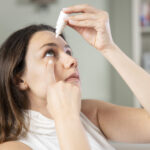 (NaturalHealth365) Did you know that dry eye disease (DED) is more prevalent than most people realize? With over 16 million people in the United States alone impacted by this condition, DED is a silent epidemic. It predominantly affects women, with a staggering two times higher occurrence than men. Astonishingly, reports indicate that up to 50% of all adults battle some form of dry eye.
But here’s the glimmer of hope: there’s a potential game-changer on the horizon. An oral probiotic holds promise in offering relief for this widespread ailment.
Here’s a quick look at this promising new intervention for DED.
Friendly bacteria protect the surface of the eye, new study suggests
A recent study by the Baylor College of Medicine focused on the oral use of a probiotic bacterial strain revealed the intervention reduced dry eye symptoms. The study’s findings show the new treatment modality’s use of bacteria within the patient’s intestinal tract might preclude the need for the use of eye drops, ointments, gels, and other treatment options.
This isn’t the first time these researchers have delved into the realm of gut bacteria and dry eye. Their previous investigations unveiled a startling revelation: mice provided with gut bacteria derived from Sjogren syndrome patients experienced exacerbated symptoms compared to their counterparts who received different bacteria. Intriguingly, the latter group was supplied with gut bacteria sourced from healthy individuals.
The implications of these findings are profound, underscoring the far-reaching effects of a healthy gut microbiome. By harnessing probiotic bacteria, we can unlock greater protective benefits in supporting eye health.
Bolster your gut health to achieve optimum health and wellness
The remarkable benefits of probiotics extend far beyond eye health, highlighting their profound impact on our overall well-being. These beneficial bacteria have emerged as a potent tool, enhancing various aspects of our physical and mental health.
Digestive health: Probiotics play a vital role in maintaining a healthy digestive system. By promoting a balanced gut microbiome, probiotics support optimal digestion, nutrient absorption, and a robust immune response within the gastrointestinal tract.
Immune system support: The gut is intricately linked to the immune system, and probiotics play a crucial role in strengthening immune function. These beneficial bacteria help regulate immune responses, defend against harmful pathogens, and reduce the risk of certain infections.
Mental well-being: The gut-brain connection is a fascinating area of study, and emerging research suggests that probiotics may positively influence mental health and well-being. Probiotics can help modulate neurotransmitter activity, reduce inflammation, and support a healthy stress response. This may result in improved mood, reduced anxiety, and enhanced overall mental wellness.
Healthy skin: Our skin is the largest organ of the body, and the internal balance of our microbiome influences its health. Probiotics can help promote a healthy skin microbiome, reducing inflammation, supporting barrier function, and potentially alleviating conditions such as acne, eczema, and rosacea.
Support your eye health with these natural solutions
In addition to prescriptions and artificial tears, there are actionable steps you can take to get dry eye relief. Consider incorporating the following strategies into your daily routine:
Embrace probiotic-rich foods: Probiotics play a crucial role in overall health, including eye health. Increase your intake of probiotic-rich foods such as yogurt, kefir, sauerkraut, kimchi, and kombucha. These foods are packed with beneficial bacteria that can support a healthy gut microbiome, potentially enhancing the health of your eyes.
Stay hydrated: Proper hydration is essential for maintaining optimal tear production. Drink an adequate amount of water throughout the day to keep your body well-hydrated and support tear production.
Consume omega-3 fatty acids: Omega-3 fatty acids have been shown to have anti-inflammatory properties. Include foods rich in omega-3 fatty acids in your diet, such as fatty fish (wild-caught salmon, mackerel, sardines), flaxseeds, chia seeds, and walnuts.
Blink regularly and take visual breaks: When engaged in activities like reading or staring at a screen for extended periods, we tend to blink less frequently, leading to dry eyes. Make a conscious effort to blink regularly and take regular breaks to rest your eyes and reduce strain.
Maintain a moist environment: Consider using a humidifier in your living or workspace, especially in dry climates or during the winter months. Increasing the humidity levels can help prevent excessive evaporation of tears.
Protect your eyes: Shield your eyes from environmental factors that can exacerbate dryness. Wear wraparound sunglasses outdoors to reduce exposure to wind and sunlight, and use protective eyewear when engaging in activities that may cause eye irritation.
Remember, these tips can complement traditional treatments and lifestyle modifications recommended by your eye care specialist. By incorporating these practical strategies into your daily routine, you can take proactive steps towards finding relief and promoting better eye health overall.
Sources for this article include:
Turkey Tail mushrooms boost immunity in women with breast cancer, study confirms
Reproduced from original article:
https://www.naturalhealth365.com/turkey-tail-mushrooms-boost-immunity-in-women-with-breast-cancer-study-confirms.html
by: Dr. Veronique Desaulniers June 21, 2023
 (NaturalHealth365) It’s official – Turkey Tail mushrooms can boost your immune system and offer anti-cancer benefits. In a recent study, researchers looked at how a specific compound called protein-bound polysaccharides (PBP) from the Turkey Tail mushroom – also known as Trametes versicolor, Coriolus versicolor, and Polyporus versicolor – affect the communication between triple-negative breast cancer cells and immune cells called macrophages.
They wanted to see if PBP could have any influence on cancer growth. What they found was astonishing.
Turkey Tail mushrooms correct immune deficiencies
The findings of the new study suggest PBP can alter the communication between breast cancer cells and macrophages. It inhibits cancer cell growth and movement, reduces the release of factors that promote blood vessel growth, and increases the production of inflammatory substances with anti-tumor properties.
An earlier, seven-year clinical study funded by the National Institutes of Health (NIH) and jointly conducted by the University of Minnesota and Bastyr University also showed that turkey tail mushroom, in freeze-dried form, dramatically boosts immune function for women with Stage I-III breast cancer – possibly shrinking tumors.
The NIH study revealed that administering a daily amount of Turkey Tail mycelium led to increased benefits for the immune system without any negative side effects. This discovery is considered a significant breakthrough for mycologists (scientists studying fungi) and health researchers, comparable to the invention of penicillin derived from the fungus Penicillium. The findings are particularly relevant for breast cancer patients.
According to Paul Stamets, a renowned mycologist and Director of Research for the study, cancer is known for evading detection by the immune system. One theory suggests that ingesting Turkey Tail mycelium can enhance the immune system’s NK (natural killer) cells, which are better able to recognize and bind to receptor sites on tumor tissue, facilitating their invasion. If this theory holds true, using Turkey Tail mushrooms as an adjunct or preventative therapy may significantly aid patients in combating tumor-forming cancers.
The study was supported by Stamets’ company, Fungi Perfecti, LLC, which provided the Turkey Tail products. Stamets has long been an advocate for the powerful health benefits of mushrooms and developed a specific interest in Turkey Tail when his mother was diagnosed with advanced breast cancer in 2009. Encouragingly, as of February 2010, his mother was nearly cancer-free, prompting Stamets to share his pride in the positive outcome seven months later.
Turkey Tail supercharges the immune system
The recent NIH study has brought significant attention to the potential health benefits of Turkey Tail mushrooms. Although these mushrooms have been used for centuries in China and Japan, their effectiveness is now being recognized more widely. In China, they are referred to as Yun Zhi, while in Japan, they are known as Kawaratake.
Turkey Tail mushrooms offer a range of benefits that can positively impact our well-being. Some of these benefits include:
Improvement of upper respiratory tract infections: Turkey Tail mushrooms have shown promising results in boosting the immune system and combating upper respiratory infections. Their immune-enhancing properties can help fight off common ailments such as colds, coughs, and sore throats.
Supporting lung health: Research suggests that Turkey Tail mushrooms may have a positive effect on pulmonary diseases, such as asthma and bronchitis. They are believed to reduce inflammation in the respiratory system, potentially improving breathing and overall lung health.
Maintaining a healthy urinary tract: Turkey Tail mushrooms possess natural antibacterial properties that can aid in eliminating urinary tract infections. Their consumption may help prevent the growth of harmful bacteria in the urinary system, reducing the risk of infections.
Soothe digestive tract: The soothing properties of Turkey Tail mushrooms make them beneficial for addressing digestive tract irritations. They may help alleviate bloating, indigestion, and discomfort.
A remedy for general lack of energy and malaise: Turkey Tail has been traditionally used as an energizing tonic, believed to combat fatigue and promote vitality. They are thought to provide a natural boost of energy and help combat feelings of overall malaise.
Although Turkey Tail mushrooms have some exciting health benefits, they shouldn’t be seen as a replacement for professional medical advice. It’s always smart to consult with an integrative healthcare professional before making any significant changes to your lifestyle or treatment plan.
So, if you’re thinking about incorporating Turkey Tail mushrooms into your routine, make sure to do it alongside a balanced and healthy lifestyle and with proper medical guidance. That way, you can maximize your overall well-being and vitality while keeping your health in check.
Sources for this article include:
The Uncommon Heart Attack That Kills Healthy, Young Women
Reproduced from original article:
https://articles.mercola.com/sites/articles/archive/2023/05/30/spontaneous-coronary-artery-dissection.aspx
The original Mercola article may not remain on the original site, but I will endeavor to keep it on this site as long as I deem it to be appropriate.
Analysis by Dr. Joseph Mercola Fact Checked May 30, 2023
STORY AT-A-GLANCE
- Symptoms of an uncommon type of heart attack known as spontaneous coronary artery dissection (SCAD) are easily overlooked, as few SCAD patients have any history of or risk factors for heart disease
- SCAD is a leading cause of heart attacks in healthy women under 55; the average age of SCAD patients is 42. Eighty percent of SCAD patients are women; 20% have recently given birth
- SCAD occurs when the layers of your blood vessel wall tear apart from each other, trapping blood between the layers. As the blood collects between the layers, your blood vessel gets choked off, triggering a heart attack
- Most SCAD patients are healthy. Risk factors for the condition include underlying blood vessel conditions such as fibromuscular dysplasia, extreme exercise and severe emotional stress
- Common signs and symptoms of a SCAD-induced heart attack, and current treatment recommendations are included
Editor’s Note: This article is a reprint. It was originally published March 8, 2018.
The symptoms of an uncommon type of heart attack known as spontaneous coronary artery dissection (SCAD)1 are dangerously easy to overlook, as few SCAD patients have any history of or risk factors for heart disease. SCAD is a leading cause of heart attacks in healthy women under 55; the average age of SCAD patients is 42.
ABC News recounts the stories of two women whose sudden heart attacks were triggered by SCAD.2 Five weeks after giving birth to a healthy baby girl, Maryn Cox suddenly developed troubling symptoms. “It felt like pressure, possibly gas; acid reflux, I wasn’t sure what it was. One of my arms went numb, I started getting nauseous; cold sweats,” she says. The symptoms, while common, turned out to be SCAD, a condition few have ever heard of.
While SCAD is a cause of heart attack, it’s different from a heart attack caused by coronary artery disease. Essentially, SCAD occurs when the layers of your blood vessel wall tear apart from each other, trapping blood between the layers. As the blood pools and collects between the layers, your blood vessel gets choked off, killing heart muscle tissue downstream from the blockage, thereby triggering a heart attack.
Signs and Symptoms of SCAD
Commonly reported signs and symptoms of SCAD include the following. If you experience these symptoms, call for immediate emergency medical assistance (in the U.S., call 911). It’s important to realize that many who develop SCAD are otherwise quite healthy and most do not have risk factors for heart disease. For this reason, it’s important to seek medical attention if you experience symptoms of SCAD, in order to avoid a lethal heart attack.
Indeed, the No. 1 symptom of a heart attack is sudden death, and the same applies to SCAD. In essence, by the time recognizable symptoms of a heart attack occur, you’re well on your way toward death, so early intervention is crucial.
| Lightheadedness | Sweating |
| Radiating pain in your neck, back or jaw | Shortness of breath |
| Pain, tightness, pressure or discomfort in your chest (some women report feeling like their bra is suddenly too tight, even though they know it’s not) | Stomach pain |
| Fatigue | Pain radiating down one or both arms |
For whatever reason, SCAD tends to be more common in women — especially younger women, and following pregnancy — although it’s a relatively rare condition overall. While the cause for SCAD is unknown, medical experts have theorized the gender difference may have something to do with hormonal variations. Common risk factors for SCAD include:
- Being female (80% of SCAD patients are women)
- Recently giving birth (20% of SCAD patients have recently given birth)
- Underlying blood vessel conditions such as fibromuscular dysplasia (a condition that causes abnormal cell growth in the arteries)
- Extreme physical exercise
- Severe emotional stress
Best Treatment for SCAD Is Allowing Body to Heal Naturally
Because the underlying cause of SCAD is still unknown, the best course of treatment has been equally uncertain. However, according to a recent scientific statement by Mayo Clinic researchers, SCAD sufferers tend to benefit the most from “conservative treatment, letting the body heal on its own.”3
Dr. Sharonne Hayes, the Mayo Clinic cardiologist who since 2010 has dedicated herself to the study of SCAD (see videos above), says, “It may seem counterintuitive, but we discovered that treating SCAD the same way we treat heart attacks due to atherosclerosis can cause further tearing and damage to the vessel. [T]he initial proper diagnosis is critical in guiding the care.”
The Mayo Clinic consensus statement is a significant step forward, providing health care providers with information about how to diagnose and treat SCAD. Importantly, their findings reveal that, in most patients who were not treated with a stent, the dissection in the blood vessel healed on its own within weeks or months.
In some patients, healing began within mere days. The statement also recommends a tailored cardiac rehabilitation program for patients, and stresses the importance of addressing mental health, as anxiety and depression tend to be quite common in SCAD patients.

Download this Article Before it Disappears
Many Women Mistake Heart Attack Symptoms With Anxiety, Stress
In related research,4 researchers found women are less likely to report chest pain when having a heart attack. According to the authors, compared to men, “women were more likely to perceive symptoms as stress/anxiety (20.9% versus 11.8%) but less likely to attribute symptoms to muscle pain (15.4% versus 21.2%).” They were also more likely to use terms such as “pressure,” “tightness” or “discomfort” in the chest rather than referring to it as chest pain.
They also found that a significantly greater number of women reported their doctor did not think their symptoms were heart-related. Overall, 53% of female heart attack patients reported this, compared to just 37% of men.
Nearly 30% of women had actually sought medical help prior to being hospitalized with a heart attack, compared to just 22% of men. What these findings suggest is that both women and their doctors tend to misdiagnose or dismiss symptoms of heart attack, placing them at increased risk of death than men. As noted by the authors:
“The presentation of [acute myocardial infarction] symptoms was similar for young women and men, with chest pain as the predominant symptom for both sexes. Women presented with a greater number of additional non-chest pain symptoms regardless of the presence of chest pain, and both women and their health care providers were less likely to attribute their prodromal symptoms to heart disease in comparison with men.”
Top 6 Factors That Predict Your Heart Attack Risk
If you want to reduce your risk of a heart attack, you should absolutely pay attention to your diet and exercise habits. These, along with four other habits, are said to make young women more or less “heart attack-proof,” according to research published in the Journal of the American College of Cardiology.5
Women who adhered to all six guidelines lowered their heart disease risk by 92%. Based on these findings, the researchers estimated that more than 70% of heart attacks could be prevented by implementing the following:
- A healthy diet discussed in my two most recent books “Effortless Healing” and “Fat for Fuel“
- Normalizing your body weight (your waist-to-hip ratio being a more reliable risk predictor than body mass index, as it reflects your visceral fat deposits)
- Getting at least 2.5 hours of exercise each week and moving regularly throughout the day
- Restricting your TV watching to seven or fewer hours per week
- Not smoking
- Limiting alcohol intake to one drink or less per day
These results echo those of a 2014 study,6 which concluded that the following five healthy lifestyle strategies could prevent nearly 80% of first-time heart attacks in men. As noted by the authors, “It is not surprising that healthy lifestyle choices would lead to a reduction in heart attacks … What is surprising is how drastically the risk dropped due to these factors.”
- A healthy diet
- Being physically active (walking/bicycling ≥ 40 minutes/day and exercising ≥ one hour/week)
- Maintaining a healthy waist circumference (waist circumference < 37.4 inches or 95 centimeters)
- Moderate alcohol consumption (10 to 30 grams/day)
- No smoking
Tests to Evaluate Your Heart Disease Risk
While SCAD is an exception, most heart attacks are caused by heart disease. Unfortunately, many are still evaluating risk based on the flawed cholesterol hypothesis. In reality, high cholesterol is not a significant risk factor for heart disease or heart attacks at all.
As you evaluate your risk of cardiovascular disease, there are specific ratios and blood level values that will tell you much more than your total cholesterol numbers. The following tests will also give you a better assessment of your potential risk for heart attack or coronary artery disease:
• Cholesterol ratios — Your HDL to cholesterol ratio and triglyceride to HDL ratio are strong indicators of your risk. To calculate your HDL/cholesterol ratio, divide your HDL by your total cholesterol and multiply by 100. That percentage should ideally be above 24%. For your triglyceride/HDL ratio, divide your triglyceride total by your HDL and multiply by 100. The ideal percentage is below 2%.
• NMR LipoProfile — The size of your low-density lipoprotein (LDL) cholesterol is more important than your overall total LDL level. Large particle LDLs are not harmful to your health while the smaller, denser LDL particles may create problems as they squeeze through the lining of your arteries, oxidize and trigger inflammation.
An NMR LipoProfile that measures the size of your LDL particles is a better assessment of your risk of heart disease than total cholesterol or total LDL.
• Fasting insulin level — Sugar and carbohydrates increase inflammation. Once eaten, they trigger a release of insulin, promoting the accumulation of fat and creation of triglycerides, making it more difficult for you to lose weight or maintain your normal weight. Excess fat around your midsection is one of the major contributors to heart disease.7
Your fasting insulin level can be determined by a simple, inexpensive blood test. A normal fasting blood insulin level is below 5 microunits per milliliter (mcU/ml) but, ideally, you’ll want it below 3 mcU/ml. If your insulin level is higher than 3 to 5, the most effective way to optimize it is to reduce net carbs, replacing them with higher amounts of healthy fats, including saturated fats.
• Fasting blood sugar level — Studies have demonstrated people with higher fasting blood sugar levels have a higher risk of coronary heart disease.8 In fact, when your fasting blood sugar is between 100 and 125 mg/dl, your risk of coronary artery disease is 300% higher than having a level below 79 mg/dl.
• Iron level — Iron creates an environment for oxidative stress, so excess iron may increase your inflammation and increase your risk of heart disease. An ideal iron level for adult men and non-menstruating women is between 40 and 60 nanograms per milliliter (ng/ml). You do not want to be below 20 ng/ml or above 80 ng/ml.
Learn to Implement Heart Healthy Lifestyle Strategies
Any time you experience any kind of chest pain or discomfort, it’s important to take it seriously and contact your doctor. Keep in mind that not everyone experiences chest pain or discomfort during a heart attack. Other signs and symptoms include:
- Upper body pain or discomfort in your arms, back, neck, jaw or upper stomach
- Shortness of breath
- Nausea
- Lightheadedness
- Cold sweats
You’re far better off getting a diagnosis of heartburn than dying, which is the most common “symptom” of a heart attack. Your chances of survival are greater if you get emergency treatment quickly. Especially if you’re a woman, be extra mindful of troublesome symptoms that might be heart-related, as women are misdiagnosed far more often than men. You may even have to insist on a more in-depth evaluation by your doctor if he or she seems immediately dismissive.
Last but not least, remember that heart attack prevention is primarily lifestyle related, as indicated by the studies above. In addition to the strategies mentioned earlier, consider:
| Reducing, with the plan of eliminating, grains and sugars in your diet. It is vitally important to eliminate gluten-containing grains and sugars, especially fructose. Also consume a good portion of your food raw. |
| Replacing harmful vegetable oils and synthetic trans fats with healthy fats, such as olive oil, butter, avocado, organic pastured eggs and coconut oil (remember olive oil should be used cold only; use coconut oil for cooking and baking). |
| Also make sure you’re getting plenty of high-quality, animal-based omega-3 fats. |
| Eating more fermented foods. In addition to optimizing your intestinal microflora, which will boost your overall immunity, it will also introduce beneficial bacteria into your mouth. Poor oral health is another powerful indicator of increased heart disease risk. |
| Optimizing your vitamin D levels, ideally through appropriate sun exposure as this will allow your body to also create vitamin D sulfate — another factor that may play a crucial role in preventing the formation of arterial plaque. |
| Ideally, incorporate high-intensity interval exercises into your fitness routine, as this will also optimize your human growth hormone production. |
| Getting plenty of high-quality, restorative sleep. |
| Practicing regular stress-management techniques. |
A Powerful Adaptogen That Boosts Vitality and Performance
Reproduced from original article:
https://articles.mercola.com/sites/articles/archive/2023/05/29/rhodiola-benefits.aspx
The original Mercola article may not remain on the original site, but I will endeavor to keep it on this site as long as I deem it to be appropriate.
Analysis by Dr. Joseph Mercola Fact Checked May 29, 2023
STORY AT-A-GLANCE
- Rhodiola rosea, sometimes called “golden root,” “roseroot” or “arctic root,” is a powerful adaptogen known to enhance vitality by helping your body adapt to physical, chemical and environmental stress
- Rhodiola rosea extract has been shown to have antidepressant and antianxiety effects, and helps improve symptoms associated with burnout
- The bioactive compounds rosavin and salidroside in rhodiola rosea have been shown to improve passage of serotonin precursors through the blood-brain barrier, and help preserve serotonin, thereby boosting mood
- Extract of rhodiola rosea not only may also enhance cognitive functions, modulate immune function, enhance cardiovascular, nervous system and reproductive health, but also has antiviral effects and enhances physical performance
Editor’s Note: This article is a reprint. It was originally published February 12, 2018.
The perennial plant rhodiola rosea, sometimes called “golden root,” “roseroot” or “arctic root,” is a powerful adaptogen known to enhance vitality by helping your body adapt to physical, chemical and environmental stress. In other words, it helps your body maintain homeostasis. The plant has a long history of use in traditional folk medicine in Russia and Scandinavian countries,1 and modern science has shown rhodiola:2,3,4,5,6
| Has antidepressant and antianxiety benefits7 and helps improve symptoms of burnout | Enhances cognitive function, improving mental clarity, thought formation and focus |
| Helps modulate immune function (raising low immune function and reducing overactive function) | Enhances nervous system health |
| Enhances cardiovascular health | Improves male and female sexual functioning, reproductive health and fertility |
| Improves blood sugar control in diabetics when combined with cinnamon | Has anticancer benefits |
| Helps protect against viral infections8 | Enhances athletic performance and shortens recovery time between workouts |
Exercise Benefits of Rhodiola
A 2004 study9 found extract of rhodiola rosea radix had an anti-inflammatory effect on healthy untrained volunteers, before and after bouts of exhausting exercise. It also protected muscle tissue during exercise. According to the abstract:
“Professional athletes effectively use rhodiola rosea (‘golden radix’) extract as a safe nonsteroid food additive improving endurance and rapid recovery of muscles during several decades. Rhodiola rosea extract improves muscle work due to mobilization and more economic expenditure of energy resources of muscles.
The use of adaptogens including R. rosea improved physical endurance of male athletes, reducing blood lactate level and accelerating recovery after exhausting exercise.”
Other studies have similarly found that rhodiola can significantly increase time to exhaustion during exercise,10 reduce C reactive protein levels and improve neuromotoric fitness. For example, a 2003 animal study11 found that rats given 50 milligrams per kilo (mg/kg) of rhodiola rosea extract along with the same amount of rhodiola crenulata root, prolonged the duration of exhaustive swimming the rats were capable of by nearly 25%.
This improvement was found to be due to the extracts’ ability to activate the synthesis or resynthesis of ATP in mitochondria. The extracts also stimulated reparative energy processes that take place post-exercise. Rhodiola rosea was determined to be the most effective of the two extracts for improving physical working capacity.
Antiviral Effects of Rhodiola
Rhodiola extract has also been shown to protect athletes from viral infections. In one study,12 48 marathon runners randomly received either 600 mg of rhodiola rosea or a placebo for four weeks prior to a race.
Blood samples were collected at three intervals: before the start of the race, and 15 minutes and 1.5 hours after the race ended. Follow-up studies using in vitro assays concluded that rhodiola was able to protect cells against the vesicular stomatitis virus for 12 hours after physical exertion.
David Nieman, director of the Appalachian State University Human Performance Laboratory, discovered that marathon runners are particularly prone to viral illnesses, especially upper respiratory tract illnesses, after competing. Rhodiola, he found, could help with this — in addition to providing athletes with enhanced performance and recovery benefits.
Download this Article Before it Disappears
Antidepressant Benefits
It’s not yet entirely clear how rhodiola rosea actually works, but some studies have shown it helps slow enzymatic breakdown of neurotransmitters such as serotonin by inhibiting monoamine oxidase.13,14 As such, it’s classified as an herbal monoamine oxidase inhibitor (MAOI). The bioactive phytochemical risiridin in rhodiola rosea has been shown to inhibit MAO-B by more than 80%. This helps explain some of its antidepressive and cognitive effects.
By boosting the concentration of important neurotransmitters in your brain, your neurons can communicate better. The bioactive compounds rosavin and salidroside in rhodiola rosea have also been shown to improve passage of serotonin precursors through the blood-brain barrier, and help preserve serotonin by dampening the activity of catechol-o-methyltransferase. Evidence suggests rhodiola also can raise serotonin levels significantly.15
Research published in 2015 compared rhodiola to the antidepressant sertraline, concluding it’s a safer choice. While the drug was overall more effective, rhodiola did improve depressive symptoms and had far fewer side effects. According to psychiatrists who use rhodiola in their clinical practice, the plant extract is a “viable choice in many cases for the treatment of mild to moderate depression.”16
According to a study published in the Journal of Alternative and Complementary Medicine, patients diagnosed with generalized anxiety disorder who received 340 mg of rhodiola rosea extract for 10 weeks also reported significant improvements in symptoms, based on the Hamilton anxiety rating scale, the four-dimensional anxiety and depression scale, and the clinical global impressions of severity/improvement scale.17
A number of other studies have also confirmed rhodiola’s mood boosting effects. According to health reporter and “medicine hunter” Chris Kilham, who specializes in discovering natural remedies:18
“Over 300 human studies19 on rhodiola rosea show that the plant has anti-stress, anti-anxiety, and anti-depressant properties, and that taking the extract of the root produces no significant negative effects. This is in sharp contrast to drugs for the same purposes, which typically cause sleep disorders, digestive upset, sexual dysfunction and a variety of mood disorders.
Unlike many other herbs, rhodiola rosea produces a palpable experience. When you take a preparation of this plant, you feel it. Typically, users report enhanced energy, improved mood, greatly reduced stress, better sleep and improved sexual vitality.”
Rhodiola Safely Combats Chronic Fatigue
Rhodiola’s energy- and vitality-boosting effects can have clear benefits for those struggling with chronic fatigue. A multicenter trial published last year found patients struggling with prolonged fatigue or chronic fatigue syndrome who received 400 mg of dry ethanol rhodiola extract per day for eight weeks experienced significant improvements within the first week.20
Overall, the most significant improvement occurred for the complaint of “general fatigue,” but scores for “impairment at work,” “impairment in social life,” and “impairment in family life” also significantly improved by the end of two months. In all, patients experienced a 42% reduction in total stress and a 39% reduction in fatigue. Eighty-three percent of them reported feeling “very much” or “much” improved by week eight. As reported by the American Botanical Council:21
“Nearly all outcome measures significantly improved over time and continued to decline to week eight, and the treatment was safe and well tolerated. Taken together, the authors conclude that the significant improvement in measures not only of core fatigue symptoms but a broad variety of symptoms and consequences of fatigue suggests a good potential for rhodiola to improve quality of life in chronic fatigue.”
The mechanism behind these effects is thought to be related to rhodiola’s ability to modulate catecholamine release and cAMP levels in your myocardium during stress.22 It also helps reduce the stress hormone cortisol. As noted by Mental Health Daily, “Other proposed mechanisms include interactions with protein kinases p-JNK, nitric oxide, defense mechanism proteins (e.g., heat shock proteins), and regulation of beta-endorphins and opioid peptides.”23,24
Rhodiola Safely Lowers Impact of Daily Stress
Importantly, rhodiola has been shown to be particularly beneficial for your nervous system. Work stress can trigger burnout, and research published in 2000 and 2017 suggest rhodiola can offer significant protection against this kind of stress. As noted in Life Extension Magazine:25
“A number of studies have shown that rhodiola can dramatically reduce mental and physical fatigue under stressful conditions, by increasing the body’s energy levels. In one study,26 a low dose (170 mg/day) of a R. rosea extract was given to 56 young physicians on night call, when there is notable decrease in physical and mental performance.
Using measures of cognitive and memory function, such as associative thinking, short-term memory, calculation, and speed of audiovisual perception, the researchers found a statistically significant reduction of stress-induced fatigue after just two weeks of supplementation with rhodiola. No side effects of rhodiola were reported.”
In a follow-up study27,28 published last year, 118 men and women with symptoms of burnout were given 400 mg of rhodiola rosea extract for 12 weeks. Over the course of the study, levels of emotional exhaustion, fatigue, exhaustion, lack of joy, loss of zest of life and depersonalization symptoms significantly improved.
Improved sexual functioning was also noted. According to the authors, the findings suggest rhodiola rosea extract “might be an important first step toward a continuous alleviation of burnout symptoms, thus inhibiting the exacerbation of the syndrome and preventing the development of subsequent disorders such as depression or physical illness.”
Rhodiola for Diabetic Control
While limited to animal research, evidence also suggests rhodiola may be helpful for diabetics when combined with cinnamomi cassia (cinnamon).29 Both of these remedies have been extensively used in folk medicine for the treatment of diabetes.
Here, diabetic rats fed a mix of rhodiola and cinnamon extracts for 12 weeks experienced significant reductions in blood glucose, while reduced glutathione, glutathione reductase, glutathione S-transferase, glutathione peroxidase, catalase and superoxide dismutase were increased.
Based on these effects, the researchers concluded that rhodiola extract may be helpful for “correcting hyperglycemia and preventing diabetic complications.”30 As noted by Life Extension Magazine,31 “These … results reaffirm earlier studies and anecdotal evidence demonstrating rhodiola as a comprehensive adaptogen that helps the body withstand the accumulating effects of stress and advancing age.”
- 1 American Botanical Council, Rhodiola Rosea: Phytomedicinal Overview
- 2, 16 Fox News April 15, 2015
- 3, 14, 19, 23 Mental Health Daily, Rhodiola Rosea Benefits
- 4, 25, 31 Life Extension December 2007
- 5 Medical News Today, Rhodiola Rosea
- 6 Superfoodly.com Rhodiola Rosea
- 7, 18 Fox News September 12, 2012
- 8 Natural Grocers
- 9 Bulletin of Experimental Biology and Medicine 2004 Jul;138(1):63-4
- 10 Phytomedicine 2011 Feb 15;18(4):235-44
- 11 Bulletin of Experimental Biology and Medicine 2003 Dec;136(6):585-7
- 12 Phytotherapy Research 2014 Dec;28(12):1829-36
- 13 Journal of Ethnopharmacology 2009 Mar 18;122(2):397-401
- 15 Molecules. 2022 Jun; 27(12): 3902
- 17 Journal of Alternative and Complementary Medicine 2008 Mar;14(2):175-80
- 20, 21 American Botanical Council, Complementary Medical Research February 2017; 24(1): 46-52
- 22 Eksp Klin Farmakol. 1994 Nov-Dec;57(6):61-3
- 24 Phytomedicine 2010 Jun;17(7):481-93
- 26 Phytomedicine 2000 Oct;7(5):365-71
- 27 Neuropsychiatric Disease and Treatment 2017; 13: 889–898
- 28 Nutra Ingredients USA August 18, 2017
- 29, 30 Biofactors 2006;26(3):209-19
Texas to Investigate COVID Vaccine Makers Over Gain-of-Function Research, False Efficacy Claims
© May 1st 2023 Children’s Health Defense, Inc. This work is reproduced and distributed with the permission of Children’s Health Defense, Inc.
Want to learn more from Children’s Health Defense?
Sign up for free news and updates from Robert F. Kennedy, Jr. and the Children’s Health Defense.
Your donation will help to support us in our efforts.
Reproduced from original article:
https://childrenshealthdefense.org/defender/ken-paxton-texas-attorney-general-investigate-covid-vaccine-makers/
Texas Attorney General Ken Paxton today launched an investigation into whether Pfizer, Moderna and Johnson & Johnson engaged in gain-of-function research and misled the public about doing so, and whether the companies misrepresented the efficacy of their COVID-19 vaccines, in violation of the Texas Deceptive Trade Practices Act.

Miss a day, miss a lot. Subscribe to The Defender’s Top News of the Day. It’s free.
Texas Attorney General Ken Paxton today launched an investigation into whether Pfizer, Moderna and Johnson & Johnson committed fraud related to the COVID-19 vaccines.
Paxton will investigate whether the companies misrepresented the efficacy and safety of the vaccines and manipulated vaccine trial data, in violation of the state’s Deceptive Trade Practices Act.
He also will investigate whether the pharmaceutical giants engaged in gain-of-function research and misled the public about it, The New York Post reported.
“If any company illegally took advantage of consumers during this period or compromised people’s safety to increase their profits, they will be held responsible,” Paxton said. “If public health policy was developed on the basis of flawed or misleading research, the public must know.”
Paxton said Big Pharma had a “vested interest” in the success of its COVID-19 vaccines because they drove record profits.
“This vested interest … combined with reports about the alarming side effects of vaccines, demands aggressive investigation,” he said.
In 2022 alone, Pfizer reaped profits of $31.4 billion on record sales of $100.3 billion. Sales from its COVID-19 vaccine and Paxlovid, used to treat COVID-19, totaled $56 billion — more than half the vaccine maker’s annual revenue.
Moderna’s Spikevax generated approximately $18.4 billion in revenue last year, up from $17.7 billion in 2021.
Johnson & Johnson’s first-quarter 2022 COVID-19 vaccine sales were only $457 million, but in 2021, its vaccine sales reached $2.4 billion.
Paxton also said that because mandates were dictated at the federal level, “This investigation into the scientific and ethical basis on which public health decisions were made is of major significance.”
As part of the investigation, Paxton will demand the three companies provide documentation related to decision-making about pandemic interventions, “especially when a profit motive or political pressure may have compromised Americans’ health and safety.”
The investigation could have implications for the immunity vaccine makers enjoy under the Public Readiness and Emergency Preparedness, or PREP Act, for producing vaccines under Emergency Use Authorization, Kim Mack Rosenberg, acting general counsel for Children’s Health Defense, told The Defender.
She said:
“I applaud the Texas attorney general investigating fraud in connection with COVID-19 shots.
“Because these injections are covered by the PREP Act and the Countermeasures Injury Compensation Program (CICP), with near blanket liability protection for manufacturers and significant restrictions and limitations on recovery for injuries, evidence of fraud or willful misconduct may be an avenue to justice for the many who have been injured by these products.”
The PREP Act declaration for Medical Countermeasures Against COVID-19 shields manufacturers of COVID-19 pandemic countermeasures, such as vaccines or treatments, from liability for injuries resulting from those countermeasures.
It funnels vaccine injury claims into the CICP program, which is meant to compensate people with vaccine or other covered countermeasure-related injuries for expenses associated with their injury.
To date, the CICP has compensated only three of the more than 10,000 claims brought for COVID-19 countermeasure injuries.
But the PREP Act does not immunize manufacturers from liability in the case of “willful misconduct.”
That means if the Texas attorney general proves the companies engaged in willful misconduct, people injured by the vaccine may have other methods beyond the CICP available to them to seek compensation for their pain and suffering.
“The catastrophic effects of the pandemic and subsequent interventions forced on our country and citizens deserve intense scrutiny, and we are pursuing any hint of wrongdoing to the fullest,” Paxton said.
Florida grand jury investigating ‘crimes and wrongdoings’ related to COVID vaccine
In December 2022, Florida Gov. Ron DeSantis petitioned for a grand jury investigation into “crimes and wrongdoing committed against Floridians related to the COVID-19 vaccine.”
“It is against the law to mislead and to misrepresent, particularly when you’re talking about the efficacy of a drug,” said DeSantis, whose petition seeks more information from pharmaceutical companies about the vaccines and potential side effects.
DeSantis argued that pharmaceutical companies had a financial interest in creating a climate in which people believed that getting a coronavirus vaccine would ensure they couldn’t spread the virus to others.
“The Biden administration and pharmaceutical corporations continue to push widespread distribution of mRNA vaccines on the public, including children as young as 6 months old, through relentless propaganda while ignoring real-life adverse events,” DeSantis’ office said in a statement in December.
The Florida Supreme Court granted his request on Dec. 22, 2022, committing to convening a grand jury to investigate any wrongdoing with respect to the COVID-19 vaccines. The grand jury will meet for one year.
In the meantime, DeSantis also convened a Public Health Integrity Committee comprised of some of the top COVID-19 countermeasure experts, including Jay Bhattacharya, M.D., Ph.D, Martin Kulldorff, Ph.D. and Tracy Beth Høeg, M.D., Ph.D.
The committee will meet in May to examine “adverse events from mRNA vaccines,” The New York Post reported, and it will also provide guidance to the Florida Department of Health.
Along with DeSantis, Florida Surgeon General Joseph Ladapo, M.D., Ph.D., has been vocal in his concerns about adverse events associated with the vaccines. He issued a health alert in Florida, warning residents about a “substantial increase” in reports of adverse events.
He also petitioned the heads of the U.S. Food and Drug Administration and the Centers for Disease Control and Prevention to investigate the millions of adverse events that have been reported to VAERS.
He asked them to “promote transparency” with respect to the excess risk of adverse events associated with the mRNA COVID-19 vaccines and asked them to “promote transparency” among healthcare professionals “to accurately communicate the risks these vaccines pose,” The Defender reported.

Exposure to common herbicide promotes breast cancer development, new study reveals
Reproduced from original article:
https://www.naturalhealth365.com/exposure-to-common-herbicide-promotes-breast-cancer-development-new-study-reveals.html
by: April 24, 2023
 (NaturalHealth365) It’s well known that genetics, lifestyle, and environmental factors all play a role in the development of chronic diseases like cancer. As for environmental factors specifically, acute and/or chronic exposure to harmful carcinogenic toxins – often manmade and utilized in manufacturing or agricultural processes – is one of the chief risk factors, especially for conditions like breast cancer.
Now, a new study published in Ecotoxicology and Environmental Safety highlights yet another environmental toxin that could help explain the increasing rates of breast cancer among women. The good news is, with the right information, we can dramatically reduce our risk by taking action today. Keep reading to understand the scope of the problem and how to avoid being harmed.
Popular conventional herbicide compound “promotes breast cancer development,” says new research study
The study in highlight, says “Atrazine promotes breast cancer development by suppressing immune function and upregulating MMP expression.” Published in the March 2023 volume of the aforementioned peer-reviewed journal, the study begins by pointing out that a common herbicide called atrazine is “used extensively” and “is present in both surface water and groundwater.” The authors also stated that laboratory and epidemiological studies had reported an “interfering effect on immune systems, endocrine systems, and tumours” concerning this toxic chemical.
In their study investigating the effects of atrazine on cancer development, the researchers were able to determine that this environmental toxin is cancer-promoting for at least a couple reasons:
- It suppresses immune cell function (specifically, anti-tumor immune function)
- It upregulates (activates) enzymes that help promote tumor development and growth
The authors go so far as to categorize atrazine as “primarily toxic to immune organs.”
While it should be noted that this study involved laboratory practices – including the use of cell cultures and animal models – its results do offer some critical insight into how this popular herbicide can cause harm to humans.
The researchers write that their study “demonstrated that atrazine accelerated the cell cycle and encouraged the proliferation and invasion of breast cancer tumor cells. Furthermore, atrazine can reduce anti-tumor immunity by decreasing lymphocyte infiltration and modulating cytokine production inside the tumor microenvironment, thereby promoting tumor immune escape and breast cancer progression. To fully understand the mechanism underlying atrazine’s immunosuppression of breast cancers, further research is needed.”
So, what is atrazine exactly?
According to the U.S. Centers for Disease Control and Prevention (CDC), atrazine (6-chloro-N-ethyl N’-(1-methylethyl)-triazine-2,4-diamine) is a commonly used and popular herbicide (often sold under brand names Aatrex®, Aatram®, Atratol®, and Gesaprim®) that is used to kill weeds. Most often used on farms, atrazine is often sprayed on crops of sugarcane, corn, pineapples, sorghum, macadamia nuts, and evergreen trees.
In addition, the herbicide is also often used to prevent weed growth in more public areas, such as highways and railroads.
Considered a Restricted Use Pesticide (RUP), atrazine may only be used or purchased by “certified herbicide users,” who must apply for licensure through their state office.
So, how might you be exposed? The CDC notes that atrazine can stay in the water (including groundwater, rivers, lakes, and streams) “for a long time,” but they claim this herbicide “does not tend to accumulate in living organisms such as algae, bacteria, clams, or fish, and, therefore, does not tend to build up in the food chain.” This means one of the primary routes of exposure is through contaminated drinking water (people living near farms where this chemical is used are also at increased risk of exposure). Indeed, atrazine has been detected in at least 20 Superfund sites in the United States.
The CDC adds that potential health effects of exposure to this herbicide include:
- Harm to the reproductive system
- Liver, heart, and kidney damage
- Cancer (as we’ve learned)
- Fetal development problems, including low fetal weight and heart, urinary, and limb defects (following maternal exposure)
As for reducing your risk of exposure, the CDC recommends some common-sense tactics, such as avoiding playing or being in areas near where atrazine is used, investing in a good quality water purification system for your home and/or office, and cleaning and vacuuming your floors regularly (since small amounts of atrazine have been detected in carpets in some Midwestern homes).
Sources for this article include:
Sciencedirect.com
Childrenshealthdefense.org
Cancer.org
CDC.gov
COVID’s Link to a Sharp Increase in POTS
Reproduced from original article:
https://articles.mercola.com/sites/articles/archive/2023/04/18/covid-and-pots.aspx
The original Mercola article may not remain on the original site, but I will endeavor to keep it on this site as long as I deem it to be appropriate.
Analysis by Dr. Joseph Mercola Fact Checked April 18, 2023

STORY AT-A-GLANCE
- Postural orthostatic tachycardia syndrome (POTS) is not a new diagnosis, but experts believe there are at least 1 million new patients with the condition as a result of COVID and the shots
- The condition is a result of poor synchronization between several bodily systems. The primary symptoms are orthostatic intolerance, triggering low or high blood pressure, lightheadedness, fainting and trouble focusing
- The debilitating autonomic nervous system symptoms are long-lasting, life-changing and can mimic anxiety, which makes getting an accurate diagnosis and treatment challenging
- A group of leading critical care specialists started the Front Line COVID-19 Critical Care Alliance (FLCCC) and have developed an effective treatment protocol for COVID long-haul symptoms after infection and adverse events after the shot
Long COVID, also known as long-haul COVID, chronic COVID or long-haul syndrome, refers to symptoms that persist for four or more weeks after an initial COVID-19 infection.1 Signs and symptoms of long COVID include2 fatigue, shortness of breath, joint pain, memory, concentration or sleep problems, fast or pounding heartbeat, dizziness and depression or anxiety.
These symptoms result from damage to your lungs, immune system, mitochondria, heart and nervous system.
According to board-certified internist and cardiologist Dr. Peter McCullough, a paper presented by Dr. Bruce Patterson at the International COVID Summit in Rome, Italy, September 12 to 14, 2021, showed that in “individuals who’ve had significant COVID illness, 15 months later the s1 segment of the spike protein is recoverable from human monocytes.” He added:3
“That means the body literally has been sprayed with the virus and it spends 15 months, in a sense, trying to clean out the spike protein from our tissues. No wonder people have long COVID syndrome.”
Another symptom of long-haul COVID-19 is postural orthostatic tachycardia syndrome (POTS) for which there is no cure and one- to two-year waiting lists to see physicians who have experience treating the condition.4
POTS Is Not a New Diagnosis
In a paper5 published in March 2021, just one year after the World Health Organization declared the COVID-19 pandemic, scientists recognized that the number of doctors with experience caring for patients with POTS was insufficient for the patient volume that existed before COVID-19.
At that time, the waiting lists could be as long as 12 months or longer and integrated multidisciplinary care was rarely available. Lauren Stiles, president of Dysautonomia International, spoke with a reporter from The Washington Post,6 estimating that the number of people with POTS had at least doubled since March 2020, yet the number of physicians with experience treating the condition had stayed the same.
“They were overwhelmed and flooded long before COVID. We need to increase the amount of experts in this because it wasn’t enough before COVID, and it’s certainly not enough now,” she told the Post.
Incidence of POTS Rises Significantly After Infection
According to McCullough, the disorder is the result of poor synchronization between several systems in the body that triggers a variety of symptoms.7 Before COVID-19, doctors knew that POTS could be triggered by other conditions, most commonly Type 2 diabetes.8
Other conditions that increase the risk of secondary POTS include amyloidosis, sarcoidosis, lupus, chemotherapy, alcoholism and heavy metal poisoning. The primary symptom is orthostatic intolerance. When an individual has been lying down or sitting and rises to stand there is a lower volume of blood that returns to the heart, which results in lightheadedness or fainting.9
The condition affects mostly women and, according to the National Institute of Neurological Disorders and Stroke, the cause is still unknown. The symptoms are not limited to lightheadedness and fainting and in many cases are initially confused with anxiety.10,11
| Brain fog or trouble focusing | Heart palpitations |
| Racing heart rate | Severe or long-lasting exhaustion or fatigue |
| Nervousness or anxiety | Nausea and vomiting |
| Shakiness | Excessing sweating |
| Shortness of breath | Headaches |
| Feeling sick | Exercise intolerance |
| Pale face and purple discoloration to limbs lower than the level of the heart | Chest pain |
| Bloating | Disrupted sleep |
These autonomic nervous system symptoms are long-lasting and life changing. As cardiologist and POTS specialist at Rochester Regional Health, Dr. David R Fries, described to The Washington Post, “When the autonomic nervous system is not functioning properly, any or all of those things can go a little haywire.”12
“There’s an element of dismissiveness and misogyny in the room. The POTS demographic is women who, for the most part, look pretty well,” said Satish Raj, a cardiac sciences professor and POTS expert at the Libin Cardiovascular Institute at the University of Calgary.13 “They complain that their heart is racing, and I think that gets dismissed as anxiety a lot.”
Cardiologist and professor of medicine at UC San Diego School of Medicine, Pam Taub, is researching post-COVID POTS for the National Institutes of Health. She believes there are at least 1 million or more new patients because of COVID.14 Although the condition has been recognized for the last two decades, there is little funding from the National Institutes of Health.
An analysis15 published before COVID-19 found, on average, POTS received $1.5 million for research each year while other conditions commonly found in women received much more. For example, multiple sclerosis received $118 million, and lupus received $127 million in research dollars.
Download this Article Before it Disappears
Study Shows Vaccination Also Increases Risk of POTS
A study16 published in Nature Cardiovascular Research in December 2022 demonstrated that the spike protein from the COVID-19 jab can also increase the risk of POTS. The researchers began with the understanding that POTS had been described after infection with SARS-CoV-2, but there was limited data on the relationship between POTS and the COVID-19 shot.
The researchers studied a cohort of 284,592 individuals who had been vaccinated and found that the odds of the participants developing symptoms of POTS were higher in the 90 days after receiving the experimental shot than in the 90 days before exposure.
In a second cohort of 12,460 people who had documented SARS-CoV-2 infection, data showed that the incidence of POTS was five times higher after infection than after receiving the COVID-19 jab.17 Although the incidence of POTS was lower after vaccination than after infection, in the cohort that received the shot, researchers found it was the third highest adverse event after the shot.
These adverse events included, in descending order, myocarditis, dysautonomia, POTS, Mast Cell Activation Syndrome and urinary tract infection. The data showed 62% of the participants received the Pfizer-BioNTech shot, 31% received Moderna and 6.9% received Johnson & Johnson. Less than 0.1% received other vaccines including Novavax and AstraZeneca.
In the vaccinated cohort of 284,592 individuals, 1,924 developed POTS-associated diagnoses. The data showed these patients had a similar demographic and shot types when compared to the overall population. In those that received a POTS-associated diagnosis, 59% received the Pfizer vaccine, 35% received Moderna and 6% received Johnson & Johnson. McCullough noted:18
“The spike protein on SARS-CoV-2 and flooding the system after vaccination damages neurological tissue, the adrenal glands, and the heart. The end result can be inappropriately elevated heart rate and either low or high blood pressure causing dizziness. I have seen cases of syncope with facial trauma as a result of this bothersome condition.
Since most children and adults in the US have recovered from COVID-19, there is no reason to take additional vaccines and risk POTS, myocarditis, or both.”
Athletes Sidelined and Told They Suffer From Anxiety
Even though the diagnosis has been recognized for nearly two decades, many health care providers are still unaware and dismiss the symptoms as anxiety. Unfortunately, the number of patients whose symptoms have been dismissed and who have not been heard has only grown in the last two years as the number of people with POTS has exploded.
Most visible are the elite athletes who have suffered from adverse events and permanent damage following the COVID-19 shot. In June 2021,19 professional mountain bike racer Kyle Warner was 29 years old and at the peak of his career when he received his second dose of Pfizer’s COVID-19 injection. The reaction was so severe that by October he was still spending most of his days in bed, overwhelmed by mental and physical exertion.
Warner shared the details20 of his experience with John Campbell, a retired nurse educator based in England. In November 2021, he headed to Washington to get the word out that people are being misled, and the COVID shots are not as safe as people have been led to believe. In his 20s and in peak physical form, he was severely harmed.
“I believe where there is risk, there needs to be choice,” he said. “People are being coerced into making a decision based on lack of information versus being convinced of a decision based on total information and transparency.”
His symptoms began after the second shot, including a heart rate spike to 160 beats per minute, which didn’t come down. Also experiencing weakness and nausea, he went to the emergency room and expressed concern about myocarditis as a side effect of the MRNA injection. Instead, he was told he was having an anxiety attack.
After waiting for 3.5 hours, he was given a shot of nonsteroidal anti-inflammatory drugs to treat reactive arthritis. His heart rate had dropped to 110 beats per minute, nearly double his average heart rate. However, the doctor told him he was doing better and referred him to a psychiatrist for a “psychotic episode.”
Warner is not the only athlete to suffer injury. There have been a slew of professional and amateur athletes that have collapsed and died on the field, yet mainstream media appear to take it in stride as if what is happening is completely normal.
But, as described by sports commentator Matt Le Tissier, this is far from normal. Le Tissier was a soccer legend21 (a sport called football in the U.K.). His prowess on the field earned him the nickname “Le God” before leaving the sport to become a sports commentator, most recently with Sky Sports.
As he describes in an interview, he lost that job for speaking out and bringing attention to the large number of unexplained sudden cardiac deaths happening to professional and amateur athletes around the world.22 They are opinions that one of his colleagues says are “better left unsaid.”
Jeremy Chardy is a 34-year-old professional tennis player who also had a severe reaction to the COVID-19 shot. Unable to engage in training and intense activity, he expressed his frustration to The COVID World, saying:23
“It’s frustrating because I started the year really well. I was playing very good and then I went to the Olympic Games where I also felt very good. It’s frustrating, especially that I don’t have ten years left to play. I regret having the vaccine, but I could not have known that this would happen.”
While health officials remain silent about COVID-19 injection reactions, the growing number of reports of adverse reactions cannot be silenced forever. Websites like C19 Vax Reactions,24 started by former Green Bay Packers offensive lineman Ken Ruettgers, whose wife Sheryl suffered a severe neurological reaction to Moderna’s COVID-19 shot, exist online for people to share their stories.
Tips to Help Recover From Spike Protein Injury
One group of leading critical care specialists started the Front Line COVID-19 Critical Care Alliance (FLCCC) in March 2020 to help prevent and treat COVID-19 as well as help patients take control of other areas of their health.25 As part of that mandate, they developed the I-Recover program to help patients recover from long haul COVID symptoms and damage from the COVID shots.
According to the FLCCC, up to 80% of patients can experience prolonged illness after infection and many of those same symptoms are common in people who are injured by the vaccine. Both long-haul symptoms from the infection and vaccine injury “are considered manifestations of “spike protein-related disease,” with a significant overlap in symptoms, pathogenesis, and treatment.”26
Unfortunately, the combination of the COVID-19 shot and infection complicates the issue since the symptoms of injury are exacerbated by an acute infection. According to the FLCCC,27 treatment for post-vaccine syndrome is complex and should be individualized to the presenting symptoms and disease syndromes.
Early treatment is essential and not all people will respond equally to the same intervention. If treatment is delayed, the response can be weaker. Because there are no published reports detailing treatment, the approach developed by the FLCCC is based on principles of pharmacology, clinical observations and feedback from patients. The approach is constantly being updated as new data emerges.
The core issue is long-lasting immune dysregulation, so the goal is to restore a healthy immune system and help the body to heal itself. The program for post-vaccine treatment is based on autophagy to help rid the cells of the spike protein and interventions that limit the pathogenicity of the protein. The FLCC website28 has information to help, including the treatment protocol and a list of doctors who use it and can help guide you through this journey.
- 1 Centers for Disease Control and Prevention, Long COVID or Post-COVID Conditions
- 2 Mayo Clinic, COVID-19 Long Term Effects
- 3 YouTube, February 10, 2022, min 6:05
- 4, 6, 12, 13, 14 The Washington Post, February 27, 2023
- 5 Clinical Autonomic Research, 2021;31(3) Section Health system impacts of Long-COVID POTS
- 7, 18 Courageous Discourse, December 15, 2022
- 8 Cedars-Sinai, Postural Orthostatic Tachycardia Syndrome
- 9 National Institute of Neurological Disorders and Stroke, Postural Tachycardia Syndrome
- 10 Cleveland Clinic, Postural Orthostatic Tachycardia Syndrome, What are the symptoms?
- 11 Johns Hopkins Medicine, Postural Orthostatic Tachycardia Syndrome, What are the symptoms
- 15 Autonomic Neuroscience, 2021;235(102836) Section 8: Research Funding
- 16 Nature Cardiovascular Research, 2022; 1
- 17 Nature Cardiovascular Research, 2022; 1 Abstract
- 19 The Defender, November 5, 2021
- 20 YouTube, October 21, 2021
- 21 YouTube, July 17, 2019
- 22 Mirror, September 23, 2022
- 23 The COVID World, September 24, 2021
- 24 C19 Vax Reactions
- 25, 26 FLCCC, I-Recover – Long COVID Treatment
- 27 FLCCC, I-Recover Post Vaccine Treatment Protocol
- 28 FLCCC
ALERT: Imminent danger of mRNA gene therapy in the food supply
Reproduced from original article:
https://www.naturalhealth365.com/alert-imminent-danger-of-mrna-gene-therapy-in-the-food-supply.html
by: April 12, 2023
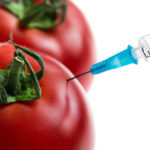 (NaturalHealth365) While the COVID-19 pandemic was the first time most of us ever really heard of terms like mRNA and biotechnology, gene therapy has actually been around for decades. The first people ever to receive gene therapy – two sisters suffering from a rare genetic disorder – received this groundbreaking medical treatment in 1970 (it’s worth noting, however, that neither of the young girls benefited from the injections).
Of course, the fact that gene therapy was incorporated into shots and then put into the arms of millions of people around the world after questionable “clinical trials” is highly concerning. But it turns out the government and Big Pharma bigwigs might have had other plans all along … for instance, to get gene therapy into the food you eat.
Eat your mRNA “gene therapy:” The government wants you to eat food that triggers an immune response in your body
In an alarming new video published on April 3, 2023, Dr. Naomi Wolf sat down with attorney Tom Renz to discuss his eye-opening findings about a government-led push to “[integrate] vaccines into foods.” And on April 1, 2023, Renz also Tweeted recent news that “lobbyists for the cattleman and pork associations in several states have CONFIRMED they WILL be using mRNA vaccines in pigs and cows THIS MONTH.”
During his interview, Renz cites a 2013 article published in the journal Advances in Biotechnology, which details how investigators at the National Institute of Allergy and Infectious Diseases (formerly run by the crooked Dr. Anthony Fauci) and others have already spent decades preparing for and conducting proof-of-concept research to prove that genetically modified foods can trigger an immune response in the human body.
“Edible vaccines for … intestinal pathogens are already in the pipeline,” writes the co-author of the 2013 article. “Potatoes and bananas that might protect against Norwalk virus, a common cause of diarrhea, and potatoes and tomatoes that might protect against hepatitis B are being developed.” As of 2013 (and who knows what the total is up to now), applications for edible shots were in the works for several common diseases and health conditions, including rabies, type 1 diabetes, Alzheimer’s disease, gastroenteritis, cancer, cholera, AIDS, measles, malaria, and hand, foot, and mouth disease – with the possible plants in use including potatoes, tomatoes, rice, spinach, banana, and tobacco.
The article, entitled “Edible Vaccines,” also ends with what reads like garbage Pollyanna propaganda, stating that “There is hope that in [the] coming future, edible vaccines will conquer all serious diseases and make the planet beautiful to live in.”
Is there no stopping Big Pharma and the federal government? Is this the way of the (food) future?
As alarming as these revelations are, there is some hope here. Renz shared his support for a new Missouri House Bill called HB 1169, which he describes as a labeling bill that will ensure people have the right to know what’s in their food and whether it contains a gene therapy product.
Talk about informed consent!
This bill does three things, Renz explains:
- “It requires labeling and disclosure of any product that has any gene therapy qualities.”
- “It requires that if you have a product on the market that has gene therapy qualities, that anyone can call the company and say, ‘Hey, how does this spread? Does it shed? Is it spread through contact – through sexual contact? Or is there a way that this can spread?’ And they have to disclose it.”
- “It requires informed consent. And informed consent includes serious events or adverse events of special interest. … And it requires informed consent before you be given anything with the gene therapy or medicinal property.”
Renz calls on readers and listeners who are interested to share this bill on social media and contact their own representatives about this important subject.
Sources for this article include:
Dailyclout.io
Dailyclout.io
Whatisbiotechnology.com
GAO.gov
NIH.gov
Rumble.com
Further Insights into Covid-19 Etiology and Susceptibility
Reproduced from original OMNS article (OrthoMolecular News Service):
http://orthomolecular.org/
Subscribe to the free Orthomolecular Newsletter: http://orthomolecular.org/subscribe.html
Go to the OMNS Archive: http://orthomolecular.org/resources/omns/index.shtml
Orthomolecular Medicine News Service, March 22, 2023
by Michael Passwater
OMNS (March 22, 2023) As we pass the three-year anniversary of the World Health Organization’s declaration of Covid-19 as a global pandemic, more than 6.8 million deaths have been attributed to the SARS-CoV-2 virus with 1.1 million (16%) of those deaths occurring in the United States. Over 6 million Covid-19 patients have been hospitalized in the United States. Over five billion people have been vaccinated including 230 million people in the United States. [1] Yet there is still no consensus on the most effective treatment. From 2020 onward, informed by past experiences with infectious diseases, genomic analysis of coronaviruses, and early treatment efforts, some natural medicine advocates have suggested that adequate doses of glutathione, vitamin C, selenium, zinc, and vitamin D may be helpful. [2-10]
Two recent studies deepen our understanding of how SARS-CoV-2 attacks our cells and tissues, and which individuals are at risk of becoming seriously ill from the infection. A study of 106 people in North Carolina with Covid-19 in late 2020 (all unvaccinated) showed selenium intake to be inversely related to Covid severity index among those with below average selenium and zinc intake (higher selenium intake = lower disease severity). [11] This is consistent with population studies in 2020 and 2021 in China associating more severe disease and mortality with lower regional selenium levels, and retrospective studies of hospitalized patients with Covid-19 in Germany identifying low total serum selenium and selenoprotein P status, along with advanced age and low zinc levels, as predictors of mortality. [12-15]
A recent mechanistic study also confirmed the previously predicted destruction of host selenoproteins thioredoxin reductase 1 (TXNRD1), selenoprotein P (SelenoP), and selenoprotein F (SelenoF) by the SARS-CoV-2 Mpro protein. Additionally, this viral protease was shown to destroy glutamate-cysteine ligase catalytic subunit (GCLC) which is a rate limiting enzyme in the production of glutathione. Destruction of TXNRD1, SelenoP, SelenoF, and GCLC weakens host immune and antioxidant defenses, genetic replication “proof-reading”, and hemostasis while also supporting a shift from DNA to RNA production within the cell – effectively hijacking the cell to become an RNA virus factory instead of a host DNA factory. [16]
Together, these new publications add support to the central roles of selenoproteins (proteins containing one or more selenocysteine amino acids) and the sulfur containing antioxidant glutathione in preventing Covid-19 and similar infections. This is also consistent with successful studies that have suggested the use of IV glutathione and IV vitamin C to reduce the risk of viral infection and aid recovery. [17-20] A drop in glutathione levels impairs vitamin C recycling which dramatically increases the demand for vitamin C intake. Thus, a selenium deficiency may increase the risk of a severe viral infection, because it can cause deficiencies of glutathione and vitamin C, which can impair the body’s ability to combat increased cellular oxidation and acidosis, and to support a robust response by immune cells. (See also “Vitamin C Levels in Critically Ill Covid-19 Patients” http://orthomolecular.org/resources/omns/v17n17.shtml )
Does this mean we should take massive amounts of selenium supplements upon testing positive? No, It means we should consume a well-balanced diet, supplementing as necessary to maintain a full supply of nutrients, including selenium (as selenium yeast or methyl-selenocysteine) to optimize our health and resistance to infectious disease. Steady moderation is a good approach with selenium (100 mcg/d) and other essential trace elements. It also means medical doctors should continue to explore the usefulness of selenite injections and similar interventions as part of the treatment of acute viral infectious disease outbreaks, and further study the usefulness of selenium and other micronutrient testing to evaluate disease susceptibility and prognosis as well as to target personalized interventions.
Does this mean vitamin D isn’t important for Covid-19 prevention or treatment? No. Vitamin D, selenocysteine, and cysteine have epigenetic and functional interdependencies. [21-25] Nutrients work best as a team. With approximately a billion chemical reactions occurring each second within each of the 37 trillion cells in the human body, a broad balanced array of nutrients is continually needed to build and sustain the sophisticated functions of human life. Most of us need to take vitamin D supplements (2,000 – 10,000 IU/d) throughout the winter months to maintain a healthy vitamin D status.
To learn more:
NIACIN for COVID: How niacin, niacinamide, and NAD can help with Long COVID-19
http://orthomolecular.org/resources/omns/v18n25.shtml
Nutrition to Treat and Prevent COVID-19
http://orthomolecular.org/resources/omns/v17n03.shtml
Fueling the Immune System for the 21st Century
http://orthomolecular.org/resources/omns/v18n23.shtml
Selenium not only benefits the host constitution and defenses, but it also has positive impacts on the mutagenesis and pathogenicity of viruses. [26-27] Virus replication is unstable and allows frequent mutations. However, the viral environment influences the rate and character of these mutations. Several varieties of viruses, including influenza, enteroviruses, and coxsackie viruses, have been shown to rapidly take on more harmful characteristics when allowed to replicate in a selenium deficient environment. [28-31] Oxidative environments also increase the rate of viral mutations. [32-34] See also Viral Mutations and the Risk of Second-hand Malnutrition'” http://orthomolecular.org/resources/omns/v17n19.shtml
Whether the invader is tuberculosis, poliovirus, influenza, SARS, Zika, SARS-CoV-2, mpox, invasive streptococcus, avian influenza, Ebola, venom, or the Andromeda Strain, the wisdom of Dr. Fred Klenner applies: “The answer to these emergencies is simple. Large amounts of ascorbic acid 350 mg to 700 mg per kilogram (2.2 lb) g body weight given intravenously. . . Ascorbic acid is also given, by mouth, as followup treatment. Every emergency room should be stocked with vitamin C ampoules of sufficient strength so that time will never be counted-as a factor in saving a life. The 4 gram, 20 cc ampoule and 10 gram 50 cc ampoule must be made available to the physician.” [35]
“In my department and other hospitals we highly recommend the patients use 12,000 mg to 24,000 mg a day of vitamin C. That works for significant reduction of COVID becoming a severe case.”
(ZhiYong Peng, MD, Chief of Critical Care
Zhongnan Hospital, Wuhan University)
Vitamin C goes to work fast – it doesn’t need to be incorporated into proteins before it begins to help fight the invasion and support the host. It also offers benefit to every cell in the body, helping to support the intense metabolic bursts of activated immune cells, as well as helping maintain the integrity of blood vessels. In critical illness, large doses help counteract cellular acidosis and restore enzymes to constructive rather than destructive activity. It is not blocked by the blood-brain barrier. Aside from rare instances of G6PD deficiency, vitamin C has a tremendous safety profile over a very wide therapeutic range. Glutathione, selenocysteine, vitamin D, niacin, magnesium also are key nutrients to optimizing immune responses and recovery. [36-43]
Conclusion
The threat of infectious diseases is ubiquitous. SARS-CoV-2 and many other RNA viruses have a destructive impact on selenoproteins and glutathione. Viral replication within selenium deficient, oxidative environments promotes more rapid and more pathogenic mutations. Selenium and glutathione are critical, but they are not silver bullets. Nutrients do their best work as a team. A strong base of selenium containing selenocysteine, sulfur containing cysteine, and zinc helps to optimize vitamin D, vitamin C, B vitamins, and essential lipids for overall wellness and infectious disease prevention. Four pillars of overall wellness and infectious disease protection are to: Sleep well; Exercise the body and mind well; eat well, supplementing as necessary and flexing up nutrient intake – particularly vitamin C – in proportion to the scope of infection; and cultivate a positive, grateful mindset and social support network.
(Michael Passwater, Assistant Editor of the Orthomolecular Medicine News Service, is also the author of “Protecting Against Viruses and other Threats to Wellness” http://orthomolecular.org/resources/omns/v18n30.shtml and coauthor of “Save Lives and Improve Public Health” http://orthomolecular.org/resources/omns/v19n12.shtml and “Nutrient Benefit Statements and the 2010 Legal Victory Prohibiting FDA Censorship” http://orthomolecular.org/resources/omns/v19n03.shtml . )
References and Further Reading
1. Hollowell A, Carbajal E (2023) COVID-19’s toll 3 years in: 6 notes. Becker’s Healthcare 3/10/2023. https://www.beckershospitalreview.com/public-health/covid-19s-toll-3-years-in-6-notes.html
2. Polonikov A. (2020) Endogenous Deficiency of Glutathione as the Most Likely Cause of Serious Manifestations and Death in COVID-19 Patients. ACS Infect. Dis. 6:1558-1562. https://pubmed.ncbi.nlm.nih.gov/32463221
3. Passwater RA (2020) Can Selenium Significantly Increase the Cure Rate in COVID-19? An Interview with Professor Ethan Will Taylor. Whole Foods Magazine, June 18, 2020. https://wholefoodsmagazine.com/columns/vitamin-connection/can-selenium-signifcantly-increase-the-cure-rate-in-covid-19
4. Hiffler L, Rakotoambinina B (2020) Selenium and RNA Virus Interactions: Potential Implications for SARS-CoV-2. Infection (COVID-19). Front. Nutr. 7:164. https://pubmed.ncbi.nlm.nih.gov/33015130
5. Vavougios GD, Ntoskas KT, Doskas TK. (2020) Impairment in selenocysteine synthesis as a candidate mechanism of inducible coagulopathy in COVID-19 patients. Med Hypotheses 147:110475. https://pubmed.ncbi.nlm.nih.gov/33421689
6. Taylor EW. (2020) RNA viruses vs. DNA synthesis: a general viral strategy that may contribute to the protective antiviral effects of selenium. Preprints 2020, 10.20944/preprints202006.0069.v1, http://doi.org/10.20944/preprints202006.0069.v1
7. Taylor EW, Radding W. (2020) Understanding Selenium and Glutathione as Antiviral Factors in COVID-19: Does the Viral Mpro Protease Target Host Selenoproteins and Glutathione Synthesis? Front Nutr. 7:143. https://pubmed.ncbi.nlm.nih.gov/32984400
8. Holford P (2020) Vitamin C for the Prevention and Treatment of Coronavirus. Orthomolecular Medicine News Service. http://orthomolecular.org/resources/omns/v16n36.shtml
9. Gonzalez MJ (2020) Personalize Your COVID-19 Prevention: An Orthomolecular Protocol. Orthomolecular Medicine News Service. http://orthomolecular.org/resources/omns/v16n31.shtml
10. Rasmussen MPF (2020) Vitamin C Evidence for Treating Complications of COVID-19 and other Viral Infections. Orthomolecular Medicine News Service. http://orthomolecular.org/resources/omns/v16n25.shtml
11. Larvie DY, Perrin MT, Donati GL, Armah SM (2023) COVID-19 Severity Is Associated with Selenium Intake among Young Adults with Low Selenium and Zinc Intake in North Carolina. Curr Dev Nutr. 7:100044. https://pubmed.ncbi.nlm.nih.gov/36785737
12. Zhang J, Taylor EW, Bennett K, Saad R, Rayman MP. (2020) Association between regional selenium status and reported outcome of COVID-19 cases in China. Am J Clin Nutr. 111:1297-1299. https://pubmed.ncbi.nlm.nih.gov/32342979
13. Zhang et al. (2021) Association between fatality rate of COVID-19 and selenium deficiency in China BMC Infect Dis. 21:452. https://pubmed.ncbi.nlm.nih.gov/34011281
14. Moghaddam A, Heller RA, Sun Q, et al. (2020) Selenium deficiency is associated with mortality risk from COVID-19. Nutrients 12:2098. https://pubmed.ncbi.nlm.nih.gov/32708526
15. Heller RA, Sun Q, Hackler J, et al. (2021) Prediction of survival odds in COVID-19 by zinc, age, and selenoprotein P as composite biomarker. Redox Biol. 38:101764. https://pubmed.ncbi.nlm.nih.gov/33126054
16. Gallardo IA, Todd DA, Lima ST, Taylor EW, et al. (2023) SARS-CoV-2 Main Protease Targets Host Selenoproteins and Glutathione Biosynthesis for Knockdown via Proteolysis, Potentially Disrupting the Thioredoxin and Glutaredoxin Redox Cycles. Antioxidants 12:559. https://doi.org/10.3390/antiox12030559
17. Horowitz RI, Freeman PR, Bruzzese J. (2020) Efficacy of glutathione therapy in relieving dyspnea associated with COVID-19 pneumonia: A report of 2 cases. Respir Med Case Rep. 30:101063. https://pubmed.ncbi.nlm.nih.gov/32322478
18. Colunga Biancatelli RM, Berrill M, Catravas JD, Marik PE. (2020) Quercetin and Vitamin C: An experimental, synergistic therapy for the prevention and treatment of SARS-CoV-2 related disease (COVID-19). Front Immunol, 11:1451. https://pubmed.ncbi.nlm.nih.gov/32636851
19. Khan HMW, Parikh N, Megah SM, Predeteanu GS. (2020) Unusual Early Recovery of a Critical COVID-19 After Administration of Intravenous Vitamin C. Am J Case Rep, 21:e925521 https://pubmed.ncbi.nlm.nih.gov/32709838
20. Wang Y, Zhao N, Xiong Y, et al. (2020) Downregulated Recycling Process but Not De Novo Synthesis of Glutathione Limits Antioxidant Capacity of Erythrocytes in Hypoxia. Oxidative Medicine and Cellular Longevity. 2020:7834252. https://pubmed.ncbi.nlm.nih.gov/32963701
21. Jain SK, Micinski D. (2013) Vitamin D upregulates glutamate cysteine ligase and glutathione reductase, and GSH formation, and decreases ROS and MCP-1 and IL-8 secretion in high-glucose exposed U937 monocytes. Biochem Biophys Res Commun 437:7-11, https://pubmed.ncbi.nlm.nih.gov/23770363
22. Alvarez JA, Chowdhury R, Jones DP, et al. (2014) Vitamin D status is independently associated with plasma glutathione and cysteine thiol/disulphide redox status in adults. Clin Endocrinol (Oxf) 81:458-466. https://pubmed.ncbi.nlm.nih.gov/24628365
23. Parsanathan R, Jain SK. (2019) Glutathione deficiency induces epigenetic alterations of vitamin D metabolism genes in the livers of high-fat diet-fed obese mice. Sci Rep. 9:14784. https://pubmed.ncbi.nlm.nih.gov/31616013
24. Fan YG, Pang ZQ, Wu TY, et al. (2020) Vitamin D deficiency exacerbates Alzheimer-like pathologies by reducing antioxidant capacity. Free Radic Biol Med. 161:139-149. https://pubmed.ncbi.nlm.nih.gov/33068737
25. Jain SK, Parsanathan R, Achari AE, et al. (2017) Glutathione Stimulates Vitamin D Regulatory and Glucose Metabolism Genes, Lowers Oxidative Stress and Inflammation, and Increases 25-Hydroxy-Vitamin D Levels in Blood: A Novel Approach to Treat 25-Hydroxyvitamin D Deficiency. Antioxid Redox Signal. 29:1792-1807. https://pubmed.ncbi.nlm.nih.gov/30160165
26. Beck MA, Handy J, Levander OA (2004) Host nutritional status: the neglected virulence factor. Trends Microbiol 12:417-423. https://pubmed.ncbi.nlm.nih.gov/15337163
27. Beck MA (1999) Trace Minerals, Immune Function, and Viral Evolution. Chapter 16 in: Military Strategies for Sustainment of Nutrition and Immune Function in the Field. Institute of Medicine (US), Committee on Military Nutrition Research. US National Academies Press. ISBN-13: 978-0309063456 https://www.ncbi.nlm.nih.gov/books/NBK230971
28. Harthill M. (2011) Review: micronutrient selenium deficiency influences evolution of some viral infectious diseases. Biol Trace Elem Res. 143:1325-1336. https://pubmed.ncbi.nlm.nih.gov/21318622
29. Beck MA. Kolbeck PC, Rohr LH, et al. (1994a) Benign human enterovirus becomes virulent in selenium-deficient mice. J. Med. Virol. 43:166-170. https://pubmed.ncbi.nlm.nih.gov/8083665
30. Nelson HK, Shi Q, Van Dael P. et al. (2001) Host nutritional selenium status as a driving force for influenza virus mutations. FASEB J. 15:1721-1738. https://pubmed.ncbi.nlm.nih.gov/11481250
31. Beck MA, Nelson HK, Shi Q, et al. (2001) Selenium deficiency increases the pathology of an influenza virus infection. FASEB J. 15:1481-1483. https://pubmed.ncbi.nlm.nih.gov/11387264
32. Beck MA, Levander OA. (1998) Dietary oxidative stress and the potentiation of viral infection. Annu. Rev. Nutr. 18:93-116. https://pubmed.ncbi.nlm.nih.gov/9706220
33. Akaike T, Fujii S, Kato A, et al. (2000) Viral mutation accelerated by nitric oxide production during infection in vivo. FASEB J. 14:1447-1454. https://pubmed.ncbi.nlm.nih.gov/10877838
34. Akaike TY, Noguchi, S Ijiri, et al. (1996) Pathogenesis of influenza virus-induced pneumonia: involvement of both nitric oxide and oxygen radicals. Proc. Natl. Acad. Sci. USA. 93:2448-2453. https://pubmed.ncbi.nlm.nih.gov/8637894
35. Klenner FR. (1971) Observations On the Dose and Administration of Ascorbic Acid When Employed Beyond the Range of a Vitamin In Human Pathology. J Applied Nutrit. 23:61-87. https://www.injectablevitaminc.com/images/Ch22.pdf
36. Sakr Y, Reinhart K, Bloos F, et al. (2007) Time course and relationship between plasma selenium concentrations, systemic inflammatory response, sepsis, and multiorgan failure. Br J Anaesth. 98:775-784. https://pubmed.ncbi.nlm.nih.gov/17478454
37. de Melo AF, Homem-de-Mello M. (2020) High-dose intravenous vitamin C may help in cytokine storm in severe SARS-CoV-2 infection. Crit Care 24:500. https://pubmed.ncbi.nlm.nih.gov/32792018
38. Wang Y, Huang J, Sun Y, et al. (2021) SARS-CoV-2 suppresses mRNA expression of selenoproteins associated with ferroptosis, endoplasmic reticulum stress and DNA synthesis. Food Chem Toxicol. 153:112286. https://pubmed.ncbi.nlm.nih.gov/34023458
39. Guillin OM, Vindry C, Ohlmann T, Chavatte L (2019) Selenium, Selenoproteins and Viral Infection.Nutrients 11:2101. https://pubmed.ncbi.nlm.nih.gov/31487871
40. Broome CS, McArdle F, Kyle JAM, et al. (2004) An increase in selenium intake improves immune function and poliovirus handling in adults with marginal selenium status. Am. J. Clin Nutr. 80:154-162. https://pubmed.ncbi.nlm.nih.gov/15213043
41. Guillin OM, Vindry C, Ohlmann T, Chavatte L. (2019) Selenium, Selenoproteins, and Viral Infection. Nutrients 11:2101. https://pubmed.ncbi.nlm.nih.gov/31487871
42. Taylor EW, Ruzicka JA, Premadasa L, Zhao L (2016) Cellular Selenoprotein mRNA Tethering via Antisense Interactions with Ebola and HIV-1 mRNAs May Impact Host Selenium Biochemistry. Cur Top Med Chem. 16:1530-1535. https://pubmed.ncbi.nlm.nih.gov/26369818
43. Beck MA, Esworthy RS, Ho YS, Chu FF (1998) Glutathione peroxidase protects mice from viral-induced myocarditis. FASEB J. 12:1143-1149. https://pubmed.ncbi.nlm.nih.gov/9737717 https://www.researchgate.net/publication/13547567_Glutathione_peroxidase_protects_mice_from_viral-induced_myocarditis
Nutritional Medicine is Orthomolecular Medicine
Orthomolecular medicine uses safe, effective nutritional therapy to fight illness. For more information: http://www.orthomolecular.org
Find a Doctor
To locate an orthomolecular physician near you: http://orthomolecular.org/resources/omns/v06n09.shtml
The peer-reviewed Orthomolecular Medicine News Service is a non-profit and non-commercial informational resource.
Editorial Review Board:
Albert G. B. Amoa, MB.Ch.B, Ph.D. (Ghana)
Seth Ayettey, M.B., Ch.B., Ph.D. (Ghana)
Ilyès Baghli, M.D. (Algeria)
Barry Breger, M.D. (Canada)
Ian Brighthope, MBBS, FACNEM (Australia)
Gilbert Henri Crussol, D.M.D. (Spain)
Carolyn Dean, M.D., N.D. (USA)
Ian Dettman, Ph.D. (Australia)
Susan R. Downs, M.D., M.P.H. (USA)
Ron Ehrlich, B.D.S. (Australia)
Hugo Galindo, M.D. (Colombia)
Gary S. Goldman, Ph.D. (USA)
Michael J. Gonzalez, N.M.D., D.Sc., Ph.D. (Puerto Rico)
William B. Grant, Ph.D. (USA)
Claus Hancke, MD, FACAM (Denmark)
Patrick Holford, BSc (United Kingdom)
Ron Hunninghake, M.D. (USA)
Bo H. Jonsson, M.D., Ph.D. (Sweden)
Dwight Kalita, Ph.D. (USA)
Felix I. D. Konotey-Ahulu, MD, FRCP, DTMH (Ghana)
Alan Lien, Ph.D. (Taiwan)
Homer Lim, M.D. (Philippines)
Stuart Lindsey, Pharm.D. (USA)
Pedro Gonzalez Lombana, MD, MsC, PhD (Colombia)
Victor A. Marcial-Vega, M.D. (Puerto Rico)
Juan Manuel Martinez, M.D. (Colombia)
Mignonne Mary, M.D. (USA)
Joseph Mercola, D.O. (USA)
Jorge R. Miranda-Massari, Pharm.D. (Puerto Rico)
Karin Munsterhjelm-Ahumada, M.D. (Finland)
Tahar Naili, M.D. (Algeria)
Zhiyong Peng, M.D. (China)
Isabella Akyinbah Quakyi, Ph.D. (Ghana)
Selvam Rengasamy, MBBS, FRCOG (Malaysia)
Jeffrey A. Ruterbusch, D.O. (USA)
Gert E. Schuitemaker, Ph.D. (Netherlands)
Thomas N. Seyfried, Ph.D. (USA)
Han Ping Shi, M.D., Ph.D. (China)
T.E. Gabriel Stewart, M.B.B.CH. (Ireland)
Jagan Nathan Vamanan, M.D. (India)
Andrew W. Saul, Ph.D. (USA), Editor-In-Chief
Associate Editor: Robert G. Smith, Ph.D. (USA)
Editor, Japanese Edition: Atsuo Yanagisawa, M.D., Ph.D. (Japan)
Editor, Chinese Edition: Richard Cheng, M.D., Ph.D. (USA)
Editor, Norwegian Edition: Dag Viljen Poleszynski, Ph.D. (Norway)
Editor, Arabic Edition: Moustafa Kamel, R.Ph, P.G.C.M (Egypt)
Editor, Korean Edition: Hyoungjoo Shin, M.D. (South Korea)
Editor, Spanish Edition: Sonia Rita Rial, PhD (Argentina)
Editor, German Edition: Bernhard Welker, M.D. (Germany)
Associate Editor, German Edition: Gerhard Dachtler, M.Eng. (Germany)
Assistant Editor: Michael Passwater (USA)
Contributing Editor: Thomas E. Levy, M.D., J.D. (USA)
Contributing Editor: Damien Downing, M.B.B.S., M.R.S.B. (United Kingdom)
Contributing Editor: W. Todd Penberthy, Ph.D. (USA)
Contributing Editor: Ken Walker, M.D. (Canada)
Technology Editor: Michael S. Stewart, B.Sc.C.S. (USA)
Associate Technology Editor: Robert C. Kennedy, M.S. (USA)
Legal Consultant: Jason M. Saul, JD (USA)
Comments and media contact: drsaul@doctoryourself.com OMNS welcomes but is unable to respond to individual reader emails. Reader comments become the property of OMNS and may or may not be used for publication.
This article may be reprinted free of charge provided 1) that there is clear attribution to the Orthomolecular Medicine News Service, and 2) that both the OMNS free subscription link http://orthomolecular.org/subscribe.html and also the OMNS archive link http://orthomolecular.org/resources/omns/index.shtml are included.
Riordan Clinic | Orthomolecular.org
3100 N Hillside Ave
Wichita, Kansas 67219
United States
COVID shot recipients MORE likely to catch COVID, data shows
Reproduced from original article:
https://www.naturalhealth365.com/covid-shot-recipients-more-likely-to-catch-covid-data-shows.html
by: February 22, 2023
 (NaturalHealth365) As time passes, more and more people are waking up to the fact that the mainstream media pushes false narratives to maintain the status quo. Though some still believe whatever comes from the mouths of TV talking heads, those who cherish freedom of thought are now questioning the accepted narrative. In particular, the masses are beginning to perform some much-needed introspection regarding the mRNA coronavirus shot.
Free-thinkers naturally pivot to alternative media sources in the never-ending search for truth. But do your “homework,” and you’ll find new data that makes it crystal clear that those receiving the COVID shot against the coronavirus are more likely to get infected by it.
In fact, recent scientific research reveals those who rolled up their sleeve to take one or more of the mRNA shots are more than twice as likely to become infected than those who refuse the shot.
Alleged protection from the COVID shot is an oxymoron
The data referenced above reveals that those who take the jab are more than twice as likely to suffer an infection with coronavirus than those who had a previous infection. In other words, the research proves the shot is more likely to cause the spread of the virus than the mainstream media is willing to admit. Yet, the vast majority of mainstream media outlets insist those who receive the shot are “helping” to halt the spread of the virus.
Sort through the data while sidestepping the myths and lies about COVID injections. You’ll find the truth: federal and state governments are in cahoots with Big Pharma to spread the false narrative that the repeated injections prevent the spread of coronavirus. In reality, there is no need for the shots. Nor is there a logical need for COVID shot passports or other forms of proof of injection to participate in society.
The sweet irony of the ongoing pandemic is that it is not a crisis of the “unvaccinated;” instead, the data shows it is a pandemic perpetuated by those that accepted these COVID injections.
When in doubt, look at the data
If you believed everything Big Media, Big Government, and Big Pharma told you, you would be in complete lockstep with the American Public Health Association. This group falsely claims mRNA shots halt the spread of coronavirus. Instead, shift your attention to the research highlighted above.
Read through the data, and you’ll find that six months after the date of the index, the incidence of coronavirus infection was exorbitantly higher in COVID shot recipients than those who had been previously infected. More specifically, the incidence of infection was 6.7% in those who received the COVID shot compared to a paltry 2.9% in those who were previously infected.
Why is your protection BETTER without a COVID shot?
As always, the “why” of the issue matters the most. Those who suffered a previous coronavirus infection are better protected than those who were not infected yet received the COVID shot for one simple reason: the power of antibodies.
The protection provided by antibodies created through a COVID infection is superior to that of artificial man-made mRNA clot shots. Factor in the potential for Big Pharma’s jabs to cause lifelong health problems ranging from myocarditis to irregular menstrual cycles, and there is even more reason to proudly move forward without the need for a COVID shot.
Sources for this article include: