Immunity
now browsing by category
What Is Coralberry?
Reproduced from original article:
https://articles.mercola.com/sites/articles/archive/2024/07/23/what-is-coralberry.aspx
Analysis by Dr. Joseph Mercola July 23, 2024

STORY AT-A-GLANCE
- While the ornamental plant coralberry has been virtually ignored until quite recently, a compound from the leaves has been found to prevent bronchial muscle contraction in animal studies
- Asthma sufferers often experience airway constriction from bronchial muscle contraction, which prevents adequate ventilation of the lungs and subsequent shortness of breath that could become life threatening if not controlled
- The coralberry leaf compound known as FR900359 has been described by researchers as even more effective in this capacity than the most common asthma drug, salbutamol
A beautiful member of the huckleberry family of plants, the ornamental coralberry appears in many open wooded areas, sometimes by streams and riverbanks and often where post oak trees thrive. Rather than propagating through seeds, they grow in “colonies” as their roots form nodes under the ground, forming shrubs with arching branches that reach as high as 6 feet.
With its musical-sounding botanical name of Symphoricarpos orbiculatus, coralberry falls under a wide umbrella that encompasses other plants, including the Ardisia crenata. It also goes by the moniker of buckbrush, as well as Indian currant, wolfberry and waxberry.
Magenta-hued berries grow in sputnik-like clusters that can be collected in autumn and winter by shaking the branches so they fall onto drop cloths. Their tiny seeds can be extracted by macerating them in water. As a woodland plant, according to Wildflower.org:
“To keep it at a low height, cut it back to knee high every five to 10 years. If it gets too leggy, it can be cut back to the ground and it will come back bushier and with more berries the next year.”1
Birds love eating them and, as expected, research has found that a substance in the leaves of this plant, identified as FR900359 (FR), is very effective at preventing bronchial muscles from contracting, with great potential for treating asthma. Asthma is considered a chronic disease from lung inflammation, which narrows airways. Breathing can become difficult and symptoms are often severe and life threatening.
The National Heart, Lung and Blood Institute (NIH) advises sufferers to take an active role to control their asthma, in part, by avoiding triggers for long-term control and using quick-relief or “rescue” medicines when necessary.2 According to the U.S. Centers for Disease Control and Prevention (CDC), around 8.7% of adults and 6.2% of children in the U.S. have been diagnosed with asthma.3
Up until very recently, coralberry plants were ignored as a medicinal source, which is interesting since they can be found growing prolifically in eastern parts of the U.S., as well as in Texas, Colorado and South Dakota, with some strains native to Asia.
Leaves From the Coralberry Effective as a Medicinal
Folklore has it that coralberries were used by Native Americans for treating eye problems, as well as for a mild sedative. There may be something to that, as the plant’s dried roots, known as devil’s shoestrings, came in handy for stunning fish to catch them. According to Science Daily, research at the University of Bonn, conducted in collaboration with asthma specialists from the U.K. and subsequently published in the journal Science Translational Medicine, found:
“FR900359 is very effective at preventing the bronchial muscles from contracting. Asthmatics regularly suffer from these pronounced contractions preventing adequate ventilation of the lungs. The resulting shortness of breath can be life-threatening.”4
The compound made from coralberry leaves was found to relieve such spasms more effectively than the common asthma drug salbutamol. In fact, study co-author Dr. Michaela Matthey commented that FR900359 achieved “a much greater effect” than traditional drugs,5 and it lasted longer as well, Medical News Today6 noted.
Researchers further noted that “chronic exposure to receptor-activating medications results in desensitization.”7 For people with severe asthma, there’s a concern regarding long-term usage of medications, especially coupled with the fact that the disease is not really controlled and the fact that a sub-group of patients don’t respond to current therapies to a meaningful degree.
How the Compounds Work to Alleviate Asthma Symptoms
Study leader Daniela Wenzel, Ph.D., explains that the mechanism is the inhibition of critical signaling molecules in cells, called Gq proteins — dependent signaling cascades — that are involved in numerous important processes in your body, including those that occur in the airway. As MedIndia explains:
“In the airways, Gq-coupled G protein coupled receptors (GPCRs) are thought to play an important role in controlling the tone of airway smooth muscle. FR works by specifically inhibiting Gq thereby inhibiting it from further triggering contractions.”8
When the mechanism is inhibited in this way, it doesn’t, however, completely prevent contractions like those experienced by patients with severe asthma. Because various contracting signals “converge” on Gq proteins and trigger airway spasm, inhibiting the mechanism first results in greater effectiveness in preventing the contractions.
In mice studies, which went “exceptionally well” as there were no serious changes in their heart rate and blood pressure, the researchers were able to prevent asthmatic reactions to allergens such as dust mites, Wenzel explained.
There were hardly any side effects, as the active pharmaceutical ingredient could be applied via inhalation so only small quantities were absorbed into the bloodstream. However, it is not known whether the substance the scientists used is suitable to use in humans:
“Although the scientists have already been able to show that human bronchial muscle cells in a petri dish and isolated human airways react in a similarly promising manner, further tests, which could take years, are required prior to its application in people.”9

Save This Article for Later – Get the PDF Now
Asthma Causes and Possible Approaches to Improve Symptoms
It’s interesting that, in children, eating more fermented foods and eggs, meat and raw (unpasteurized) milk is associated with lower rates of allergy incidence, including asthma. Researchers also noted that when pregnant women take probiotics, or include healthy bacteria in their diets, their children have a lower risk of developing asthma and allergies.10
What this may indicate is that when your gut microflora are unbalanced, allergies may be one of the results. Some fermented foods, such as raw, grass fed yogurt and fermented vegetables like sauerkraut and kefir, supply about 100 times more good bacteria than probiotic supplements, which is what makes eating them so beneficial for augmenting your gut flora.
Raw milk is another example of an unpasteurized food that contains beneficial bacteria, the reason being that it hasn’t undergone pasteurization that kills off microbes indiscriminately. In fact, one study showed that among more than 8,000 school-aged children in Germany, Austria and Switzerland, those who drank raw milk were 41% less likely to develop asthma.11
The aforementioned dust mites happen to be one of the most common causes of asthmatic episodes, but one study showed that being exposed to them more often actually reduces incidence. In fact, young children’s exposure to a little dust-mite activity reduced the allergy incidence by 63%.
Numerous studies indicate that rather than keeping everything your children touch 100% squeaky clean, being exposed to the dirt they might encounter by having a pet, for example, or playing outside, may make their immune systems stronger and their risk of allergies such as asthma dramatically lower.
Your Immune System and How It Protects You
Your immune system works in two ways to protect you from developing allergies. The first one is through white blood cells called Th1 lymphocyte. When your blood cells come under attack and become infected, T1 tackles them to take them out of commission.
The second ones, predictably known as Th2 lymphocytes, aka allergen-reactive type 2 helper T cells, are deployed into your system before infection has a chance to settle in by producing antibodies that effectively block undesirable microbes at the outset. It’s a strategy that drives allergic responses to foreign organisms.
Studies suggest that at birth, babies’ immune systems rely most on Th2 until their Th1 kicks in a little later. However, Th1 appears to require the “exercise” of fighting off infections and harmless microbes to stimulate the strength needed to react against allergic responses. It’s known as the hygiene hypothesis, a premise based on the fact that allergies are exacerbated by a loss of healthy bacteria. One study notes:
“Interestingly, the Th1 cytokine interferon-gamma has been shown to act concurrently with Th2 cytokines in maintaining the chronic inflammatory response in allergic diseases, particularly in asthmatic airways.
[E]vidence suggests that suppression of T-regulatory cells may contribute to the underlying immune mechanisms involved in allergy and asthma … Understanding early-life immune mechanisms responsible for atopic diseases, specifically how cytokines of T-regulatory cells act to balance the Th1 and Th2 immune response, continues to be a fruitful area of research.”12
Natural Strategies for Treating Asthma
There are a number of side effects associated with drugs prescribed to treat asthma symptoms, many of them caused by inhaled steroidal approaches, which introduce a host of problems, including doubling your heart attack risk and raising your risk of blood clots, broken bones from reduced bone density and gastrointestinal bleeding. However, there are easy strategies to decrease your susceptibility to asthma attacks naturally:
- Increase you vitamin D3 levels, as there’s a strong link between asthma and vitamin D deficiency.
- Exercise regularly to balance your insulin levels. It helps increase your insulin receptor sensitivity, and improves your oxygen intake, heart rate and work capacity.
- Reduce your consumption of omega-6 fats. Many people today are getting far more omega-6 fats, particularly linoleic acid (LA), than they should, often through consumption of processed foods like vegetable oils, and the result often shows up as asthma symptoms.
- Reduce the lectins in your diet, as they promote inflammation, plus they’re known to be immunotoxic, neurotoxic and cytotoxic. With all that going on, your immune system is quickly compromised. To help manage your lectin consumption, I recommend reading my article, “How to Reduce Lectins in Your Diet.”
- Try butterbur. If you’re interested in natural treatments like coralberry, another natural antihistamine is the herb butterbur. As far back as the 17th century, butterbur was used to treat coughs, asthma and skin wounds. Researchers have since identified the compounds in butterbur that help reduce symptoms in asthma by inhibiting leukotrienes and histamines, which are responsible for symptom aggravation in asthma.13
Scientists involved in the featured study on coralberry leaves say it could take years to complete human testing on its efficacy, but taking as many routes as possible to improve your gut health, eating more organic foods and avoiding lectins are excellent ways to support your immune system and reduce your risk of asthma.
In addition, asthmatics typically breathe through the mouth, which plays a critical role in bronchial asthma, especially exercise-induced asthma. In a study published in the American Review of Respiratory Disease, young asthma patients had virtually no exercise-induced asthma after exercising while breathing through their noses.14
- 1 Wildflower.org Symphoricarpos orbiculatus (Archived)
- 2 NIH, Asthma, Treatment and Action Plan
- 3 CDC, April 30, 2024
- 4, 9 Science Daily September 13, 2017
- 5, 6 Medical News Today, September 19, 2017
- 7 Science Translational Medicine September 13, 2017
- 8 MedIndia September 15, 2017
- 10 American Academy of Pediatrics August 2013
- 11 The Journal of Allergy and Clinical Immunology October 2011
- 12 Curr Opin Allergy Clin Immunol. 2005 Apr;5(2):161-6
- 13 International Archives of Allergy and Immunology 2002 Oct;129(2):108-12
- 14 Am Rev Respir Dis. 1978 Jul;118(1):65-73
Common Signs of Vitamin B1 Deficiency
Reproduced from original article:
https://articles.mercola.com/sites/articles/archive/2024/05/29/signs-of-vitamin-b1-deficiency.aspx
Analysis by Dr. Joseph Mercola May 29, 2024

STORY AT-A-GLANCE
- Thiamine, also known as vitamin B1, is an essential vitamin that your body cannot produce and must be obtained from diet or supplements
- Thiamine plays a crucial role in energy production by metabolizing glucose and is vital for nerve health and cognitive function
- It also aids in heart function by producing the neurotransmitter acetylcholine and supports digestive health by assisting in hydrochloric acid production
- Research suggests thiamine can help prevent complications in diabetes and supports immune function to protect against respiratory illnesses. Thiamine supplementation has also shown benefits in improving symptoms like fatigue in autoimmune diseases such as IBD and Hashimoto’s
- Initial signs of thiamine deficiency include fatigue, muscle weakness, poor appetite, digestive issues, brain fog, mood swings, and eye-related problems. Advanced deficiency can lead to beriberi, manifesting as either neurological issues (dry beriberi), cardiovascular problems (wet beriberi), gastrointestinal symptoms, or severe brain dysfunction (cerebral beriberi)
Thiamine (vitamin B1) is used by nearly all your cells and is essential for several functions in the body. Thiamine is considered an “essential” vitamin because your body can’t produce it on its own; it must be obtained from outside sources; be it diet or supplementation.
Health Benefits of Thiamine
Thiamine’s key health benefits and mechanisms of action include:
| Energy production — Thiamine plays a central role in metabolizing glucose to produce energy for the body. It is essential for the proper functioning of the Krebs cycle, a critical energy-producing pathway that converts proteins, fats, and carbohydrates into energy. |
| Nerve function — Thiamine is sometimes referred to as an “antistress” vitamin for its positive influence on your central nervous system. It aids in the maintenance of healthy nerve cells and supports the proper functioning of your nervous system.
Thiamine deficiency has been implicated in amyotrophic lateral sclerosis (ALS), with ALS patients having about 60% lower thiamine levels in their brains and peripheral nervous systems, resulting in severely impaired glucose metabolism.1 There’s also limited evidence suggesting high doses of thiamine and biotin can help reverse the pathology seen in Huntington’s disease, again by restoring glucose metabolism.2 |
| Heart health — Thiamine contributes to the correct functioning of the heart. It is involved in the production of the neurotransmitter acetylcholine, which is used to relay messages between the nerves and muscles and is essential for normal heart function. |
|
Cognitive function — Adequate levels of thiamine are associated with improved cognitive function. It helps in maintaining a healthy brain, particularly in older adults, and can help prevent disorders related to cognitive decline, including Alzheimer’s.3,4 As explained by the Alzheimer’s Association,5 “Thiamine helps brain cells produce energy from sugar. When levels fall too low, brain cells cannot generate enough energy to function properly.” Indeed, impaired glucose metabolism is a known hallmark of Alzheimer’s and other dementias, and researchers have postulated that this reduction in glucose metabolism is caused by a “decline in thiamine-dependent processes.”6 |
| Digestive health — Thiamine assists in the production of hydrochloric acid, which is essential for proper digestion. Adequate thiamine levels ensure efficient digestion of food and absorption of nutrients. |
| Prevention of diabetes complications — Research suggests thiamine can help prevent complications in people with diabetes by protecting against oxidative stress and possibly improving glucose tolerance. |
| Immune function — Thiamine is also important for healthy immune function. In addition to nutrients such as zinc and vitamins C and D, it helps protect against infectious respiratory illnesses.
Thiamine deficiency syndrome (beriberi) has also been implicated in other types of severe infections and bears many similarities to sepsis. This is one of the reasons why thiamine is such an important part of Dr. Paul Marik’s sepsis treatment.7 Sepsis, in turn, is a major contributor in influenza deaths in general, and a primary cause for COVID-19 deaths specifically. |
Thiamine in Alcohol Addiction and Autoimmune Conditions
Thiamine is frequently recommended and given to people struggling with alcohol addiction, as alcohol consumption reduces absorption of the vitamin in your gastrointestinal tract. An estimated 80% of alcoholics are deficient in thiamine and therefore more prone to the side effects and conditions listed above.8
Thiamine is also very important for those with autoimmune diseases such as inflammatory bowel disease (IBD) and Hashimoto’s (a thyroid autoimmune disorder).9 In case studies,10,11 thiamine supplementation has been shown to improve fatigue in autoimmune patients in just a few days.
Interestingly, in one of these studies,12 which looked at patients with IBD, patients responded favorably to supplementation even though they all had “normal” baseline levels.
The authors speculate that thiamine deficiency symptoms in such cases may be related to enzymatic defects or dysfunction of the thiamine transport mechanism (opposed to being an absorption problem), which can be overcome by giving large quantities of thiamine.
Save This Article for Later – Get the PDF Now
Thiamine Deficiency May Be Underestimated
While thiamine deficiency is often the result of alcohol misuse, chronic infections, poor nutrition and/or malabsorption, research suggests vitamin B1 availability has dramatically declined throughout the food chain in recent years,13 and that naturally affects your ability to get sufficient thiamine from your diet.
Adult men and women need 1.2 and 1.1 mg respectively each day.14 If you have symptoms of thiamine deficiency, you may need higher doses.
Considering both plants and wildlife are becoming increasingly thiamine-deficient,15 it’s logical to suspect that this deficiency is becoming more common in the human population as well. Unfortunately, statistics on thiamine deficiency in the U.S. population are not readily available in a direct, comprehensive format, so it’s hard to assess how widespread it might be.
Considering how crucial thiamine is for health and optimal biological functioning — and the rapid increase in conditions associated with thiamine deficiency — it’s important to evaluate your intake on an individual level. One way to do that would be to use an online nutritional calculator such as Cronometer. Another way to assess your status is by looking for signs and symptoms of deficiency.
Signs and Symptoms of Thiamine Deficiency
Early symptoms of thiamine deficiency include:16,17
| Fatigue/getting easily exhausted, due to its role in glucose metabolism and energy production |
| Muscle weakness, as thiamine is required for proper contraction and relaxation of muscles |
| Poor appetite and/or digestive problems, due to its impact on your digestive function |
| Brain fog, confusion and/or memory problems, as thiamine is essential for healthy brain function and cognition |
| Mood swings and irritability |
| Eye-related issues such as sensitivity to light, eye fatigue and involuntary eye movements |
| Nutrient malabsorption, as thiamine is involved in the absorption of other nutrients |
As your deficiency grows more severe, it can progress into one of four types of beriberi:18
- Paralytic or nervous beriberi (aka “dry beriberi”) — Damage or dysfunction of one or more nerves in your nervous system, resulting in numbness, tingling and/or exaggerated reflexes
- Cardiac (“wet”) beriberi — Neurological and cardiovascular issues, including racing heart rate, enlarged heart, edema, breathing problems and heart failure
- Gastrointestinal beriberi — Nausea, vomiting, abdominal pain and lactic acidosis
- Cerebral beriberi — Wernicke’s encephalopathy, cerebellar dysfunction causing abnormal eye movements, ataxia (lack of muscle coordination) and cognitive impairments. If left untreated, it can progress to Korsakoff’s psychosis, a chronic brain disorder that presents as amnesia, confusion, short-term memory loss, confabulation (fabricated or misinterpreted memories) and in severe cases, seizures
Are You Getting Enough B Vitamins?
If you have any of the signs listed above or discovered that your daily intake is insufficient using Cronometer, the solution is to eat more foods high in thiamine, such as wheatgerm and acorn squash, and/or take a supplement.
Thiamine insufficiency or deficiency can develop in as little as two weeks, as its half-life in your body is only nine to 18 days.
Evidence suggests thiamine insufficiency or deficiency can develop in as little as two weeks, as its half-life in your body is only nine to 18 days.19 Ideally, select a high-quality food-based supplement that contains a broad spectrum of B vitamins to avoid creating an imbalance. The following guidelines can also help protect or improve your thiamine status:
- Eat fermented foods — The entire B group vitamin series is produced within your gut provided you have a healthy gut microbiome. Eating real food, ideally organic, along with fermented foods will provide your microbiome with important fiber and beneficial bacteria to help optimize your internal vitamin B production as well.
- Avoid excessive alcohol consumption, as alcohol inhibits thiamine absorption, and frequent use of diuretics, as they will cause thiamine-loss.
- Avoid sulfite-rich foods and beverages such as nonorganic processed meats, wine and lager, as sulfites have antithiamine effects.
- Correct any suspected magnesium insufficiency or deficiency, as magnesium is required as a cofactor in the conversion of thiamine.
Daily Intake Recommendations
While individual requirements can vary widely, the typical daily intake recommendations for B vitamins are as follows:
| Nutrient | Supplement Recommendations |
|---|---|
| Thiamine (B1) | Adult men and women need 1.2 and 1.1 mg respectively each day.20 If you have symptoms of thiamine deficiency, you may need higher doses.
Thiamine is water-soluble and nontoxic, even at very high doses, so you’re unlikely to do harm. Doses between 3 grams and 8 grams per day have been used in the treatment of Alzheimer’s without ill effect. |
| Riboflavin (B2) | Suggested daily intake is about 1.1 mg for women and 1.3 mg for men.21 |
| Niacin (B3) | The dietary reference intake established by the Food and Nutrition Board ranges from 14 to 18 mg per day for adults. Higher amounts are recommended depending on your condition.
For a list of recommended dosages, see the Mayo Clinic’s website.22 I recommend taking 50 mg of niacinamide, a form of B3 that plays a crucial role in energy metabolism, three times a day. Niacinamide is also a precursor to NAD+, which is essential in the conversion of food to energy, maintaining DNA integrity and ensuring proper cell function. |
| Vitamin B6 | Nutritional yeast (not to be confused with Brewer’s yeast or other active yeasts) is an excellent source of B vitamins, especially B6.23
One serving (2 tablespoons) contains nearly 10 mg of vitamin B6, and the daily recommended intake is only 1.3 mg.24 |
| Inositol/Biotin (B8) | B8 is not recognized as an essential nutrient and no recommended daily intake has been set. That said, it’s believed you need about 30 mcg per day.25
Vitamin B8 is sometimes listed as biotin on supplements. Brewer’s yeast is a natural supplemental source.26 |
| Folate (B9) | Folic acid is a synthetic type of B vitamin used in supplements; folate is the natural form found in foods. (Think: Folate comes from foliage, edible leafy plants.)
For folic acid to be of use, it must first be activated into its biologically active form (L-5-MTHF). This is the form able to cross the blood-brain barrier to give you the brain benefits noted. Nearly half the population has difficulty converting folic acid into the bioactive form due to a genetic reduction in enzyme activity. For this reason, if you take a B-vitamin supplement, make sure it contains natural folate rather than synthetic folic acid. Nutritional yeast is an excellent source.27 Adults need about 400 mcg of folate per day.28 |
| Vitamin B12 | Nutritional yeast seasoning is also high in B12 and is highly recommended for vegetarians and vegans. One serving (2 tablespoons) provides about 67 mcg of natural vitamin B12.29
Sublingual (under-the-tongue) fine mist spray or vitamin B12 injections are also effective, as they allow the large B12 molecule to be absorbed directly into your bloodstream. |
- 1 Haidut.me June 28, 2023 (Archived)
- 2 Haidut.me February 24, 2023 (Archived)
- 3 Haidut.me July 12, 2022 (Archived)
- 4 Haidut.me August 27, 2021 (Archived)
- 5 Alzheimer’s Association, Korsakoff Syndrome
- 6 Businesswire July 7, 2022
- 7 Chest June 2017; 151(6): 1229-1238
- 8, 16, 18 alcoholrehabhelp.org Thiamine
- 9 Thyroidpharmacist.com August 23, 2023
- 10, 12 Journal of Alternative and Complementary Medicine 2013 Aug;19(8):704-8
- 11 Journal of Alternative and Complementary Medicine 2013; 00(00): 1-4 (PDF) (Archived)
- 13, 15 The Science Times January 31, 2021
- 14, 20 NIH Thiamin, February 9, 2023
- 17 Theheartysoul.com April 2, 2024
- 19 Journal of Thoracic Disease 2016 Jun; 8(6): 1062–1066, Thiamine Elimination and Associated Thiamine Insufficiency Syndromes
- 21 NIH Riboflavin May 11, 2022
- 22 Mayo Clinic Niacin
- 23 Self Nutrition Data, Nutritional Yeast (Archived)
- 24 NIH Vitamin B6 June 16, 2023
- 25 NIH Biotin January 10, 2022
- 26 Mount Sinai Health 2021
- 27 Chalkboard, Nutritional Yeast
- 28 NIH Folate November 1, 2022
- 29 USDA Nutritional Yeast Seasoning July 17, 2019
97% of Countries Will Soon Be Unable to Sustain Populations as Fertility Rates Drop
Reproduced from original article:
https://articles.mercola.com/sites/articles/archive/2024/05/25/dropping-fertility-rates.aspx
Analysis by Dr. Joseph Mercola May 25, 2024

STORY AT-A-GLANCE
- A report published in The Lancet predicts that by 2100, the global infertility problem will be so severe that 97% of countries will be unable to sustain their populations. According to the World Health Organization, 1 in 6 people globally are now infertile
- Exposure to electromagnetic fields (EMFs) and radiofrequency radiation may be the most significant factor for the observed decrease in male sperm count
- Endocrine-disrupting chemicals like phthalates and bisphenols are also a key culprit to infertility and declining sperm count rates in men
- Several factors can compromise your ability to reproduce, but following some basic common-sense strategies and healthy lifestyle habits can help address the root of infertility
Americans are now having difficulty conceiving, with one-third of adults in the U.S. turning to fertility treatments or are acquainted with someone who has.1 According to the National Institutes of Health, 9% of men and 11% of women in the U.S. are now struggling with fertility problems, and in healthy couples below 30 years old, 40% to 60% fail to conceive in the first three months of having unprotected sex.2
But infertility isn’t just an American dilemma; it’s a worldwide crisis. According to the World Health Organization,3 1 in 6 people globally are now infertile — and it’s going to get much worse, unless we do something about it.
‘Dramatic Decline’ in Fertility Will Cause Populations to Drop in Most Countries
A report published in The Lancet4 predicts that by 2100, the global infertility problem will be so severe that 97% of countries will be unable to sustain their populations. Published in March 2024, the featured report5 estimates that there will be a dramatic decline in fertility globally, with majority of countries experiencing a significant drop in fertility rates. According to an article by Euronews Health:6
“Researchers led by the University of Washington’s Institute for Health Metrics and Evaluation (IHME) in the US found that three-quarters of countries will not have fertility rates high enough to sustain population size by 2050.
By 2100, they project that this will be the case in 97% of countries, estimating that the global total fertility rate will drop from 2.23 births per female in her lifetime in 2021 to 1.68 in 2050 and 1.57 in 2100.”
Taking into the account the margins of error, the projected fertility rates in the featured report are not far off from the United Nations projections, which state “global fertility is projected to fall from 2.3 children per woman in 2021 to 2.1 in 2050.”7 This is based on their World Population Prospects report published in 2022.8
A separate commentary9 about the featured report, also published in The Lancet, notes, “Although projections are by their nature hypothetical, they ought to offer an avenue for scrutiny, objective comparisons with other forecasts, and improvement, and should inform actions that countries could take to influence, or not, the rate of TFR [total fertility rate] declines.”
What’s Causing Fertility Rates to Decline?
Gitau Mburu, one of the authors of the commentary, reached out to Euronews Health, stating that declining fertility rates can be caused by multiple factors, including “education, contraception access, and postponing parenthood.” He also says economic reasons, such as the cost of raising children and changes in the work force, may also be to blame.10
However, I believe environmental factors, such as being exposed to toxic substances that are ubiquitous in our lives today, could play a more significant role. A 2000 study11 explored several environmental factors affecting fertility, including cigarette smoking, alcohol and exposure to chemicals and pesticides in the workplace. The authors state:
“Although infertility can be caused by many different factors, most infertility is caused by abnormal oocyte and/or sperm production, tubal defects, or endometriosis.
It is important to note, however, that a significant proportion of infertility is unexplained. Investigators hypothesize that environmental factors have the potential to alter male and female reproductive tissues and thus affect the ability of couples to conceive healthy offspring.”
Save This Article for Later – Get the PDF Now
Microwaves — The Invisible Factor Damaging Your Reproductive Health
One stealth factor that can make you infertile is your exposure to electromagnetic fields (EMFs) and radiofrequency radiation from wireless technologies, like cellphones and Wi-Fi. In fact, I believe this may be the most significant reason why sperm counts are dwindling today.12
According to a 2023 study published in the journal Fertility and Sterility,13 men who use their cell phones more than 20 times a day have significantly lower sperm concentrations and sperm counts than those who use their phones once a week or less.
Research by Martin Pall, Ph.D., can help explain why this occurs. Nearly a decade ago, he discovered a previously unknown mechanism of biological harm from microwave radiation. Your cell membranes contain voltage-gated calcium channels (VGCCs) which, when activated by microwaves release about 1 million calcium ions per second.
This massive excess of intracellular calcium then stimulates the release of nitric oxide (NO) inside your cell and mitochondria, which combines with superoxide to form peroxynitrite. Peroxynitrites not only cause oxidative damage, but also create hydroxyl free radicals, which are the most destructive free radicals known to man.
Hydroxyl free radicals decimate mitochondrial and nuclear DNA, their membranes and proteins, resulting in mitochondrial dysfunction. In a 2013 children’s health expert panel on cellphone and Wi-Fi exposures,14 it was noted that “The testicular barrier, that protects sperm, is the most sensitive of tissues in the body … Besides sperm count and function, the mitochondrial DNA of sperm are damaged three times more if exposed to cellphone radiation.”
Many in-vivo and in-vitro studies have also demonstrated the potential implications of EMF exposure to reproductive function. In a paper published in Clinical and Experimental Reproductive Medicine,15 researchers noted that EMFs can affect sperm motility, and the degree of damage can vary depending on the frequency, duration of exposure and strength of EMFs.
Endocrine-Disrupting Chemicals Are Also Making You Infertile
Environmental and reproductive epidemiologist Shanna Swan, Ph.D., says that sperm counts in Western men have been declining for decades, as the rates in 2011 were less than half of what they were in 1973.16 She notes another key culprit for this decline — endocrine-disrupting chemicals (EDCs).
Swan, who authored the book “Count Down: How Our Modern World Is Threatening Sperm Counts, Altering Male and Female Reproductive Development, and Imperiling the Future of the Human Race,” says that phthalates and bisphenols are one of the key culprits to infertility and declining sperm count rates in men. If the curve continues to decline, the median sperm count will be zero by 2045.17 Couples who want to have children will then have no choice but to seek fertility treatments.
Endocrine-disrupting chemicals work by adhering to hormone receptors and directly interfere with the functioning of your steroid hormones, which are crucial for pregnancy and fetal development. As a result, these chemicals can change how many receptors are present in cells, as well as affect the creation, movement, levels and breakdown of hormones in your blood.
This is a cause for concern, considering how ubiquitous EDCs are in our everyday lives. Plastics, cosmetics, personal care products, and processed and packaged foods all contain EDCs. In an article published in Salon,18 Swan comments:
“We also see declines in testosterone in several studies around the world. We see increases in erectile dysfunction. We see increases in rates of genital abnormalities … We see increases in testicular cancer rates.”
France’s national public health agency, Santé Publique France (SPF), recently released 21 health effects linked to endocrine-disrupting chemicals that they consider a priority for surveillance.19 The findings were part of the 2021 PEPS’PE study, and unsurprisingly, “infertility,” “decreased fertility” and “alteration of sperm quality” are on the list.20
‘Forever Chemicals’ Are Just as Problematic
Per- and polyfluoroalkyl chemicals (PFAS) are dubbed “forever chemicals” because aside from having the ability not to break down easily in the environment, they can also bioaccumulate in wildlife and people. When these EDCs enter your body, they can have half-lives of two to five years.21
Forever chemicals are used in food packaging, clothing, personal care products and other stain- and grease-resistant products. It can even be found in your clothes — including your children’s school uniform. A 2022 study22 notes that about 3 tons of PFAS are used in U.S. school uniforms annually, exposing children to 1.03 ng/kg bw/day of PFAS, which can be absorbed via their skin.
Over 9,000 PFAS are used today, and exposure is so widespread that 97% of Americans were found to have PFAS in their bodies.23 And just like phthalates and bisphenols, many studies24,25,26 demonstrate their potential to disrupt reproductive hormones and affect fertility.
A study published in the journal Environmental Health Perspectives,27,28 for example, notes that there’s “a statistically significant association between exposure to a mixture of PFAS in early pregnancy and lower sperm concentration and total sperm count and higher proportion of non-progressive and immotile sperm” in male offspring.
PFAS have also been linked to reproductive health issues in women. A study29 conducted by researchers in Singapore highlighted the dangers of these chemicals on women’s fertility, saying that “higher exposure to PFAS, individually and as a mixture, is associated with reduced probability for clinical pregnancy and live birth.”
The researchers also note that forever chemicals not only disrupt reproductive hormones, but they can also delay puberty, and increase the risk of endometriosis and polycystic ovary syndrome (PCOS).30
What’s on Your Dinner Plate Can Also Affect Your Fertility
It’s no secret that we’re exposed to dangerous chemicals every day from our environment. However, your food choices could be adding to your toxic load, too. For example, conventional fruits and vegetables today are sprayed with pesticides, including glyphosate, the active ingredient in Roundup. These chemicals are particularly problematic, as they are known endocrine disruptors.
High pesticide exposure from pesticide-treated fruits and vegetables has been associated with an 18% lower in-vitro fertilization (IVF) success rate in women. They were also 26% less likely to have a live birth if they did become pregnant.31 This clearly illustrates why it’s far better to opt for organic, pesticide-free produce.
And if you’re always fond of eating processed foods like frozen pizzas, pancakes and waffles, be warned – these products contain sodium aluminum phosphate, a known neurotoxin that could impact your reproductive health. Used in food products as an emulsifying agent and stabilizer, this ingredient, albeit classified as “safe to consume,”32 could have long-term damaging effects on your fertility.
According to Dr. Naomi Wolf, exposure to sodium aluminum phosphate may lead to long-term oxidative stress, DNA damage and a negative impact on blood testosterone levels and sperm production.33 For a more detailed report about this additive, you can read my article “Food Additive in Pizza, Pancakes Linked to Lower Sperm Counts.”
Vaccines Cause Low Testosterone and Miscarriage
Wolf adds that exposure to aluminum-containing products can also be a key factor in the increasing rates of depression, weight gain and sexual disinterest among young men — these may all be associated with decreased levels of testosterone.34
I’ve warned about aluminum’s serious risks for many years now, especially its role in the rising rates of autism and Alzheimer’s. You can be exposed to it in many ways, but one of the most significant sources — and potentially one of the worst — is through vaccines. Vaccines contain aluminum adjuvants, which bypass your body’s natural filtering and detoxification systems.
Particularly problematic are the mRNA shots, which are likely both ineffective and dangerous. Wolf claims that mRNA shots contain aluminum,35 and although there is no current proof the mRNA shot for COVID does, the European Medicines Agency has approved the use of other COVID vaccines using complete viruses and a dual adjuvant of aluminum hydroxide-CpG 1018. Shots against COVID-19 that contain aluminum adjuvants are also approved in other countries.
Equally alarming is the fact that vaccines can cause miscarriage in pregnant women. In 2009, women reported losing their babies hours or days after getting the H1N1 swine flu vaccine. Not surprisingly, these instances were passed off as coincidental.36
However, a 2017 paper published in the journal Vaccine37 found that women who had received a pH1N1-containing flu vaccine two years in a row were more likely to suffer miscarriage within the following 28 days.
The CDC has not made any changes to its recommendation for pregnant women to get vaccinated against influenza, and is recommending getting the vaccine “during any trimester of pregnancy.”38,39 This is reprehensible public health policy at its worst, as corporations are profiting while the health of moms and their unborn children are being sacrificed.
Progesterone Can Help Reduce Miscarriage Risk
If you’re pregnant or planning to get pregnant, I advise you to avoid vaccines, including mRNA jabs. Remember, the more mRNA shots you take, the more severe the damage to your immune system could be.
Another way to reduce your risk of a miscarriage is to consider progesterone supplementation. Dubbed the “pregnancy hormone,”40 it plays a crucial role in conception, from implantation of the embryo to delivery of the baby.
According to studies published in 2020,41 progesterone could prevent 8,450 miscarriages each year, especially when given to women with bleeding in early pregnancy. For more information, read my article “Progesterone for Miscarriage Prevention.”
More Strategies to Boost Fertility Naturally
There are indeed various factors that can compromise your ability to reproduce, but I believe following some basic common-sense strategies and healthy lifestyle habits can help address the root of infertility. Here’s a summary of my recommendations:
| Minimize your exposure to toxic chemicals, including heavy metals, endocrine disruptors, pesticides and herbicides, formaldehyde, organic solvents, dry-cleaning chemicals and paint fumes. |
| Avoid all vaccines, particularly mRNA shots — If you’ve already had one or more COVID-19 shots, there are steps you can take to repair from the assault on your system. The Front Line COVID-19 Critical Care Alliance (FLCCC) also has a treatment protocol for post-jab injuries. It’s called I-RECOVER and can be downloaded from covid19criticalcare.com.42 |
| Avoid drinking unfiltered tap water, as our waterways are constantly being polluted by industrial waste and byproducts. |
| Eat an optimal fertility diet — An optimal fertility diet is about what to avoid as much as it is about what to include. Eat REAL food, ideally organic, to avoid pesticide residues, and locally grown.
Avoid factory farmed animal products, processed seed and vegetable oils that are loaded with linoleic acid (LA) that destroys mitochondrial function, as well as unfermented soy, as soybeans contain phytoestrogens that act on hormones. Men would do well to add more sperm-enhancing foods43 to their diet, such as organic pastured eggs, bananas, asparagus, broccoli, pomegranates, garlic and all zinc-rich foods (zinc plays a key role in sperm development). |
| Avoid common allergens — An overactive immune system is more likely to attack its own body cells, and the link between food intolerances and anti-sperm antibodies is well established. The two most widely spread food intolerances are gluten and dairy. Factory-farmed milk can also be a source of estrogen that can harm a man’s fertility. |
| Minimize microwave exposure — Avoid carrying your cellphone on your body while it is on, and avoid using laptops and tablets on your lap. Turn off your Wi-Fi off at night and make your bedroom an EMF-free zone. |
| Get checked for sexually transmitted diseases (STDs) — Some STDs, like chlamydia, can be asymptomatic. In men, chlamydia can lead to sperm abnormalities including sperm antibodies. In women, it can lead to scarring, blocked tubes and miscarriage. |
| Avoid coffee, smoking and alcohol — While organic black coffee has several health benefits, fertility does not appear to be one of them. On the contrary, studies suggest it decreases fertility.44 Alcohol, smoking and recreational drugs can also adversely affect fertility, reducing the size of your testes and lowering your sperm count. |
| Get regular exercise — According to research,45 getting at least 30 minutes of exercise three times a week can help boost men’s sperm count. |
| Normalize your weight — Obesity contributes to infertility in both men and women. Normalizing weight can help improve sperm quality and quantity in men and augment a woman’s chances of getting pregnant,46 in part by normalizing menstrual cycles.47 |
| Limit hot baths and saunas — While hot baths and saunas have a myriad of health benefits, it’s ideal to limit them during the conception phase, as the heat can take a toll on sperm. In one three-year-long study,48 5 of 11 men who quit taking hot baths were able to raise their sperm count by 491%. |
| Combat stress — Make sure to get sufficient amounts of sleep and/or incorporate a tool like the Emotional Freedom Techniques (EFT), yoga or meditation to address stress. |
| Clean up your home environment — Use natural cleaning products or make your own. |
- 1 Pew Research Center July 17, 2018
- 2 NIH Infertility
- 3 WHO Infertility Prevalence Estimates 1990-2021, April 3, 2023
- 4, 5 Lancet, March 2024, 19:S0140-6736(24)00550-6
- 6, 10 Euronews Health, March 21, 2024
- 7 United Nations, Population
- 8 United Nations, World Population Prospects 2022: Summary of Results
- 9 Lancet. March 2024, 19:S0140-6736(24)00490-2
- 11 Clinical Obstetrics and Gynecology, 2000, 43(4): pp 821–829
- 12 SYB, March 13, 2024, Cell Phone Effects on Sperm and The Brain: The Dirty Secret Of Cell Phone Testing
- 13 Fertility and Sterility, 2023;120(6), Results
- 14 ElectromagneticHealth.org August 29, 2013
- 15 Clin Exp Reprod Med. 2012 Mar; 39(1): 1–9
- 16, 18 Salon April 4, 2021
- 17 The Guardian March 28, 2021
- 19 Santé Publique France, PEPS’PE Study September 2021
- 20 Medscape January 31, 2024
- 21 Science of the Total Environment June 25, 2023, Volume 879, 163081
- 22 Environ. Sci. Technol. 2022, 56, 19, 13845–13857
- 23 NIH, National Institute of Environmental Health Sciences, PFAS
- 24 Curr Probl Pediatr Adolesc Health Care. 2020 Feb;50(2):100760
- 25 Chemosphere. 2021 May:270:128608
- 26 Front Toxicol. 2021; 3: 732436
- 27 Environmental Health Perspectives, October 5, 2022, 130(10)
- 28 Salon October 7, 2022
- 29, 30 Science of The Total Environment, May 15 2023, Volume 873, 162267
- 31 JAMA Intern Med. 2018;178(1):17-26
- 32 Michigan State University, September 21, 2020, What does the science say about safety?
- 33, 34 Substack, Outspoken, March 7, 2024
- 35 Substack, Outspoken, March 7, 2024 video minute 14:25
- 36 Organic Health, November 11, 2009
- 37 Vaccine September 25, 2017; 35(40): 5314-5322
- 38 CDC, Influenza, Flu Vaccine Safety and Pregnancy
- 39 Fortune September 13, 2017
- 40 Fertility Center, What Does Progesterone Do in Pregnancy?
- 41 American Journal of Obstetrics and Gynecology, 2020;223(2)
- 42 Covid19criticalcare.com
- 43 Practo December 17, 2016
- 44 Reuters March 30, 2016
- 45 Appl Physiol Nutr Metab. 2017 Dec;42(12):1293-1306
- 46 Medical Journal of Babylon April-June 2022; 19(2): 111-114
- 47 Front. Endocrinol., 10 August 2022; 13
- 48 Int Braz J Urol. 2007 Jan-Feb;33(1):50-6; discussion 56-7
Vitamin D3 Versus D2
Reproduced from original article:
https://articles.mercola.com/sites/articles/archive/2024/05/04/vitamin-d3-versus-d2.aspx
Analysis by Dr. Joseph Mercola May 04, 2024
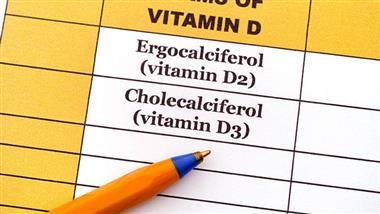
STORY AT-A-GLANCE
- Contrary to popular belief, vitamin D2, derived from plants, and D3, from animal products, do not have equal nutritional value, and deficiency is gaining ground, so study authors are asking governments to consider updating current guidelines
- Researchers found vitamin D3 to be twice as effective in raising levels in the body in comparison to D2
- More than 1 in 5 people in the U.K. have low levels of vitamin D; as an essential nutrient, it’s not a vitamin your body produces, so it must be attained from an outside source: via sunlight, food or supplementation
- Told by officials that D2 and D3 were basically the same, retail outlets led to believe one was just as viable as the other added vitamin D2 to their products, which did nothing to help people increase their levels
It’s something I’ve been encouraging for several years now — making sure you’re getting adequate levels of vitamin D, not only because it’s a crucial nutrient, but because so many people are deficient and don’t realize it.
But a study has emerged dispelling the idea many scientists and health care providers have had for many years, the upshot being that there is a vast difference between vitamin D2, which is plant-based (notably from mushrooms), and vitamin D3, which is derived from animal products.
The two do not, as some have believed, have a similar nutritional value. Health authorities are calling for official recommendations for vitamin D intake to be changed in accordance with this information, which is not actually new, as we’ve related this important distinction for some time. The “groundbreaking” study from the University of Surrey was conducted to determine, between vitamins D2 and D3, which was more effective in raising levels in the body.
The trial was funded by the Biotechnology and Biological Sciences Research Council (BBSRC) — “the largest U.K. public funder of nonmedical bioscience” — and the Diet and Health Research Industry Club (DRINC). Susan Lanham-New, principal investigator of the trial, called the results a “very exciting discovery which will revolutionize how the health and retail sector views vitamin D,” EurekAlert! reported.1
She added, “Vitamin D deficiency is a serious matter, but this will help people make a more informed choice about what they can eat or drink to raise their levels through their diet.” Serious is right: One study shows that more than 40% of the American population is deficient in vitamin D,2 and some experts say the problem is serious enough to call it a pandemic.3
Vitamin D2 and D3: Not Interchangeable
Vitamin D is produced by your body after exposure to the sun, and because winter is the period during which sunshine is least available, vitamin D levels are typically at their lowest during this time.
The 335 South Asian and white European women who participated in the study over two winters were divided into five groups and given either juice containing vitamin D2 or D3, a biscuit with the same or a placebo. At the conclusion of the study, researchers found vitamin D3 to be twice as effective in raising levels in the body in comparison to D2. EurekAlert! reported:4
“Vitamin D levels in women who received vitamin D3 via juice or a biscuit increased by 75 percent and 74 percent respectively compared to those who were given D2 through the same methods. Those given D2 saw an increase of 33 percent and 34 percent over the course of the 12-week intervention.
The research also found that nutrient levels of both vitamin D2 and D3 rose as a result of both food and acidic beverages such as juice, which were found to be equally as effective. Those who received the placebo experienced a 25 percent reduction in the vitamin over the same period.”
What’s interesting, as mentioned, is that the information from this study is not new news. A similar study published in 2011 is one of several instances where vitamin D3 has been shown to have a much greater significance for your health compared to D2. One study5 shows D3 to:
- Convert to its active form 500% faster
- Be 87% better at raising and maintaining vitamin D levels
- Produce two to three times greater storage of the vitamin than D2
Recommendations for Vitamin D Outdated and Unsafe
Here’s where it gets problematic: Several governments around the world, including the U.S. National Institutes of Health, assert there’s no difference between vitamins D2 and D3 and that interchanging the two makes no difference whatsoever in your body’s levels.
However, information from Public Health England reveals that more than 1 in 5 people in the U.K. have low levels of vitamin D, so the intake they recommend is 10 micrograms per day, all year long, for everyone beginning at age 4.
EurekAlert! notes that daily intake of vitamin D3 — but not vitamin D2 — will allow the population to avoid such health problems as rickets, osteoporosis and a higher risk of developing heart disease, all associated with individuals with insufficient levels of vitamin D in their bodies.
What the scientists found influences public health but also retail markets in that many have added vitamin D2 to their products because they were led to believe it was just as viable in the body to increase people’s “D” levels as taking D3. Lead study author and dietitian Laura Tripkovic explained:6
“The importance of vitamin D in our bodies is not to be underestimated, but living in the U.K. it is very difficult to get sufficient levels of it from its natural source, the sun, so we know it has to be supplemented through our diet. However, our findings show that vitamin D3 is twice as effective as D2 in raising vitamin D levels in the body, which turns current thinking about the two types of vitamin D on its head.”
Tripkovic explained that people who eat vitamin D3-rich foods or take supplements are two times more likely to raise their vitamin D profile than when consuming the equivalent in vitamin D2 foods such as mushrooms, D2-fortified bread or taking D2 supplements.
Save This Article for Later – Get the PDF Now
Downsides of Low Vitamin D Versus Benefits of Optimal Levels
Vitamin D is involved in the biology of all cells in your body, including your immune cells. A large number of studies have shown raising your vitamin D level can significantly reduce your risk of cancer and many other chronic diseases. So, what happens when someone isn’t getting the amount of vitamin D that they should? Daily Mail7 notes that lack of vitamin D:
- Can cause your bones to become thin, brittle or misshapen
- Is linked to an increased risk of multiple sclerosis
- Is linked to a growing prevalence for children to develop rickets, shown in many cases to cause malformed and/or broken bones
- Appears to play a role in insulin resistance, high blood pressure and immune function, related to heart disease and cancer
People who are obese, older than age 65 and/or housebound may have lower levels of vitamin D due to their diets, little sun exposure and other factors, and among dark-skinned individuals in the U.S, only 3% among thousands have enough vitamin D.8 Beyond cancer prevention, a Swiss study9 from 2013 lists several of the more dramatic benefits of getting the right amount of vitamin D:
- The development, function and maintenance of healthy bones and regulation of calcium homeostasis throughout life
- The basis for the prevention and management of osteoporosis, a disease producing brittle bones that are prone to fractures
- The regulation of neuromuscular function, reducing the risk of falls, a major cause of bone fractures
- Possibly a central component of musculoskeletal health through vitamin D’s beneficial effects on muscle function and bone stability
- May show favorable effects in many organs and play a significant role in the maintenance of general health
The Significance of Getting Adequate Sunlight
Another reason vitamin D levels are so important is that hepatic mitochondria and their associated microsomal enzymes metabolize vitamin D, whatever the source, Pharmacy Times noted, adding:10
“When patients consume too much vitamin D2 or vitamin D3, this process is completely unregulated and patients’ vitamin D levels will rise proportionally to their intake. On the other hand, cutaneous synthesis from sun exposure allows patients levels to reach a preset point, and after that, additional sun exposure will not increase vitamin D levels.”
This means the best way to make sure you’re getting enough vitamin D is to get regular sensible exposure to direct sunlight on your body each day. Depending on your locale, in the winter when the sun hides behind clouds and temperatures are often so chilly you’re forced to wear long sleeves and galoshes, this may be difficult if not impossible, however.
Alternatively, adding vitamin D3 supplements to your regimen can help you achieve optimal vitamin D levels. The foods you eat can also make a difference in helping to make or break your health (if not your bones). The best foods for increasing your vitamin D intake via your diet are animal-based and quite limited:
- Raw milk
- Eggs, particularly the yolk from organic, pastured eggs
- Wild-caught Alaskan salmon and other healthy fish such as mackerel and sardines, preferably from cold waters, and not farmed
Get Your Vitamin D Levels Tested
If you decide your vitamin D3 should be taken in supplement form, it’s your serum level, or how much D3 your blood contains, that determines how much you should take until your levels are optimized to between 60 and 80 nanograms per milliliter, or ng/ml.
Studies done by Grassroots Health11 recommend an upper limit of about 8,000 IUs (the International Unit by which fat-soluble vitamins are measured) daily of vitamin D3. Children need a minimum of 2,000 IUs per day;12 however, getting your blood tested is the only way to know for sure whether your vitamin D levels are within the optimal range and, consequently, how much oral vitamin D3 you may need. Also be sure the vitamin D you take is correctly balanced with vitamin K2.
An Atlanta-based Emory University School of Medicine study published in the Journal of the American College of Cardiology outlined vitamin D’s association with cardiovascular disease prevention.13
The upshot is that levels below 20 ng/ml are simply not enough to maintain bone health, let alone provide the other disease-prevention benefits that vitamin D has to offer. As mentioned, I recommend you achieve 60 to 80 ng/ml of vitamin D in your blood.
- 1, 4, 6 EurekAlert! July 5, 2017
- 2 Nutr Res. 2011 Jan;31(1):48-54
- 3 Science Direct Vol. 52, Issue 24, December 9, 2008, pp. 1949-1956
- 5 JCEM March 2011
- 7 Daily Mail July 4, 2017
- 8 JAMA Network March 23, 2009
- 9 Int J Vitam Nutr Res. 2013;83(2):92-100
- 10 Pharmacy Times July 6, 2017
- 11 Grassroots Health 2017
- 12 GrassrootsHealth, “From the D*action Panel of Vitamin D Scientists/Researchers”
- 13 J Am Coll Cardiol. 2017 Jul 4;70(1):89-100, Abstract
Critical Vaccine Studies: 400 Vital Scientific Papers Parents and Pediatricians Need To Be Aware Of
Reproduced from original article:
https://articles.mercola.com/sites/articles/archive/2024/03/24/critical-vaccine-studies.aspx
Analysis by Dr. Joseph Mercola March 24, 2024
STORY AT-A-GLANCE
- Comparing vaccination rates in 34 developed nations revealed a significant correlation between infant mortality rates and the number of vaccine doses infants receive. The U.S. requires the most vaccines and has the highest infant mortality
- Research shows the more vaccines an infant receives simultaneously, the greater their risk of being hospitalized or dying compared to those receiving fewer vaccines
- The earlier in infancy a child is vaccinated, the greater their risk of being hospitalized or dying compared to children receiving the same vaccines at a later time
Vaccines: Are they safe? Are they effective? To help answer those questions is Neil Z. Miller,1 a medical research journalist and director of the Thinktwice Global Vaccine Institute.
Miller has investigated vaccines for three decades and written several books on the subject, including “Vaccines: Are They Really Safe and Effective?,” “Vaccine Safety Manual for Concerned Families and Health Practitioners” and “Miller’s Review of Critical Vaccine Studies: 400 Important Scientific Papers Summarized for Parents and Researchers.”
“Miller’s Review,” published in 2016, is a magnificent piece of work. In it, he reviews the concern about vaccine safety and efficacy raised by 400 peer-reviewed published studies. The book doesn’t review studies that support vaccination (almost all of which are funded by the industry and the government, by the way) as those studies are available on the CDC website.
“I got started when my own children were born … over 30 years ago … When my wife was pregnant, I felt I had to do due diligence about vaccines. I have to be honest, though. Before I even started to research vaccines, my wife and I pretty much knew intuitively that we were not going to inject our children with vaccines.
When I give lectures, I often tell people, ‘How can you expect to achieve health by injecting healthy children with toxic substances?’ I intuitively knew that … but still felt an obligation to do my due diligence and to do the research,” Miller says.
“The thing is that when I do things, I do them pretty thoroughly … I was doing my research at medical libraries. I was gathering everything and I started to collate it and coordinate it … People started to find out about the information I had organized. They were asking me about vaccines even way back then. I organized it into a booklet. I started to share that with people. Everything snowballed from that first booklet.”
Don’t Believe the ‘There’s No Evidence’ Argument
“Miller’s Review” was created in response to the common refrain that “there are no studies showing vaccines are unsafe or ineffective.”
“I hear this often,” Miller says. “Parents come to me all the time, saying, ‘My doctor told me that vaccines are safe and there are no studies that prove [otherwise].’ I’ve been doing the research for 30 years. I know of literally thousands of studies that document [concerns]. My books all document [those] studies.”
“Miller’s Review” is unique in that it summarizes 400 studies in bullet points with direct quotes from the study — with one study per page — plus citations so that you can find and read the study in full should you decide to do so. All of the studies are published in peer-reviewed journals and indexed by the National Library of Medicine.
“These are valid studies by valid researchers in many journals that people have heard about — The Lancet, New England Journal of Medicine, all the mainstream journals (and some of the smaller journals, but they’re still valid peer-reviewed studies) that show there are problems with vaccines: There are safety problems, there are efficacy problems.
They’re all in one place so that people, like doctors, can get this information all in one convenient place. This book has been very effective with medical doctors. When medical doctors who are on the fence, or who are pro-vaccine, get this book and read it, I hear back from parents that their doctor is no longer pressuring them to get the vaccines.
Their doctor is now respecting their decisions to not vaccinate or to go to some sort of alternative vaccine schedule if that’s the choice these parents make …
I am all about having uncensored, unfettered access to all of the available information out there about vaccines. Not just what your medical doctor wants you to know. Not just what the pharmaceutical companies want you to know and not just what the Centers for Disease Control and Prevention (CDC) is telling doctors to share with their patients.
I want [parents] to be absolutely free to make a decision whether or not they want to vaccinate their children … It’s really a human rights issue. It’s really about the mandatory aspect of vaccines. I think all vaccines are problematic. I think this not just based on my own feelings, but based on the evidence I’ve researched over the years.”
Uninformed Decision-Making Is Part of the Problem
Ultimately, every parent will make a decision about whether or not to vaccinate. The problem is, most of the time, it’s an uninformed decision. An issue brought up in some of his earlier books is that there’s been a deliberate misinformation campaign aimed at making you believe vaccines are far more effective than they actually are.
For example, disease incidence data is used to suggest vaccines have dramatically reduced the incidence of a given disease, when in fact the disease rate had already declined by 90%, or more in some cases, before a vaccine was ever available.
Measles has been problematic in developing nations, mostly because of malnutrition, vitamin A deficiency, lack of clean water, sanitation and quick access to medical care. As these measures are addressed, the mortality from measles declines on its own.
Vitamin A appears particularly important, and studies sponsored by the World Health Organization (WHO) have confirmed that high doses of vitamin A supplementation protect children against complications and death associated with the disease.
“By the time the measles vaccine was introduced in the United States in 1963, by the late 1950s, the mortality rate from measles had drastically dropped. This was due to the [fact] that the population had gained protection against the more dangerous ravages of the disease. This happens with a lot of different diseases.
In my book, I’ve got many different types of graphs and illustrations to help the reader understand the main points I’m making … [M]any of these graphs show that these diseases were declining significantly on their own, well before vaccines were introduced.
For example, scarlet fever. Where did scarlet fever go? Why don’t we see cases of scarlet fever when we didn’t have mass vaccinations with a scarlet fever vaccine? That’s an important point to be made.”
Save This Article for Later – Get the PDF Now
Many Childhood Diseases Are Protective Against Cancer
Another significant point is there are dozens of studies demonstrating that contracting certain childhood diseases actually protects you against various types of cancer later in life — everything from melanoma to leukemia.
It’s important to realize that when you have a naturally acquired infection, you’re really exercising your immune system quite profoundly, developing authentic, lifelong immunity in the process, which is radically different from the type of artificial and temporary immunity you get from a vaccine.
One of the reasons for this is because vaccines stimulate a completely different part of your immune system than does fighting off a naturally acquired infection. There’s even evidence suggesting childhood diseases help protect against future heart disease.
“[A] Japanese study … looked at over 100,000 men and women of elderly age. They looked back at their history of catching these common childhood illnesses. Did they catch chickenpox, rubella, measles and mumps? What they found was it’s actually protective against heart disease.
You’re protected against heart attacks and various types of arteriosclerotic disease of the artery systems. It’s protecting the arterial system so that you are protected not only — when you catch these diseases — from cancers, but from heart disease, heart attacks and strokes as well … There are different theories on why that takes place. But the important thing is that study after study confirms that it takes place.”
Vaccines Create Problematic Mutations
Another vaccine-related problem that many are completely unaware of is the fact that vaccines cause mutations in the disease-bearing microorganisms, much in the same way antibiotics cause bacteria to mutate. The diphtheria, tetanus and pertussis vaccine (DTaP), for example, has caused the pertussis microorganism, Bordetella pertussis, to mutate and evade the vaccine. The same thing happened with the pneumococcal vaccine and the Haemophilus influenzae type B vaccine.
“They’re finding, for example, when you’ve got a vaccine that targets only certain strains of disease where multiple strains are actually causing the disease, the vaccine is pretty effective at reducing the incidence of disease from that particular strain. But what happens is the other strains come and take their place … They come back even stronger.
That’s what [happened] with Prevnar, a vaccine for pneumococcus, pneumococcal disease. All infants that receive vaccines according to the CDC’s standard immunization schedule receive a pneumococcal vaccine at 2, 4 and 6 months of age. That vaccine only targeted seven strains. Pneumococcal has 90 different strains capable of causing pneumococcal disease.
They were pretty effective at reducing the amount of disease caused by the pneumococcal strains targeted by the vaccine. But what happened within just a few short years, the other strains became more prevalent … taking the place of the original strains [and] they became more virulent.
They came out with a new vaccine in 2010 … to deal with the vaccine losing its efficacy because of what I just explained. The new vaccine included the original seven strains plus six additional strains, the ones that were causing most of the pneumococcal disease now. Within two years of the new upgraded, updated pneumococcal vaccine, the strains had already mutated …”
Tragically, parents are being blamed and harassed for many of these vaccine failures. Parents are being told that if you don’t vaccinate your kids, you are responsible for spreading the disease. That’s the idea the CDC, the medical industry and the pharmaceutical industry are promoting. However, if you actually read the studies, you’ll find what the scientists know — the real problem is evolutionary adaptation.
Herd Immunity Cannot Be Achieved Through Immunizations
Another core argument for mass vaccinations is achieving herd immunity. Miller believes, and I agree with this belief, that herd immunity may never be achieved through vaccination because high vaccination rates encourage the evolution of more severe disease-causing agents. In a vaccinated population, the virulence increases due to selective pressure, as the pathogen is strengthened and adapts in its fight for survival against the vaccine.
Meanwhile, in an unvaccinated population, the environment actually promotes lowered virulence, as the pathogen does not want to kill its host. A wise pathogen is one that’s able to infect many hosts without killing them, because when the host dies, the pathogen loses the environment upon which its own survival depends.
However, once the disease organism mutates and becomes more virulent within the vaccinated population, it raises the stakes not only among the vaccinated but also among the unvaccinated, who are now faced with a far more virulent foe than normal.
“In terms of herd immunity, you not only have … this selective pressure that’s keeping you from being able to achieve herd immunity (because the microorganisms are always attempting to evade the vaccine), but pertussis vaccine is only 60% effective. That’s with the best estimates. And that’s only for a couple of years.
Studies show that even after three, four or five years, you’re back to almost no efficacy whatsoever, almost back to the pre-vaccine period.
How can you expect to achieve herd immunity with a vaccine that is only 60% effective? You can vaccinate 100% of the population and you cannot achieve herd immunity with a vaccine that is only 60% effective. Influenza vaccines — many years, these vaccines are not good matches for the circulating virus — so you have 0% efficacy. In the best years, you only have 30%, 40% or 50% efficacy.”
Studies Show Vaccinations Increase Infant Mortality
One of the tenets of conventional medicine is that if you vaccinate a population, everyone is going to be healthier. There will be less disease. But when you compare vaccination rates and health statistics, you find the converse is actually true. This is some of the most compelling information Miller shares in his book.
For example, when comparing vaccination rates in 34 developed nations, they found a significant correlation between infant mortality rates and the number of vaccine doses infants received. Developed nations like the United States that require the most vaccines tend to have the highest infant mortality. You can read this study here.2
“I’m the lead author on that study, actually. My co-author was Gary Goldman [Ph.D., who] worked for the CDC for seven years. He quit when he found that the CDC was not allowing anything detrimental [to get out]. Goldman found problems with the chickenpox vaccine and wanted to publish that data. The CDC said, ‘We’re not going to allow you to do that.’ That’s when Goldman quit …
Goldman and I did two peer-reviewed studies … The children in the United States are required — if they follow the CDC’s immunization schedule — to receive the most vaccines in the developed world, actually throughout the world. Globally. Twenty-six vaccines. Other developed nations require less.
Some nations only require 12 vaccines — Switzerland, Sweden, Iceland and other European nations — yet they have better infant mortality rates. That’s what our study looked at. [V]accines are promoted as being lifesaving. They’re given to children to protect them against dying from infectious diseases.
We gathered all the immunization schedules from the 34 nations [and found] the United States had the 34th worst infant mortality rate … It had the worst. Thirty-three nations in the developed world had better infant mortality rates. We did the study and we found what many people would find to be a counterintuitive relationship.
We found a statistically significant relationship. There was a direct correlation between the number of vaccines that a nation required for their infants and the infant mortality rate. The more vaccines that a nation required, the worse the infant mortality rate.”
Why Is This Not Front-Page News?
Many naïvely believe that if all of this is true, if vaccines truly were doing more harm than good, it would be front-page news. The reason you rarely if ever hear anything about studies such as this one is because the vaccine industry has an iron grip on the information being publicly disseminated. Collusion between federal regulatory agencies, the government and the industry is just one of several hurdles preventing this kind of information from being widely known.
You have individuals like Dr. Julie Gerberding, who headed up the CDC and was in charge of infectious disease recommendations for seven years before moving on to become president of Merck Vaccines, one of the largest vaccine manufacturers in the world. That’s just one of many dozens of examples of this revolving door, which in turn has led to the breakdown of true science-based medicine.
“We have a serious problem where top scientists admit that they drop data points from studies that they’ve been influenced by the people who are funding their studies to sometimes not publish the study because it didn’t come up with the results they wanted, and so on,” Miller says.
“We have a serious problem with the pharmaceutical industry controlling which studies get published. Also, there’s a serious problem because the pharmaceutical companies are controlling the advertising dollars that go out to the major media.
Mainstream media makes approximately 70% of its income from pharmaceutical ads. They do not want to publish or promote anything, even in their newscasts that would be critical of vaccines because it could compromise their potential to keep bringing in these millions of dollars they make every year from the pharmaceutical companies.”
The greatest, most serious problem we currently face is the concerted push to mandate vaccines and eliminate personal belief exemptions. For example, to go to school in California, you now have to be fully vaccinated. No exemptions are allowed, which is really a violation of human rights.
Giving Multiple Simultaneous Vaccines Is Extremely Risky, Study Shows
The second study3 Miller and Goldman published analyzed nearly 40,000 reports of infants who suffered adverse reactions after vaccines. Here, they found that infants given the most vaccines were significantly more likely to be hospitalized or die compared to those who received fewer vaccines.
It’s worth noting that this data was obtained from the vaccine adverse event reporting system (VAERS) database, a passive reporting system, and that research has confirmed passive reporting systems underreport by 50 to 1.
What this means is that when you find one report in VAERS, you have to multiply that by 50 to get closer to reality because, on average, only 1 in 50 adverse events are ever reported. Doctors have a legal obligation to report side effects to VAERS, but they don’t, and there are no ramifications for failure to make a report. Parents can also make a report to the database, and I encourage all parents to do so, should your child experience a vaccine reaction.
At present, VAERS has over 500,000 reports of adverse reactions to vaccines, and every year, more than 30,000 new reports are added to it. Miller and Goldman downloaded this database and created a program to extract all the reports involving infants. In all, they extracted the reports of 38,000 infants who experienced an adverse reaction following the receipt of one or more vaccines.
They then created a program that was able to determine the number of vaccines each infant had received before suffering an adverse reaction, and stratified the reports by the number of vaccines (anywhere from one to eight) the infants had received simultaneously before the reaction took place. They specifically honed in on serious adverse reactions requiring hospitalization or that led to death. Here’s what they found:
- Infants who received three vaccines simultaneously were statistically and significantly more likely to be hospitalized or die after receiving their vaccines than children who received two vaccines at the same time
- Infants who received four vaccines simultaneously were statistically and significantly more likely to be hospitalized or die than children who received three or two vaccines, and so on all the way up to eight vaccines
- Children who received eight vaccines simultaneously were “off-the-charts” statistically and significantly more likely to be hospitalized or die after receiving those vaccines
- Children who received vaccines at an earlier age were significantly more likely to be hospitalized or die than children who receive those vaccines at a later age
Childhood Vaccination Schedule Is Based on Convenience, Not Science or Safety
As noted by Miller:
“The industry, the CDC and Dr. Paul Offit tell us that you can take multiple vaccines. Offit said you could theoretically take 10,000 vaccines at one time; that an infant can be exposed to that many pathogens simultaneously without hurting the child. The CDC’s immunization schedule requires that children receive eight vaccines at 2 months of age, eight vaccines at 4 months of age and eight vaccines at 6 months of age.
I ask parents, ‘When did you ever take eight drugs at the same time? … If you did take eight drugs at the same time, would you think it was more likely that you would or would not have an adverse reaction?’ Because toxicologists know that the more drugs you take at the same time, the more potential for some kind of a synergistic or additive toxicity … What this study confirms is that it’s a dangerous practice to give multiple vaccines simultaneously.
The CDC has put together a schedule based on convenience. They say ‘[G]ive eight vaccines at 2 months, give eight more vaccines at 4 months and give eight more booster shots at 6 months’ because it’s convenient. They’re afraid that parents will not come to the pediatrician again and again and again if they have to keep coming back for more vaccines, so they get multiple [shots all at once].
They said, ‘We’re going to make this schedule based on convenience.’ Not based on evidence. Not based on science. There’s nothing scientific about the CDC’s recommended immunization schedule. We’ve shown it with our study …
We also showed that children who received vaccines at an earlier age are statistically significantly more likely to be hospitalized or die than children who receive it at a later age. We divided it up to children who receive their vaccines in the first 6 months of age versus children who receive their vaccines in the last six months of infancy.
Again, off-the-charts statistically significant, it’s much more dangerous to give younger infants multiple vaccines than to give older infants multiple vaccines. This makes sense because they’re giving the same dose to a newborn or a baby that might be 8, 9, 10, 11 or 12 pounds at 2 months of age versus a child who might be 15 or 17 pounds … at a later age.”
More Information
You can find “Miller’s Review of Critical Vaccine Studies: 400 Important Scientific Papers Summarized for Parents and Researchers” on ThinkTwice.com. This book is an invaluable resource for parents who want to do their due diligence before making up their mind about whether or not to vaccinate their children. On his website, you will also find his other books, along with studies and publications relating to vaccine safety and efficacy concerns.
Another resource is the National Vaccine Information Center (NVIC). NVIC is leading the charge when it comes to educating the public about efforts to impose mandatory vaccinations, and how to preserve our health freedoms on the local, state and federal levels.
Ultimately, everyone will have to make a choice about vaccinations. They key is to make it an informed one — to understand and weigh the potential risks and benefits. To do that, you need access to both sides of the debate, and Miller has done us all a great favor by making the largely hidden side of the equation more readily accessible.
Research Links Mitochondrial Dysfunction to Immune Decline, Opening Paths for Cancer Treatment
Reproduced from original article:
https://articles.mercola.com/sites/articles/archive/2024/03/14/reversing-immunodeficiency.aspx
The original Mercola article may not remain on the original site, but I will endeavor to keep it on this site as long as I deem it to be appropriate.
Analysis by Dr. Joseph Mercola March 14, 2024

STORY AT-A-GLANCE
- New research shows mitochondrial dysfunction in T cells leads to immune system decline, affecting the body’s ability to fight infections and cancer
- The study identifies glycolysis as an inefficient way to produce energy, and the reactive oxygen species (ROS) produced in the process damage T cells
- The findings suggest reversing mitochondrial damage could improve immune response and cancer therapies
- Excess linoleic acid (LA) intake and estrogen dominance are major contributors to mitochondrial dysfunction
- Strategies that will improve your mitochondrial function include lowering your LA intake, reducing stress and taking a niacinamide supplement
Immune system weakening has long been attributed to aging and poor lifestyle choices, but according to an October 2023 study1 in Nature Communications, the key reason for this immune system decline is dysfunctional mitochondria, your cells’ powerhouses, particularly the mitochondria found in T cells (a type of immune cell).
When the mitochondria don’t work well, the T cells don’t have the energy required to perform their functions, which leads to a decline in immune system function. This in turn, results in an inability to ward off both acute infections and chronic diseases. As reported by Medical Xpress:2
“… In the immune system, chronic infections and the defense against tumors often lead to the phenomenon of T cell exhaustion: In this process, the T lymphocytes gradually lose their function, which impairs their responses against cancer and infections …
This research has now shown that the exhaustion process is significantly influenced by … the mitochondria. When mitochondrial respiration fails, a cascade of reactions is triggered, culminating in the genetic and metabolic reprogramming of T cells, a process that drives their functional exhaustion.”
The good news, which was confirmed by the featured study, is that this decline can be reversed with treatments that target mitochondrial function.
Poor Mitochondrial Function Can Lead to T Cell Exhaustion
In simple terms, when your body fights an infection, immune cells called CD8+ T cells transform into cytotoxic T lymphocytes (CTLs) to destroy the infected cells. This transformation requires changes in gene expression, cell structure and energy use.
However, in long-lasting infections or cancer, the T cells can become worn out or “exhausted,” losing their effectiveness. This exhaustion is related to energy problems within the cells, particularly in the mitochondria. Researchers are now exploring how fixing these energy problems can rejuvenate exhausted T cells, thereby improving cancer treatments. Bioenergetic researcher Georgi Dinkov comments on these findings:3
“So far, the decline in immune function seen in aging had been explained with the simplistic ‘wear and tear’ concept, and when immunodeficiency occurs in younger people it is ascribed either to genetic vulnerability or lifestyle choices such as alcohol/drug consumption.
In other words, to this day medicine does not seem to have a good grip on why immune function fails in aging and disease, and what (if anything) can be done to prevent that.
The study … demonstrates that the direct cause of immune decline is rather simple — decline in mitochondrial function (OXPHOS). When T-cells (immune cells produced by the thymus) have dysfunctional mitochondria, they have to rely exclusively on glycolysis for energy production.
Glycolytic production of energy is insufficient to support proper T-cell differentiation and activity, and in fact can lead to T-cell damage or even death due to the high amount of reactive oxygen species (ROS) produced when glycolysis is the main mode of energy production.
The study also demonstrated that such mitochondrial dysfunction is a necessary and sufficient condition for immune decline to occur (aka T-cell ‘exhaustion’) and that the decline was reversible when mitochondrial function was restored pharmacologically.”
Glucose Metabolism 101
So, what is “glycolytic production of energy” and why is it so detrimental? All dietary carbohydrates are digested and broken down into glucose, a type of sugar. Glucose, in turn, can be metabolized (burned) for fuel using two different pathways, as illustrated below.
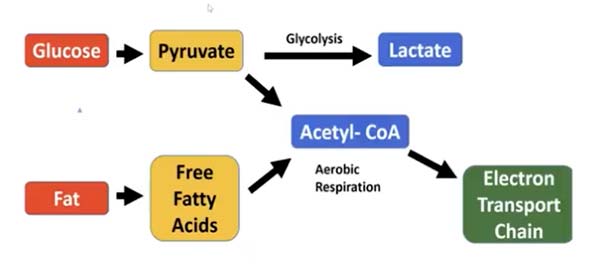
First, the glucose is metabolized into pyruvate. The pyruvate can then either enter the glycolysis pathway in the cytoplasm of the cell and produce lactate, or it can be converted into acetyl-CoA and shuttled to the mitochondrial electron transport chain.
Cancer cells are notorious for using the glycolysis pathway — the same pathway glucose goes through when your glucose metabolism is impaired in mitochondria. Basically, this is the pathway your body uses whenever it reaches its limit to how much ATP can be produced in the mitochondria (which is the most efficient and least damaging way to produce energy).
Save This Article for Later – Get the PDF Now
The Downstream Hazards of Glycolysis
While the glycolysis pathway is wonderful when you need quick fuel, if this is the primary way you burn glucose, then you are in a constant state of activating stress hormones and promoting insulin resistance and diabetes, which in turn creates loads of lactate as a waste product instead of healthy carbon dioxide (CO2) and metabolic water.
Lactate increases reductive stress, which causes reverse electron flow in the mitochondria and increases the ROS to 3% to 4%, which is 30 to 40 times more than when glucose is burned in the mitochondria. This elevated ROS production is what causes T cell damage and death.
What’s more, glycolysis generates only two ATP for every molecule of glucose, which is 95% less energy than would be generated if the glucose was metabolized in your mitochondria.
The Devil’s in the Details
Now, you’ve probably heard that sugar promotes cancer, because cancer cells preferentially use glycolysis. However, it’s a mistake to think that all glucose uses the glycolysis pathway. As illustrated above, glucose can also be burned in the electron transport chain of the mitochondria, which is the most efficient way to produce energy.
So, when it comes to the “sugar fuels cancer” issue, it’s important to make a distinction between the sources of the carbs. While it is technically accurate to call all carbs sugar, there is a radical difference in the source of the carbs — ripe whole fruits versus starches, for example, and whole fruits versus refined processed sugar (ex: table sugar and high fructose corn syrup).
Refined sugars, as well as many starches, are a common cause of endotoxin production in your gut, which destroys mitochondrial function and results in cancer metabolism, whereas the fructose present in whole foods does not typically result in the production of endotoxin.
This is one of the primary differences between refined sugar and fructose from ripe fruit and helps explain why refined sugars fuel cancer while natural fructose does not. So, to be clear, it’s not sugar that is driving the cancer process per se. It’s really rooted in mitochondrial dysfunction, and fatty acid oxidation (the metabolism of fats instead of glucose) is part of what causes that dysfunction.
You Want to Burn Glucose in Your Mitochondria
For a long time, I believed fats burned “cleaner” than carbs — that’s one of the “selling points” for keto — but I’ve since realized we had it backward. Glucose, when burned in the mitochondria, actually burns far cleaner than fat.
So, it’s important to get your macronutrient ratios right, because if the glucose you eat is constantly shuttled into glycolysis, you’re fueling cancer. At the same time, the fat you consume ends up in fat storage rather than being used up for fuel.
Ultimately, you want to burn glucose in your mitochondria, and the way you ensure that is by keeping your dietary fat intake below 35% of your total calories. The reason for this is because when fat intake is too high, glucose gets shuttled into glycolysis. For a more in-depth explanation of this metabolic switch, see “Understanding the Randle Cycle.”
If you’re insulin resistant, which means you’re metabolically inflexible, that threshold may be closer to 20% or even 10%. So, if you’re insulin resistant, you’ll want to significantly lower your fat intake until your insulin resistance is resolved. Then you can increase it to 30%.
Dysfunctional T Cells and Cancer Cells Use Glycolysis
The reason cancer cells use the glycolysis pathway is because they have severely dysfunctional mitochondria. The mitochondria are so damaged, they cannot burn glucose. As a result, the cancer cells must rely on the backup system, glycolysis, to survive. This is what the Warburg Effect is all about.
Likewise, when the mitochondria inside T cells become dysfunctional, the T cells are forced to rely on glycolysis for energy production, which is what causes immune system weakening and failure.
As mentioned in the featured study, T cell exhaustion is a feature of cancer, which makes sense when you consider that it’s all tied to mitochondrial dysfunction. The cancer starts because the mitochondria in cells are severely damaged, and as the disease progresses, the mitochondria in the T cells begin to fail as well.
Once you fix the mitochondria so that they can generate sufficient energy again, then the cancer will typically regress and immune function will be restored, as they no longer need to rely on glycolysis.
Since mitochondrial dysfunction is at the heart of it all, the most effective strategy is to use metabolic therapies that address why the cells are unable to oxidize (burn) sugar in the mitochondria. Once you fix the mitochondria so that they can generate sufficient energy again, then the cancer will typically regress and immune function will be restored, as they no longer need to rely on glycolysis.
What Causes Mitochondrial Dysfunction?
There are four primary contributors to mitochondrial dysfunction:
- Excess linoleic acid (LA) intake
- Estrogen dominance
- Electromagnetic field (EMF) exposure
- Endotoxin — Refined sugars and many starches are more likely to cause gut dysbiosis that leads to the production of endotoxin. This endotoxin is one of the factors that destroys mitochondrial function, resulting in the Warburg Effect (cancer metabolism), where glucose is burned through glycolysis
These all play major roles, but excess LA and estrogen dominance, I believe, are the leading contributors to mitochondrial dysfunction. This is largely because LA and estrogen negatively impact your body in similar ways. They both:
- Increase free radicals that cause oxidative stress and damage your mitochondria’s ability to produce energy.
- Increase calcium intake inside the cell that causes an increase in nitric oxide and superoxide that increases peroxynitrite that also increases oxidative stress.
- Cause an increase in intracellular water causing your body to retain water.
- Slow down your metabolic rate and suppress your thyroid gland.
Nearly everyone in the developing world has 10 times the amount of LA in their tissues than their ancestors of 100 years ago had. This polyunsaturated fat (PUFA) is very susceptible to oxidative damage, and produces free radicals like reactive aldehydes in your body that destroy your mitochondria.
These toxic metabolites of LA create enormous amounts of reductive stress as a result of electrons building up in the ETC and blocking the forward movement of electrons to complex IV and V to create ATP. And, because LA is embedded in the inner mitochondrial membrane, it gets damaged and leaks protons that normally build up in the inner mitochondrial space.
This proton gradient is responsible for driving the nano motor in complex V to create ATP. Both processes combine to shut down and ultimately prematurely destroy the mitochondria. Also, when you eat starches, they can end up feeding endotoxin-producing bacteria in your intestine, and endotoxin is a potent mitochondrial poison.
Solutions
In closing then, some of the key solutions, if you want to improve or restore your mitochondrial function, would be to:
- Lower your LA intake as low as possible by avoiding processed foods, seed oils, chicken, pork, seeds and nuts.
- Make sure you’re eating healthy carbs such as ripe fruit, raw honey and maple syrup.
- Decrease lactate production and increase carbon dioxide, as they have opposing effects.4 You can learn more about this in “The Biology of Carbon Dioxide.”
- Reduce your stress, as chronic stress promotes cortisol release, which is a potent suppressor of mitochondrial function and biogenesis. Progesterone can be quite helpful here, as it’s a potent cortisol blocker. You can learn more about this in “What You Need to Know About Estrogen and Serotonin.”
- Take supplemental niacinamide, as your mitochondria cannot make energy without it. I recommend taking 50 mg of niacinamide three times a day.
Vitamin E Helps Decrease Your Cancer Risk
Reproduced from original article:
https://articles.mercola.com/sites/articles/archive/2024/03/12/vitamin-e-helps-decrease-cancer-risk.aspx
The original Mercola article may not remain on the original site, but I will endeavor to keep it on this site as long as I deem it to be appropriate.
Analysis by Dr. Joseph Mercola March 12, 2024
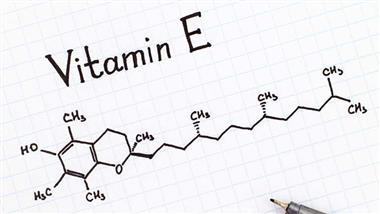
STORY AT-A-GLANCE
- Vitamin E is an important fat-soluble vitamin and antioxidant that combats inflammation, makes red blood cells, supports healthy immune function and helps your body use vitamin K, which is important for heart health
- Vitamin E deficiency increases your risk for immune dysfunction, cognitive deterioration, cardiovascular disease and certain cancers, including prostate, breast, colon and lung cancers
- A meta-analysis of 11 studies concluded that patients with lower concentrations of serum vitamin E (the vitamin E level in your blood) had a higher risk for colorectal cancer. Other studies have shown natural vitamin E may reduce your risk of lung cancer by more than 60%, and gamma-tocotrienol, a cofactor, may decrease prostate tumor formation by 75% and inhibit growth in human breast cancer cells
- Vitamin E also prevents linoleic acid (LA) stored in your tissues from being oxidized into toxic byproducts. Since most people have LA stores that are 10 times higher than normal, and since excess LA likely is one of the primary contributors to chronic disease, it can be a good idea to take vitamin E regularly until you get your LA down to healthy levels
- When supplementing, make sure it’s made with natural (not synthetic) vitamin E and has a balance of all eight vitamin E compounds that is free of genetically engineered ingredients and soy
Vitamin E is a fat-soluble vitamin with potent antioxidant activity that helps combat damaging free radicals. It also plays a role in the making of red blood cells, helps your body use vitamin K (which is important for heart health1) and is involved in your immune function and cell signaling. As with many other nutrients, many do not get enough of this basic micronutrient from their diet.
In the U.S. alone, 75% to 90% of the population fails to reach the recommended dietary allowance (RDA) of vitamin E.2,3 The RDA for people over the age of 14 is 15 milligrams of vitamin E per day, but most Americans get only half that amount.4 Insufficient vitamin E can increase your risk for a wide variety of diseases, including immune dysfunction, cognitive deterioration, cardiovascular disease and certain cancers,5 especially prostate, colon and lung cancers.6,7
Obesity heightens your risk of vitamin E deficiency further, in part because the increased oxidative stress in fat cells increases your body’s need for vitamin E to begin with. Obesity also impairs your body’s utilization of vitamin E.8,9 Food is your best source of vitamin E, since food contain a combination of the eight types of vitamin E. If you’re using a supplement, there are key considerations that need to be heeded, which I’ll review below.
Low Vitamin E Level Linked to Higher Risk of Cancer
A number of studies have looked at vitamin E’s influence on diseases like cancer. It’s important to realize that while some studies have linked vitamin E supplementation to an increased risk for cancer,10 most of those studies were looking at synthetic vitamin E, which I do not recommend using.
For example, there was a study published in 2015 that analyzed the effects of vitamin E intake on lung cancer risk among female nonsmokers. This was a study that looked at diet versus supplemental vitamin E in 72,000 subjects. After 12 years of follow-up, 481 women had been diagnosed with lung cancer.
Interestingly, dietary vitamin E strongly correlated with a lower risk of lung cancer, while supplemental vitamin E was associated with an increased risk. Not surprisingly, the supplemental vitamin E used was synthetic.
Overall, this makes a strong case for making sure you’re either getting your vitamin E from food, or from a natural vitamin E supplement, as natural vitamin E is the only kind that has a protective effect. Case in point: studies assessing the anti-cancer potential of natural vitamin E have found that:
- 300 IUs11 of natural vitamin E per day may reduce lung cancer risk by 61%12
- Gamma-tocotrienol, a cofactor found in natural vitamin E preparations, may decrease prostate tumor formation by 75%13
- Gamma-tocotrienol also fights existing prostate cancer tumors and may inhibit growth in human breast cancer cells14
A 2017 meta-analysis15 of 11 studies concluded that patients with lower concentrations of serum vitamin E (the vitamin E level in your blood) had a higher risk for colorectal cancer. An earlier study,16 published in 1993, also found that high intake of vitamin E helped decrease the risk of colorectal cancer — especially in those under the age of 65. As explained in the study:
“Vitamin E is the major lipid-soluble antioxidant found in cell membranes, where it protects against lipid peroxidation. In addition, like carotenoids and water-soluble vitamin C, it can also stimulate the immune system and may protect against the development of cancer by enhancing immune surveillance. Vitamins E and C reduce nitrite, compounds that induce tumors …”
Other Health Benefits of Natural Vitamin E
Aside from its cancer-preventive potential, natural vitamin E may also:
• Lower your risk of heart disease and stroke.17
• Help relieve symptoms associated with nonalcoholic steatohepatitis, a common obesity-related fatty liver disease.
• Lower your risk of age-related macular degeneration, a leading cause of vision loss in the elderly.18
• Boost improvements in blood vessel function that occur when a smoker quits smoking.19
• Delay loss of cognitive function in Alzheimer’s patients.20 Results showed that clinical progression of Alzheimer’s slowed by 19% per year in the group receiving 2,000 IUs per day of vitamin E, compared with placebo. This delay translated into just over six months of delayed progression over the two-year follow-up period. Caregiver time also increased the least in the group receiving vitamin E.
This study actually used synthetic alpha-tocopherol that was not balanced with tocotrienols or any of the other tocopherols — beta, gamma and delta. Chances are the benefits would have been even greater if the natural form was used.
Download this Article Before it Disappears
Vitamin E Protects Against Damage Caused by Linoleic Acid and Estrogen
Another important benefit of vitamin E is that it prevents linoleic acid (LA) stored in your tissues from being oxidized into toxic byproducts. Since most people are walking around with LA stores that are 10 times higher than normal.
Since excess LA is likely one of the primary contributors to chronic disease, it can be a good idea to take vitamin E regularly until you get your LA down to healthy levels, which may take up to six years for most people. Vitamin E can almost miraculously prevent most of the damage done by LA.
Vitamin E can also reverse or prevent many of the issues associated with excess estrogen. This is important because excess estrogen has remarkable parallels to LA in terms of its metabolic and anti-health effects. When you eat excess polyunsaturated fat (PUFA) or LA, you increase your body’s production of estrogen. So, when you increase LA, estrogen levels go up — and that’s not a good thing.
Both LA and estrogen increase the influx of calcium into the cell, which causes nitric oxide and superoxide to increase inside the cell. Nitric oxide and superoxide combine almost instantaneously to form a very pernicious reactive nitrogen species called peroxynitrite, which causes pervasive damage to tissues in your body.
LA and estrogen also increase a potentially dangerous process in your body called lipolysis, which is simply the liberation of fatty acids from your fat cells into your bloodstream where they are mobilized. This then increases the oxidation of LA, which is precisely what you want to avoid as ideally you want to keep LA in your fat cells until they metabolize it with peroxisomes. Fortunately, vitamin E can also help neutralize this damaging effect of LA.
Vitamin E also directly inhibits the activity of an enzyme called aromatase. This is an enzyme that converts the male hormones like testosterone and DHEA into estrogens. Even better, it serves as an estrogen antagonist, meaning it binds to the estrogen receptor to block it from binding to estrogen. This dramatically lowers the damage from excess estrogen.
Vitamin E works very similarly to the drug tamoxifen, which is used to treat estrogen receptor-positive breast cancers. For these reasons, I firmly believe nearly everyone needs to be getting vitamin E in their diet. However, due to the high LA burden, very few people can get enough vitamin E to suppress this oxidative destruction unless they’re taking a supplement.
The good news is that since the supplementation is short term (provided you’re actively reducing your LA intake), you’re not going to need it the rest of your life. If you can keep your LA intake to below 5 grams a day for three years, it’s likely you may not even need it at all, or at most, only a few times a month.
However, if you go out and binge on a meal that’s very high in LA, I would strongly recommend taking a vitamin E capsule to protect yourself from this exposure.
Once your LA levels get low, you only need about 2 mg of vitamin E per gram of LA. If your LA intake is at or below 5 grams a day, as recommended, you only need about 10 mg of vitamin E, which is a very low dose. Since vitamin E is fat soluble, it stays in your fat tissues for some time.
Vitamin E Reverses Mitochondrial Oxidation Inhibition
Two studies that highlight the destructive influences of estrogen and cortisol were published all the way back in 196321 and 1960.22 As explained by bioenergetic researcher Georgi Dinkov,23 these studies show that estrogen and cortisol inhibit NADH oxidation in the mitochondria, thereby shifting the ratio between NAD+ and NADH in the mitochondria in favor of reduction.
Reduction, in turn, causes a reverse in the flow of electrons in the electron transport chain, which causes damaging reactive oxygen species (ROS) to be generated. The end result is poor mitochondrial function and chronic inflammation, which are at the root of most chronic conditions, including diabetes, cardiovascular disease and cancer.
On top of that, estrogen also inhibits pyruvate dehydrogenase, which increases NADH accumulation and skews the NAD+/NADH ratio even more, and “induces a multi-fold rise in ceruloplasmin — a reliable biomarker of both acute and chronic inflammation, as well as some cancers (e.g. lymphomas),” Dinkov warns.24 The good news is that since vitamin E is such a potent inhibitor of both estrogen and cortisol, it can reverse these adverse effects.
How Much Vitamin E Do You Need for Optimal Health?
According to one scientific review,25,26 a mere 21% of the people studied had a protective level of serum vitamin E, which is thought to be 30 micromole per liter (μmol/L). This appears to be the threshold above which “definable effects on human health in multiple areas” are obtained.27 Human studies have also found that achieving a level of 30 μmol/L requires a daily intake of at least 50 IUs of vitamin E.28
A primary reason for such widespread deficiency is that most people eat a primarily processed food diet, which tends to be lacking in vitamin E and other important nutrients.
Deficiency during pregnancy can be particularly problematic. Worldwide, about 13% of people have vitamin E levels below the “functional deficiency” threshold of 12 μmol/L, and most of these are newborns and young children. Babies deficient in vitamin E are at increased risk for immune and vision problems. Being deficient in vitamin E during pregnancy also raises your risk for miscarriage.29
Since vitamin E is fat-soluble, taking it with some healthy fat, such as coconut oil or avocado, can help increase its bioavailability. In fact, studies have shown your body will absorb only about 10% of the vitamin E from a supplement when you take it without fat.30
Signs and Symptoms of Vitamin E Deficiency
Signs and symptoms of serious vitamin E deficiency include:31,32
| Muscle weakness and unsteady gait | Loss of muscle mass |
| Cardiac arrhythmia | Vision problems, including constriction of your visual field; abnormal eye movements; blindness |
| Dementia | Liver and kidney problems |
How to Pick a Good Vitamin E Supplement
Most vitamin E supplements are synthetic, and you want to steer clear of those. Studies have demonstrated that synthetic vitamin E has the opposite effect of natural vitamin E, such as increasing the risk of certain cancers rather than lowering it,33,34,35 for example. So, it’s important to make sure you’re getting a natural version.
Synthetic vitamin E is called alpha tocopherol acetate. The acetate indicates that it’s synthetic. Next, you need to pay attention to the orientation of the optical isomer. Most vitamin supplements are racemic, or they have left- and right-hand isomers. This is a problem as most biological molecules have optical isomers that are right-handed.
They’re usually called D and L isomers, which stands for right and left. When you have both left and right isomers present, it’s called racemic. Biologically, there’s usually only one optical isomer that works well, and with vitamin E it is the D isomer that works in your body, while the L isomer is useless.
Yet in synthetic supplements, 50% of the vitamin E is the useless L isomer. To make matters even worse, many synthetic versions use an ester of vitamin E, which only has about 50% of the activity of the natural product. So, the total activity of many vitamin E supplements is reduced by 75%.
So, the first step in identifying healthy good vitamin E supplements is to make sure you’re getting real vitamin E and not synthetic. What you’re looking for is “d alpha tocopherol.” This is the pure D isomer, which is what your body can use. Synthetic alpha-tocopherol is listed with a “dl” (i.e., dl-alpha-tocopherol).
There are also other vitamin E isomers, and you want the complete spectrum of tocotrienols, specifically the beta, gamma, and delta types of vitamin E, in the effective D isomer.
Another potential problem is that if you take high amounts of alpha-tocopherol in isolation, it could potentially deplete the other tocopherols and tocotrienols from your body. This is true whether you’re taking a natural or a synthetic one, so I recommend looking for a food-based supplement that has a balance of all eight types of vitamin E (four tocopherols and four tocotrienols).
Also look for a supplement that is free of soy, soybean oil derivatives and genetically engineered (GE) ingredients (some of the most common GE ingredients found in supplements are derivatives of corn, soy and cotton seed).
Your Best Source of Vitamin E
Supplements are best taken in addition to, not in place of, a healthy diet, and only if you actually need them. One way to evaluate your need for a vitamin E or other supplements is to use a nutrient tracker, such as Cronometer.com/Mercola, which is the most accurate one on the market because of their decision to eliminate inaccurate crowd sourced data. It’s available free of charge.
Vitamin E can easily be obtained from a healthy diet, so before considering a supplement, consider including more vitamin E-rich foods36,37 in your diet. Vitamin E is synthesized by plants, and the highest amounts are found in plant oils.
However, while some health authorities recommend canola oil as a good source,38 this is actually a terrible source due to its high LA content. Beans — another good source of vitamin E — may also be problematic for many due to their high lectin content.
One of the best healthy natural sources of vitamin E would be grass fed ruminants like beef or bison. A normal serving can provide enough vitamin E to protect against the oxidative stress from LA in a low LA diet. If you have a high LA diet and have had one for quite some time, like most people, then you will want to consider a supplement with around 100 units of vitamin E that meets the criteria in the section above.
Avoid supplements that don’t meet these criteria or much higher doses of vitamin E as more is not necessarily better and can be highly counterproductive.
- 1, 5, 31 University of Maryland Medical Center, Vitamin E (Archived)
- 2 British Journal of Nutrition 2012 Aug;108(4):692-8
- 3, 6, 25 Prevent Disease July 26, 2016 (Archived)
- 4, 17 National Institutes of Health, Vitamin E Fact Sheet
- 7, 38 PCRM.org, How Vitamin E Helps Protect Against Cancer (Archived)
- 8 Science Daily November 2, 2015
- 9, 30 Science Daily October 7, 2015
- 10 Science Daily May 19, 2016
- 11 Calculator Site, How to Convert IUs to Mcg or Mg
- 12 Int J Cancer. 2008 Sep 1;123(5):1173-80
- 13 International Journal of Cancer 2011: 128/(9); 2182-2191
- 14 European Journal of Lipid Science and Technology January 18, 2008
- 15 Medicine 2017 Jul; 96(27): e7470
- 16 Cancer Research September 15, 1993; 53: 4230-4237 (PDF)
- 18 Ophthalmology. 2009 May;116(5):939-46
- 19 Time Magazine April 25, 2013
- 20 JAMA January 1, 2014: 311(1); 33-44
- 21 Journal of the American Geriatrics Society April 1963, 11(4)
- 22 The Journal of Biological Chemistry 1960; 235(12): 3413-3416
- 23, 24 Haidut.me March 4, 2024 (Archived)
- 26 Nutraingredients-USA.com July 19, 2016
- 27, 28 International Journal for Vitamin and Nutrition Research, ISSN 0300-9831
- 29 Johns Hopkins December 3, 2014
- 32 Medscape Vitamin E December 21, 2021
- 33 Cancer Prevention Research May 2012, DOI: 10.1158/1940-6207.CAPR-12-0045
- 34 Science Daily April 23, 2012
- 35 Sci Transl Med 29 January 2014: Vol. 6, Issue 221, p. 221ra15
- 36 The World’s Healthiest Foods Vitamin E (Archived)
- 37 MyFoodData.com, Top 10 Foods Highest in Vitamin E
The Four Hormones Most Adults Need More Of
Reproduced from original article:
https://articles.mercola.com/sites/articles/archive/2024/02/18/four-hormones-most-adults-need-more-of.aspx
The original Mercola article may not remain on the original site, but I will endeavor to keep it on this site as long as I deem it to be appropriate.
Analysis by Dr. Joseph Mercola February 18, 2024
STORY AT-A-GLANCE
- Four hormones most adults can benefit from are progesterone, thyroid hormone T3, DHEA and pregnenolone
- Around the ages of 11 and 12, right before puberty, the hormonal profiles of boys and girls are relatively similar. They produce about the same amounts of pregnenolone and progesterone. This is also the time when thyroid hormone levels are the highest they’ll ever be, and it’s the time in a person’s life cycle when their mortality is the lowest. Most supplementation recommendations are based on these prepubescent levels
- To optimize bioavailability, take T3, DHEA and/or pregnenolone orally, after dissolving them in a long-chain fat (14 carbons or more) such as ghee or butter
- The normal daily output of DHEA by the adrenal gland is about 20 to 50 milligrams (mg), so for most people, the max DHEA dose would be 50 mg, ideally split into several smaller doses. Human studies have shown that once you take more than 50 mg of DHEA per day, you begin to increase estrogen biomarkers. Best to start at 5-10 mg
- As a general recommendation, I recommend taking 30 to 50 mg of bioidentical progesterone per a day, taken in the evening before bed, as it can promote sleep. The same dose (30 to 50 mg a day) is recommended for pregnenolone. This is the physiological dose, meaning it’s what you need for full replenishment, assuming you’re producing nothing
In this interview, repeat guest Georgi Dinkov and I discuss the four hormones most adults need more of if they want to optimize their health. In my introduction I mention that we will review the benefits and mechanisms of action of carbon dioxide (CO2), but that will be covered in Part 2 of this interview that will be posted in the next few weeks.
As for hormones, if you’re optimally healthy, hormone replacement therapy (HRT) is unnecessary, as your body will make whatever hormones you need. The problem is that very few people, including me, enjoy truly optimal health.
We live in a very polluted world, so “optimal health” is a high bar for all of us. I take four hormones that I believe most adults can benefit from: Progesterone, thyroid hormone T3, DHEA and pregnenolone.
Three of these, progesterone, DHEA and pregnenolone are available over-the-counter. Thyroid hormones, however, require a doctor’s prescription. You also need to get routine blood tests done (typically two to four times a year) to make sure your thyroid hormones are maintained at optimal levels. Overtreatment can result in hyperthyroid symptoms, which you clearly want to avoid.
How Hormones Impact Health Span and Life Span
As noted by Dinkov, around the ages of 11 and 12, right before puberty, the hormonal profiles of boys and girls are relatively similar, and they produce about the same amounts of pregnenolone and progesterone.
This is also the time when thyroid hormone levels are the highest they’ll ever be, and it’s the time in a person’s life cycle when their mortality is the lowest. Once puberty strikes, adrenal activity increases. In fact, the old name for puberty was adrenarche, which tells you that adrenal activity is driving the process.
At this time, boys start producing more testosterone and girls progesterone (depending on where they are in the menstrual cycle). Interestingly, many studies have shown that the later puberty starts, the longer the lifespan and health span of both sexes. Conversely, the earlier the onset of puberty, the shorter the lifespan and the more prone to diseases the individual will be.
“After puberty starts and until the late 20s, people are remarkably resilient to stress,” Dinkov notes. “In fact, stress often seems stimulating for them. This seems to change drastically after they hit 30, and especially after 35. It’s basically a very steep decline.
And if you look at the way the hormonal profile changes, you’ll see that whenever young, healthy people are exposed to stress, there’s a spike in cortisol release, followed closely by a spike of pregnenolone and DHEA release for males, and pregnenolone, progesterone and DHEA release for females.
That delayed release of these secondary hormones drop off a cliff after the age of about 35. The ranges for pregnenolone, progesterone and DHEA, and even testosterone, change depending on what age group you fall into, but the range for cortisol doesn’t change.
So, throughout your lifetime, unless you’re critically ill, in which case cortisol drops, or you have Addison disease, which is full on adrenal failure, your cortisol levels do not decline, and that’s what keeps you alive because, if you have adrenal failure, unless you take cortisol shots you will die from hypoglycemia or Addison’s disease. So, it’s lethal.
Cortisol is really a life-saving hormone. It’s proinflammatory, but its primary purpose is to keep blood sugar from dropping too low, because your brain runs predominantly on glucose. So, basically, after the age of 35, cortisol stays the same.
It’s a catabolic hormone. It can shred your muscles, soft tissue, bone, you name it. There’s no organ that is immune to the effects of cortisol. There is only one that is somewhat resilient, and it’s the heart. And the reason the heart is so resilient in both genders is because in males, the heart contains a very large amount of testosterone, and in females it contains very large amounts of progesterone.
Both of these happen to be glucocorticoid antagonists. So they’re protecting this vital muscle … but all the other tissues can be shredded and they’re considered basically nonessential. So, after the age of 35, you have a stable supply of a catabolic hormone and then a rapidly declining supply of pregnenolone, progesterone and DHEA, all three of which have antiglucocorticoid effects.”
All of that said, if you’re taking progesterone, you don’t need to worry about the DHEA converting to estrogenic substances because progesterone will block that conversion. Even if there is conversion, progesterone is an antagonist at the estrogen receptors so it will directly block the estrogen as well. Pregnenolone has similar effects. It’s a milder aromatase inhibitor than progesterone, but it’s still quite good at preventing the uptake of estrogen into the cell.
Cortisol-to-DHEA Ratio Is a Good Predictor of Life Span
One of the take-homes from the above is that when you’re young, before puberty sets in, you have high production of T3 thyroid hormone, cortisol and anti-cortisol steroids. After age 35, there’s a gradual decline of thyroid function and a rapid decline in the synthesis and release of the anti-cortisol hormones, some of which also happen to be anti-estrogenic.
As a result, you enter a state of relative glucocorticoid and estrogen excess, both of which have detrimental effects on health. Dinkov explains:
“The state of glucocorticoid excess is not very well known. It’s easily measurable though by the ratio of cortisol to DHEA, or cortisol to progesterone, or cortisol to pregnenolone. Studies demonstrate that the cortisol to DHEA ratio is the best predictor we have for how long you’re going to live and for any diseases that you’re going to develop throughout your lifetime.”
Download this Article Before it Disappears
DHEA Influences Your Immune Function
One of the reasons for this is because DHEA is an immune booster, and your immune system is your first line of defense against both acute and chronic diseases, including cancer. And the amount of DHEA produced is about the same in both sexes, regardless of age. Dinkov suspects an ideal ratio of cortisol to DHEA is 0-to-3 or lower.
As for DHEA by itself, he recommends aiming for a level in the upper 50th percentile for the upper range of a 20-year-old, which is around 600 nanograms per deciliter (ng/dL). So, ideally, if you’re older than 35, you’d want your DHEA to be somewhere between 300 and 600 ng/dL.
As for the daily dosage, the normal daily output of DHEA by the adrenal gland is about 10 milligrams (mg), so for most people, the max DHEA dose would be 5-10 mg and mixed with a long-chain fat. According to Dinkov, human studies have shown that once you take more than 10 mg of DHEA per day, you begin to increase estrogen biomarkers, which is something you don’t want.
“Anything less than [10 mg], which happens to be a physiological dose, doesn’t really cause that much of a problem, but I would still take it with progesterone because blood levels are not always indicative of tissue levels,” Dinkov says.
“In fact, [DHEA] is not always reflected on the blood test … If you look at the studies, they show you that cells have a very high uptake of pregnenolone and DHEA. They accumulate them at levels 100 times higher than what they are in the bloodstream. So if you’re very DHEA deficient, it will take a while to fill up your reserves and then for the extra to spill over. About six months.
There’s a study with Italian women. They took 10 mg for a full year. Eventually that restored their levels back to normal, but not until the six-month mark did they see significant change. So it really depends on how deficient you are, for how long you’ve been deficient, and the state of your adrenal gland.
Another study demonstrated that the DHEA starts working immediately. You don’t see it in the blood test, but they started measuring downstream metabolites of DHEA and found that taking just 10 mg of DHEA drastically increased the metabolites of the dihydrotestosterone such as 3-alpha androstane diol and metabolites of testosterone, such as testosterone glucoronate and sulfate.
So, DHEA starts working immediately and converting to downstream hormones, but it’s going to take a while to see that in the biomarkers that are usually measured, which is DHEA and DHEA sulfate. What they really should be doing is measure all of the other things that DHA can convert into.
And some of those things are estrogens. Chances are, at least based on studies, that either prolactin or estrone will rise if you’re taking too high of a dose long before there will be changes in the blood levels of DHEA or DHEA sulfate.”
Caveats and Warnings
There are a few important caveats here. Taking too high a dose of DHEA can cause unwanted hair growth in women, and breast growth in men,1 so be sure to monitor your symptoms. DHEA is also banned in sports. It’s classified as a doping agent by the World Anti-Doping Agency, so athletes must take their competitive status into account before taking supplemental DHEA.
Also, never take DHEA without progesterone. They need to be taken together. Another point to optimize the therapy and not derail it is that if you take T3, DHEA and/or pregnenolone orally, you need to dissolve them in a long-chain fat (14 carbons or more) first.
If you don’t do that, they’ll be metabolized by your liver, which significantly lowers their effectiveness. According to Dinkov, the bioavailability of oral hormones can be as low as 10%. Dissolving the supplements in a little ghee or butter will bypass liver metabolism and allow you to get the most out of your supplements.
Olive oil is also a long-chain fat, but I don’t recommend it in this case, as it can have 20% linoleic acid (LA) and a flavor that many don’t like. According to Dinkov, at least one study has demonstrated that LA binds directly to estrogen receptors and acts like estrogen.
So, LA not merely promotes the effects of estrogen but also acts as an estrogen directly. Since estrogen is a potent carcinogen, you want to avoid things with estrogenic activity.
Progesterone Works Best With Vitamin E
Progesterone, meanwhile, needs to be mixed into vitamin E for optimal bioavailability. Health Natura sells a progesterone in vitamin E product. Alternatively, you can make your own by dissolving pure USP progesterone powder in one capsule of a high-quality vitamin E. The difference in bioavailability between taking progesterone orally without vitamin E and taking it with vitamin E is 45 minutes versus 48 hours.
Another good reason for taking progesterone with vitamin E is because it binds to red blood cells, which allows the progesterone to be carried throughout your body and be distributed to where it’s needed the most. What’s more, Dinkov cites recent research showing that when you dissolve a substance in vitamin E, it specifically targets sites with the highest inflammation.
Other Important Benefits of Vitamin E
Another important benefit of vitamin E is that it prevents LA stored in your tissues from being oxidized into toxic byproducts. Since most people are walking around with LA stores that are 10 times higher than normal, and since excess LA is likely one of the primary contributors to chronic disease, it can be a good idea to take vitamin E regularly until you get your LA down to healthy levels, which may take up to six years for most people.
Vitamin E also prevents LA stored in your tissues from being oxidized into dangerous toxic byproducts.
Vitamin E can almost miraculously prevent most of the damage done by LA. It can also reverse or prevent many of the issues associated with excess estrogen. This is important because LA has remarkable parallels to excess estrogen in terms of its metabolic and anti-health effects.
When you eat excess PUFA or LA, you increase your body’s production of estrogen. So, when you increase LA, estrogen levels go up — and that’s not a good thing. Both LA and estrogen interestingly increase the flow of calcium from outside the cell to inside because the concentration of calcium outside as well is 50 times higher than inside. So, the excess as LA will cause the influx of calcium inside the cell, which causes nitric oxide and superoxide to increase inside the cell.
Nitric oxide and superoxide combine almost instantaneously to form a very pernicious reactive nitrogen species called peroxynitrite, which causes pervasive damage to tissues in your body.
Both LA and estrogen also increase a potentially dangerous process in your body called lipolysis, which is simply the liberation of fatty acids from your fat cells into your bloodstream where they are mobilized. This then increases the oxidation of LA, which is precisely what you want to avoid as ideally you want to keep LA in your fat cells until they metabolize it with peroxisomes.
Fortunately, vitamin E can also help neutralize this damaging effect of LA. Vitamin E also directly inhibits the activity of an enzyme called aromatase. This is an enzyme that converts the male hormones like testosterone and DHEA into estrogens.
Even better, it serves as an estrogen antagonist, meaning it binds to the estrogen receptor to block it from binding to estrogen. This dramatically lowers the damage from excess estrogen.
Vitamin E works very similarly to the drug tamoxifen, which is used to treat estrogen receptor-positive breast cancers. For these reasons, I firmly believe nearly everyone needs to be getting vitamin E in their diet. However, due to the high LA burden, very few people can get enough vitamin E from their diet to suppress this oxidative destruction unless they’re supplementing with vitamin E.
The good news is that since the supplementation is short term, you’re not going to need it the rest of your life. If you can keep your LA intake to below 5 grams a day for three years, it’s likely you may not even need it at all, or at most, only a few times a month.
However, if for whatever reason, during this time, or when the LA in your tissues are low or normal, and you go out and binge on a meal that’s very high in LA, I would strongly recommend taking a vitamin E capsule to protect yourself from this exposure.
Vitamin E also protects against free radical damage and the normal effects of aging. It’s particularly important for brain health, and studies have found it can help delay the loss of cognitive function in people with Alzheimer’s disease by preventing cell membrane damage and neuronal death.2
How to Pick a Good Vitamin E Supplement
Most vitamin E supplements are synthetic, and you want to steer clear of those. Studies have demonstrated that synthetic vitamin E has the opposite effect of natural vitamin E, such as increasing the risk of certain cancers rather than lowering it, for example. So, it’s important to make sure you’re getting a natural version.
Synthetic vitamin E is called alpha tocopherol acetate. The acetate indicates that it’s synthetic. Next, you need to pay attention to the orientation of the optical isomer. Most vitamin supplements are racemic, or they have left- and right-hand isomers. This is a problem as most biological molecules have optical isomers that are right-handed.
They’re usually called D and L isomers, which stands for right and left. When you have both left and right isomers present, it’s called racemic. Biologically, there’s usually only one optical isomer that works well, and with vitamin E it is the D isomer that works in your body, while the L isomer is useless. Yet in synthetic supplements, 50% of the vitamin E in the supplement is the useless L isomer.
To make matters even worse, many synthetic versions use an ester of vitamin E, which only has about 50% of the activity of the natural product. So, the total activity of many vitamin E supplements is reduced by 75%.
So, the first step in identifying healthy good vitamin E supplements is to make sure you’re getting real vitamin E and not synthetic. What you’re looking for is “d alpha tocopherol.” This is the pure D isomer, which is what your body can use.
Many vitamin E brands will use vitamin E from sunflower oil, which has a very high percentage of LA. However, the LA in the capsule is an insignificant amount, probably less than 50 or 100 mg, so in this case it’s not a problem. Your goal is to keep LA intake under 5,000 mg, and even better under 2,500 mg, so it really won’t negatively impact your LA intake at all.
As for dose, you don’t need more than 100 mg a day. There are also other vitamin E isomers, and you want the complete spectrum of tocotrienols, specifically the beta, gamma, and delta types of vitamin E, in the effective D isomer. It’s important to get this right, which is why I’m going into this much detail.
Most People Can Benefit From Bioidentical Progesterone
So, to tie up the discussion about progesterone, bioidentical progesterone (not synthetic progestin) is probably the most important hormone that most adults need. Conversely, I believe estrogen — including bioidentical estrogen — should never be used, as estrogen is carcinogenic.
As noted by Dinkov, virtually all cancers respond to hormones and estrogen is a primary growth factor in all of them. So, there’s really no such thing as a nonendocrine cancer. To learn more about this, see our previous interview, where we dove deeper into the hazards of estrogen.
Unfortunately, most people who use progesterone use it transdermally, which could be problematic. As explained by Dinkov, your skin expresses high levels of 5-alpha reductase enzyme, which causes a significant portion of the progesterone you’re taking to be irreversibly converted primarily into allopregnanolone and cannot be converted back into progesterone.
If you’re taking it orally with vitamin E as the solvent, a significant portion will be non-metabolized, that non-metabolized progesterone has potent pro-thyroid effects. It’s also a thermogenic steroid. It induces uncoupling, so you’ll be producing more heat, which is one of the effects of taking T3. While not as potent as taking T3, it can raise your metabolic rate by about 10%.
Progesterone also blocks cortisol and helps protect against excess cortisol production, but not to the point of causing cortisol deficiency (Addison disease), and it helps deactivate adrenaline.
“There are human studies demonstrating that you administer progesterone, even in its nonoptimal form — such as just the powder without the long-chain fatty acids and definitely without the tocopherols — even in that form, 100 to 200 milligrams orally.
A single dose is sufficient to drop cortisol and adrenaline by about 60%. As a side effect of that, the blood pressure also dropped in both sexes,” Dinkov says. “So, we know that progesterone has a very potent antistress effect by acting specifically on the two sides of the stress system, cortisol and adrenaline.
One of the explanations is that progesterone has shown some ability to directly activate the alpha receptors, which are negative feedback. In other words, if you activate the alpha adrenal receptor, you basically send in the signal that there’s too much adrenaline, so the body will produce less adrenaline …”
The dose of bioidentical progesterone I recommend is 30 to 50 mg a day (again, mixed with a long-chain fat), taken in the evening before bed, as it can promote sleepiness. The same dose (30 to 50 mg a day) is recommended for pregnenolone. This is the physiological dose, meaning it’s what you need for full replenishment, assuming you’re producing nothing.
Important Caveat for Menstruating Women
Women who still menstruate need to be careful with the timing of their progesterone supplementation. Progesterone is crucial for successful pregnancy, and you can severely inhibit your ability to get pregnant if you take it at the wrong time. (During pregnancy, progesterone actually skyrockets. In the third trimester, women produce about 600 mg a day.)
If your menses are regular, start taking the progesterone on the 14th day after your menstrual flow begins, and take it for 14 days straight (until cycle day 27). If your cycles are short, start on day 12 and continue for 14 days. Always take the progesterone for the full 14 days even if your menses begin before the 14 days are over. Start the next progesterone 14 days after the flow began.3
There’s no toxicity to progesterone, unlike estrogen and testosterone, neither of which I recommend. Progesterone, T3, DHEA and pregnenolone are the only hormones you really need. Supplementing progesterone also will not lower your natural production, so you don’t need to be concerned about that. In fact, it enhances your natural production.
Thyroid Hormone Supplementation
When it comes to your thyroid, most people only need T3. That said, desiccated thyroid contains both T3 and T4 and can be a good option for some. Here, unless you’re treating a specific thyroid problem, the generally recommended dose is 10 micrograms two to three times a day. Dinkov comments:
“The thyroid gland produces about 100 micrograms in a healthy person — 100 micrograms of T3 over 24-hour period. If you take more than 25 micrograms, even that is a very high dose because it has such a potent thermogenic effect, and in higher doses can be catabolic.
The body has deiodinase enzymes, and they very quickly convert the excess T3 into something called T2 and even T1 … So, in other words, you’re going to be wasting most of it. Interestingly, the same type of enzymes, T3 deactivating, are highly overexpressed in cancer cells, and cancer cells just happen to be very hypometabolic, as we’ve discussed previously.
So the thyroid gland produces T3 and T4 in a ratio of about 1 to 4 in favor of T4. T4 is actually a prohormone, it by itself does not have a very high activity directly at the thyroid receptors T3. So, it circulates and about 80% of it in the liver, in a healthy person, should get converted to T3. The other 20% can get converted to T3 peripherally, or if the dosage of T4 is too high, the excess very quickly gets converted to something called reverse T3.
This is a very dangerous state because reverse T3 acts as a thyroid hormone antagonist … Most doctors don’t take these things into account, so if they prescribe you, let’s say, 100 or 200 micrograms T4 daily. You better be praying that this will get properly converted because if it doesn’t, and gets converted to reverse T3, you’ll end up in a more hypothyroid state than if you did not take the T4 at all …
T4 is almost never a good option by itself unless the person is very young. But even then, if a person is hypothyroid, that by definition already means that the liver will be burdened, because one of the primary functions of the liver is the detox mechanisms and one of the primary things that liver detoxifies are polyunsaturated fats and estrogens.
But the detoxification mechanisms themselves depend on thyroid function. So hypothyroid means sluggish liver by definition. So, if you give a hypothyroid person T4 only, especially if the dose is higher, you’re asking for trouble. Some of that will get converted to reverse T3.”
Can This Probiotic Fix Your Gut and Hair?
Reproduced from original article:
https://articles.mercola.com/sites/articles/archive/2024/01/22/probiotics-lactobacillus.aspx
The original Mercola article may not remain on the original site, but I will endeavor to keep it on this site as long as I deem it to be appropriate.
Analysis by Dr. Joseph Mercola January 22, 2024
STORY AT-A-GLANCE
- The probiotic bacteria Lactobacillus reuteri help upregulate the hormone oxytocin, a chemical messenger that plays important roles in the male and female reproductive systems and influences aspects of human behavior, including sexual arousal, recognition, trust and interpersonal bonding
- L. reuteri also upregulate systemic immune responses, thereby promoting wound healing, mental health, metabolism and myoskeletal maintenance
- Aged mice fed L. reuteri-containing probiotic yogurt experienced skin and hair changes that mimic the peak health and reproductive fitness seen in younger animals, including thicker dermis, and thicker, shinier, more lustrous fur. In contrast, age-matched controls that ate chow alone had dull fur and suffered from occasional alopecia and dermatitis
- L. reuteri have antimicrobial, immune-boosting and immune-regulating effects, and strengthen the intestinal barrier. Lactobacilli also benefit your health by breaking down dietary fiber into beneficial short-chain fatty acids, breaking down phytonutrients, promoting the growth of other beneficial gut microbes, maintaining an appropriate pH level in your gut, and inhibiting endotoxin production
- Mental health problems have in recent years been linked to gut health and immune function, and studies have confirmed that different species of Lactobacillus can help prevent and/or treat these conditions
Probiotic supplements have long been promoted for their ability to improve your gastrointestinal health. However, as noted in a 2016 paper,1 gut bacteria also “exert effects beyond the local boundaries of the gastrointestinal tract to include distant tissues and overall health.”
For example, the probiotic bacteria Lactobacillus reuteri help upregulate the hormone oxytocin, a chemical messenger that plays important roles in the male and female reproductive systems and influences aspects of human behavior, including sexual arousal, recognition, trust and interpersonal bonding.2
L. reuteri also upregulate systemic immune responses, thereby promoting wound healing, mental health, metabolism and myoskeletal maintenance.3 Some of these effects are achieved through competitive inhibition, which is when beneficial bacteria crowd out harmful ones.
Beneficial bacteria like L. reuteri also serve important signaling functions, and as a whole, your gut microbiome interacts with various systems of your body via immune-endocrine-brain signaling networks.
As such, probiotics “provide novel therapeutic strategies to stimulate powerful homeostatic pathways and genetic programs, stemming from the coevolution of mammals and their microbiome,” the 2016 paper4 concludes.
Lactobacillus Reuteri Induce Healthy Glow
An earlier study, published in 2013,5 found that aged mice fed a commercially-available vanilla-flavored L. reuteri-containing probiotic yogurt experienced skin and fur changes that mimic the “peak health and reproductive fitness characteristic of much younger animals,” including a thicker dermis, and thicker, shinier, more lustrous coats.
These changes were largely attributed to a bacteria-induced interleukin-10-dependent mechanism in the males and a more acidic pH in the skin of the females. In contrast, age-matched controls that ate chow alone had dull fur and suffered from occasional alopecia and dermatitis.
Results were also reproduced using purified L. reuteri in water. The researchers point out that healthy-looking fur (and hair in humans) also tend to be a sign of good fertility, and is a recognized sign of health in general, both among animals and humans:
“In a previous GI immune-related study, we documented changes in fur appearance in mice treated with probiotics. Similar ‘probiotic’ organisms dominate under natural conditions during infancy and fertility in many animal species.
Taken together these facts lead us to hypothesize that probiotics may play a role in effecting the ‘glow of health’ associated with youth and reproductive fitness. Further, we postulated that feeding of probiotic organisms recapitulates these beneficial integumentary effects characteristic of youth within aged adult animals …
Using published data of Ravel et al (2011) for vaginal microbiome and pH levels of human females, we found that an acidic vaginal pH correlated with Lactobacillus sp abundance and peak fertility, estimated to be 25 years of age in women.
Taken together with our earlier data, this led us to postulate that probiotic bacteria induce host physiological changes including a more acidic pH resulting in radiant skin and shiny hair signaling peak health and fertility and thus a good reproductive investment.”
The primary bacterium responsible for the healthy glow in this study was again from the genus of lactobacillus — gram-positive, anaerobic bacteria that metabolize carbohydrates to produce lactic acid. Lactobacillus is the largest genus within the lactic acid bacteria (LAB) group.6
This genus is best known for its ability to promote gastrointestinal health and modulate the immune system, making it valuable in the treatment of GI issues such as inflammatory bowel diseases,7,8 but as these two (and other) studies show, their influence is quite extensive and includes most if not all of your body.
Antimicrobial, Anti-Inflammatory and Immune Regulatory Effects
As detailed in the 2018 paper, “Role of Lactobacillus Reuteri in Human Health and Diseases,” L. reuteri’s mechanisms of action include:9
• Antimicrobial effects, as it produces several antimicrobial molecules, including organic acids, ethanol and reuterin. As a result, L. reuteri can effectively inhibit the colonization of pathogenic microbes and remodel the composition of your commensal microbiota (opportunistic pathogens).
Importantly, studies10,11 have shown L. reuteri and L. rhamnosus GG can lower the risk of staph infections and sepsis during wound healing when applied topically. L. rhamnosus GG was found to promote cell migration, resulting in more rapid wound closure, while L. reuteri increased cell division rates, thereby aiding in the wound healing.
The idea of placing live bacteria on an open wound is questionable, but since the extract of killed bacteria proved to have a similar effect, the researchers suggest bacterial extracts may eventually be used in wound care.
Another double-blind, placebo-controlled study12,13 found that use of L. reuteri prodentis-containing lozenges improved the efficacy of standard treatment for chronic periodontitis (scaling and root planing) by 53%.
• Immune-boosting and immune-regulating effects — Some L. reuteri strains are known to inhibit the production of proinflammatory cytokines while simultaneously promoting regulatory T cell development and function.
• Strengthening the intestinal barrier, thereby decreasing microbial translocation from the gut lumen to other tissues. As a result, a wide variety of diseases rooted in systemic inflammation may be ameliorated.
Lactobacilli also benefit your health by:
• Breaking down dietary fiber into beneficial short-chain fatty acids.
• Breaking down phytonutrients such as polyphenols, which have anti-inflammatory and antioxidant benefits.
• Promoting the growth of other beneficial gut microbes, including bacteria that produce butyrate, which is a fuel source for the cells in your gut lining and inhibits inflammation.14
• Maintaining an appropriate pH level in your gut by producing lactate and acetate from dietary fiber. And, by balancing the acidity in your gut, they encourage the proliferation of beneficial and harmless (commensal) bacteria while minimizing the harmful ones.
Download this Article Before it Disappears
Strain-Specific Benefits
Specific Lactobacillus strains have also been shown to be particularly beneficial for certain health conditions. For example:15
| L. acidophilus is recommended in the treatment of ulcerative colitis. |
| L. plantarum may ameliorate irritable bowel disease (IBD), irritable bowel syndrome (IBS), heart disease, cancer and gastrointestinal problems. It’s also been shown to decrease pathological hallmarks of Alzheimer’s, including amyloid plaques and tangles.16 |
| L. reuteri can be useful in the treatment of infant colic and leaky gut, and for the prevention of urogenital disease, dental caries and food sensitivities. |
| L. casei can help prevent antibiotic-associated diarrhea and clostridium difficile infections, and improve your body’s glucose response. |
| Preliminary animal research suggests L. paracasei might be able to prevent Type 2 diabetes by influencing genes involved in glucose metabolism.17 |
| L. rhamnosus has been shown to help women lose weight.18 |
| A probiotic milk product containing L. acidophilus, L. casei, Bifidobacterium bifidum and L. fermentum was shown to lower highly sensitive c-reactive protein levels (a marker of inflammation) by 18% after 12 weeks in elderly patients diagnosed with Alzheimer’s.19
Meanwhile, those who got a placebo saw a 45% increase in hs-CRP. The placebo group also continued to decline cognitively, while those who got the probiotics saw significant improvement in their mini-mental state examination (MMSE) scores. |
| L. helveticus may help improve memory.20 |
Lactobacillus Regulates Your Mood Too
In addition to the above mentioned effects, mental health problems have in recent years also been linked to gut health and immune function, and several studies21 have found that different strains of the Lactobacillaceae22 family in particular are diminished in people with anxiety and depression.
Others have confirmed that different species of Lactobacillus can help prevent and/or treat these conditions — so much so, Lactobacillus has been dubbed a “psychobiotic.”23 For instance, one 2011 study24 found L. rhamnosus has a marked effect on GABA levels in certain brain regions and lowers the stress-induced hormone corticosterone, resulting in reduced anxiety- and depression-related behavior.
Most recently, researchers at the University of Virginia School of Medicine discovered that two strains of Lactobacillus bacteria — L. intestinalis and L. murinus — help dampen stress responses by modulating levels of an immune mediator called interferon gamma (IFNγ). As explained by the authors:25
“… we found that the Lactobacillus species themselves, and not the disrupted microbial communities, are protective from environmental stressors. Further, we determine that Lactobacillaceae are maintaining homeostatic IFNγ levels which are mediating these behavioral and circuit level responses …
By utilizing mice lacking Lactobacilli from birth, we found that Type 1 adaptive immunity is important as a primary mediating factor in stress resistance.
Building off a body of work showing that Lactobacillus is necessary for the maintenance of systemic IFNγ, we further demonstrate that both Lactobacilli and IFNγ are necessary for resilience to environmental stressors.”
Lactobacillus Inhibits Endotoxin Production
Lactobacillus also inhibits the growth of gram-negative endotoxin-producing bacteria through a process known as competitive inhibition,26 and eliminating endotoxin is crucial for health in several respects.
Endotoxin, also known as lipopolysaccharide (LPS), is produced by gram-negative bacteria in your gut. As explained in several previous articles, endotoxin is one of several factors that destroy mitochondrial function, promotes glycolysis and, ultimately, cancer metabolism.
When complex carbs aren’t digested in your stomach, they travel down to the intestine where they feed these gram-negative bacteria, and as the bacteria grow, multiply and die, they release LPS, which can result in leaky gut, allergic reactions, organ dysfunction and even sepsis.
Endotoxin also catalyzes a series of metabolic reactions that convert tryptophan in your gut to serotonin. Most people think serotonin is good, but mostly, especially higher levels, it is not good for your health. You do not want high levels of serotonin because it’s an antimetabolite.
This means it suppresses your body’s ability to create energy in your mitochondria in the electron transport chain, so you become tired and fatigued, your metabolic rate slows and you gain weight.
To address this vicious cycle, you need to heal and seal your gut. Beneficial bacteria such as Bifidobacteria and Lactobacillus, and beneficial yeast like Saccharomyces boulardii, can all help rein in the endotoxin production through competitive inhibition.
Probiotics such as these also strengthen your intestinal barrier (the “seal” part of “heal and seal your gut”) by increasing mucus production, stimulating release of antimicrobial peptides, and increasing tight junction integrity.27
At the same time, you also want to strictly limit your intake of refined sugar and most starches, as these types of carbs tend to feed the bacteria that produce endotoxin, especially if your microbiome is less than optimal. Alcohol is also best avoided, as it too can promote the growth of gram-negative bacteria and the accumulation of endotoxin.
As explained in a 2008 study,28 when gram-negative bacteria metabolize alcohol, they can also produce acetaldehyde, which increases intestinal permeability to endotoxin. In other words, the acetaldehyde facilitates the endotoxins’ entry into your blood circulation.
How to Feed the Lactobacillus in Your Gut
The greater the diversity of your gut microbiome, the more likely you are to be able to maintain overall good health as the beneficial bacteria will maintain homeostasis and make sure opportunistic pathogens (commensal bacteria) won’t get the upper hand.
There are three primary ways to increase the number of Lactobacilli and other beneficial bacteria in your gut:29
- Take a high-quality probiotic supplement that contains one or more strains.
- Consume fermented foods such as unpasteurized yogurt or kefir made from raw milk, sour cream, and fermented vegetables such as sauerkraut.
- Eat foods that promote proliferation of Lactobacilli, such as dietary fiber, Konjac flour, wheat bran, buckwheat, barley, apples, walnuts, artichoke, and chokeberry.
- 1, 3, 4 Int. Rev. Neurobiol 2016; 131:91-126
- 2 Cleveland Clinic Oxytocin
- 5 PLOS One January 16, 2013; 8(1): e53867
- 6 Frontiers in Immunology 2022; 13: 840245
- 7 American Journal of Translational Research 2020; 12(5): 1569–1583
- 8 Gastrointestinal and Liver Physiology November 1, 2010
- 9 Frontiers in Microbiology 2018; 9: 757
- 10 Applied Environmental Microbiology September 2014; 80(18): 5773-5781
- 11 Medical News Today August 3, 2017
- 12 Journal of Clinical Periodontology DOI: 10.1111/jcpe.12155
- 13 Medical News Today August 19, 2013
- 14, 15, 17, 20, 22, 27, 29 Atlas Biomed Lactobacillus
- 16 Journal of Clinical and Diagnostic Research 2017 Aug; 11(8): KC01–KC05
- 18 Wellnessresources.com January 4, 2014
- 19 Frontiers in Aging Neuroscience November 10, 2016 (PDF)
- 21, 23 Brain, Behavior and Immunity January 2024; 115: 458-469, Introduction
- 24 Proc Natl Acad Sci U S A. 2011 Sep 20;108(38):16050-5
- 25 Brain, Behavior and Immunity January 2024; 115: 458-469
- 26 Frontiers in Immunology April 6, 2022; 13 DOI: 10.3389/fimmu.2022.840245, Competitive Resistance section
- 28 Alcohol August 2008; 42(5): 349-361
Six ways astaxanthin targets cancer cells for destruction
Reproduced from original article:
https://www.naturalhealth365.com/astaxanthin-cancer-cells-2669.html
by: January 1, 2024
 (NaturalHealth365) The American Cancer Society (ACS) estimates 1,958,310 new cancer cases in 2023 in the United States. It’s a disturbing statistic that gives a compelling sense of urgency to the ongoing search for better prevention methods. Although, one thing is certain, don’t expect the ACS to tell you why astaxanthin should be considered a smart way to avoid cancer cell growth.
In fact, based on new studies, astaxanthin (a natural plant compound) can target cancer cells by interfering with, disrupting, and even destroying them at every stage of development – while leaving normal cells unharmed. But the question remains: how does this natural compound work? Let’s take a closer look.
What exactly is astaxanthin?
Astaxanthin is a fat-soluble natural pigment, or carotenoid, responsible for the pinkish-orange hue of salmon, krill, and Arctic shrimp. Technically speaking, only plants produce it, but animals can acquire it through the foods they eat – as in the case of flamingos, which obtain their eye-catching coloration from their menu of shrimp (which feed on astaxanthin-rich algae.)
However, this substance does a lot more than provide accents of color and beauty to the natural world. Like other carotenoids (such as beta-carotene), astaxanthin has potent disease-fighting powers.
Scientists say that the health benefits include anti-diabetic, anti-obesity, anti-inflammatory, anti-aging, and immune system-enhancing properties, and natural healers may advise it to improve vision, ease joint pain, enhance heart health, and even minimize facial wrinkles.
The sworn enemy of chronic inflammation
Let’s not forget: inflammation – which scientists say is at the root of chronic diseases such as diabetes, cardiovascular disease, arthritis, and cancer – is implicated in promoting cancer cell growth and survival.
Animal studies have shown that when you consume this natural compound, you can help to reduce inflammation in mucosal ulcers – thereby helping to prevent adenocarcinoma.
In a study involving human lymphoma cells, astaxanthin interfered with the production of pro-inflammatory cytokines such as tumor necrosis factor-alpha – a substantial benefit.
How to naturally defeat oxidative stress
Researchers have found that oxidative stress – caused by potentially toxic free radicals – promotes the growth and spread of some cancers. A cell study of human lymphoma cancer cells revealed that astaxanthin halted the production of harmful reactive oxygen species and protected against oxidative stress.
Scientists have estimated the outstanding antioxidant capacity of astaxanthin to be 6,000 times more powerful than vitamin C, 800 times more powerful than the enzyme CoQ10, and 150 times more powerful than anthocyanins, the beneficial bluish-purple pigments found in blueberries.
A great way to improve cellular communication
Individual cells in organs and tissues communicate with each other by way of gap-junction channels between cells, an important function for maintaining health. In fact, disruption in this communication can set the stage for inflammation, cellular damage – and cancer.
Astaxanthin enhances gap-junction channels and improves the vital ability of healthy cells to communicate with each other – an essential function in inhibiting cancer development.
Encourage the death of malignant cancer cells
Apoptosis is the programmed destruction of damaged or dysfunctional cells. However, cancer can elude this beneficial process – meaning that its cells can survive and multiply unaffected by apoptosis.
Reinstating the mechanism for apoptosis is a valuable technique for fighting cancer – and it’s one that astaxanthin can help with. Studies have shown that astaxanthin promotes apoptosis in both oral and liver cancer cells.
In one study involving human hepatocellular carcinoma cells (liver cancer tumor cells), researchers found that astaxanthin induced a high level of cell death – causing them to identify it as a potential therapy for liver cancer.
This research is especially encouraging in light of the fact that liver cancer is notoriously difficult to treat and features a high recurrence rate.
Halt the spread of cancer cells and reduce tumor size
Studies support the ability of astaxanthin to selectively stop the proliferation – or multiplication – of cancer cells.
In animal studies, scientists noted that the plant pigment seemed to decrease the proliferation of liver, breast, and lung cancer cells – while leaving normal, healthy cells unharmed.
Of several cancer-fighting carotenoids tested – including beta-carotene and capsanthin – astaxanthin was found to be the most effective at preventing the reproduction of human leukemia cells.
In a study published in Marine Drugs, researchers studied astaxanthin’s effects on tumor initiation and progression.
After 31 days, researchers found that tumor volume and weight in the high-dose astaxanthin group decreased by roughly 40 percent – an impressive result.
Significantly, the group that received no astaxanthin experienced no shrinkage in tumors. Benefits weren’t seen in the low-dose astaxanthin group either – highlighting the importance of sufficient dosages of astaxanthin.
Limit cancer formation, progression, and invasion
Metastasis, the invasion of cancer cells into organs, tissues, and bones, is an important (unwanted) step in cancer progression – and this potentially deadly process is helped along by enzymes known as matrix metalloproteinases, or MMPs.
But – almost as if saying, “Not on my watch!” – astaxanthin battles the production of MMPs, inhibiting it at every turn.
And it doesn’t stop there. Researchers found that astaxanthin also reduces angiogenesis – the ability of tumors to create new blood vessels to obtain essential oxygen and nutrients.
In addition, a study showed that the signaling pathways involved in the growth and spread of oral cancer were significantly inhibited by astaxanthin.
There is also evidence that astaxanthin can make conventional cancer drugs work more effectively. In a study of lung cancer cells, a combination of astaxanthin and pemetrexed, a chemotherapy drug, was more effective in inhibiting cancer cell growth than pemetrexed alone.
Important dietary suggestions
You can increase dietary amounts of astaxanthin by eating wild-caught Pacific sockeye salmon, which delivers 3.2 mg of astaxanthin per 3-ounce serving.
Red trout and Coho salmon are also high in astaxanthin, while other good sources include lobster, shrimp, crayfish, crabs, and salmon roe. However, experts advise limiting your seafood and shellfish consumption – due to possible mercury contamination, especially with regard to seafood deep below or at the bottom of the ocean.
Astaxanthin – derived from microalgae – is available in supplementary form and may be a better bet. To avoid the possibility of heavy metal contamination, opt for reputable, high-quality brands like Nutrex Hawaii.
Before supplementing with astaxanthin, consult with a trusted holistic healthcare provider – especially if you have a serious health condition.
It turns out that astaxanthin may have more to offer than just its visually pleasing color. As cell and animal studies seem to indicate, pinkish-orange astaxanthin could very well take its place in the pantheon of natural anticancer therapies – and become synonymous with the color of healing.
Sources for this article include:
NIH.gov
Wiley.com
LifeExtension.com
PLOS.org
NIH.gov
NIH.gov