Immunity
now browsing by category
When You Cook with This, Toxic Compounds Are Released
Reproduced from original article:
https://articles.mercola.com/sites/articles/archive/2022/04/23/why-splenda-is-not-safe-for-consumption.aspx
The original Mercola article may not remain on the original site, but I will endeavor to keep it on this site as long as I deem it to be appropriate, and will not be bullied into removing it.
Analysis by Dr. Joseph Mercola Fact Checked April 23, 2022

STORY AT-A-GLANCE
- Cooking with sucralose generates chloropropanols, part of a class of toxins known as dioxins, which have been linked to cancer and endocrine disruption. Other toxic compounds created when sucralose is exposed to heat include polychlorinated dibenzo-p-dioxins and dibenzofurans
- Research shows sucralose — sold under brand names such as Splenda, Splenda Zero, Zero-Cal, Sukrana, Apriva, SucraPlus, Candys, Cukren and Nevella — is metabolized and accumulates in fat cells
- Many studies have linked artificial sweeteners to an increased risk for obesity, insulin resistance, Type 2 diabetes and metabolic syndrome — the very conditions for which the sweeteners are promoted
- Sucralose reduces gut bacteria by as much as 50%, preferentially targeting bacteria known to have important human health benefits. Splenda has also been shown to exacerbate gut inflammation and intensify symptoms in people with Crohn’s disease
- Research published in 2016 found male mice experienced a significant dose-related increase in malignant tumors and cancer of the blood, bone marrow and the lymphatic system when fed higher doses of sucralose
This article was previously published May 8, 2019, and has been updated with new information.
Are artificial sweeteners such as Splenda still part of your daily diet? If so, I would strongly recommend reconsidering. It’s important to realize that while artificial sweeteners have no (or very few) calories, they are still metabolically active,1 and not in a beneficial way.
For example, research2,3 published in the online version of the Journal of Toxicology and Environmental Health August 21, 2018, shows sucralose — sold under brand names such as Splenda, Splenda Zero, Zero-Cal, Sukrana, Apriva, SucraPlus, Candys, Cukren and Nevella — is metabolized and accumulates in fat cells.
Remarkably, artificial sweeteners have become so ubiquitous, research4 published in the April 2019 issue of Ecotoxicology and Environmental Safety refers to them as an “emerging” environmental contaminant, noting they have “high water persistence.”
According to this paper, artificial sweeteners are chemically stable in the environment and water supplies appear to be at greatest risk for contamination. The researchers looked at 24 environmental studies assessing the presence of artificial sweeteners in the environment from 38 locations around the world, including Europe, Canada, the U.S. and Asia.
“Overall, the quantitative findings suggested that the occurrence of non-nutritive artificial sweeteners is present in surface water, tap water, groundwater, seawater, lakes and atmosphere,” the paper states. What the ultimate ramifications for wildlife, especially marine life, and human health might be are still anyone’s guess.
Artificial Sweeteners Promote Obesity, Diabetes and More
As explained in the 2016 paper,5 “Metabolic Effects of Non-Nutritive Sweeteners,” many studies have linked artificial sweeteners to an increased risk for obesity, insulin resistance, Type 2 diabetes and metabolic syndrome. This is in stark contrast to what you’re told by industry, which continues to promote artificial sweeteners as a way to lower your risk of those conditions.
The paper presents several mechanisms by which artificial sweeteners promote metabolic dysfunction:
1.They interfere with learned responses that contribute to glucose control and energy homeostasis — Studies have demonstrated that when sweet taste and caloric intake are mismatched, your body loses its ability to properly regulate your blood sugar.
2.They interact with sweet-taste receptors expressed in digestive system that play a role in glucose absorption and trigger insulin secretion, thereby inducing both glucose intolerance and insulin resistance, which raises your risk of obesity. Sweet taste without calories also increases appetite6 and subjective hunger ratings.7
3.They destroy your gut microbiota — A 2008 study8 revealed sucralose (Splenda) reduced gut bacteria by as much as 49.8%, preferentially targeting bacteria known to have important human health benefits. Consuming as few as seven little Splenda packets may be enough to have a detrimental effect on your gut microbiome.
More recent research,9 published in the journal Molecules in October 2018, confirmed and expanded these findings, showing that all currently approved artificial sweeteners (aspartame, sucralose, saccharin, neotame, advantame and acesulfame potassium-k) disrupt the gut microbiome — in part by damaging the bacteria’s DNA, and in part by interfering with their normal activities.
Another 201810 found Splenda consumption may exacerbate gut inflammation and intensify symptoms in people with Crohn’s disease by promoting harmful gut bacteria. These results echoed those published in 2014,11 where they found Splenda may exacerbate symptoms of Crohn’s disease by augmenting “inflammatory activity at the biochemical level” and altering microbial-host interactions within the intestinal mucosa.
Similarly, research12 published in 2017 implicated sucralose in chronic liver inflammation by altering “the developmental dynamics of the gut microbiome.”
Why You Should Never Cook With Splenda
Splenda (sucralose) is frequently recommended for cooking and baking,13 and is often used in processed foods in which high heat was involved. This, despite the fact that scientists have warned about the dangers of heating sucralose for years.
In the 2013 paper,14 “Sucralose, a Synthetic Organochloride Sweetener: Overview of Biological Issues,” the authors state that “Cooking with sucralose at high temperatures … generates chloropropanols, a potentially toxic class of compounds.” This paper also warns the acceptable daily intake set for sucralose may in fact be hundreds of times too high to ensure safety.
The German Federal Institute for Risk Assessment (BfR) recently issued a report15 on the available data on sucralose, confirming that cooking with sucralose is likely a terrible idea, as chlorinated compounds are formed at high temperatures. As reported by MedicalXpress:16
“When sucralose (E 955) is heated to temperatures higher than 120 degrees C a gradual — and with further continuously increasing temperature — decomposition and dechlorination of the sweetener occurs.
Temperatures of between 120 degrees C [248 degrees Fahrenheit] and 150 degrees C [302 degrees F] are possible during industrial manufacturing and processing of foods, and are also reached in private households during cooking and baking of foods containing sucralose.
This may lead to the formation of chlorinated organic compounds with a health-damaging potential, such as polychlorinated dibenzo-p-dioxins (PCDD), dibenzofurans (PCDF) and chloropropanols.”
Chloropropanols, while still poorly understood, are believed to have adverse effects on your kidneys and may have carcinogenic effects.17 One good reason to be suspicious of chloropropanols is because they’re part of a class of toxins known as dioxins, and dioxins are known to cause cancer and endocrine disruption.
The fact that sucralose creates toxic dioxins when heated is also a concern for those who use vaping liquid containing this artificial sweetener. A 2017 study18 found sucralose contributes sweet taste only when used in a cartridge system, and chemical analysis showed the use of a cartridge system also raised the concentration of sucralose in the aerosol.
I find it interesting that these studies are now confirming what I suspected and published in my book, published over 10 years ago — “Sweet Deception” — which was an expose on Splenda.
Sucralose Shown to Have Carcinogenic Potential
Research19 published in 2016 in the International Journal of Occupational and Environmental Health tested the carcinogenic potential of sucralose by adding it to mouse feed, at various concentrations, starting at 12 days of gestation and continuing throughout their natural life span.
Results showed male mice experienced a significant dose-related increase in malignant tumors and hematopoietic neoplasias (cancer of the blood, bone marrow and the lymphatic system). The dosages tested were 0, 500, 2,000, 8,000 and 16,000 parts per million (ppm). The worst results occurred in males given 2,000 ppm and 16,000 ppm. According to the authors:
“These findings do not support previous data that sucralose is biologically inert. More studies are necessary to show the safety of sucralose, including new and more adequate carcinogenic bioassay on rats. Considering that millions of people are likely exposed, follow-up studies are urgent.”
Pregnant Women Beware
More recent research,20 published in 2018, revealed the artificial sweeteners sucralose and acesulfame-potassium transfer into breast milk — a crucial fact that pregnant women need to be mindful of, considering the harmful effects of these compounds. To determine whether the sweeteners could transfer into breast milk, the researchers enrolled 34 women who were exclusively breastfeeding.
Each of the women drank 12 ounces of Diet Rite Cola, which contains 68 milligrams (mg) of sucralose and 41 mg of acesulfame-potassium, before breakfast. Habitual use of artificial sweeteners was also assessed via a diet questionnaire. Breast milk samples were collected before ingestion and every hour thereafter for six hours. As reported by the authors:
“Owing to one mother having extremely high concentrations, peak sucralose and acesulfame-potassium concentrations following ingestion of diet soda ranged from 4.0 to 7387.9 ng/mL and 299.0 to 4764.2 ng/mL, respectively.”
This is believed to be the first time researchers have demonstrated that infants are in fact exposed to artificial sweeteners even when exclusively breastfed (if the mother consumes them). An accompanying commentary21 by pediatric experts notes:
“NNS [non-nutritive sweeteners] were present in the breast milk of all subjects in physiologically significant amounts, and … at concentrations well above the taste thresholds. Why is this important?
NNS or non-caloric artificial sweeteners (NCAS) are ubiquitous in the modern diet … Despite the approval by the FDA and European Food Safety Authority, concerns, admittedly largely unproven, persist about their safety … The concerns about NNS are three-fold.
First, that they may adversely alter taste preferences. Second, that the ultimate effect may be contrary to what is intended and their ingestion may increase food consumption. Third, that they may adversely alter the gut bacterial microbiome and its metabolites.
All of these concerns are magnified with early exposure in life. The evidence to support these concerns is either inductive or based on experimental models and emerging human data.”
‘Diet’ Beverages Linked to Risk of Stroke and Heart Attack
Another 2018 study22 by the American Heart Association (AHA) found that, compared to drinking none or just one “diet” drink per week, women over 50 who drank two or more artificially sweetened beverages per day had a:23
- 31% increased risk for ischemic stroke
- 29% increased risk of coronary heart disease
- 23% increased risk of all types of stroke
- 16% increased risk of early death
The risk is particularly high for women with no previous history of heart disease, those who are obese and/or African-American women. The study included more than 81,714 women from the Women’s Health Initiative Observational Study, a longitudinal study of the health of 93,676 postmenopausal women between the ages of 50 and 79. The mean follow-up time was close to 11.9 years. According to the authors:
“In women with no prior history of cardiovascular disease or diabetes mellitus, high consumption of ASB [artificially-sweetened beverages] was associated with more than a twofold increased risk of small artery occlusion ischemic stroke … High consumption of ASBs was associated with significantly increased risk of ischemic stroke in women with body mass index ≥30 …”
In an accompanying editorial,24 “Artificial Sweeteners, Real Risks,” Hannah Gardener, assistant scientist in the department of neurology at the University of Miami, and Dr. Michell Elkind at Columbia University, suggest drinking pure water instead of no-calories sweetened beverages, as it is by far the safest and healthiest low-calorie drink there is.
If you want some flavor, just squeeze a little bit of fresh lemon or lime into mineral water. In instances where your cooking, baking or beverage needs a little sweetener, be mindful of your choice.
Sucralose Linked to Liver, Kidney and Thymus Damage
Other recent research25 published in the journal Morphologie found sucralose caused “definite changes” in the liver of treated rats, “indicating toxic effects on regular ingestion.” The researchers warn these findings suggest sucralose should be “taken with caution to avoid hepatic damage.”
In other words, regularly using Splenda could damage your liver. Here, adult rats were given a much higher (yet nonlethal) oral dose of sucralose — 3 grams (3,000 mg) per kilo body mass per day for 30 days, after which the animals’ livers were dissected and compared to the livers of unexposed controls. According to the authors:
“Experimental rats showed features of patchy degeneration of hepatocytes along with Kupffer cells hyperplasia, lymphocytic infiltration, sinusoidal dilatation and fibrosis indicating a definite hepatic damage on regular ingestion of sucralose. Sinusoidal width was also found to be increased in experimental animals as compared to controls.”
Studies have also linked sucralose consumption to liver and kidney enlargement26,27 and kidney calcification.28,29 Another organ affected by sucralose is your thymus, with studies linking sucralose consumption to shrinkage of the thymus (up to 40%30,31) and an increase in leukocyte populations (immune system cells) in the thymus and lymph nodes.32
Sucralose Safety Has Been Repeatedly Questioned
As of April 12, 2022, there are 21,800 references to sucralose in the scientific search engine Google Scholar, so there’s no shortage of studies to review if you’re curious. Here’s a small sampling of papers raising questions about the safety of this artificial sweetener.
| Artificial Sweetener Such as Sucralose May Promote Inflammation in Human Subcutaneous Fat-Derived Mesenchymal Stromal Cells, 2017 33 — Research presented at GW Annual Research Days in 2017 shows sucralose consumption caused an increase in superoxide accumulation and cellular inflammation.
The sweetener also Increased expression of a specific sweet taste receptor. According to the researchers, “upregulation of adipogenic genes … cultured in near physiological concentrations of sucralose, indicate possible causality between increased fat deposition and sweetener use.” |
| The Non-Caloric Sweeteners Aspartame, Sucralose and Stevia sp. Induce Specific but Differential Responses to Compartmentalized Adipose Tissue Accumulation, 201734 — In this study, consumption of sucralose resulted in weight gain and elevated blood glucose and body fat accumulation. |
| Sucralose Activates an ERK1/2–Ribosomal Protein S6 Signaling Axis, 201635 — Sucralose was found to stimulate insulin secretion much like glucose, but through completely different and poorly understood pathways. According to the authors, these findings “will have implications for diabetes.” |
Changes in the Expression of Cell Surface Markers in Spleen Leukocytes in a Murine Model of Frequent Sucralose Intake, 201636 — This study found frequent sucralose intake may affect your immune function. According to the authors:
|
| Popular Sweetener Sucralose as a Migraine Trigger, 200637 — As noted by the authors, “This observation of a potential causal relationship between sucralose and migraines may be important for physicians to remember this can be a possible trigger during dietary history taking.
Identifying further triggers for migraine headaches, in this case sucralose, may help alleviate some of the cost burden (through expensive medical therapy or missed work opportunity) as well as provide relief to migraineurs.” |
Healthier Sugar Substitutes
Two of the best sugar substitutes are Stevia and Lo Han Kuo (also spelled Luo Han Guo). Stevia, a highly sweet herb derived from the leaf of the South American stevia plant, is sold as a supplement. It’s completely safe in its natural form and can be used to sweeten most dishes and drinks.
Lo Han Kuo is similar to Stevia, but is my personal favorite. I use the Lakanto brand vanilla flavor which is a real treat for me. The Lo Han fruit has been used as a sweetener for centuries, and is about 200 times sweeter than sugar.
A third alternative is to use pure glucose, also known as dextrose. Dextrose is only 70% as sweet as sucrose, so you’ll end up using a bit more of it for the same amount of sweetness, making it slightly more expensive than regular sugar. But, it is safer than regular sugar, which is 50% fructose.
So, dextrose is well worth it for your health as it does not contain any fructose whatsoever. Contrary to fructose, glucose can be used directly by every cell in your body and as such is a far safer sugar alternative.
– Sources and References
- 1, 14 Journal of Toxicology and Environmental Health, Part B, Critical Reviews 2013 Sep; 16(7): 399–451
- 2 Journal of Toxicology and Environmental Health, Part A, August 21, 2018; 81(18): 913-923
- 3 Inverse August 27, 2018
- 4 Ecotoxicology and Environmental Safety April 15, 2019; 170: 699-707
- 5 Physiol Behav. 2015 Dec 1; 152(0 0): 450–455
- 6 Physiol Behav. 1993 Mar; 53(3):459-66
- 7 Lancet. 1986 May 10; 1(8489):1092-3
- 8 Journal of Toxicology and Environmental Health 2008;71(21):1415-29
- 9 Molecules 2018; 23(10): 2454
- 10 Inflammatory Bowel Diseases April 23, 2018; 24(5): 1005-1020
- 11 Gastroenterology May 2014; 146(5), Supplement 1: S830
- 12 Frontiers in Physiology July 24, 2017
- 13 Splenda, Cooking and Baking With Splenda
- 15 BfR opinion No 012/2019 April 9, 2019
- 16 Medicalxpress April 15, 2019
- 17 Foodstandards.gov.au, Chloropropanols in Food
- 18 PLOS ONE October 2, 2017
- 19 International Journal of Occupational and Environmental Health 2016; 22(1): 7-17
- 20 J Pediatr Gastroenterol Nutr. 2018 Mar;66(3):466-470
- 21 J Pediatr Gastroenterol Nutr. 2018 Mar; 66(3): 371-372
- 22 Stroke February 14, 2018
- 23 Science Daily February 14, 2019
- 24 Stroke February 14, 2019, Artificial Sweeteners, Real Risks
- 25 Morphologie August 2, 2018 [Epub ahead of print]
- 26, 28, 30 New Scientist November 23, 1991
- 27, 29, 31 Pacific Health Info, January 29, 2005
- 32 FASEB April 1, 2015, abstract number 593.4
- 33 GW Annual Research Days 2017 Artificial Sweetener: Sucralose May Promote Inflammation in Human Subcutaneous Fat-derived Mesenchymal Stromal Cells
- 34 FASEB April 1, 2017; 31(1)
- 35 FEBS Open Bio December 7, 2016; 7(2)
- 36 FASEB April 1, 2016; 30(1), supplement
- 37 Headache 2006 Sep;46(8):1303-4
Immunocompromised SHOULD NOT Be Given Covid Injections, AstraZeneca CEO Said
Reproduced from original The Exposé article:
https://dailyexpose.uk/2022/04/20/immunocompromised-should-not-be-given-injections/
By:RHODA WILSON on April 20, 2022
Project Veritas has obtained a recording of an AstraZeneca company-wide zoom call held on 3 December 2020. In the recording CEO Pascal Soriot said that people with immune deficiencies should not receive the “vaccine.” This contradicts guidance from health officials such as the World Health Organisation (“WHO”).
Soriot also suggested that antibody treatment was often a better alternative. Yet, the US government, and others, have blocked monoclonal antibody treatments. Time and time again, governments and Big Pharma have been preaching universal vaccinations as the only effective way to fight Covid.
The Exposé is now heavily censored by Google, Facebook, Twitter and PayPal. Let’s not lose touch, subscribe today to receive the latest news from The Exposé in your inbox…
“Like if you have an immune disease, lupus, or some other immune condition, you cannot – or multiple sclerosis, you can’t be vaccinated. So, there are millions of people in the world that will need a protection that cannot be coming from a vaccine. So, the longer antibody has enormous potential,” Soriot said.
Adding, “the long-acting antibody is quite unique because this is the only combination potentially will last more than six months, up to potentially 12 months and protect people for a long period of time.”
In guidance published on 16 March 2022, WHO reasserted its stance that the AstraZeneca vaccine is safe for immunocompromised people.
“It should be noted that the full two-dose regimen of this vaccine is believed to be more protective against variants of concern than a single dose alone,” the WHO’s guidance says. “Further to this, SAGE [Strategic Advisory Group of Experts] recommends that severe and moderately immunocompromised persons should be offered an additional dose of vaccine.”
Project Veritas’ James O’Keefe asks: If the CEO of one of the world’s largest pharmaceutical companies realised back in 2020 that antibody treatments are necessary for the immunocompromised, why would governments around the world force vaccine mandates when millions of people are at risk if they get it?
If the video is removed from YouTube you can watch it HERE.

The Secret of Zinc’s Immunity-Boosting Power Revealed
Reproduced from original article:
https://articles.mercola.com/sites/articles/archive/2022/04/15/zinc-immunity-boosting-power.aspx
The original Mercola article may not remain on the original site, but I will endeavor to keep it on this site as long as I deem it to be appropriate, and will not be bullied into removing it.
Analysis by Dr. Joseph Mercola Fact Checked April 15, 2022

STORY AT-A-GLANCE
- Zinc has been acknowledged as an essential mineral for human health since the 1970s. More than 300 enzymes in your body require zinc for normal function, and it’s well-recognized for its role in immunity and normal immune system development
- A March 2022 study has now shed new light on how zinc influences immune function. Zinc is required for the development of disease-fighting T cells, and for the regeneration of your thymus, which produces T cells
- A molecule inside your cells called GPR39 acts as a sensor that tracks changes in external zinc, and when the level rises, GPR39 triggers the release of a key renewal factor and thymic regeneration
- Zinc ionophores, which act as a shuttle to transport the zinc into the cell, improves zinc uptake. Zinc ionophores include hydroxychloroquine (HCQ), chloroquine, quercetin and epigallocatechin gallate (EGCG)
- Excessive zinc supplementation can cause an imbalance in your zinc-to-copper ratio, which can impair immune function. Copper, in turn, is interdependent on iron
Zinc has been acknowledged as an essential mineral for human health since the 1970s.1 It’s the second most abundant trace mineral found in the human body,2 but your body cannot store it very well, so you need to consume foods with zinc every day to meet your body’s needs.
More than 300 enzymes in your body require zinc for normal function,3 and it’s well-recognized for its role in immunity and normal immune system development.4
Research in the last decade has identified the crucial role that zinc plays in curtailing the length and severity of upper respiratory infections in particular. For example, a meta-analysis5 published in 2017 found those who took a zinc supplement of 80 to 92 milligrams (mg) each day at the beginning of cold symptoms saw a reduction in the length of their cold by 33%.
Research published in 2020 also demonstrated that zinc is crucial to immune system function, and that deficiency can raise your risk of severe COVID-19 illness.6 Early on in the pandemic, a number of doctors who were treating COVID patients recognized the importance of zinc and published early treatment guidelines that included it.7,8,9
How Zinc Influences Your Immune Function
Zinc affects your immune function and helps prevent infections in a variety of ways. For example, data have shown:10
|
People who are deficient in zinc have an increased susceptibility to pathogens, as zinc helps prevent viruses from entering11 and replicating12 inside your cells. |
| Zinc mediates nonspecific immunity, including natural killer cells and neutrophils. |
| Zinc deficiency prevents the activation of T-lymphocytes, production of Th1 cytokine, and the ability of B lymphocytes to help. During deficiency, B lymphocyte development is also compromised. |
| Deficiency affects the function of macrophage cells, which can trigger cytokine production13 and dysregulated intracellular death. Thus, with a deficiency in zinc, you not only get more viral infections, but these trigger an increase in the hyper inflammatory response. |
| Zinc is central to DNA replication, RNA transcription and cell activation and division. |
| Zinc supports growth and function of ciliary hairs in your respiratory system. One study published in the American Journal of Rhinology and Allergy14 showed zinc stimulates ciliary beat frequency and may help improve mucociliary clearance, which is essential for clearing the lungs of mucous. Another group of scientists found that supplementing animals deficient in zinc affected the length of the cilia and number of epithelial cells in the bronchus.15 |
| Zinc also improves your respiratory epithelial barrier.16,17 |
| Zinc influences interferon-gamma (IFN-γ), which plays a significant role in defending against intracellular pathogens.18 When there is a reduction in this cytokine, your immune function will be impaired. |
Zinc Helps Immune System Regrow Immune Cells
A March 2022 study has now shed new light on how zinc influences immune function. As reported by Science Daily:19
“In a new study published online March 25 in the journal Blood, Fred Hutchinson Cancer Research Center scientists reveal two ways the mineral supports immunity and suggest how it could be used to improve health.
Using mice, the team discovered that zinc is needed for the development of disease-fighting immune cells called T cells and prompts regeneration of the thymus, the immune organ that produces T cells.
‘This study adds to our knowledge of what zinc is actually doing in the immune system and suggests a new therapeutic strategy for improving recovery of the immune system,’ said senior author Dr. Jarrod Dudakov, an immunologist at Fred Hutch …
As in humans, Iovino and Dudakov found that the thymuses of mice deprived of dietary zinc shrink and produce notably fewer mature T cells, even after as little as three weeks of a no-zinc diet. Iovino was able to show that without zinc, T cells cannot fully mature.
He also found that zinc deficiency slows recovery of T-cell numbers after mice receive immune-destroying treatments akin to those given to patients about to receive a blood stem cell transplant. Conversely, extra zinc speeds this process, and T cells recover faster than normal.”
When zinc external to the cells rise, the cells release a regenerative factor that triggers renewal inside the thymus. T cells accumulate zinc as they develop, but when killed by a burst of radiation (or other damaging event), that zinc is released, raising the external zinc level.
A molecule inside your cells called GPR39 acts as a sensor that tracks changes in external zinc, and when the level rises, GPR39 triggers renewal factor release and thymic regeneration.
A molecule inside your cells called GPR39 acts as a sensor that tracks changes in external zinc, and when the level rises, GPR39 triggers renewal factor release and thymic regeneration. The researchers also found they could trigger this regenerative process using a novel compound that mimics rising zinc levels. Dudakov explained:20
“What we think is going on is, as you give zinc supplementation, that gets accumulated within the developing T cells. It gets stored and stored and stored, then the damage comes along and the zinc is released.
Now you have more zinc than you normally would, and it can instigate this regenerative pathway. With the experimental compound we can just directly target GPR39 and basically get the same effect without any of that pretreatment.”
Zinc Ionophores Improve Zinc’s Effectiveness
While zinc is a crucial mineral for normal immune function, supplemental zinc is not very bioavailable. So, to improve zinc uptake into the cell, a zinc ionophore can be very useful. Zinc ionophores basically act as shuttles that transport the zinc through the cellular membrane into the cell, and getting the zinc into the cell is crucial for stopping viral replication.
Zinc ionophores that have received a lot of exposure in alternative media over the past two years are hydroxychloroquine (HCQ), chloroquine, quercetin and epigallocatechin gallate (EGCG).21 Chances are you’ve heard of HCQ being used for COVID-19, but the real key in early treatment protocols that use HCQ is really the zinc. The primary role of the HCQ is to boost zinc uptake in the cell.
Quercetin, which is a natural supplement, also shuttles zinc but has antiviral,22,23,24,25,26,27,28,29,30 anti-blood clotting, anti-inflammatory and antioxidant properties in addition to that.31 Quercetin has also been shown to inhibit binding of spike protein to ACE-2 receptors, thereby blocking the ability of SARS-CoV-2 to infect human cells.32
Importantly, quercetin increases mitochondrial biogenesis in skeletal muscle, which suggests part of its antiviral effects are due to enhanced mitochondrial antiviral signaling.33 By attenuating oxidative damage, it also lowers your risk of secondary bacterial infections,34 which is actually the primary cause of influenza-related deaths.
When HCQ was banned from use for COVID, many wisely turned to quercetin, which is available over the counter. A number of studies have shown quercetin, when used early, lowers your risk of hospitalization and death from COVID,35 and improves clinical outcomes.36
Beware, Zinc Supplementation May Trigger a Copper Imbalance
For all its benefits, more is not better when it comes to zinc supplementation. In fact, it can backfire if you fail to maintain a healthy zinc-to-copper ratio.
As noted by Chris Masterjohn, who has a Ph.D. in nutritional sciences,37 in an article38 and series of Twitter posts,39 “acceptable ratios of zinc-to-copper range from 2-to-1 to 15-to-1 in favor of zinc. Copper appears safe to consume up to a maximum of 10 mg/d” and “the maximum amount of zinc one could consume while staying in the acceptable range of zinc-to-copper ratios and also staying within the upper limit for copper is 150 mg/d.”
Zinc intake at doses between 150 mg and 300 mg per day has been shown to decrease markers of immune function, Masterjohn warns, and it’s “quite possible that the harmful effect of 300 mg/d zinc on the lymphocyte stimulation index is mediated mostly or completely by induction of copper deficiency.”
Even intakes of 60 mg of zinc per day has been shown to lower superoxide dismutase activity, an enzyme that is important to antioxidant defense and immune function and depends both on zinc and copper for normal function.
So, a key thing to remember is that your zinc level is also impacted by your copper level, and an imbalance in this ratio can lead to health problems. The best way to readily achieve proper balance is to get your minerals from real food grown in healthy nutrient-rich soils.
Do You Need More Zinc?
That said, zinc deficiency is common. Experts believe that about 17.3% of the global population are deficient40 and it is estimated most people over 65 consume just 50% of the recommended amount.41
This deficit may in part be the result of soil depletion of zinc due to conventional farming methods and may also simply be that not enough zinc-rich foods are included in the diet. Severe deficiency, however, is rare,42 and often associated with an inherited condition called acrodermatitis enteropathica.
Common signs43 your body may need more zinc include lack of appetite, mental lethargy, impaired sense of taste or smell, frequent colds, flu or infections, hair loss44 and poor neurological function.45 Individuals at higher risk for zinc deficiency include those with malnutrition, persistent diarrhea,46 the elderly, people with inflammatory or autoimmune diseases, chronic alcoholics, vegetarians and vegans.47
Although it may be necessary to supplement during illness when your body needs more zinc, I recommend trying to meet your daily requirement from foods. Foods rich in zinc include:48,49,50
| Alaskan King crab | Oysters | Almonds | Cashews |
| Kidney beans | Pastured chicken | Lamb | Chickpeas |
| Oatmeal | Grass fed beef | Cheddar or Swiss cheese | Yogurt |
| Mushrooms | Spinach | Pork chops | Pumpkin seeds |
Personally, I would be very cautious about taking more than 15 mg of zinc per day by supplement. If you are consuming large amounts of animal foods like beef, you may not even need any, as animal foods (see table above) are typically loaded with zinc, especially organ meats.
I eat about three-fourths of a pound of ground bison a day, which has 20 mg of zinc. I personally don’t take any zinc supplement other than what I get from my food, which is likely an optimal form to maximize absorption.
If you opt for a supplement, Masterjohn recommends taking 7 mg to 15 mg of zinc four times a day, ideally on an empty stomach, or with a phytate-free food.51 The recommended dietary allowance in the U.S. is 11 mg for adult men and 8 mg for adult women, with slightly higher doses recommended for pregnant and breastfeeding women,52 so we’re not talking about taking significantly higher dosages.
He also recommends getting at least 1 mg of copper from food and supplements for every 15 mg of zinc you take.53 It’s best to get your copper from food and not a supplement.
Good sources include oysters, grass fed beef liver and other organ meats. Whole food vitamin C can also be helpful, as vitamin C contains an enzyme called tyrosinase, which has two copper atoms in it. Acerola cherry is one excellent source. You also want plenty of saturated fats in your diet, as copper is a fat-soluble mineral. If you don’t have fat in your diet, your ability to absorb copper plummets.
Mind Your Copper-to-Iron Ratio Too
Copper is also highly interdependent on iron and need to be considered together. If you don’t have enough copper in your diet, hemoglobin production becomes impaired, along with many other aspects of iron metabolism. So, being anemic does not automatically mean that you’re iron deficient. You may be deficient in copper. Anemia typically relates to iron dysfunction or dysregulation, not deficiency.
This interdependence, and the role of copper and iron on your mitochondrial energy production, was discussed at length in a recent interview with Morley Robbins, MBA, CHC,54 author of “Cu-RE Your Fatigue: The Root Cause and How to Fix It on Your Own.” I’ve included that interview above.
The common misconception that anemia is always the result of insufficient iron is tragic, as excess iron increases oxidative stress and causes metabolic dysfunction. As explained by Robbins, your mitochondria are not just making energy. They are also crucial recycling centers. Iron needs to be recycled through the mitochondria into either heme or iron sulfur clusters, and both also require copper in the conversion.
Inside your body, the ideal ratio of iron-to-copper is, on average, 50-to-1. Ideally, you would have about 5,000 mg of iron and about 100 mg of copper in your body.
Most People Have Elevated Iron
The fact of the matter is, most men and postmenopausal women have excessive iron and can benefit from regular blood donation. As explained by Robbins, you accumulate about 1 mg of iron every day (based on the research of leading Iron biologists), and unless you lose blood, you retain that amount. By the time you are 65, you may have accumulated over 20,000 mg of storage iron.
So, again, more often than not, anemia (characterized as low serum iron and low serum ferritin) is not a sign of insufficient iron but rather a sign that the iron is not being properly recycled due to insufficient copper.
This storage iron will radically increase the oxidative stress and tissue damage in your body. It also is one of the most common causes of fatigue because of how it impairs the mitochondrial production of energy.
When you donate a pint or half-liter of blood, you remove approximately 250 mg of iron from your tissue iron. Donating four pints a year is far more than most people do, but you can see that if you had 20,000 mg of storage iron, it would take you 20 years of donating blood four times a year to get it down to a healthy level.
While regular blood donation is a highly effective way to lower your iron, losing 10% of your blood in one sitting can be a problem for many. It’s easier on your system to remove blood in smaller amounts once a month on the schedule I have listed below. If you have congestive heart failure or severe COPD, you should discuss this with your doctor, but otherwise this is a fairly appropriate recommendation for most.
| Men | 150 ml |
| Postmenopausal Women | 100 ml |
| Premenopausal Women | 50 ml |
- 1 NPR, February 10, 2020
- 2 Nutrients 2013; 5(8): 3184–3211
- 3 The Journal of Nutrition, 2000;130(5) Abstract first line
- 4 NPR, February 10, 2020, para 12
- 5 JRSM Open, 2017;8(5)
- 6 Journal of Infectious Disease, 2020:100
- 7 Front Line COVID-19 Critical Care Alliance, iMASK
- 8 Vladamir Zelenko MD
- 9 International Journal of Antimicrobial Agents, 2020;56(6):106214
- 10 The American Journal of Clinical Nutrition, 1998;68(2)
- 11 Youtube, September 11, 2021
- 12 Youtube, September 11, 2021, Minute 9:00
- 13 Nutrients, 2017;9(12)
- 14 American Journal of Rhinology and Allergy, 2010;24(1)
- 15 The Indonesian Biomedical Journal, 2020;12(1)
- 16 International Journal of Molecular Medicine, 2020;46(1) Abstract
- 17 International Journal of Chronic Obstructive Pulmonary Disease, 2017;12
- 18 Journal of Trace Elements in Medicine and Biology, 2020;62(126598)
- 19, 20 Science Daily March 31, 2022
- 21 Journal of Agricultural Food Chemistry 2014; 62(32):8085
- 22, 33, 34 Journal of Infectious Diseases and Preventive Medicine May 24, 2014; 2: 111
- 23 Antiviral Research June 2012; 94(3): 258-271
- 24 Journal of Ancient Diseases & Preventive Remedies 2014
- 25 Viruses 2016 8(1), 6
- 26 European Journal of Pharmaceutical Sciences June 28, 2009; 37(3-4): 329-333
- 27 Antiviral Research 2010 Nov;88(2):227-35
- 28 Experimental Lung Research 2005; 31(5)
- 29 Journal of Agricultural and Food Chemistry 2016; 64(21): 4416-4425
- 30 Viruses 2016 Jan; 8(1): 6
- 31, 36 International Journal of General Medicine June 2021; 14: 2807-2816
- 32 Drmurray.com
- 35 International Journal of General Medicine June 8, 2021; 14: 2359-2366
- 37 Chrismasterjohnphd.com
- 38, 51, 53 Chrismasterjohnphd.com Best Dose of Zinc for COVID-19 Prevention
- 39 Twitter, Chris Masterjohn April 10, 2020
- 40 PLOS|One, 2012;7(11) Methodology and Principal Findings
- 41 Pathobiology of Aging & Age-Related Diseases, 2015;5
- 42 Oregon State University, Zinc
- 43 National Institutes of Health, Zinc, zinc deficiency
- 44 Merck Manuals Zinc Deficiency June 2020
- 45 Neurology, 2020;94(15)
- 46 Today’s Geriatric Medicine, Zinc Deficiency in Older Adults, Understanding zinc para 1,2
- 47 YouTube, September 11, 2021, Minute 4:30
- 48 National Institutes of Health, Zinc, Table 2
- 49 HealthDirect, Foods High in Zinc
- 50 My Food Data, July 28, 2021
- 52 NIH Zinc Fact Sheet
- 54 The Root Cause Protocol, Morley Robbins
FDA and Pfizer Knew COVID Shot Caused Immunosuppression
Reproduced from original article:
https://articles.mercola.com/sites/articles/archive/2022/04/14/covid-shot-caused-immunosuppression.aspx
The original Mercola article may not remain on the original site, but I will endeavor to keep it on this site as long as I deem it to be appropriate, and will not be bullied into removing it.
Analysis by Dr. Joseph Mercola Fact Checked April 14, 2022
STORY AT-A-GLANCE
- April 1, 2022, another batch of 11,000 Pfizer documents were released by the U.S. Food and Drug Administration. Pfizer trial data reveal natural immunity was as effective as the jab, and that shot side effects were more severe in those under 55. Since the risk of severe COVID is dramatically lower in younger people, an elevated risk of side effects unacceptable, and the shot should have been restricted to those at high risk of severe COVID
- The adverse event rate per dose for Pfizer’s mRNA jab, based on their own studies, is nearly 1 in 800, and the myocarditis rate is 10 in 100,000 — far greater than the 2 in 100,000 rate previously reported
- Pfizer’s consent form specifies that the effect on sperm, fetuses and nursing children are unknown. Yet health authorities and media have espoused as “fact” that the shot does not affect reproductive health or fertility and is perfectly safe for pregnant and nursing mothers
- Pfizer’s documents show they’ve not ruled out the risk of antibody-dependent enhancement. Vaccine-associated enhanced disease (VAED) is listed as an “Important Potential Risk.” As of February 28, 2021, Pfizer had 138 cases of suspected VAED, 75 of which were severe, resulting in hospitalization, disability, life-threatening consequences or death; a total of 38 cases were lethal and 65 remained unresolved
- Pfizer and FDA also knew that people of all ages experienced transient suppression of immune function for one week after the first dose
With another batch of 11,000 Pfizer documents, released April 1, 2022, old suspicions have gained fresh support. As reported by “Rising” cohost Kim Iversen (video above), the first bombshell revelation is that natural immunity works, and Pfizer has known it all along.
The clinical trial data showed there was no difference in outcomes between those with previous COVID infection and those who got the shot. Neither group experienced severe infection. Natural immunity was also statistically identical to the shot in terms of the risk of infection.
Younger Adults More Likely to Experience Side Effects
The second revelation is that side effects from the shots were more severe in younger people, aged 18 to 55, than those aged 55 and older. (The risk of side effects also increased with additional doses, so the risk was higher after the second dose than the first.)
As many of us have said all along, the risk of severe COVID is dramatically lower in younger people than those over 60, which makes an elevated risk of side effects unacceptable.
As noted by The Naked Emperor on Substack,1 “with a vaccine that is producing more frequent and more severe reactions and adverse events in younger individuals, the vaccine should have been restricted to those who were actually at risk of severe COVID-19.”
Pfizer Documents Show High Rate of Myocarditis
Interestingly, Pfizer’s documentation also includes medical information that mainstream media and fact checkers have labeled as misinformation or disinformation. A pediatric consent form lists several possible side effects, including a myocarditis rate of 10 in 100,000 — far greater than the 1 in 50,000 (i.e., 2 in 100,000) rate previously reported.
We also know that myocarditis is far more frequent in young males, so for them, the risk is significantly higher than 10 in 100,000, as they make up the bulk of these injuries.
Effects on Reproductive Health Are Unknown
The consent form also specifies that the effect on sperm, fetuses and nursing children are unknown. Yet health authorities and media have espoused as “fact” that the shot does not affect reproductive health or fertility and is perfectly safe for pregnant and nursing mothers.
If an effect is unknown, by definition you cannot claim it to be harmless. If you do, you are lying, plain and simple, and Centers for Disease Control and Prevention director Dr. Rochelle Walensky is but one in a long list who is guilty of this. She has repeatedly assured the public that the jab poses no health risks to pregnant women or their babies. Here’s Walensky in May 2021:
And here she is, in October 2021, still claiming there are no risks.
Similarly, in August 2021, when Comirnaty was licensed, Dr. Anthony Fauci, director of the National Institute of Allergy and Infectious Diseases, claimed the COVID jab was safe during pregnancy:
The American College of Obstetricians and Gynecologists (ACOG) also make definitive statements about safety, claiming “Vaccination may occur in any trimester, and emphasis should be on vaccine receipt as soon as possible to maximize maternal and fetal health.”2 Yet even the Comirnaty label3,4 states that “available data on Comirnaty administered to pregnant women are insufficient to inform vaccine associated risks in pregnancy.”
Antibody-Dependent Enhancement Has Not Been Ruled Out
Many who have warned about the possibility of mRNA shots causing antibody-dependent enhancement (ADE) — a situation in which you end up being more susceptible to serious infection than you would have been otherwise — have been smeared and demonized by media and labeled as disinformation spreaders.
Yet Pfizer’s own consent form clearly states: “Although not seen to date, it cannot yet be ruled out that the studied vaccine can make a later COVID-19 illness more severe.” As noted by Iversen, if ADE truly was of no concern at all, the consent form would not include it. Yet there it is.
Vaccine-associated enhanced disease (VAED) is also listed as an “Important Potential Risk” in Table 5 on page 11 of a document called “5.3.6 Cumulative Analysis of Post-Authorization Adverse Event Reports.”5
As of February 28, 2021, Pfizer had 138 cases of suspected VAED, 75 of which were severe, resulting in hospitalization, disability, life-threatening consequences or death; a total of 38 cases turned out to be lethal and 65 remained unresolved.6,7
Moreover, as noted by the Daily Expose,8 “Phase 3 clinical trials are designed to uncover frequent or severe side effects before a vaccine is approved for use, including ADE. But herein lies the problem, [because] none of the COVID-19 vaccines have completed Phase 3 trials.”
Pfizer’s Phase 3 trial is due to be completed February 8, 20249 — nearly two years from now! Despite that, Pfizer concluded in its FDA submission that “None of the 75 cases could be definitively considered as VAED.”
“[H]ow on earth could they not definitively conclude that VAED was to blame when 75% of the confirmed ‘break-through’ cases reported to them were severe disease resulting in hospitalization, disability, life-threatening consequences of death?” The Daily Expose asks.10
Pfizer Knew About Immunosuppression
Another revealing statement found in the documents is this:
“Clinical laboratory evaluation showed a transient decrease in lymphocytes that was observed in all age and dose groups after Dose 1, which resolved within approximately one week …”
In other words, Pfizer knew that, in the first week after the shot, people of all ages experienced transient immunosuppression, or put another way, a temporary weakening of the immune system, after the first dose.
As noted by Iversen, this may have skewed infection rates, as people were not considered partially vaccinated until 14 days after their first shot,11 and officially fully vaccinated two weeks after the second dose.
If people are susceptible to infection during that first week, yet are counted as unvaccinated during that time, this makes it appear as though the unvaccinated are more prone to infection when that’s simply not true. Pfizer’s own trial showed infection was significantly more common in the vaccine group than the placebo group — 409 versus 287 — within the first seven days of the jab.12
Fully Vaxxed Are More Likely to Die From COVID
The fact that Pfizer and the U.S. Food and Drug Administration were aware the shot caused immunosuppression is incriminating, now that U.K. government data show that, compared to the unvaccinated, those who have received two doses are:13
- Up to three times more likely to be diagnosed with COVID-19
- Twice more likely to be hospitalized with COVID-19
- Three times more likely to die of COVID-19
The Pfizer documents admit there was a temporary drop in immune function after the first dose, but the real-world data showing an increased risk of severe infection and death due to COVID among the double jabbed suggest ADE may indeed be at play later on as well.
The chart below, created by the Daily Expose,14 using data from the UKHSA Vaccine Surveillance Report for week 13, 202215 (pages 40 and 45), reveals who’s more likely to get COVID. And the infection rate for triple-vaxxed is even higher than the double vaxxed.

The next chart was created by the Daily Expose16 using data from pages 41 and 45, comparing COVID hospitalization rates.

And, finally, there is a comparison of the death rates, based on pages 44 and 45 of the UKHSA Vaccine Surveillance Report for week 13, 2022.17 Anyone over the age of 40 who has been double jabbed is now more likely to die of COVID than an unvaccinated person of the same age.

Negative Vaccine Effectiveness in the Real World
The Daily Expose goes on to calculate and graph the real-world effectiveness rate of the COVID jab, and it’s dire news:18
“If the rates per 100,000 are higher among the vaccinated, which they are, then this means the COVID-19 injections are proving to have a negative effectiveness in the real-world. And by using Pfizer’s vaccine effectiveness formula we can accurately decipher what the real-world effectiveness among each age group actually is.
Pfizer’s vaccine formula: Unvaccinated Rate per 100k – Vaccinated Rate per 100k / Unvaccinated Rate per 100k x 100 = Vaccine Effectiveness …
This data shows that all double vaccinated people over age 18 are between 2 and 3 times more likely to be infected, with a minus-87% vaccine effectiveness among 18 to 29 year olds, and a minus-178% vaccine effectiveness among the over 80’s.
[A]ll double vaccinated people over age 30 are between 0.2 and 2 times more likely to be hospitalized, with a minus-1% vaccine effectiveness among 30 to 39 year olds, and a minus-76% vaccine effectiveness among the over 80’s.
The following chart shows the real world COVID-19 vaccine effectiveness against death among the double vaccinated population in England, based on the death rates provided above …
[A]ll double vaccinated people over age 40 are between 2 and 3 times more likely to die of COVID-19, with a minus-90% vaccine effectiveness among 30 to 39 year olds, and a minus-156% vaccine effectiveness among the over 80’s.”

Pfizer Hired 600 to Process Unprecedented Report Load
For the last two years, we’ve been keeping an eye on the U.S. Vaccine Adverse Events Reporting System (VAERS), shaking our heads in disbelief as the numbers shot up by the hundreds every single week, rapidly outpacing injuries for every other vaccine combined over the past 32 years.19
As of March 25, 2022, there were 1,205,753 COVID jab-related reports, including 145,781 hospitalizations and 26,396 deaths.20 There has never been a medical product in modern history that can compare. Nothing has been as injurious and lethal as these experimental injections.
In an earlier batch of documents, we learned Pfizer received 42,086 case reports containing a total of 158,893 events in the first three months of the rollout. In that release, the number of doses shipped was redacted, but in the April 1, 2022, release, it was left unredacted, which means we can now calculate the rate of adverse events reported to Pfizer in those first three months.
Between December 2020 and the end of February 2021, Pfizer shipped out 126,212,580 doses of its mRNA jab worldwide. Divided by 158,000 side effects, we get an adverse event rate per dose of nearly 1 in 800,21 which is just crazy irresponsible.
We now also have documentation showing Pfizer, by the end of February 2021, had hired 600 additional full-time employees to process the unprecedented influx of adverse event reports, and they predicted that by the end of June 2021, they’d end up hiring more than 1,800.22
In the end, the COVID jab will go down in history as the biggest medical malfeasance ever to occur with the willing participation of both drug companies and regulatory agencies. And there’s no end in sight.
In March 2022, the FDA went ahead and authorized doses 4 and 5, based on a preprint study23,24 that found a fourth Moderna shot was 11% effective and caused side effects in 40% of recipients, and a fourth Pfizer shot was 30% effective and caused side effects in 80% of people.
I’m not sure what it’ll take for this public health nightmare to end and for the responsible parties to be held to account for their criminal negligence, but apparently, we’ve not hit critical mass outrage yet.
- 1, 12 The Naked Emperor Substack March 29, 2022
- 2, 3 The Defender March 15, 2022
- 4 Meryl Nass Substack March 14, 2022
- 5, 6 5.3.6 Cumulative Analysis of Post-Authorization Adverse Event Reports, Page 11, Table 5
- 7, 8, 10, 13, 14, 16, 18 Daily Expose April 3, 2022
- 9 Clinical Trials NCT04368728
- 11 MMWR March 19, 2021; 70(11): 396-401
- 15, 17 UKHSA Vaccine Surveillance Report for week 13, 2022
- 19, 21, 22 The Defender April 5, 2022
- 20 OpenVAERS As of March 25, 2022
- 23 MedRxiv February 15, 2022, DOI: 10.1101/2022.02.15.22270948
- 24 NEJM Correspondence March 16, 2022 DOI: 10.1056/NEJMc2202542
Five Reasons to Eat More Sweet Potatoes
© GreenMedInfo LLC. This work is reproduced and distributed with the permission of GreenMedInfo LLC.
Want to learn more from GreenMedInfo? Sign up for the newsletter here:
www.greenmedinfo.com/greenmed/newsletter
Reproduced from original article:
https://greenmedinfo.com/blog/five-reasons-eat-more-sweet-potatoes
Posted on: Thursday, March 31st 2022 at 9:45 am
Written By: GreenMedInfo Research Group
This article is copyrighted by GreenMedInfo LLC, 2022

From cognitive protection to immune support here are five compelling reasons to incorporate sweet potatoes into your everyday diet
Sweet potatoes are more than just a popular staple food serving as a sweet appetizer, side dish or filling snack on their own. This starchy root vegetable has plenty to offer when it comes to achieving optimal health. Sweet potato is a common food source for many indigenous populations in Africa, Central and South Americas, the Caribbean and Hawaii.[i]
It’s an excellent source of natural compounds, including beta-carotene and anthocyanins. The high concentration of these compounds in the root crop, paired with its stable colors, make sweet potato a healthful alternative to synthetic coloring agents in food. Let’s take a closer look at five ways that sweet potatoes benefit overall wellness.
1. Rich Nutrition Profile
One cup of cubed sweet potatoes provides the following:[ii]
|
Water — 103 grams (g) |
Energy — 114 kilocalories (kcal) |
Protein — 2.09 g |
|
Carbohydrate — 26.9 g |
Fiber — 3.99 g |
Sugar — 5.56 g |
|
Calcium — 39.9 milligrams (mg) |
Iron — 0.811 mg |
Potassium — 448 mg |
|
Phosphorus — 62.5 mg |
Sodium — 73.2 mg |
Vitamin C — 3.19 mg |
The orange and purple varieties are rich in antioxidants such as beta-carotene, chlorogenic acid and vitamin C.[iii],[iv] There’s an abundance of colors of sweet potatoes worldwide, including white, yellow, orange and purple. In the American market, however, sweet potato typically has a deep-orange flesh color, a skin color of light to medium rose, copper or red, a sweet flavor and moist texture.[v]
2. Enhanced Memory and Cognitive Health
A 2013 study found that a purple sweet potato extract rich in caffeoylquinic acids led to a neuroprotective effect on the brain of animal models, potentially helping improve spatial learning and memory.[vi]
Purple sweet potato color comes from a class of naturally occurring anthocyanins that have strong antioxidant and neuroprotective activity.[vii] In animal subjects, it showed great promise in improving cognitive function. In further animal studies, purple sweet potatoes were shown to protect the brain by reducing inflammation.[viii]
3. Immune Support
Sweet potatoes with orange flesh are among the best natural sources of beta-carotene, which is converted to vitamin A in the body.[ix]
Vitamin A is critical to a healthy immune system. “It is not surprising that vitamin A deficiency is associated with impaired intestinal immune responses and increased mortality associated with gastrointestinal and respiratory infections,” researchers wrote in Nature Reviews Immunology.[x]
Purple sweet potatoes are also of particular interest in immune support, with polysaccharides including water-soluble polysaccharide, dilute alkali-soluble polysaccharide and concentrated alkali-soluble polysaccharide (CASP) evaluated for immune-enhancing effects.[xi]
All three polysaccharides evaluated were found to stimulate immune responses of macrophages as well as positively regulate the subjects’ adaptive immunity by enhancing immunoglobulin production. Separate research also indicates that purple sweet potato extract may address immune dysfunction by mobilizing antioxidant defenses.[xii]
4. Anticancer Potential
Anthocyanins, a group of antioxidants found in sweet potatoes, have been widely evaluated for their anticancer properties, particularly against colorectal, colon, bladder, breast and gastric cancers.[xiii],[xiv],[xv],[xvi]
Against colorectal cancer, sweet potatoes may induce cell-cycle arrest, antiproliferative and apoptotic, or cell death, mechanisms. In bladder cancer, sweet potato anthocyanins had an antitumor effect. Taiwanese purple-fleshed sweet potatoes, too, were found to have anticancer activities through their ability to inhibit the growth of cancer cell lines such as breast cancer, gastric cancer and colon adenocarcinoma.
Even sweet potato peel, usually discarded as waste, contains constituents that may help prevent various types of cancer from developing.[xvii]
5. Diabetes Control and Prevention
Anthocyanins can also serve as a functional food for diabetes. Antioxidants in general have been found to reduce oxidative stress due to hyperglycemia, and anthocyanins from purple sweet potatoes positively affected liver and renal activity as well as blood pressure in diabetic animal models.[xviii]
This class of antioxidants, found in purple sweet potato, also had beneficial effects on diabetes-induced endothelial dysfunction in animal subjects.[xix] You can learn more about sweet potatoes and their health benefits through studies on the GreenMedInfo.com database.
References [i] Bovell-Benjamin A “Sweet potato: a review of its past, present, and future role in human nutrition” Adv Food Nutr Res. 2007;52:1-59. [ii] USDA FoodData Central, Sweet Potato https://fdc.nal.usda.gov/fdc-app.html#/food-details/168482/nutrients [iii] Rautenbach F et al “Antioxidant capacity and antioxidant content in roots of 4 sweetpotato varieties” J Food Sci. 2010 Jun;75(5):C400-5. [iv] Philpott M et al “In situ and in vitro antioxidant activity of sweetpotato anthocyanins” J Agric Food Chem. 2004 Mar 24;52(6):1511-3. [v] USDA July 30, 2021 https://www.usda.gov/media/blog/2018/11/06/makings-good-sweet-potato [vi] Sasaki K et al “Caffeoylquinic acid-rich purple sweet potato extract, with or without anthocyanin, imparts neuroprotection and contributes to the improvement of spatial learning and memory of SAMP8 mouse” J Agric Food Chem. 2013 May 29 ;61(21):5037-45. Epub 2013 May 16. [vii] Juan Z et al “Purple sweet potato color protects against high-fat diet-induced cognitive deficits through AMPK-mediated autophagy in mouse hippocampus” J Nutr Biochem. 2018 Nov 12 ;65:35-45. Epub 2018 Nov 12. [viii] Wang Y et al “Purple sweet potato color suppresses lipopolysaccharide-induced acute inflammatory response in mouse brain” Neurochem Int. 2010 Feb;56(3):424-30. Epub 2009 Nov 24. [ix] Islam S et al “Carotenoids and β-carotene in orange fleshed sweet potato: A possible solution to vitamin A deficiency” Food Chem. 2016 May 15;199:628-31. doi: 10.1016/j.foodchem.2015.12.057. Epub 2015 Dec 12. [x] Mora J et al “Vitamin effects on the immune system: vitamins A and D take centre stage” Nat Rev Immunol. 2008 Sep; 8(9): 685-698. [xi] Tang C et al “Immune-enhancing effects of polysaccharides from purple sweet potato” Int J Biol Macromol. 2019 Feb 15 ;123:923-930. Epub 2018 Nov 19. [xii] Kim O et al “Immunomodulatory and Antioxidant Effects of Purple Sweet Potato Extract in LP-BM5 Murine Leukemia Virus-Induced Murine Acquired Immune Deficiency Syndrome” J Med Food. 2015 Jun 15. Epub 2015 Jun 15. [xiii] Lim S et al “Role of anthocyanin-enriched purple-fleshed sweet potato p40 in colorectal cancer prevention” Mol Nutr Food Res. 2013 Nov ;57(11):1908-17. Epub 2013 Jun 19. [xiv] Mazewski C et al “Comparison of the effect of chemical composition of anthocyanin-rich plant extracts on colon cancer cell proliferation and their potential mechanism of action using in vitro, in silico, and biochemical assays” Food Chem. 2018 Mar 1 ;242:378-388. Epub 2017 Sep 18. [xv] Li W et al “Purple sweet potato anthocyanin exerts antitumor effect in bladder cancer” Oncol Rep. 2018 May 8. Epub 2018 May 8. [xvi] Sugata M et al “Anti-Inflammatory and Anticancer Activities of Taiwanese Purple-Fleshed Sweet Potatoes (Ipomoea batatas L. Lam) Extracts” Biomed Res Int. 2015; 2015: 768093. Epub 2015 Oct 5. [xvii] Oluyori A et al “Sweet Potato Peels and Cancer Prevention” Nutr Cancer. Nov-Dec 2016;68(8):1330-1337. Epub 2016 Sep 27. [xviii] Herawati E et al “Protective Effects of Anthocyanin Extract from Purple Sweet Potato (L.) on Blood MDA Levels, Liver and Renal Activity, and Blood Pressure of Hyperglycemic Rats” Prev Nutr Food Sci. 2020 Dec 31 ;25(4):375-379. [xix] Sun C et al “Purple sweet potato color inhibits endothelial premature senescence by blocking the NLRP3 inflammasome” J Nutr Biochem. 2015 Oct ;26(10):1029-40. Epub 2015 May 15.

Why People Are Rushing for Iodine Amid Nuclear Concerns
Reproduced from original article:
https://articles.mercola.com/sites/articles/archive/2022/03/31/iodine-for-nuclear-fallout.aspx
The original Mercola article may not remain on the original site, but I will endeavor to keep it on this site as long as I deem it to be appropriate, and will not be bullied into removing it.
Analysis by Dr. Joseph Mercola Fact Checked

STORY AT-A-GLANCE
- Fear of Russia’s invasion of Ukraine causing a nuclear incident has resulted in Europeans stockpiling iodine. In the case of a serious nuclear accident, radioactive iodine can be released into the air, increasing your risk of thyroid cancer and acute radiation sickness when inhaled
- Non-radioactive iodine supplements help to prevent the radioactive iodine from concentrating in your thyroid gland, thereby reducing the risk of thyroid cancer
- The conventional recommendation to ward off some of the health dangers of radiation exposure is to take supplemental potassium iodide. In addition to potassium iodide tablets, you could use Lugol’s solution, which includes both potassium iodide and iodine in water
- The recommended daily dosage of potassium iodide for an adult in the case of acute nuclear radiation exposure from a nuclear reactor accident or a nuclear weapon detonation, is 130 milligrams (mg), which is relatively high and far in excess of the normal daily requirement of 1 mg or less per day
- For optimal protection, the iodine would ideally be taken one hour before the radiation exposure, and no later than 12 hours’ post-exposure
- Other supplements that can help reduce damage associated with radiation exposure are vitamin D3, spirulina and molecular hydrogen
Fear about potential nuclear fallout has resulted in Europeans stocking up on iodine. As reported by Agence France-Presse (AFP), March 8, 2022:1
“European countries have seen stocks of iodine fly off the shelves due to fears it may be needed to counter the risks of thyroid cancer if Russia’s invasion of Ukraine causes a nuclear incident. France said it would send 2.5 million doses of the chemical compound to Ukraine after Russian forces there seized the defunct Chernobyl nuclear site and damaged Zaporizhzhia, Europe’s largest atomic plant.”
Your thyroid gland needs iodine to make hormones that influence your metabolism and other vital functions. Since your body does not produce iodine, you must get it through your diet on a daily basis. When your body lacks sufficient iodine, it cannot make enough thyroid hormone.
If your deficiency is severe, your thyroid may become enlarged, a condition also known as a goiter. Iodine deficiency can also cause hypothyroidism (low thyroid function). On the other hand, excessive levels can result in hyperthyroidism (excessive thyroid function), elevated blood pressure and abnormal heart rhythm.
In some cases, lack of sufficient iodine can trigger intellectual disabilities and developmental problems in infants and children whose mothers were iodine-deficient during pregnancy.
Iodine deficiency has also been linked to poor information processing, diminished fine motor skills, visual problems,2 fatigue, depression, weight gain, low basal body temperatures and more.3 It’s also been known for some time that iodine can kill viruses, including influenza viruses.4
General Health Recommendations
The recommended dietary allowance (RDA) for iodine ranges from 110 micrograms (mcg) for babies from birth to 6 months of age and up to 150 mcg for men and women over 19 years. Women who are pregnant or breastfeeding have an RDA of 220 mcg and 290 mcg, respectively.5
I always recommend that you get as many nutrients as possible from your food, and iodine is no exception. Foods that are naturally iodine-rich include spirulina,6 sea vegetables, prunes, raw dairy products, eggs and Himalayan pink sea salt.7,8 Eating these foods on a regular basis will help ensure adequate levels year-round.
In the case of nuclear fallout prophylaxis, however, you may need higher doses than these foods can immediately provide — especially if you have not been getting sufficient amounts on a daily basis.
Recommendations in Cases of Acute Radiation Exposure
The conventional recommendation to ward off some of the health dangers of radiation exposure is to take supplemental potassium iodide. In addition to potassium iodide tablets, you could use Lugol’s solution, which includes both potassium iodide and iodine in water.
The recommended daily dosage of potassium iodide for an adult in the case of acute nuclear radiation exposure from a nuclear reactor accident or a nuclear weapon detonation, is 130 milligrams (mg).9 For optimal protection, the iodine would ideally be taken one hour before the radiation exposure, and no later than 12 hours’ post-exposure.
Why Use Iodine in Case of a Nuclear Accident?
In the case of a serious nuclear accident, radioactive iodine can be released into the air, increasing your risk of thyroid cancer and acute radiation sickness when inhaled.10
Non-radioactive iodine helps prevent the radioactive iodine from concentrating in your thyroid gland, thereby reducing the risk of thyroid cancer. As your thyroid gets saturated with non-radioactive iodine, the radioactive iodine gets flushed out of your body through your urine. As explained by thyroid.org:
“The thyroid gland cannot distinguish between stable (regular) iodine and radioactive iodine and will absorb whatever it can … Babies and young children are at highest risk. The risk is much lower for people over 40. Thyroid cancer seems to be the only cancer whose incidence rises after a radioactive iodine release. Potassium iodide protects only the thyroid, but it is the organ at greatest risk from radioactive iodine.”
Nuclear radiation can be measured in millisieverts, millirem and rem. Rem is an older unit measure still frequently used in the U.S. For reference, 100 millisieverts are the equivalent of 10,000 millirem, or 10 rem. Acute radiation sickness begins at exposures at or above 100 rem (1,000 millisieverts or 100,000 millirem).11 Spikes recorded at the Fukushima Daiichi nuclear power plant in 2011 measured up to 40,000 millirem, or 40 rem.
The American Thyroid Association recommends that anyone living within 50 miles of a nuclear plant have potassium iodide in their household at all times in the event of a radiation emergency.12
However, you should only take potassium iodide if you are near active radiation fallout. This is NOT a strategy that should be used as a long-term preventive because it only protects your thyroid for one to three days, no longer, and taking it when not absolutely necessary could result in thyrotoxicosis.
Iodine Does Not Protect Against Other Radioactive Elements
It’s also important to realize that iodine does not offer all-around protection in the case of nuclear fallout. As mentioned, it only protects against radioactive iodine, and it primarily protects your thyroid. It does not protect against any other radioactive elements.
Authorities typically recommend sheltering inside a hard building in the case of nuclear fallout. But there may also be some other things you can take to help your body protect itself against radiation. Three supplements that come to mind are vitamin D3, magnesium and molecular hydrogen.
Vitamin D Can Help Reduce Radioactive Damage
Vitamin D’s protective action is carried by a wide variety of mechanisms, including cell cycle regulation and proliferation, cellular differentiation and communication, and programmed cell death (apoptosis). Scientists have identified a total of nearly 3,000 genes that are upregulated by vitamin D, so it makes sense that it would have multifaceted protective actions against cellular damage.
A paper on the subject argued that vitamin D should be considered among the prime nonpharmacological agents that offer protection against low radiation damage and radiation-induced cancer — and perhaps even the primary agent. According to the paper, published in the International Journal of Low Radiation:13
“In view of the evidence that has been presented here, it would appear that vitamin D by its preventive/ameliorating actions should be given serious consideration as a protective agent against sublethal radiation injury, and in particular that induced by low radiation.”
Ideally, the BEST way to get vitamin D is from sun exposure on your bare skin. This typically requires going out every day in the sun around noon to get enough UVB to generate vitamin D. We are entering the time of year where most people in the U.S. can do this for the next six months.
Sun exposure will also increase melatonin in your mitochondria, which is yet another fantastic method to reduce excess oxidative stress that can be exacerbated by exposure to ionizing radiation.
Rather than focusing on a specific dosage, your best bet is to measure your vitamin D level (which is done through a simple blood test) and then take whatever dosage required to raise or maintain an optimal level, which is thought to be between 40 ng/mL and 60 ng/mL. In one investigation, compared to having a blood level below 20 ng/mL, having a level of 60 ng/mL or higher resulted in an 82% reduction in breast cancer.14
Getting tested, ideally twice a year, is really the only way to determine if you have a protective level and are taking the correct dosage. If you are not getting sun exposure, most adults need about 8,000 IUs of vitamin D per day. Please remember though that this is a vastly inferior way to get vitamin D and in no way shape or form will increase your mitochondrial melatonin levels.
How Magnesium Can Help Protect Against Radiation
One of the interesting facts I learned when I wrote my 2020 book, “EMF’D” was that nonionizing radiation from cell phones cause cellular harm nearly identical to that of ionizing radiation, as you can see by the image below.

Research15,16,17,18 shows low-frequency microwave radiation activates voltage-gated calcium channels (VGCCs) — channels in the outer membrane of your cells. Once activated, the VGCCs open, allowing an abnormal influx of calcium ions into the cell, which activates nitric oxide (NO).
NO is the only molecule in your body produced at high enough concentrations to outcompete other molecules for superoxide, which combines to form a very dangerous free radical called peroxynitrite. Many believe peroxynitrite is as bad or even worse than hydroxy free radicals as they last so much longer. Peroxynitrate increases systemic inflammation and mitochondrial dysfunction,19 and damages your DNA.20
One of the strategies that we recommend to limit this damage is to make sure you have enough magnesium. Why? Well first of all, more than 80% of people are deficient and magnesium is part of over 3,100 proteins and enzymes in your body. But in the case of radiation, it will likely serve as a calcium channel inhibitor and limit the amount of calcium coming inside the cell, which will limit free radicals.
There is virtually no downside to supplementing with magnesium as even if it doesn’t help mitigate oxidative stress from ionizing radiation exposure, which I believe is unlikely, it will benefit you in thousands of other ways. It is one of the few supplements that virtually everyone needs to be on.
Molecular Hydrogen and Radiation Protection
Last but not least, molecular hydrogen may also be helpful in cases of low-level radiation exposure. As explained in the 2012 paper, “Molecular Hydrogen and Radiation Protection”:21
“Molecular hydrogen (dihydrogen, H(2)) acts as a therapeutic antioxidant by selectively reducing hydroxyl radicals (OH) and peroxynitrite (ONOO-). It has been well-known that ionizing radiation (IR) causes oxidative damage and consequent apoptosis mainly due to the production of OH that follows radiolysis of H(2)O.
Our department reported the protective effect of H(2) in irradiated cells and mice for the first time, and this effect is well repeated by us and another laboratory in different experimental animal models.
A randomized, placebo-controlled investigation also showed consumption of H(2) can improve the quality of life of patients treated with radiotherapy for liver tumors. These encouraging results suggested that H(2) has a potential as a radioprotective agent with efficacy and non-toxicity.”
A simple way to protect against this damage is to upregulate your Nrf2 pathway, which can be accomplished by drinking molecular hydrogen water and making sure you’re getting enough magnesium.
Incidentally, molecular hydrogen tablets are actually an excellent source of ionic elemental magnesium. Each tablet provides about 80 milligrams of ionic elemental magnesium, so molecular hydrogen serves double duty.
In a study22 from 2010, the researchers suggested hydrogen therapy “may be an effective and specific novel treatment for acute radiation syndrome.” The key mechanism by which molecular hydrogen protects against radiation is by reducing hydroxyl radicals, which are responsible for more than half of the cellular damage associated with ionizing radiation.
One of the easiest and most effective ways to take molecular hydrogen is to use molecular hydrogen tablets, which you simply dissolve in water for about 60 to 90 seconds, and then drink while the bubbles are still visible. Molecular hydrogen is one of my go-to, must-have daily supplements.
How to Optimize Your Iodine Absorption
While women have a greater incidence of iodine deficiency related to their hormone production, the bodies of both men and women are subject to the poor absorption of iodine and suboptimal use due to environmental contamination that end up in the food supply.
Common contaminants that compete with iodine include the following. By avoiding or eliminating these from your diet, you can help optimize iodine uptake from the iodine-rich foods you eat, some of which were listed earlier.
- Bromide — Bromides are known endocrine disruptors found in baked goods, pesticides and plastics, among other sources. Because bromide is a halide, it competes for the same receptors used in your thyroid gland and other body areas to capture iodine, thereby inhibiting thyroid hormone production and resulting in a deficiency.
- Fluoride — Fluoride has long been known to displace iodine. As cited by the Fluoride Action Network,23 Chinese researchers “have repeatedly found that an iodine deficiency coupled with fluoride exposure produces a significantly more damaging effect on neurological development than iodine deficiency alone.”
- Nitrates — While there are healthy nitrates, the ones found in processed meats such as bacon, hot dogs, lunch meat and sausage may interfere with your uptake of iodine, so be sure to avoid them. Nitrates from agricultural fertilizer, present in contaminated drinking water, have also been implicated as a potential cause of thyroid cancer.24
- Perchlorate — A contaminant found in groundwater across the U.S. and in measurable amounts in milk, fruit and vegetables. In high doses, perchlorate may inhibit the function of your thyroid gland. Even in low doses, it inhibits the uptake of iodine by your thyroid gland, leading to hypothyroidism.25,26
- 1 AFP/Yahoo Life March 8, 2022
- 2 Med Libre Text Iodine Deficiency
- 3 Mayo Clinic Iron Deficiency Anemia January 4, 2022
- 4 Thyroid Science, 2009;4(9)
- 5 National Institutes of Health, Iodine Fact Sheet
- 6 Live Strong Spirulina and Iodine
- 7 Medicine LibreTexts. Iodine. November 8, 2020
- 8 The Meadow. Minerals in Himalayan Salt
- 9 HPS.org Potassium Iodide
- 10 Thyroid.org Nuclear Radiation and the Thyroid
- 11 Harvard Health Publishing March 16, 2011
- 12 American Thyroid Association March 30, 2011
- 13 International Journal of Low Radiation 2008; 5(4)
- 14 Grassrootshealth October 24, 2018
- 15 Rev Environ Health. 2015;30(2):99-116
- 16 International Journal of Innovative Research in Engineering and Management, September 2015; 2(5)
- 17 J Cell Mol Med. 2013 Aug;17(8):958-65
- 18 Current Chemical Biology 2016; 10(1): 74-82
- 19 Physiol Rev. 2007 Jan; 87(1): 315–424
- 20 American Journal of Physiology 1996 Nov;271(5 Pt 1):C1424-37
- 21 Free Radical Research September 2012; 46(9): 1061-1067
- 22 Medical Hypotheses January 2010; 74(1): 145-146
- 23 Fluoride Alert, Thyroid
- 24 Epidemiology May 2010; 21(3): 389-395
- 25 Environmental Health Perspectives April 2016; 124(4): 542-549
- 26 Best Practice & Research: Clinical Endocrinology & Metabolism February 2010; 24(1):133-141
The Healthy Sugar Substitute You’ve Likely Never Heard About
Reproduced from original article:
https://articles.mercola.com/sites/articles/archive/2022/03/28/what-is-nadph-and-nox.aspx
The original Mercola article may not remain on the original site, but I will endeavor to keep it on this site as long as I deem it to be appropriate, and will not be bullied into removing it.
Analysis by Dr. Joseph Mercola – Expert Review by James DiNicolantonio, Pharm.D Fact Checked

STORY AT-A-GLANCE
- Glycine is mildly sweet and can be used as a sugar substitute in tea or coffee
- Glycine and collagen (an outstanding source of glycine) inhibit the consumption of NADPH, thereby lowering inflammation and oxidative damage
- NADPH oxidase is typically abbreviated as NOX. Inhibiting NOX is an effective way to increase NADPH and your cells’ ability to reduce oxidative stress
- NADPH is used as a reductive reservoir of electrons to recharge antioxidants once they become oxidized. NADPH is also necessary to make your steroid hormones and fats
- Preventing many chronic diseases requires finding a means of inhibiting or modulating NOX. Such strategies include avoiding fructose, practicing nutritional ketosis and supplementing with spirulina, niacin, glycine and collagen
- Glycine supplementation may be beneficial for the prevention and/or treatment of metabolic syndrome, complications from diabetes, cardiac hypertrophy and alcoholic and nonalcoholic liver disorders
This article was previously published February 4, 2019, and has been updated with new information.
As you probably know, inflammation and oxidative damage are primary drivers of most chronic diseases. What you may not be aware of is the importance of nicotinamide adenine dinucleotide phosphate hydrogen (NADPH) and NADPH oxidase, typically abbreviated as NOX, in these processes.
In a recent paper,1James DiNicolantonio, who co-wrote my book, “Superfuel,” details the importance of collagen and glycine for the inhibition of NADPH breakdown. DiNicolantonio, also co-wrote a book with Jason Fung, called “The Longevity Solution,” which takes a deep dive into how collagen and glycine may help promote longevity.
Without sufficient amounts of NADPH, your body cannot recharge glutathione once it becomes oxidized. As you know, glutathione is crucial for detoxification, and both collagen and glycine effectively raises your NADPH level by inhibiting the enzyme that breaks down NADPH.
Considering the importance of NADPH for optimal health and chronic disease prevention, this is really important information that could make a big difference for many, as collagen and glycine are both easily obtainable and relatively inexpensive. But before we delve into the specifics of how glycine affects NOX and NADPH, let’s review some of the basics.
What Is NADPH and NOX?
NADPH is the reduced form of NADP+. It’s a reducing agent necessary for anabolic reactions, including lipid and nucleic acid synthesis. NOX is an enzyme complex that is bound to the cellular membrane, facing the extracellular space. Inhibiting NOX is a useful strategy to increase NADPH and your cells’ ability to counter oxidative stress.
NOX is activated in a large number of pathological conditions that generate a great deal of oxidative stress. In fact, according to DiNicolantonio, NOX overactivity appears to play a significant role in a wide range of health conditions, including but not limited to:
| Vascular diseases and vascular complications of other diseases (diabetes, kidney failure, blindness and heart disease for example) |
| Insulin resistance |
| Neurodegenerative disorders such as Alzheimer’s and Parkinson’s |
| Cancer |
| Glaucoma |
| Pulmonary fibrosis |
| Erectile dysfunction |
As explained by DiNicolantonio in a paper2 detailing bilirubin’s ability to inhibit NOX complexes and downregulate NOX activity, and the benefits of spirulina for this purpose:
“Activation of NADPH oxidase [NOX] is a key mediator of proinflammatory microglial activation … Oxidative stress in adipocytes, stemming largely from NADPH oxidase activity, appears to play a key role in the induction of insulin resistance and the skewing of adipokine and cytokine production in hypertrophied adipocytes.”
Six Ways to Inhibit NOX and Increase NADPH
NADPH is used as a reductive reservoir of electrons for antioxidants that become oxidized and nonfunctional. NADPH is also necessary to make your steroid hormones and fats. When you have low levels, you are in deep trouble.
That said, NADPH appears to be a biological molecule that can be helpful or harmful depending on how much of it is circulating at the time, so it needs to be carefully regulated by your body. For example, although NOX lowers NADPH, it also plays an important role in helping your immune system fight bacteria, and helps your T-cells to function properly.
It follows then, that preventing many chronic diseases would require finding a means of inhibiting or modulating NOX. The good news is there are several ways of doing this that are neither costly nor cumbersome, including the following:
• Niacinamide — Taking nicotinamide can also help increase your NADPH level.3
• Lowering your glucose level and avoiding fructose — Excess glucose is converted to fructose and lowers your NAD+,4 so keeping your glucose low and avoiding fructose is part of the equation.
• Nutritional ketosis — Ketone metabolism increases the negative redox potential of your family of NAD coenzyme redox molecules, which helps control oxidative damage by increasing NADPH and promoting transcription of enzymes of the antioxidant pathways though activation of FOXO3a.5
• Glycine and collagen — As detailed in the featured paper, glycine and collagen (which also contains glycine) also have NOX-inhibiting effects, thereby raising your NADPH level.
The way glycine inhibits NOX superoxide production is by bringing chloride into the cell, which reduces the cell’s ability to push out chloride ions (since it’s pushing against a higher chloride gradient). Chloride ions are required to bring in electrons to generate superoxide, so by minimizing chloride ions, glycine helps minimize oxidative stress.
Glycine Upregulates NADPH and Has Anticancer Activity
According to the featured paper,6 supplemental glycine may be useful for the “prevention and control of atherosclerosis, heart failure, angiogenesis associated with cancer or retinal disorders and a range of inflammation-driven syndromes, including metabolic syndrome.” Glycine may also be an excellent complement to spirulina, as both suppress NOX.
The featured paper also details the anti-angiogenic activity of glycine, which refers to its ability to inhibit the growth of blood vessels that feed tumors. Animal studies, for example, have shown mice with cancer that are fed glycine exhibit suppressed angiogenesis and tumor growth, even though glycine does not affect the proliferation of cancer cells directly.
DiNicolantonio and his team hypothesize that one of the reasons for this antitumor effect has to do with the fact that glycine increases the chloride level in endothelial cells, thereby limiting the export of chloride from the endosome. This in turn inhibits activation of NOX, which has pro-angiogenic activity (meaning it promotes the growth of blood vessels to tumors). According to this paper:7
“This might explain the well-documented anti-angiogenic effects of boosting plasma glycine to the high physiological range. The possibility that supplemental glycine may have clinical utility as an anti-angiogenic agent for cancer control merits evaluation — albeit the concurrent effects of glycine on anticancer immune surveillance should be considered.
The anti-angiogenic effects of glycine might also find application in prevention or treatment of the choroidal neovascularization associated with diabetic retinopathy and age-related macular degeneration. It will be of interest to determine whether retinal pigment epithelium expresses glycine receptors.”
Glycine Also Supports Vascular Health
NOX activation also plays an important role in heart disease, and by inhibiting NOX (which raises NADPH), glycine may also offer protection against cardiovascular problems. DiNicolantonio and his team explain:
“The role of [NOX] complex activation in promoting pro-inflammatory behavior of vascular endothelium is well documented; in particular, endothelial [NOX] plays a mediating role in atherogenesis. It is reasonable to postulate that a high proportion of this [NOX] activation occurs in endosomes, and is susceptible to modulation by cytosolic chloride level.
If so, then we could expect elevated plasma glycine, via stimulation of glycine-activated chloride channels, to suppress endothelial inflammation by opposing endosomal [NOX] activity. Moreover, the hyperpolarizing impact of glycine on endothelium might also promote vascular health by boosting calcium influx into endothelial cells, thereby enhancing the protective activity of the endothelial nitric oxide synthase.
It also seems not unlikely, given the documented impact of glycine on macrophages, that supplemental glycine could oppose atherogenesis and plaque instability via anti-inflammatory effects on intimal macrophages and foam cells … Glycine may also provide antioxidant protection to heart muscle … Moreover, in mice subjected to cardiac pressure overload or angiotensin II administration, glycine supplementation lessens the ensuing cardiac hypertrophy.”
Glycine Supplementation May Improve Your Health
Considering how important it is to minimize inflammation and oxidative stress, and the role NOX and NADPH play in these processes, glycine supplementation holds great promise as a simple and inexpensive aid. I personally take one-quarter teaspoon (about 1 gram) twice a day.
Since glycine is mildly sweet, you could even use it as a healthy sugar substitute in tea or coffee. As noted by DiNicolantonio, “Intakes as high as 31 grams daily have proved safe. It is therefore ideal for incorporation into functional foods and beverages.” The paper also cites a number of studies showing glycine supplementation may be beneficial for the prevention and/or treatment of:8
- Metabolic syndrome — As noted in DiNicolantonio’s paper, “In humans with metabolic syndrome supplemented with 15 grams glycine per day (5 grams thrice daily), plasma markers of oxidative stress declined by 25 percent relative to placebo”
- Complications from diabetes
- Alcoholic and nonalcoholic liver disorders
- Cardiac hypertrophy
Glycine supplementation may also:9
| Help improve sleep |
| Maintain cartilage integrity |
| Moderate the adverse metabolic effects of high-fructose diet |
| Boost glutathione synthesis, especially when used in combination with a N-acetylcysteine (NAC) supplement |
| Improve oxidant-scavenging activity by converting to pyruvate, which is a direct scavenger of hydrogen peroxide and inhibits formation of age-advanced glycation end-products |
| Have antioxidant effects by increasing synthesis of heme and bilirubin, although evidence of this is still lacking, and the effect is likely to be modest |
| Help detoxify glyphosate — Glyphosate is an analog of the amino acid glycine.10 It attaches in places where you need glycine. Importantly, glycine is used up in the detoxification process, hence many of us do not have enough glycine for efficient detoxification.
To eliminate glyphosate, you need to saturate your body with glycine. Dr. Dietrich Klinghardt, who is a specialist in metal toxicity and its connection to chronic infections, recommends taking 1 teaspoon (4 grams) of glycine powder twice a day for a few weeks and then lowering the dose to one-fourth teaspoon (1 gram) twice a day. This forces the glyphosate out of your system, allowing it to be eliminated through your urine |
While glycine powder is an inexpensive option, collagen is another alternative that is extremely rich in glycine. If going this route, I recommend looking for organic grass fed collagen.
- 1, 6, 7, 8, 9 Medical Hypotheses January 15, 2019 [Epub ahead of print]
- 2 BMJ Open Heart 2018;5:e000914 (PDF)
- 3 Antioxid Redox Signal 2019 Feb 20;30(6):890-905
- 4 Pyridine Dinucleotides from Molecules to Man 2018; 28(3)
- 5 IUMB Life 2017; 69.5 DOI: 10.1002/iub.1627
- 10 Journal of Biological Physics and Chemistry
How to Improve Your Immune Function
Reproduced from original article:
https://articles.mercola.com/sites/articles/archive/2022/03/14/how-to-improve-immune-function-by-boosting-nk-cells.aspx
The original Mercola article may not remain on the original site, but I will endeavor to keep it on this site as long as I deem it to be appropriate, and will not be bullied into removing it.
Analysis by Dr. Joseph Mercola Fact Checked March 14, 2022

STORY AT-A-GLANCE
- Natural killer (NK) cells are a specific type of white blood cell. They’re an important component of your cell-mediated (innate) immune system and are involved in both viral diseases and cancer
- NK cells are cytotoxic; they induce apoptosis (programmed cell death), which destroys the virus along with the infected cell
- NK cells — which are not antigen-specific — contain the infection while your adaptive, humoral immune response generates T cells containing antigen-specific cytotoxins to clear the infection
- KLRD1 is a receptor gene found on the surface of NK cells, and the level of KLRD1 found in a person’s blood prior to exposure to the influenza virus can predict whether that individual would contract the flu with 86% accuracy
- People whose immune cells consisted of 10 to 13% NK cells remained disease free after exposure to the flu virus, whereas those below 10% became ill
This article was previously published June 25, 2018, and has been updated with new information.
Natural killer (NK) cells, a specific type of white blood cell, are an important component of your innate immune system. Your immune system consists of two different branches — cell-mediated immunity (innate) and humoral immunity (adaptive). When you contract a viral disease, the pathogen enters your body and infects your cells.
The subsequent disease process involves your cell-mediated immune response, which activates your NK cells, along with chemicals that attract them to the site of infection, where the white blood cells basically chew up and spit out the infected cells. This process clears the virus and rejuvenates the gel-like water inside your cells.
During recovery, your humoral immune system kicks in and starts generating antibodies against the virus to help prevent the same kind of disease process and symptoms from occurring again, should you be exposed to the same virus later on. As long as your cell-mediated immune system is activated first and the humoral immune system is activated second, you will have long-lasting immunity against that pathogen.
On a side note, naturally acquired herd immunity in a population comes into play when a very high percentage of individuals have gone through this sequence of cell-mediated and humoral immune response. This sequence is not followed during vaccination, which is why vaccine-induced “herd immunity” is a misnomer.
NK Cells Protect Against Viral Disease and Tumors
NK cells are involved in both viral disease and diseases such as cancer and autoimmune conditions. As explained in one 2008 paper on the functions of NK cells:1
“NK cells are effector lymphocytes of the innate immune system that control several types of tumors and microbial infections by limiting their spread and subsequent tissue damage … NK cells are also regulatory cells engaged in reciprocal interactions with dendritic cells, macrophages, T cells and endothelial cells. NK cells can thus limit or exacerbate immune responses.
Although NK cells might appear to be redundant in several conditions of immune challenge in humans, NK cell manipulation seems to hold promise in efforts to improve hematopoietic and solid organ transplantation, promote antitumor immunotherapy and control inflammatory and autoimmune disorders.”
NK cells are cytotoxic, meaning they’re capable of killing cells. Tiny granules in the cytoplasm contain granzymes — special proteins such as perforin and proteases. Perforin, hinting at the functional basis of its name, perforates the cell membrane of the cell targeted for elimination, allowing the proteins and other chemicals to enter, thereby inducing apoptosis (programmed cell death) that destroys the virus along with the infected cell.
In this manner, NK cells — which are not antigen-specific — contain the infection while your adaptive, humoral immune response generates T cells containing antigen-specific cytotoxins to clear the infection. Put another way, the NK cells keep viral replication in check while the adaptive arm of your immune system “learns” the properties of the virus and creates antibodies to match.
Research confirms that when you are deficient in NK cells, you’re far more susceptible to viral infections, and likely tumor formation as well.2 NK cells also help regulate your immune system by producing cytokines, signaling molecules that stimulate and regulate other immune system cells.
Since NK cells have the ability to differentiate between normal, healthy cells and abnormal cells, such as those infected by a virus or that have turned cancerous, scientists are looking for ways to enhance NK cell function as a way to improve the effectiveness of cancer treatments.3,4 The good news is there are many ways to boost the number and function of your NK cells, which I’ll review below.
With Enough NK Cells, You Become Impervious to Influenza
Researchers recently made a very interesting discovery: With enough NK cells in your system, you will not contract influenza.5,6 As reported by Live Science,7 a specific gene called KLRD1 “could serve as a proxy for a person’s levels of natural killer cells.” KLRD1 is a receptor gene found on the surface of NK cells, and the level of KLRD1 found in a person’s blood prior to exposure to the influenza virus was able to predict with 86% accuracy whether that individual would contract the flu.
According to senior study author Purvesh Khatri, associate professor of medicine and biomedical data science at Stanford University School of Medicine,8 KLRD1 is “the first biomarker that shows susceptibility to influenza, across multiple strains.” As reported by Eurekalert:9
“[O]n the whole, those whose immune cells consisted of 10 to 13 percent natural killers [NK cells] did not succumb to the flu, whereas those whose natural killer cells fell short of 10 percent wound up ill.
It’s a fine line, Khatri said, but the distinction between the groups is quite clear: Everyone who had 10 percent or more natural killer cells stood strong against the infection and showed no symptoms. Khatri said his findings could help health professionals understand who’s at the highest risk for flu infection.”
Ways to Boost Your NK Cells
While the researchers hope their findings may help develop more effective flu vaccines, you don’t need drug intervention to boost your NK cells and hence your protection against virtually all viruses and malignancies.
NK cells tend to lose functionality as you age, leaving you more susceptible to disease, including viral infections such as influenza and cancer. The medical term for this degeneration is “immune senescence.” The good news is you can counteract this decline in a number of different ways, including the following:
| Get regular exercise — In one study, moderate exercise improved NK cell function in cancer patients.10 |
| Quit smoking — Quitting smoking will also help, as smoking impairs NK cell function.11 |
| Consume enzymatically modified rice bran (EMRB) — EMRB is produced by exposing rice bran fiber to enzymes isolated from the shiitake mushroom. In one 2013 study, a rice bran product called MGN-312 increased NK cell activity by as much as 84 percent in patients with multiple myeloma after three months of treatment.13 In an earlier study, old mice injected with EMRB had a fivefold increase in NK cell activity within two days.14 |
| Use cardamom — A relative of turmeric, known for its potent immune-boosting benefits, cardamom increases NK cell activity.15,16 A 2007 study17 found cardamom inhibited colon cancer by preventing cellular damage caused by the accumulation of toxins and various waste products in the colon.
This tasty spice also has strong antioxidant and antimicrobial activity, effectively inhibiting E. coli, Staphylococcus aureus and Pseudomonas aeruginosa, the latter of which is a common source of hospital-acquired infections. |
| Add black pepper to your food — Like cardamom, black pepper has also been shown to enhance the cytotoxic activity of NK cells and promote healthy immune function.18 |
| Take a colostrum supplement — Colostrum is milk produced within the first 24 to 48 hours of giving birth. Colostrum from cows is very similar to human colostrum, and colostrum products are typically derived from cows. The colostrum contains an array of immune and growth factors required by the offspring.
In a 2012 study19 on mice, oral administration of skimmed and concentrated bovine late colostrum was shown to activate the immune system and protect against influenza infection by boosting NK cell activity. Another 2014 animal study20 concluded that, “Colostrum supplementation enhanced NK cell cytotoxicity and improved the immune response to primary influenza virus infection in mice.” Colostrum-supplemented mice that did contract the flu also had less severe infection and a lower viral burden in the lungs compared to controls. An earlier study,21 published in 2007, found treatment with oral colostrum for two months prevented influenza infection three times more effectively than influenza vaccination. According to the authors, “Colostrum, both in healthy subjects and high-risk cardiovascular patients, is at least three times more effective than vaccination to prevent flu and is very cost-effective …” |
Eat mushrooms — Mushrooms such as shiitake, maitake and oyster mushrooms,22 also boost NK cell activity courtesy of beta-glucans, a polysaccharide known for its immune-boosting and cancer-fighting activities. As noted in a 2007 study in the journal Medicina:23
|
Try active hexose correlated compound (AHCC) — AHCC is a commercially available fermented mushroom extract that supports healthy immune function, primarily by enhancing NK cell activity. As noted in a paper published in the Natural Medicine Journal:24
|
| Take probiotics — Beneficial bacteria found in traditionally fermented foods also boosts NK cell activity,25 and those with low NK cell levels tend to experience greater benefits from probiotic supplementation than those with healthy levels of NK cells. |
| Add ginseng to your supplements — Panax ginseng augments NK cell activity and boosts cytokine production that lowers inflammation via a polysaccharide called ginsan.26 |
Take melatonin — Melatonin, a neurohormone produced by your pineal gland, is a well-recognized modulator of cancer risk. As noted in a 2006 paper on melatonin’s role in immune system enhancement and its applications in cancer:27
A 2005 paper28 also stressed the importance of NK cells in aging and longevity, noting that “Longer life in centenarians has been associated with increased NK cell number,” and, “The cytotoxic capacity of NK cell is well preserved in peripheral blood of the centenarians.” This paper also discusses the immunoregulatory action of melatonin on your innate immune system, and that exogenous melatonin (melatonin supplementation) “augments NK cells and monocytes in both the bone marrow and the spleen with a latency of [seven] to 14 days.” |
Boosting Your Innate Immunity Is Your First-Line of Defense
I’ve often stressed that boosting your natural immune function is a key component of health and disease prevention, and this is particularly true during flu season. As recently discovered, once your NK cells reach a certain threshold, which appears to be right around 10 percent, you will not get the flu even if you’re exposed to flu viruses.
Augmenting your NK cell function also becomes increasingly important with age, as levels tend to naturally decline over time if you don’t exercise and eat foods that help maintain NK cell levels and function.
This is in large part why seniors are more prone to influenza and other infections. They’re also more susceptible to cancer, and NK cells play a very important role in tumor prevention as well. So, in addition to optimizing your vitamin D, consider eating more of the NK cell-boosting foods listed above. Doing so could go a long way toward circumventing influenza and other infections.
- 1 Nature Immunology 2008 May;9(5):503-10
- 2, 10 Very Well December 4, 2017
- 3 Frontiers in Immunology 2016 Apr 21;7:152
- 4 Cytotherapy 2008. 10(8):775-83
- 5 Genome Medicine 2018; 10:45
- 6, 8, 9 Eurekalert June 13, 2018
- 7 Live Science June 14, 2018
- 11 Inflammation Research 2008 Nov;57(11):497-503
- 12 Memorial Sloan Kettering Cancer Center, MGN-3
- 13 Cancer Immunology and Immunotherapy 2013 Mar;62(3):437-45
- 14 J Pharm Pharmacol. 2004 Dec;56(12):1581-8
- 15, 18 Journal of Medicinal Food 2010 Apr;13(2):371-81
- 16 AZ Central, Health Benefits of Cardamom
- 17 Asian Pac J Cancer Prev. 2007 Oct-Dec;8(4):578-82
- 19 Nutrition April 2012; 28(4): 442-446
- 20 Nutrition Research 2014 Apr;34(4):318-25
- 21 Clinical and Applied Thrombosis/Hemostasis 13.2 (2007): 130-136
- 22 Memorial Sloan Kettering Cancer Center, Oyster Mushroom
- 23 Medicina 2007;43(8):597-606
- 24 Natural Medicine Journal January 2011; 3(1)
- 25 For Immunopathol Dis Therap. 2016; 7(1-2): 41–55
- 26 Immunology Letters April 15, 2011; 138(2):169-178
- 27 International Journal of Experimental Pathology March 28, 2006; 87(2)
- 28 BMC Immunity & Ageing 2005; 2: 17
Is Sunbathing More Important Than Vitamin D?
Reproduced from original article:
https://articles.mercola.com/sites/articles/archive/2022/02/26/melatonin-in-mitochondria.aspx
The original Mercola article may not remain on the original site, but I will endeavor to keep it on this site as long as I deem it to be appropriate, and will not be bullied into removing it.
Analysis by Dr. Joseph Mercola Fact Checked February 26, 2022
STORY AT-A-GLANCE
- The vast majority, 95%, of the melatonin your body produces is made inside your mitochondria in response to near-infrared radiation from the sun. Only 5% of melatonin is produced in your pineal gland at night
- During the day, near-infrared rays from the sun penetrate deep into your body and activate cytochrome c oxidase, which in turn stimulates the production of melatonin inside your mitochondria
- Your mitochondria produce ATP, the energy currency of your body. A byproduct of this ATP production is reactive oxidative species (ROS), which are responsible for oxidative stress
- Excessive amounts of ROS will damage the mitochondria, contributing to suboptimal health, inflammation and chronic health conditions such as diabetes, obesity and thrombosis (blood clots)
- Melatonin mops up ROS that damage your mitochondria. Provided you get good sleep and plenty of sun exposure during the day, your mitochondria will be bathed in melatonin, thereby reducing oxidative stress
I have been absolutely fascinated with the association of sun exposure to health for nearly three decades. It was obvious to me that nearly all dermatologists are seriously confused about avoiding the sun, as sun exposure is essential to stay healthy.
I always knew there was some important fact we were missing, and I sincerely believe that in the MedCram video above, we learn what that is. Dr. Roger Seheult explains the ins and outs of how sunlight impacts your health — not only through increasing your vitamin D levels but through melatonin! It’s nearly two hours long, but well worth it if you have the time and are a fraction as fascinated by new science insights that could radically change your health as I am.
A condensed 25-minute version is included below. Seheult’s review is primarily based on the February 2020 paper,1 “Melatonin in Mitochondria: Mitigating Clear and Present Dangers,” published in the Physiology journal. It’s written by the best researcher in melatonin, Russel Reiter, Ph.D., whom I first heard lecture on melatonin over 25 years ago. This paper is one of the best papers I’ve read in a long while and you can access the full paper for free.
Melatonin Is Produced in Response to Sun Exposure
To summarize the key finding before we dive into the nitty-gritty, the vast majority of the melatonin your body produces — 95% — is actually made inside your mitochondria in response to near-infrared radiation from the sun. Only 5% of melatonin is produced in your pineal gland.
It is important to note that melatonin supplements, contrary to what you might expect, do not wind up in your mitochondria where they are needed most to quench the damage from oxidative stress produced in the electron transport chain.
Melatonin, of course, is a master hormone,2 a potent antioxidant3 and antioxidant recycler,4 and a master regulator of inflammation and cell death.5 These functions are part of what makes melatonin such an important anticancer molecule.6
Melatonin has also been shown to be an important part of COVID treatment, reducing incidence of thrombosis and sepsis7 and lowering mortality.8,9 As noted by Seheult, evidence suggests sun exposure may help combat any number of respiratory infections, including COVID, and the production of melatonin in your mitochondria appears to be a key part of why that works.
Seheult reviews a number of evidences showing that COVID rates across the world correlate to the solar index or the amount of sun striking the area. Positive case rates also correlate with vitamin D levels in the blood. Higher blood levels correlate with lower incidence of COVID and higher rates of survival for inpatients.
In short, vitamin D is more than likely a MARKER or surrogate for sun exposure. But all the benefits are likely due to other factors than vitamin D itself. As noted by Seheult, some studies looking at the effect of giving vitamin D to patients treated for severe COVID found no benefit, even at very high doses.
What’s more, research10 looking at UVA levels and COVID mortality rates found areas of the U.S., the U.K. and Italy with higher UVA also had lower COVID mortality rates. Vitamin D does not rise in response to UVA (only UVB), so, something in the sunlight, other than vitamin D, must have a beneficial impact. As noted by the authors:
“In conclusion, this study is observational and therefore any causal interpretation needs to be taken with caution. However, if the relationship identified proves to be causal, it suggests that optimizing sun exposure may be a possible public health intervention.
Given that the effect appears independent of a vitamin D pathway, it suggests possible new COVID-19 therapies and the importance of exploring the role of circulating NO [nitric oxide].”
Here, they speculated that nitric oxide, which is produced in response to UVA, could be the key, as nitric oxide has been shown to limit SARS-CoV-2 replication in vitro in addition to normalizing your blood pressure.
But while it’s true that nitric oxide rises in response to sunlight (specifically UVA and near-infrared), Seheult believes the primary mechanism at work here is melatonin, because it’s produced in response to the infrared spectrum, which makes up a much greater portion of the solar spectrum than ultraviolet, and works regardless of the angle at which it hits the earth.
Hence the southern part of England can have lower COVID deaths than the northern part, even though the entire country is too far north for vitamin D production.
Understanding Solar Energy
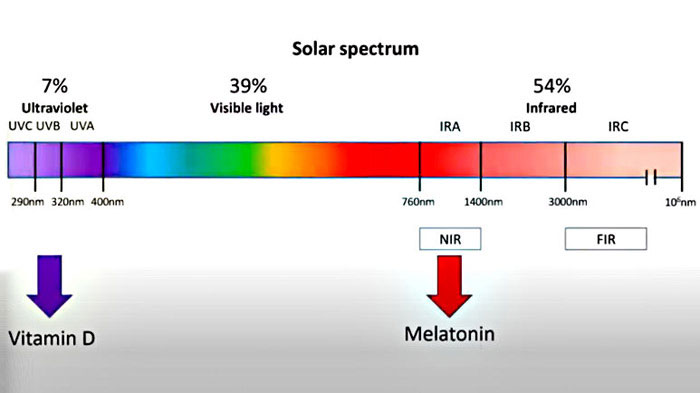
As you can see from the illustration above, 39% of the solar spectrum is what we see as visible light. The majority of the solar spectrum, 54%, is infrared,11 which is not visible but rather felt as heat. Ultraviolet light accounts for only 7% of the solar spectrum, and vitamin D is specifically produced in response to UVB radiation, which is only a small part of the ultraviolet spectrum.
Melatonin is produced inside your mitochondria in response to near-infrared radiation, which is part of the infrared spectrum. Because near-infrared has a much longer wavelength than ultraviolet, it can penetrate much deeper into your body, reaching cells in your subcutaneous tissue and not just on your skin. Near-infrared is not seen but rather felt as warmth. Its penetrative power (heat) also means it can penetrate lightweight clothing.
Melatonin Combats Oxidative Stress, Day and Night
Your mitochondria produce ATP, the energy currency of your cells. A byproduct of this ATP production are reactive oxidative species (ROS), which are responsible for oxidative stress. Excessive amounts of ROS will damage your mitochondria, contributing to suboptimal health, inflammation and chronic health conditions such as diabetes, obesity and thrombosis (blood clots).
The good news is your body has a built-in way to counteract these ROS. Inside your mitochondria, you also have an antioxidant system, and the main antioxidant is melatonin. (Melatonin also upregulates your glutathione pathway.)
Melatonin is perhaps best known as a sleep regulating hormone. At night, the level produced by your pineal gland rises, which help make you sleepy and ready for bed. As the sun rises and morning dawns, the level automatically recedes, allowing you to wake up.
But that’s not all melatonin does. As melatonin is released at night, it travels through your circulatory system and is taken up by cells. Once inside, the melatonin mops up excessive ROS.
Melatonin also helps counteract damaging ROS during the day, but through a different pathway. During the day, near-infrared rays from the sun penetrate deep into your body and activate cytochrome c oxidase, which in turn stimulates the production of melatonin inside your mitochondria.
Melatonin and Sunlight Are Intimately Connected
Melatonin and sunlight are intimately linked and their relationship is unique in the fact that there are two forms of melatonin, circulatory and subcellular, or that produced by the pineal gland and secreted into the blood, and that produced by your mitochondria and used there locally.
Both appear to be controlled by either the absence of sunlight or the presence of sunlight. While circulatory melatonin may be the “hormone of darkness,” subcellular melatonin is the “hormone of daylight.”
Since the beginning of human history, people have lived and worked outdoors during the light of day, absorbing light energy from the sky. An average of 10 hours outdoors each day, 70 hours weekly, was common. Today, we spend an average of fewer than 30 minutes a day or a mere three hours per week in daylight, according to a study by Dr. Daniel Kripke, professor of psychiatry at UC San Diego.12
It is likely that near-infrared (IR) photons stimulate subcellular melatonin synthesis in your mitochondria through cyclic adenosine monophosphate (cAMP) or NF-kB activation, or alternatively by stimulating bone marrow stem cells.13 However, if you fail to expose your skin to sufficient near-IR light from the sun than your mitochondria will have seriously depleted melatonin levels that can’t be corrected through supplementation.
Melatonin’s Role in COVID
Alright, so what does all of this have to do with treating COVID? For this, we need to snake our way through some biology. Angiotensin 2 is a pro-oxidant that is converted into angiotensin 1,7, an antioxidant, by the ACE2 enzyme. ACE2 is the same enzyme the SARS-CoV-2 spike protein attaches to and uses to enter the cell.
Angiotensin 2 increases blood pressure while angiotensin 1,7 lowers it by relaxing your vasculature. If you have high angiotensin 2, you’ll have higher ROS in the cell, which, as mentioned is detrimental, as it damages the machinery of the cell. Angiotensin 1,7, on the other hand, will decrease ROS in the cell.
The problem you encounter with COVID is that when the virus attaches to the cell, it knocks out the ACE2 enzyme (because the spike protein is now bound to it). So, angiotensin 2 increases, angiotensin 1,7 decreases, and the conversion from angiotensin 2 to angiotensin 1,7 cannot occur.
As a result, ROS increases unchecked inside the cell. SARS-CoV-2 infection also increases white blood cell production, and that increases ROS as well. The end result of this elevated oxidative stress is blood clots, which in turn leads to hypoxemia.
Melatonin can break this destructive cycle by mopping up ROS and protecting your mitochondria from destruction.14 As noted by Seheult, if you’re not getting enough sleep at night, and not getting enough sun exposure during the day, your mitochondria are basically “running hot” with inflammation. Melatonin is the coolant that dampens the ROS in your mitochondria.
If your mitochondria are already taxed and you come down with COVID, the added stress can tip you over the edge. If your melatonin system is working well, because you’re getting good sleep and plenty of sun exposure, you’re more likely to fight off the infection and not have it turn serious.
Seed Oils Increase Your Risk for Both COVID and Sunburn
This may seem like a tangent, but it’s an important one. Linoleic acid (LA) makes up the bulk — about 60% to 80% — of the omega-6 fat you consume, and it’s a primary contributor to nearly all chronic diseases. While formerly thought an essential fat, when consumed in excessive amounts, LA actually acts as a metabolic poison.
At a molecular level, excess LA consumption damages your metabolism and impedes your body’s ability to generate energy in the mitochondria. Polyunsaturated fats such as LA are highly susceptible to oxidation, which means the fat breaks down into harmful subcomponents. Oxidized LA metabolites (OXLAMs) are what cause the damage.
Over the last 150 years, the LA in the human diet has increased from 2 to 3 grams a day to 30 or 40 grams. It used to make up just 1% to 2% of the energy in our diet and now it makes up 15% to 20%. This massive increase in LA consumption is what likely contributes to the increased oxidative stress in your body contributing to an increased risk for virtually every chronic degenerative disease.
Primary sources are seed oils and processed foods (which contain seed oils). Conventionally-raised chicken and pork are other common sources, thanks to the LA-rich grains they’re fed. As indicated in the subhead, high LA intake can raise both your risk for sunburn (which you don’t want as that’s what’s contributes to skin cancer) and your risk for COVID.
Eliminating seed oils from your diet will dramatically reduce your risk of sunburn and skin cancer, as susceptibility to UV radiation damage is controlled by the level of PUFAs in your diet. It’s almost like a dial. The PUFAs control how rapidly your skin burns, and how rapidly you develop skin cancer.
As for LA’s impact on COVID, consider this: The key toxin that produces the symptoms of acute respiratory distress syndrome (ARDS) is called leukotoxin, which is made from LA by white blood cells to kill pathogens. Basically, the white blood cells convert the LA into leukotoxin, which contributes to the inflammatory domino effect Seheult describes.
Leukocytes incubated with LA convert all of the LA into this toxin until there’s none left, so, a major part of the disease process in ARDS is the conversion of LA into leukotoxin. That appears to be what’s killing many COVID patients. So, in summary, simply eliminating (or radically reducing) seed oils and conventional chicken and pork from your diet can go a long way toward:
a) Reducing your risk of sunburn, thus allowing you to get plenty of worry-free sun exposure to raise your vitamin D level, increase nitric oxide and boost melatonin production in your mitochondria
b) Lowering your risk of COVID complications by limiting the conversion of LA into leukotoxin
How Melatonin Is Created in Your Mitochondria
While Seheult focuses on the role of melatonin in COVID-19, the paper, “Melatonin in Mitochondria: Mitigating Clear and Present Dangers,”15 goes into much broader applications.
Again, melatonin is important for fighting cancer, and mitochondrial dysfunction plays a central role in most all chronic disease, including cancer, Parkinson’s, Alzheimer’s disease, heart disease and Type 2 diabetes, just to name a few. The paper also describes in far greater detail the mechanism for how melatonin is created within the mitochondria:16
“In normal cells, mitochondria account for energy (ATP) production, which results from glucose metabolism (glycolysis) and cellular respiration (oxidative phosphorylation or OXPHOS) in the inner mitochondrial membrane.
Glycolysis, which occurs in the cytosol, generates pyruvate, which is actively transported into the mitochondrial matrix. Here, pyruvate is converted to acetyl-CoA, the latter linking glycolysis with the citric acid cycle in the mitochondrial matrix and thus coupling it to ATP production.
Acetyl-CoA is also an essential co-factor for N-acetyltransferase (AANAT), which converts serotonin to N-acetylserotonin, the precursor of melatonin; AANAT activity rate limits melatonin synthesis.
In contrast to normal cells, many solid tumor cells allow the metabolism of glucose to pyruvate in the cytosol but restricts the transfer of pyruvate into the mitochondria; this is known as the Warburg effect … The Warburg effect allows cancer cells to rapidly proliferate, avoid apoptosis, and enhance the invasiveness and metastatic processes characteristic of tumors.”
The Warburg Effect in COVID
Interestingly, the Warburg effect is also at play in COVID. As explained in a June 2020 study17 that found melatonin inhibited COVID-19-induced cytokine storm, when your immune cells are in a hyper-inflammatory state, their metabolism changes in a way similar to that of cancer cells:
“Similar to cancer cells … immune cells such as macrophages/monocytes under inflammatory conditions abandon mitochondrial oxidative phosphorylation for ATP production in favor of cytosolic aerobic glycolysis (also known as the Warburg effect) …
The change to aerobic glycolysis allows immune cells to become highly phagocytic, accelerate ATP production, intensify their oxidative burst and to provide the abundant metabolic precursors required for enhanced cellular proliferation and increased synthesis and release of cytokines …
Because of melatonin’s potent antioxidant and anti-inflammatory activities, it would normally reduce the highly proinflammatory cytokine storm and neutralize the generated free radicals thereby preserving cellular integrity and preventing lung damage.”
Optimize Your Health With Sensible Sun Exposure
Basically, what “Melatonin in Mitochondria” found is that melatonin is an ideal target when trying to combat mitochondria-related diseases and cancer, because it has ready access to, and is synthesized in, your mitochondria, right where the oxidative stress occurs. By reprogramming the faulty glucose metabolism, melatonin can optimize mitochondrial function and curtail cancer growth.
Remember, taking melatonin supplements will not transfer to increasing mitochondrial melatonin production. It needs to be produced near your mitochondria and not float down from your pineal gland. So, oral supplementation is not a substitute for going outside during the day.
If you take it during the day, you’re tricking your body into thinking it’s nighttime, which could cause problems. As far as we know, the best way to increase mitochondrial melatonin is to optimize your near-IR exposure through regular sunlight exposure.
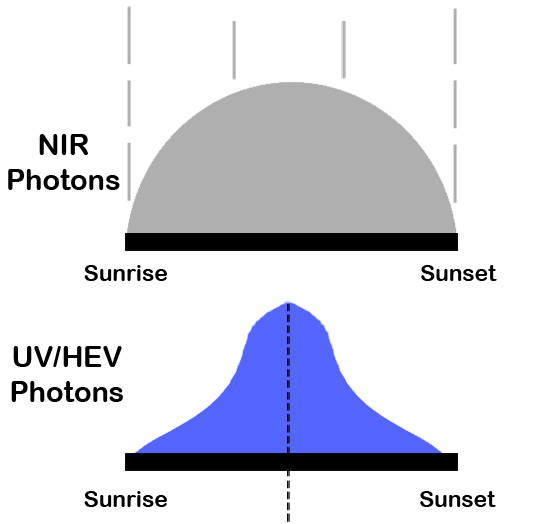
As you can see in the graph above, unlike increasing vitamin D, you have a much broader window where you can get near-IR exposure. Interestingly, spending time in nature is another way to increase your IR levels as most green plants and trees reflect IR. This is likely why forest bathing is so healthy.
The good news is you don’t have to be close to naked to benefit, as you do when optimizing your vitamin D production. The near-infrared radiation will penetrate lightweight clothing. So, you can cover yourself to prevent sunburn if you’re outside for a longer period of time, while still getting the near-infrared that you need. (Also, remember what I just told you about eliminating LA from your diet to cut your sunburn risk.) That said, you will absorb more IR on your bare skin.
The other side of the equation is avoiding bright light late at night. To optimize melatonin release in your pineal gland at night, avoid blue light-emitting gadgets at least a couple of hours before bed and keep the lighting in your room dim. Blue-blocking glasses can also be used. Once in bed, makes sure your room is pitch black, as even a small amount of light can interfere with melatonin production.
Together, sun exposure during the day and keeping it dark at night, will ensure your mitochondria are being bathed — day and night — in melatonin that reduces harmful ROS. So, as suggested by Seheult, try to spend more time outdoors, especially if you’re sick (whether it be COVID or some other respiratory infection) or battle chronic disease.
- 1, 15, 16 Physiology February 5, 2020 DOI: 10.1152/physiol.00034.2019
- 2 Indian J. Exp Biol. May 1996; 34(5): 391-402
- 3 Frontiers in Pharmacology August 21, 2020 DOI: 10.3389/fphar.2020.01220
- 4 Allergy Research Group, Melatonin, the Antioxidant Recycler
- 5 Cell Death & Disease 2019; 10 article number 317
- 6 Oncotarget June 13, 2017; 8(24): 39896–39921
- 7, 8 Diseases, 2021; doi.org/10.1016/j.ijid.2021.10.012
- 9 Frontiers in Medicine, 2020; doi.org/10.3389/fmed.2020.00226
- 10 British Journal of Dermatology May 31, 2021 10.1111/bjd.20093
- 11 Journal of Photobiochemistry and Photobiology February 2016; 155: 78-85
- 12 Sleep Med Rev. 2016 Aug; 28: 69–85
- 13 Melatonin Research February 2019; 2(1): 138-160
- 14 Life Sciences April 1, 2022; 294: 120368
- 17 Medical Drug Discoveries June 2020; 6:100044
Without Magnesium, Vitamin D Supplementation May Backfire
Reproduced from original article:
https://articles.mercola.com/sites/articles/archive/2022/02/21/magnesium-vitamin-d-supplementation.aspx
The original Mercola article may not remain on the original site, but I will endeavor to keep it on this site as long as I deem it to be appropriate, and will not be bullied into removing it.
Analysis by Dr. Joseph Mercola Fact Checked February 21, 2022

STORY AT-A-GLANCE
- When taking high-dose vitamin D3, it’s important to also take extra vitamin K2 and magnesium to avoid complications associated with excessive calcification
- Magnesium, the fourth most abundant mineral in your body, is a component necessary for the activation of vitamin D, and without sufficient amounts of it, your body cannot properly utilize the vitamin D you’re taking
- As many as 50% of Americans taking vitamin D supplements may not get significant benefit, as the vitamin D simply gets stored in its inactive form due to magnesium deficiency
- The only way to determine how much sun exposure is enough and/or how much vitamin D3 you need to take is to measure your vitamin D level, ideally twice a year
- To assess your magnesium level, check your RBC magnesium level and track signs and symptoms of magnesium insufficiency to determine how much magnesium you need. Low potassium and calcium are also common laboratory signs indicating magnesium deficiency
This article was previously published March 12, 2018, and has been updated with new information.
I’ve previously written about the importance of taking vitamin K2 when you’re taking high-dose supplemental vitamin D to avoid complications associated with excessive calcification in your arteries. Now, research highlights the vital importance of also taking magnesium in combination with vitamin D.
Magnesium, the fourth most abundant mineral in your body, is a component necessary for the activation of vitamin D, and without sufficient amounts of it, your body cannot properly utilize the vitamin D you’re taking.1,2,3,4
This may actually help explain why many need rather high doses of vitamin D to optimize their levels — it could be that they simply have insufficient amounts of magnesium in their system to activate the vitamin D. As noted by coauthor Mohammed Razzaque, professor of pathology at Lake Erie College of Osteopathic Medicine in Pennsylvania:5
“People are taking vitamin D supplements but don’t realize how it gets metabolized. Without magnesium, vitamin D is not really useful. By consuming an optimal amount of magnesium, one may be able to lower the risks of vitamin D deficiency, and reduce the dependency on vitamin D supplements.”
Without Magnesium, Vitamin D Supplements May Be Ineffective
According to this scientific review,6 as many as 50% of Americans taking vitamin D supplements may not get significant benefit, as the vitamin D simply gets stored in its inactive form. As reported in the press release by the American Osteopathic Association:7
“… [C]onsumption of vitamin D supplements can increase a person’s calcium and phosphate levels even if they remain vitamin D deficient. The problem is people may suffer from vascular calcification if their magnesium levels aren’t high enough to prevent the complication. Patients with optimum magnesium levels require less vitamin D supplementation to achieve sufficient vitamin D levels …
Deficiency in either of these nutrients is reported to be associated with various disorders, including skeletal deformities, cardiovascular diseases, and metabolic syndrome. While the recommended daily allowance for magnesium is 420 mg for males and 320 mg for females, the standard diet in the United States contains only about 50 percent of that amount.
As much as half of the total population is estimated to be consuming a magnesium-deficient diet.”
Higher Magnesium Intake Lowers Risk of Vitamin D Deficiency
Indeed, previous research has indicated that higher magnesium intake helps reduce your risk of vitamin D deficiency — likely by activating more of it. As noted in one 2013 study:8
“Magnesium plays an essential role in the synthesis and metabolism of vitamin D and magnesium supplementation substantially reversed the resistance to vitamin D treatment in patients with magnesium-dependent vitamin-D-resistant rickets … High intake of total, dietary or supplemental magnesium was independently associated with significantly reduced risks of vitamin D deficiency and insufficiency respectively.
Intake of magnesium significantly interacted with intake of vitamin D in relation to risk of both vitamin D deficiency and insufficiency. Additionally, the inverse association between total magnesium intake and vitamin D insufficiency primarily appeared among populations at high risk of vitamin D insufficiency.
Furthermore, the associations of serum 25(OH)D with mortality, particularly due to cardiovascular disease and colorectal cancer, were modified by magnesium intake, and the inverse associations were primarily present among those with magnesium intake above the median. Our preliminary findings indicate it is possible that magnesium intake alone or its interaction with vitamin D intake may contribute to vitamin D status.”
Vitamin D Lowers Mortality Risk of Heart Disease
Vitamin D, a steroid hormone, is vital for the prevention of many diseases, including but not limited to Type 2 diabetes, age-related macular degeneration (the leading cause of blindness), Alzheimer’s disease, heart disease and well over a dozen different types of cancer (including skin cancer). Vitamin D also exhibits its infection-fighting abilities in the treatment of tuberculosis, pneumonia, colds and flu.
Studies have also linked higher vitamin D levels with lowered mortality from all causes.9,10,11 Most recently, a Norwegian study12 published in the Journal of Clinical Endocrinology and Metabolism found “a normal intake of vitamin D” significantly reduces your risk of death if you have cardiovascular disease.13
About 4,000 patients diagnosed with stable angina pectoris (chest pain caused by coronary heart disease) were followed for 12 years. The average age at the outset of the study was 62. Overall, those with vitamin D blood levels between 16.8 and 40 ng/mL (42 to 100 nmol/L) had the lowest mortality risk.
Vitamin D Deficiency Could Increase Your COVID-19 Risk by 12x
Mounting evidence demonstrates that vitamin D has important roles in regulating the immune system that should reduce COVID-19 risks; primarily by reducing survival and replication of the SARS-CoV-2 virus and by reducing the risks of “cytokine storms” by reducing proinflammatory cytokine production and increasing anti-inflammatory cytokine production.
In the comprehensive vitamin D report below — which has been reviewed by many vitamin D scientists for accuracy — I detail how vitamin D works to fight COVID. I consider this the most important paper I’ve ever written and you can access this paper, free, here.14
Evidence Suggests Higher Vitamin D Levels Are Better
Interestingly, these findings are actually at odds with mounting research showing 40 ng/mL is at the low end of optimal. The new target is 60 to 80 ng/mL, but even a level upward of 100 ng/mL appears safe and beneficial for certain conditions, especially cancer. For example:
- Having a serum vitamin D level of 40 ng/mL has been shown to reduce your risk for cancer by 67%, compared to having a level of 20 ng/ml or less; most cancers were found to occur in people with a vitamin D blood level between 10 and 40 ng/mL15,16
- Research published in 2005 showed women with vitamin D levels above 60 ng/mL had an 83% lower risk of breast cancer than those with levels below 20 ng/mL17
- A 2007 study found women over 55 who raised their average serum level to 38 ng/mL lowered their risk of all invasive cancers, including breast cancer, by 77%18
Other recent research19 has also highlighted the importance of vitamin D for the prevention and treatment of heart disease, showing it plays a vital role in protecting and repairing damage to your endothelium. The findings also suggest vitamin D3:
- Helps trigger production of nitric oxide — a molecule known to play an important signaling role in controlling blood flow and preventing blood clot formation in your blood vessels
- Significantly reduces oxidative stress in your vascular system, which is important to help prevent the development and/or progression of cardiovascular disease
According to vitamin D researcher Dr. Michael Holick, author of “The Vitamin D Solution: A Three-Step Strategy to Cure Our Most Common Health Problem,” vitamin D deficiency — defined as a level below 20 ng/mL — can raise your risk of heart attack by 50%. What’s worse, if you have a heart attack while vitamin D deficient, your risk of dying is nearly guaranteed.
Vitamin D Levels Below 20 ng/mL Are Inadequate
Vitamin D levels below 20 ng/mL have repeatedly been shown to raise your risk for a number of other problems as well, including depression20 and Type 2 diabetes. Research suggests 20 ng/mL is not even adequate for the prevention of osteomalacia (softening of your bones).
In the case of depression, studies have shown that vitamin D deficiency is linked to even mild depression,21 and evidence suggests vitamin D deficiency may be a significant driver of the rise we see in both mood and mental disorders such as psychotic22 and obsessive-compulsive23 disorders.
As for diabetes, an analysis24 by GrassrootsHealth reveals people with a median vitamin D level of 41 ng/mL have a diabetes rate of 3.7 per 1,000, whereas those with a median serum level of just 22 ng/mL have a diabetes rate of 9.3 per 1,000. In other words, raising your level above 40 ng/mL can lower your risk of Type 2 diabetes by nearly 60%.
All in all, there’s very little reason to believe that a level as low as 16 ng/mL would be protective against death if you have heart disease. Research also shows higher vitamin D levels can help prevent and/or treat:
| Dry eye syndromes25,26 and macular degeneration27,28 |
| Autoimmune diseases, including psoriasis |
| Gastrointestinal diseases29 |
| Infectious diseases, including influenza and HIV30,31 |
| Inflammatory rheumatic diseases32 such as rheumatoid arthritis |
| Osteoporosis and hip fractures |
| Neurological diseases such as Alzheimer’s disease33,34 and epilepsy. In one study,35 epileptics given a one-time megadose of vitamin D3, ranging from 40,000 IUs all the way up to 200,000 IUs, followed by a daily dose of 2,000 to 2,600 IUs a day for three months to bring each individual’s vitamin D status to at least 30 ng/mL, resulted in significant improvements.
Ten out of 13 had a decrease in the number of seizures, five of whom experienced more than a 50% reduction. Overall, the group had a 40% reduction in the number of seizures. |
| Lupus — According to researchers in Cairo,36 most patients with systemic lupus erythematosus have some level of vitamin D deficiency, defined as a level of 10 ng/mL or less, or insufficiency, a level between 10 and 30 ng/mL. |
| Obstructive sleep apnea — In one study, 98% of patients with sleep apnea had vitamin D deficiency, and the more severe the sleep apnea, the more severe the deficiency.37 |
| Falls, fractures, dental health and more — A 2006 review38 looking at vitamin D intakes and health outcomes such as bone mineral density, dental health, risk of falls, fractures and colorectal cancer, found “the most advantageous serum concentrations of 25(OH)D begin at 30 ng/mL, and the best are between 36 to 40 ng/mL.” |
| Obesity — Research39 has shown vitamin D supplementation (4,000 IUs/day) combined with resistance training helps decrease your waist-to-hip ratio — a measurement that is far better at determining your risk for Type 2 diabetes and heart disease than body mass index. |
| Neurodegenerative diseases, including multiple sclerosis (MS).40 Research shows MS patients with higher levels of vitamin D tend to experience less disabling symptoms.41 |
Assess Your Vitamin D and Magnesium Levels
The best way to optimize your vitamin D level is through sensible sun exposure. Unfortunately, this can be difficult for many, especially during the winter season and/or if you live in northern regions. If you cannot obtain sufficient amounts of vitamin D through sun exposure, taking a supplement is recommended.
Remember that the only way to determine how much sun exposure is enough and/or how much vitamin D3 you need to take is to measure your vitamin D level, ideally twice a year.
The D*Action Project by GrassrootsHealth is a cost-effective way to do this, while simultaneously progressing valuable research. To participate, simply purchase the D*Action Measurement Kit and follow the registration instructions included.
To assess your magnesium level, check your RBC magnesium level and track signs and symptoms of magnesium insufficiency to determine how much magnesium you need. Low potassium and calcium are also common laboratory signs indicating magnesium deficiency.
The Interplay of Vitamin D, Calcium, Magnesium and Vitamin K2
When supplementing, also remember to take synergistic effects with other nutrients into account. If you take high-dose vitamin D, you may also need to increase your intake of:
- Magnesium
- Vitamin K2
- Calcium
These four nutrients — vitamins D and K2, calcium and magnesium — all work in tandem, and rely on sufficient amounts of each to work optimally. Lack of balance between these four nutrients is why calcium supplements have become associated with increased risk of heart attack and stroke, and why some experience symptoms of vitamin D toxicity. Here’s a summary of some of the most important correlations between these nutrients:
•Excessive vitamin D in combination with lack of vitamin K2 may cause overabsorption of calcium, which in turn may result in calcium deposits in your heart and kidneys. Part of the explanation for these adverse side effects is that vitamin K2 keeps calcium in its appropriate place — in your teeth and bones and out of soft tissues and arteries.
While the optimal ratios between vitamin D and vitamin K2 have yet to be established, taking somewhere between 100 to 200 micrograms (mcg) of K2 is beneficial. Telltale signs of vitamin K2 insufficiency include osteoporosis, heart disease and diabetes. You’re also more likely to be deficient if you rarely eat vitamin K2-rich foods (see listing below).
•Vascular calcification is also a side effect of low magnesium, so when taking vitamin D3, you need both vitamin K2 and magnesium to make sure everything is working properly.
•Maintaining an appropriate calcium-to-magnesium ratio is also important, as magnesium helps keep calcium in your cells so they can function better. Based on your personal health needs an ideal ratio of calcium-to-magnesium may vary from 1-to-1 to an optimal 1-to-2.42,43
•Magnesium and vitamin K2 also complement each other, as magnesium helps lower blood pressure, which is an important component of heart disease.
Eat a Varied Diet and Get Sensible Sun Exposure
The take-home message is that anytime you’re taking supplemental magnesium, calcium, vitamin D3 or vitamin K2, you must take all the others into consideration as well. While supplements can be helpful in some instances, your best and safest bet is to simply eat more calcium-, magnesium- and vitamin K2-rich foods, along with sensible sun exposure.
Food-derived nutrition is typically going to be the most beneficial, and this is particularly true for calcium. When you take a biologically foreign form of calcium, or when your body’s ability to direct calcium to the right places becomes impaired (as when you are deficient in vitamin K2 and/or magnesium), calcium is deposited where it shouldn’t be, such as in your arteries.
It’s more likely your body can use calcium correctly if it’s plant-derived calcium. Here’s a quick summary of foods known to be high in these important nutrients:
• Vitamin K2 — Grass fed organic animal products such as eggs and butter, fermented foods such as natto, goose liver pâté and vitamin K2-rich cheeses such as Brie and Gouda
• Magnesium — Almonds and cashews, bananas, broccoli and Brussels sprouts, brown rice, free-range pastured egg yolk, flaxseed, grass fed raw milk, mushrooms, pumpkin seeds, sesame seeds, sunflower seeds and leafy green vegetables, especially spinach, Swiss chard, turnip greens, beet greens, collard greens, kale, Bok Choy and romaine lettuce
• Calcium — Raw milk from grass fed cows (who eat plants), leafy green vegetables, the pith of citrus fruits, carob and wheatgrass
- 1 Live Science February 26, 2018
- 2 Medicalxpress.com February 27, 2018
- 3 News-Medical.net February 26, 2018
- 4 Wellandgood.com February 26, 2018
- 5, 7 Eurekalert February 27, 2018
- 6 Journal of the American Osteopathic Association March 2018; 118: 181-189
- 8 BMC Medicine 2013; 11: 187
- 9 Institute of Medicine, Committee to Review Dietary Reference Intakes for Vitamin D & Calcium, Dietary Reference Intakes for Calcium & Vitamin D, 2011
- 10 J Clin Endocrinol Metab 2013;98:2160-2167
- 11 PLOS One 2013: 8(12); e82109
- 12 Journal of Clinical Endocrinology and Metabolism January 9, 2018, jc2017-02328
- 13 Medicalxpress.com March 1, 2018
- 14 Vitamin D in the Prevention of COVID-19
- 15 PLOS ONE 2016; 11 (4): e0152441
- 16 Oncology Nurse Advisor April 22, 2016
- 17 European Journal of Cancer 2005 May;41(8):1164-9
- 18 American Journal of Clinical Nutrition June 2007; 85(6): 1586-1591
- 19 International Journal of Nanomedicine January 19. 2018; 2018(13): 455-466
- 20 Issues Mental Health Nursing June 2010; 31(6): 385-393
- 21 Molecular Psychiatry 19, 444–451 (2014). April 9, 2013
- 22 Journal of Clinical Psychiatry 2017 Jul;78(7):e750-e757
- 23 Psychiatry Research August 2017; 254: 232-237
- 24 Grassrootshealth.net, Vitamin D for Diabetes
- 25 International Journal of Rheumatic Diseases August 13, 2015 DOI: 10.1111/1756-185X.12727
- 26 Endocrinology Advisor August 24, 2015
- 27 JAMA Ophthalmology August 27, 2015;133(10):1171-1179
- 28 Epoch Times September 2, 2015
- 29 Scientific Reports 10. Article number: 21641 (2020) December 10, 2020
- 30 Greensboro.com July 27, 2015
- 31 Scidev.net July 24, 2015
- 32 Intechopen Vitamin D in Rheumatic Diseases. August 8, 2019
- 33 The Journals of Geriontology 2012 Nov;67(11):1205-11
- 34 Vitamin D Council, April 23, 2012
- 35 Epilepsy and Behavior 2012 May;24(1):131-3
- 36 Healio September 4, 2015
- 37 Bel Marra Health May 3, 2016
- 38 American Journal of Clinical Nutrition July 2006: 84(1); 18-28
- 39 Clinical Nutrition September 3, 2012
- 40 PLOS Medicine August 25, 2015 DOI: 10.1371/journal.pmed.1001866
- 41 Reliawire December 31, 2015
- 42 Emerson Ecologics. The Importance of the Calcium Magnesium Ratio
- 43 Current Developments in Nutrition Volume 3, Issue Supplement_1, June 2019